Orchids for dummies - page 3
click on image to enlarge
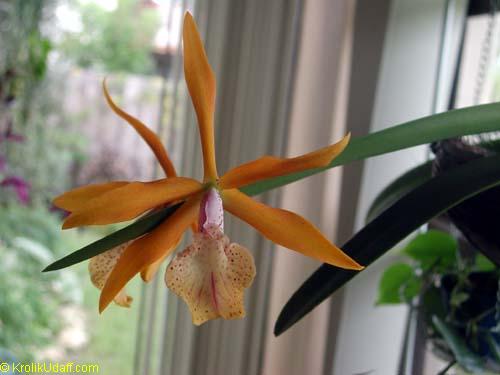
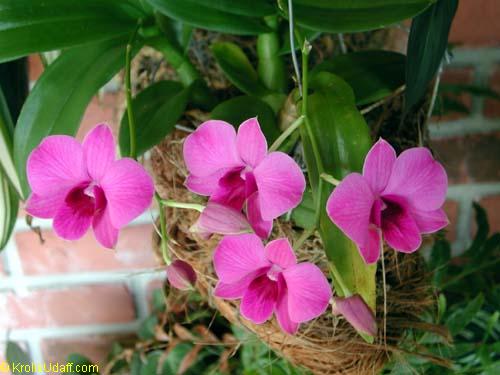
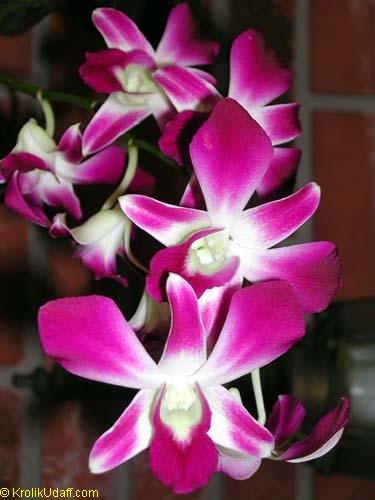
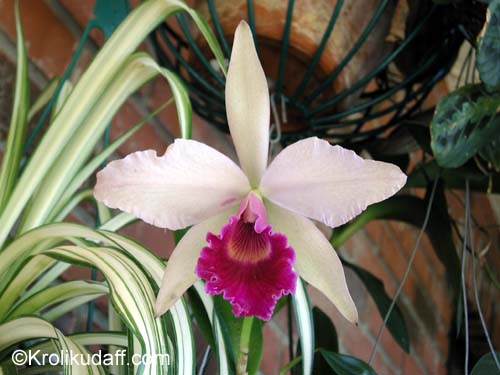
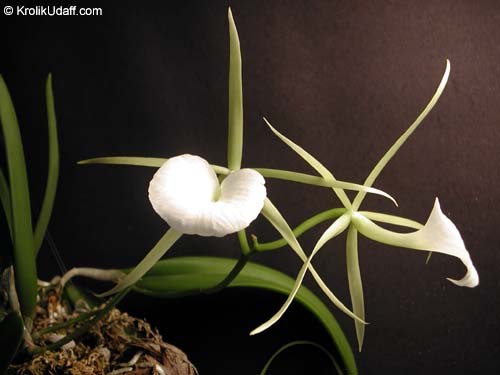
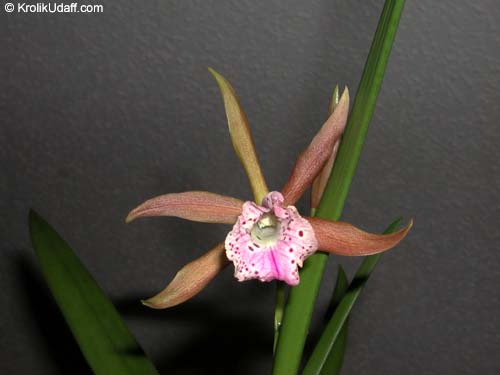
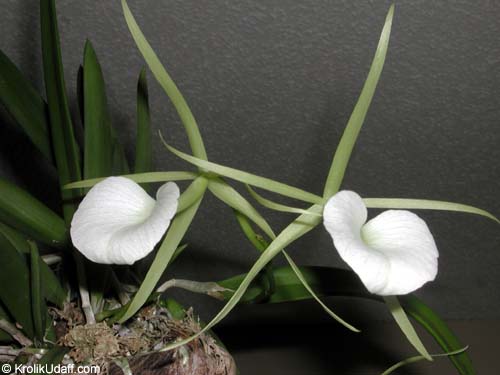
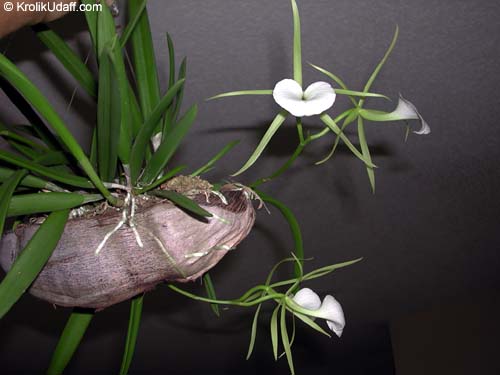
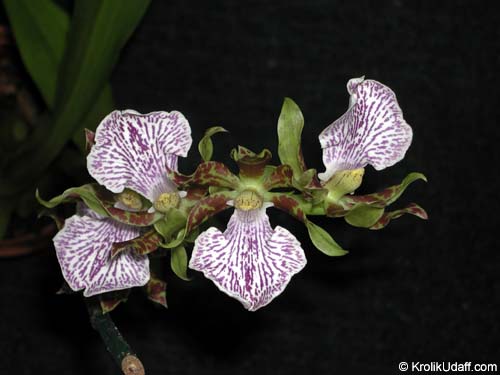
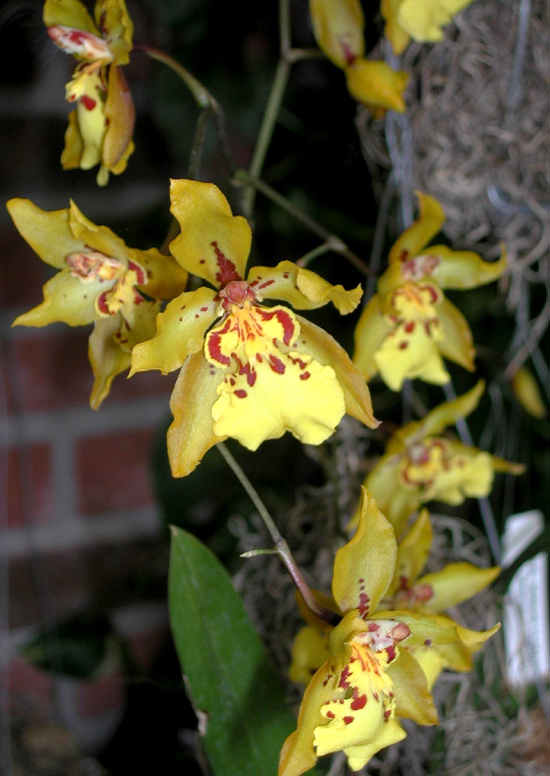
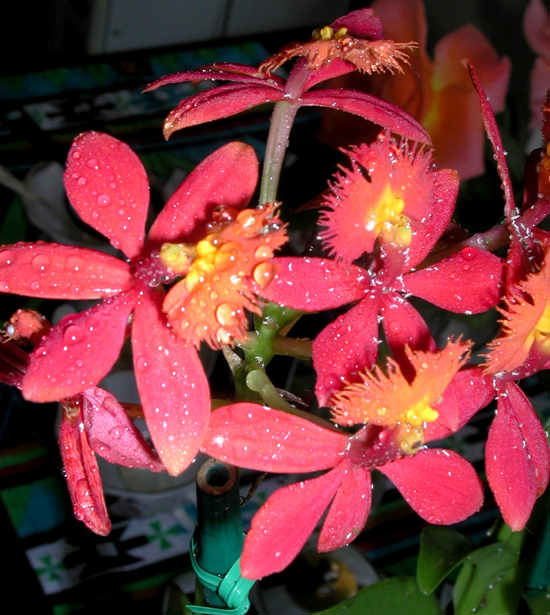
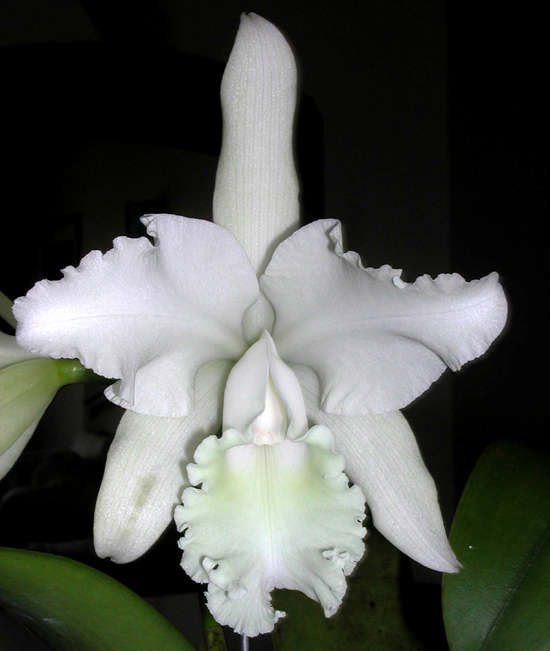
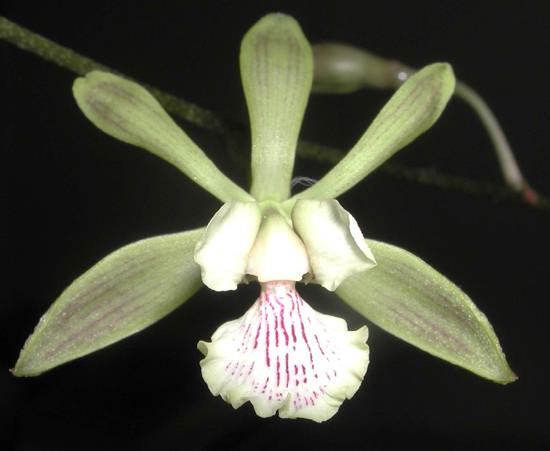
Cattleya

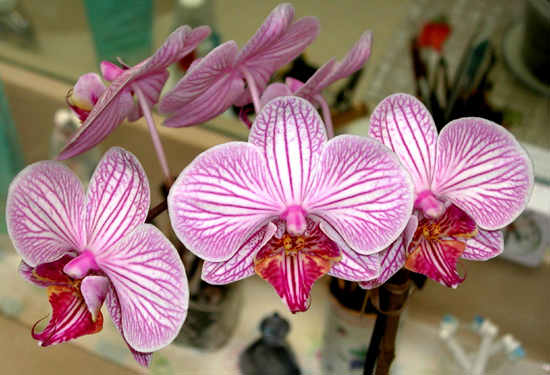
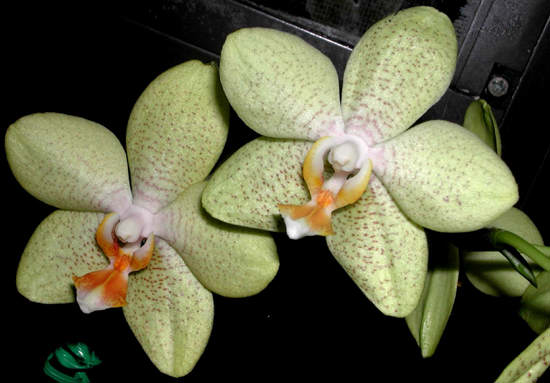
Phalaenopsis
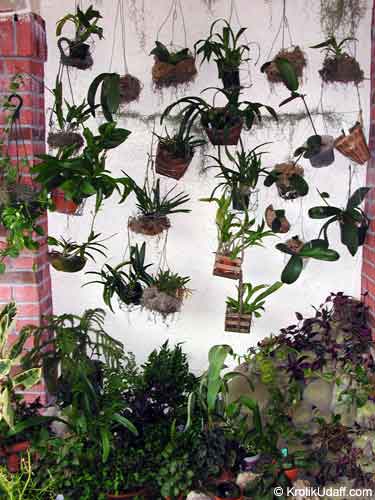
If neither of those methods do not seem reasonable to you (because you don't have any coconut trees growing in your neighborhood, or you have an allergy for aluminum wire...), than take your geranium out of the pot and plant the orchid back into it, using the same method as described in a) and b). But forget about sphagnum, the ventilation in the pot is poor so the roots might start rotting. As for the geranium - give it to your rabbit...
If however you are very stubborn and want a coconut so badly for your favorite orchid, then we will mail you one for $1, as soon as we fishe one out of our lake this is the way we got most of the coconuts for our orchids.
4. Lighting. Like for any plant, the more light, the better. But be carefull, do not let the orchid to be exposed to direct sunlight! Only few orchids such as Vanda, can stand the light of the sun, and after all, Vandas must be planted differently - without mix or sphagnum, with roots hanging bare and absorbing the moisture only from the air.
If there is not enough light, the orchids will not bloom. Indoors, a good place for the orchid would be on a window-sill, or next to a window.5. Watering. It is believed, orchids need to be watered every 5-7 days. However, in hot summer days we water them every 2-3 days. If it is so hot that you can barely stand the heat, everyday watering won't hurt. It is highly recommended to water orchids before noon, so by the darkness comes, the plant won't be in danger from the fungus and bugs because it had time to dry up. We have some orchids hanged on palm trees, and the sprinkler system delivers water to them daily. During winter time, it is recommended to water less frequent, which sounds logical, but here in Florida we do water them in winter almost as often as in summer. Some of our orchids came to boom in their growth during winter, they probably need something to drink while heavy blooming... If you have an orchid growing in a pot, then remember - it is "less worse" to underwater, than to overwater. The mix inside the pot must be moist during the following few hours, then it must gradually dry off by next day, and this is normal. Orchids will get most of their moisture from the air, but if you have a very dry air, it won't hurt to spray your orchid 1-2 times a day.
6. Fertilization. You will need special orchid ferilizer, ammonia-free. Once every 2 weeks, apply balanced fertilization for growth (20-14-13), after 3-4 times it should be switched to blooming fertilizer (11-35-15). We fertilize every other week, after regular watering, so that the fertilizer won't get washed away.
7. Blooming. Right after Tanya understood the science of orchids, she had recieved 50 orchids - small seedlings, which are meant to bloom in 1-3 years. But for some reason (likely because Tanya followed steps 1-5 and specially 6 very carefully), the orchids started to bloom just in a few months.
These tips may be applied only to the epiphytic orchids. There are also Terrestrial orchids, which grow in soil. About them - a whole different story.
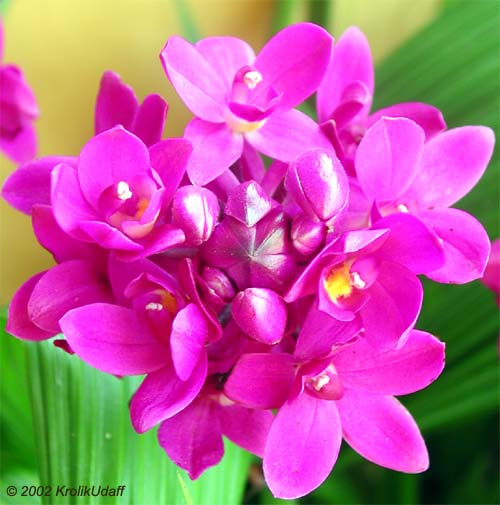
Grapette Ground Orchid
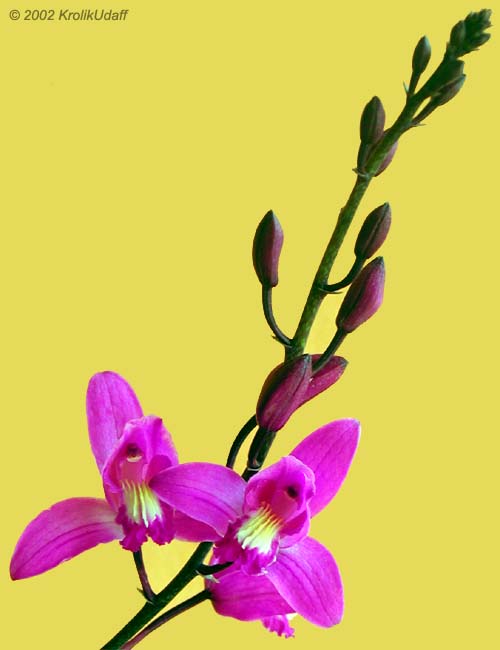
Ground Orchid
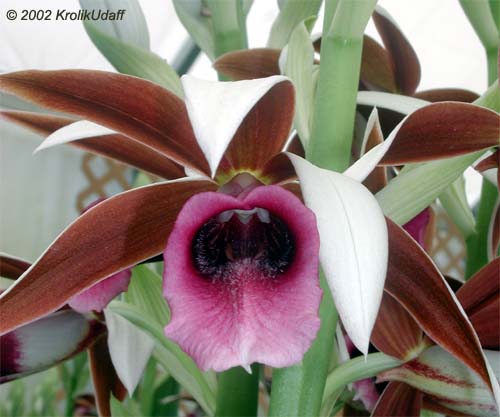
Ground Orchid

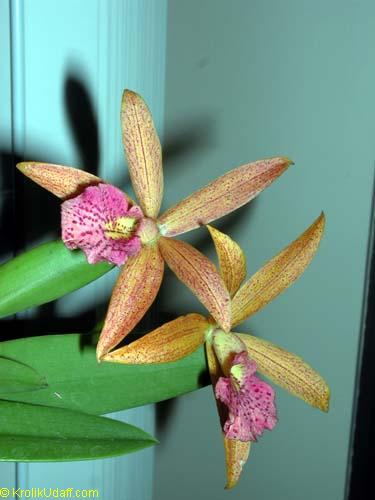


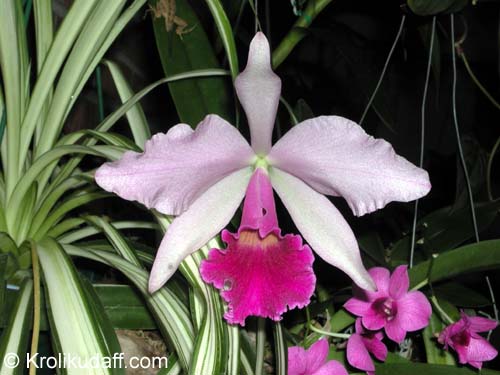
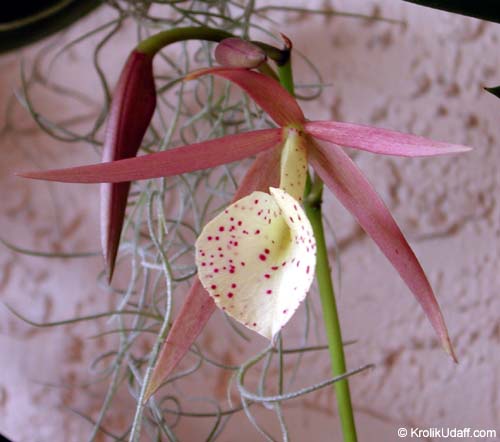
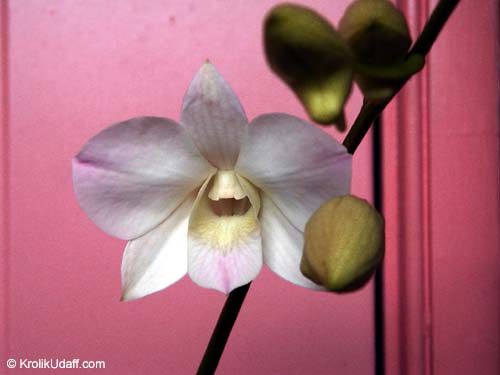
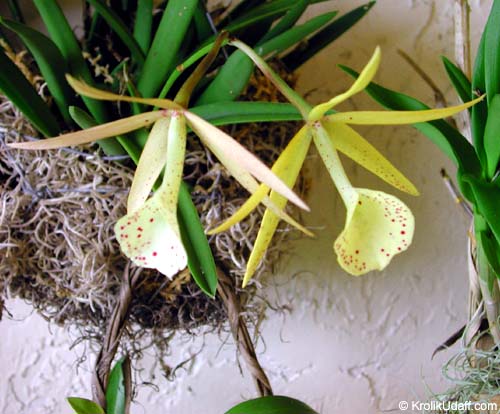
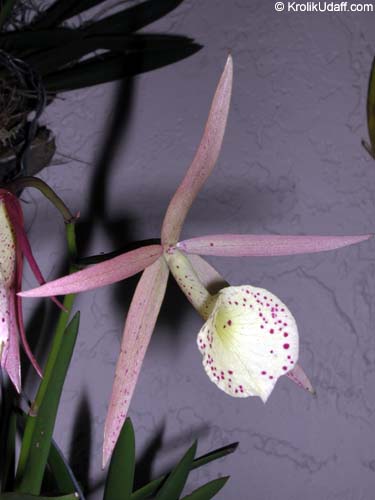
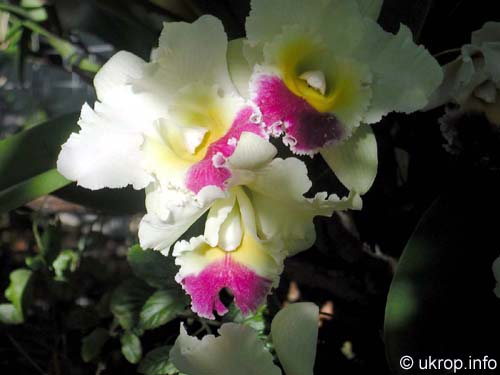
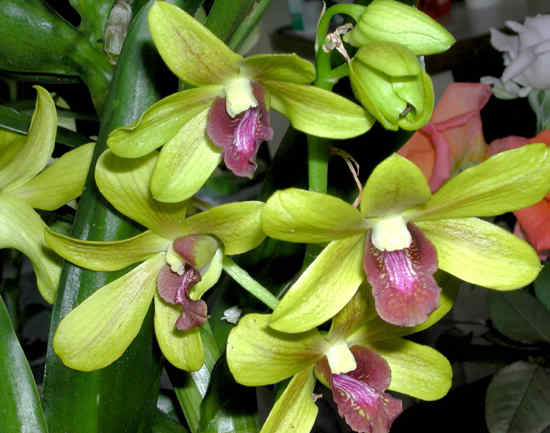
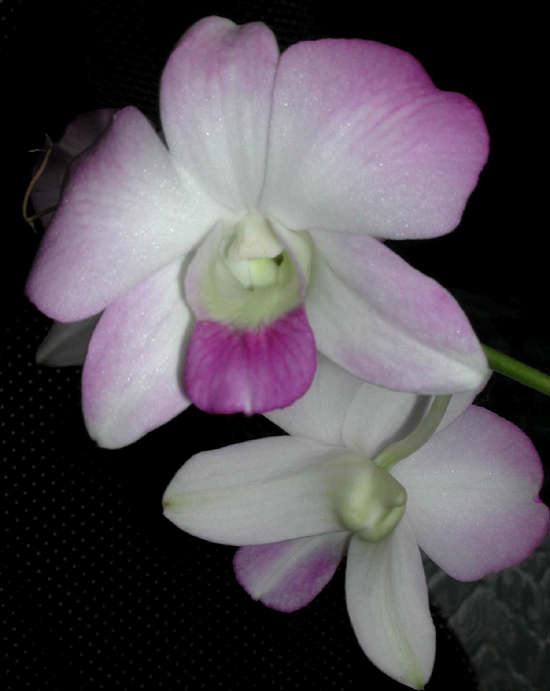
Dendrobium
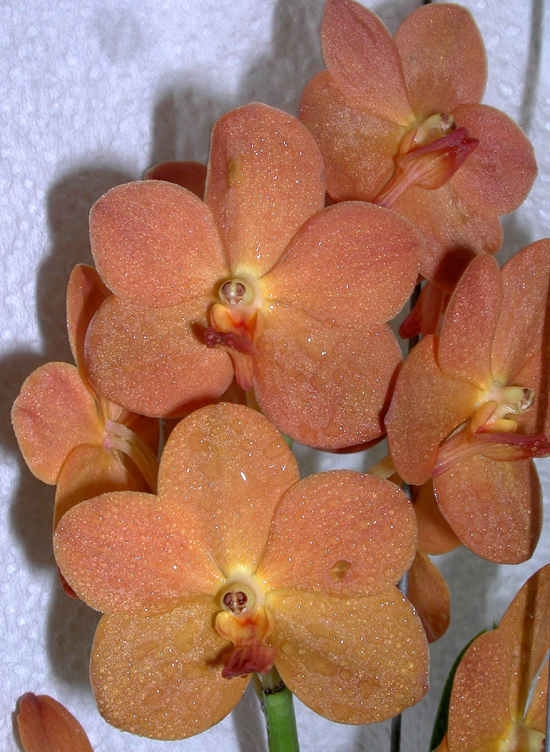
Vanda
