Bromeliaceae - Plant Encyclopedia Results
| Number of plants found: 43 | Next | 
|
Go to page: | 1 | 2 | 3 | 4 | 5 | Last |
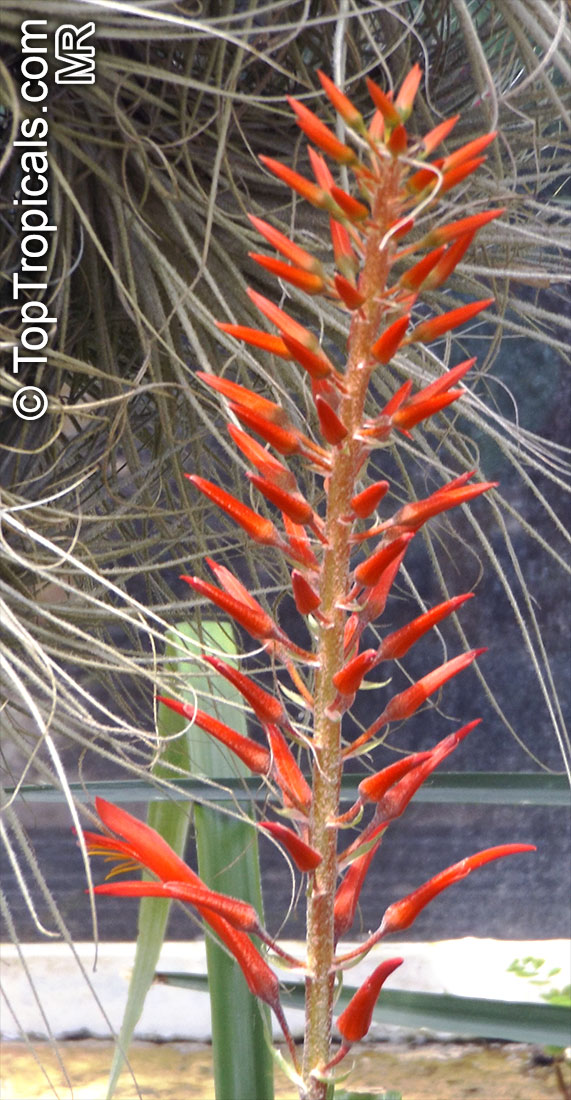
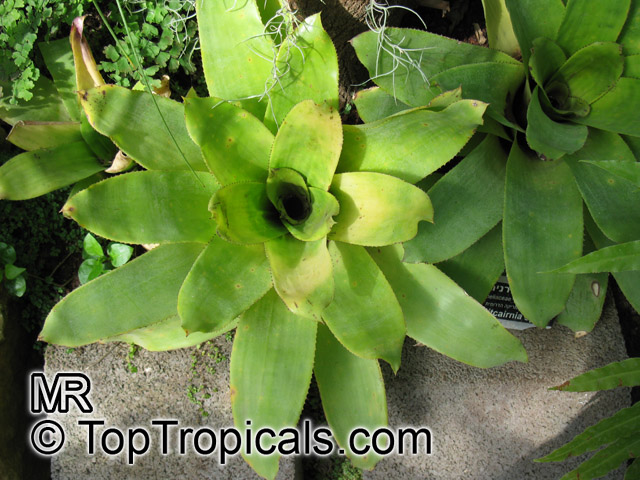
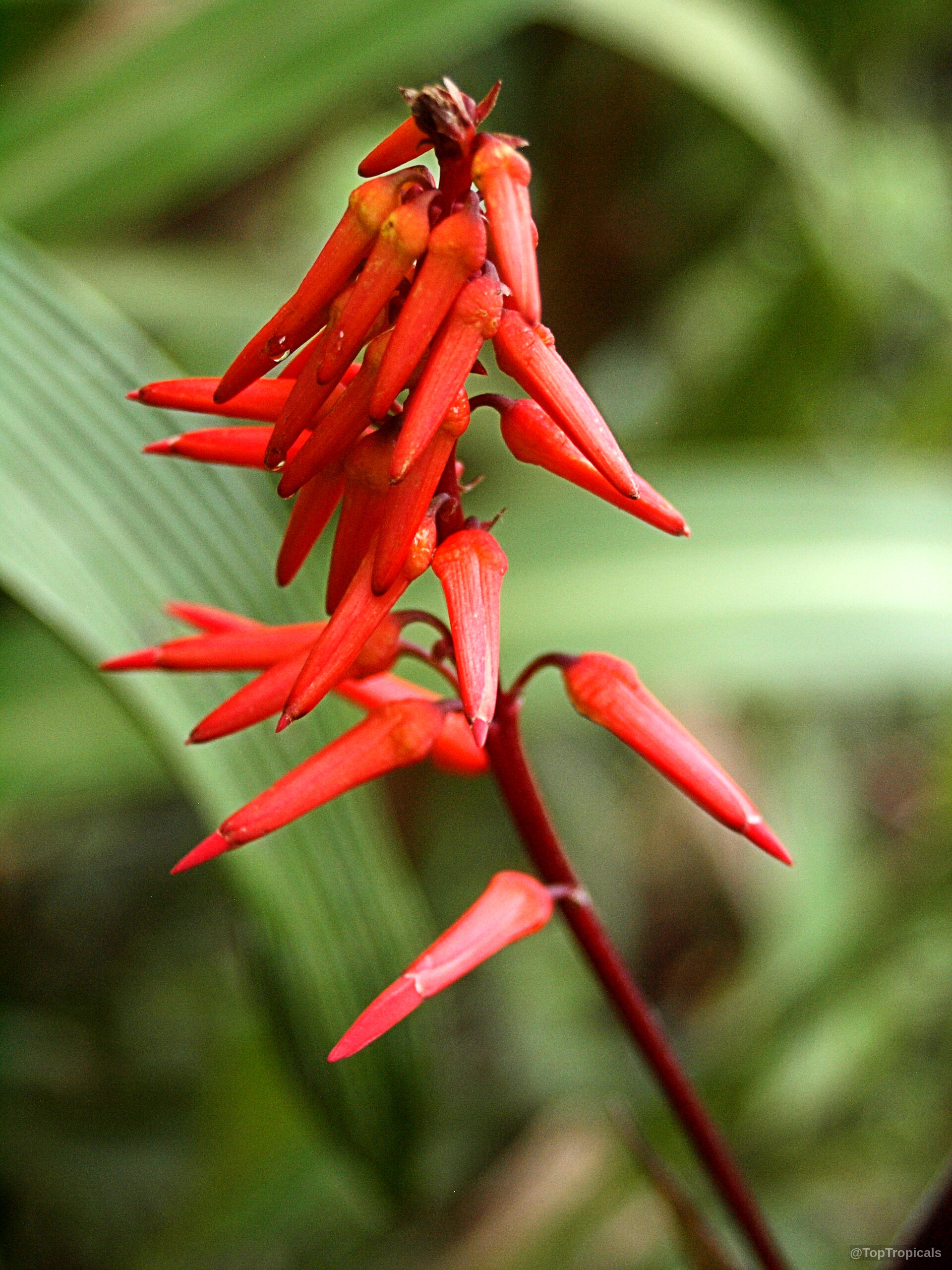
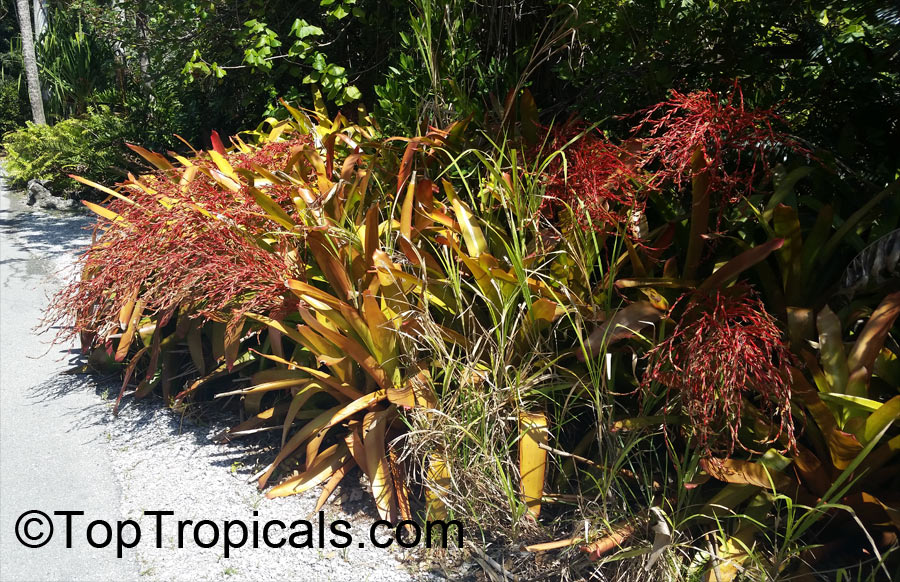
Botanical name: Pitcairnia sp.
Common name: Bromeliad
Family: Bromeliaceae
Subfamily: Pitcairnioideae
Origin: Tropical America
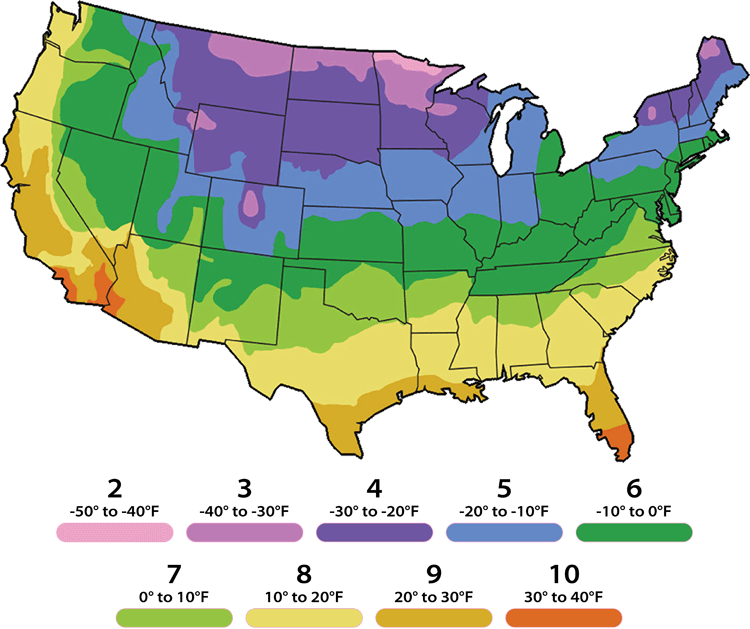
USDA Zone: 9-10


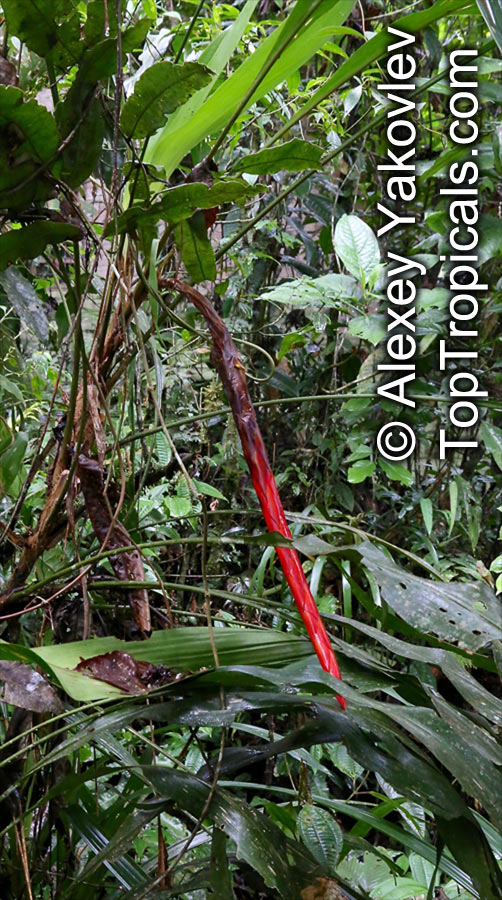
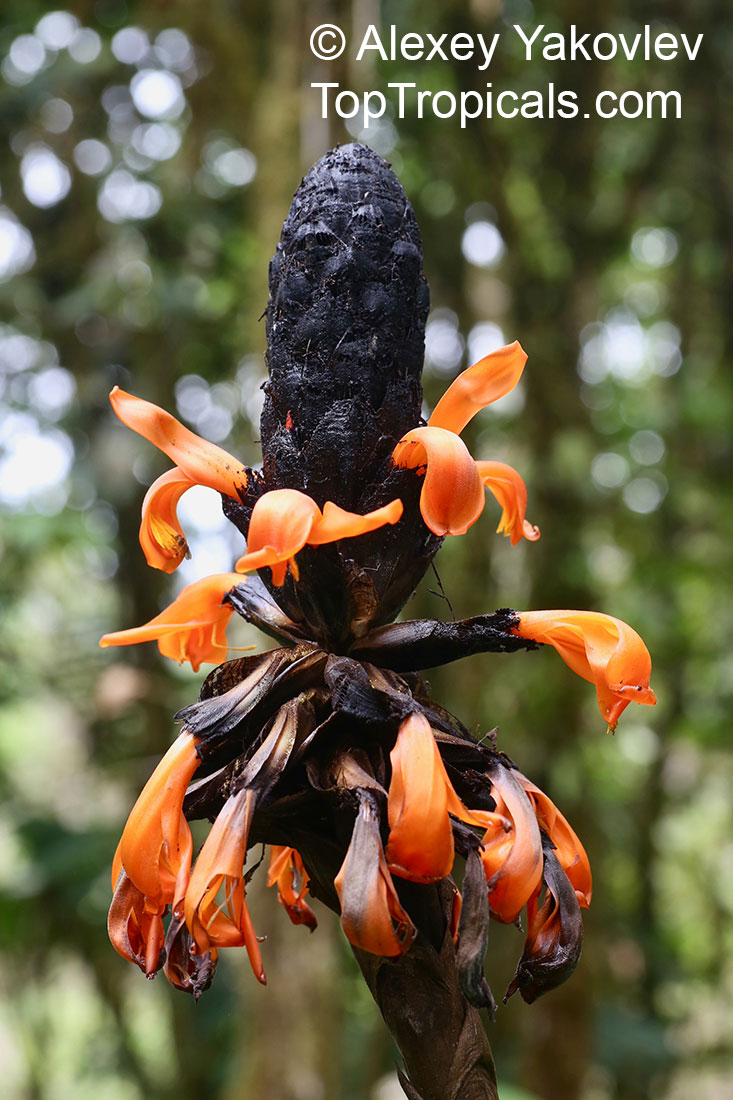
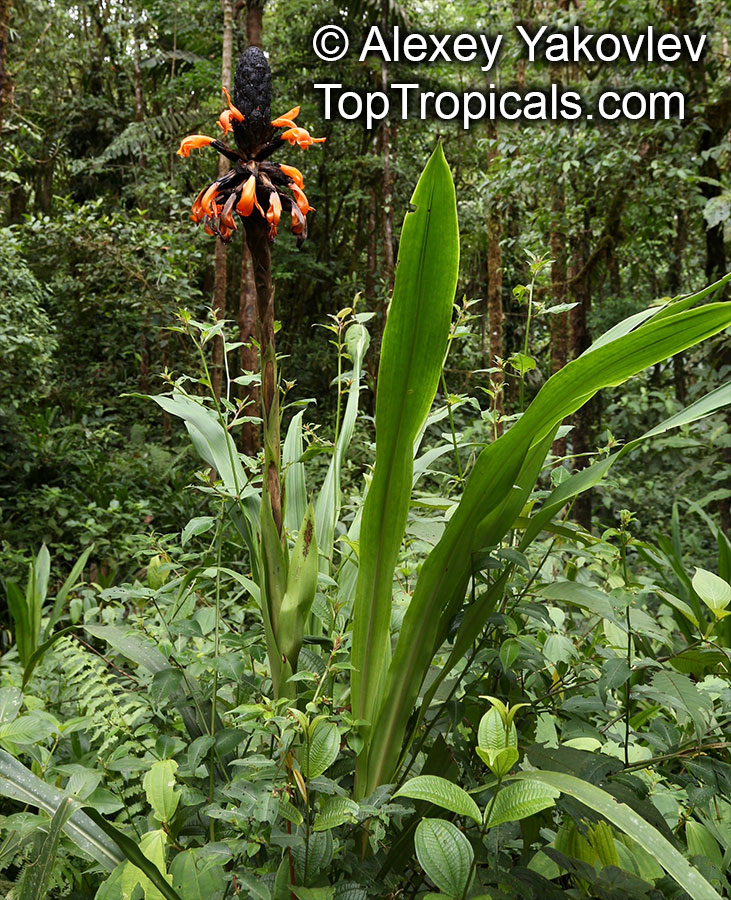
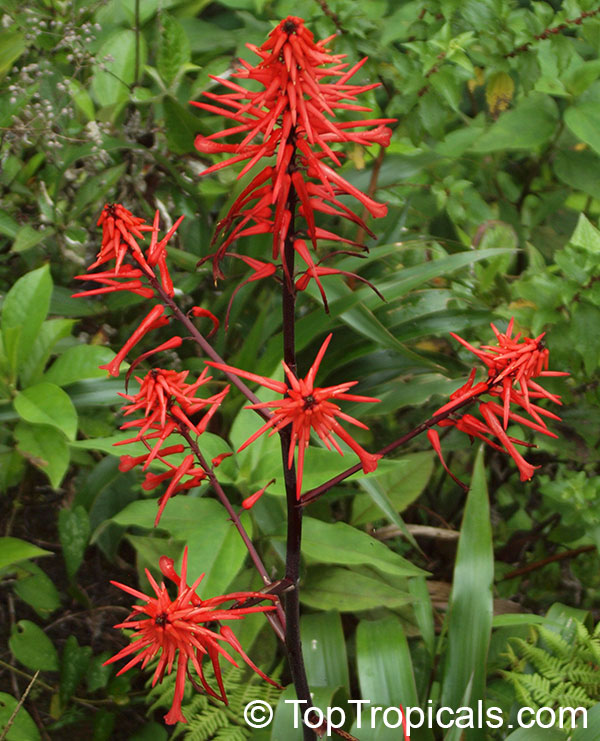
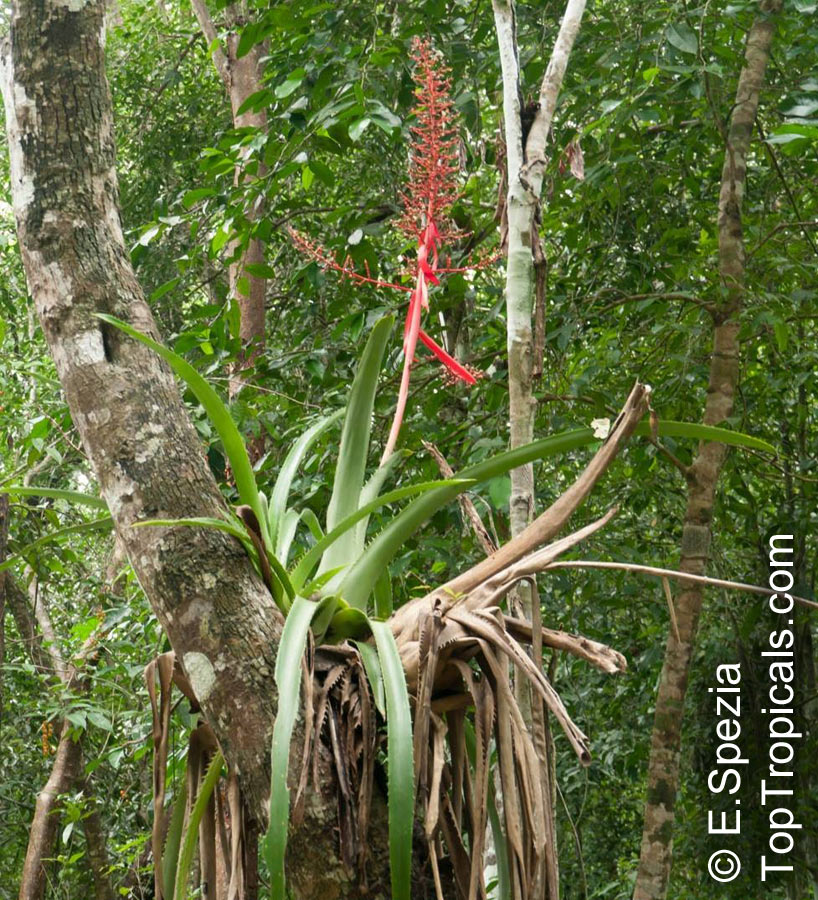
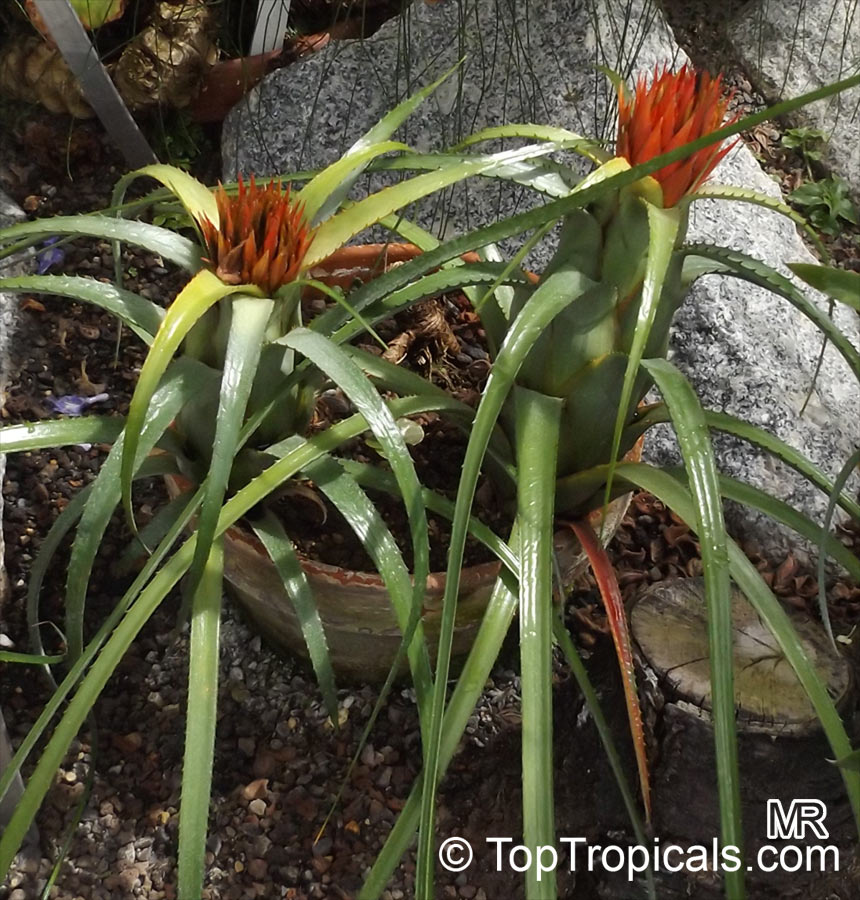
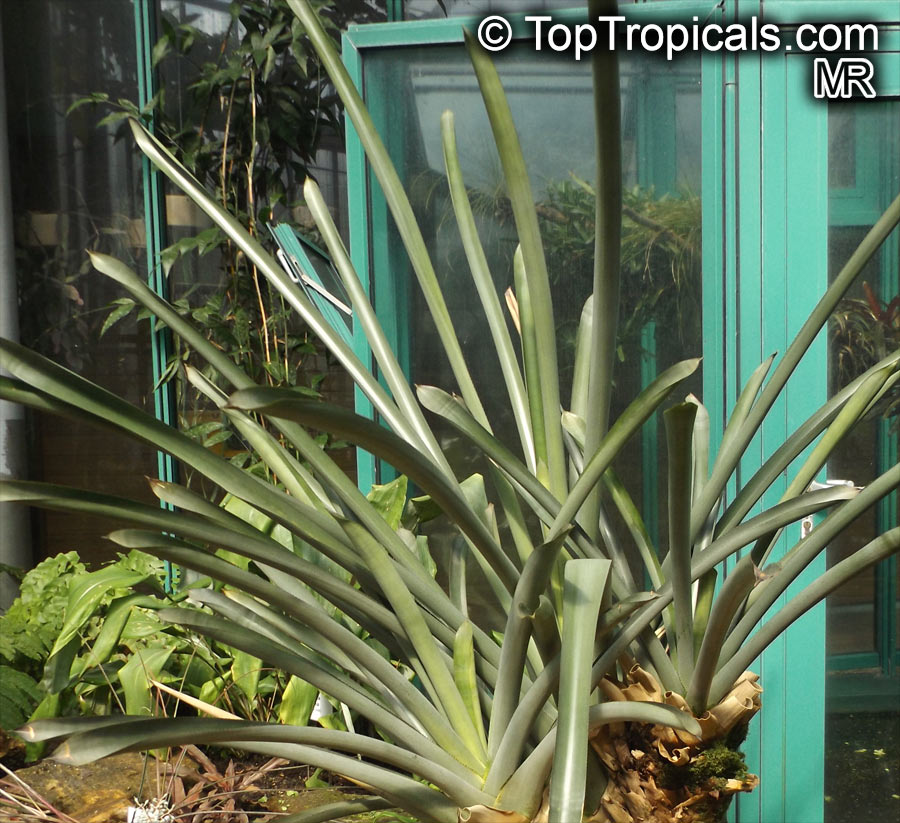
Pitcairnia is a genus of the botanical family Bromeliaceae, subfamily Pitcairnioideae.
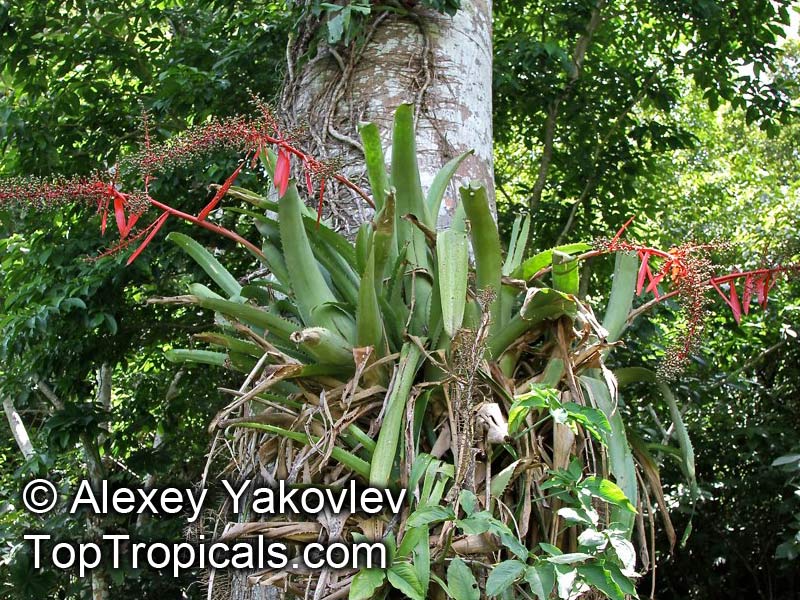
Almost all Pitcairnias are terrestrial or saxicolous, and prefer moist areas. However, many are found growing epiphytically in trees.
Species:
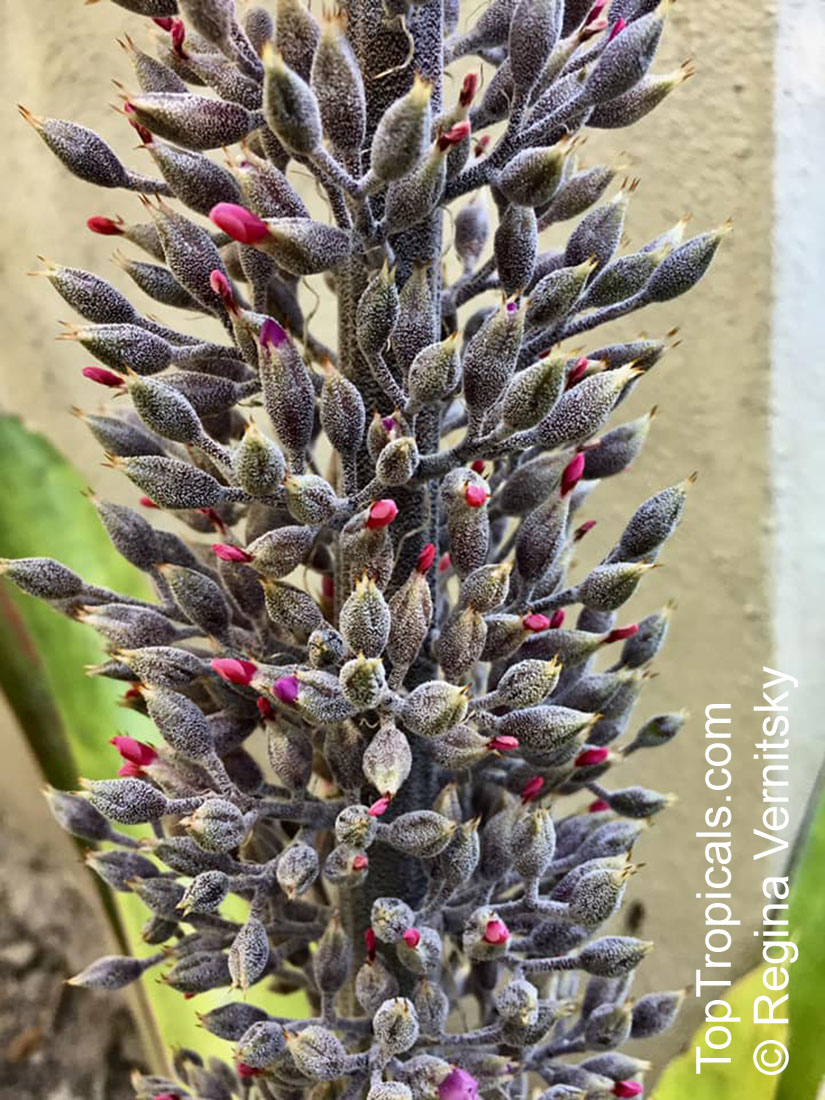
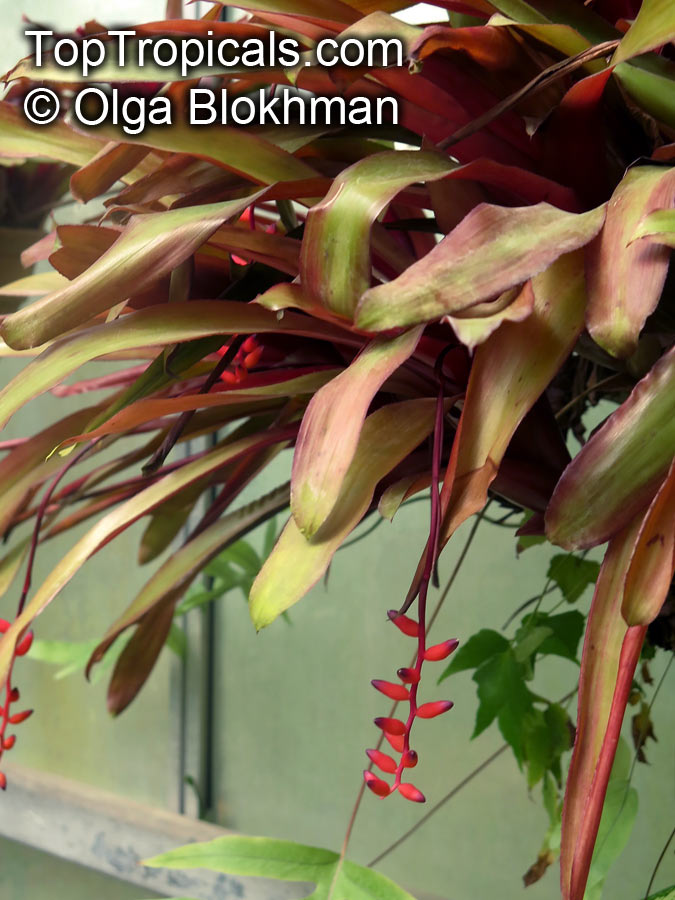
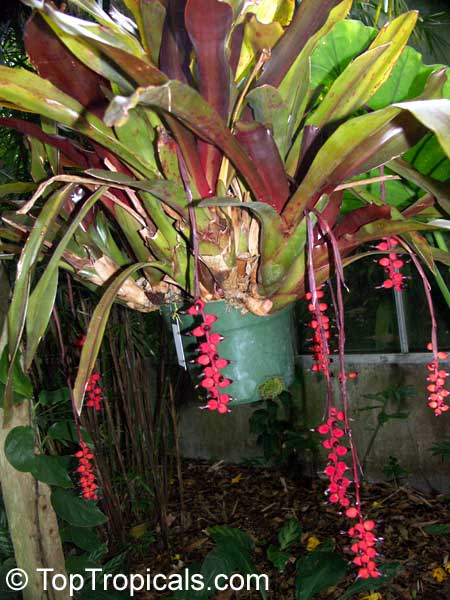
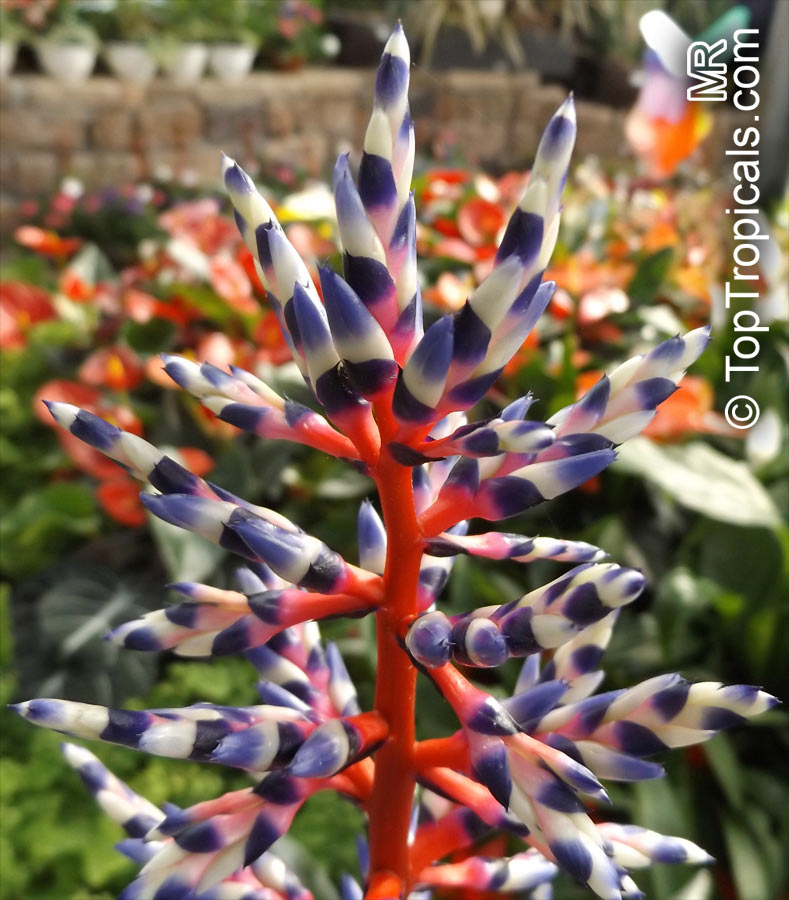
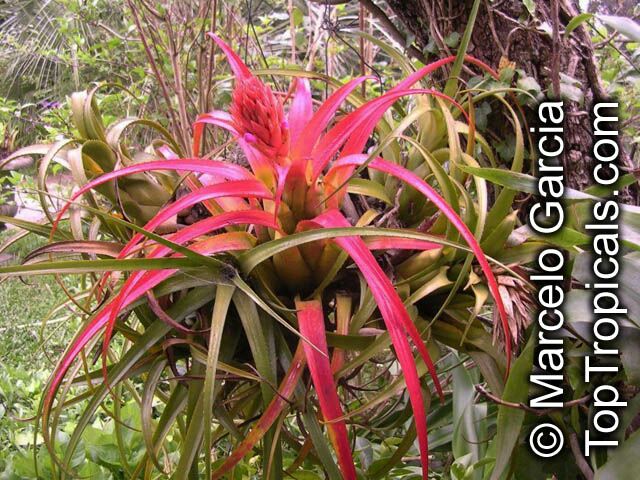
Pitcairnia arcuata
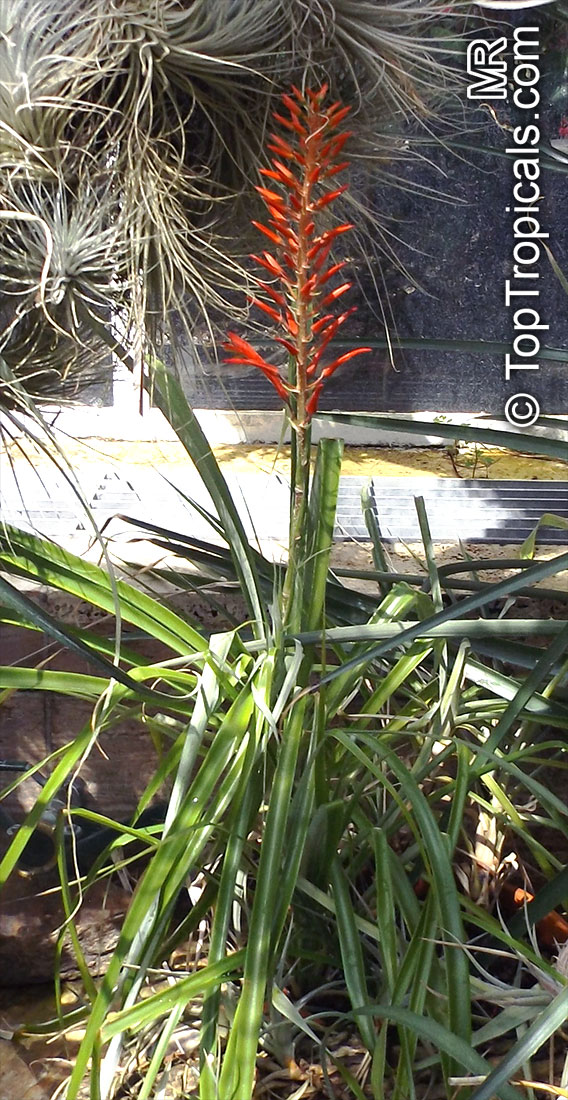
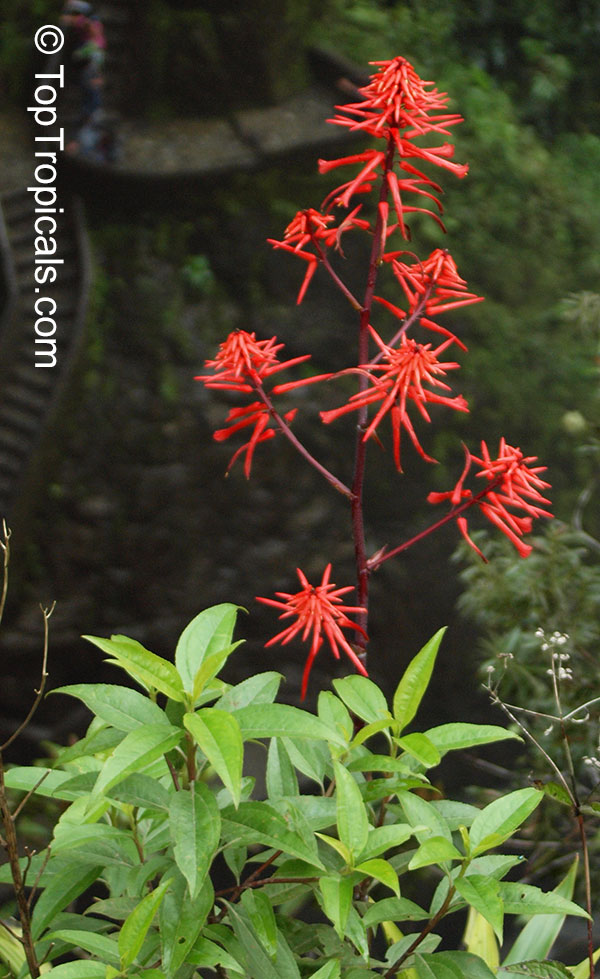



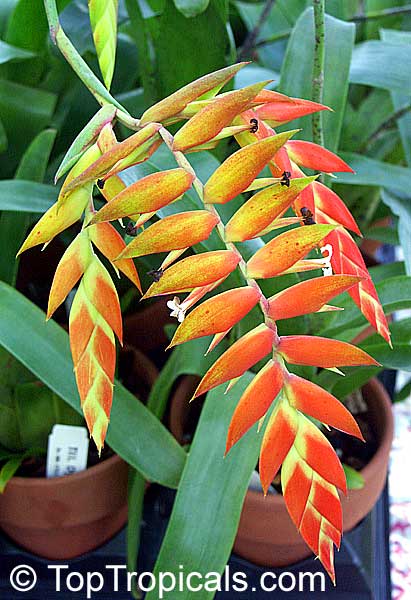
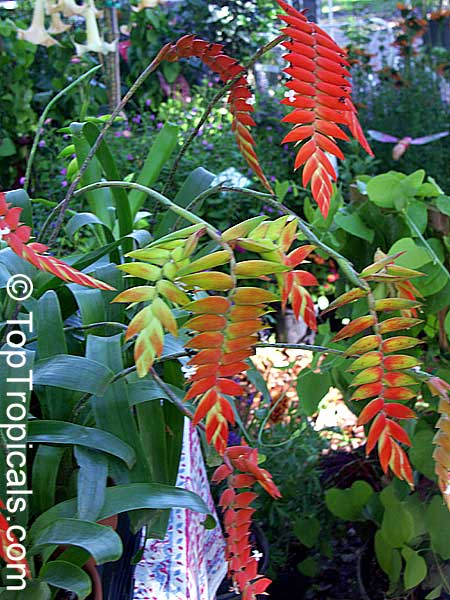
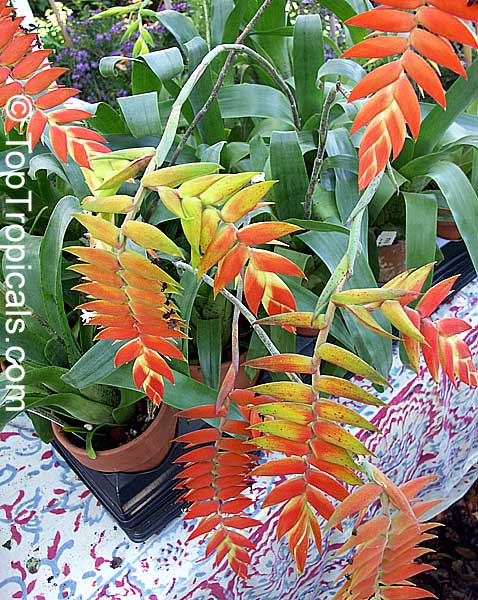
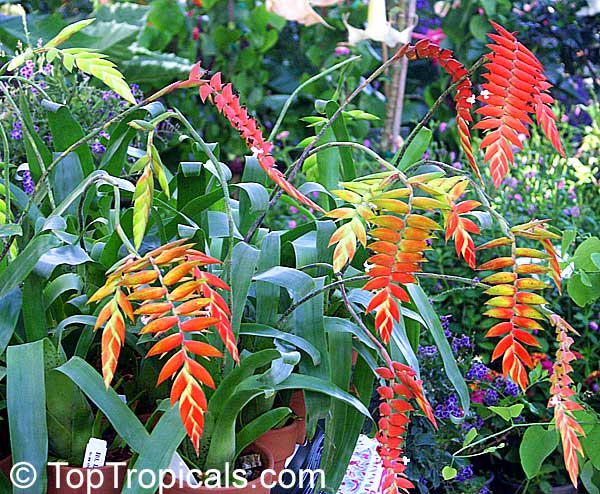
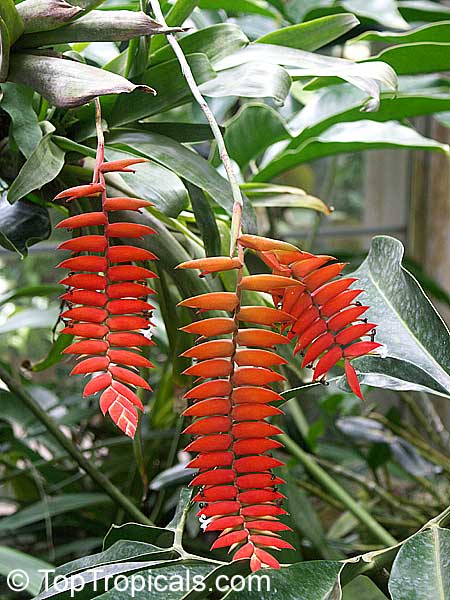
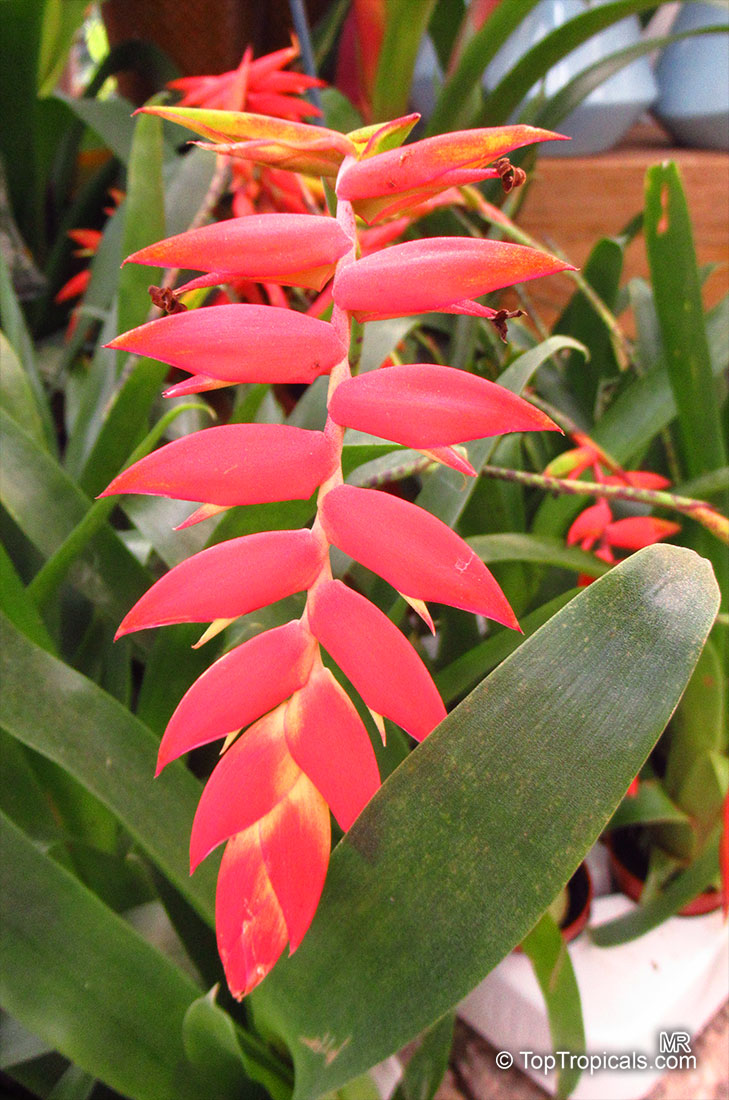
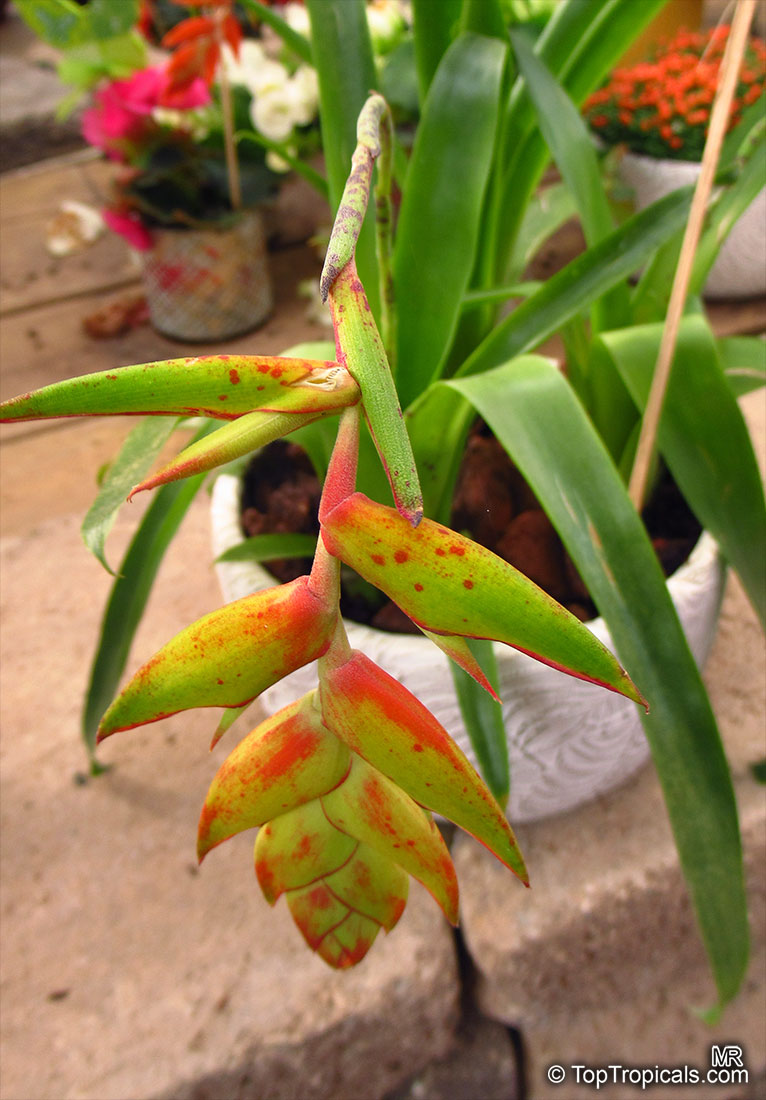
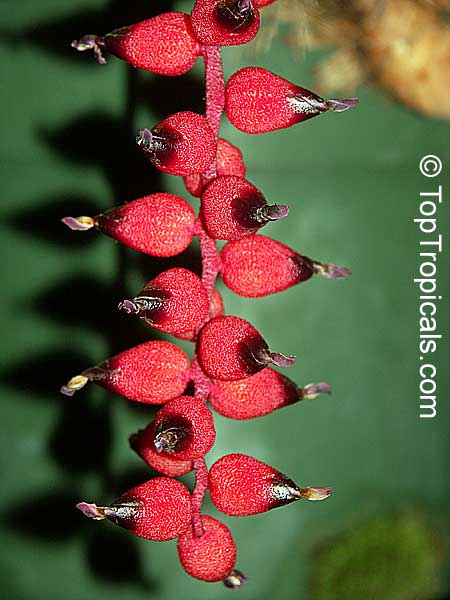
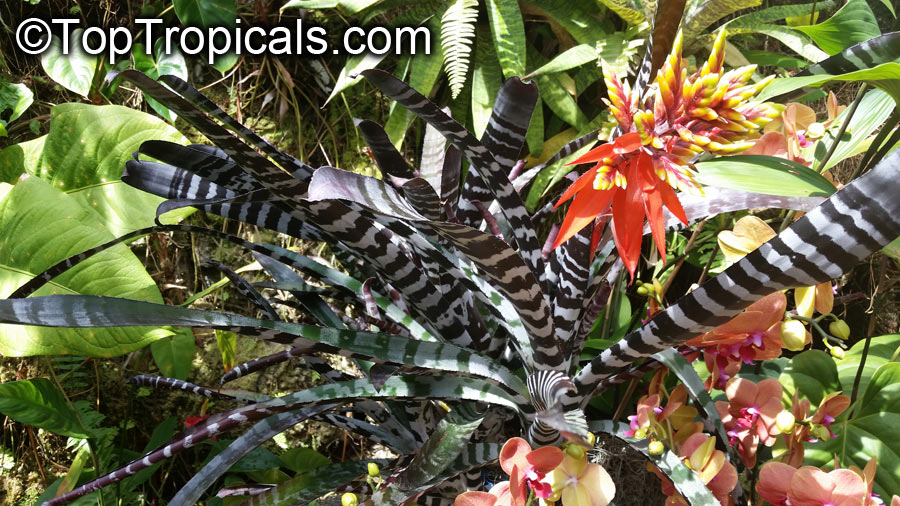
Botanical name: Tillandsia dyeriana
Common name: Tillandsia
Family: Bromeliaceae
Subfamily: Tillandsioideae
Origin: Ecuador
USDA Zone: 10b-11

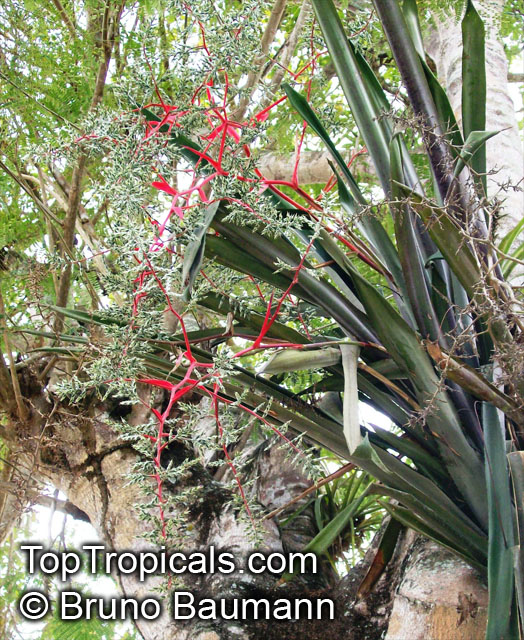
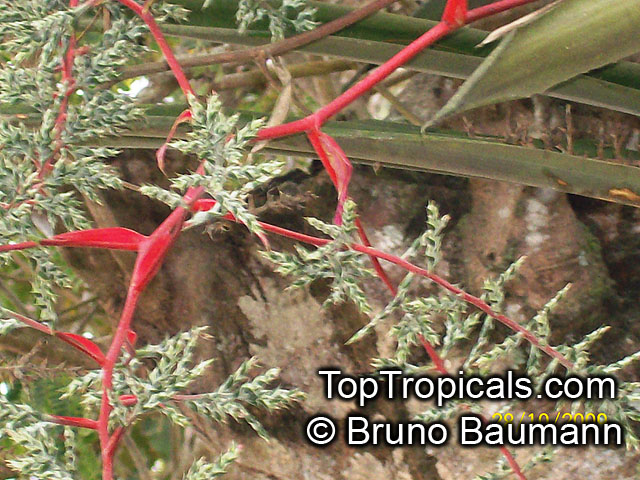
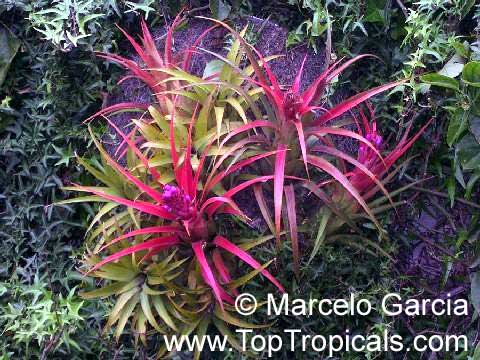
The plant genus Tillandsia, a member of the Bromeliad family Bromeliaceae, is found in the deserts, forests and mountains of Central and South America, and Mexico and the southern United States in North America. The thinner leafed varieties grow in rainy areas and the thick leafed varieties in areas more subject to drought. Nutrients are gathered from the air (dust, decaying leaves and insect matter) through structures on the leaves called trichomes. Tillandsia species are epiphytes, i.e. in nature they normally grow on other plants, without being parasitic, and they grow without soil, growing instead on trees, rocks and cliffs. Reproduction is by offsets called "pups". A single plant could have a dozen pups which can be removed and grown alone or left to form a colony.
Botanical name: Acanthostachys strobilacea
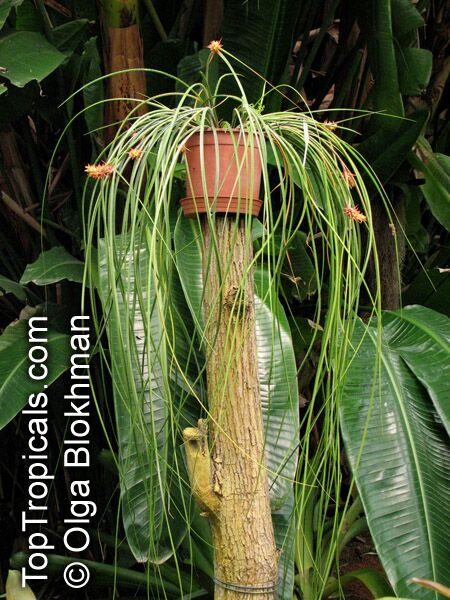
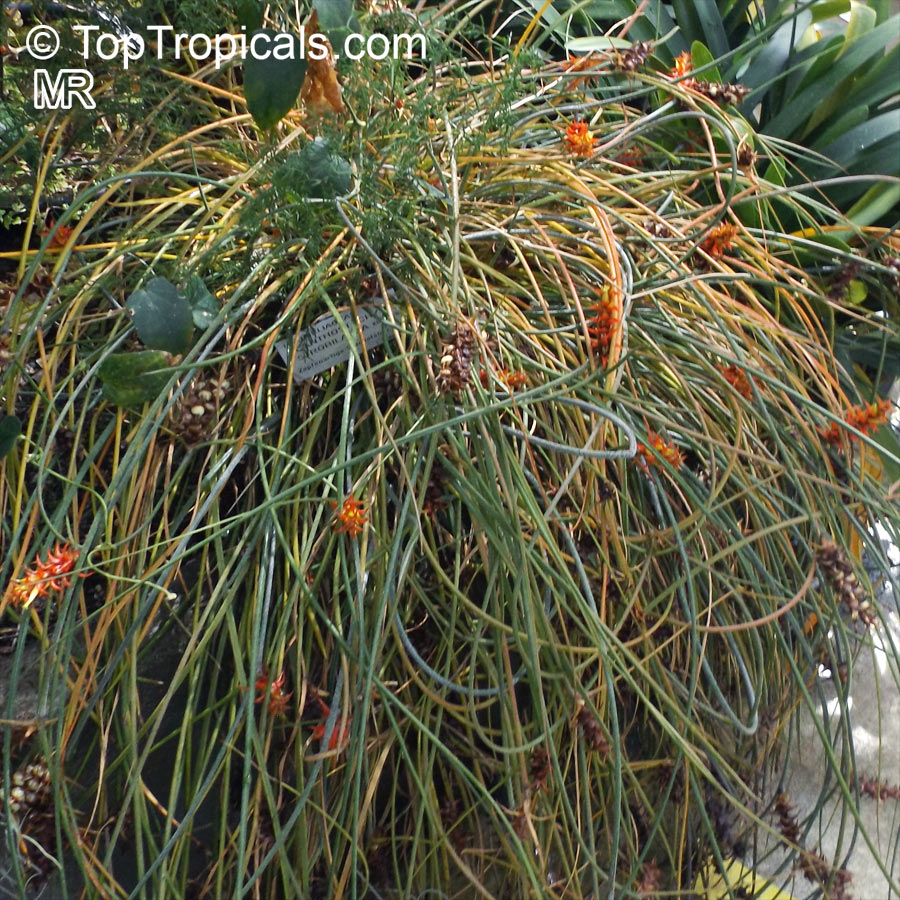
Common name: Pinecone Bromeliad
Family: Bromeliaceae
Subfamily: Bromelioideae
Origin: Brazil, Paraguay, Argentina
USDA Zone: 9-10


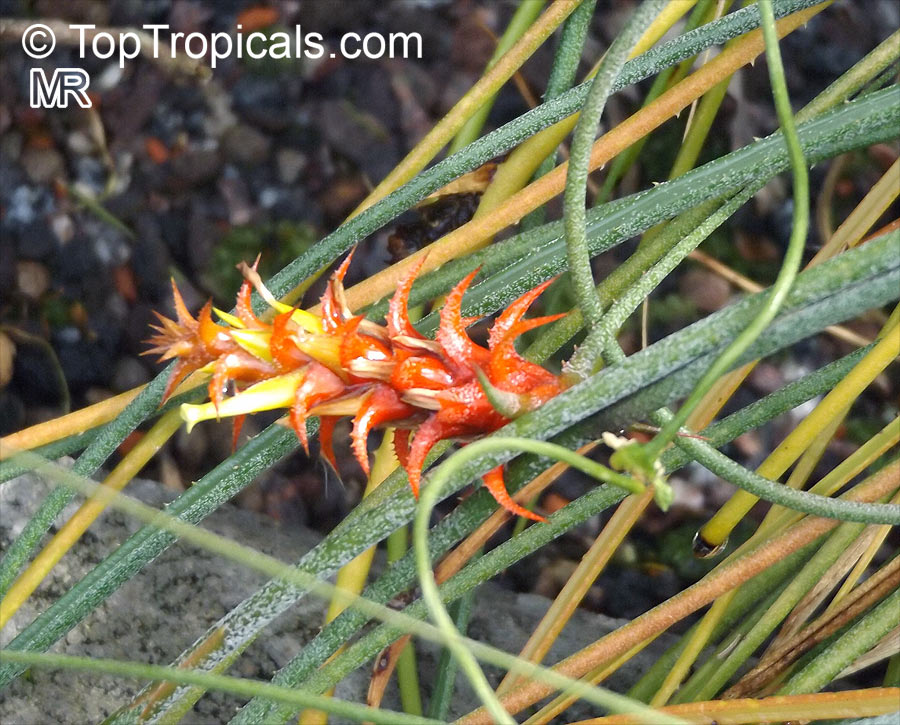
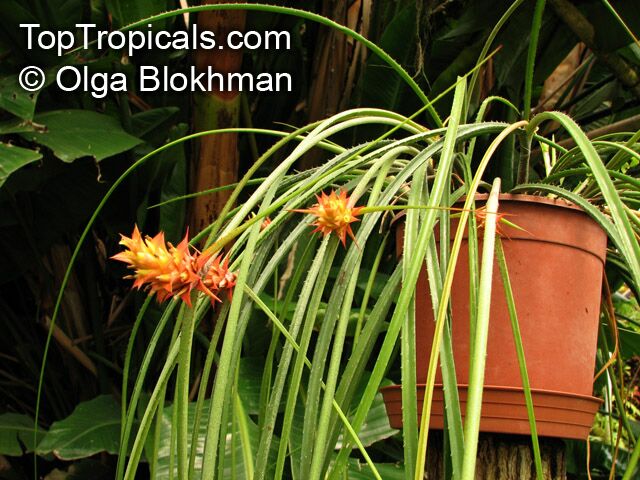
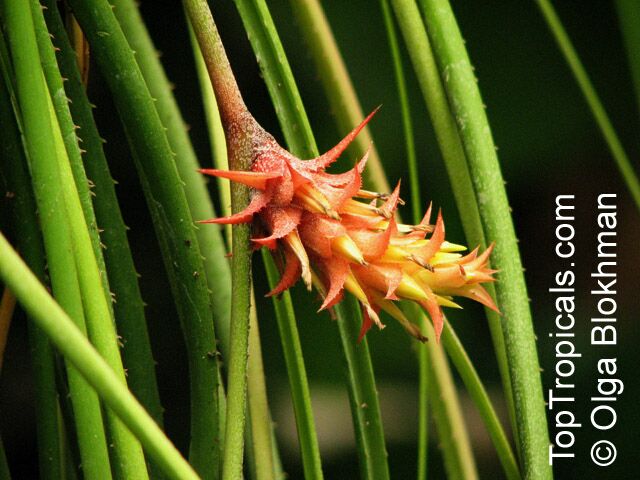
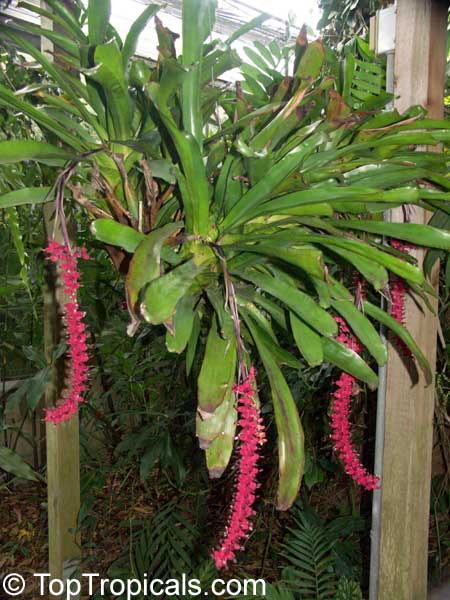
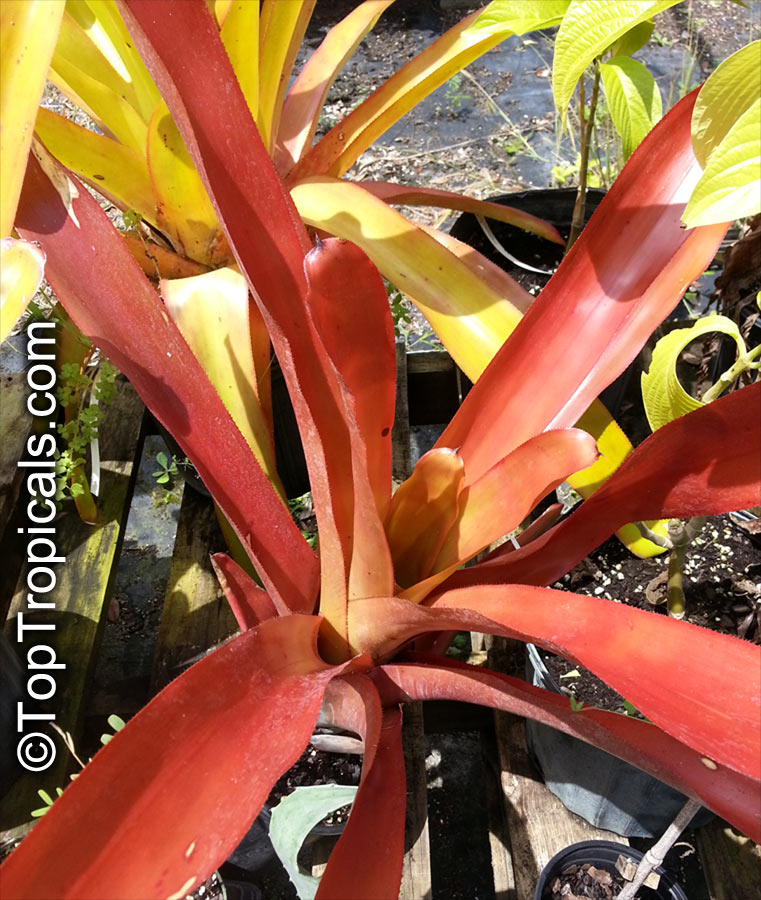
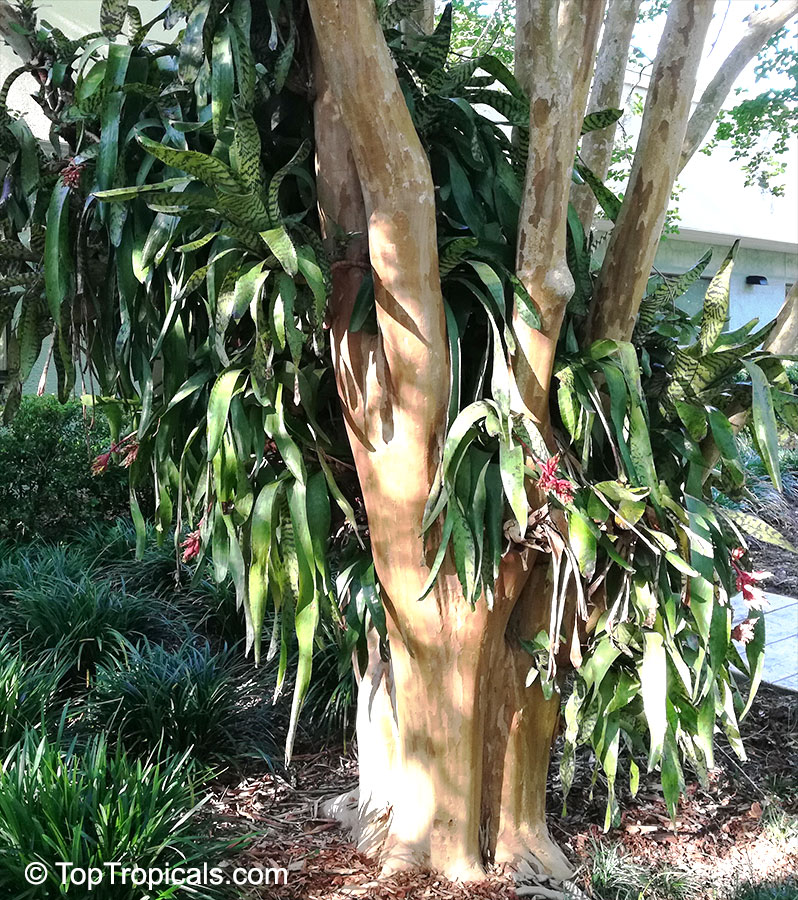
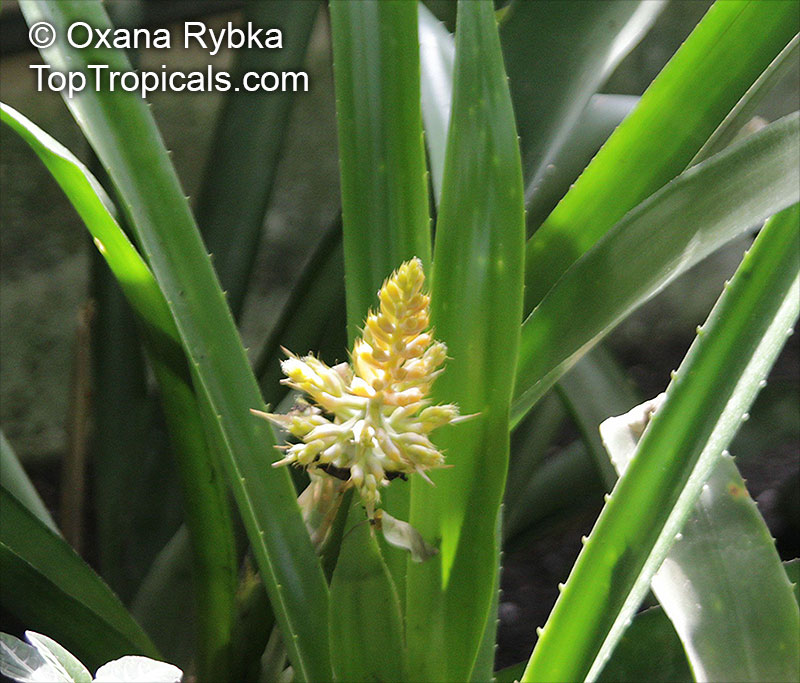
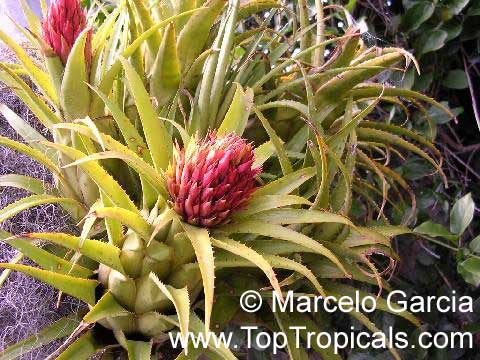
Native to Brazil, Paraguay, and Argentina, Acanthostachys strobilacea (Pinecone Bromeliad) is a small shrub that grows to reach 2-5ft in height. This attractive epiphyte requires a moderate amount of water and semi-shade to grow and thrive, making it the perfect plant for a hanging basket in a sunny or partially-shaded location. Its leaves are a deep green with gray scurf and spines, while its flowers range in color from yellow to orange.
Despite its exotic appearance, Acanthostachys strobilacea is low-maintenance, making it ideal for gardeners who don't have much time to spare on tending to their plants. In addition, it is drought-tolerant and can even thrive in xeriscaped environments.
For those who live in USDA Zone 9-11, Acanthostachys strobilacea is well-suited for growing in containers. The plant can be successfully grown in cold regions as long as its soil is kept moist. In cooler climates, the plant should be moved to a sheltered area during the winter months to ensure the soil does not become too cold and wet, as this could damage the roots. Furthermore, when growing in a pot, it is important to ensure the pot is well-drained and to water the plant regularly and deeply.
Overall, Acanthostachys strobilacea is a beautiful and exotic plant that is low-maintenance and drought-tolerant, making it a great addition to any sunny or partially-shaded garden. With the right care, it can thrive in its environment and bring a unique beauty to any garden.
Botanical name: Aechmea fasciata
Common name: Silver Vase
Family: Bromeliaceae
Origin: Brazil
USDA Zone: 10-12


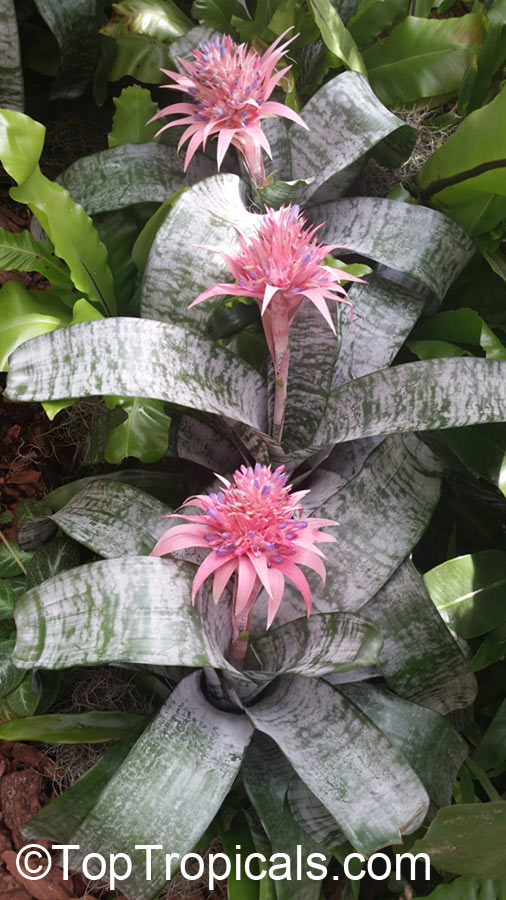
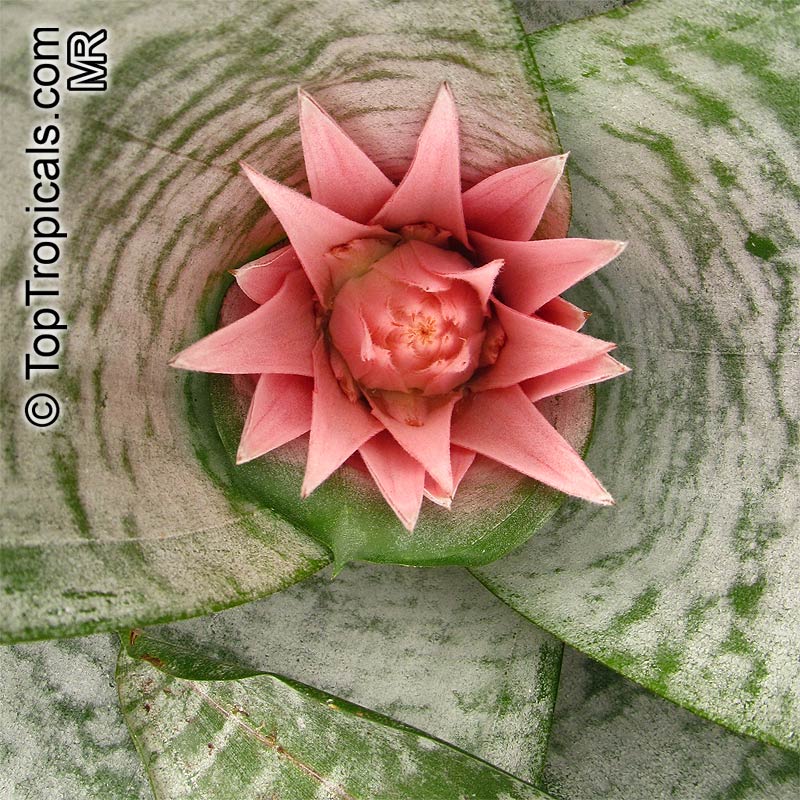
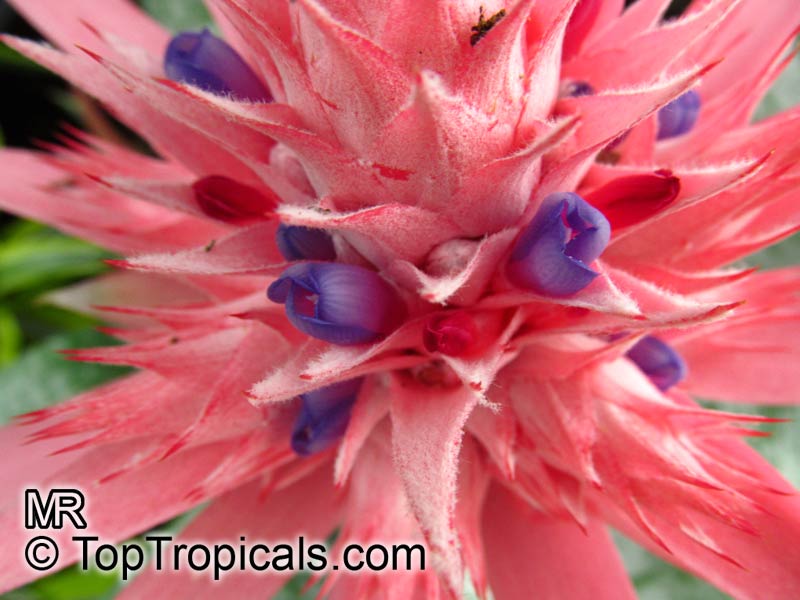
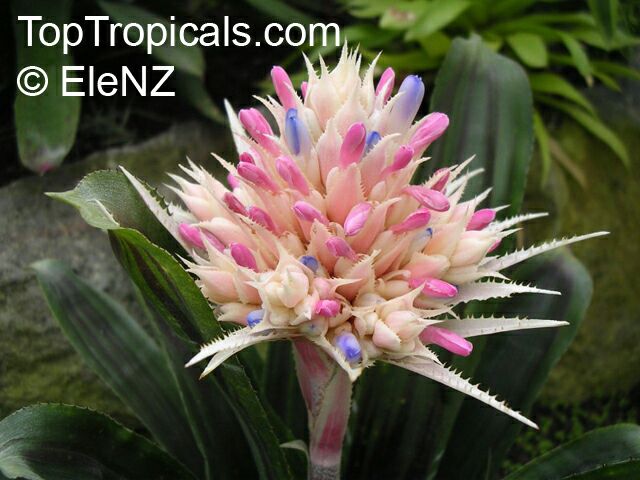
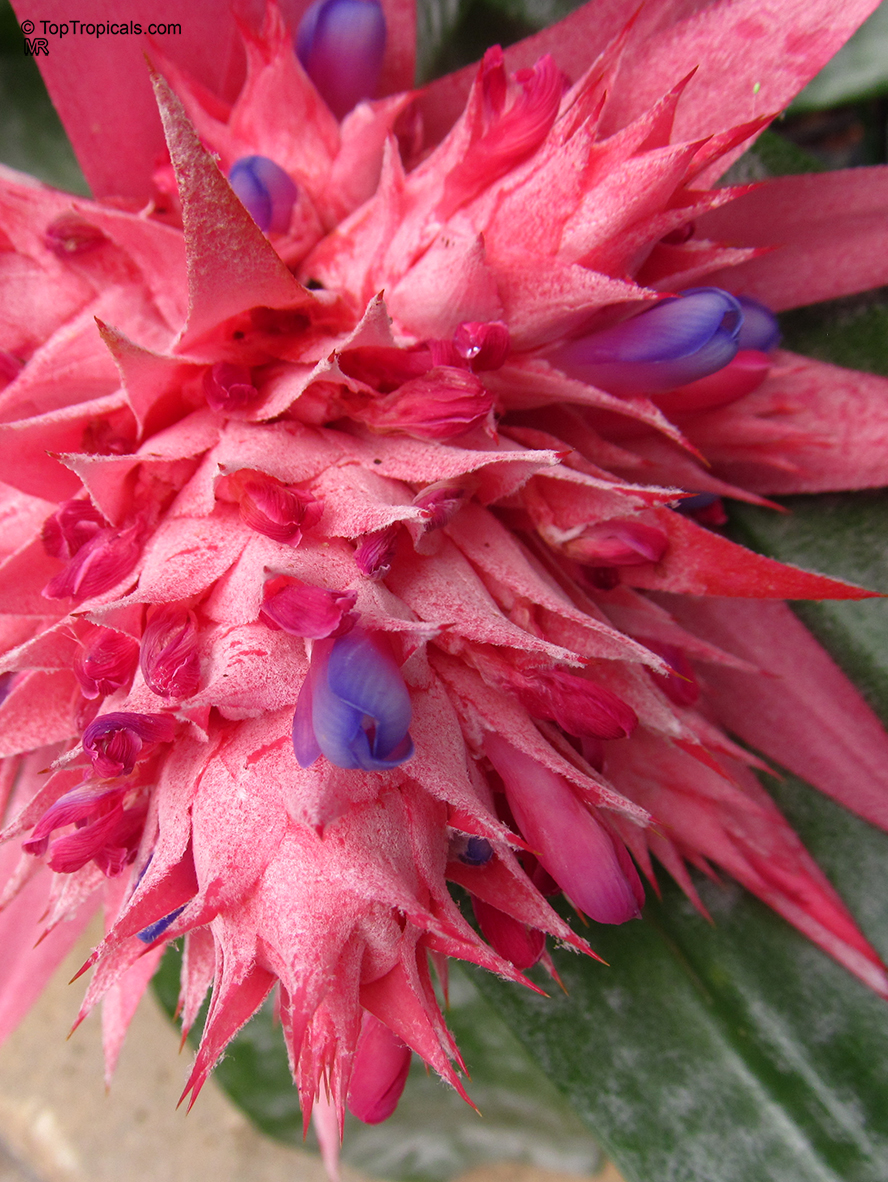
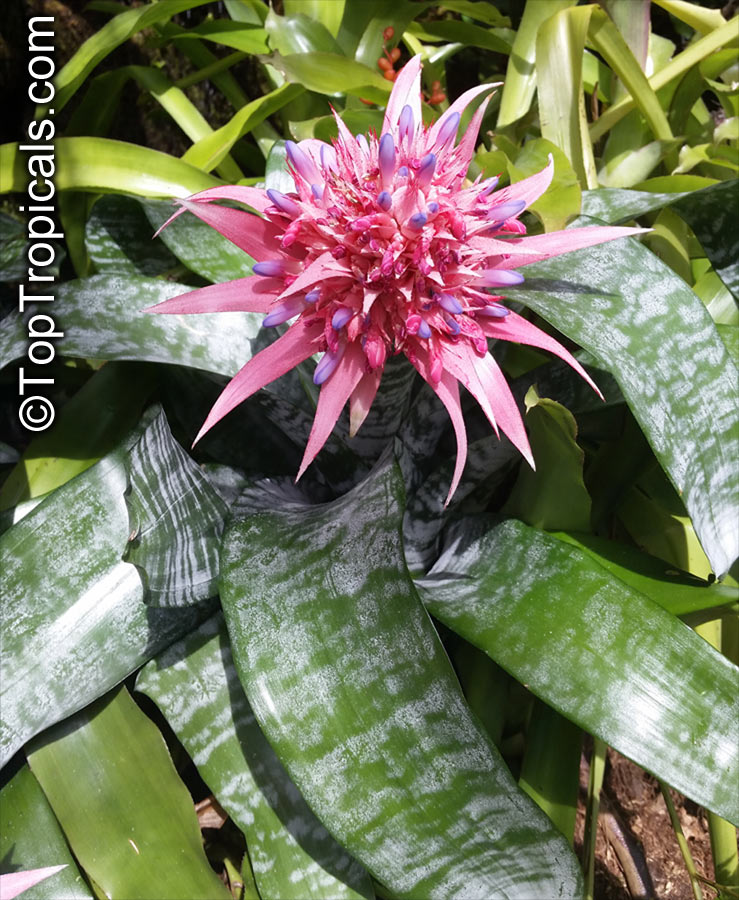
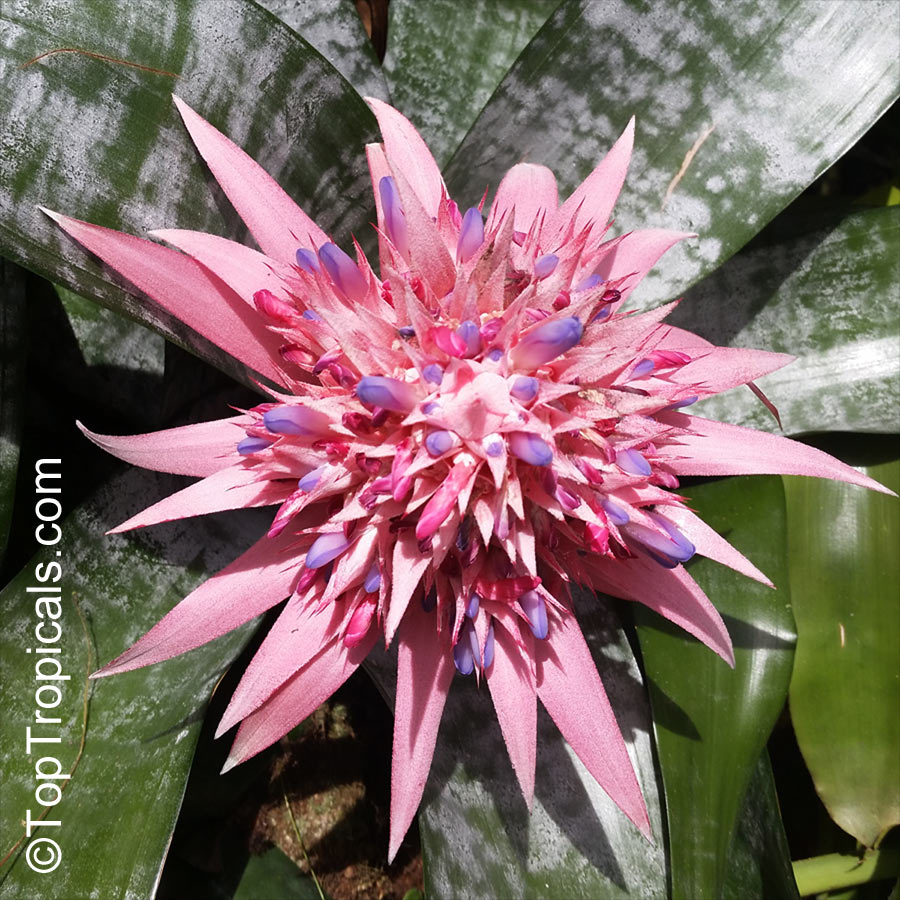
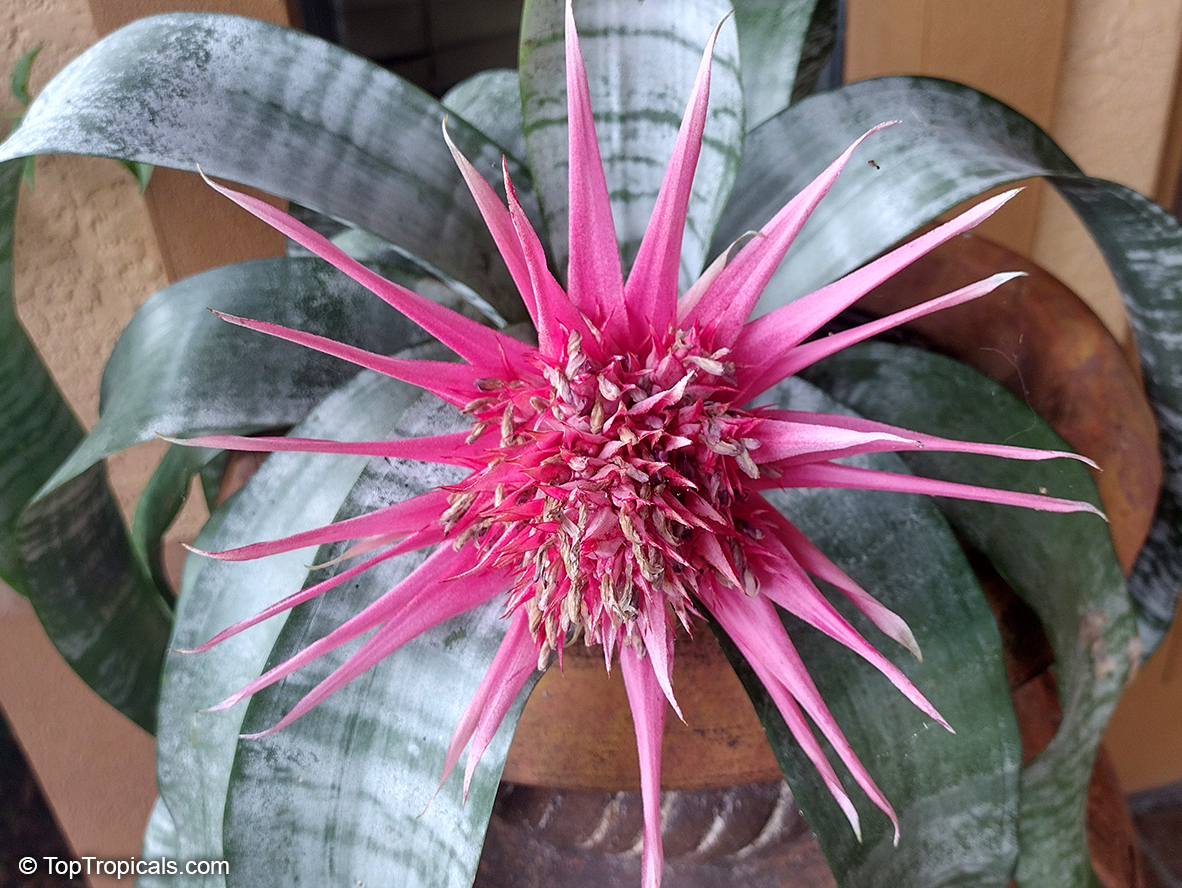
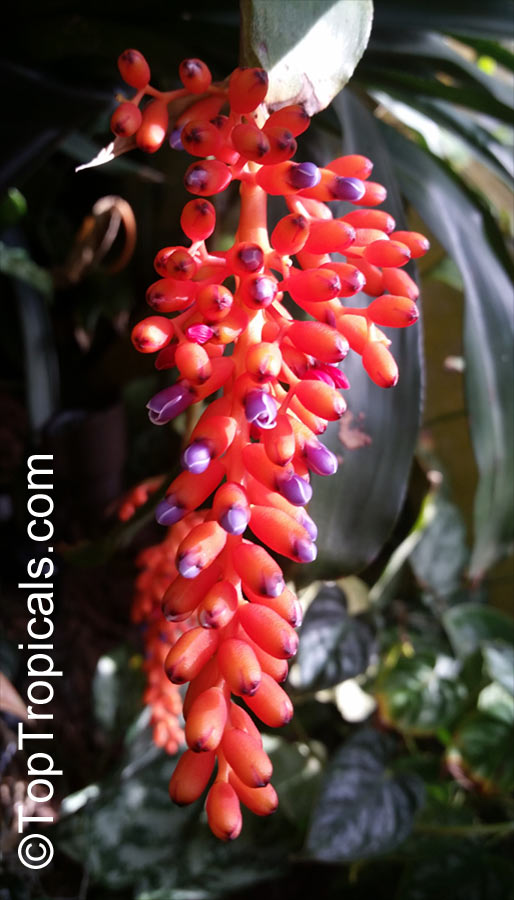
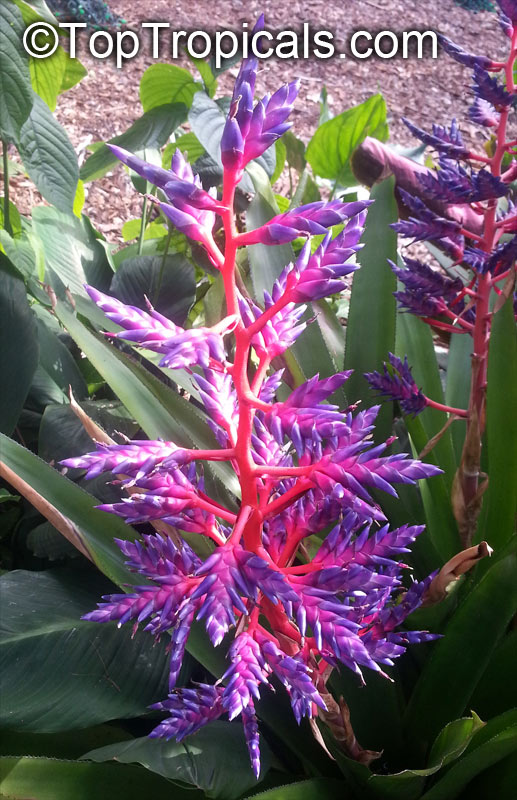
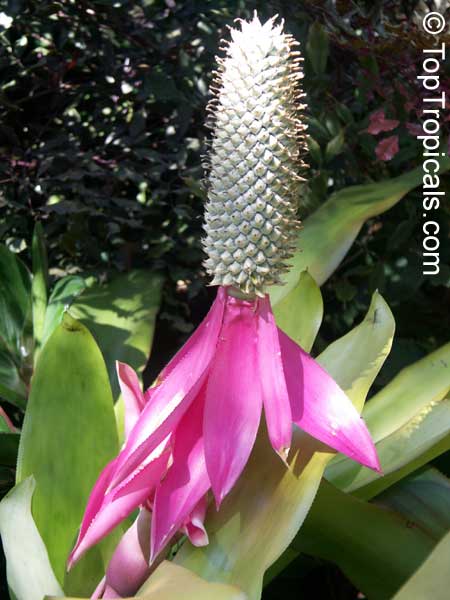
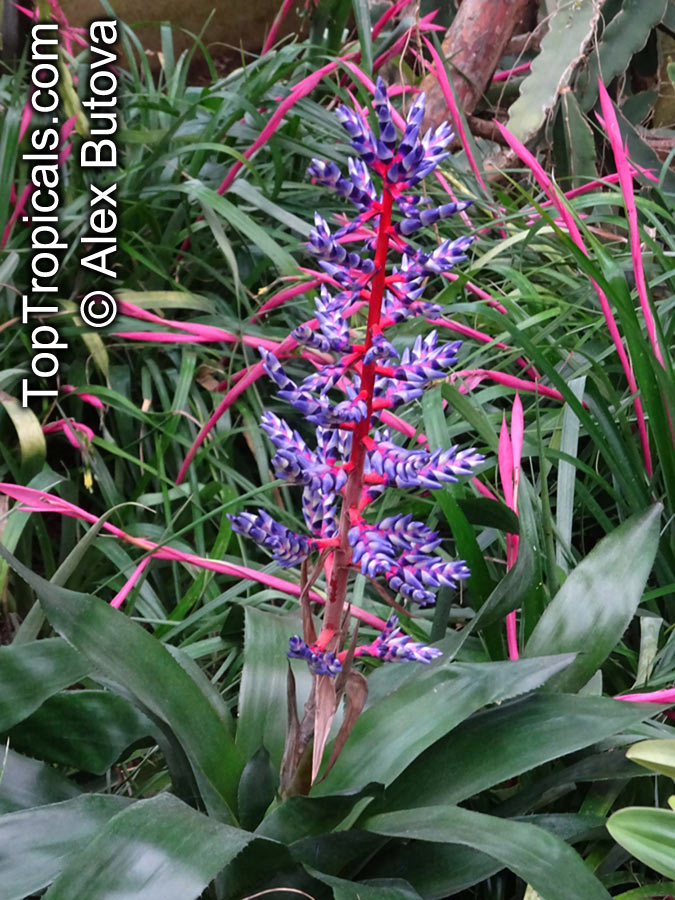
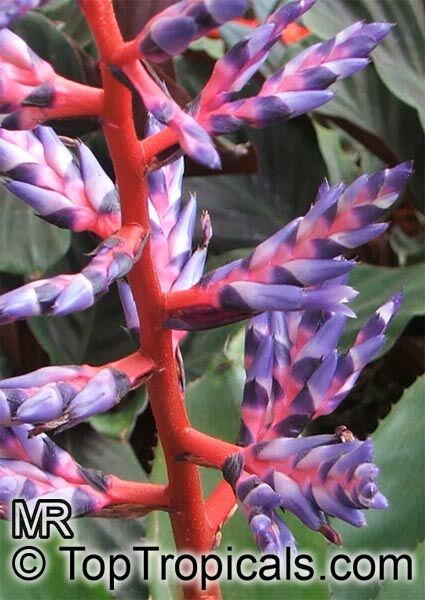
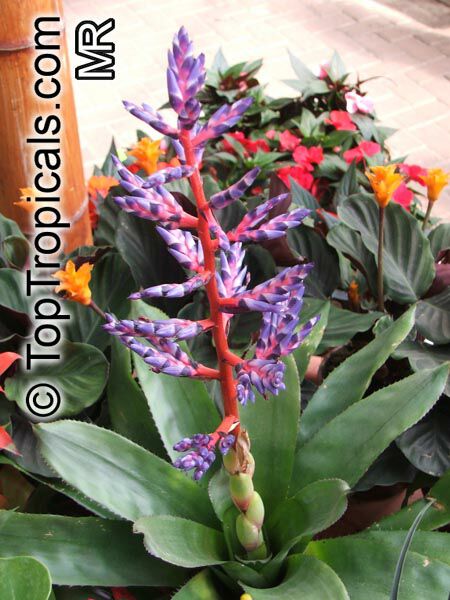
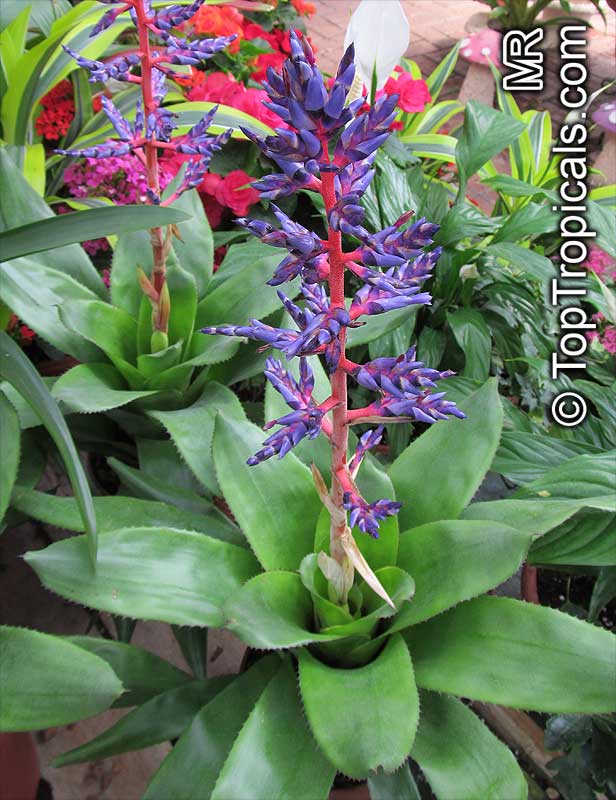
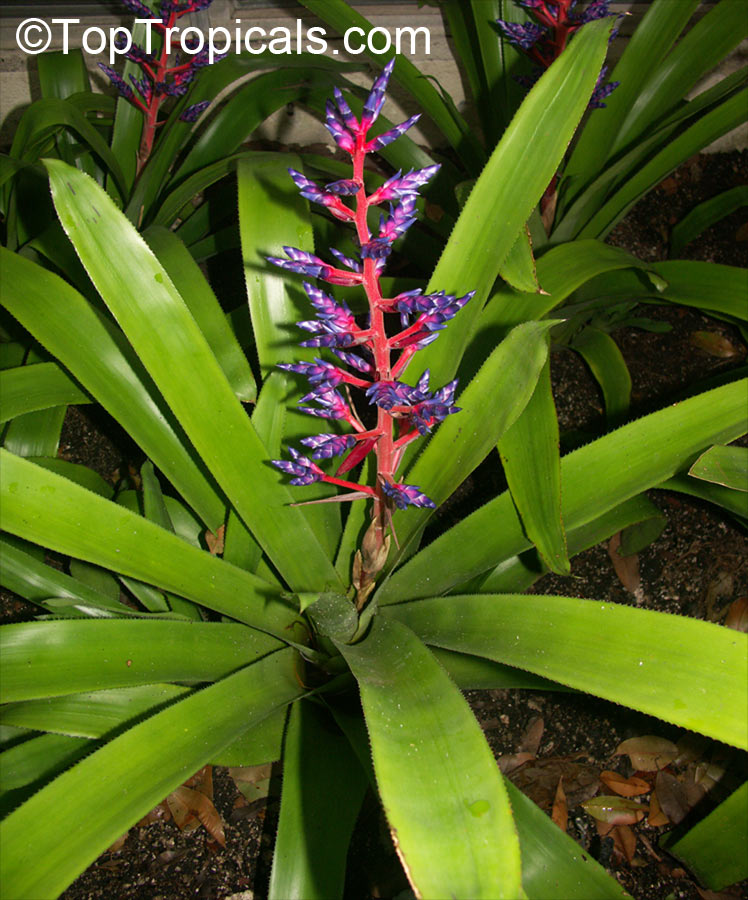
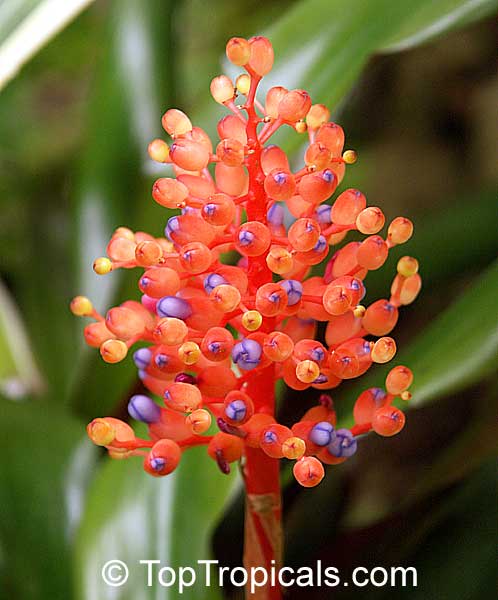
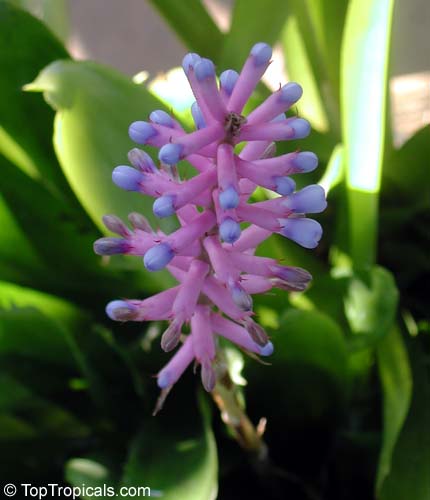
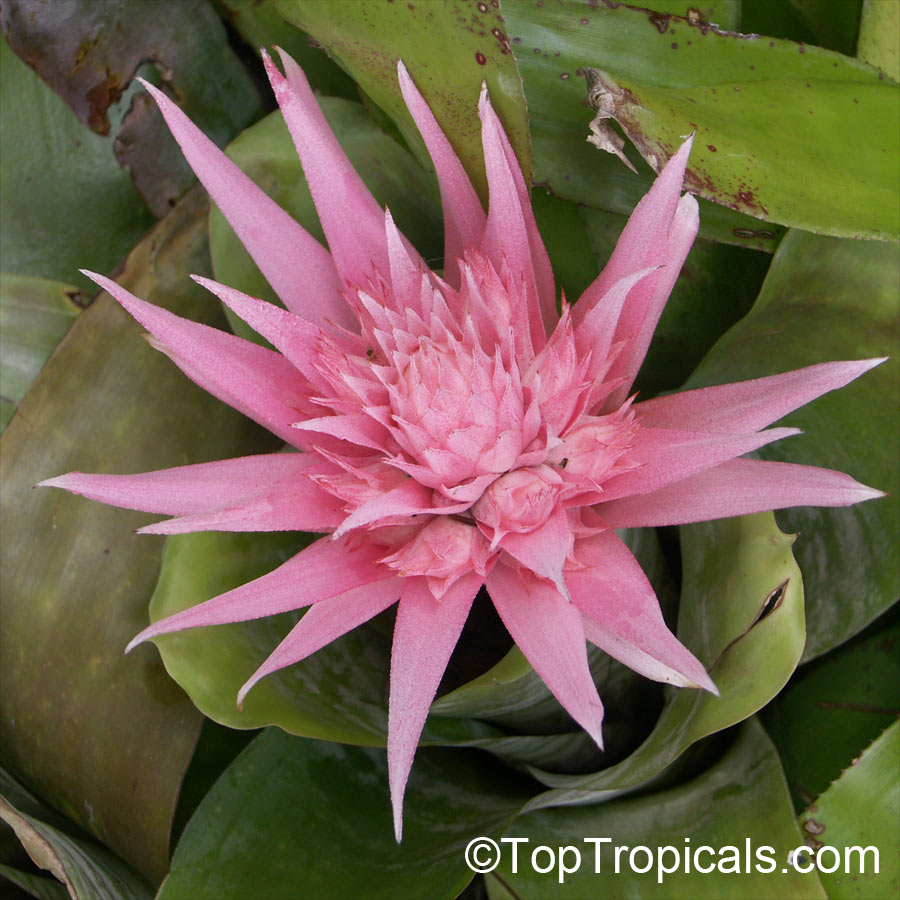
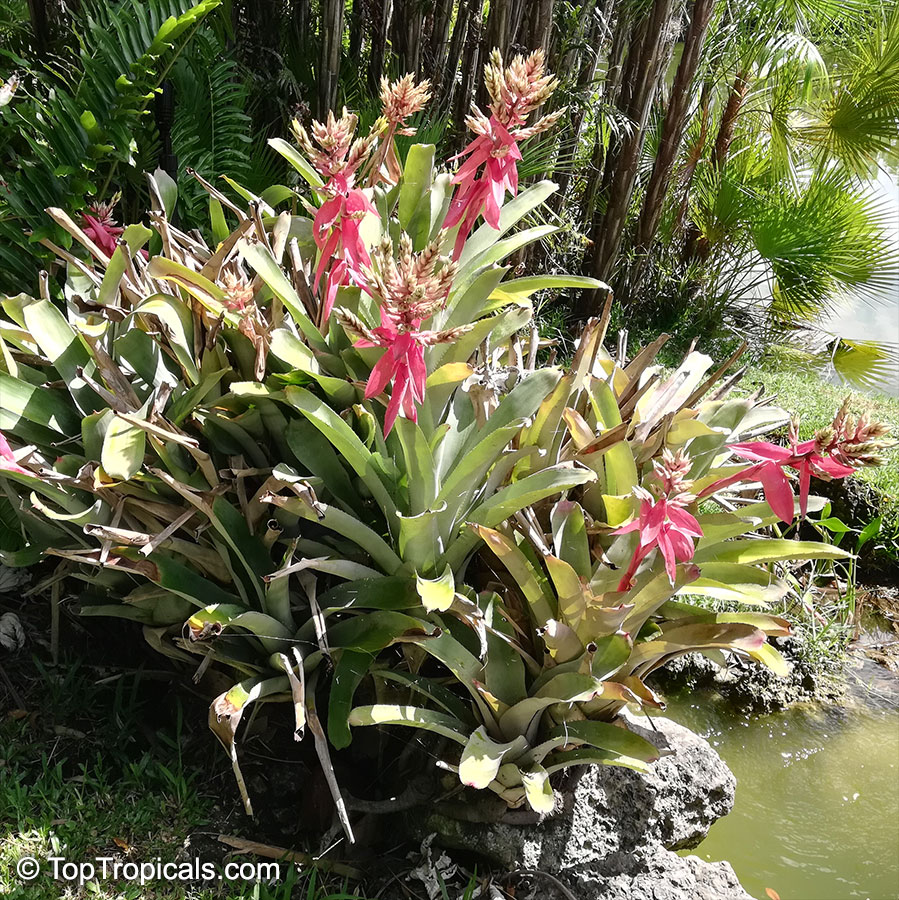
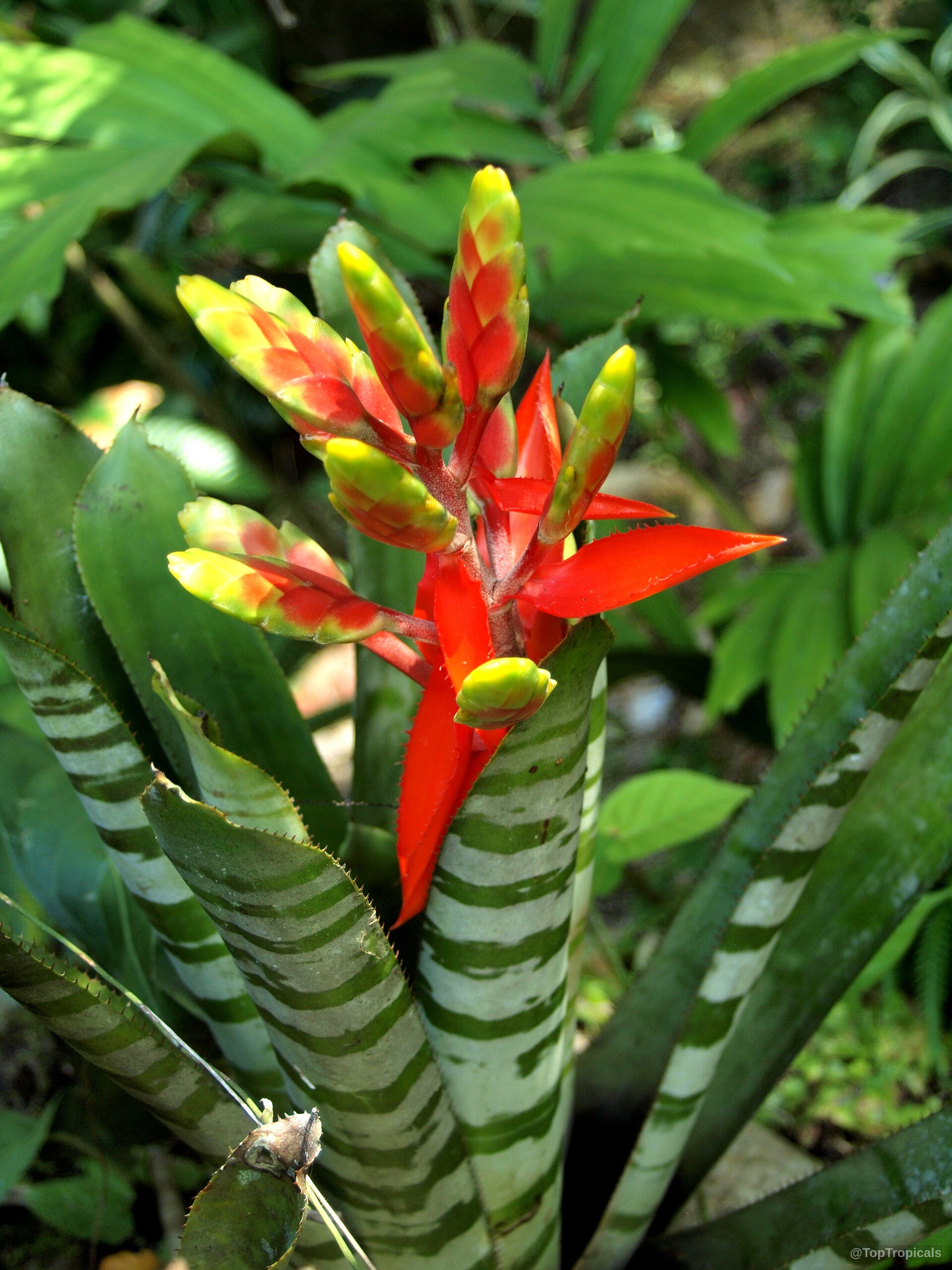
Aechmea fasciata has silver/green bands, rose pink bracts and blue, purple or red flowers. It requires partial shade and a well-drained, but moisture-retentive soil. It can also be grown epiphytically, as, for example, with moss around its roots and wired to rough bark.
Botanical name: Aechmea sp.
Common name: Bromeliad
Family: Bromeliaceae
Subfamily: Bromelioideae
Origin: Tropical America
USDA Zone: 10-12
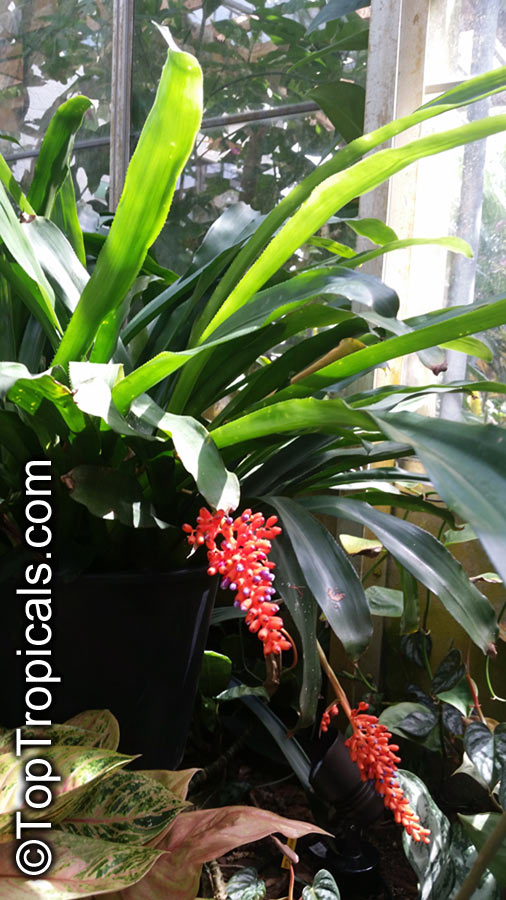
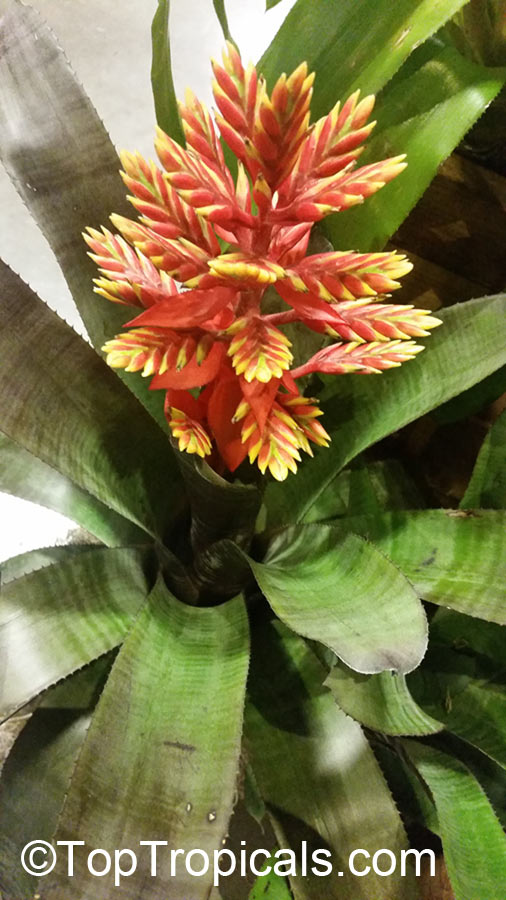
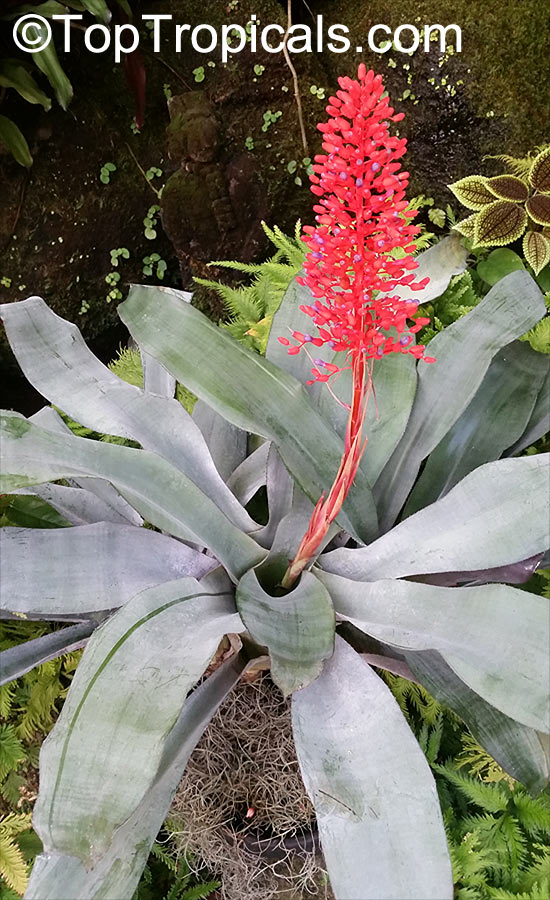
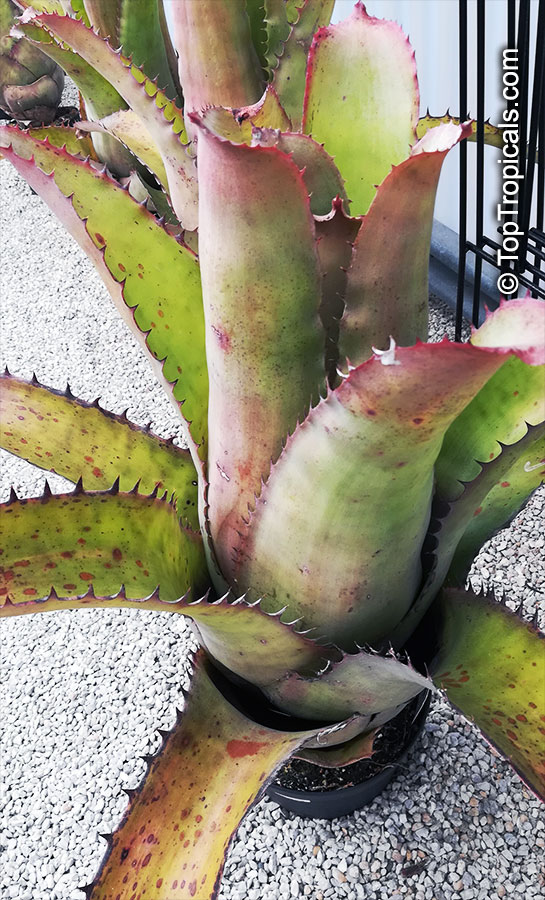
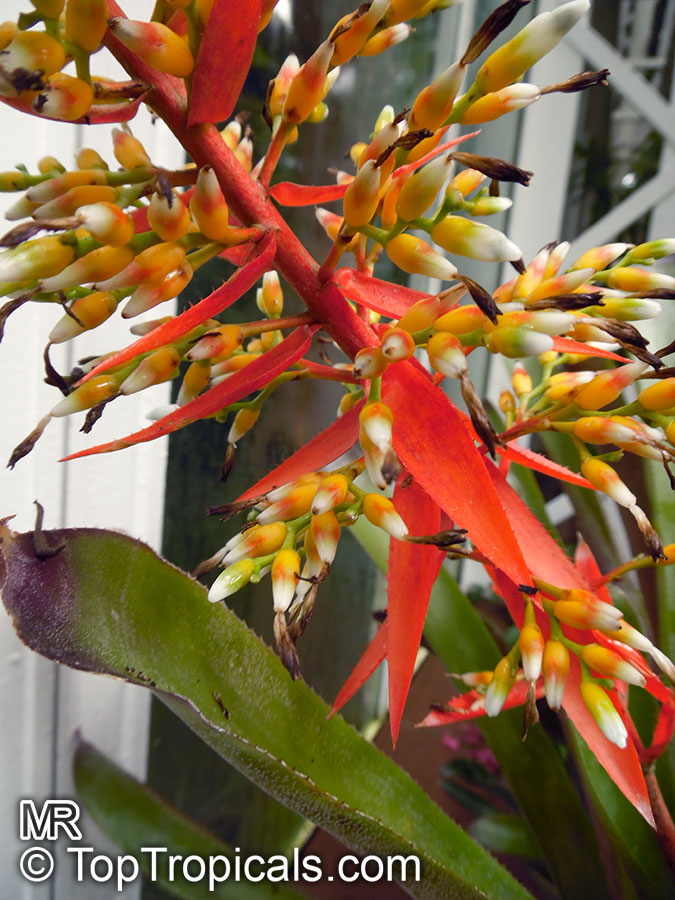
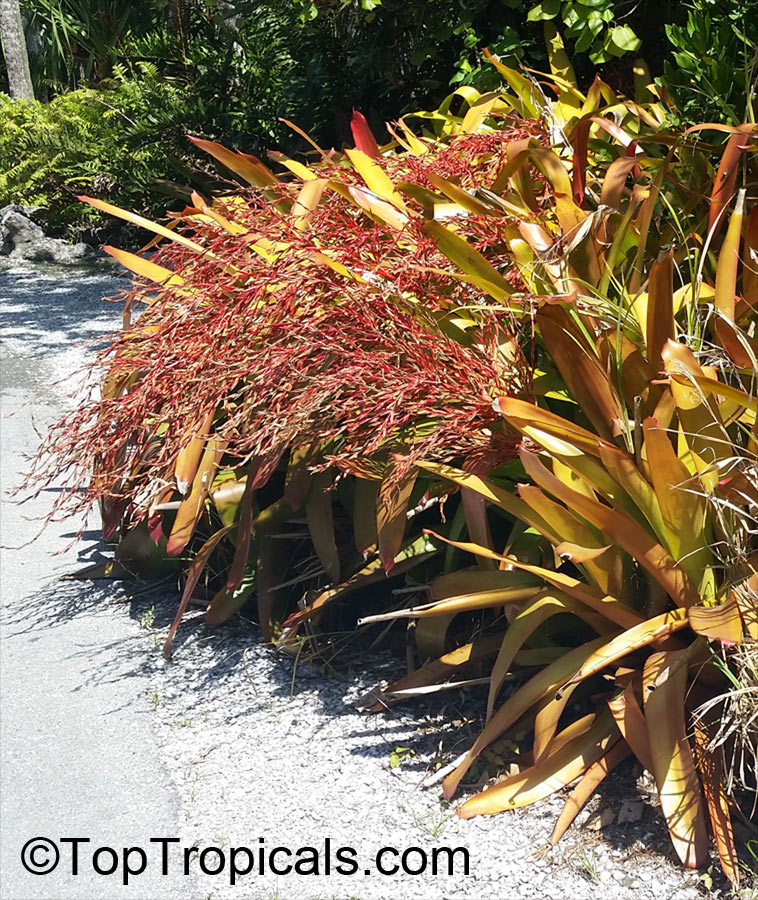
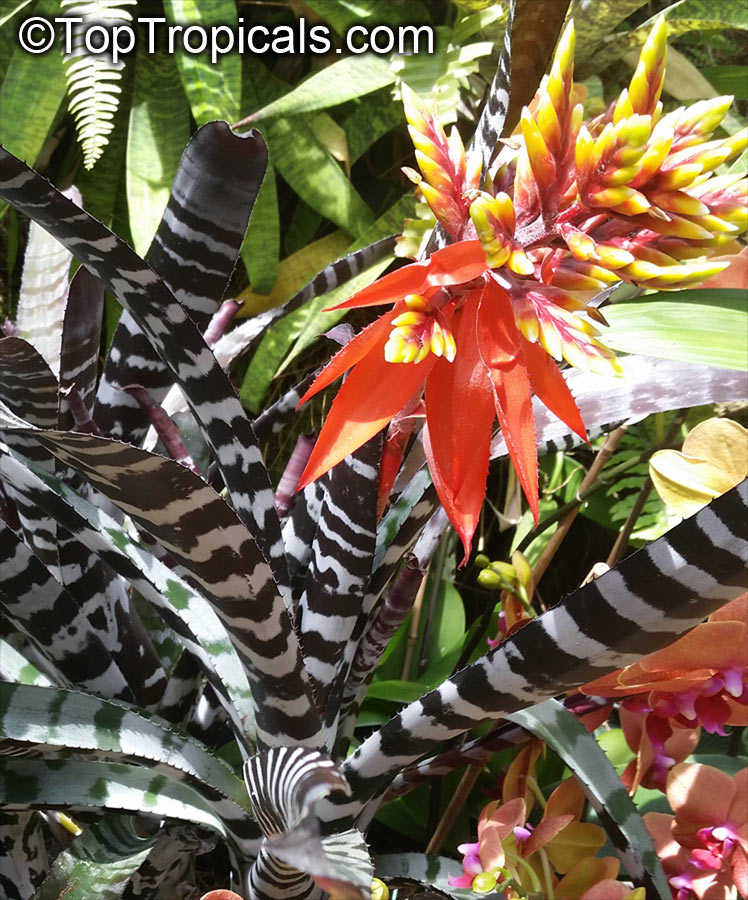
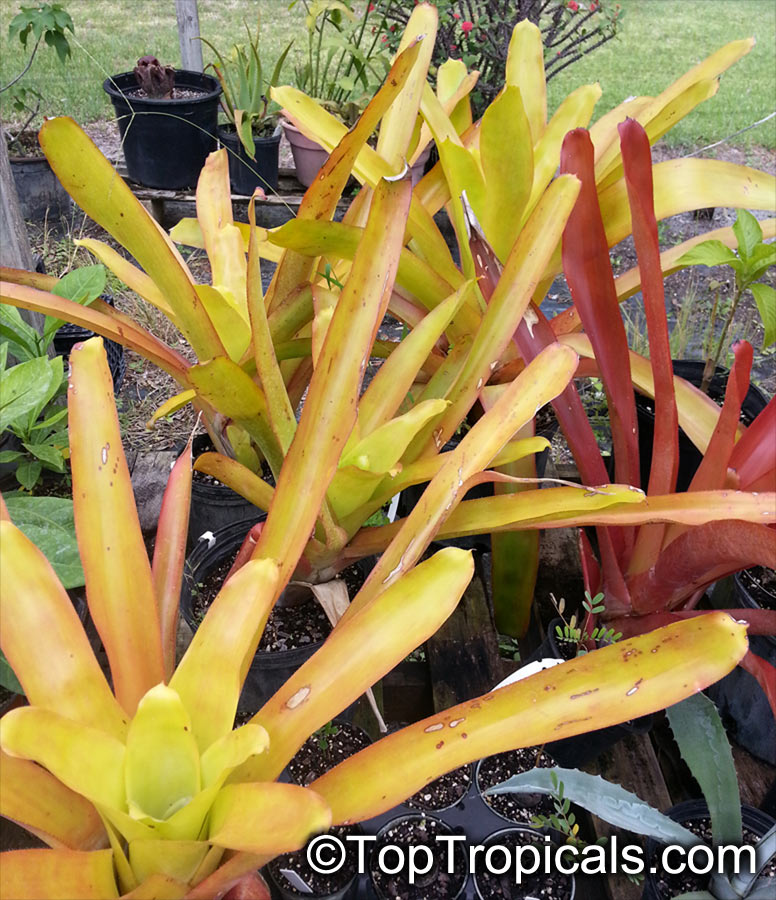
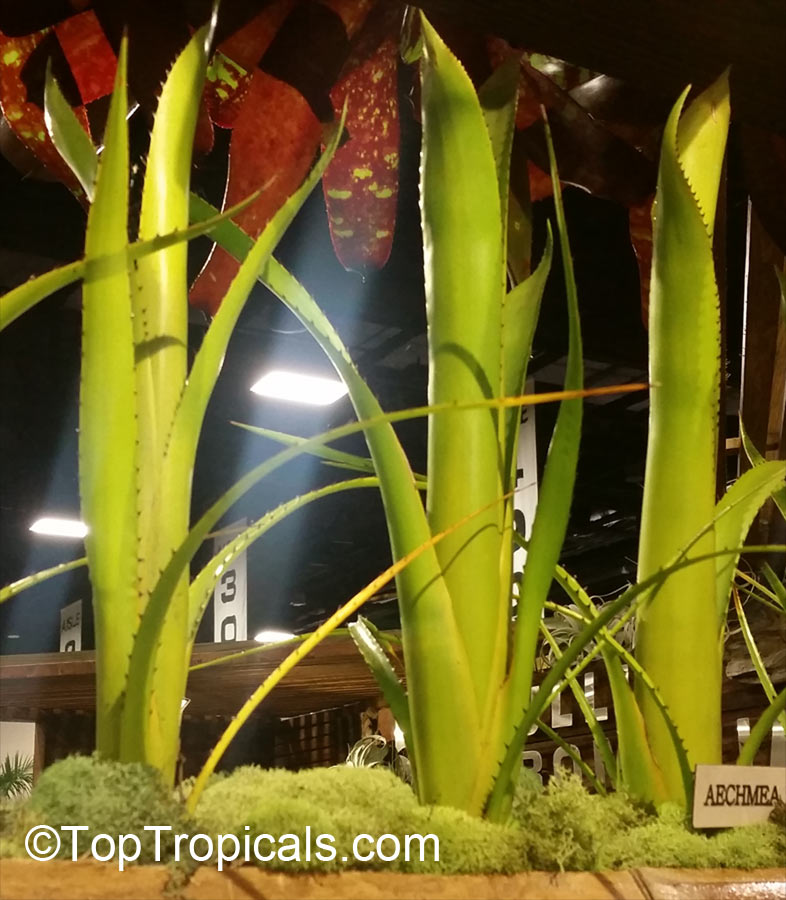
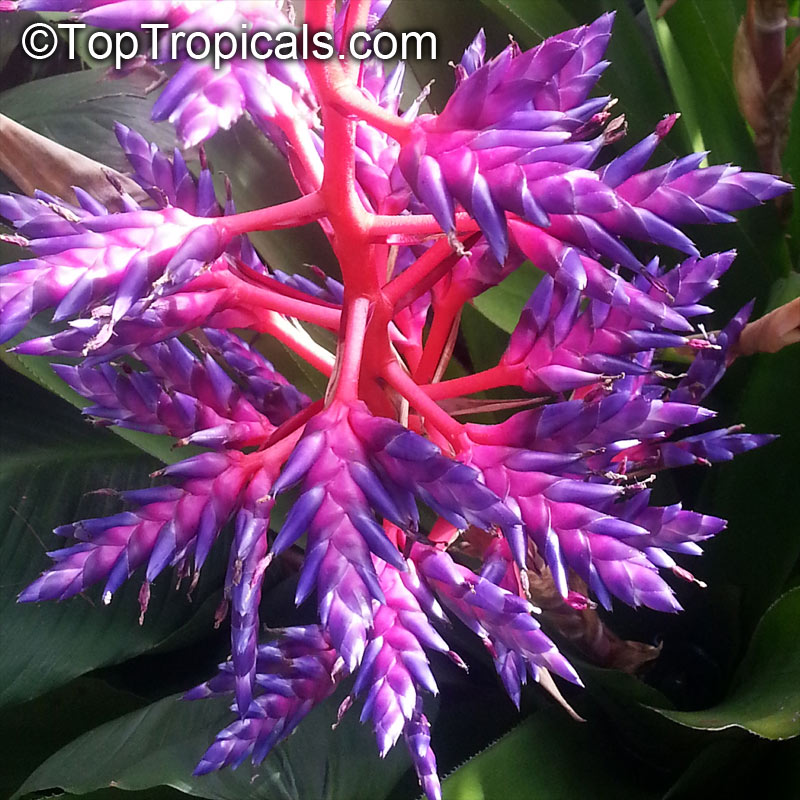
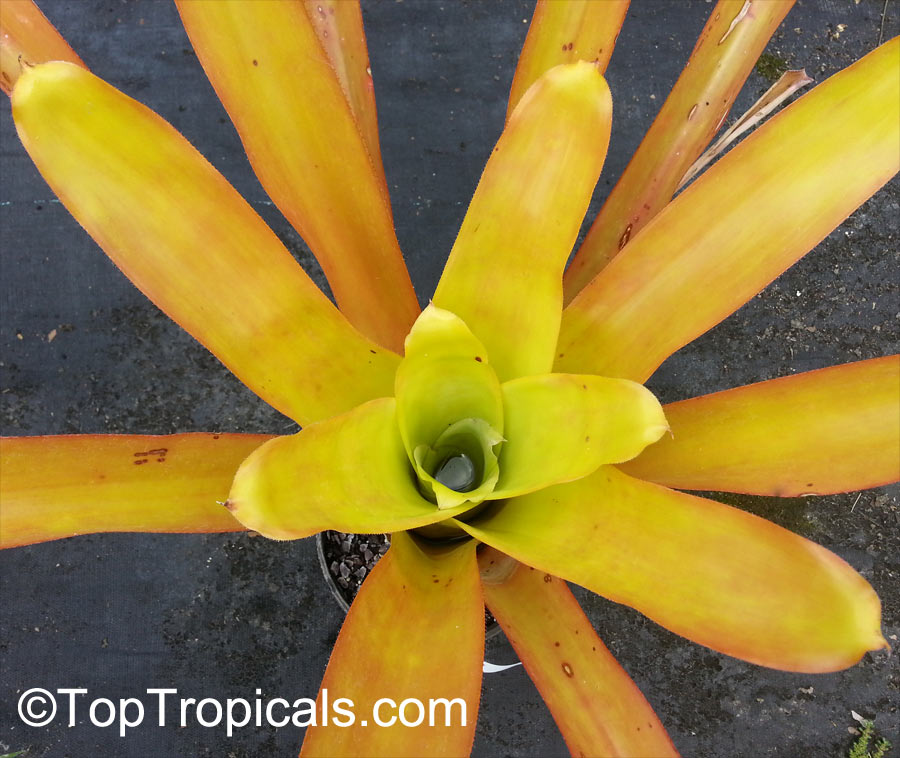
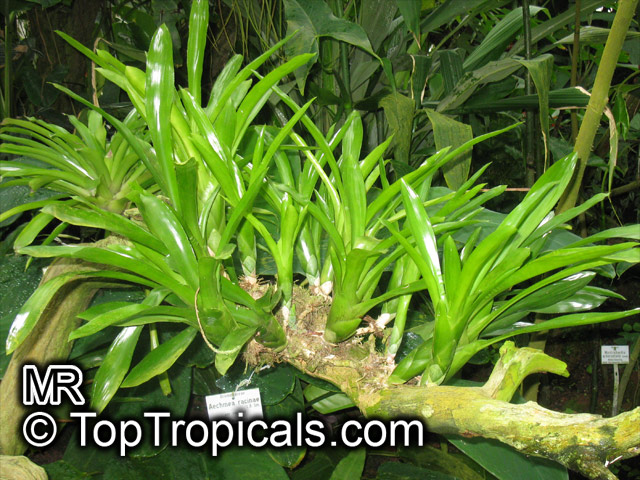
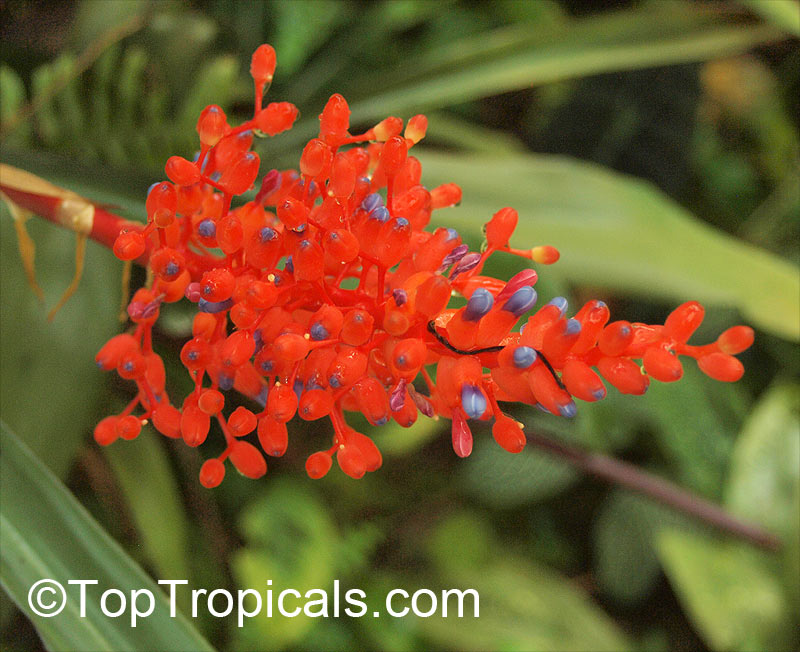
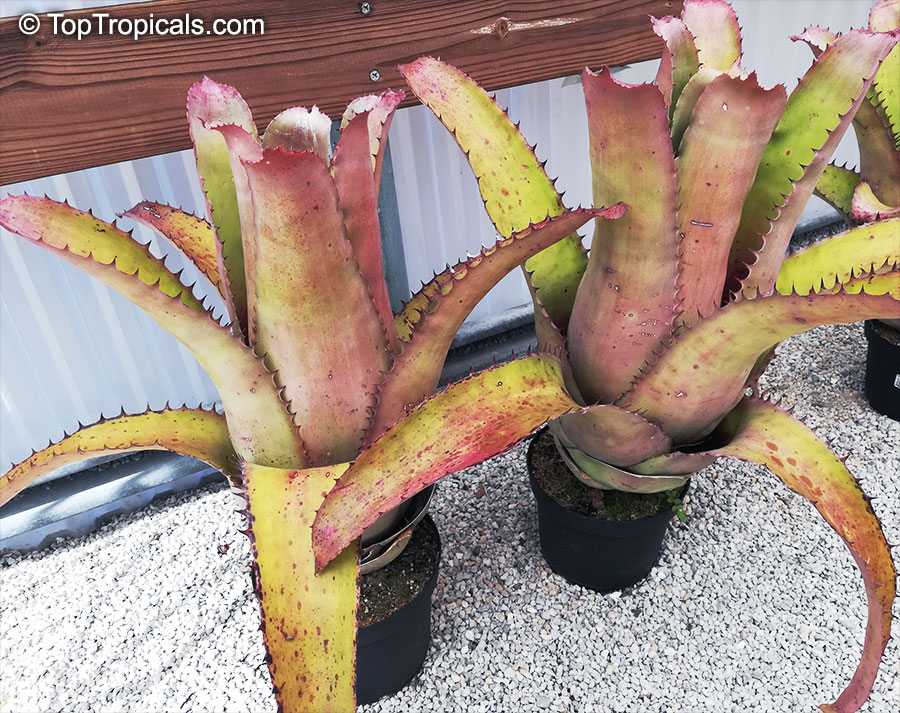
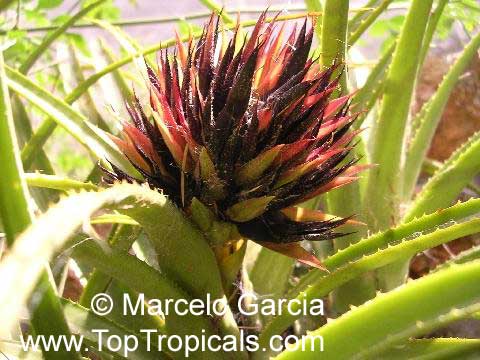
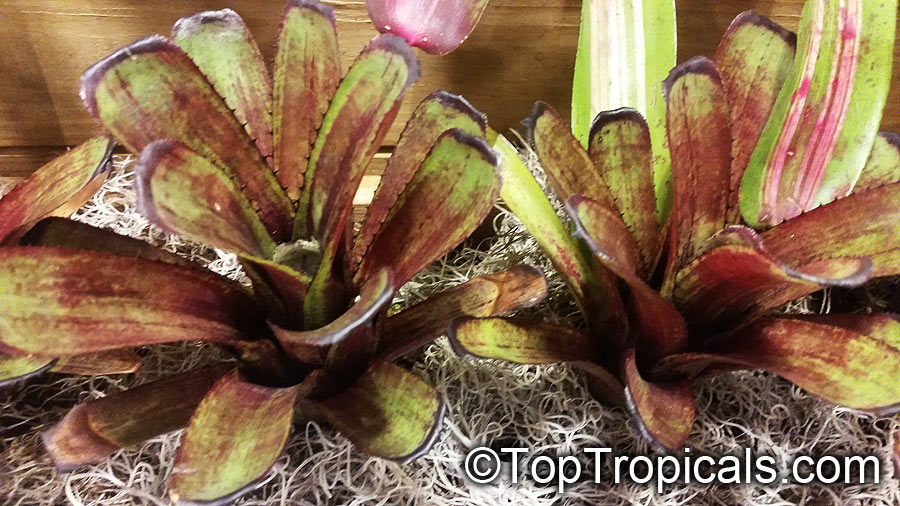
The Aechmea is very diversified, hardy, extremely popular, and very easily cultivated in the bromeliad family group. They range in sizes from a very tiny 6 inches, to more than 10 feet in height and 6 feet in diameter. Their foliage colors vary from lime green, yellow, red, burgundy, and black, and incorporates many patterns, spots, stripes, bands, silvering, shadings, and blotches. These patterns often vary form the top of the leaf to the bottom of it. The Aechmea family has large inflorescence and brightly colored, long lasting bracts that holds the magnitude of tiny flowers. Often the colorful berry-like fruits mature for a long time on the flower spike. It's a very healthy, cold and rot resistant plant to grow outdoors fixed in trees, walls, or, in pots in an orchid mix.
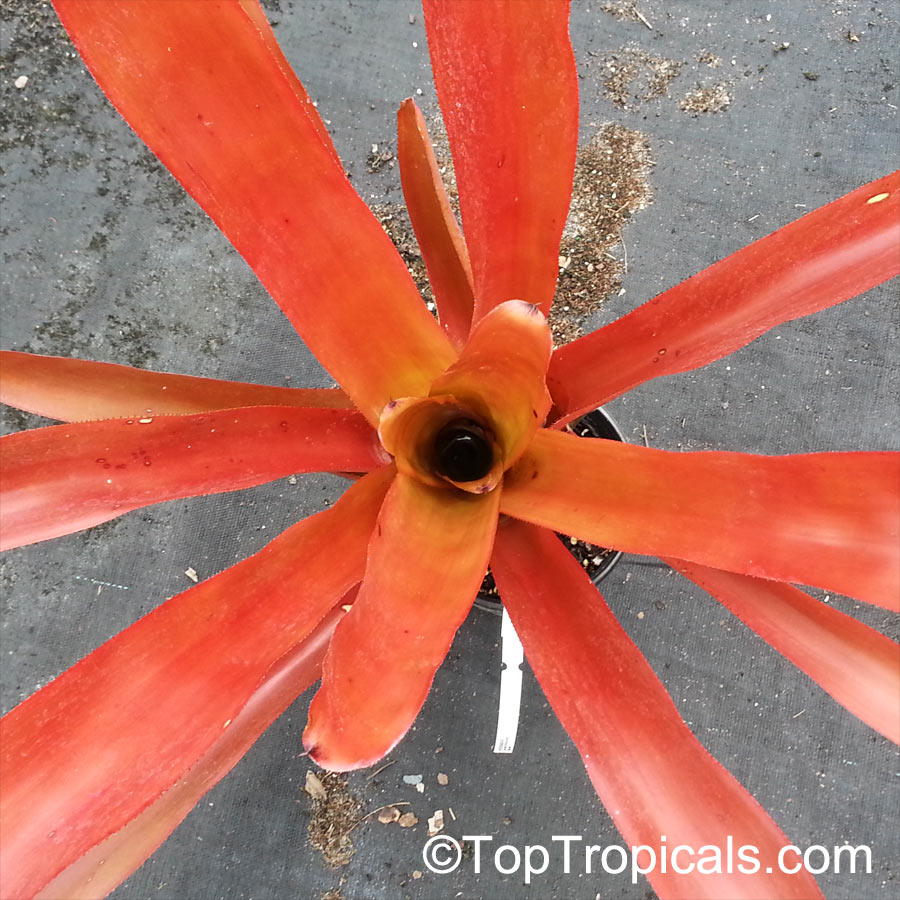
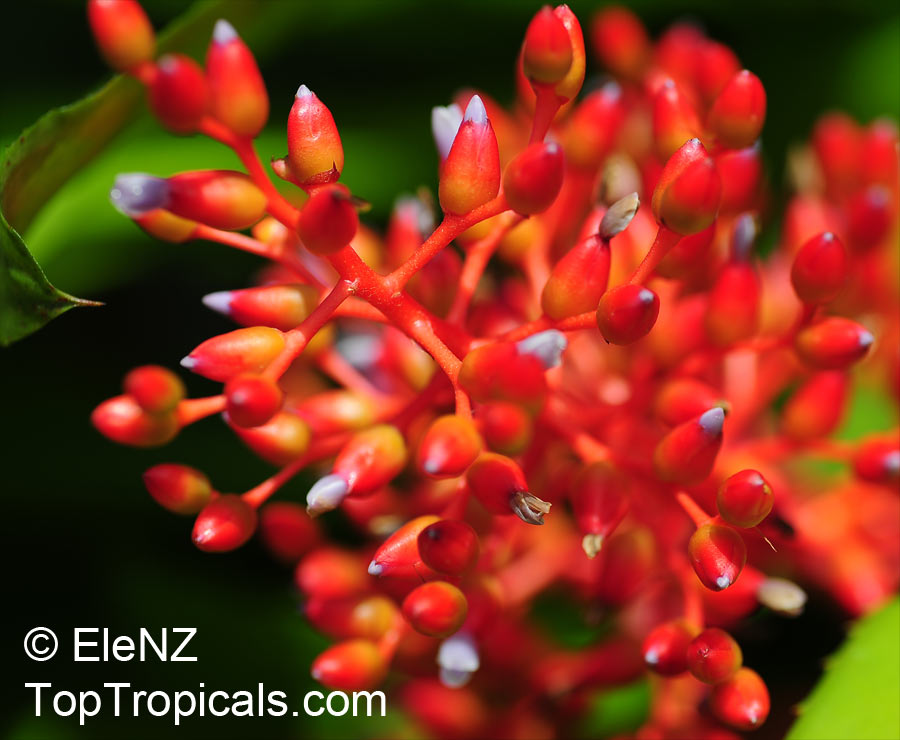
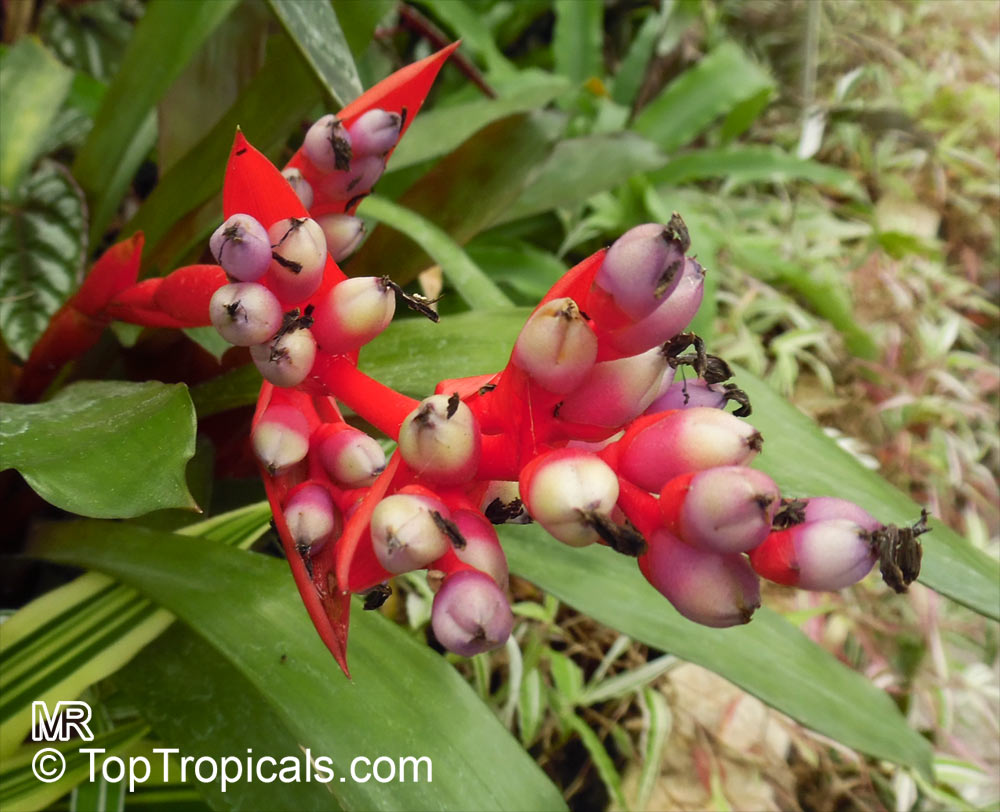
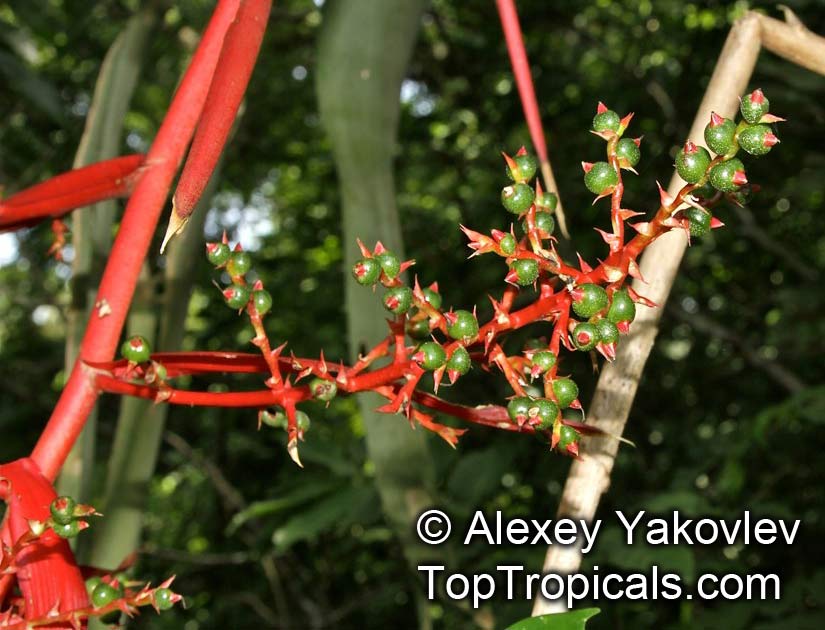
Adult plants need a sunny position to become red in the blooming period. In a luminous shade it flowers, but the leaves remain green. The rose bracts persist a long time, and if flowers are pollinated black pointed fruits will appear as shown in the picture. It's curious because, when the plant grows in very shaded locations the leaves become very long, to the point to seem a completely different plant and very elegant indeed, with no weak aspects. However, if it is gradually moved to full sun it blooms and the leaves become red.


| Next | |
Use link to repeat this search:
https://toptropicals.com/cgi-bin/garden_catalog/cat.cgi?find=Bromeliaceae&search_op=and&keyword_op=and&language=e&number=5
&no_change_lang=1&user=tt&sale=1&first=0