Vitaceae - Botanical Family
| Number of plants found: 35 | Next | 
|
Go to page: | 1 | 2 | 3 | 4 |
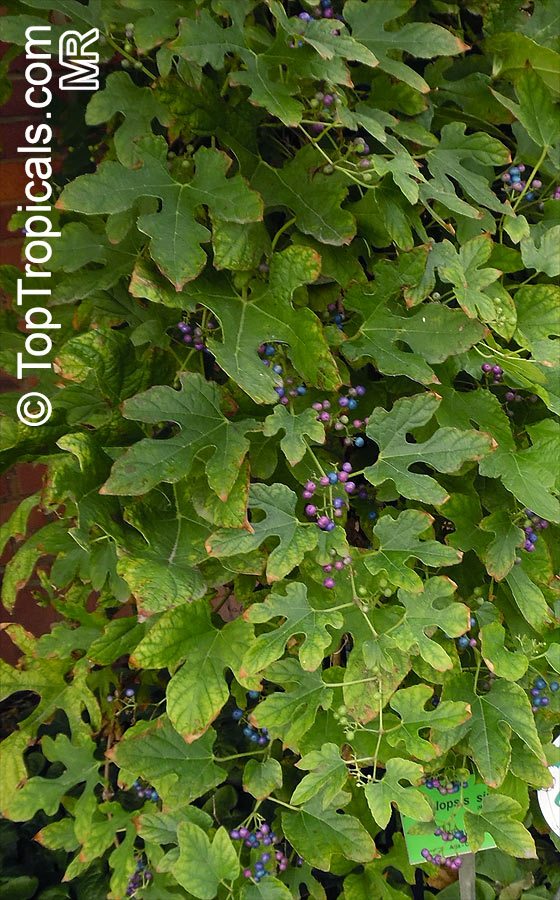
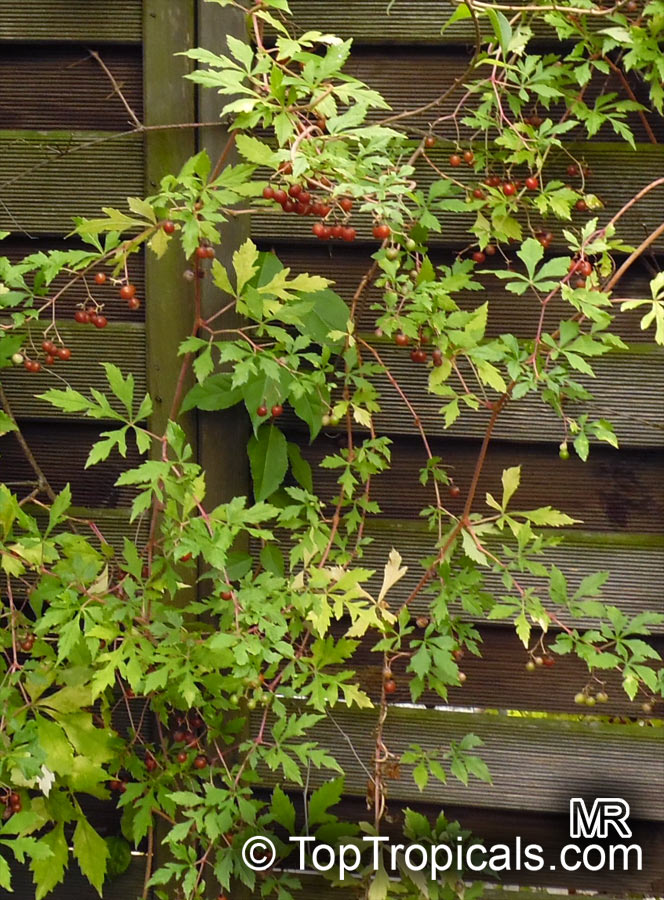
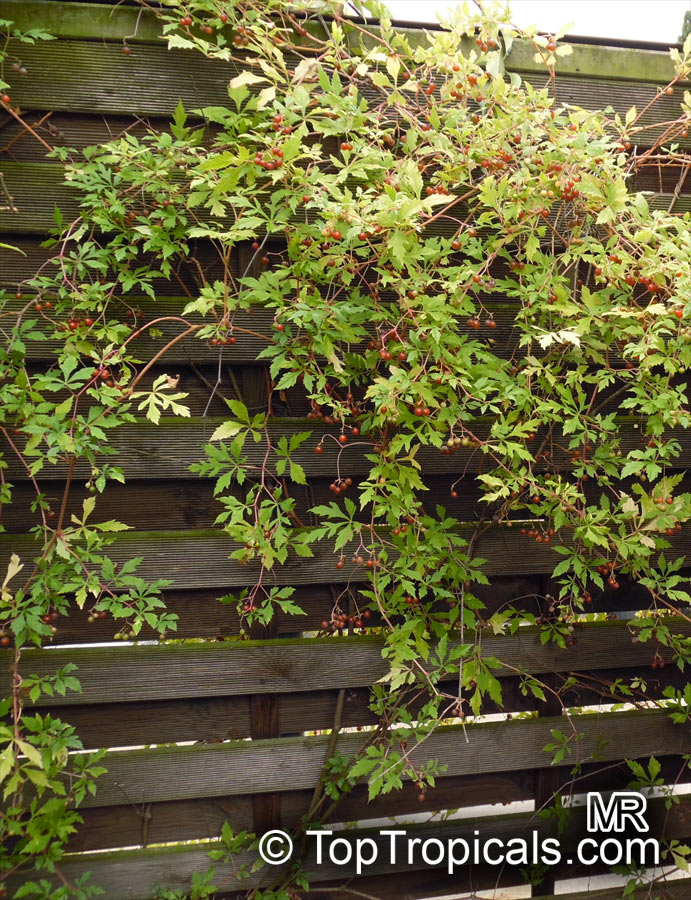
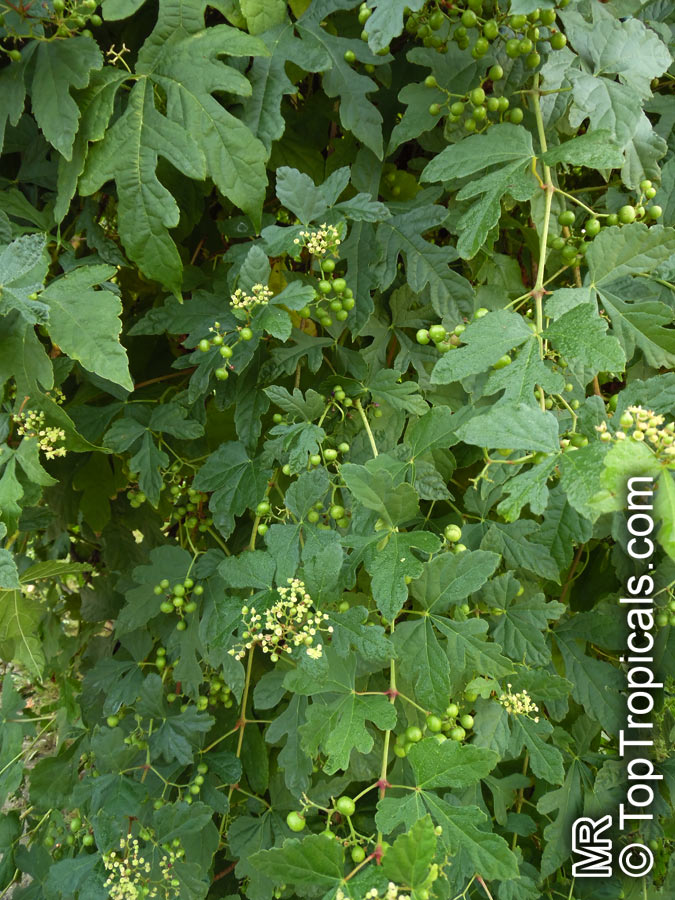
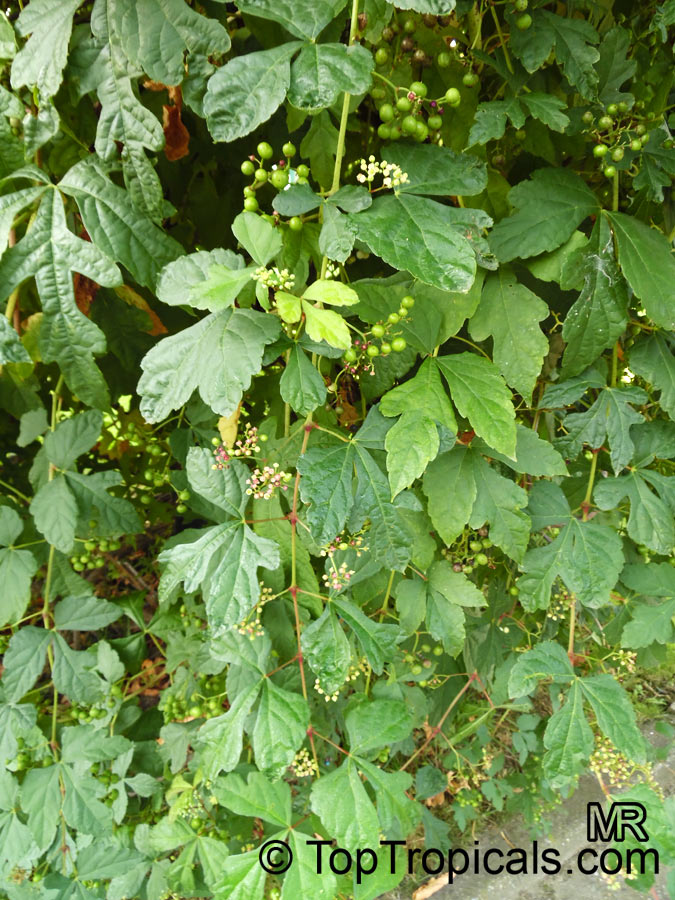
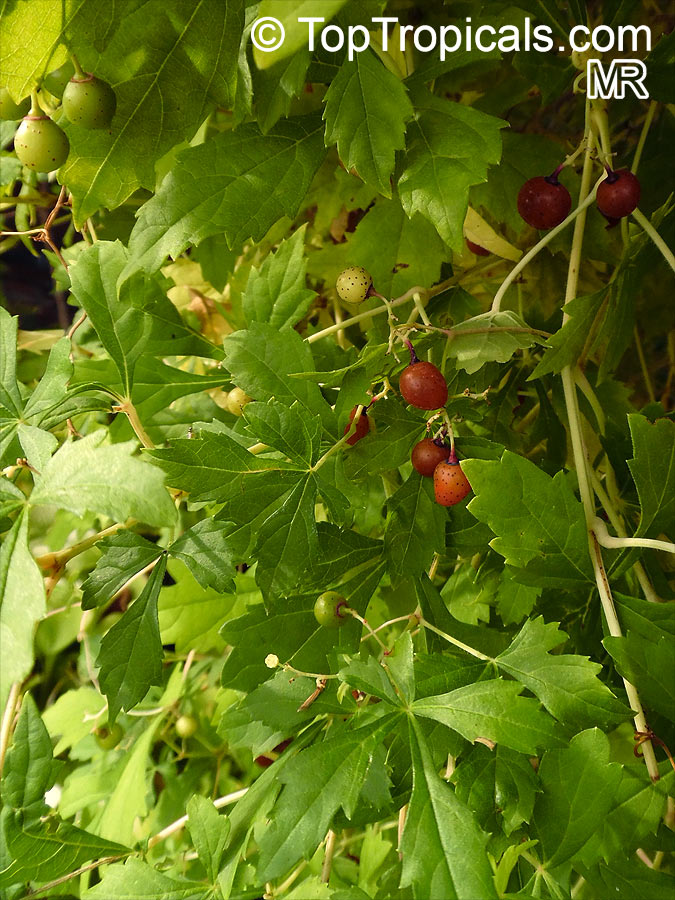
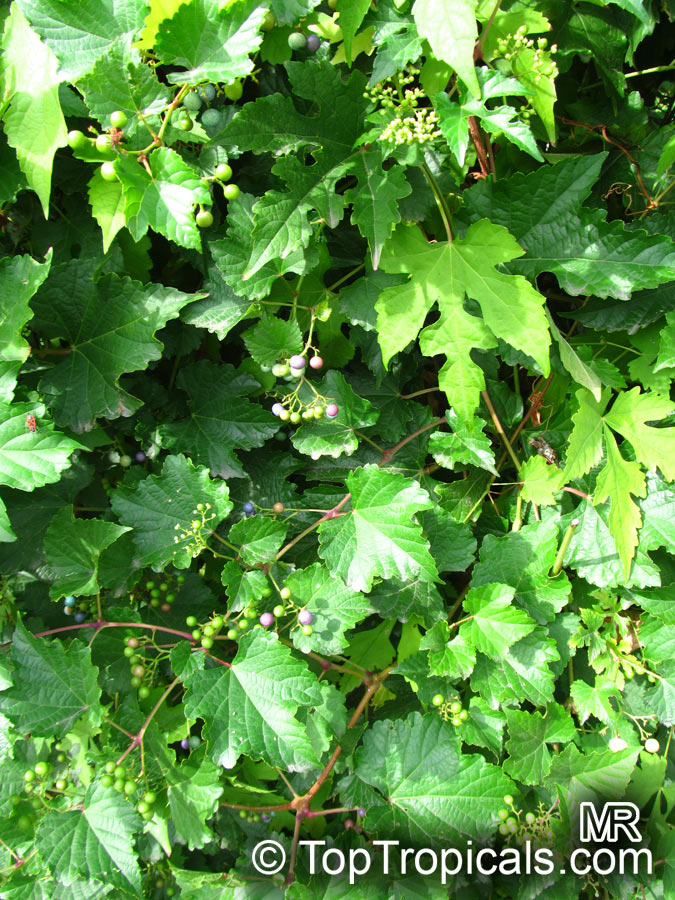
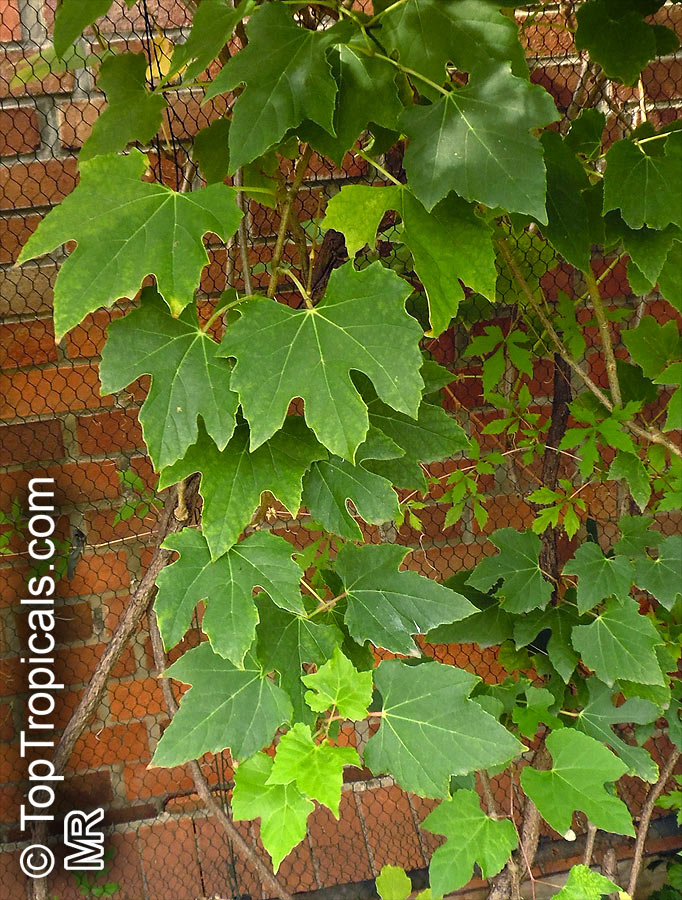
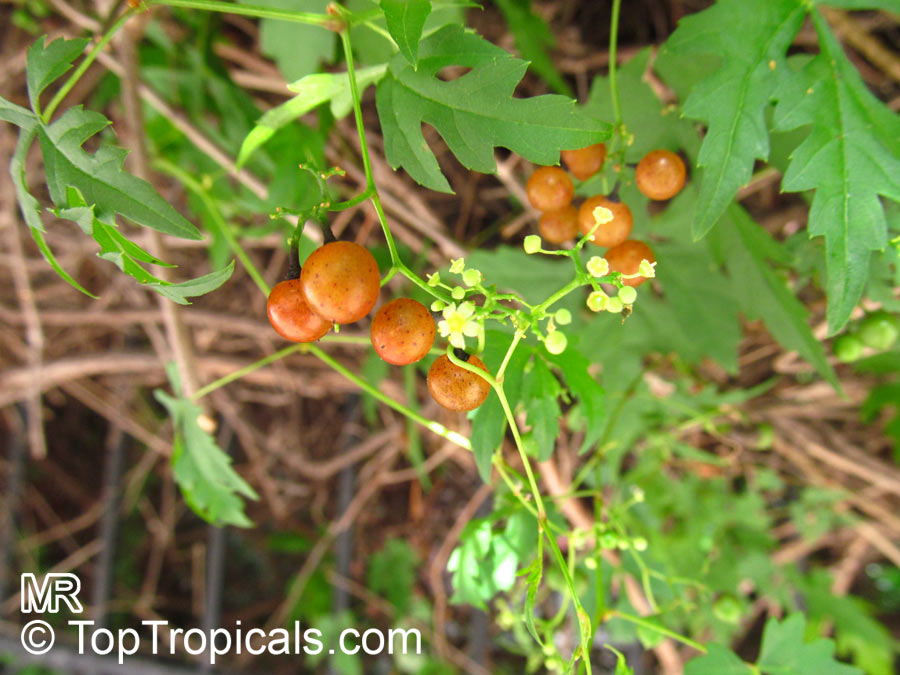
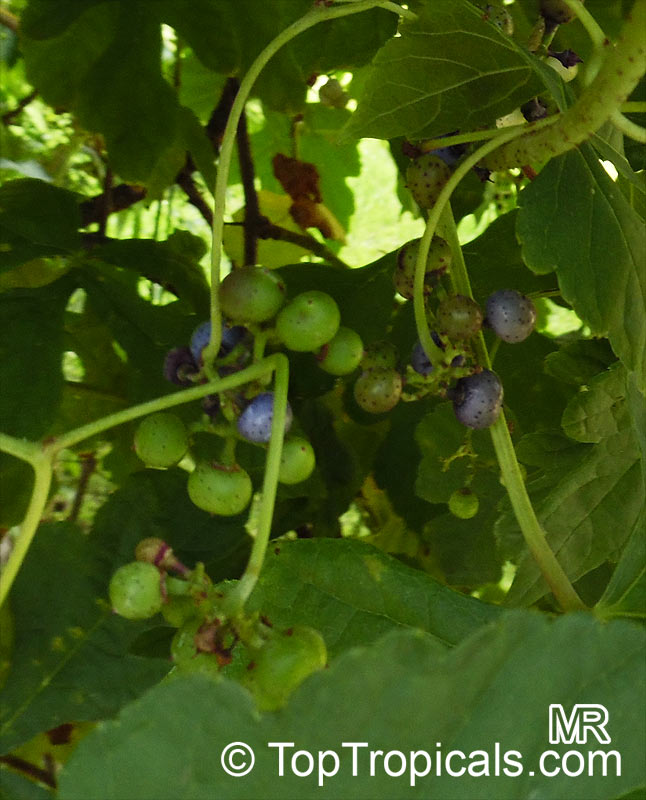
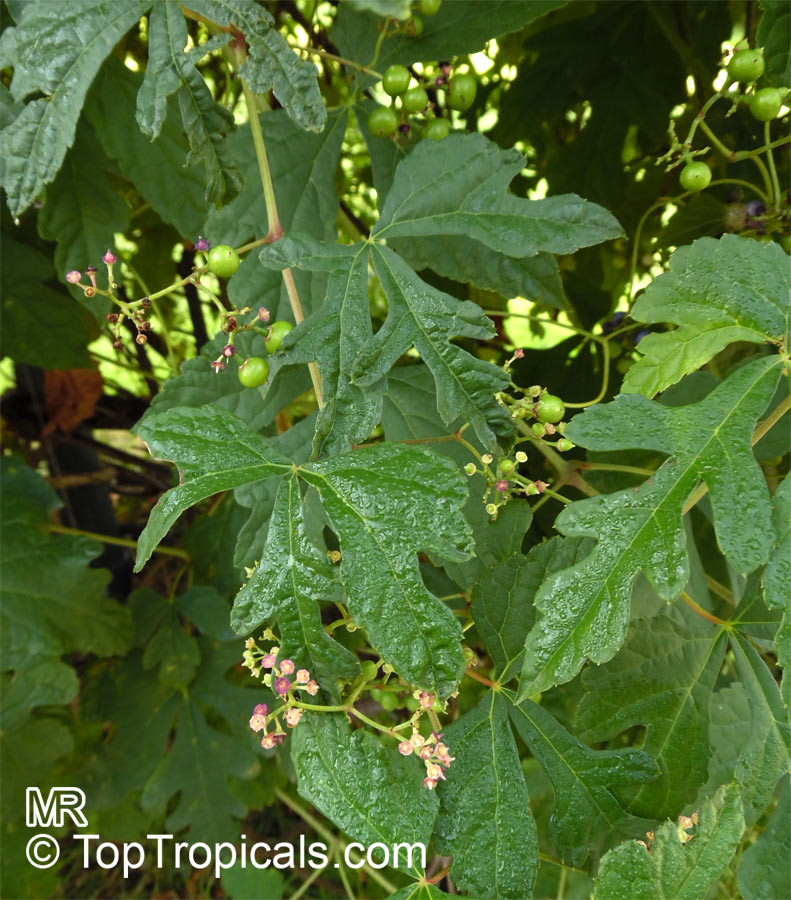
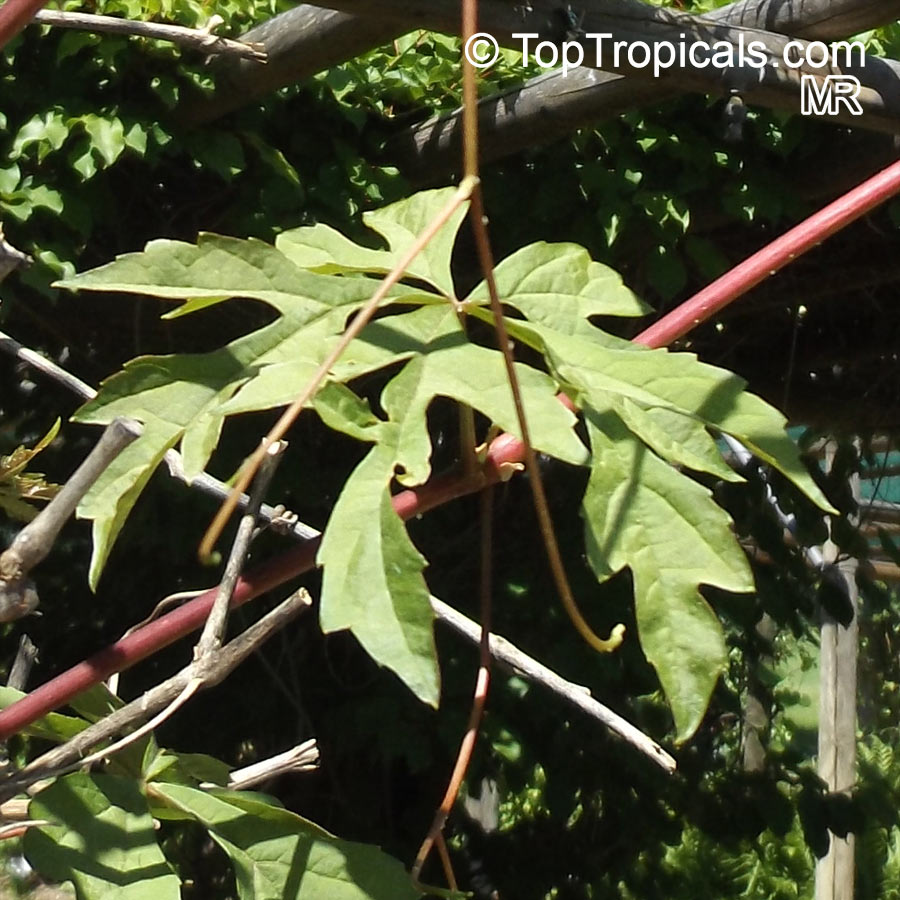
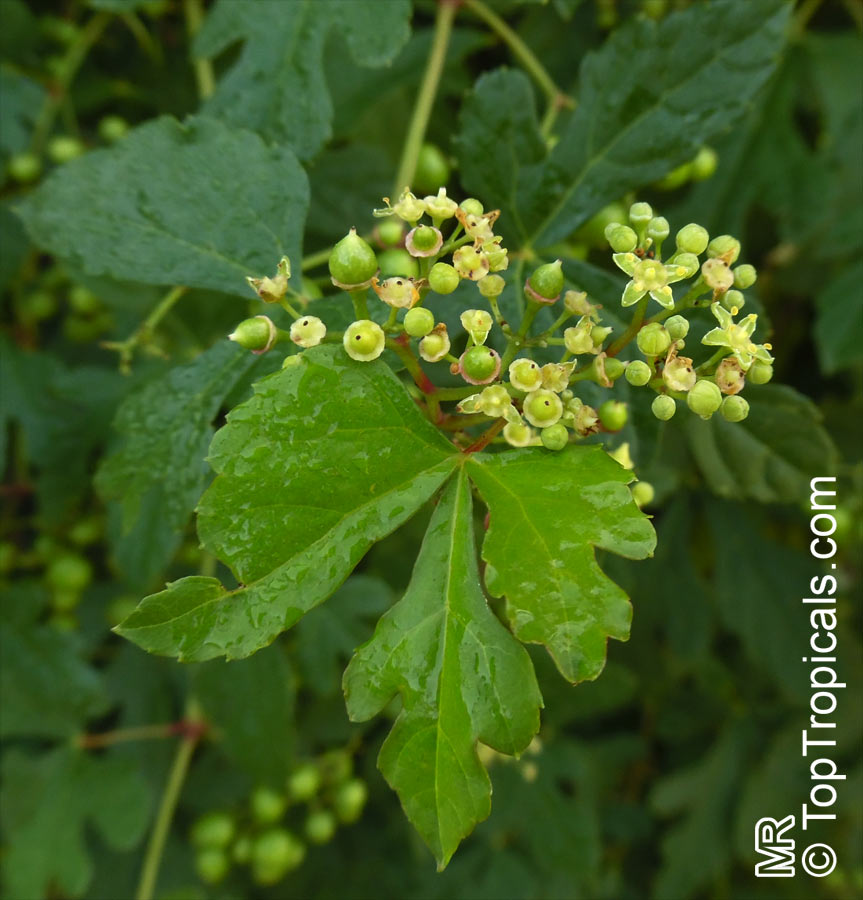
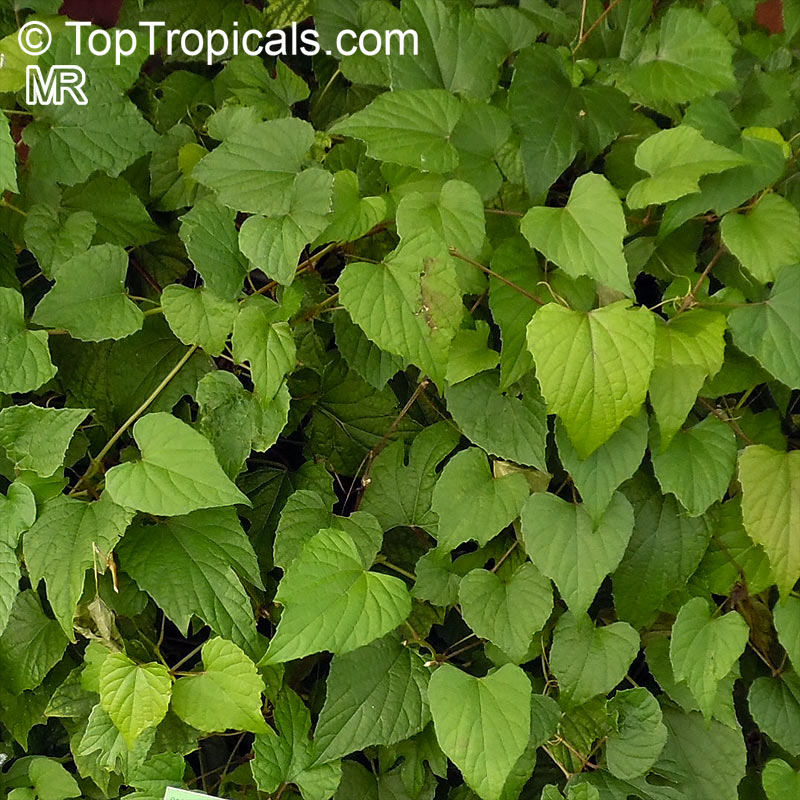
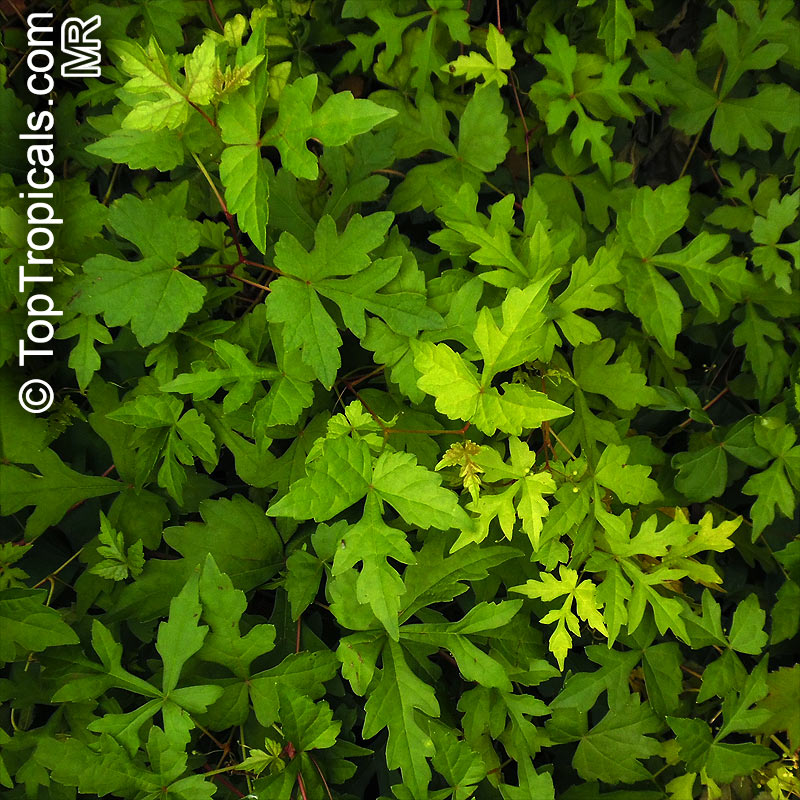
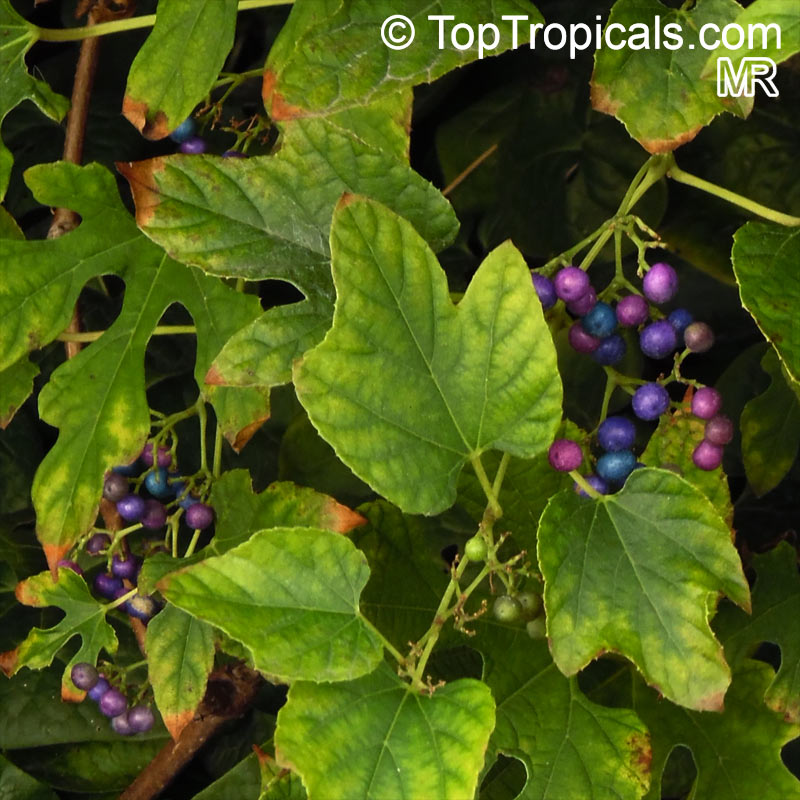
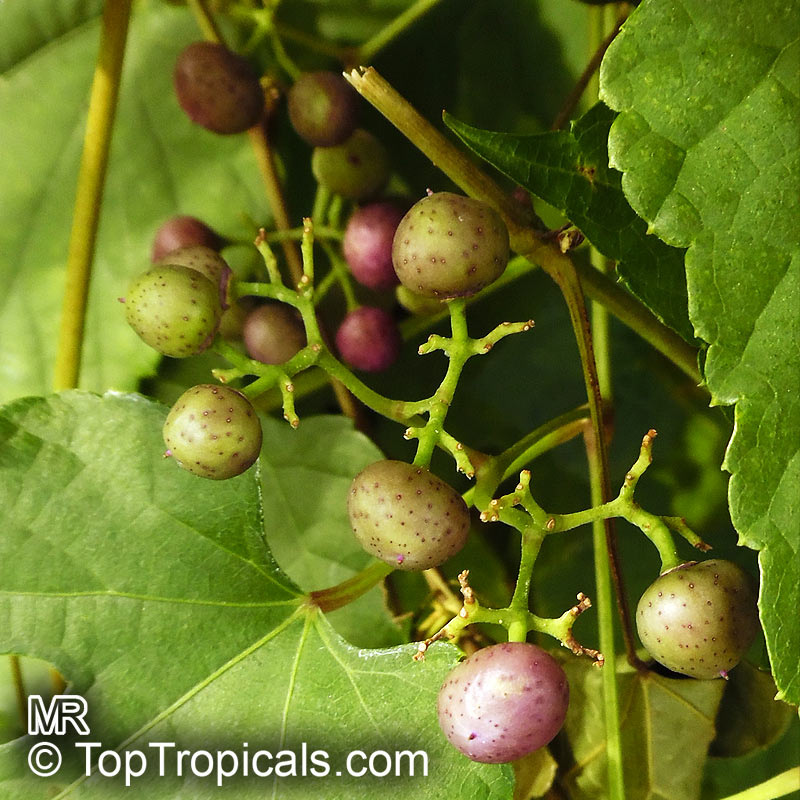
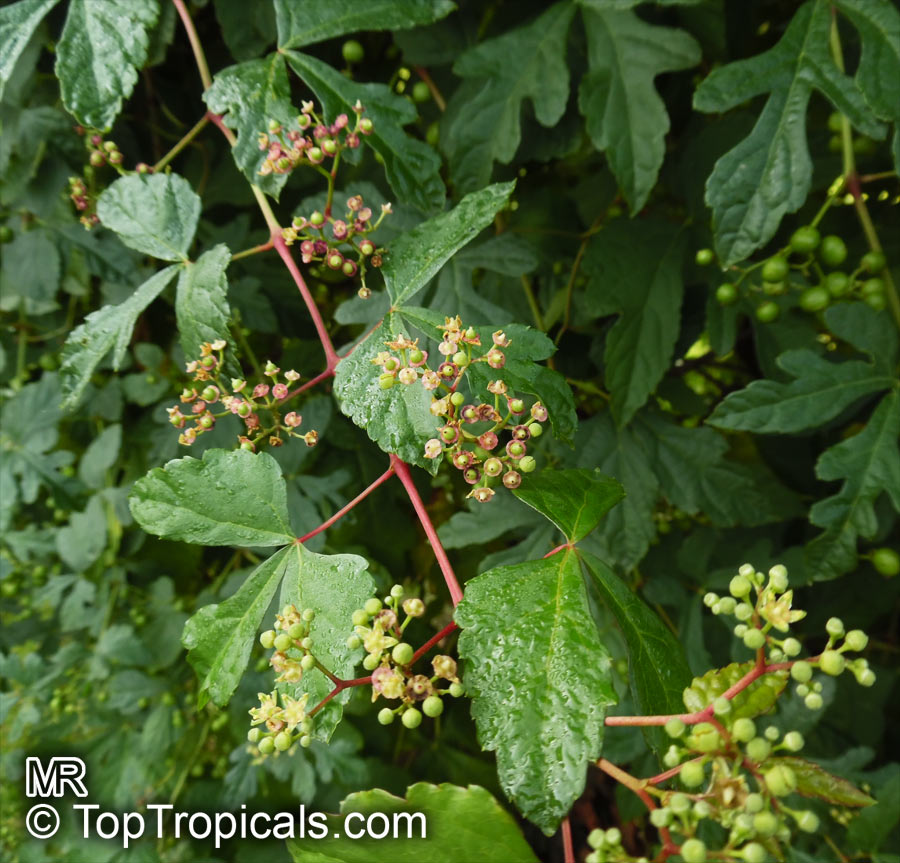
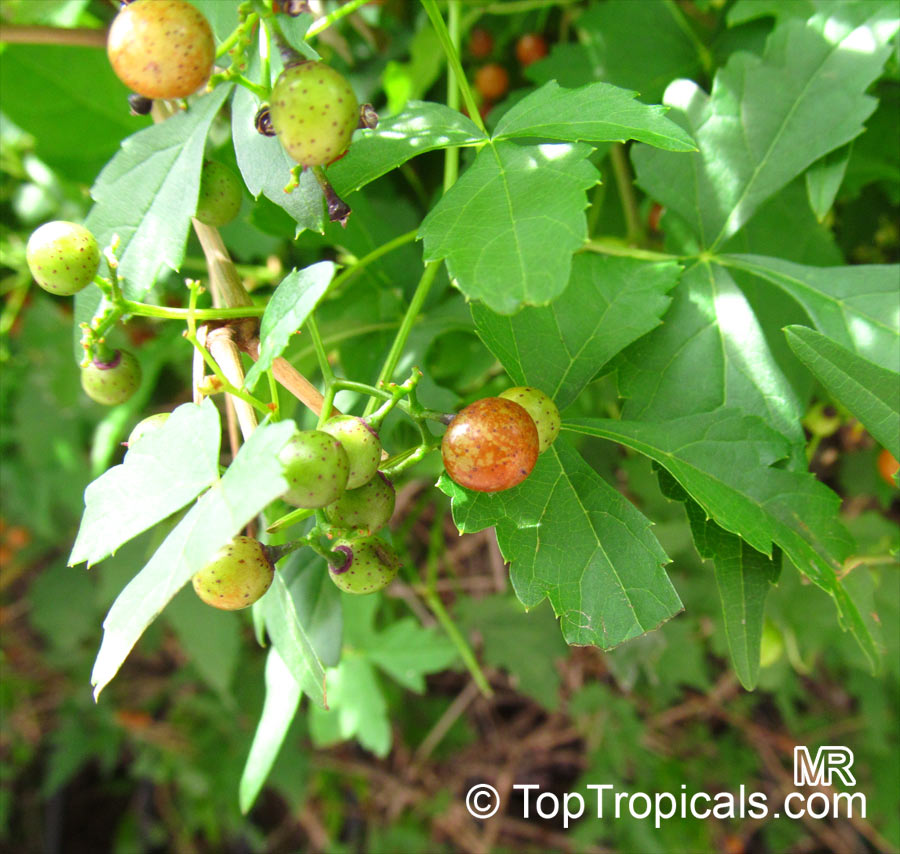
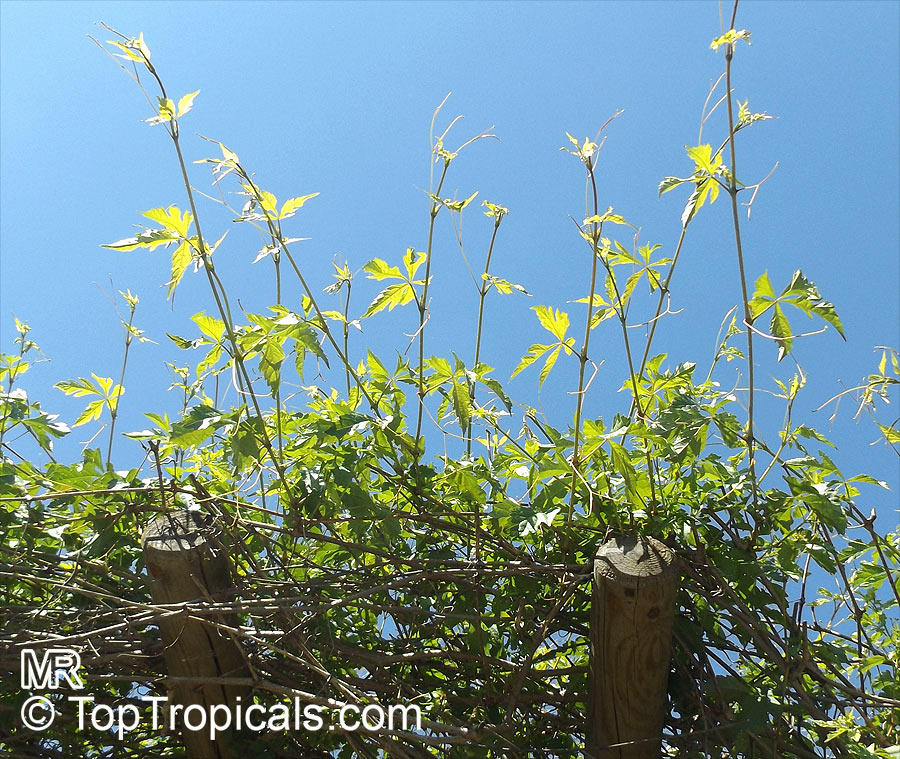
Botanical name: Ampelopsis sp.
Common names: False Grape, Porcelain Berry
Family: Vitaceae


Ampelopsis is a vigorous, woody, deciduous, tendril-climbing vine which is somewhat similar in habit to wild grape vines and will typically grow 15-25'.
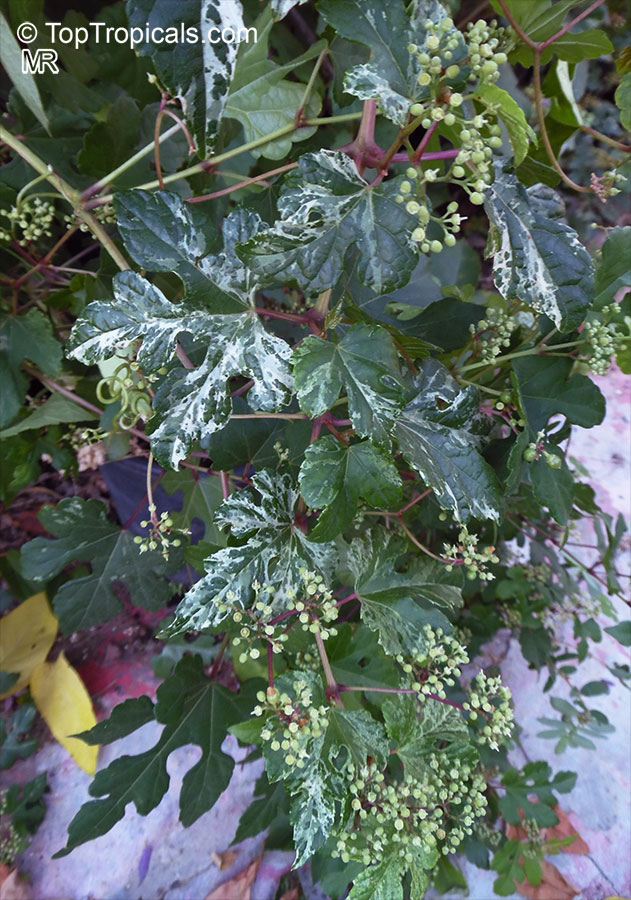
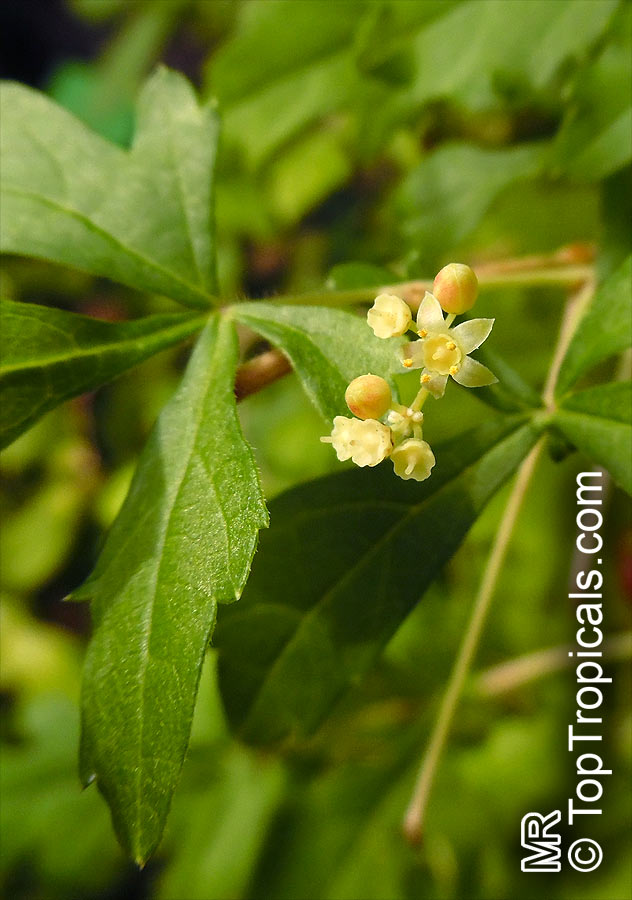

Botanical name: Cissus amazonica
Common name: Amazonian Vine
Family: Vitaceae
Origin: Brazil

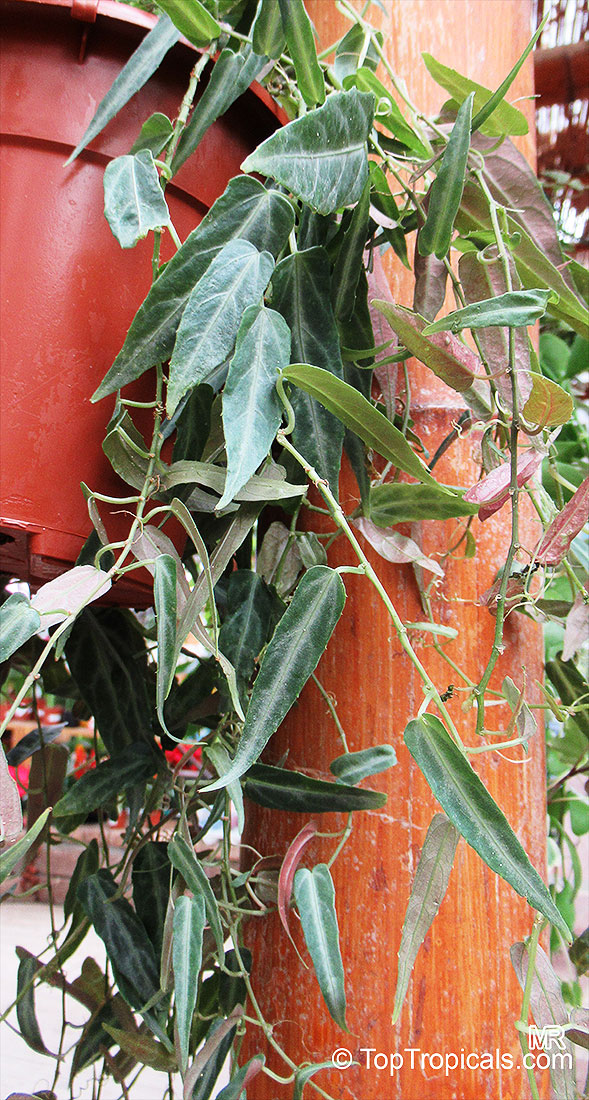
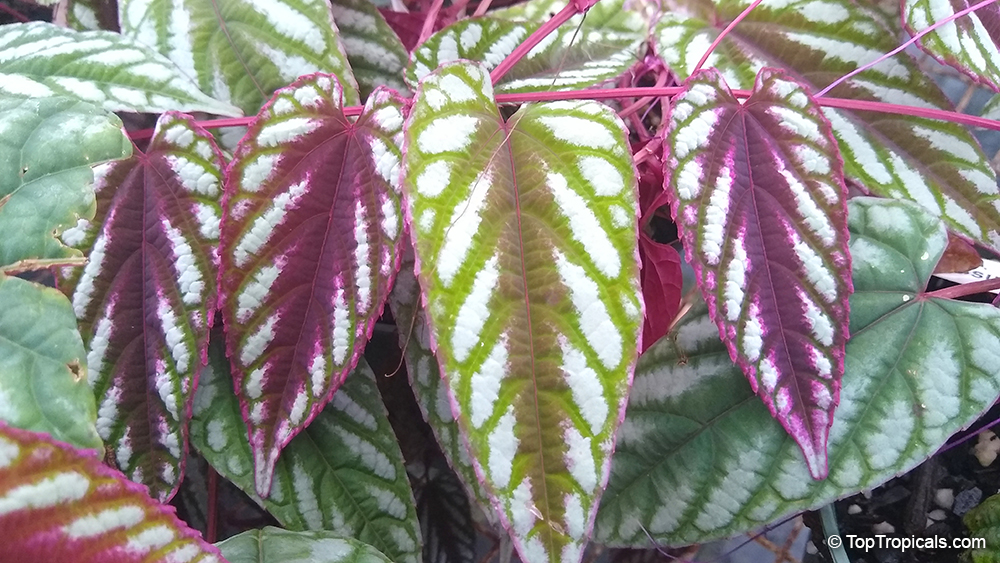
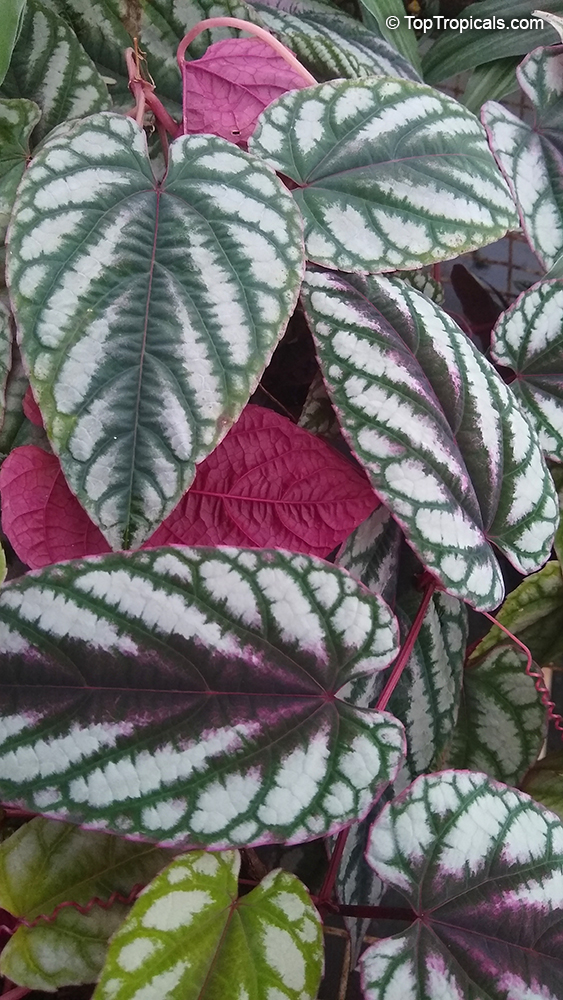
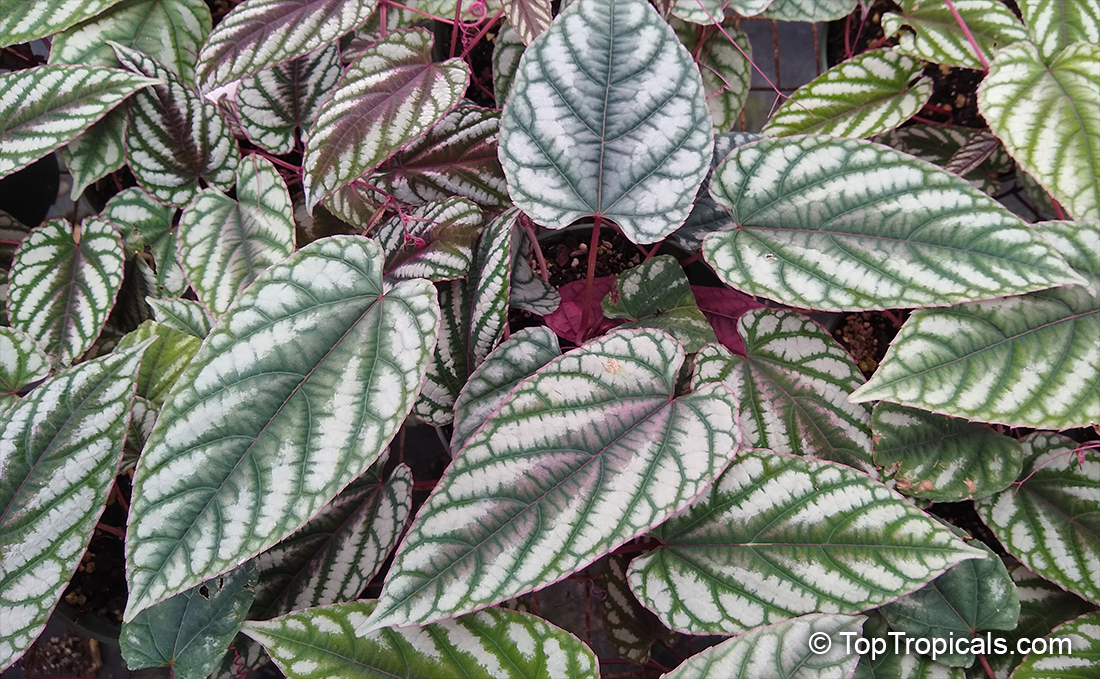
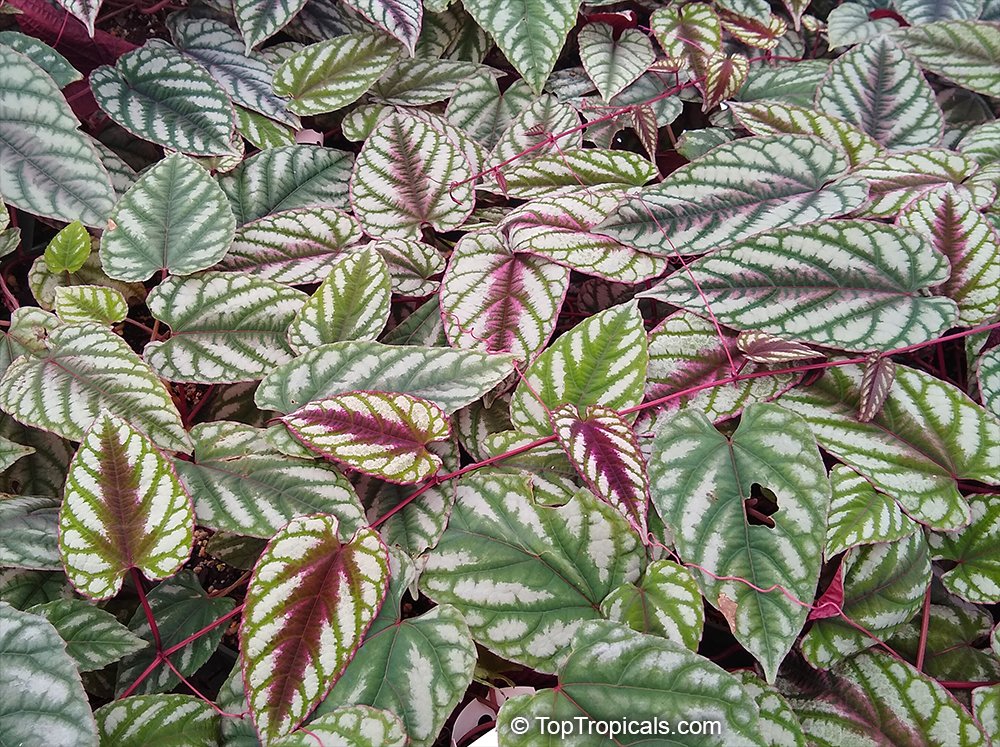
Attractive, tropical climber with string-like vines. The upper surface is brushed pale silver green with bright white weins while the underside is a pink to burgundy color. Great for the tropical terrarium, it likes to climb and scramble.
From Spring to Autumn keep soil moist using water at room temperature, but do not allow the plant to sit in water. Wait until the top centimetre has dried out before watering again. Over the cooler months during their potential rest period, water just enough to prevent the potting mix from drying out.
The Amazon Jungle Vine loves high humidity which will create luscious growth and healthy foliage.

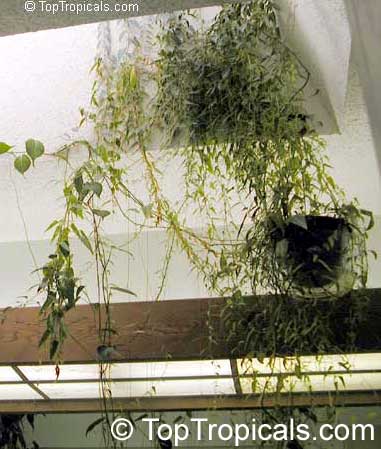
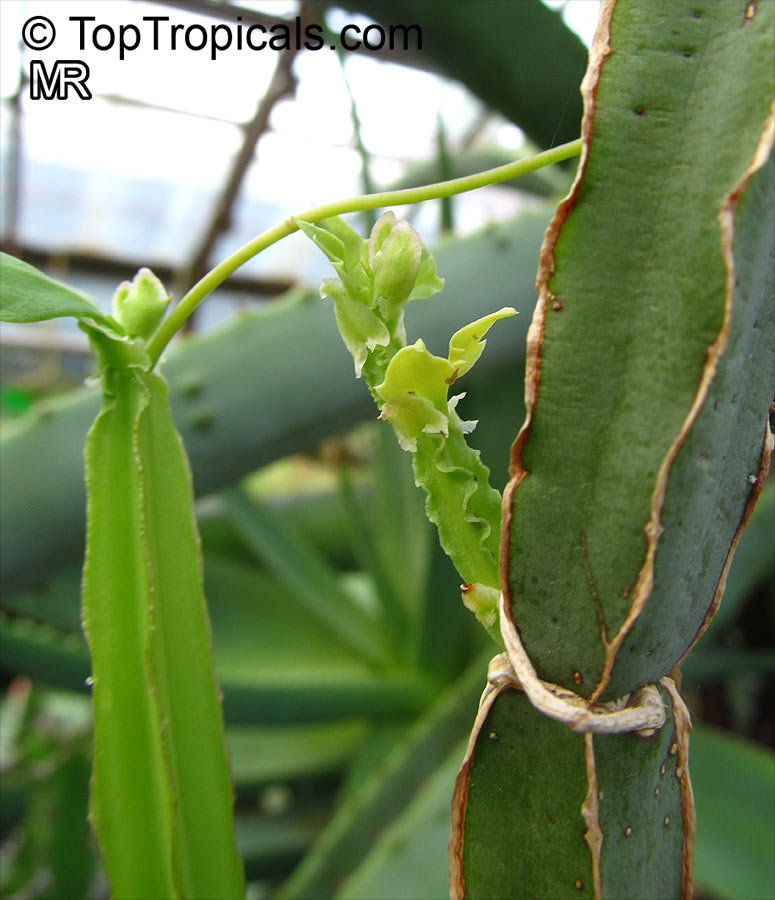
Botanical name: Cissus cactiformis
Common name: Cucumber Cactus
Family: Vitaceae

Cucumber cactus has fleshy segmented stems like cucumbers.
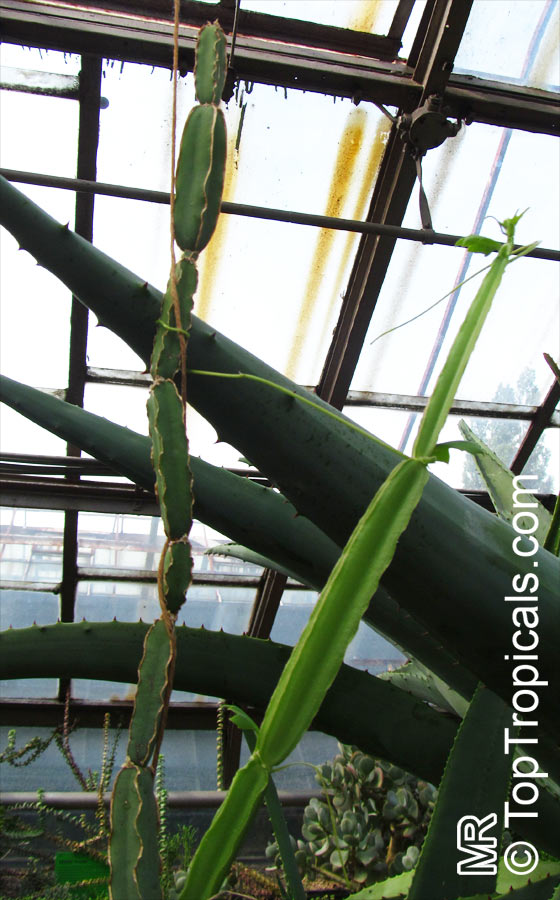
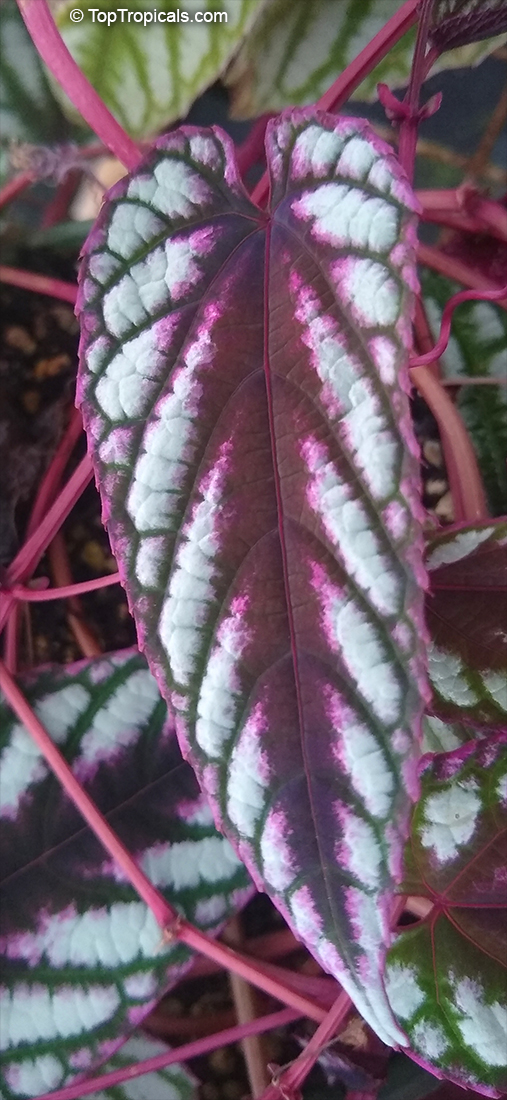
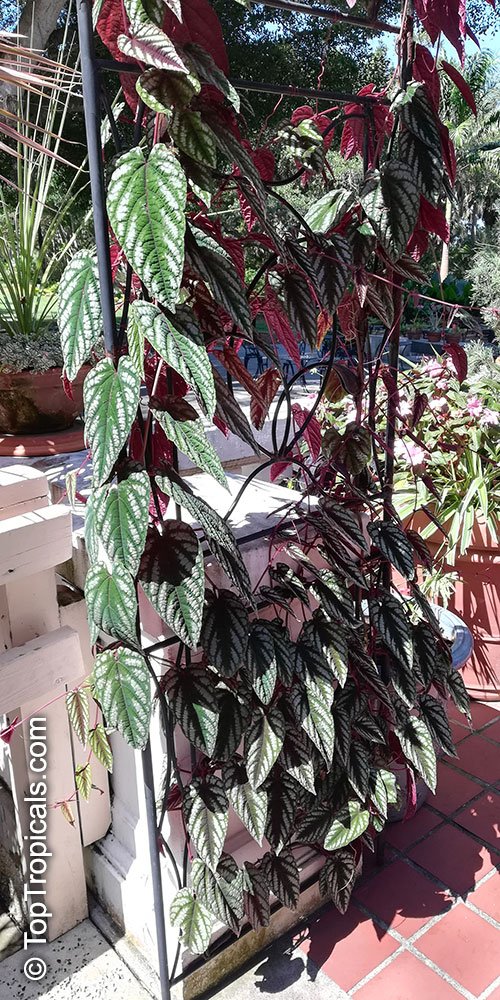
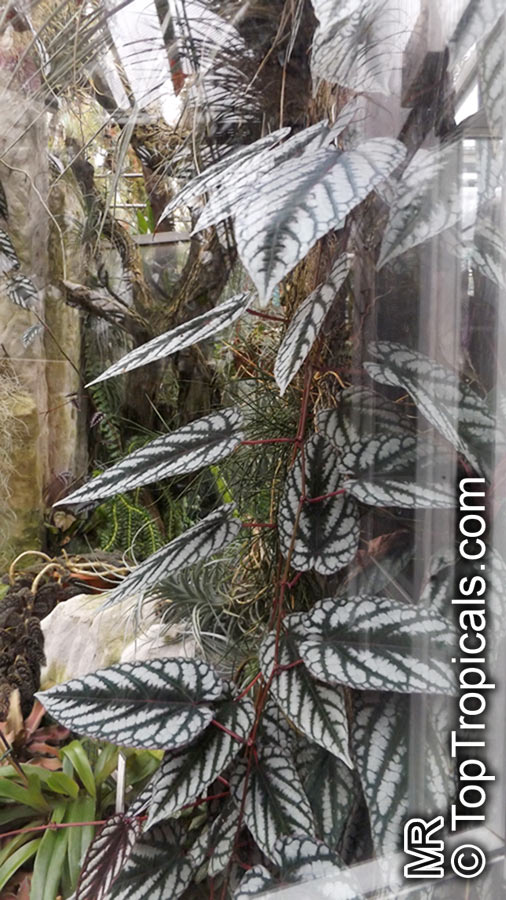
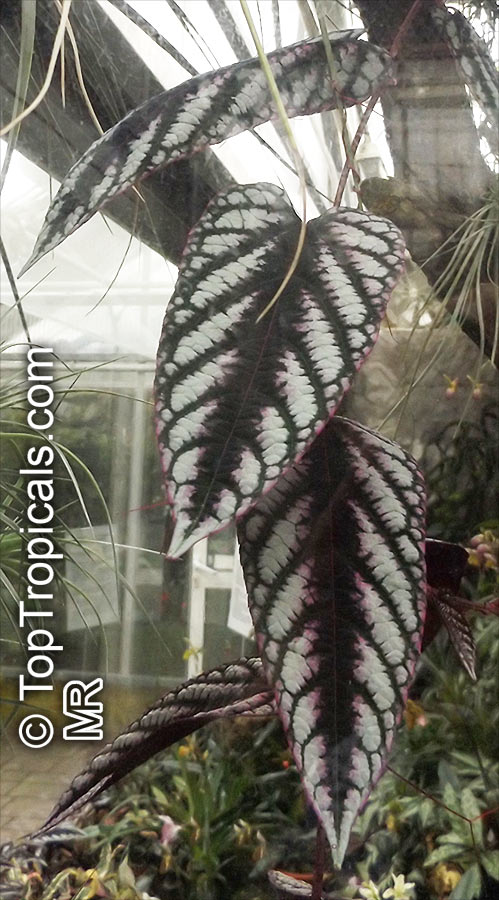
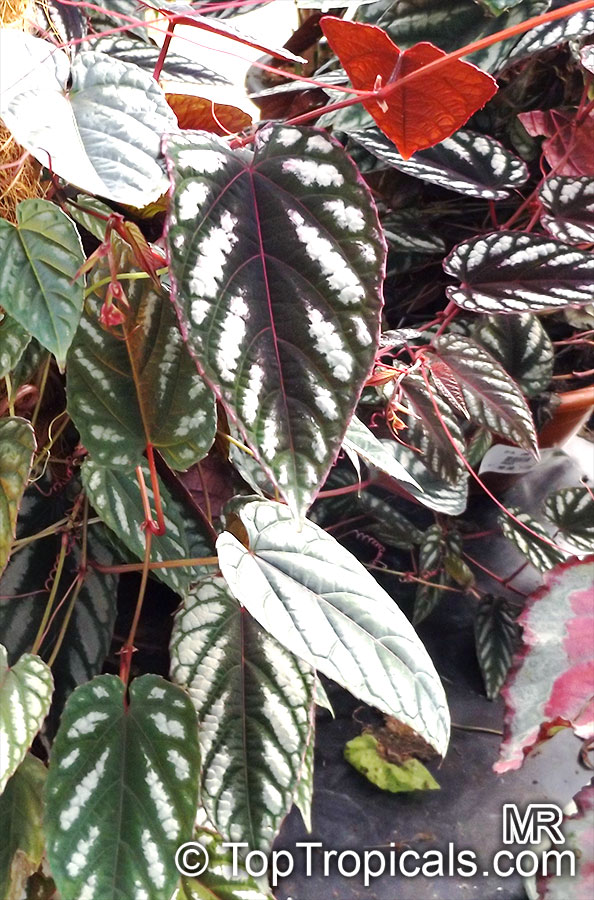
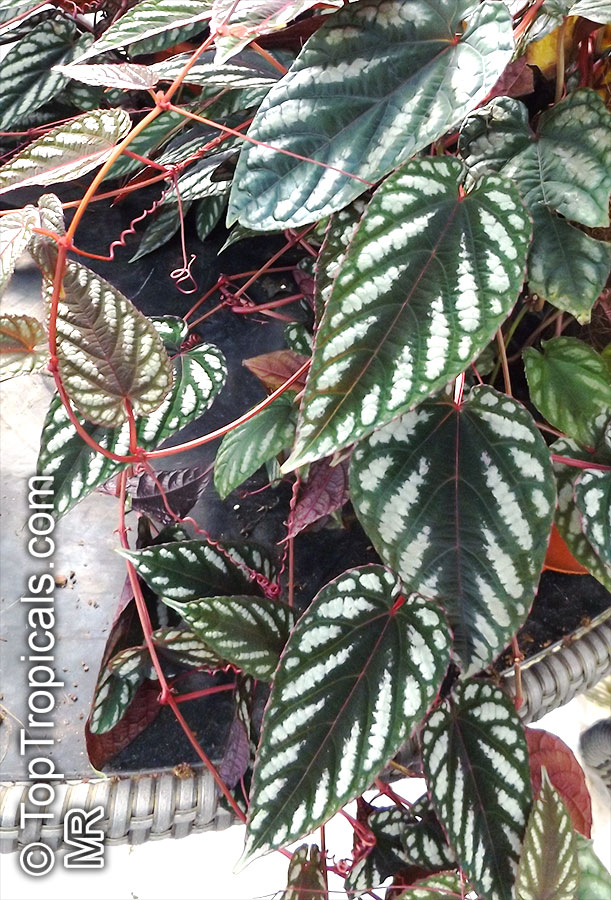
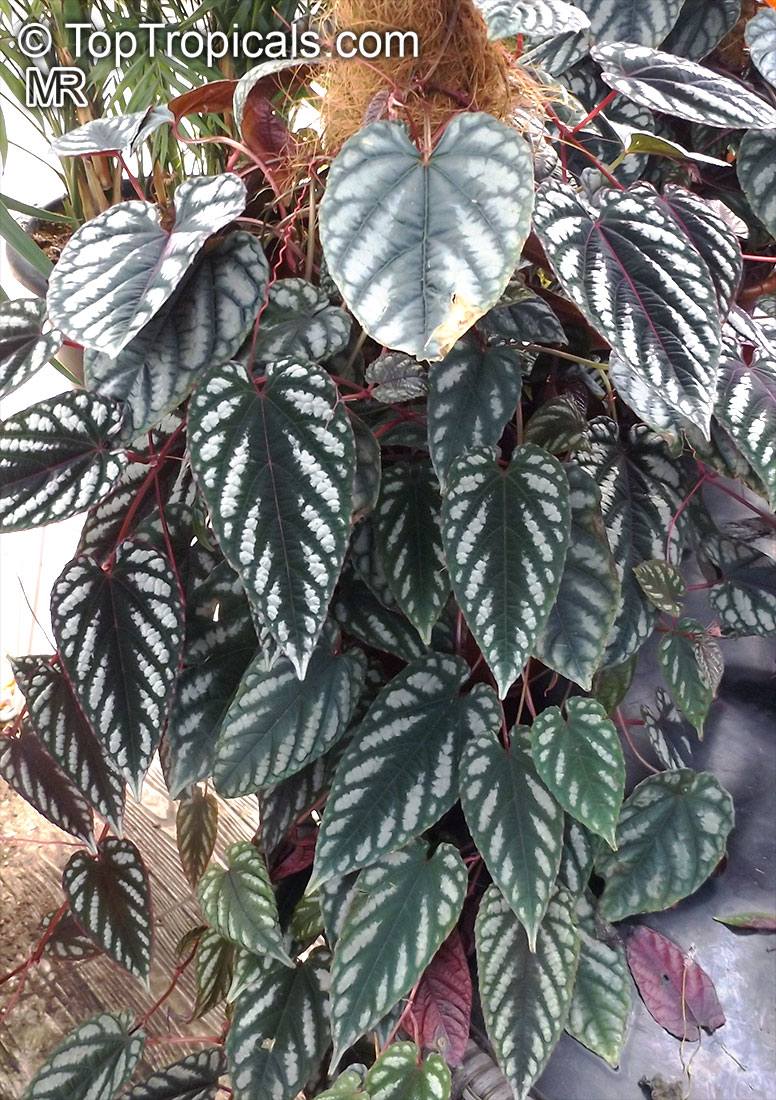
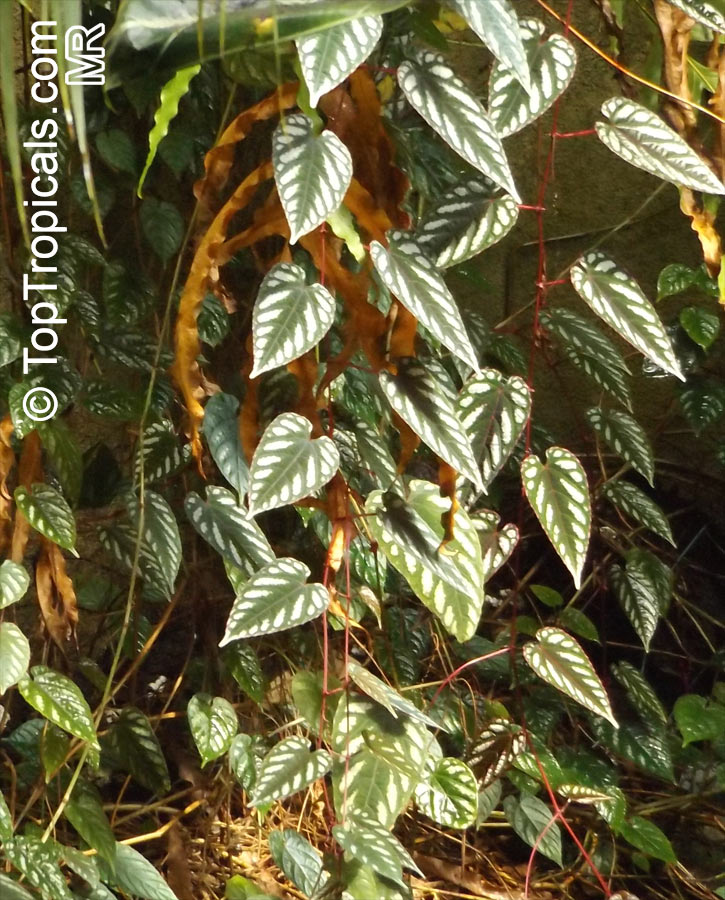
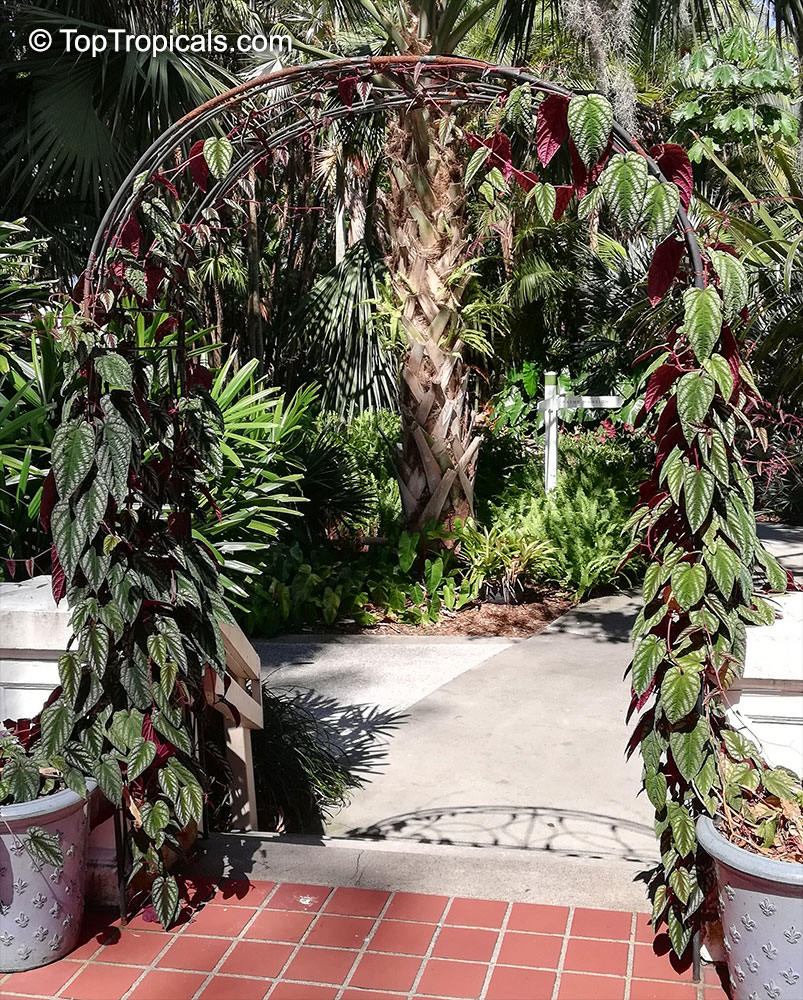
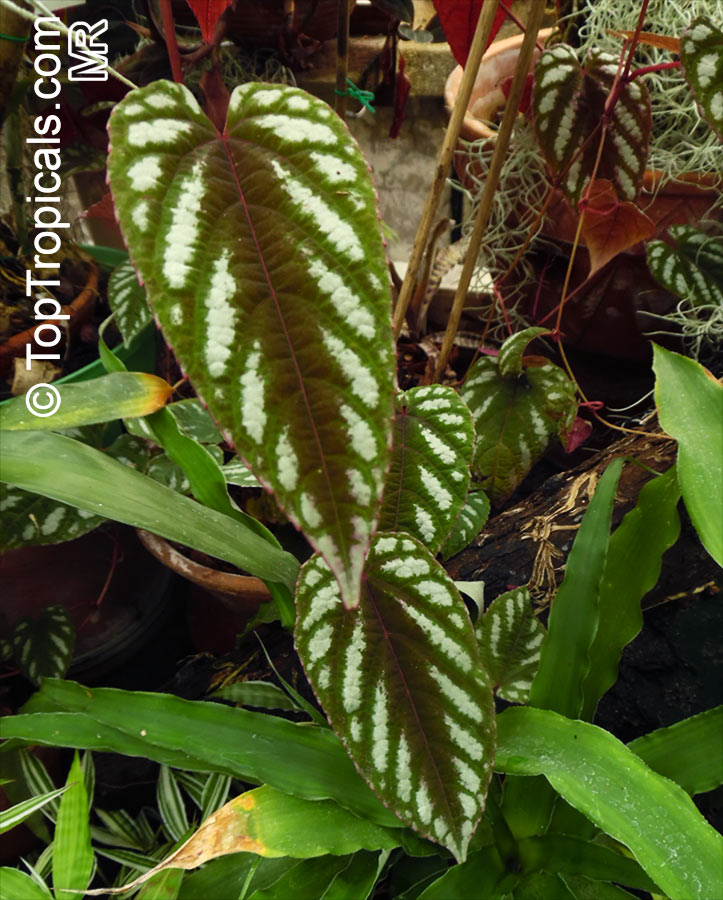
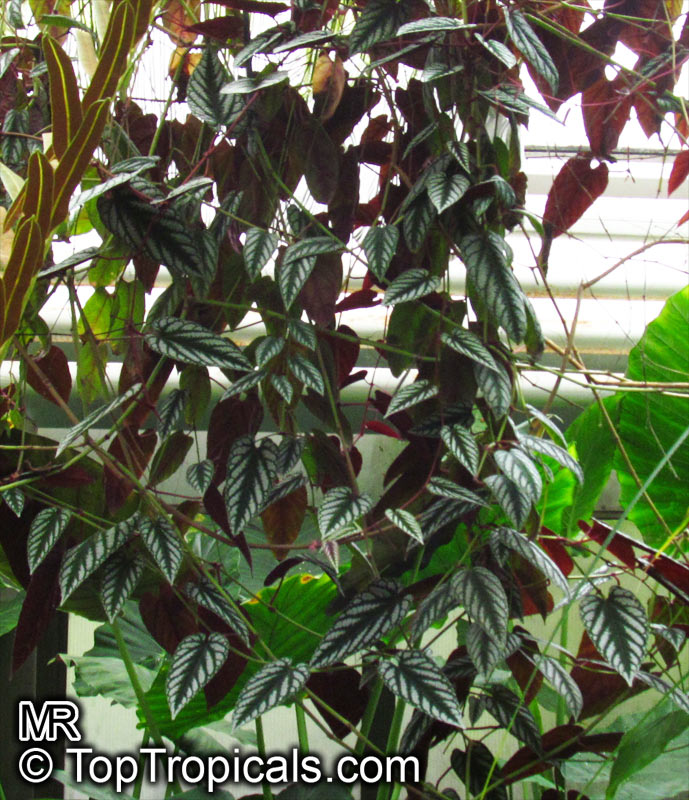
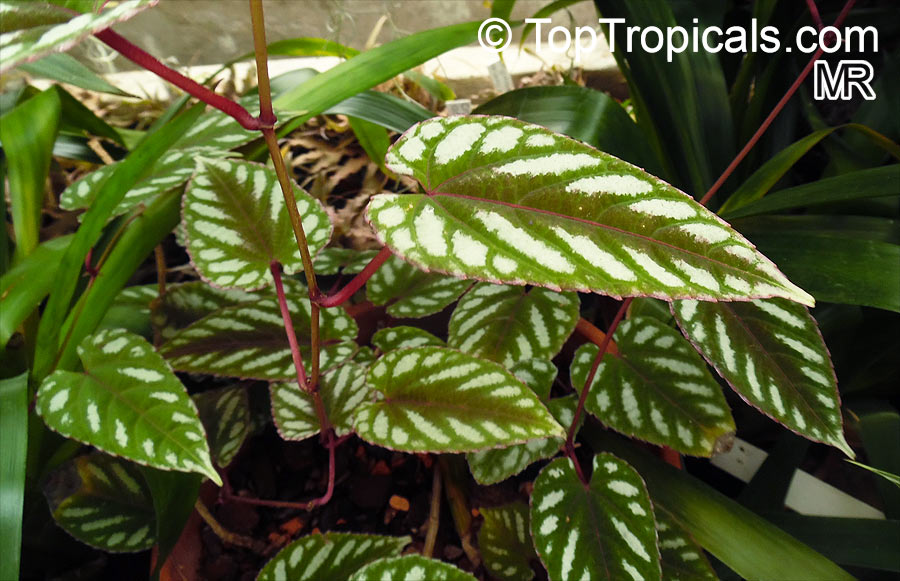
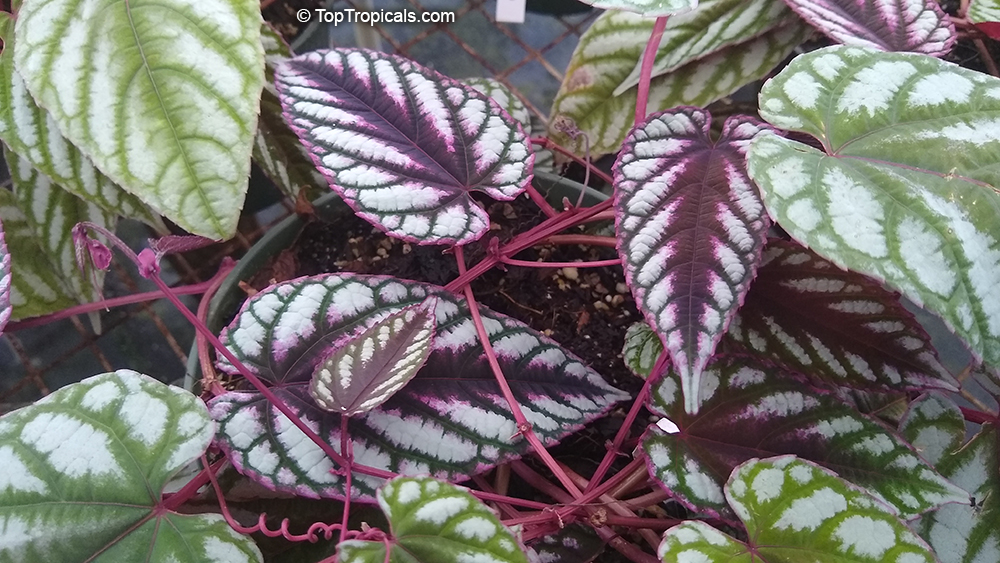
Botanical names: Cissus discolor, Vitis discolor
Common names: Rex Begonia Vine, Painted Cissus, Tapestry Vine
Family: Vitaceae
Origin: Java and Cambodia

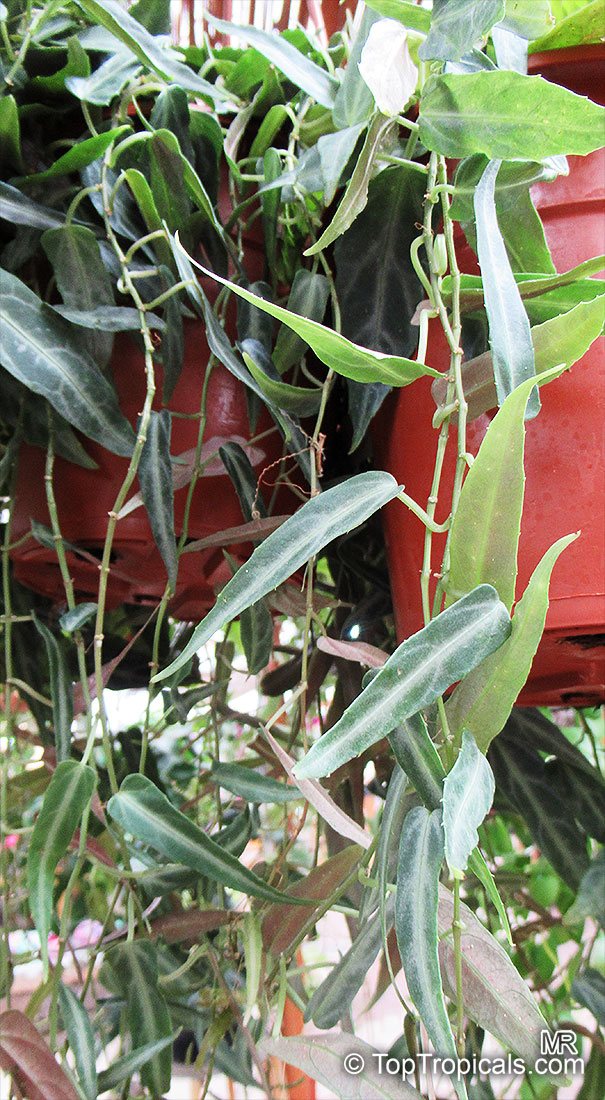
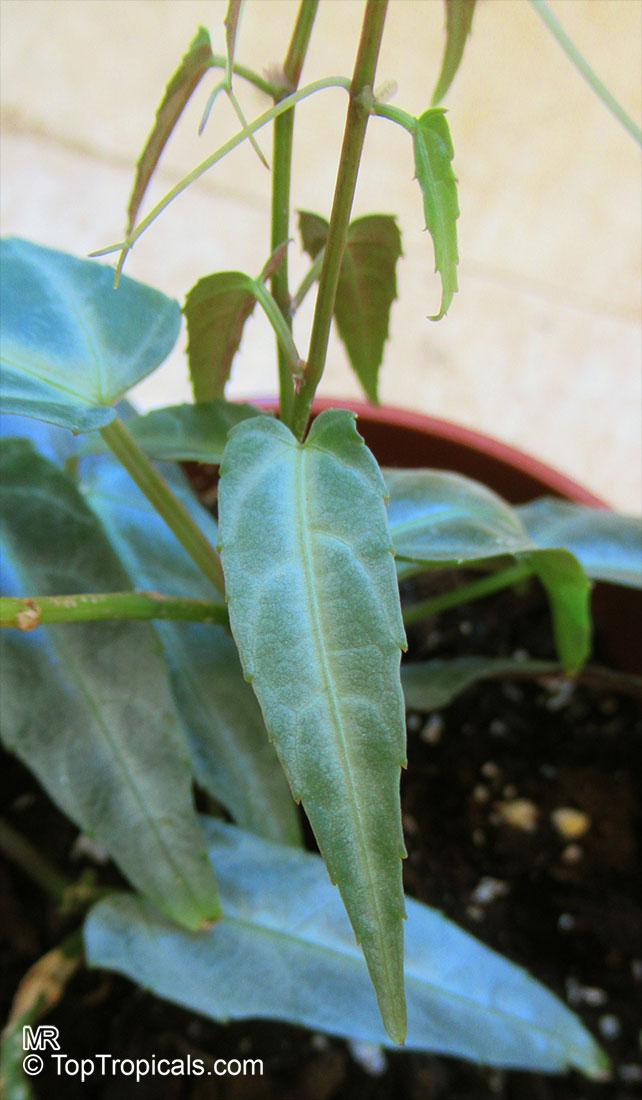
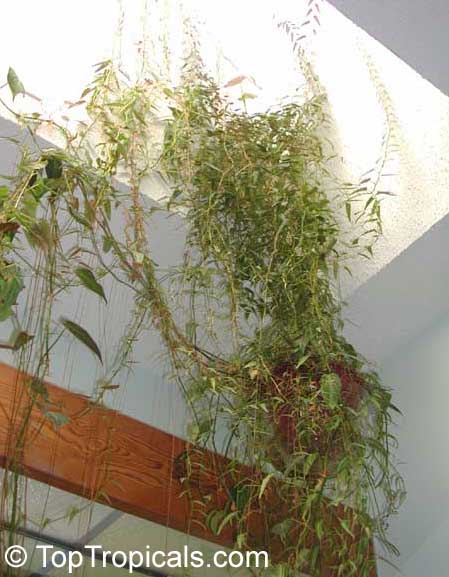
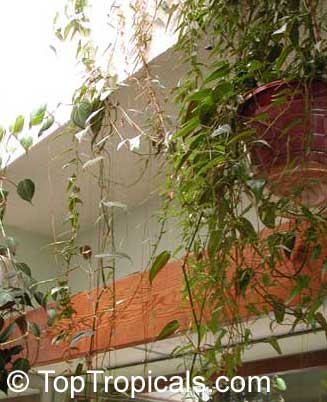
Cissus discolor, native to Java and Cambodia, is a fast growing, exotic looking, trailing vine, which is sometimes called Tapestry Vine or Rex Begonia Vine. It is not a begonia, but the medium sized lance shaped leaves have the bright colors of Rex Begonia leaves. The leaves are dark green with silver and purple blotches. It makes a gorgeous hanging basket. Thanks to its large, striking leaves and climbing growth, Cissus discolor has become a popular houseplant. The leaves and stems produce a natural secretion, tiny opaque dots, called cystolyths. Grow this Cissus in a hanging basket or let it climb up a trellis.

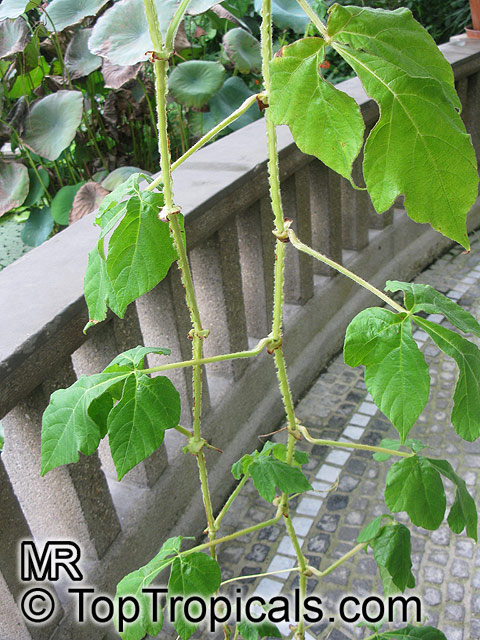
Botanical name: Cissus gongylodes
Common names: Treebine, Wing Stemmed Grape Ivy
Family: Vitaceae
Origin: South America
An evergreen to partially deciduous tropical vine or liana, with squared, succulent stems and pinkish red aerial roots.
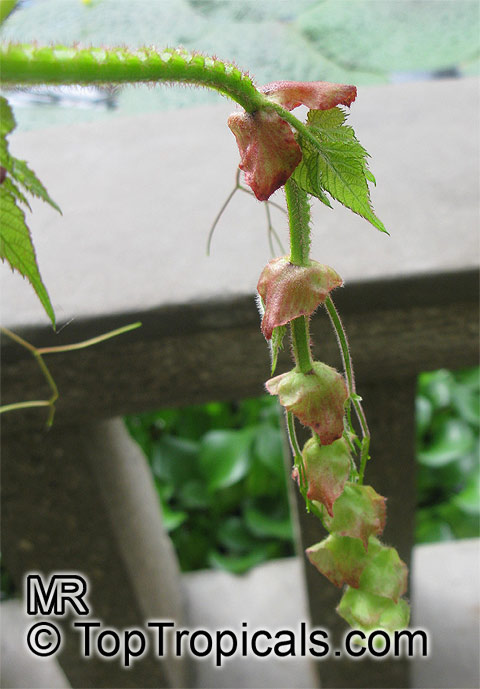

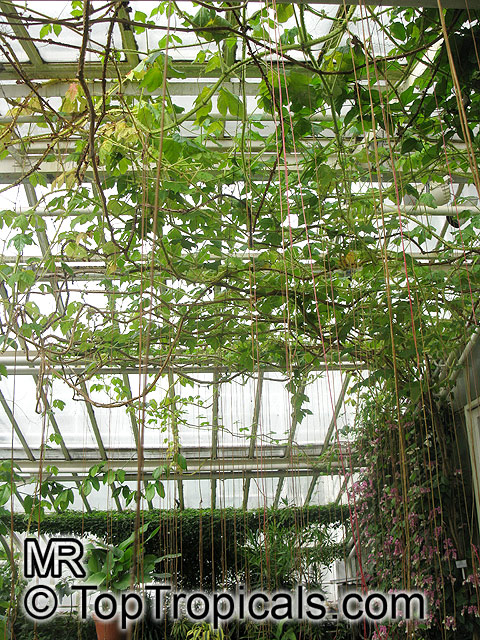
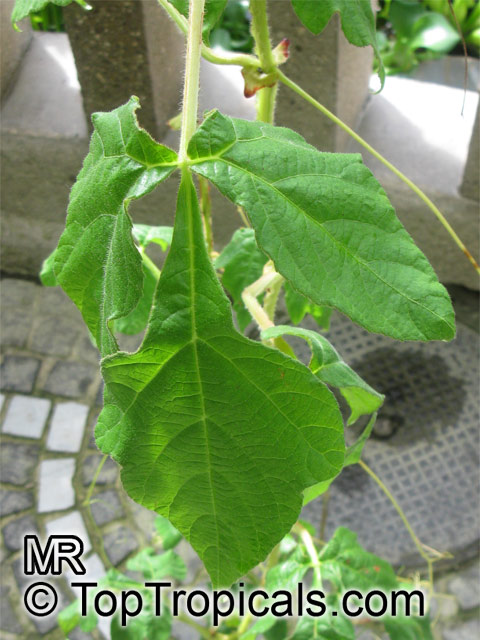
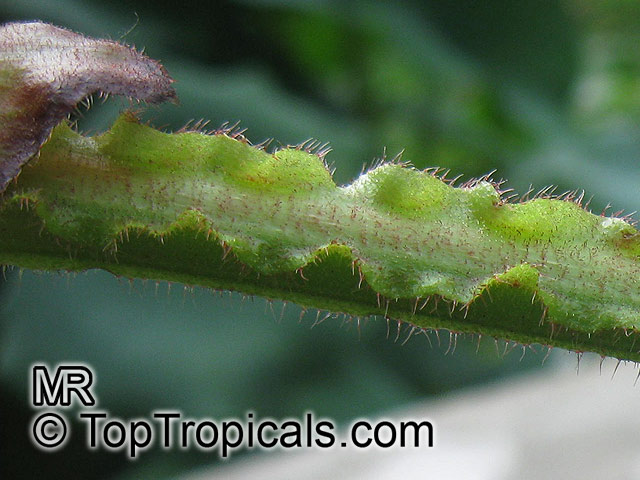
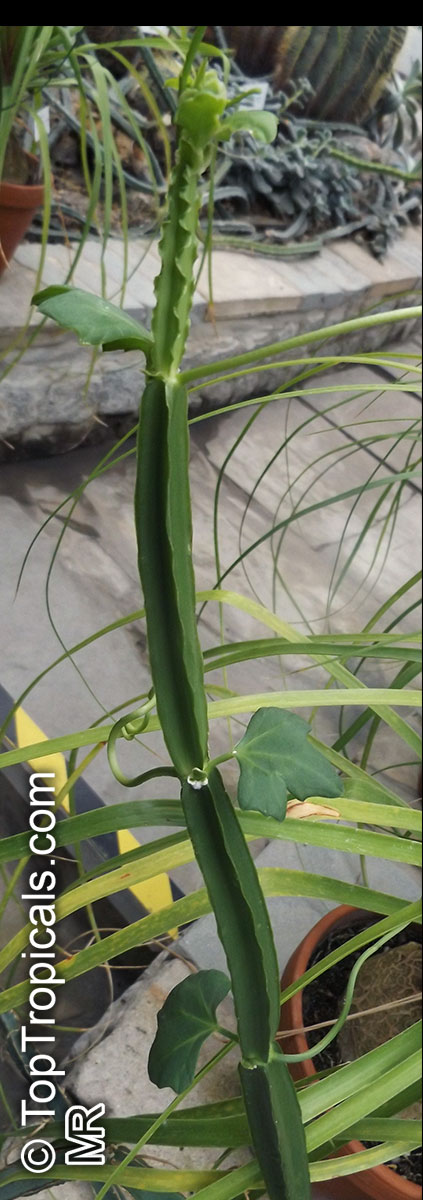
Botanical names: Cissus quadrangularis, Vitis quadrangularis
Common name: Veld grape
Family: Vitaceae
Origin: Southern and eastern Africa, Arabia to India

Cissus quadrangularis (Veld Grape) is a hardy plant that can be grown either as a groundcover or a low-growing vine or creeper. The plant thrives in full sun to semi-shade and prefers moderate water. Its ornamental foliage and edible fruits are an added bonus. The leaflets of the leaves are a succulent, somewhat fleshy, with three lobes and the stem has four distinctive wings. Though it is native to Southern and Eastern Africa, Arabia and India, it can be grown in USDA Zones 10 to 12.
When it comes to growing, Cissus quadrangularis is easy to maintain. Regular watering and a sunny spot will make the plant thrive. To ensure optimal health, keep a look out for insect pests and protect from strong winds. Fertilize the plant with a liquid solution that is safe for use on food plants, or alternatively use an organic fertilizer.
. When cultivated in cold regions, it is best to grow in a pot and move it indoors in the winter months. When keeping it indoors, make sure to provide adequate sunlight, water it regularly and reduce humidity by providing sufficient airflow. When transplanting, make sure that the soil is deep and well drained.
Cissus quadrangularis is a great choice for its ethnomedical properties, ornamental foliage, edible fruits and attractive flowers. Plus, it is low-maintenance and easy to care for. Its cold hardiness and versatile nature make it a great option for a variety of spaces.
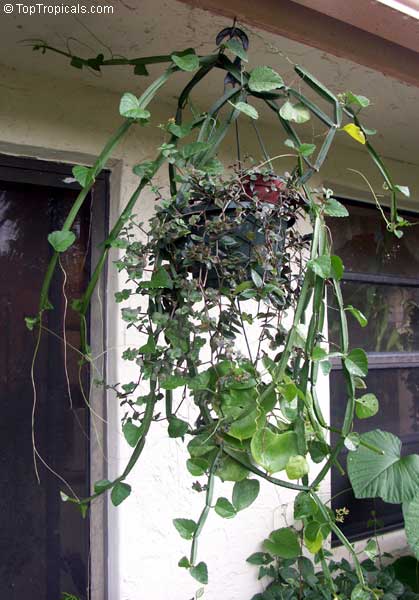
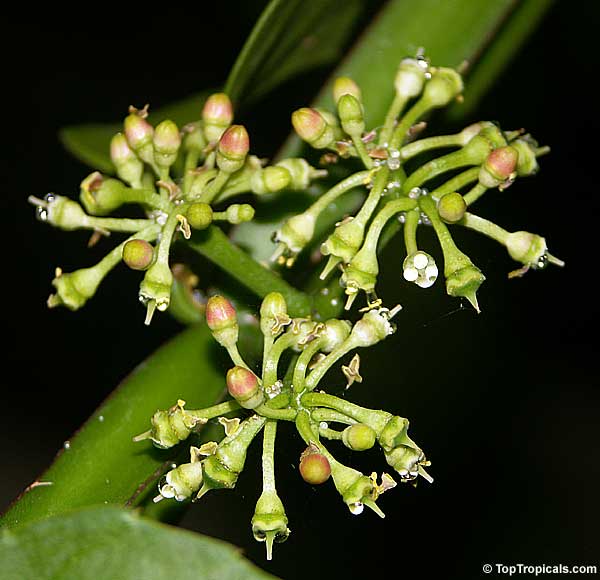
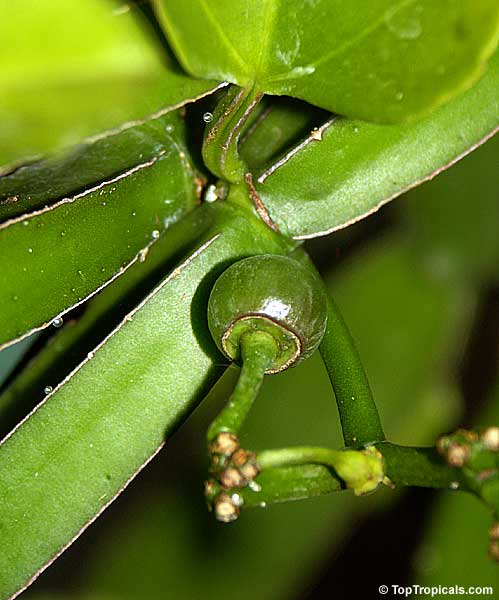
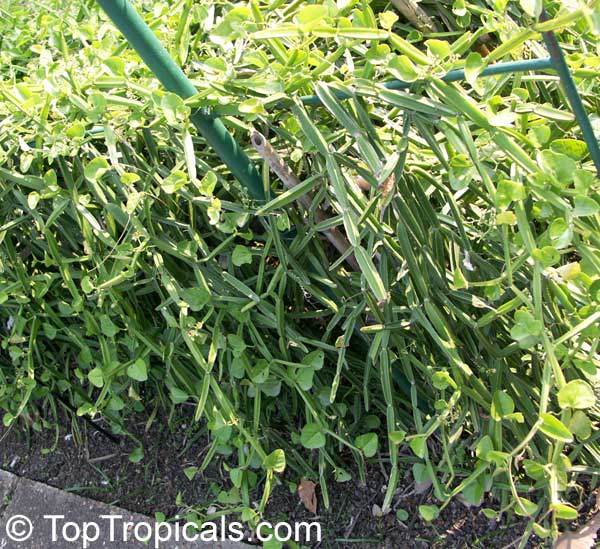
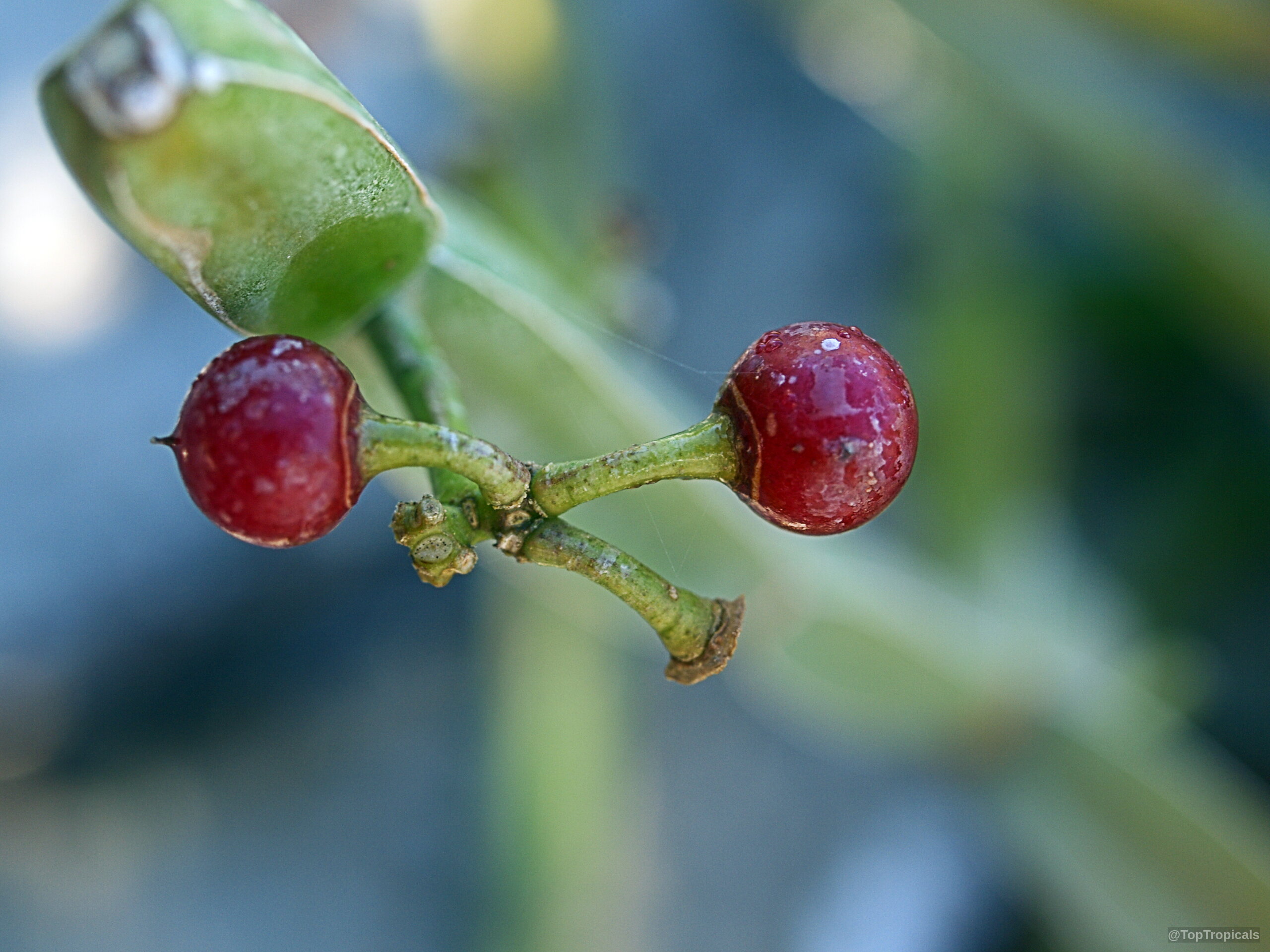
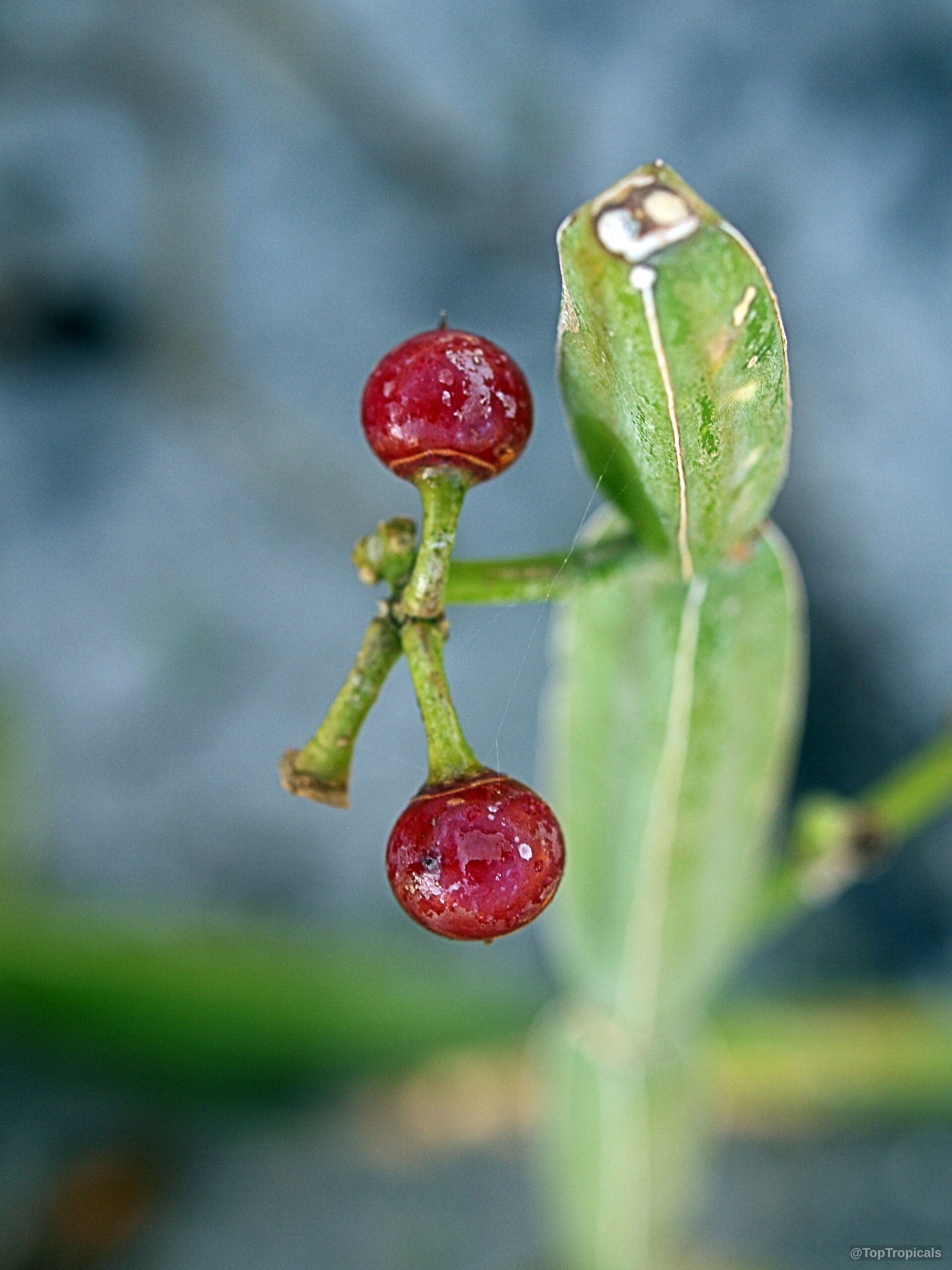
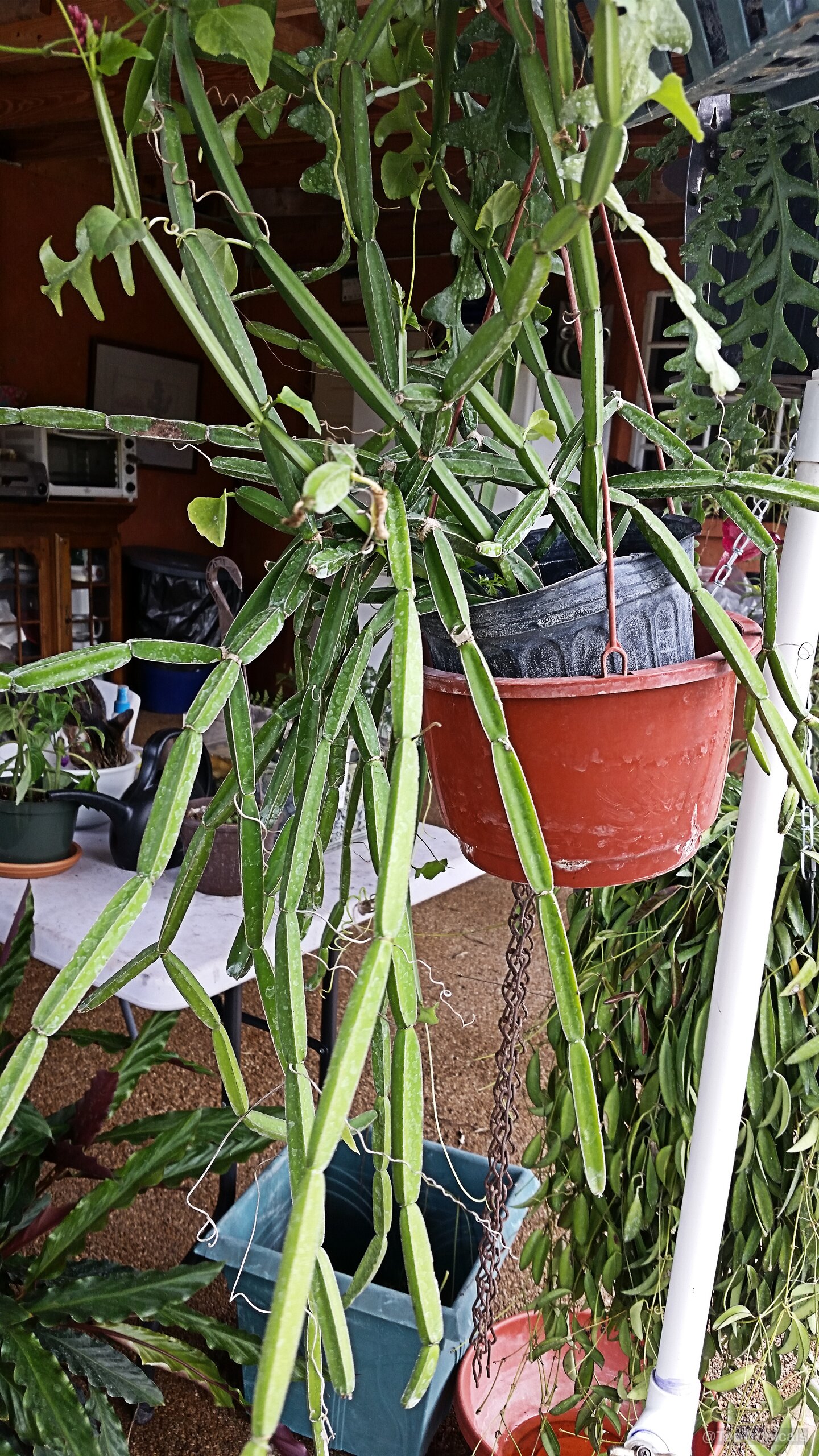
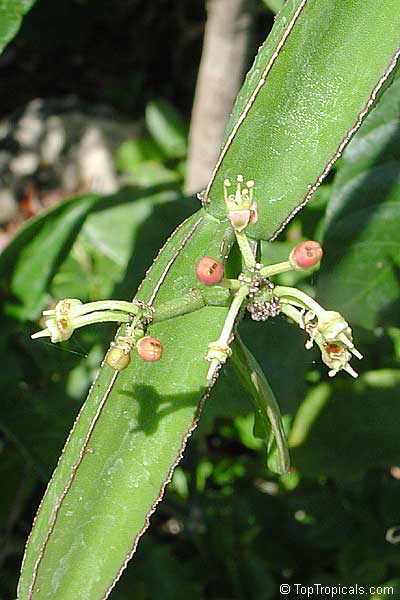
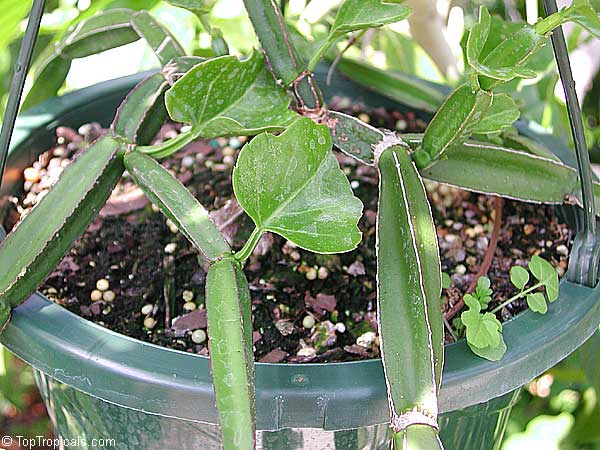
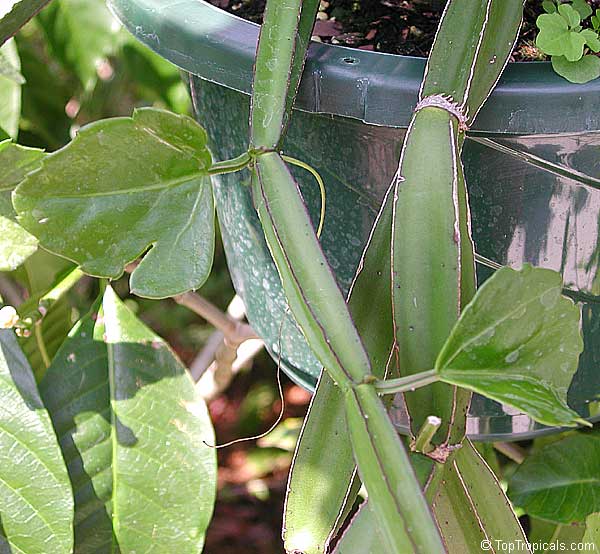
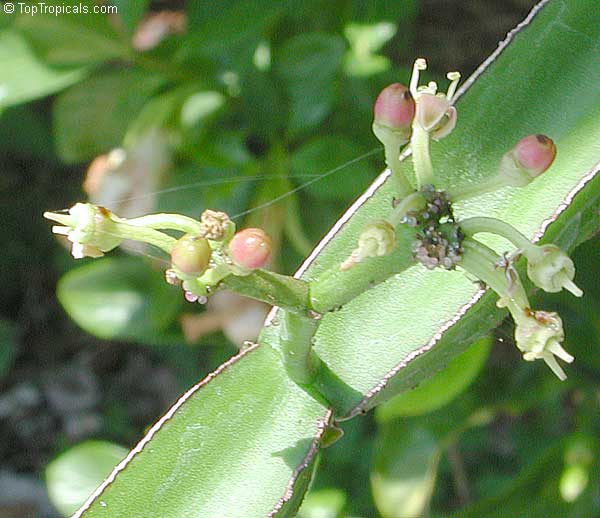
This plant is anything but ordinary! With its thick, four-winged stems that look almost sculpted, Cissus quadrangularis stands out from the crowd. The stems are square in shape, giving the plant a distinctive geometric look that makes people stop and ask what it is.
Native to Africa and India, veld grape is a succulent vine both tough and unusual. It grows fast, loves full sun, and thrives even with minimal care. The fleshy, jointed stems store water, making it drought-tolerant and perfect for warm, dry gardens or bright patios. It can be grown as a hanging plant, groundcover, or trained up a small trellis.
Traditionally known as the bone setter plant, veld grape has been valued for centuries in Ayurvedic and African medicine for helping bones heal. It's also completely ornamental, with small tendrils, occasional clusters of tiny leaves, and a striking structure that looks great in containers or hanging baskets. A true show-stopper for collectors and anyone who loves the strange and beautiful side of nature.
Growing tips:
Sun to partial shade
Moderate watering, well-drained soil
Great for hanging baskets or groundcover
Easy and fast-growing succulent vine
Recommended Fertilizer: SUNSHINE Robusta - Rapid Growth Booster
Botanical name: Cissus rhombifolia
Common names: Grape Ivy, Oak Leaf Ivy, Water Vine, Kangaroo Grape, Kangaroo Treebine
Family: Vitaceae
Origin: Tropical America
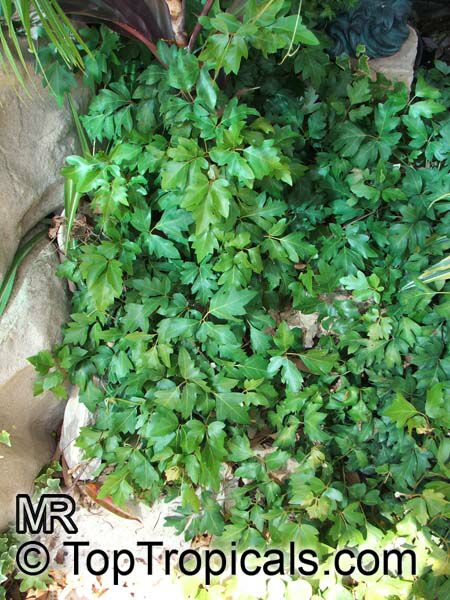
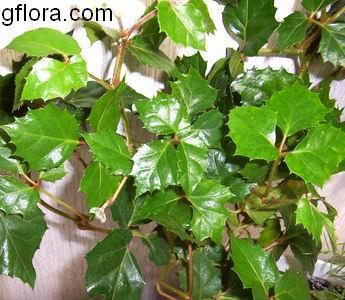
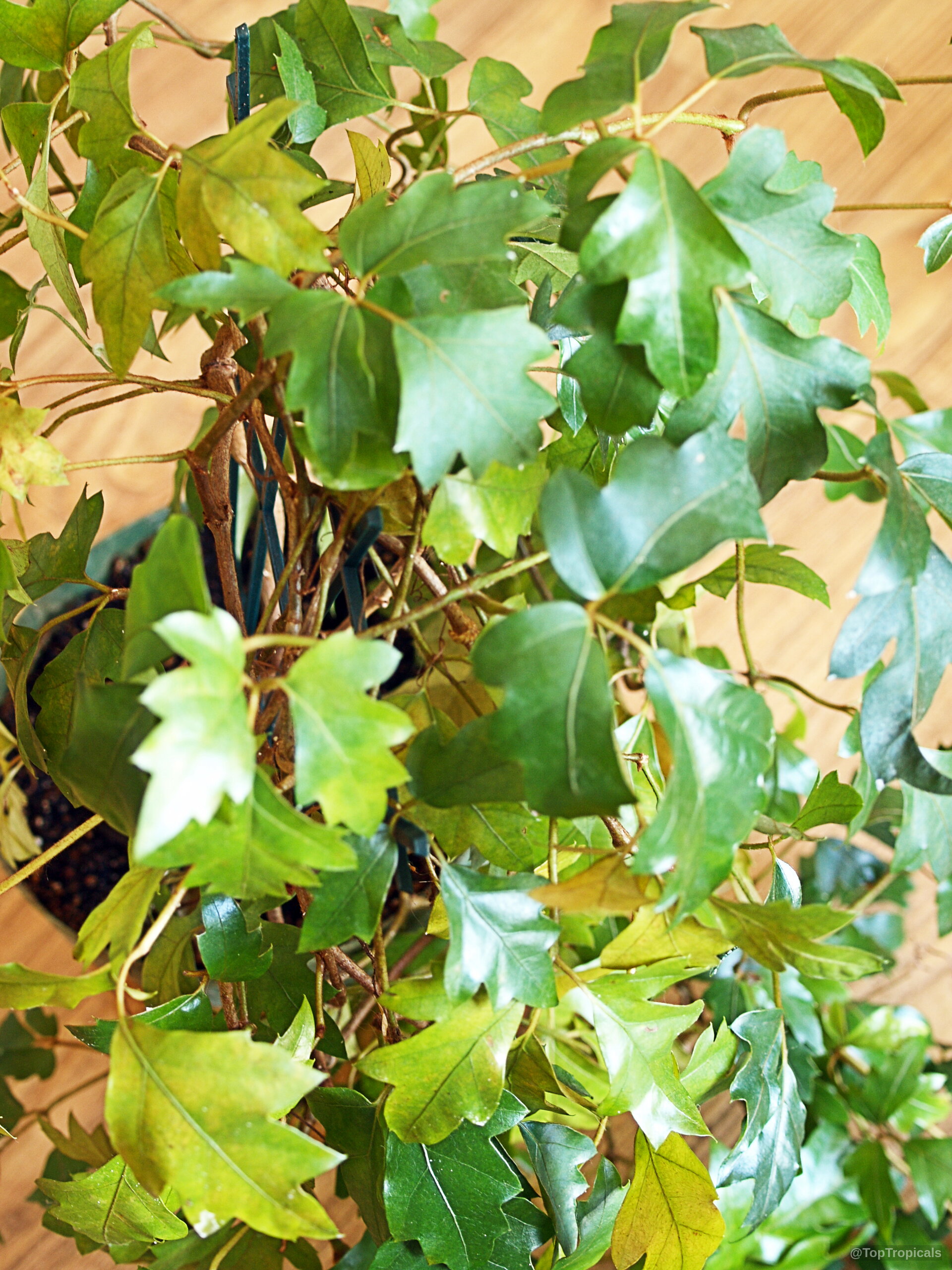
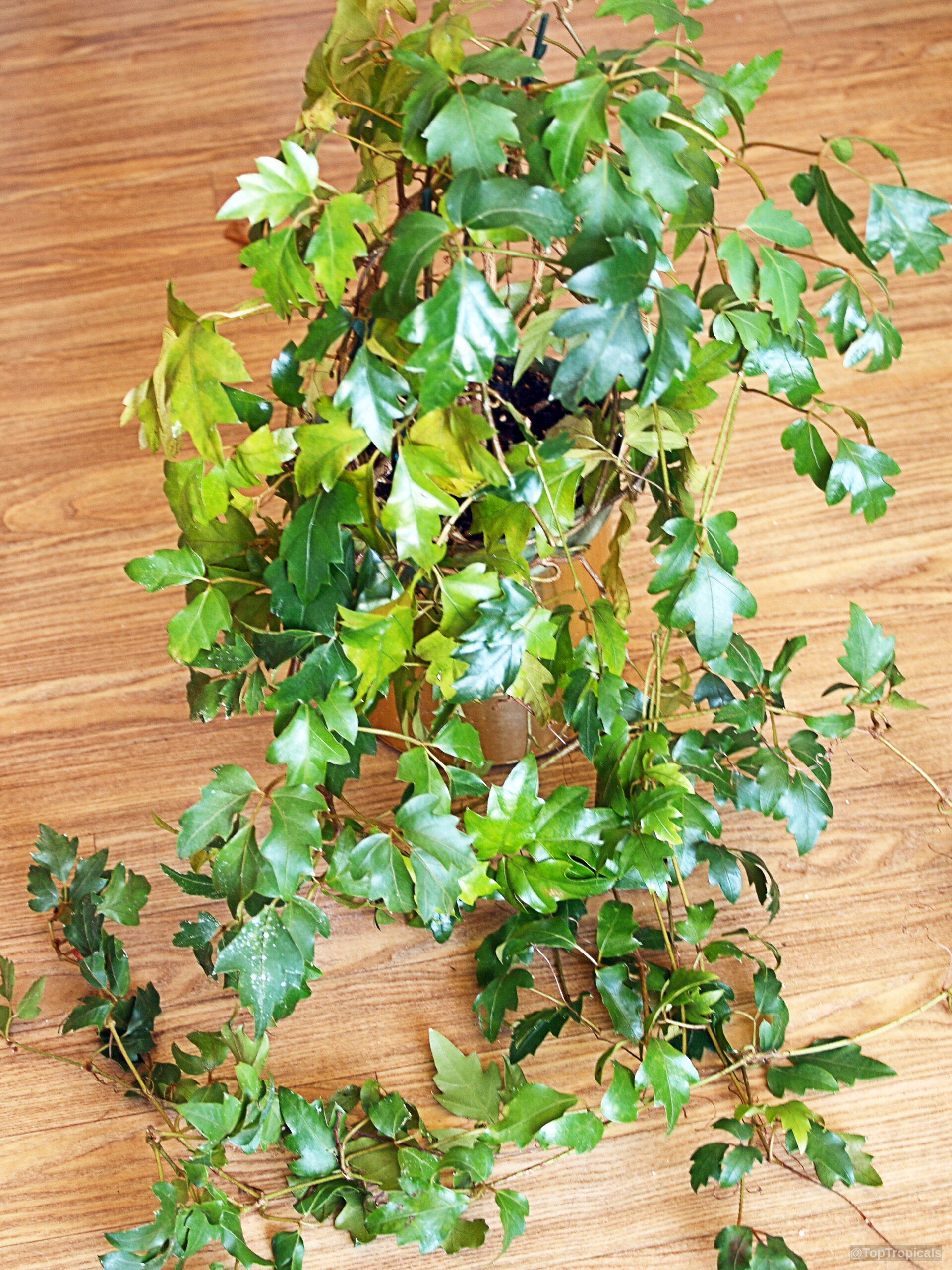
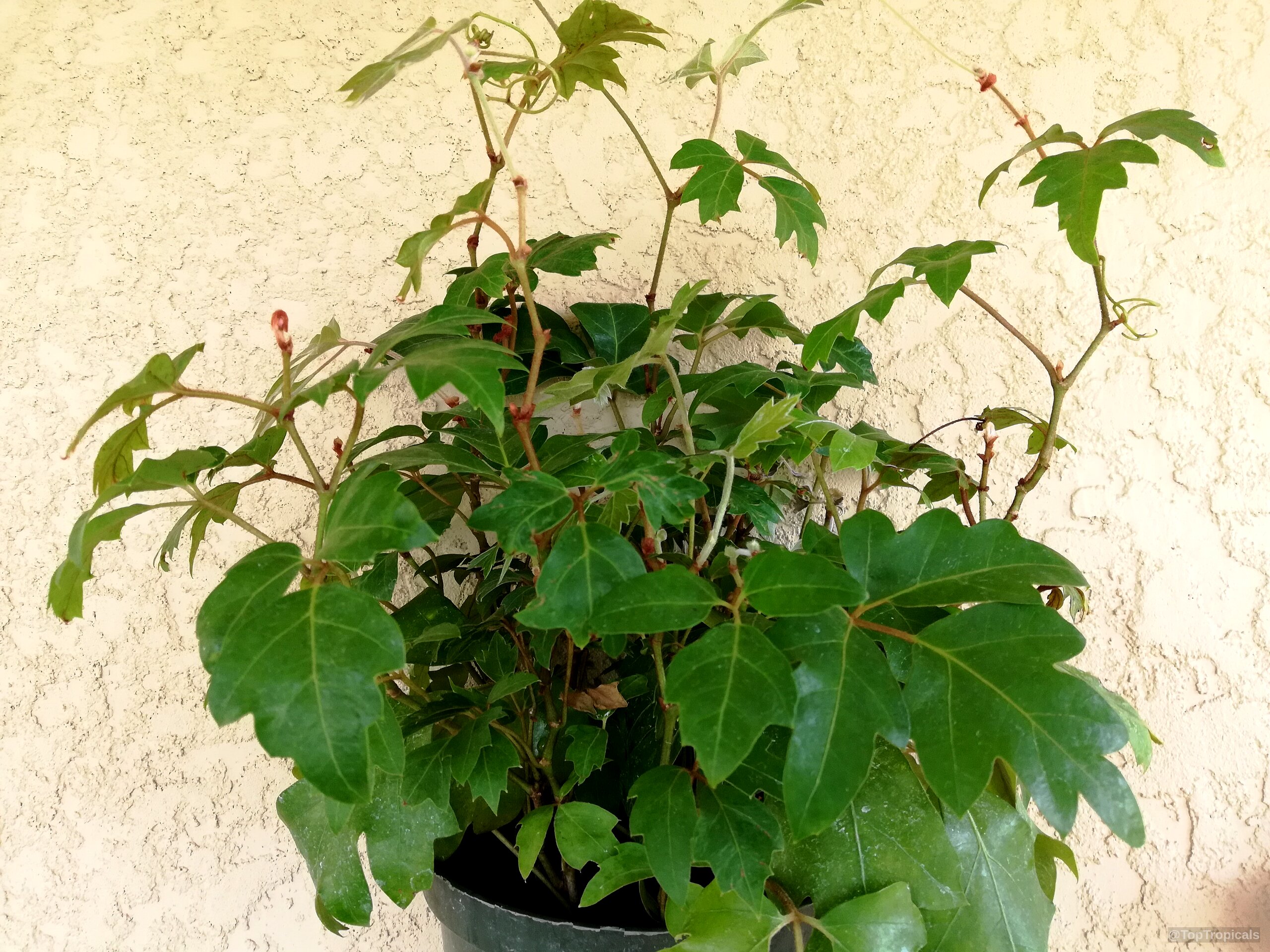
The first and most common type was Cissus rhombifolia known as Grape Ivy since the foliage resembles grape leaves and it climbs with the aid of tendrils. Compound leaves with 3 leaflets; stems covered in soft brown hair; vine-like habit with tendrils that allow it to climb.
Ellen Danica, a sport with leaves resembling an oak leaf, was the next variety to enter the market. The loosely arranged leaflets and leaflet lobing give this cultivar a finer texture than the others.
One of the most popular house plants, with showy leaves and cascading growth habit. Very fast growing and easy in care. In nature, it grows as a climber with tendrils. Leaves are broadly ovate, toothed, leathery, glossy, deep green. The perfect addition to any home, office, or greenhouse setting. The plant prefers medium light intensity but will also tolerate shade for short periods of time. Maintain an evenly moist soil during the growing season but give less water in winter.

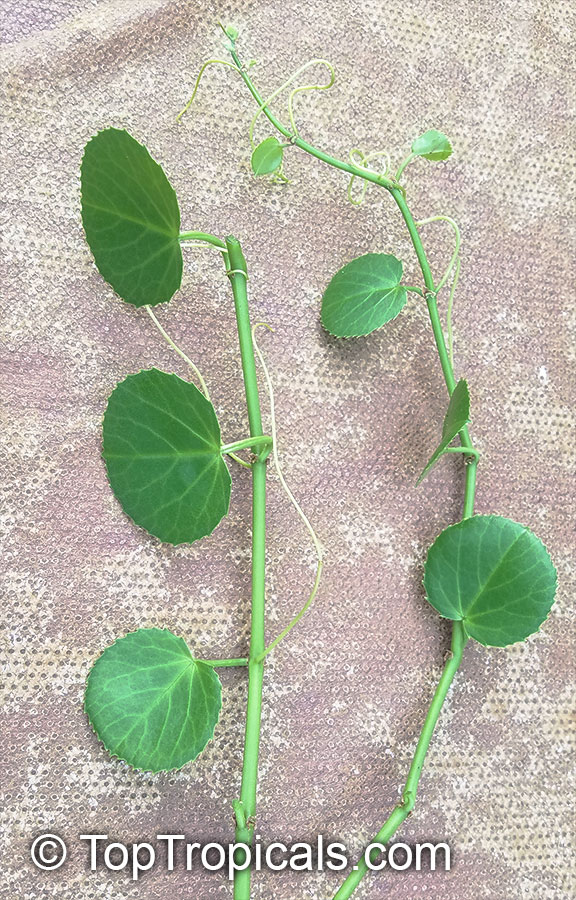
Botanical name: Cissus rotundifolia
Common names: Arabian Wax Leaf, Peruvian Grape Ivy, Venezuelan Treebine, Succulent Grape
Family: Vitaceae
Origin: East Africa

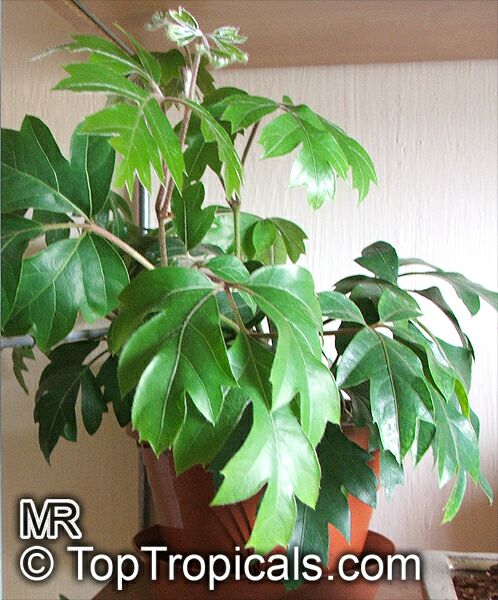
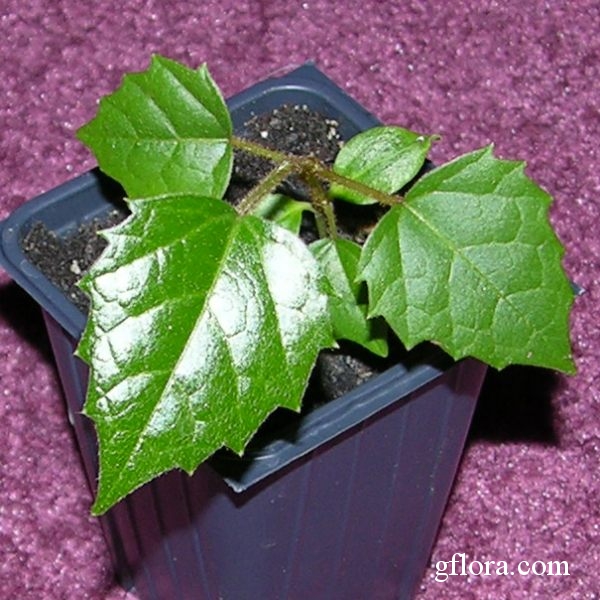
Perfect neglect plant! Grow it either as house plant, hanging basket, fast growing ground cover, or decorate your patio with it. It needs no attention and will reward your "no-efforts" with beautiful waxy foliage. Cissus rotundifolia comes from East Africa. It has green stems with almost round leaves. The leaves are fleshy, waxy, toothed and of a deep green color. Tendrils arise opposite young leaves and the plant climbs on supports with their help. Needs very little water. Great house plant especially for those who have brown thumb. Good plant for beginners. If you forget to water it, it won't even notice!
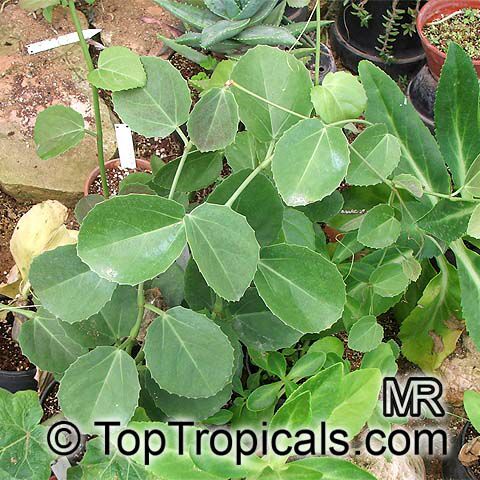



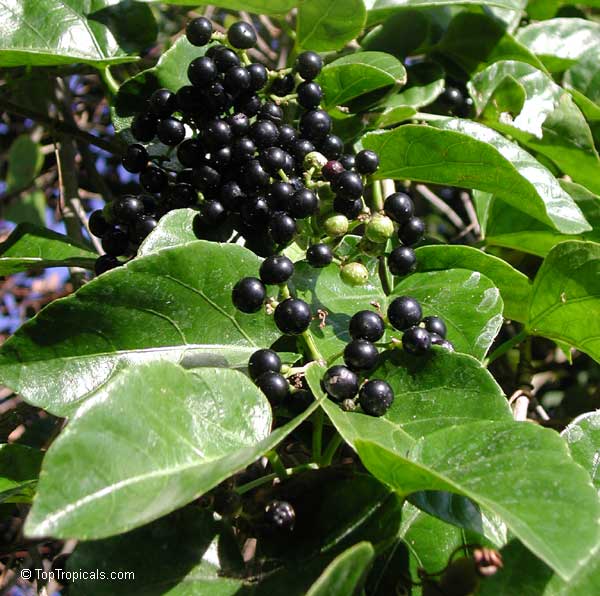
Botanical names: Cissus sicyoides, Cissus verticillata
Common names: Possum Grape Vine, Princess Vine, Season Vine, Monkey Liana
Family: Vitaceae
Origin: Tropical America

A native to Tropical American, Cissus sicyoides, commonly known as the Possum Grape Vine, is an ornamental creeper grown in USDA Zone 9-11. It is a fast growing plant with woody stems, waxy dark green leaves, and black grape-like fruit that provide a showy display in the fall. In addition to its ornamental foliage, it is a popular ethnomedical plant, used as a remedy in traditional medicine. The leaf decoctions of Cissus sicyoides are taken widely as a popular remedy for diabetes mellitus in Brazil, where its common name is vegetal insulin.
For optimal growth and health, plant Cissus sicyoides in full sun and semi-shade, with moderate water needed. It is best grown in a pot for cold regions. Ensure the pot has good drainage, as the plant does not like to remain with wet soil for long- periods of time. When first planting, loosen the root ball, cover the root area with soil, and then water the pot. Additionally, the pot should be large enough to accommodate the vine's size when fully mature. For maximum growth, use a balanced slow-release fertilizer and apply it every six months. Prune away dead or damaged foliage as needed.
Cissus sicyoides can be invasive, so plant it with caution and check for stray growth. As an invasive species, it has the potential to spread weeds and adversely affect local ecosystems. Be sure to keep an eye out for overgrowth, and contain and prune it if necessary.
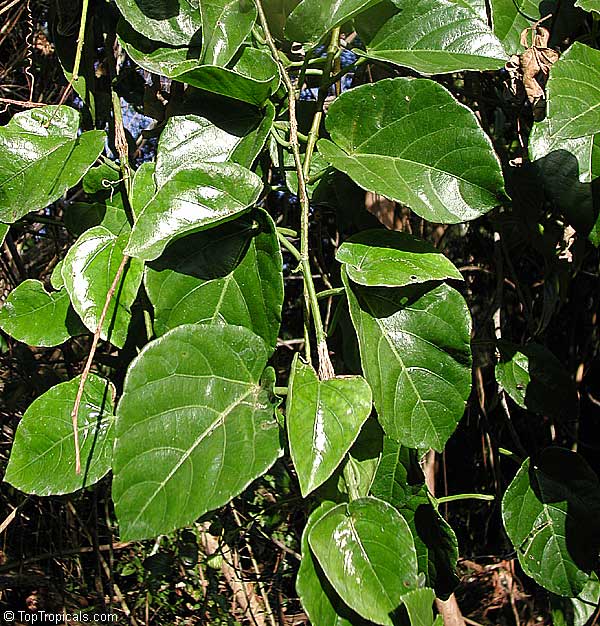
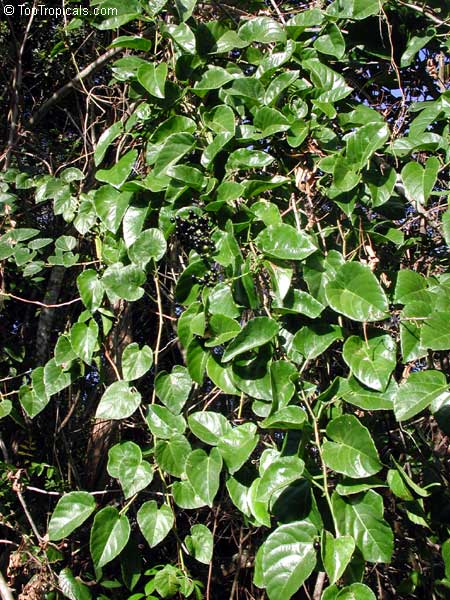
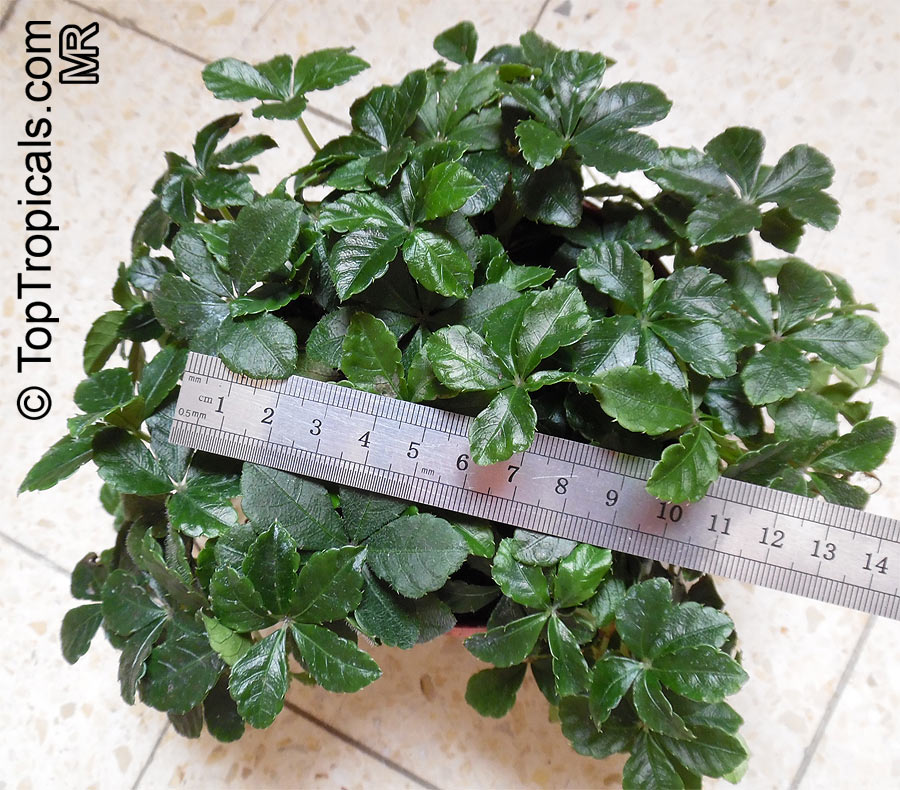
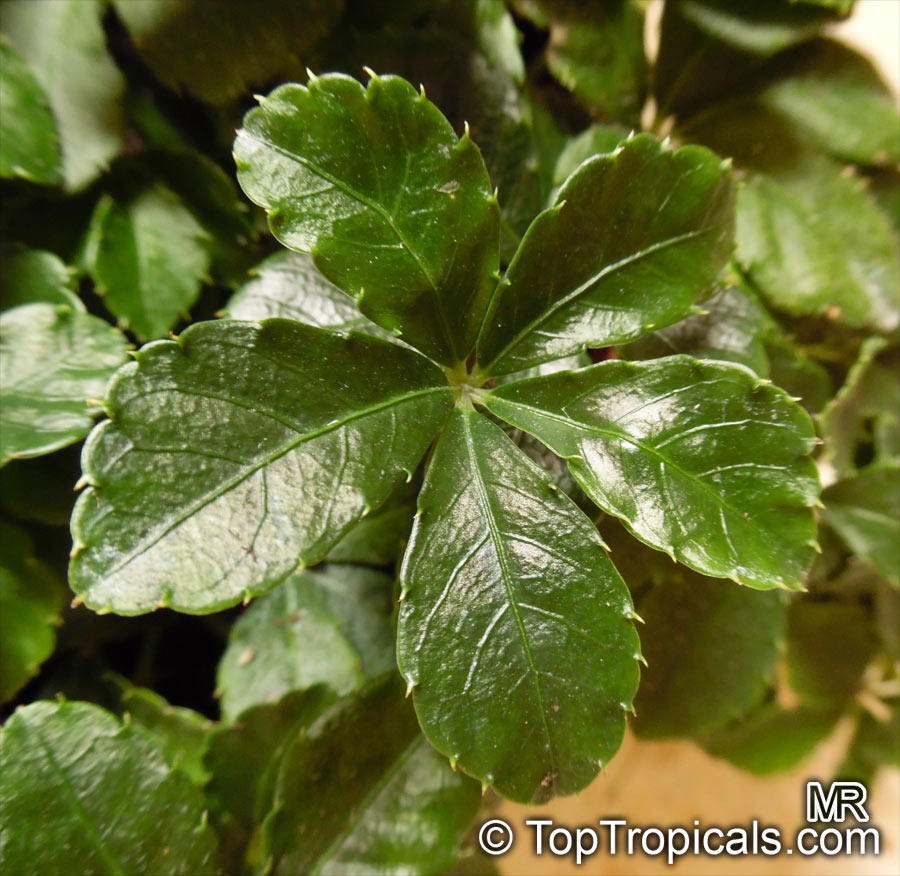
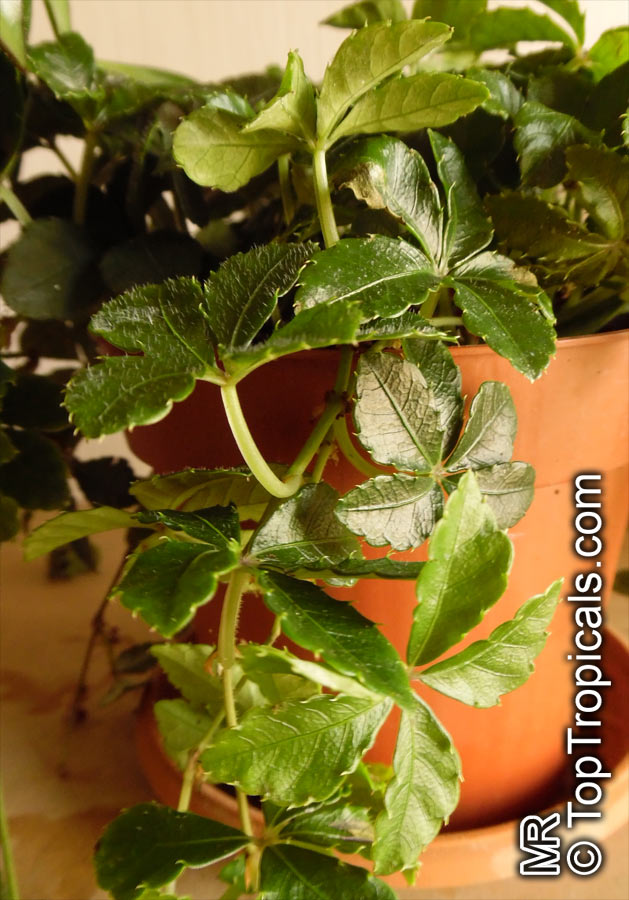
Botanical names: Cissus striata, Vitis striata, Parthenocissus striata, Sugar Vine
Common names: Miniature Grape Ivy, Ivy of Uruguay
Family: Vitaceae
Origin: Central America, South America
A creeping, mounding plant with dark green leaves having tiny crystals resembling grains of sugar on the leaves. It can be grown on a fence or other support as a vine or used in the open as a groundcover or even in a hanging basket.
| Next | |
Use link to repeat this search:
https://toptropicals.com/cgi-bin/garden_catalog/cat.cgi?search_op=and&keyword_op=and&language=e&family=Vitaceae&number=10
&no_change_lang=1&user=tt&sale=1&first=0