Verbenaceae - Botanical Family

Number of plants found: 70     Next    Go to page:  1  2  3  4  5  Last  

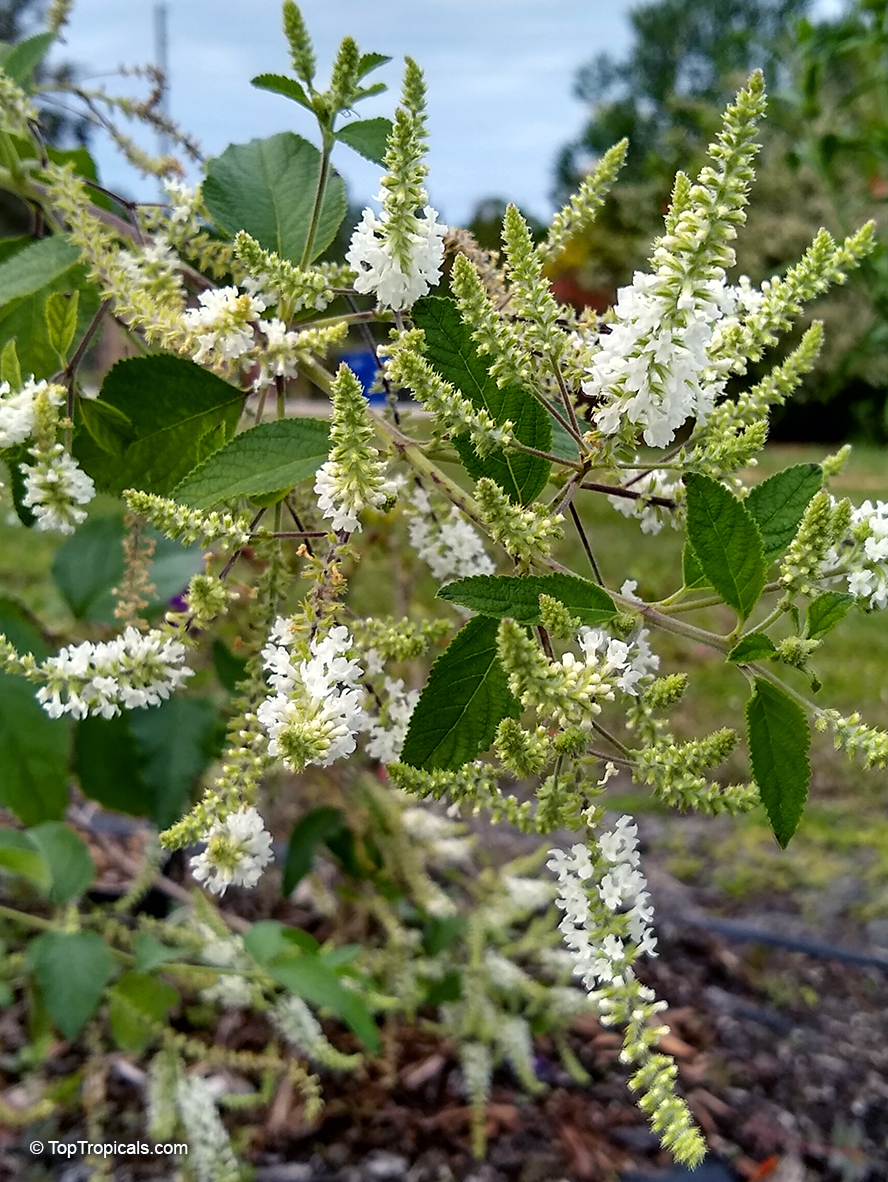
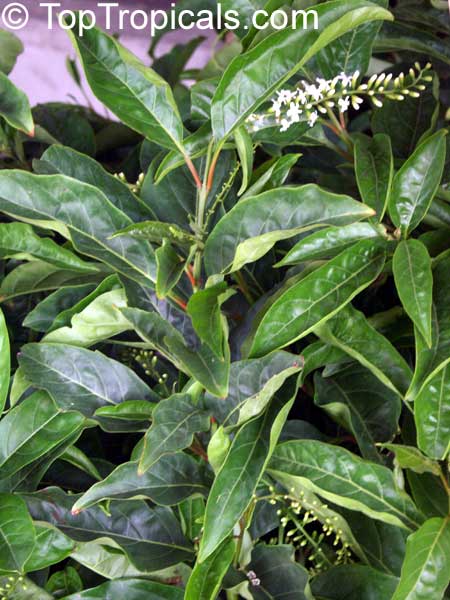
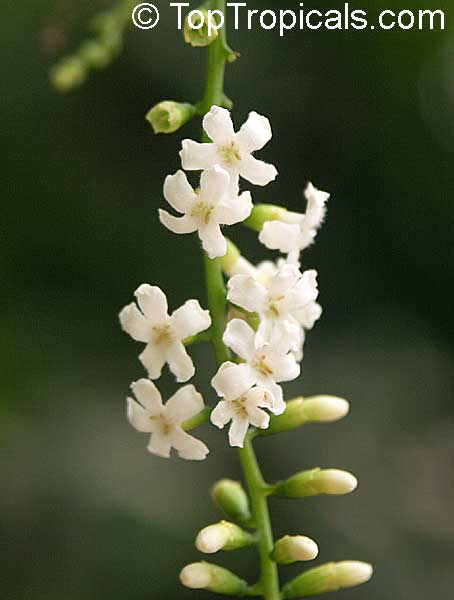
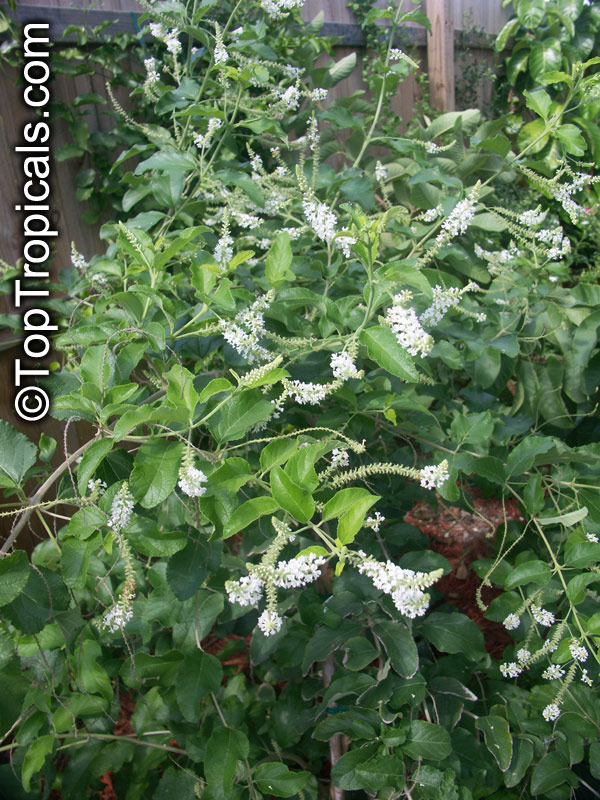
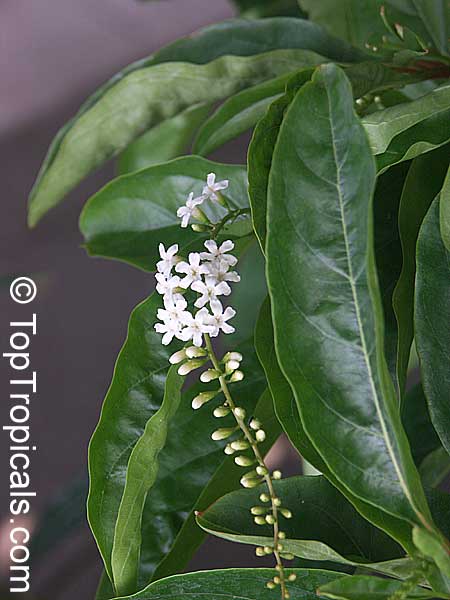
Aloysia gratissima (Whitebrush) white flower clusters with green leaves in a close up photo
Aloysia gratissima (Whitebrush) showing slender spikes of small white flowers among textured green foliage

Botanical names: Aloysia gratissima, Lippia lycioides, Aloysia lycioides

Common names: Whitebrush, Beebrush

Family: Verbenaceae

Origin: Mexico, South America
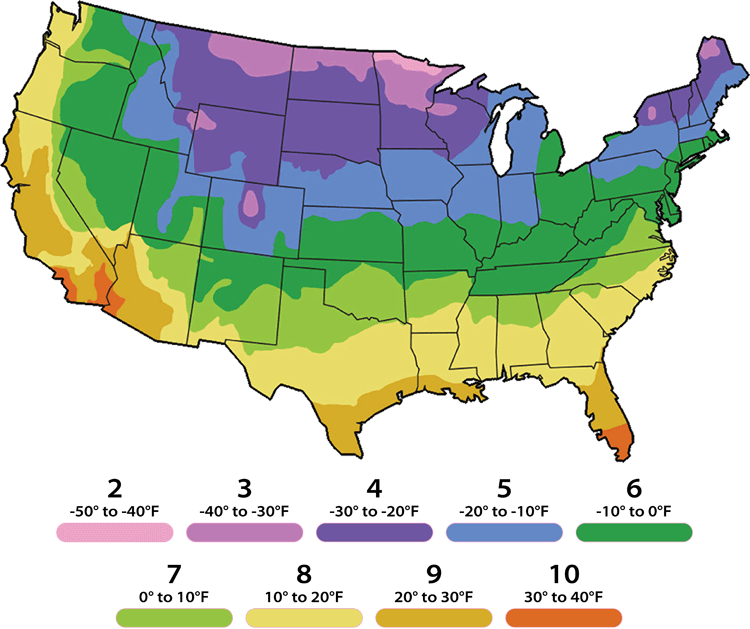
USDA Plant Hardiness MapLarge shrub 5-10 ft tallSemi-shadeFull sunWatering: Moderate. Water when top soil feels dryYellow, orange flowersWhite, off-white flowersPlant attracts butterflies, hummingbirdsEthnomedical plant.
Plants marked as ethnomedical and/or described as medicinal, are not offered as medicine but rather as ornamentals or plant collectibles.
Ethnomedical statements / products have not been evaluated by the FDA and are not intended to diagnose, treat, cure, or prevent any disease. We urge all customers to consult a physician before using any supplements, herbals or medicines advertised here or elsewhere.Fragrant plantSubtropical plant. Mature plant cold hardy at least to 30s F for a short time

Grown in full sun to partial shade, Aloysia gratissima is a large and moderately tolerant shrub native to Mexico and South America. It can grow up to 5-10 feet tall, producing fragrant white or off-white flowers with yellow and orange centers in the spring through fall. Attracting butterflies and hummingbirds, this ethnomedical plant is drought tolerant, low-water use, and tolerant of soils which are poorly drained.

It thrives in USDA Zones 8-11. In cold regions, Aloysia gratissima should be grown in a large enough pot to prevent it from freezing, and the pot should be brought inside during severe weather. Provide shade or mulch when temperatures dip too low, and be sure to water deeply after periods of extreme cold. Use a slow-release fertilizer to encourage healthy growth.


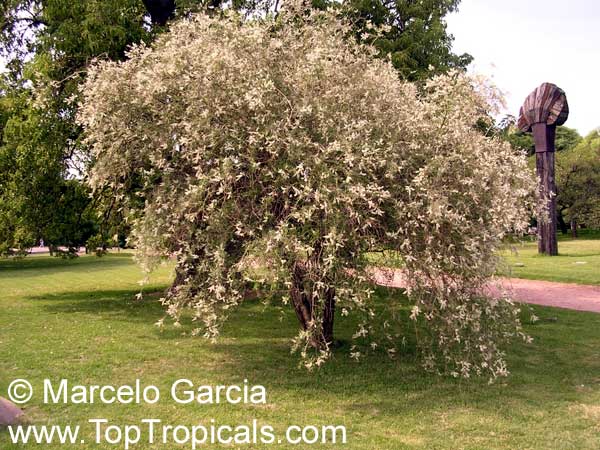
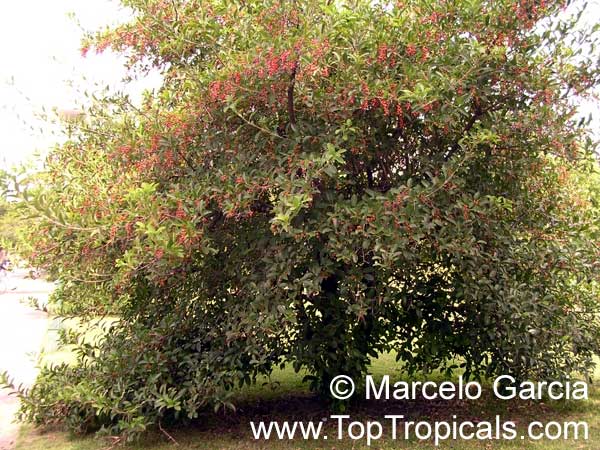
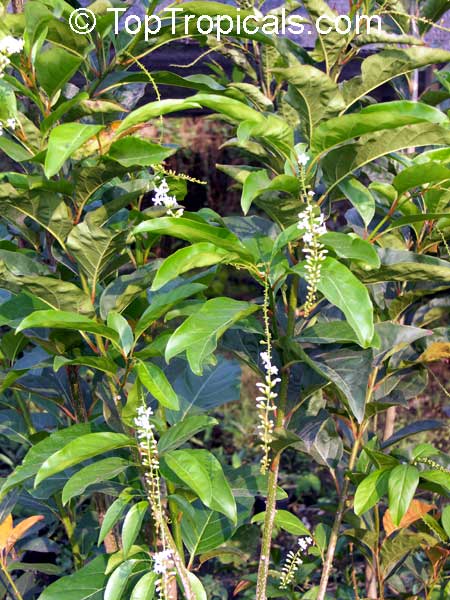
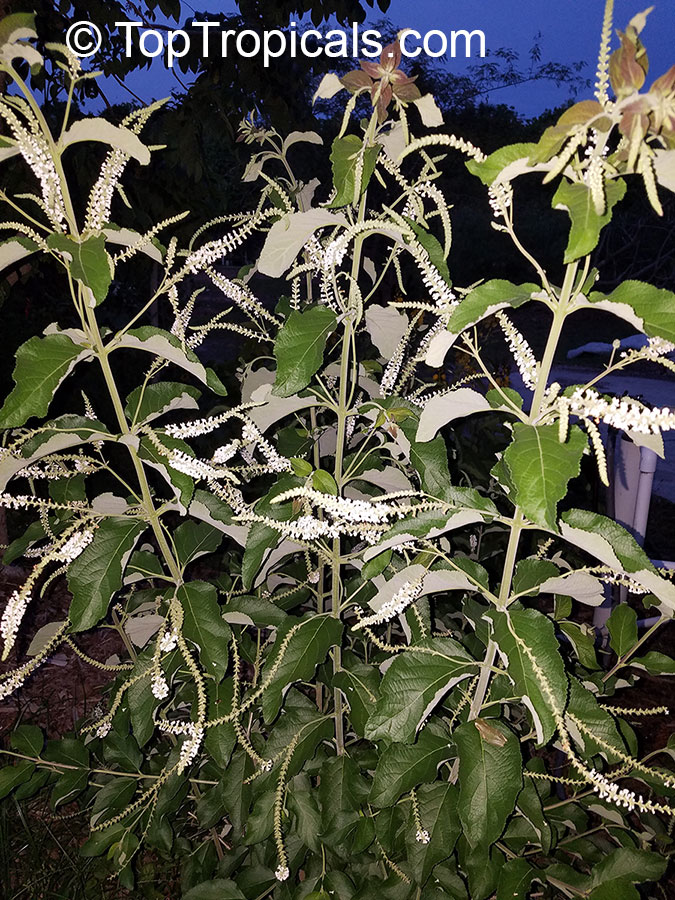
Aloysia gratissima (Whitebrush) tree covered in white flowers with many small green leaves.
Aloysia gratissima (Whitebrush) tree stands with a dense canopy filled with small white flowers.
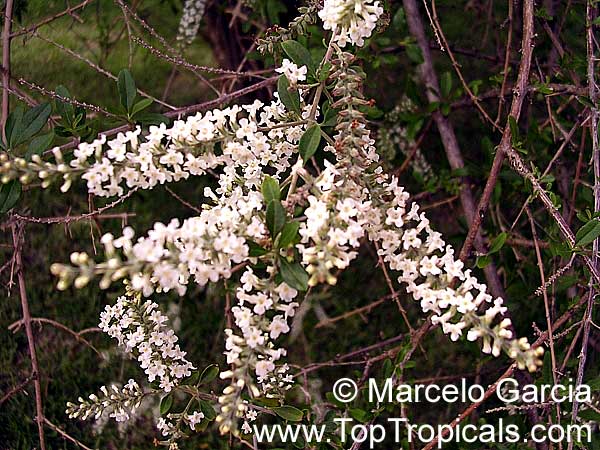
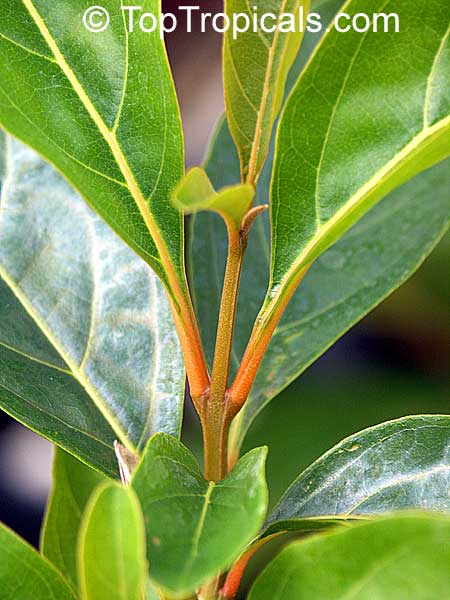
Aloysia gratissima (Whitebrush) white flower close up on a slender woody branch with green leaves.
Aloysia gratissima (Whitebrush) dense clusters of small white flowers on a thin woody branch.
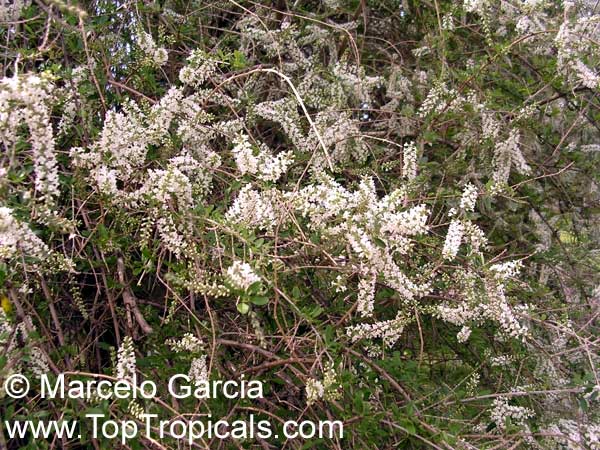
Aloysia gratissima (Whitebrush) white flower clusters dense on slender woody plant branches during peak season
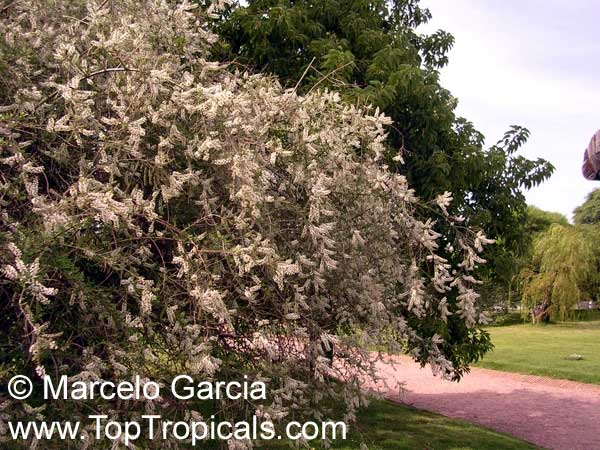
Aloysia gratissima (Whitebrush) covered in numerous white flower spikes attached to thin woody branching stems
Aloysia gratissima (Whitebrush) dense white flower clusters covering many thin woody stems and green leaves
Aloysia gratissima (Whitebrush) heavy spikes of white flowers draping over thin woody branches and foliage


Link to this plant:
https://toptropicals.com/catalog/uid/aloysia_gratissima.htm

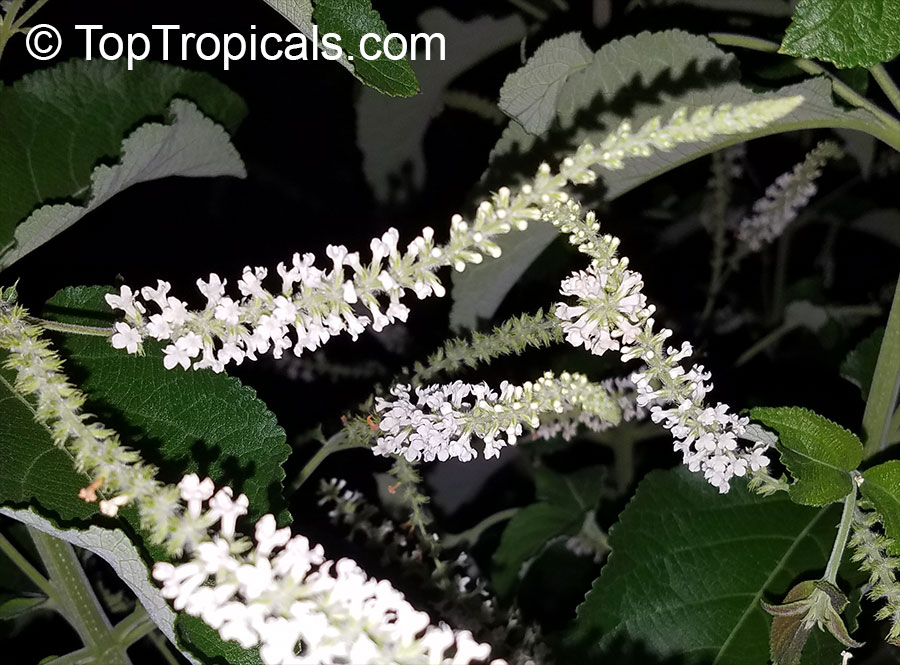
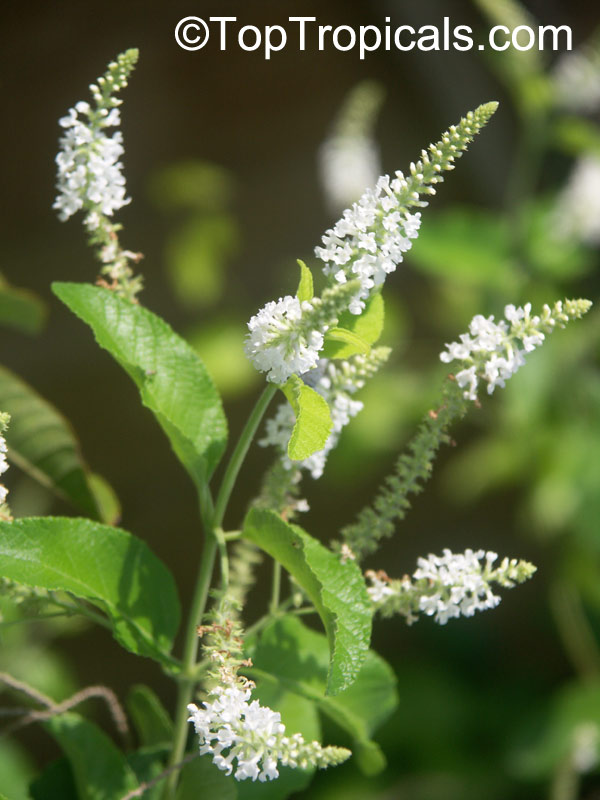
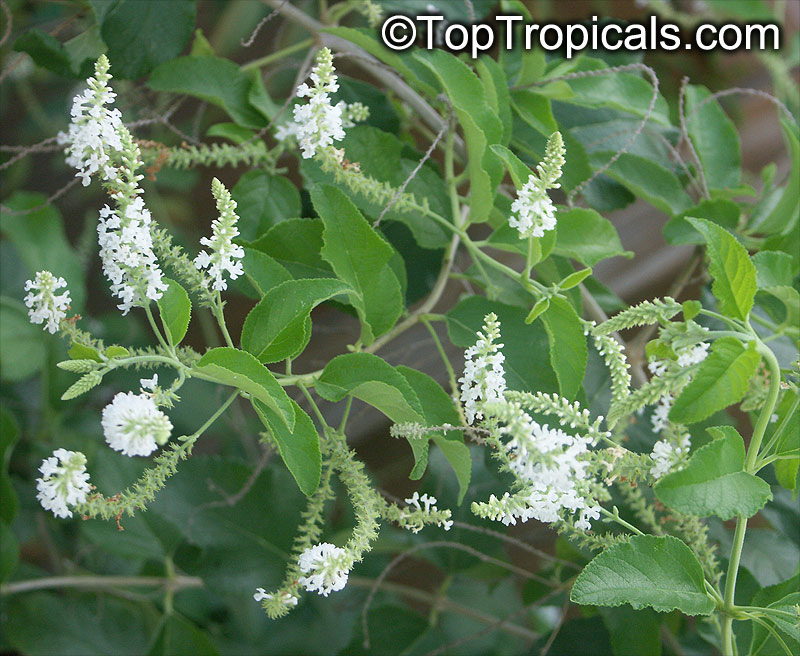
Aloysia virgata (Sweet Almond Bush) white flower clusters on green plant branch close up.
Aloysia virgata (Sweet Almond Bush) white flower spikes dangle from green leaves on the branch.

Botanical name: Aloysia virgata

Common names: Sweet Almond Bush, Incense Bush

Family: Verbenaceae

Origin: Mexico, South America

USDA Plant Hardiness MapLarge shrub 5-10 ft tallSemi-shadeFull sunWatering: Moderate. Water when top soil feels dryWhite, off-white flowersPlant attracts butterflies, hummingbirdsFragrant plantSubtropical plant. Mature plant cold hardy at least to 30s F for a short time

Aloysia virgata is very attractive to butterflies and hummingbirds. Native to Mexico and South America, Aloysia virgata (Sweet Almond Bush) is a large shrub that can reach heights of 5-10 feet tall. This plant prefers to be grown in full sun or semi-shade, with a moderate amount of water. Its fragrant, white to off-white flowers attract butterflies, hummingbirds, and other pollinators. It makes a great addition to any garden, with the bonus of a lovely scent.

Aloysia virgata is a fast-growing shrub, requiring very little care for best performance. In order to maintain its appearance and shape, it is important to prune it back periodically. It is also possible to grow it as a potted plant in cold regions, as long as the plant is given careful growing and care instructions.

For successfully growing Aloysia virgata in a pot in cold climates, the container must have good drainage to prevent waterlogging, and should be brought indoors when temperatures reach the mid 30s F. It is important to note that the pot should be large enough to accommodate the rate of growth of the plant. The soil must include compost or mulch for nutrients, and the soil should be kept consistently moist but not overly wet. During the winter, the soil needs to also be mulched to help ensure insulation from extreme cold temperatures.

Aloysia virgata is a beautiful and fragrant shrub that can provide near year-round beauty to any home garden. With proper care and maintenance, it can thrive in full sun or partial shade, and in a wide range of climates and soils.
Link to this plant:
https://toptropicals.com/catalog/uid/aloysia_virgata.htm

Aloysia virgata, Almond Bush

Almond Bush, White flowers have strong almond scent.
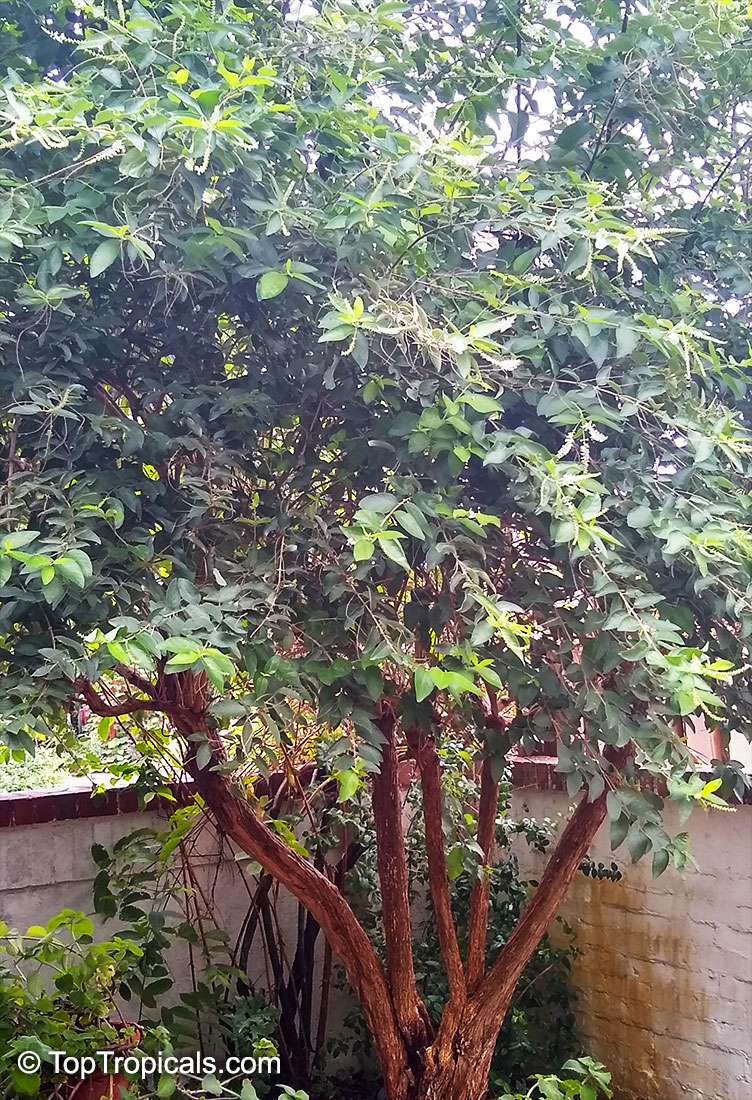
Slender, densely branched deciduous shrub, 3 to 10 feet tall, 8 feet in spread. Fragrant foliage. White to yellow flowers appear in spring to fall with strong almond scent. attractive to butterflies and bees. This is a honey plant. Low water use, drought tolerant.

Recommended Fertilizer: SUNSHINE Megaflor - Bloom Nutrition Booster
Buy together promotion:
500 ml (16 oz)
$19.95
Sale $14.95
Add to cart
Grown in
10"/3 gal pot
8 Plants in stock
$39.95


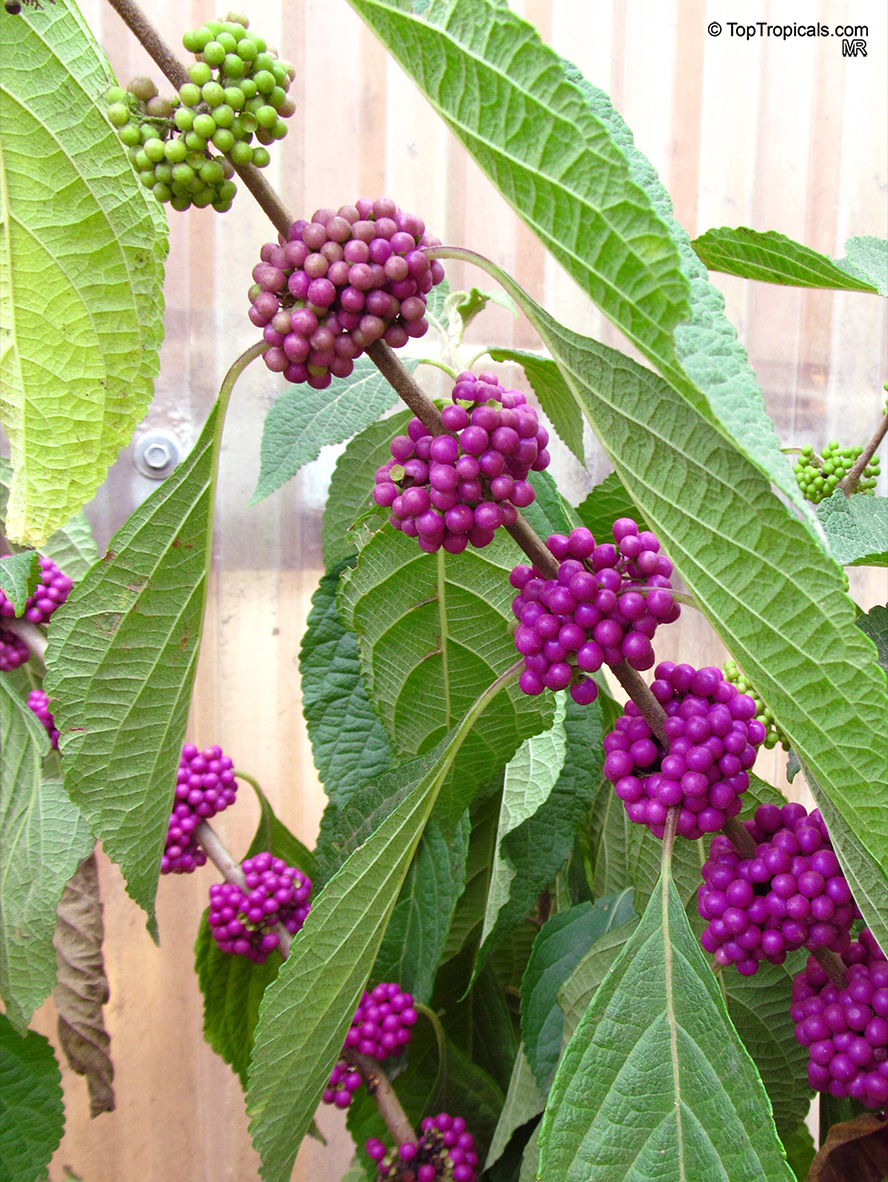
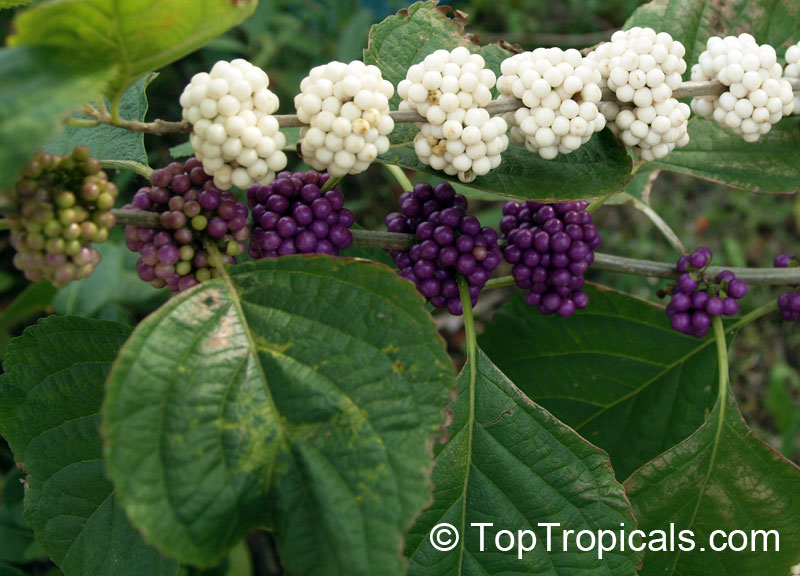
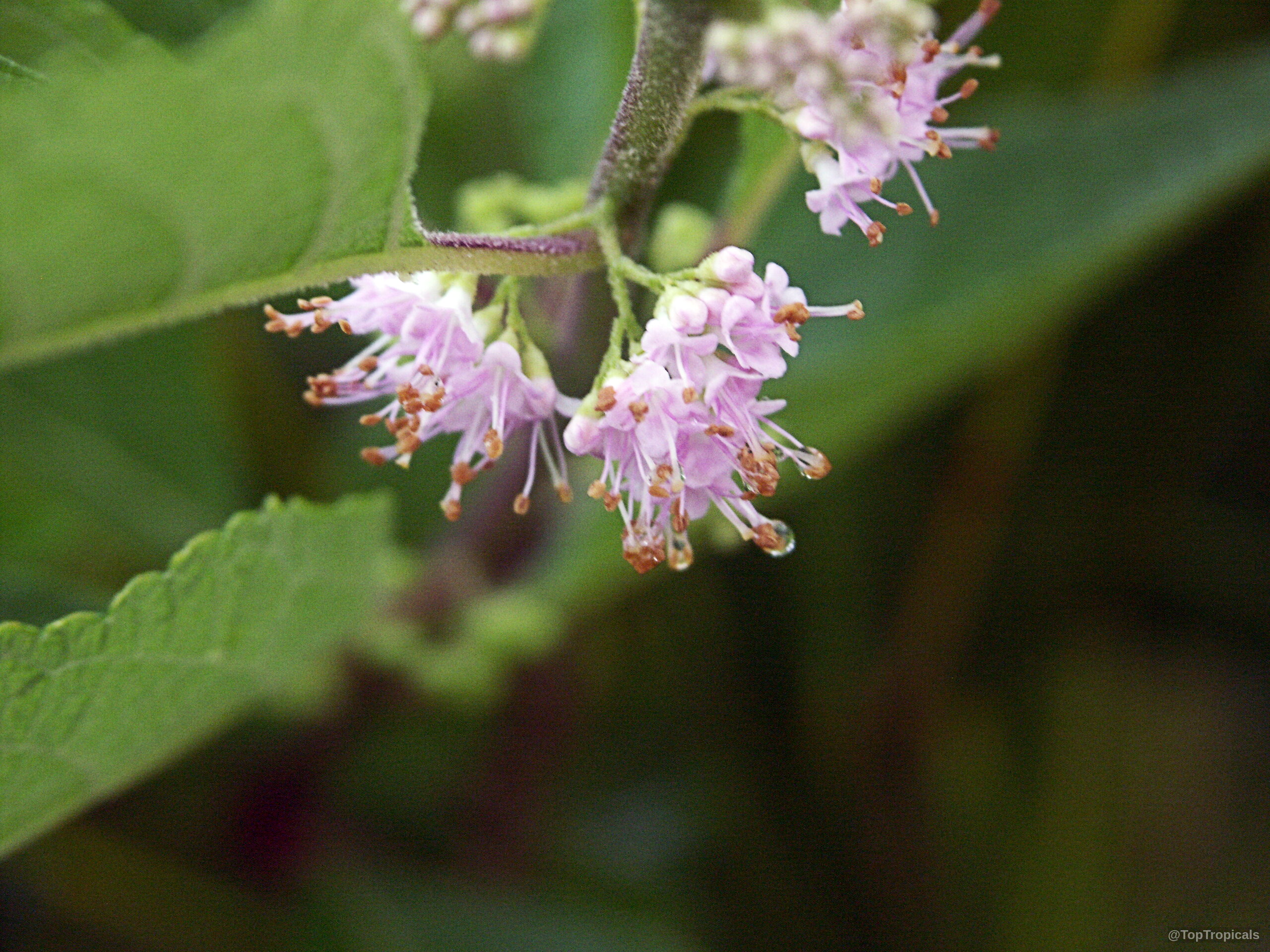
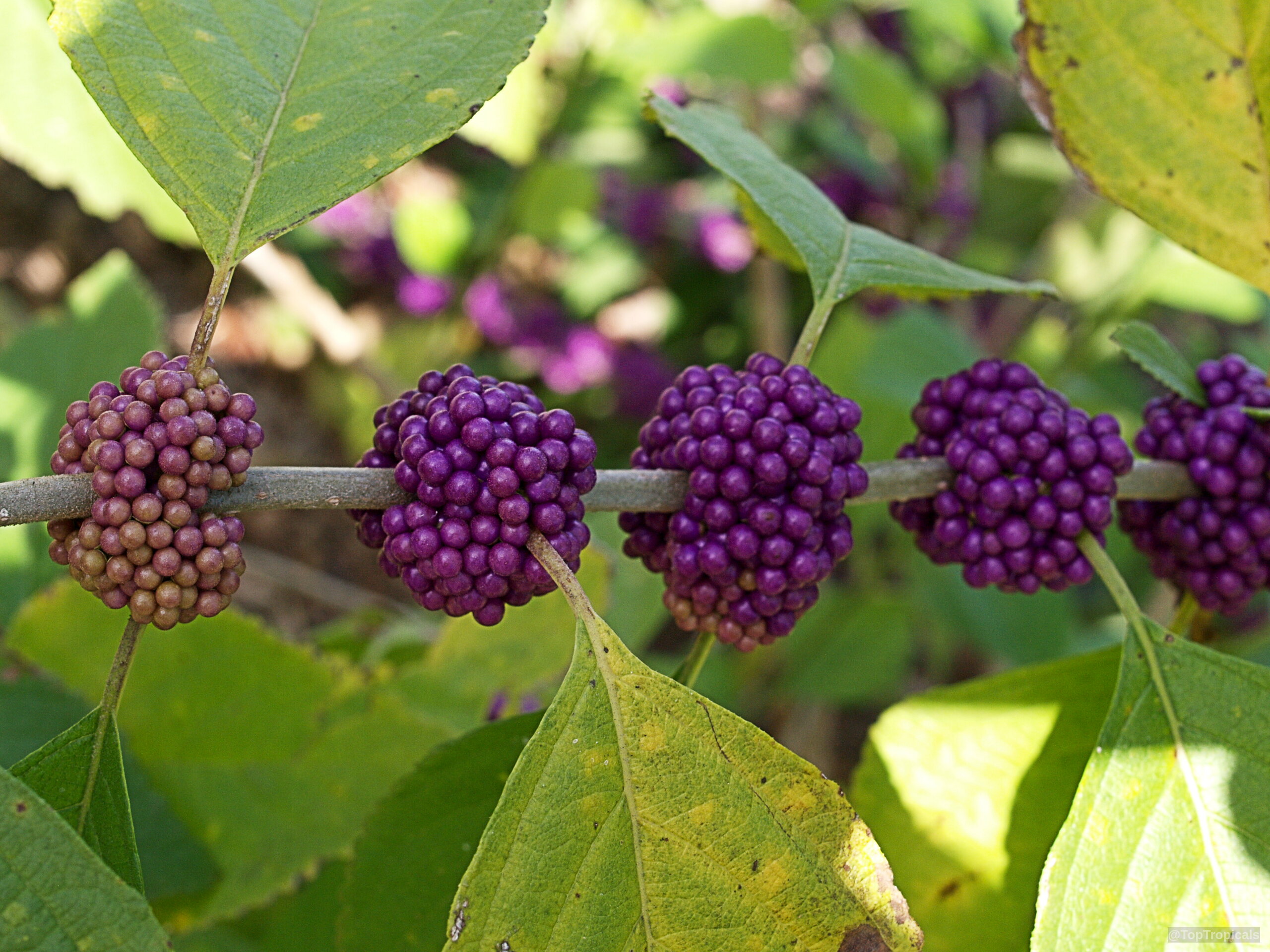
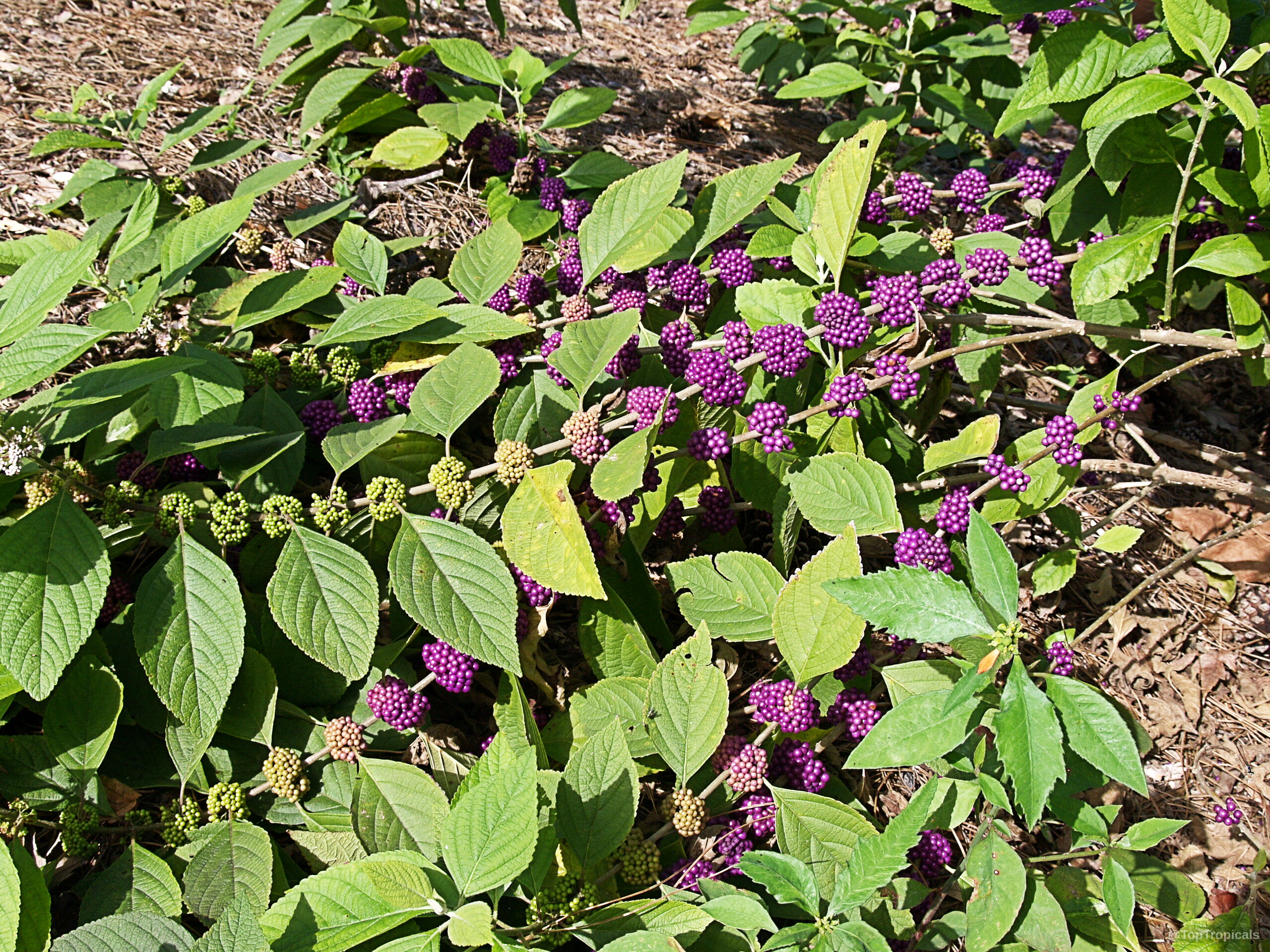
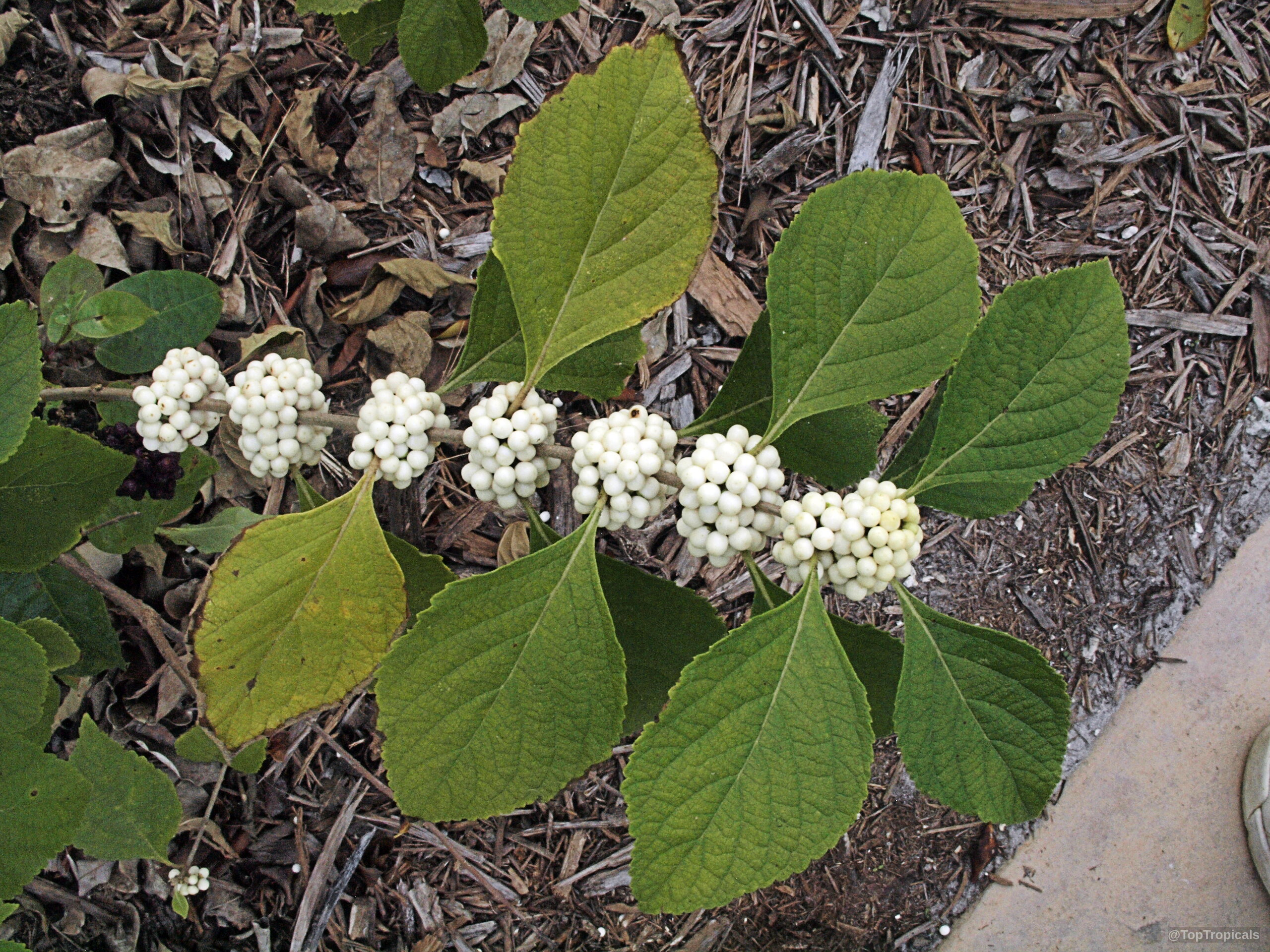
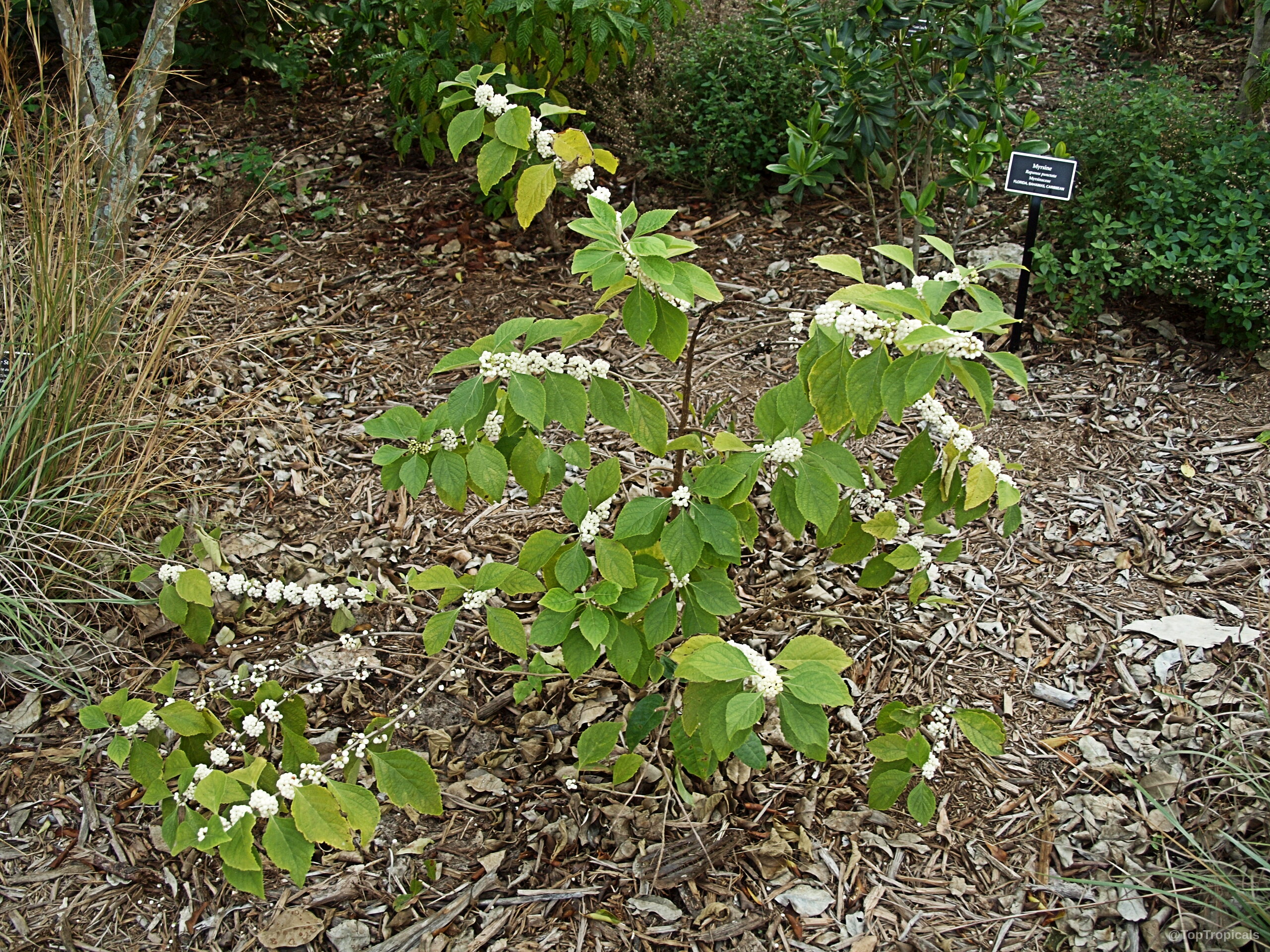
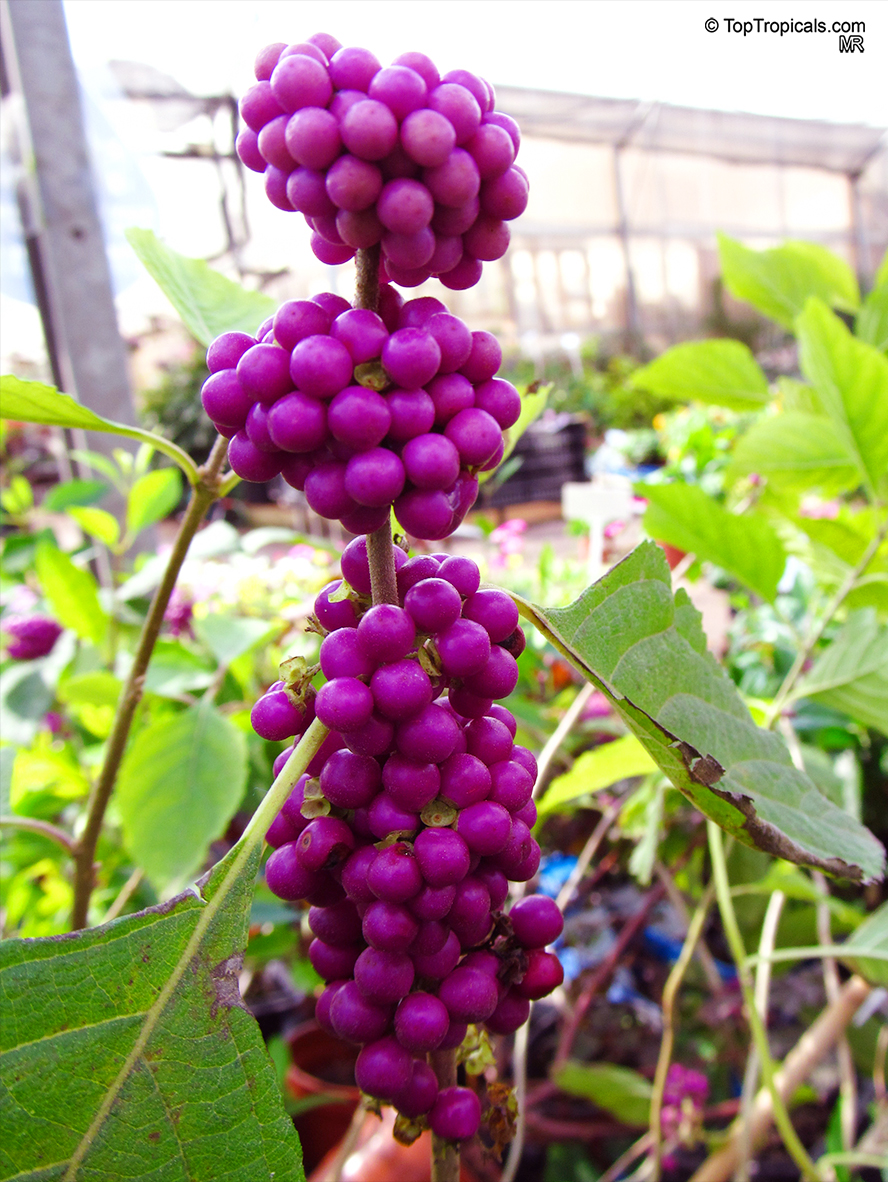
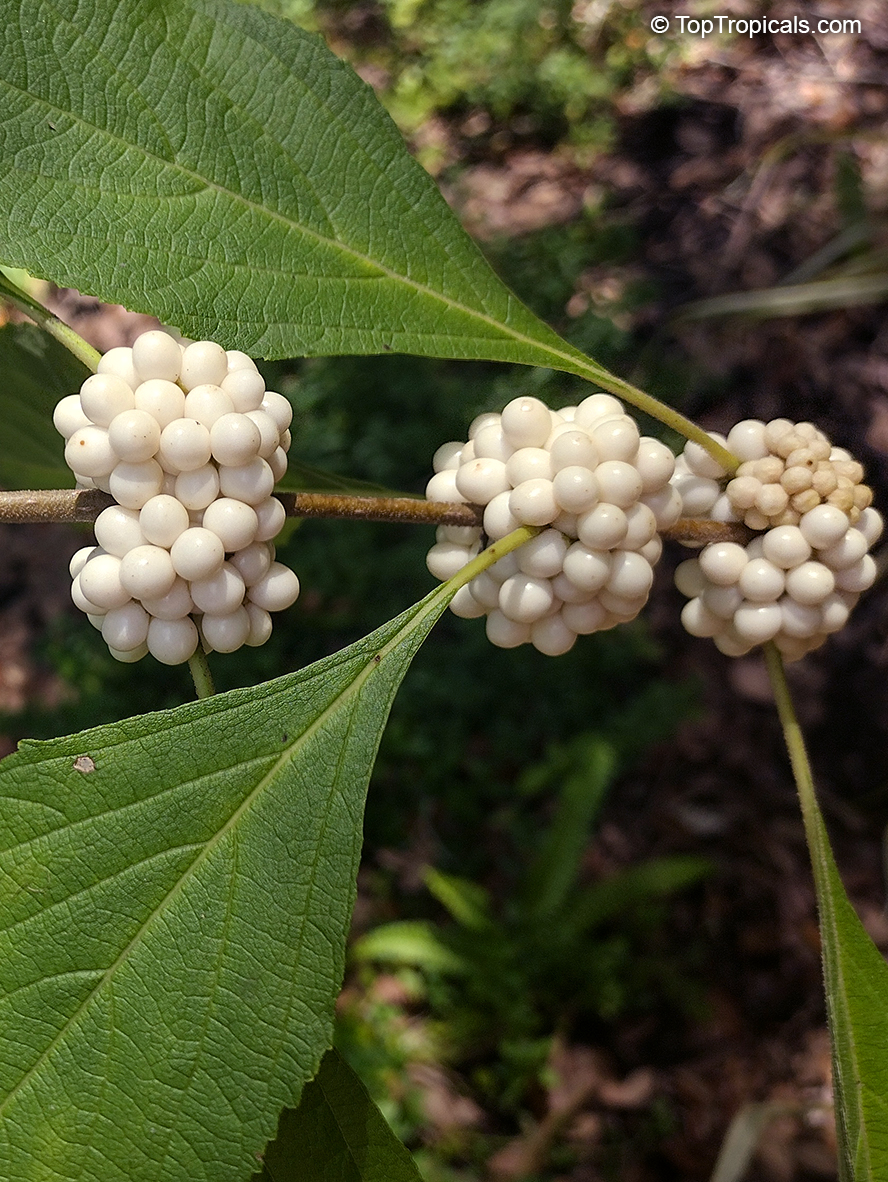
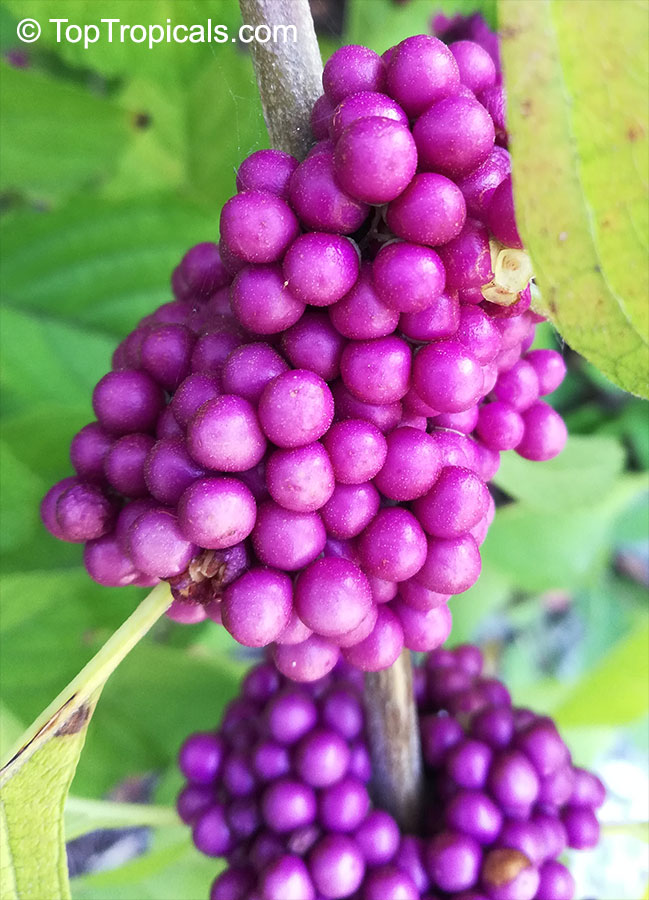
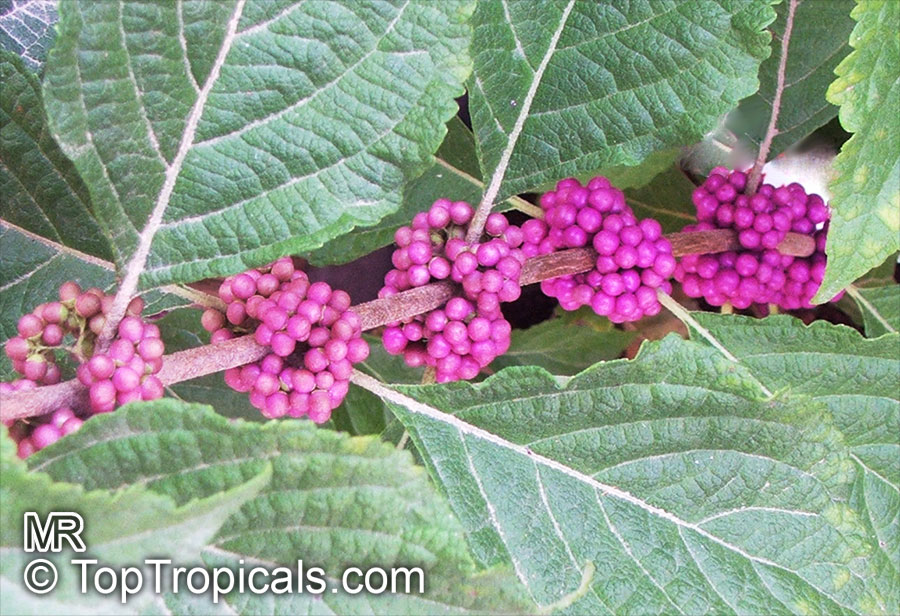
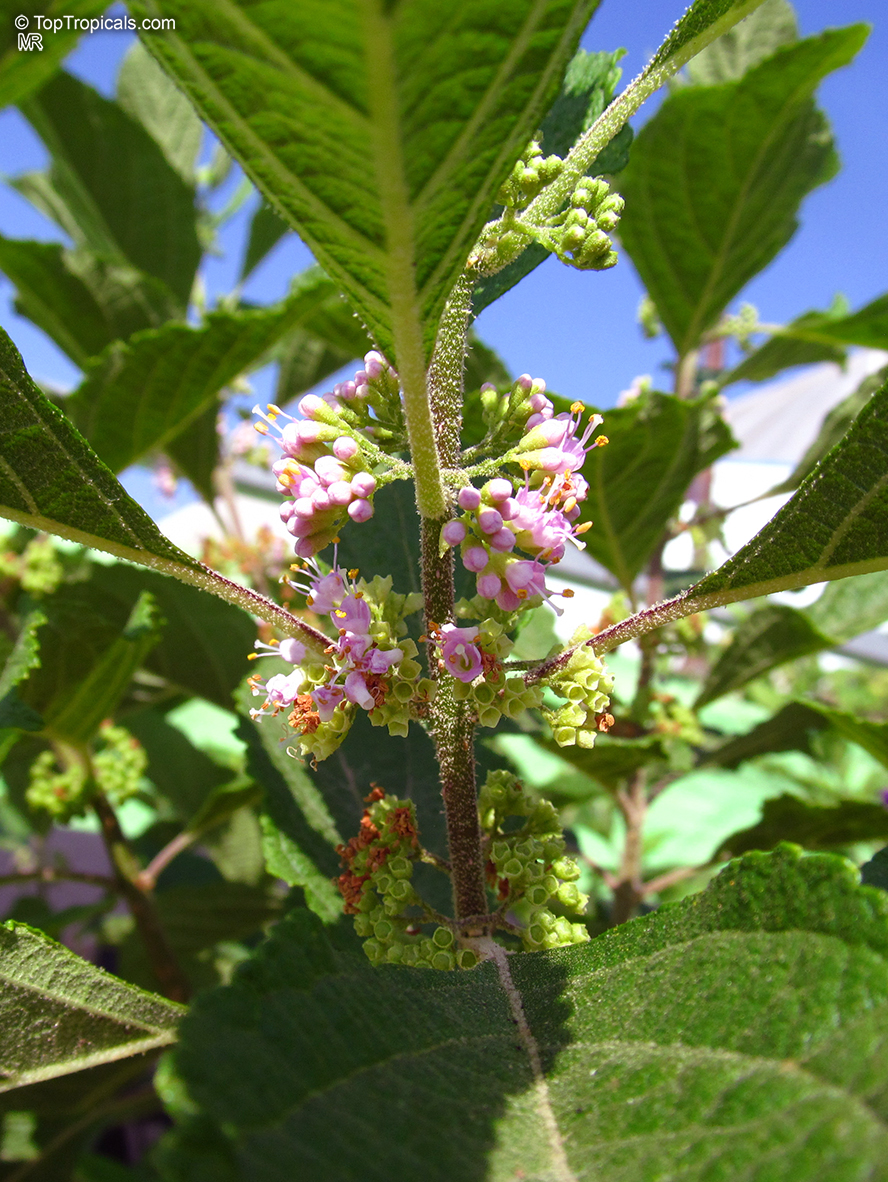
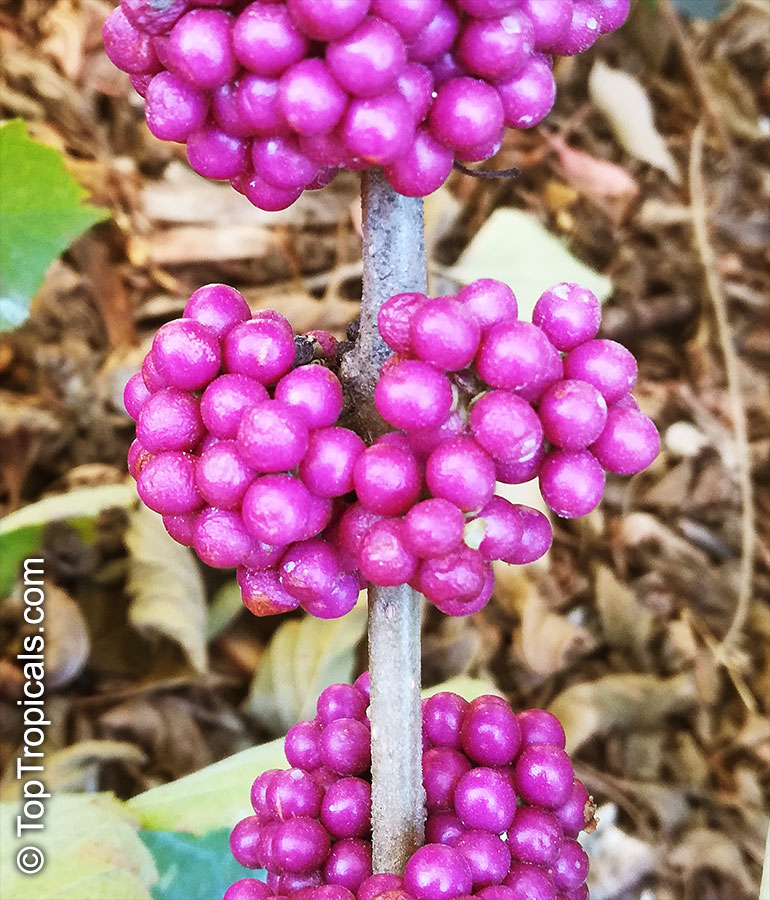
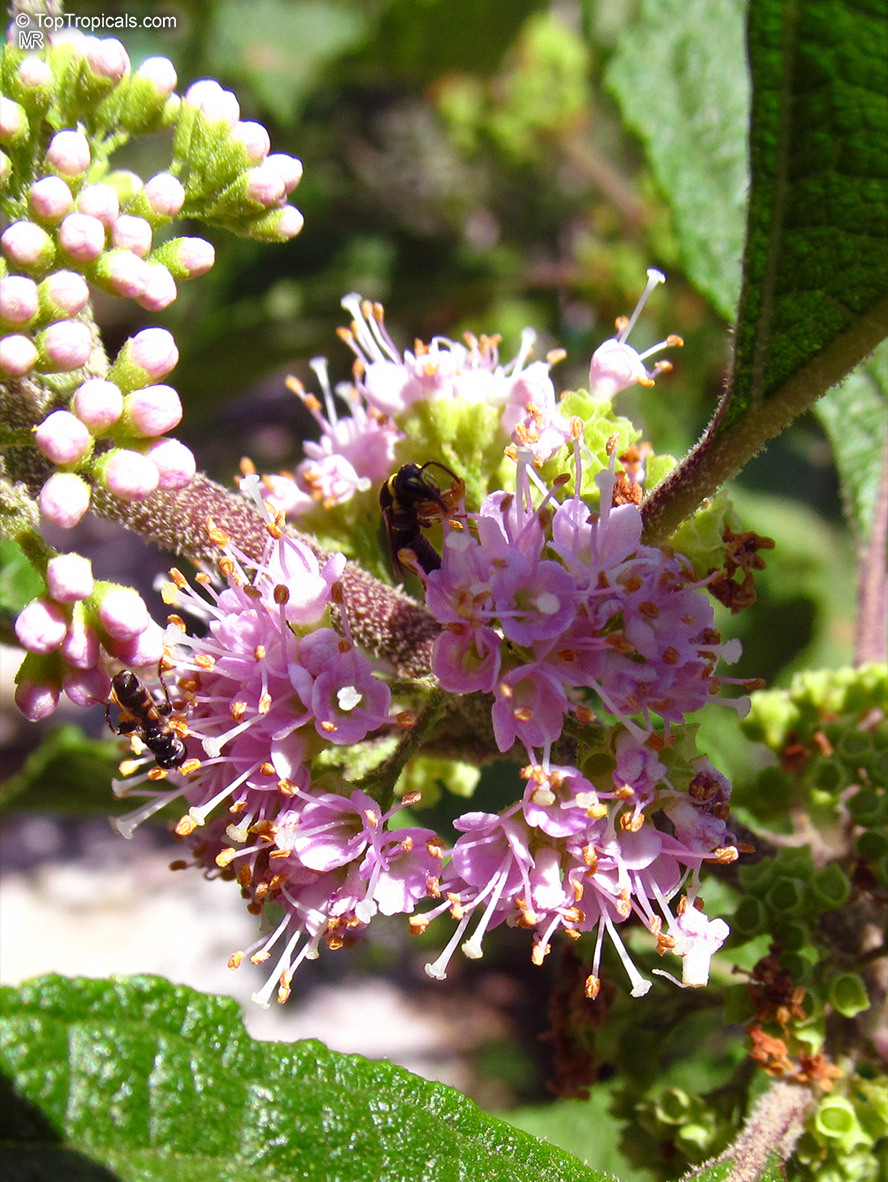
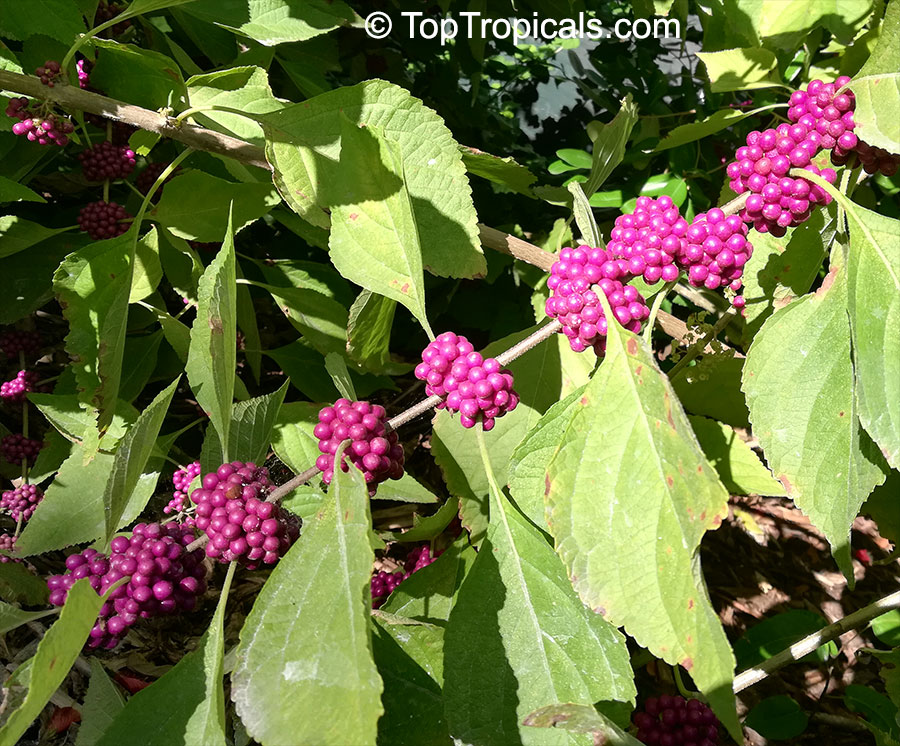
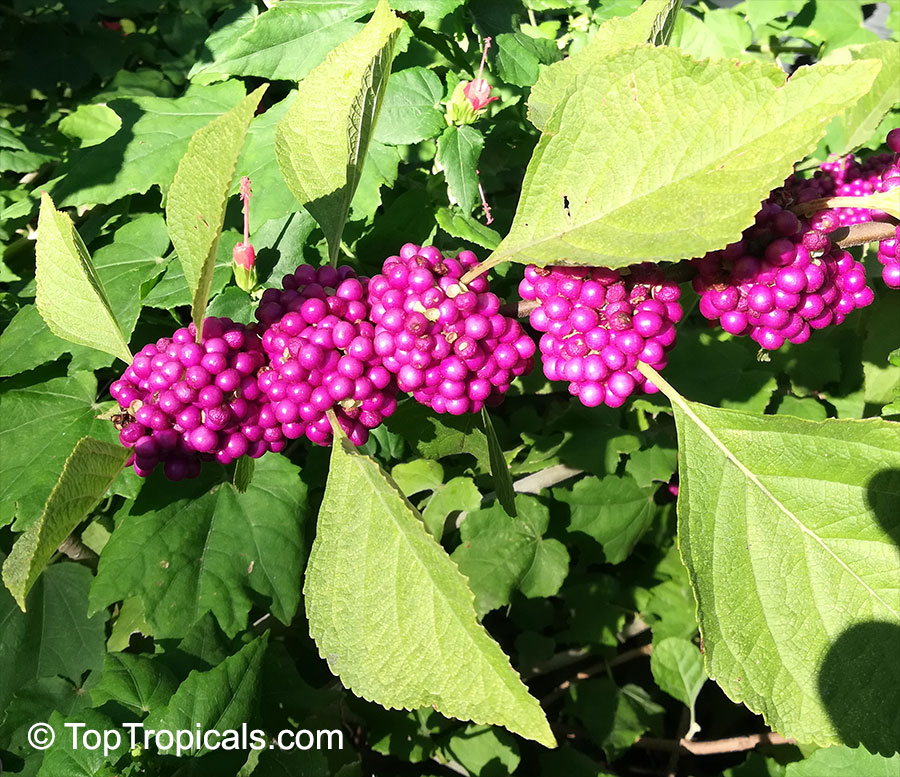
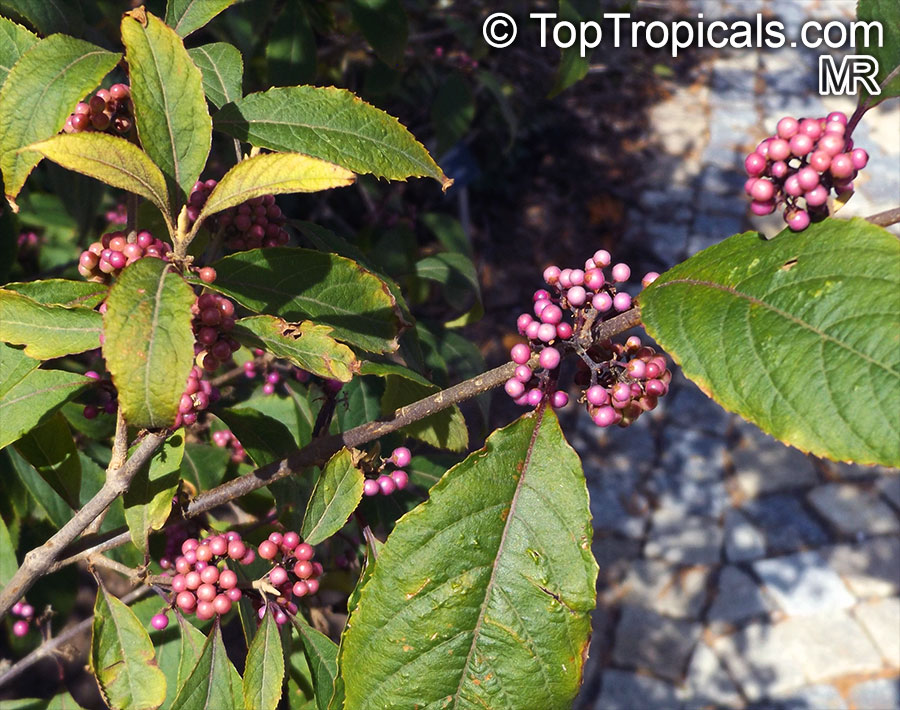
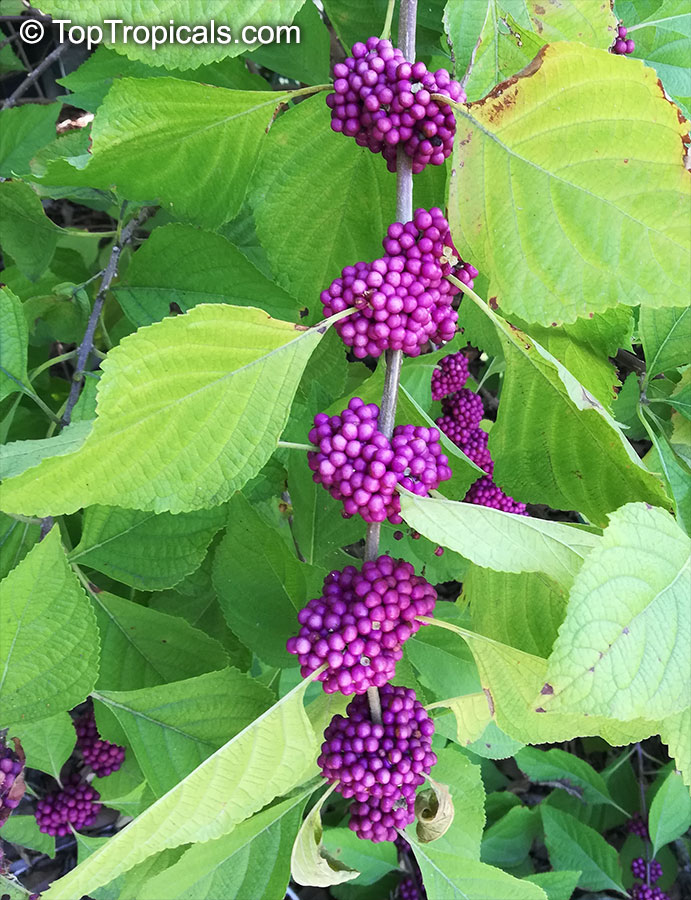
Callicarpa americana (American Beautyberry) branch with vibrant purple fruit and textured green leaves close up
Callicarpa americana (American Beautyberry) branch laden with clusters of round purple fruit and green leaves

Botanical name: Callicarpa americana

Common name: American Beautyberry

Family: Lamiaceae    (Formerly:Verbenaceae)

Origin: North America

USDA Plant Hardiness MapLarge shrub 5-10 ft tallSemi-shadeWatering: Moderate. Water when top soil feels dryPink flowersDeciduous plantSubtropical plant. Mature plant cold hardy at least to 30s F for a short time

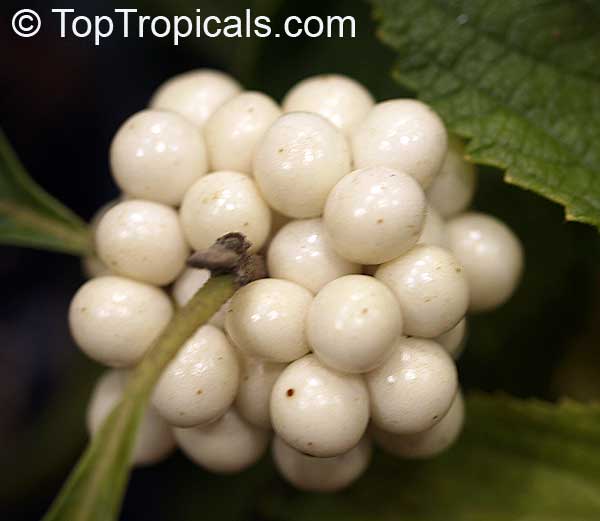
The beautyberries are packed tightly together in clusters that encircle the stem. Variety lactea has white fruits. Spring flowers and beautiful fall fruit make this an attractive landscape plant.

Very adaptable, even to low fertility soils. Very drought tolerant. Requires well drained soil. Propagation: Seeds and semi-hardwood cuttings.
Link to this plant:
https://toptropicals.com/catalog/uid/callicarpa_americana.htm

 
Price

The beautyberries are packed tightly together in clusters that encircle the stem. Spring flowers and beautiful fall fruit make this an attractive landscape plant. This Florida Native is easy to grow: pretty hardy and very drought tolerant.

Recommended Fertilizer: SUNSHINE Megaflor - Bloom Nutrition Booster
Grown in
10"/3 gal pot
4 plants in stock
$29.95


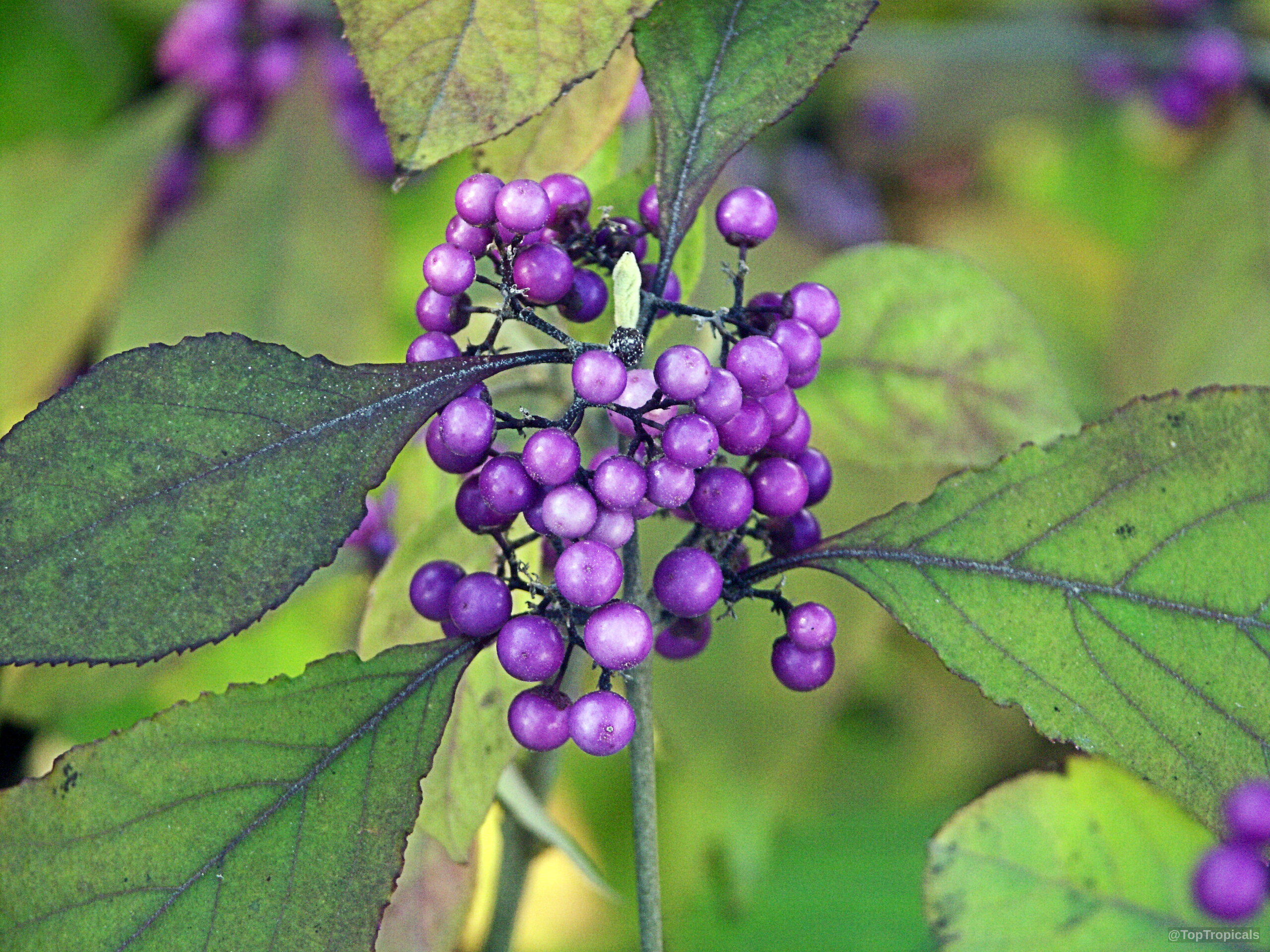
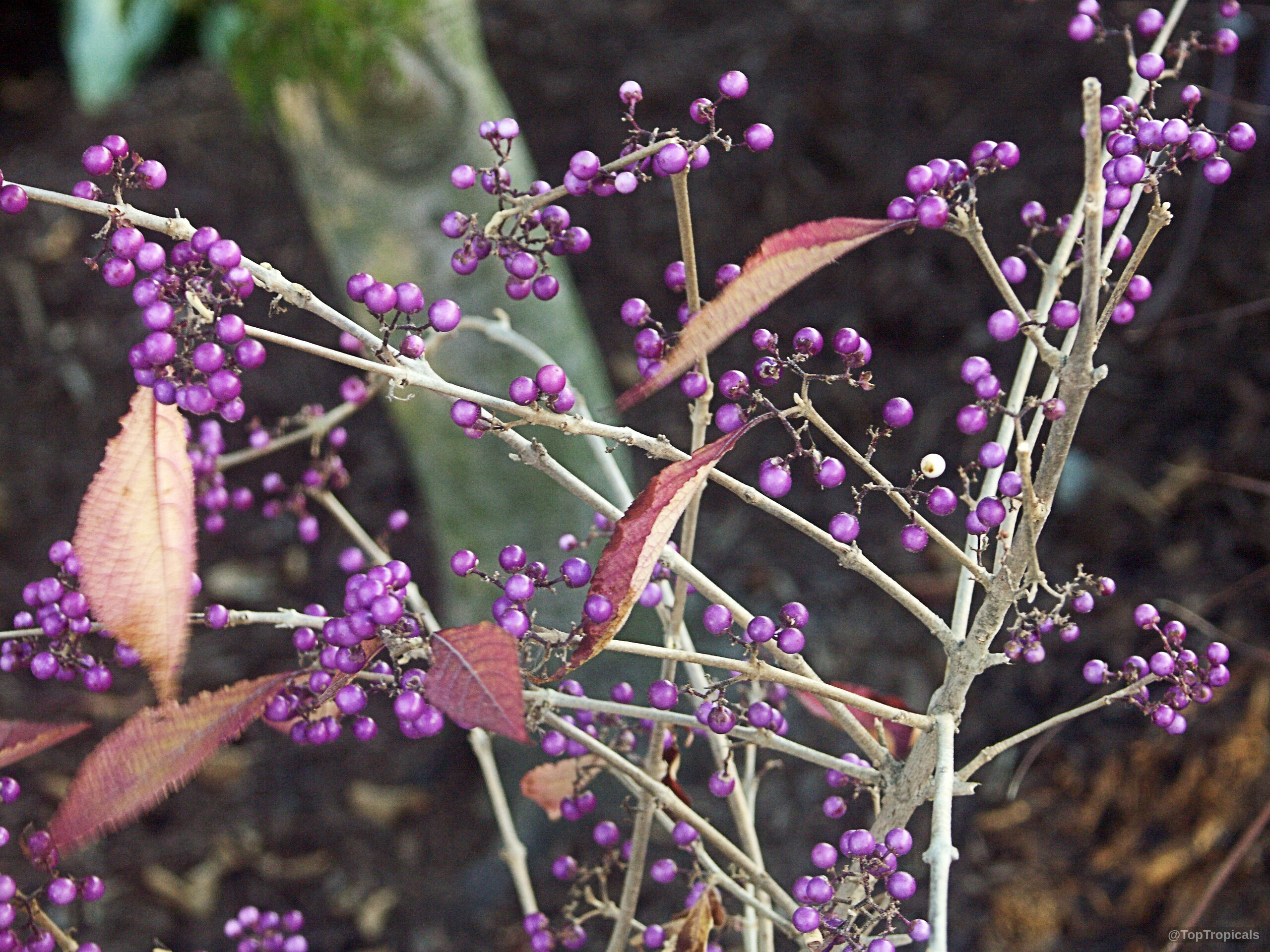
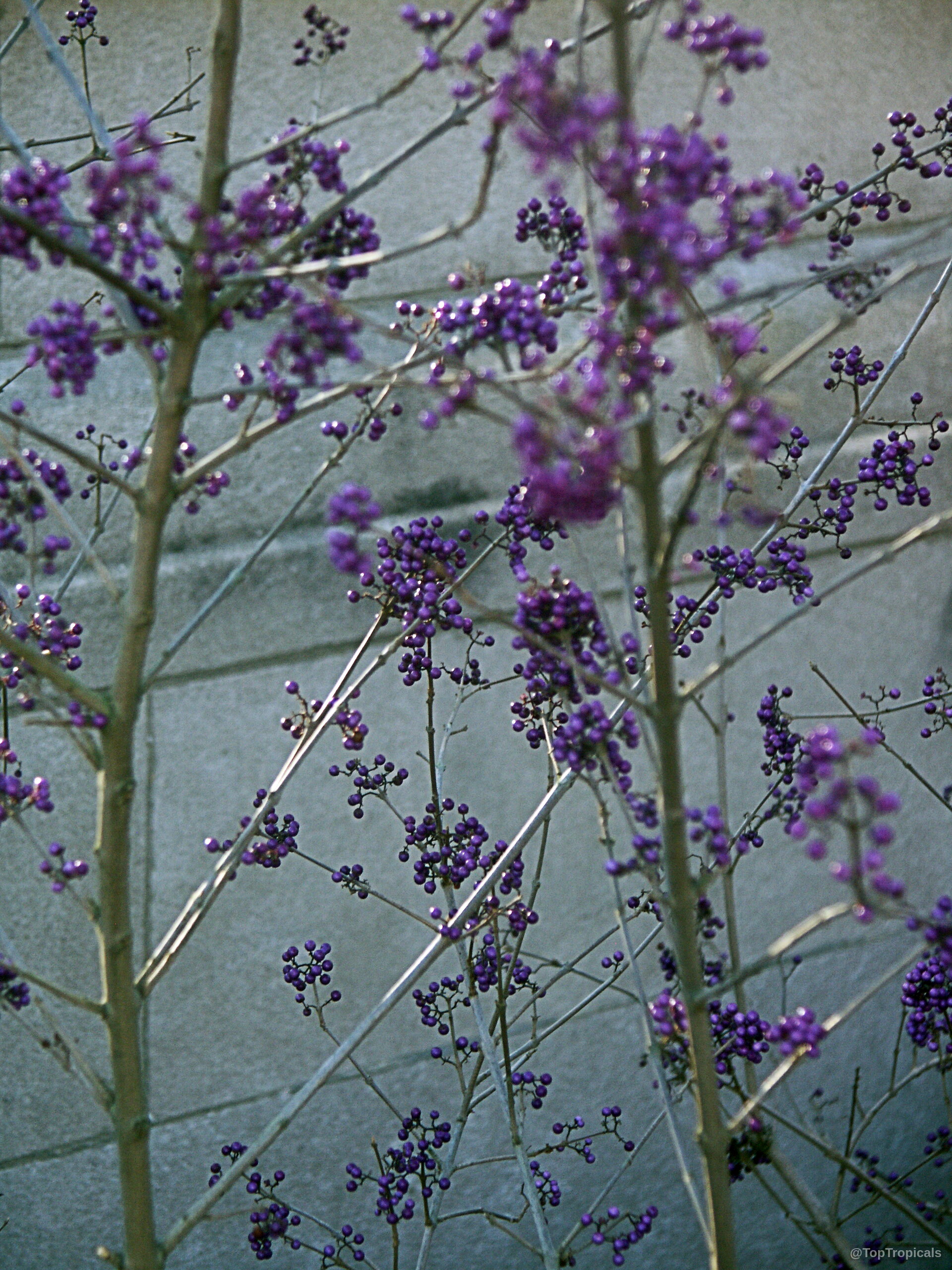
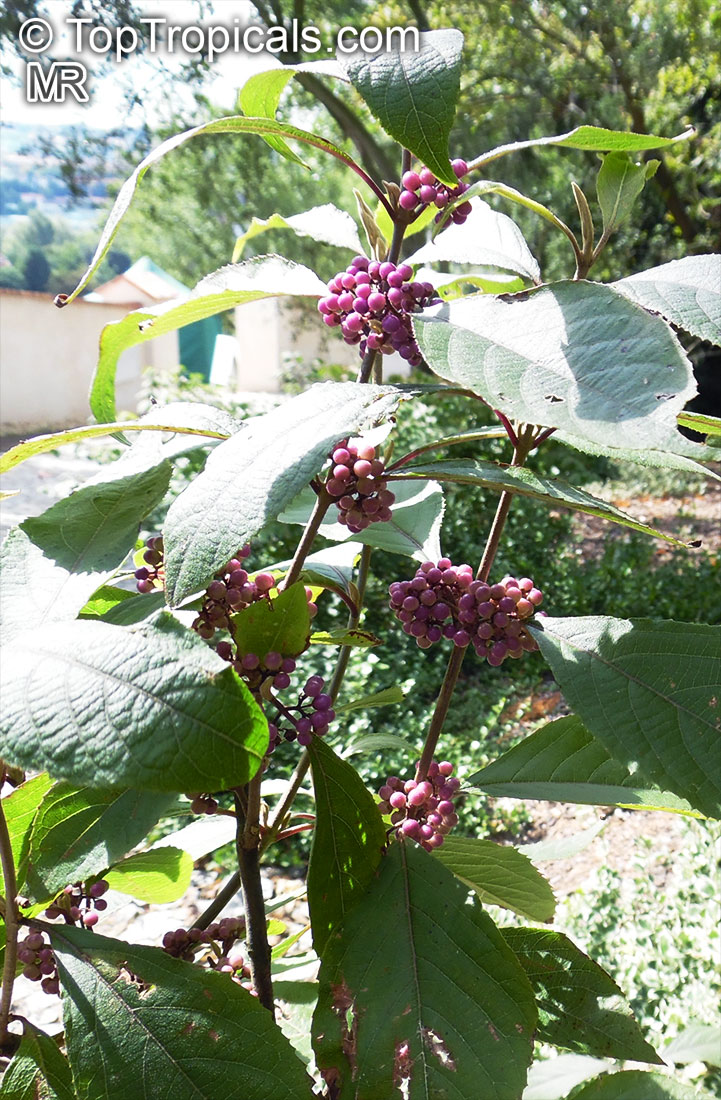
Callicarpa bodinieri (Bodinier's Beautyberry) with clusters of small pink fruit among green pointed leaves
Callicarpa bodinieri (Bodinier's Beautyberry) stem loaded with rounded pink fruit and textured green foliage

Botanical name: Callicarpa bodinieri

Common name: Bodinier's Beautyberry

Family: Lamiaceae    (Formerly:Verbenaceae)

Origin: West and Central China

USDA Plant Hardiness MapLarge shrub 5-10 ft tallFull sunWatering: Regular. Let topsoil dry slightlyPink flowersPlant attracts butterflies, hummingbirdsDeciduous plantSubtropical plant. Mature plant cold hardy at least to 30s F for a short time

The berries are edible and can be used in jams and jellies.

Callicarpa bodinieri is a large shrub, growing between 5-10 feet tall and wide. It is considered an easy to grow plant, requiring full sun and regular water, as well as occasional pruning of dead branches to maintain a neat shape. This deciduous plant is suitable for USDA Zone 6-10.

Callicarpa bodinieri produces beautiful pink flowers in mid to late summer, attracting butterflies and hummingbirds. In fall, the shrub is covered in clusters of small, purple berries, making it an attractive addition to the garden.

When growing Callicarpa bodinieri in pots, it is important to provide a well-draining potting mix, and to ensure that the plant is not overwatered.

Link to this plant:
https://toptropicals.com/catalog/uid/callicarpa_bodinieri.htm

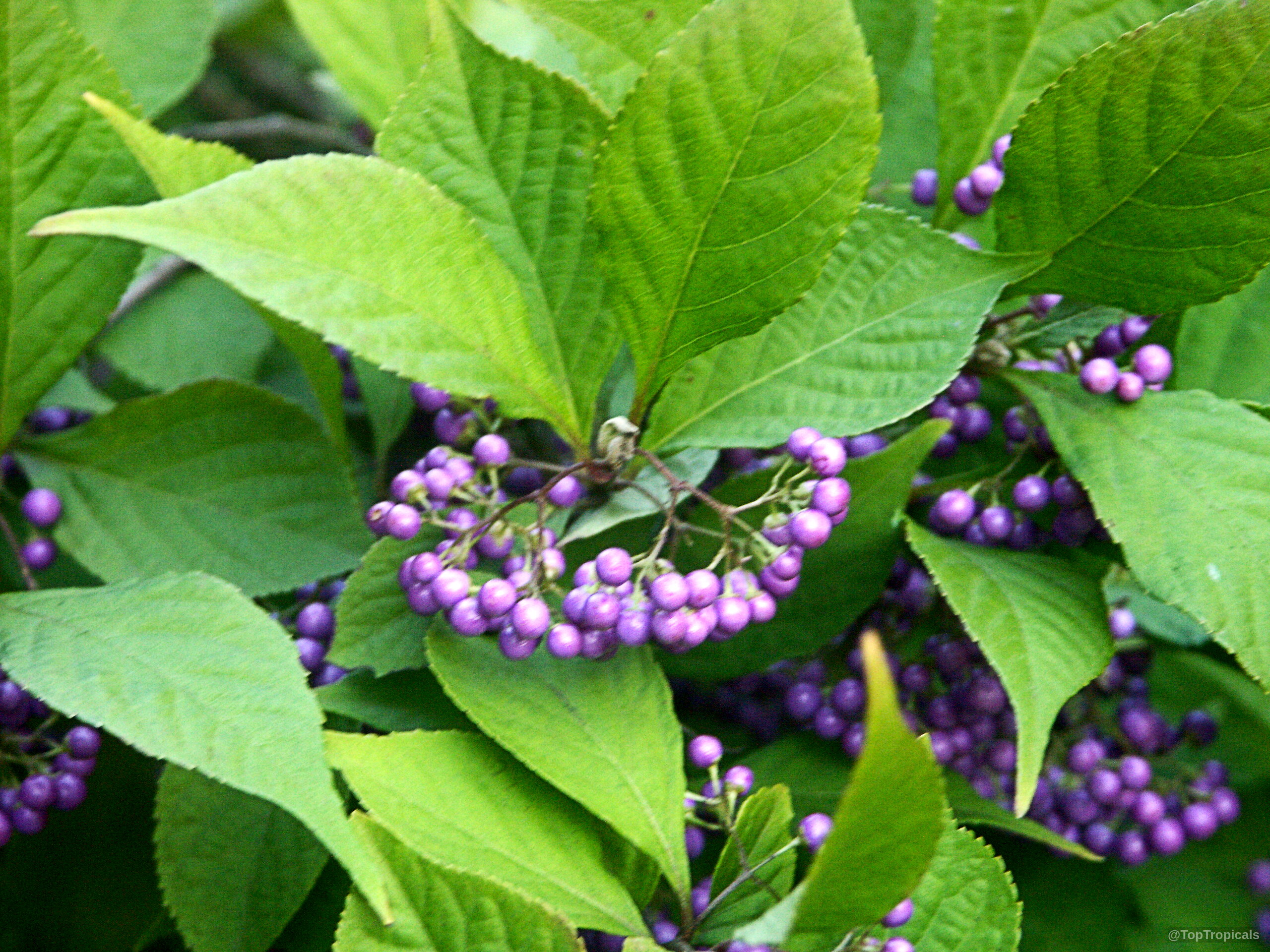
Callicarpa japonica (Japanese Beautyberry) purple fruit clusters among vibrant green leaves in close up.
Callicarpa japonica (Japanese Beautyberry) clusters of round purple fruit nestled among pointed green leaves.

Botanical name: Callicarpa japonica

Common names: Japanese Beautyberry, Murasaki Shikibu

Family: Lamiaceae    (Formerly:Verbenaceae)

Origin: Japan

USDA Plant Hardiness MapPlant used for bonsaiLarge shrub 5-10 ft tallSemi-shadeFull sunWatering: Moderate. Water when top soil feels dryWatering: Regular. Let topsoil dry slightlyPink flowersSubtropical plant. Mature plant cold hardy at least to 30s F for a short time

Callicarpa japonica (Japanese Beautyberry) purple fruit clusters among vibrant light green ovate leaves close up
Callicarpa japonica (Japanese Beautyberry) clusters of small round purple fruit nestled between textured green leaves
Callicarpa japonica (Japanese Beautyberry) shrub covered in round purple fruit and green leaves
Callicarpa japonica (Japanese Beautyberry) shrub growing with abundant round purple fruit and green leaves
Callicarpa japonica (Japanese Beautyberry) with small purple fruit clusters and green leaves on plant
Callicarpa japonica (Japanese Beautyberry) with dense foliage and clusters of round purple fruit


Link to this plant:
https://toptropicals.com/catalog/uid/callicarpa_japonica.htm

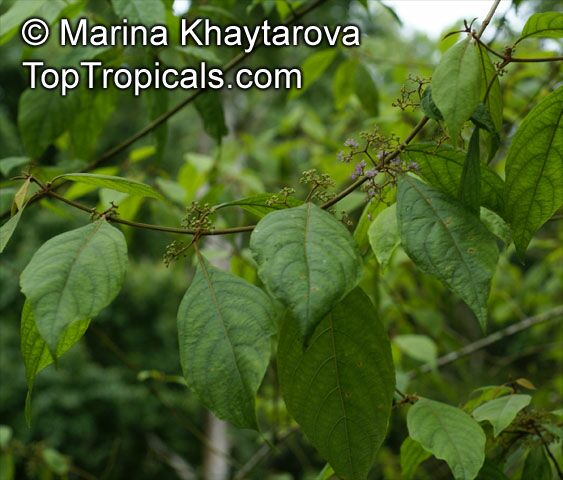
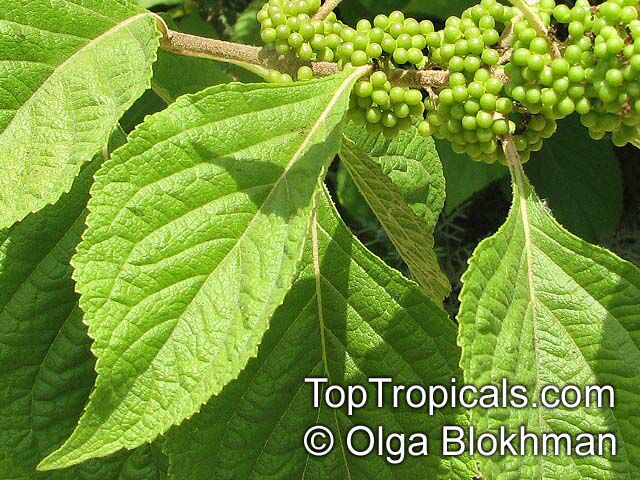
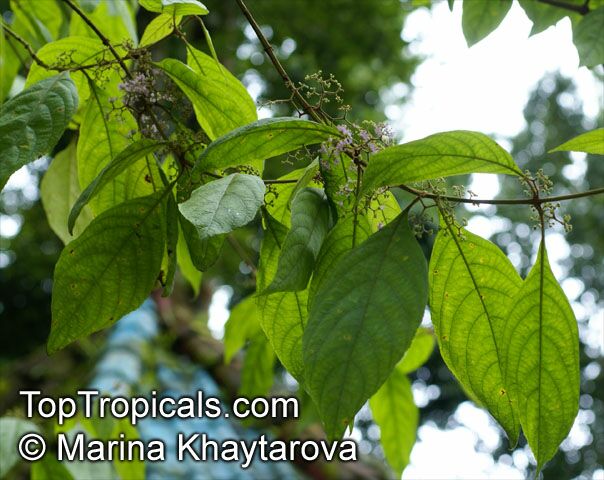
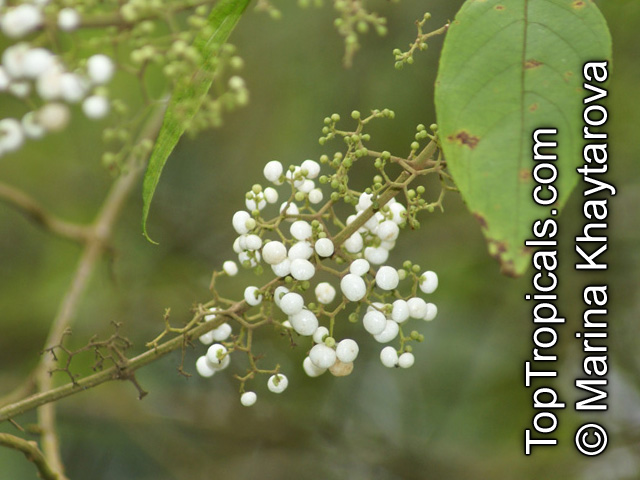
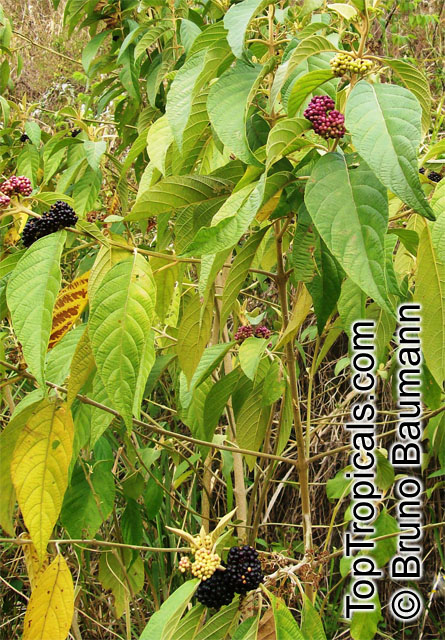
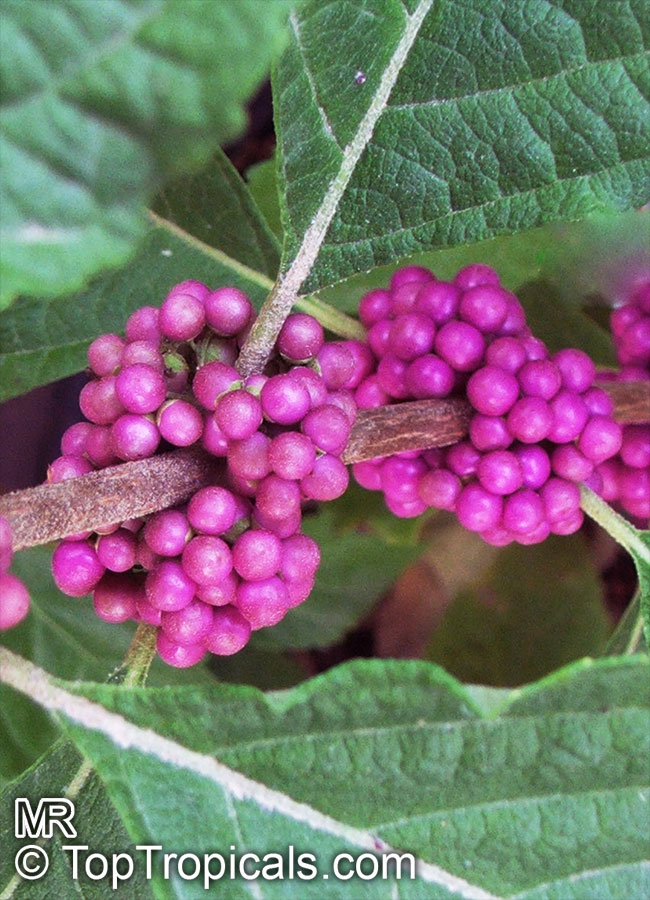
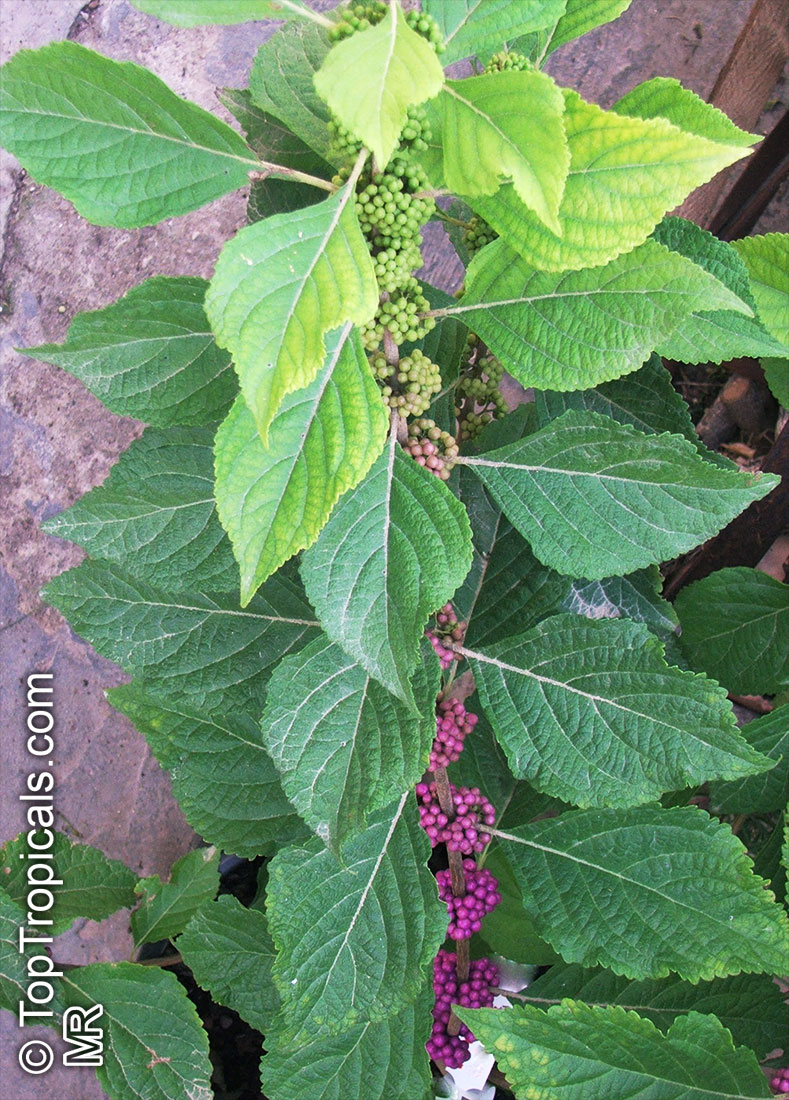
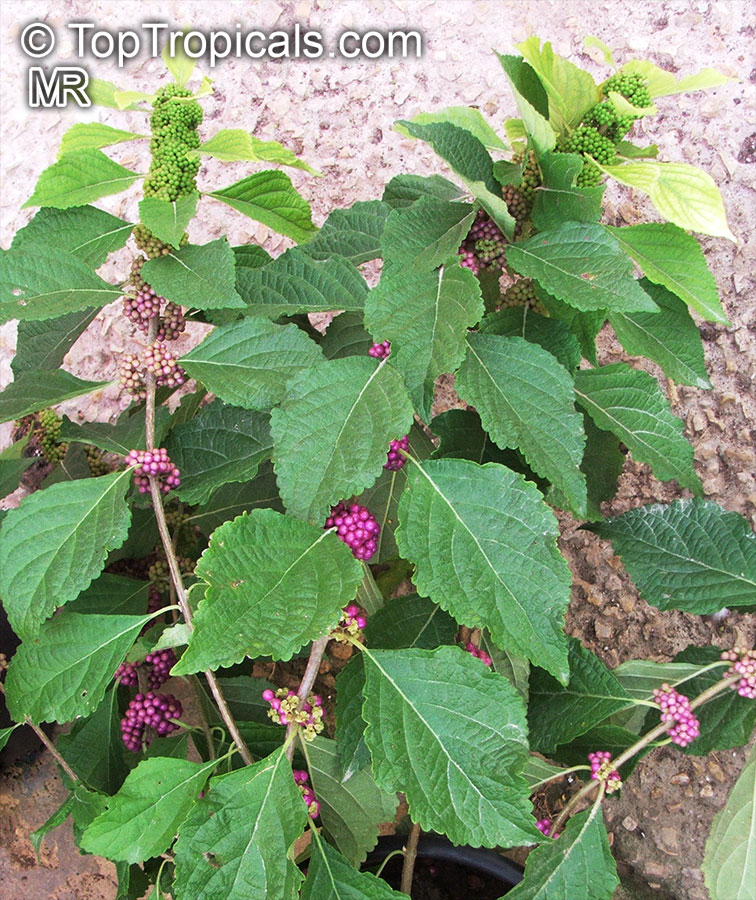
Callicarpa sp. (Beautyberry) clusters of purple fruit close up on plant branch
Callicarpa sp. (Beautyberry) heavy clusters of round purple fruit along the branch

Botanical name: Callicarpa sp.

Common name: Beautyberry

Family: Lamiaceae    (Formerly:Verbenaceae)

USDA Plant Hardiness MapLarge shrub 5-10 ft tallSemi-shadeFull sunWatering: Moderate. Water when top soil feels dryWatering: Regular. Let topsoil dry slightlyPink flowersDeciduous plantSubtropical plant. Mature plant cold hardy at least to 30s F for a short time

Callicarpa sp. (Beautyberry) is a large shrub, usually growing 5-10 feet tall and wide. It is native to temperate and tropical regions, and its adaptability to various environments makes it a popular landscape plant. This deciduous plant produces clusters of small, star-shaped pink flowers in early summer, followed by eye-catching clusters of bright purple berries in the late fall and winter.

For best results, Beautyberry needs full sun or partial shade, and regular to moderate water. Given the right conditions, Beautyberry can offer a richly colored, lush presence to any garden. In cold regions, where this plant is not winter hardy, beautyberry can be grown in a pot and brought indoors during the coldest months.

In terms of temperature, Beautyberry is a surprisingly hardy plant for its size and delicate appearance. The USDA Plant Hardiness Zone for Beautyberry is 5-8. Despite its winter hardiness, Beautyberry may require protection from heavy winter rains and winds.
Link to this plant:
https://toptropicals.com/catalog/uid/callicarpa_sp.htm

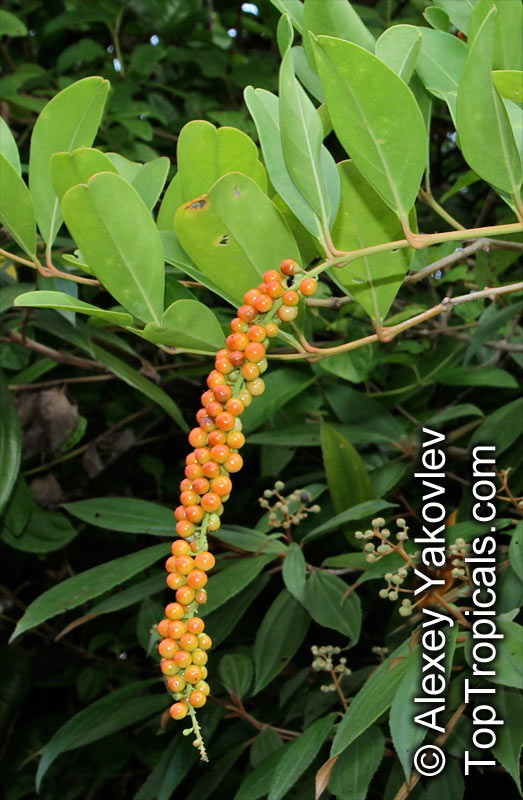
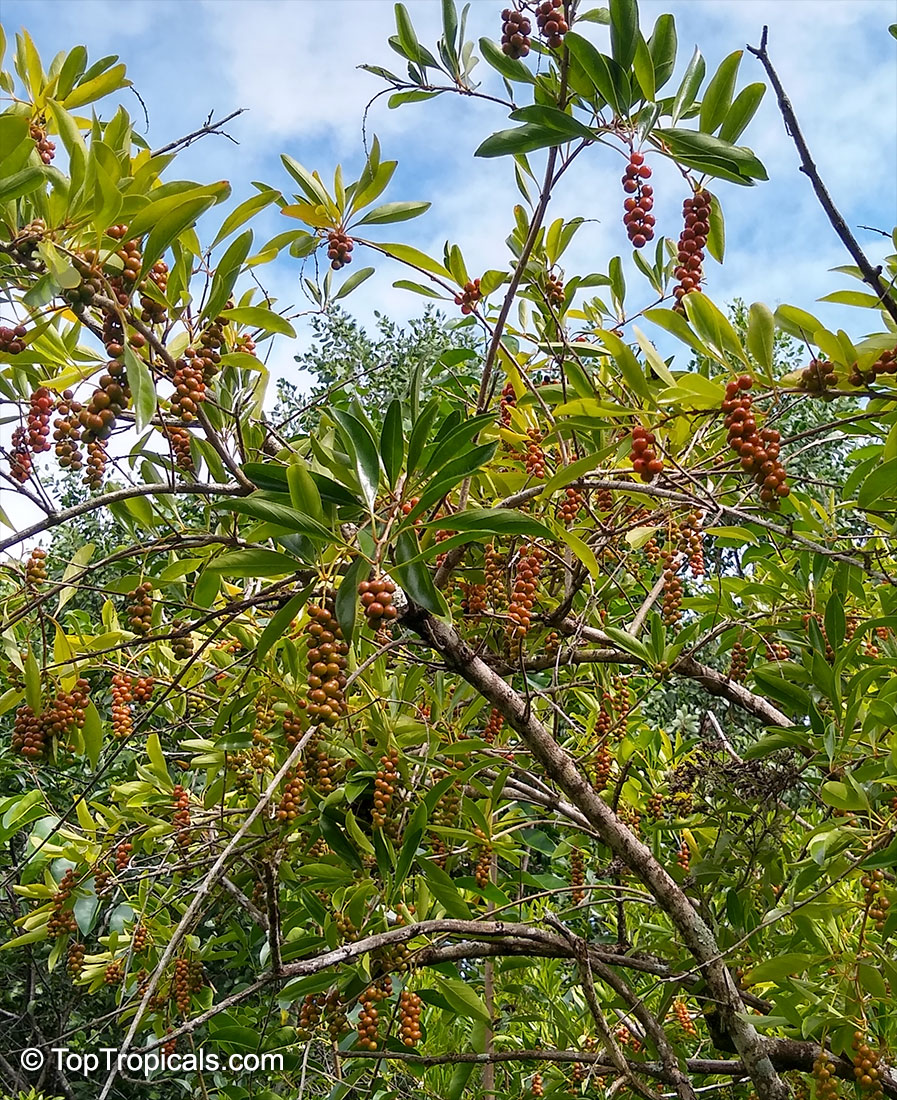
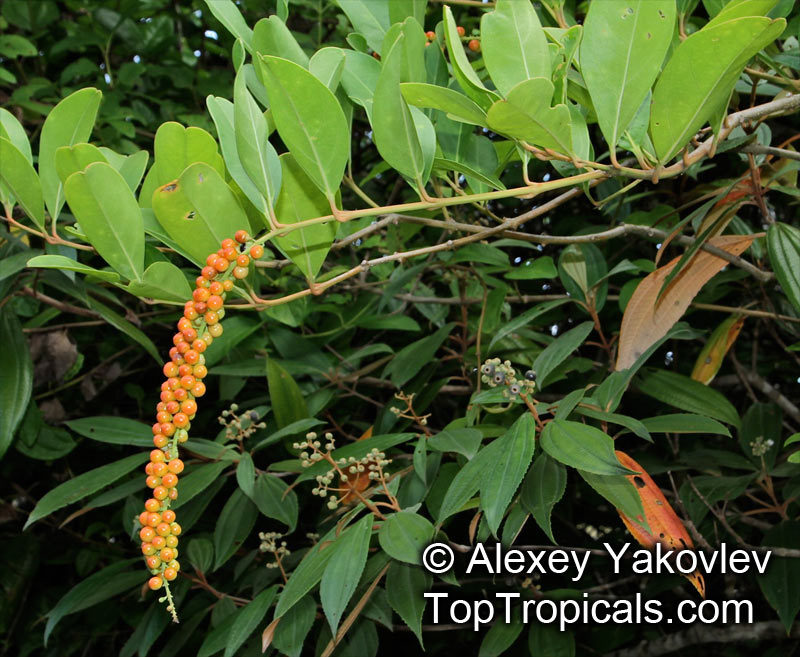
Citharexylum caudatum (Juniper Berry) branch with hanging orange fruit close up against green leaves.
Citharexylum caudatum (Juniper Berry) hanging orange fruit cluster nestled among lush green pointed foliage leaves.

Botanical name: Citharexylum caudatum

Common names: Juniper Berry, Fiddlewood

Family: Verbenaceae

Origin: Central America, Mexico

USDA Plant Hardiness MapLarge shrub 5-10 ft tallSmall tree 10-20 ftSemi-shadeFull sunWatering: Moderate. Water when top soil feels dryWatering: Regular. Let topsoil dry slightlyWhite, off-white flowersPlant attracts butterflies, hummingbirdsFragrant plant

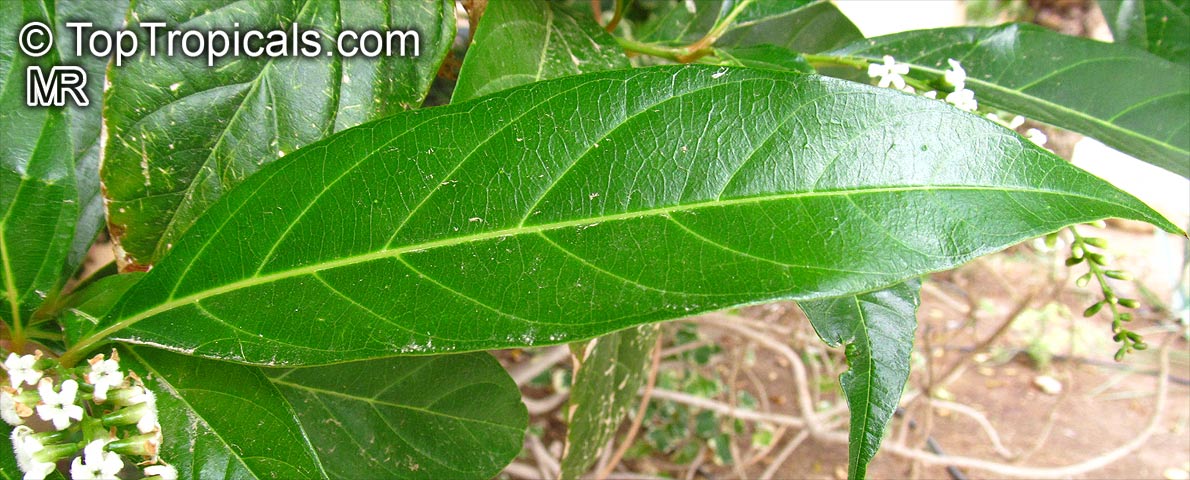
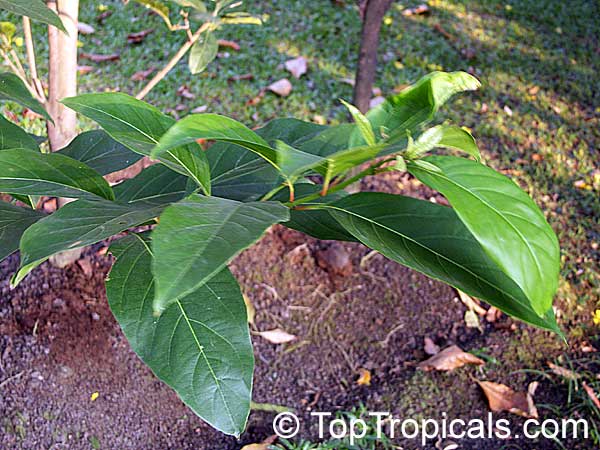
Citharexylum caudatum, commonly known as Juniper Berry, is a native to Central America and Mexico. This large shrub or small tree grows to 5-10 ft tall with moderate water requirements and will thrive in semi-shade or full sun. The glossy green foliage creates a great contrast to the fragrant off-white flowers which will attract butterflies and hummingbirds. The plant blooms from spring to late fall, creating an enchanting landscape.

This beautiful plant is easy to care for in USDA Zones 9-11, as they're not very picky about soil conditions. They enjoy regular watering throughout the growing season, but can tolerate times of drought better than times of excess water.

For those that live in cold regions, Citharexylum caudatum can easily be grown in a pot and sheltered indoors during the winter. The pot should be kept in a warm spot, preferably near a window, to ensure the best environment for the Juniper Berry's growth.

Overall, the Citharexylum caudatum is an easy to care for and attractive plant that will enhance any yard or garden. Its fragrant flowers and evergreen foliage creates a delightful landscape and its ability to attract butterflies and hummingbirds provides a wonderful addition to any outdoor space.
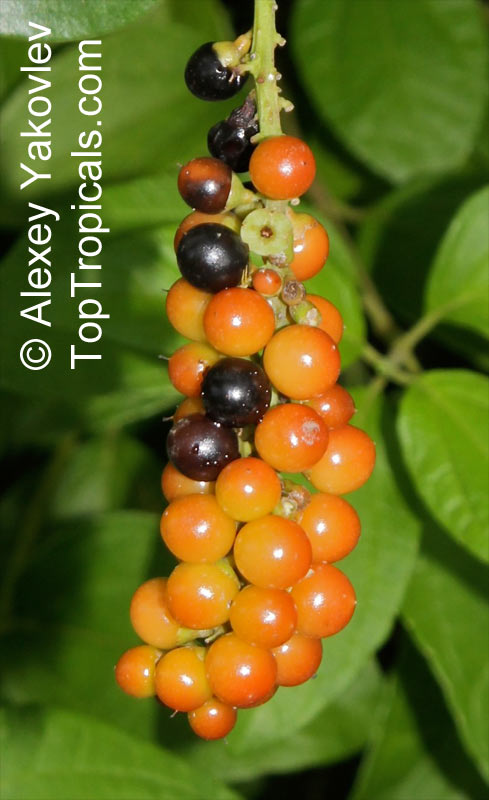
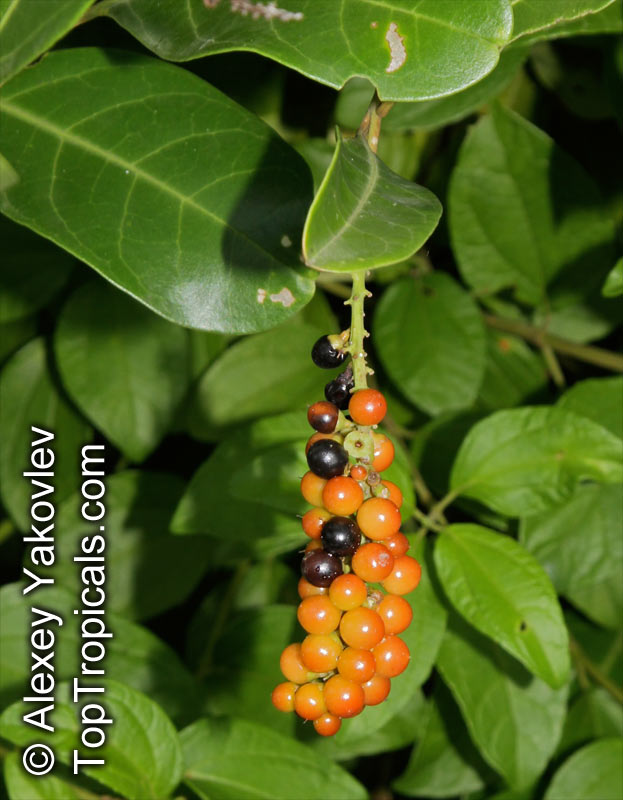
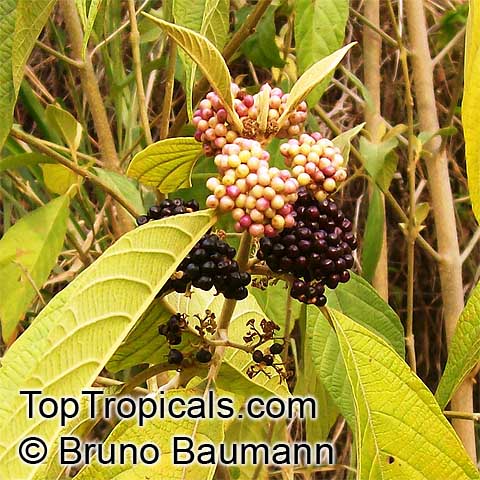
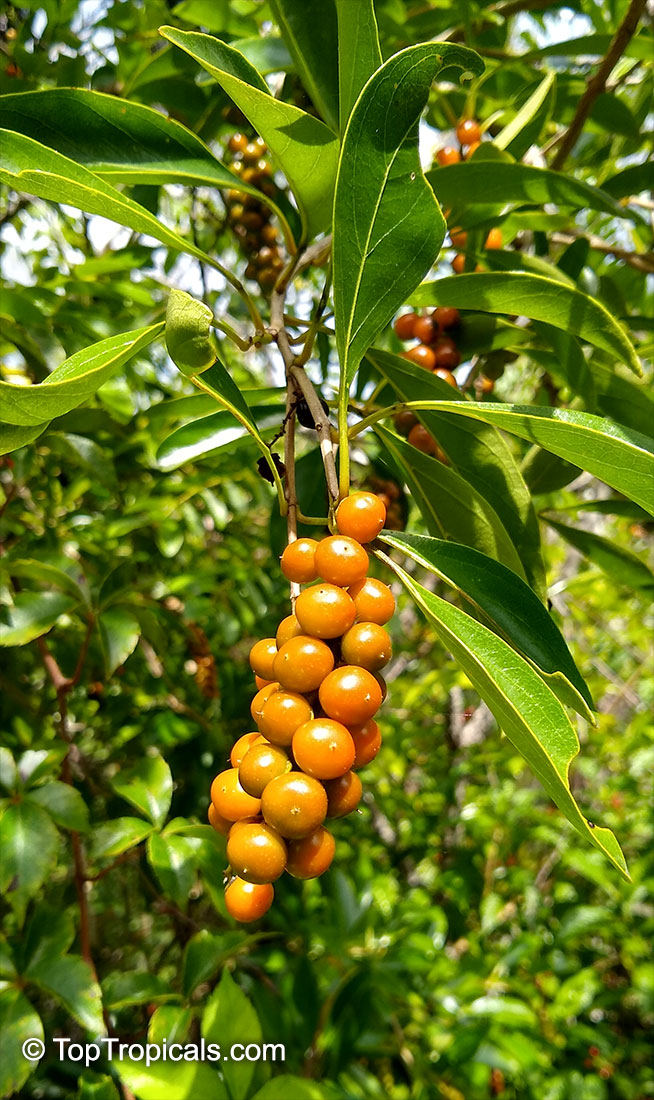
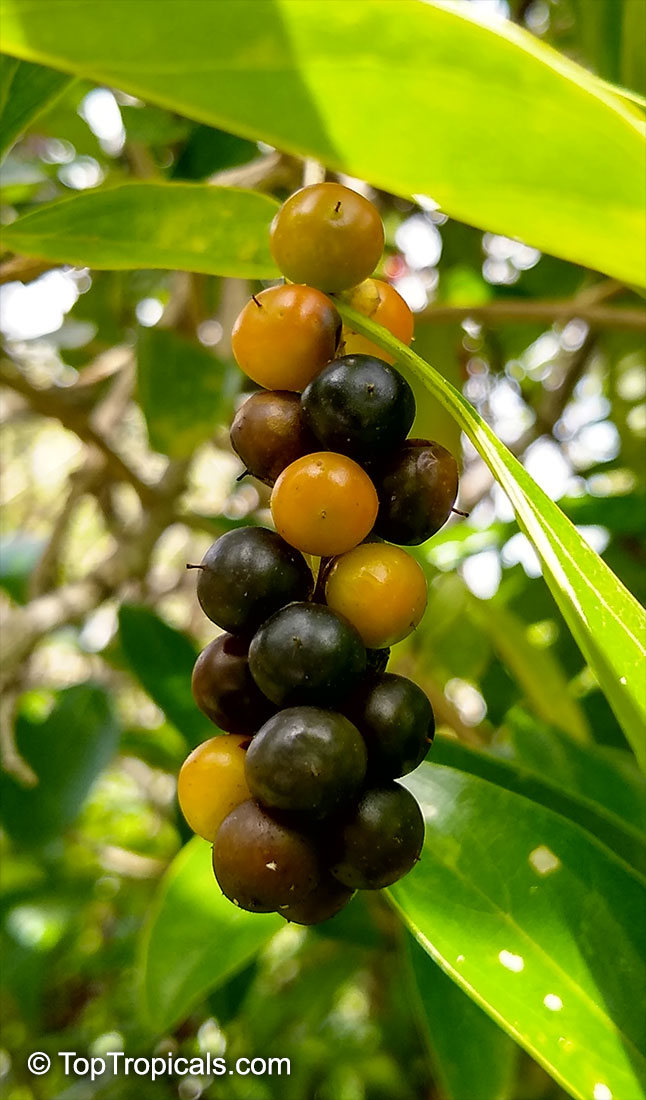
Citharexylum caudatum (Juniper Berry) orange and black fruit close up on green branch.
Citharexylum caudatum (Juniper Berry) cluster of ripening spherical orange and black fruit on green foliage.
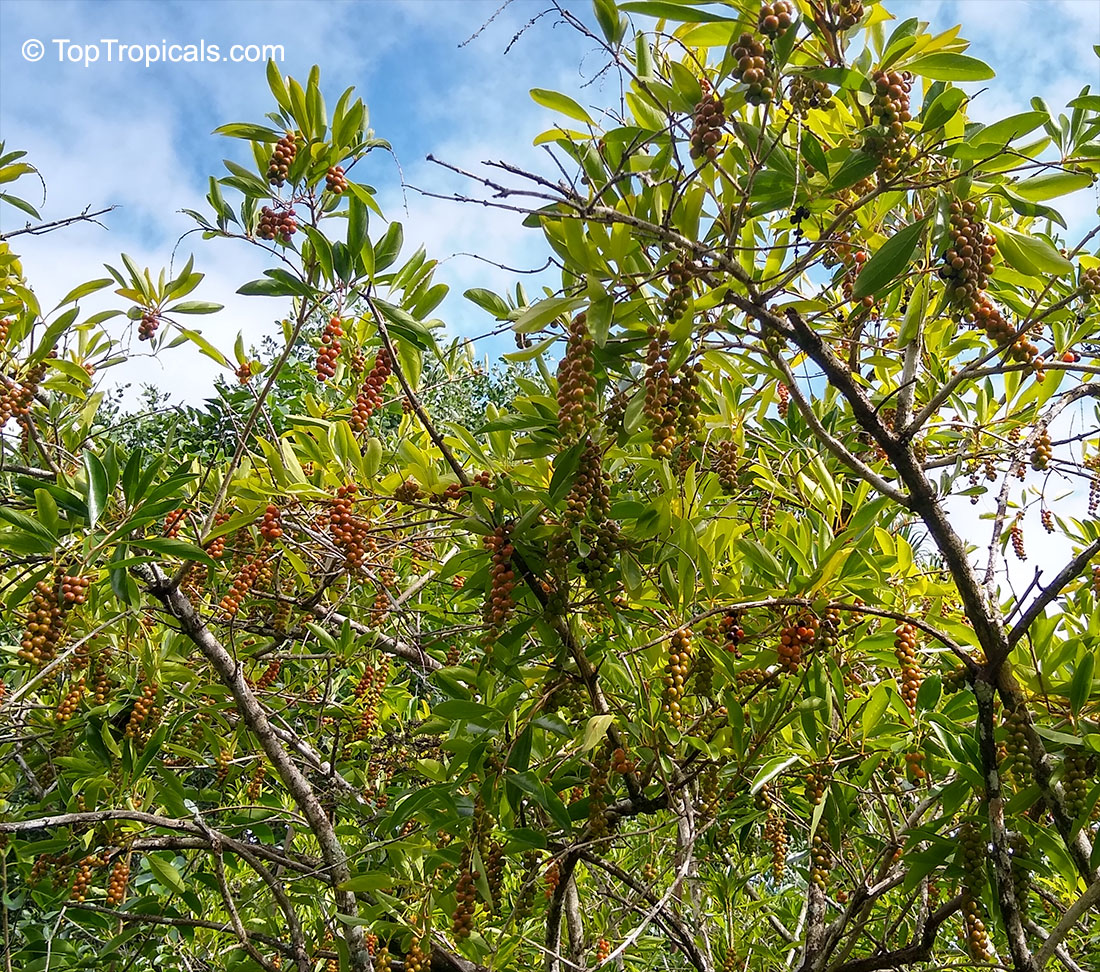
Citharexylum caudatum (Juniper Berry) branch with hanging orange fruit clusters and green oval leaves.
Citharexylum caudatum (Juniper Berry) branch hanging with multiple clusters of small orange ripening fruit.
Citharexylum caudatum (Juniper Berry) orange black fruit clusters hanging in close up plant view
Citharexylum caudatum (Juniper Berry) cluster of ripening fruit with smooth orange and dark black skins


Link to this plant:
https://toptropicals.com/catalog/uid/citharexylum_caudatum.htm

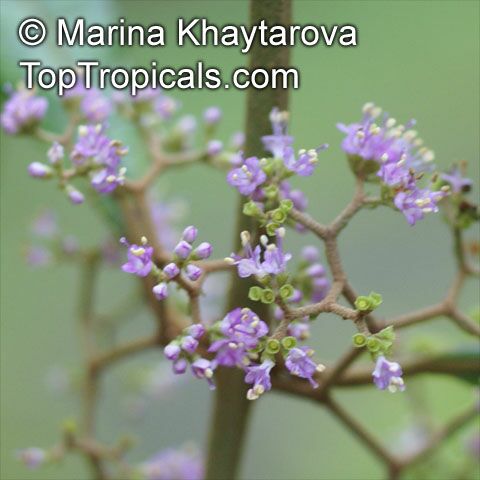
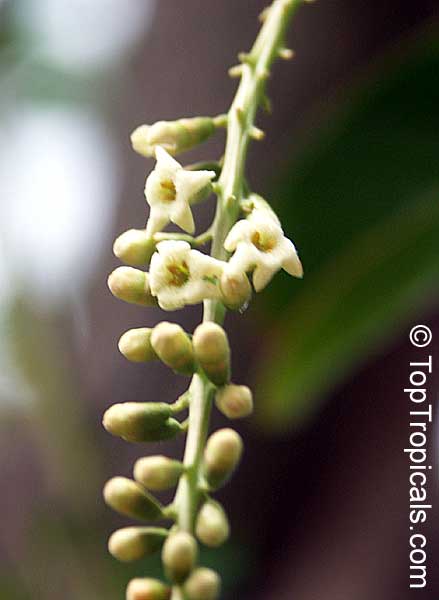
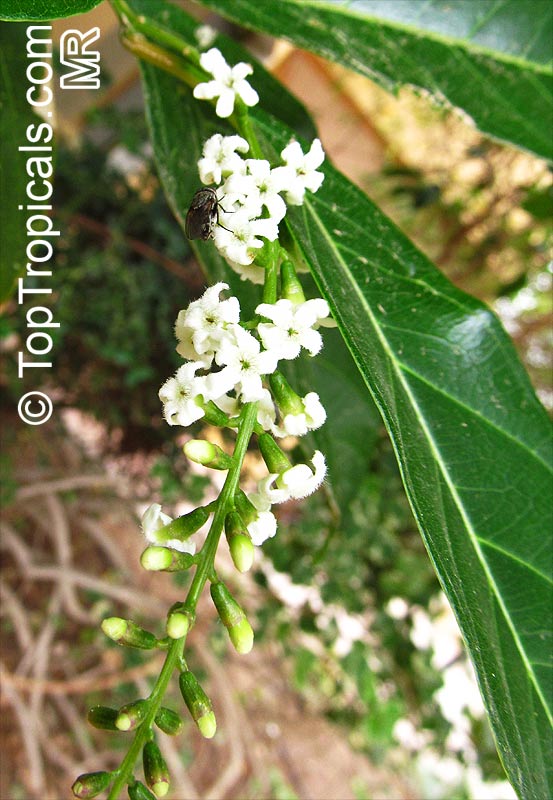
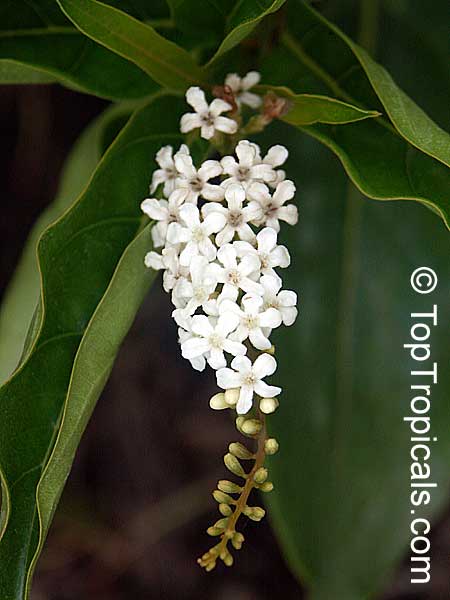
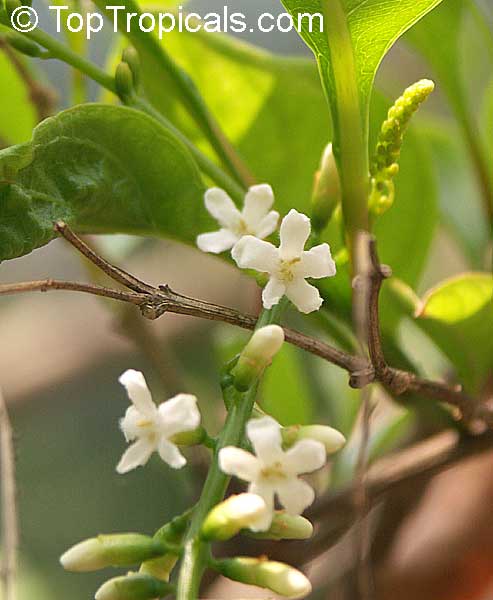
Citharexylum fruticosum (Fiddlewood) white flower on a green stem in a close up.
Citharexylum fruticosum (Fiddlewood) white flower buds on a slender green stem.

Botanical name: Citharexylum fruticosum

Common name: Fiddlewood

Family: Verbenaceae

Origin: West Indies

USDA Plant Hardiness MapLarge shrub 5-10 ft tallSmall tree 10-20 ftSemi-shadeFull sunWatering: Moderate. Water when top soil feels dryWatering: Regular. Let topsoil dry slightlyWhite, off-white flowersPlant attracts butterflies, hummingbirdsEthnomedical plant.
Plants marked as ethnomedical and/or described as medicinal, are not offered as medicine but rather as ornamentals or plant collectibles.
Ethnomedical statements / products have not been evaluated by the FDA and are not intended to diagnose, treat, cure, or prevent any disease. We urge all customers to consult a physician before using any supplements, herbals or medicines advertised here or elsewhere.Fragrant plant

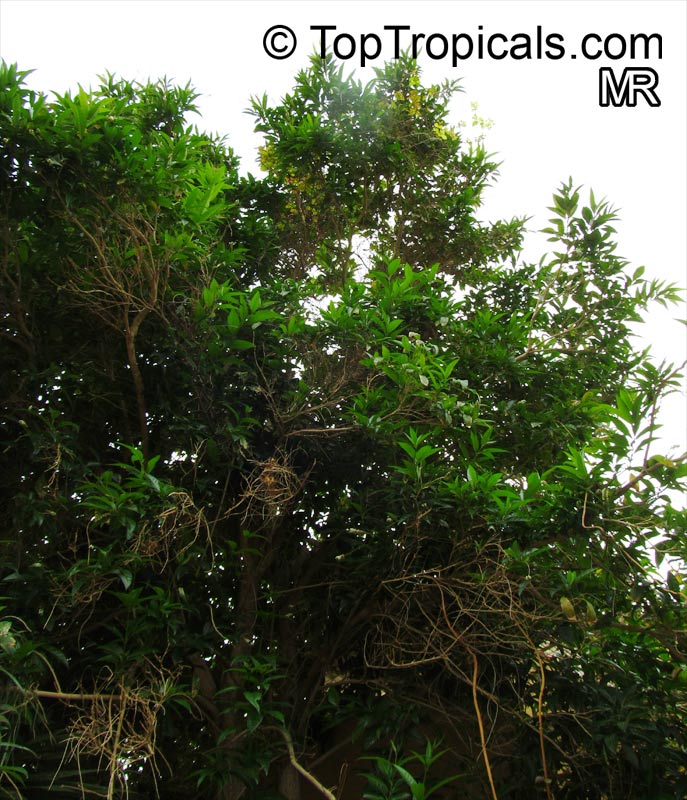
It is a beautiful small tree with long tassels of richly scented white flowers. Flowers are pendant and cover the tree from spring to fall. Foliage is dark green, shiny, ornamental. Easy to grow, nice landscaping tree. Great butterfly and bee attractor.
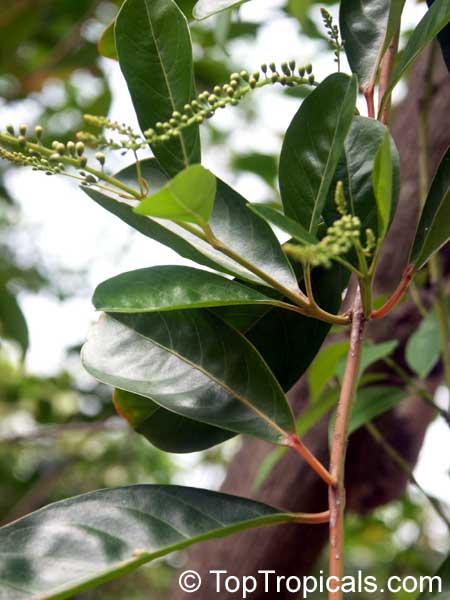
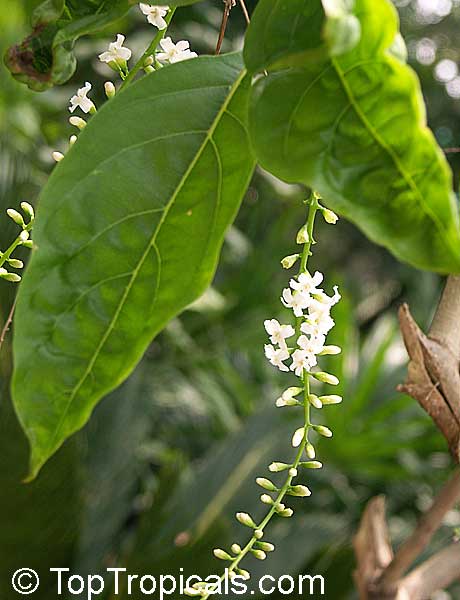
Citharexylum fruticosum (Fiddlewood) green plant with tiny pale yellow flower buds, close up.
Citharexylum fruticosum (Fiddlewood) showing stems of tiny pale yellow flower buds and smooth green leaves.
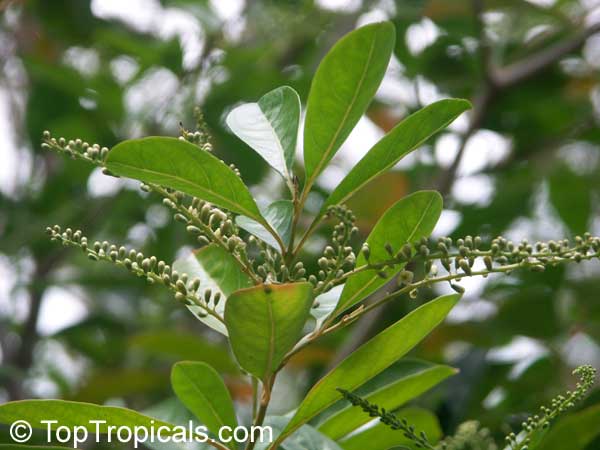
Citharexylum fruticosum (Fiddlewood) with green leaves and tiny white flower buds on branches
Citharexylum fruticosum (Fiddlewood) with green leaves and numerous delicate white flower buds on long stems.
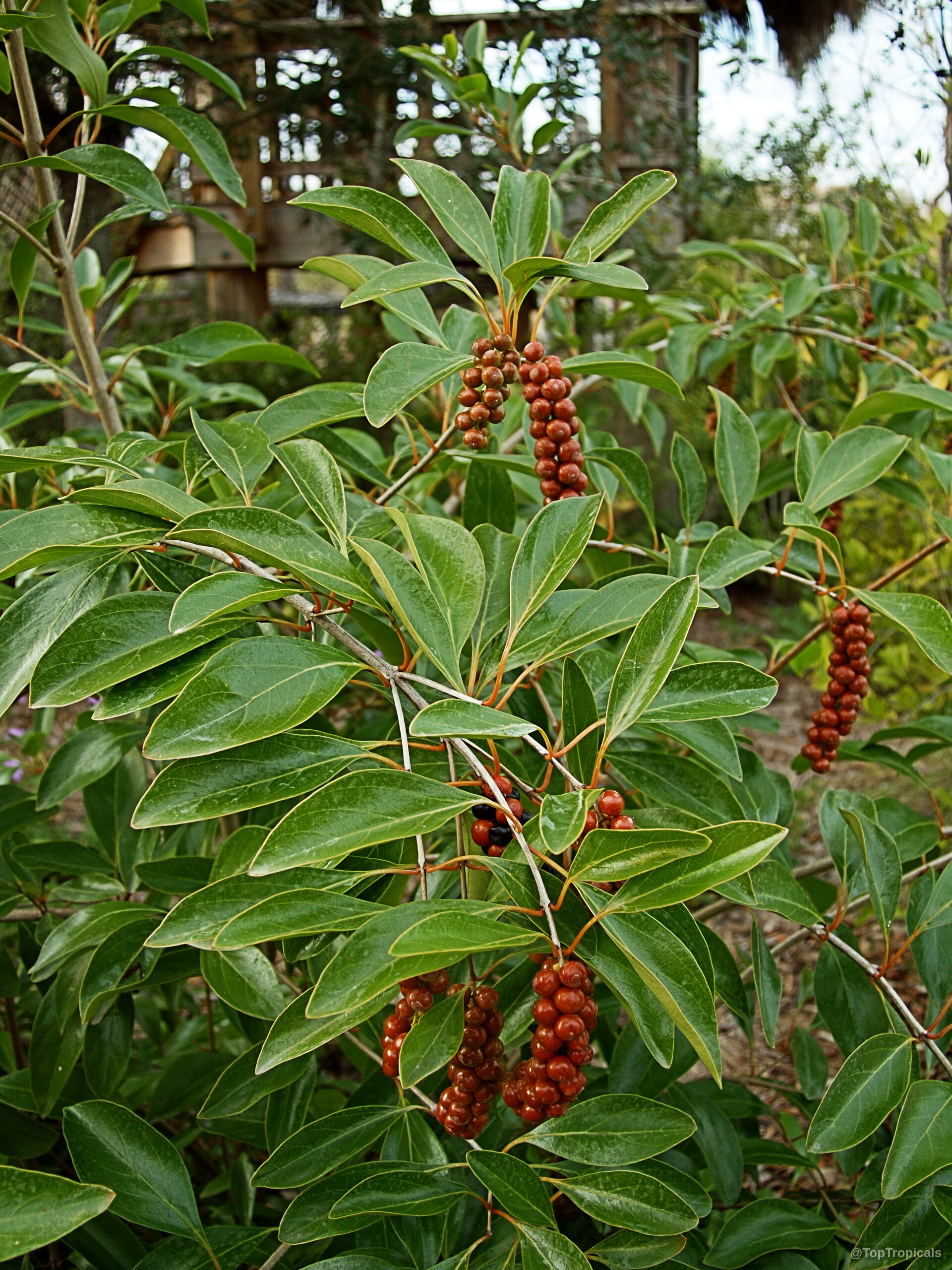
Citharexylum fruticosum (Fiddlewood) with orange fruit and green leaves on a branch close up.
Citharexylum fruticosum (Fiddlewood) displays small round orange fruit clusters dangling among smooth green foliage.
Citharexylum fruticosum (Fiddlewood) red and black fruit cluster hanging from a thin woody branch
Citharexylum fruticosum (Fiddlewood) cluster of red and black round fruits hanging from a thin branch.


Link to this plant:
https://toptropicals.com/catalog/uid/citharexylum_fruticosum.htm

Citharexylum montevidense (Taruman) plant with dense clusters of small round orange-red fruit on branches
Citharexylum montevidense (Taruman) tree laden with abundant small round orange-red fruit amid green foliage

Botanical name: Citharexylum montevidense

Common names: Taruman, Fiddlewood

Family: Verbenaceae

Origin: South of Brazil, North-East of Argentina, Paraguay and Uruguay.

USDA Plant Hardiness MapSmall tree 10-20 ftFull sunWatering: Regular. Let topsoil dry slightlyWhite, off-white flowersPlant attracts butterflies, hummingbirdsFragrant plant

It is a beautiful small tree with long tassels of richly scented white flowers. Flowers are pendant and cover the tree from spring to fall. Foliage is dark green, shiny, ornamental. Frost tender to marginally frost-hardy, they need full sun, a well-drained, humus rich soil and plenty of summer water.


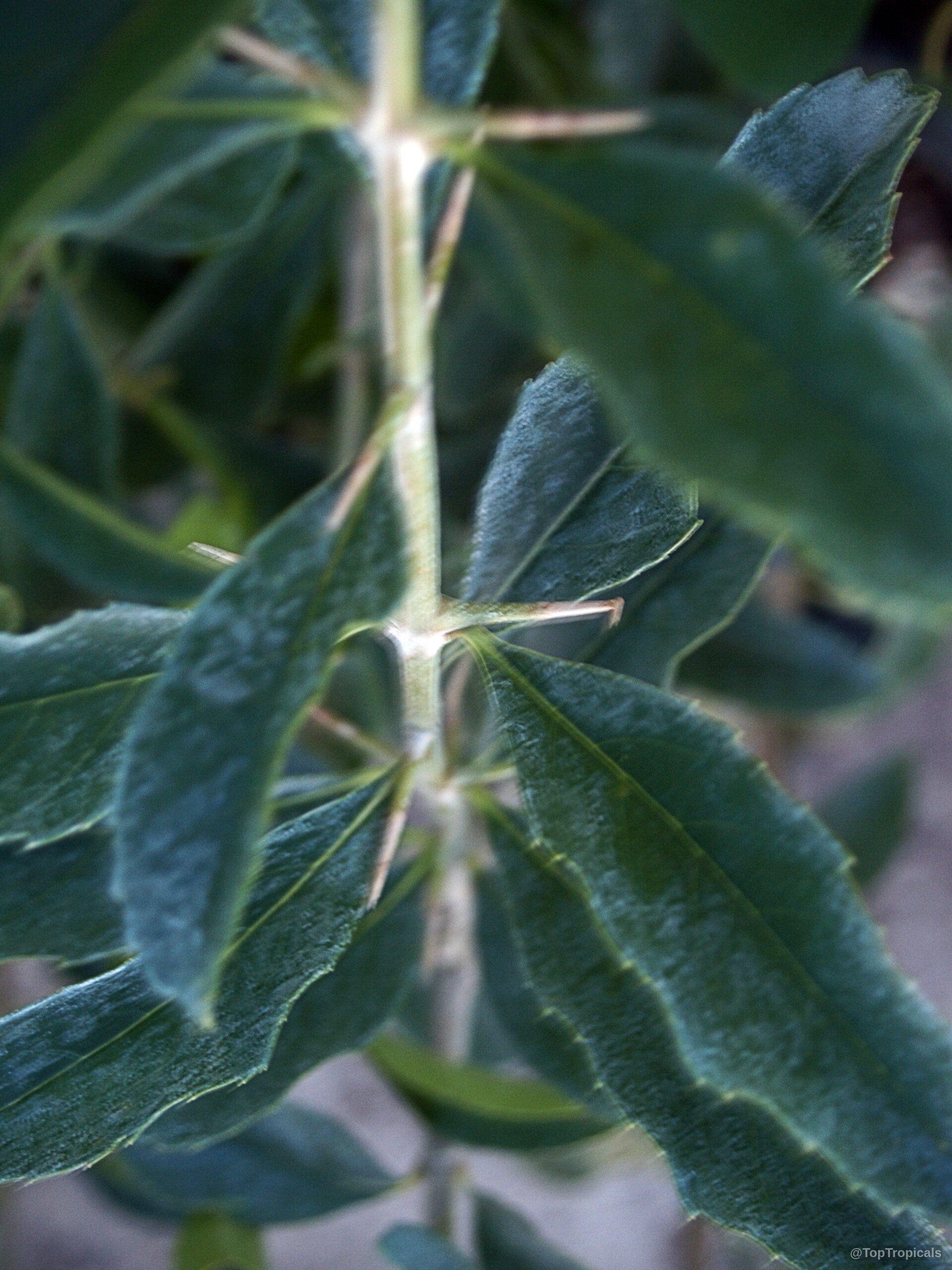
Citharexylum montevidense (Taruman) dark green leaves and sharp thorns close up plant branch
Citharexylum montevidense (Taruman) showing sharp thorns and narrow dark green leaves on woody stem
Citharexylum montevidense (Taruman) plant with red fruit in a tree structure.
Citharexylum montevidense (Taruman) tree covered in abundant small red fruit clusters.
Citharexylum montevidense (Taruman) orange fruit close up held in hand over container full of berries.
Citharexylum montevidense (Taruman) small round orange fruit being held over a container filled with berries.


Link to this plant:
https://toptropicals.com/catalog/uid/citharexylum_montevidense.htm

Citharexylum spinosum (Fiddlewood) cluster with orange round fruit hanging from green leafy branches
Citharexylum spinosum (Fiddlewood) cluster with orange fruit hanging down from many shiny green leaves

Botanical names: Citharexylum spinosum, Citharexylum quadrangulare, Citharexylum subserratum

Common names: Fiddlewood, Boo-nge Saaree

Family: Verbenaceae

Origin: Caribbean

USDA Plant Hardiness MapLarge shrub 5-10 ft tallSmall tree 10-20 ftFull sunWatering: Regular. Let topsoil dry slightlyWhite, off-white flowersPlant attracts butterflies, hummingbirdsFragrant plant

This evergreen, medium-sized tree does not have the spines that its scientific name suggests. It is a beautiful small tree with long tassels of richly scented white flowers. Flowers are pendant and cover the tree from spring to fall. Foliage is dark green, shiny, ornamental. Easy to grow, nice landscaping tree. Great butterfly and bee attractor.


Link to this plant:
https://toptropicals.com/catalog/uid/citharexylum_spinosum.htm

Citharexylum spinosum - Fiddlewood

Fiddlewood, Boo-nge Saaree. Beautiful small tree with long tassels of richly scented white flowers. Flowers are pendant and cover the tree from spring to fall. Great butterfly and bee attractor.
Recommended Fertilizer: SUNSHINE Pikake - Fragrant Flower Booster
Grown in
10"/3 gal pot


Next


Use link to repeat this search:
https://toptropicals.com/cgi-bin/garden_catalog/cat.cgi?search_op=and&keyword_op=and&language=e&family=Verbenaceae&number=10
&no_change_lang=1&user=tt&sale=1&first=0