Urticaceae - Botanical Family

Number of plants found: 21     Next    Go to page:  1  2  3

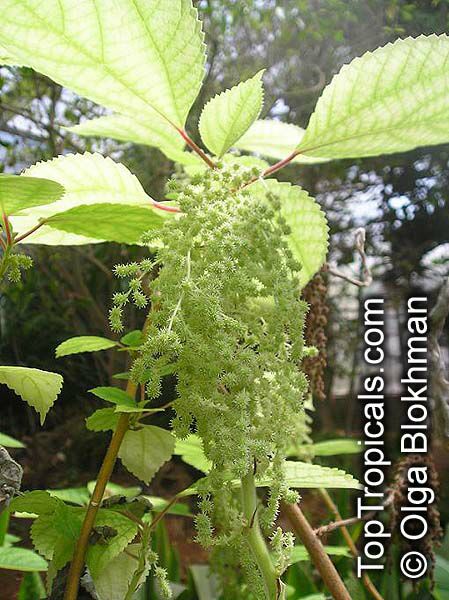
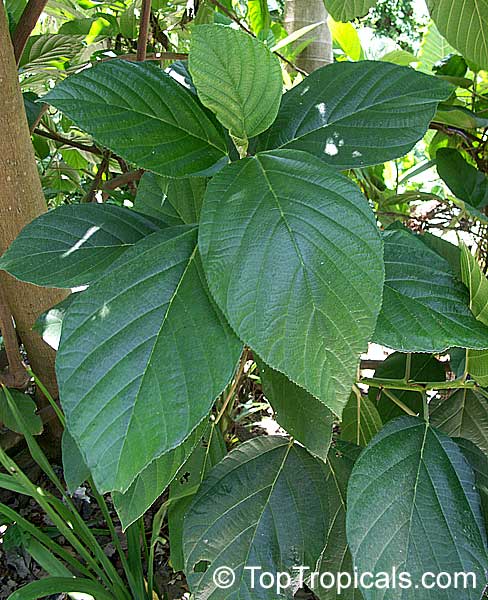
Boehmeria nivea (Chinese grass) green plant with serrated leaves and hanging clusters of flowers.
Boehmeria nivea (Chinese grass) shows broad serrated foliage and long clusters of small green flowers.

Botanical names: Boehmeria nivea, Boehmeria tenacissima

Common names: Chinese grass, Chinese Silk Plant, Ramie

Family: Urticaceae

Origin: East Asia
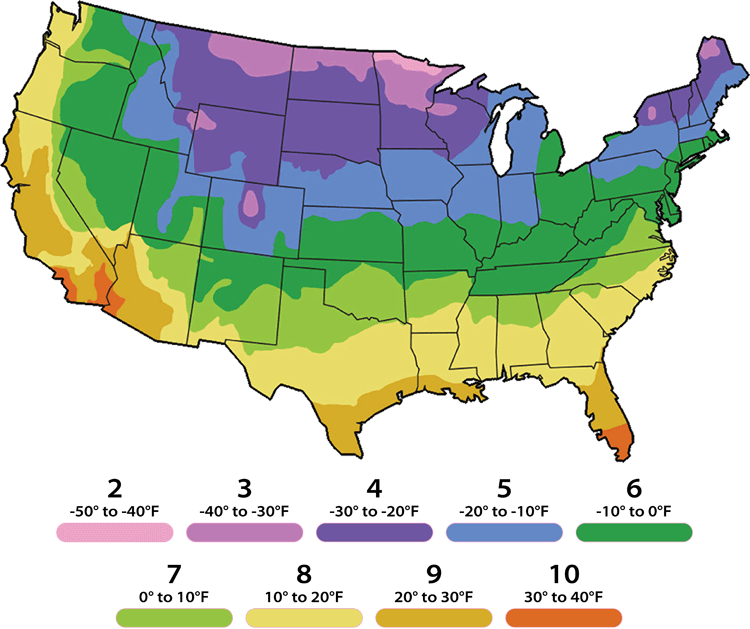
USDA Plant Hardiness MapLarge shrub 5-10 ft tallSemi-shadeFull sunWatering: Moderate. Water when top soil feels dryWatering: Regular. Let topsoil dry slightlyEthnomedical plant.
Plants marked as ethnomedical and/or described as medicinal, are not offered as medicine but rather as ornamentals or plant collectibles.
Ethnomedical statements / products have not been evaluated by the FDA and are not intended to diagnose, treat, cure, or prevent any disease. We urge all customers to consult a physician before using any supplements, herbals or medicines advertised here or elsewhere.Subtropical plant. Mature plant cold hardy at least to 30s F for a short time

Boehmeria nivea, a Chinese grass native to East Asia, is a large shrub commonly grown for its fiber uses and for its rarity as an ornamental. It can grow up to 5-10 ft tall, and prefers a full sun to semi-shade location and regular to moderate watering. The plant is a popular ethnomedical plant, with the root peeled and boiled and the leaves used to make cakes. It is thought to have cooling, demulcent, diuretic, resolvent and uterosedative properties due to the flavonoid rutin it contains.

Boehmeria nivea is grown in USDA Zones 7-11, and mature plants are cold hardy at least down to temperatures in the 30s F (degrees Fahrenheit) with short-term exposure. When grown in a pot, it should be given protection from colder temperatures, such as a move to an indoor location during the winter months. For best growth, the plant should be given plenty of sun and kept evenly moist. Fertilize monthly with a balanced fertilizer, and water regularly to keep the soil moist but not waterlogged. Pinching back the stem tips can encourage more bushy growth for the ornamental gardener.
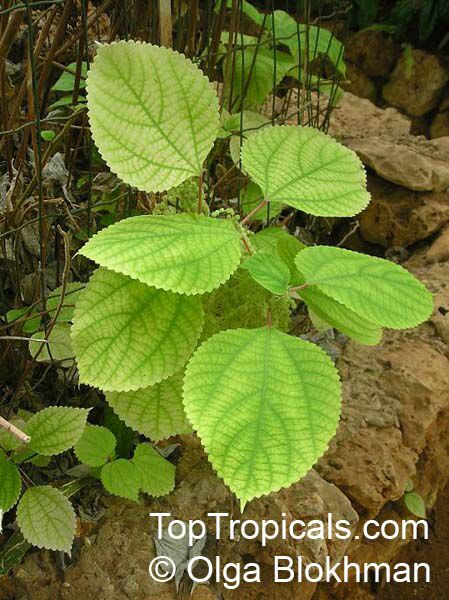
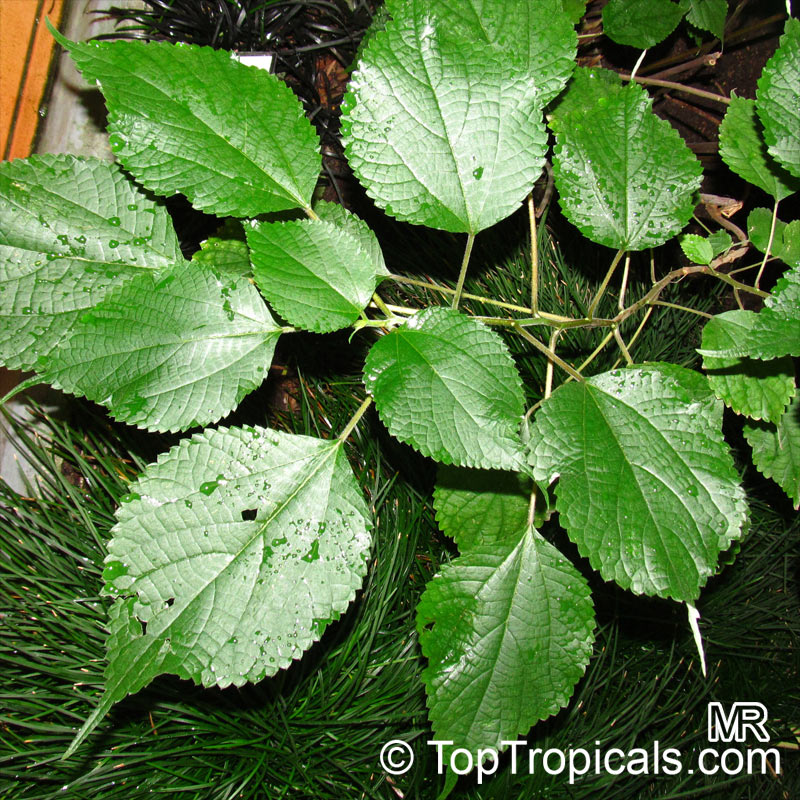
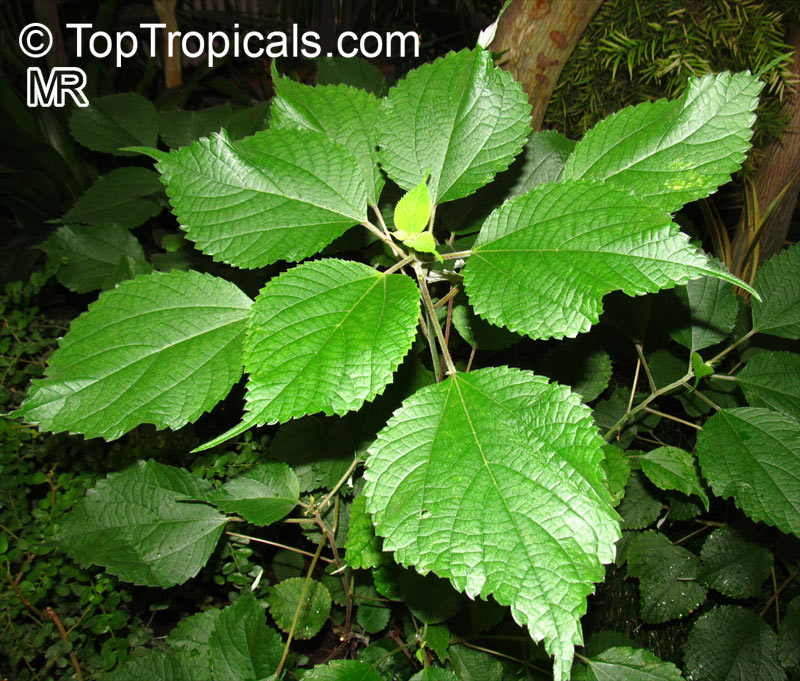
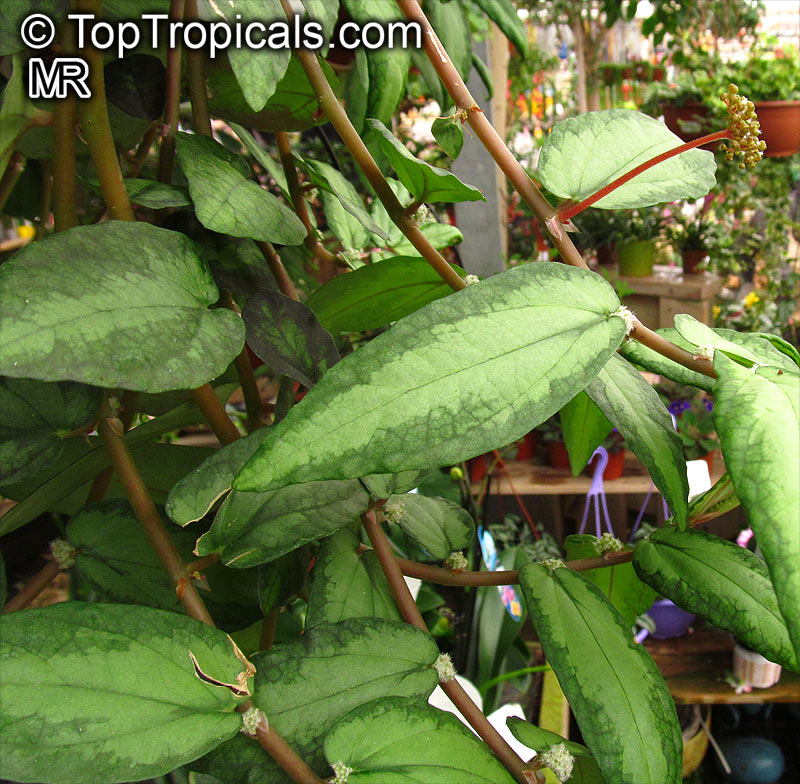
Boehmeria nivea (Chinese grass) light green leaves spread across the plant stem close up
Boehmeria nivea (Chinese grass) light green foliage with serrated edges spread along the slender stems
Boehmeria nivea (Chinese grass) green leaves plant, close up view of serrated foliage texture
Boehmeria nivea (Chinese grass) green leaves with jagged edges spread from a central stem
Boehmeria nivea (Chinese grass) green leaves plant. Textured foliage with serrated edges close up image.
Boehmeria nivea (Chinese grass) green leaves with serrated edges arranged on thin branching stems.
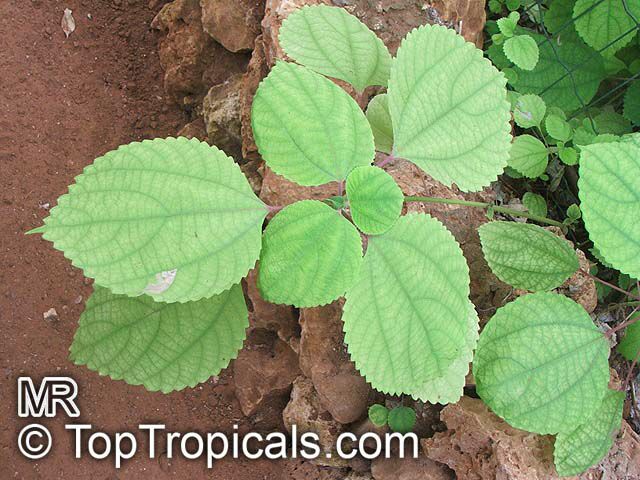
Boehmeria nivea (Chinese grass) light green serrated leaves with pink stems on rocky ground.
Boehmeria nivea (Chinese grass) stems with light green leaves growing against brown stone rocks.


Link to this plant:
https://toptropicals.com/catalog/uid/boehmeria_nivea.htm

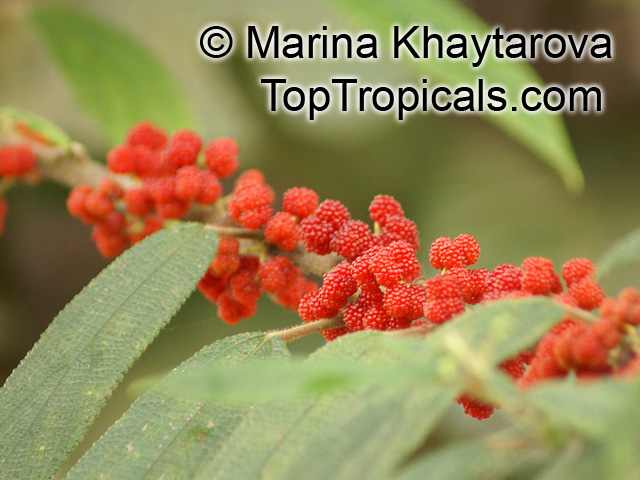
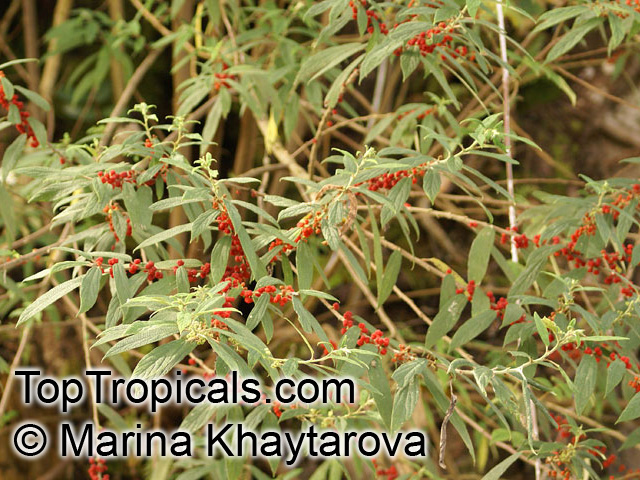
Debregeasia sp. (Debregeasia) orange red fruit close up on a branch with green leaves
Debregeasia sp. (Debregeasia) orange red fruit clusters growing along a woody plant branch with green leaves.

Botanical name: Debregeasia sp.

Common name: Debregeasia

Family: Urticaceae

Origin: Southeast Asia

USDA Plant Hardiness MapLarge shrub 5-10 ft tallSemi-shadeShadeWatering: Regular. Let topsoil dry slightlyRed, crimson, vinous flowersEthnomedical plant.
Plants marked as ethnomedical and/or described as medicinal, are not offered as medicine but rather as ornamentals or plant collectibles.
Ethnomedical statements / products have not been evaluated by the FDA and are not intended to diagnose, treat, cure, or prevent any disease. We urge all customers to consult a physician before using any supplements, herbals or medicines advertised here or elsewhere.

Debregeasia sp. (Debregeasia) orange fruit on a branch with serrated green leaves close up
Debregeasia sp. (Debregeasia) branches with textured green leaves and clusters of small orange fruit.
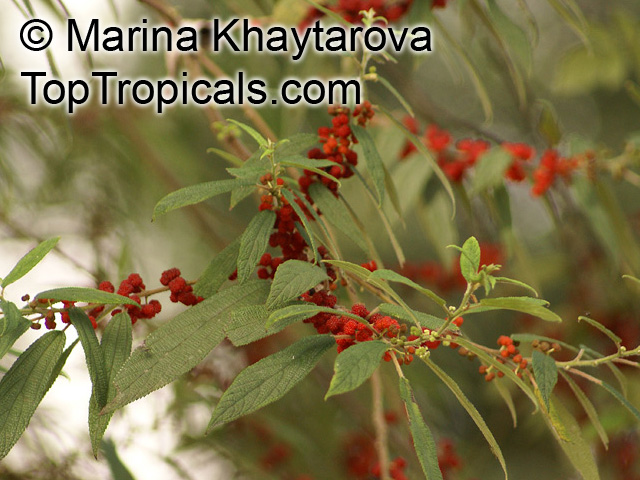
Debregeasia sp. (Debregeasia) plant with orange red fruit and green leaves on branches
Debregeasia sp. (Debregeasia) branches covered in small orange red fruit and narrow green serrated leaves.


Link to this plant:
https://toptropicals.com/catalog/uid/debregeasia_sp.htm

Myriocarpa longipes (Chichicaste) green leaves on a plant, close up.
Myriocarpa longipes (Chichicaste) green leaves spreading from the main stem.

Botanical name: Myriocarpa longipes

Common name: Chichicaste

Family: Urticaceae

Origin: Central and South America

USDA Plant Hardiness MapSmall tree 10-20 ftSemi-shadeFull sunWatering: Regular. Let topsoil dry slightly

Myriocarpa longipes, commonly known as Chichicaste is a small tree native to Central and South America. The tree grows to a height of between 10 and 20 feet and has an oval crown and arching branches. Its leaves are around 3 inches long, dark green and leathery with greyish undersides. The young leaves are red in color, they turn dark green only after reaching maturity.

Chichicaste can grow in full sun to semi-shade, and requires regular watering during the warmer months. The tree is hardy in USDA zones 9-11. It requires well-drained soil, and is frost-sensitive.

When growing in a pot in colder regions, ensure that a container with a sufficient drainage hole is used, as well as a potting mix with plenty organic matter. The tree should be moved to a sheltered position or indoors during the winter months. During the summer, ensure that the tree receives enough water, but be careful not to overwater. Apply liquid or fertilizer once every two to three months to provide the tree with adequate nutrients and encourage growth. Prune regularly to keep the tree compact and manageable.
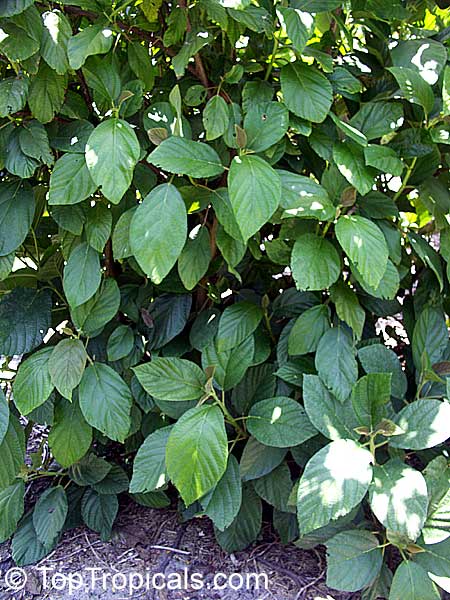
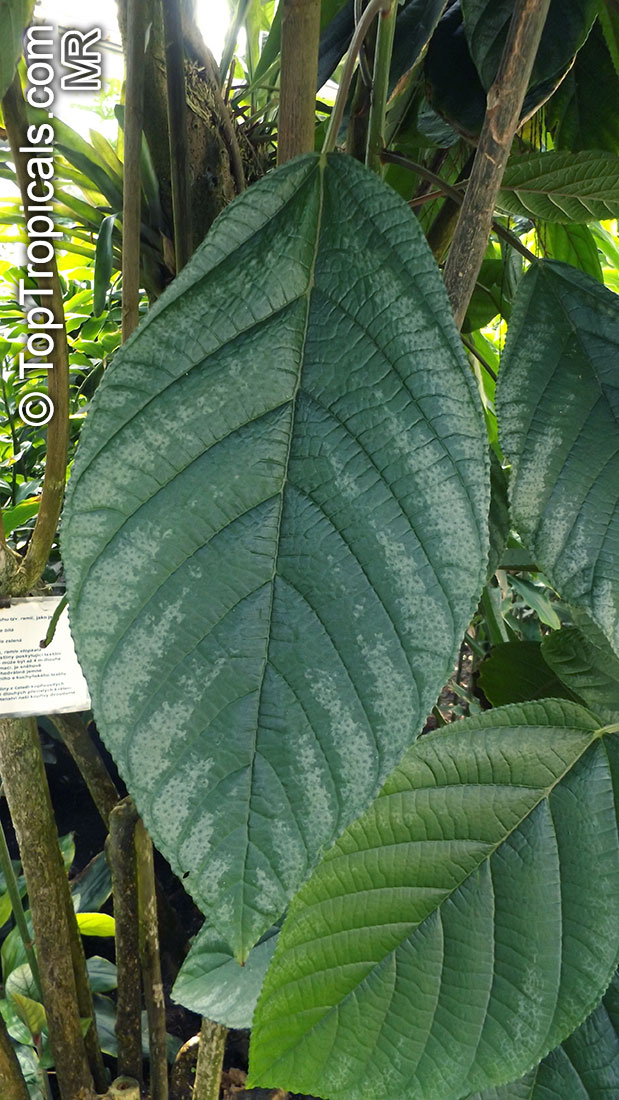
Myriocarpa longipes (Chichicaste) dense green leaves on thick plant branches in close up view
Myriocarpa longipes (Chichicaste) showing many oval green leaves layered densely over woody brown stems


Link to this plant:
https://toptropicals.com/catalog/uid/myriocarpa_longipes.htm

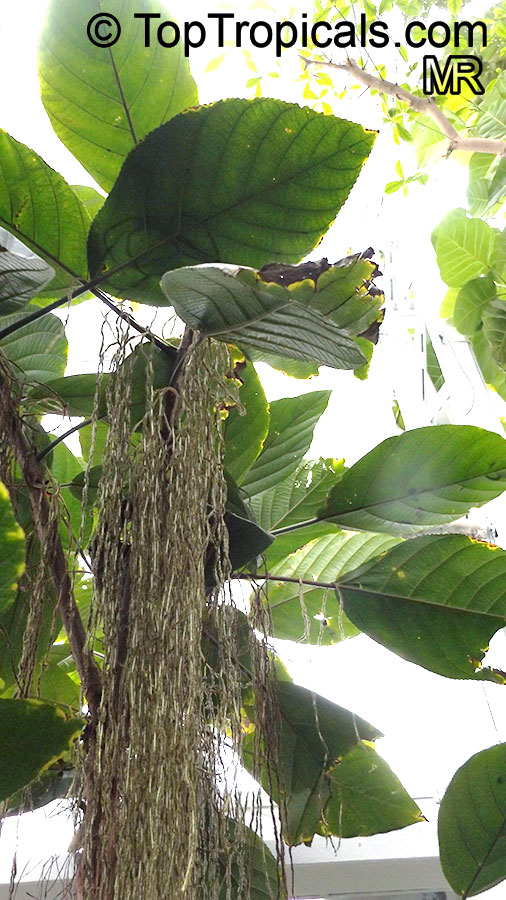
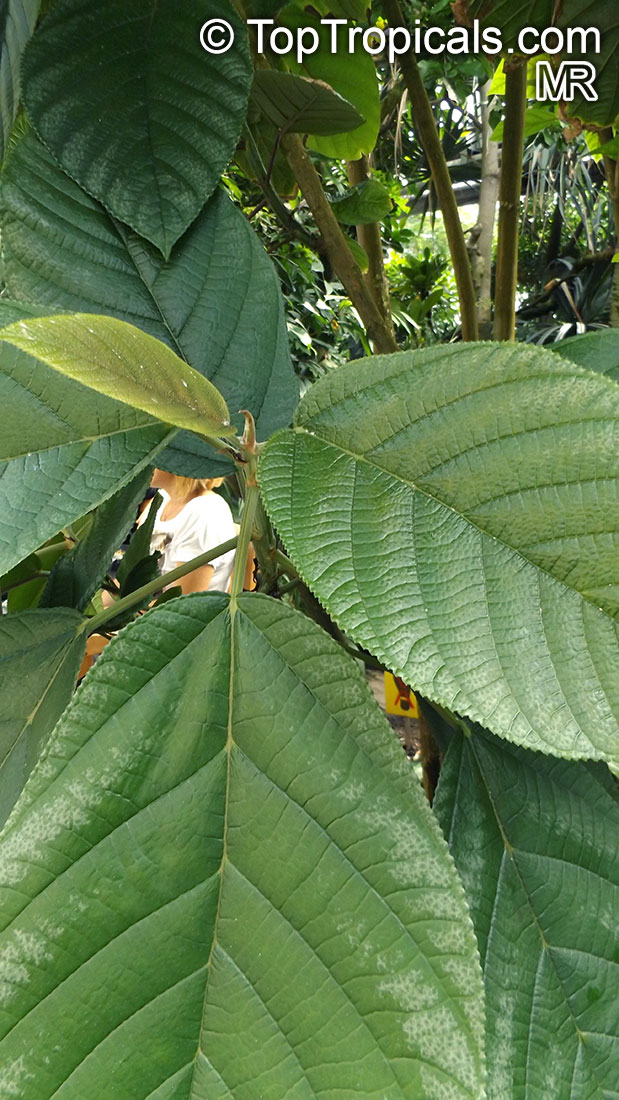
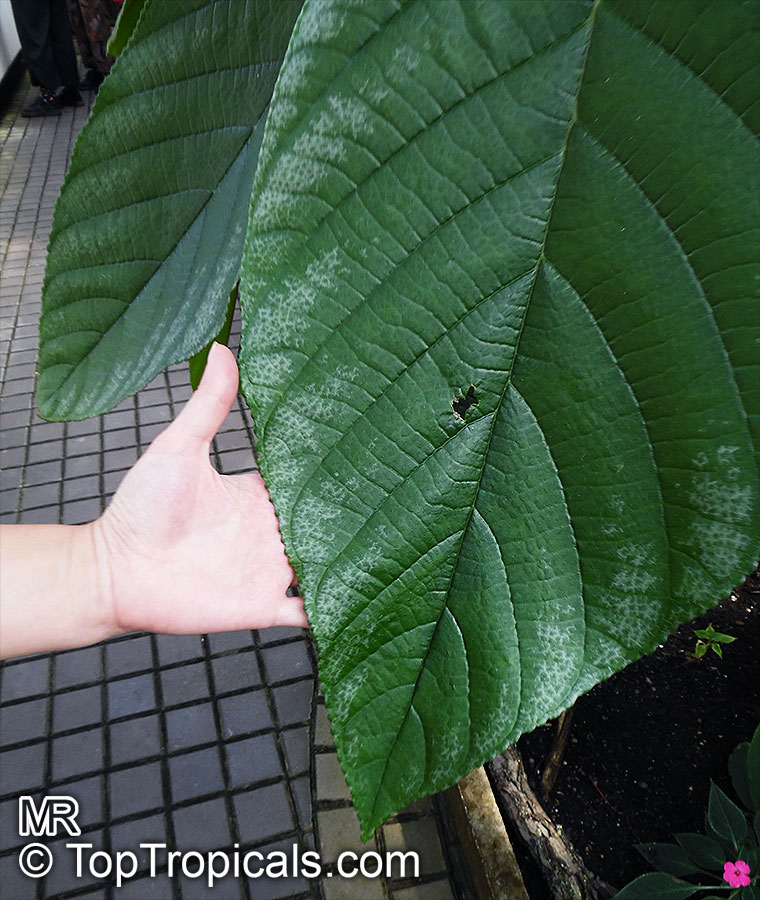
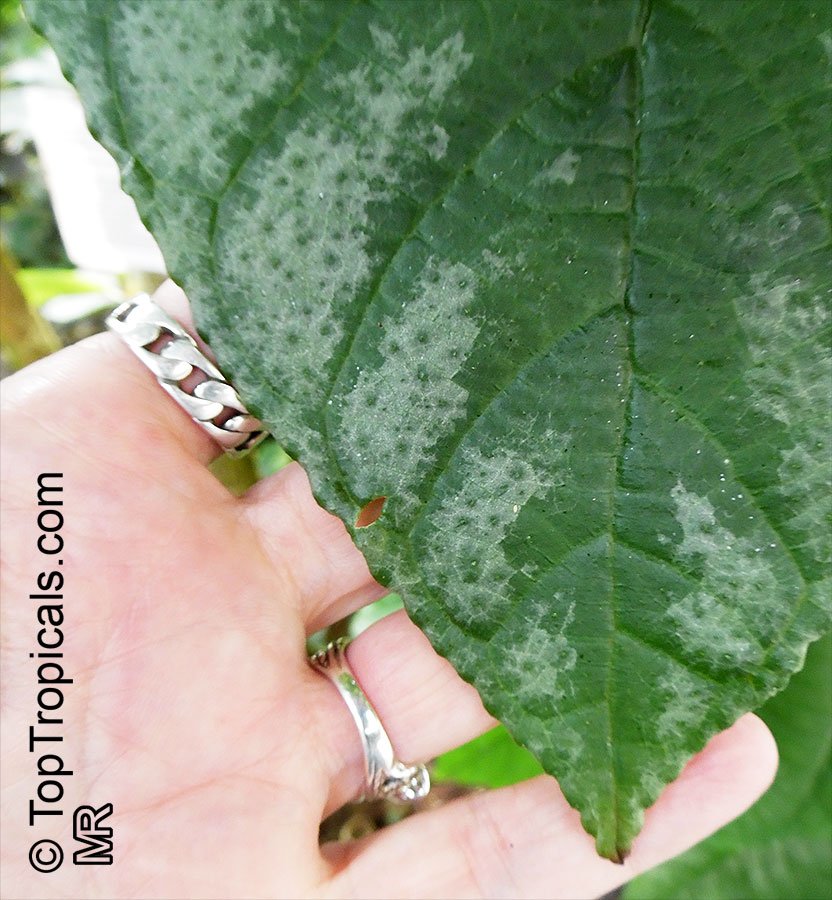
Myriocarpa stipitata dark green leaves with silvery grey shading close up plant image
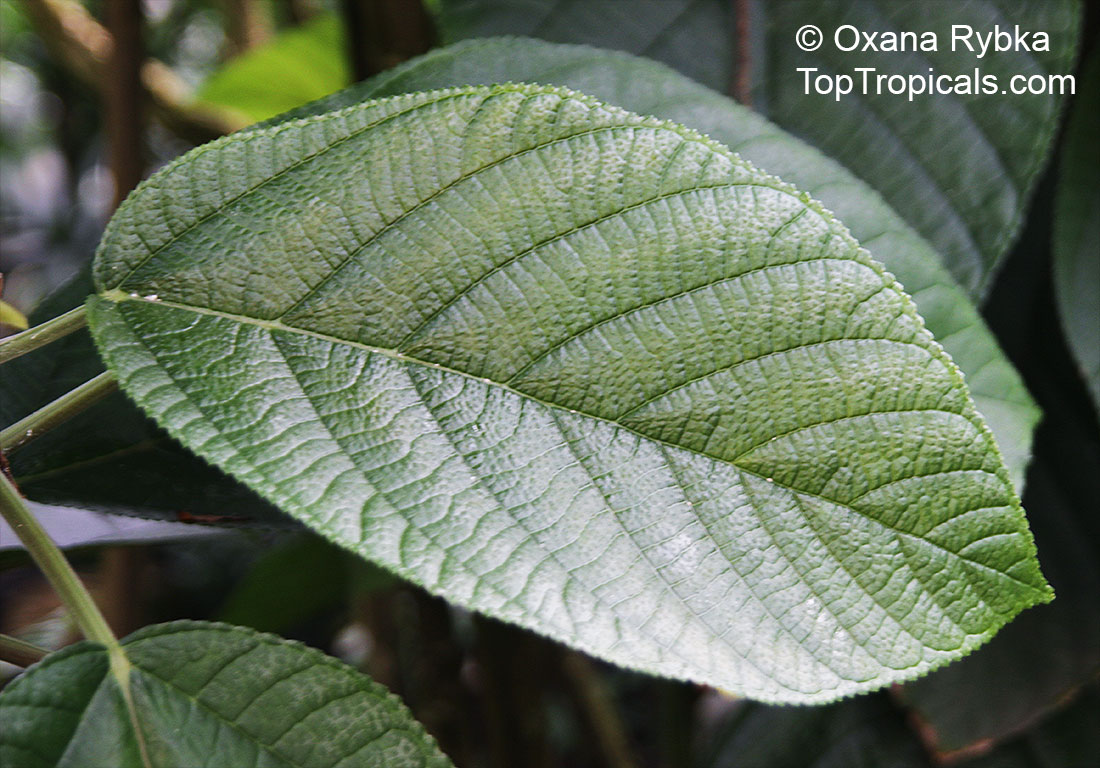
Myriocarpa stipitata leaves with textured surfaces and prominent veining captured in a close up.

Botanical name: Myriocarpa stipitata

Family: Urticaceae

Origin: South America

USDA Plant Hardiness MapLarge shrub 5-10 ft tallSmall tree 10-20 ftSemi-shadeFull sunWatering: Regular. Let topsoil dry slightly

It is native to South America, from Peru and Bolivia to Argentina. Myriocarpa stipitata is an evergreen shrub or small tree that makes an attractive addition to a landscape. It grows to an average height of 5-10 ft when grown as a shrub, and 10-20 ft when grown as a small tree. With its long, thin leaves, this plant has a very graceful, elegant appearance.

The plant appreciates a warm, sunny spot with plenty of sun for most of the day, however, it can tolerate some shade, such as in an area that receives morning sunlight but some shade in the afternoon. It requires regular watering, especially during hot, dry periods.

Myriocarpa stipitata is winter-hardy in USDA zones 9 to 11, and is especially suited to container growing. It needs a pot that is deep enough to accommodate its long roots. In cold regions, the container should be brought indoors in fall before the first frost and should be kept in a cool room with indirect sunlight. Regular watering should be maintained, with the soil being allowed to dry out partially in between each watering.

Overall, Myriocarpa stipitata is a great choice for warm climates and those who want to add an eye-catching and graceful element to their garden.
Link to this plant:
https://toptropicals.com/catalog/uid/myriocarpa_stipitata.htm

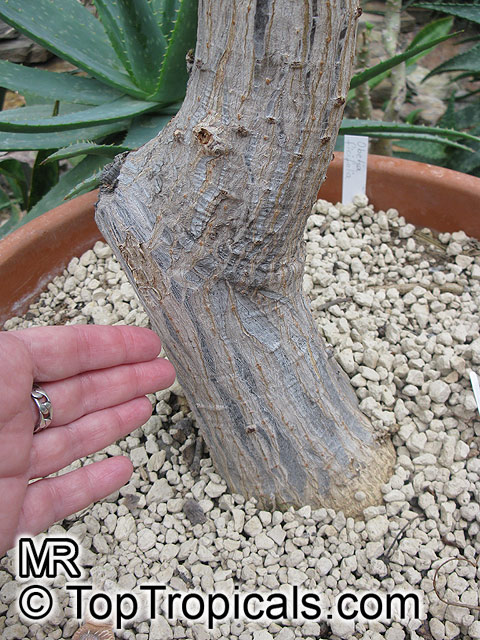
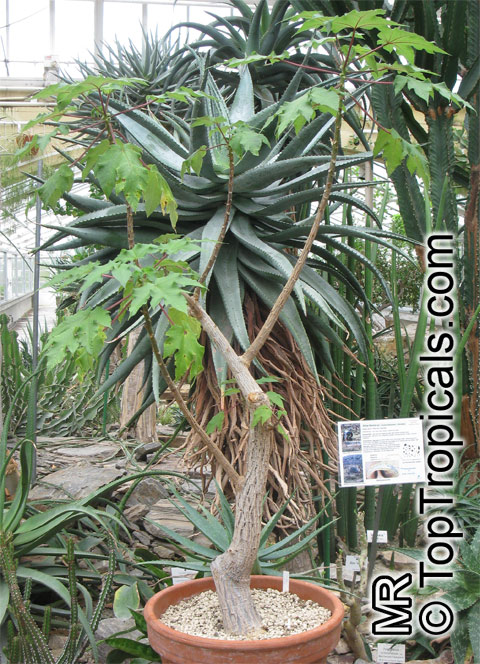
Obetia ficifolia (Bois d'ortie) grey trunk plant with hand near base for scale
Obetia ficifolia (Bois d'ortie) trunk texture with grey vertical grooves above gravel in pot

Botanical names: Obetia ficifolia, Urtica ficifolia

Common name: Bois d'ortie

Family: Urticaceae

Origin: Réunion and Rodrigues islands

USDA Plant Hardiness MapPlant with caudexLarge shrub 5-10 ft tallSemi-shadeFull sunWatering: Moderate. Water when top soil feels dryWatering: Regular. Let topsoil dry slightly

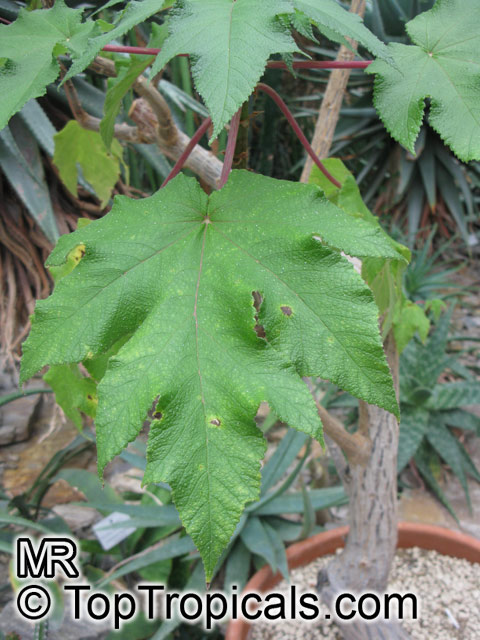
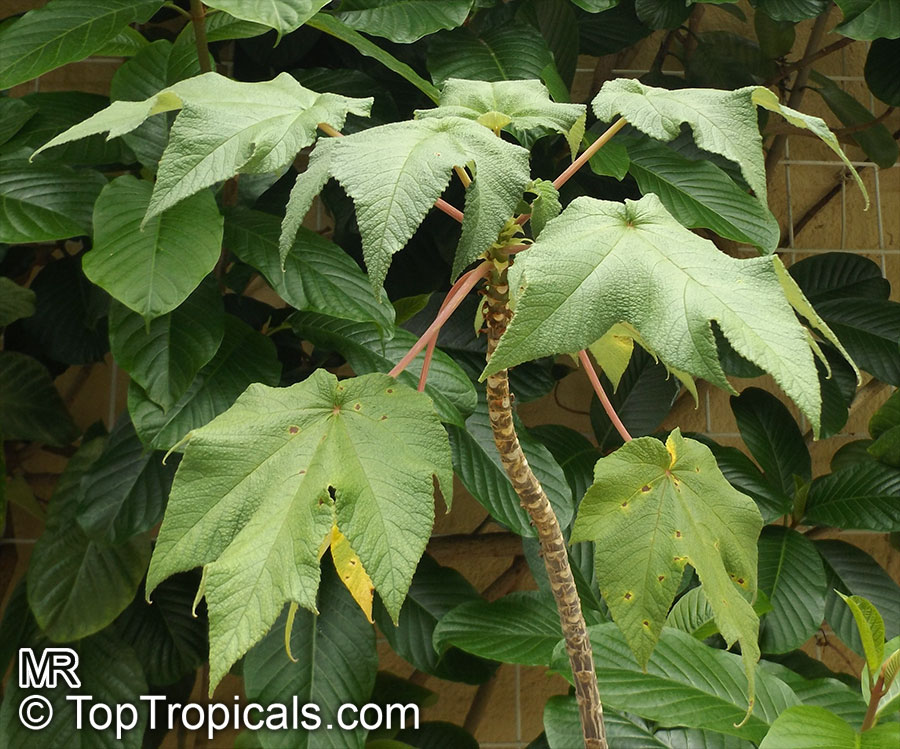
Obetia ficifolia (Bois d'ortie) green lobed leaves on a woody branch close up view
Obetia ficifolia (Bois d'ortie) showing uniquely lobed green leaves on a textured thick woody stem
Obetia ficifolia (Bois d'ortie) green plant with slender woody stem and lobed leaves.
Obetia ficifolia (Bois d'ortie) growing in a terracotta pot with many thin green leaves.
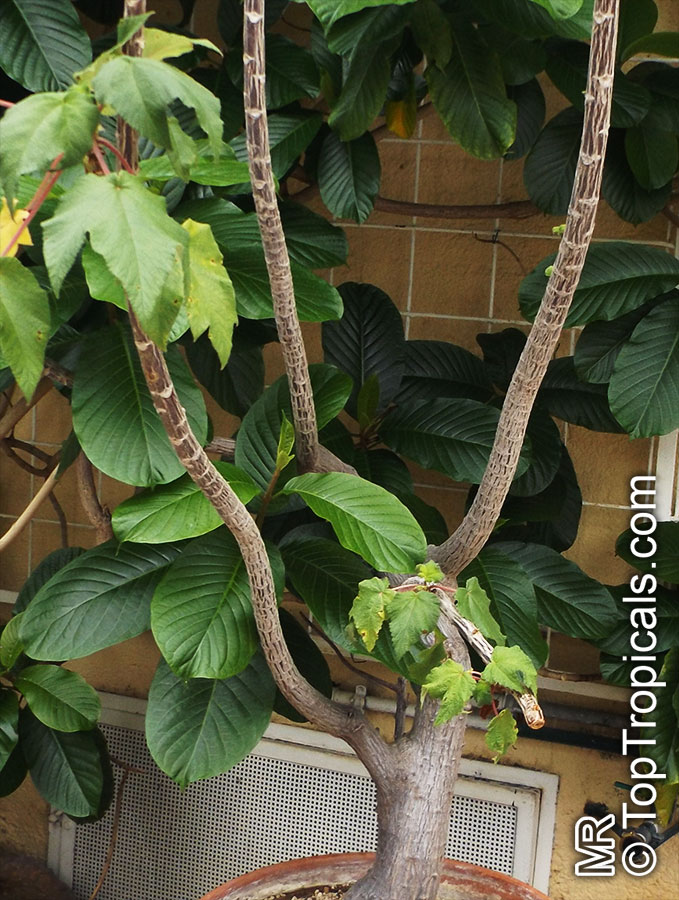
Obetia ficifolia (Bois d'ortie) with textured gray bark and green leaves in a plant
Obetia ficifolia (Bois d'ortie) with textured gray bark and fresh green leaves in a pot.
Obetia ficifolia (Bois d'ortie) plant with light green leaves, close up of central branch
Obetia ficifolia (Bois d'ortie) with deeply lobed light green leaves and a woody textured stem


Link to this plant:
https://toptropicals.com/catalog/uid/obetia_ficifolia.htm

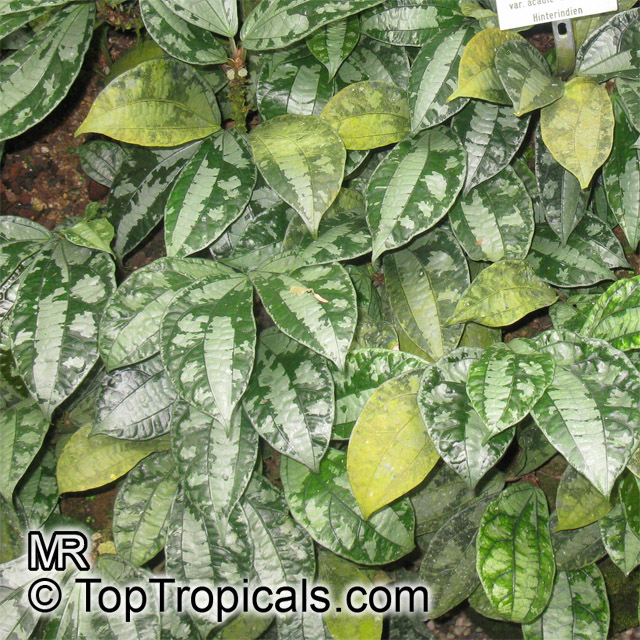
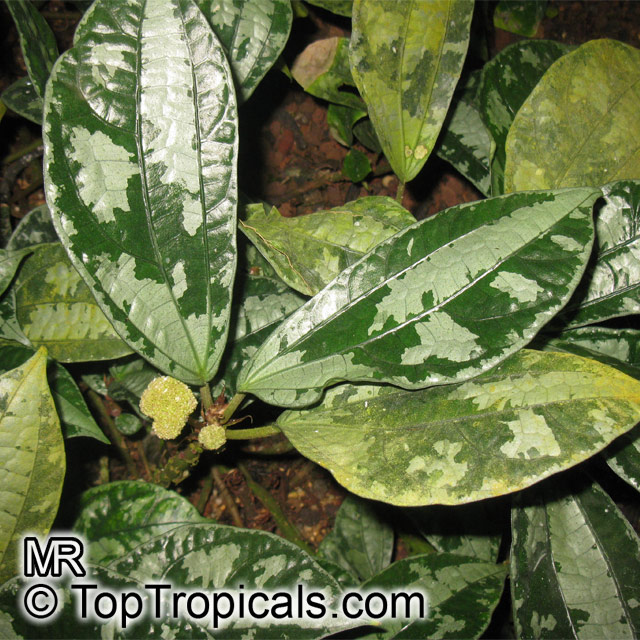
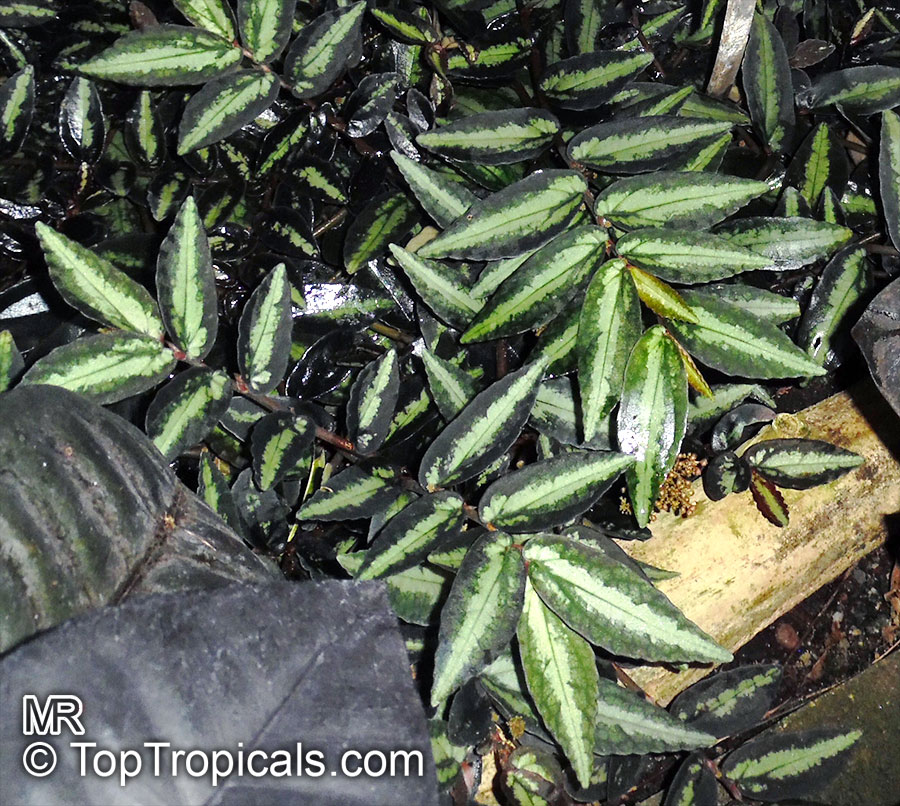
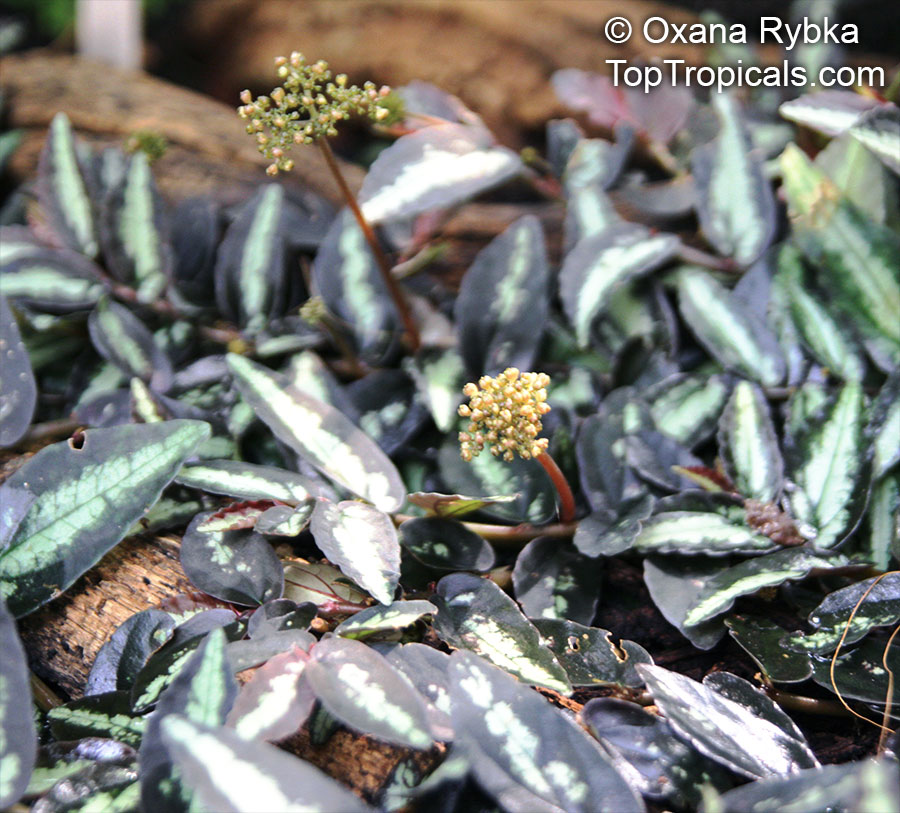
Pellionia acaulis (Pellionia) plant with dark green and silver leaves close up
Pellionia acaulis (Pellionia) leaves with silver markings spreading across a deep green foliage mat

Botanical names: Pellionia acaulis, Elatostema latifolium var. acaule

Common name: Pellionia

Family: Urticaceae

Origin: China

USDA Plant Hardiness MapGroundcover and low-growing 2ft plantSmall plant 2-5 ftSemi-shadeWatering: Regular. Let topsoil dry slightlyOrnamental foliage

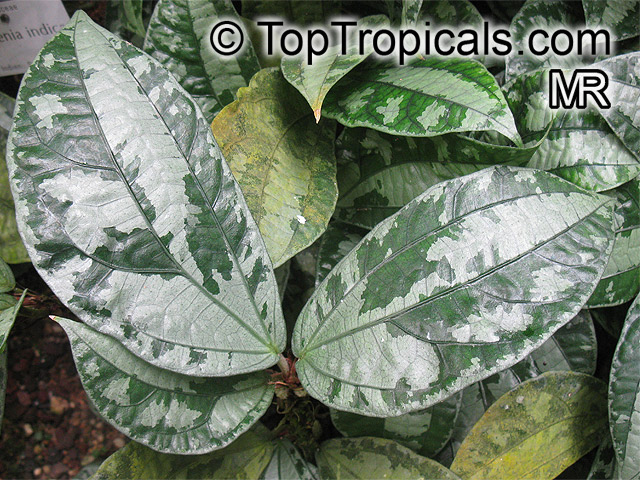
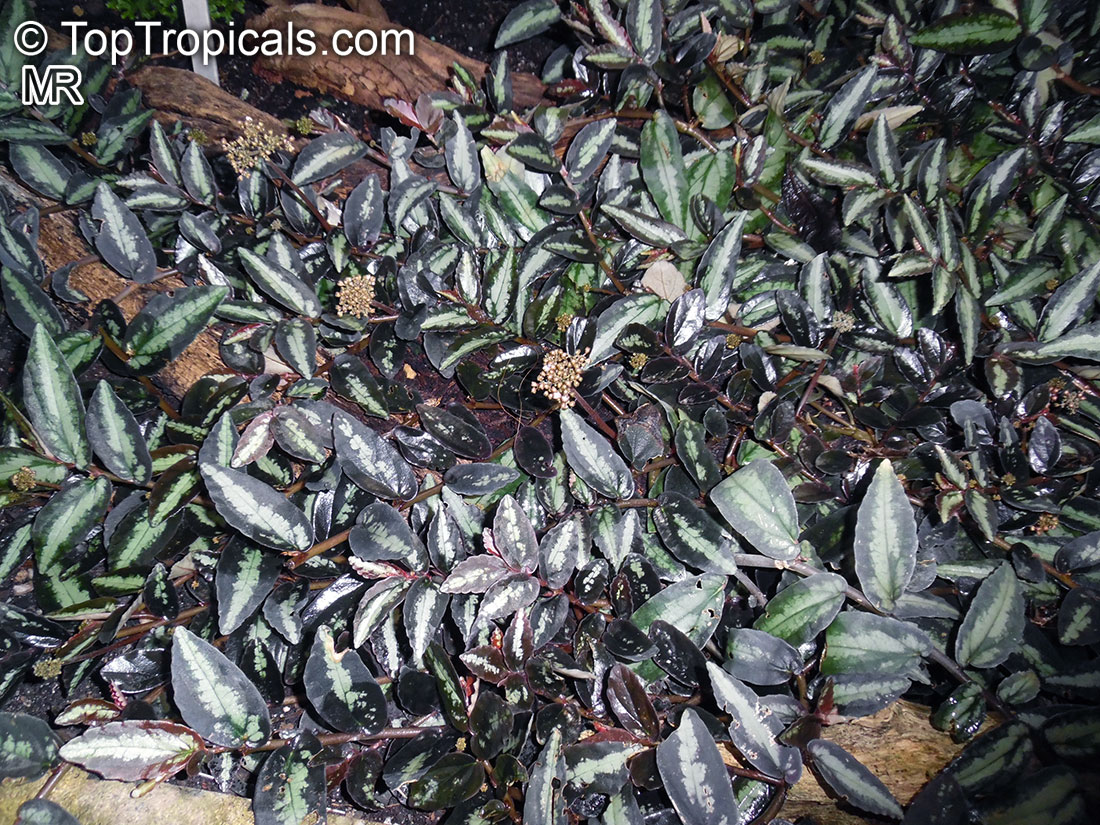
Pellionia acaulis (Pellionia) dark green leaves with silver markings in a close up plant shot
Pellionia acaulis (Pellionia) with long oval leaves showing distinct dark green and silver mottled color
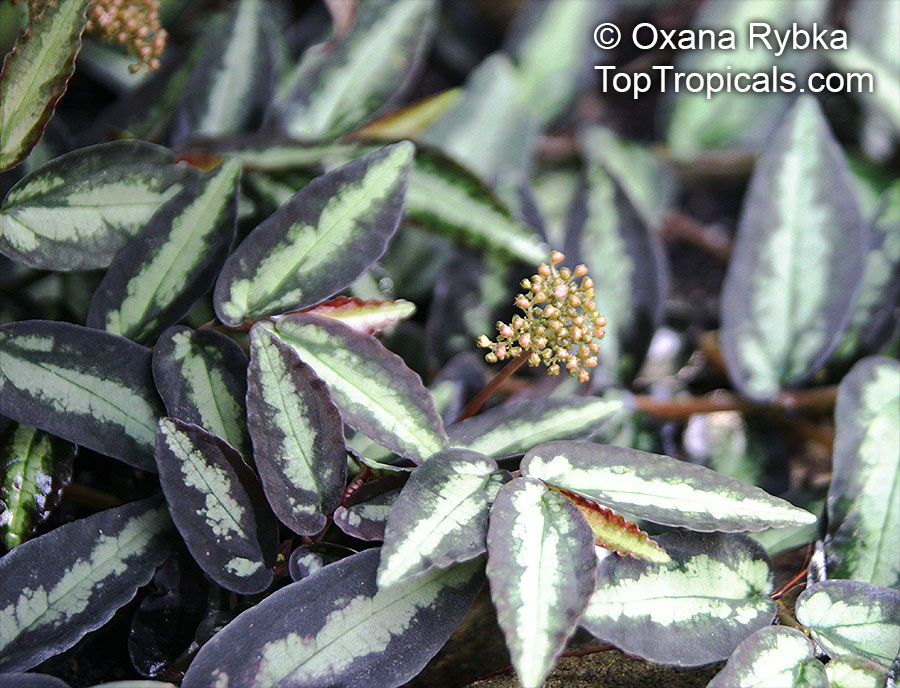
Pellionia acaulis (Pellionia) silver and green leaves close up plant
Pellionia acaulis (Pellionia) silver and green foliage detailed close up


Link to this plant:
https://toptropicals.com/catalog/uid/pellionia_acaulis.htm

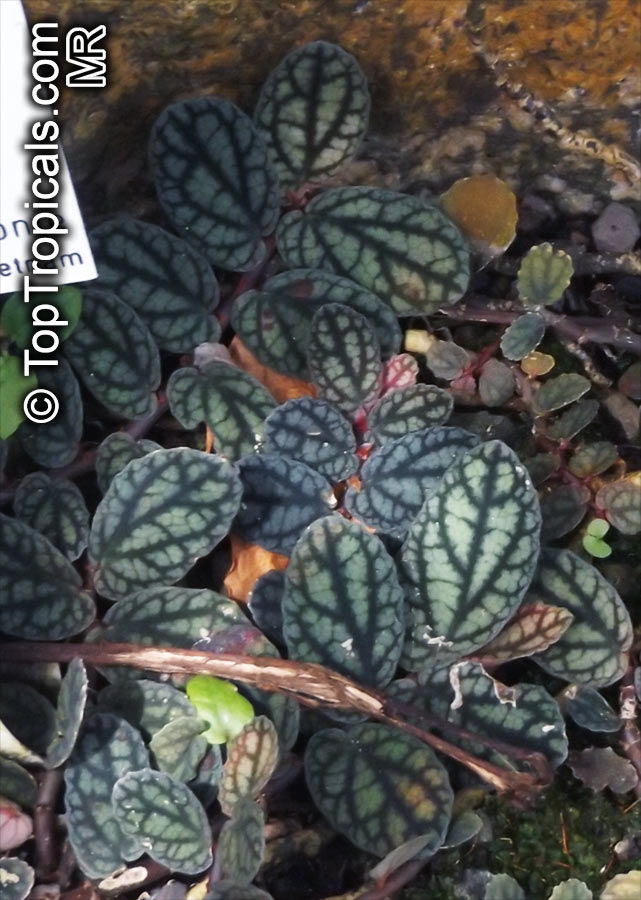
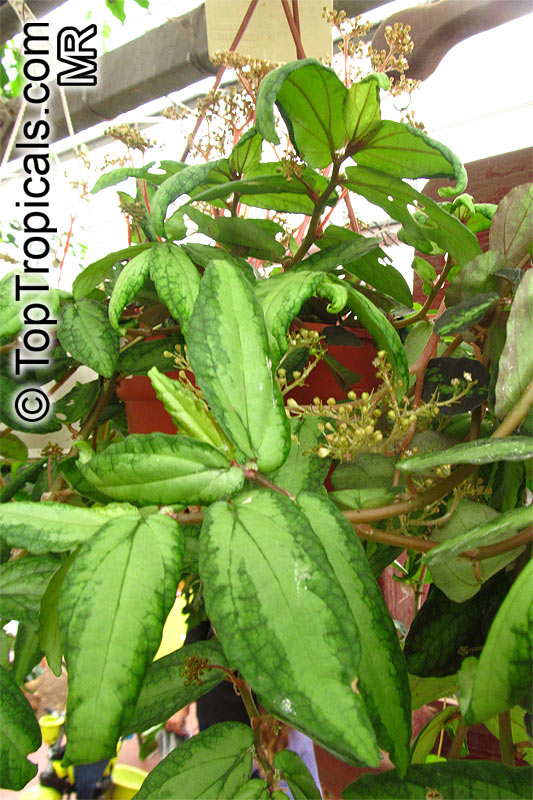
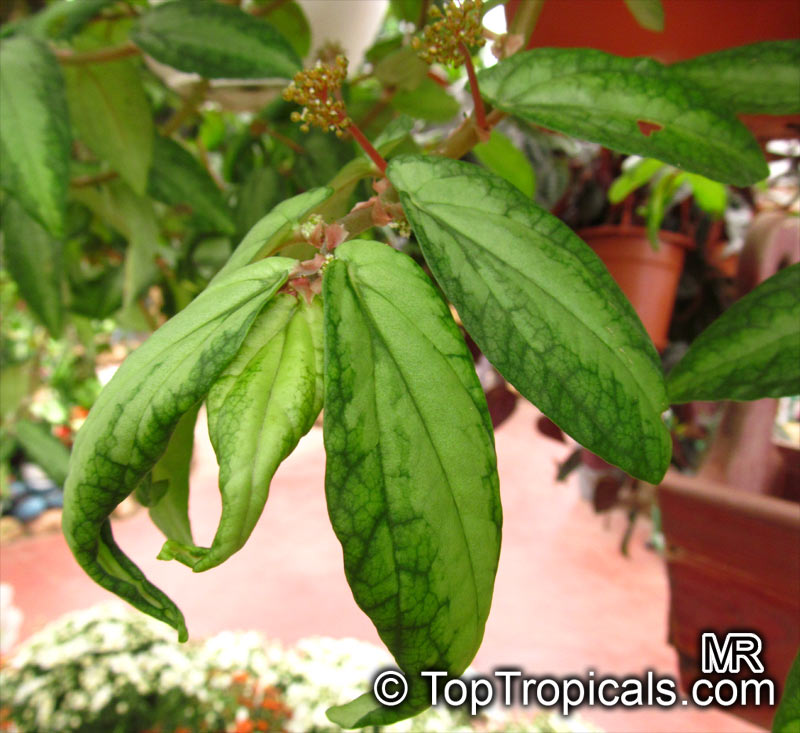
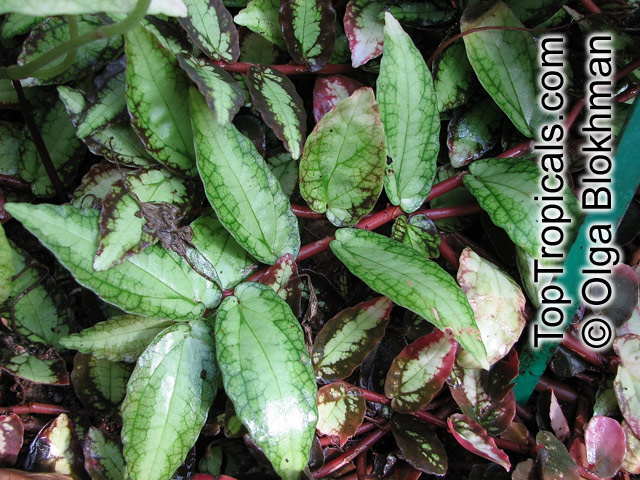
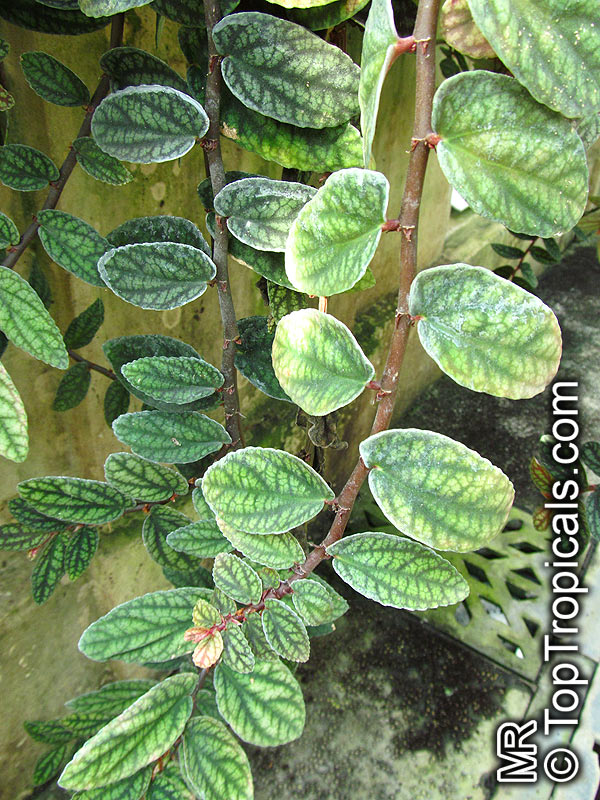
Pellionia pulchra (Satin Pellionia) with dark green leaves close up for plant enthusiasts to enjoy
Pellionia pulchra (Satin Pellionia) revealing oval foliage with intricate dark network markings on the surface

Botanical names: Pellionia pulchra, Procris repens

Common names: Satin Pellionia, Rainbow Vine

Family: Urticaceae

Origin: Southeastern Asia

USDA Plant Hardiness MapGroundcover and low-growing 2ft plantSmall plant 2-5 ftSemi-shadeWatering: Regular. Let topsoil dry slightlyOrnamental foliage

Grown for the beauty of its leaves, it makes an ideal basket or terrarium plant.


Link to this plant:
https://toptropicals.com/catalog/uid/pellionia_pulchra.htm

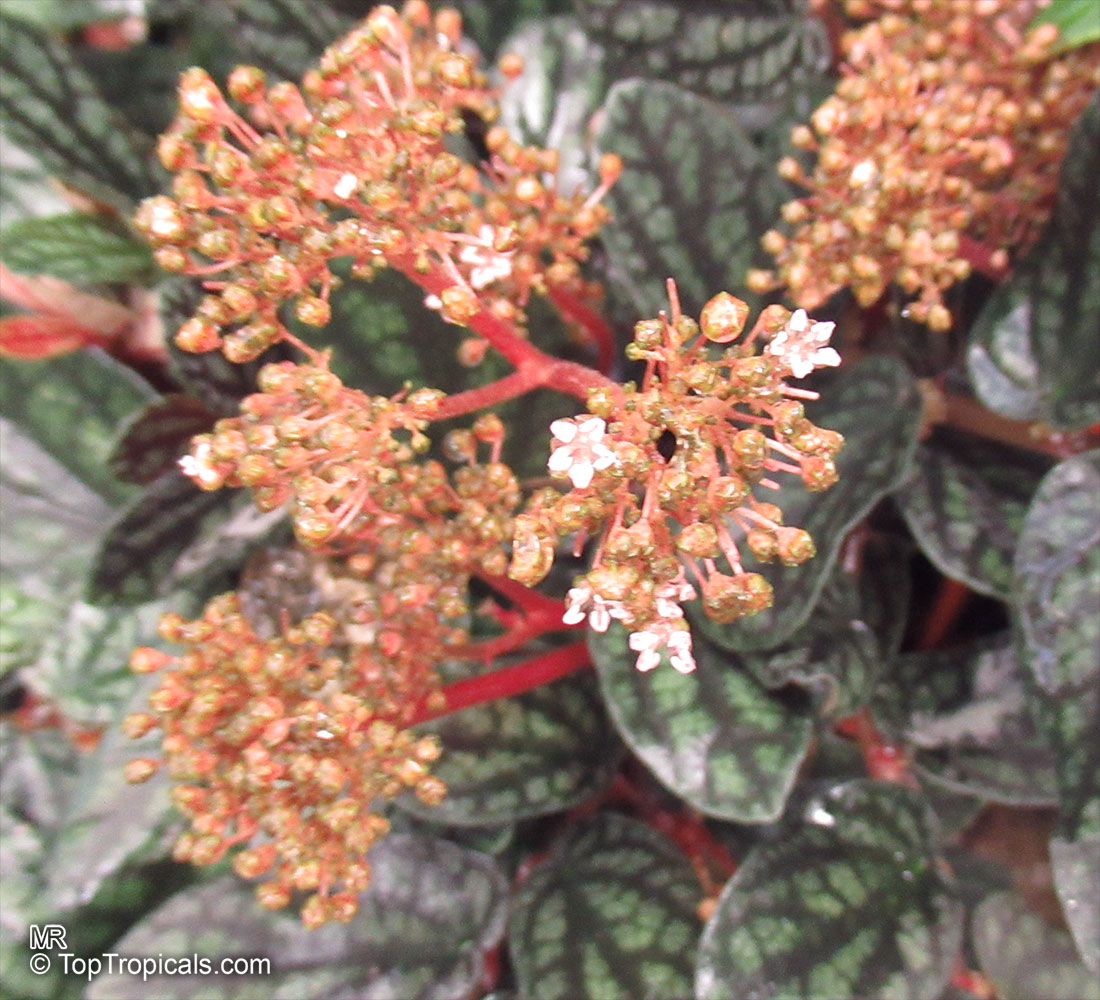
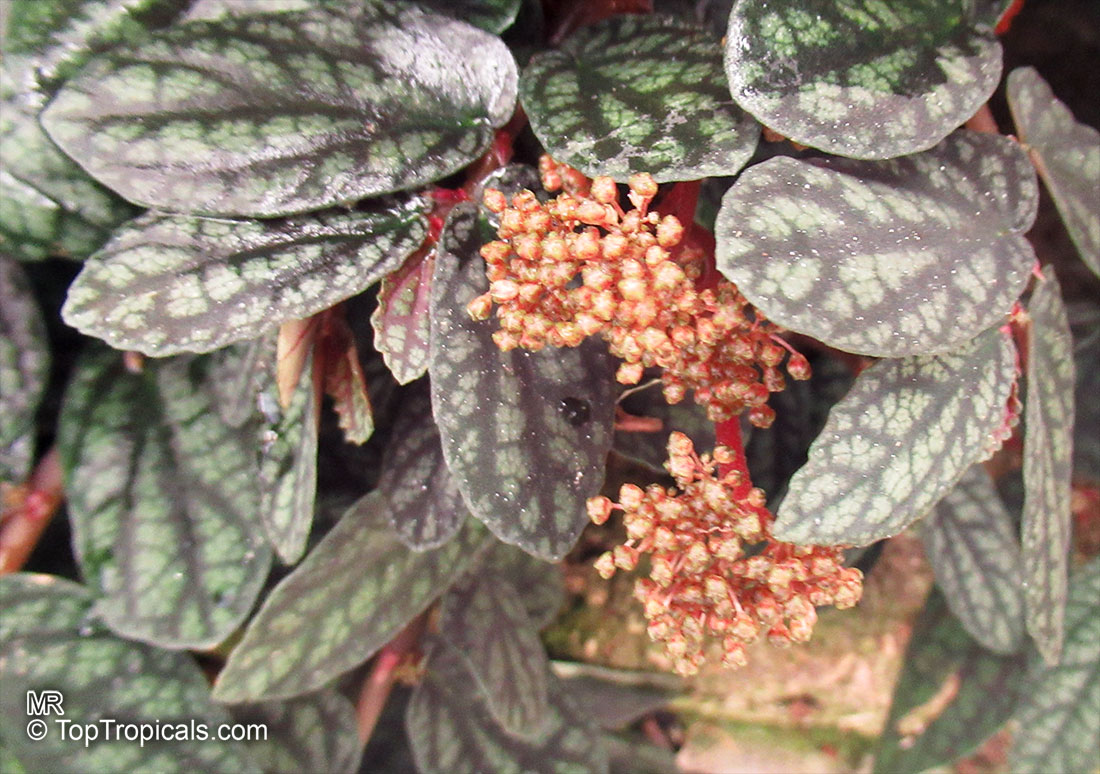
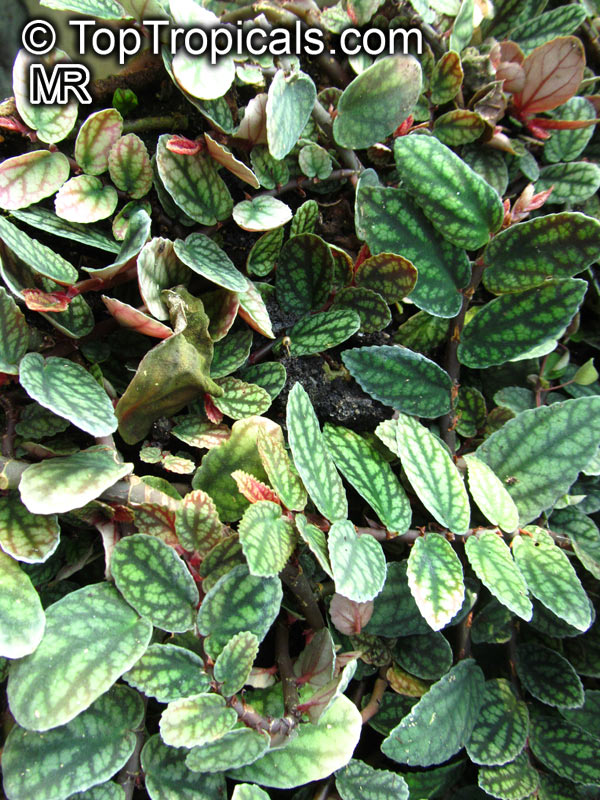
Pellionia repens (Watermelon Pellionia) green leaves with narrow vine stems in a trailing plant
Pellionia repens (Watermelon Pellionia) with distinctive oval green foliage and small clusters of tiny flowers.

Botanical name: Pellionia repens

Common name: Watermelon Pellionia

Family: Urticaceae

Origin: Southeast Asia

USDA Plant Hardiness MapGroundcover and low-growing 2ft plantSmall plant 2-5 ftSemi-shadeWatering: Regular. Let topsoil dry slightlyOrnamental foliage

Grown for the beauty of its leaves, it makes an ideal basket or terrarium plant.


Link to this plant:
https://toptropicals.com/catalog/uid/pellionia_repens.htm

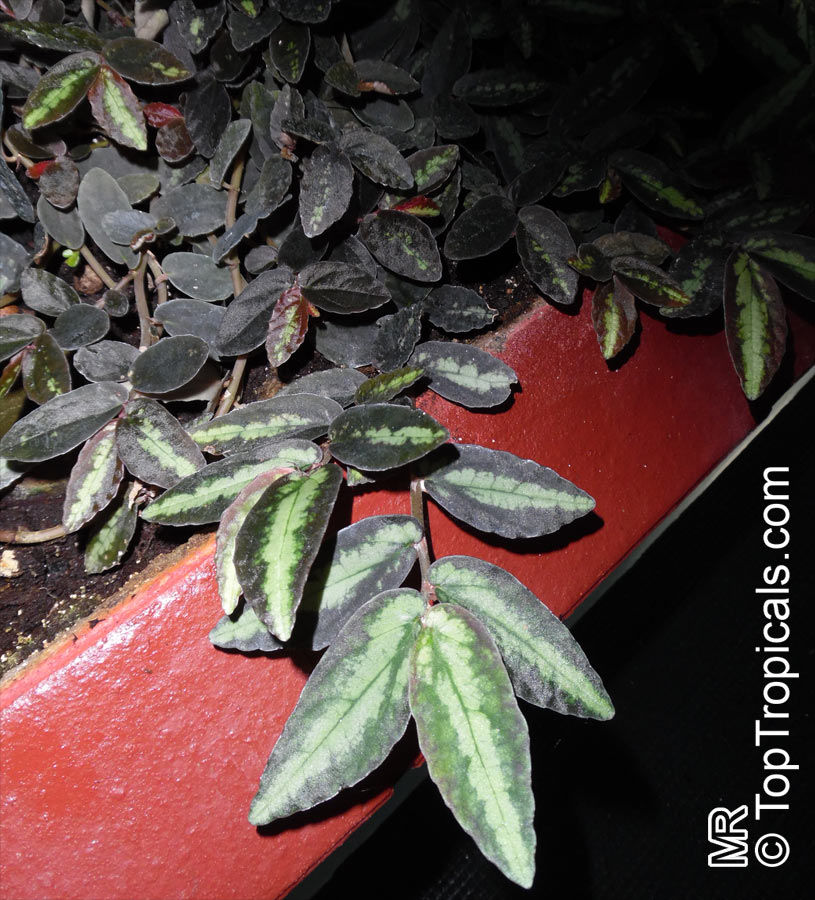
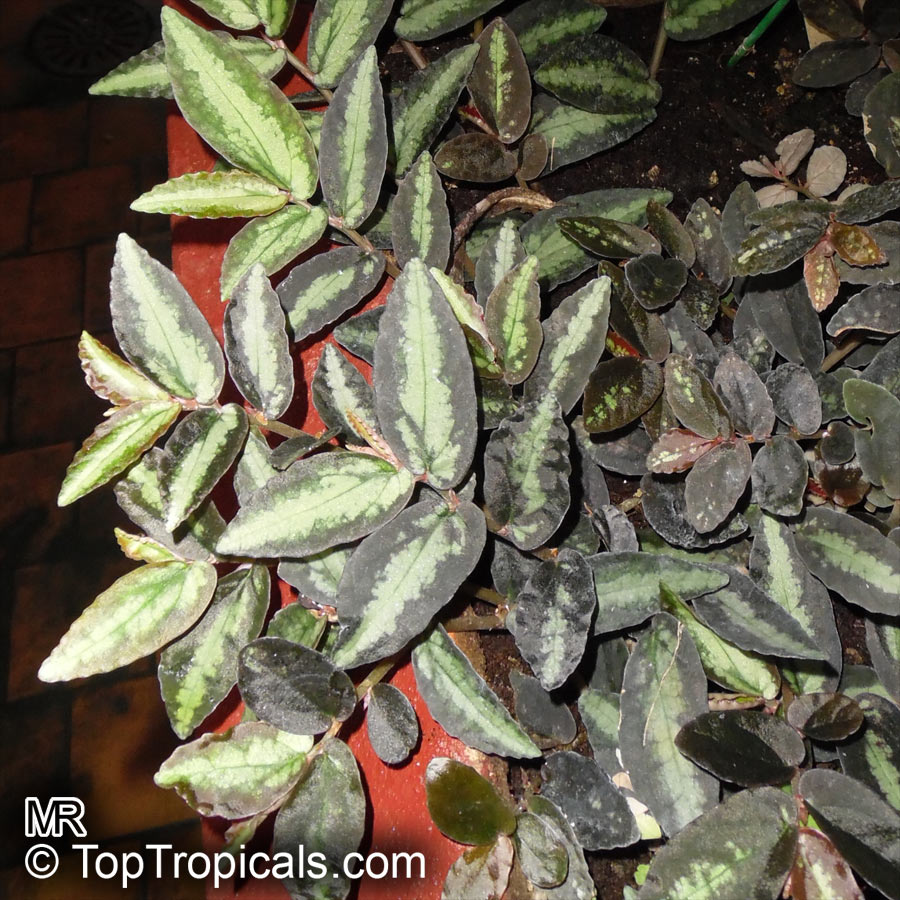
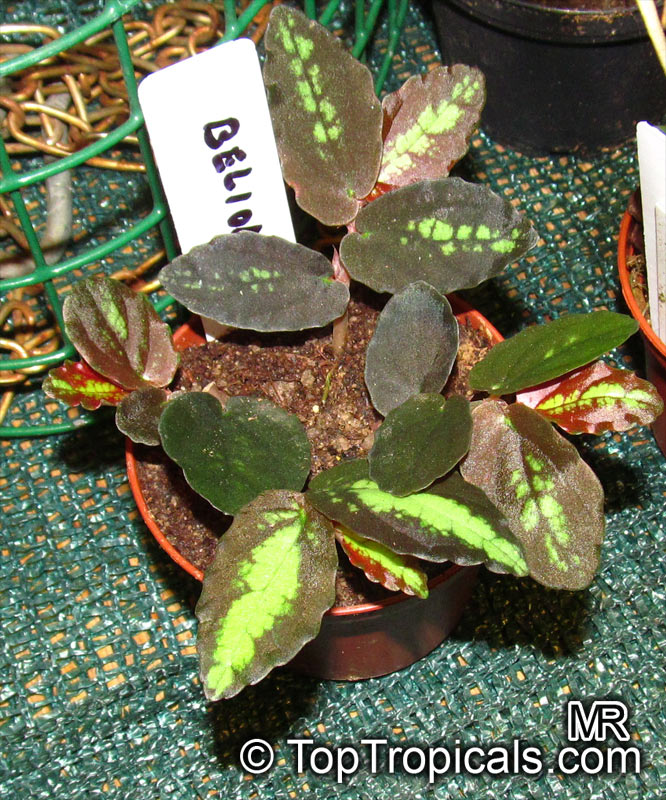
Pellionia sp. (Pellionia) with dark purple and lime green oval leaves in small pot
Pellionia sp. (Pellionia) planted in a container with deep purple foliage and vibrant green markings.

Botanical name: Pellionia sp.

Common name: Pellionia

Family: Urticaceae

Origin: Southeastern Asia

USDA Plant Hardiness MapGroundcover and low-growing 2ft plantSmall plant 2-5 ftSemi-shadeShadeFull sunWatering: Moderate. Water when top soil feels dryWatering: Regular. Let topsoil dry slightlyOrnamental foliage

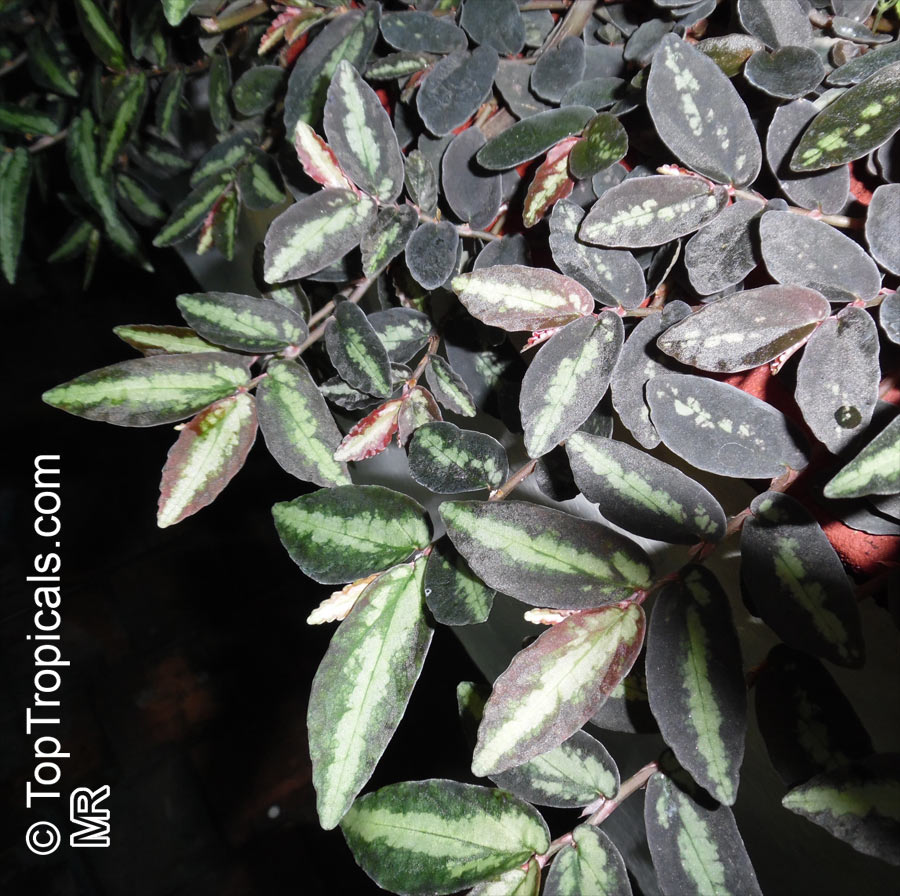
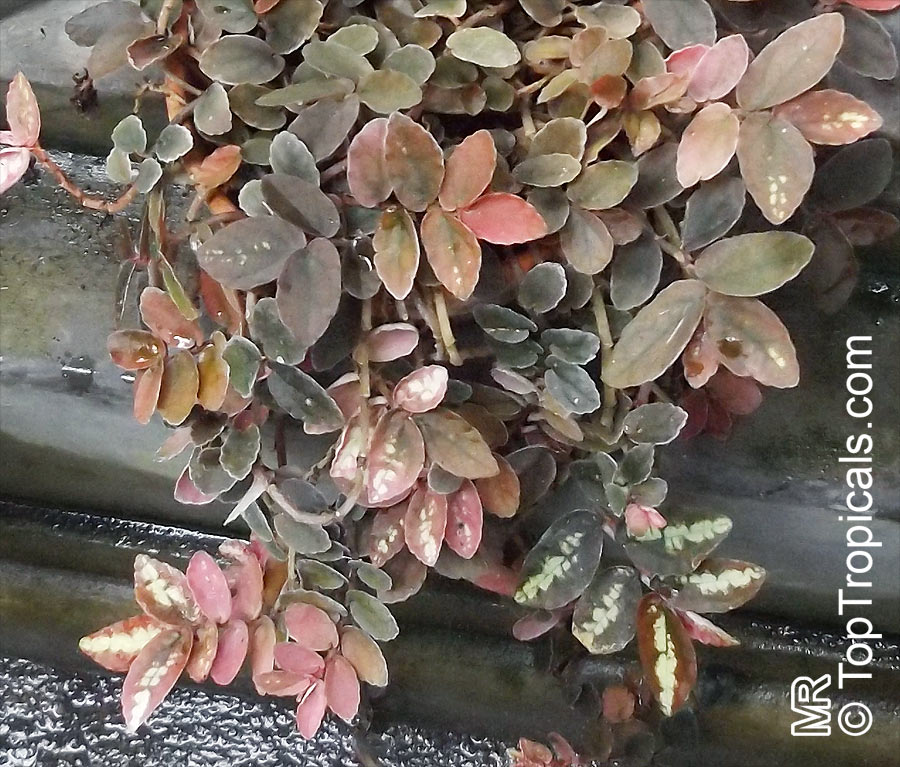
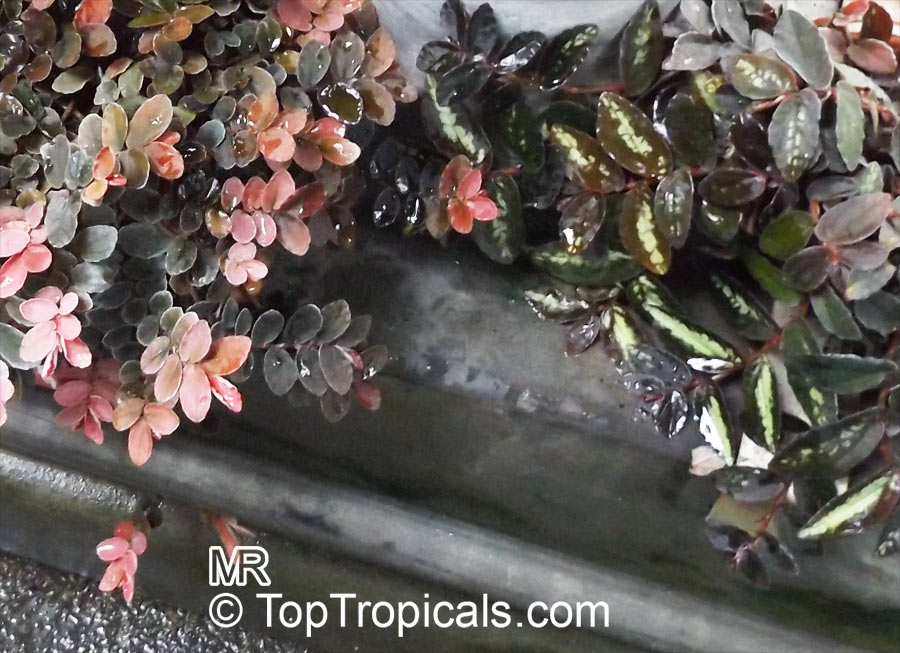
Pellionia sp. (Pellionia) plant with small oval pink and green leaves in a close up
Pellionia sp. (Pellionia) plant with small oval pink and green leaves trailing from a container
Pellionia sp. (Pellionia) with deep pink and dark green leaves in a close up
Pellionia sp. (Pellionia) with dense clusters of pink and dark green foliage over a container


Link to this plant:
https://toptropicals.com/catalog/uid/pellionia_sp.htm

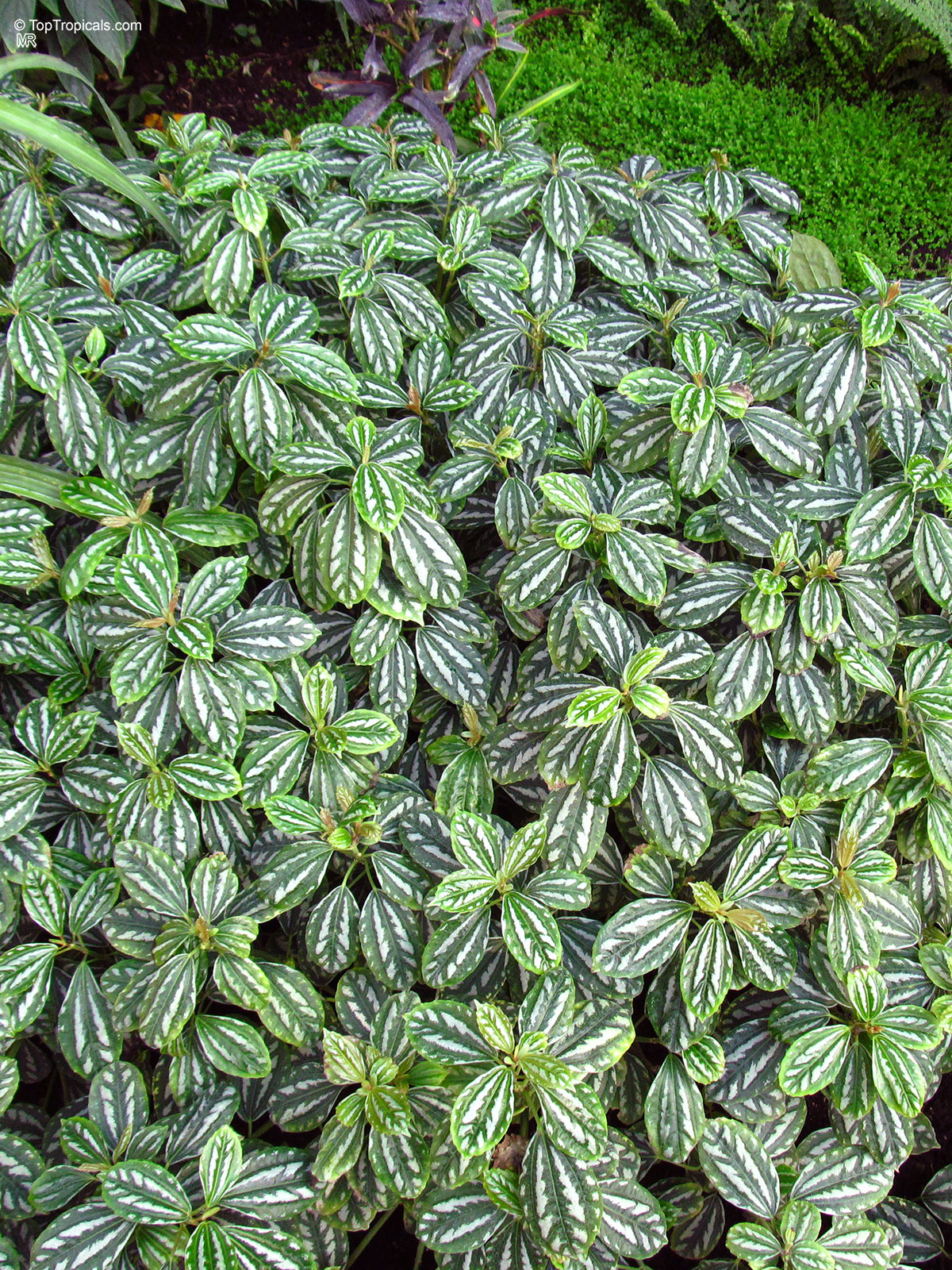
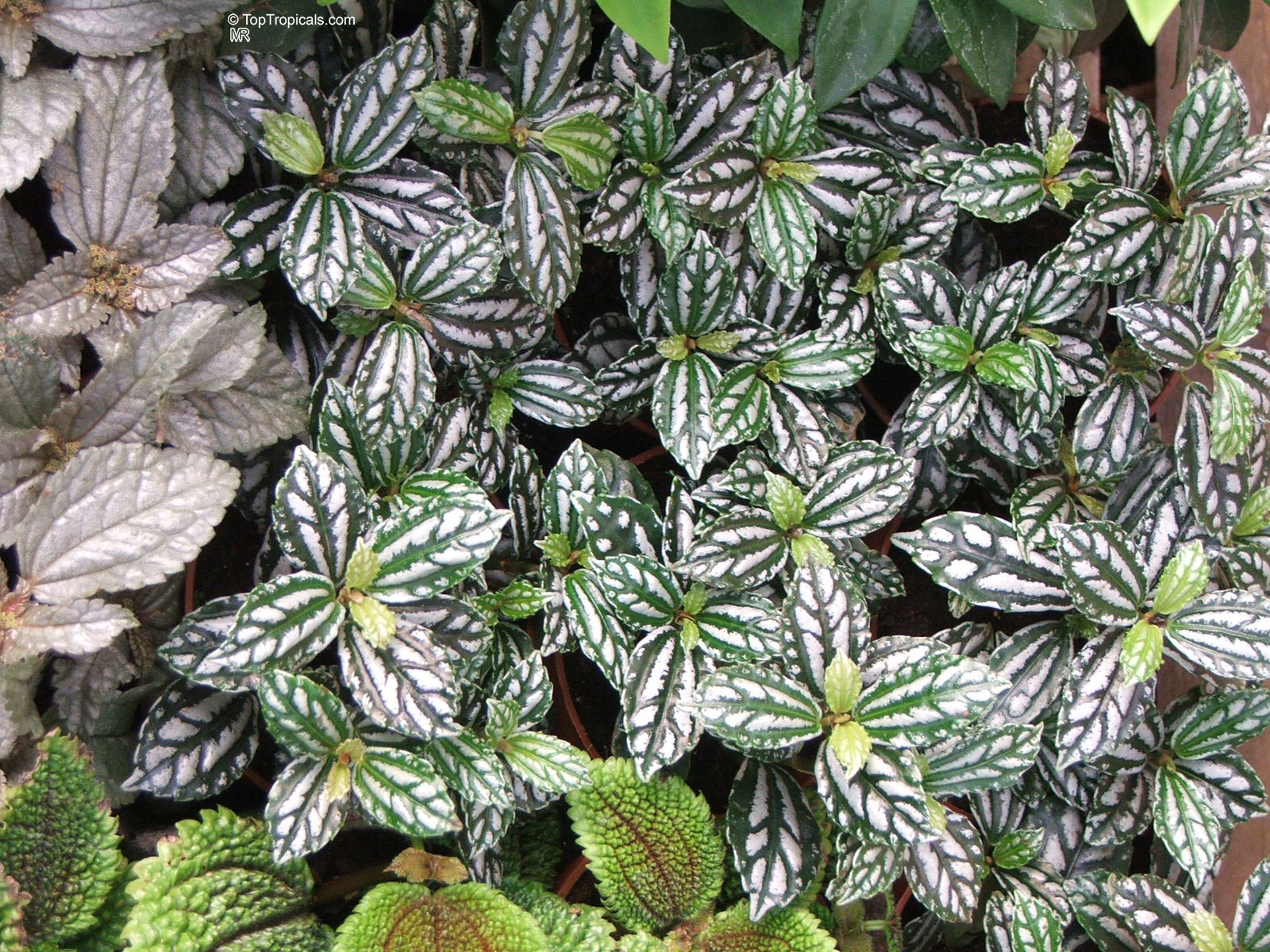
Pilea cadierei (Aluminum Plant) with dark green leaves and silver markings on the plant.
Pilea cadierei (Aluminum Plant) leaves with deep green tones and prominent silver markings spread across foliage.

Botanical name: Pilea cadierei

Common names: Aluminum Plant, Watermelon Plant

Family: Urticaceae

Origin: Vietnam

Hardiness: 40°F

USDA Plant Hardiness MapSmall plant 2-5 ftSemi-shadeWatering: Regular. Let topsoil dry slightlyOrnamental foliage

Pilea cadierei is a compact tropical foliage plant native to Vietnam, best known for its distinctive metallic silver markings that appear splashed or brushed across deep green leaves. The oval, slightly quilted leaves are arranged oppositely along upright stems, giving the plant a neat, symmetrical look and strong visual contrast. Its common name, Aluminum Plant, refers to the reflective silver patches that catch the light and make the foliage stand out even in shaded interiors. Flowers are small and insignificant, and the plant is grown almost entirely for its decorative leaves.

Pilea cadierei prefers bright, indirect light, which maintains sharp leaf patterning without scorching the foliage. It grows best in a loose, well drained but moisture retentive substrate and appreciates regular watering, with the soil allowed to dry slightly between waterings but never fully dry out. Warm temperatures and moderate humidity support healthy growth, while pinching helps keep the plant compact and bushy. USDA Plant Hardiness Zones 10-12, with a minimum temperature of about 40-45F; it is not frost tolerant and is typically grown as a houseplant or protected container plant outside tropical climates.
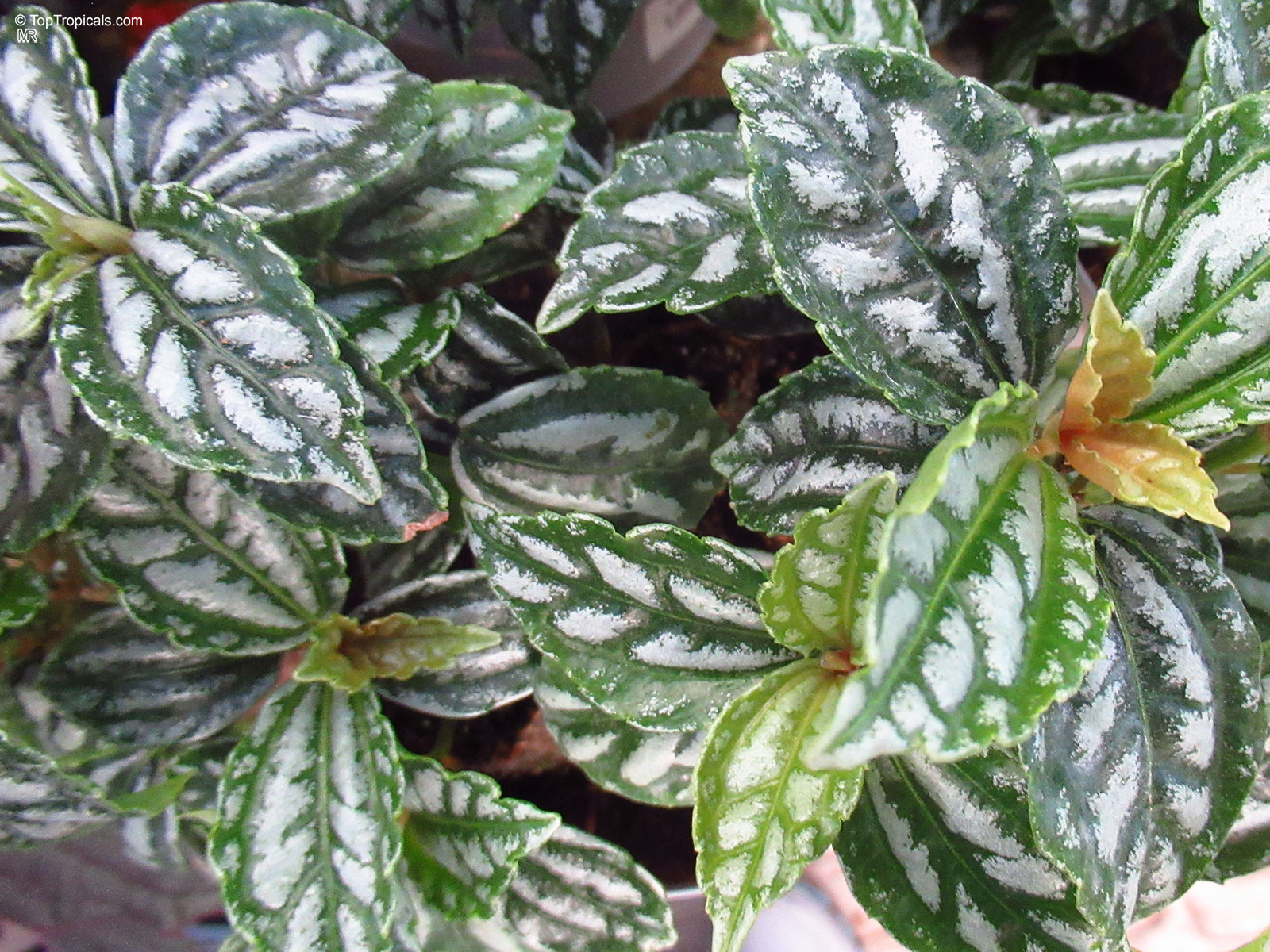
Pilea cadierei (Aluminum Plant) green and silver leaves close up plant
Pilea cadierei (Aluminum Plant) with detailed green foliage and metallic silver markings
Pilea cadierei (Aluminum Plant) green and silver oval leaves forming a dense leafy plant
Pilea cadierei (Aluminum Plant) oval foliage marked with silver stripes throughout the thick cluster of stems


Link to this plant:
https://toptropicals.com/catalog/uid/pilea_cadierei.htm
 
Next


Use link to repeat this search:
https://toptropicals.com/cgi-bin/garden_catalog/cat.cgi?search_op=and&keyword_op=and&language=e&family=Urticaceae&number=10
&no_change_lang=1&user=tt&sale=1&first=0