Proteaceae - Botanical Family
| Number of plants found: 44 | Next | 
|
Go to page: | 1 | 2 | 3 | 4 | 5 |
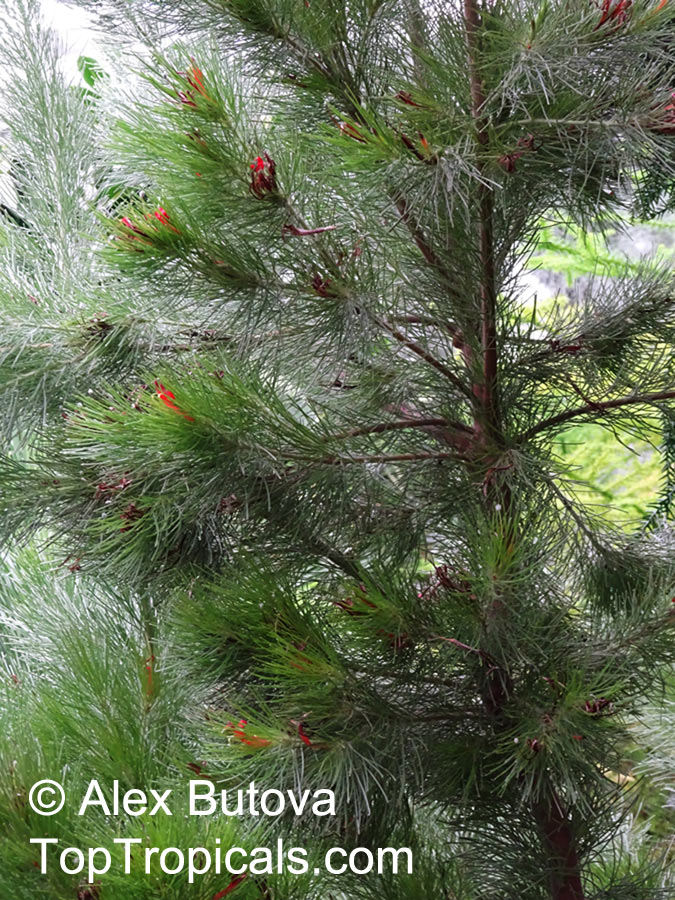
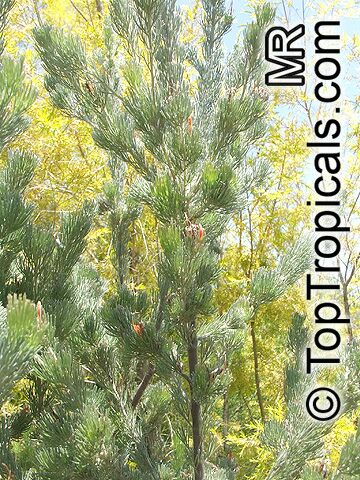
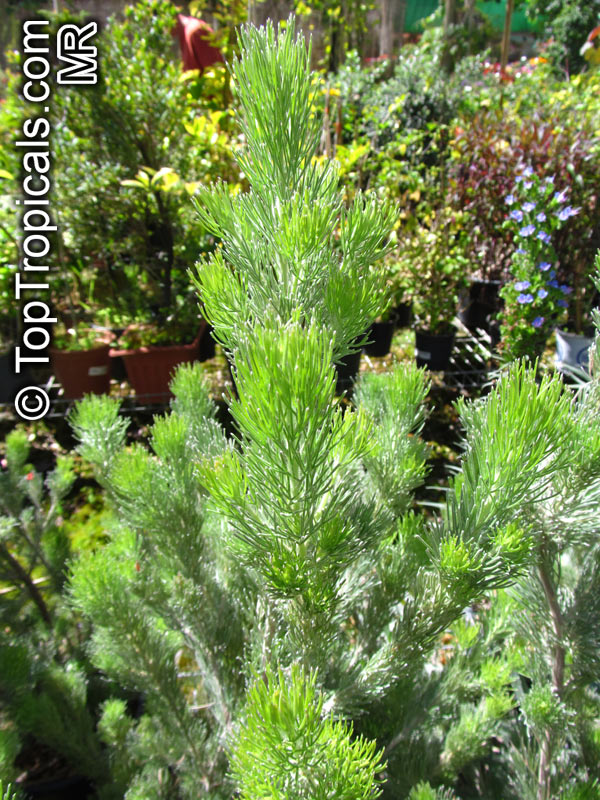
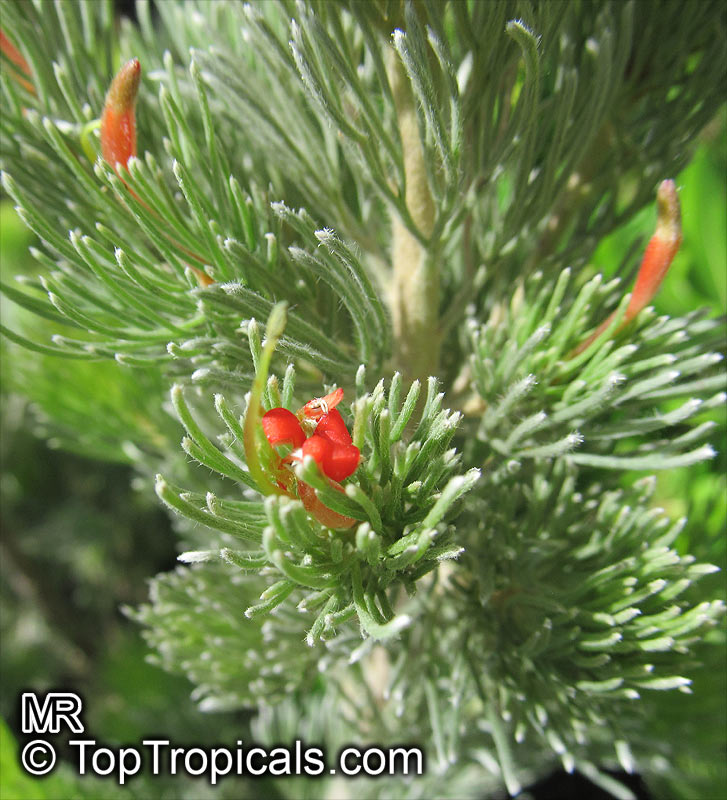
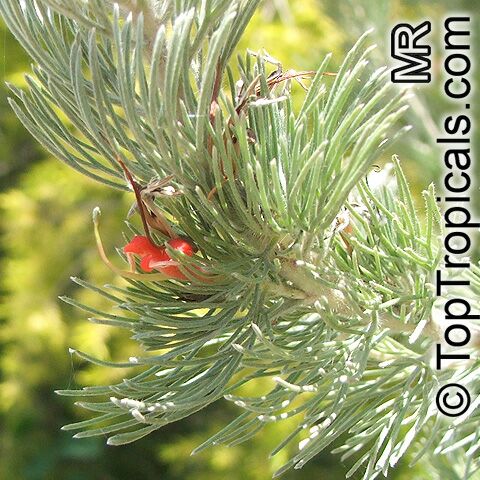
Botanical name: Adenanthos sericeus
Common name: Coastal Woolly Bush
Family: Proteaceae
Origin: Australia


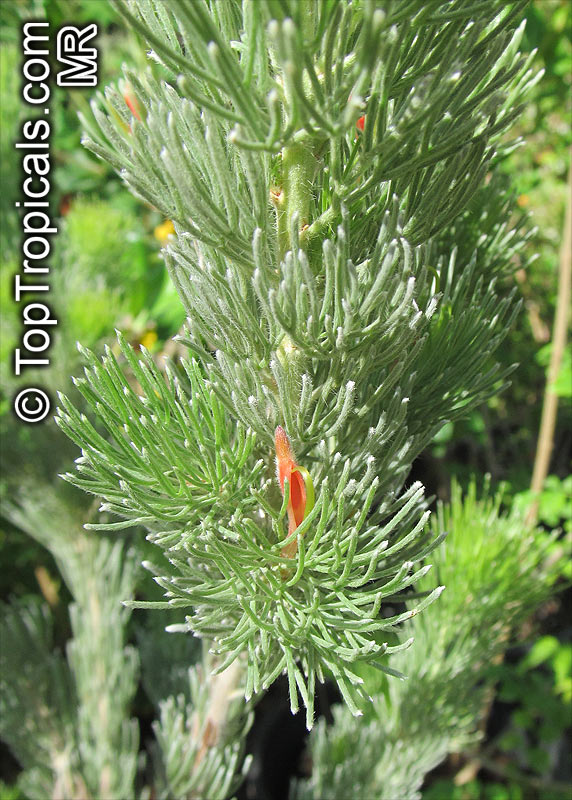
A. sericeus is an ornamental shrub, with soft grey foliage, and red flowers that bloom in spring. It is an excellent choice for coastal planting, as it tolerates both salt and wind tolerant. However, this plant will not withstand heavy clay or wet soil.
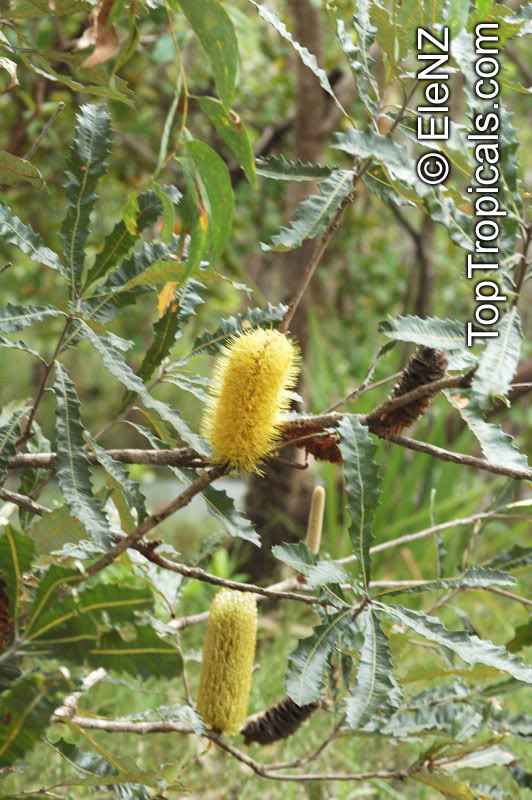
Botanical name: Banksia dentata
Common name: Tropical Banksia
Family: Proteaceae
Origin: Australia

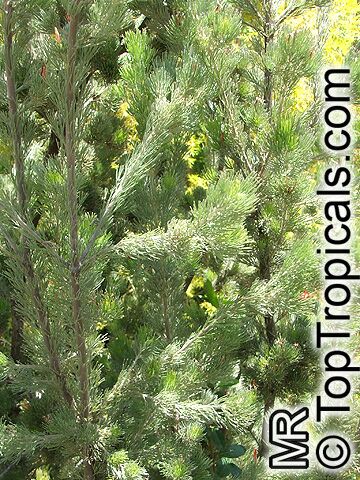
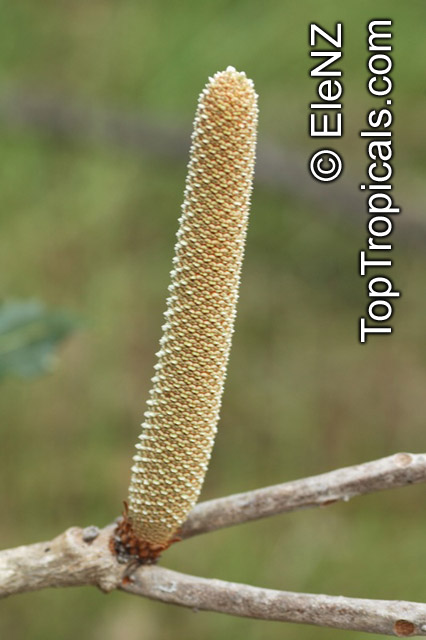
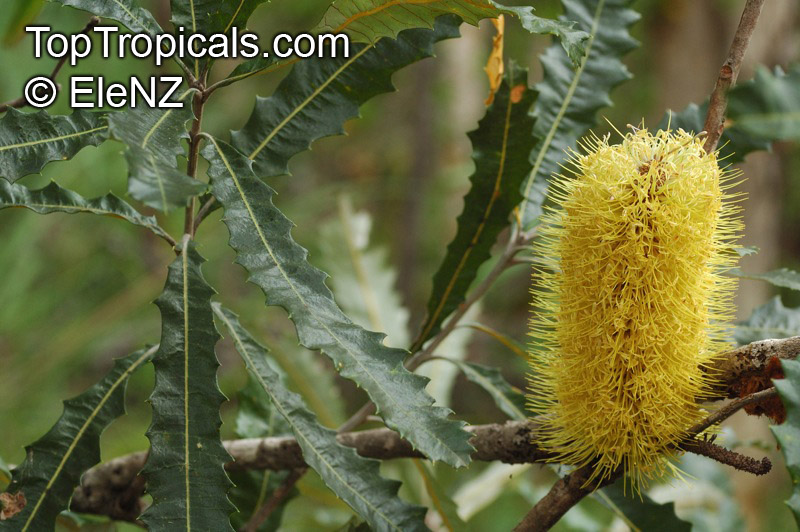
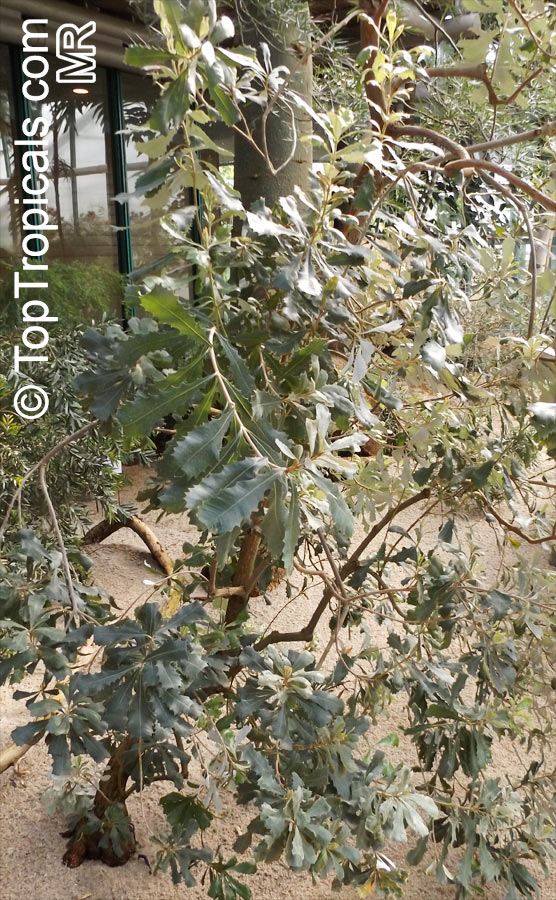
Banksia dentata, also known as Tropical Banksia, is a small native tree of the Banksia genus in Australia that grows to 10-20 ft tall. It is hardy and fire resistant and is capable of regrowth through Epicormic shoots. Unlike many other banksias, it is able to tolerate further south and be grown in USDA Zones 9-11.
This tree is known for its vibrant yellow and orange flowers that bloom in spring, which provide a beautiful source of color to any garden. The flowers also act as a great source of food for local birds and insects. Banksia dentata requires full sun and moderate water and is easy to maintain, so it is the perfect choice for a low maintenance garden.
In colder regions, Banksia dentata can be grown in a pot, however it is important to ensure that you take the necessary steps when planting to ensure the best conditions for the tree. When planting, it is important to find a pot that has good drainage, choose a well draining soil with good nutrients, and place the tree in a sunny spot. Water the plant regularly, ensuring the soil stays moist, but not too wet. During the winter months, it is best to keep the roots of the tree warm by covering the soil with mulch. With the proper care and attention, it will thrive in colder regions and provide a beautiful source of color year round.
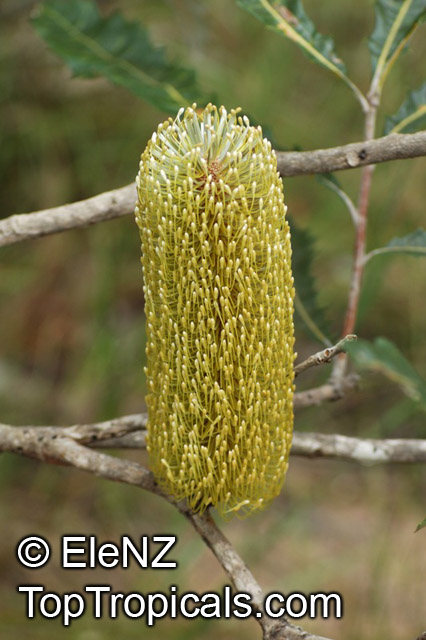
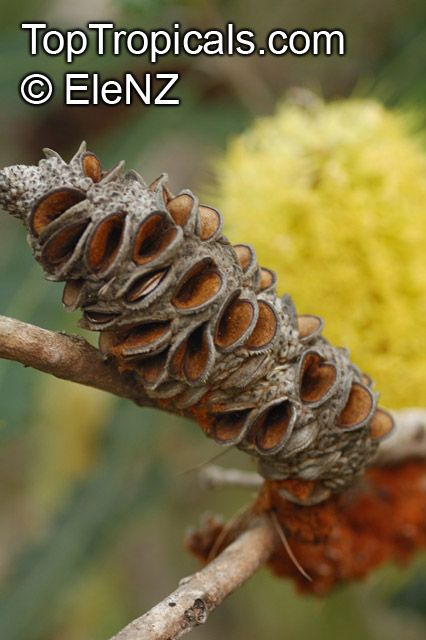
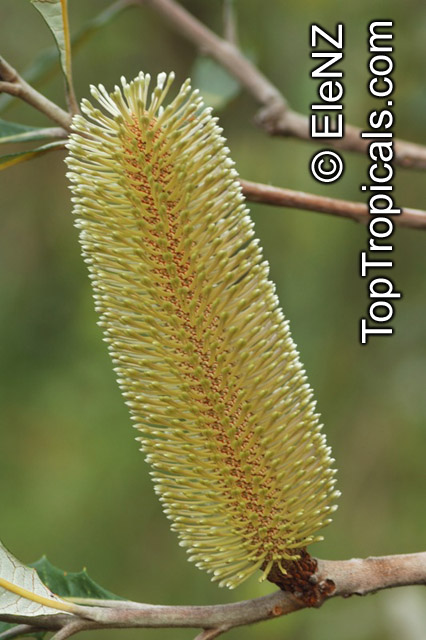
Botanical name: Banksia integrifolia
Common names: Coast Banksia, Coast Honeysuckle
Family: Proteaceae
Origin: Queensland, Australia

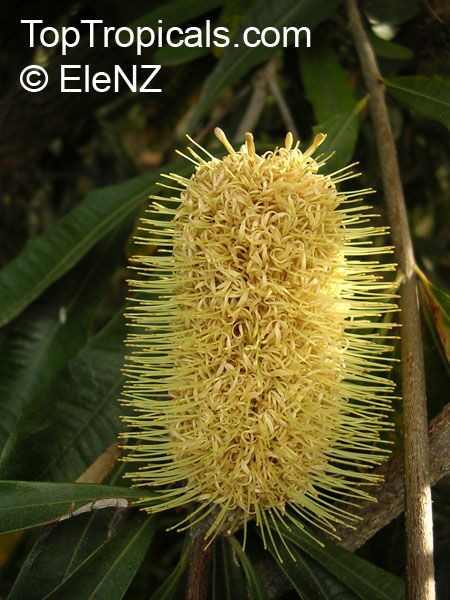
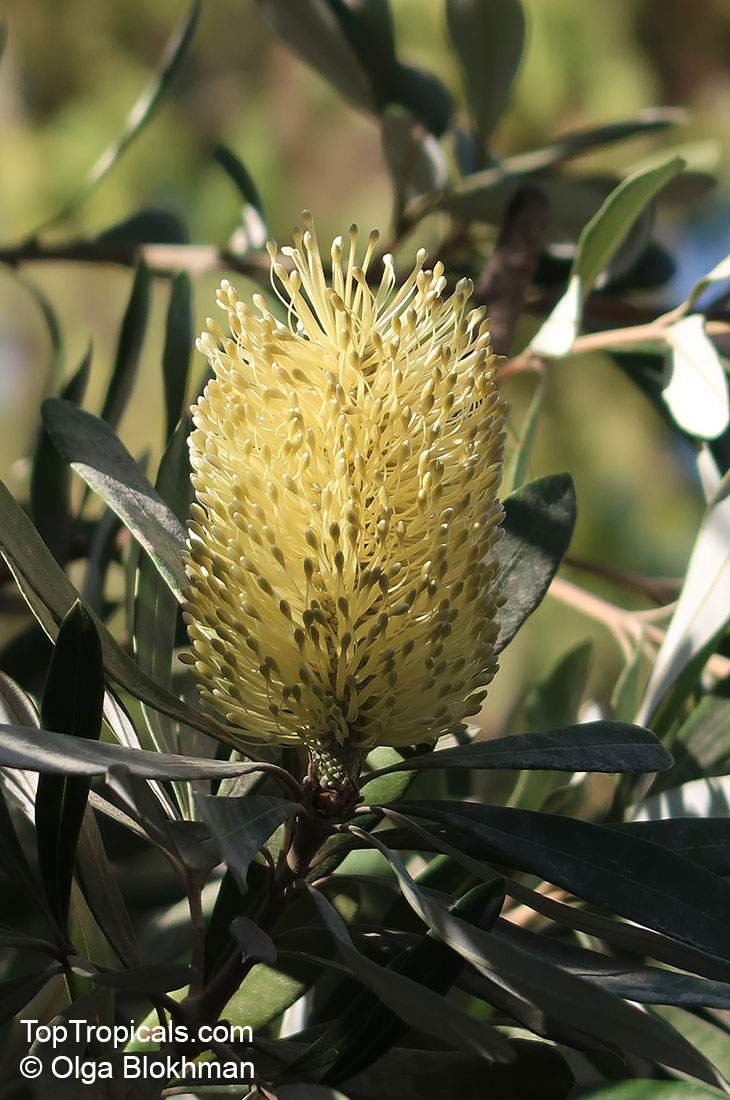
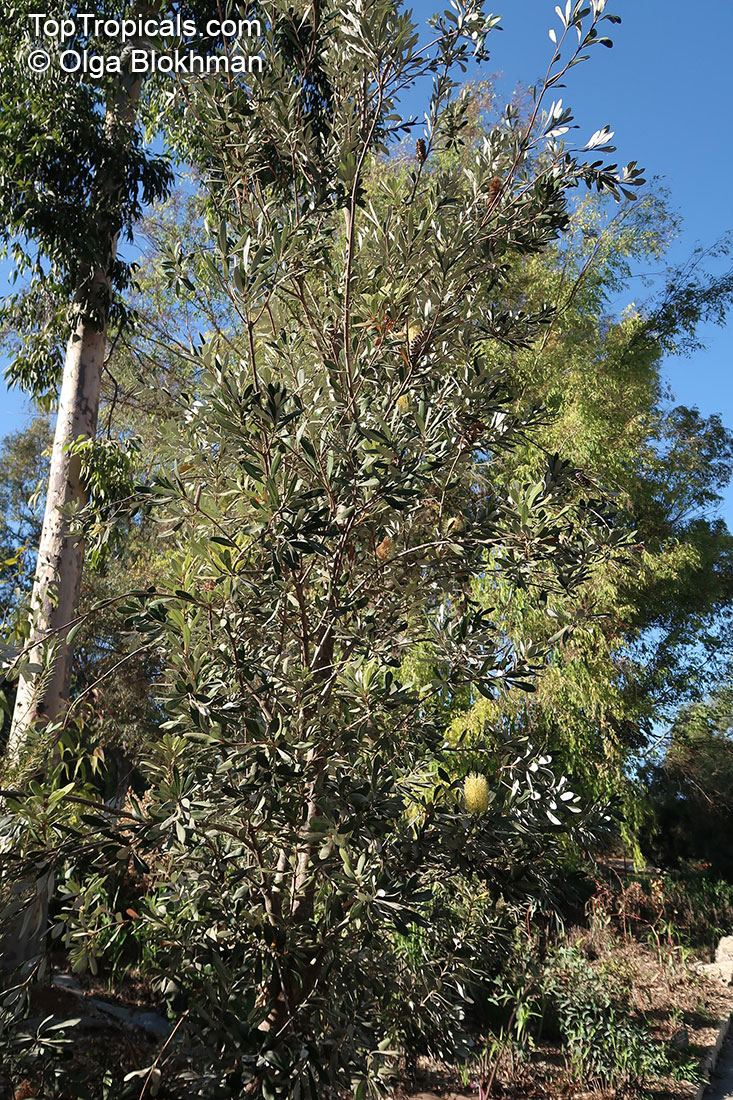
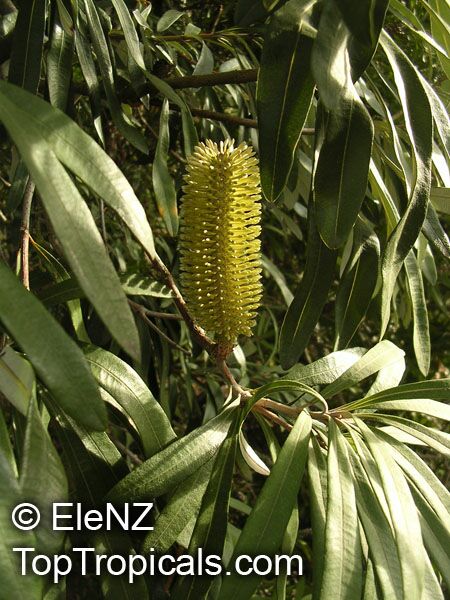
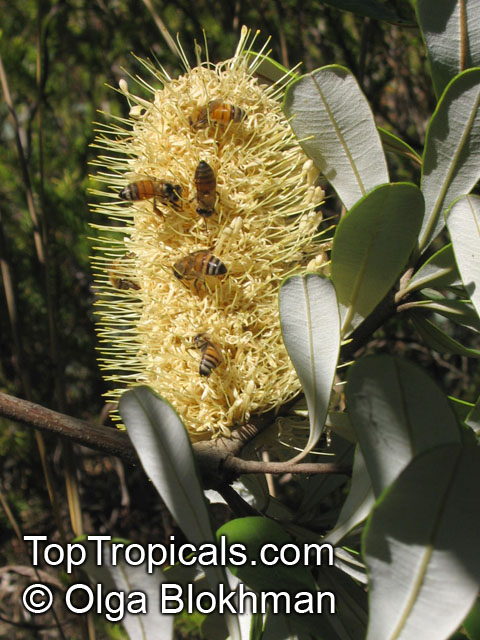
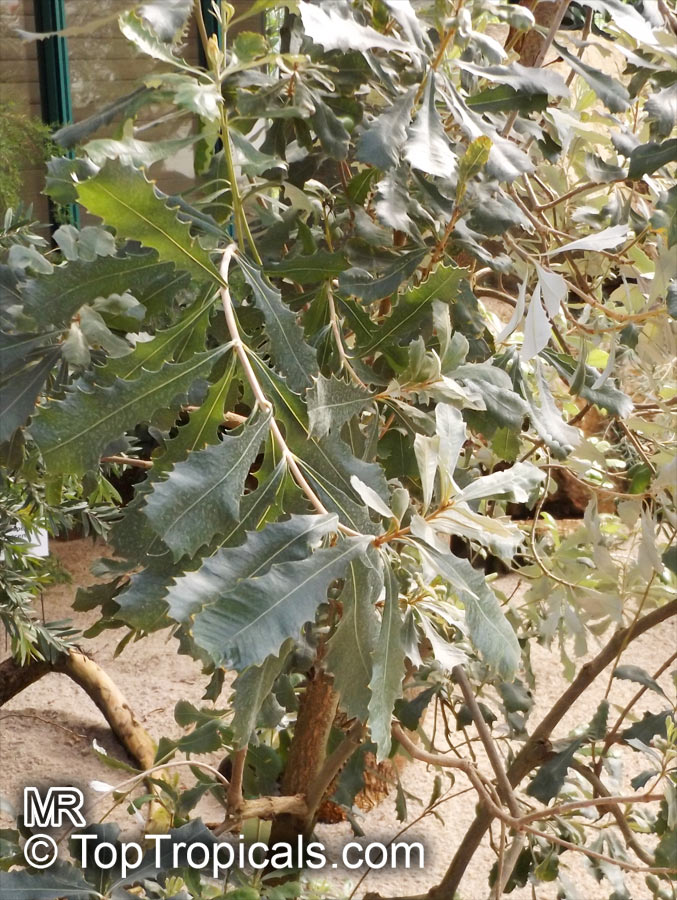
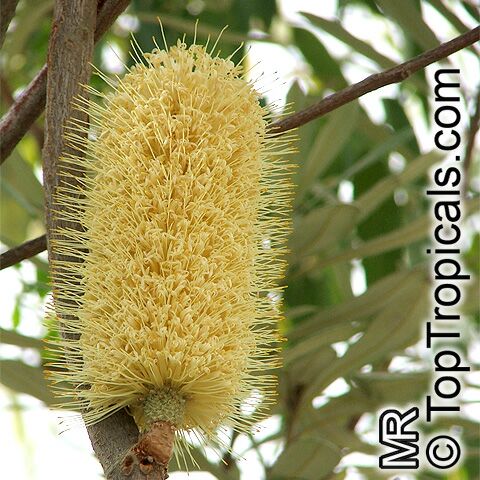
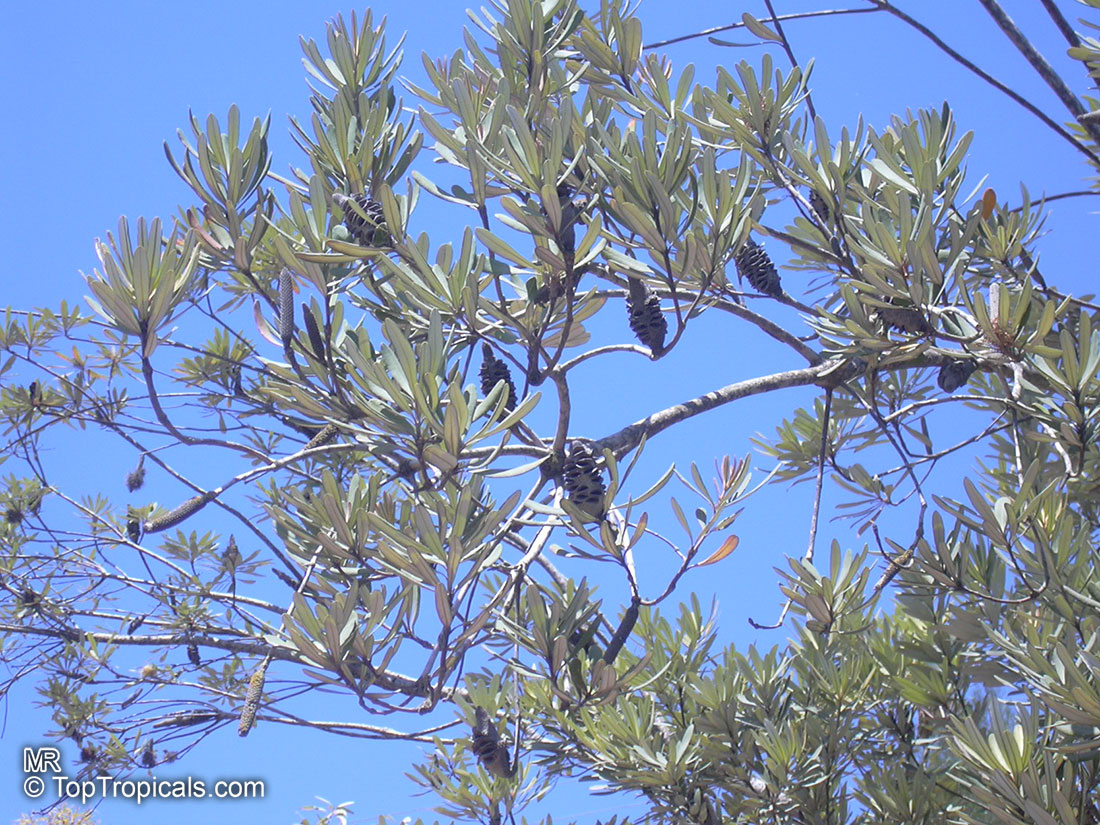
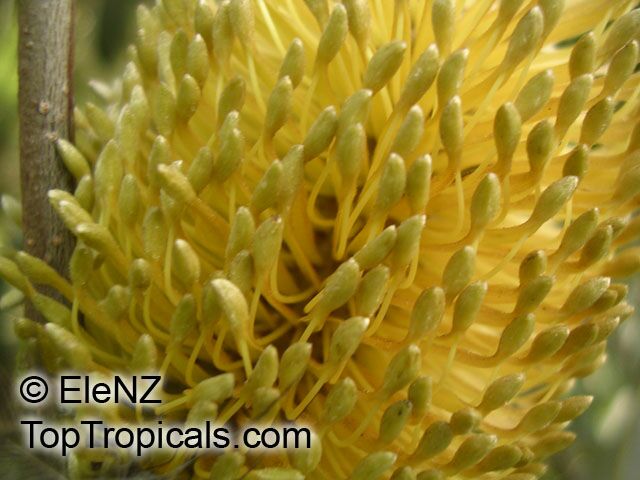
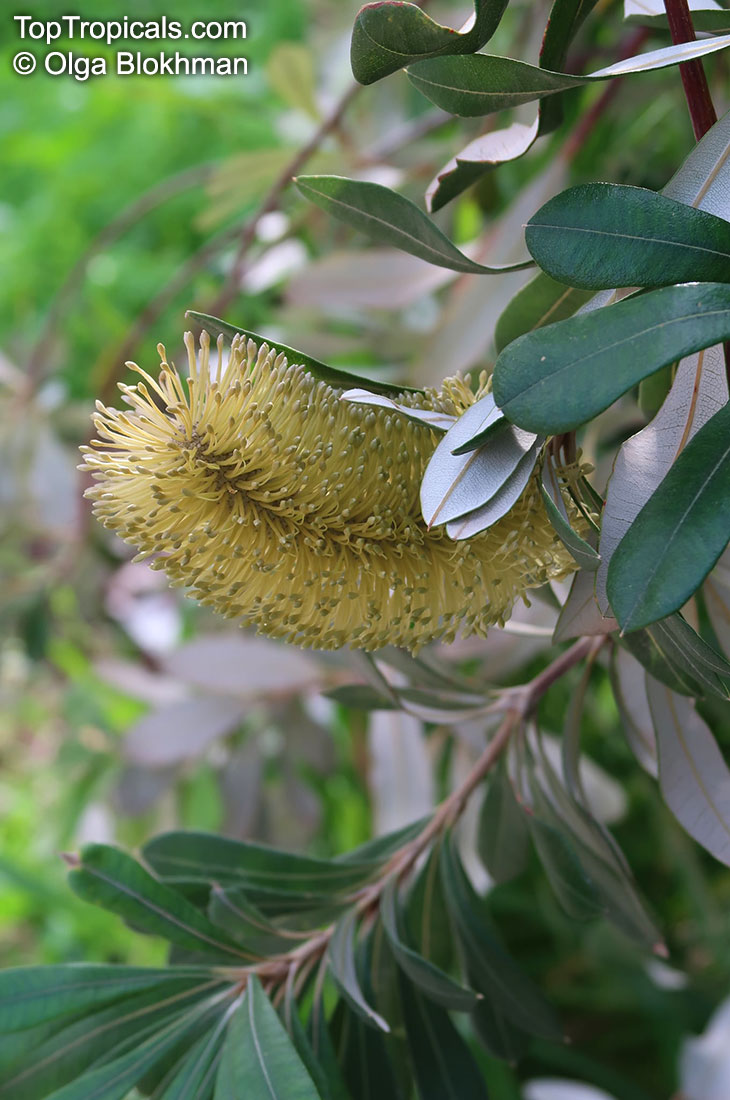
A tall shrub to a small tree with yellow flowers. Plants may grow to 82ft, but are often smaller. The leaves are shiny dark green above and silvery underneath and broadly elongate, the margin are usually smooth, but sometimes irregularly serrated at the top. New growth is covered in short silvery hairs. The pale yellow flowers open from late summer to winter. This hardy Banksia grows very well in coastal areas and can tolerate salt spray. Plants are frost tolerant.
Botanical names: Banksia nivea, Dryandra nivea
Common name: Honeypot Dryandra
Family: Proteaceae
Origin: Australia


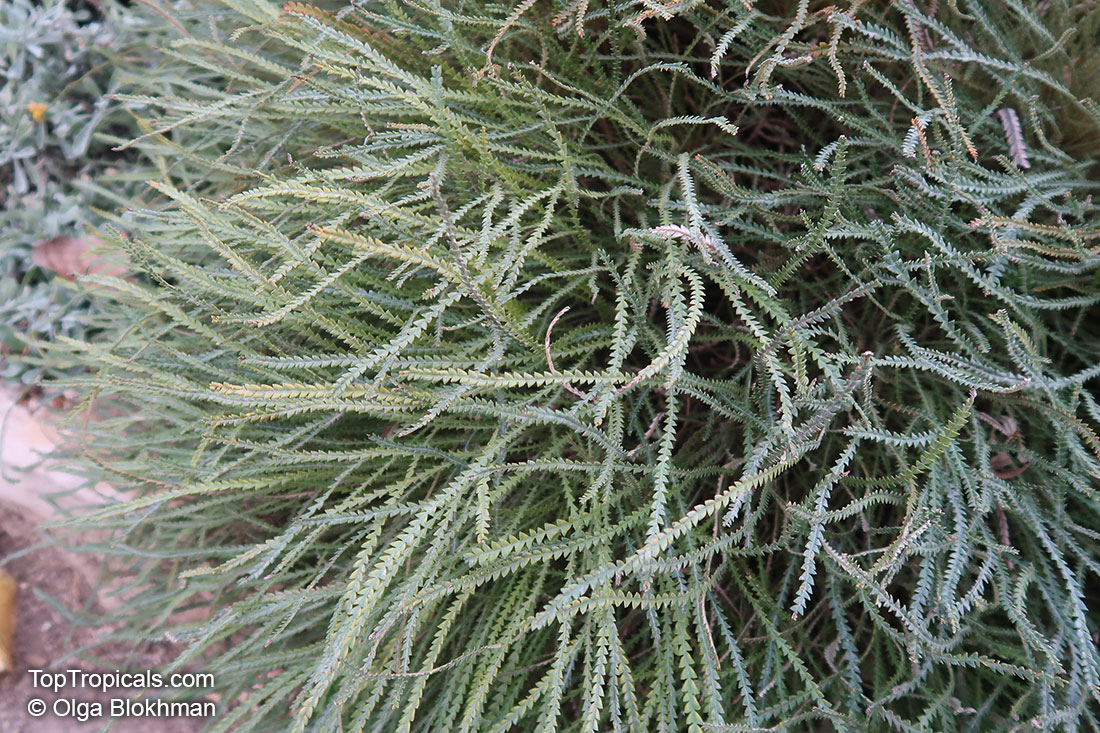
A prostrate shrub with a creeping, suckering habit with a height of not much more than 30 cm making it an ideal native ground cover.
Dark green divided leaves with a triangular or sickle shape segments. Its main flowering time is during spring with flower colors including cream, yellow, orange, pink, red and brown. Drought and frost resistant once established.
Dryandra was considered a separate genus until early 2007, when it was merged into Banksia.
Botanical name: Banksia petiolaris
Common name: Banksia
Family: Proteaceae
Origin: Southwest Australia
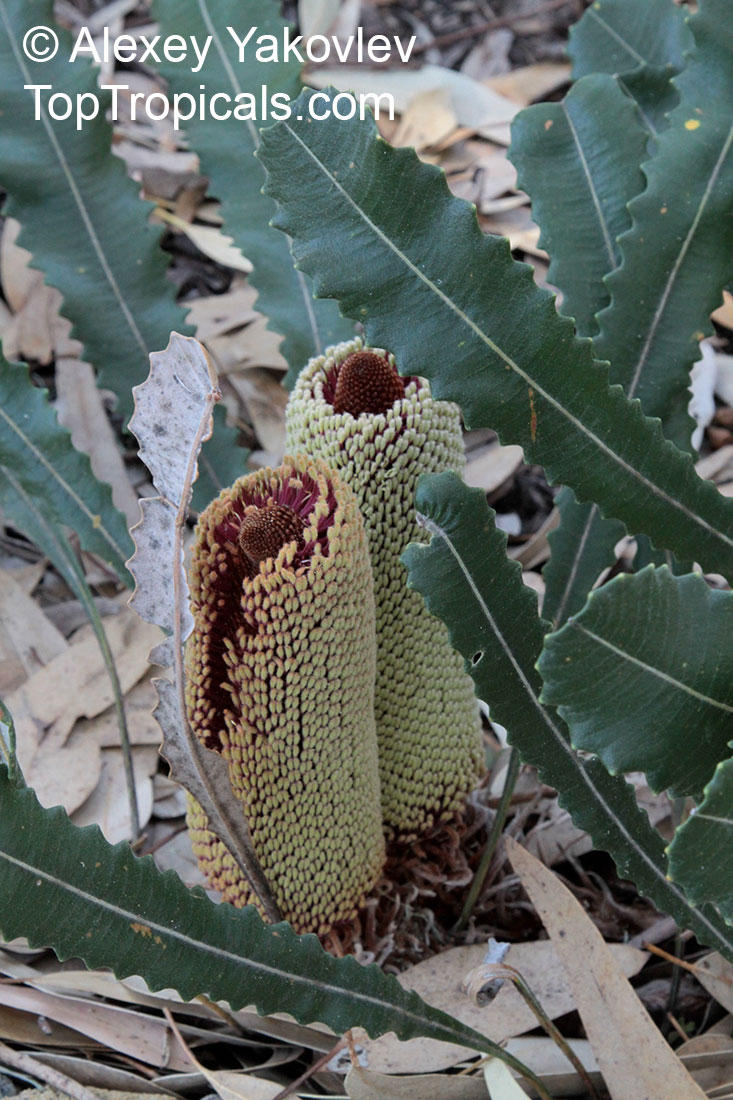
Banksia petiolaris is a small shrub that grows to 2-5 ft (0.6-1.5 m) tall and spreads up to 8 feet (2.4 m). It has long and narrow, serrated leaves and produces large, yellow and orange flowers in late spring and summer. Native to Southwest Australia, this plant is normally zone 9-11 USDA, though in colder climates, it can be grown in containers, as long as they are placed in a sunny, sheltered location.
This shrub requires regular but moderate watering and prefers well-drained soil with full sun exposure. If the temperature is too hot, it will benefit from some shade, otherwise partial shade is perfectly suitable. To ensure that Banksia petiolaris thrives, use a fertilizer designed for flowering and foliage plants and feed twice a year, once in spring and once in autumn. For those growing this plant in containers or cold regions, the potting mix should be kept slightly moist, but not too wet. You can also use a slow-release fertilizer to give the plant all-season nutrition. To enhance flowering, prune the burning stems regularly.
Banksia petiolaris is a pinch-resistant shrub, so if you are trying to shape it, pinch the new growths with your fingers. When pruning, cut the new growths to encourage flowering and for aesthetically pleasing shape. To protect the plant from extreme cold, cover it with a frost blanket or tarp. Be sure to keep the fabric off the plants for adequate air circulation. In colder regions, it is best to place the containers in sheltered areas to protect them from harsh winter temperatures. With proper care, Banksia petiolaris will continue to produce beautiful and vibrant yellow and orange flowers for many years to come.
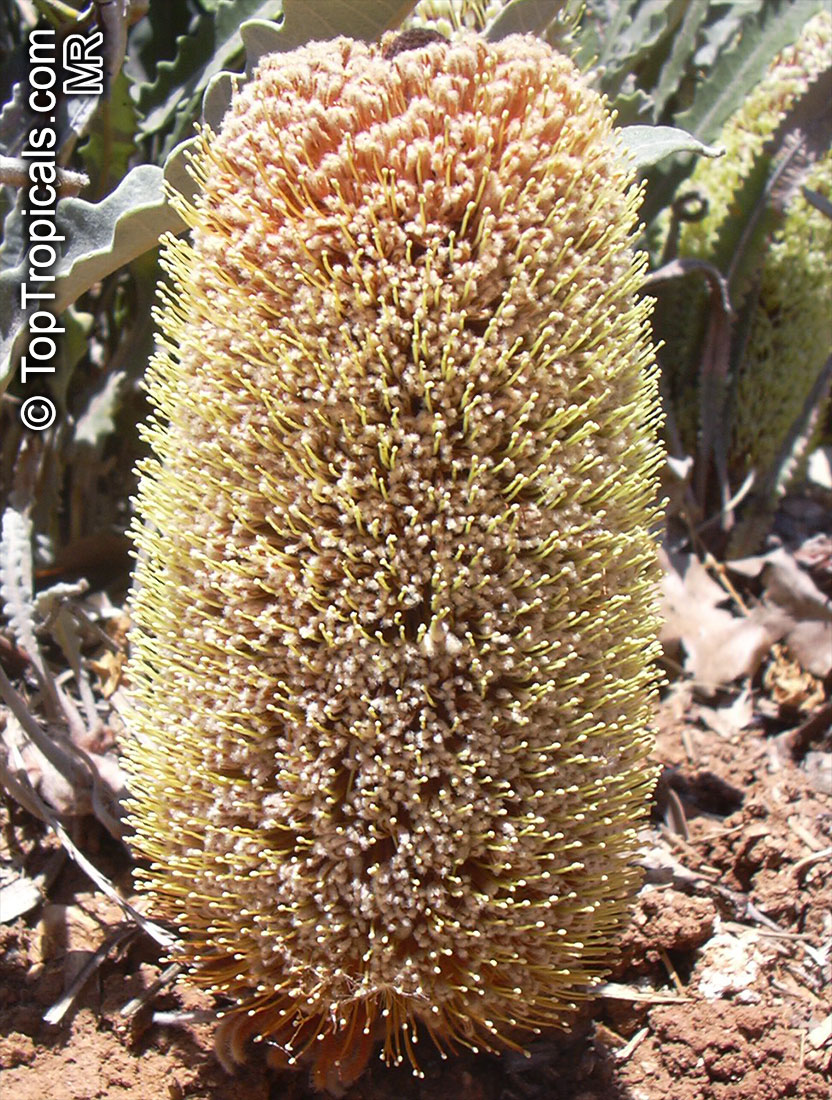
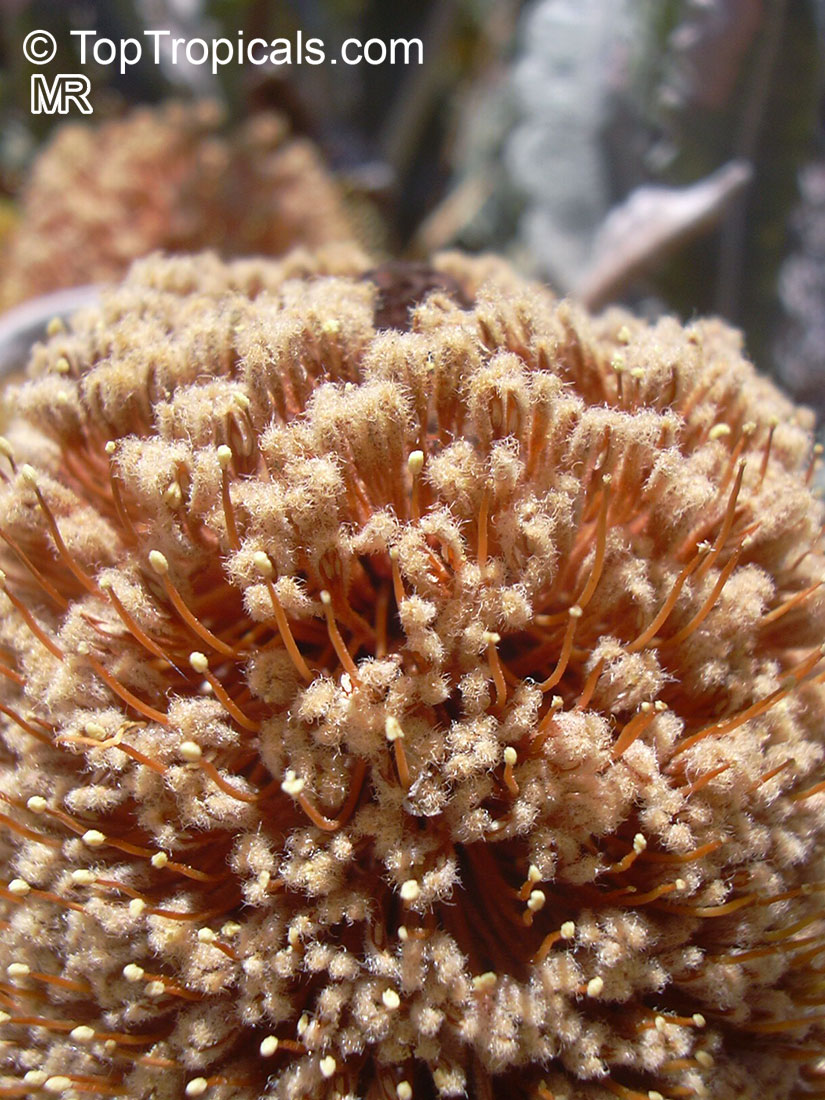
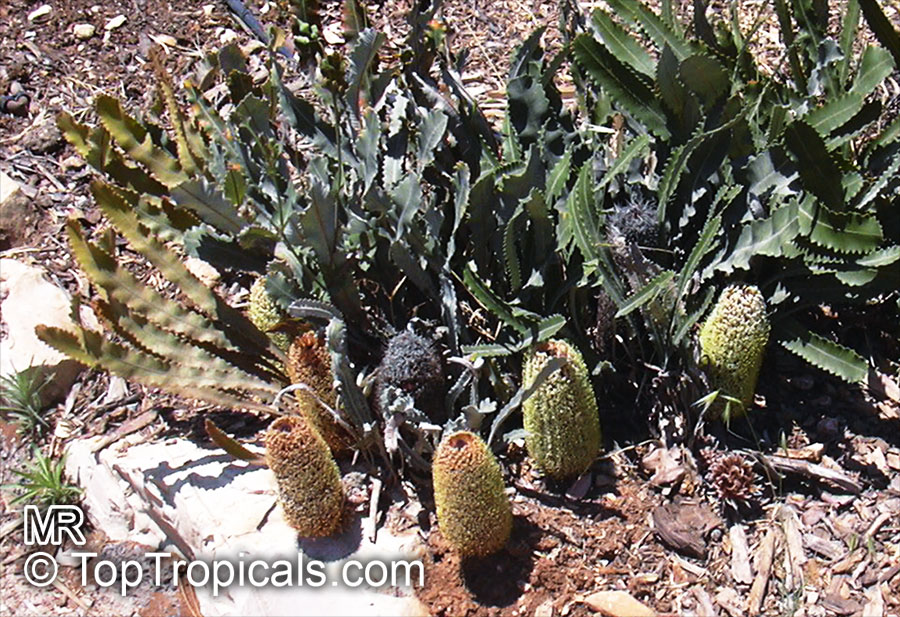
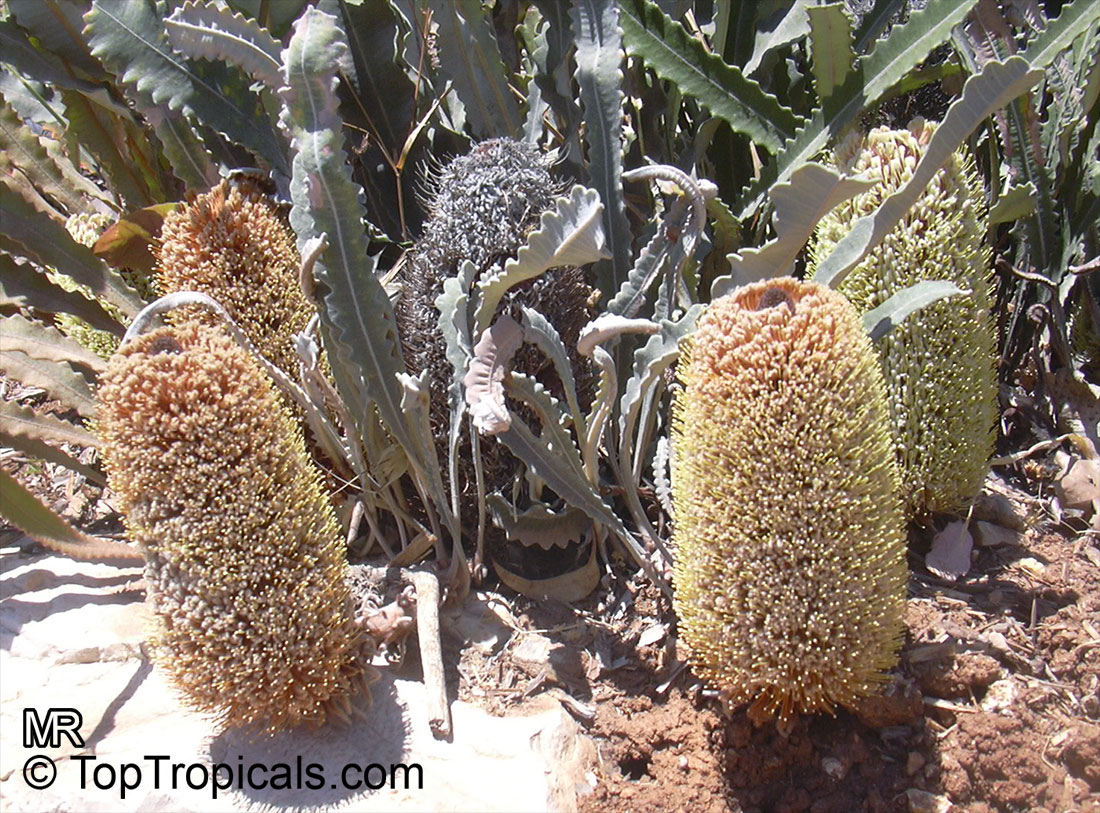
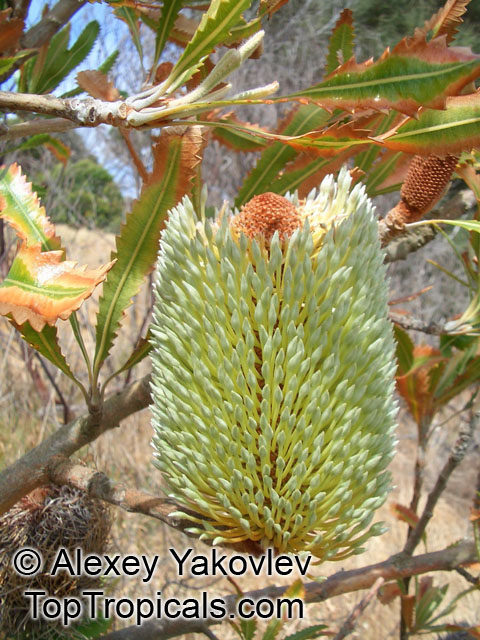
Botanical name: Banksia serrata
Common names: Old Man Banksia, Saw Banksia, Red Honeysuckle
Family: Proteaceae
Origin: Queensland, Australia

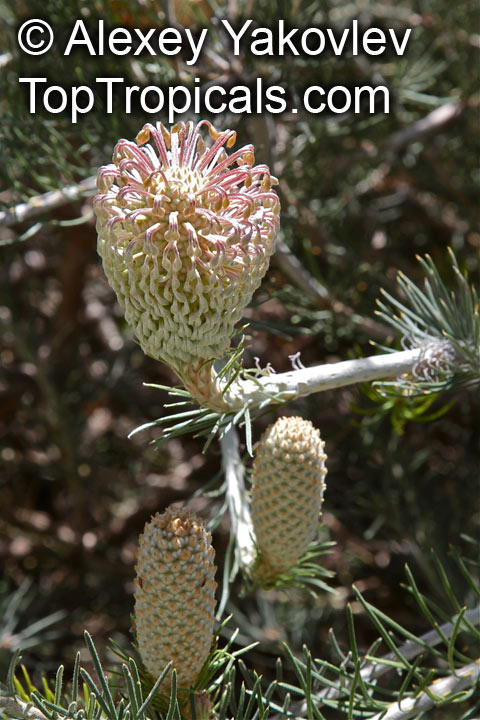
Botanical name: Banksia sp.
Common name: Banksia
Family: Proteaceae
Origin: Australia


Species:
Banksia ashbyi
Banksia hookeriana
Banksia ilicifolia
Banksia scabrella
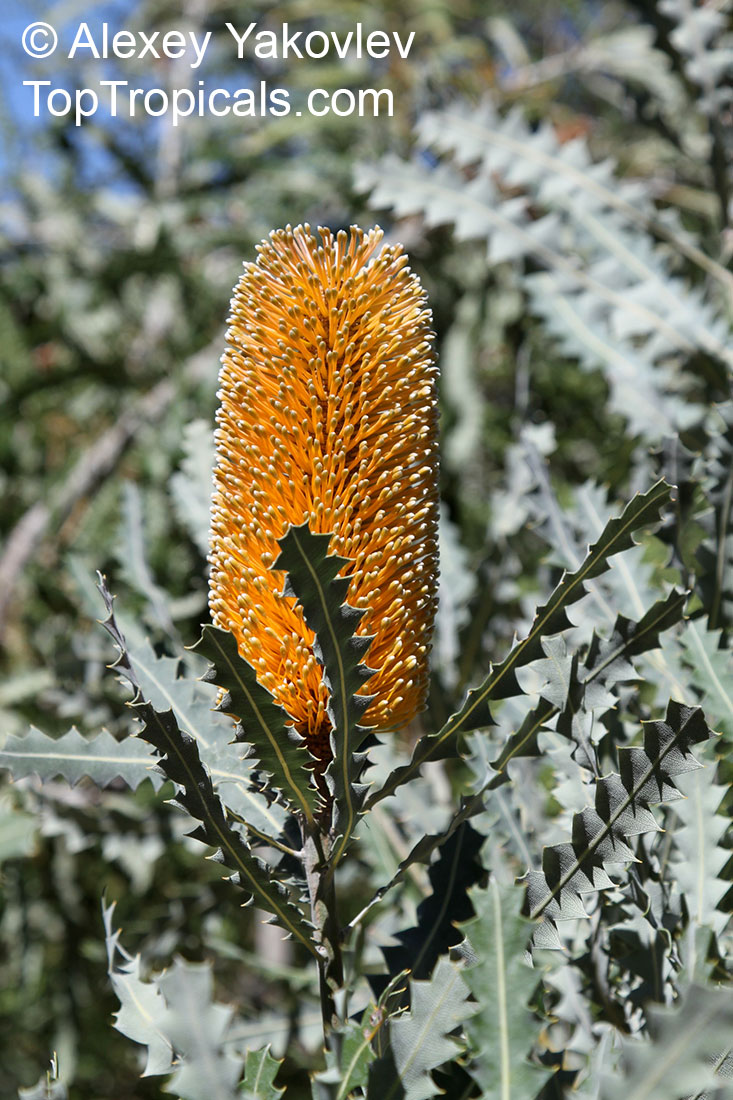
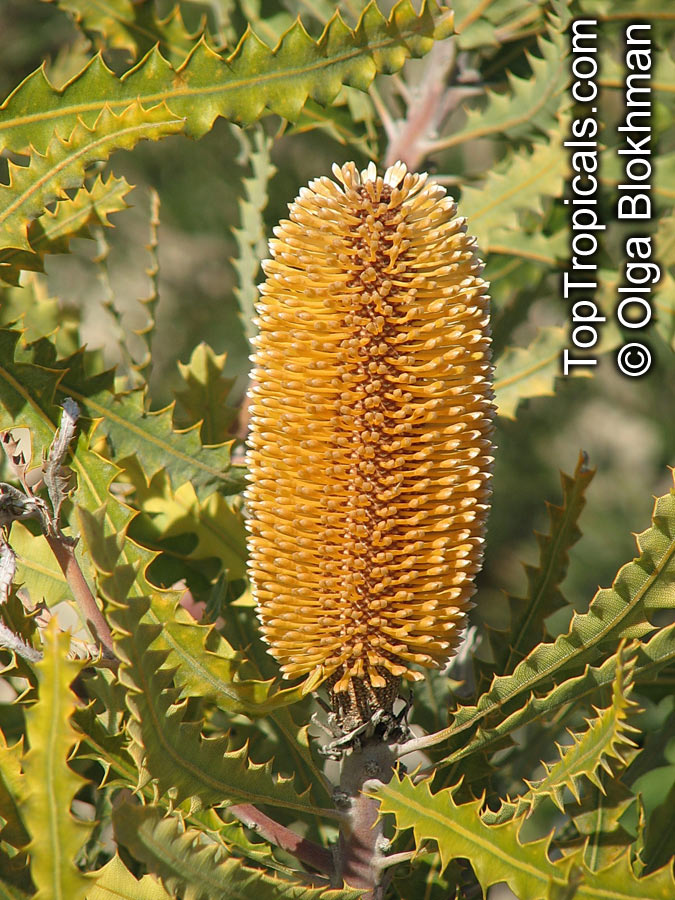
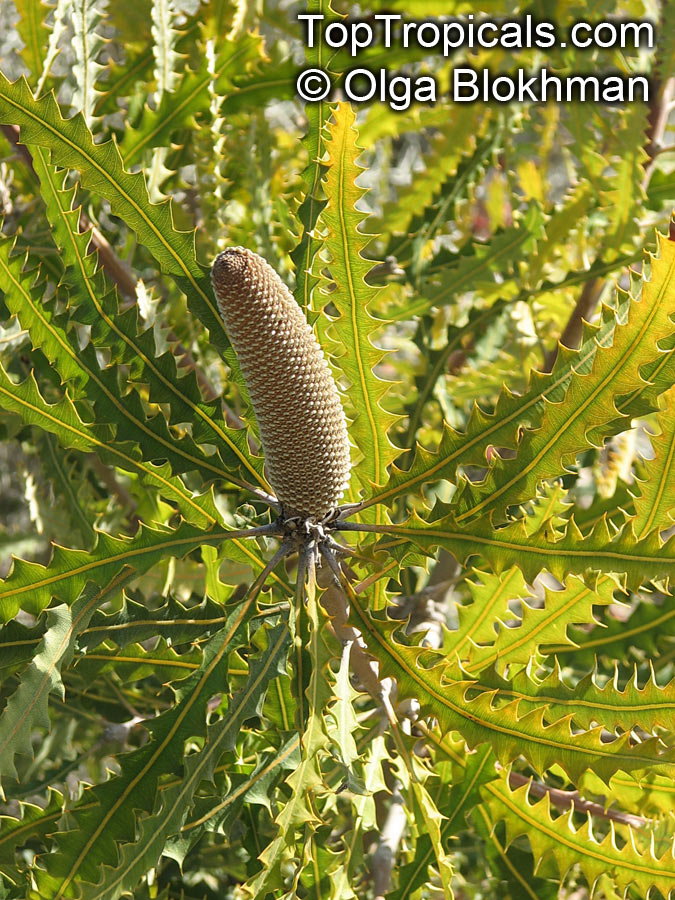
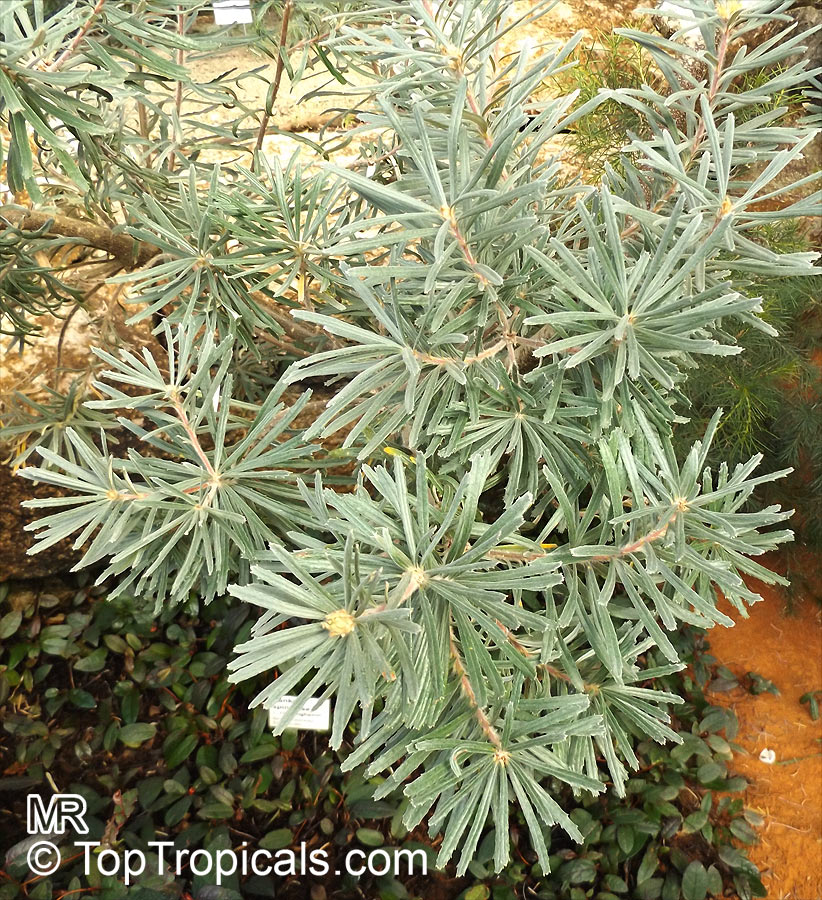
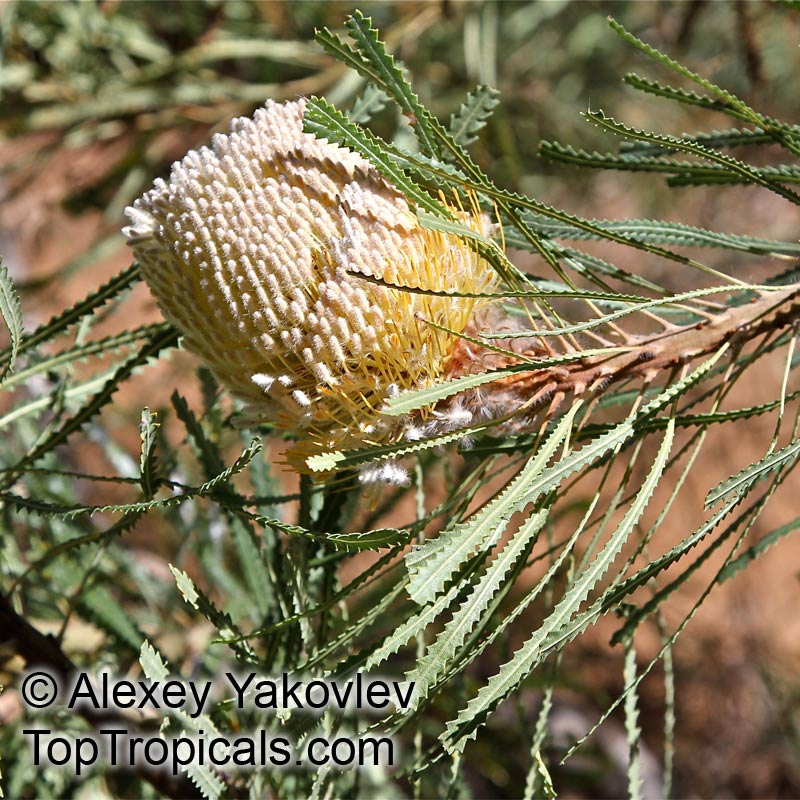
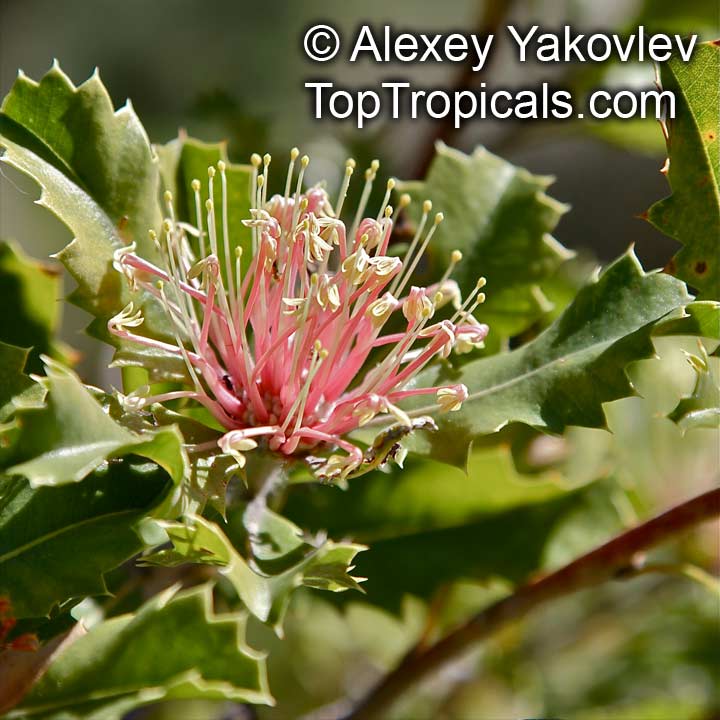
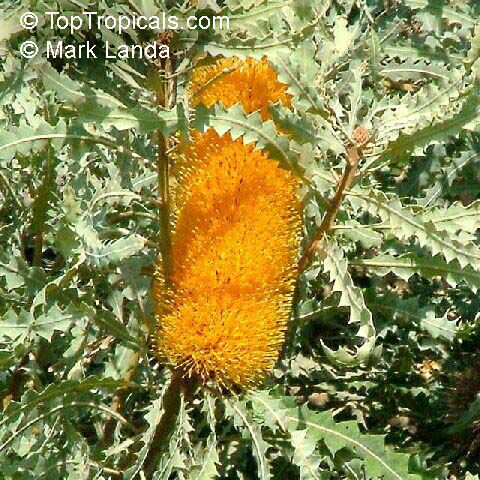
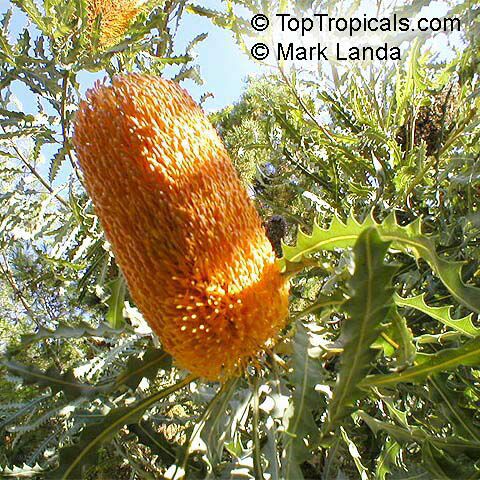
Botanical name: Banksia speciosa
Common names: Showy banksia, Ricrac banksia
Family: Proteaceae
Origin: South coast of Western Australia
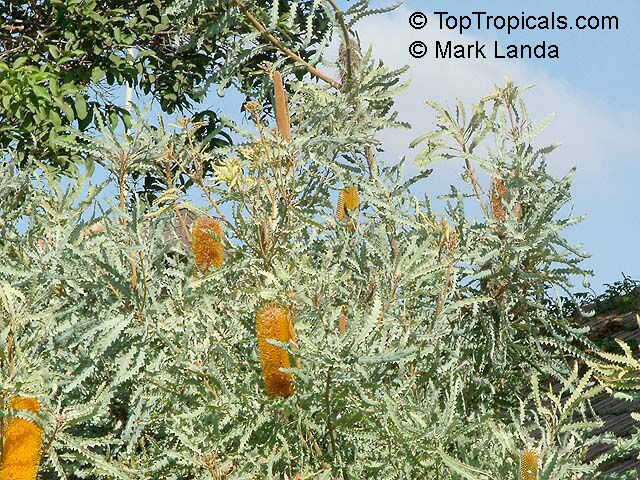
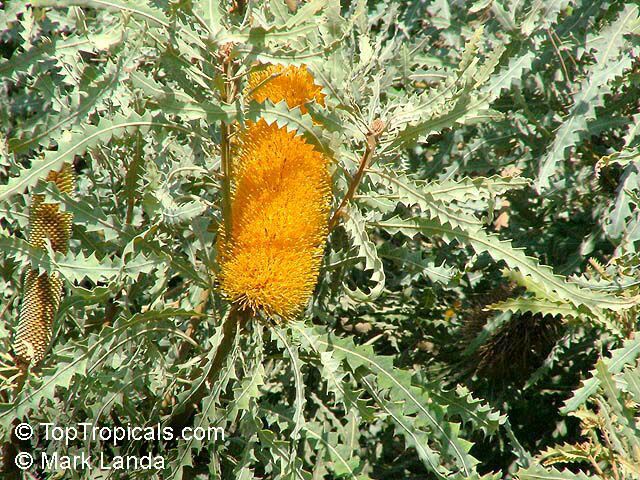
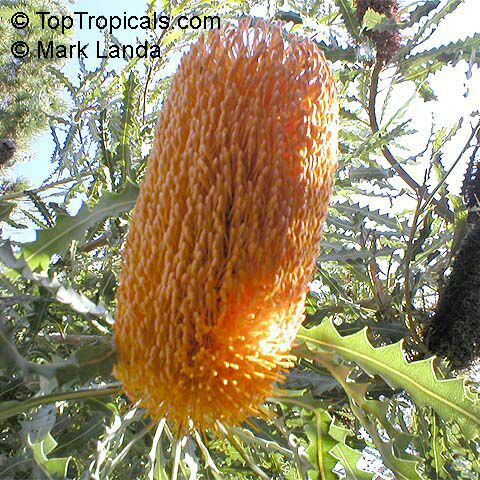
Banksia speciosa is an imposing shrub or small tree whose flowers are often commercially used in cut-flower arrangements. The linear leaves may reach 18 inches wide, and are divided into small, triangular lobes. They are green above and white underneath. The seeds are enclosed in large, woody follicles and are generally retained within the cone until burnt. The species is fire-sensitive, and rapidly grows from seed after bushfire. It grows on deep sand in shrubland in nature. It is a vigorous and quick growing shrub if given a well-drained sandy soil, dry summer climate and a sunny aspect. However it is extremely sensitive to rootrot which will kill it quickly. In humid climates, plants may grow quickly and appear to be doing well until they succumb to Phytophthora. Propagation is generally from seed.
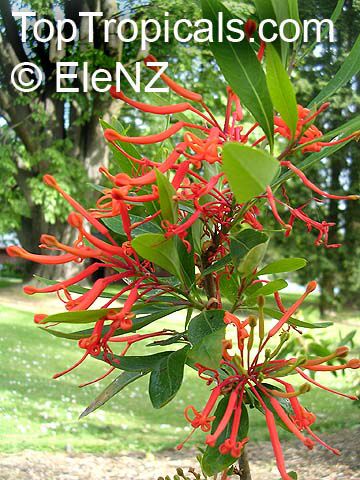
Botanical name: Embothrium coccineum
Common name: Chilean Fire Bush
Family: Proteaceae
Origin: Chile


In late Spring to early Summer it becomes a solid mass of beautiful, fiery red, tubular flowers held in loose clusters. The deep green, lance shaped foliage is evergreen. It's a slow grower for the first two years, so you might want to keep it in a container for at least a year. Chilean Fire Bush wants deep, loamy, not too rich, well-drained soil and doesn't like animal manure. Shelter from cold, drying winds. An outstanding specimen tree.
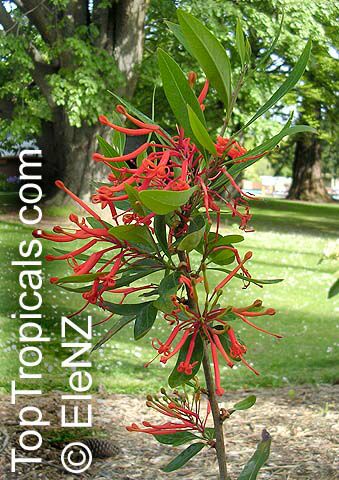
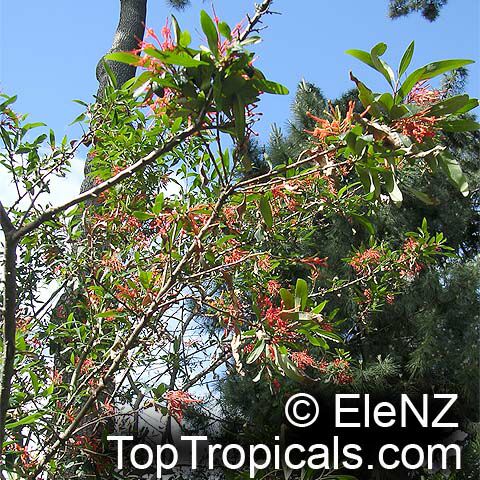
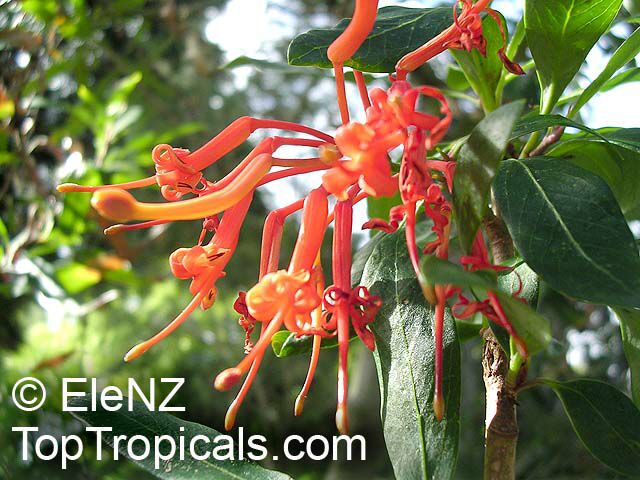
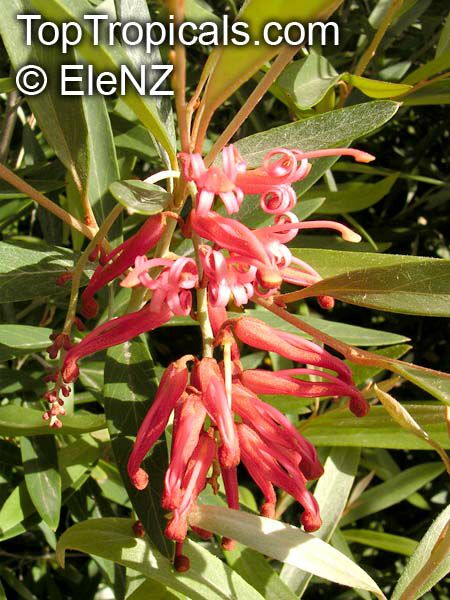
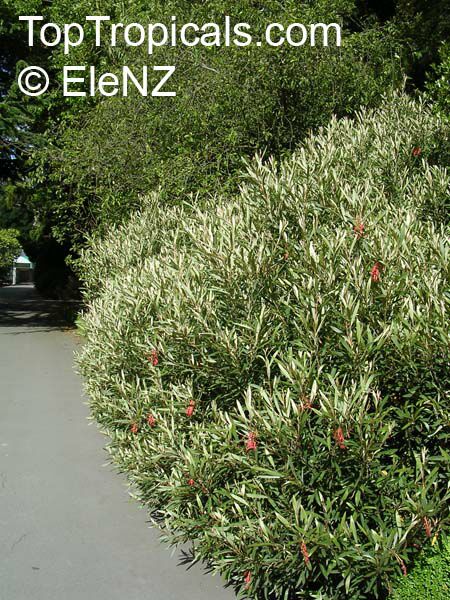
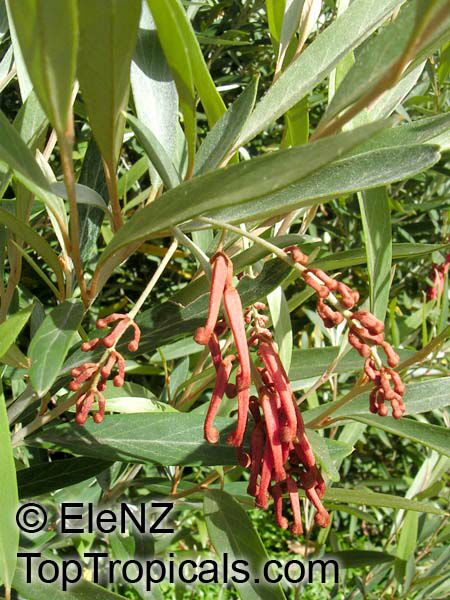
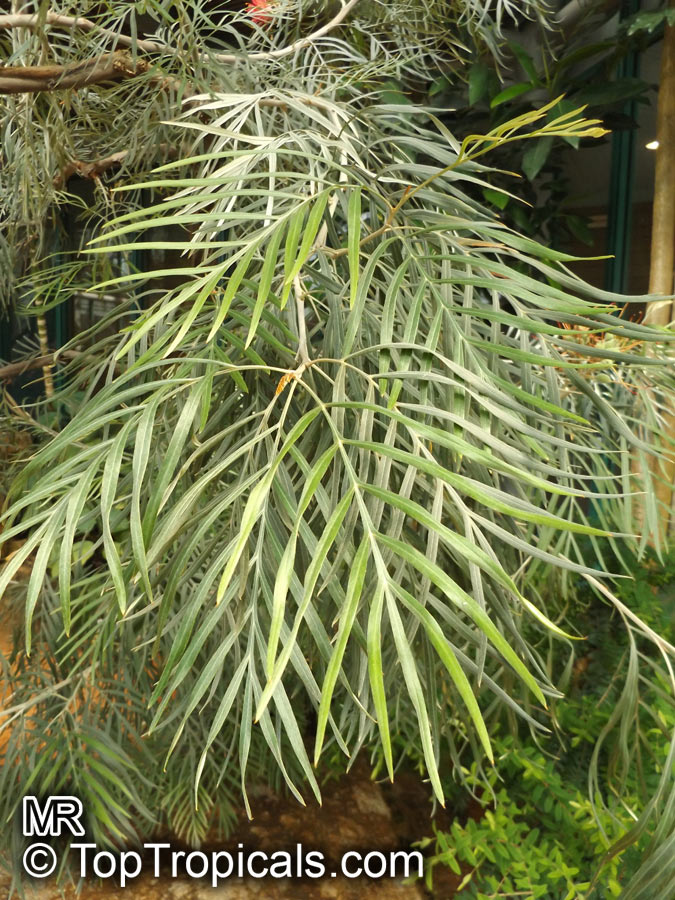
Botanical name: Grevillea banksii
Common names: Red Silky Oak, Kahili Flower
Family: Proteaceae
Origin: Australia
Hardiness: 30°F
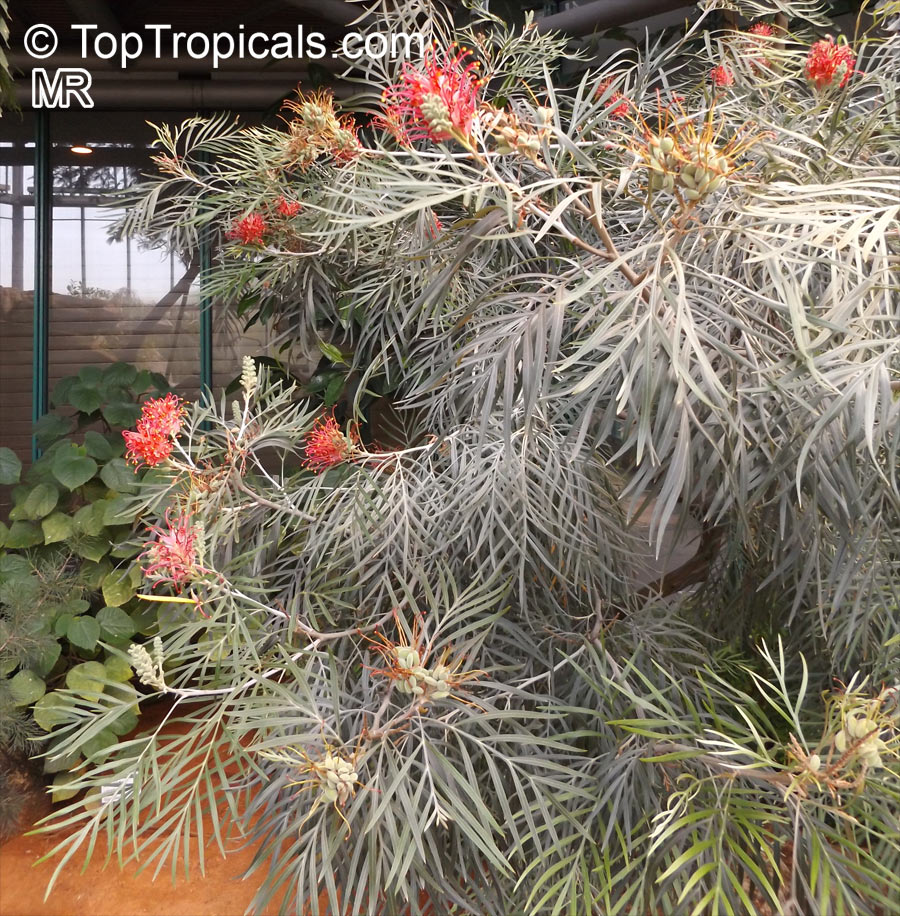
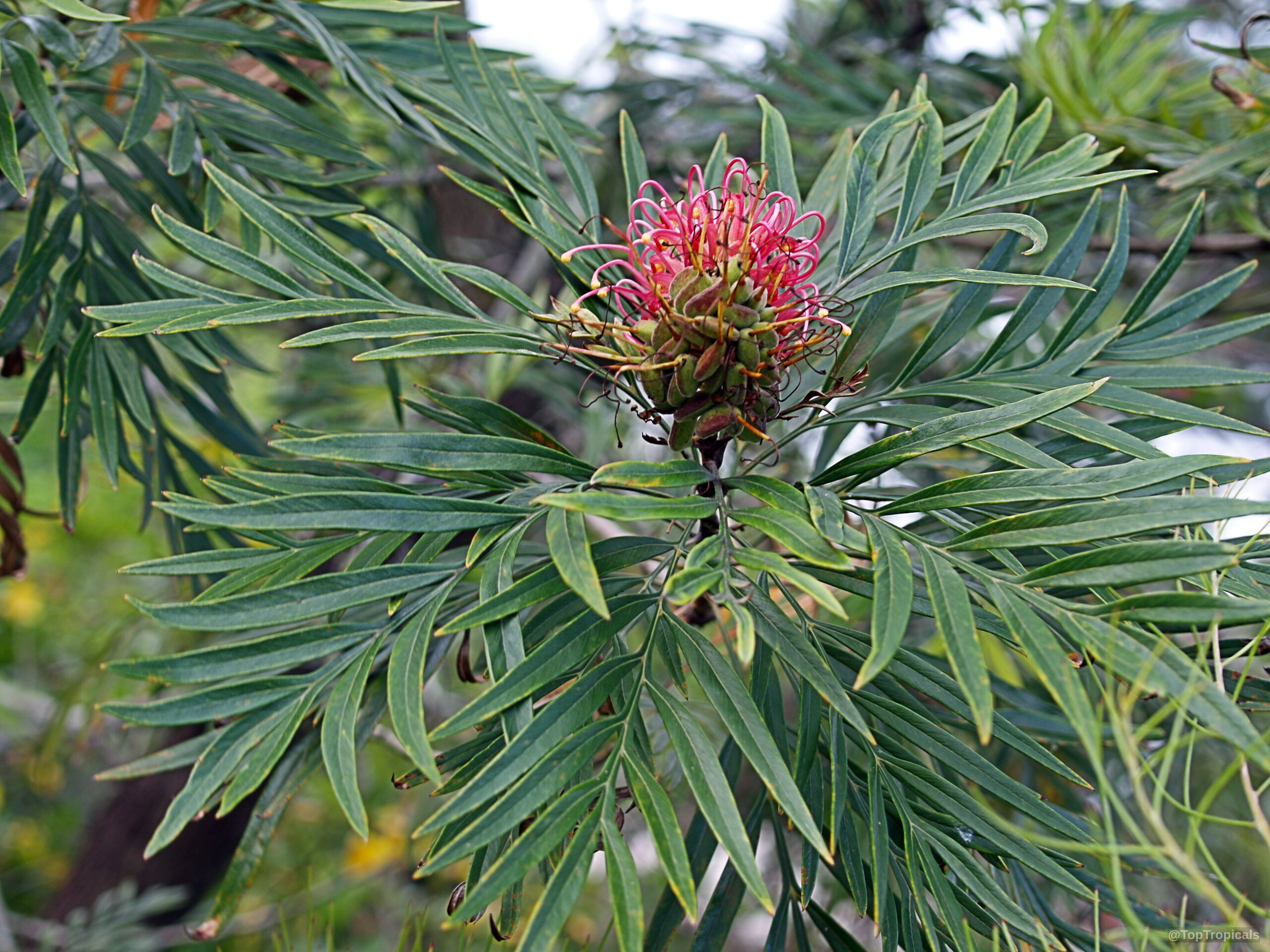
The Grevillea banksii (Red Silky Oak), native to Australia, is an attractive ornamental shrub or small tree that boasts vibrant, colorful foliage. It typically grows to a height of 5-10 ft tall as a large shrub, or up to 10-20 ft as a small tree. The fluffy foliage is a bright reddish-bronze when new, then matures to a glossy dark green.
The Grevillea banksii is a hardy, sun-loving plant that does best in USDA zone 9-11. It enjoys a moderate amount of water and prefers full sun exposure. In hotter climates, it should receive some afternoon shade or be mulched regularly in summer to help keep its roots cool.
Come late spring, Grevillea banksii produces a profusion of flowers in shades of pink, crimson, and vinous. The blooms are followed by yellow and orange fruits, which are attractive to hummingbirds and butterflies.
In colder regions, it should be grown in a pot that can be moved indoors over winter. With a little extra love and attention, it can be grown as a garden hedge or even as a lovely container specimen that offers year round color.



| Next | |
Use link to repeat this search:
https://toptropicals.com/cgi-bin/garden_catalog/cat.cgi?search_op=and&keyword_op=and&language=e&family=Proteaceae&number=10
&no_change_lang=1&user=tt&sale=1&first=0