Primulaceae - Botanical Family
| Number of plants found: 23 | Next | 
|
Go to page: | 1 | 2 | 3 |
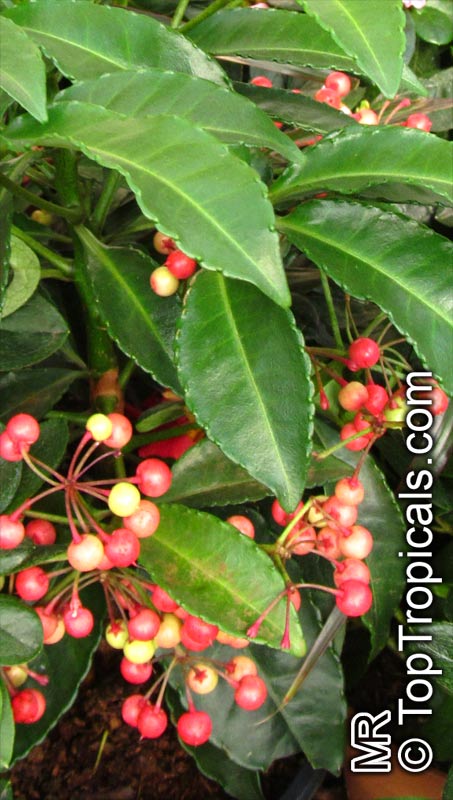
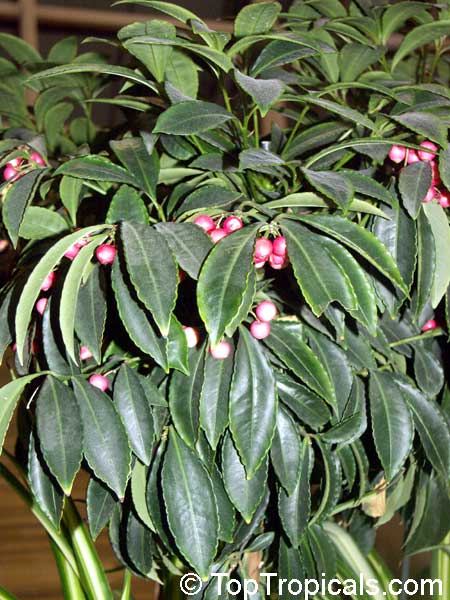
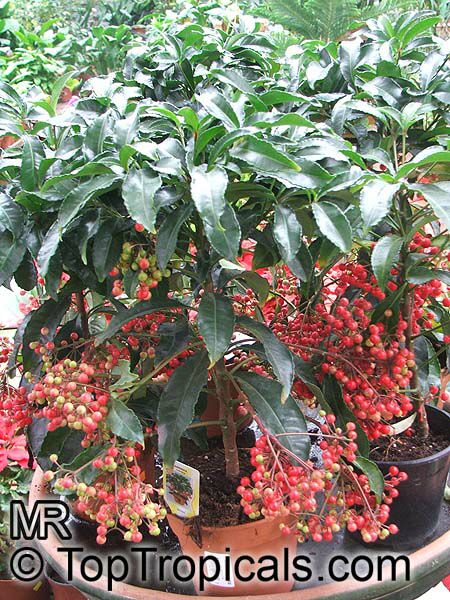
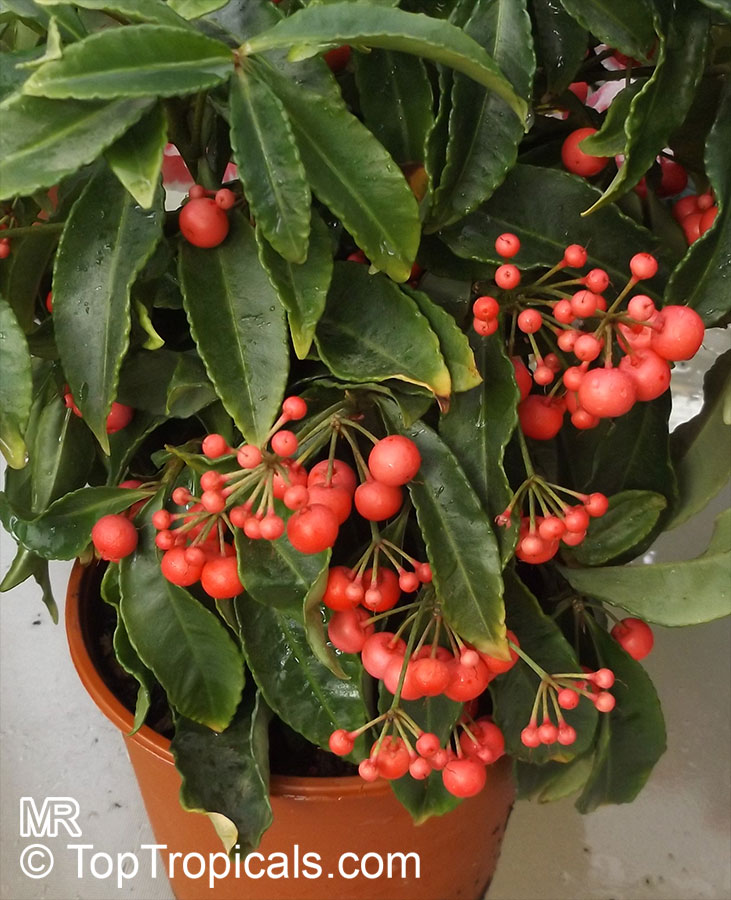
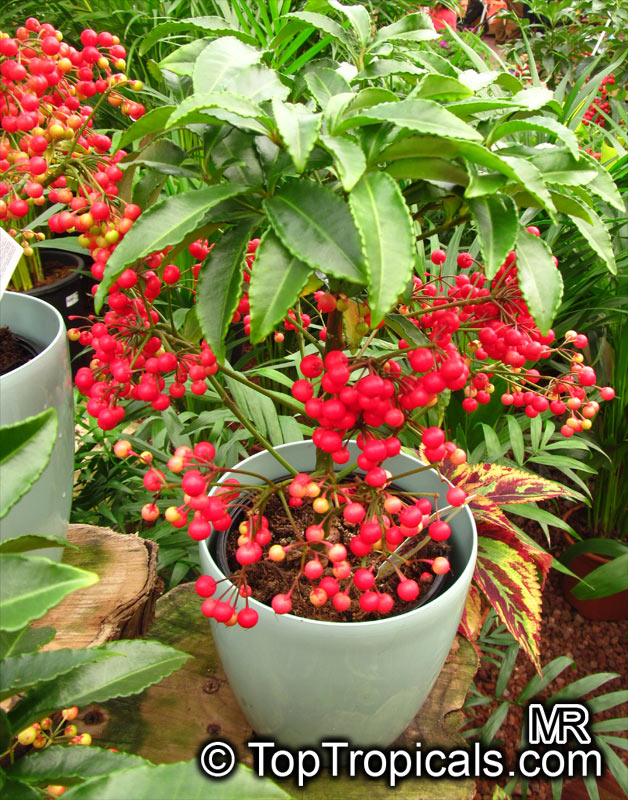
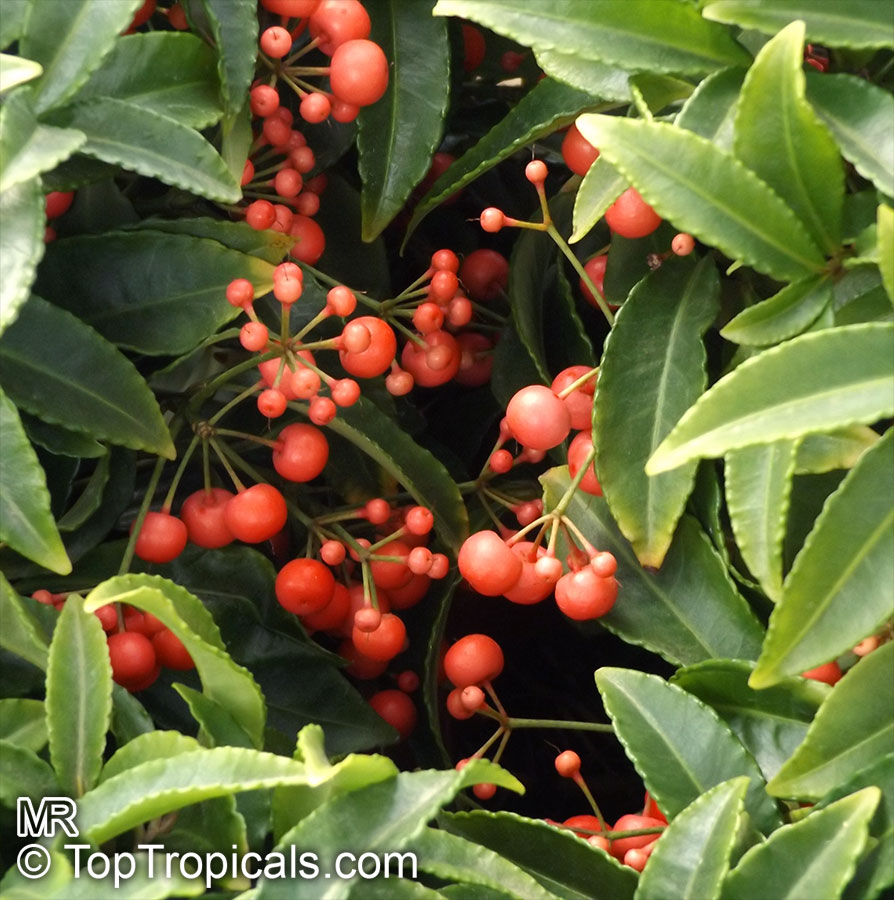
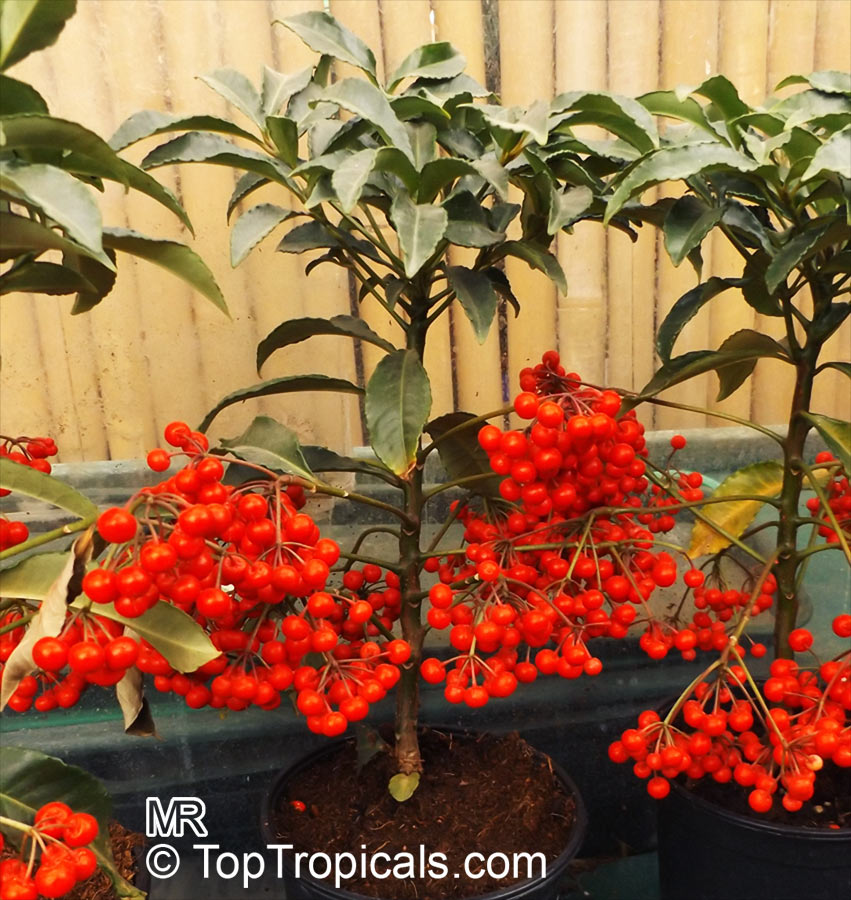
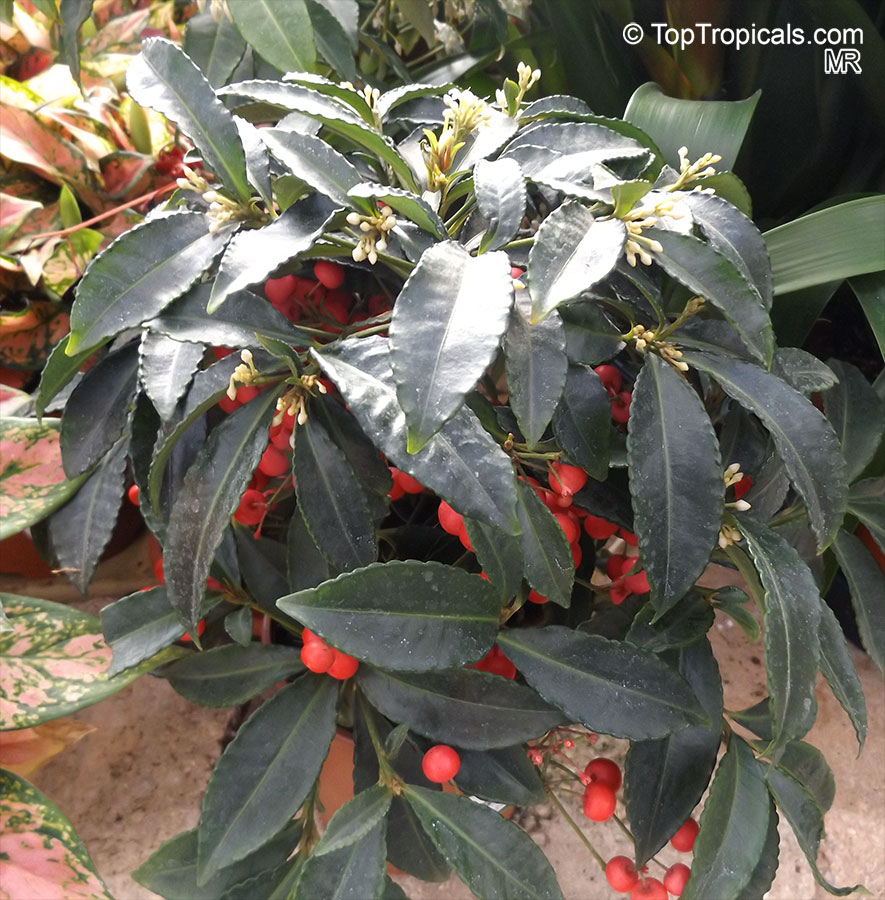
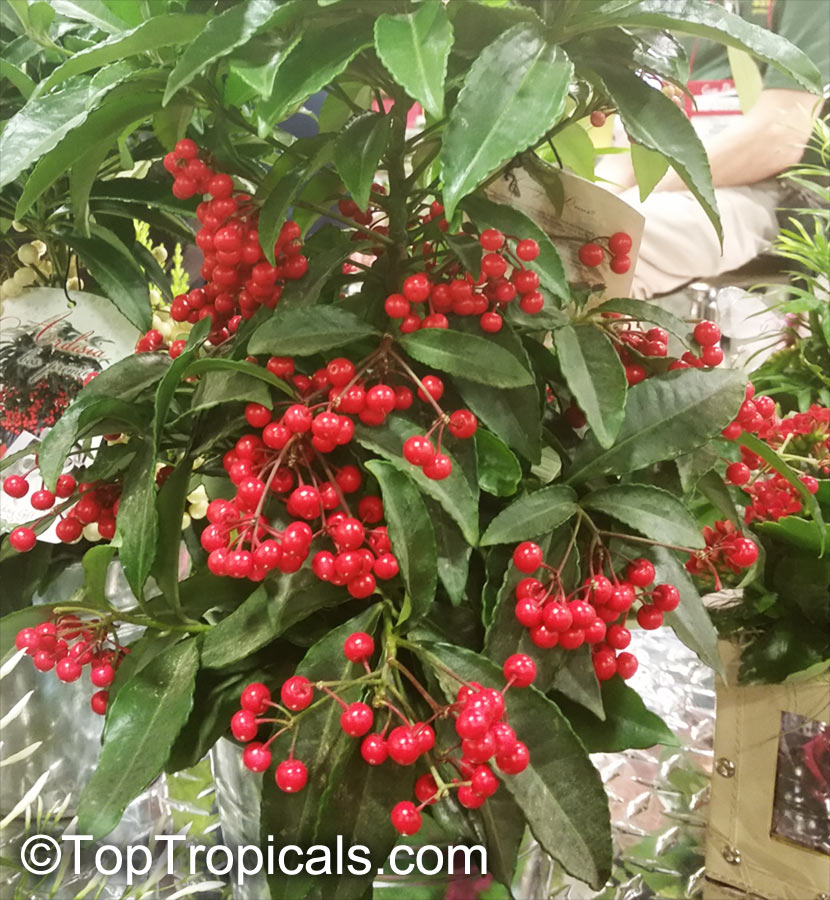
Botanical name: Ardisia crenata
Common name: Coral Ardisia
Family: Primulaceae (Formerly:Myrsinaceae)
Origin: Japan, Northern India


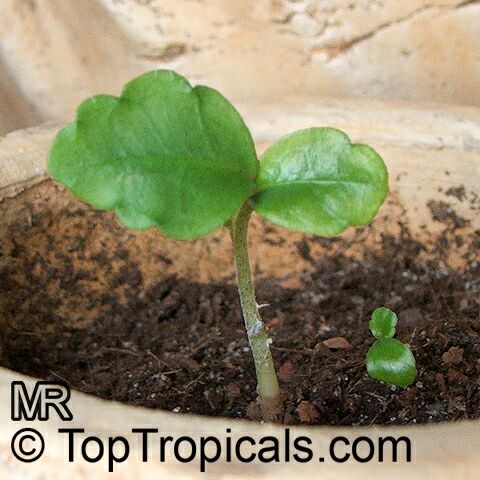
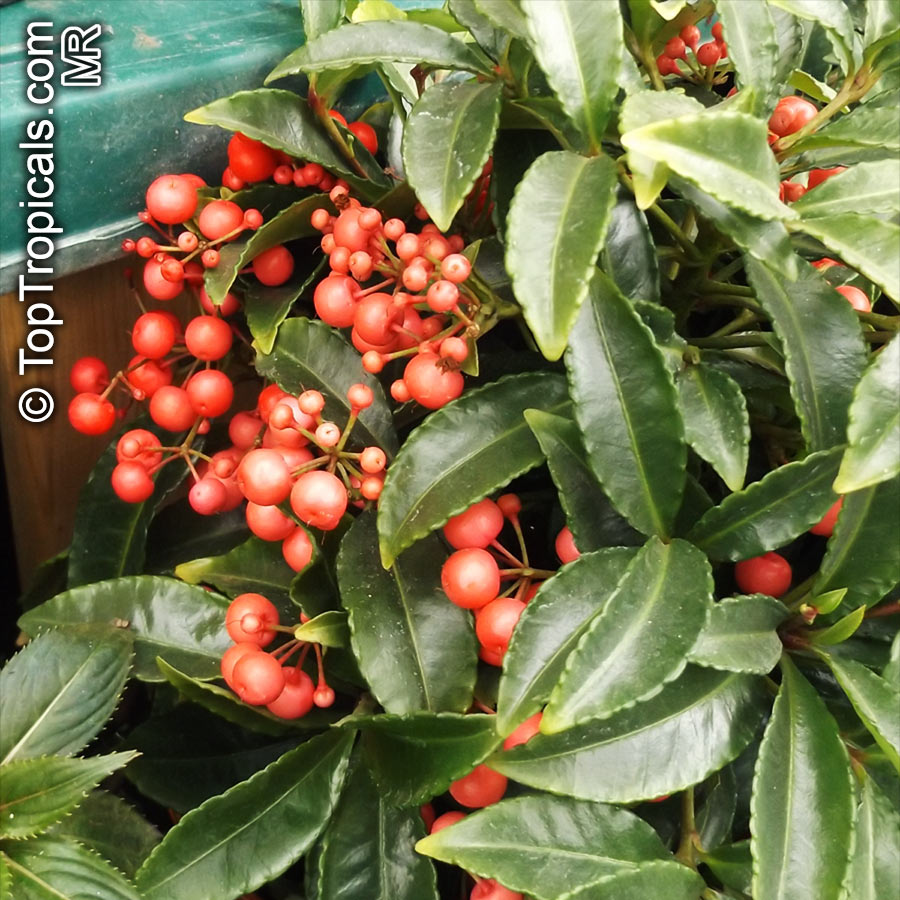
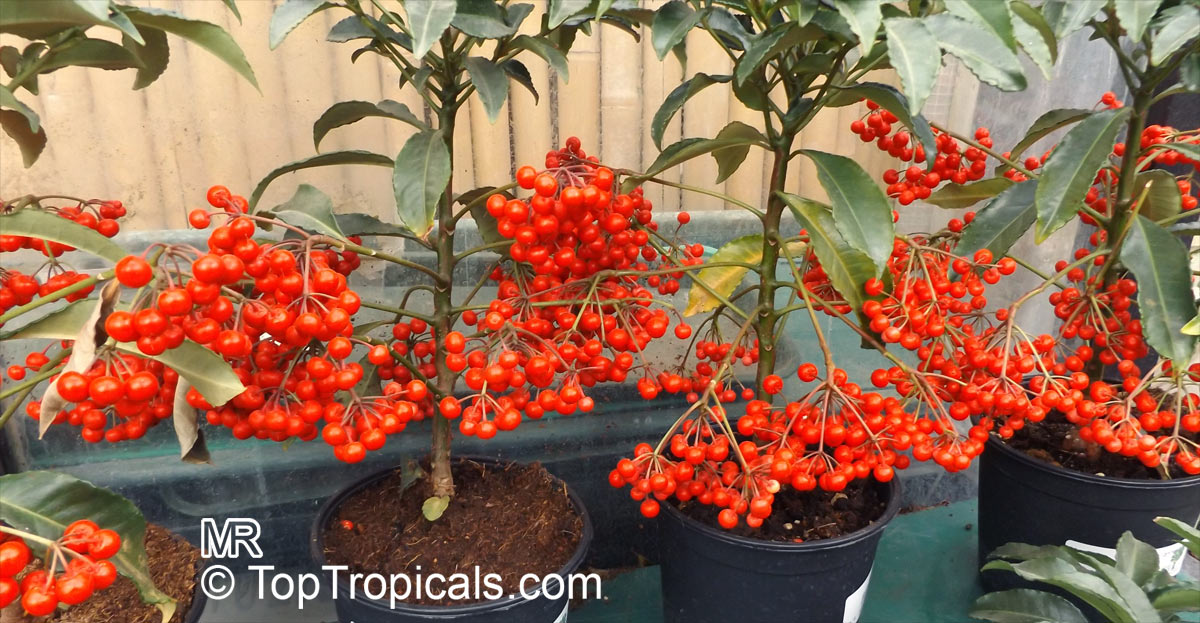
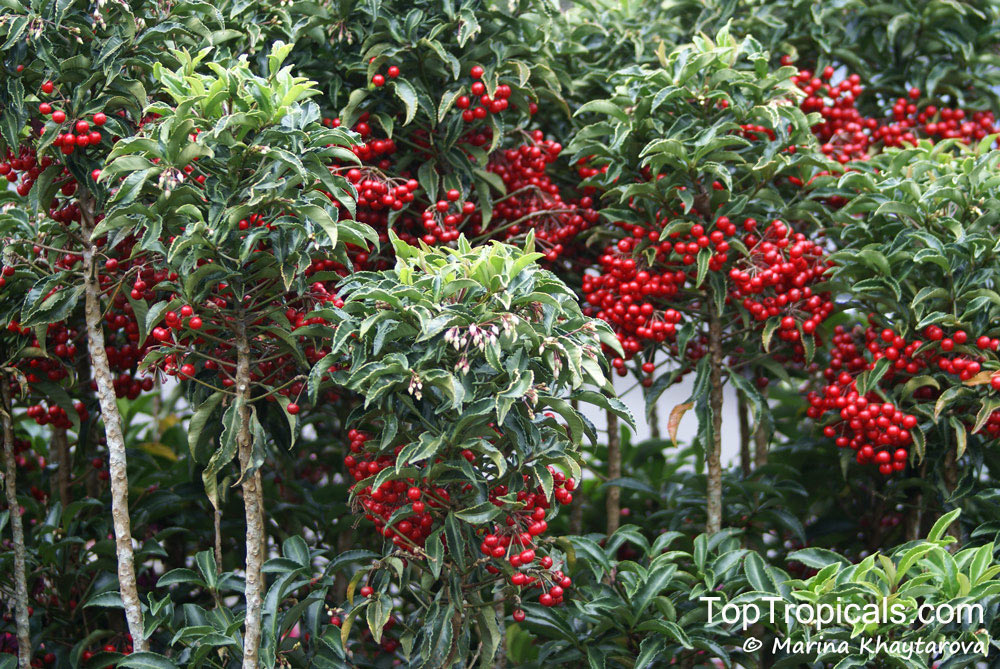
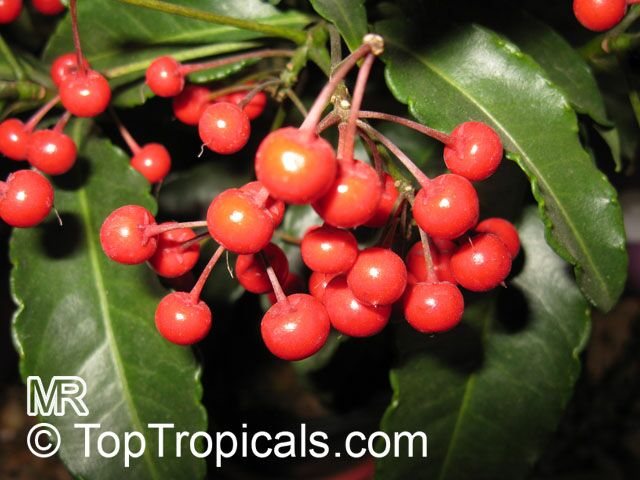
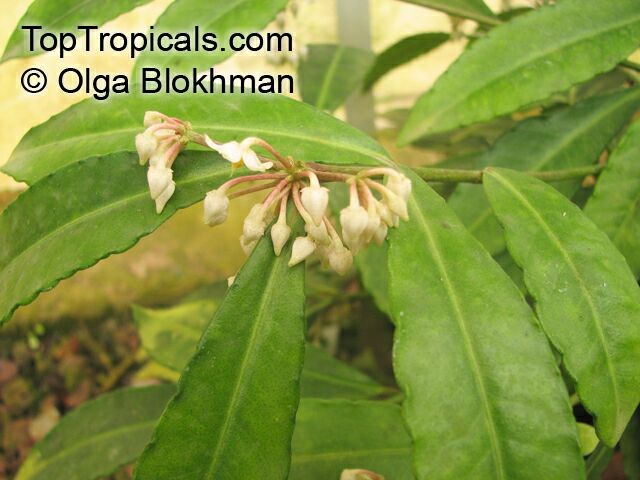
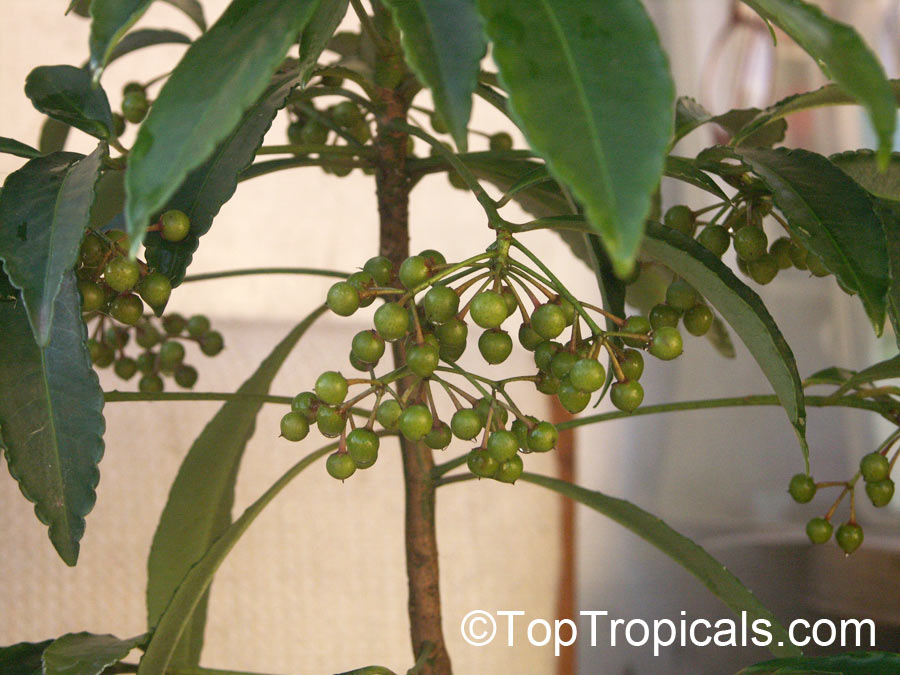
The dark green, serrated leaves are glossy and very attractive. The flowers are white or pinkish and rather inconspicuous. The berries, which hang down in clusters, are quite showy as they ripen and turn to shades of coral and finally bright scarlet. Coral ardisia likes deep rich soil with lots of organic matter but it can also thrive in almost any non-soggy soil. Coral ardisia tolerates some direct sun but not much without showing signs of distress. It grows best under a canopy of trees in fairly deep shade. Moist to average is preferred but coral ardisia is able to survive drought. Propagate from seeds.
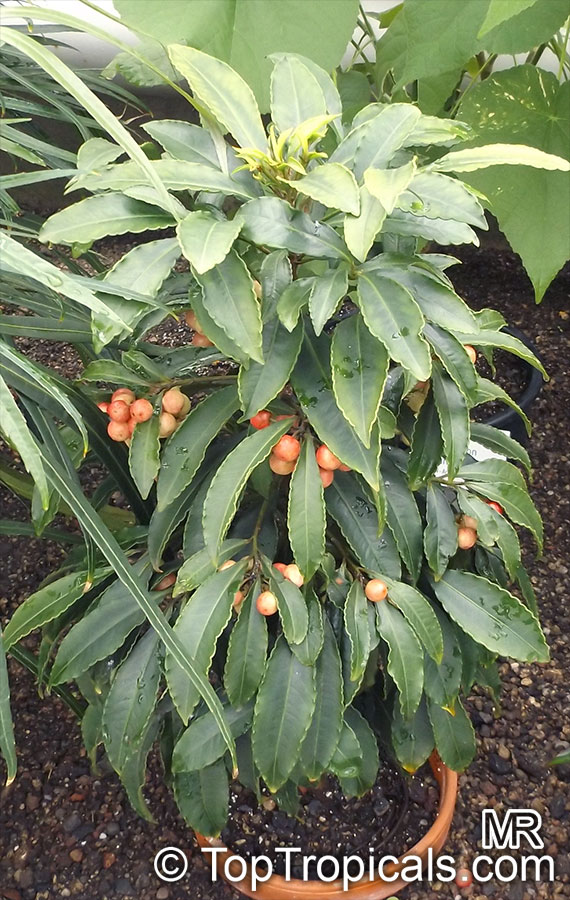
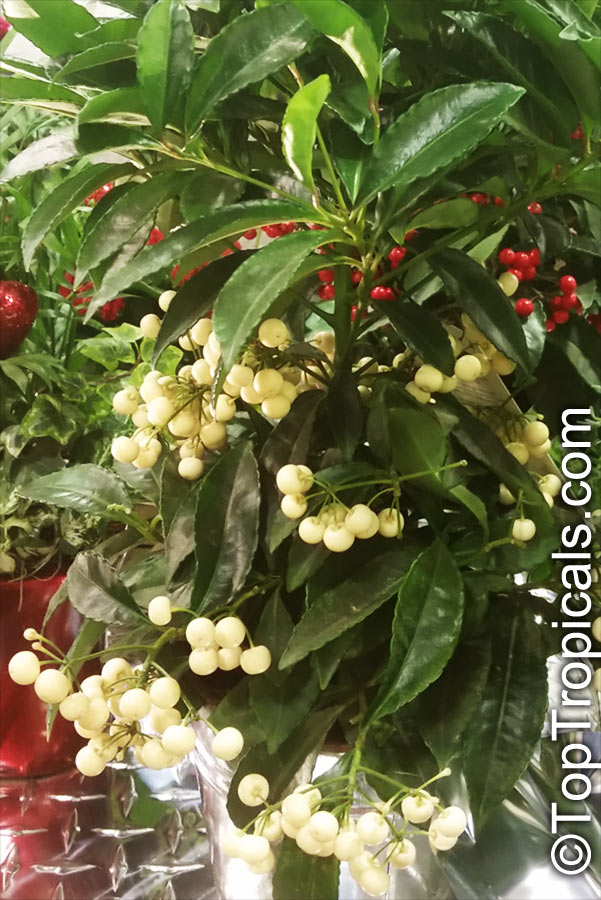


Botanical name: Ardisia elliptica
Common name: Shoebutton Ardisia
Family: Primulaceae (Formerly:Myrsinaceae)
Origin: Southeast Asia


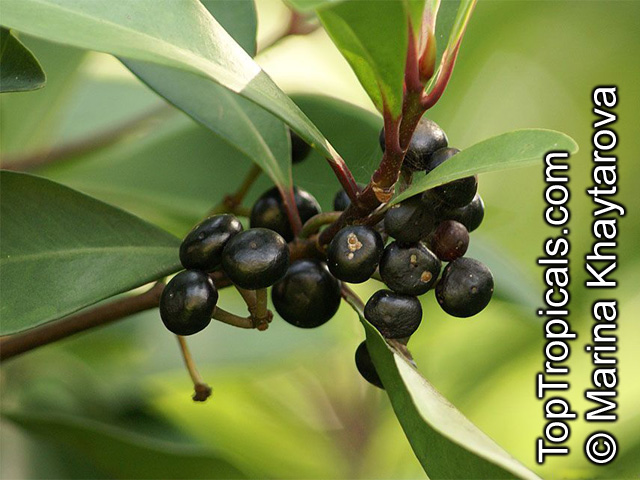
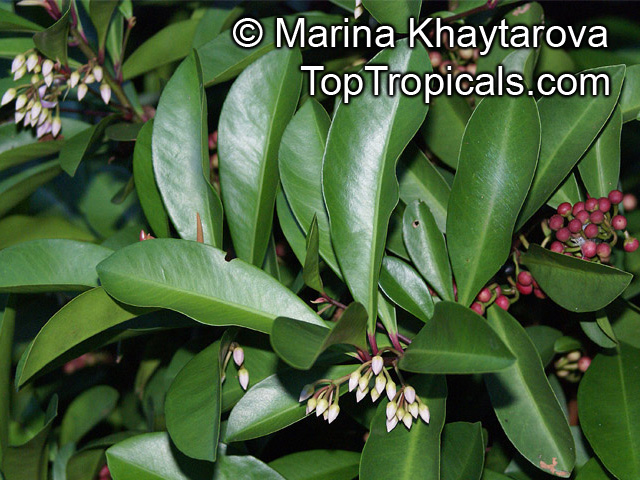
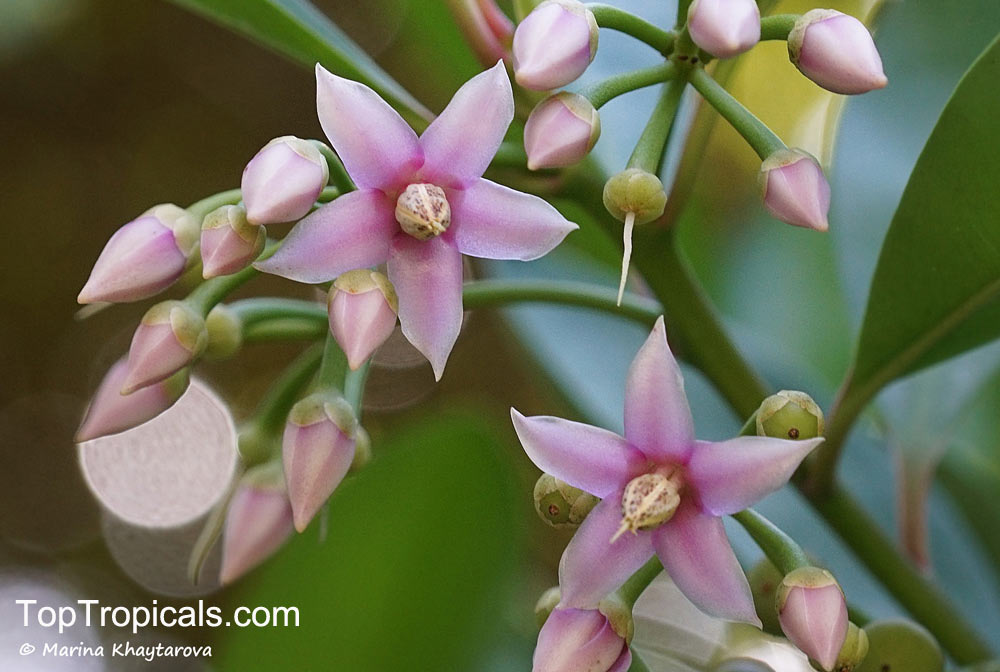
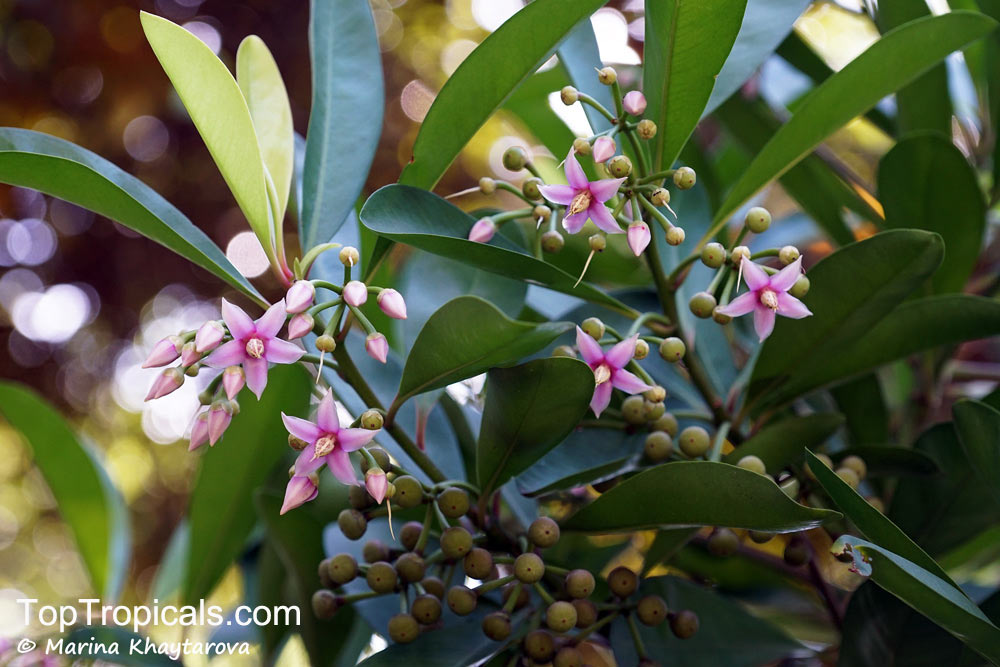
Ornamental leathery leaves and pretty pink flowers. Small size bush, this plant is very easy to grow, great for beginners as well as indoor culture. It takes low light with no problem, and needs very little if any care. Ardisias are very popular house plants.
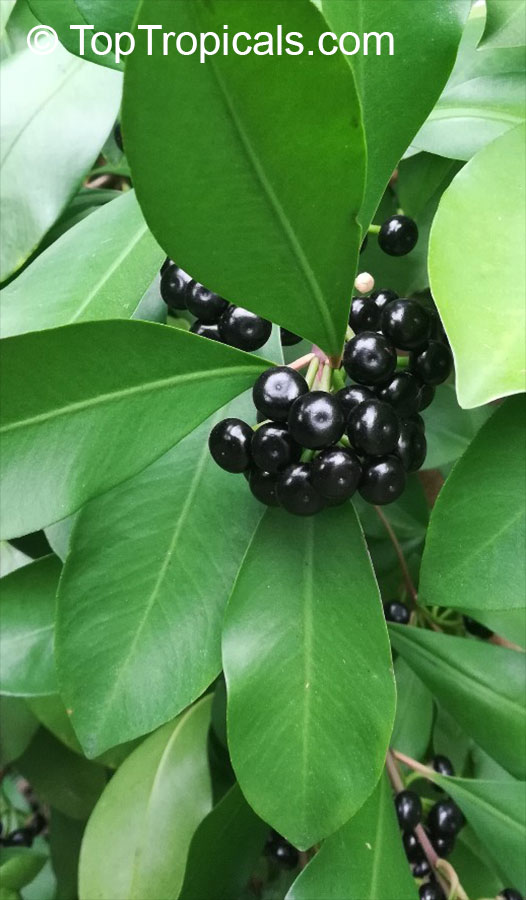
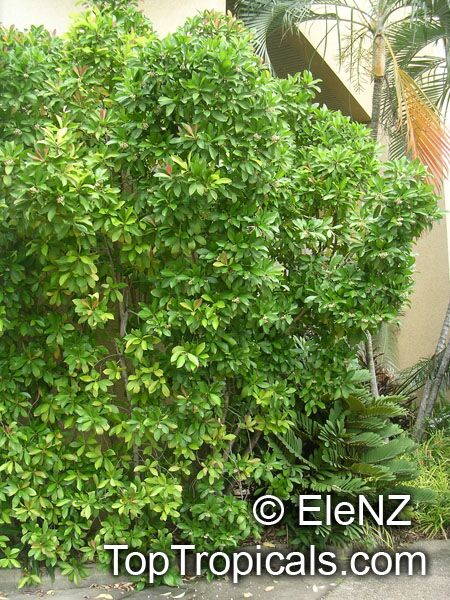

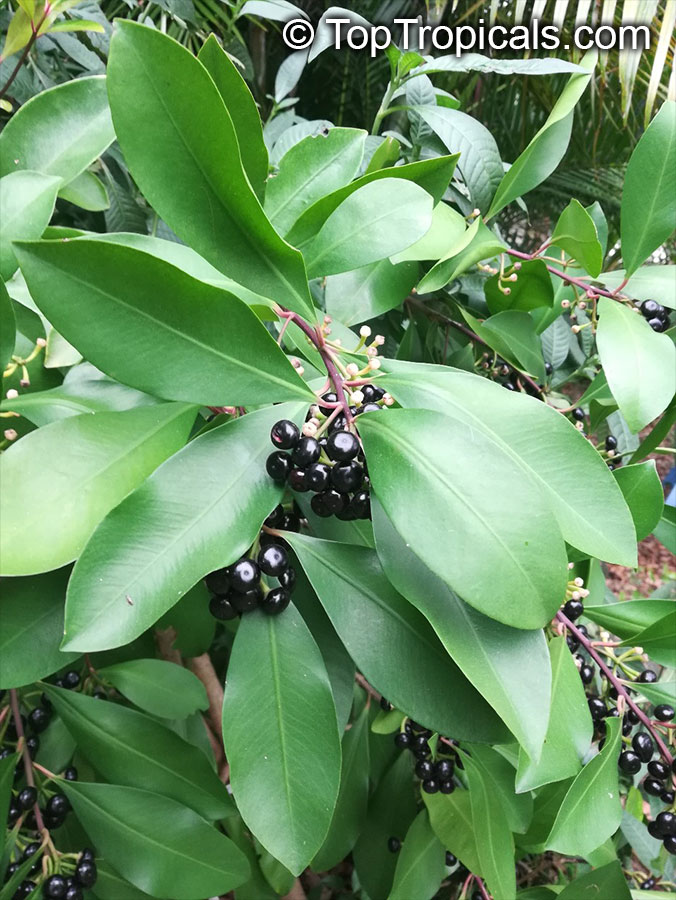
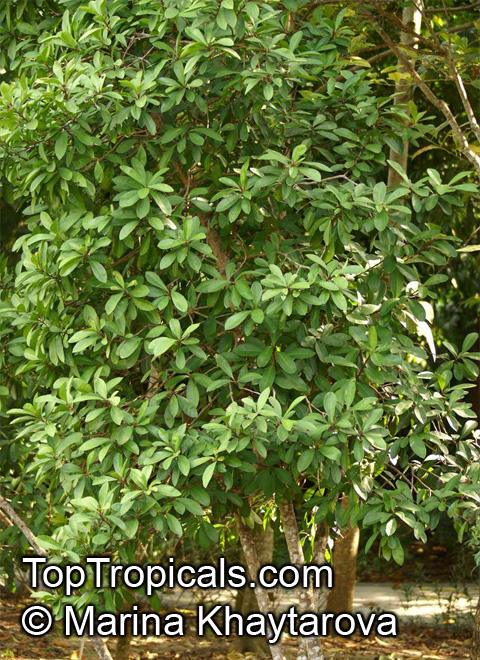
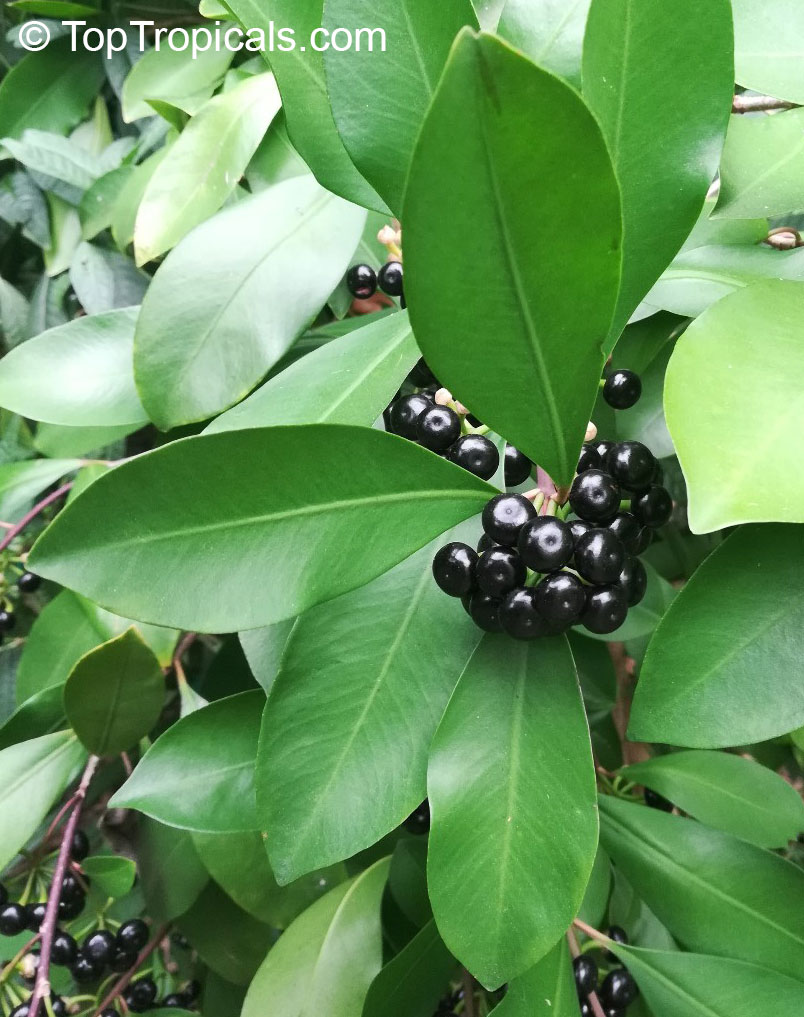
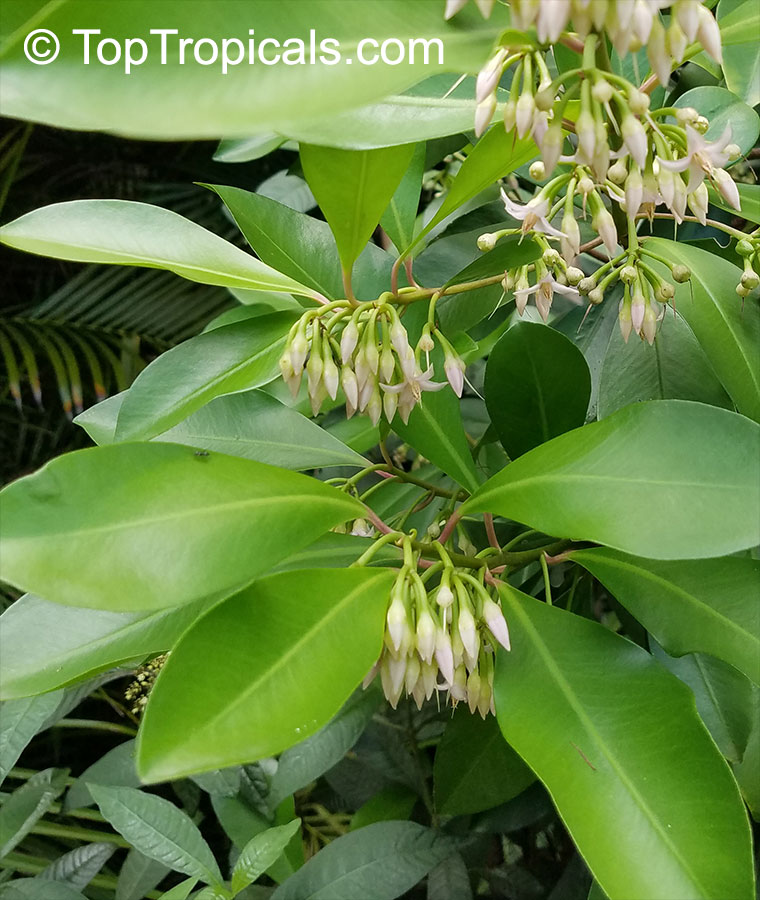
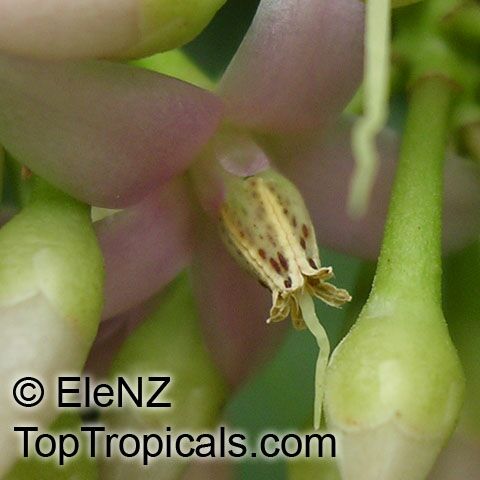

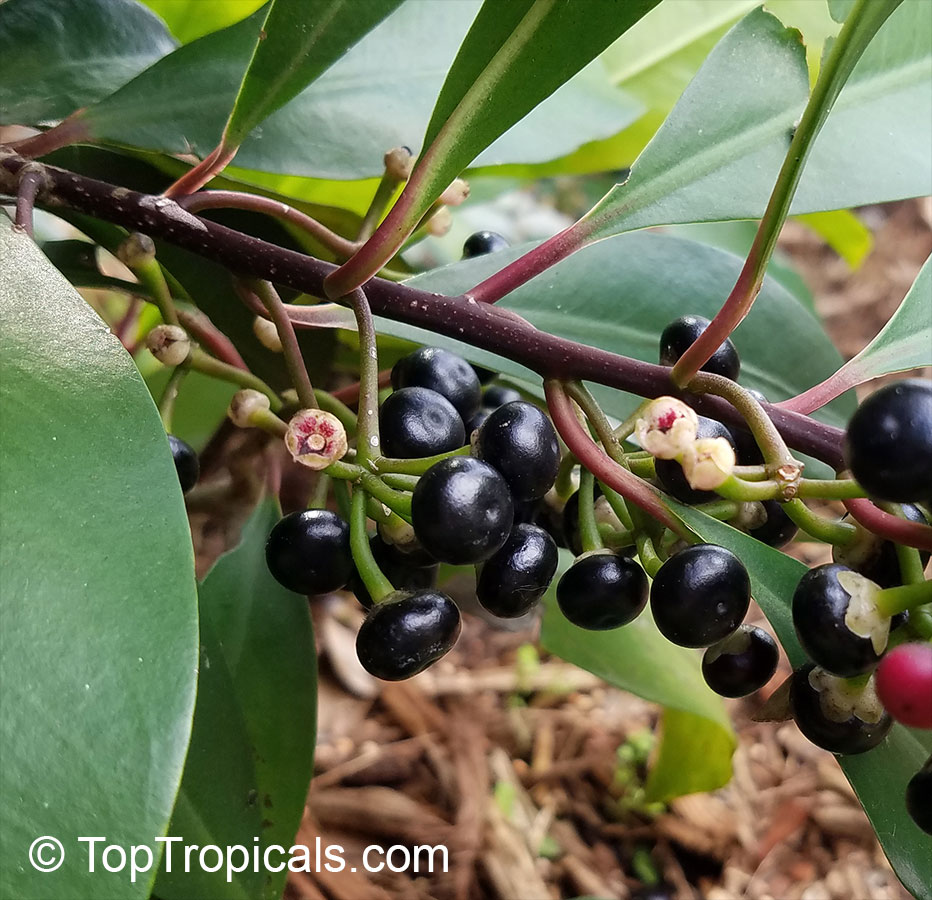
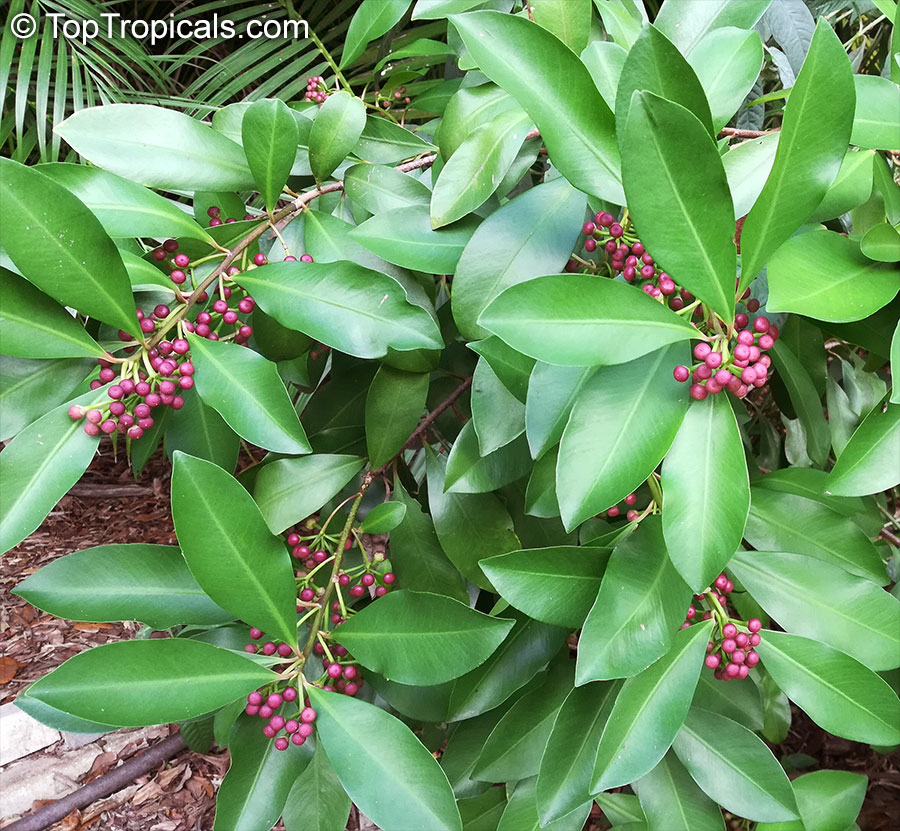
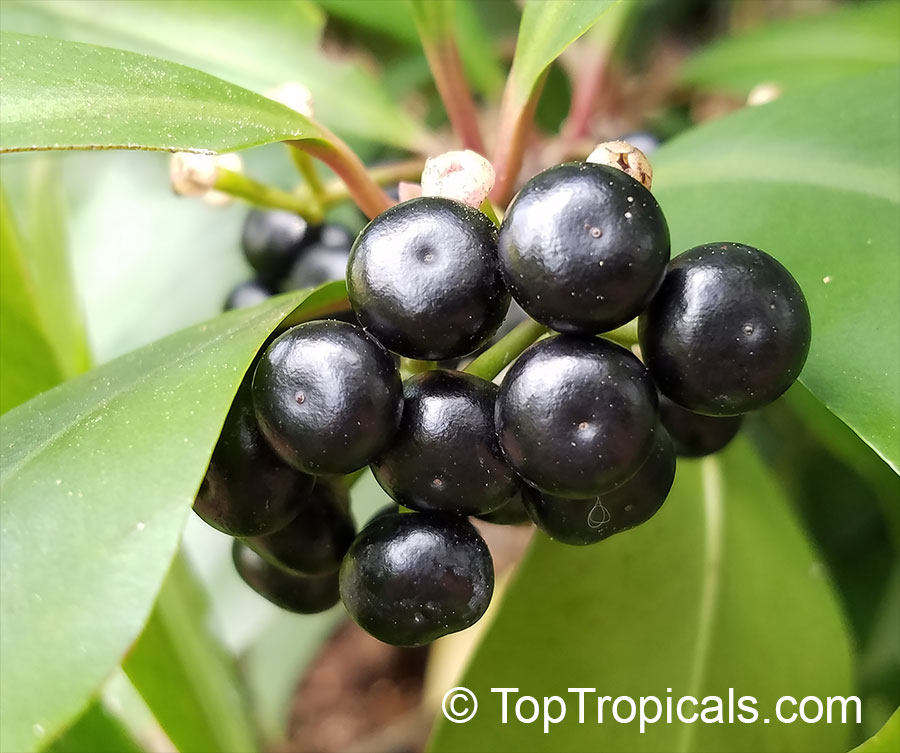
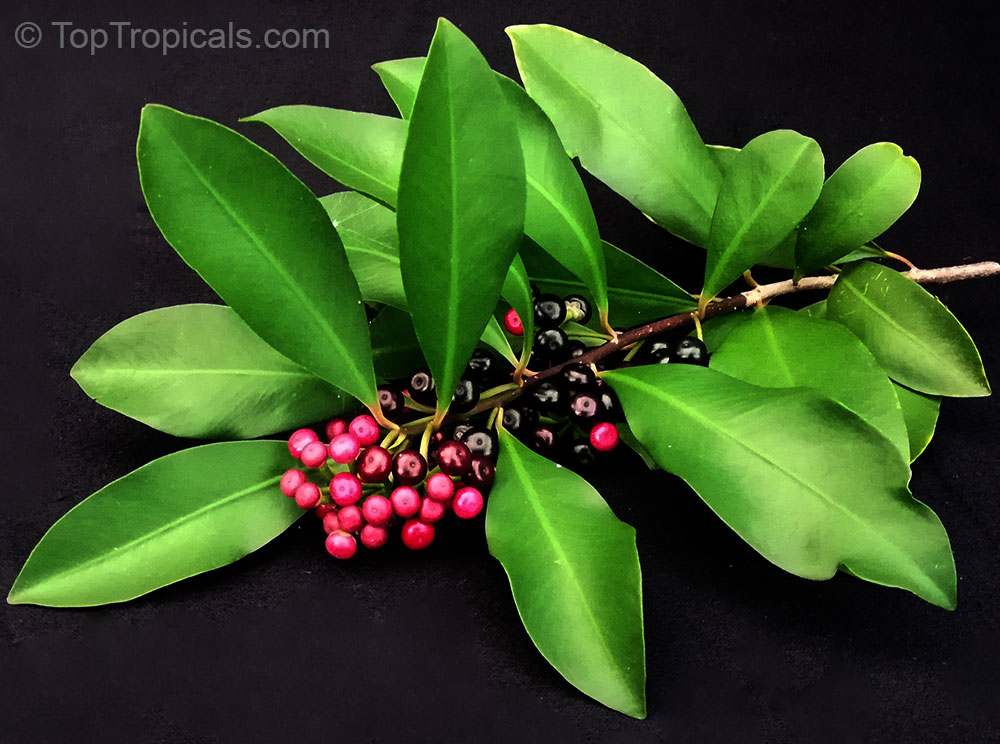
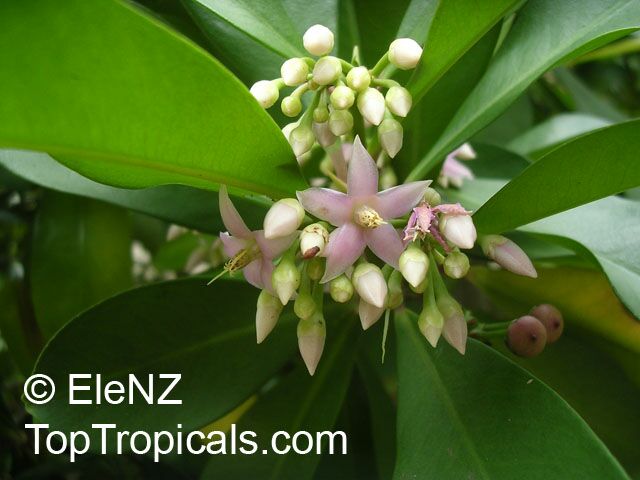
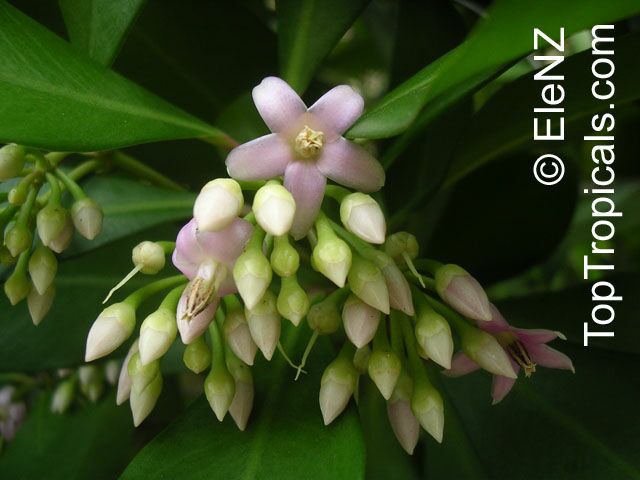
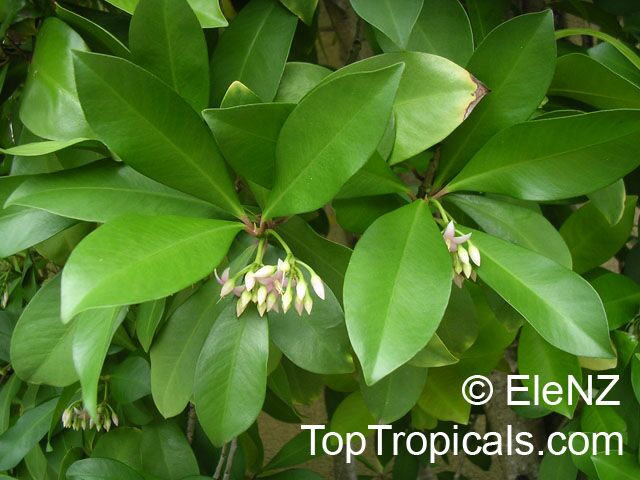
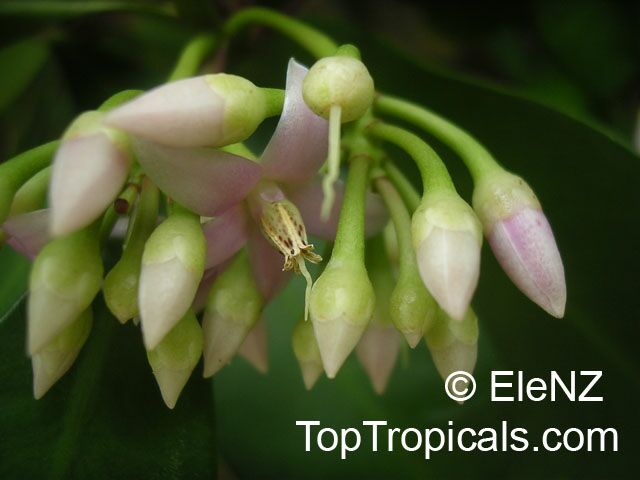
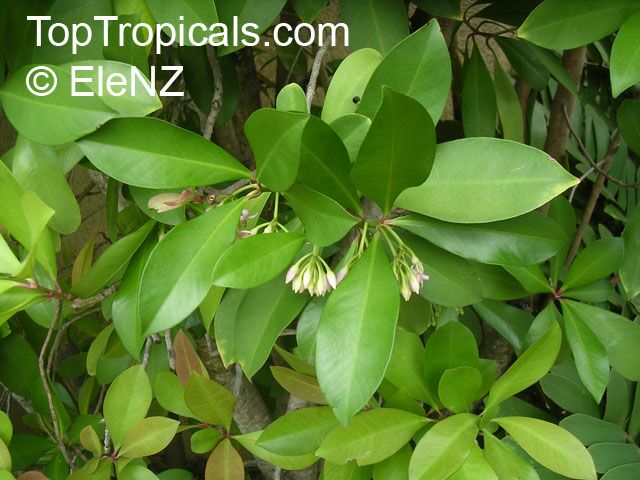
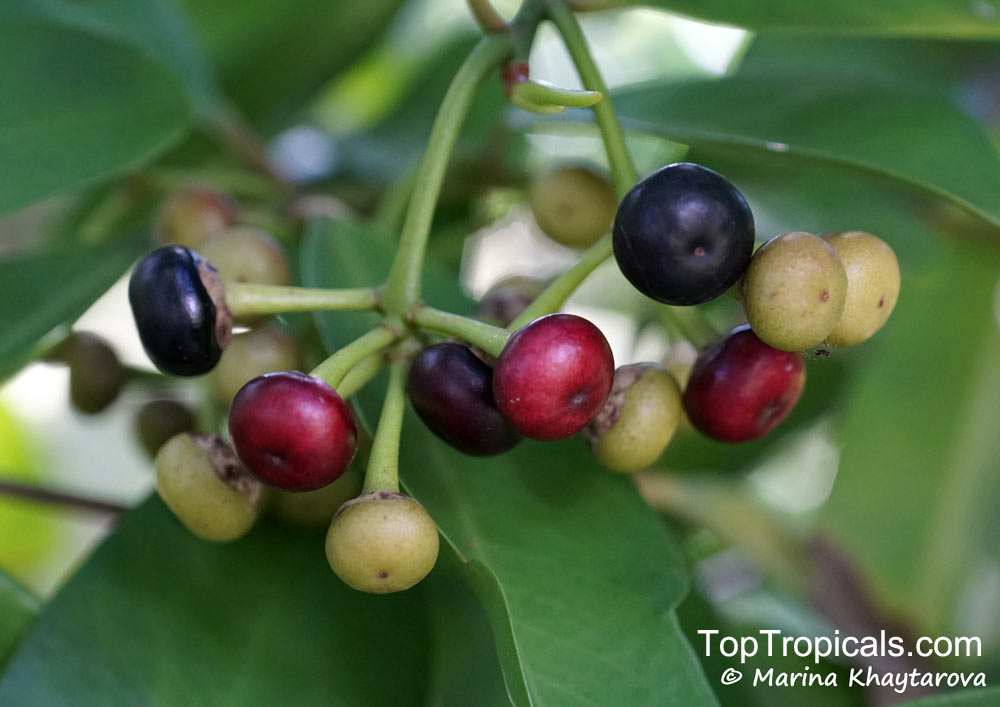


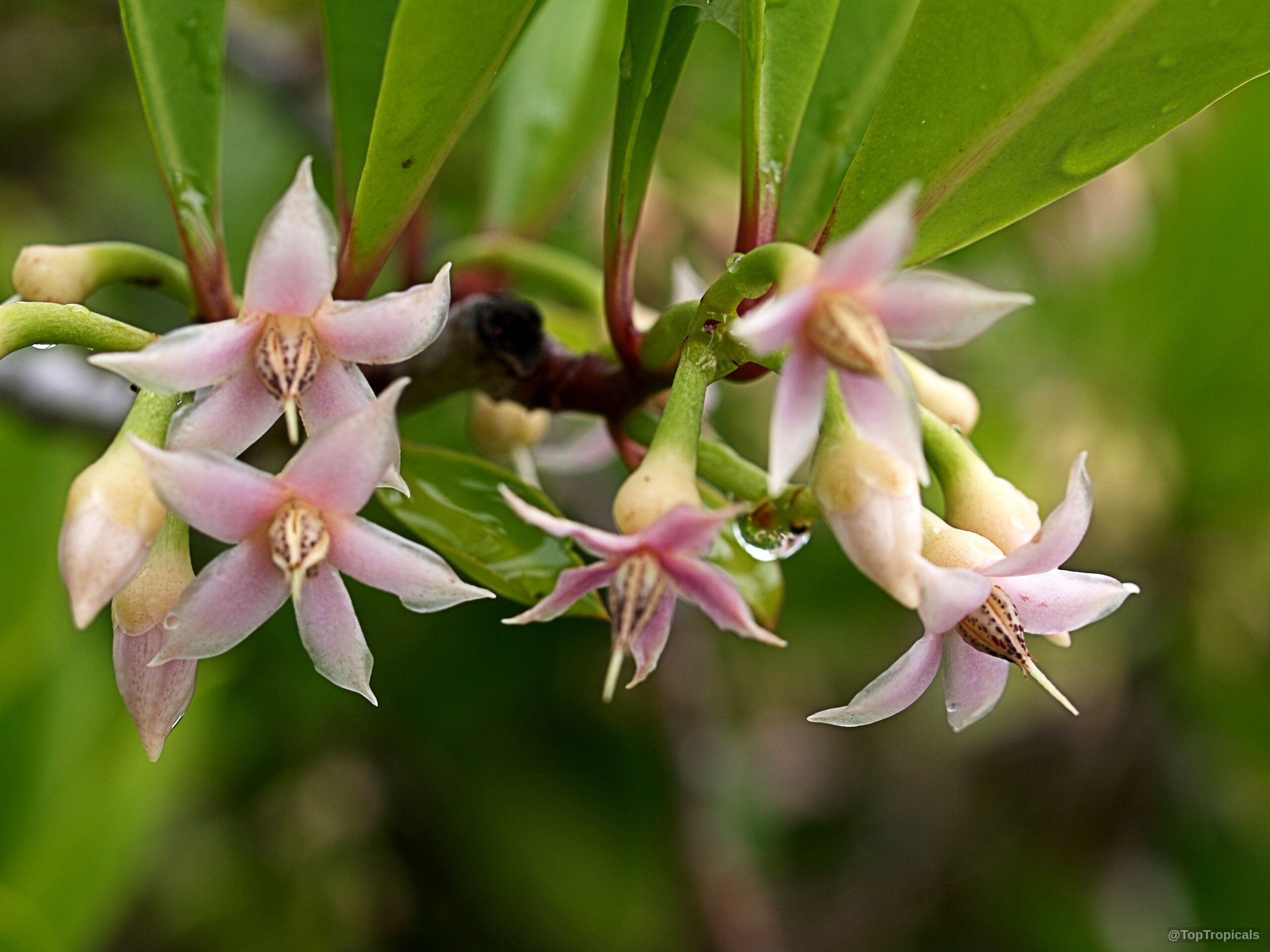
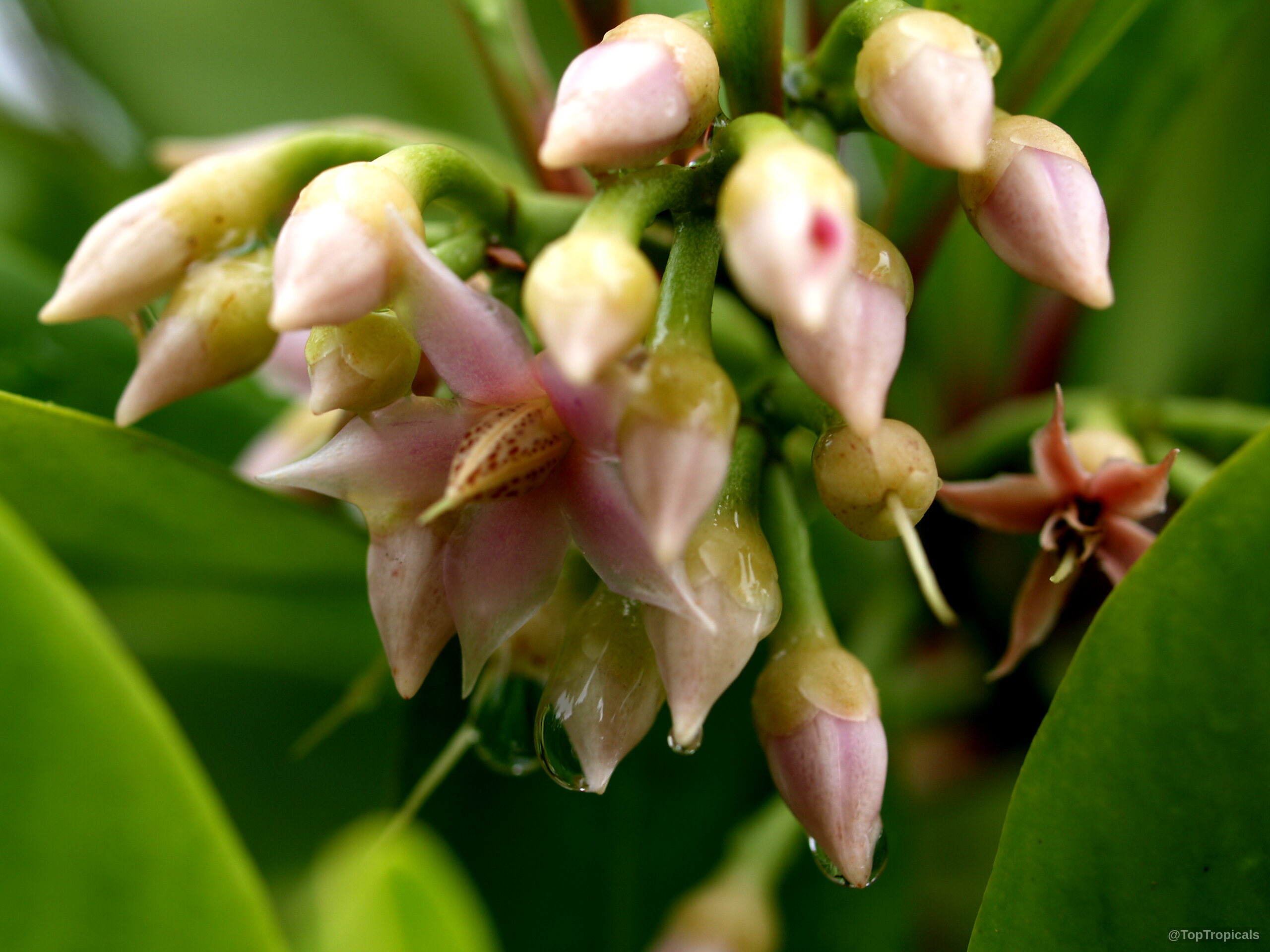

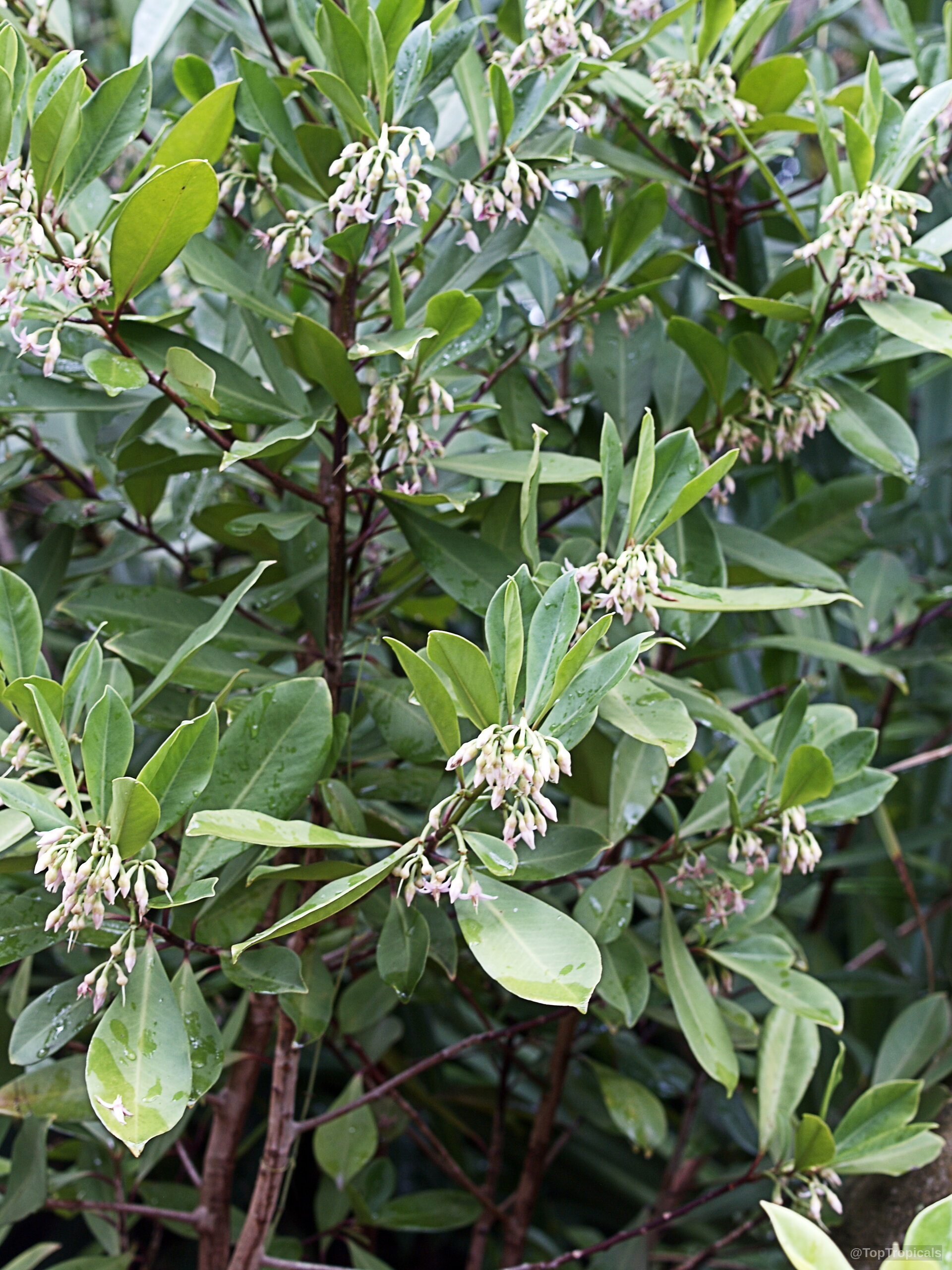

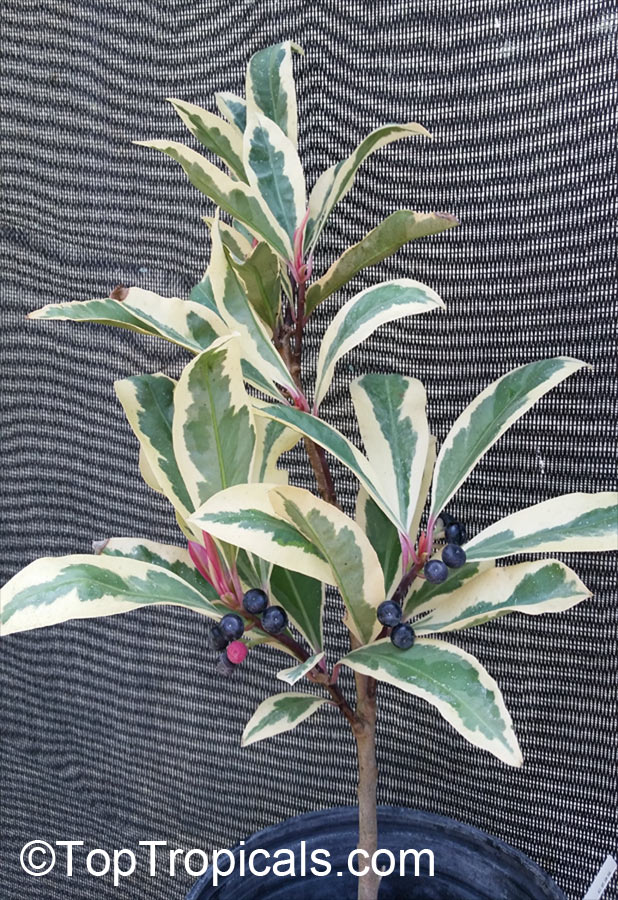
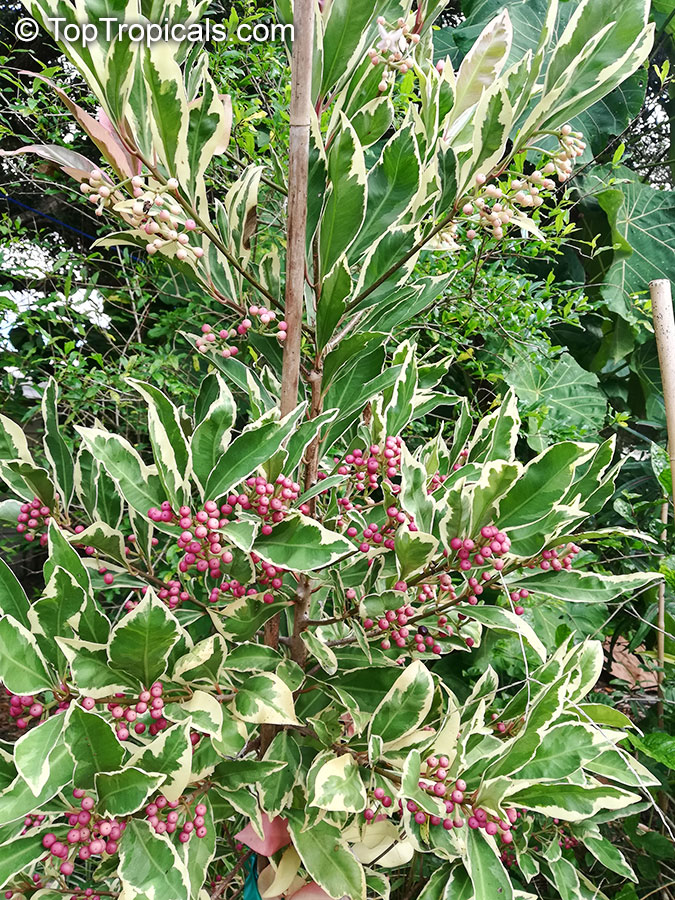
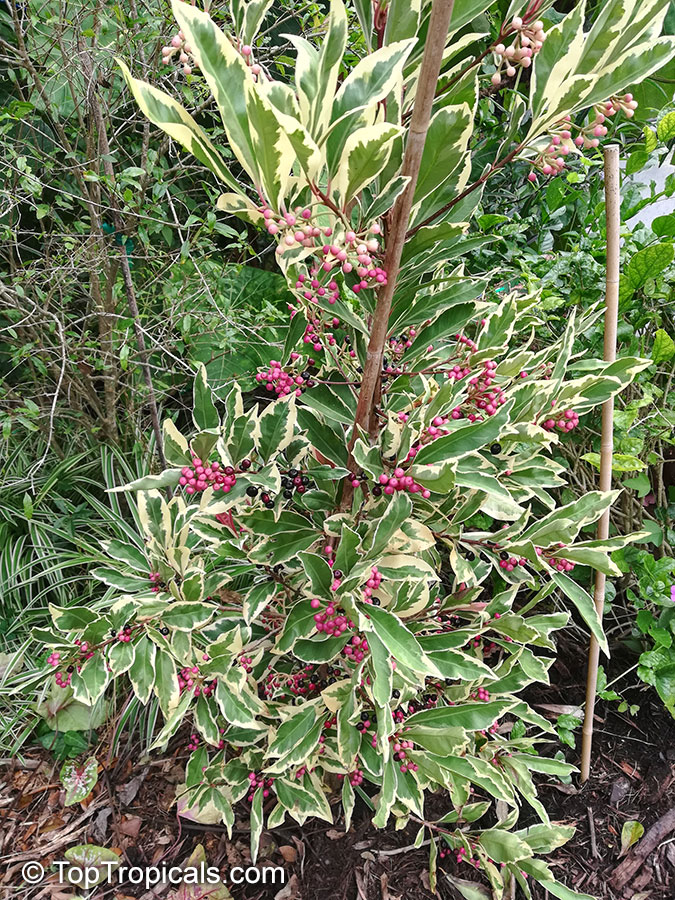
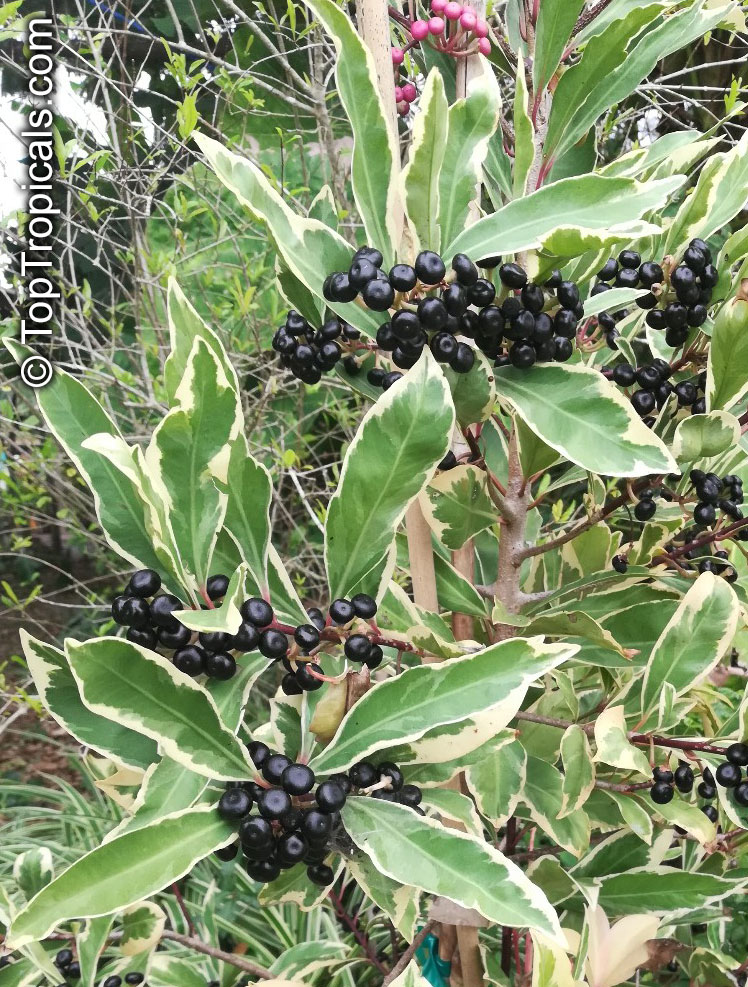
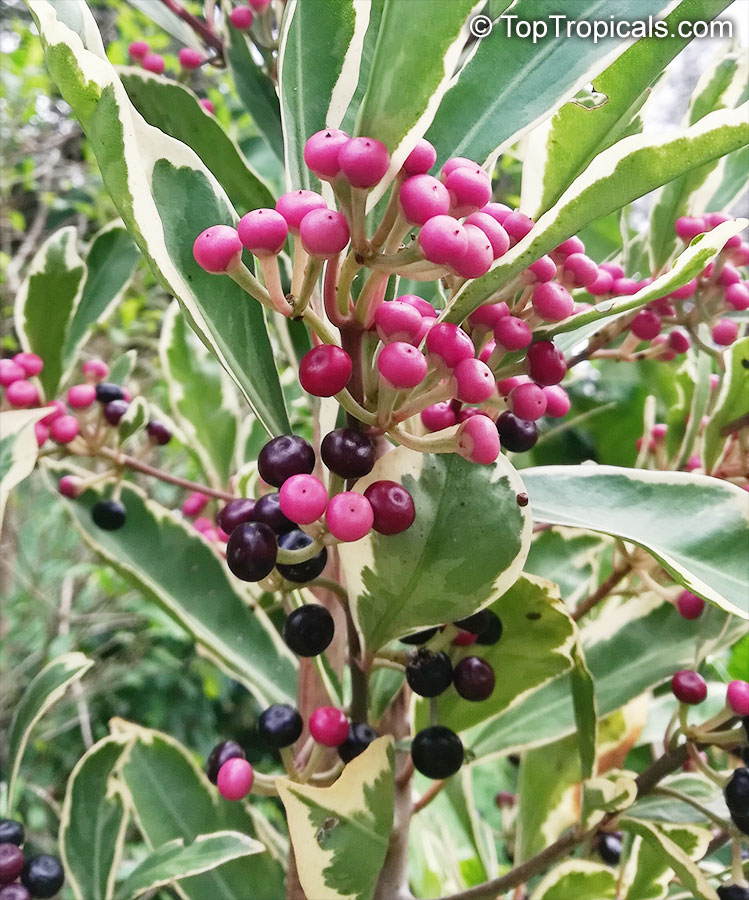
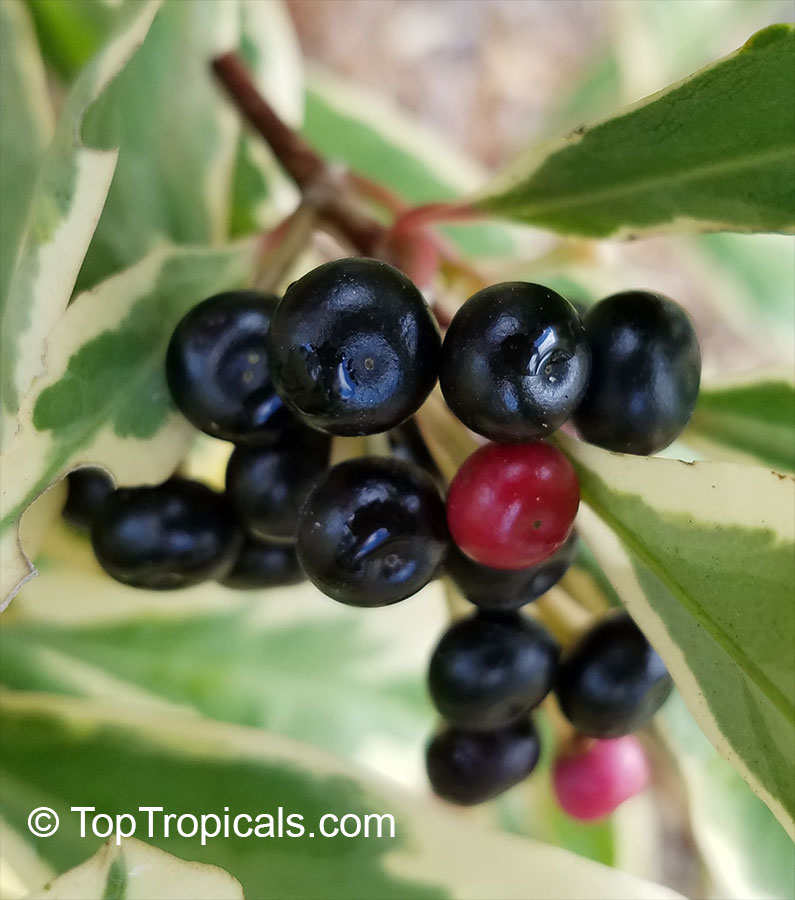
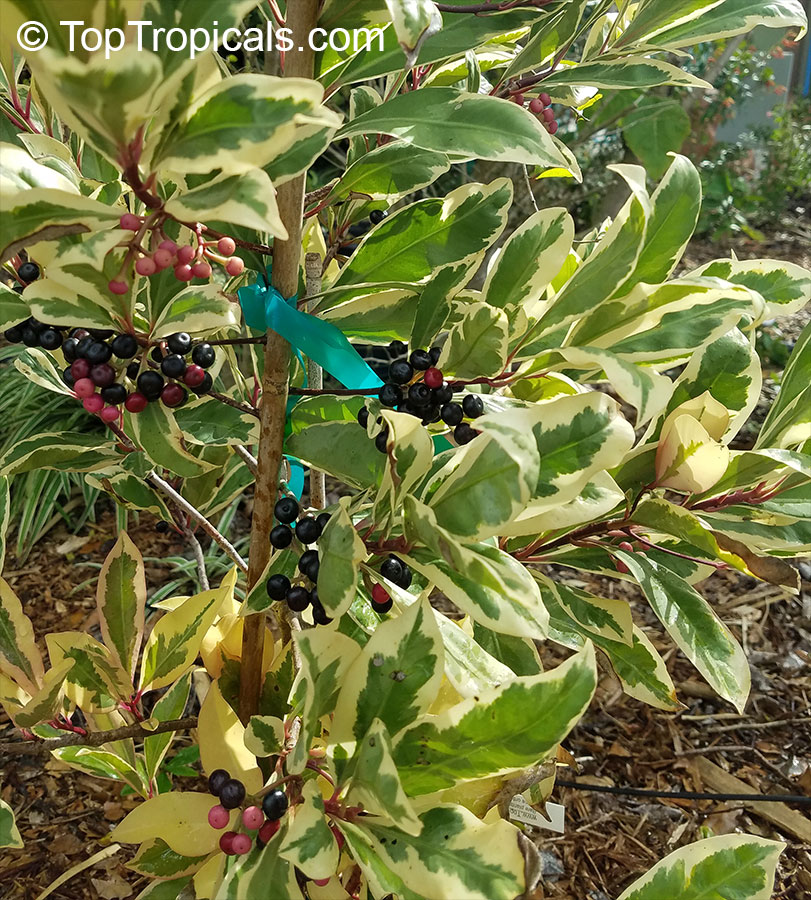
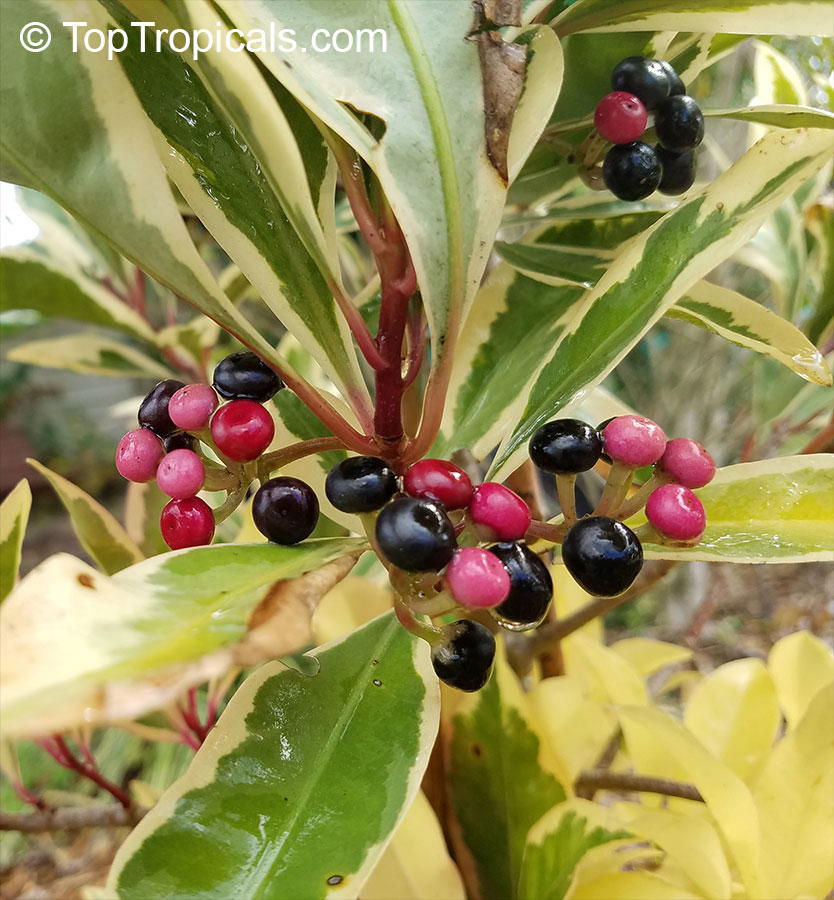
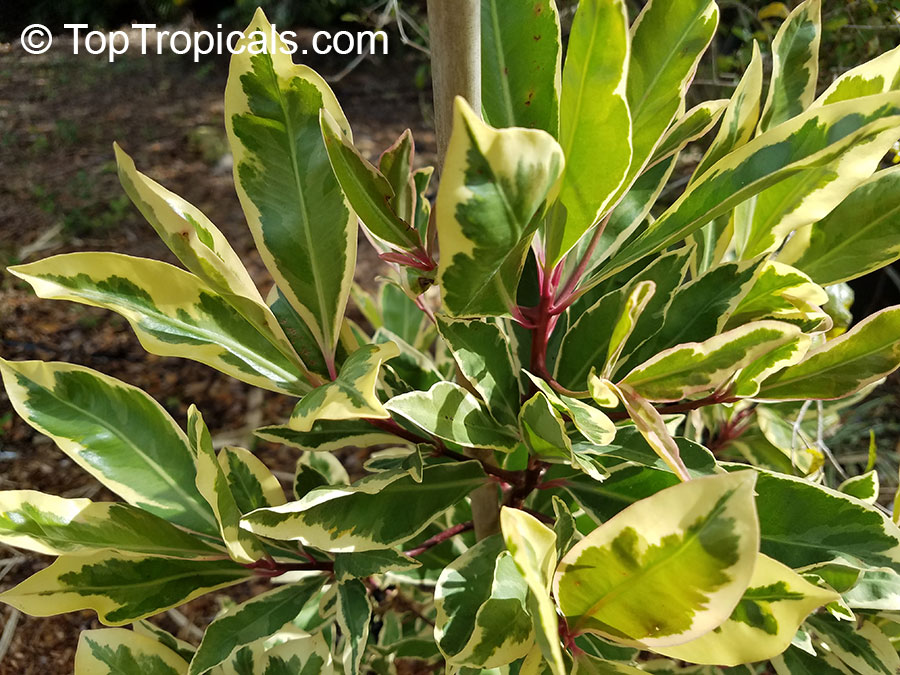
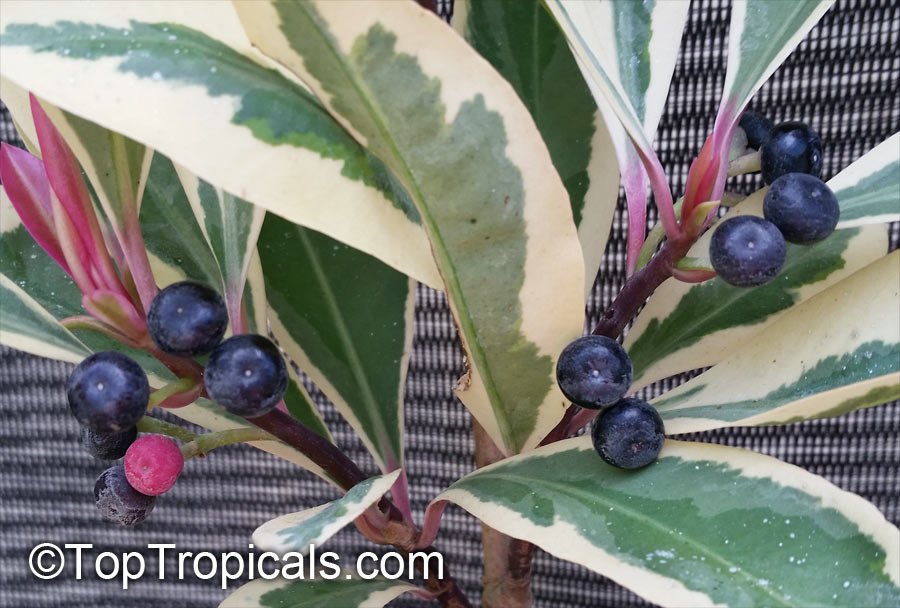
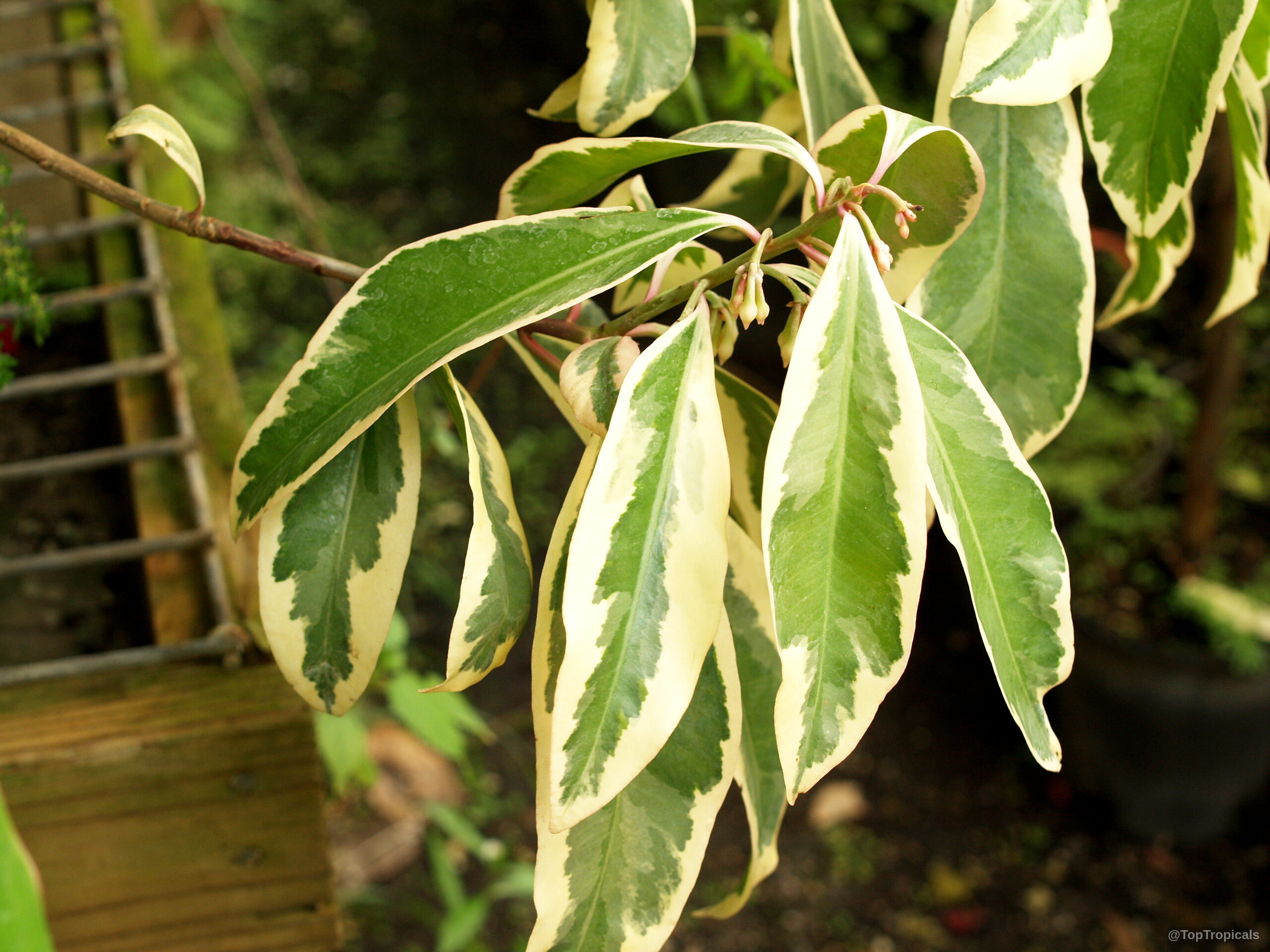
Botanical name: Ardisia elliptica var. variegata
Common name: Variegated Ardisia
Cultivar: Variegata
Family: Primulaceae (Formerly:Myrsinaceae)
Origin: Southeast Asia

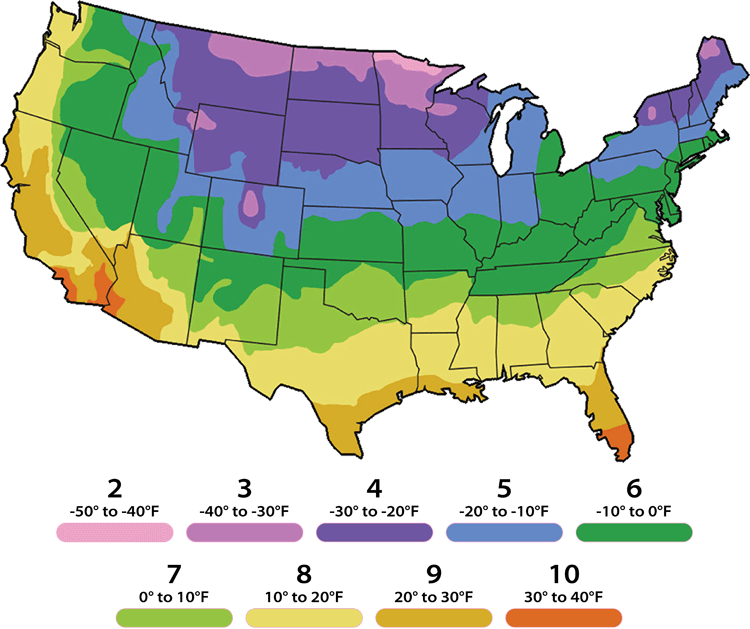
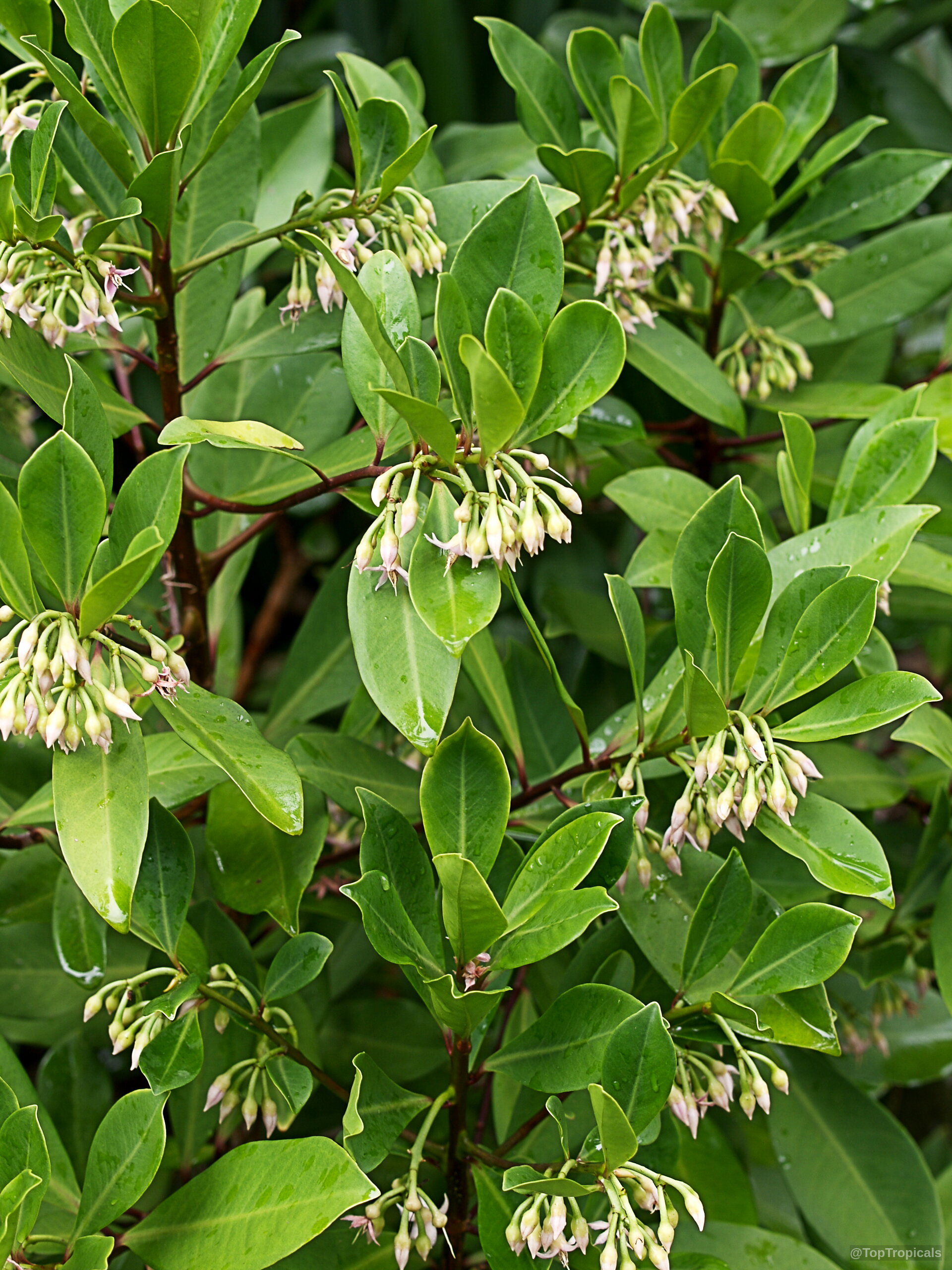
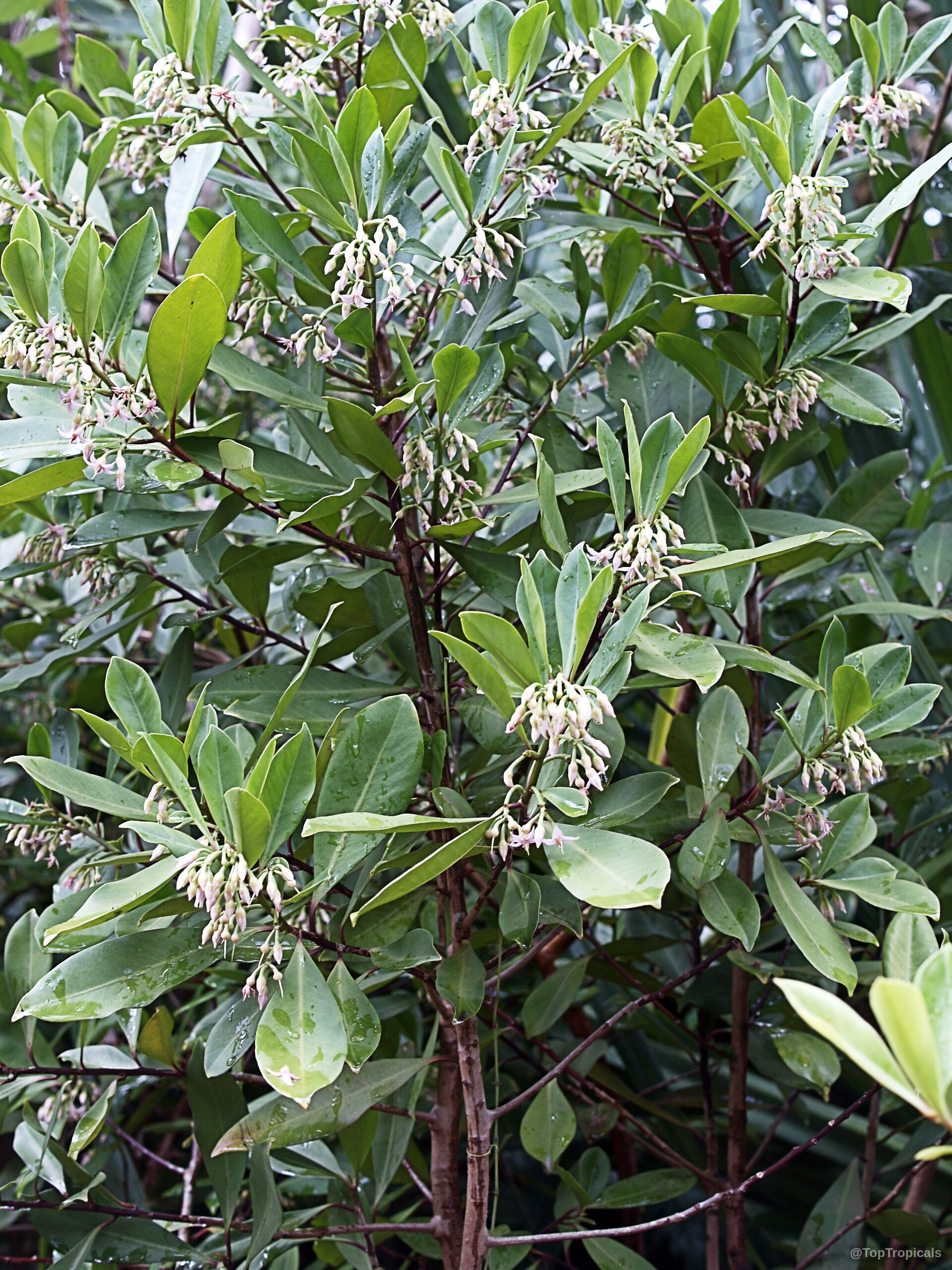
Tolerant of less-than-ideal conditions, this plant makes an ideal choice for gardeners with limited time and space. The variegated Ardisia (Ardisia elliptica variegata) is a large shrub that typically grows 5-10 feet tall and spreads 5-10 feet wide. It's an excellent choice for creating a privacy screen or hedge, or for adding height to a foundation planting. It is native to Southeast Asia and is hardy in USDA zones 8-10, with mature plants being cold hardy at least to mid-20°F for a short time.
The variegated Ardisia does best in full sun to light semi-shade locations, with moderate levels of water. It is drought tolerant once established, so water needs are minimal. In colder climates it should be grown in a protected area, as a container-grown plant outside in summer. If it is kept in a pot and grown as a houseplant, it should be brought indoors when temperatures drop below freezing.
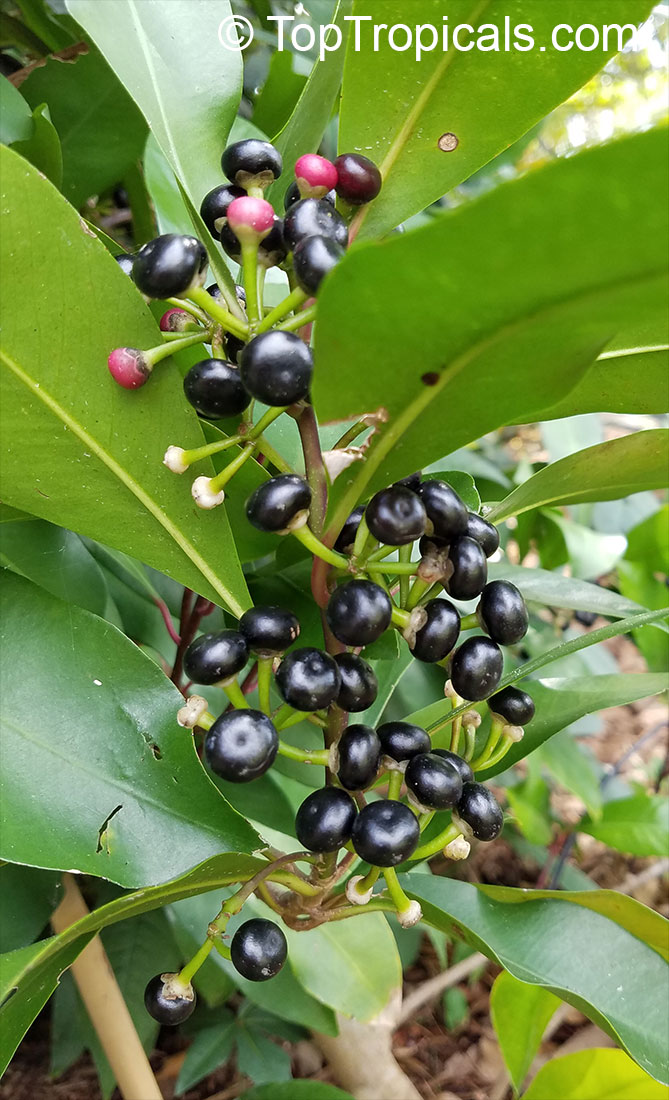
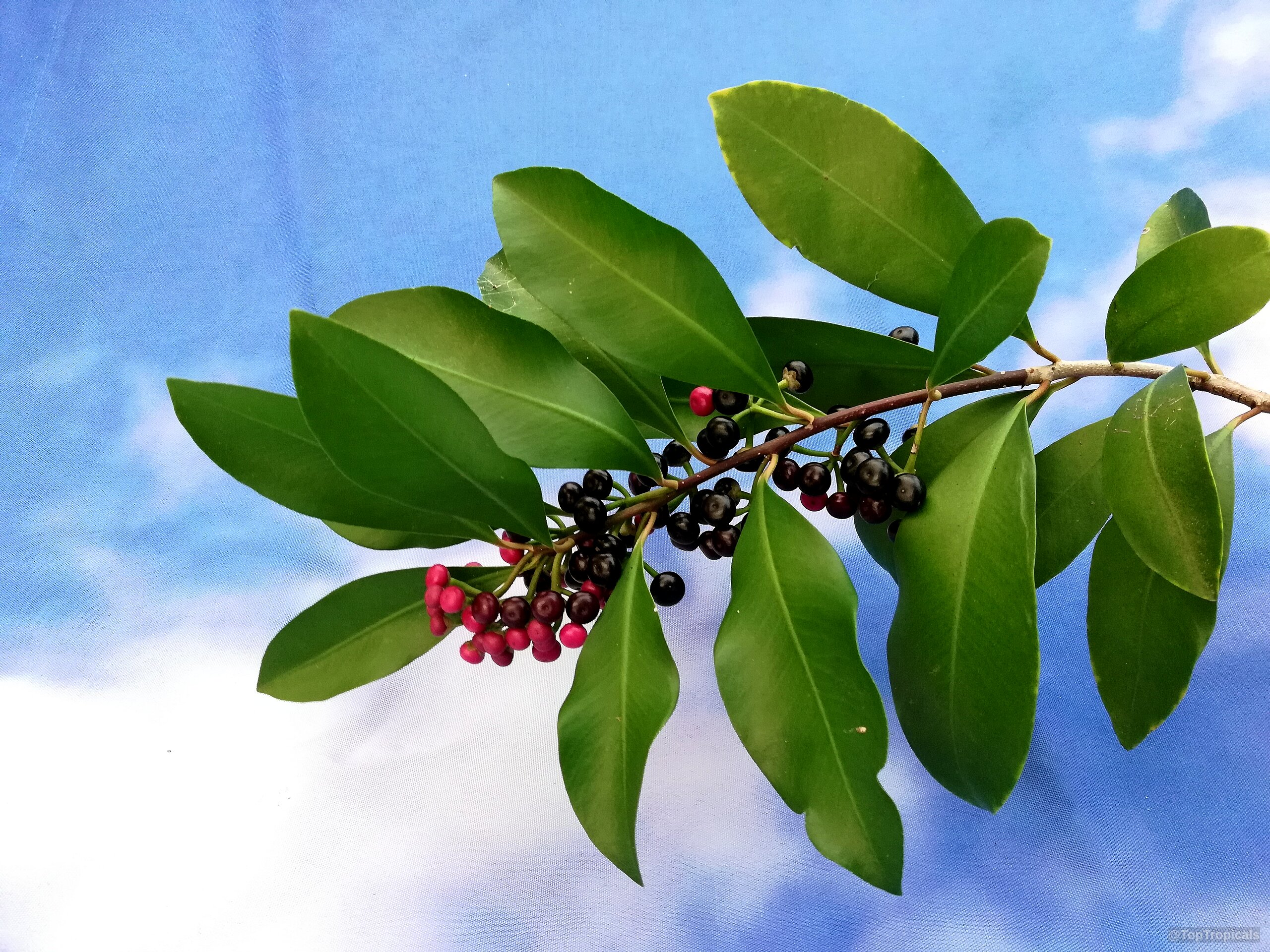
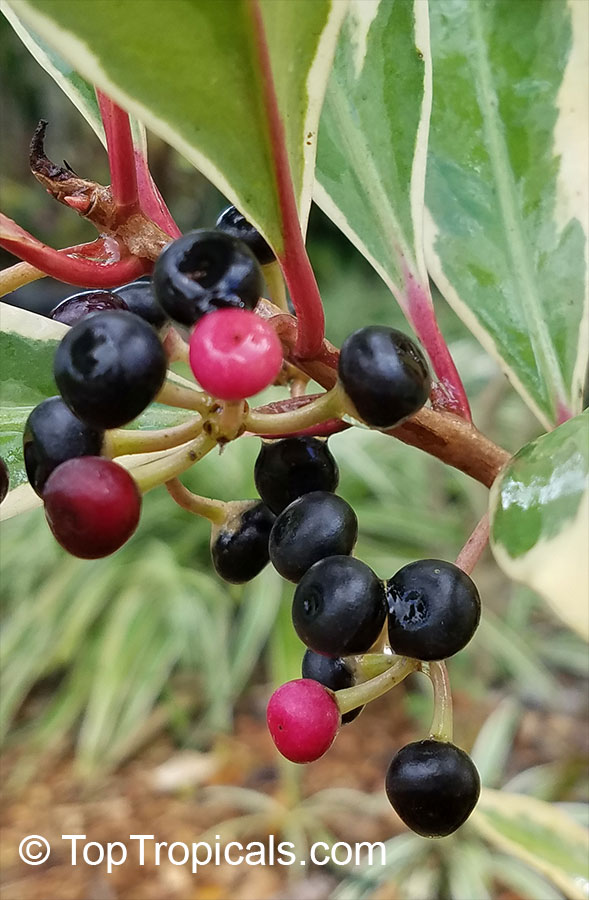
Beautiful pink flowers adorn the variegated Ardisia in the spring and summer, followed by black berries. Not only are the flowers a source of cheerful color, but the evergreen foliage is quite ornamental too. The plant green and white variegated foliage with pinkish coloring in bright light adds texture and interest to your landscape.
The variegated Ardisia is a very low-maintenance, carefree plant which makes it a great choice for gardeners. With some basic watering and pruning, you'll have a stunning shrub that will bring nature's beauty and bounty your garden throughout the year.
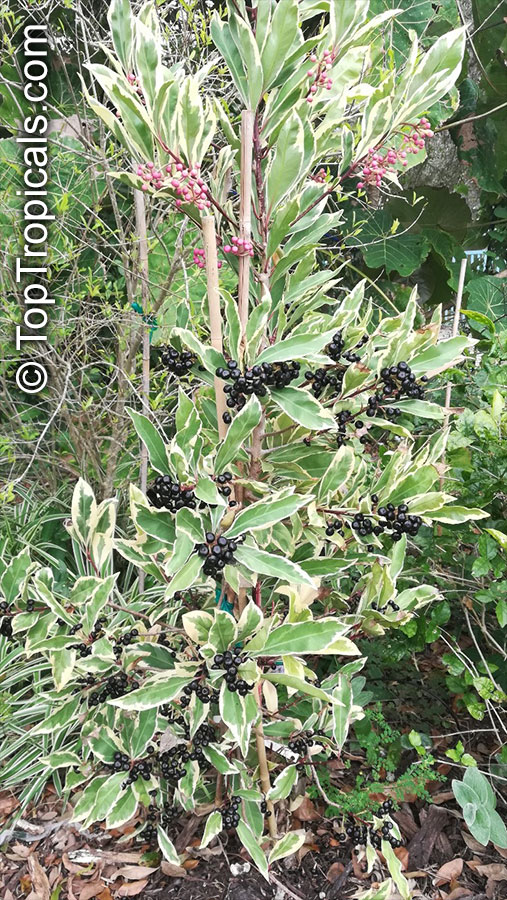
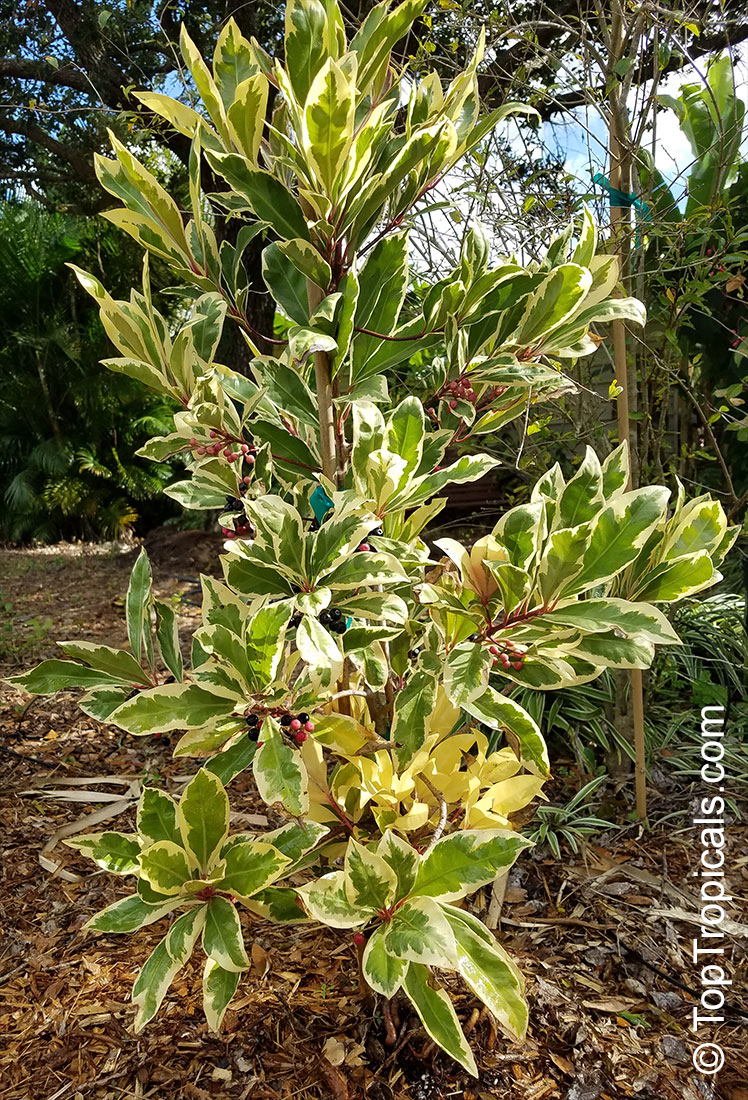
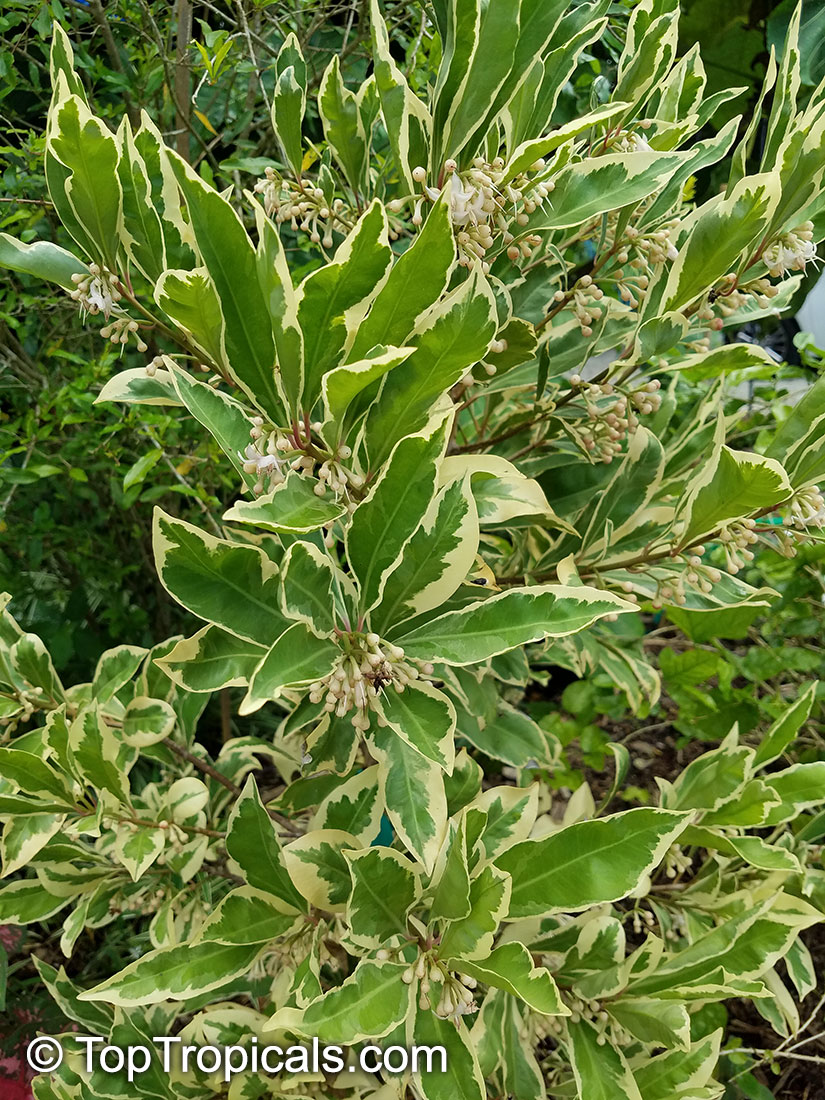
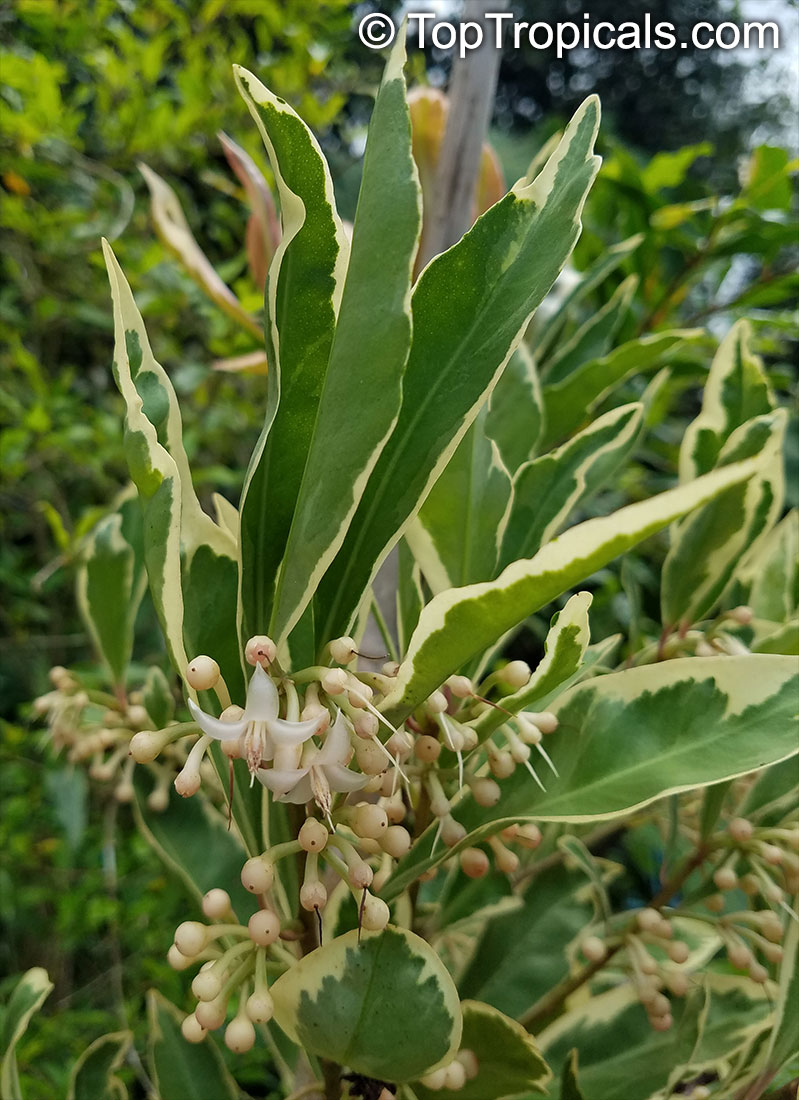
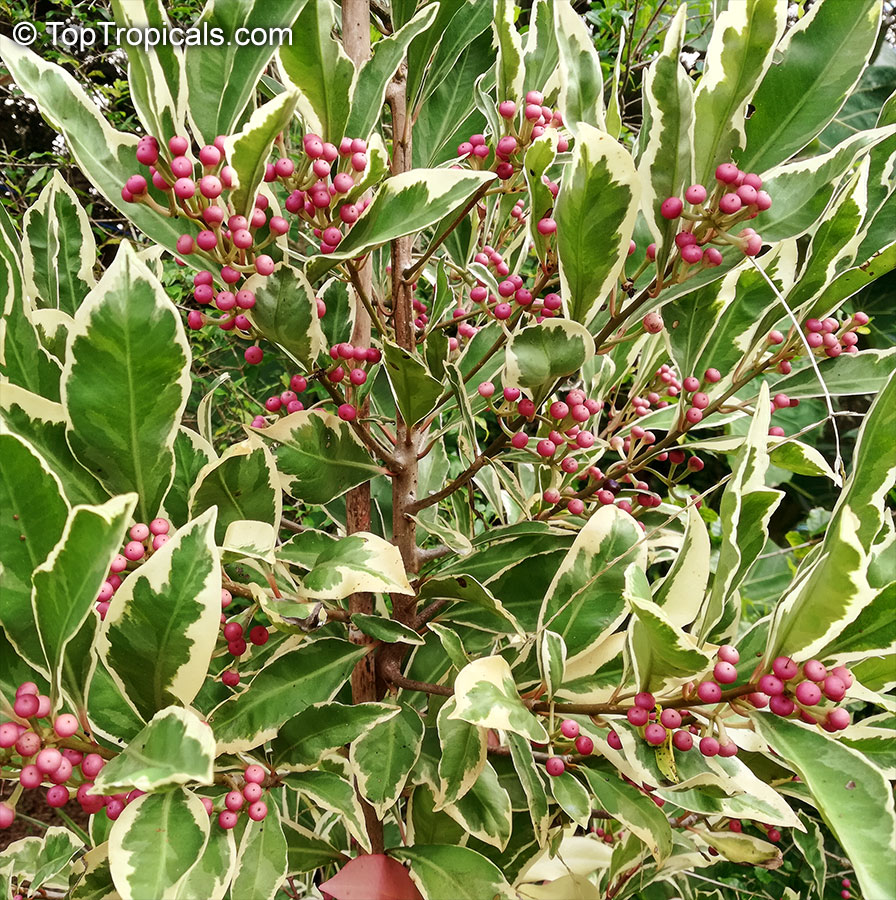
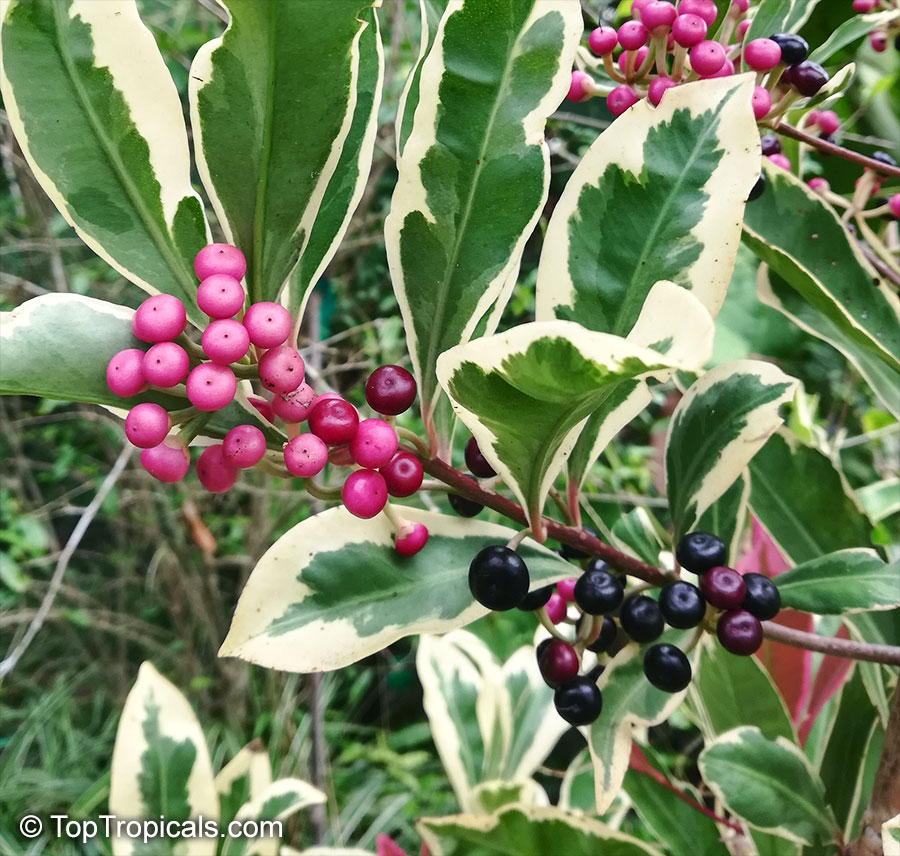
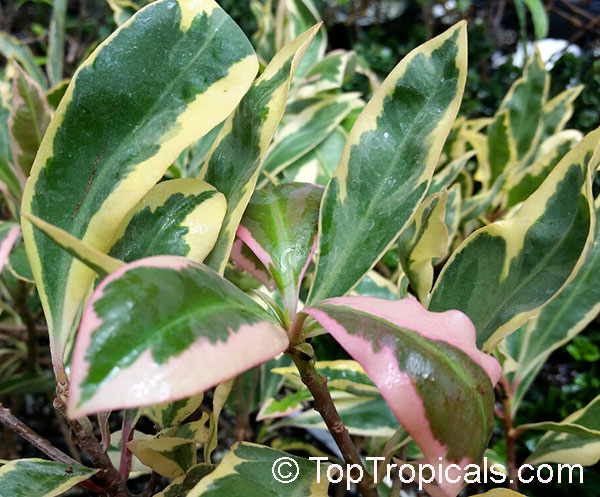
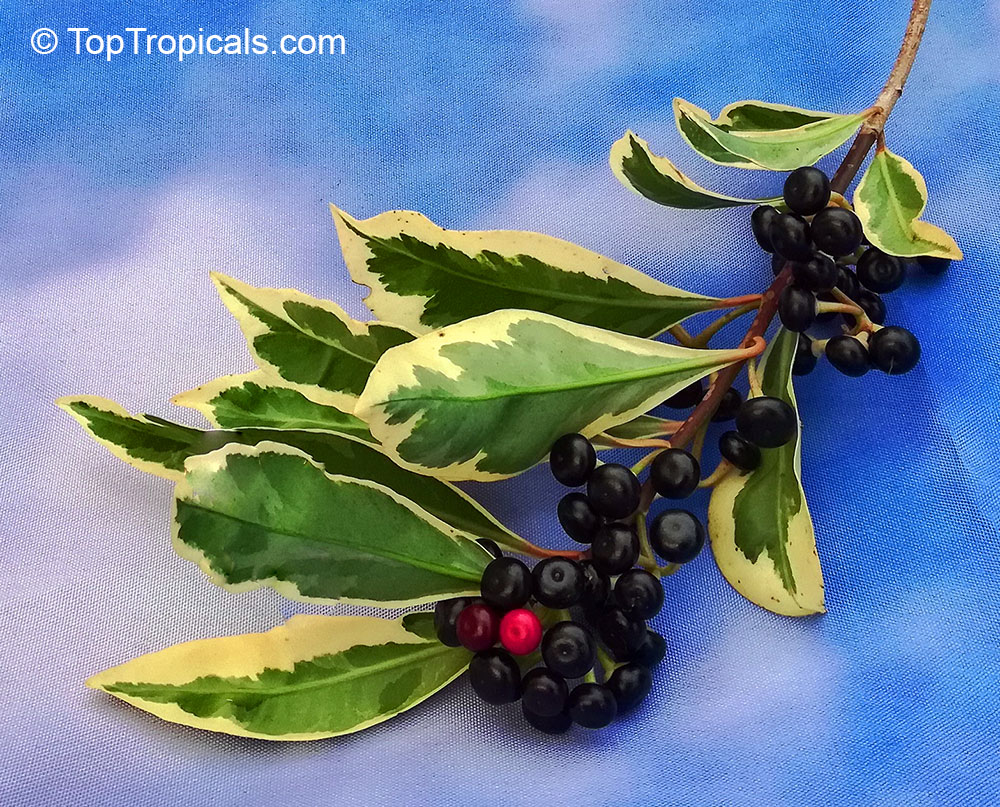
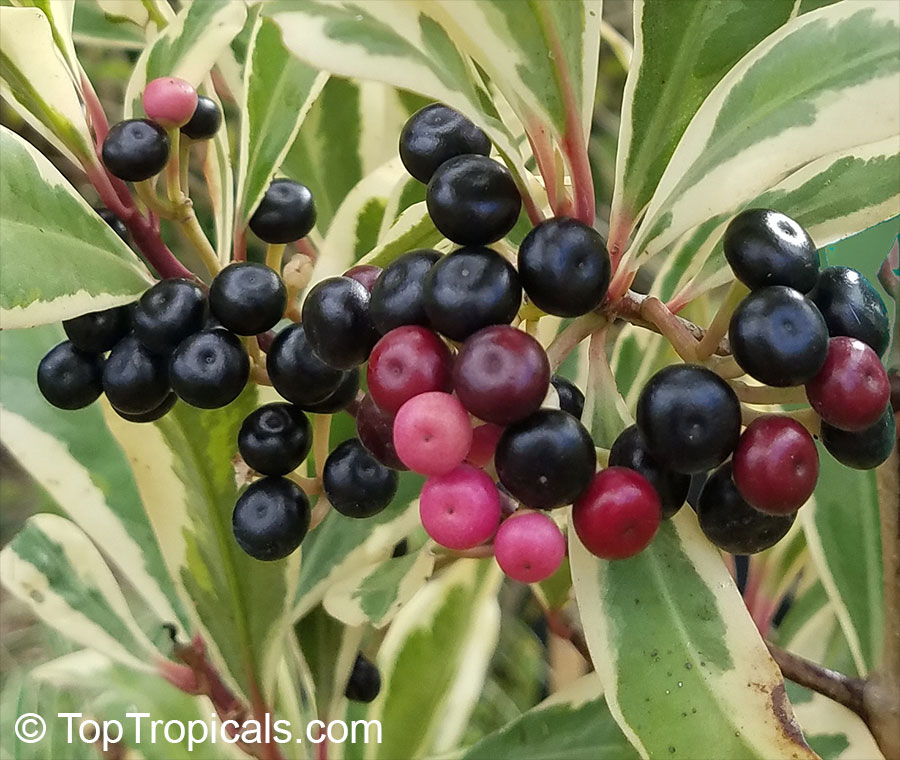
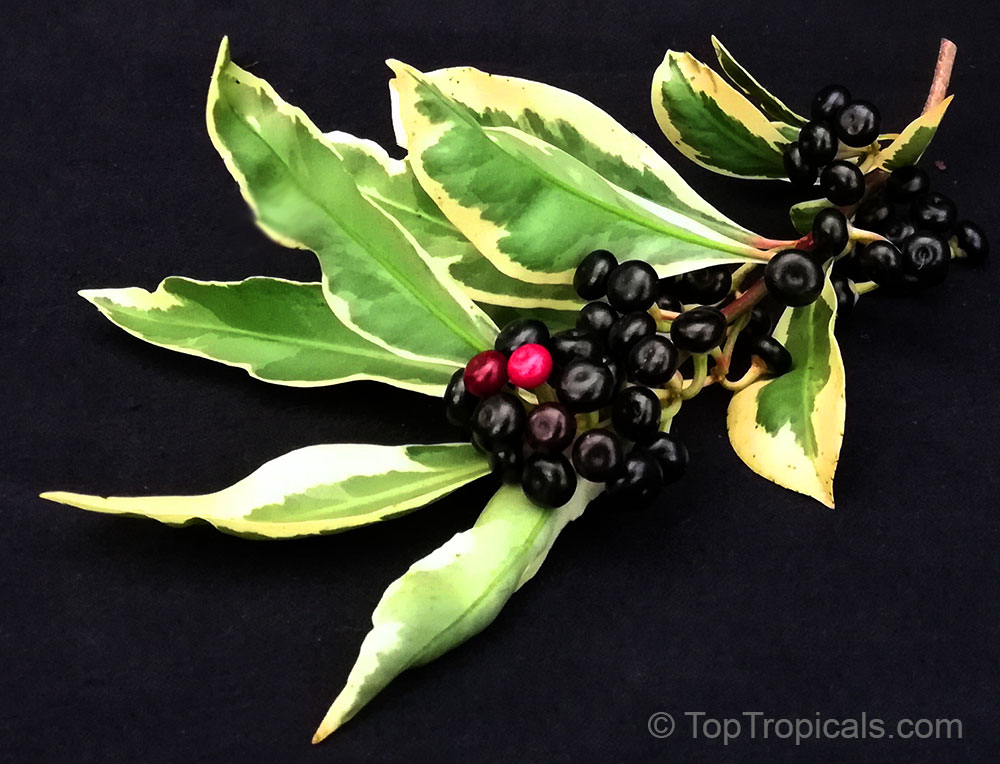
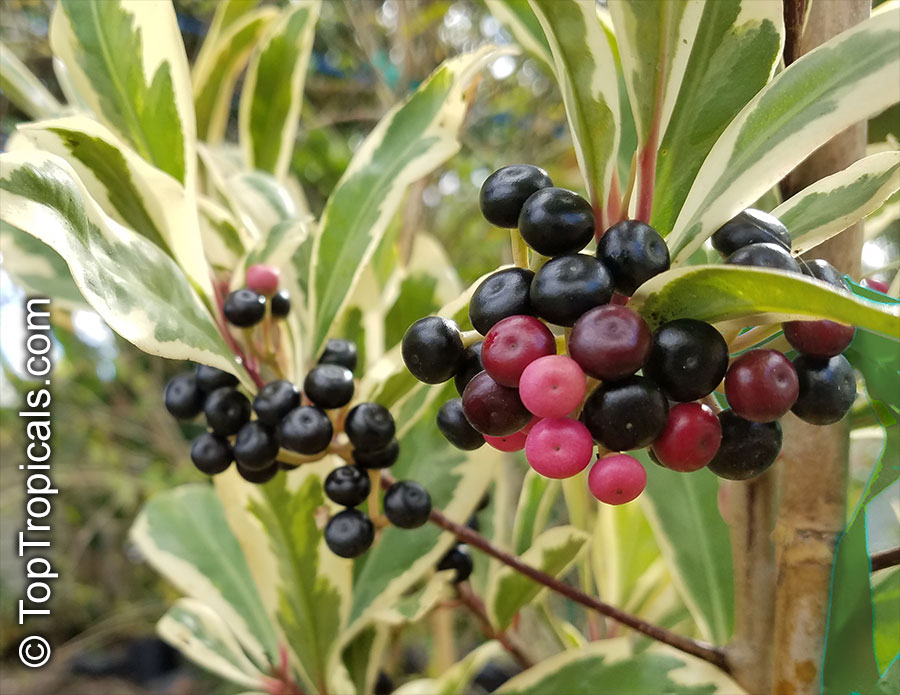


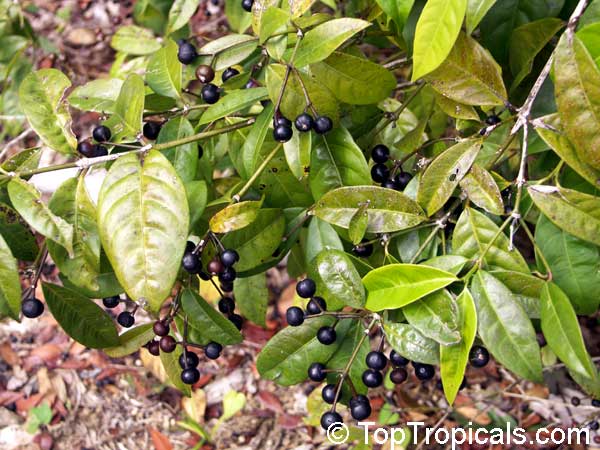
Botanical names: Ardisia obovata, Icacorea guadalupensis
Common names: Mamayuelo, Guadeloupe marlberry
Family: Primulaceae (Formerly:Myrsinaceae)
Origin: Puerto Rico, West Indies

Ardisia obovata (Mamayuelo) is a large, upright shrub that can reach up to 5-10 feet tall, native to Puerto Rico and the West Indies. This evergreen species prefers full sunlight to semi-shade and needs to be kept in regular water. It is hardy to USDA Zone 9-11
This particular evergreen is renowned for its graceful white or off-white flower clusters during the warmer months of the year. The blooms are small and relatively insignificant, but the foliage adds texture and life to any yard. Not only that, but the white flowers will attract plenty of admirers, from butterflies to hummingbirds.
When it comes to growing Ardisia obovata, this species does best when planted in slightly acidic soil. As for container planting, the shrub needs to have a rich, well-draining soil and bright light. Depending on the region, it might require a bit more regular watering. In cold regions, make sure to provide an indoor winter shelter when planting in pots. Winter care includes a location well out of winter winds in a place that receives plenty of sunlight. Watering should also be done moderately with well-draining soil to prevent root rot.
As with any outdoor plant, make sure to keep a bucket of water near it during the warmer months and keep the soil moist but not drenched. Prune the shrub after the blooming period and fertilize the plant in spring and summer. Keep pests away by regularly spraying the leaves with an insecticidal soapy solution.
Ardisia obovata is an attractive shrub that is an ideal addition not only to gardens but also to pots. Its glossy foliage and showy white or off-white blossoms will add plenty of beauty to any outdoor home. By following the above-mentioned growing and care tips, this species will be sure to do well in any region.
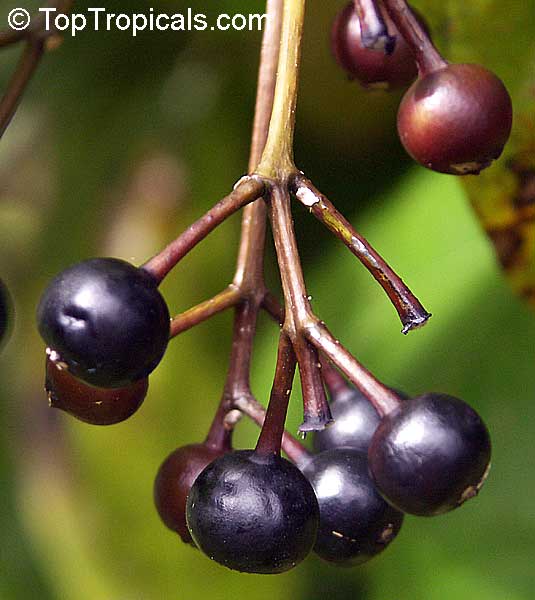
Botanical name: Ardisia revoluta
Common names: Ardisia, Tecuico
Family: Primulaceae (Formerly:Myrsinaceae)
Origin: Central America


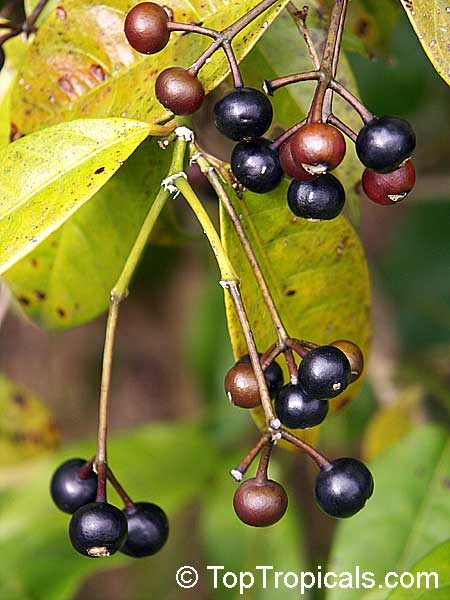
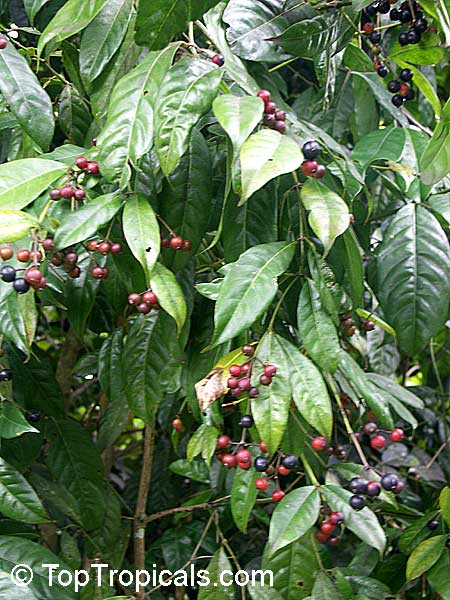
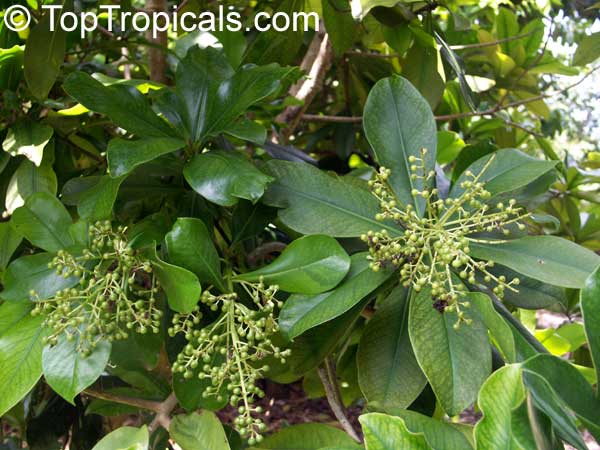
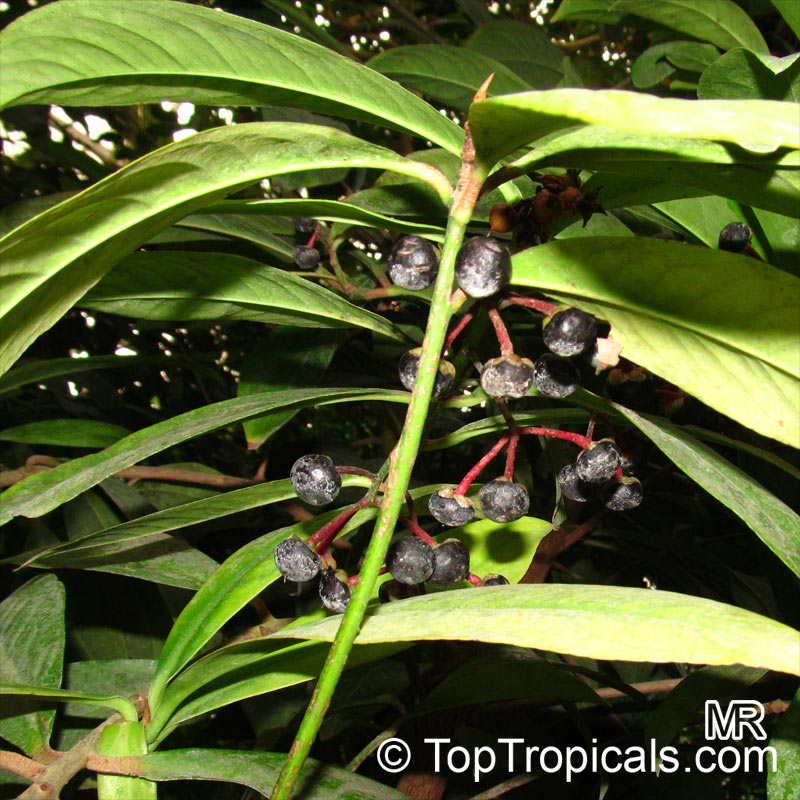
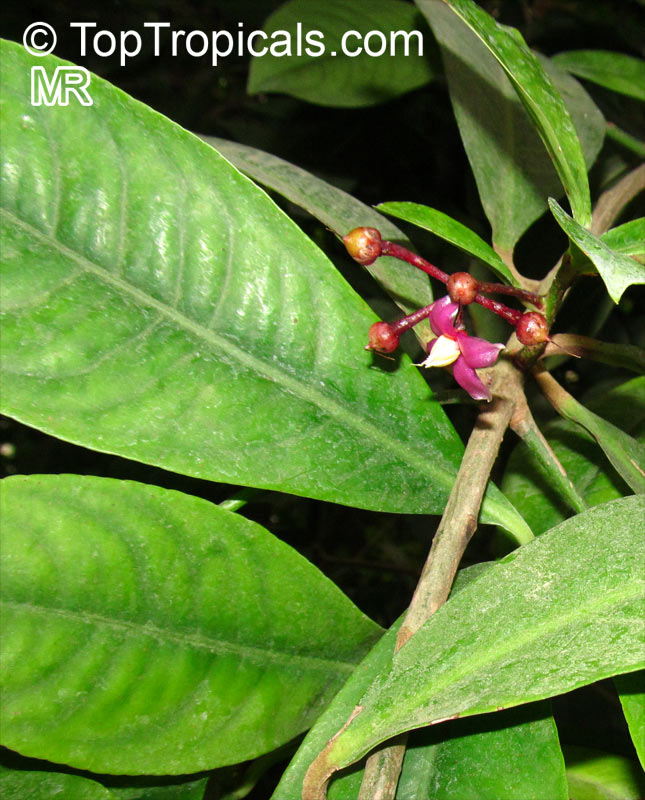
This species of tree or shrub can get to measure up to 15ft of height. It grows preferably in the underbrush of the dry tropical forest, but also 0-5000ft is in humid forests.The leaves are simple and alternating, whole margin and grouped at the end of the small branch. They measure 10in in length approximately. Translucent points can be observed when the leaf against the light is put. When it is cut a leaf or a small branch is common that sap of black color is observed.Flowering with white flowers to pink. The fruits are dark mulberry color (almost black) when they are mature. They are eaten fresh.


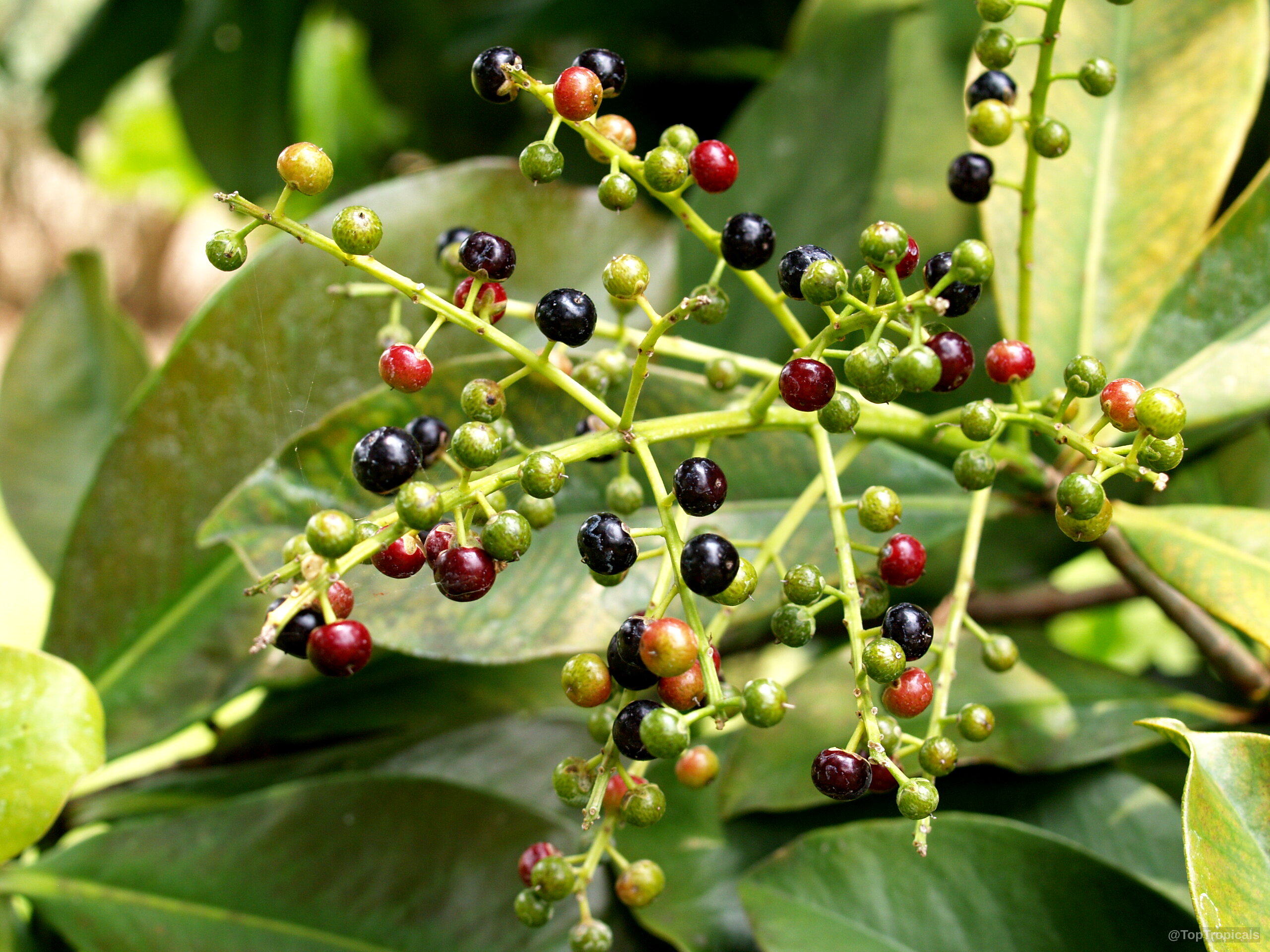

Botanical names: Ardisia sieboldii, Ardisia formosana, Bladhia sieboldii
Common names: Ardisia, Duo Zhi Zi Jin Niu
Family: Primulaceae (Formerly:Myrsinaceae)
Origin: China, Japan, Formosa

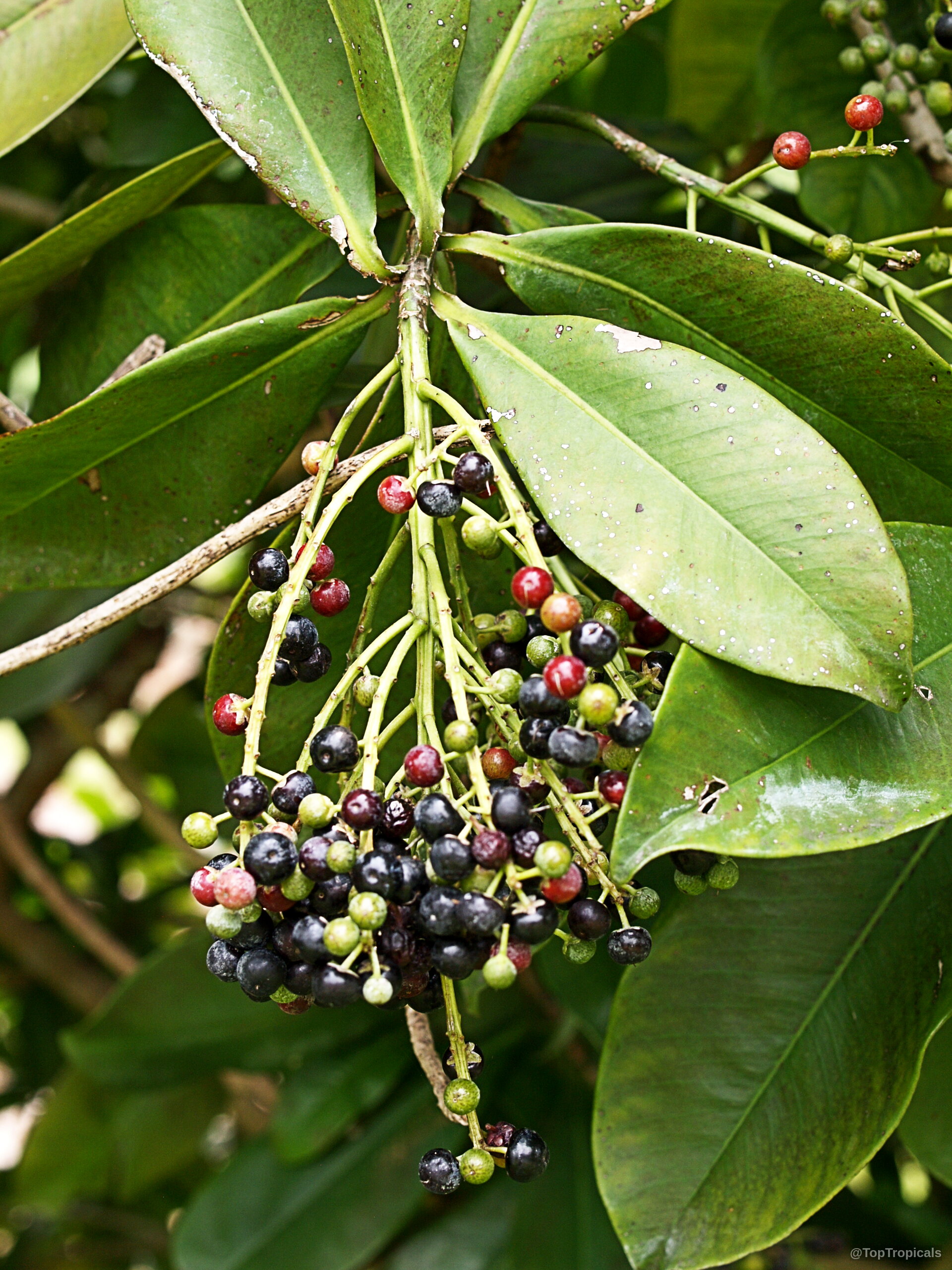
Ardisia sieboldii is a large shrub that can grow up to 5-10 ft tall. It is native to China, Japan and Formosa, and is grown in USDA Zone 5-8. It can be grown in full sun to semi-shade and requires moderate watering. The shrub has a large, thick foliage that is used as an ornamental plant in the garden. The leaves are dark green and leathery, and the flowers are white and off-white. It blooms in spring and summer and produces edible berries that form in early fall.
The Ardisia sieboldii, when grown in cold regions, can thrive as long as it is planted in a pot and proper care is provided. It is important to provide adequate drainage and to ensure the soil is kept moist for optimal growth. It can also benefit from applying a slow-release fertilizer during the fall and spring.
The Ardisia sieboldii produces a small red fruit that is edible and can be prepared and eaten in a variety of ways. Not only is it a tasty fruit, it also contains several vitamins and minerals and has a number of health benefits. For example, eating the fruit regularly can aid in digestion and can boost the immune system. The fruit can also be used to make jams, jellies and sauces, or it can be dried and used as a seasoning. One mature plant can produce up to 50 fruits, though the yield in colder regions will be lower.


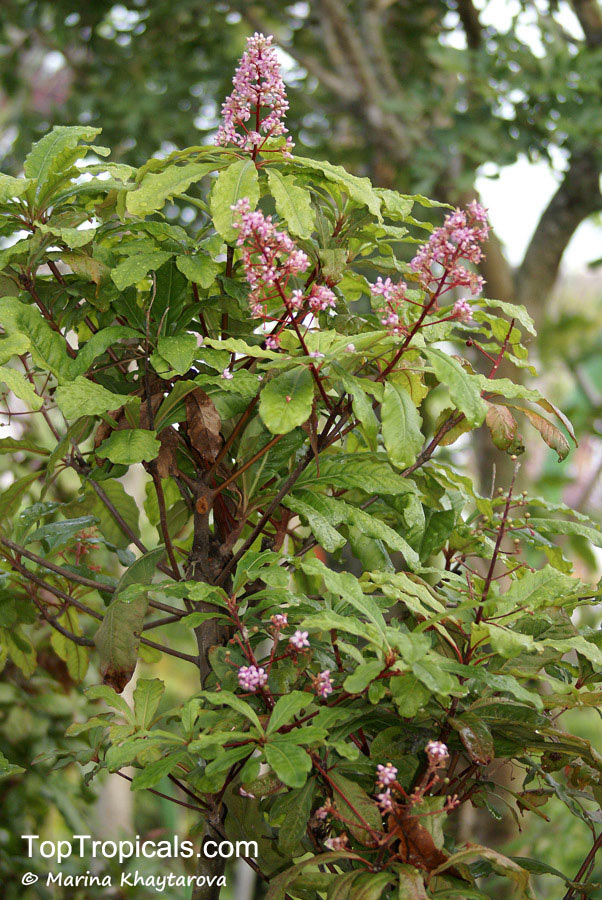
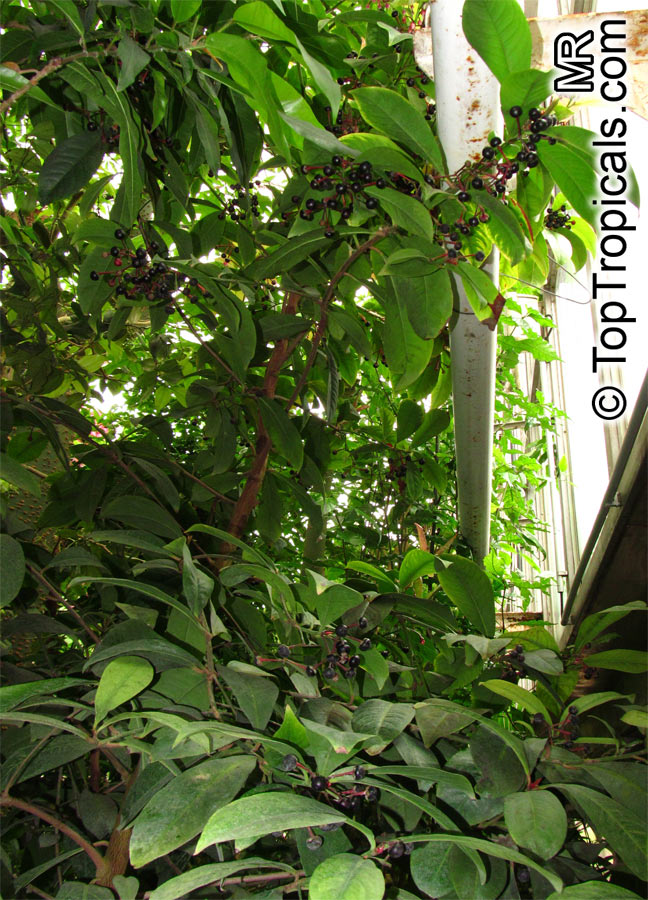
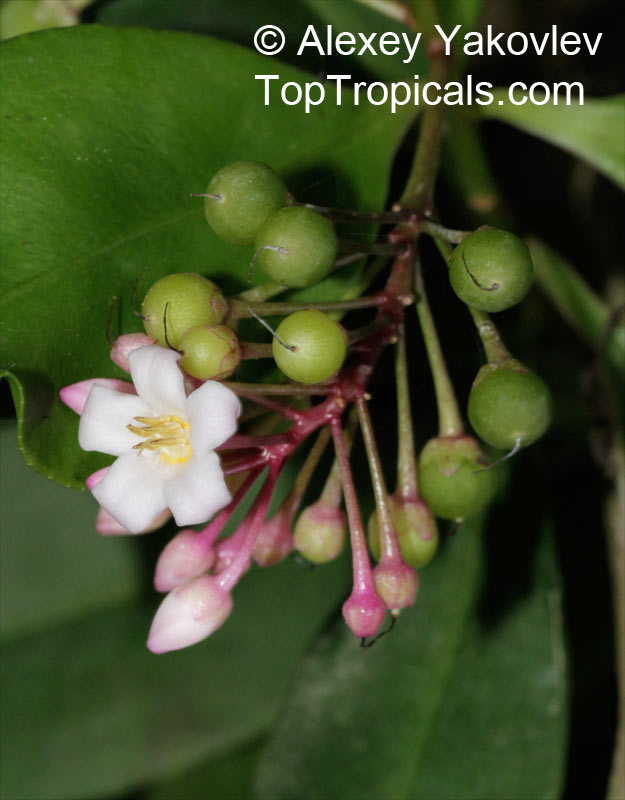
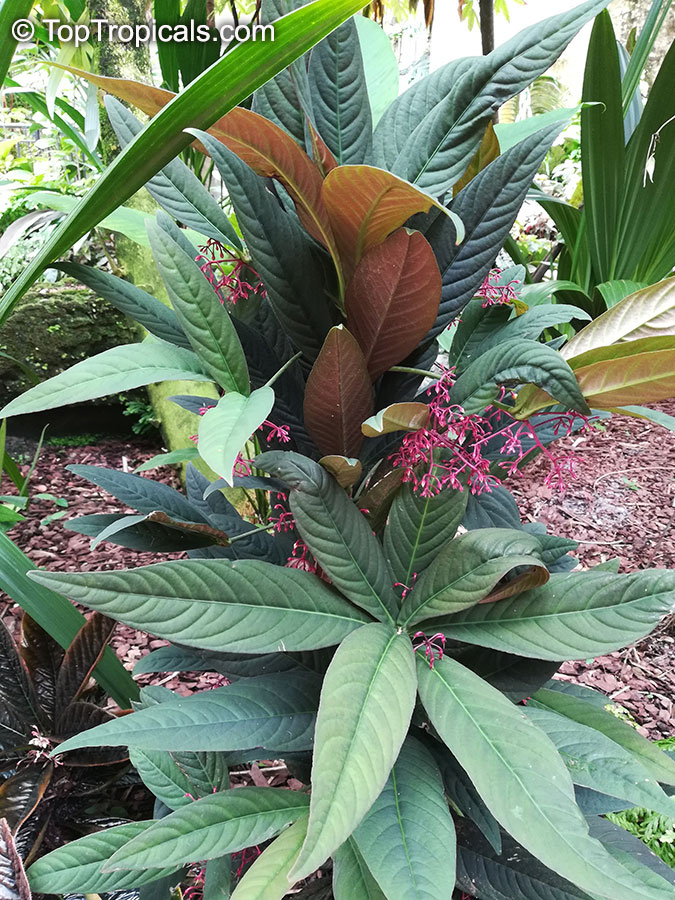
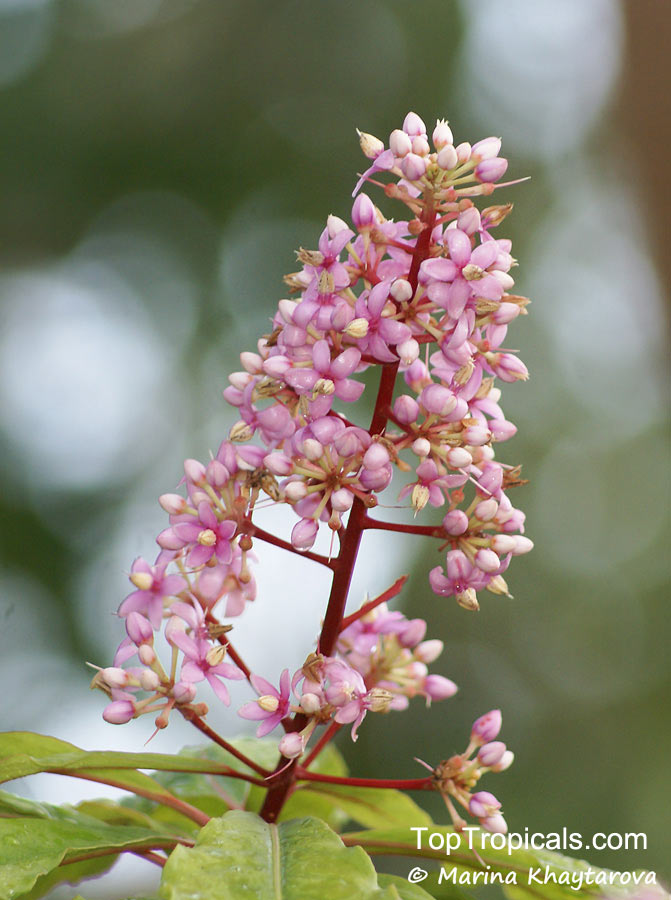
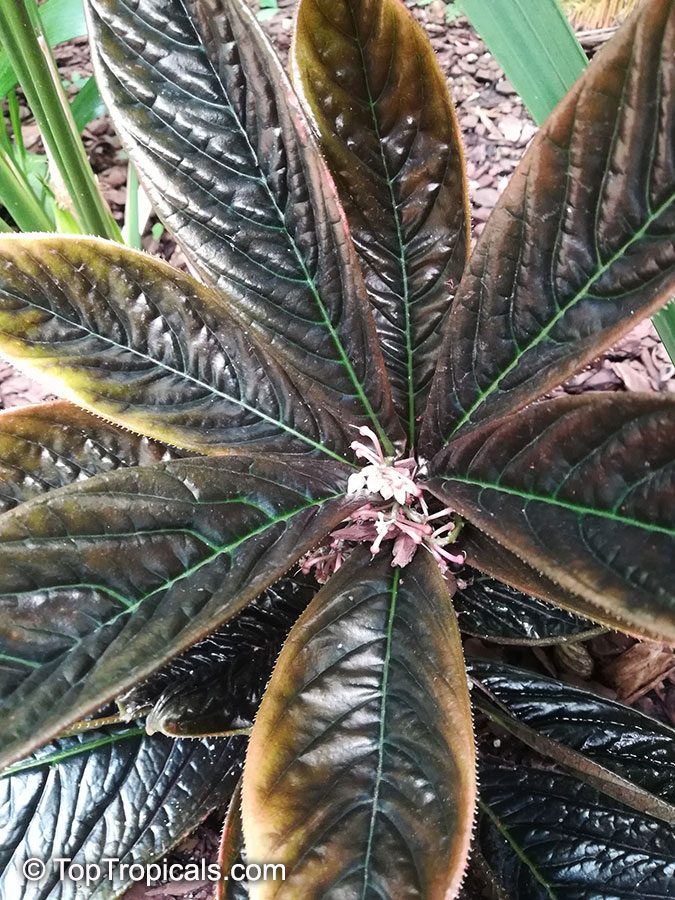
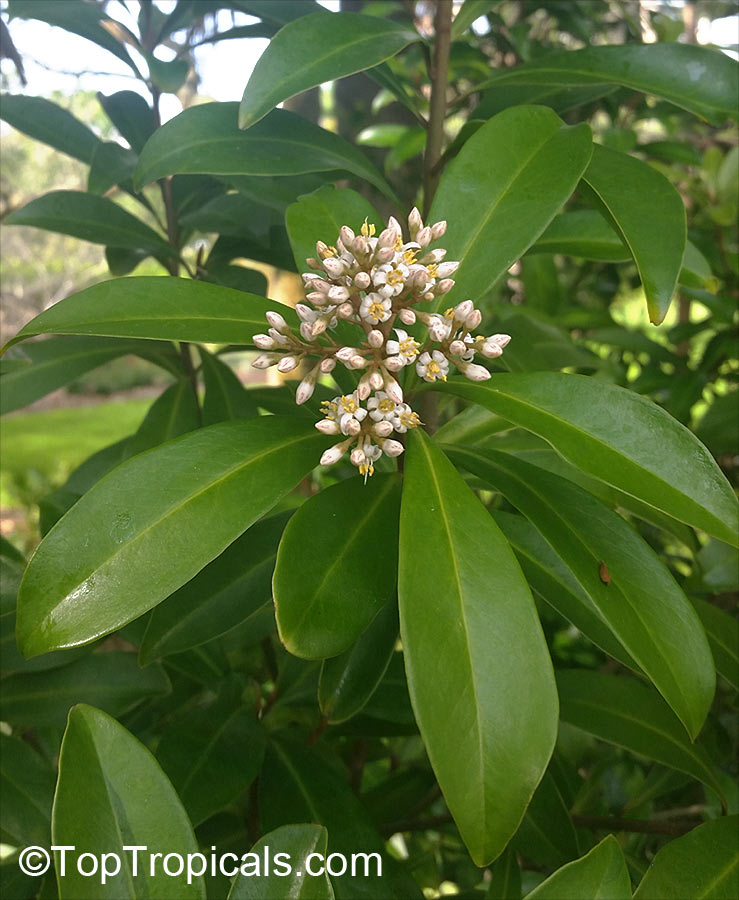
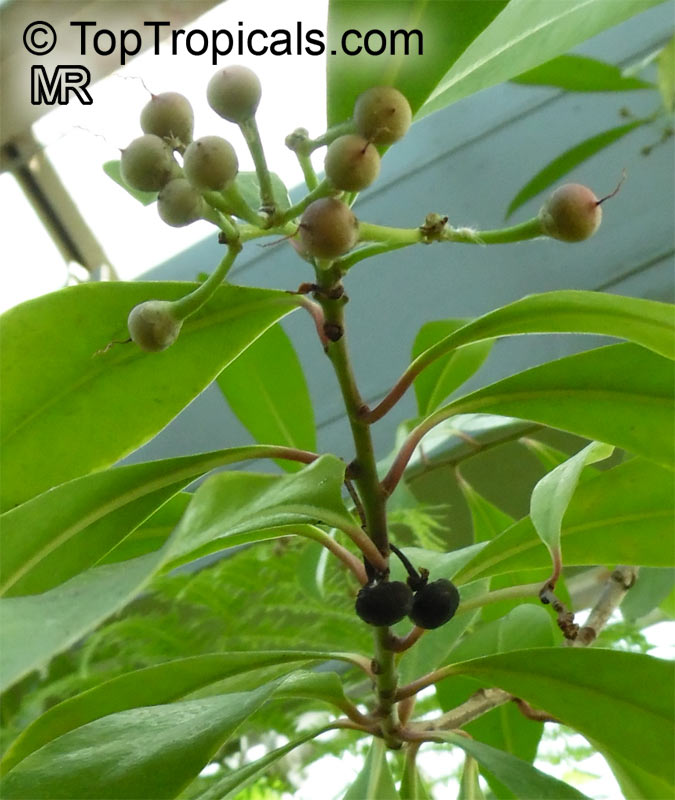
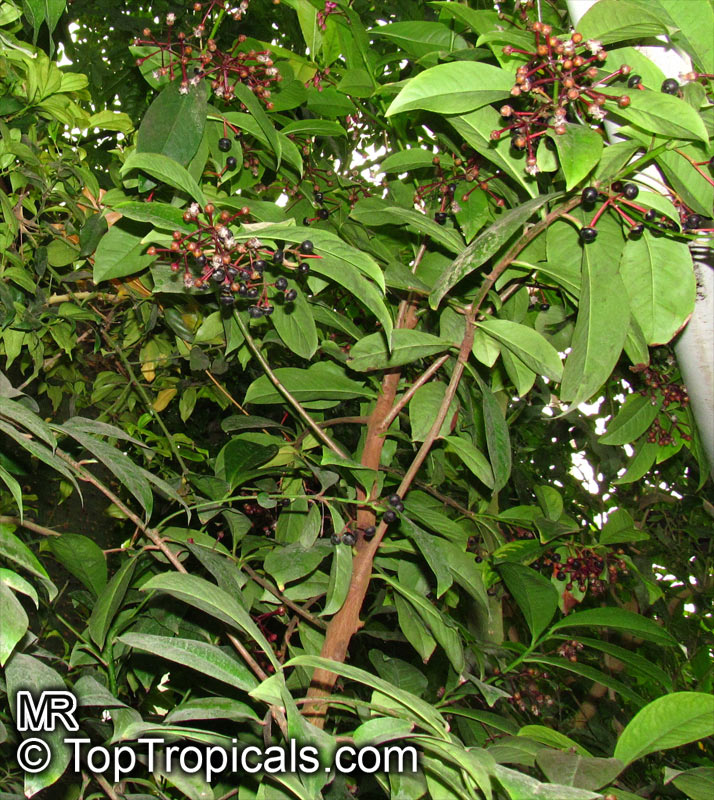
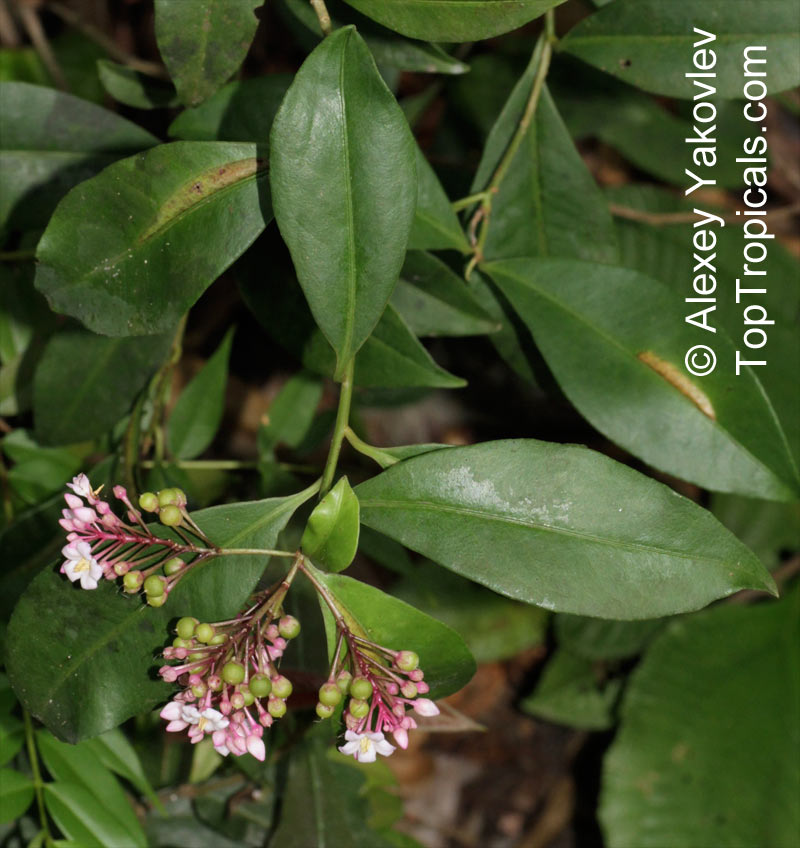
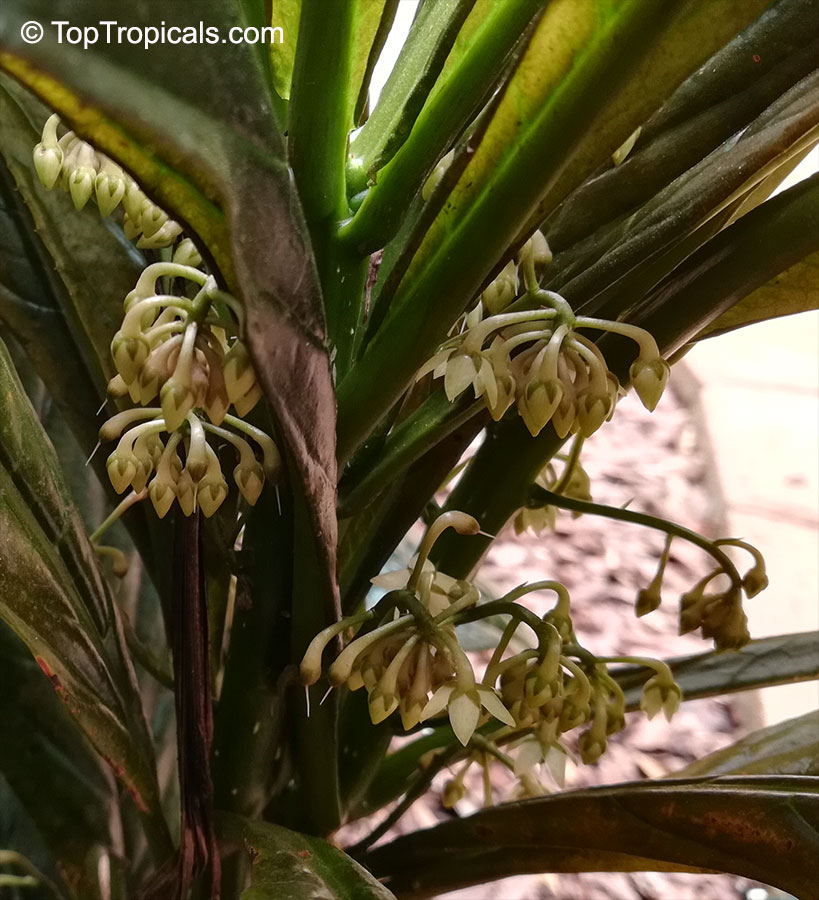
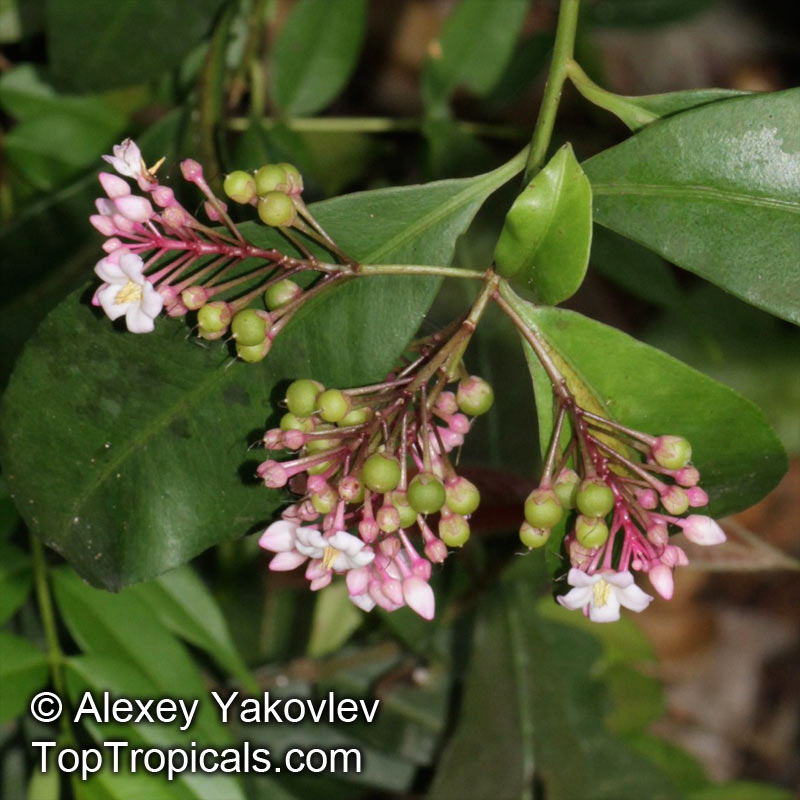
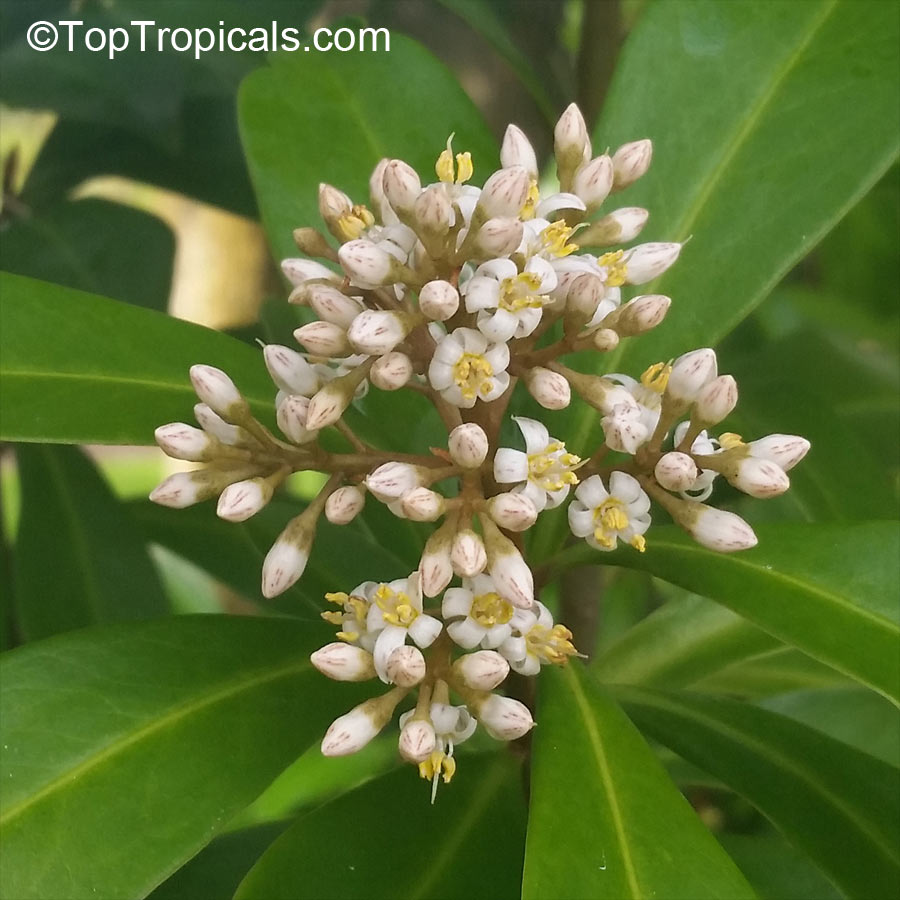
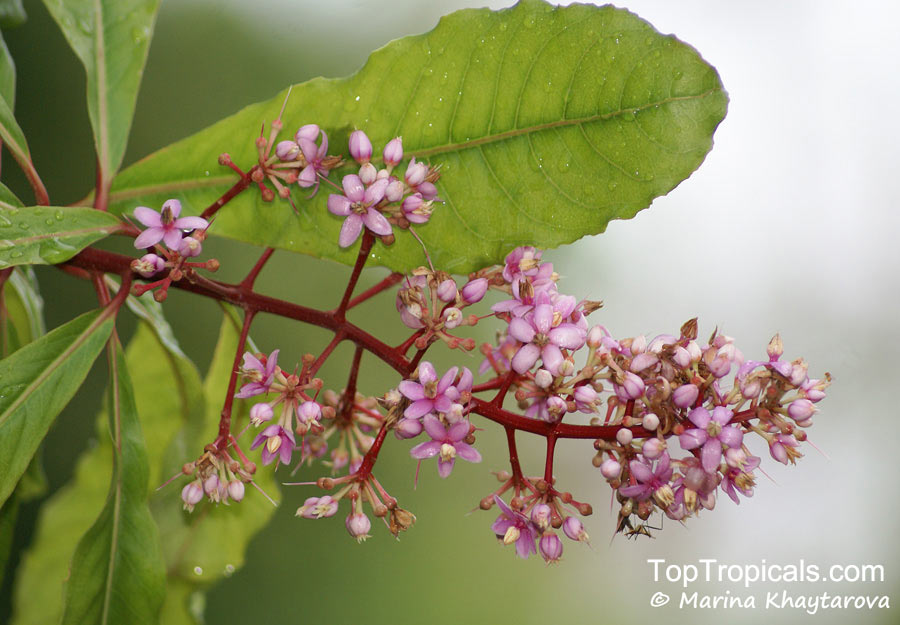
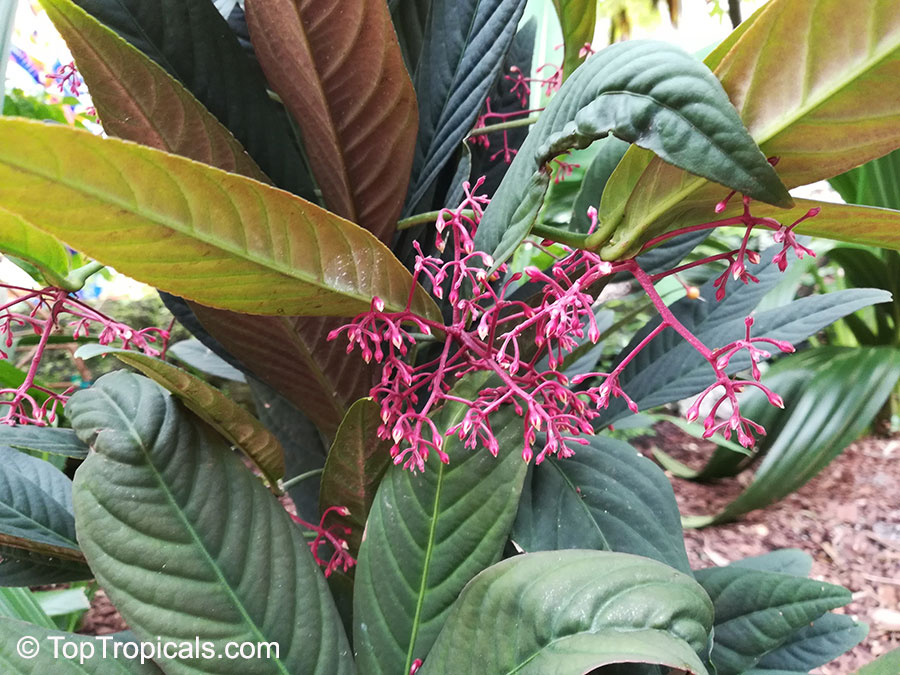
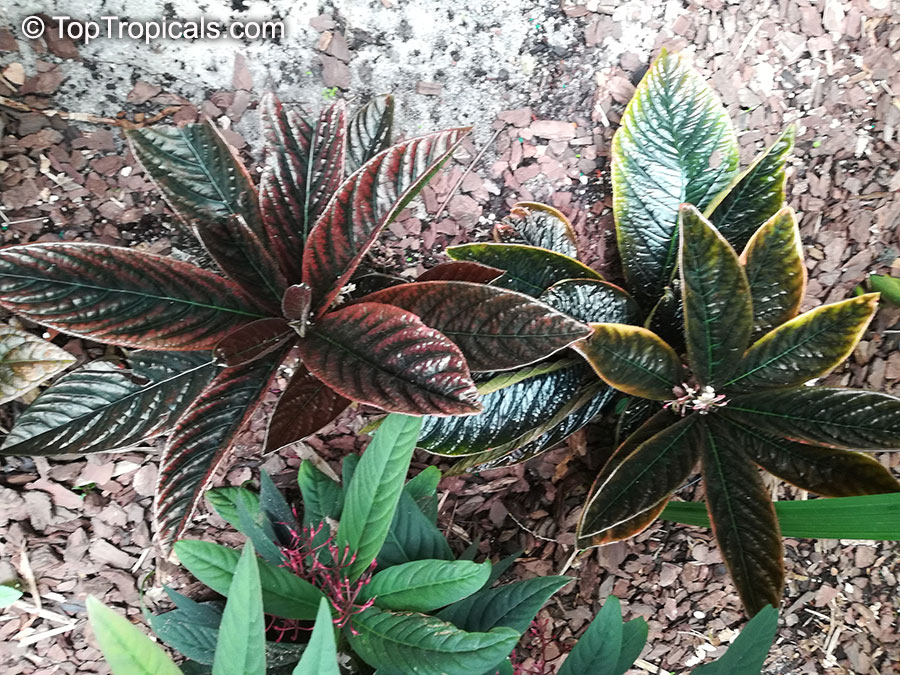
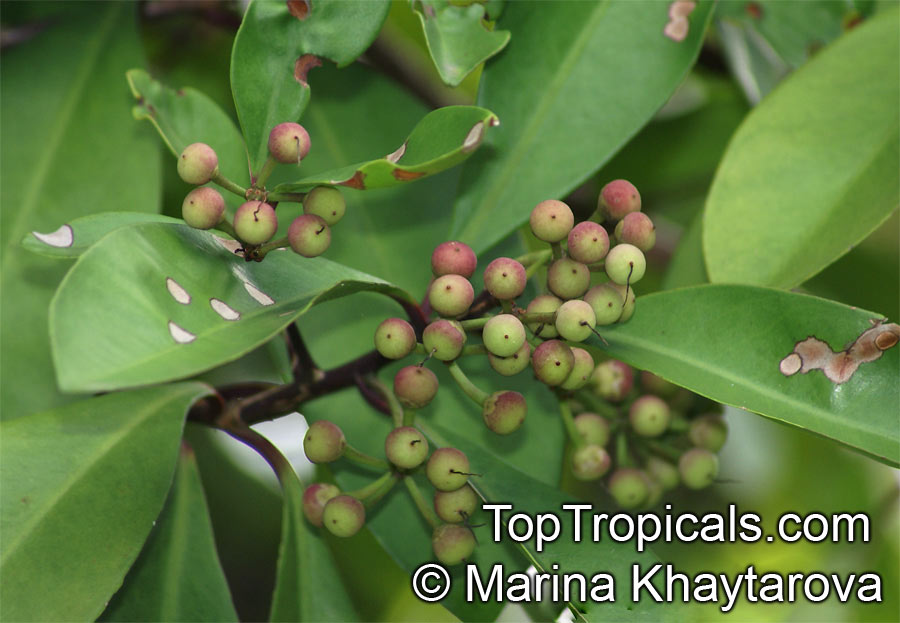
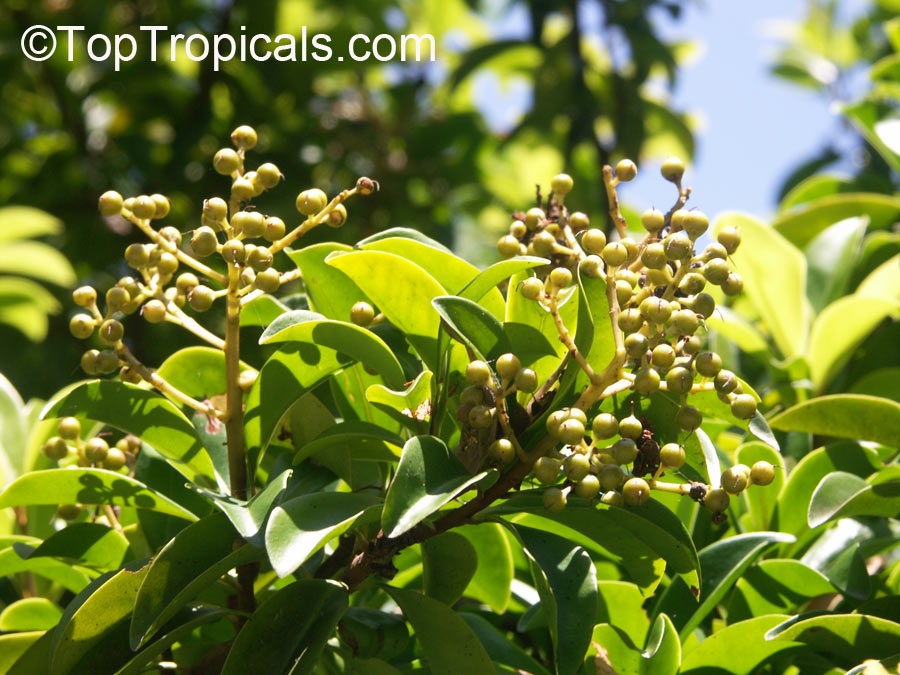
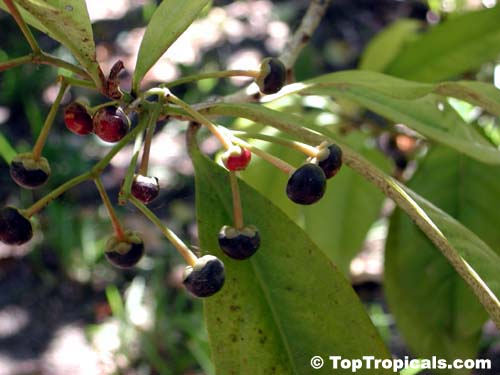
Botanical name: Ardisia sp.
Common name: Ardisia
Family: Primulaceae (Formerly:Myrsinaceae)
Origin: Southeast Asia
Hardiness: 20°F
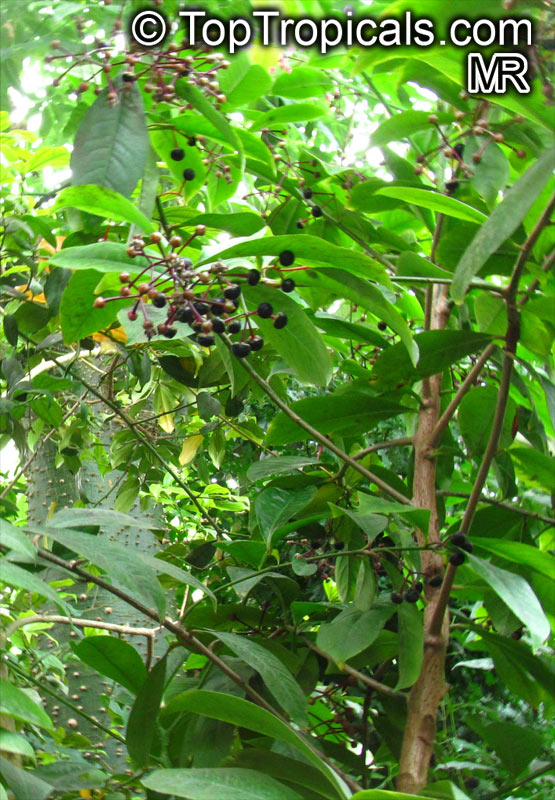
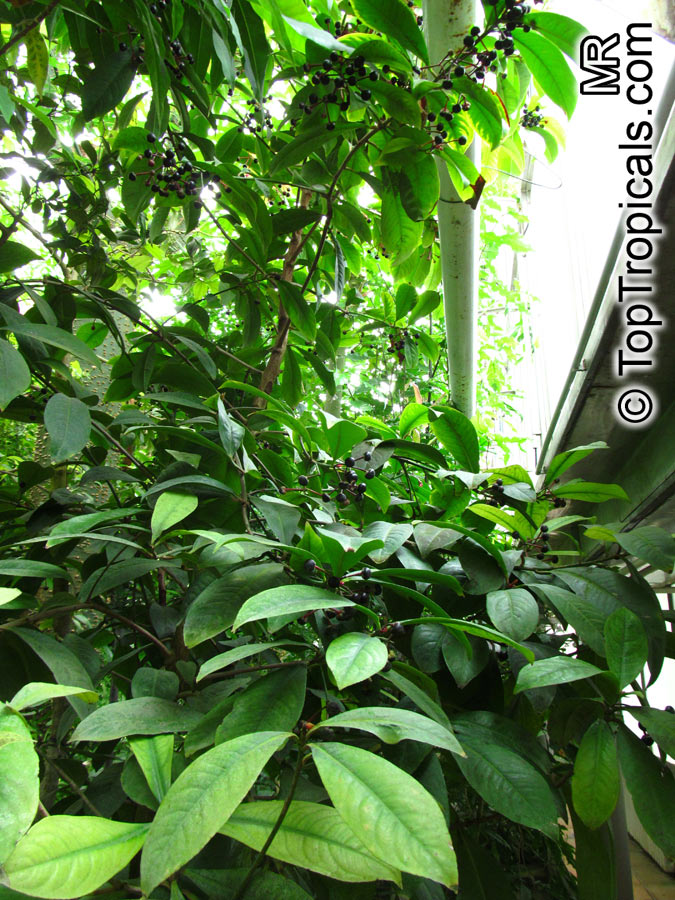

Botanical name: Ardisia wallichii
Common name: Ardisia
Family: Primulaceae (Formerly:Myrsinaceae)
Origin: India, China, East Indies

Propagated by cuttings of the half-ripened wood taken from the side shoots of the plant any time from March to September; but as the points of these side shoots bear the blossoms and fruit, they are not well adapted for making good plants. To obtain the best plants, the largest, ripest, and best-colored berries they should be sown early in spring; as soon as gathered, in a wide-mouthed pot or seed pan; well drained and filled with loam and peat in equal parts and adding some sand, and plunged in bottom heat, the soil being kept moderately moist. The seeds will germinate in a few weeks after sowing, and when about 2in. high, the strongest seedlings should be selected and placed in 3in. pots, the same mixture of soil being used, with the addition of a fourth part well decomposed manure.
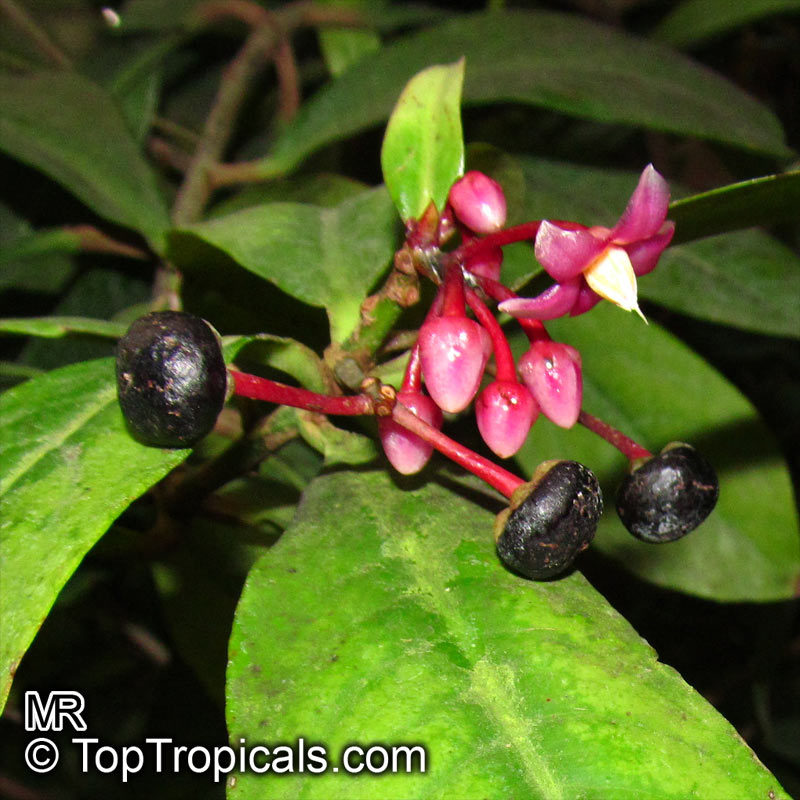
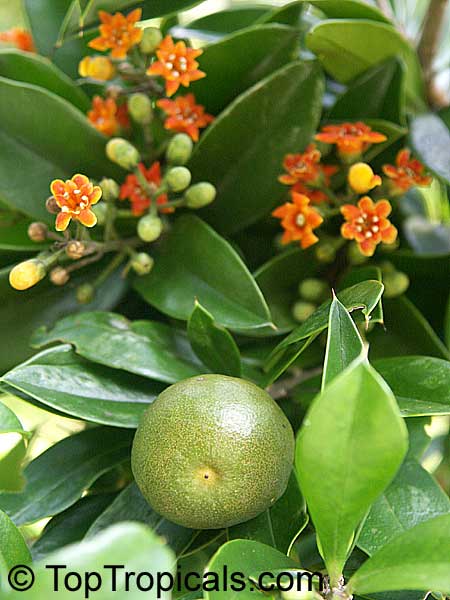
Botanical names: Bonellia macrocarpa, Jacquinia macrocarpa, Jacquinia aurantiaca
Common names: Cudjoewood, Barbasco
Family: Primulaceae (Formerly:Theophrastaceae)
Origin: West Indies, Mexico

Grows in tropical climates in a range of environmental conditions, seeds dispersed by birds and other frugivorous animals.
Jacquinia is often found in coastal scrublands and rocky shorelines. For landscaping purposes, this shrub makes a great windbreak or hedge.
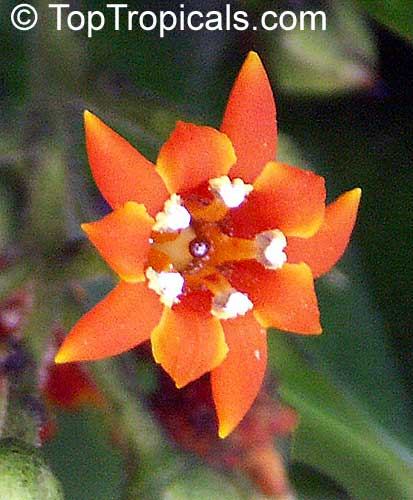
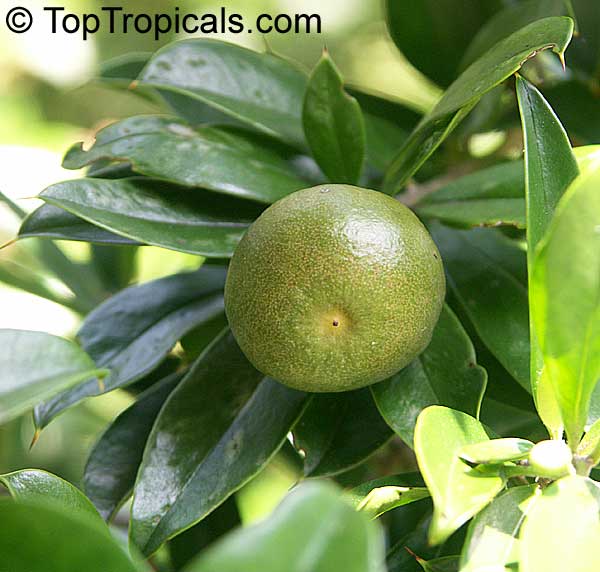
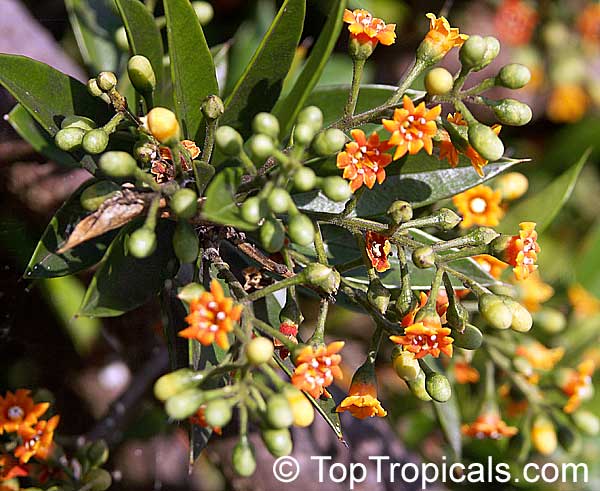
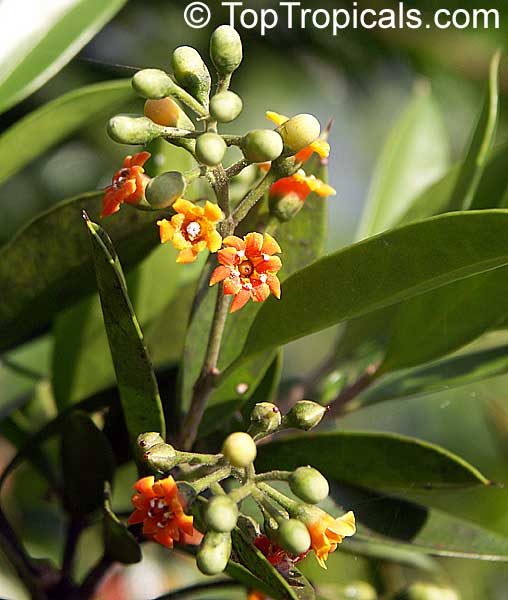
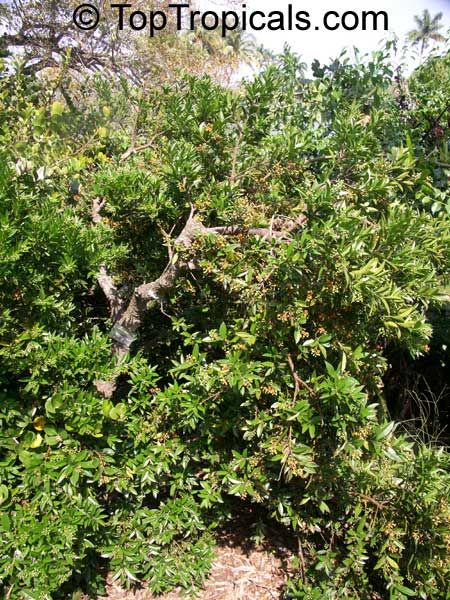
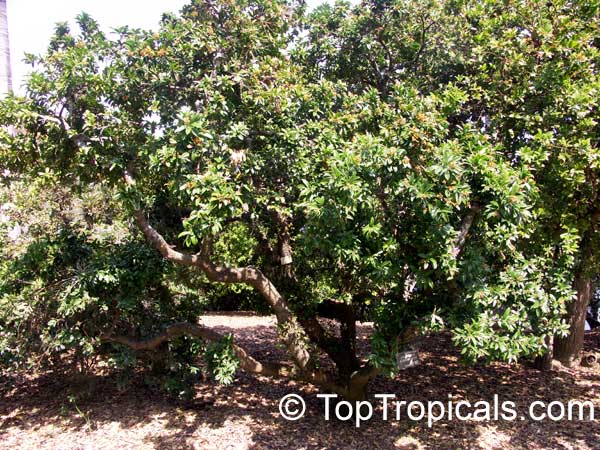
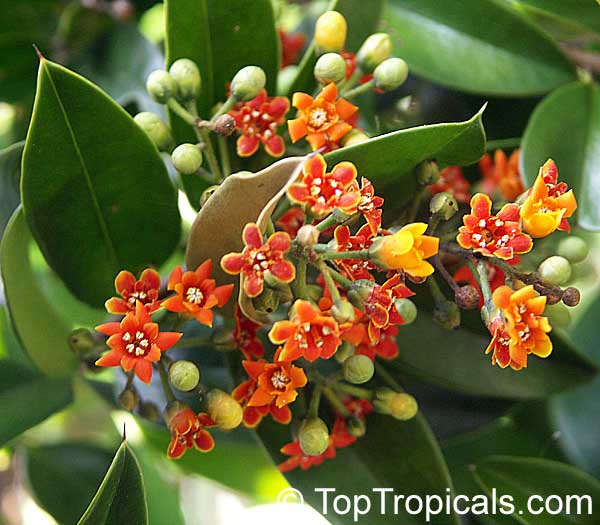
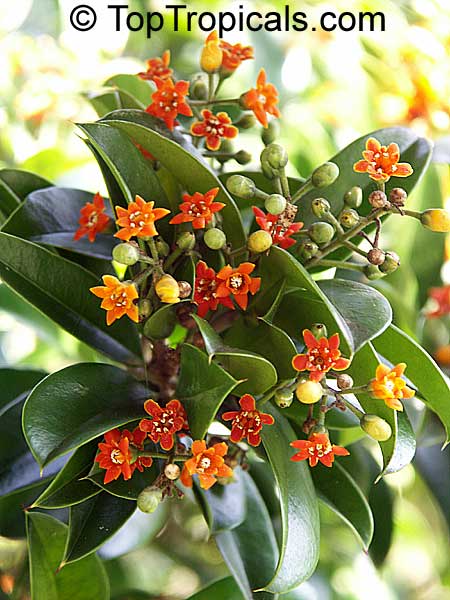
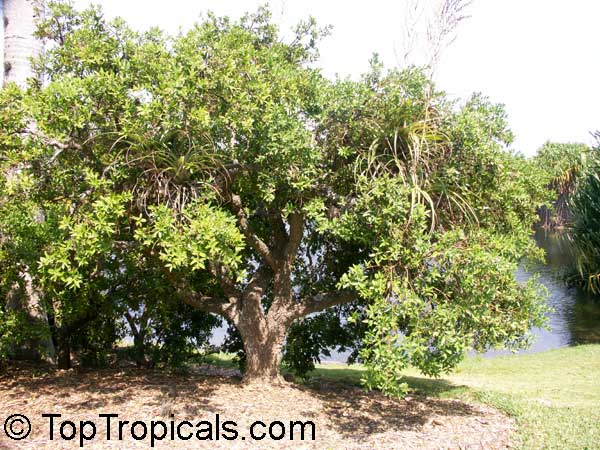
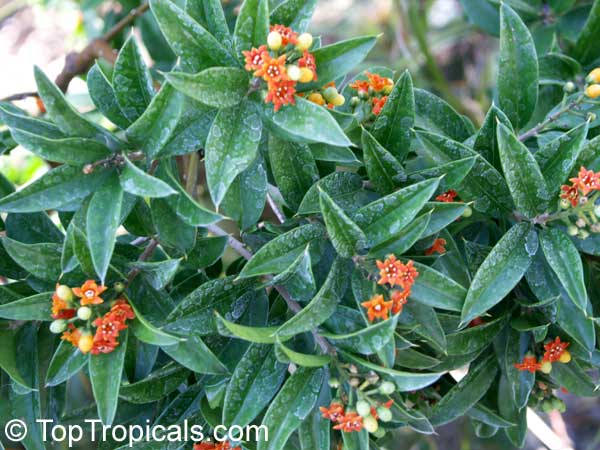
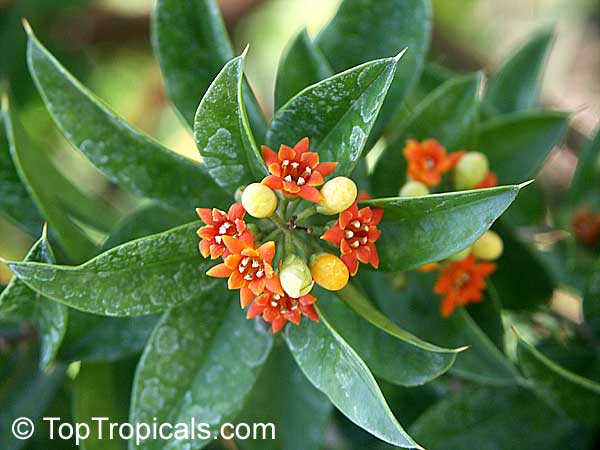
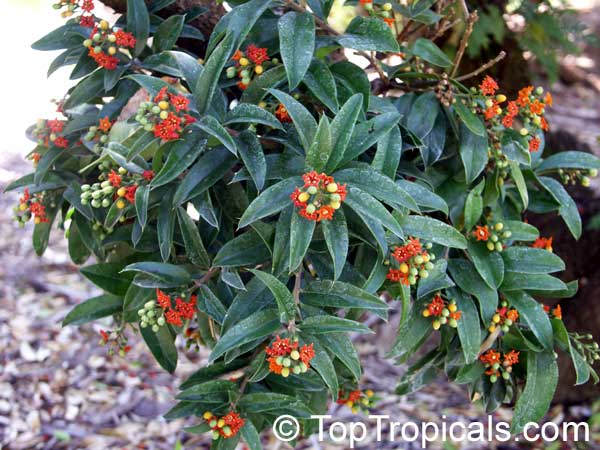
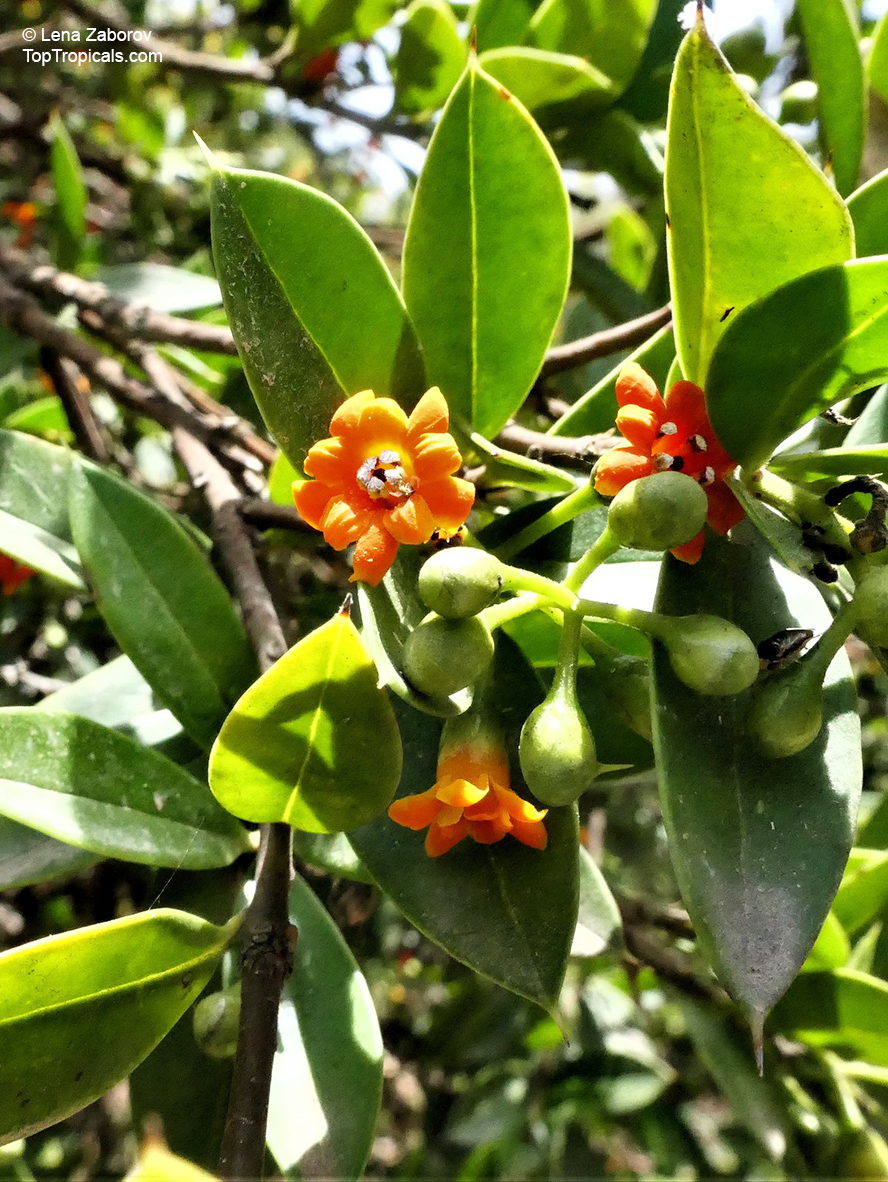
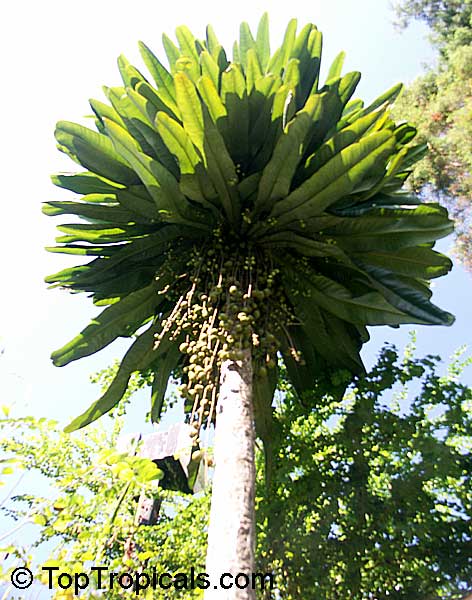
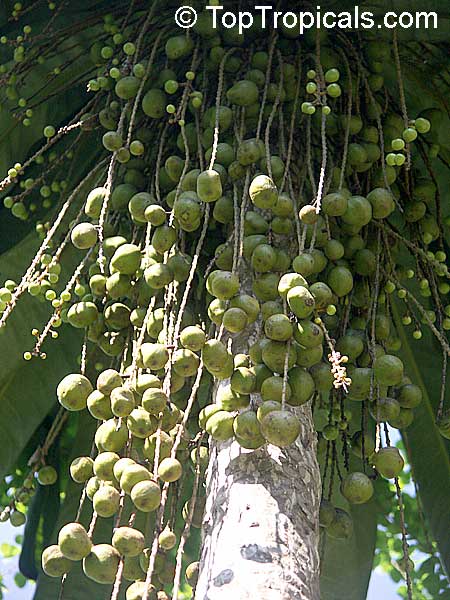
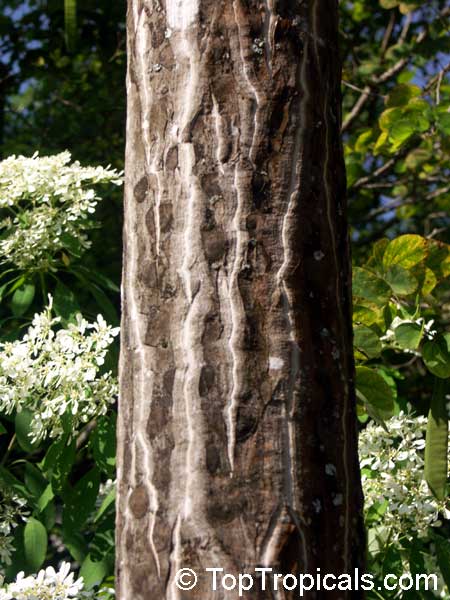
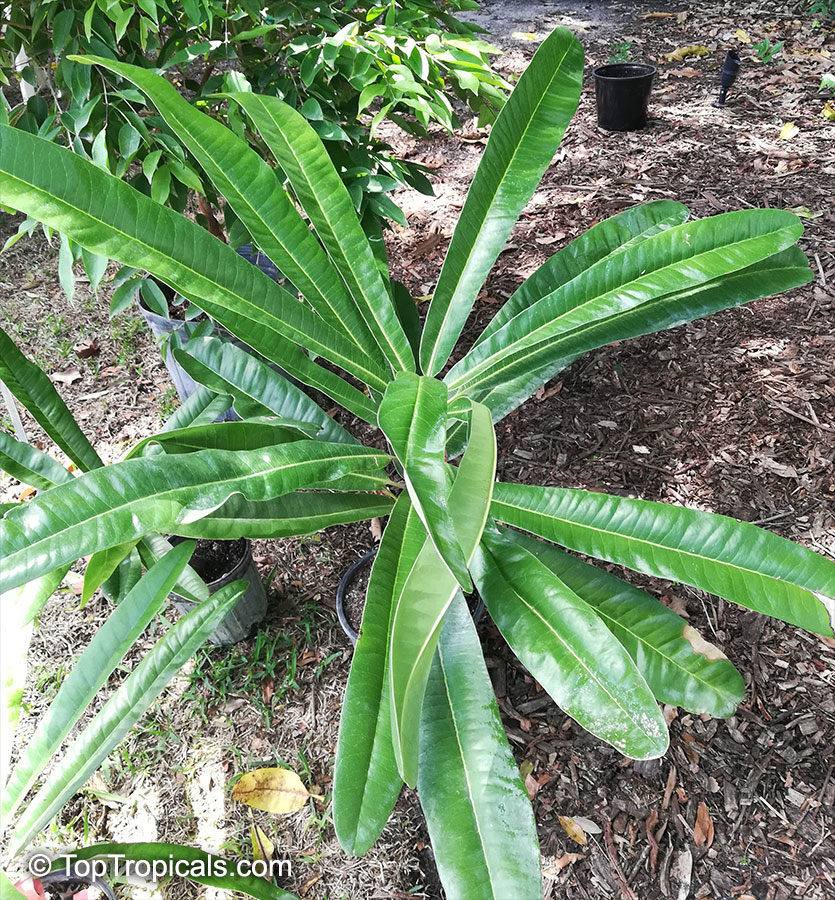
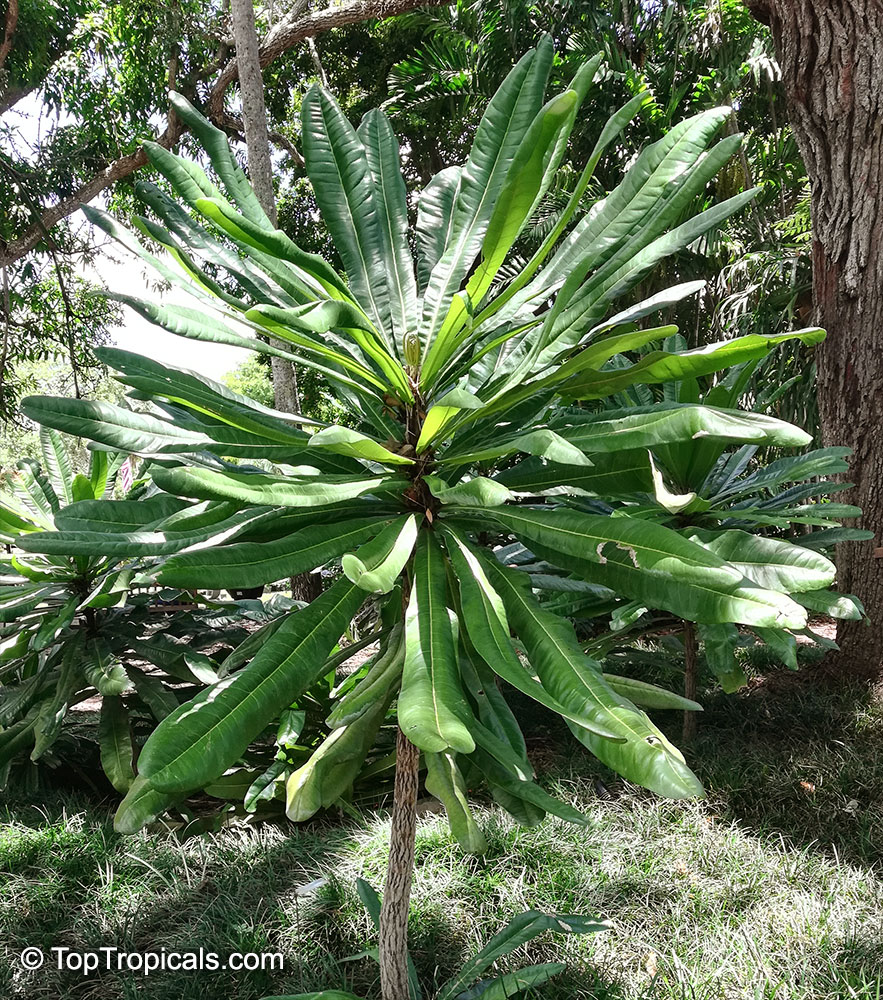
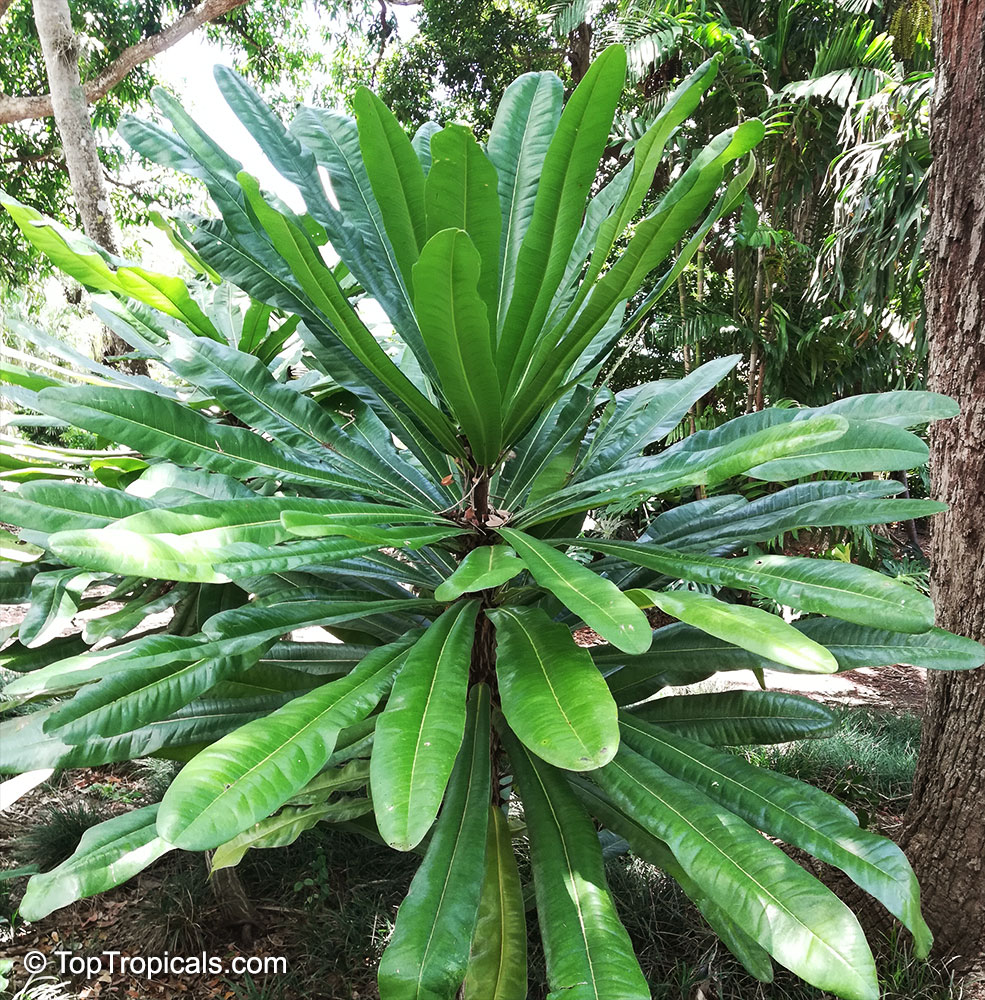
Botanical name: Clavija domingensis
Common names: Lengua de Buey, Langue de boeuf, Haiti Clavija
Family: Primulaceae (Formerly:Theophrastaceae)
Origin: Dominican endemic


| Next | |
Use link to repeat this search:
https://toptropicals.com/cgi-bin/garden_catalog/cat.cgi?search_op=and&keyword_op=and&language=e&family=Primulaceae&number=10
&no_change_lang=1&user=tt&sale=1&first=0