Portulacaceae - Botanical Family
| Number of plants found: 10 |
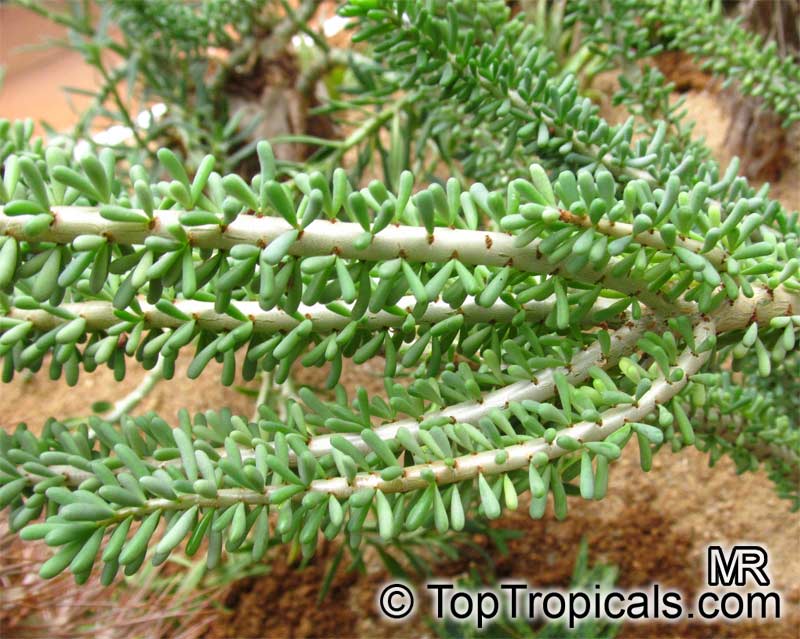
Botanical names: Ceraria namaquensis, Portulacaria namaquensis
Common names: Namaqualand Ceraria, False Portulacaria, Namaqua Porkbush
Family: Didiereaceae (Formerly:Portulacaceae)
Subfamily: Portulacarioideae
Origin: South Africa



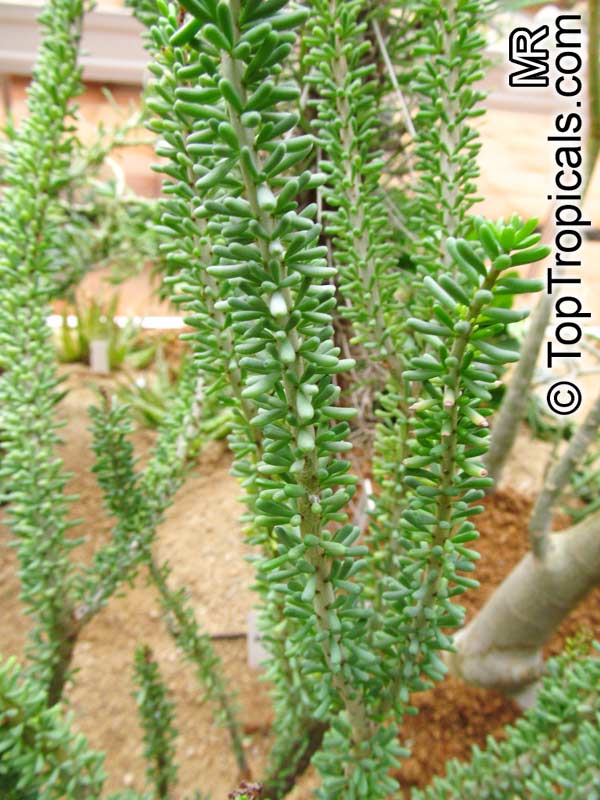
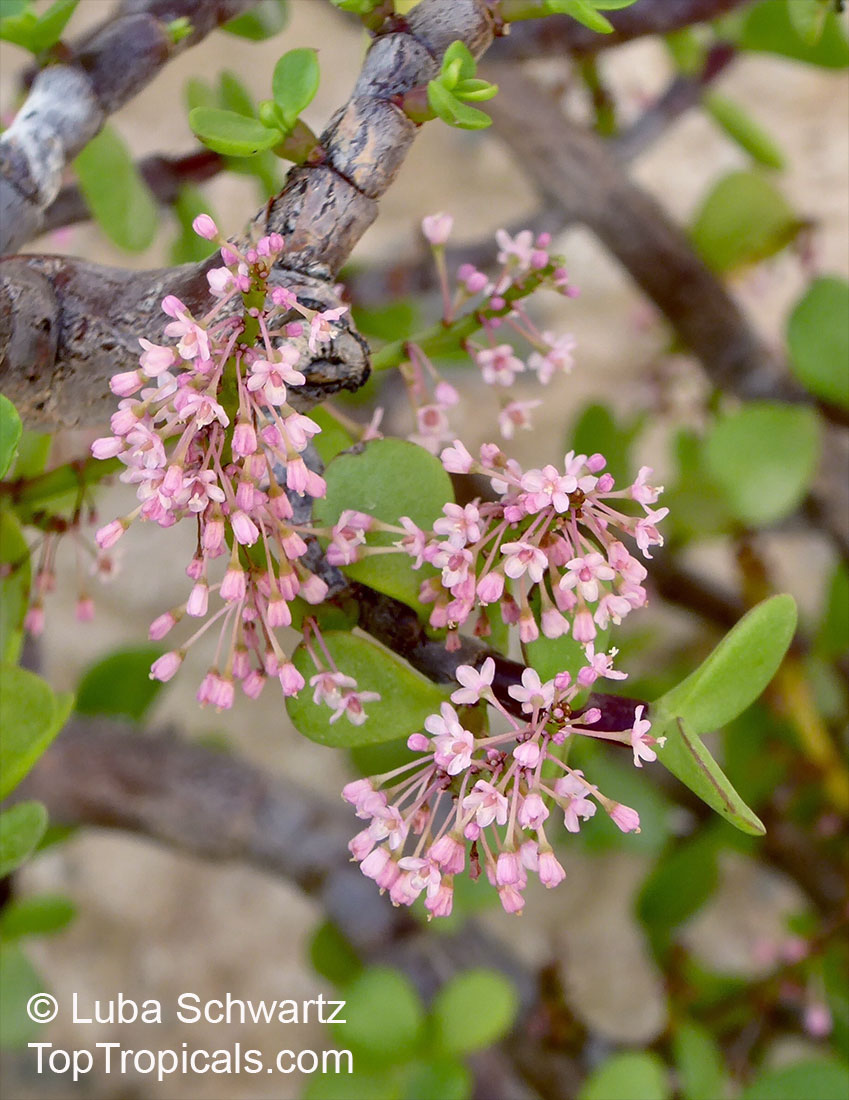
Very slow growing smallish, woody stemmed desert shrub with many short, spiky semi-deciduous, succulent leaves. It is usually grown grafted on Portulacaria afra.
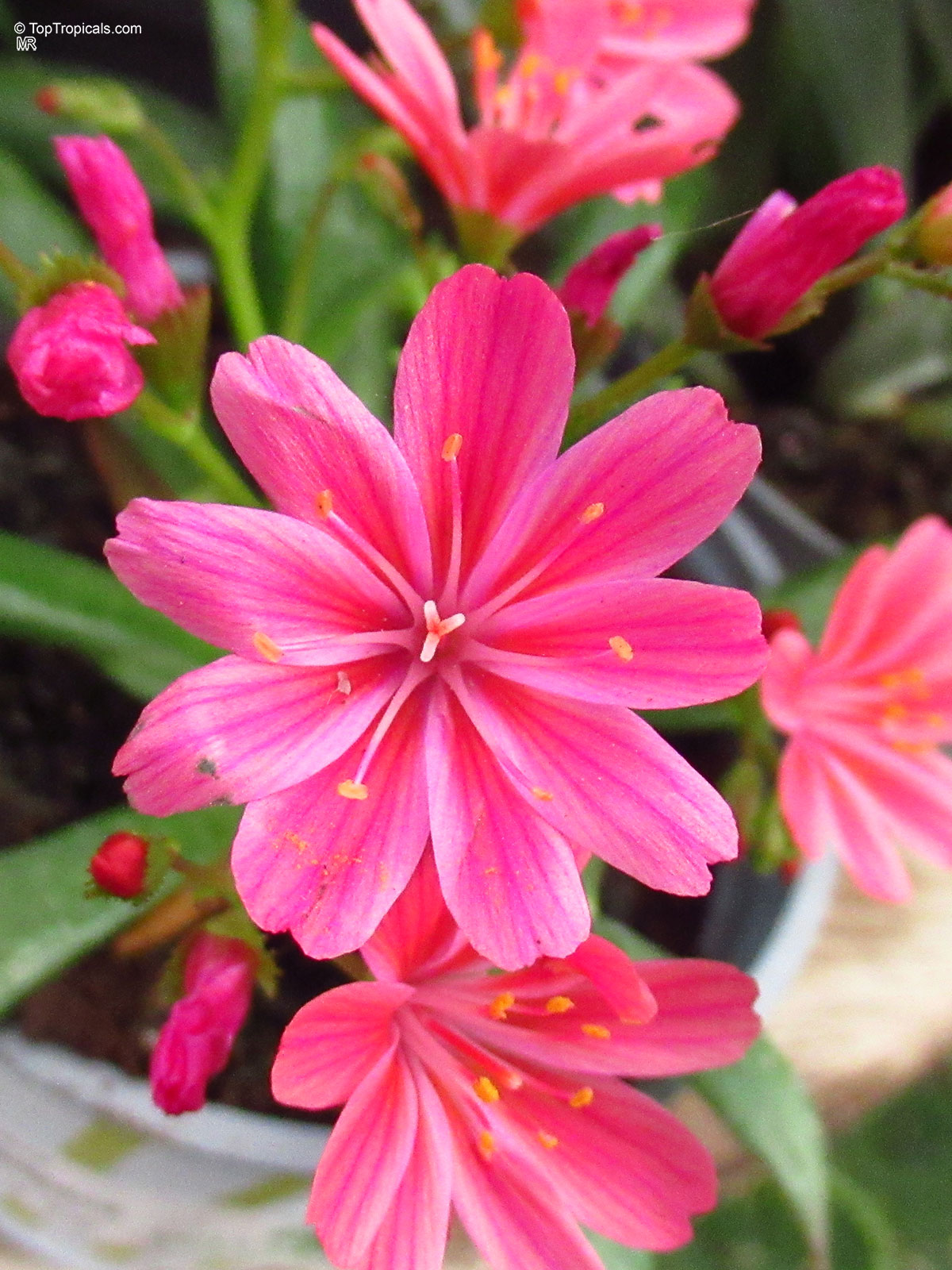
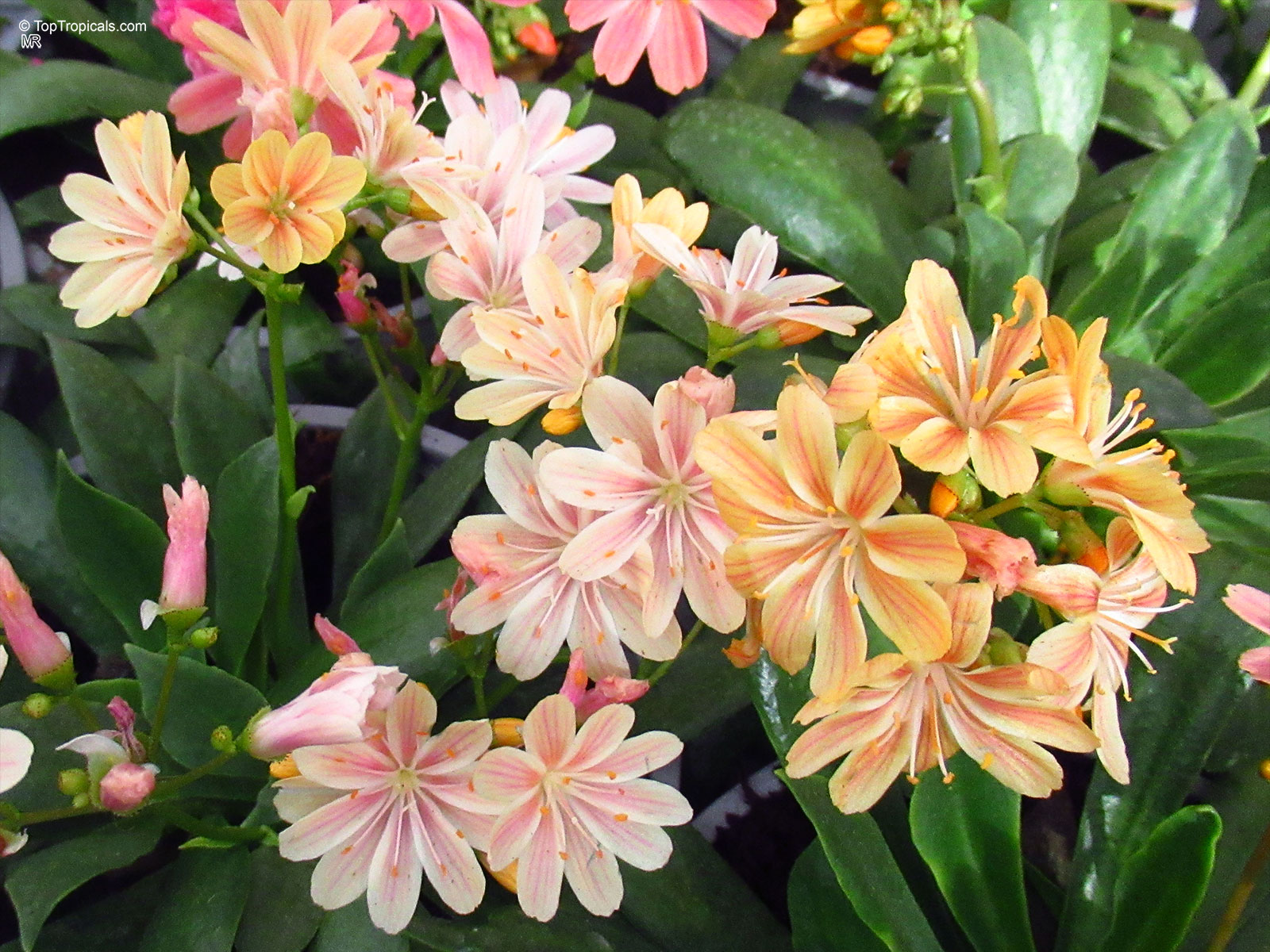
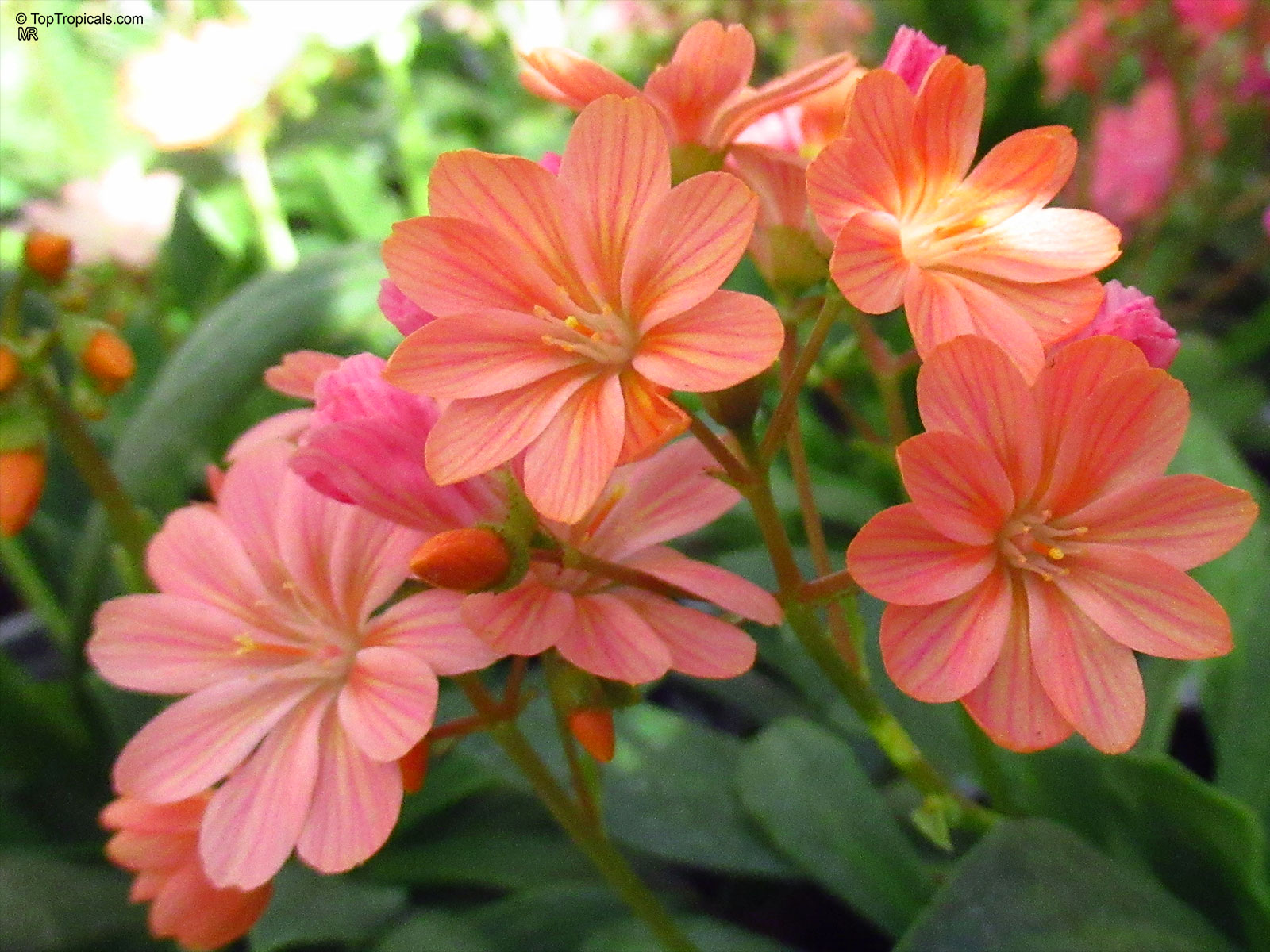
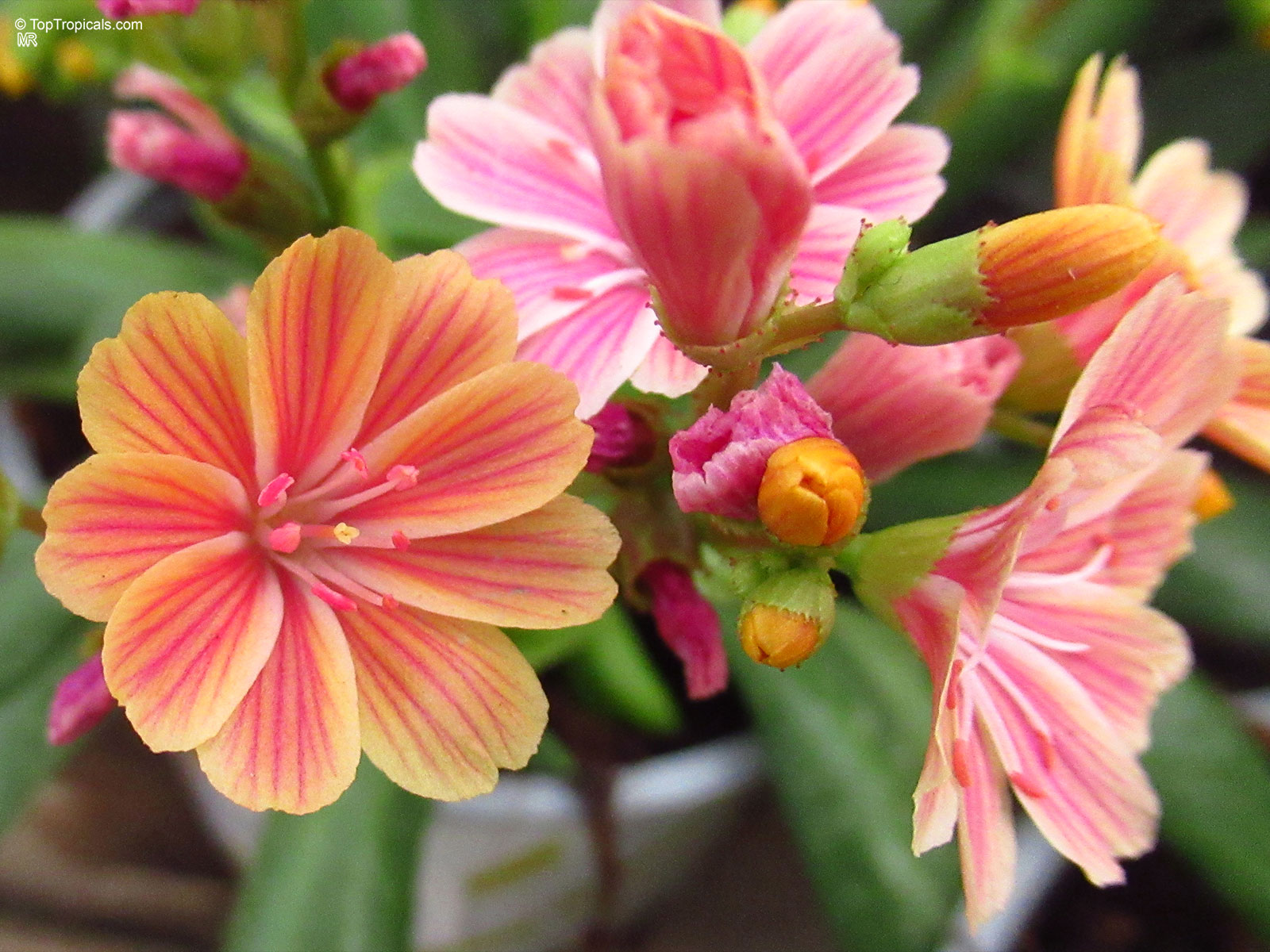
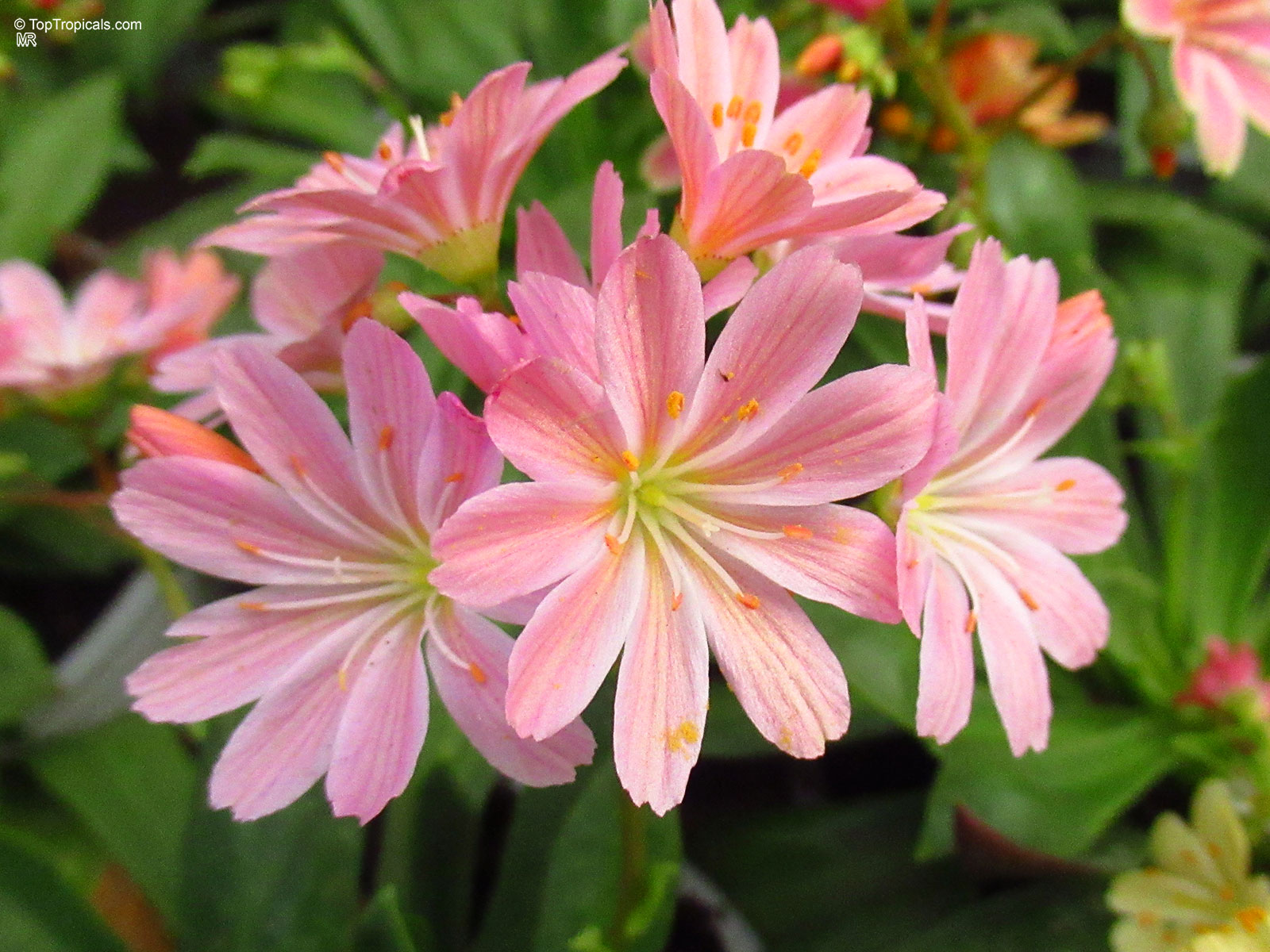
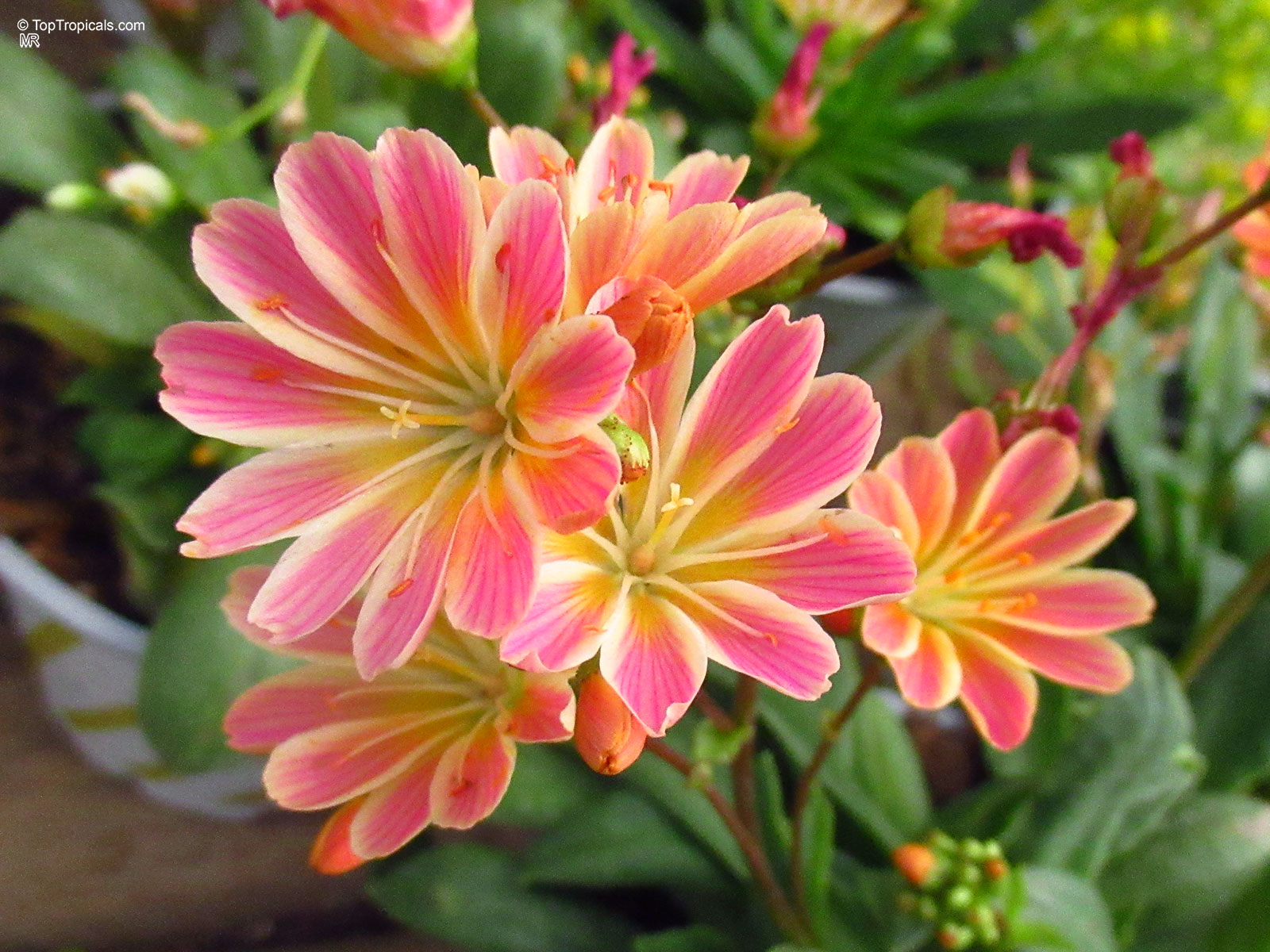
Botanical name: Lewisia cotyledon
Common name: Cliff Maids
Family: Portulacaceae
Origin: California


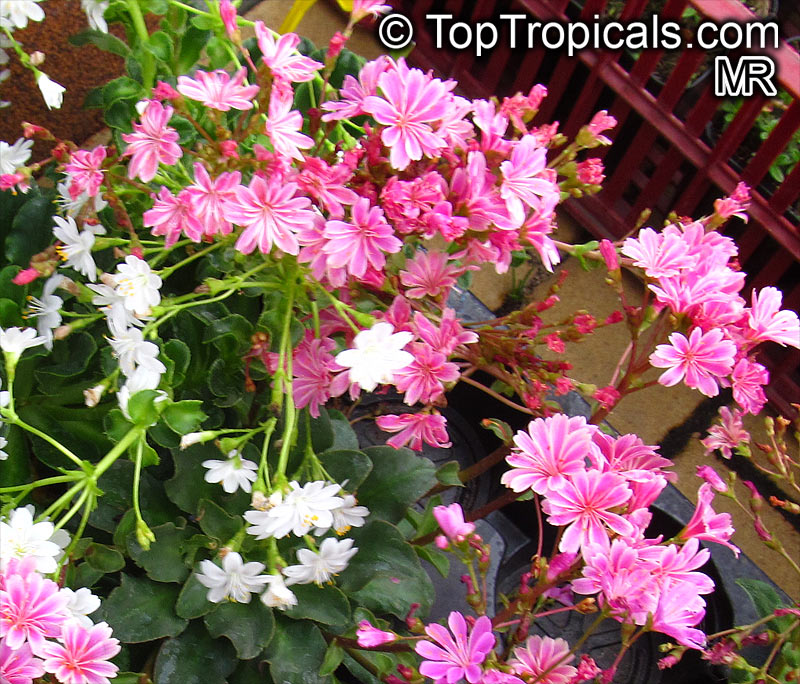
Lewisia cotyledon is a compact evergreen perennial native to rocky slopes and cliff habitats of California and Oregon, valued for its fleshy rosettes and brightly colored star-shaped flowers.
The plant forms low rosettes of smooth succulent leaves that remain attractive year-round. Slender upright stems rise above the foliage bearing star-shaped blooms with numerous narrow petals in shades of pink, salmon, orange, yellow, white, or bicolored combinations, often opening in succession over an extended period. The contrast between the compact rosette and vivid floral display makes it popular in rock gardens, alpine collections, and decorative containers.
Lewisia cotyledon grows best in bright light to partial sun with excellent drainage and mineral-rich soils. It is sensitive to prolonged winter wetness around the crown and performs well in raised beds, crevice gardens, or containers where excess moisture drains rapidly. Generally suited to USDA Zones 5-8, it tolerates cool conditions better than many succulent plants.
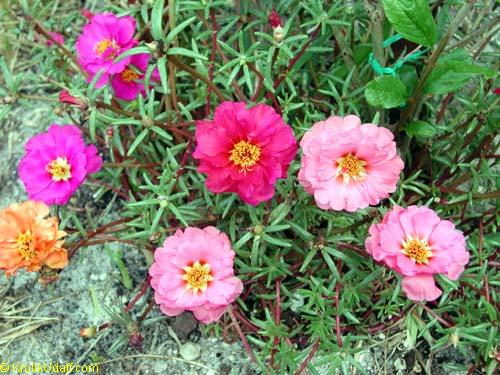
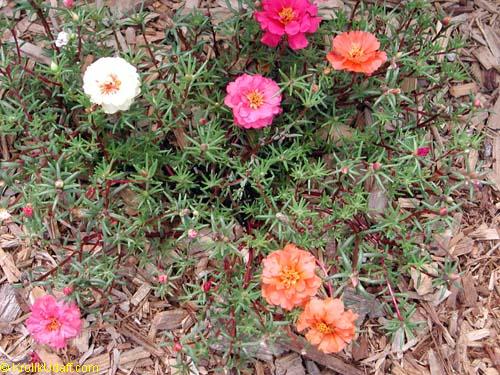
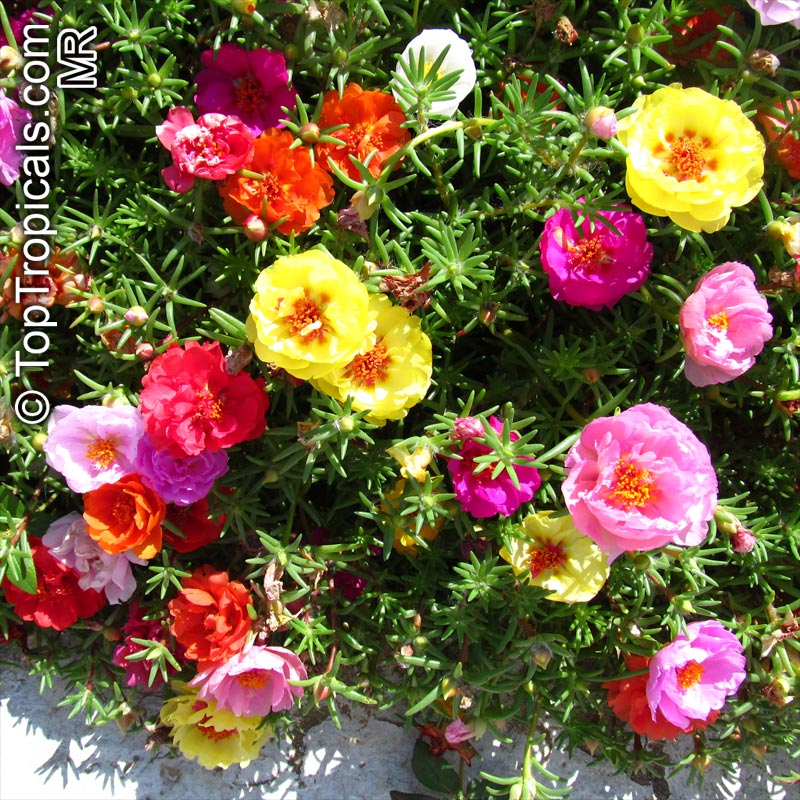
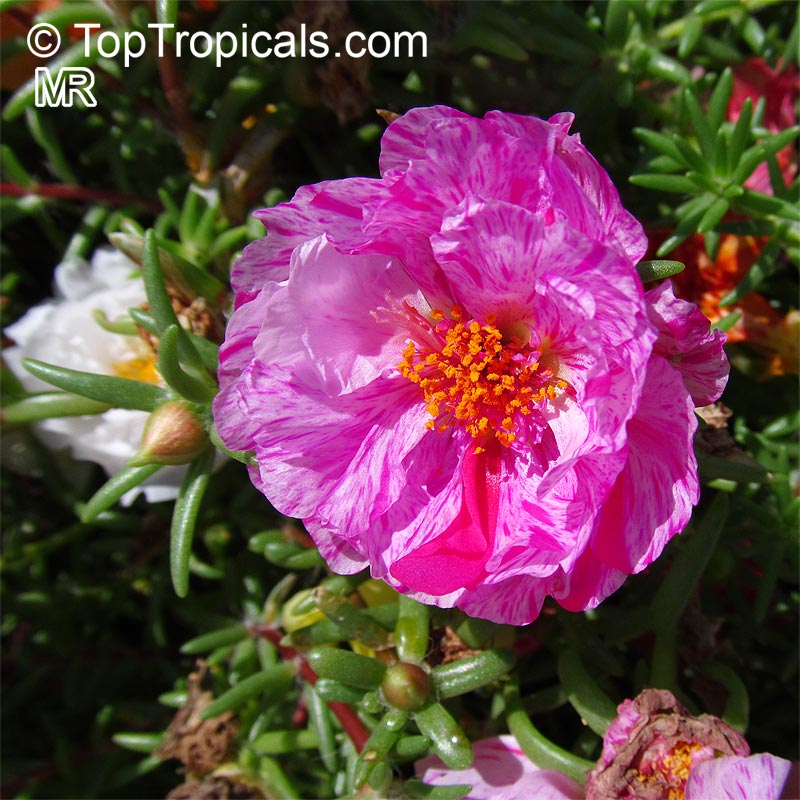
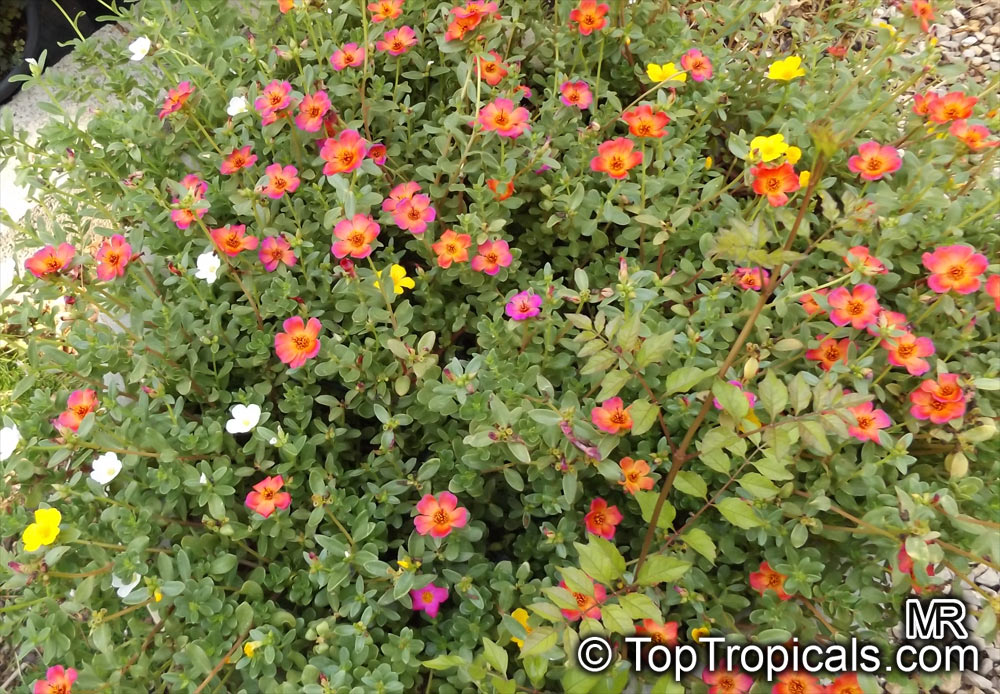
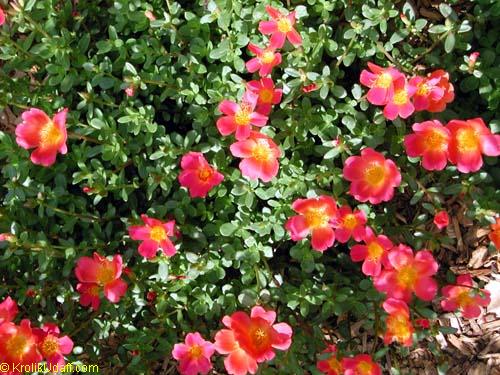
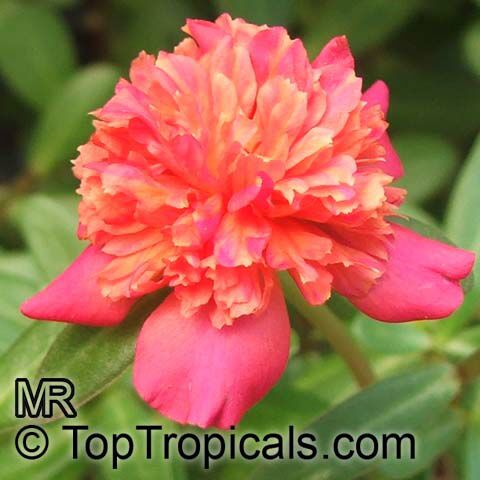
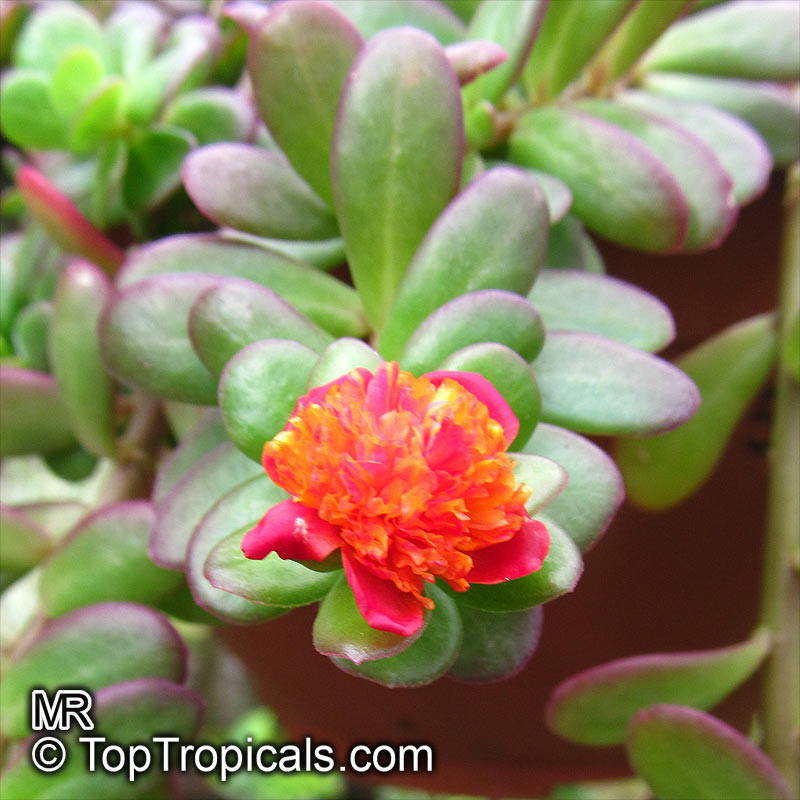
Botanical name: Portulaca grandiflora
Common names: Moss rose, Perslane, Purslane
Family: Portulacaceae
Origin: Brazil, Uruguay and northern Argentina


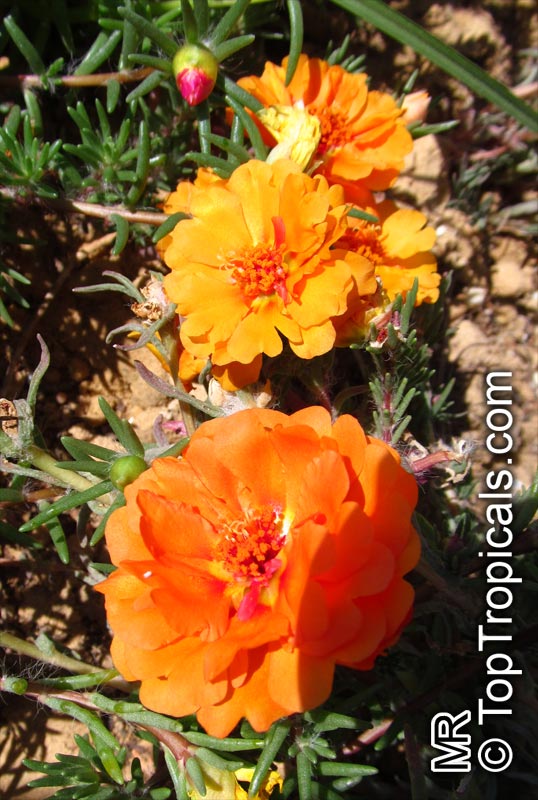
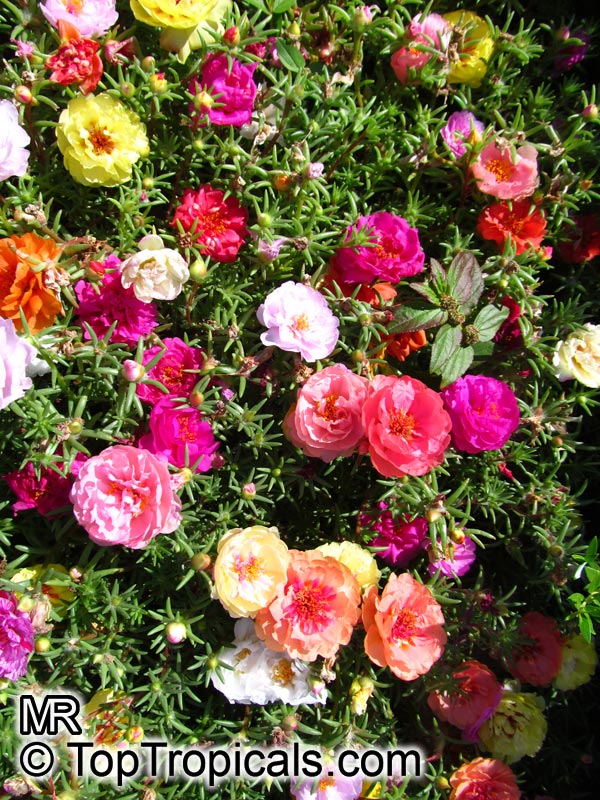
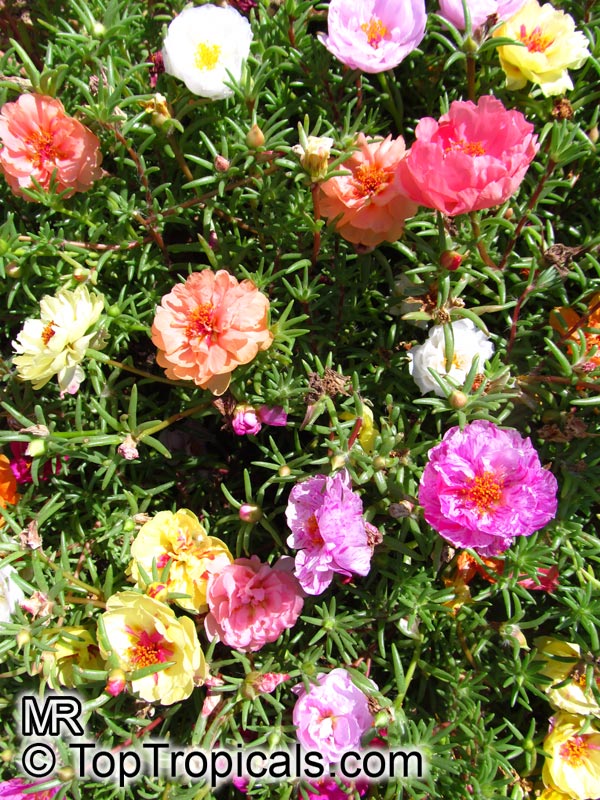
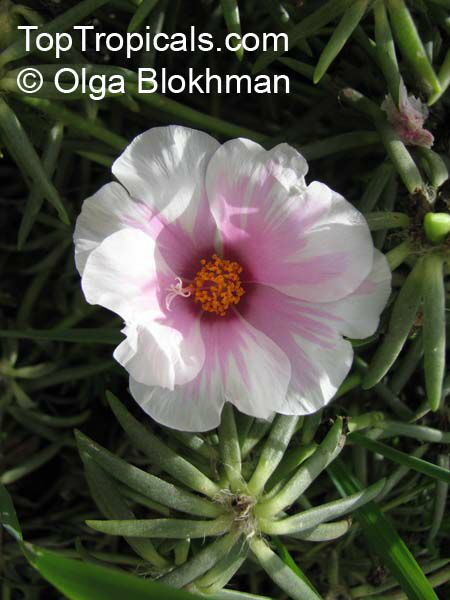
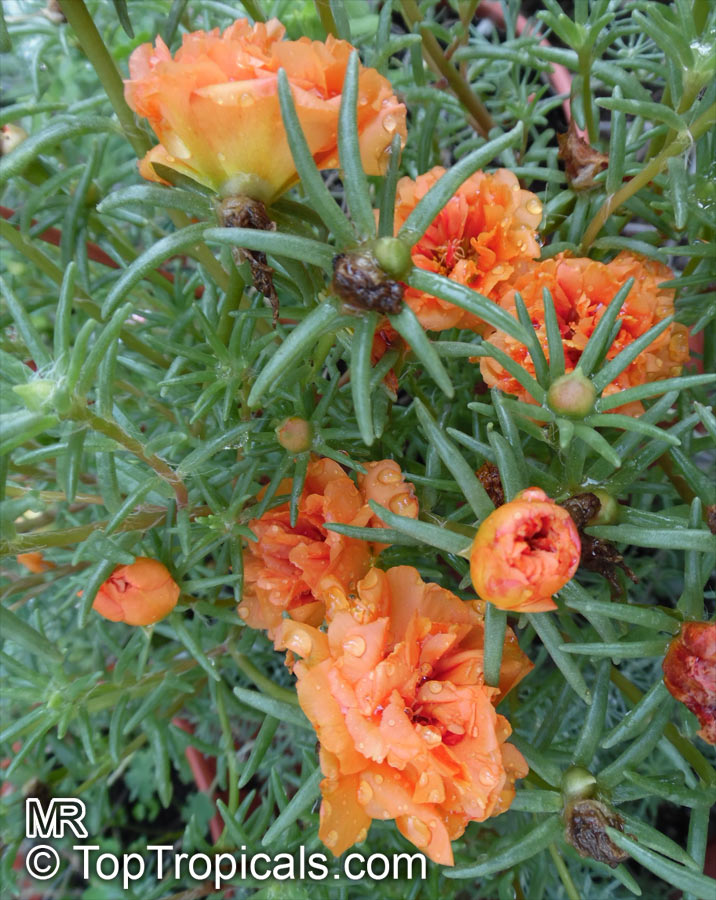
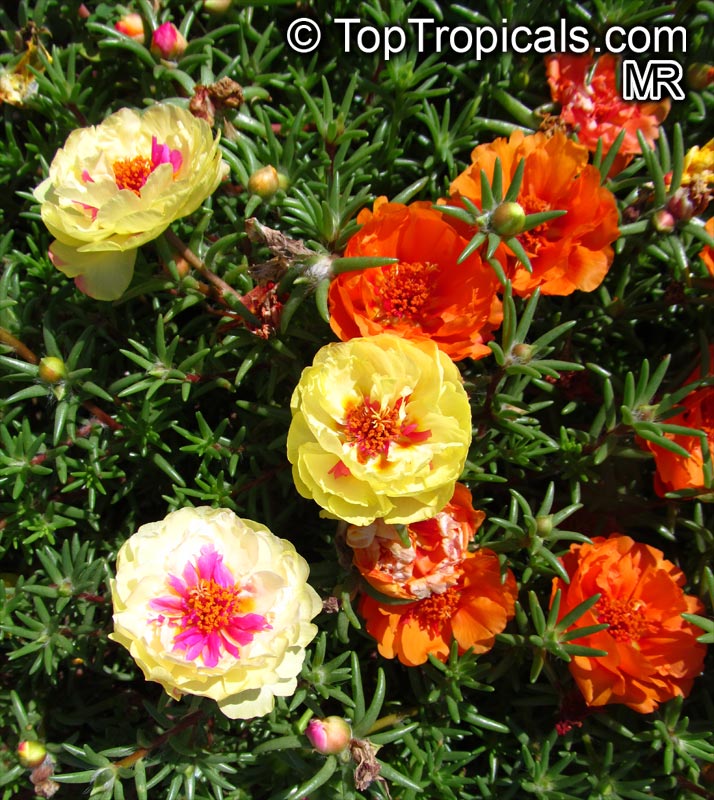
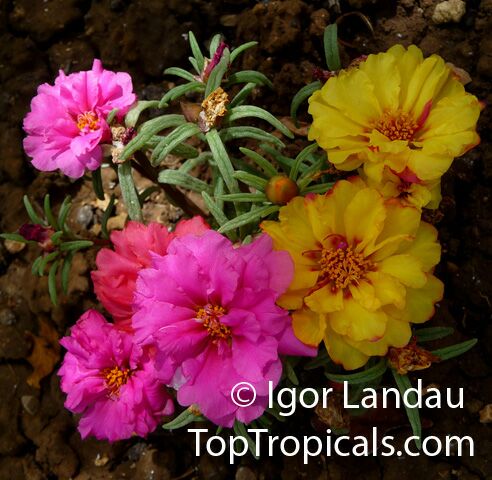
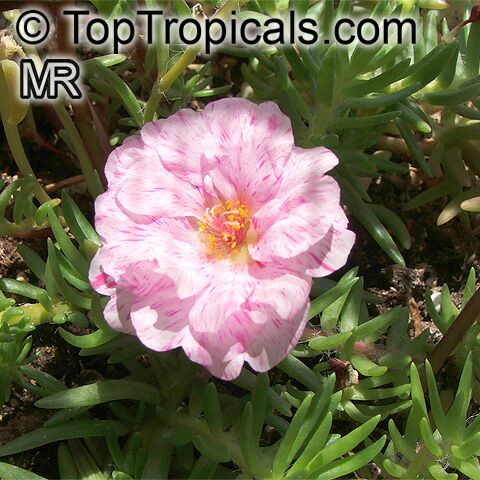
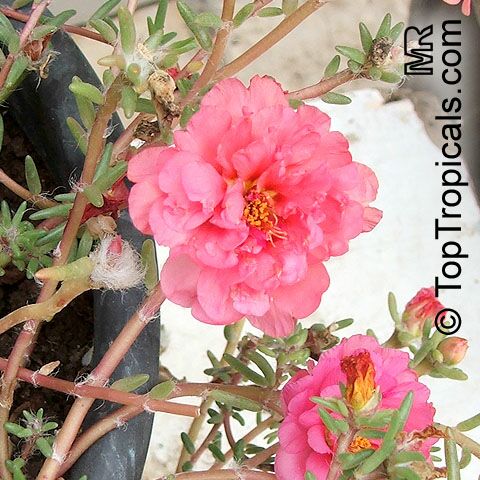
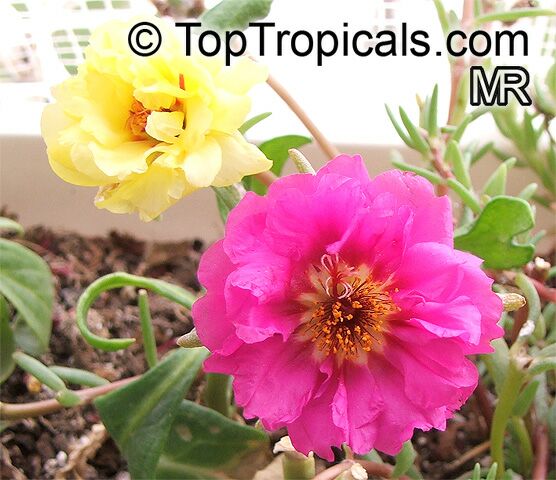
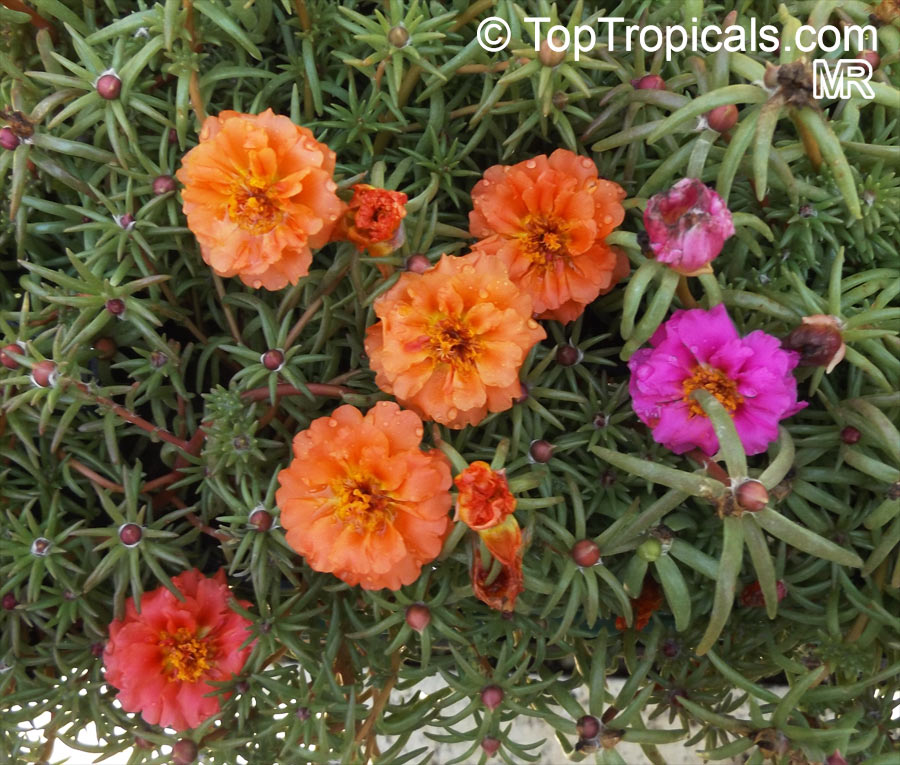
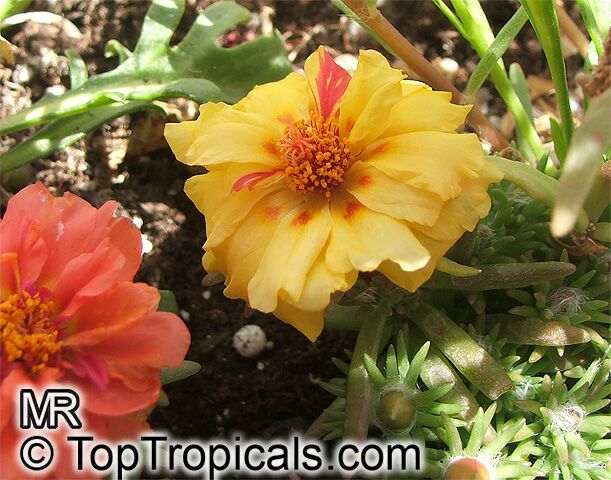
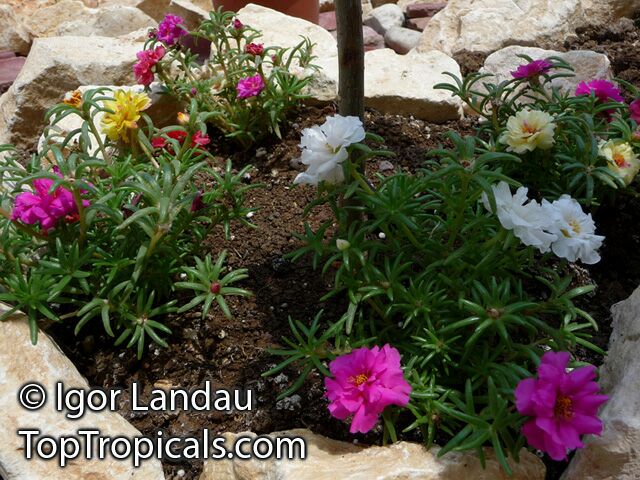
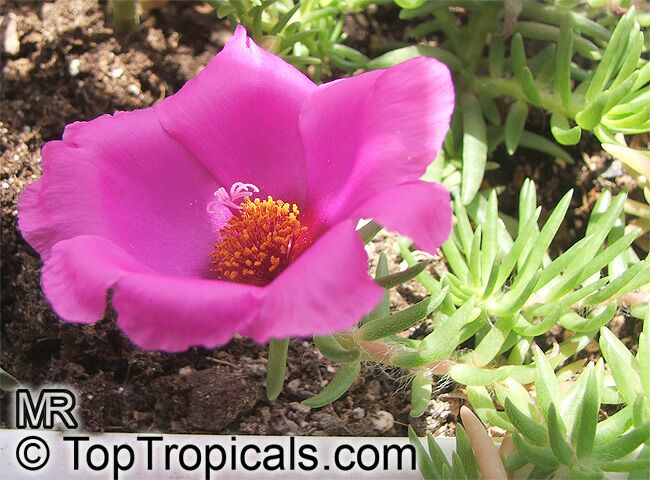
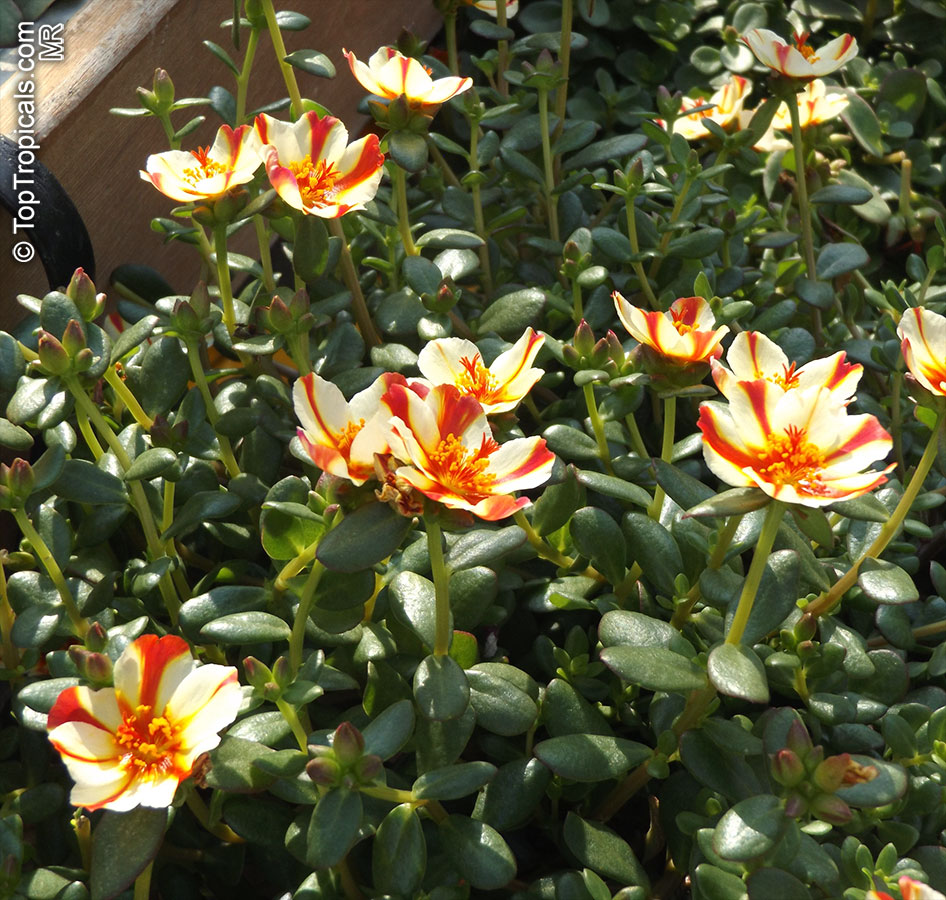
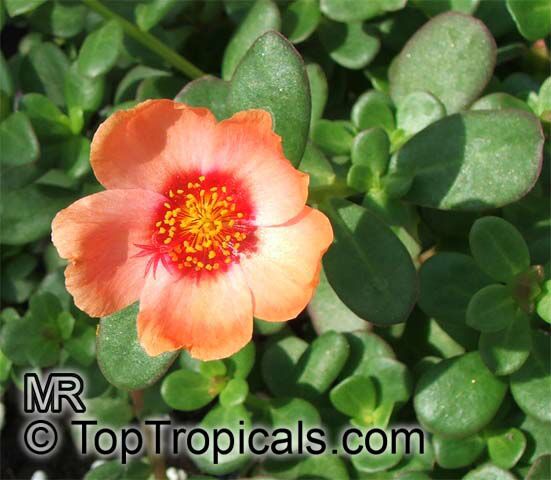
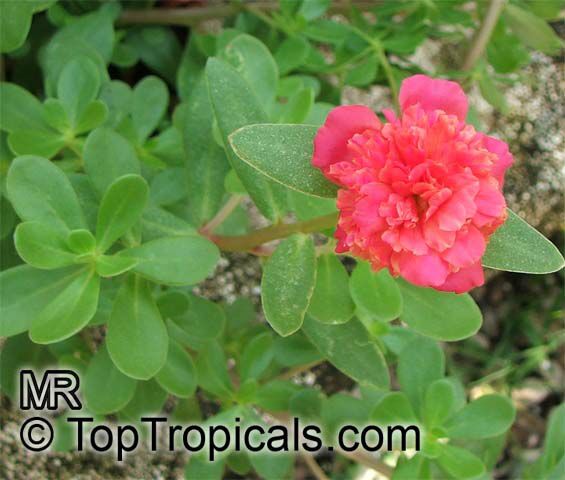
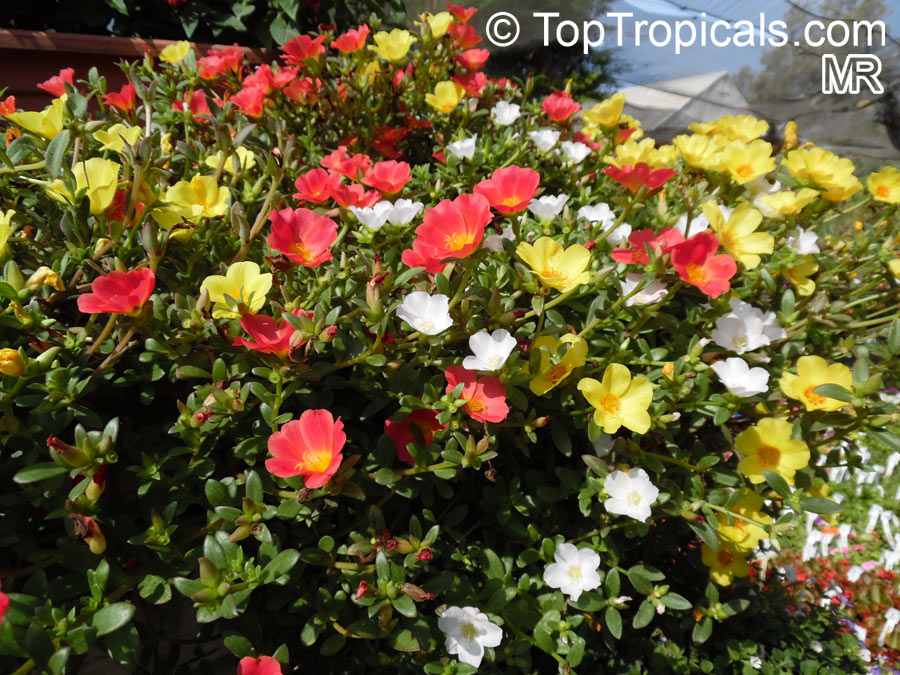
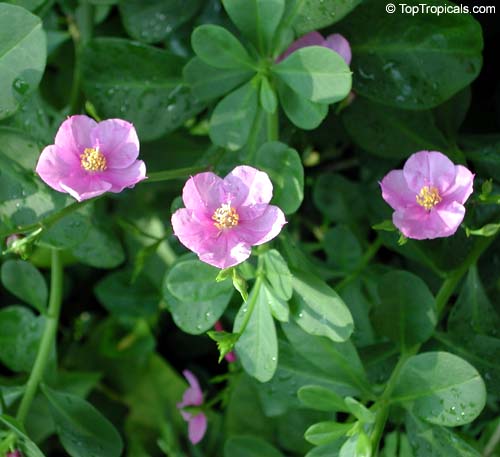
Fleshy stems and leaves, they are one of the very few annual succulents. They tolerate heat and drought, which is a characteristic of their more "native" relative, Portulaca oleracea. The leaves are cylindrical, about an inch long, and pointed on the tips. The roselike flowers are about an inch across and come in bright colors like rose pink, red, yellow, white, and orange. Some are striped or spotted with contrasting colors. Moss rose grows well in poor, sandy or gravelly soils. The soil must be very well-drained. Drought tolerant, but flowers best with regular watering. Don't water with overhead irrigation, which can damage the flowers. The seeds are very tiny, so mix them with sand before sowing to make them easier to scatter. Seeds can be sown directly outside where they are to grow in the spring after all danger of frost has passed.


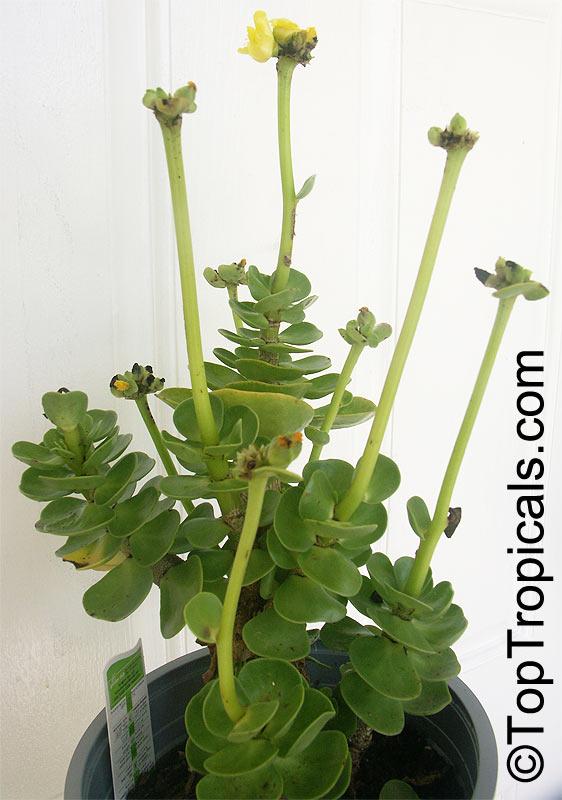
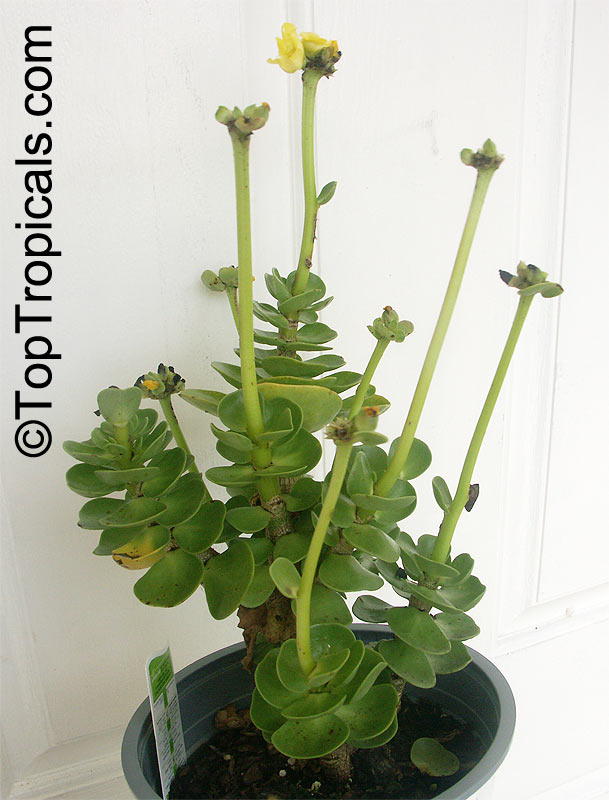
Botanical name: Portulaca molokiniensis
Common names: Hawaiian Portulaca, 'Ihi
Family: Portulacaceae
Origin: Pacific Islands


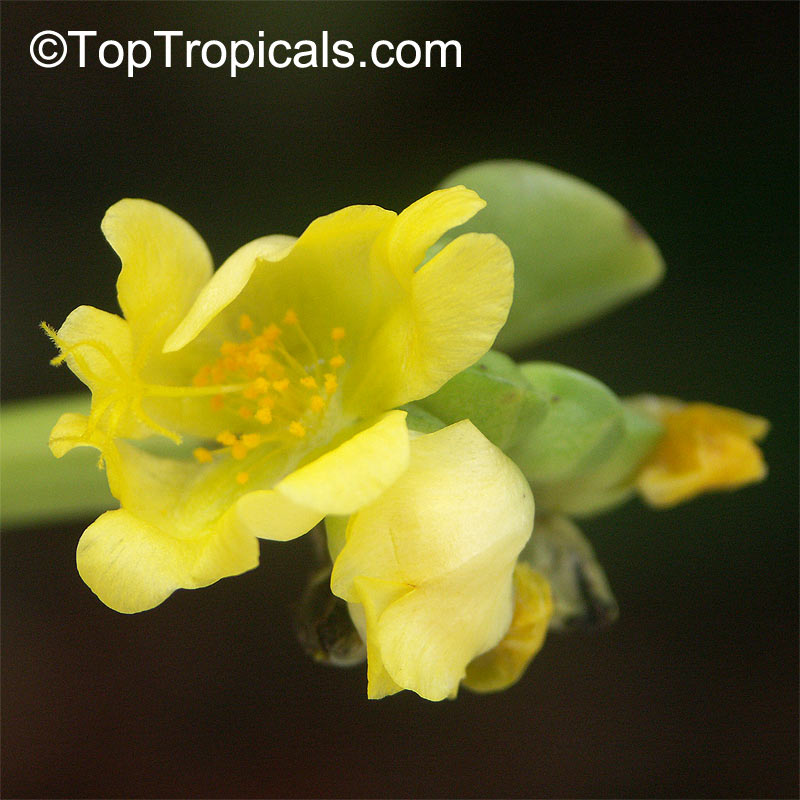
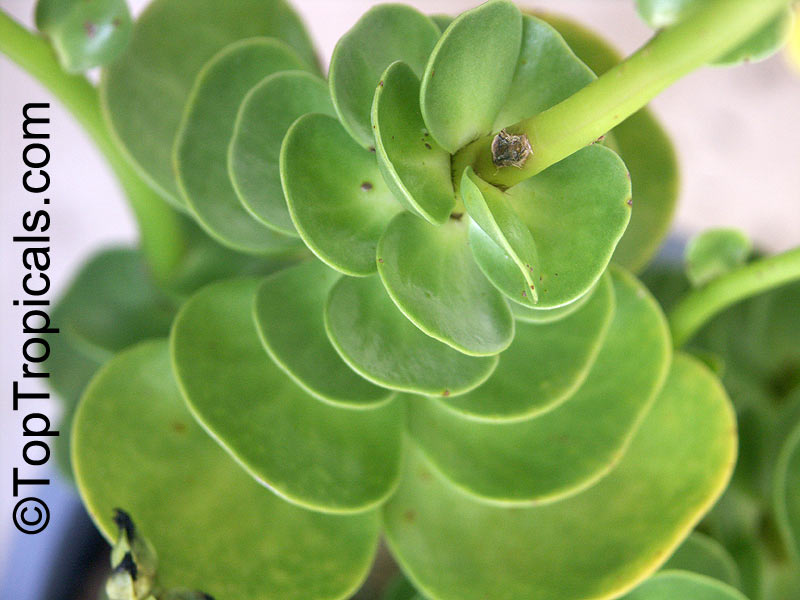
Native to Pacific Islands, Portulaca molokiniensis, or Hawaiian Portulaca, is a small shrub, typically growing to between 2 to 5 feet tall. Its caudex, a thickened swelling of the main stem, acts as a water reservoir during periods of drought. This plant is perfect for gardeners who desire a low maintenance plant and loves full sun and moderate water. Though, the plant will tolerate hot climates and can even go into periods of drought without too much interruption.
The flowers on this plant are of yellow and orange variety, giving each plant an extra beautiful touch. When in bloom, they emit a light and pleasant scent throughout the area.
Portulaca molokiniensis is easy to grow and propagate, doing best in USDA Zones 9-11. When growing in cold areas, these plants should be cared for in pot by keeping the container to areas of full sun, low but regular watering, and allowing the soil to dry out between watering periods.
Portulaca molokiniensis is a beautiful and resilient plant, thriving in the harshest and the sunniest of climates. With its unique coloring, sweet scent, and its low maintenance needs, it is a perfect plant to add a colorful touch to any garden.

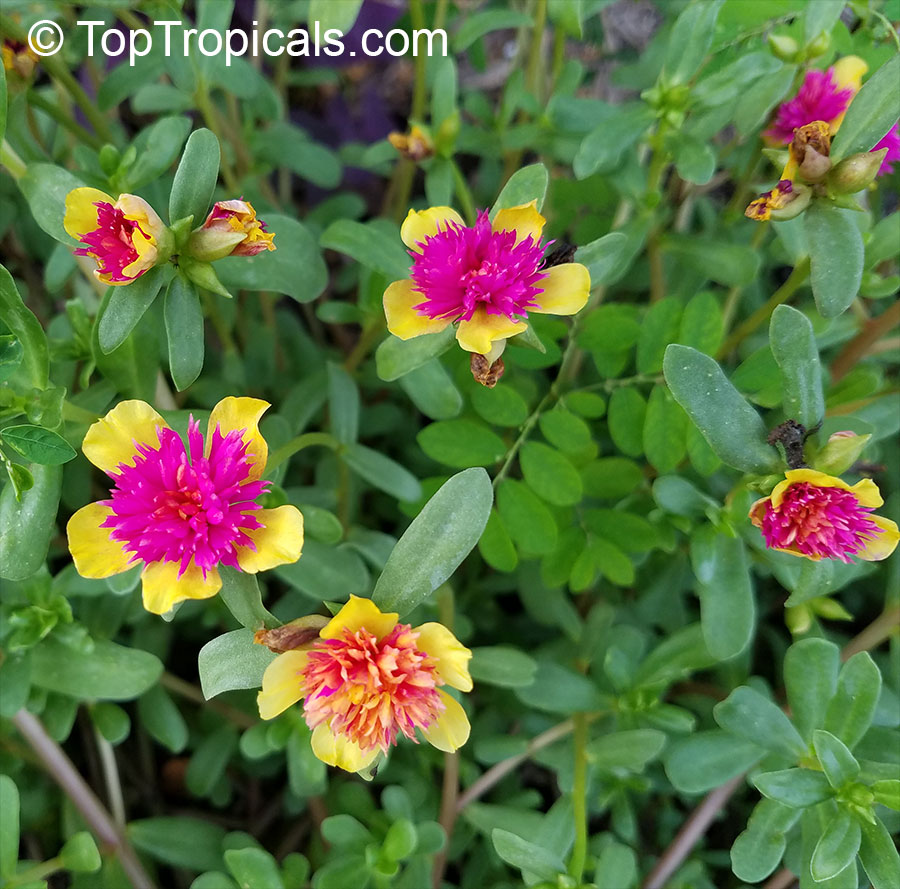
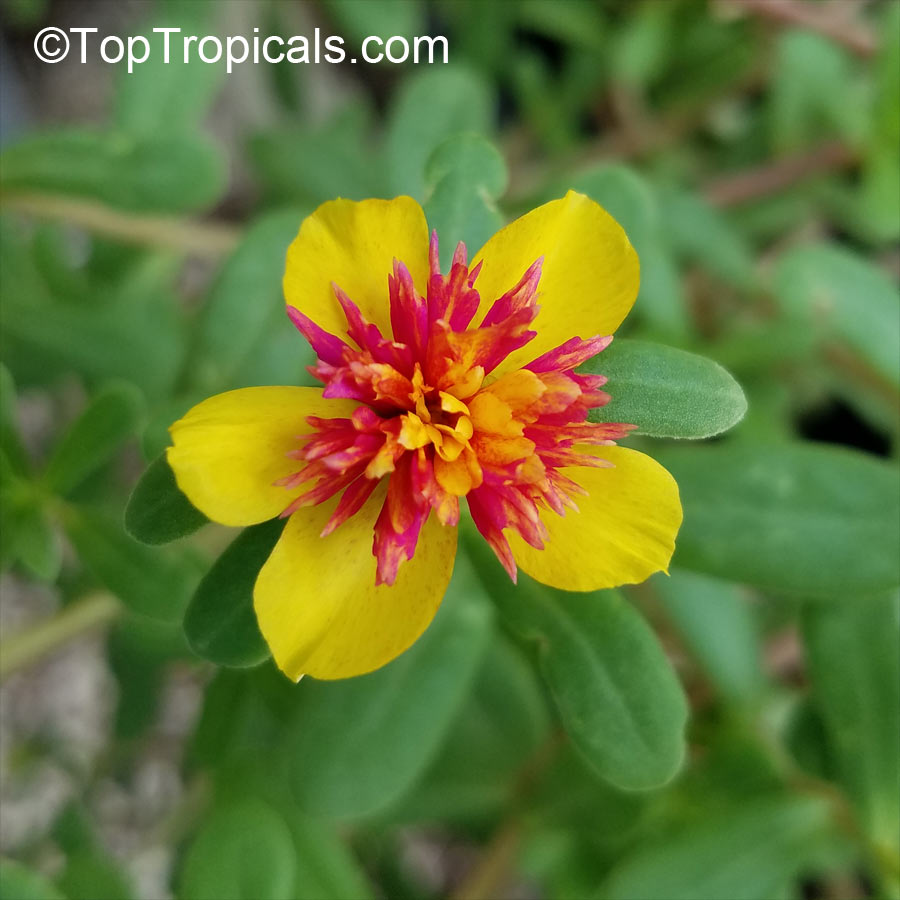
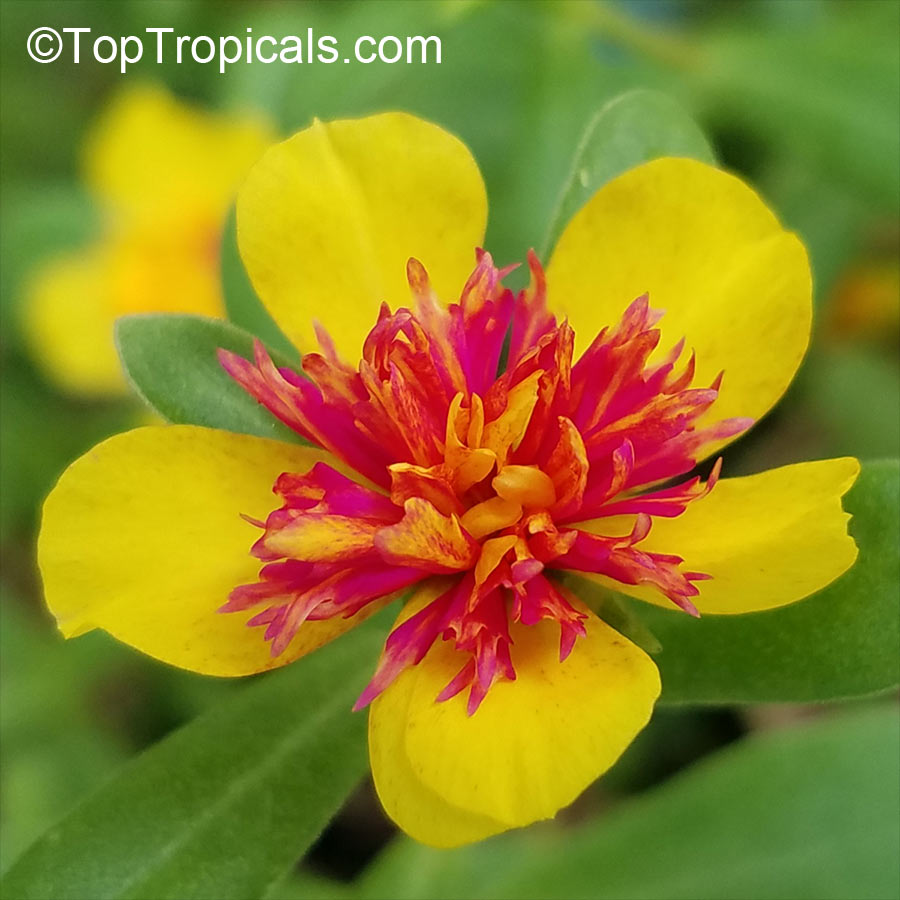
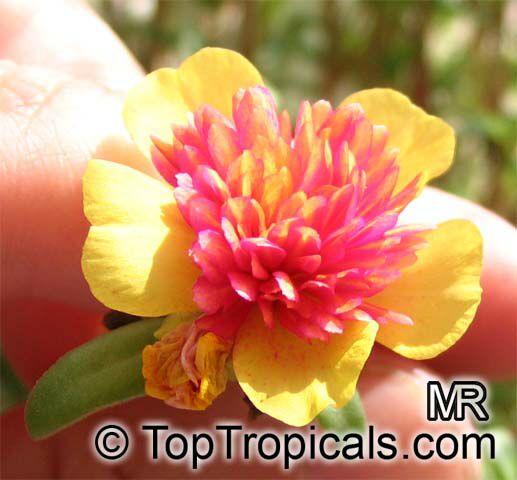
Botanical name: Portulaca oleracea
Common name: Common Purslane
Family: Portulacaceae
Origin: Tropical Asia

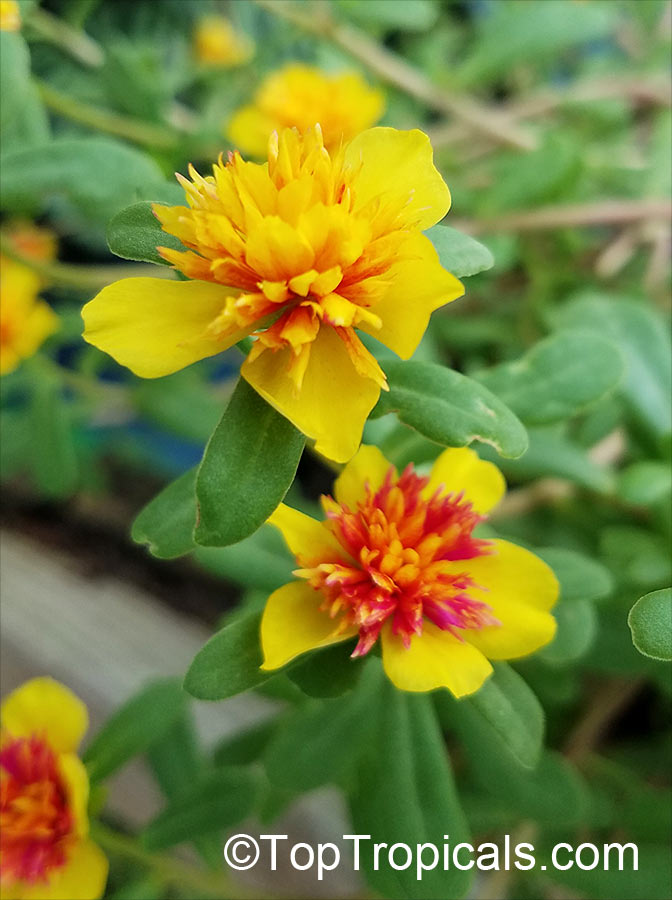
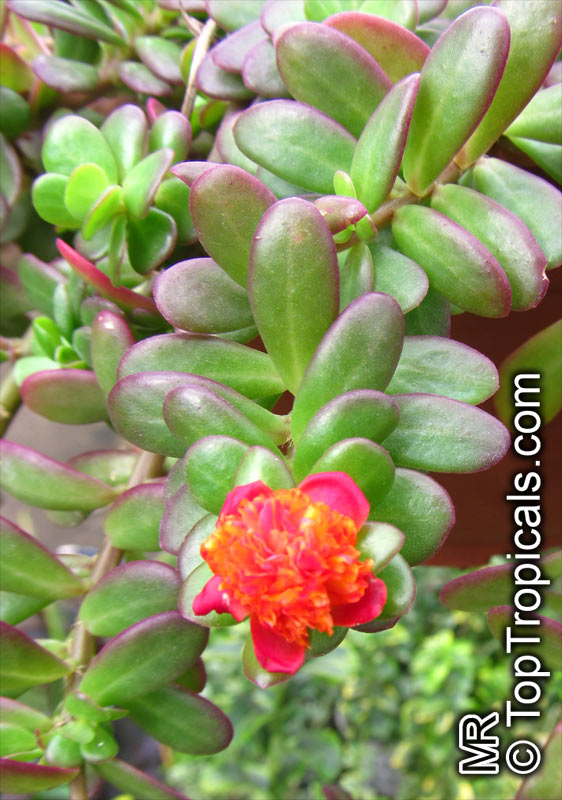
Fleshy stems and leaves, they are one of the very few annual succulents. They tolerate heat and drought.
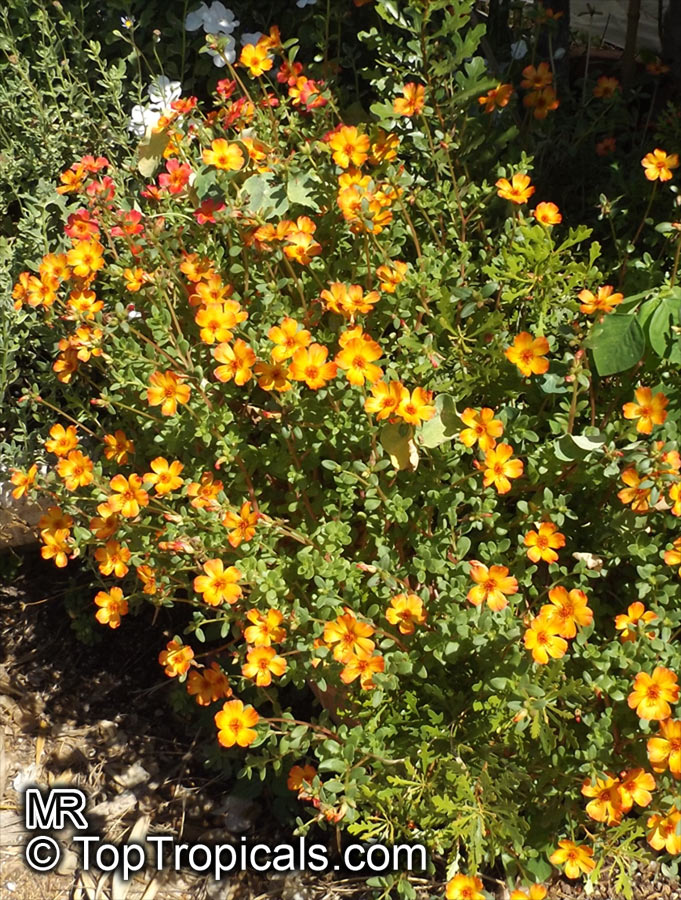
A Purslane cultivar grown as a vegetable. There are a number of cultivars, some rose pink, red, yellow, white, and orange flowers.








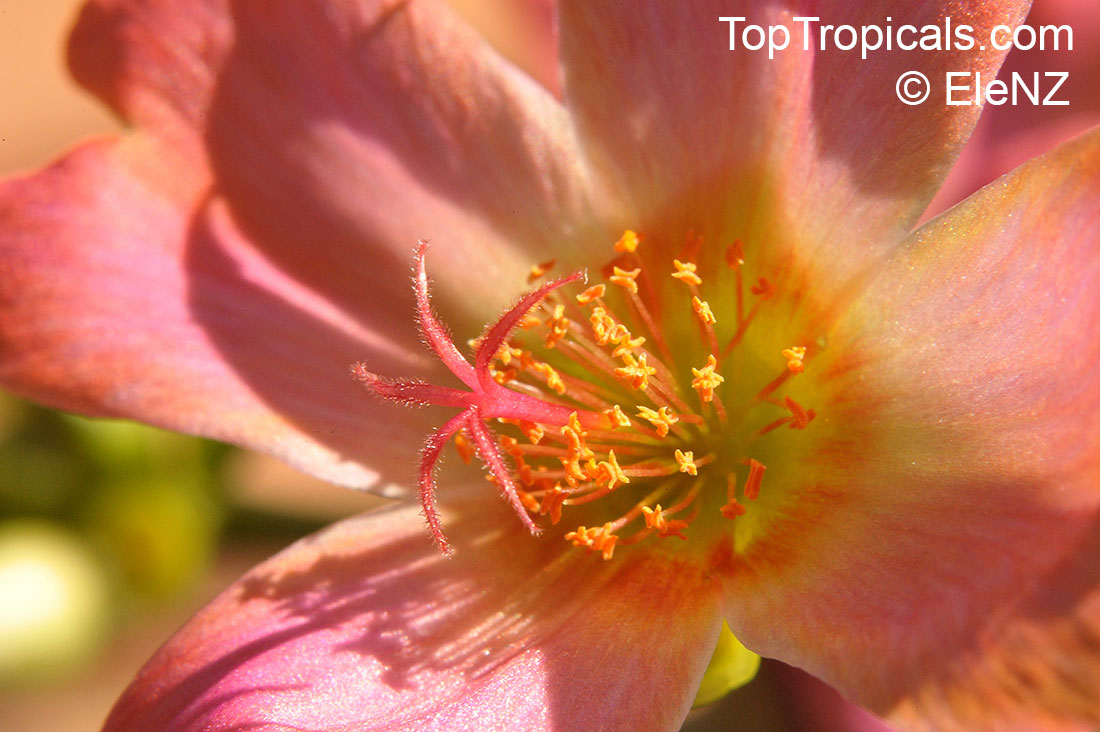

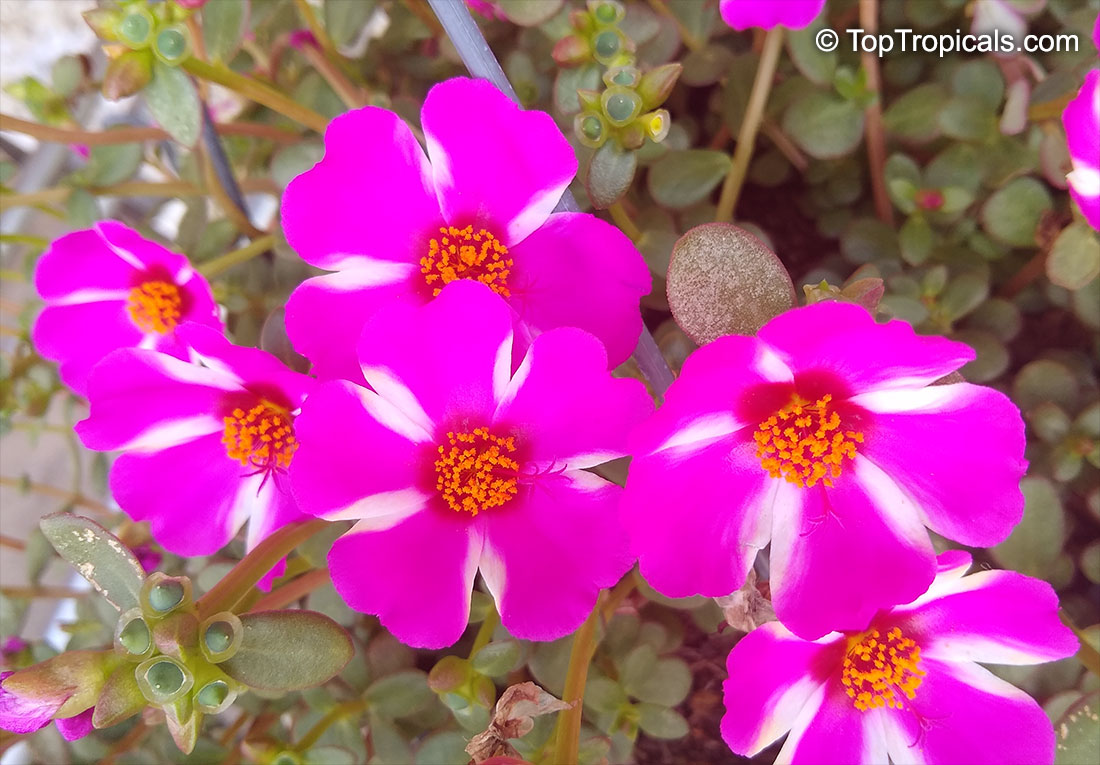
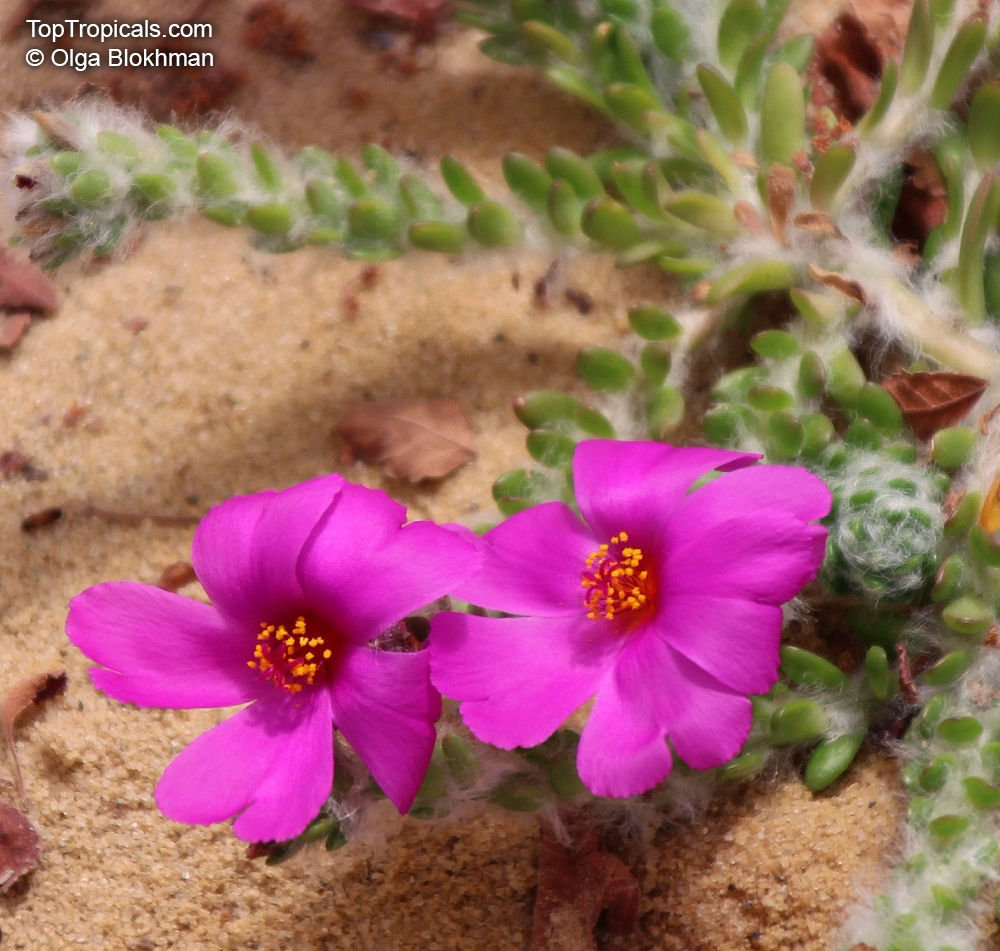
Botanical name: Portulaca werdermannii
Common name: Eleven hours Purslane
Family: Portulacaceae
Origin: Brazil
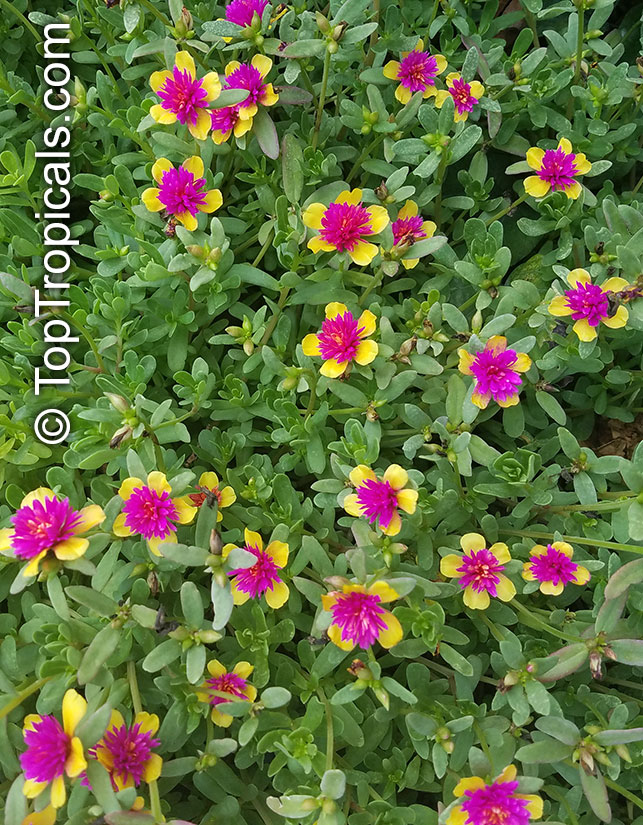
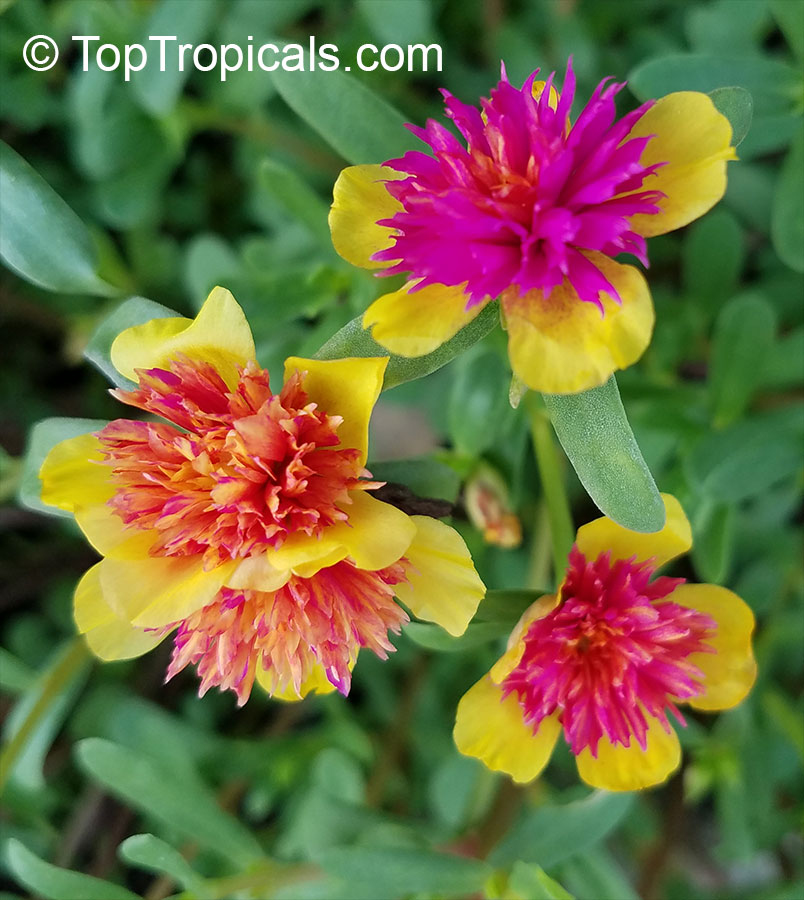
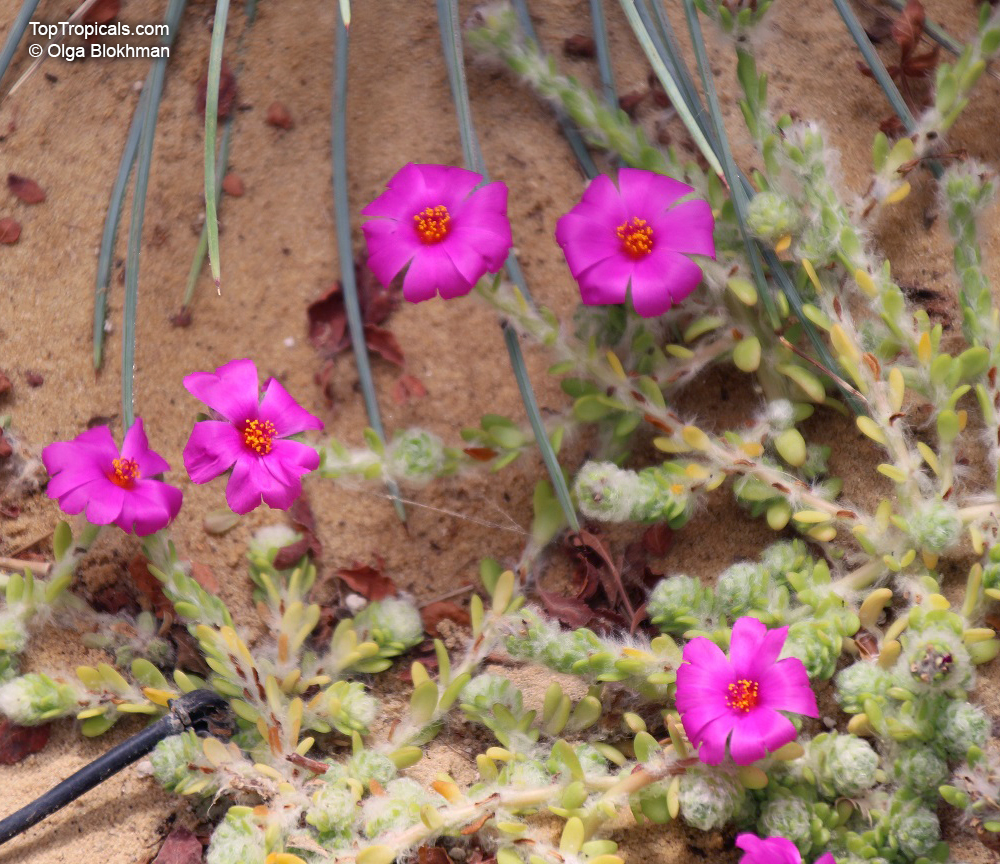
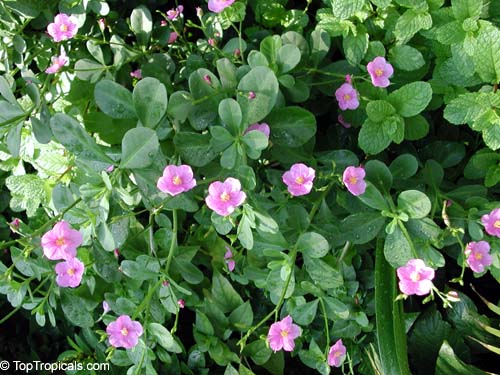
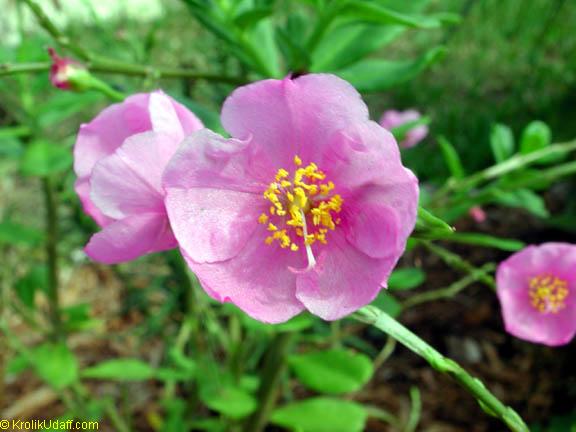
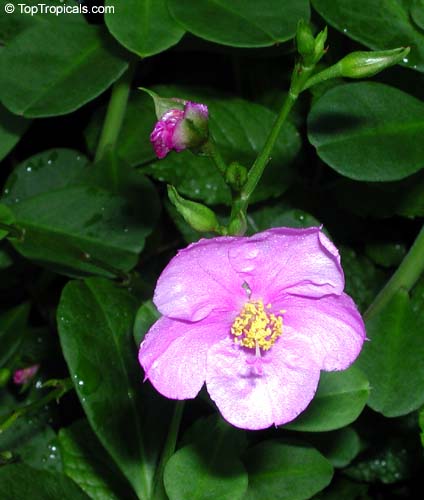
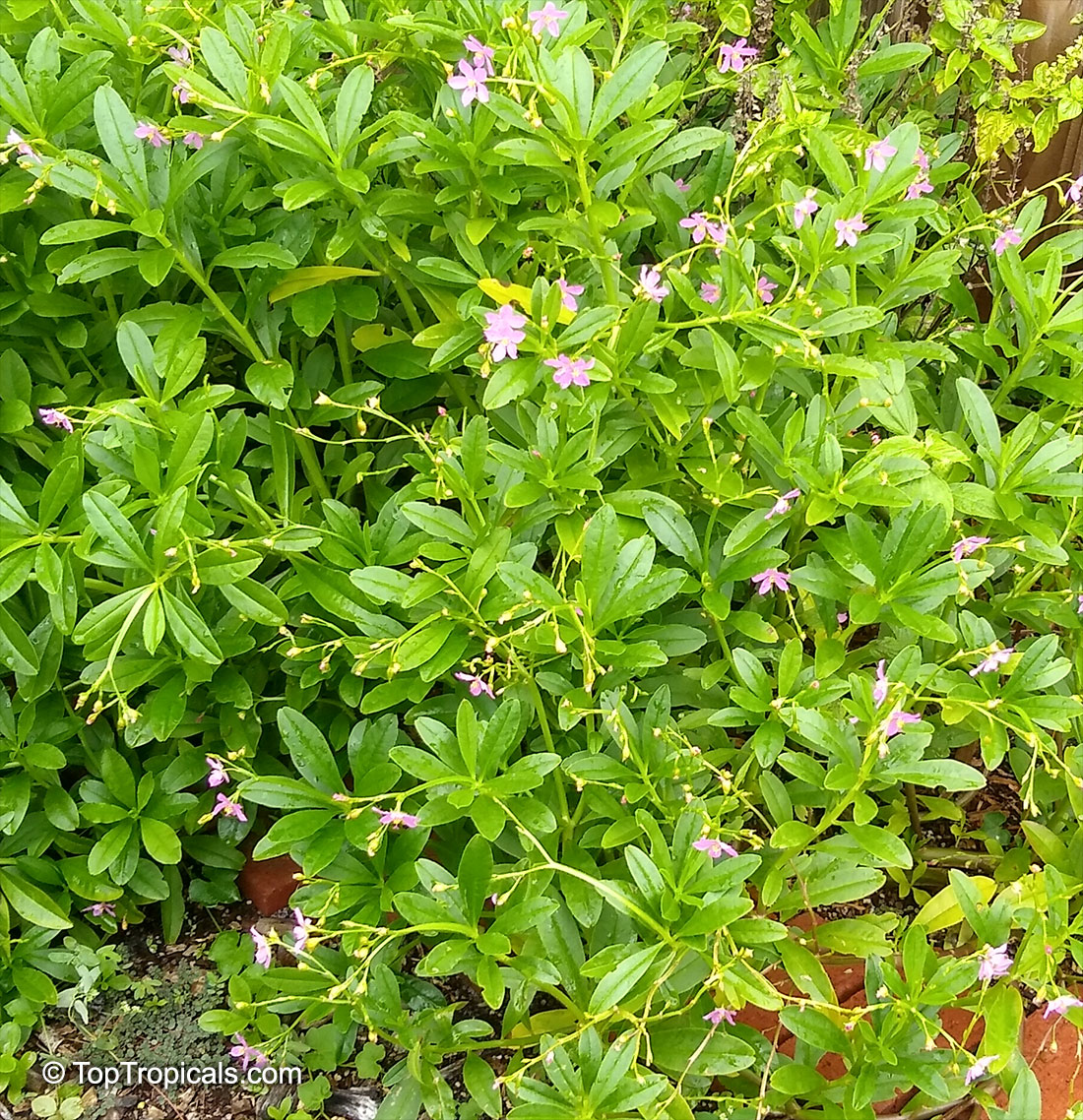
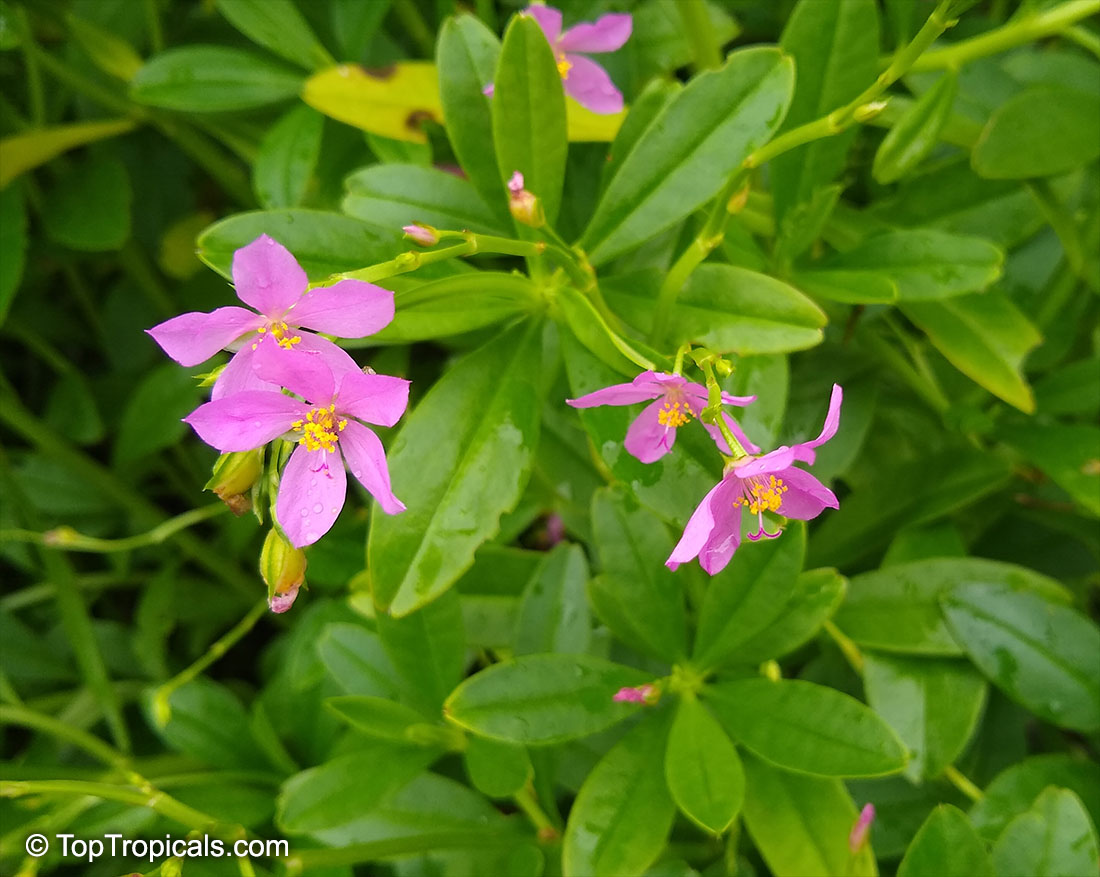
Portulaca werdermannii is a prostrate succulent species with terminal, violet-fuchsia flowers.
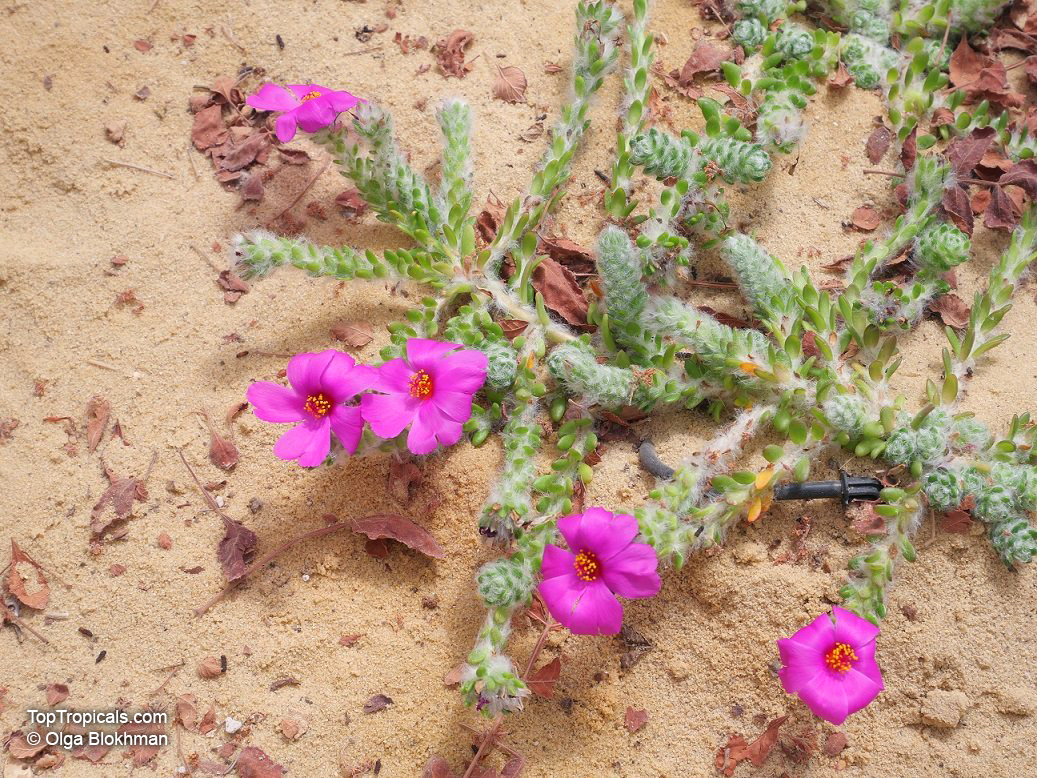
Botanical name: Portulacaria afra
Common names: Elephant's Food, Elephant Bush, Baby Jade, Crassula Portulacaria
Family: Didiereaceae (Formerly:Portulacaceae)
Subfamily: Portulacarioideae
Origin: South Africa


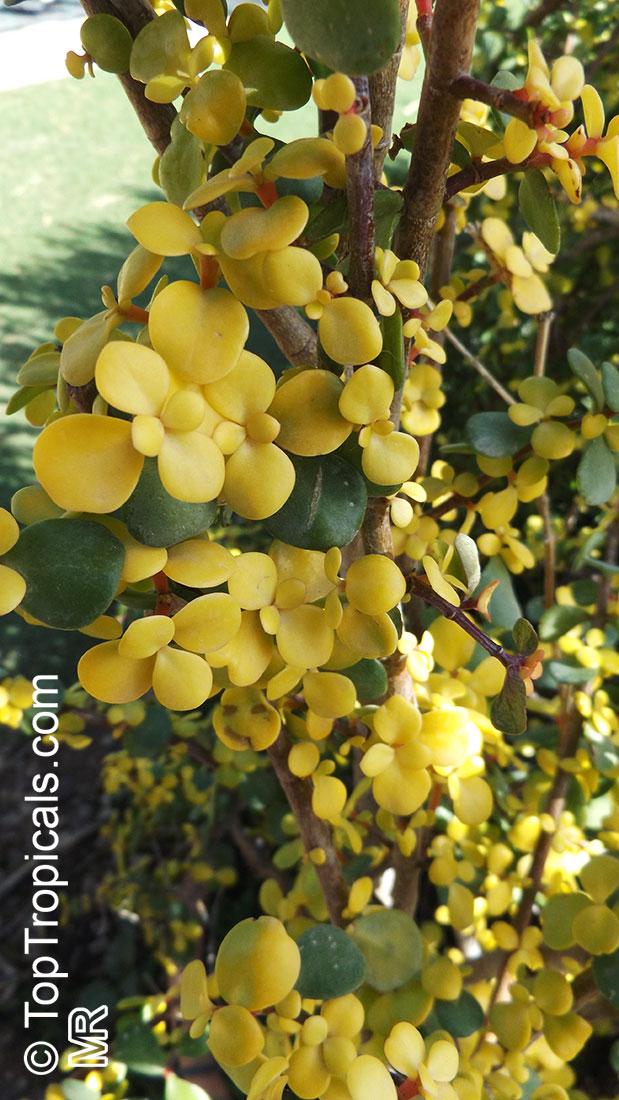
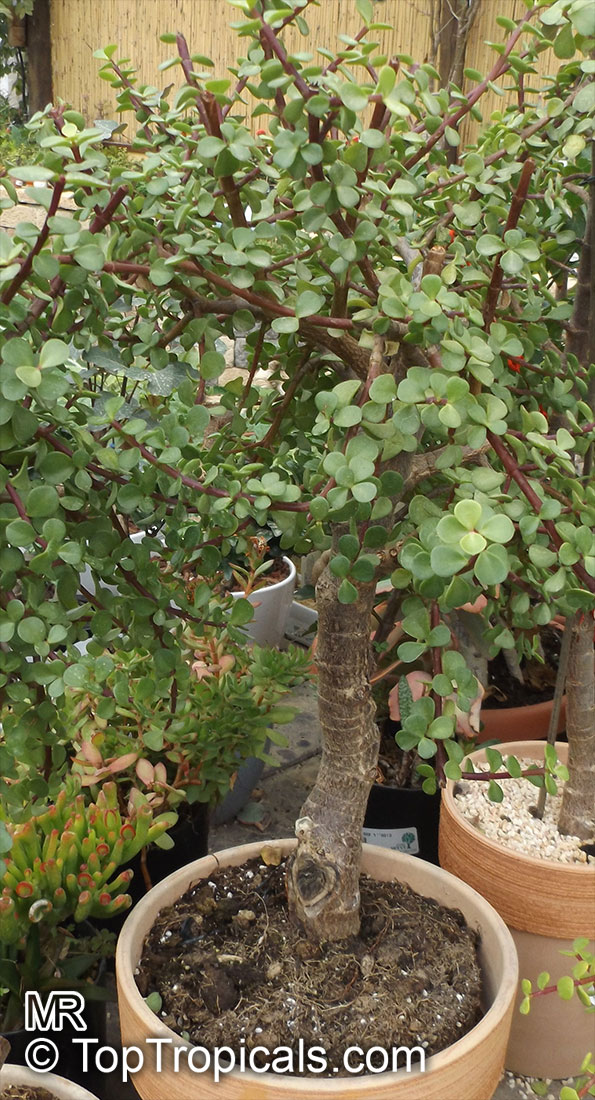
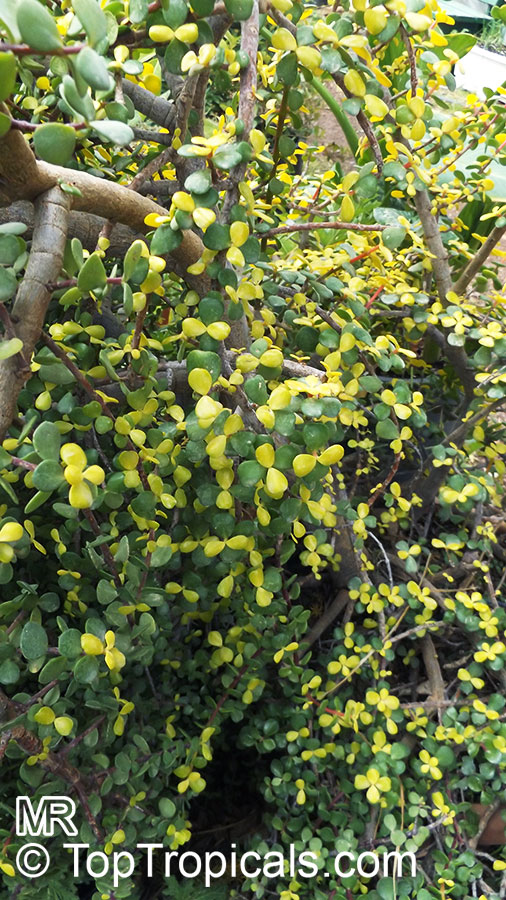
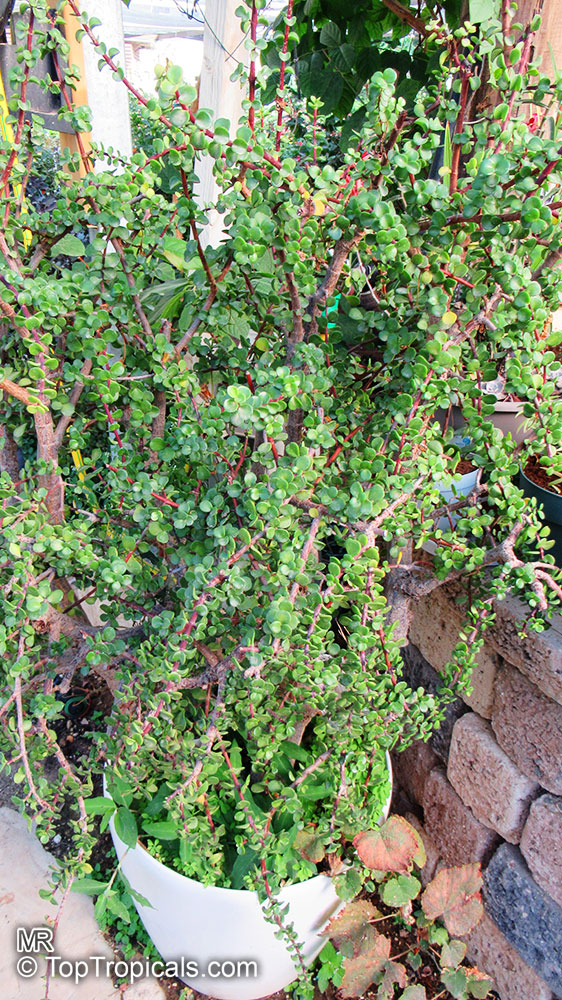
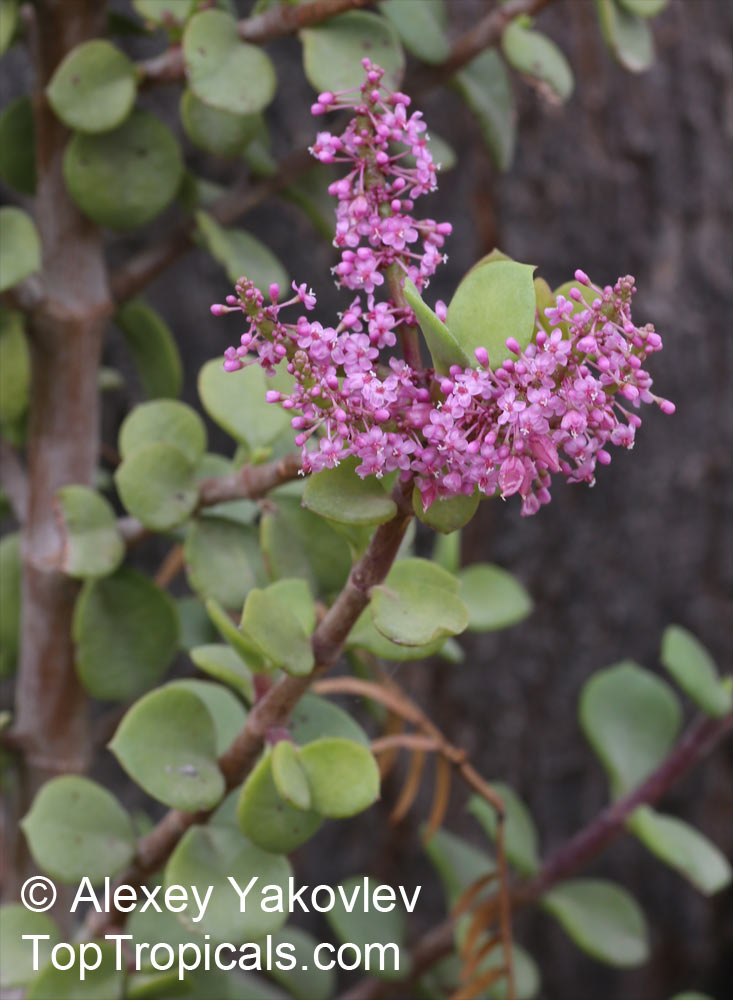
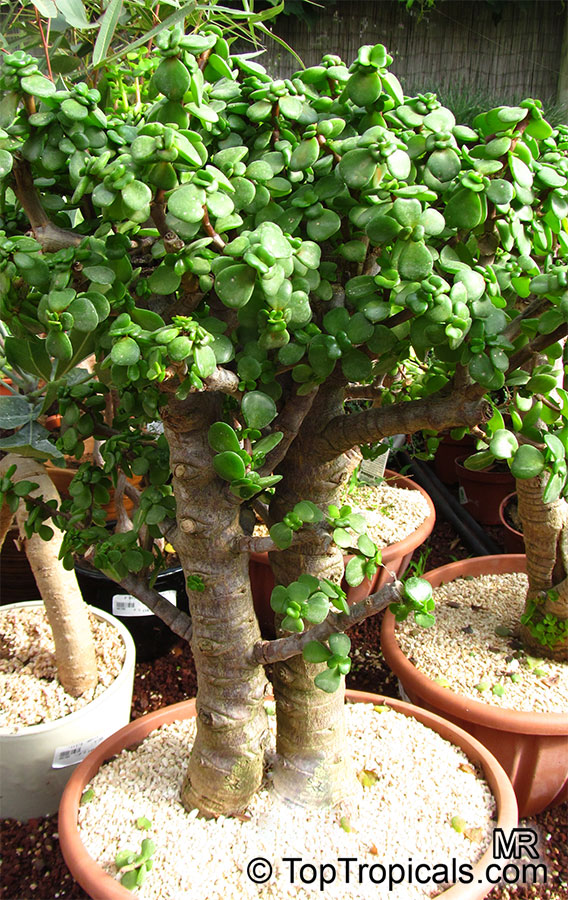
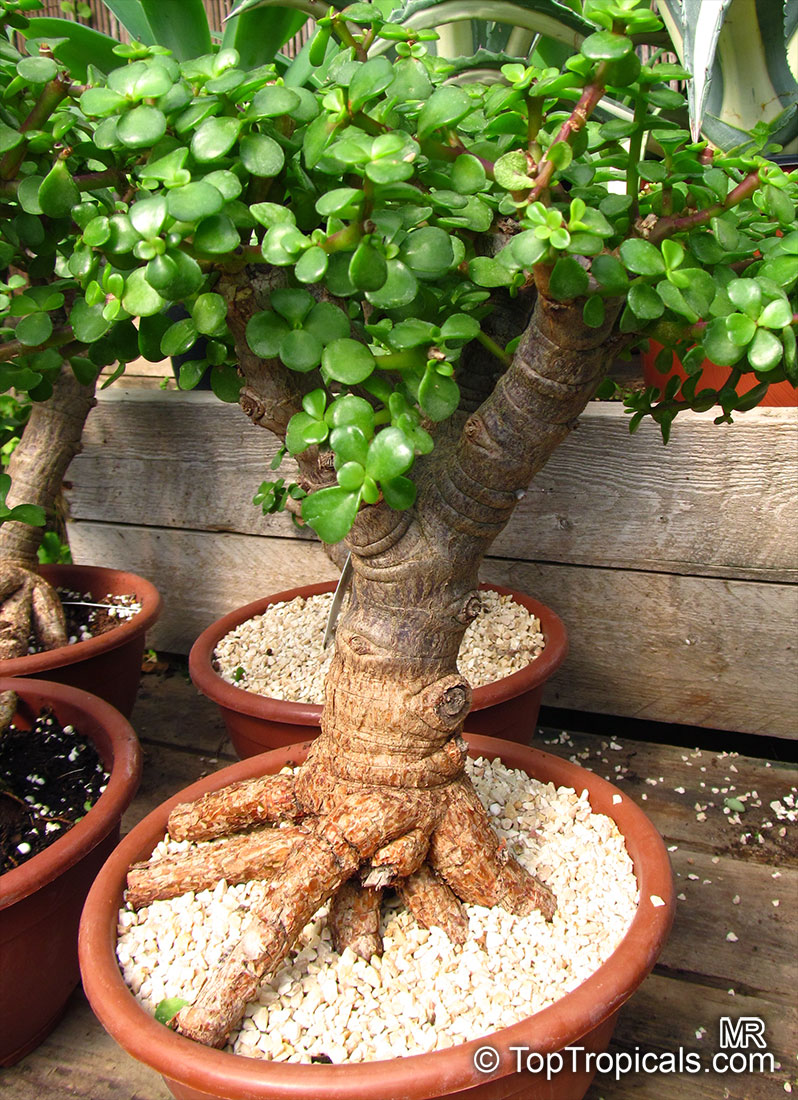
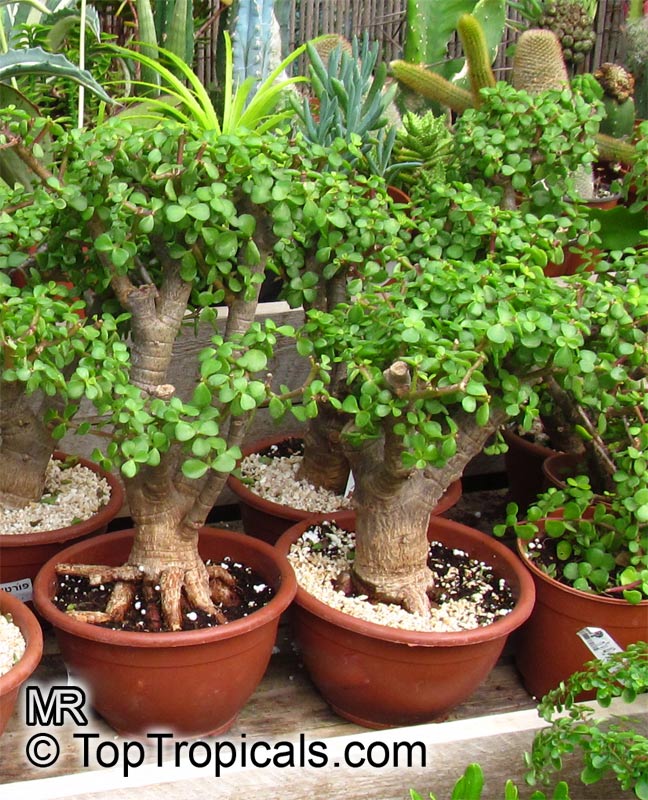
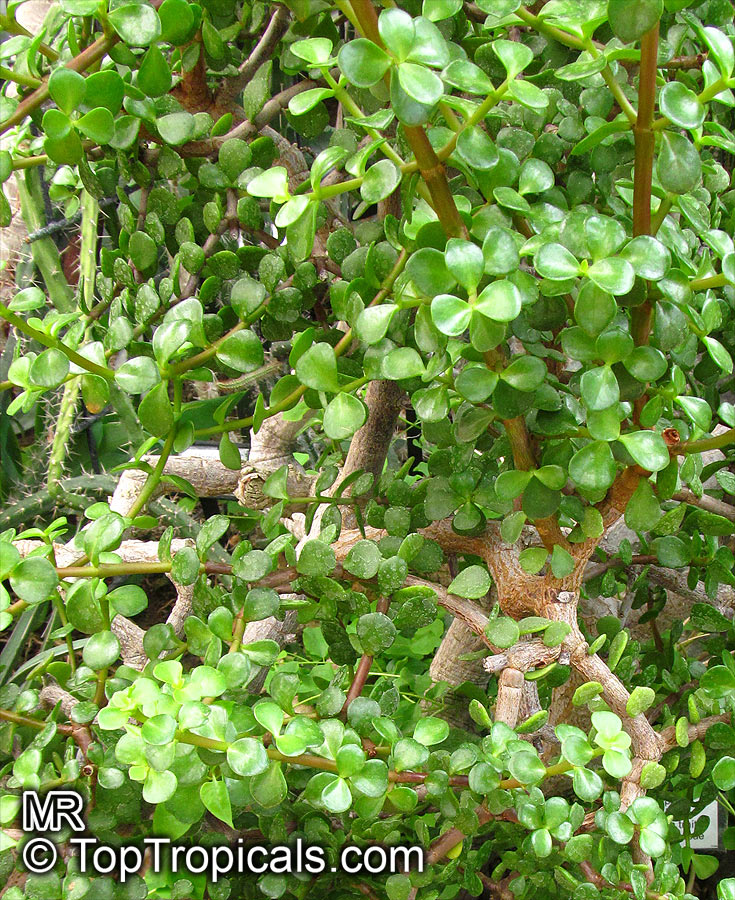
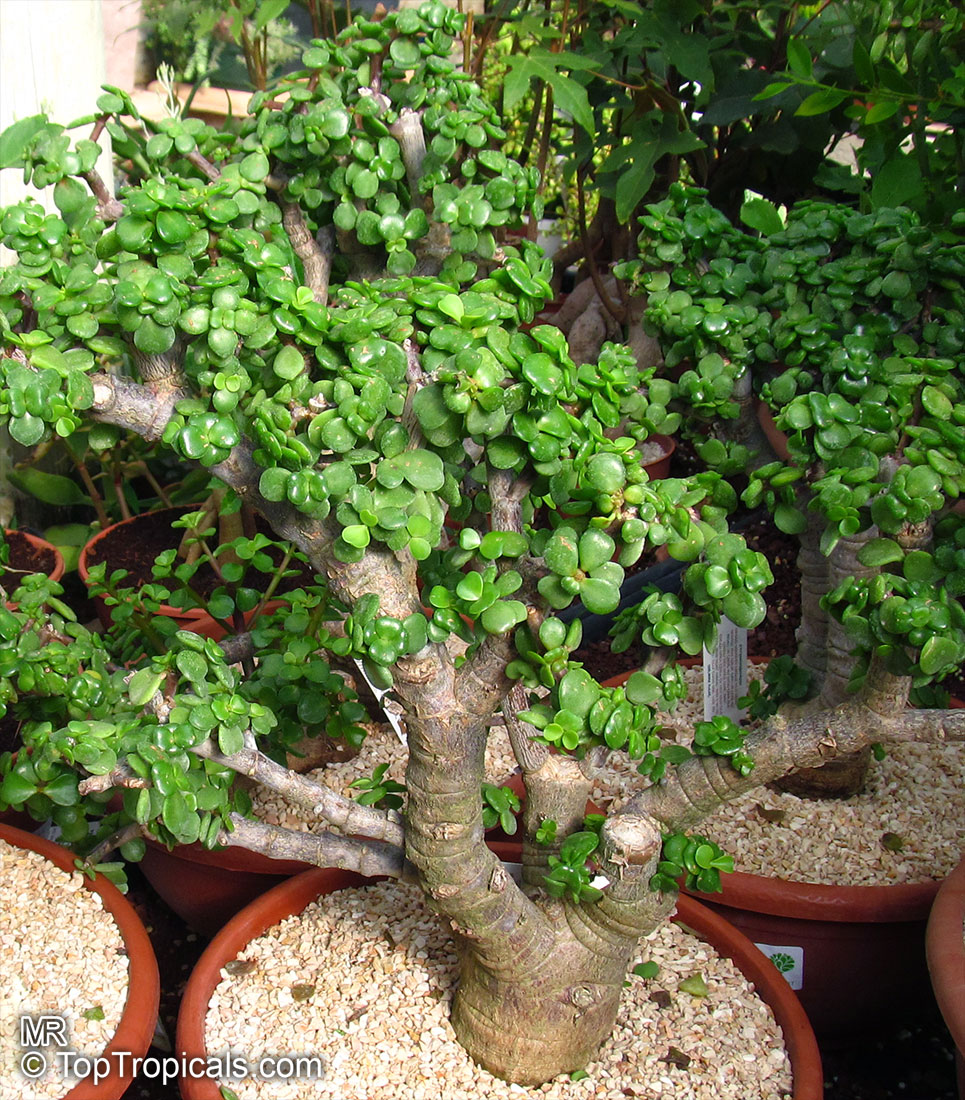
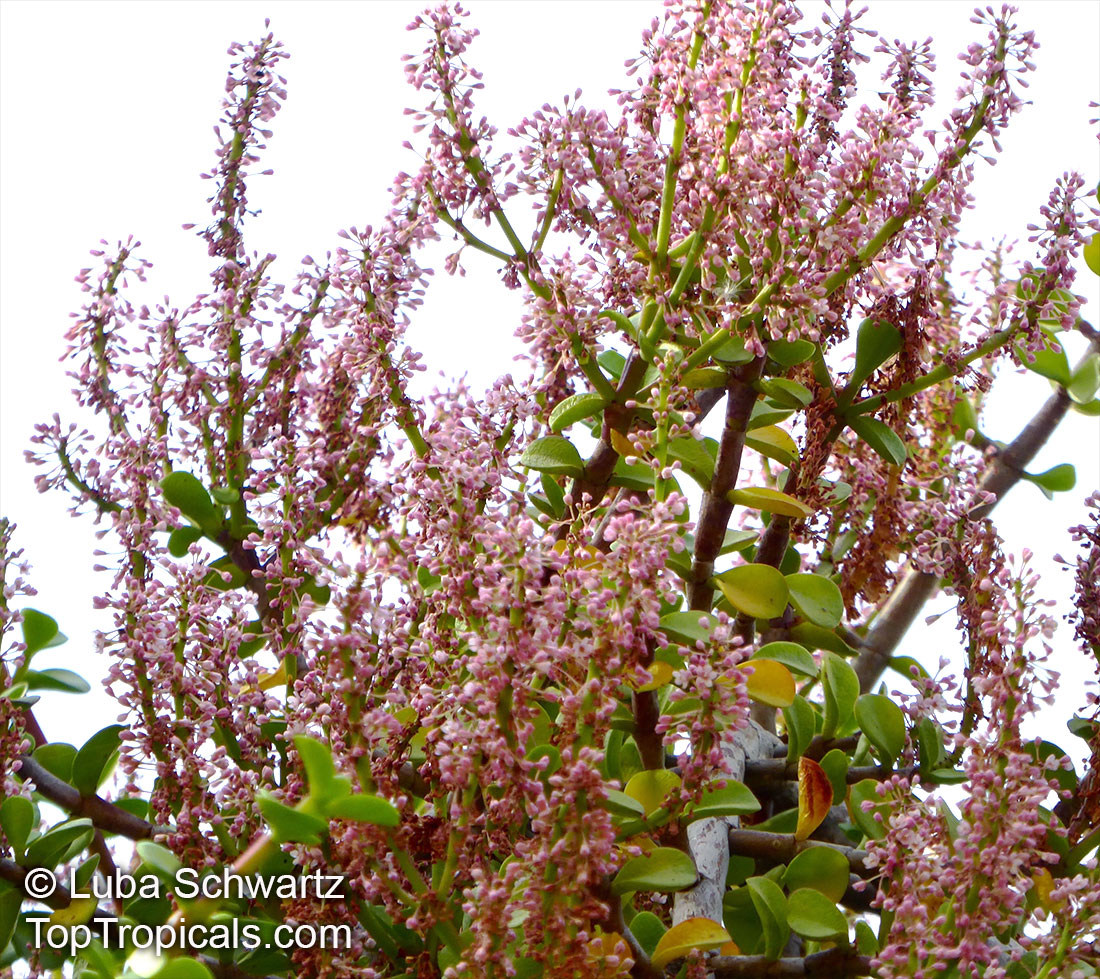
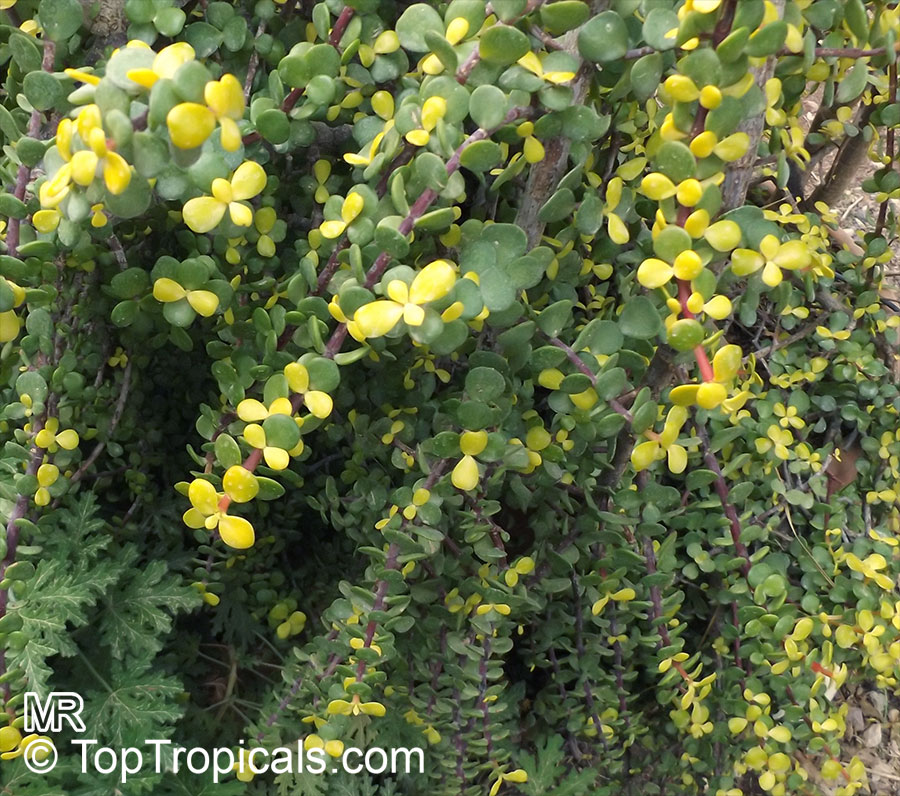
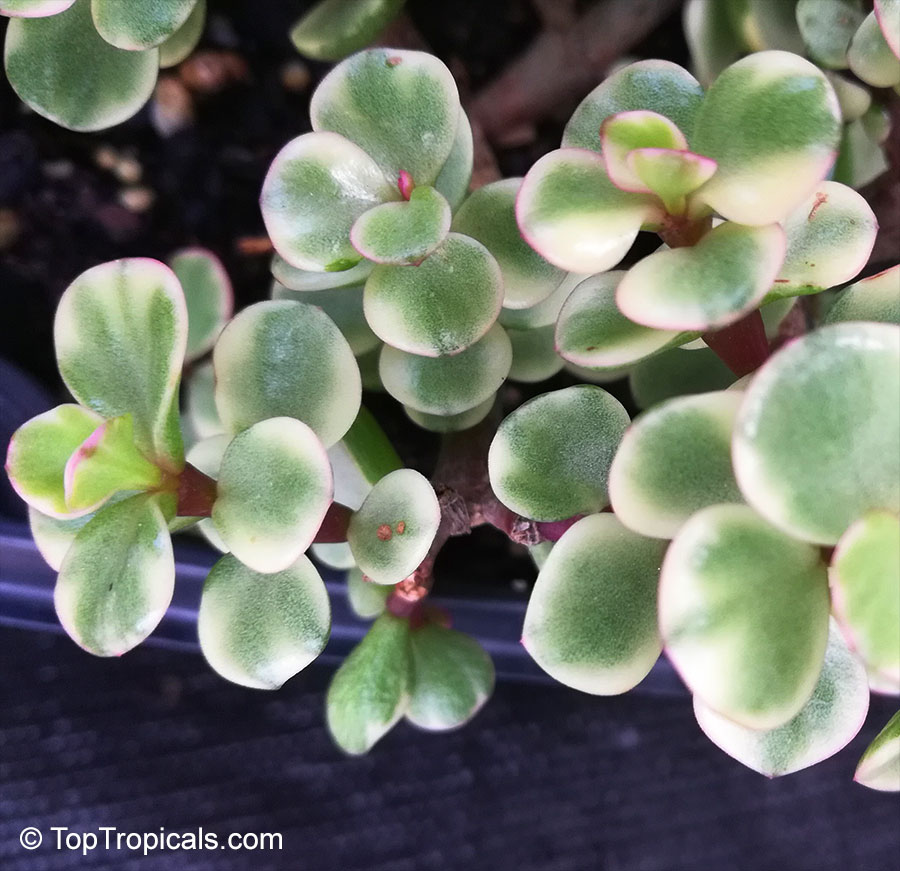
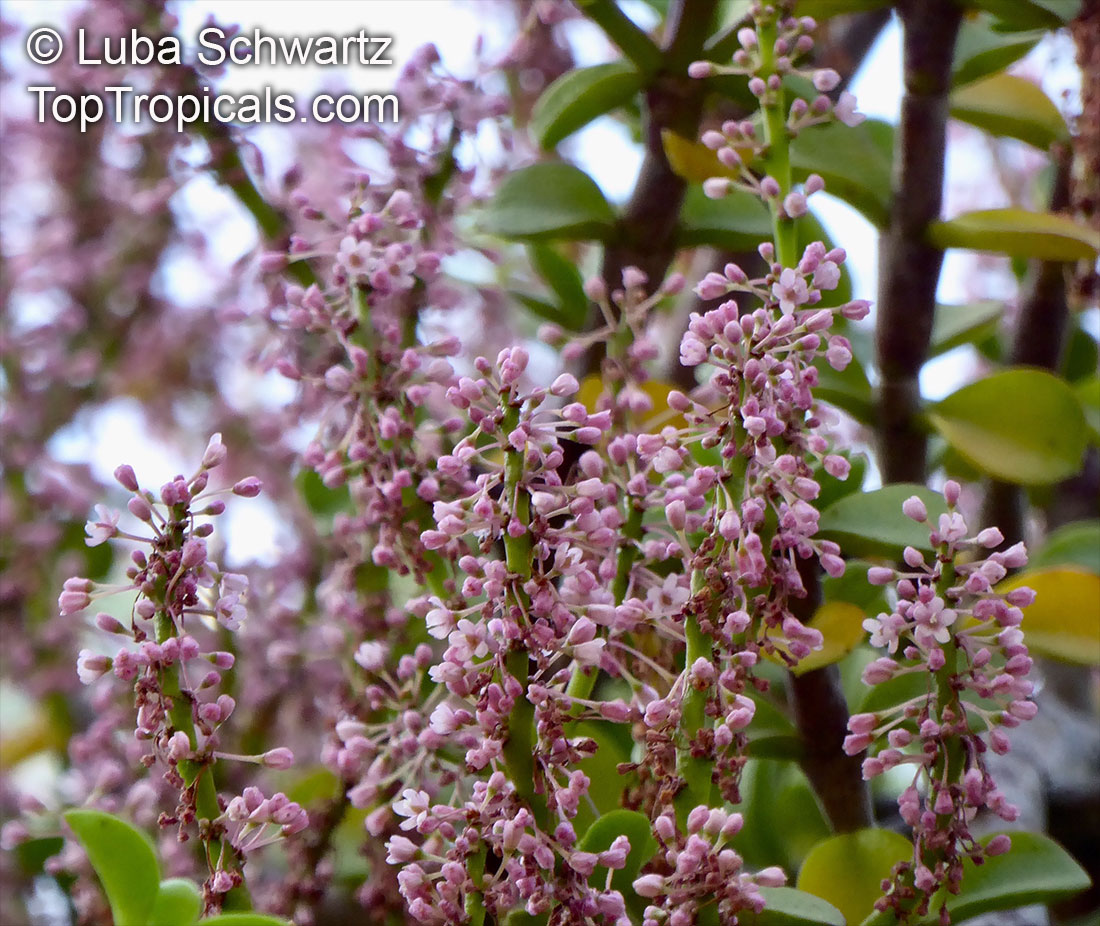
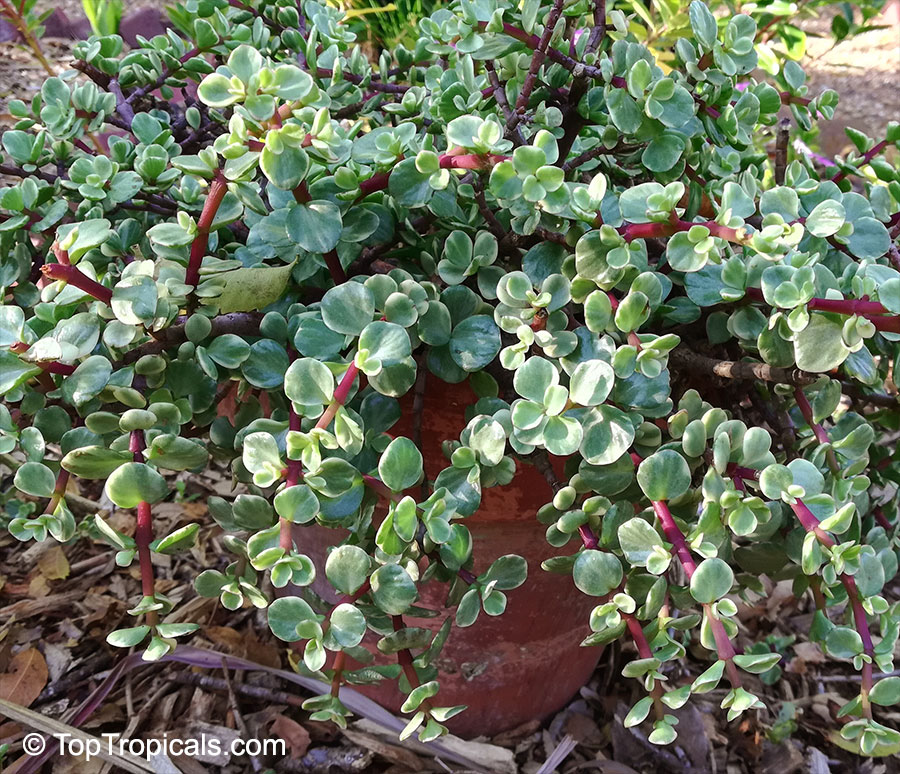
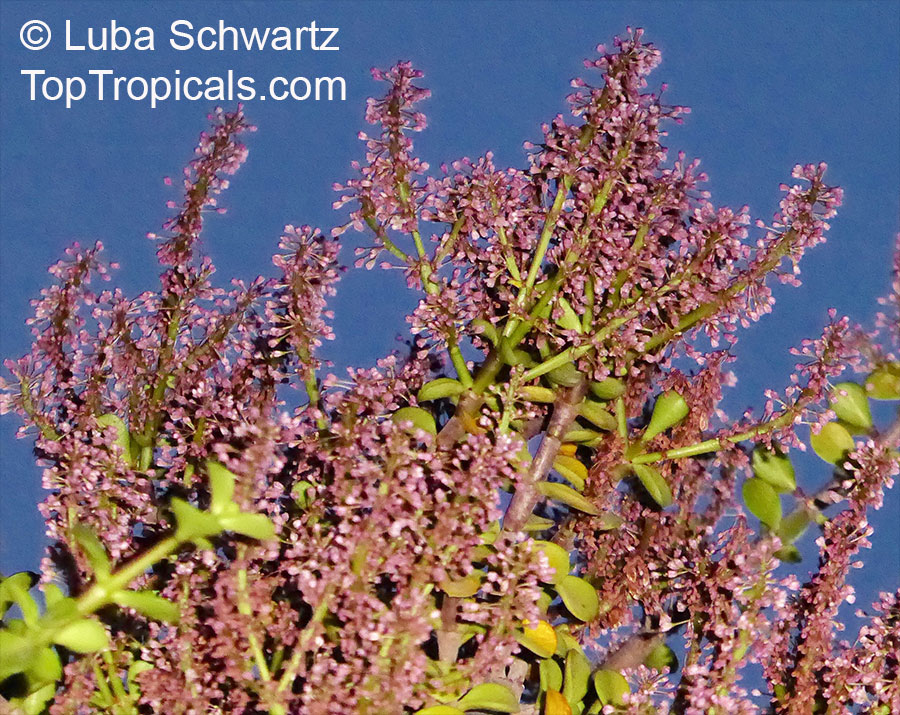
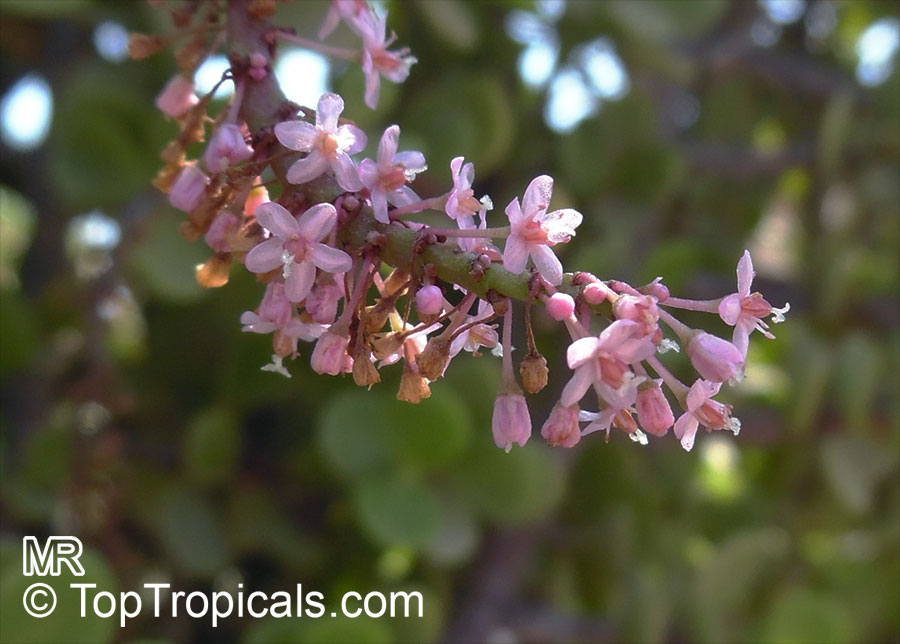
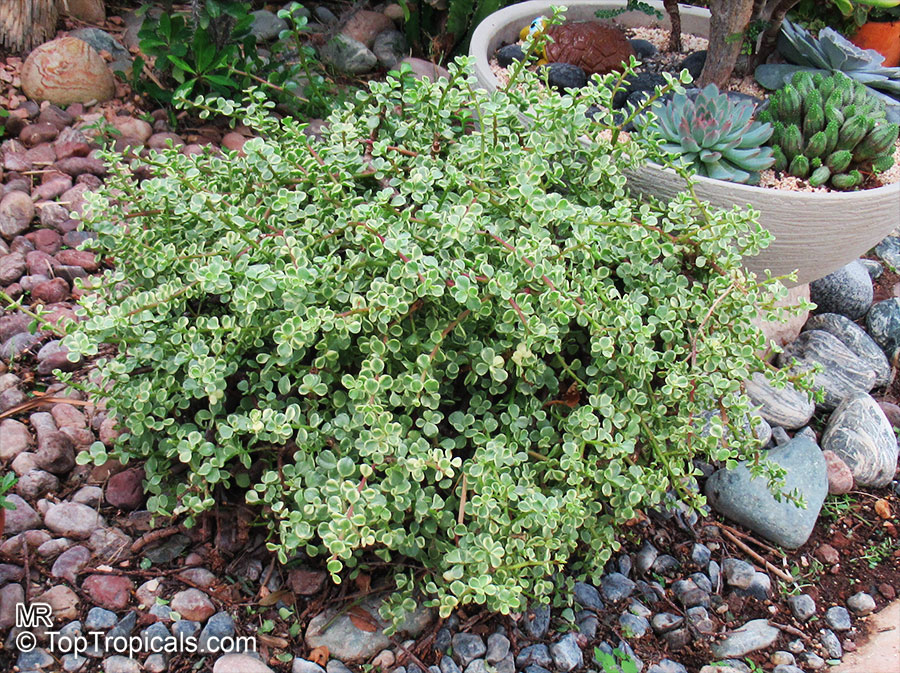
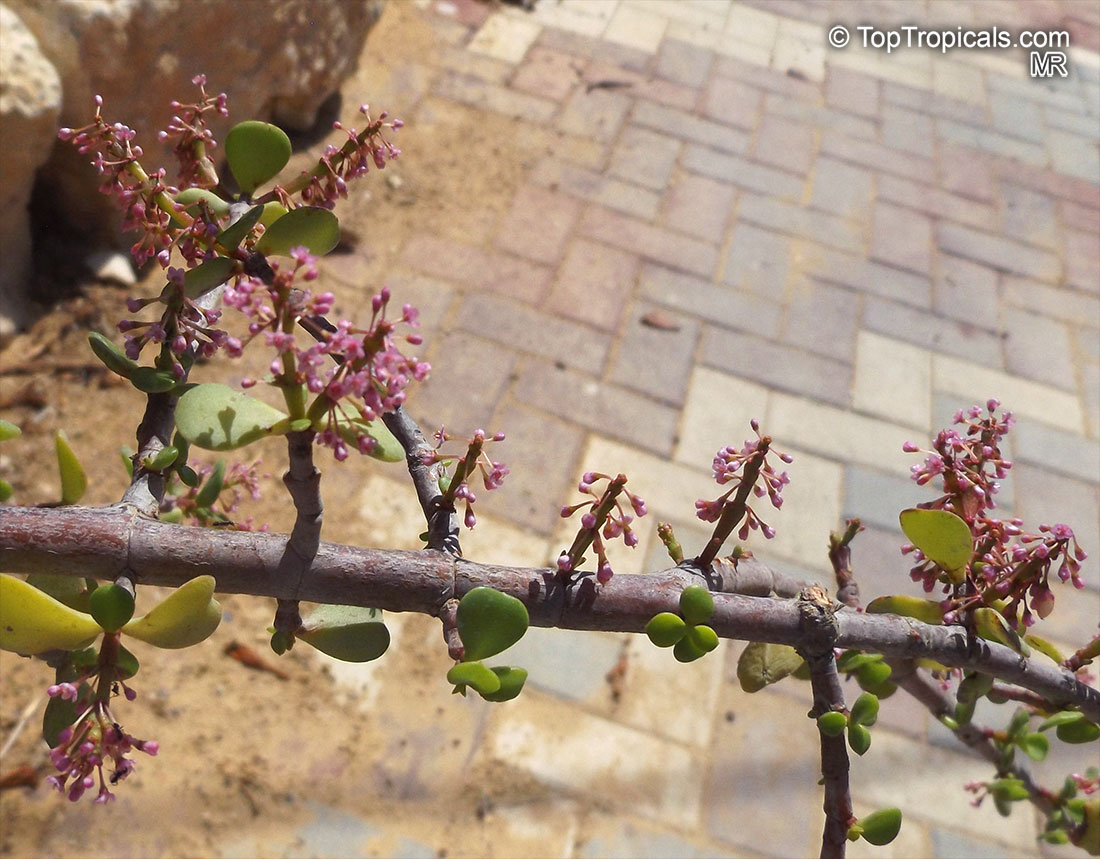
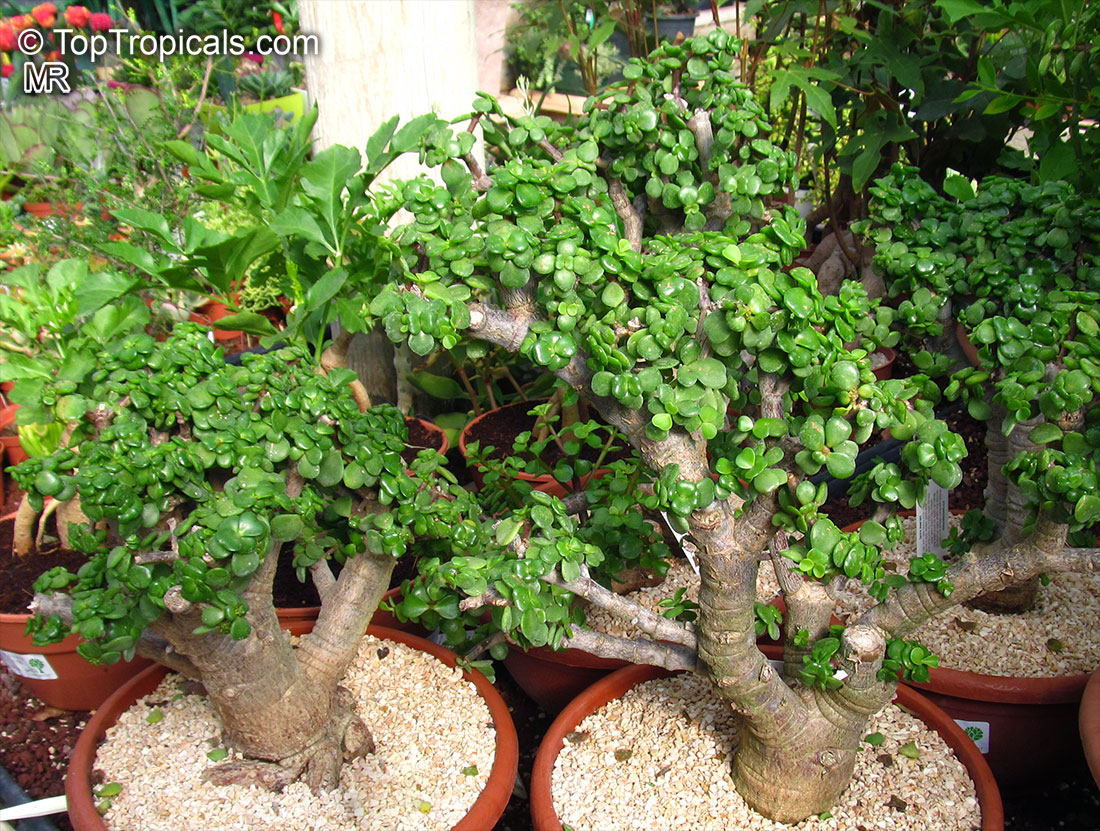
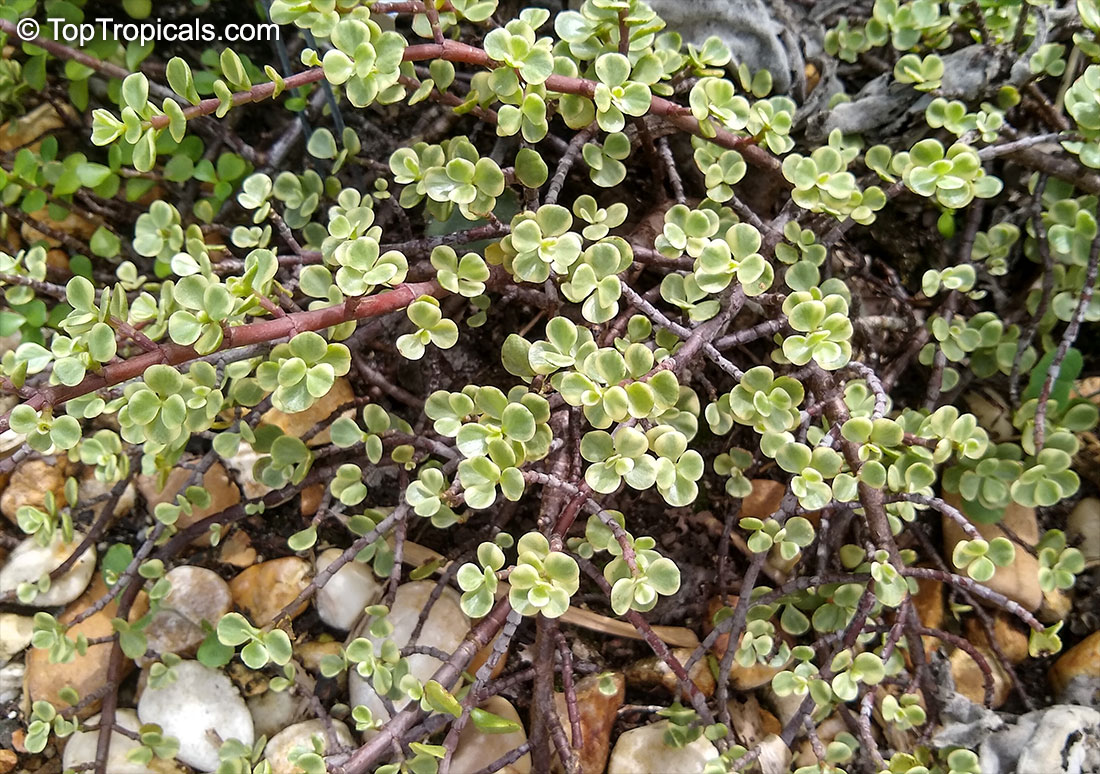
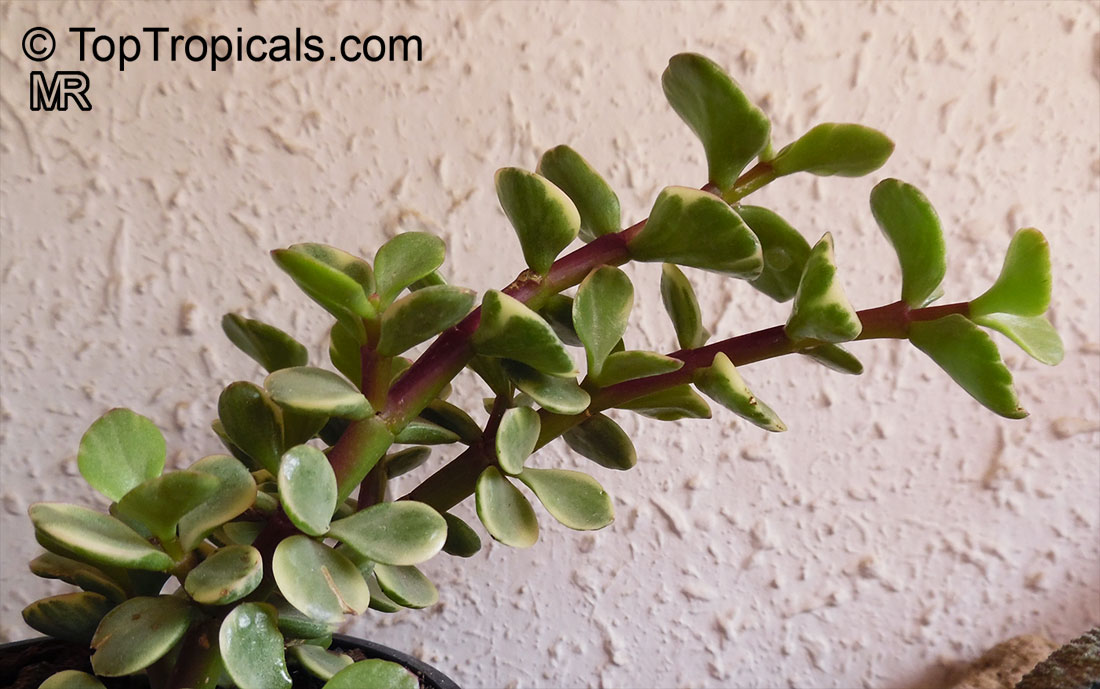
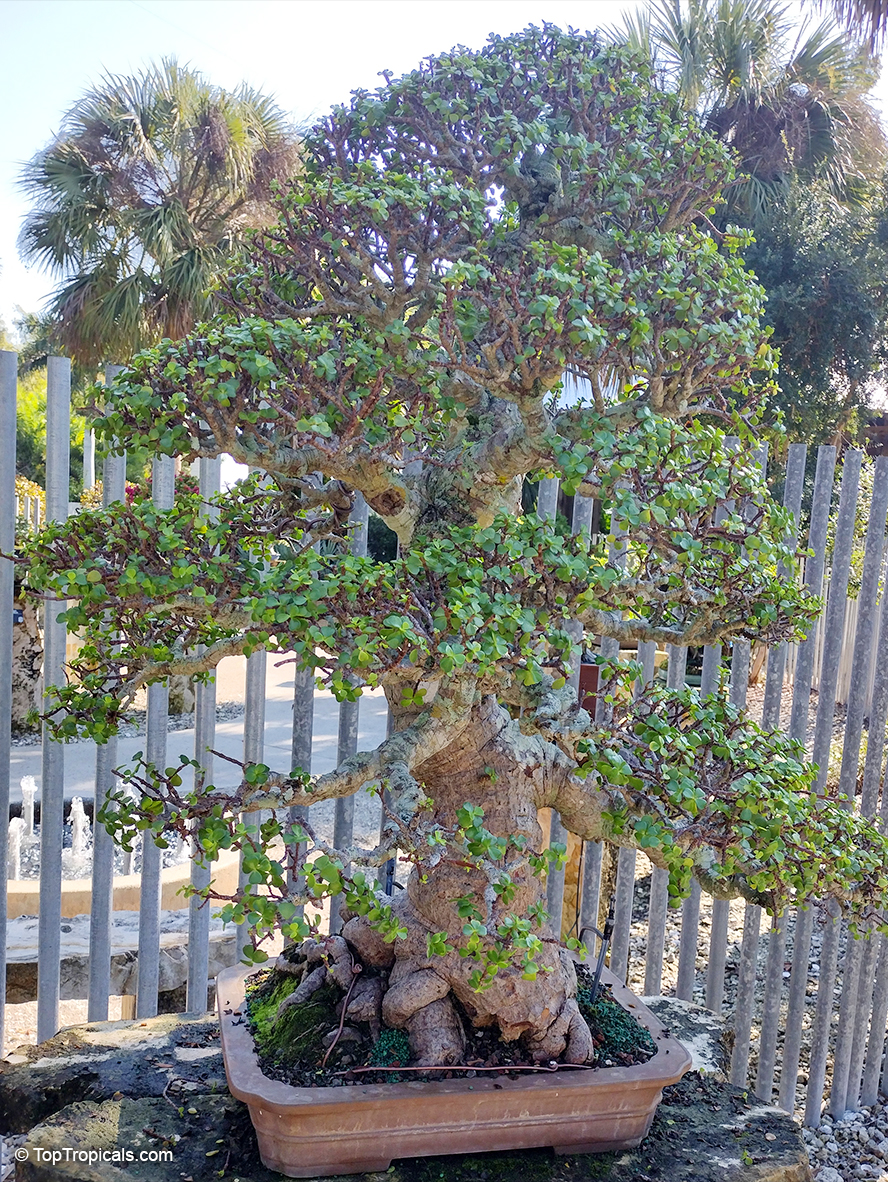
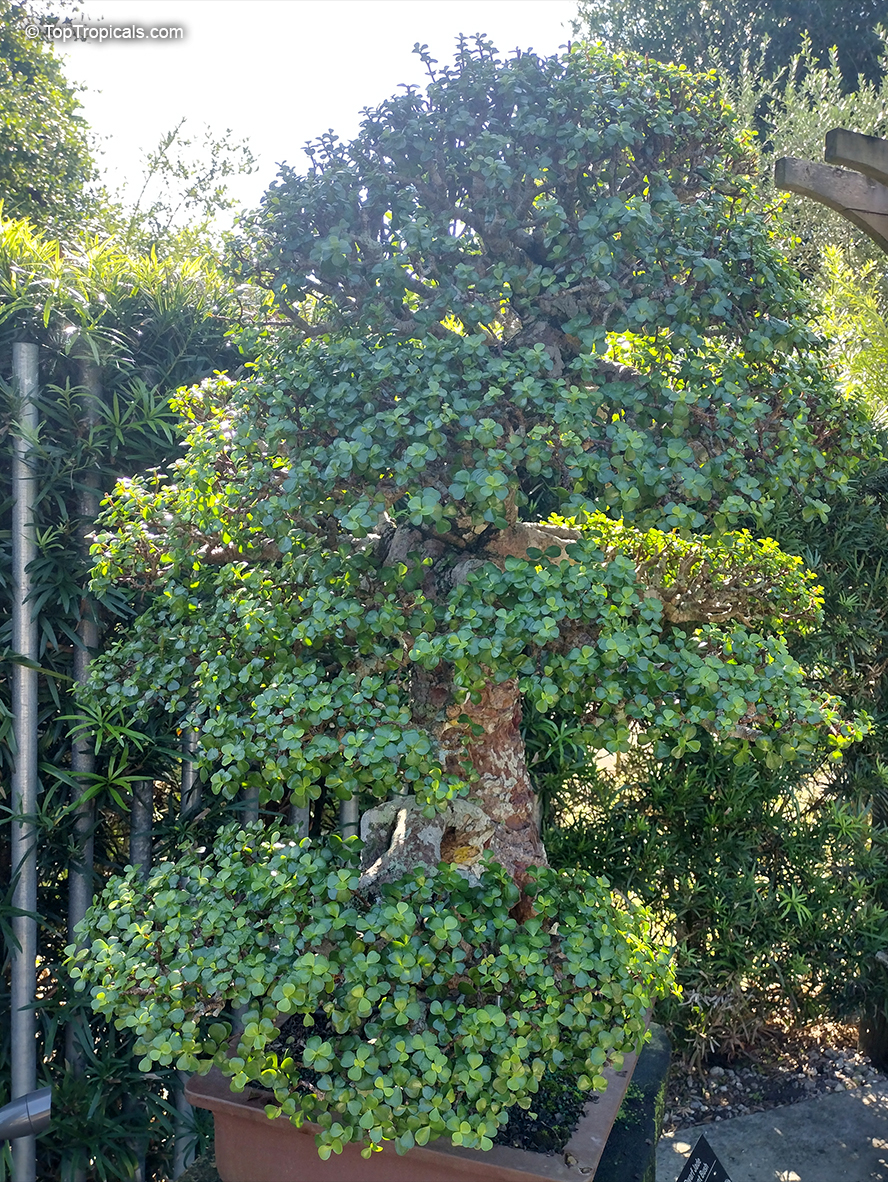
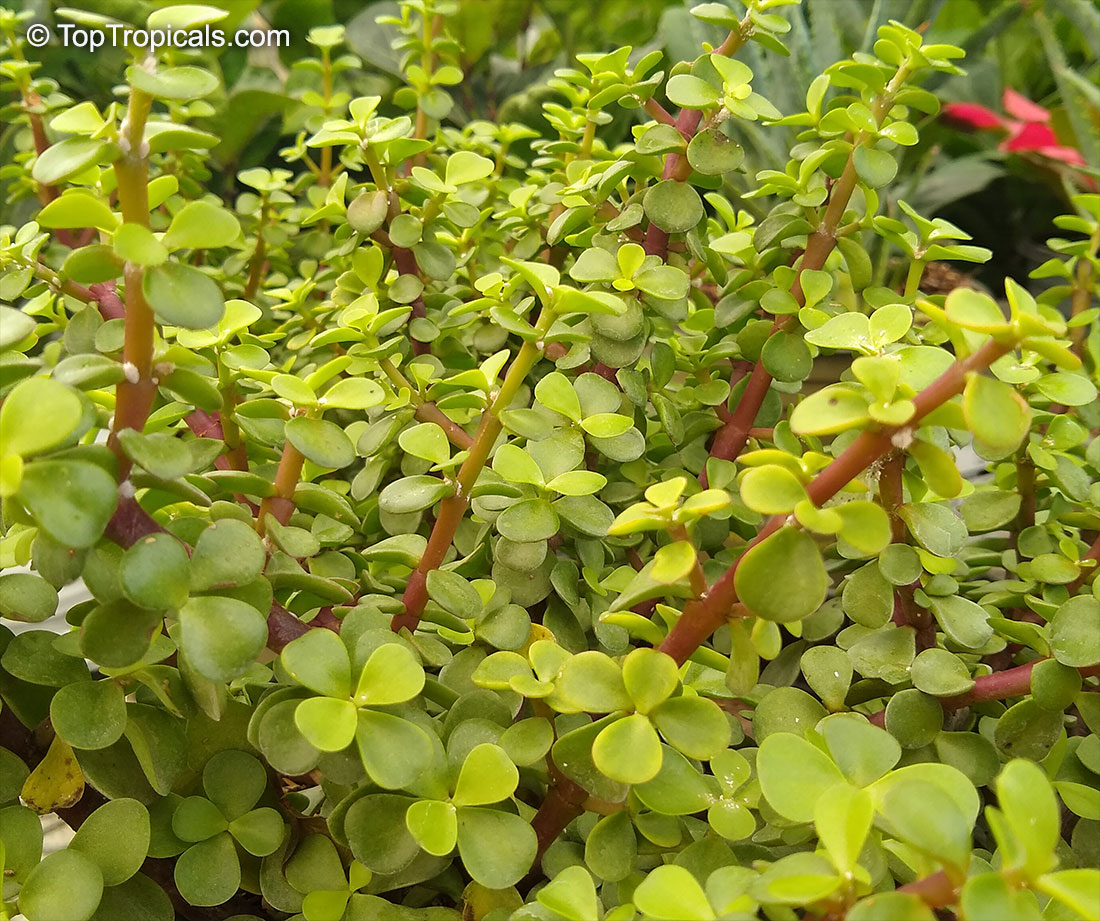
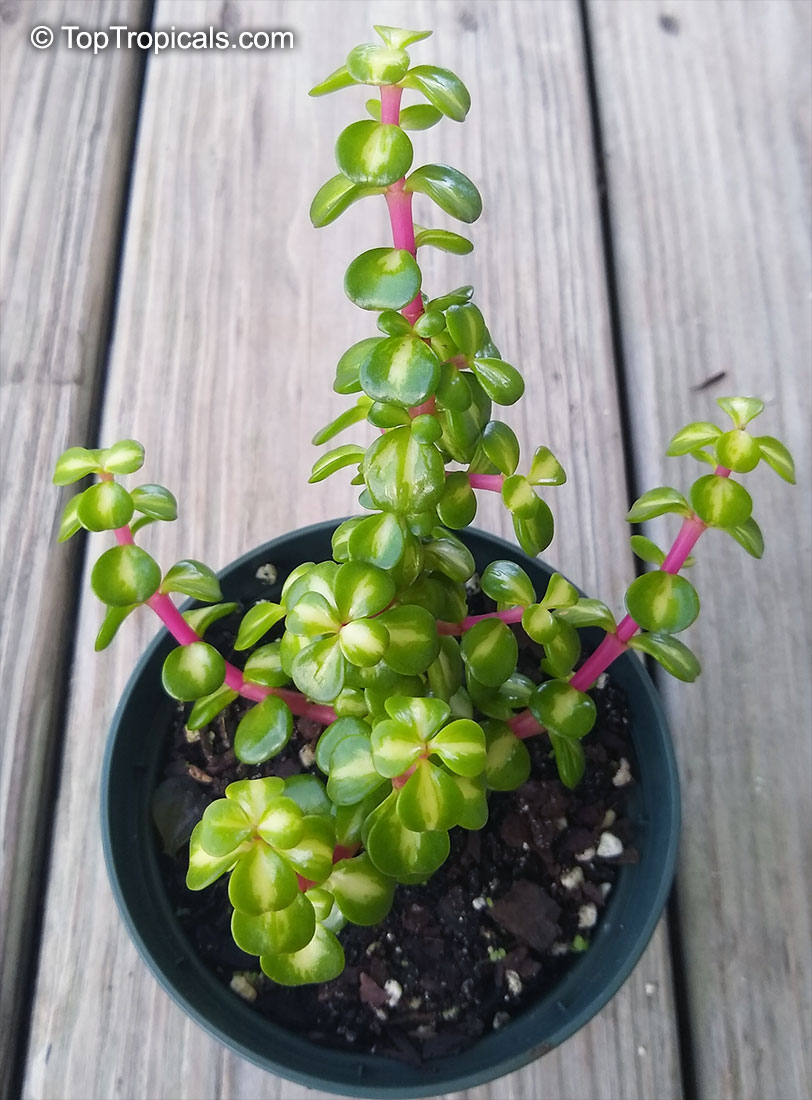
This interesting plant can be used as an indoor bonsai where sunlight or strong artificial light is sufficiently available. The plant known to us as P. Afra was first illustrated from a rooted cutting in 1732 by Dr. Johann Jakob Dillenius, Oxford professor of botany, in his Hortus elthamensis. Not having flowered, it was understandably thought to be a species of Crassula. The common names derive from the succulent nature of the plant's leaves and stout trunk, and also from the observation that elephants will browse upon this. This is a stout juicy-stemmed, soft-wooded, semi-evergreen upright shrub or small tree, in the ground growing about 9 ft tall. The diameter of the trunk can be 9" or more. The leaves and young branches/branch tips are quite phototropic. Older branches, gray, shiny and up to 2" thick, will hang down or trail on the ground. Spreading outward, less frequently they will grow erect, especially at the center of the plant. Has opposite, obovate (egg-shaped), glabrous, very fleshy, blunt green leaves usually less than 1" long and without a distinct petiole or leaf stem. The flowers are white/pink/rose/lilac-colored. In South Africa P. afra bears these star-shaped flowers in late spring and summer after the rains, but seldom blooms in the western U.S., Hawaii, or Florida. The flowers are rare in cultivation, but if kept very dry the older and presumably unpruned plants may flower after rain. The berry-like fruit is pinkish, small, light, dry, transparent. Leaves of plants grown in full sun are smaller than those of the same variety grown in partial shade. Full sun is also known to bleach the leaves to a pale yellowish color on some large potted specimens. Brown patches on leaves can be due to sun scorch. Move the affected plant to a more airy place and shade from the hot sun for two weeks. Cuttings can become rooted in water, but after about one month the cutting needs to be put in soil or else it will rot.
In Africa, it is a favorite food for both Elephants and Rhinoceros, and is grown in farms for feeding both animals and people. The foliage when eaten raw, steamed, lightly boiled, or especially stir-fried, is not only delicious but actually very nutritious, containing more beneficial Beta 3 fatty acids than most fish.
Read more about Portulacaria afra.

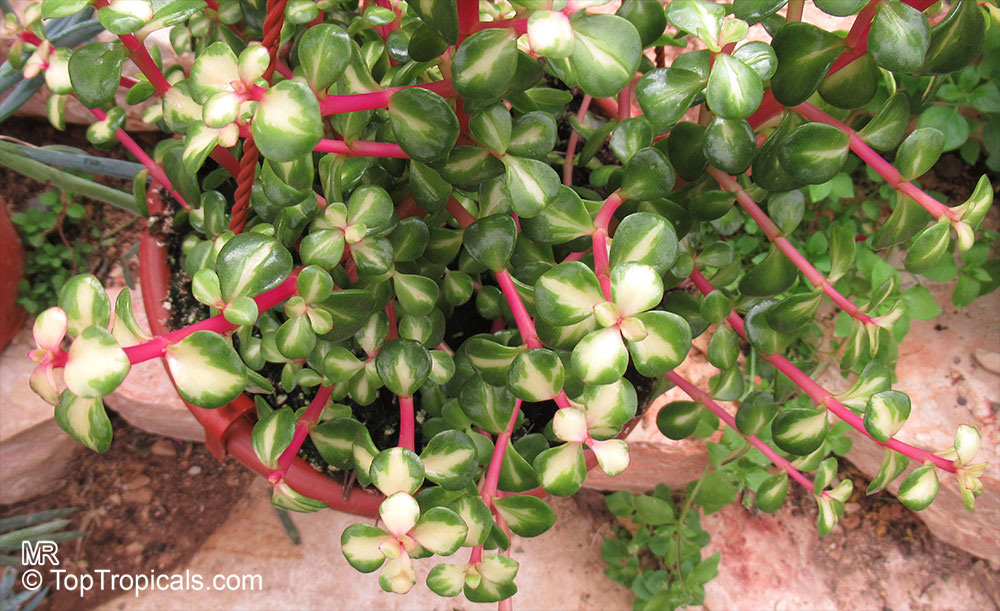
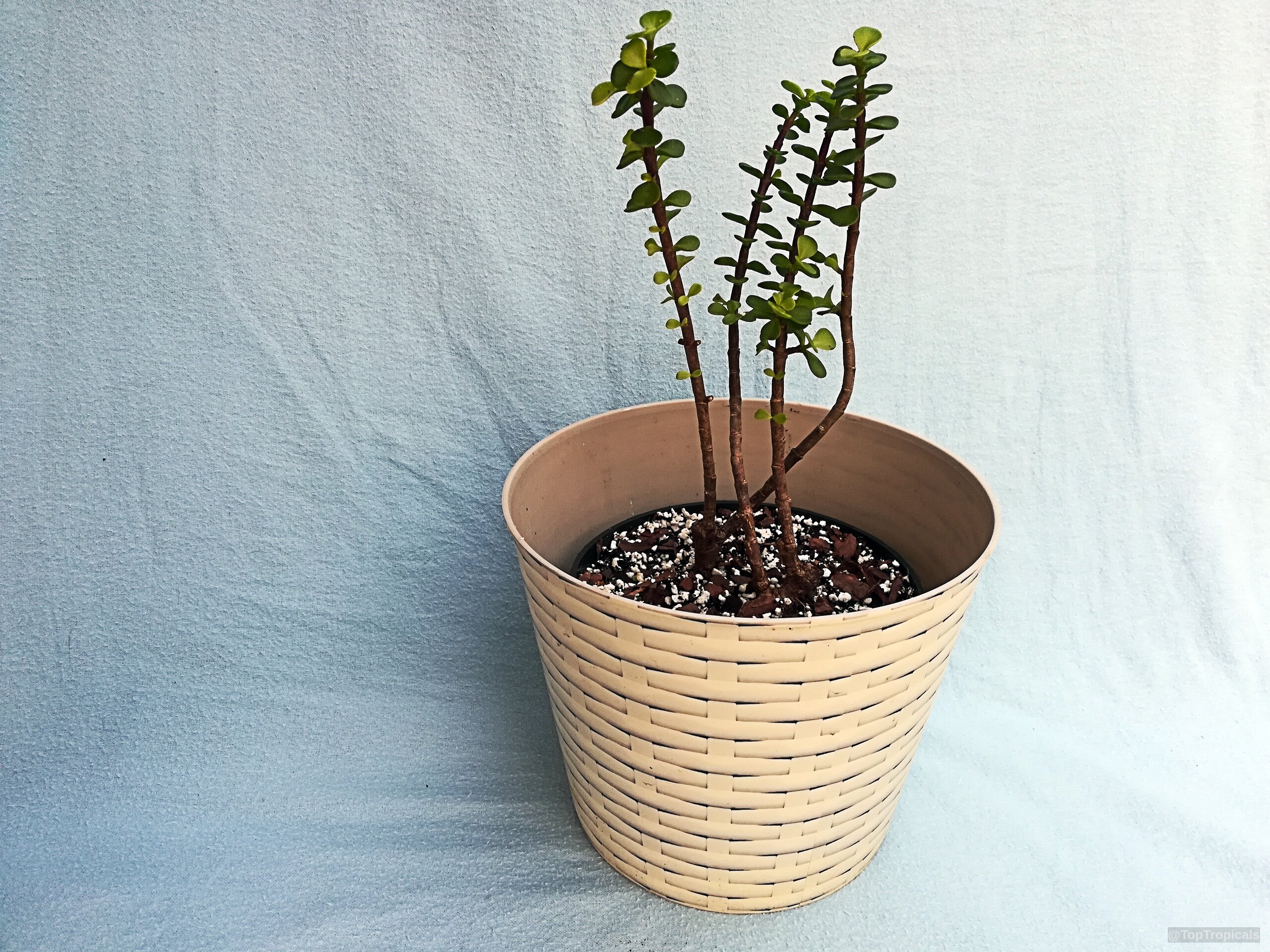
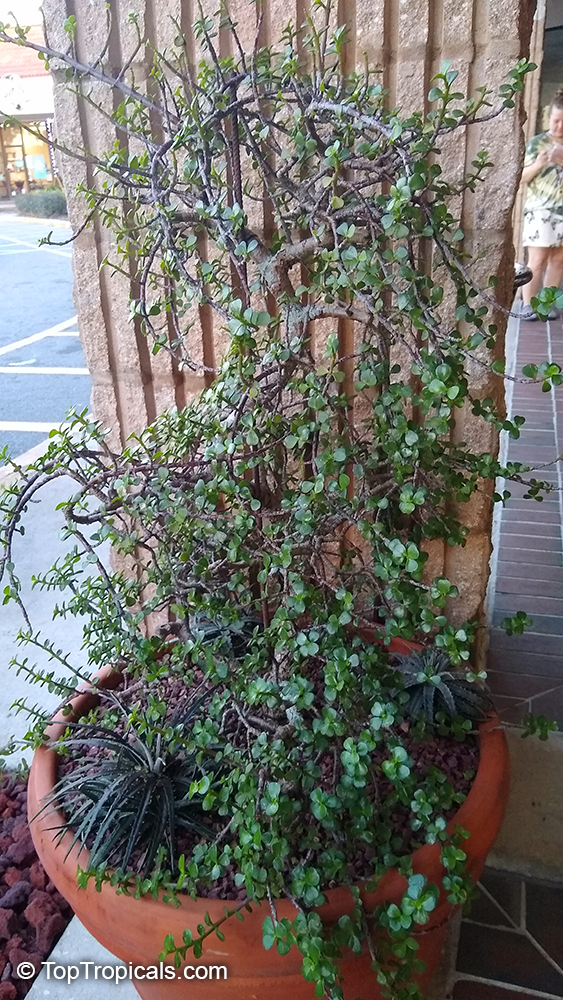
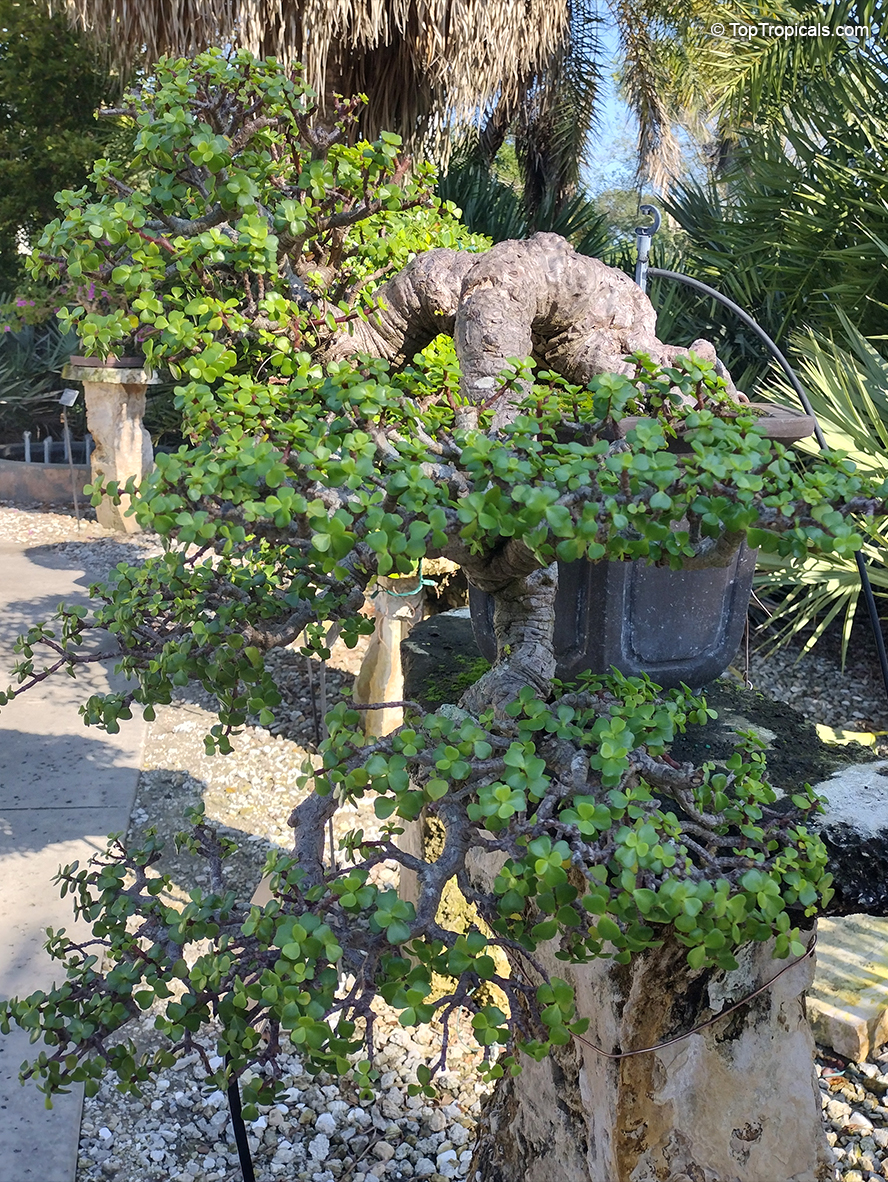

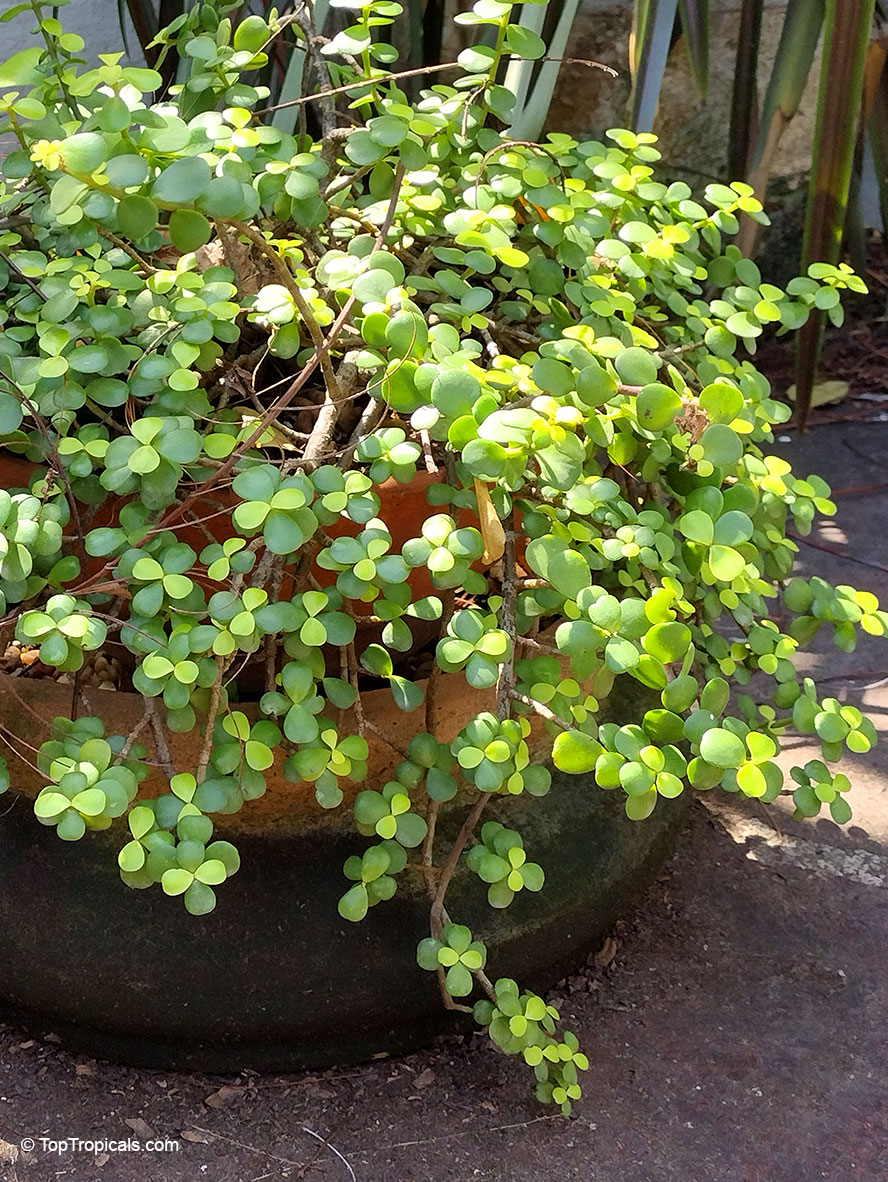
In Africa, it is a favorite food for both Elephants and Rhinoceros, and is grown in farms for feeding both animals and people. The foliage when eaten raw, steamed, lightly boiled, or especially stir-fried, is not only delicious but actually very nutritious, containing more beneficial Beta 3 fatty acids than most fish.
Read interesting Article about this plant.
Recommended Fertilizer: SUNSHINE Robusta - Rapid Growth Booster
Local pickup only. This item is not available for shipping. Local delivery may be available in Ft. Myers or Sebring, Florida. Contact us for an estimate. Non-pickup orders are subject to restocking fees.
 SUNSHINE C-Cibus (NPK 2-2-4) - Crop Booster for every watering.
  SUNSHINE C-Cibus (NPK 2-2-4) - Crop Booster for every watering.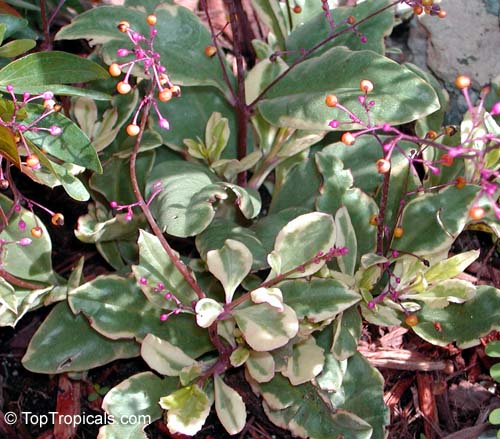
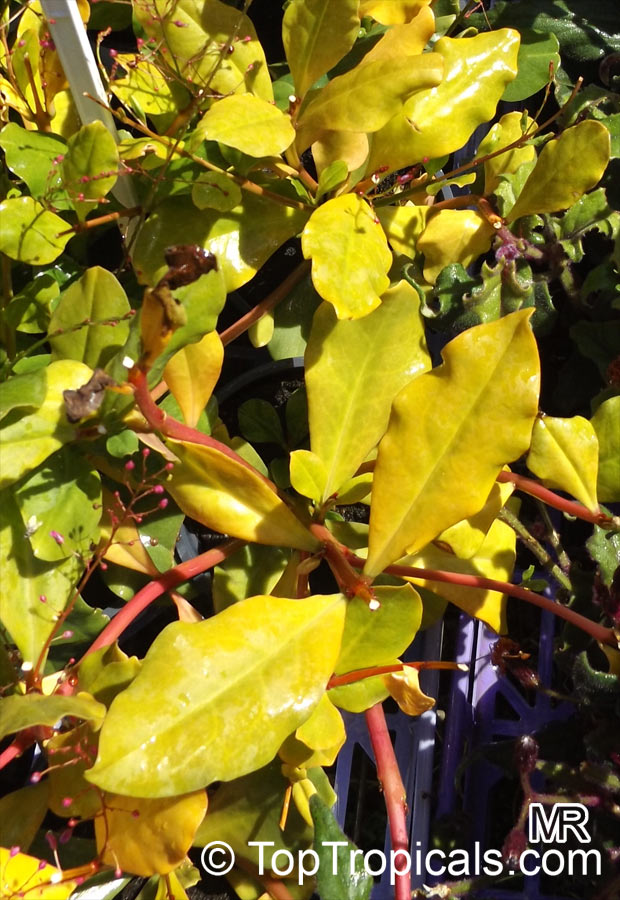
Botanical name: Talinum paniculatum var. variegatum
Common name: Variegated Jewels of Opar
Cultivar: Variegatum
Family: Portulacaceae
Origin: Americas

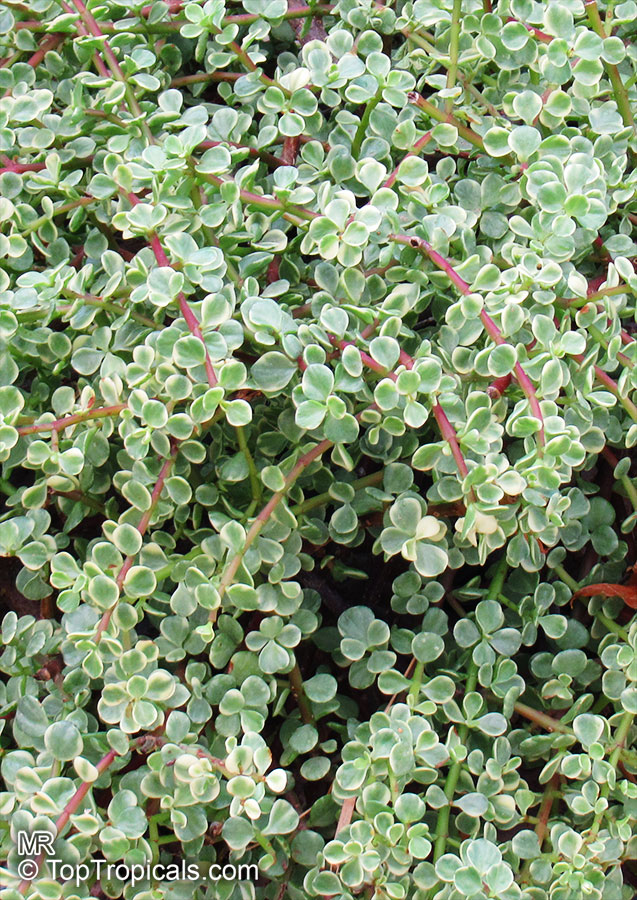
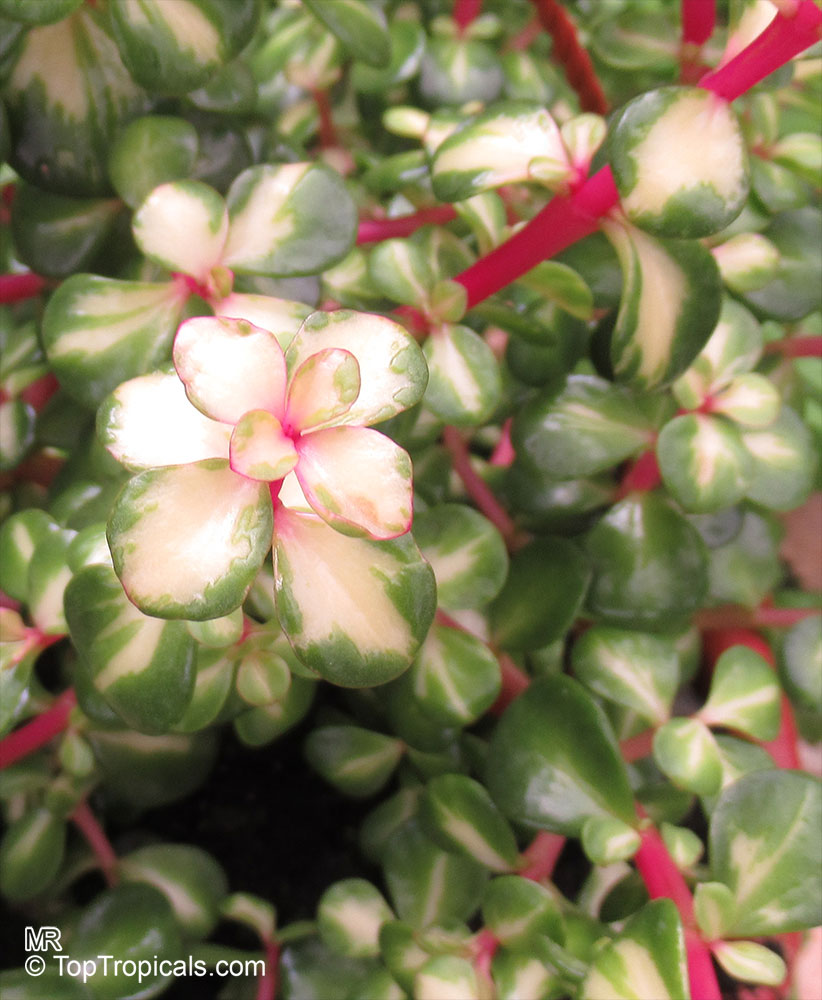
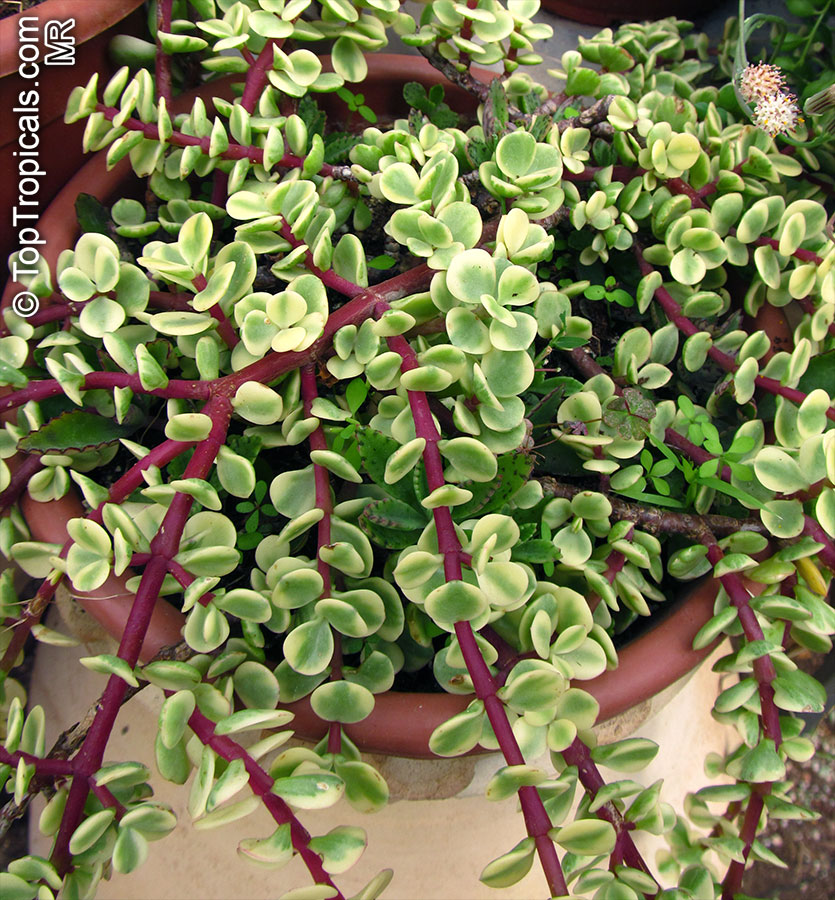
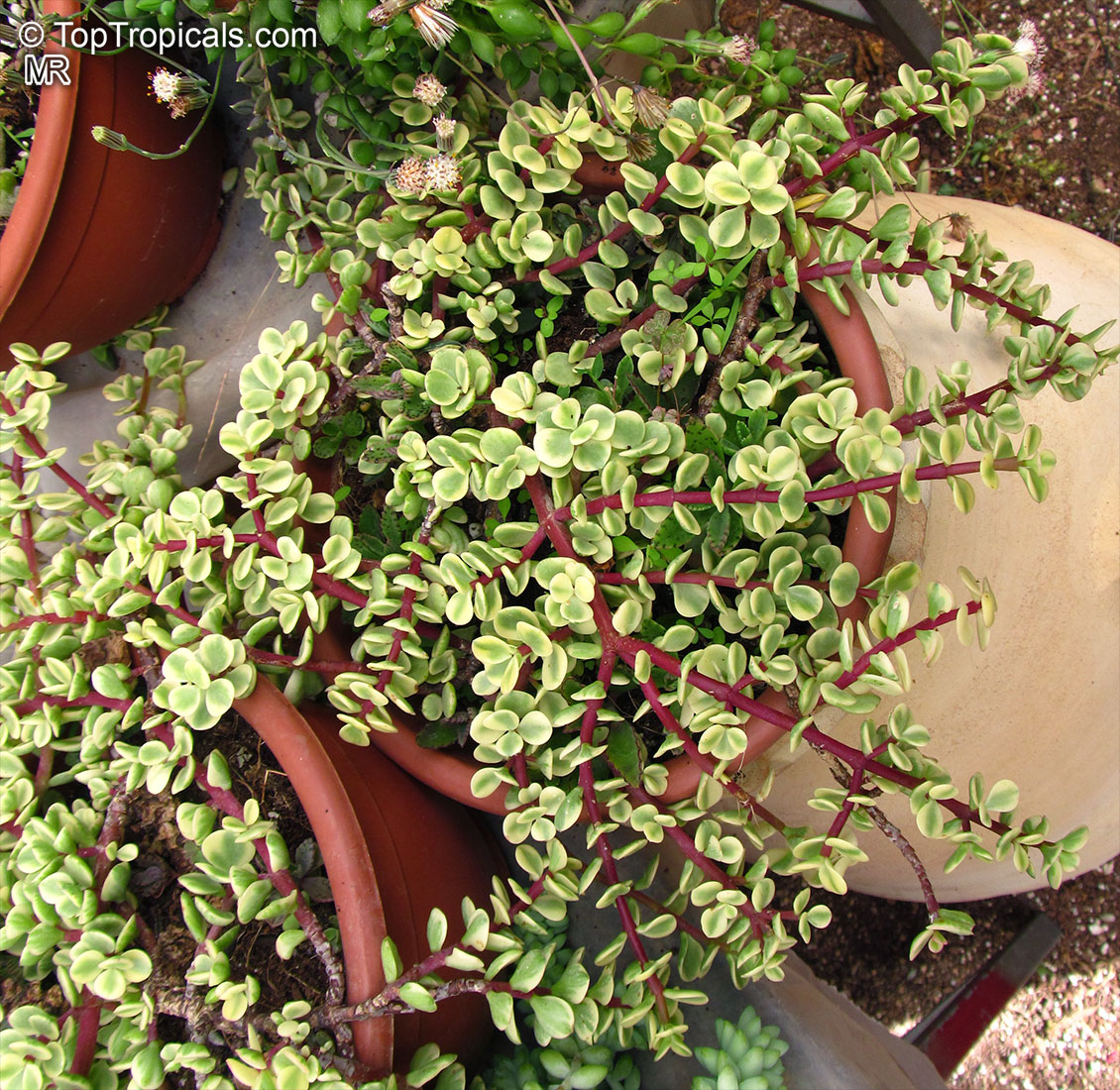
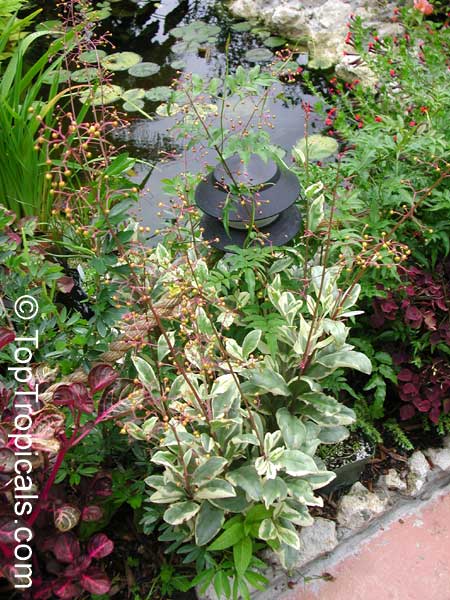
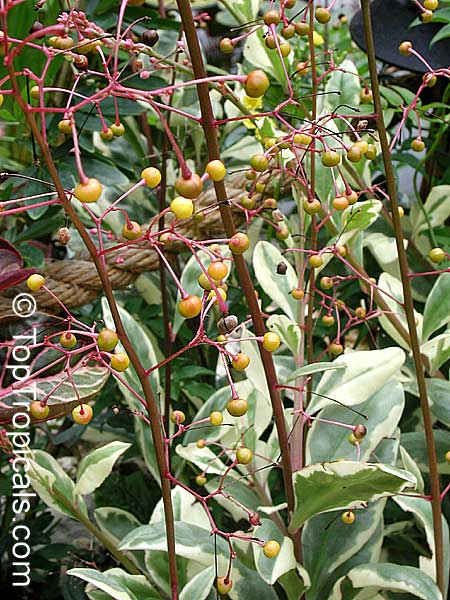
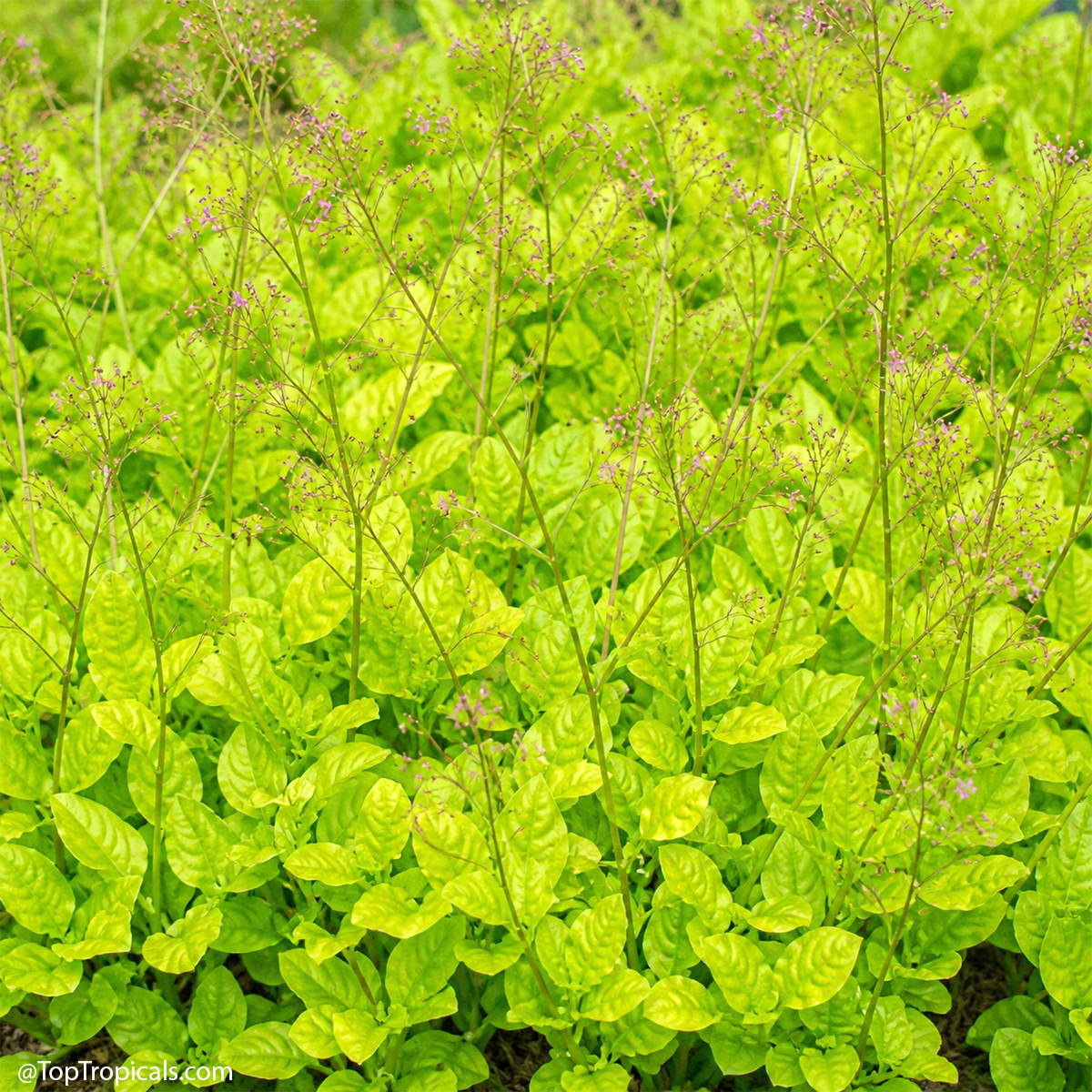
The variegated form of Jewels of Opar has excellent creamy white edged foliage, handsome enough alone, but especially nice when set off by the wiry reddish stems topped with dainty pink flowers. Growing in well-drained soil with some water and lots of sun.
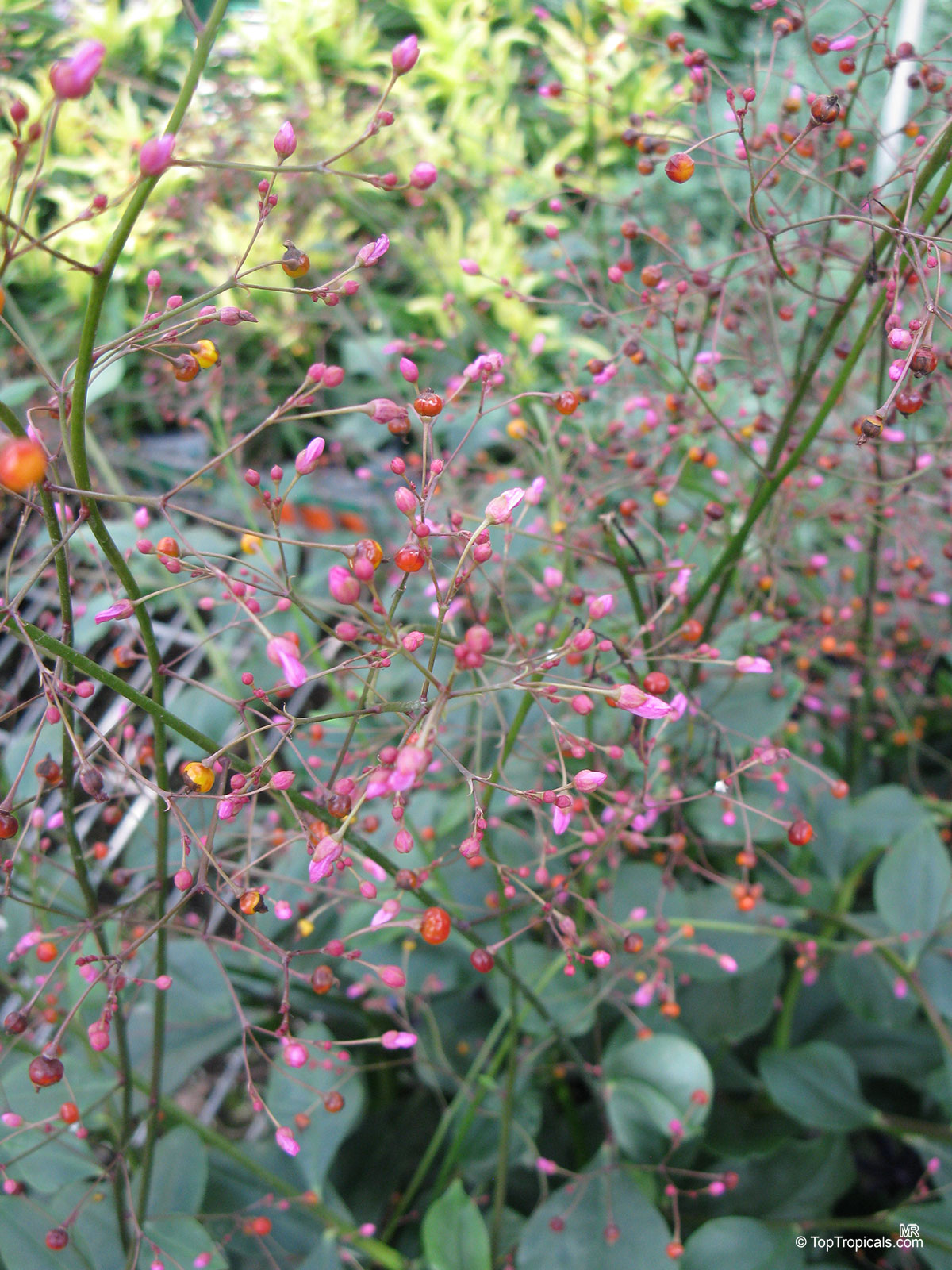
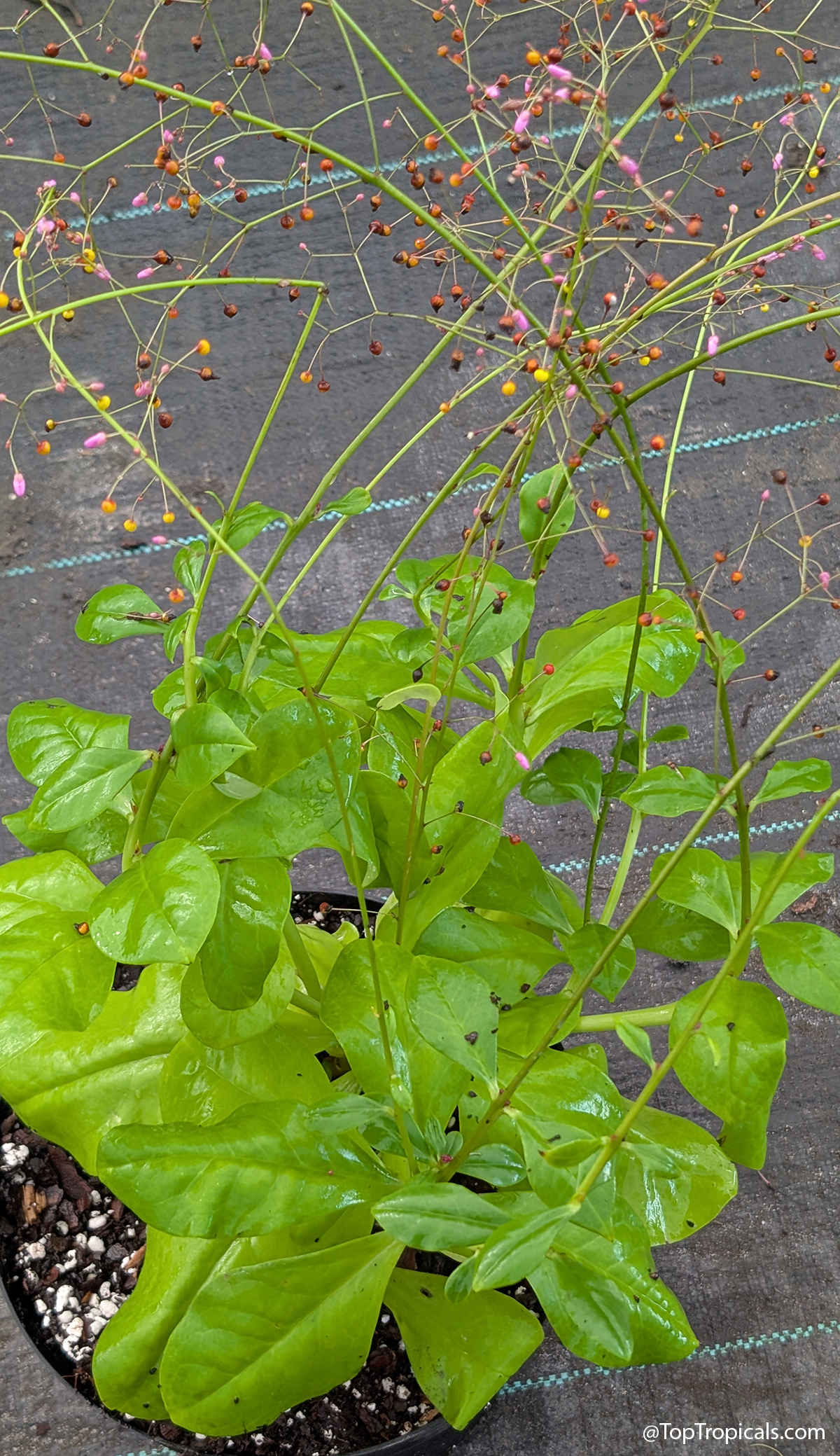
Botanical names: Talinum paniculatum, Talinum roseum, Portulaca paniculata
Common names: Jewels of Opar, Florida Spinach
Family: Portulacaceae

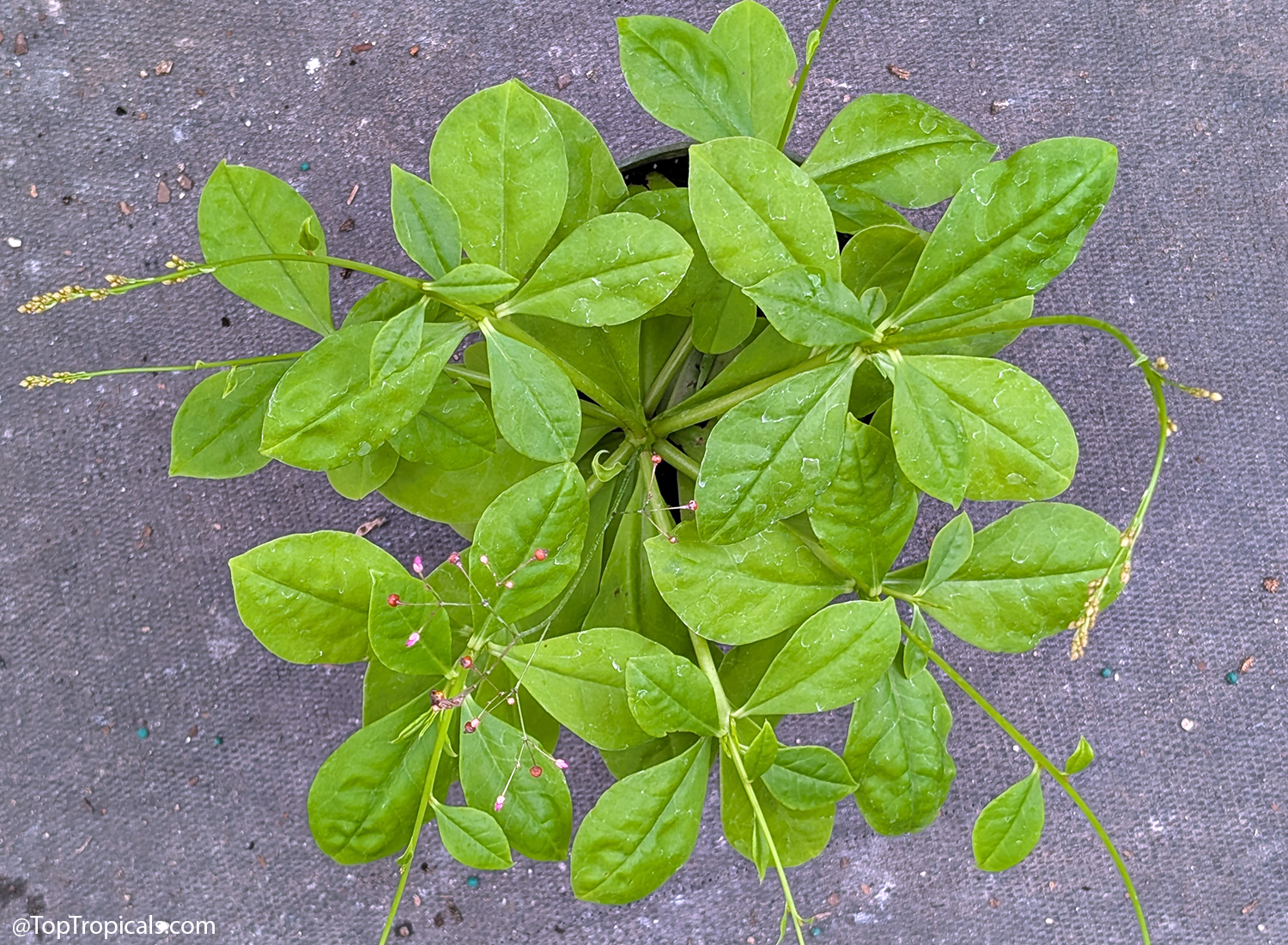
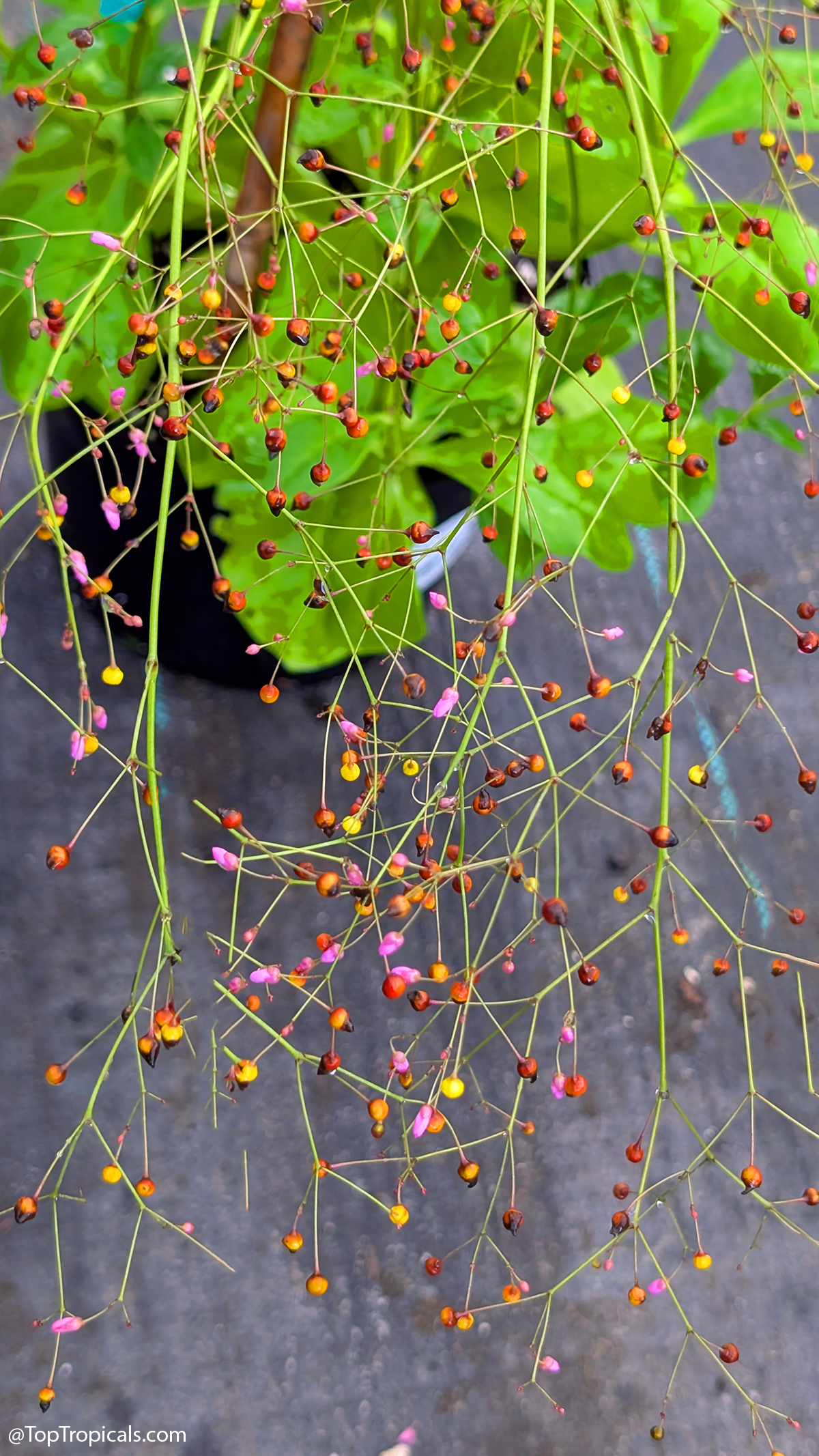
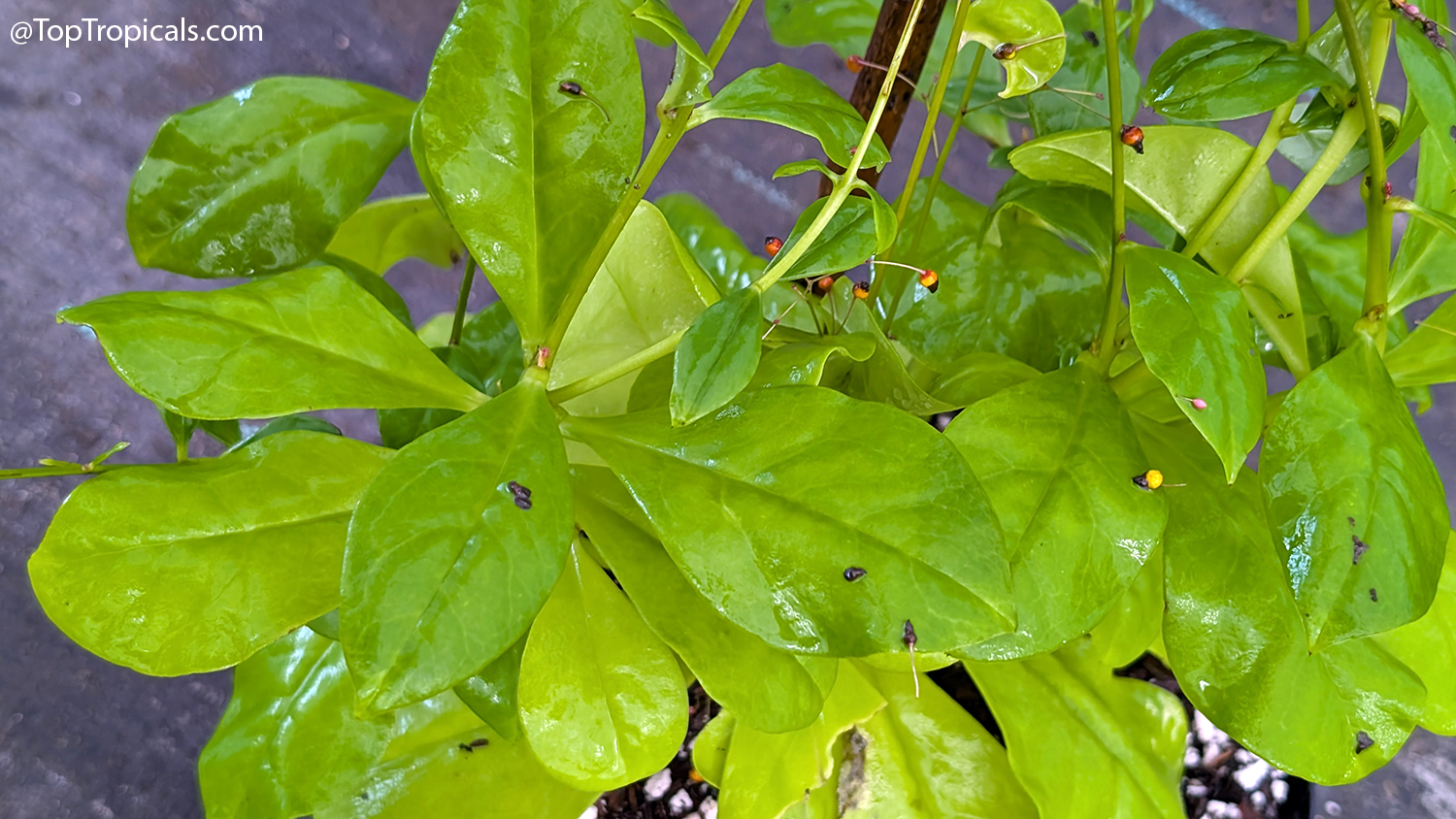
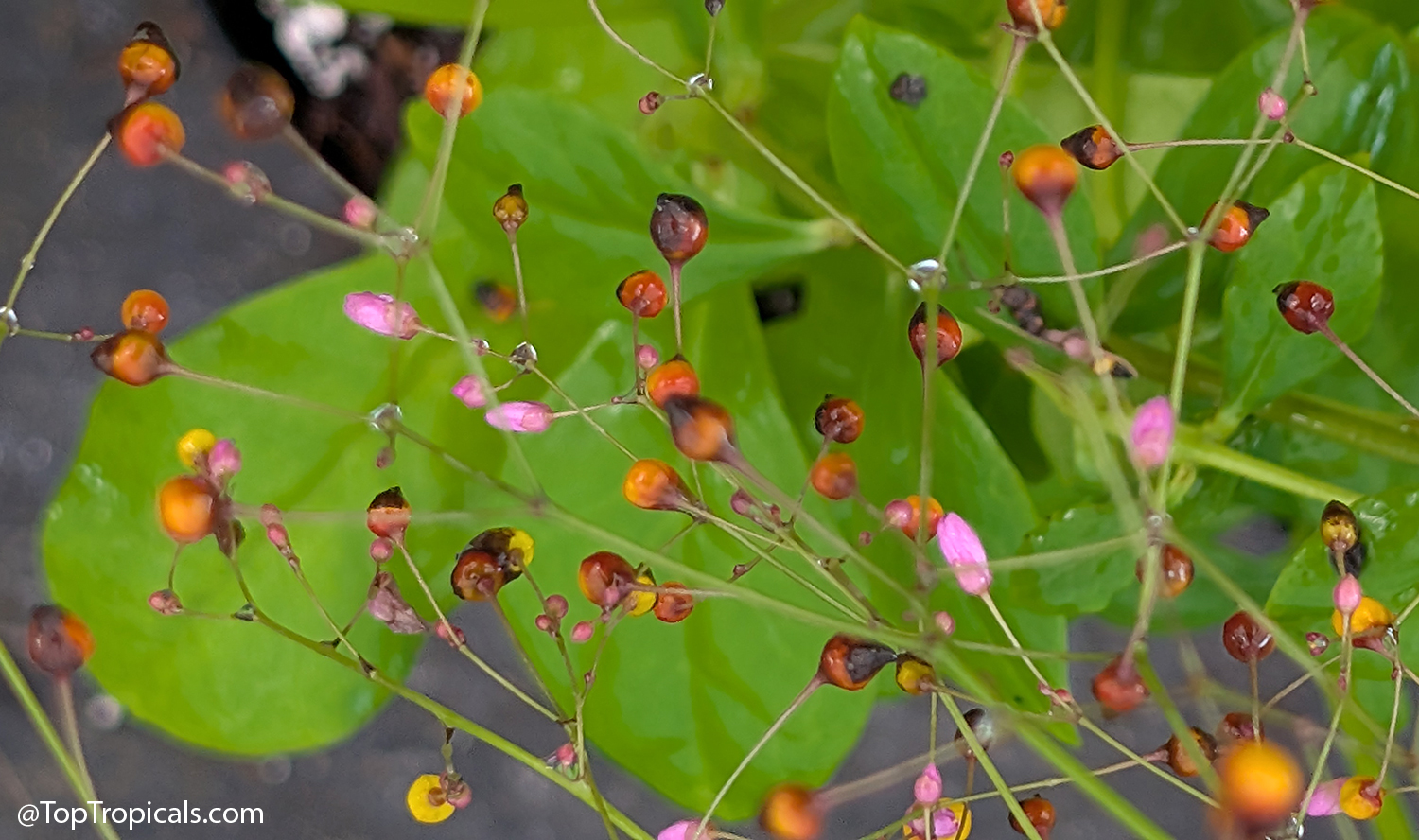
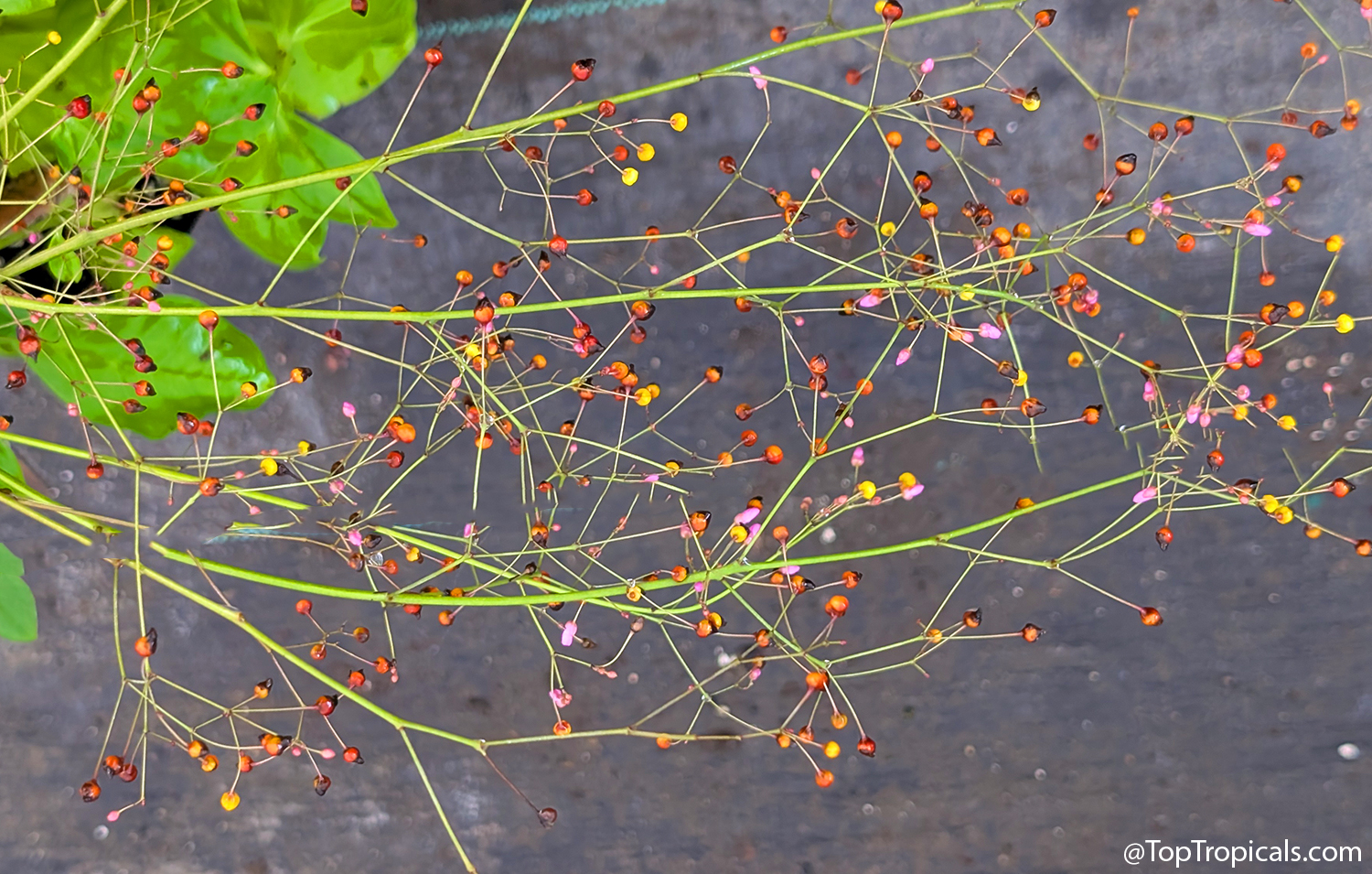
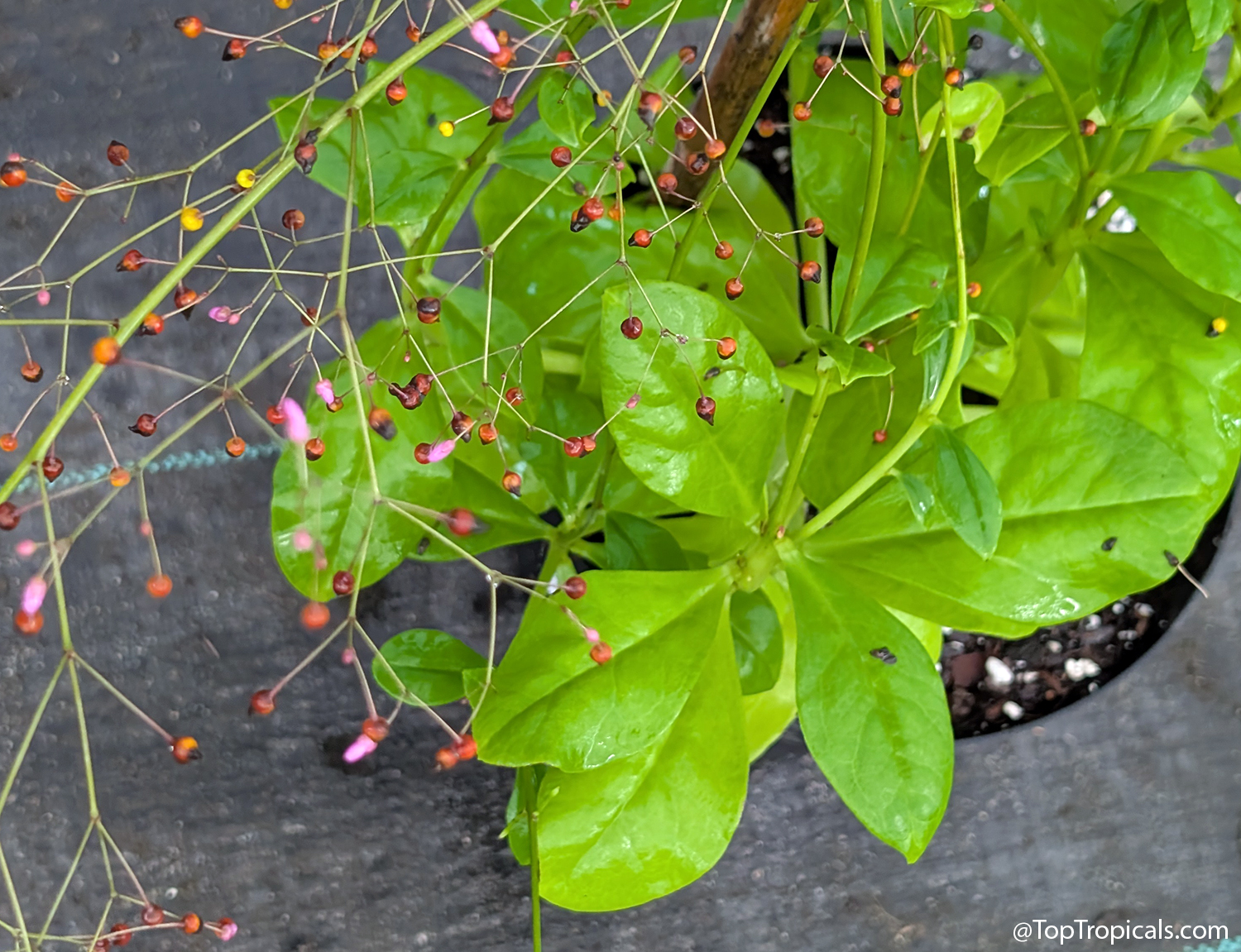
Beautiful low-growing shrub 2-3 ft tall with lots of bright pink flowers that open in the morning and stay open till late afternoon. Very fast growing. What makes this plant special? If you read "Tarzan and the Jewels of Opar" by Edgar Rice Burroughs: "...Tarzan stooped and lifted a leathern pouch from the grisly relics of a man. The hard outlines of the contents brought an exclamation of surprise to his lips. "The jewels of Opar!" he cried, holding the pouch aloft, "and," pointing to the bones at his feet, "all that remains of Werper, the Belgian..."

Use link to repeat this search:
https://toptropicals.com/cgi-bin/garden_catalog/cat.cgi?search_op=and&keyword_op=and&language=e&family=Portulacaceae
&number=10&no_change_lang=1&user=tt&sale=1&first=0