Meliaceae - Botanical Family

Number of plants found: 22     Next    Go to page:  1  2  3

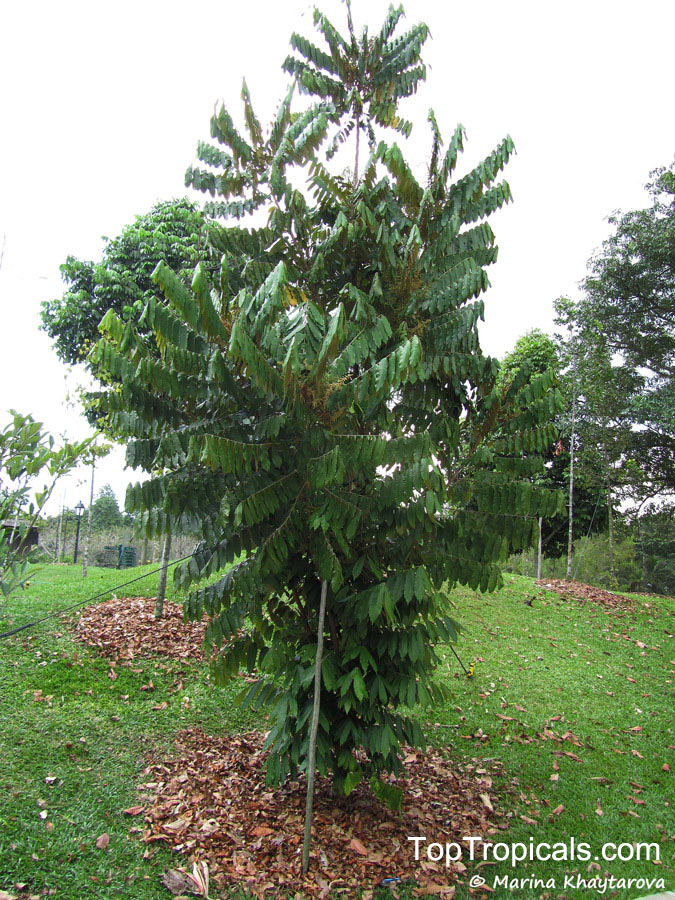
Aglaia argentea (Silver Boodyarra) tree with green leaves and a tall, narrow branching structure.
Aglaia argentea (Silver Boodyarra) tree with layered green foliage standing in an open grassy area.

Botanical name: Aglaia argentea

Common name: Silver Boodyarra

Family: Meliaceae

Origin: Southeast Asia
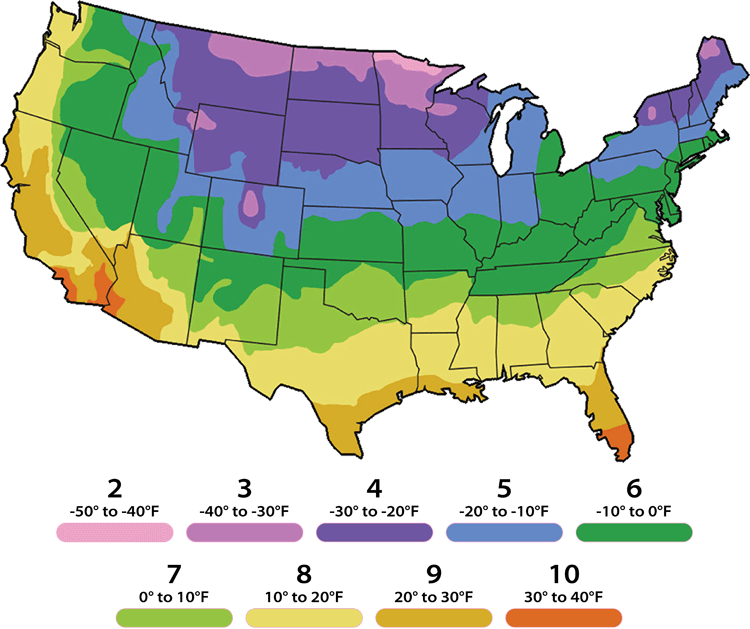
USDA Plant Hardiness MapSmall tree 10-20 ftFull sunWatering: Regular. Let topsoil dry slightlyEdible plantEthnomedical plant.
Plants marked as ethnomedical and/or described as medicinal, are not offered as medicine but rather as ornamentals or plant collectibles.
Ethnomedical statements / products have not been evaluated by the FDA and are not intended to diagnose, treat, cure, or prevent any disease. We urge all customers to consult a physician before using any supplements, herbals or medicines advertised here or elsewhere.

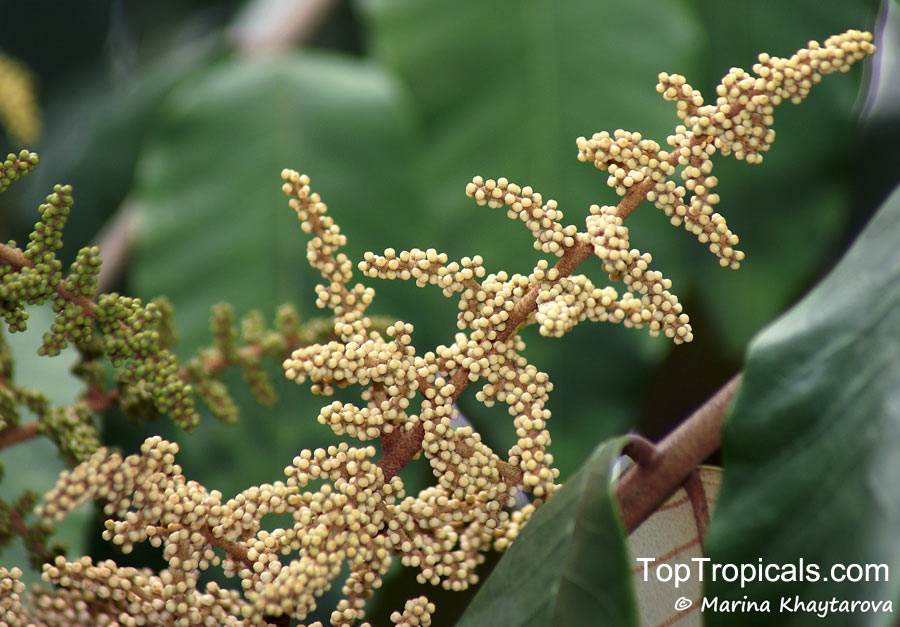
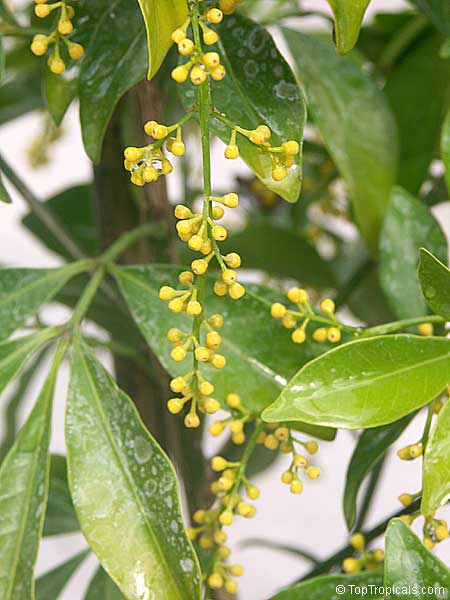
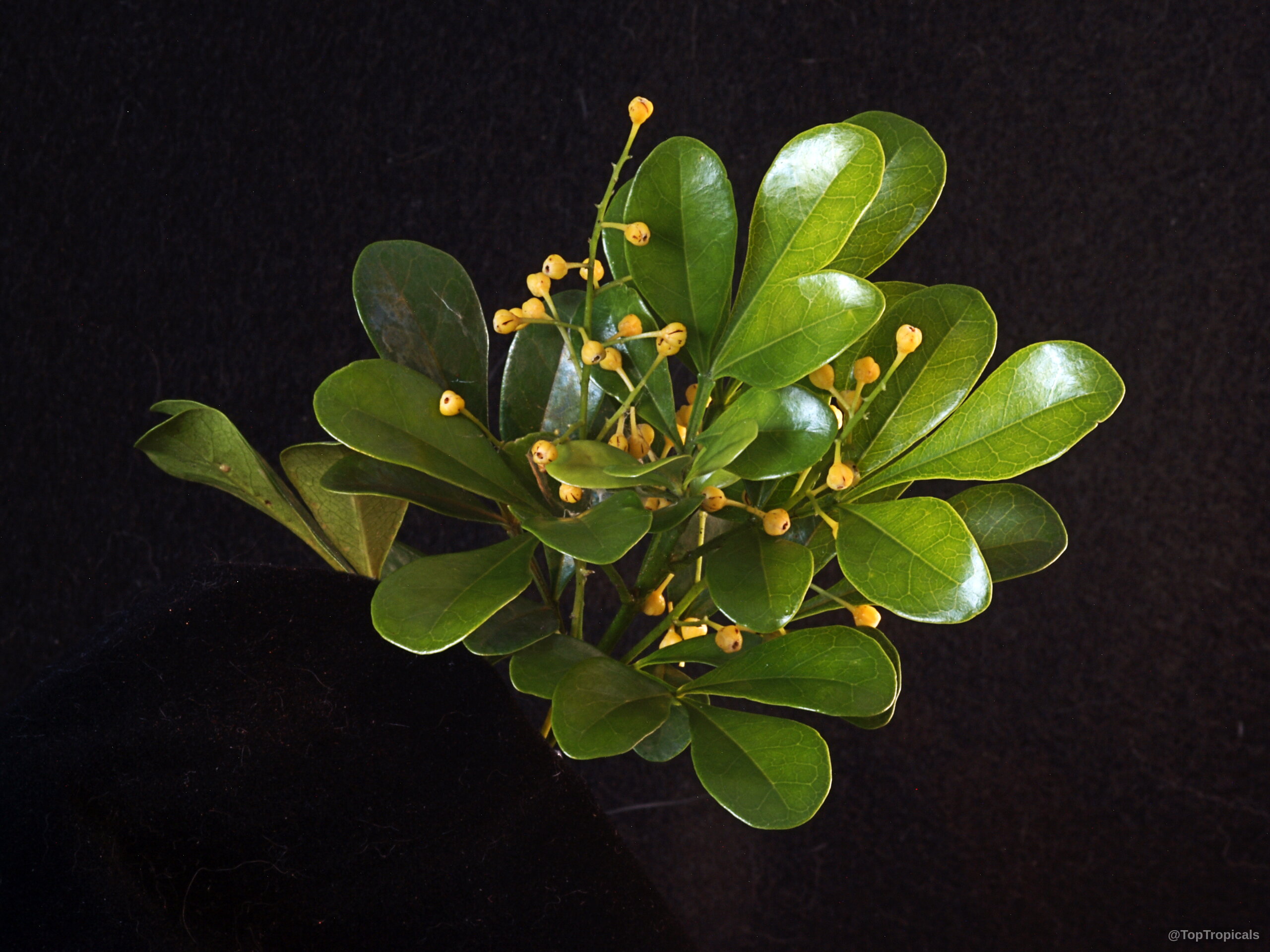
Aglaia argentea (Silver Boodyarra) yellow flower close up capturing multiple tiny circular grain buds
Aglaia argentea (Silver Boodyarra) yellow flower cluster made of small round buds on a brown stem
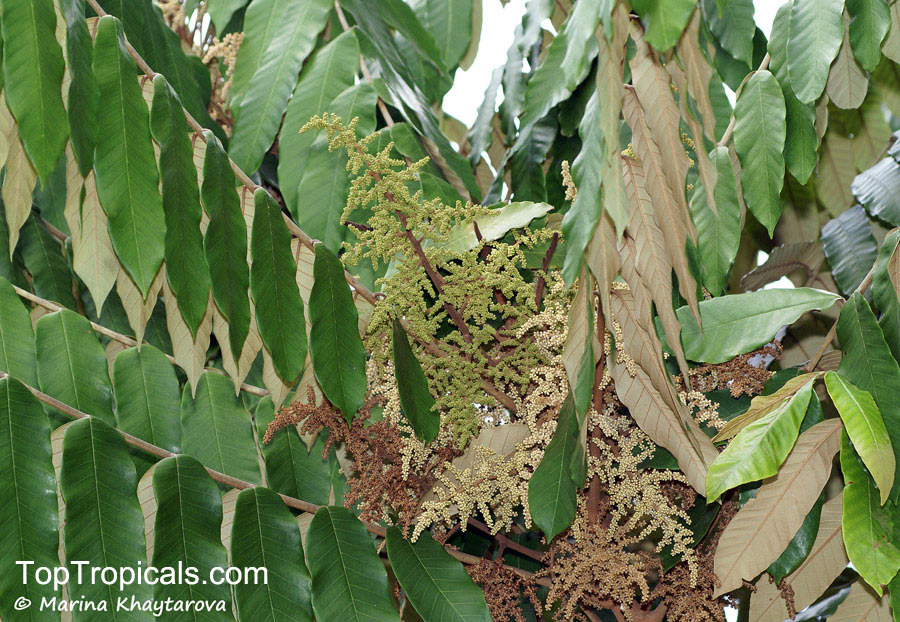
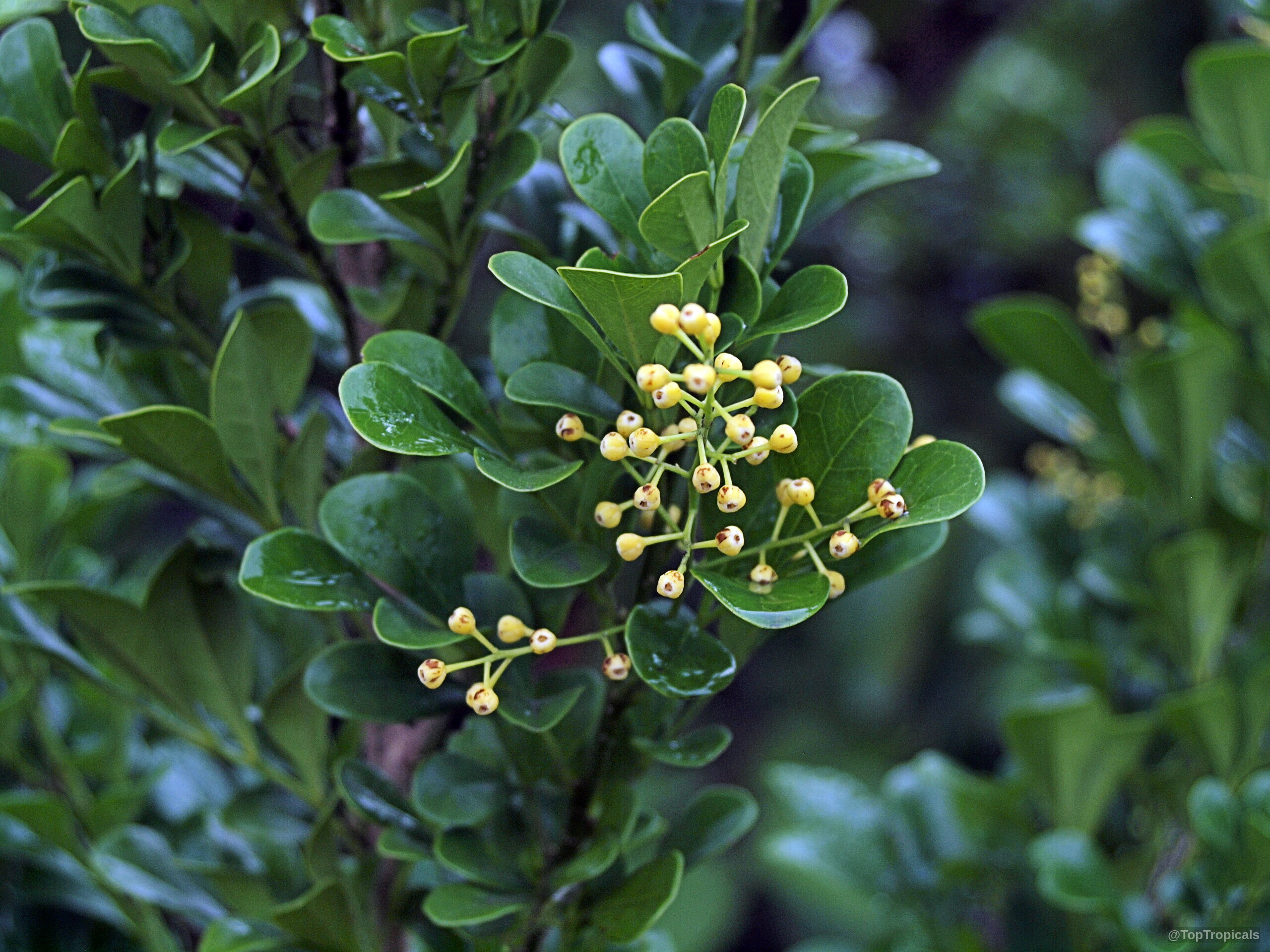
Aglaia argentea (Silver Boodyarra) with green leaves and small yellow flower clusters on tree branch
Aglaia argentea (Silver Boodyarra) leaves and flower clusters visible in a dense canopy of foliage.
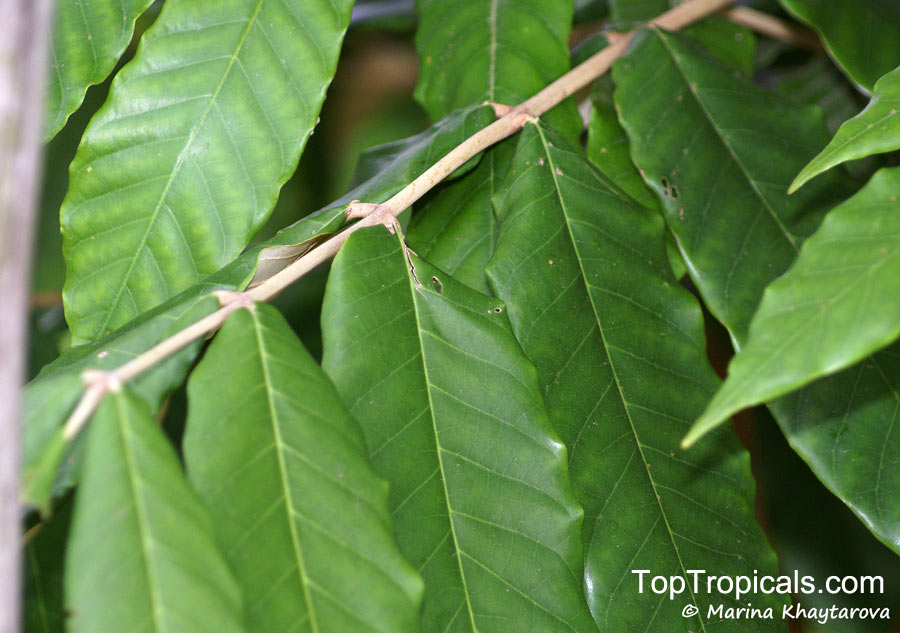
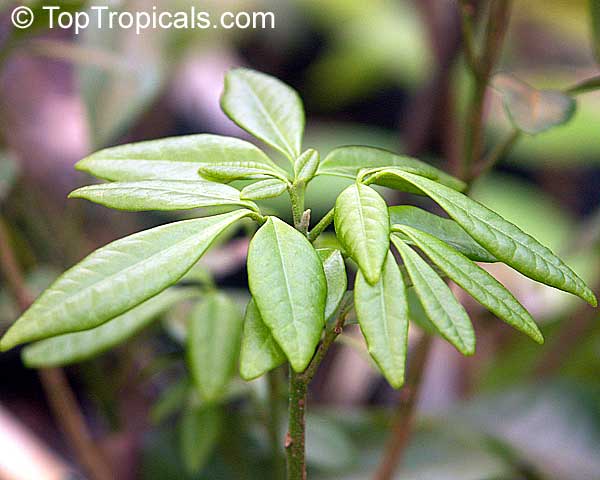
Aglaia argentea (Silver Boodyarra) long green leaves on branch, close up
Aglaia argentea (Silver Boodyarra) shows smooth green leaves attached to a woody stem


Link to this plant:
https://toptropicals.com/catalog/uid/aglaia_argentea.htm

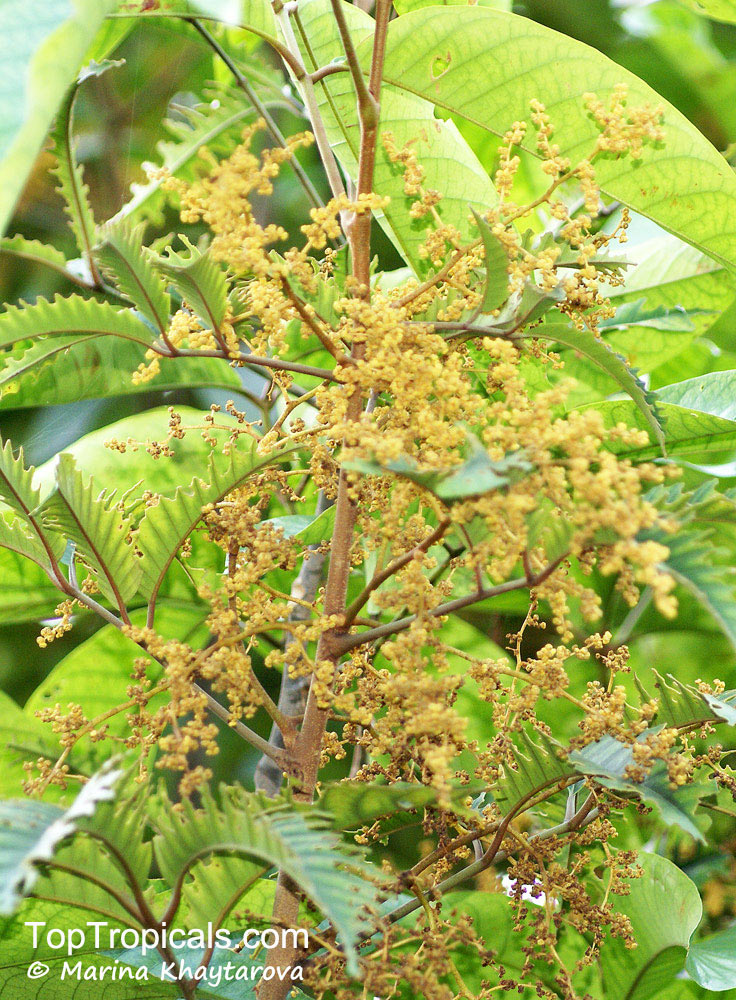
Aglaia korthalsii (Aglaia) with yellow flowers and green serrated leaves in a close up.
Aglaia korthalsii (Aglaia) with tiny yellow flowers clusters resting among long green serrated leaves.

Botanical names: Aglaia korthalsii, Aglaia aquatica, Aglaia cauliflora

Common names: Aglaia, Sang Kreyt

Family: Meliaceae

Origin: Southeast Asia

USDA Plant Hardiness MapLarge tree taller than 20 ftSmall tree 10-20 ftWatering: Moderate. Water when top soil feels dryWatering: Regular. Let topsoil dry slightlyEdible plantEthnomedical plant.
Plants marked as ethnomedical and/or described as medicinal, are not offered as medicine but rather as ornamentals or plant collectibles.
Ethnomedical statements / products have not been evaluated by the FDA and are not intended to diagnose, treat, cure, or prevent any disease. We urge all customers to consult a physician before using any supplements, herbals or medicines advertised here or elsewhere.

Aglaia korthalsii, commonly known as Aglaia, is a small tropical tree native to Southeast Asia, from China to India. This species of tree is known for its unique properties, being an ethnomedical plant as well as edible, and is therefore grown commercially throughout the region. It is able to grow to heights of 10-20 feet tall, with extremely large specimens sometimes reaching heights of 20 feet or more.

When grown in a USDA zone ranging from 9-11, Aglaia korthalsii requires regular watering in order to survive and thrive. Unless temperatures abruptly drop below zero, it is not necessary to provide supplemental water during the winter in these climates. However, during the hot summer months it is important to provide the tree with moderate amounts of water.

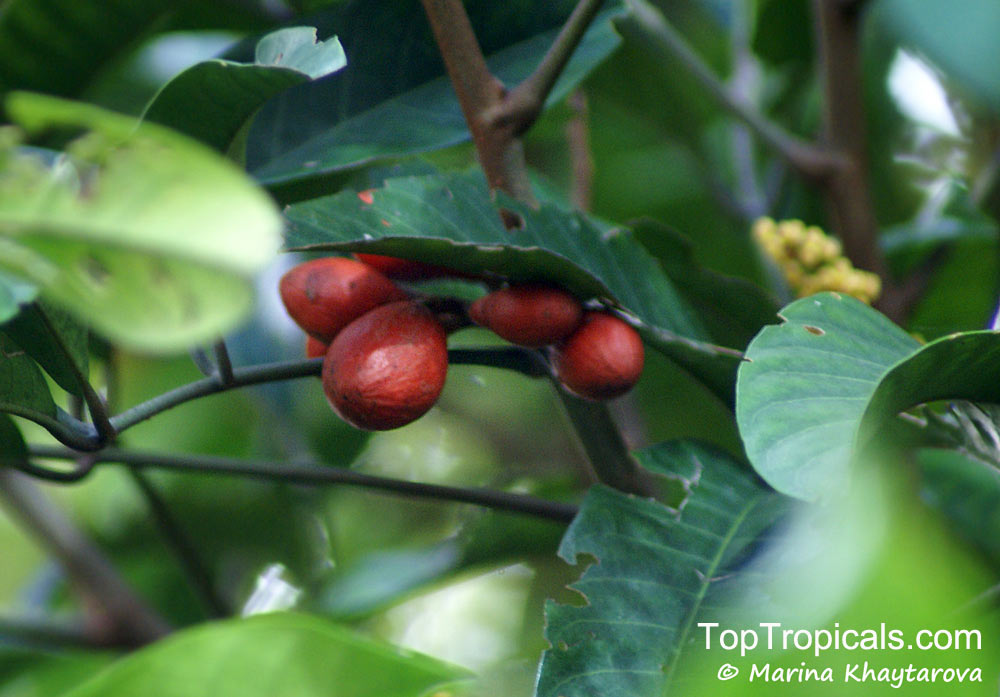
Aglaia korthalsii is highly valued for its edible fruit. These fruits are ellipsoid to subglobose, ranging from 20 - 40mm in length and 10 - 50mm in width, and are orange in color. Each individual fruit contains up to 3 edible seeds, surrounded by a thin layer of edible flesh. These fruits carry numerous health benefits and are commonly used in local recipes of Southeast Asia. On average, it can produce up to 20 fruits per season, making it an excellent source for edible yield.

In colder climates, Aglaia korthalsii can be successfully grown in a pot. It is important to choose a pot that is large enough to accommodate its growth (at least 18 - 22 inches in diameter) and to use quality potting soil to ensure proper drainage. Furthermore, in cold climates it is necessary to bring the pot into a sheltered area during the winter months to ensure its survival. With the right care and maintenance, this beautiful tree can be a great addition to any landscape.
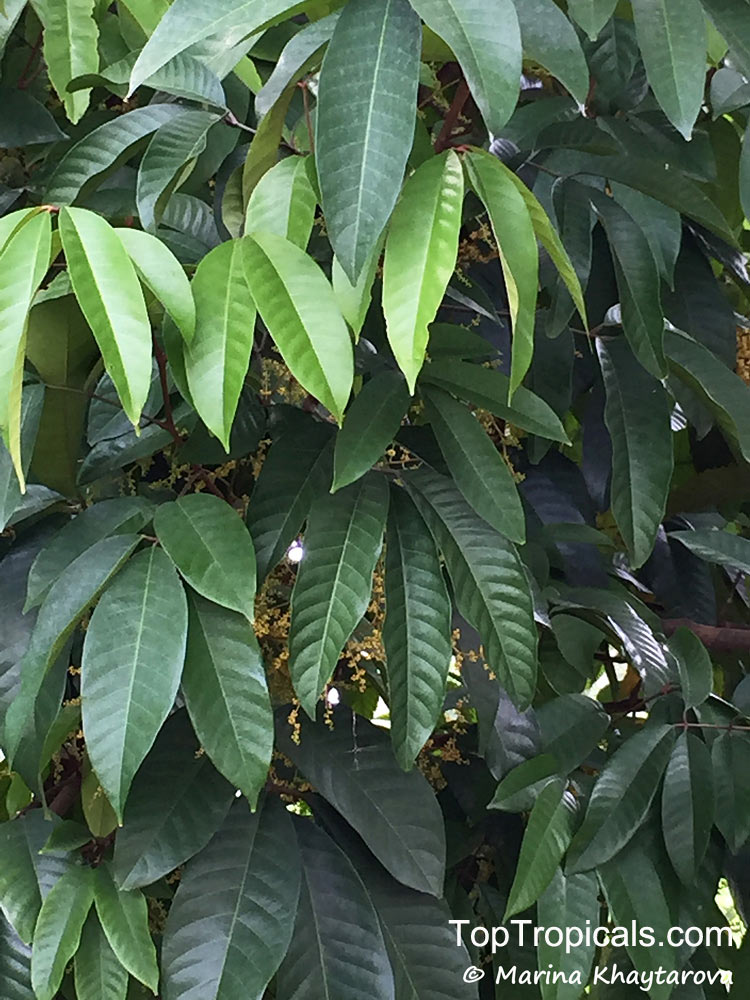
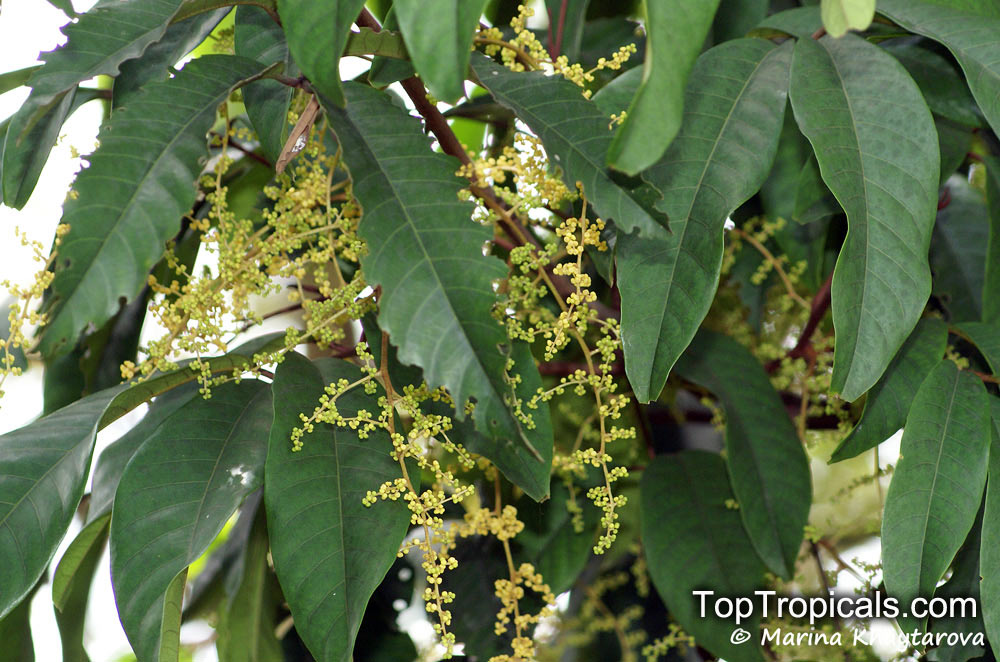
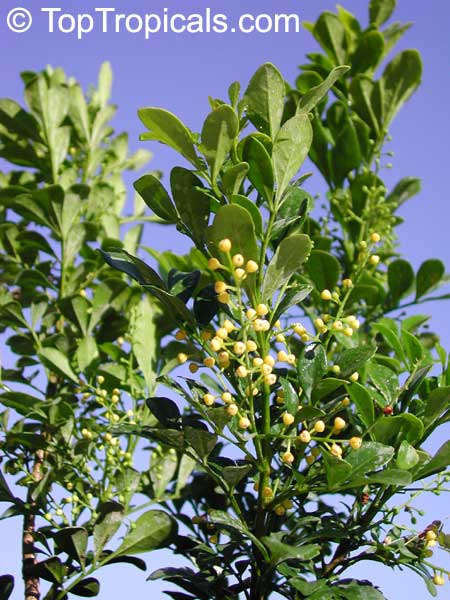
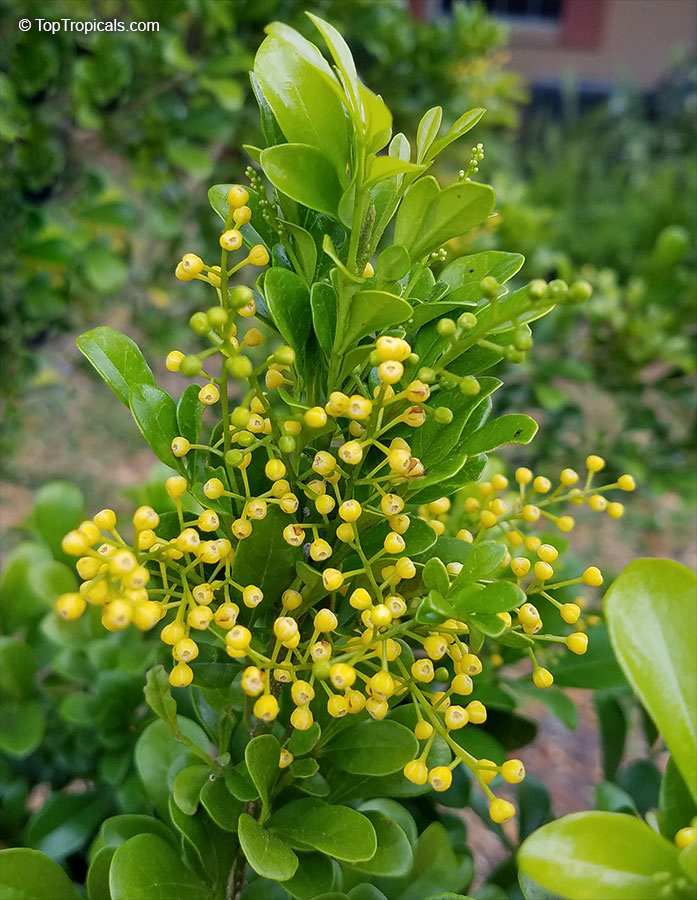
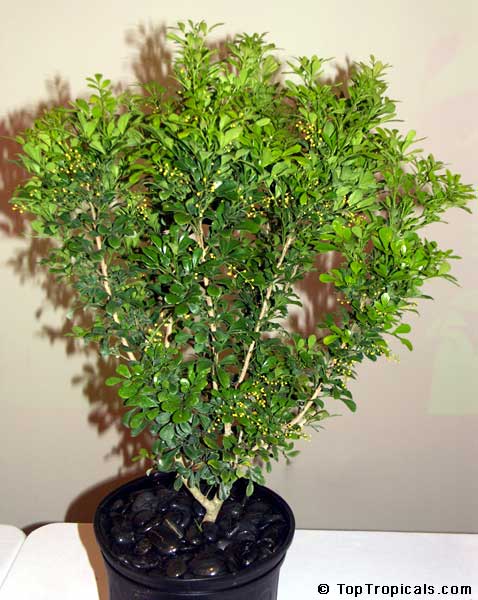
Aglaia korthalsii (Aglaia) plant with dark green leaves and small yellow flower clusters
Aglaia korthalsii (Aglaia) with deep green leaves and small yellow flower clusters clustered within branches.
Aglaia korthalsii (Aglaia) with yellow flower clusters and dark green leaves close up
Aglaia korthalsii (Aglaia) with small yellow flower clusters hanging among dark green pointed leaves.
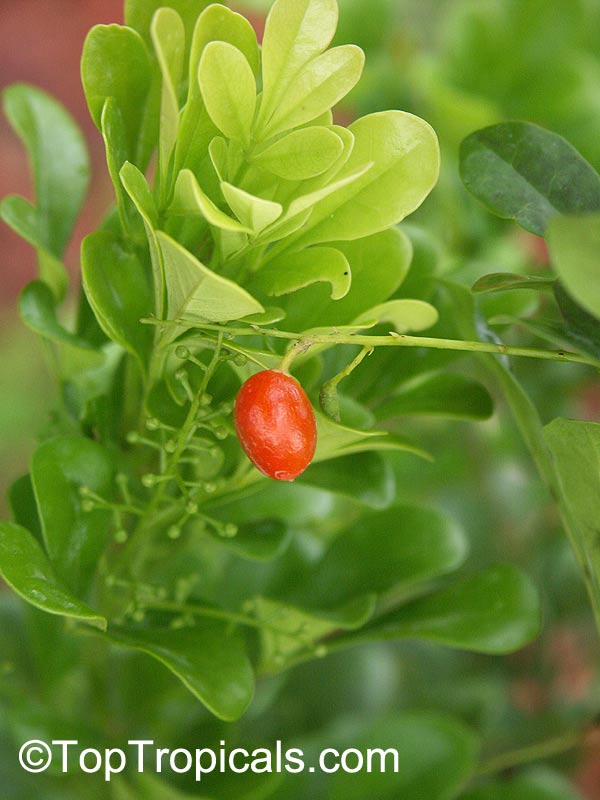
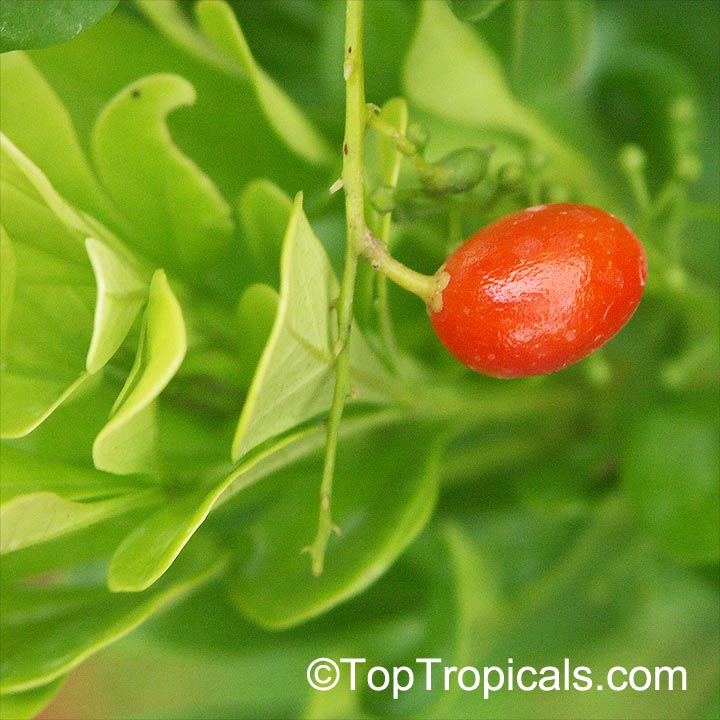
Aglaia korthalsii (Aglaia) with round red fruit in a close up tree branch view
Aglaia korthalsii (Aglaia) shows small round red fruit hanging among oval green textured leaves


Link to this plant:
https://toptropicals.com/catalog/uid/aglaia_korthalsii.htm

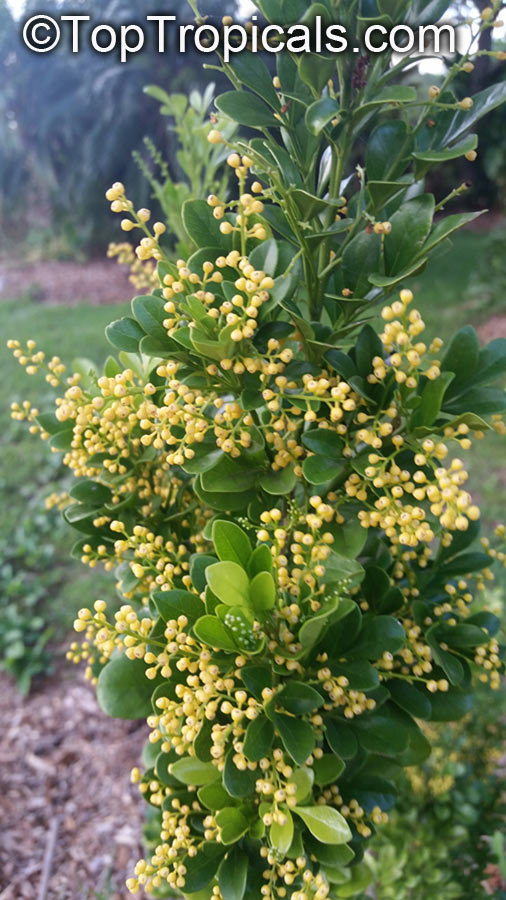
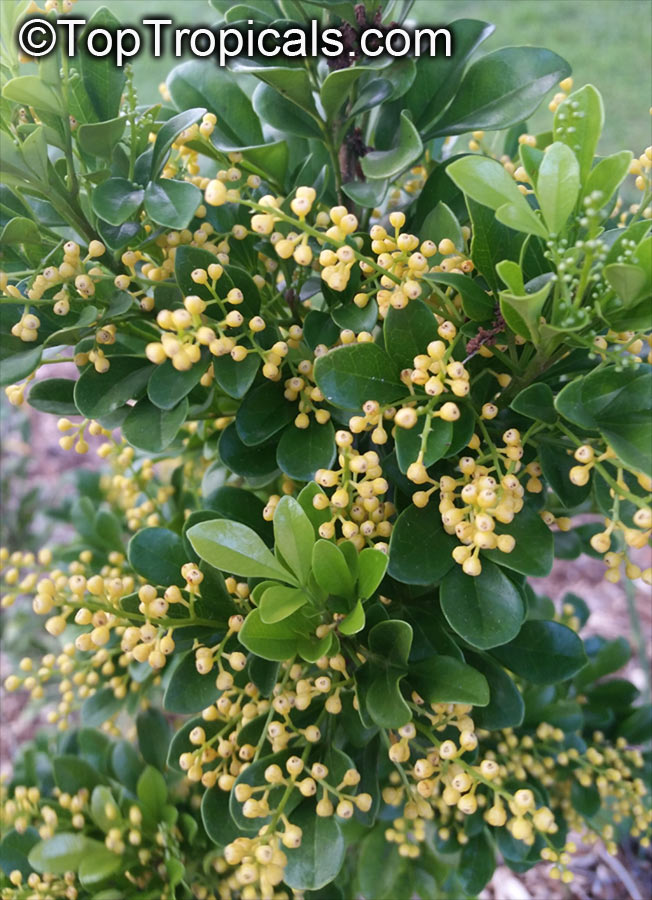
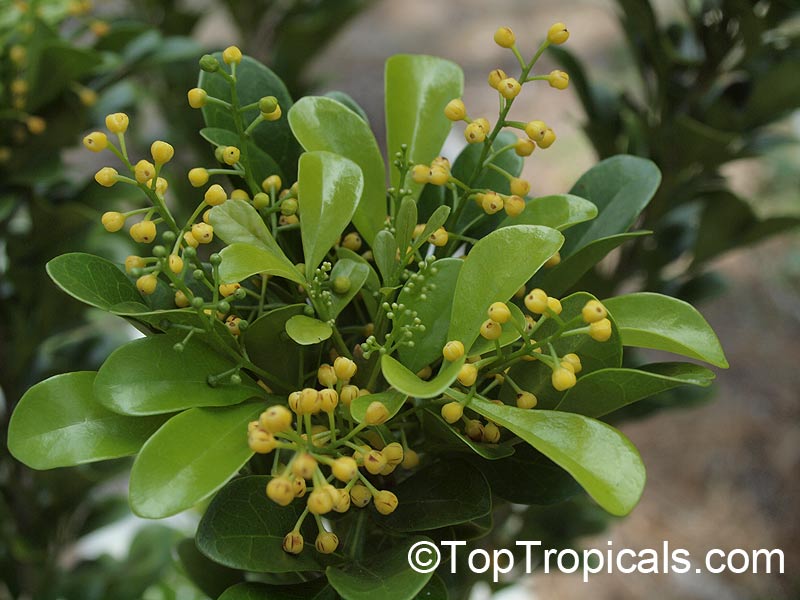
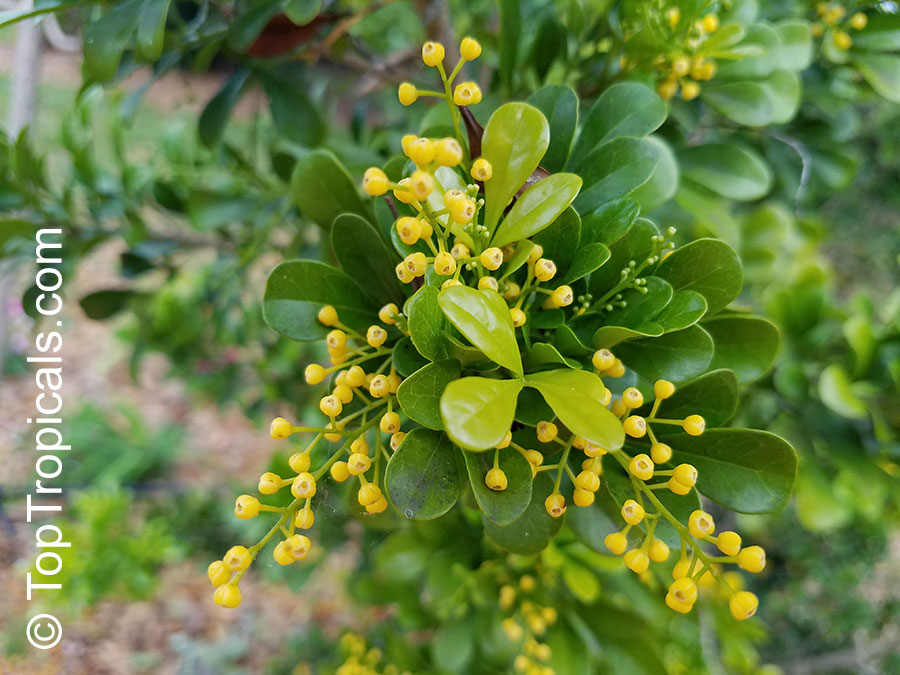
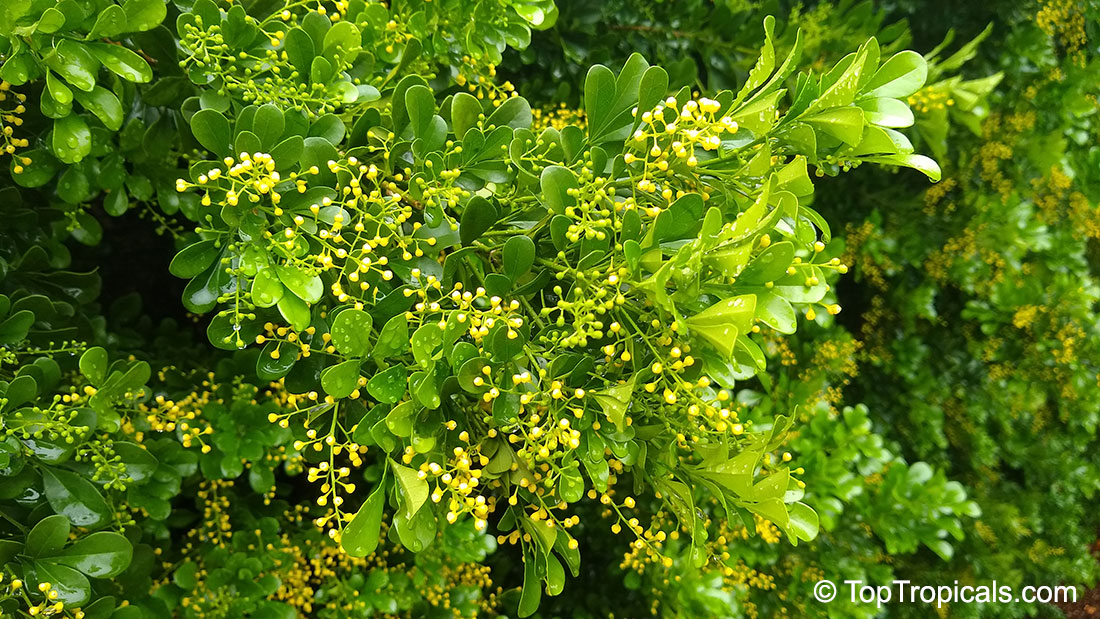
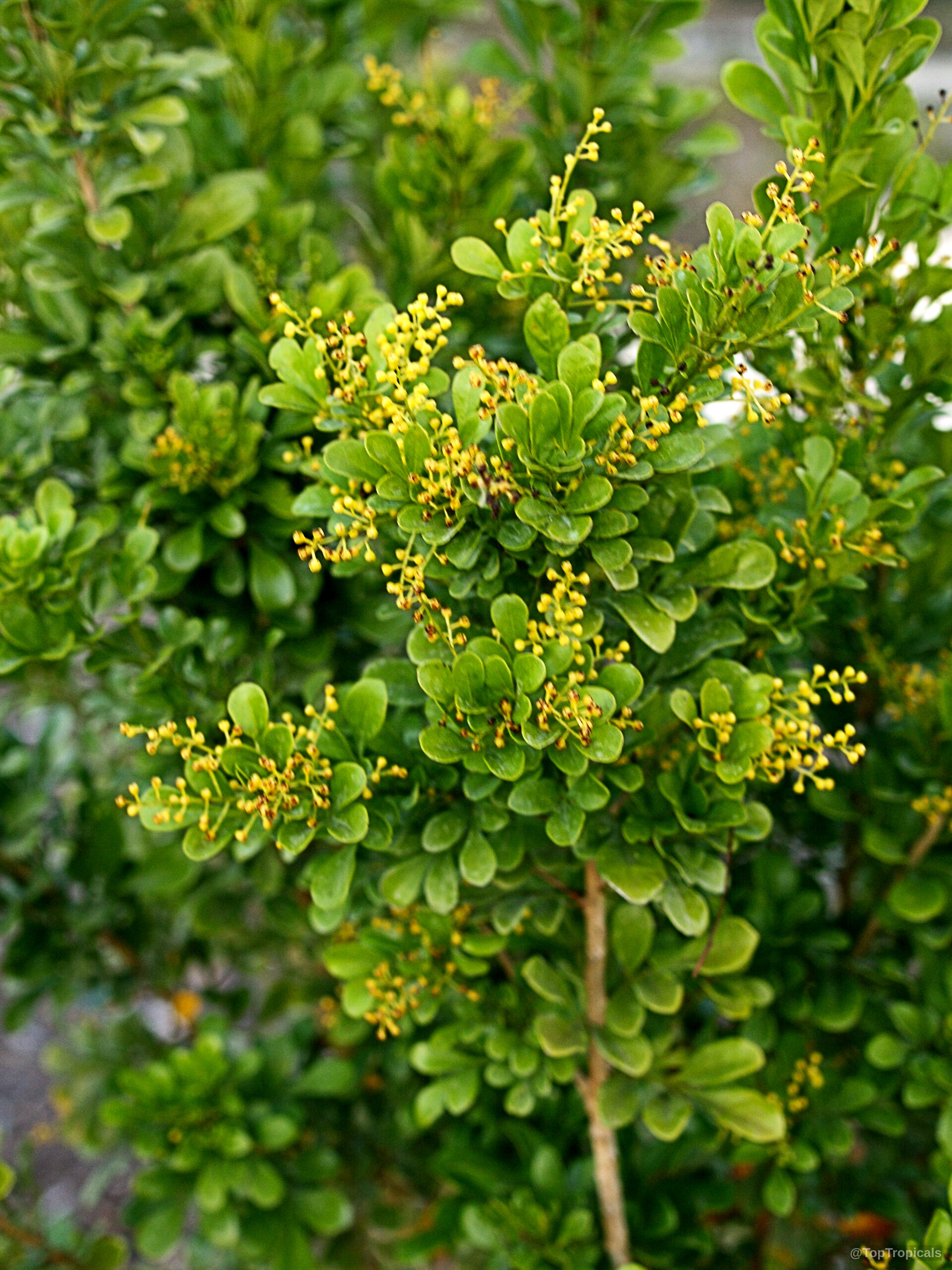
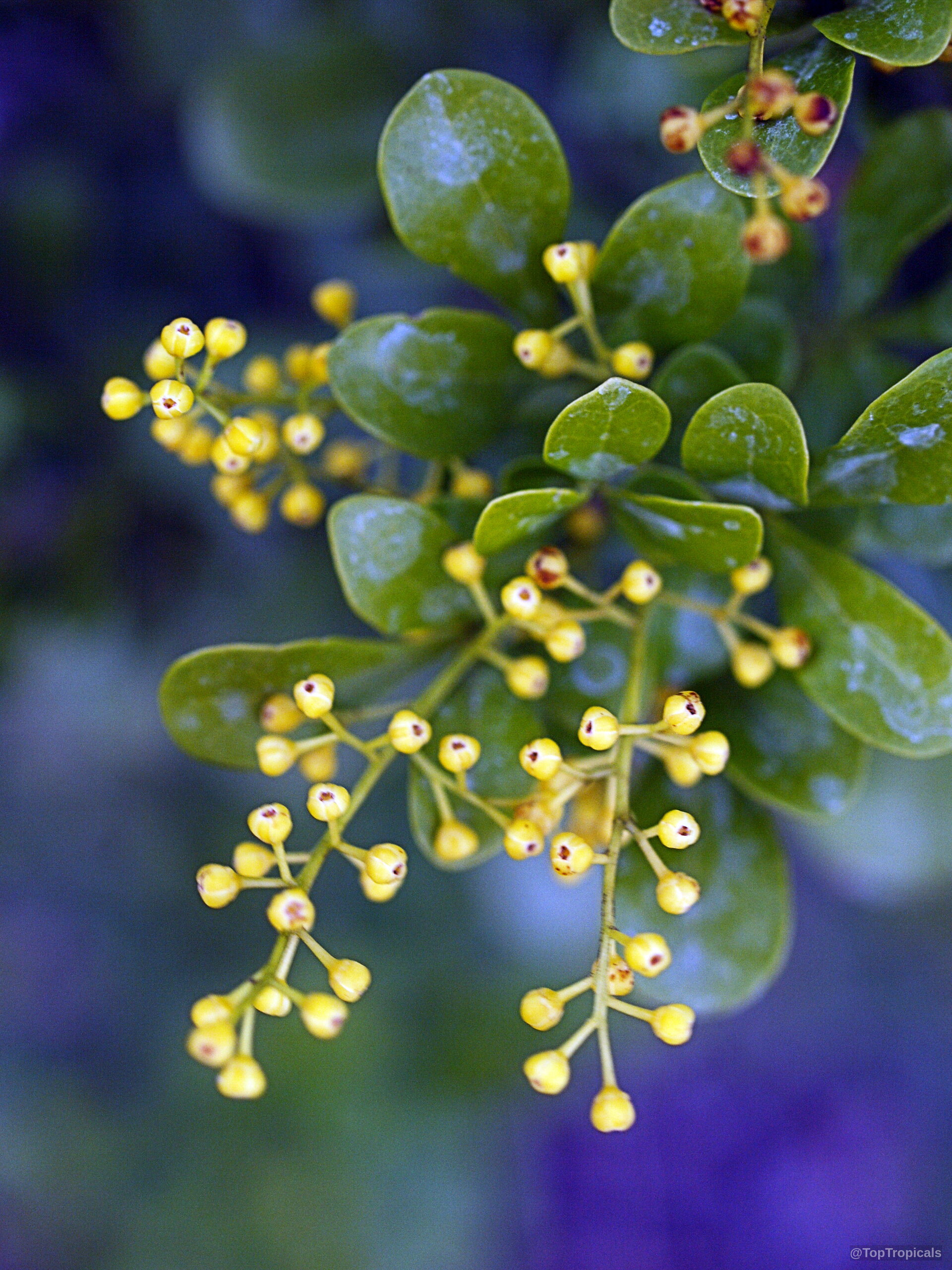
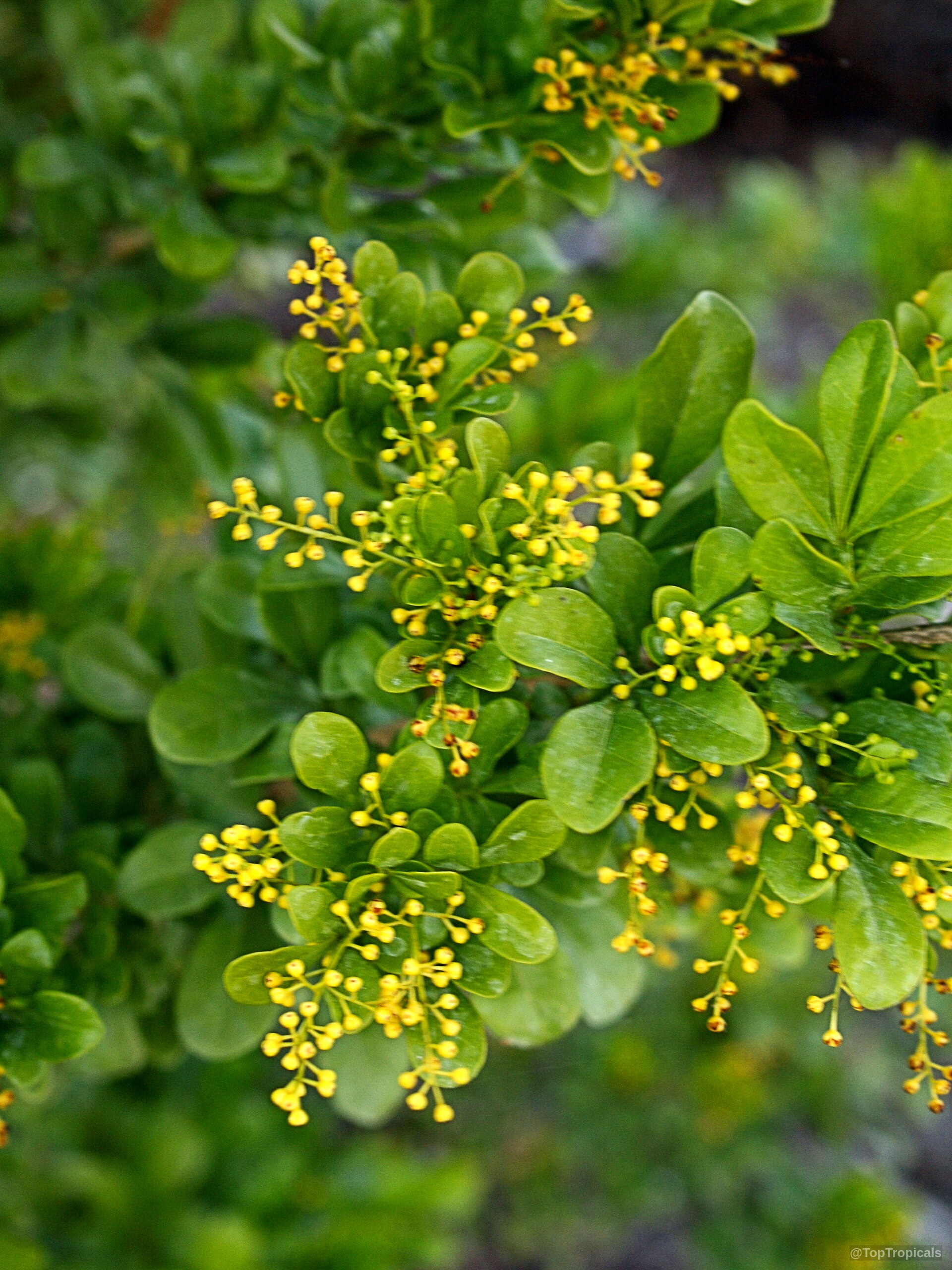
Aglaia odorata (Chinese Perfume Plant) yellow flower close up on green leaves
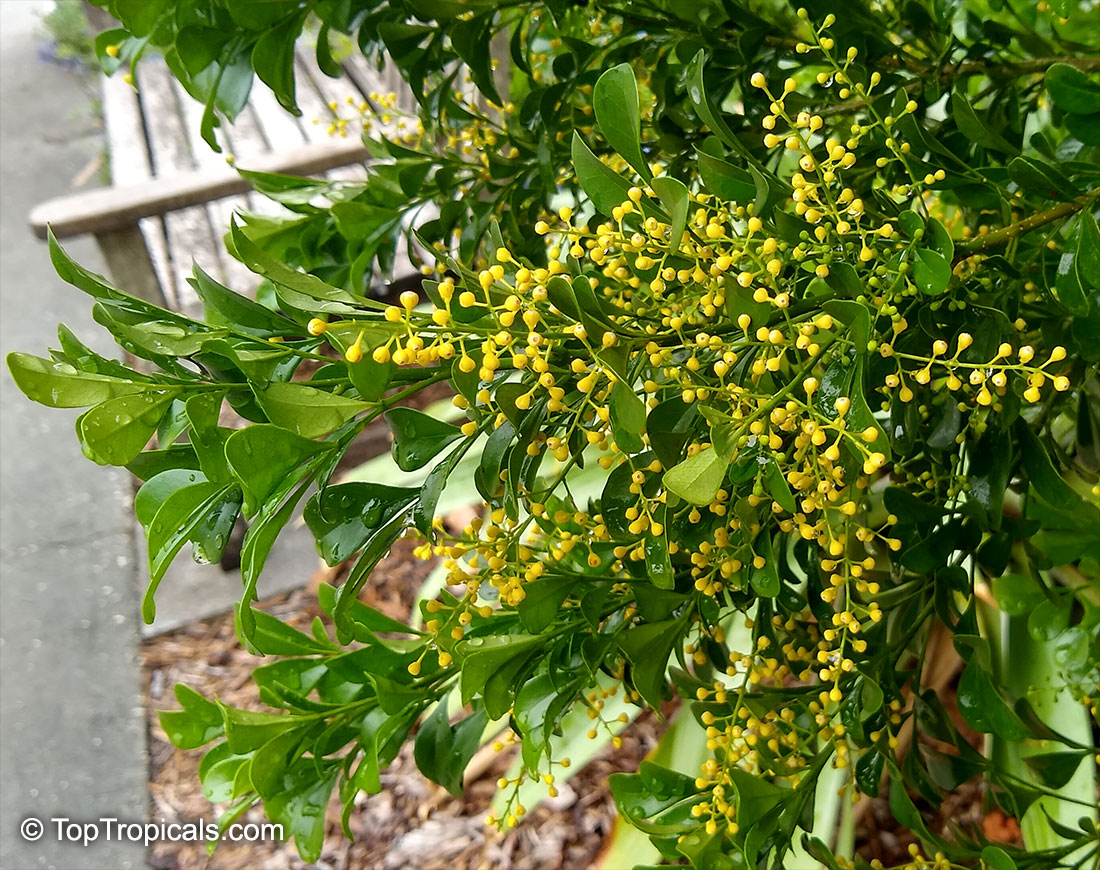
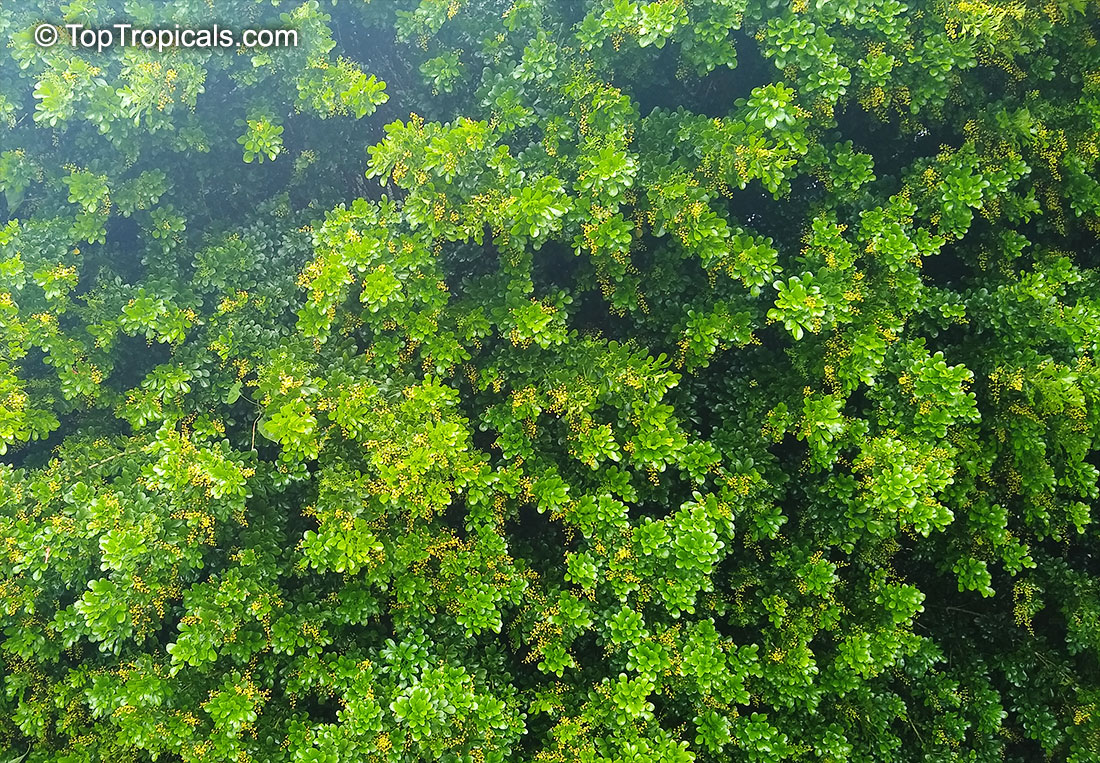
Aglaia odorata (Chinese Perfume Plant) with many round yellow flower clusters among green foliage.
Aglaia odorata

Botanical name: Aglaia odorata

Common names: Chinese Perfume Plant, Chinese Rice Flower, Mock Lemon

Family: Meliaceae

Origin: South China

USDA Plant Hardiness MapLarge shrub 5-10 ft tallSemi-shadeFull sunWatering: Regular. Let topsoil dry slightlyYellow, orange flowersPlant attracts butterflies, hummingbirdsEthnomedical plant.
Plants marked as ethnomedical and/or described as medicinal, are not offered as medicine but rather as ornamentals or plant collectibles.
Ethnomedical statements / products have not been evaluated by the FDA and are not intended to diagnose, treat, cure, or prevent any disease. We urge all customers to consult a physician before using any supplements, herbals or medicines advertised here or elsewhere.Fragrant plantSubtropical plant. Mature plant cold hardy at least to 30s F for a short time

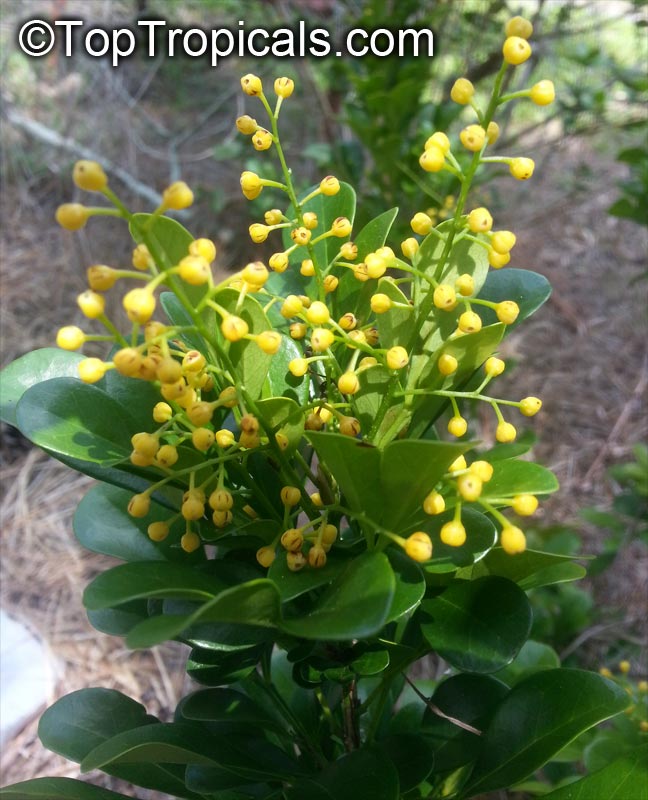
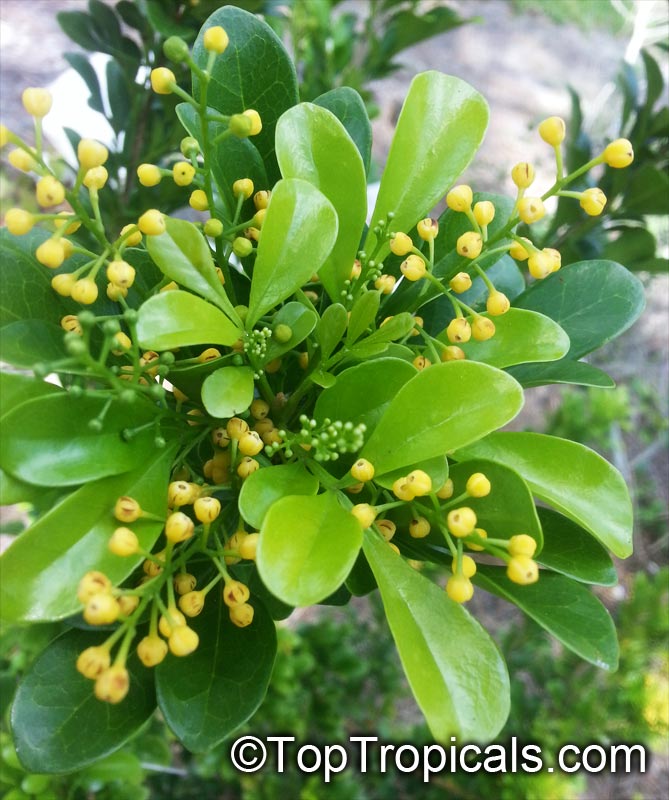
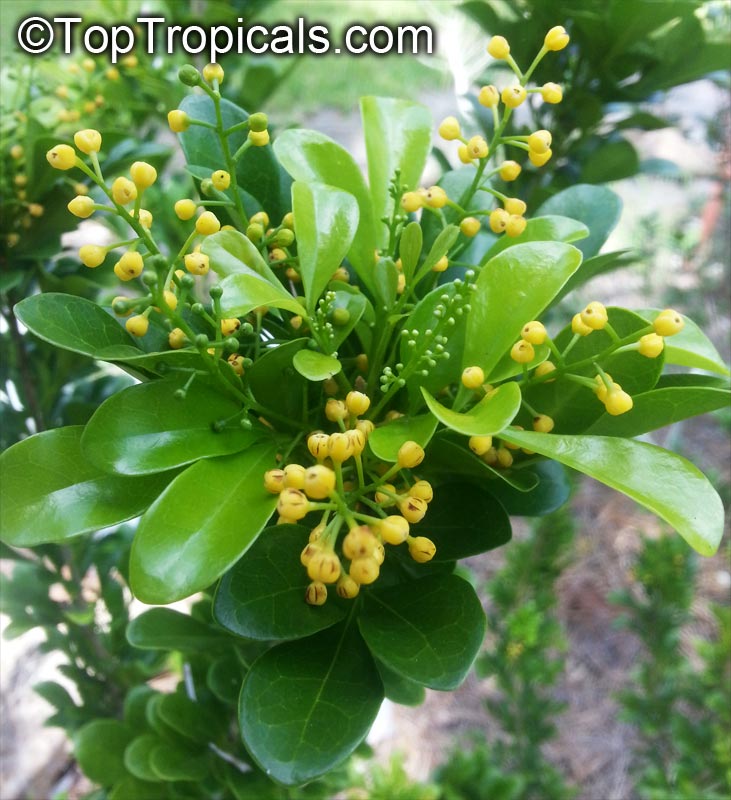
This plant is an easy to grow bush. It produces fragrant yellow flowers - that are as small as a grain of rice, with a very strong perfume. The fragrance is outstanding! Aglaia has many medical uses: odorine and odorinol obtained from this plant has cancer chemopreventive activity. Relatively cold-tolerant.
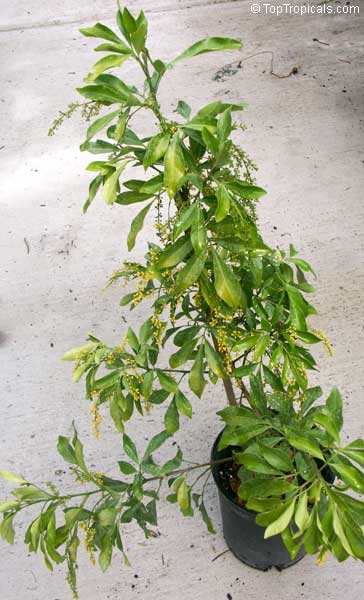
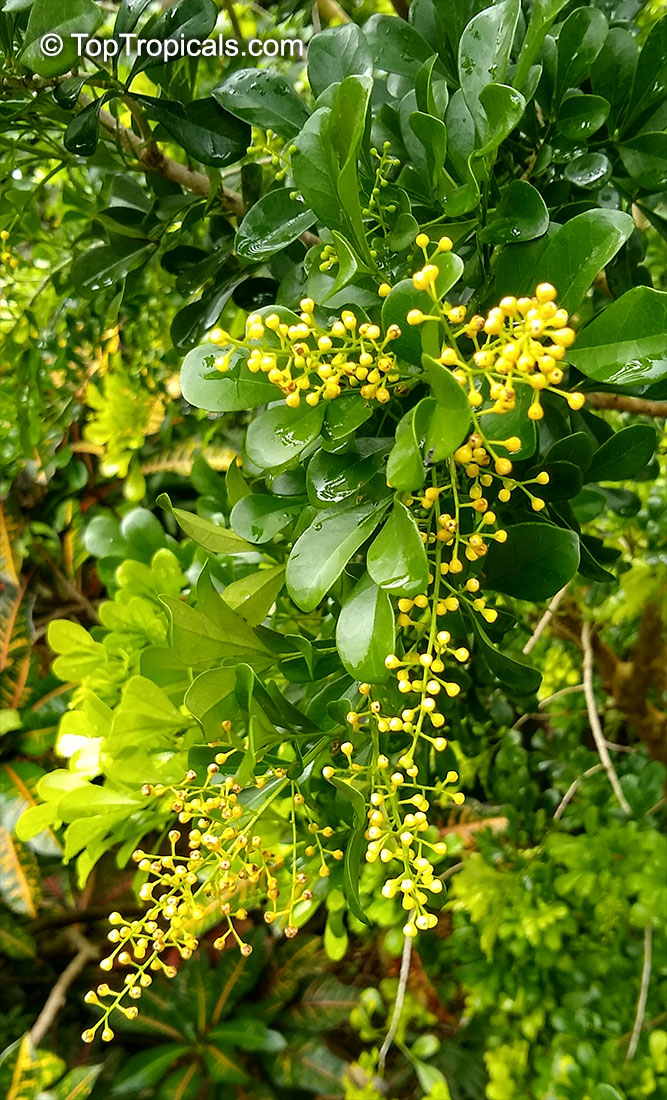
See Article about Aglaia odorata.


Link to this plant:
https://toptropicals.com/catalog/uid/aglaia_odorata.htm

Aglaia odorata, Chinese Perfume Plant

Chinese Perfume Plant, Chinese Rice Flower, Mock Lemon - the fragrance is outstanding! The plant is slow growing, big size of the plant is hard to find.
See Article about this plant.

Recommended Fertilizer: SUNSHINE Pikake - Fragrant Flower Booster
Buy together promotion:
500 ml (16 oz)
$19.95
Sale $14.95
Add to cart
Grown in
10"/3 gal pot
4 plants in stock
$49.95


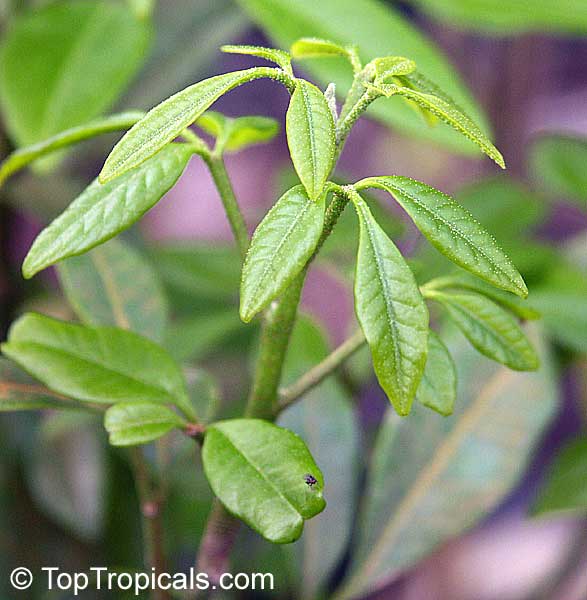
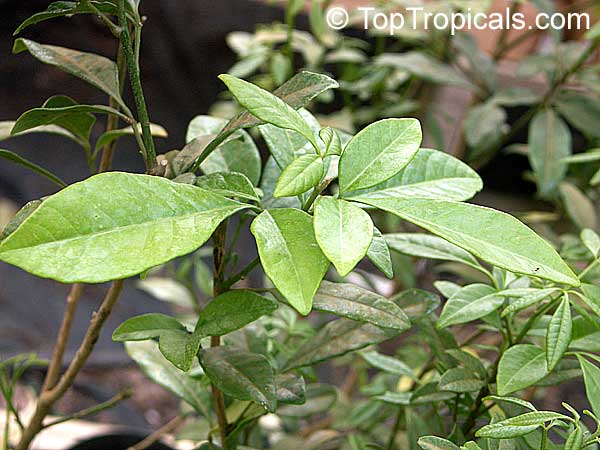
Aglaia odorata (Giant Rice Flower) 'Gigantea' green leaves on a close up plant branch
Aglaia odorata (Giant Rice Flower) 'Gigantea' showing delicate, elongated green foliage in a close up.

Botanical name: Aglaia odorata var. gigantea

Common names: Giant Rice Flower, Perfume Flower

Cultivar: Gigantea

Family: Meliaceae

Origin: Thailand

USDA Plant Hardiness MapLarge shrub 5-10 ft tallSemi-shadeFull sunYellow, orange flowersFragrant plant

Aglaia odorata var. Gigantea has small, pungent yellow-orange flowers that are usually seen in the warmer spring months. On a settled day, their sweet perfume is often recognizable from a distance. The flowers are followed by small, round brown-black fruits that can be used for making tea.

In the proper locations in USDA hardiness zones 9-11, this plant can be grown in the ground without any special requirements. In colder areas it can be successfully grown in a container provided it is moved indoors to a warm spot during the winter. In colder climates the plant will require more attention in order to survive winter weather. In any case, the soil must be kept moist at all times and fertilizer should be added once a month during the growing season. Pruning should be done in early summer before the flowering period.

In order to maximize its beauty, Aglaia odorata var. Gigantea should be grown in full sun or semi-shade. It prefers well-draining soils and should not be over-fertilized as this will reduce its flowering ability. During the summer and fall months, it should be given a deep watering every week to keep its foliage and flowers at their best.

Link to this plant:
https://toptropicals.com/catalog/uid/aglaia_gigantea.htm

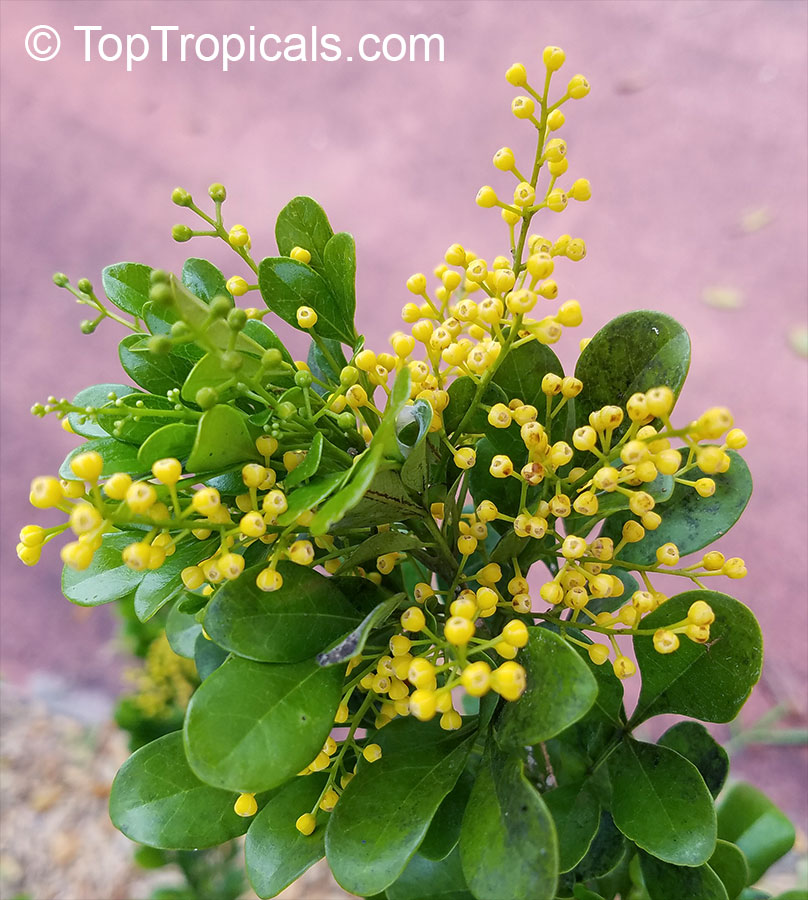
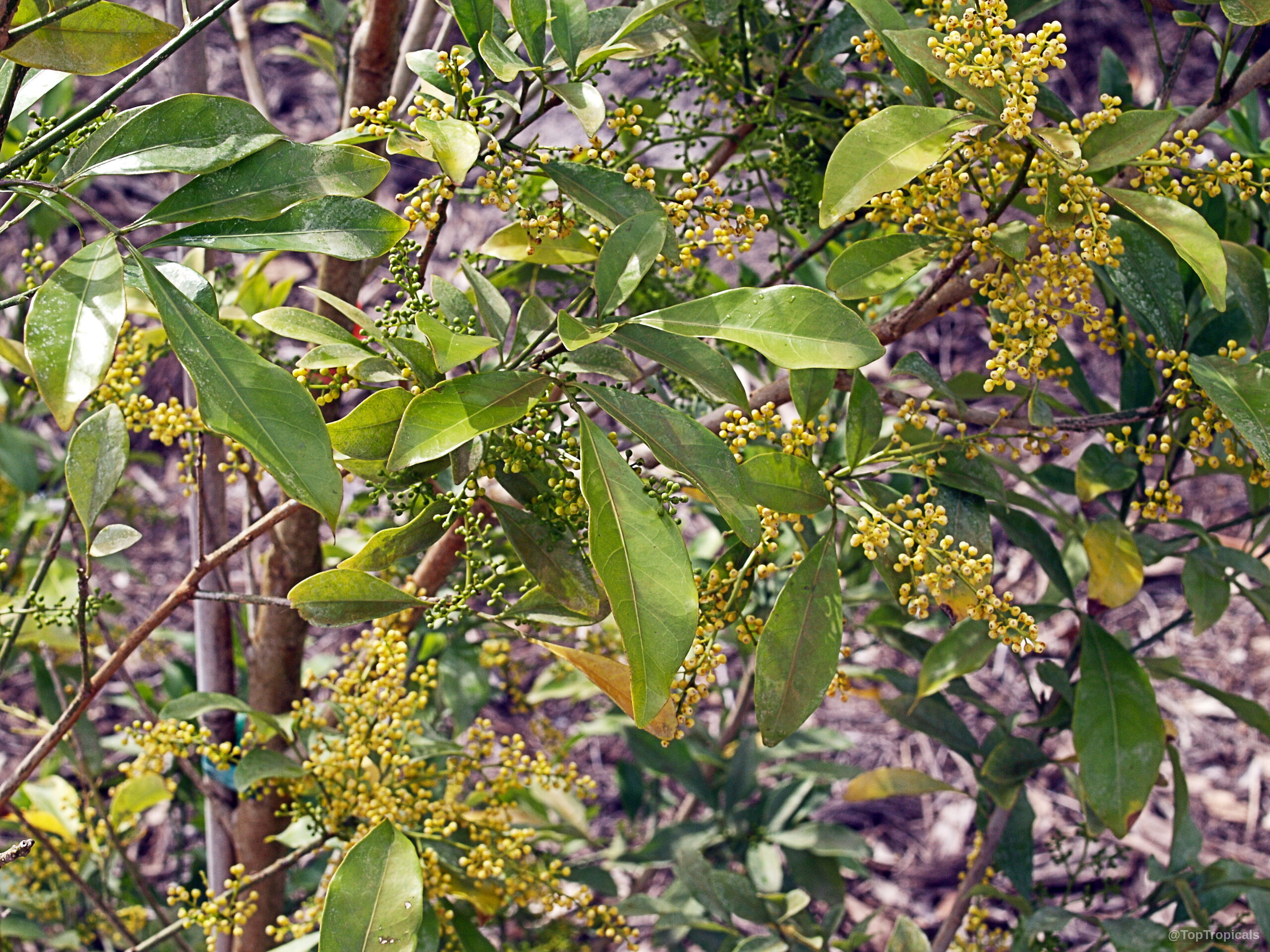
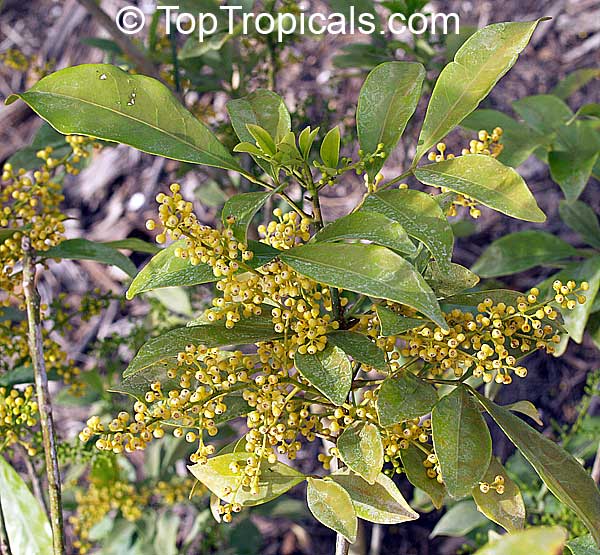
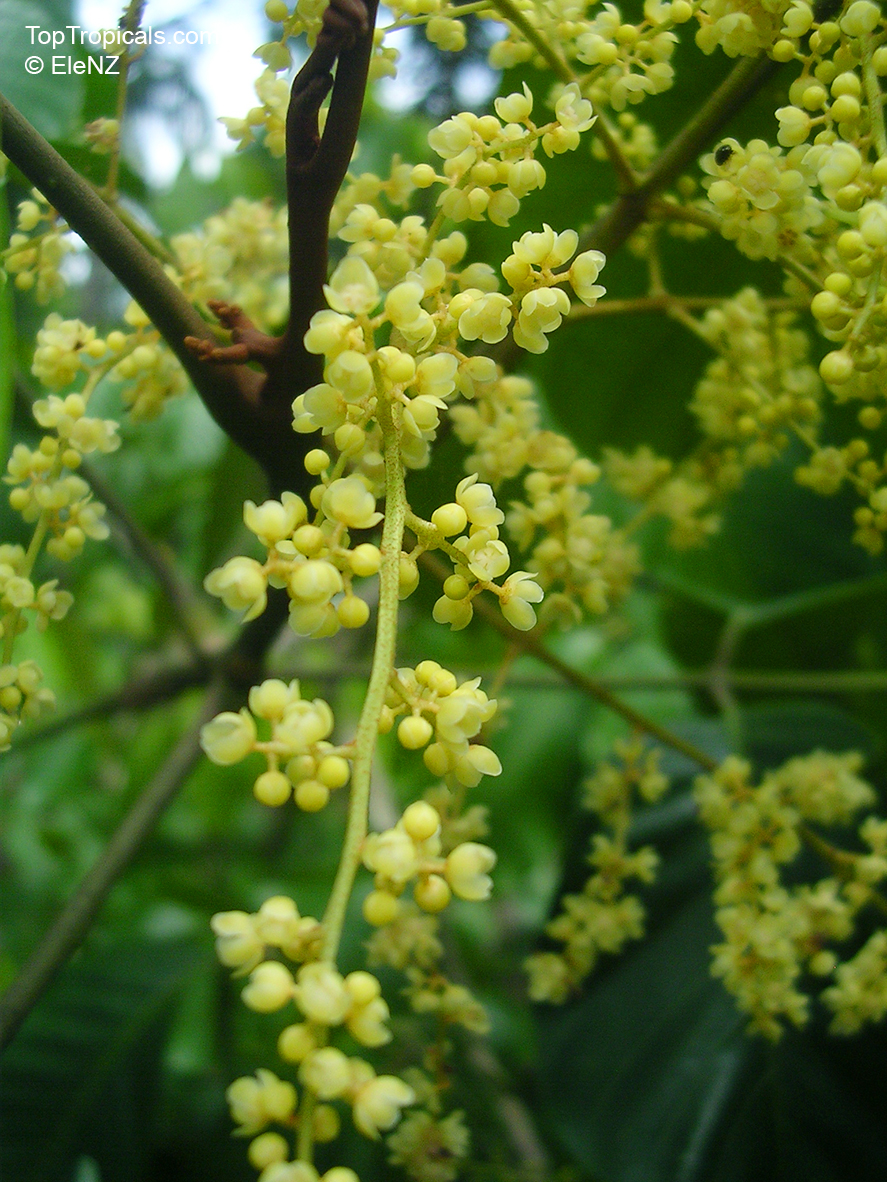
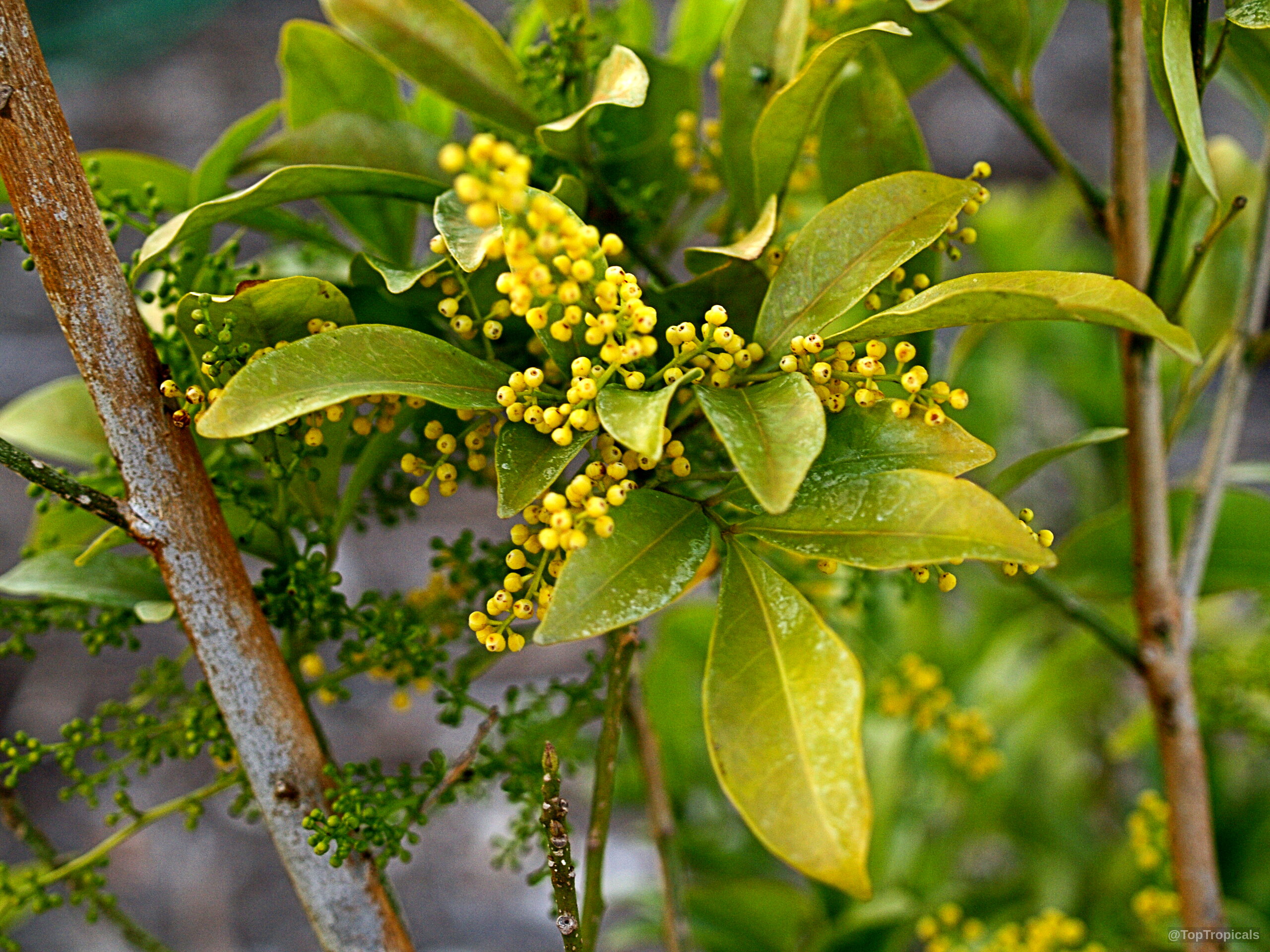
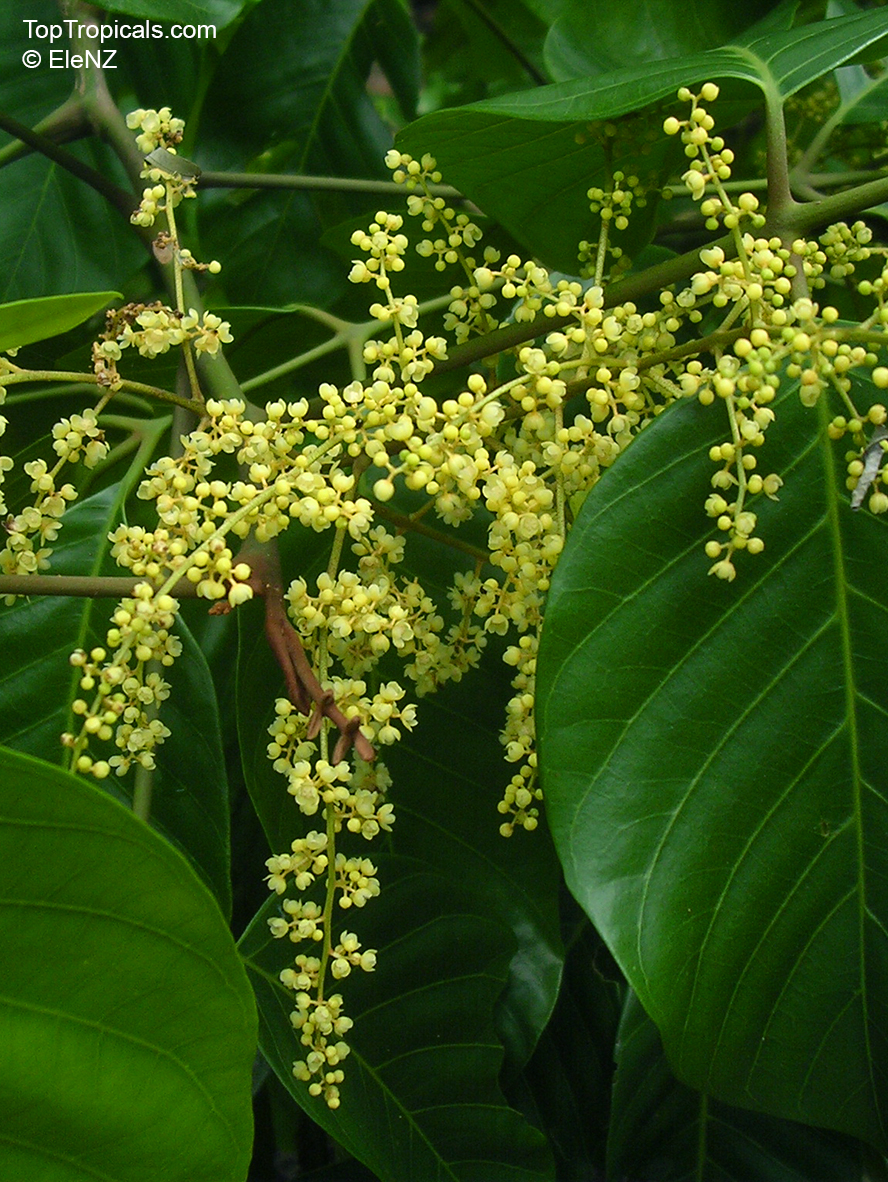
Aglaia sapindina (Luka-luka Ma) yellow flower cluster on branch, close up photo of small blossoms
Aglaia sapindina (Luka-luka Ma) yellow flowers grow in dense, branching clusters along thin woody stems.

Botanical names: Aglaia sapindina, Aglaia novaguineensis

Common name: Luka-luka Ma

Family: Meliaceae

Origin: Australia , Indonesia, Papua New Guinea

USDA Plant Hardiness MapSmall tree 10-20 ftSemi-shadeFull sunWatering: Regular. Let topsoil dry slightlyYellow, orange flowersPlant attracts butterflies, hummingbirdsFragrant plant

Native to Australia, Indonesia, and Papua New Guinea, the Aglaia sapindina (Luka-luka Ma) is an evergreen small tree that can reach 10-20 feet in height with a low canopy. It prefers full sun to semi-shade and responds well to regular water needs. The Aglaia sapindina is known to have 4-5 inches long panicles that contain small, yellow flowers. It bears fruit around late summer. The small yellow to orange flowers are fragrant and are known to attract butterflies and hummingbirds.

Growing the Aglaia sapindina in USDA Zones 9-11 is fairly easy. The shrub prefers well-drained, humus-rich soil and needs to be planted in a spot that receives sun to partial shade. It will benefit from regular watering during the warmer months, but should not be allowed to stand in water for extended periods of time. When planting in colder regions, it is best to keep the shrub in a container and bring it indoors during the winter. During the colder months, Luka-Luka Ma should be placed in a bright, warm area and watered regularly. It will also benefit from occasional fertilizing, but should not be overfed.
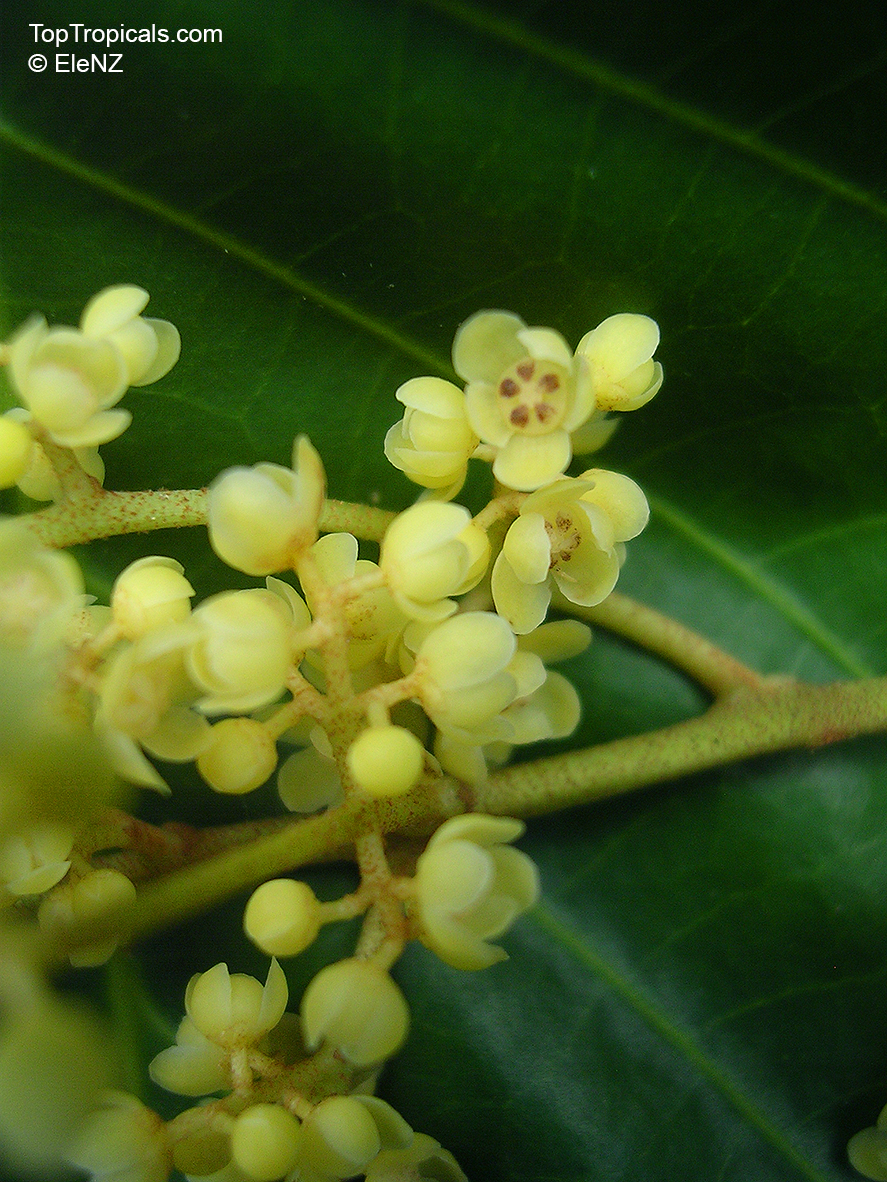
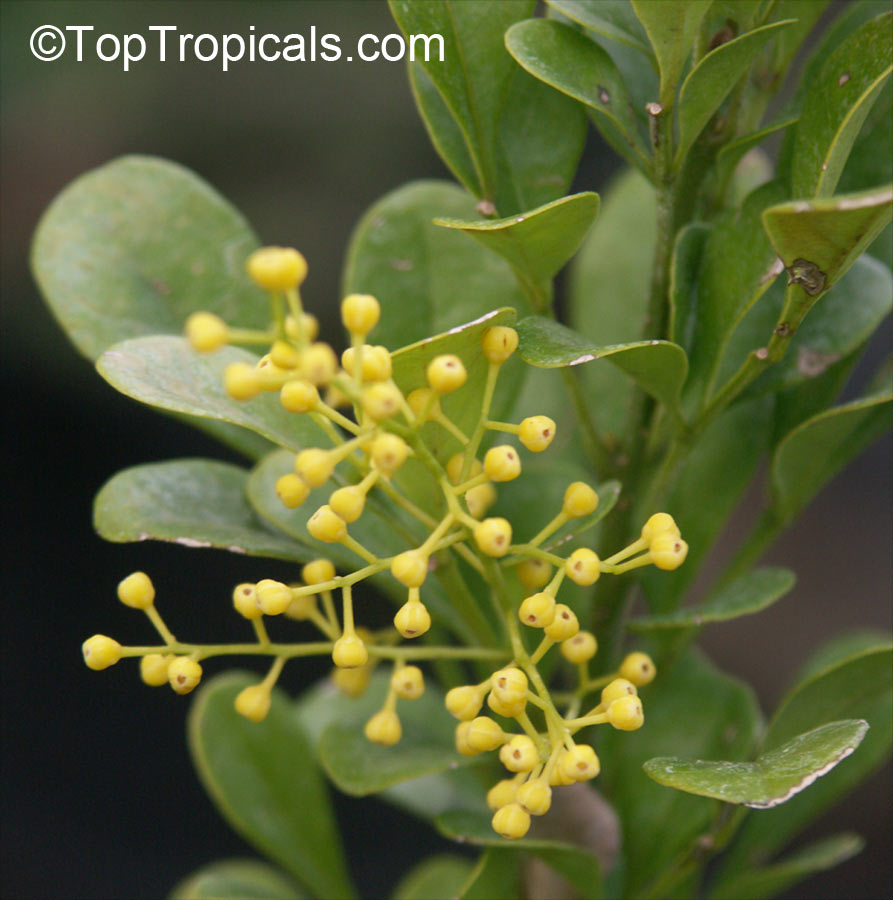
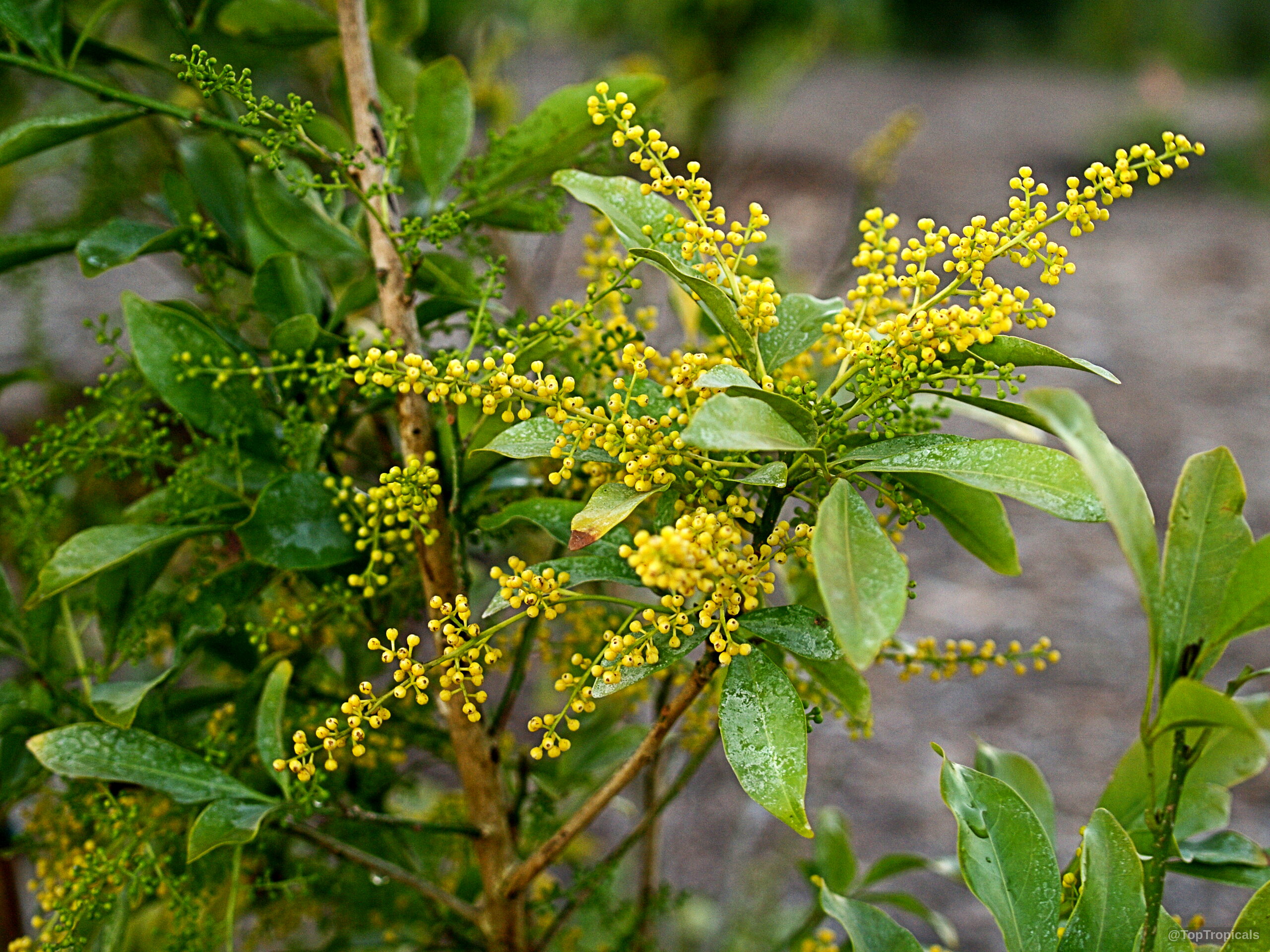
Aglaia sapindina (Luka-luka Ma) yellow flower close up
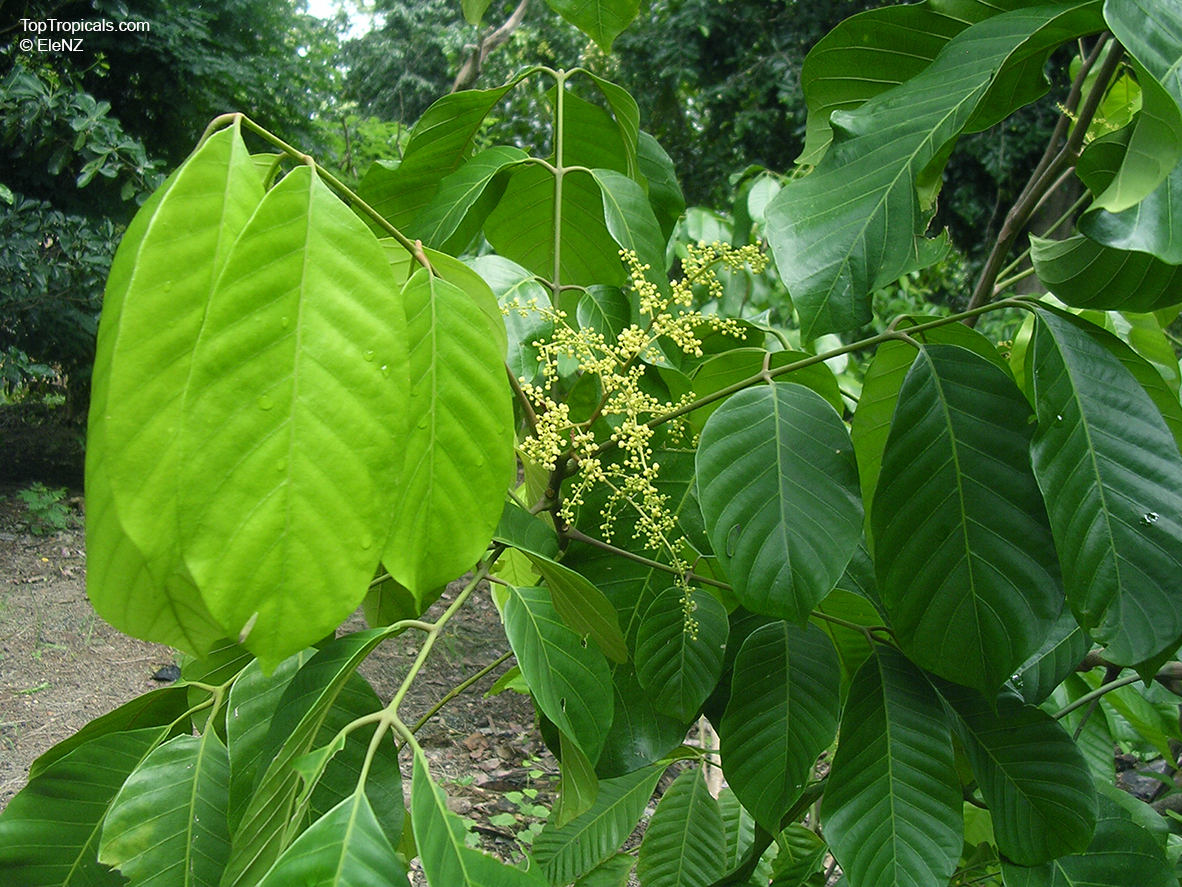
Aglaia sapindina (Luka-luka Ma) yellow flower clusters hanging among large green leaves
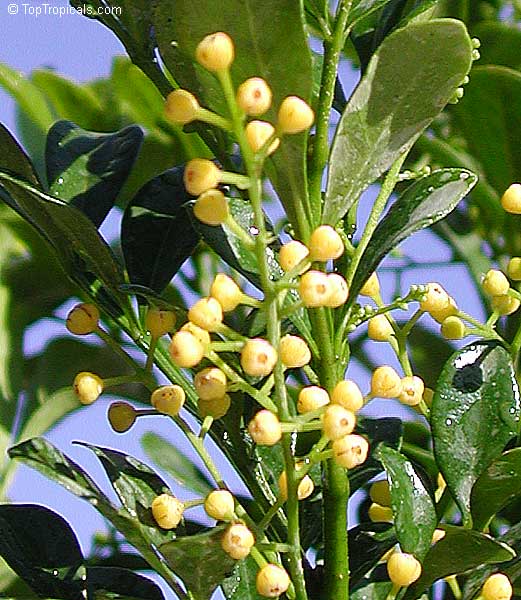
Aglaia sapindina (Luka-luka Ma) plant with small yellow flowers and lush green oval leaves.
Aglaia sapindina (Luka-luka Ma) with tiny yellow flowers clusters emerging among smooth green oval leaves.
Aglaia sapindina (Luka-luka Ma) yellow flower cluster in a close up, dark green foliage background.
Aglaia sapindina (Luka-luka Ma) yellow flower clusters emerging from dark green foliage on a stem.


Link to this plant:
https://toptropicals.com/catalog/uid/aglaia_sapindina.htm

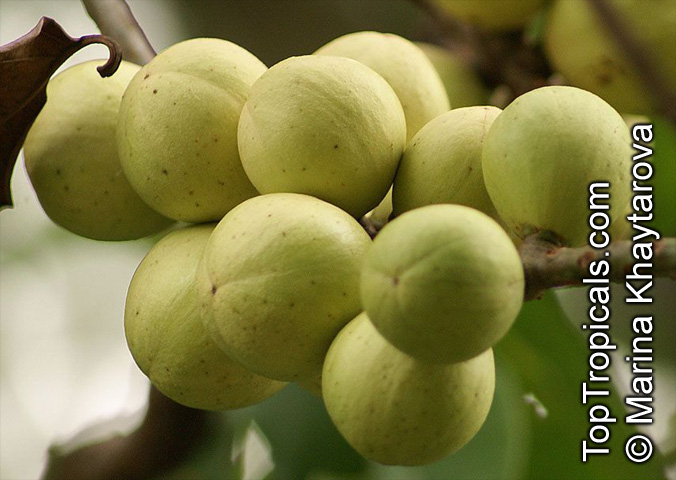
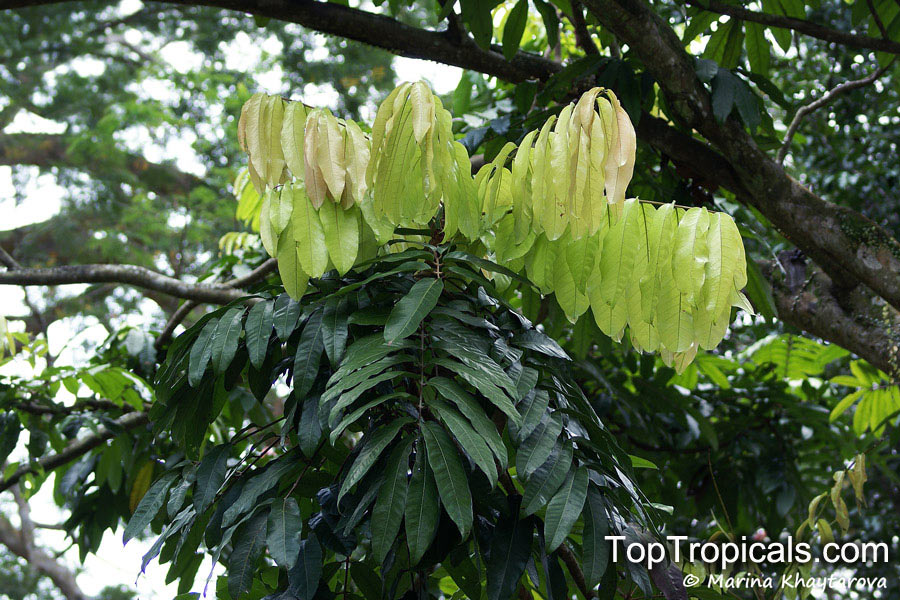
Aphanamixis polystachya (Pasak Lingga) light green round fruit close up on a tree branch
Aphanamixis polystachya (Pasak Lingga) cluster of round light green fruit attached to a woody branch

Botanical names: Aphanamixis polystachya, Amoora aphanamixis, Amoora rohituka

Common names: Pasak Lingga, Pithraj, Rohitak

Family: Meliaceae

Origin: India

USDA Plant Hardiness MapSmall tree 10-20 ftSemi-shadeFull sunWatering: Regular. Let topsoil dry slightlyDeciduous plantEthnomedical plant.
Plants marked as ethnomedical and/or described as medicinal, are not offered as medicine but rather as ornamentals or plant collectibles.
Ethnomedical statements / products have not been evaluated by the FDA and are not intended to diagnose, treat, cure, or prevent any disease. We urge all customers to consult a physician before using any supplements, herbals or medicines advertised here or elsewhere.

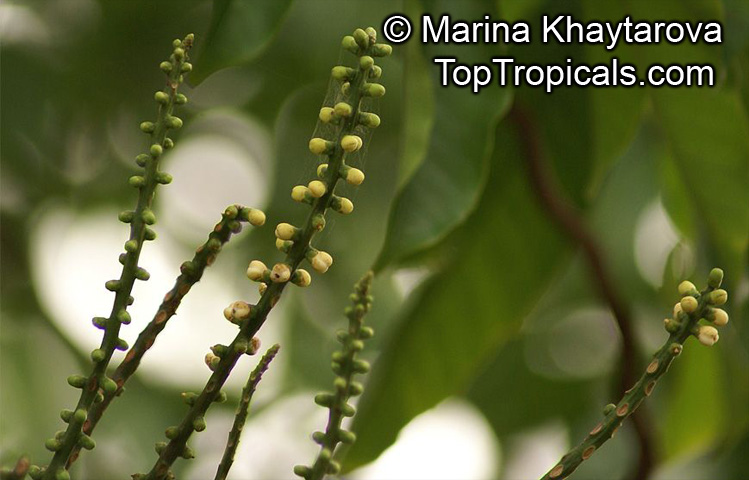
Aphanamixis polystachya (Pasak Lingga) with yellow buds on a long stem, close up plant
Aphanamixis polystachya (Pasak Lingga) with small yellow buds attached to thin, vertical stems.
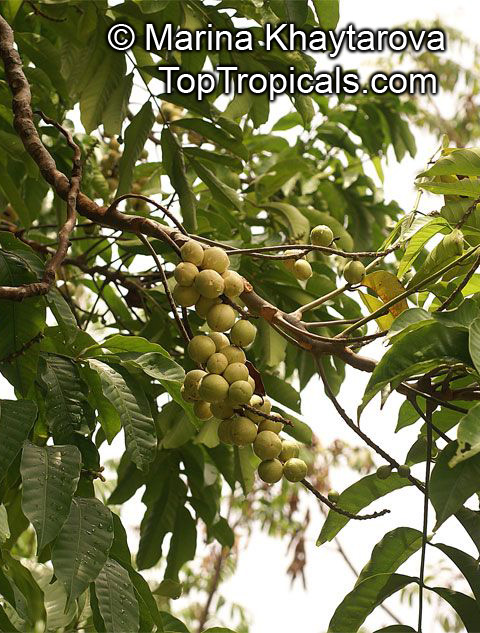
Aphanamixis polystachya (Pasak Lingga) beige fruit cluster on branch with lush green leaves
Aphanamixis polystachya (Pasak Lingga) beige fruit cluster hangs on wooden branch among green leaves


Link to this plant:
https://toptropicals.com/catalog/uid/aphanamixis_polystachya.htm

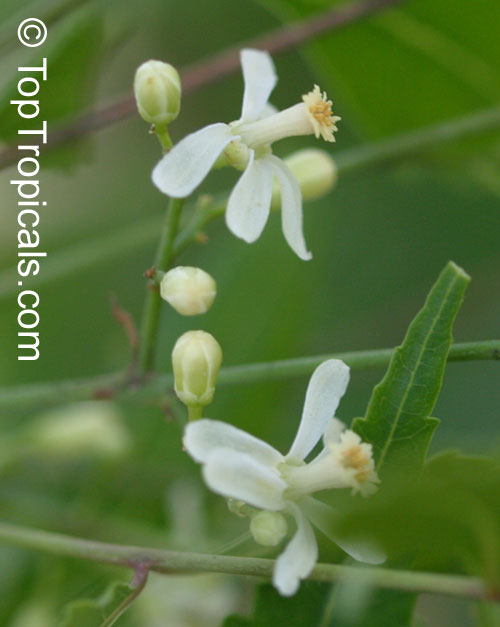
Azadirachta indica (Neem tree) white flower close up on a slender green branch
Azadirachta indica (Neem tree) white flower with tiny buds on a delicate green stem

Botanical names: Azadirachta indica, Antelaea azadirachta

Common names: Neem tree, Nim, Margosa Tree, Vepa, Nimbay, Yepa, Pichumarda

Family: Meliaceae

Origin: India and Burma

USDA Plant Hardiness MapLarge tree taller than 20 ftSemi-shadeFull sunWatering: Moderate. Water when top soil feels dryEdible plantPlant attracts butterflies, hummingbirdsEthnomedical plant.
Plants marked as ethnomedical and/or described as medicinal, are not offered as medicine but rather as ornamentals or plant collectibles.
Ethnomedical statements / products have not been evaluated by the FDA and are not intended to diagnose, treat, cure, or prevent any disease. We urge all customers to consult a physician before using any supplements, herbals or medicines advertised here or elsewhere.Fragrant plantSubtropical plant. Mature plant cold hardy at least to 30s F for a short timeSeaside, salt tolerant plant

The family includes about 50 genera and 550 species, both tropical and subtropical, with many of them prized for their wood, edible fruits, and ornamental qualities. A. indica is pinnate-leafed, has unwinged seeds. Outdoors, in locations where temperatures don't drop much below freezing, it may reach up to 50 feet tall. It will grow where rainfall is as little as 18 inches per year and thrives in areas that experience extreme heat of up to 120 degrees F. They are reported to live for up to 200 years. The people of India have long revered the neem tree (Azadirachta indica). For centuries, millions have cleaned their teeth with neem twigs, smeared skin disorders with neem-leaf juice, taken neem tea as a tonic, and placed neem leaves in their beds, books, grain bins, cupboards, and closets to keep away troublesome bugs. The tree has relieved so many different pains, fevers, infections, and other complaints that it has been called "the village pharmacy." As long as 4,000-4,500 years ago, various parts of the neem tree were used in beauty and medicinal products by the ancient East Indian Harappa. India, Sri Lanka, Bangladesh, and other areas of southern Asia currently include this plant extract in soap, toothpaste, and other personal products. Most recently, neem-based products have found their way into the American and European mainstream markets. The plant used cosmetically and medicinally by many cultures for centuries, also offers an environmentally safe alternative to synthetic pesticides as well. A. indica extract has been used to treat a wide range of ailments, including wounds, burns, sprains, bruises, earache, headache, fever, sore throat, shingles, fungal infections, acne, skin diseases, ulcers, and periodontal diseases. Extracts from this plant are also currently being investigated for use against retroviruses, such as the AIDS virus; for treating cancer, diabetes, and allergies; and for birth control in both men and women. A. indica insecticidal properties were recognized by the native Americans, who used it as a tick repellent. See more facts about Neem Tree and Article about Neem tree.
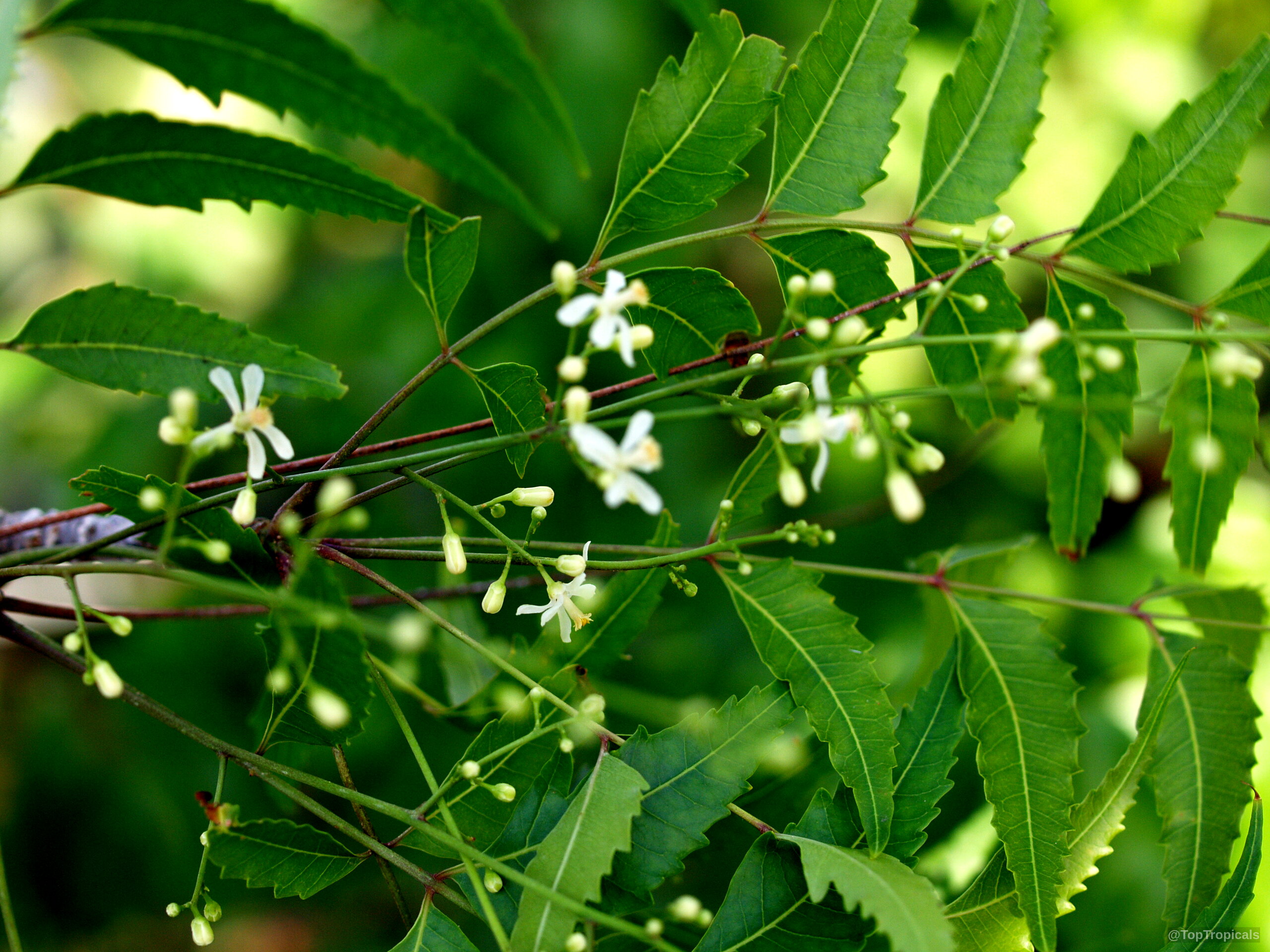
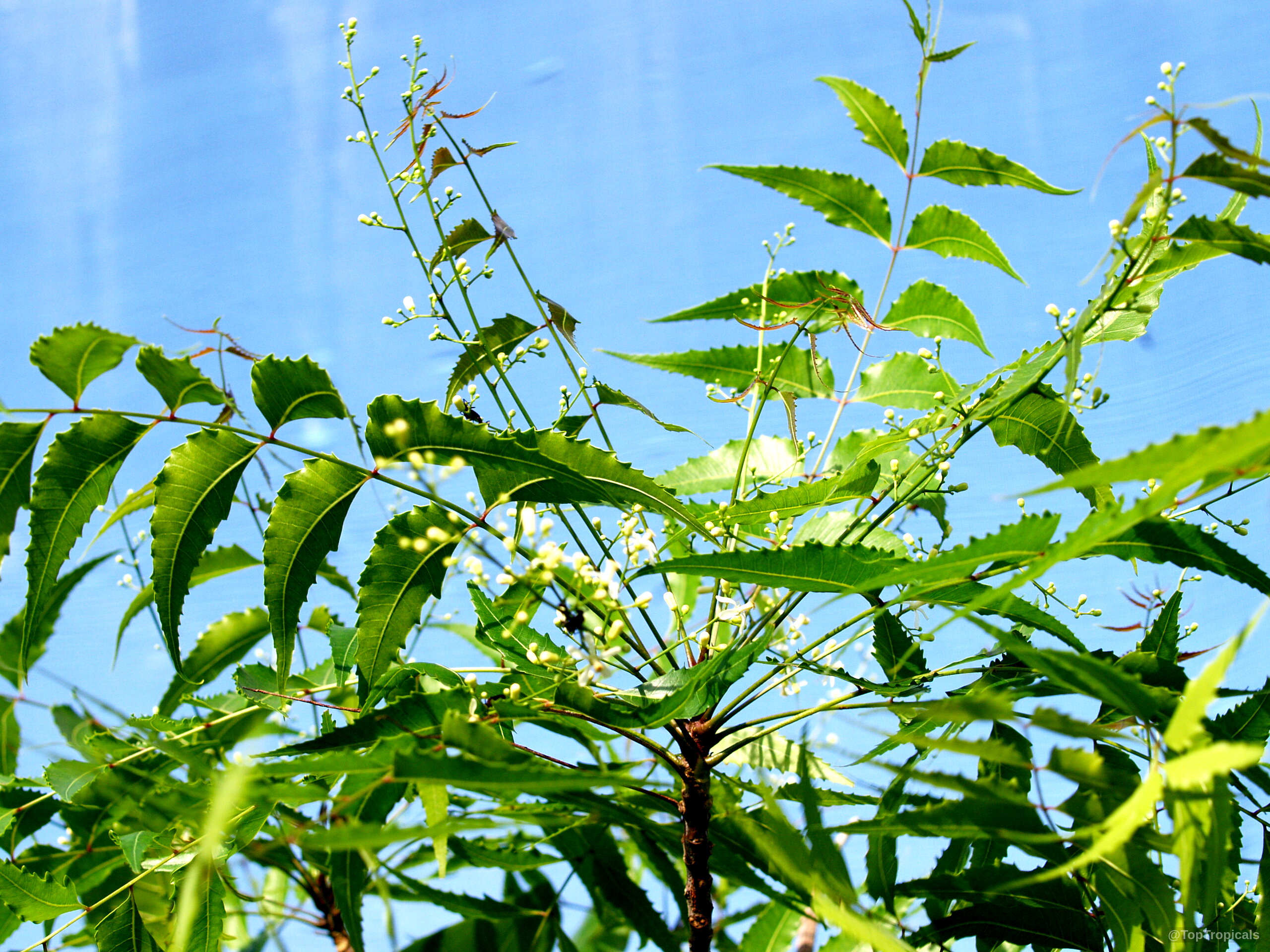
Azadirachta indica (Neem tree) green leaves with small white flowers in close up view.
Azadirachta indica (Neem tree) green foliage with tiny white flowers growing on thin delicate stems.
Azadirachta indica (Neem tree) green leaves with tiny white flower buds close up shot.
Azadirachta indica (Neem tree) branches carry serrated green leaves plus clusters of white flower buds.
Azadirachta indica (Neem tree) with small white flowers and long serrated green leaves on branch.
Azadirachta indica (Neem tree) with many small white flowers blooming on stems among green foliage.
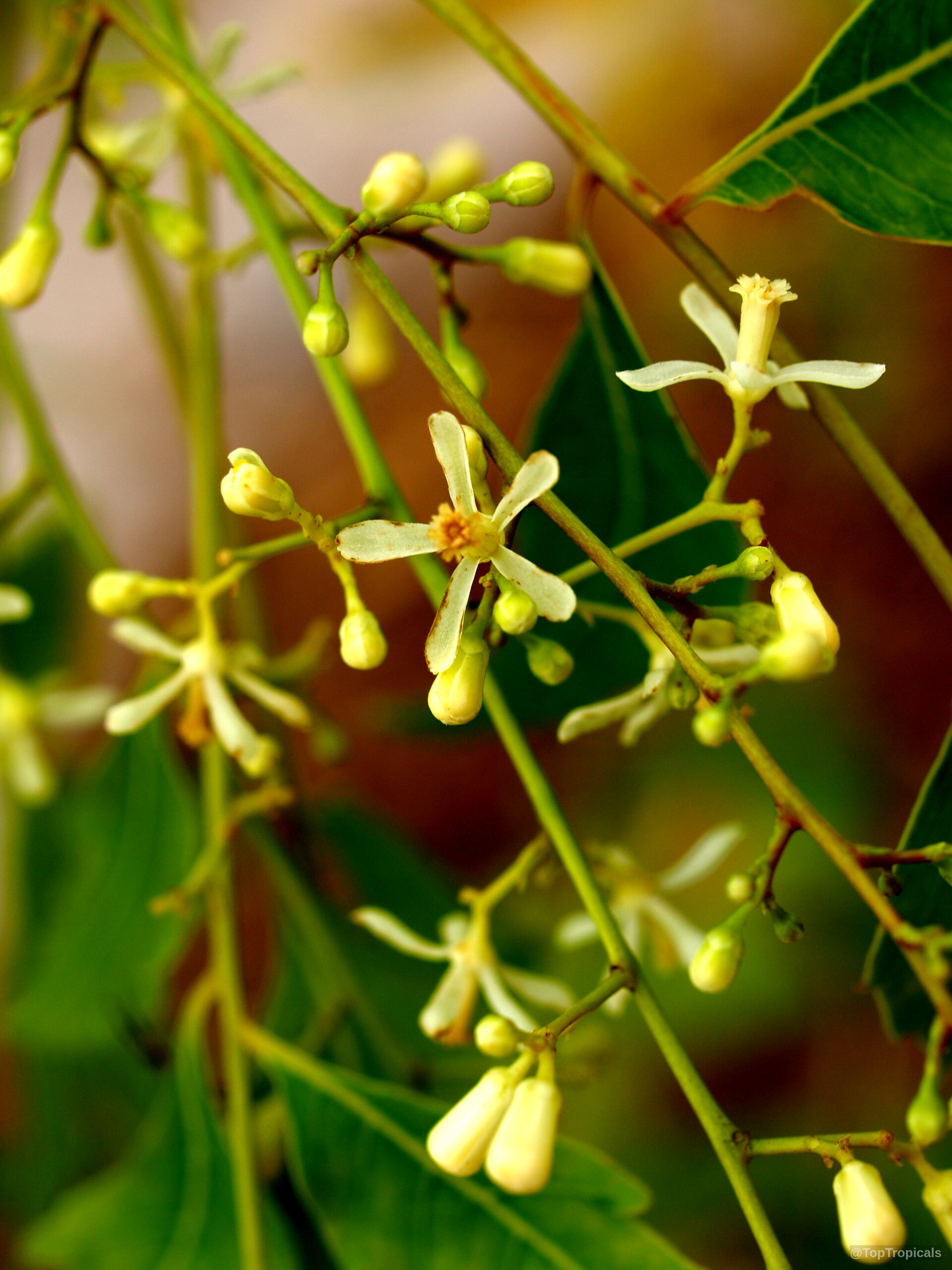
Azadirachta indica (Neem tree) white flower close up on a green branch with buds
Azadirachta indica (Neem tree) white flower clusters with small round buds and green stems


Link to this plant:
https://toptropicals.com/catalog/uid/azadirachta_indica.htm

Azadirachta indica - Neem Tree

The famous Neem tree from India - used cosmetically and medicinally by many cultures for centuries, also offers an environmentally safe alternative to synthetic pesticides. Used for thousands of years in medicine, farming, and daily life.
Almost every part of the tree is useful: leaves brewed as tea or applied to skin, twigs chewed as toothbrushes, seeds pressed into neem oil for garden pest control, and ripe fruit eaten fresh. In India, Neem is planted for shade, clean air, and natural insect protection.
Easy to grow in hot, dry conditions with little care. Drought tolerant, fast-growing, and evergreen, Neem is a practical tree for tropical and subtropical gardens.
Learn more: Neem - Free Tree of India.

Recommended Fertilizer: SUNSHINE Robusta - Rapid Growth Booster

Local pickup only. This item is not available for shipping. Local delivery may be available in Ft. Myers or Sebring, Florida. Contact us for an estimate. Non-pickup orders are subject to restocking fees.
By clicking here you agree to the sale conditions
Grown in
10"/3 gal or larger pot, pick up only


Carapa guianensis (Crabwood) green leaves and light yellow new growth on a tree branch
Carapa guianensis (Crabwood) branches showing light yellow young leaves above dark green mature foliage.

Botanical name: Carapa guianensis

Common names: Crabwood, Andiroba, Bastard-mahogany

Family: Meliaceae

Origin: Tropical America

USDA Plant Hardiness MapLarge tree taller than 20 ftSmall tree 10-20 ftSemi-shadeFull sunWatering: Regular. Let topsoil dry slightlyWhite, off-white flowersEthnomedical plant.
Plants marked as ethnomedical and/or described as medicinal, are not offered as medicine but rather as ornamentals or plant collectibles.
Ethnomedical statements / products have not been evaluated by the FDA and are not intended to diagnose, treat, cure, or prevent any disease. We urge all customers to consult a physician before using any supplements, herbals or medicines advertised here or elsewhere.Flood tolerant plant

Native to the tropical forests of South America, Carapa guianensis, commonly known as Crabwood or Andiroba, is an impressive tree that can reach heights of more than 20 feet. At maturity, the tree trunk can become quite large and its bright green leaves, which remain evergreen through most of the year, can reach 3-5 inches long. This tree boasts showy clusters of white and off-white flowers that appear in spring and summer, giving rise to edible fruits with hairy brown and orange nuts.

Andiroba's ethnomedical uses are quite impressive, since the oil from its seeds is an effective agent for treating skin conditions, insect repellent, and even furniture polish. Its wood is highly sought after by sawmills due to its soft yet durable properties. In addition, Andiroba is a flood-tolerant tree, being able to survive in flooded conditions for extended periods of time.

Growing and caring for Andiroba is possible in USDA Zones 9-11, although it is best suited for warmer climates. When it comes to placement, Andiroba will prefer full sun and semi-shade, and regular watering is a must. In cold regions, it is recommended to plant Andiroba in a pot and keep it indoors during cold months, in order to ensure proper care and avoid freezing during freezing temperatures.
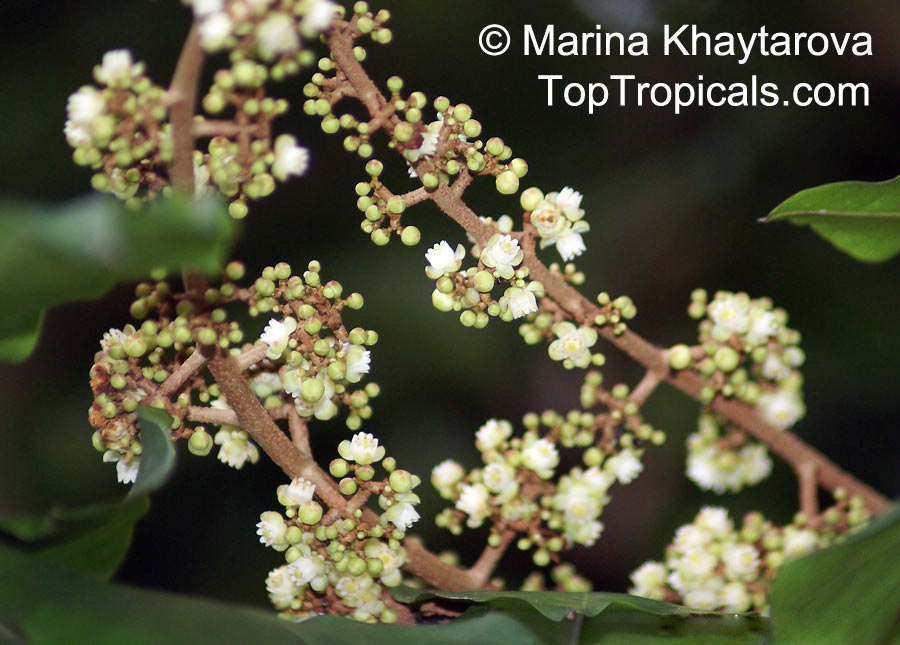
Carapa guianensis (Crabwood) small white flower clusters on thin branches, close up.
Carapa guianensis (Crabwood) with tiny white flowers grouped along slender brown woody branches.
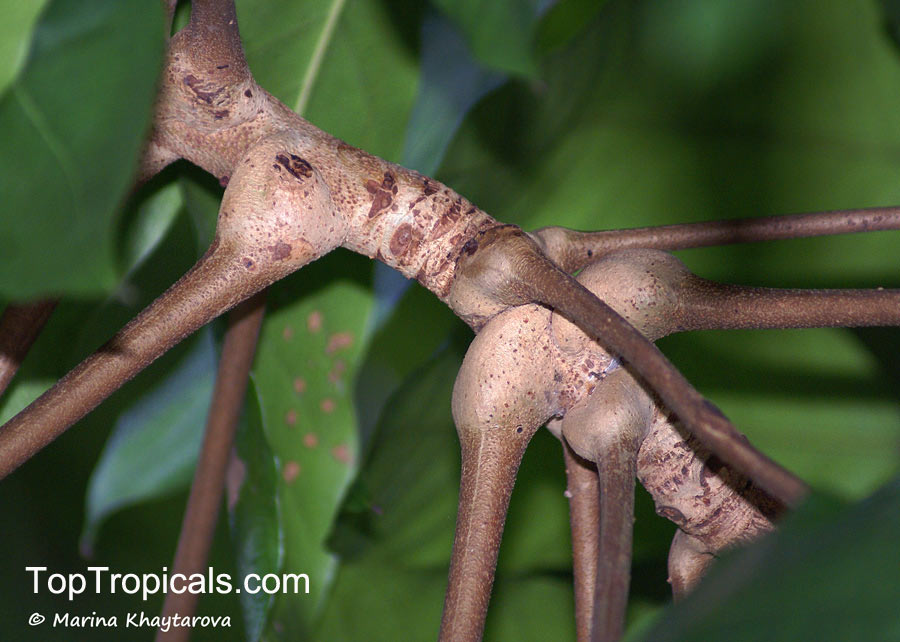
Carapa guianensis (Crabwood) brown textured woody plant branches with green leaves close up
Carapa guianensis (Crabwood) showing sturdy brown woody stems with rough texture and green leaves
Carapa guianensis (Crabwood) plant with green leaves reaching upward toward the filtered light above.
Carapa guianensis (Crabwood) foliage spreads outward from a thick woody trunk in filtered light.


Link to this plant:
https://toptropicals.com/catalog/uid/carapa_guianensis.htm

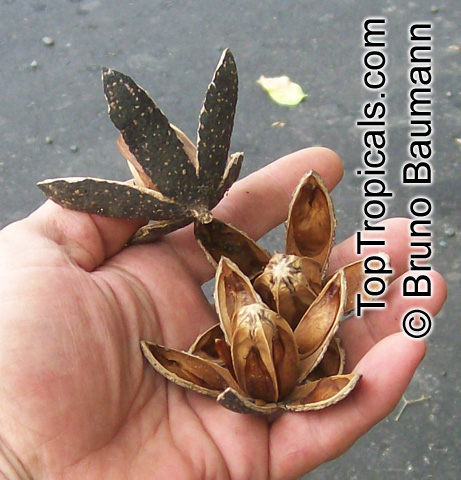
Cedrela fissilis (Cedro Blanco) brown fruit pods held close up in palm of hand
Cedrela fissilis (Cedro Blanco) open fruit pods resting in palm for a clear scale size

Botanical name: Cedrela fissilis

Common names: Cedro Blanco, Brazilian Cedarwood

Family: Meliaceae

Origin: Central and South America

USDA Plant Hardiness MapLarge tree taller than 20 ftFull sunWatering: Regular. Let topsoil dry slightly

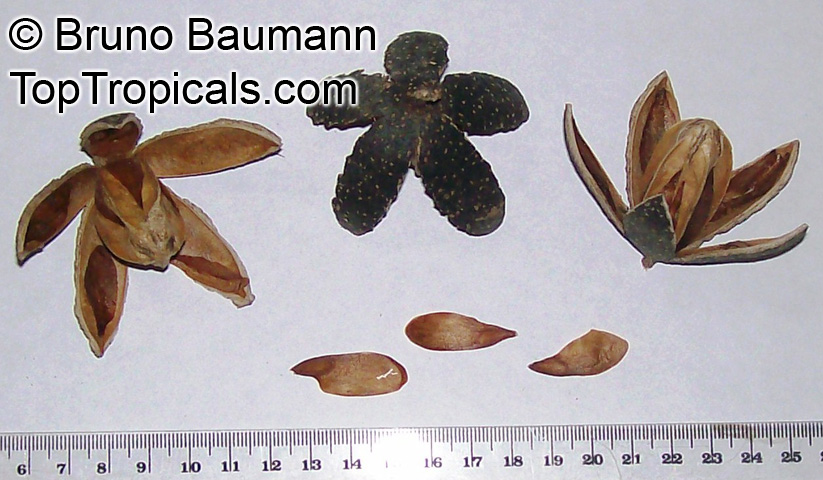
Cedrela fissilis is an interesting and rare deciduous tree with velvety stalks bearing dark green leaves and yellow-green flowers in large, foot long clusters. The fruit, a woody capsule, splits to form a 5 point star when mature.
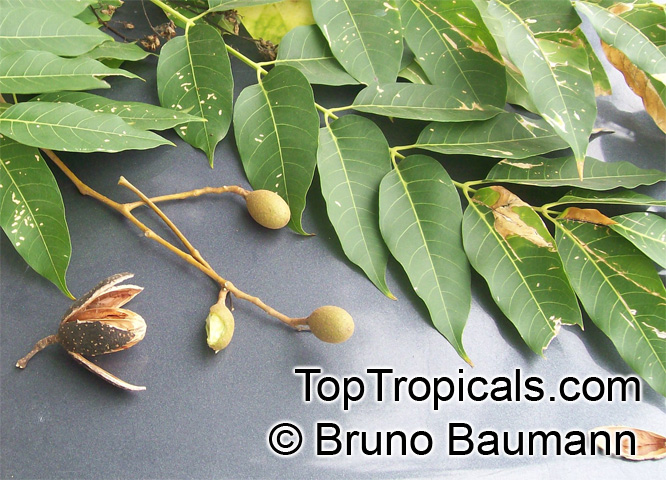
Cedrela fissilis (Cedro Blanco) green leaves and small brown fruit close up.
Cedrela fissilis (Cedro Blanco) leaves with small round fruit and a split woody capsule.
Cedrela fissilis (Cedro Blanco) brown fruit pods and tan seeds on a white surface close up
Cedrela fissilis (Cedro Blanco) fruit pods and small winged seeds arranged on a plain white surface


Link to this plant:
https://toptropicals.com/catalog/uid/cedrela_fissilis.htm

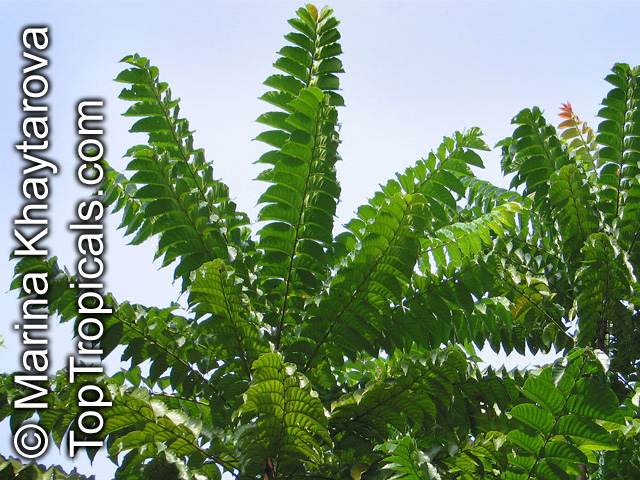
Chukrasia tabularis (Burmese Almondwood) plant with long green pinnate leaves reaching toward the sky
Chukrasia tabularis (Burmese Almondwood) showing numerous green compound leaves arranged along several slender wooden stems

Botanical name: Chukrasia tabularis

Common names: Burmese Almondwood, Chickrassy, Chittagong Wood

Family: Meliaceae

Origin: Southeast Asia, India

USDA Plant Hardiness MapLarge tree taller than 20 ftSmall tree 10-20 ftSemi-shadeFull sunWatering: Moderate. Water when top soil feels dryWatering: Regular. Let topsoil dry slightlyWhite, off-white flowersDeciduous plantEthnomedical plant.
Plants marked as ethnomedical and/or described as medicinal, are not offered as medicine but rather as ornamentals or plant collectibles.
Ethnomedical statements / products have not been evaluated by the FDA and are not intended to diagnose, treat, cure, or prevent any disease. We urge all customers to consult a physician before using any supplements, herbals or medicines advertised here or elsewhere.


Link to this plant:
https://toptropicals.com/catalog/uid/chukrasia_tabularis.htm
 
Next


Use link to repeat this search:
https://toptropicals.com/cgi-bin/garden_catalog/cat.cgi?search_op=and&keyword_op=and&language=e&family=Meliaceae&number=10
&no_change_lang=1&user=tt&sale=1&first=0