Faboideae - Botanical Family
| Number of plants found: 157 | Next | 
|
Go to page: | 1 | 2 | 3 | 4 | 5 | Last |
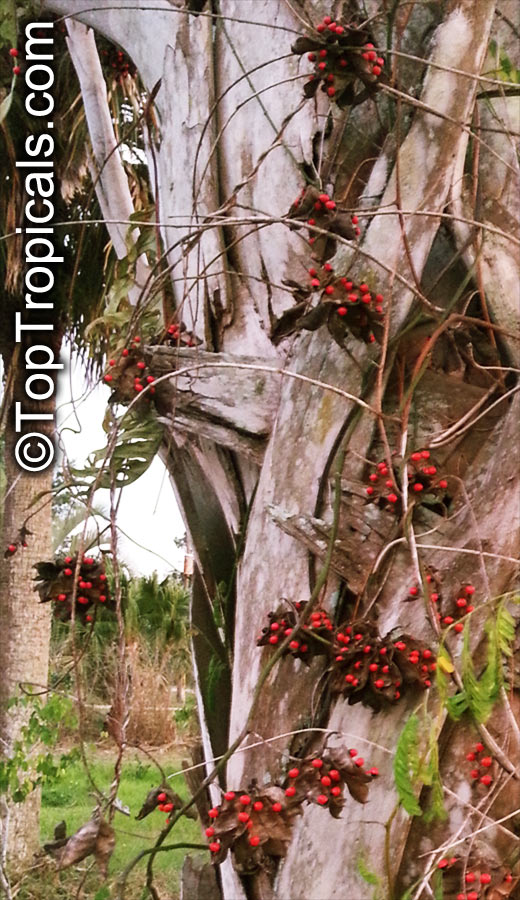
Botanical name: Abrus precatorius
Common names: Buddhist rosary bead, Rosary pea vine, Carolina muida, Deadly crab's eye, Lucky bean, Prayer beads, Weather plant, Wild liquorice
Family: Fabaceae
Subfamily: Faboideae
Origin: India, Sri Lanka, Thailand


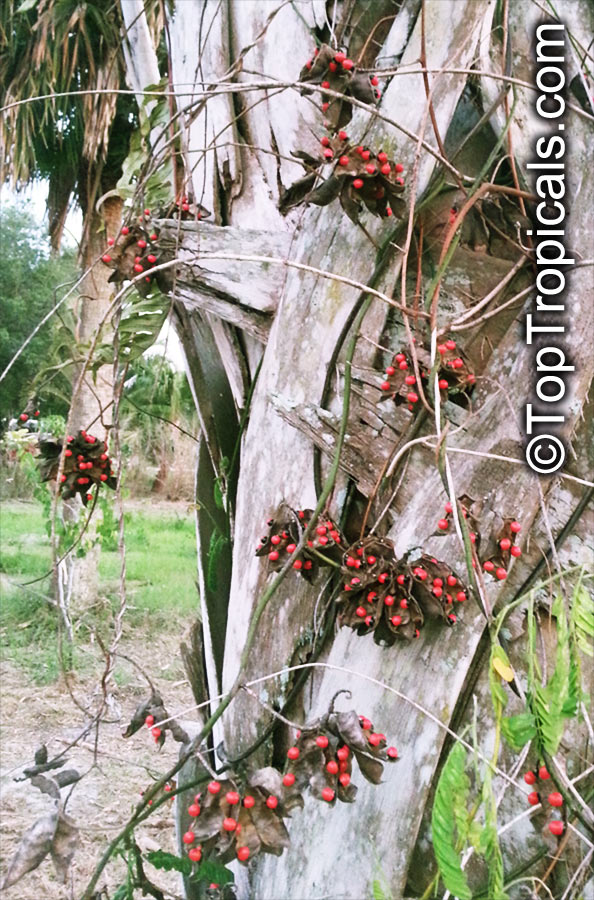
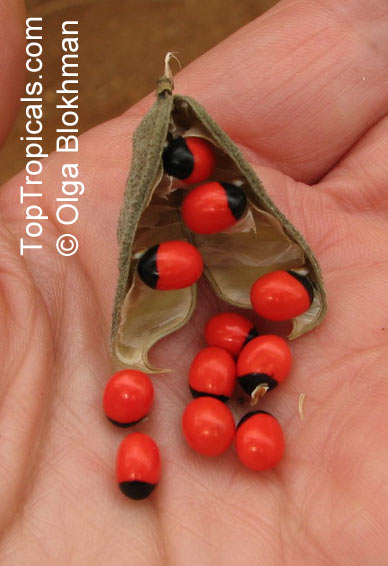
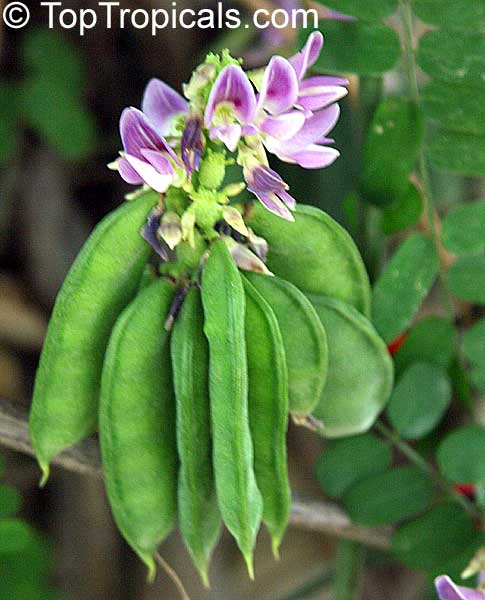
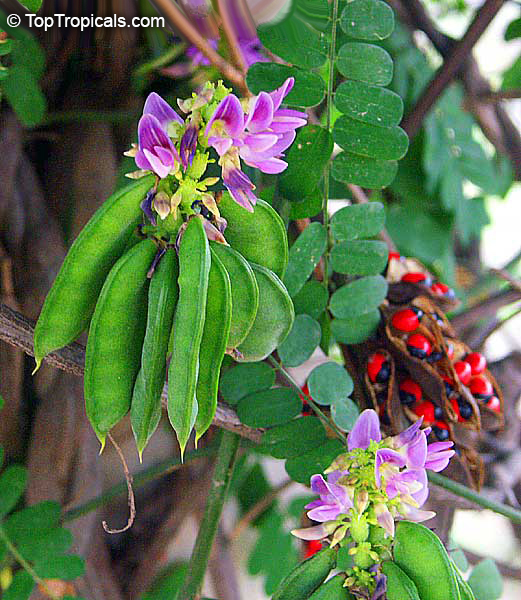
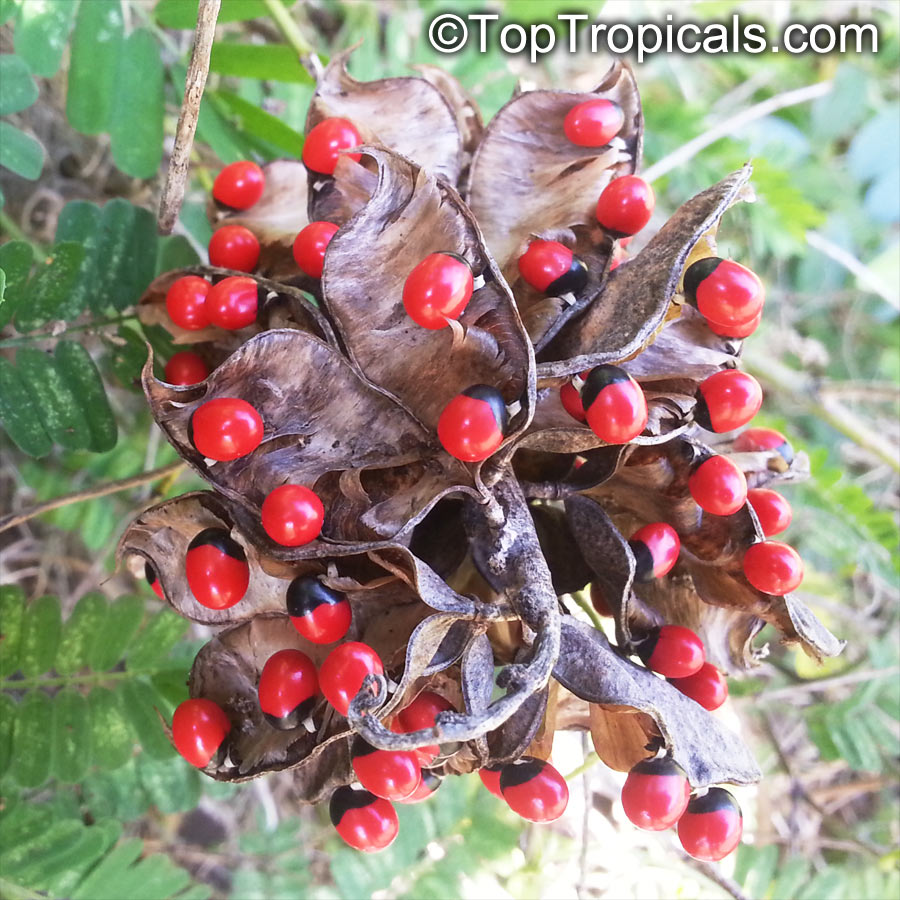
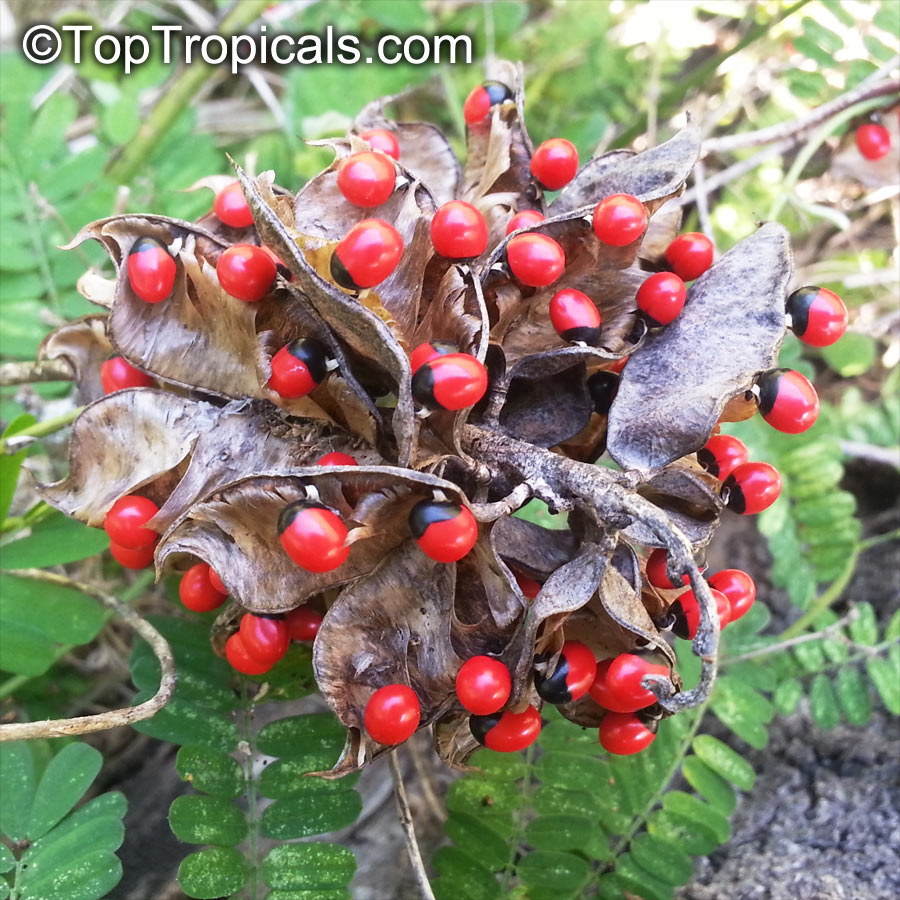
Abrus precatorius has small pretty purple flowers located at the end of the stalks. Fruits are short, inflated pods, splitting open when mature to reveal the round; hard and shiny seeds which are scarlet, but black at the base. Seeds contain abrin, one of the most toxic plant poisons known.

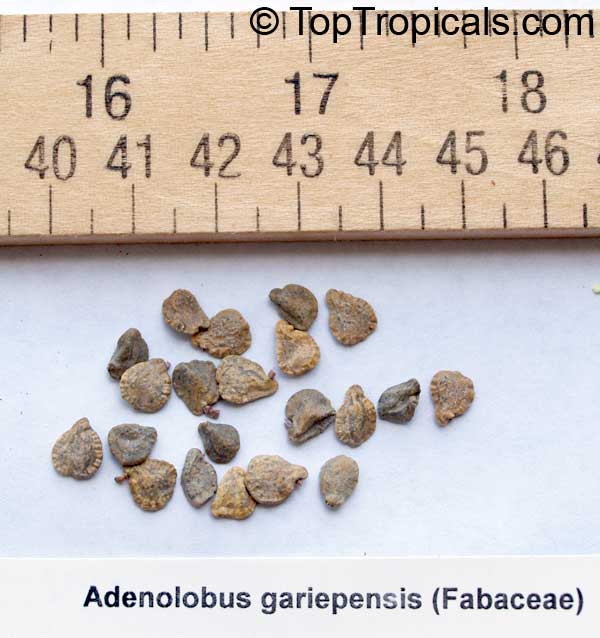
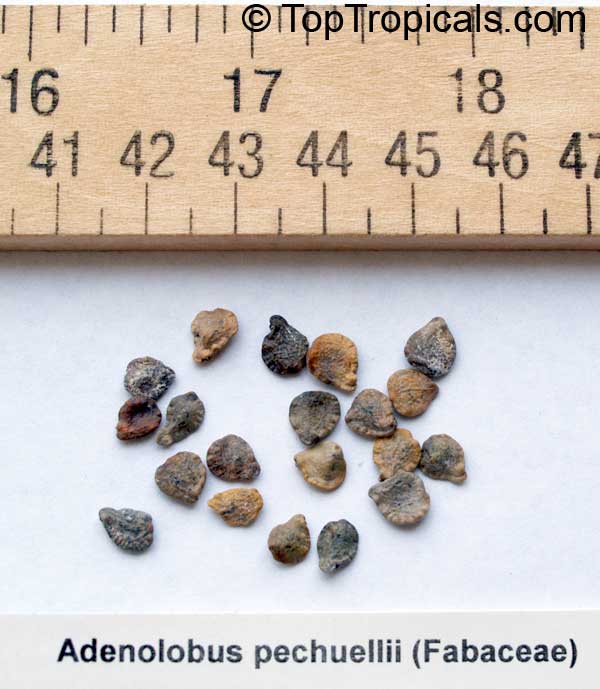
Botanical name: Adenolobus sp.
Common name: Adenolobus
Family: Fabaceae
Subfamily: Faboideae
Origin: South Africa




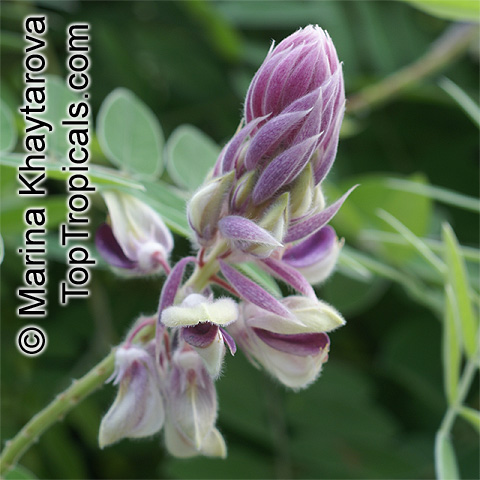
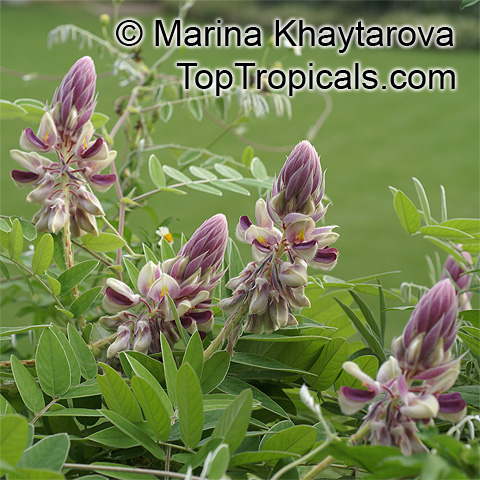
Botanical name: Afgekia mahidolae
Common name: Afgekia
Family: Fabaceae
Subfamily: Faboideae
Origin: Thailand


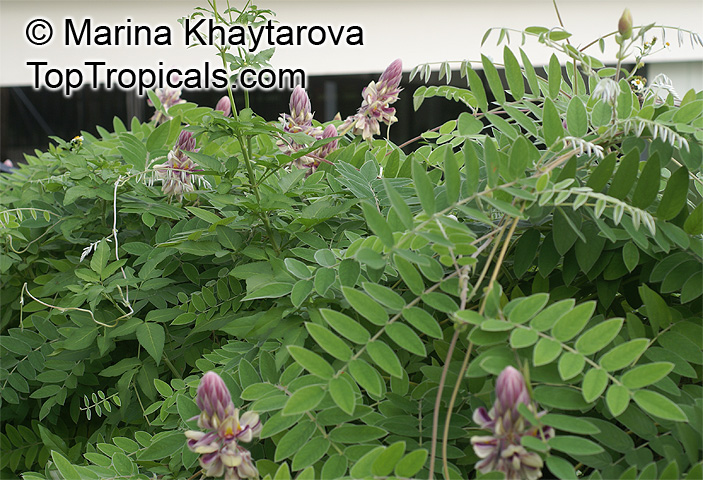
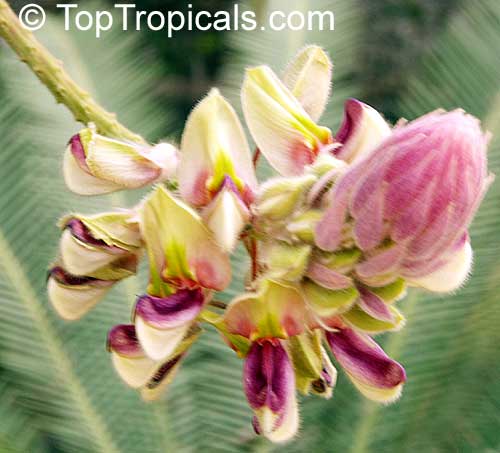
Botanical name: Afgekia sericea
Common name: Silky Afgekia
Family: Fabaceae
Subfamily: Faboideae
Origin: Thailand
In its natural habitat, Afgekia sericea is a large shrub, usually about 5-10 feet tall but occasionally reaching up to 20 feet in height. It also has an interesting vining or creeper shape, with its stems reaching out and spreading across the ground. This plant's foliage adds an interesting touch to any garden, with its rich green leaves and stems that are covered in small hairs, giving it its silky, soft appearance.
The flowers of this plant are what truly make it stand out, blooming from late summer to early autumn in either pink or yellow and orange hues. Pink flowers are produced in greater numbers, but if given enough sunny exposure, yellow and orange buds can also make an appearance.
Afgekia sericea is quite easy to grow and care for, as long as its given the right exposure and moisture. While this plant can tolerate both full sun and semi-shade, it will be far more likely to flower in the former. It thrives with moderate water, but can also survive brief dry spells.
In cooler areas, this plant can be grown in a pot or container, although it may need some extra winter protection in regions where temperatures drop below freezing. To do this, it is recommended to move the plant to a sheltered spot in the garden and mulch or layer compost around the base of the pot to protect it from the cold. In the spring, it will be ready to be moved back into the sun.
Afgekia sericea is a great addition to any outdoor space, adding a touch of color and a unique vining shape to the garden. With the right care and attention, this large shrub can be a beautiful addition to any garden for many years to come.
Botanical name: Afzelia xylocarpa
Common names: Craib, Makha Tree, Cambodia Beng Tree
Family: Fabaceae
Subfamily: Faboideae
Origin: Southeast Asia


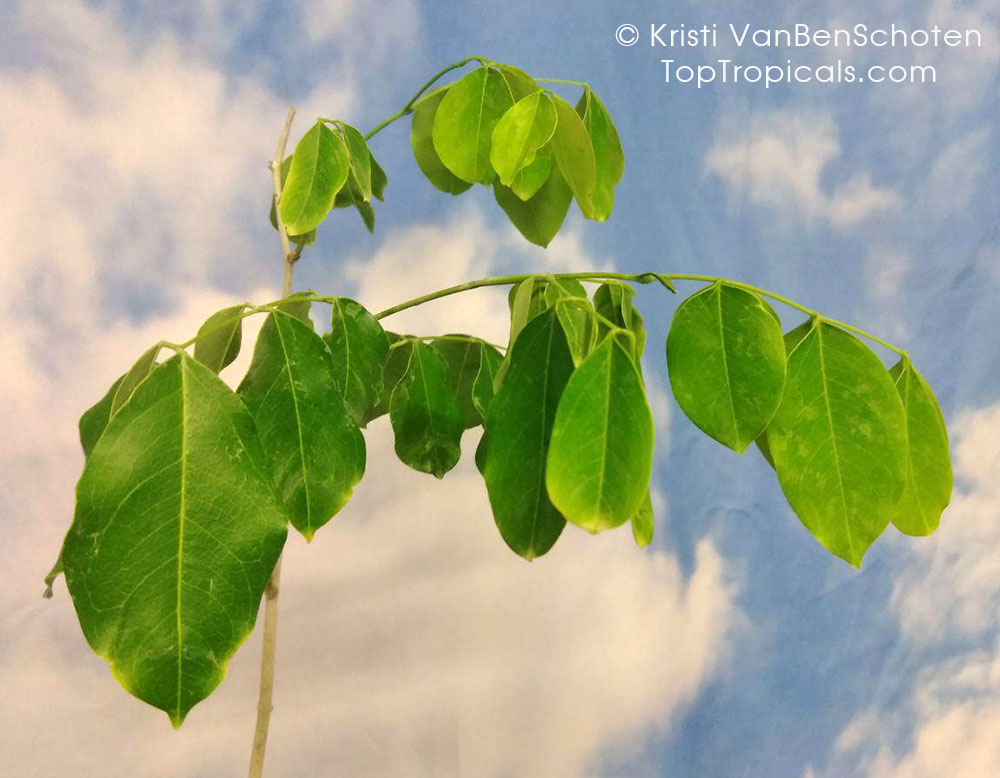
Afzelia xylocarpa is easy to grow and is best suited for full sun and moderate water. The trees can tolerate drought, freezing temperatures, and a wide range of soil types. This species of tree requires moist, well-drained soil to thrive. It is not suitable for growing in pots in cold regions. The tree can grow in USDA hardiness Zone 9-11, and proper location and fertilization will keep it healthy and vibrant.
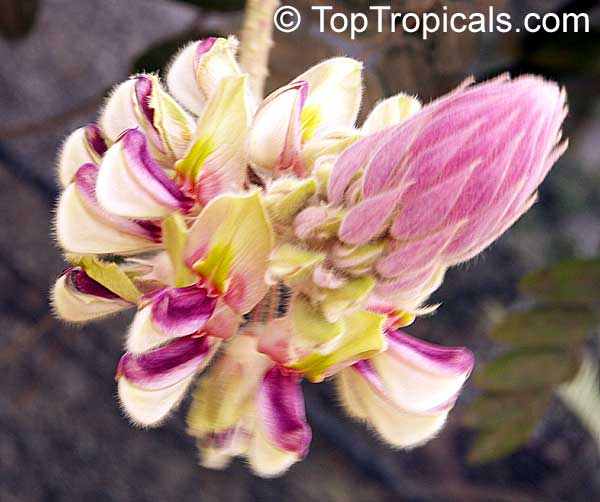
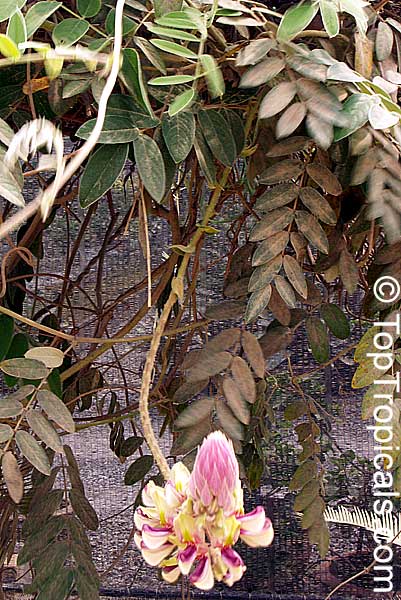
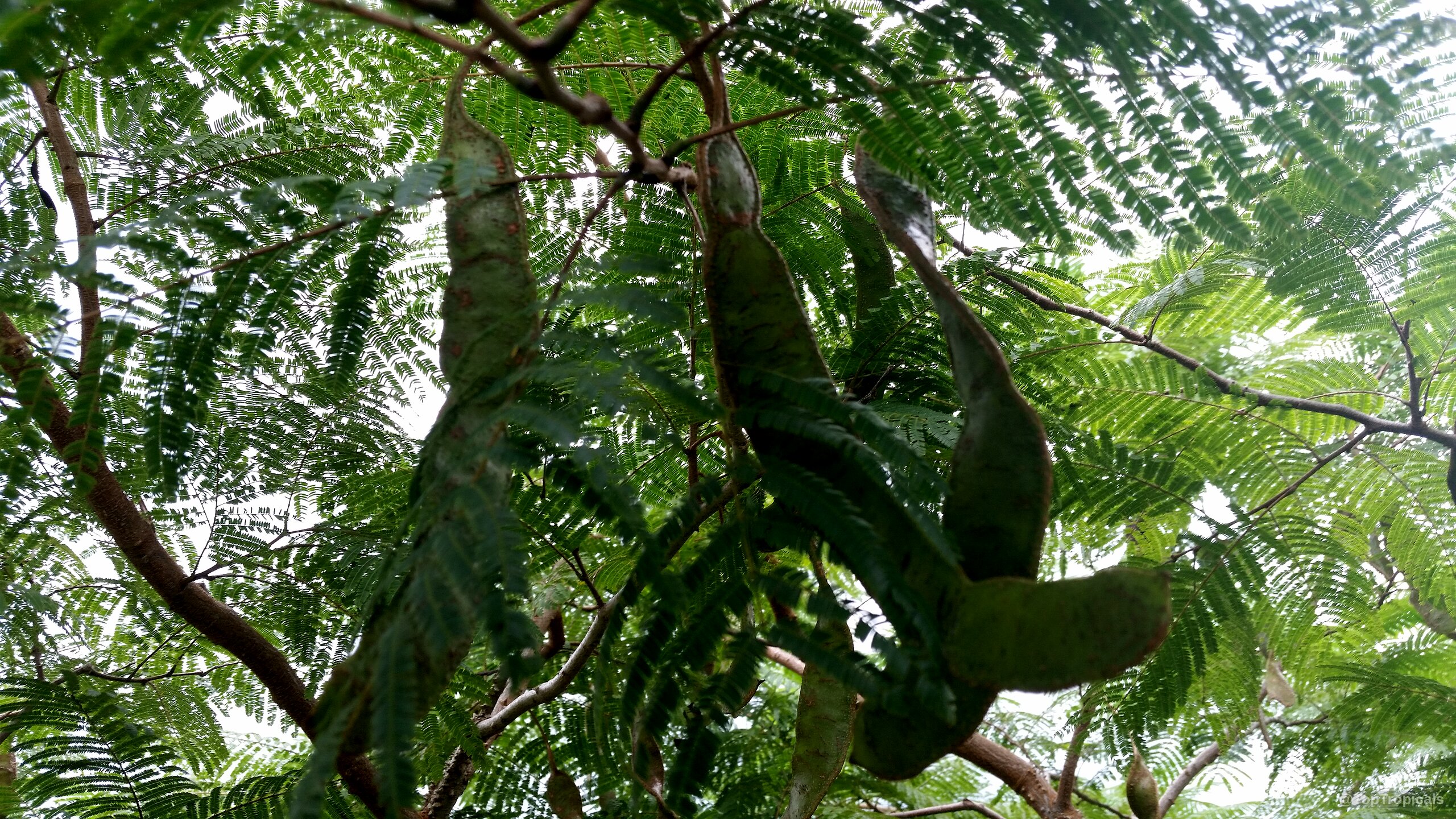
Afzelia xylocarpa is an unusual tree with its combination of broadleaf leaves and conifer-like bark with peeling stripes. The irregularly shaped leaves that turn yellow, yellow-green or yellow-gold in autumn make it an attractive choice for landscape design. Its large clusters of yellow-orange, seedpods up to 8 inches long are a striking contrast to the green of the tree.
The tree is traditionally used as an ethnomedical plant. The seed was traditionally used to treat diarrhea, dysentery, eye infections, and toothaches. In Cambodia, Afzelia xylocarpa (locally known as Beng) are planted as shading trees due to its wide-ranging branches. At roadsides and waterways, the tree provides a good wind barrier and protection from water-driven soil erosion.
Botanical name: Amorpha fruticosa
Common name: Desert False Indigo
Family: Fabaceae
Subfamily: Faboideae
Origin: North America


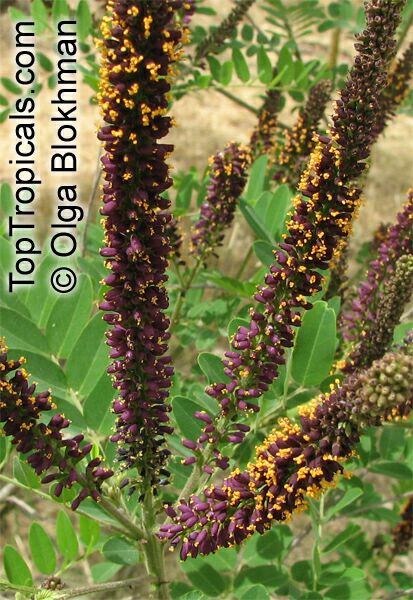
Desert Indigo is great for a butterfly garden.
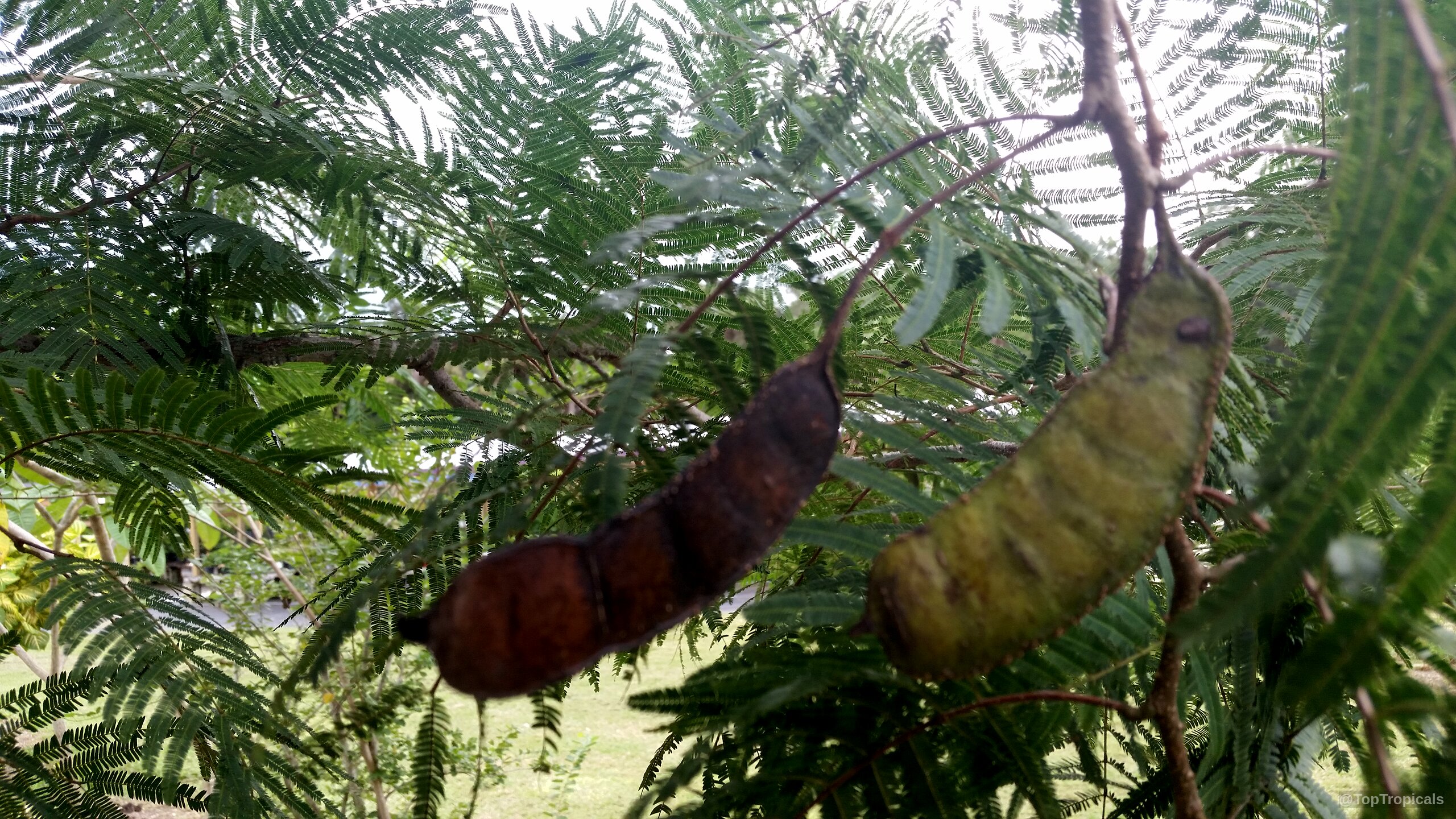
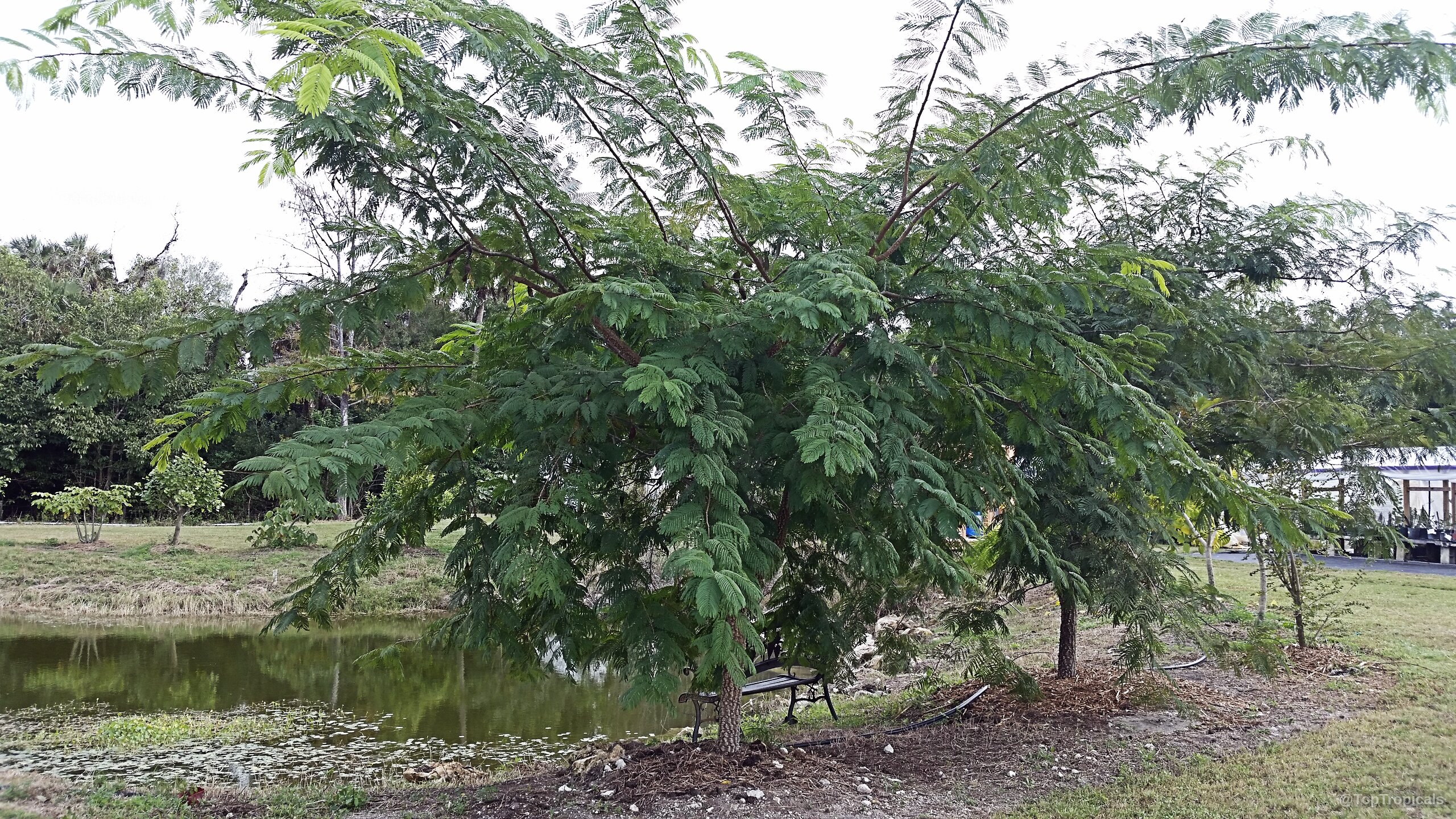
Botanical name: Anadenanthera colubrina
Common names: Vilca, Huilco, Huilca, Wilco, Willka, Cebil, Angico
Family: Fabaceae
Subfamily: Faboideae
Origin: South America

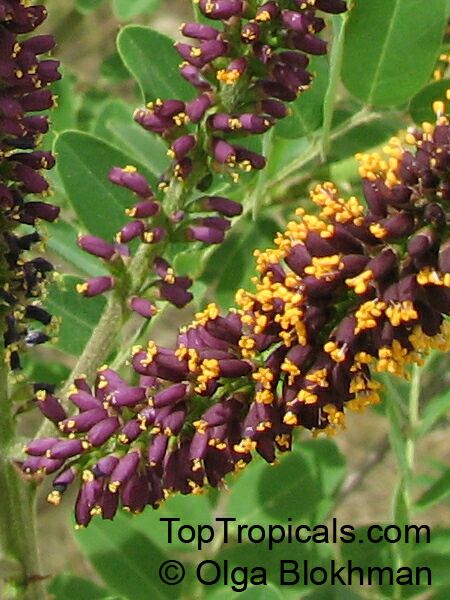
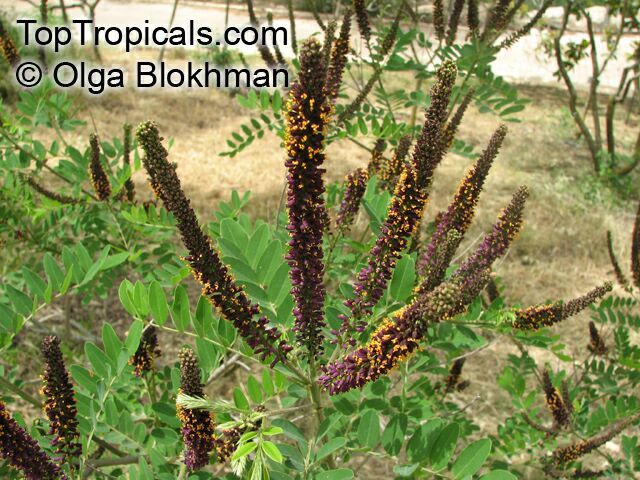
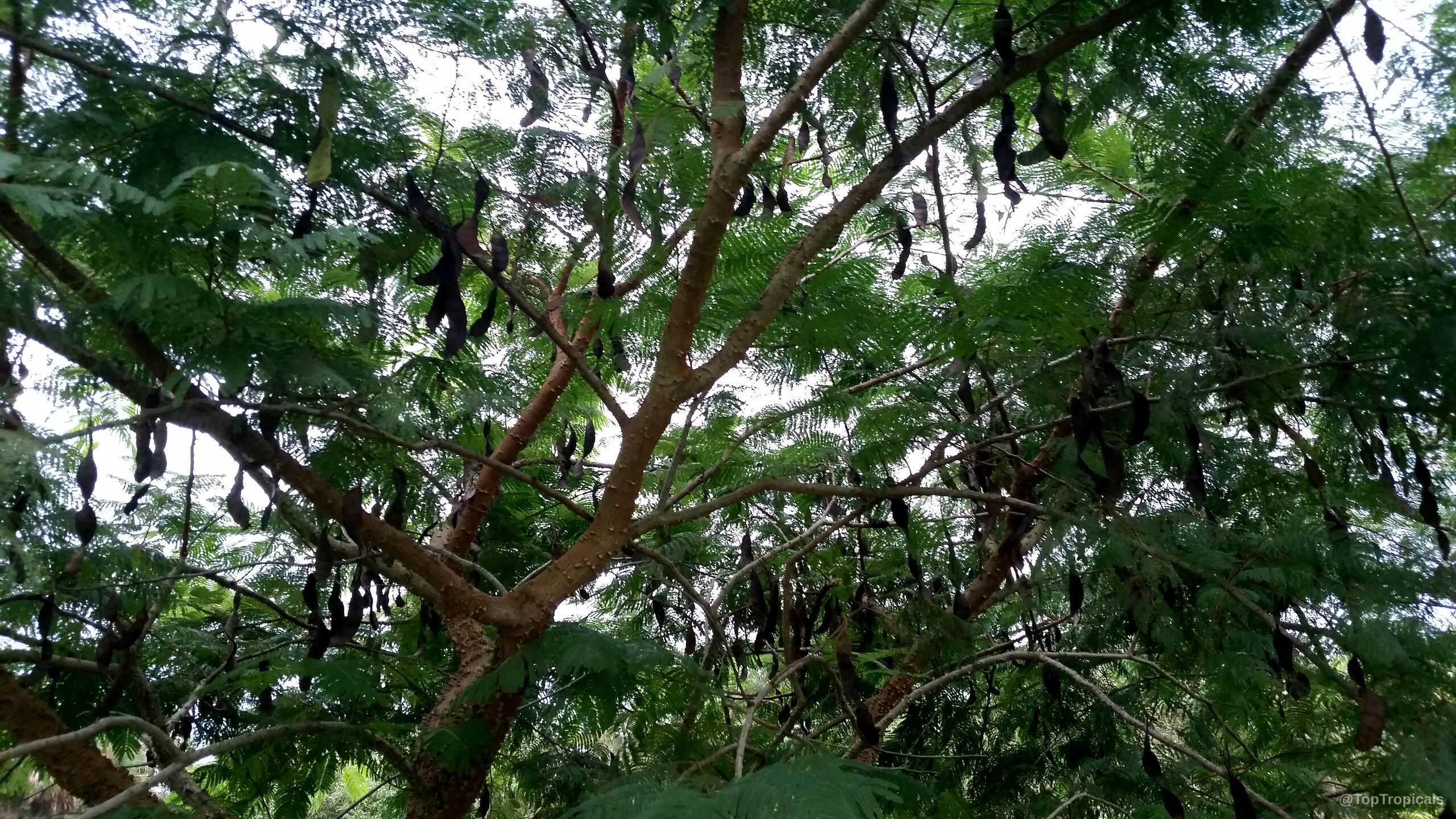
This is a South American tree closely related to Yopo, or Anadenanthera peregrina, and has similar medicinal properties. Anadenanthera colubrina is known by many names throughout South America. In Peru it is known as Willka (also Wilca, Vilca and Huilca) which in the Quechua languages means "sacred". The species is found in Argentina, Bolivia, Brazil, Ecuador, Paraguay, Peru, Cuba, and Mauritius.
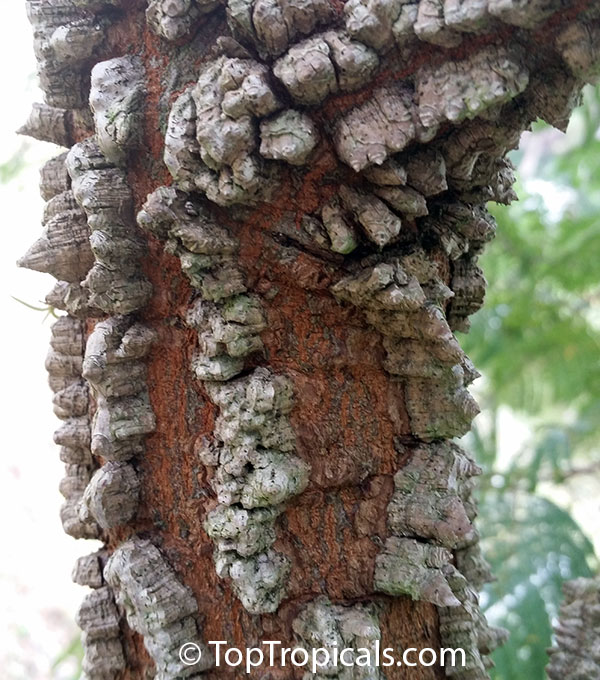
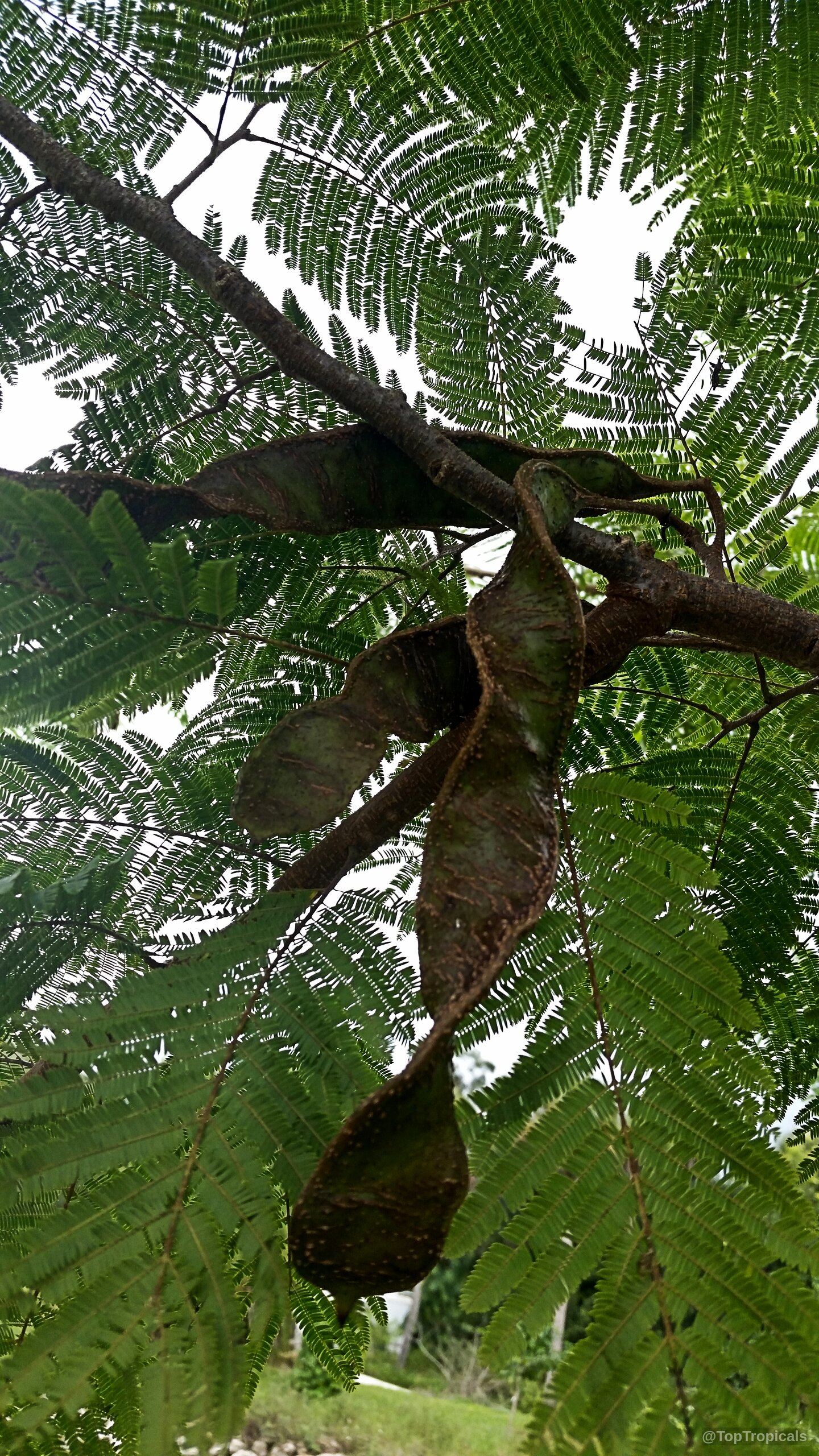
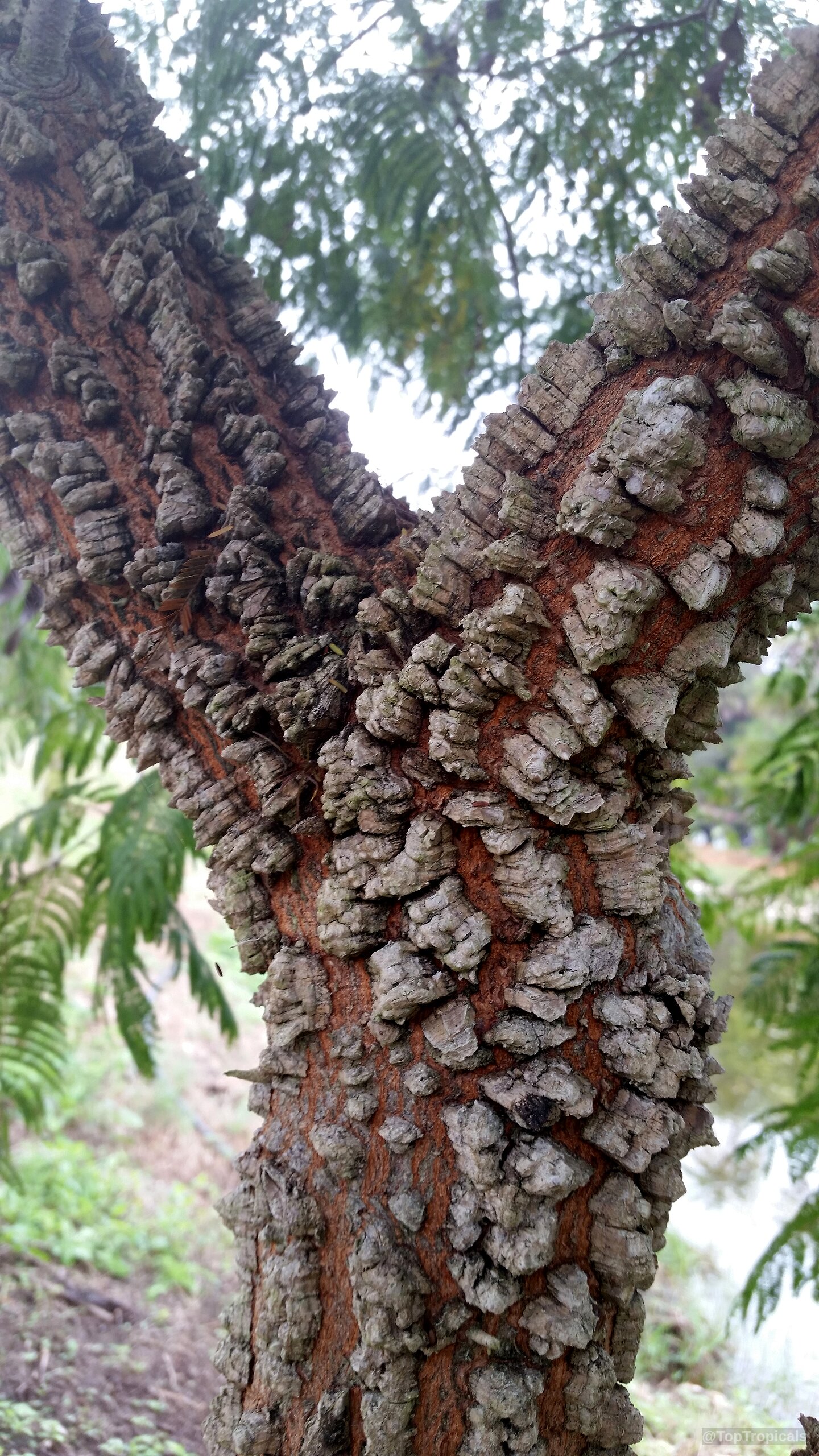
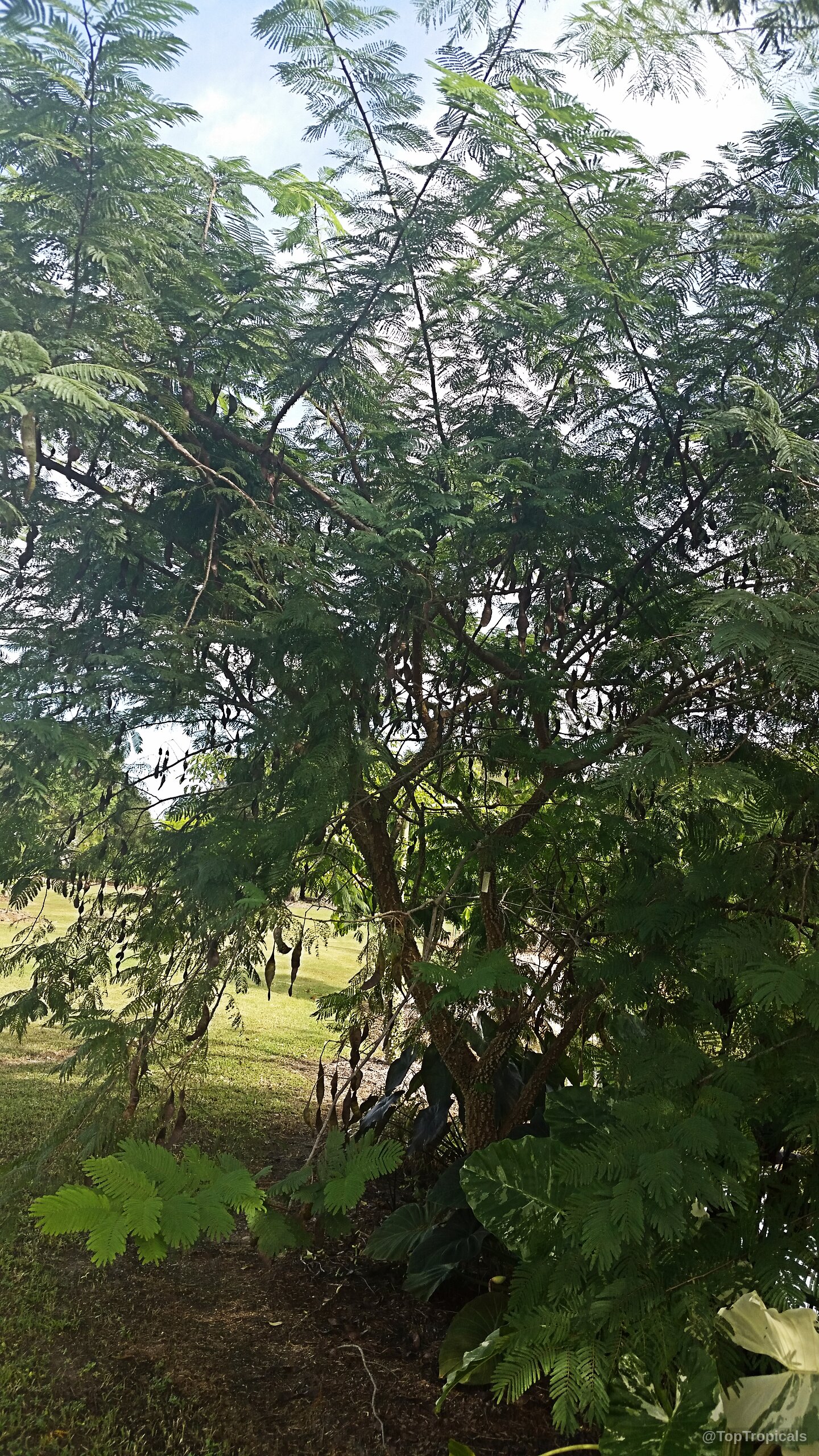
The trunk is very thorny. The leaves are mimosa-like, and they fold up at night. It tends to grow on rocky hillsides in well-drained soil, often in the vicinity of rivers. It grows quickly at 5-6 ft a year in good conditions. The growing areas are often "savannah to dry rainforest." Flowering can begin in as soon as two years after germination. In Chile, A. colubrina produces flowers from September to December and bean pods from September to July.
A sweetened drink is made from the bark. The tree's bark is the most common part used medicinally. Gum from the tree is used medicinally to treat upper respiratory tract infections, as an expectorant and otherwise for cough.
The main active constituent of Vilca is bufotenin. The black beans from the bean pods of these trees are used to make the psychedelic snuff called Vilca (sometimes called cebil).
In Brazil A. colubrina has been given high priority conservation status.


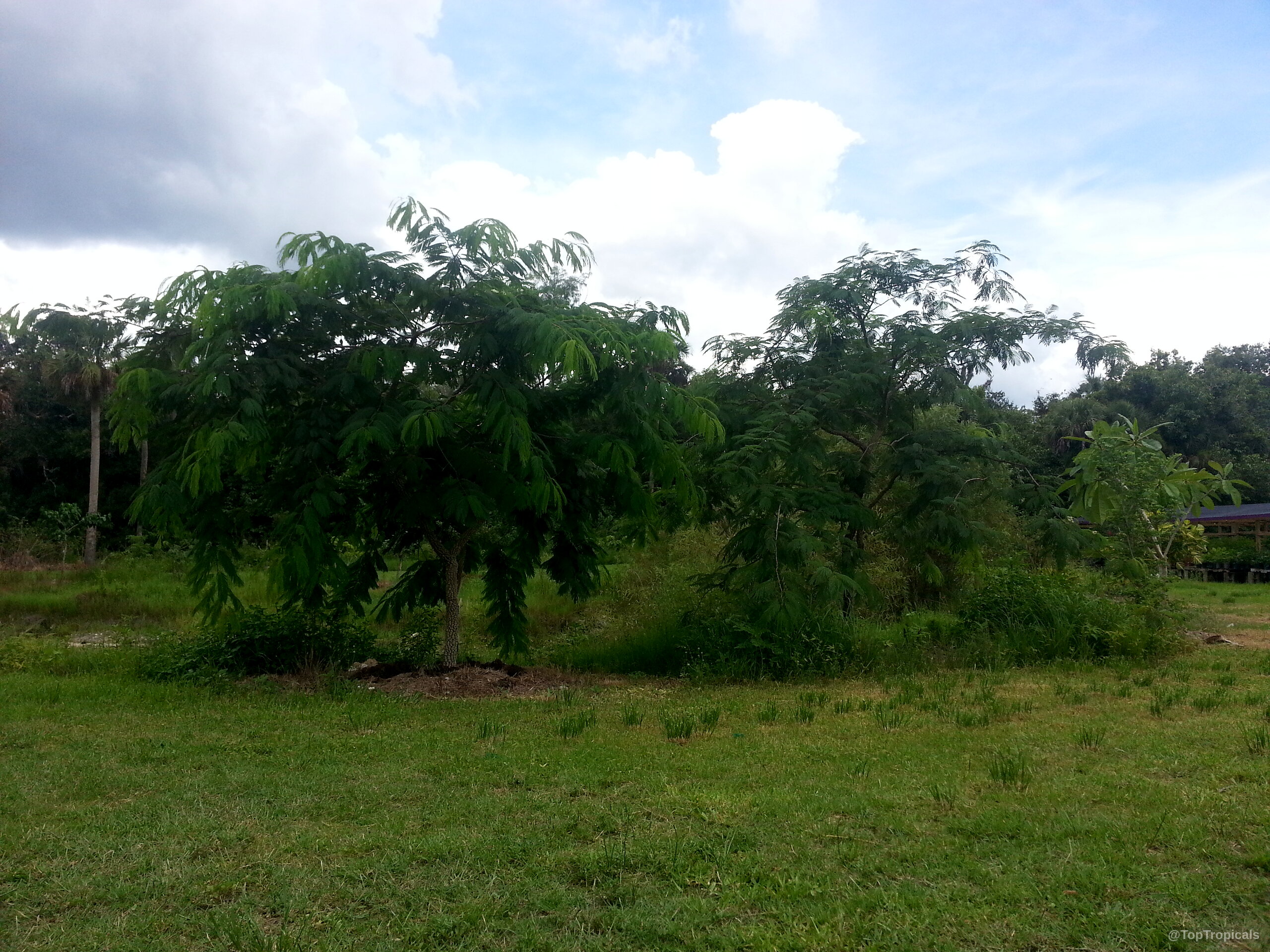
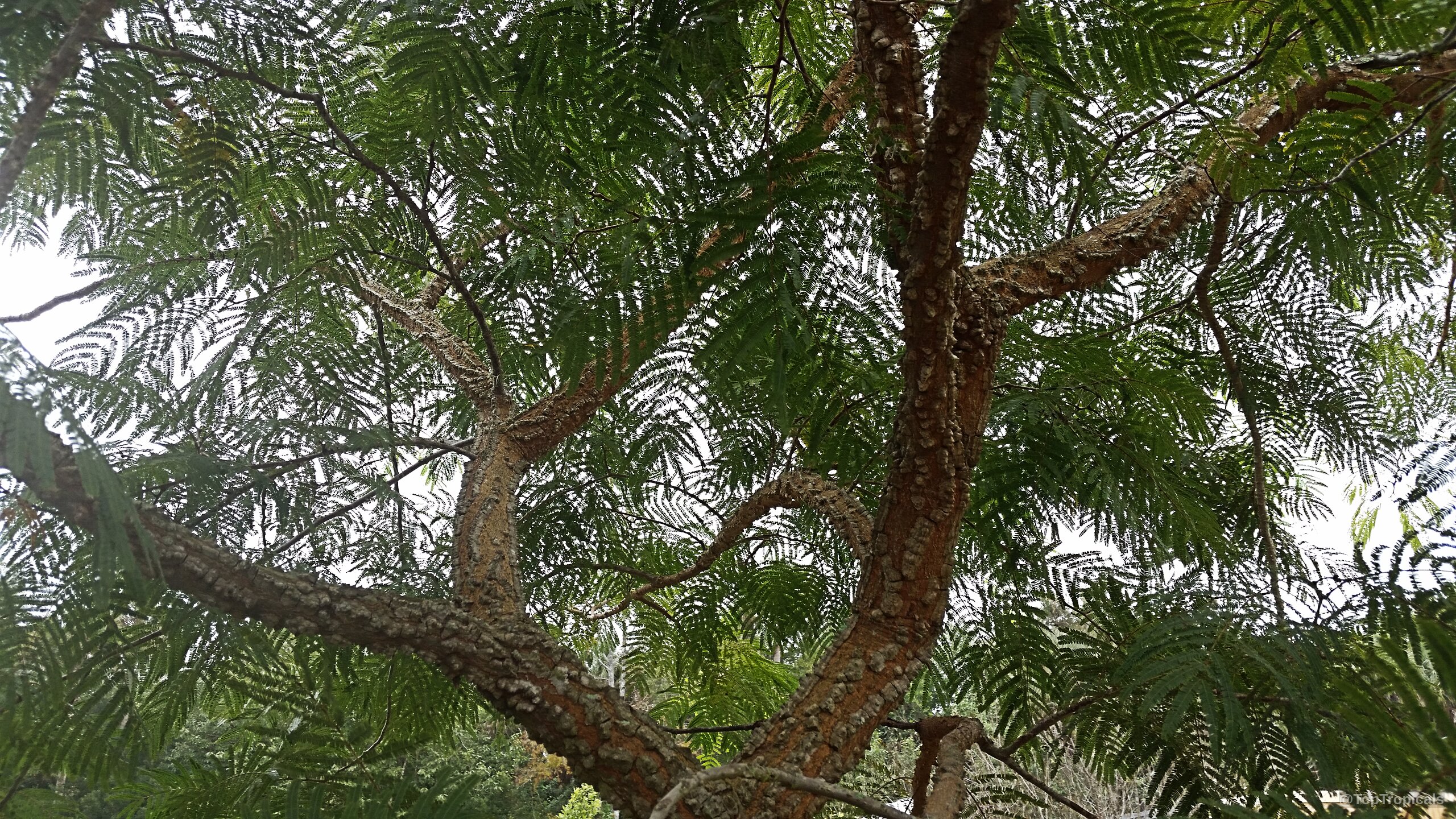
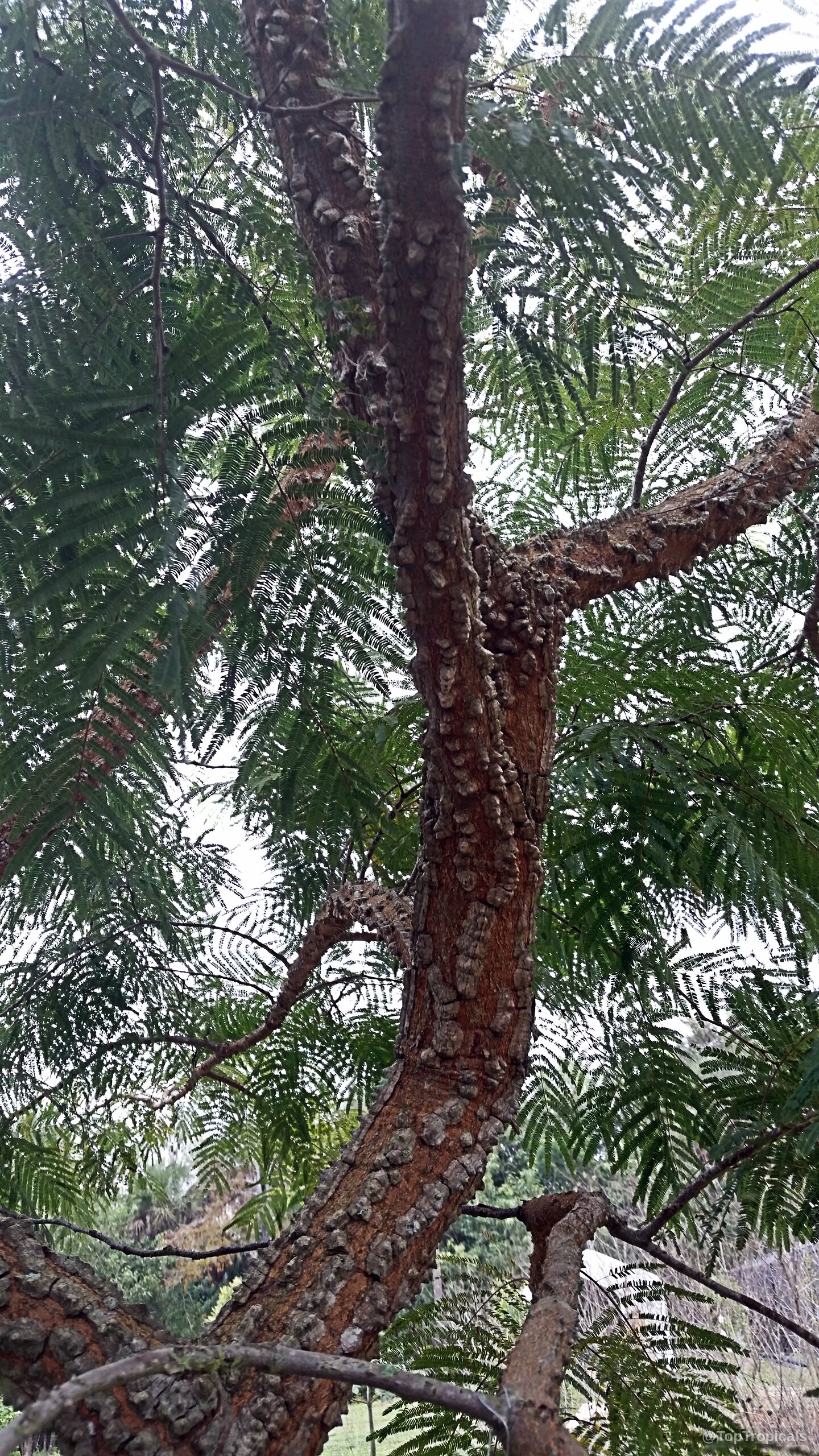




Botanical name: Anadenanthera peregrina
Common names: Yopo, Jopo, Cohoba, Parica, Calcium Tree
Family: Fabaceae
Subfamily: Faboideae
Origin: Caribbean and South America
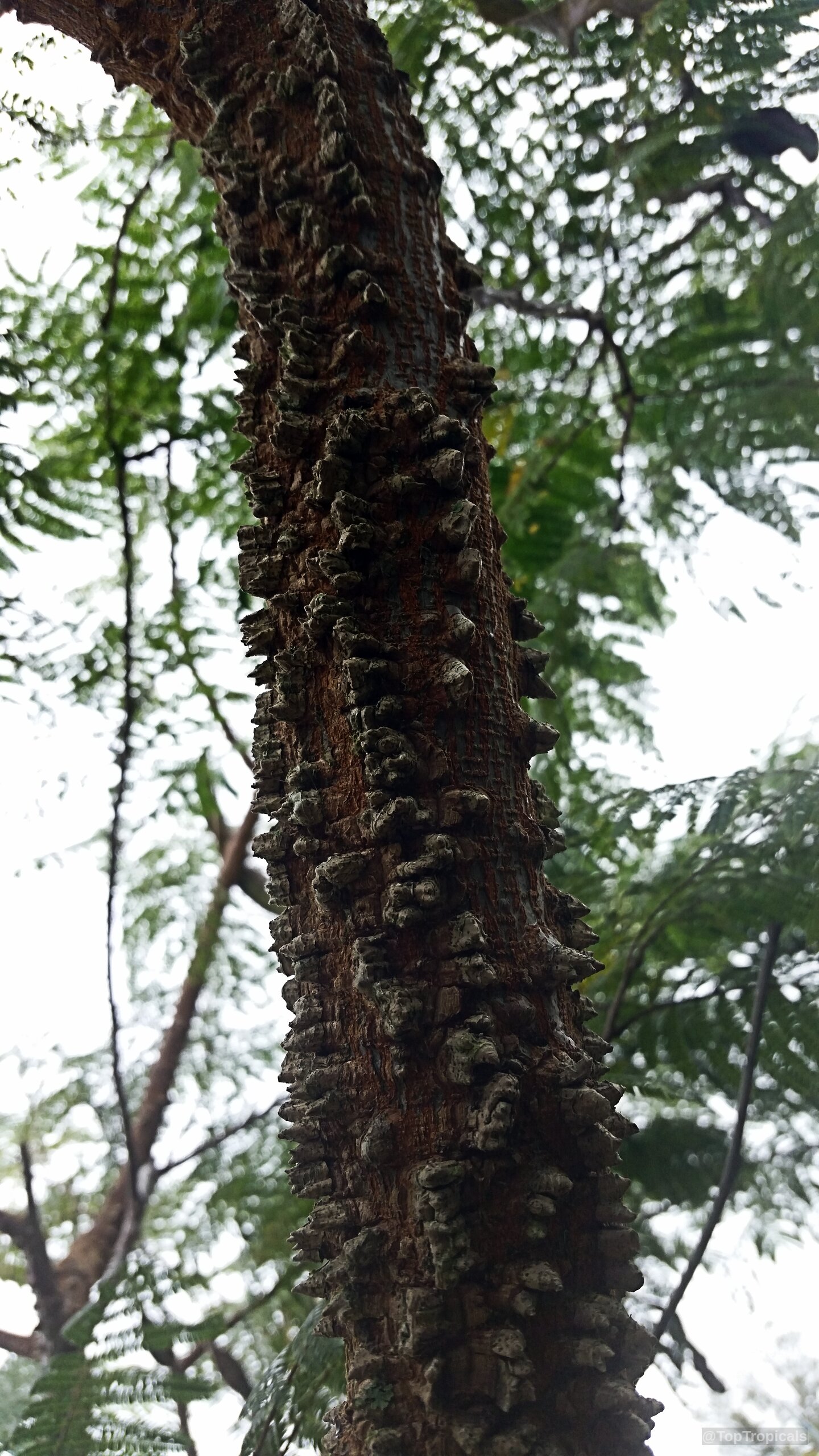
Anadenanthera peregrina or Yopo is a tall tree with a distinctive horny bark and feathery leaves. It is also known for its pale yellow to white spherical flowers. This plant is native to the Caribbean and thrives in full sun and moderate amounts of water. It is suitable for growing in USDA zones 8 -10 and can tolerate cold temperatures of at least 30°F for a short time.
In addition to its attractive appearance, Anadenanthera peregrina serves as an entheogen and is used in healing ceremonies and rituals. The beans, also known as seeds, and falling leaves of this plant contain hallucinogenic properties. It is closely related to Anadenanthera colubrina, also known as Cebi or Vilca, which has a similar chemical makeup with its primary constituent being bufotenin.
Anadenanthera peregrina is not only visually appealing, but it also attracts hummingbirds, butterflies, and other wildlife. It is a good source of dietary calcium and has been explored for its potential medicinal uses. When grown in a pot in cold climate regions, it should be brought indoors during the winter and moved outdoors in the summer when the risk of frost is gone. It should be watered regularly, avoiding over watering, and pruning can be used to encourage new growth as needed. Overall, Anadenanthera peregrinaoffers both aesthetic and medical value.


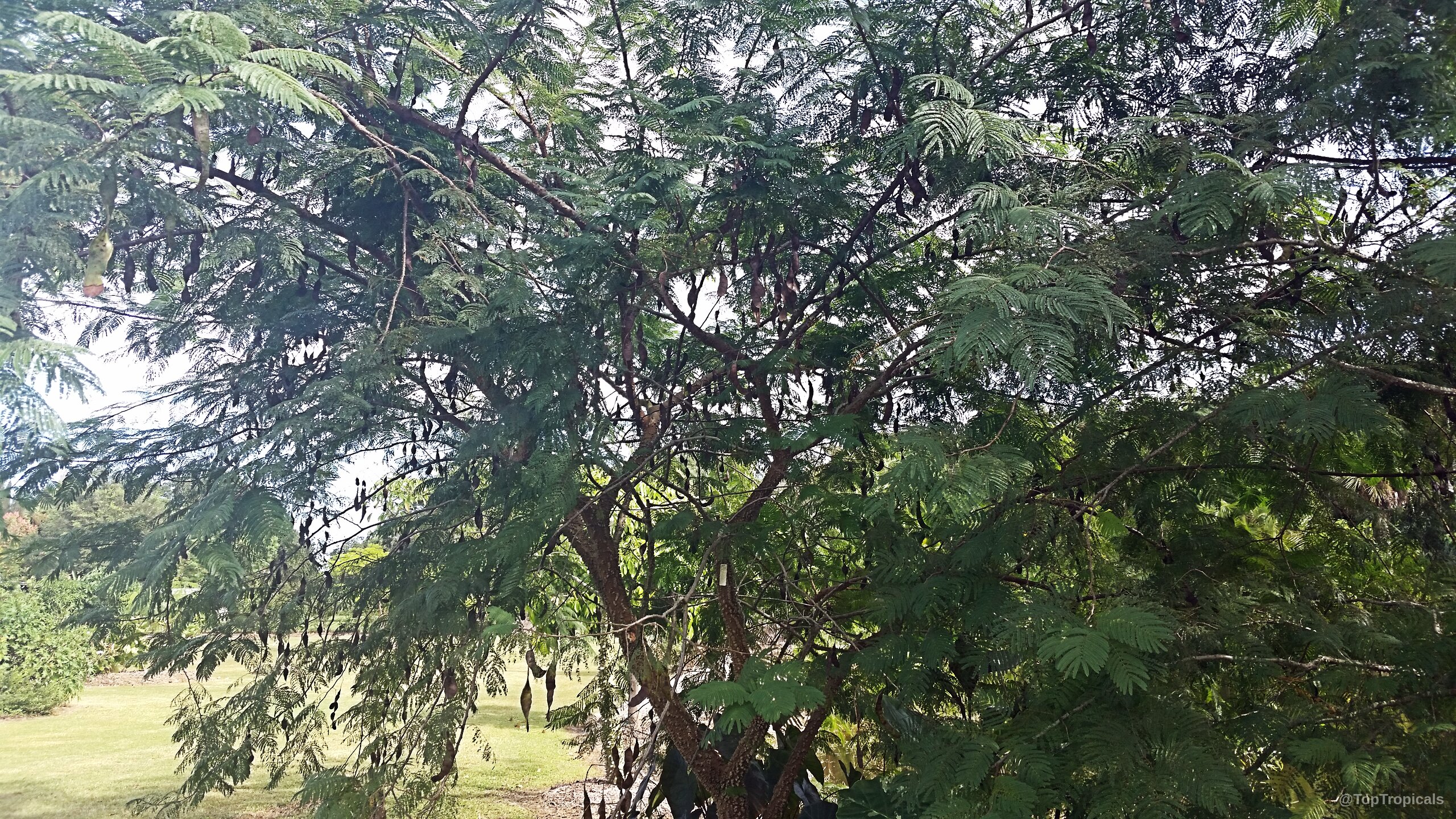

Botanical name: Anagyris foetida
Common names: Mediterranean Stinkbush, Stinking Bean Trefoil, Purging Trefoil
Family: Fabaceae
Subfamily: Faboideae
Origin: Mediterranean region
Anagyris foetida, or the Mediterranean Stinkbush, is a large shrub that grows between 5-10 feet tall. Native to the Mediterranean region, it forms a small, oval or round shaped shrub crowned by a tightly branched dome. Bright yellow or orange flowers bloom in the spring and give way to the distinctive backward curving seed pods. When its leaves are crushed, they emit a sharp and unpleasant odor, hence the name Stinkbush.
This plant is incredibly hardy and can tolerate intense full sun and moderate watering. Once mature, the Mediterranean Stinkbush can withstand cold down to at least 30 degrees Fahrenheit for a short time and is hardy in USDA Zone 9.
In addition to its resilient properties, the Mediterranean Stinkbush has been used as an ethnomedicinal plant. It is said to have anti-inflammatory and anti-diuretic properties due to its acidic and bitter compounds. The plant can, however, be toxic and should not be consumed in any form.
When grown in a pot, the Mediterranean Stinkbush is best suited for a cold climate. It thrives in full sun and well-drained soil. Water the soil to keep it lightly moist, allowing it to dry out between waterings. Fertilizing regularly during the growing season and providing protection from extreme cold weather will help this plant thrive and reach its full size. Prune in late winter or early spring, focusing on removing dead or weak branches.
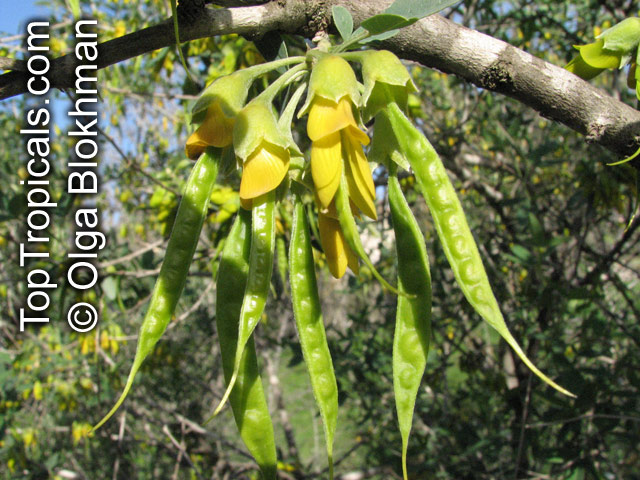
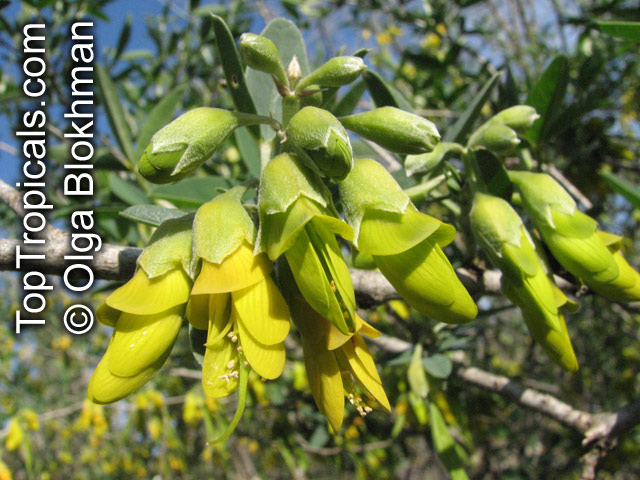


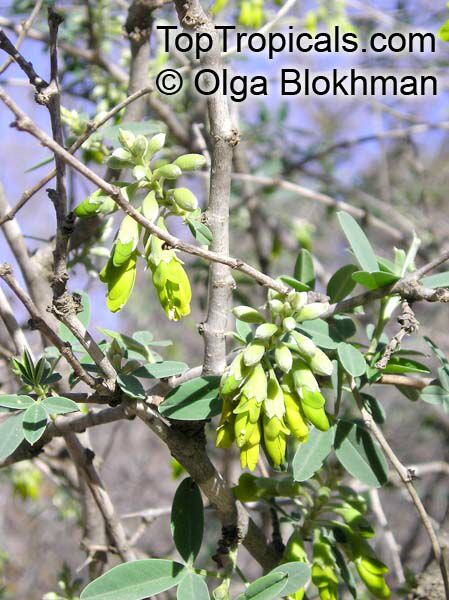
Botanical name: Anagyris latifolia
Common names: Oro de Risco, Gold of the Rocks
Family: Fabaceae
Subfamily: Faboideae
Origin: Canary Islands
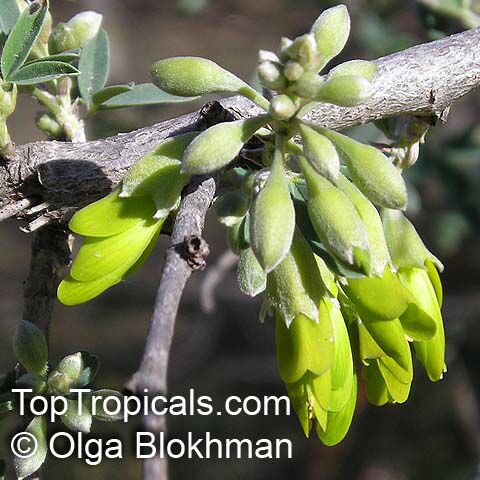
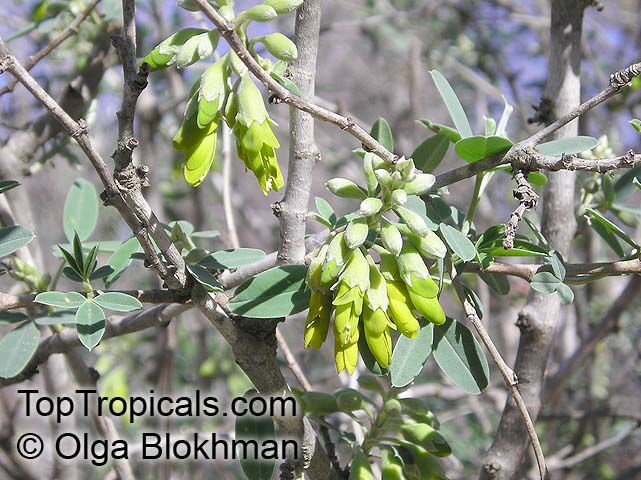
Gold of the Rocks makes a most ornamental woody, semi-evergreen shrub with large, bright golden yellow flowers in terminal clusters and fresh green, trifoliated leaves.
| Next | |
Use link to repeat this search:
https://toptropicals.com/cgi-bin/garden_catalog/cat.cgi?search_op=and&keyword_op=and&language=e&family=Faboideae&number=10
&no_change_lang=1&user=tt&sale=1&first=0