Euphorbiaceae - Botanical Family
| Number of plants found: 121 | Next | 
|
Go to page: | 1 | 2 | 3 | 4 | 5 | Last |
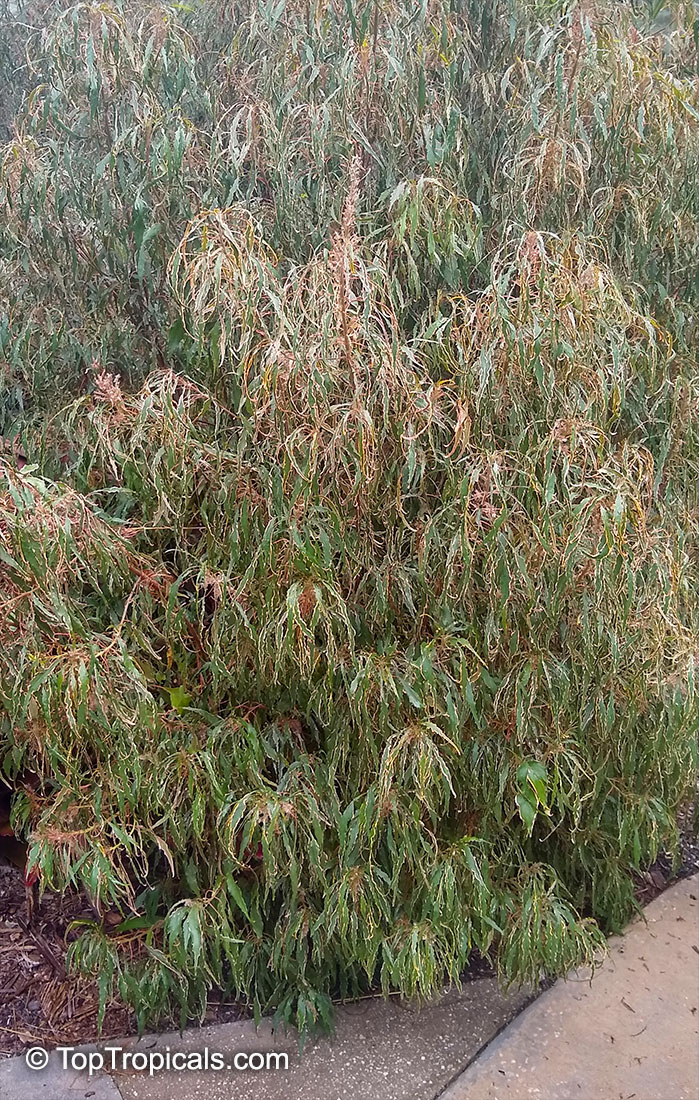
Botanical name: Acalypha godseffiana
Common names: Copper Leaf, Beefsteak Plant, Fire dragon, Jacobs coat, Match-me-if-you-can, Three-seeded Mercury
Family: Euphorbiaceae
Origin: Fiji


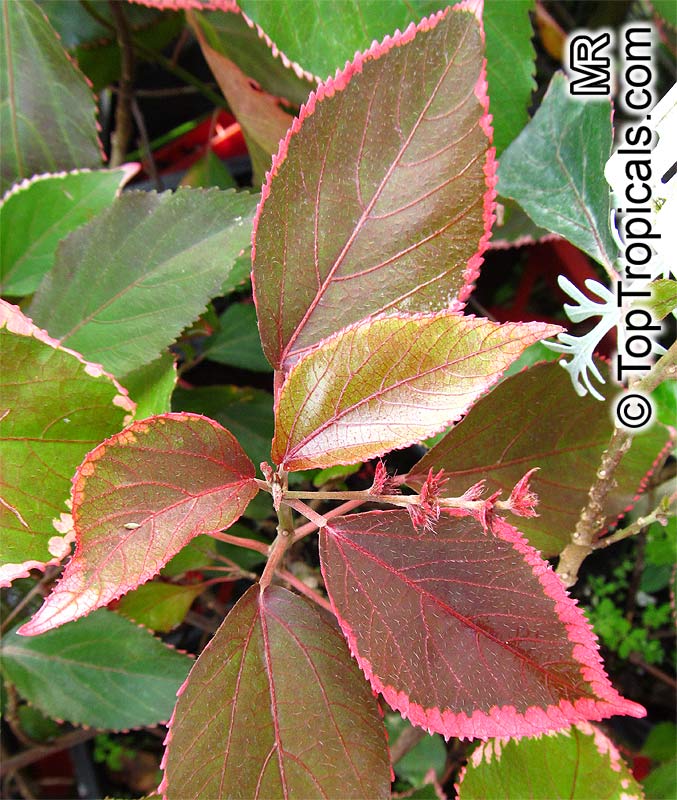
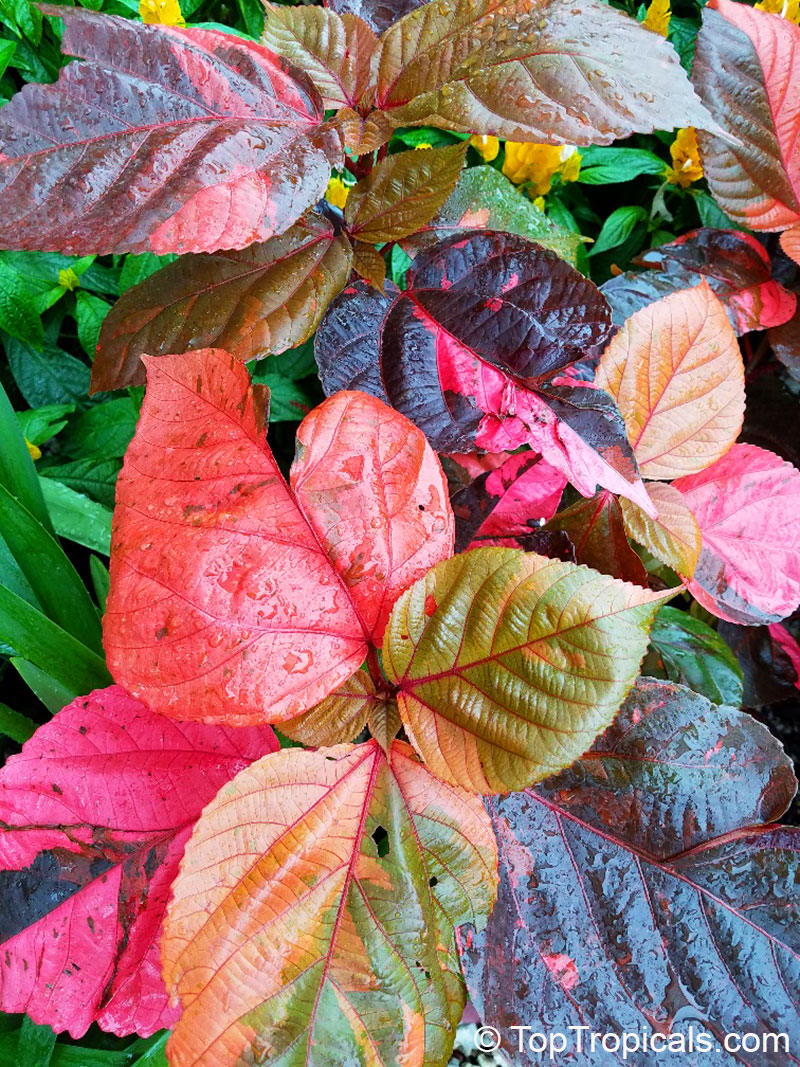
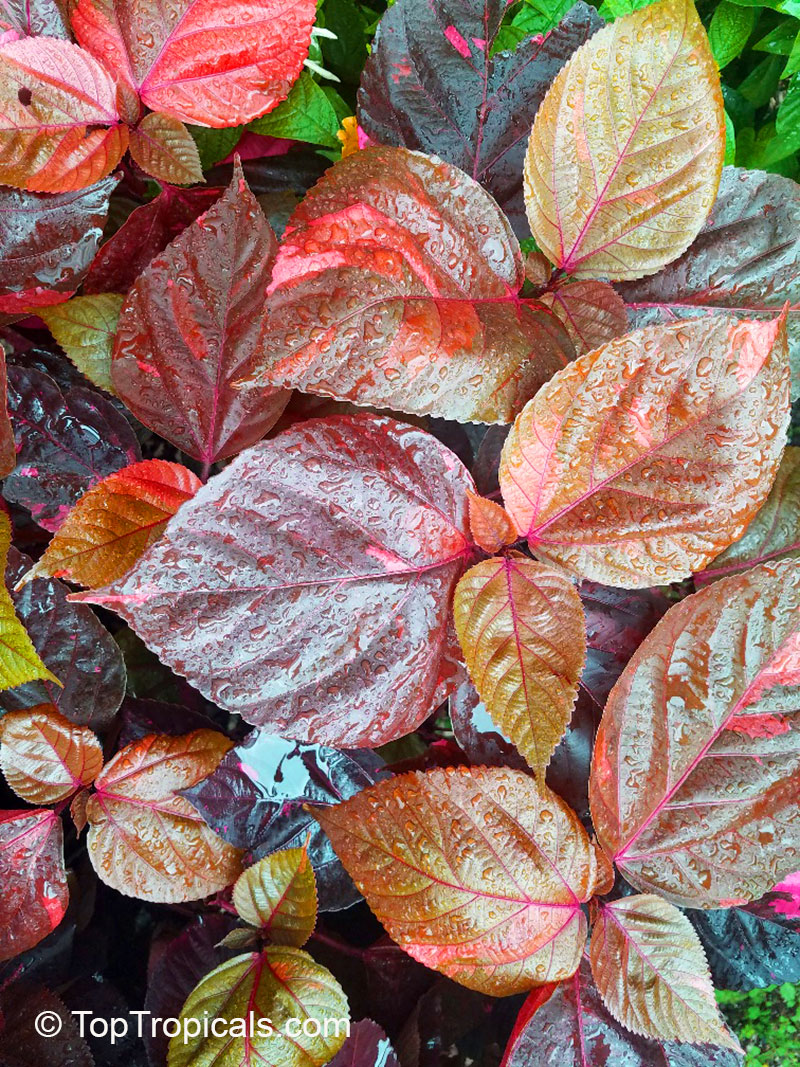
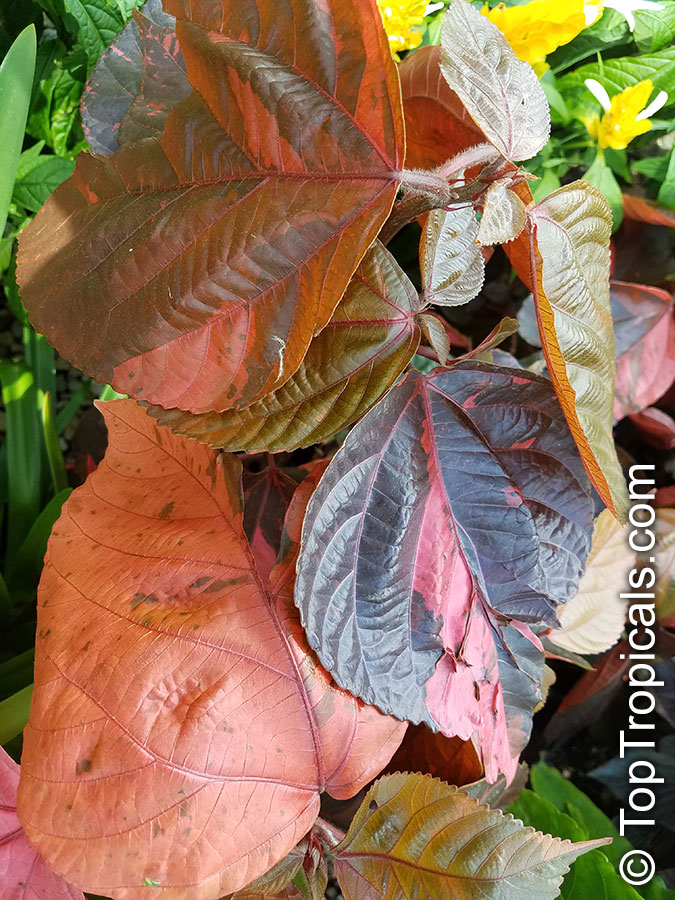
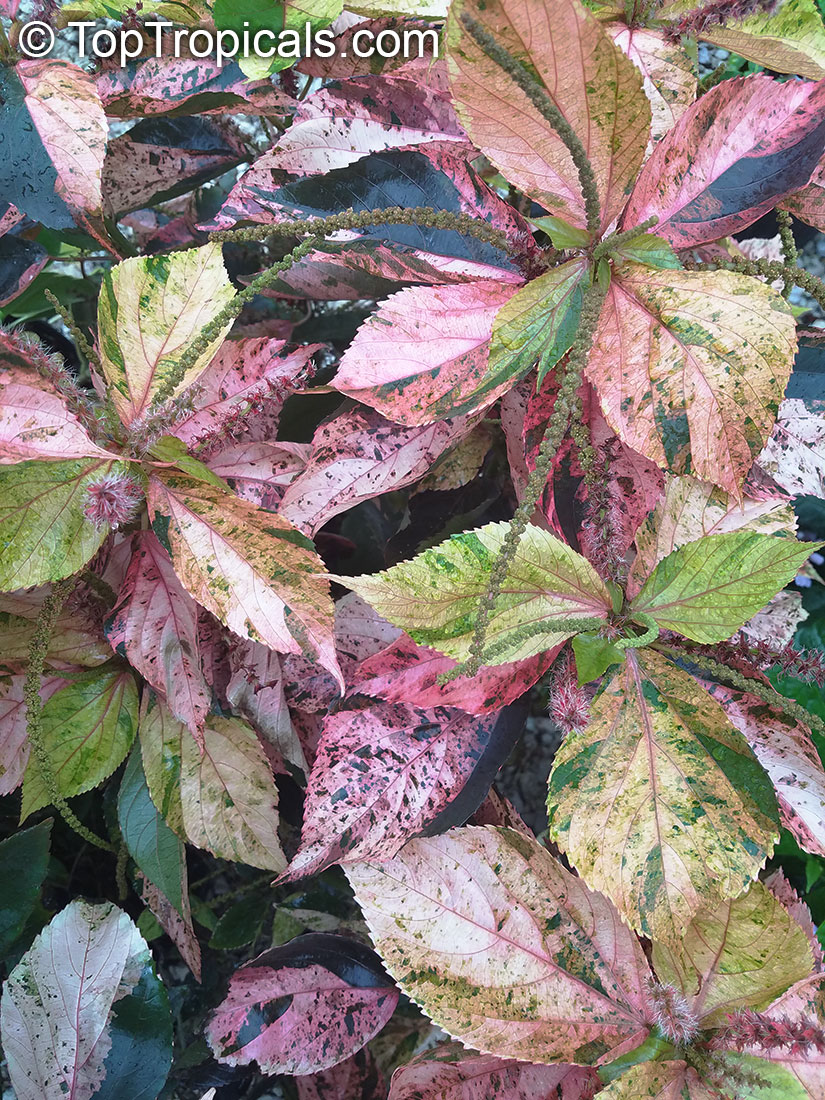
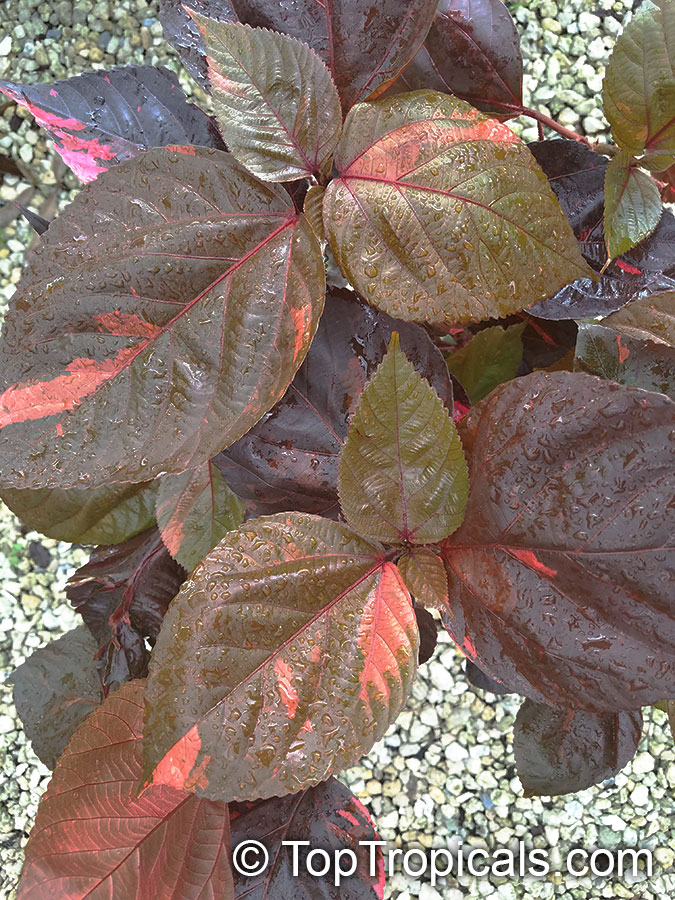
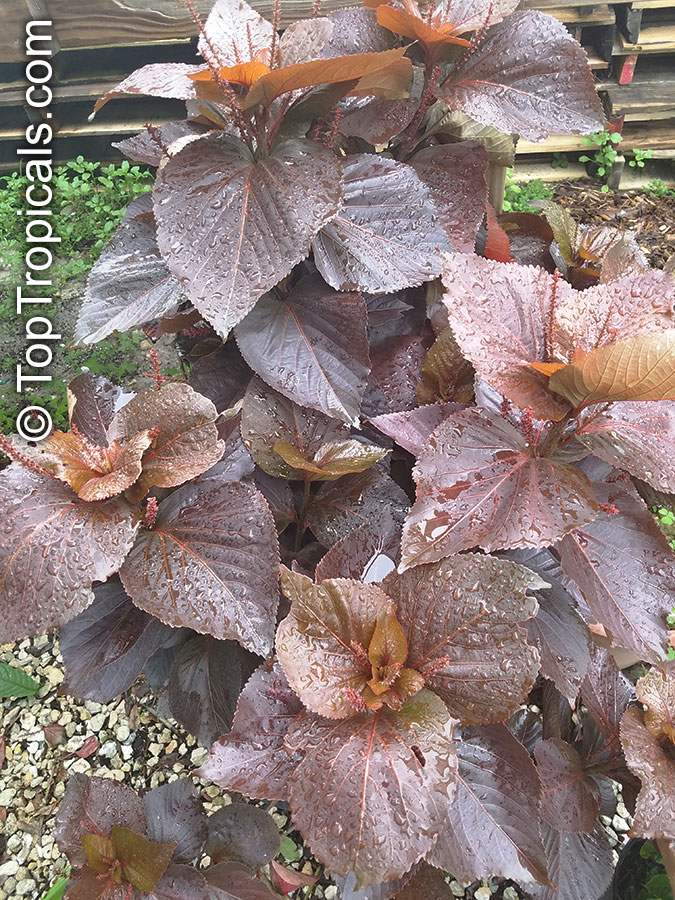
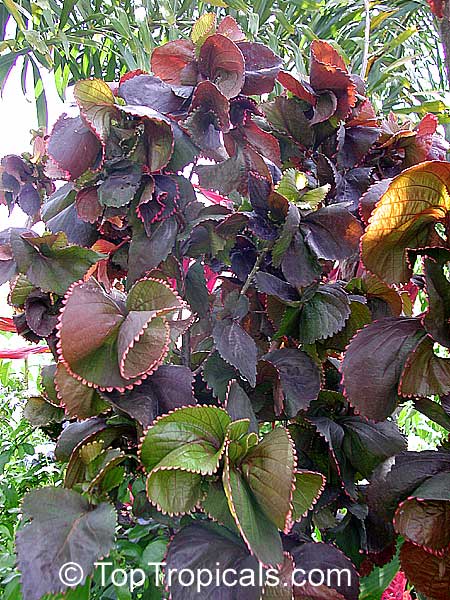
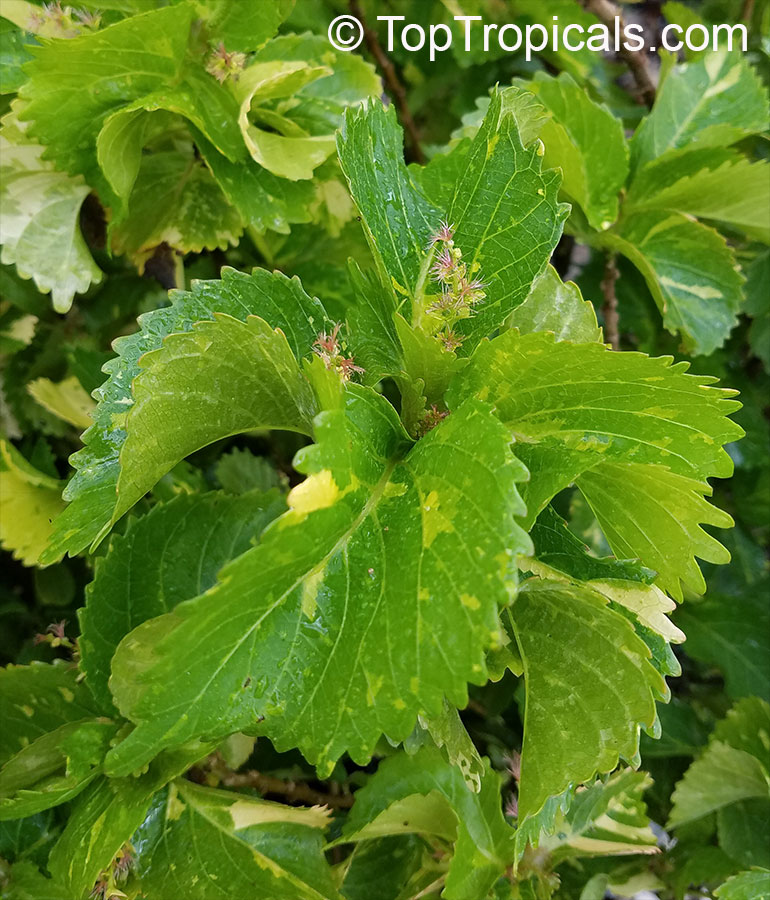
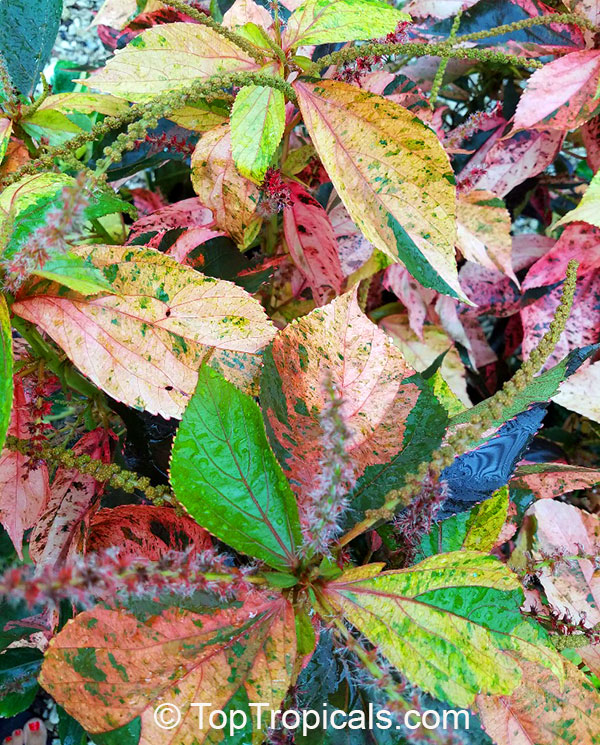
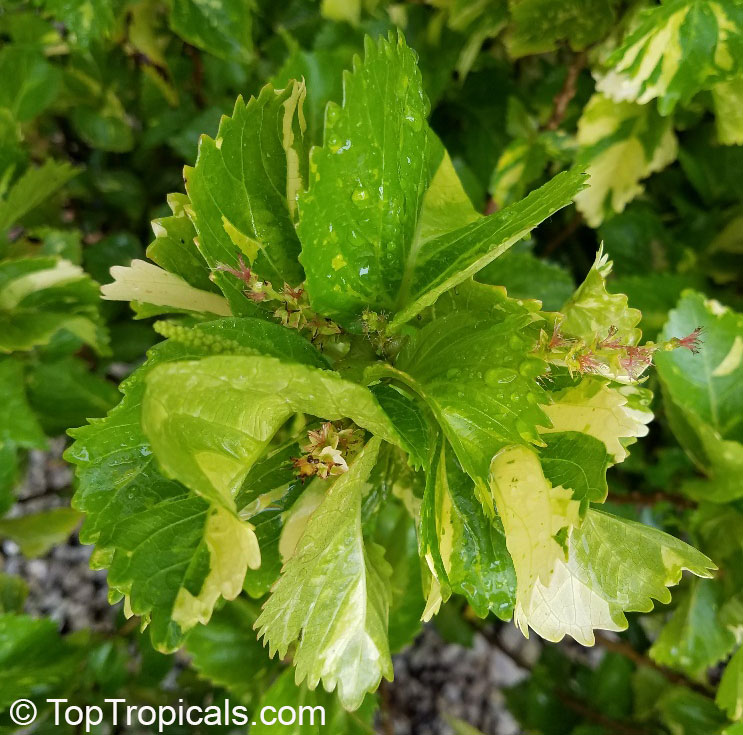
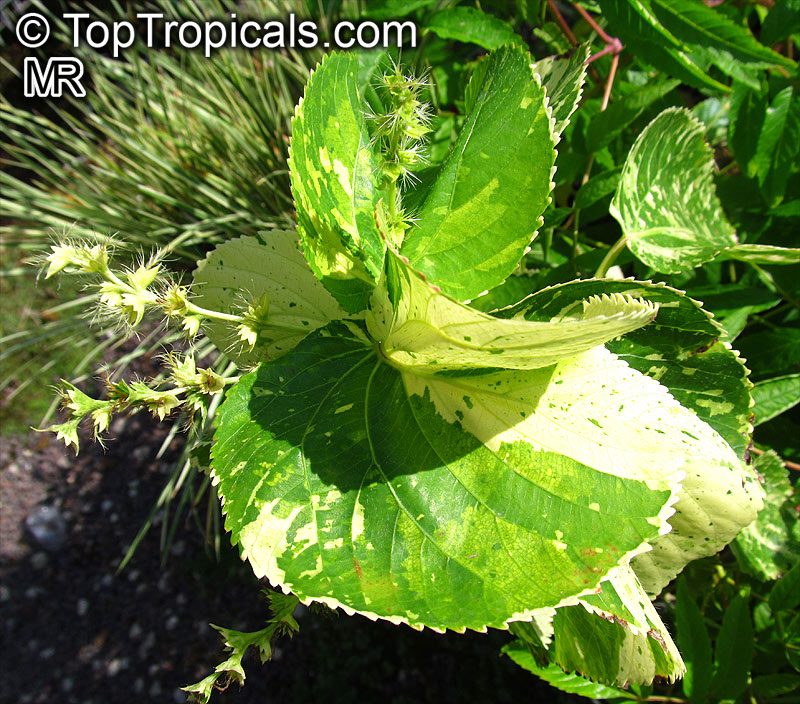
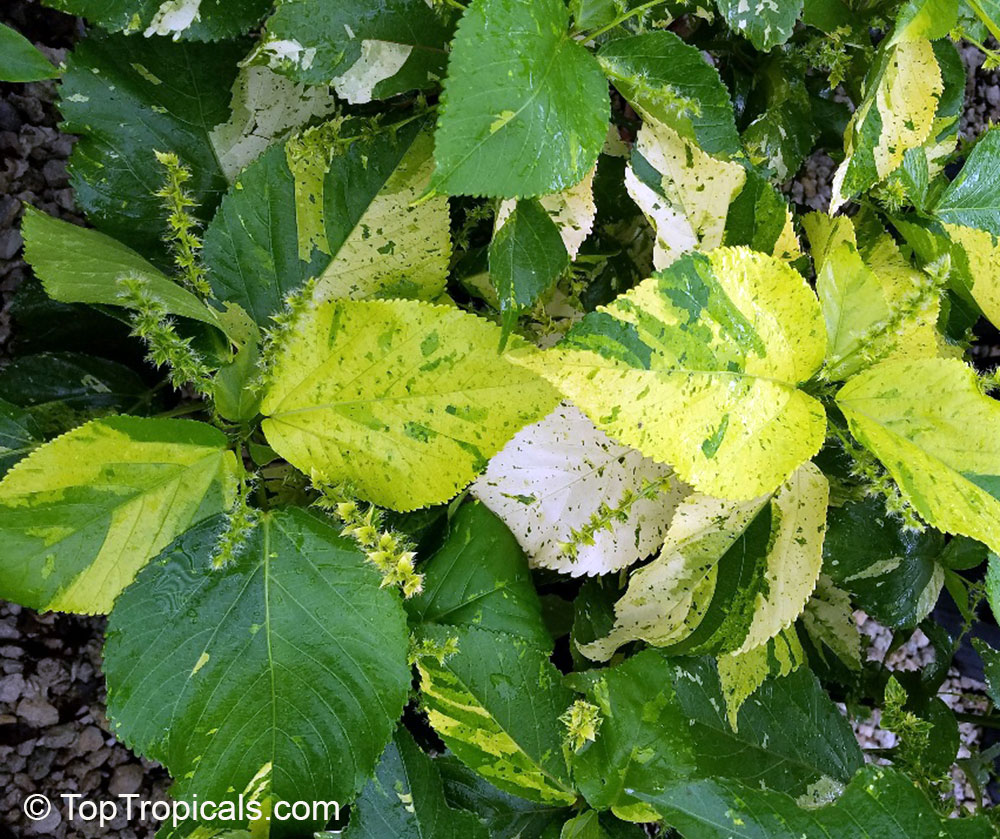
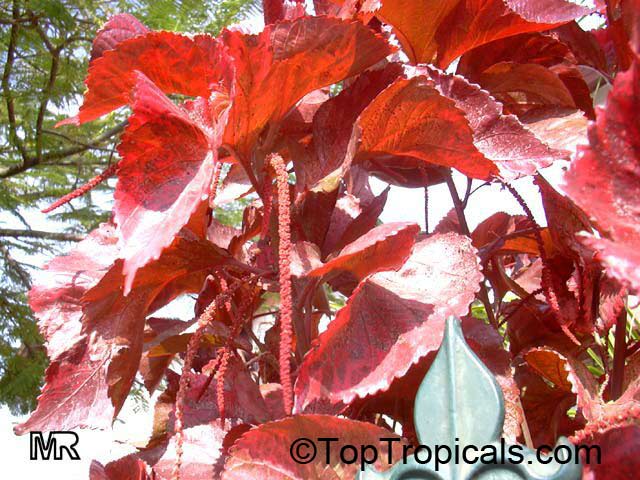
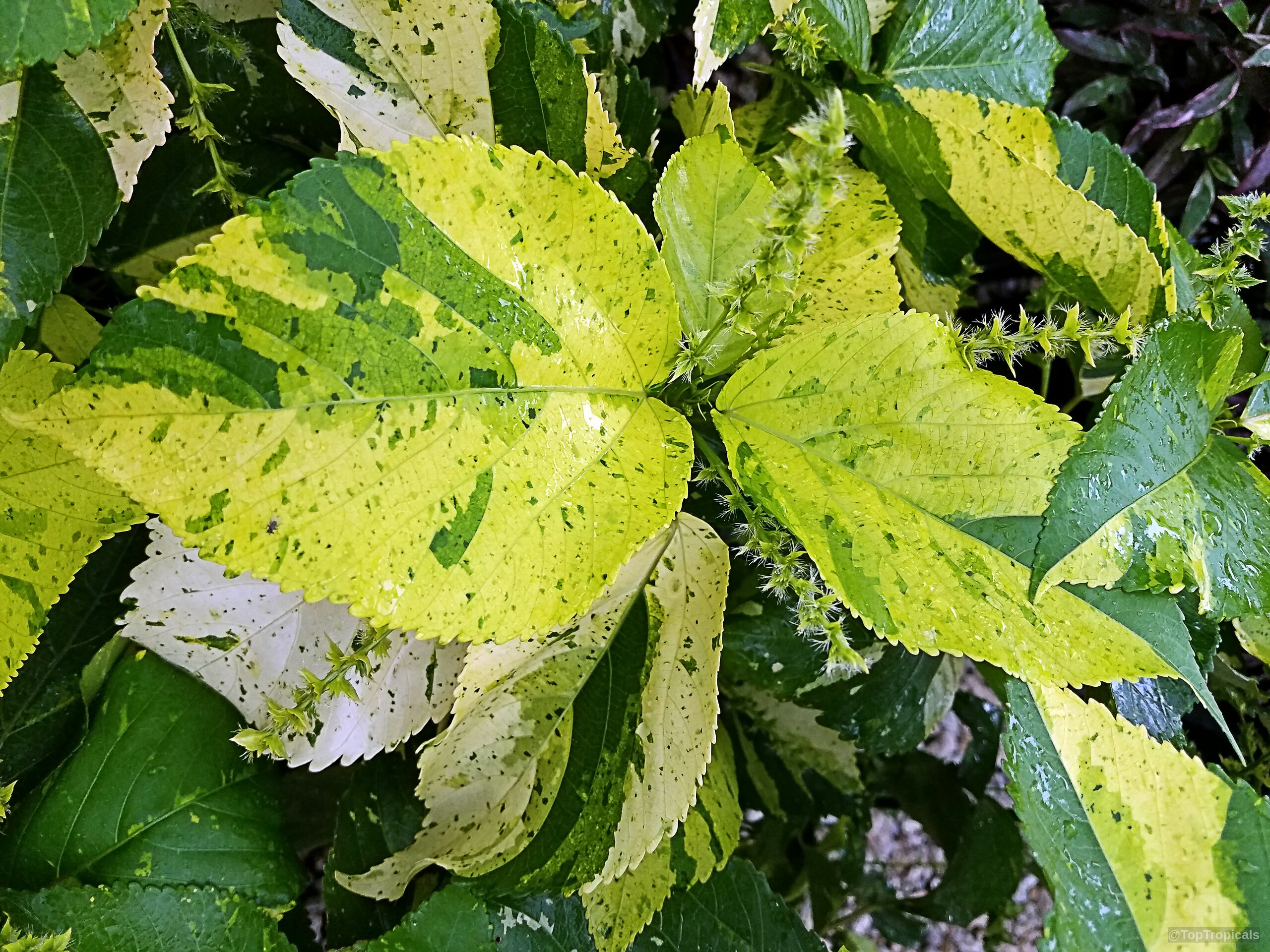
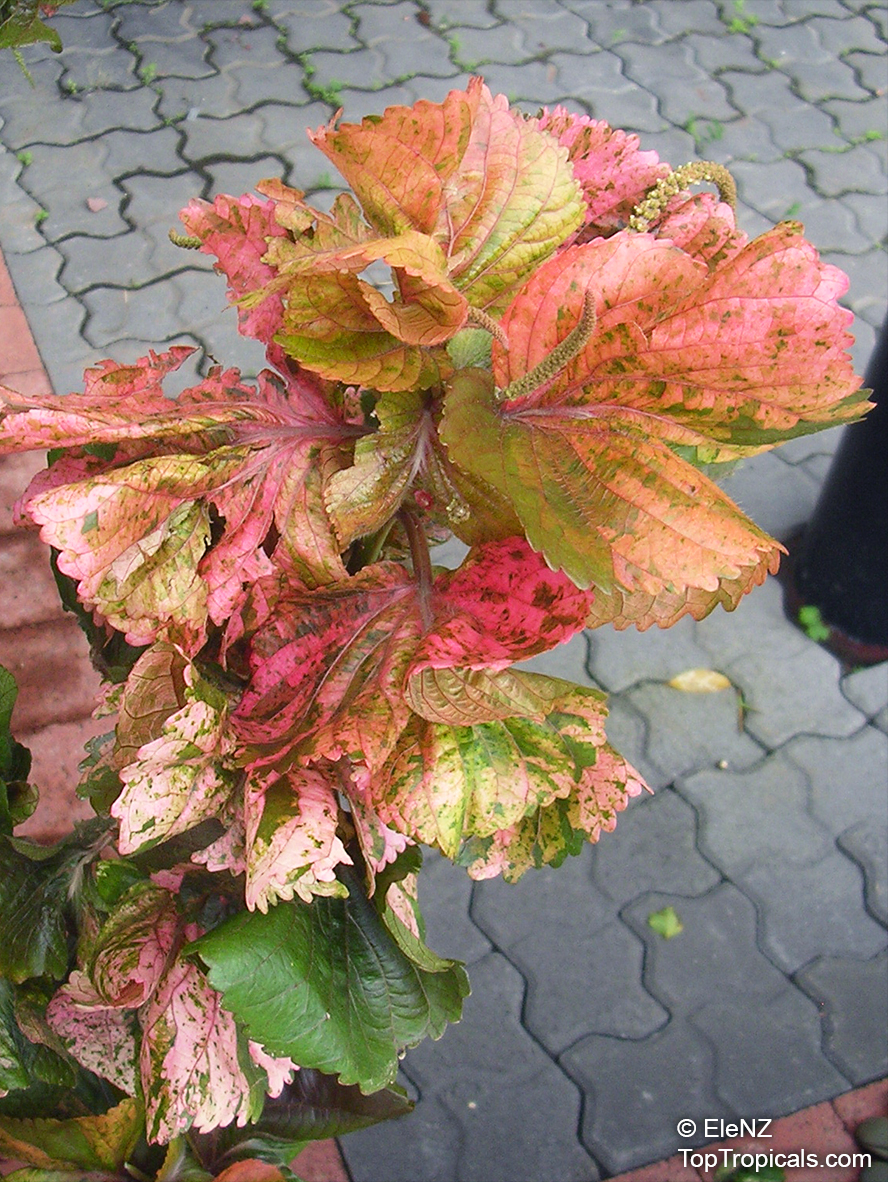
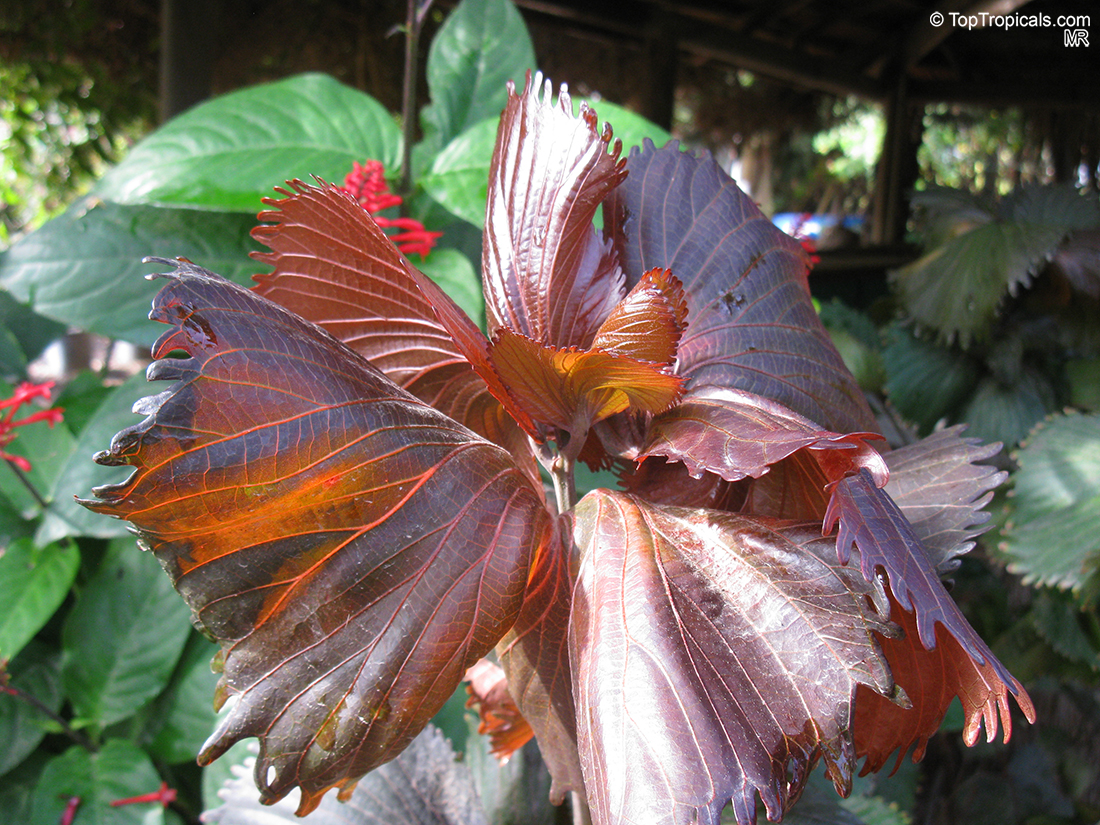
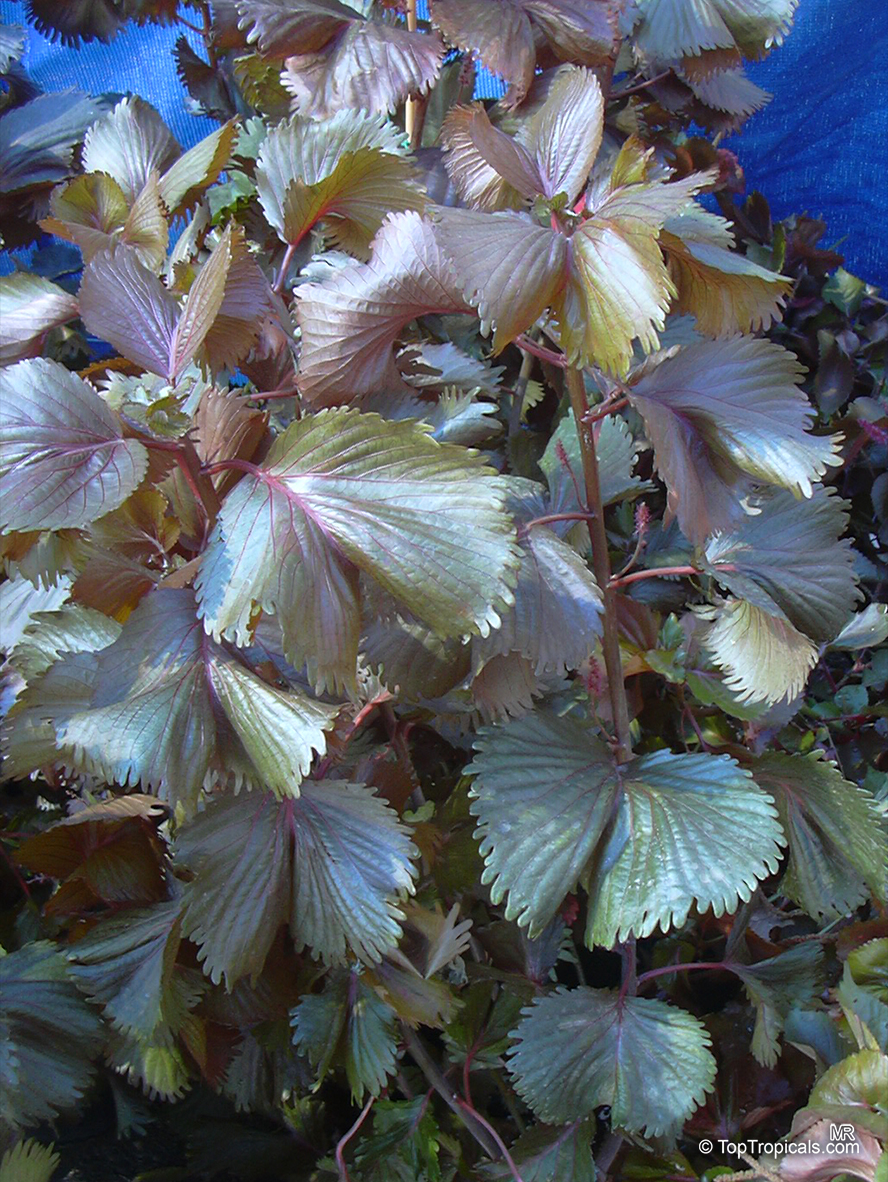
Acalypha godseffiana, also known as Copperleaf or Joseph's Coat, is a tropical shrub that is native to the East Indies and the Pacific. It is prized for its colorful and striking foliage, which ranges in shade from red and yellow to orange, bronze, copper, green, and white in full sunlight, and is mostly variegated green in the shade. The more sun it receives, the brighter the foliage will appear.
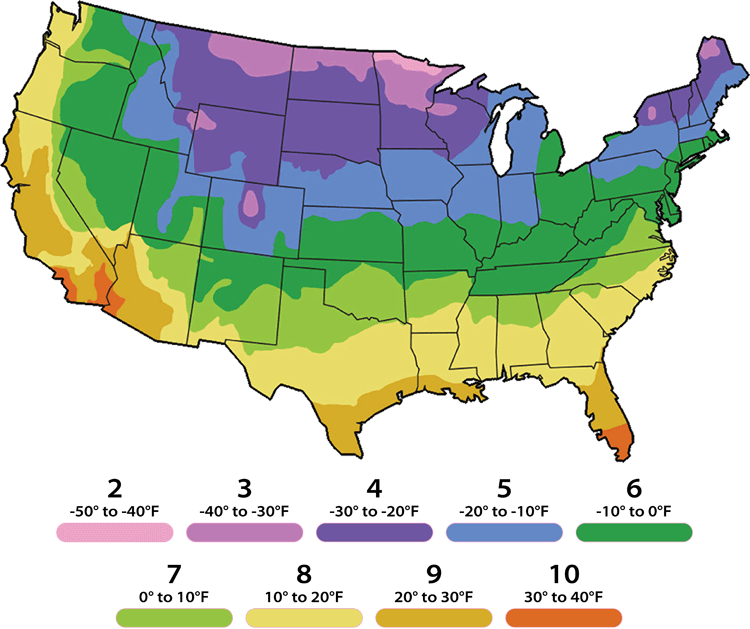
Acalypha godseffiana is a fast-growing plant that is often used as an informal hedge or massed bedding plant by tropical gardeners. It prefers full sun and well-drained soil and should be carefully pruned to prevent it from becoming leggy. When established, it is drought-tolerant and can thrive in USDA zones 9-11 in its natural habitat.
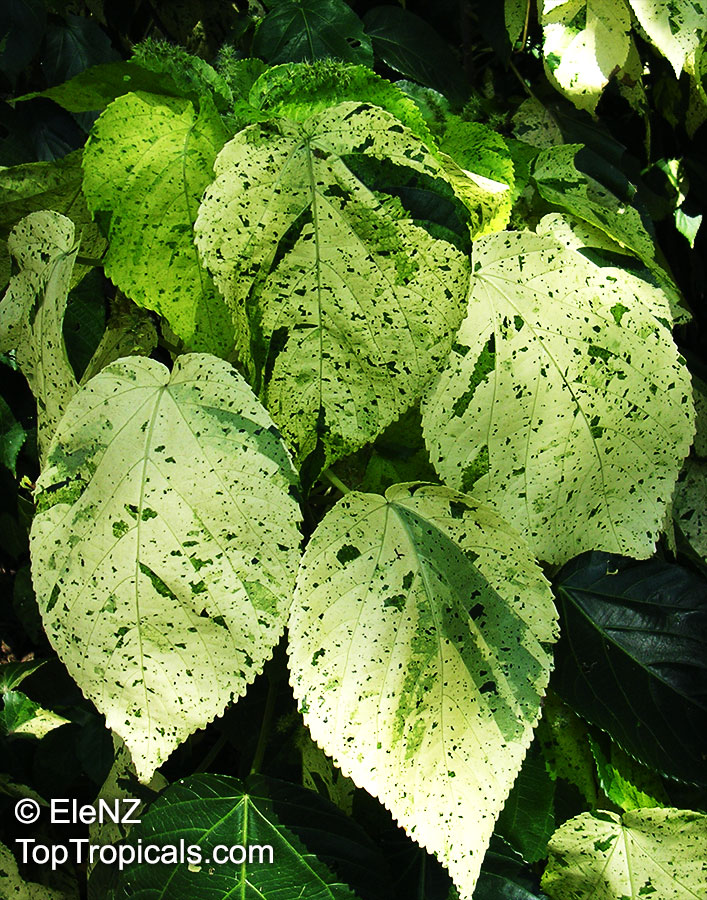
There are a number of cultivars of Acalypha godseffiana available, which come in a variety of colors such as green and white, green and yellow, red, bronze, copper, or brown. The leaves also vary in form, with some being flat and others undulating. The flowers of this plant are inconspicuous.
Acalypha godseffiana is a popular choice for tropical gardens due to its attractive foliage and easy care requirements. Just be sure to provide it with full sun and well-drained soil, and remember to prune it regularly to maintain its shape and size.
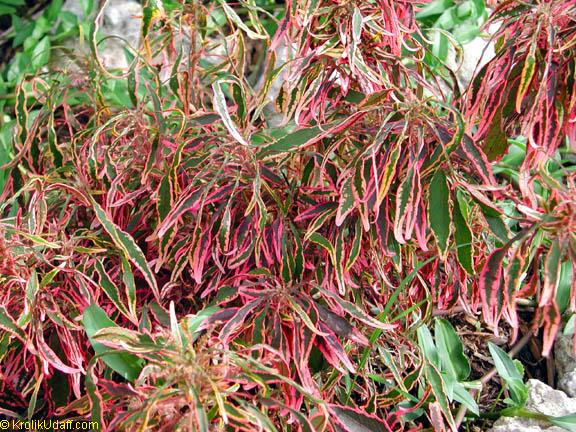
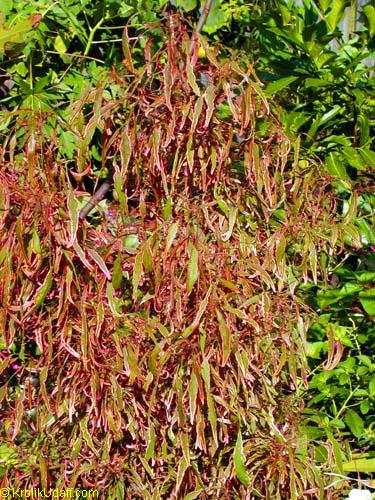
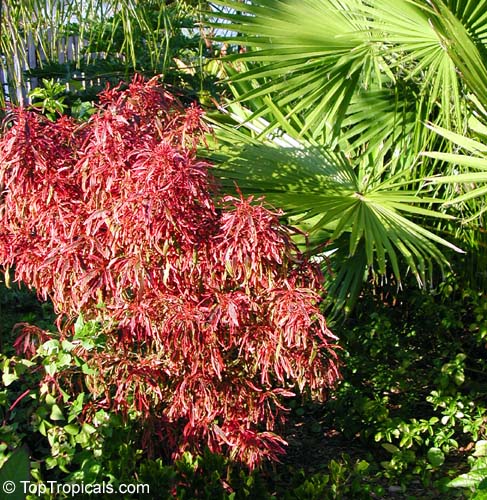
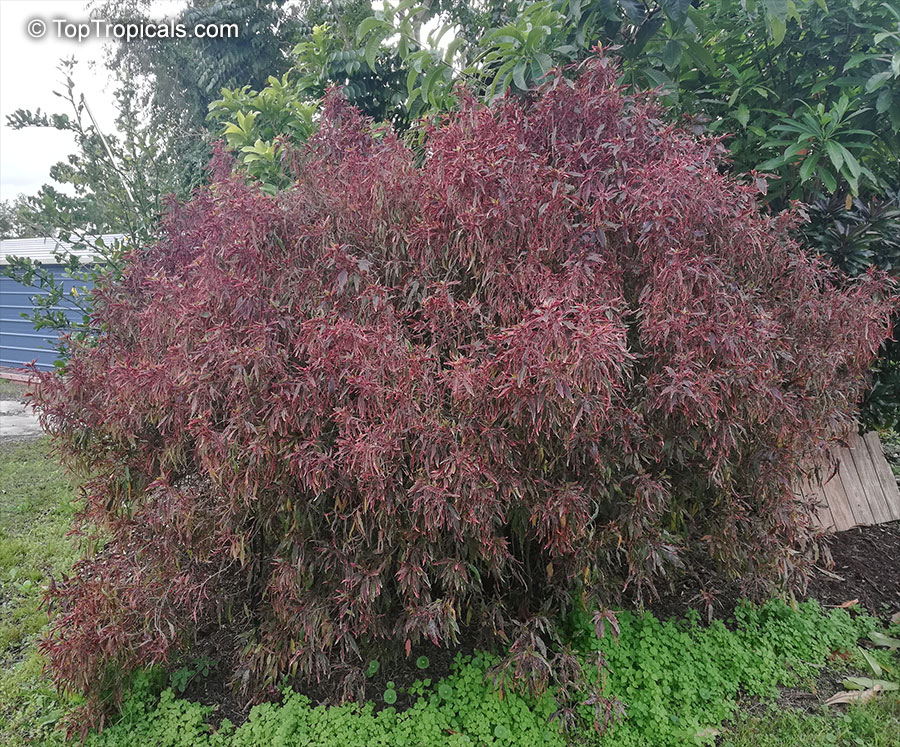
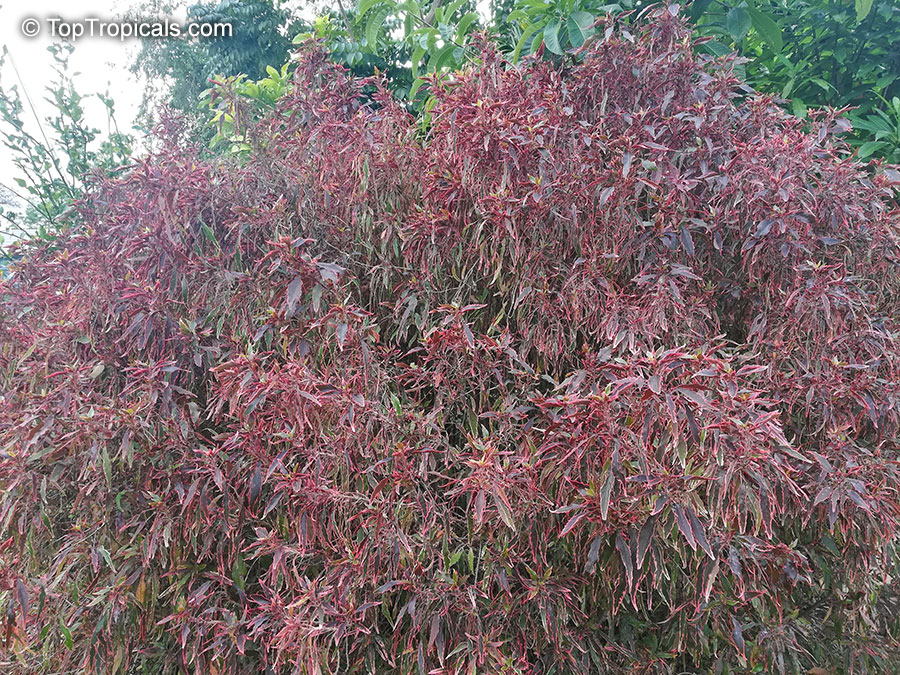

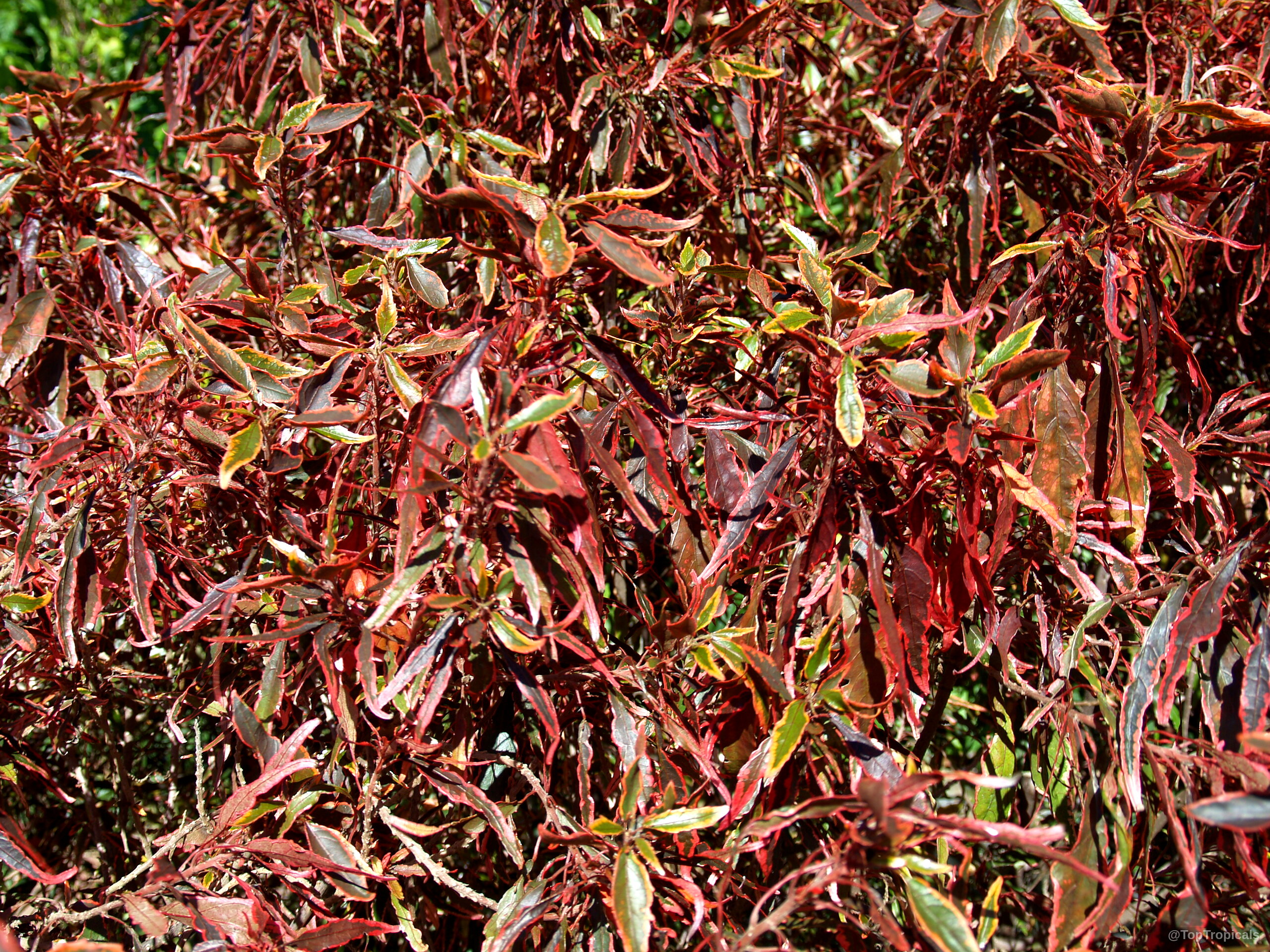

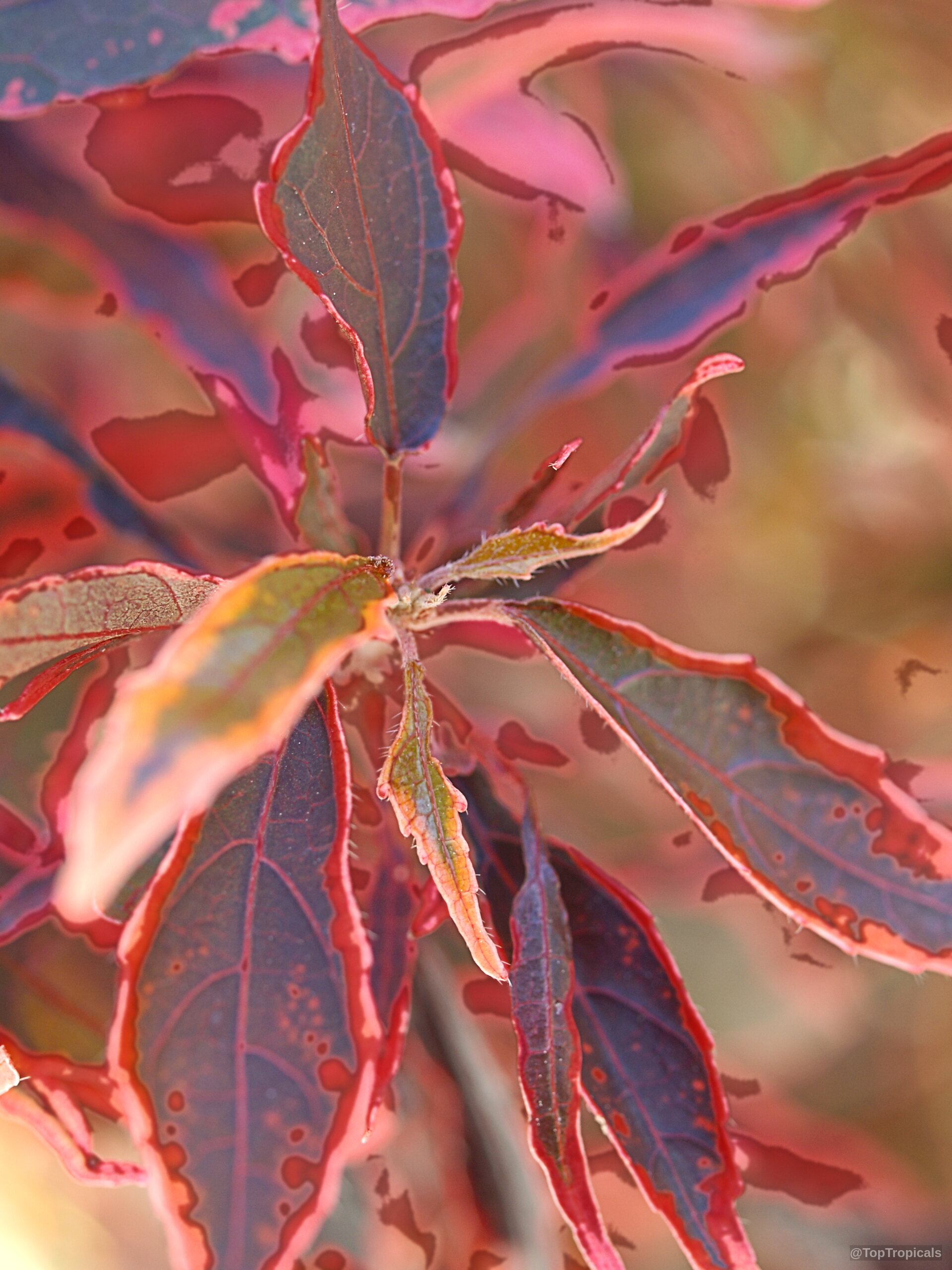
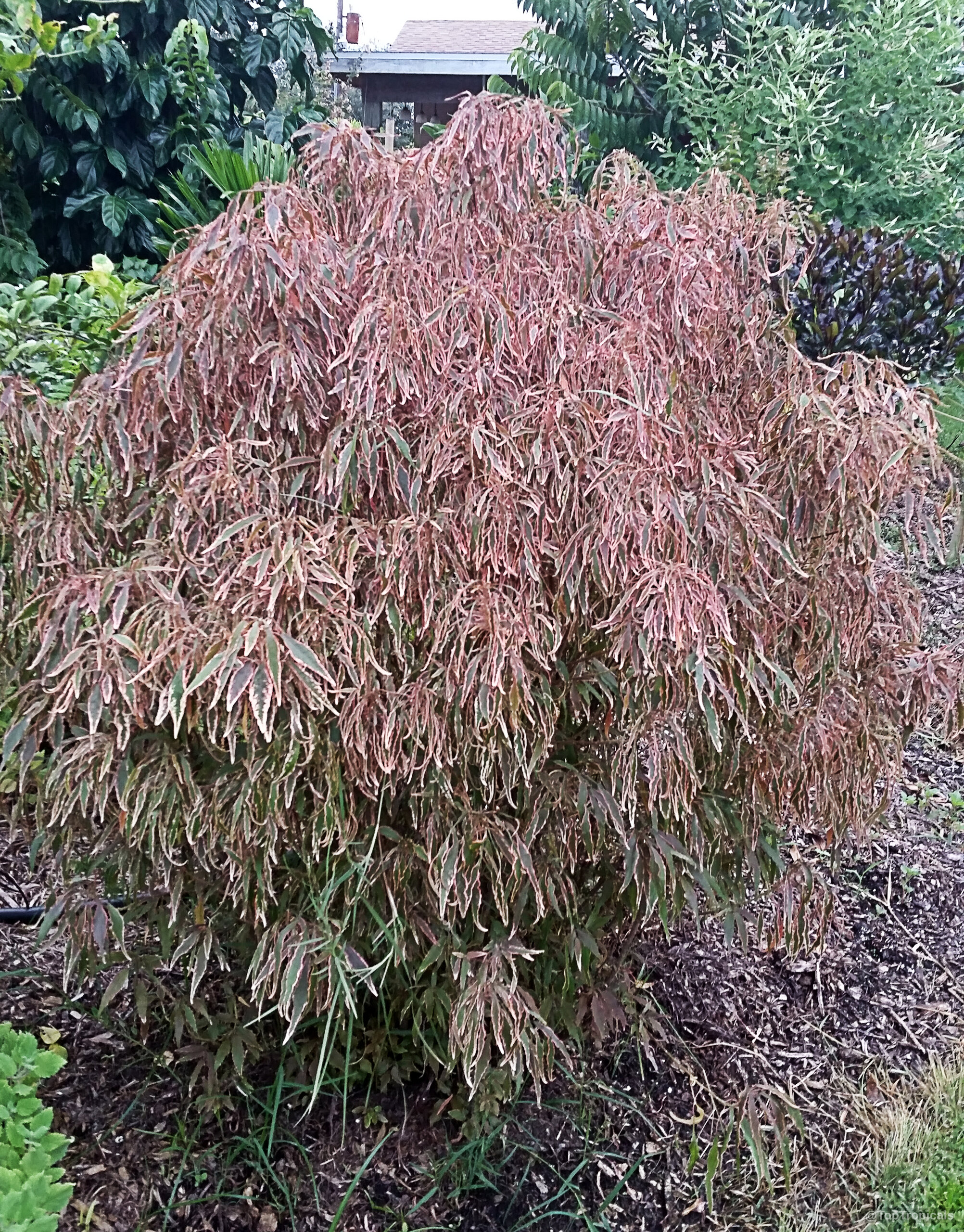

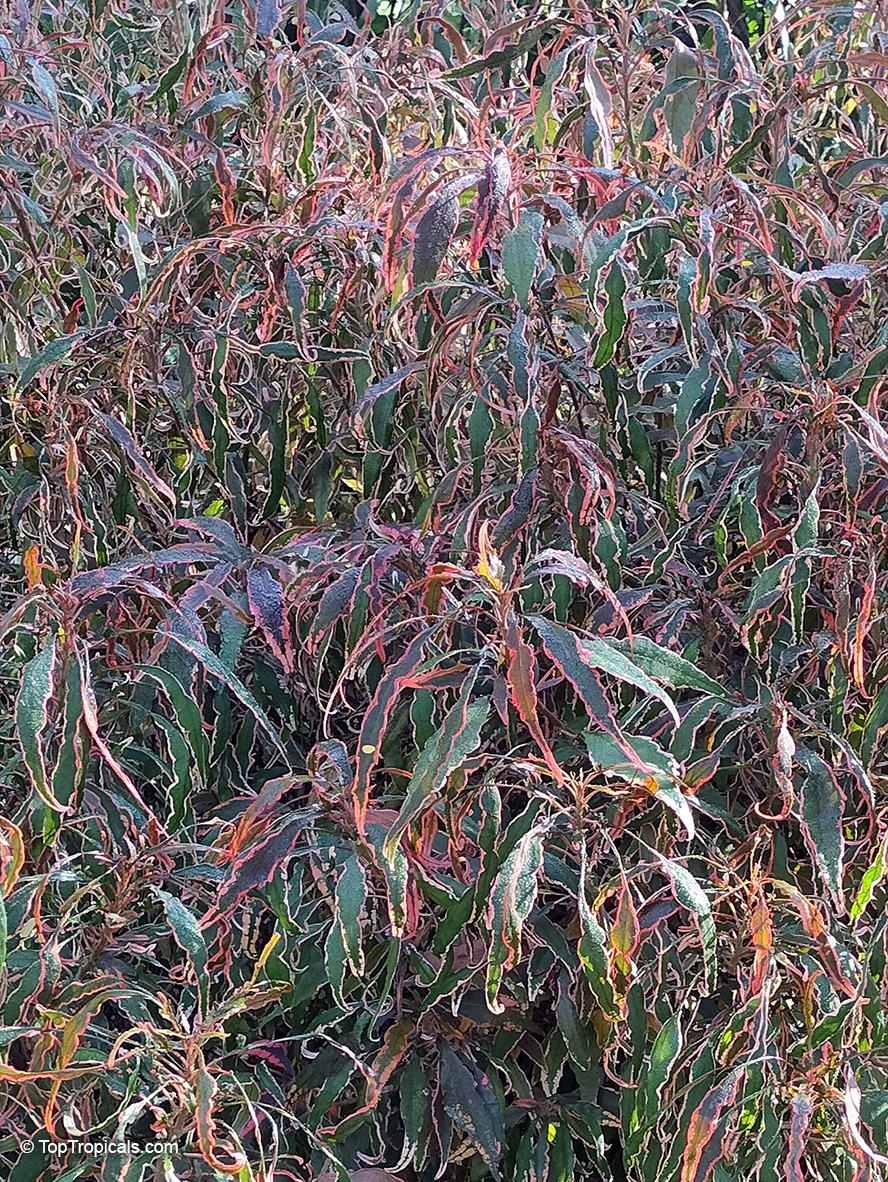
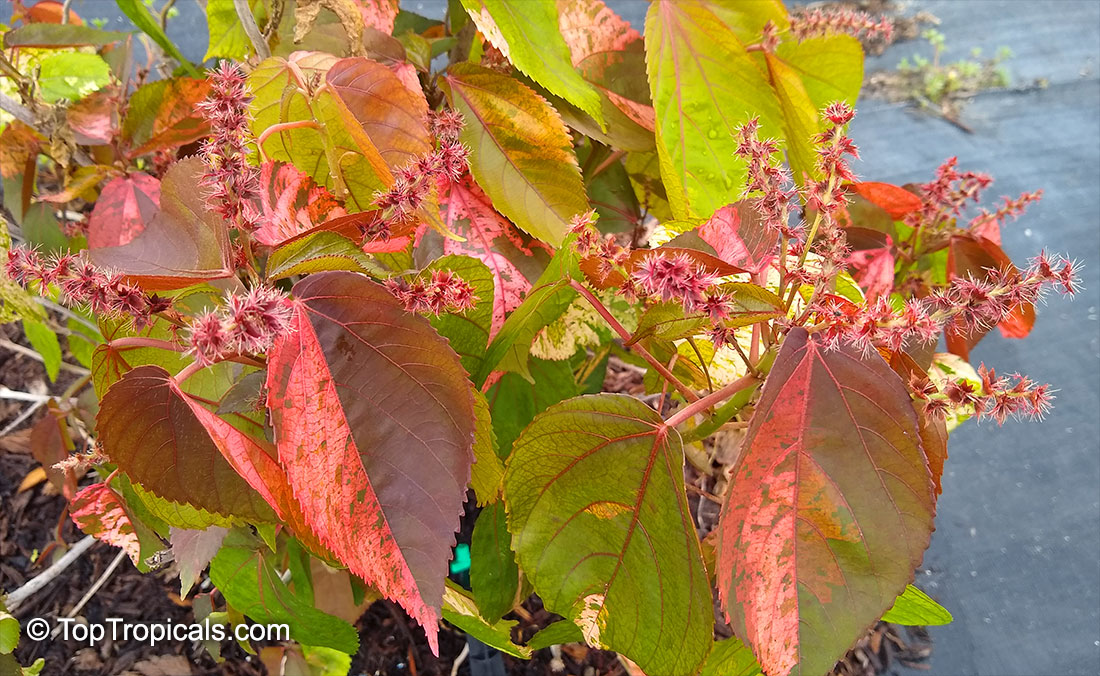
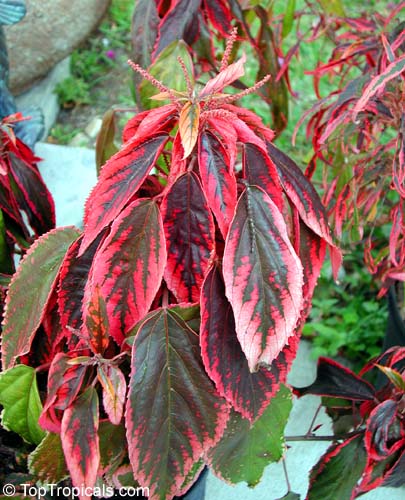
Botanical name: Acalypha godseffiana
Common names: Copper Leaf, Beefsteak Plant, Fire Dragon, Jacobs Coat
Cultivar: Heterophylla
Family: Euphorbiaceae
Origin: Fiji
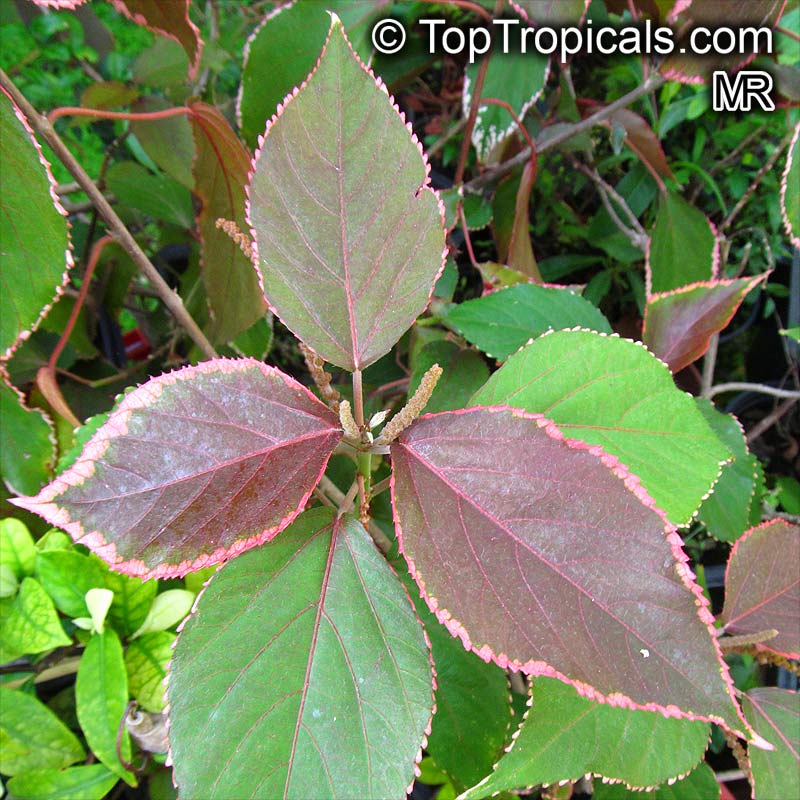
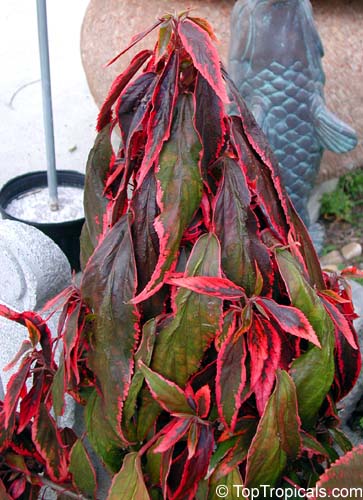
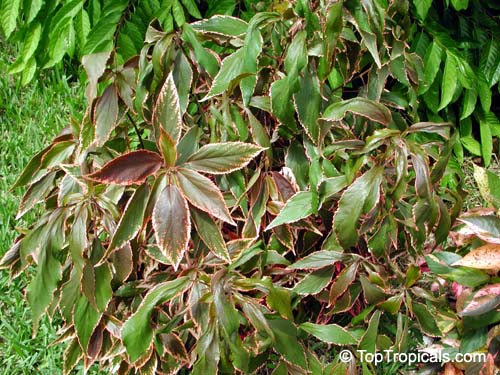
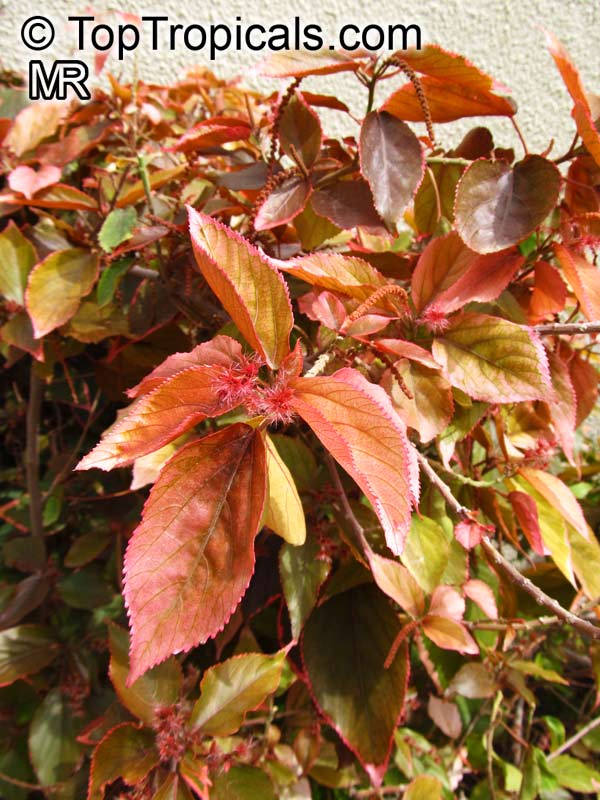
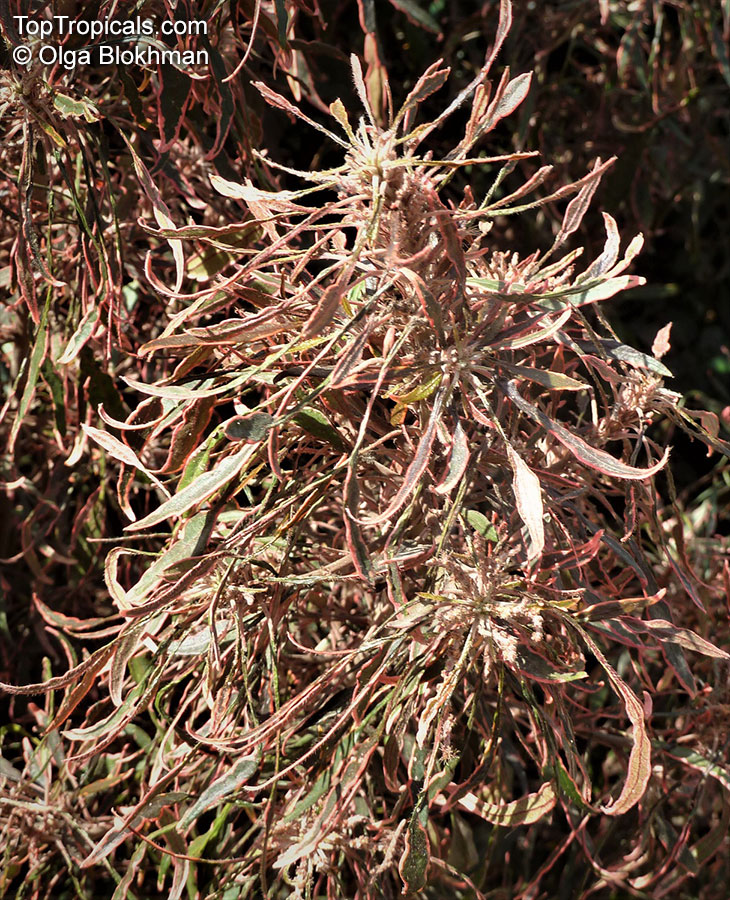
A very colorful tropical shrub grown for its attractive reddish leaves. Beautiful foliage of mixed shades of red, yellow and green. Leaves, much smaller than ordinary copper leafs, they are orange/red in the full sun and mostly variegated/green in the shade. The more sun the more colorful the leaves will get. Fast growing, a native of the East Indies and the Pacific, this is one of the most striking foliage shrubs and is widely used by tropical gardeners. The leaves also vary in form, some being flat and others undulating, while the flowers are inconspicuous. In a garden, where they are often used as informal hedges or in massed beds, all Acalypha species require full sun, well-drained soil, and careful pruning to prevent them from becoming leggy. They are easily propagated by cuttings.
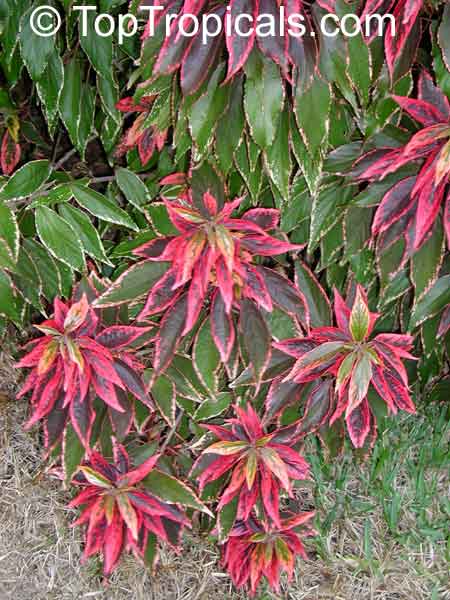
Botanical names: Acalypha hispaniolae, Acalypha pendula
Common names: Strawberry Firetails, Dwarf Cat Tails, Kitten's Tail, Trailing Acalypha, Firetail Chenille Plant
Family: Euphorbiaceae
Origin: Haiti and Dominican Republic


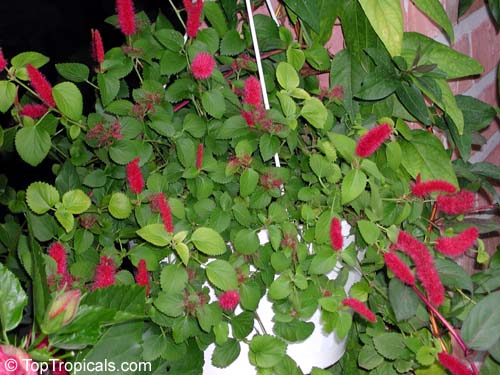
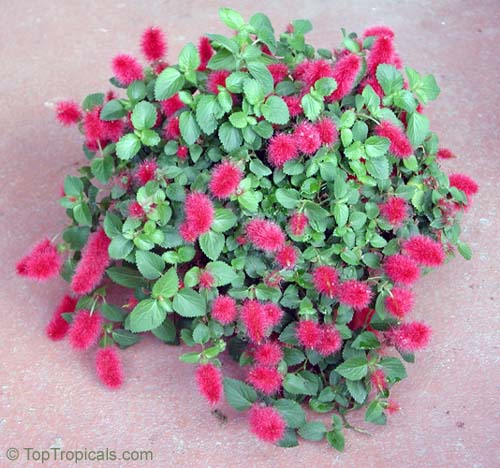
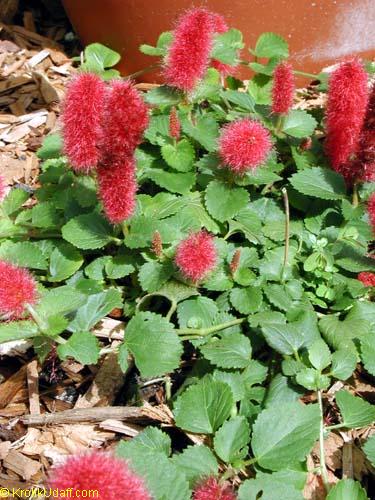
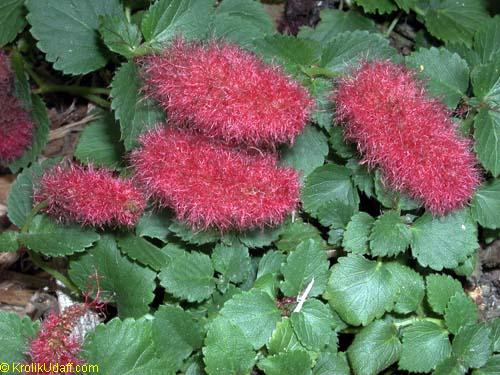
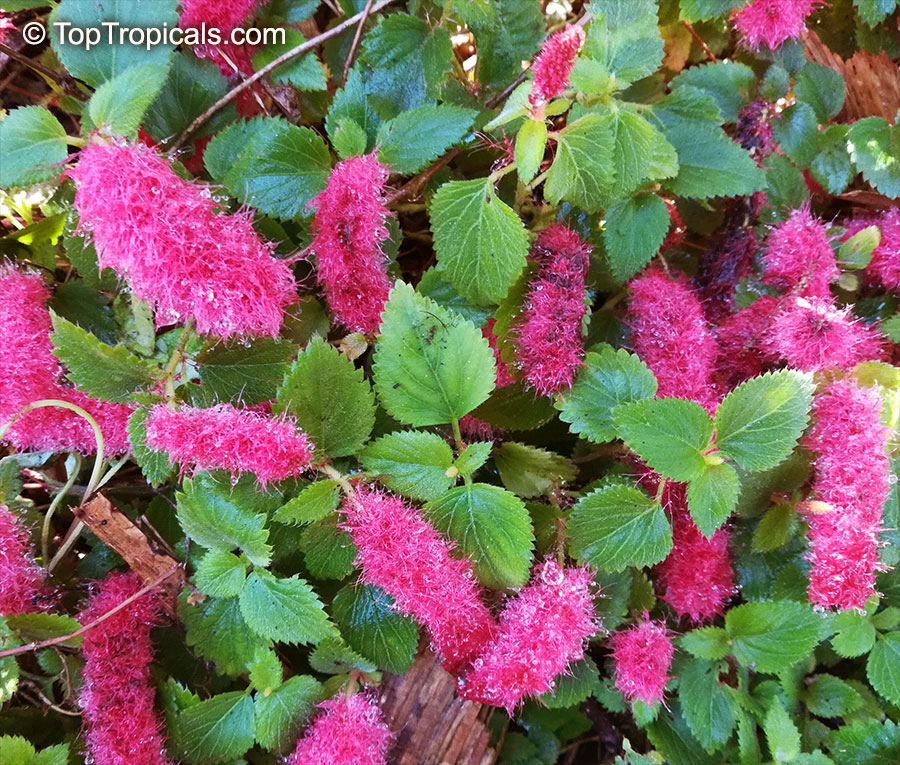
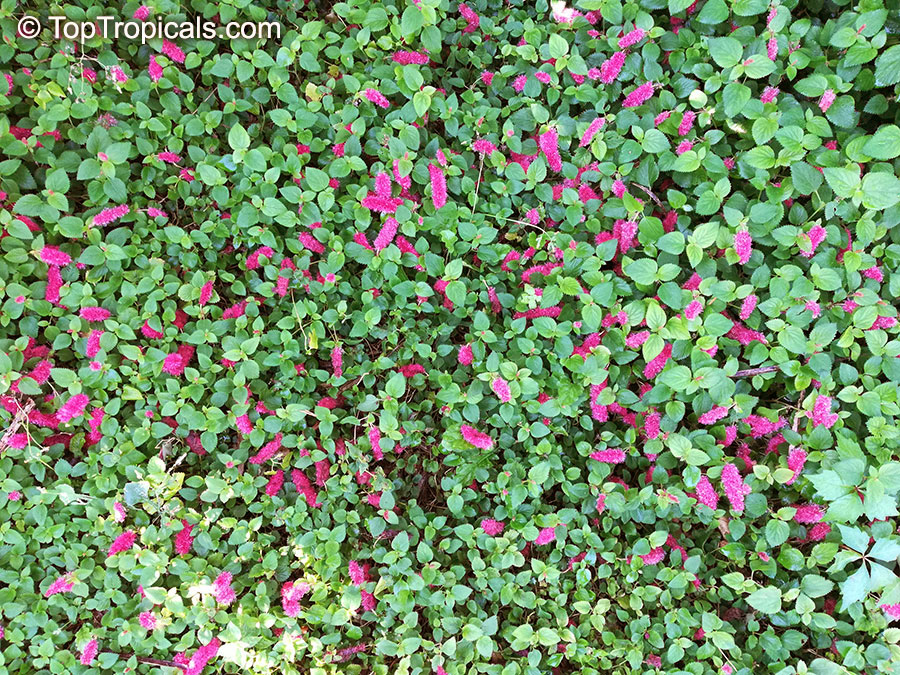
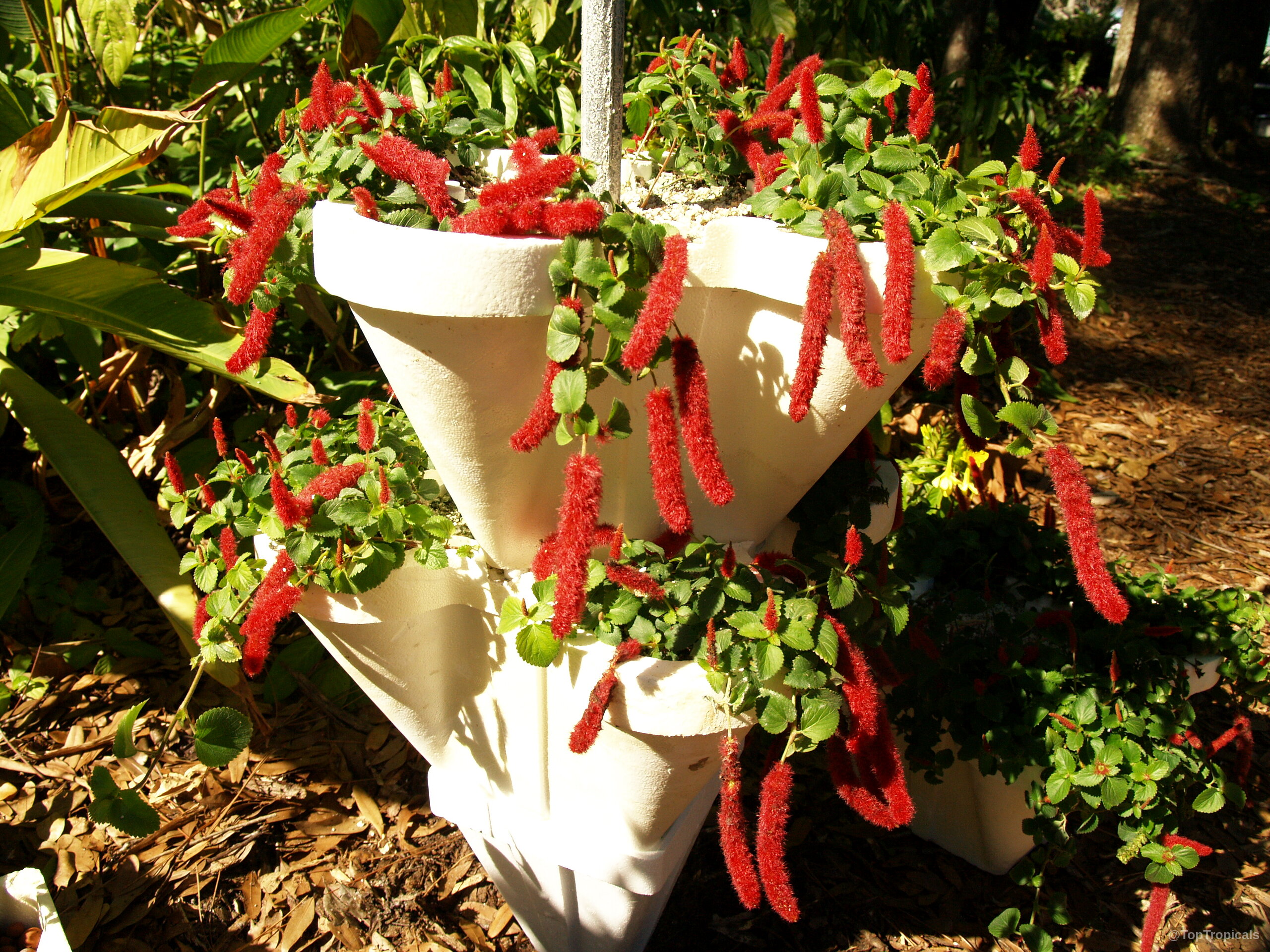
Dwarf Chenille Plant gets its common name from the fuzzy plumes of tiny, foxtail-shaped bright red flowers that trail above a thick mound of small, serrated leaves. Given enough light, this plant blooms nearly year-round! The blossoms that begin as wispy buttons and elongate into fuzzy cones. At maturity, they become 3-4" long streamers.
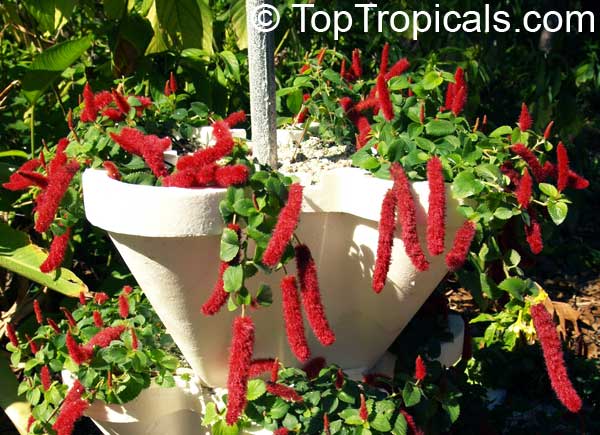
A spectacular plant for a hanging basket, container or ground cover, it is heat tolerant, great for both hot Southern landscapes or as an easy houseplant, providing bright light.
Place this unusual house plant on a pedestal stand or pot it in a hanging basket to show off those eye-catching fuzzy blooms.
This is a dwarf plant that stays small and doesn't need pruning. It's naturally bushy, so you don't have to pinch its growing tips to get it to branch out.
A favorite with children, and cats too!
Recommended Fertilizer: SUNSHINE Megaflor - Bloom Nutrition Booster
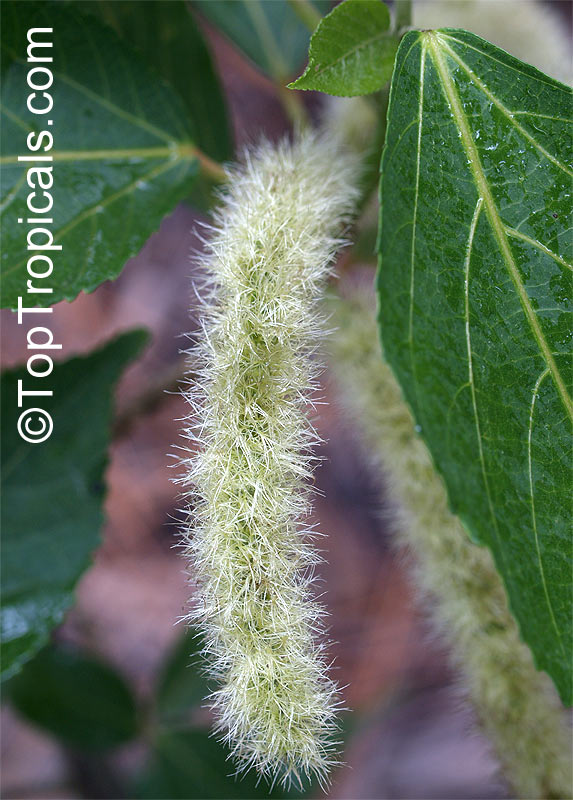
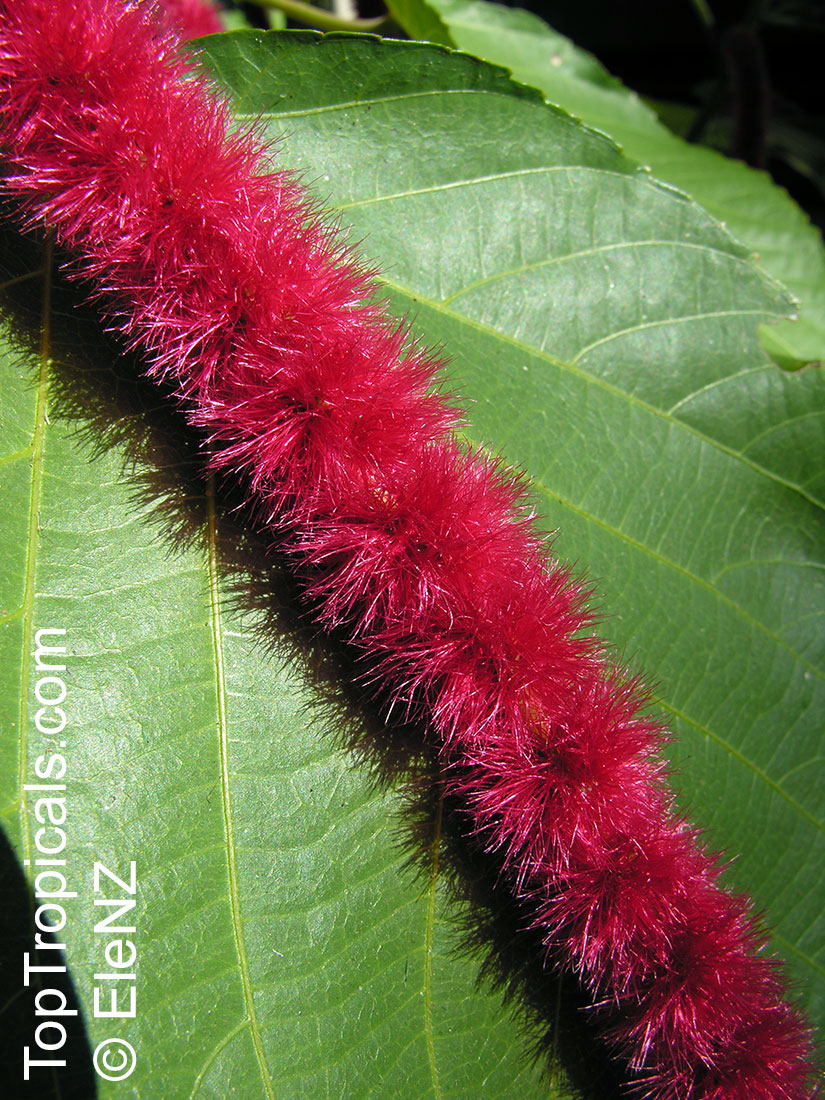
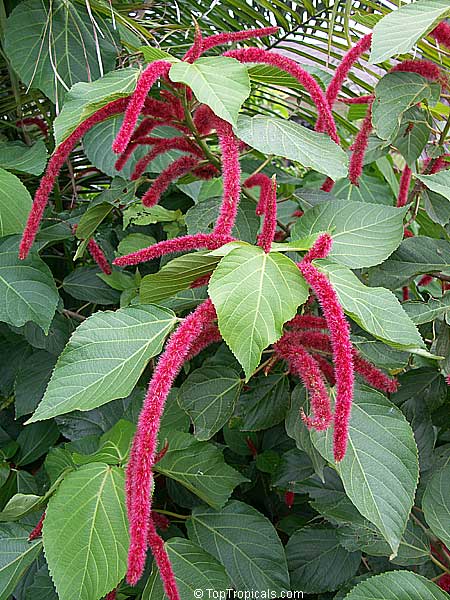
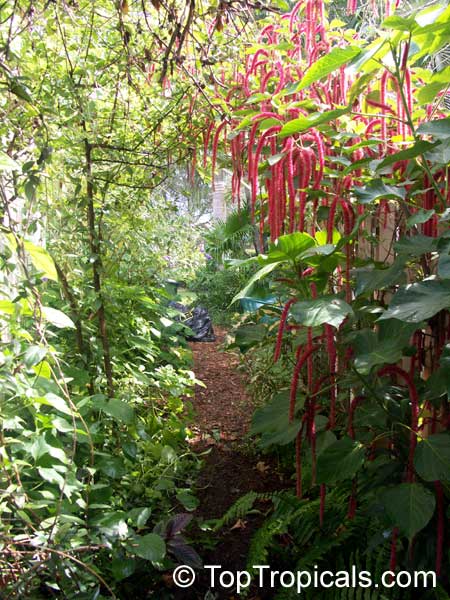
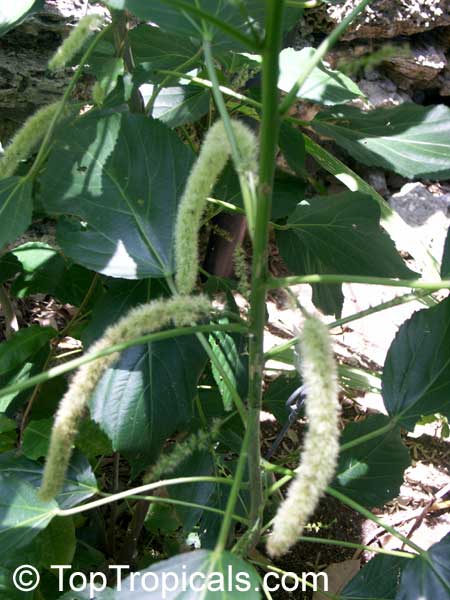
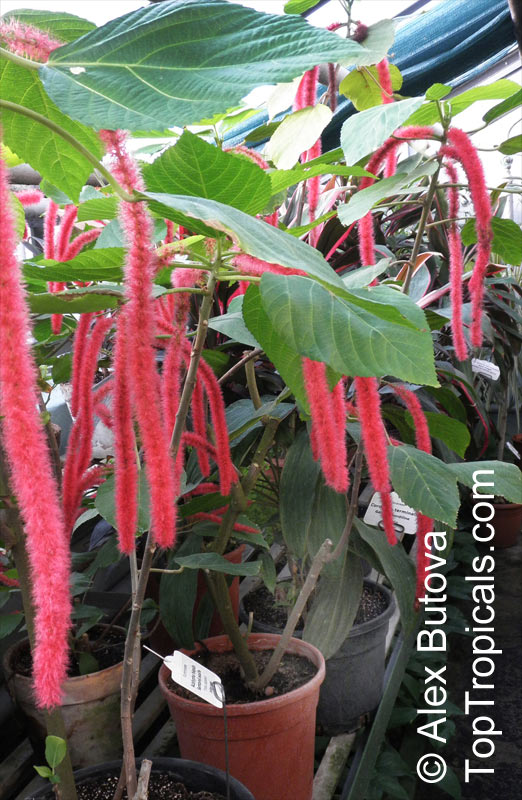
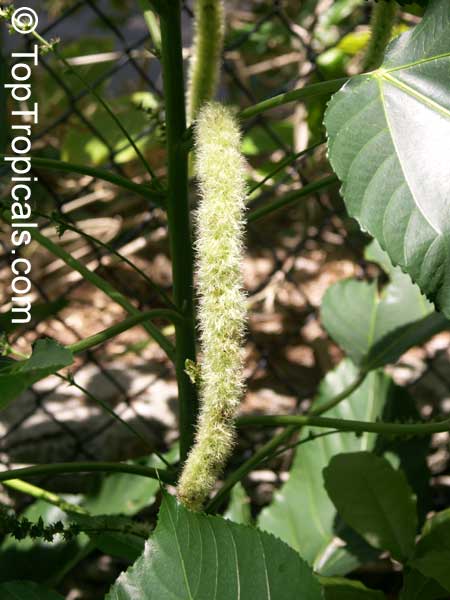
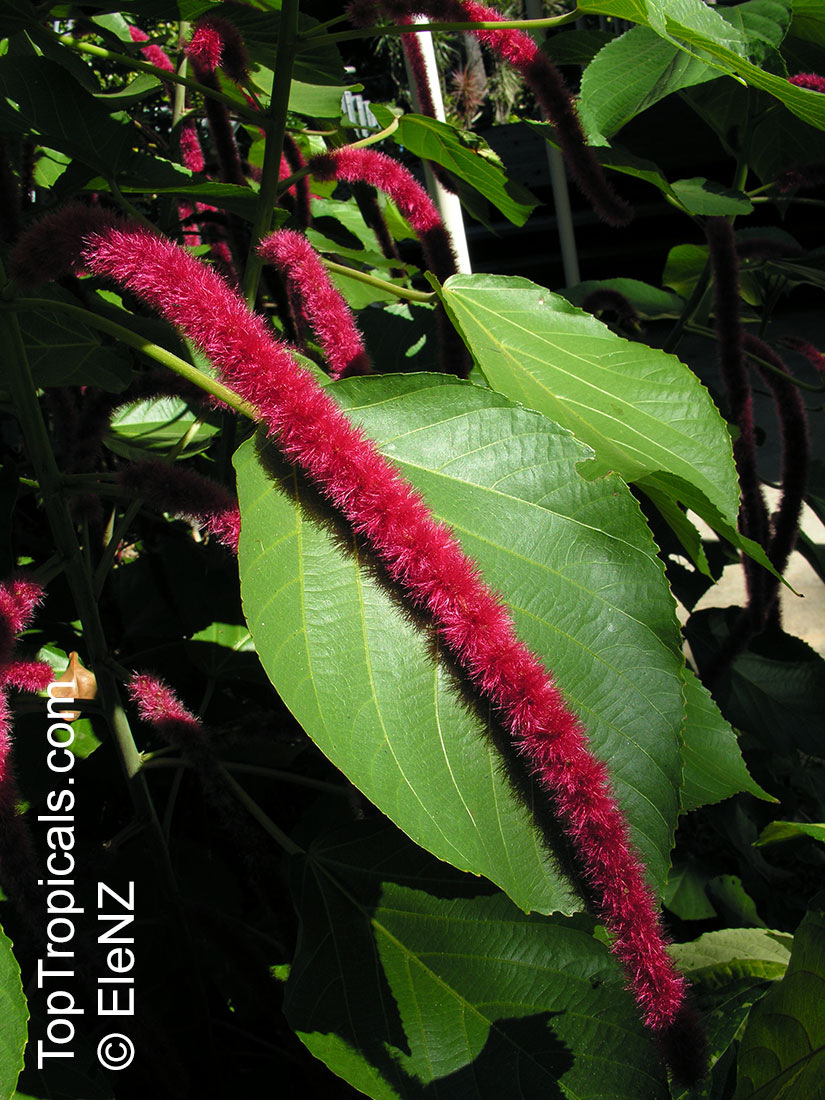
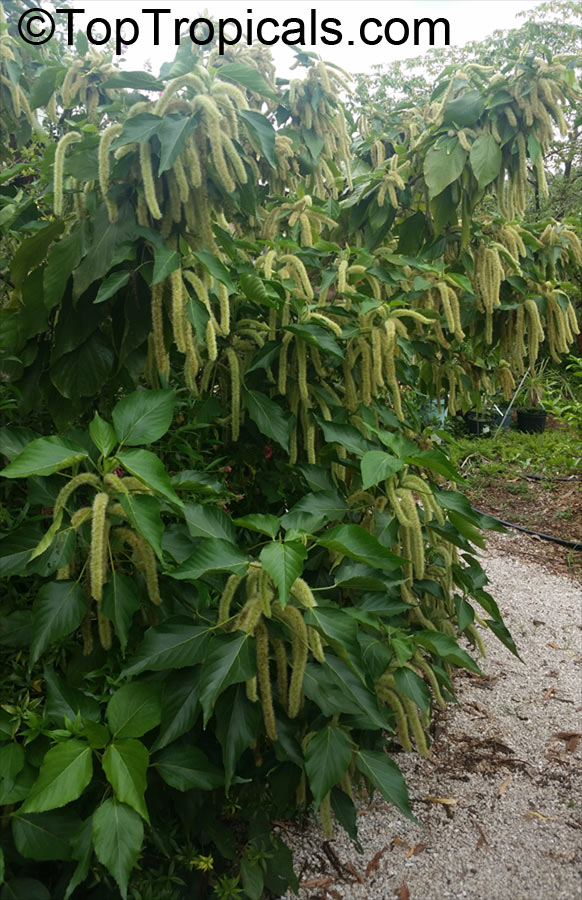
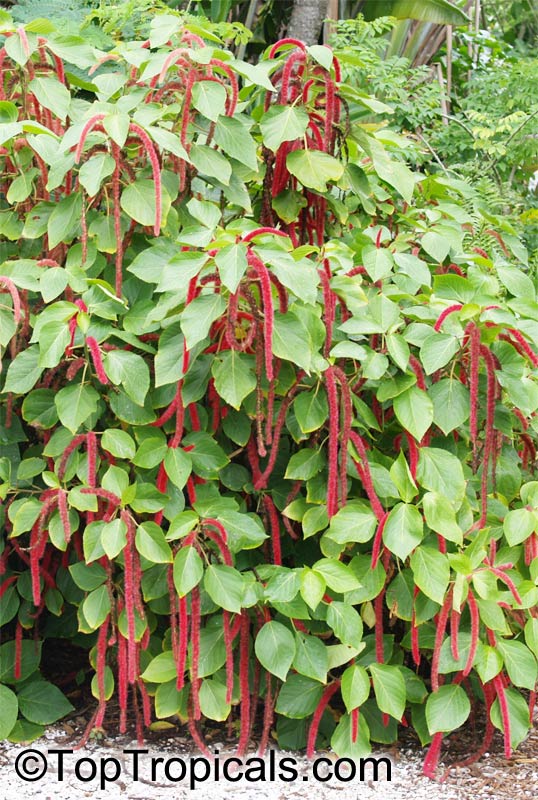
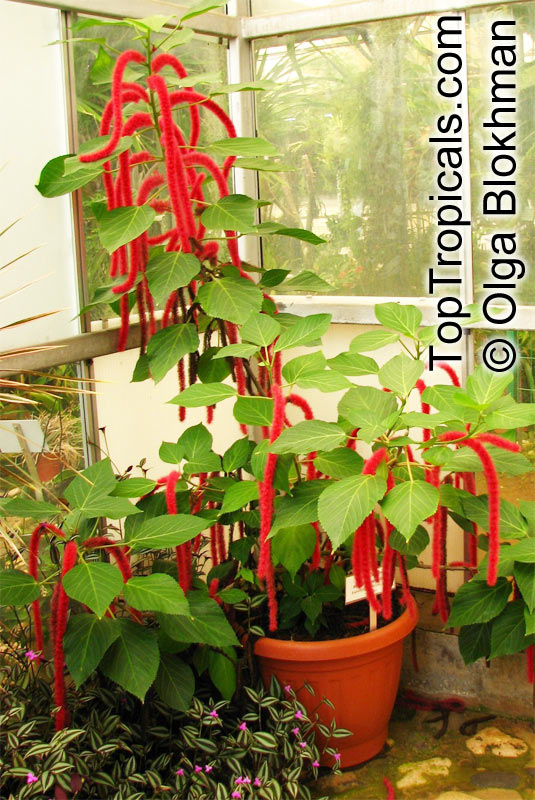
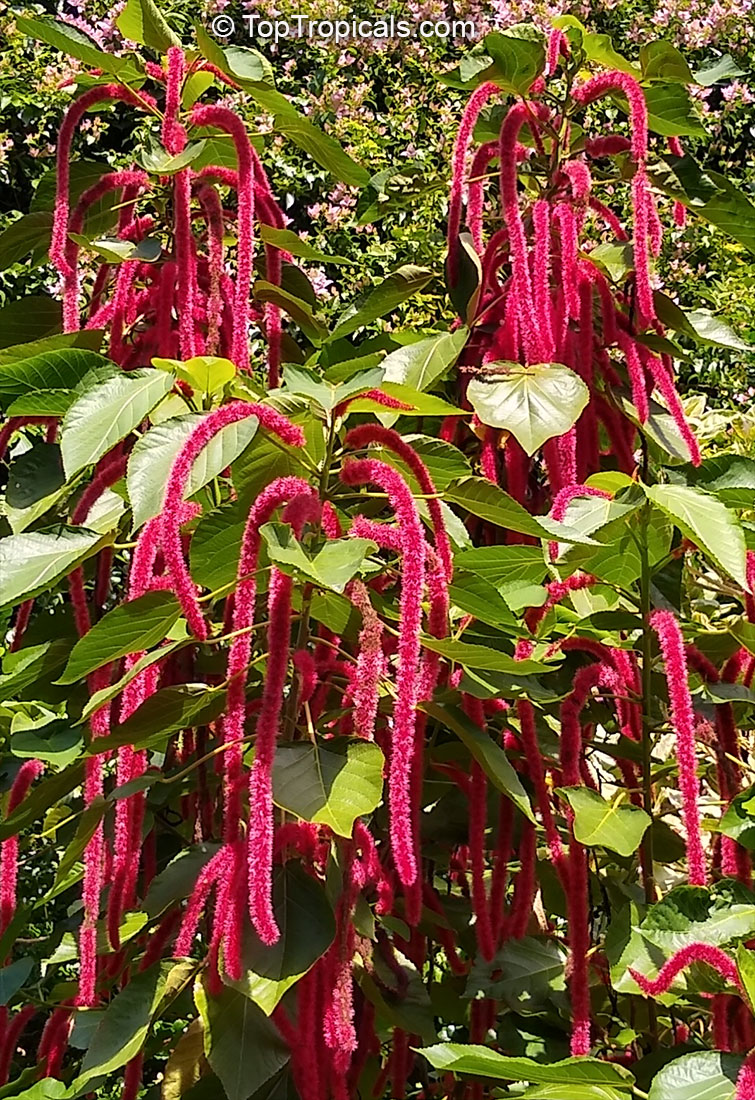
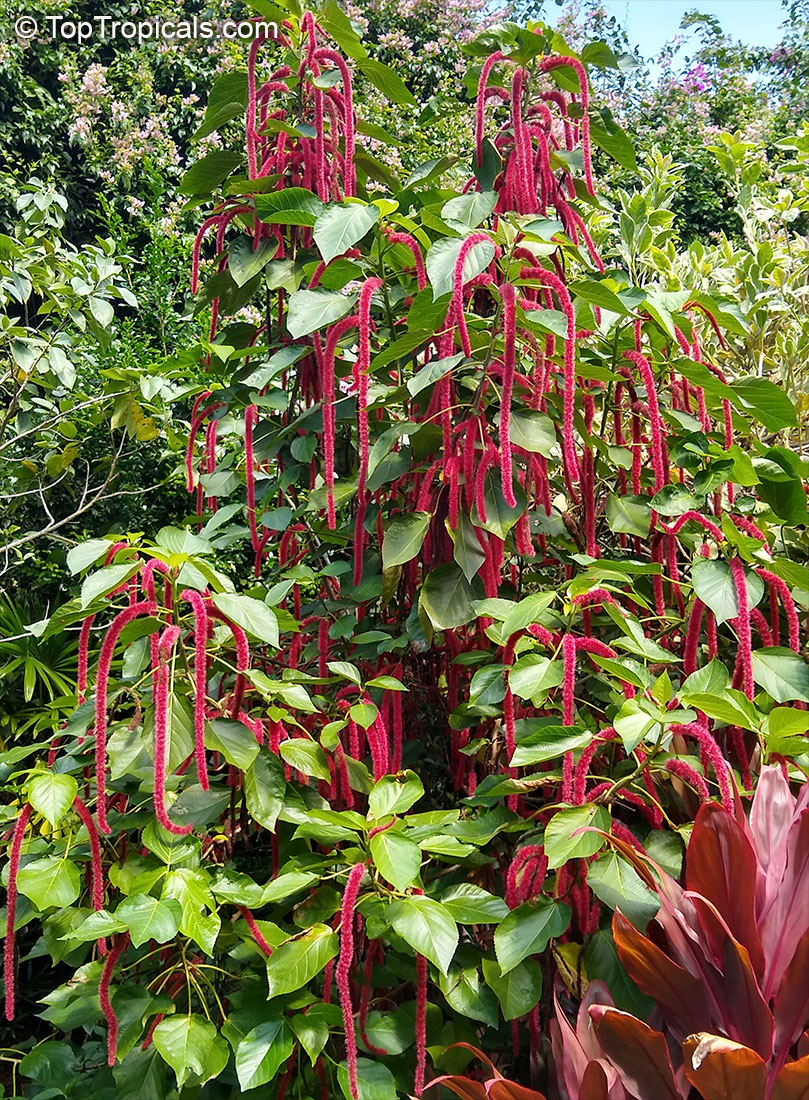
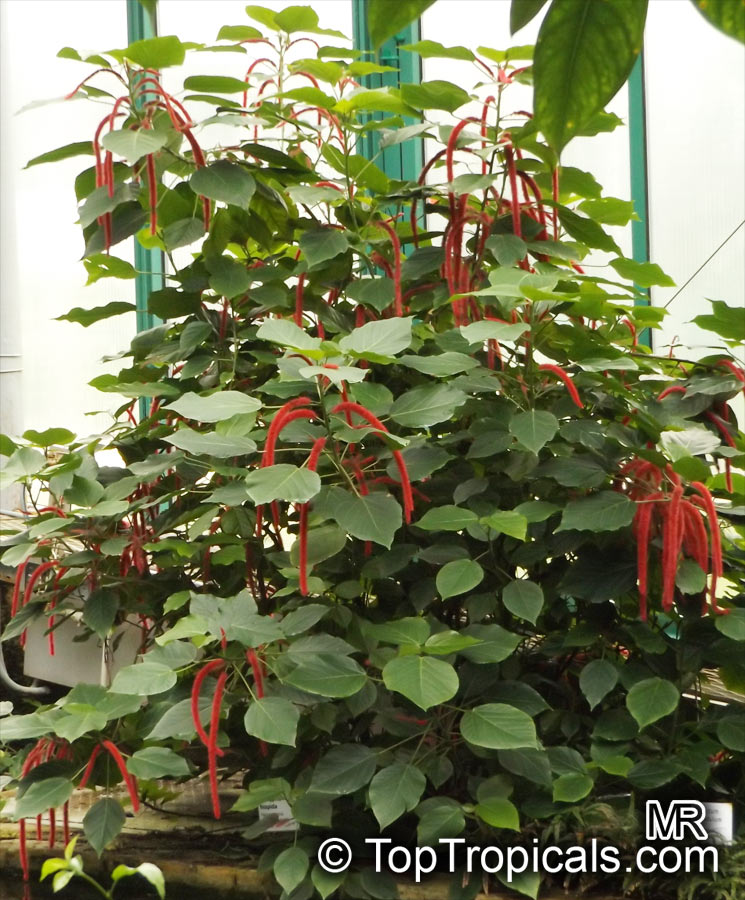
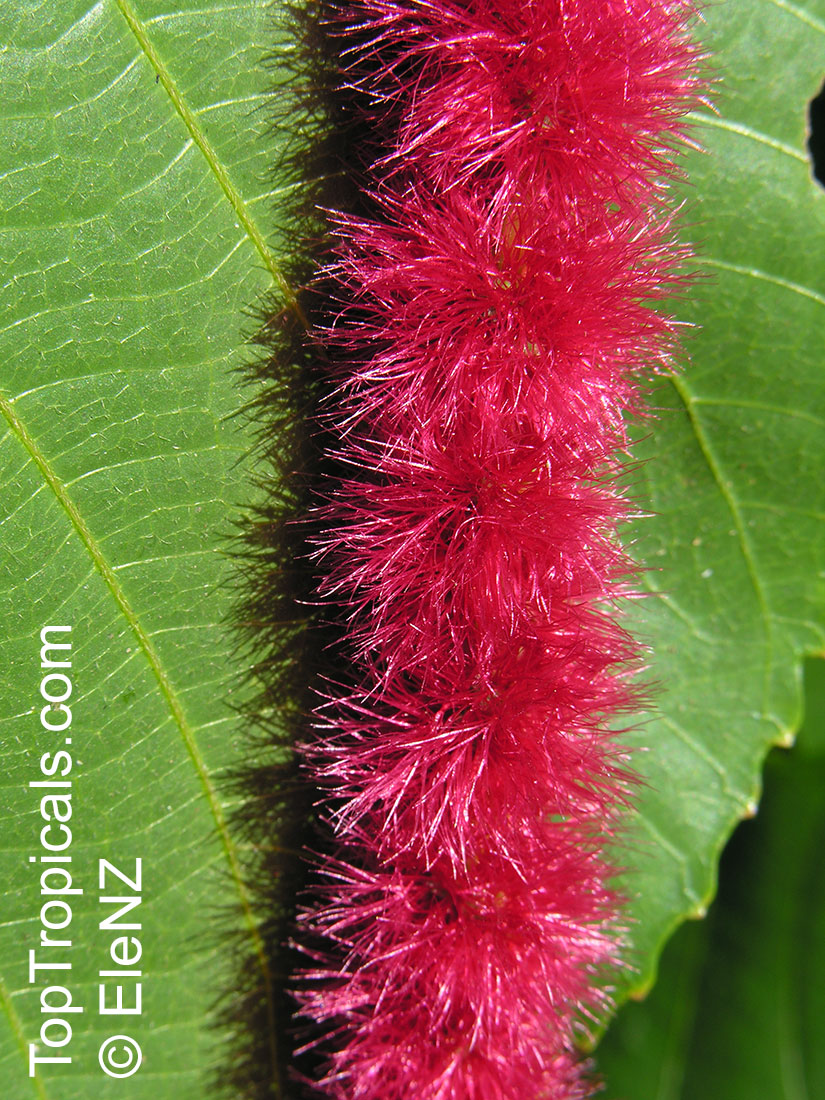
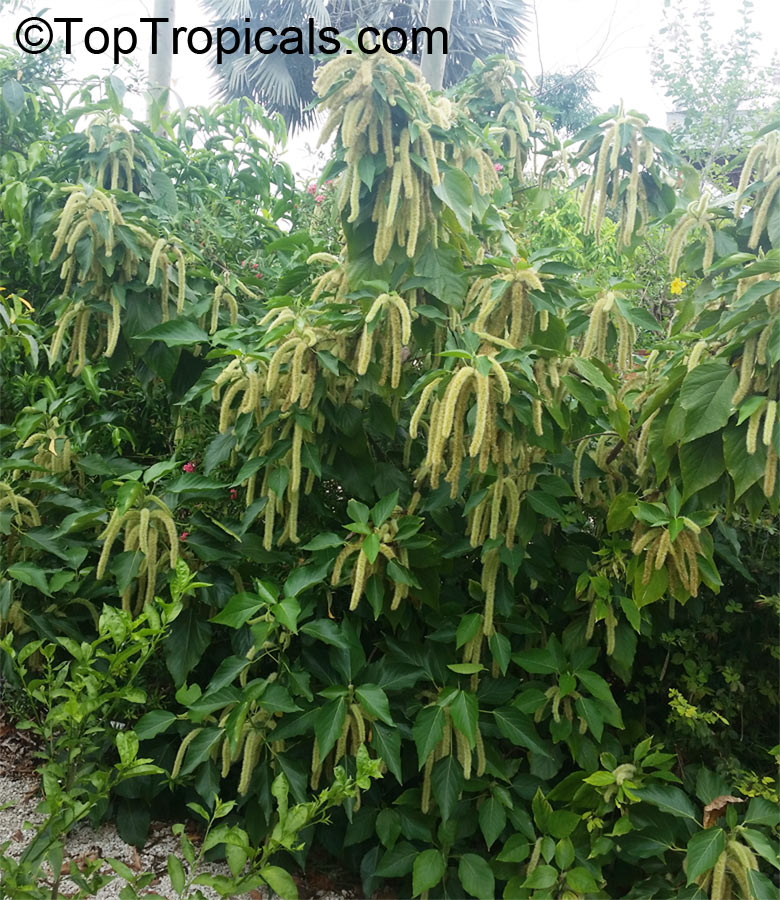
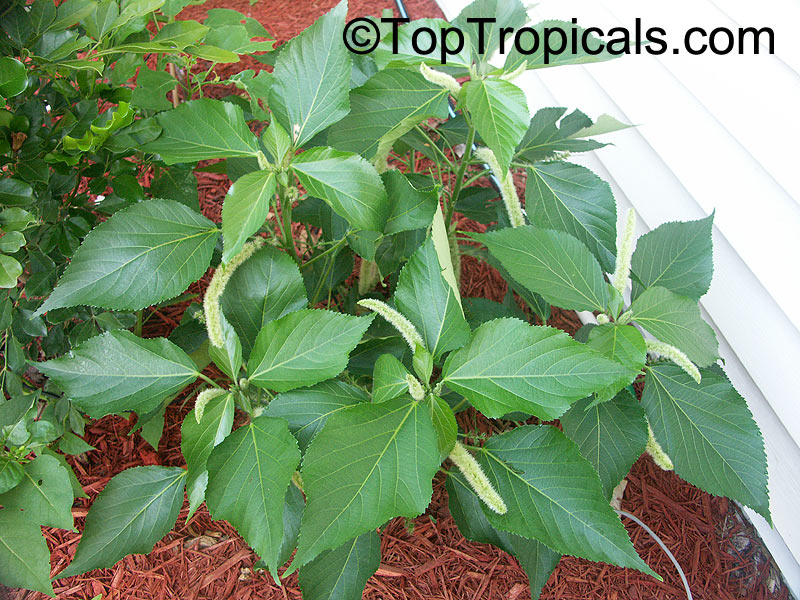
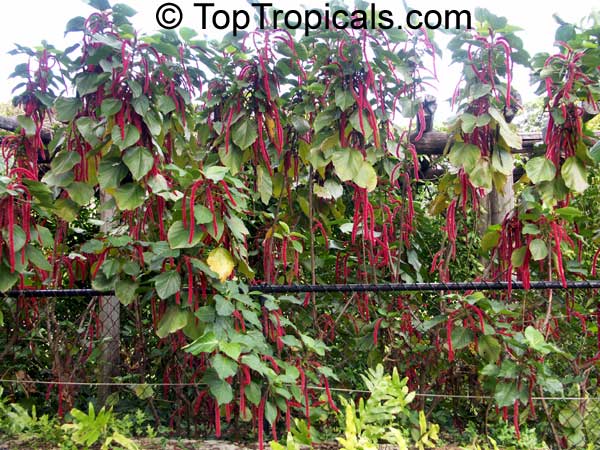
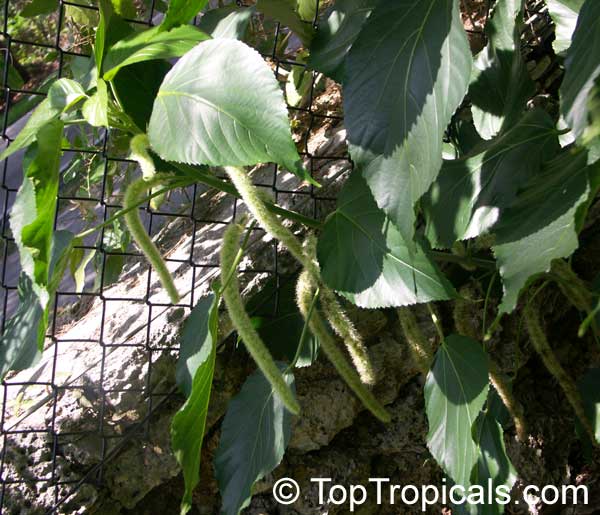
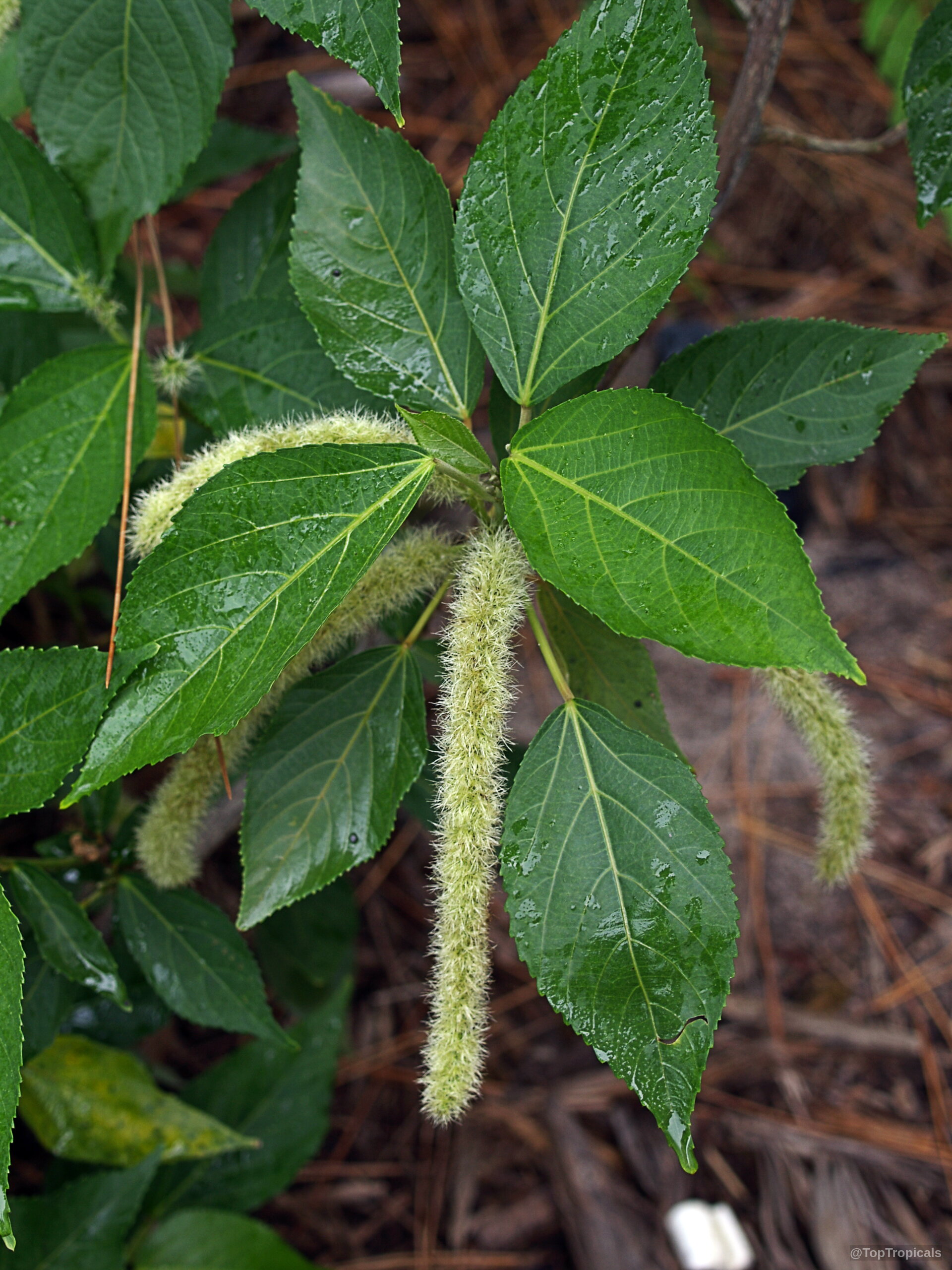
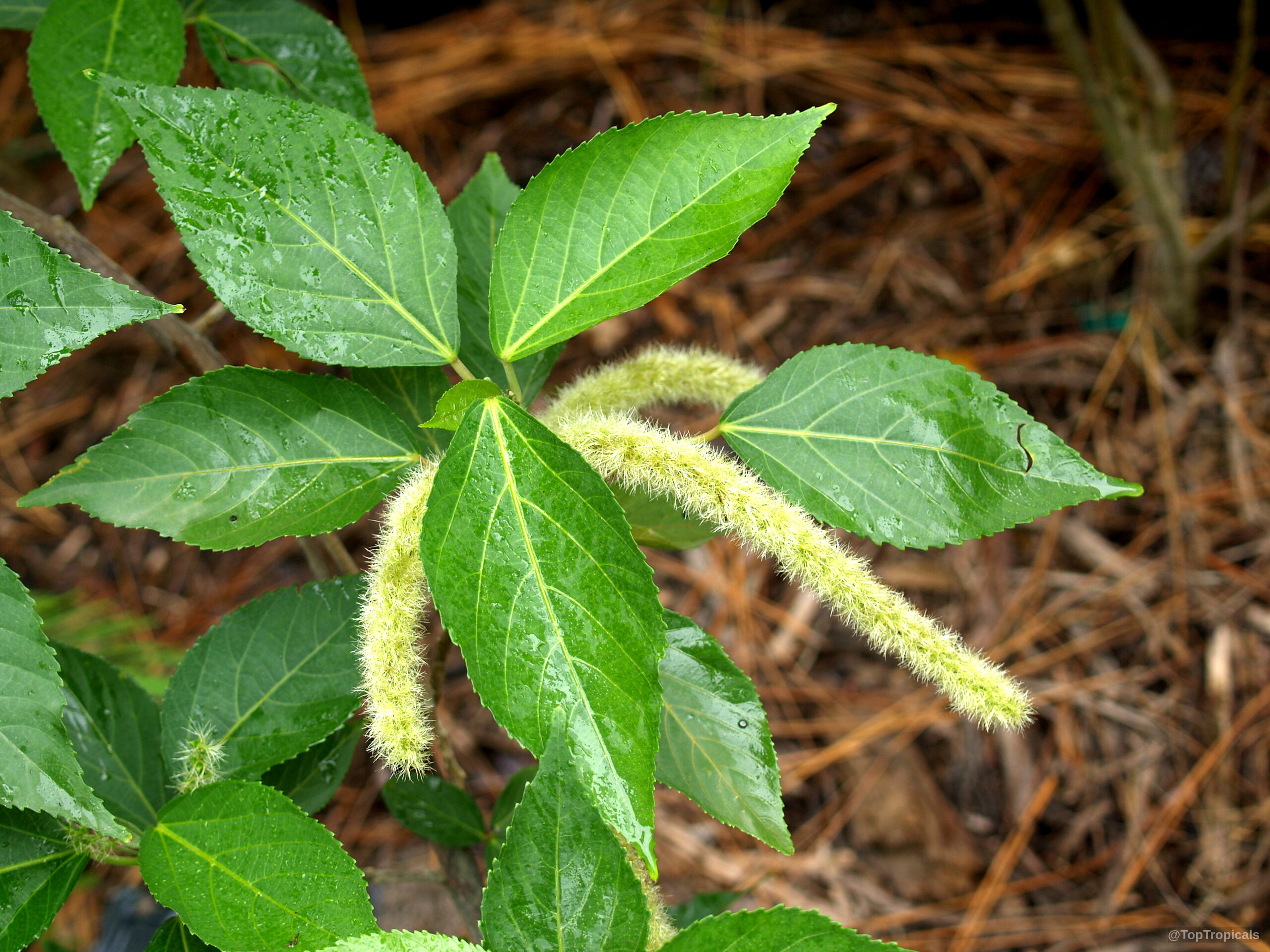
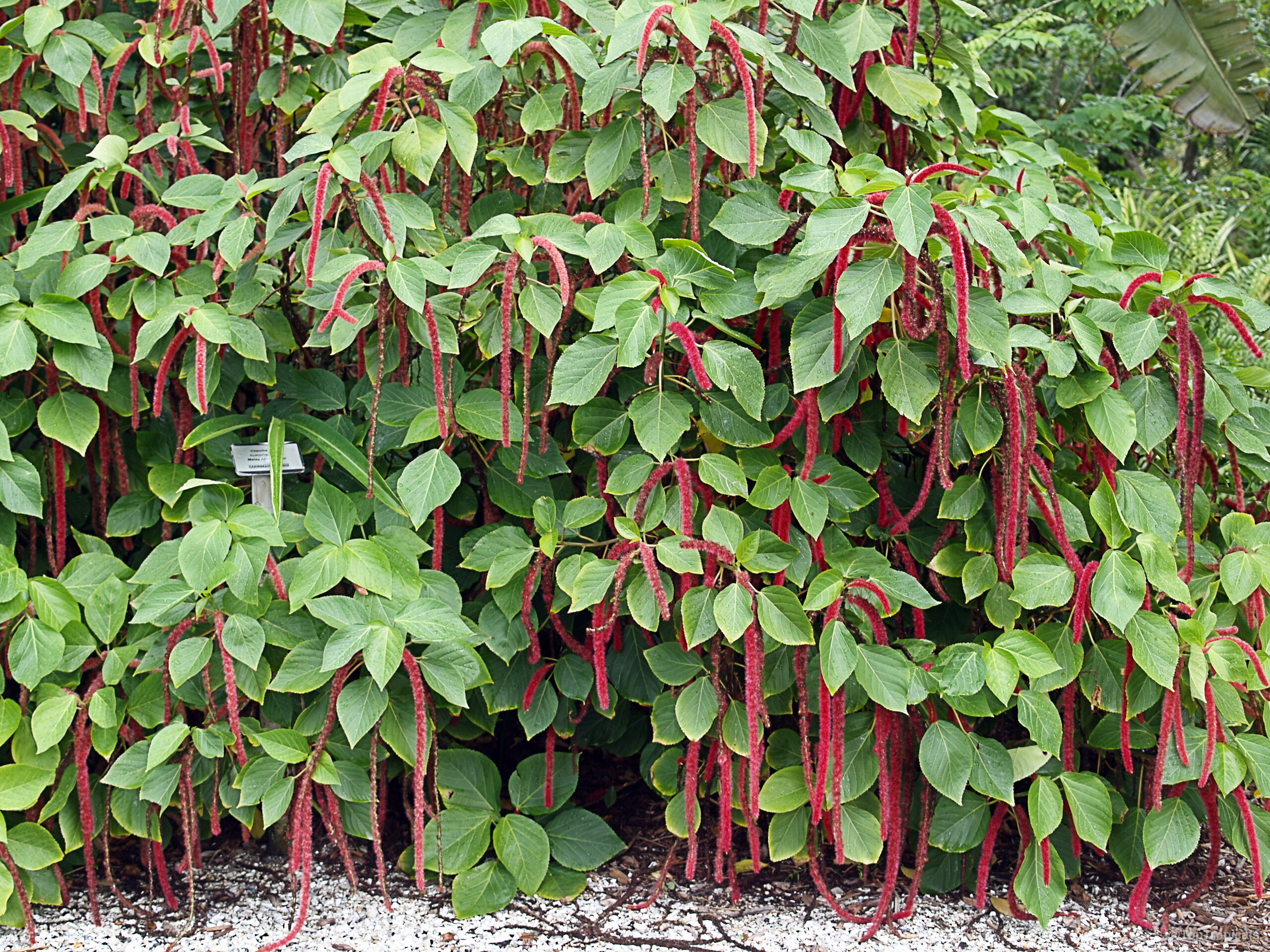
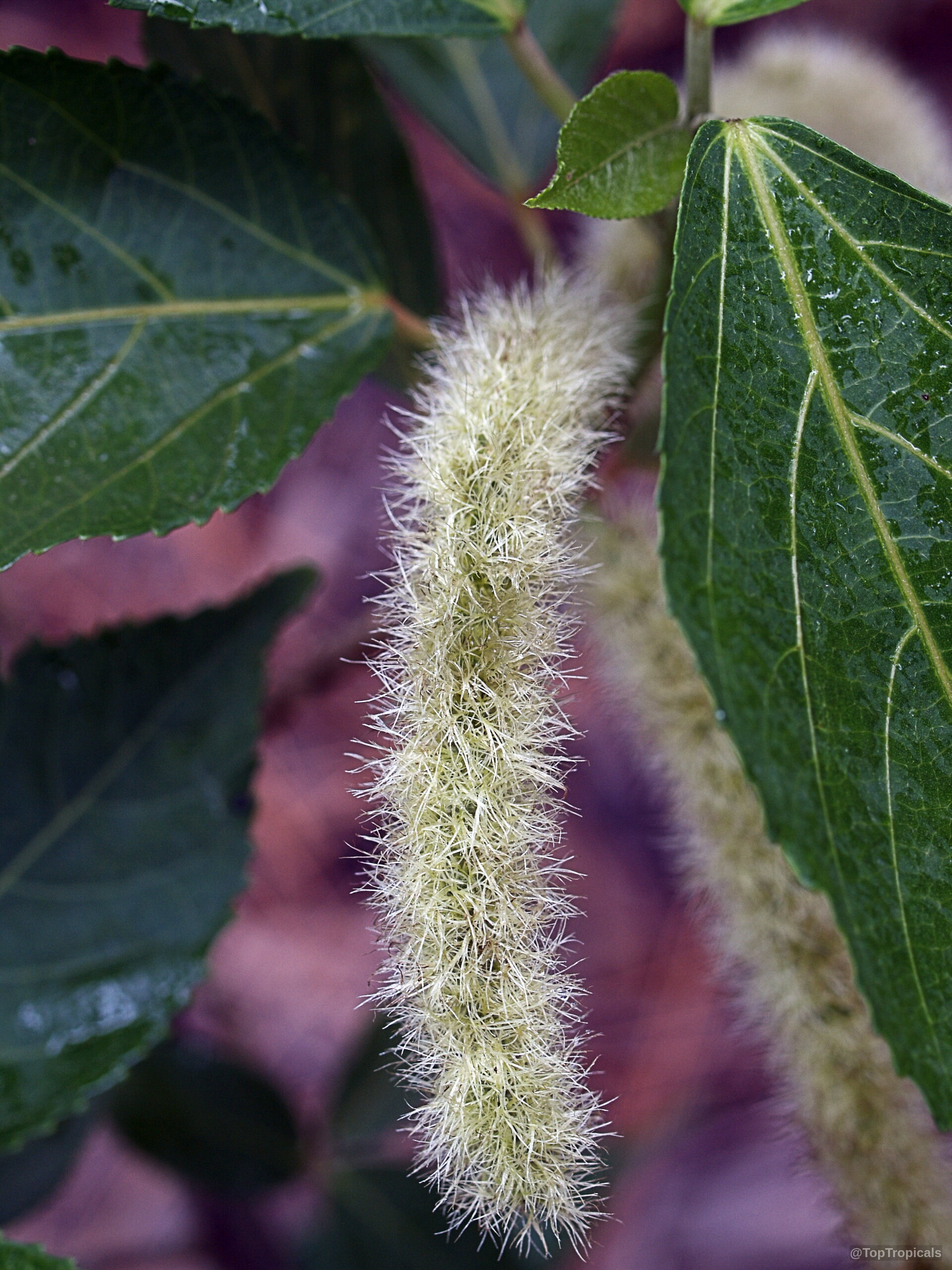
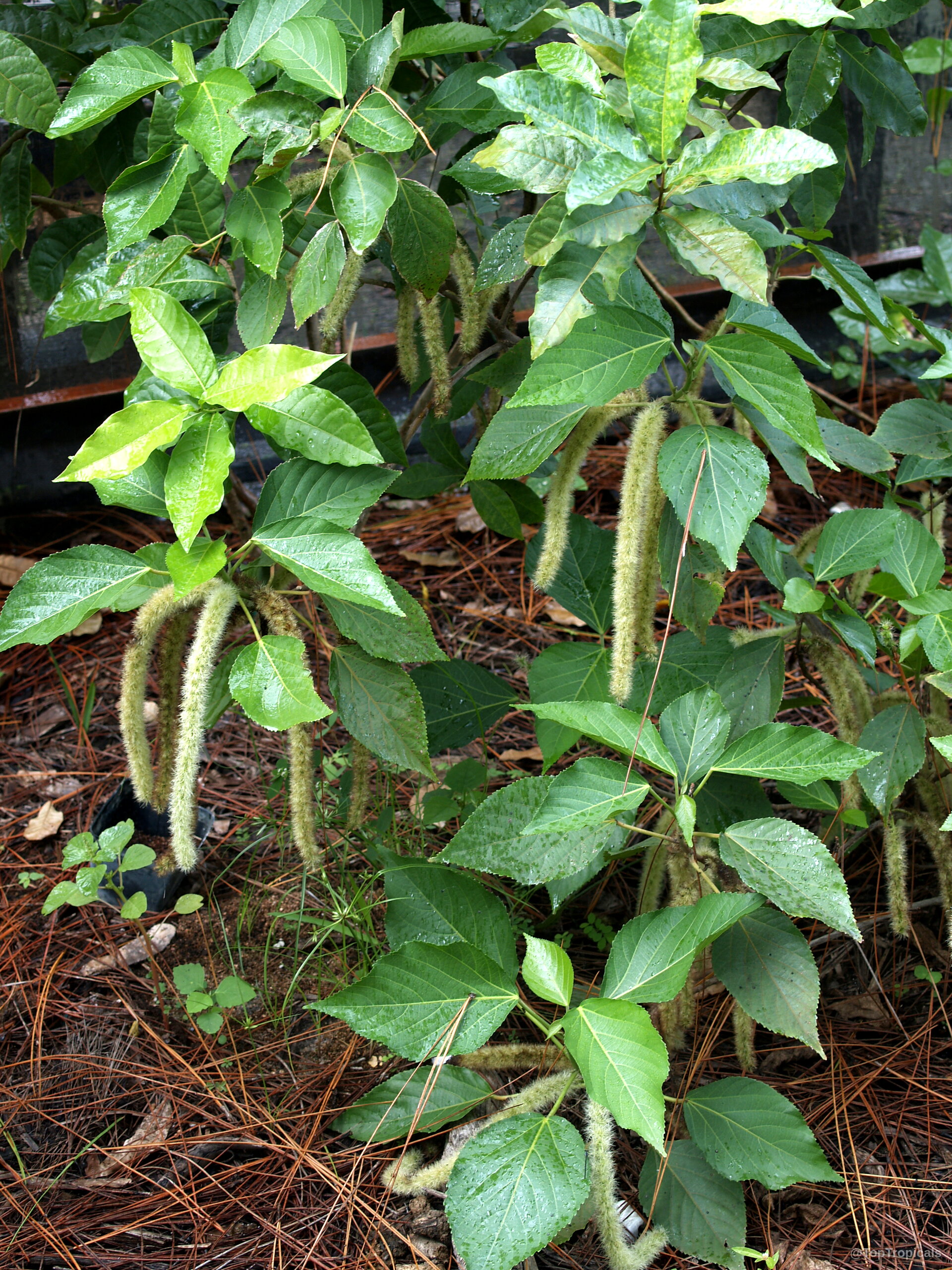
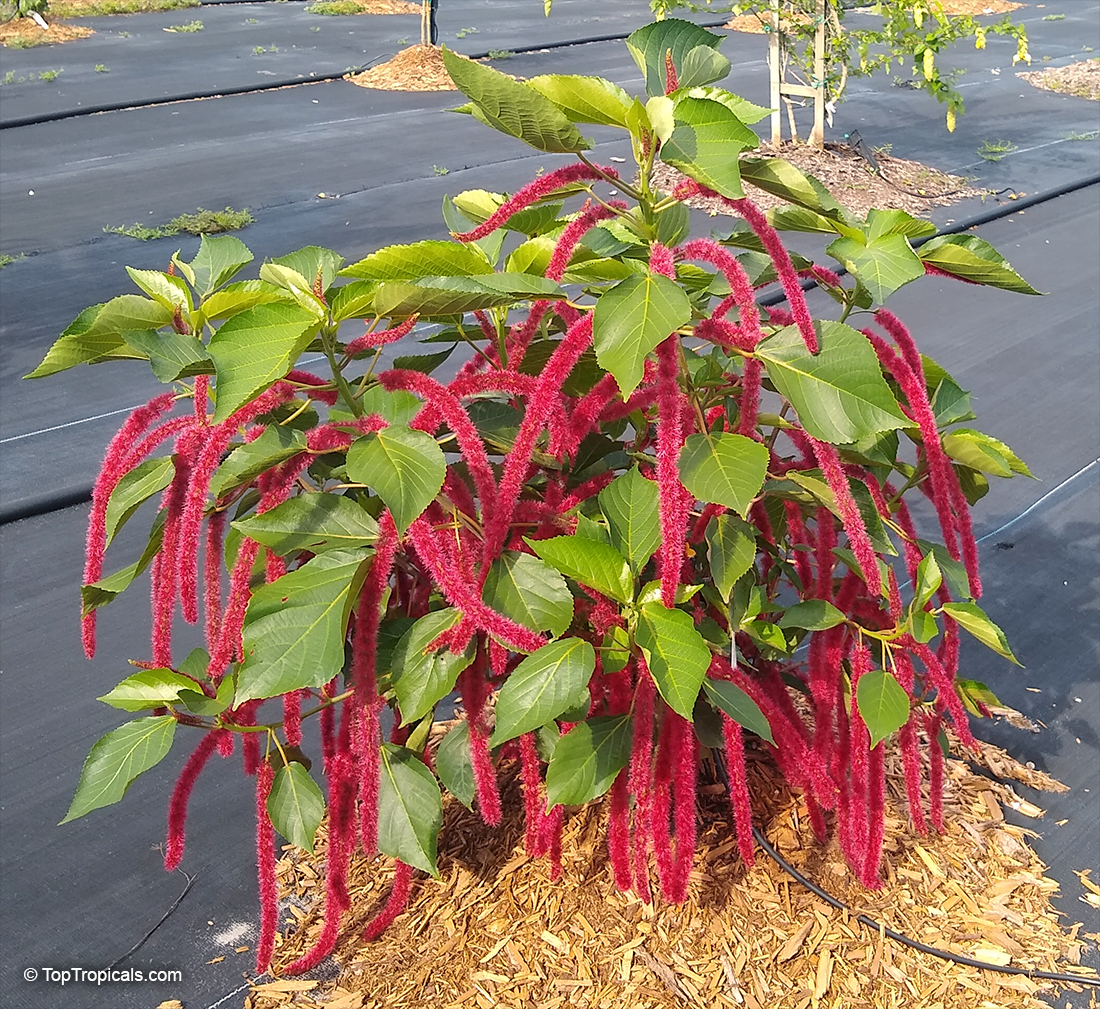
Botanical name: Acalypha hispida
Common names: Cat Tail, Chenille Plant, Red Hot Cattail, Foxtail, Red Hot Poker
Family: Euphorbiaceae
Origin: East Indies


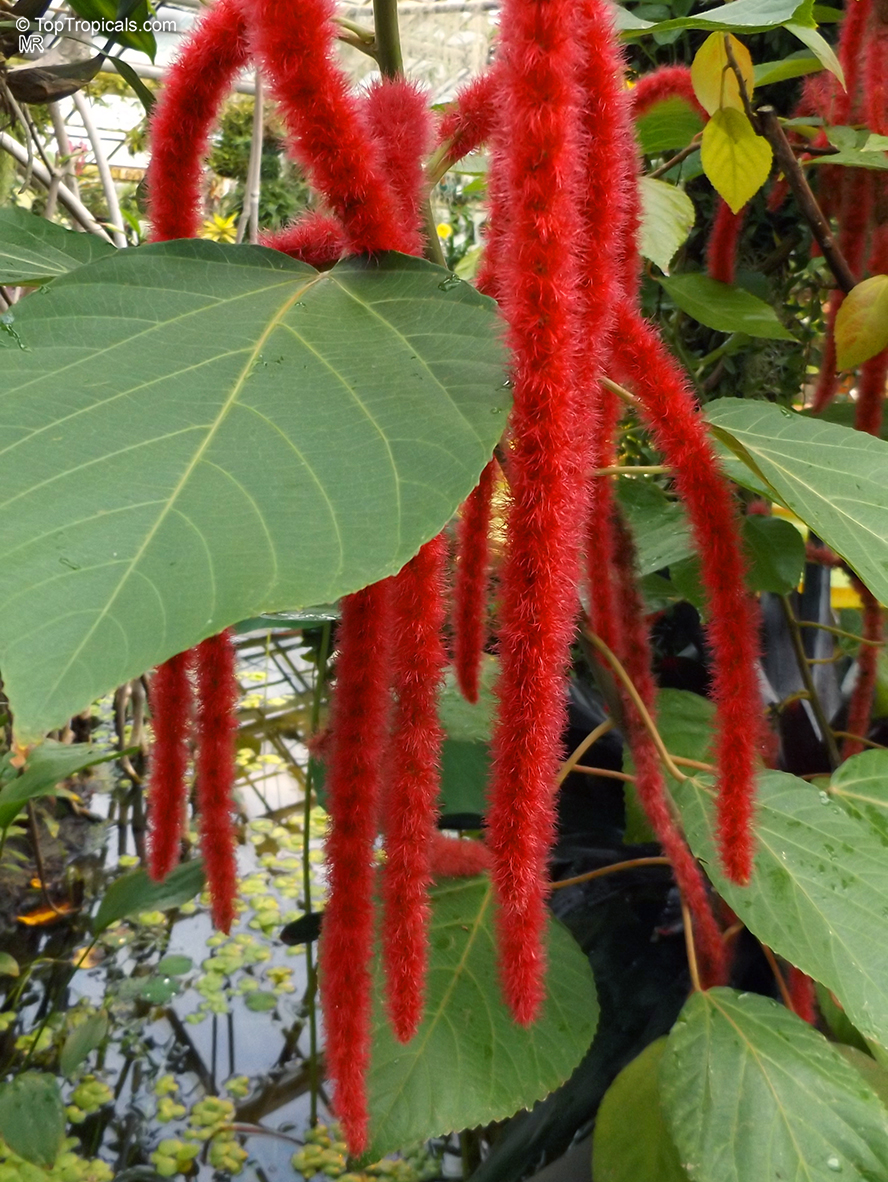
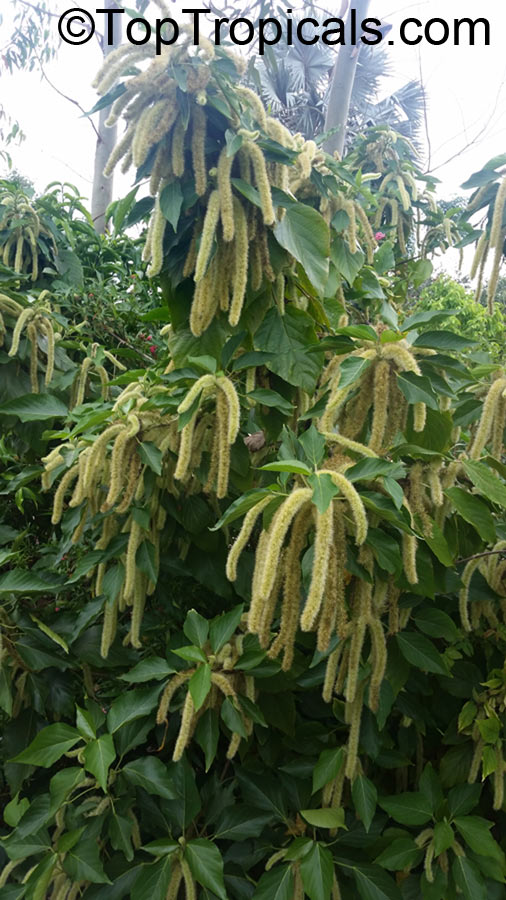
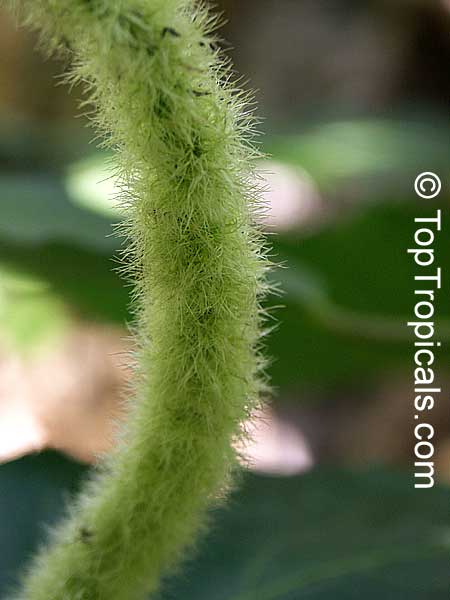
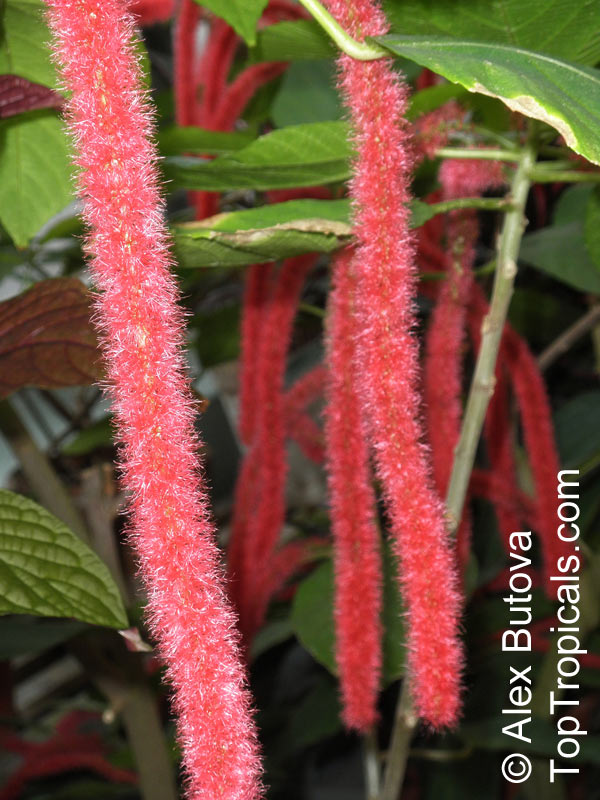
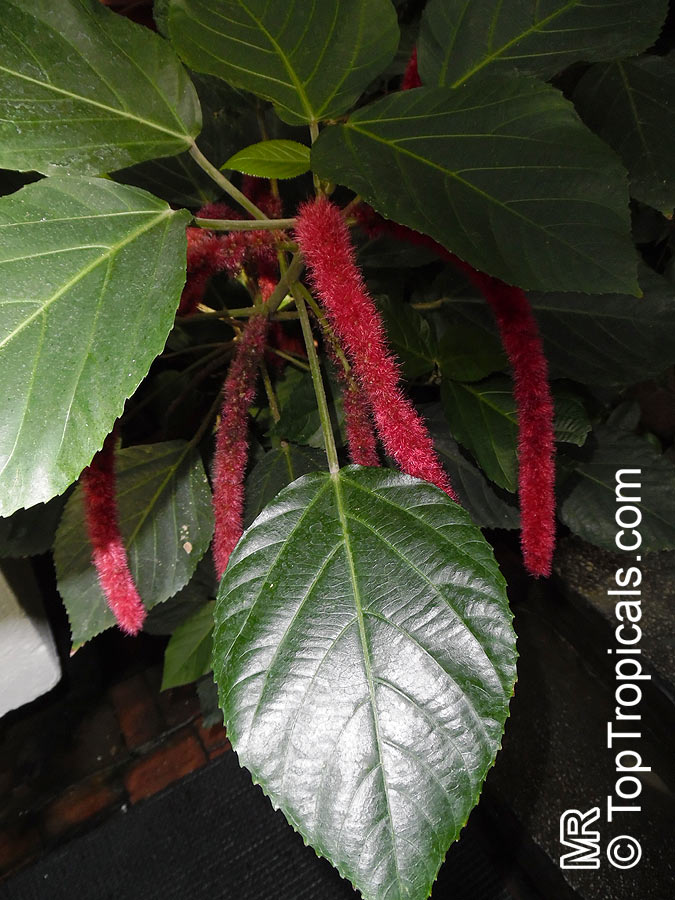
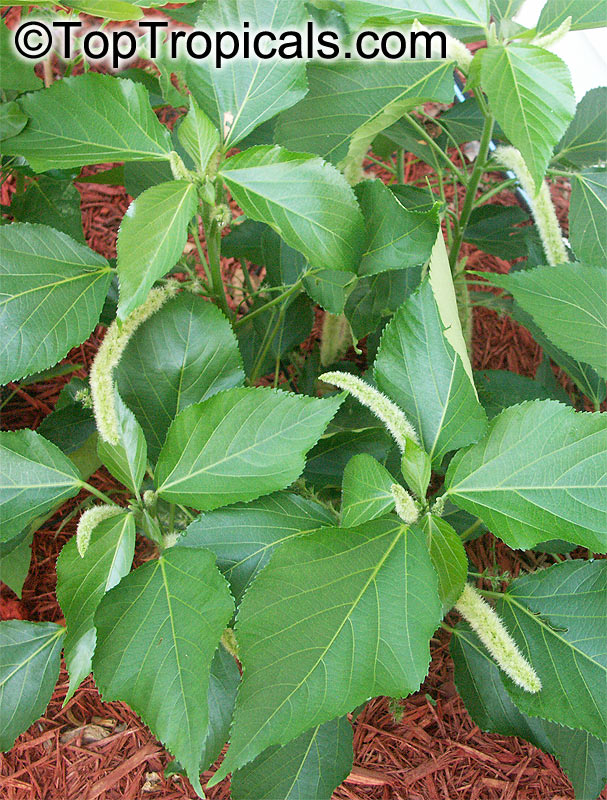
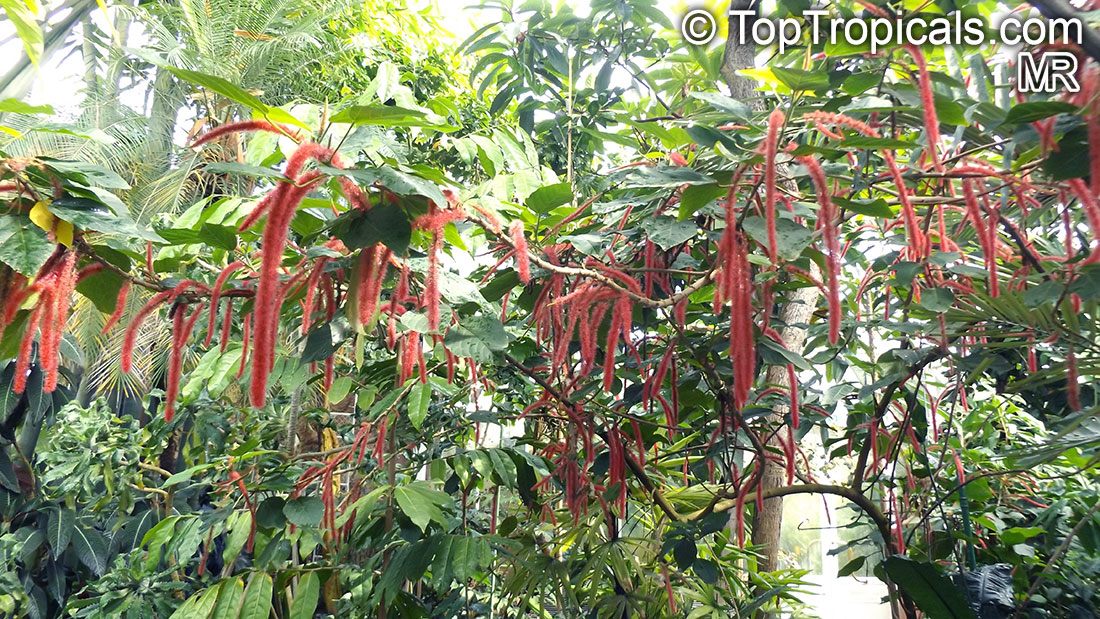
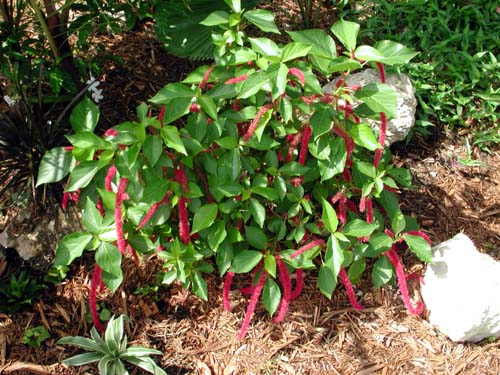
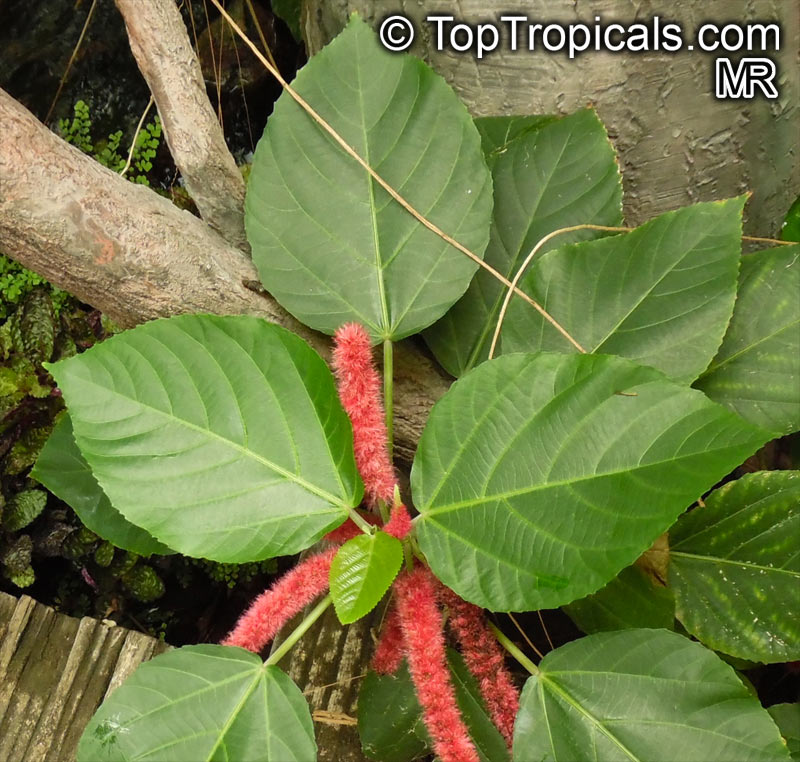
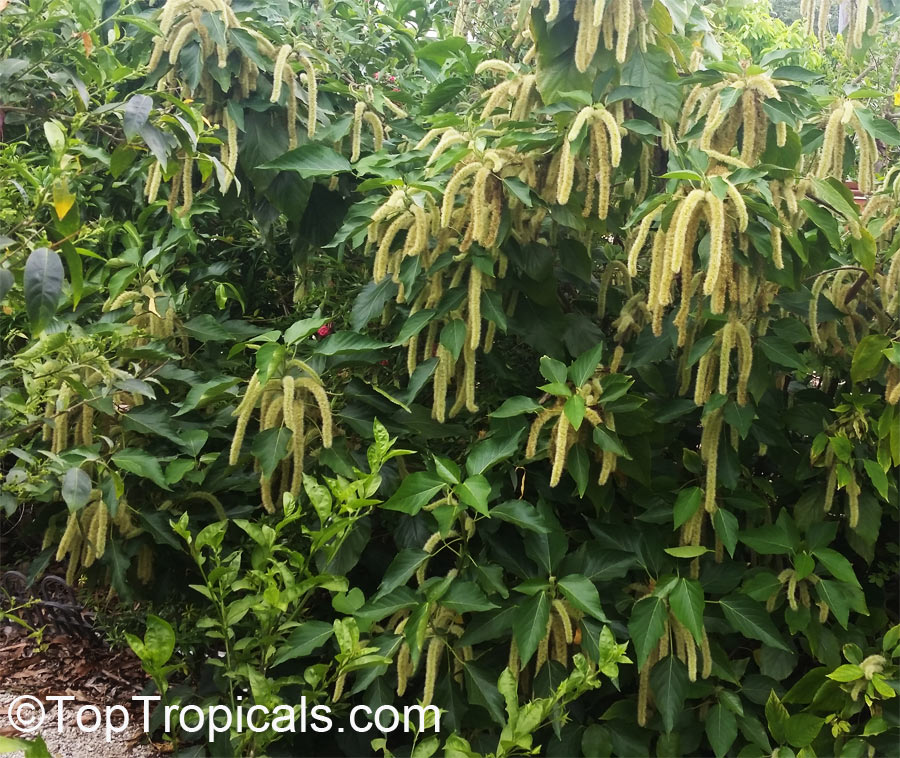
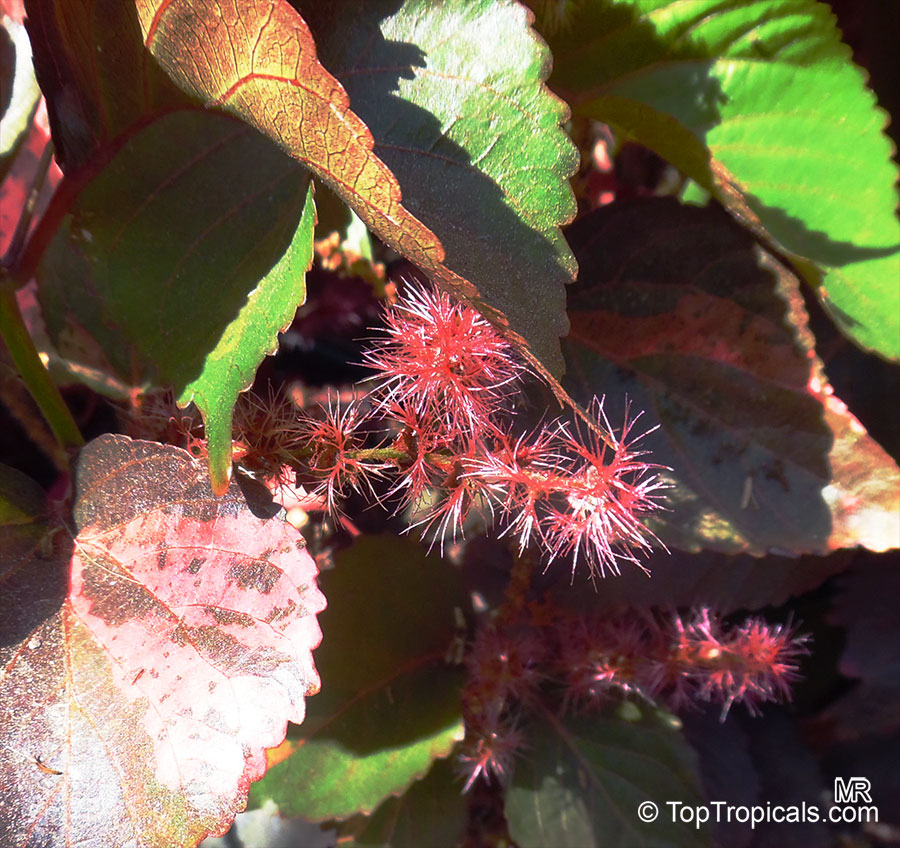
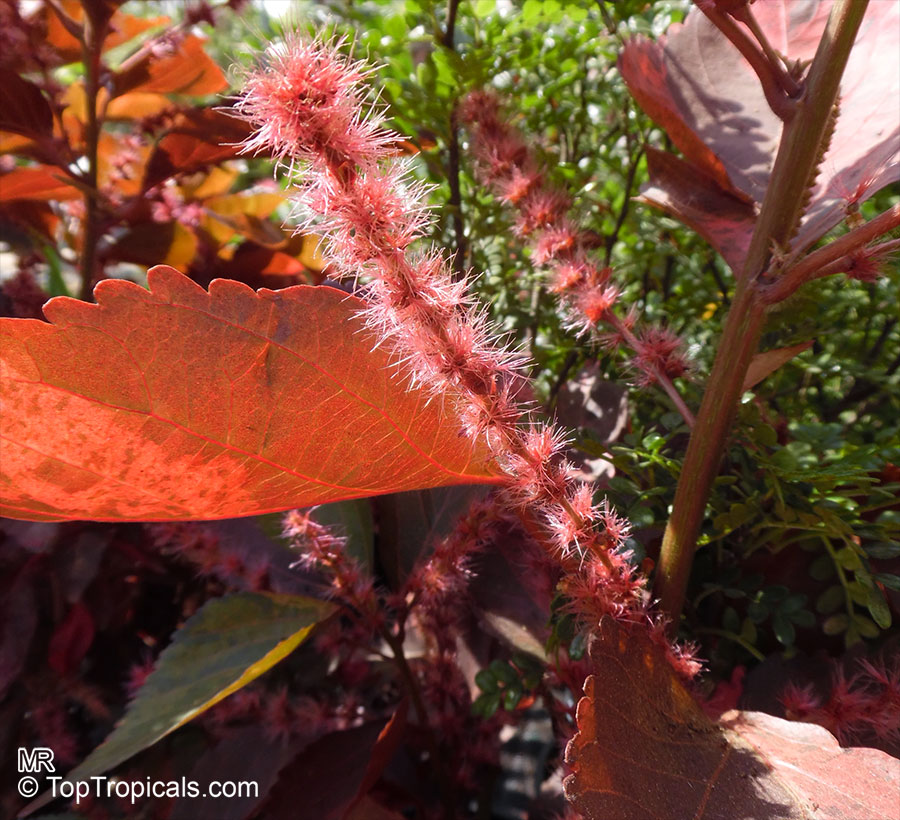
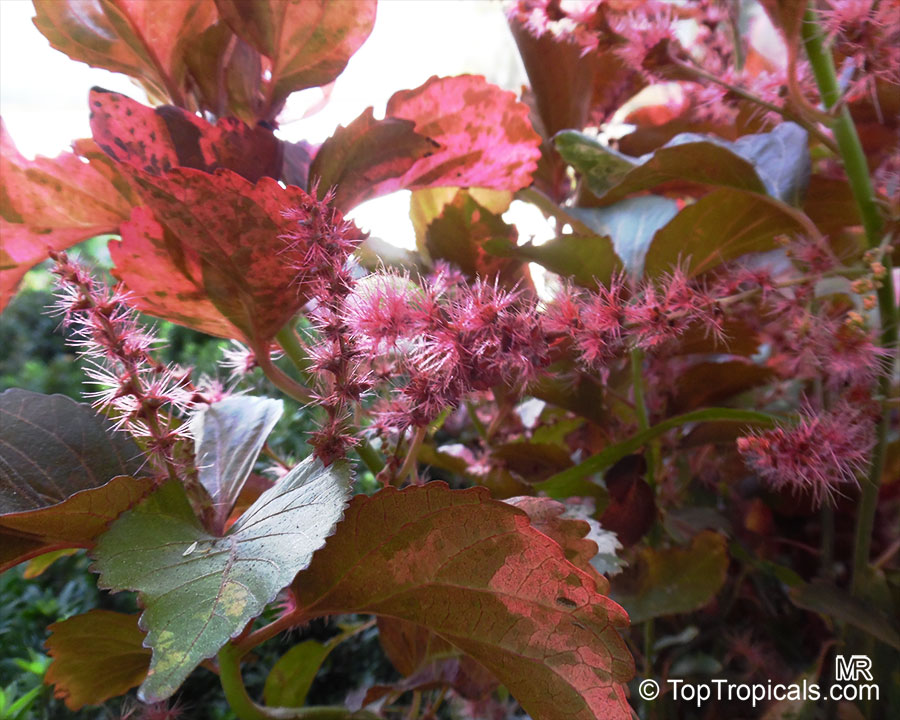
Acalypha hispida grows as a large shrub 5-10 feet tall. If trimmed, it can be grown as a hedge or even maintained at a low height shrubs. The plant produces flowers in a variety of shades, including the traditional cat tail red, as well as pink, white, off-white, and crimson or vinous colored varieties. The shrub blooms year round in warmer climates and spring through fall in cooler climates, producing masses of long, bright inflorescences that hang down and give rise to its popular name of "Cat Tails". The brightly colored pendulous tassels are extremely showy. This is a tough and versatile plant which is salt-tolerant and seaside-resistant, and can withstand temperatures down to the 30s F for a short period of time.Acalypha hispida can typically be grown in USDA Zones 9-11.
When growing Acalypha hispida in zones cooler than zone 9, the plant should be grown in a pot and brought in for the winter to a cold, but not freezing, area. The soil should be kept moist, and fertilizer should be used sparingly, but may be beneficial from April to August. Acalypha hispida should be pruned often to maintain a healthy shape and prevent overgrowth. To encourage flowering, the new growth should be trimmed during the winter months.

Recommended Fertilizer: SUNSHINE Megaflor - Bloom Nutrition Booster
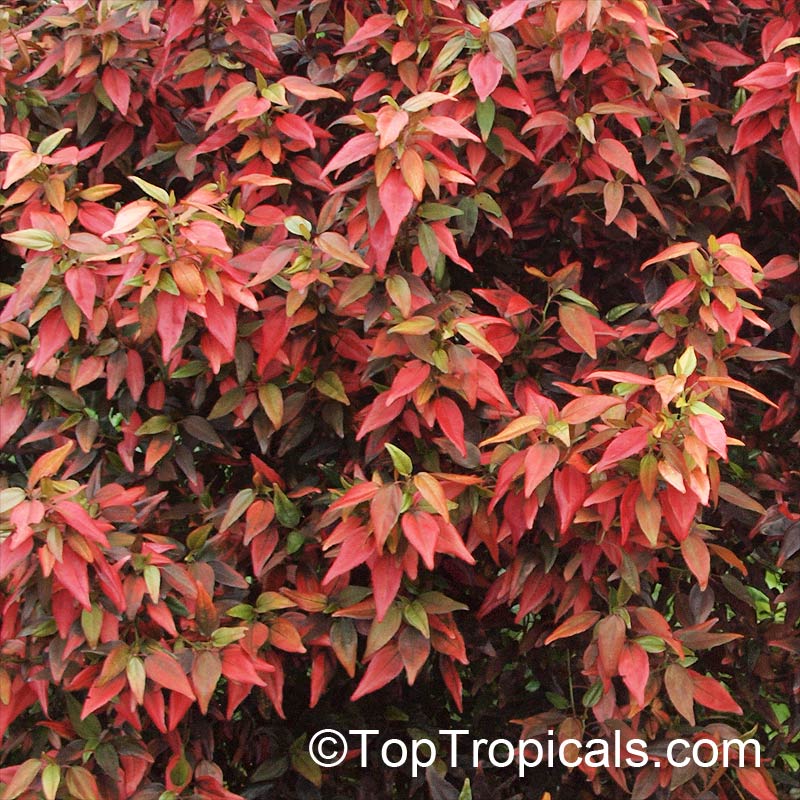
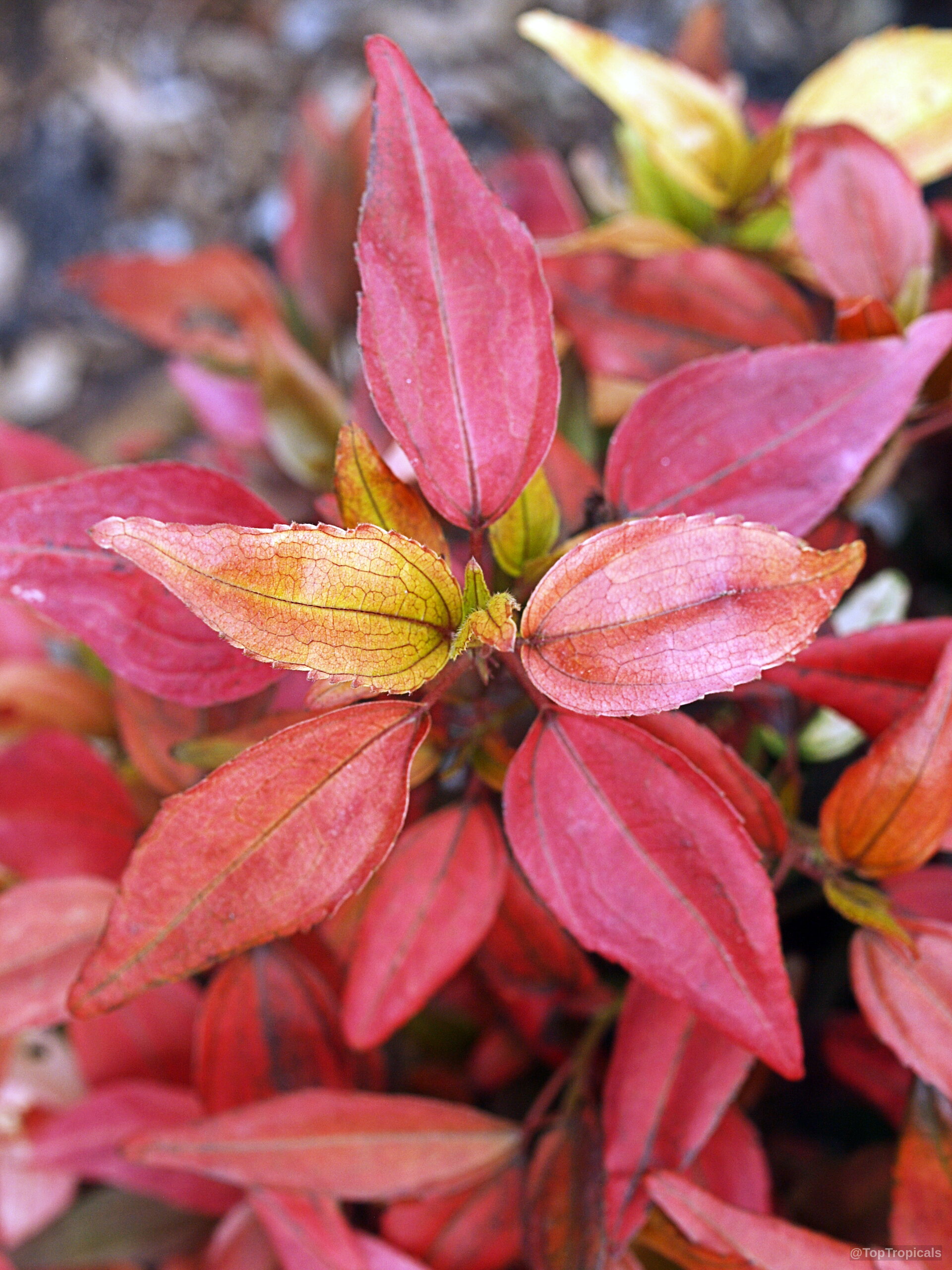
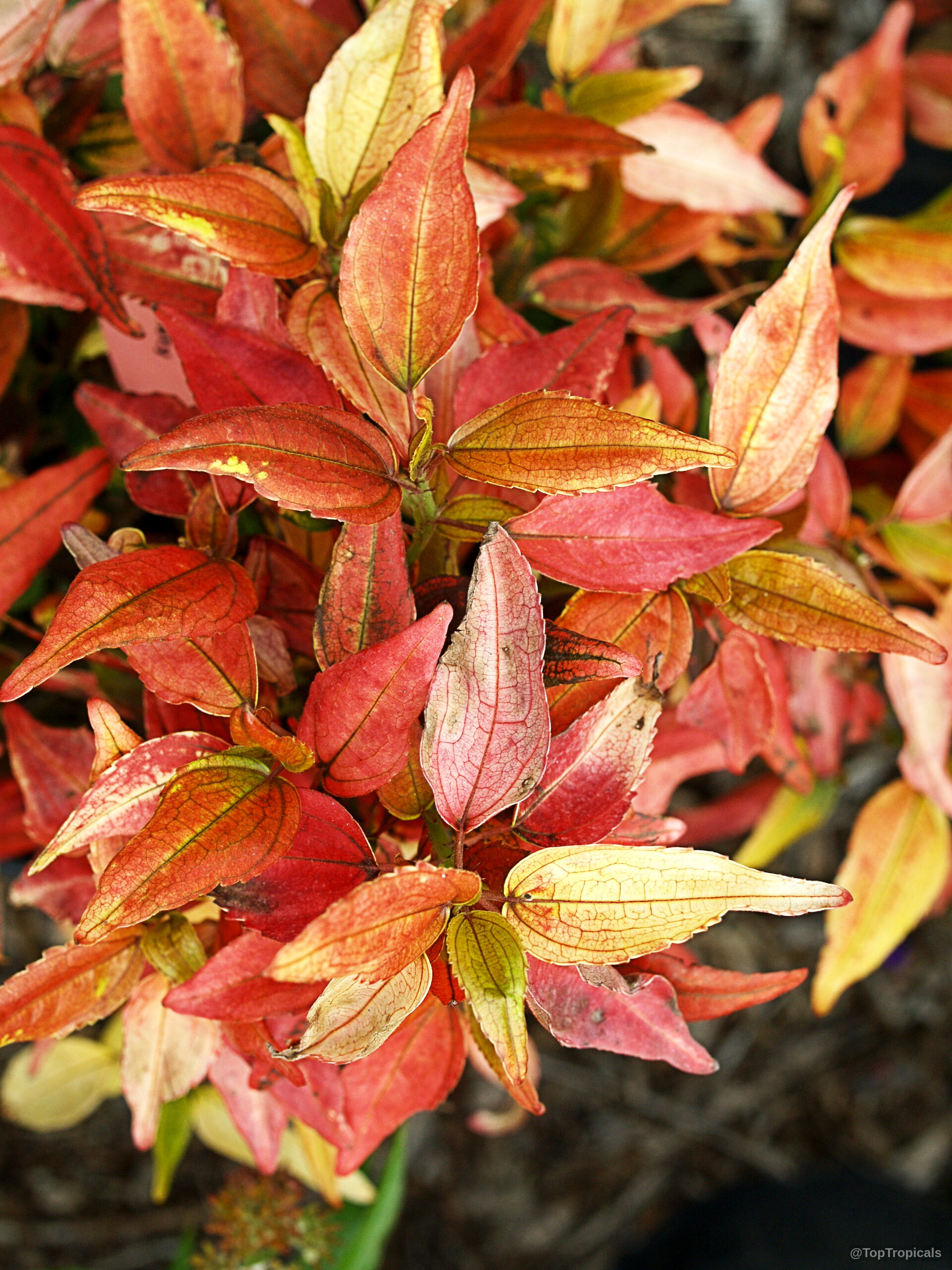
Botanical name: Acalypha sp.
Common name: Flame Copper leaf
Cultivar: Inferno
Family: Euphorbiaceae
Origin: South Pacific Islands

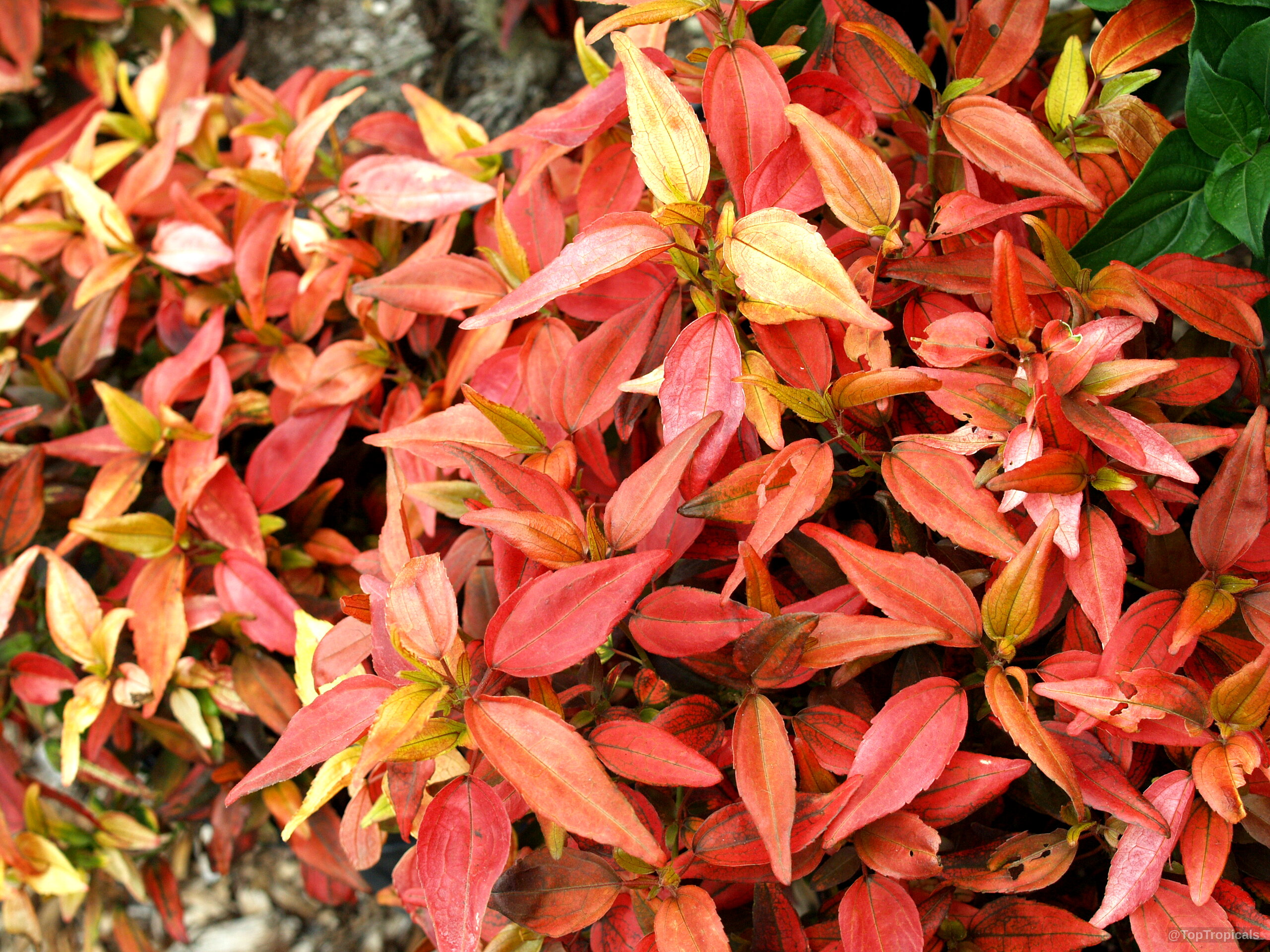
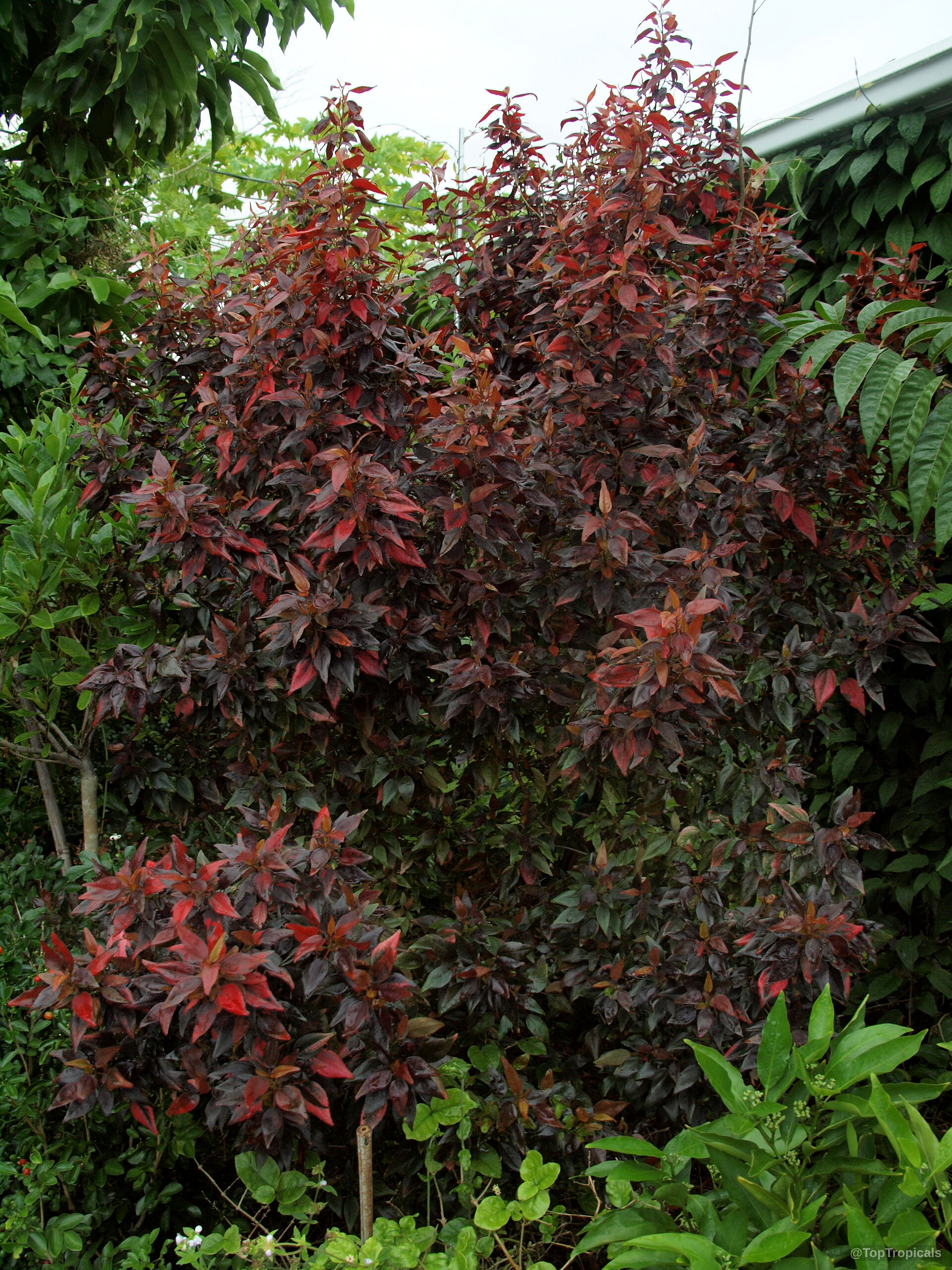
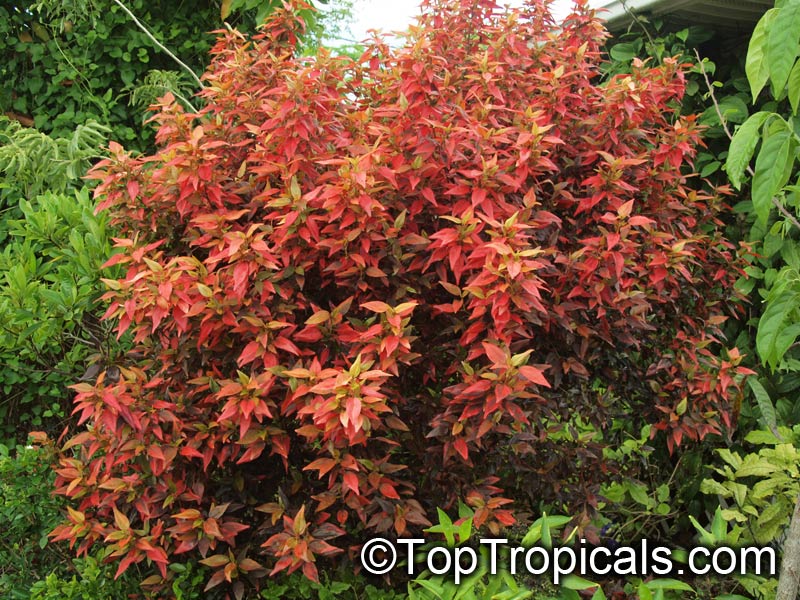
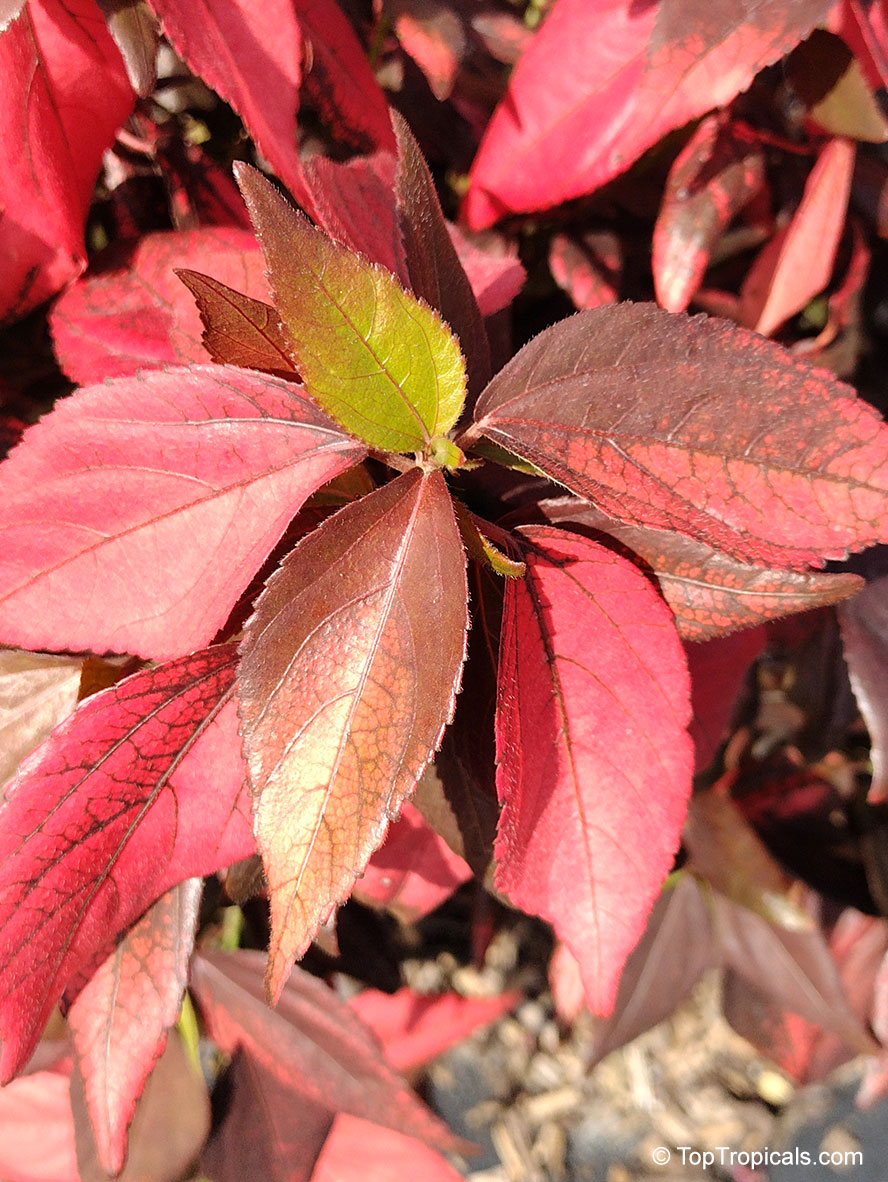
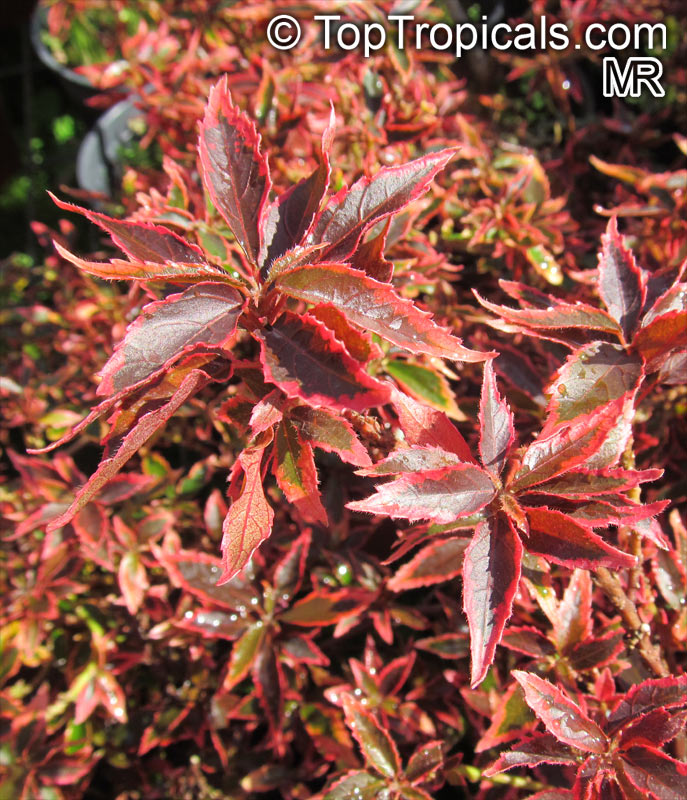
New hybrid of Copper Leaf with bright red-orange-yellow leaves. This shrub provides year-round color in your landscaping in full sun location. The more sun, the brighter the color. In shade leaves may turn pale and green.
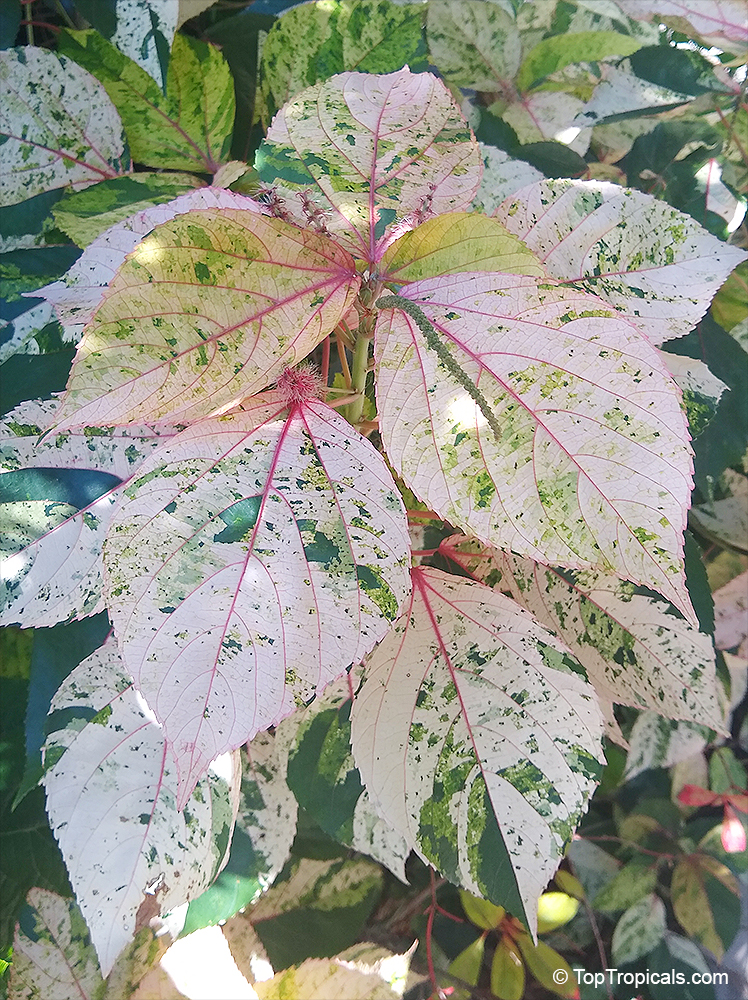
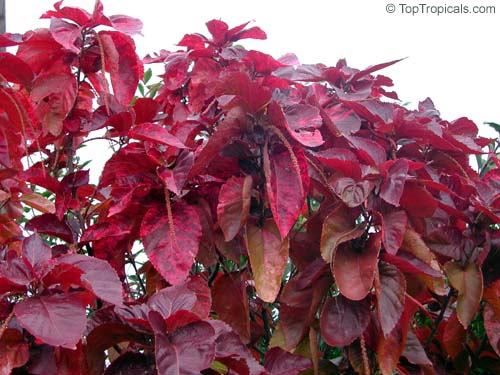
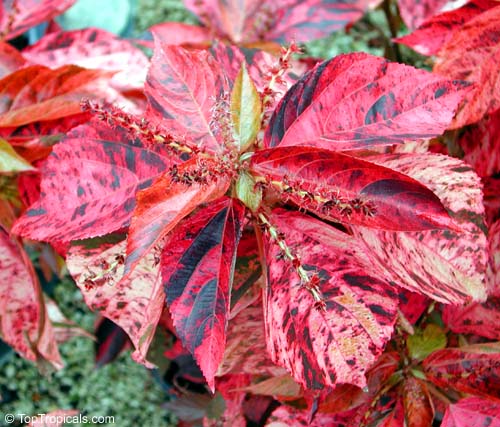
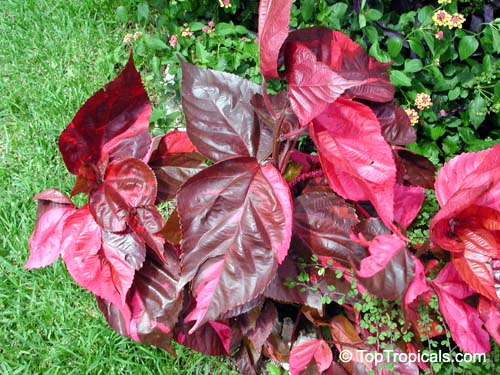
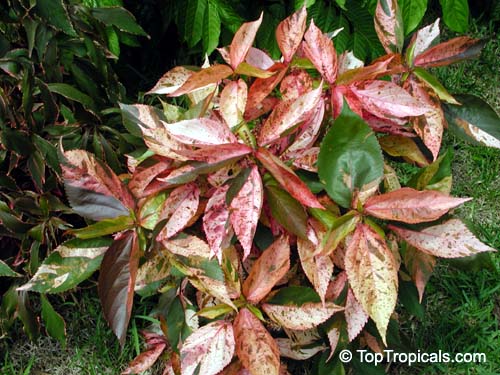
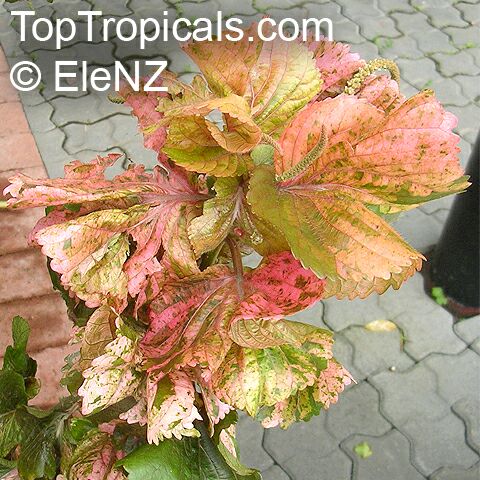
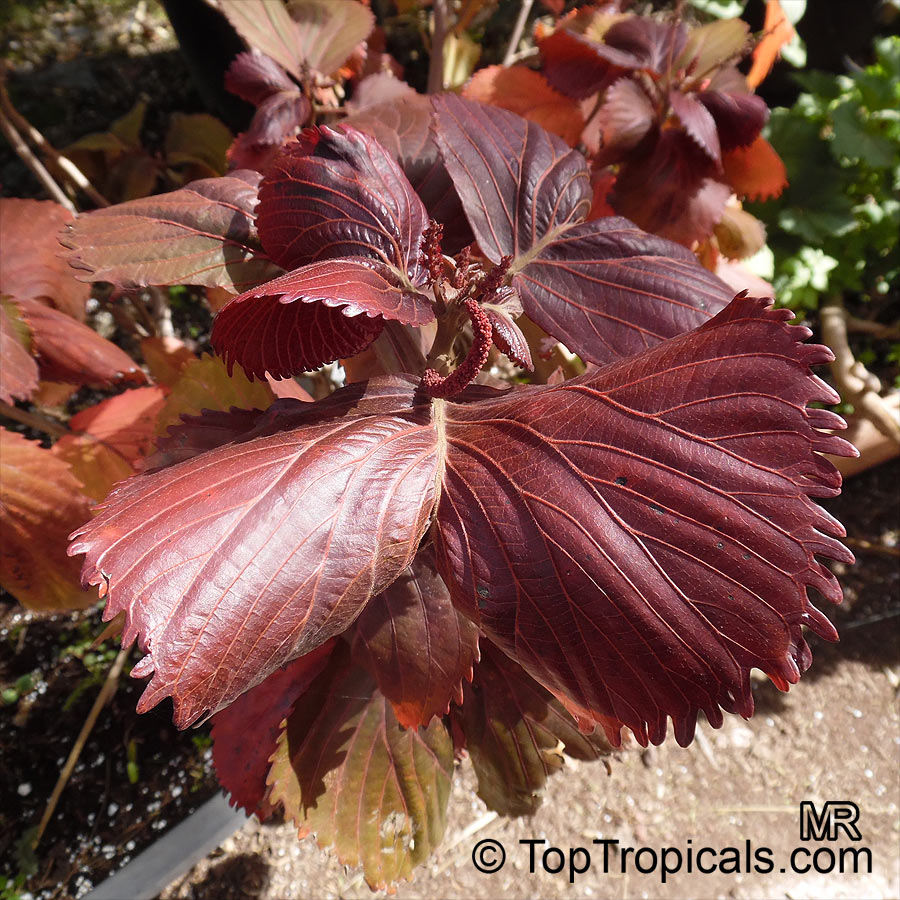
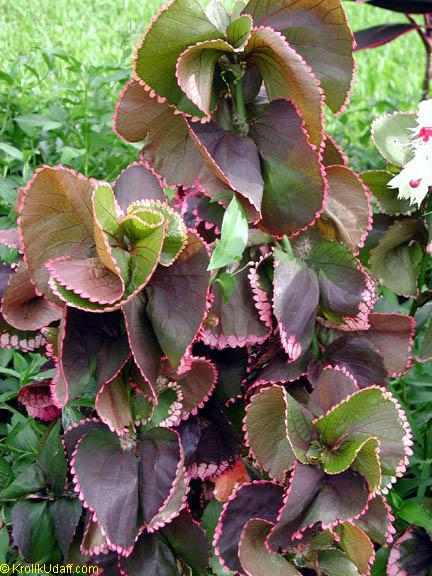
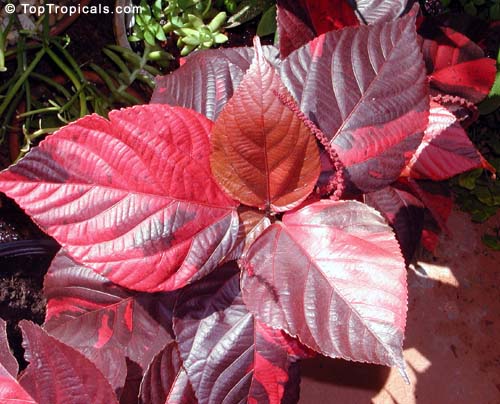
Botanical name: Acalypha wilkesiana
Common names: Fire Dragon Acalypha, Hoja de Cobre, Copper Leaf
Family: Euphorbiaceae
Origin: Fiji
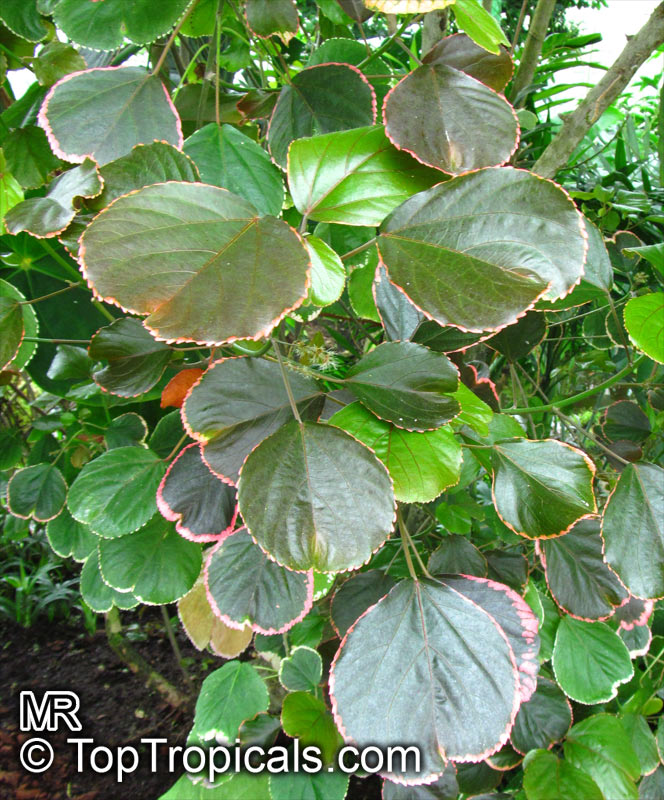
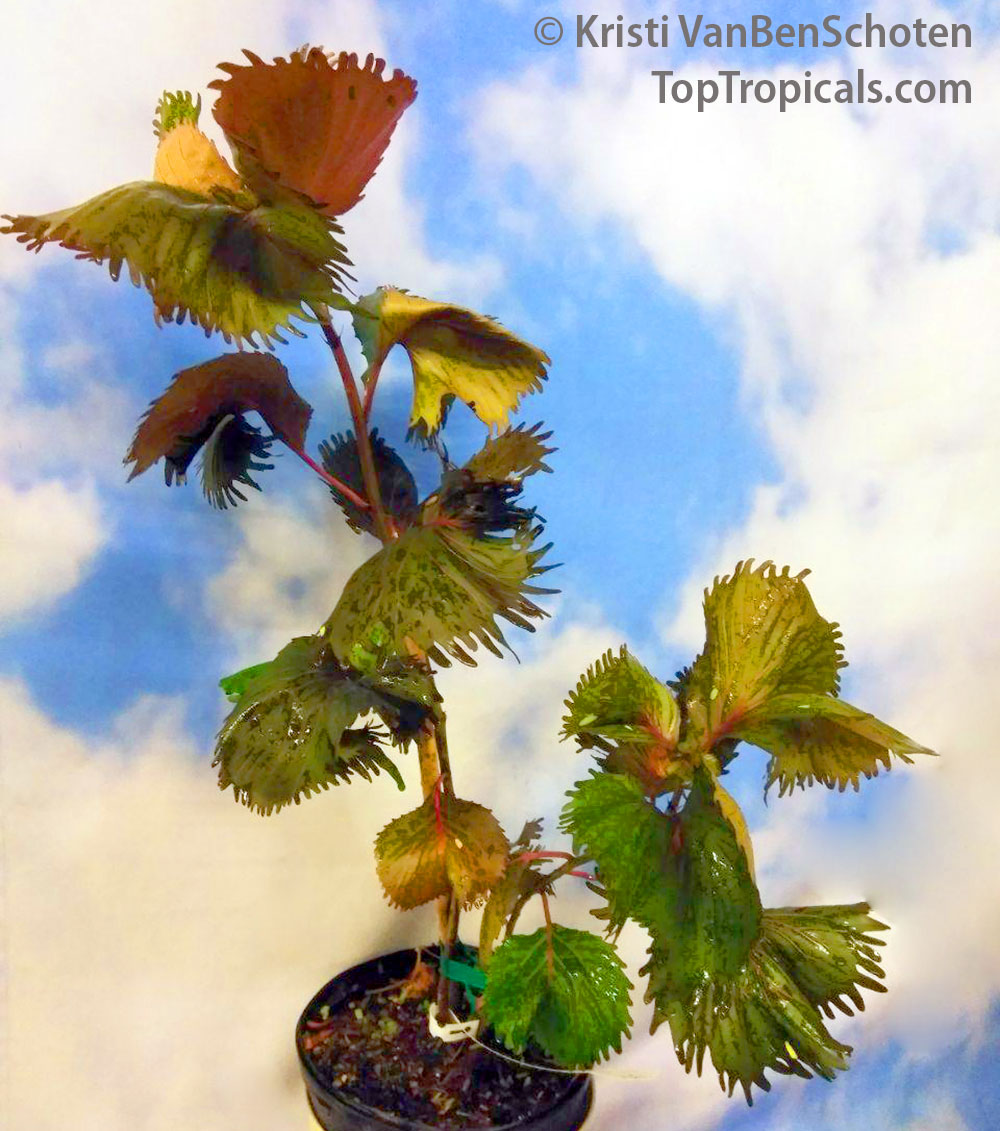
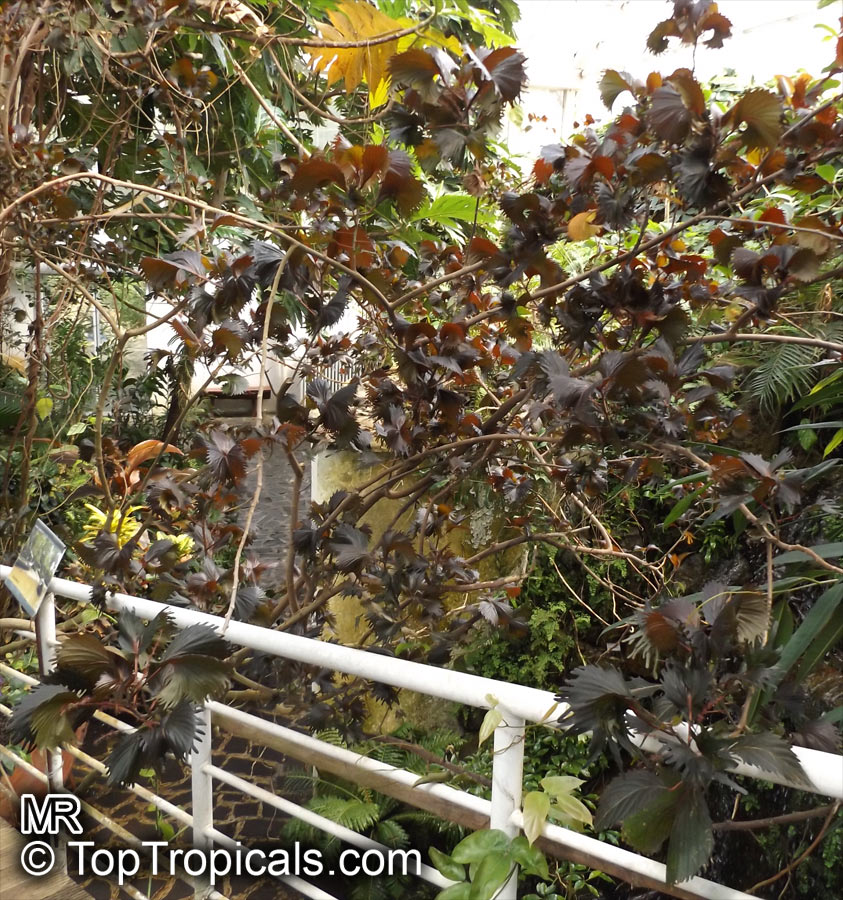
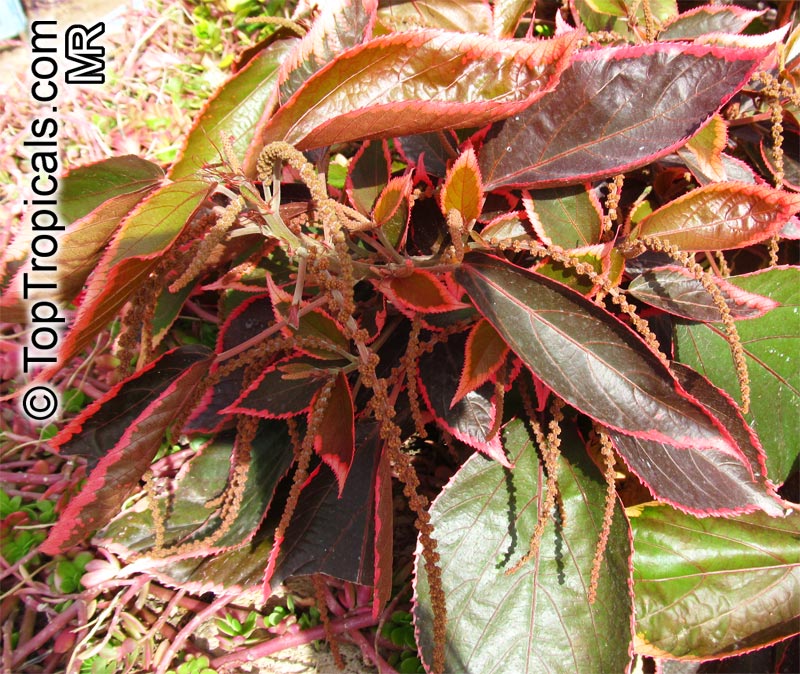
Acalypha wilkesiana (Fire Dragon Acalypha) is a large shrub, typically growing 5-10 ft tall. It produces beautiful ornamental foliage and is a great choice for tropical gardens and seaside areas thanks to its salt tolerance. The plant needs to be grown in full sun or semi-shade and will require moderate amounts of water. It is mostly grown in USDA Zones 9-11 and can be grown in cooler regions as a pot plant if provided with extra protection against cold temperatures.
When it comes to growing and caring for A. wilkesiana, the most important thing to remember is to prune it regularly. Pruning should be done at least once every six months and should involve removing any damaged or dead leaves and stems. Additionally, the plant should be provided with regular fertilization, as this will help keep it healthy and promote better growth. If growing in a pot in a cold region, it is essential to use a container that is big enough, otherwise the plant's root system won't have enough room to grow and the plant won't thrive. Furthermore, the pot should be kept moist throughout the growing season and should be brought indoors during winter months to protect it from cold temperatures.
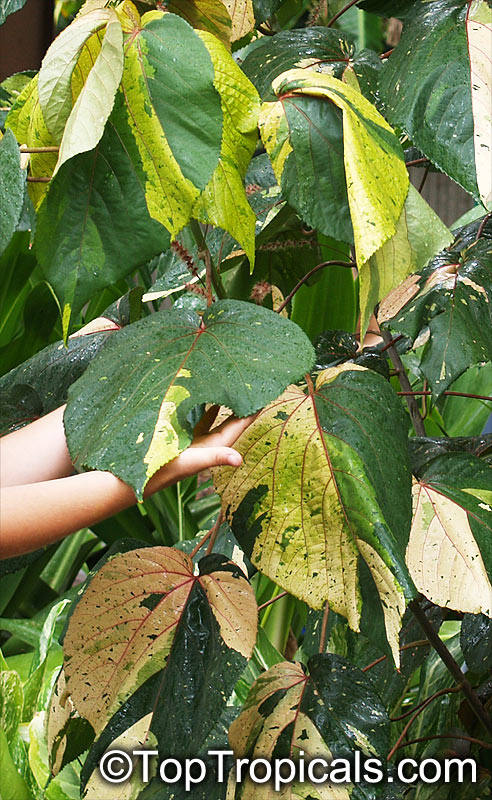
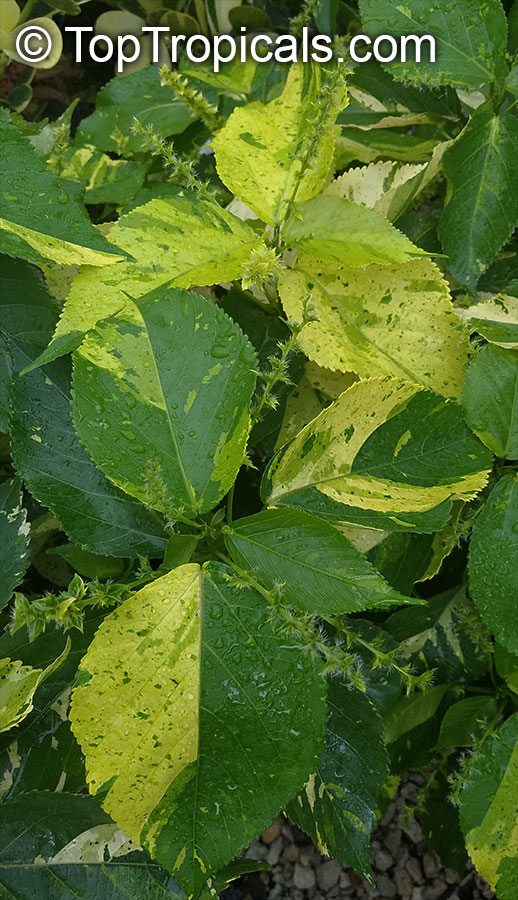
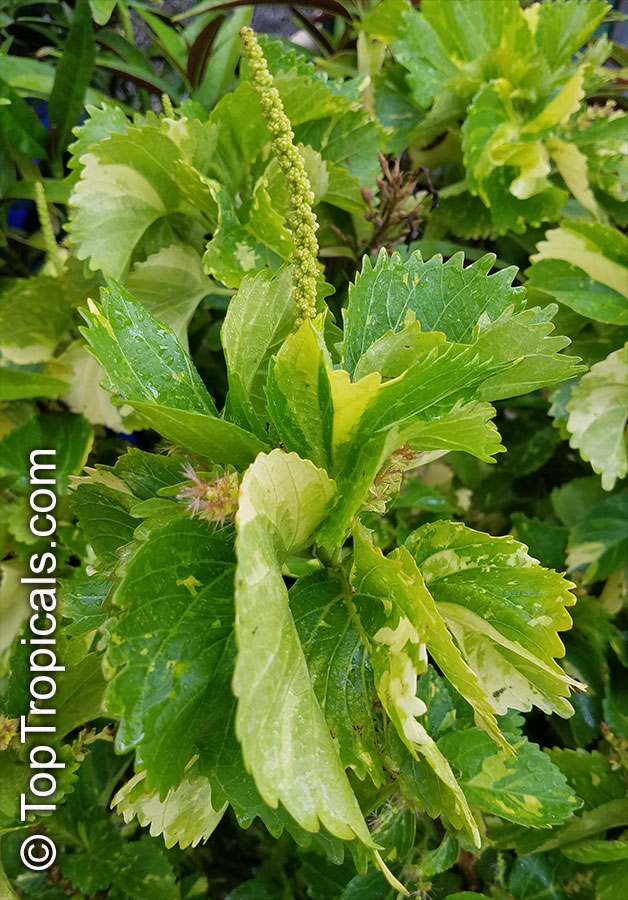






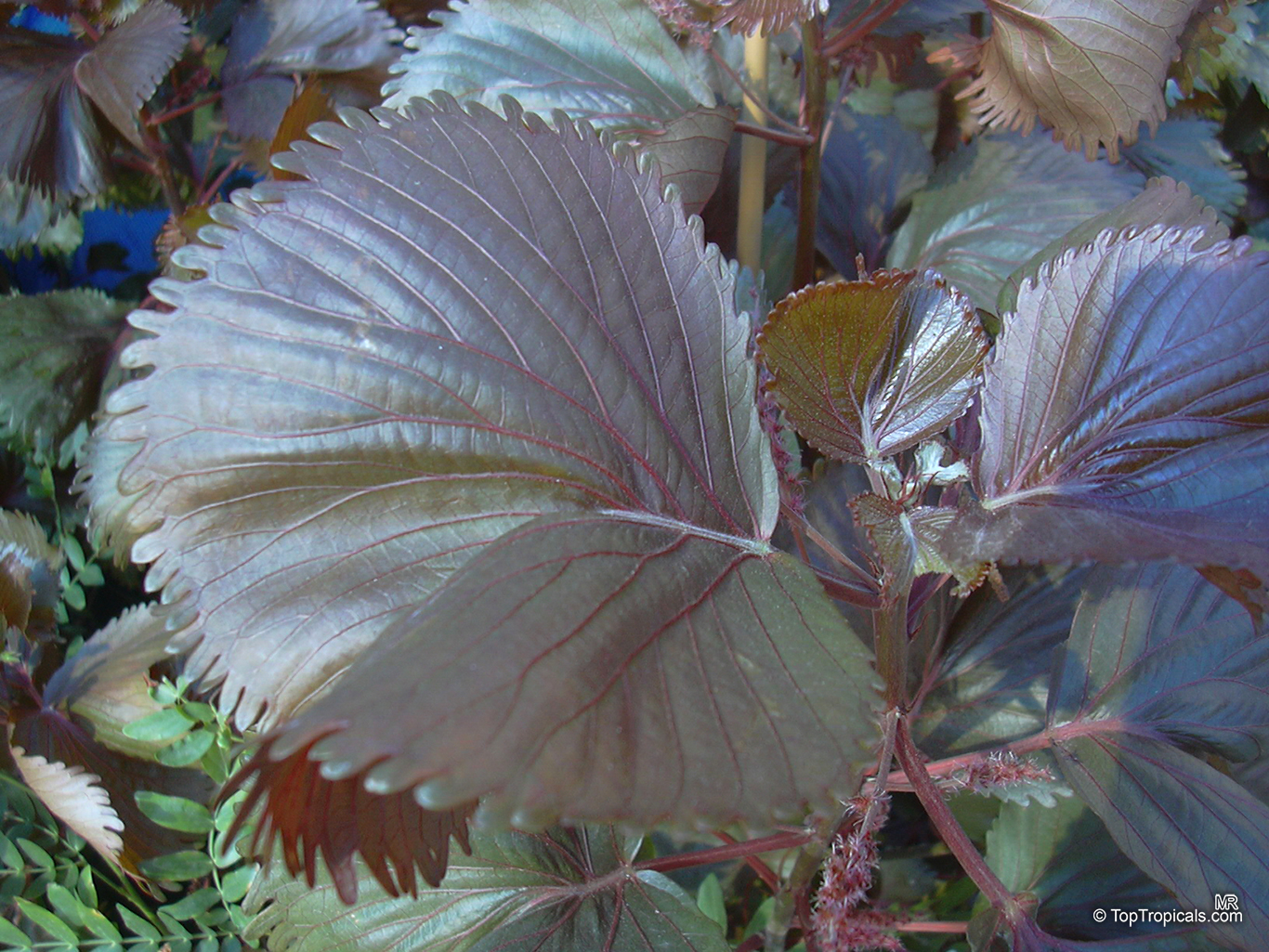
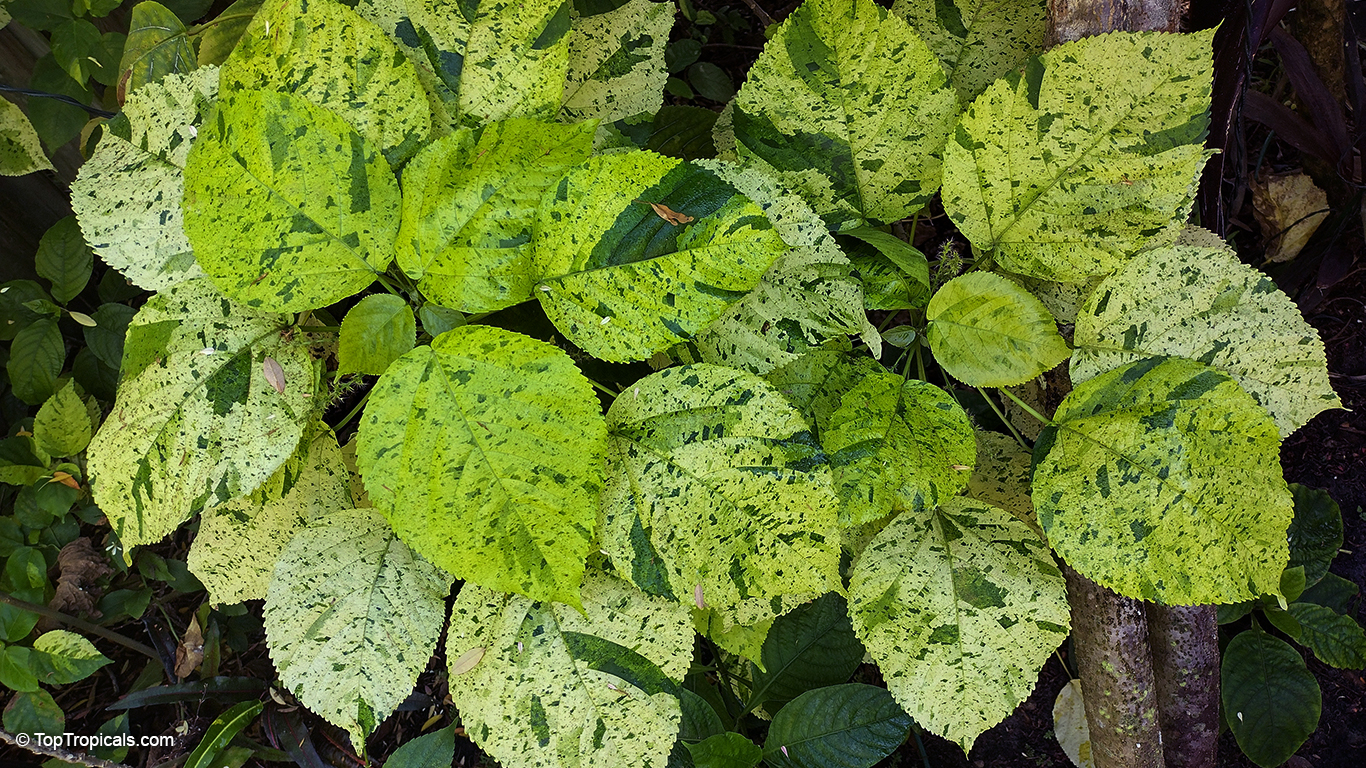
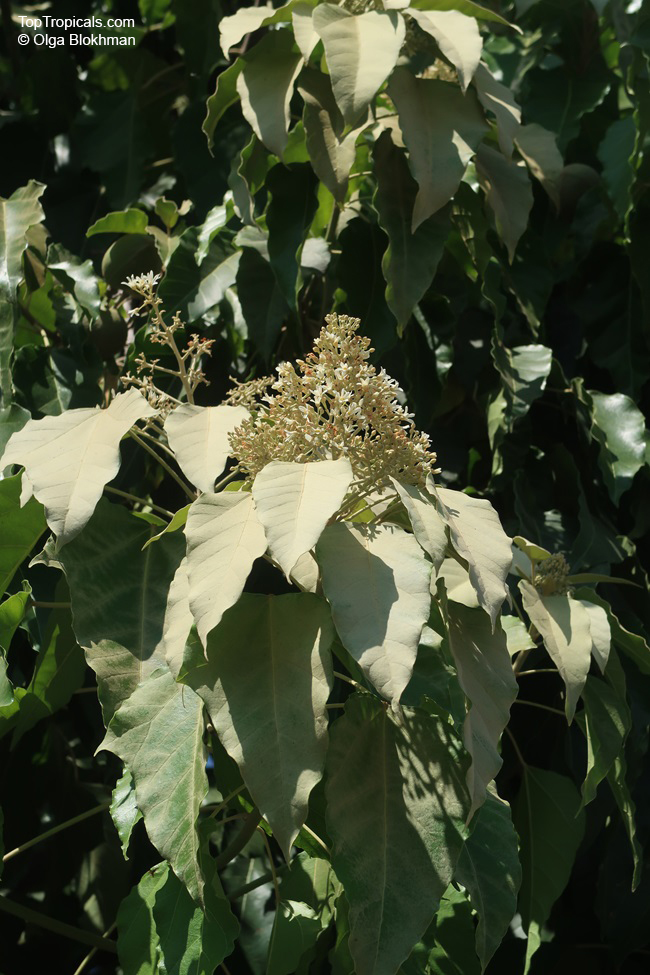
Botanical names: Aleurites moluccana, Aleurites triloba, Croton moluccanus
Common names: Candlenut oil tree, Candleberry, Varnish tree, Indian or Belgaum Walnut, Kemiri, Kukui nut tree
Family: Euphorbiaceae
Origin: Malaysia, Polynesia, Malay Peninsula, Philippines and South Seas Islands


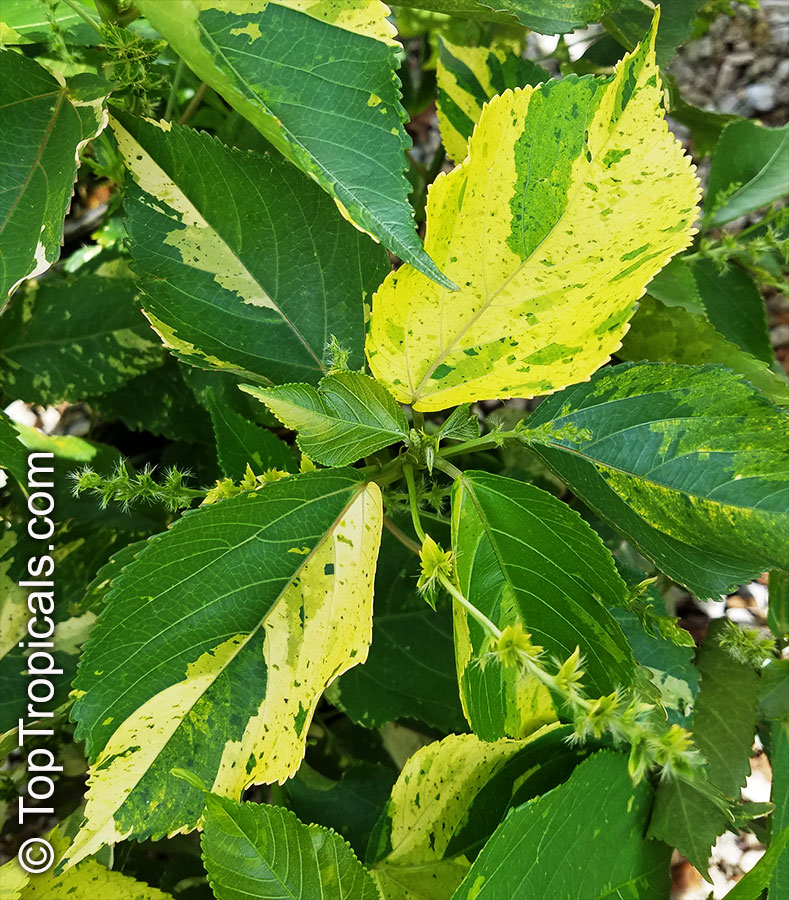
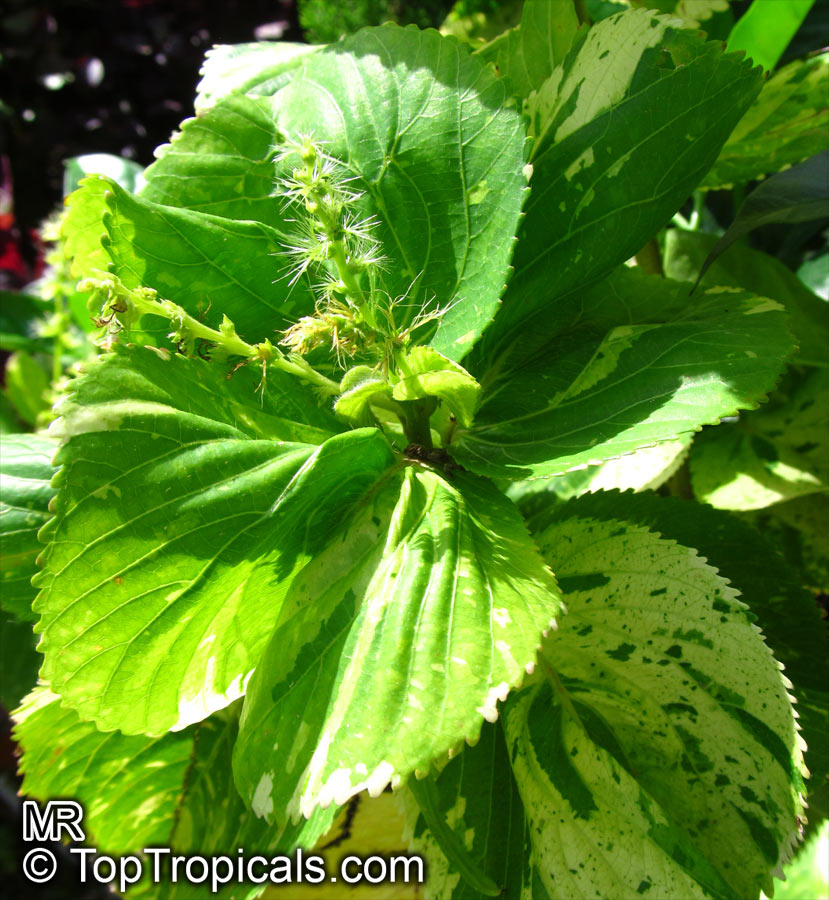
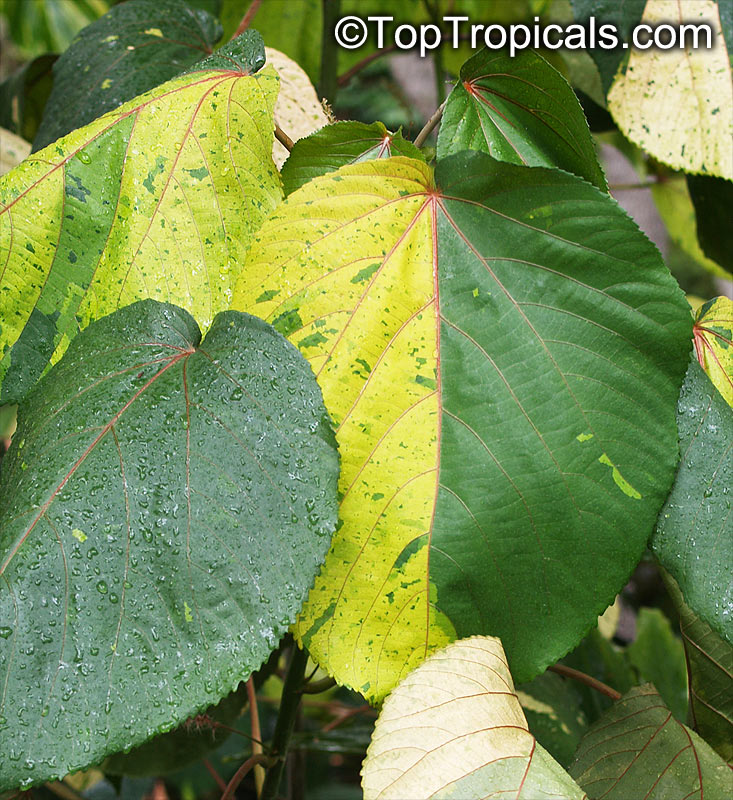
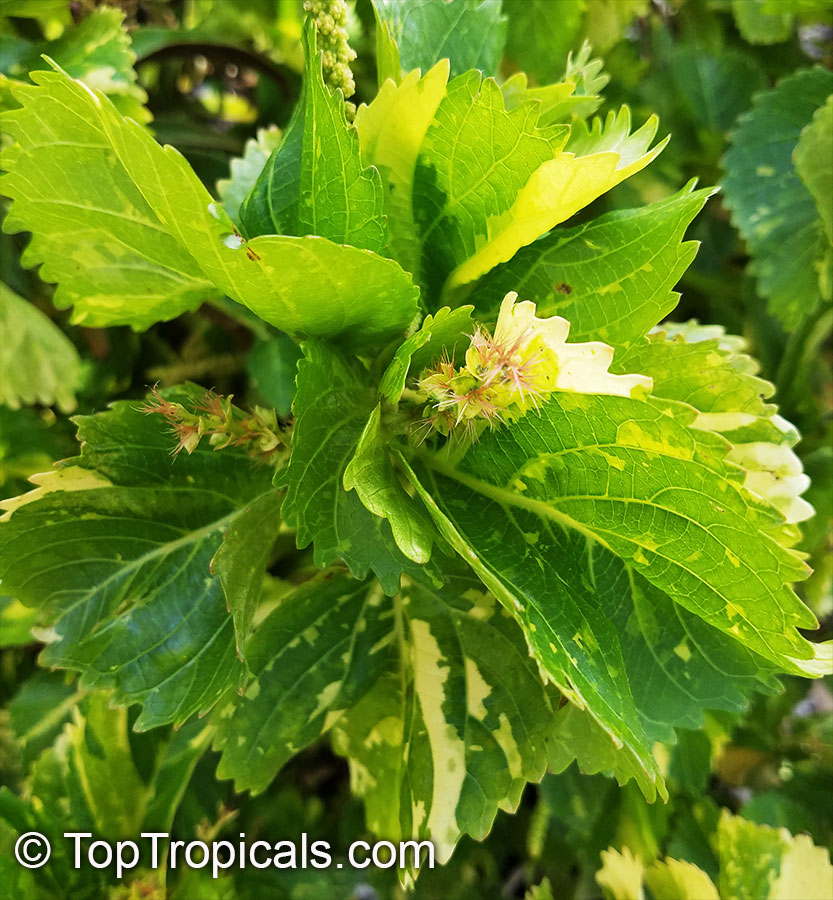
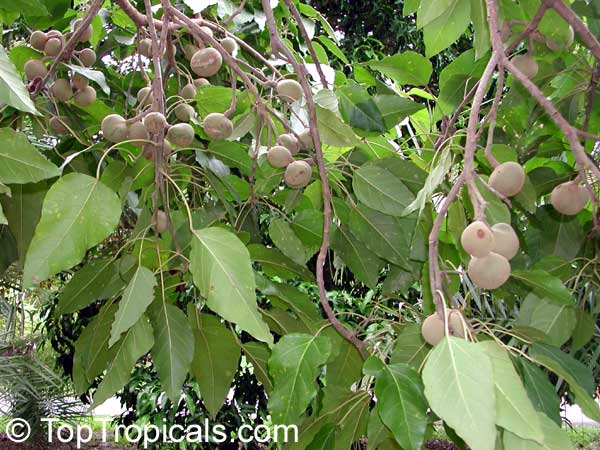
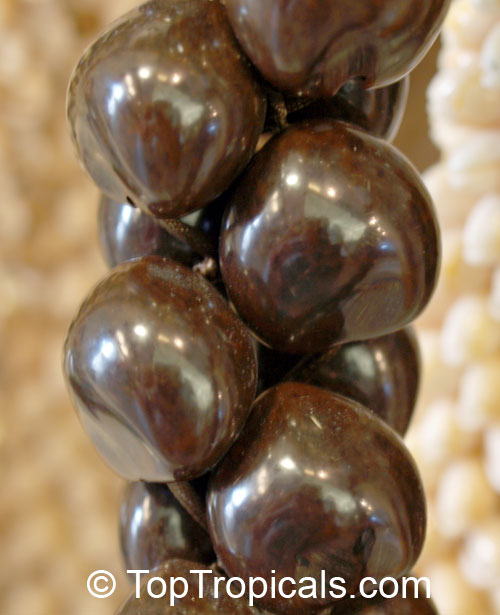
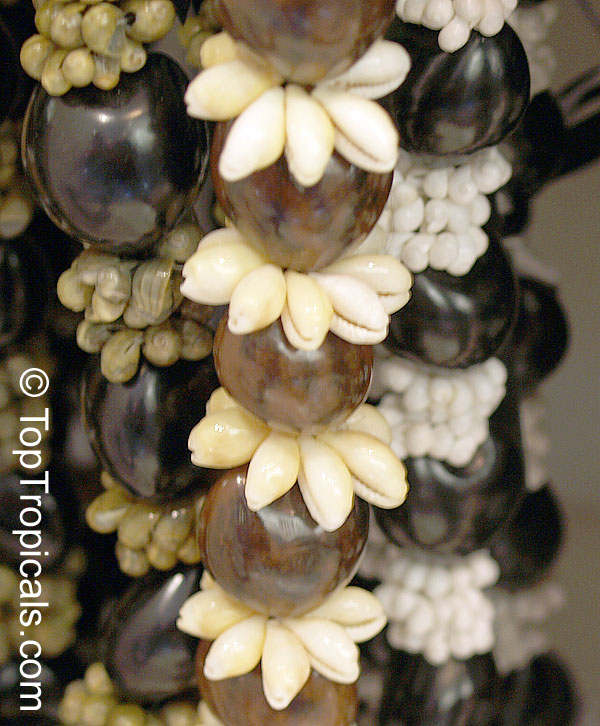
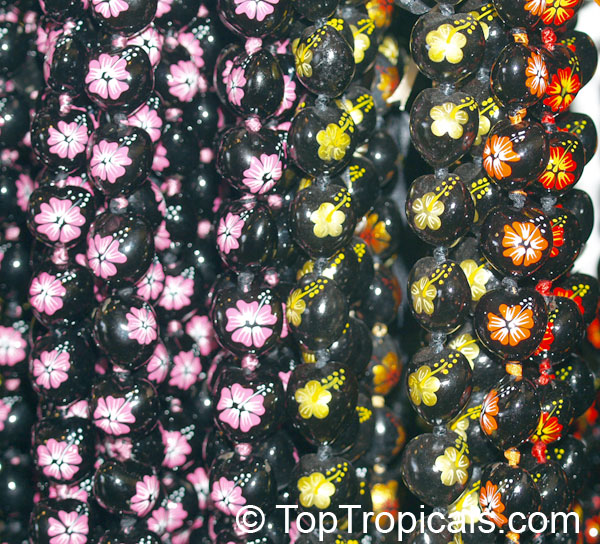
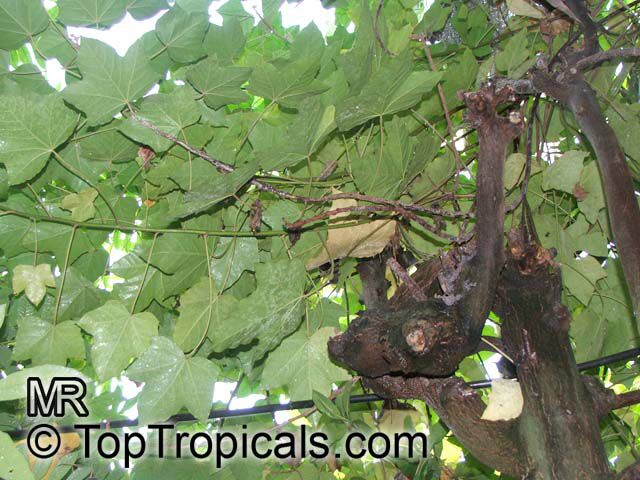
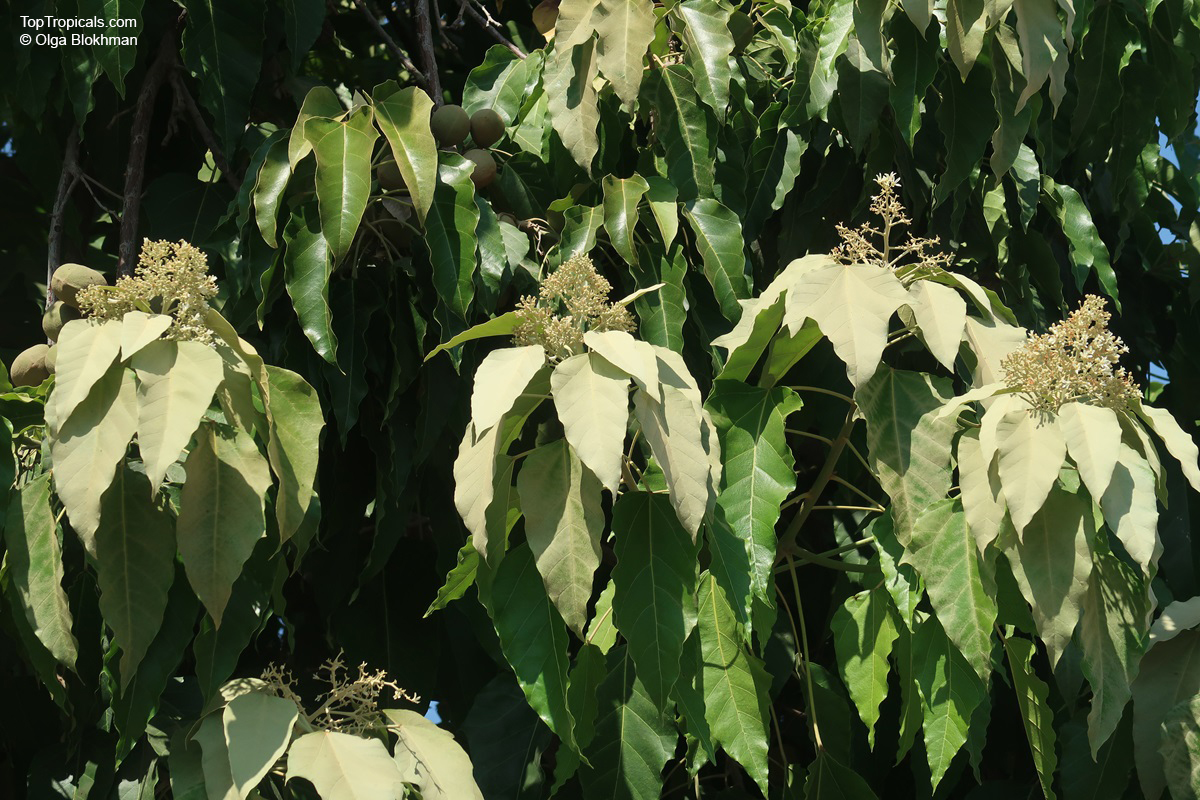
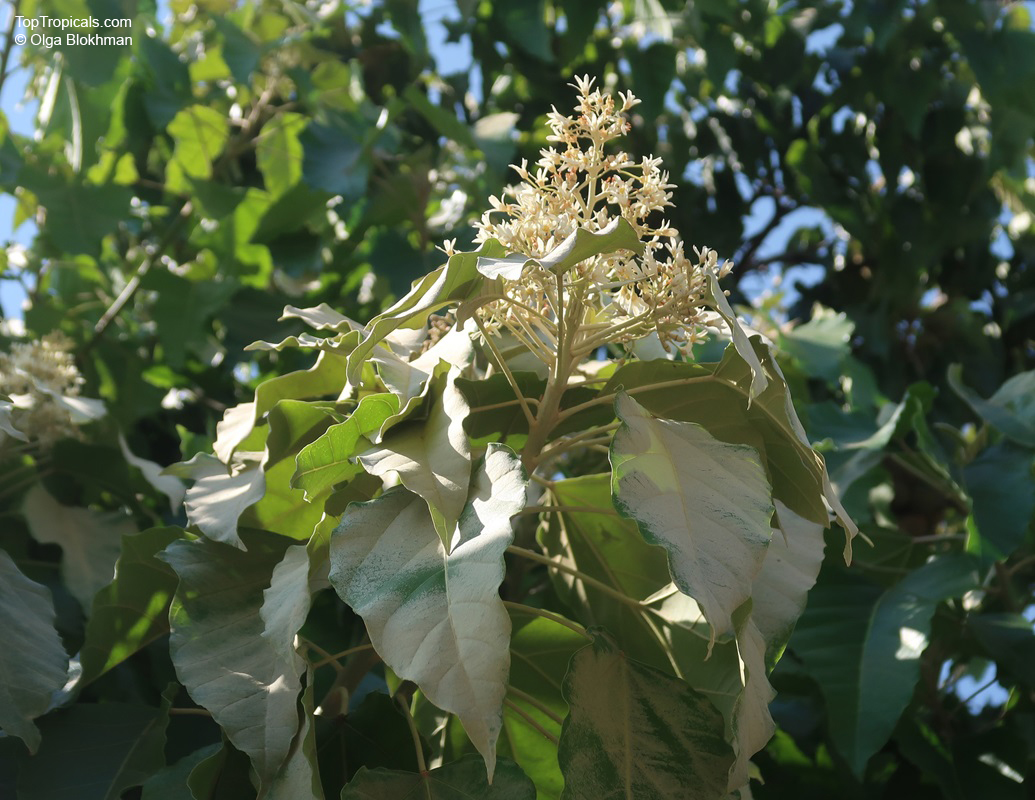
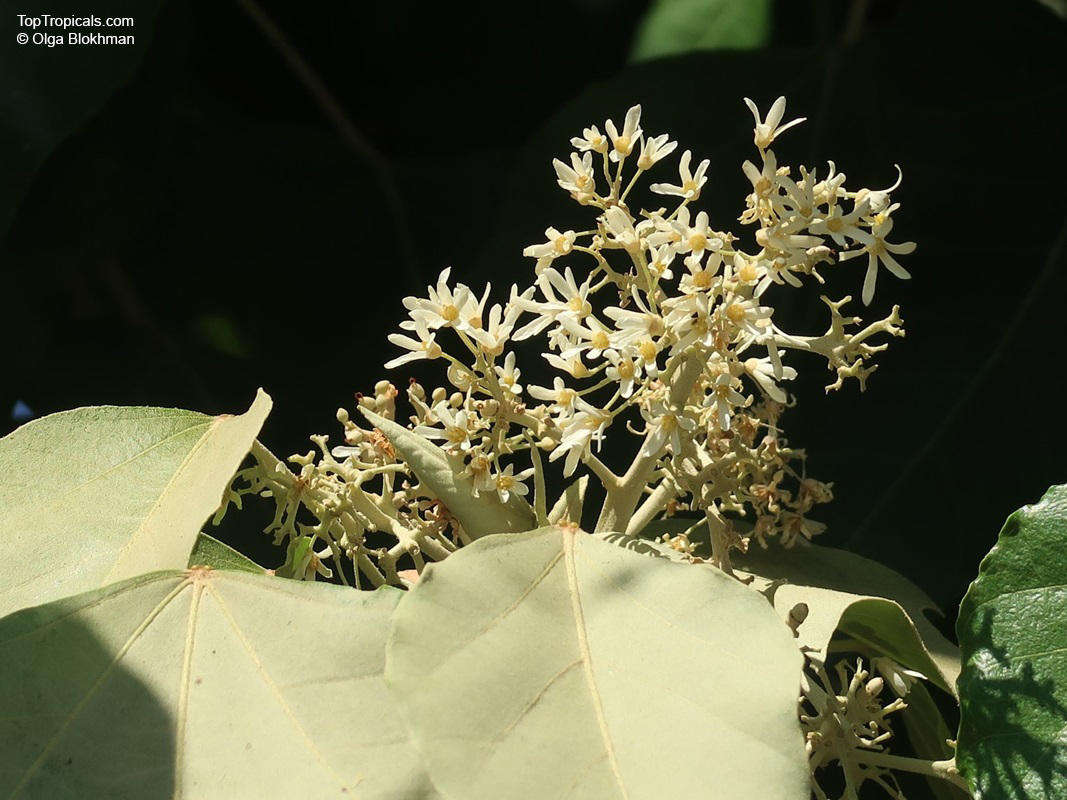
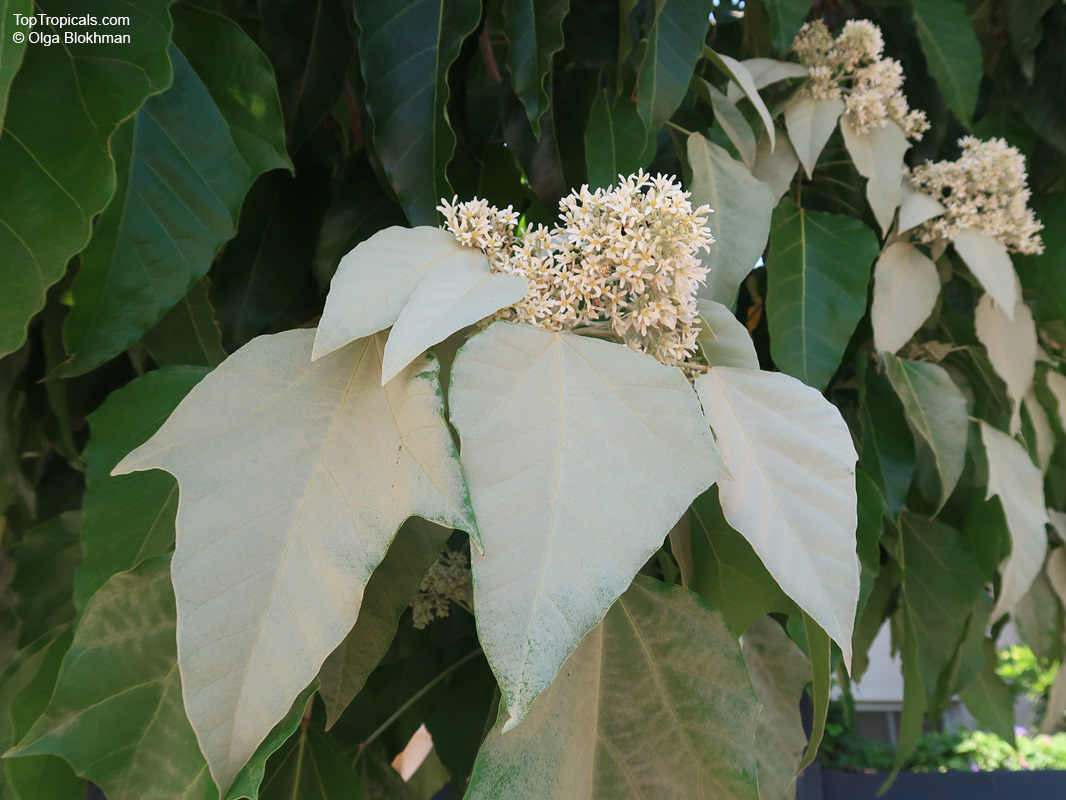
Kukui Nut is a medium to large sized tree with widespreading or pendulous branches. Young leaves are large, up to 12" long. Palmate, shiny leaves on mature trees are ovate, entire, and acuminate. There is a whitish substance above them when young, that becomes green with age, with rusty stellate pubescence beneath when young, and perisiting on veins. Small flowers in rusty-pubescent panicled cymes, dingy white or creamy. Fruit an indehiscent drupe, roundish, 2" or more in diameter. Bears two heavy crops each year, harvested when mature.
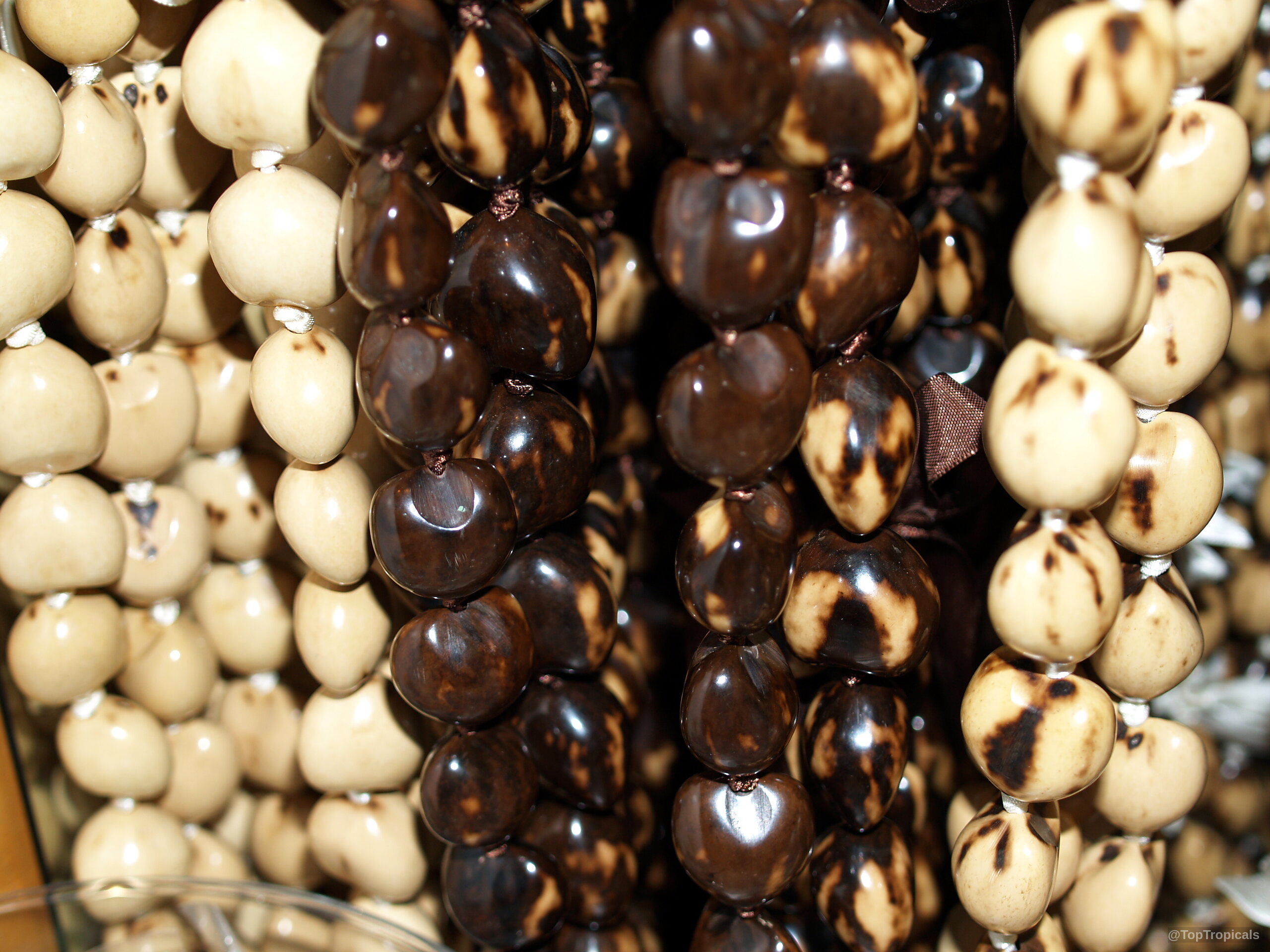
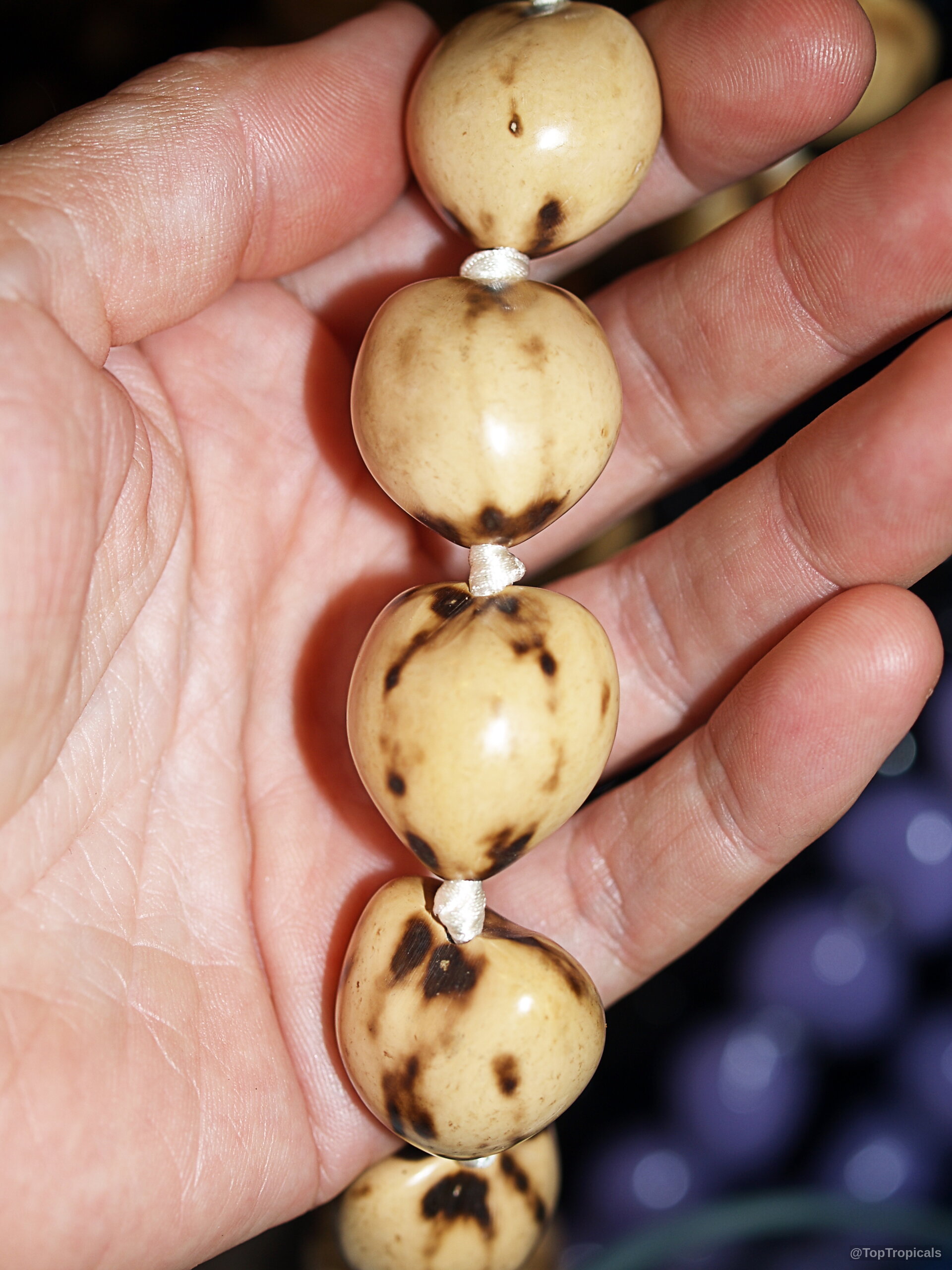
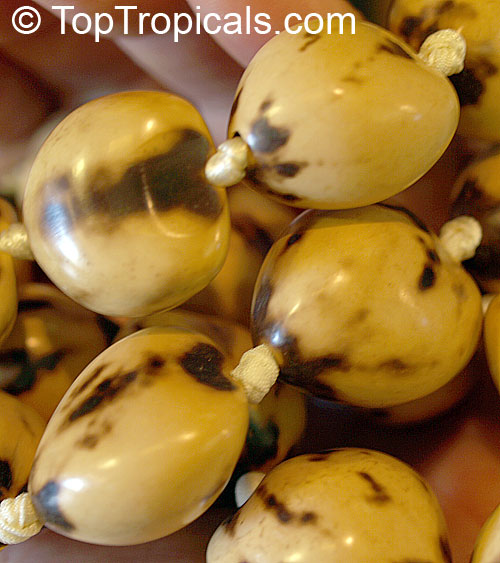
The kukui nut has many uses. Originally it was most valued for its light, the oil of the white kernels being extracted for its use in stone lamps and in ti leaf sheath torches. The tree is sometimes called the Candlenut Tree. The nuts are widely used as a traditional lei, both the hard shells of the polished black, tan or brown, and immature white, which are more rare. The Kukui Nut lei were worn by royalty back in the days of the Hawaiian monarchy (Alii). The kukui nut leis are finished and polished and will last for years. The bark, flowers and nuts are all used for medicine. As food, a small amount of the pounded roasted nuts, plus salt and sometimes chili peppers, is used as a relish and is called inamona. Pure Kukui Nut Oil has been used by Hawaiians for centuries to protect and heal skin exposed to harsh sun, drying winds, and salt water. Kukui Nut Oil penetrates the skin well and is said to be excellent in treating many skin conditions including psoriasis, eczema, aging skin, and acne. Bark used on tumors in Japan. The oil is purgative and sometimes used like castor oil. Kernels are laxative stimulant, and sudorific. The irritant oil is rubbed on scalp as a hair stimulant. In Malaya, the pulped kernel enters poultices for headache, fevers, ulcers, and swollen joints. In Java, the bark is used for bloody diarrhea or dysentery. Bark juice with coconut milk is used for sprue. Malayans apply boiled leaves to the temples for headache.
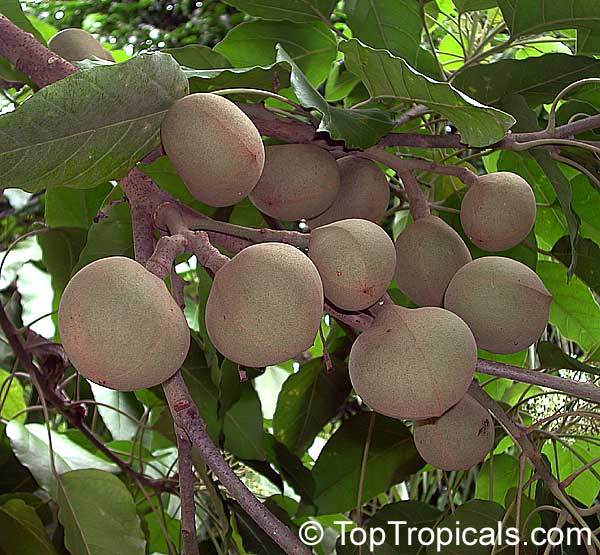

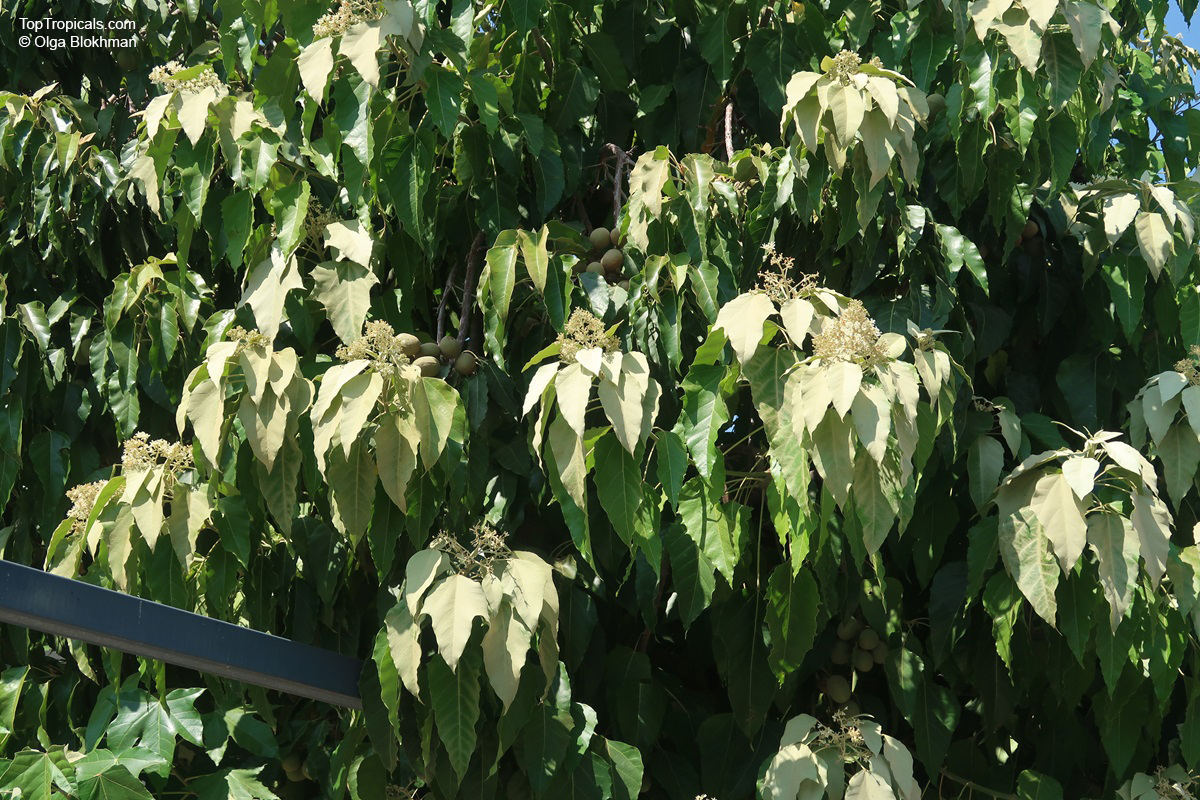
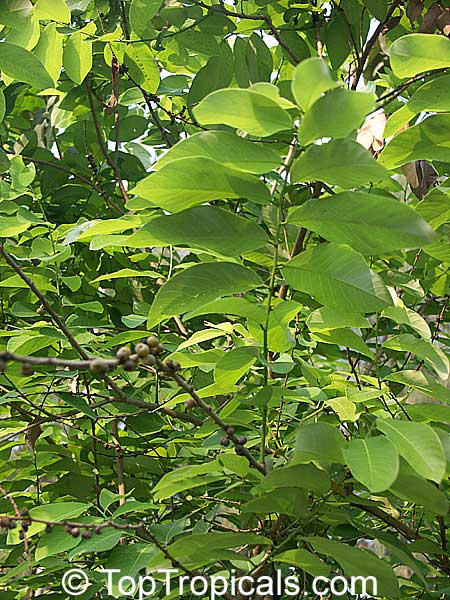
Botanical name: Bridelia ovata
Common name: Ragah
Family: Euphorbiaceae
Fresh or dried leaves: common ingredient in most traditional formulae as mild laxative.
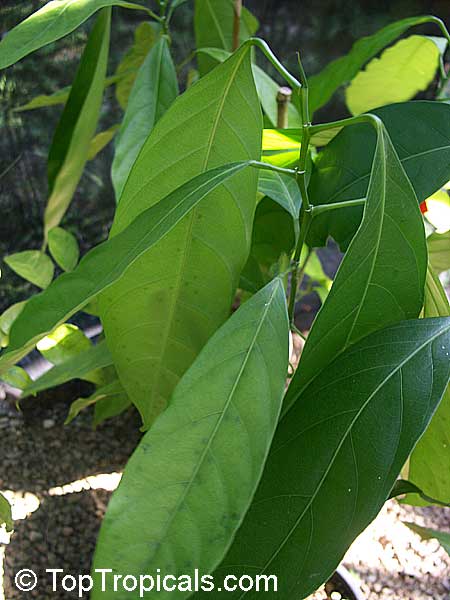
Botanical name: Caryodendron orinocense
Common names: Orinoco nut, Cacay, Barinas nut
Family: Euphorbiaceae
Origin: South America

Caryodendron orinocense is a slow-growing tree that reaches 25 m in height. The trunk is long and slightly grooved; the bark is thin and grayish, dark green, or brown. The leaves are alternate, glabrous, dark green on the right side and light green on the back side, narrowly elliptical or oval. The tree is dioecious; the masculine flowers have a trifoliate calyx with oval sepals, pointed and membranous. The feminine flowers are sessile, forming a bracteate terminal sprig. Good yields have been observed in flooded soils and in fertile lowlands, but the tree also grows to great heights on the sides of mountains. Caryodendron orinocense is very susceptible to fire and does not endure prolonged droughts. The seed has a very short viability period, which makes sowing the species in other regions of the country difficult. It can be stored at +6 C without significantly affecting the percentage of germination. If the seeds are dried an additional week before refrigeration the viability period of the seed tends to lengthen. Good source of edible oil.
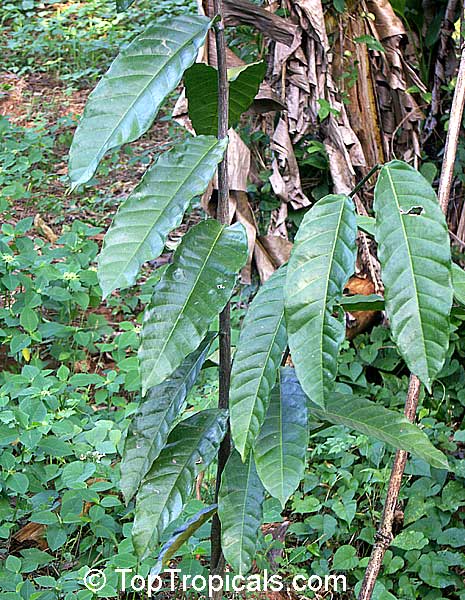
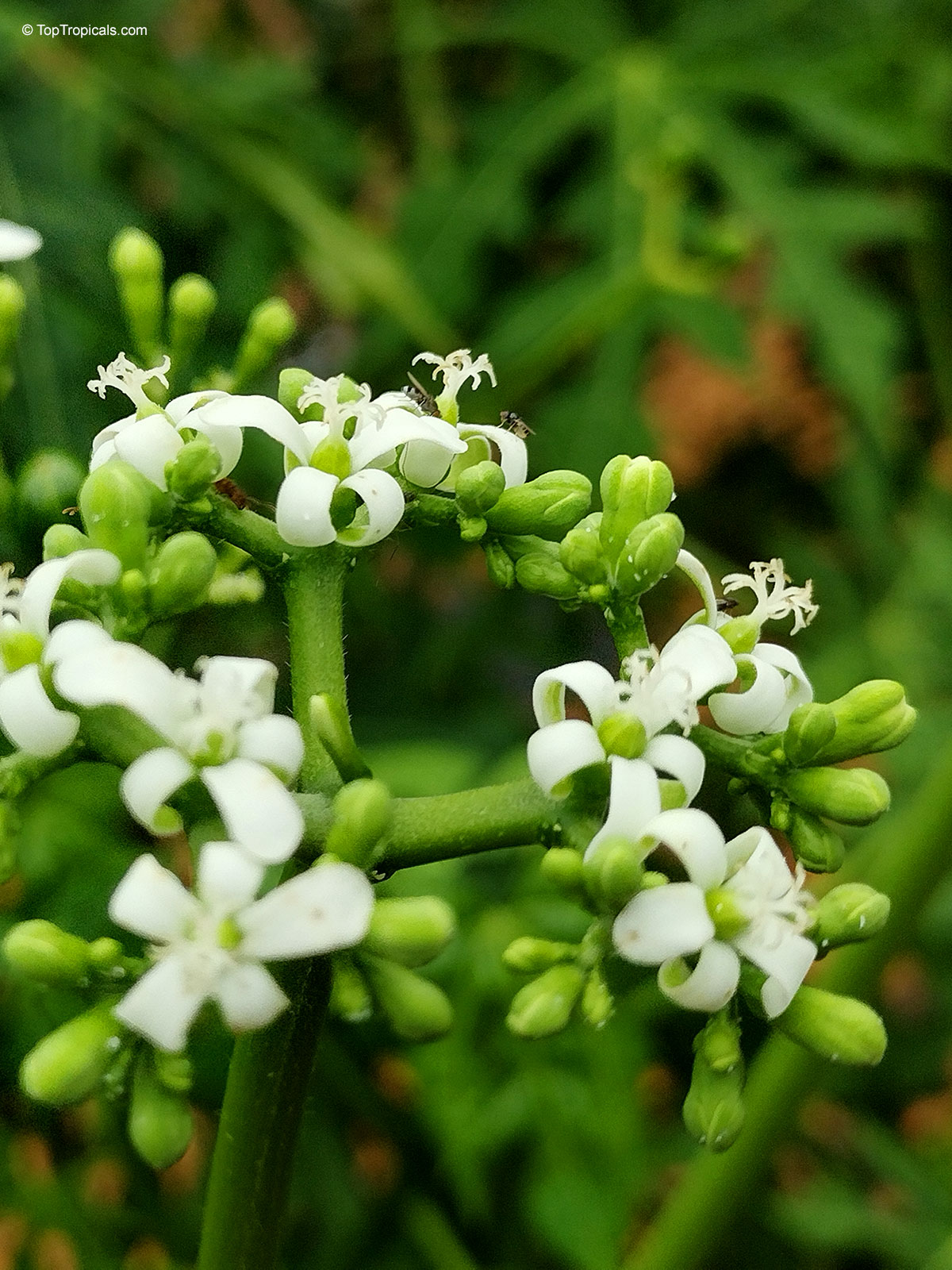
Botanical name: Cnidoscolus aconitifolius
Common names: Spinach Tree, Tread Softly, Cabbage Star, Chaya
Family: Euphorbiaceae
Origin: Central America, Mexico
Hardiness: 30°F

Chaya is a highly nutritious leafy green native to the Yucatan Peninsula. Rich in protein, calcium, iron, and vitamins A and C, Chaya offers a host of health benefits. Traditional uses include aiding digestion, improving circulation, and promoting lactation. Additionally, it has been utilized in folk medicine to address conditions such as diabetes, anemia, and high blood pressure.
However, it's crucial to note that chaya leaves must always be thoroughly cooked - boiled for at least 5 to 15 minutes - to neutralize hydrocyanic glycosides compounds and make them safe to eat.
Growing chaya is both fun and rewarding, especially in warm climates like Florida. This fast-growing perennial thrives in full sun to partial shade and is well-suited for food forests or backyard gardens. Propagation is typically done through 6-12 inch woody stem cuttings, which root easily when planted in well-draining soil. Once established, chaya plants can reach heights of 6 to 8 feet and can be harvested continuously, provided no more than 50 persent of the foliage is removed at a time to ensure healthy new growth.
Beyond its nutritional and medicinal value, chaya is a beautiful addition to the garden, attracting butterflies and hummingbirds with its white flowers. Its resilience to drought and ability to thrive in various soil conditions make it an excellent choice for sustainable gardening.
Variegated Maya Spinach Tree is also called Cnidoscolus aconitifolius variegatus cv. Jatropha, or Variegated Chaya, Variegated Tree Spinach. It is a succulent perennial shrub or small tree with showy cut foliage in heavily divided fans with a creamy variegation. It sends out small clusters of white flowers, a nice bonus. Sunny location dry between watering. The leaves can be cooked and eaten, similar to spinach (but are toxic raw). But, really it's just stunning as an ornamental alone!
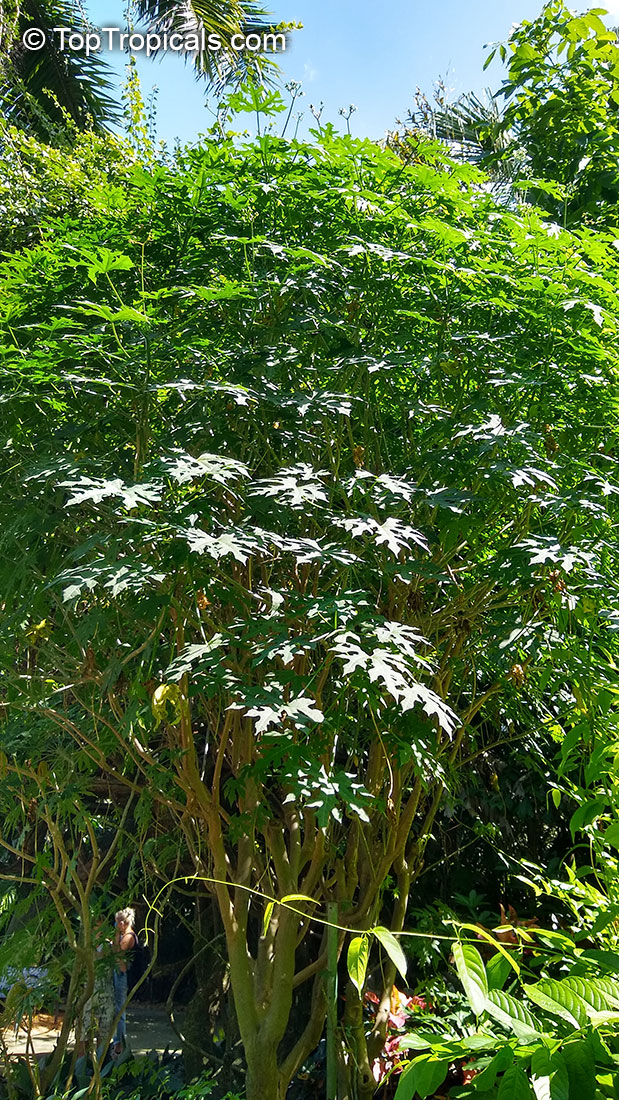
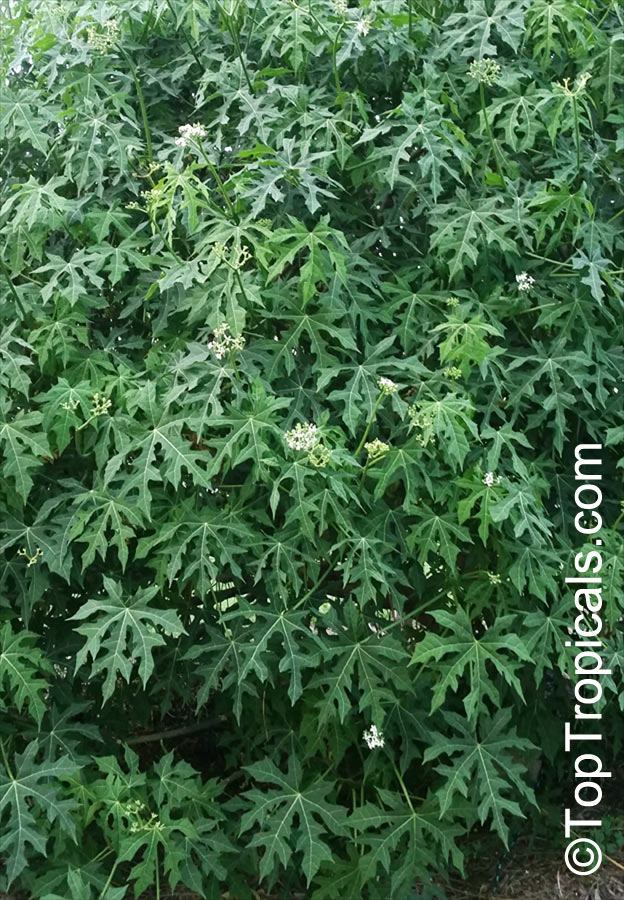
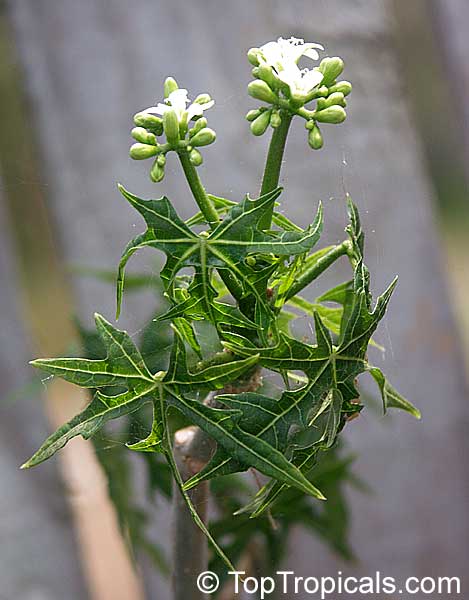
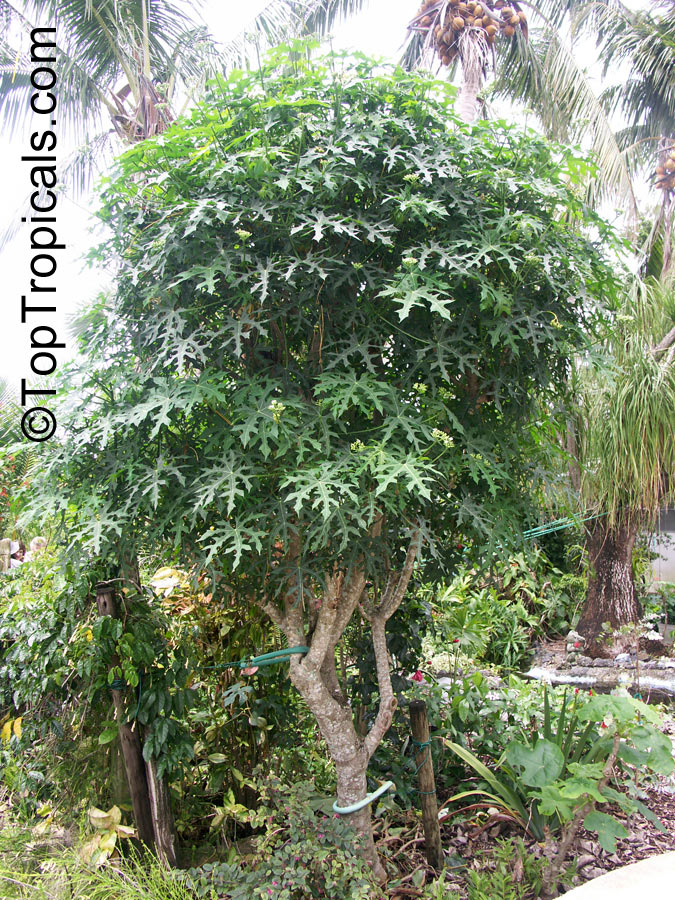
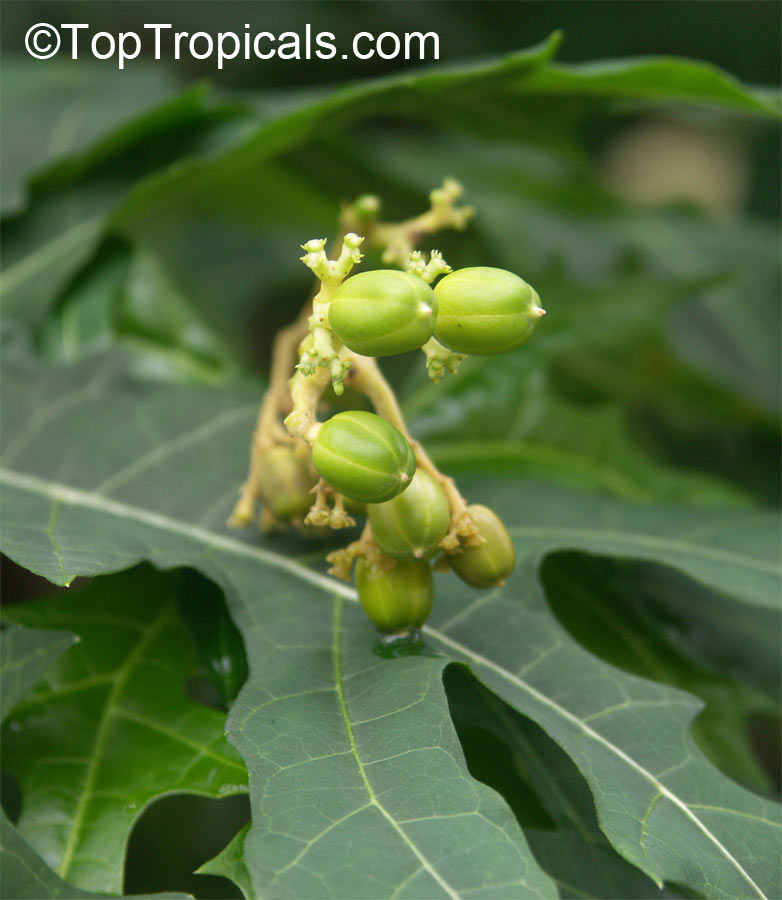
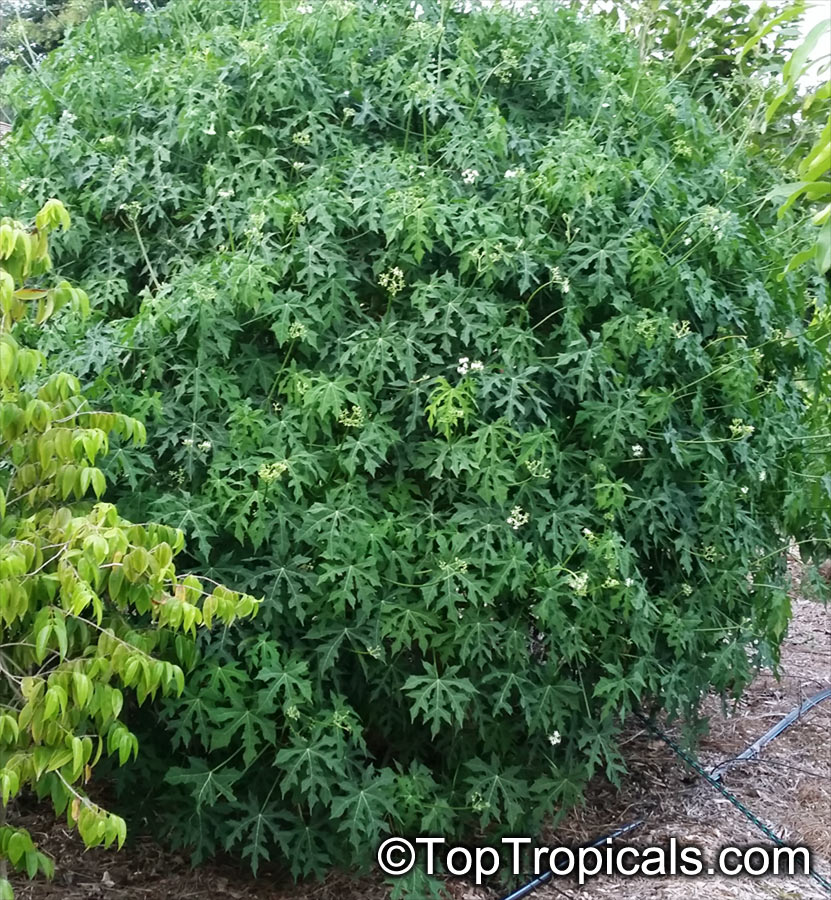
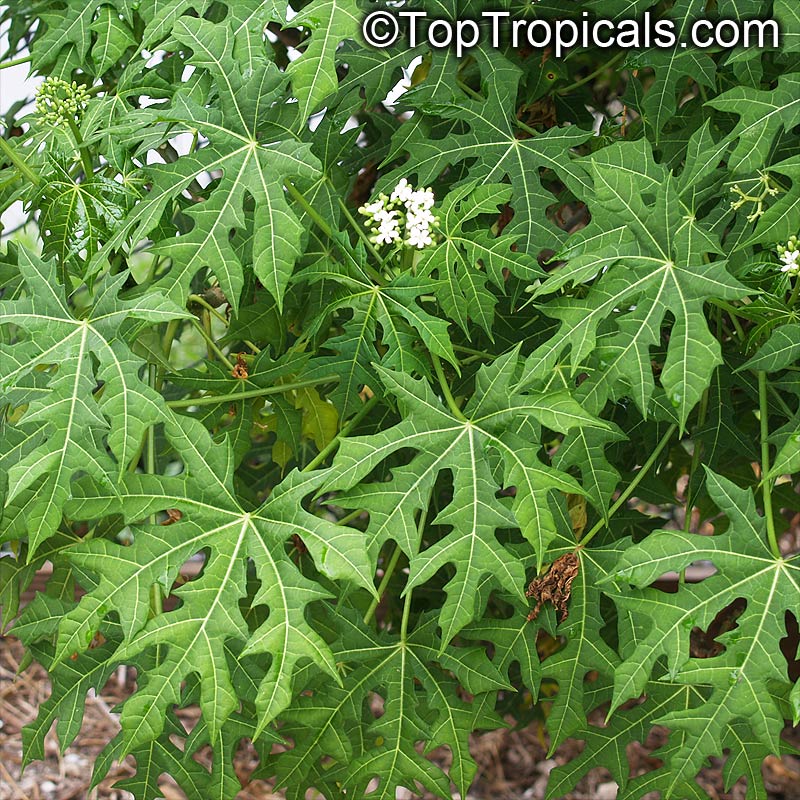
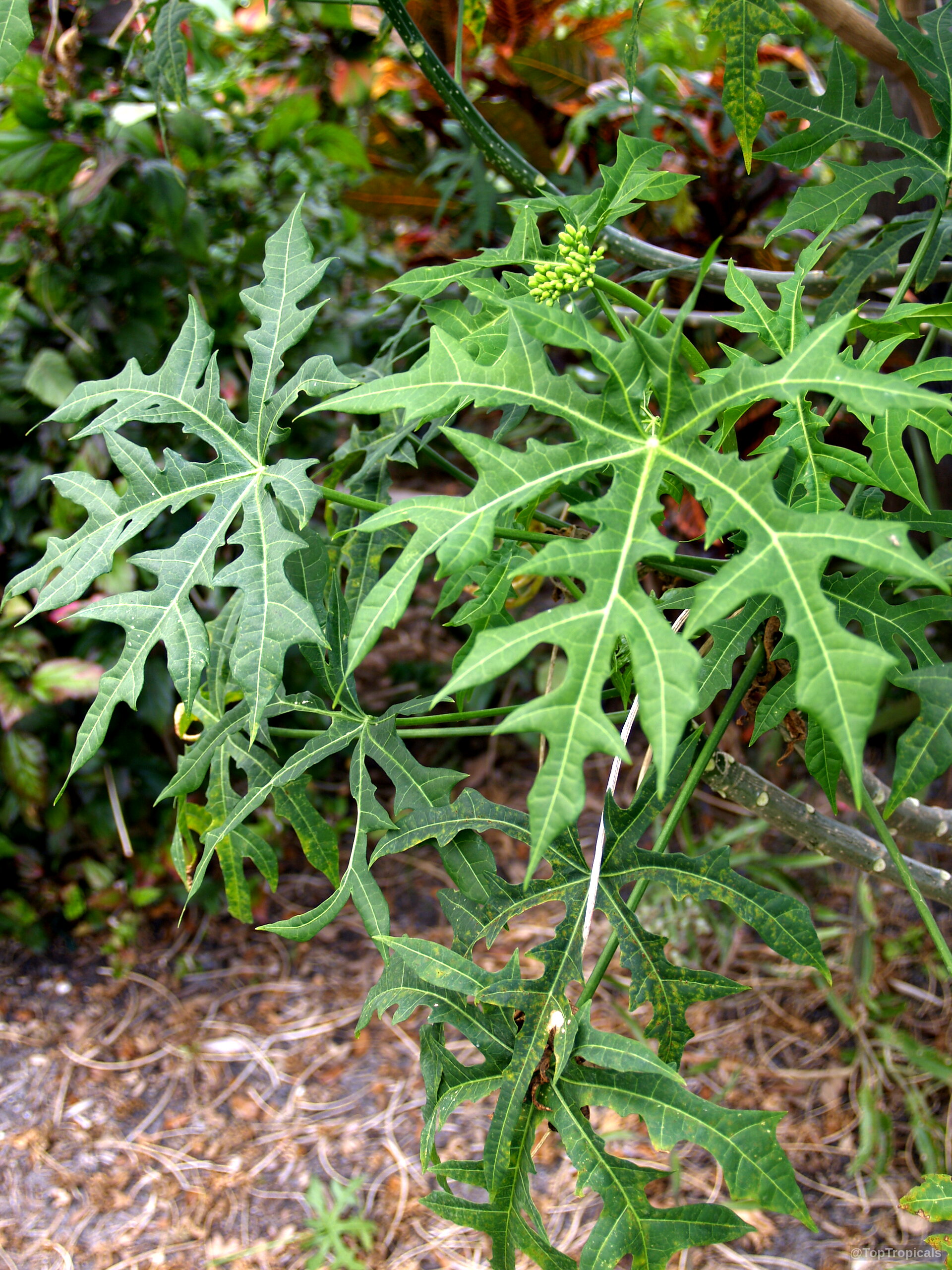
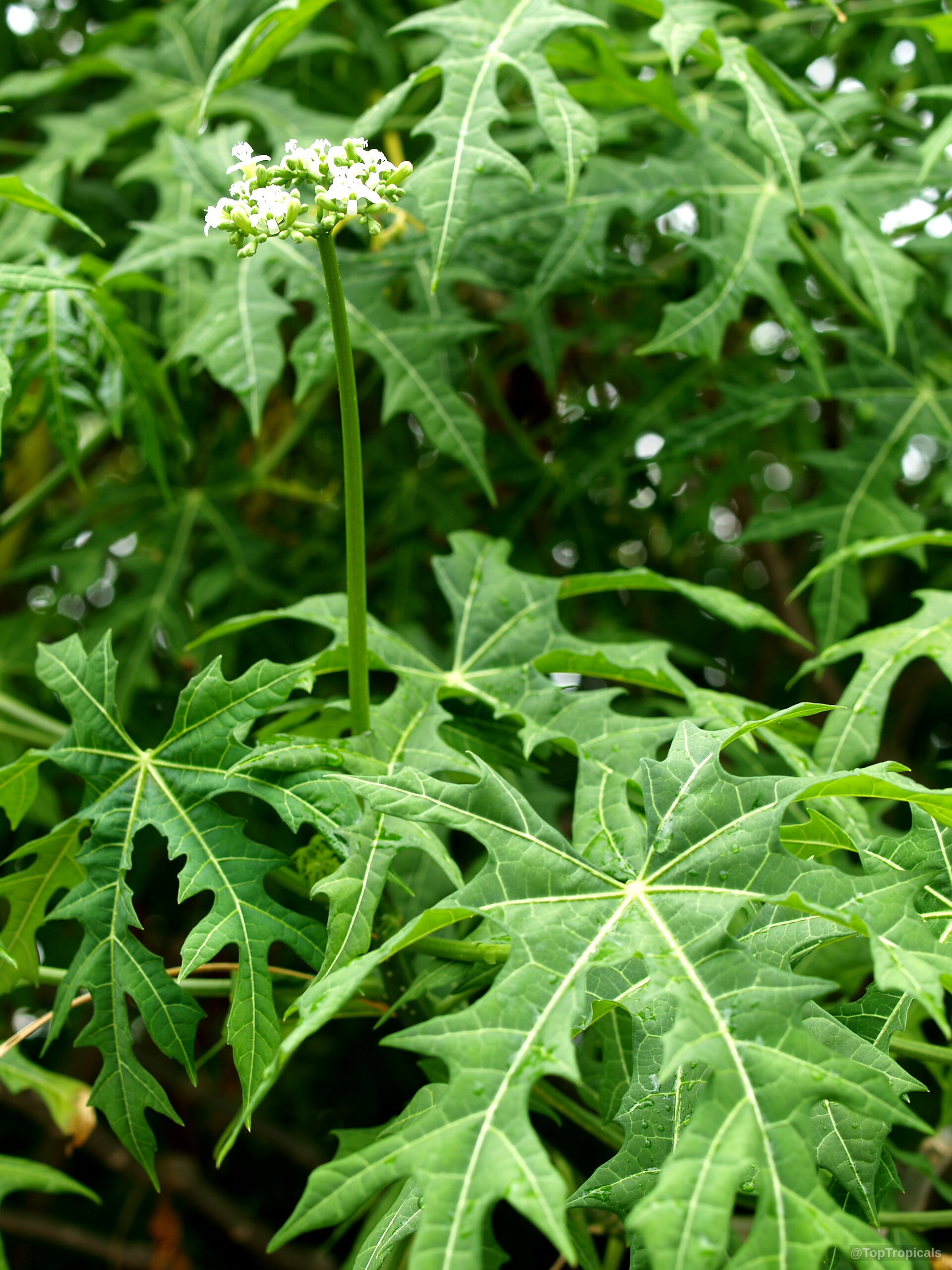
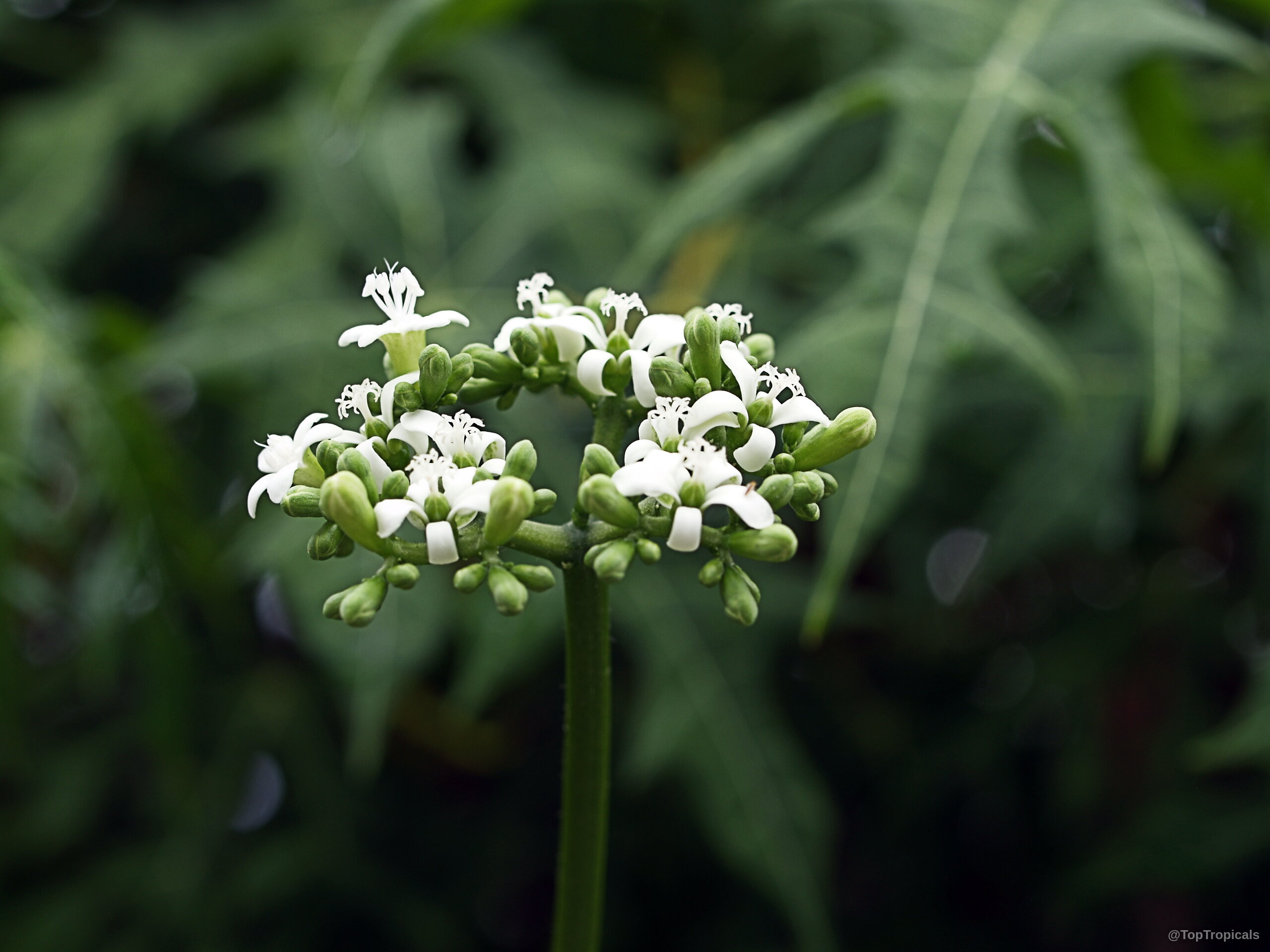
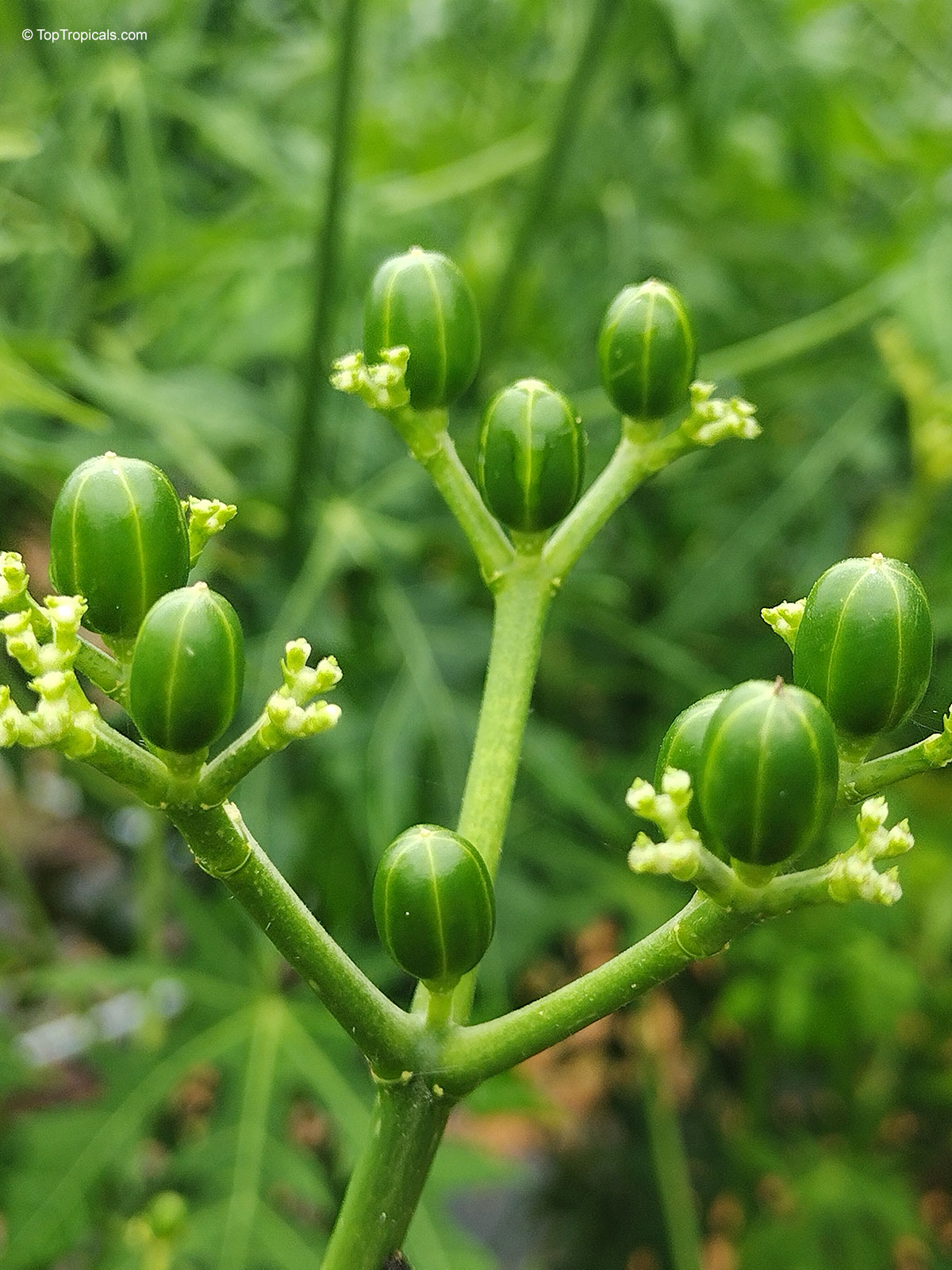
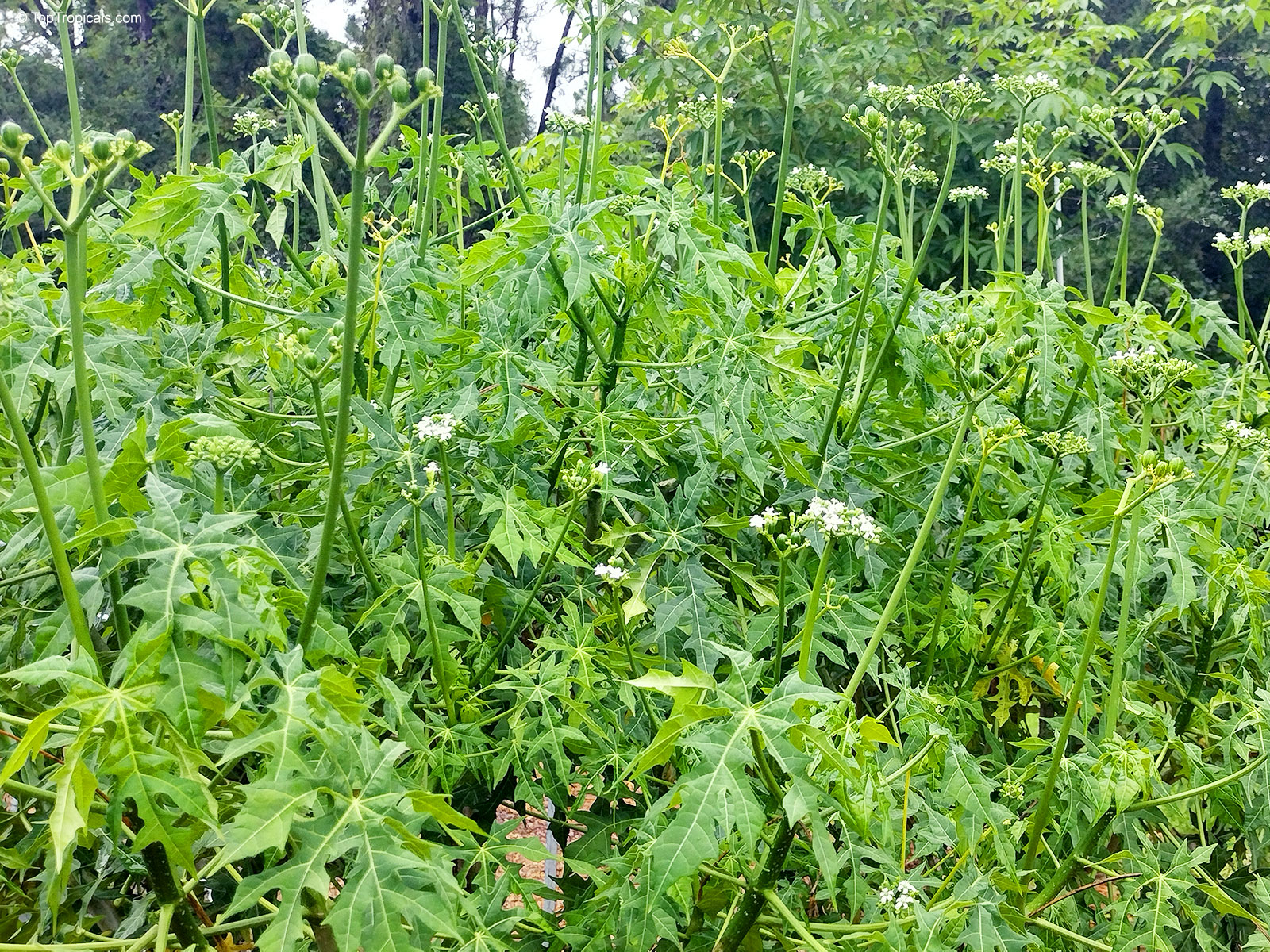
Important: Always cook the leaves by boiling them for 5-15 minutes to neutralize toxins and make them safe to eat.
This fast-growing perennial thrives in full sun to partial shade, making it perfect for food forests or backyard gardens. Easily propagated from 6-12 inch stem cuttings, Chaya can reach 6-8 feet tall and can be continuously harvested with proper care. It's a beautiful addition to any garden, attracting butterflies and hummingbirds with its white flowers, and is resilient to drought and various soil types.
Recommended Fertilizer: SUNSHINE Robusta - Rapid Growth Booster
| Next | |
Use link to repeat this search:
https://toptropicals.com/cgi-bin/garden_catalog/cat.cgi?search_op=and&keyword_op=and&language=e&family=Euphorbiaceae
&number=10&no_change_lang=1&user=tt&sale=1&first=0