Elaeocarpaceae - Botanical Family
| Number of plants found: 11 | Next | 
|
Go to page: | 1 | 2 |
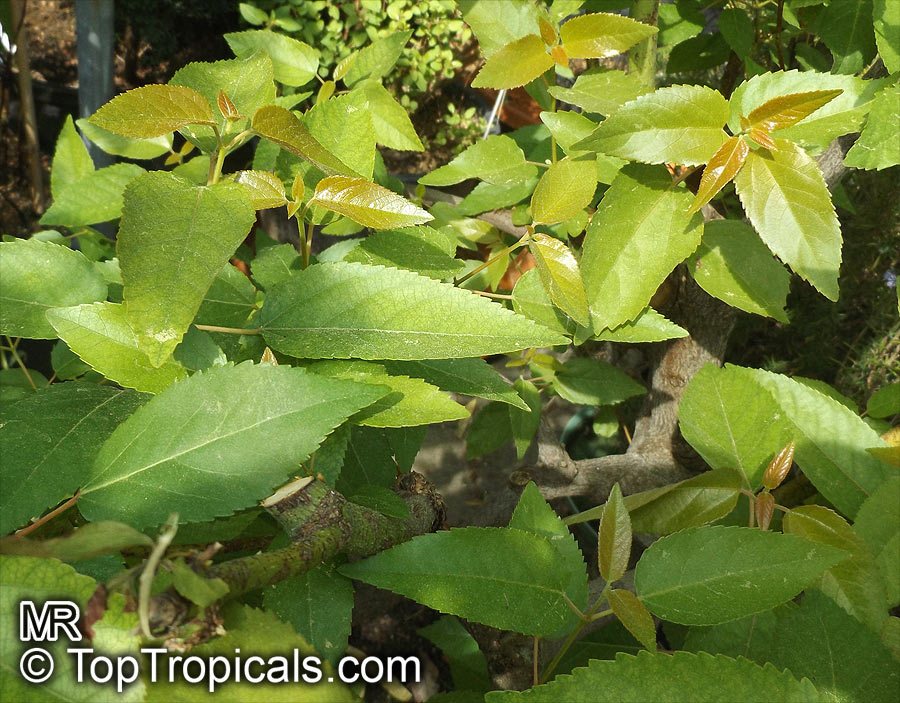
Botanical names: Aristotelia chilensis, Aristotelia macqui
Common names: Maqui, Chilean Wineberry
Family: Elaeocarpaceae
Origin: Chile, Argentina


Aristotelia chilensis, also known as Maqui, is a small tree that reaches 10-20 feet in height and is native to Chile and Argentina. It prefers full sun or semi-shade, and needs regular water to grow. Its white or off-white flowers are small and unisexual, with its small purple-black berries typically measuring 4-6 mm in diameter.
The berries of the Maqui tree have a rich array of health benefits. They are rich in antioxidants, particularly anthocyanins, which can help reduce inflammation in some conditions, as well as boost general health. Maqui berries are also high in dietary fiber which can help support digestive health, as well as essential nutrients such as calcium, iron, magnesium, and Vitamin A and C.
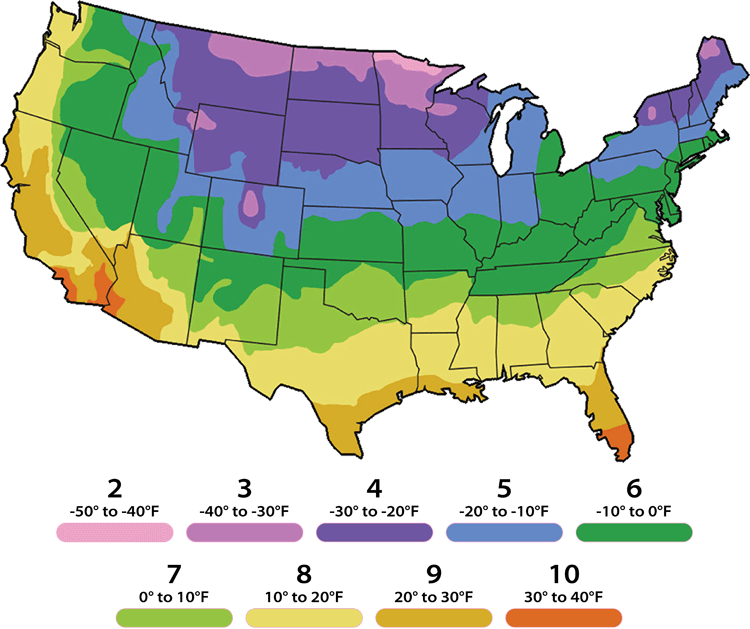
The Maqui tree can produce up to 500 fruits per season and can be grown in USDA Zones 9-11, though it may require extra care in colder climates. Care of the Maqui tree in a pot requires well-draining soil and careful monitoring of water levels in colder climates. Consider setting up a mulch barrier around the tree to help protect its roots from frost damage, and bring the tree indoors or to a sheltered area when freezing temperatures threaten.
In addition to its health benefits, the Maqui tree has also been used in ethnomedical practice for many generations. The leaves, bark, and roots of the tree have traditionally been used to make herbal remedies, and the berries are also edible, adding to their health benefits.
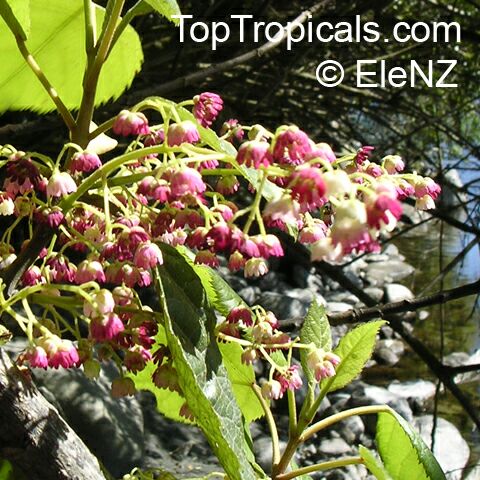
Botanical names: Aristotelia serrata, Aristotelia racemosa
Common names: Makomako, Wineberry
Family: Elaeocarpaceae
Origin: New Zealand


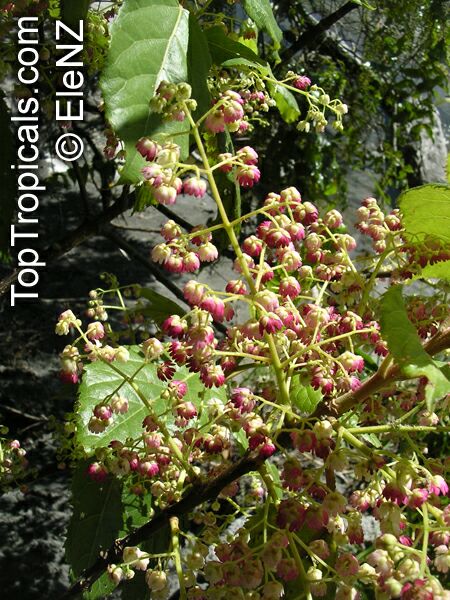
Leaves opposite, ovate, base truncate or cordate, doubly and irregularly dentate, bright green above, paler and sometimes purplish beneath. Small dark pink flowers in axillary and pubescent panicles. Berries dark red or black.
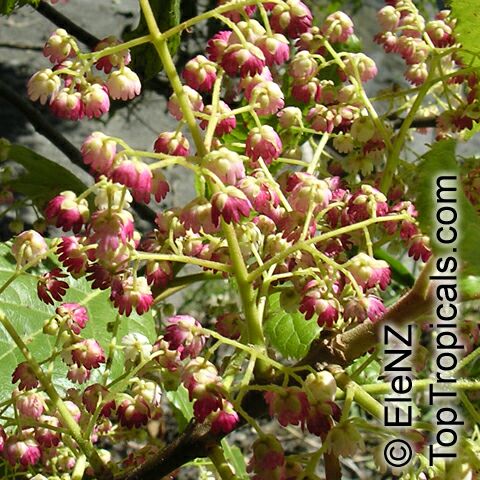
Botanical names: Crinodendron hookerianum, Tricuspidaria lanceolat
Common name: Chilean Lantern Tree
Family: Elaeocarpaceae
Origin: Chile

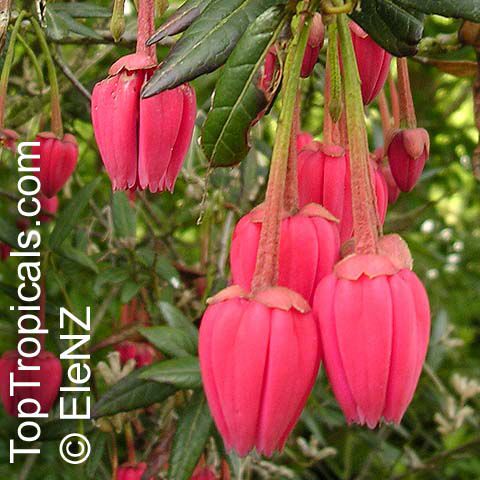
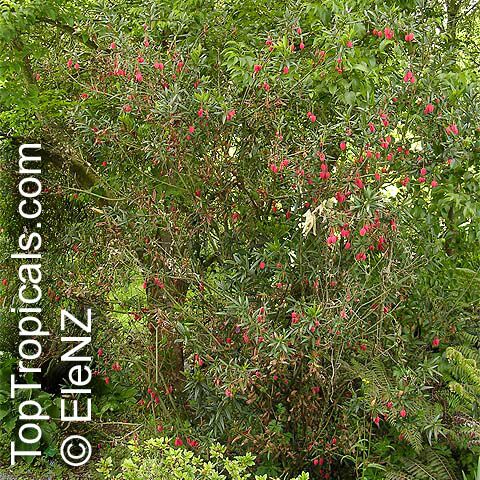
Crinodendron hookerianum (Chilean Lantern Tree) is a large shrub native to Chile and grows to maximum heights of 5 to 10 ft. It can also be grown in USDA Zone 9-11. It needs to be planted in a sunny to semi-shaded spot and watered regularly. Its distinctive red and crimson flowers giving it the name Chilean Lantern tree when they appear in spring and early summer.
For best results, it is recommended to plant the tree in soil with good drainage and to keep the soil slightly acidic. The tree should also be watered well throughout the growing season, particularly during dry periods.
For those living in cold regions, it is possible to grow this beautiful Chilean tree in a pot. Simply ensure the pot is large enough to accommodate its roots and provide good drainage. The Chilean Lantern tree should be sheltered from cold winds and kept away from chillier temperatures in colder weather. Give it a few hours of sun for young plants, but give more shade for established plants.
This interesting and beautiful medium sized shrub is a lovely addition to any garden and with the right conditions and care, it will thrive and bring delight with its colorful lantern-like flowers.
Botanical name: Crinodendron patagua
Common name: Patagua
Family: Elaeocarpaceae
Origin: Chile


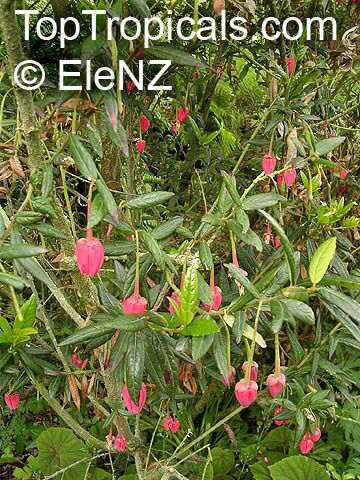
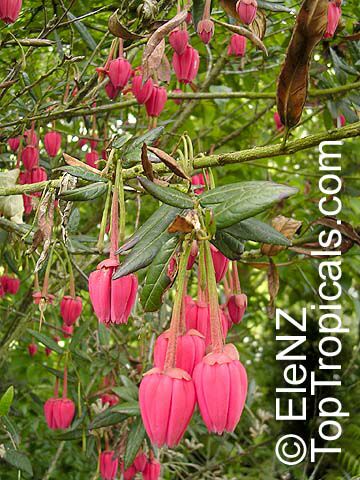
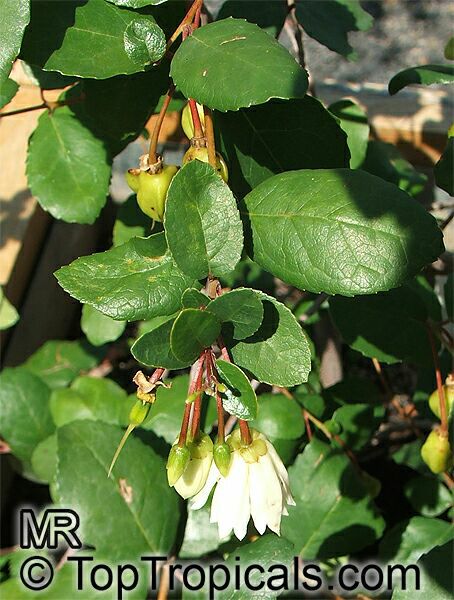
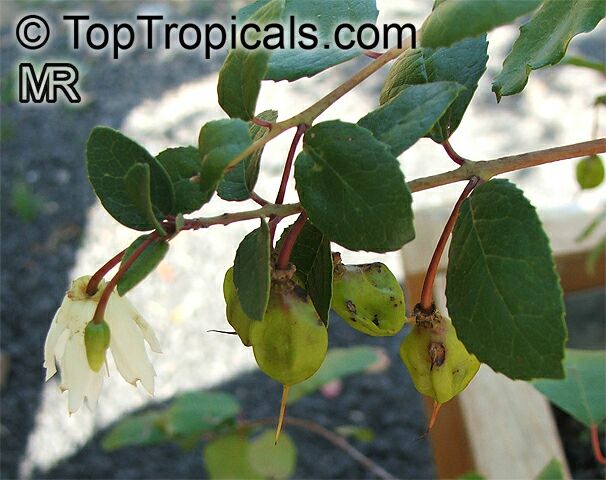
Extremely rare shrub with dark green glossy leaves. In summer produces bell shaped fragrant flowers with fringed white petals.
Botanical name: Elaeocarpus decipiens
Common name: Japanese Blueberry Tree
Family: Elaeocarpaceae
Origin: Japan

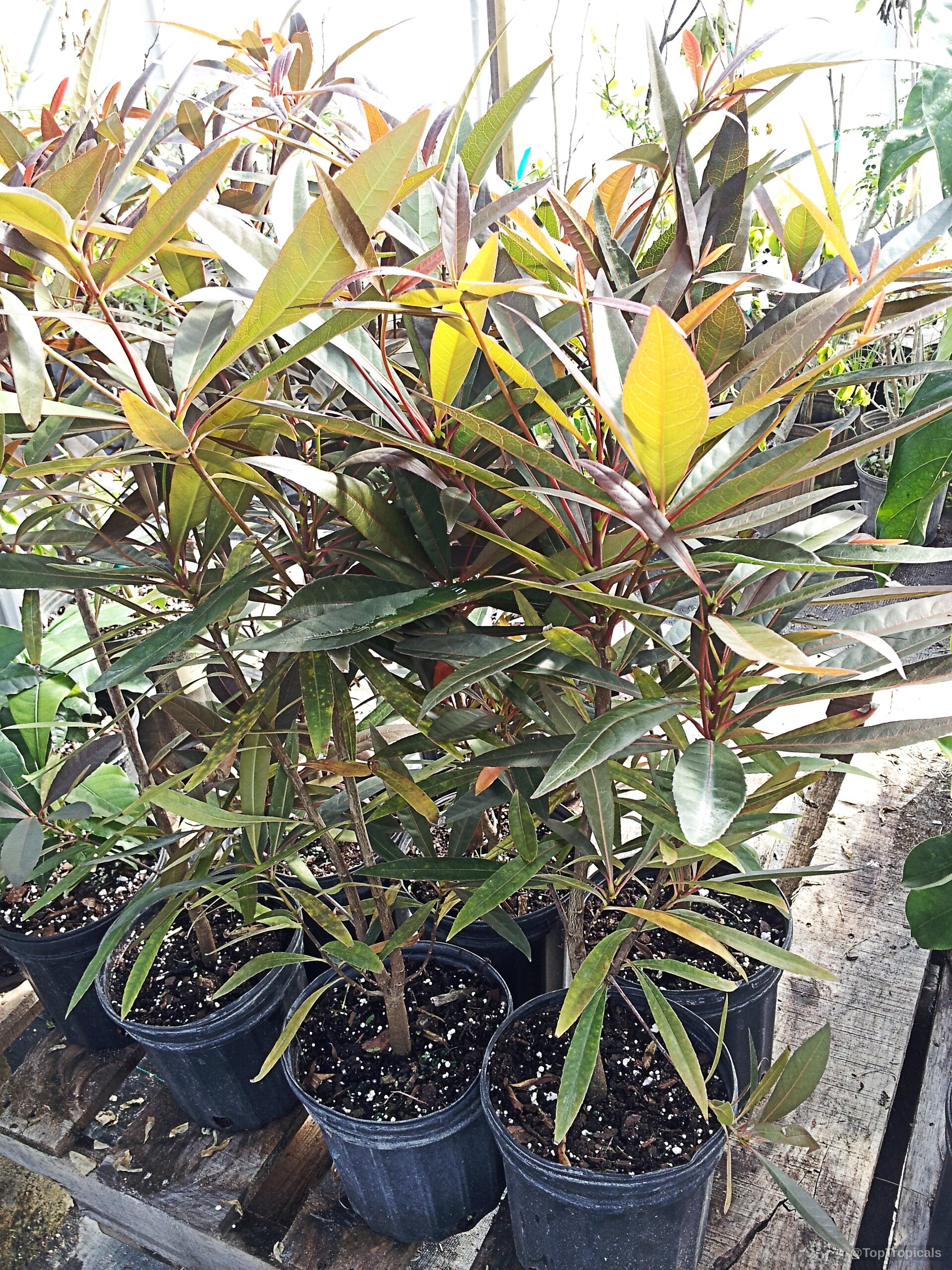
Elaeocarpus decipiens produces dark green, lustrous, leathery foliage and makes a wonderful specimen evergreen upright growing shrub or small evergreen tree in the warm parts of the South. New emerging foliage has a bronze color.
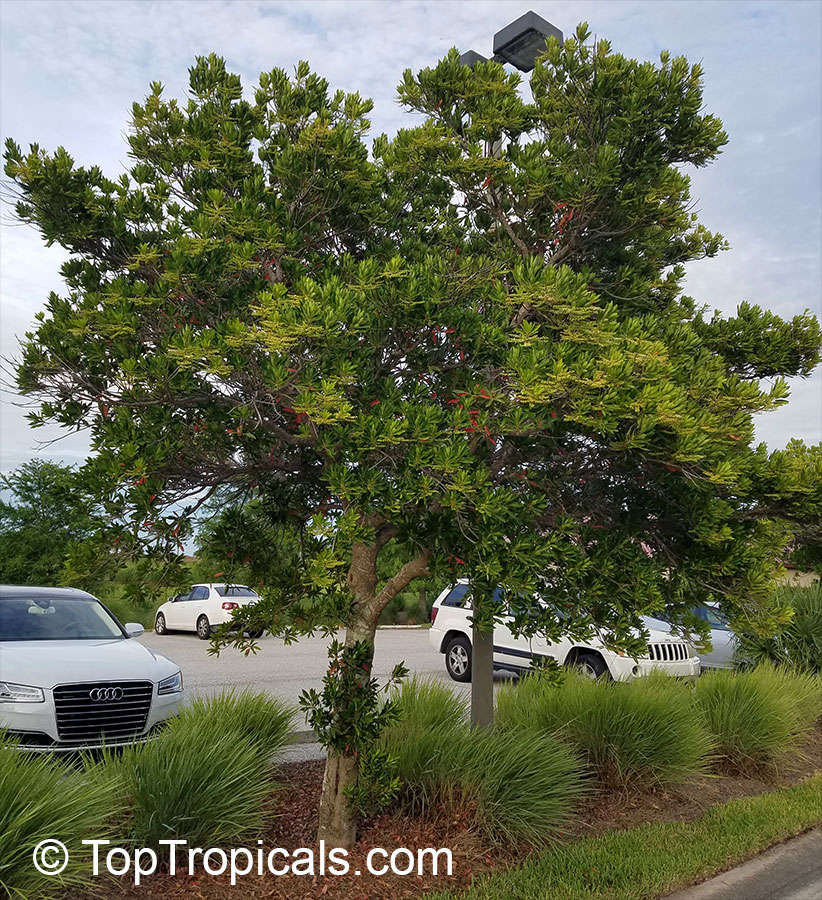
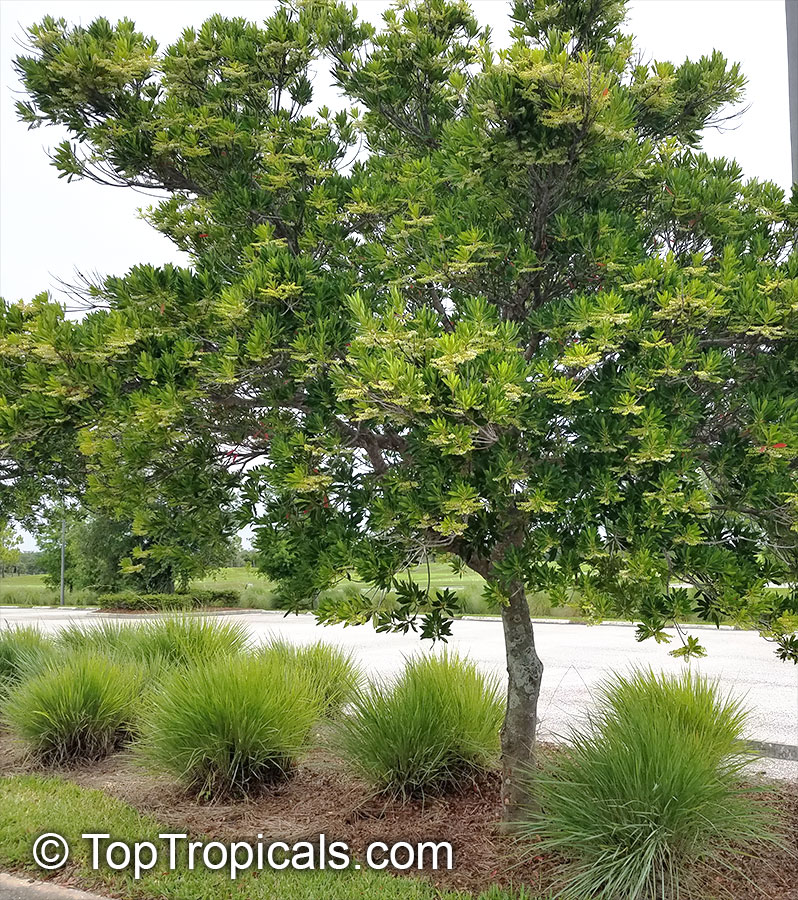
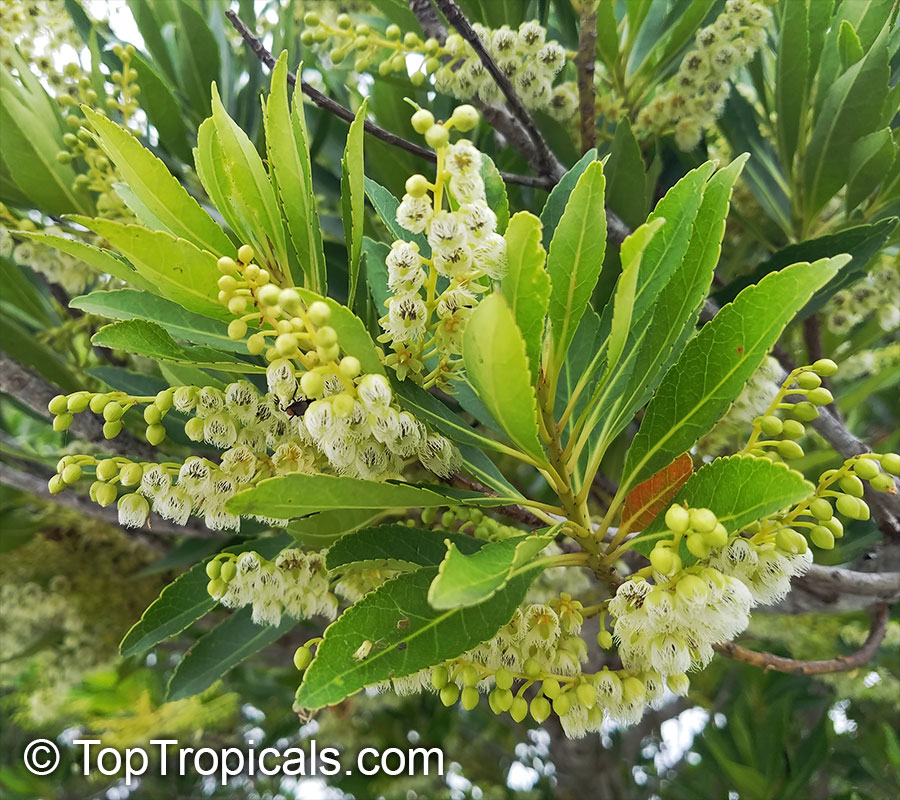
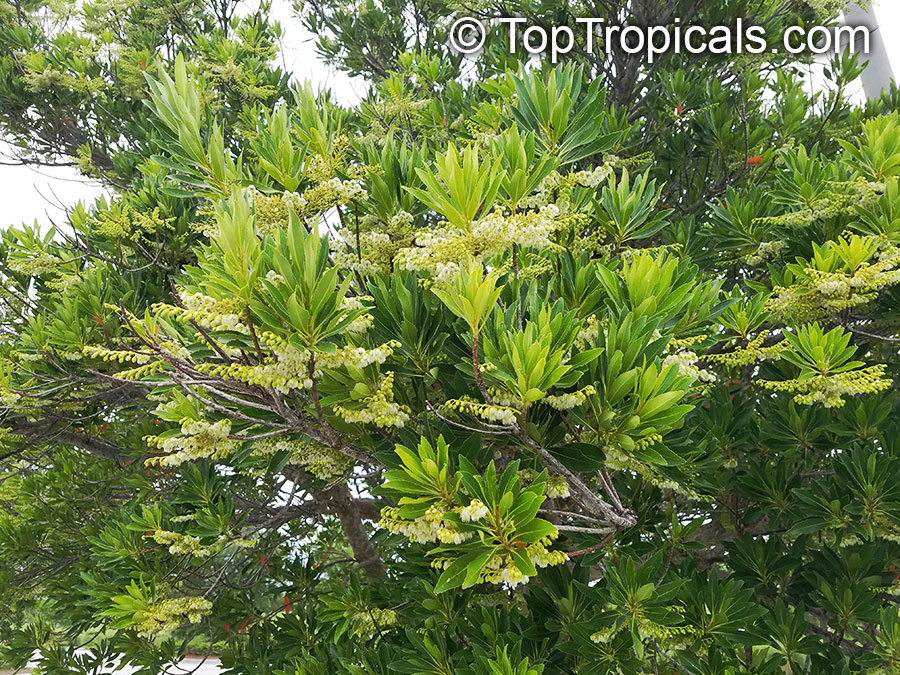
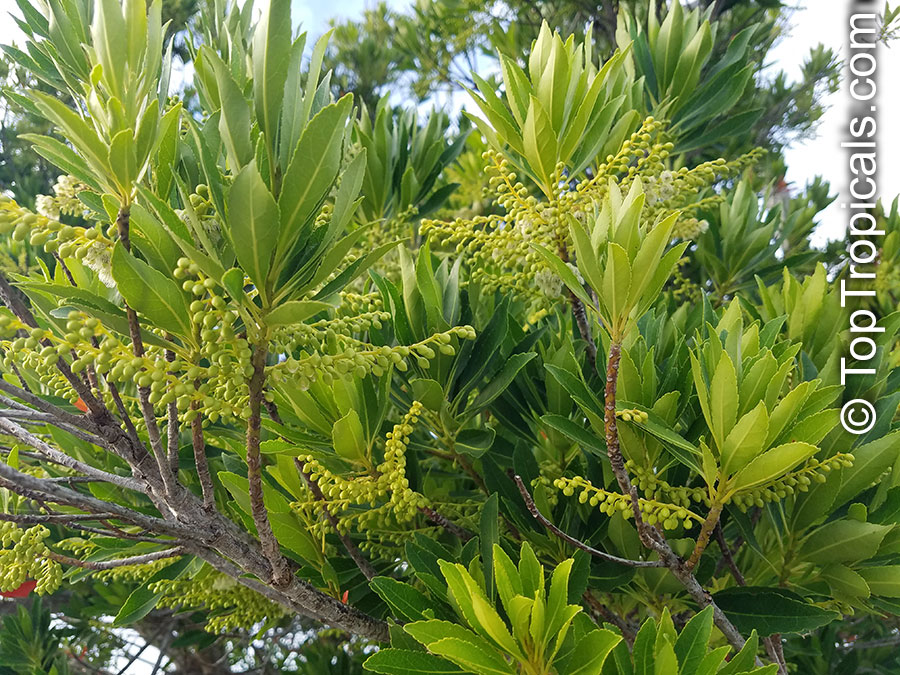
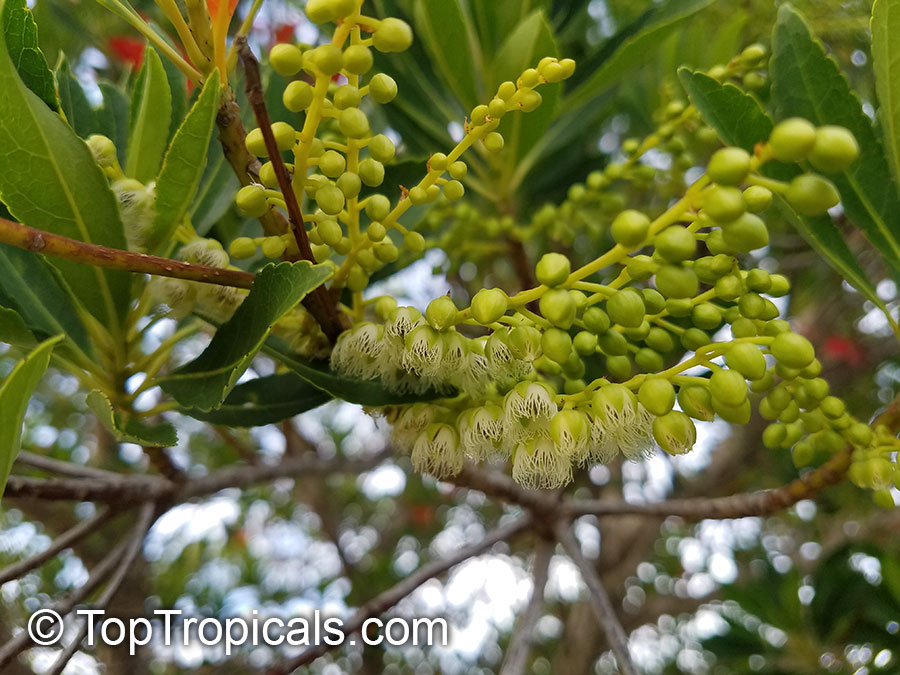
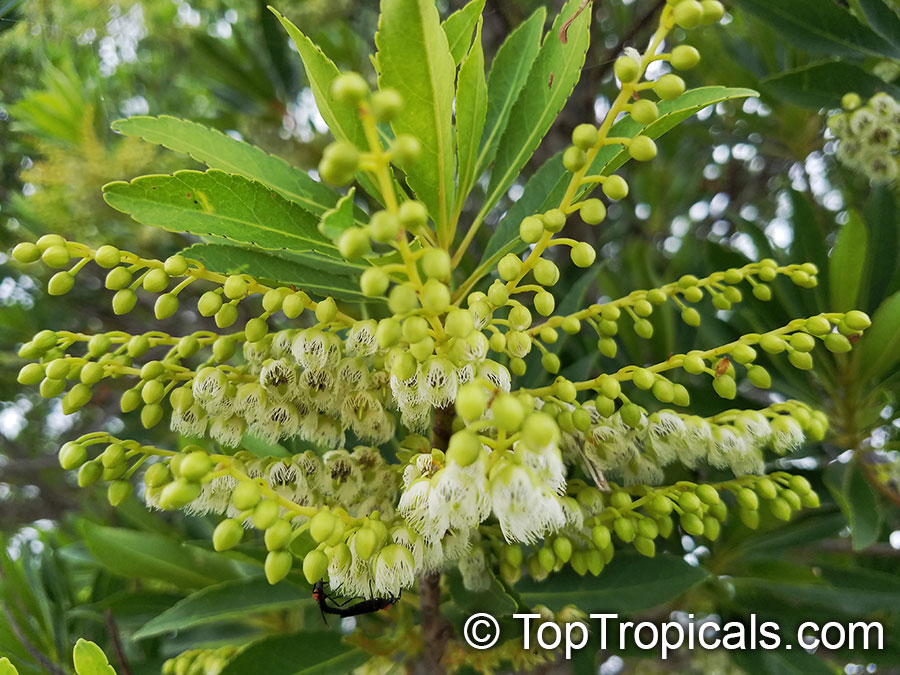
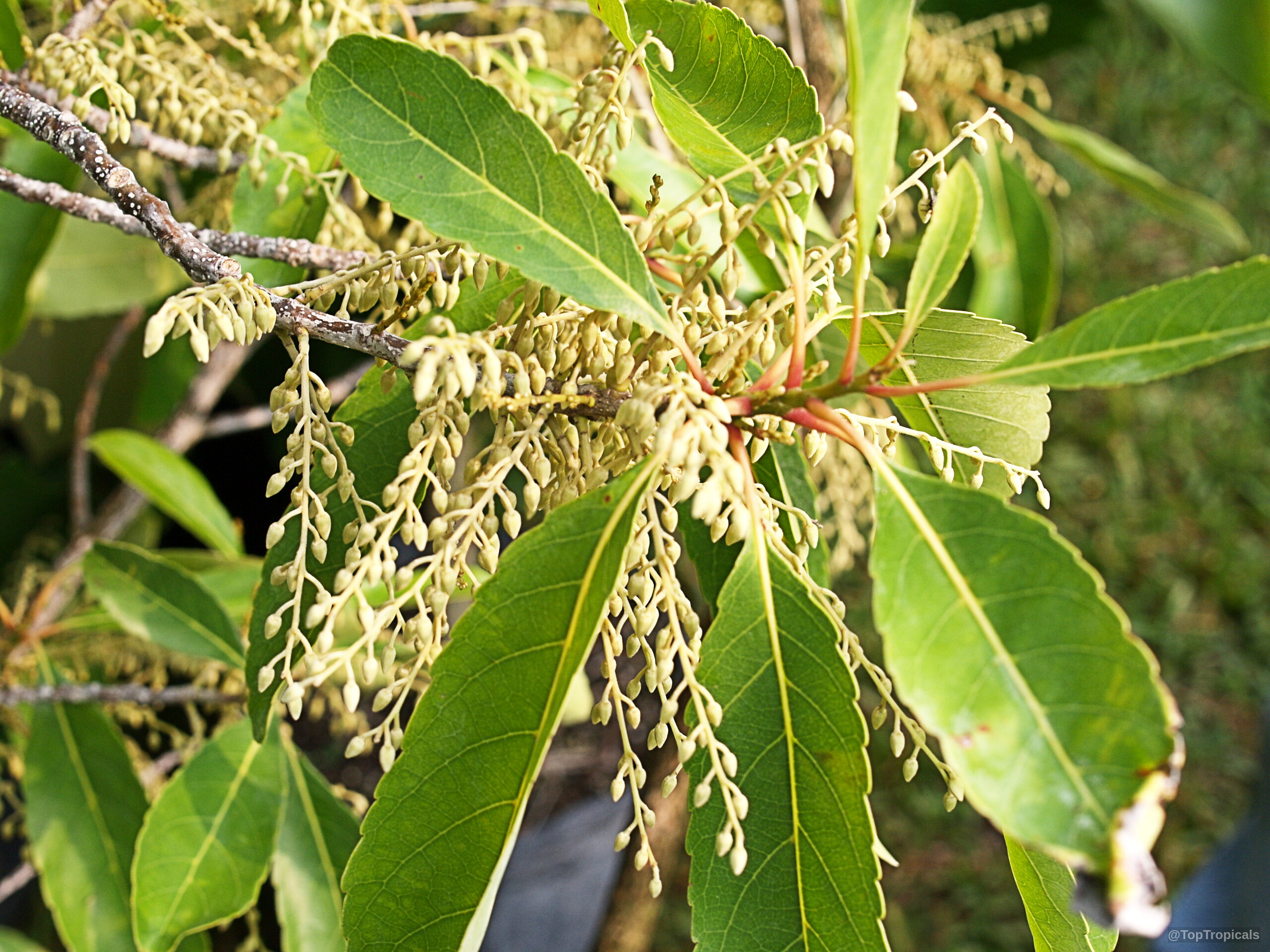
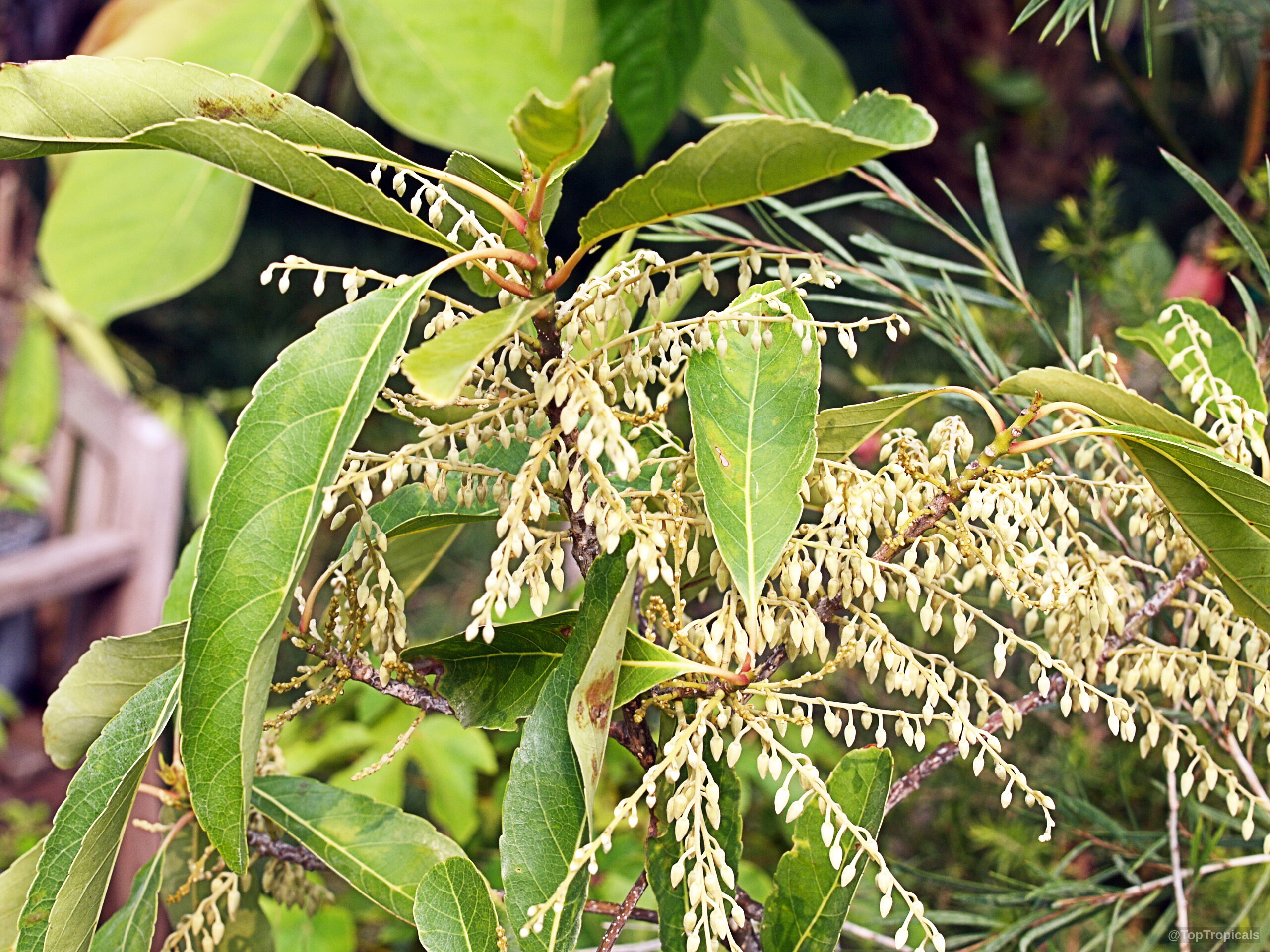

Botanical names: Elaeocarpus ganitrus, Elaeocarpus sphaericus
Common names: Rudraksh, Rudraksa, Rudraksha, Blue Olive Berry
Family: Elaeocarpaceae
Origin: India, Nepal, Indonesia

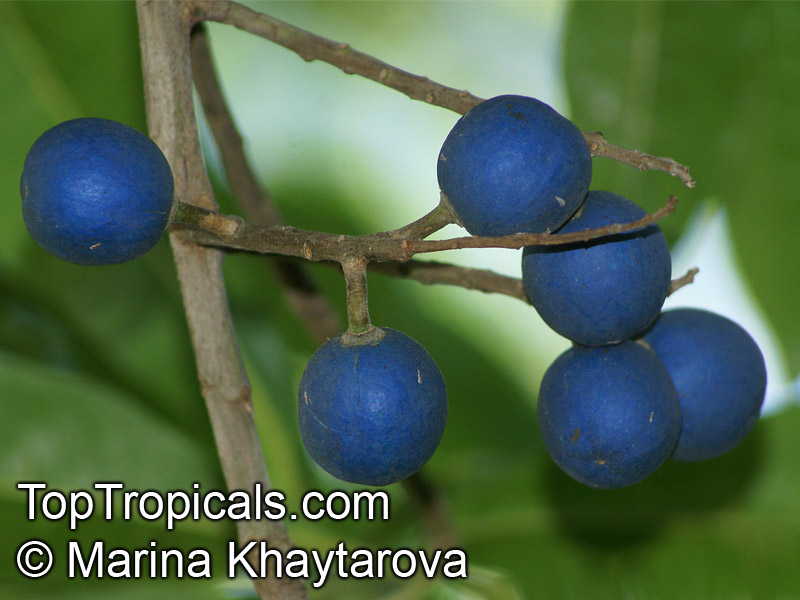
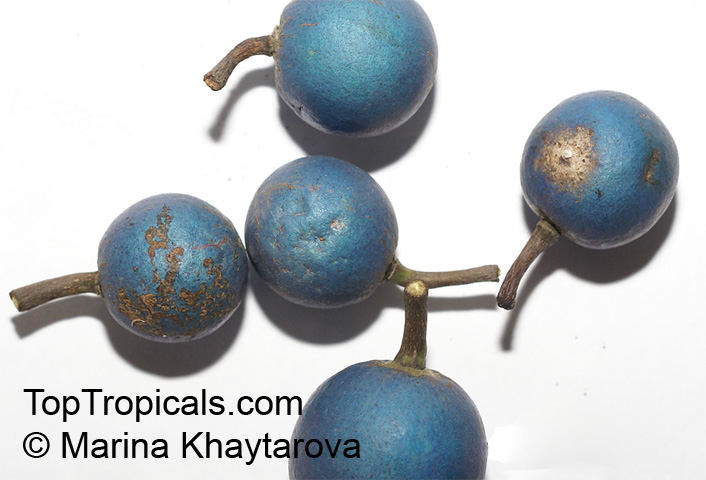
Similar species - Elaeocarpus Decipiens (Japanese Blueberry). The seed of Rudraksh tree has been given a very special place and it is credited with mystical and divine properties. It is said that the plant of Rudraksh is originated from the tear drops of Lord Shiva. The word Rudraksh is a Sanskrit compound consisting of the name Rudra (the name of Lord Shiva) and Aksha which means eye, tear. As per the vedic scriptures Rudraksh can nullify the effects of malefic planets to a great extent. Before the seeds are dried, they are a deep rich blue, dried they become brown and are used as prayer beads. It is said that the seed of Rudraksh contains the secrets of entire evolution of the cosmos within it. No other necklace or bead is so auspicious and powerful as Rudraksh.
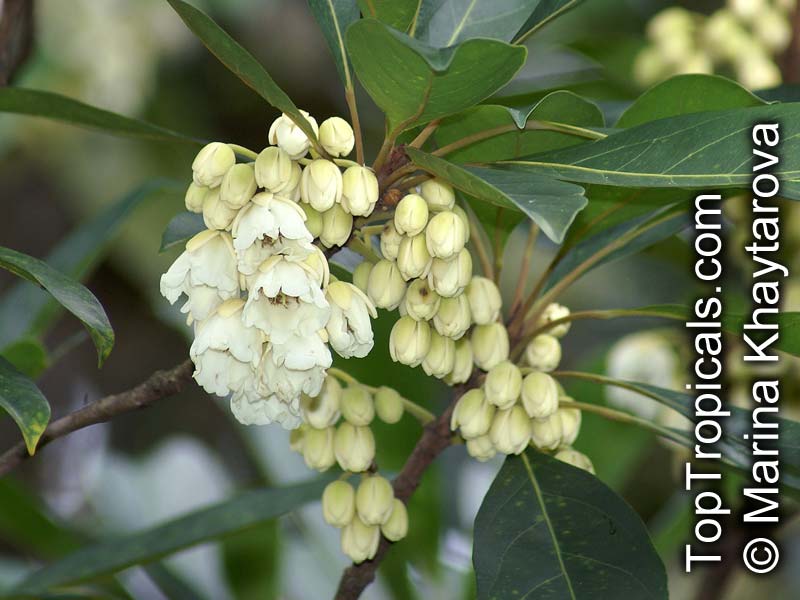
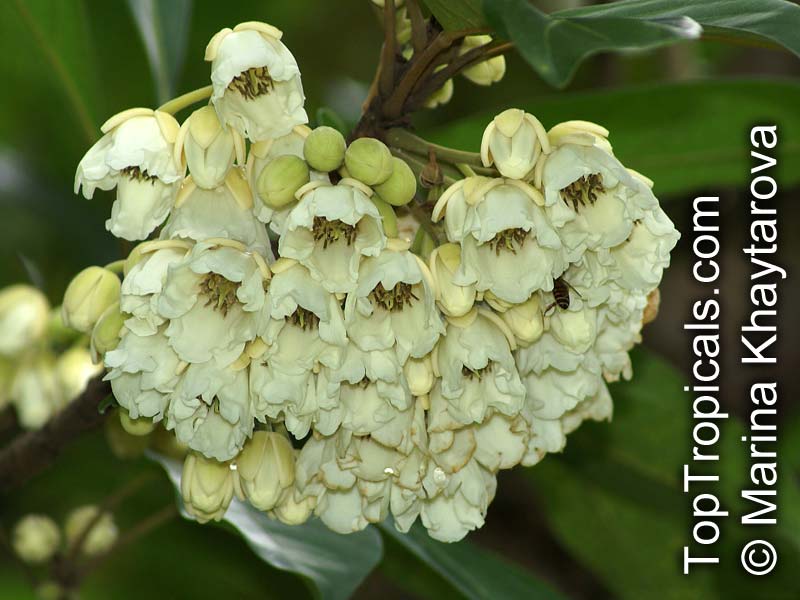
Elaeocarpus is a tall shrub or small tree which can reach 32-50ft in height but is usually much smaller in gardens. It is the most commonly grown member of the genus and is popular for its size, attractive flowers and colorful blue berries. It is adaptable to many climate zones provided water is available. It is not demanding as to soils but sands and waterlogged areas are not favored. Plants will grow in full sun to heavy shade. Small plants require regular watering, then as the plant matures in the ground, it becomes drought tolerant.
Close related species - Elaeocarpus angustifolius.
Read more about Elaeocarpus.
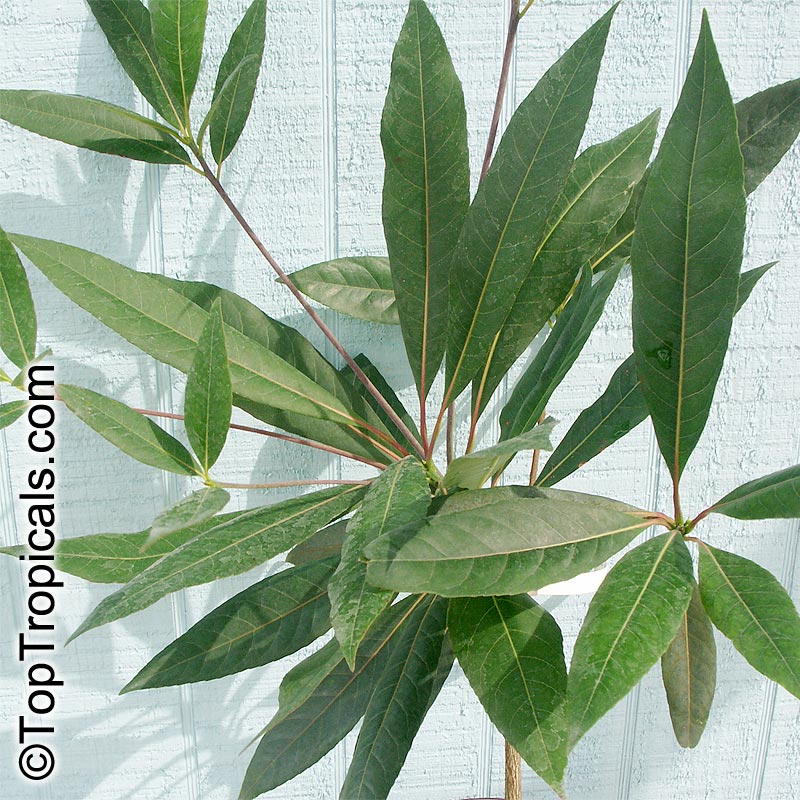

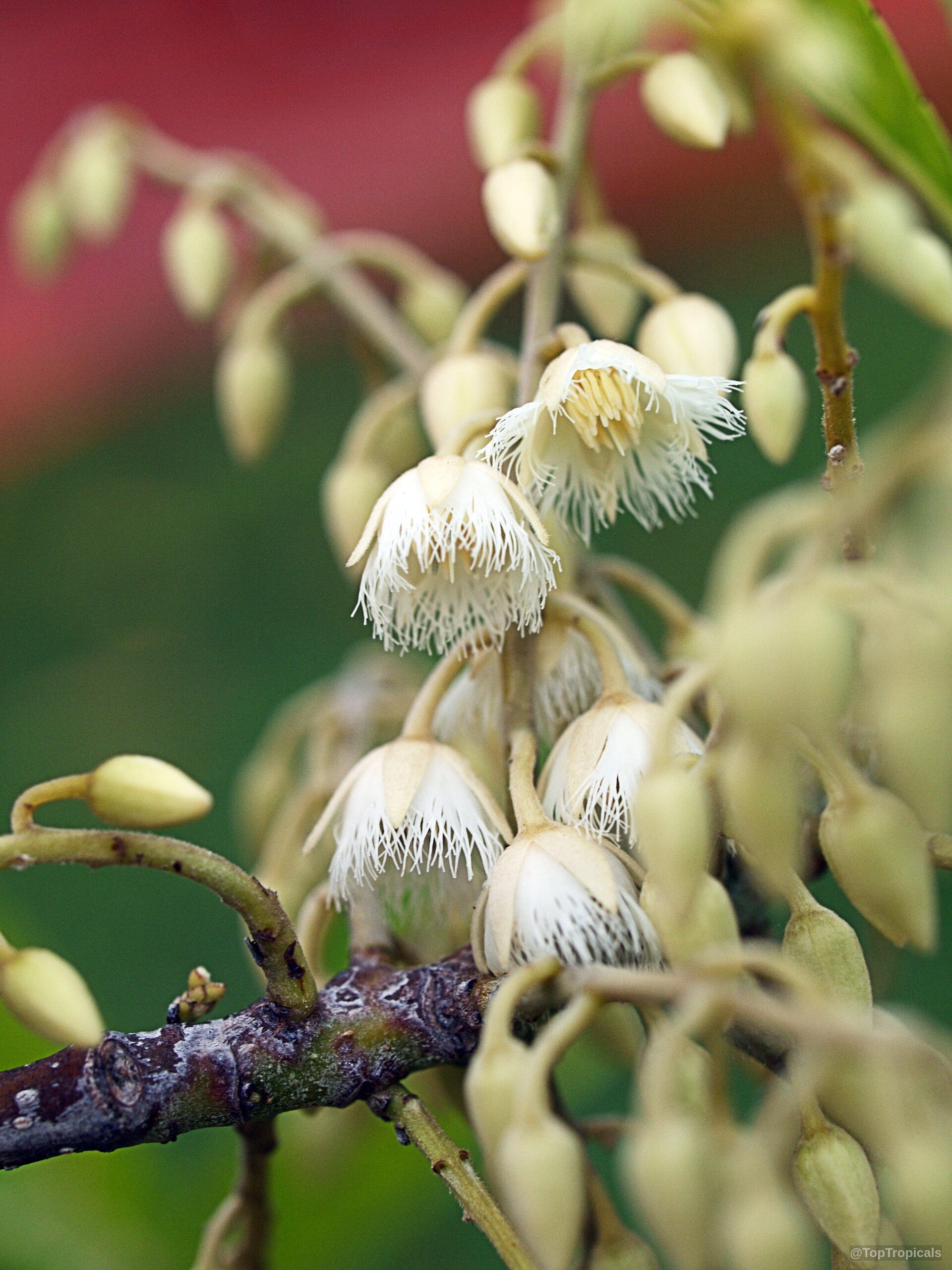

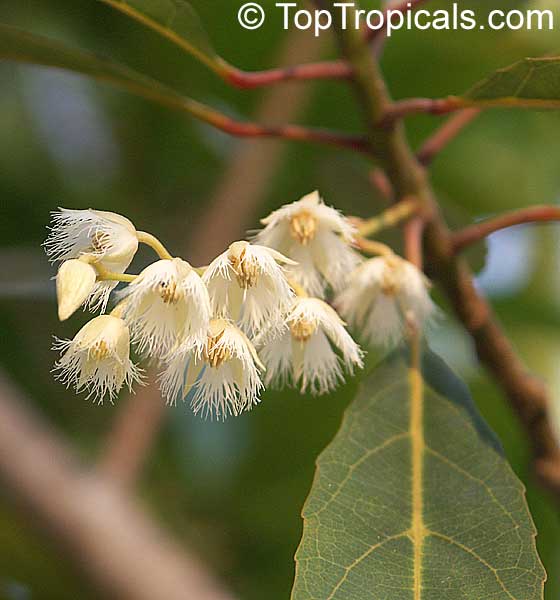
Botanical name: Elaeocarpus hygrophilus
Common names: Blue Olive Berry, Scrub Ash, Ash Quandong, Fairy Petticoats, Native Olive, White Boree, Fringe Bells, Fairy Petticoats
Family: Elaeocarpaceae
Origin: Indonesia, Australia
Elaeocarpus is a tall shrub or small tree which can reach 32-50ft in height but is usually much smaller in gardens. It is the most commonly grown member of the genus and is popular for its size, attractive flowers and colorful blue berries. It is adaptable to many climate zones provided water is available. It is not demanding as to soils but sands and waterlogged areas are not favored. Plants will grow in full sun to heavy shade. Small plants require regular watering, then as the plant matures in the ground, it becomes drought tolerant.
Read more about Elaeocarpus.
Botanical name: Elaeocarpus serratus
Common name: Ceylon Olive
Family: Elaeocarpaceae
Origin: Southeast Asia
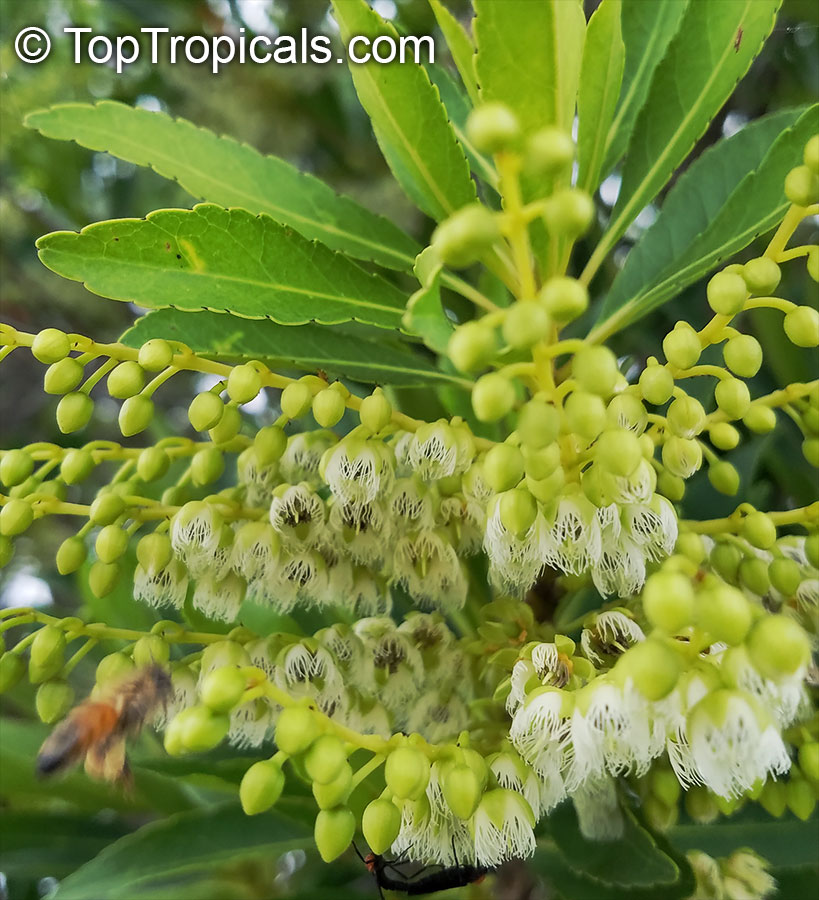
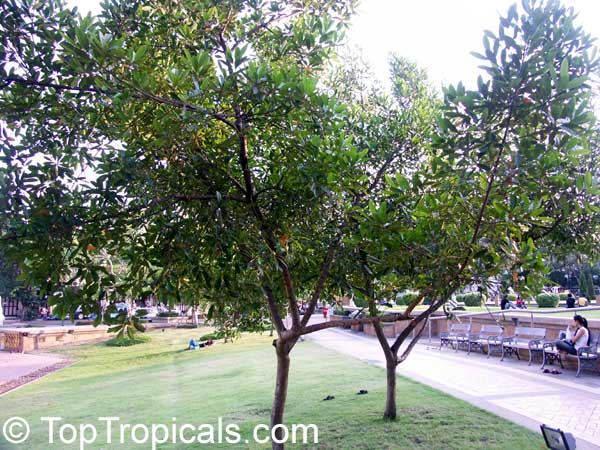
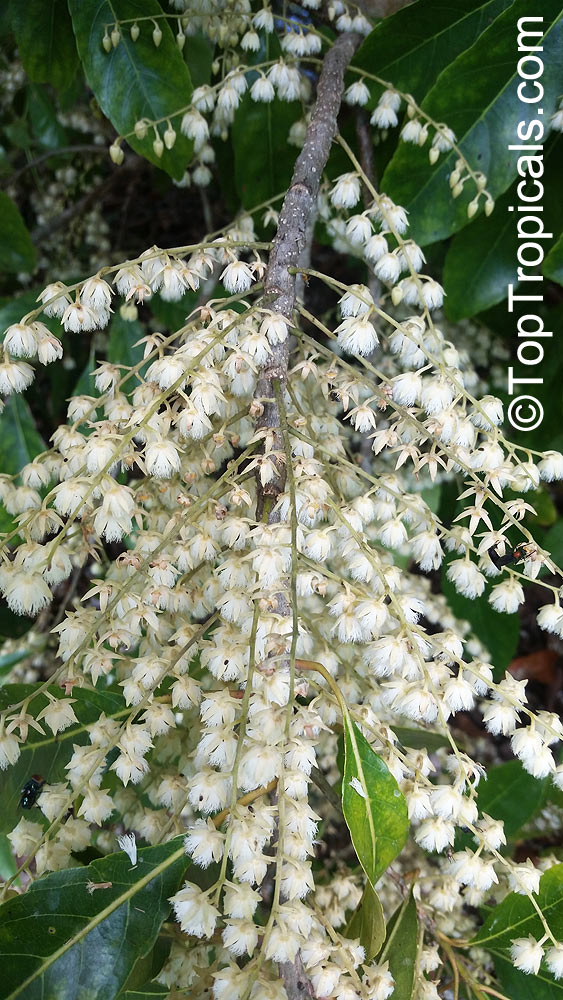
In early summer Elaeocarpus serratus begins to form flower buds on long racemes. By late summer these become strings of delicate, lacy, white flowers.
The tree is harvested from the wild, and sometimes also cultivated, for its edible fruit and medicinal applications.
The seed of most species in this genus is covered by a hard, woody shell and can be very slow and erratic to germinate, sometimes taking 2 years or more.
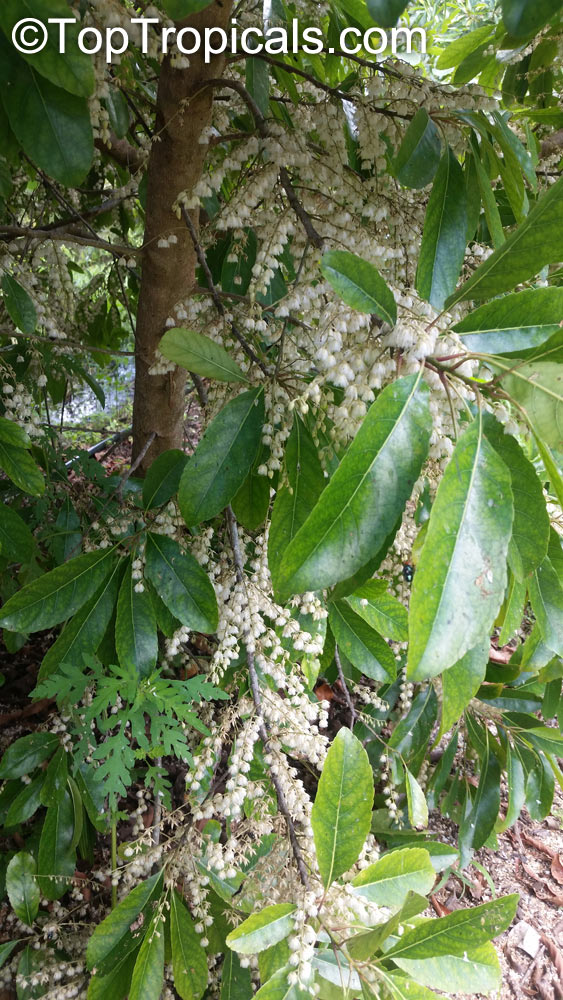
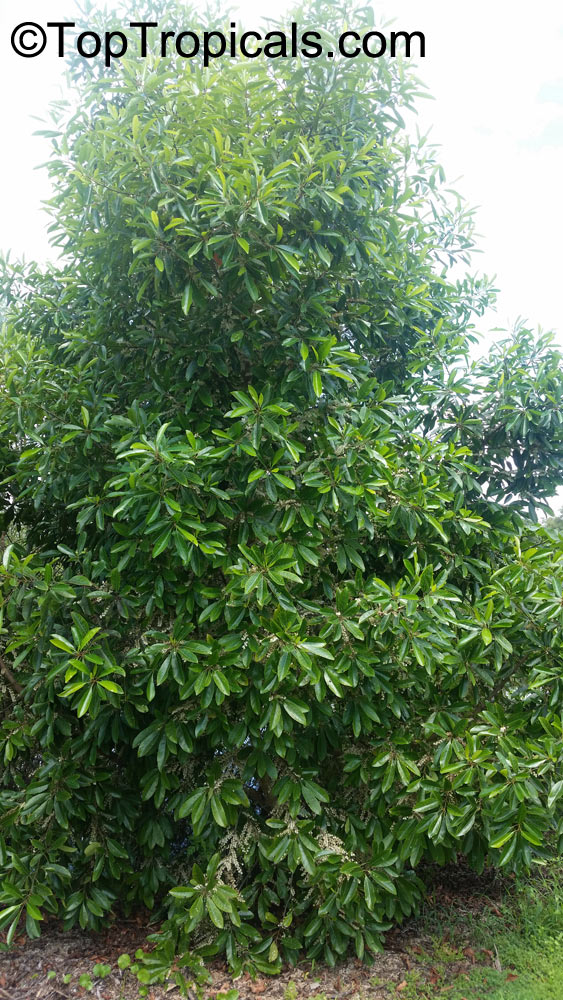
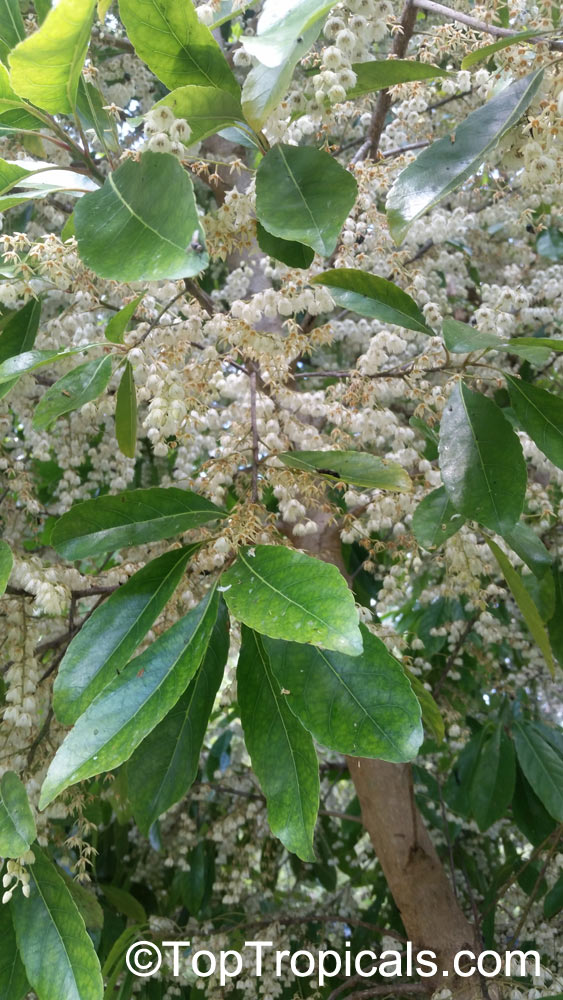
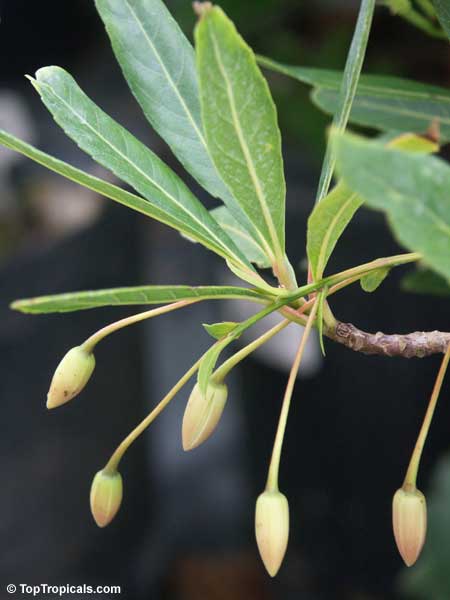
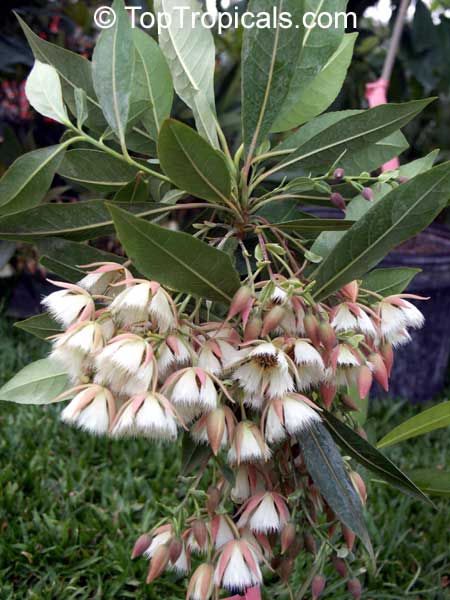
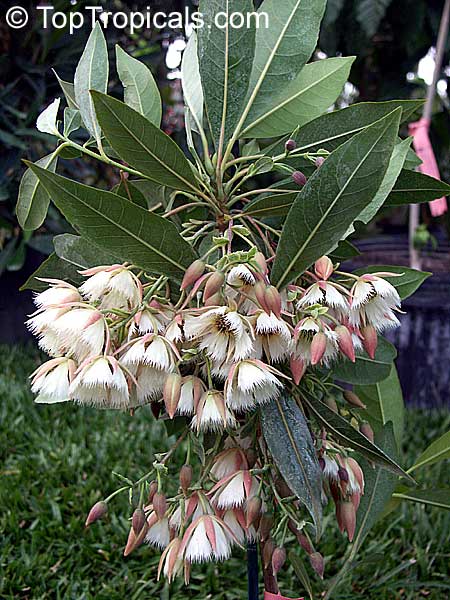
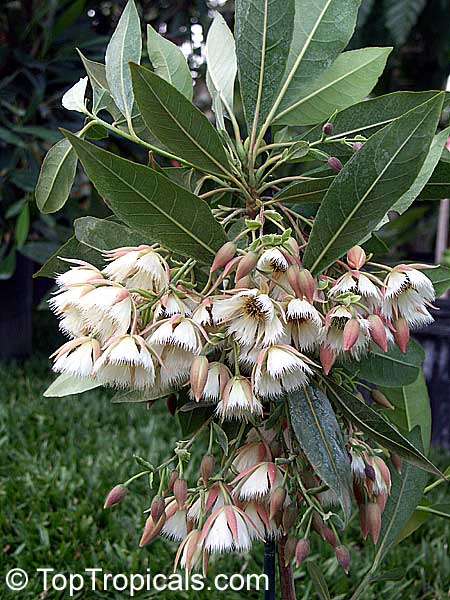
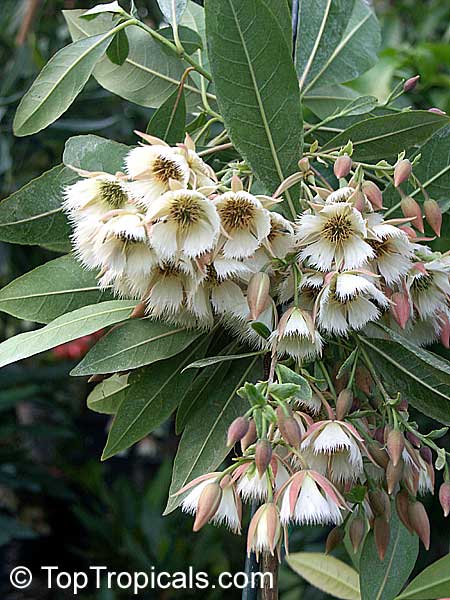
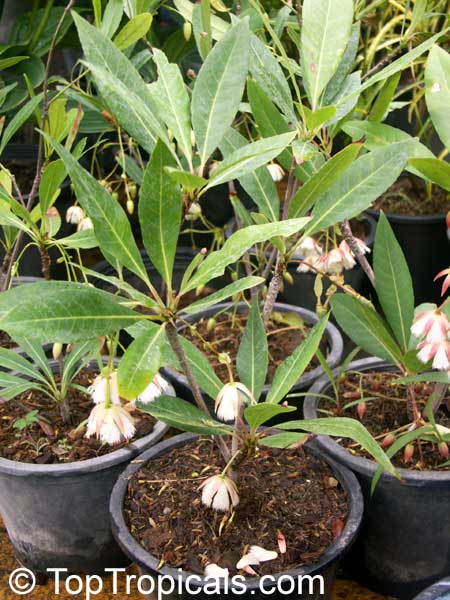
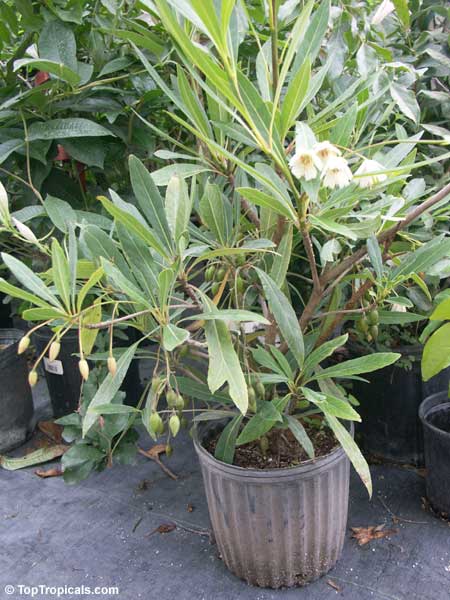
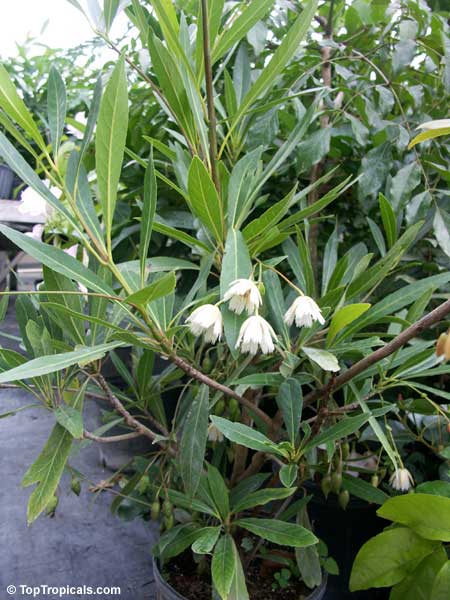
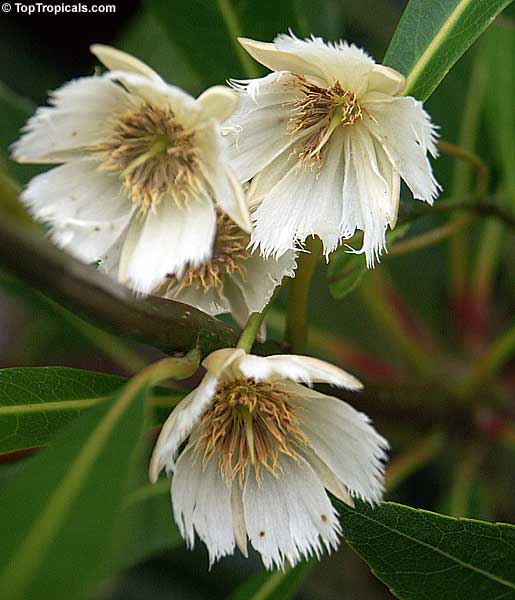
Botanical name: Elaeocarpus sp.
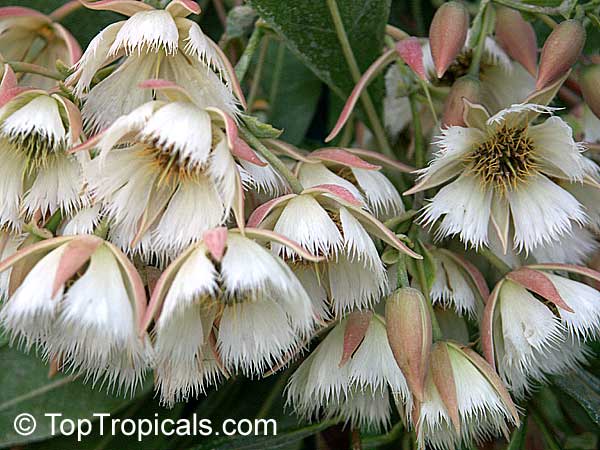
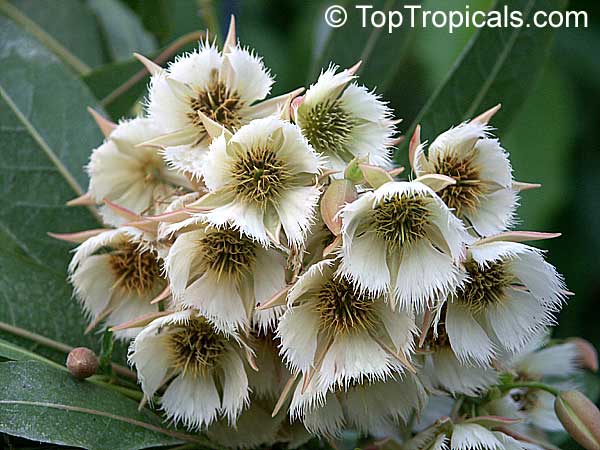
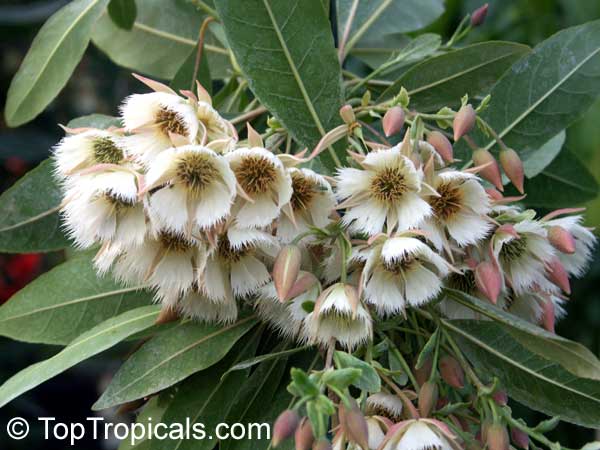
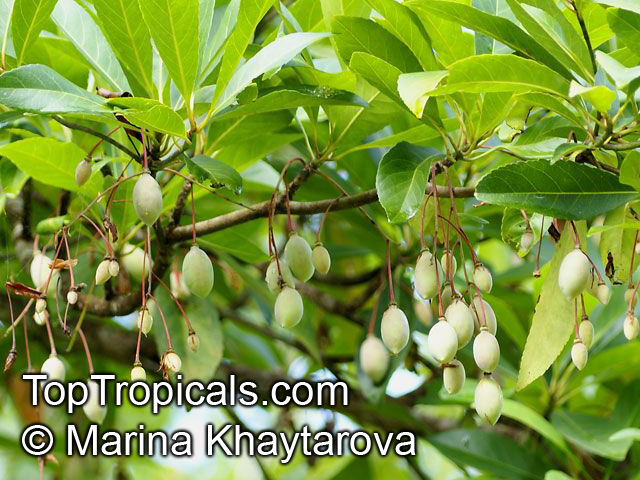
Common names: Bead Tree, Fringe Bells, Fairy Petticoats
Family: Elaeocarpaceae
Origin: Southeast Asia, Australia
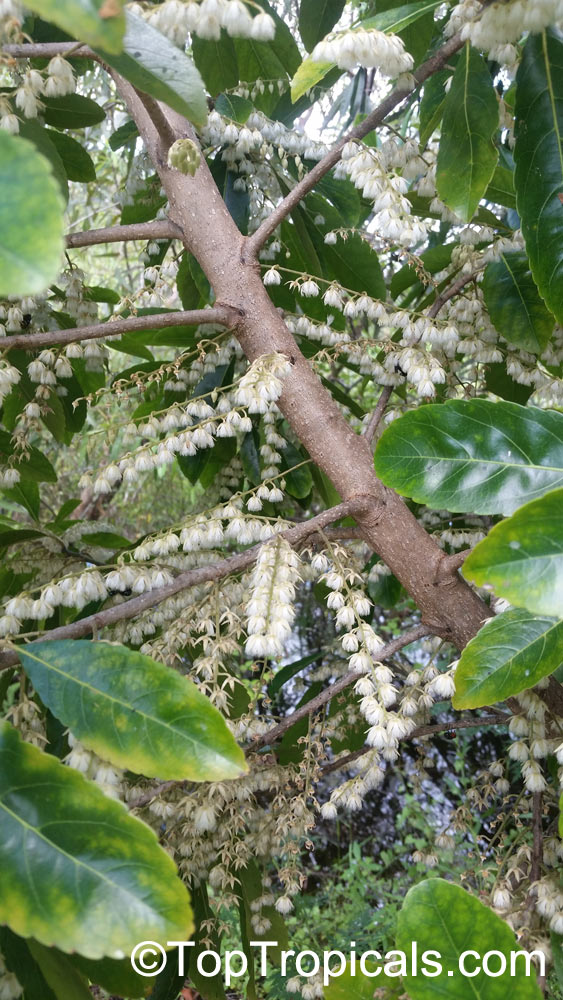
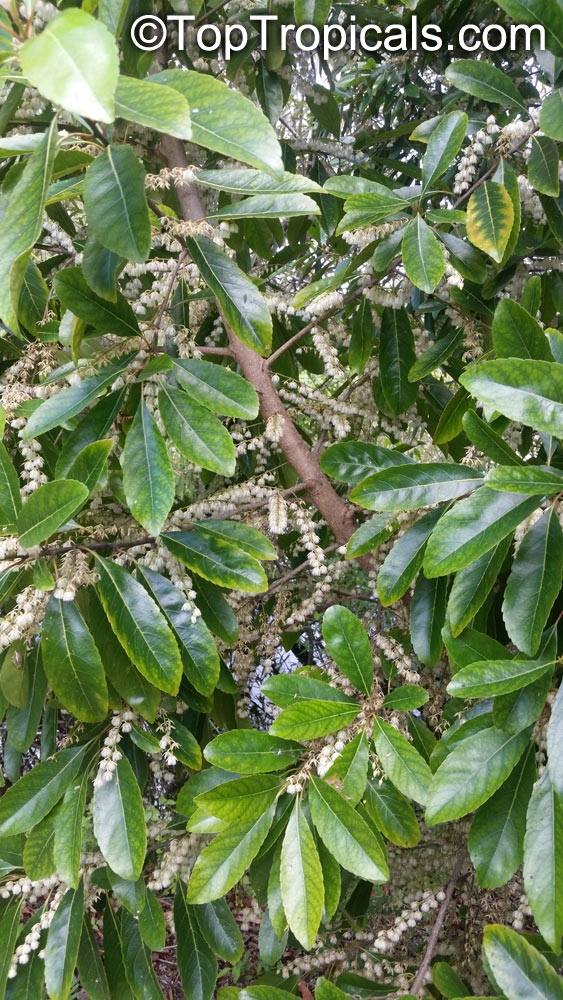
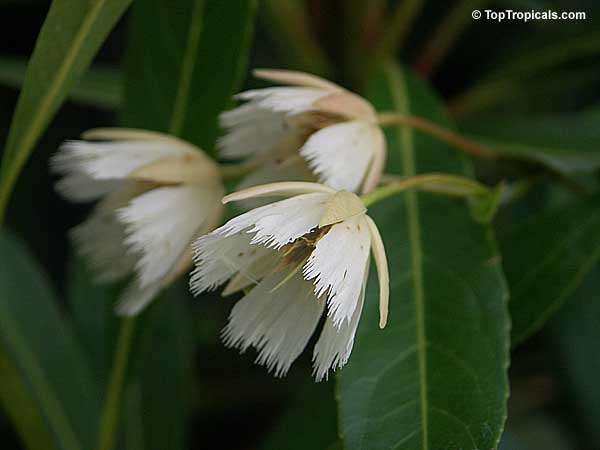
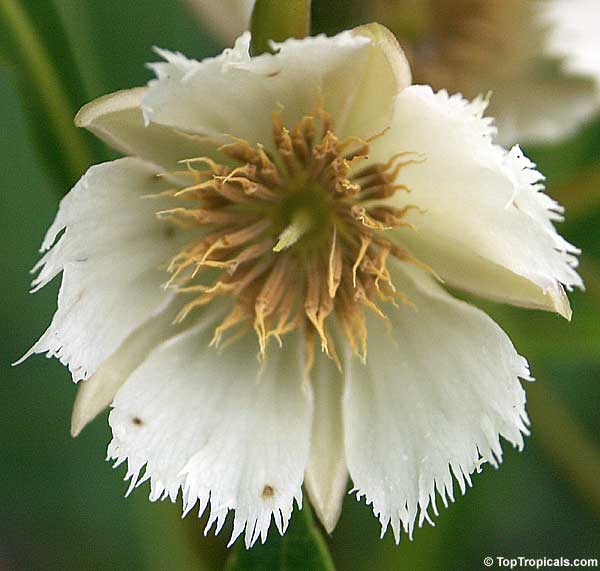
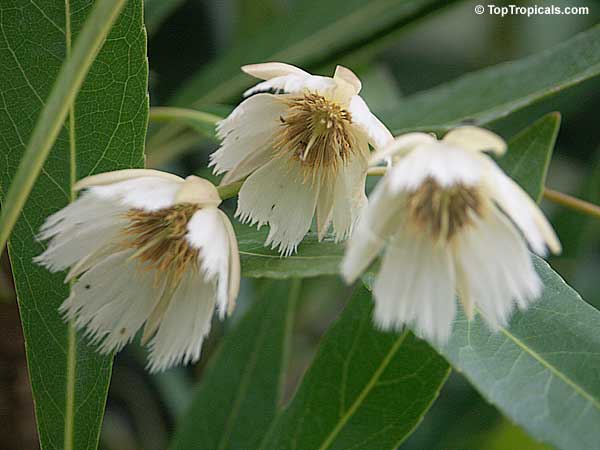
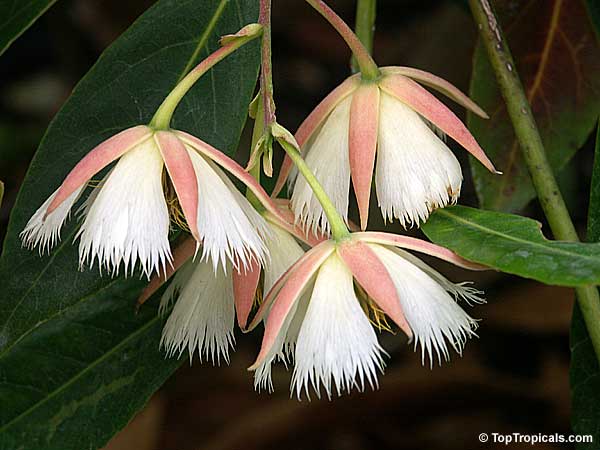
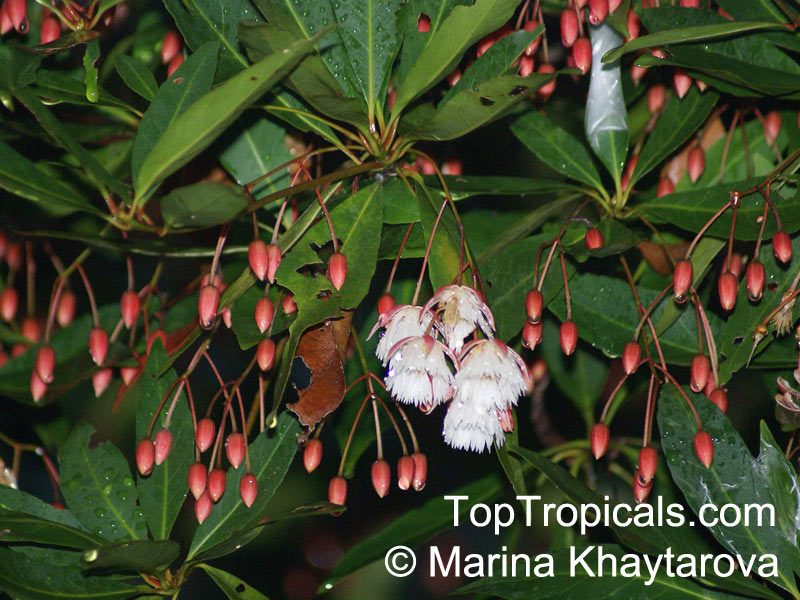
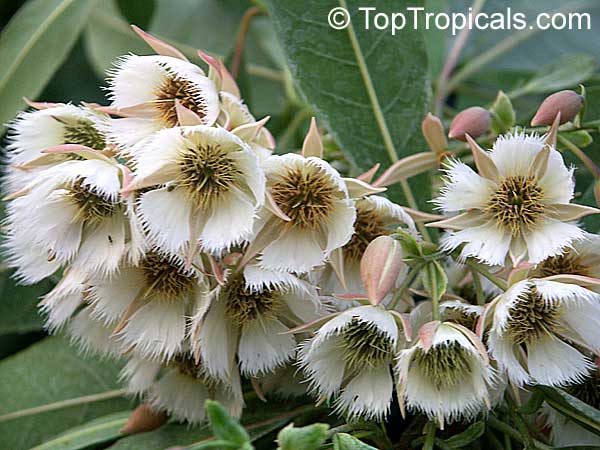
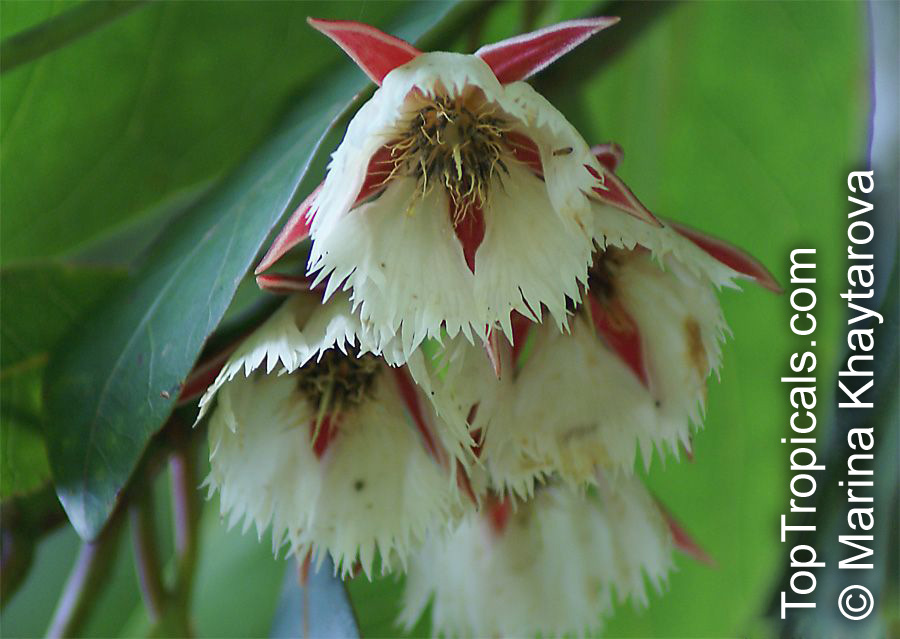
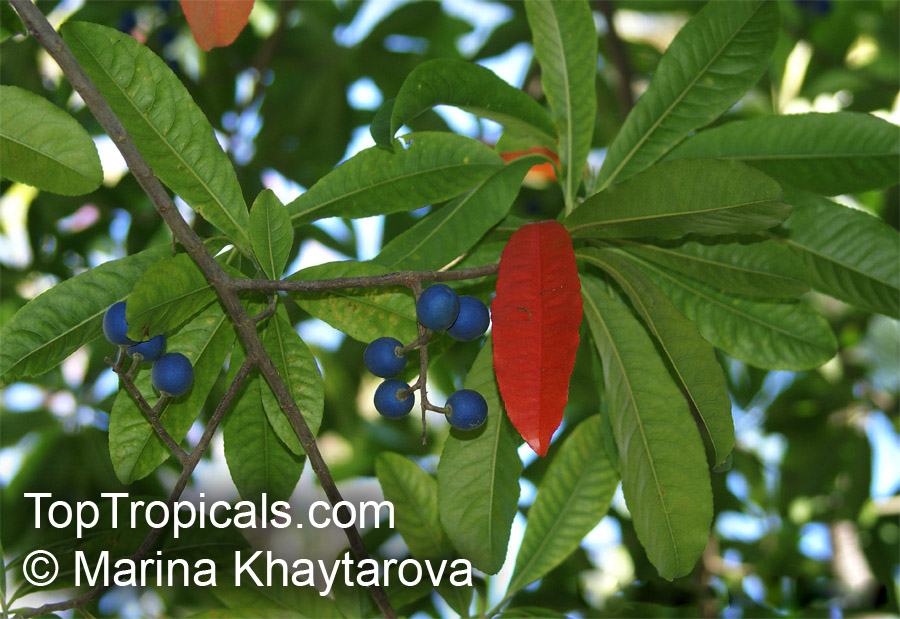
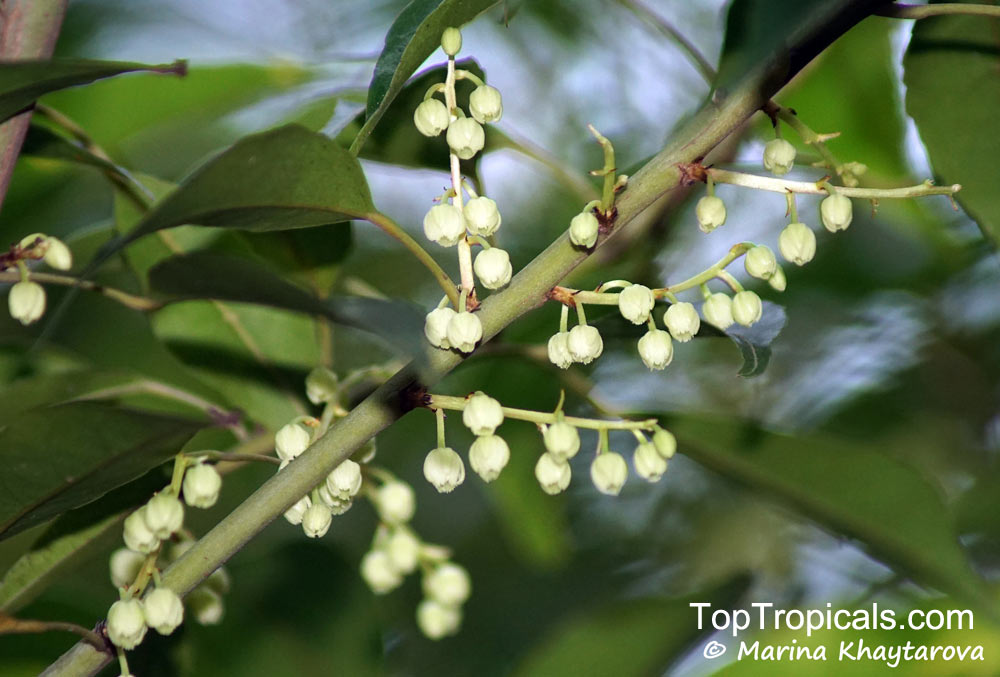
A medium size tree with a dense crown of foliage, and an approximately conical form. The masses of white and sometimes pinkish flowers are arranged in rows along the branchlets.
It is an ideal tree for the garden as it needs little maintenance to thrive, surviving well in low nutrient and dry soils (although it performs best when well watered). This species grows in a range of light intensities, from shade through to full sun.


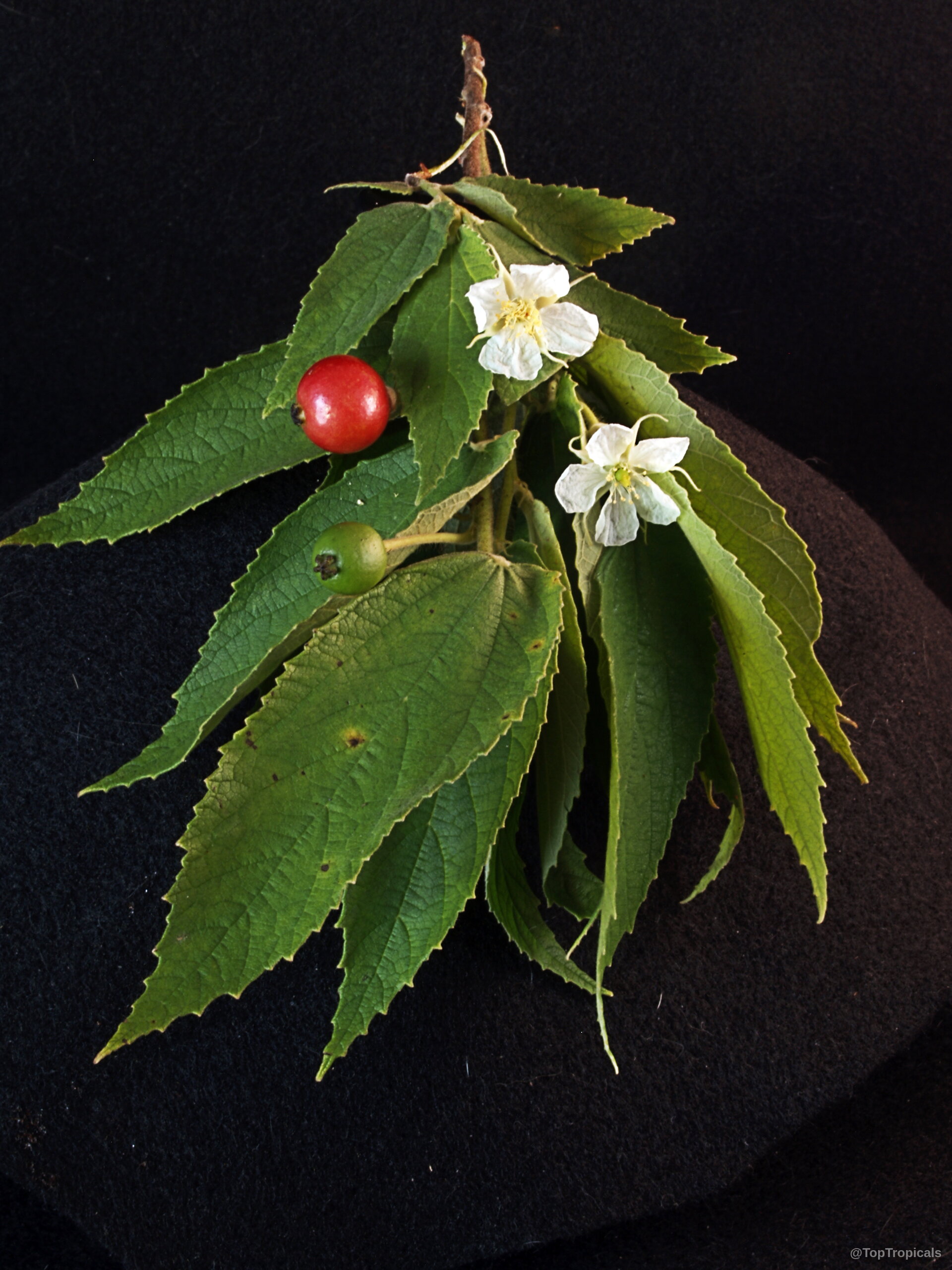
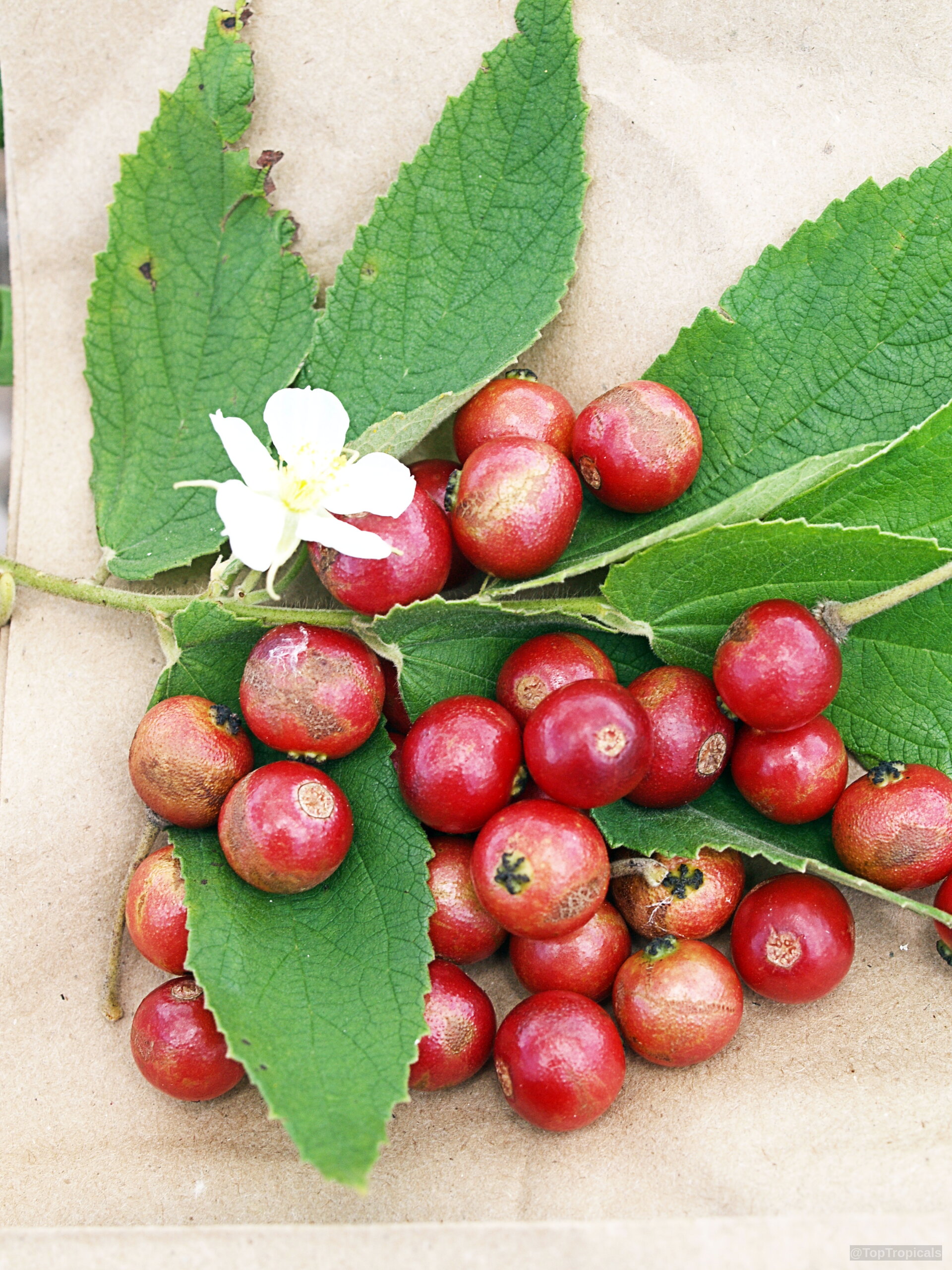
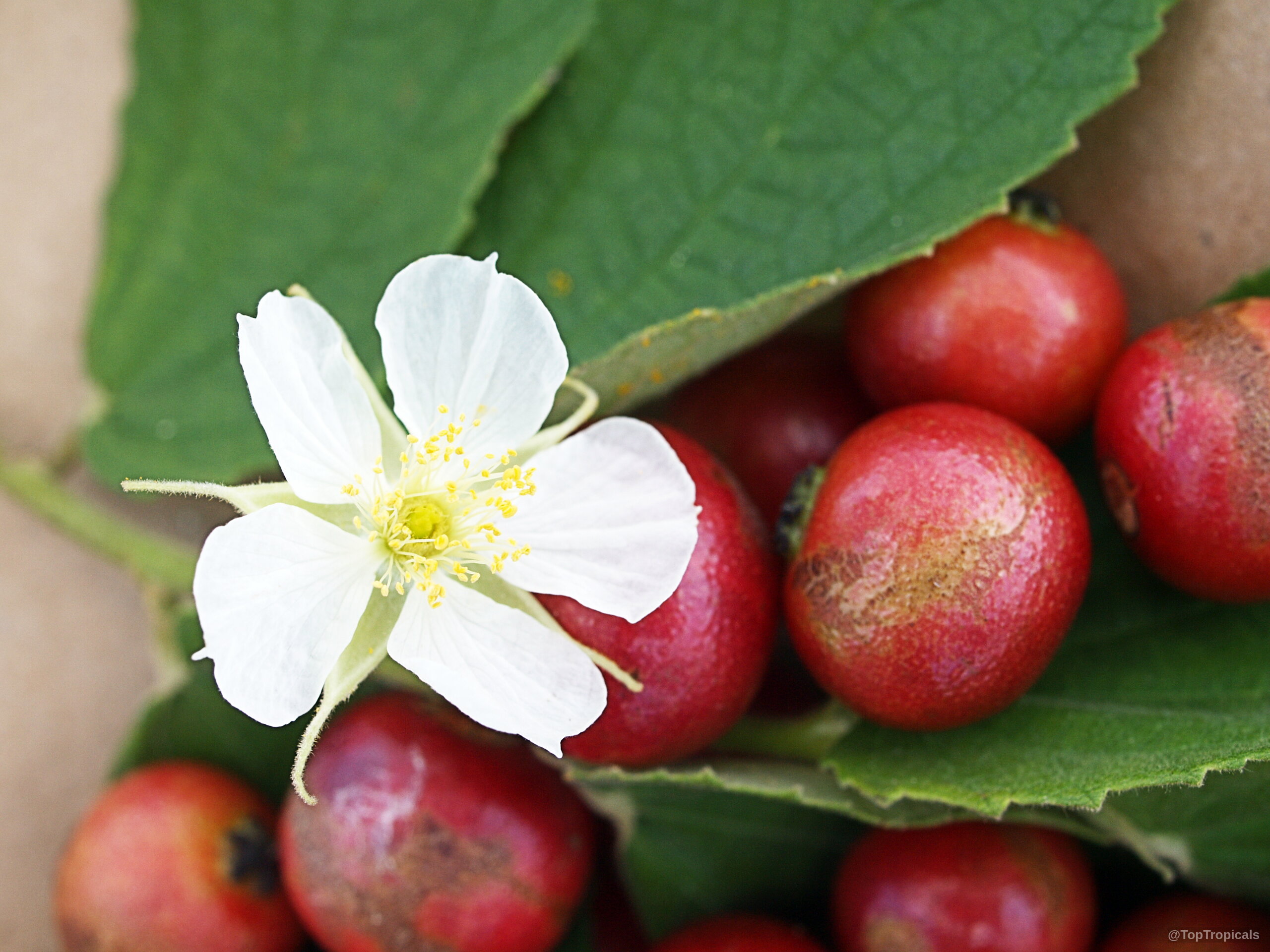
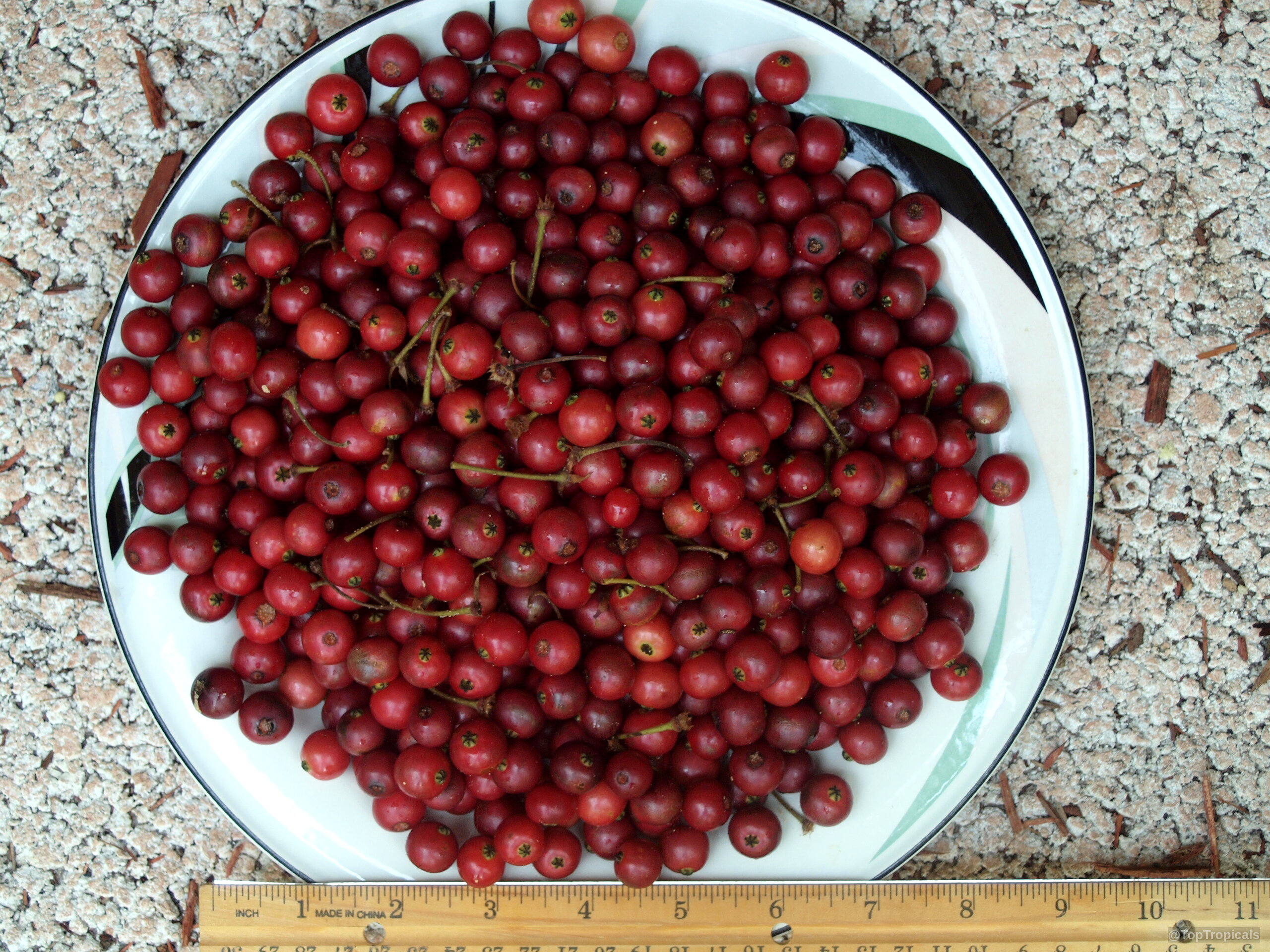
Botanical name: Muntingia calabura
Common names: Strawberry tree, Jam tree, Jamaican / Singapore / Panama cherry, Cotton Candy Berry, Calabura, Manzanil
Family: Elaeocarpaceae
Origin: Tropical America, Pacific islands

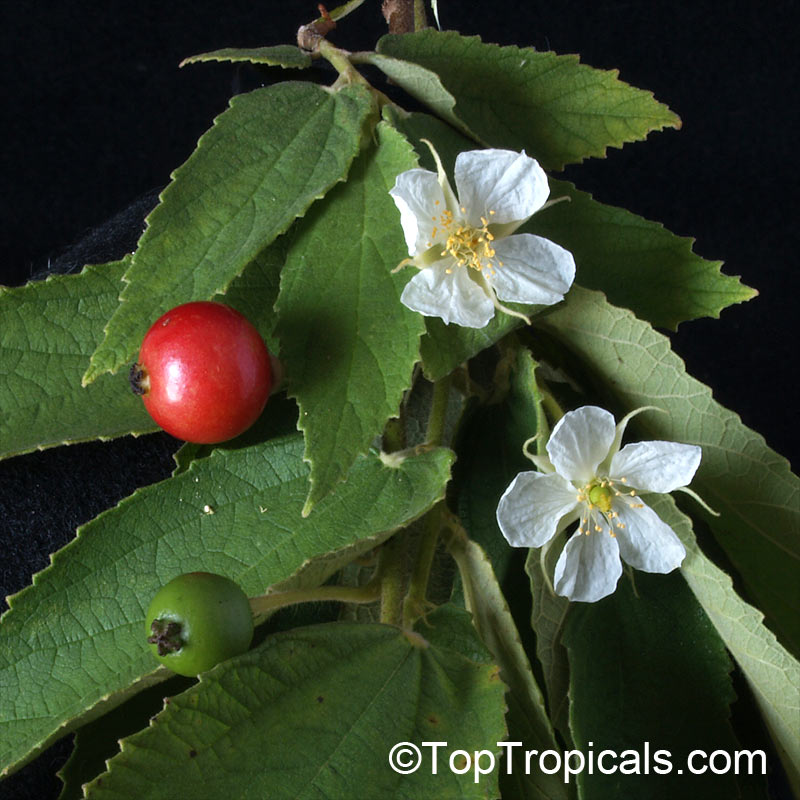
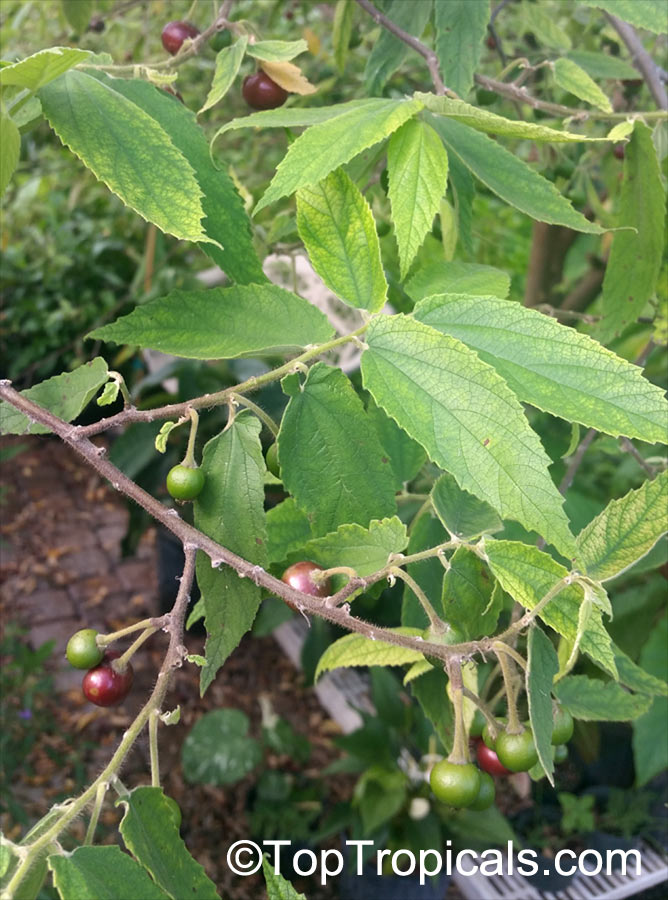
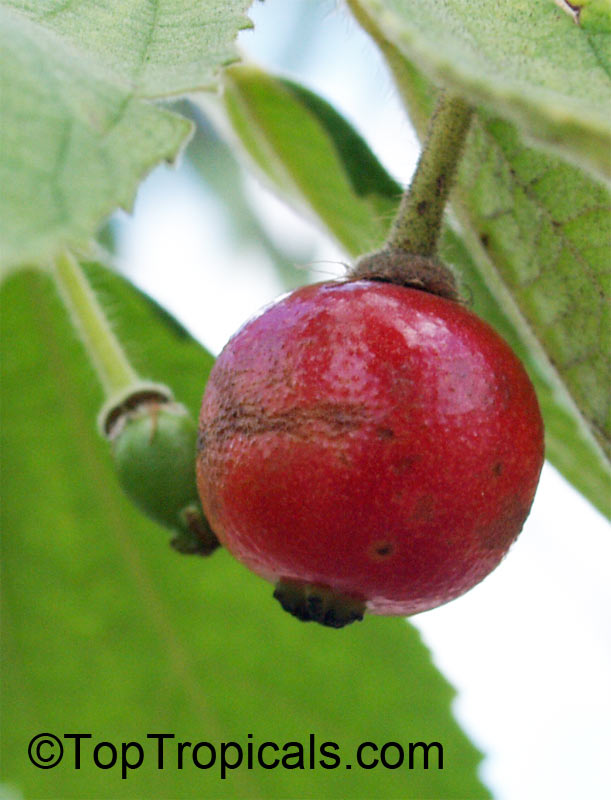
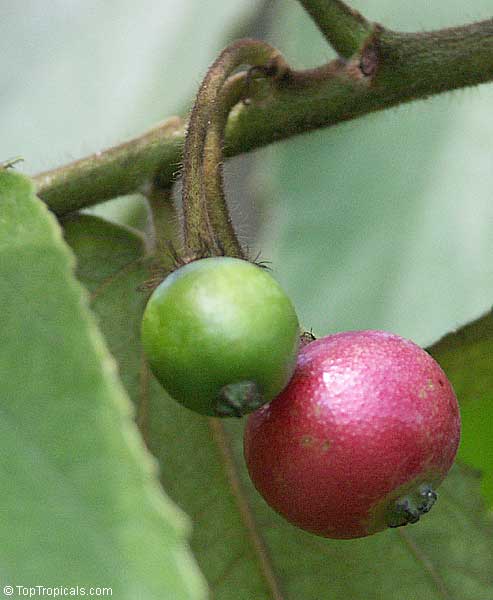
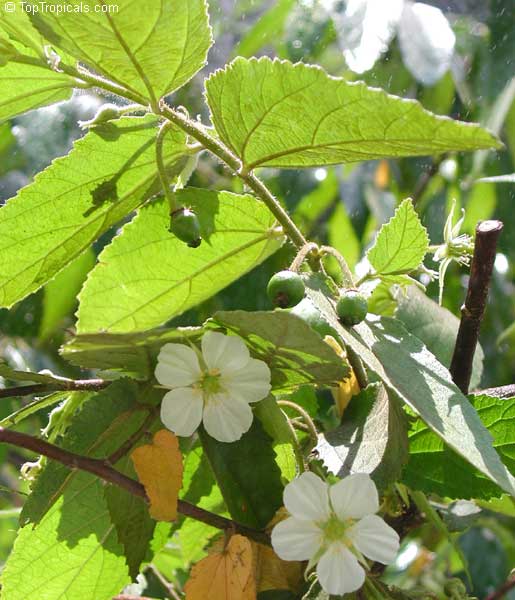
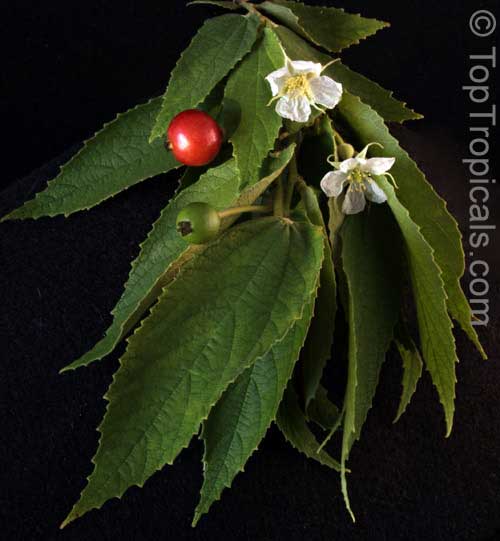
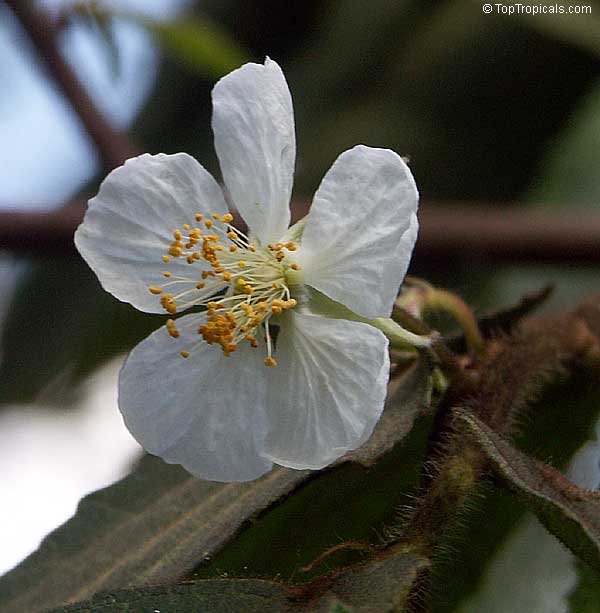
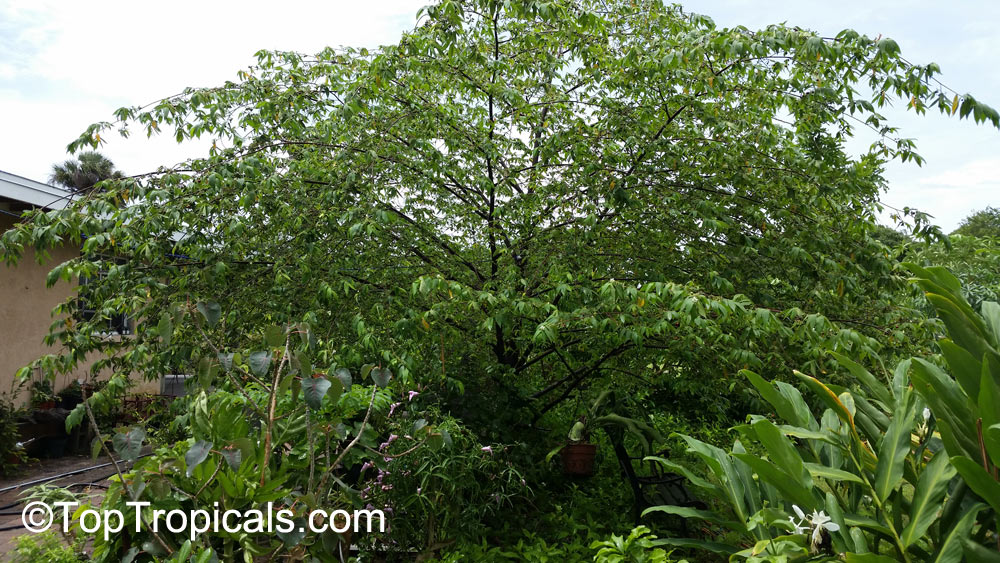
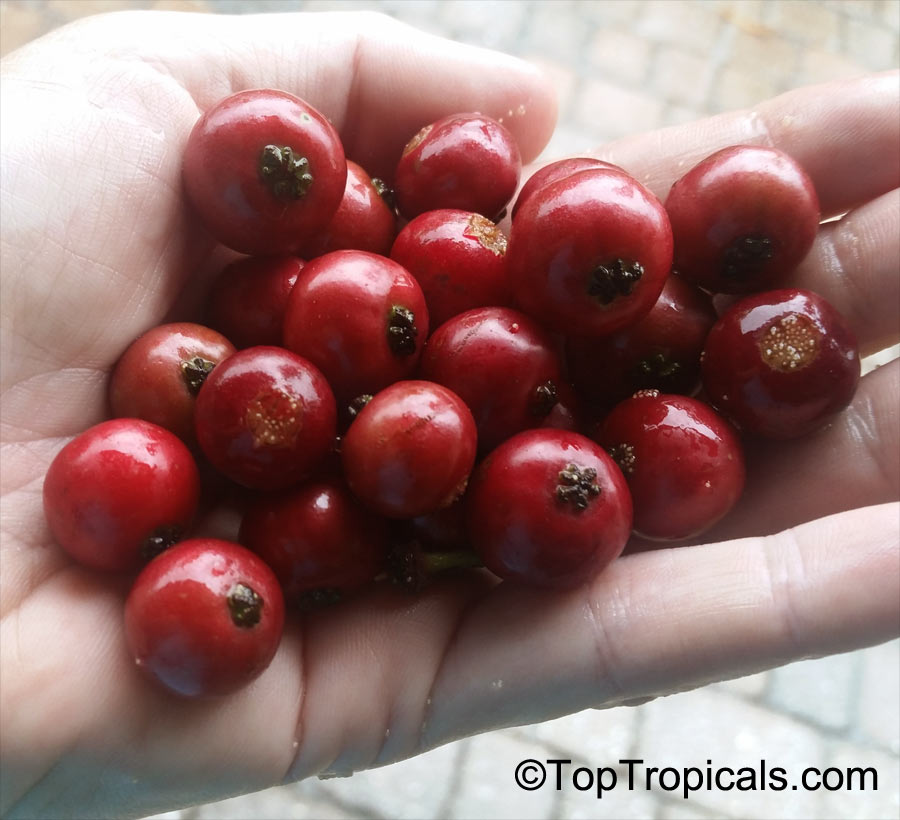
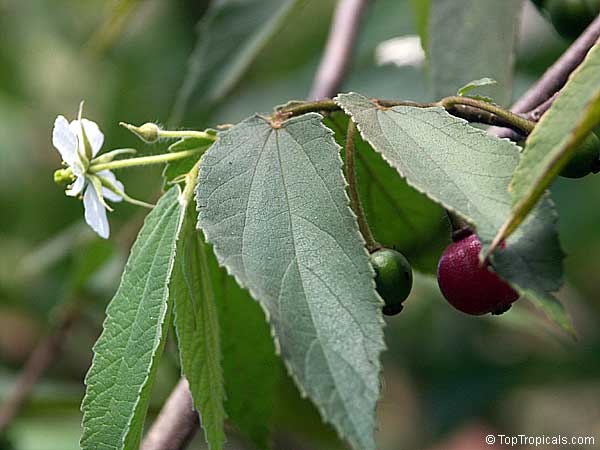
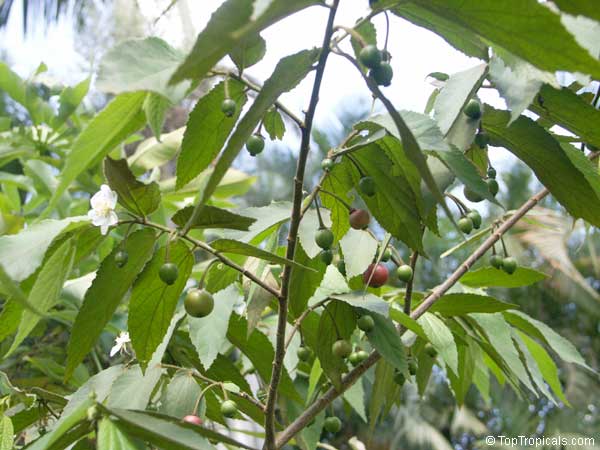
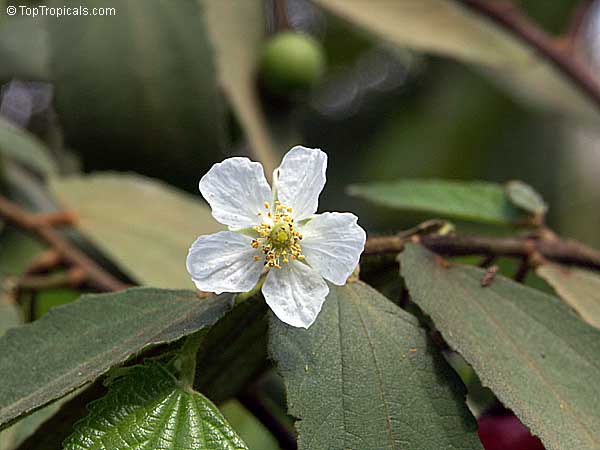
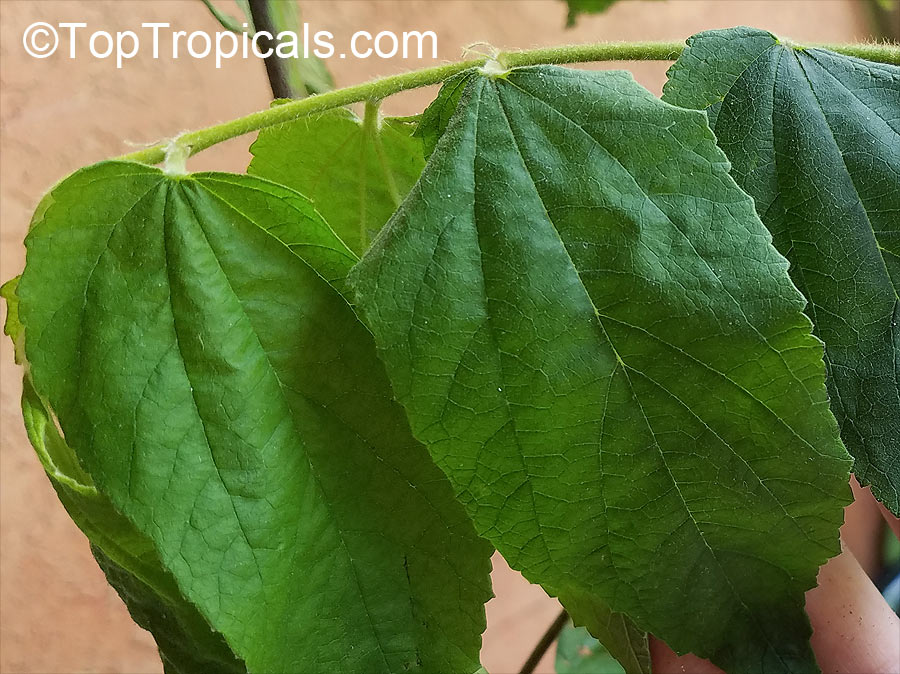
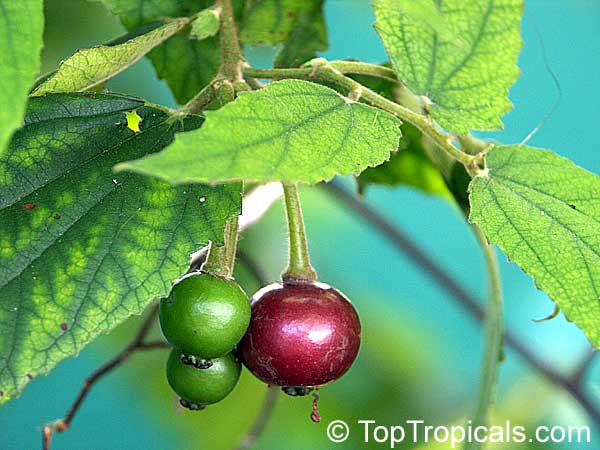
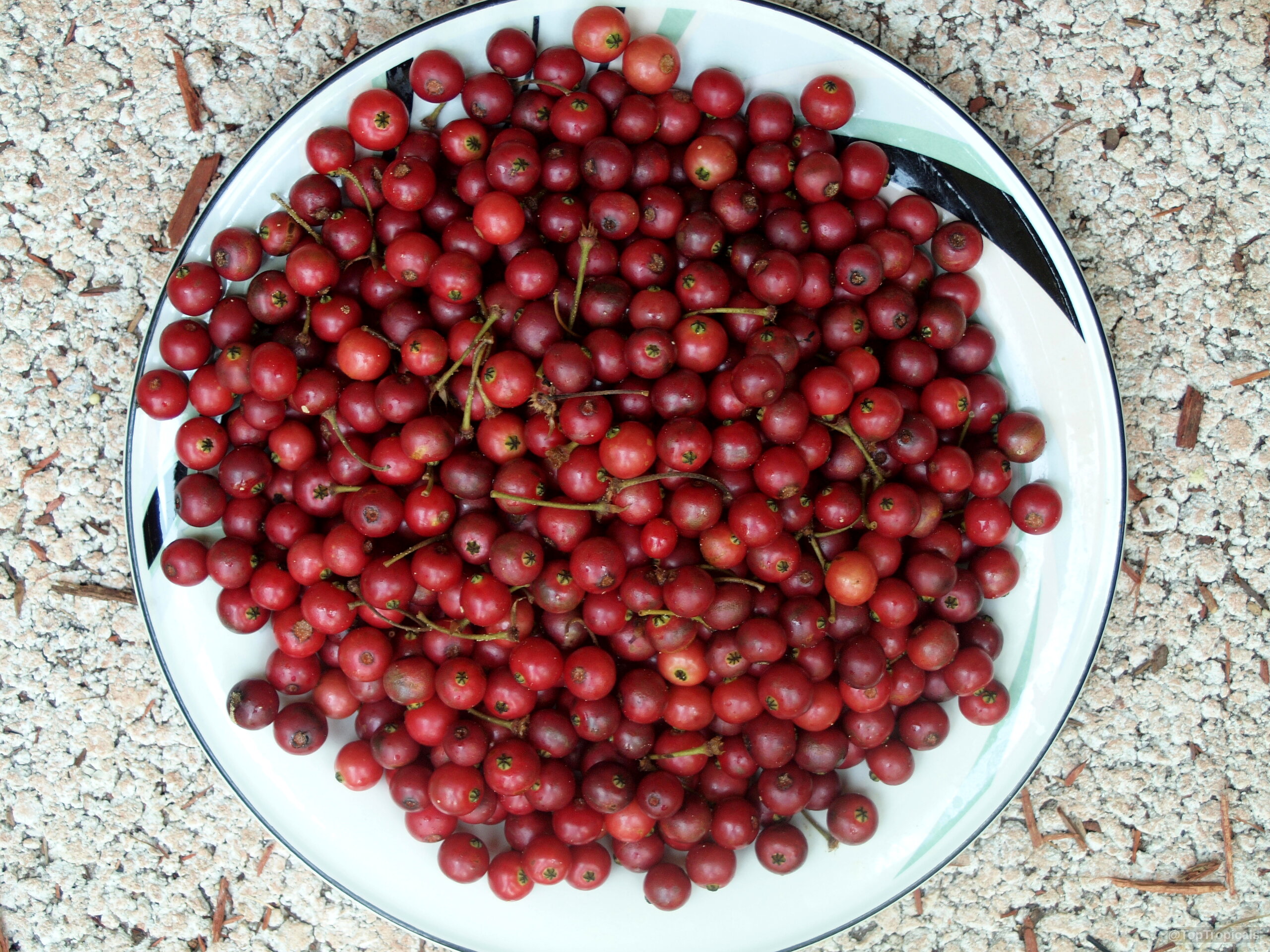
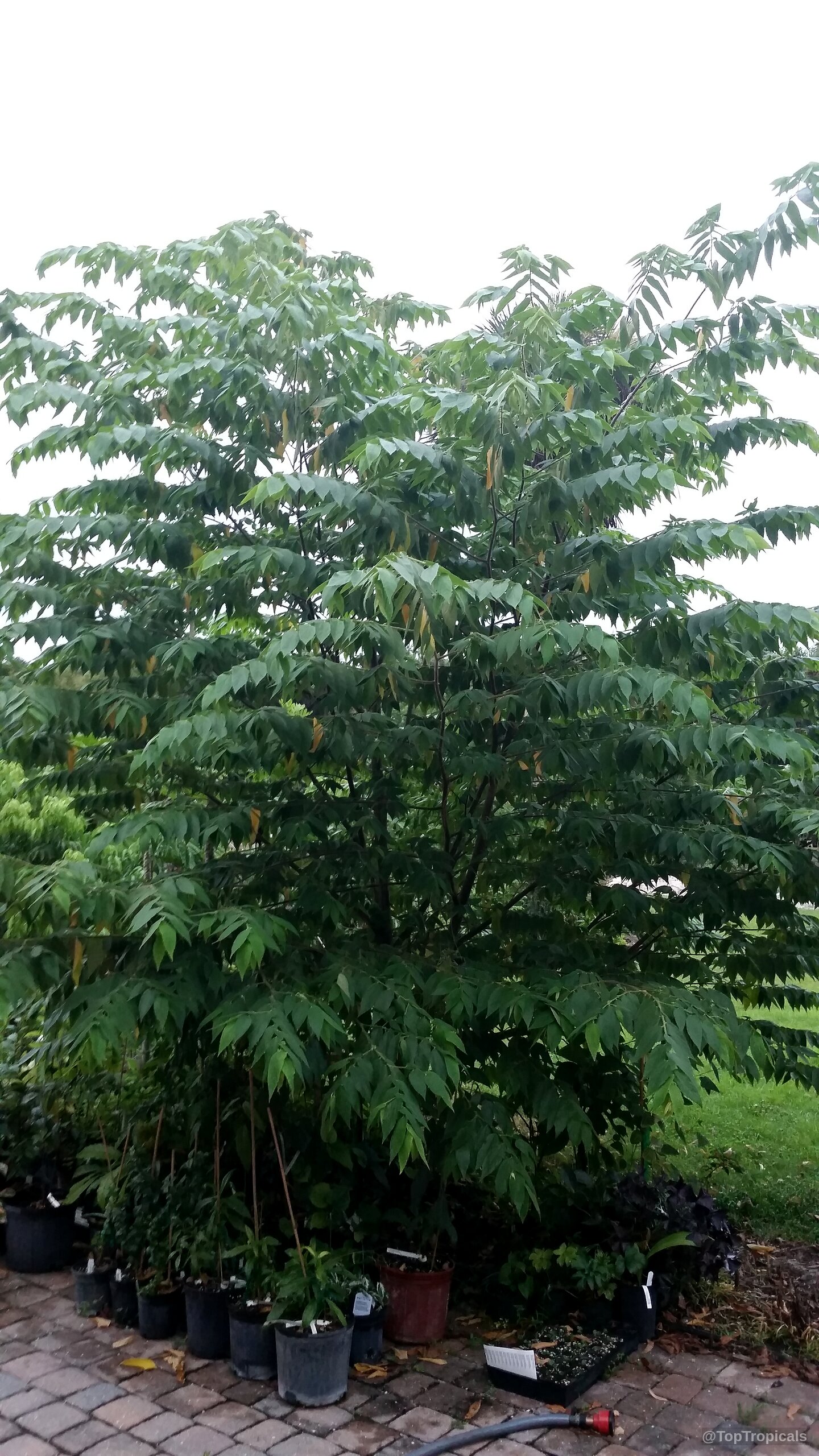
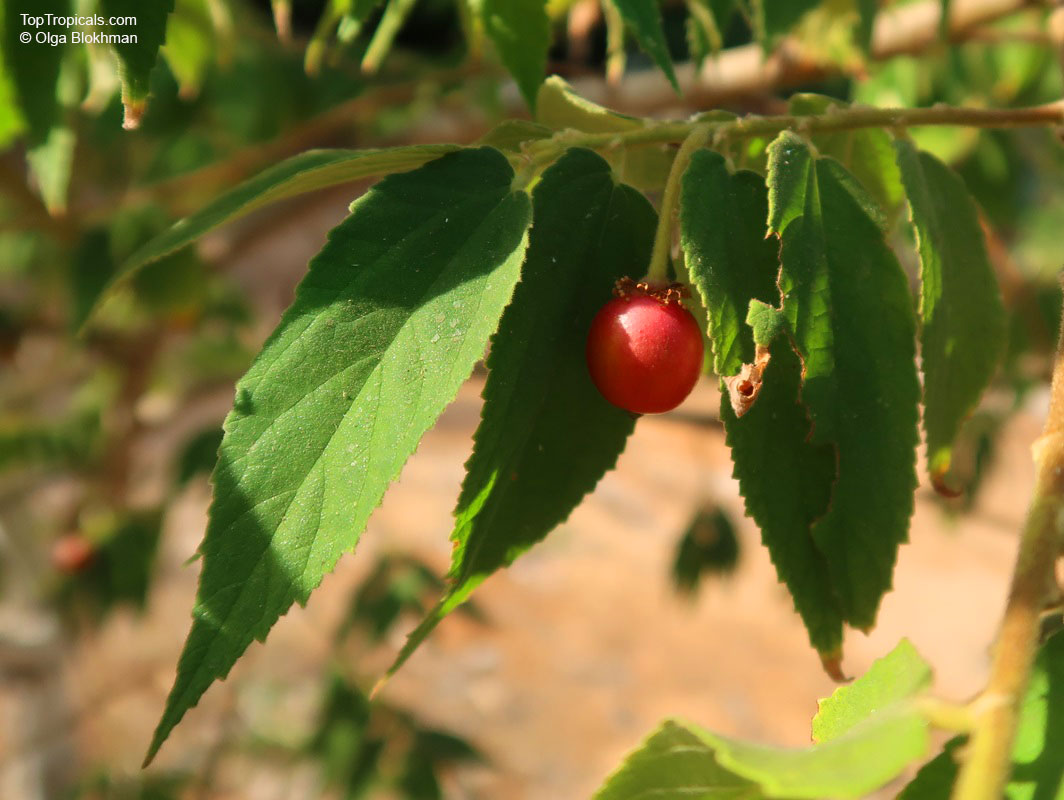
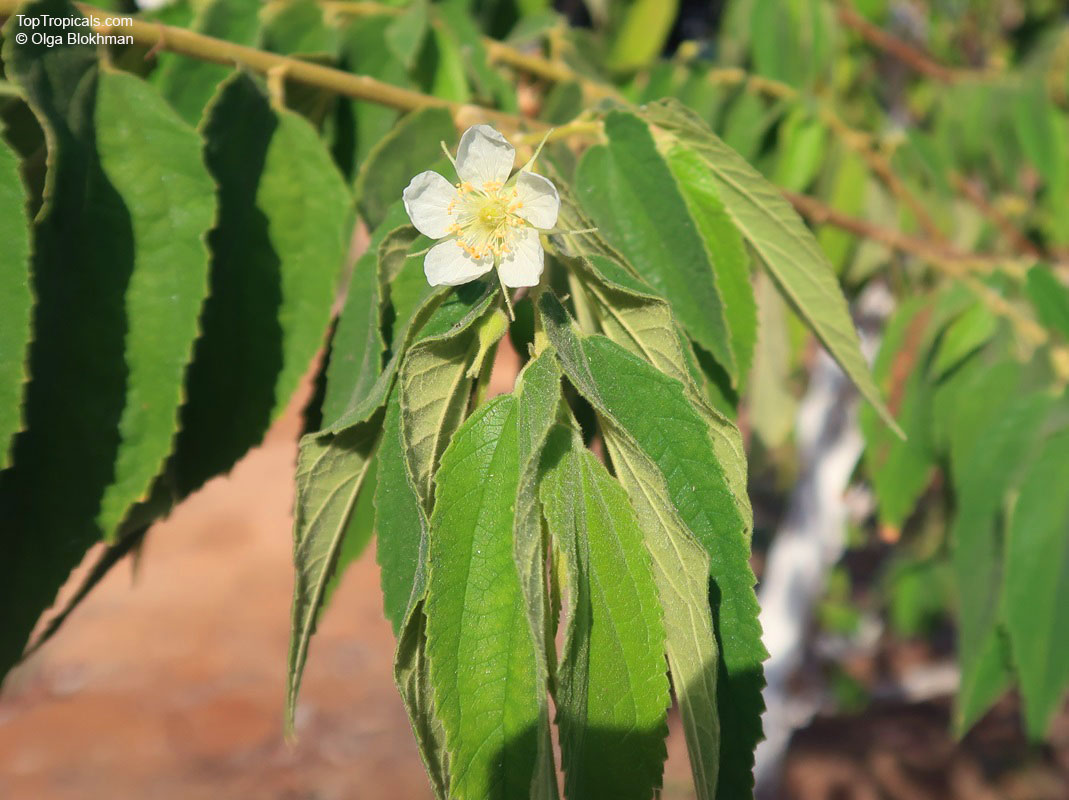
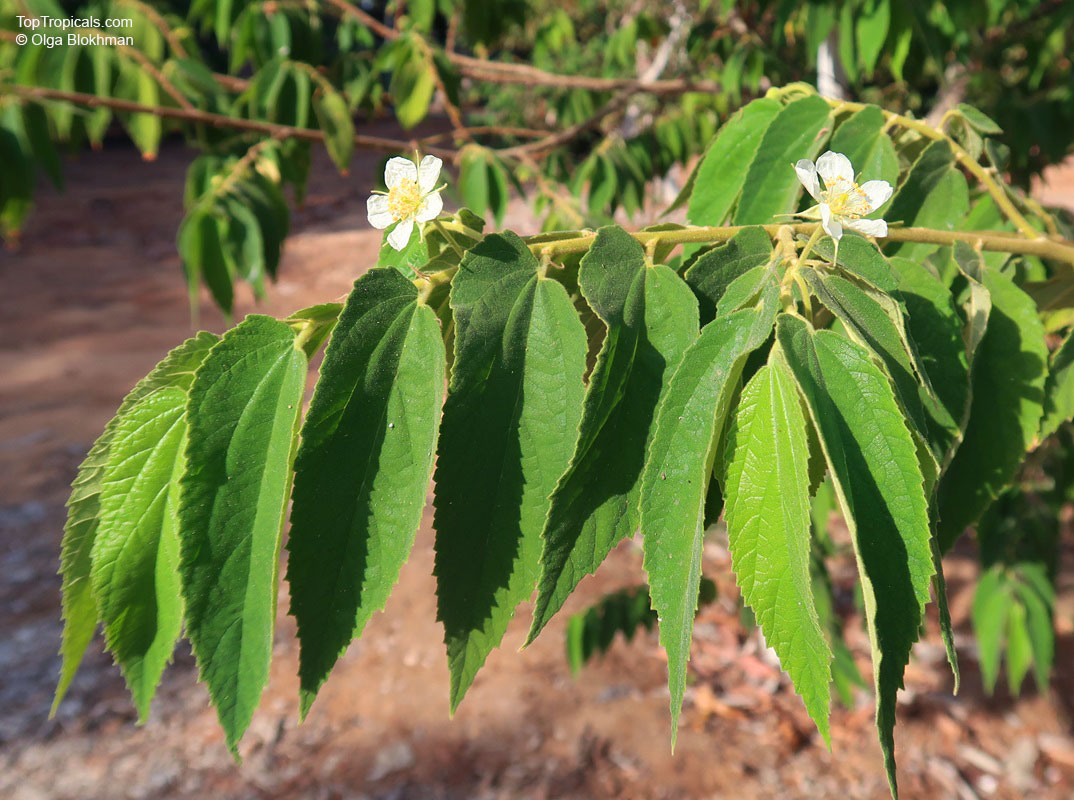
One of the most profuse fruiting trees! From spring to fall, you will harvest 2 crops a day once the plant is established , in full sun and has enough water. Drought tolerant, but needs regular watering to establish. This is a very fast-growing tree of slender proportions, reaching 25 to 40 ft (7.5-12 in) in height, with spreading, nearly horizontal branches. The leaves are evergreen, alternate, lanceolate or oblong, long-pointed at the apex, oblique at the base. The flowers with 5 green sepals and 5 white petals and many prominent yellow stamens last only one day, the petals falling in the afternoon. Flowers resemble strawberry bloom, hence the name of the tree. The abundant fruits are round, 3/8 to 1/2 in (1-1.25 cm) wide, with red or sometimes yellow, smooth, thin, tender skin and light-brown, soft, juicy pulp, with very sweet, musky, somewhat fig-like flavor, filled with exceedingly minute, yellowish seeds, too fine to be noticed in eating. Fruit taste like cotton candy. The fruits are sold in Mexican markets. In Brazil, they are considered too small to be of commercial value but it is recommended that the tree be planted on river banks so that the abundance of flowers and fruits falling into the water will serve as bait, attracting fish for the benefit of fishermen. In Malaya, the tree is considered a nuisance in the home garden because fruit-bats consume the fruits and then spend the day under the eaves of houses and disfigure the porch and terrace with their pink, seedy droppings. The Jamaica cherry is tropical to near-tropical. The tree has the reputation of thriving with no care in poor soils and it does well in both acid and alkaline locations, and even on old tin tailings in Malaya. It is drought-resistant but not salt-tolerant. Wherever it grows, fruits are borne nearly all year, though flowering and fruiting are interrupted in Florida and Sao Paulo, Brazil, during the 4 coolest months. Ripe fruits can easily be shaken from the branches and caught on cloth or plastic sheets. The Jamaica cherry is widely eaten by children out-of-hand, though it is somewhat sticky to handle. It is often cooked in tarts and made into jam. The leaf infusion is drunk as a tea-like beverage. The flowers are said to possess antiseptic properties. An infusion of the flowers is valued as an antispasmodic. It is taken to relieve headache and the first symptoms of a cold. Seeds spread by birds and fruit bats. Fruits contain hundreds of tiny seeds. Seeds germinate only with light.



Recommended Fertilizer: SUNSHINE C-Cibus - Crop Nutrition Booster
SUNSHINE-Honey - sugar booster
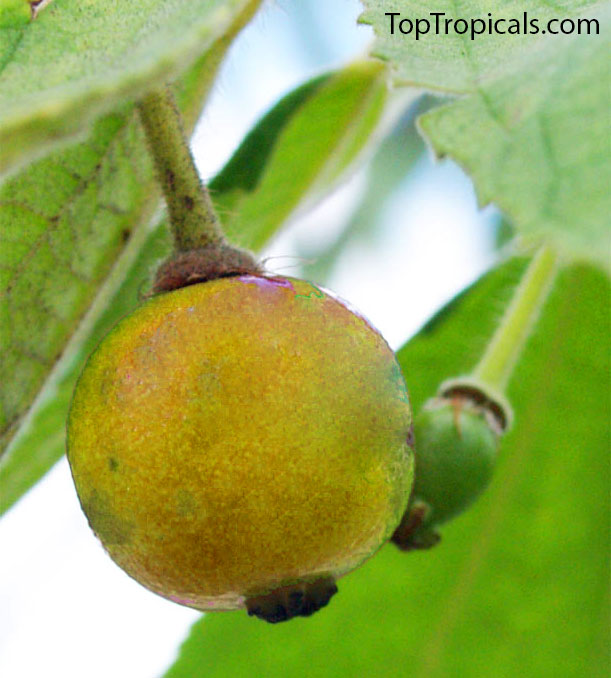
Want a fruit tree that will produce for you right away? That's the one. Strawberry tree, jam tree, Cotton Candy berry, Jamaican Cherry. One of the most profuse and rewarding fruiting trees! From spring to fall, you will harvest 2 crops a day once the plant is established, in full sun and has enough water. Drought tolerant, but needs regular watering to establish. Easy to grow, fast growing tree, requires almost no care. Sensitive to freeze. Grows well in containers.
Recommended Fertilizer: SUNSHINE C-Cibus - Crop Nutrition Booster
SUNSHINE-Honey - sugar booster
| Next | |
Use link to repeat this search:
https://toptropicals.com/cgi-bin/garden_catalog/cat.cgi?search_op=and&keyword_op=and&language=e&family=Elaeocarpaceae
&number=10&no_change_lang=1&user=tt&sale=1&first=0