Ebenaceae - Botanical Family
| Number of plants found: 10 |
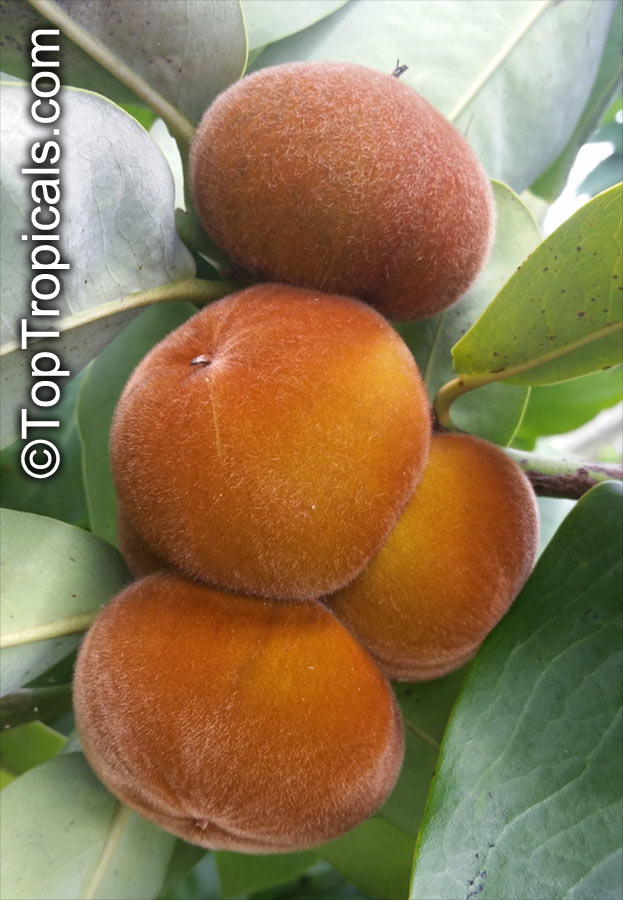
Botanical names: Diospyros blancoi, Diospyros discolor
Common names: Velvet Apple, Mabolo
Family: Ebenaceae
Origin: Philippines
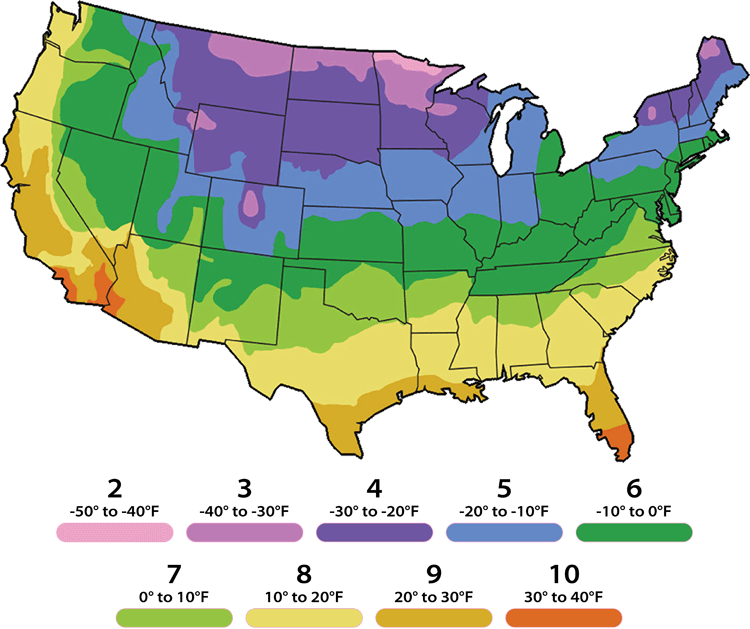
USDA Zone: 10-11


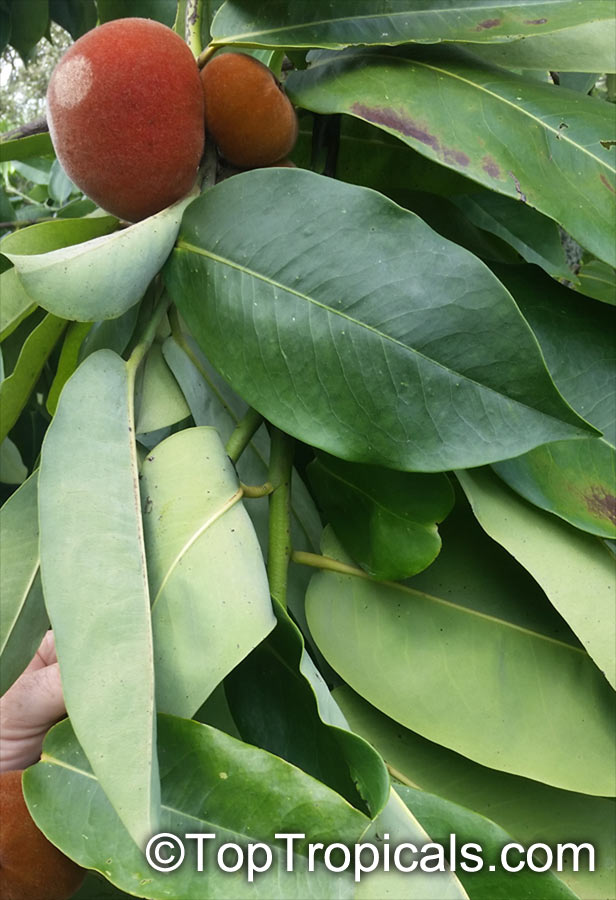
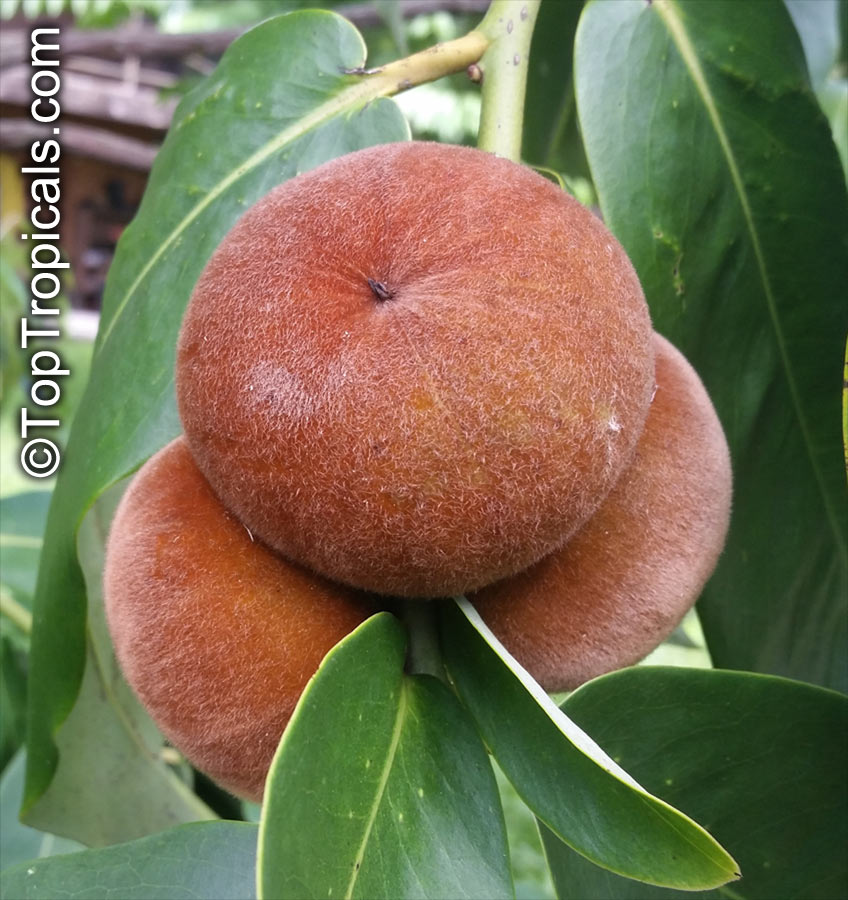
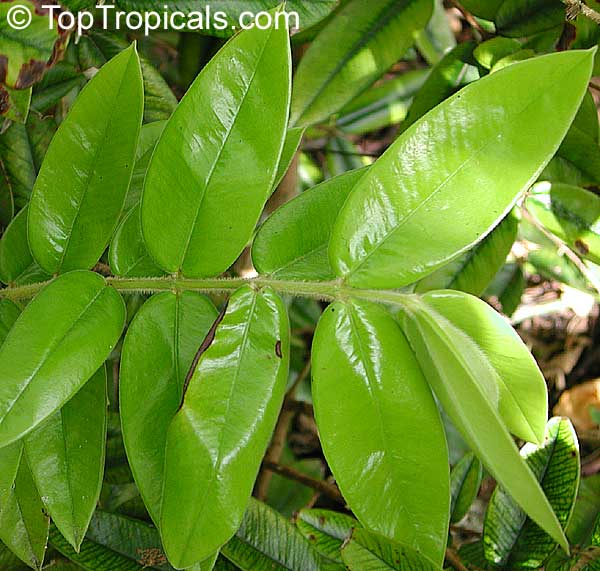
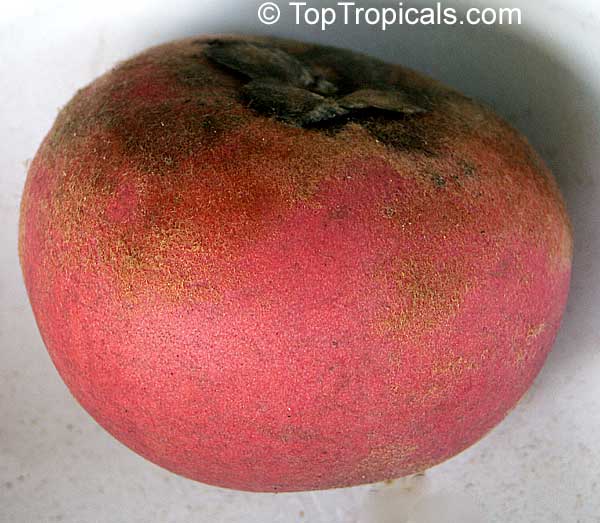
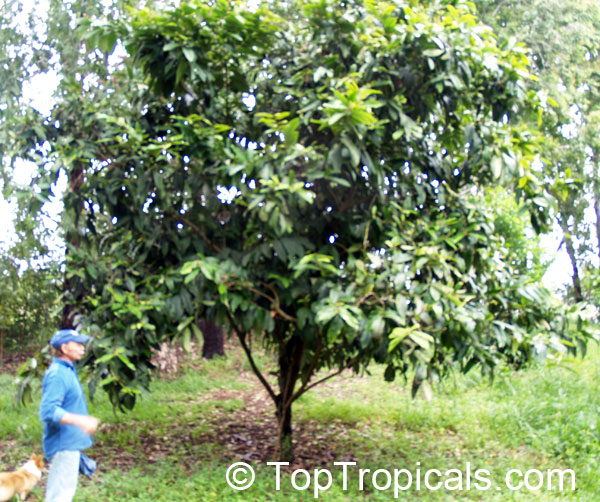
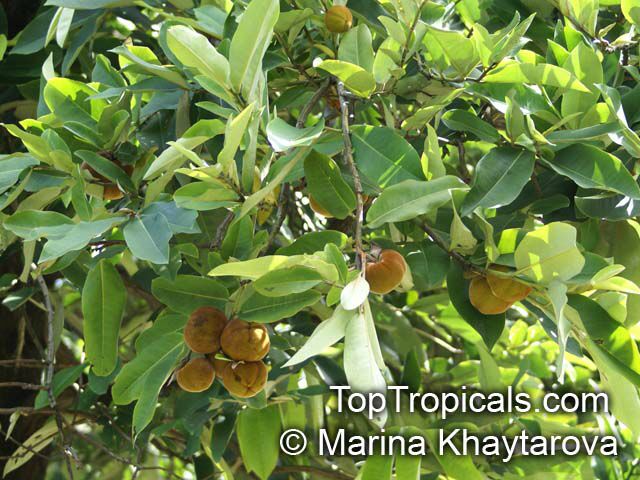
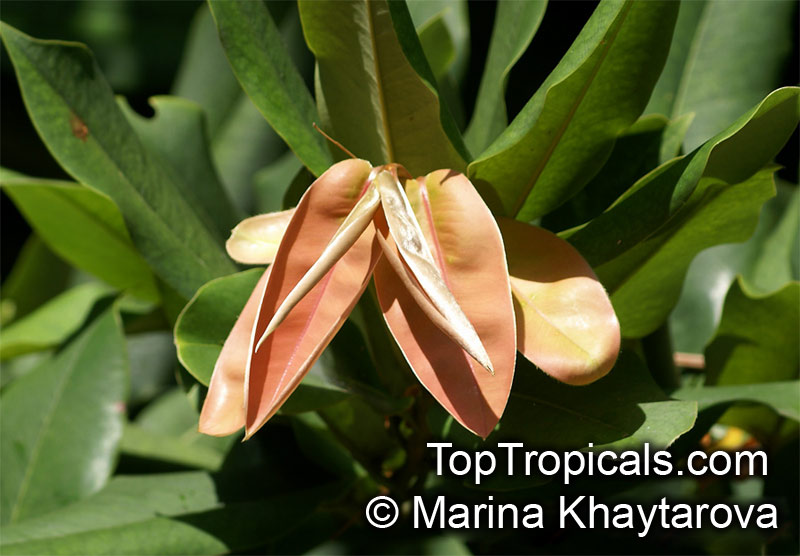
Diospyros blancoi, or Velvet Apple, is a large tree species native to the Philippines, capable of growing to heights of 50-100 ft. The white waxy flowers of the tree have 4 petals and are 0.5 inches (1 cm) in diameter when fully opened, with male and female flowers being produced on separate trees.
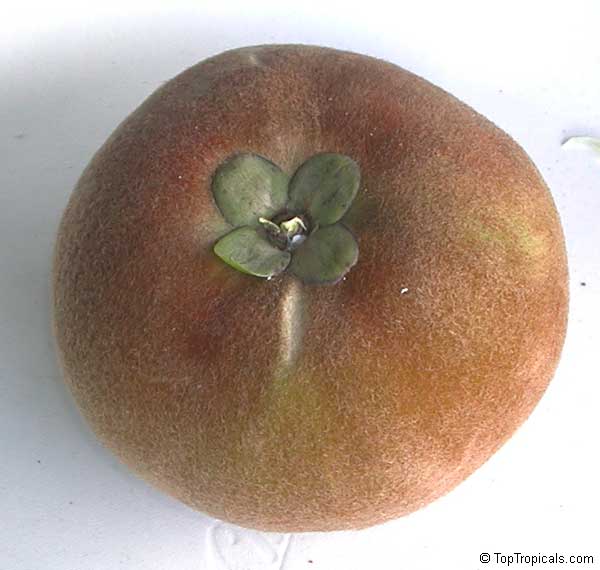
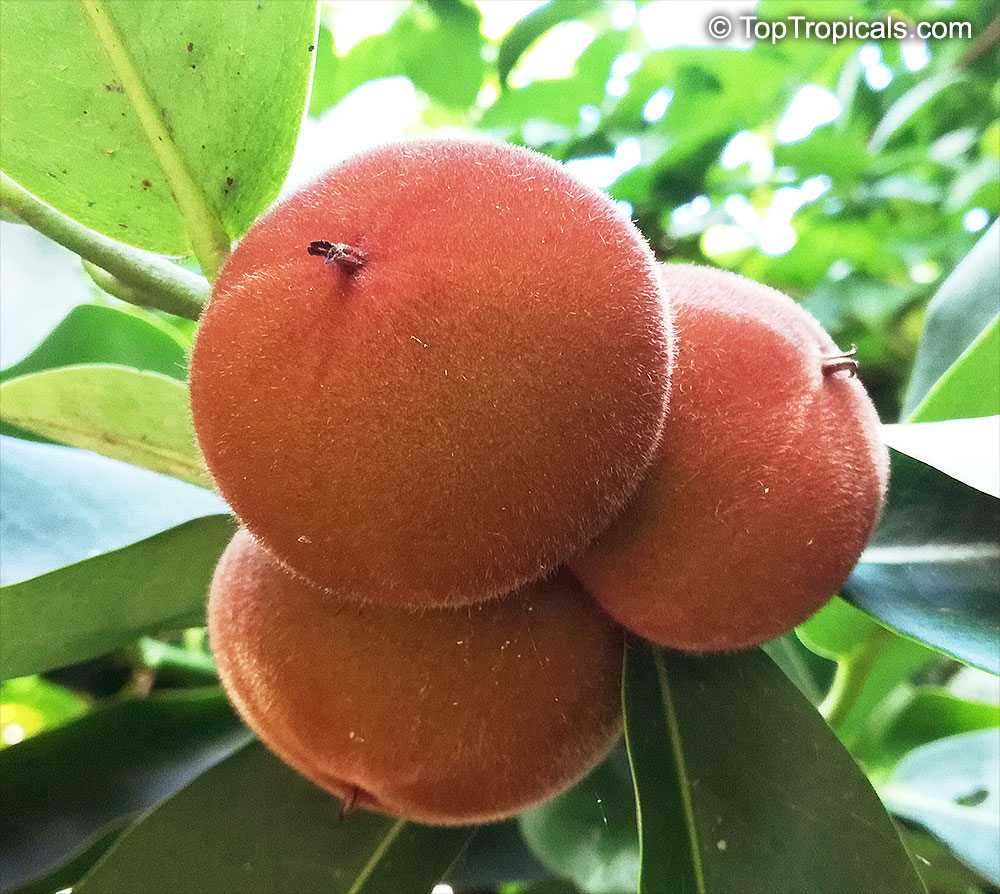
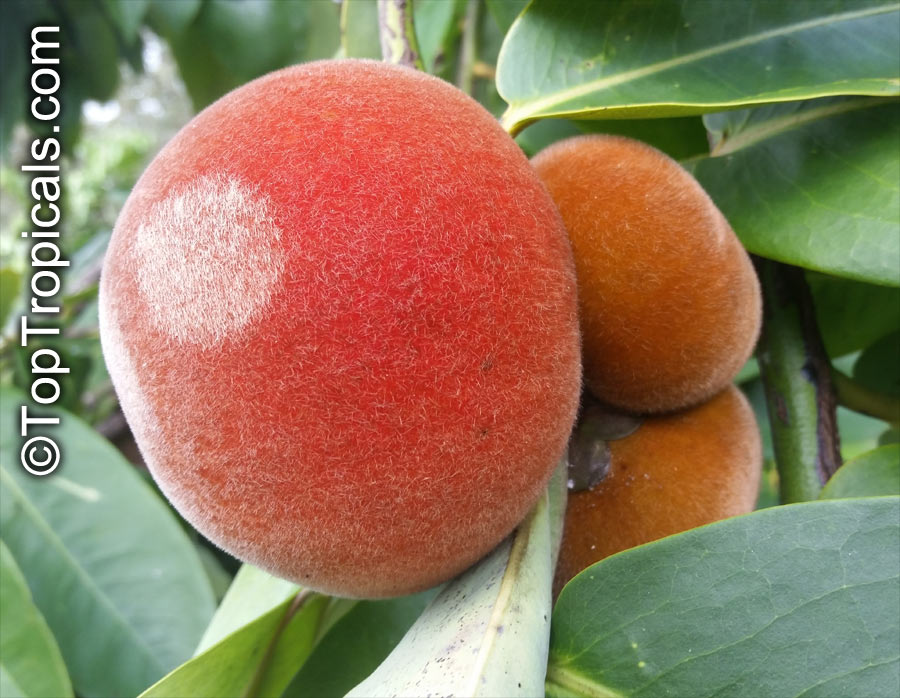
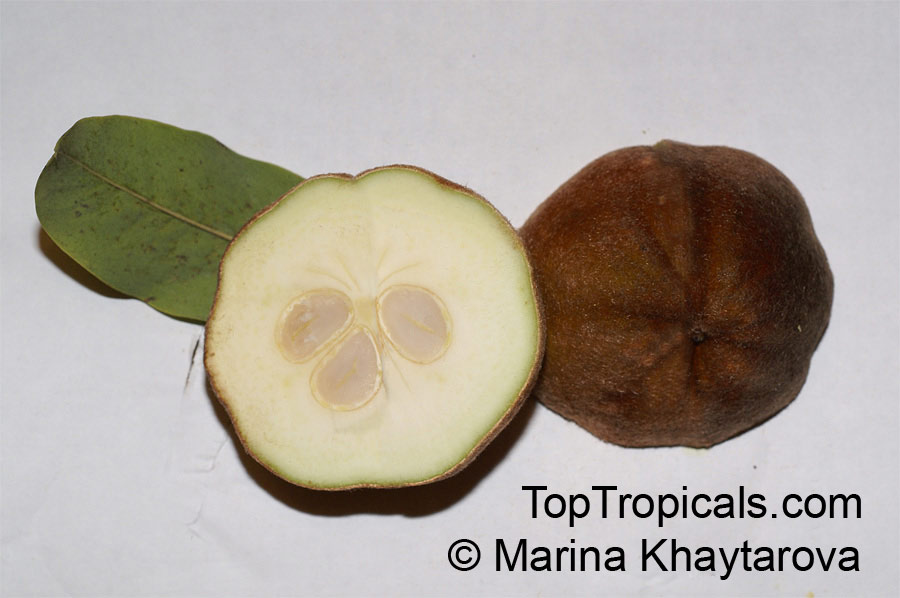
For the tree to fruit, pollination is necessary and occurs during summertime, with the fruits ripening 2-4 months after flowering. This big tree can be grown from seed, and it prefers full sun and regular watering. Must be grown at temperatures above 50F (USDA Zone: 10-11), the Velvet Apple tree produces a dark red to purple colored fruit with velvet-like skin. These fruits are usually the size of an apple and have a mildly sweet and somewhat mealy flesh.
The Velvet Apple is highly esteemed in some areas, yet barely known in most parts of the world. Generally, the fruit is enjoyed either fresh, or used in salads and desserts. They are incredibly healthy, being loaded with dietary fiber, vitamins A and C, as well as other minerals. The trees can produce an abundance of fruits, depending on regional climate and soil conditions.
In cold regions, the Velvet Apple can also be grown in large pots, as long as they are given a warm spot and plenty of rich, well-draining soil. They need to be watered regularly, though not excessively, and be protected from frost and extreme weather conditions. Pruning is necessary to determine the shape and regional size of the tree, as well as to make sure flowering and fruiting are optimal.
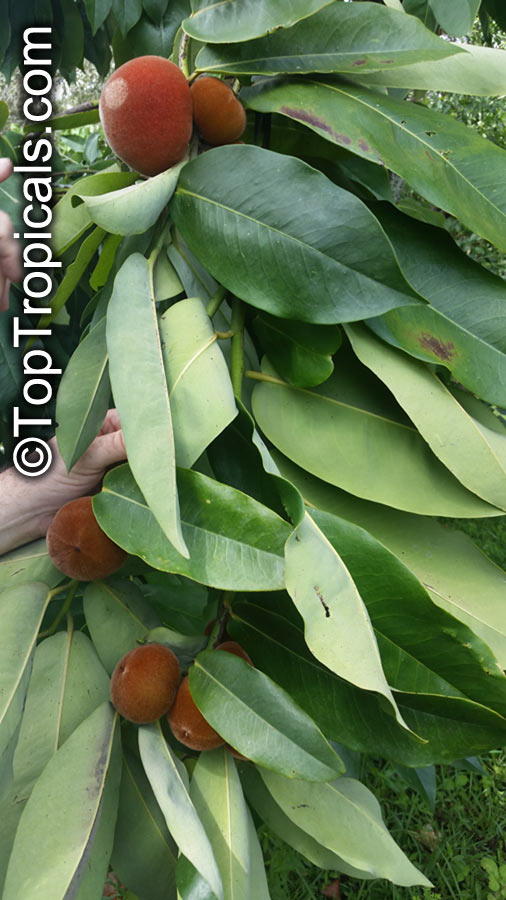

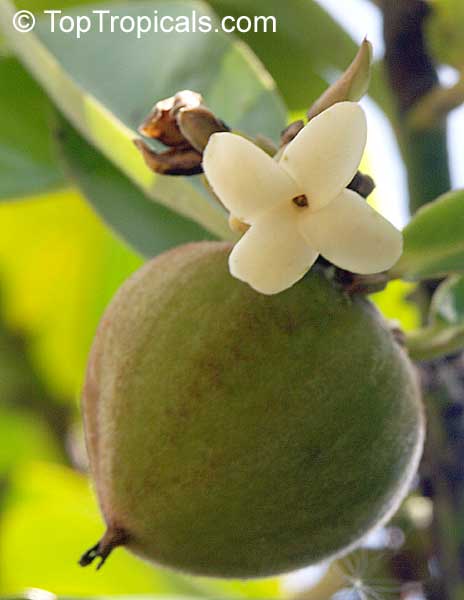
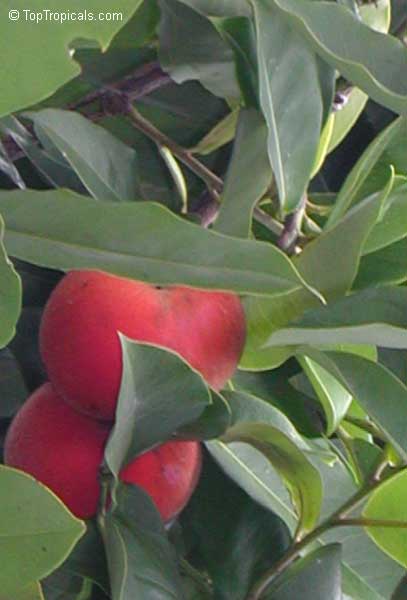
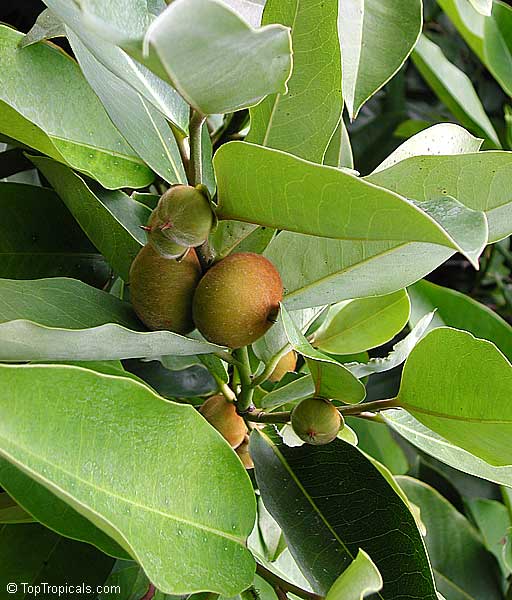
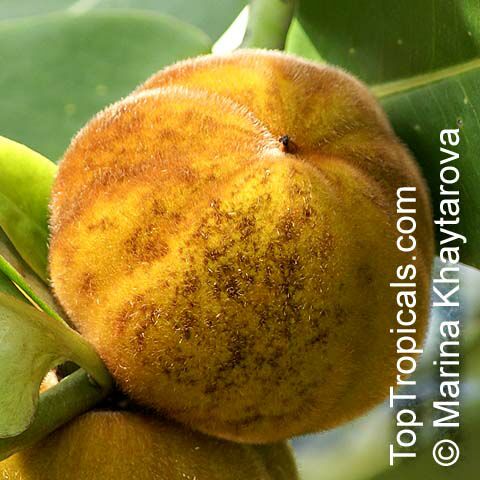
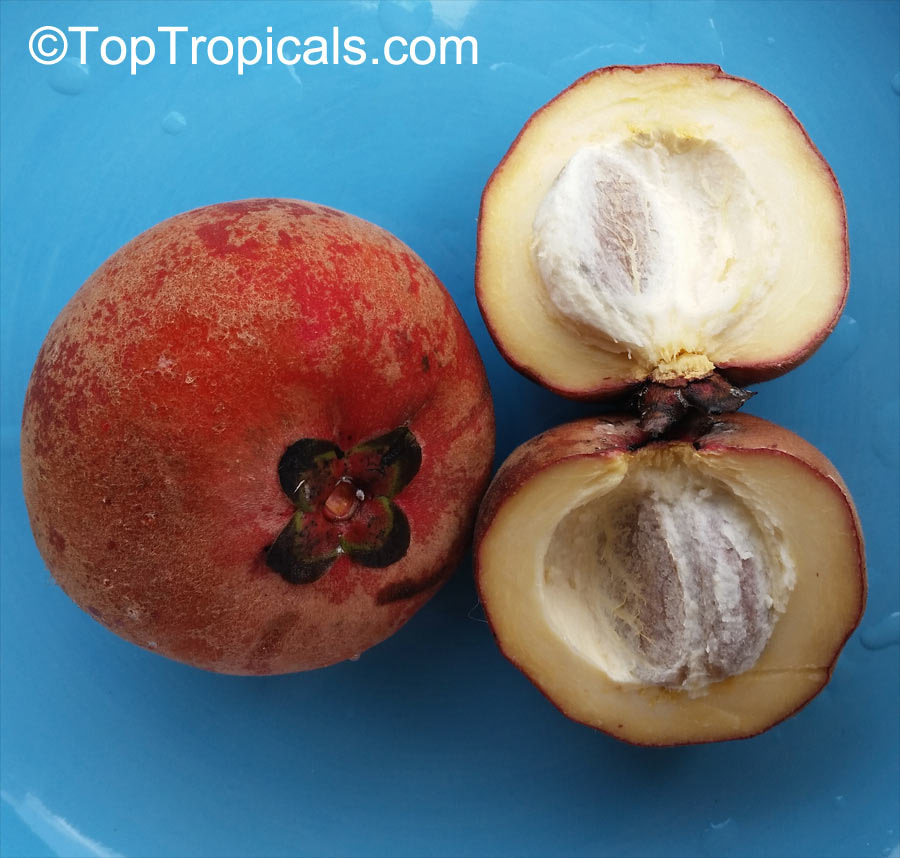
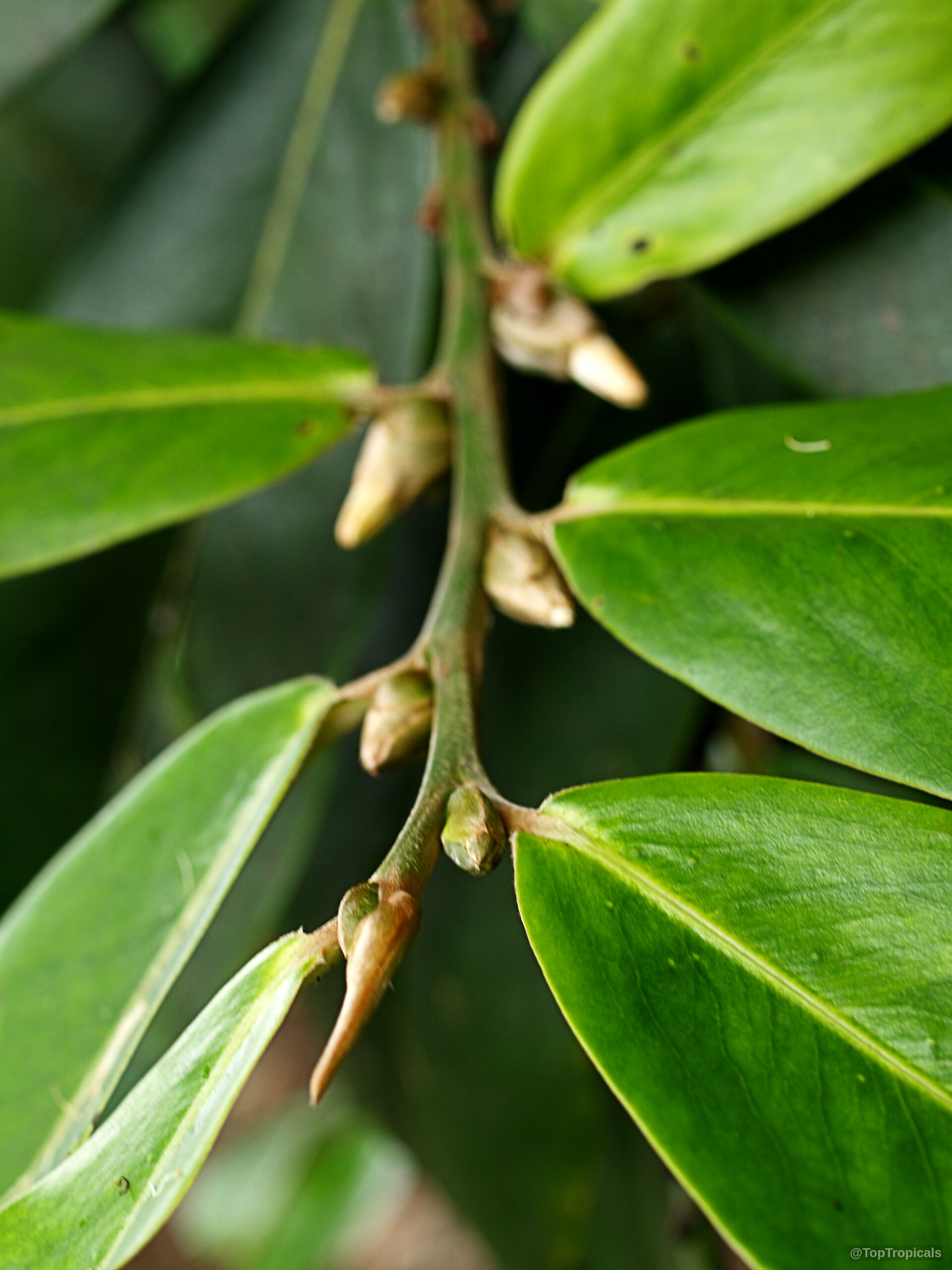
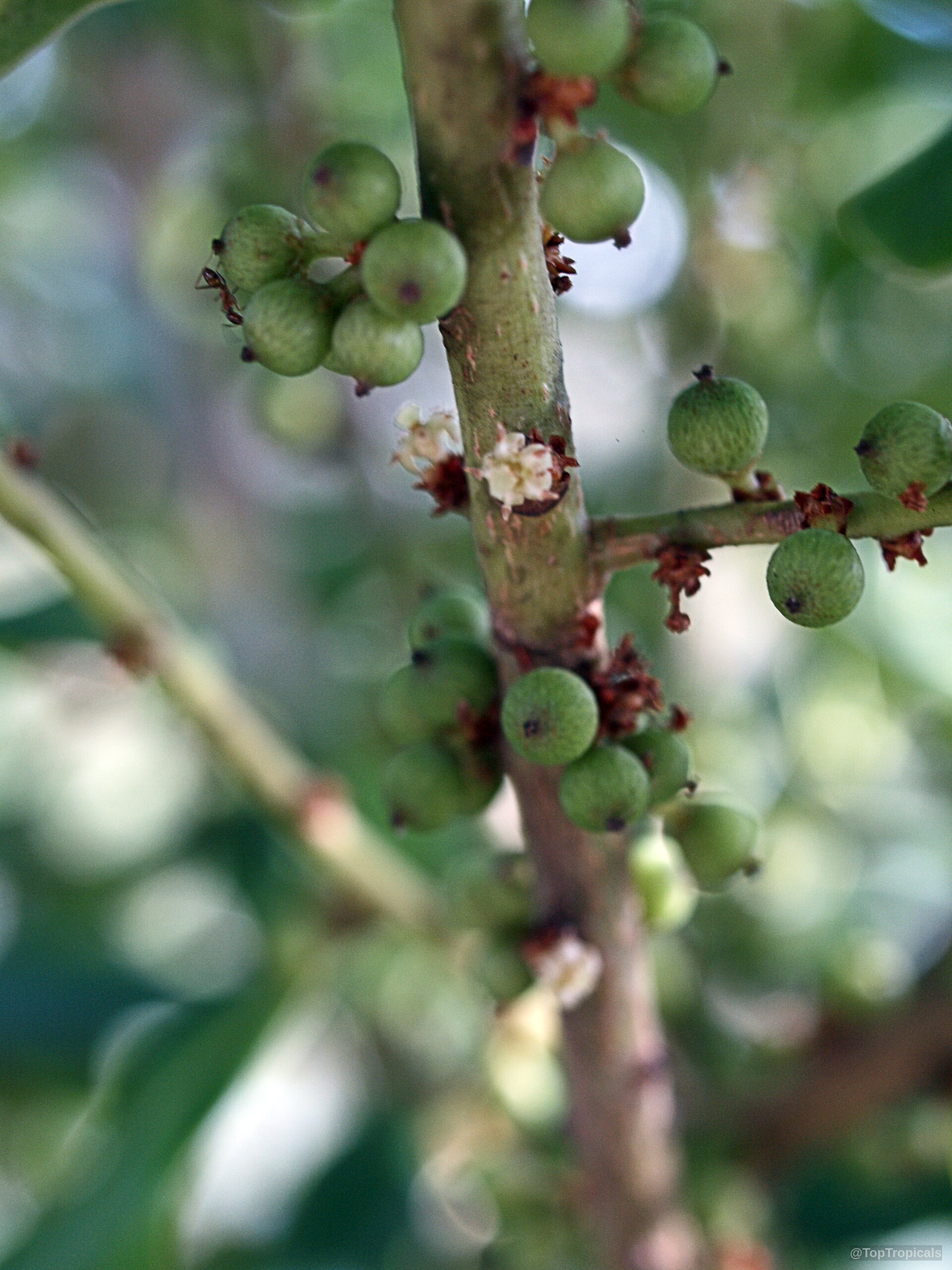
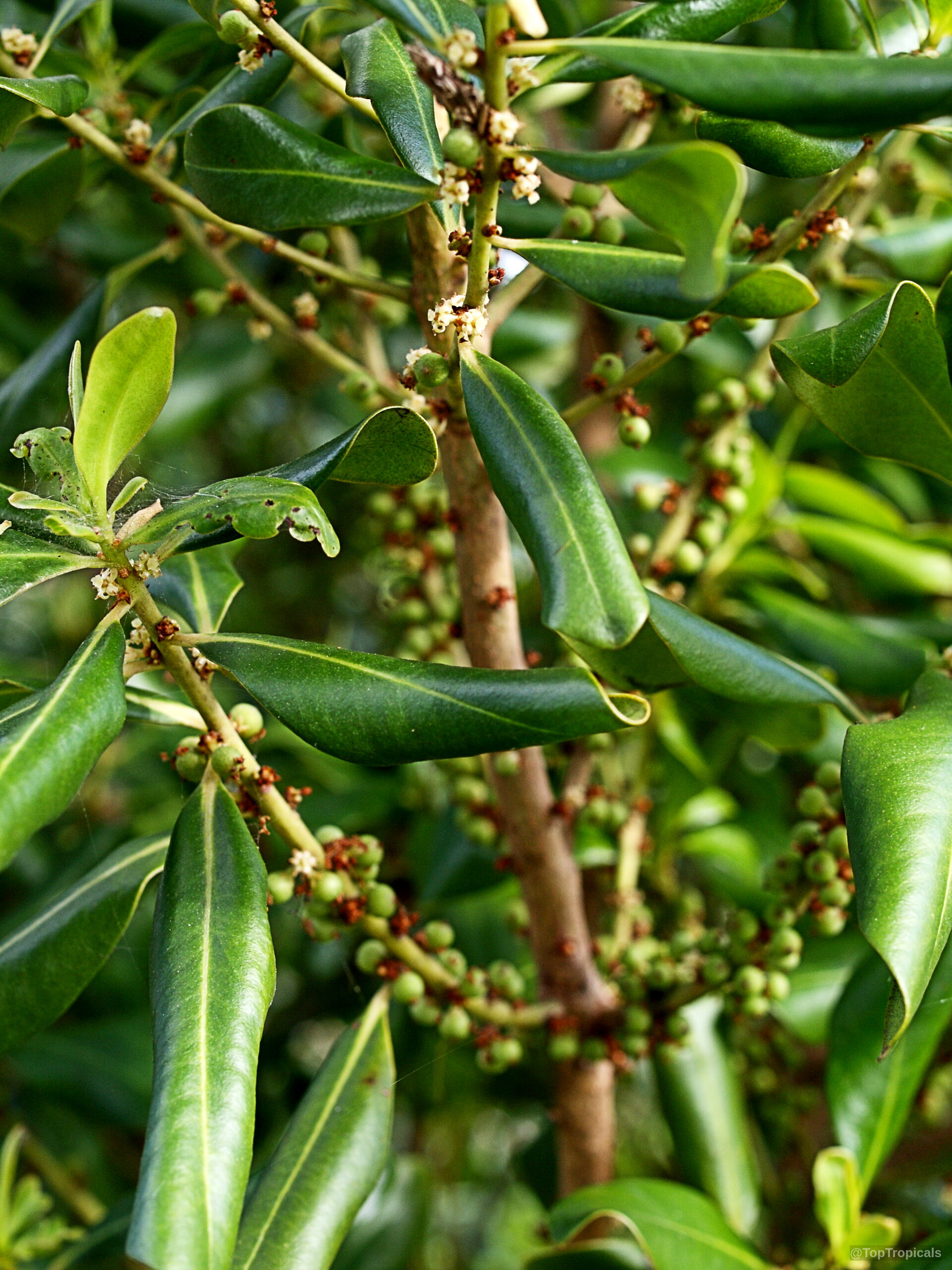
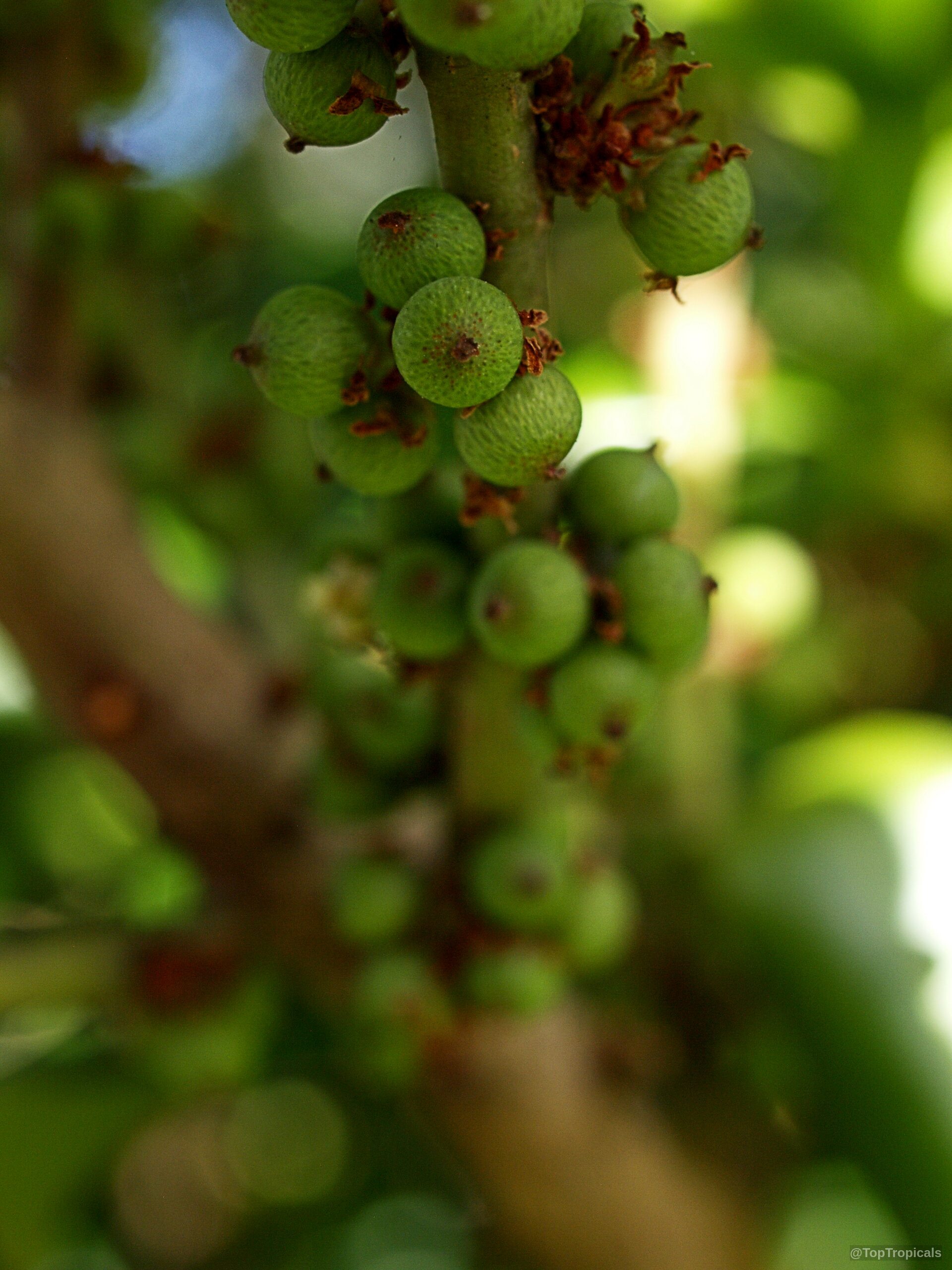
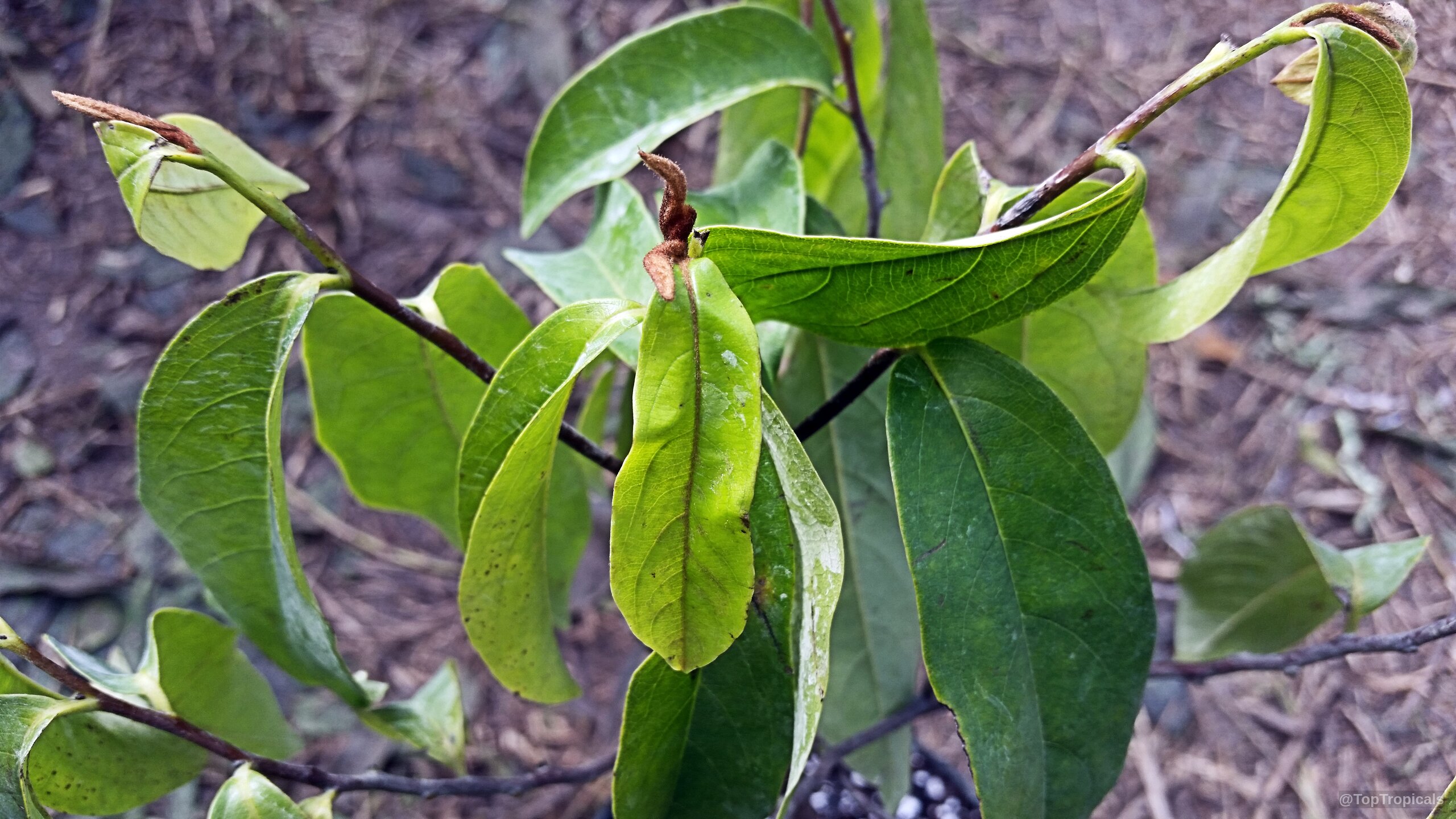
Botanical name: Diospyros decandra
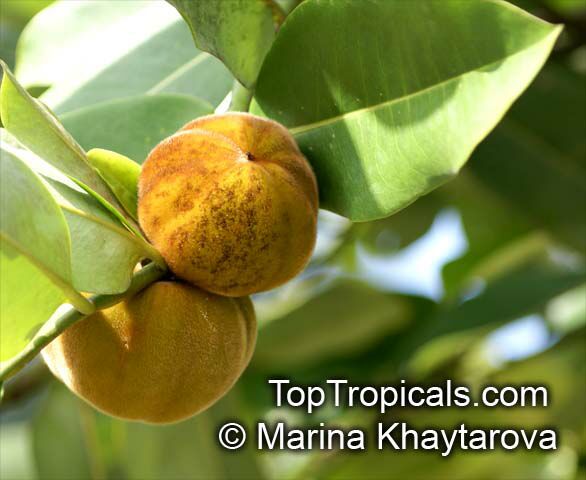
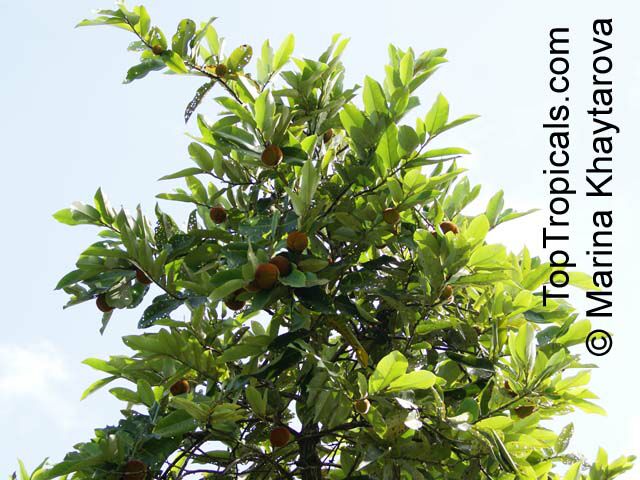
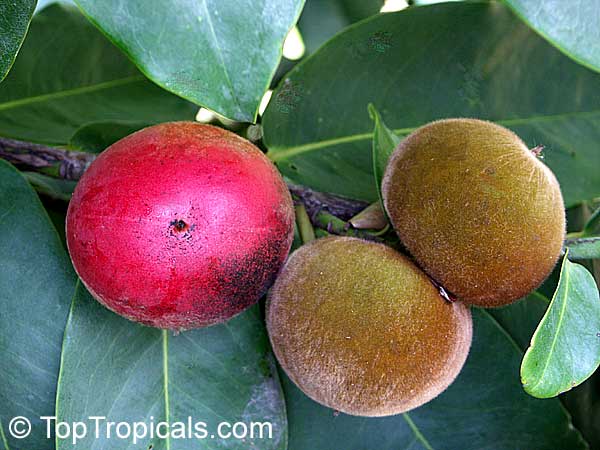
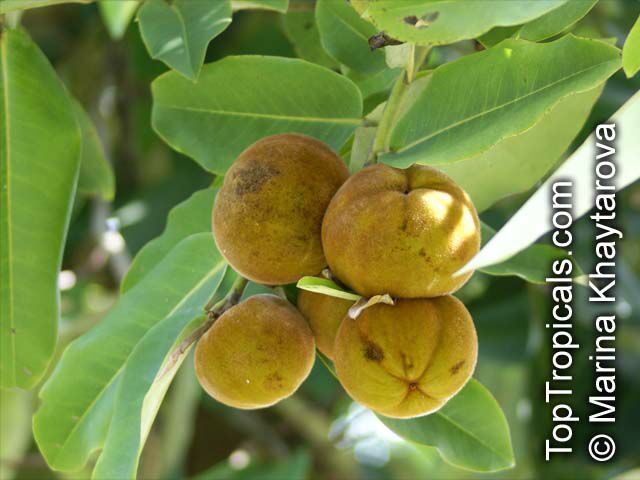
Common name: Gold Apple
Family: Ebenaceae
Origin: SE Asia
USDA Zone: 9-10


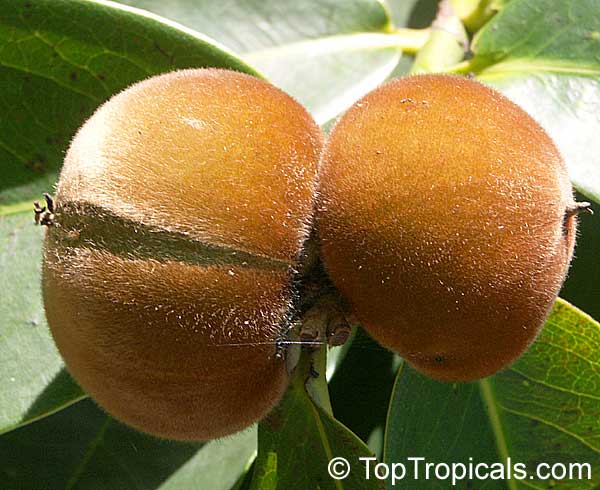
Delicious golden color fruit grown in Thailand with a unique flavor and soft texture. Fruit usually divided into 6-8 zones and have a strong fragrant smell and have medicinal value. Ripe fruit market if you know how to eat good food (fruit and squeeze rotate until the flesh becomes soft and then cracked a small slit for the mouth to suck).
It is a popular tree in Vietnam where it is grown in urban areas and close to temples. It is also the provincial tree of Chanthaburi Province, Thailand.


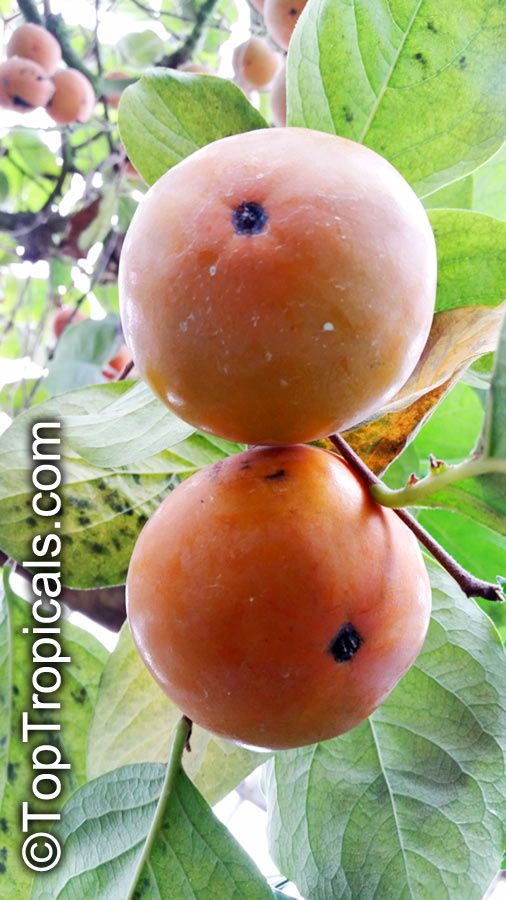
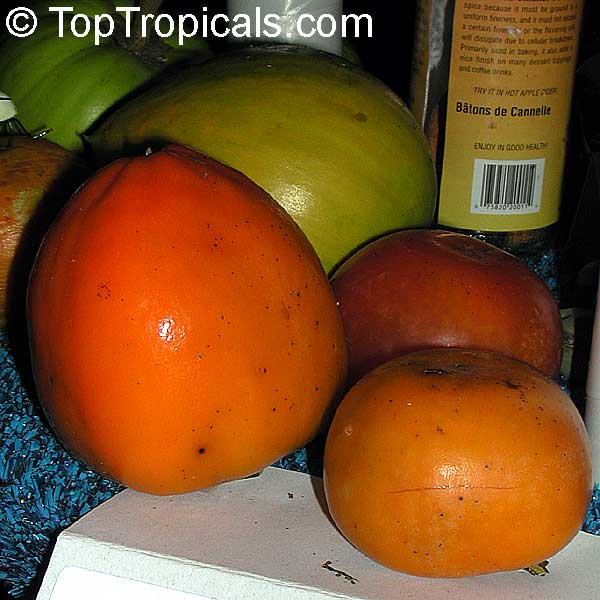
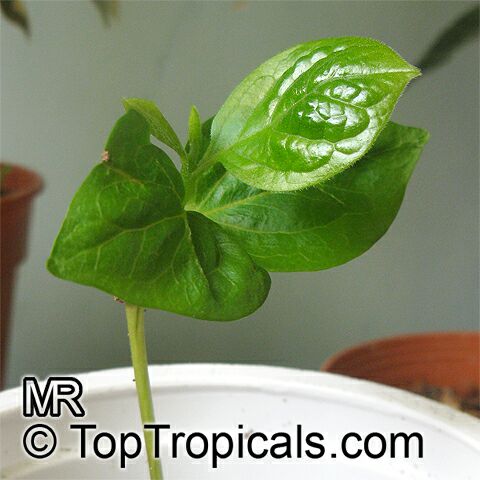
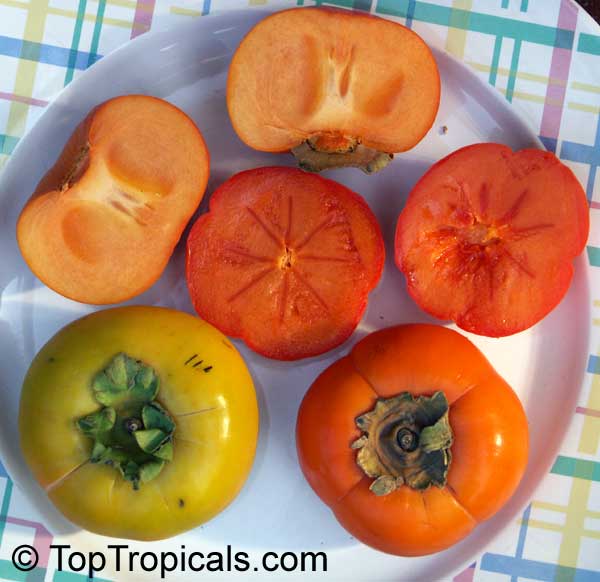
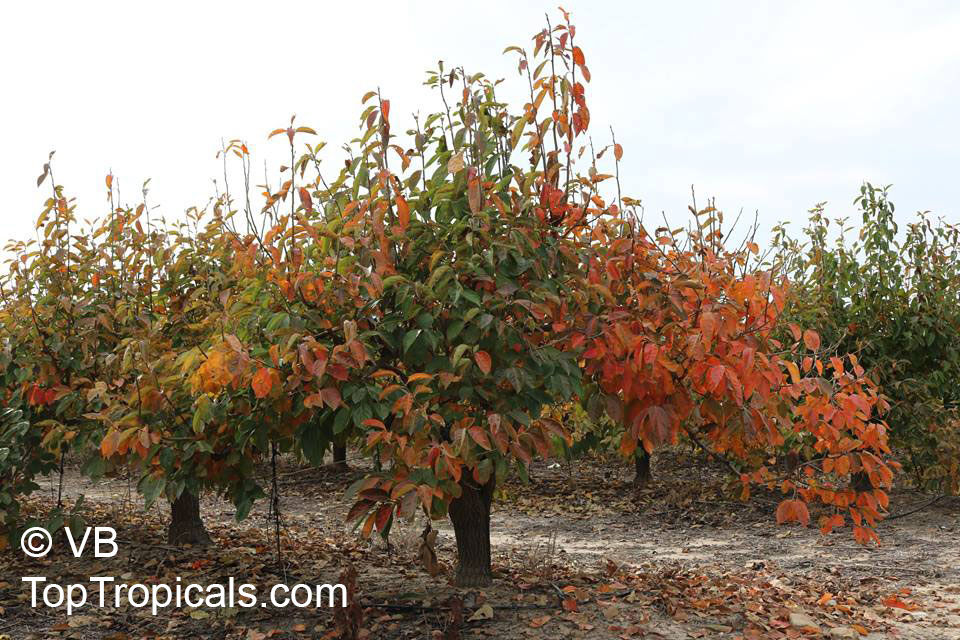
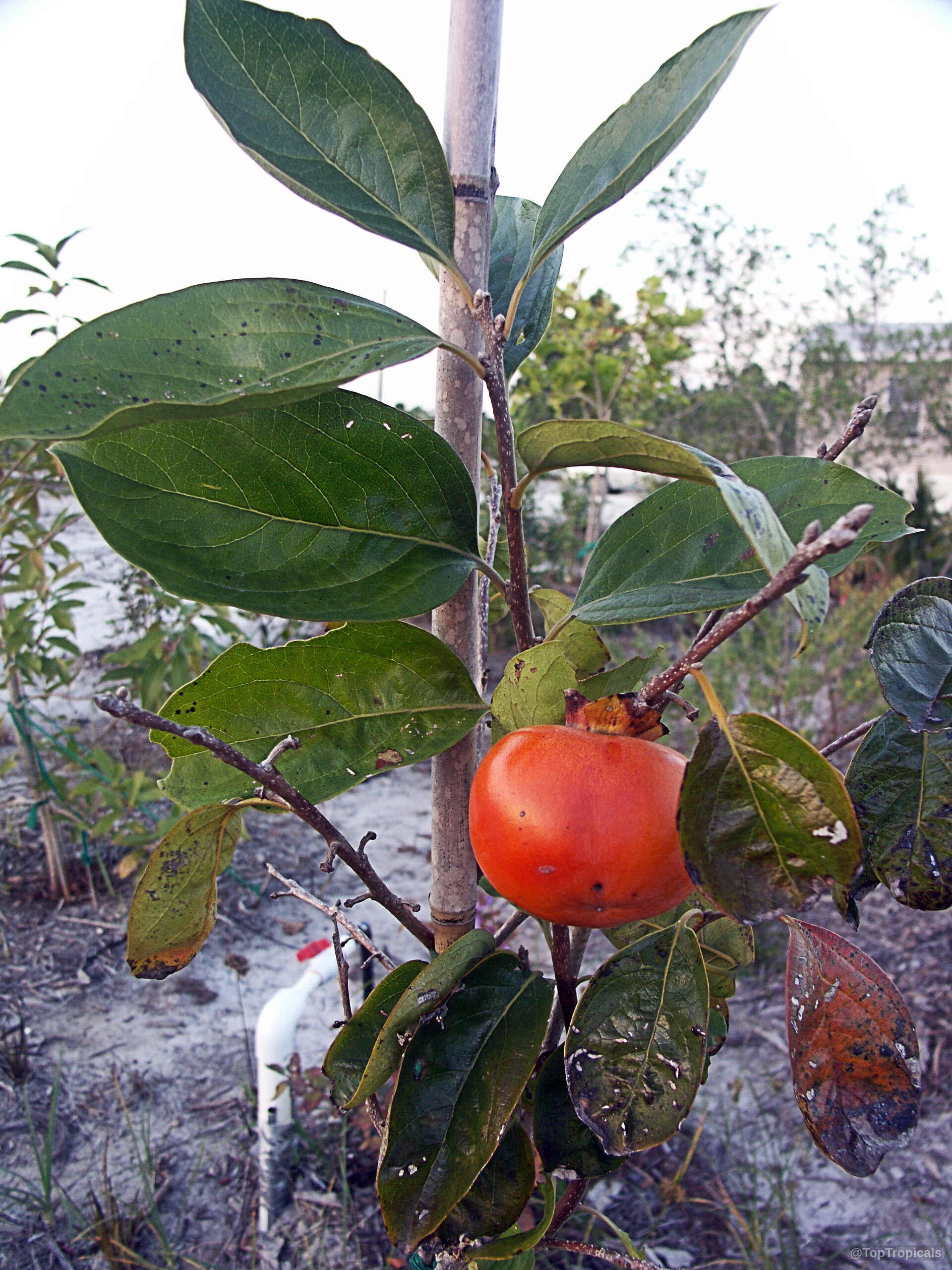
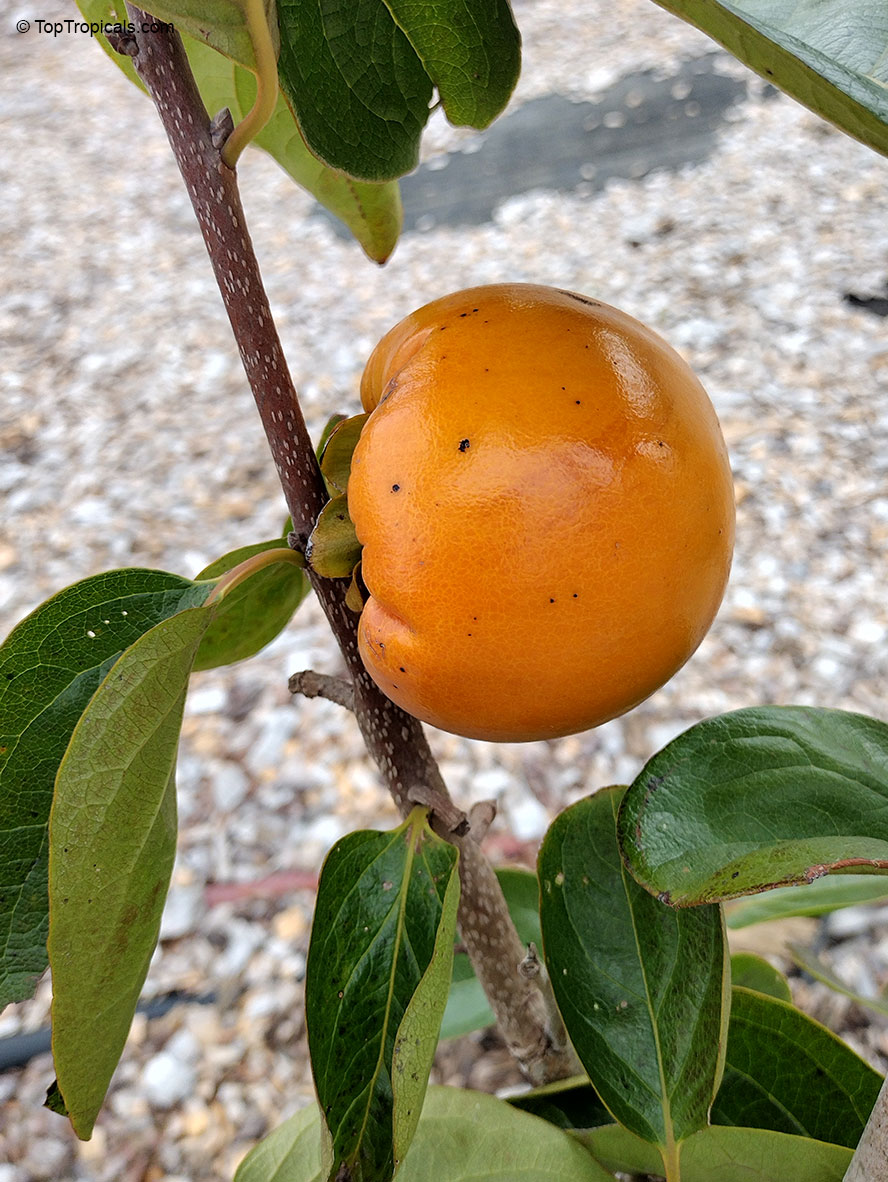
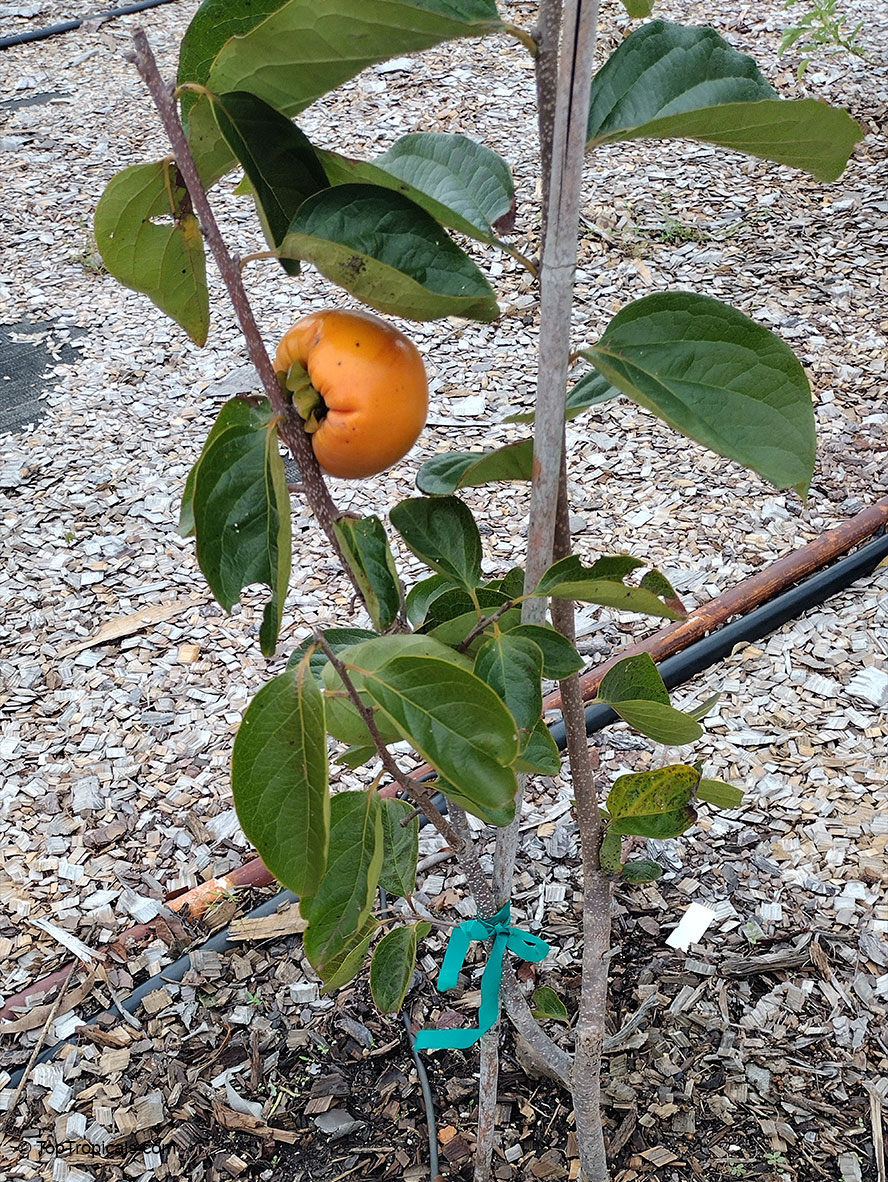
Botanical name: Diospyros kaki
Common names: Kaki, Japanese Persimmon, Oriental Persimmon, Sharon Fruit
Family: Ebenaceae
Origin: China
USDA Zone: 7-10


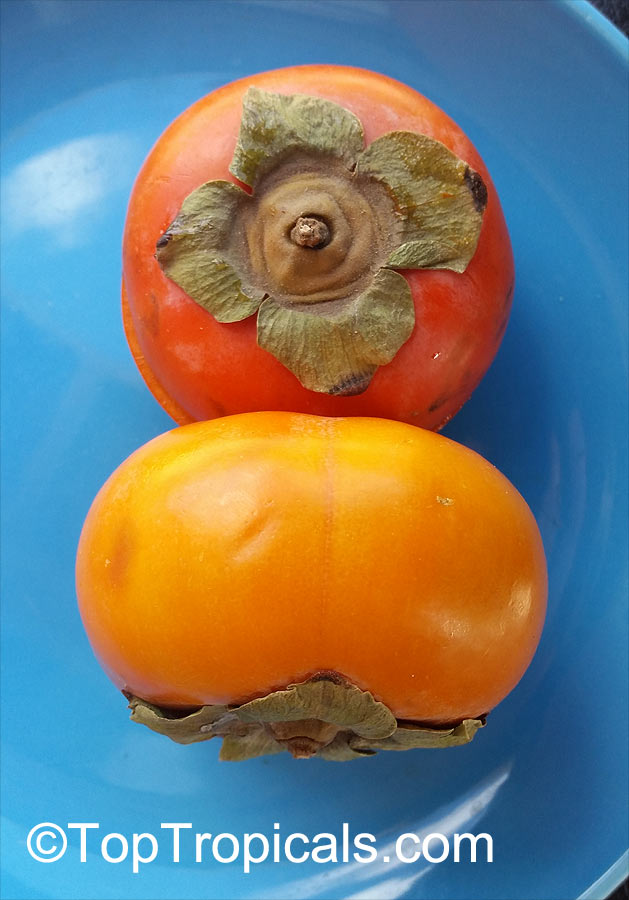
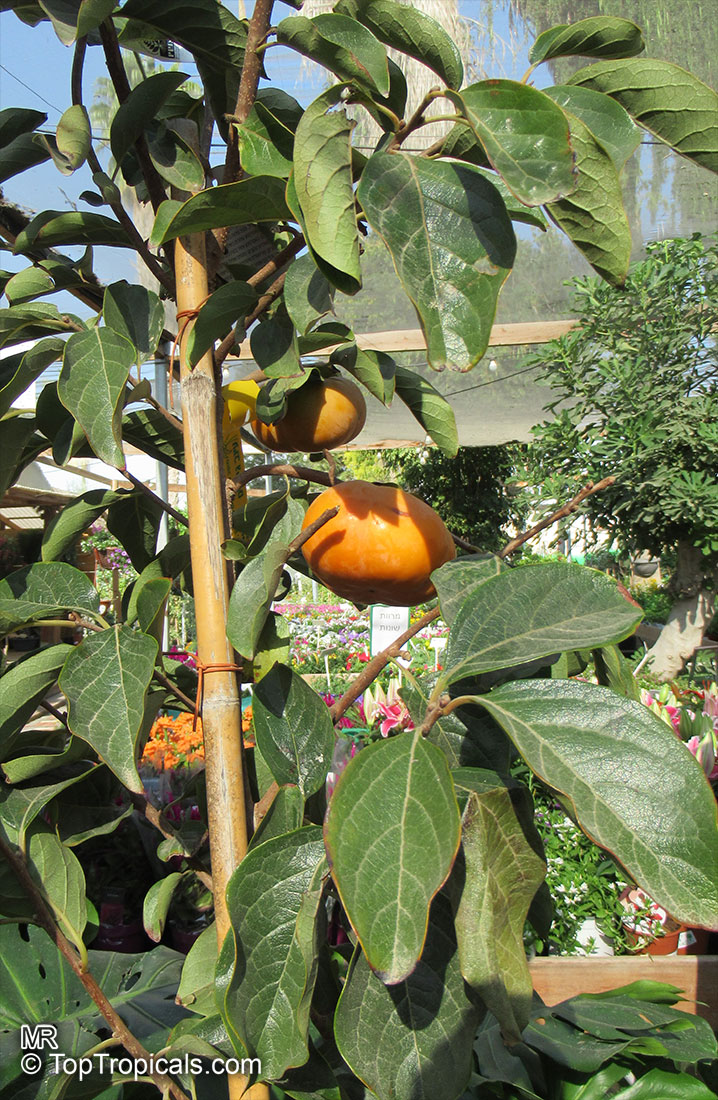
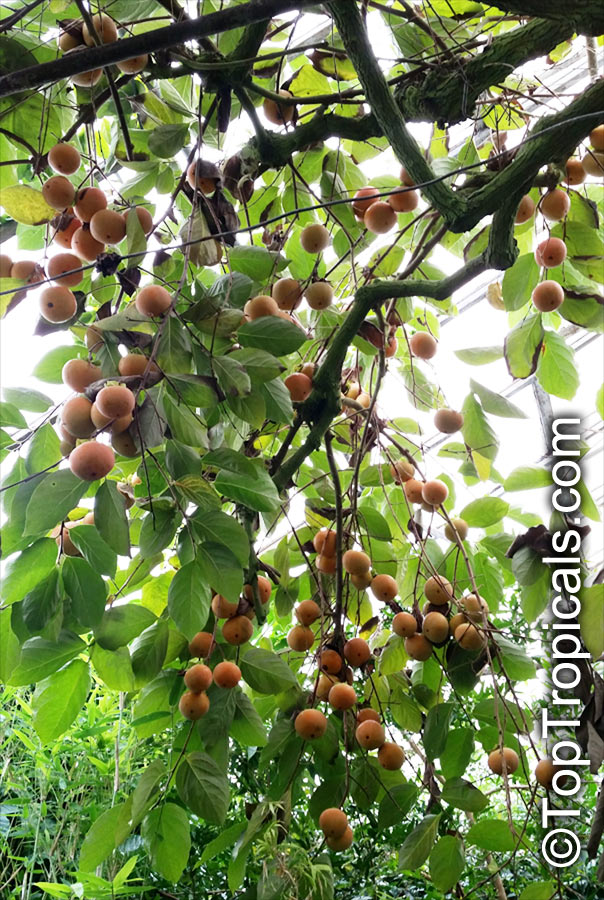
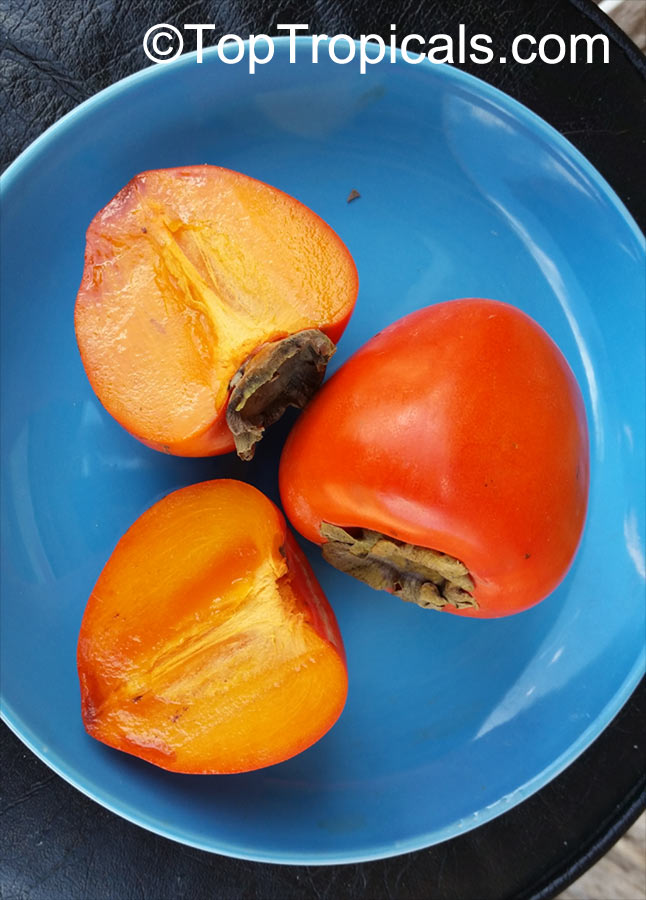
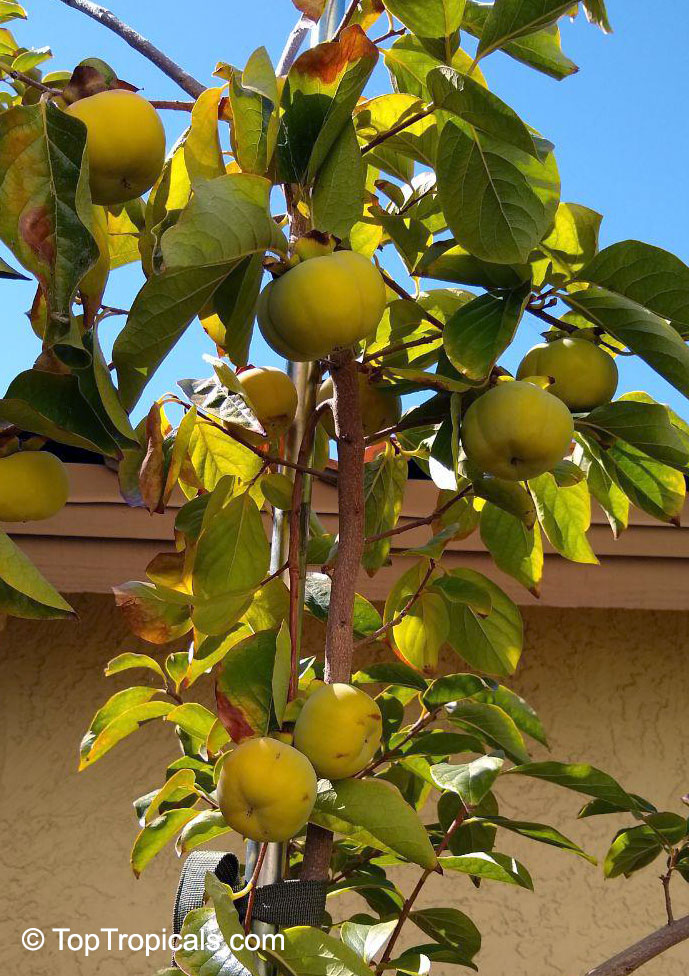
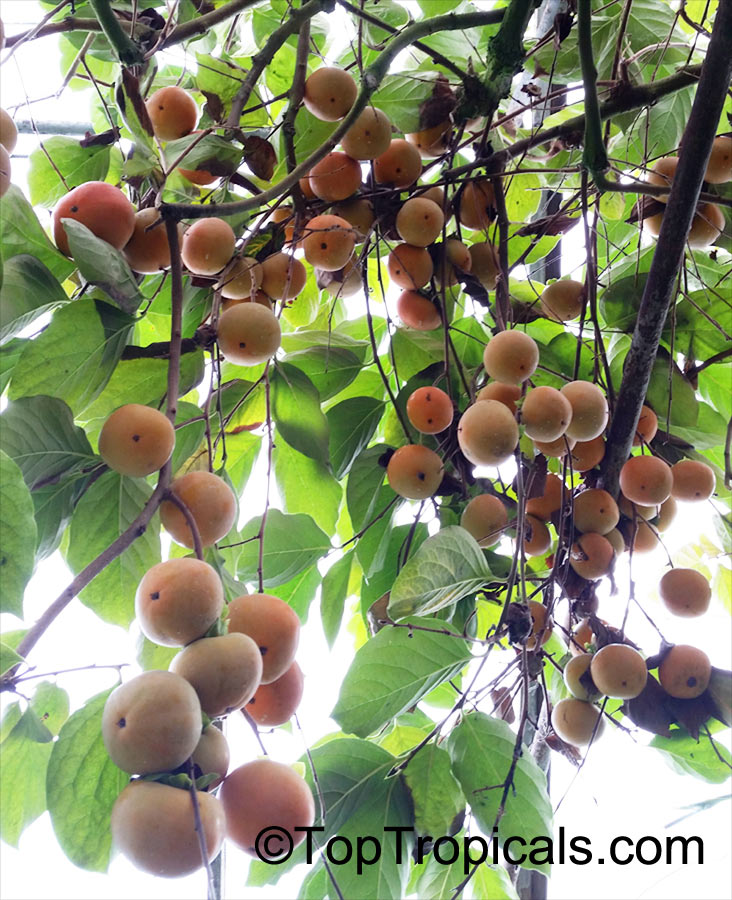
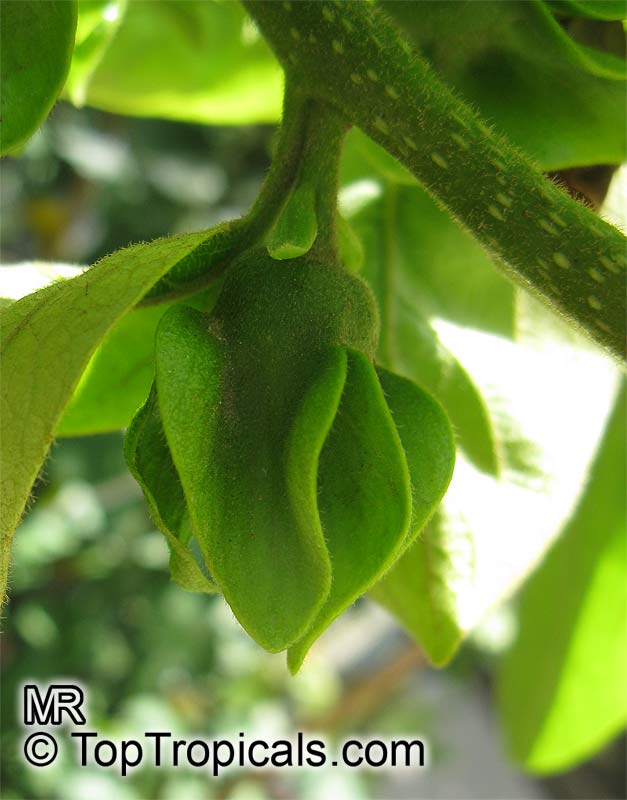
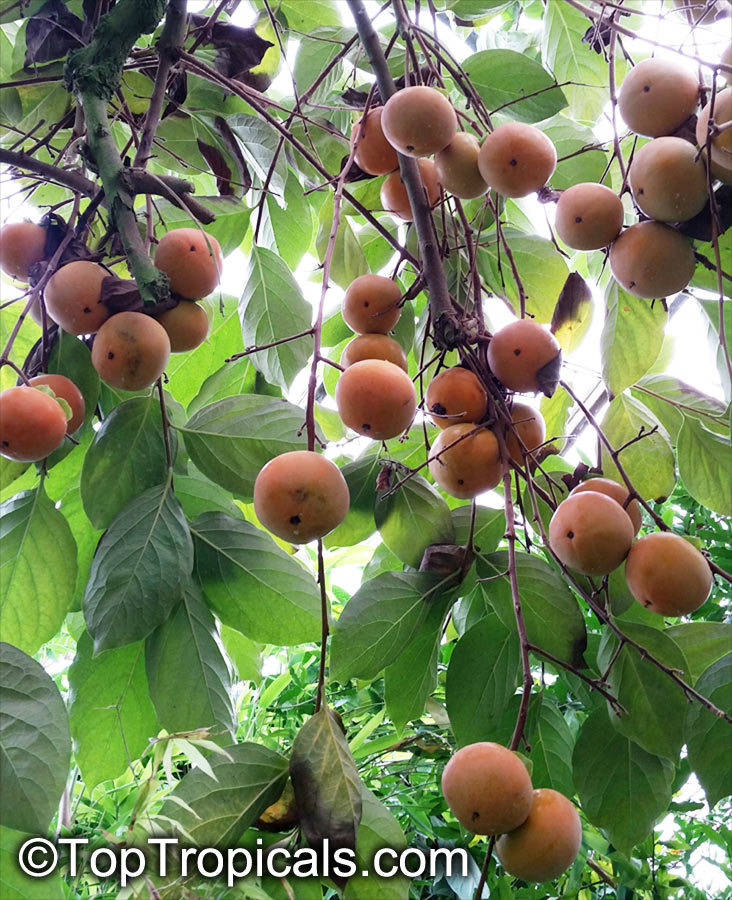
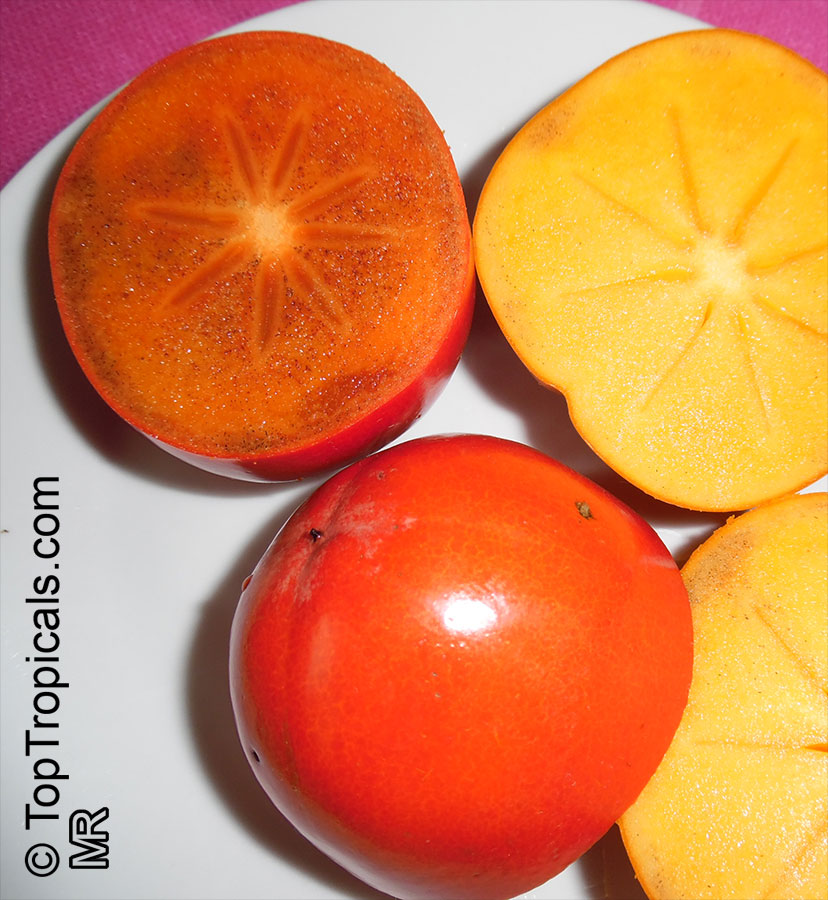
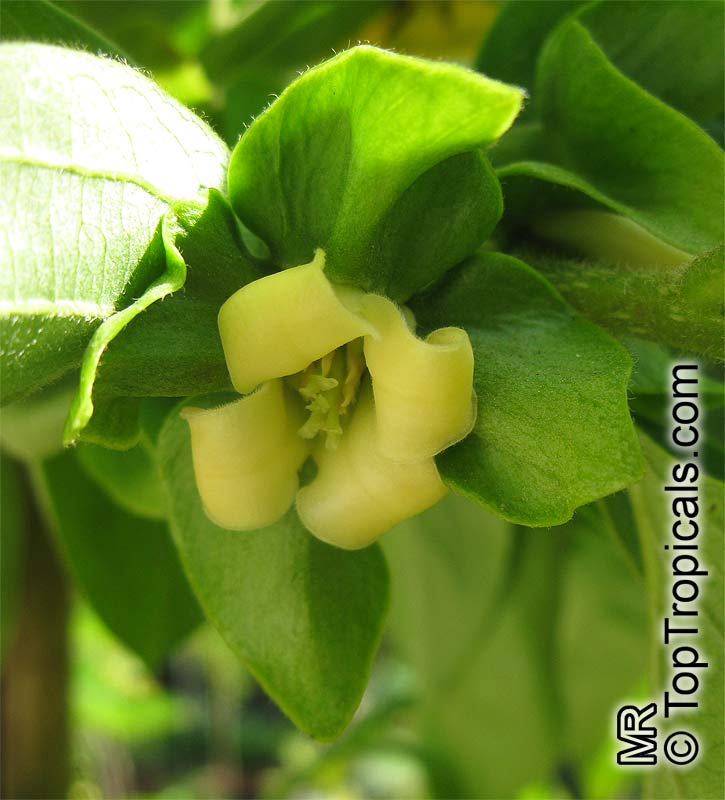
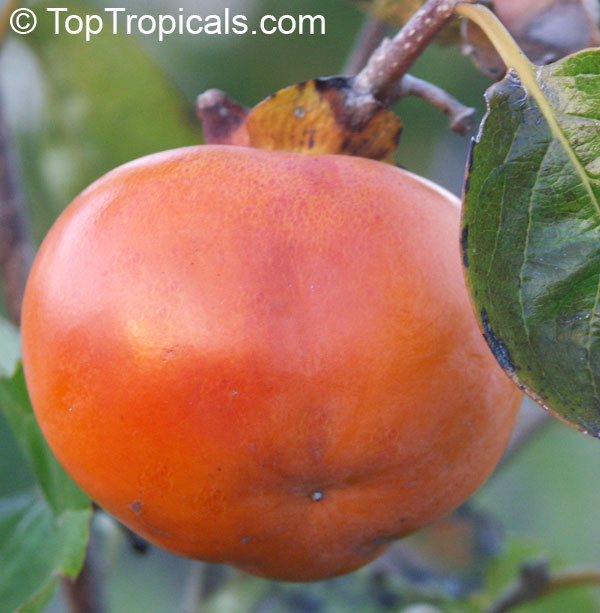
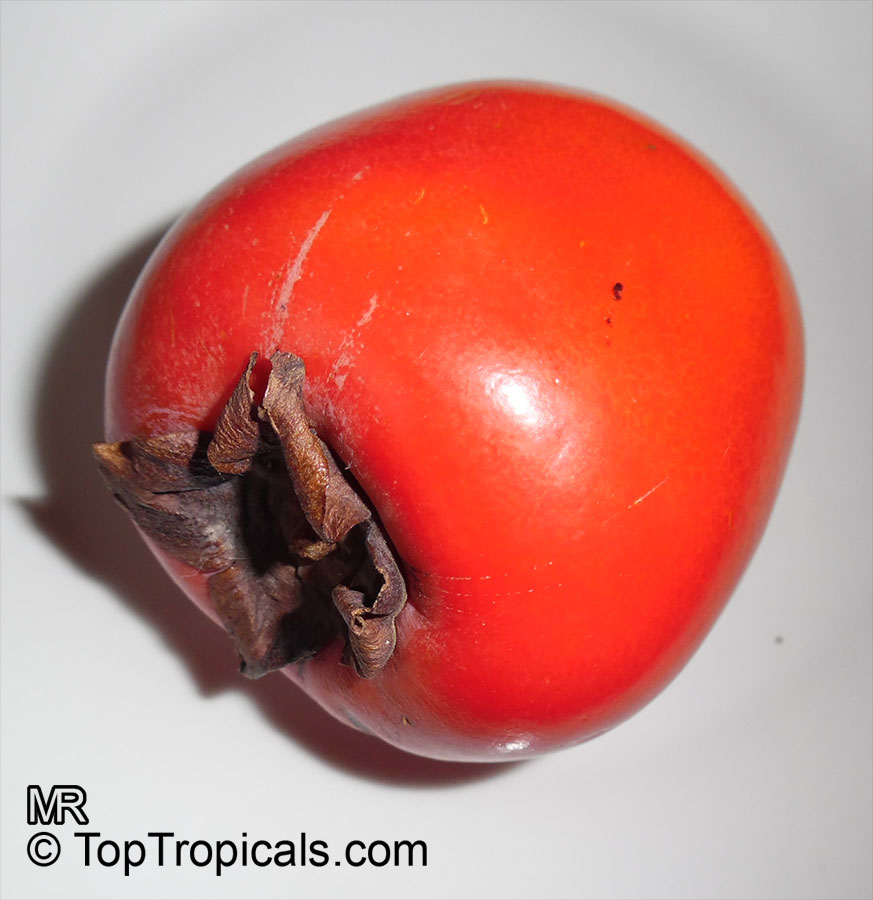
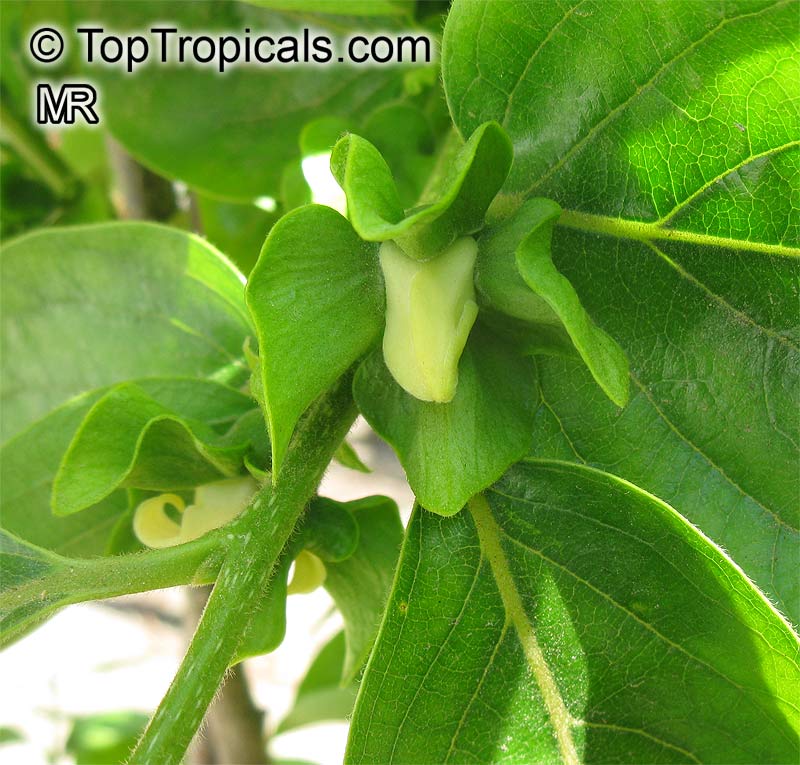
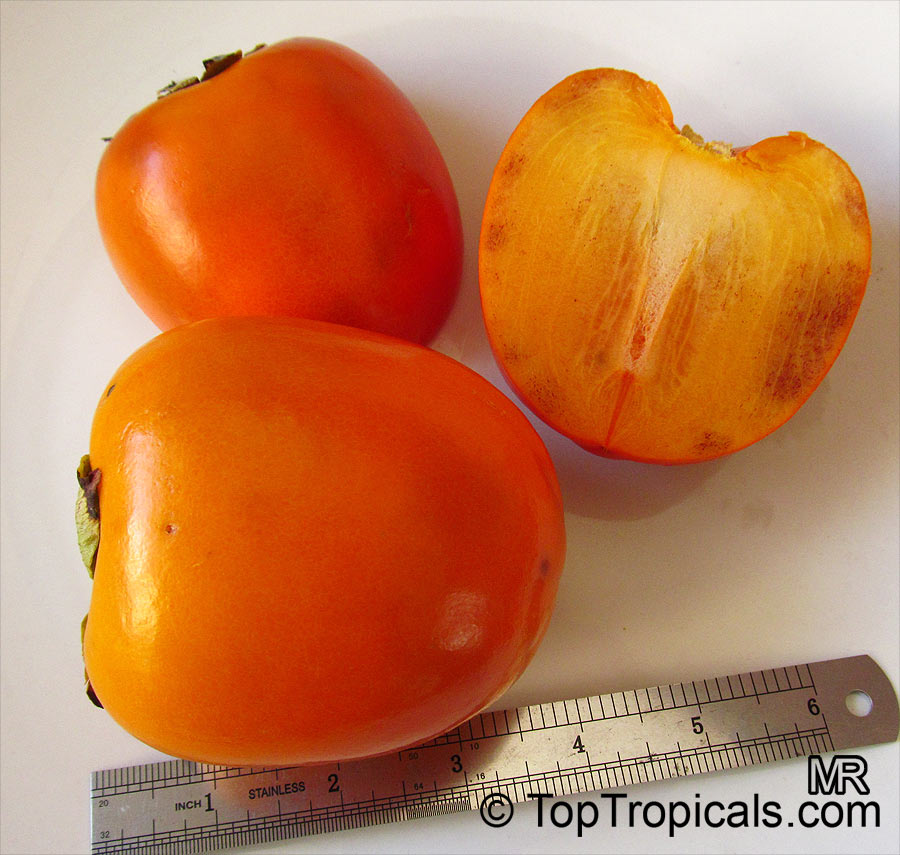
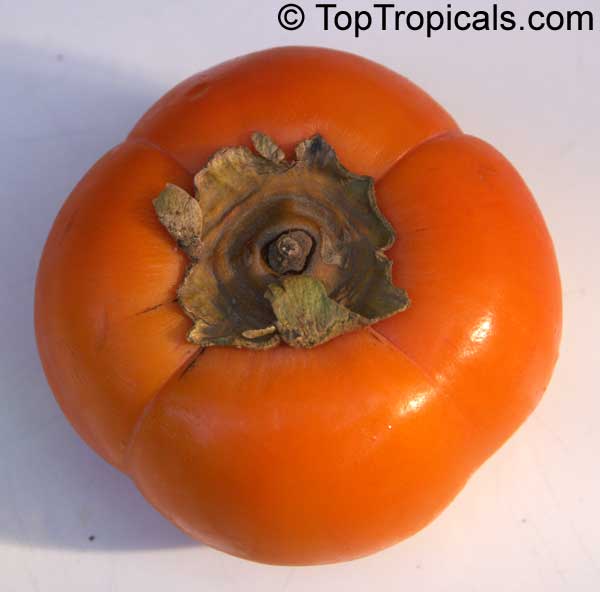
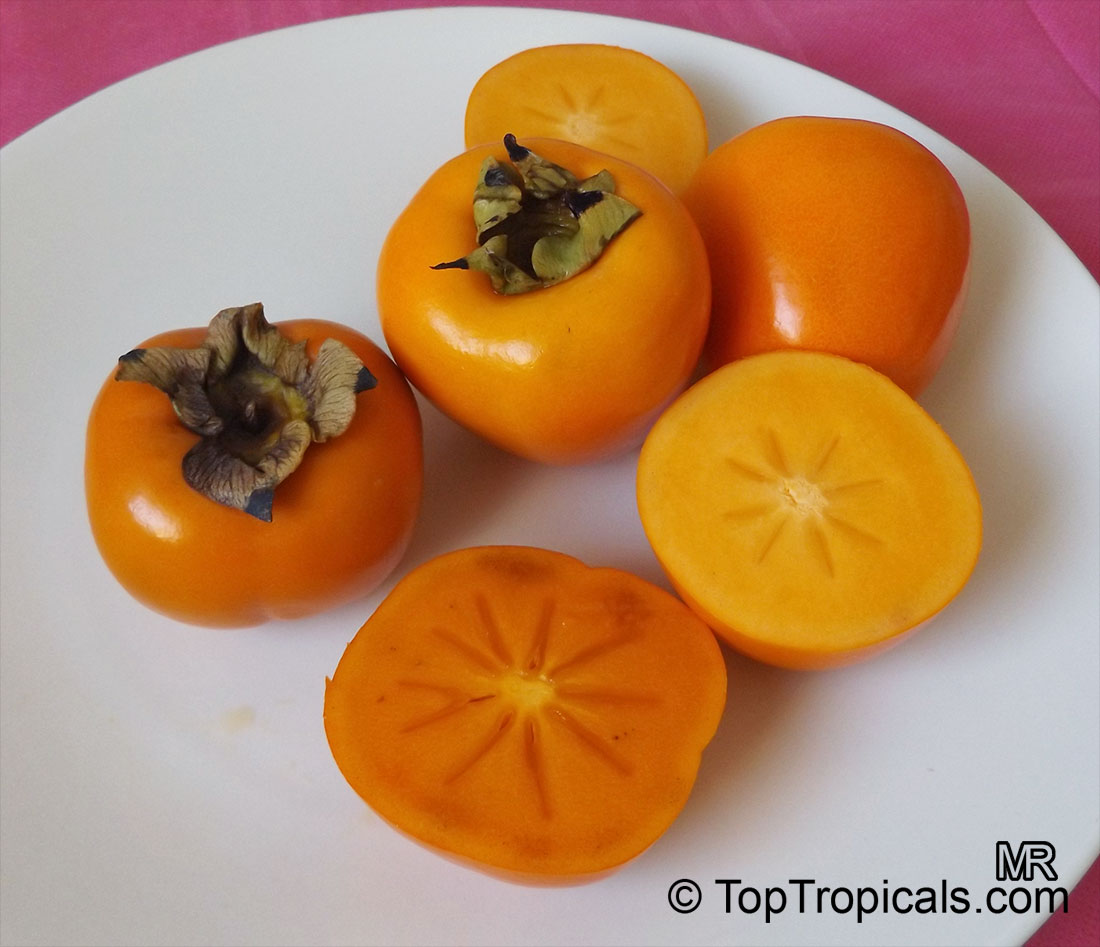
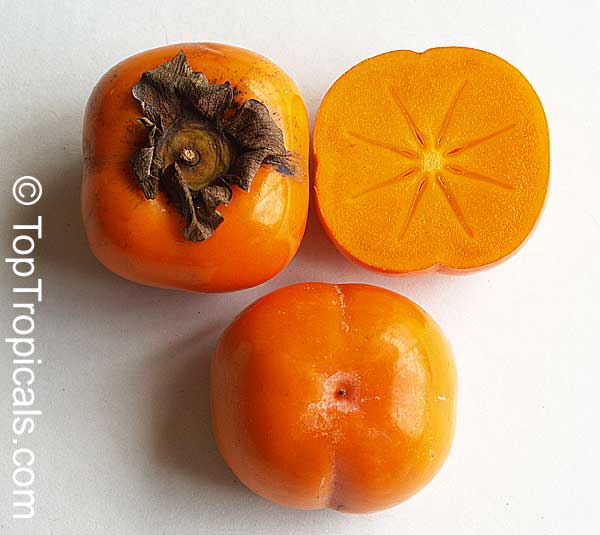
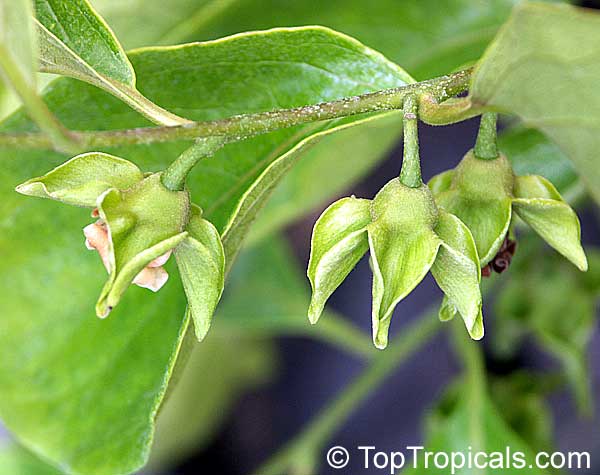
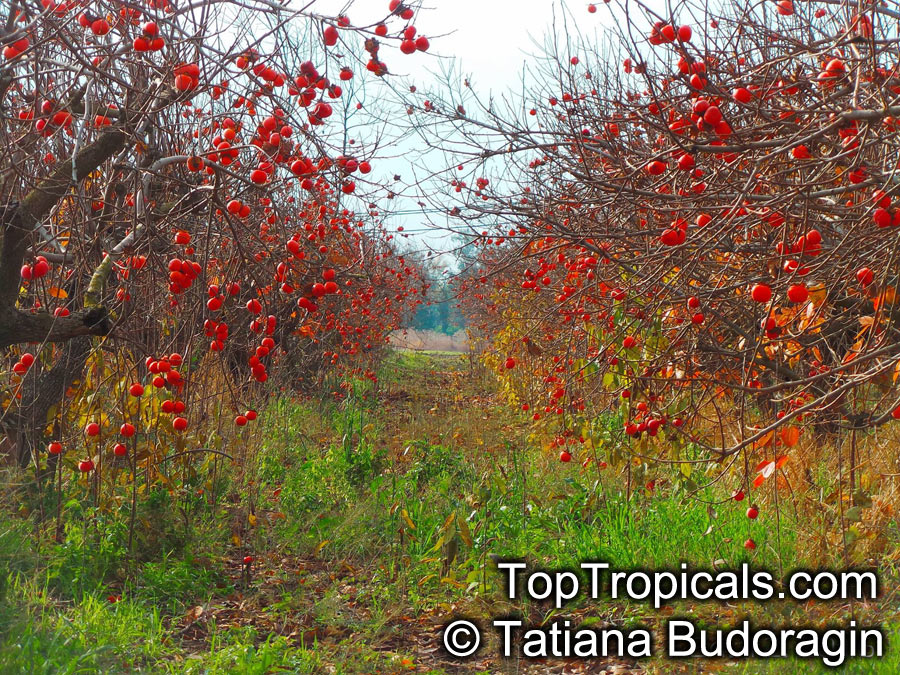
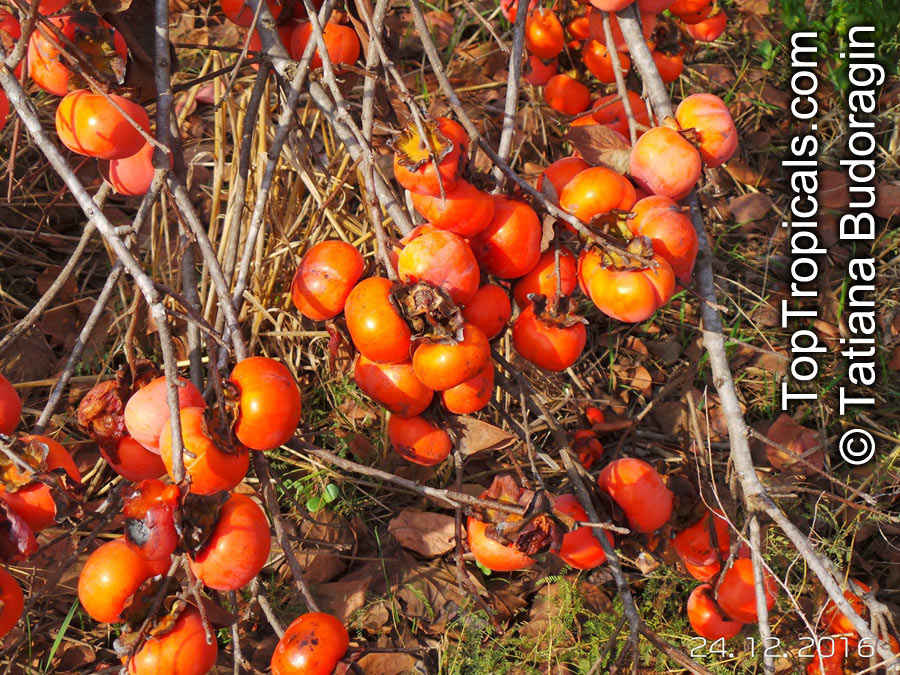
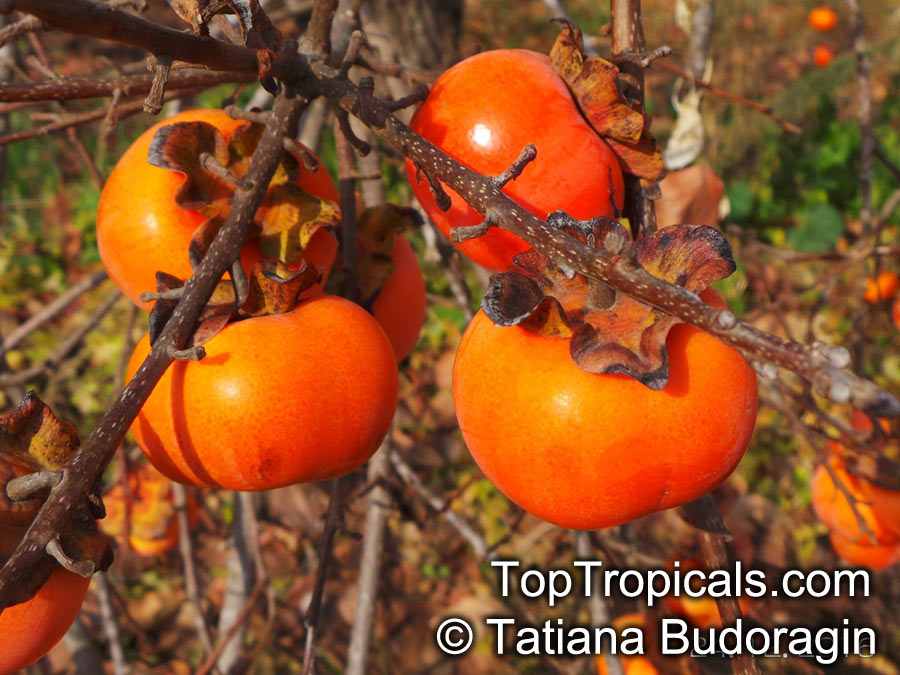
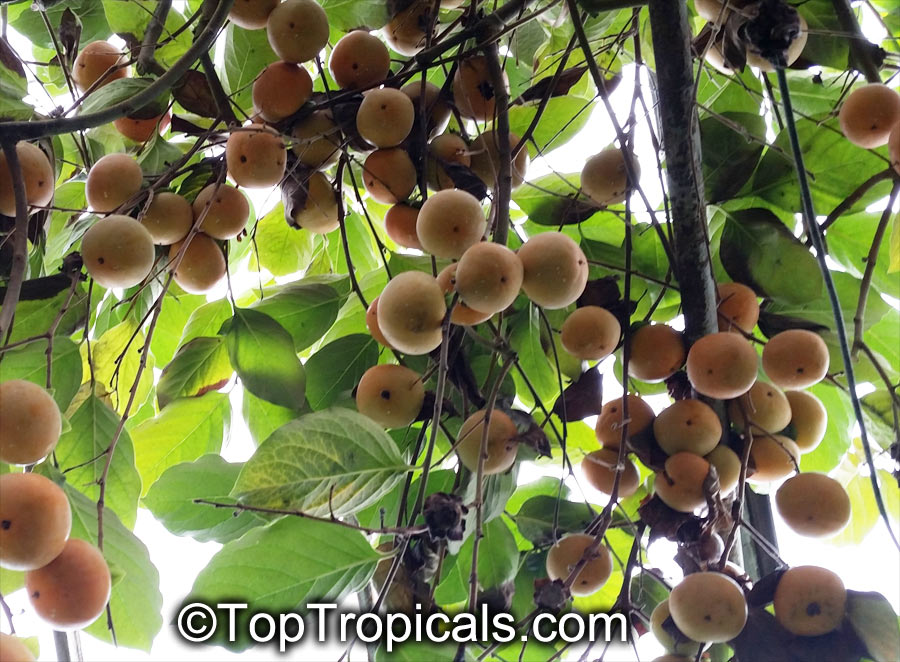
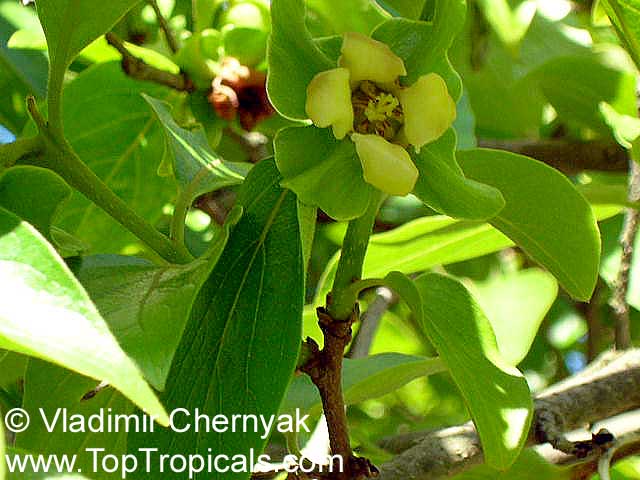
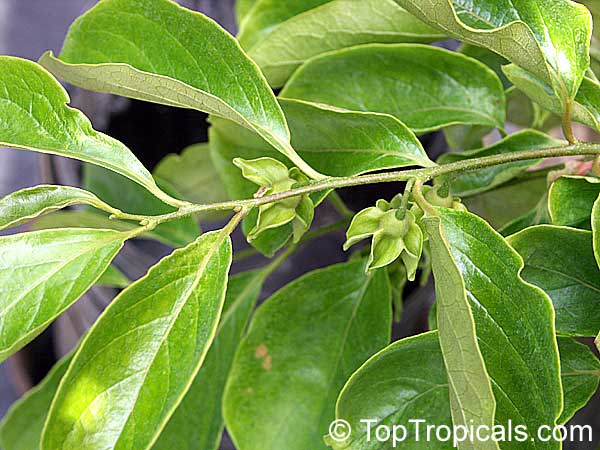
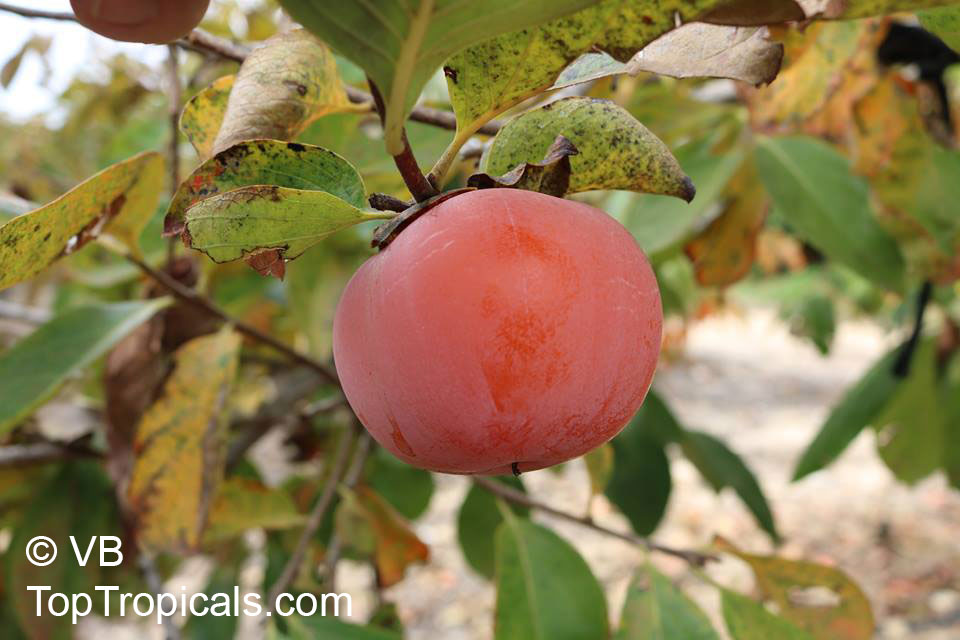
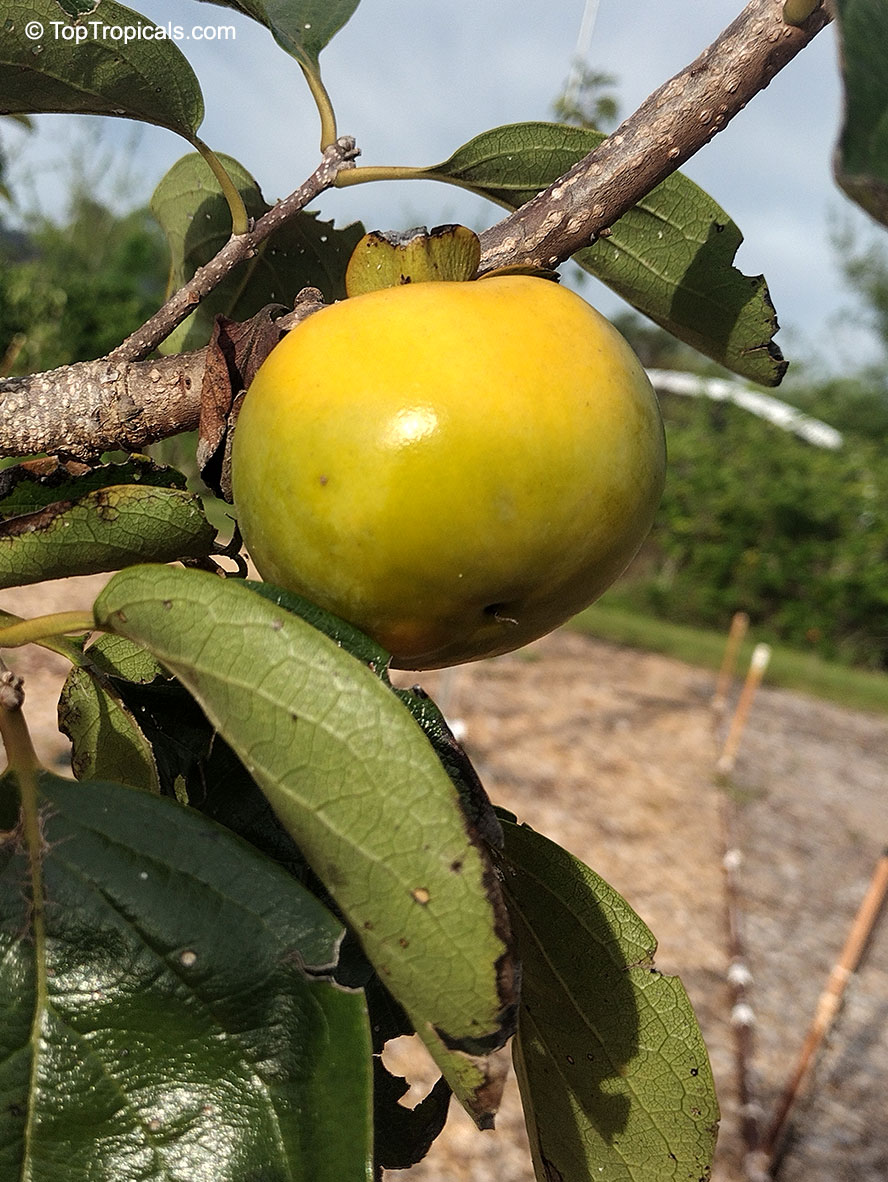
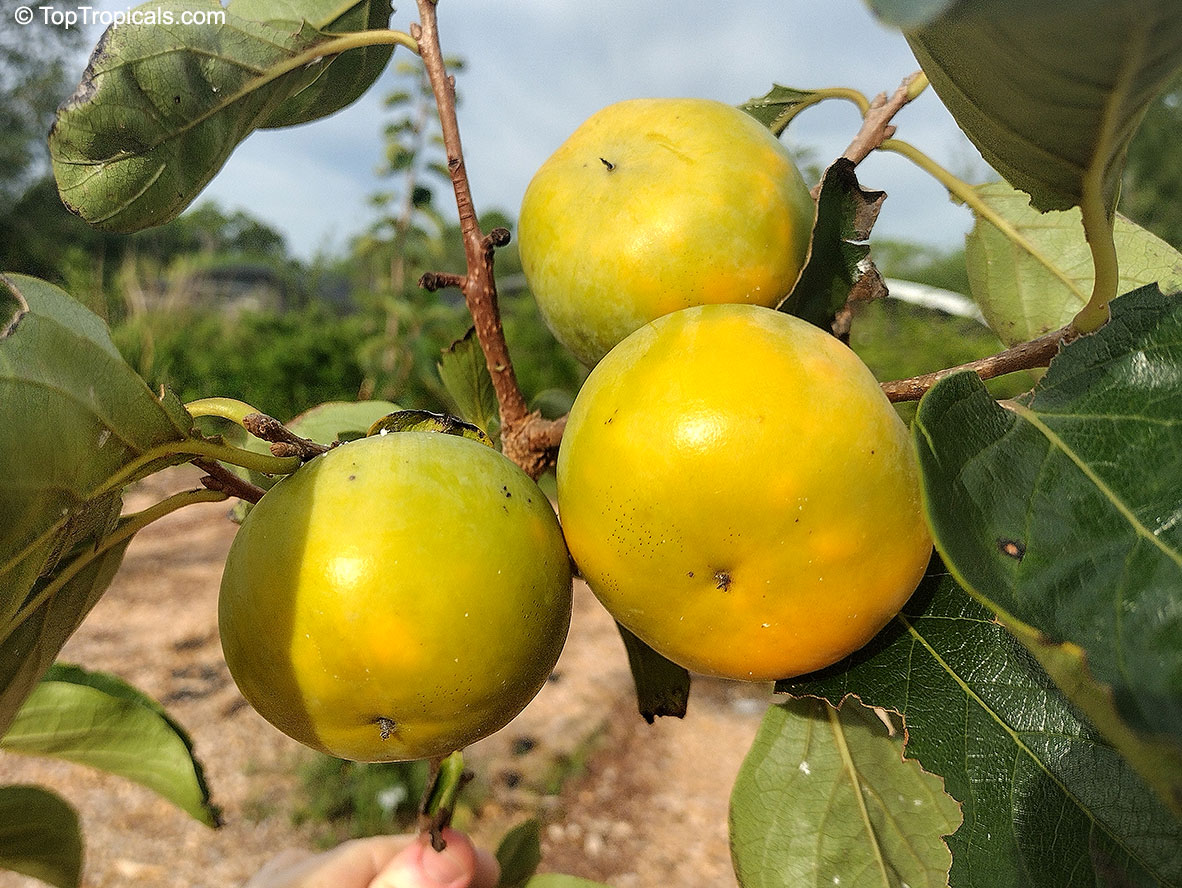
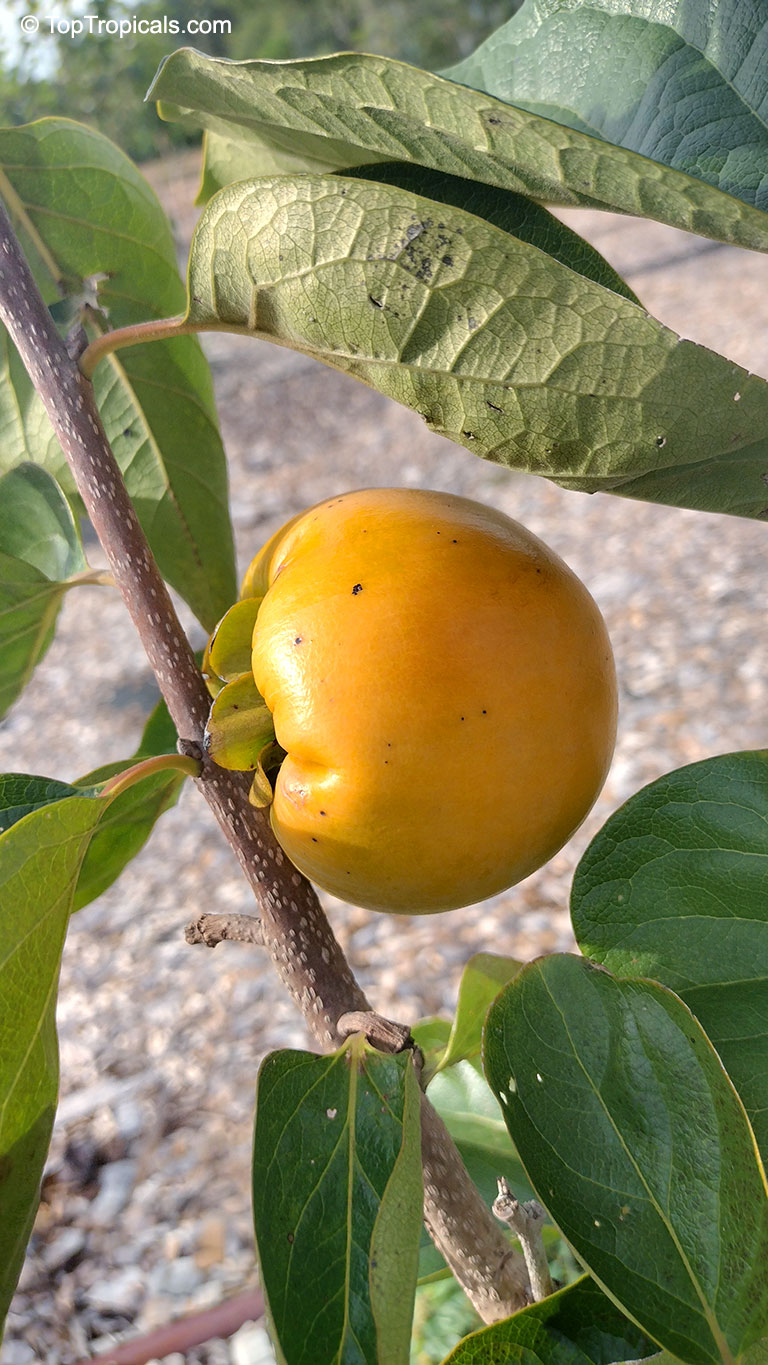
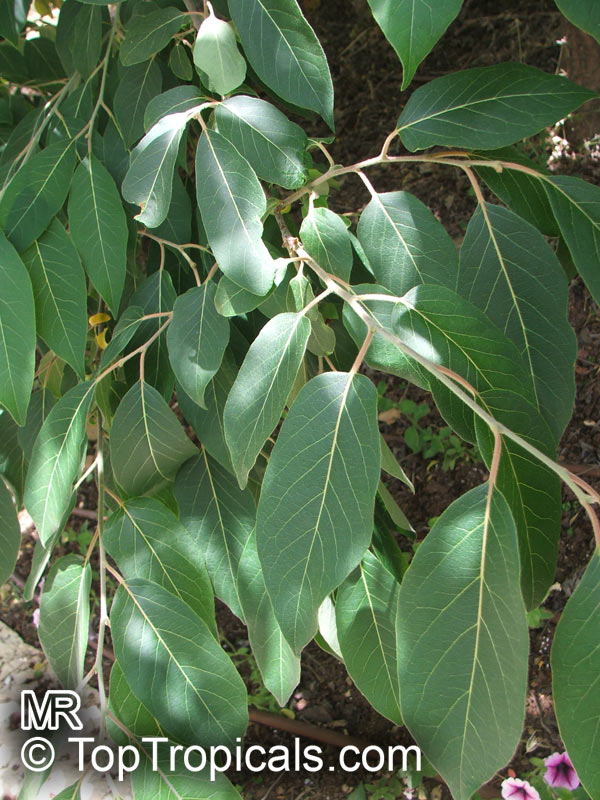
The persimmon is a multitrunked or single-stemmed deciduous tree to 25 ft. high and at least as wide. It is a handsome ornamental with drooping leaves and branches that give it a languid, rather tropical appearance. The branches are somewhat brittle and can be damaged in high winds. Leaves are alternate, simple, ovate and up to 7 inches long and 4 inches wide. They are often pale, slightly yellowish green in youth, turning a dark, glossy green as they age. Under mild autumn conditions the leaves often turn dramatic shades of yellow, orange and red. Tea can also be made from fresh or dried leaves. The inconspicuous flowers surrounded by a green calyx tube are borne in the leaf axils of new growth from one-year old wood. Female flowers are single and cream-colored while the pink-tinged male flowers are typically borne in threes. Persimmons can withstand a wide rage of conditions as long as the soil is not overly salty, but does best in deep, well drained loam. Tolerates alkaline soil. Can withstand short periods of drought, but the fruit will be larger and of higher quality with regular watering. Extreme drought will cause the leaves and fruit to drop prematurely. Persimmons are relatively problem-free. Most of the oriental persimmon trees are propagated onto the common persimmon, Diospyros virginiana. Persimmons are classified into two types based on fruit characteristics. The first classification is of the astringent and non-astringent cultivars. Astringent fruit must be soft or artificially treated before astringency is removed and they are suitable for eating. Fruit of the non-astringent types lose astringency while still hard and can be eaten hard or soft. The second classification relates to fruit flesh color when seeds are present. In pollination-variant types, the flesh is dark and streaked around the seeds, but clear orange when seedless. Pollination-constant types lack the dark streaking regardless of seed set.
In astringent cultivars of the pollination-variant type, the dark flesh is non-astringent even when hard; therefore, seeded, pollination-variant, astringent cultivars perform as non-astringent types. The amount of dark flesh coloration around the seeds varies with cultivars. In most areas of the world, astringent pollination variant types, which have a great degree of dark flesh, are classified as non-astringent cultivars. However (typically in Florida), these persimmons are grown without pollinators and their seedless astringent fruit necessitates classifying them as astringent types. Some dark specks can be found in the flesh of Fuyu variety and other non-astringent cultivars. This is not linked to seed set, and has no significance to the variant-constant classification system. Currently plantings of non-astringent types are increasing and both types of oriental persimmon are a popular dooryard fruit. Trees grow and fruit best in central and northern Florida and can produce high yields of quality fruit. In south Florida fruit quality is better with astringent types than with the non-astringent ones. Harvest season for astringent persimmon fruit is just prior to and through the soft stage of fruit development. If picked during this time, the fruit is either soft or will become soft and the astringent tannins are coagulated, making the fruit suitable for eating. Generally, fruit can be picked and softened at room temperature about 7 to 10 days before it would be softening on the tree. The time varies slightly with cultivars, and is about the same for both astringent and non-astringent types. Not all fruit in the crop load develop to this state at the same time. The softening process will be less effective and take longer to occur the earlier the fruit is picked.
Adding persimmon leaves to tea is supposedly quite beneficial (according to a couple studies) to general bodily functions. The leaves contian extremely high levels of Vitamin C (much more than green tea). They also contain: tannins, rutin, amino acids, magnesium, Manganese, calcium, and phosphorous.
Learn more: Growing Persimmon trees.
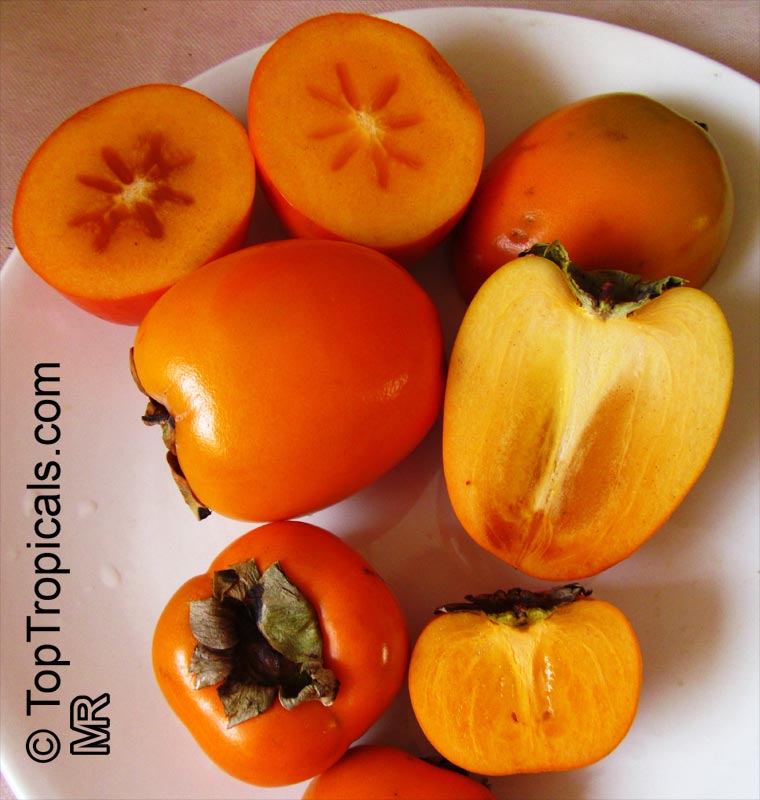
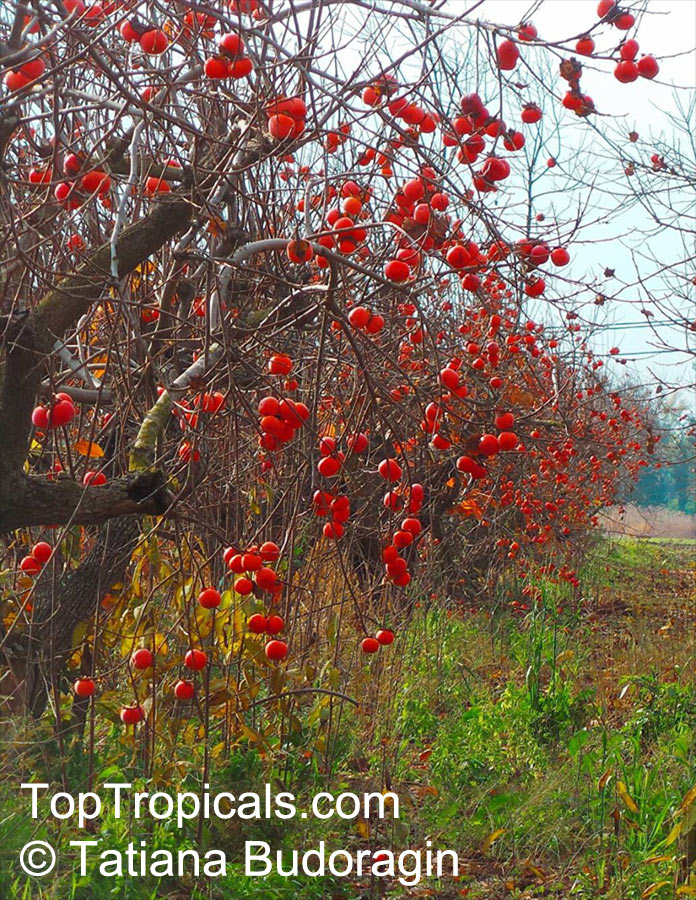

Botanical name: Diospyros lotus
Common names: Qua thi, Date Plum
Family: Ebenaceae
Origin: Middle East and South Asia, China, Japan
USDA Zone: 7-9
Beautiful tree with smooth grey bark glossy dark green leaves that turn golden in the fall. Flowers are small and yellow-green, and are dioecious. At least both a male and female plant will be required to get viable seeds. Globose yellow fruit turns purple-brown when fully ripe. Like the persimmon, the date plum looses its astringency when fully ripe. The flesh is then very soft and rich in flavor. The name comes from the Greek Dios pyros meaning fruit of the gods, although, truth be told, the fruit is a little too sour for most people. Makes a nice jelly, though.
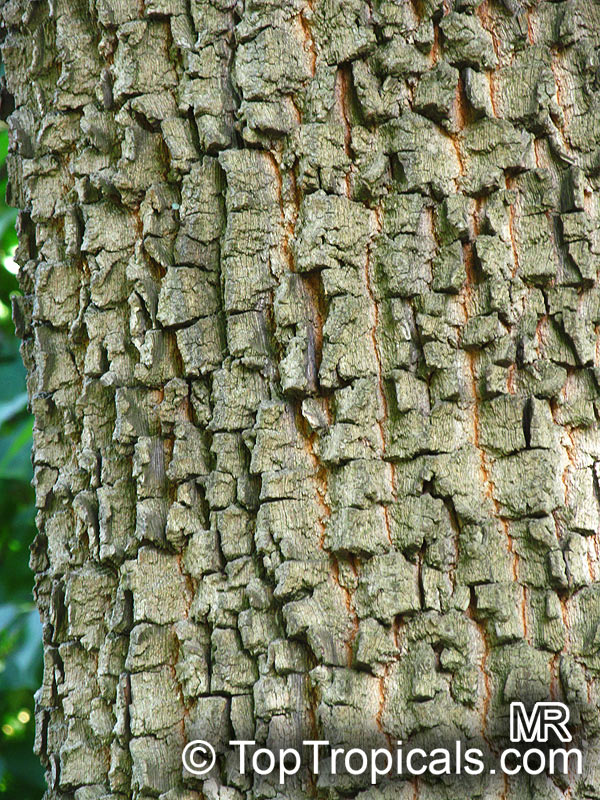
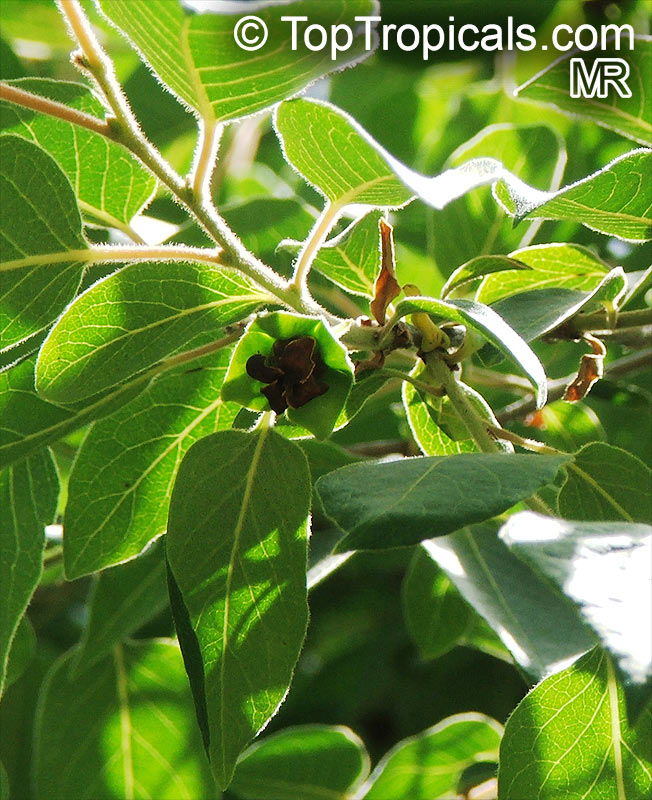
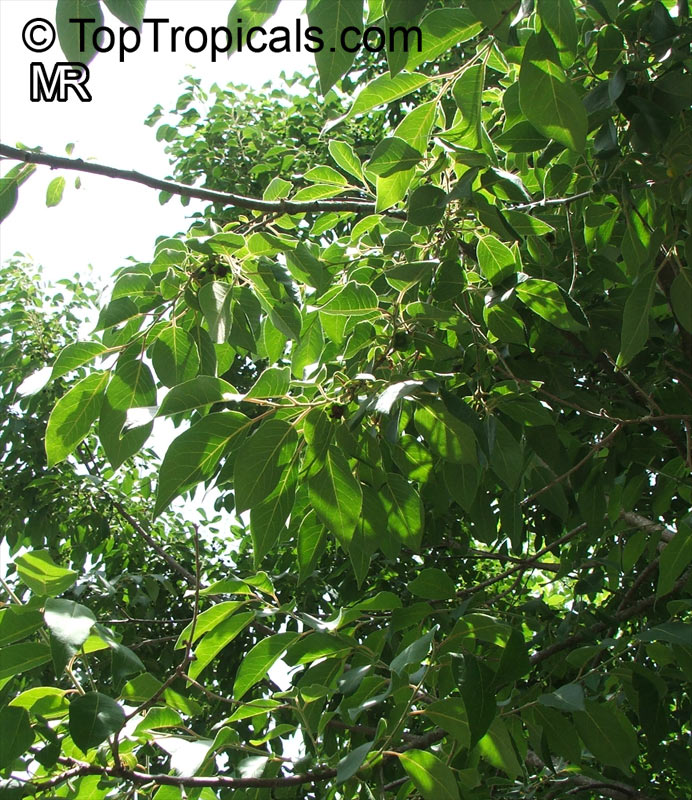
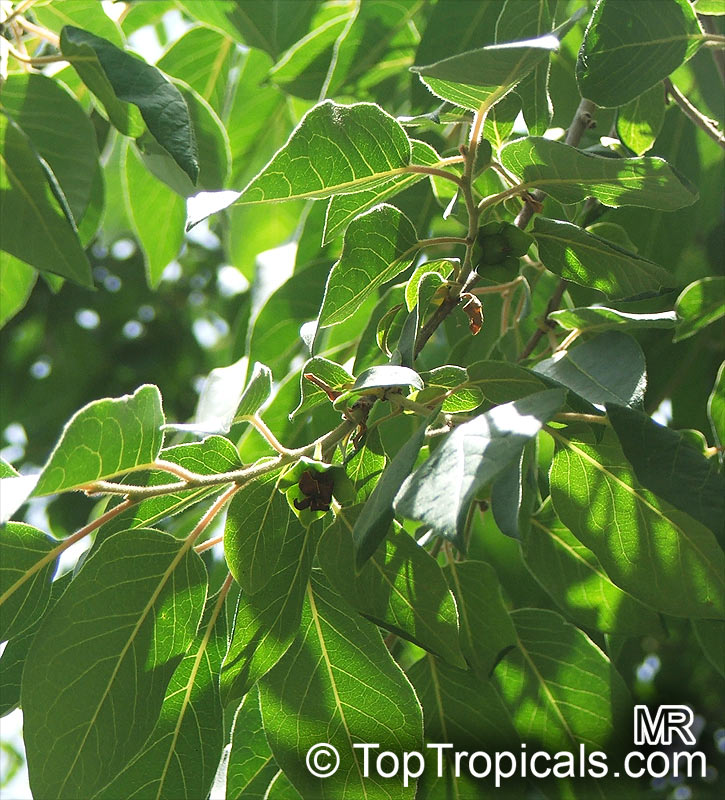
Botanical name: Diospyros maritima
Common names: Malaysian Persimmon, Sea Persimmon
Family: Ebenaceae
Origin: Malesian
USDA Zone: 9-11

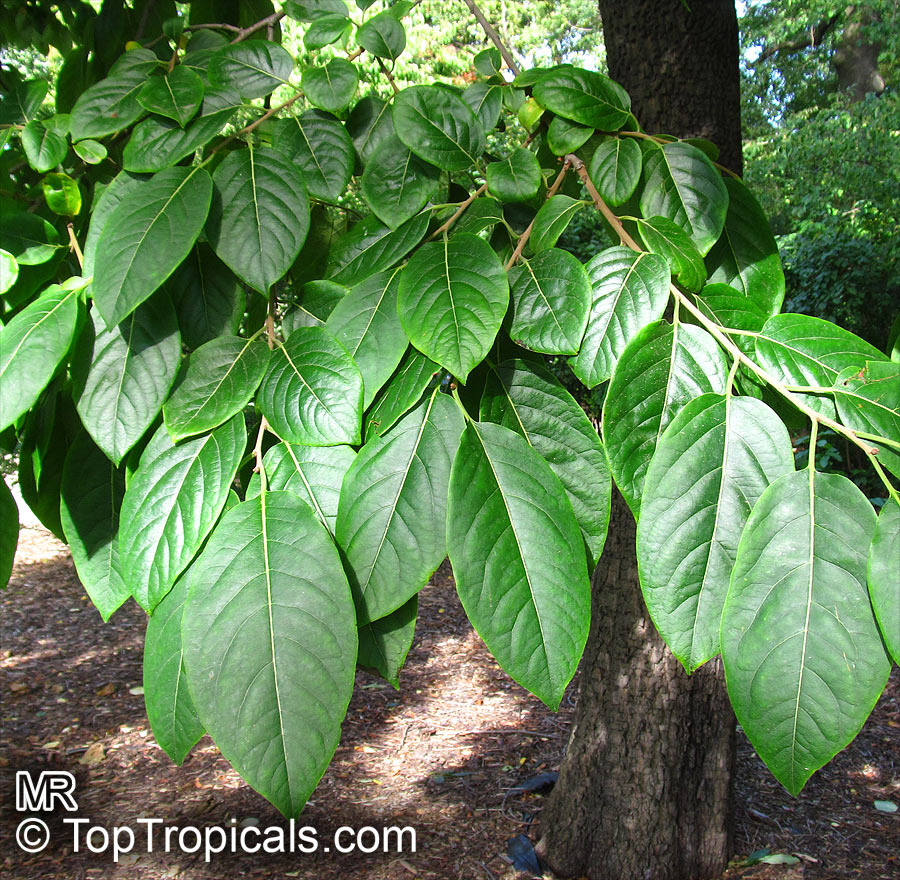
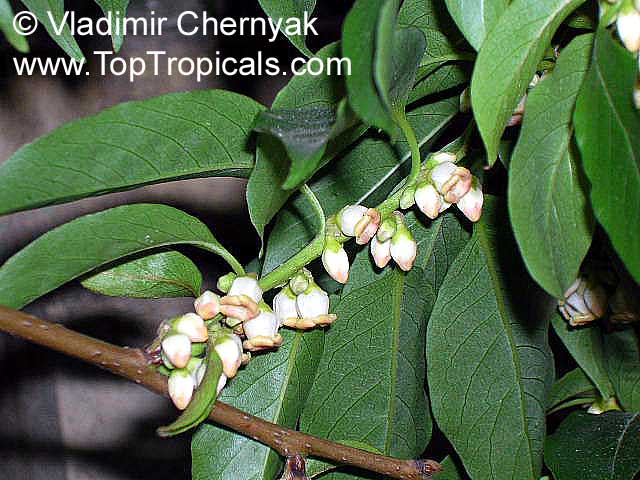
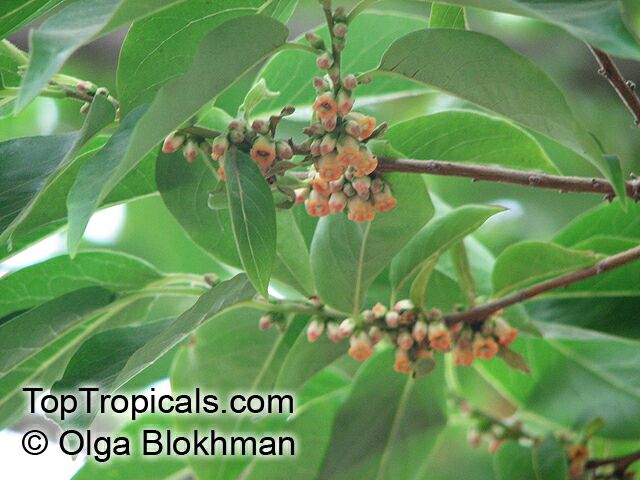
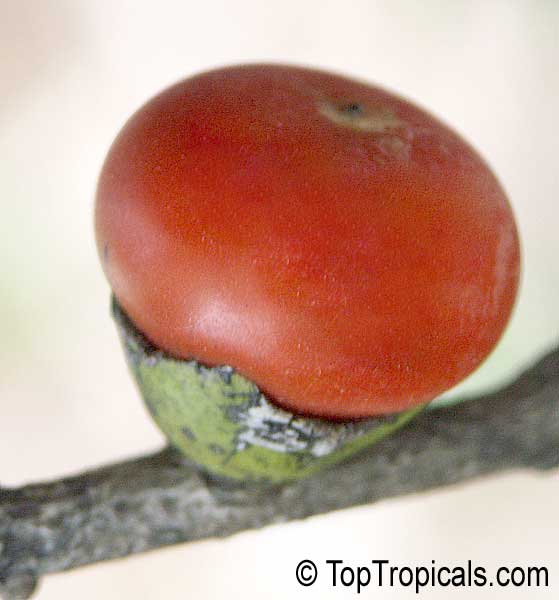
Diospyros maritima, commonly known as Malaysian Persimmon, is a small tree that grows to be 10-20 feet tall and can thrive in full sun with regular watering. It produces white and off-white flowers, which are often considered ornamental, as well as red-orange colored fruits two to three inches in length. Because of its ethnomedical uses and edible fruits, the Malaysian Persimmon is prized and widely liked.
This is a medium size tree that can handle a wide range of soils, including alkaline soils, and can tolerate brief frosts or even cold climates as mature plants can survive in temperatures as low as 30 degrees Fahrenheit for a short period of time. It is suitable for USDA Zones 9-11, and can sometimes be found in coastal forests all around the tropical western Pacific.
The edible pulps of the Malaysian Persimmon's fruits not only give the tree its prized characteristic, but also provide the tree's nutritious benefits. Its fruits are excellent sources of dietary fiber, vitamin C, vitamin A, and omega-3 fatty acids. These can help improve one's eyesight and increase their cardiovascular health. One tree can bear up to a hundred of these fruits each year.
When planting Malaysian Persimmon in cold regions, they should be grown in a pot and be able to be brought indoors when temperatures become too cold. Also, cold can cause the plant to drop its leaves prematurely, so it's best to make sure the plant is sheltered during cold weather. Additionally, if growing in a pot, the pot should be checked for proper drainage after heavy rain.
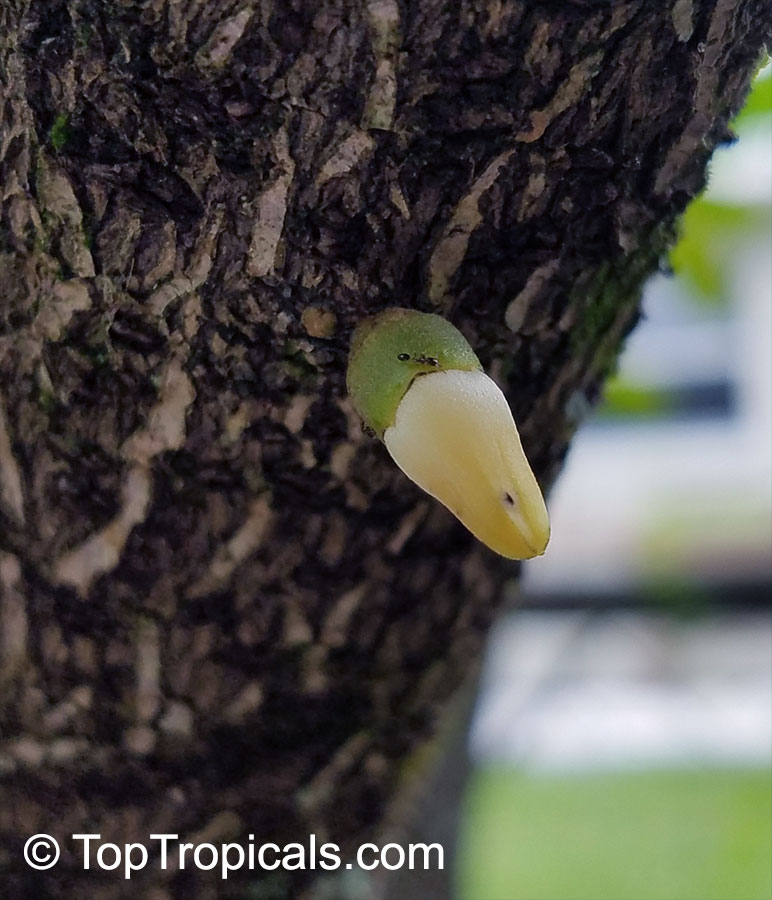
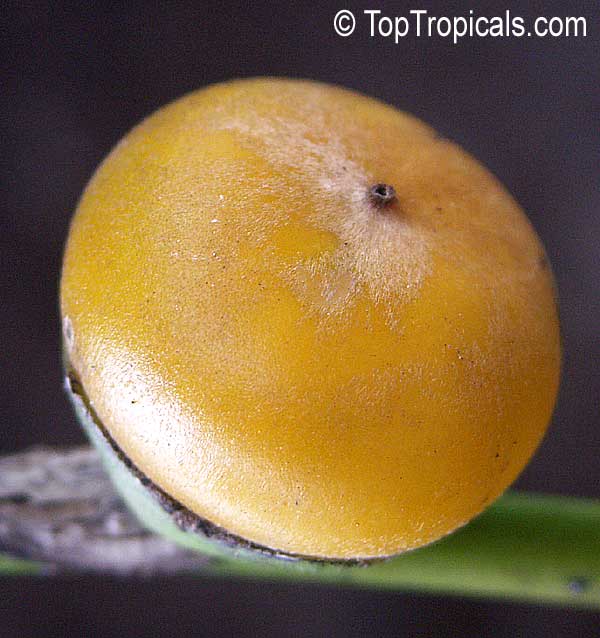
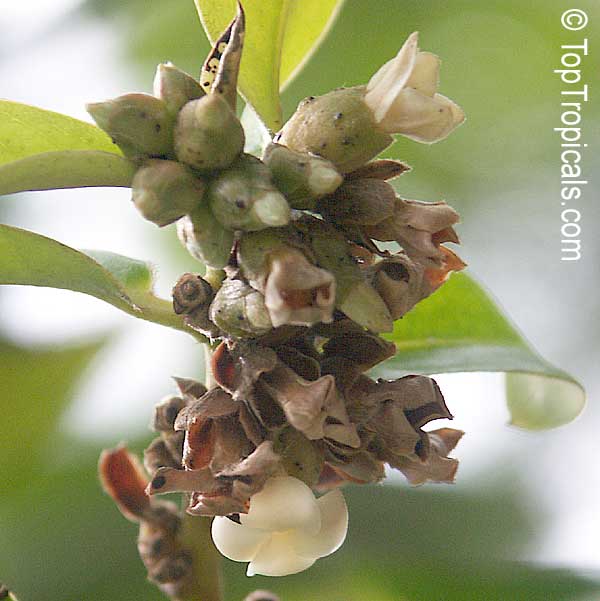
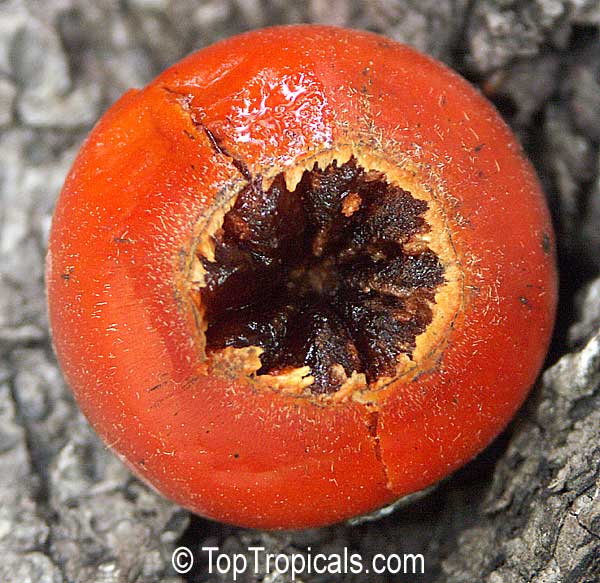
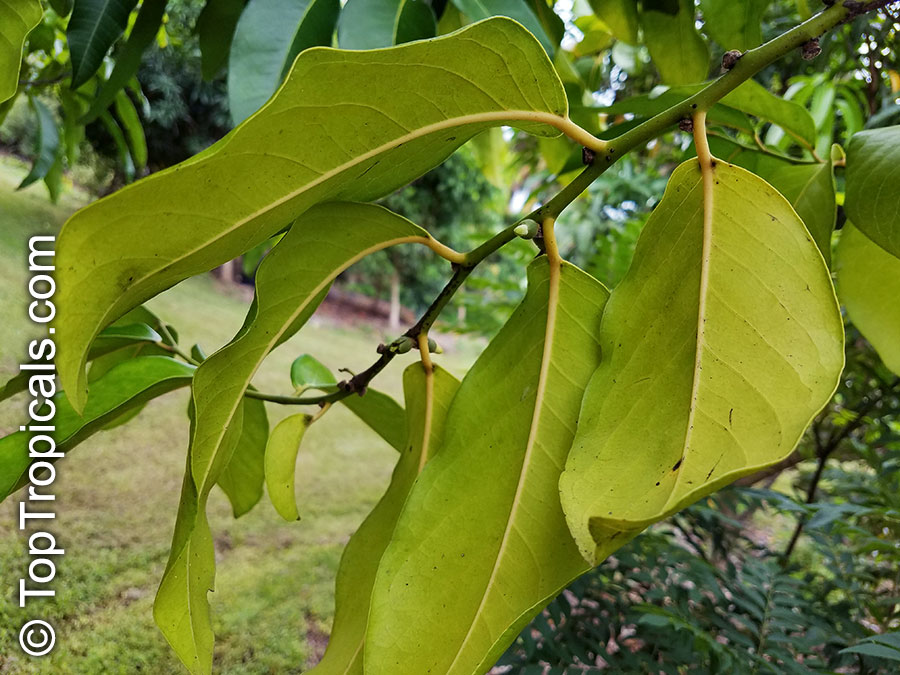
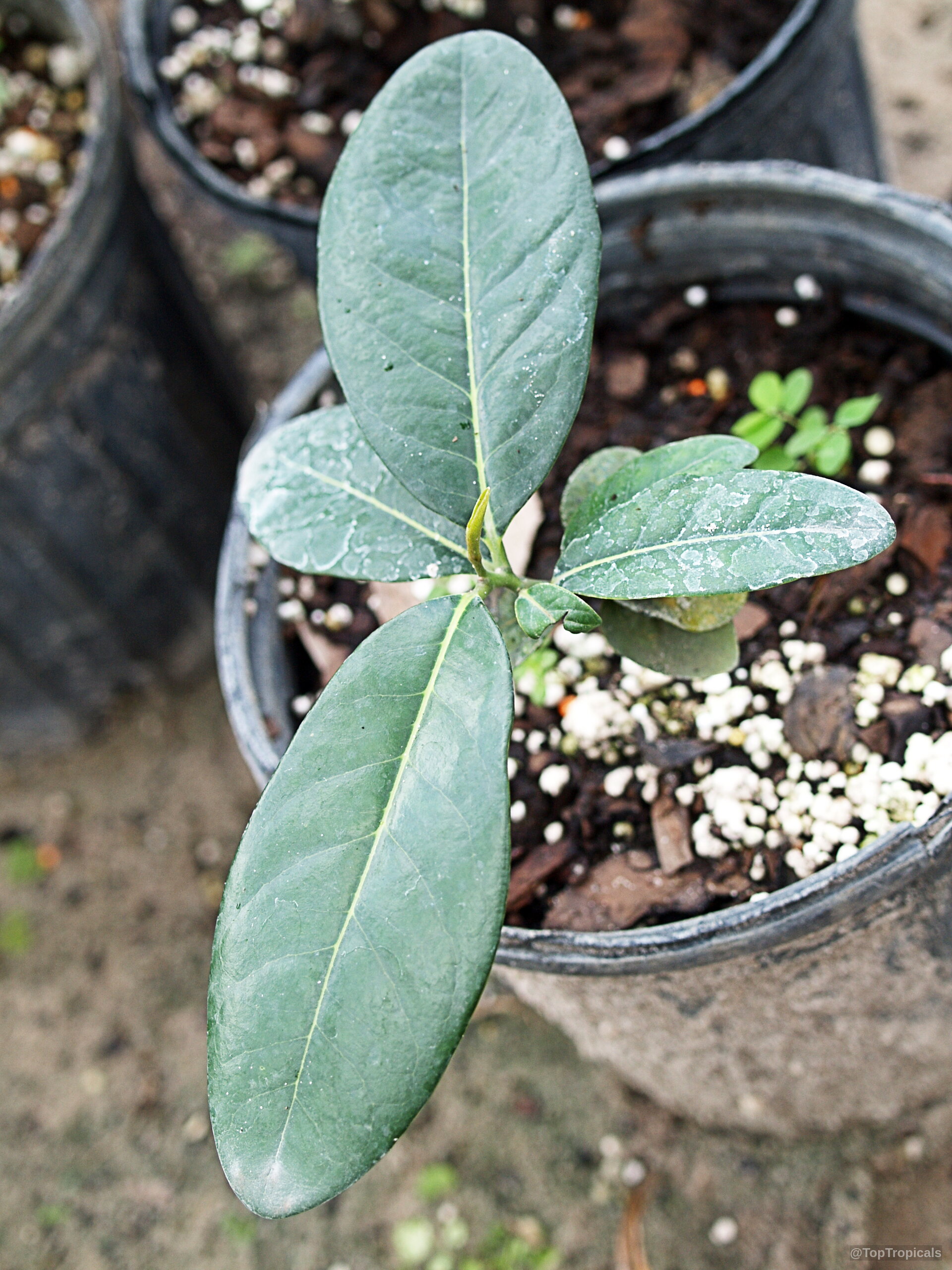
Botanical names: Diospyros nigra, Diospyros digyna, Diospyros obtusifolia
Common names: Black Sapote, Chocolate Pudding Fruit, Black/Chocolate Persimmon
Family: Ebenaceae
Origin: Mexico
USDA Zone: 9-11

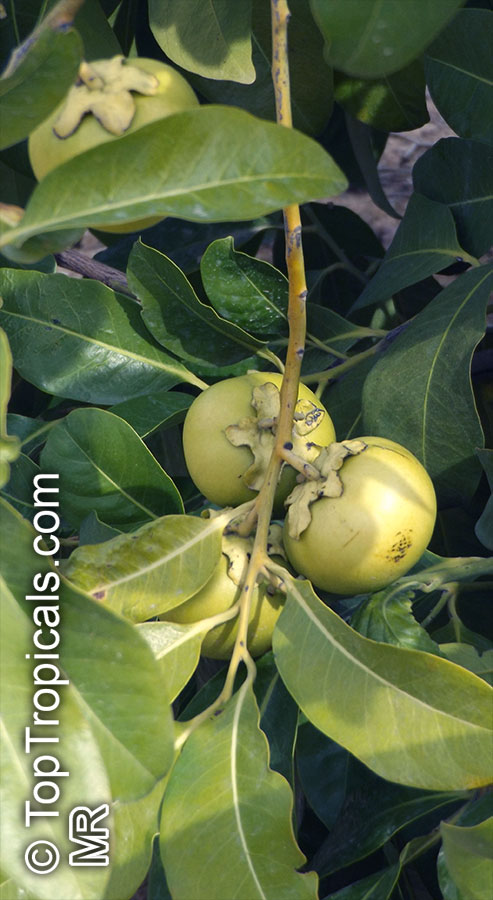
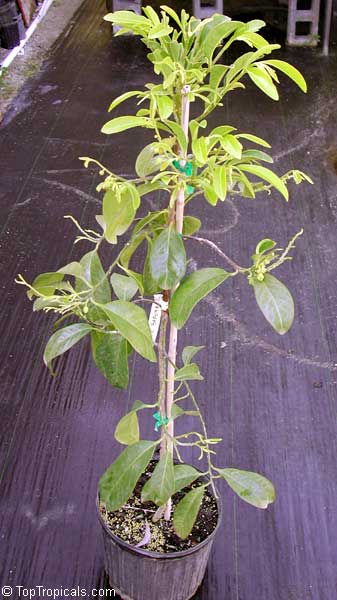
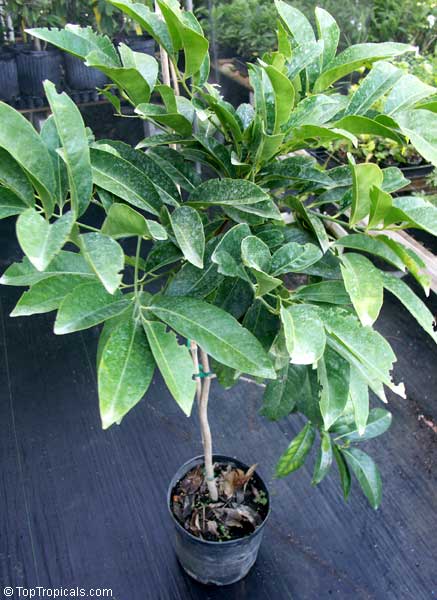
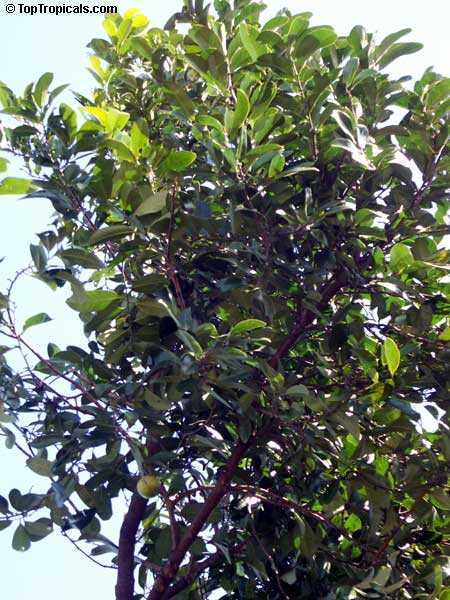
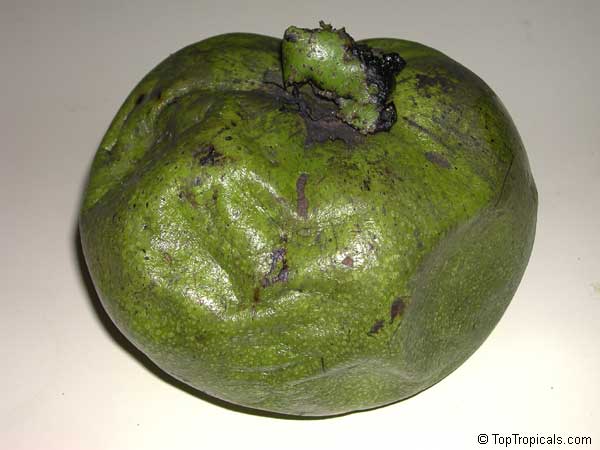
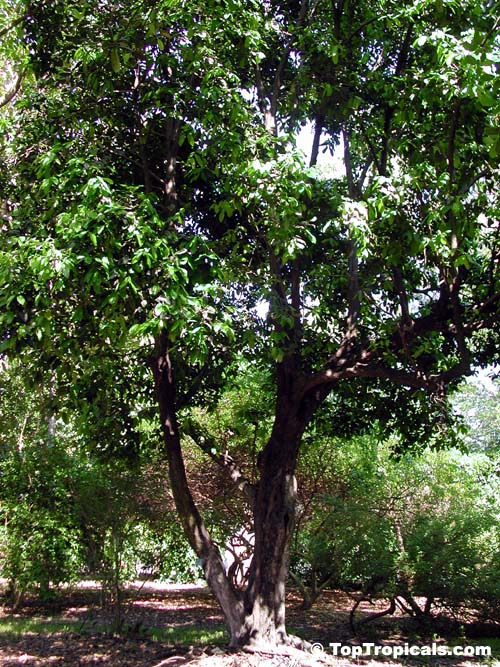
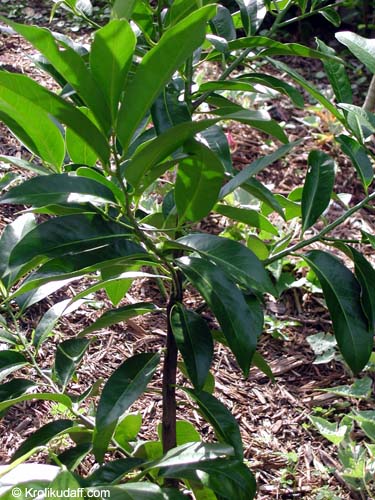
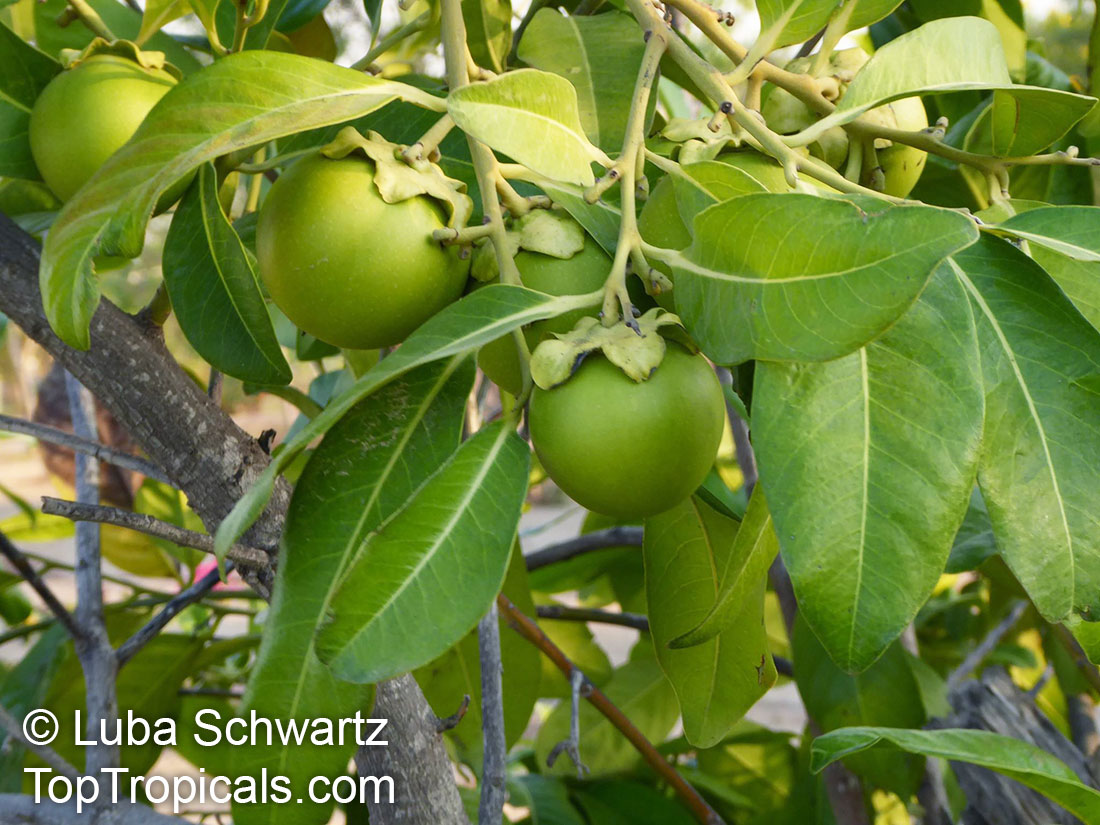
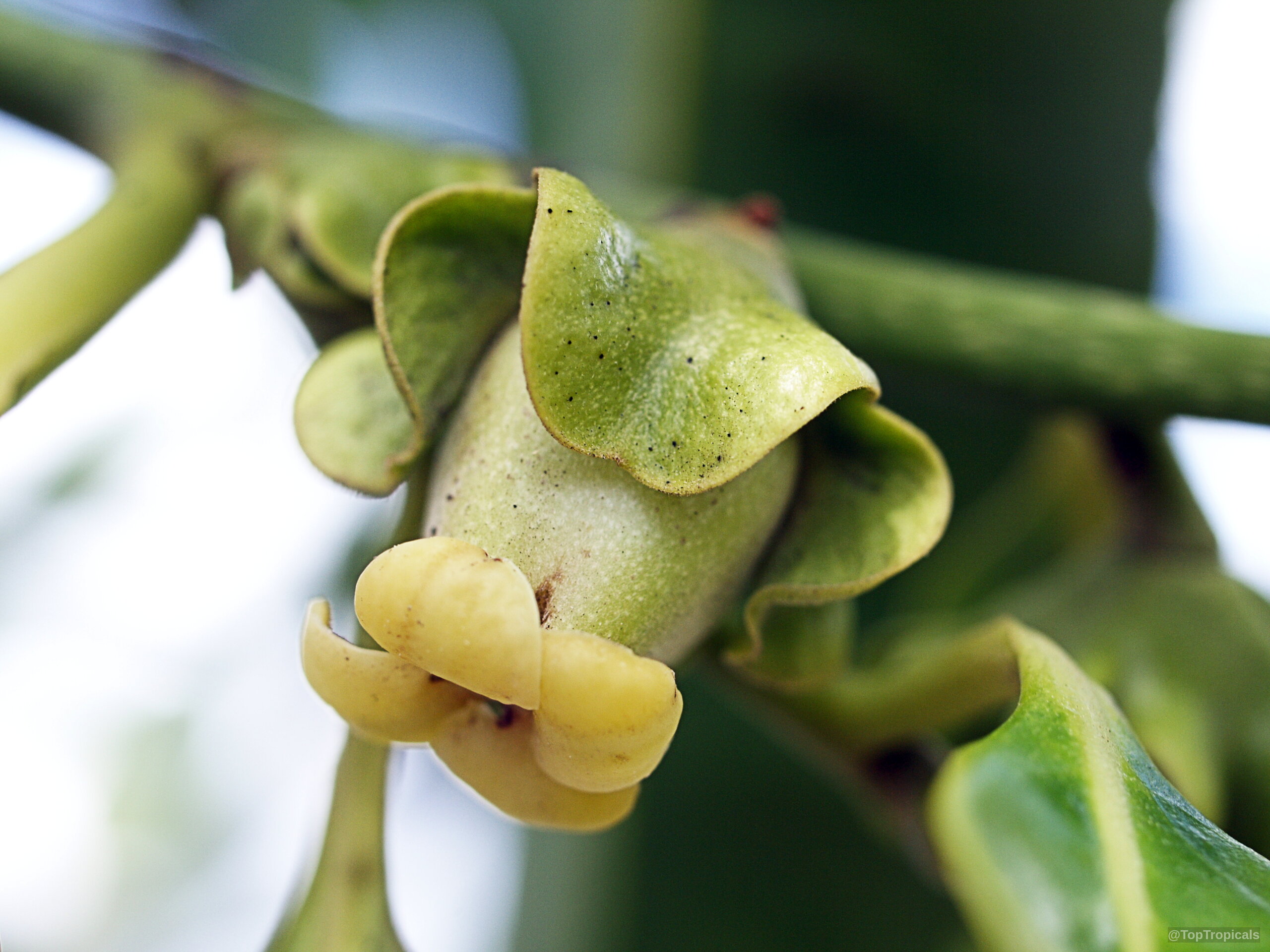
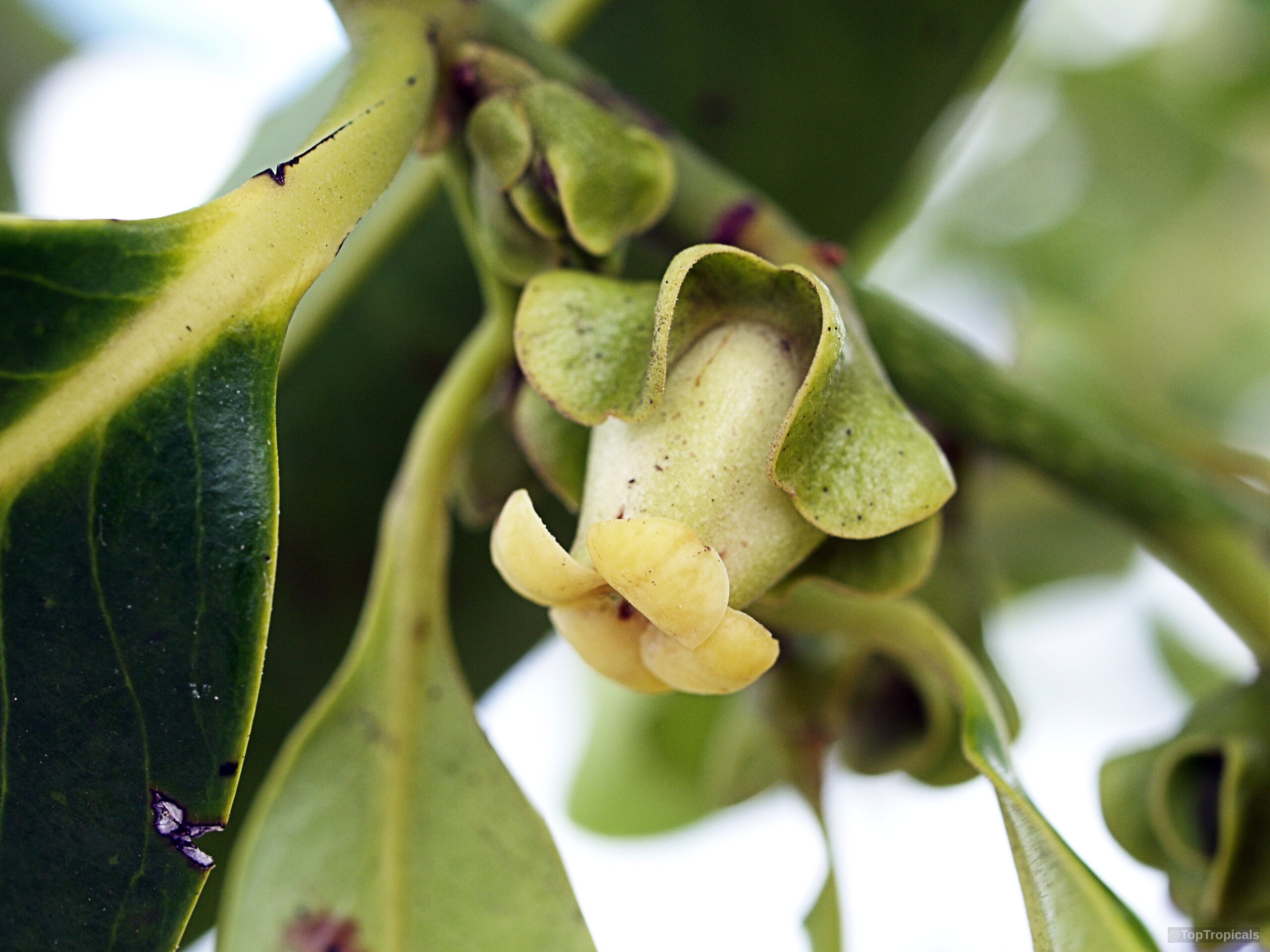
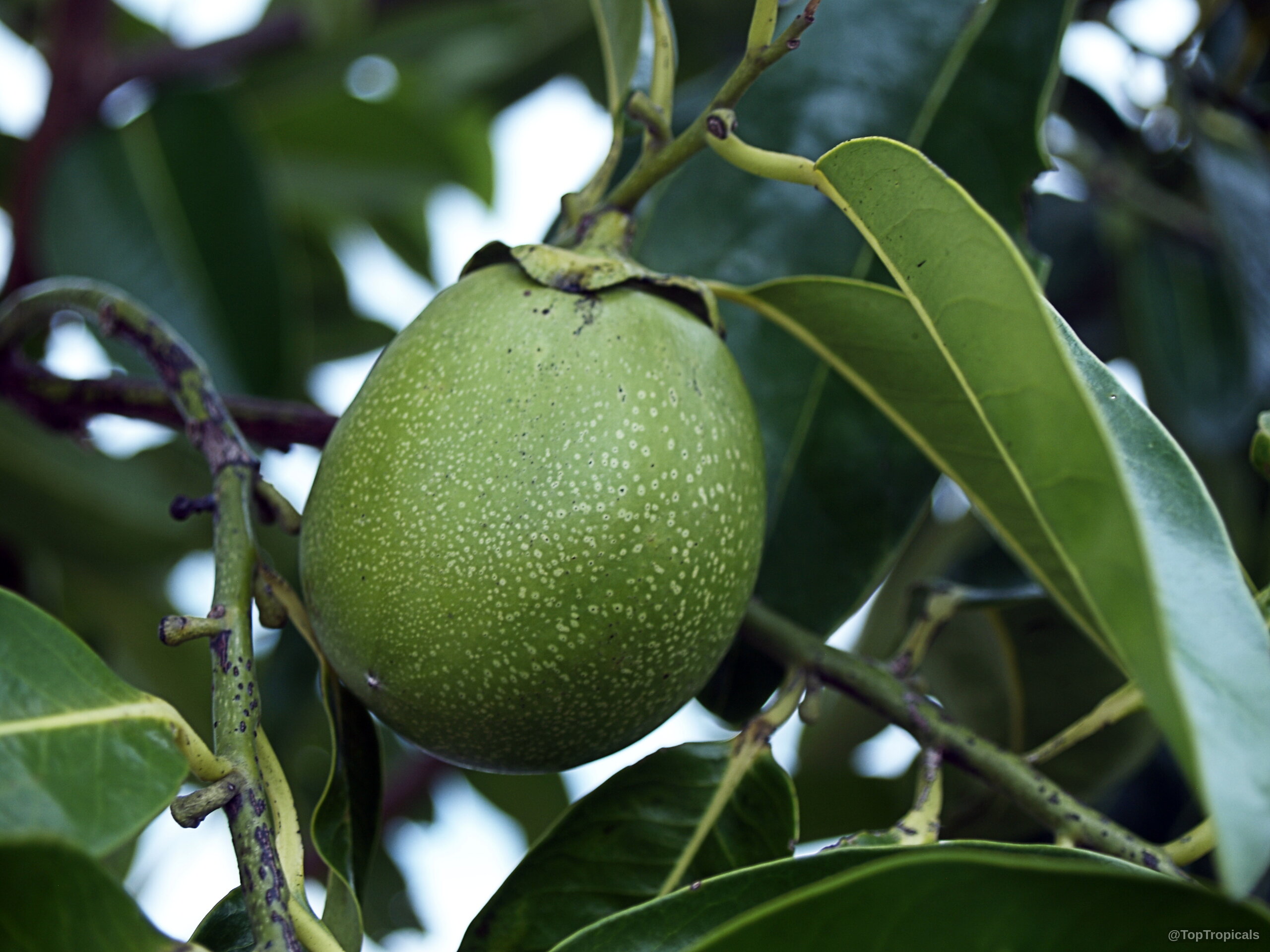
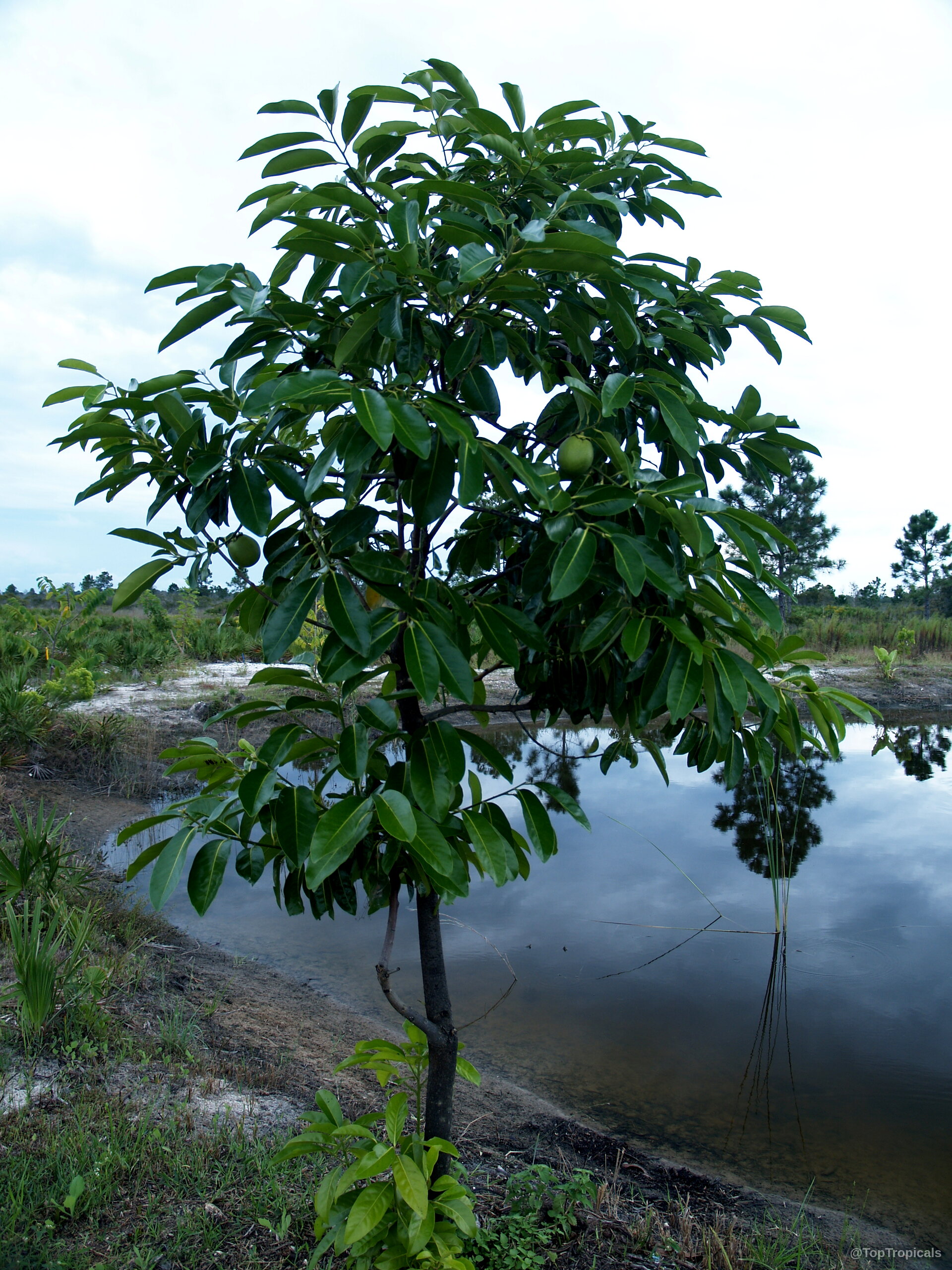
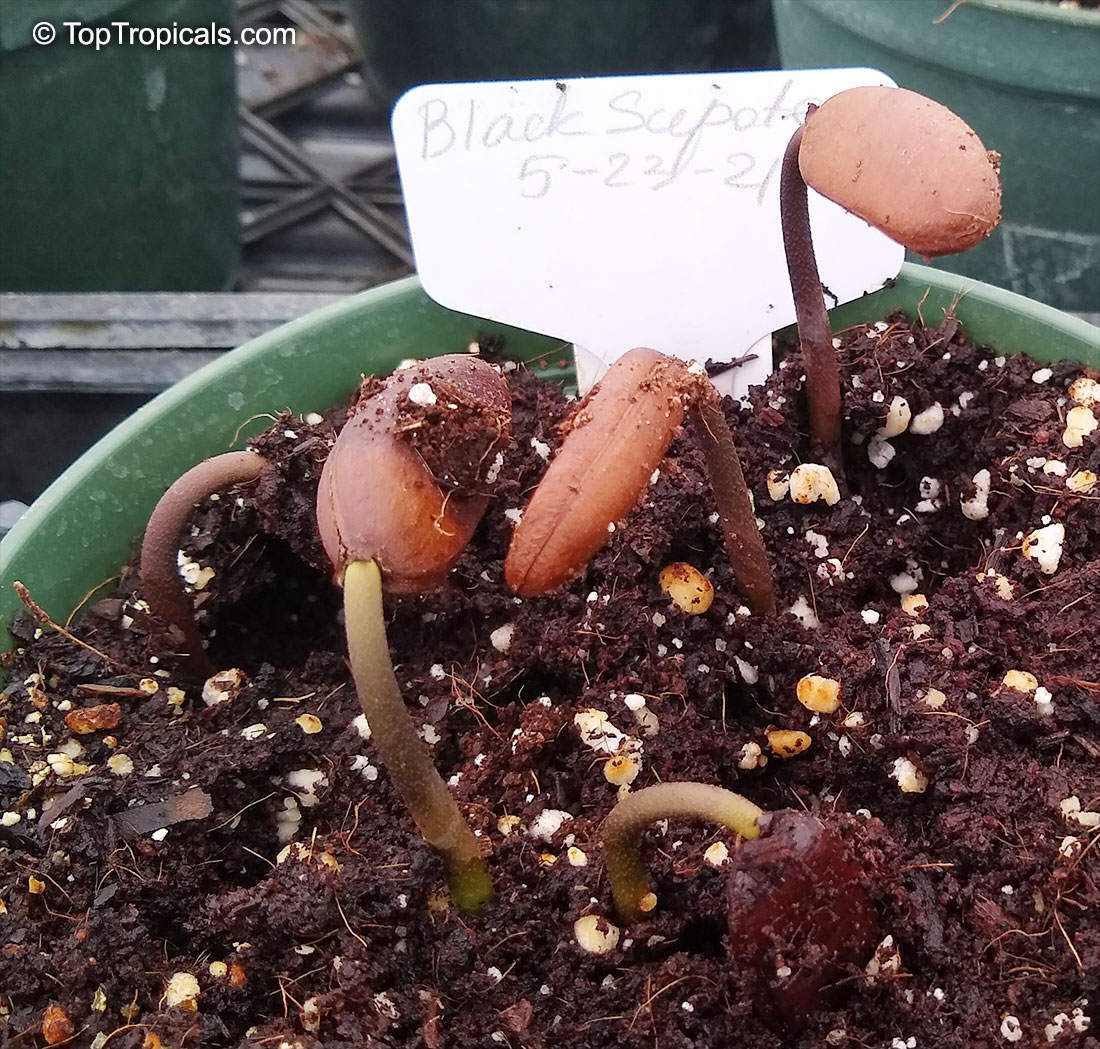
The Black Sapote, often called 'chocolate pudding fruit', is closely related to Persimmon. It originates from Mexico and lowlands of Central America. The plant was carried by the Spaniards to the Philippines before 1692, and eventually reached Malacca, Mauritius, Hawaii, Brazil, Cuba, Puerto Rico and the Dominican Republic. In 1916-19 seeds and cuttings from Mexico and other countries of Central America were sent to the Bureau of Plant Industry of the United States Department of Agriculture. Numerous seedlings have been grown in southern California but all have been killed by low temperatures.
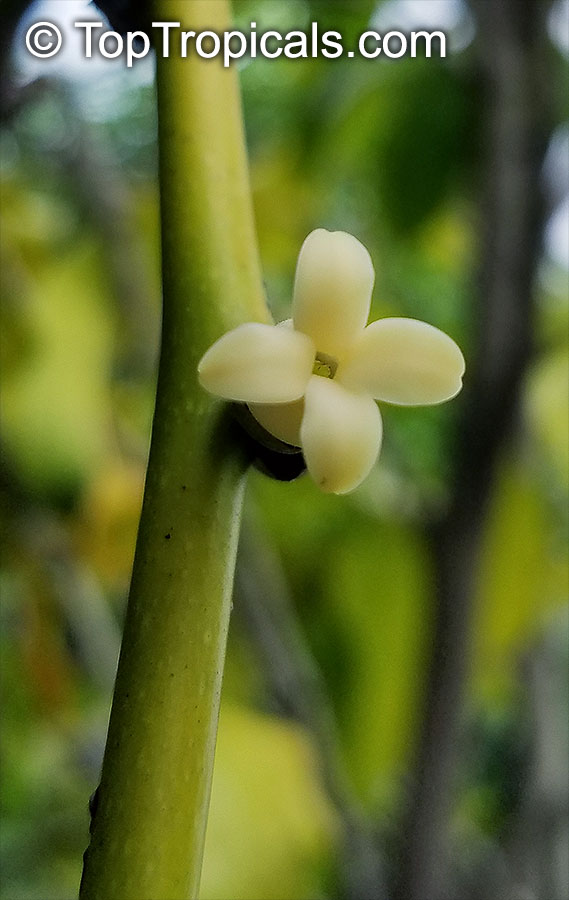
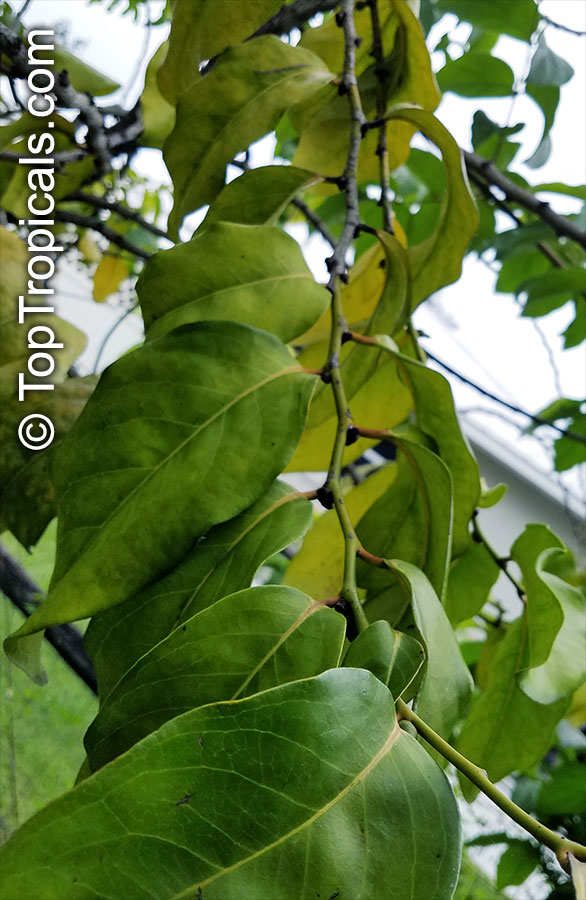
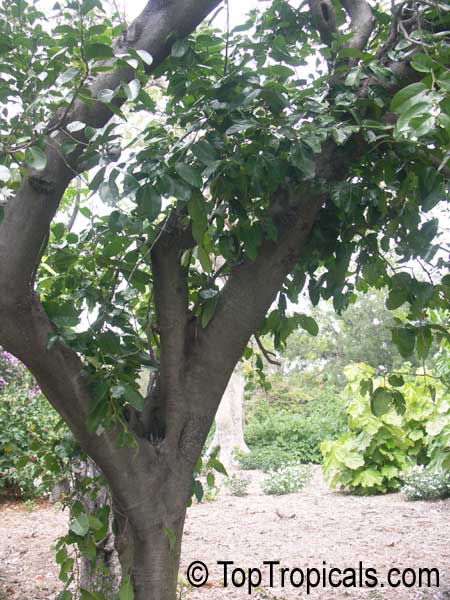
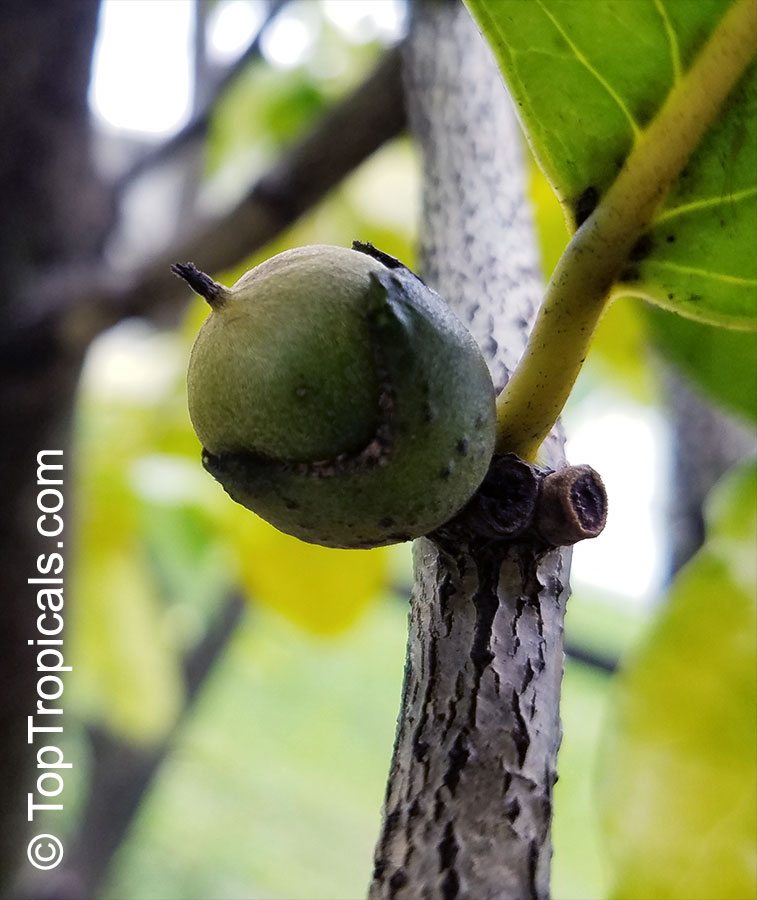
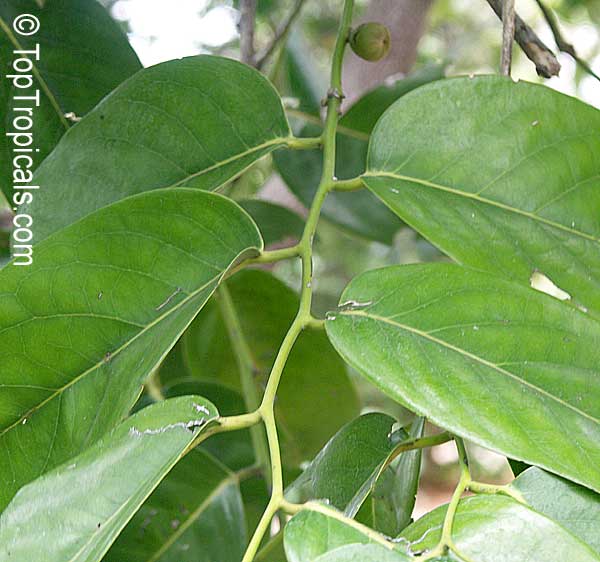
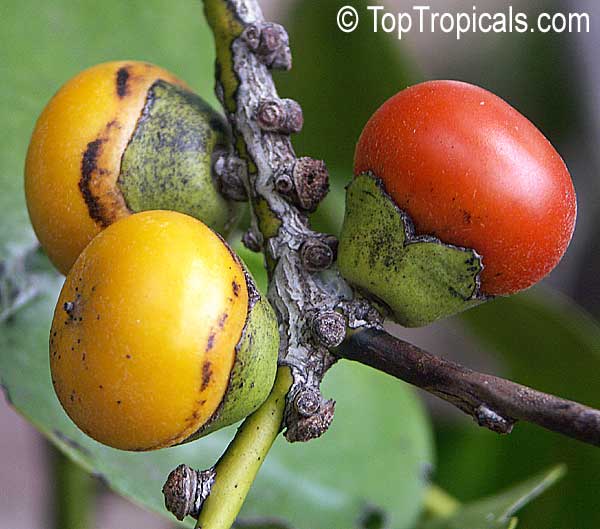
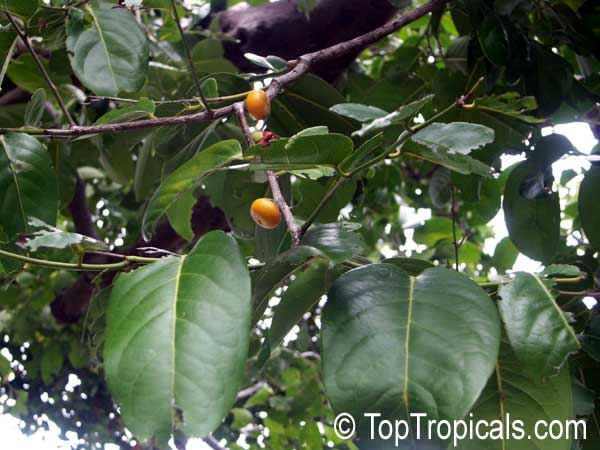
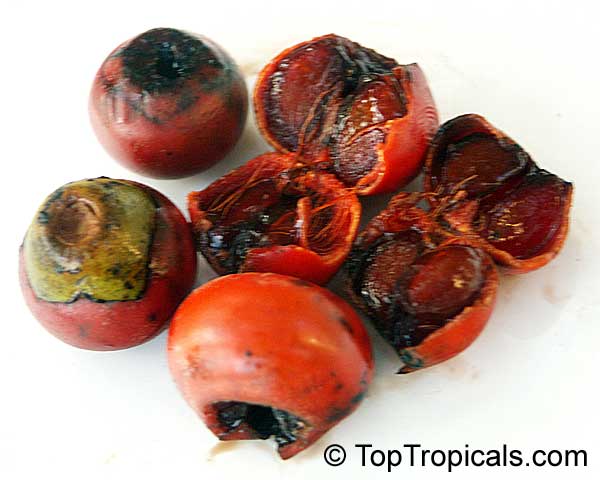
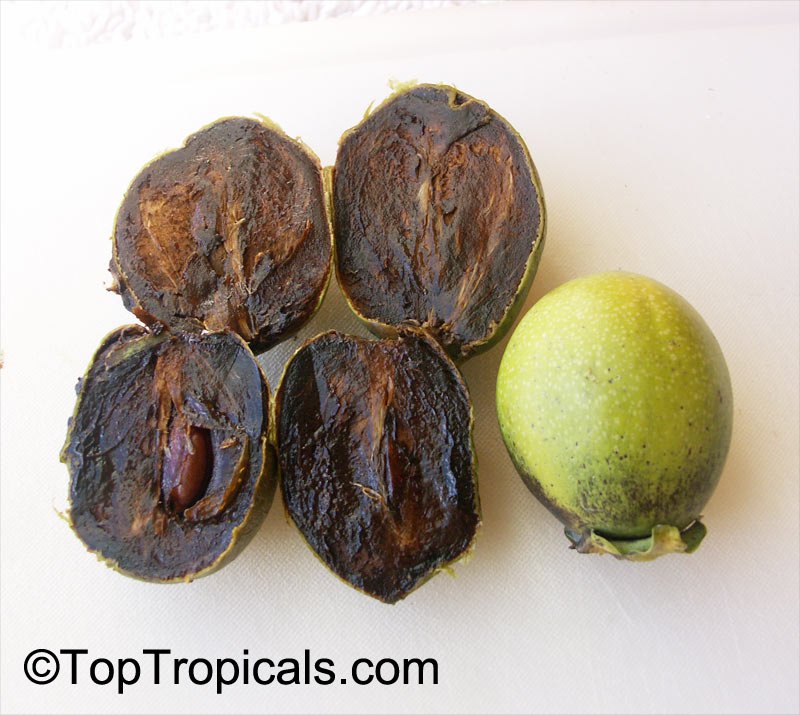
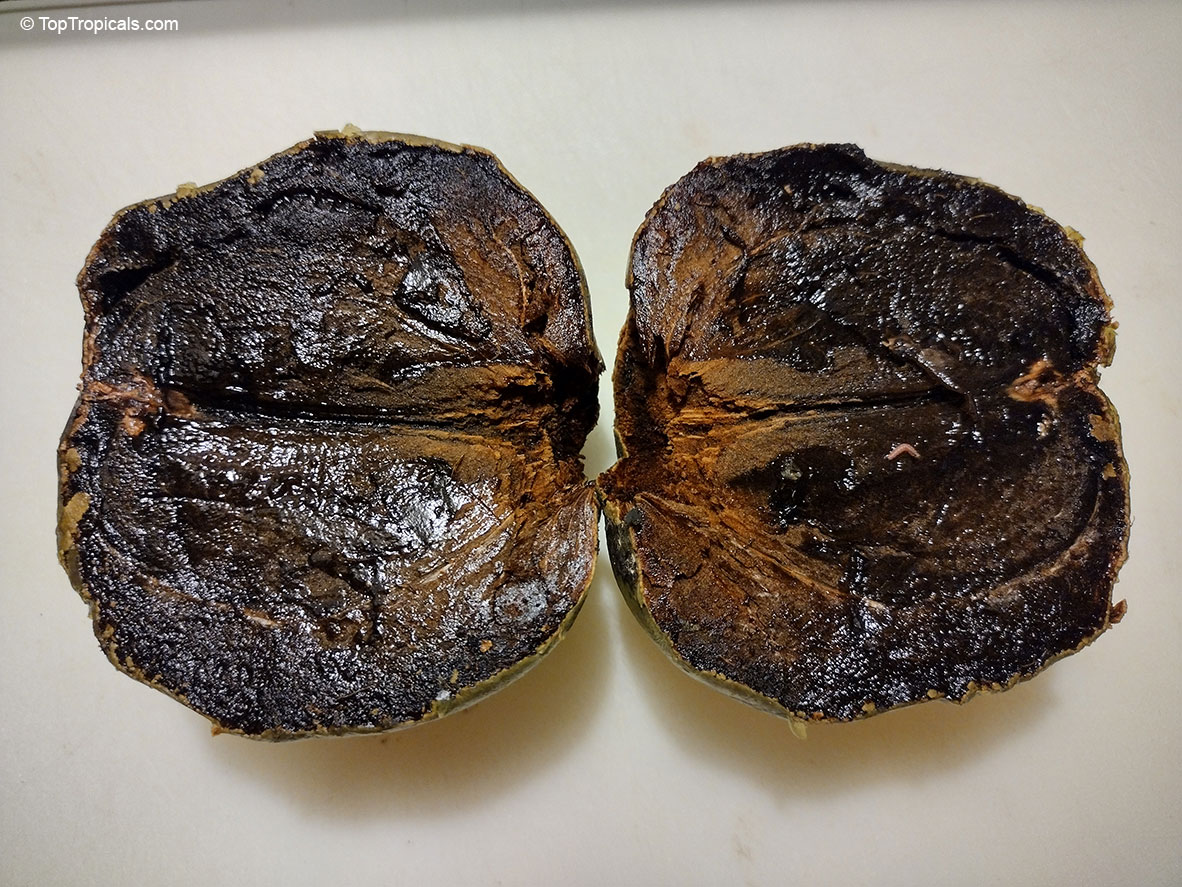
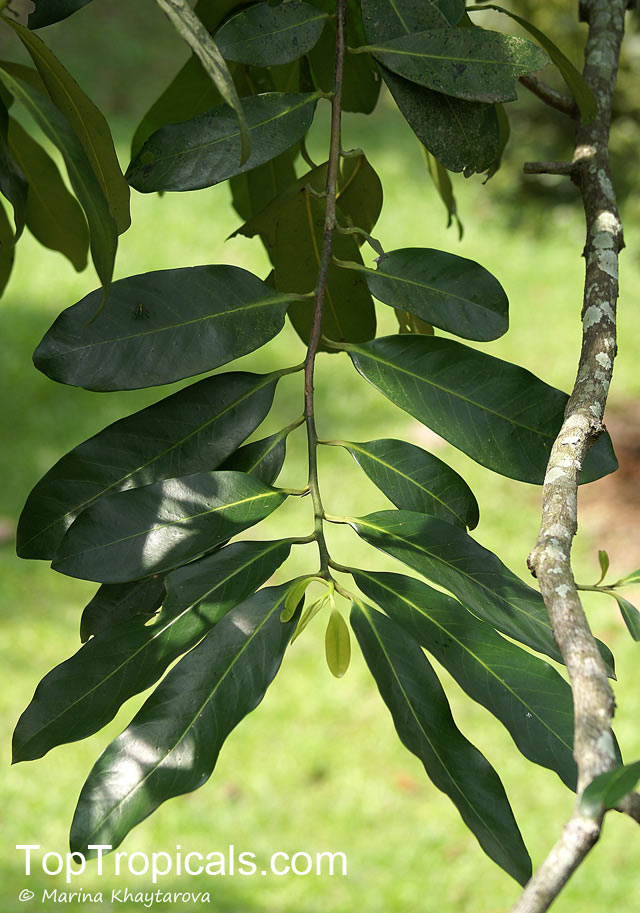
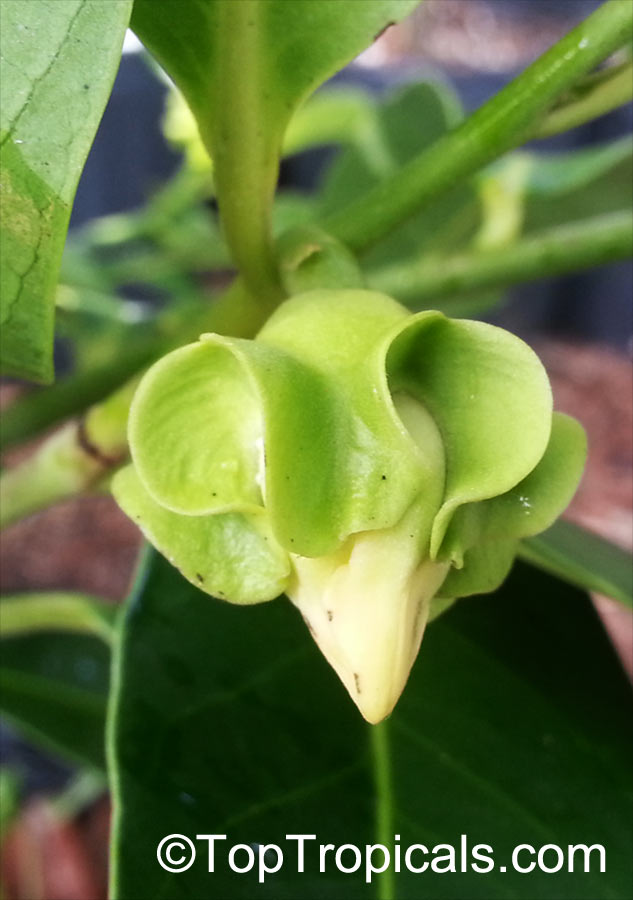
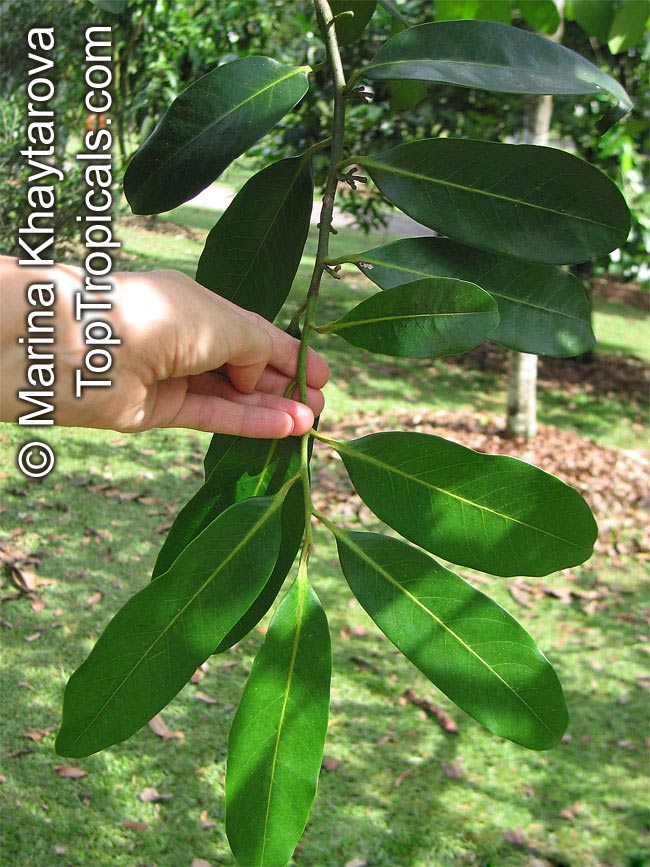
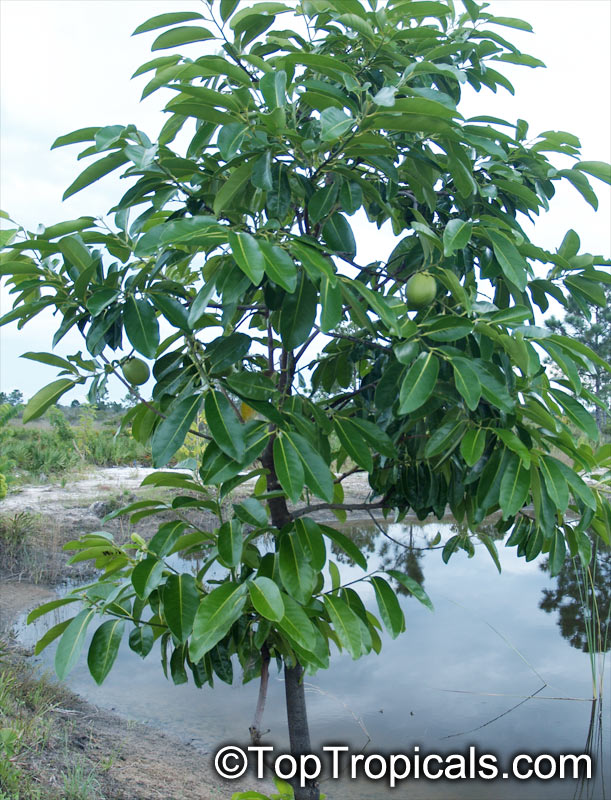
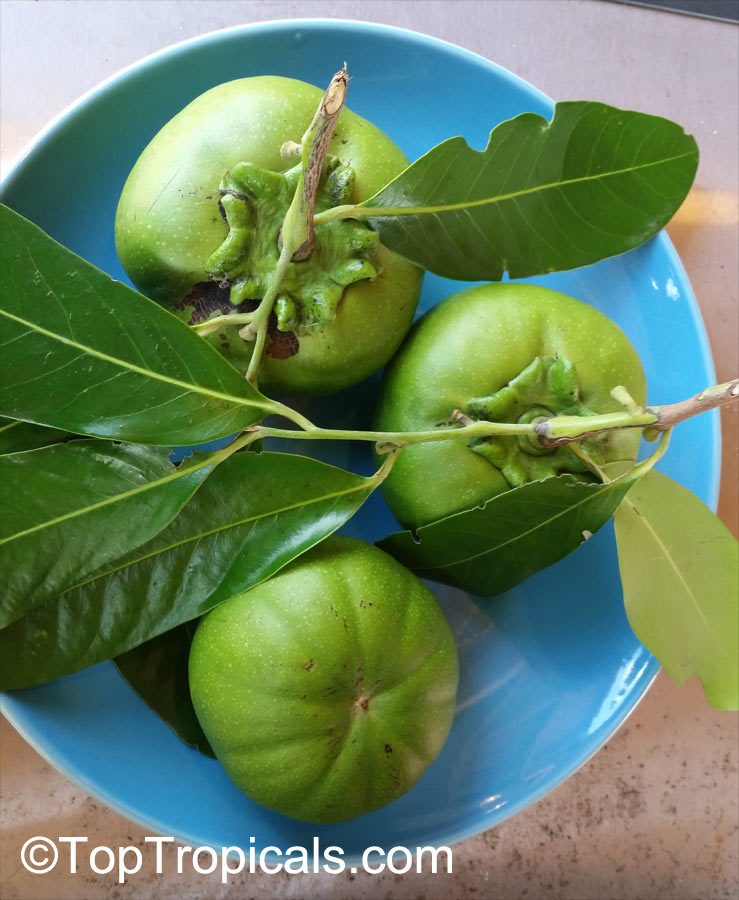
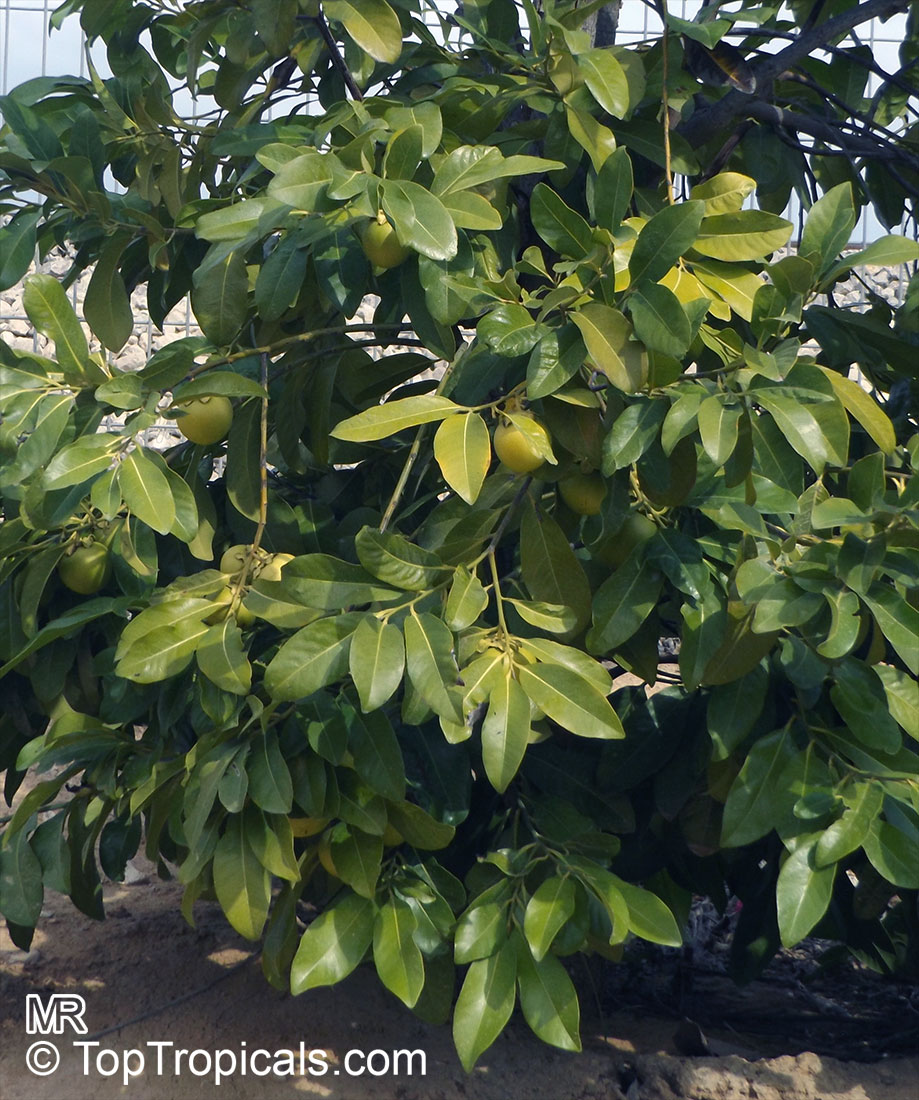
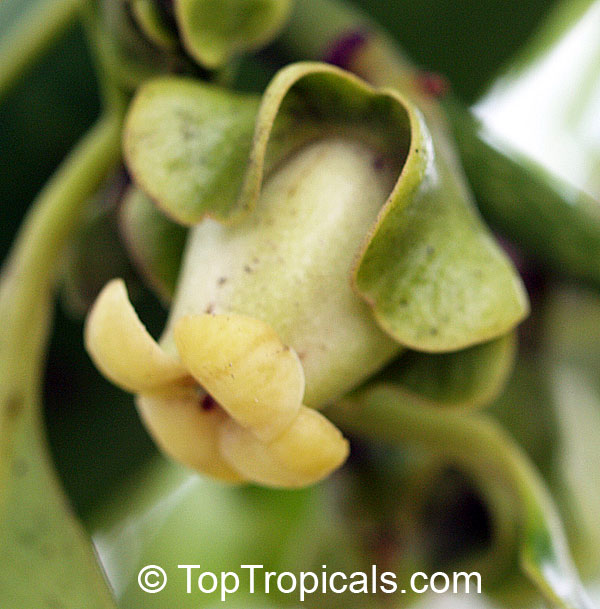
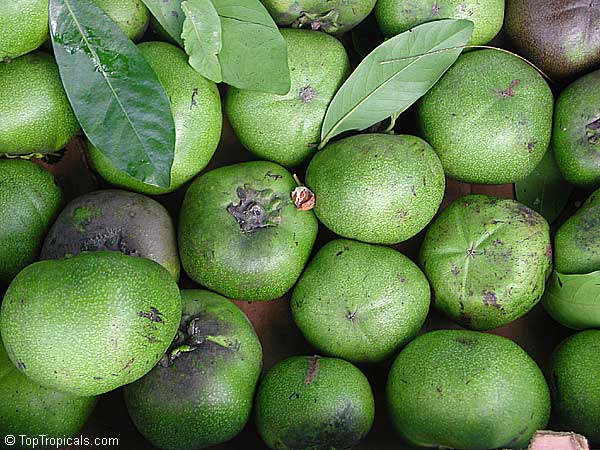
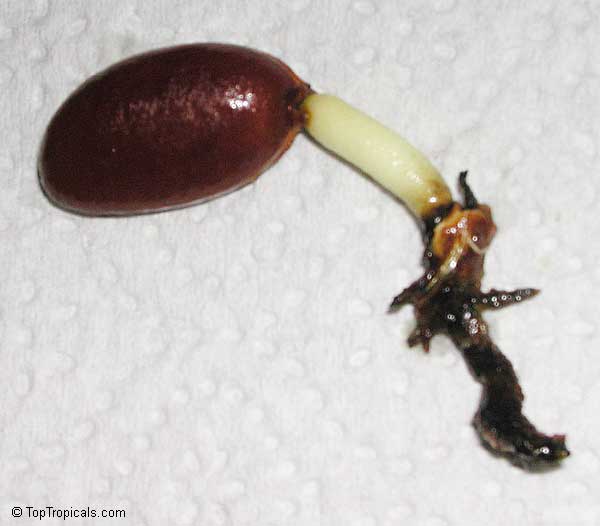
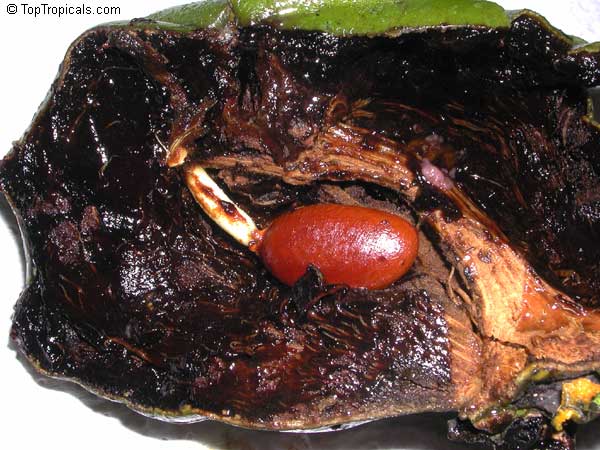
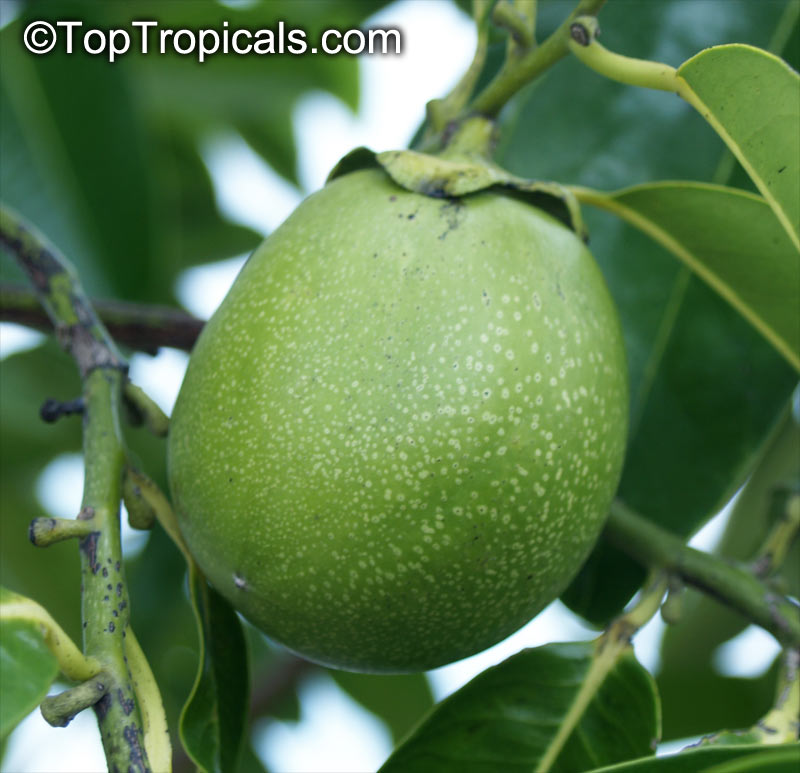
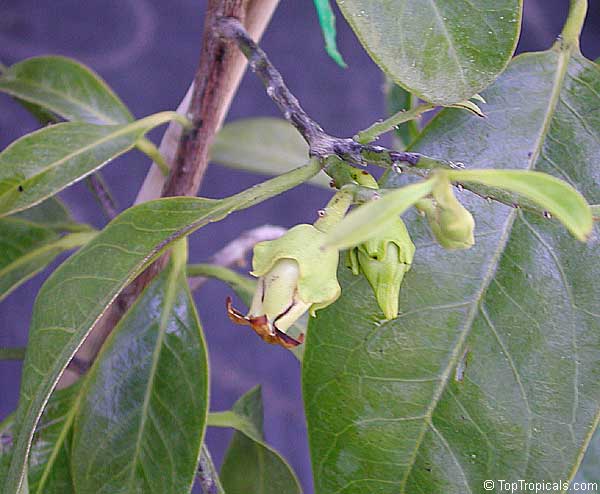
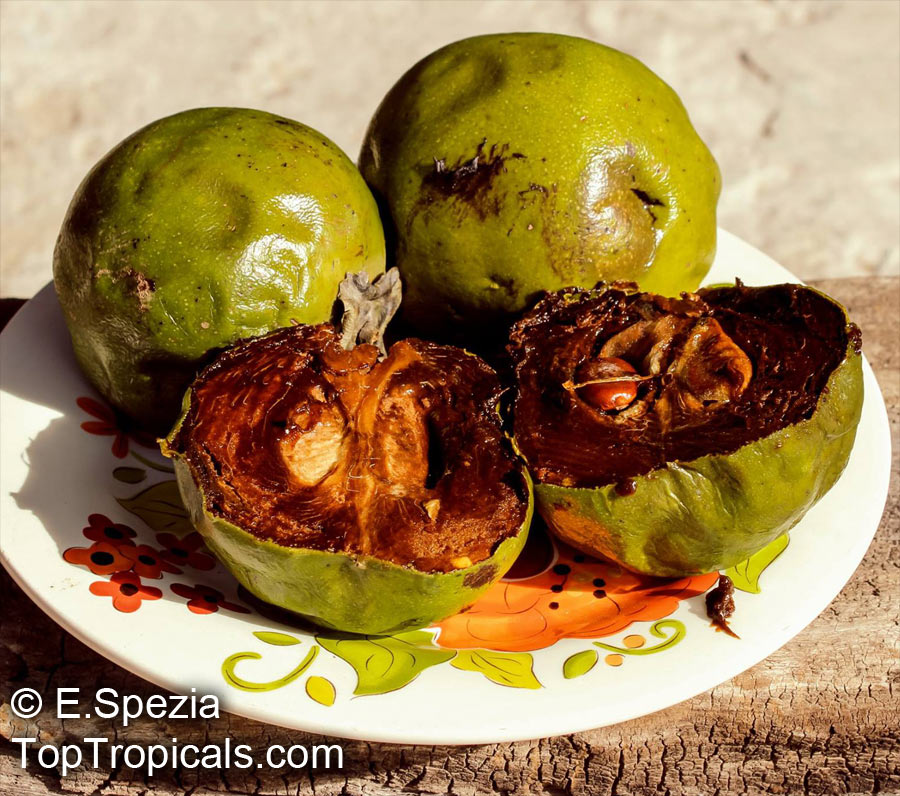
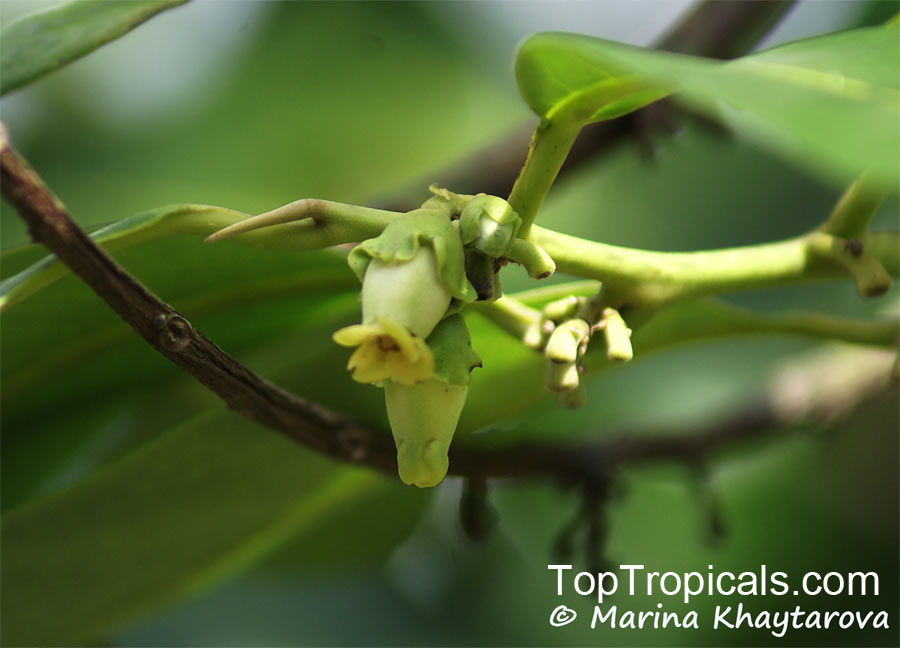
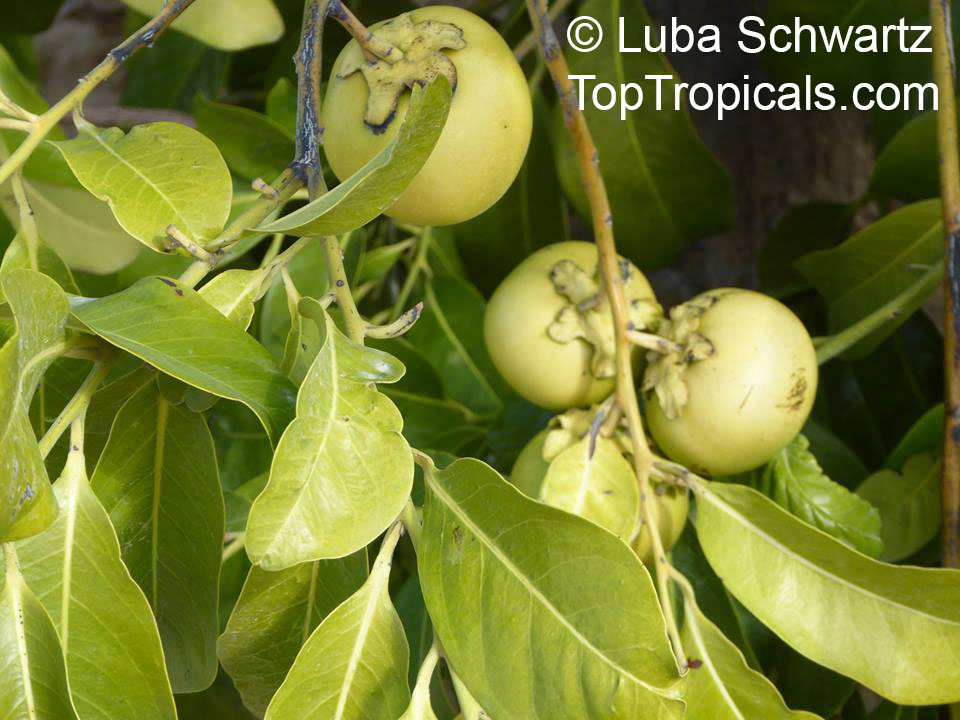
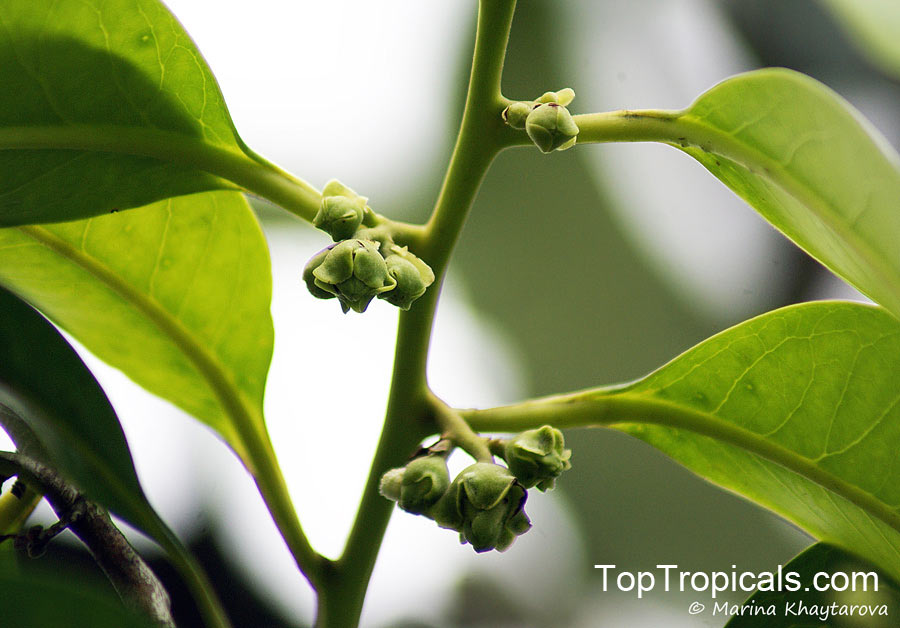
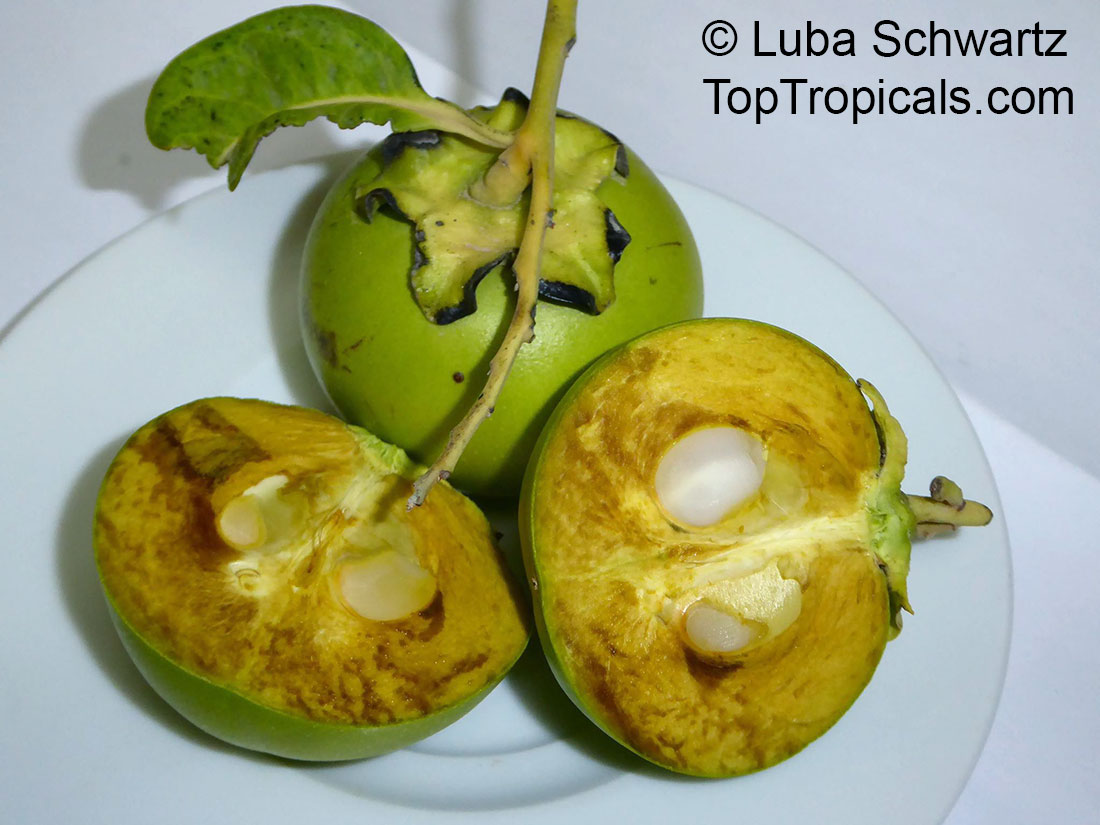
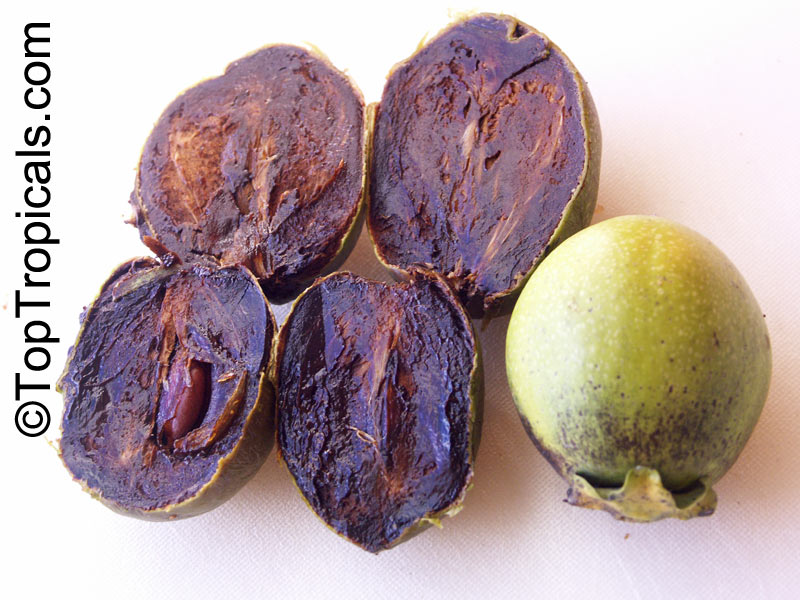
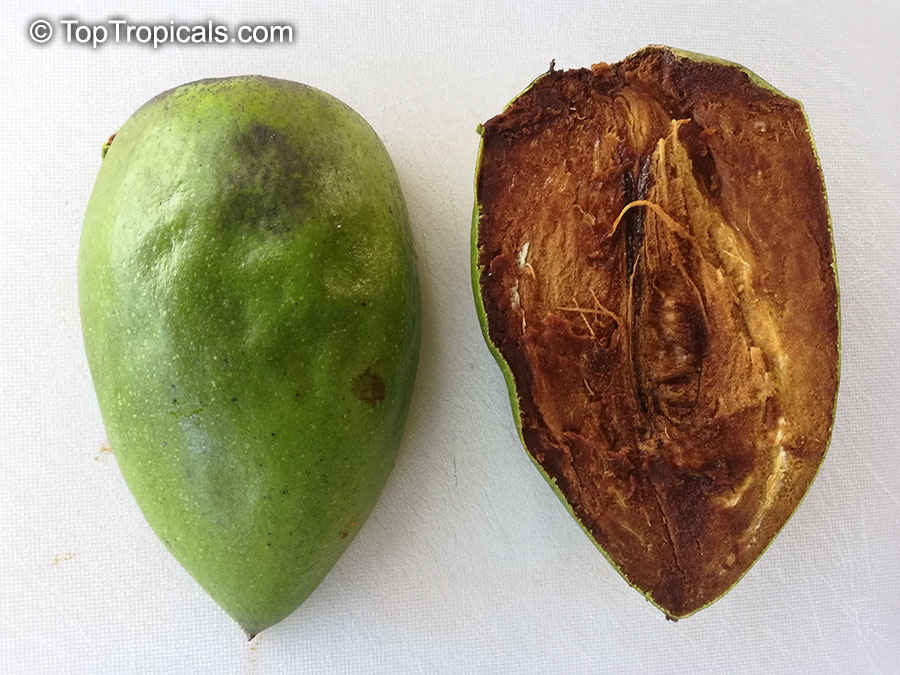
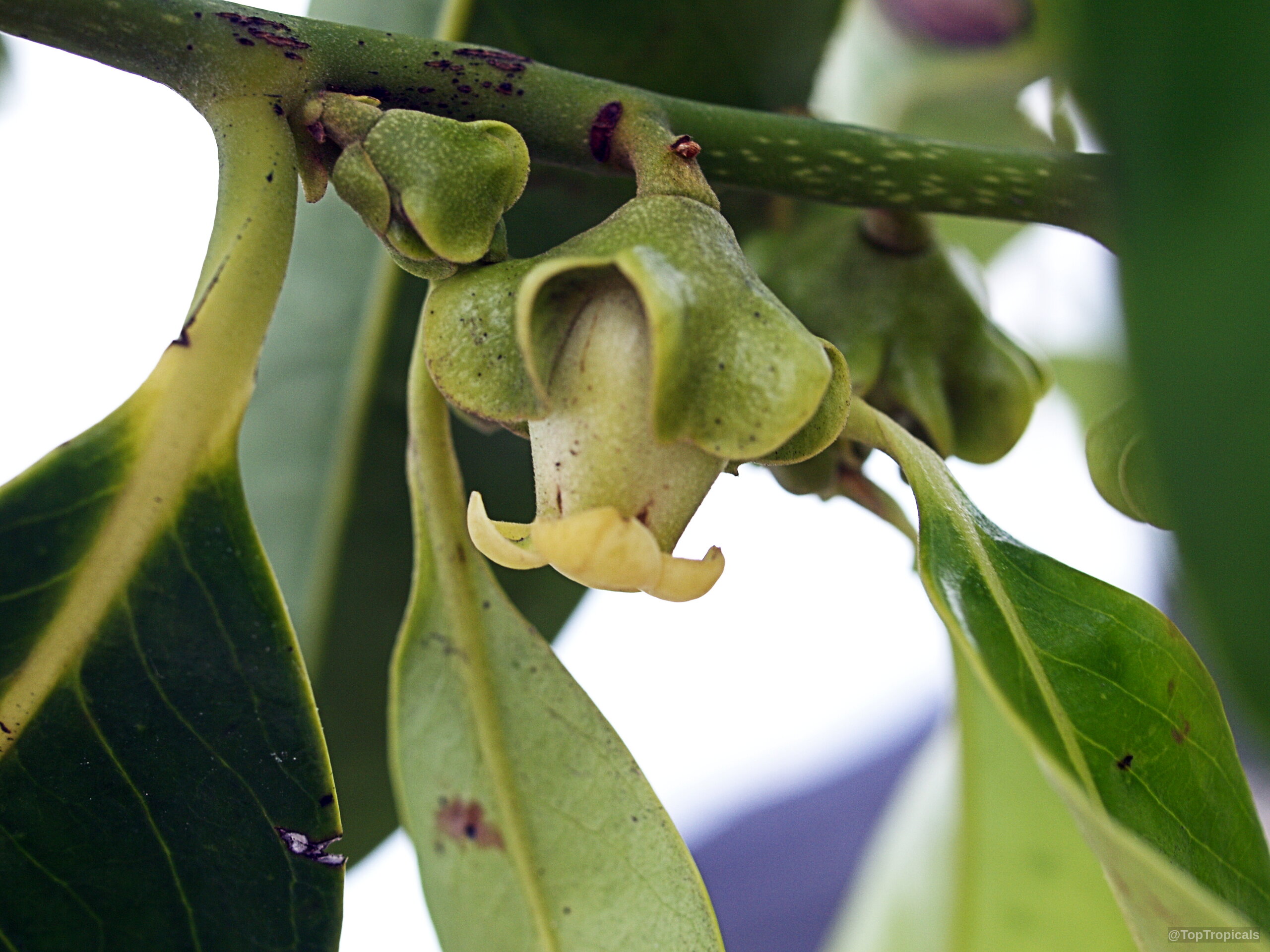
This rather slow growing, medium size handsome tree has deciduous, shiny, dark green leaves. The flowers, borne in the leaf axils, are tubular, white, with persistent green calyx. Some have both male and female organs, and are faintly fragrant; others are solely male and have a pronounced gardenia-like scent. The fruit is nearly round, bright-green and shiny at first. On ripening, the smooth, thin skin becomes olive-green. The pulp is glossy, dark-brown, almost black, jelly-like, soft, and very sweet. Its texture and color closely match stewed prunes. In the center, there may be a few seeds, but the fruit is often seedless.
Black Sapote pulp can be served as dessert with a little milk, sour cream or orange juice poured over it. With the addition of lemon or lime juice it can be used as a filling for pies and other pastry. It is also made into ice cream. The pulp can be blended with orange juice or brandy, or with milk and ground nutmeg, or with wine, cinnamon and sugar, and served with or without whipped cream. A foamy, delicious beverage is made by blending the pulp with canned pineapple juice. In Central America, the fermented fruits are made into a liqueur somewhat like brandy.
The plant is subtropical and can tolerate light frost, as well as short periods of flooding. It has a broad adaptability to different types of soil. In Mexico it grows naturally in dry forests or on alluvial clay near streams where it is frequently subject to flooding. It thrives on moist sandy loam, on well-drained sand or even limestone with very little top soil. These qualities makes it a perfect fruit tree for Southern Florida. Black Sapote can be propagated by seed, as well as grafting. Seedlings normally begin to fruit within only 3-4 years.


Recommended Fertilizer: SUNSHINE C-Cibus - Crop Nutrition Booster
SUNSHINE-Honey - sugar booster
Recommended Fertilizer: SUNSHINE C-Cibus - Crop Nutrition Booster
SUNSHINE-Honey - sugar booster
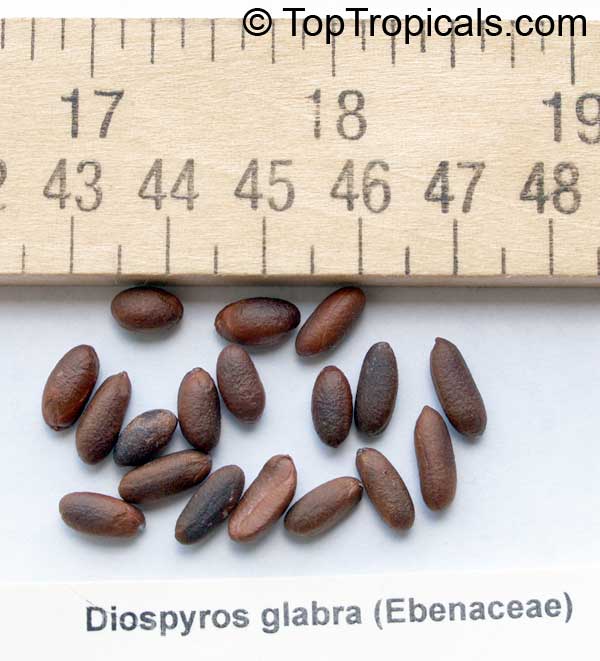
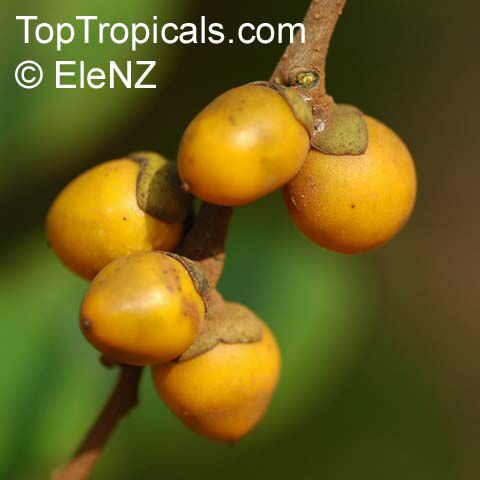
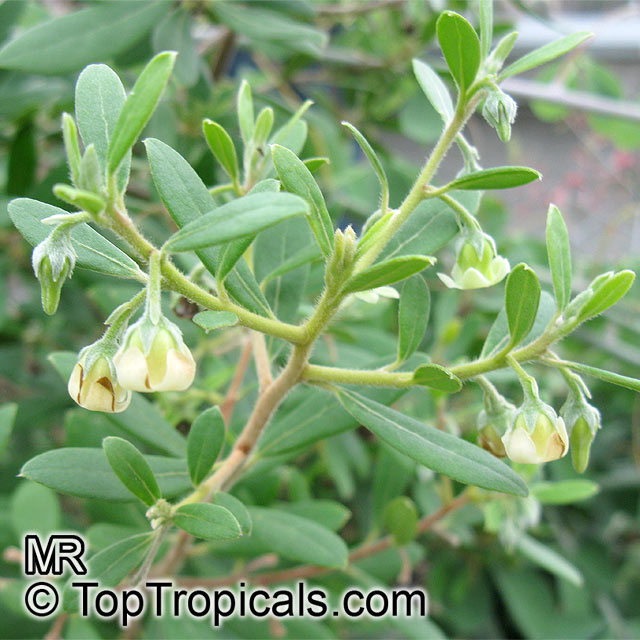
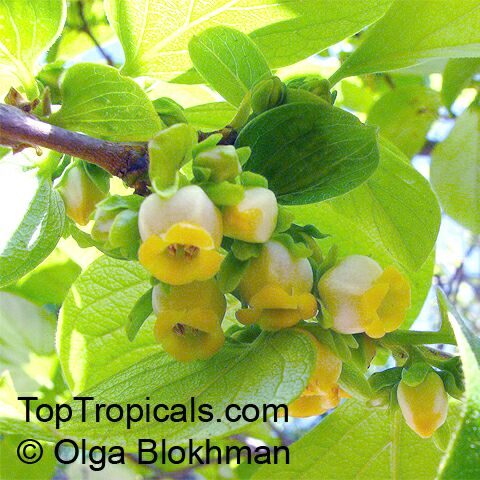
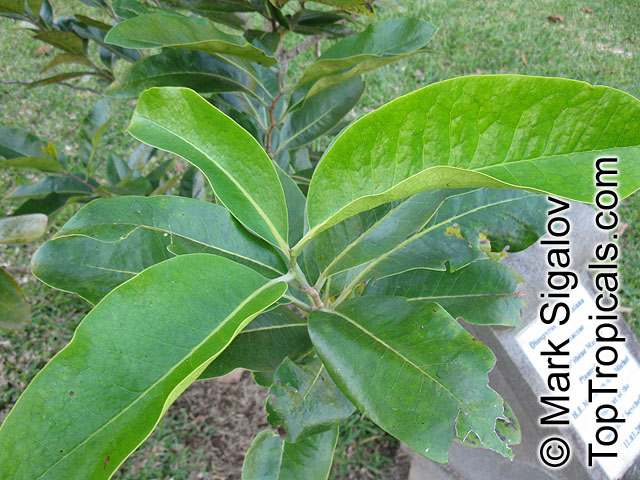
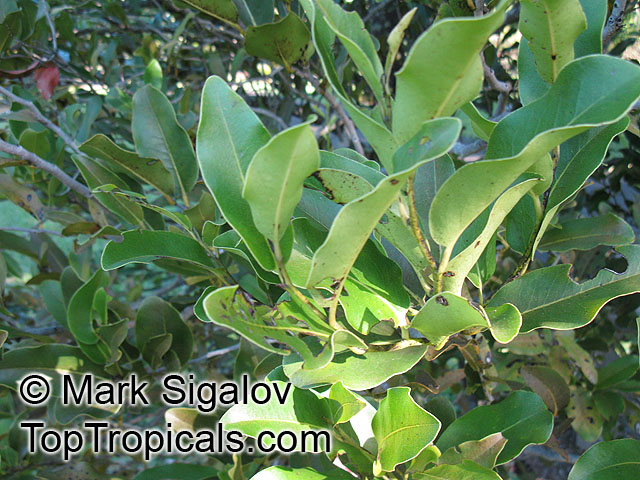
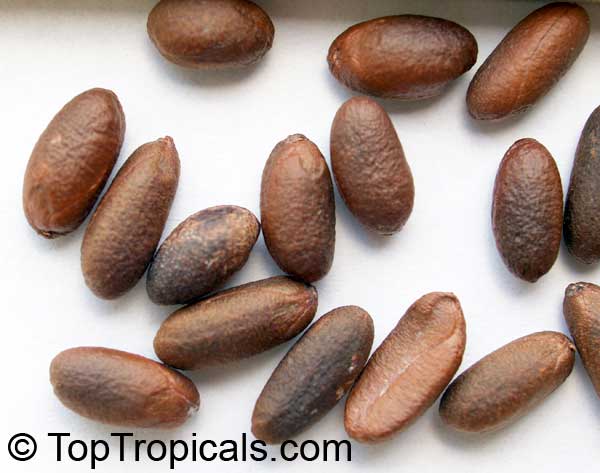
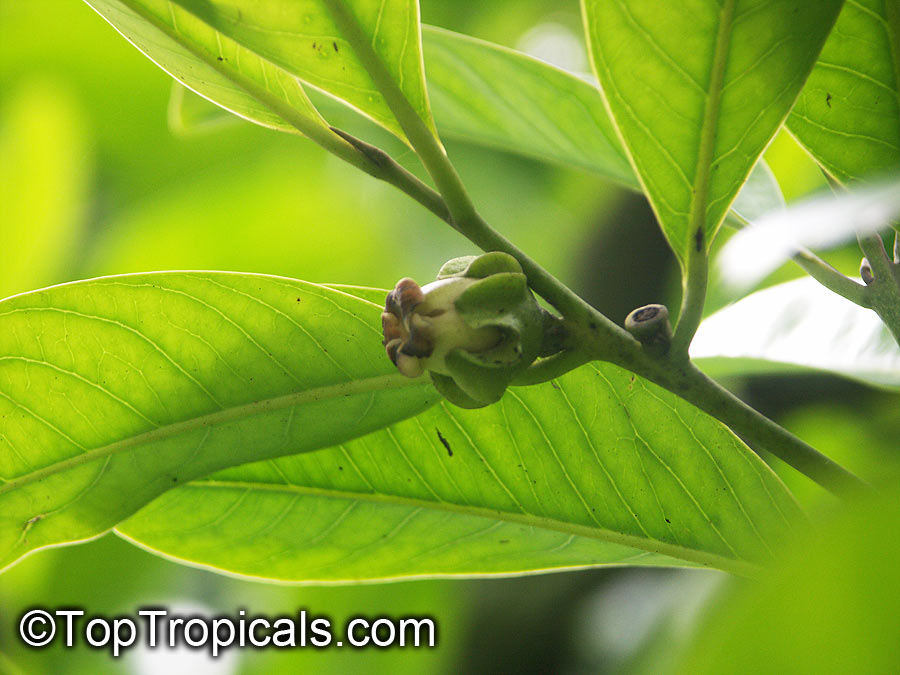
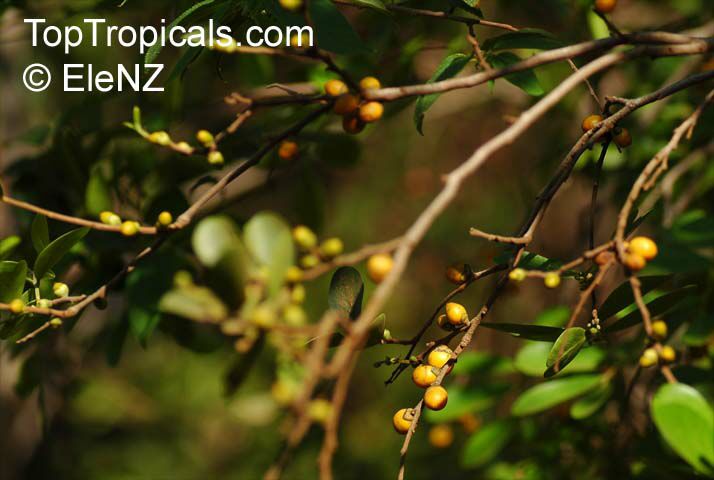
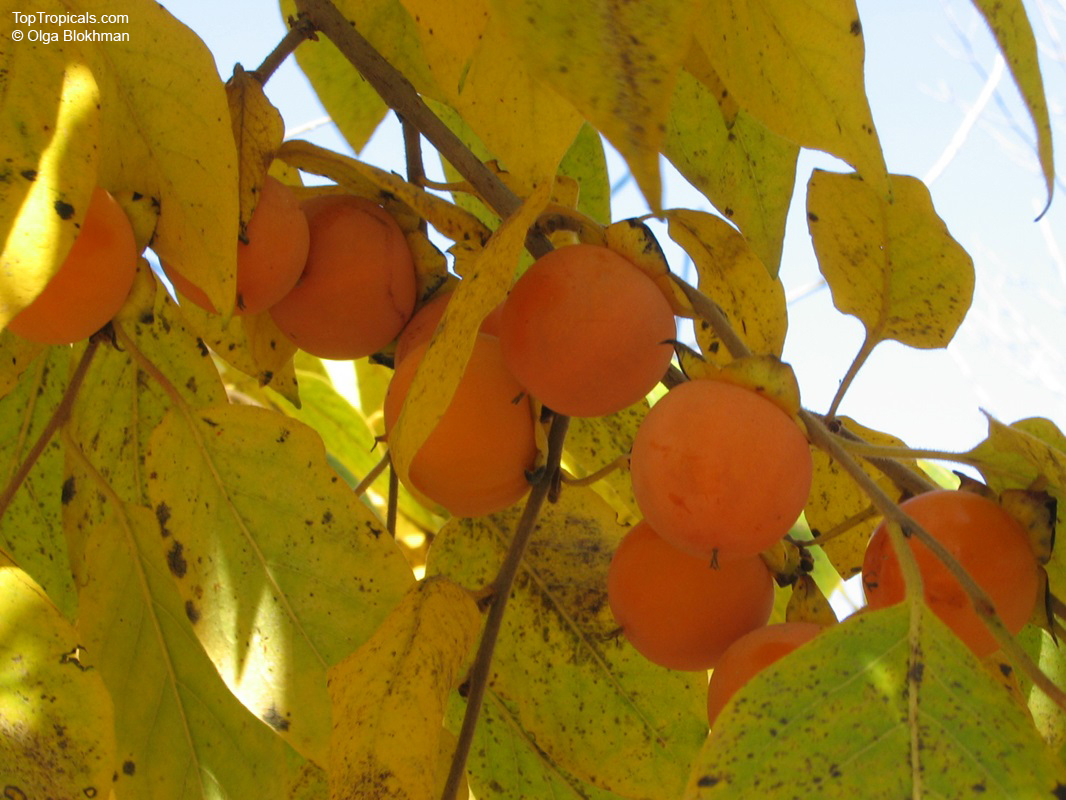
Botanical name: Diospyros sp.
Common name: Persimmon
Family: Ebenaceae
Origin: Asia, Australia
USDA Zone: 9-11
Cold tolerance: 30°F


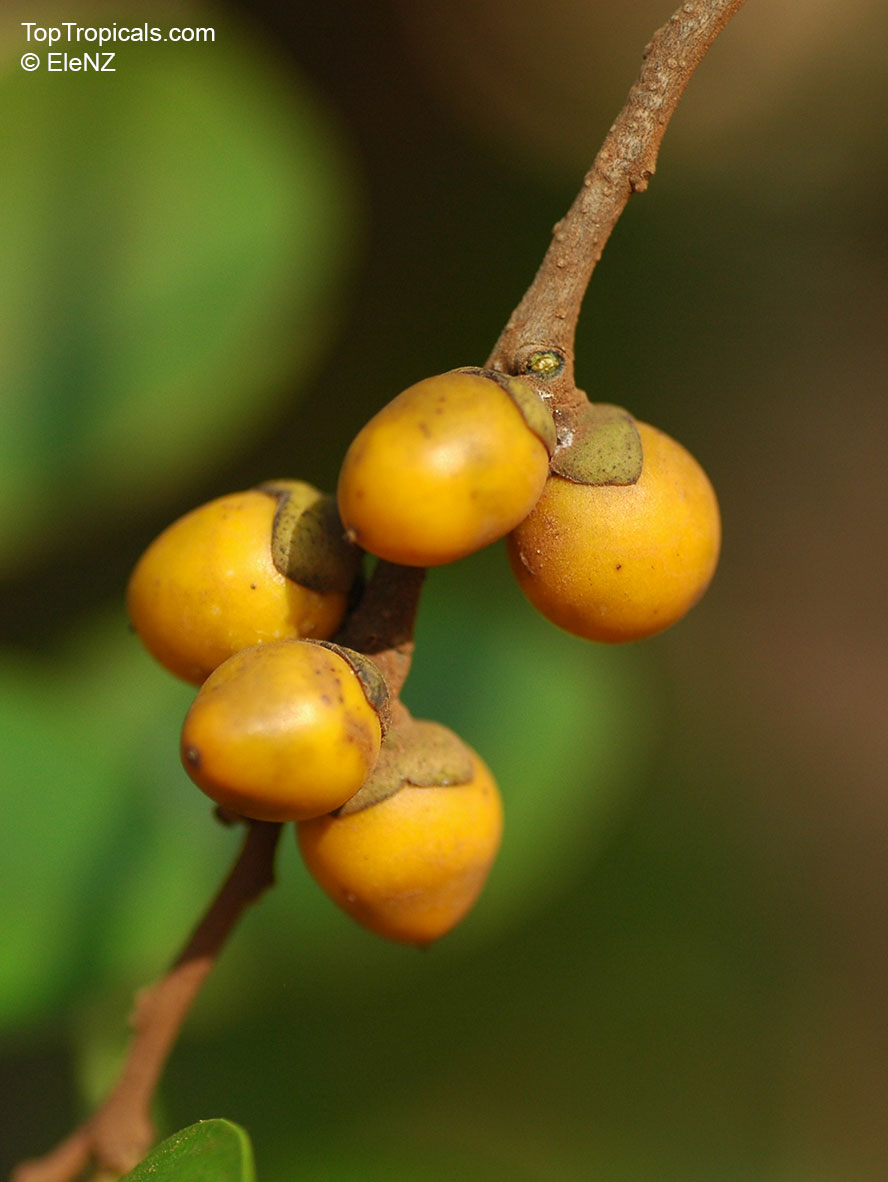
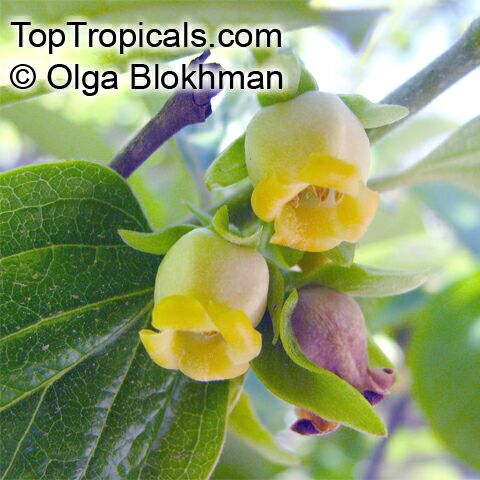
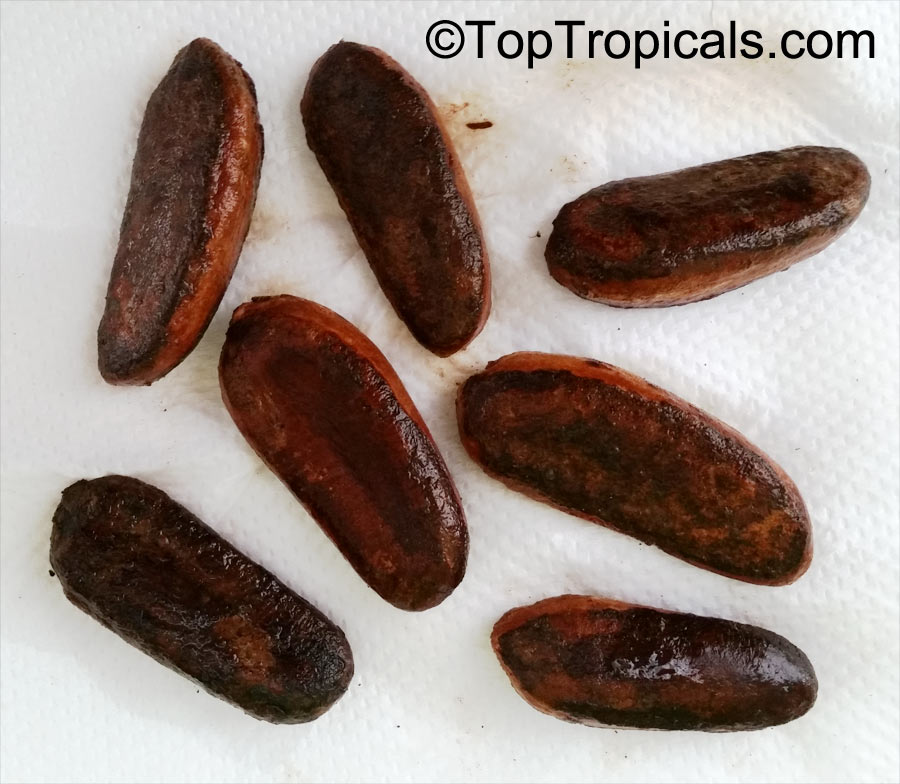
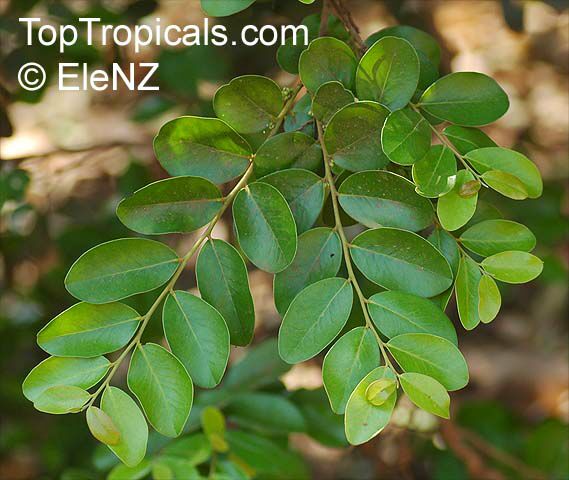
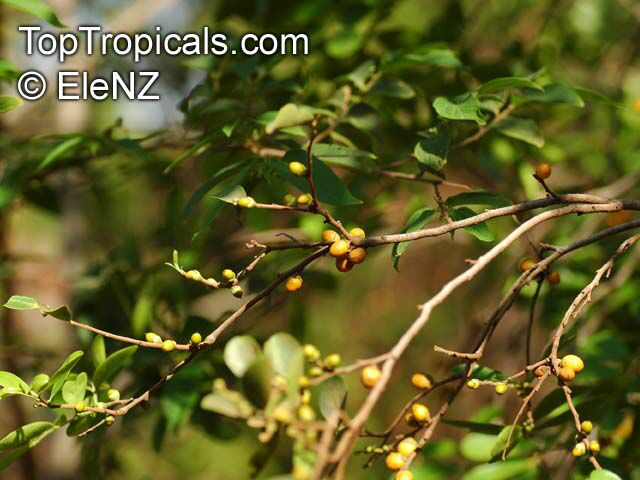
Diospyros is a genus of about 450-500 species of deciduous and evergreen trees.

Botanical name: Diospyros virginiana
Common name: Persimmon
Family: Ebenaceae
Origin: Eastern United States
USDA Zone: 6-9

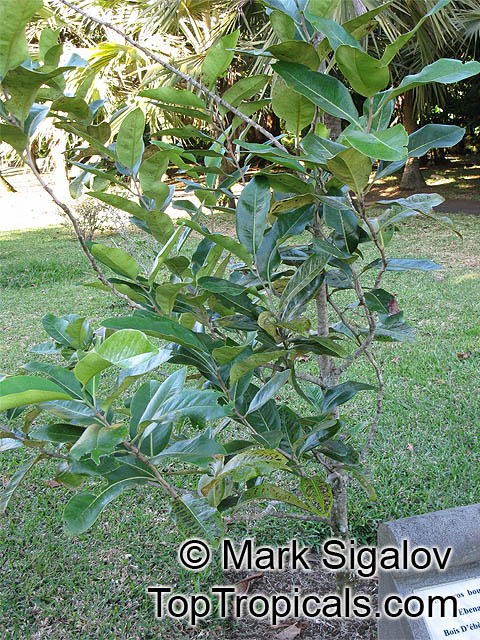
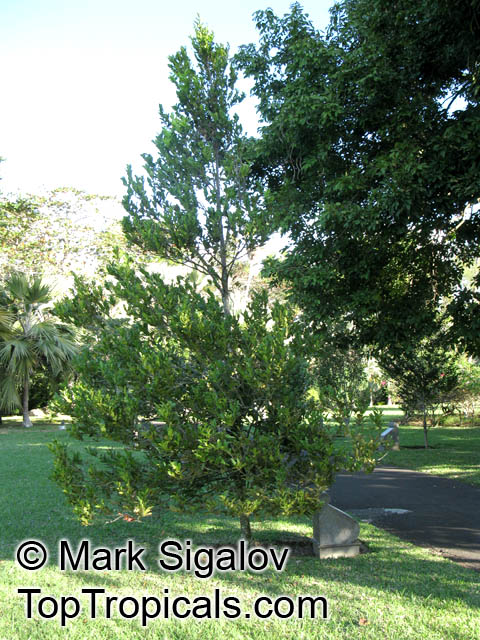
Diospyros virginiana, commonly known as Persimmon, is a deciduous tree native to the Eastern United States. It grows to a height of 10-20 feet and sometimes is used for bonsai. The tree needs to be planted in full sun or semi-shade in USDA Zone 6-9 and requires moderate watering.
The fruit of the Persimmon tree is a plum-like berry that ranges in size up to 2 inches in diameter. Initially green in color, the fruit turns orange to black when ripe. It is very astringent and mouth-numbing when green, but turns sweet and edible after a hard freeze. The fruit is typically ready to harvest in the middle to late fall.
Persimmon fruit has a lot of nutritional benefits. It is high in dietary fiber, vitamin A, and vitamin C. It also provides B vitamins, minerals such as calcium and magnesium, and polyphenols. The fruit can be eaten fresh, dried, or processed into jam or jelly. It can also be used to make a sweet, spicy, and delicious stew.
If you are looking to grow Persimmon in a pot, regardless of whether you live in a cold region, you can easily do so by following a few simple steps. Make sure to use well-draining soil. Ensure that the pot is wide enough - a minimum of 24-inches in diameter is recommended. Keep the soil moist and provide the plant with enough sunlight - a minimum of 6 hours per day. Lastly, keep the potted tree protected from extreme temperatures and snow or frost during winter.
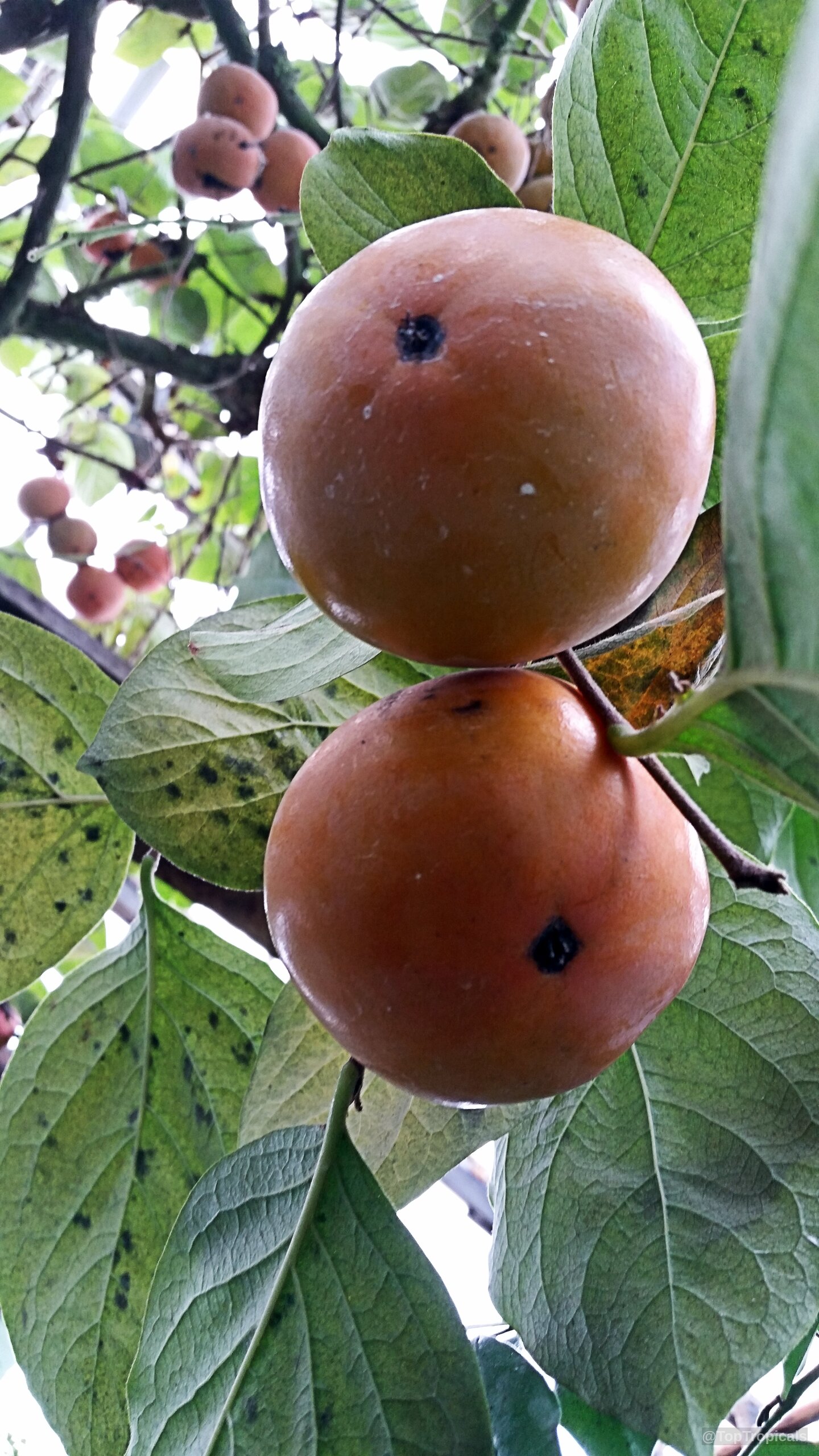
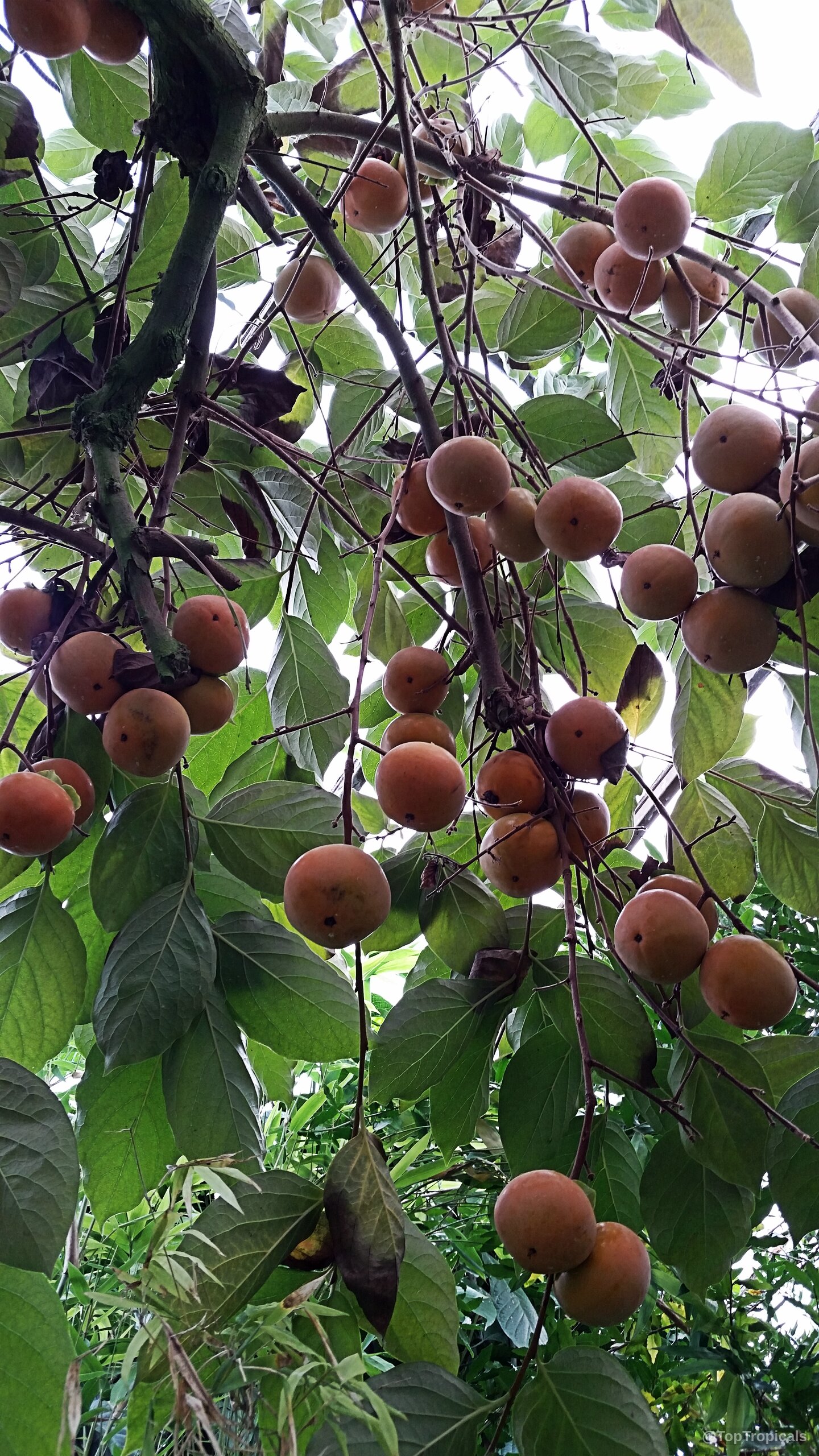
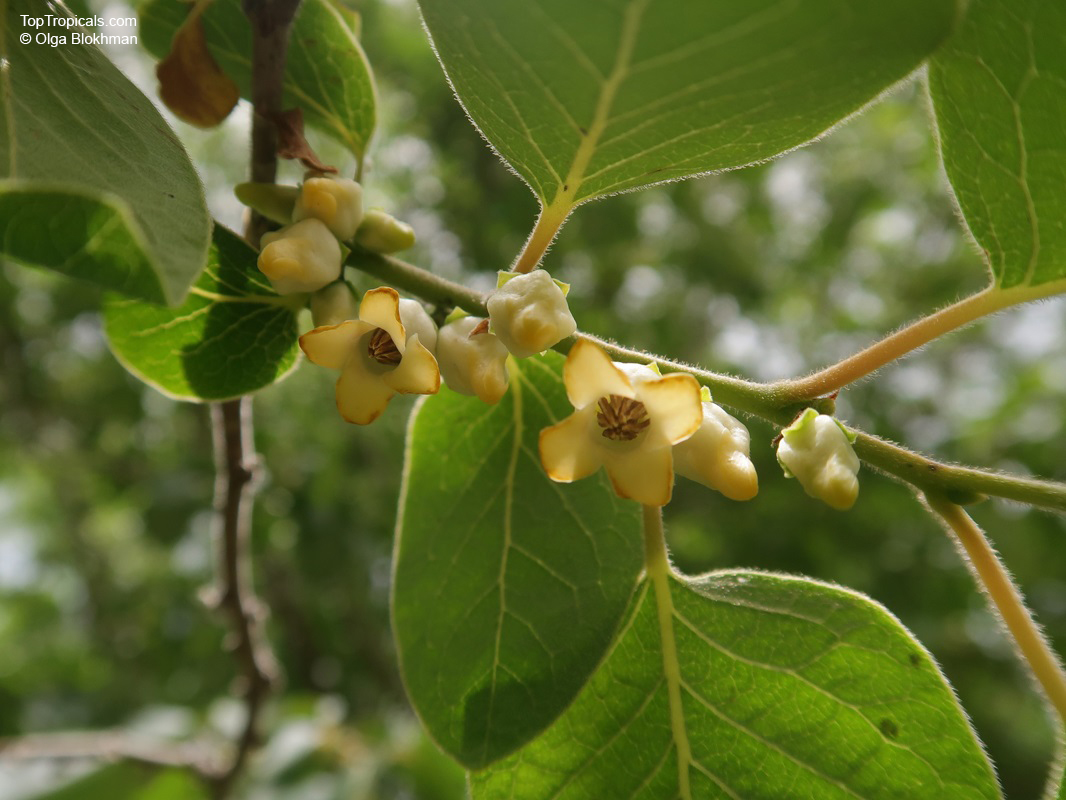
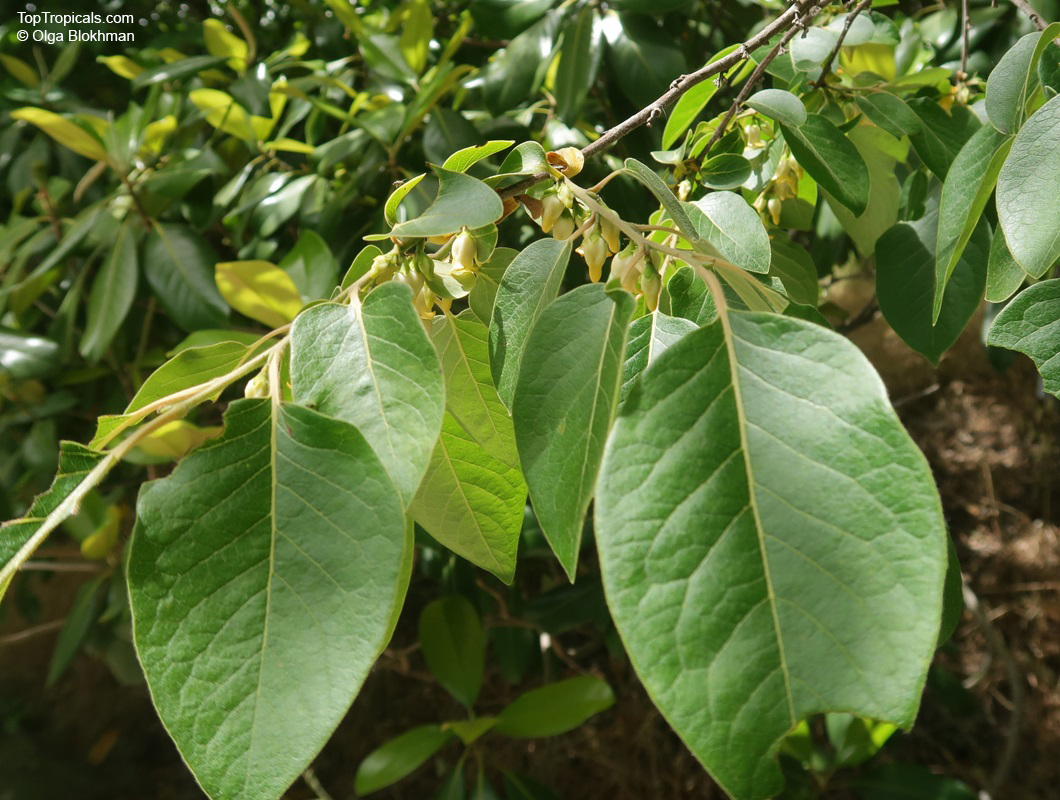
A plum-like berry that is green before ripening, turning orange to black when ripe, 3/4 to 2 inches in diameter. Cold hardy.
Astringent cultivars have water-soluble tannins in the flesh of the fruit at maturity (harvest) and do not normally lose their astringency until soft and ripe.
This plant is leafless in fall-winter.
Learn more: Growing Persimmon trees.
Recommended Fertilizer: SUNSHINE C-Cibus - Crop Nutrition Booster
SUNSHINE-Honey - sugar booster
 SUNSHINE C-Cibus (NPK 2-2-4) - Crop Booster for every watering.
  SUNSHINE C-Cibus (NPK 2-2-4) - Crop Booster for every watering.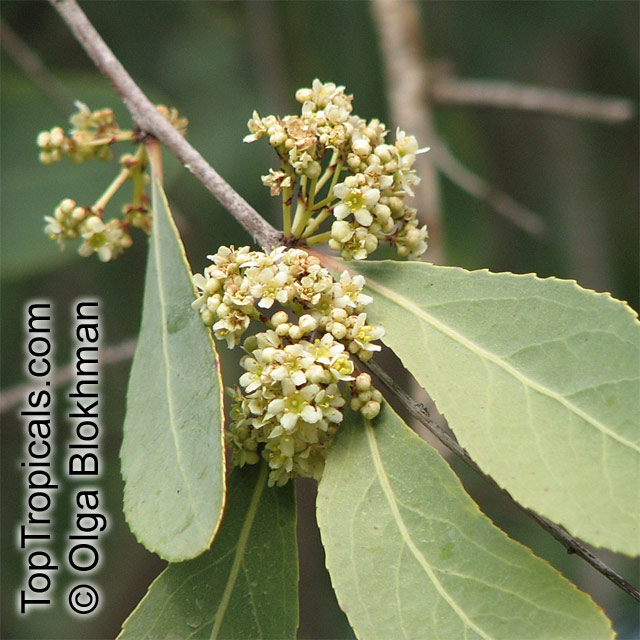
Botanical name: Euclea sp.
Common name: Euclea
Family: Ebenaceae
Origin: South Africa
USDA Zone: 9-10

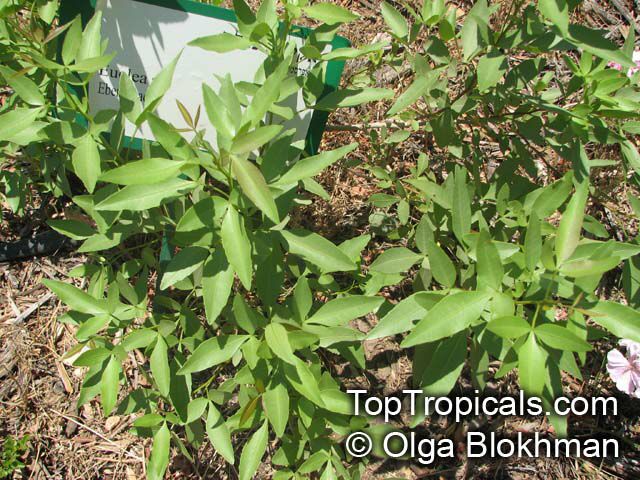
The genus includes twenty species of evergreen trees and shrubs. Several species are used for timber, producing a hard, dark heartwood timber similar to ebony.
Use link to repeat this search:
https://toptropicals.com/cgi-bin/garden_catalog/cat.cgi?search_op=and&keyword_op=and&language=e&family=Ebenaceae&number=10
&no_change_lang=1&user=tt&sale=1&first=0