Dracaenaceae - Botanical Family
| Number of plants found: 23 | Next | 
|
Go to page: | 1 | 2 | 3 |
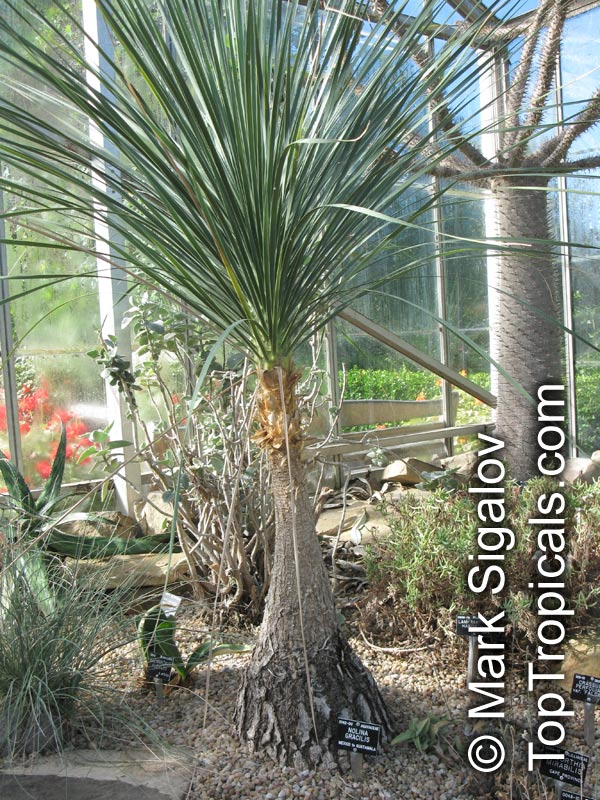
Botanical names: Beaucarnea gracilis, Nolina gracilis
Common names: Mexican Pony Tail Palm, Sotolin
Family: Asparagaceae (Formerly:Dracaenaceae / Liliaceae / Agavaceae )
Subfamily: Nolinoideae
Origin: Mexico



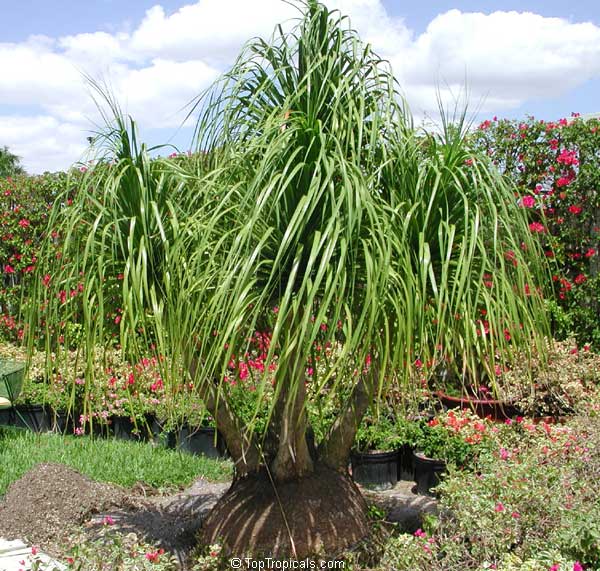
Botanical name: Beaucarnea guatemalensis
Common names: Red Ponytail Plant, Guatemala Pony Tail
Family: Asparagaceae (Formerly:Dracaenaceae / Liliaceae / Agavaceae)
Subfamily: Nolinoideae
Origin: Guatemala


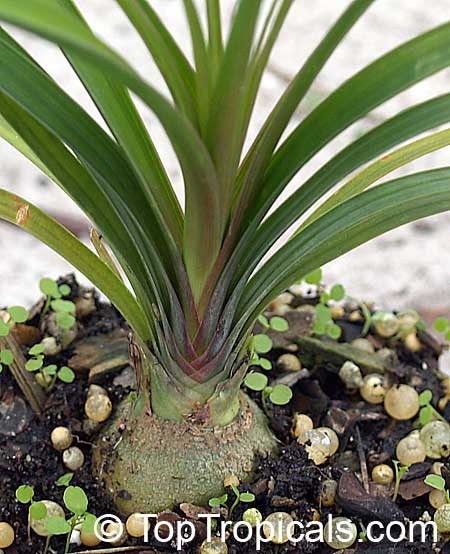
The Guatemala Ponytail is a succulent which features a swollen base. As the plant matures, this base swells up. The crown of the trunk is a rosette of long ribbon-like leaves. The leaves grow in one plain when the plant is young. Beaucarnea guatemalensis can grow up to 15 ft tall and the base may swell to 12 ft wide. Can be grown in a pot as a nice bonsai.
Closely related species - Beaucarnea recurvata.

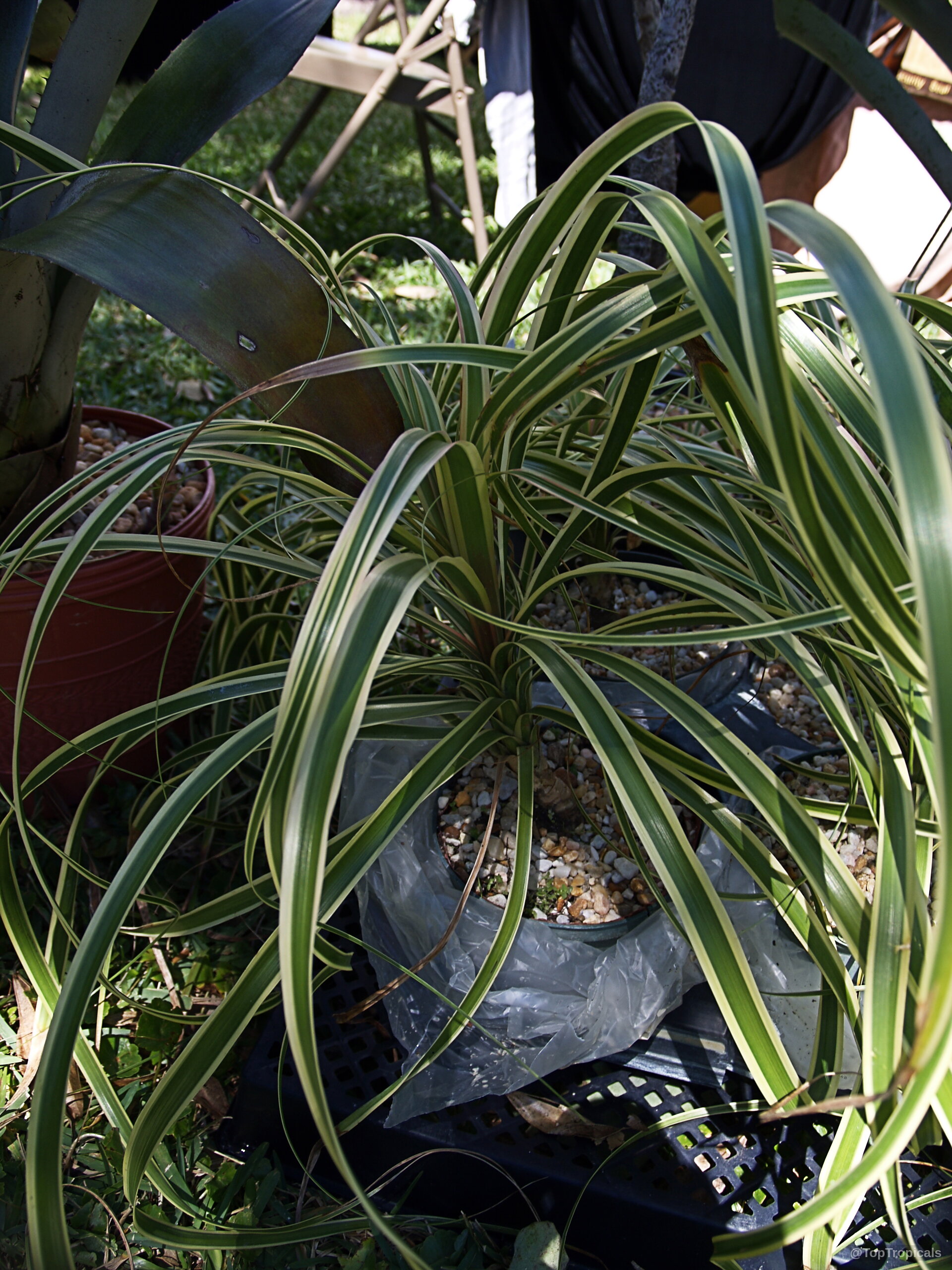


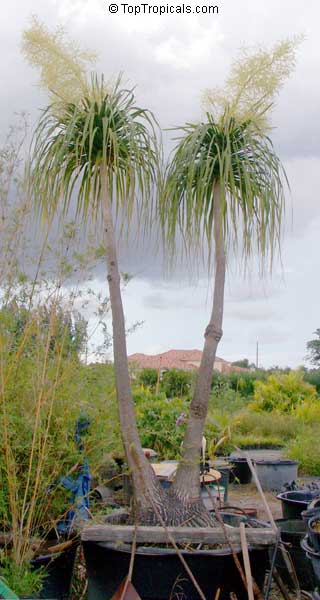
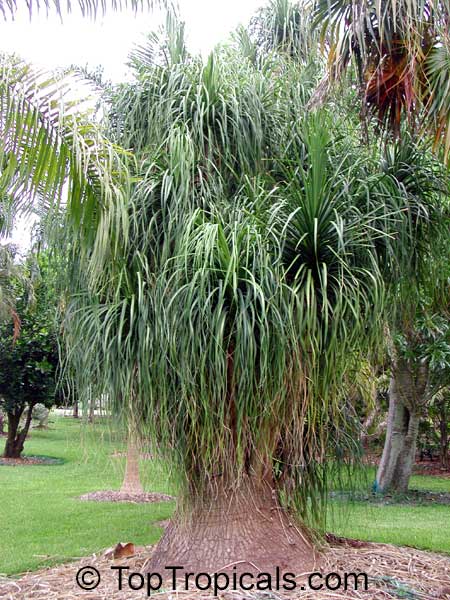
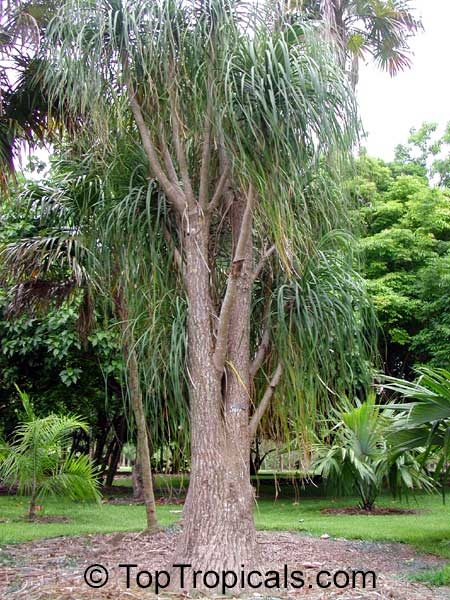
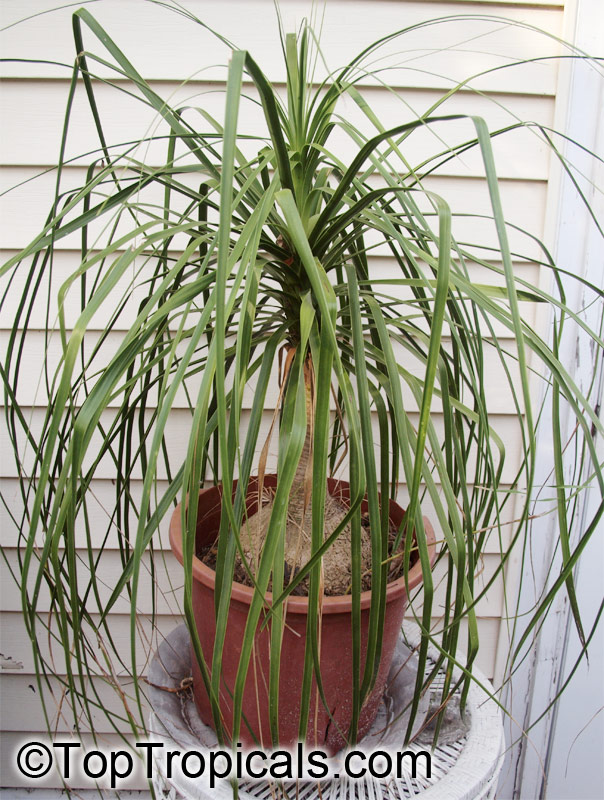
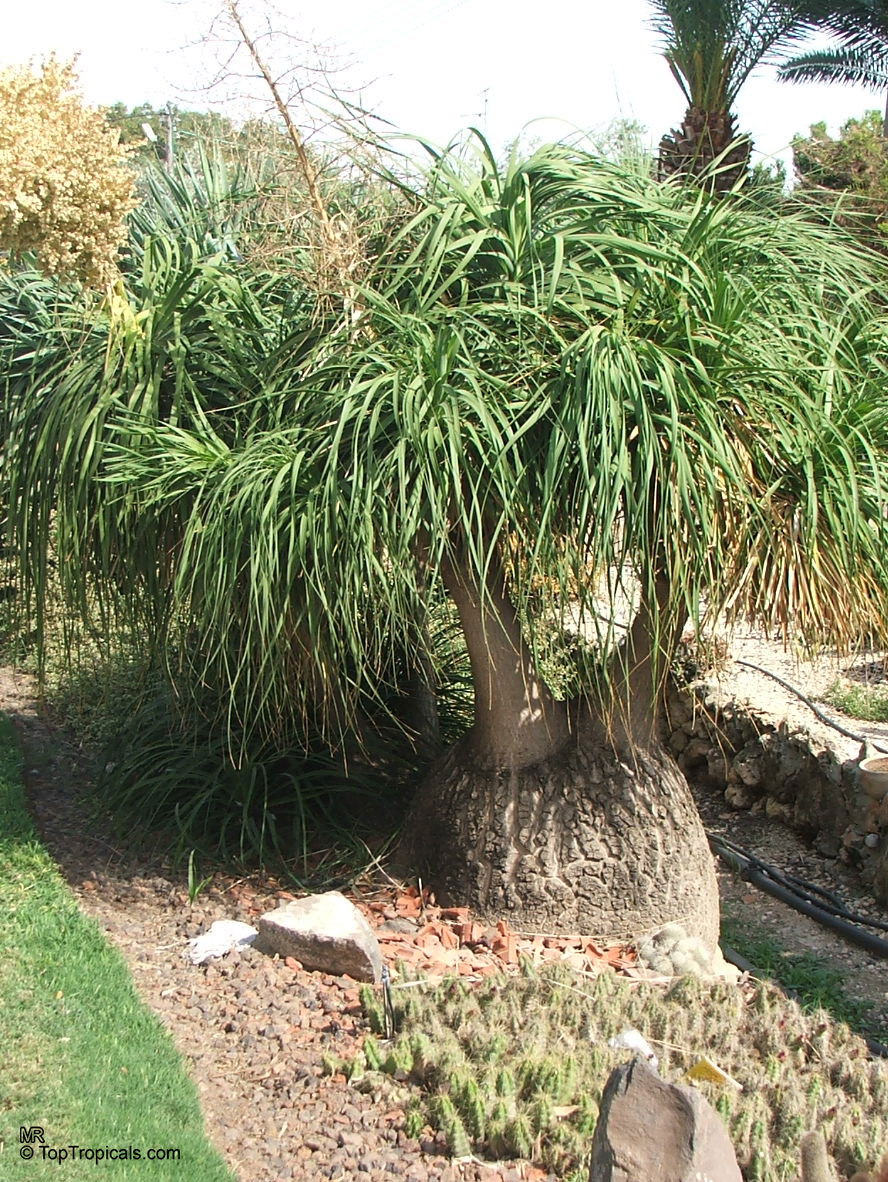
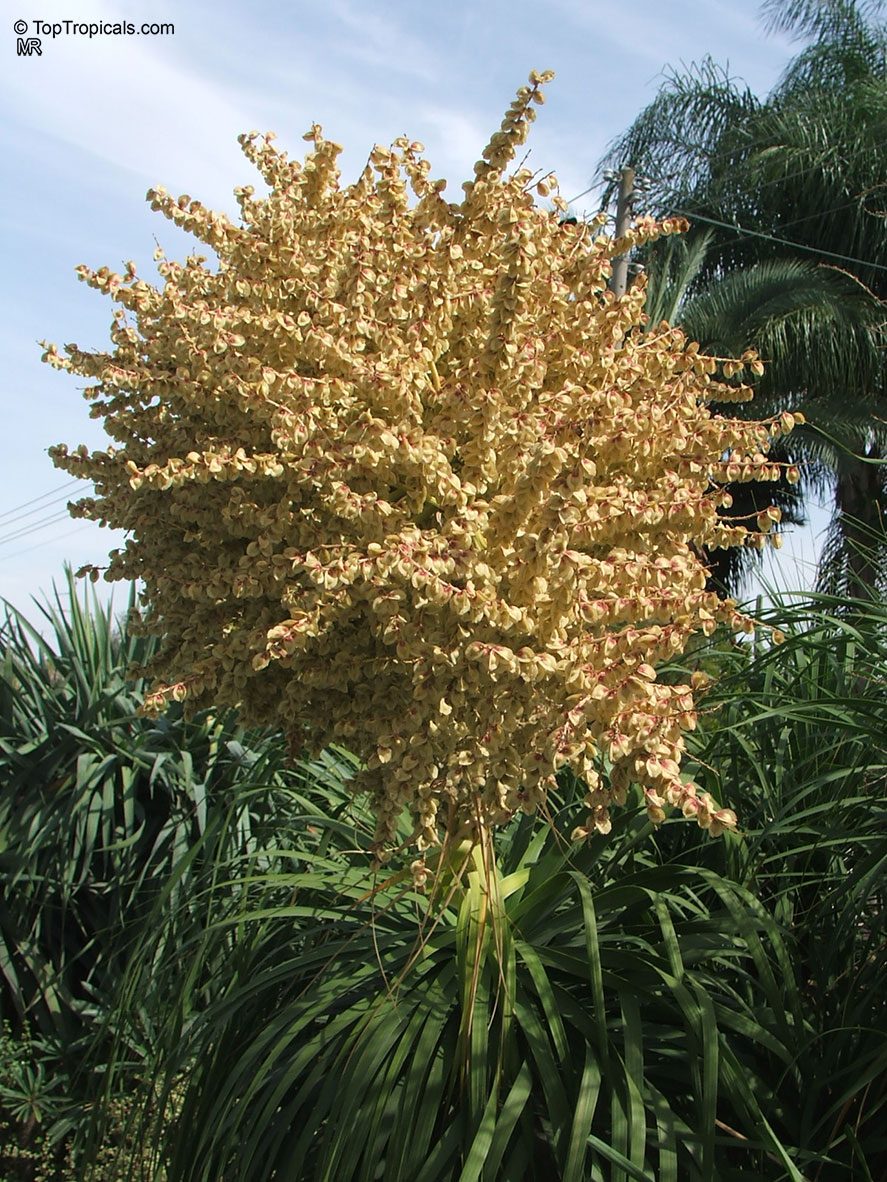
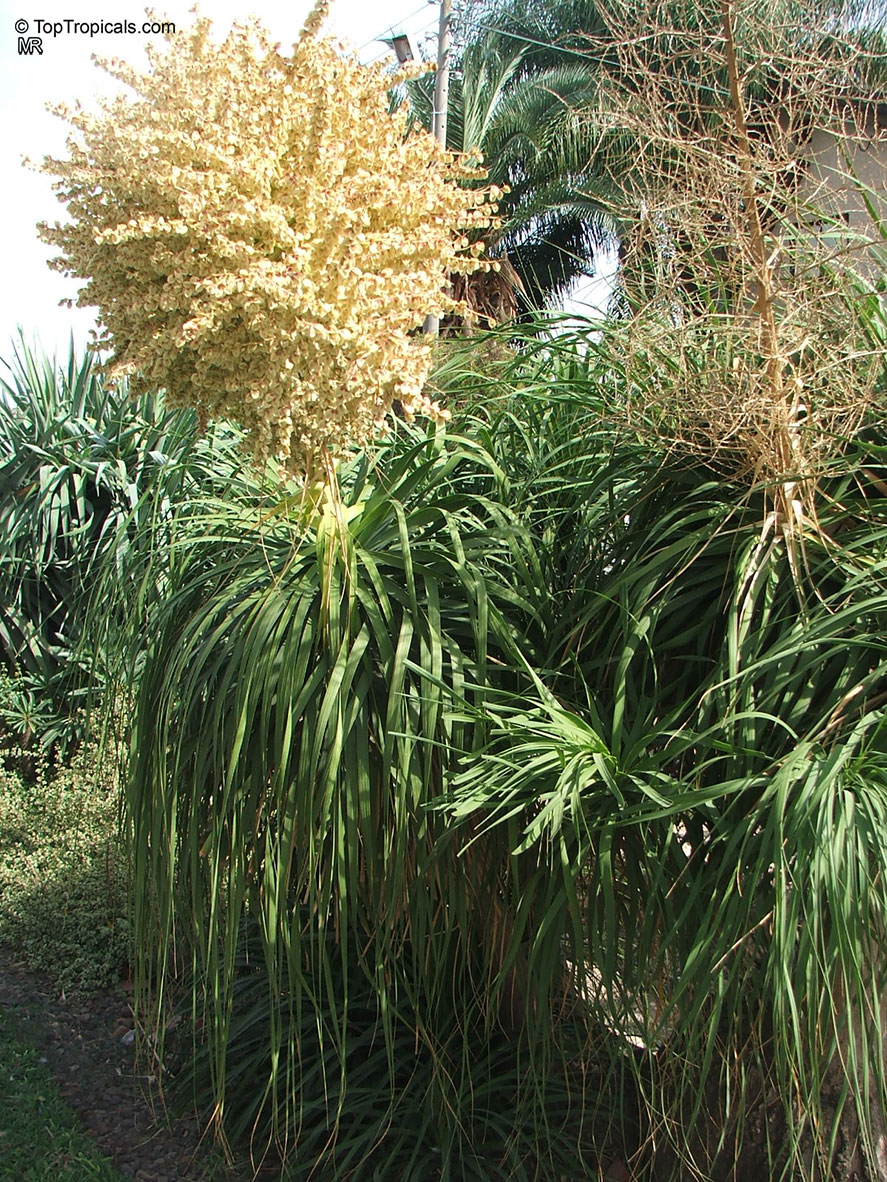
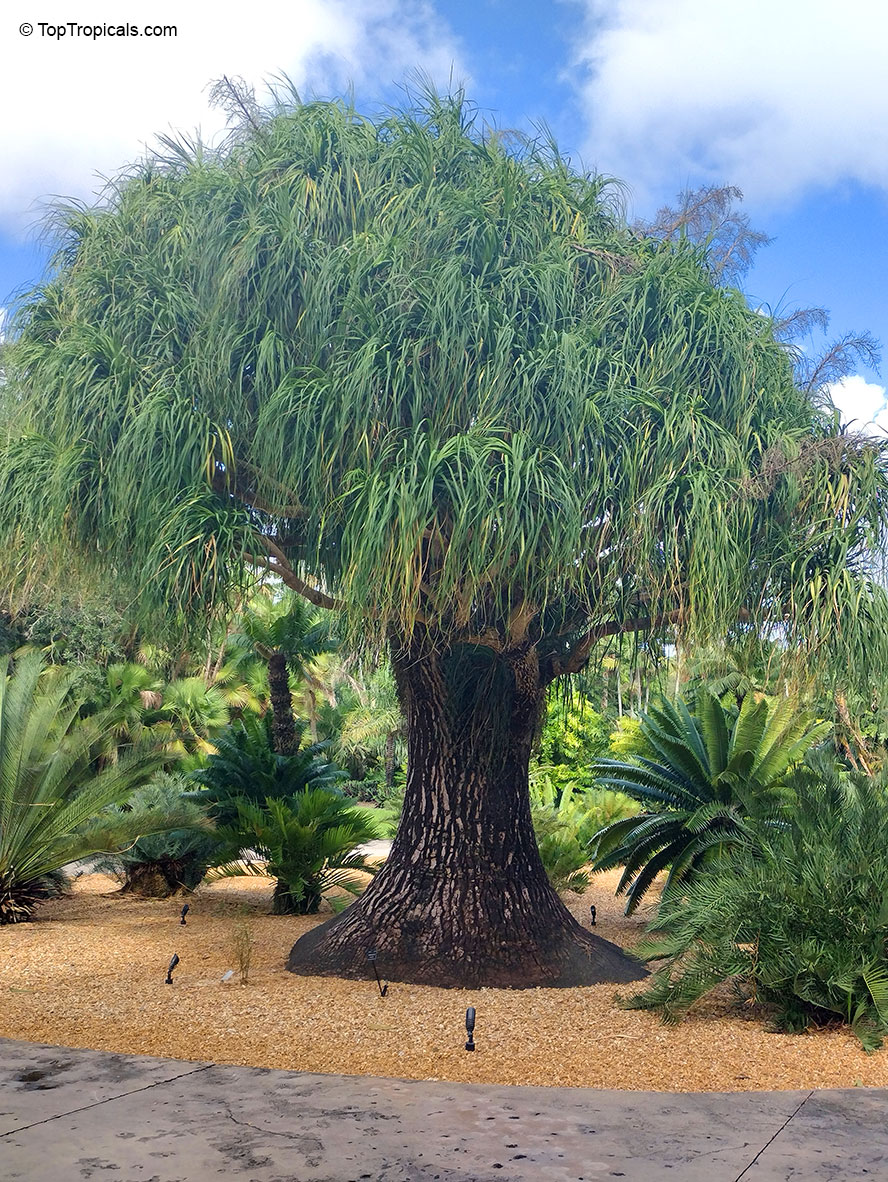
Botanical names: Beaucarnea recurvata, Nolina recurvata
Common names: Ponytail Palm, Pony Tail, Bottle Palm, Nolina, Elephant-foot Tree
Family: Asparagaceae (Formerly:Dracaenaceae / Liliaceae / Agavaceae)
Subfamily: Nolinoideae
Origin: Mexican highlands, Florida
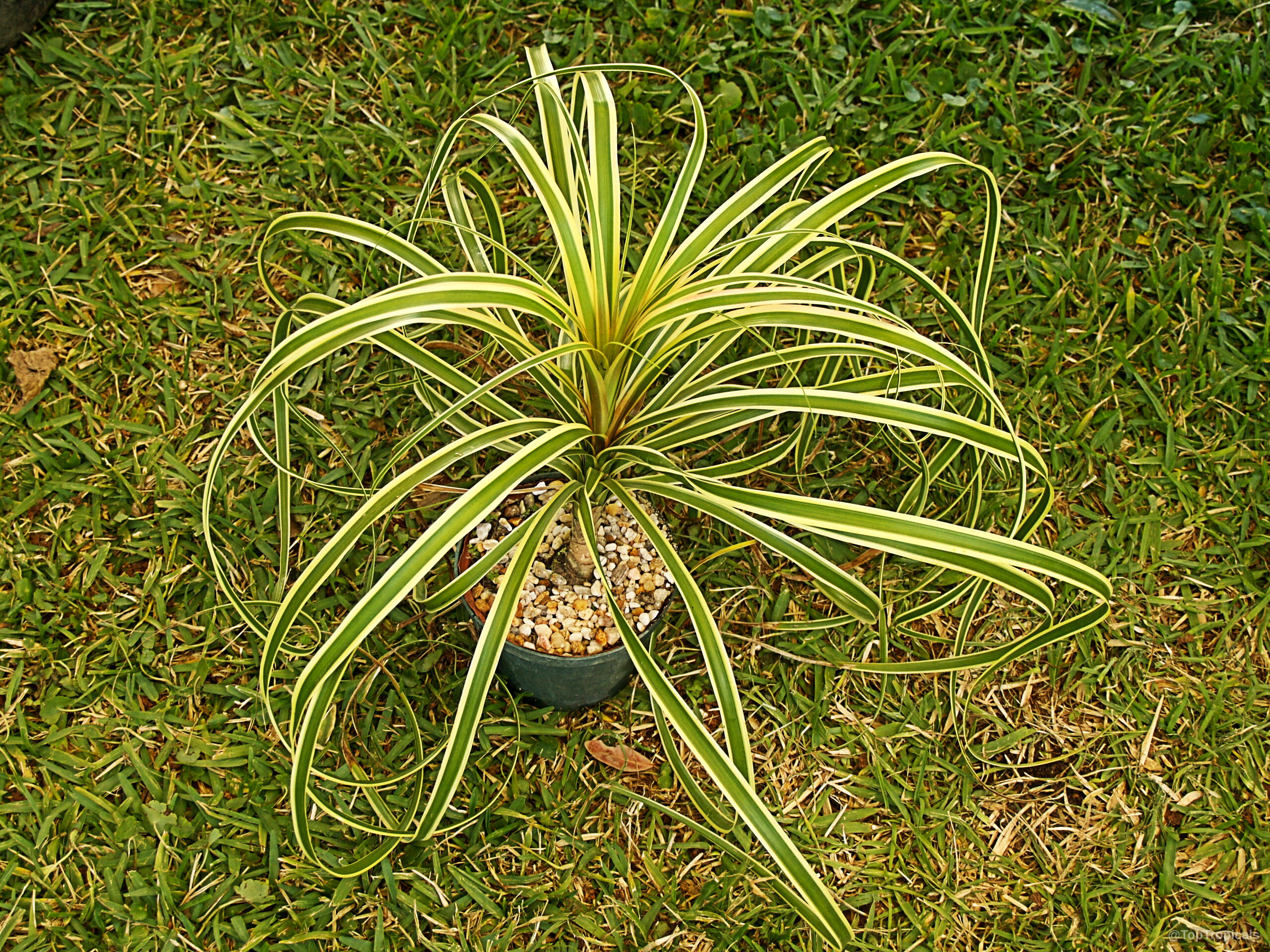
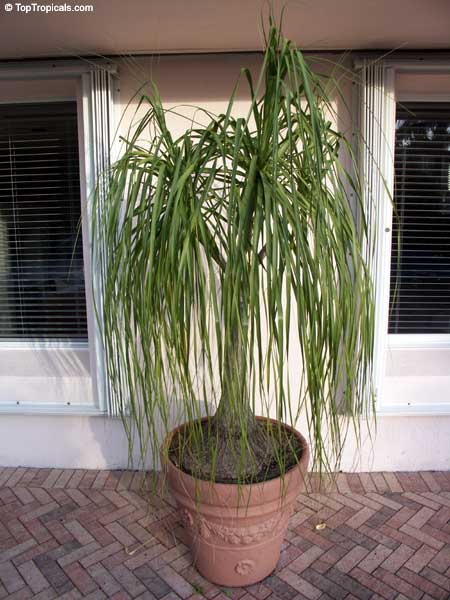
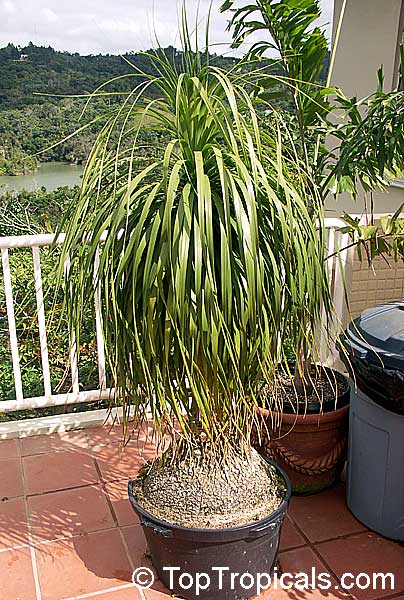
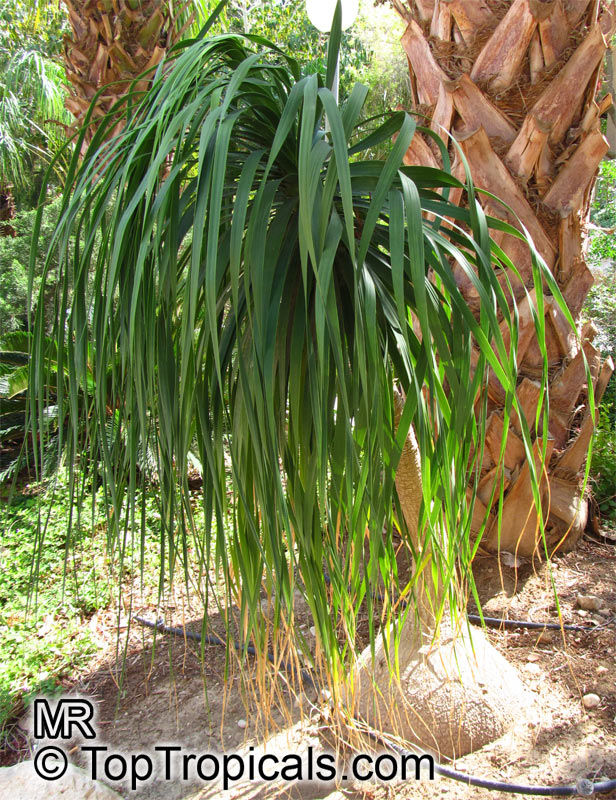
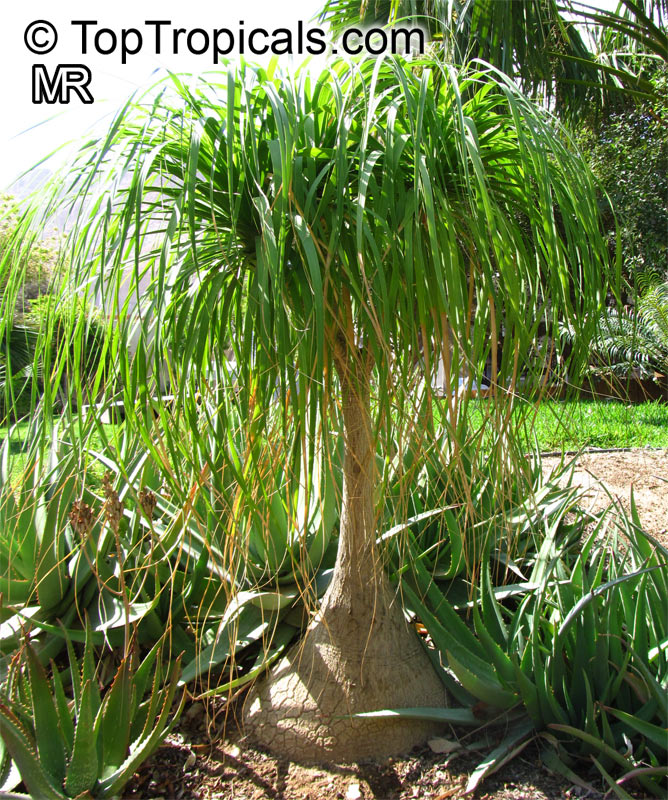
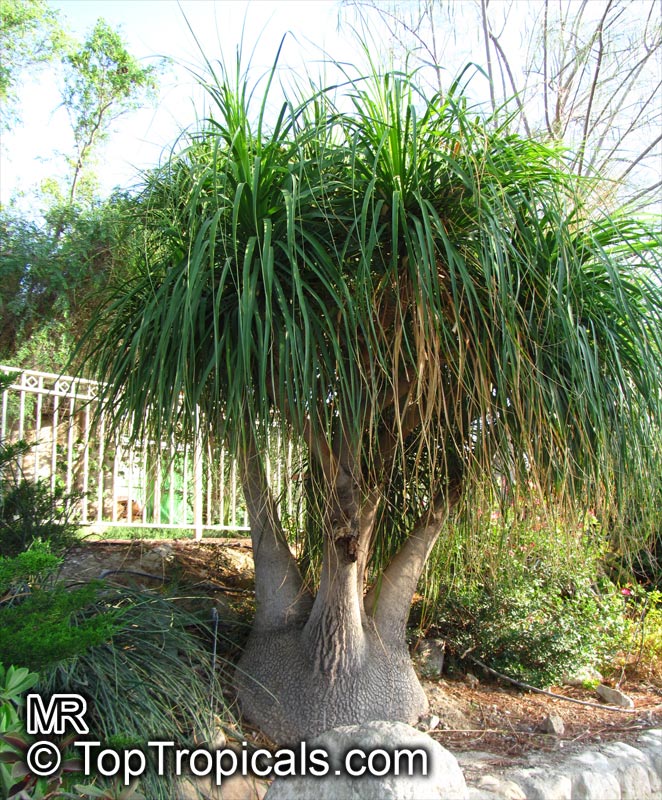
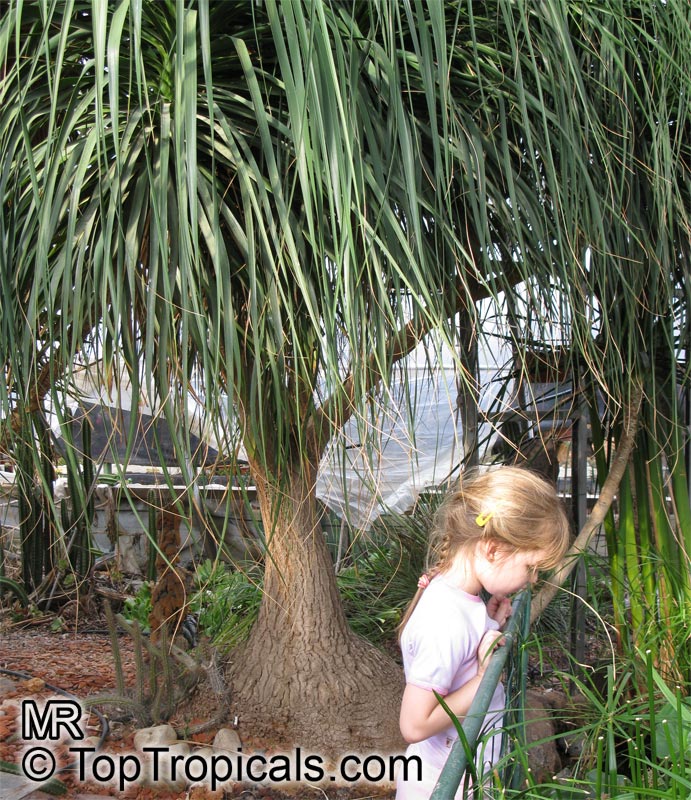
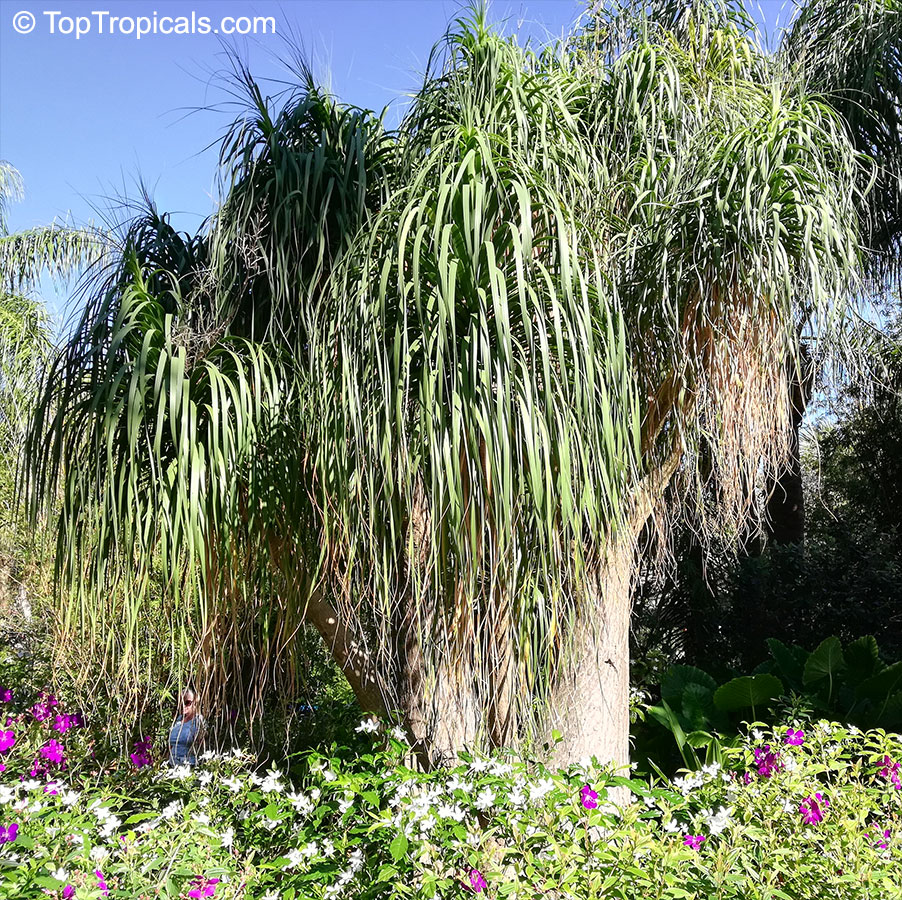
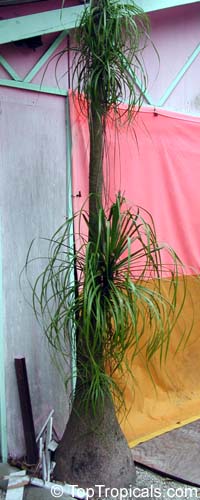
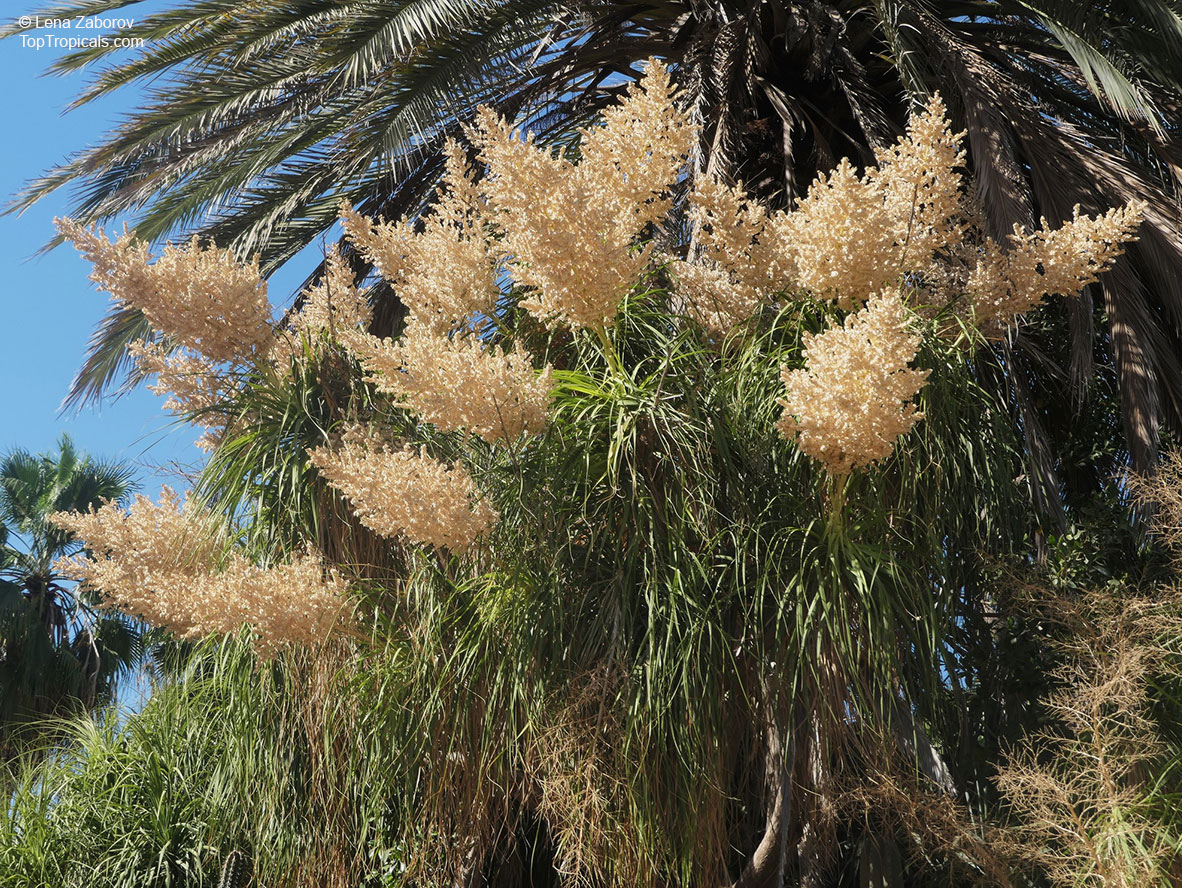
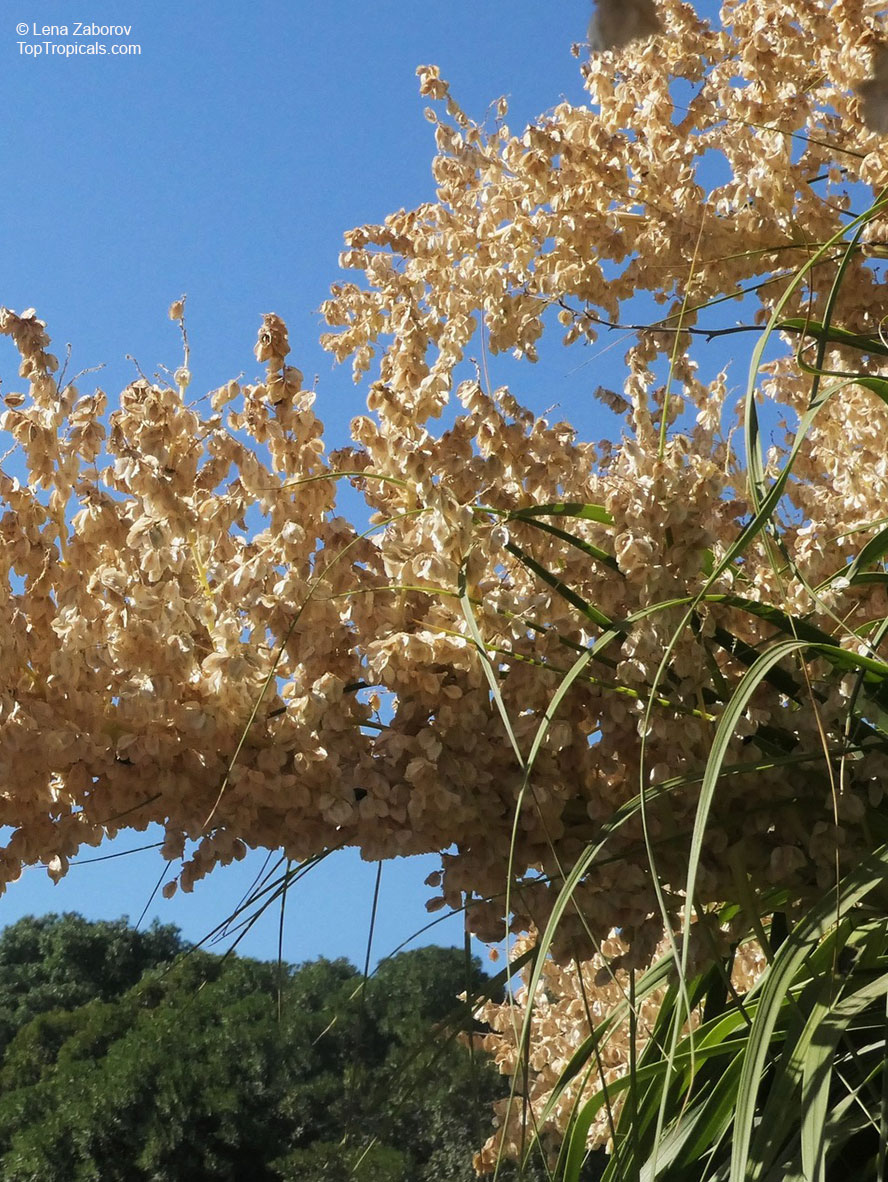
Palm-like plant. Succulent. The greatly swollen trunk base and the recurving, narrow leaves are certain identification. With age, the trunk eventually develops a few branches. Ponytail can get up to 30' tall, and the base up to 12' across, but houseplants generally remain less than 6 or 8' tall. The plant looks a little like a palm, and a little like a big onion sitting on the ground with a single stalk growing up and sporting a parasol of drooping, strap-like leaves.Plants are dioecious, meaning only female plants will produce seed.
Ponytail makes a large and handsome houseplant, doing well even in rooms with air conditioning as long as it has bright light. It's a good specimen plant for a rock garden in a dry, warm climate.
Closely related species - Beaucarnea guatemalensis.


Recommended Fertilizer: SUNSHINE Robusta - Rapid Growth Booster
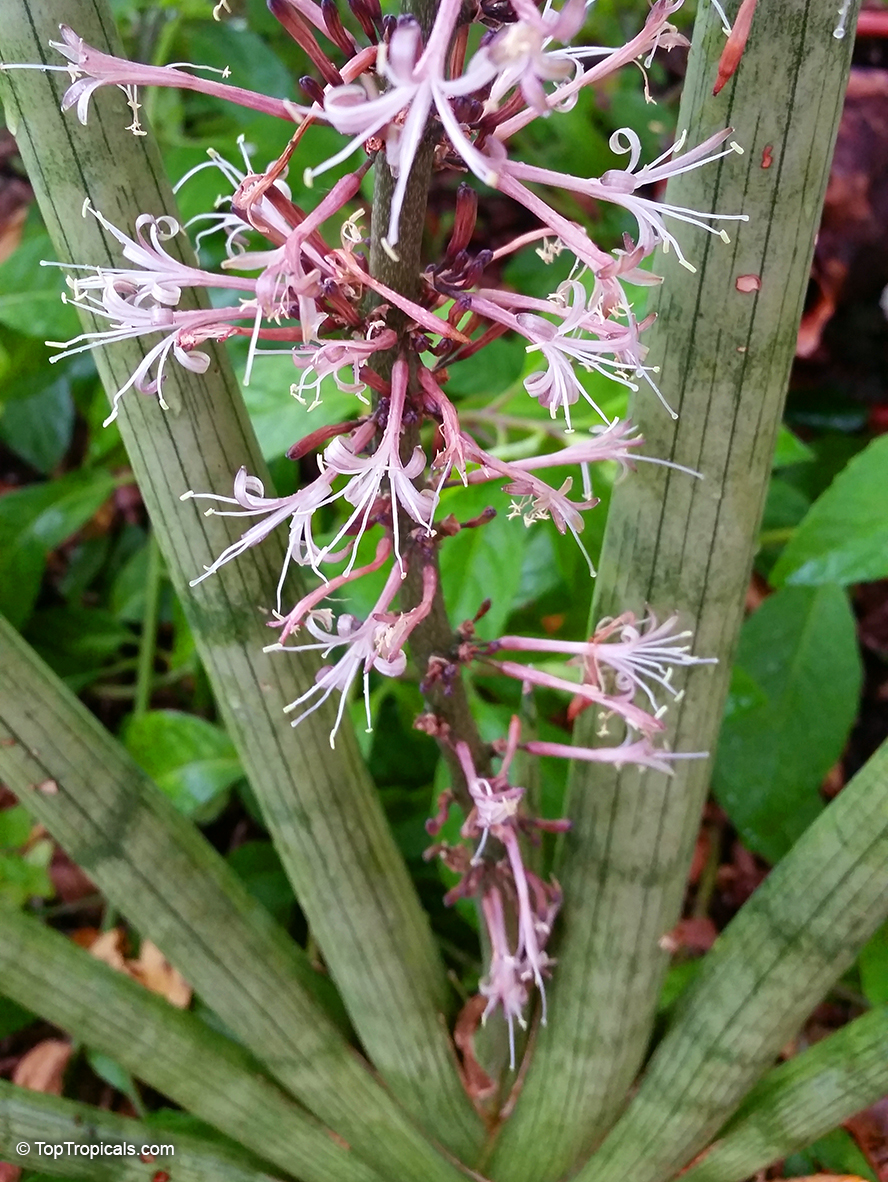
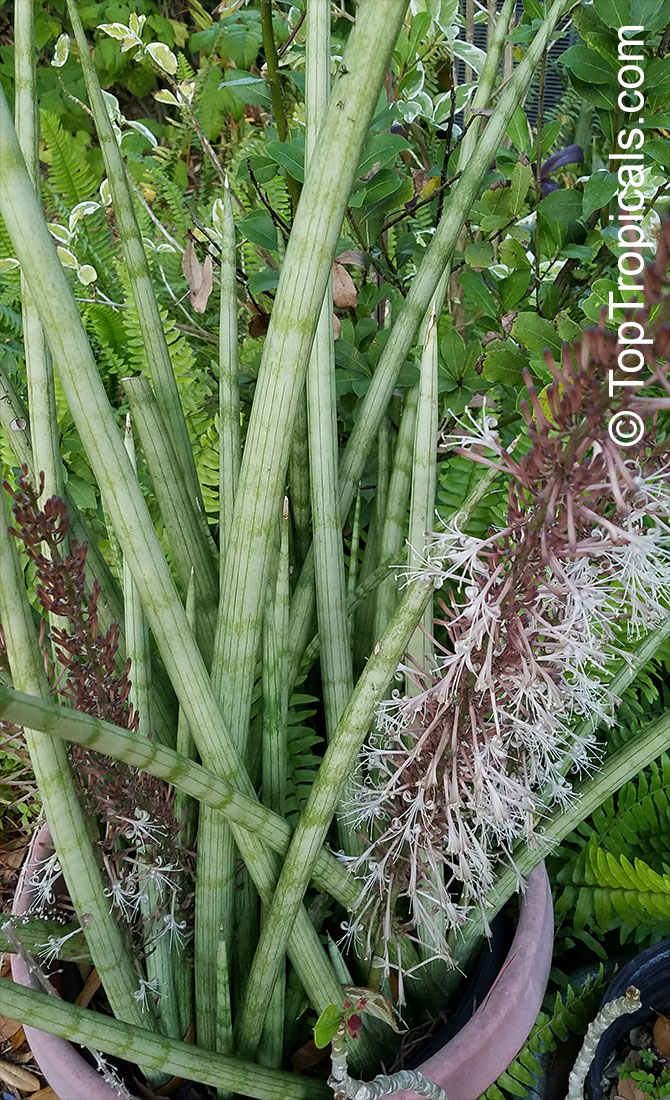
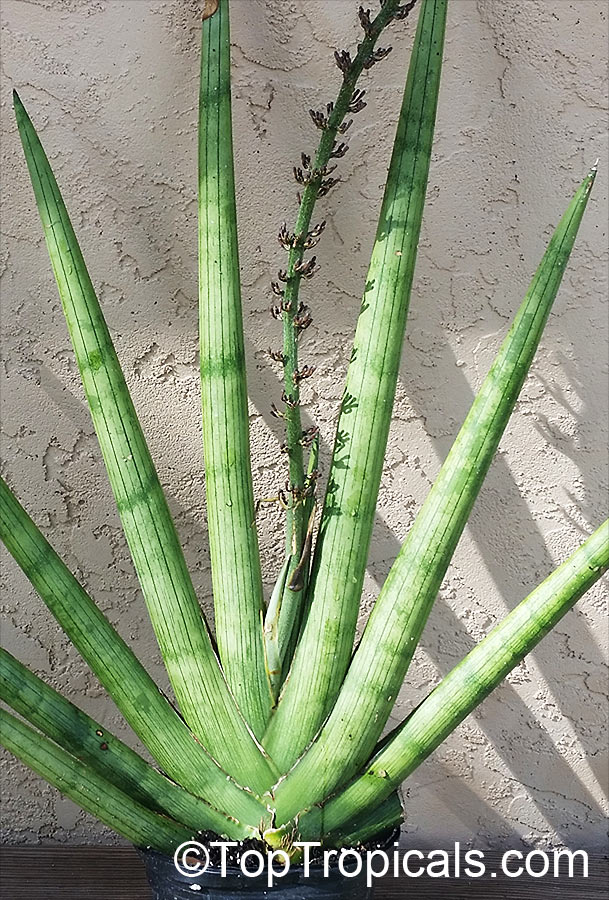
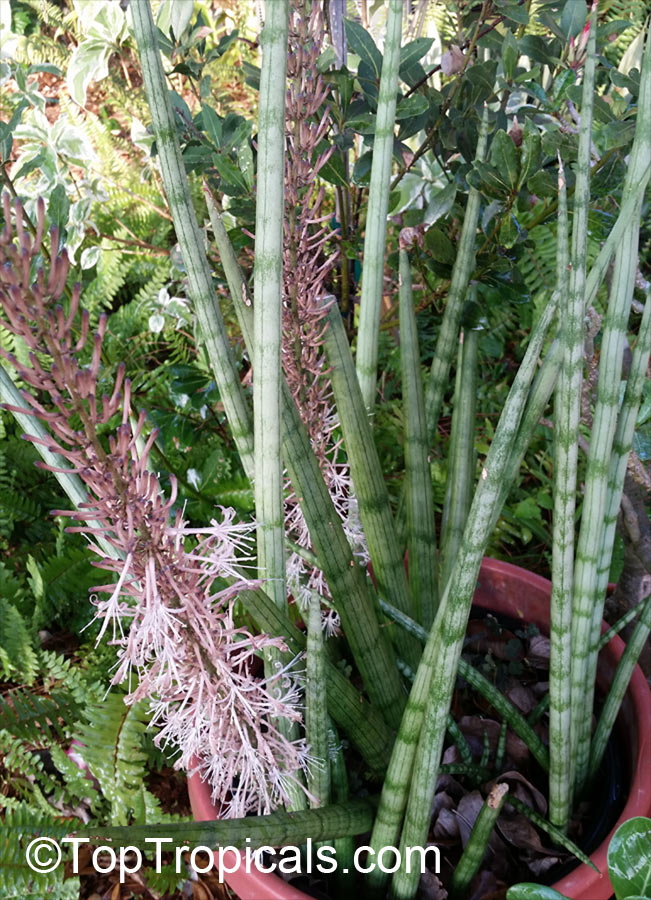
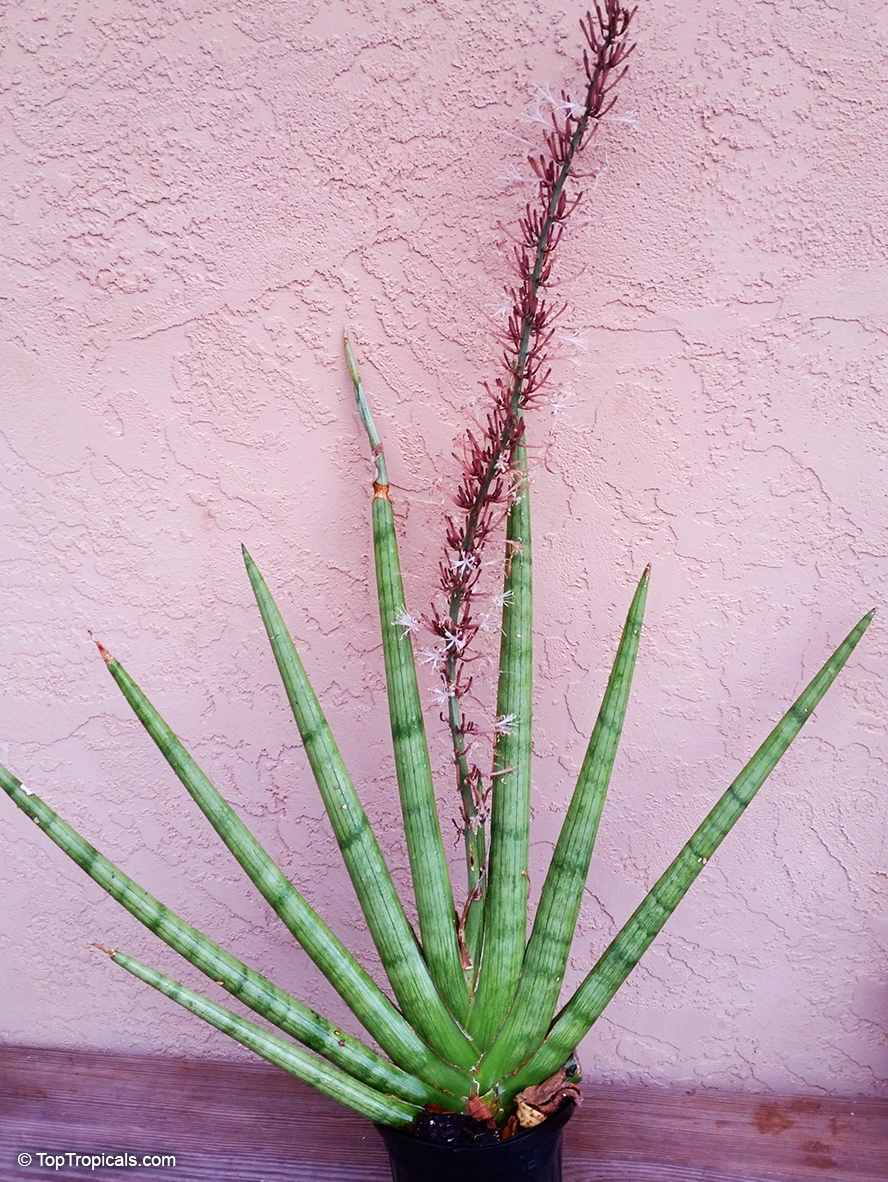
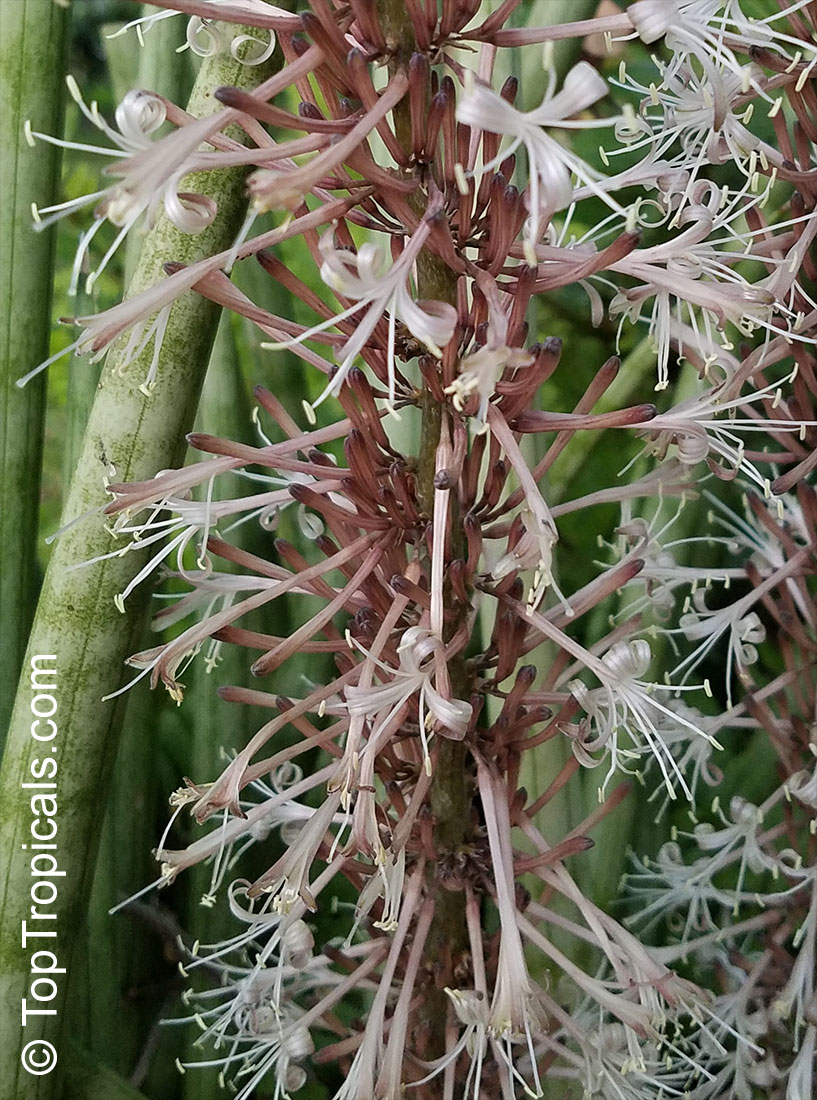
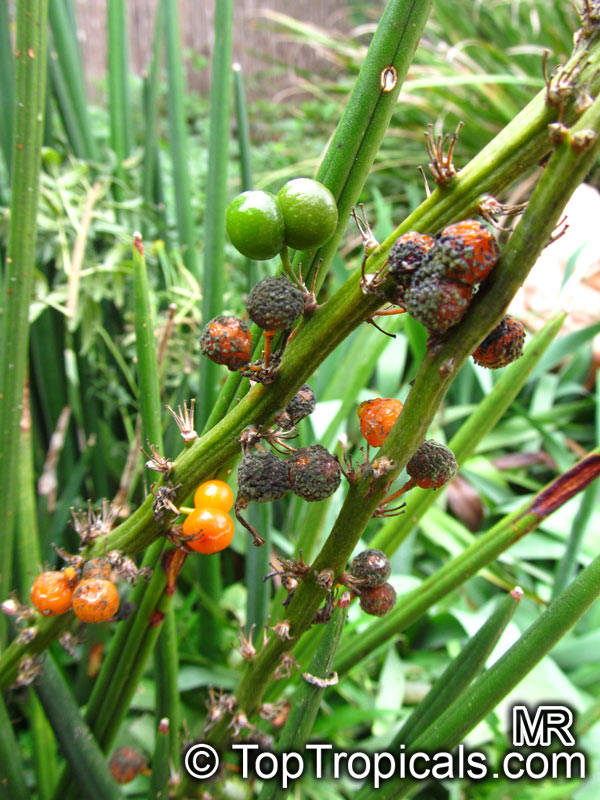
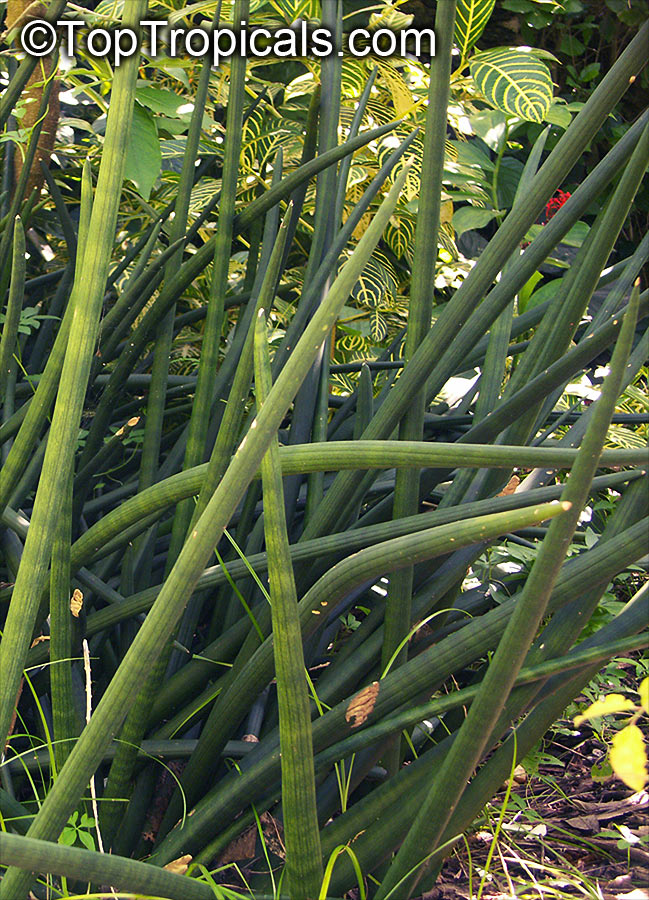
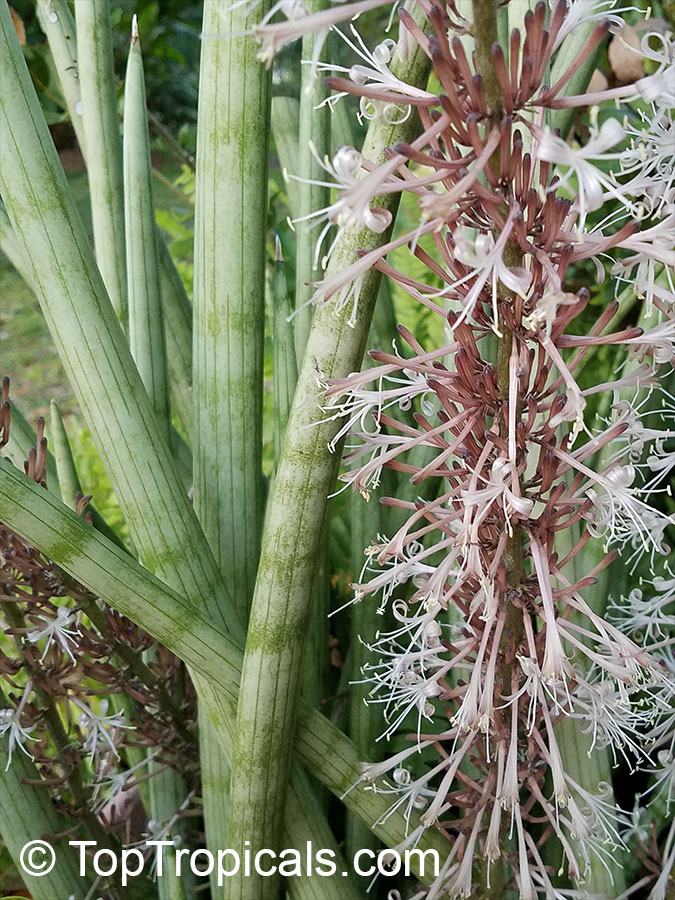
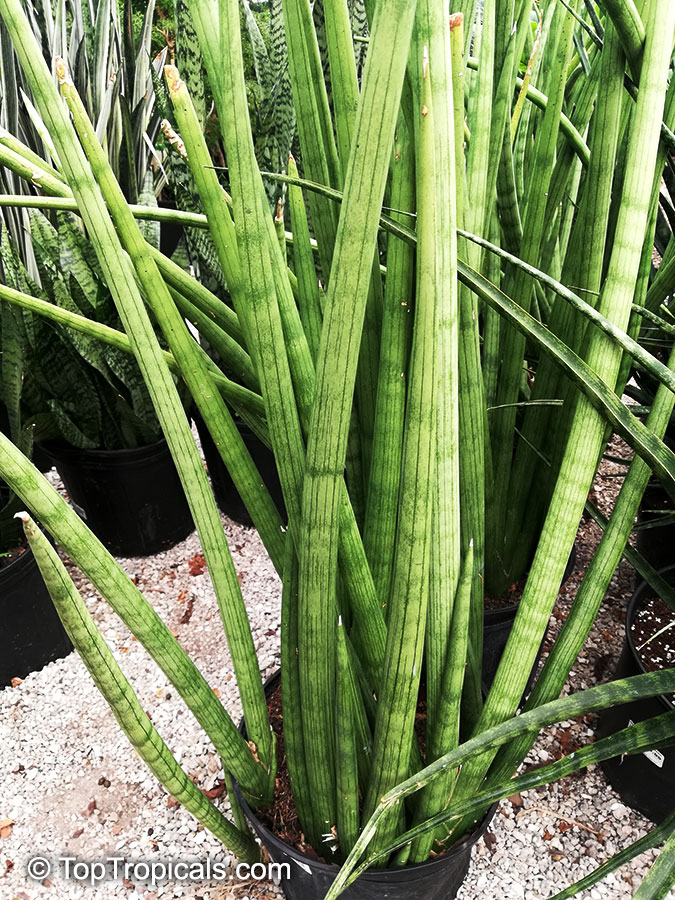
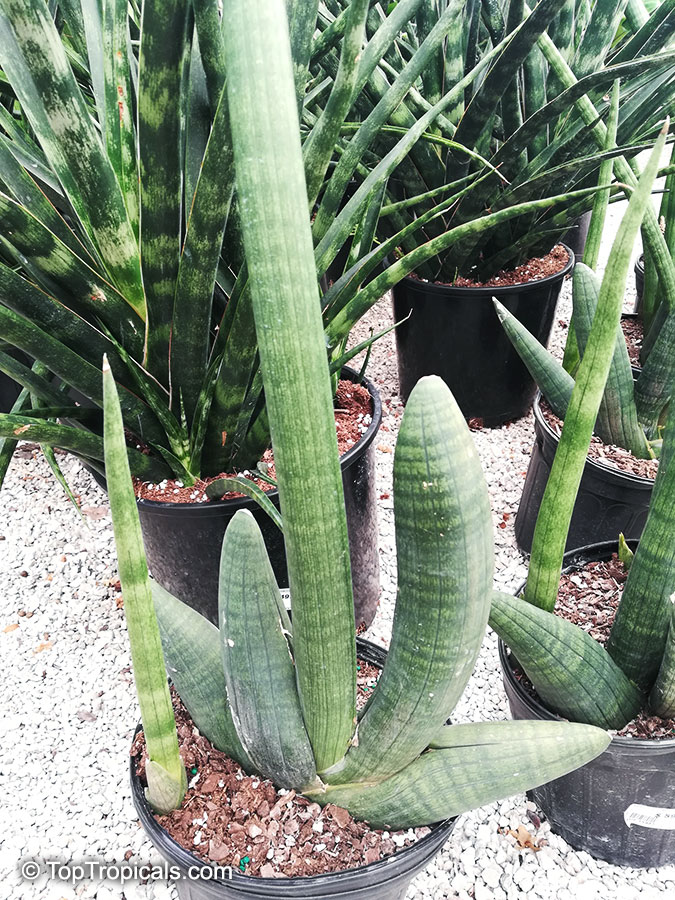
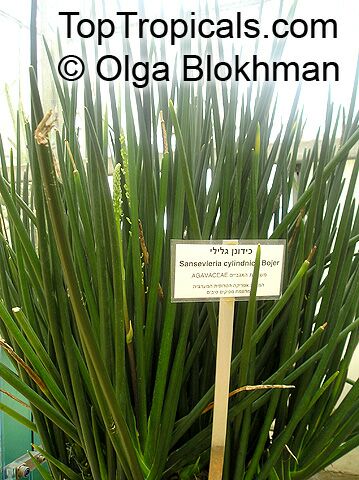
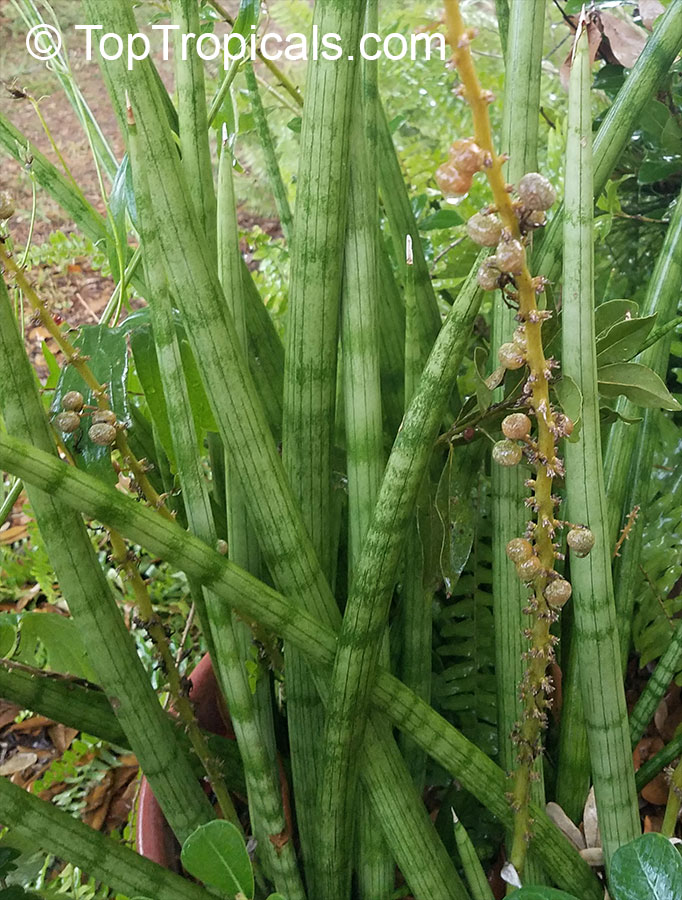
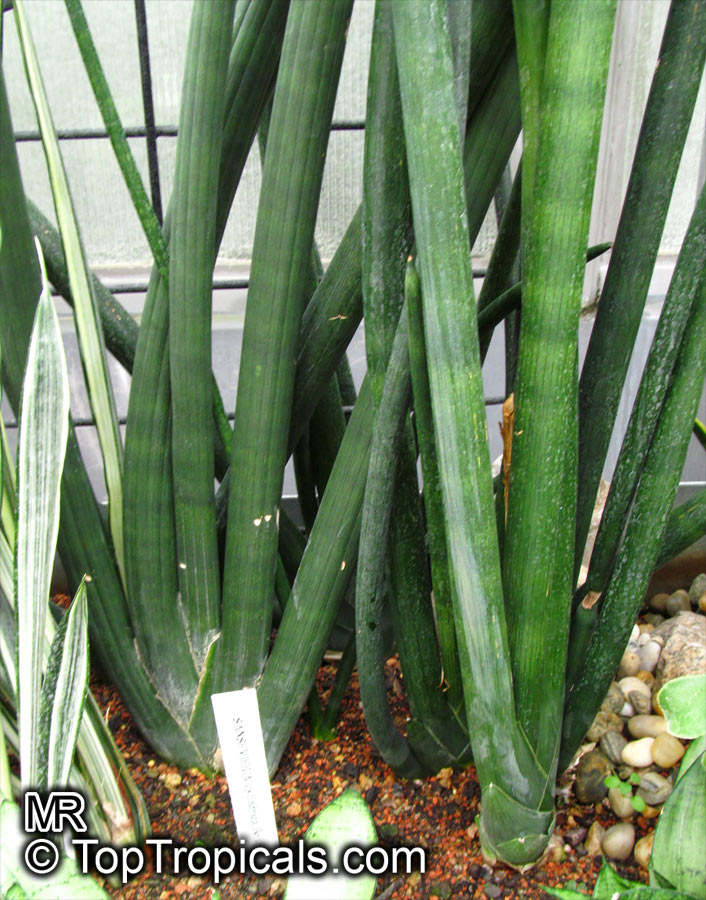
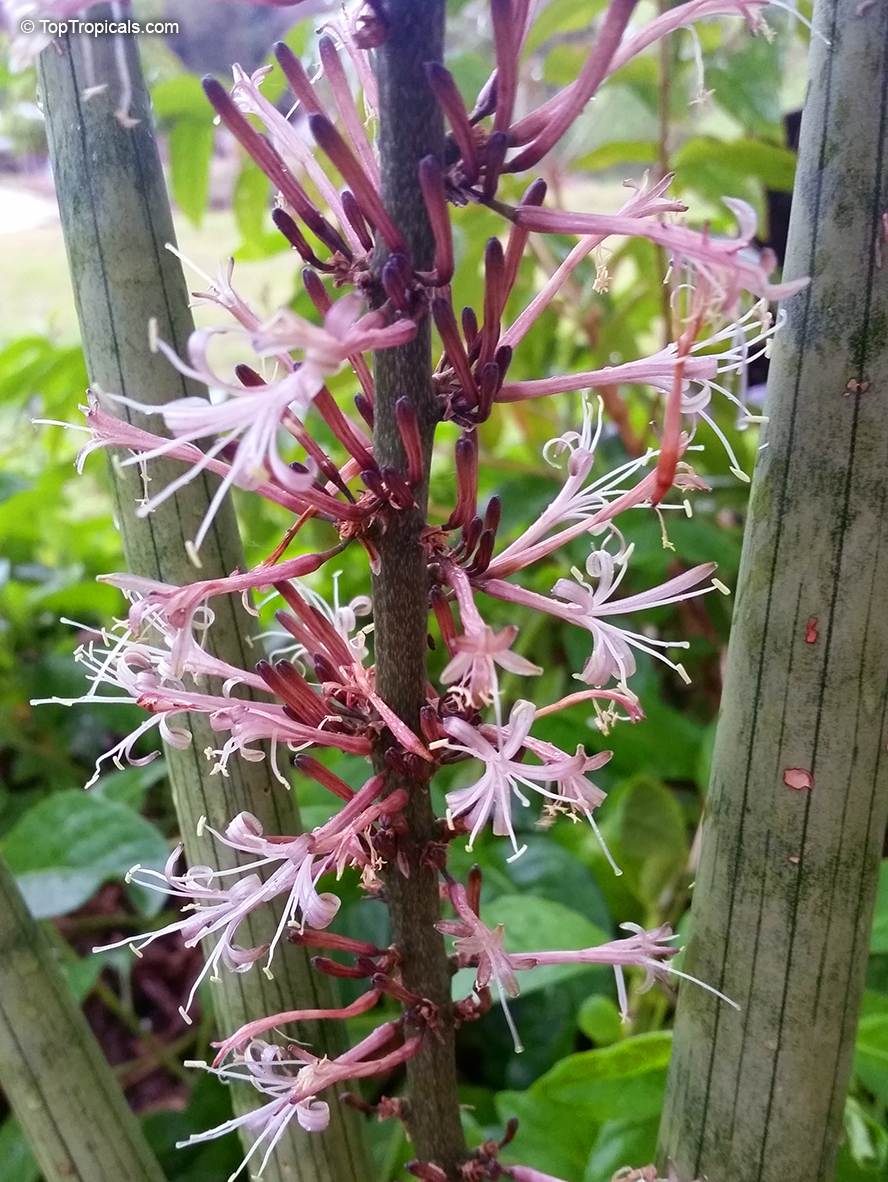
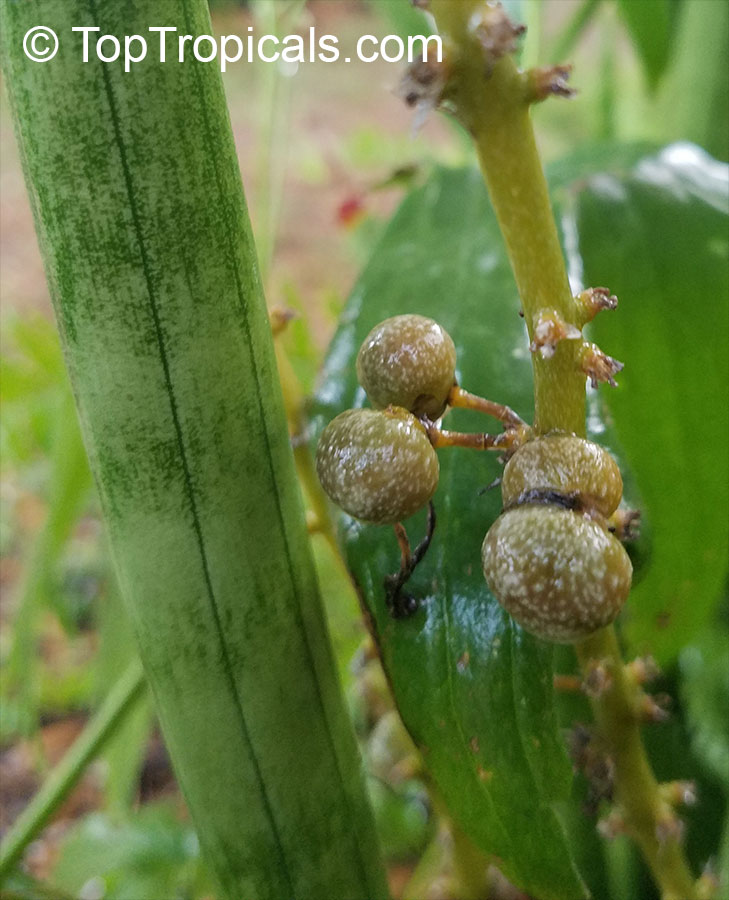
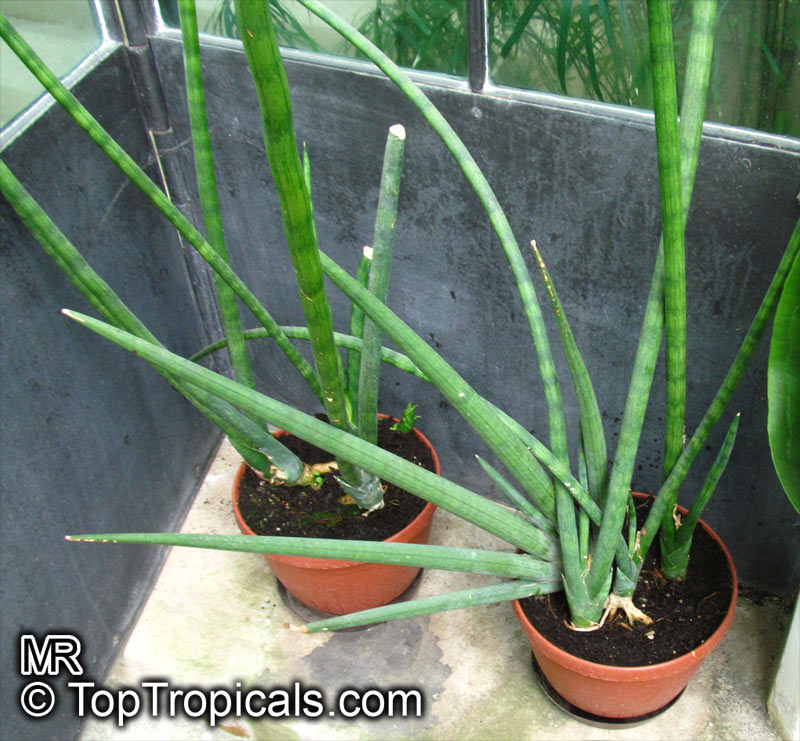
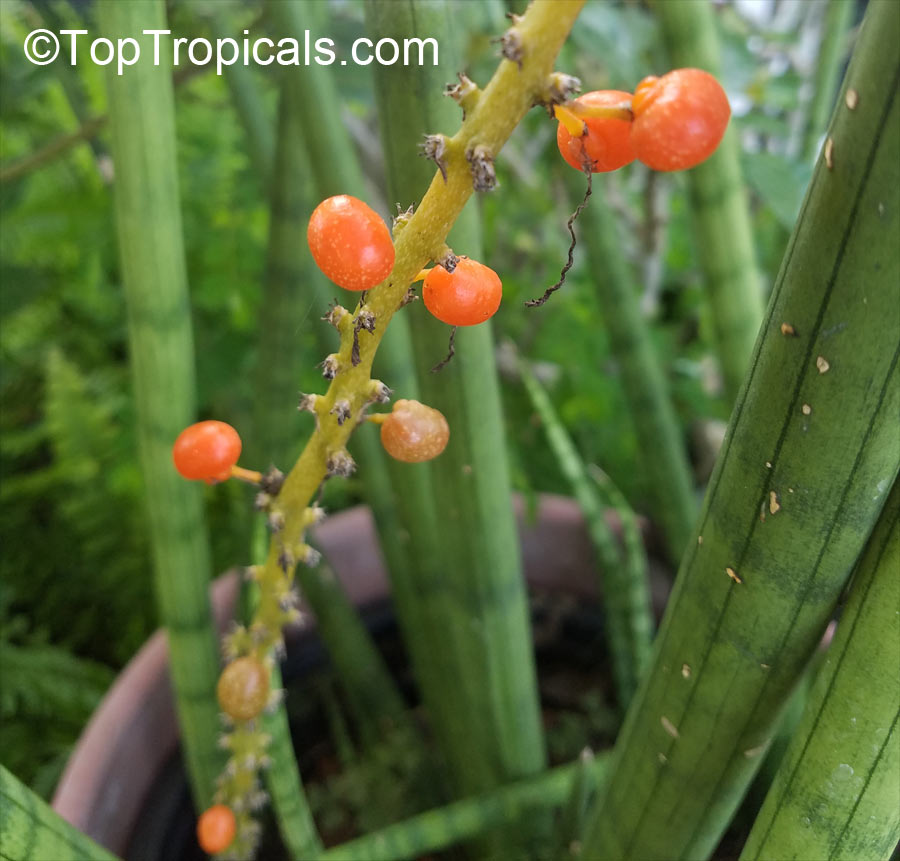
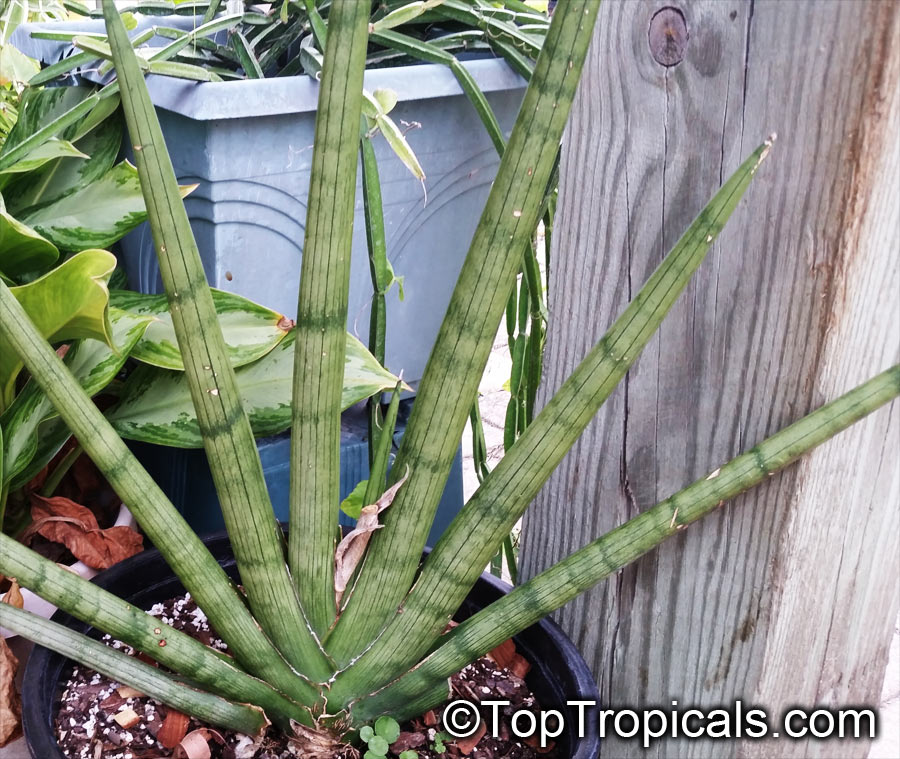
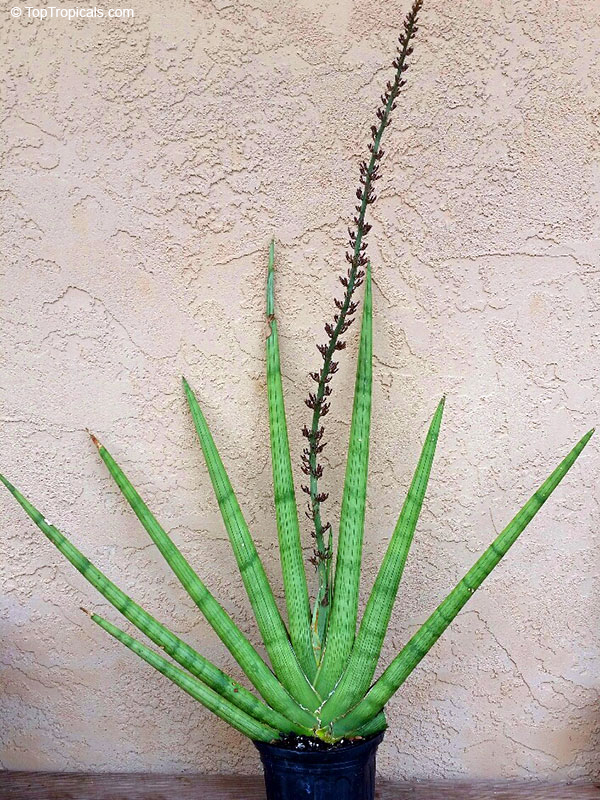
Botanical names: Dracaena angolensis, Sansevieria cylindrica, Sansevieria stuckyi
Common name: Snake Plant
Family: Asparagaceae (Formerly:Dracaenaceae / Liliaceae / Agavaceae)
Subfamily: Nolinoideae
Origin: Africa


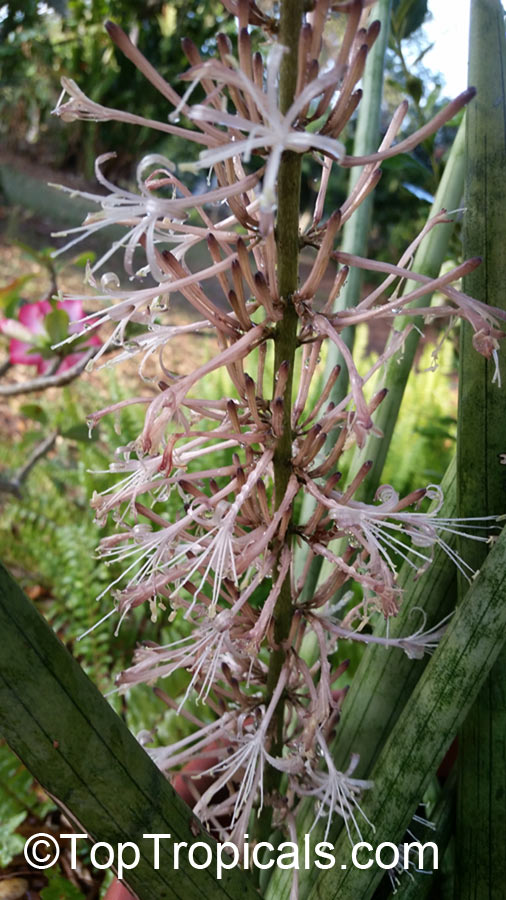
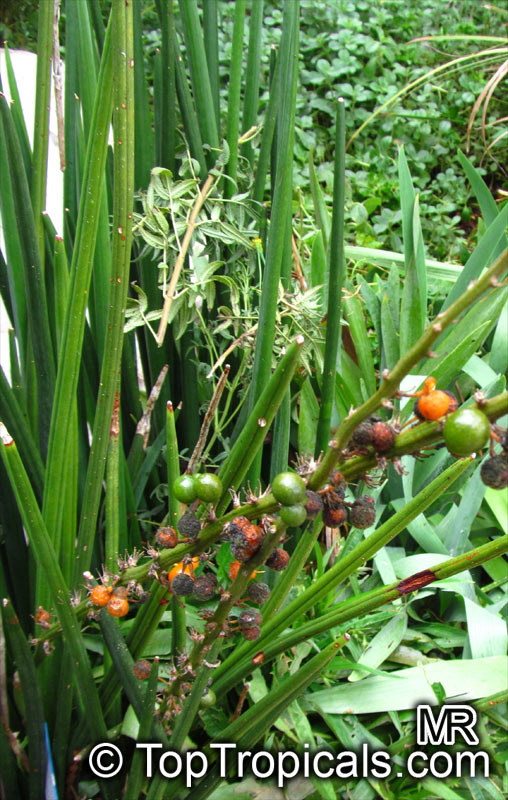
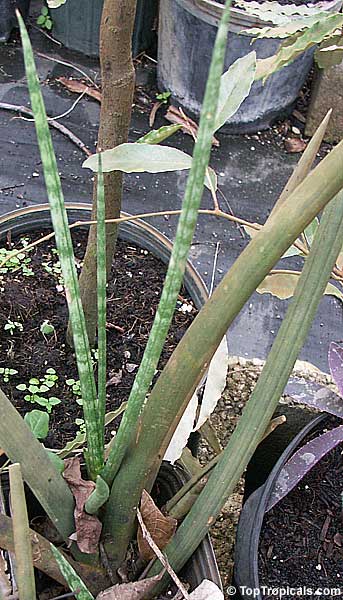
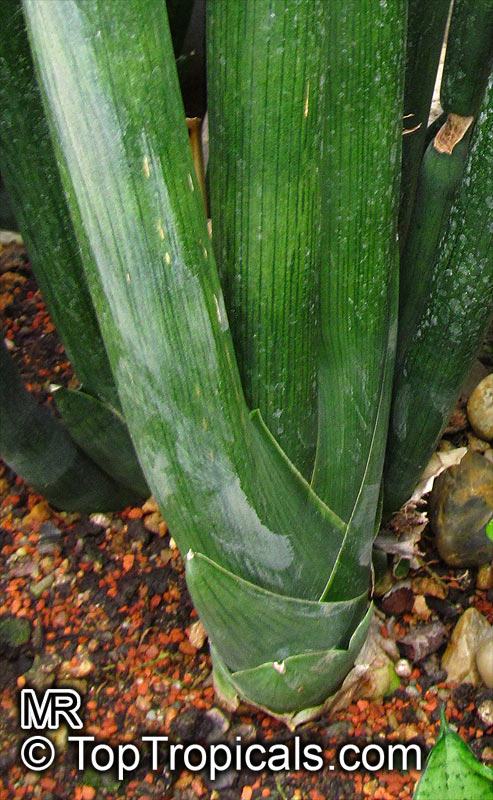
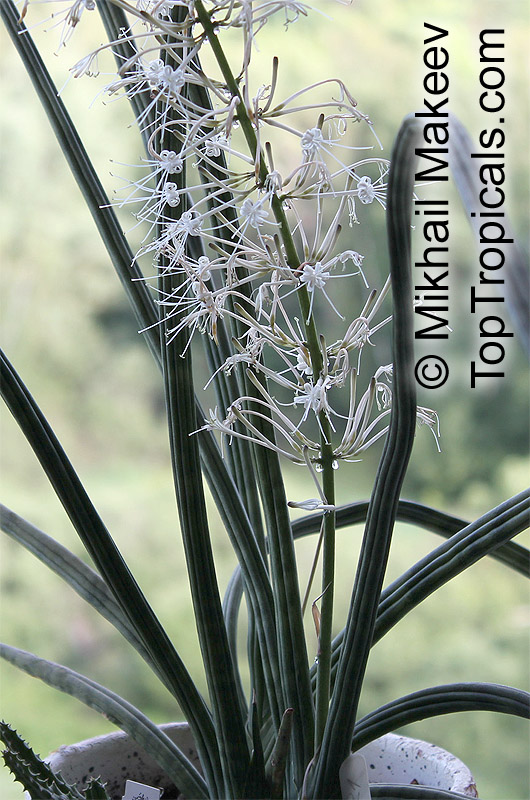
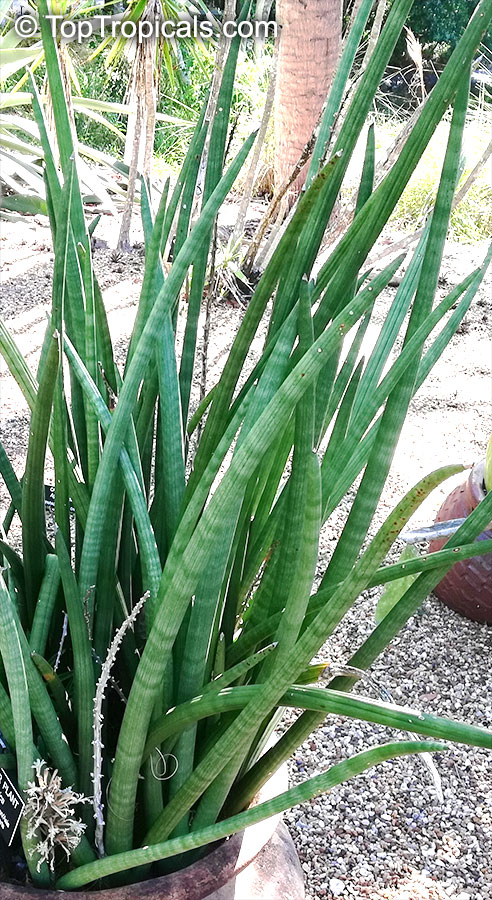
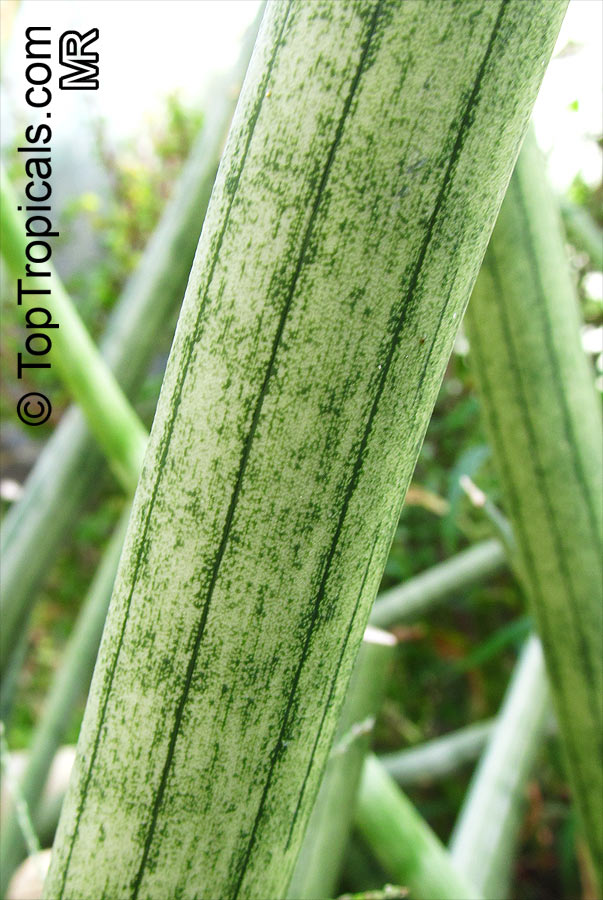
Very showy and unusual variety of common "Mother-in-Law-tongue". Leaves are tall rounded deep green spikes. Easily grown in any well-drained soil slowly multiplying to create a dense mass. Stately blooms pushing up to 36 inches tall flower spike. The flowers open only during the night and are very fragrant. This plant is drought-tolerant, suitable for growing indoors and for xeriscaping. Propagation by dividing rhizomes.
Recommended Fertilizer: SUNSHINE Robusta - Rapid Growth Booster

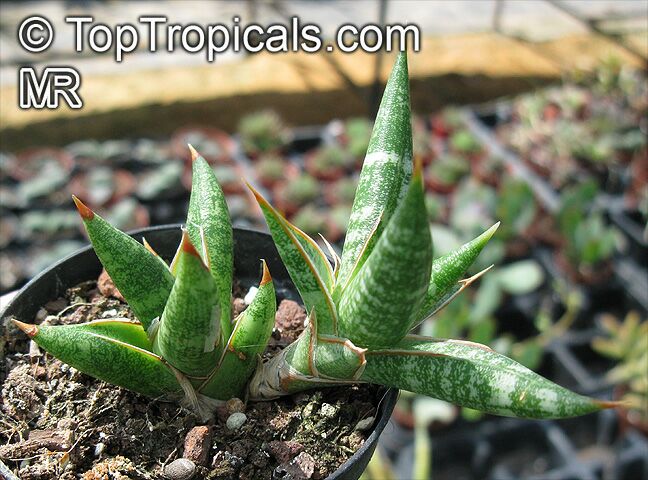
Botanical names: Dracaena ballyi, Sansevieria ballyi
Common name: Dwarf Sansevieria
Family: Asparagaceae (Formerly:Dracaenaceae / Liliaceae / Agavaceae)
Subfamily: Nolinoideae
Origin: Africa



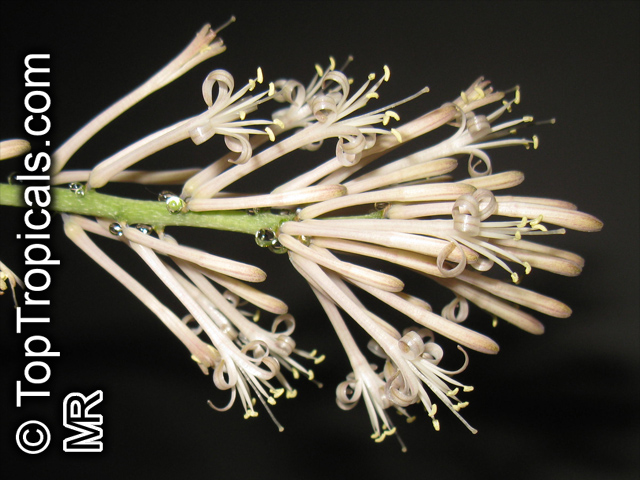
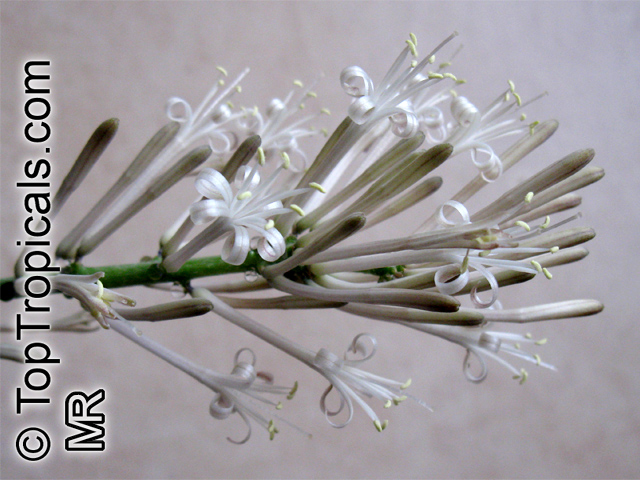
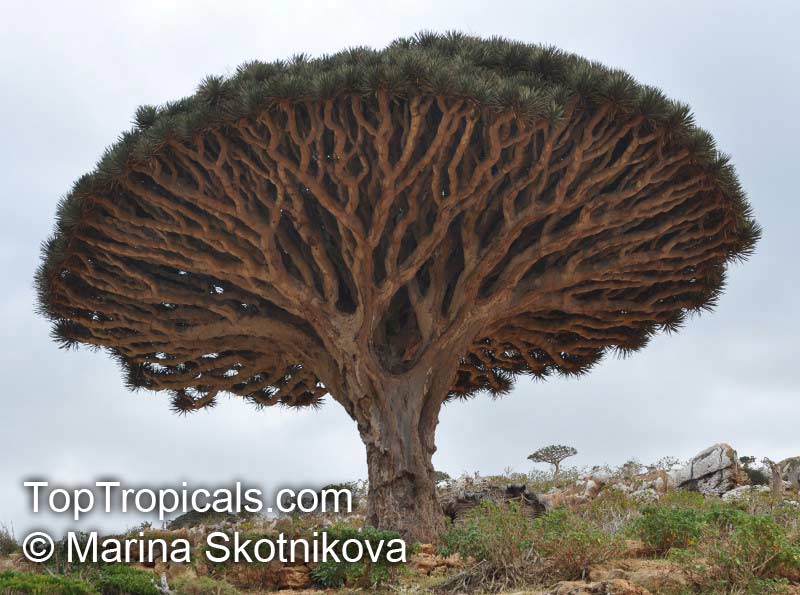
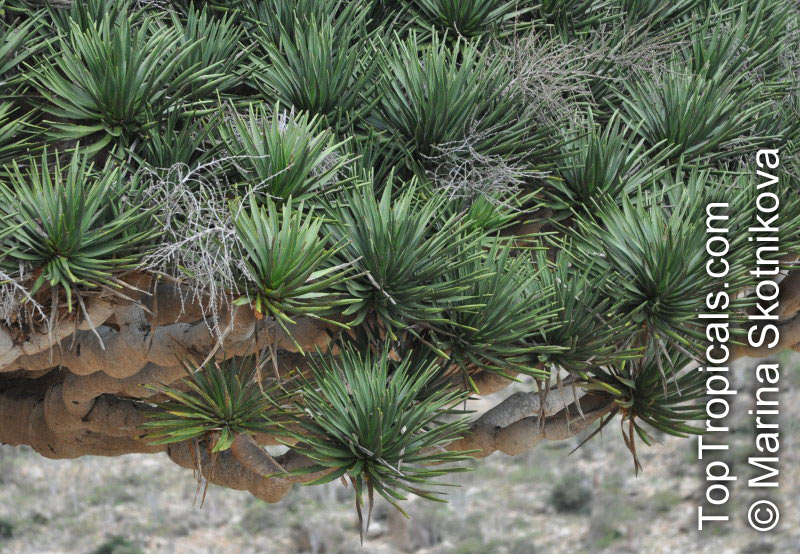
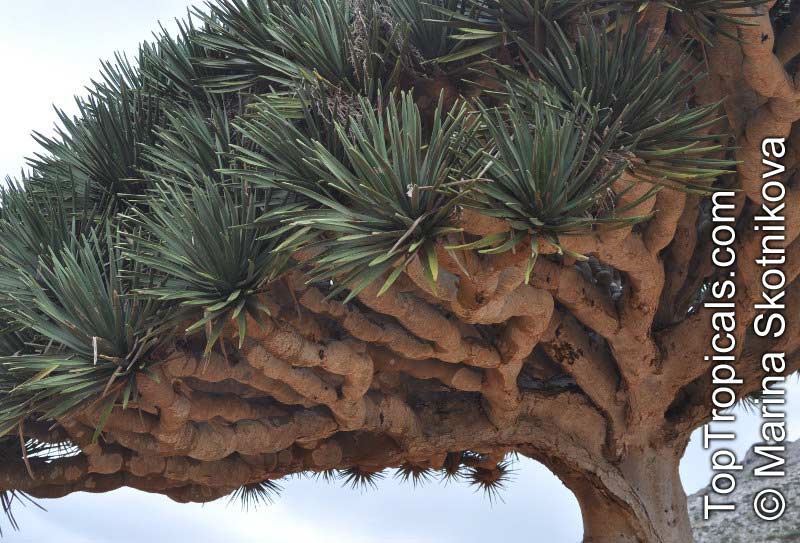
Botanical name: Dracaena cinnabari
Common names: Socotra Dragon Tree, Dragon Blood Tree
Family: Asparagaceae (Formerly:Dracaenaceae / Liliaceae / Agavaceae)
Subfamily: Nolinoideae
Origin: Socotra
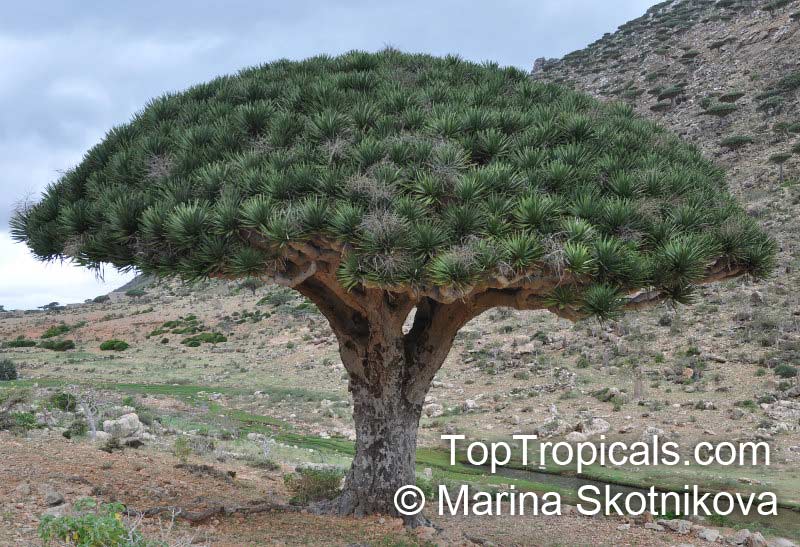
Dracaena cinnabari is the most famous and distinctive plant of the island of Socotra. It has a unique and strange appearance, described as "upturned, densely-packed crown having the shape of an uprightly held umbrella".
Not to be confused with Dracaena draco, the Canary Islands Dragon Tree.

Botanical name: Dracaena compacta
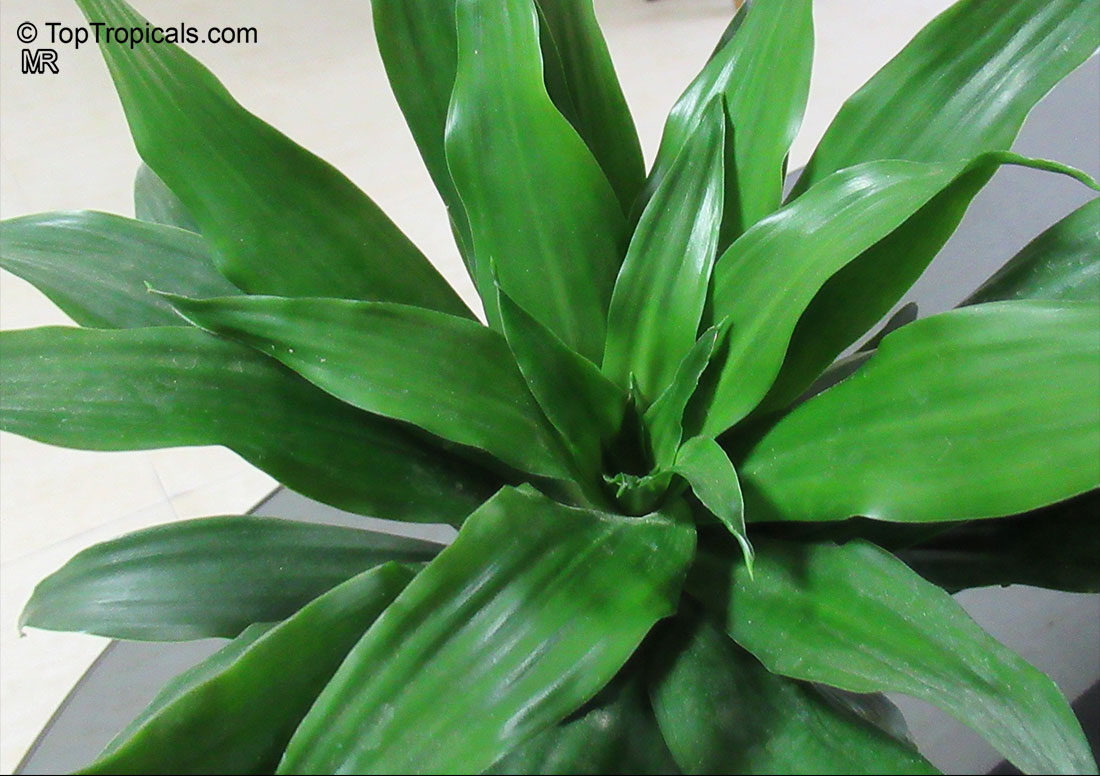
Common name: Dracaena Janet Craig
Family: Asparagaceae (Formerly:Dracaenaceae / Liliaceae / Agavaceae)
Subfamily: Nolinoideae
Origin: South Africa




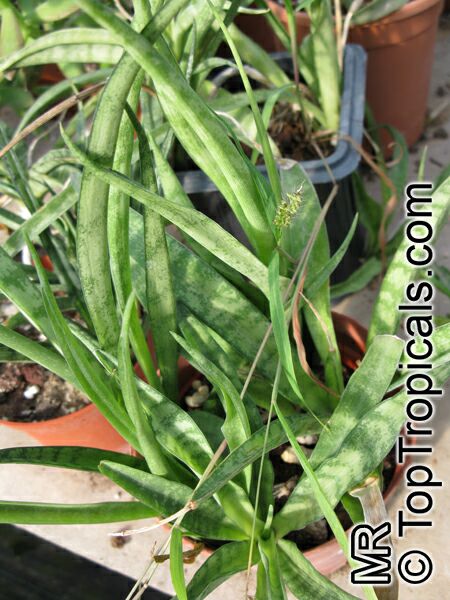
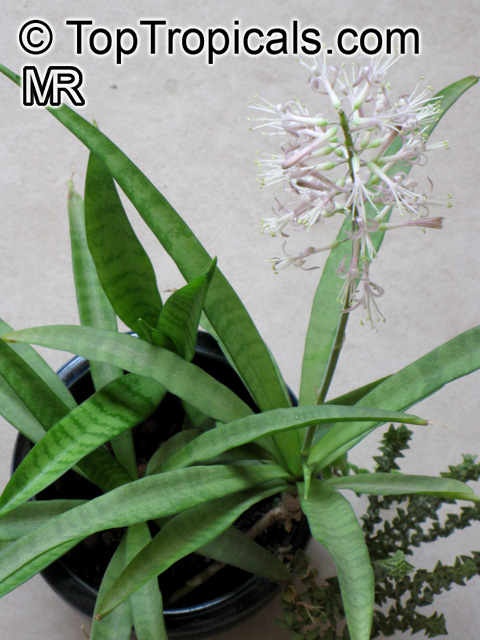
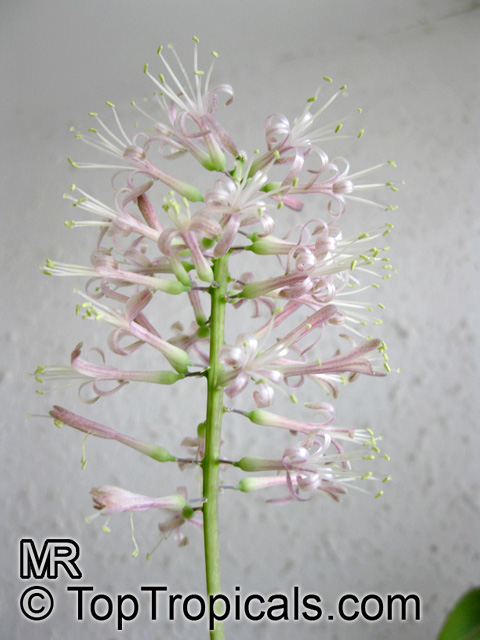
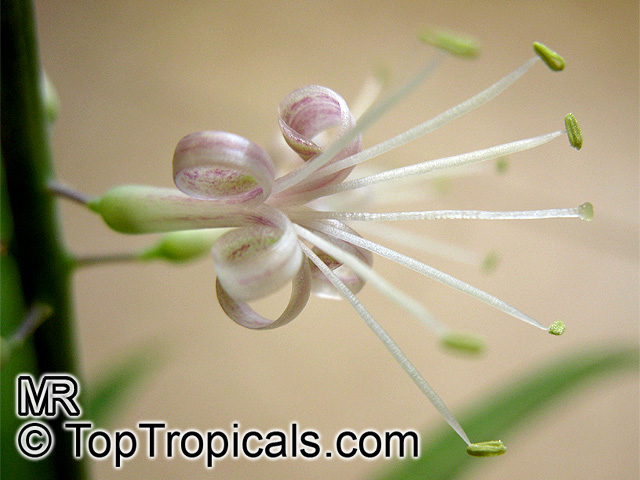
Botanical names: Dracaena dooneri, Sansevieria dooneri
Common name: Dwarf Sansevieria
Family: Asparagaceae (Formerly:Dracaenaceae / Liliaceae / Agavaceae)
Subfamily: Nolinoideae
Origin: West Africa


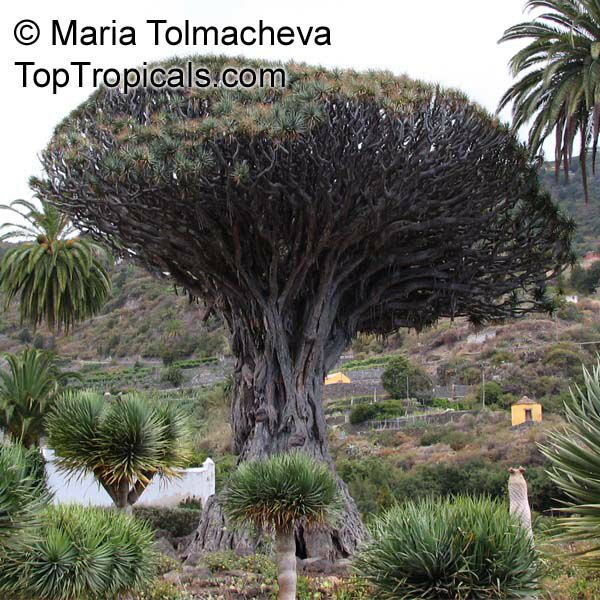
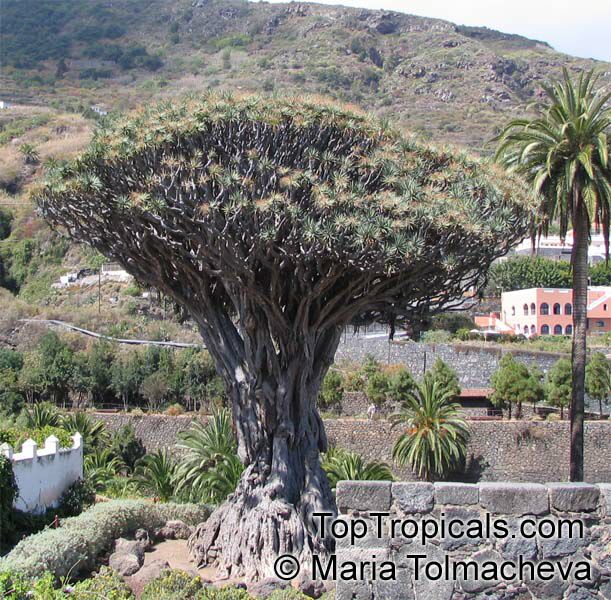
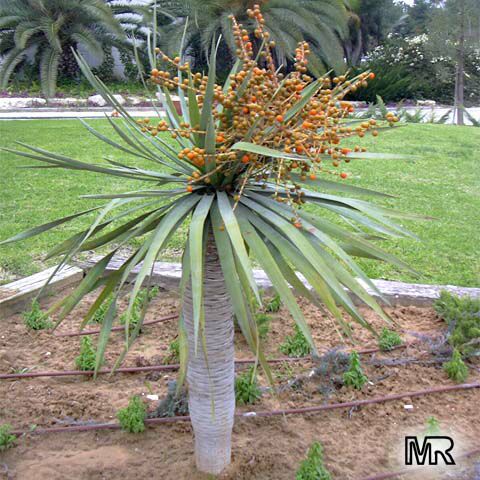
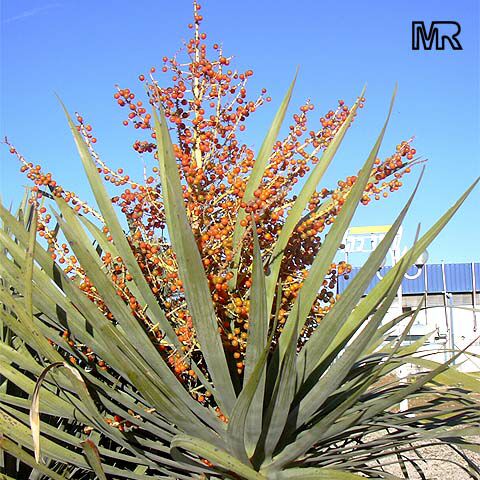
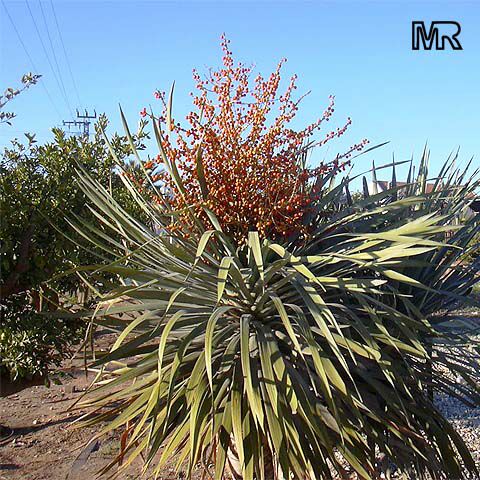
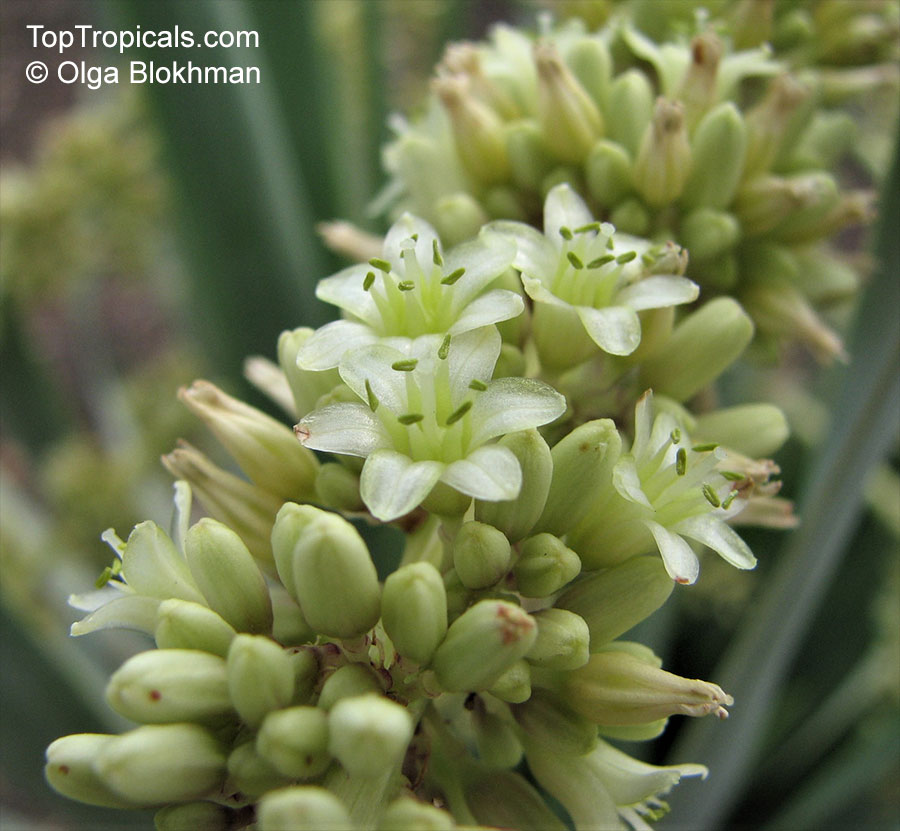
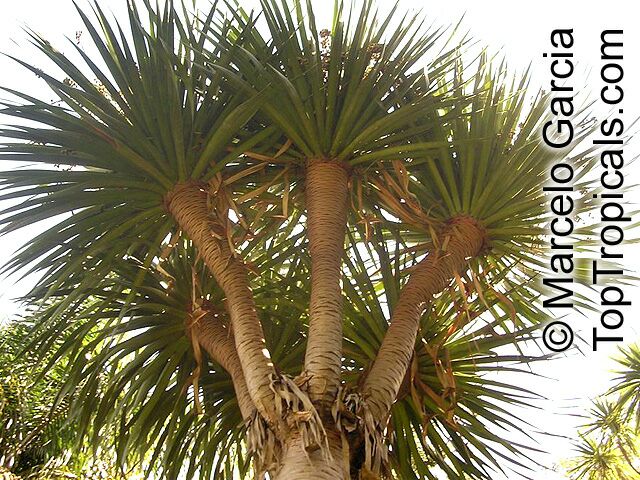
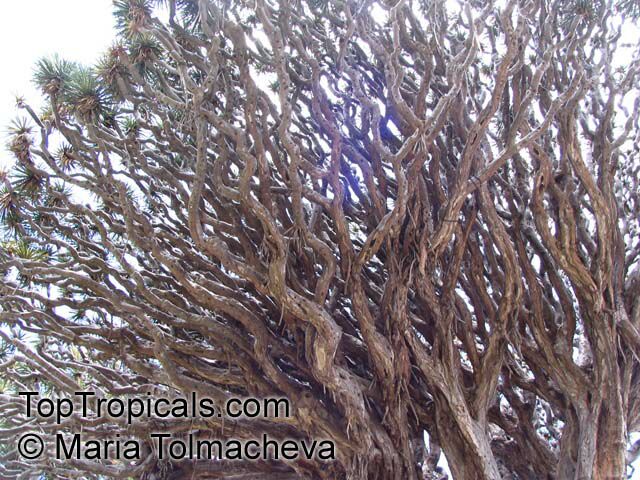
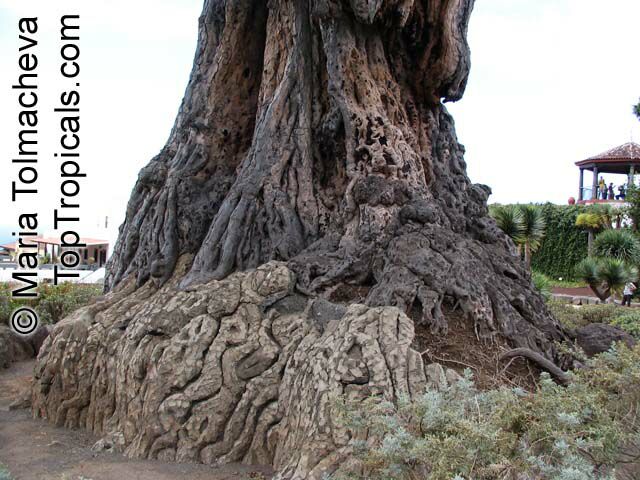
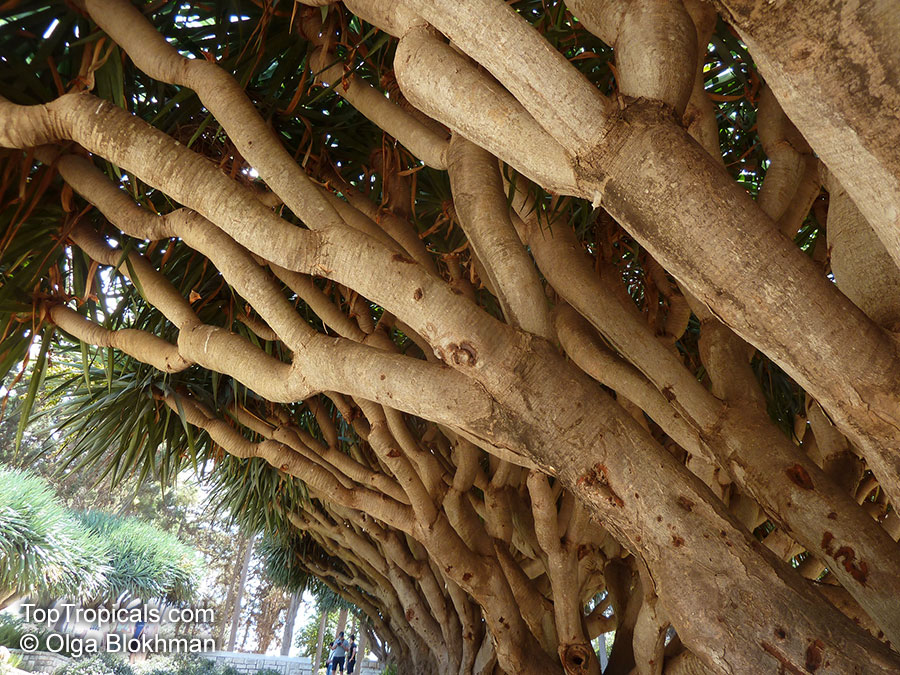
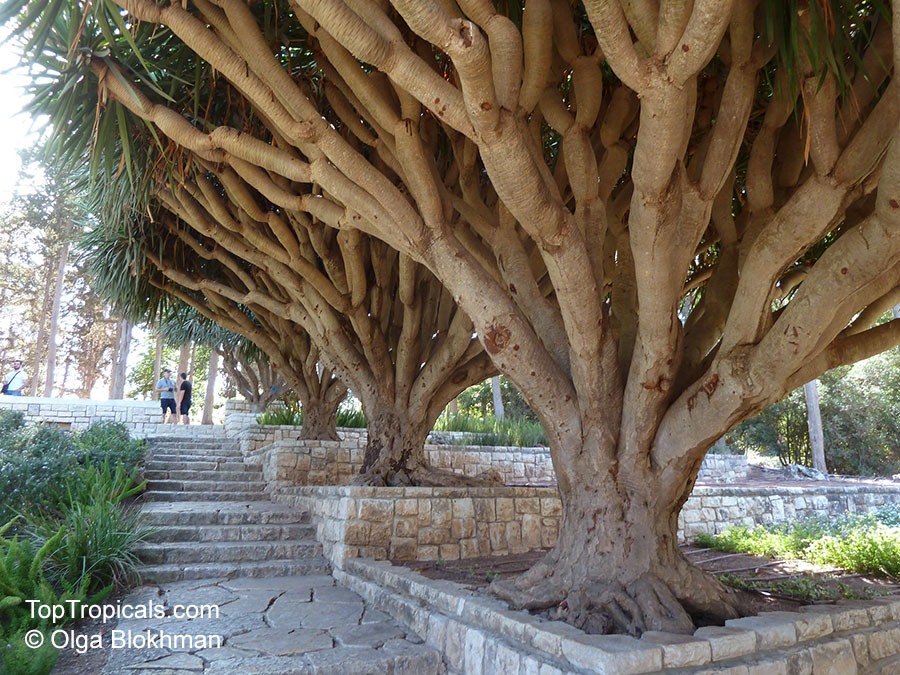
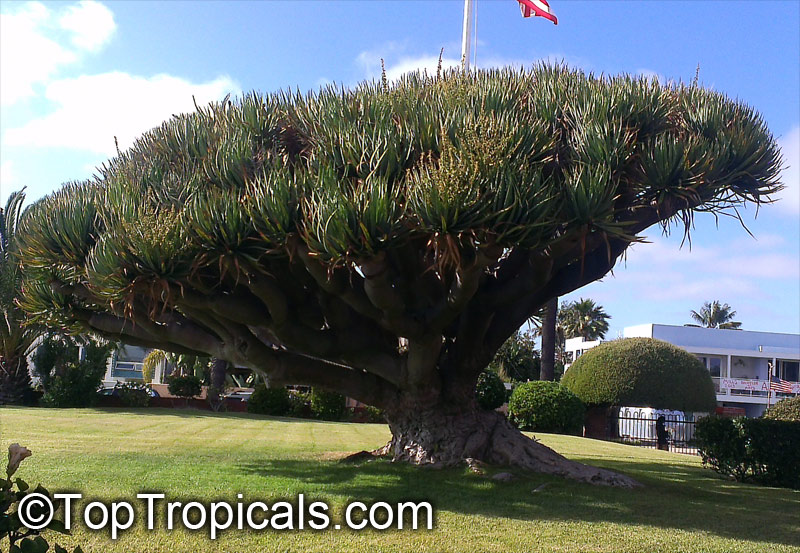
Botanical name: Dracaena draco
Common name: Dragon Tree
Family: Asparagaceae (Formerly:Dracaenaceae / Liliaceae / Agavaceae)
Subfamily: Nolinoideae
Origin: Canary Islands

The dark red sap of Dracaena draco was regarded for centuries in European legends as "the blood of dragons", and was often used for its supposed magical and medicinal qualities. This resin is still used today to produce incense and varnishes used to stain and polish wood.
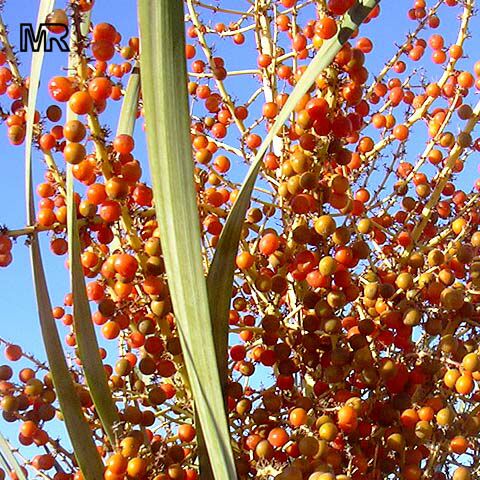
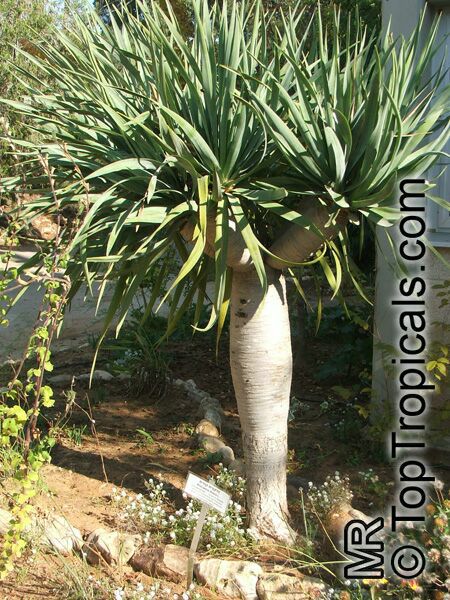
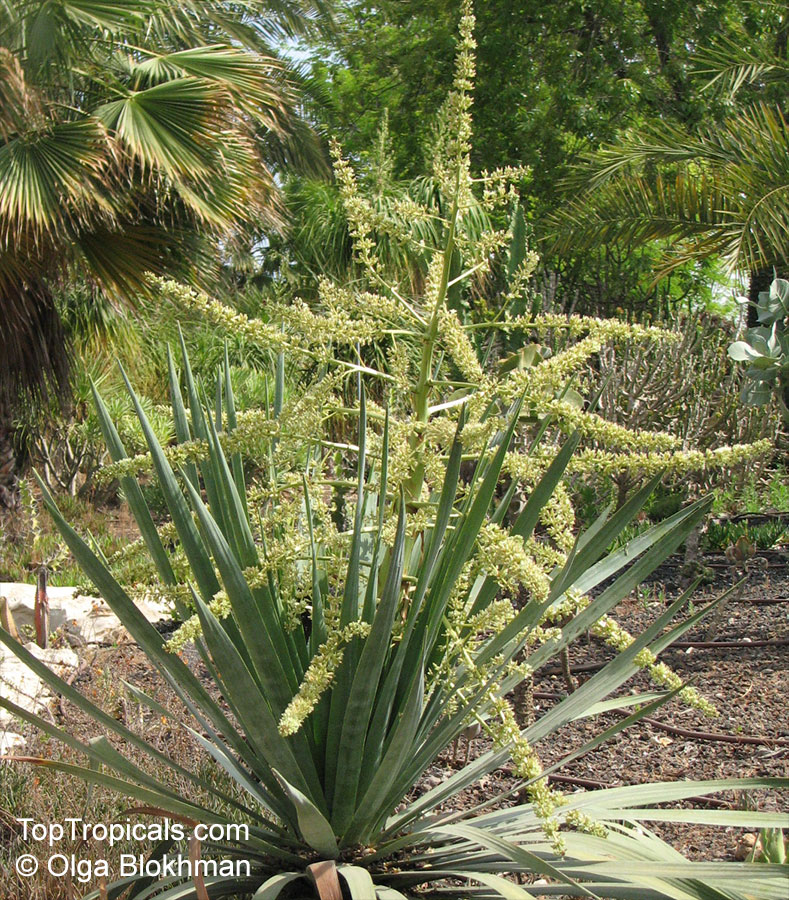
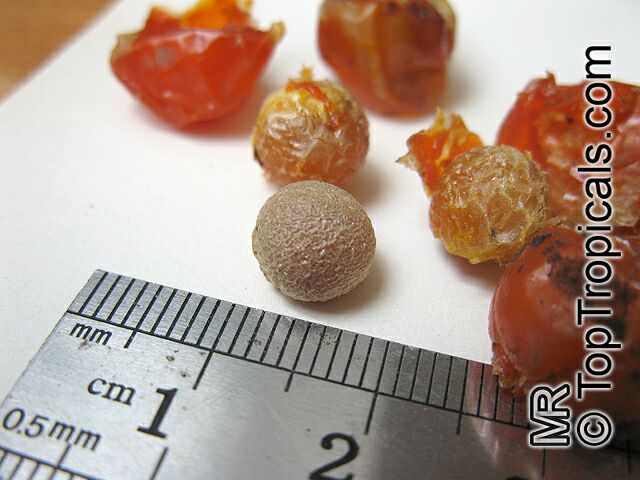
The grey - green foliage, strong silver-smooth trunk, distinct creamy-white flowers in spikes, and the bright orange berries visually stand this tree apart from all others.
Dracaena draco does not display annual rings and age can only be estimated by the number of branch forking occurrences (indicating the number of flowering episodes) and measuring the frequency of flowering (less than annual). Some specimens are believed to be up to 650 years old; the oldest is growing at Icod de los Vinos in northwest Tenerife.
Not to be confused with Dracaena cinnabari, the Dragon Blood Tree native to Socotra.


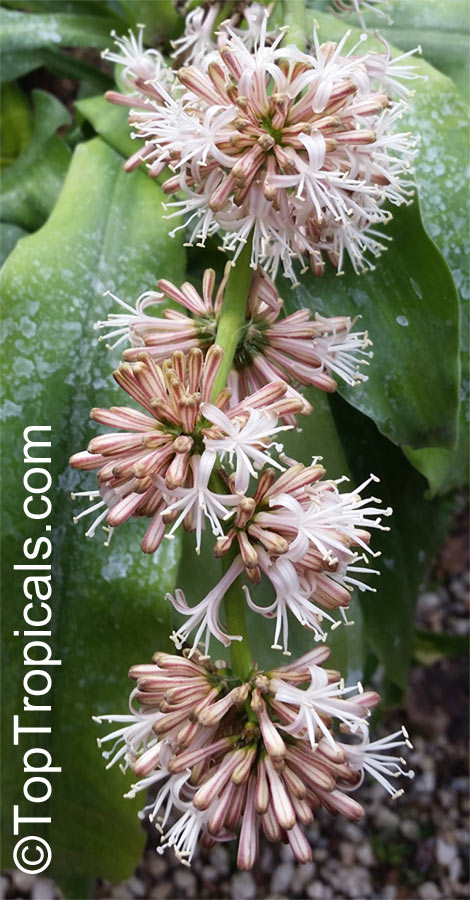
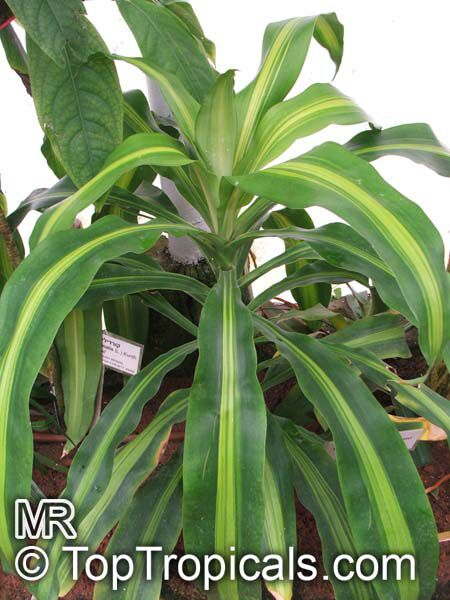
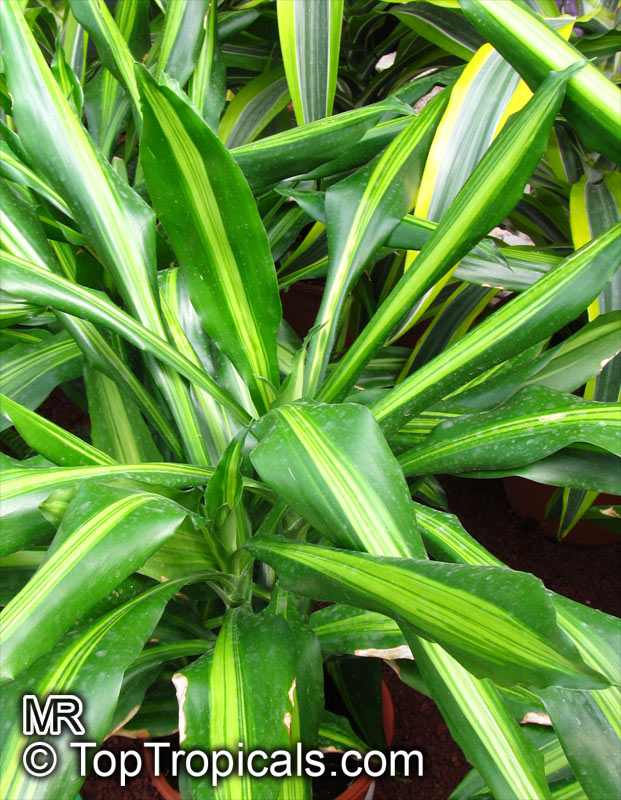
Botanical name: Dracaena fragrans
Common name: Corn plant
Family: Asparagaceae (Formerly:Dracaenaceae / Liliaceae / Agavaceae)
Subfamily: Nolinoideae
Origin: West Africa, Tanzania, Zambia

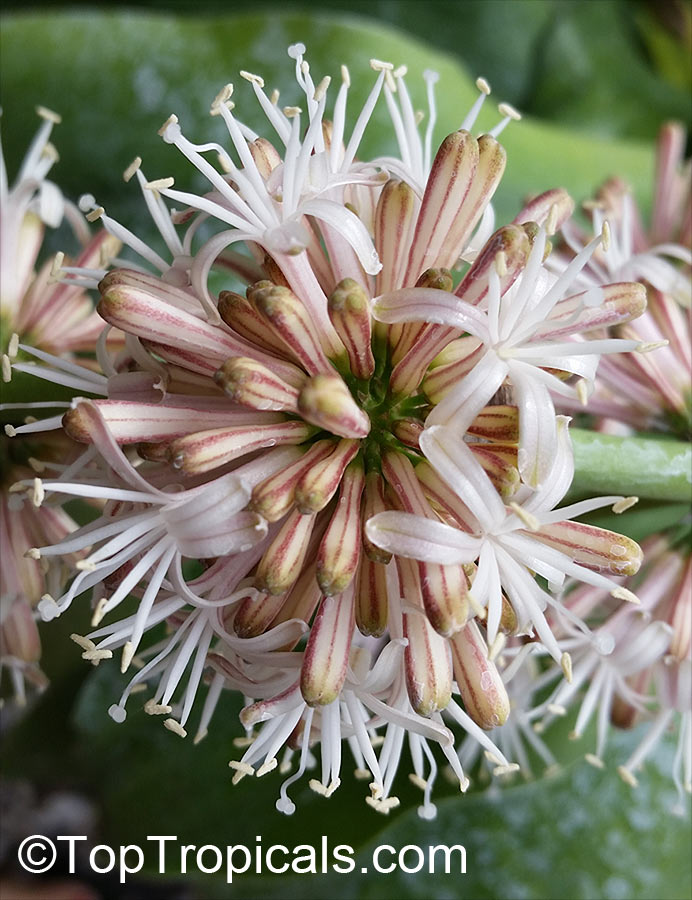
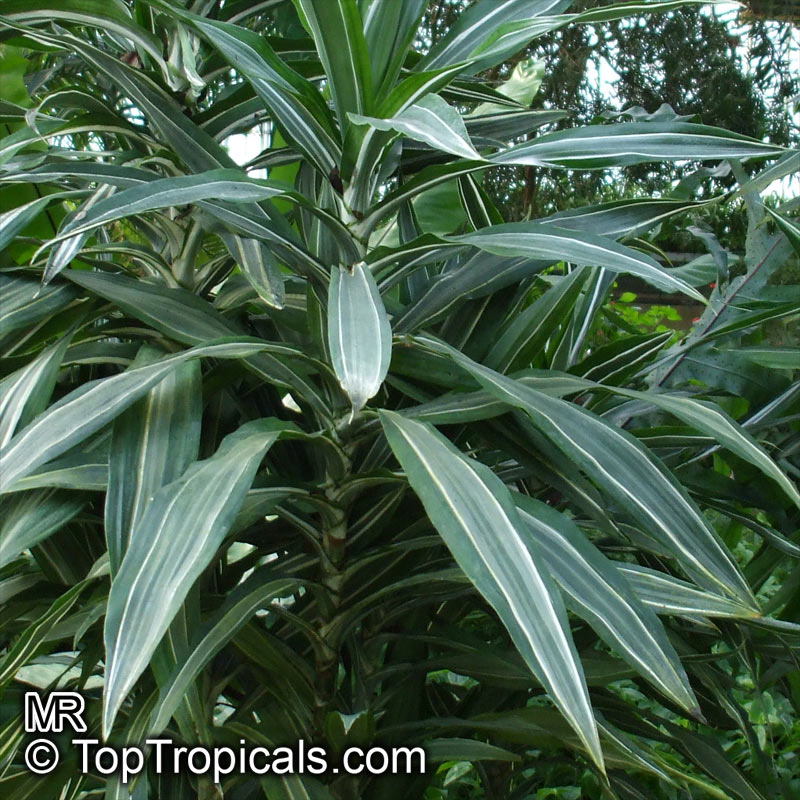
The very popular Dracaena fragrans is more commonly known as the Corn Plant. It does well in low light conditions and its wide leaves are long and arc gracefully from the stalk. Flowers are so fragrant, they smell like an explosion in a perfume factory, especially at night.
The plant can be either grown as a low shrub form, by rooting tip cuttings, or a tree form, by rooting mature canes. The Massangeana variety is the most popular, due to its dramatic yellow variegation running down the center of its leaves. The water requirements are low. Dracaenas are one of the plants used in the NASA Clean Air Study and has shown to help remove Formaldehyde.
| Next | |
Use link to repeat this search:
https://toptropicals.com/cgi-bin/garden_catalog/cat.cgi?search_op=and&keyword_op=and&language=e&family=Dracaenaceae
&number=10&no_change_lang=1&user=tt&sale=1&first=0