Dipterocarpaceae - Botanical Family
| Number of plants found: 5 |
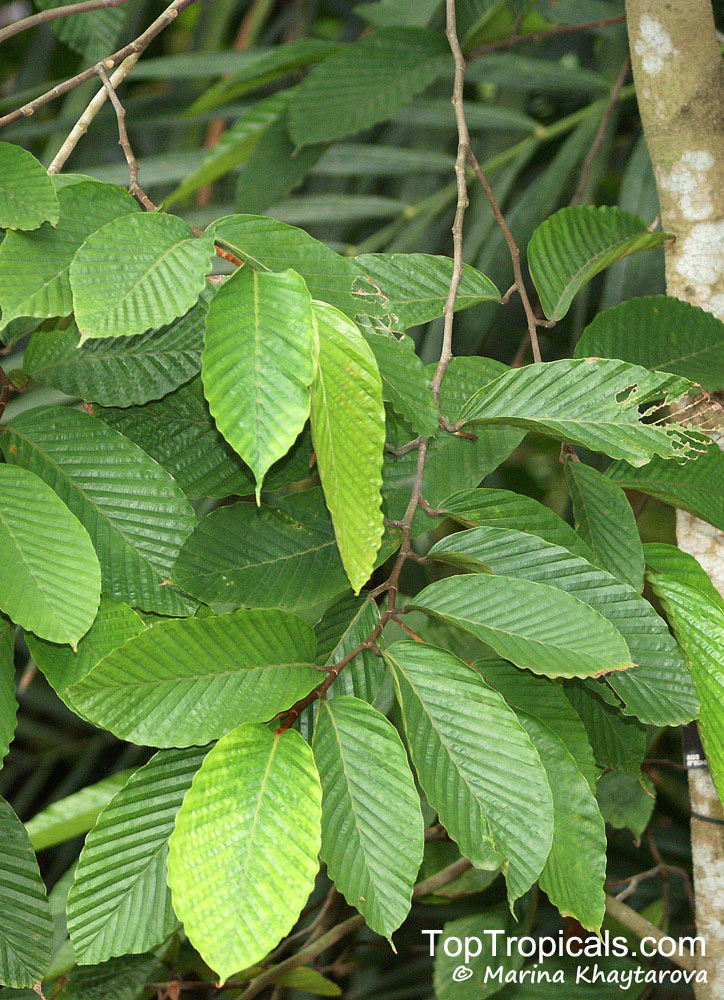
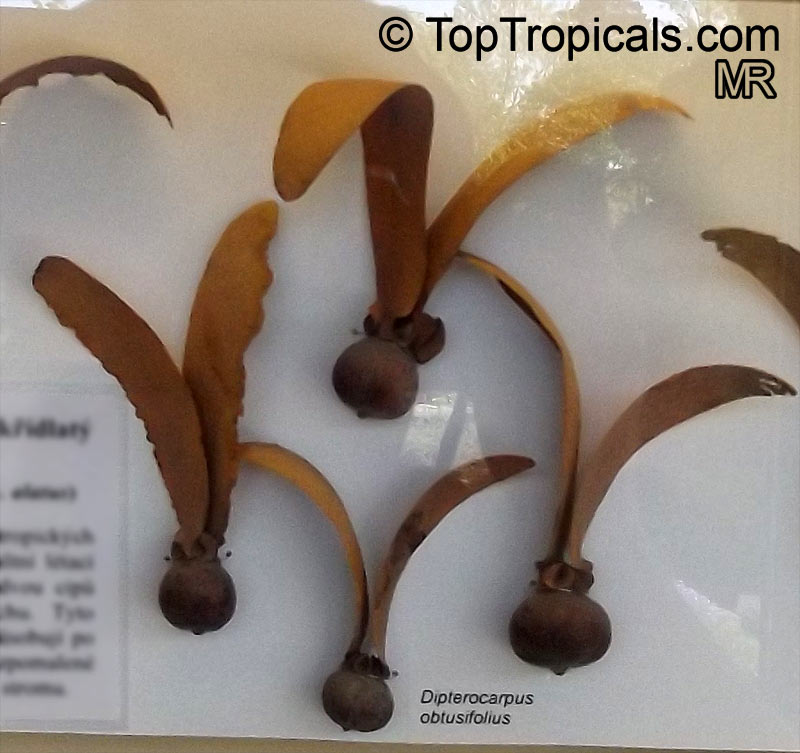
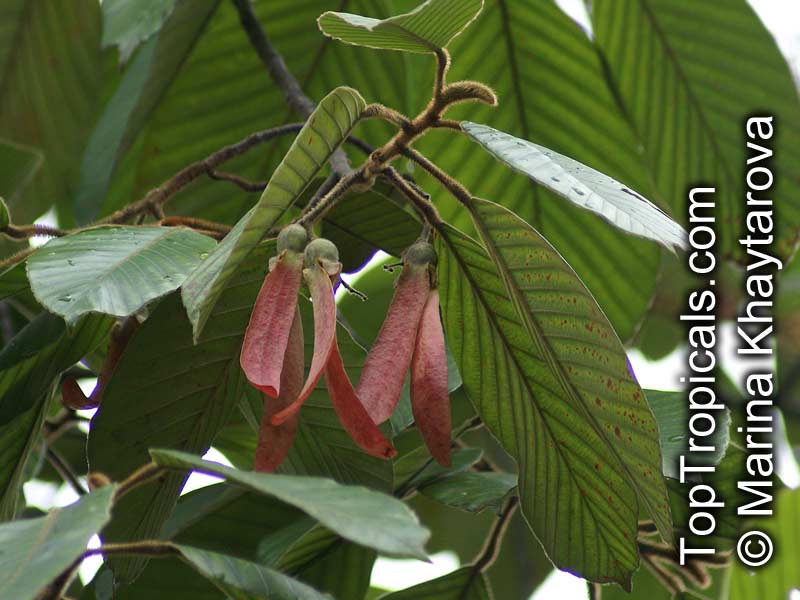
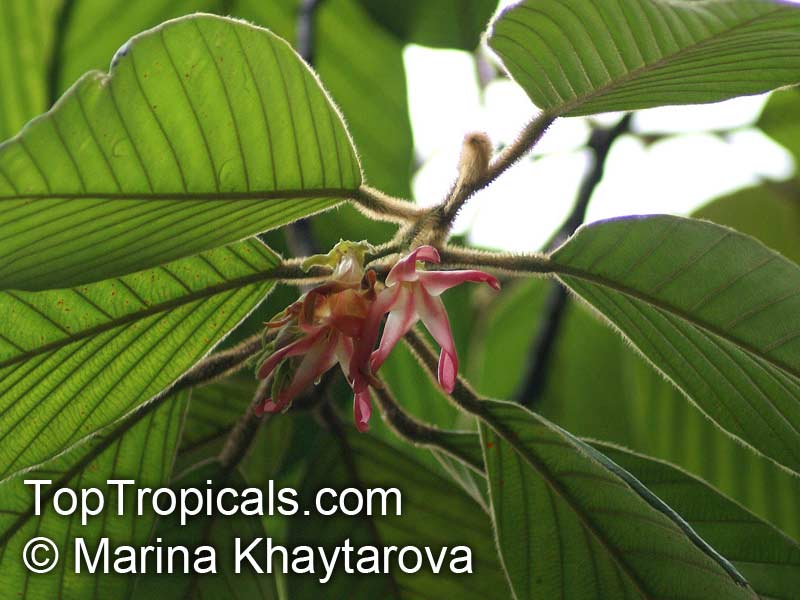
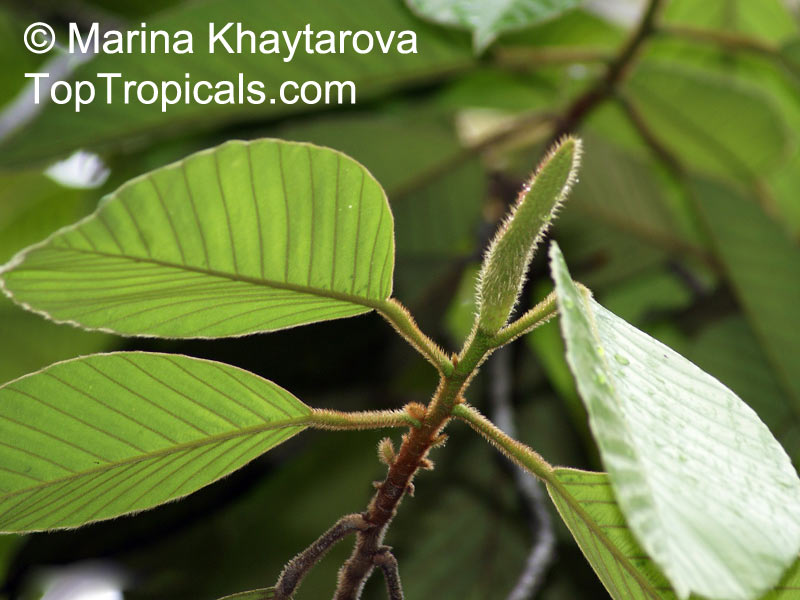
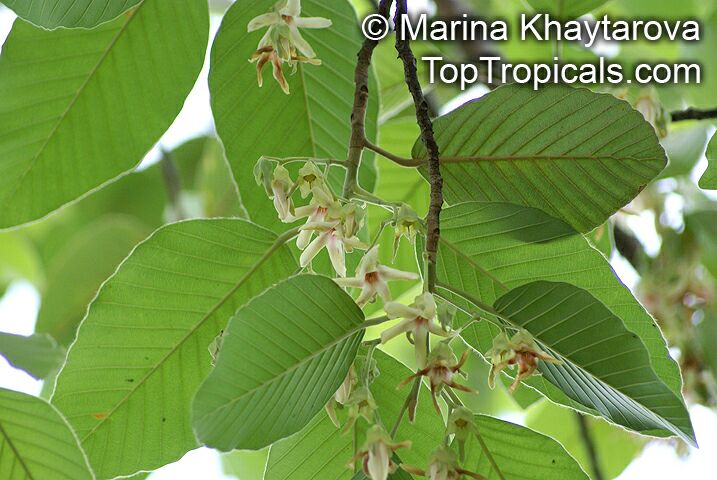
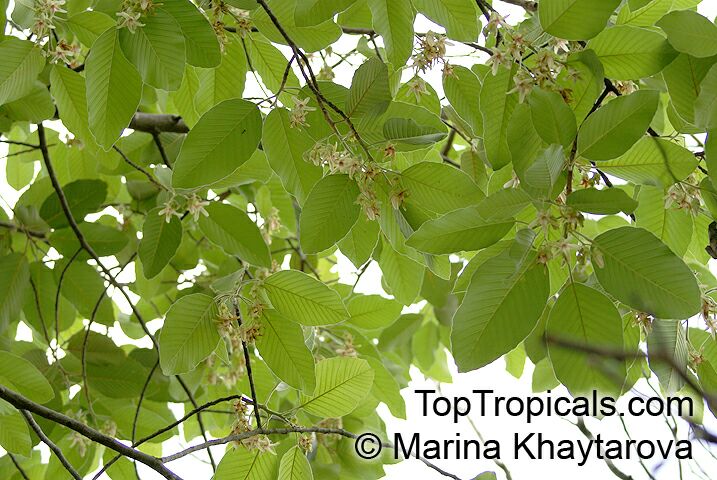
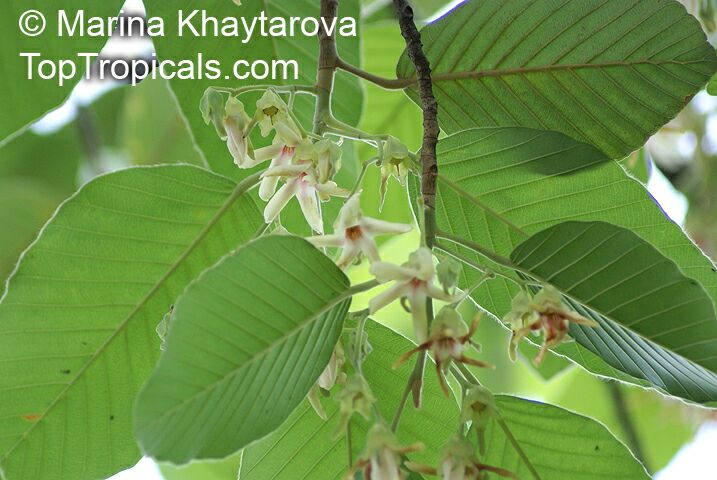
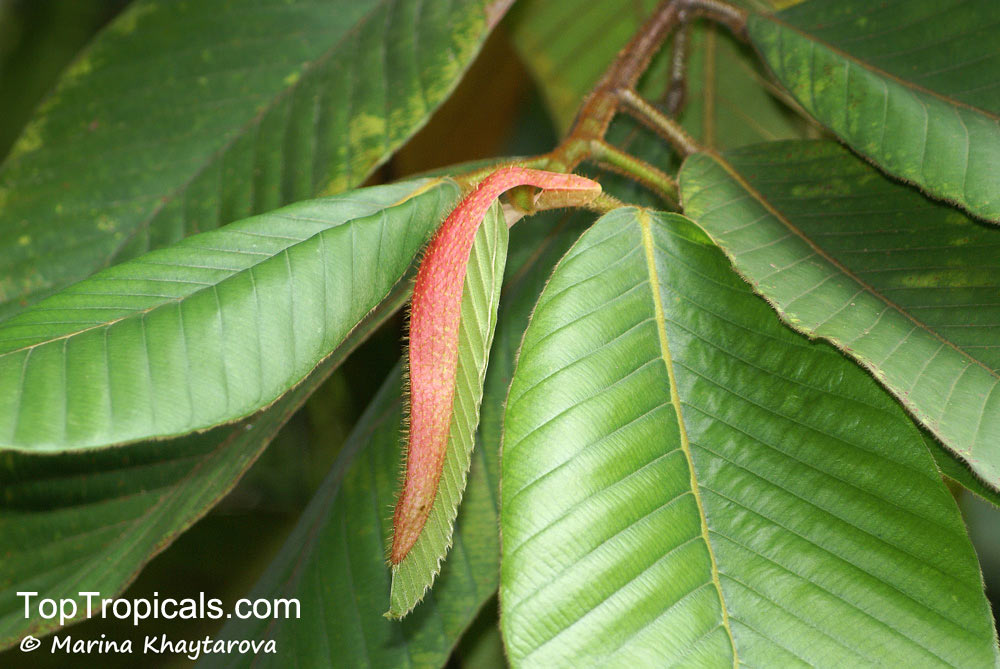
Botanical name: Dipterocarpus sp.
Common name: Dipterocarpus
Family: Dipterocarpaceae
Origin: Southeast Asia


Dipterocarpus sp. is a big tree with height up to 20 ft. and grows in Southeast Asian countries such as Indonesia, Malaysia, Vietnam and Bangladeshi.
It grows well in semi-shade or full sun with moderate water, but during the dry season, it requires regular watering. This tree produces small white or off-white flowers that attract butterflies and hummingbirds. It produces a fragrant resin or wood oil depending on the species.
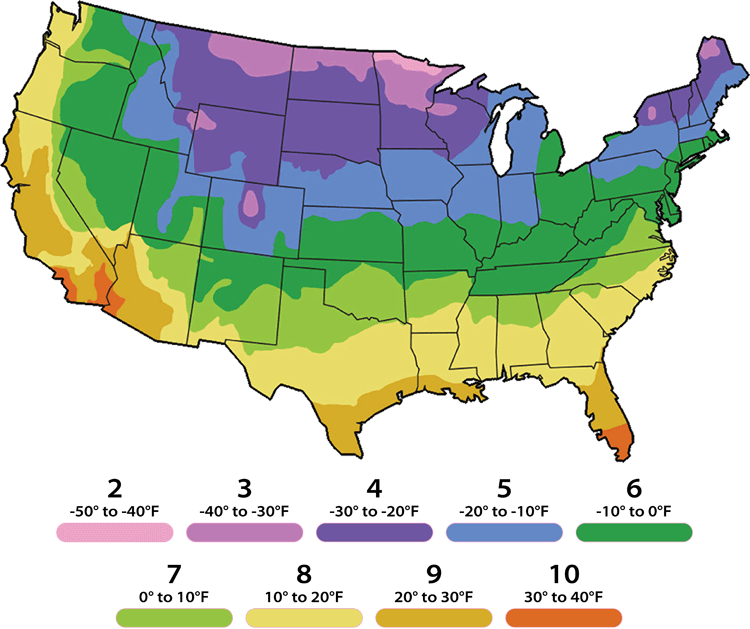
Dipterocarpus sp. is suitable for growing in USDA Zone 9-11. It is relatively easy to grow in a pot in cold regions and needs a combination of good drainage and deep, moist soils. It requires a mild climate and some protection from cold winds, particularly when young.
To ensure successful growth when growing Dipterocarpus sp. in pots in cold areas, it is important to provide protection from bad weather such as frost and snow. It is also important to apply plenty of organic material that will provide a layer of insulation. Additionally, you should make sure to water regularly, and mulch around the base of the tree to help retain moisture during the summer months.
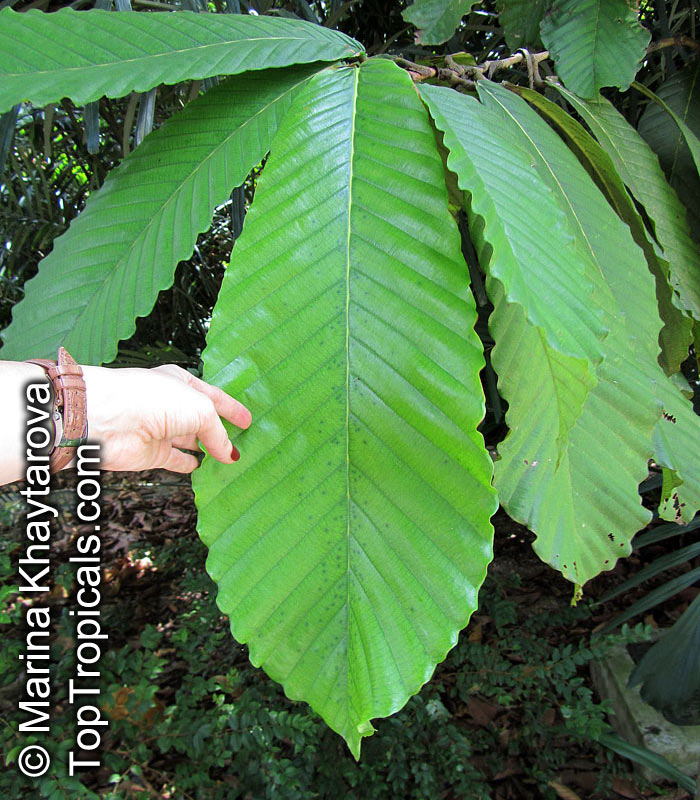
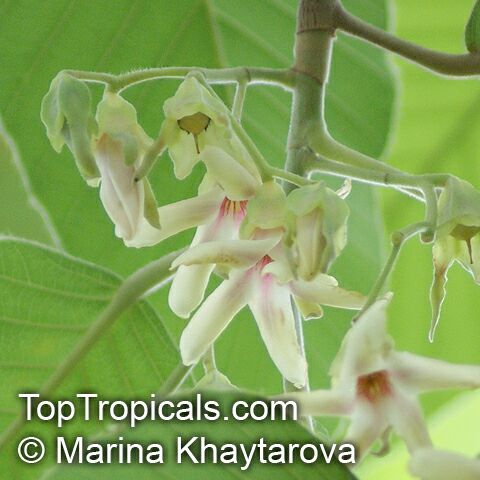
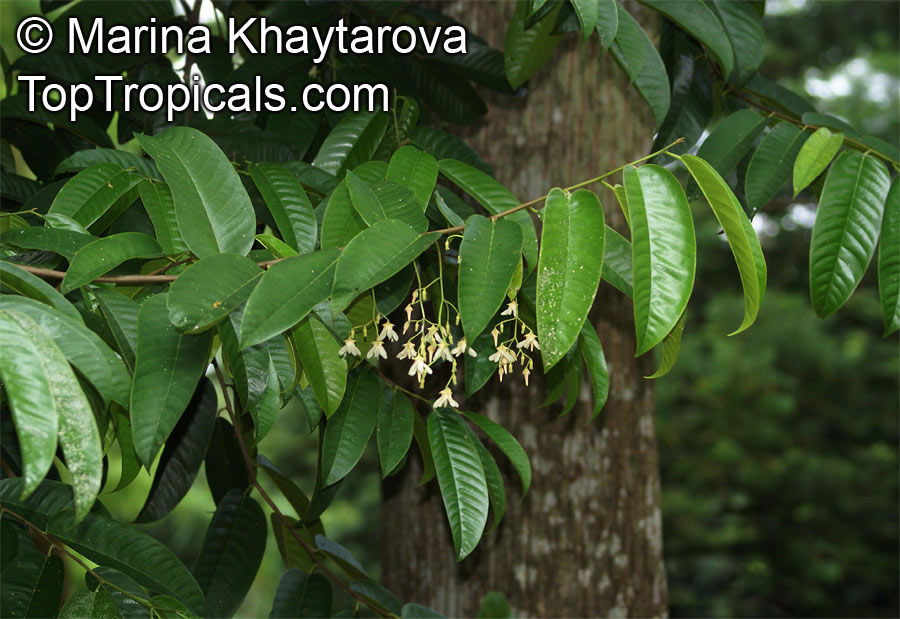
Botanical name: Shorea bracteolata
Common name: Meranti
Family: Dipterocarpaceae
Origin: Southeast Asia
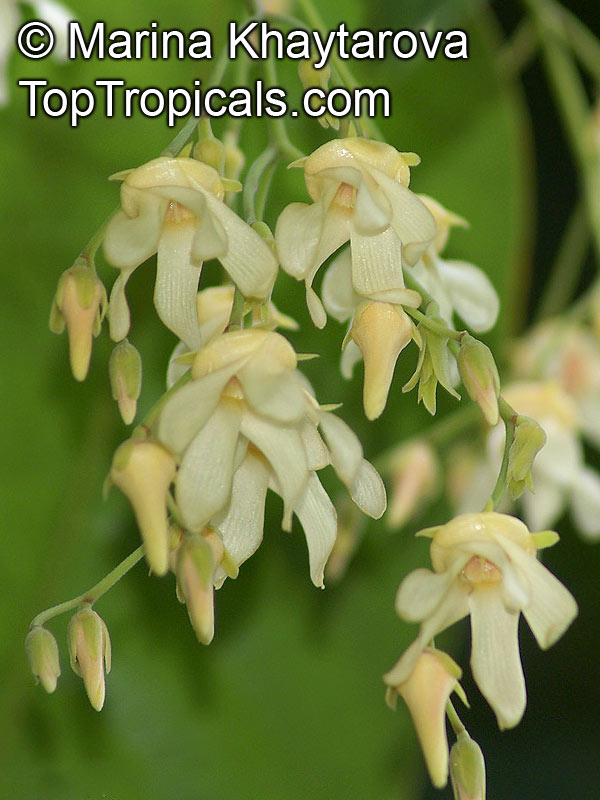
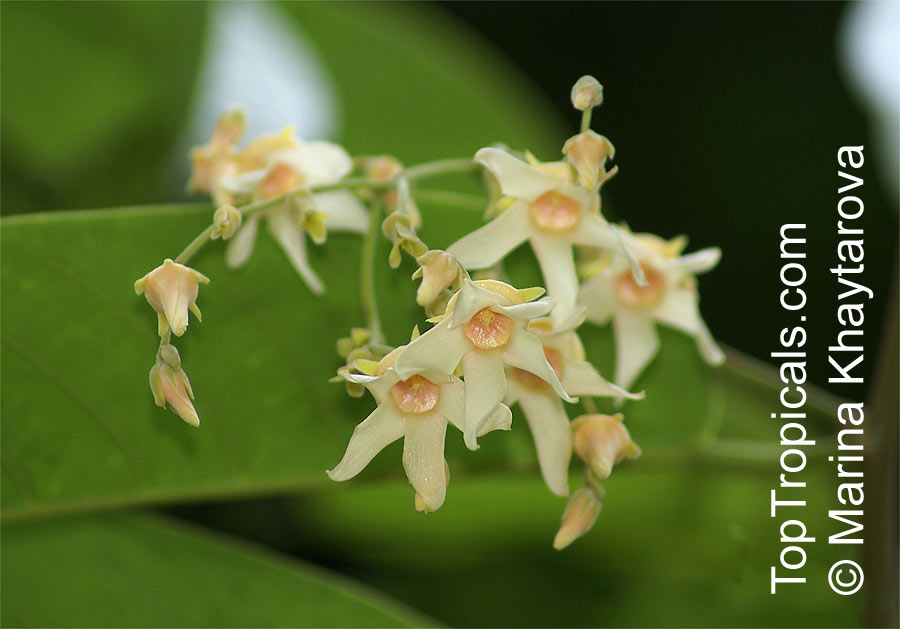
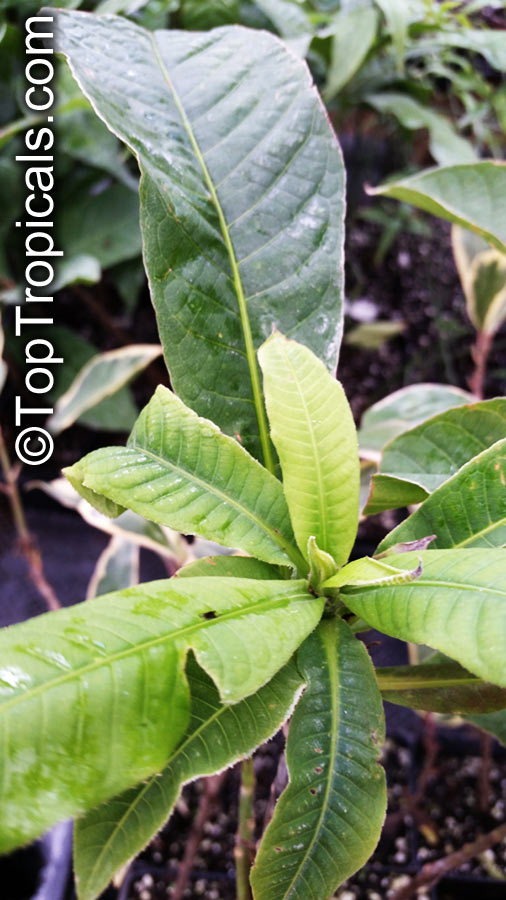
Botanical name: Shorea robusta
Common names: Sal Tree, Sal, Salwa, Sakhu
Family: Dipterocarpaceae
Origin: Central Nepal


Sal trees are found from Burma in the East, to Assam, Bengal, Nepal, the Deccan Plateau, going up to the foothills of the Shivaliks on the left bank of the Yamuna. One of the most important timber species in India and Nepal. It is one of the most prized timbers for construction. Sal forests in Nepal occur mainly in the Terai region, however, they are also distributed in the mid-mountain areas. Sal is a gregarious species and it forms the dominant composition in the forests where it occurs. The seeds are used for fat extraction. Sal is a tall handsome tree providing very good quality timber. Sal is a gregarious species and it forms the dominant composition in the forests where it occurs. It grows well in a well-drained, moist, sandy loam soil. It is a moderate to slow growing species and can attain a height of about 30 to 35 m and a girth of about 2 to 2.5 m in about 100 years under favorable conditions. The Sal tree is an object of worship among Buddhists and Hindus in India and the adjoining countries. The legend has it that the famous Lumbini tract where Lord Buddha had sat for meditation and acquired salvation constituted a thick forest of Sal trees.
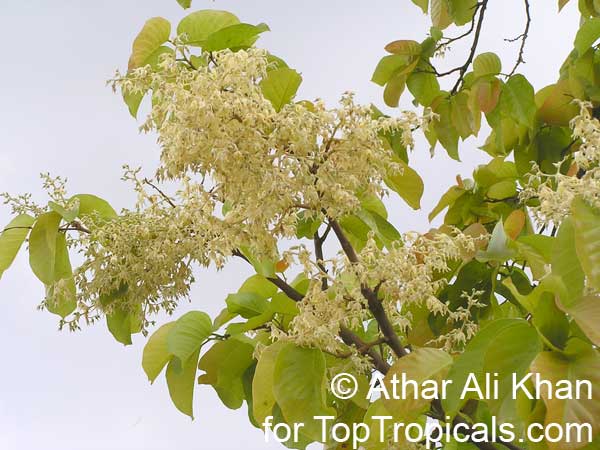
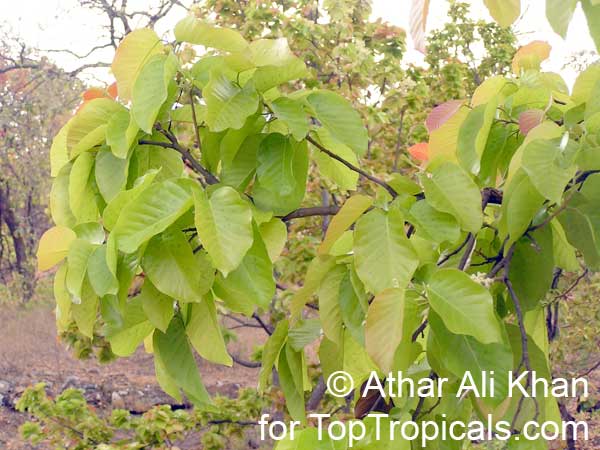
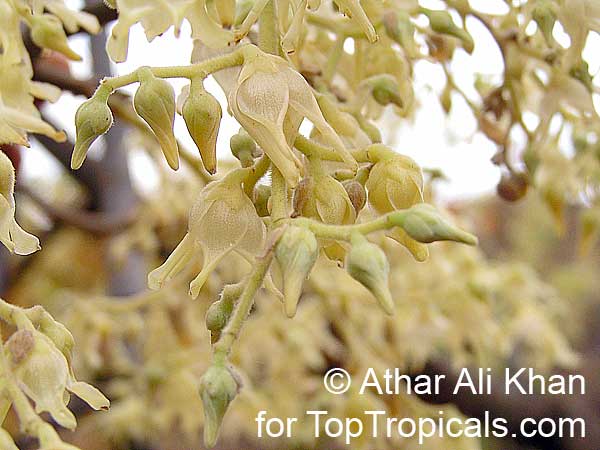
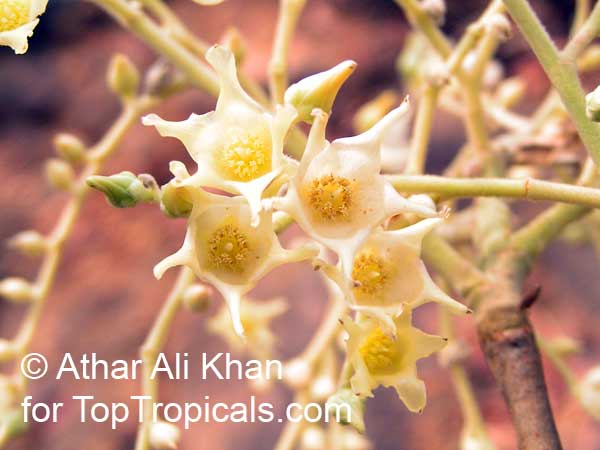
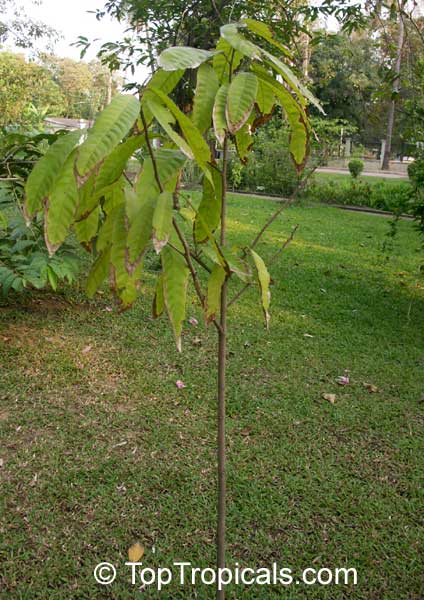
Botanical names: Vatica diospyroides, Vatica cinerea, Synaptea cinerea
Common names: Broken Hear Flower, Resk Puteh Keruing, Chan ka pho
Family: Dipterocarpaceae
Origin: Thailand


Extremely rare, hard to find plant from Thailand with very strongly fragrant flowers. It is a critically endangered species threatened by habitat loss. Small tree or large shrub.
According to the Thai legend, this flower grown in a garden helps to retain spirits of beloved lost ones around and heals broken hearts. Amazingly, medicinal properties of the plant in fact are used in folk medicine for healing heart problems. The plant is used as cardiac tonic.
This small tree is endemic to Thailand, growing gregariously in the vicinity of swampy areas (Nong Thung Thong), but also found in lowland evergreen forest, limestone formations in Phangnga and Trang, below 100 m altitude. Flower has a strong pleasant fragrance. Flowering: January-April; Fruiting: February-August.
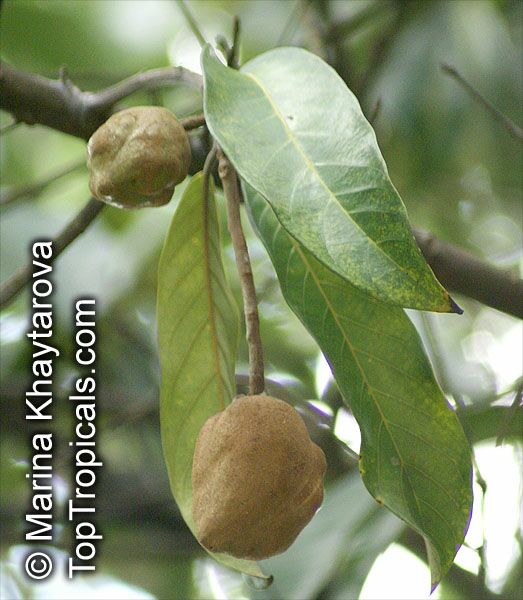
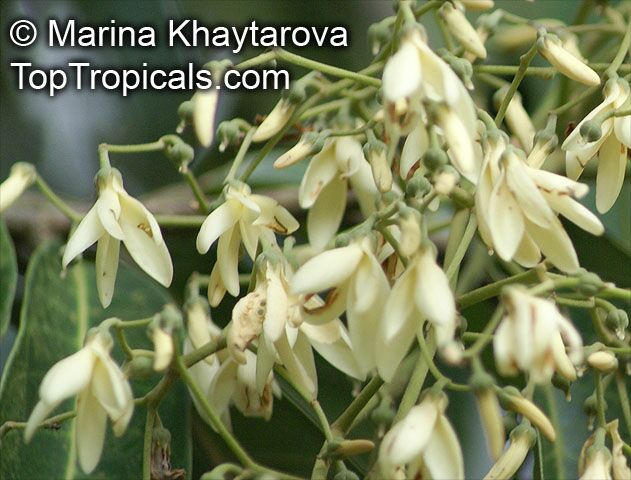
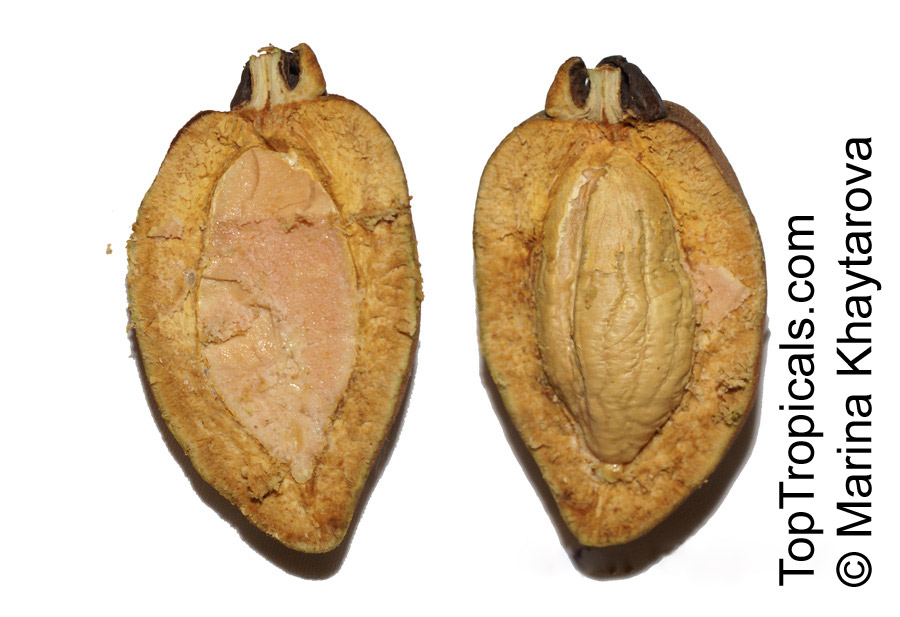
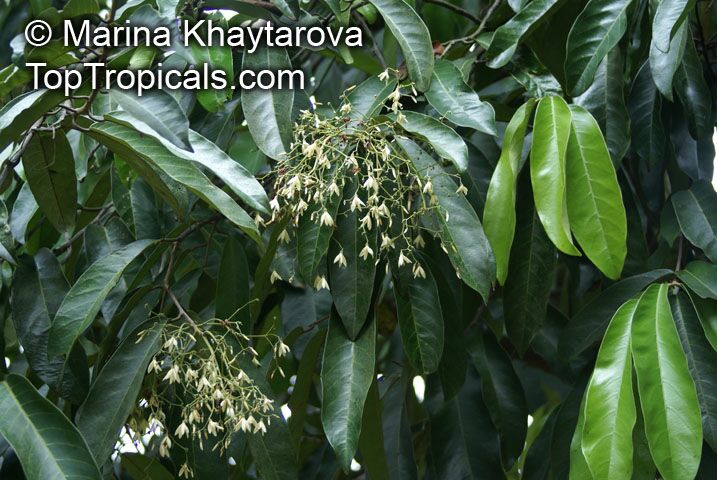
Botanical name: Vatica rassak
Common names: Lan Tan, Mascal Wood, Resak
Family: Dipterocarpaceae
Origin: Borneo, Philippines, Sulawesi, Moluccas, New Guinea
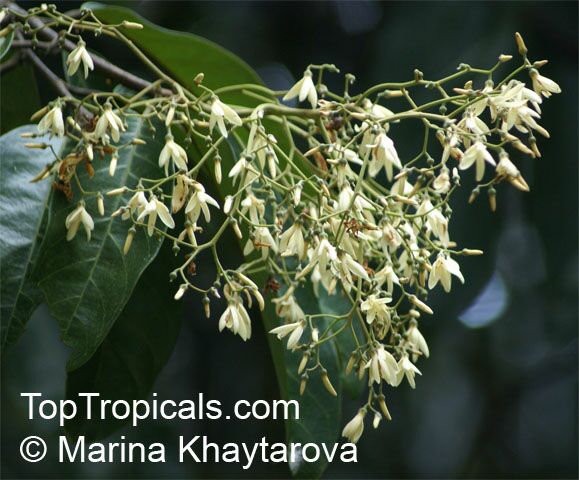
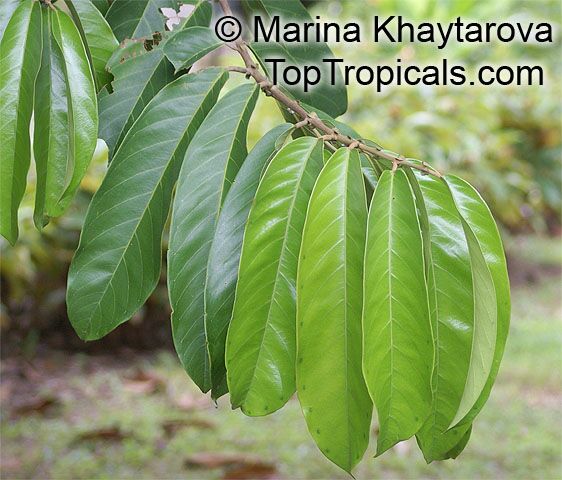

Use link to repeat this search:
https://toptropicals.com/cgi-bin/garden_catalog/cat.cgi?search_op=and&keyword_op=and&language=e&family=Dipterocarpaceae
&number=10&no_change_lang=1&user=tt&sale=1&first=0