Cycadaceae - Botanical Family
| Number of plants found: 10 |

Botanical name: Cycas angulata
Common names: Angular Cycas, Ngathu
Family: Cycadaceae
Origin: North Australia


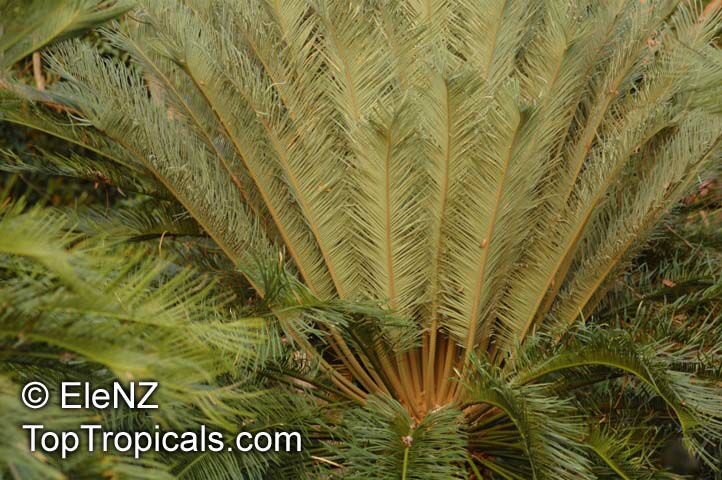
Cycas angulata (Angular Cycas) is an attractive large cycad native to Northern Australia. It grows up to 30 ft tall and 1 ft in diameter. The trunk is swollen at the base with occasional offsets, and can form clumps of up to six stems. The blue-green to grey-green glossy leaves are stout and topped with thick arching fronds.
Cycas angulata is well adapted to its native climate with summer rainfall, so it should be kept on the dry side during cold weather. The Latin name angulatus, which translates to "angular", is derived from the arrangement of leaflet on the leaf petiole.
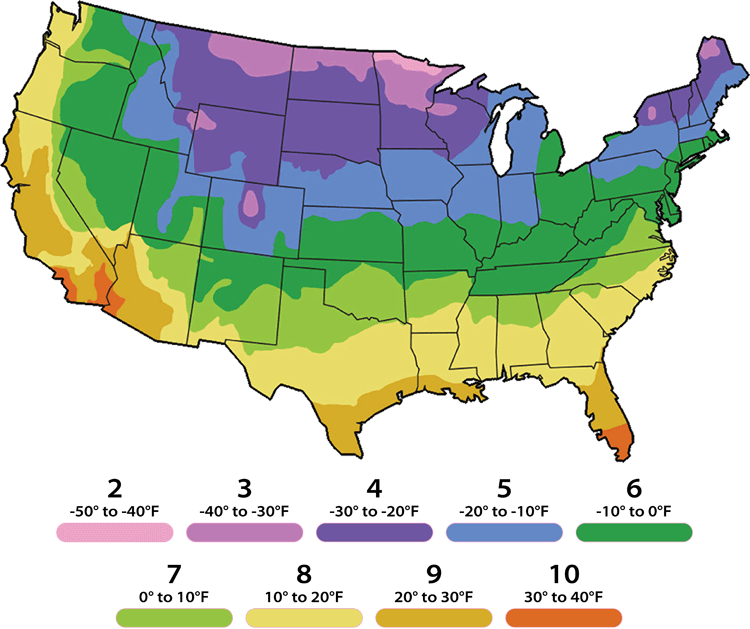
Cycas angulata prefers full sun to semi-shade, and regular to moderate water. It is hardy in USDA zones 9-11. It can survive in cold regions where it is grown in a pot, but the potting soil must be well-drained and fertilized regularly. It should also be protected from strong winds to prevent damage. The plant also has thorns and spines, so make sure to handle it carefully. This is the cycad most mentioned as a food source by Northern Australia aborigines.
Botanical name: Cycas armstrongii
Common name: Fire Fern
Family: Cycadaceae
Origin: Australia


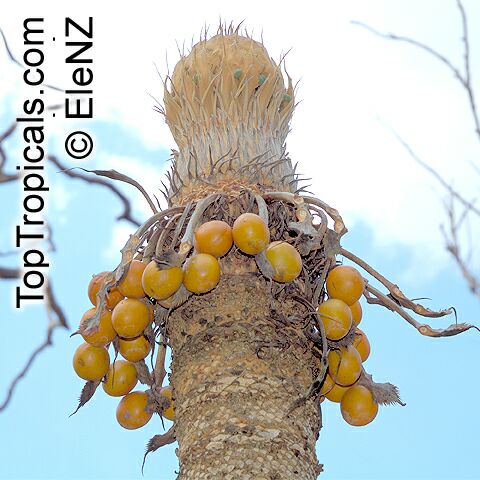
Annual grass fires are common in its natural habitats. The species is extremely fire tolerant, and the usually early spring fires initiate a profusion of new leaf growth in the plants, thus the common name, Fire Fern. Fertile plants are frequently seen with reproductive structure only, and no leaves. The leaves are deciduous in the dry season, though persistent if grown in moister situations.
Botanical name: Cycas calcicola
Common name: Cycas
Family: Cycadaceae
Origin: North Australia
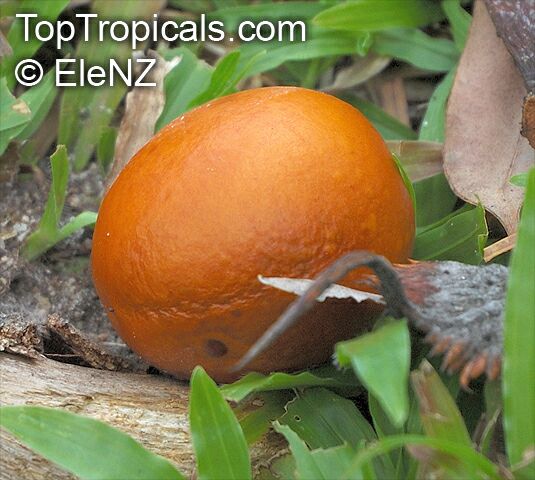
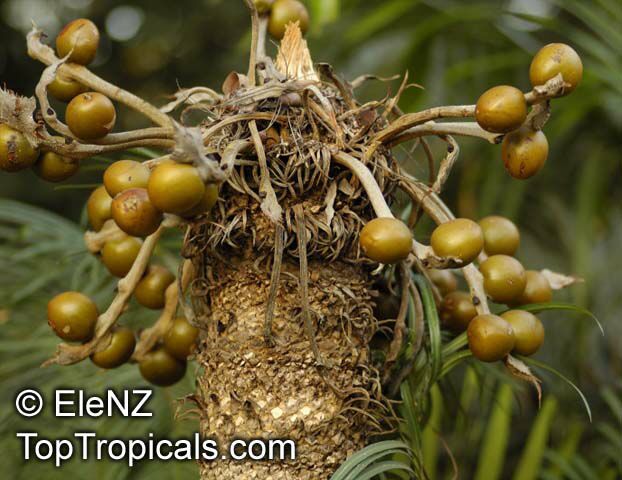
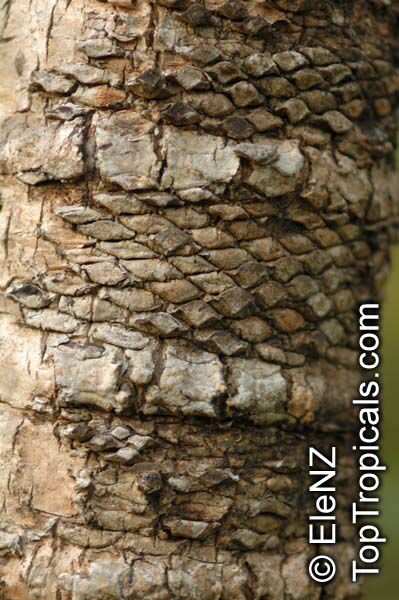
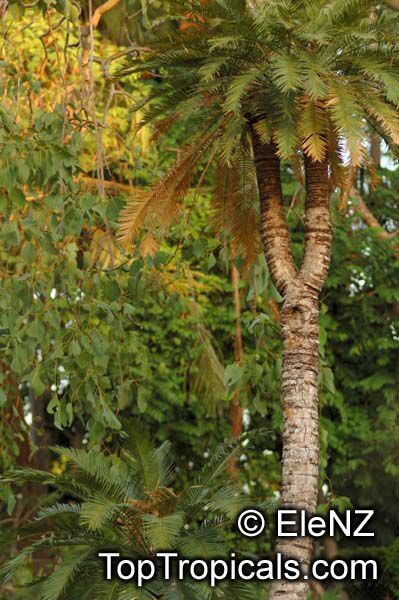
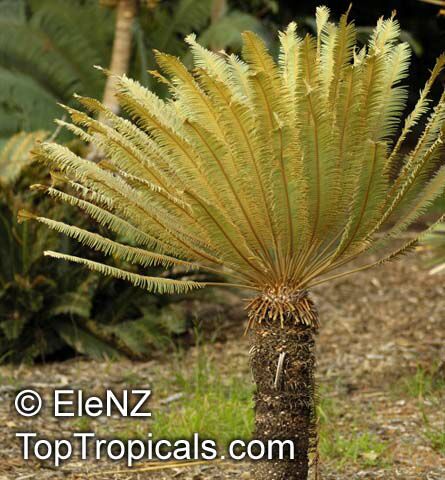
Cycas calcicola is a large shrub that typically grows to a height of 5-10 feet tall, and is native to northern Australia. It is a type of cycad that is palm-like, featuring soft, round leaves that are either a bright green or a silver-gray color, depending on the age of the leaves. The cycad has thorns or spines, giving it an even more palm-like appearance. Despite its native habitat being full sun and regular water, Cycas calcicola will still thrive in moderate water levels, but it must have well-drained soil.
Plant can be grown in ground in USDA zones 9-11. In colder climate the Cycas calcicola can be grown in a pot. When planting the cycad in a pot, it is important to make sure the pot is large enough. A larger pot will give more room for the root system to grow, and will also help prevent the cycad from becoming root bound. It is essential for the cycad grown in a pot to receive the same amount of direct sunlight, as well as regular watering, as it would in its native environment. The soil in the pot should also be well-draining, as standing water can lead to root rot.
If given the correct care, Cycas calcicola can make for a stunning addition to any yard or garden, with its striking color and distinctive features. It also makes for a hardy and resilient plant, due to its natural ability to thrive in its native environment, even when conditions are slightly less than ideal.
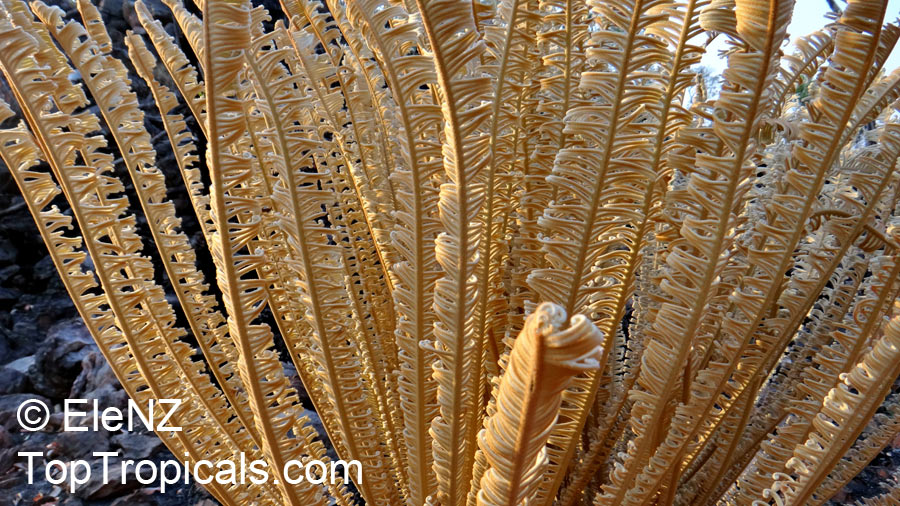
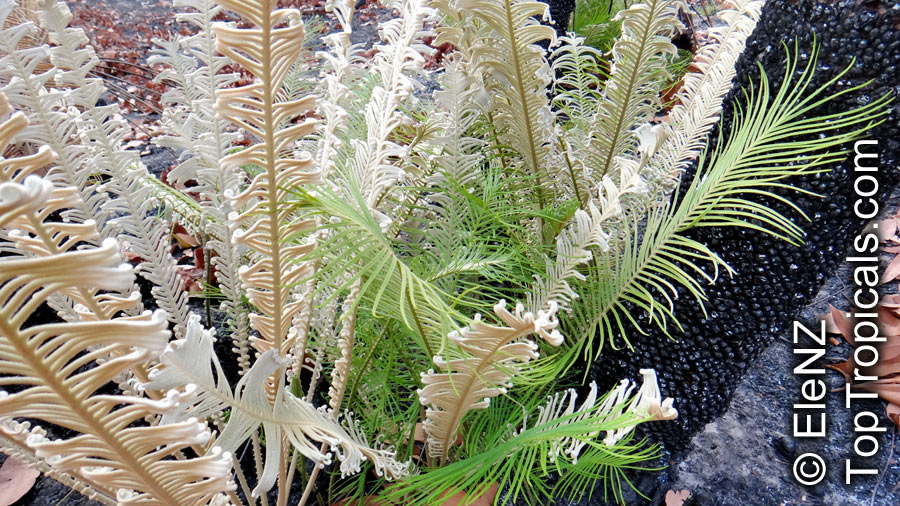
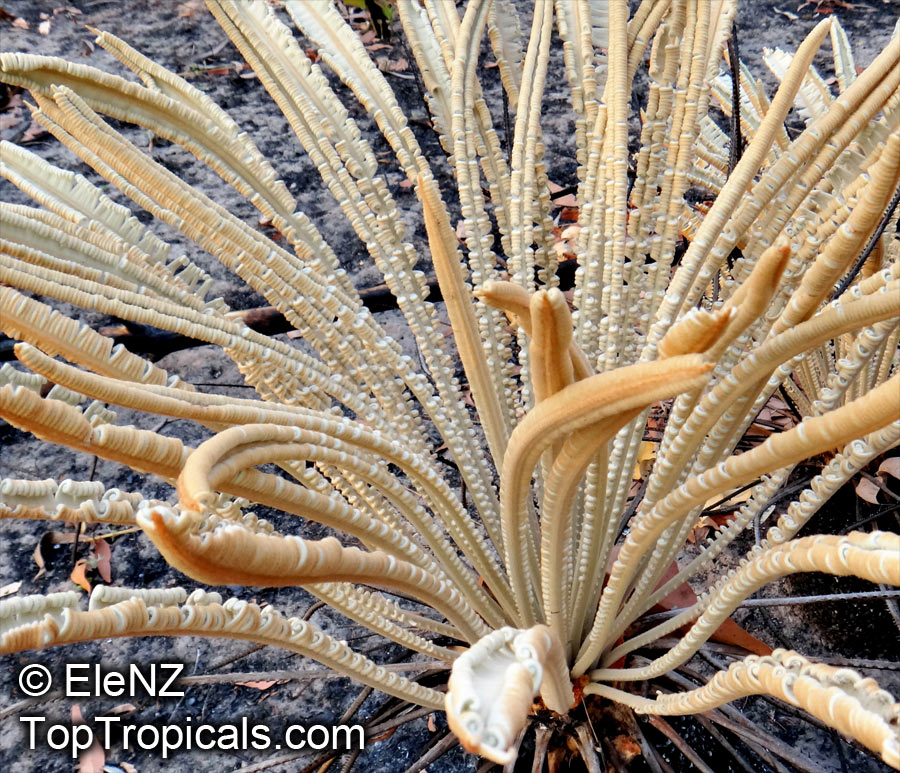
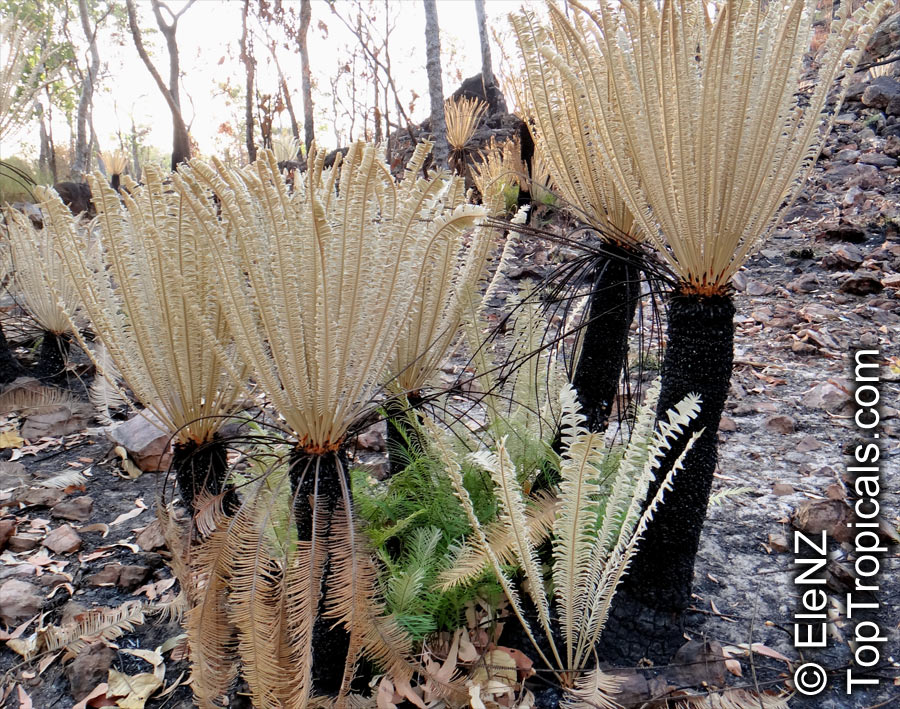
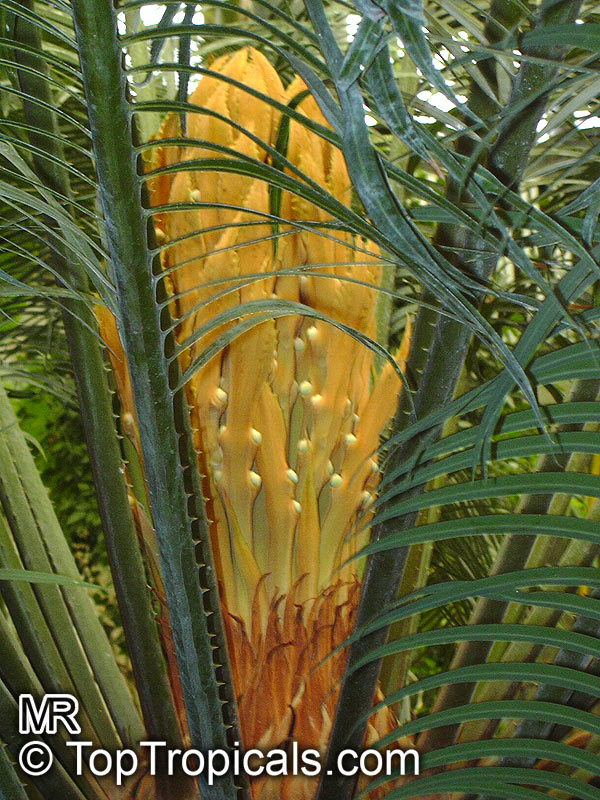
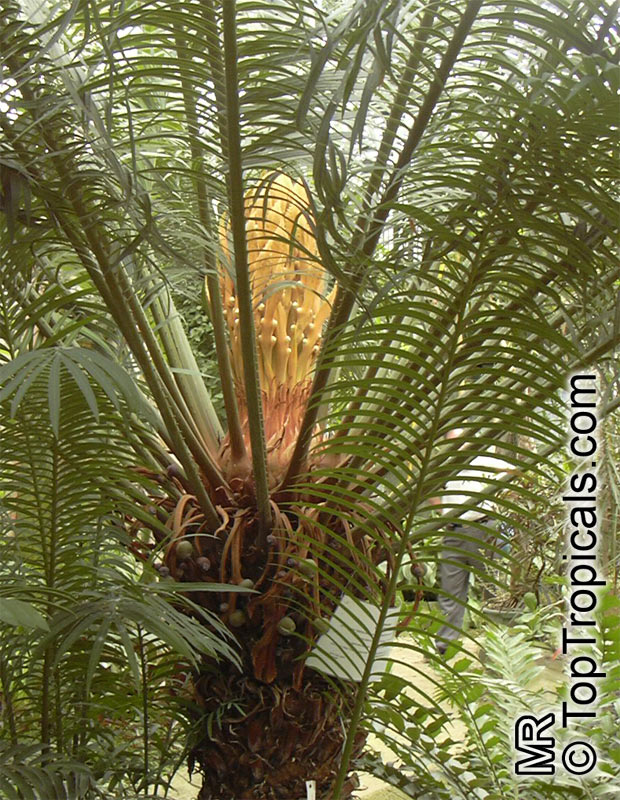
Botanical names: Cycas circinalis, Cycas undulata, Cycas wallichii
Common name: Queen Sago
Family: Cycadaceae
Origin: Equatorial Africa

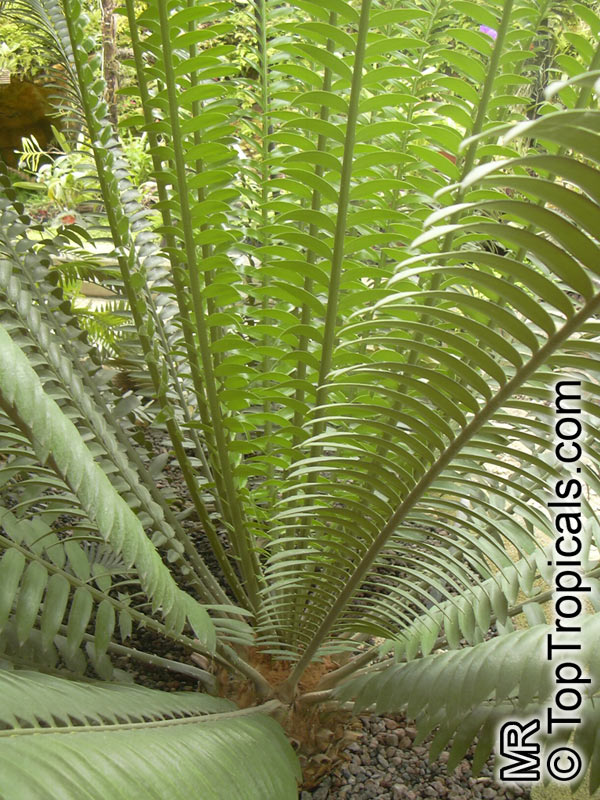
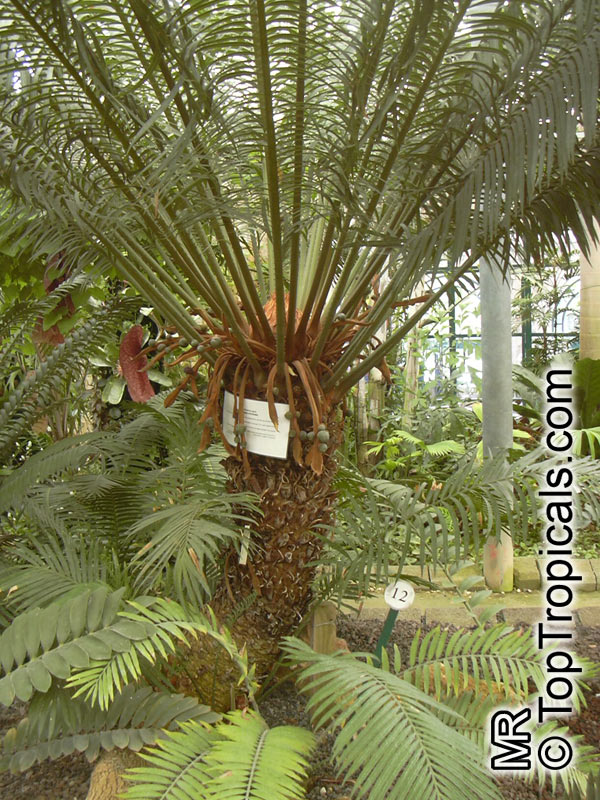
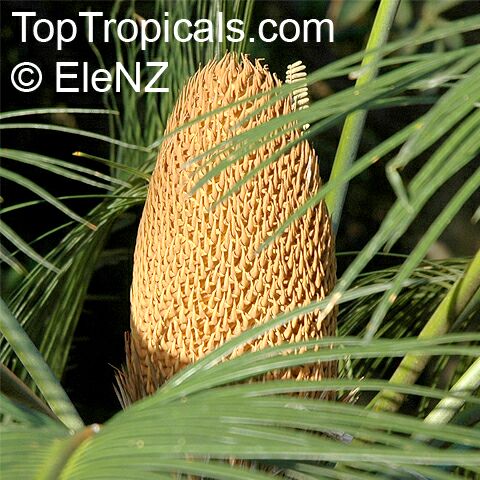
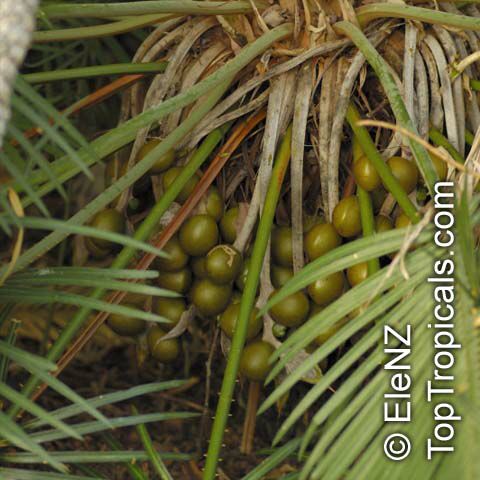
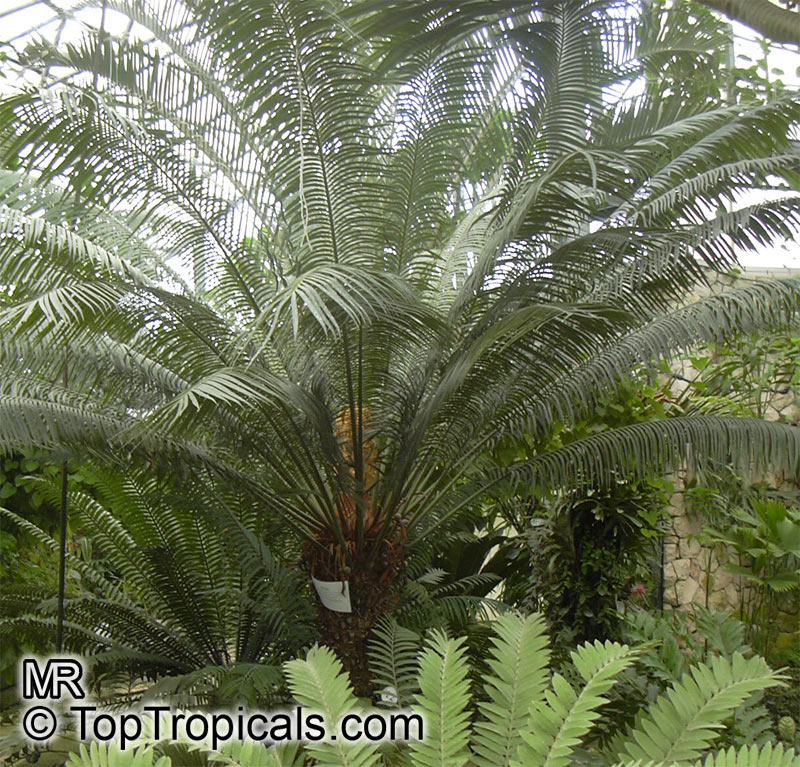
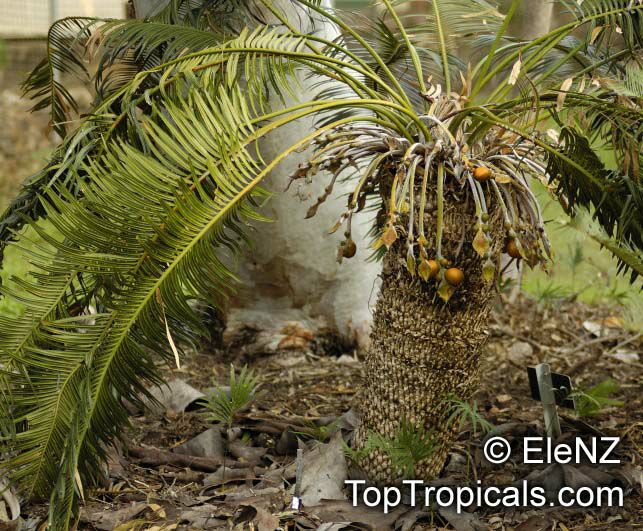
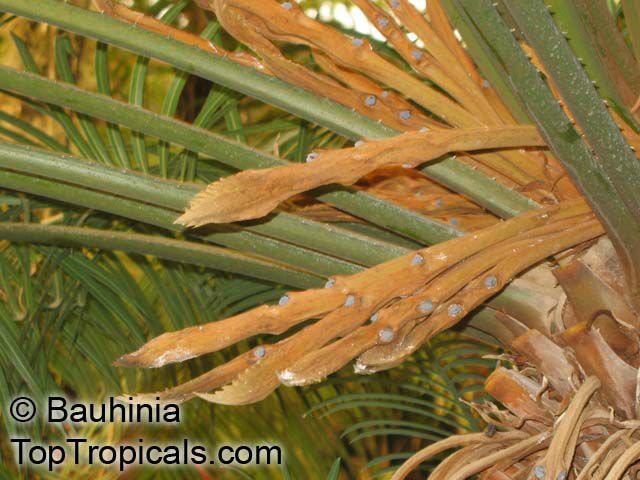
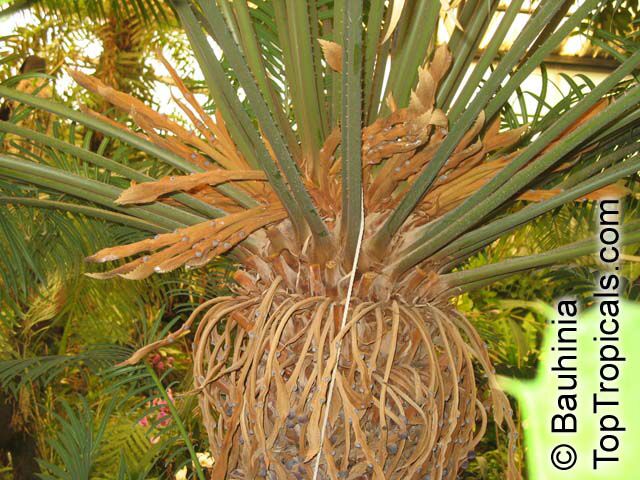
Like other cycads the queen sago resembles a palm tree with its featherlike leaves arranged in a rosette that crowns a single trunk. It is a larger and more graceful version of its more commonly encountered cousin, the King sago ( Cycas revoluta). Queen sago is tolerant of soils but prefers loose sandy soils with some organic matter and light bark or leaf mulch. Prefers a warm, sunny position with plenty of water in summer, and a dryish winter. Propagated by seed. Press seeds to half their depth in moist sand. Keep moist and in a warm place, the seed will usually germinate in 8 to 12 weeks.
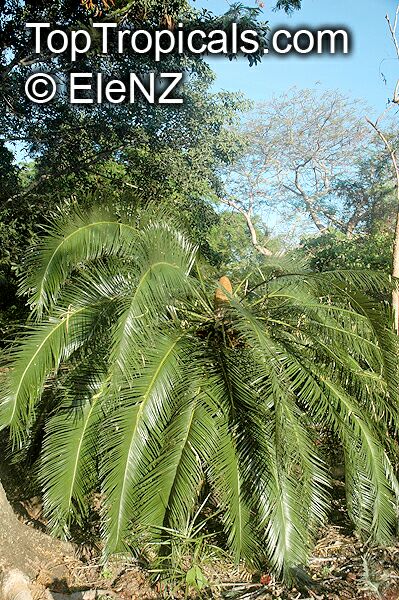


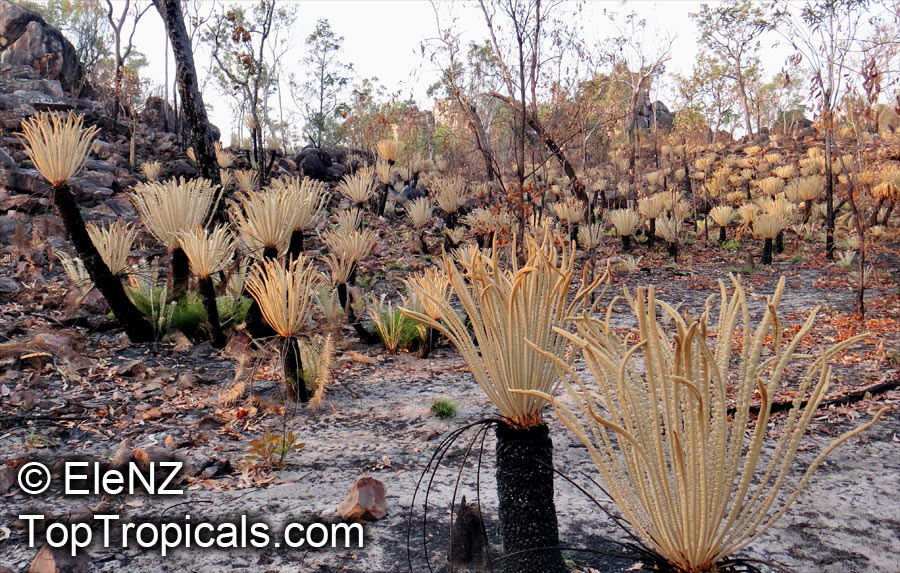
Botanical name: Cycas maconochiei
Common name: Cycas
Family: Cycadaceae
Origin: North Australia
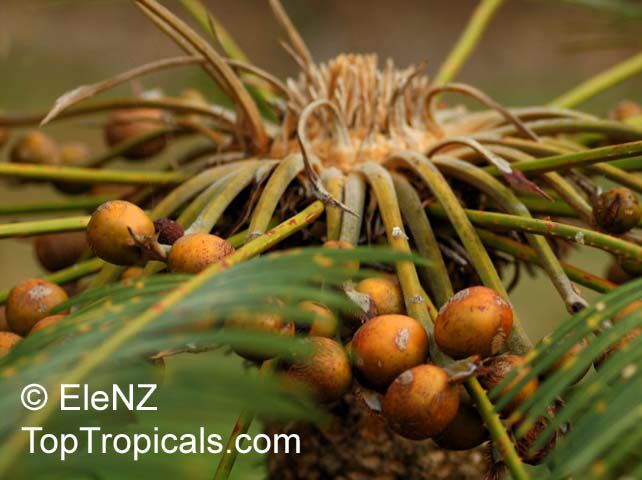
Its slender, straight trunks are often blackened by fire in habitat, and hold a neat crown of fairly short, flat, green to gray-green leaves. It makes a beautiful ornamental for tropical and some warm temperate areas but is rather rare in cultivation.
Distinguishing features: distinguished by the flattened leaves with short petioles and leaflets with recurved margins, and the basal leaflets reducing in size.
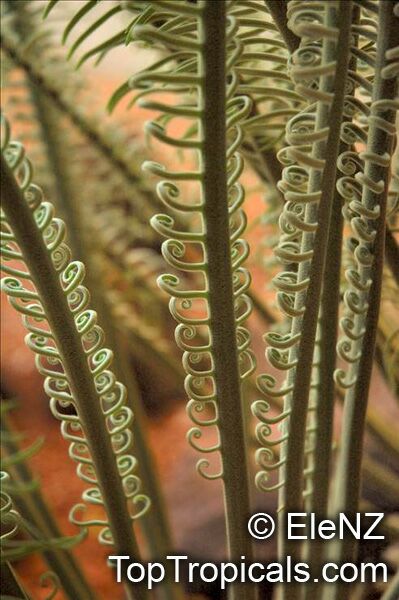
Botanical name: Cycas ophiolitica
Common name: Cycas Marlborough Blue
Family: Cycadaceae
Origin: Australia
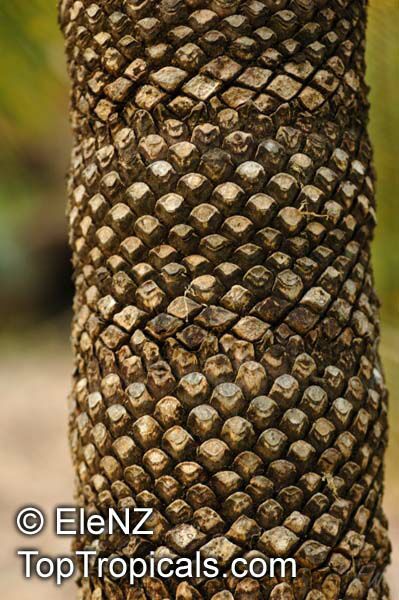
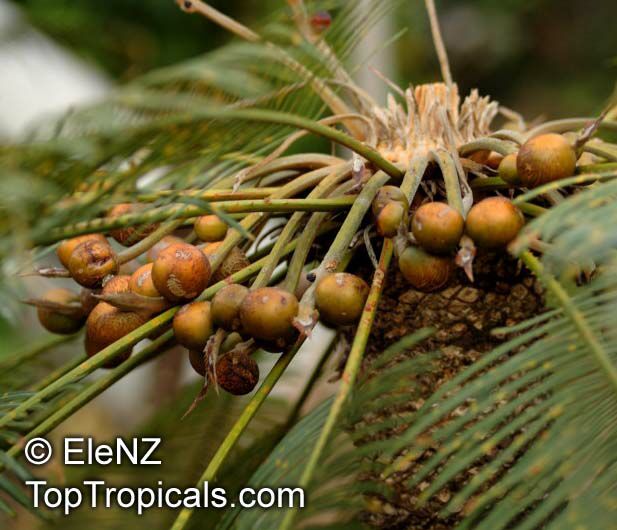
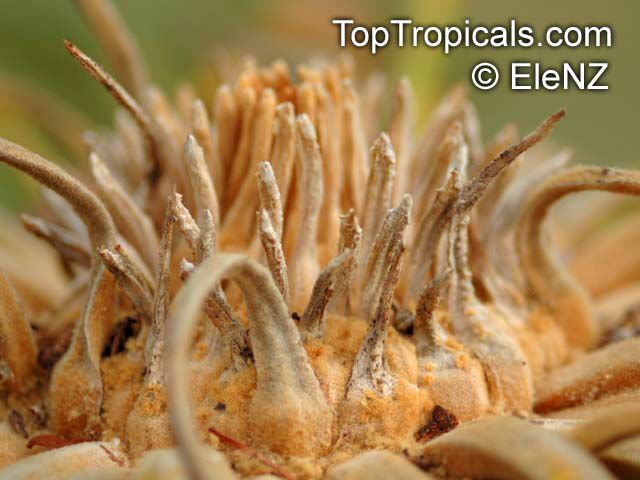
Cycas ophiolitica (Cycas Marlborough Blue) is a large shrub native to Australia that can reach 5-10 feet tall when planted in the right conditions. This plant thrives in semi-shade with moderate water and can tolerate an arid climate. The foliage is rather ornamental with fine, soft leaflets that create a beautiful, silvery-blue hue contrasting against the vibrant environment.
If you'd like to add Cycas ophiolitica to your garden, it is best suited to growing in USDA Zones 9-11, but some enthusiasts successfully grow them in colder regions with a bit more care. Generally, a sheltered, partially-shaded spot is ideal with well-draining soil. During cold weather, it is advisable to keep the plant in a pot and bring it indoors. This will help to prevent frost damage to the fronds. Additionally, if the plant is grown in a pot, water it sparingly in the winter and more regularly during the summer months. By doing this and providing it with some protection from extreme temperatures, you can ensure that your Cycas ophiolitica thrives in a cold climate.
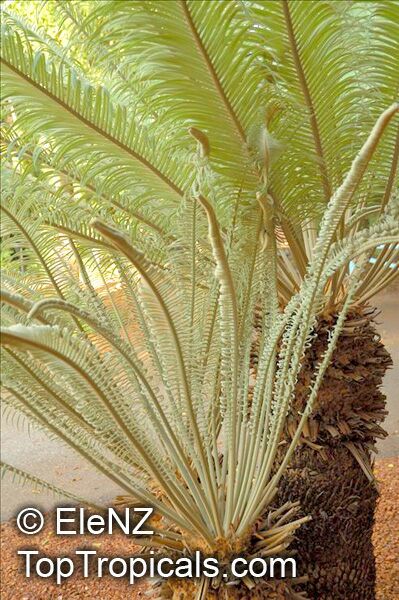
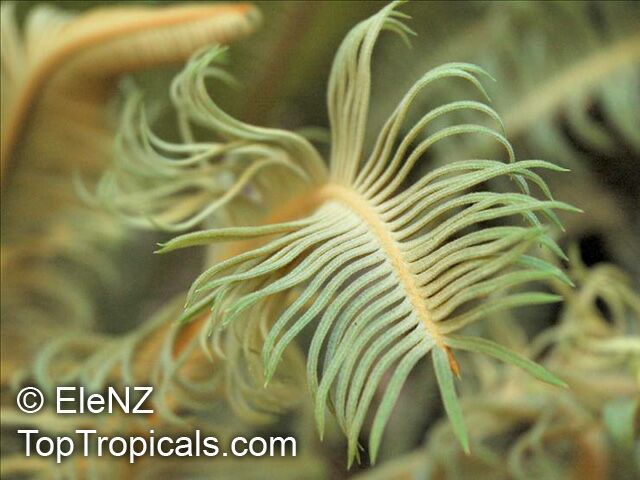
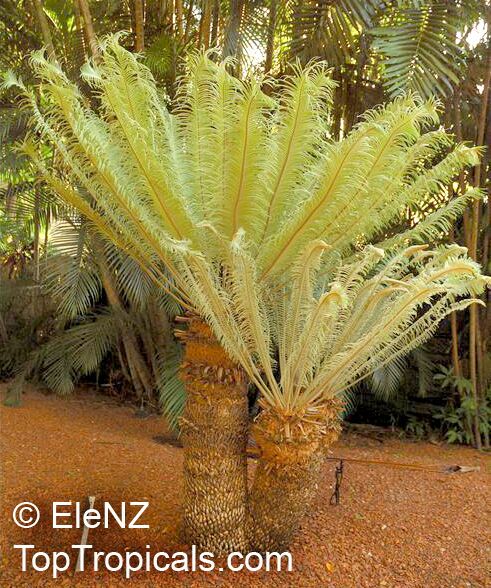

Botanical name: Cycas revoluta
Common names: Sago Palm, King Sago
Family: Cycadaceae
Origin: Japan, South China
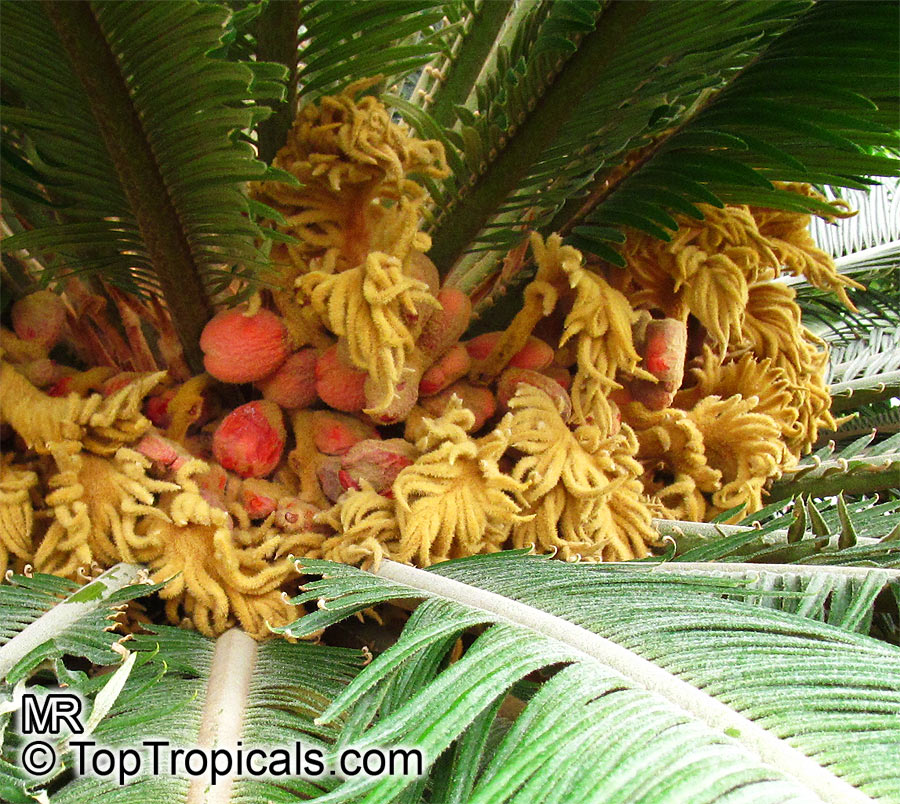
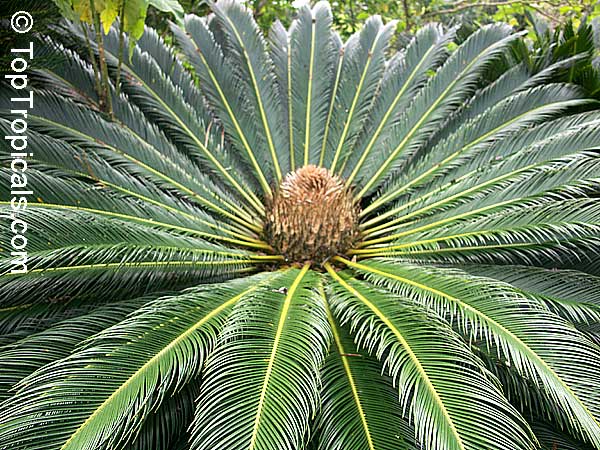
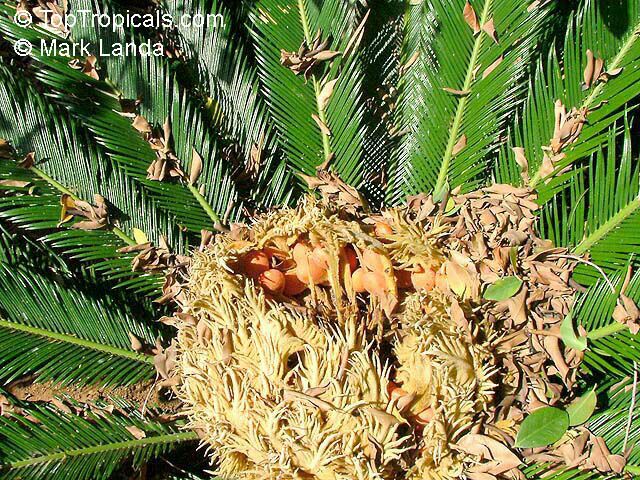
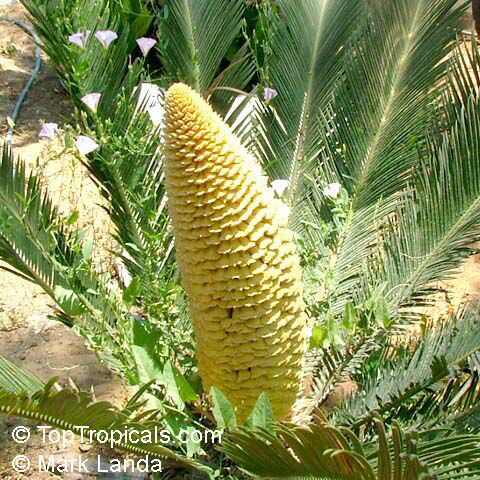
Cycas revoluta, commonly known as Sago Palm, is a popular ornamental plant with an unusual appearance. It is one of the most primitive living seed plants and is related to conifer and Ginkgo trees. Cycads, in general, are often referred to as "living fossils" due to their ancient origins and their little evolution in the past 200 million years.
The growth habit of Cycas revoluta is characterized by an upright trunk and whorled, stiff feather-like leaves that grow in a circular pattern. Unlike other plants, Sagos produce periodic "flushes" of new leaves, known as a "break," rather than continuously adding foliage. Offsets also begin to grow at the base and occasionally in the crown, providing a source of new plants and the potential to develop unique specimens.
Cycas revoluta is a great choice for Mediterranean climate gardens as it requires only moderate water and full sun or semi-shade. It is also salt tolerant and does not suffer from severe wind or drought, making it an excellent choice for seaside gardens. In cooler climates, it can be grown in a pot in a sheltered location and brought indoors for the winter.
To maintain the plant appearance, dead or damaged leaves should be pruned away as needed. While it doesn't require pruning to stay attractive, a bit of judicious pruning can help maintain the desired shape and size. Regular watering is recommended, with a little extra water during periods of heat or wind. Fertilization every 2-3 months through the summer months with a slow-release or liquid fertilizer can also help achieve the best results.
Regardless of age or size, Cycas revoluta is one of the easiest plants to grow, whether indoors or out, and is a popular choice for landscapes in USDA zones 9-11.


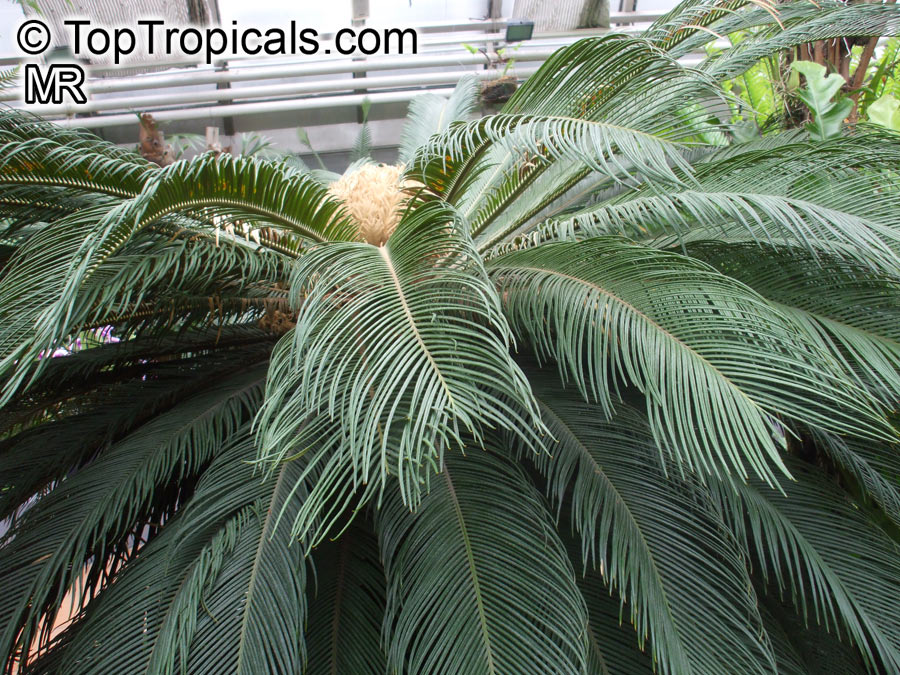

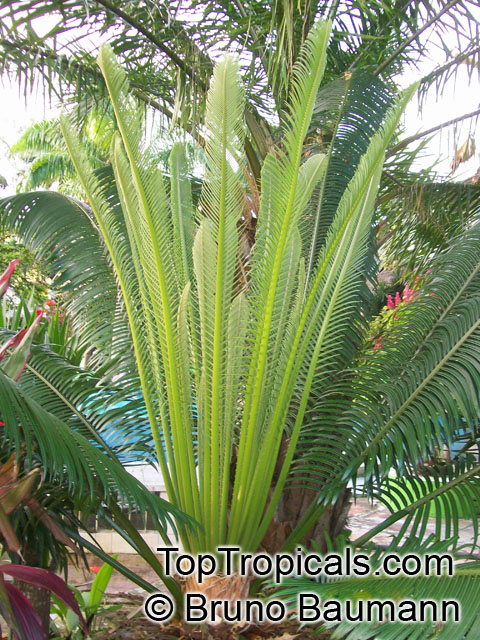
Botanical name: Cycas rumphii
Common name: False Sago
Family: Cycadaceae
Origin: Papua New Guinea, Indonesia
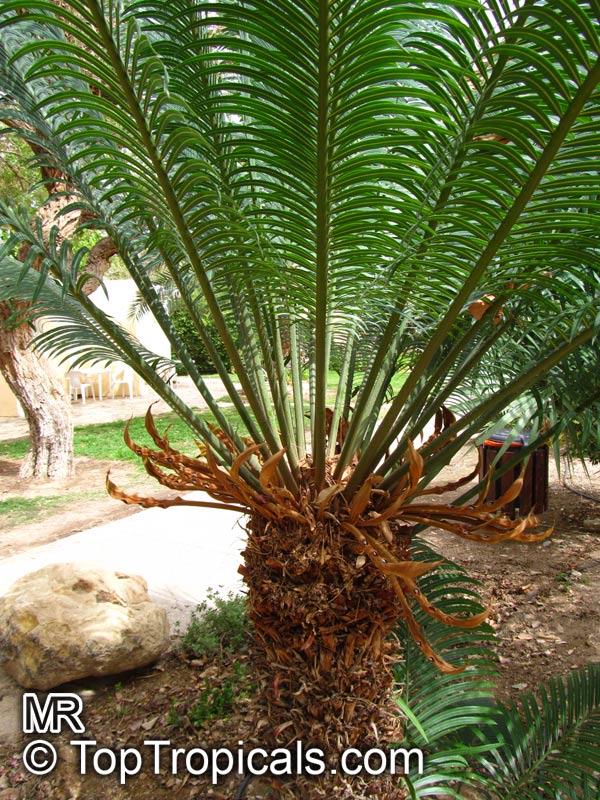
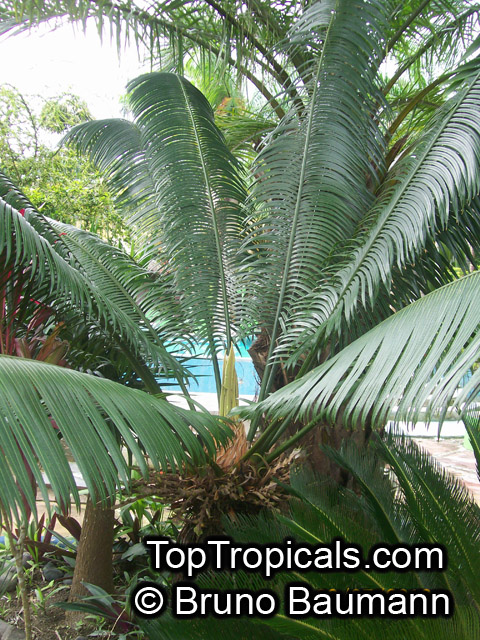
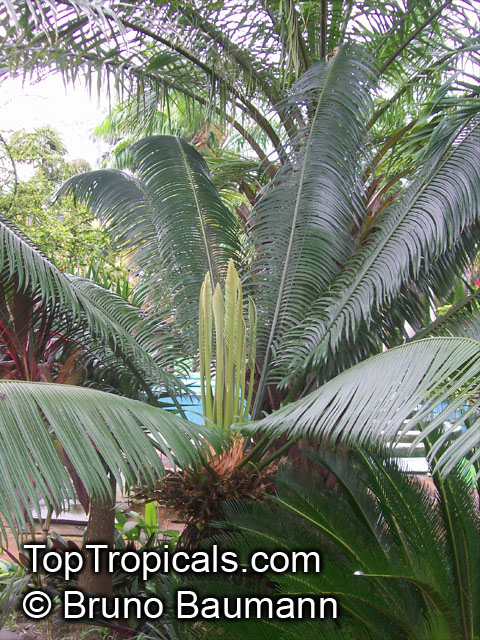
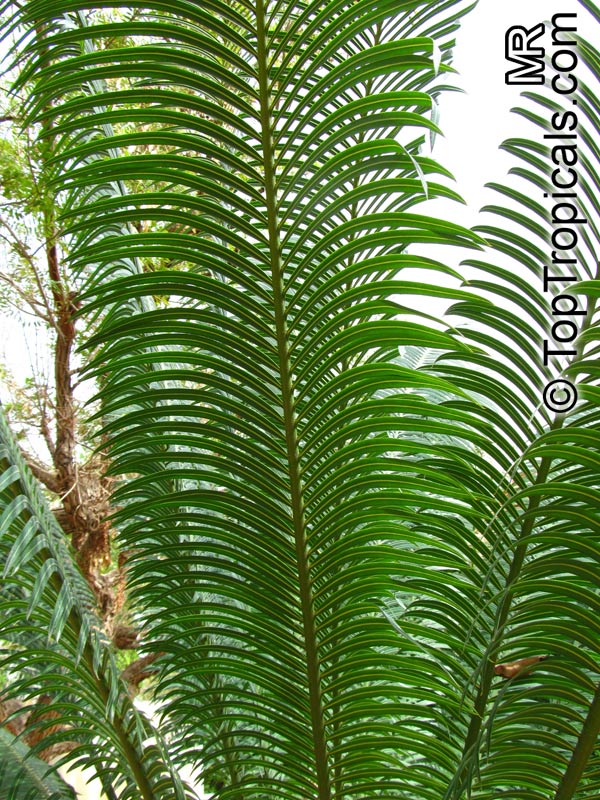
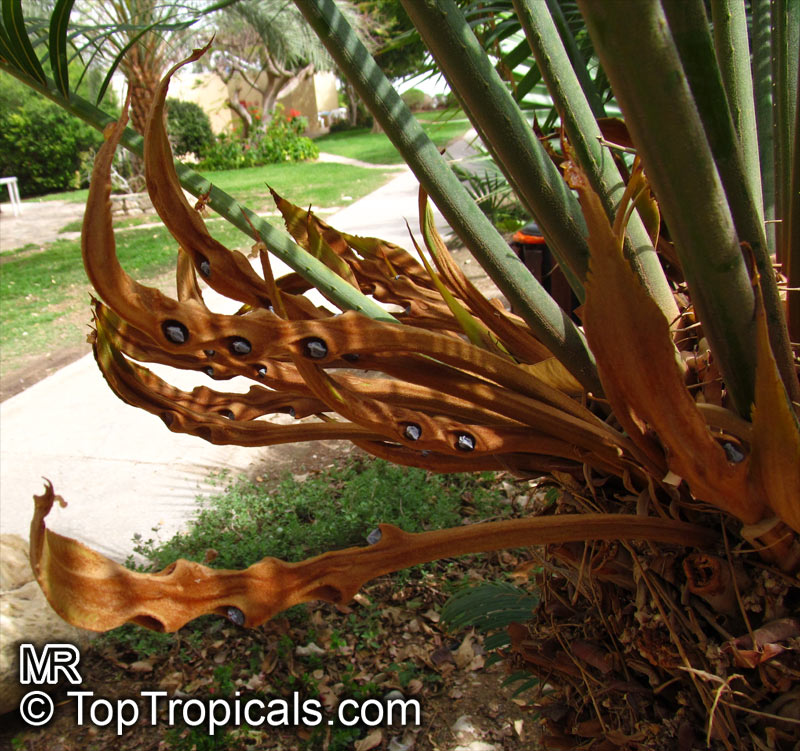


Botanical name: Cycas sp.
Common names: Cycas, Cycad
Family: Cycadaceae
Origin: Southeastern Asia, Eastern Africa, Australia
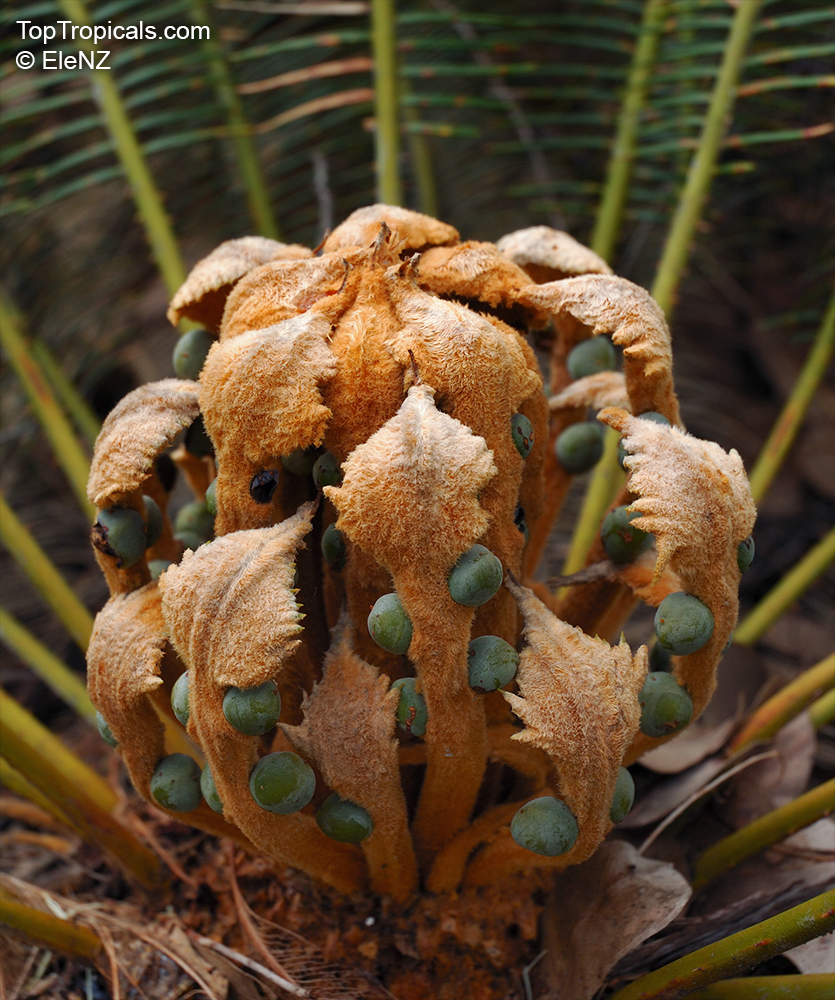
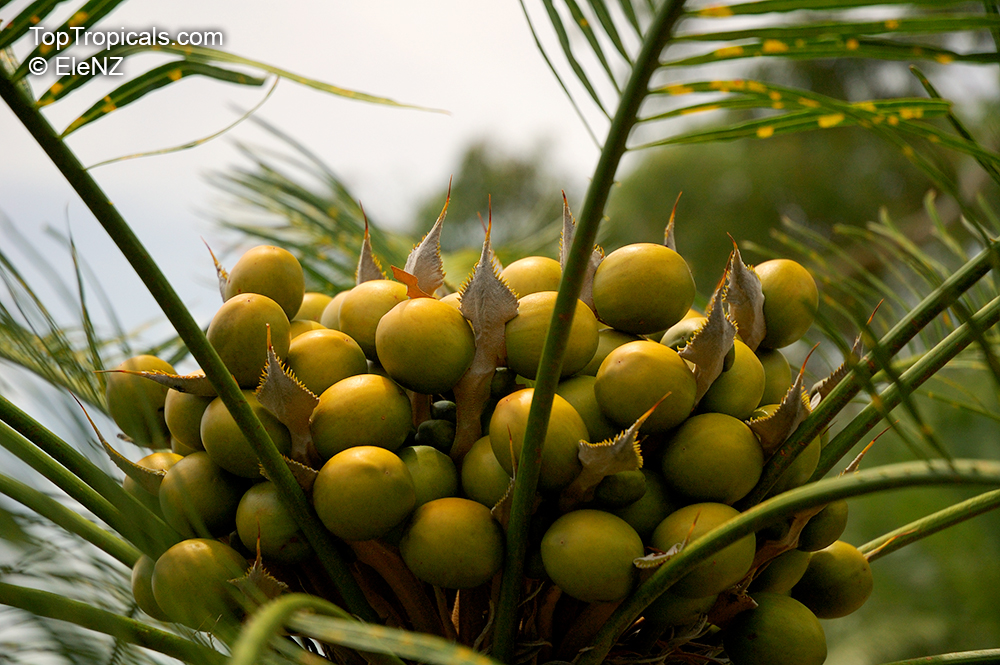
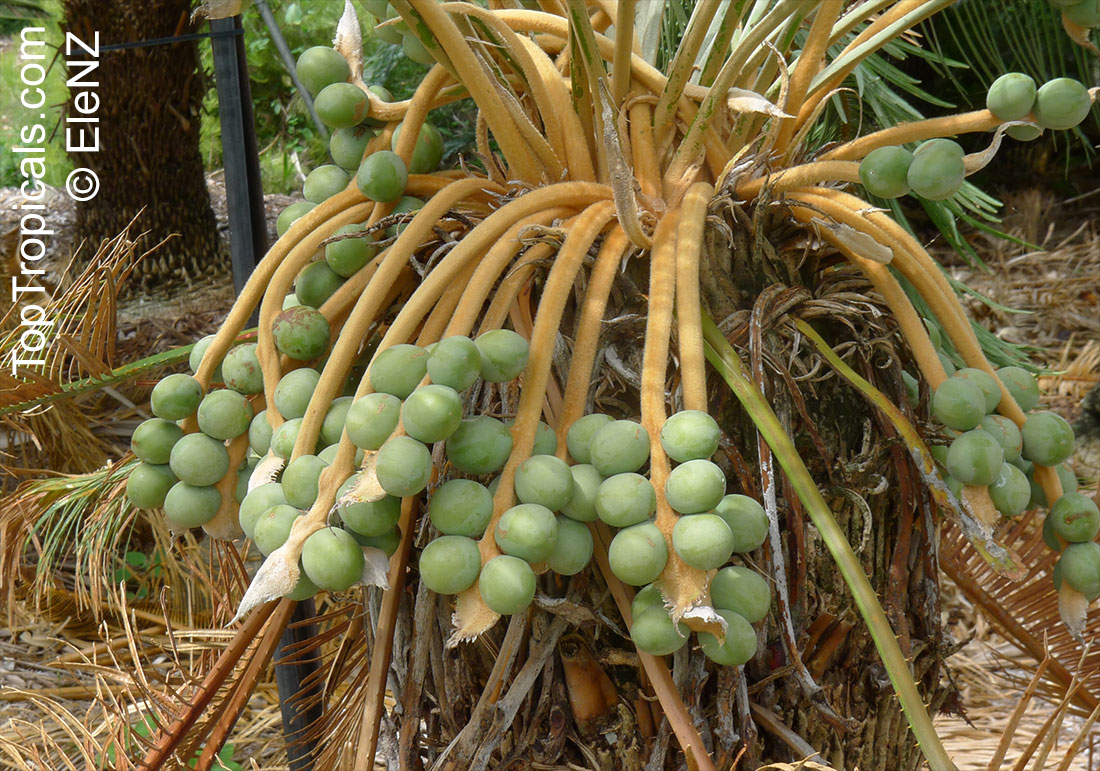
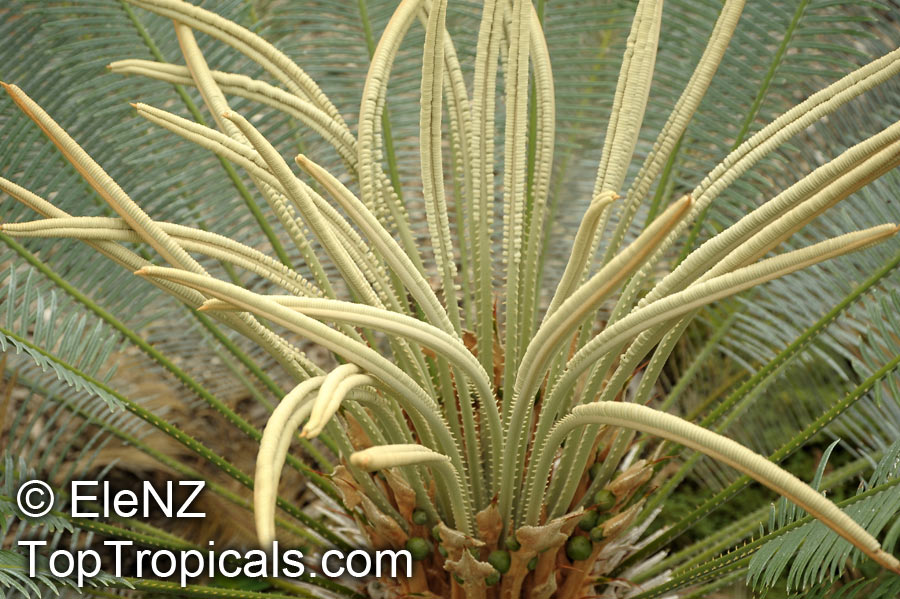
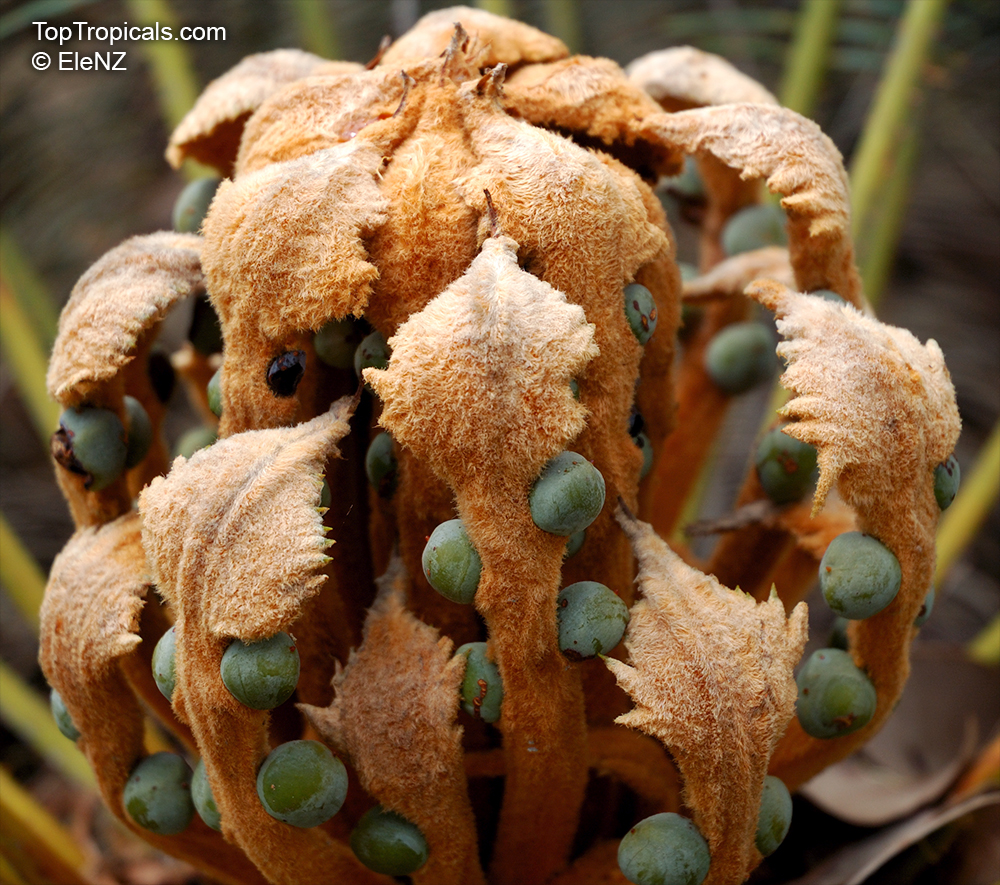
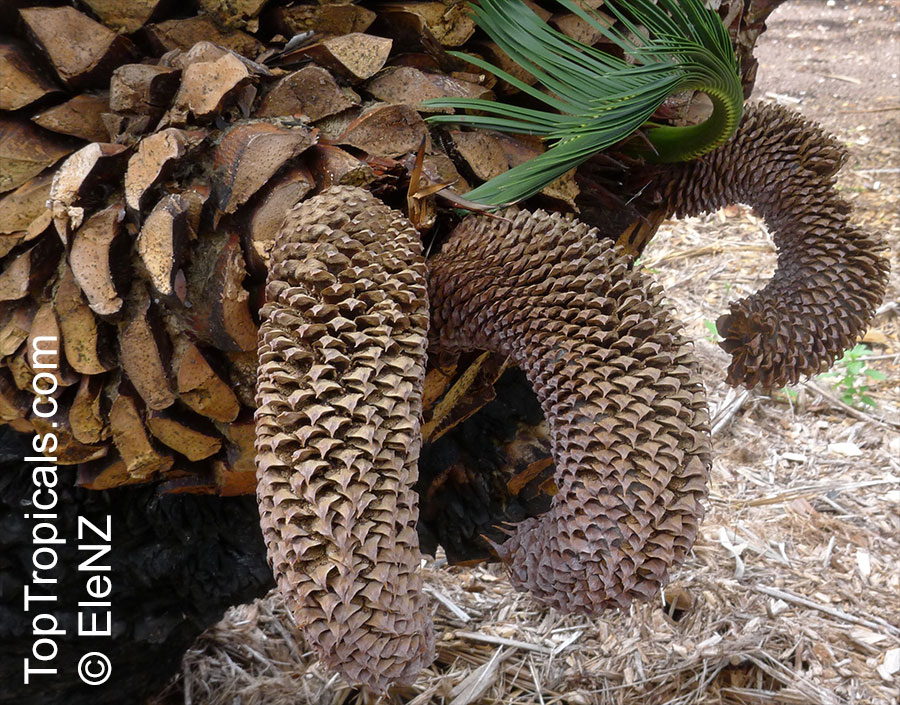
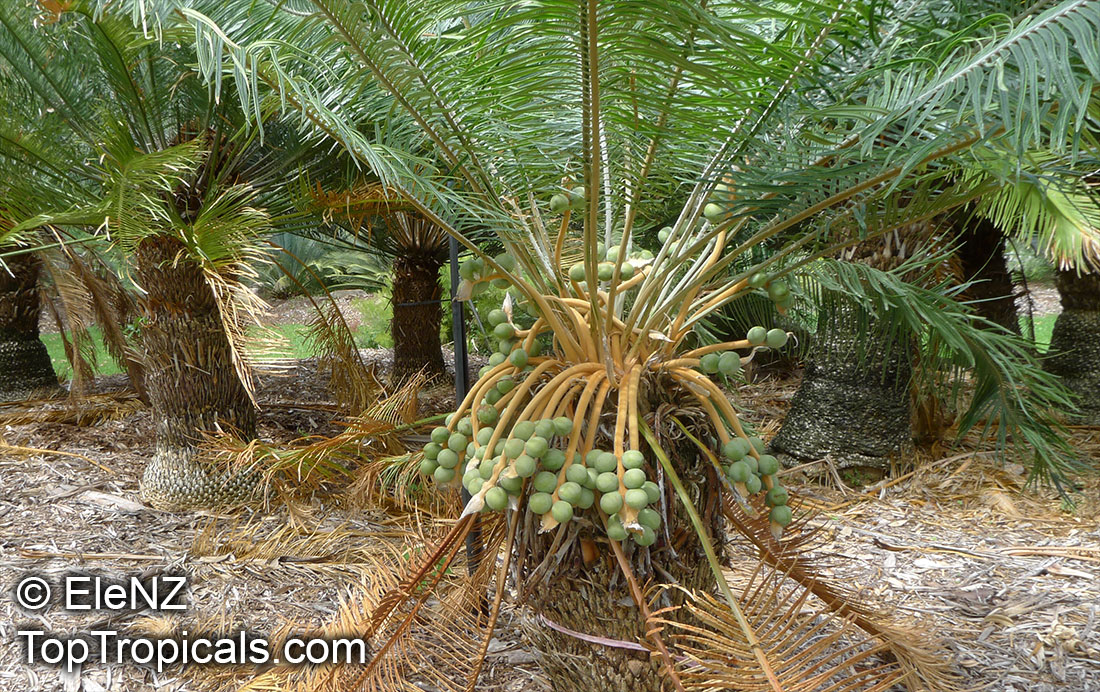
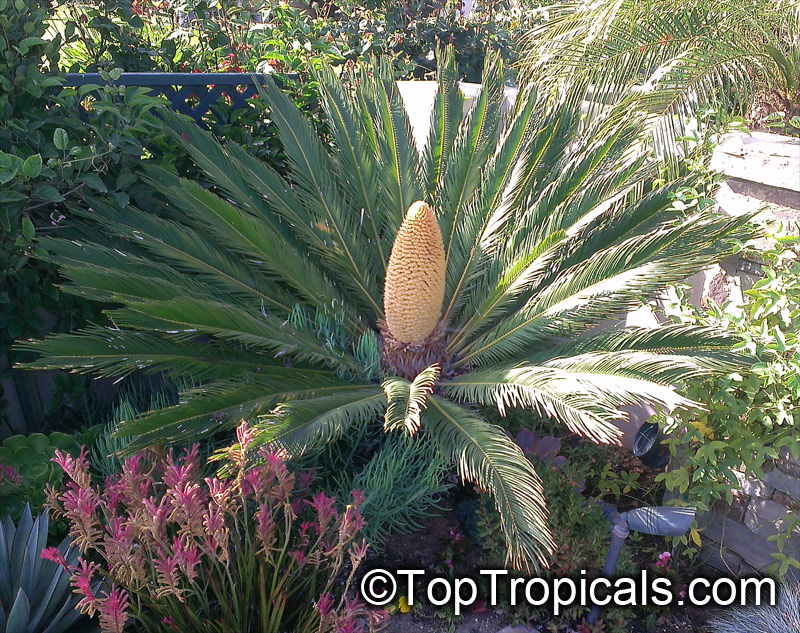
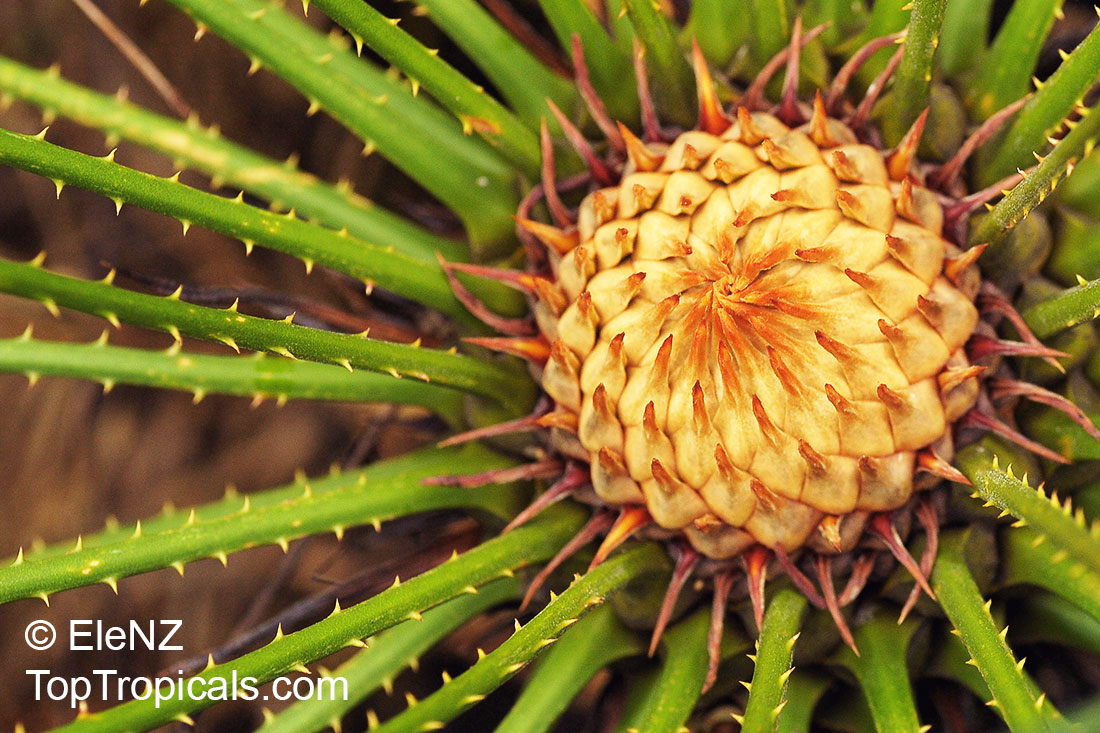
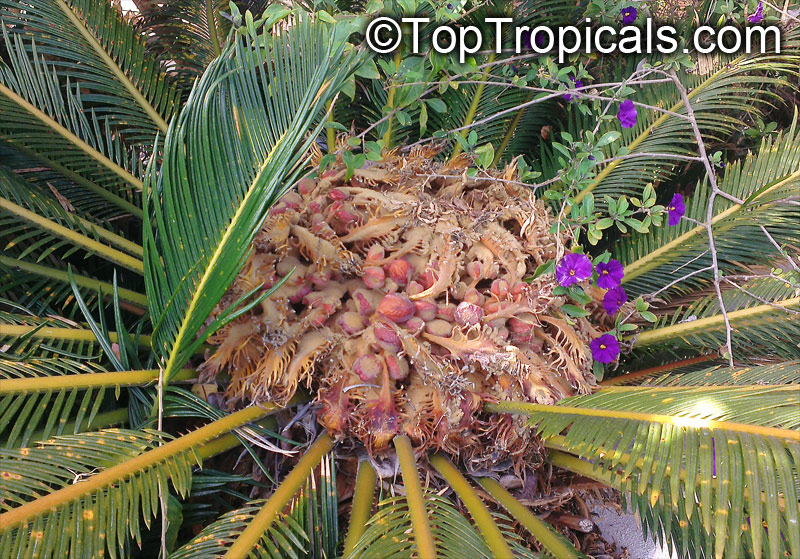
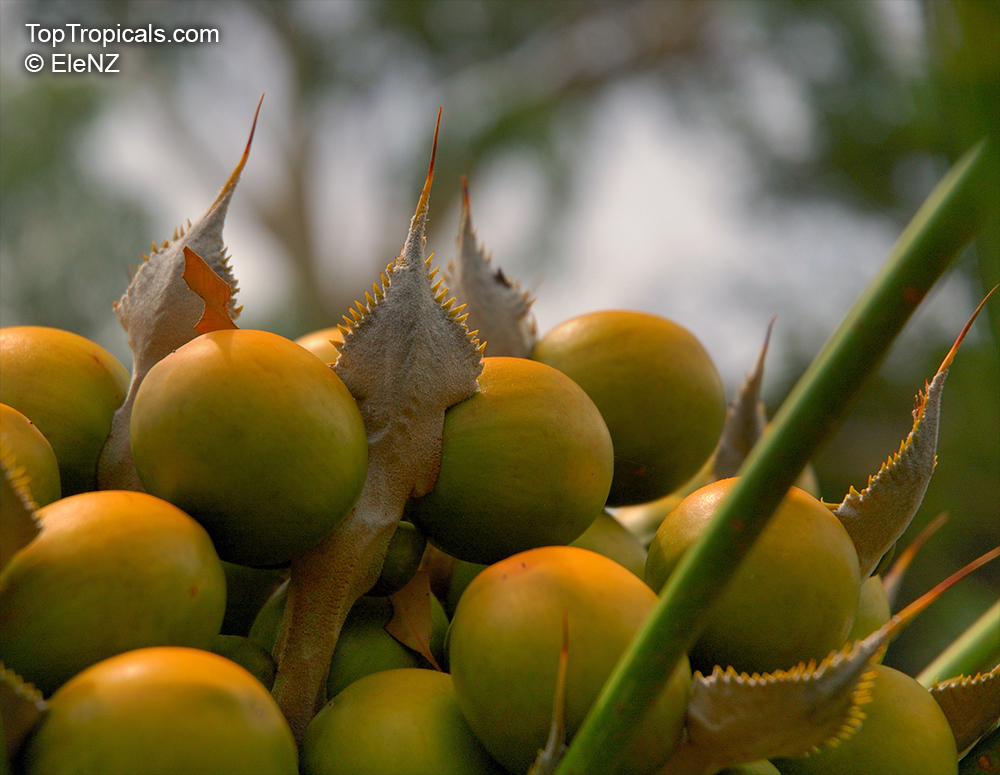
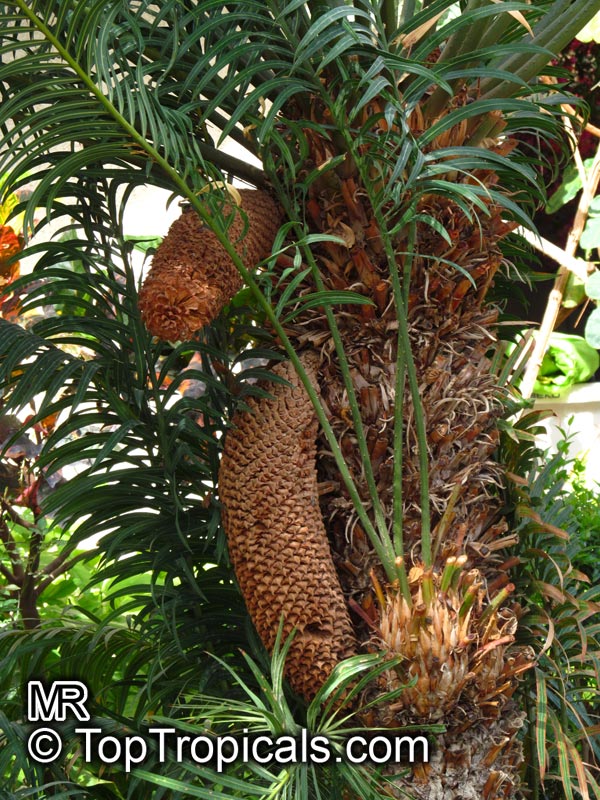
Botanical name: Cycas thouarsii
Common names: Madagascar Cycad, Madagascar Sago
Family: Cycadaceae
Origin: Madagascar
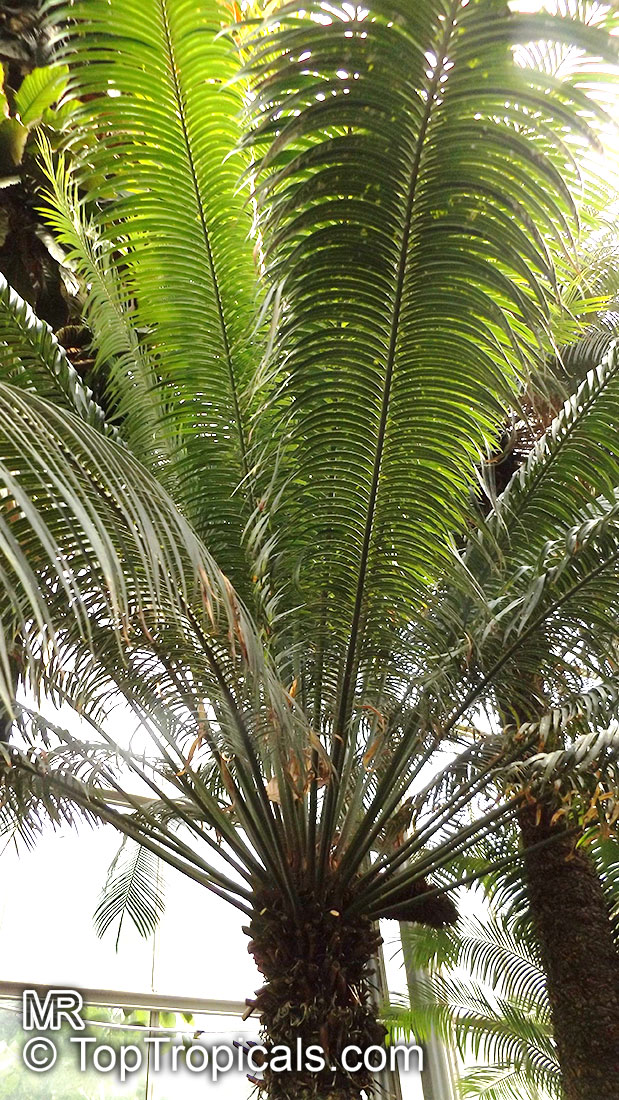
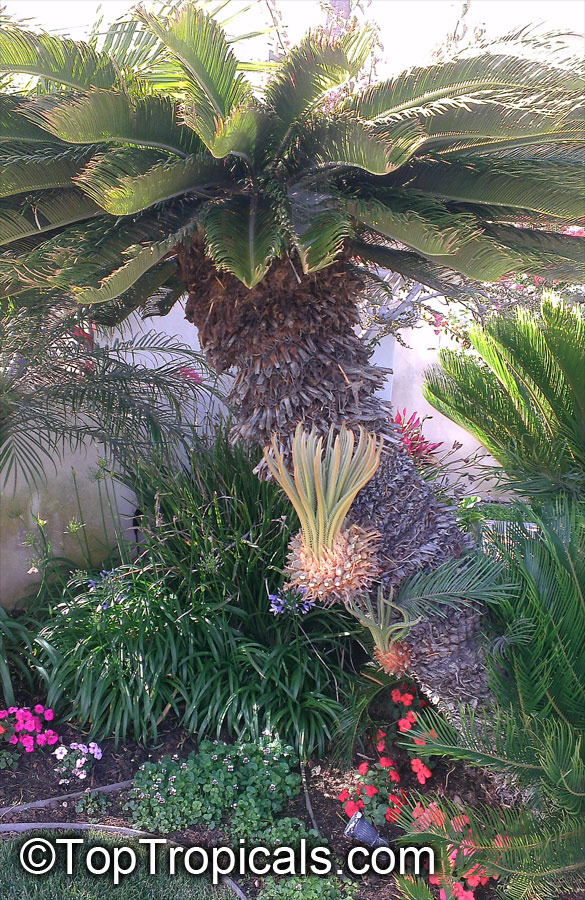
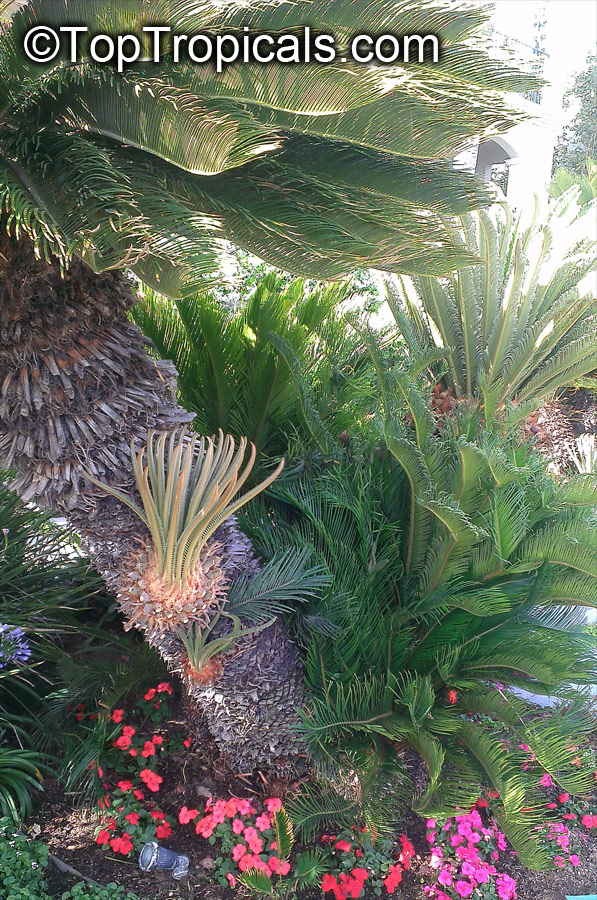
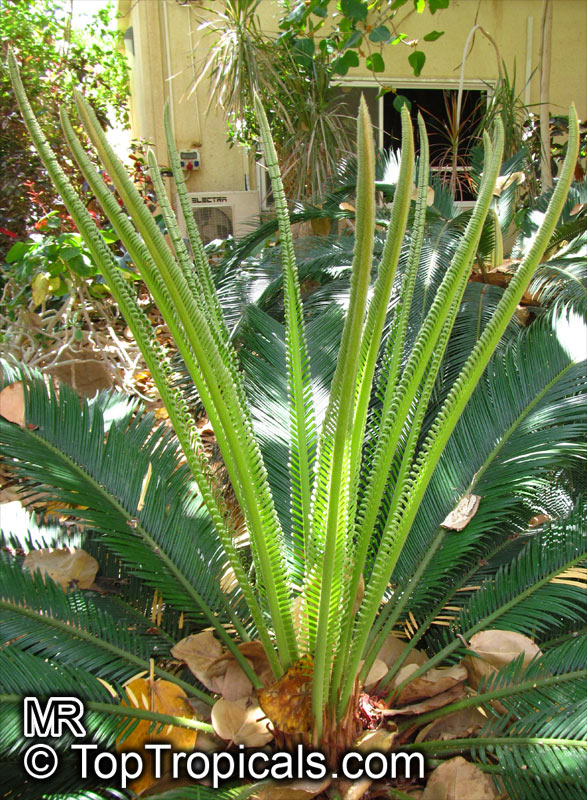
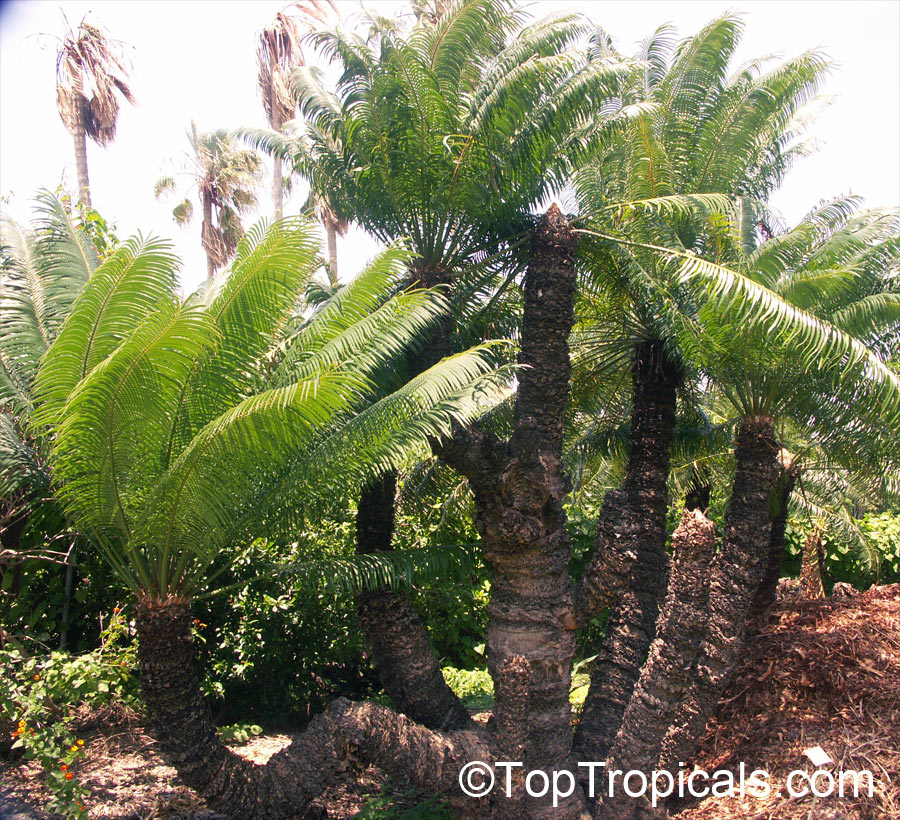
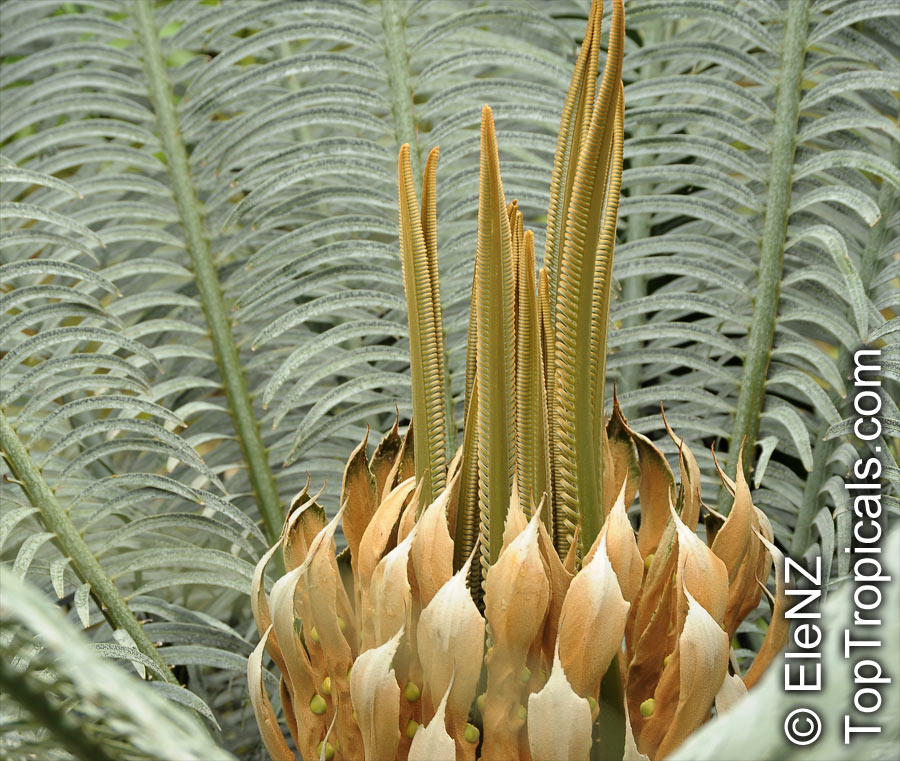
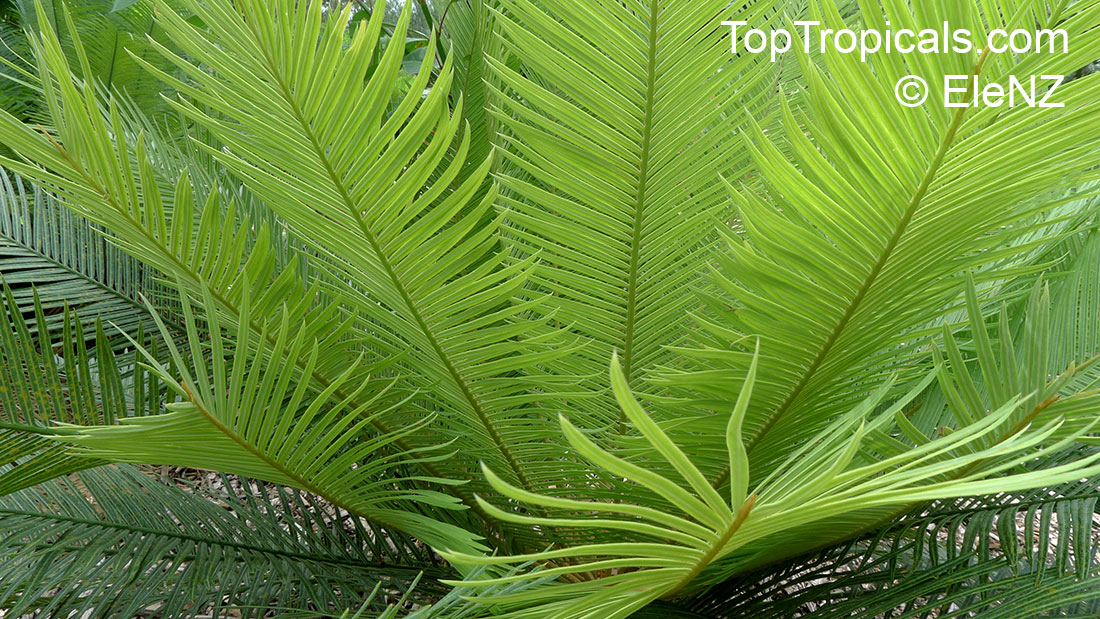
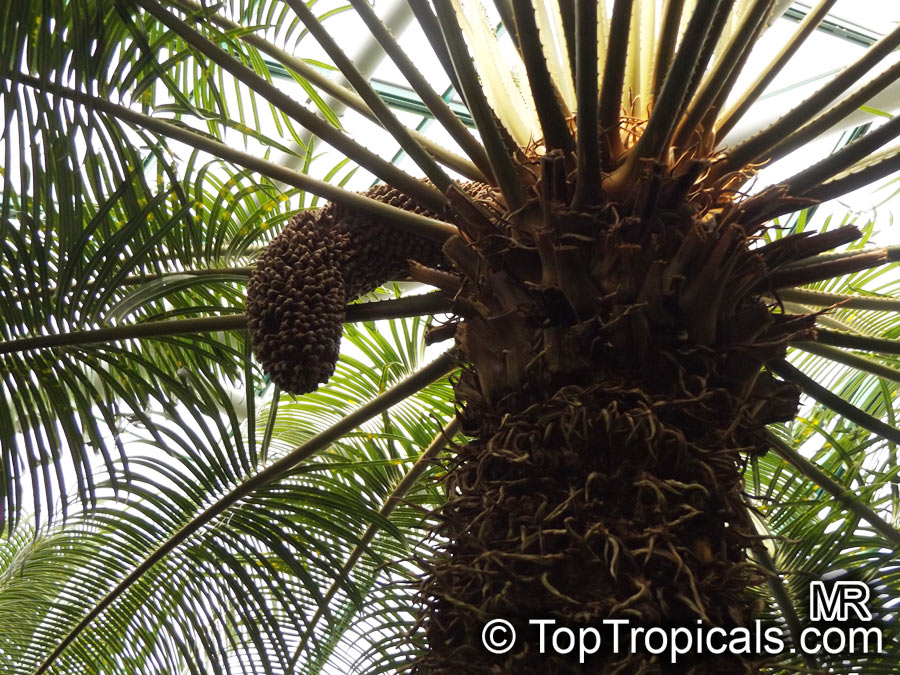
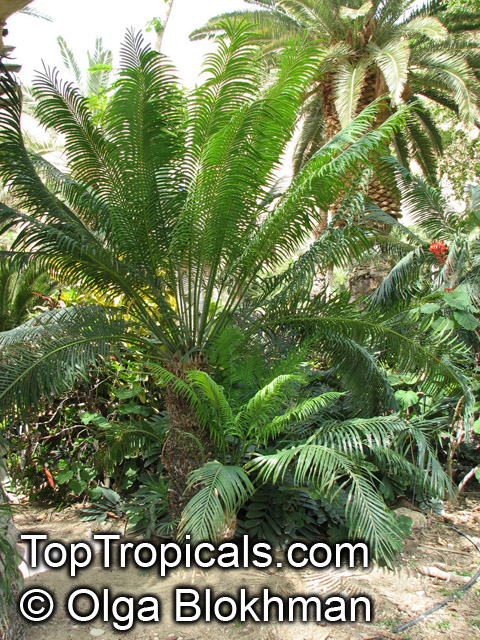
Cycas thouarsii is one of the largest cycads and probably the fastest-growing, reaching over 10 meters tall.
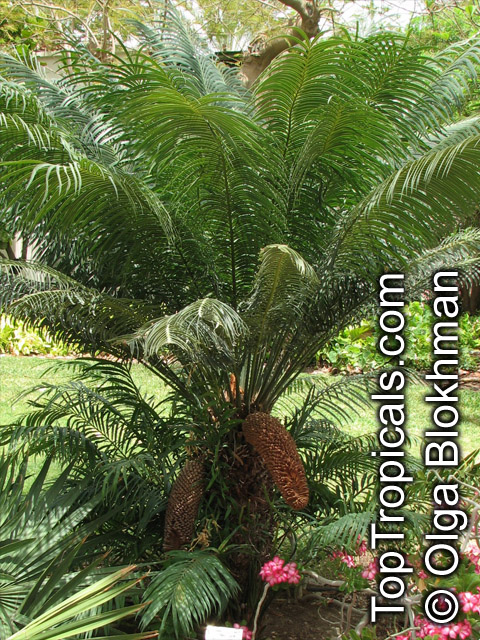
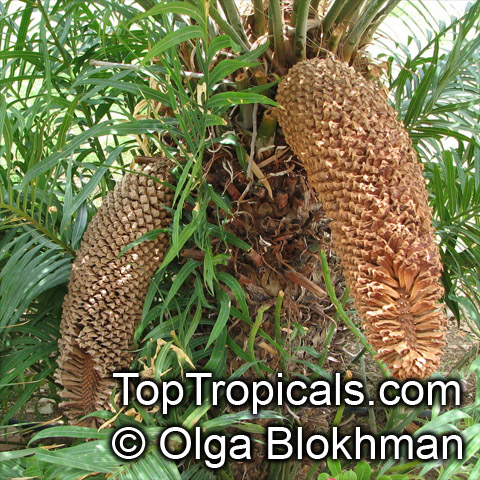
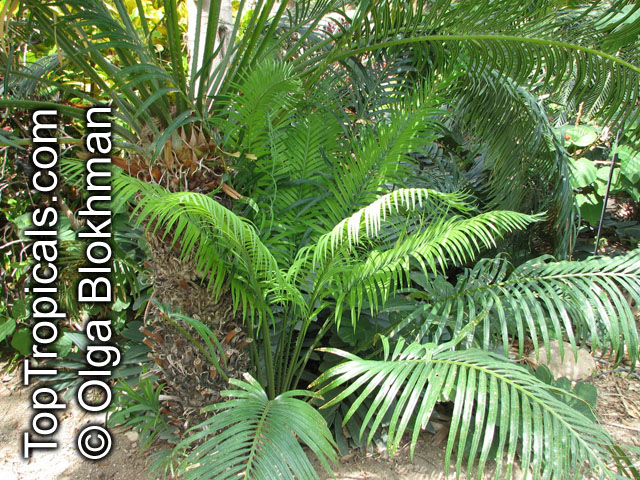
Use link to repeat this search:
https://toptropicals.com/cgi-bin/garden_catalog/cat.cgi?search_op=and&keyword_op=and&language=e&family=Cycadaceae&number=10
&no_change_lang=1&user=tt&sale=1&first=0