Clusiaceae - Botanical Family
| Number of plants found: 27 | Next | 
|
Go to page: | 1 | 2 | 3 |
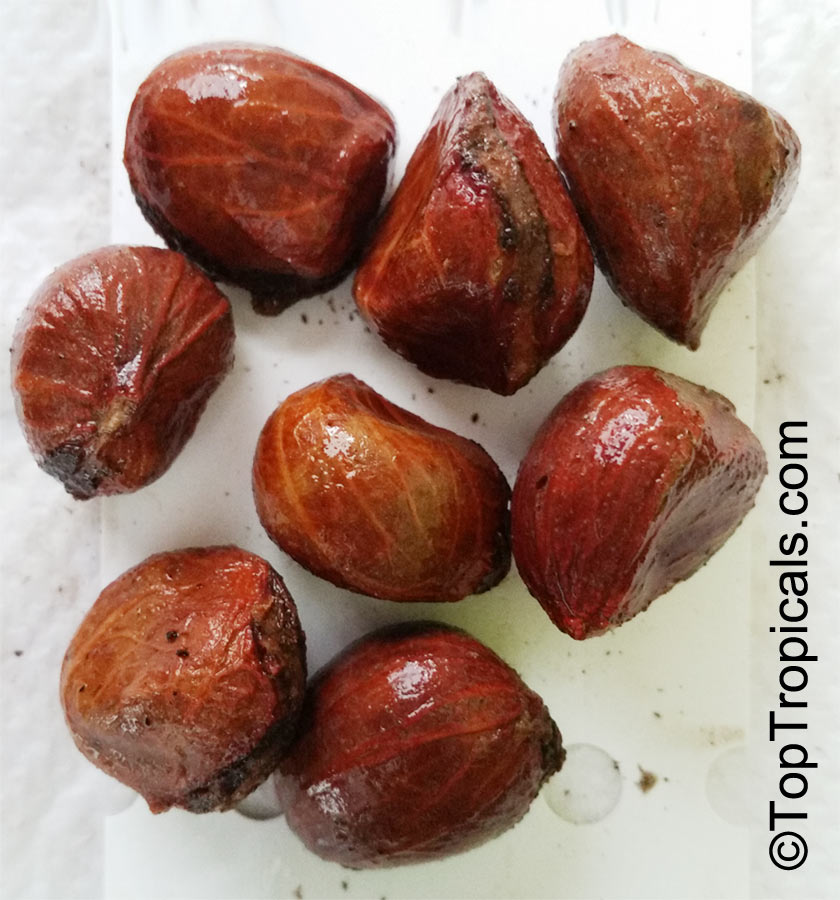
Botanical name: Allanblackia sp.
Common name: Tallow Tree
Family: Clusiaceae / Guttiferae
Origin: Tropical Africa


Allanblackia sp. (Tallow tree), native to the tropical forests of Africa, is a small tree usually ranging from 10-20 ft tall. It prefers full sun, but can also do well in semi-shade and needs regular but moderate water. This tree is a showstopper, with bright pink, white, off-white and yellow or orange flowers.
This tree is an ethnomedical plant, which means its seeds have been used for centuries in African traditional medicine for inflammation and for fighting bacteria, and parasites. It is also edible and the fruit, although not particularly delicious, can be eaten as a snack or added to fruit salads.
Allanblackia floribunda can produce up to 100 fruits per year, each of which contain a dozen or more seeds. The seeds contain a rich oil that is used in cooking and cosmetics. In cooking, the oil has a neutral flavor and is high in omega-3 fatty acids, making it an excellent choice for those looking to add healthy omega-3s to their diet. In the cosmetics industry, it is used for its moisturizing, anti-inflammatory and anti-aging properties.
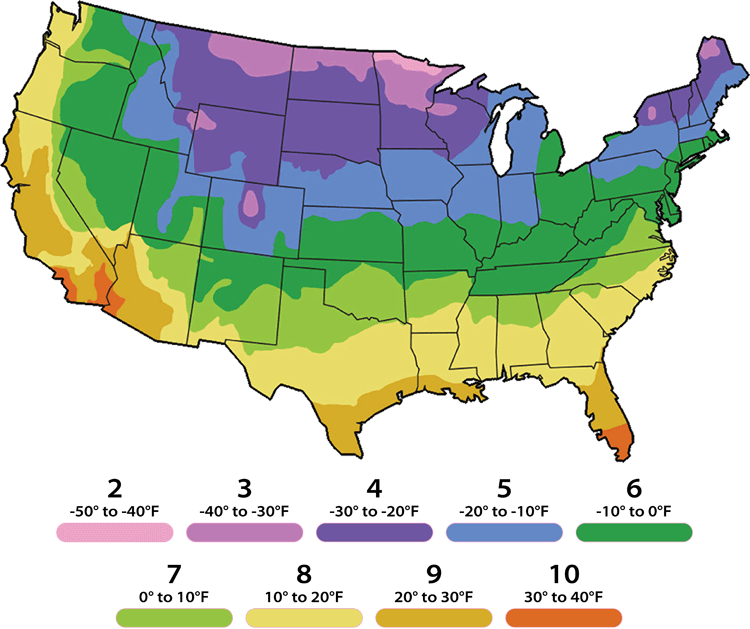
This tree can be grown in USDA Hardiness Zones 9-11 in pots in cold regions as well. When planting, make sure the soil is well-drained, with plenty of compost and fertilizer added. Keep soil moist and provide regular but moderate water. Sun exposure should be full sun to semi-shade but avoid full shade as it will cause poor flowering, fruit formation and oil production.
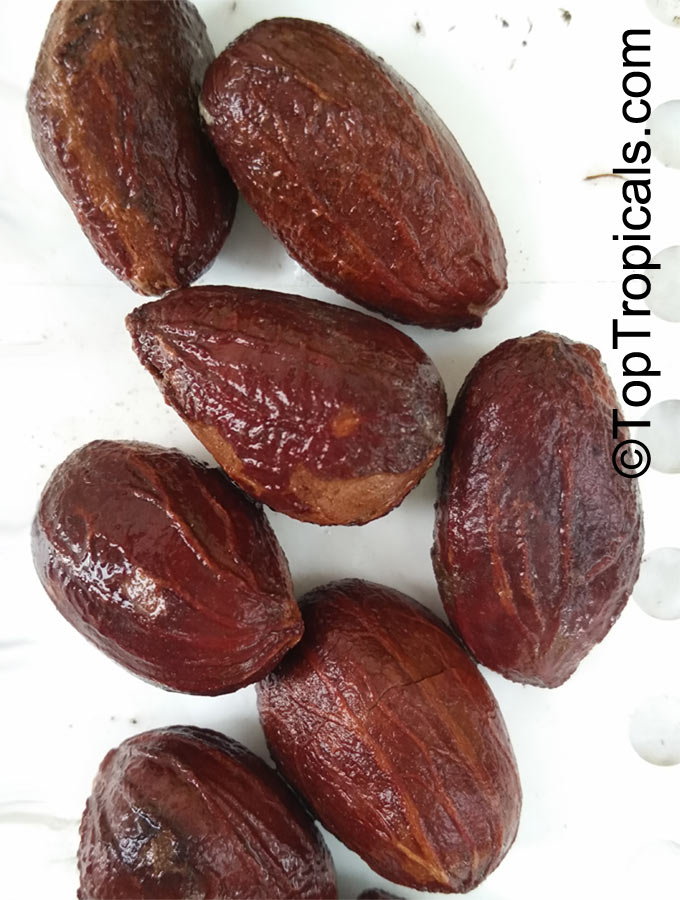
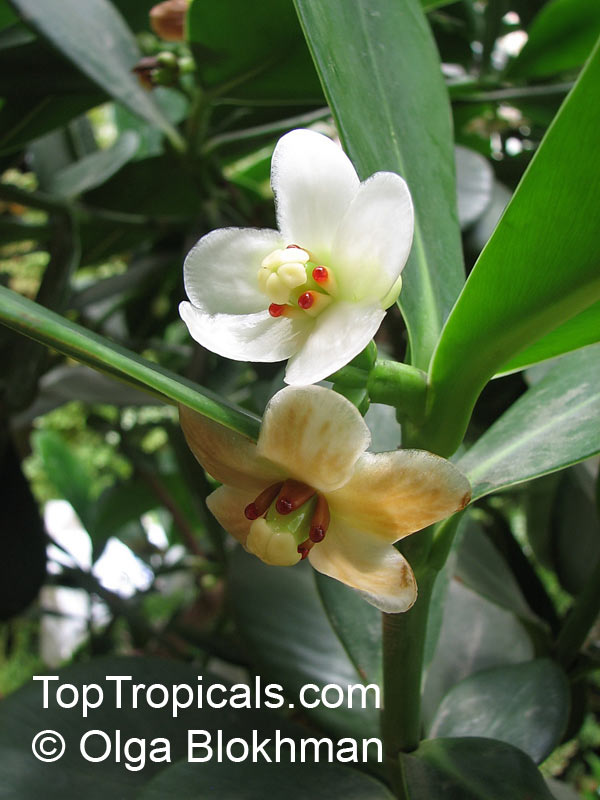
Botanical name: Clusia fluminensis
Common names: Dwarf Clusia, Clusia 'Nana'
Family: Clusiaceae / Guttiferae
Origin: South and Central America


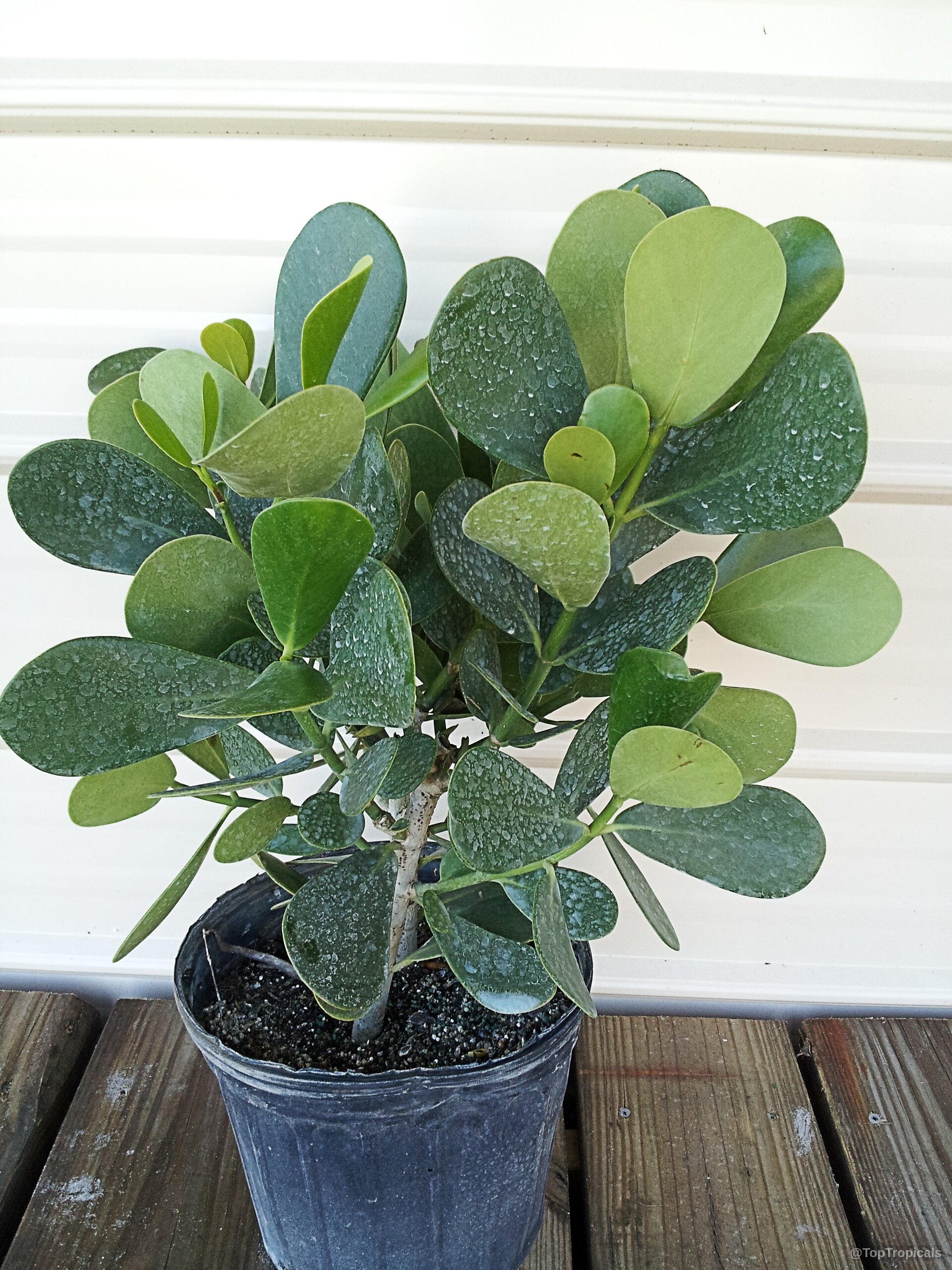
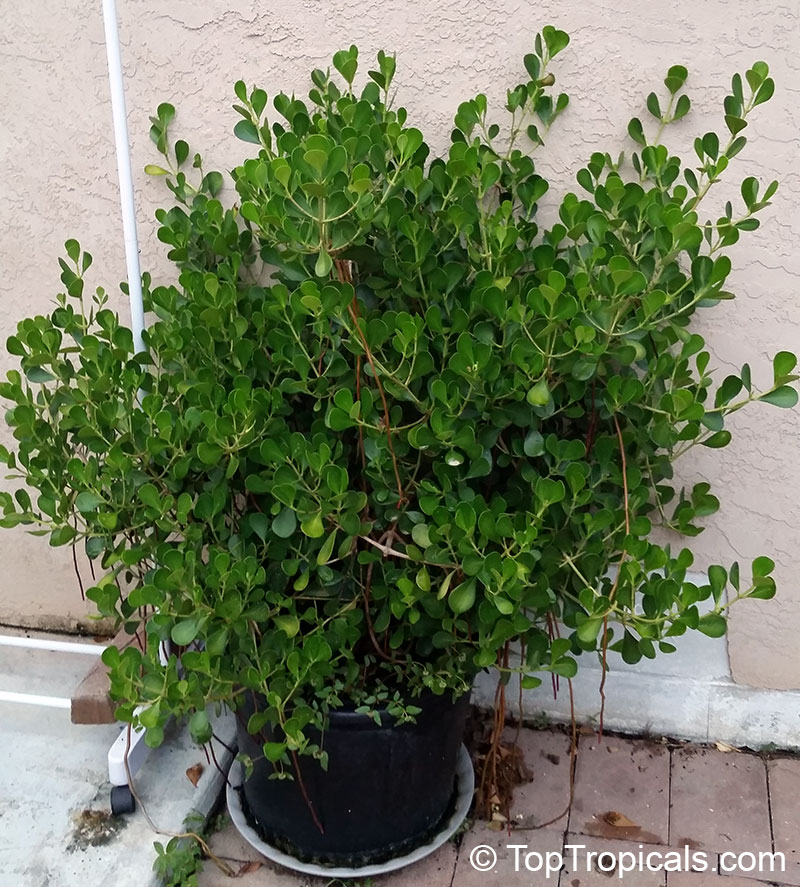
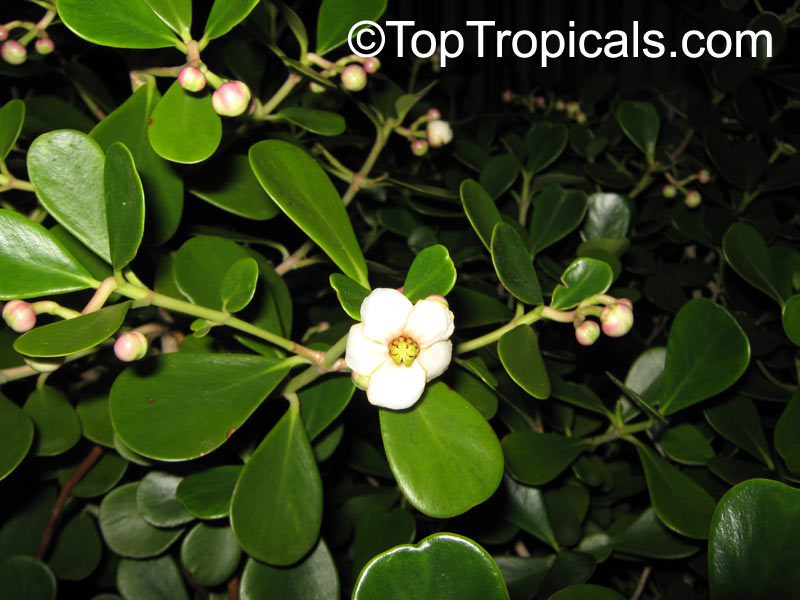
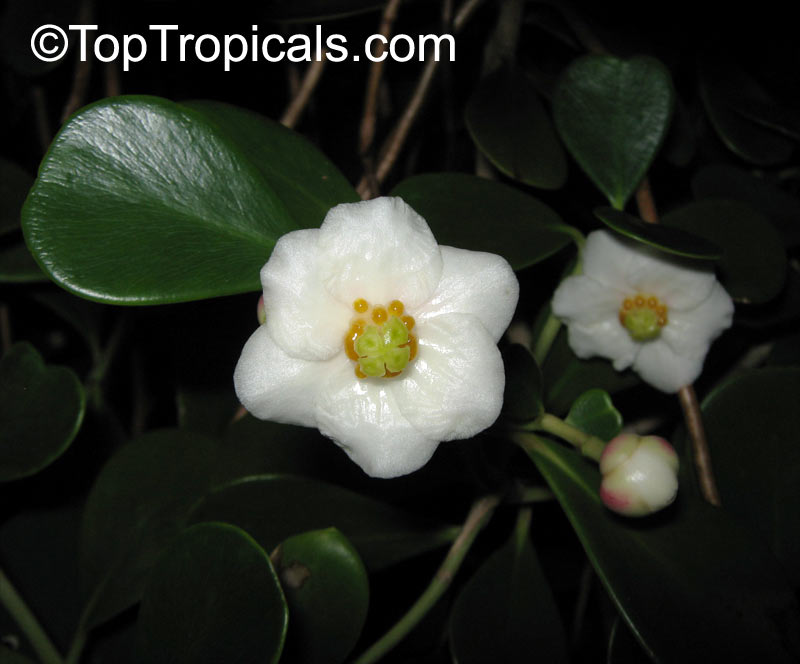
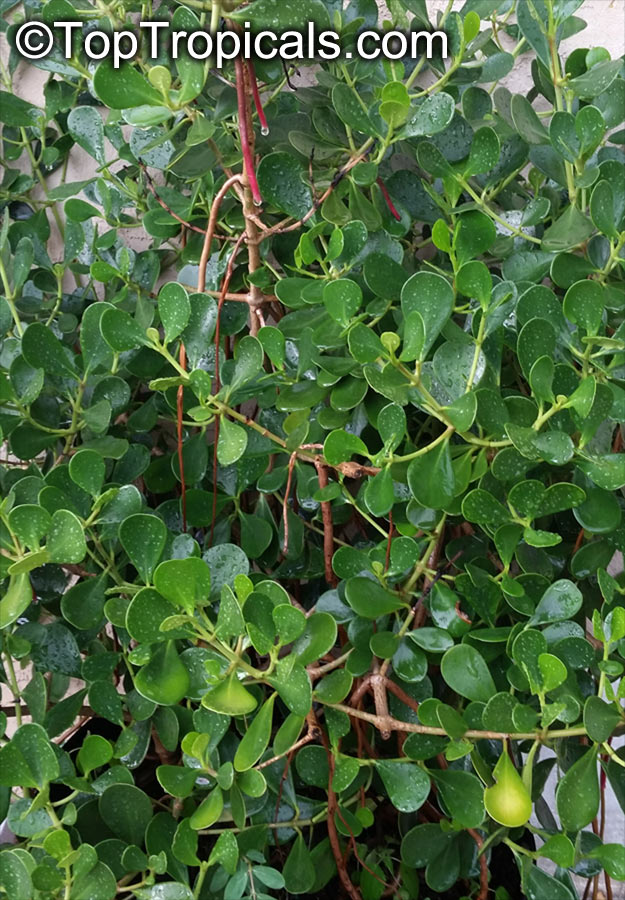
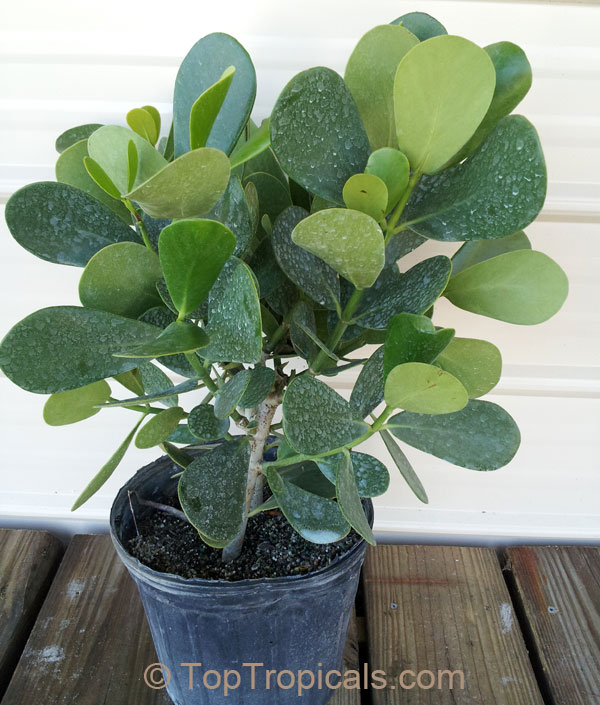
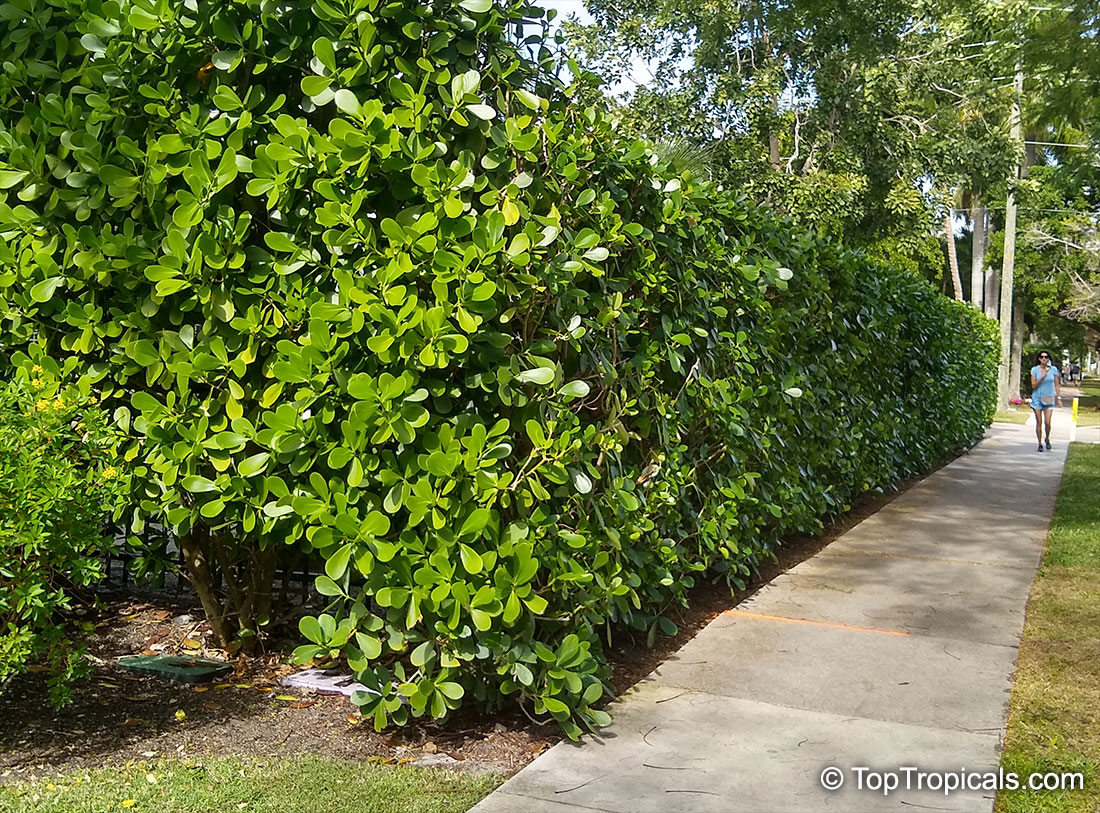
Dwarf Clusia (Clusia fluminensis) is a tropical evergreen shrub native to South and Central America. It is commonly found in Brazil, Paraguay, and parts of Central America, and is known for its versatility and attractive appearance. This plant is a great choice for those who are looking for a low-maintenance shrub that is perfect for growing in seaside locations or in areas where salt tolerance is a requirement.
Dwarf Clusia can be grown as a large shrub, reaching 5-10 ft in height and 2-5 ft in width, or as a small bonsai, making it an ideal choice for gardeners with limited space. The shrub is well-suited to full sun, semi-shade, or shade, and is known for its small, leathery leaves that are pear-shaped and may be tinted red or purple when young.
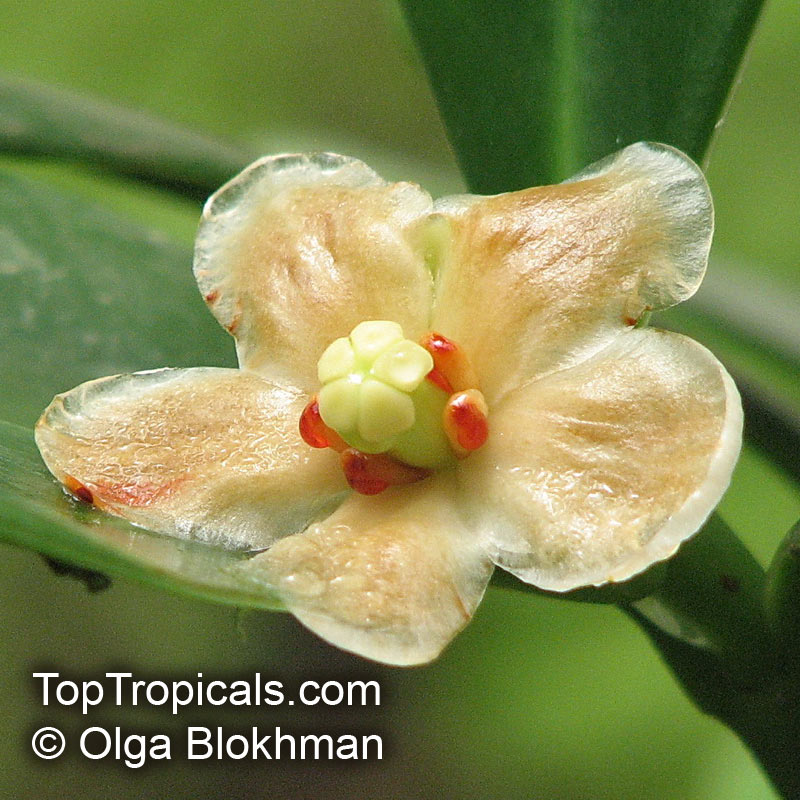
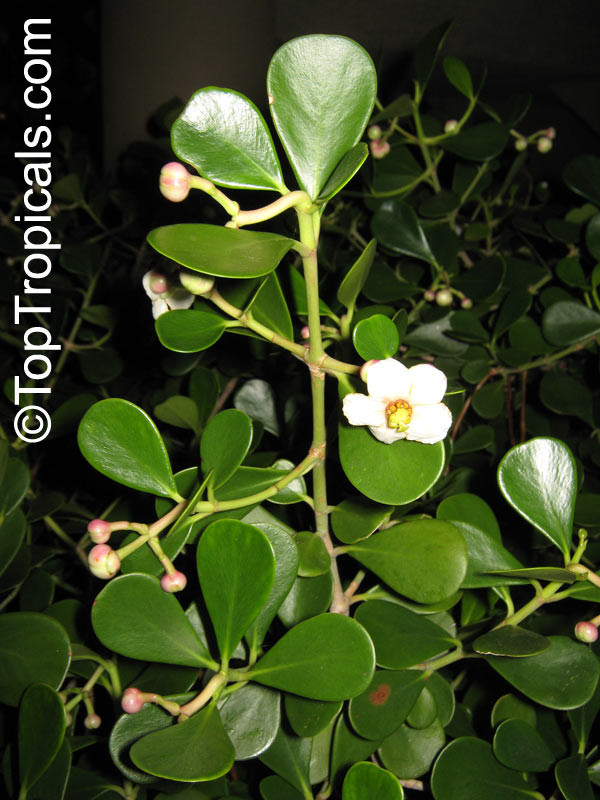
During the summer months, Dwarf Clusia produces clusters of light pink, white, or off-white, fragrant flowers that are sure to add a touch of beauty to any garden. The plant is a tough, salt-tolerant species that can withstand short periods of time in temperatures as low as 30F, making it suitable for growing in USDA Zone 10-11.
When it comes to caring for Dwarf Clusia, moderate water is required, and the plant should be fertilized every four to six weeks to promote optimal growth. Pruning is not required, but it can help to maintain the desired size and shape of the shrub.
In cold regions, Dwarf Clusia should be planted in a container and placed in a location that receives at least some winter sun and is protected from drying winds. A layer of mulch can be used in winter to help moderate the temperature of the soil, and during dry spells, container-grown plants should be watered deeply and more frequently to ensure they receive the moisture they need to thrive.
Dwarf Clusia is a versatile, low-maintenance shrub that is perfect for gardeners who are looking for a tough, salt-tolerant plant that is both beautiful and easy to care for. Whether grown as a large shrub or as a bonsai, Dwarf Clusia is sure to add a touch of tropical beauty to any garden.

Recommended Fertilizer: SUNSHINE Megaflor - Bloom Nutrition Booster
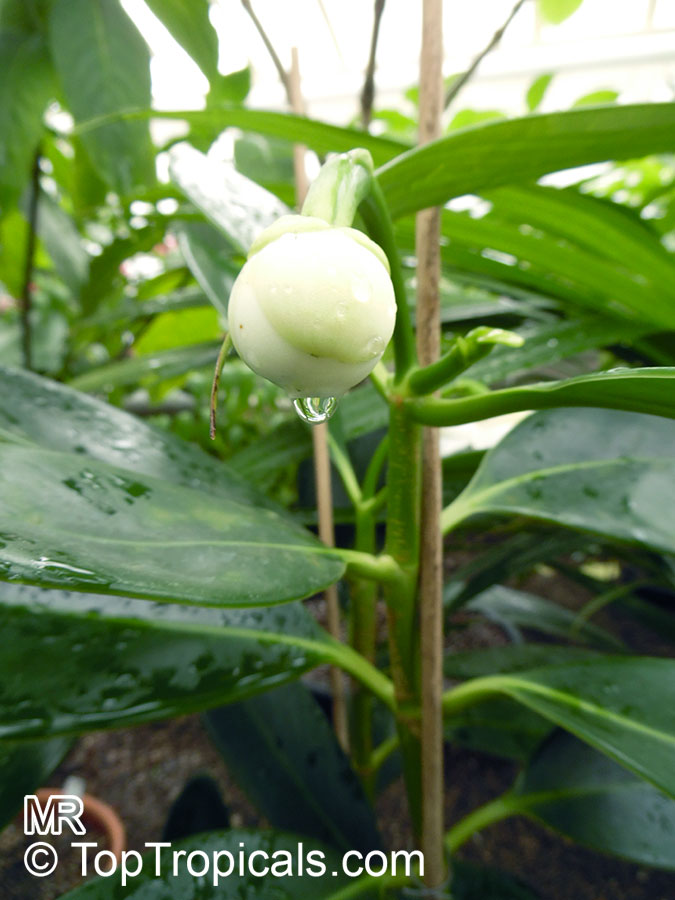
Botanical name: Clusia hilariana
Common name: Clusia
Family: Clusiaceae / Guttiferae
Origin: Brazil
Clusia hilariana is an evergreen tree with an open, spreading crown; it can grow 4 - 8 metres tall.
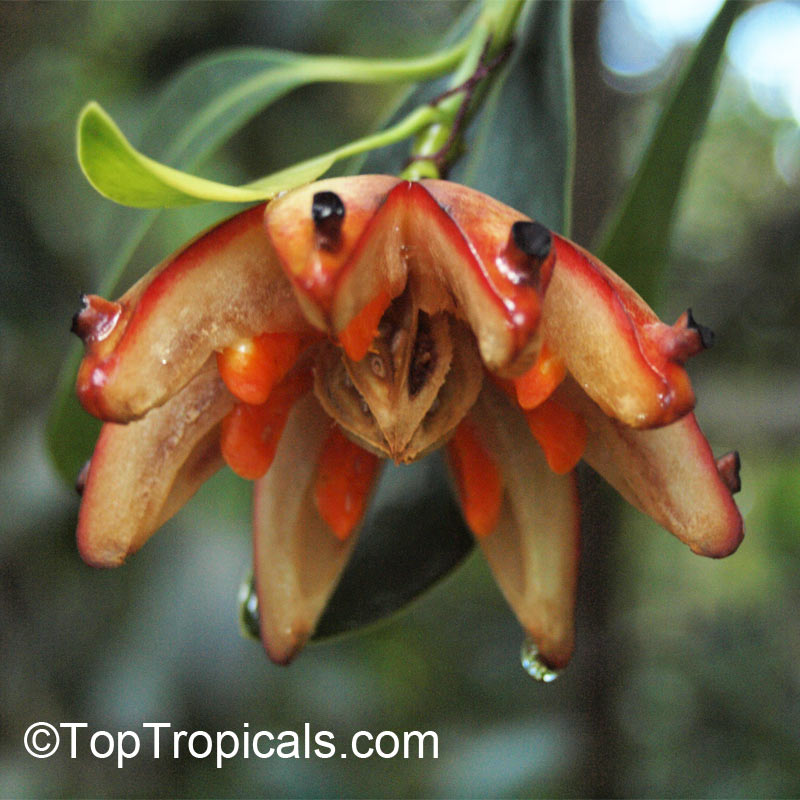
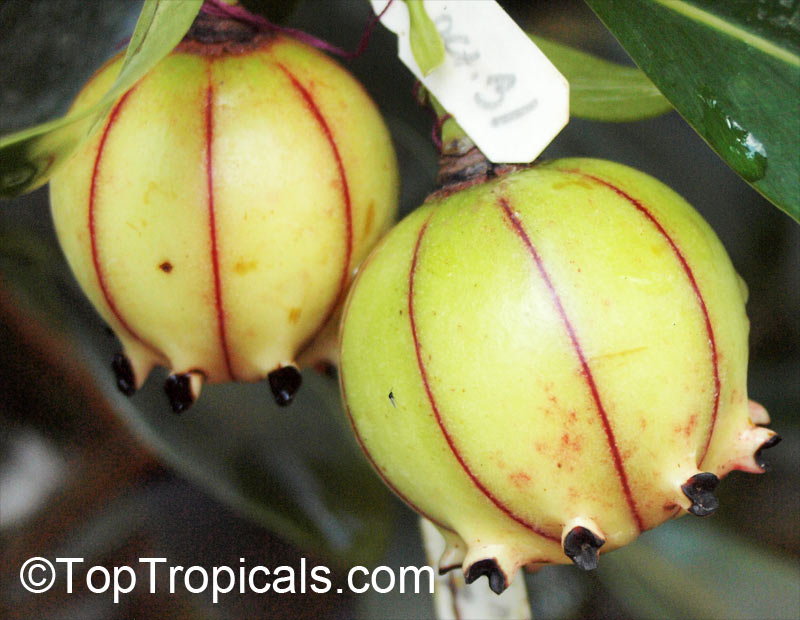
The tree is sometimes harvested from the wild for local use as a food, medicine and source of wood. A very ornamental plant, it can be used in general landscaping. The fruit is a globose capsule around 5cm in diameter containing several seeds surrounded by an orange-red edible aril.
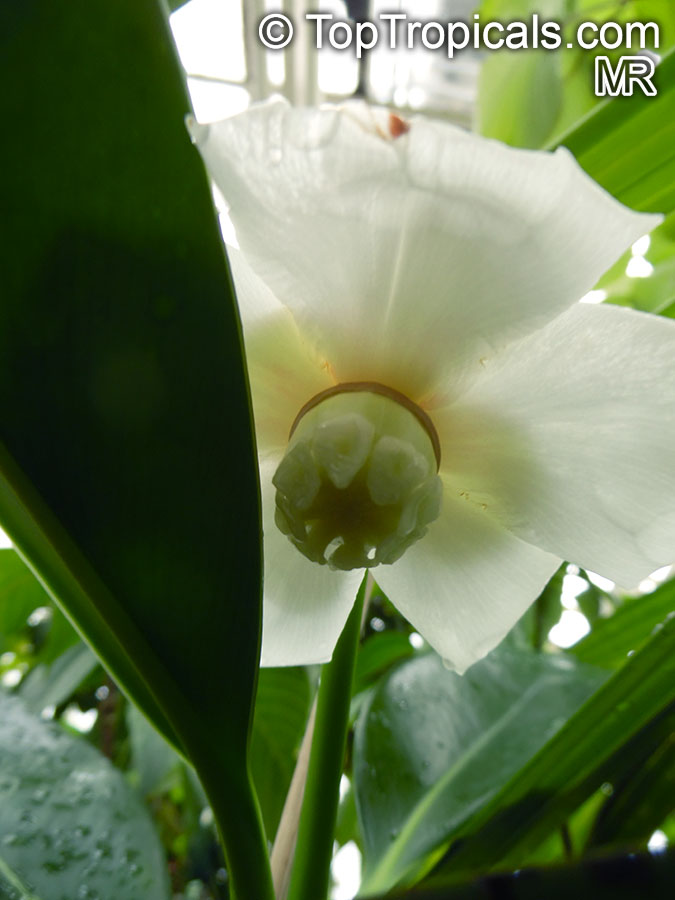
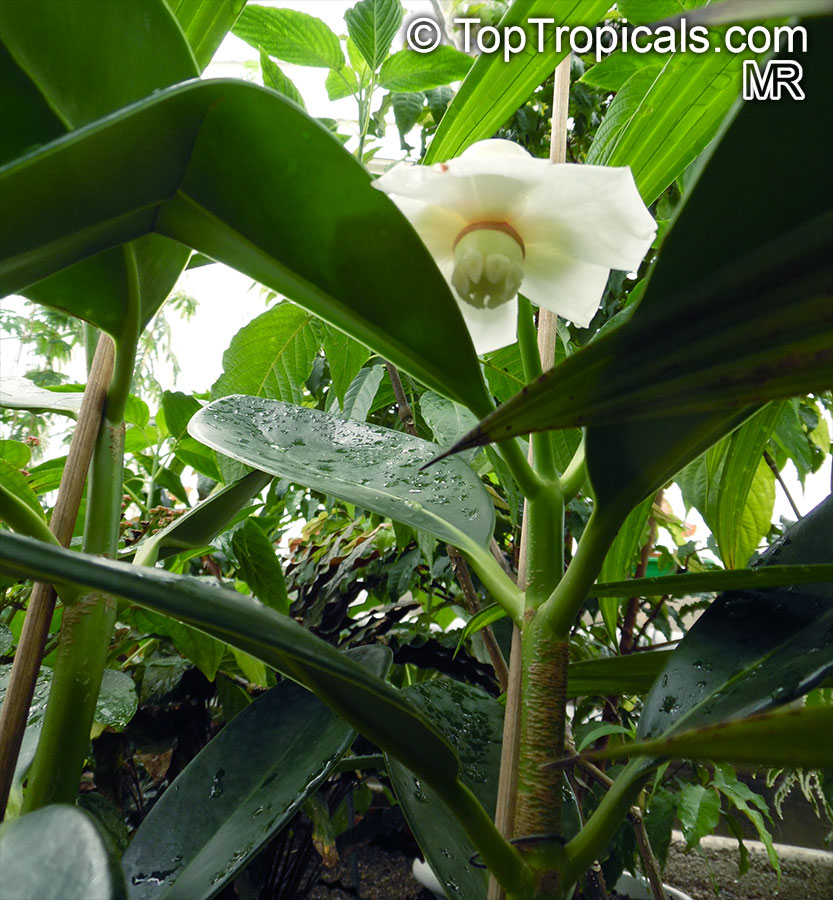
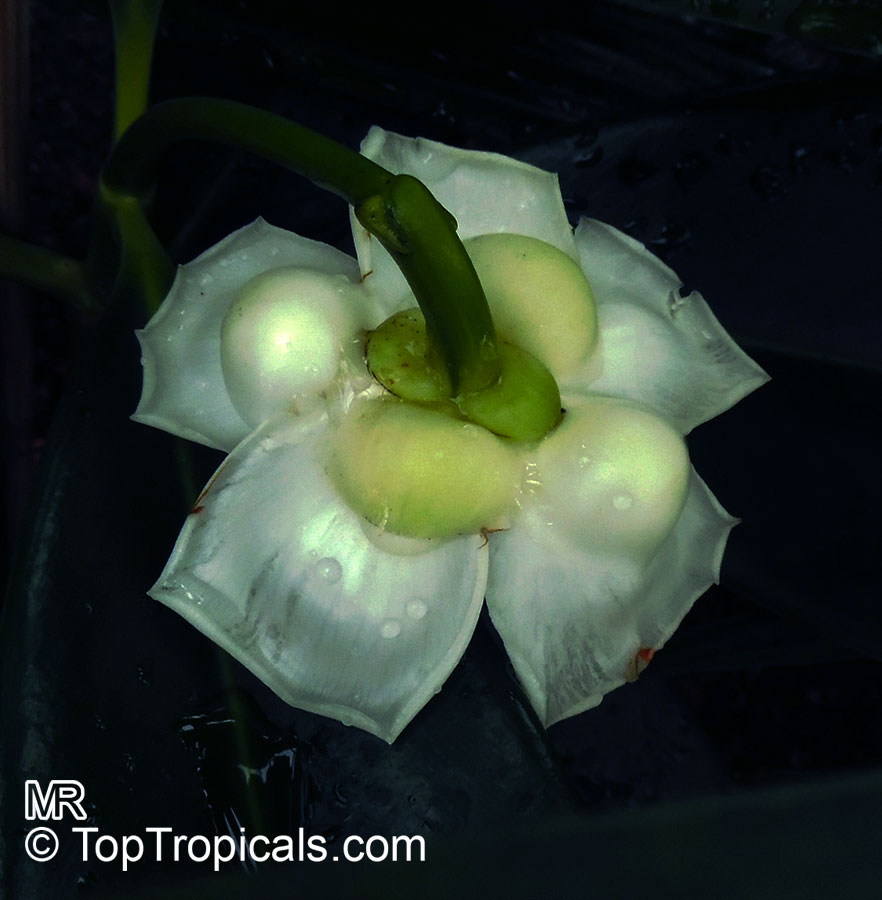
Botanical name: Clusia lanceolata
Common names: Porcelain Flower, Copey, Balsam Apple, Pitch Apple, Cerra cipapao apple
Family: Clusiaceae / Guttiferae
Origin: America


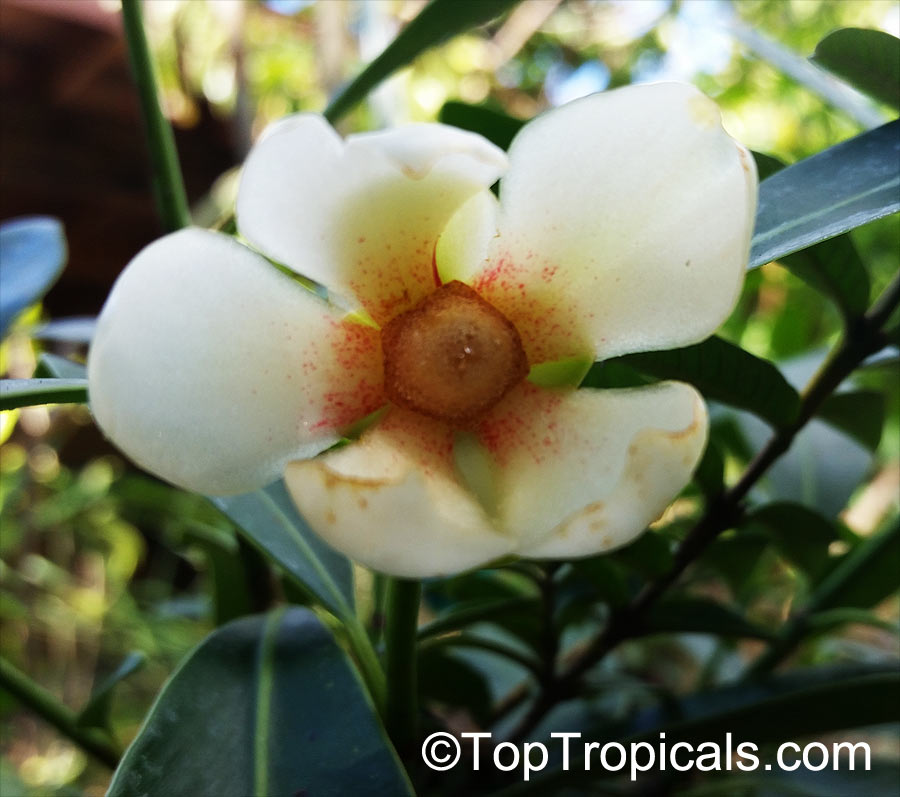
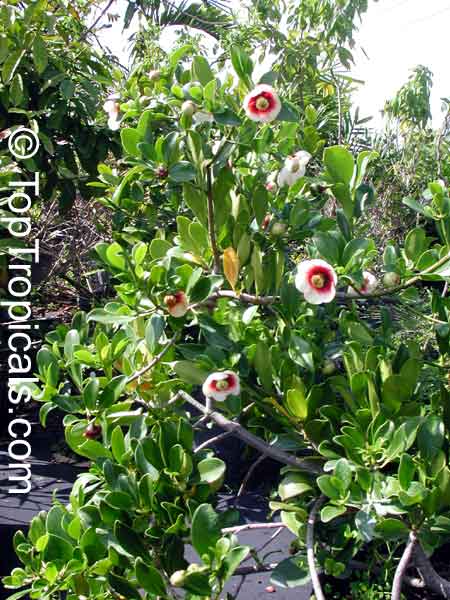
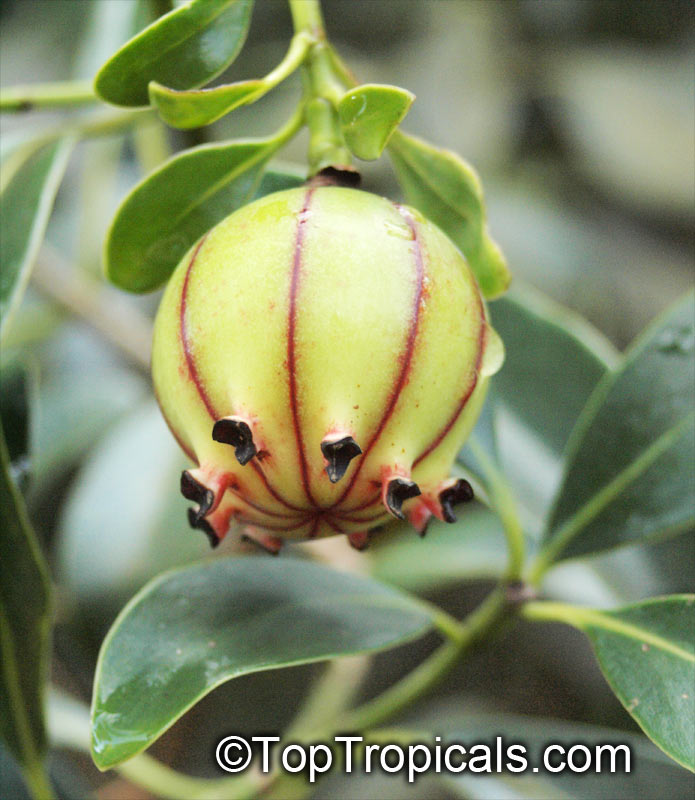
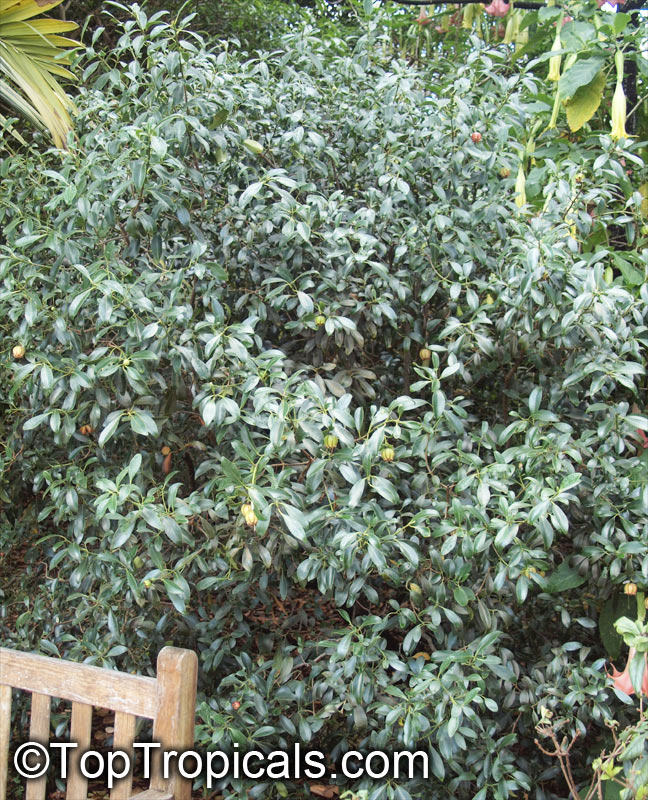
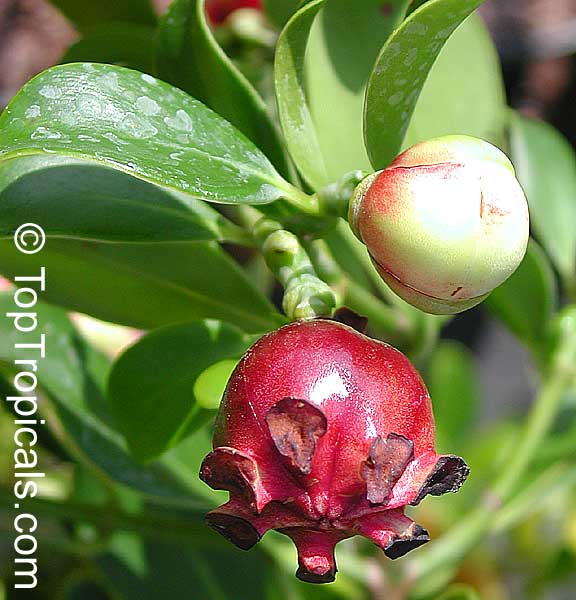
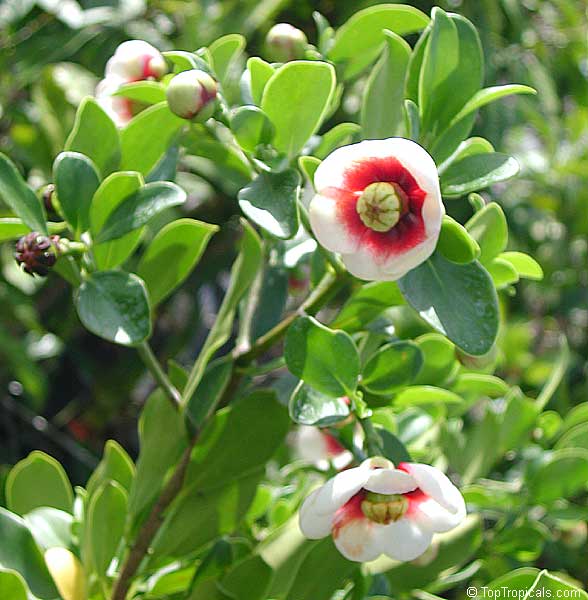
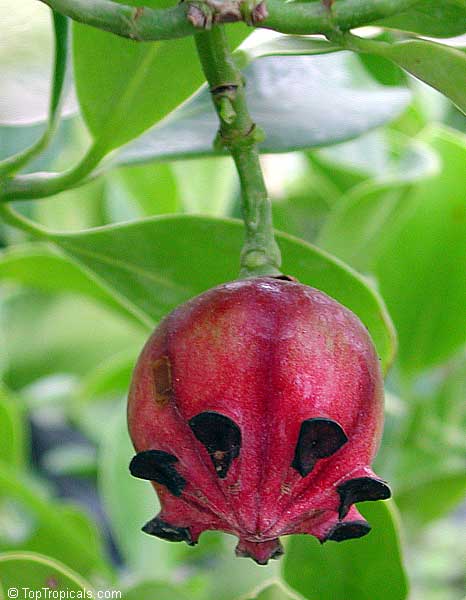
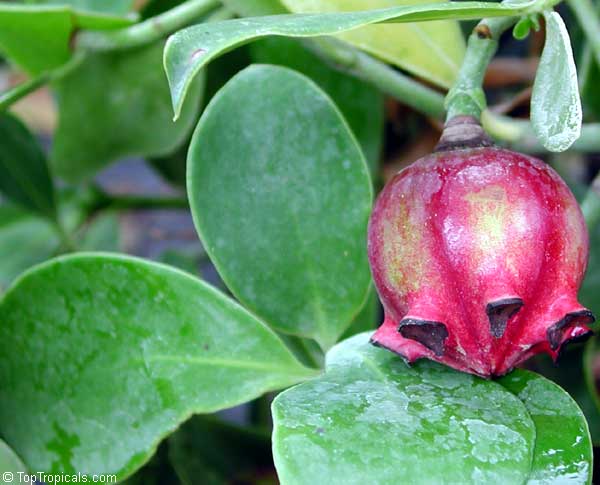
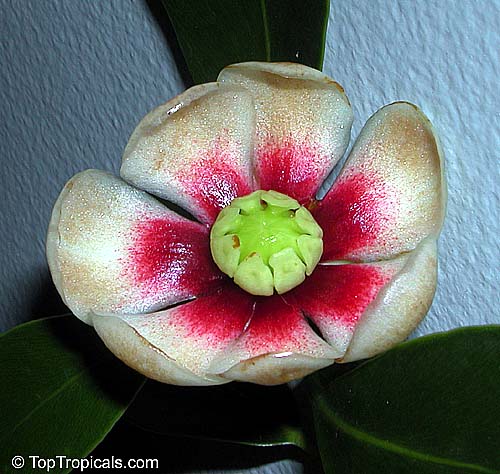
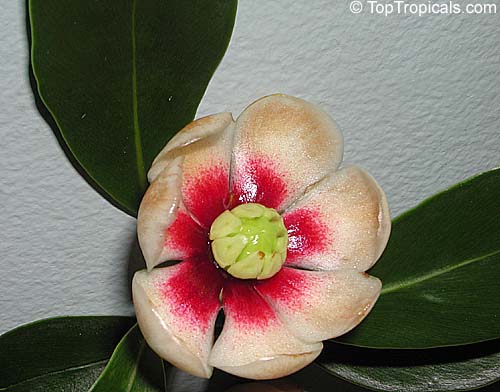
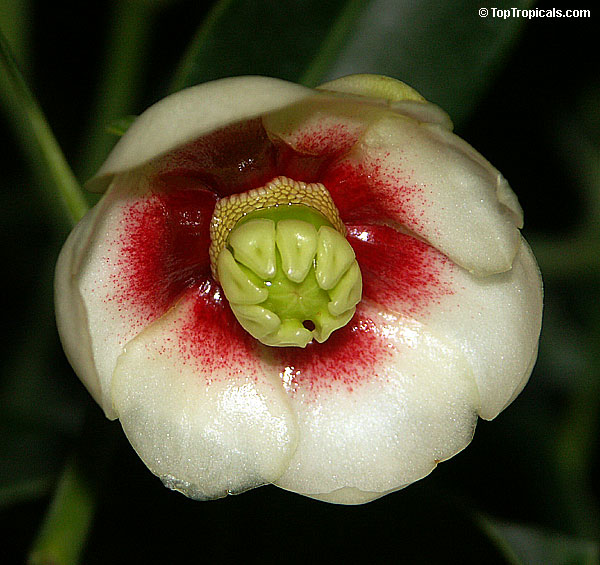
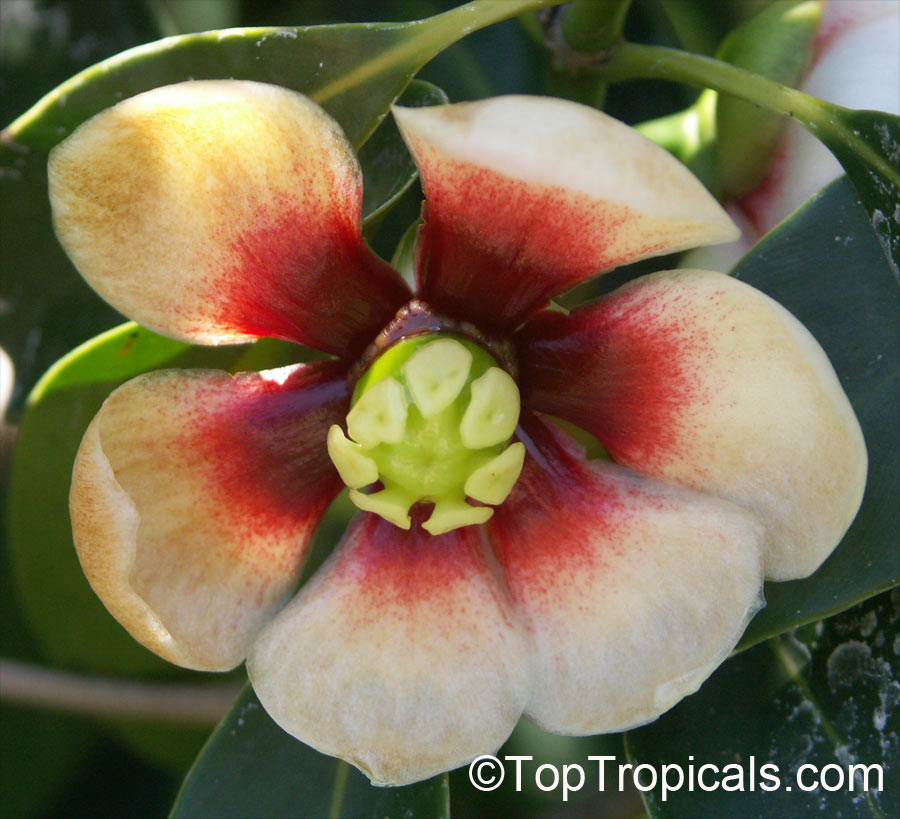
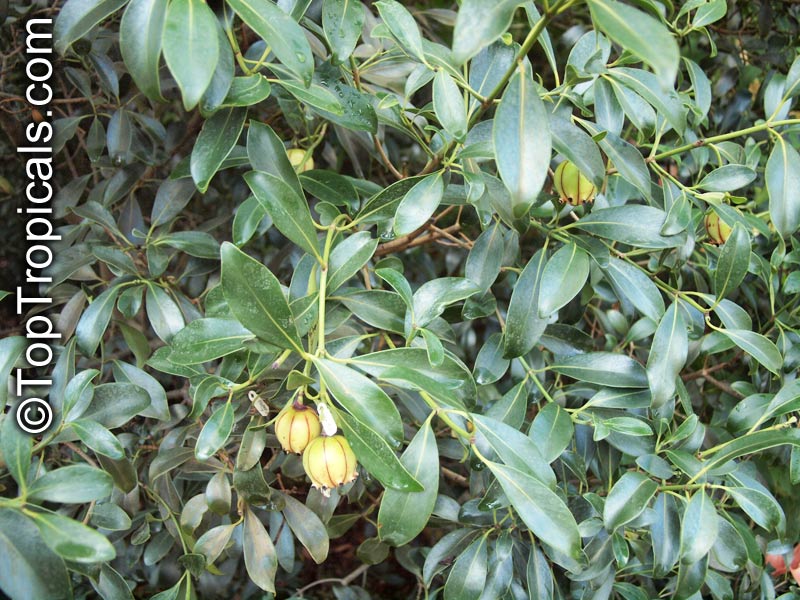
Clusia lanceolata, or Porcelain Flower, is a delightful small tree native to America. Growing up to 10-20 feet tall, this charming deciduous tree features fragrant white to off-white flowers with a center of dark red and have a rich, glossy foliage. When these pretty blooms arrive, they draw different species of butterflies, hummingbirds, and other pollinators to the area.
Clusia lanceolata require moderate water and can be placed in full sun to semi-shade positions. While it is tolerant of both high and low temperatures, this plant has some impressive hardiness and can tolerate a temperature of 30°F or below for quite some time. For those living in colder climates, they can still enjoy this low-maintenance and beautiful plant in a container.
Not only is Clusia lanceolata tolerant of different temperatures, it is also quite salt-tolerant and can be placed in seaside gardens or other similar locations. USDA hardiness zones 10 to 12 are ideal for this compact plant as its needs are met, but can still give off a decently sized shrub or small tree.
Additionally, to keep your Porcelain Flower in a healthier state, planting it in well-draining and nutrient rich soils can help the plant. When the summer heat arrives, a bit of extra water can go a long way for this ultra-hardy plant. Pruning is usually not necessary but can keep this species from becoming too unruly.
Overall, Clusia lanceolata is a hardy plant that can often withstand colder weathers, seaside, and require low maintenance.
Recommended Fertilizer: SUNSHINE Megaflor - Bloom Nutrition Booster
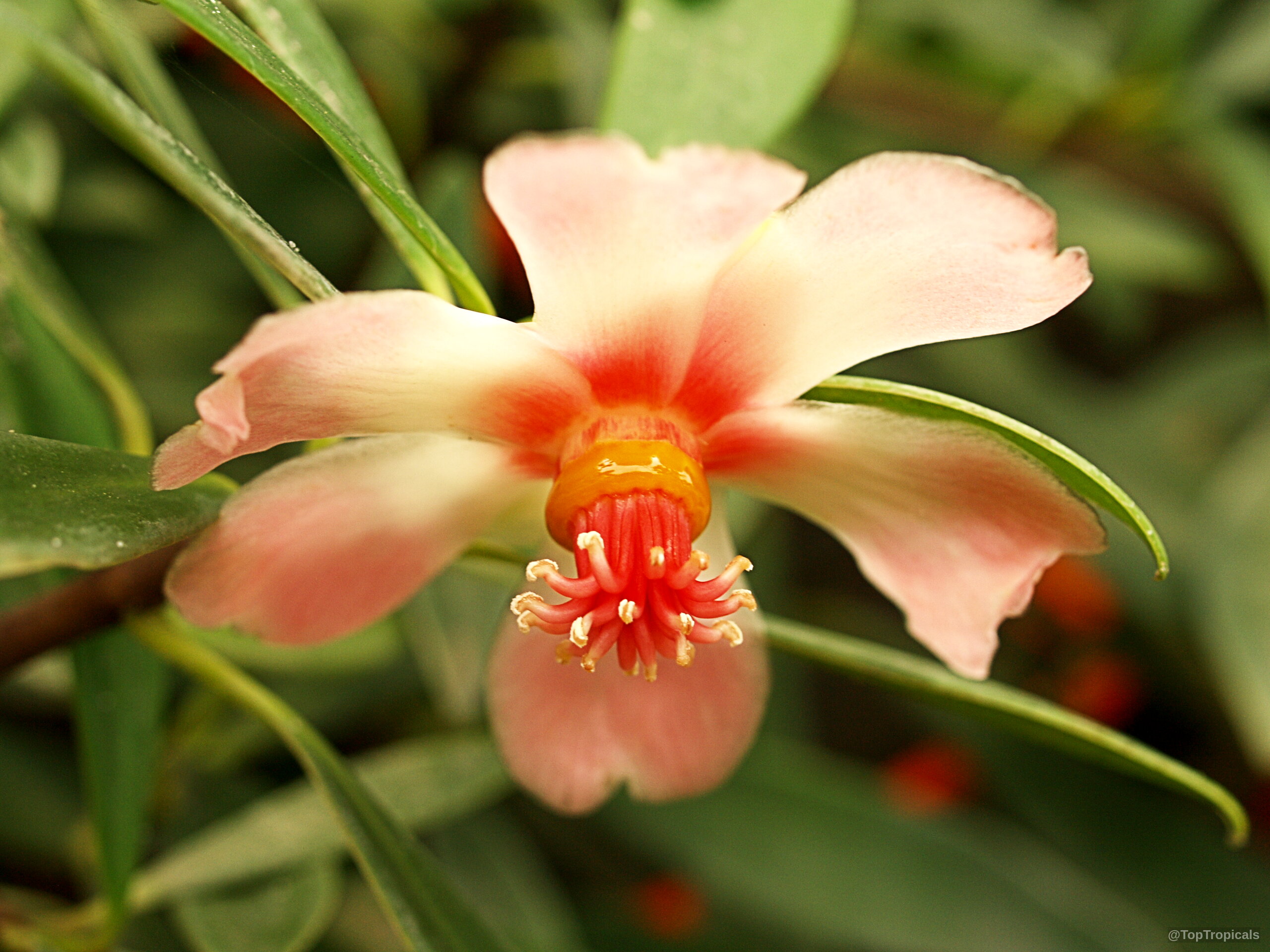
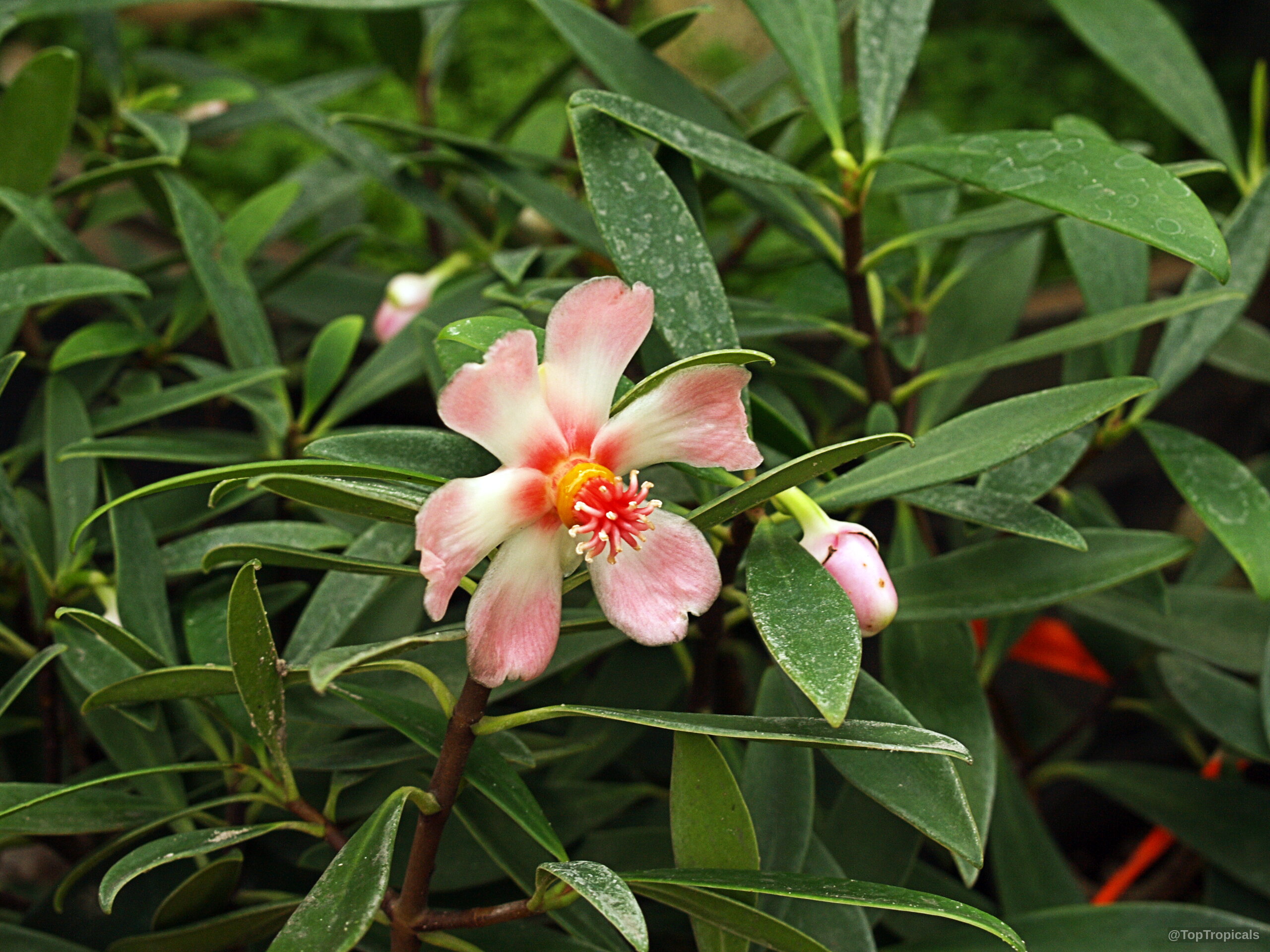
Botanical names: Clusia orthoneura, Clusia Braziliana
Common names: Brazilian Clusia, Porcelain Flower
Family: Clusiaceae / Guttiferae
Origin: South America
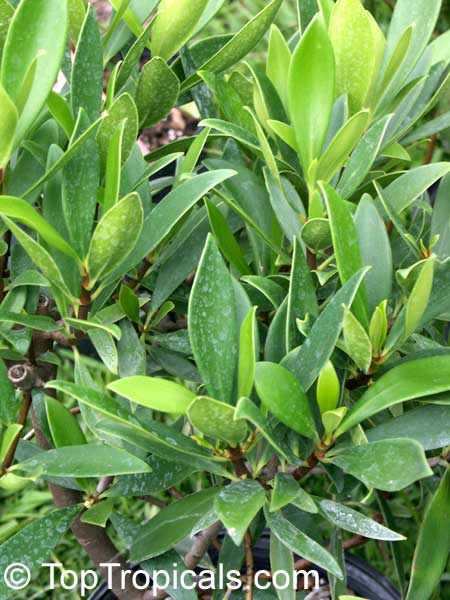
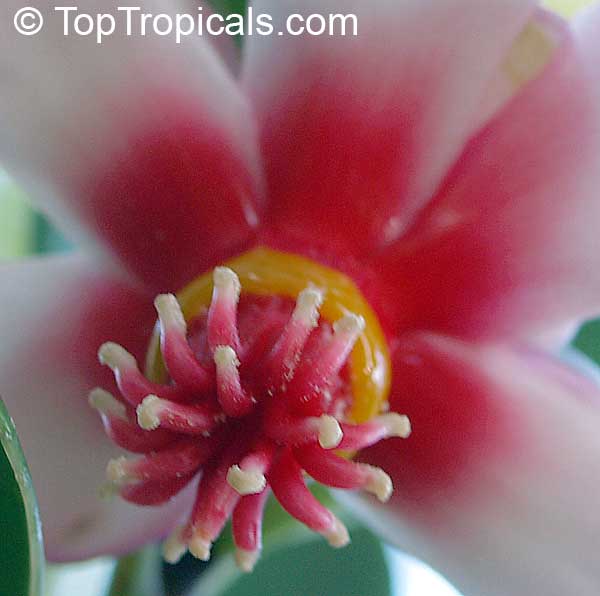
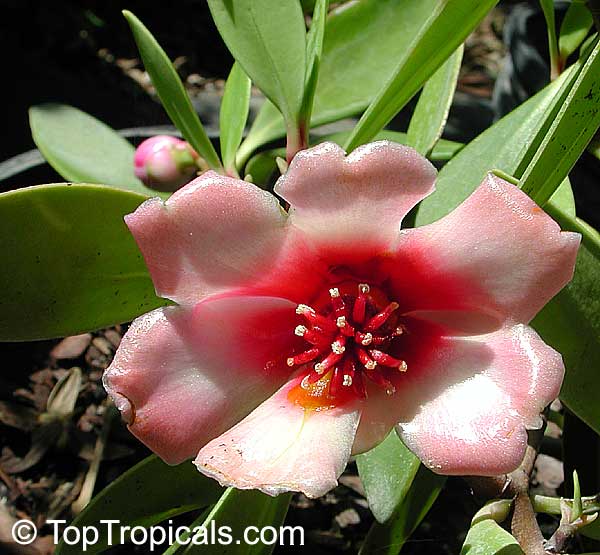
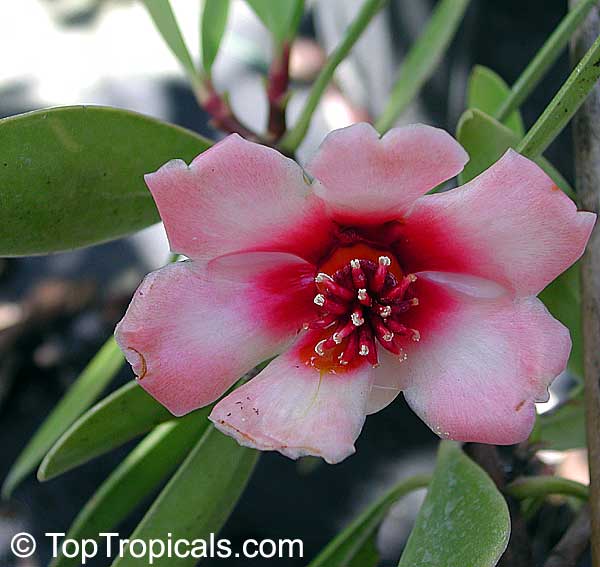
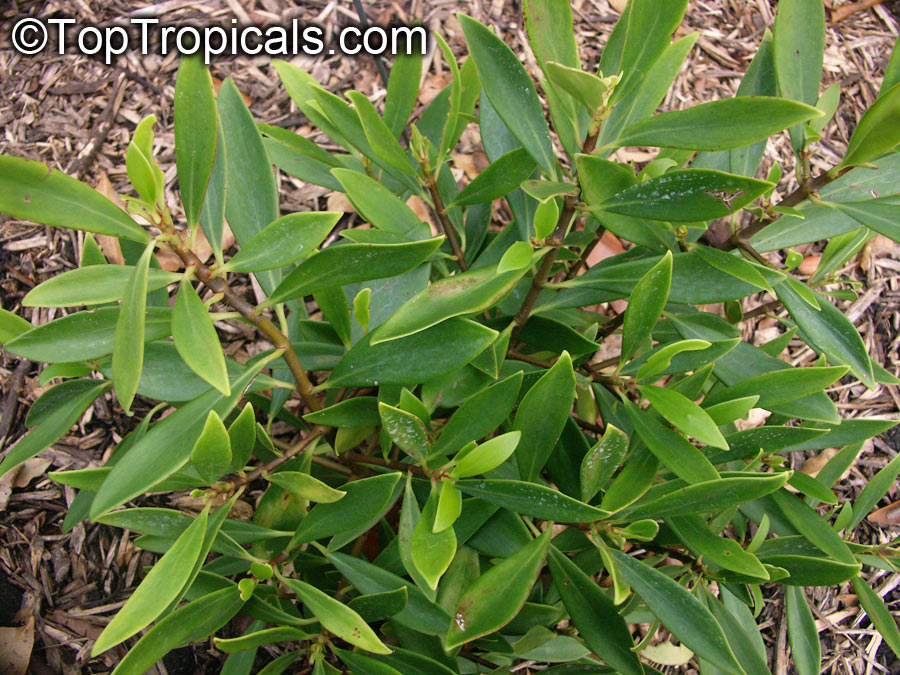
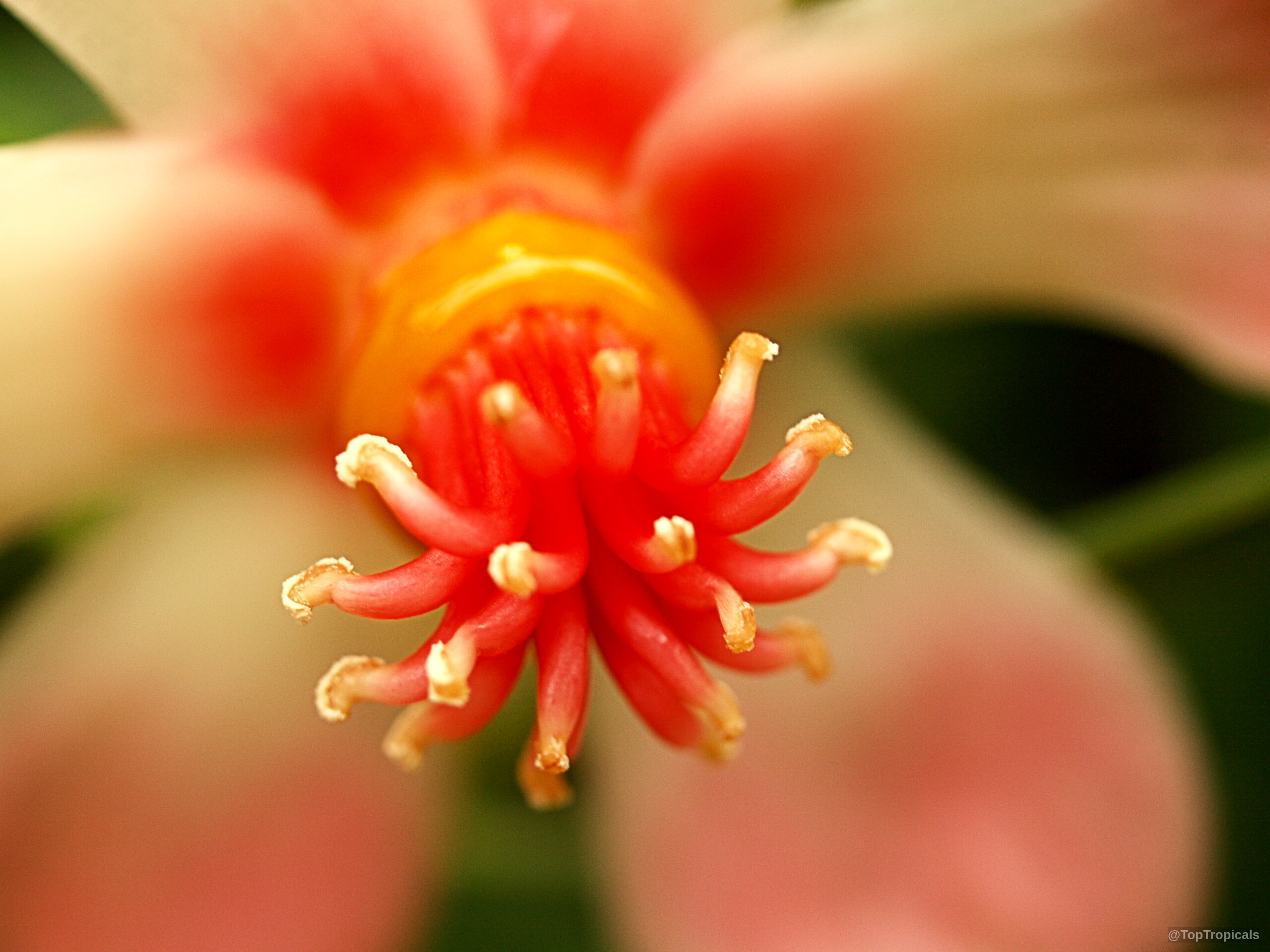
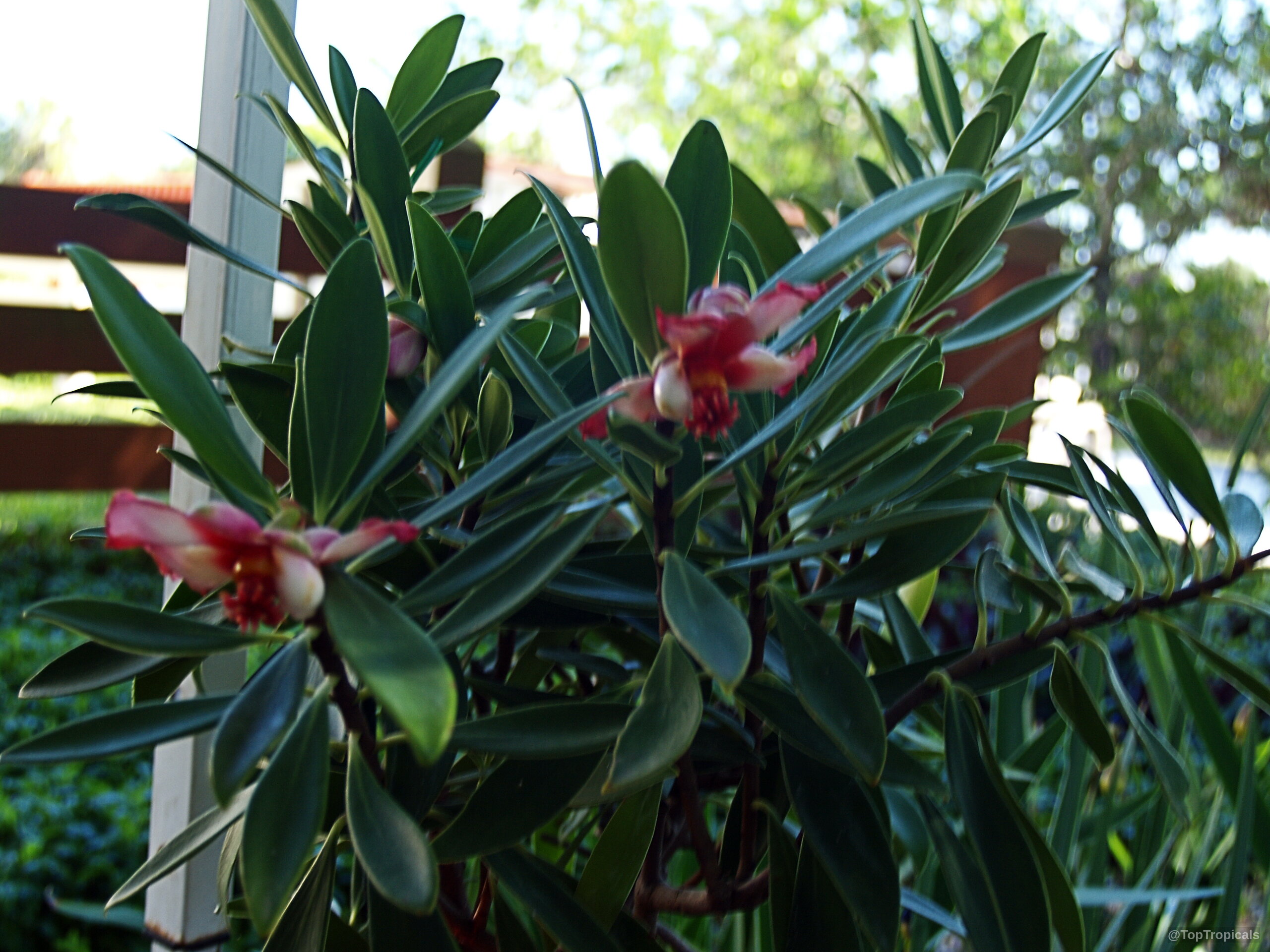
Very rare small shrub with waxy and thick narrow leaves and gorgeous pink flowers with mauve throats that look almost artificial. The flower stays on the plant for a few days. The shrub has naturally round shape and produces thick air-roots at the base of the stem. Blooms from late winter through spring and summer. Cold hardy to zone 9b. Slow growing, perfect container plant or can be gown as a specimen in a small garden.





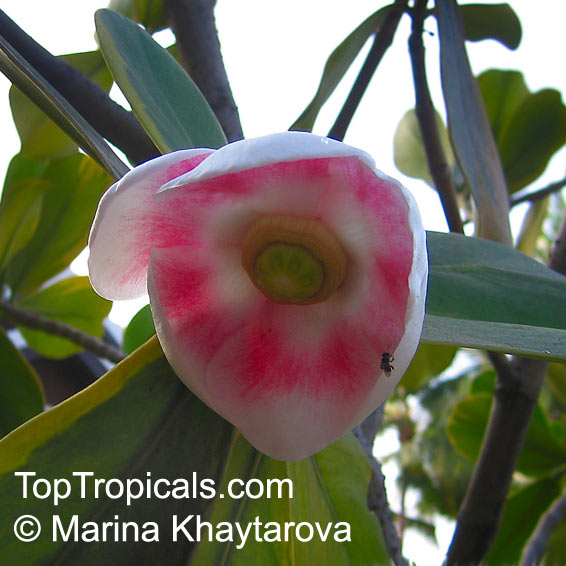
Botanical name: Clusia rosea
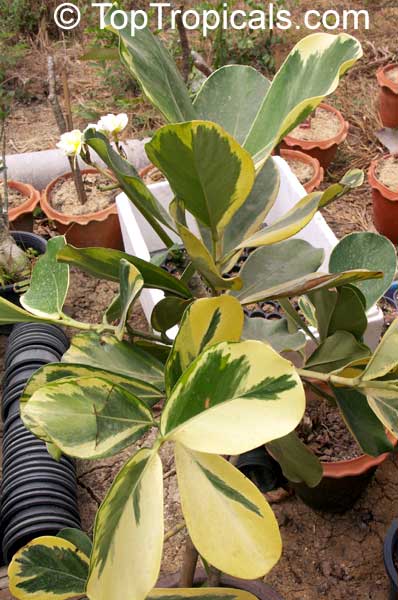
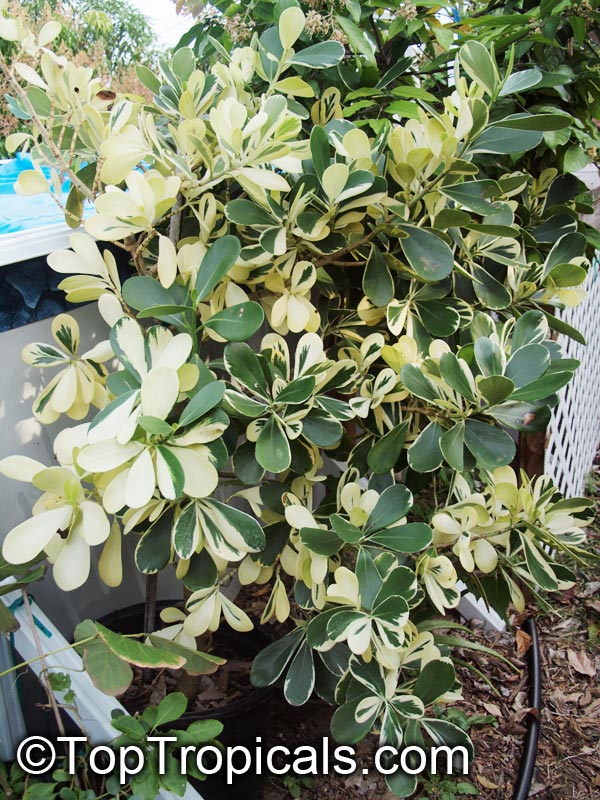
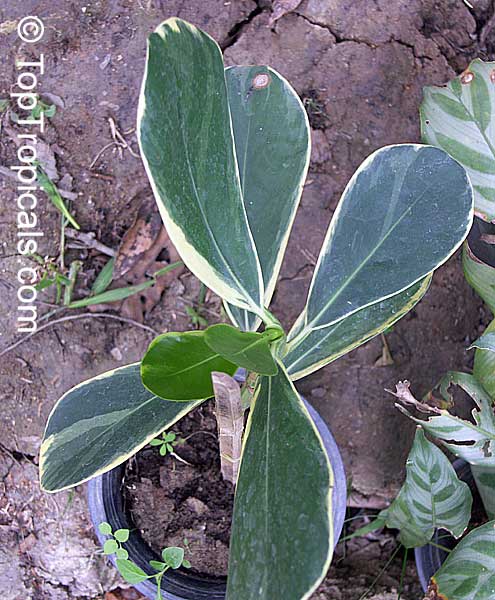
Common names: Copey, Balsam Apple, Pitch Apple, Autograph tree
Family: Clusiaceae / Guttiferae
Origin: America

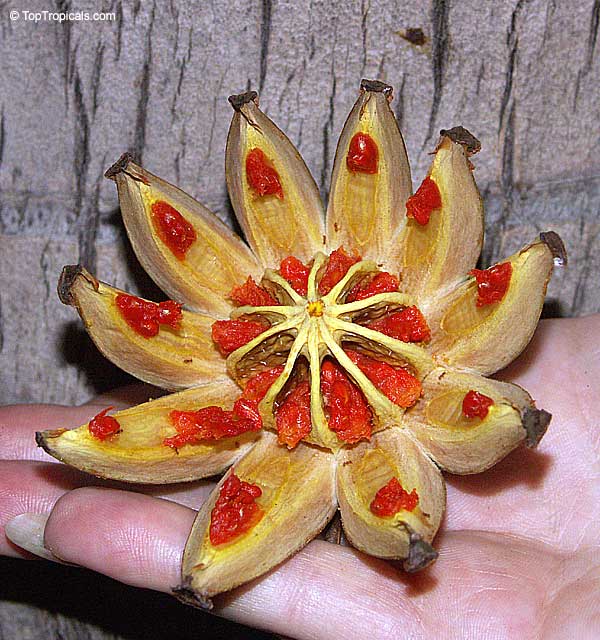
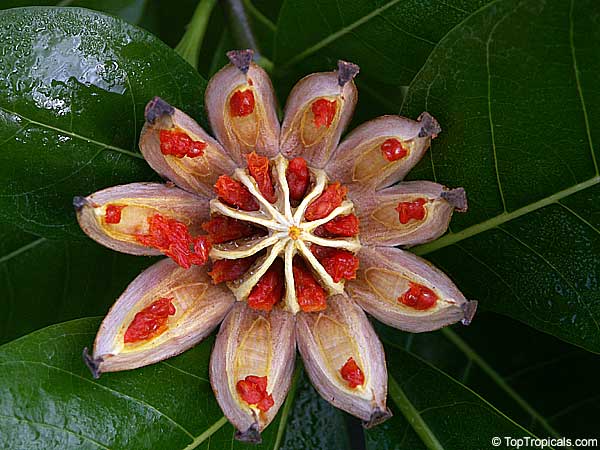
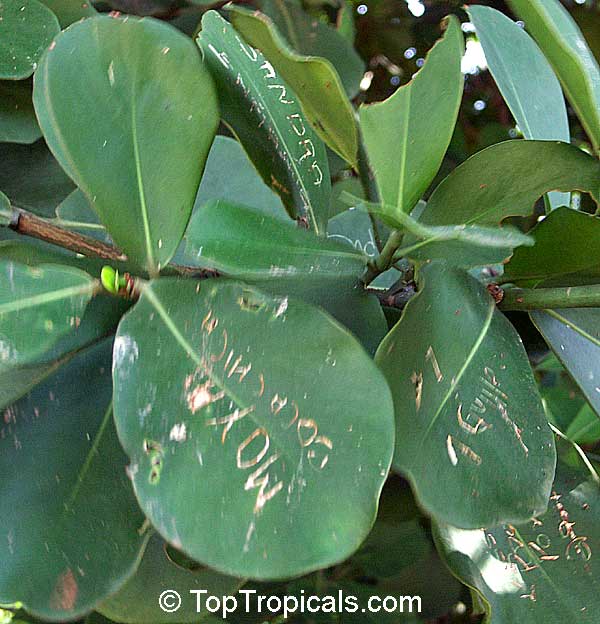
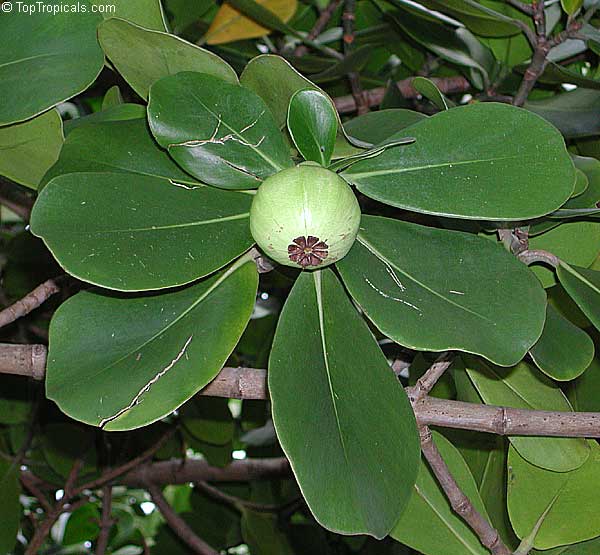
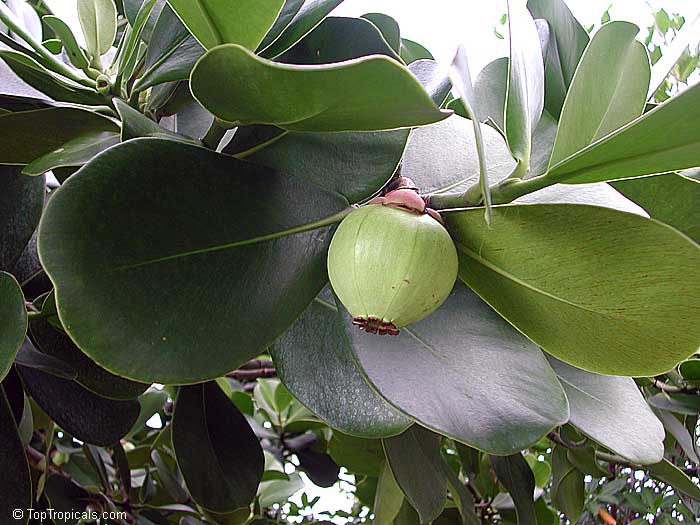
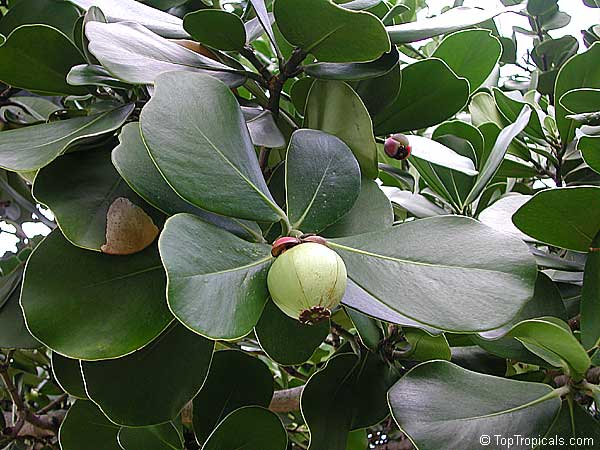
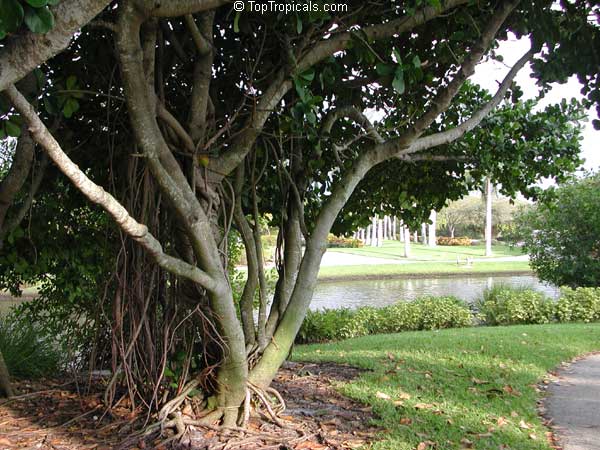
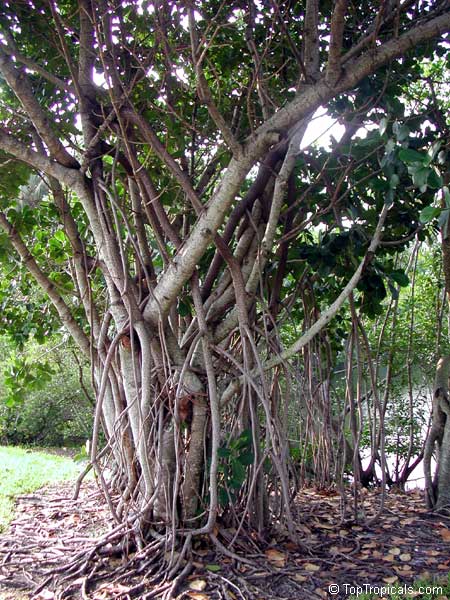
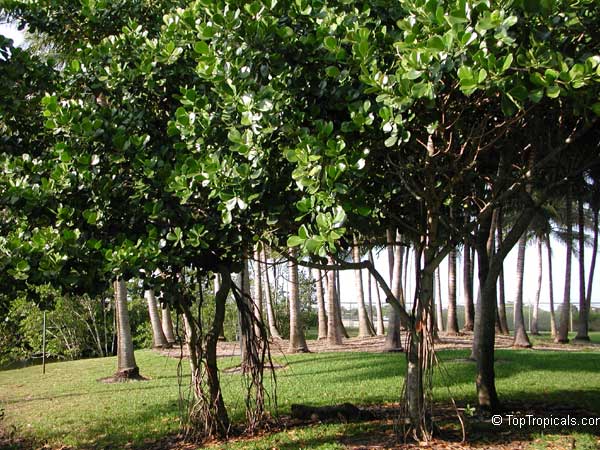
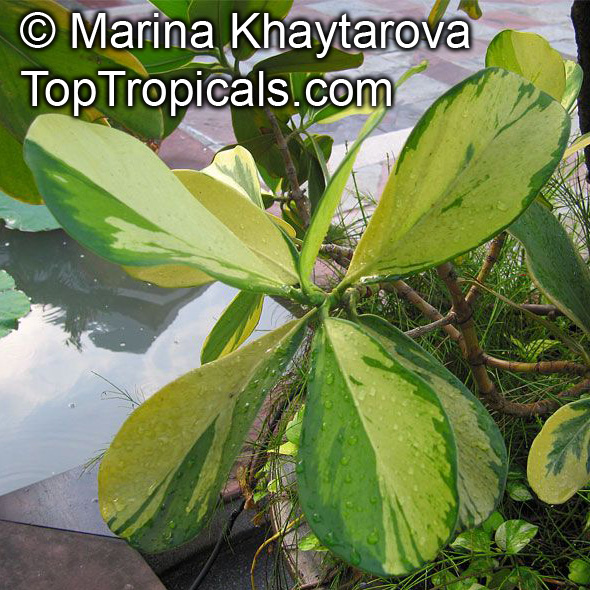
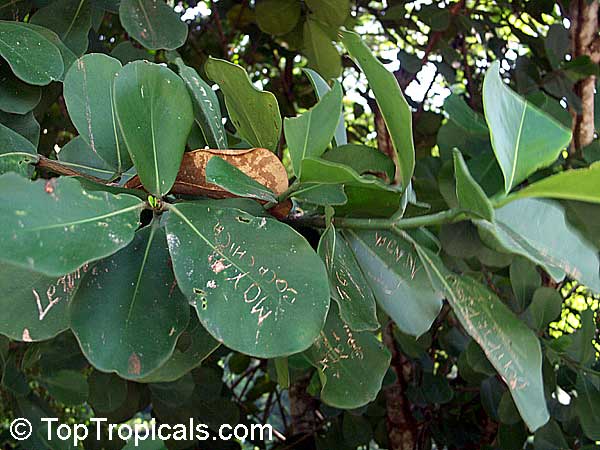
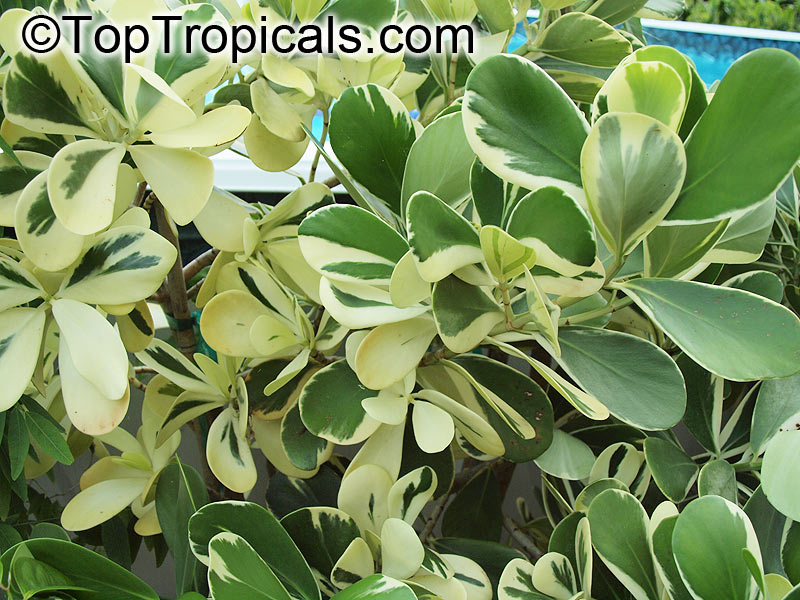
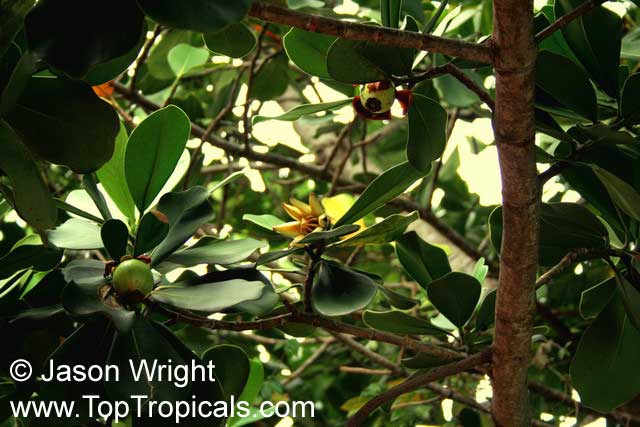
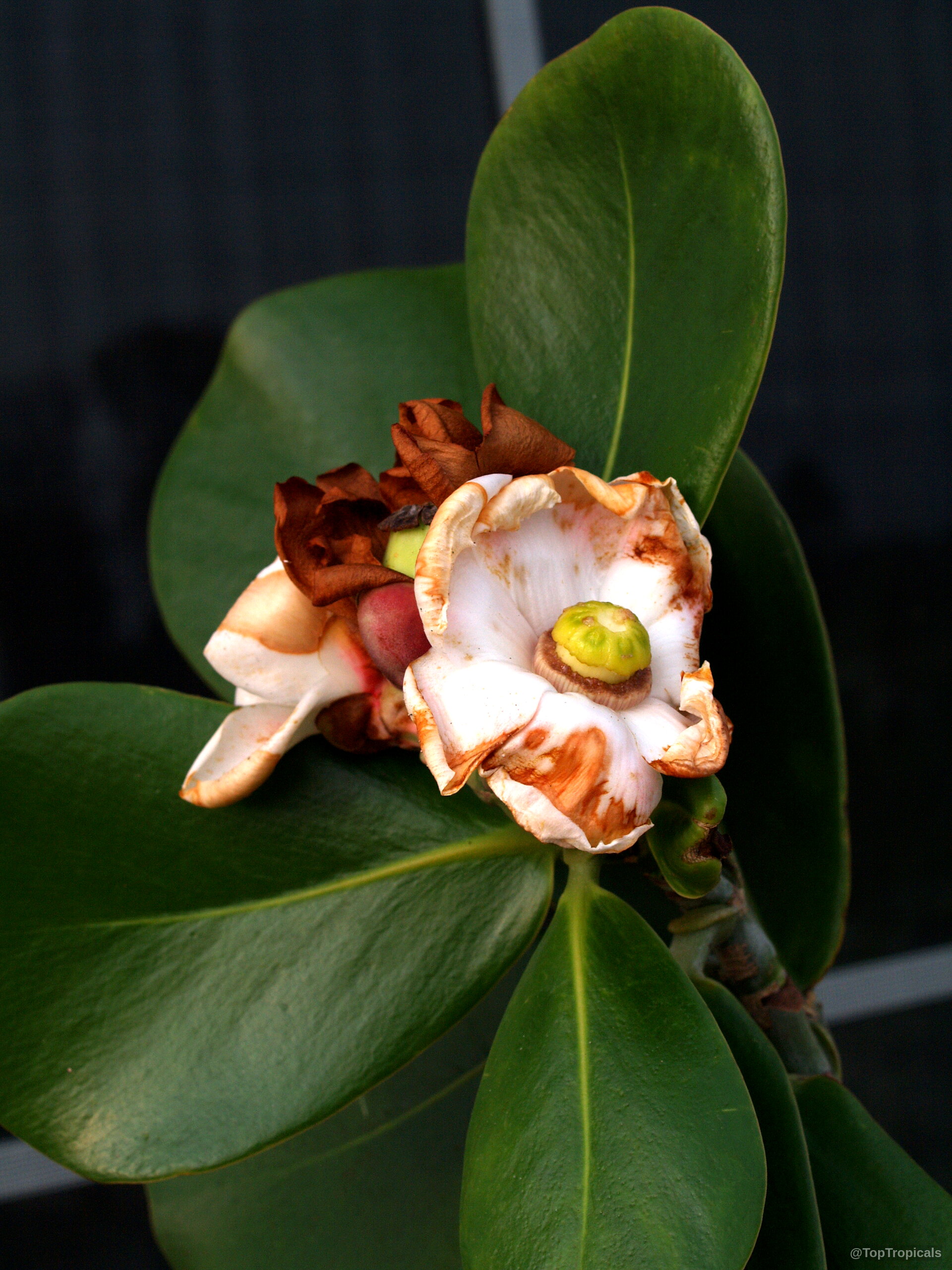
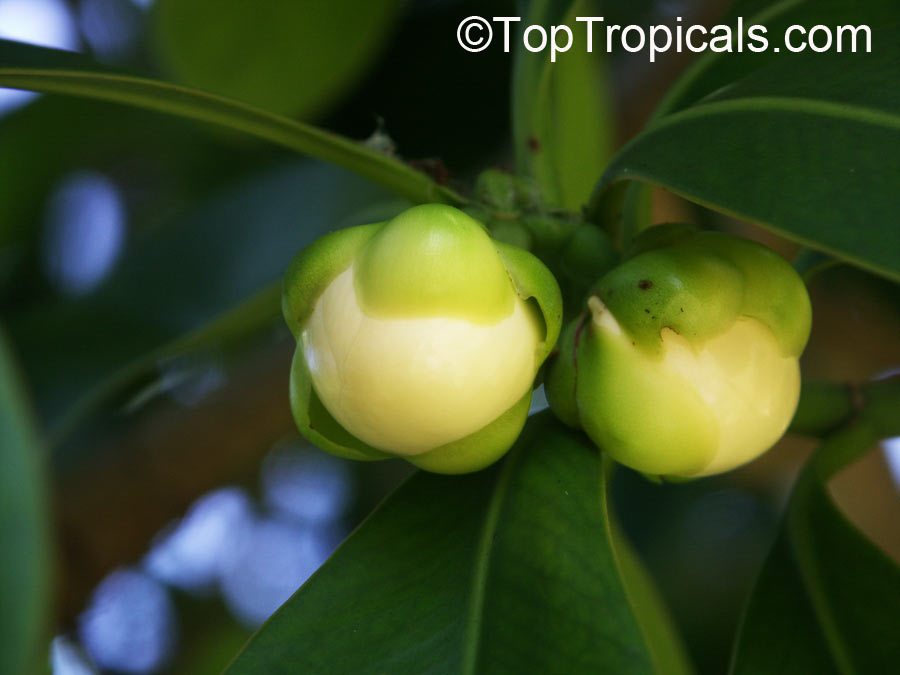
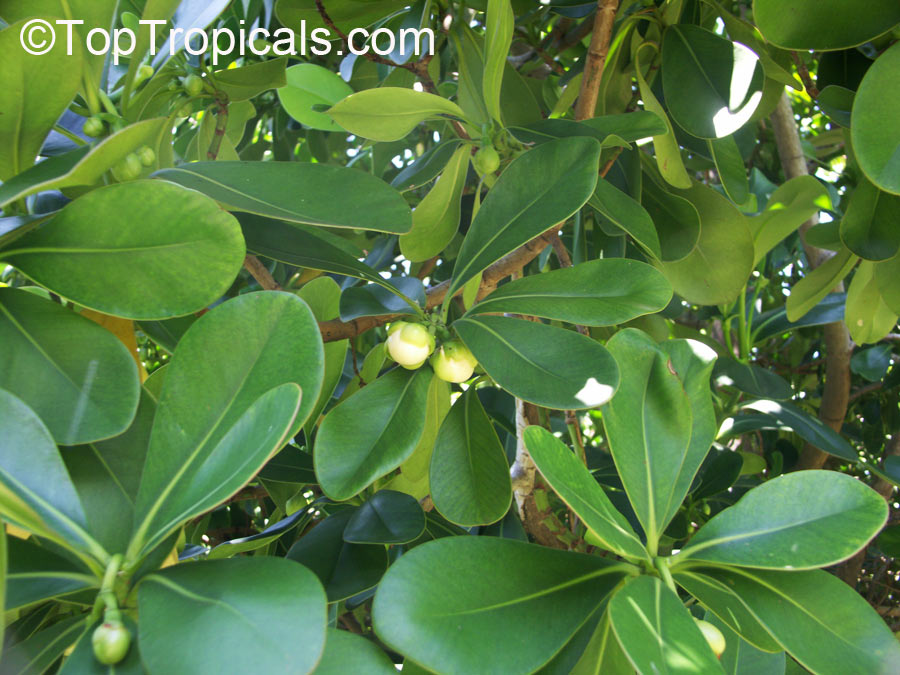
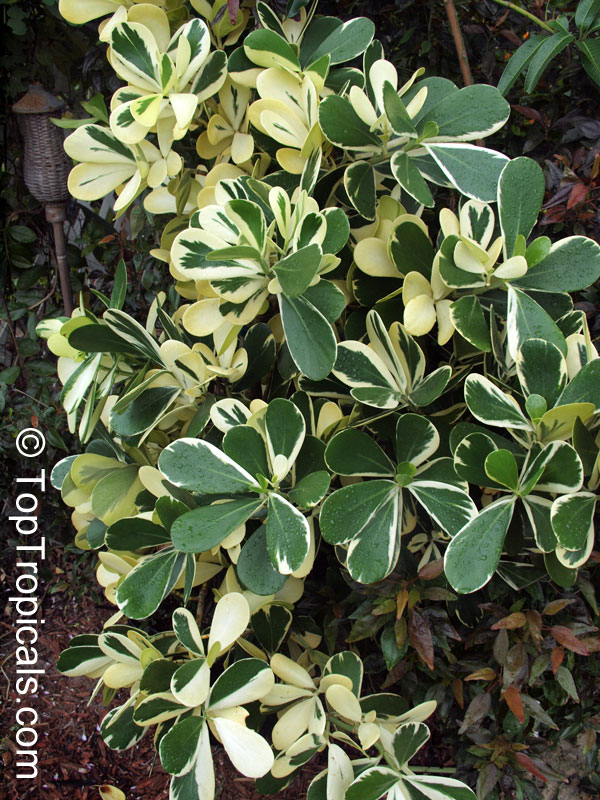
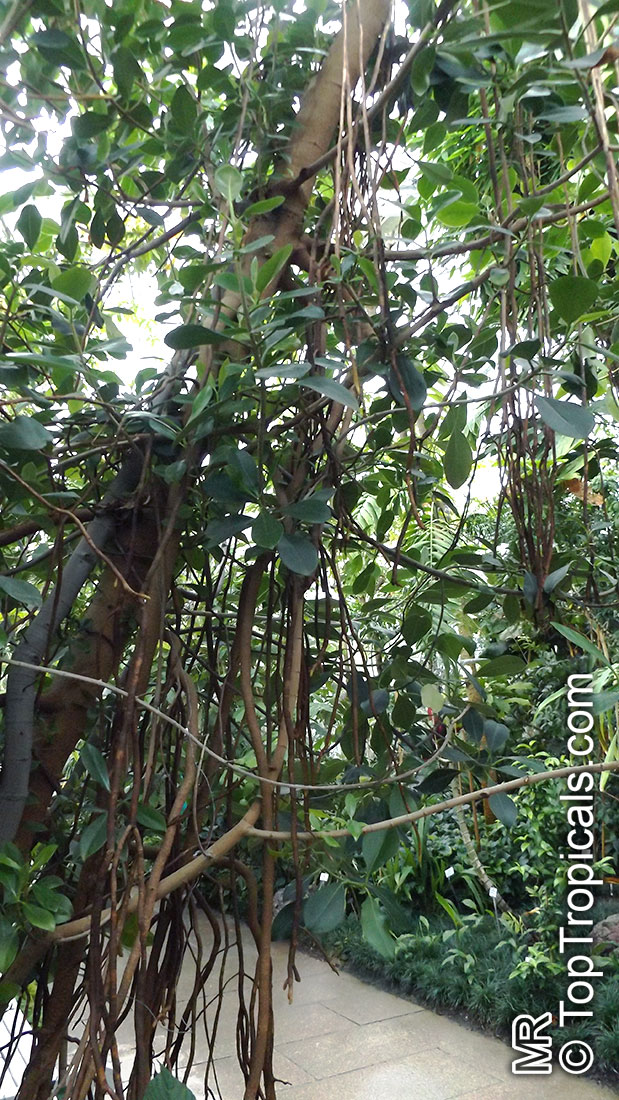
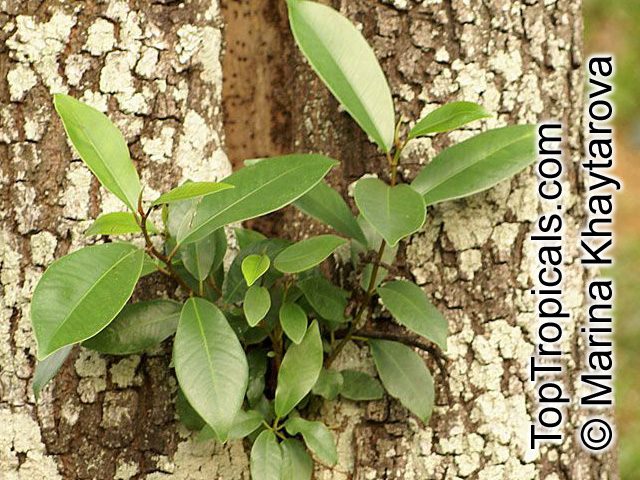
A beautiful evergreen tree with large thick waxy leaves that are persistent. This native tree grows to 30' and spreads out. Can be grown in container as a small tree. The flowers are 1.5-2 inches wide and pink and white followed by apple like fruit. Requires little maintenance and is salt tolerant. Widely grown as an ornamental in tropical regions of the world. In Hawaii, it is commonly planted as a street, parking lot, or specimen tree. Plants readily spread from initial plantings to surrounding areas. Plants thrive in a variety of environments from dry barren lava landscapes to steep cliffs in wet areas. Ever-blooming, flowers are off-white with pink centers, slightly fragrant at night. Tolerates both sun and shade, blooms in shade easily. The seeds are presumably bird dispersed. Like strangler figs, can germinate in the crotch of other trees and grow as epiphytes. They send down aerial roots and will eventually smother the host tree. The leaves have a special effect: you may write with a sharp stick on the surface, and the writing will stay forever. Thus the common name of this plant!




Recommended Fertilizer: SUNSHINE Megaflor - Bloom Nutrition Booster
Local pickup only. This item is not available for shipping. Local delivery may be available in Ft. Myers or Sebring, Florida. Contact us for an estimate. Non-pickup orders are subject to restocking fees.
Last one
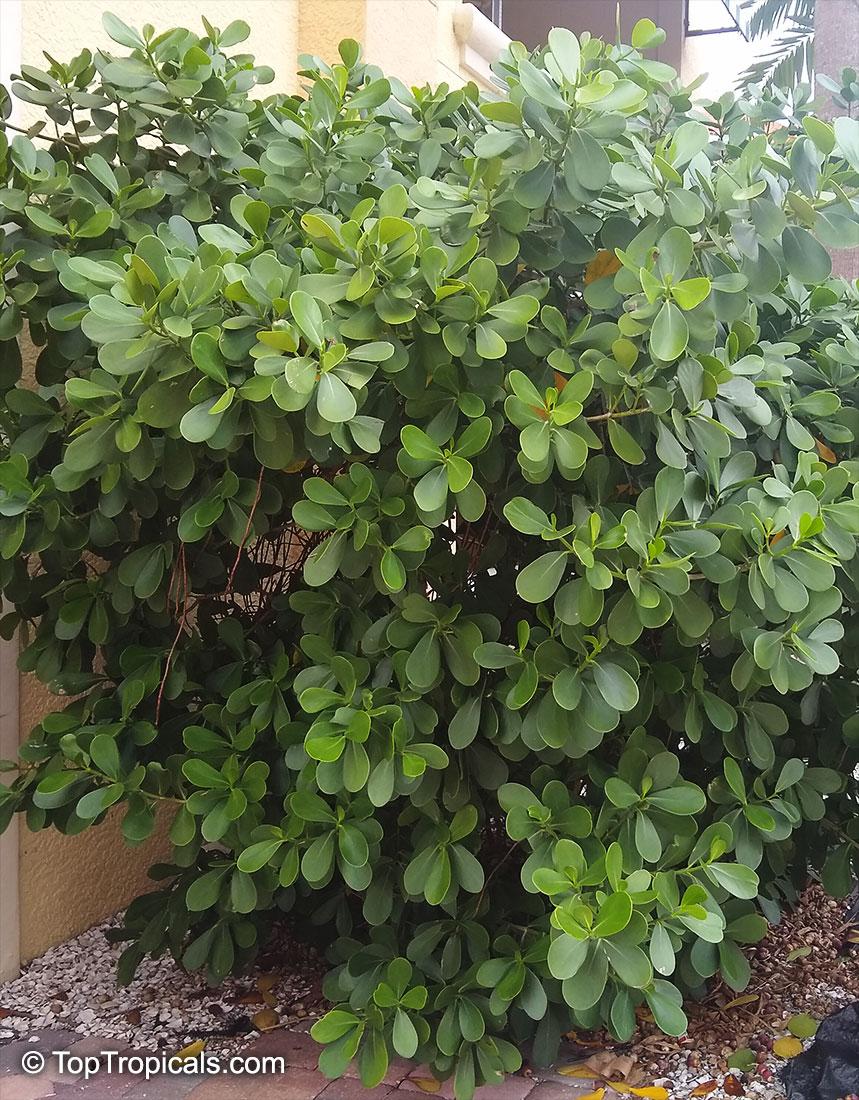
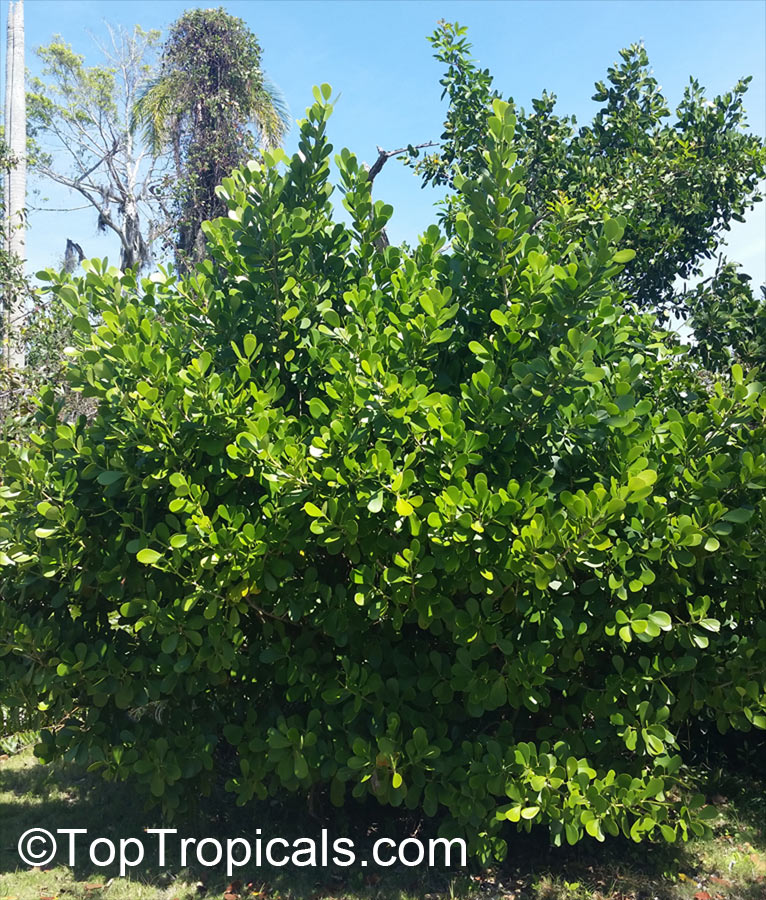
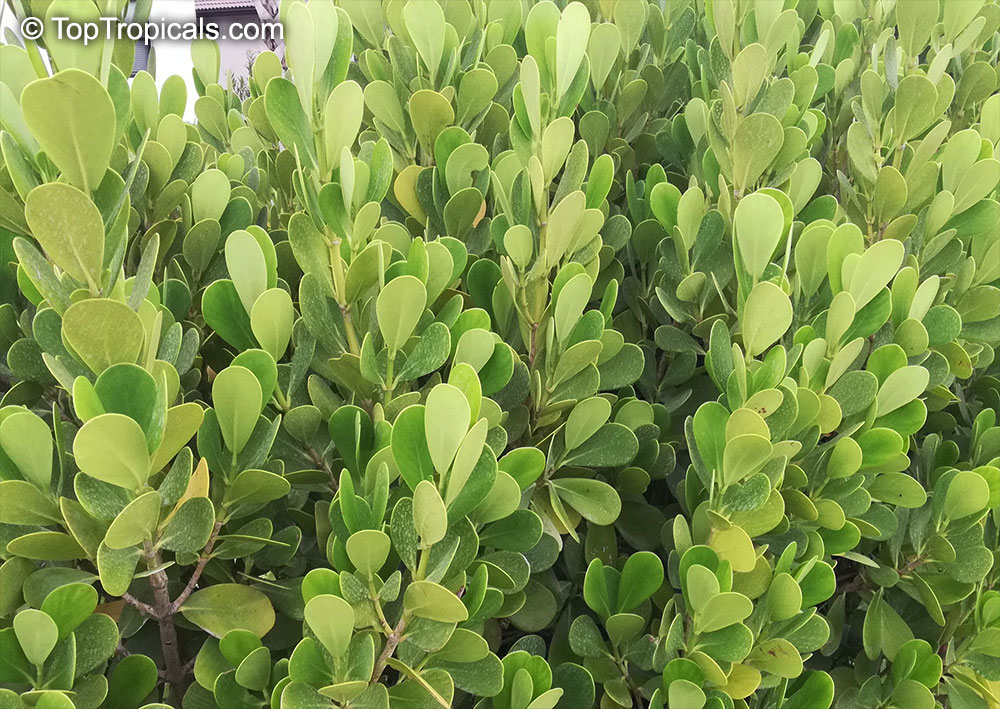
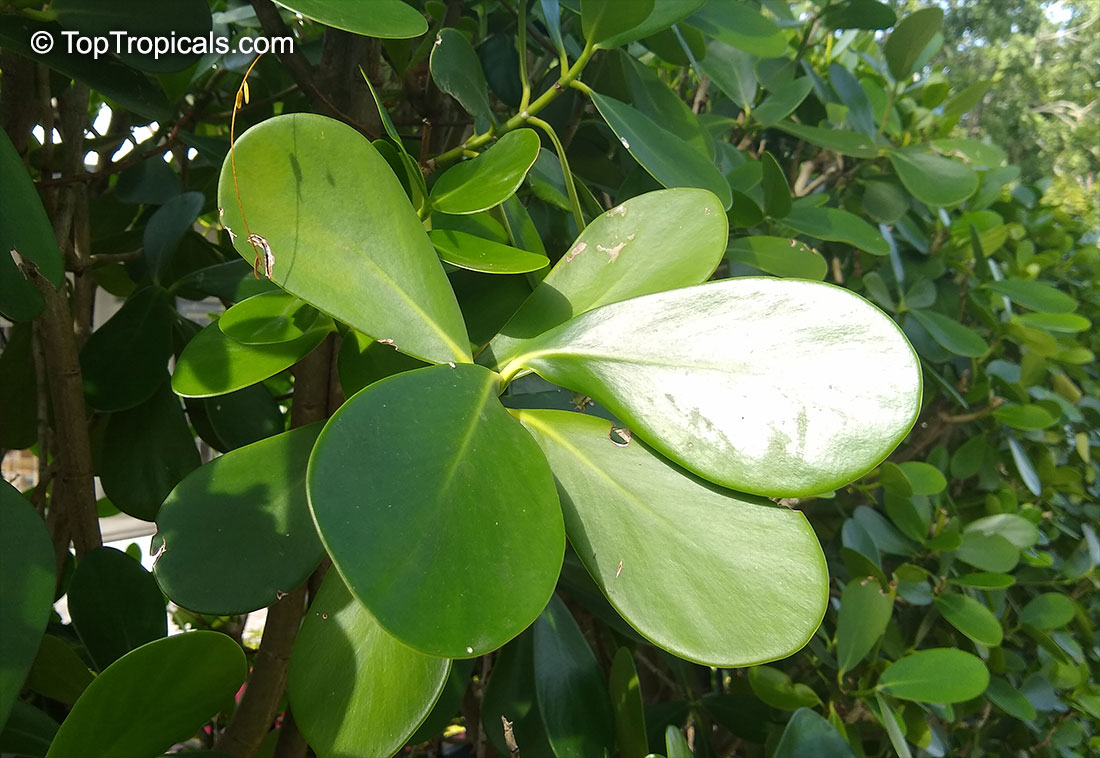
Botanical name: Clusia sp.
Common name: Clusia
Family: Clusiaceae / Guttiferae
Origin: Central America
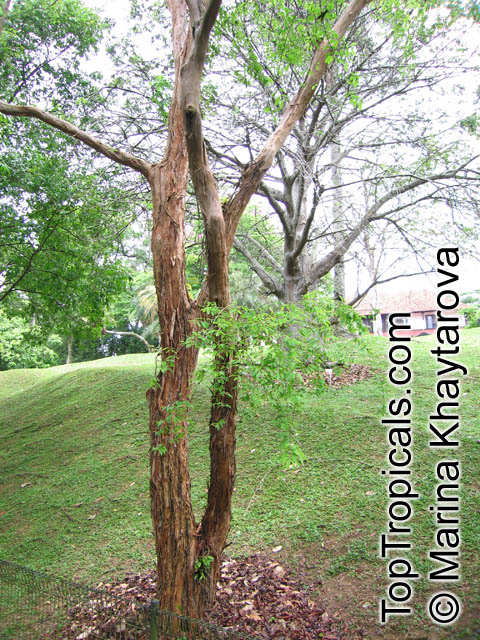
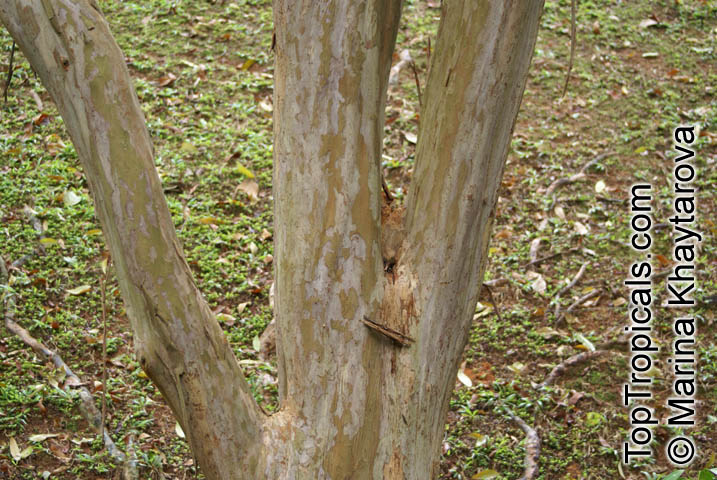
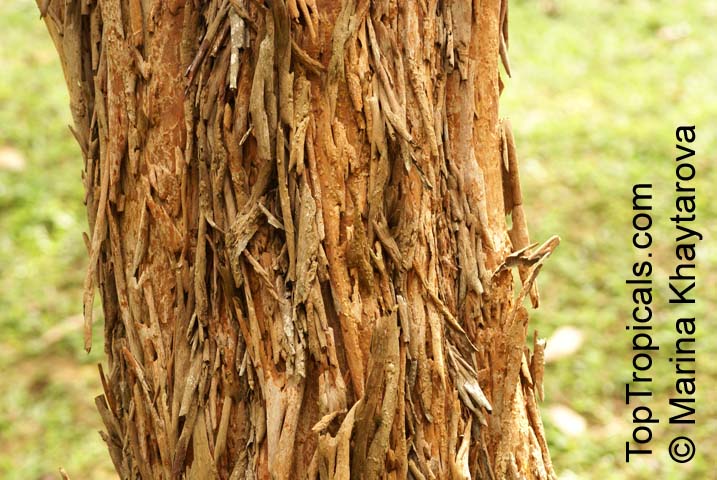
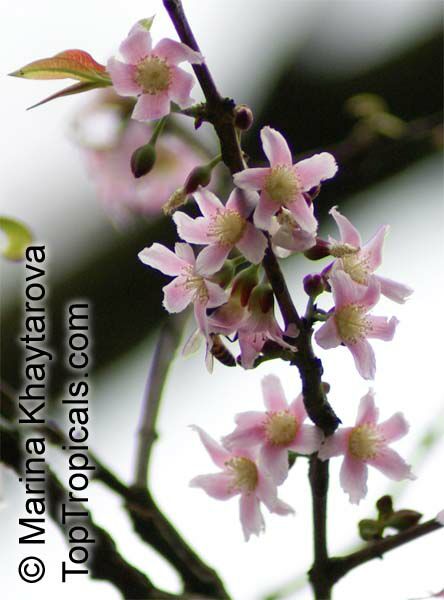
Botanical names: Cratoxylum cochinchinense, Hypericum cochinchinense
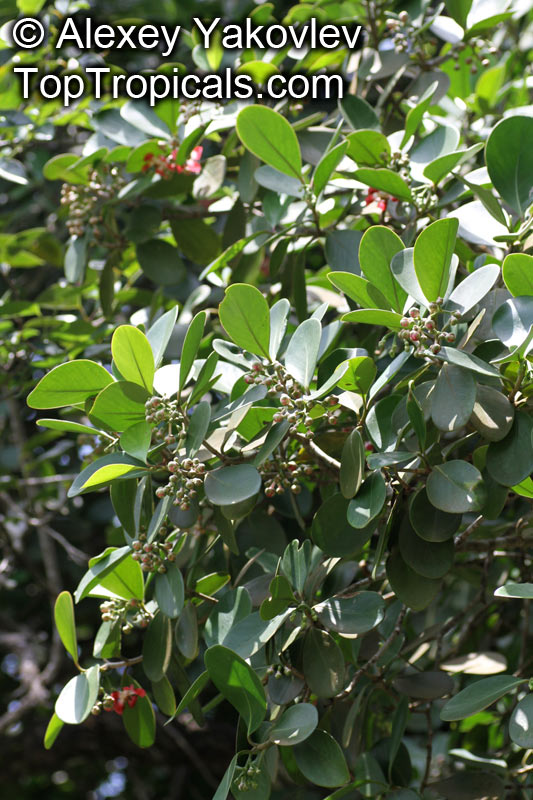
Common names: Yellow Cow Wood, Kayu Arang, Kemutong, Tree-Avens
Family: Clusiaceae / Guttiferae
Origin: Indochina, Malaysia, Philippines
Bark can be used as brown colored dye, wood is very hard and durable. The young shoots are edibleand used as a raw vegetable.
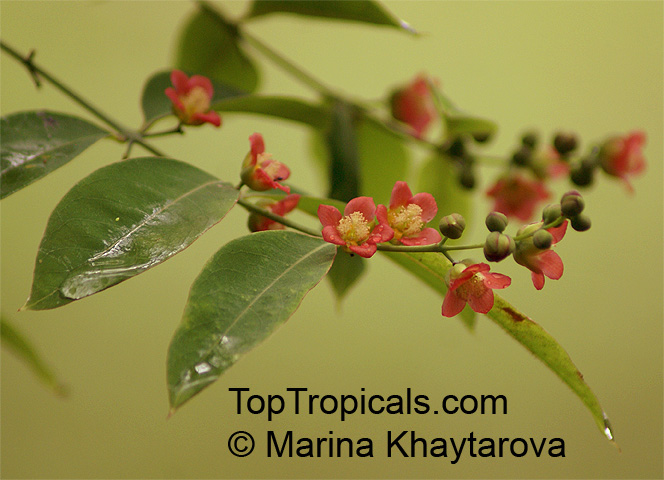
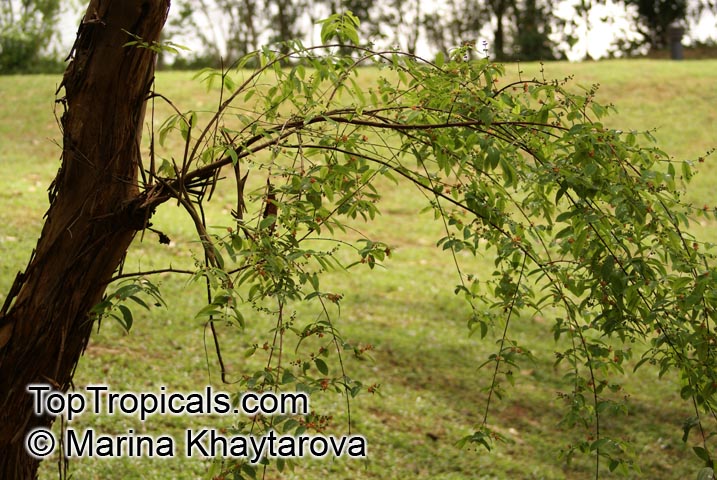
Botanical name: Cratoxylum formosum
Common name: Mempat
Family: Clusiaceae / Guttiferae
Origin: Indochina, Malaysia, Philippines
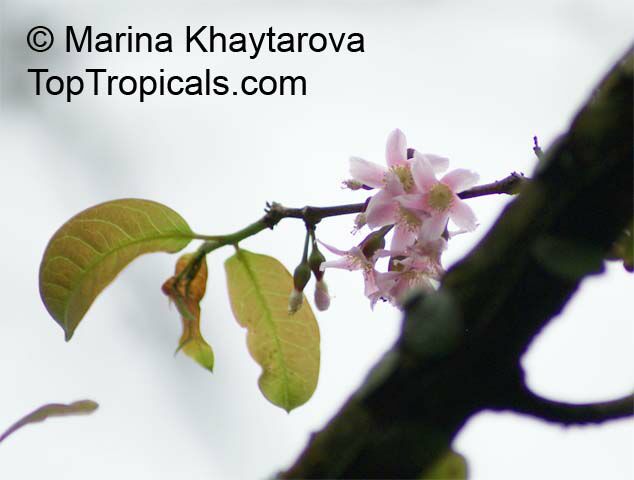
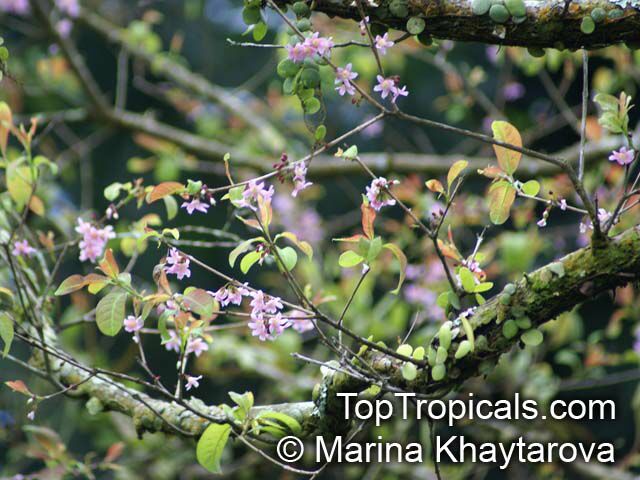
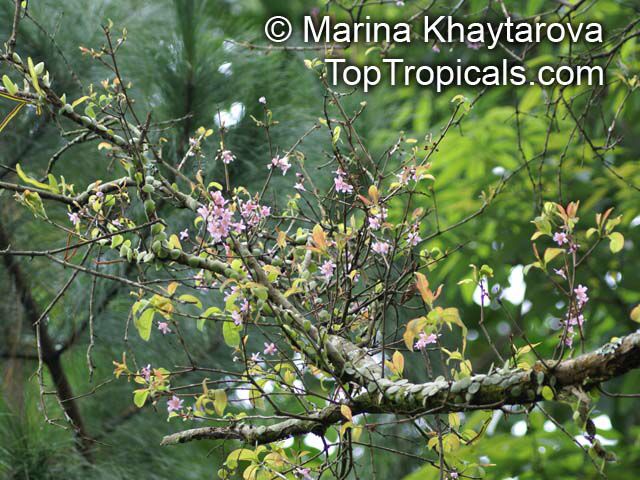
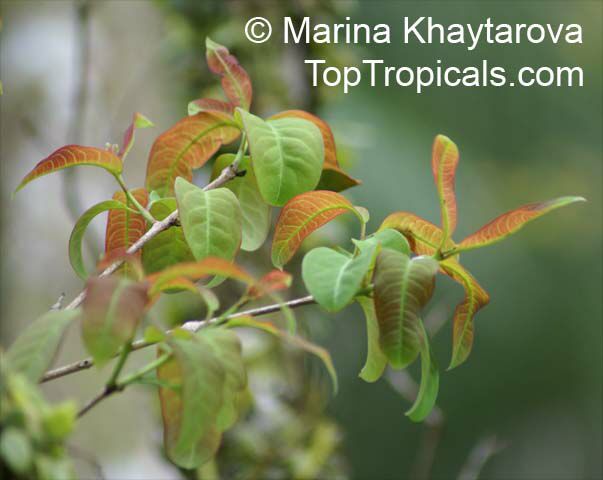
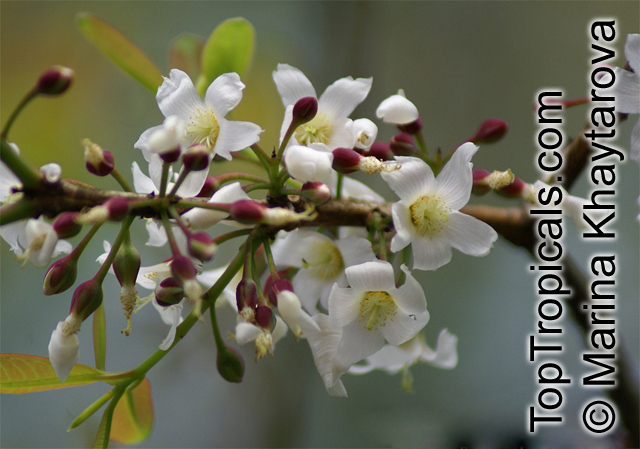
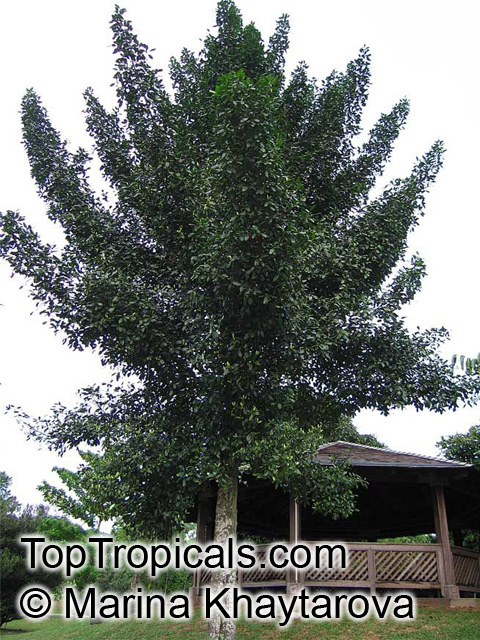
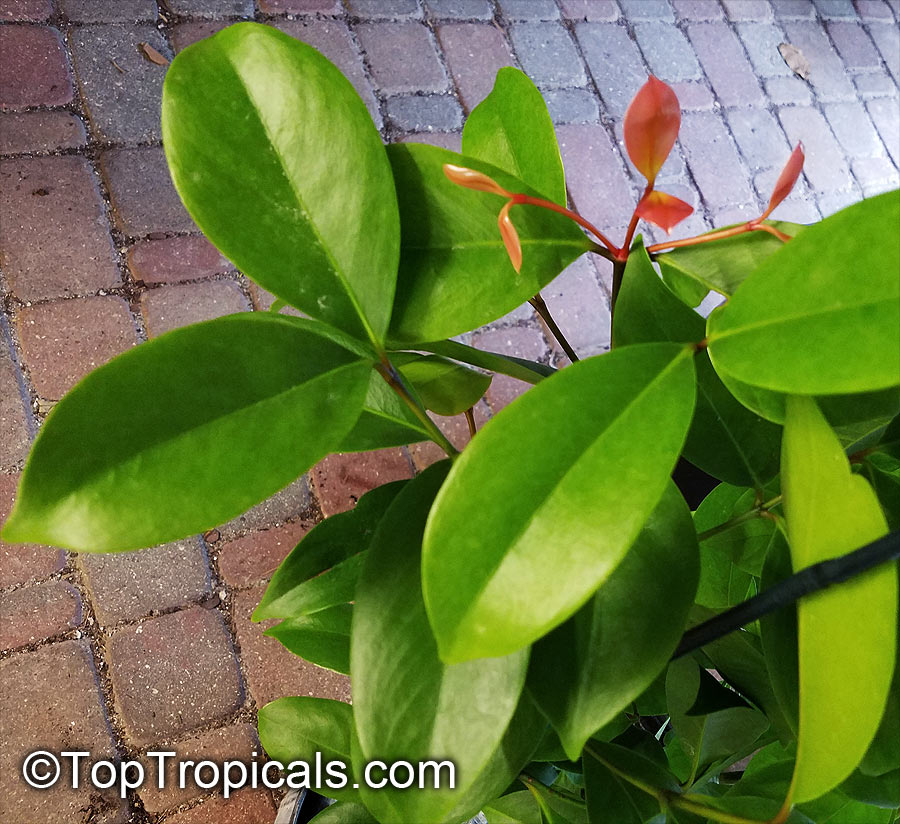
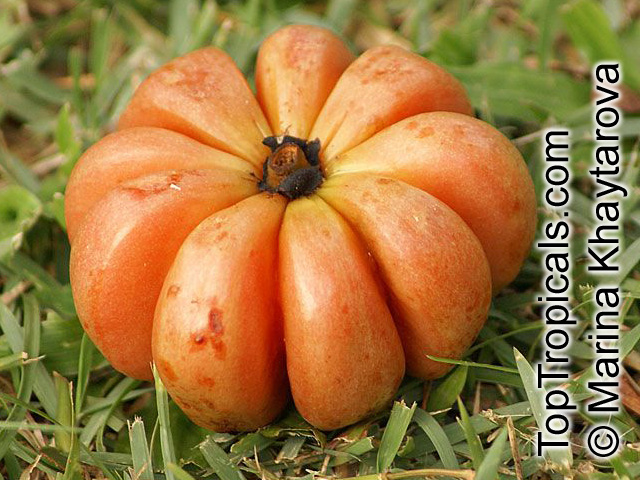
Botanical names: Garcinia gummi-gutta, Garcinia cambogia
Common names: Brindleberry, Brindall berry, Gambooge, Malabar Tamarind, Kudam Puli
Family: Clusiaceae / Guttiferae
Origin: Indonesia

Garcinia gummi-gutta is an evergreen large tree that typically grows in warm, humid areas; it is usually taller than 20 feet. A smaller variety of the tree is also available, measuring at 10-20 feet. It flourishes mainly in areas where the weather is hot, and can thrive in both full sun and semi-shade exposure. When it comes to taking care of a Garcinia gummi-gutta tree, it is necessary to provide it with a consistent amount of water and organic fertilizer. In addition, it is important to prune it regularly in order to maintain an appropriate size and fruit production. Growing guidance in the cooler regions may vary, so container planting and protection from frost is recommended.
The flowers of the plant bloom either in red, crimson, or vinous colors while the fruit can vary from yellow to orange. Not only is Garcinia gummi-gutta an ethnomedical plant that has been used for centuries to heal various ailments, it also bears edible fruit that contains a range of beneficial compounds. The fruit is very healthy and can provide a good source of dietary fiber. Garcinia gummi-gutta can produce up to 200 fruits a year, which can be eaten raw or cooked in dishes. Not only possesses the fruit a range of medicinal qualities, its juice is also used for flavoring and preparing curries. As a result, Garcinia gummi-gutta is an essential ingredient to many traditional recipes in Southeast Asia. Altogether, these properties make this plant a popular choice for any garden.
| Next | |
Use link to repeat this search:
https://toptropicals.com/cgi-bin/garden_catalog/cat.cgi?search_op=and&keyword_op=and&language=e&family=Clusiaceae&number=10
&no_change_lang=1&user=tt&sale=1&first=0