Caesalpinioideae - Botanical Family
| Number of plants found: 143 | Next | 
|
Go to page: | 1 | 2 | 3 | 4 | 5 | Last |
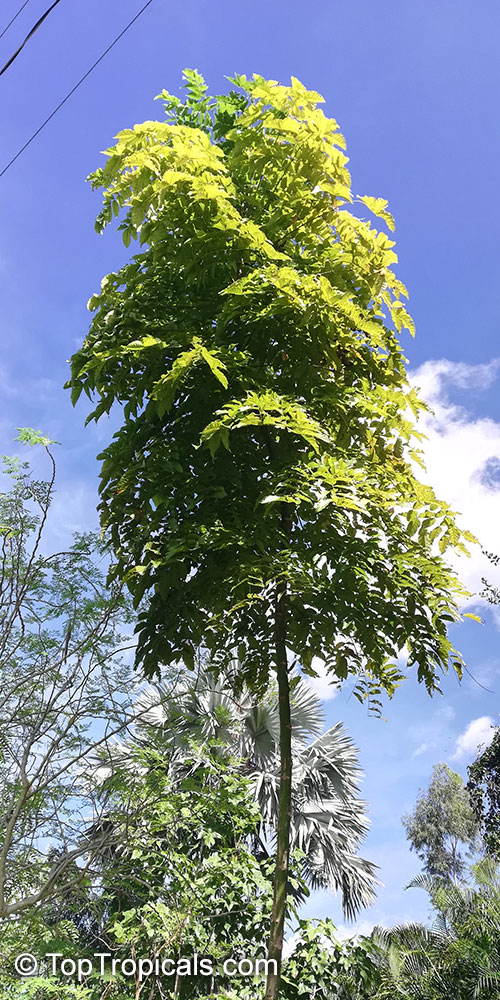
Botanical name: Acrocarpus fraxinifolius
Common names: Pink Cedar, Balangi, Kurungatti
Family: Fabaceae
Subfamily: Caesalpinioideae
Origin: South Asia
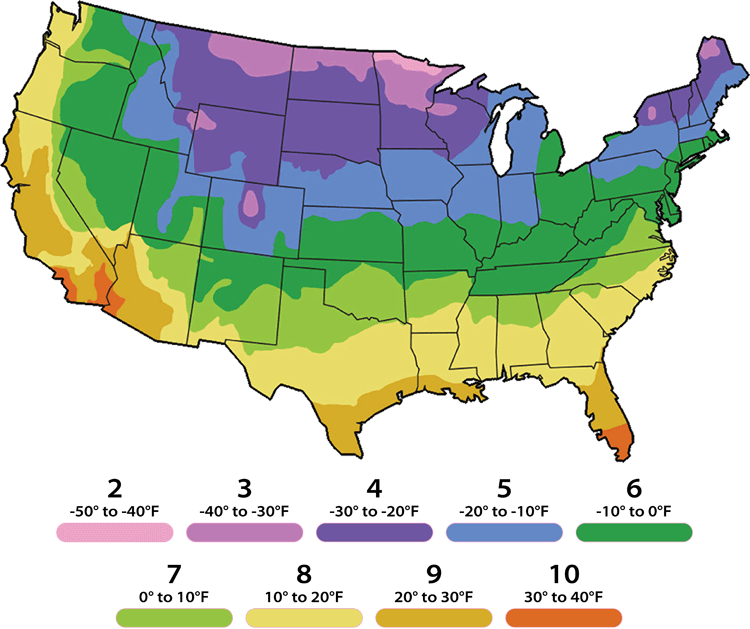


It has a relatively wide range of soil tolerances, but appreciate a fertile, organic-rich soil with regular water, but can tolerate some drought. It is best grown in USDA Zones 9-11 and is quite adaptable to most soil types and climates. For gardens in cold regions, it can be grown in a large container, brought indoors or planted in a protected location in winter. In general, it will require very little care and should be free from pests and diseases. Prune as needed to shape or remove dead or damaged branches, otherwise it does not require regular pruning.
Acrocarpus fraxinifolius (Pink Cedar) is a big tree that can grow taller than 20 feet, but can also be pruned to create a small tree of up to 10-20 feet. It is native to South Asia, including countries such as Bangladesh, Bhutan, China, India, Indonesia, Laos, Myanmar, Nepal, and Thailand. It thrives when planted in full sun and given regular water, and its soil requirements are relatively tolerant, but it enjoys being grown in a fertile, organic-rich soil. It is adorned with ornamental foliage in various shades from deep pink to a bright lime green, and in the early spring brings forth red, crimson, and vinous flowers in small racemes.
This plant is cold hardy up to a minimum of 28°F for short periods of time, so it can be grown in USDA Zones 9-11 with minimal care and protection from pests and diseases. Pruning should be done as needed only, to remove dead or damaged branches or to shape. For gardens in colder regions, it can be grown in a large container and brought indoors in winter, or planted in a sheltered location. In terms of plant care, it is important to water deeply and occasionally and to provide adequate protection from frost.
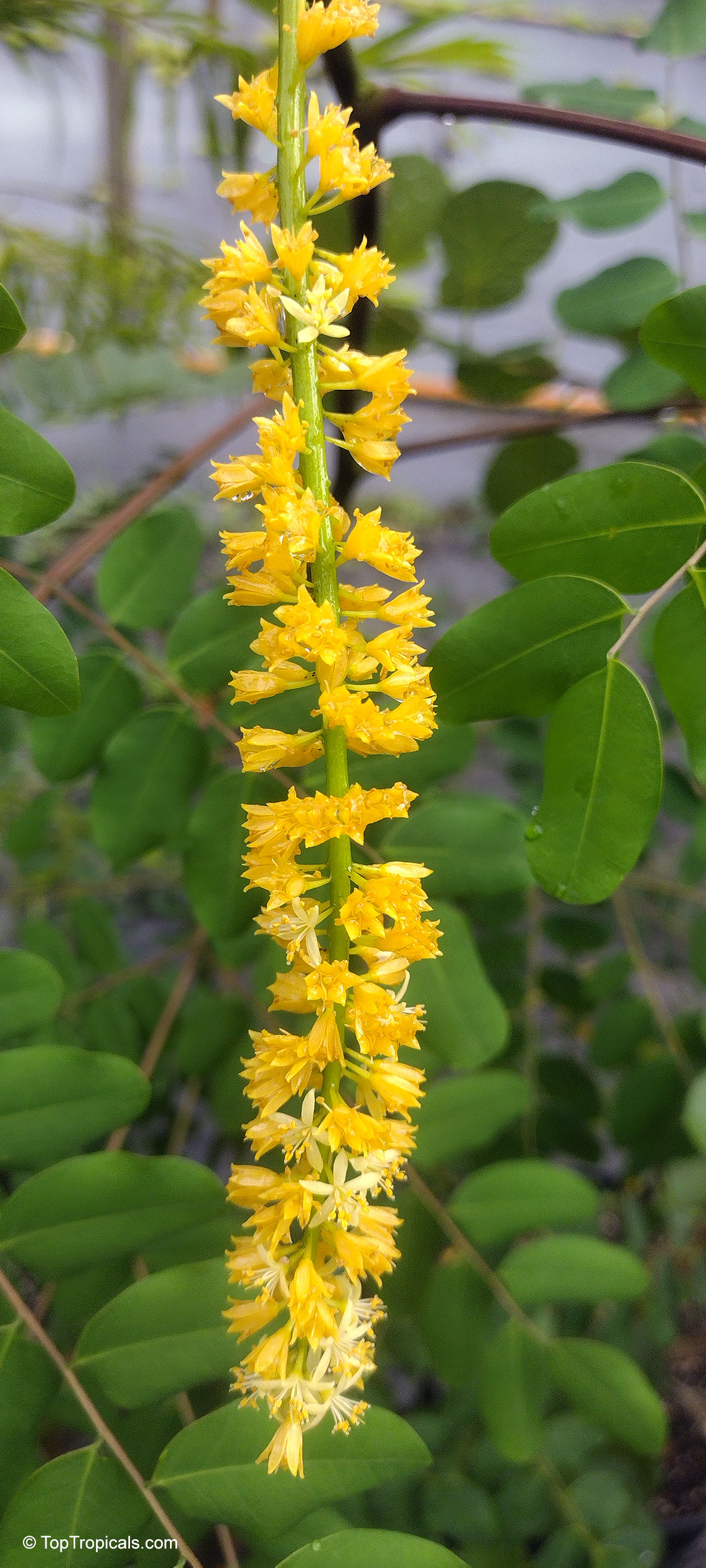
Botanical name: Adenanthera pavonina
Common names: Red Sandalwood, Coral Bean Tree, Saga, Sagaseed Tree, Red-bead Tree, Raktakambal, Kokriki
Family: Fabaceae
Subfamily: Caesalpinioideae
Origin: India
Hardiness: 35°F


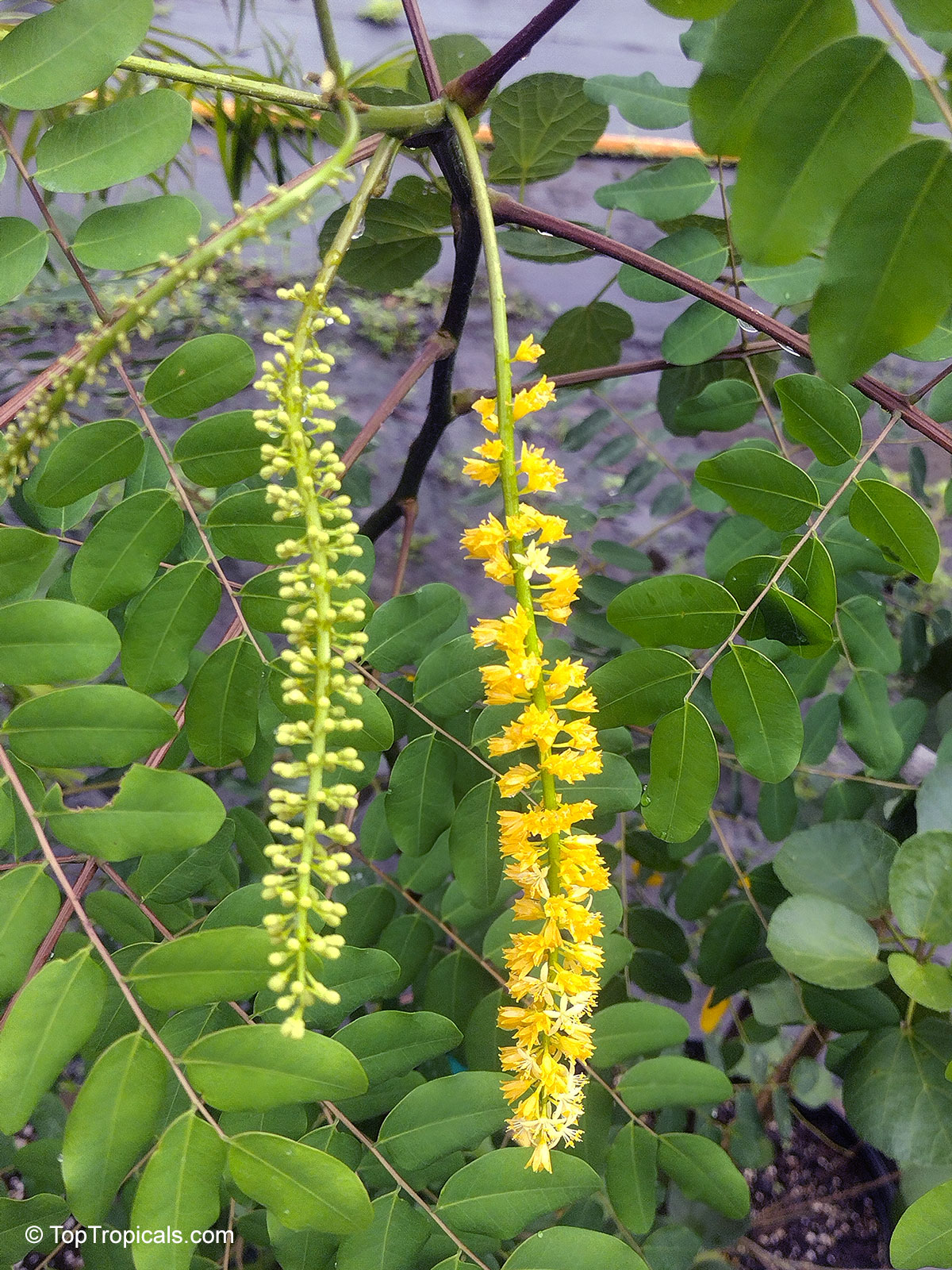
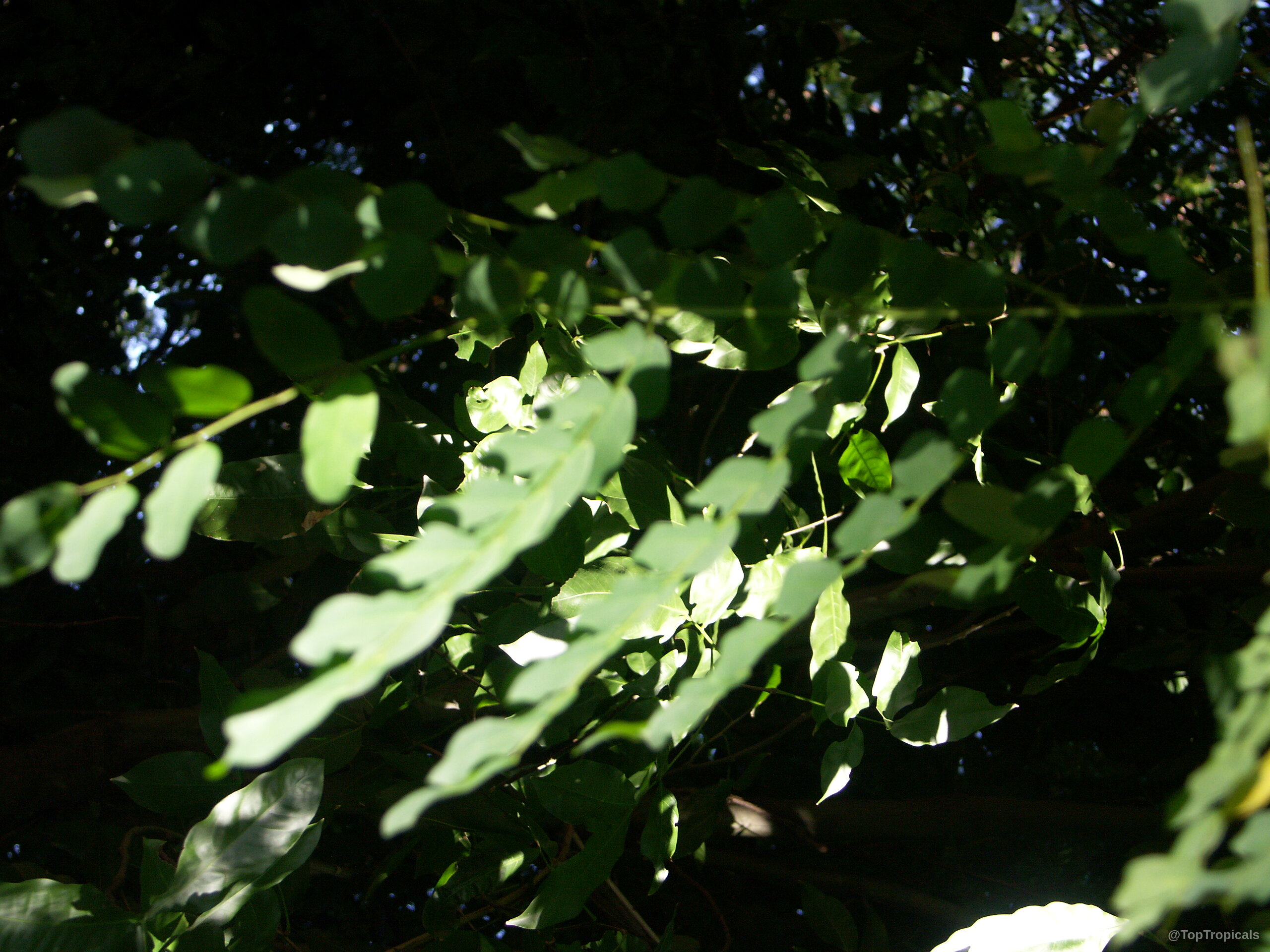
A medium-sized tree up to 15 m high, Adenanthera pavonina is native to India and Malaysia. It has been planted extensively throughout the tropics as an ornamental and has become naturalized in many countries.
The tiny flowers are said to smell vaguely like orange blossoms.
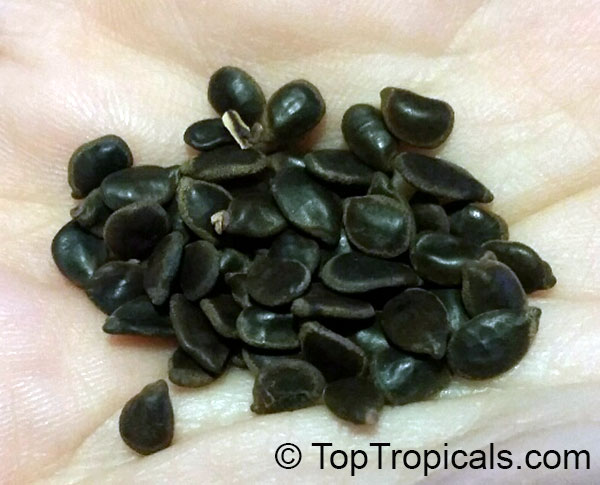
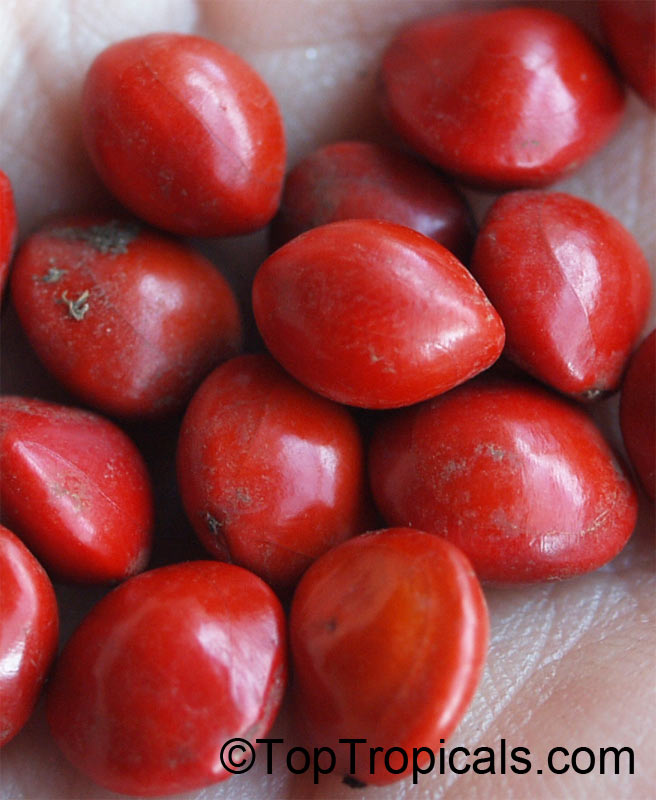
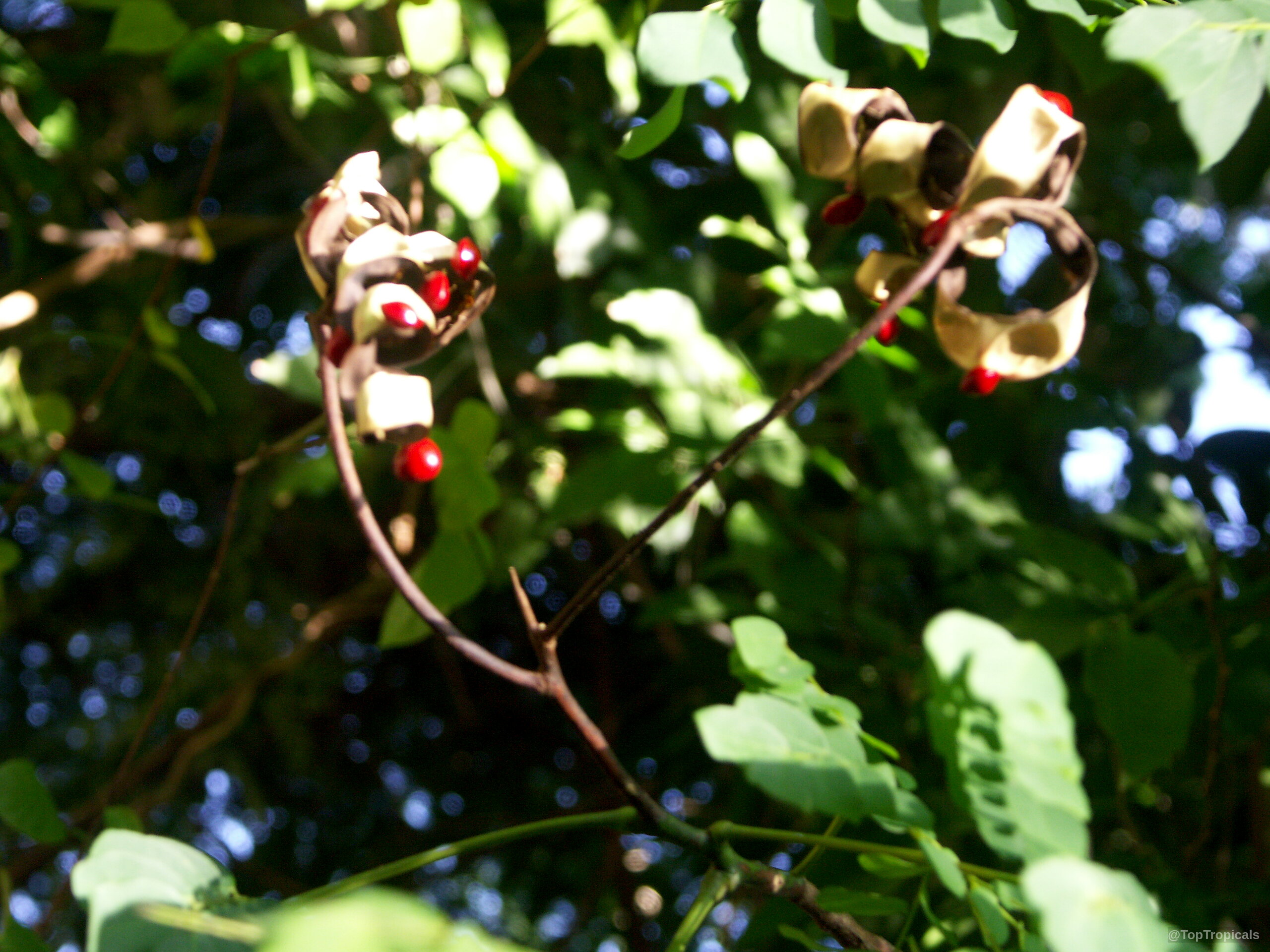
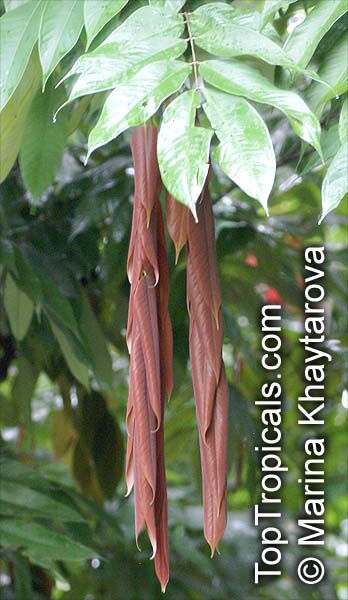
The slender flattened pods become twisted as they split open at maturity to release up to 12 brilliant red, lens - shaped, extremely hard seeds. The ripened pods stay on the tree for some time. The seeds are used in necklaces and ornaments, as beads in jewellery, leis and rosaries. They were also used in ancient India for weighing gold. The seeds are curiously similar in weight. Four seeds make up about one gramme. In fact the name "saga" is traced to the Arabic term for "goldsmith".
In Malaysia and Indonesia, the trees provide shade and planted as "nurse trees" in coffee, clove and rubber plantations.
Although the raw seeds are toxic, when cooked they are edible: are roasted, shelled and then eaten with rice in Java, Indonesia. In Melanesia and Polynesia people call it the "food tree". The seeds are said to taste like soy bean. The young leaves can be cooked and eaten, but usually only during famine.
The hard reddish wood of the red sandalwood tree is used for cabinet making. A red dye, obtained from the wood, is used by Brahmins to mark religious symbols on their foreheads. A red powder made from the wood is used as an antiseptic paste. In Ancient Indian medicine, the ground seeds are used to treat boils and inflammations. A decoction of the leaves is used to treat gout and rheumatism. The bark was used to wash hair.
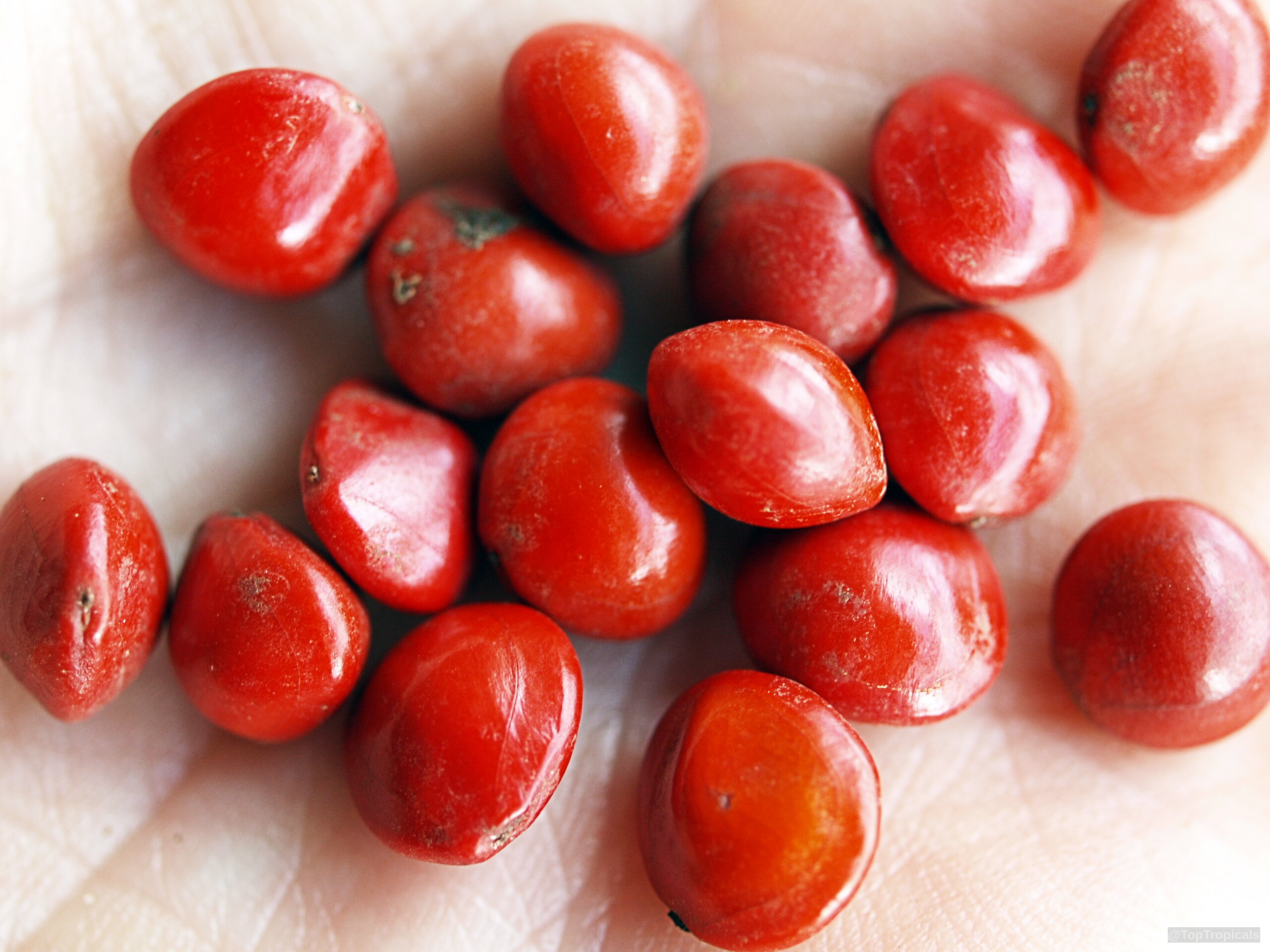
Plant seeds 1" deep in otting mix, keep warm, damp and in bright light. Scarify to expedite germination.
Ordering seeds info
RECOMMENDED SUPPLIES:
Seed Germination Mix #3, professional grade
SUNSHINE-Epi - Seeds and cuttings booster
SUNSHINE Bombino - Young Plant Booster
Botanical name: Amherstia nobilis
Common names: Pride of Burma, Orchid Tree
Family: Fabaceae
Subfamily: Caesalpinioideae
Origin: Myanmar (Burma)

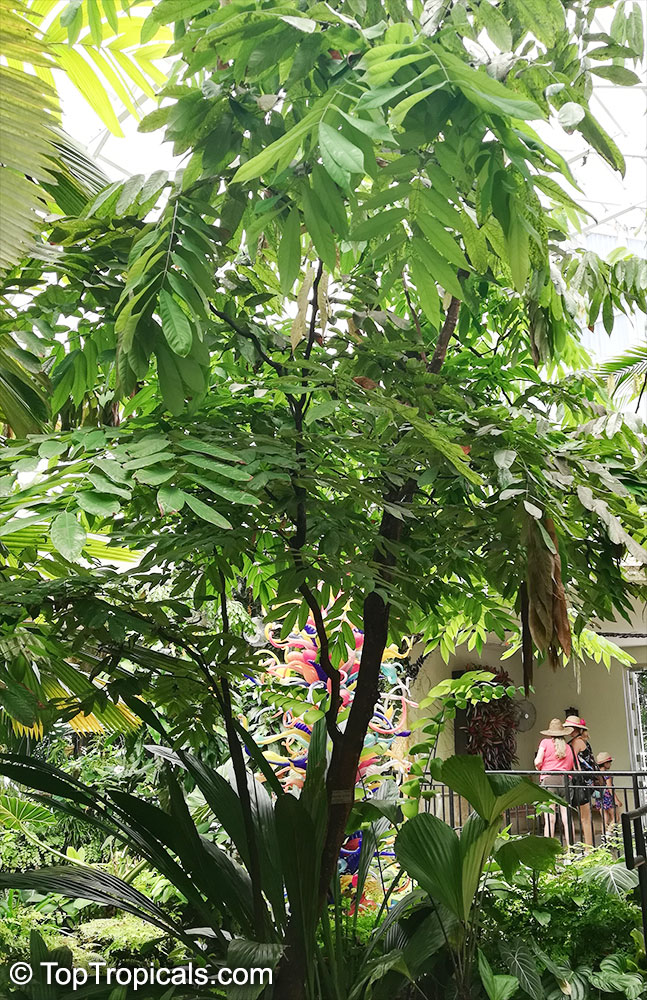
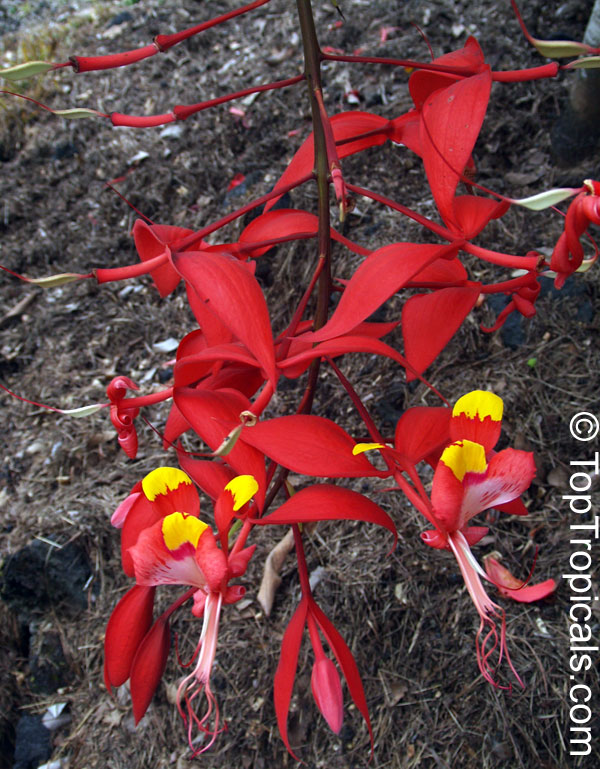
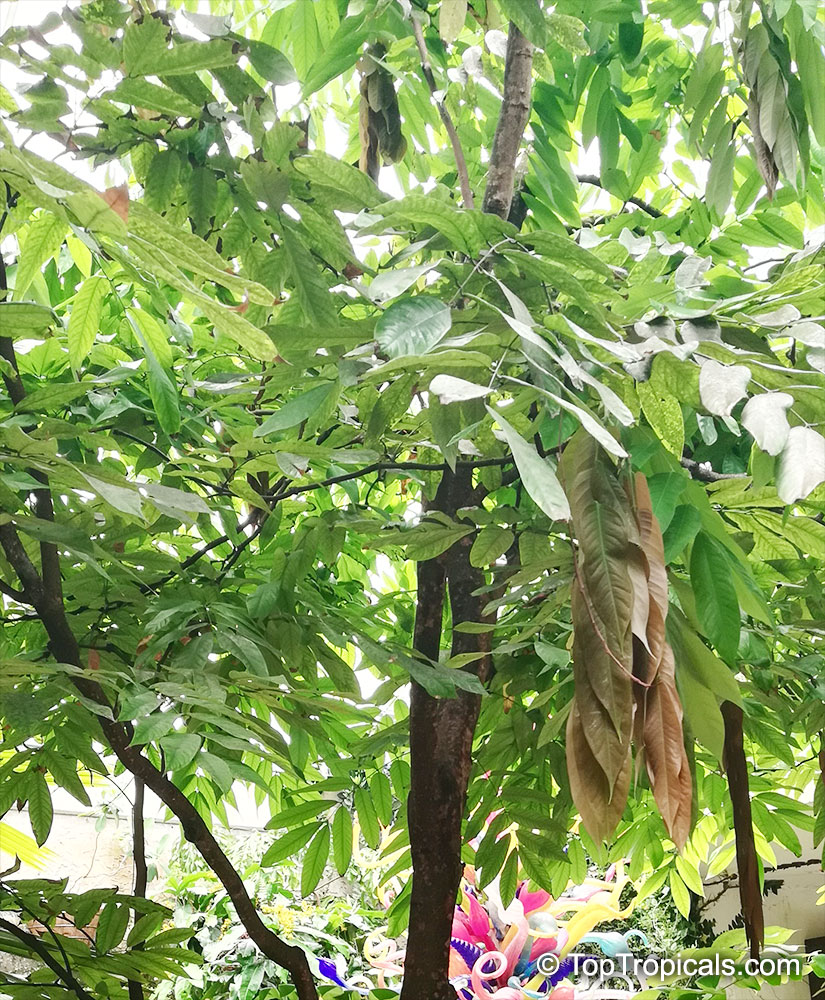
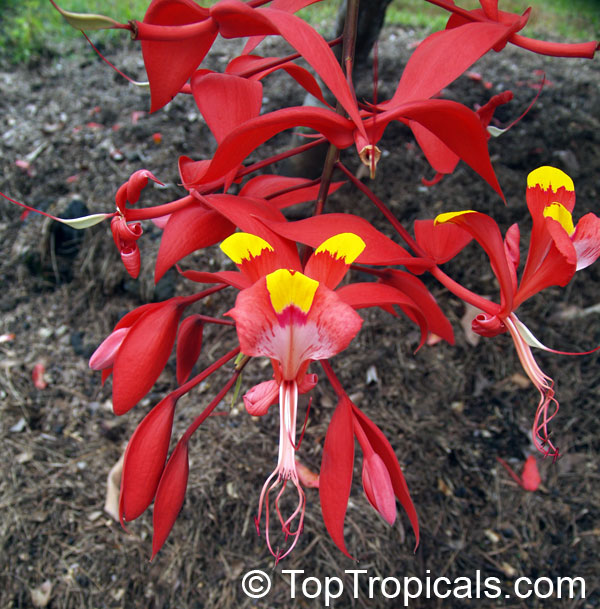
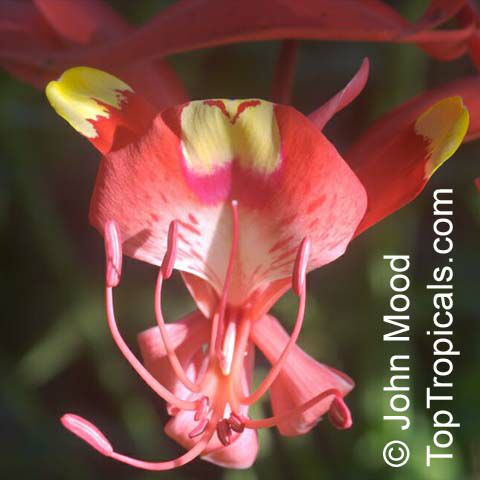
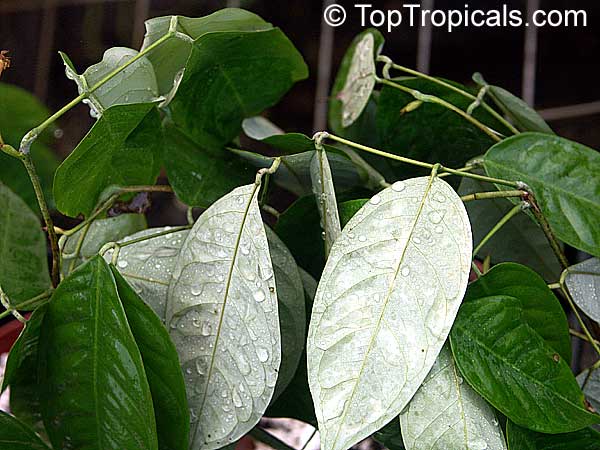
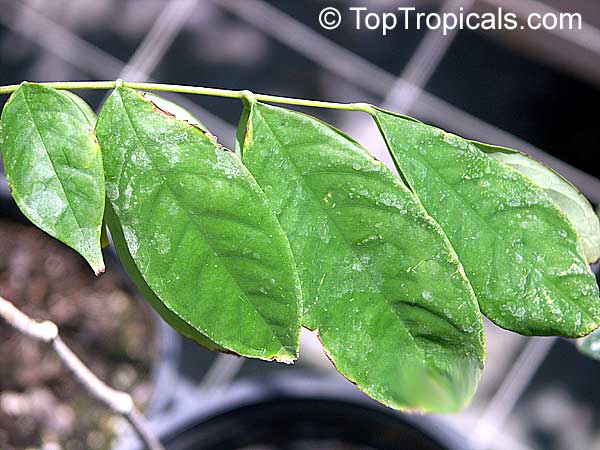
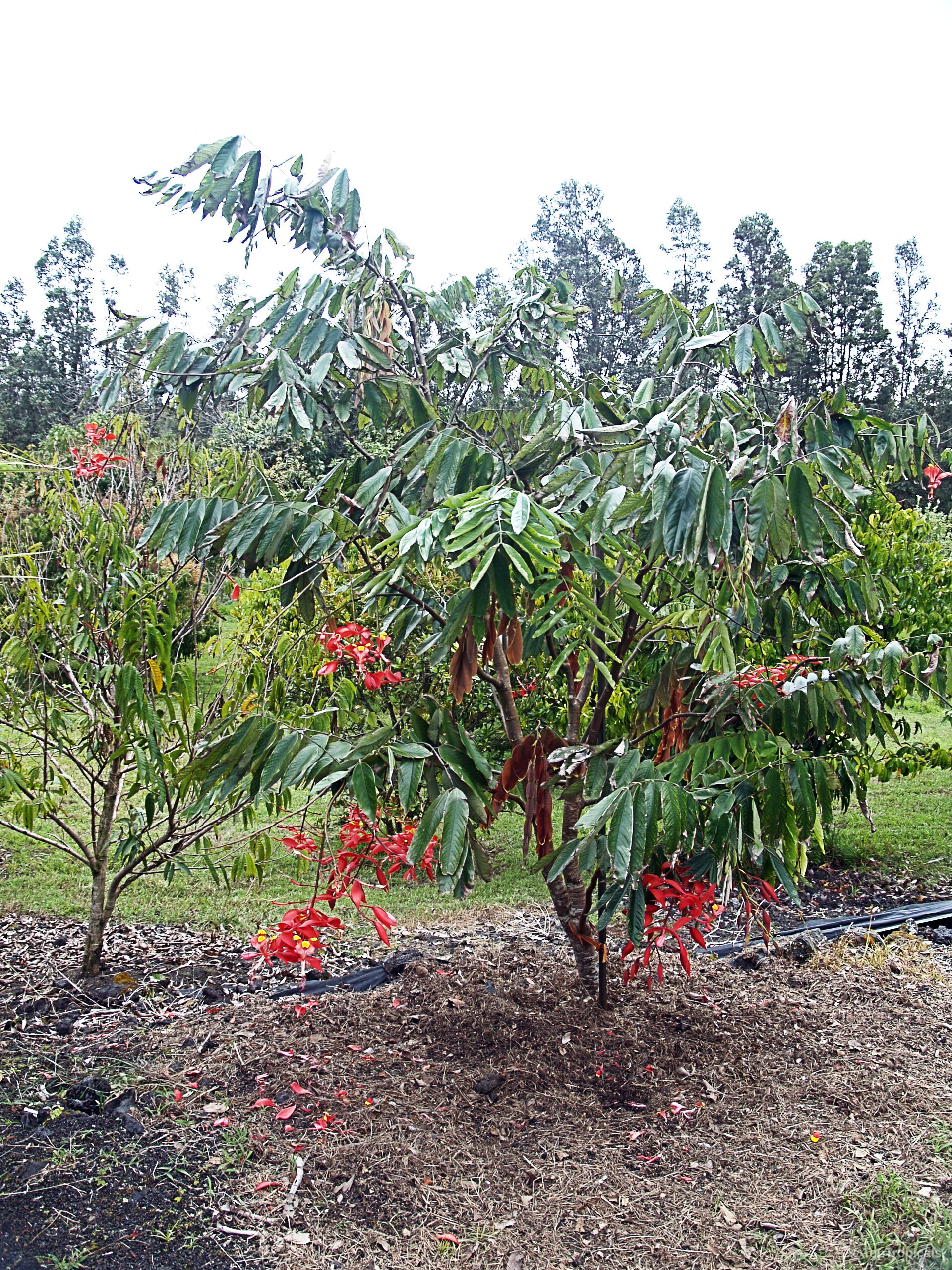
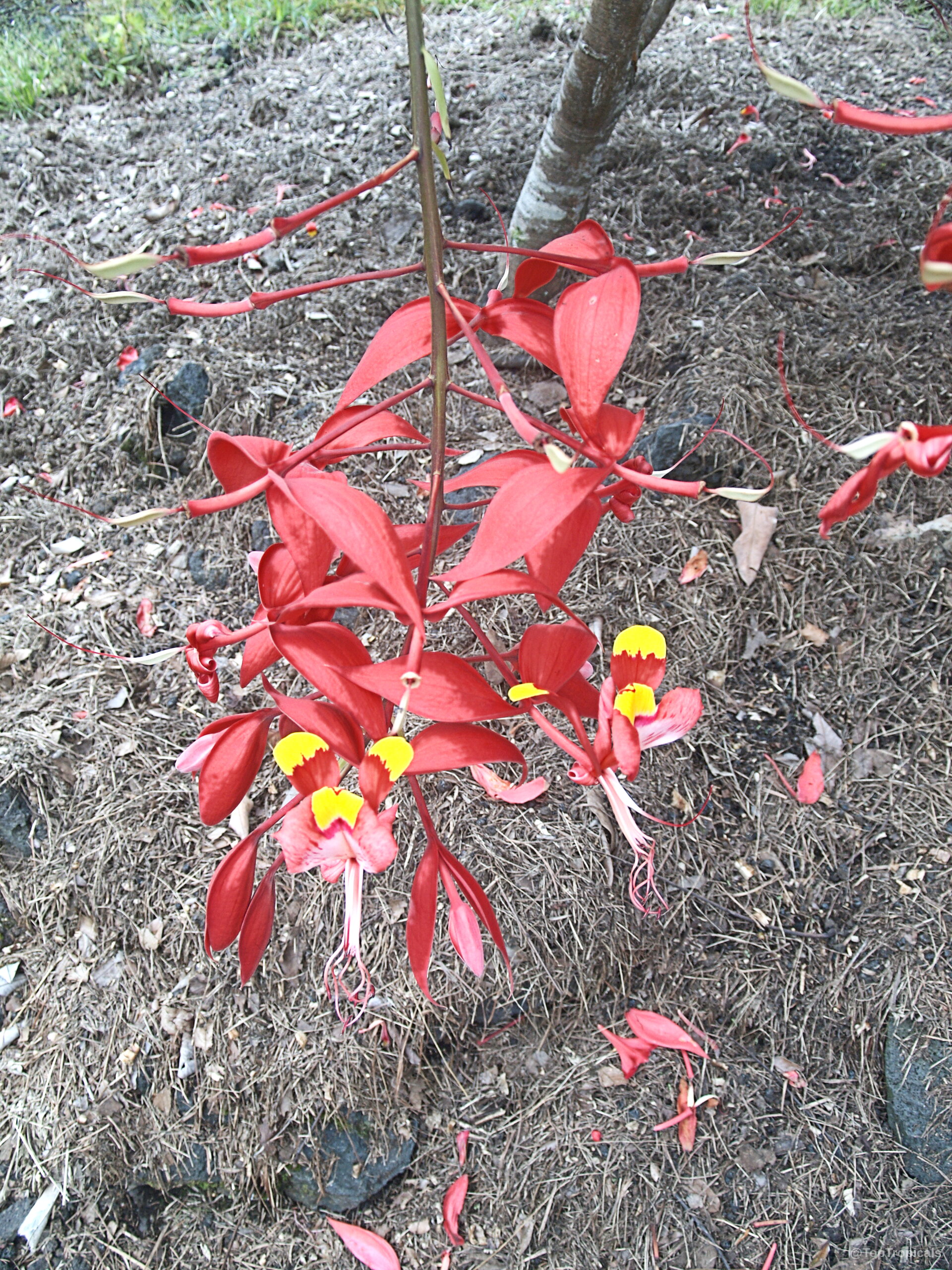
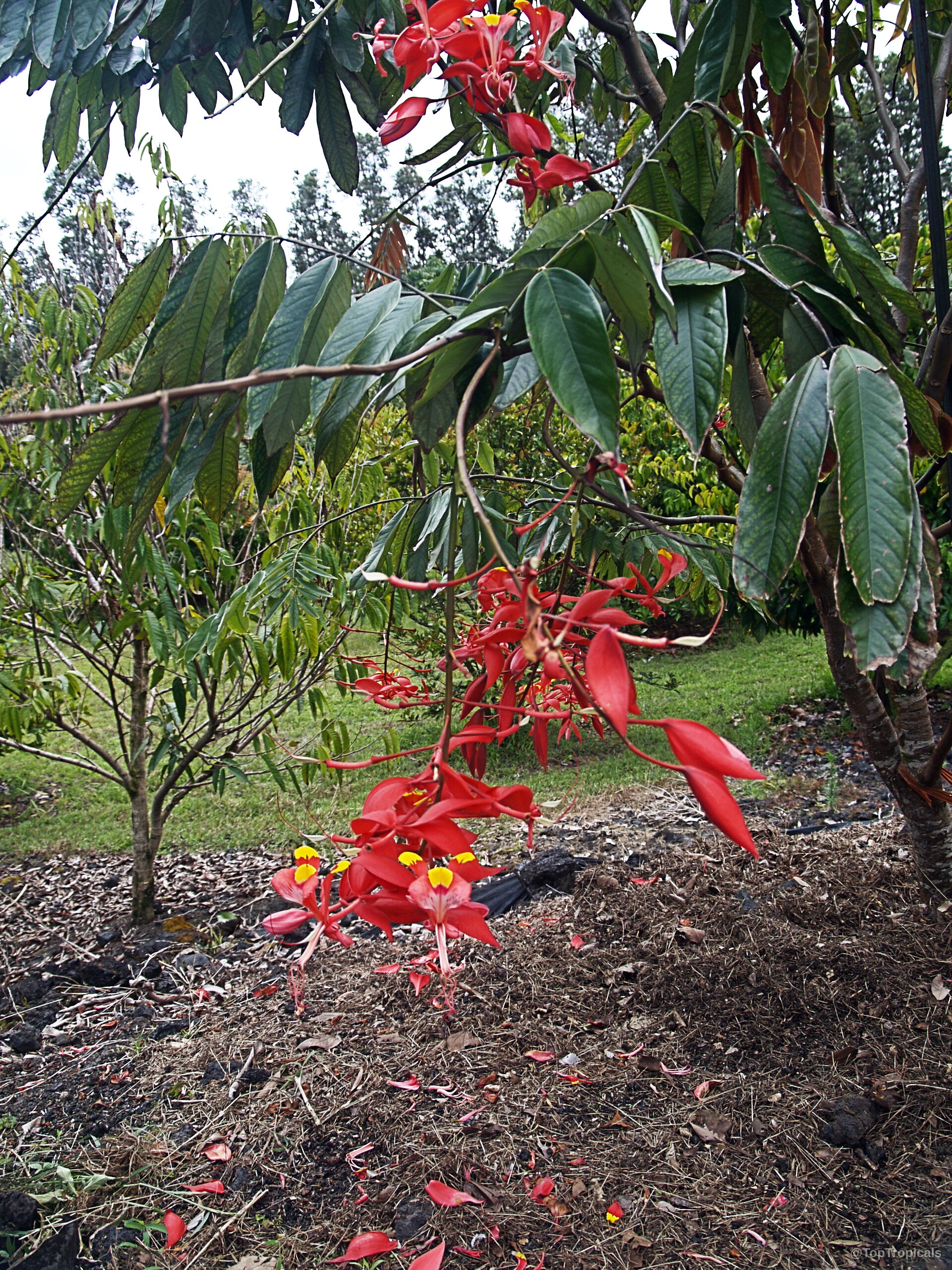
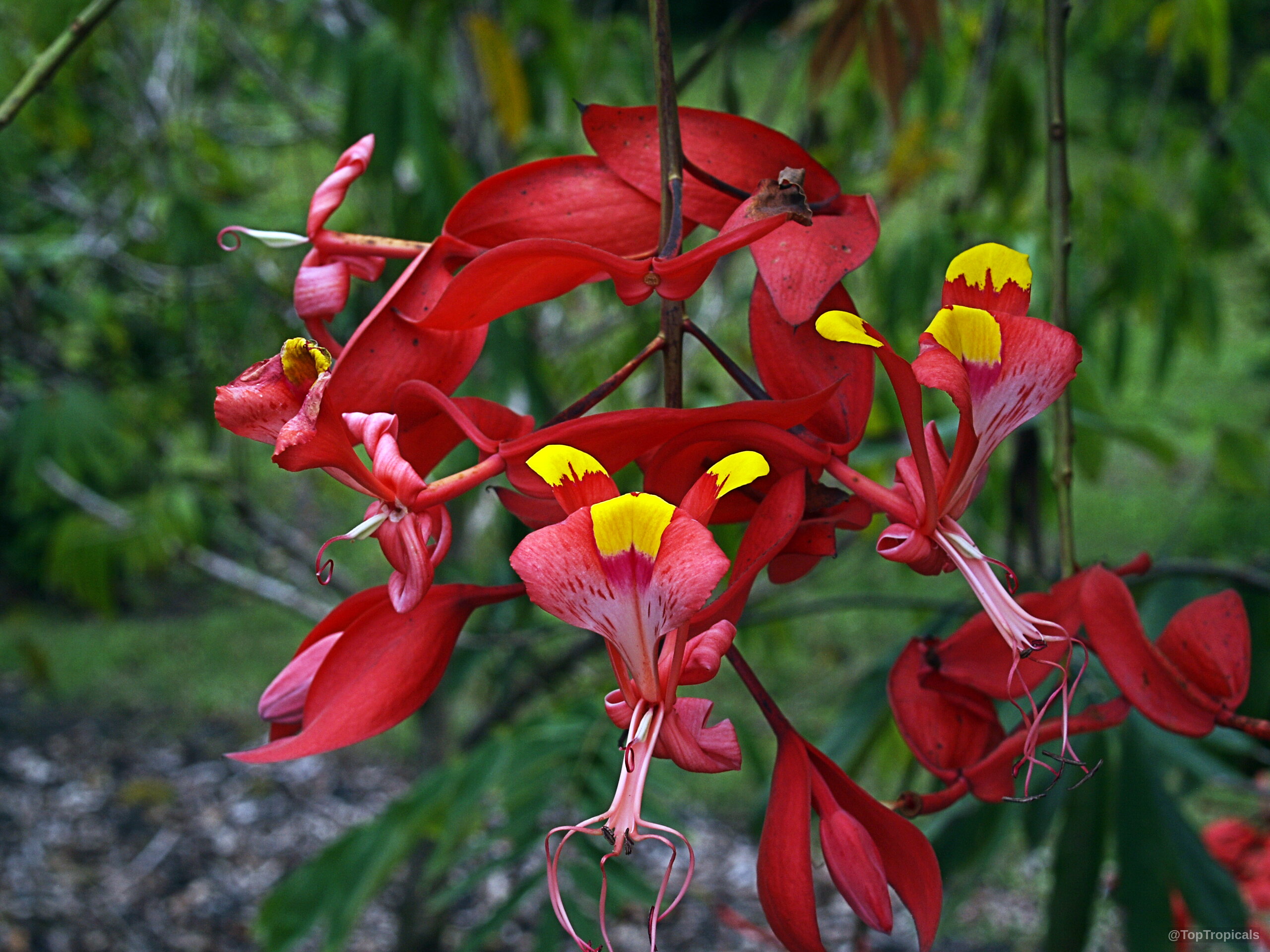
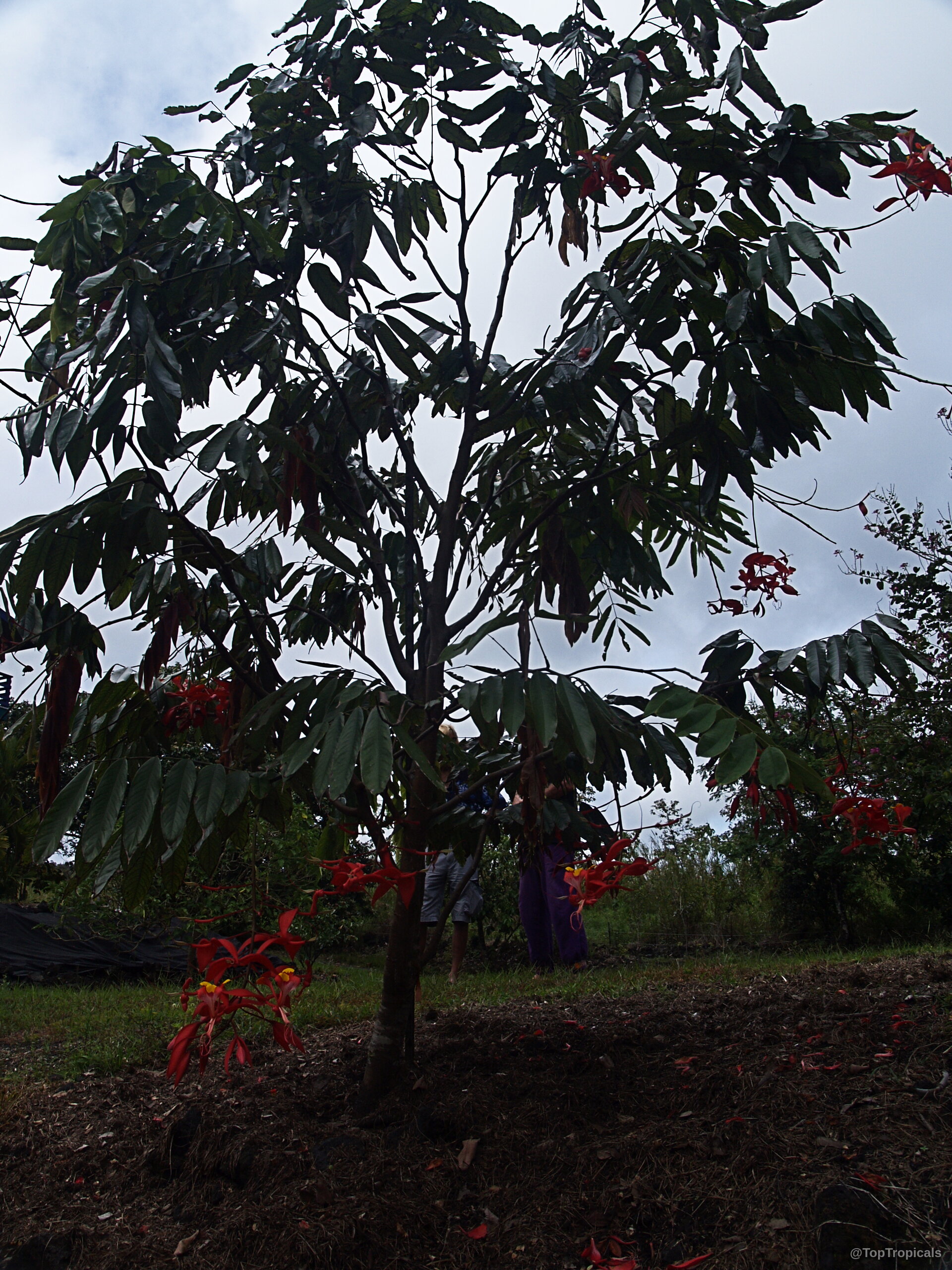
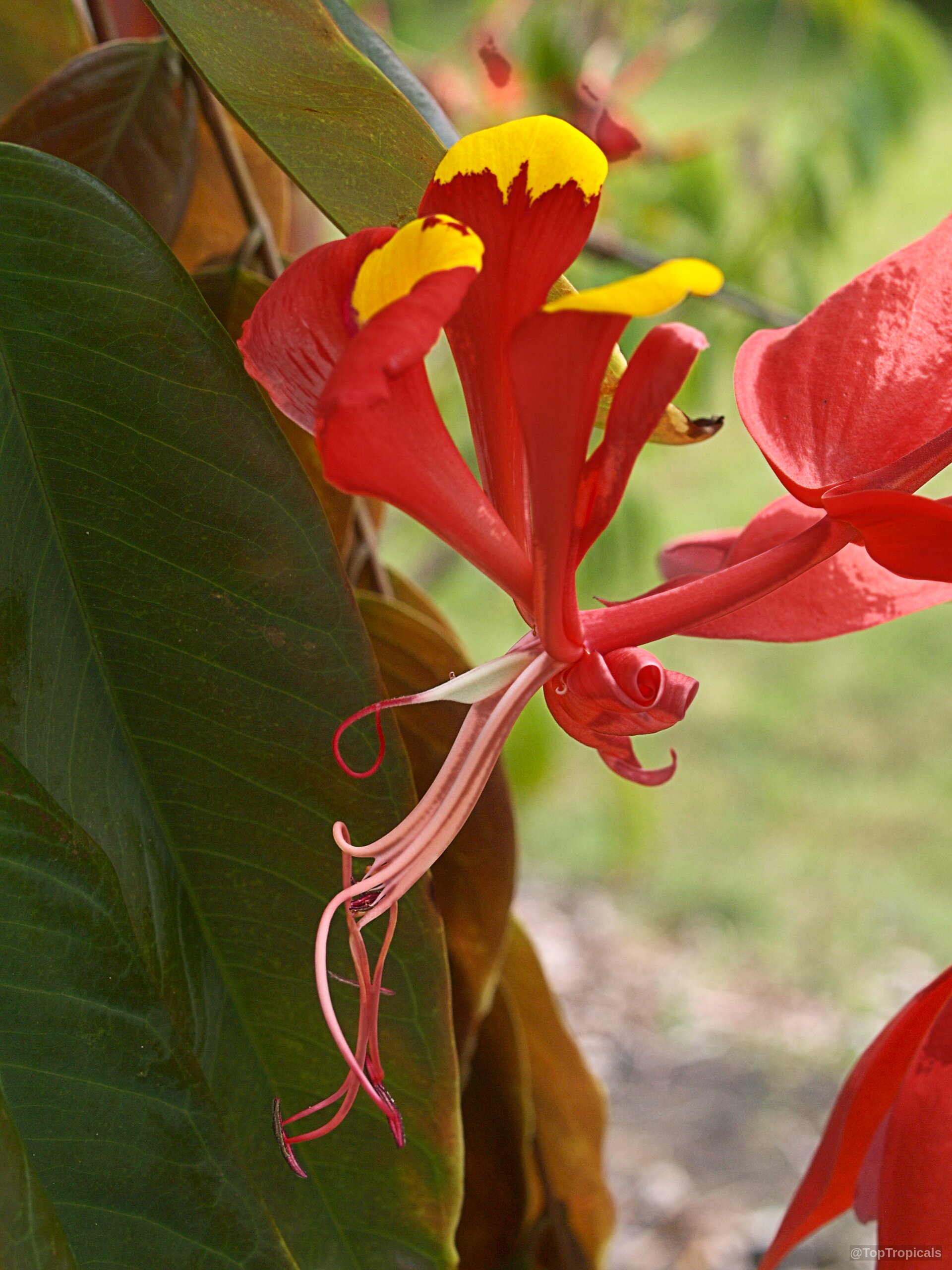
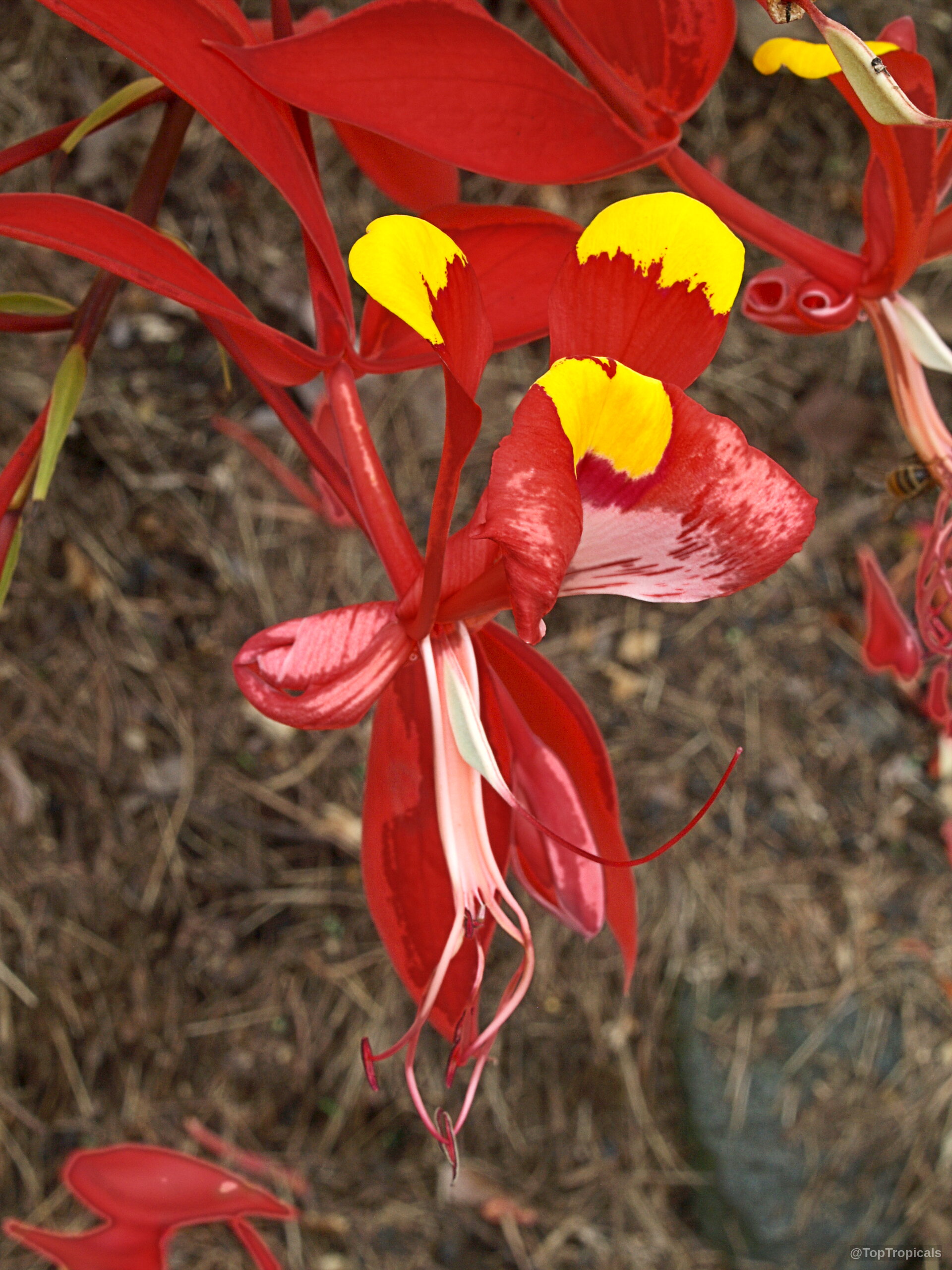
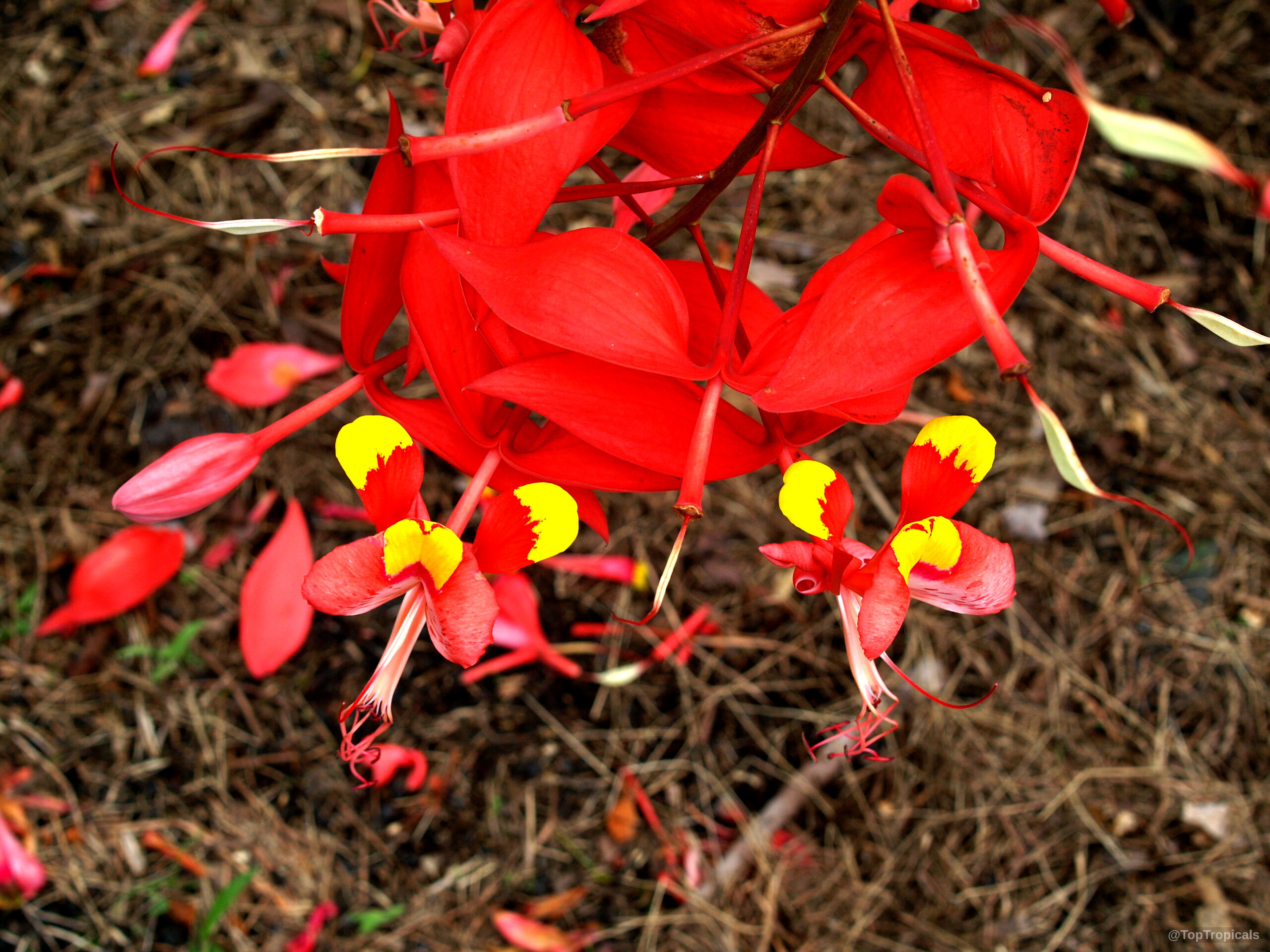
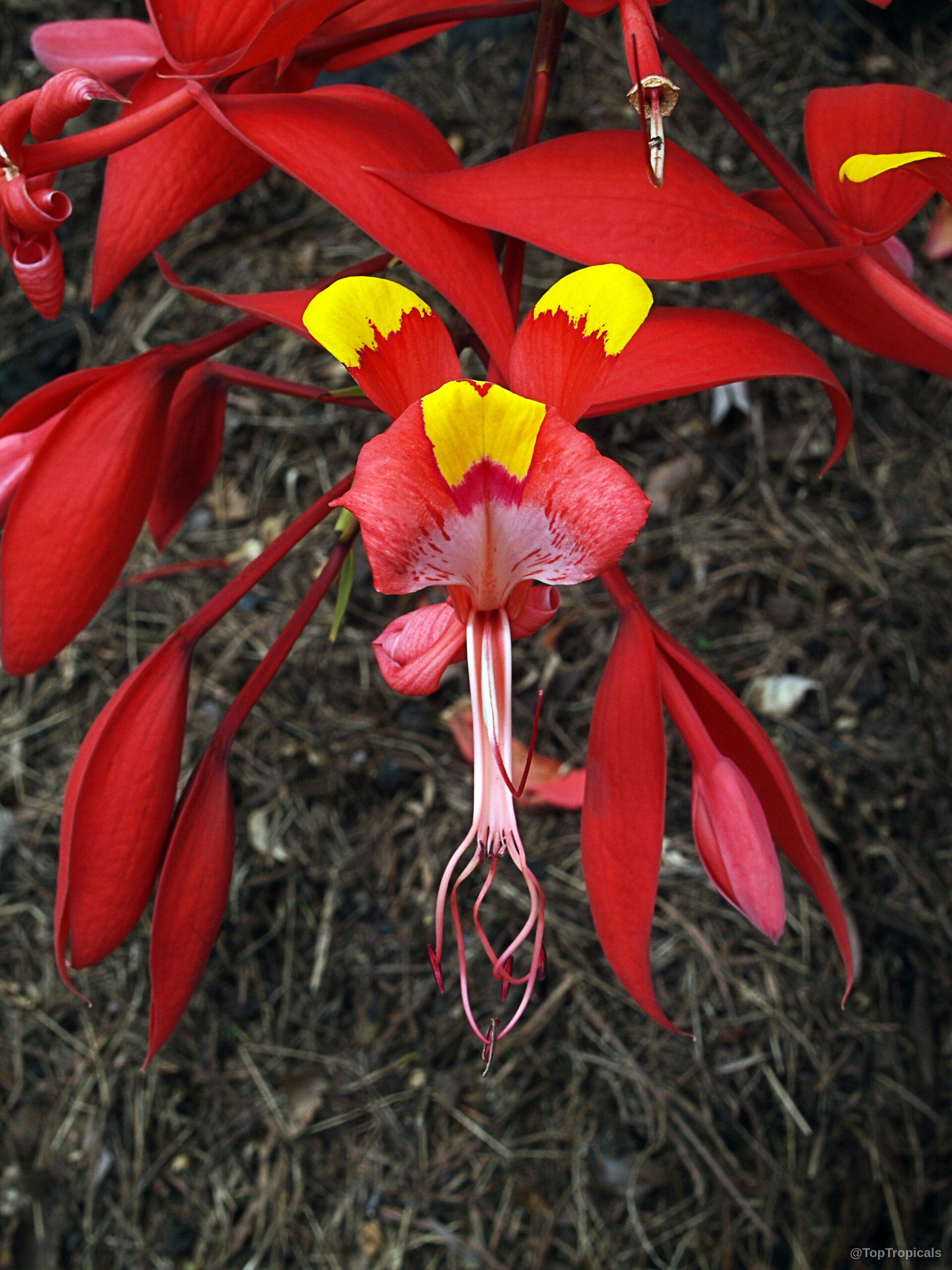
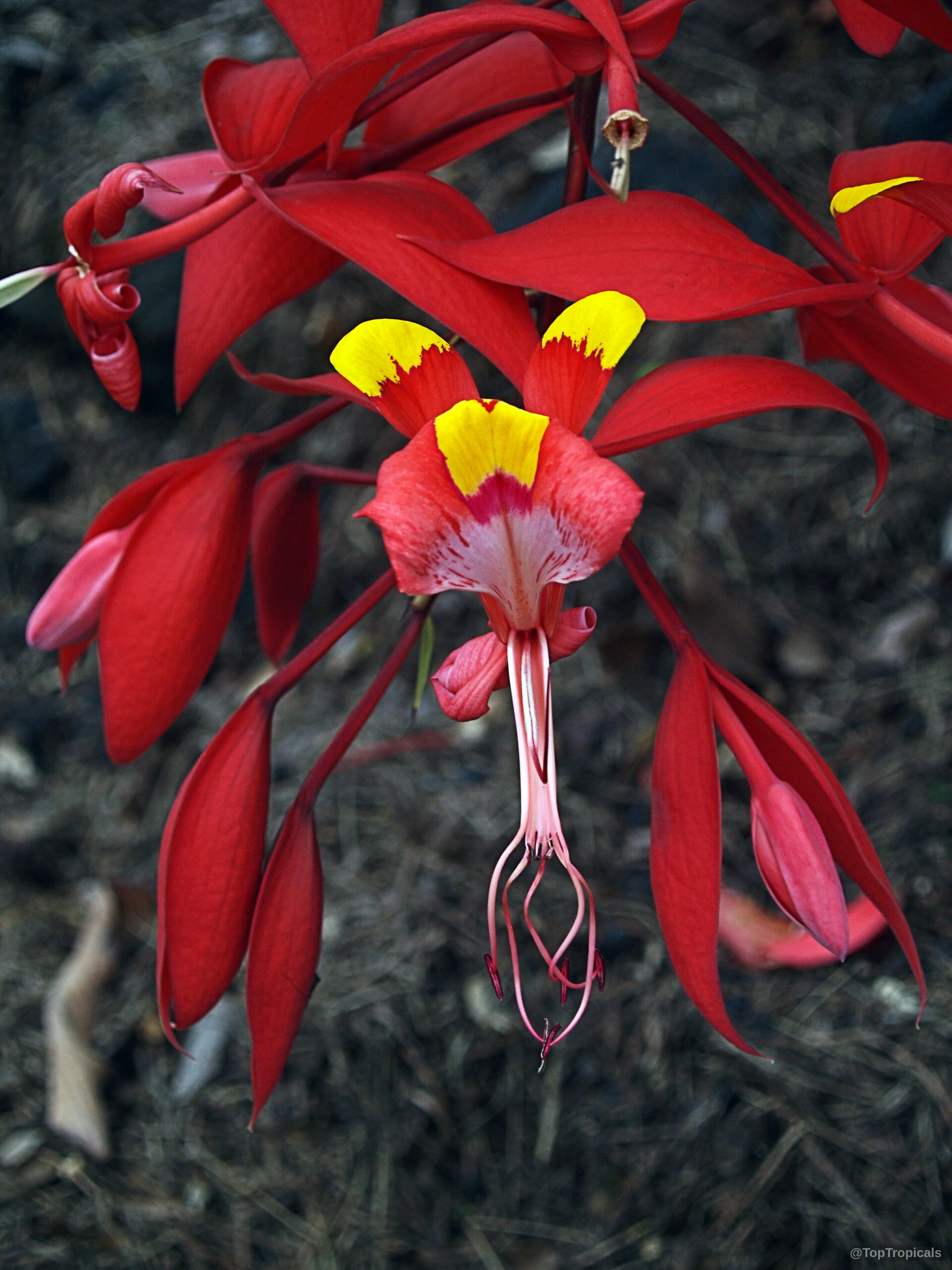
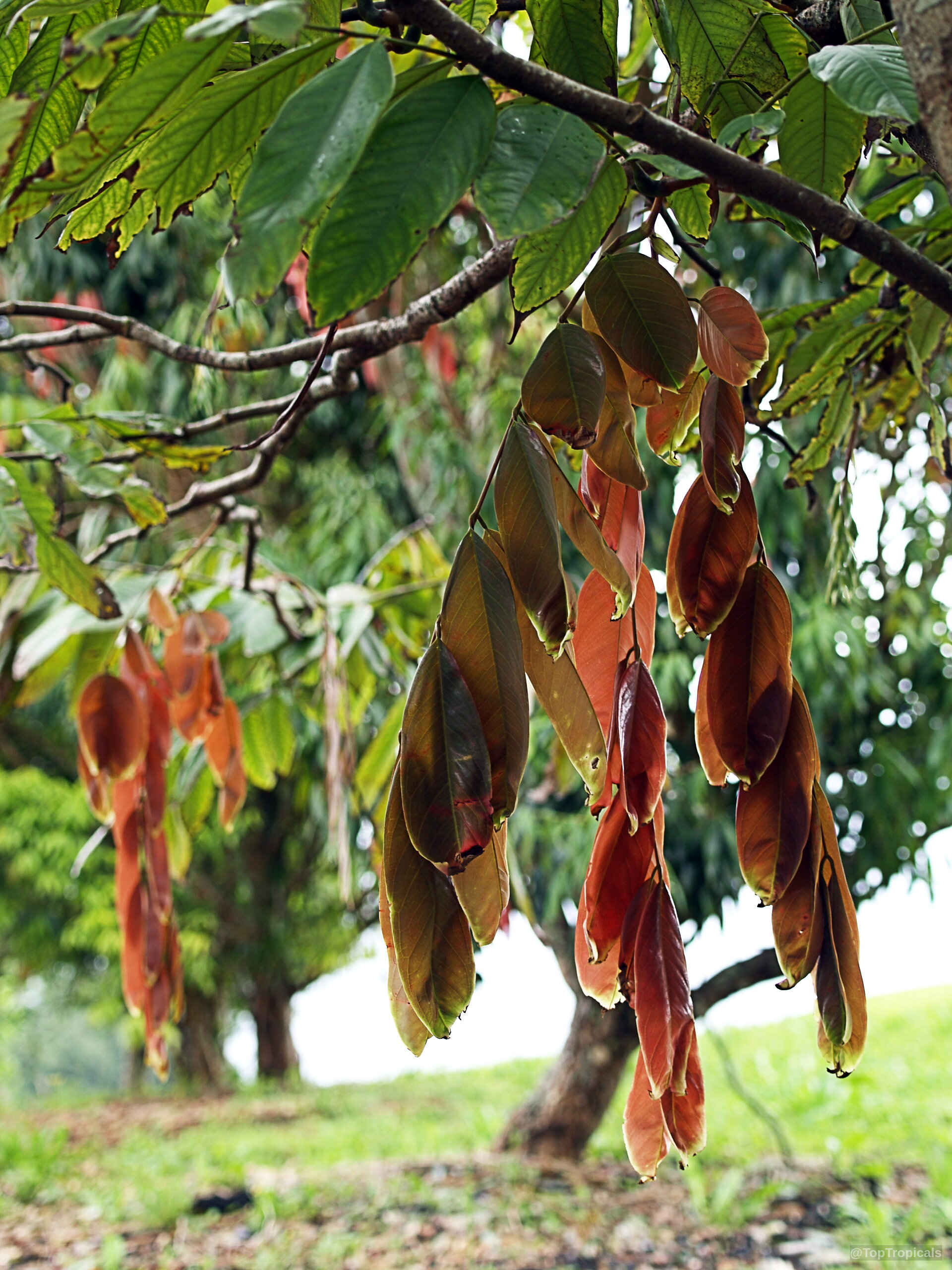
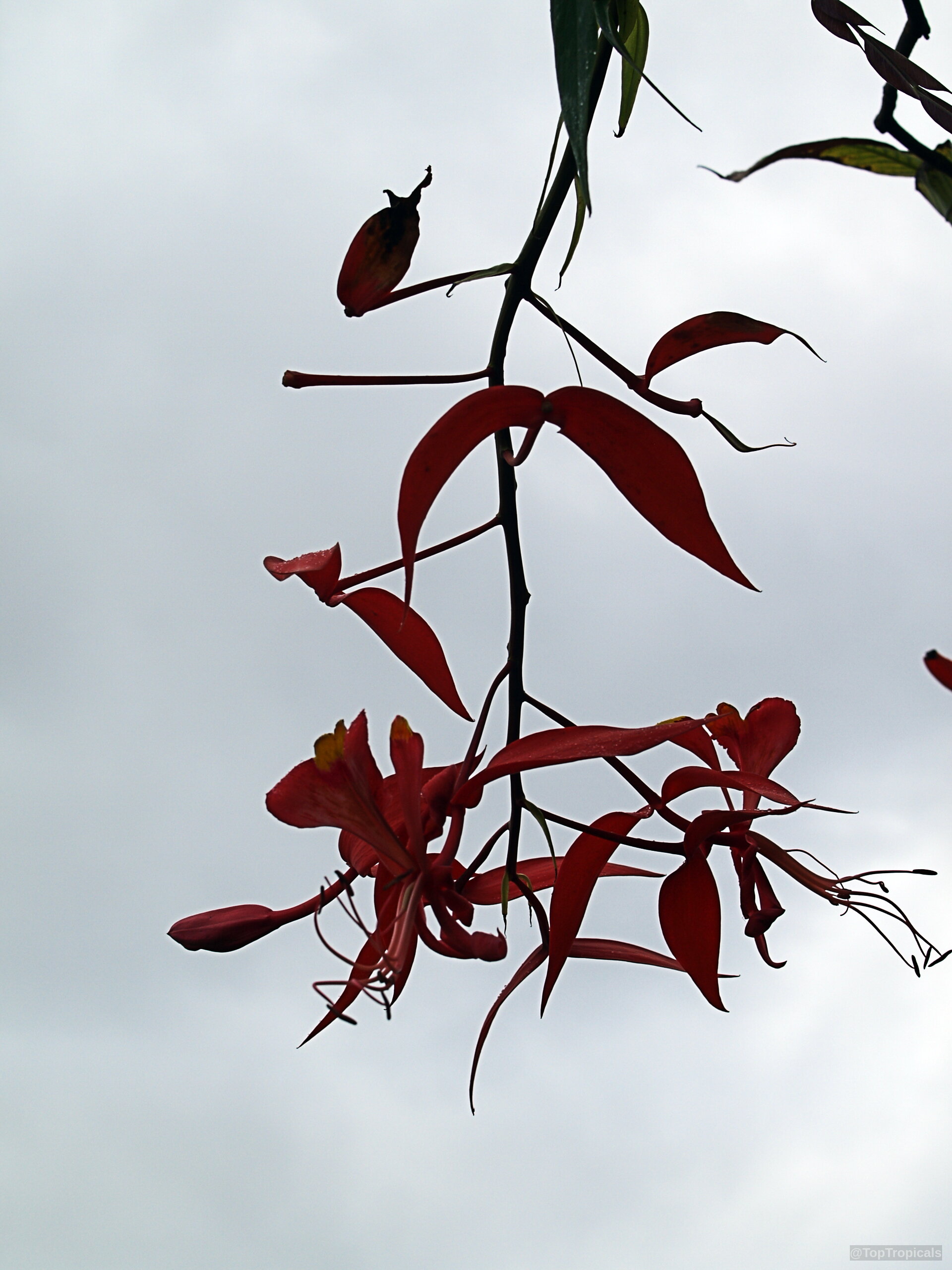
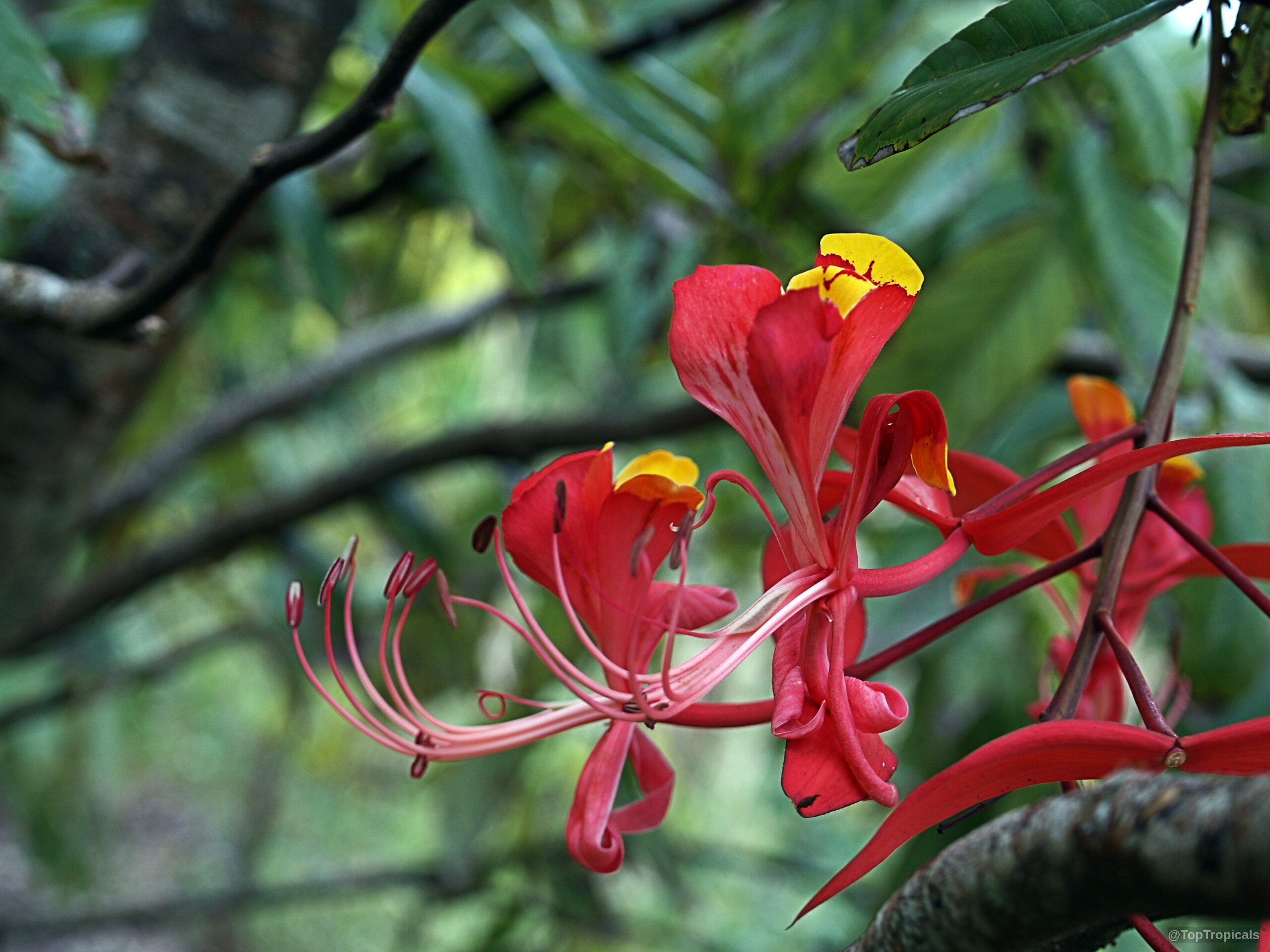
Perhaps the most beautiful of flowering tropical trees, certainly attractive enough to earn the sobriquet Queen of Flowering Trees. Obscure origins add to the mystique of this noble petite tree. It has only been collected from the wild a couple of times, in the forests of Burma, leading to its common name Pride of Burma. The tree has compound leaves and a great profusion of large, irregular, yellow-spotted scarlet flowers. The genus is named after Lady Sarah Amherst, who collected plants in Asia in the early Nineteenth century. Not only is she commemorated in one of the most beautiful of the worlds trees, she also lends her name to Lady Amherst pheasant one of the most elegant birds. The new leaves are produced in flaccid pale tassels that turn purplish before they green and open out. When not in flower, Amherstia looks similar to Saracca, another Asian legume genus. The leaves unfurl in handkerchief fashion like the Brownea and Maniltoa. New leaf growth is reddish, hangs down at first.




Botanical name: Baikiaea insignis
Common name: Baikiaea
Family: Fabaceae
Subfamily: Caesalpinioideae
Origin: Tropical Africa


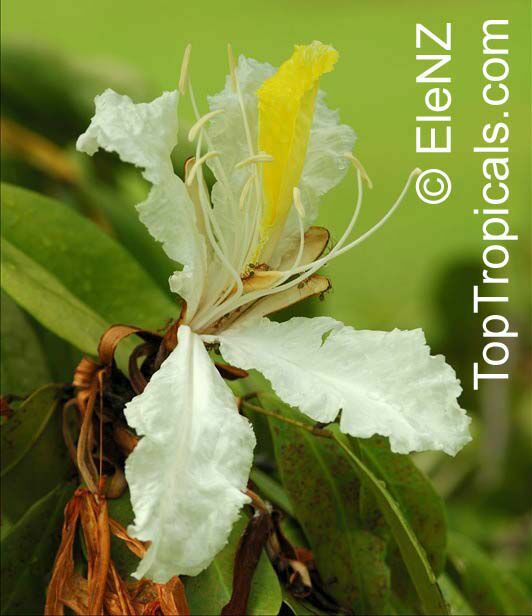
Baikiaea insignis is native to tropical Africa and is a notable ornamental landscape species valued for its garden fragrance. This small tree has branches that have a dense and spreading canopy, reaching 10-20 feet in width. Its dark green, shiny leaves of narrow oval shape create a beautiful contrast with its fragrant, white or off-white flowers. They attract a variety of pollinators like bees, butterflies and other beneficial insects, making this a great option for gardens that not only strive to be beautiful, but also beneficial to the environment.
For best growing results, Baikiaea insignis should be planted in a site that receives full sun and moderate water. It flourishes best in USDA Zones 9-11 and can tolerate light frost. When growing this plant in colder climates, it should be planted in a container and brought inside during the cold season. During the warmer months, it will appreciate the outdoor air, but can be kept indoors as long as rough handling is avoided.
Baikiaea insignis requires minimal care with occasional pruning and clipping to maintain its desirable shape. It does best with occasional irrigations in the dry season. With its ability to withstand some drought, this species is a great addition to water-wise gardens.
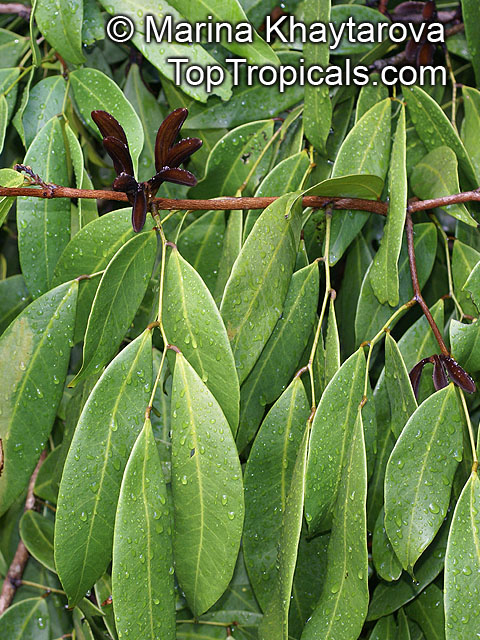
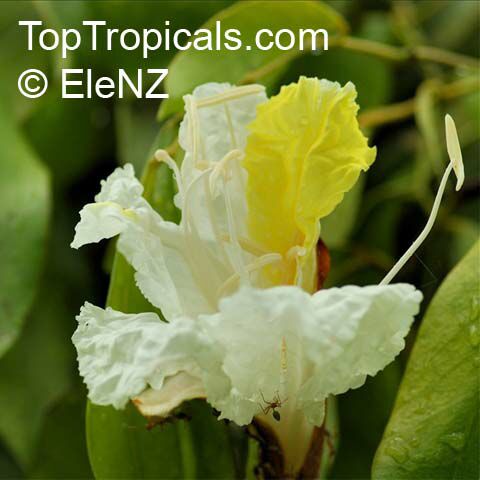
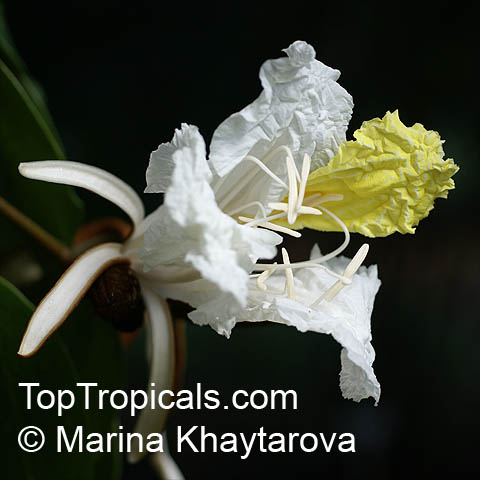
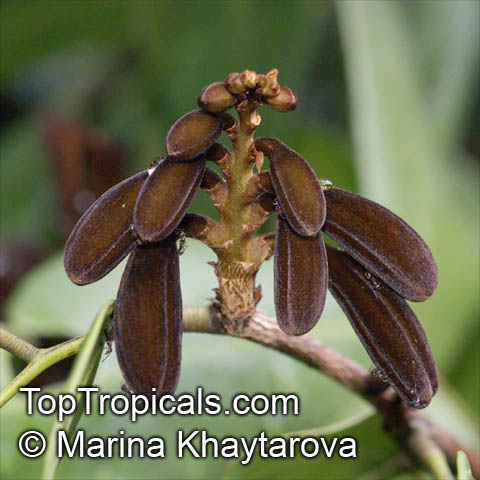
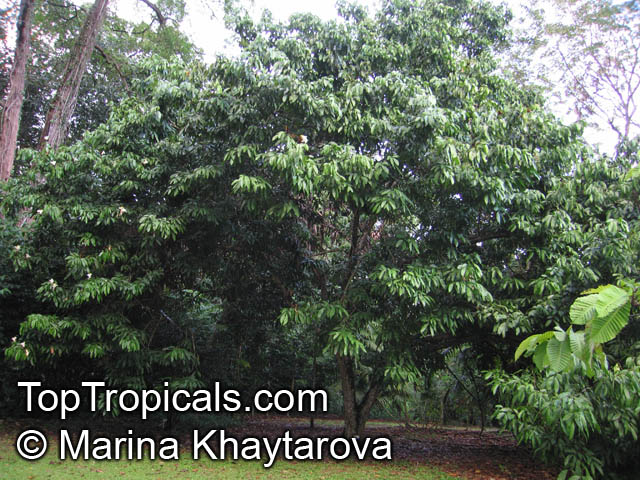
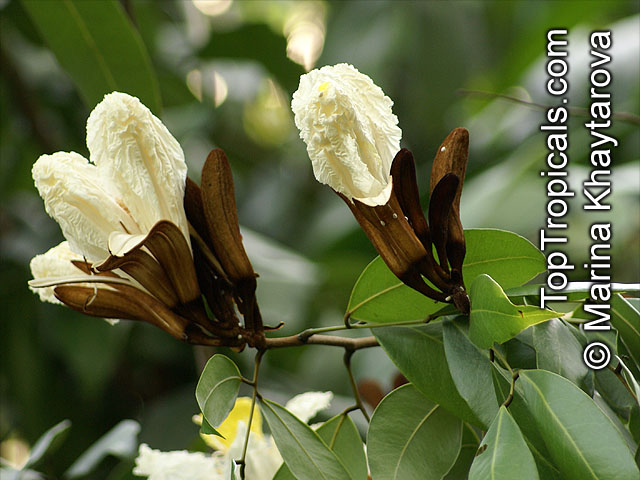
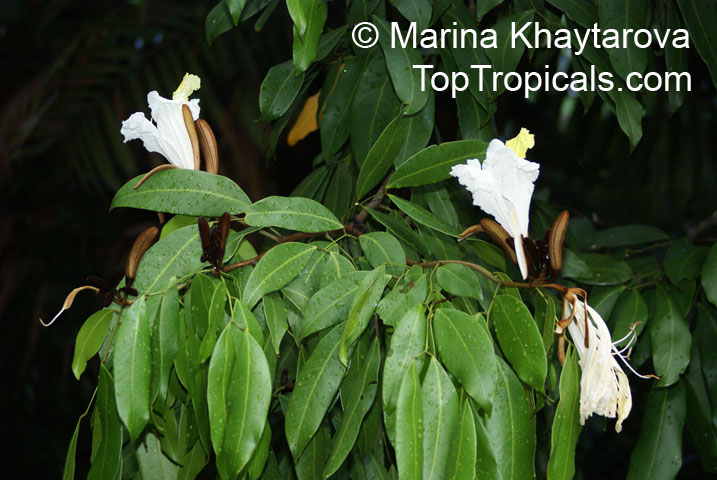
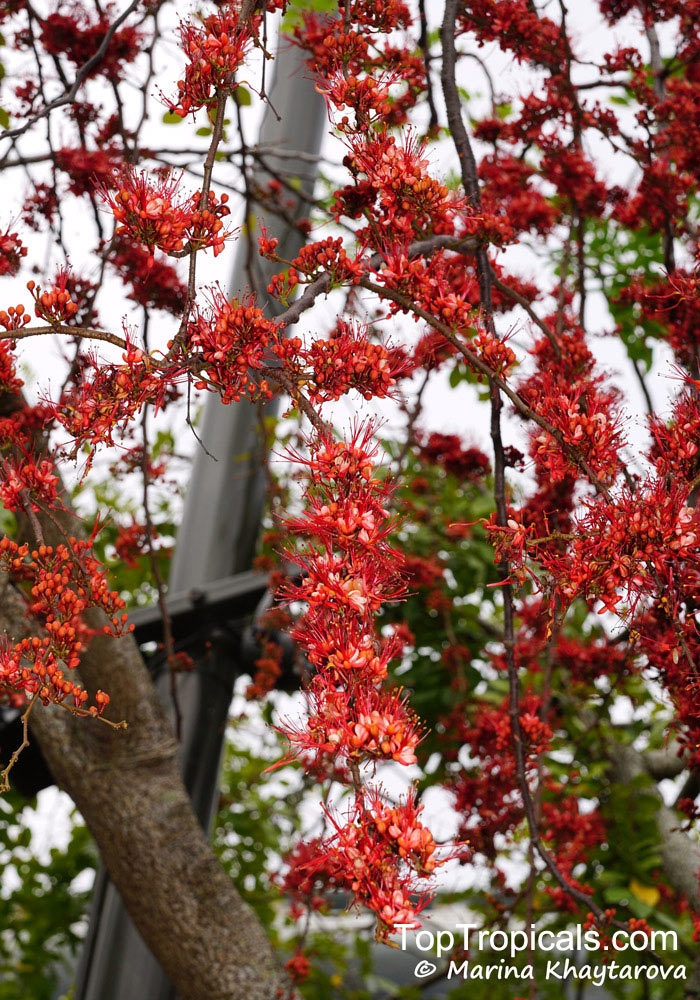
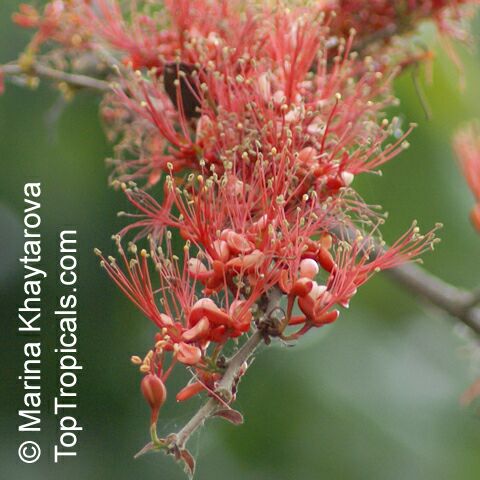
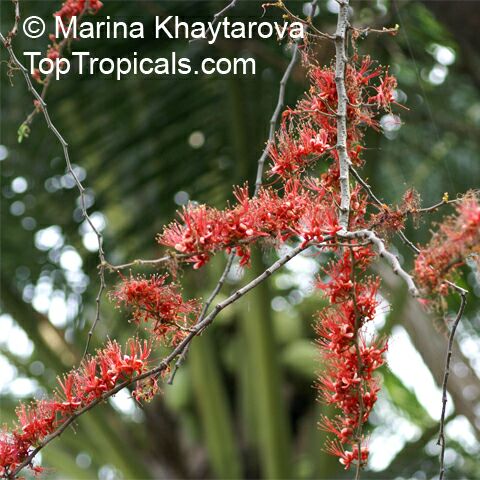
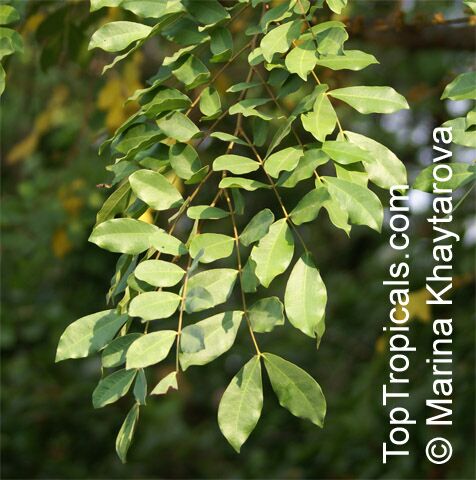
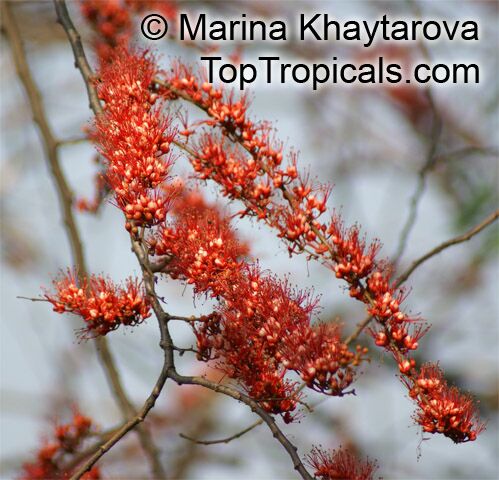
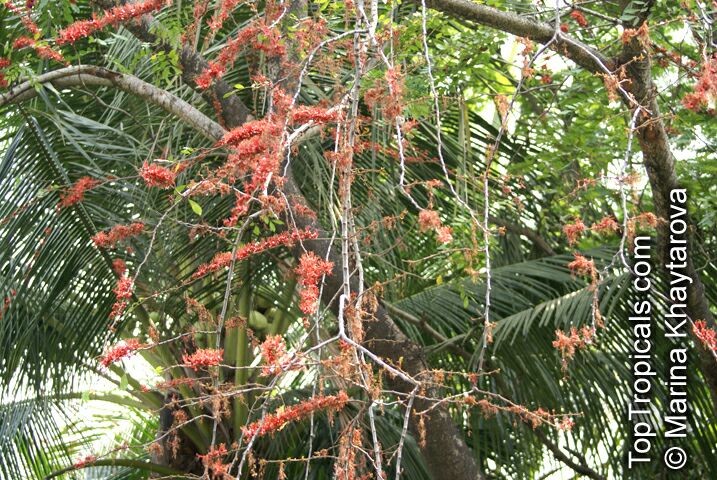
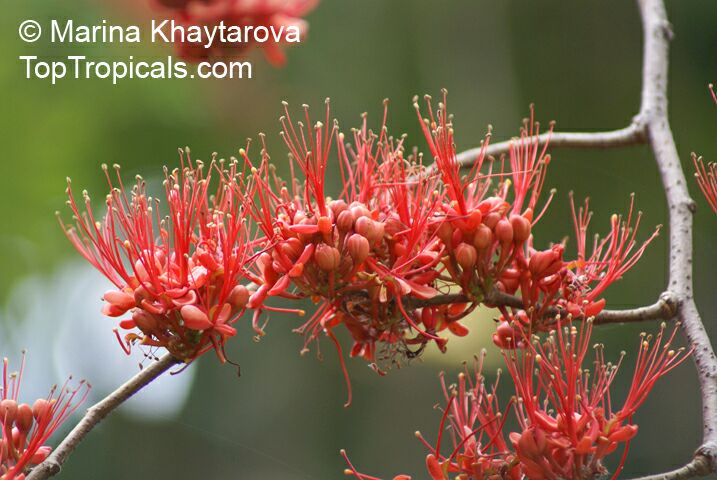
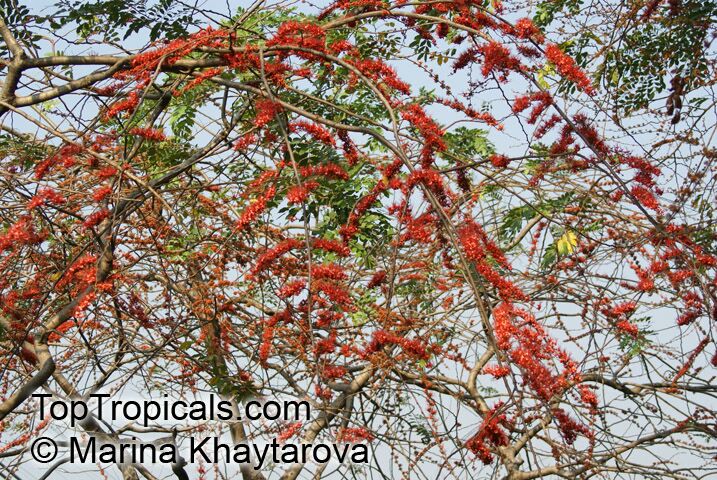
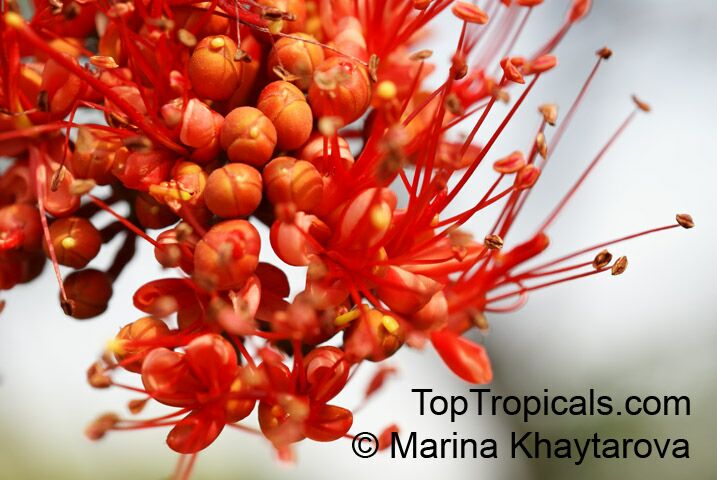
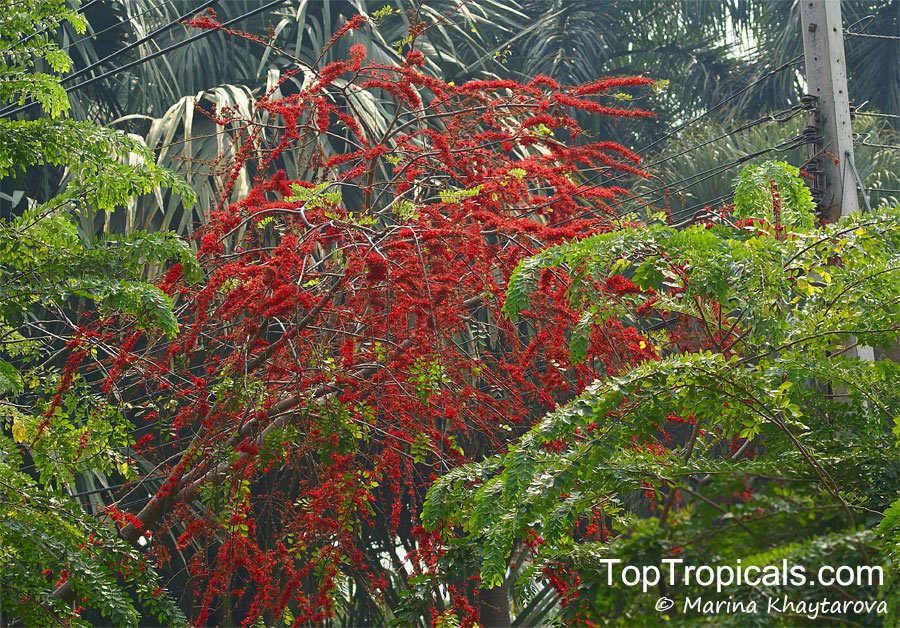
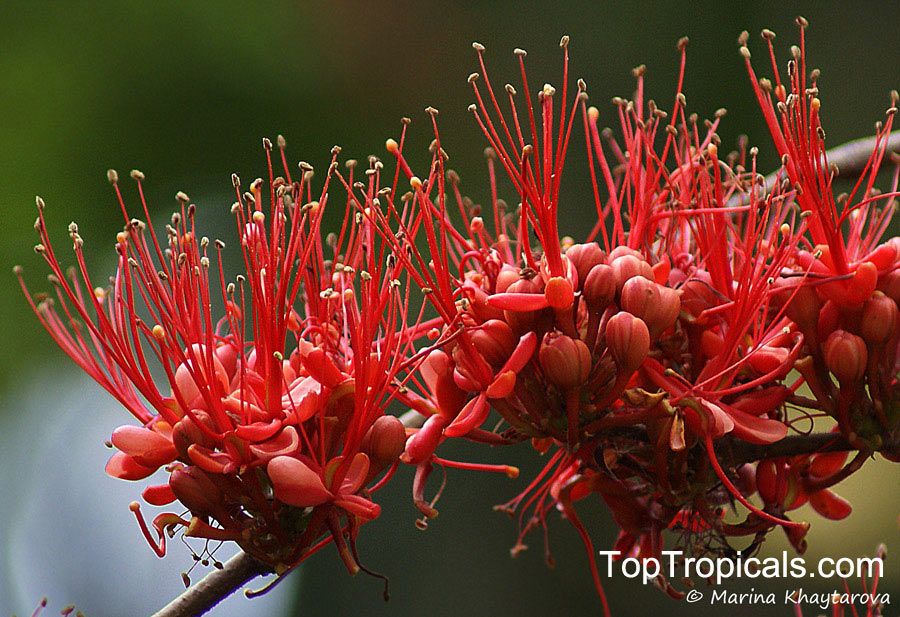
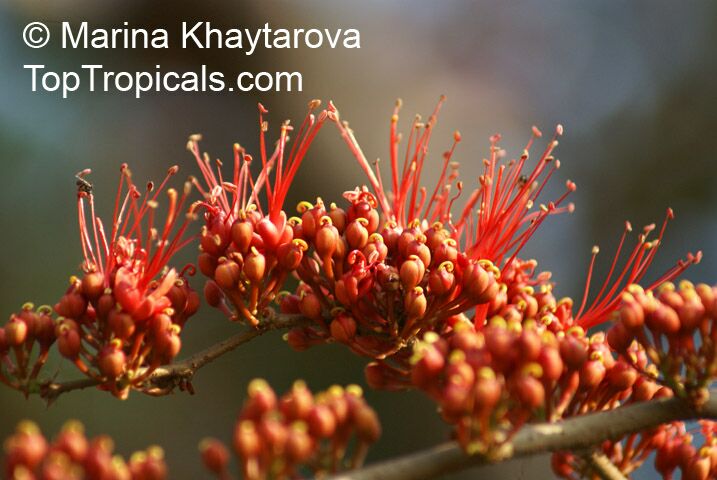
Botanical names: Barnebydendron riedelii, Phyllocarpus riedelii, Phyllocarpus septentrionalis
Common name: Monkey Flower Tree
Family: Fabaceae
Subfamily: Caesalpinioideae
Origin: Central America

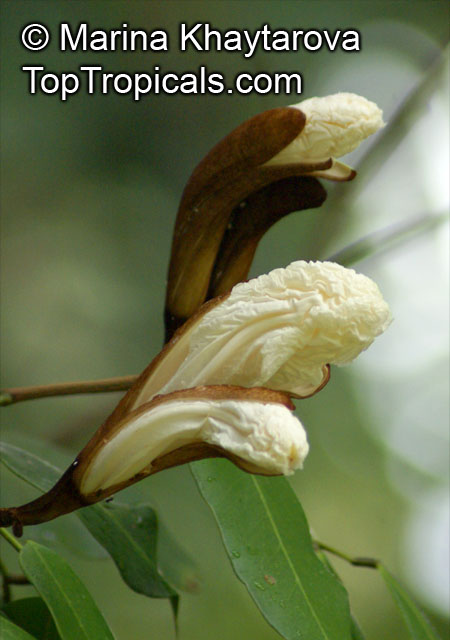
The scarlet flowers appear in clustered racemes with prominent stamens. Originally it came from tropical dry forests of Central America, but it has been extensively grown in tropical areas worldwide as a garden tree.
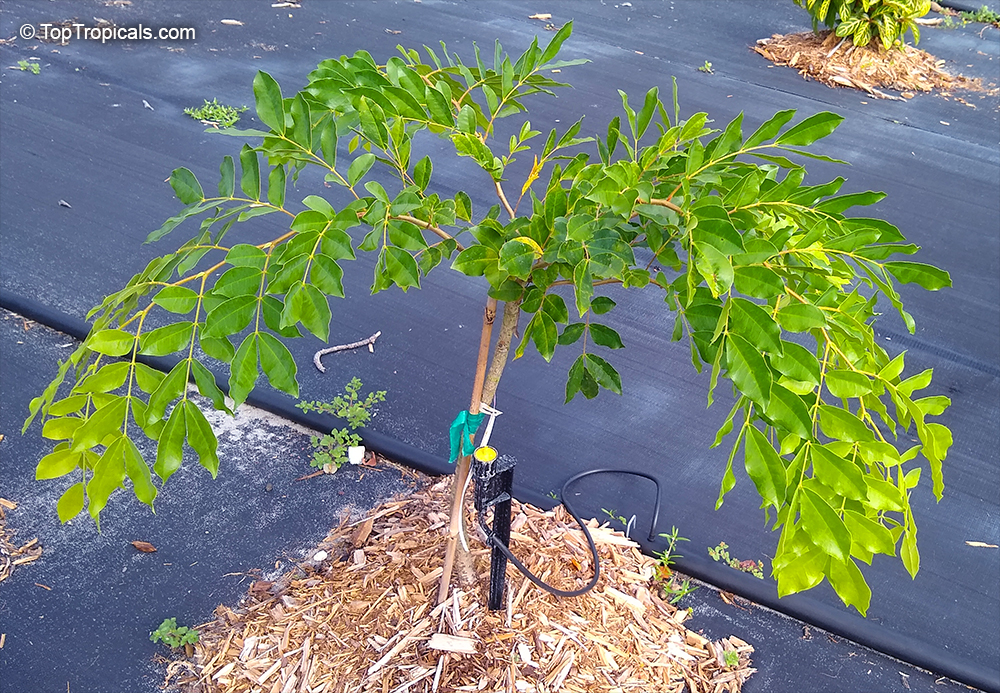
Local pickup only. This item is not available for shipping. Local delivery may be available in Ft. Myers or Sebring, Florida. Contact us for an estimate. Non-pickup orders are subject to restocking fees.
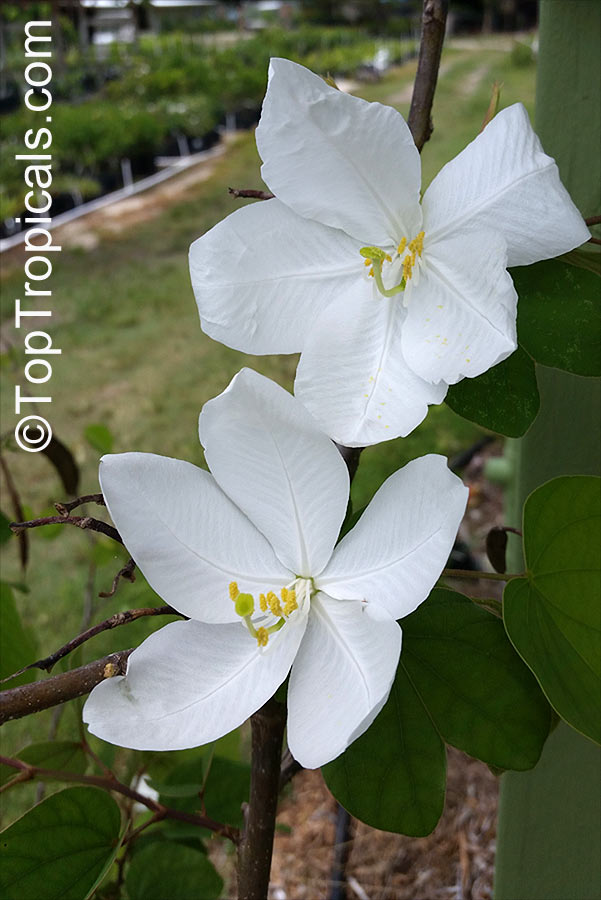
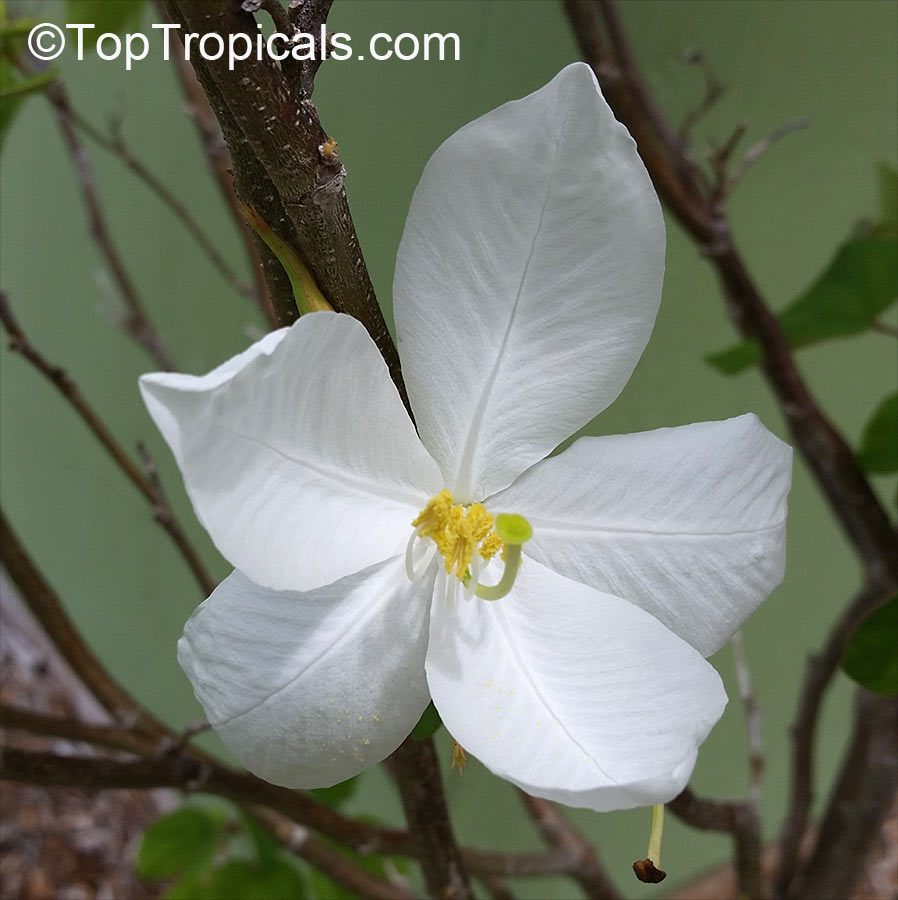
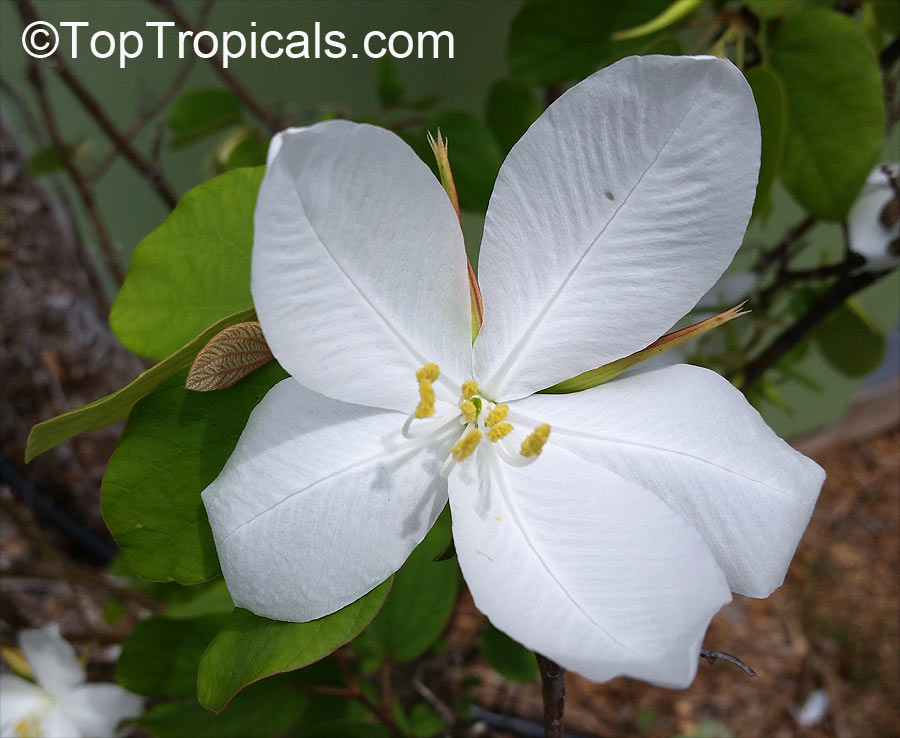
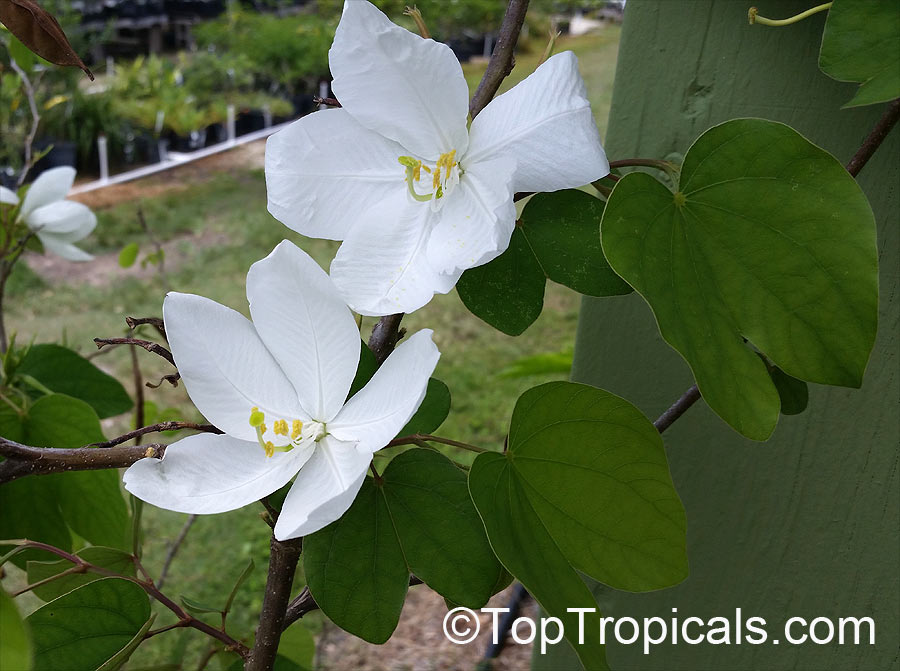
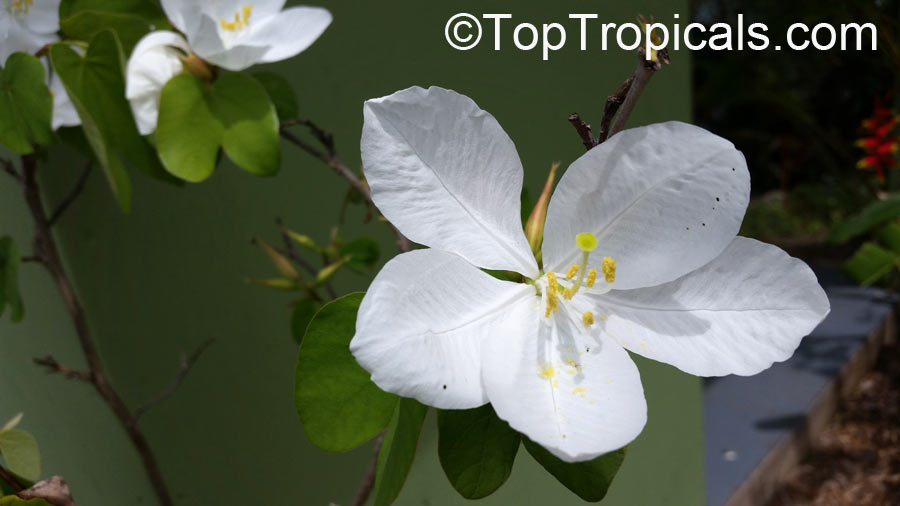
Botanical name: Bauhinia acuminata
Common names: Dwarf White Orchid Tree, White Bauhinia, Kaa-long, Snowy Orchid
Family: Fabaceae
Subfamily: Caesalpinioideae
Origin: Malaysia, now widely cultivated in the Asian tropics

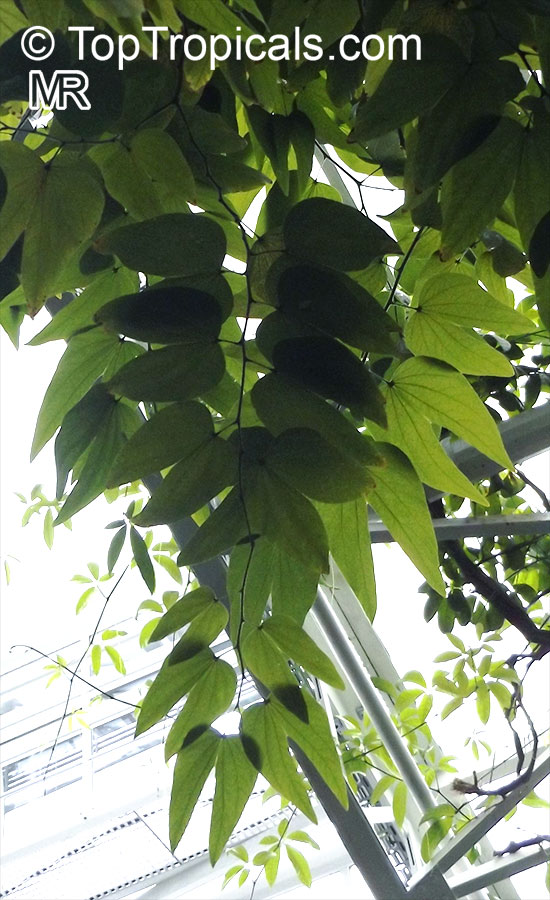
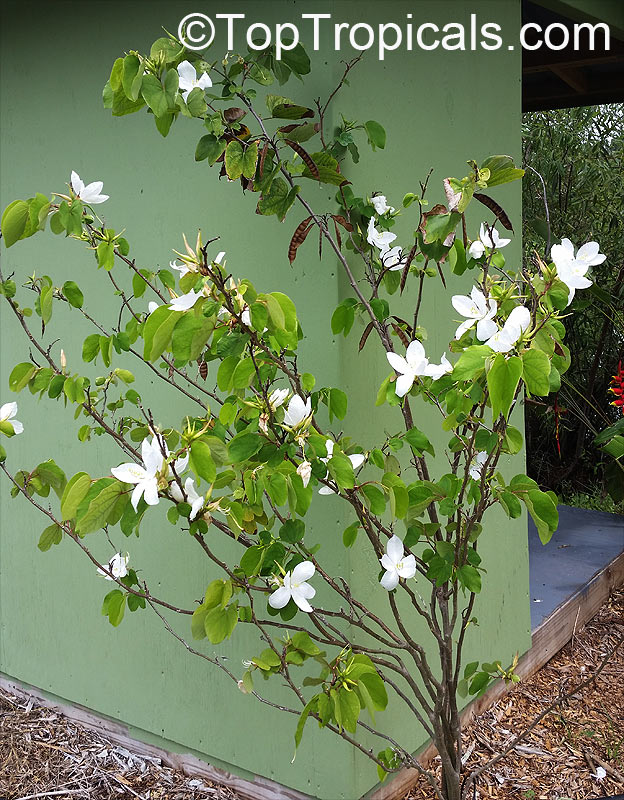
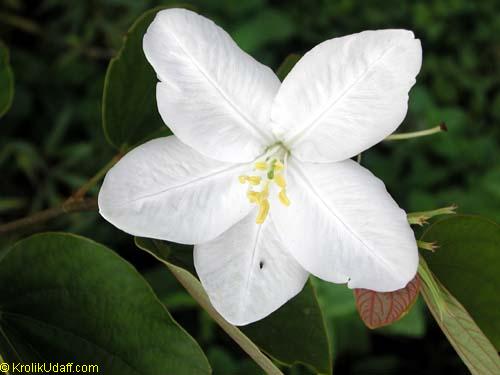
Semi-deciduous large shrub or small tree with white butterfly-like flowers, everblooming (Flower season: Spring through fall). Drought tolerant. Bauhinia acuminata is very sensitive to cold wind. Pea shaped pod with 4 to 6 seeds. See article about this plant.

Recommended Fertilizer: SUNSHINE Megaflor - Bloom Nutrition Booster
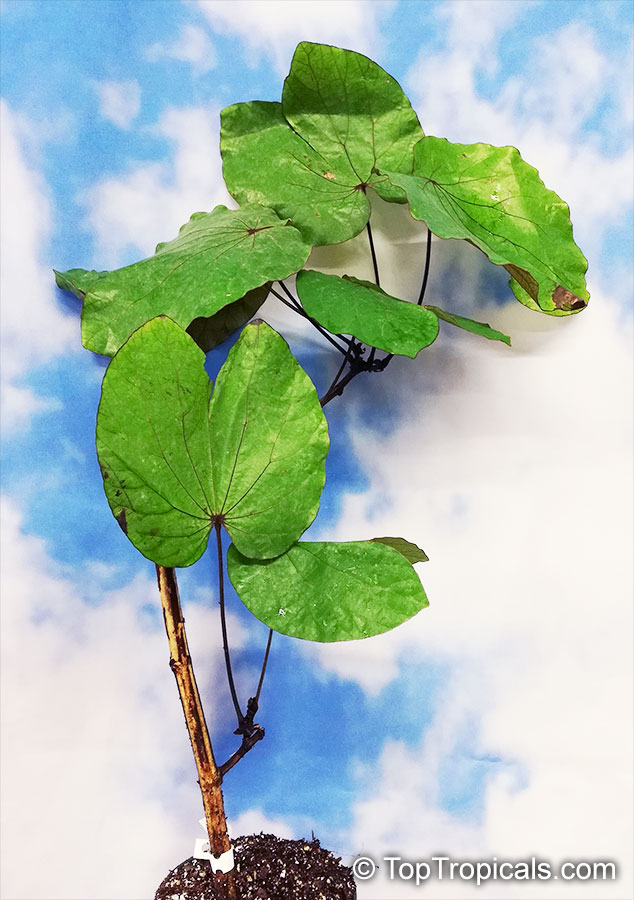
Botanical name: Bauhinia aureifolia
Common names: Gold Leaf Bauhinia, Bai Mai Si Thong
Family: Fabaceae
Subfamily: Caesalpinioideae
Origin: Thailand

B. aureifolia, which was discovered in Thailand in 1983: a beautiful climber that needs full light and good humidity. The cultivated plants range from pure white to dark purple and pink, while the wild ones have often white petals with pinkish patches. This plant prefers dry to intermediate sites in any altitude range from sea level. Delicately fragrant in the evening, blooms May to November at 3-5 years old in any well drained soil with full light. Watch red spider mites and borers. Propagation by seeds from seed cases that have turned brown, also by cuttings and layering. Good branching.
See the article about Gold Leaf Bauhinia.
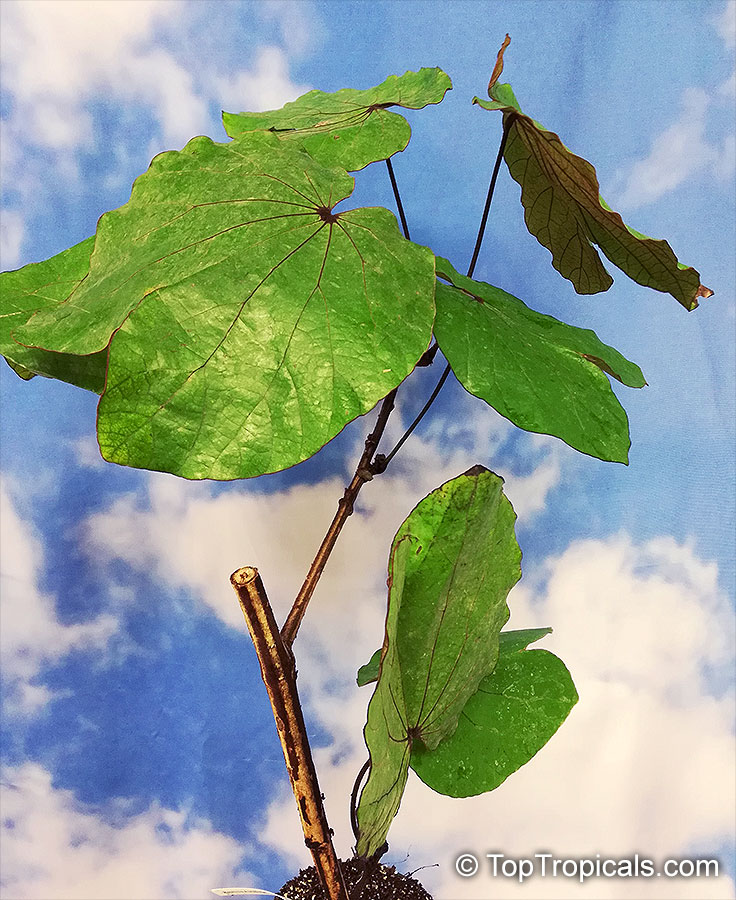
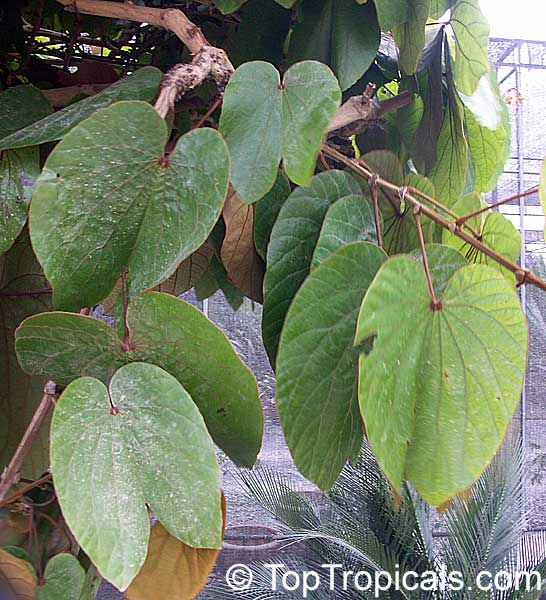
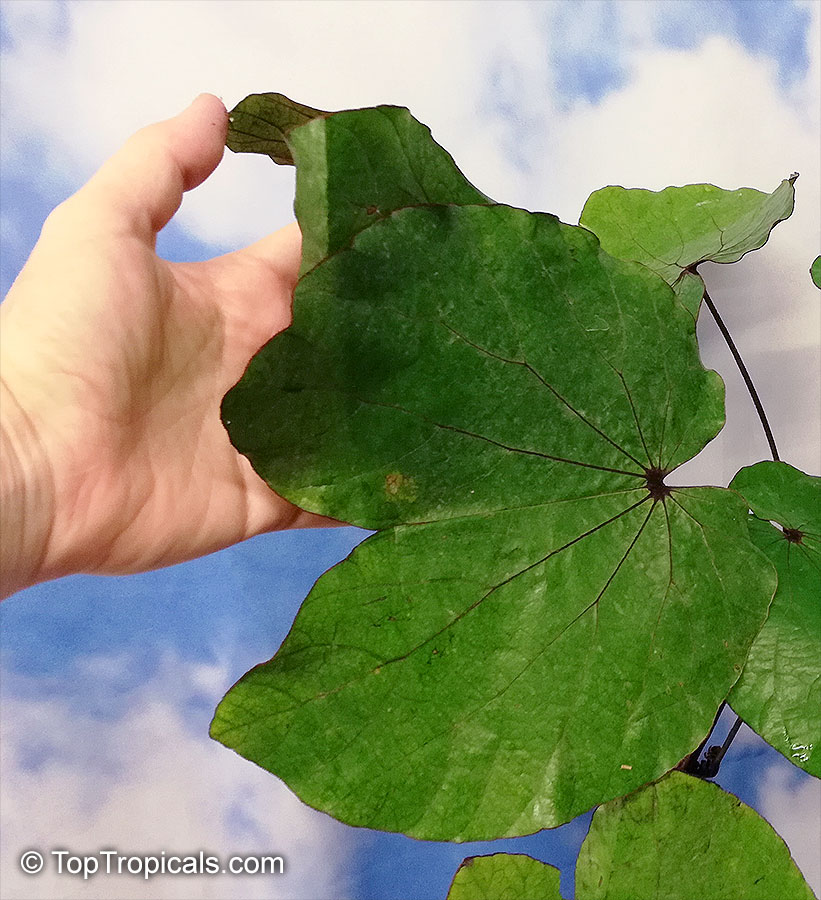
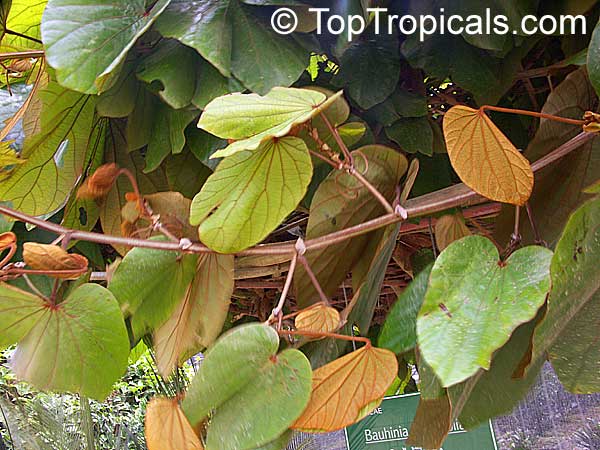
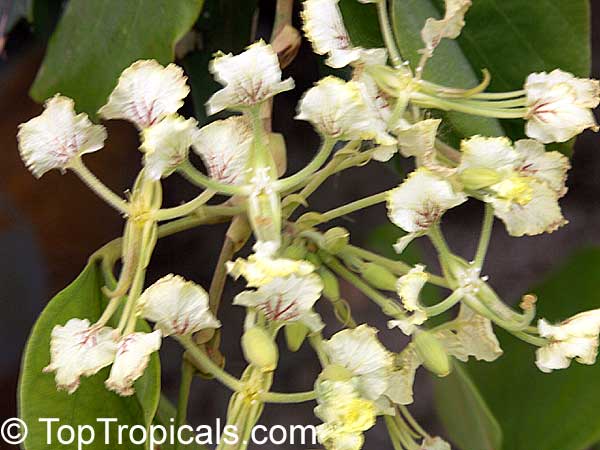
Botanical names: Bauhinia bassacensis, Phanera bassacensis
Common name: Bauhinia
Family: Fabaceae
Subfamily: Caesalpinioideae
Origin: SE Asia
Unusual vining bauhinia with large leaves and white large flowers. Tropical plant, very cold sensitive. Needs support. The plant grows as a large woody vine.
Botanical names: Bauhinia bidentata, Phanera bidentata
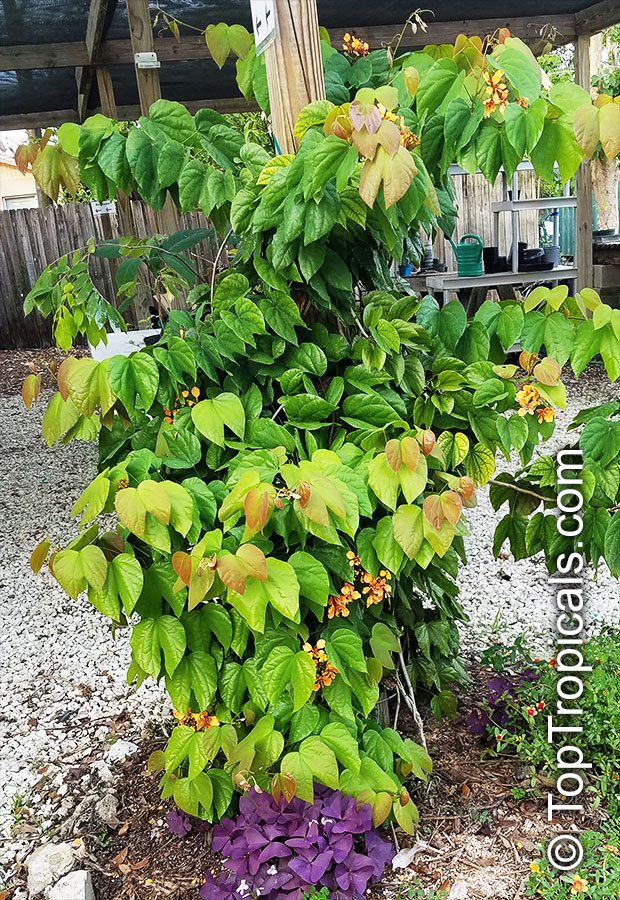
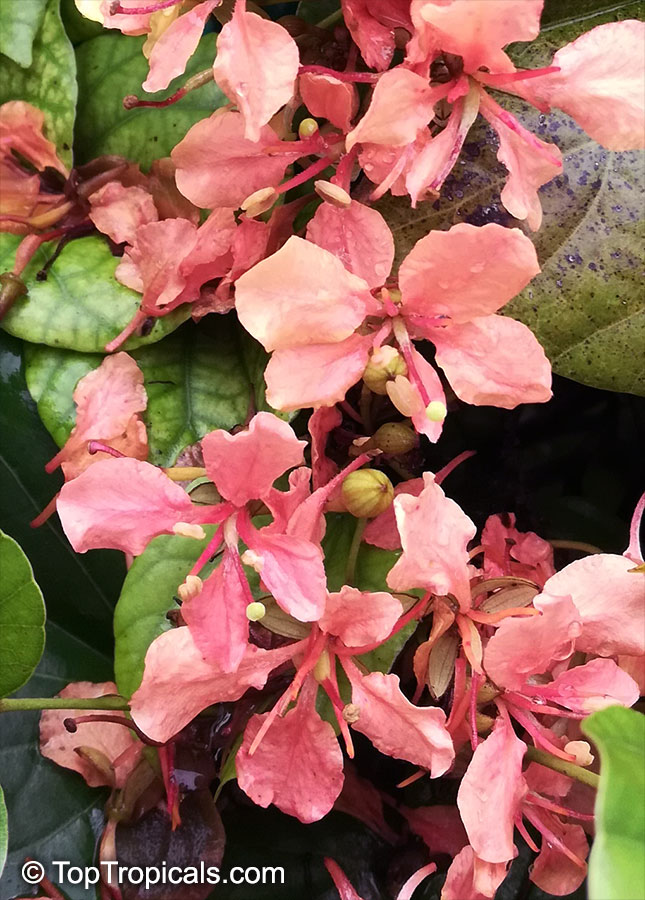
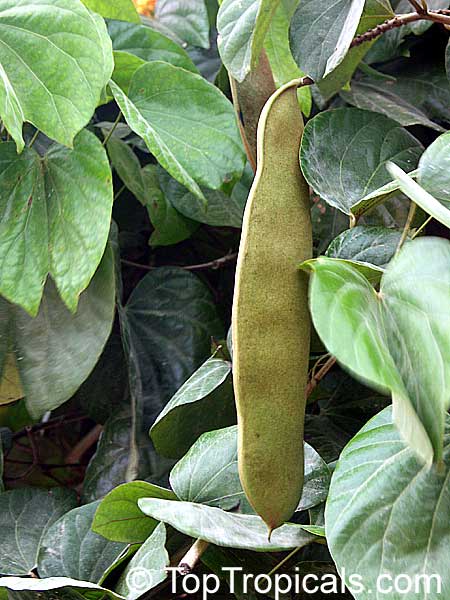
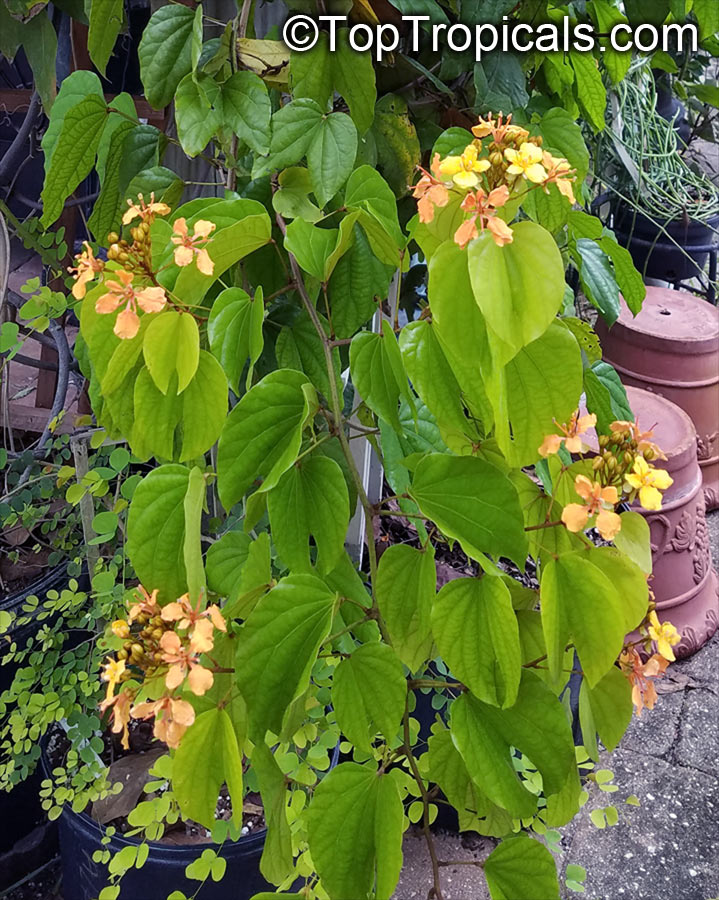
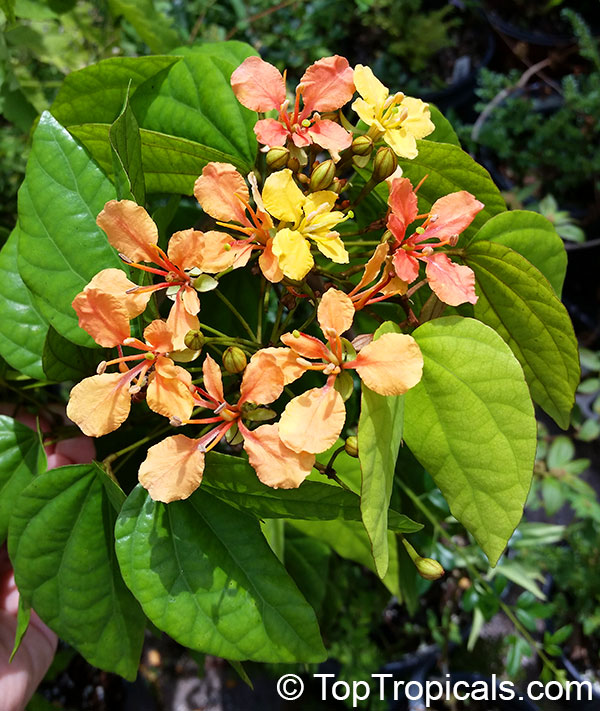
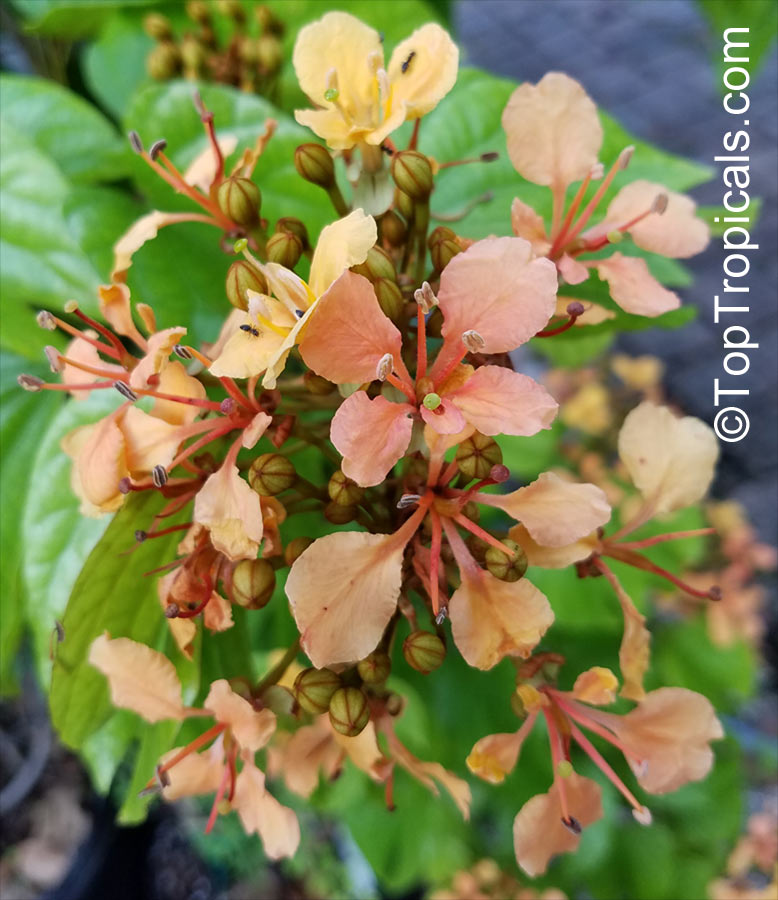
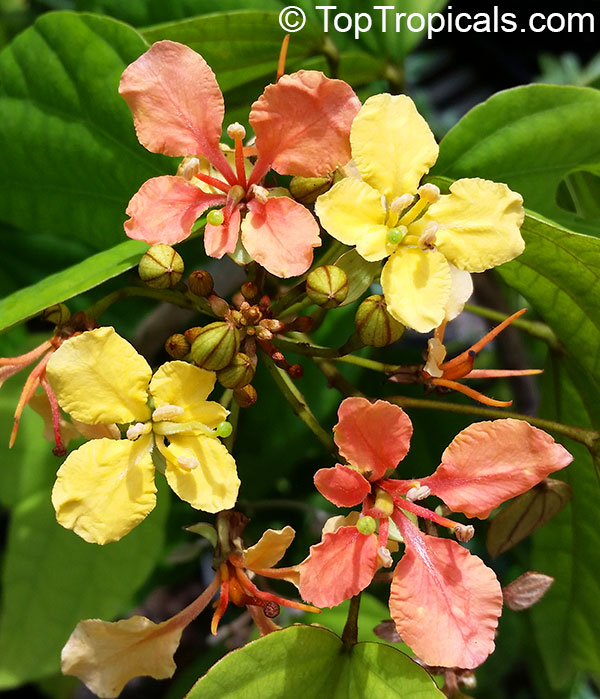
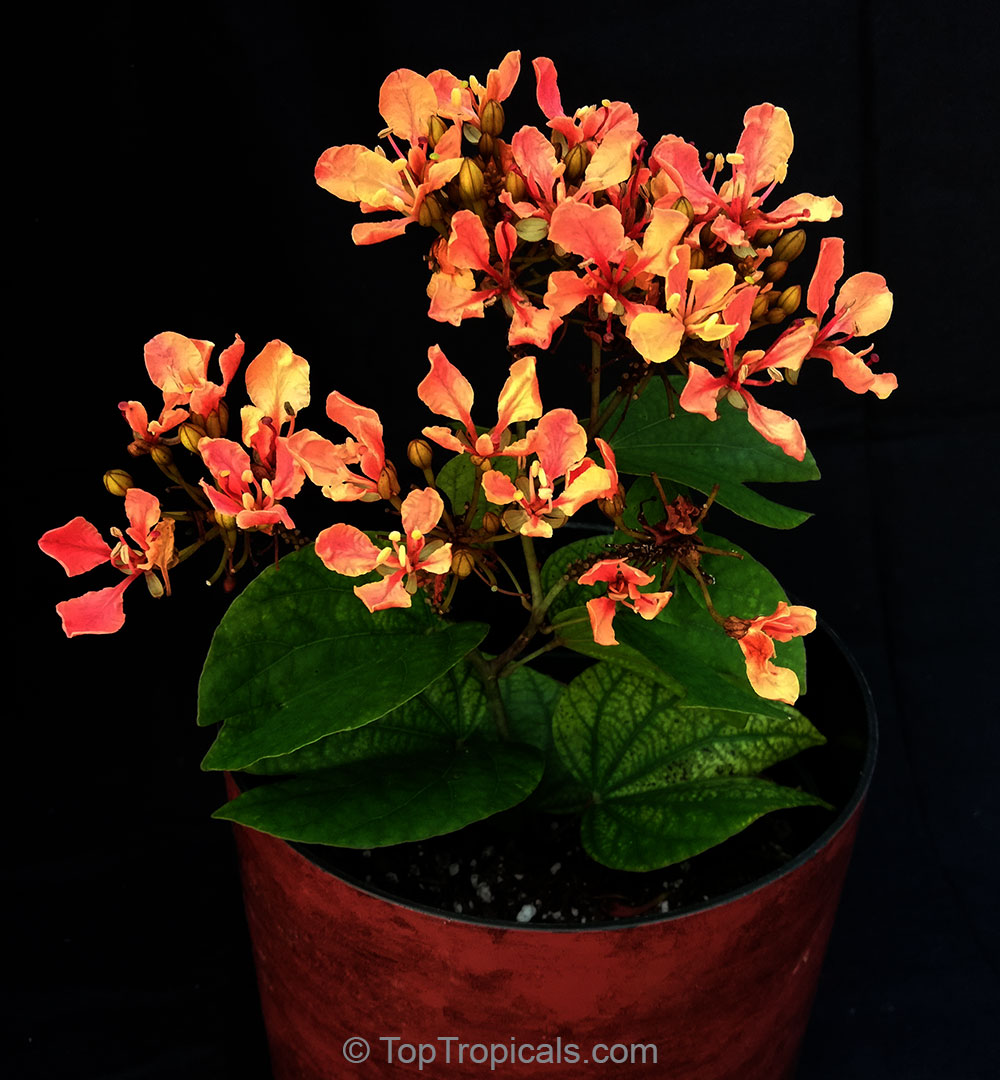
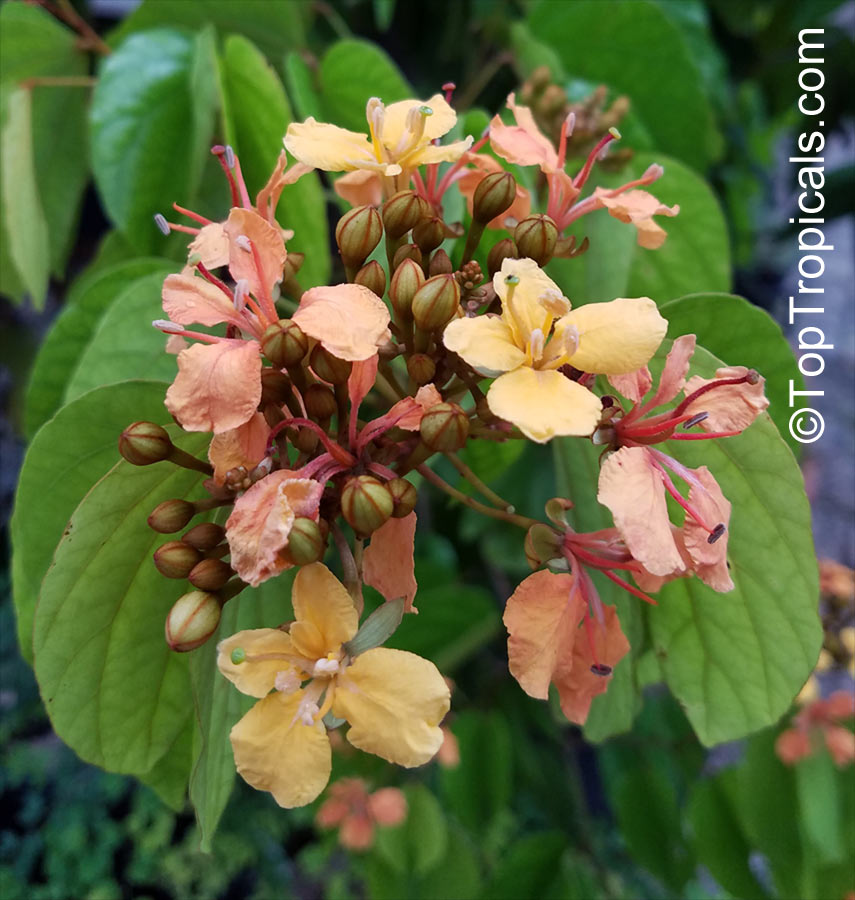
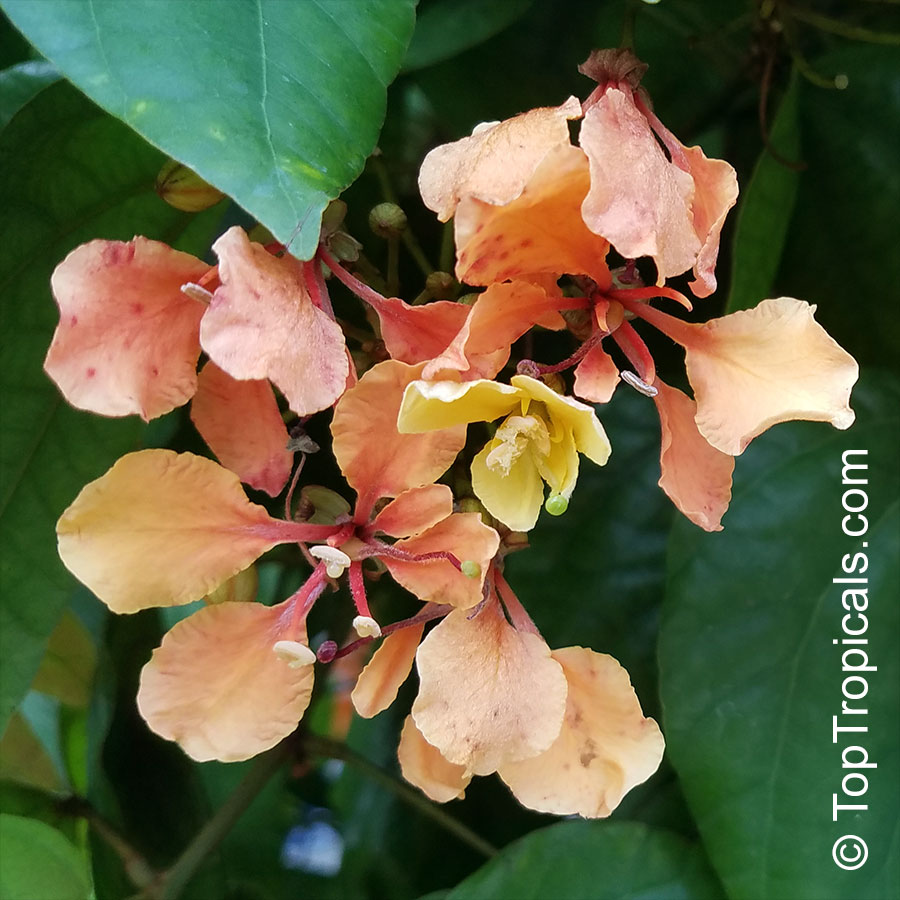
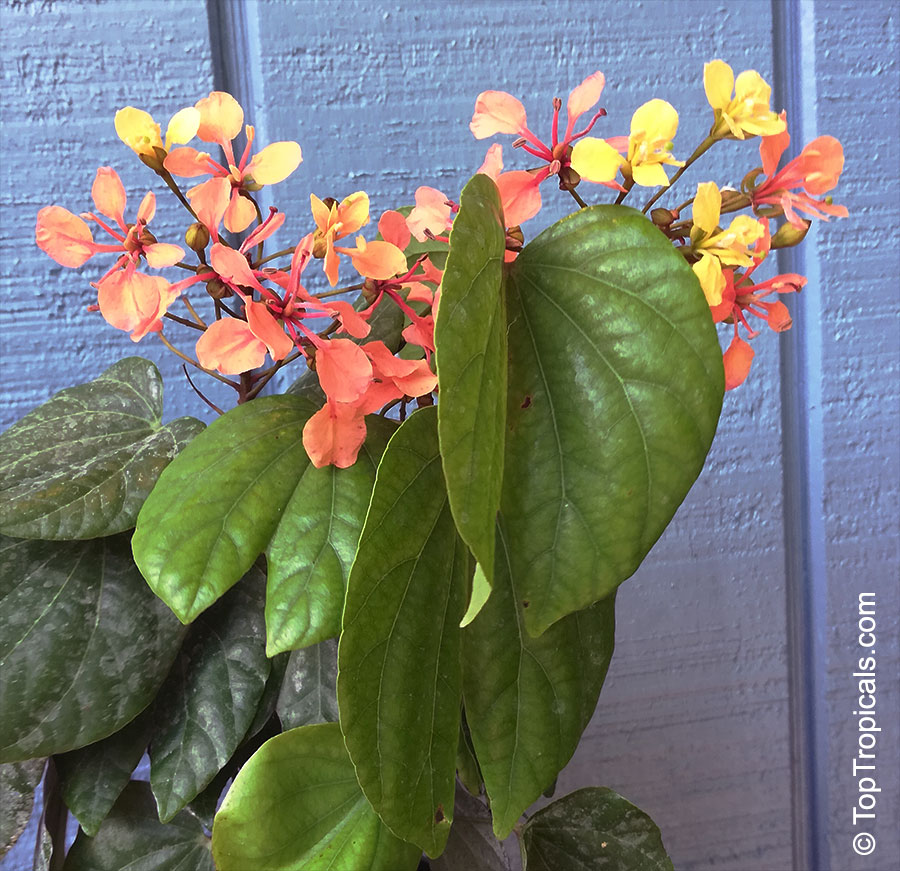
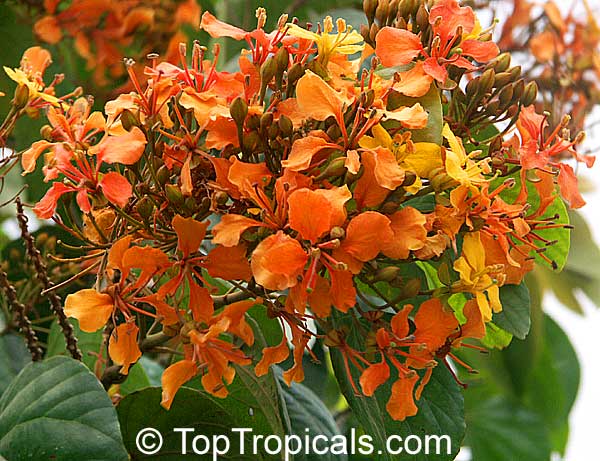
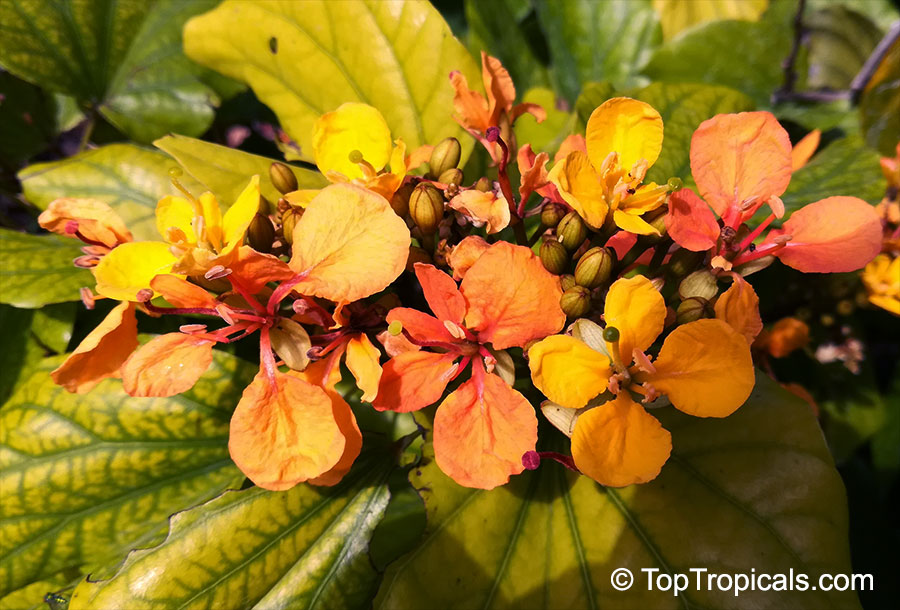
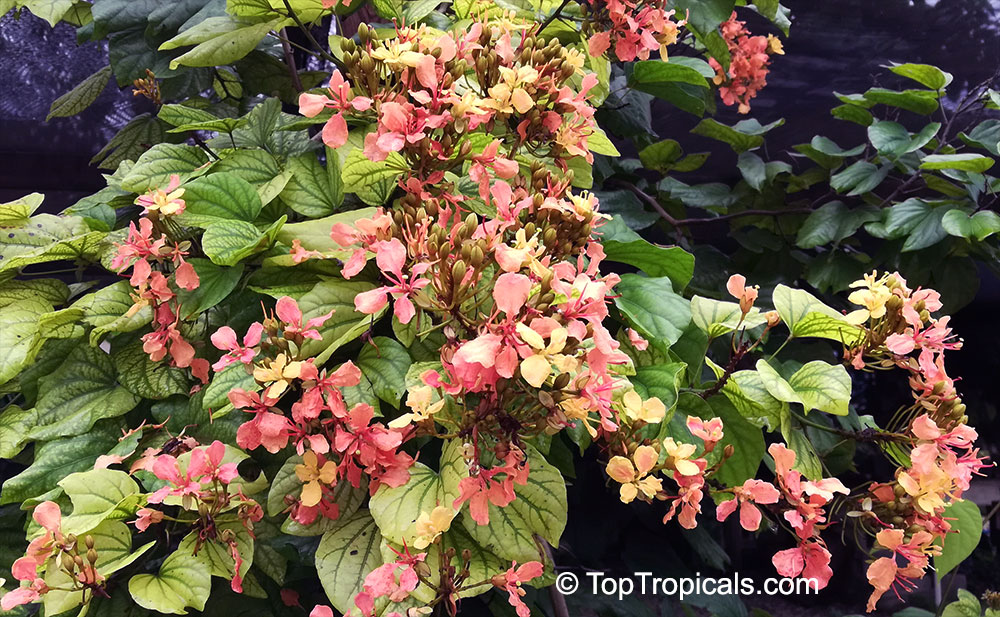
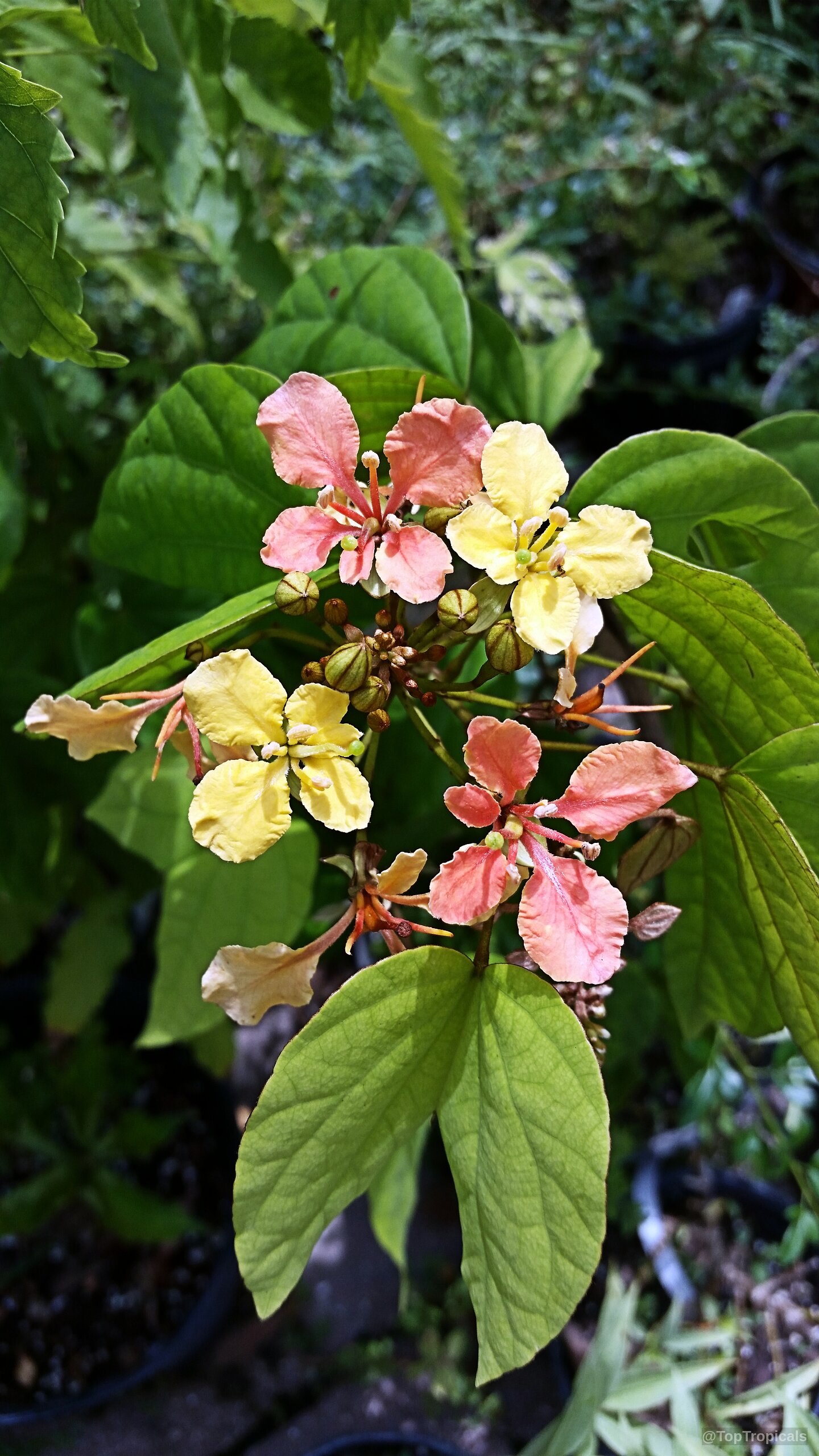
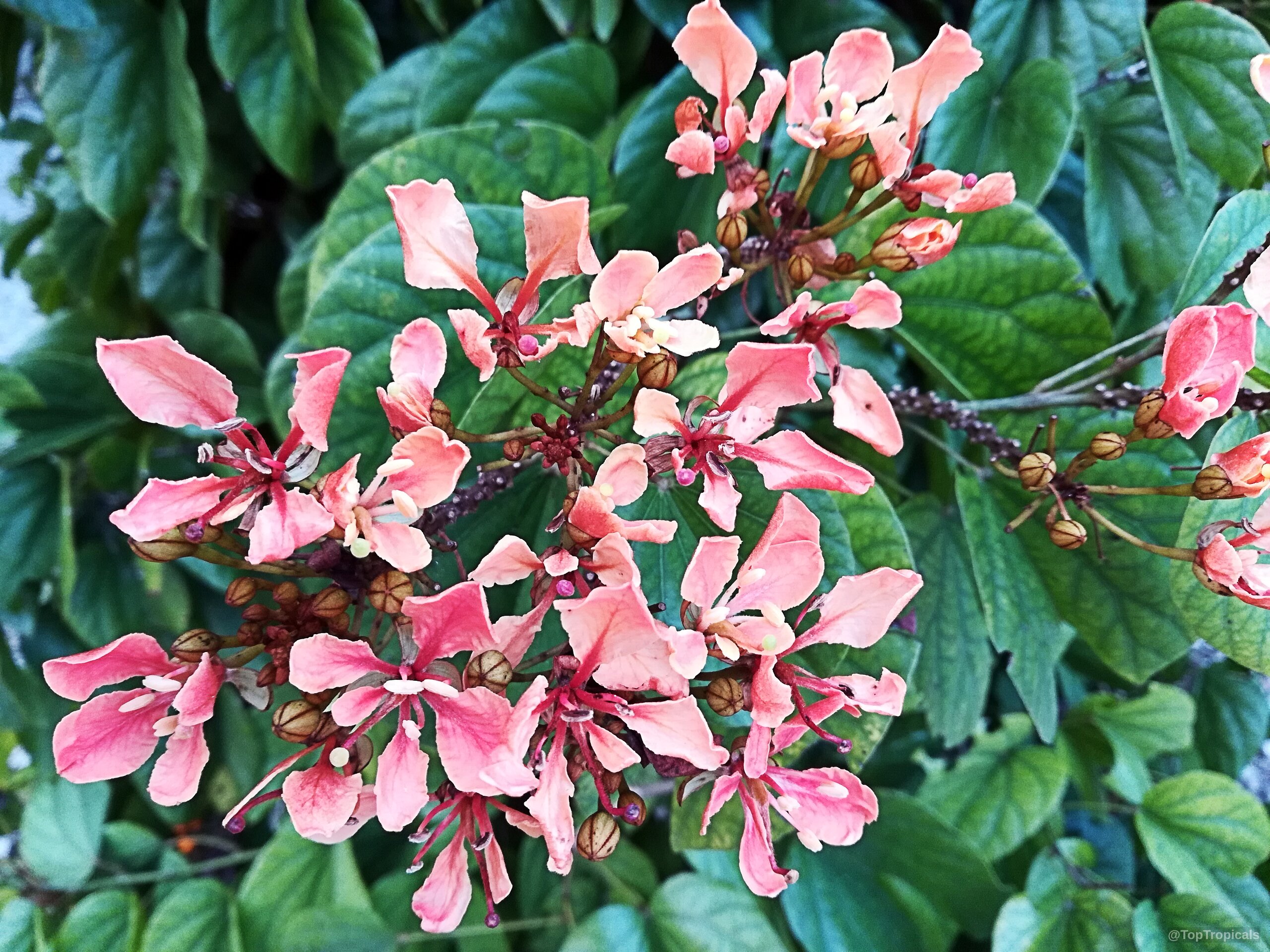
Common names: Orange Bauhinia, Orange Orchid Vine
Family: Fabaceae
Subfamily: Caesalpinioideae
Origin: Thailand

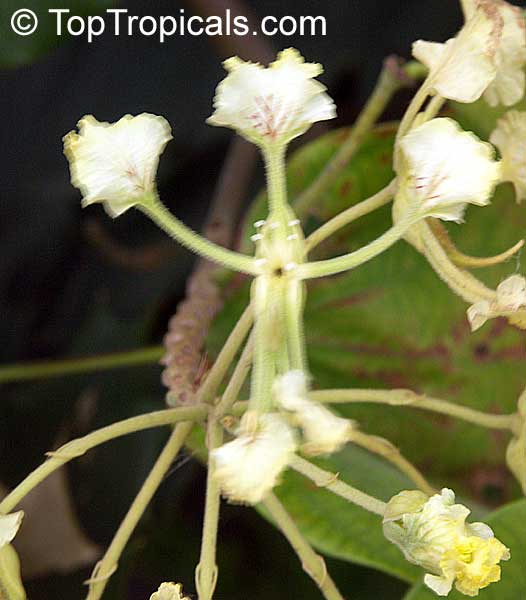
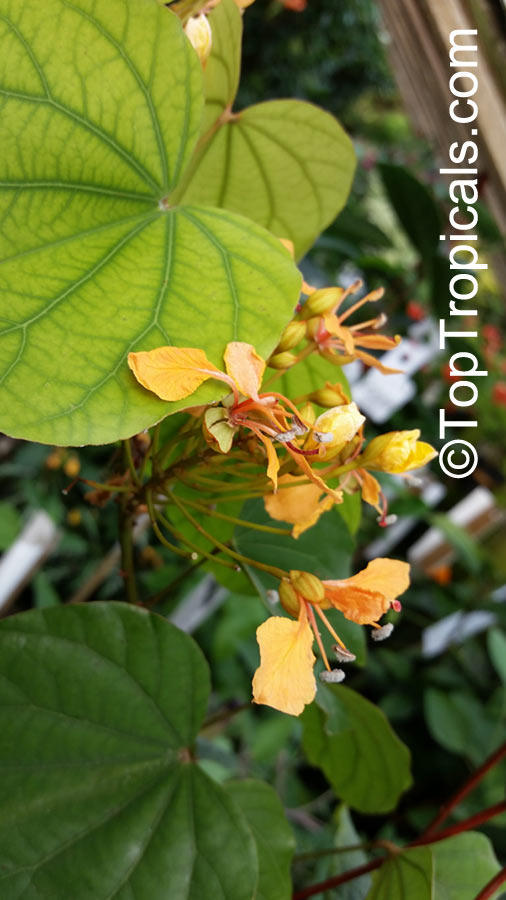
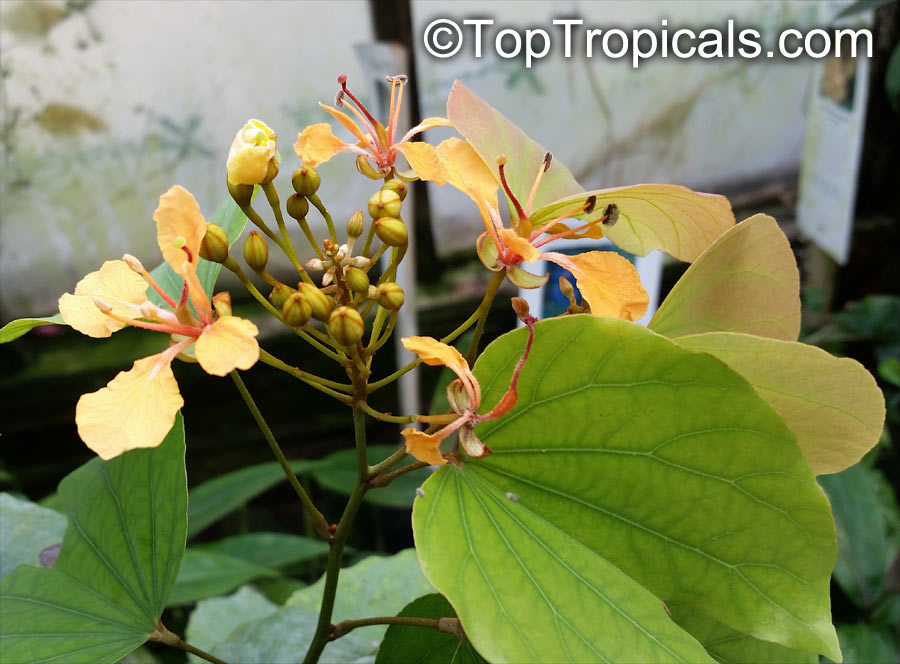
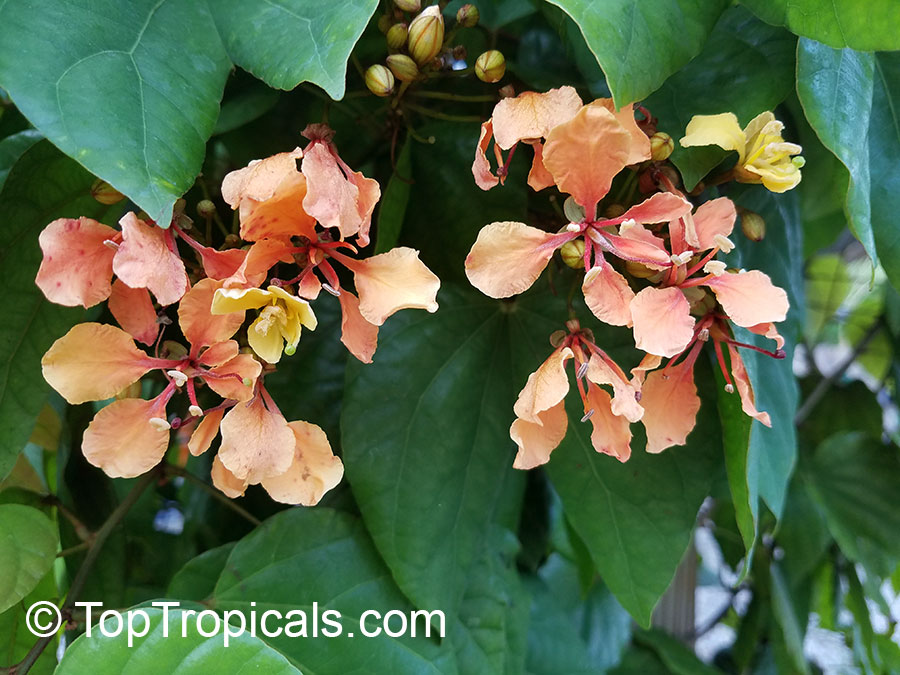
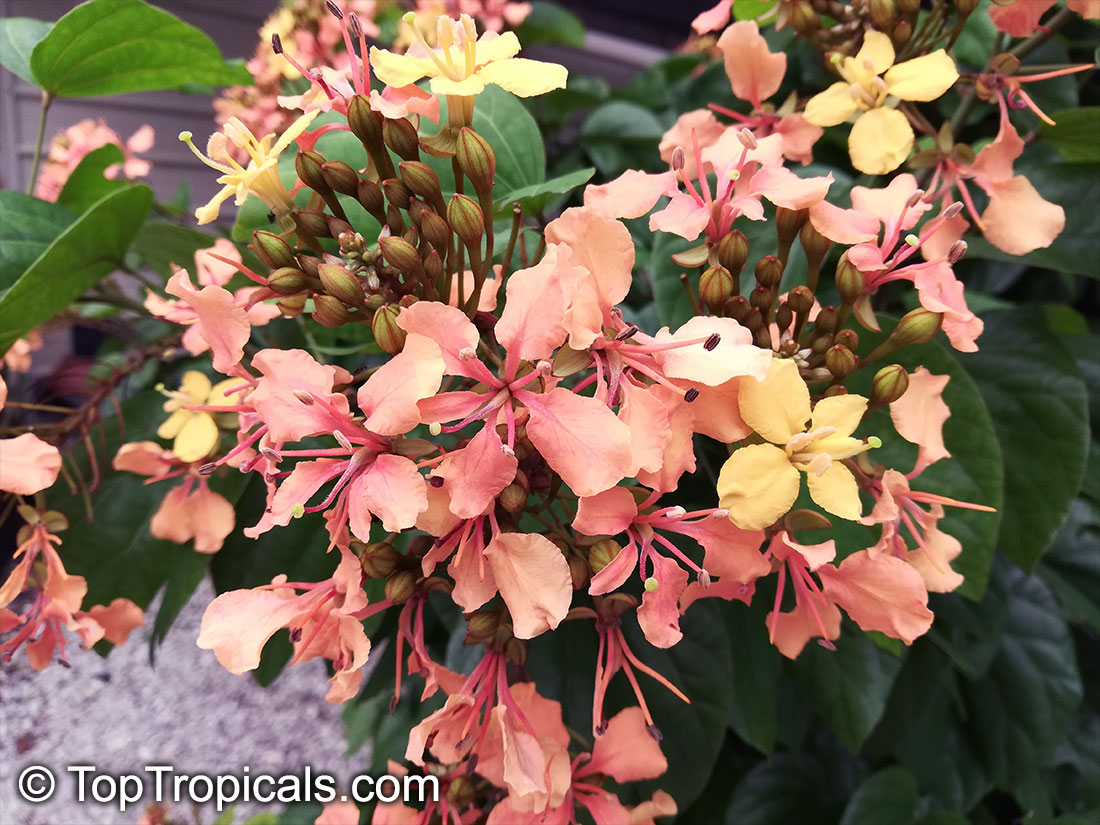
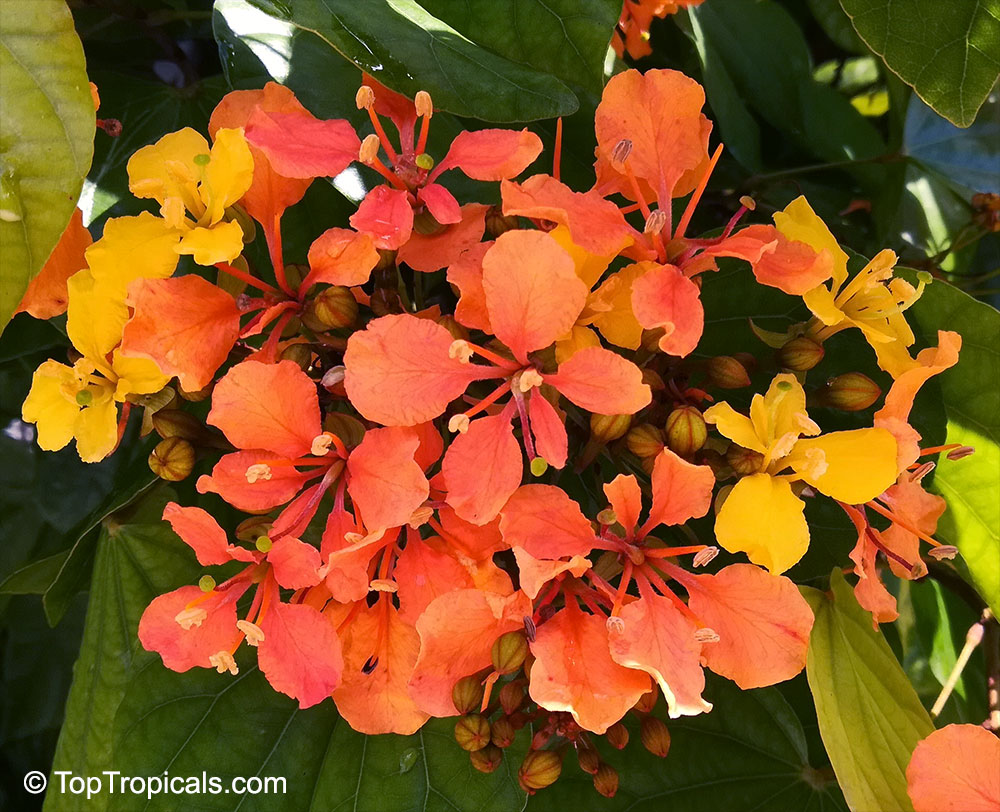
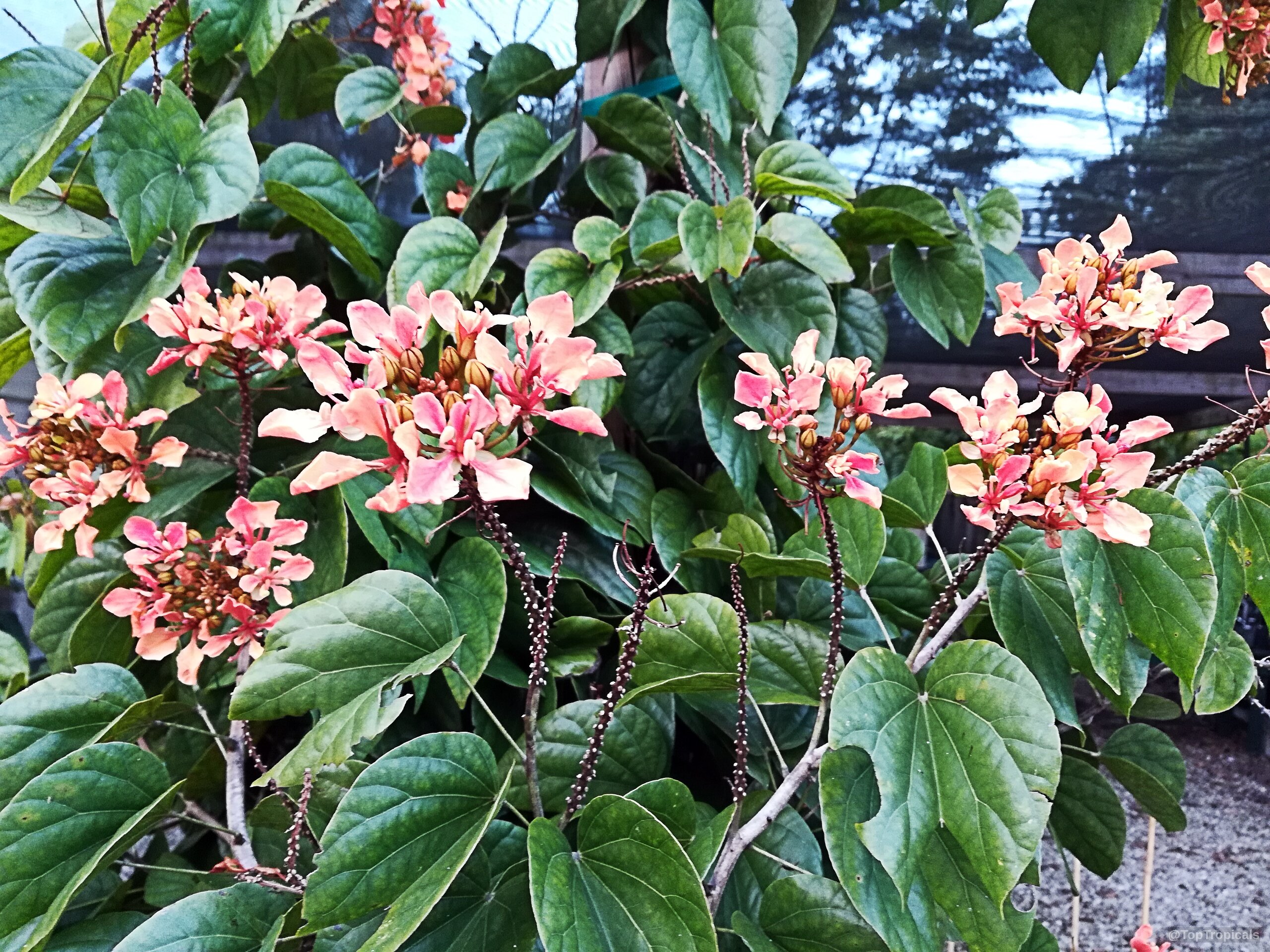
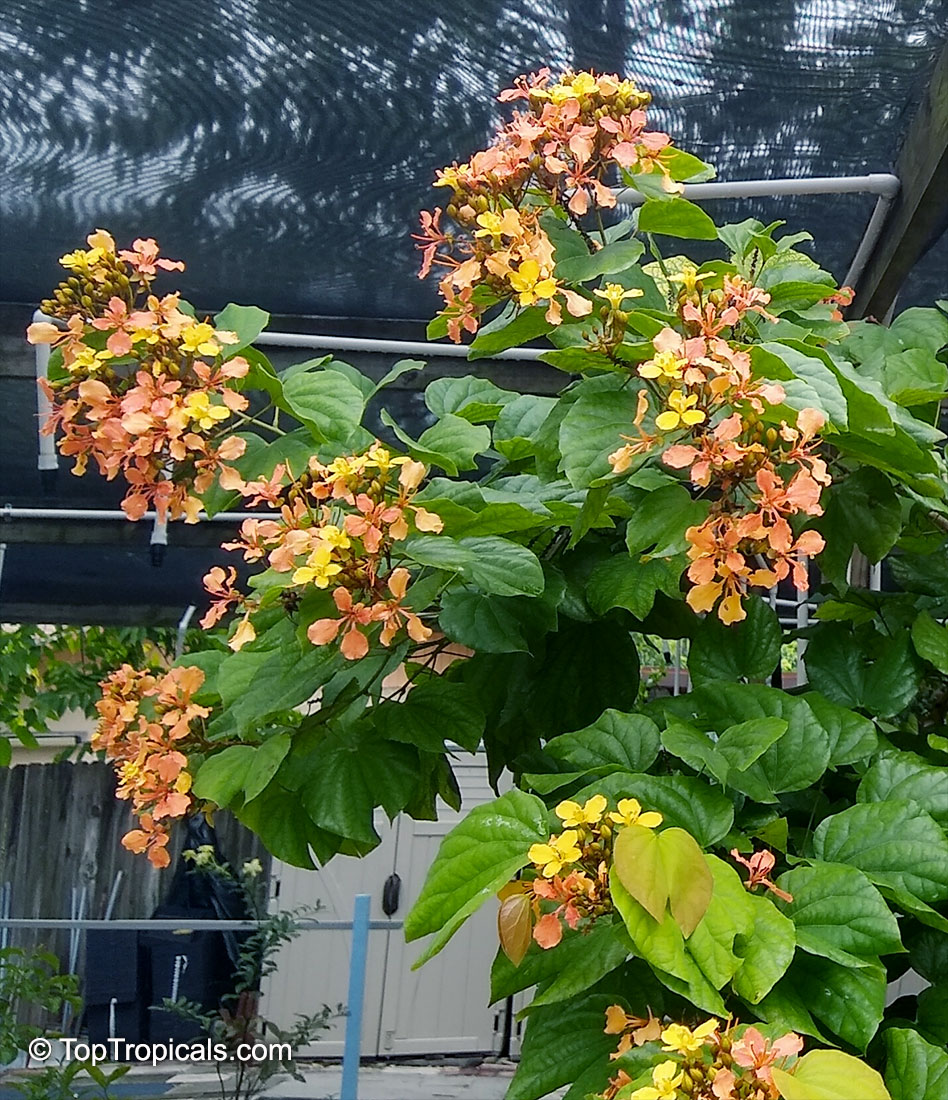
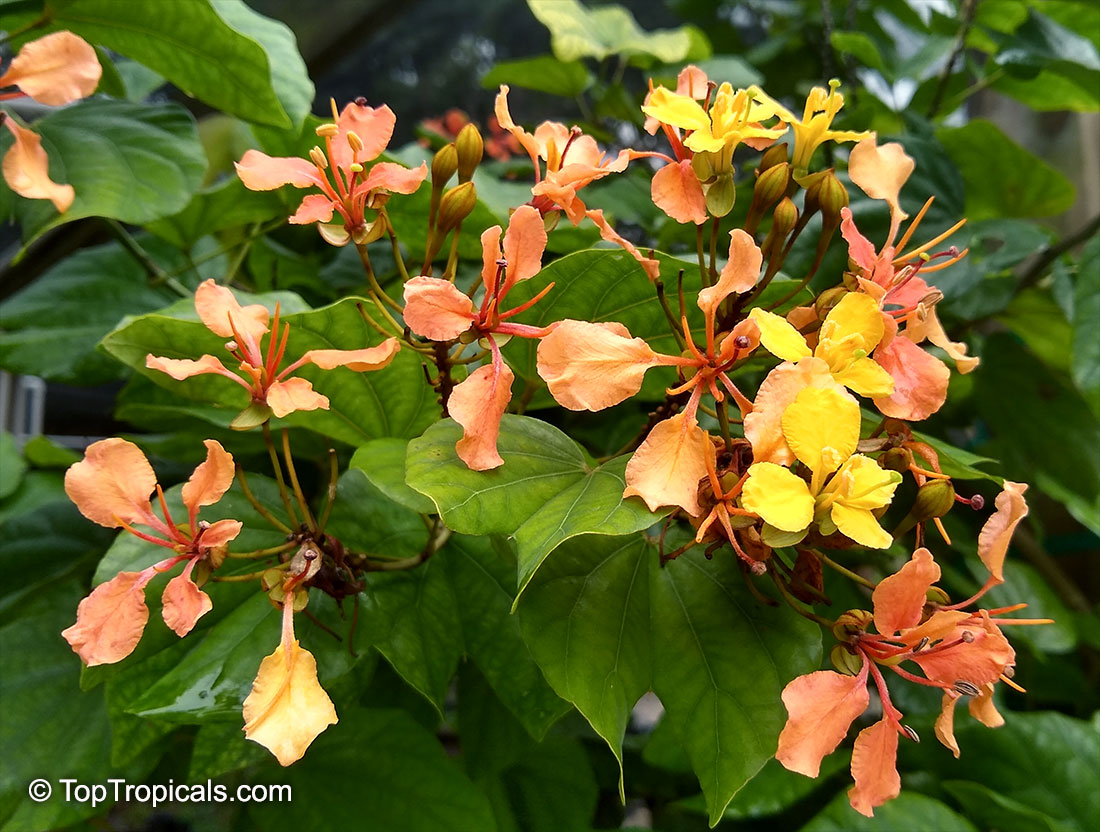
Bauhinia bidentata, native to Thailand, is a vigorous woody vine, or creeper, with attractive bright orange flowers and large heart-shaped foliage. The yellow, orange and crimson blossoms of this plant attract butterflies and hummingbirds.
Due to its tropical origins, Bauhinia bidentata thrives in full sun and semi-shade, although young plants should be protected during cold spells. Restrict moderate watering during winter and late autumn. This plant requires moist, well-drained soils.
In warmer climates, Bauhinia bidentata can be grown in the garden. In USDA Zone 10-11 it can reach 30-50 ft high. In colder climates, you can grow Orange Bauhinia in a pot, using a rich, fast-draining planting mix. It is important to keep the container in an area that provides shelter from strong winds, and also to make sure that planting mix is kept moist but not saturated.
Overall, Bauhinia bidentata is an excellent vine to bring a tropical feel to any outdoor space. It is a low maintenance plant with unique orange-colored blooms that you can enjoy all year-round.
Botanical name: Bauhinia blakeana
Common name: Hong Kong Orchid Tree
Family: Fabaceae
Subfamily: Caesalpinioideae
Origin: Hong Kong


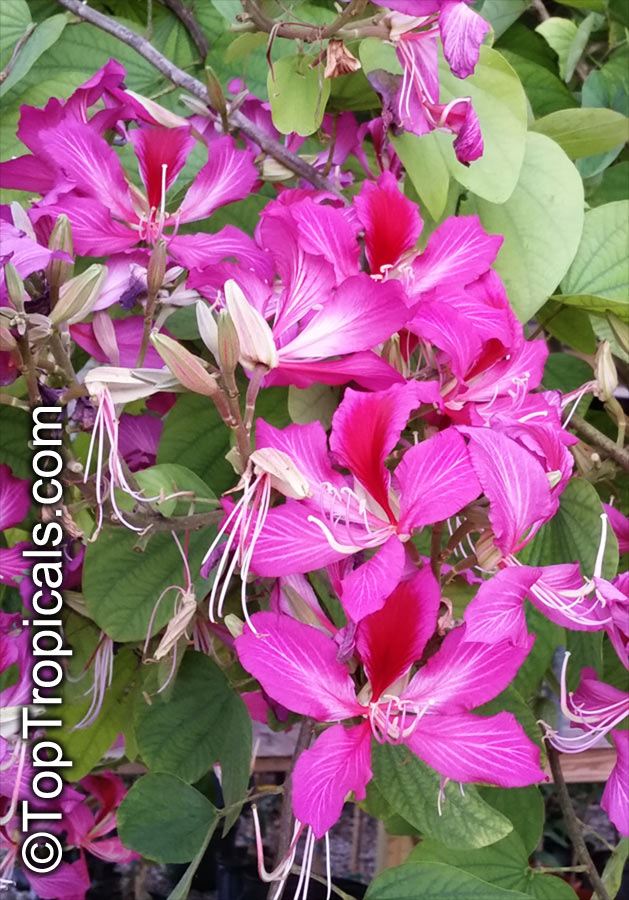
The most beautiful orchid tree. The tree was originally described as a new species in 1908 after being discovered on the near Hong Kong around 1880 and was named after a Hong Kong governor Sir Henry Blake who had a strong interest in botany. The tree is of medium size with alternate large heart shaped leaves. Large deep-purple flowers appears from January to May. The beautiful display of slightly fragrant orchid-like blooms makes the tree so desirable for the landscape. The flowers attract butterflies and bees. The species is believed to be sterile and will not set seed so the plant will not drop long pods as other orchid trees do. The flower of Bauhinia blakeana was adopted as the emblem of Hong Kong in 1965.
See Article about Bauhinia blakeana.
See video about Hong Kong Orchid Tree
Learn more: Bauhinias: trees with Orchid Flowers and Butterfly Wings
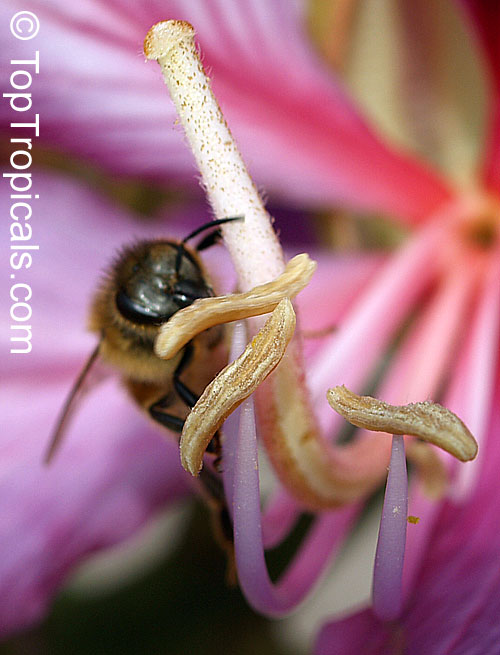
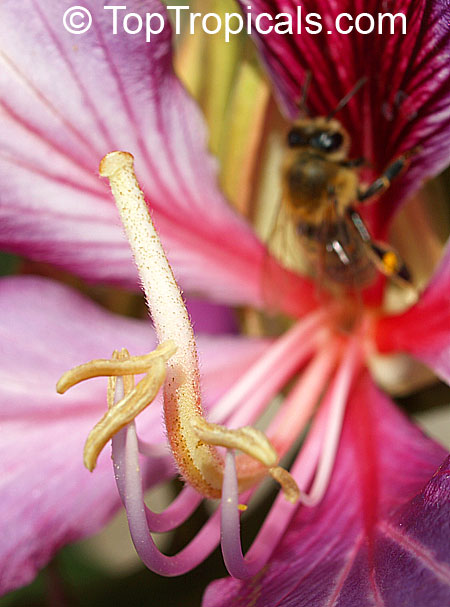
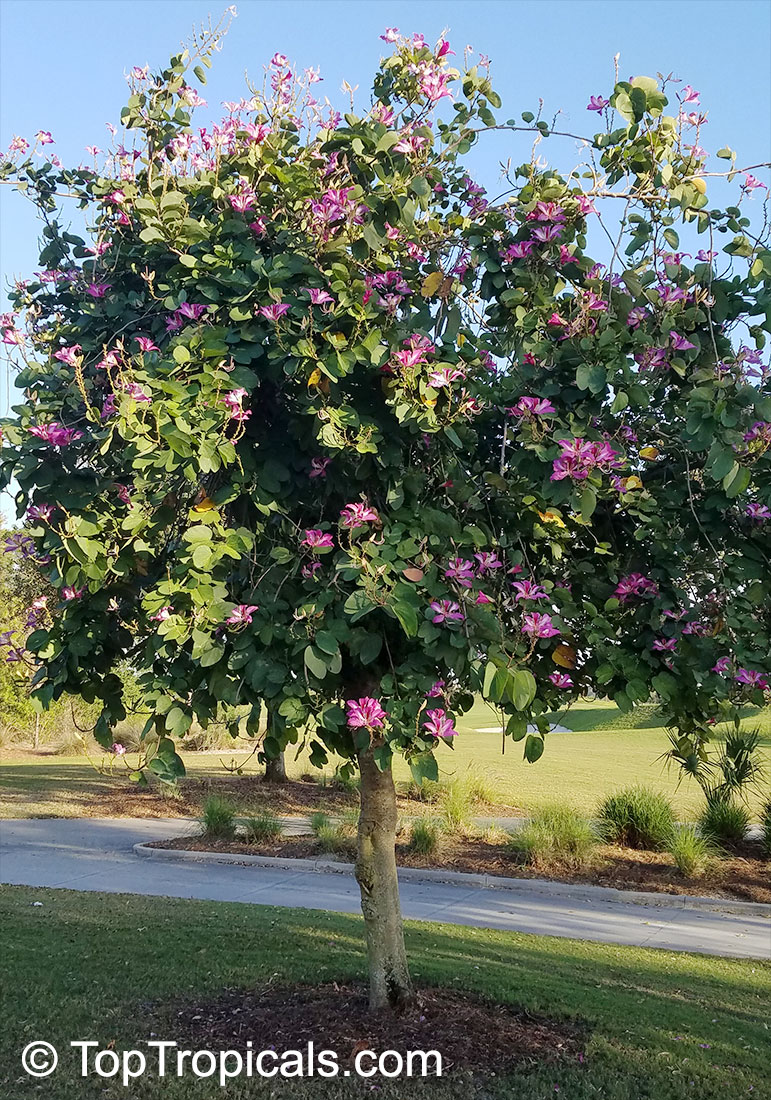
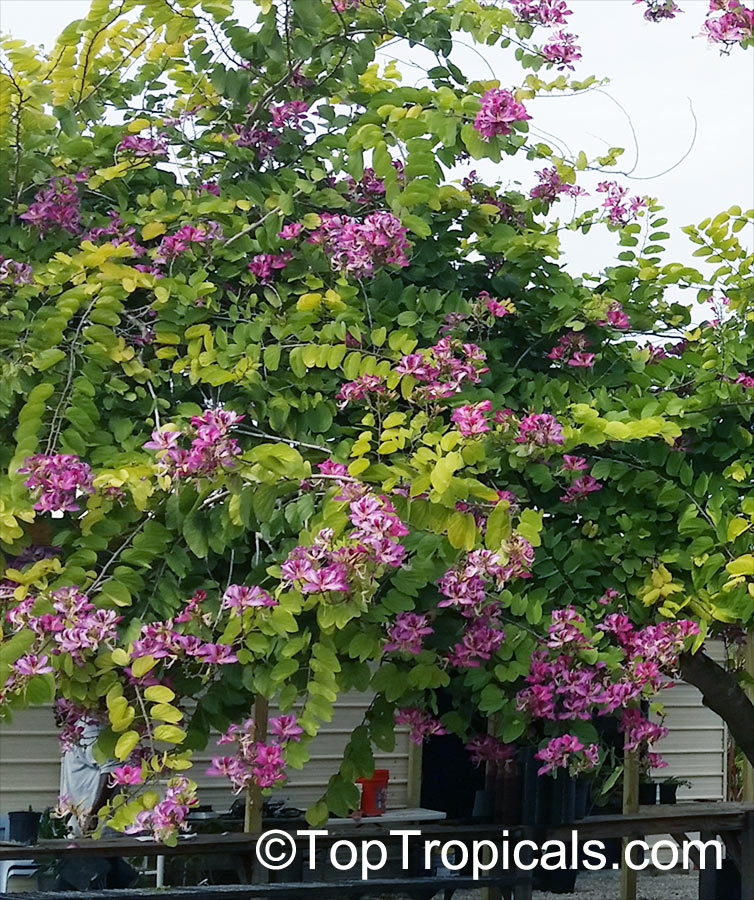
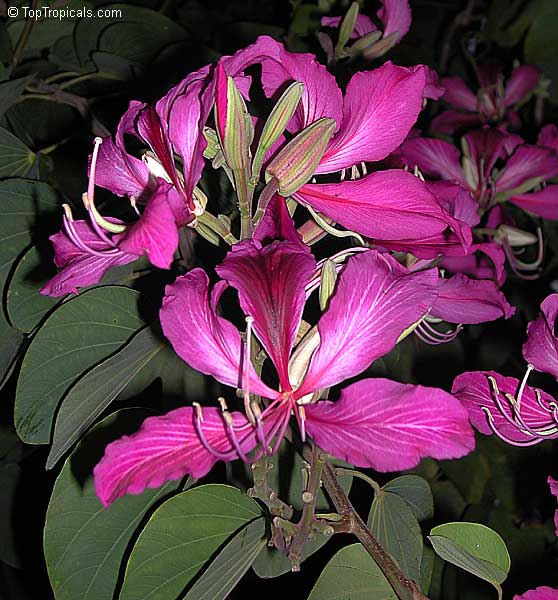
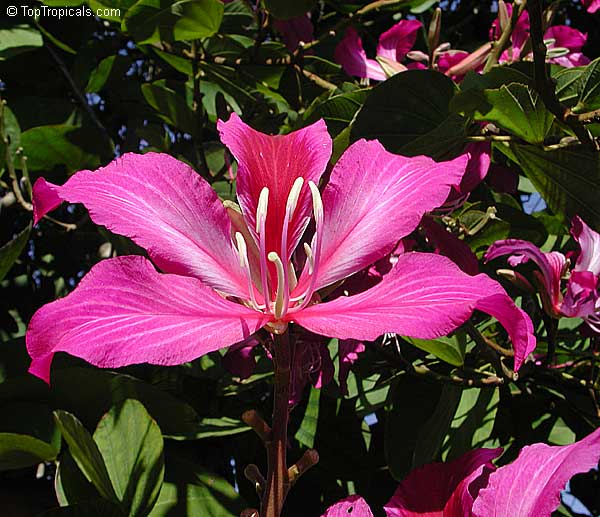
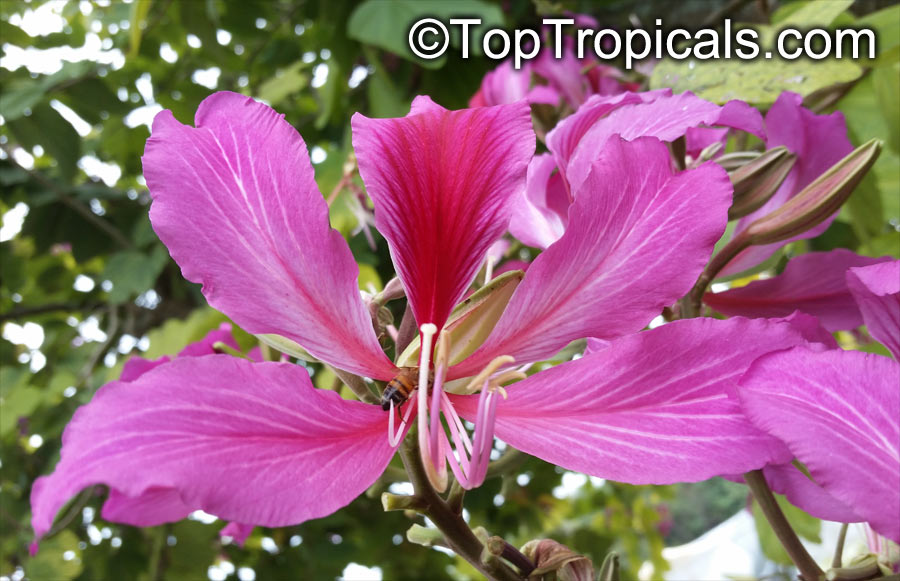
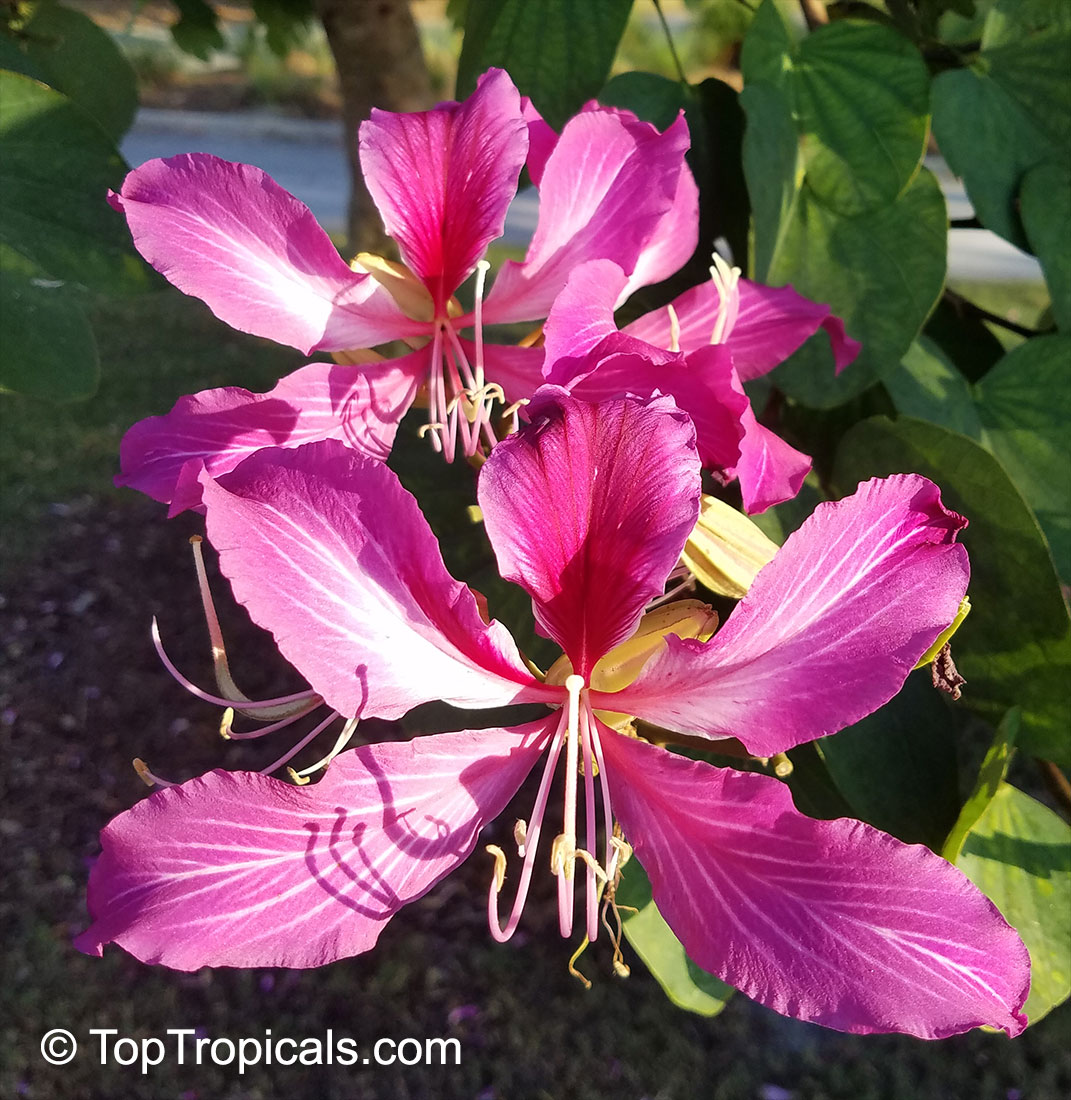
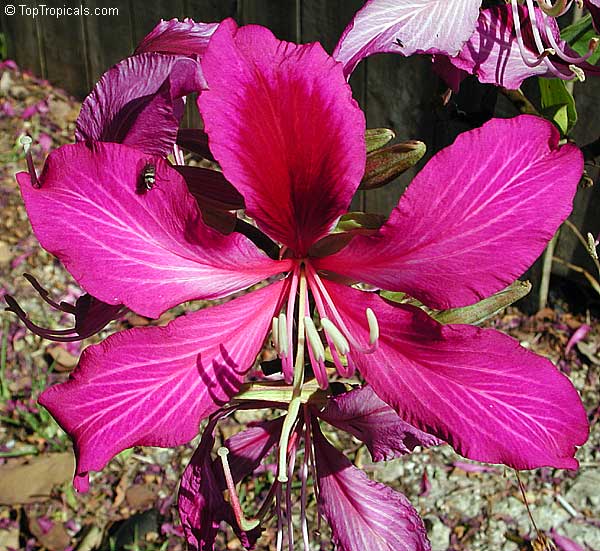
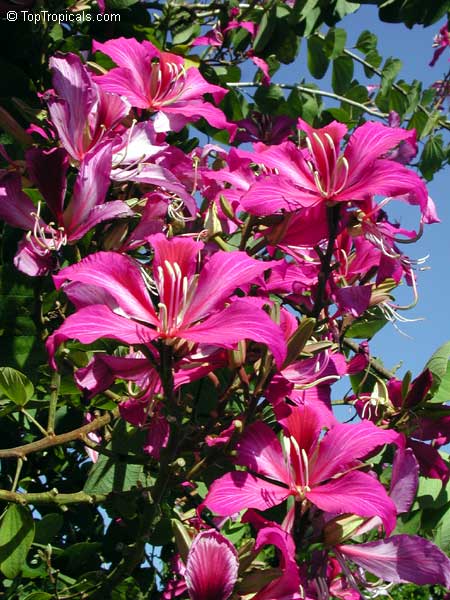
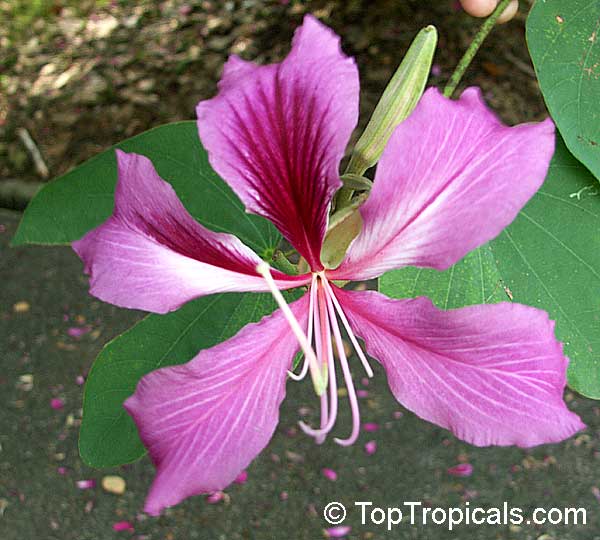
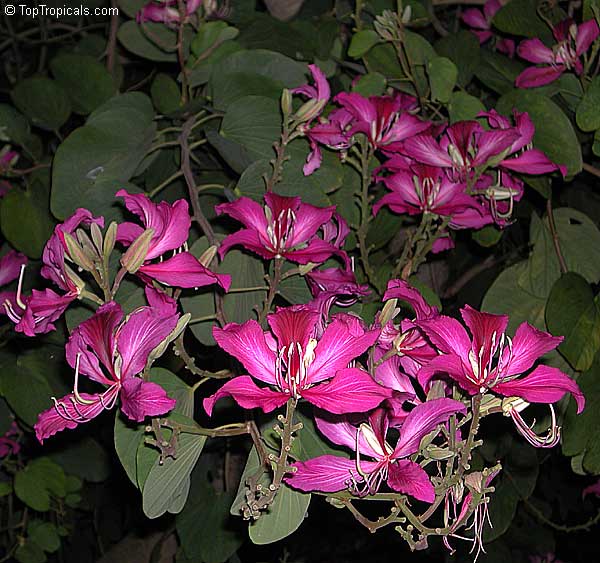
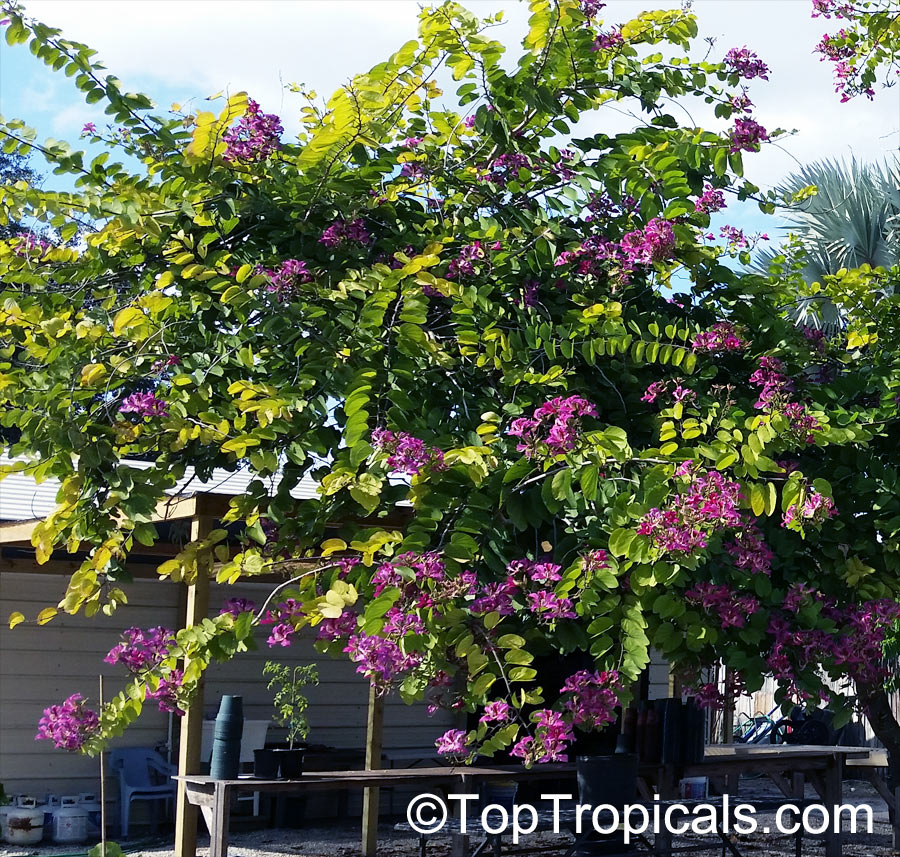
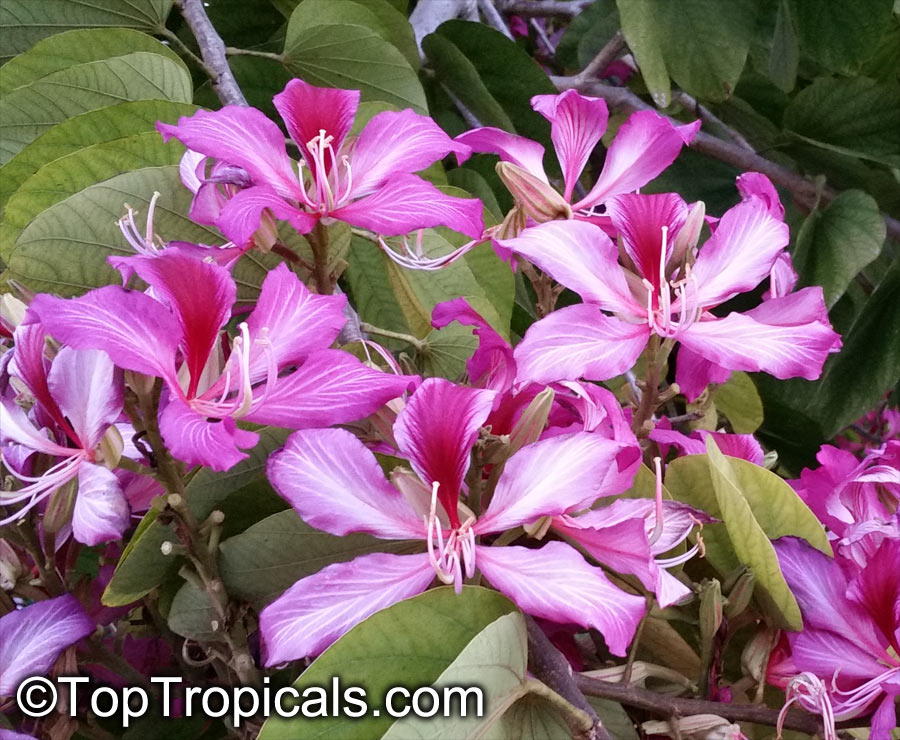
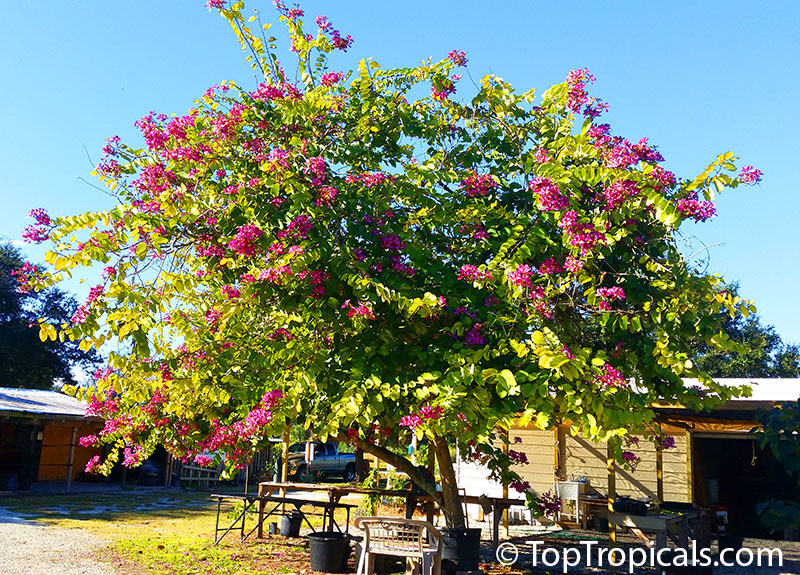
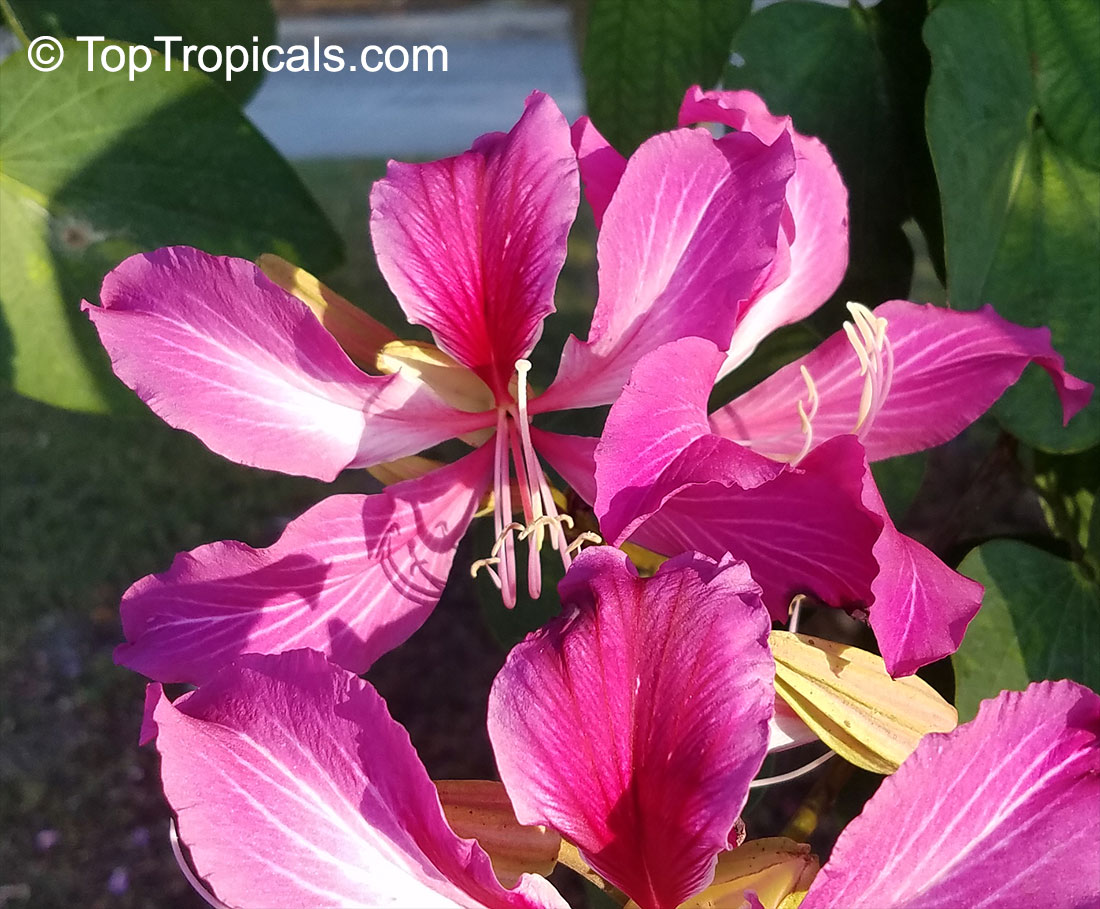
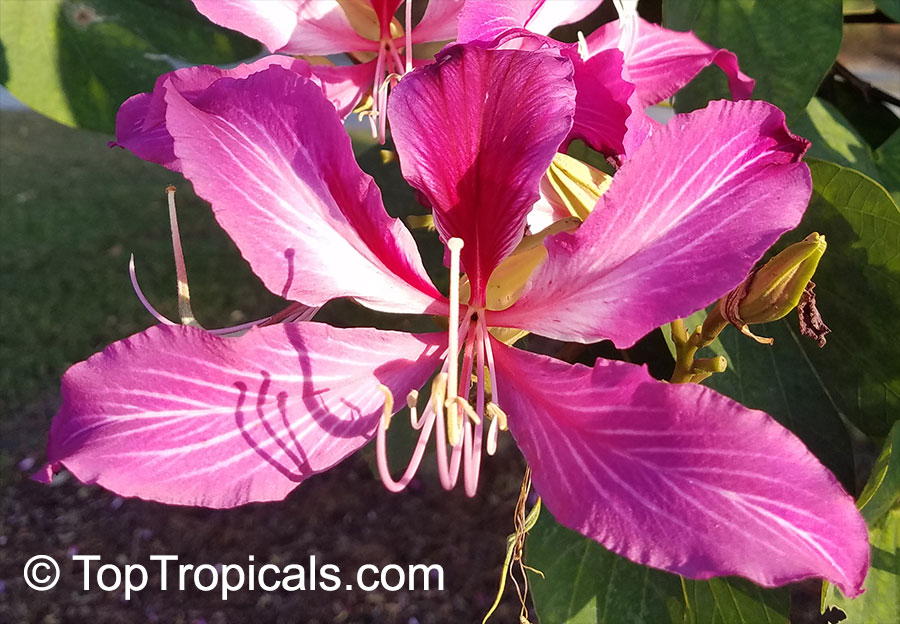
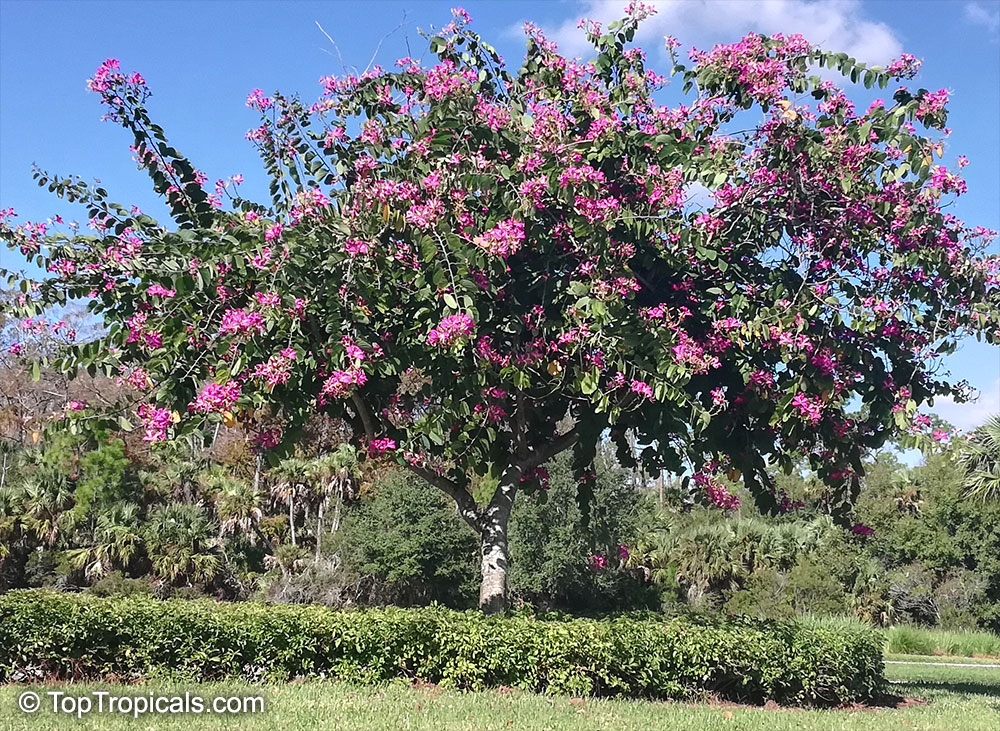
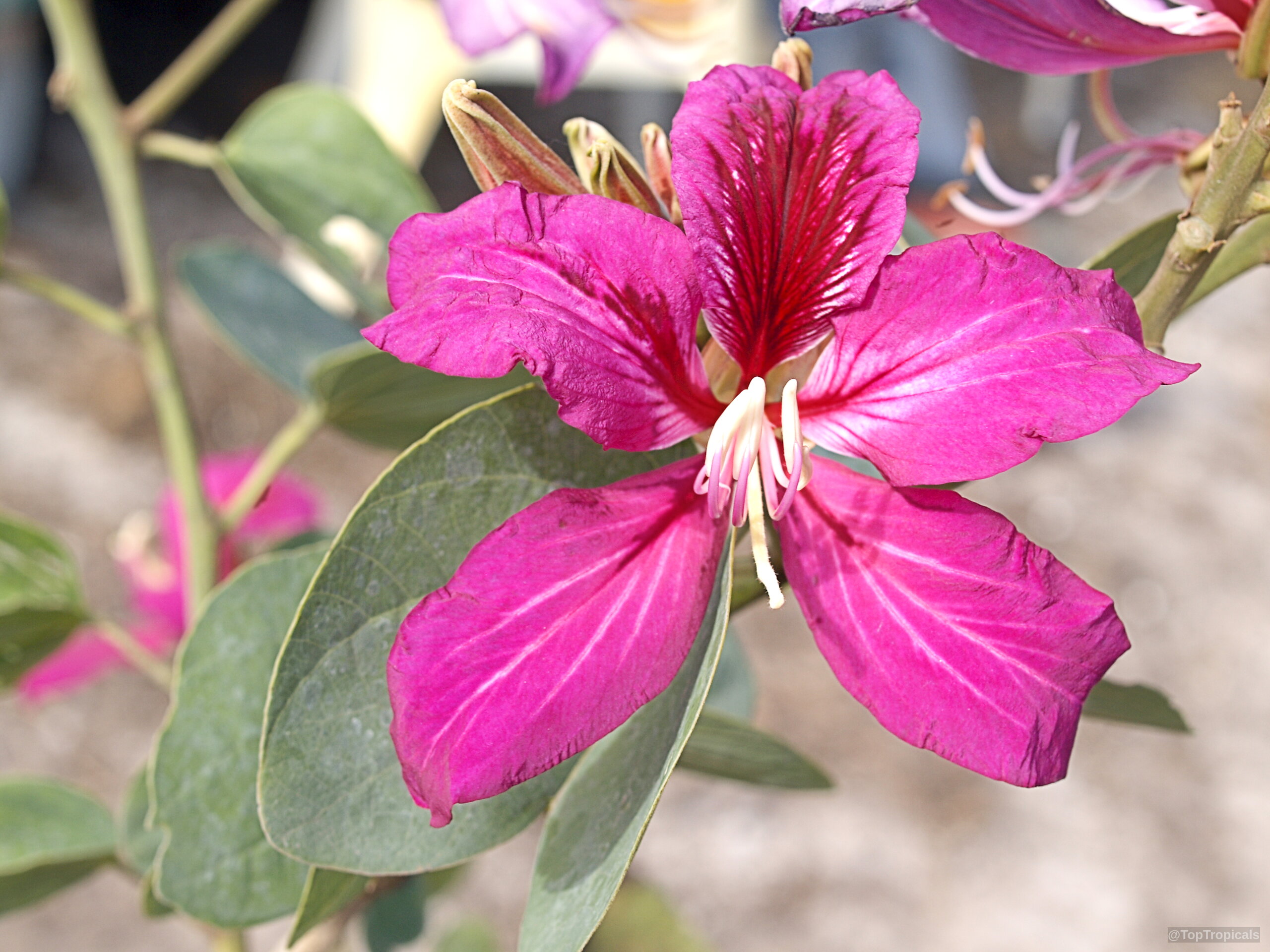

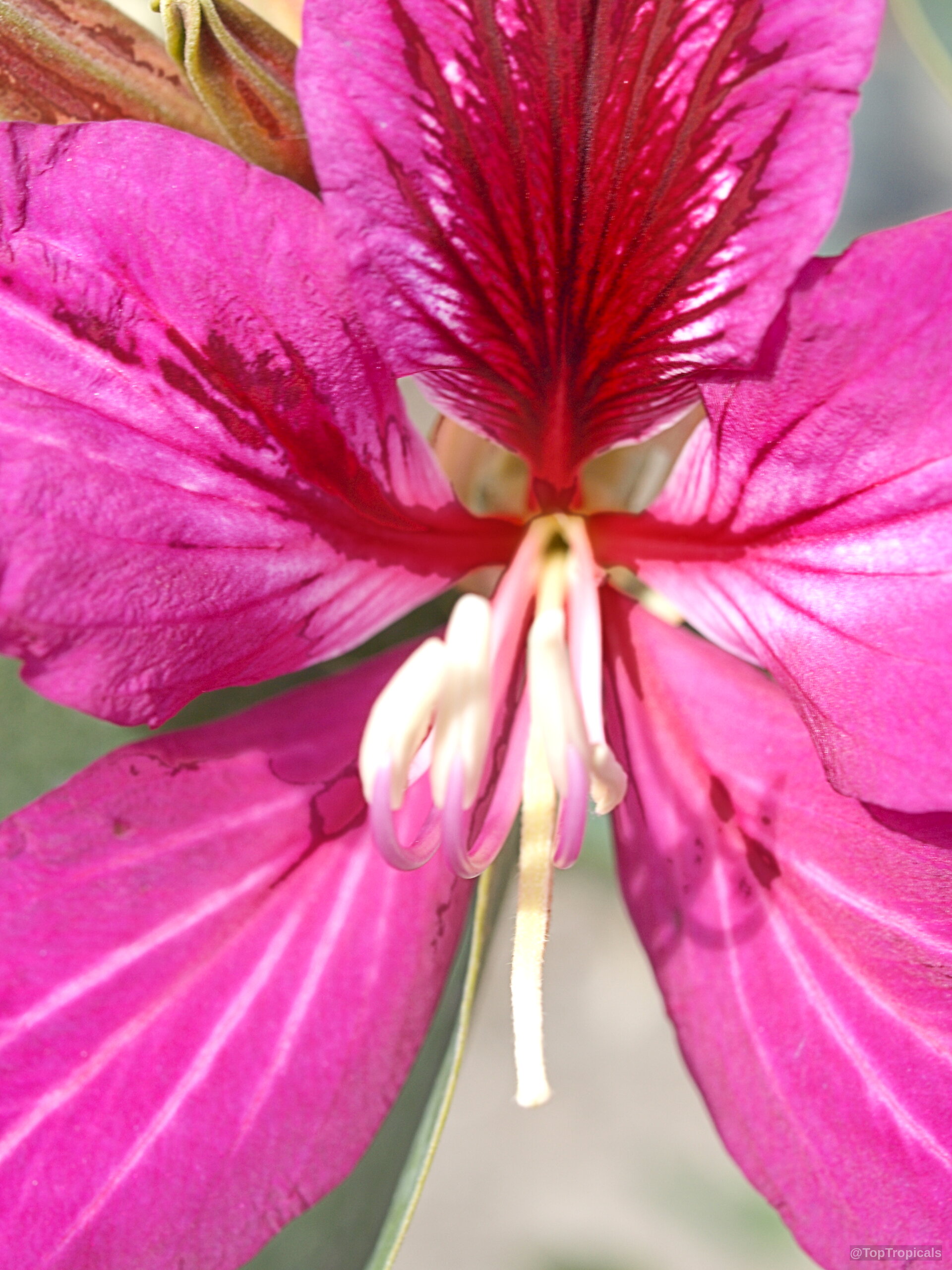
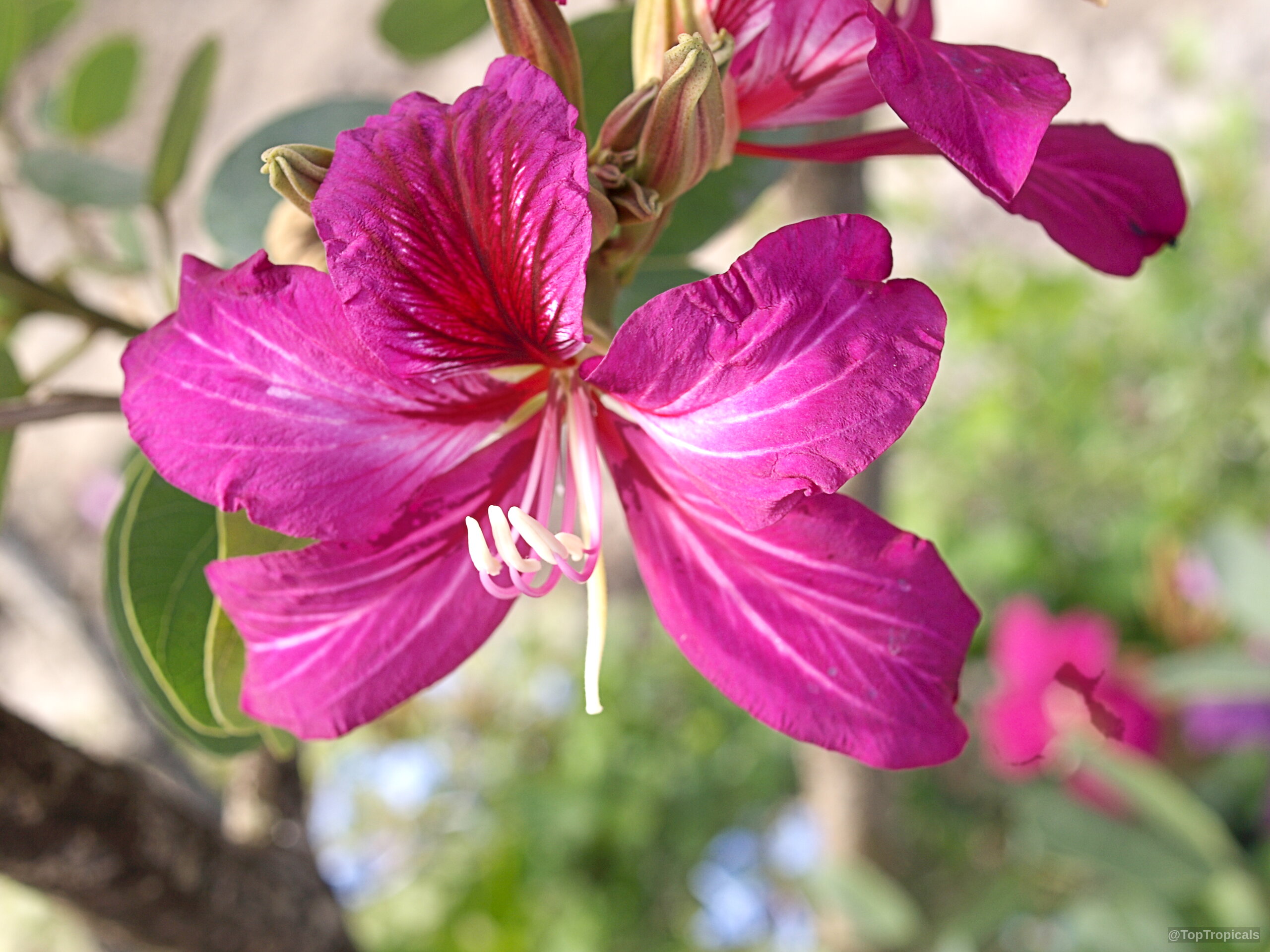
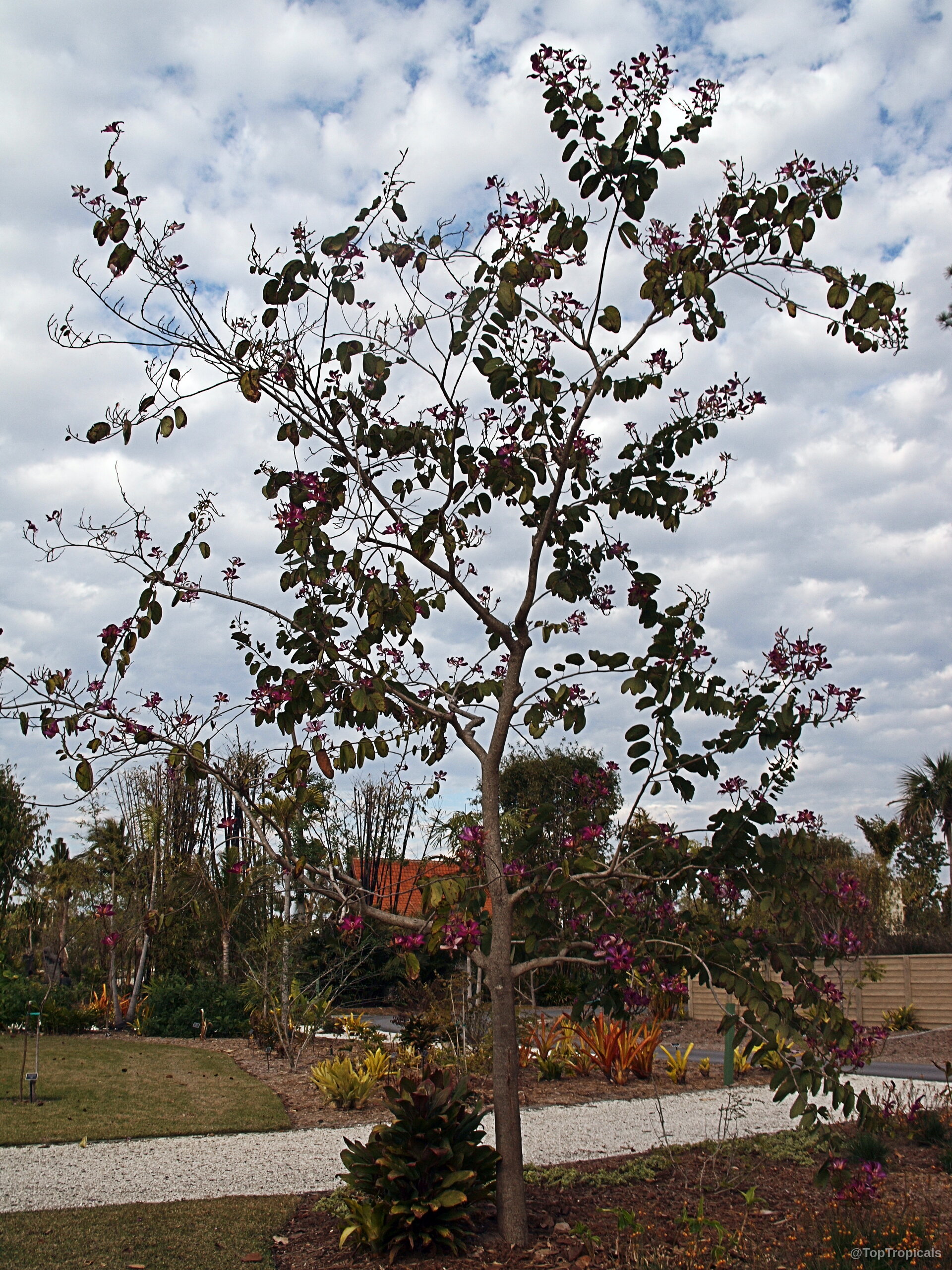
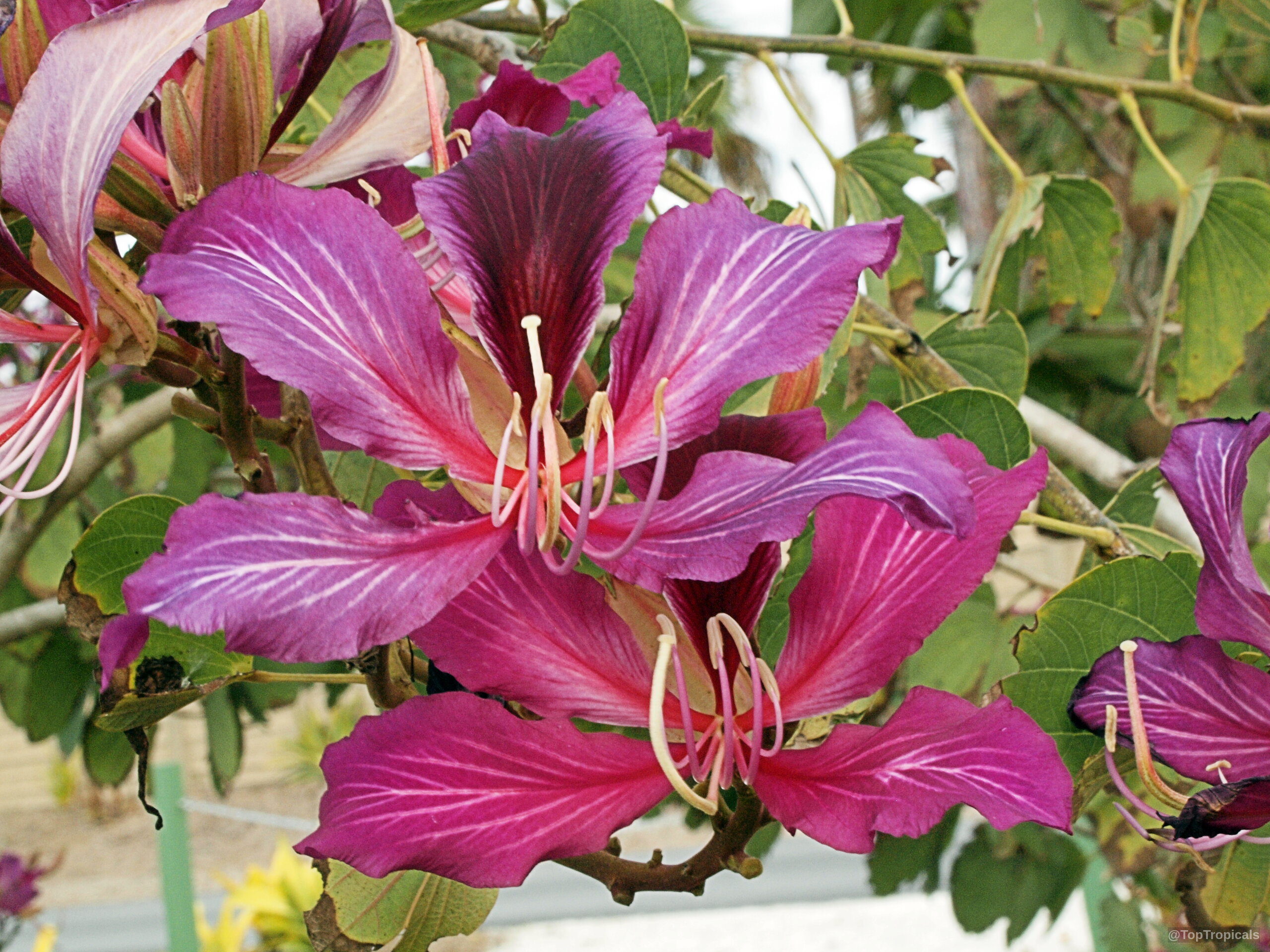
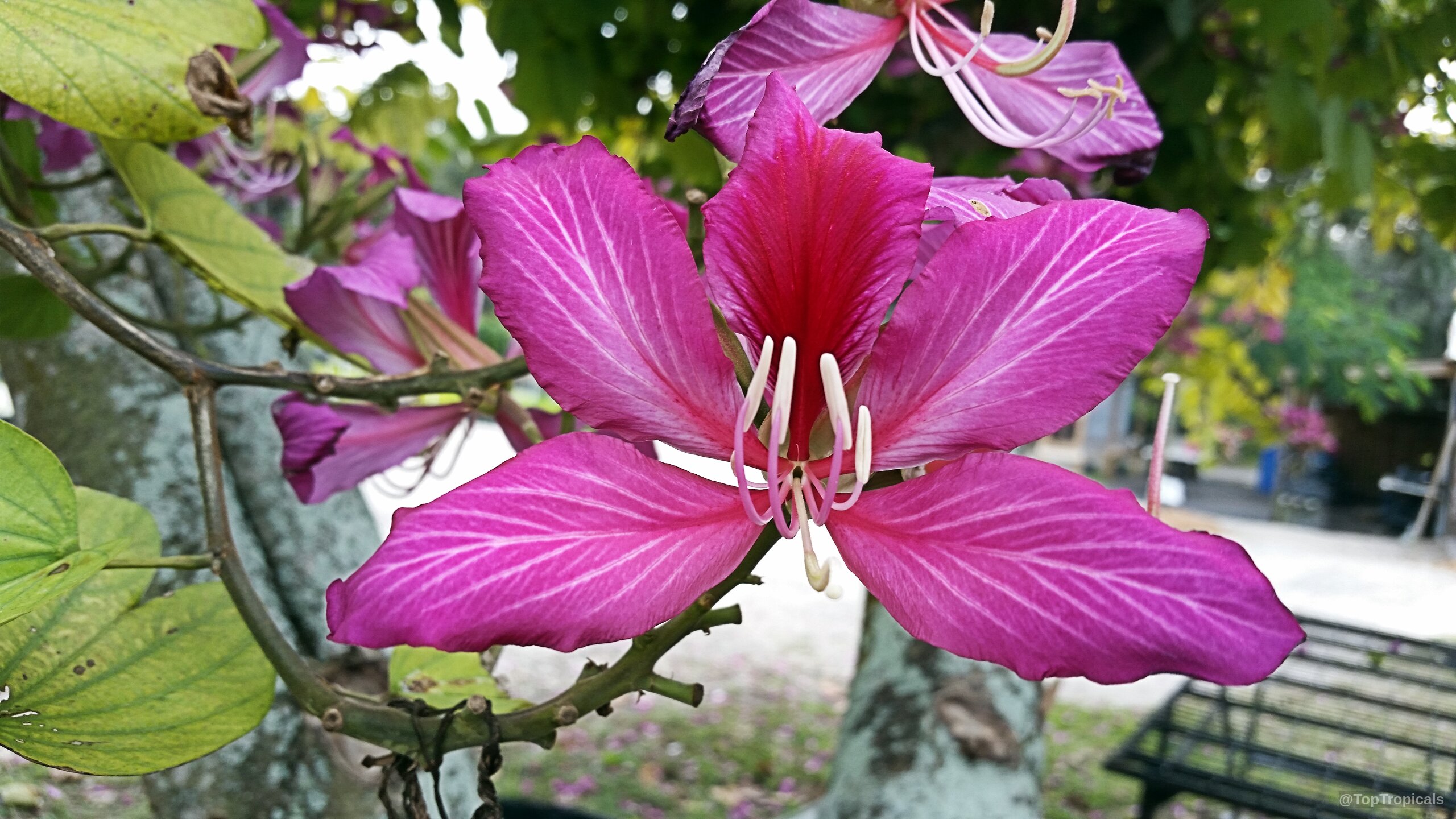
These trees start flowering in very small size, when only 2-3 ft tall!
See video about Hong Kong Orchid Tree
Learn more: Bauhinias: trees with Orchid Flowers and Butterfly Wings
Recommended Fertilizer: SUNSHINE Megaflor - Bloom Nutrition Booster
| Next | |
Use link to repeat this search:
https://toptropicals.com/cgi-bin/garden_catalog/cat.cgi?search_op=and&keyword_op=and&language=e&family=Caesalpinioideae
&number=10&no_change_lang=1&user=tt&sale=1&first=0