Cactaceae - Botanical Family
| Number of plants found: 76 | Next | 
|
Go to page: | 1 | 2 | 3 | 4 | 5 | Last |
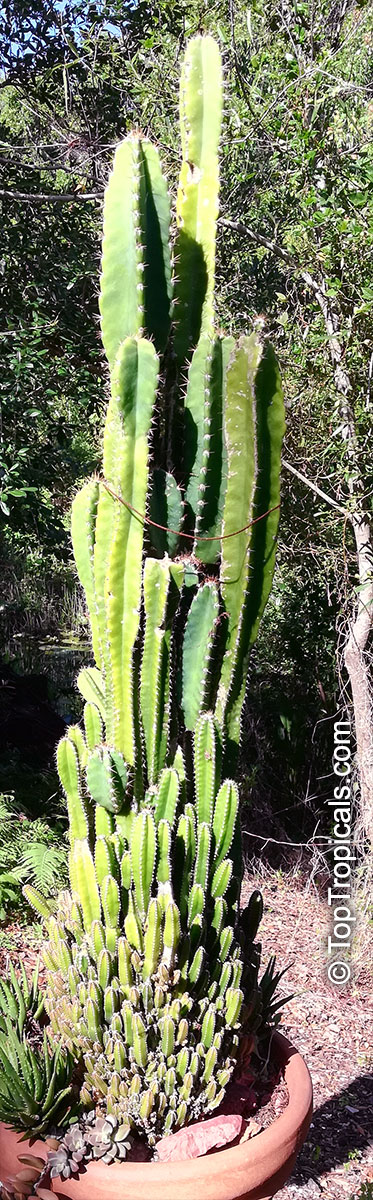
Botanical names: Acanthocereus tetragonus, Acanthocereus pentagonus
Common names: Night-blooming Cereus, Barbed-wire Cactus, Sword-pear
Family: Cactaceae
Origin: Central America, Caribbean


Acanthocereus tetragonus is a tall, columnar cactus that reaches a height of 2-7 m. Flowers are open from midnight until dawn, attracting hummingbird moths.
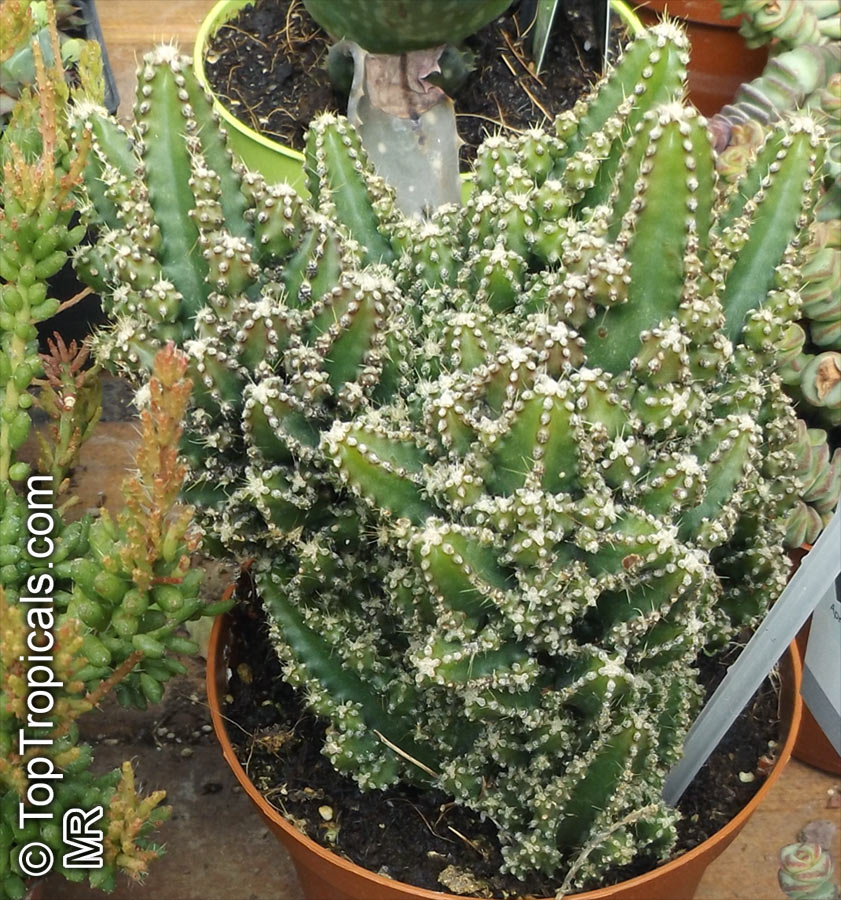
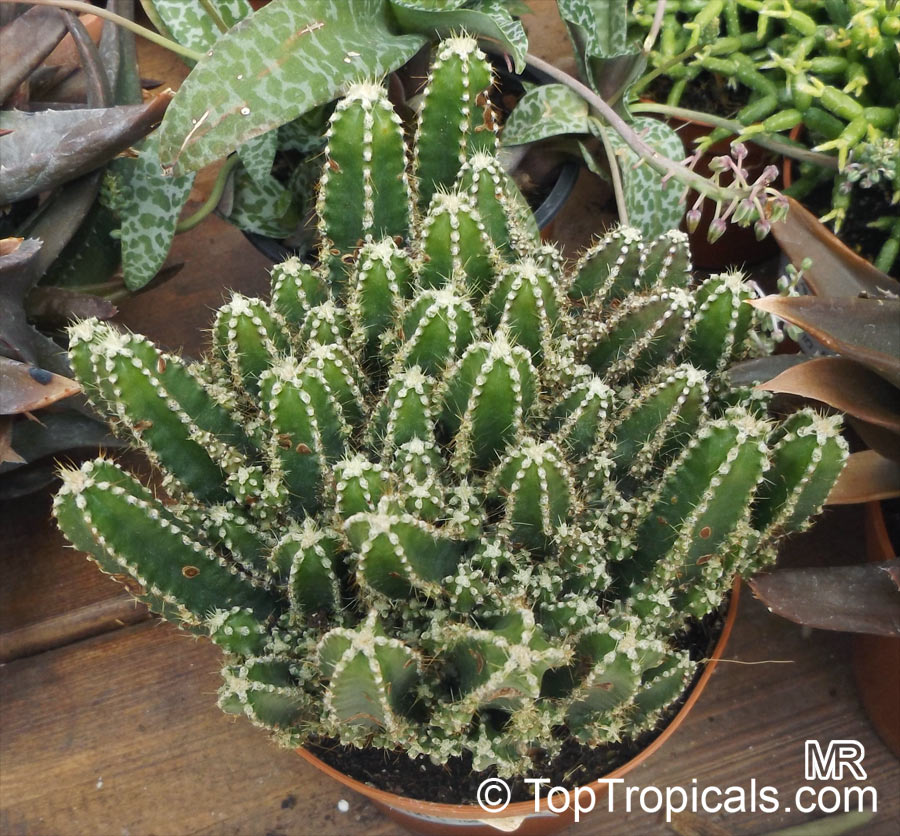
Acanthocereus tetragonus 'Fairy Castles' is a dwarf, columnar, branching, slow growing cactus. The Fairy Castles Cactus is the colorful name by which the plant is marketed and refers to the numerous vertical stems of different heights that resemble spires and turrets.
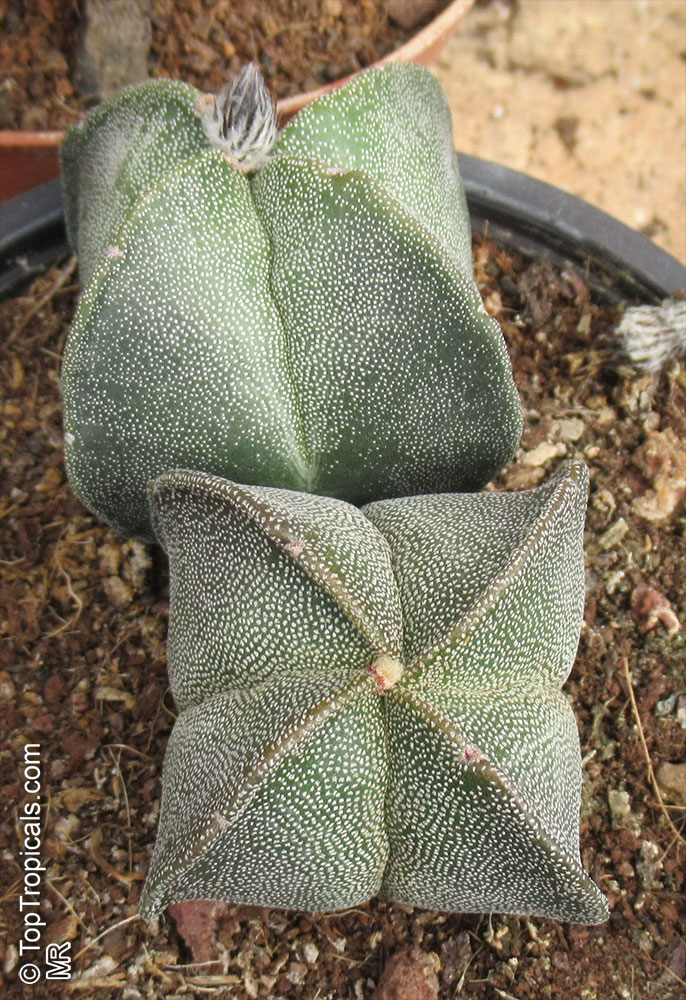
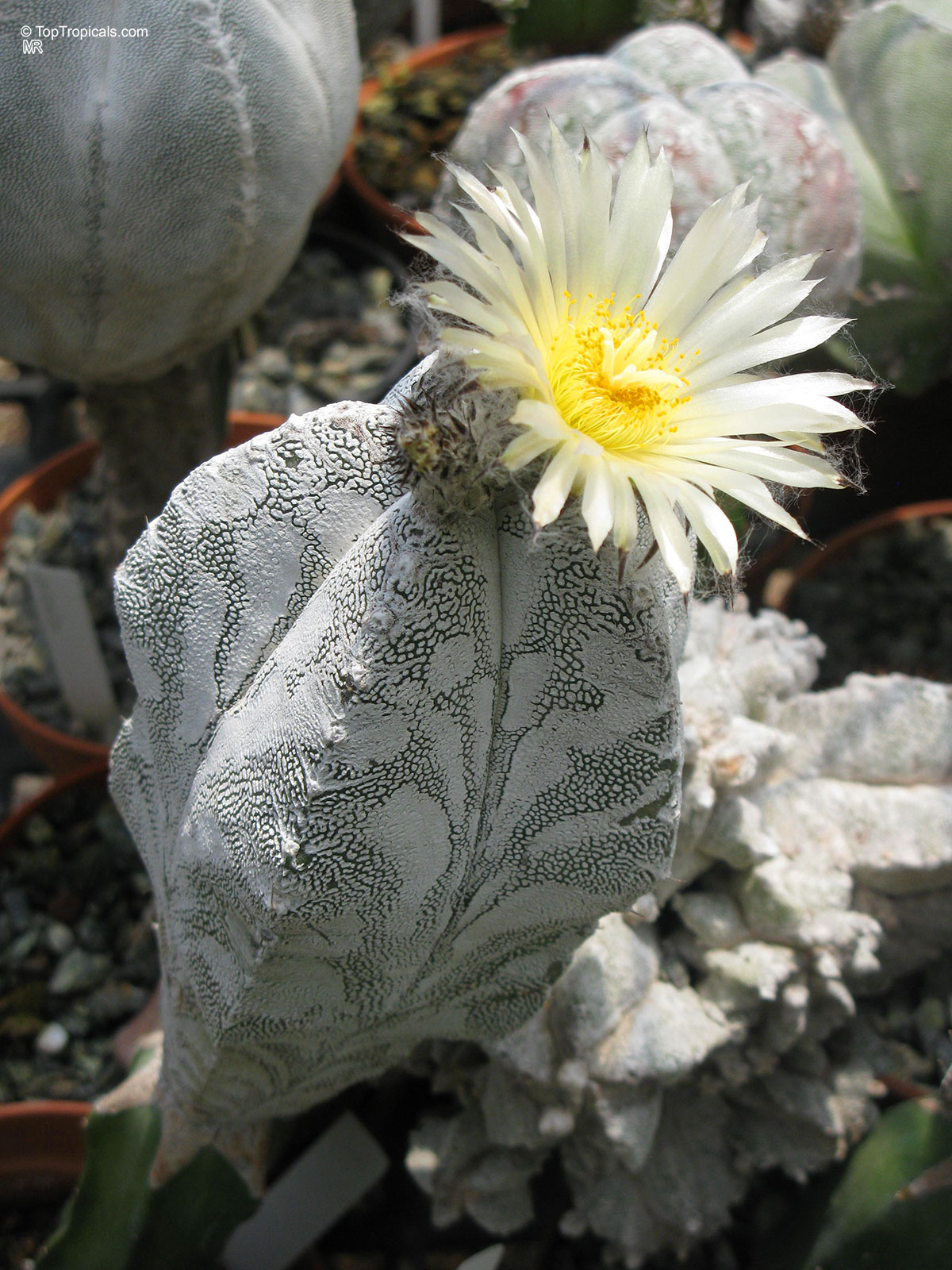
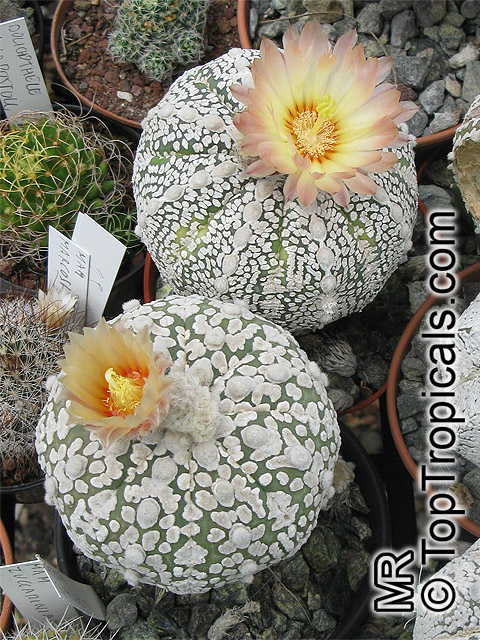
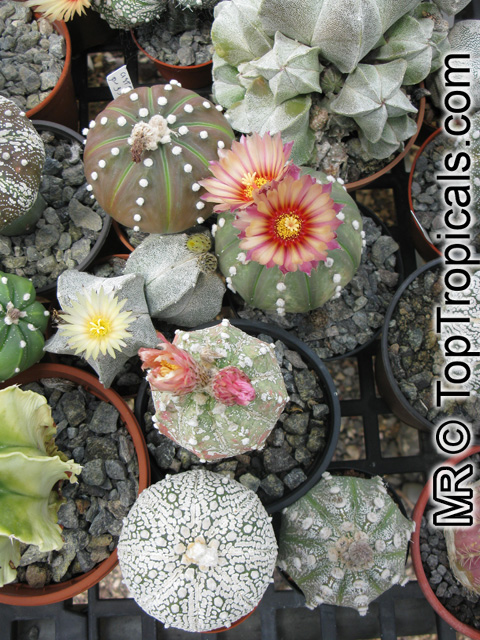
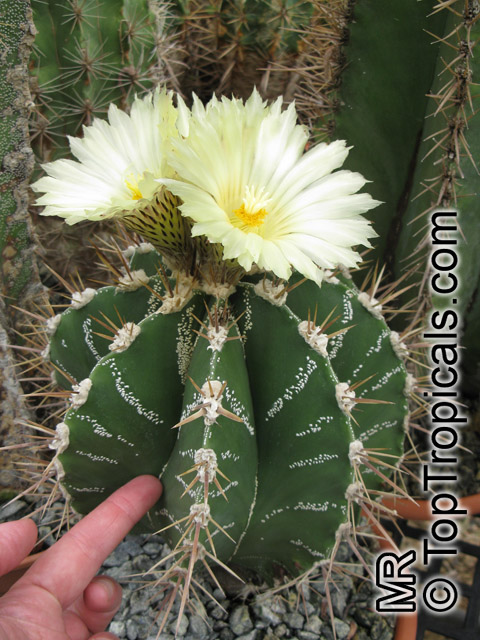
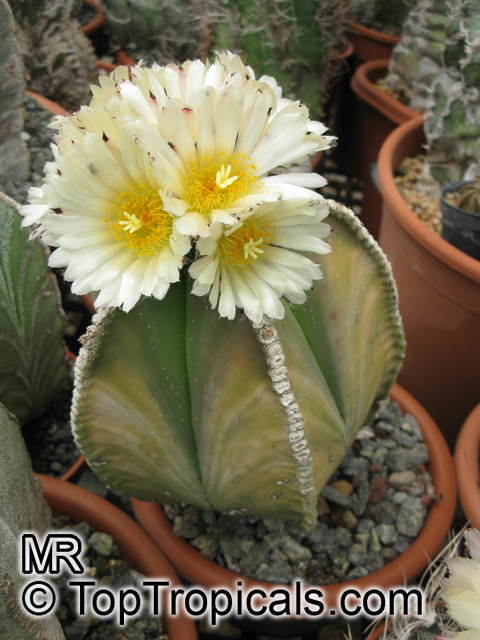
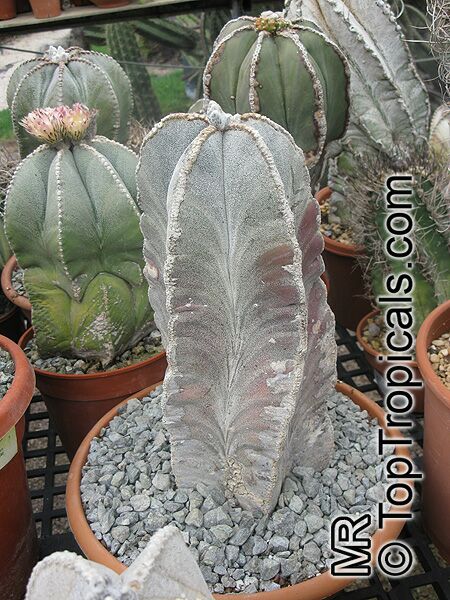
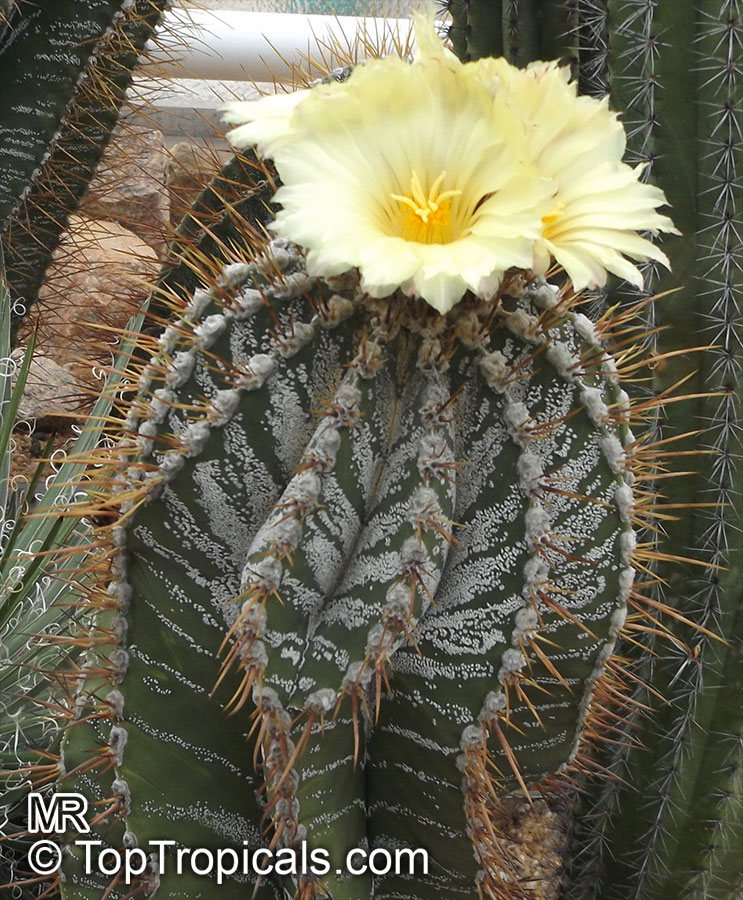
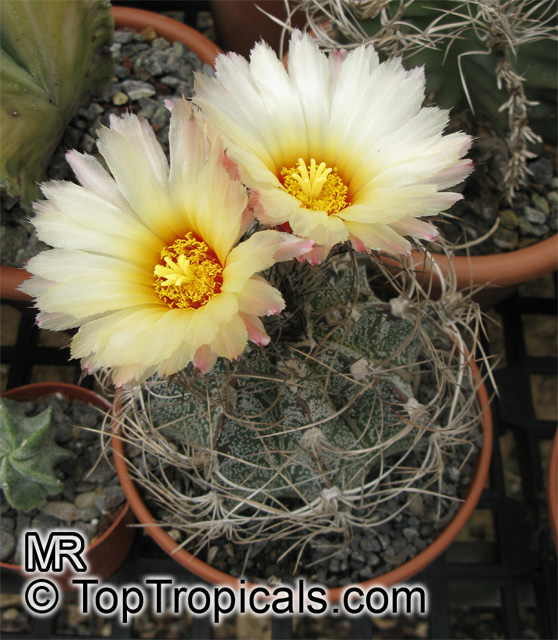
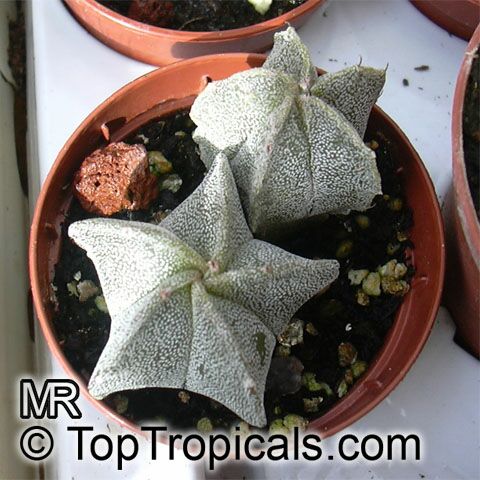
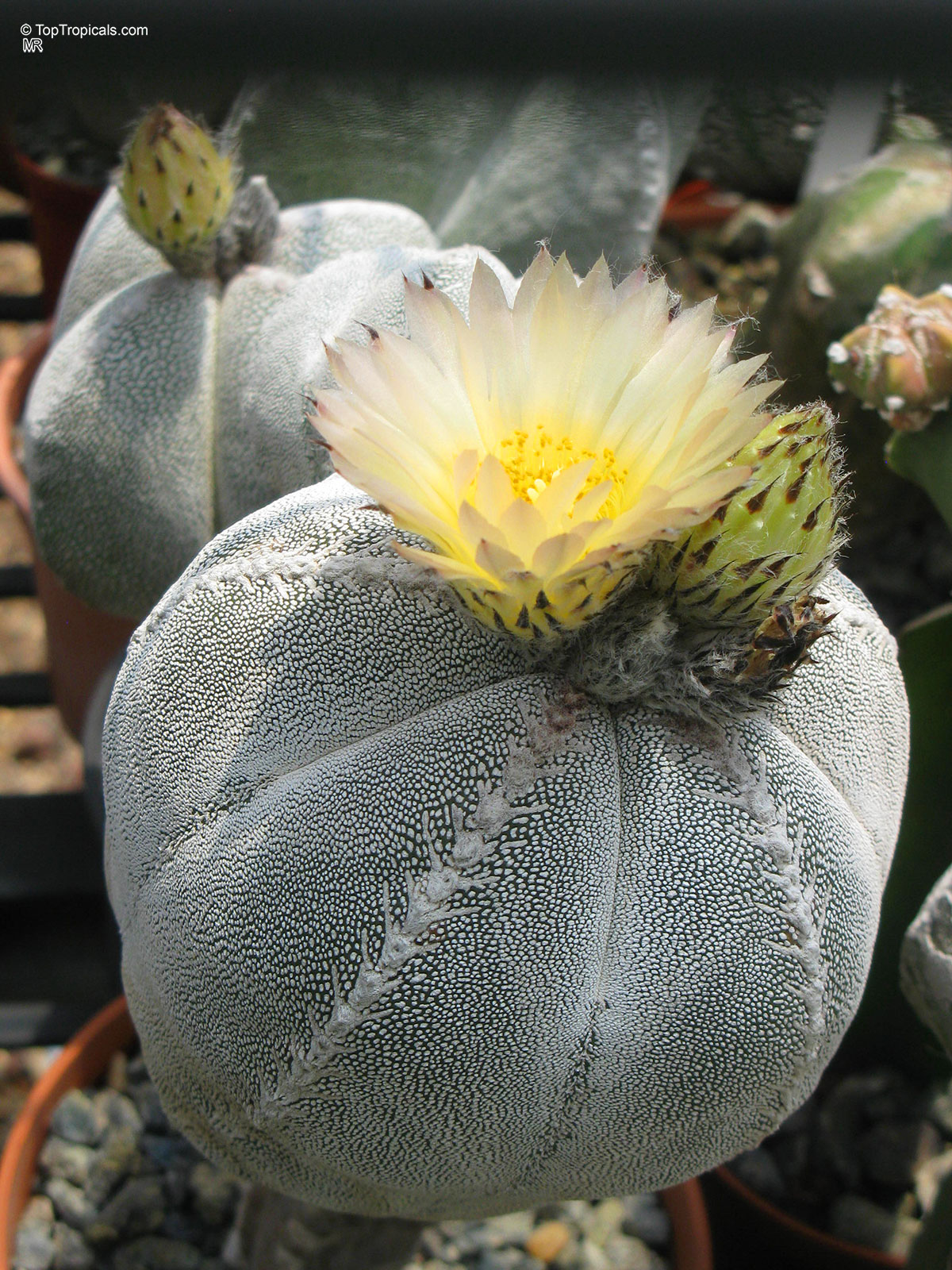
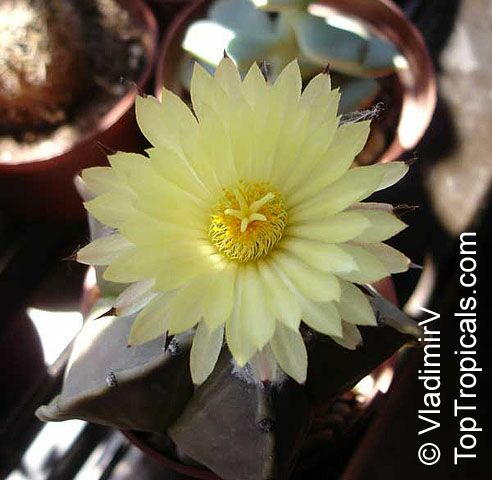
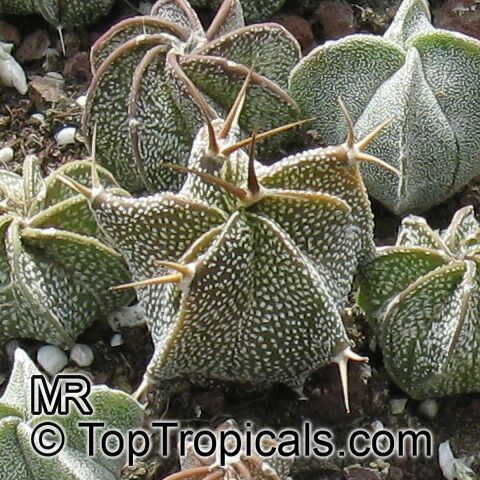
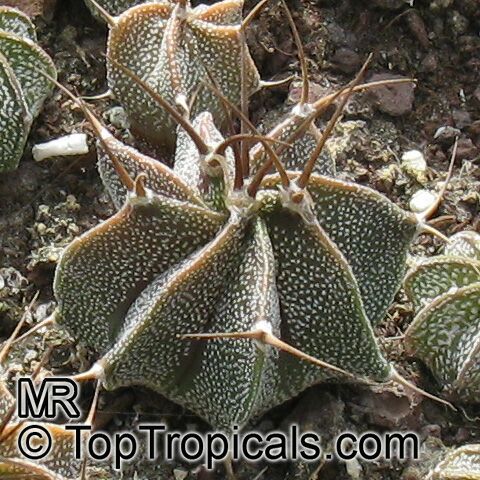
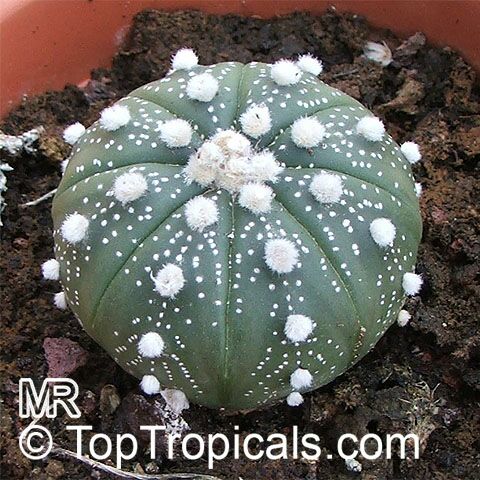
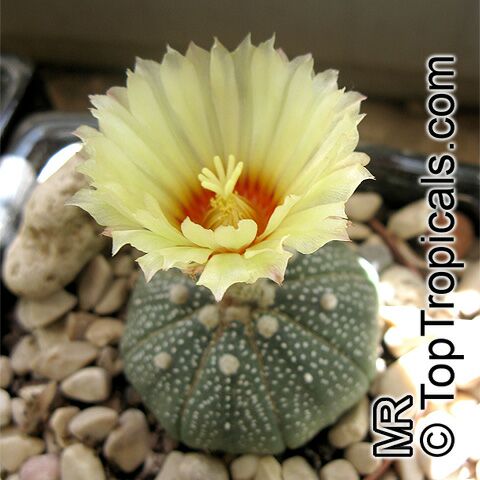
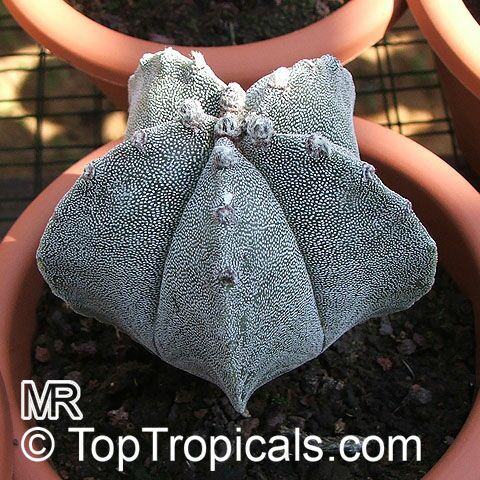
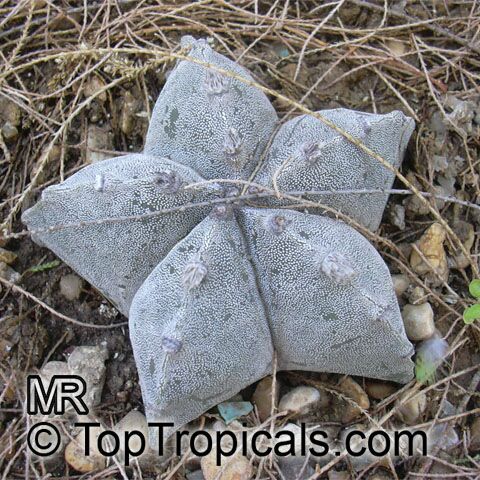
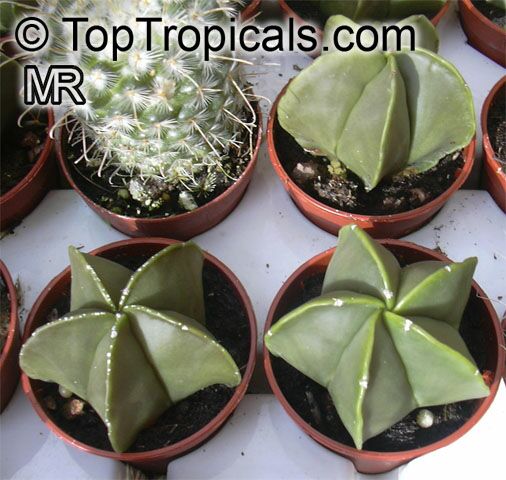
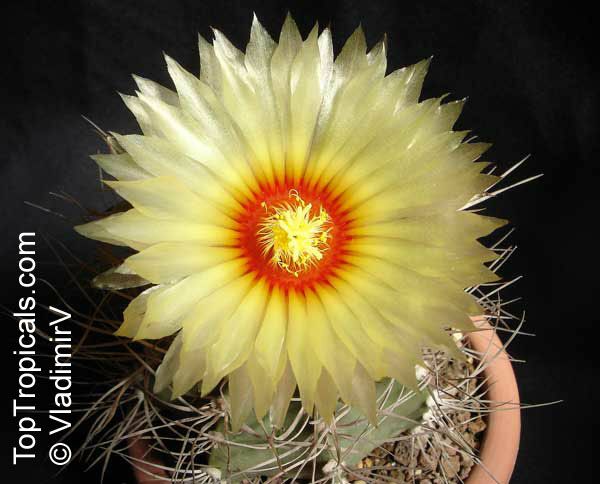
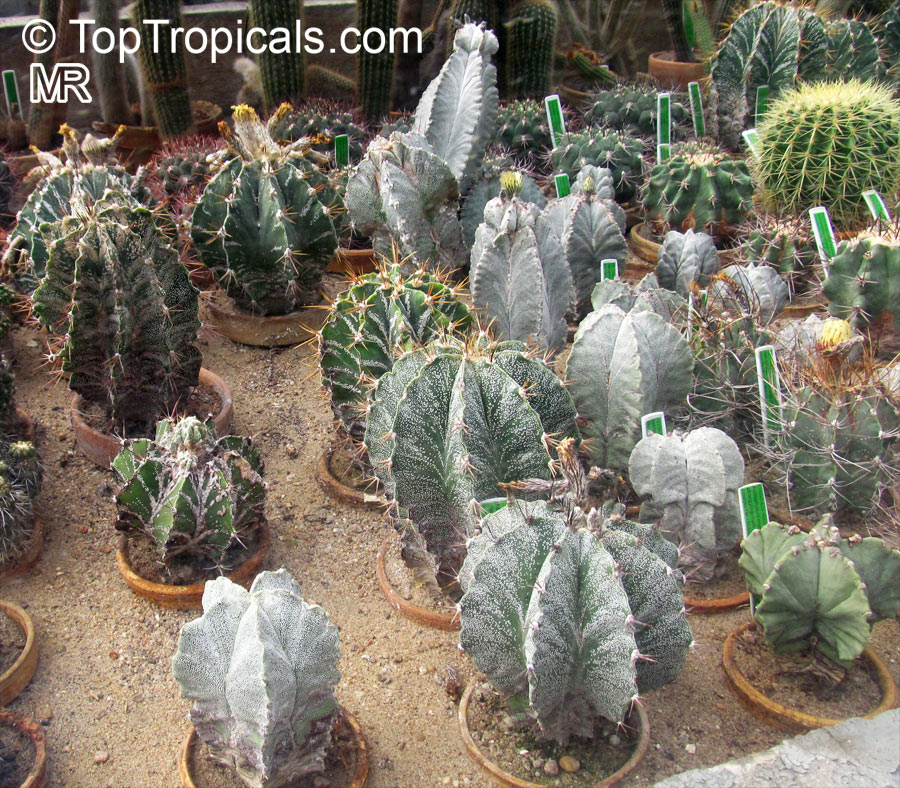
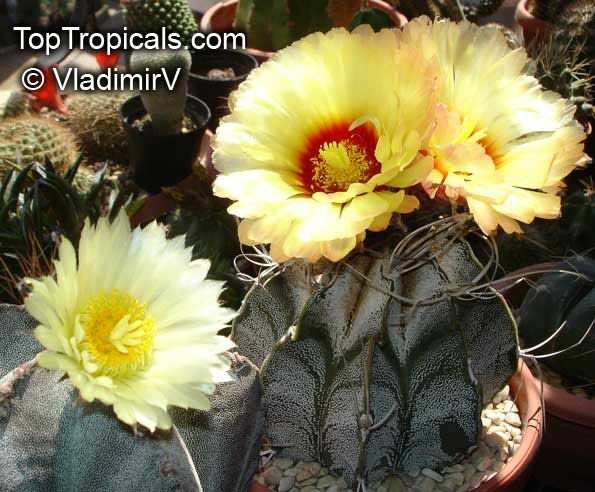
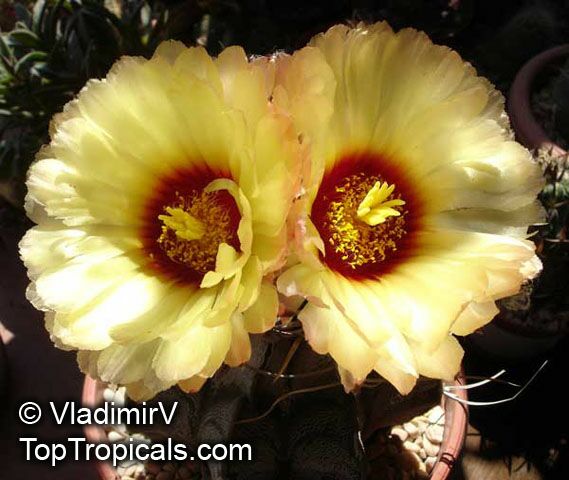
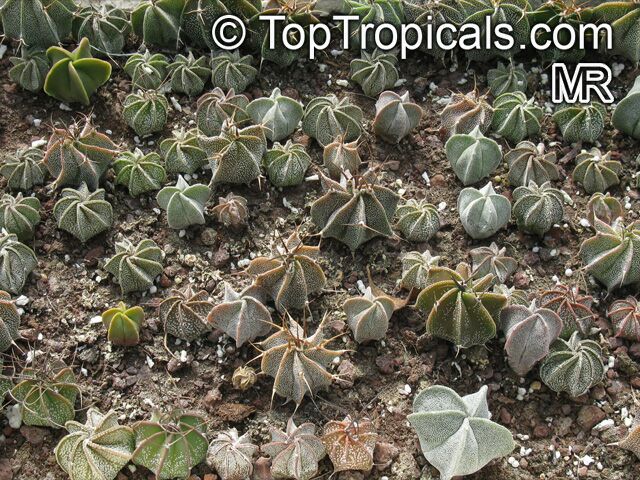
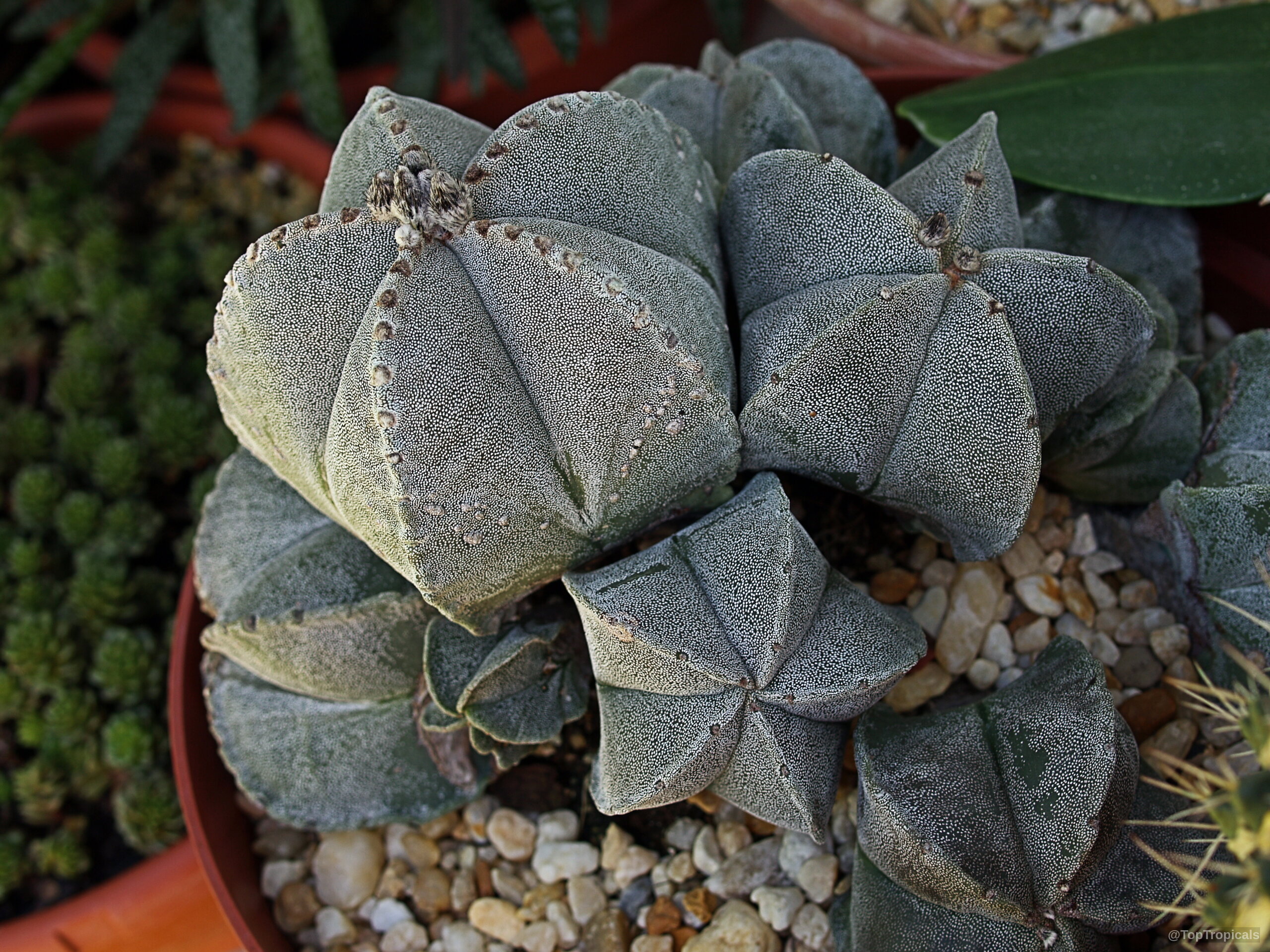
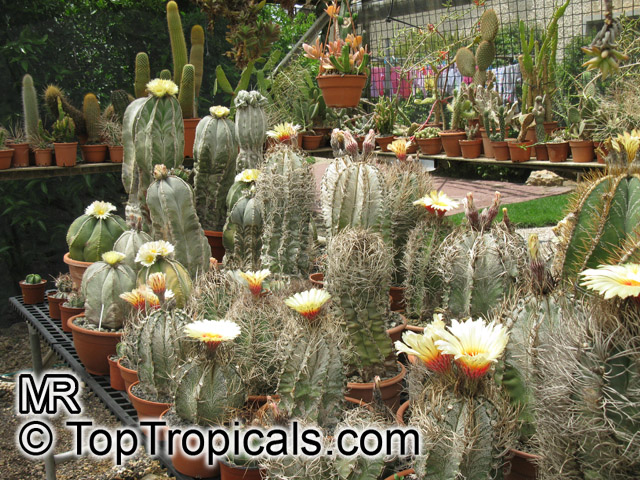
Botanical name: Astrophytum sp.
Common name: Star Cactus
Family: Cactaceae
Origin: Mexico


Plants of the genus Astrophytum are among the ones that I like the best.





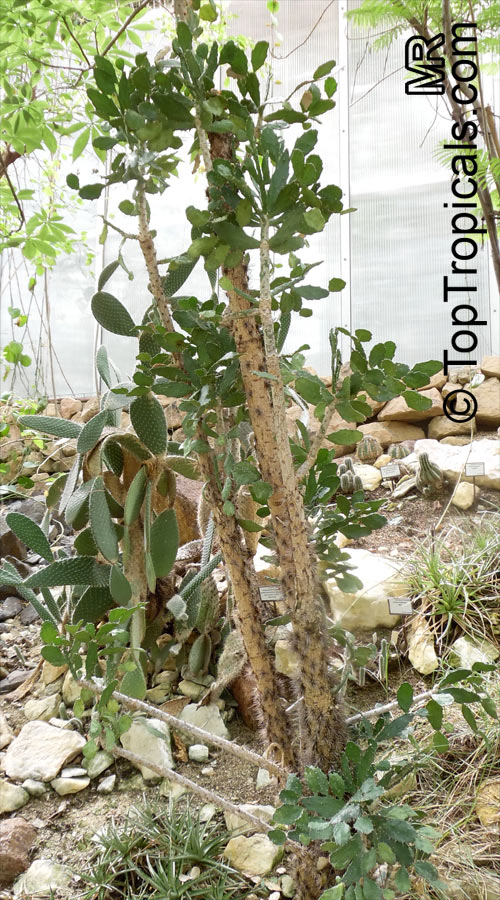
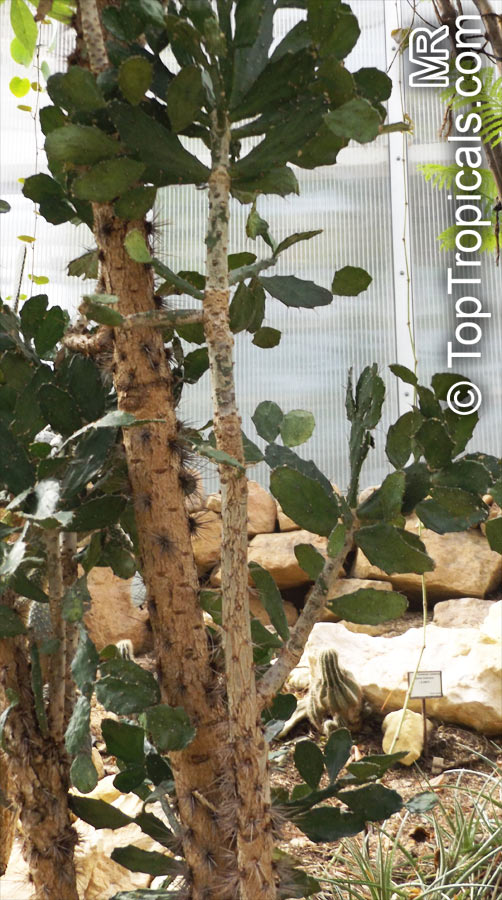
Botanical names: Brasiliopuntia brasiliensis, Opuntia brasiliensis
Common name: Brazilian Prickly Pear
Family: Cactaceae
Origin: Central America, South America

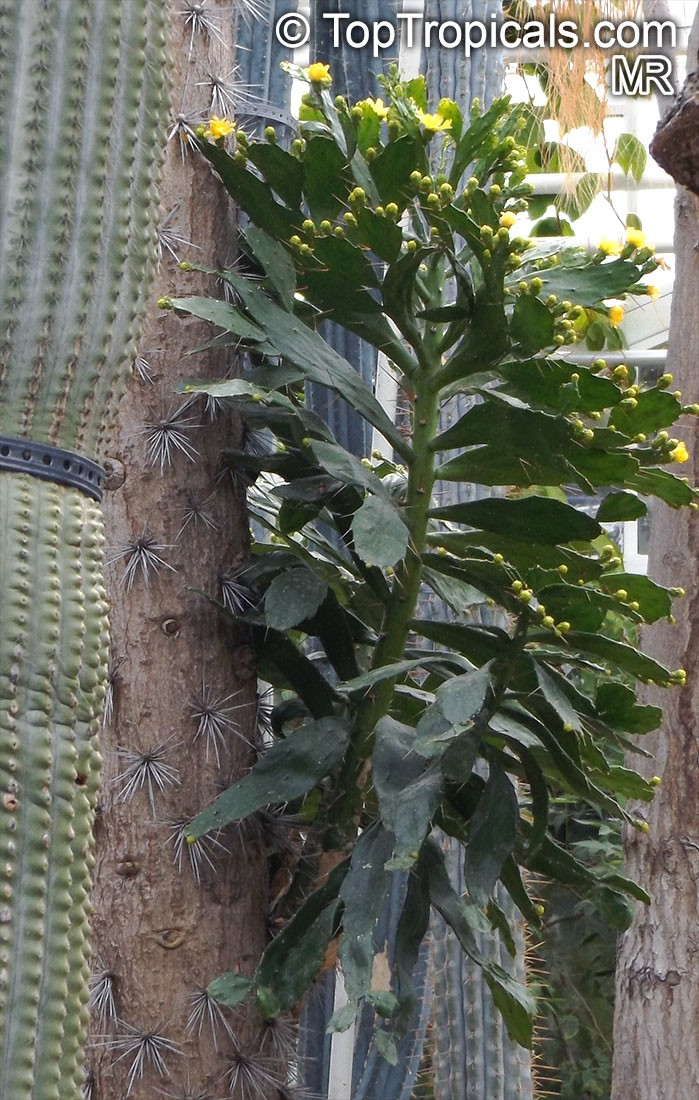
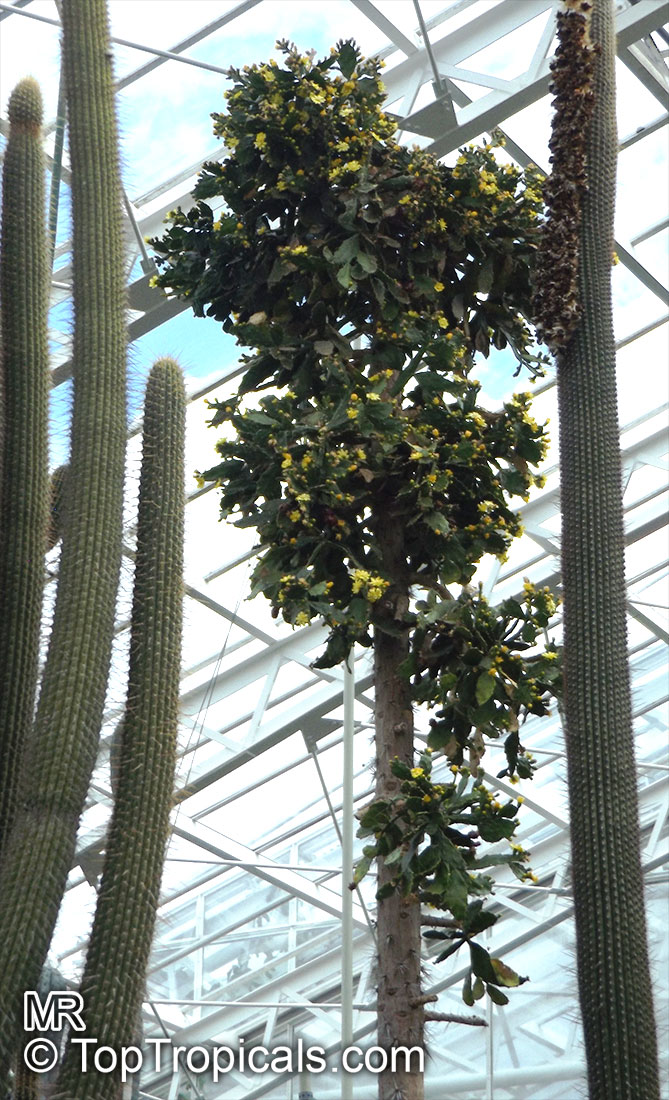
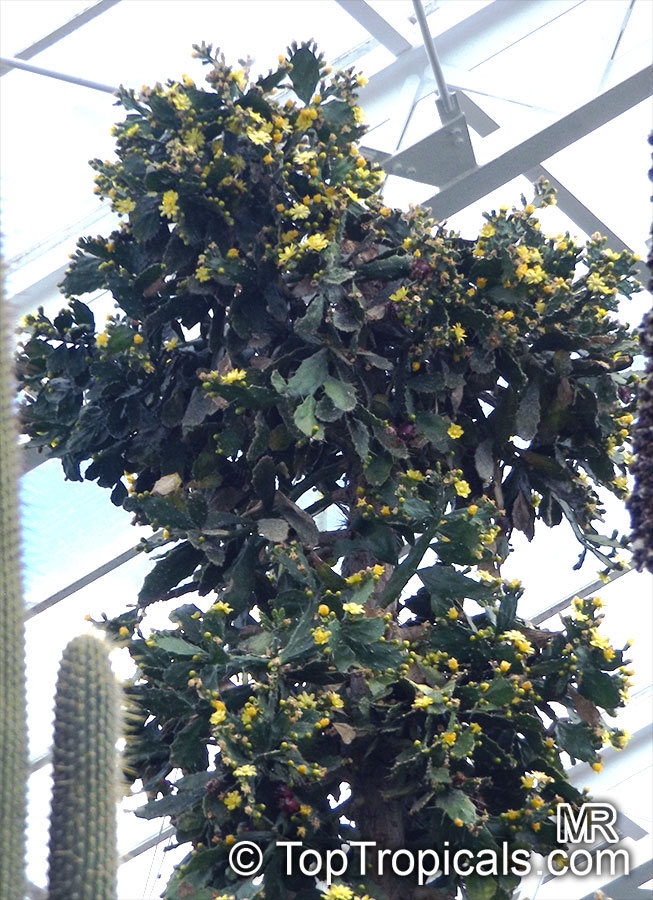
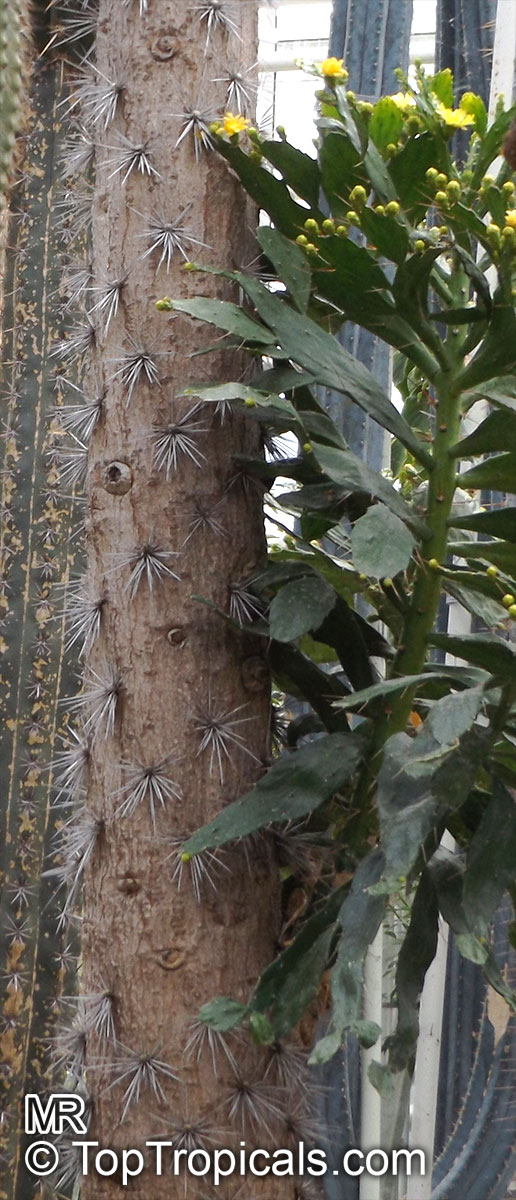
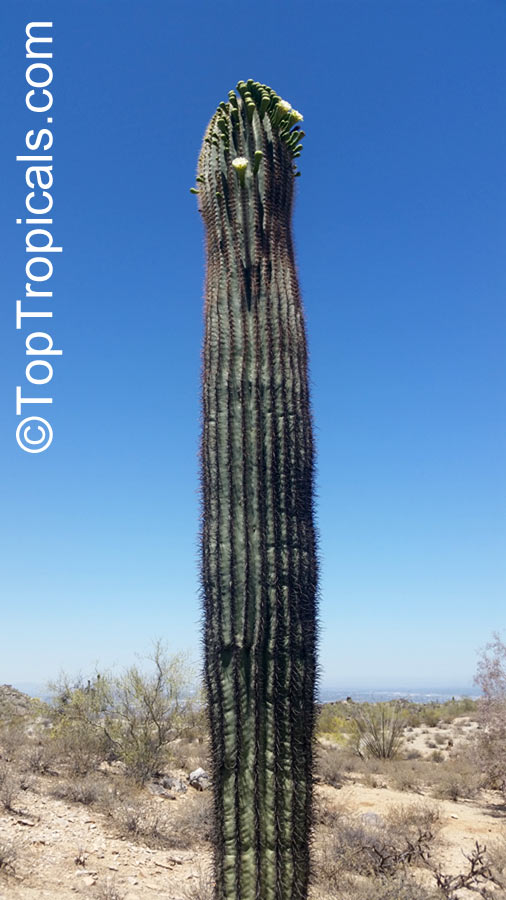
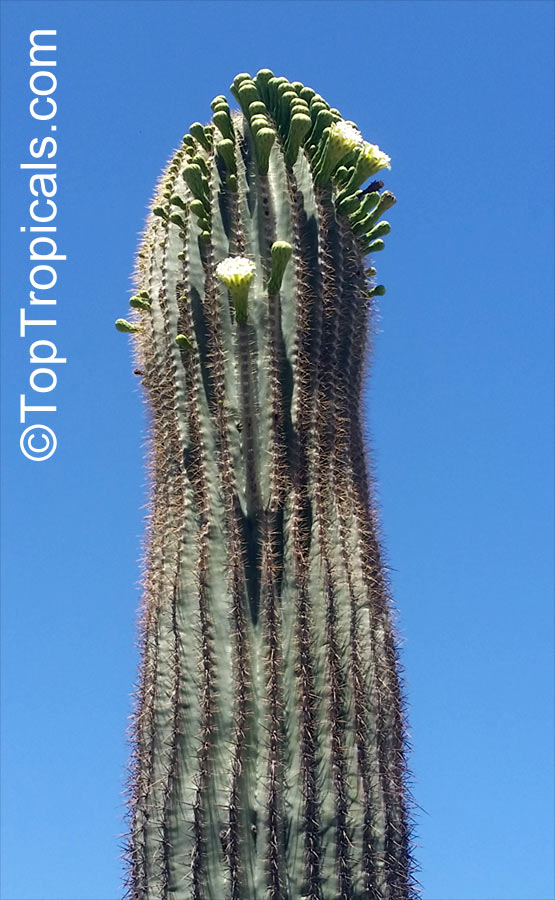
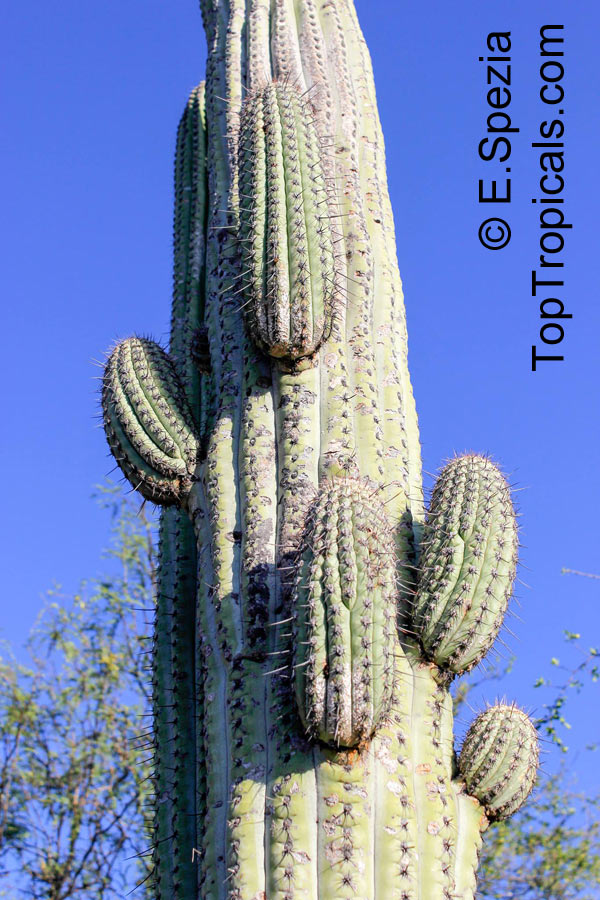
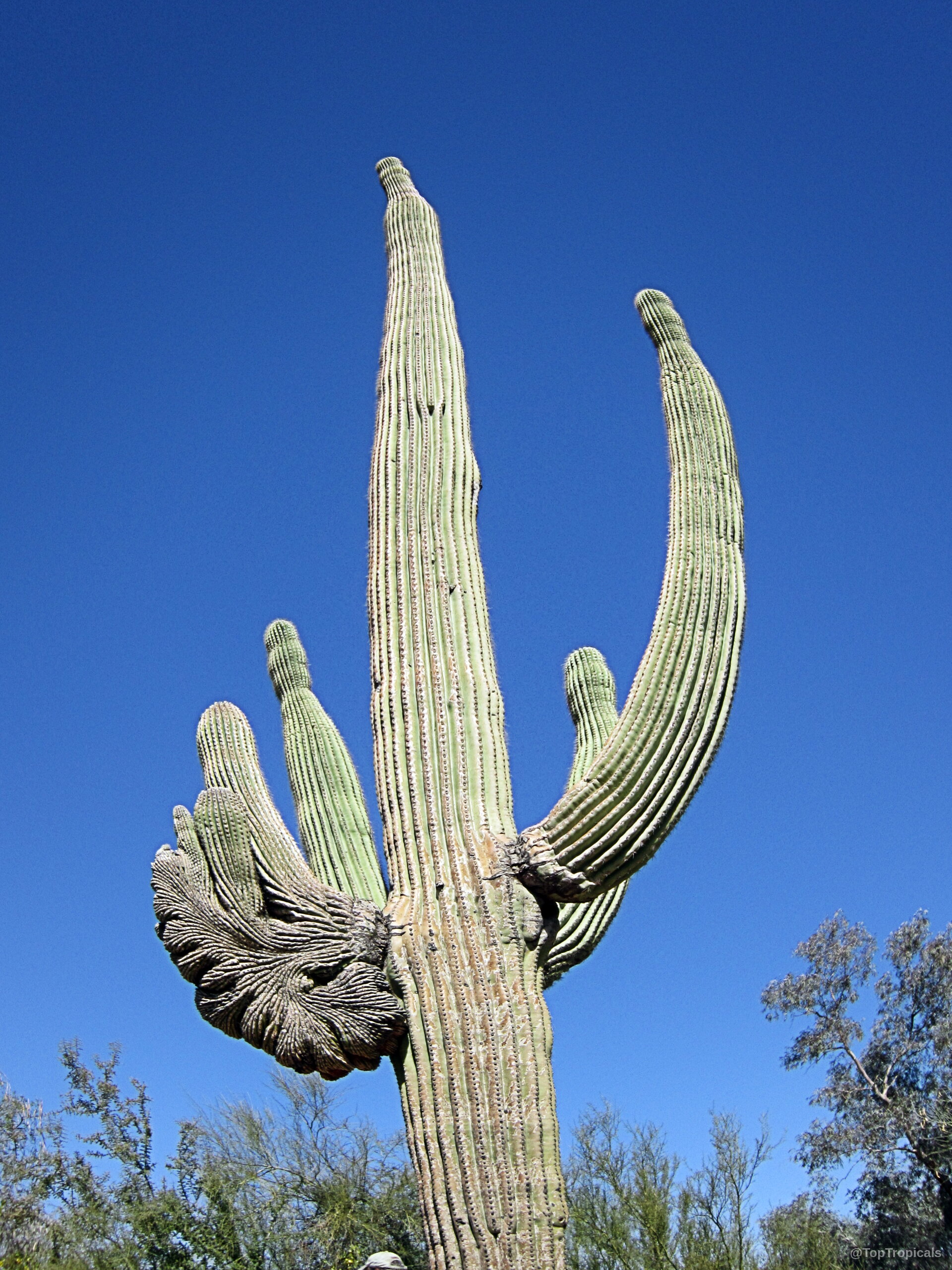
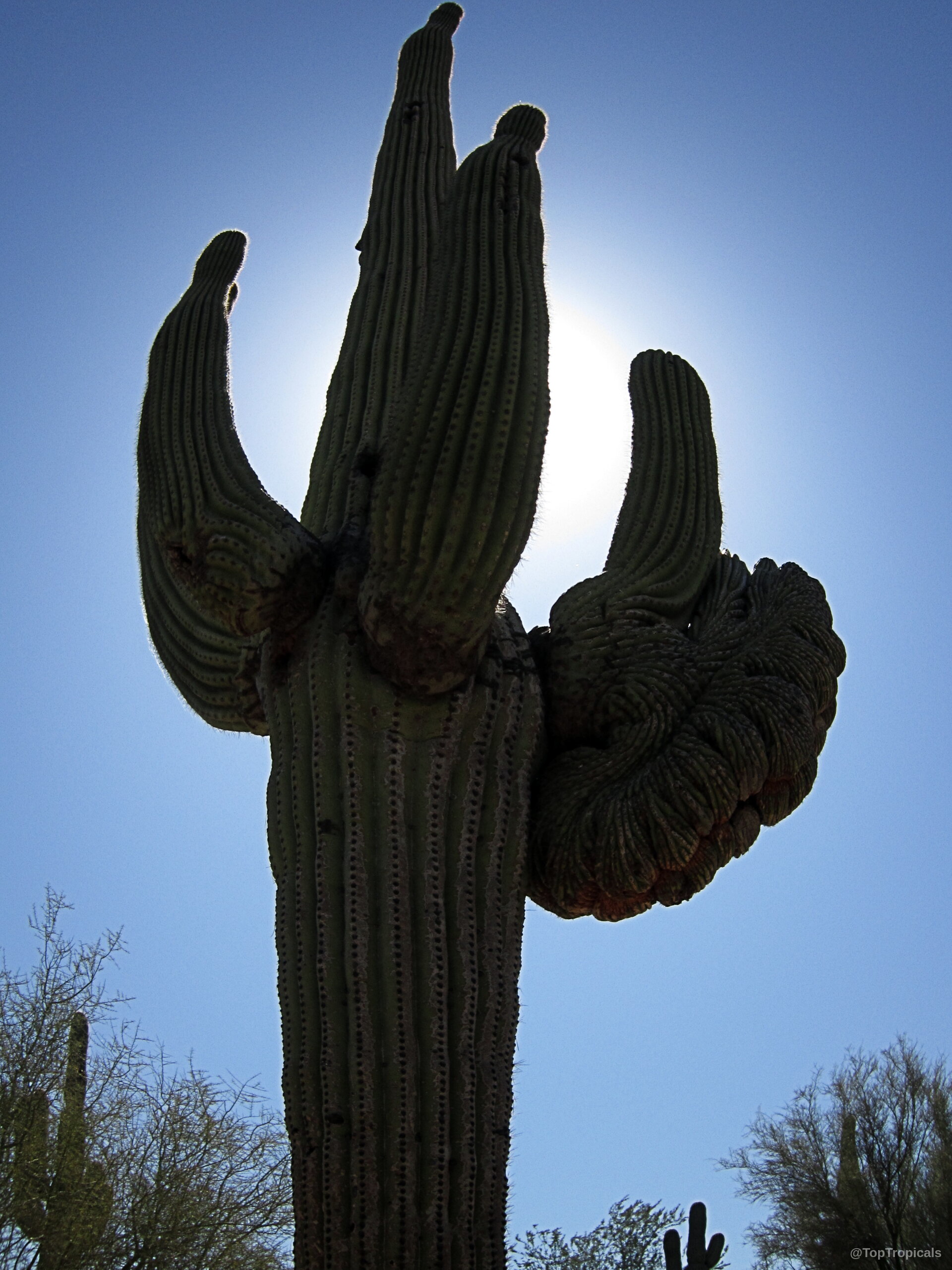
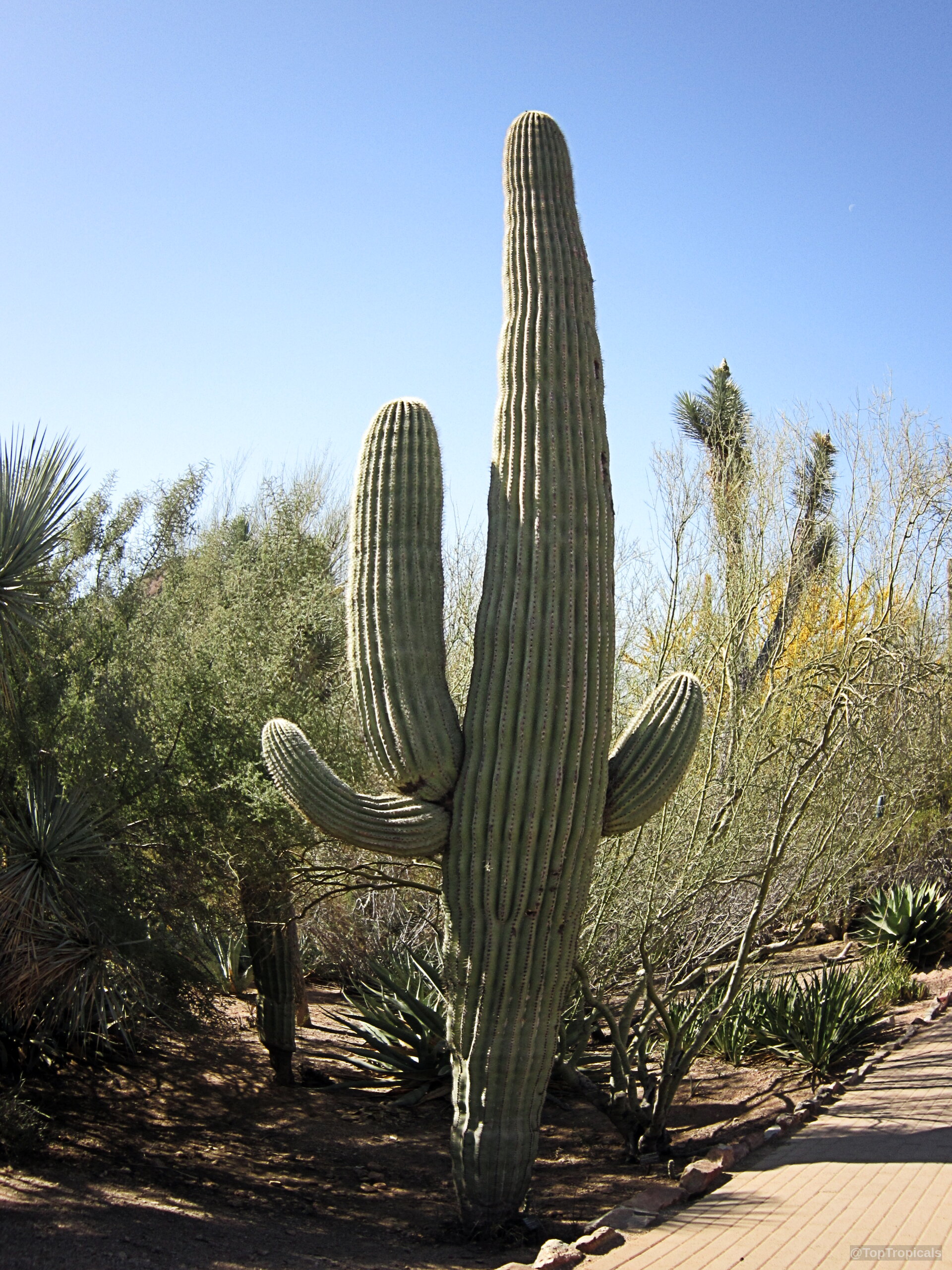
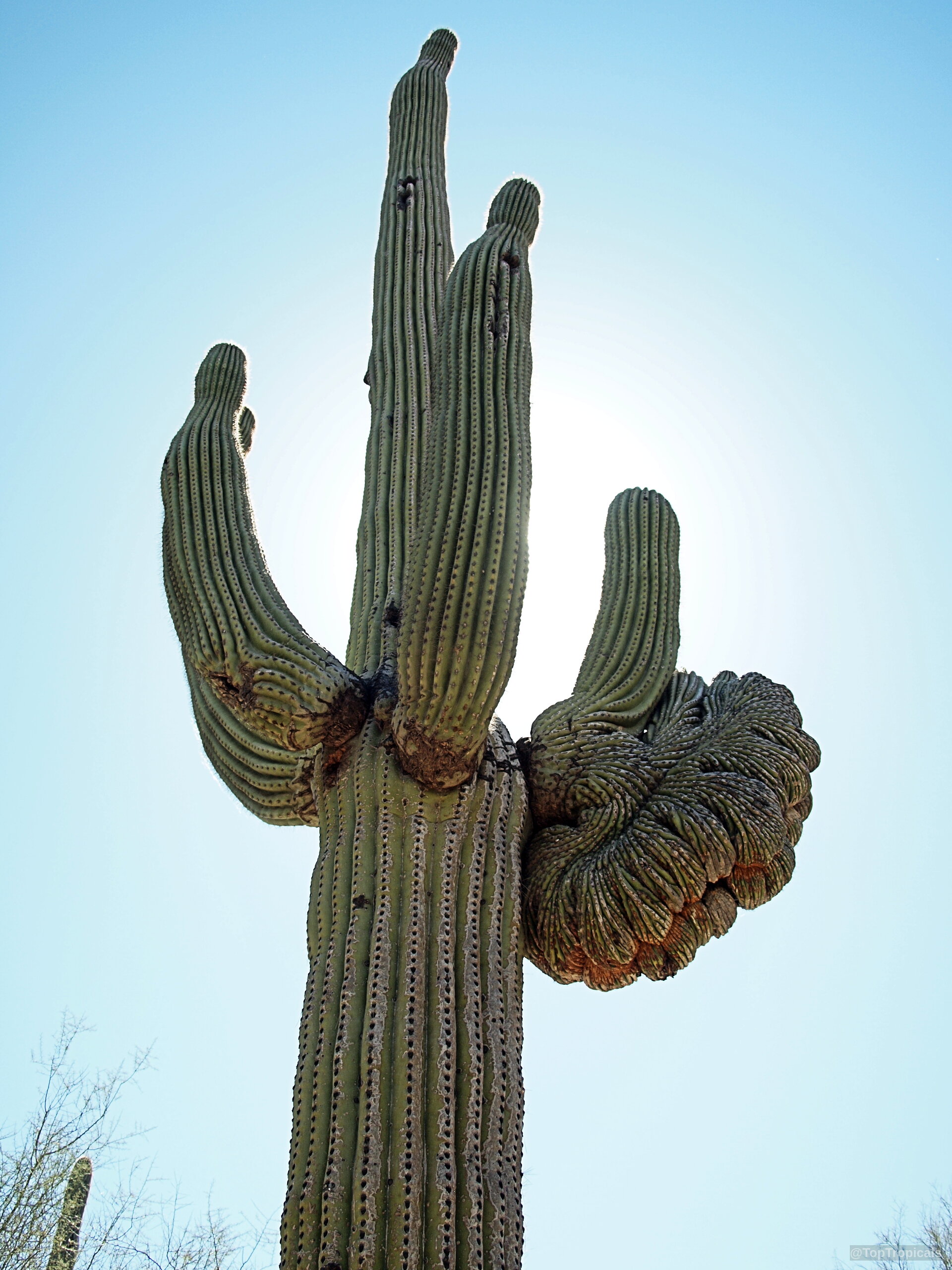
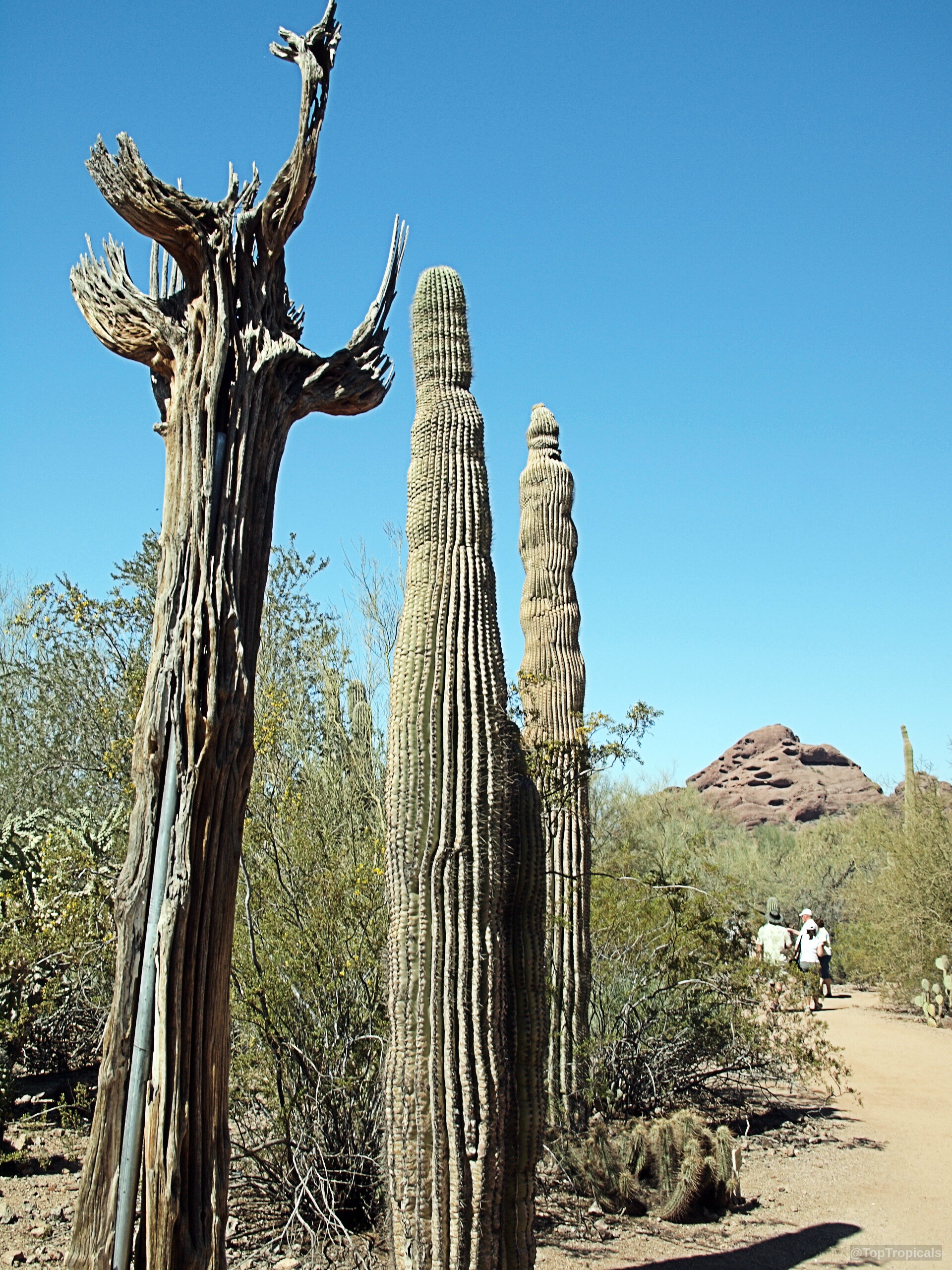
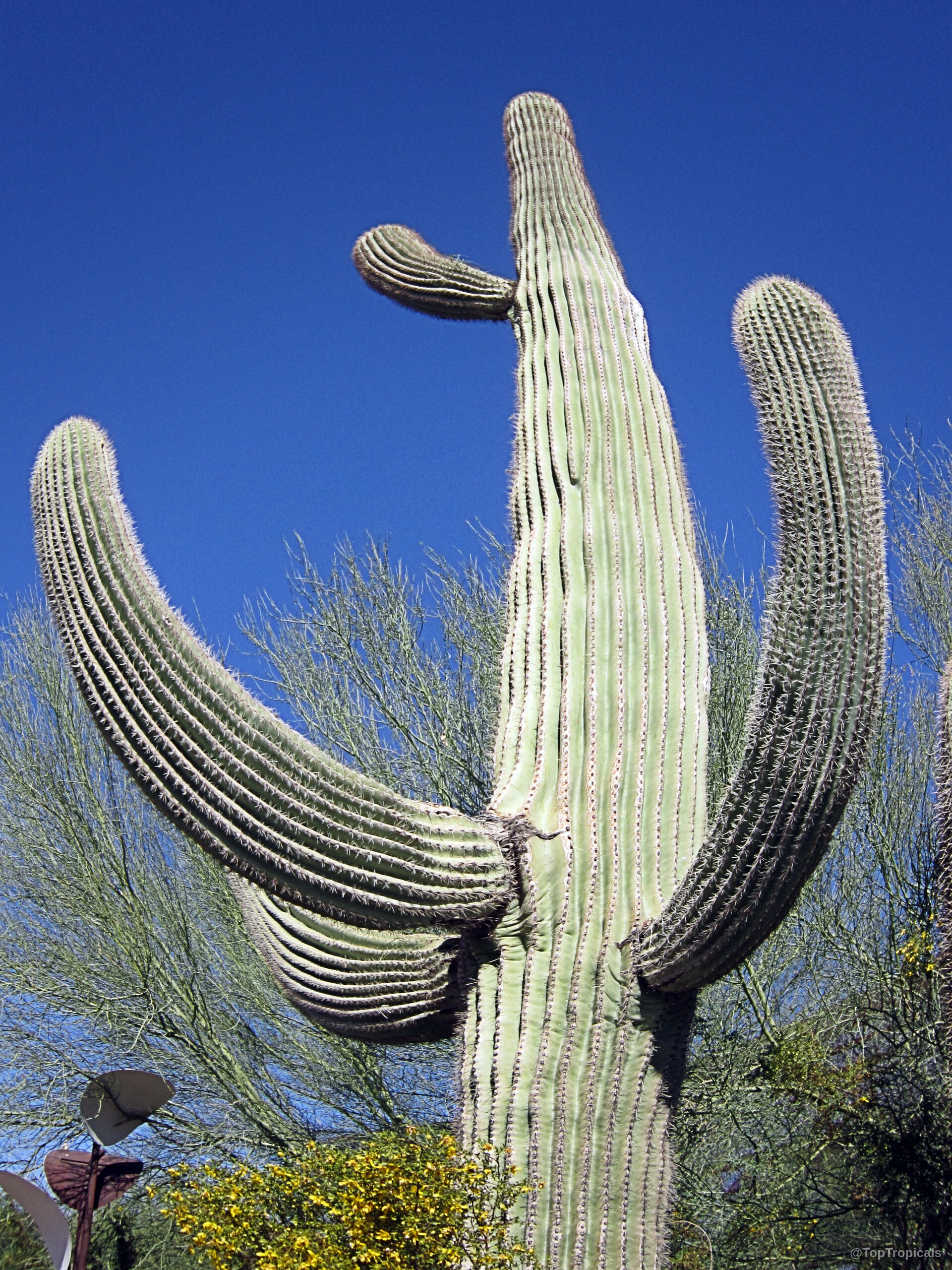
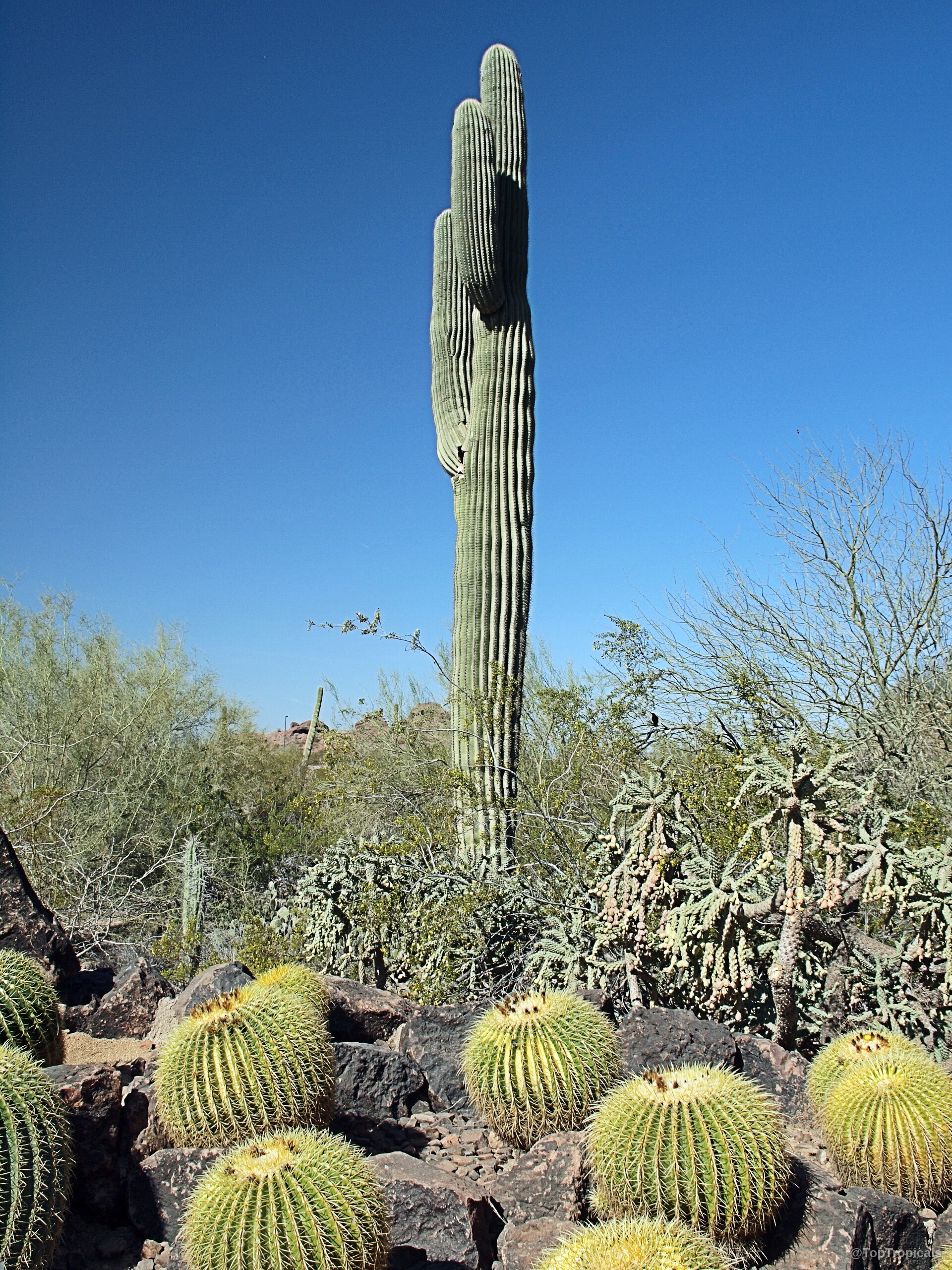
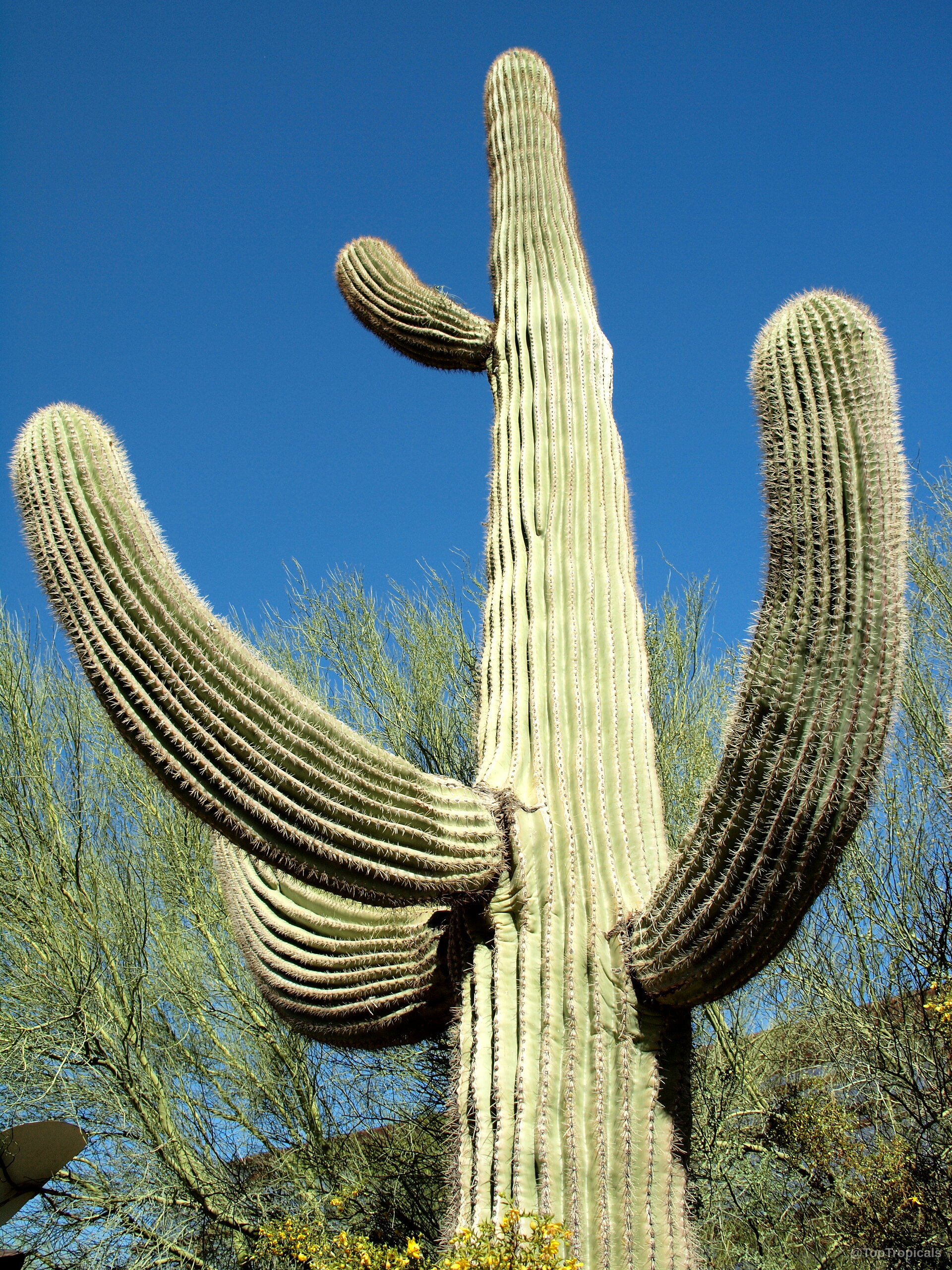
Botanical name: Carnegiea gigantea
Common name: Saguaro
Family: Cactaceae
Origin: Arizona

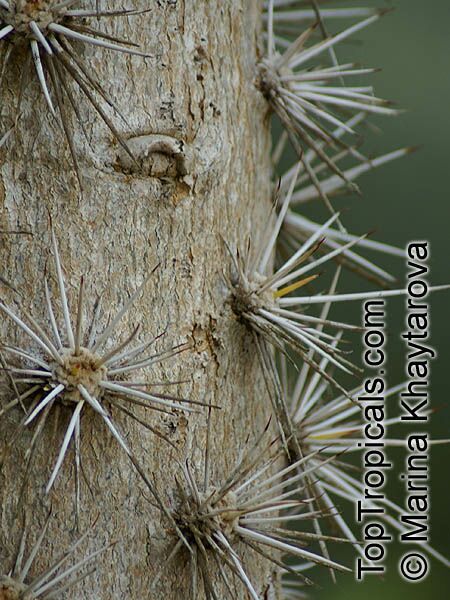
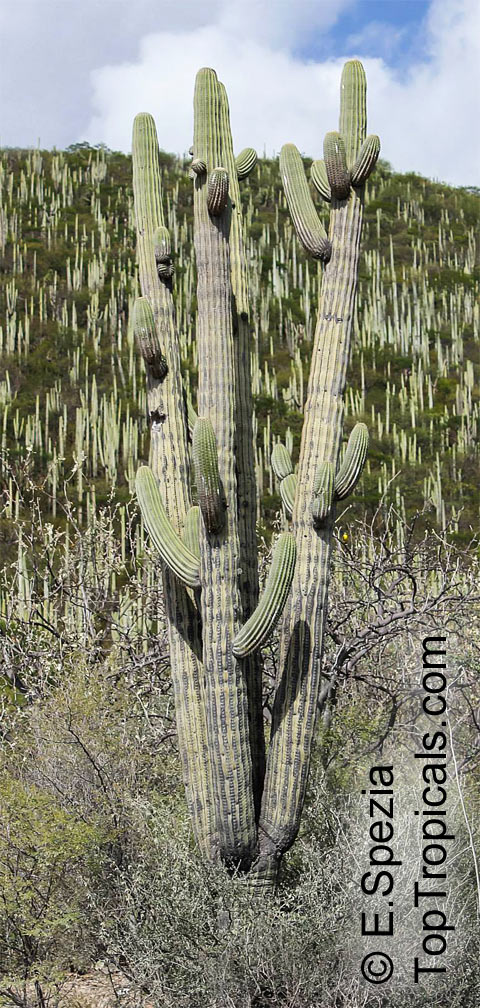
Carnegiea gigantea are typically 10-20 feet high and live for 150-200 years. Although these plants can tolerate some shade, they prefer full sun and well-draining, dry soil conditions. The green fleshy trunks are studded with spines, have reddish-brown spots, and covered with a waxy bluish-white layer for protection. During the spring, off-white flowers bloom on the sides of the stems and attract hummingbirds and butterflies. These flowers are also edible and a traditional food source for Native Americans.
The saguaro is also valued for its edible fruit, which ripen in late spring or summer. These fruits are covered with a thick leathery skin and filled with juicy pulp and several large seeds. The fruit has a sweet, sugary taste and is high in vitamin C and dietary fiber. Saguaro fruits can be made into jams, jellies, and syrups and are a popular treat in the Southwest United States.
In addition to its culinary uses, Saguaro has numerous cultural significance. It is a symbol of the Sonoran Desert and has been featured prominently in films and television series. The saguaro is considered an important medicinal plant and its fruits are used in traditional medicine for various treatments. The fruit also has a long history of being used for its healing properties.
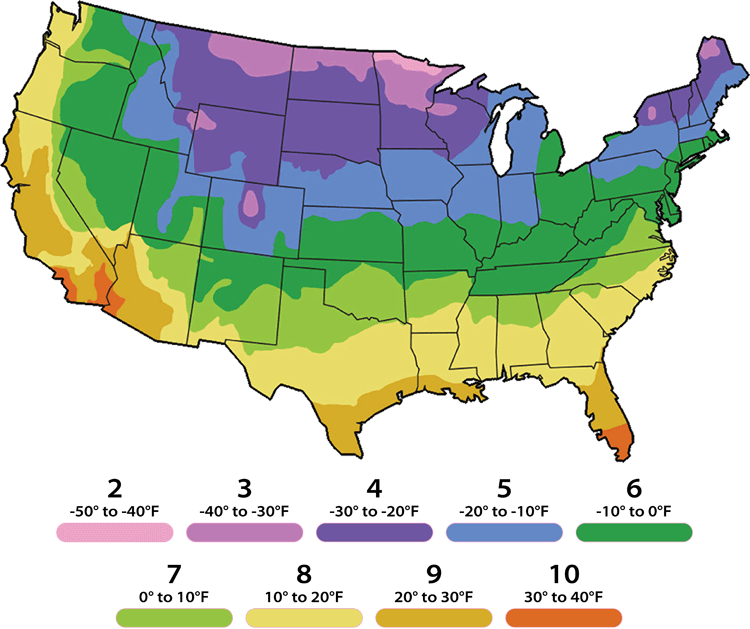
Saguaro can be grown in USDA Zone 9-11 and is easily grown in a pot in cold regions. It requires well-draining soil and full sun in order to thrive. If planted in too much shade, the plant will not flower and may suffer from fungal diseases. To ensure that your saguaro continues to grow and thrive, water it deeply once a month and fertilize it in spring and summer. Make sure to provide a sturdy support for the cactus, as the older specimens can become top-heavy.




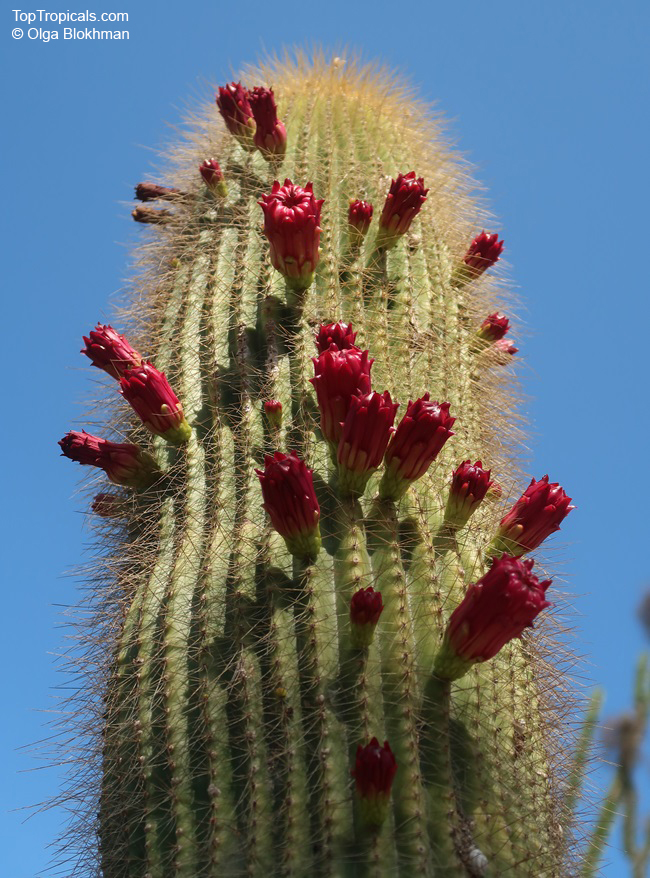
Botanical names: Cephalocereus polylophus, Neobuxbaumia polylopha, Carnegiea polylopha
Common names: Cone Cactus, Wax Cactus, Golden-Spined Saguaro, Golden Saguaro
Family: Cactaceae
Origin: Mexico
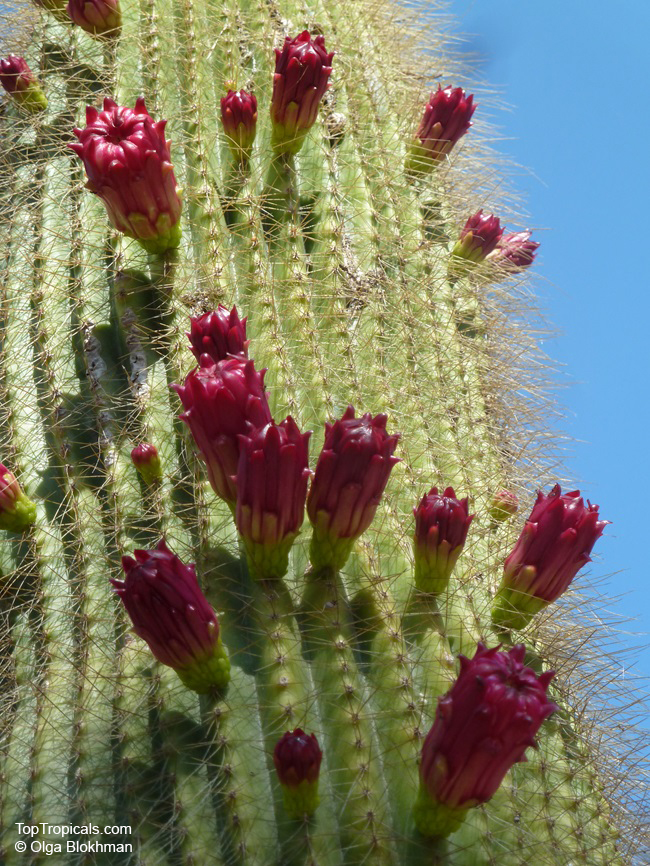
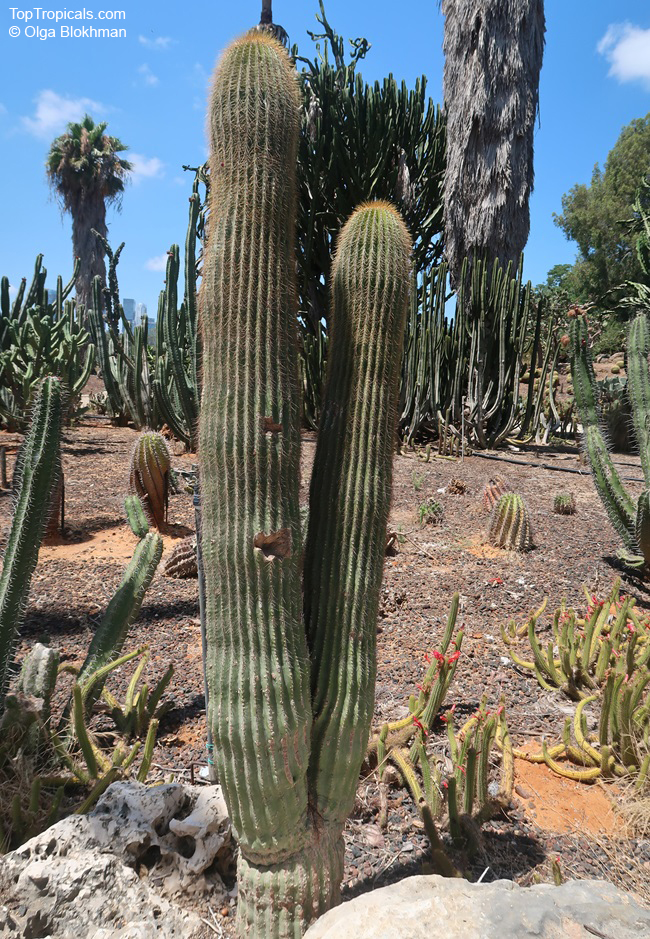
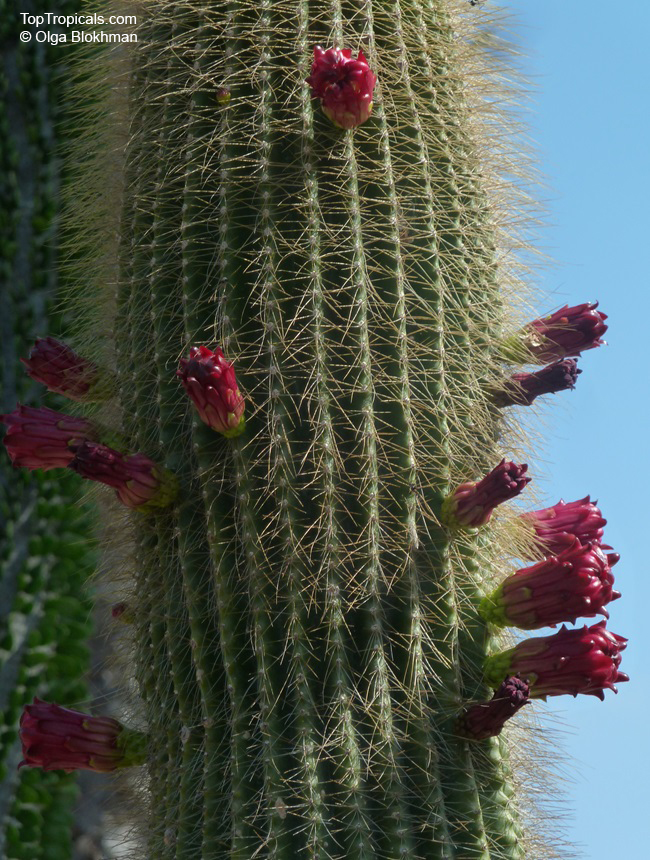
Cephalocereus polylophus is a fascinating cactus with a unique appearance, making it a popular choice for cactus enthusiasts and gardeners interested in desert plants.
The cactus is well-adapted to hot, dry climates and can tolerate high temperatures and intense sunlight. The fruits are edible by humans and have a delicate, nutty flavor.
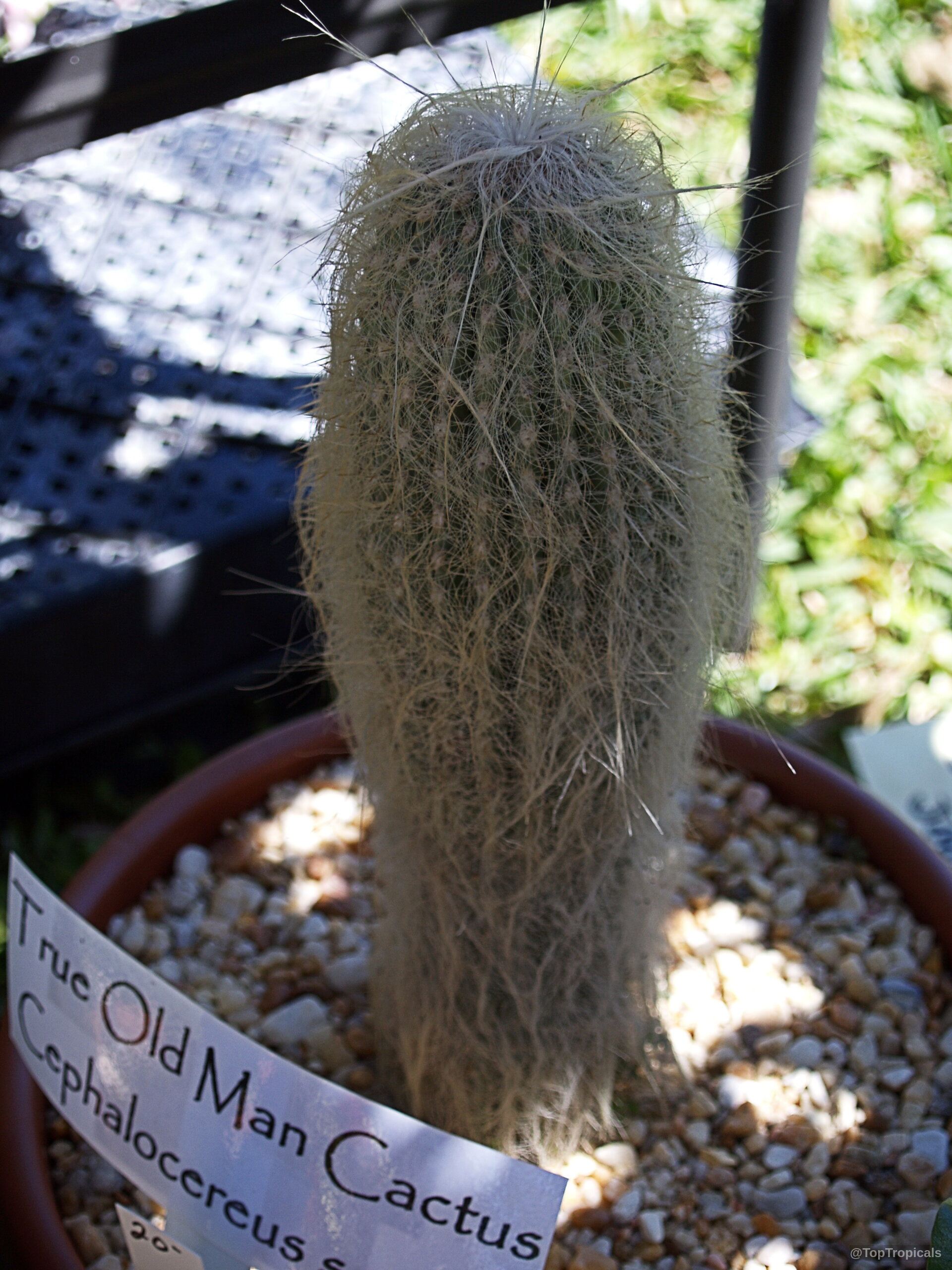
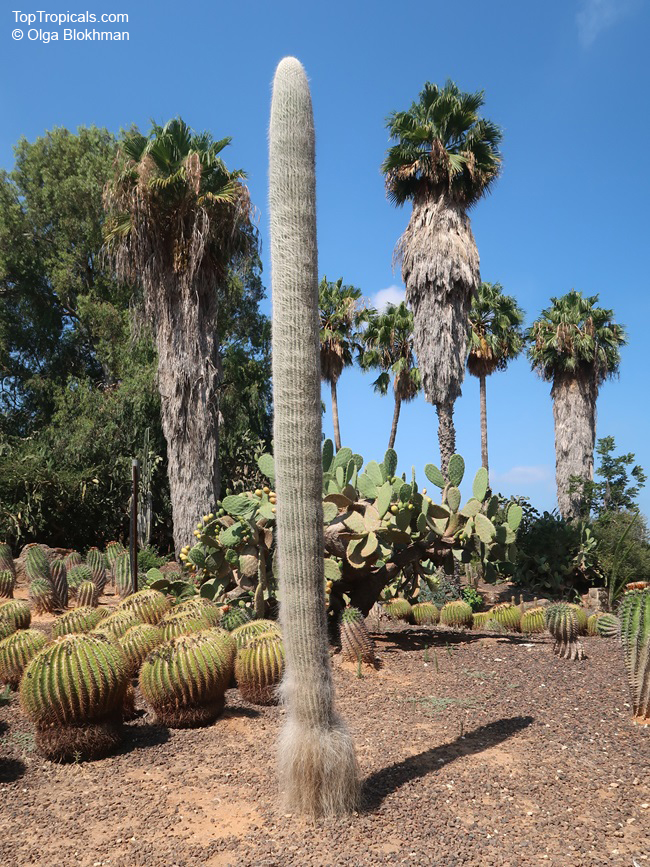
Botanical name: Cephalocereus senilis
Common name: Old Man Cactus
Family: Cactaceae
Origin: Mexico
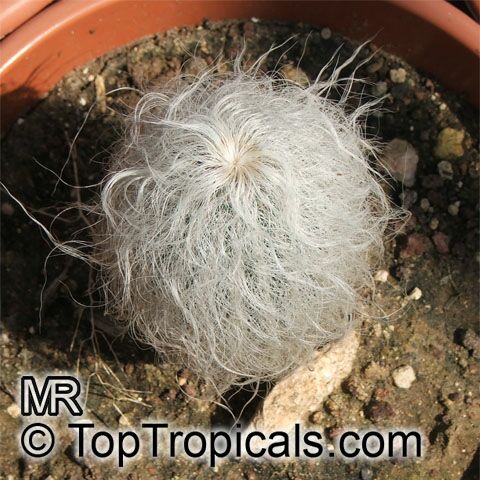
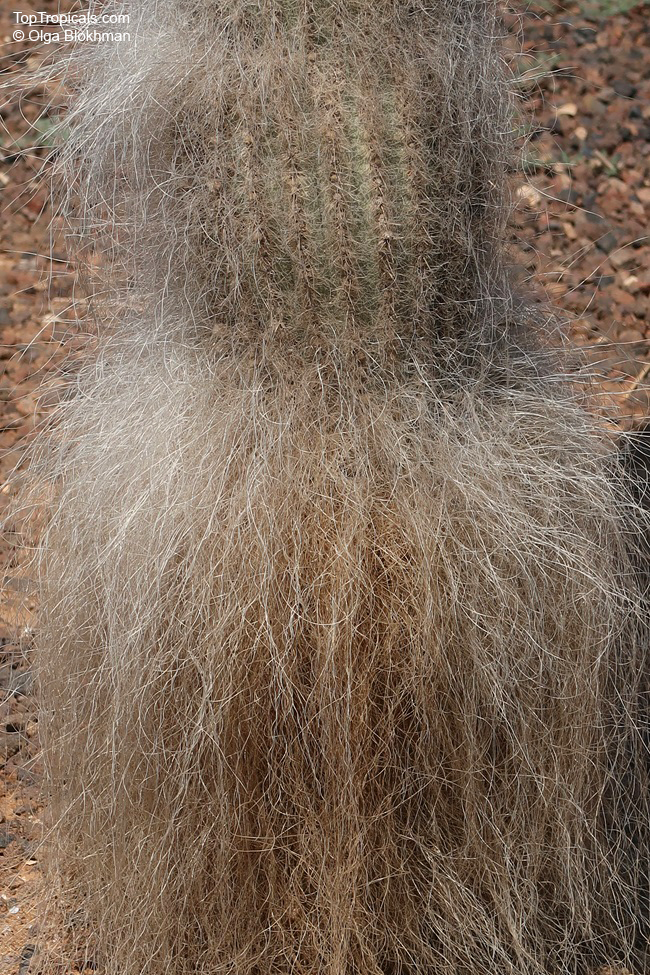
Cephalocereus senilis is a very popular cactus in cultivation due to its woolly appearance. It grows in a small tree-like form, reaching heights of 10-20 feet and is native to Mexico. The distinctive stem of Cephalocereus senilis is topped with long, thick hair-like spines or thorns, typically in a white coloration.
This cactus is perfect for those looking for a low-maintenance addition to their garden as it tolerates full sun and even moderate water in the right conditions. It grows best in slightly dry conditions, so you won't have to fuss over it too much. Though be warned: during cold winter temperatures, the plant should be protected, particularly when young.
Additionally, Cephalocereus senilis can thrive in pots with the appropriate care. When placed outdoors, it enjoys a full sun position, although it can tolerate some shade. The soil should be both well-draining and slightly damp but not waterlogged. Typically, it needs watering about once a month. In areas with cold winters, pots should be brought indoors to a sheltered spot.
For optimal growth, the cactus should be fertilized with an appropriate cacti fertilizer two or three times a year. As the cactus grows, it may need to be pruned to maintain its desired shape and size.
Cephalocereus senilis is a slow-growing cactus, with a consistent size across its range. It is hardy in USDA Zones 9-11, and its sharp spines act as a strong deterrent to any wildlife or critters looking to make a snack of it. With a few simple steps and tips, Cephalocereus senilis is an easy cactus to grow in most places.
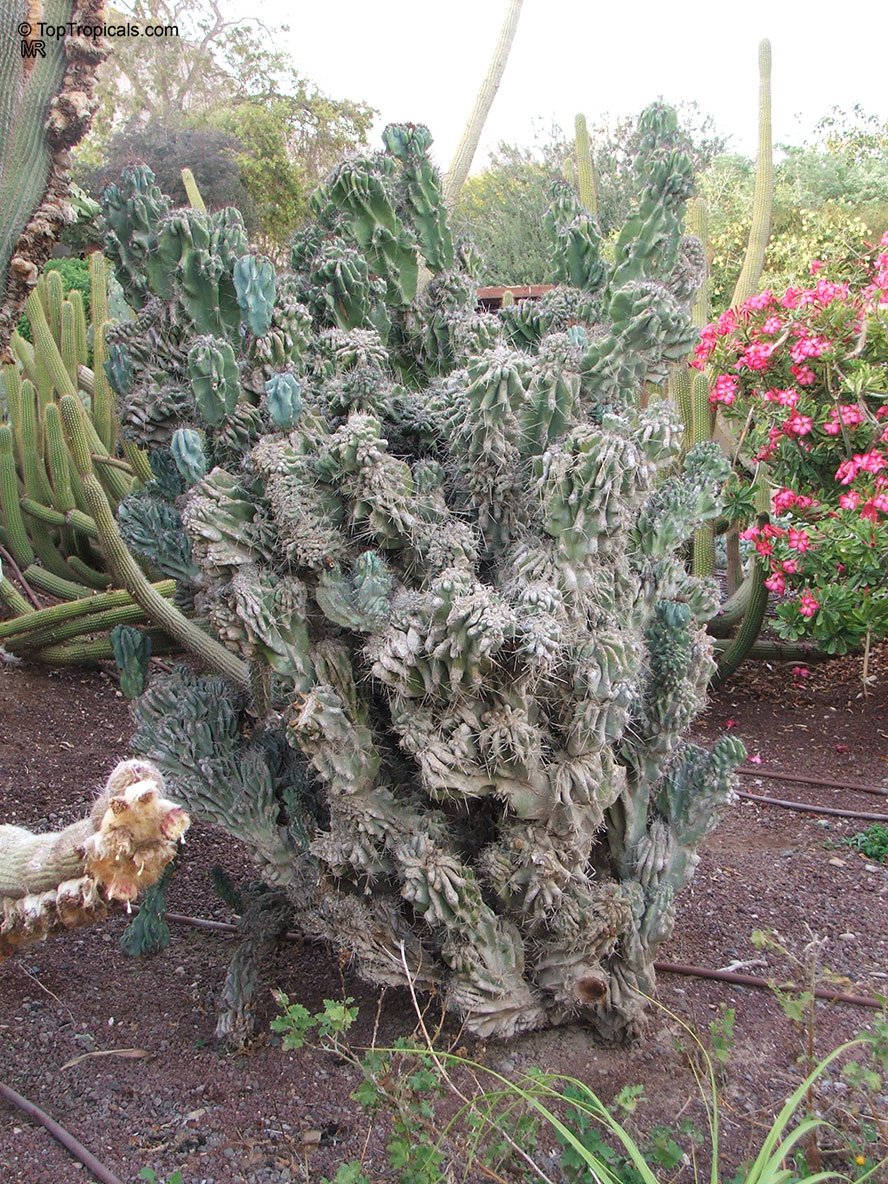
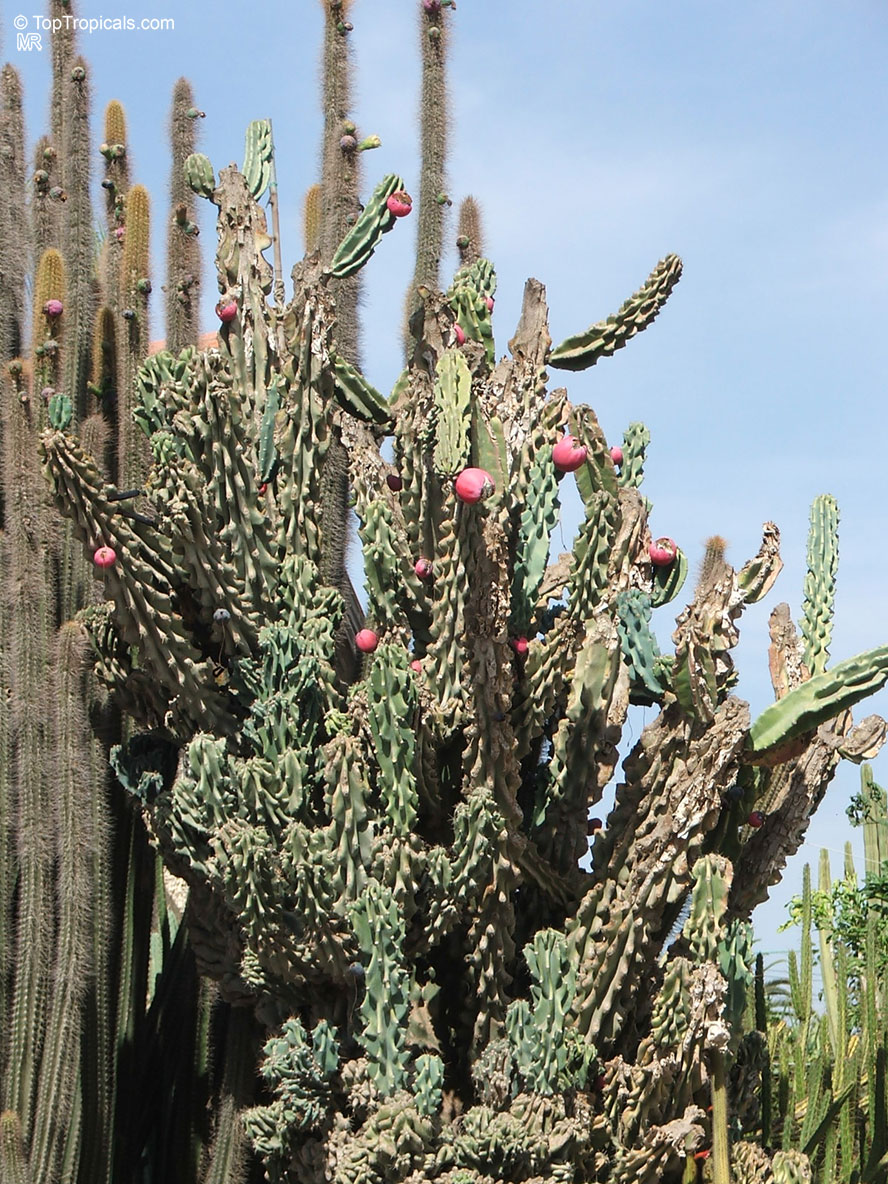
Botanical name: Cereus forbesii
Common name: Forbes cactus
Family: Cactaceae
Origin: Argentine
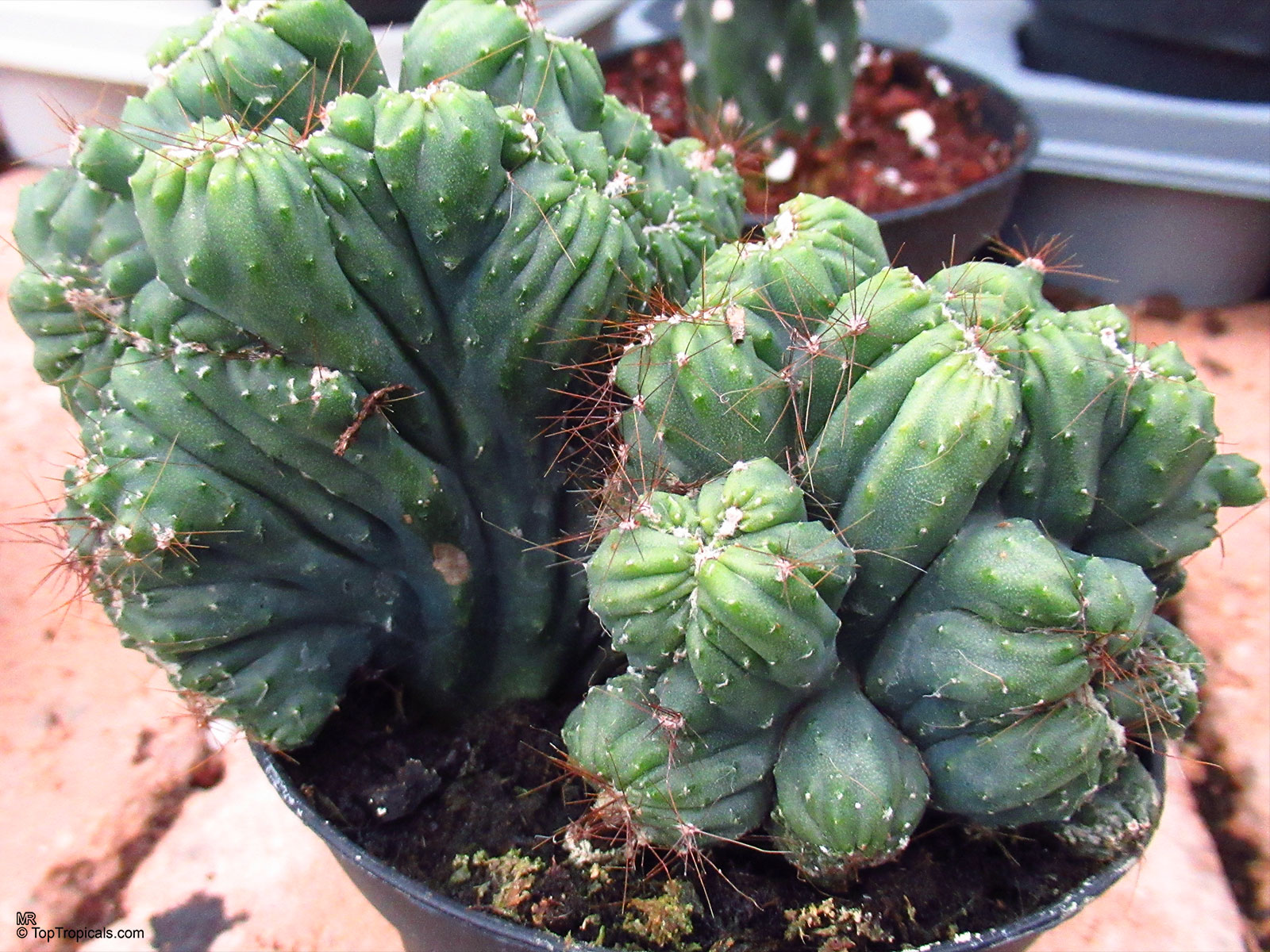
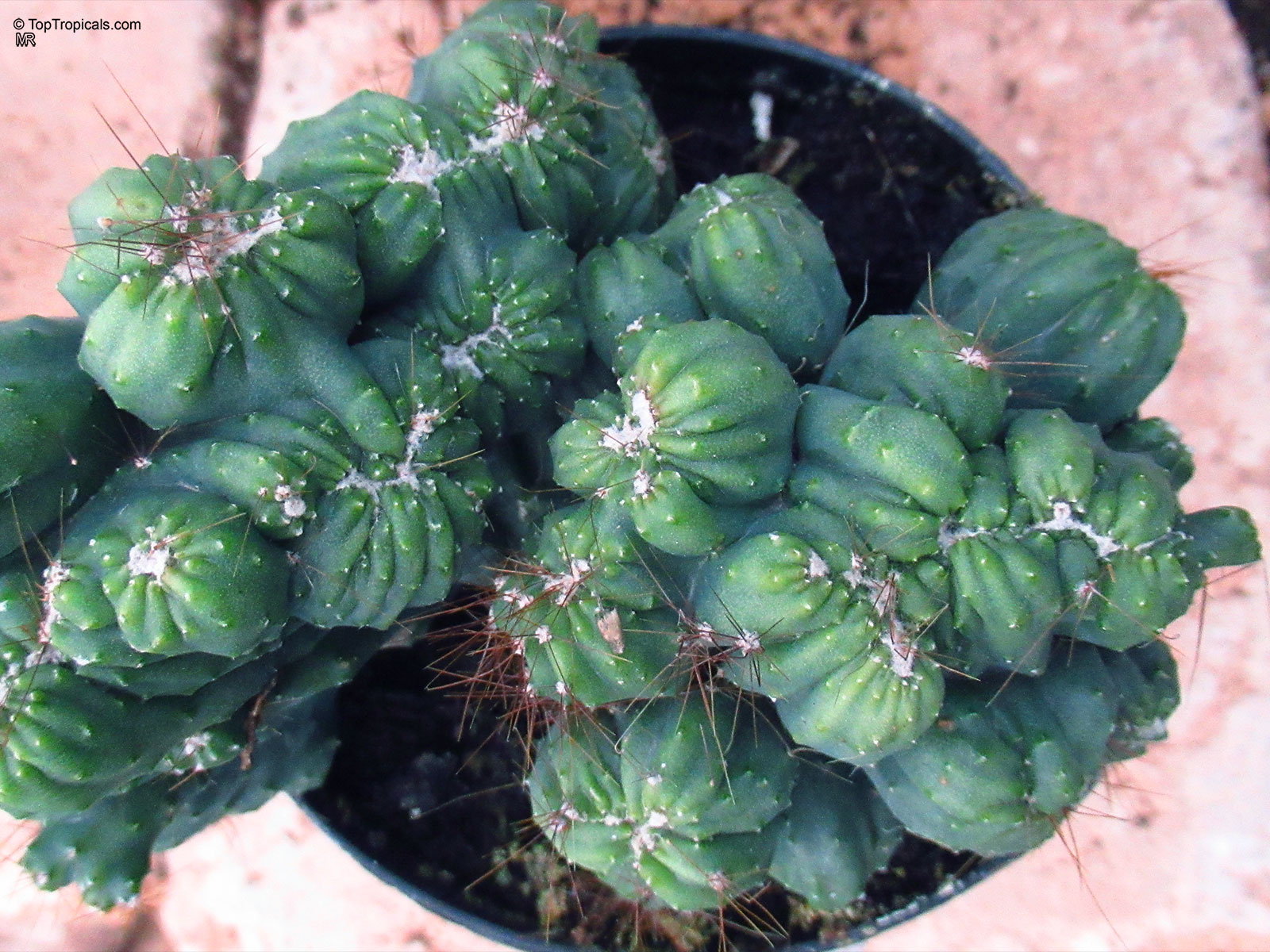
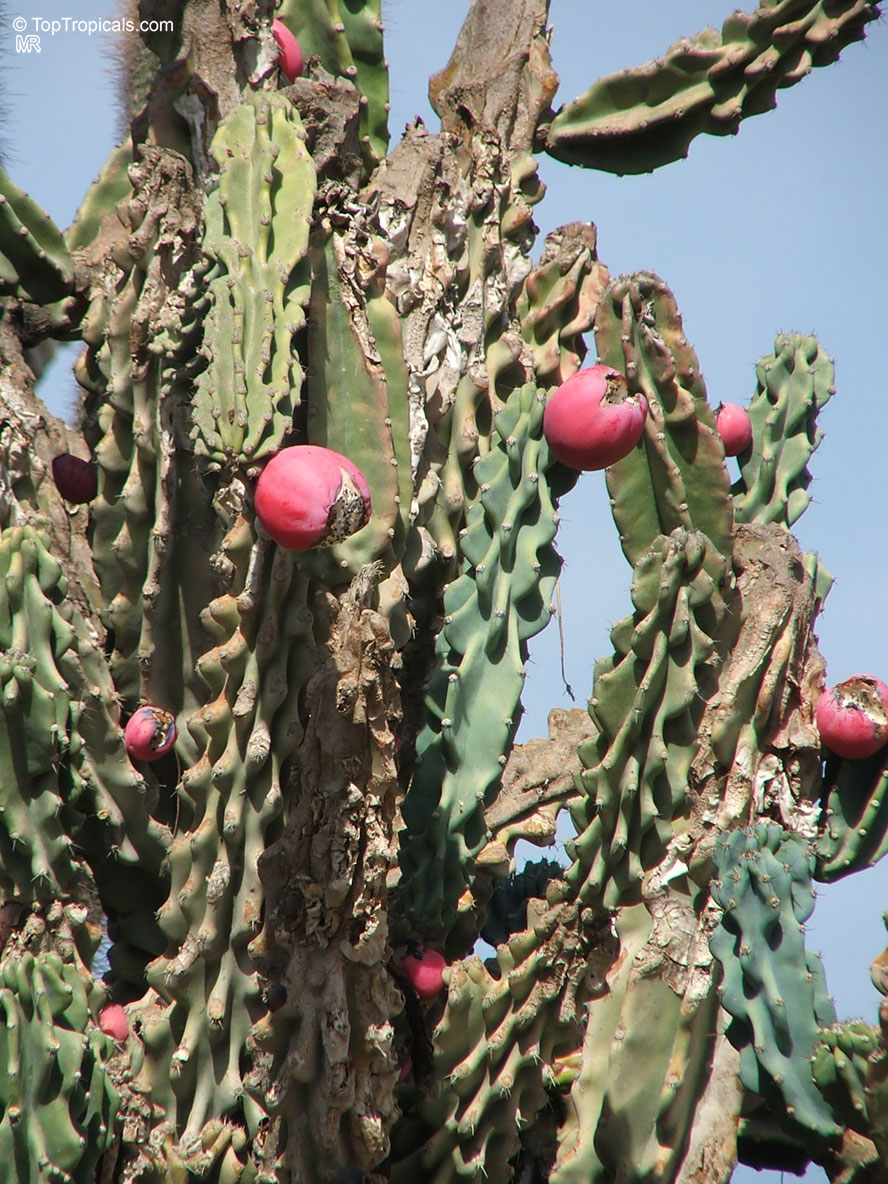
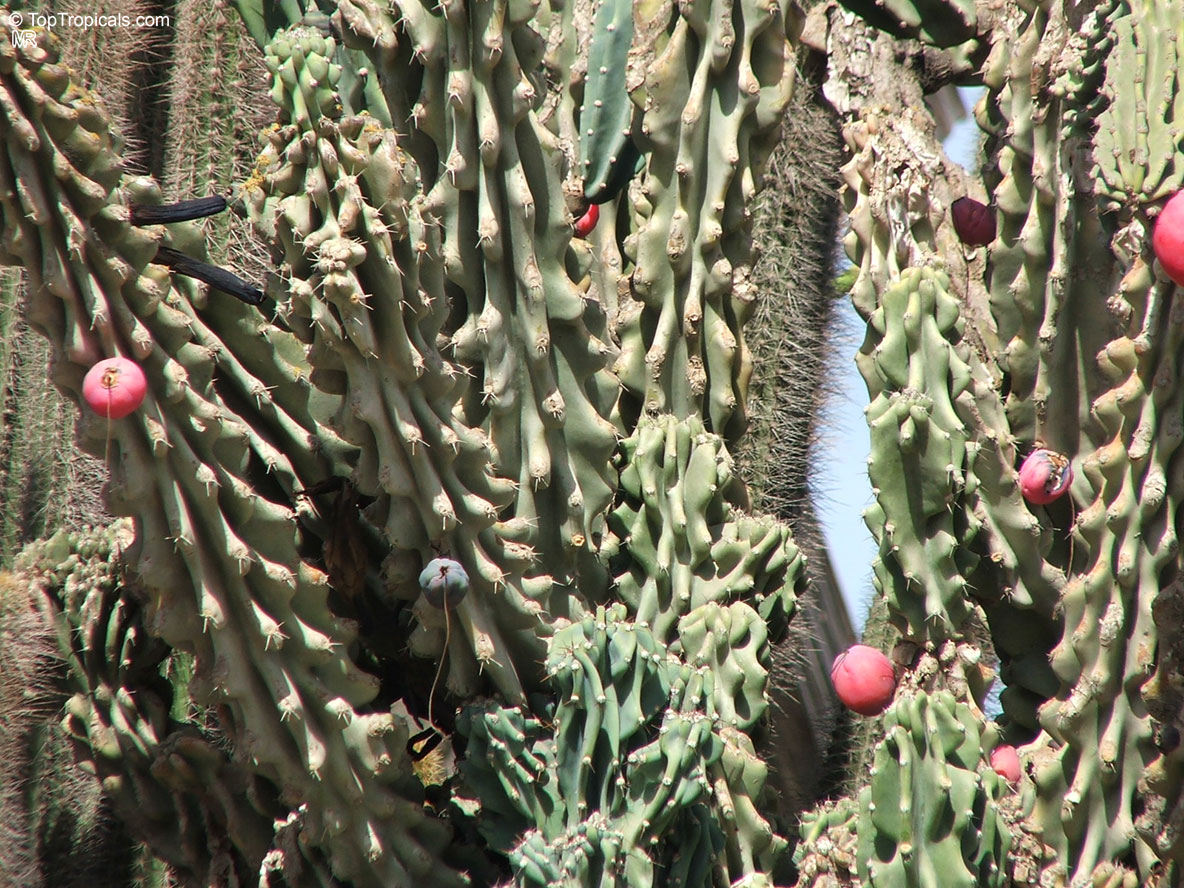
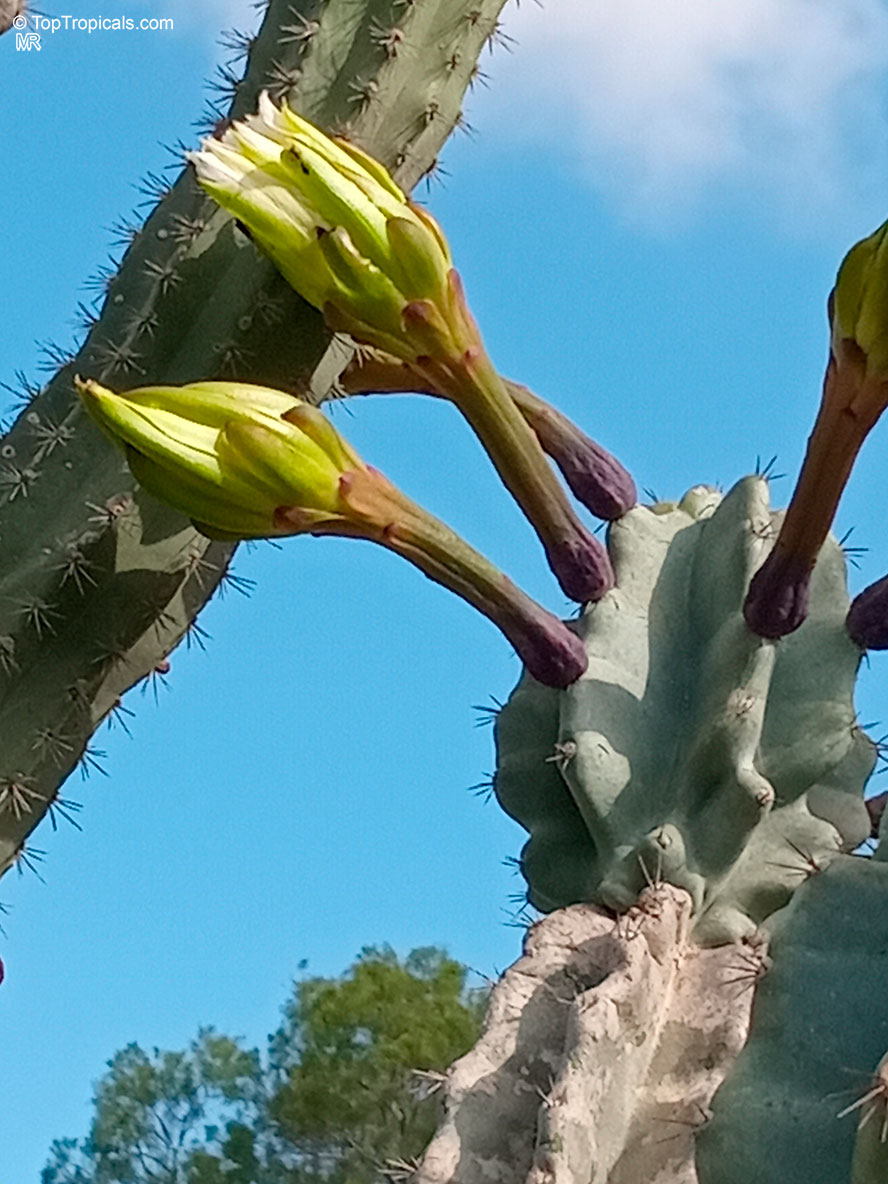
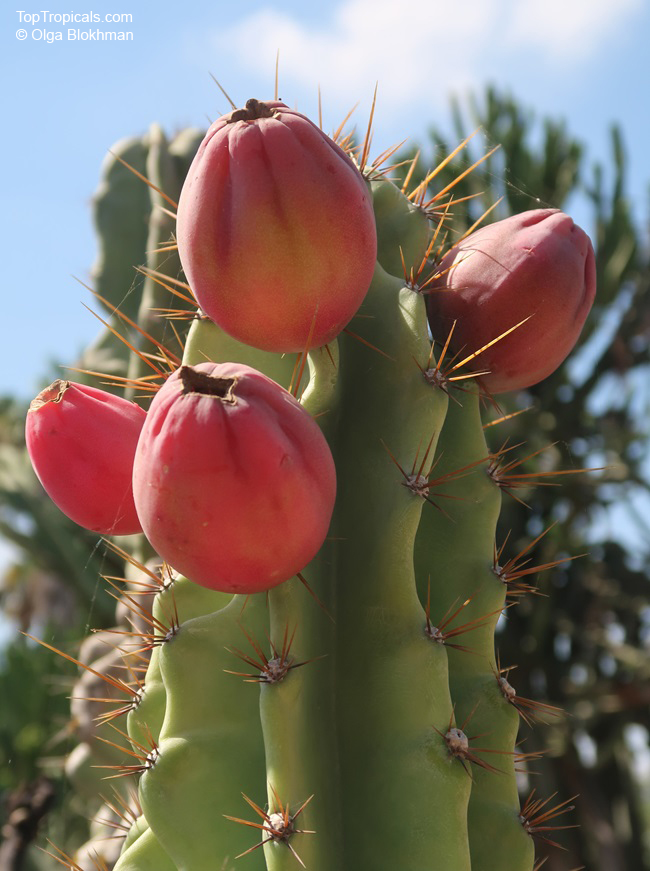
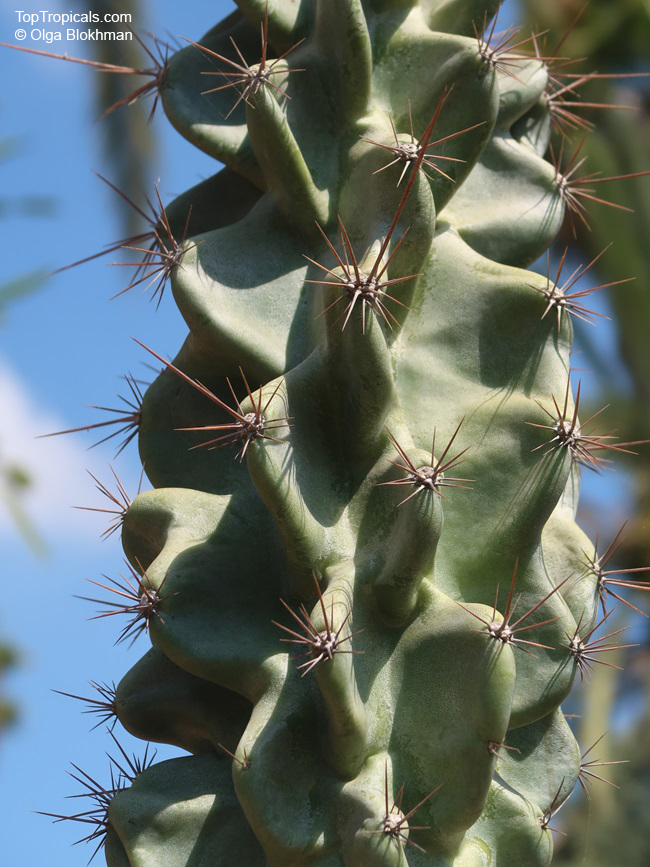
Cereus forbesii is a columnar cactus from arid South America, forming upright blue-green stems that adapt well to full sun and fast-draining soils.
The typical species is less widely grown than its unusual horticultural forms.
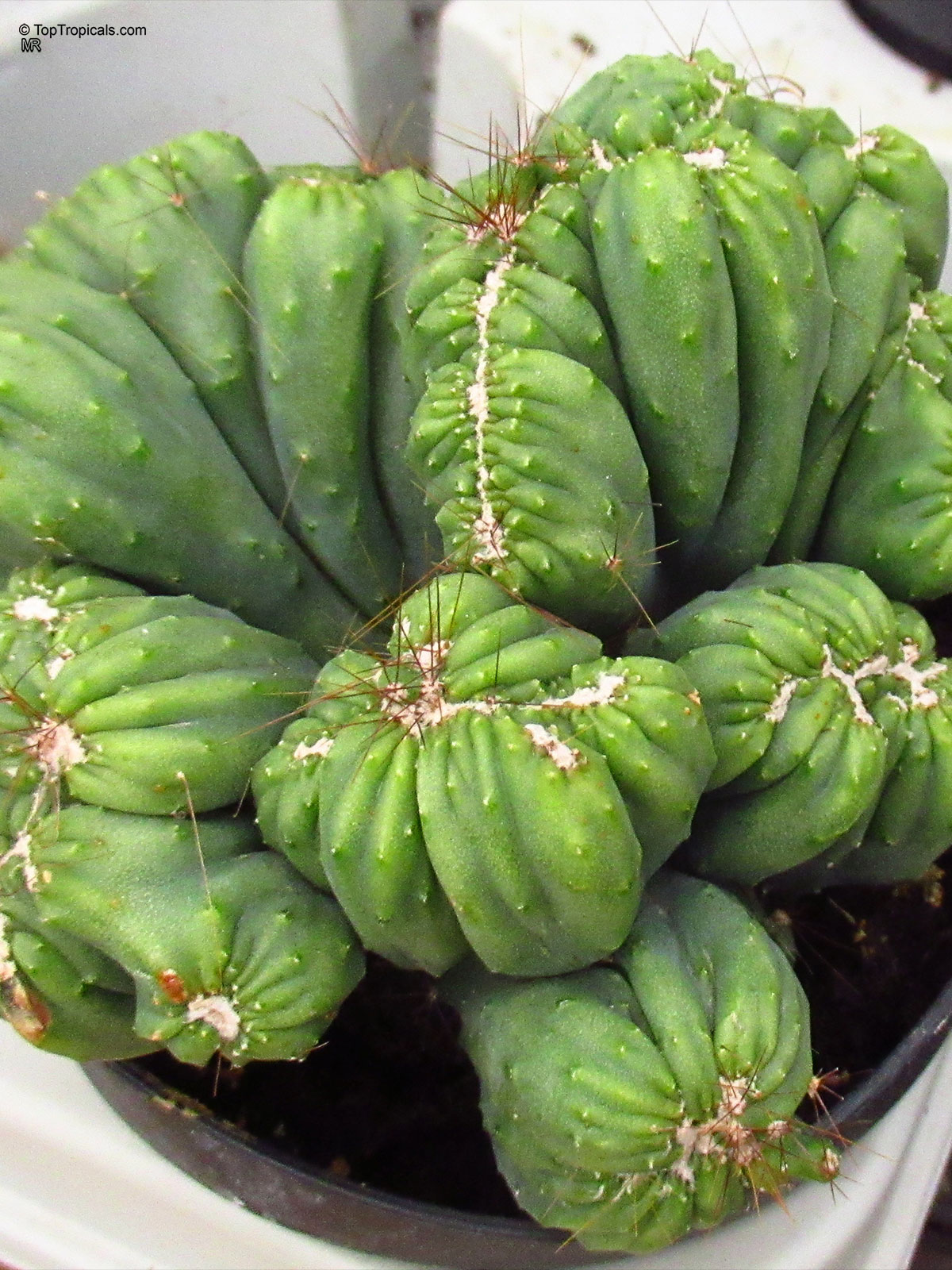
What makes the cultivars of Cereus forbesii distinctive?
Several cultivated forms have become far more recognizable than the standard species. Cereus forbesii Ming Thing is a well-known monstrose selection with irregular clustered growth, while Cereus forbesii Spiralis develops dramatic vertical spiraling stems that make it a striking architectural specimen. Both forms thrive in warm, dry conditions and are favored in collections for their unusual shapes and strong visual presence.
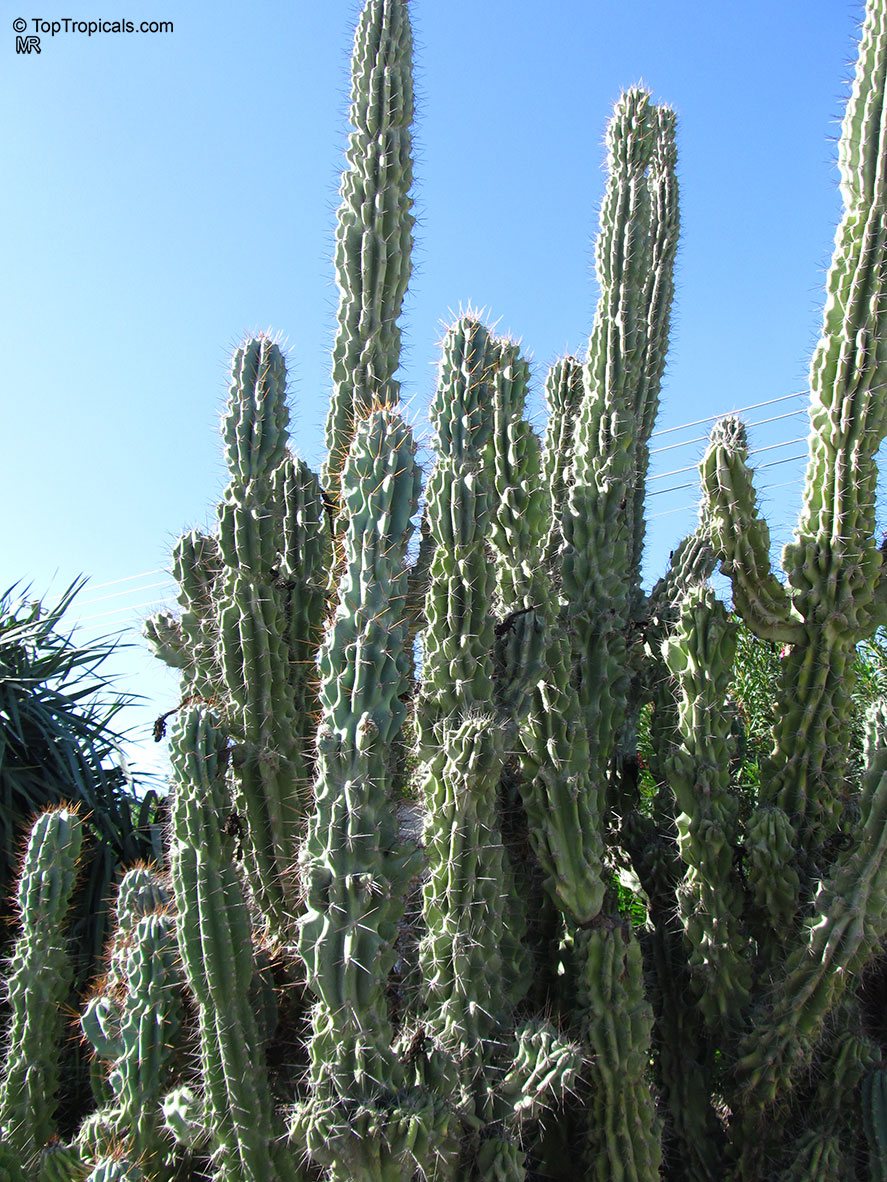
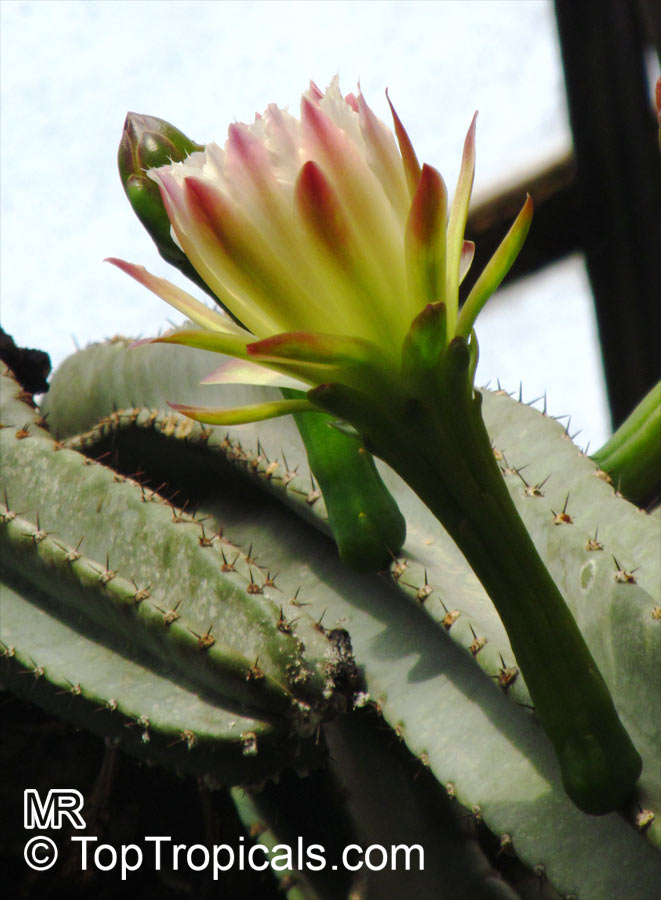
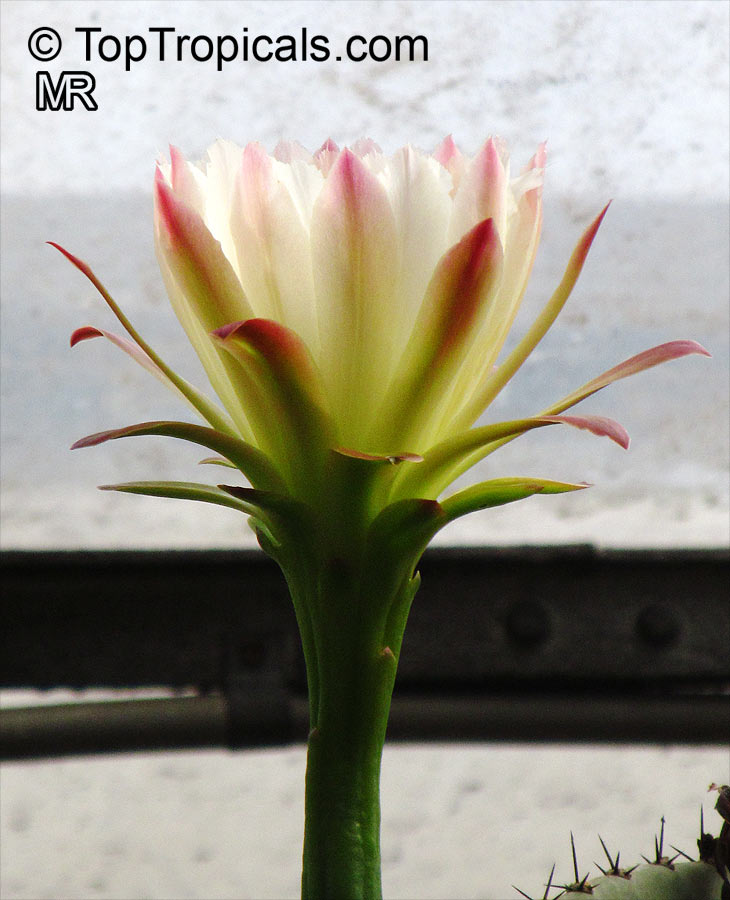
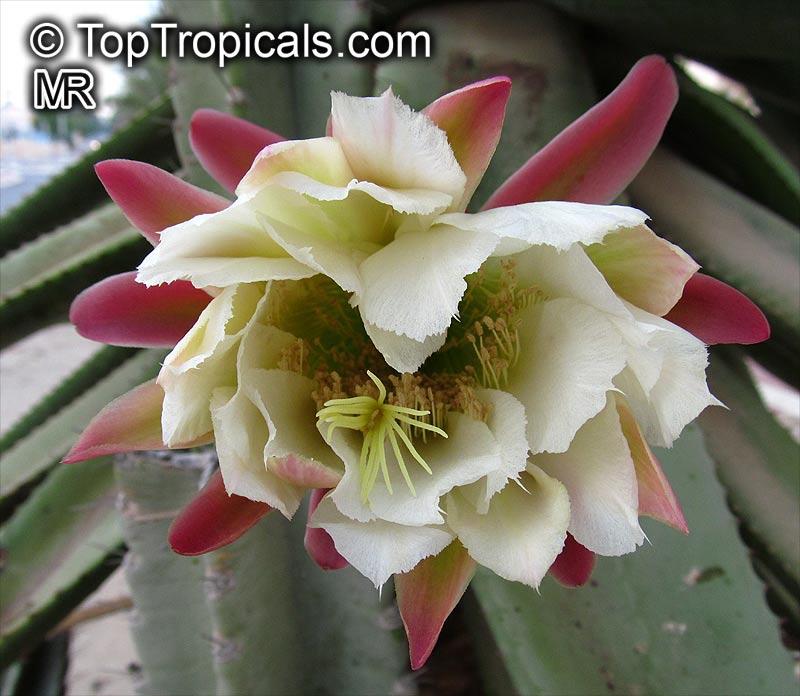
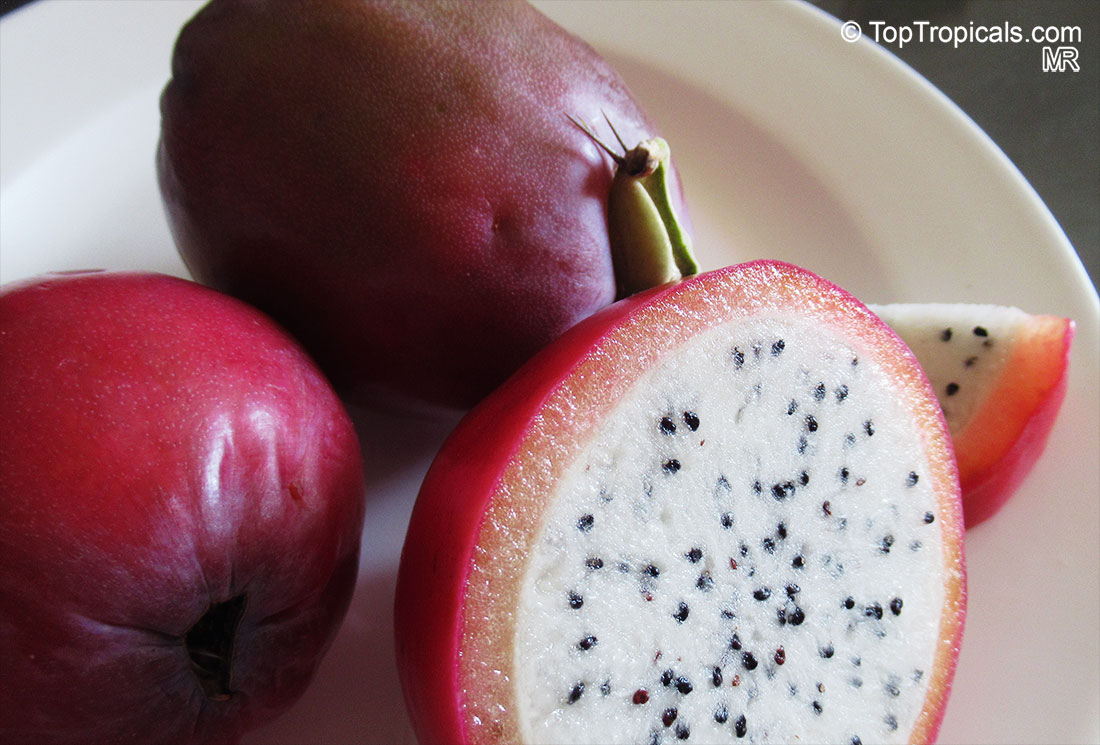
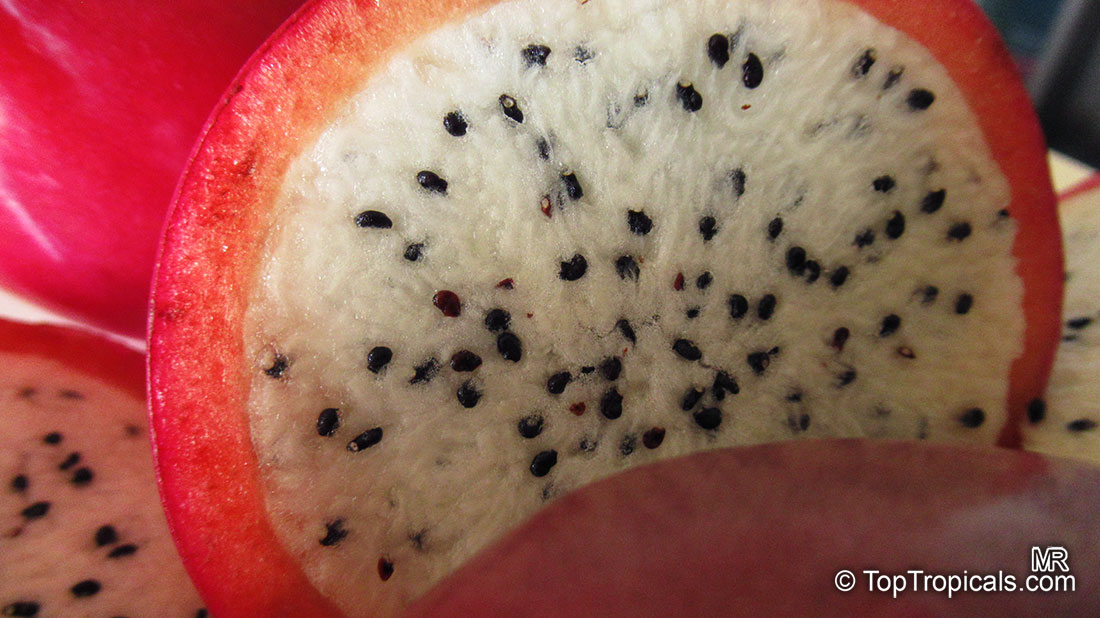
Botanical names: Cereus peruvianus, Cereus repandus
Common names: Night Blooming Cereus, Peruvian Apple, Column Cactus, Apple Cactus
Family: Cactaceae
Origin: South America
Hardiness: 30°F
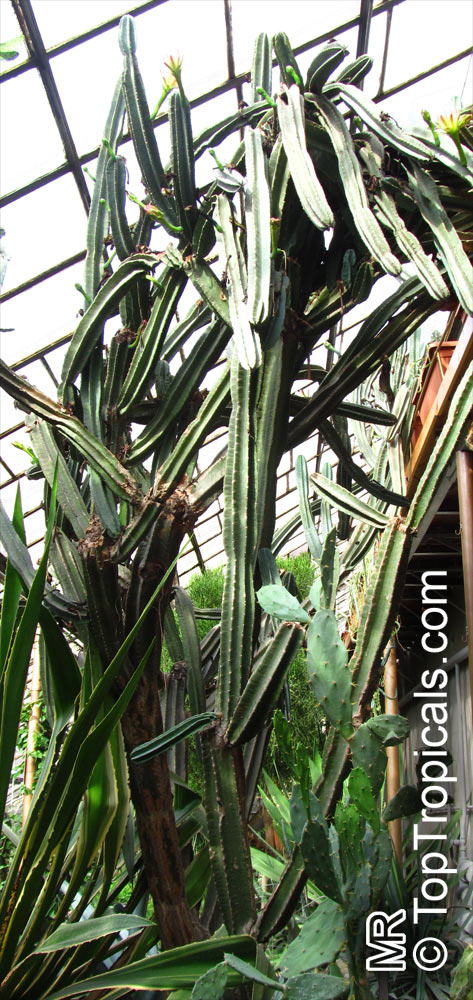
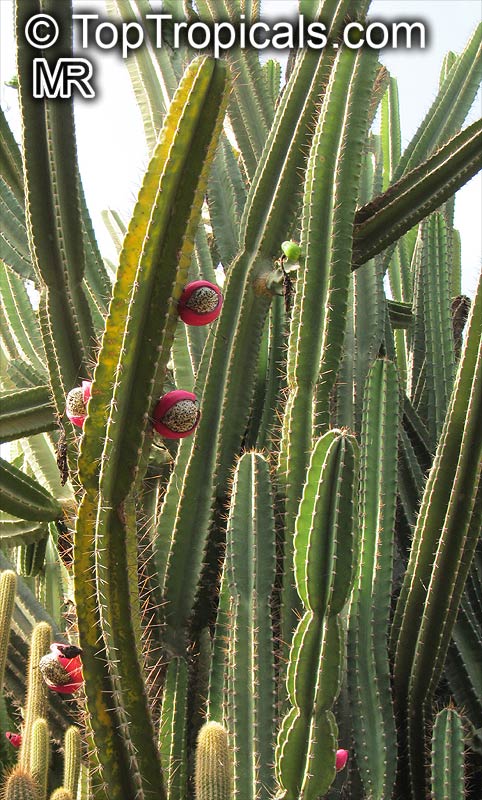
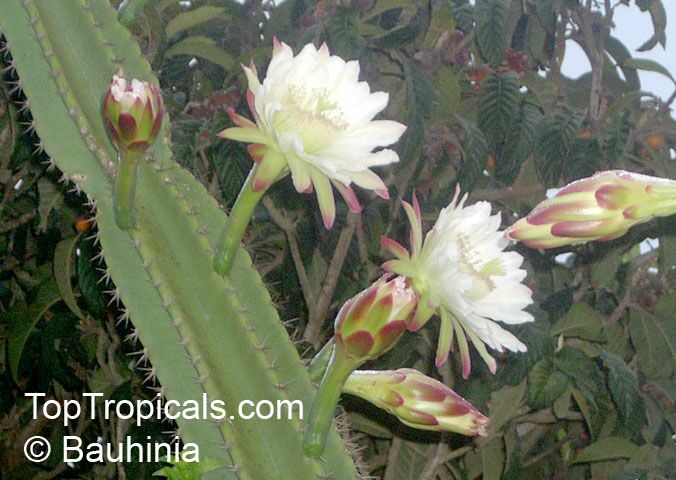
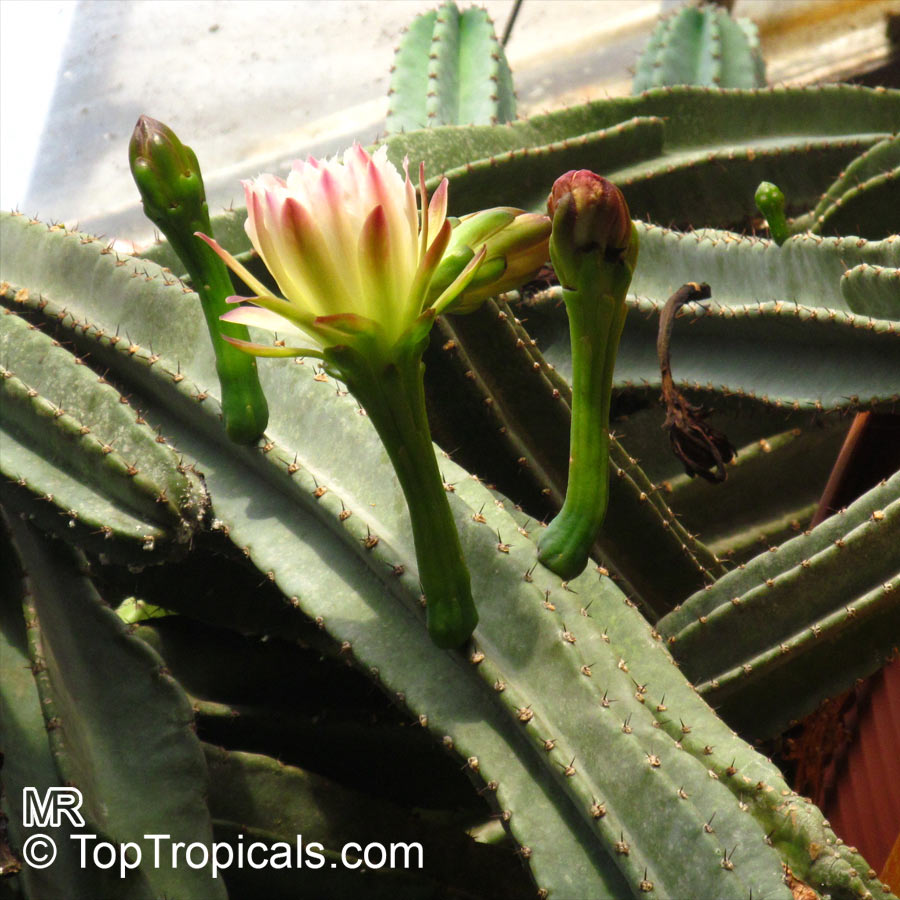
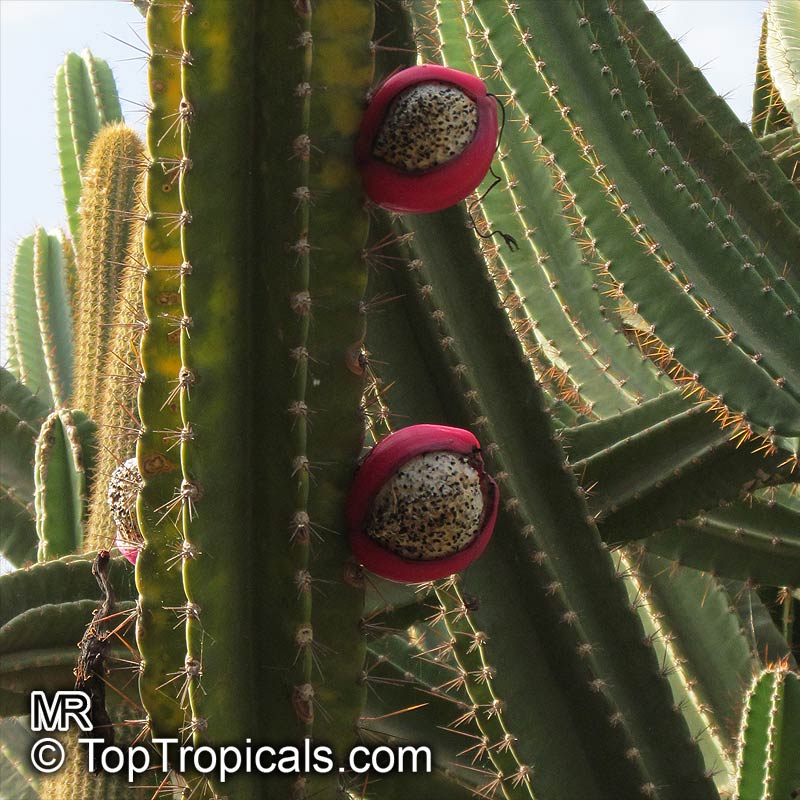
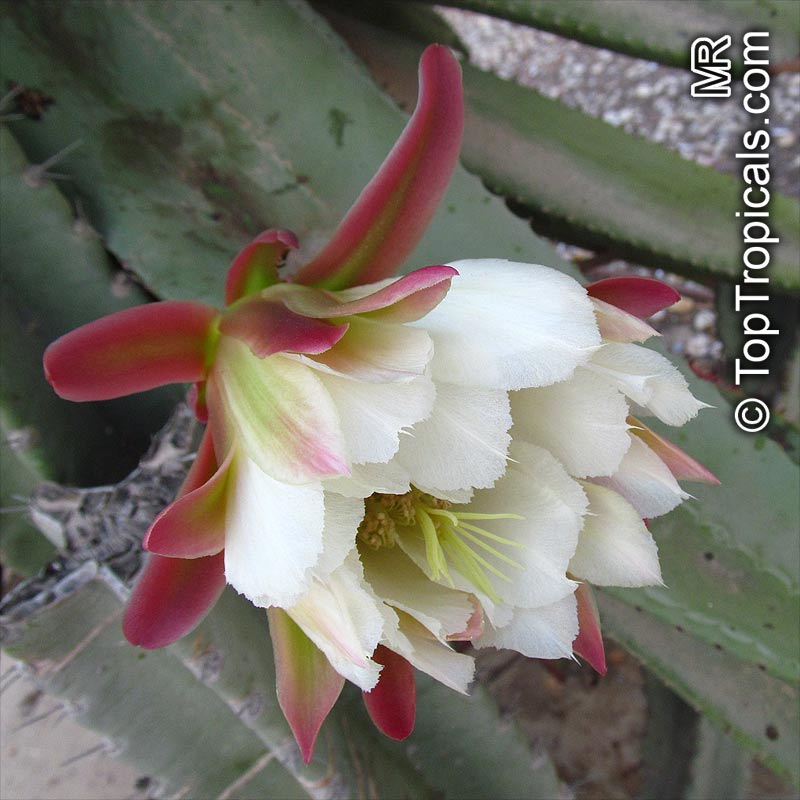
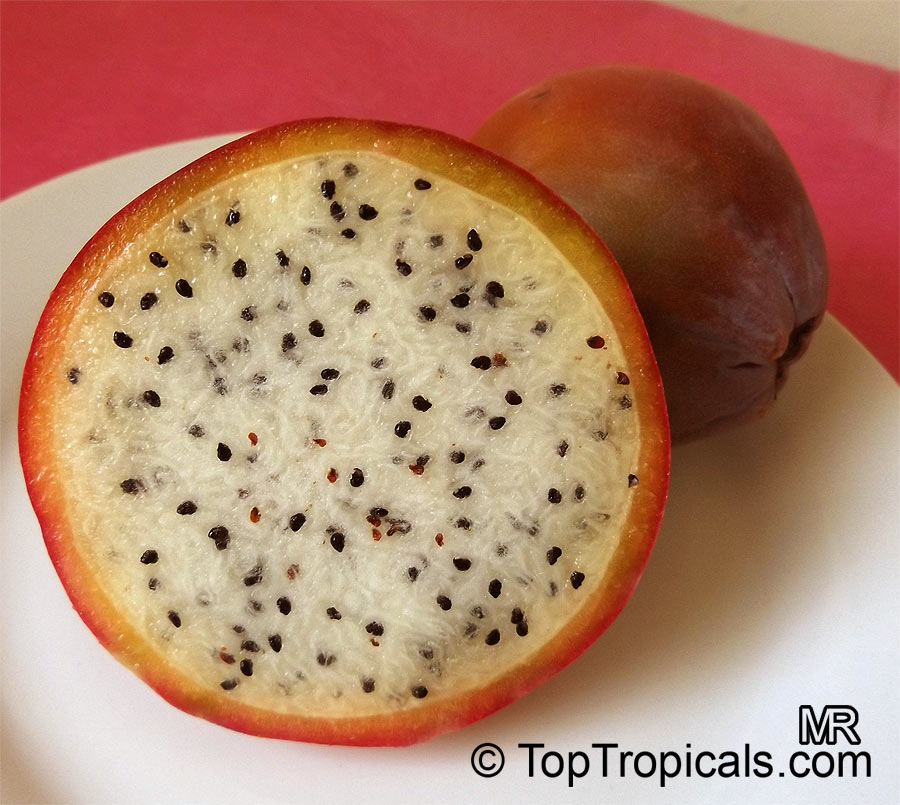
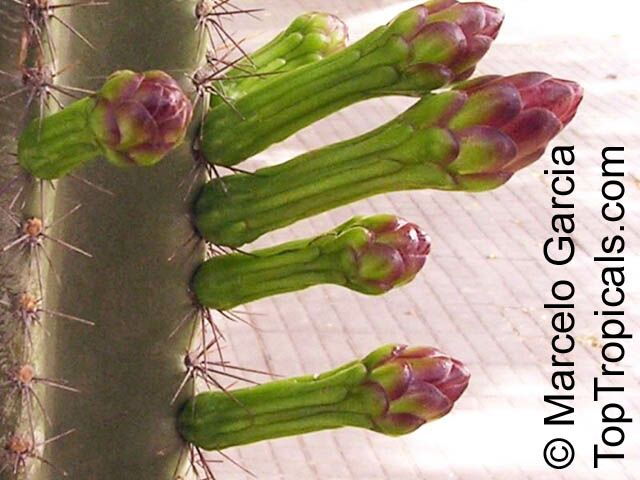
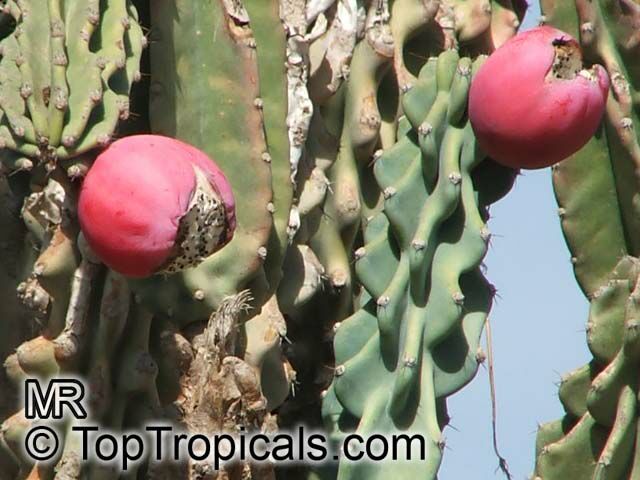
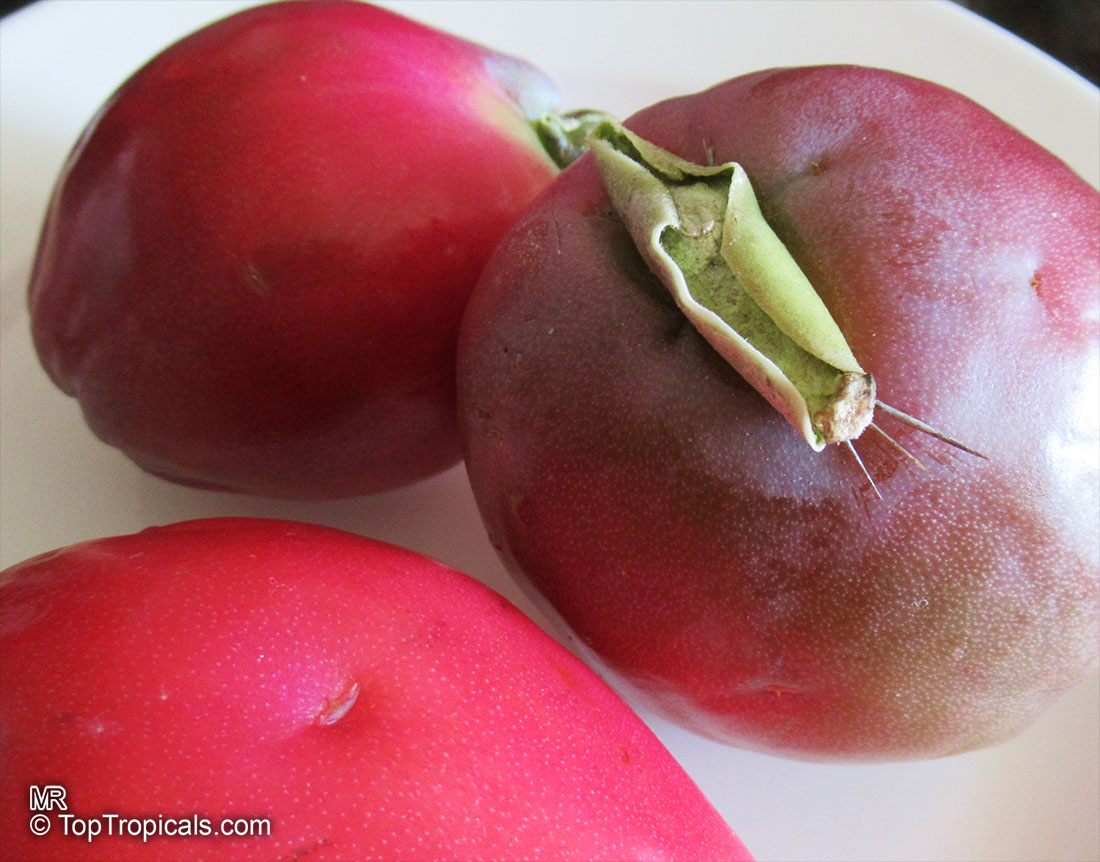
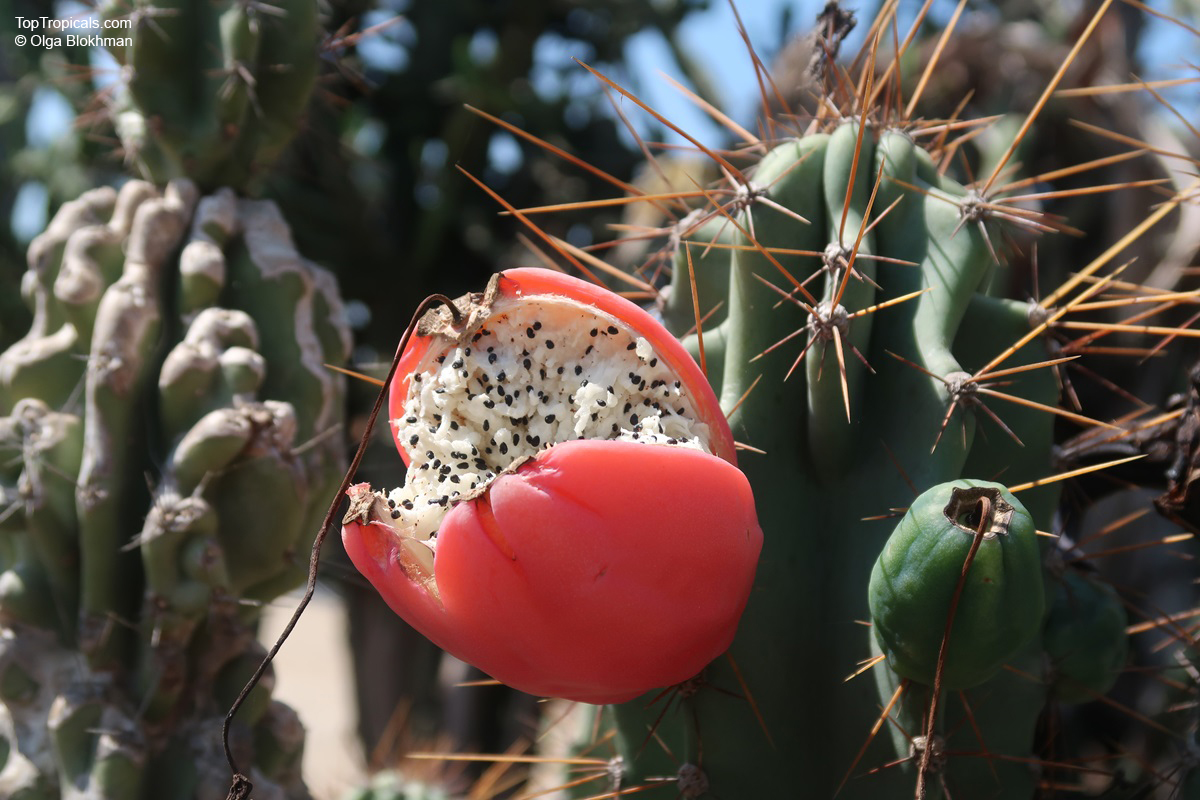
Cereus peruvianus is a large erect, thorny columnar cactus. It is an unexplored, underutilized cactus, grown only as an ornamental plant, even though it produces attractive, edible fruits. The nocturnal flowers remain open for one night. The fruits are thornless and vary in skin color from violet-red to yellow. The flesh, which is the edible part of the fruit, is white and contains small, edible, and crunchy seeds. Fruits of a number of other columnar cacti, also belonging to the subfamily Cactoideae, tribe Cereeae, are known to be of economic significance for native use in South America.The Cereus peruvianus is a very upright plant and is used mainly as a floor plant.Many people think from the start that since the plant is a cactus or in the cactus family it shouldn't be watered or it only needs a little. In the watering department it wants to be watered well. What this plant wants as well as most cactus is very good drainage, warmth, sun and low humidity. This plant is a perfect candidate for a sunny south, east or west window. The plant can handle low light levels but thrives in bright light.
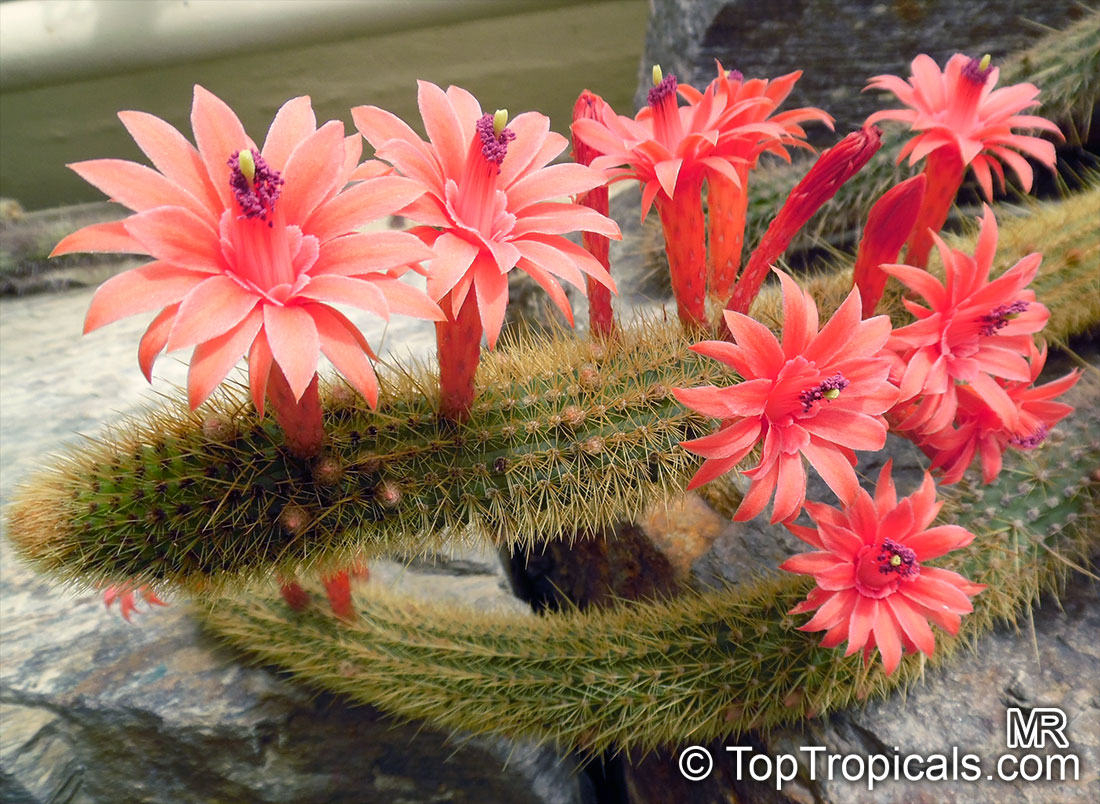
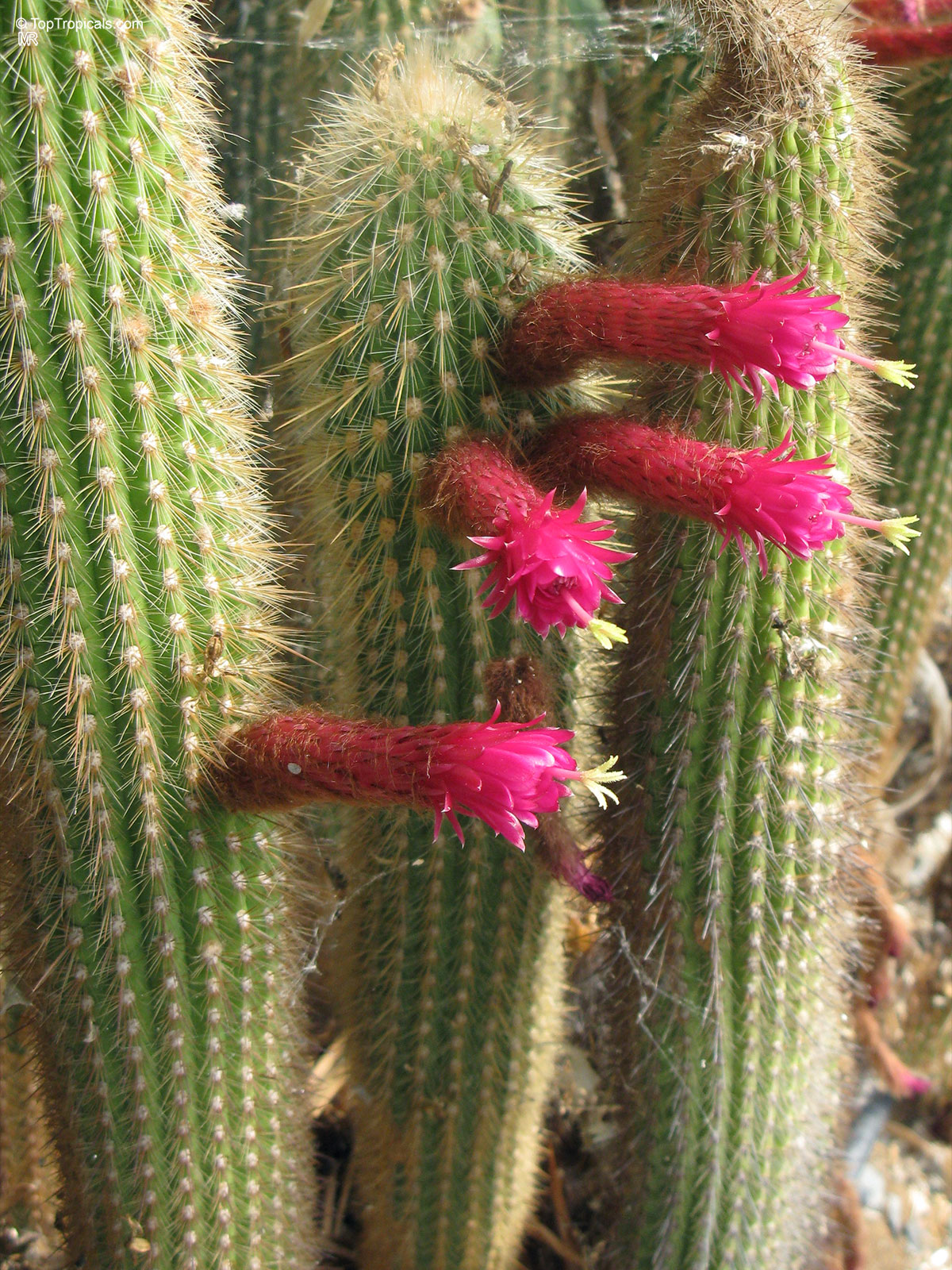
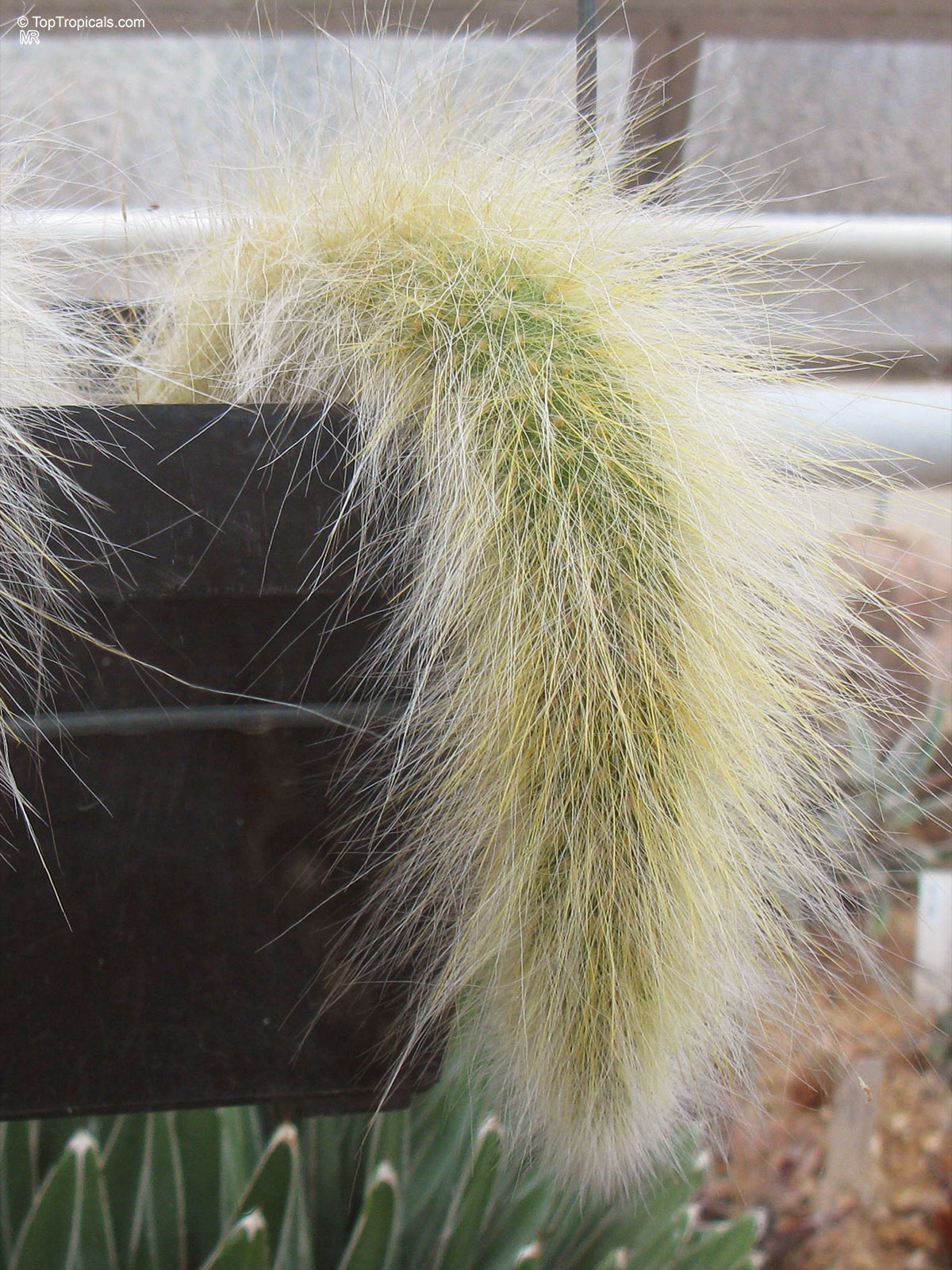
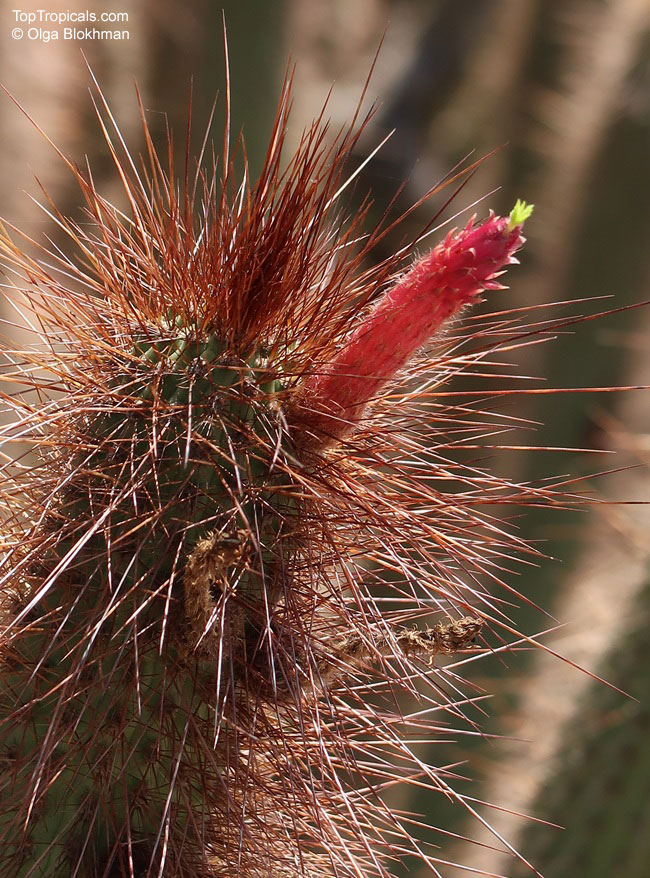
Botanical name: Cleistocactus sp.
Common name: Cleistocactus
Family: Cactaceae
Origin: South America
Hardiness: 30°F
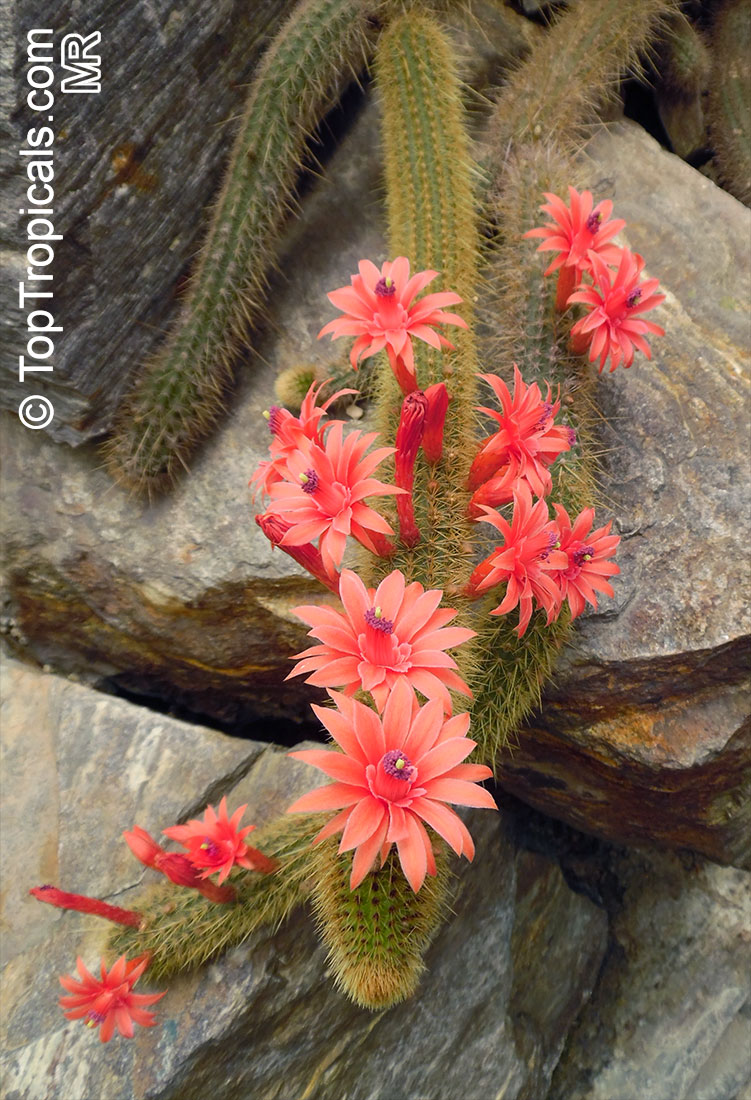
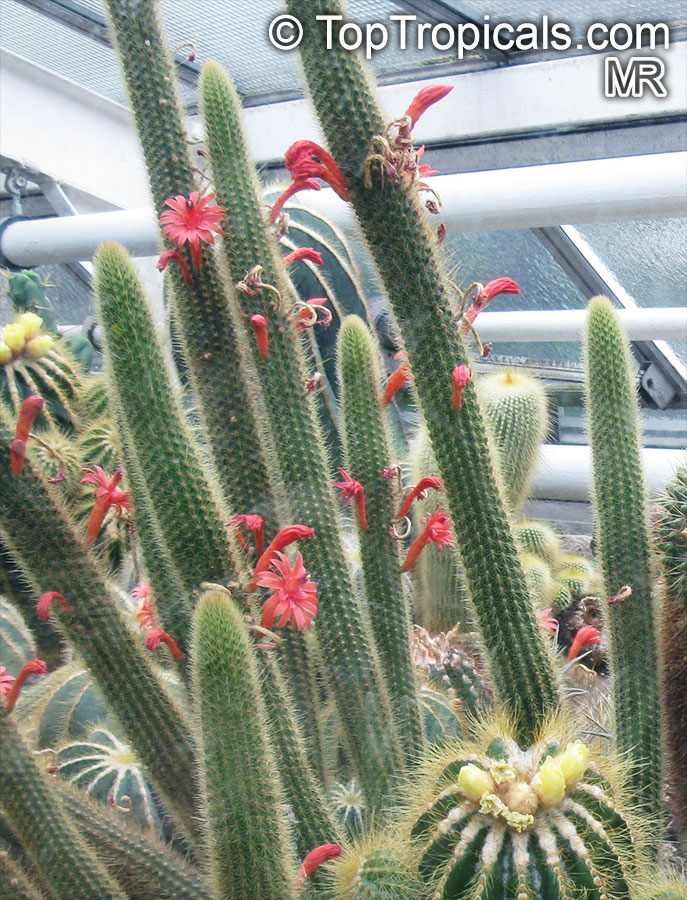
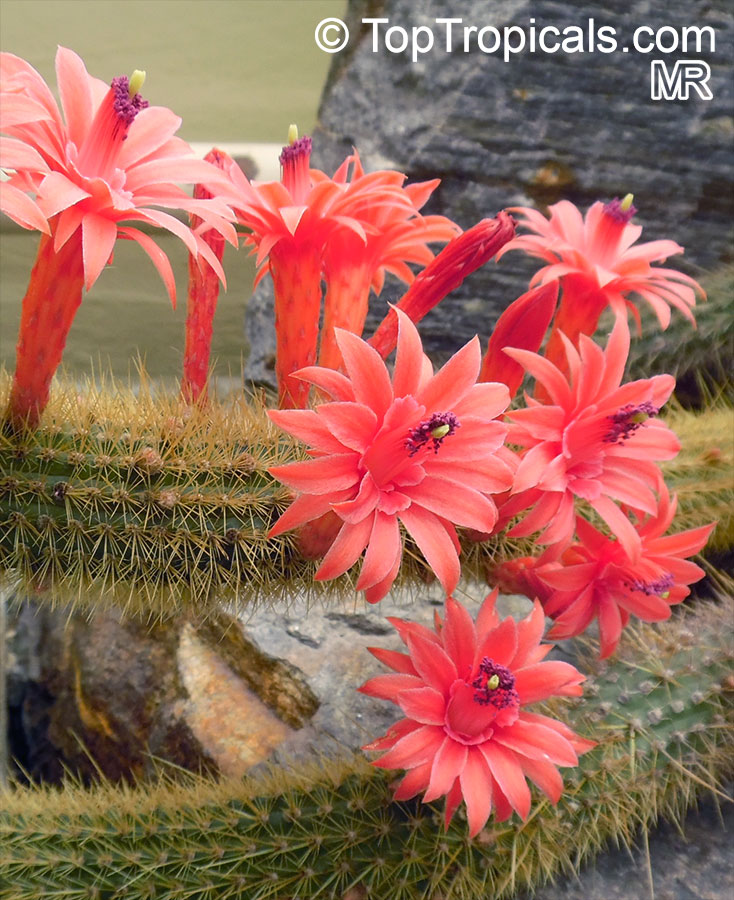
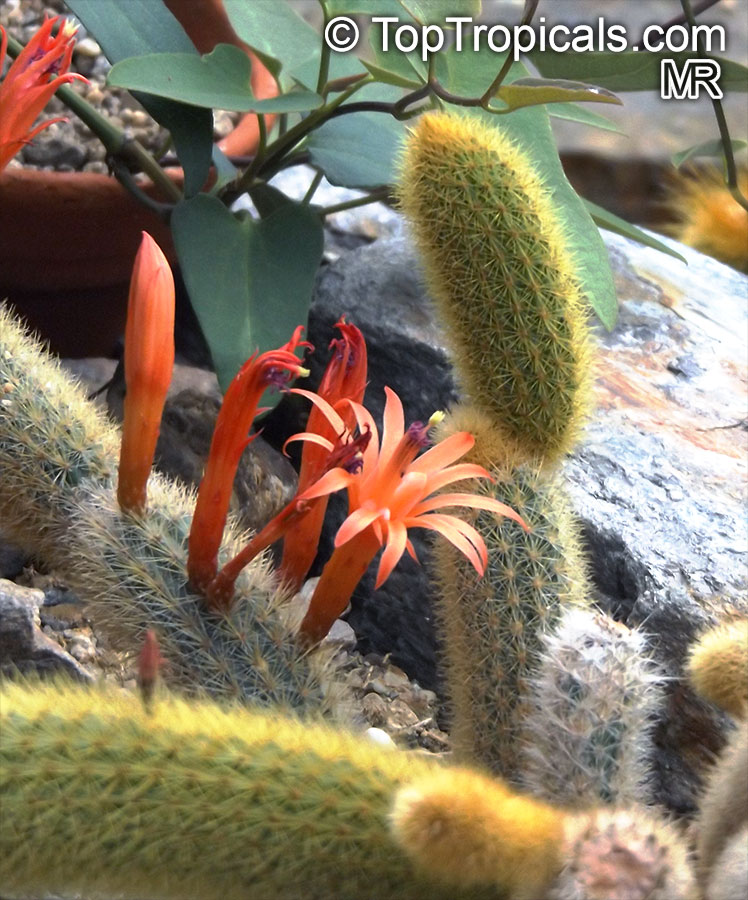
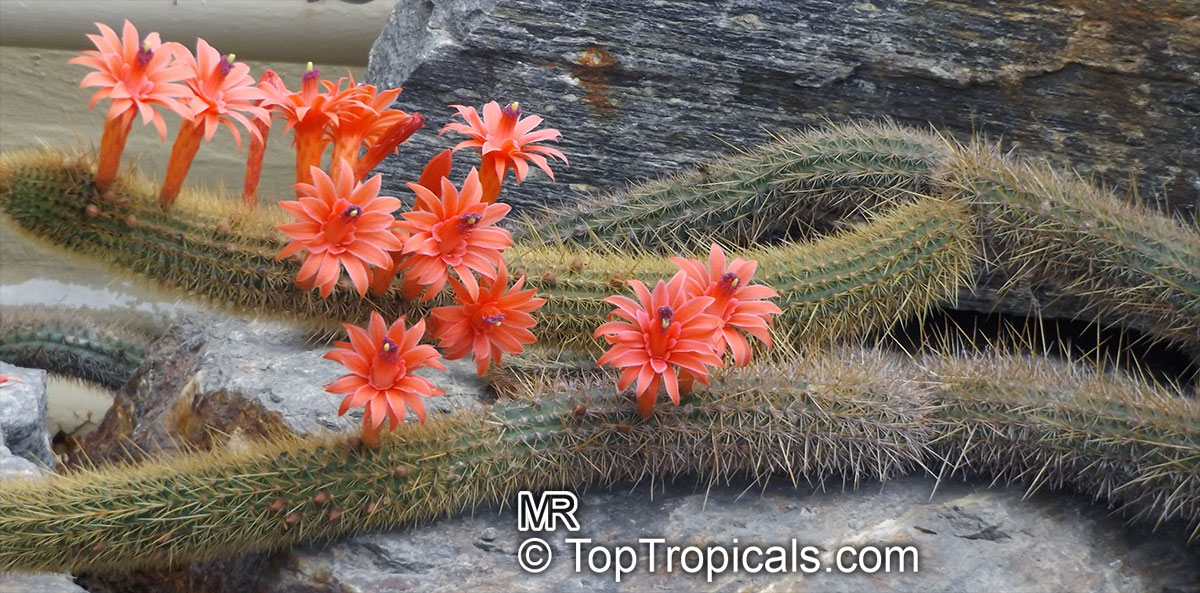
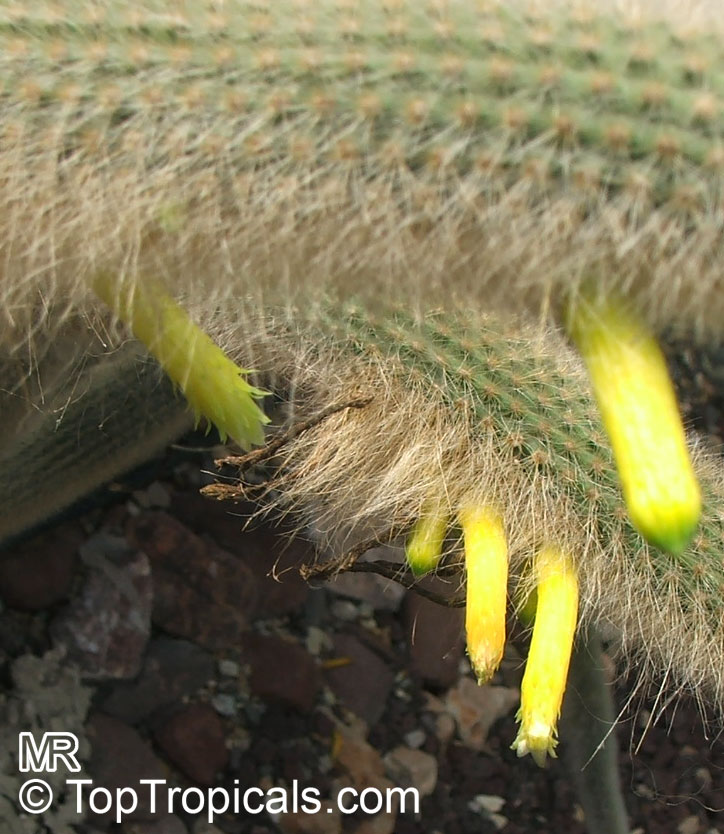
Cleistocactus is a genus of flowering plants in the cactus family Cactaceae, native to mountainous areas - to 3,000 m (9,843 ft) - of Peru, Uruguay, Bolivia and Argentina.
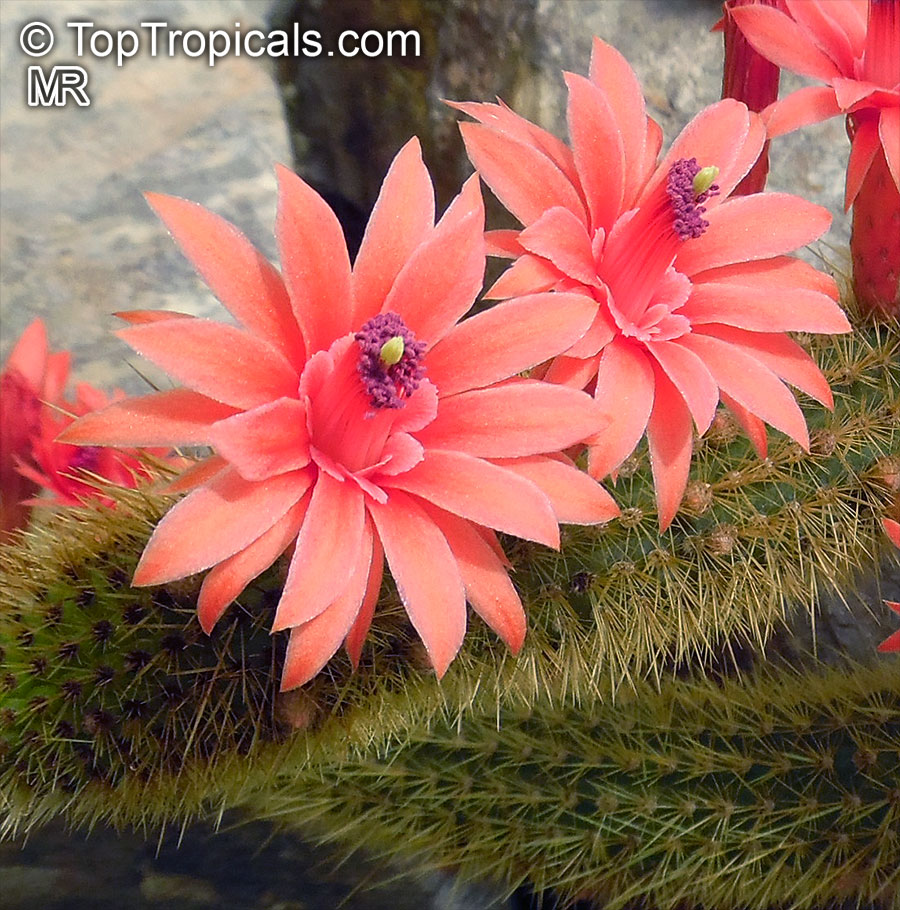
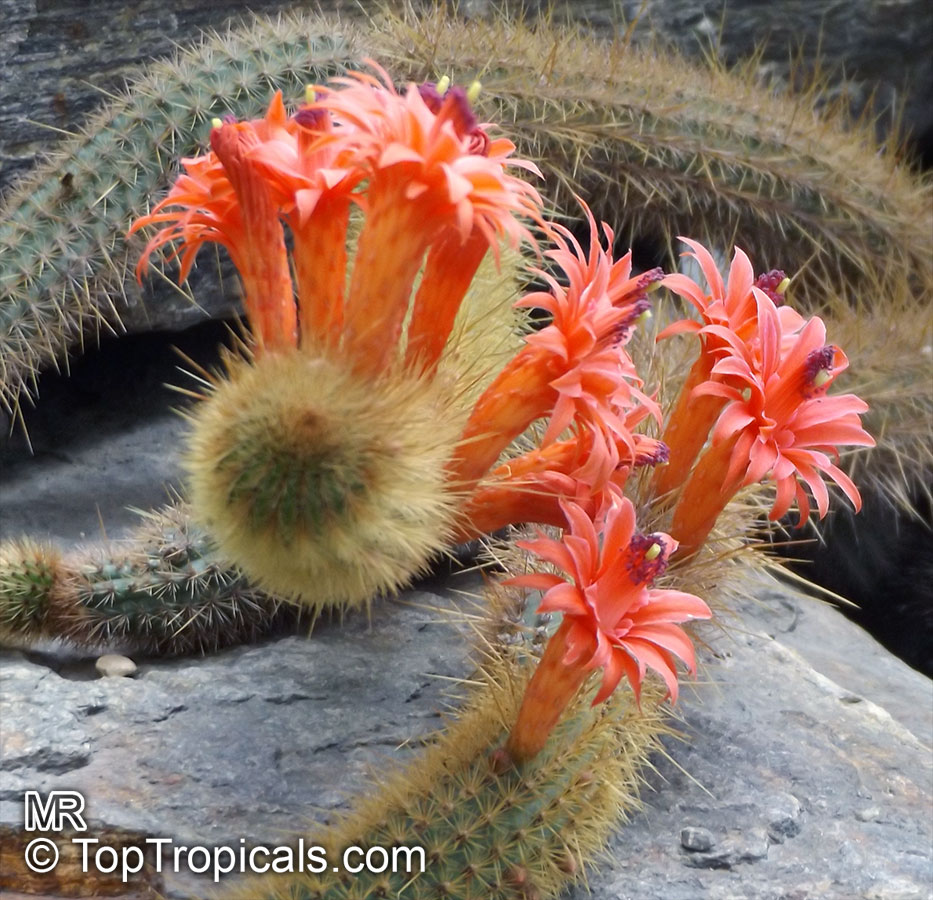
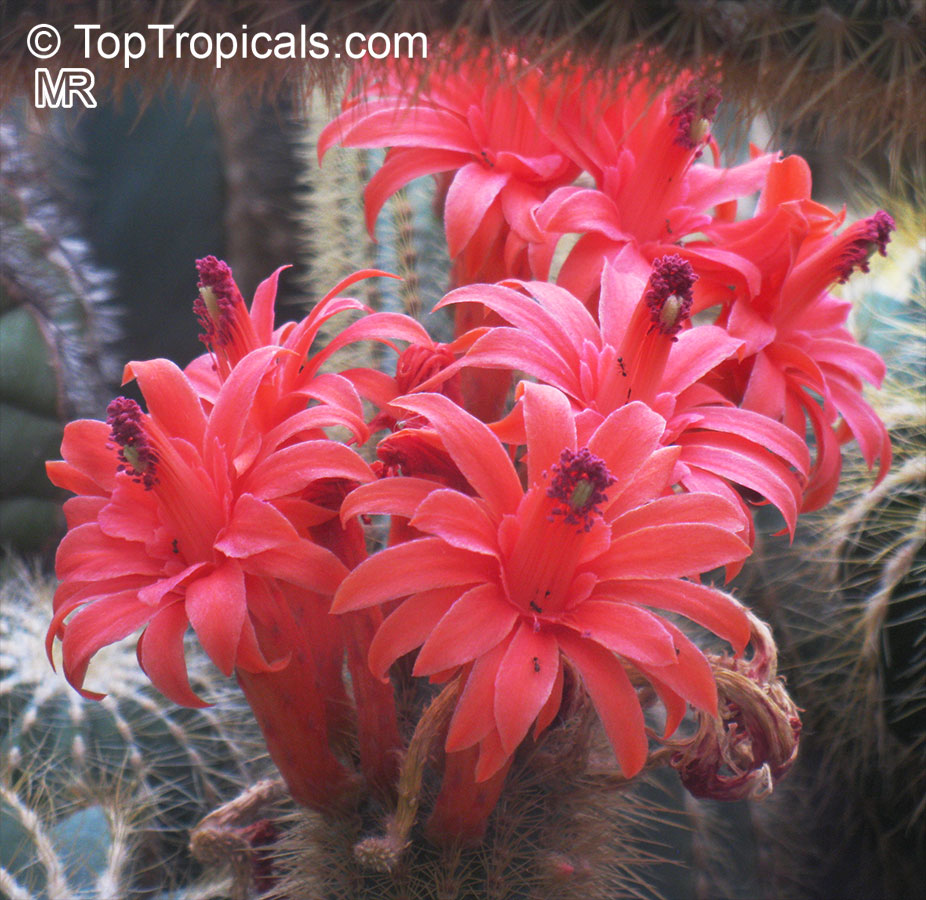
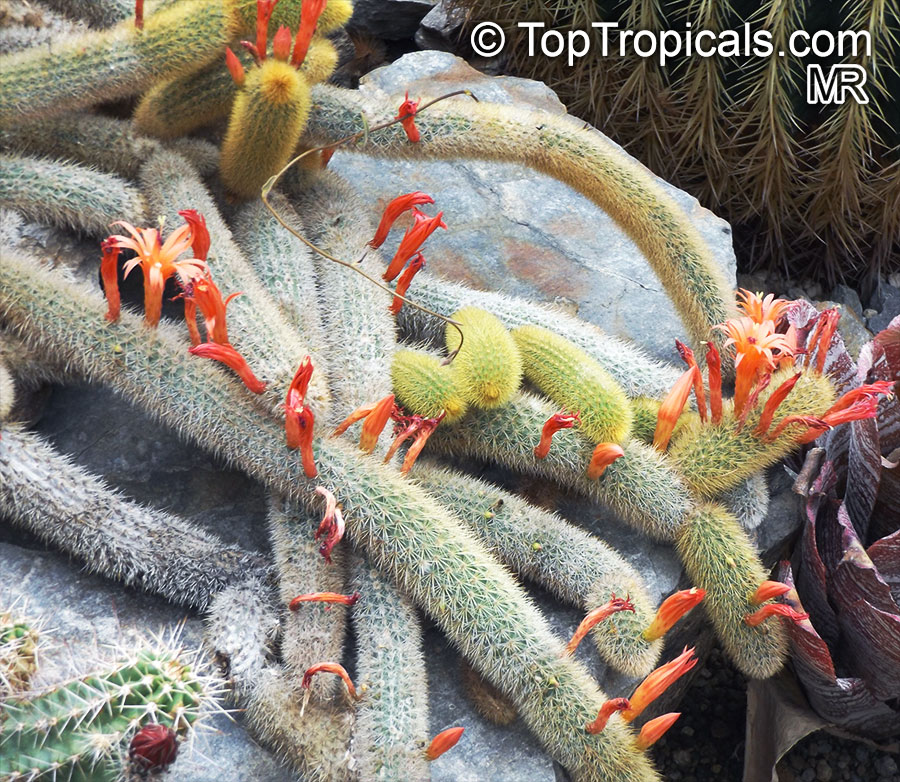
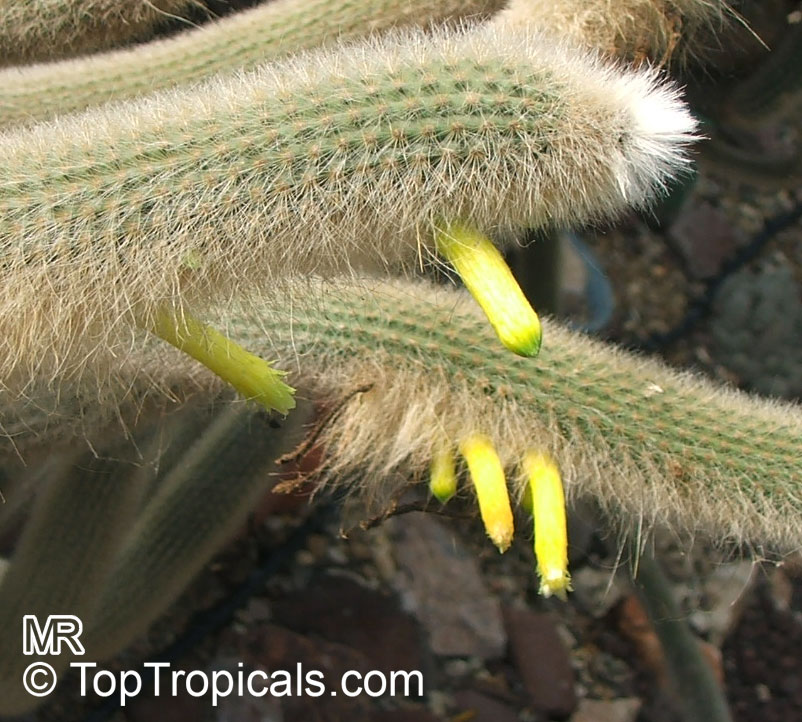
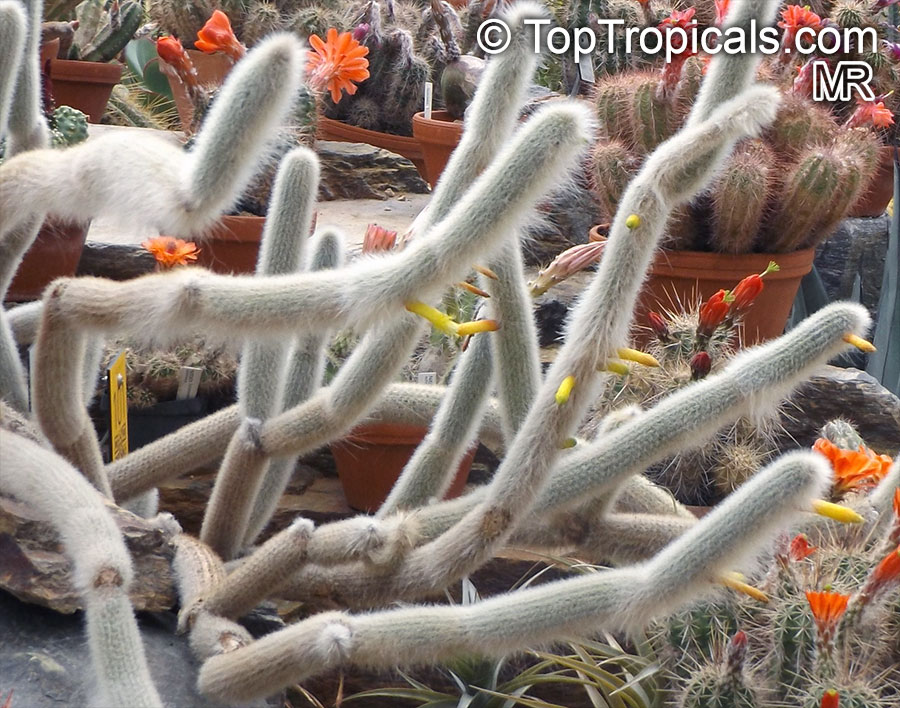
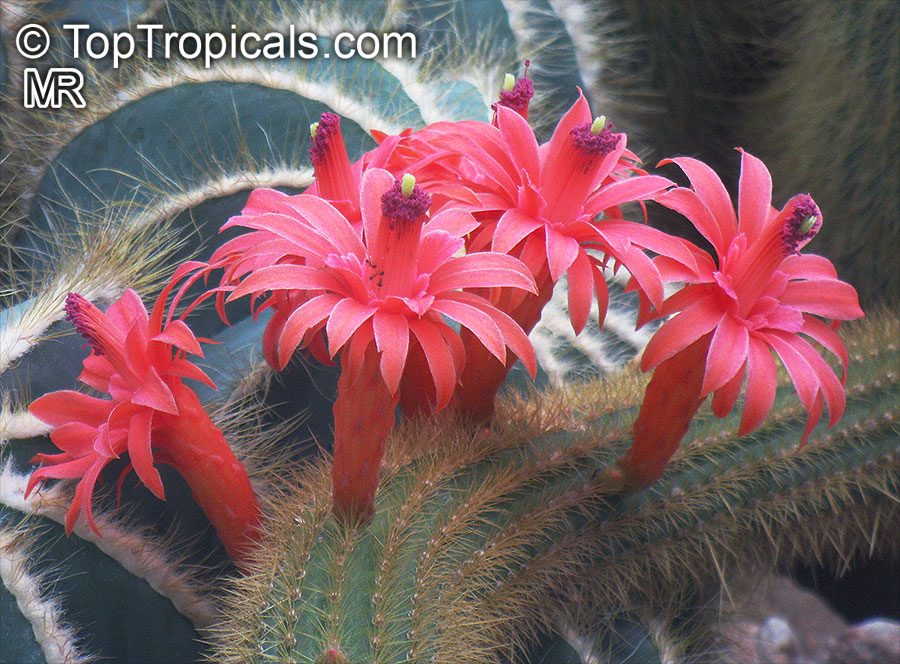
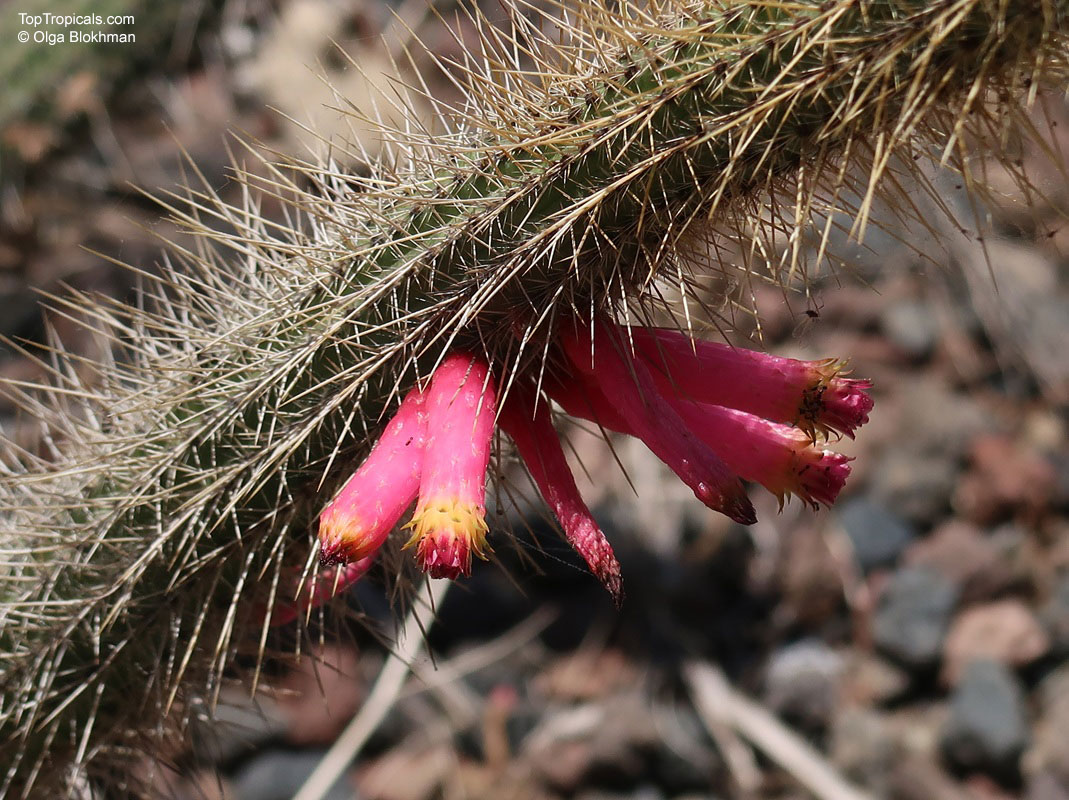
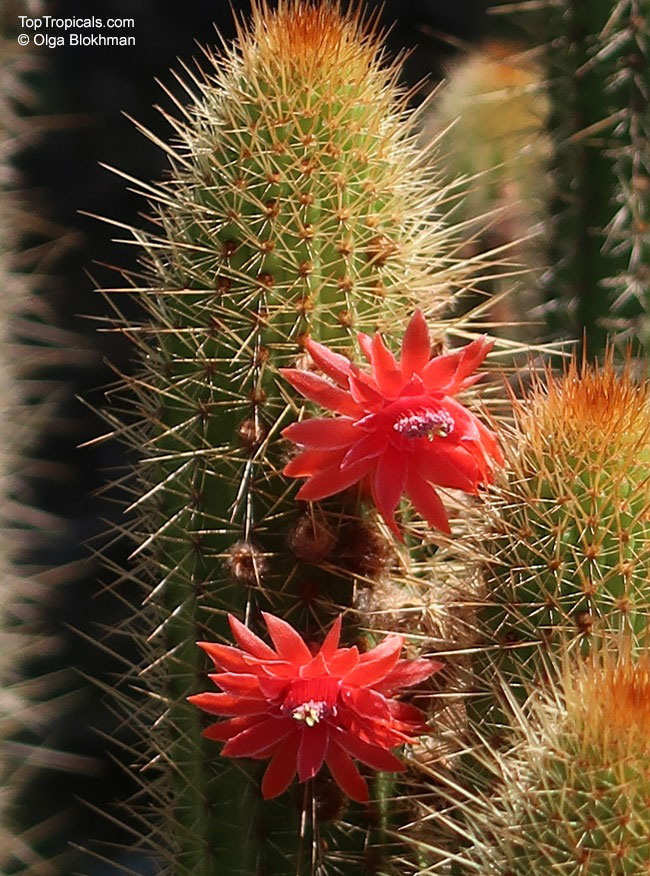
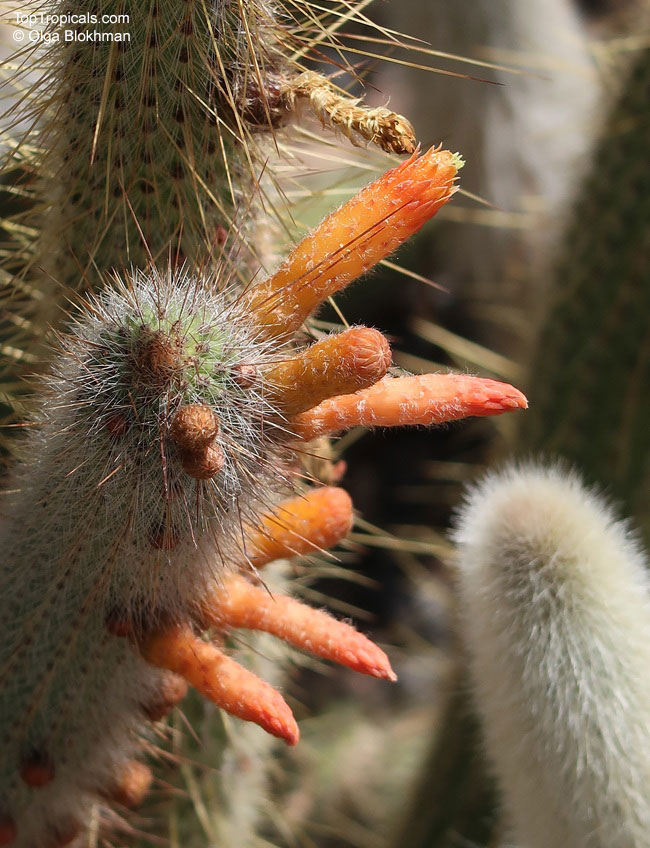
Slender, columnar cacti with dense spines and tubular flowers in shades of red, pink, or orange. Flowers often remain partly closed. Best grown in full sun with well-drained soil. Drought-tolerant, protect from frost.

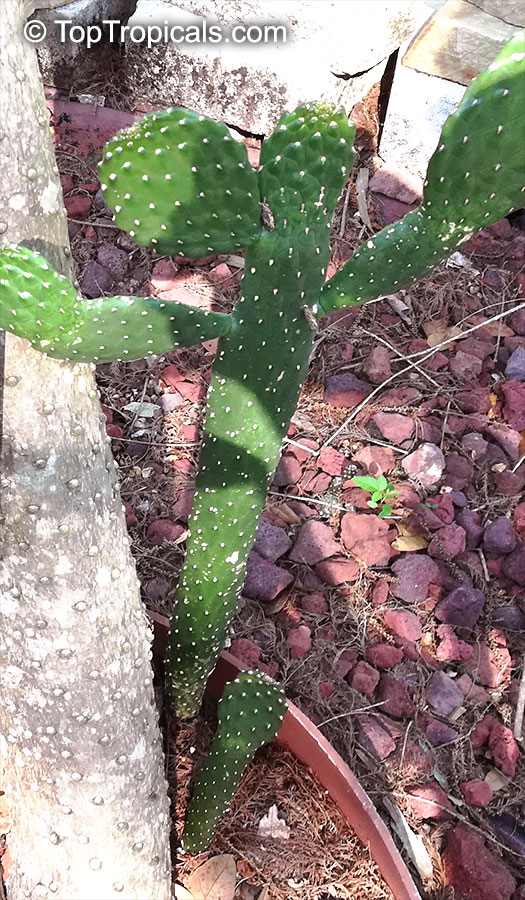
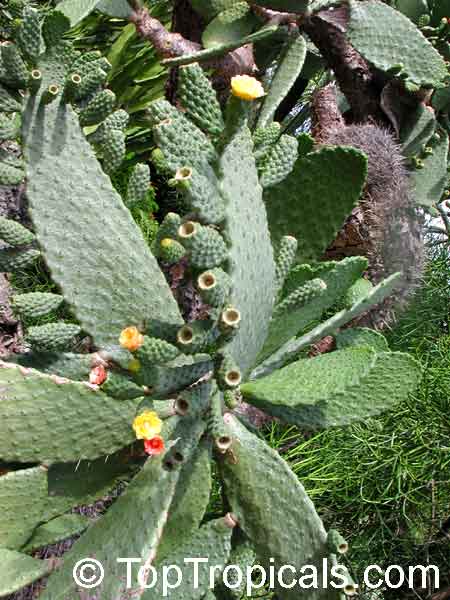
Botanical names: Consolea rubescens, Opuntia rubescens
Common name: Road Kill Cactus
Family: Cactaceae
Origin: Caribbean

| Next | |
Use link to repeat this search:
https://toptropicals.com/cgi-bin/garden_catalog/cat.cgi?search_op=and&keyword_op=and&language=e&family=Cactaceae&number=10
&no_change_lang=1&user=tt&sale=1&first=0