Boraginaceae - Botanical Family

Number of plants found: 31     Next    Go to page:  1  2  3  4

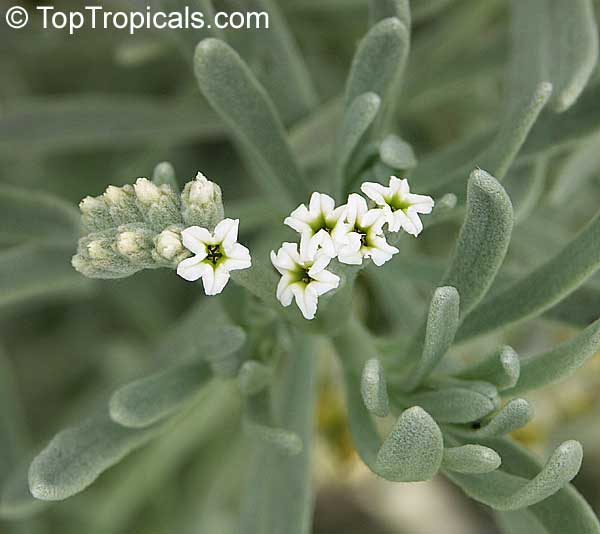
Argusia gnaphalodes (Sea Rosemary) white flower close up on fuzzy grey green plant leaves.
Argusia gnaphalodes (Sea Rosemary) tiny white flower clusters alongside soft and fuzzy grey green foliage.

Botanical names: Argusia gnaphalodes, Heliotropium gnaphalodes

Common names: Sea Rosemary, Sea Lavender

Family: Boraginaceae

Origin: West Indies
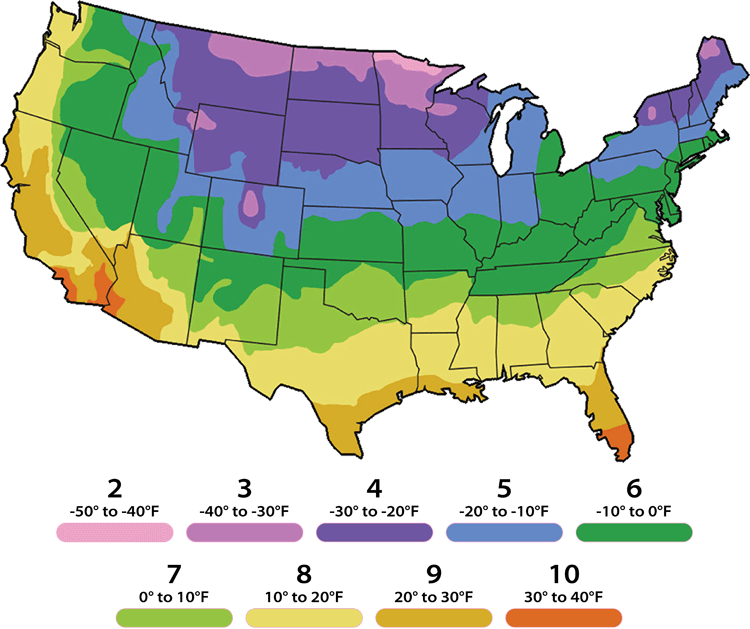
USDA Plant Hardiness MapLarge shrub 5-10 ft tallSmall plant 2-5 ftFull sunWatering: Moderate. Water when top soil feels dryOrnamental foliageWhite, off-white flowersPlant attracts butterflies, hummingbirdsSeaside, salt tolerant plant

Argusia gnaphalodes produces white and off-white flowers that last the whole year on and off, making it a great source of nectar for butterflies and hummingbirds. The large shrub can reach up to 5 or 10 feet in height, while the small shrub has a maximum size of 2 to 5 feet tall. It has an ornamental foliage that is both elegant and eye-catching and makes it a great addition to any garden, both in seaside and inland regions.

This plant, being native to the West Indies, thrives best in warm climates and is only appropriate for USDA Zones 9 through 11. It requires full sun and moderate amounts of water, making it both drought and salt tolerant. In cold regions, it can be grown in a container, preferably one made from a breathable material to let moisture evaporate. It should be planted shallowly, no more than two to three inches deep, and its soil should sit in a tray of water to keep the plant sufficiently moist.

When grown indoors or in a pot, Argusia gnaphalodes should be given plenty of sunlight, preferably at least 6 hours a day, and watered regularly to keep the soil moist but not soggy. In cold weather, it should be moved to a warmer area or sheltered from frost. Fertilizing once in the early spring and perhaps once in the fall should be enough to provide it with the necessary nutrients.

Overall, Argusia gnaphalodes is a great plant for any garden, as it provides nectar for butterflies and hummingbirds, can tolerate drought and salt, and offers an ornamental foliage to liven up any space. Its low-maintenance care makes it an ideal option for any gardener, whether at home or in a commercial setting.
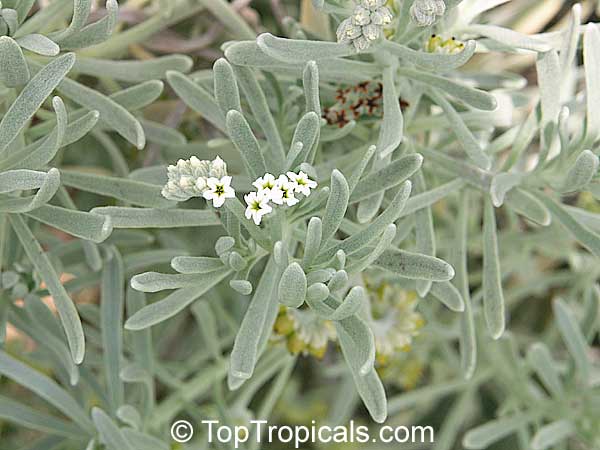
Argusia gnaphalodes (Sea Rosemary) white flower with fuzzy grey leaves in a close up.


Link to this plant:
https://toptropicals.com/catalog/uid/argusia_gnaphalodes.htm

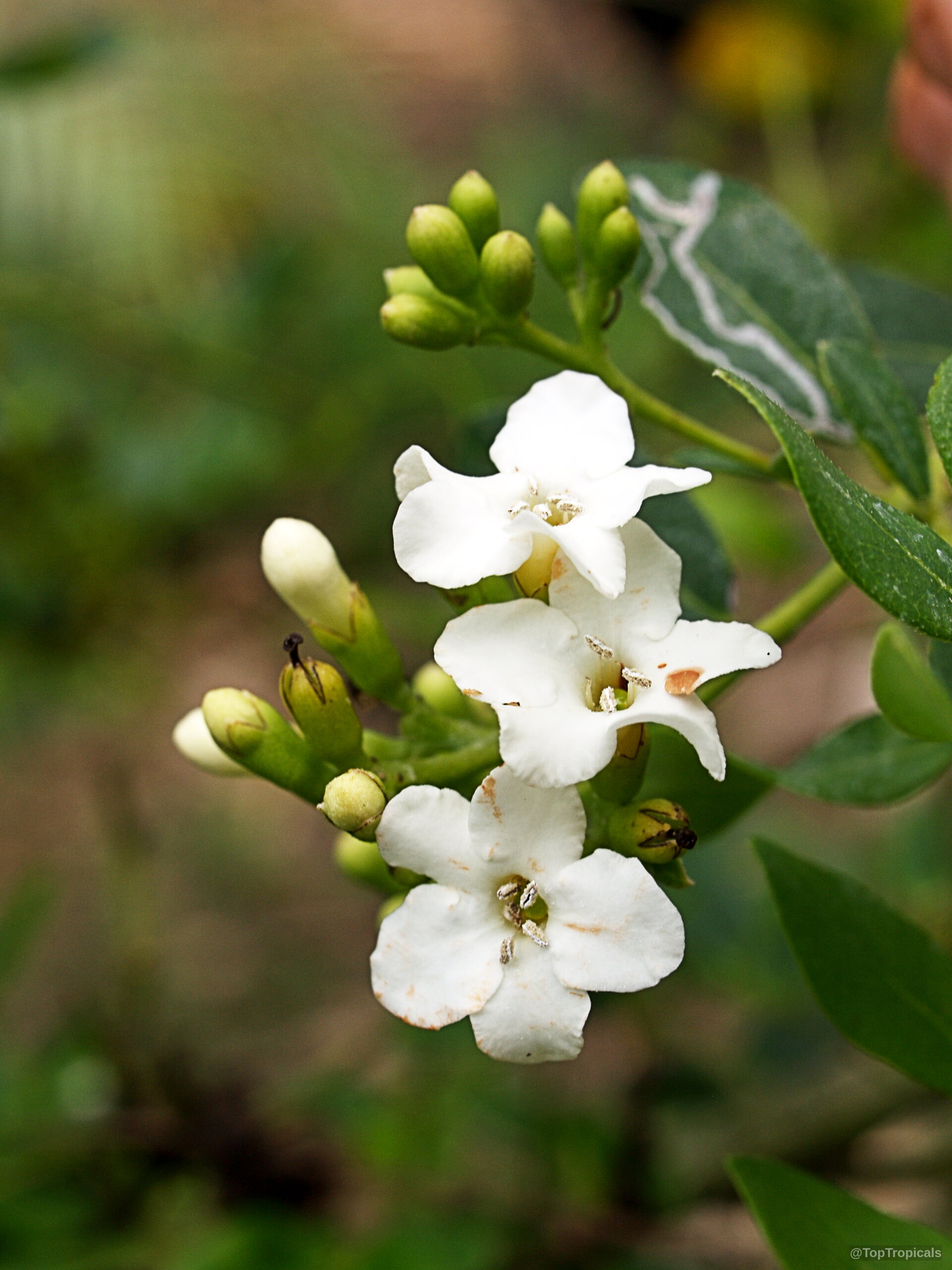
Bourreria cassinifolia (Little Strongbark) white flower close up on green stems with textured leaves.
Bourreria cassinifolia (Little Strongbark) white flower cluster with rounded petals and green buds on stems.

Botanical name: Bourreria cassinifolia

Common names: Little Strongbark, Smooth Strongbark

Family: Boraginaceae

Origin: North America

USDA Plant Hardiness MapPlant used for bonsaiLarge shrub 5-10 ft tallSemi-shadeFull sunWatering: Regular. Let topsoil dry slightlyWhite, off-white flowersPlant attracts butterflies, hummingbirds

Bourreria cassinifolia is a superb wildlife attractant. Hummingbirds, butterflies, and an assortment of insects are irresistibly drawn to the nectar. Makes a good container specimen or bonsai.


Bourreria cassinifolia (Little Strongbark) white flower and small green buds in a close up view.
Bourreria cassinifolia (Little Strongbark) with a white flower, small green buds, and brown withered calyxes.
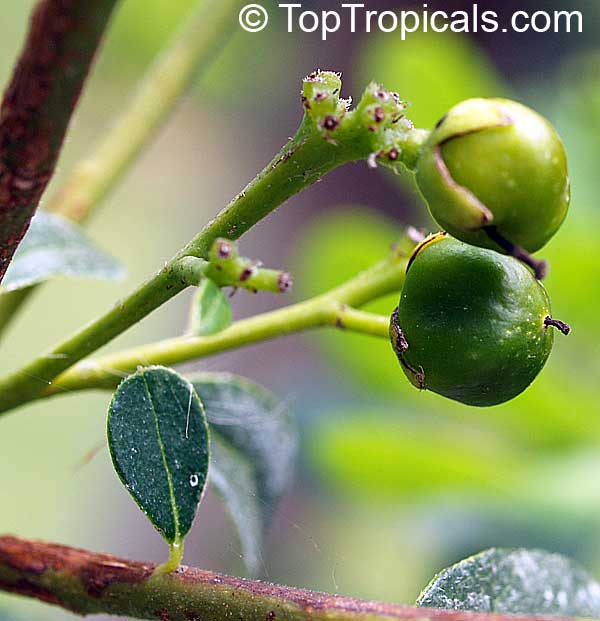
Bourreria cassinifolia (Little Strongbark) white flower and small green fruit on a plant close up
Bourreria cassinifolia (Little Strongbark) white flower with small green round fruit and oval green leaves
Bourreria cassinifolia (Little Strongbark) green fruit on a close up plant branch
Bourreria cassinifolia (Little Strongbark) green fruit growing on a thin brown wooden stem


Link to this plant:
https://toptropicals.com/catalog/uid/bourreria_cassinifolia.htm

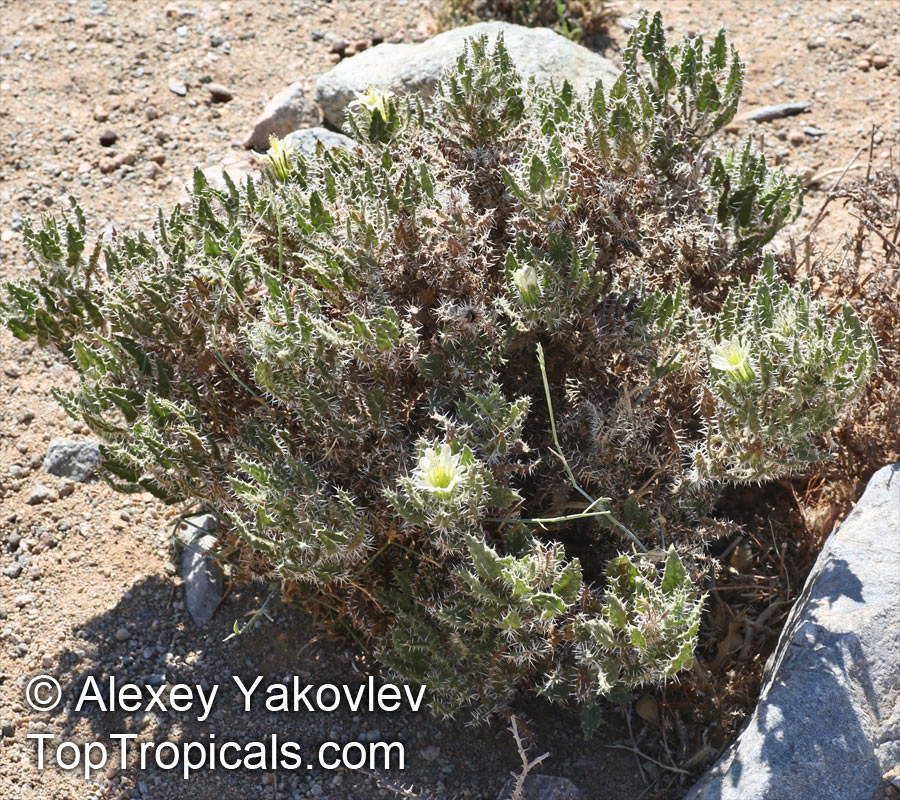
Codon royenii (Honey Bush) green plant with yellow flowers, desert landscape growth close up
Codon royenii (Honey Bush) reveals sharp, jagged foliage alongside delicate, soft yellow flower petals.

Botanical name: Codon royenii

Common name: Honey Bush

Family: Codonaceae    (Formerly:Boraginaceae)

Origin: South Africa

USDA Plant Hardiness MapSmall plant 2-5 ftFull sunWater Requirement: Low. Allow soil to dry out between wateringsWhite, off-white flowersThorny or spinyPlant attracts butterflies, hummingbirds

The species of the genus Codon are annual to perennial herbs.

Codon royenii is not grown horticulturally. The attractive flowers of this species present a challenge to the keen gardener!
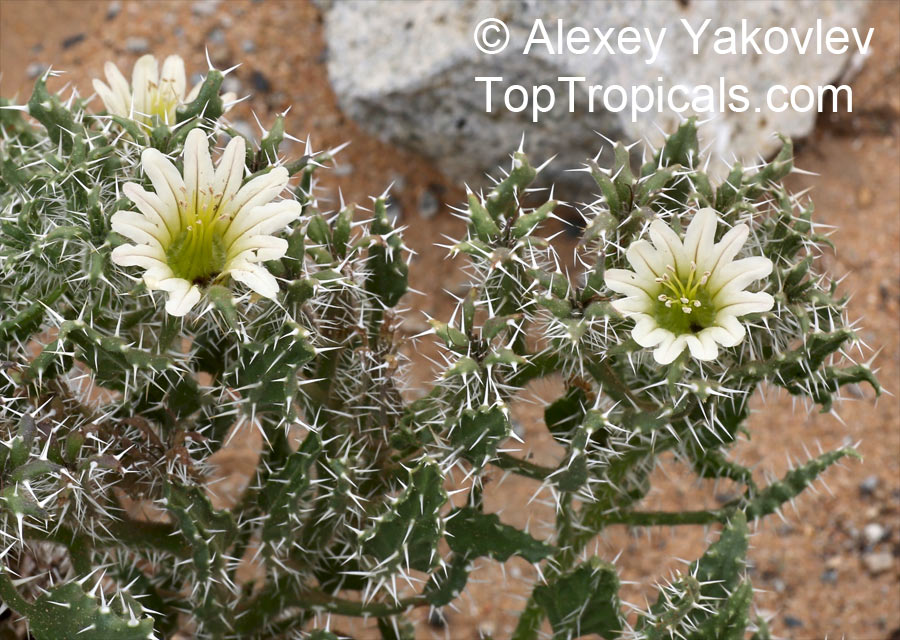
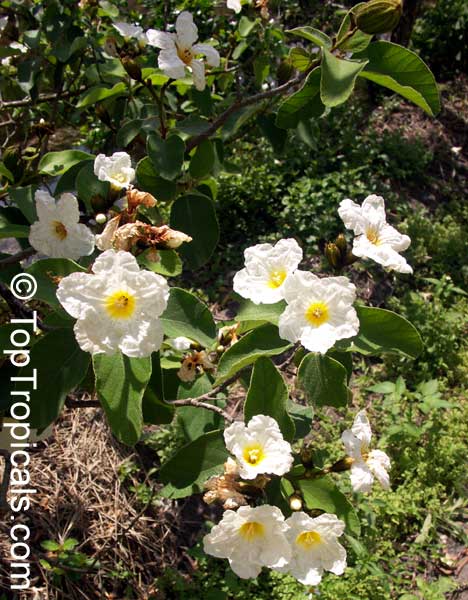
Codon royenii (Honey Bush) creamy white flower close up on a spiny green plant
Codon royenii (Honey Bush) reveals small creamy white flower petals with many sharp white thorns


Link to this plant:
https://toptropicals.com/catalog/uid/codon_royenii.htm

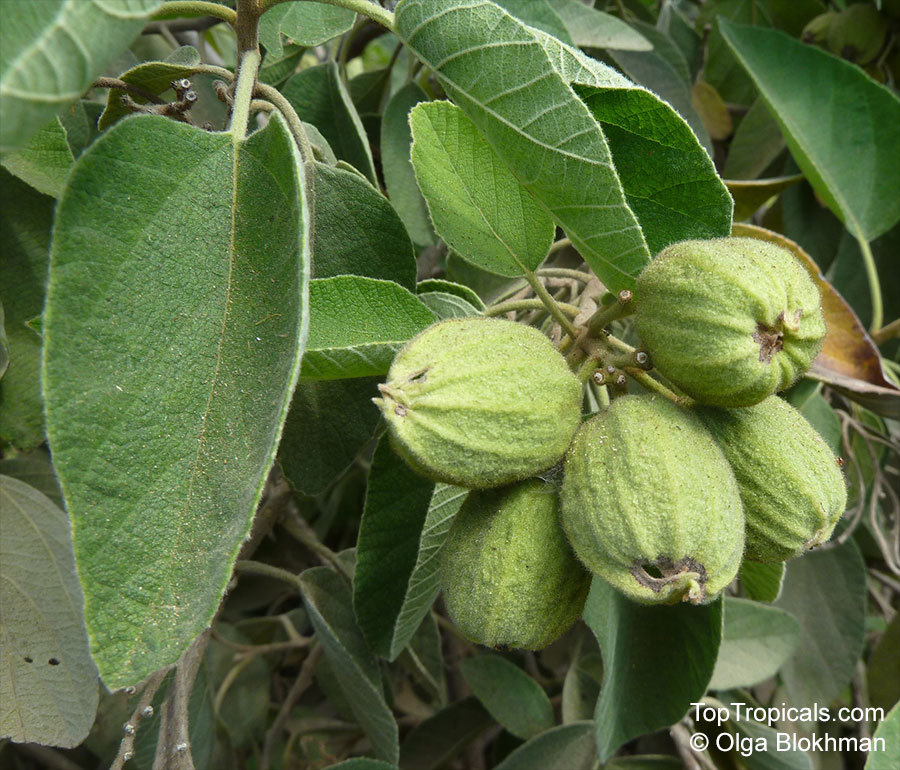
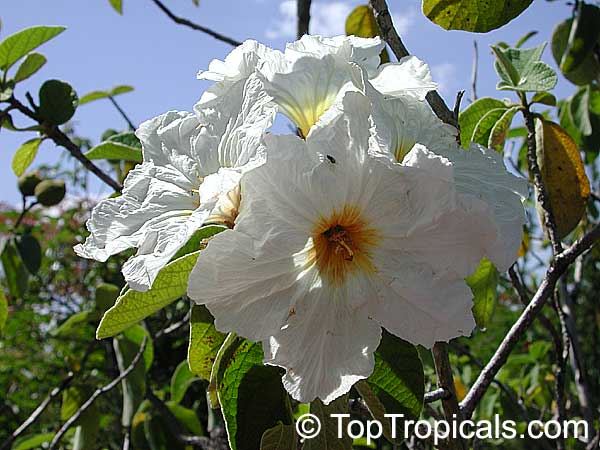
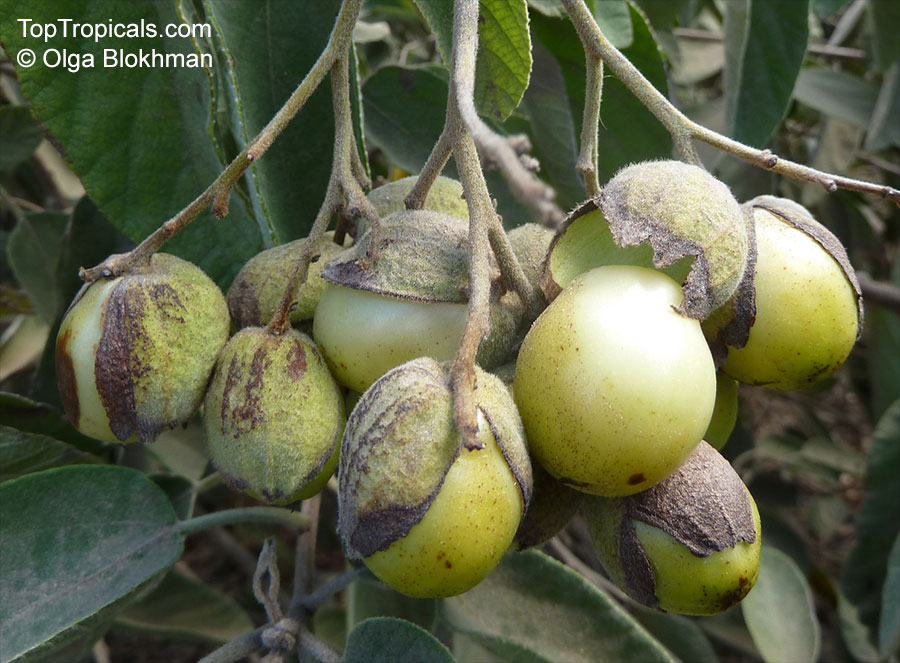
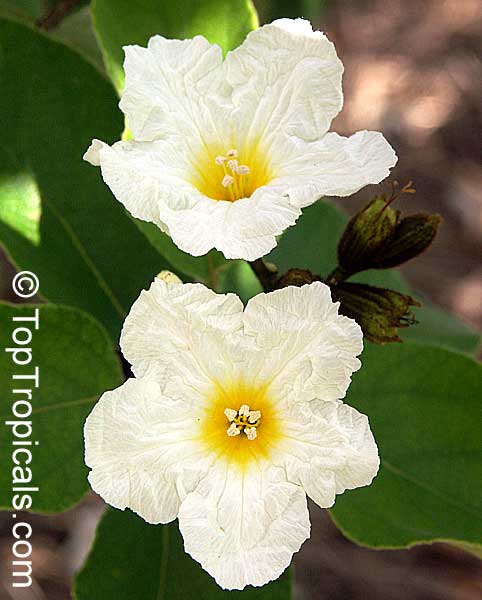
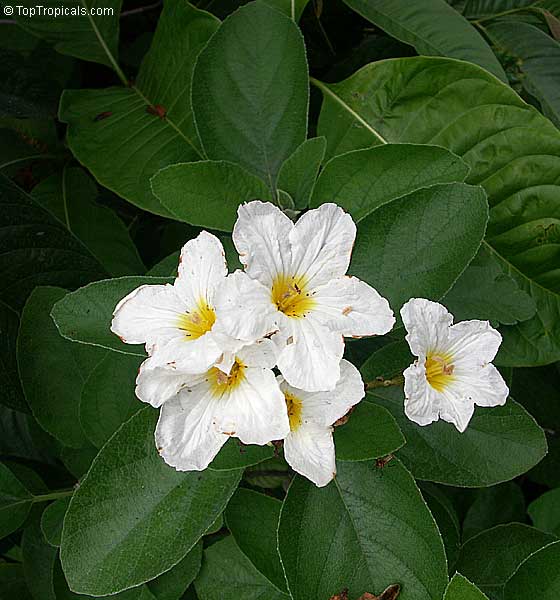
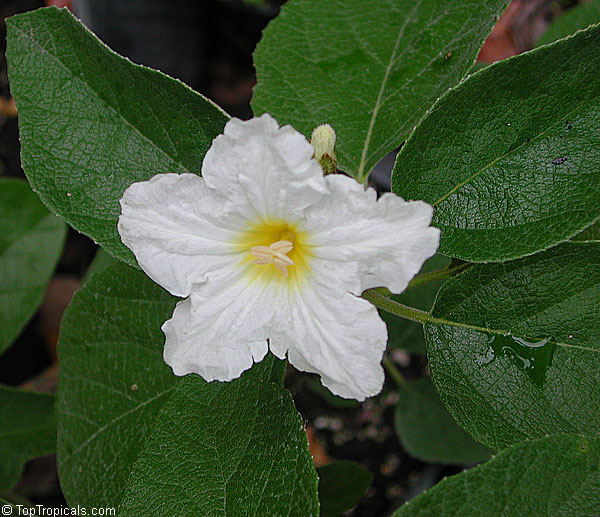
Cordia boissieri white flower close up with green leaves on a woody branch
Cordia boissieri white flowers with yellow centers on a leafy green branch

Botanical name: Cordia boissieri

Common names: Texas Olive, Anacahuita

Family: Boraginaceae

Origin: Texas Rio Grande area, northern Mexico

USDA Plant Hardiness MapLarge shrub 5-10 ft tallSmall tree 10-20 ftSemi-shadeFull sunWatering: Moderate. Water when top soil feels dryWhite, off-white flowersPlant attracts butterflies, hummingbirdsDeciduous plantSubtropical plant. Mature plant cold hardy at least to 30s F for a short timeSeaside, salt tolerant plant

Very popular small trees adorned through much of the spring and summer with large clusters of showy white flowers. It is indigenous to the chaparral areas of extreme southern Texas and well into Mexico. Preference for sandy, gravely, well drained soils. Requires ample water to become established, after which it is generally considered quite water efficient. Periodic, deep soakings through the hottest period of summer will aid in leaf retention and improved color. These plants don't like to be grown in pots, in spite of their small size, and usually don't look very happy in containers; however once planted in the ground,they grow faster and start thriving. Cold tolerant plant, takes some freeze.
Link to this plant:
https://toptropicals.com/catalog/uid/cordia_boissieri.htm

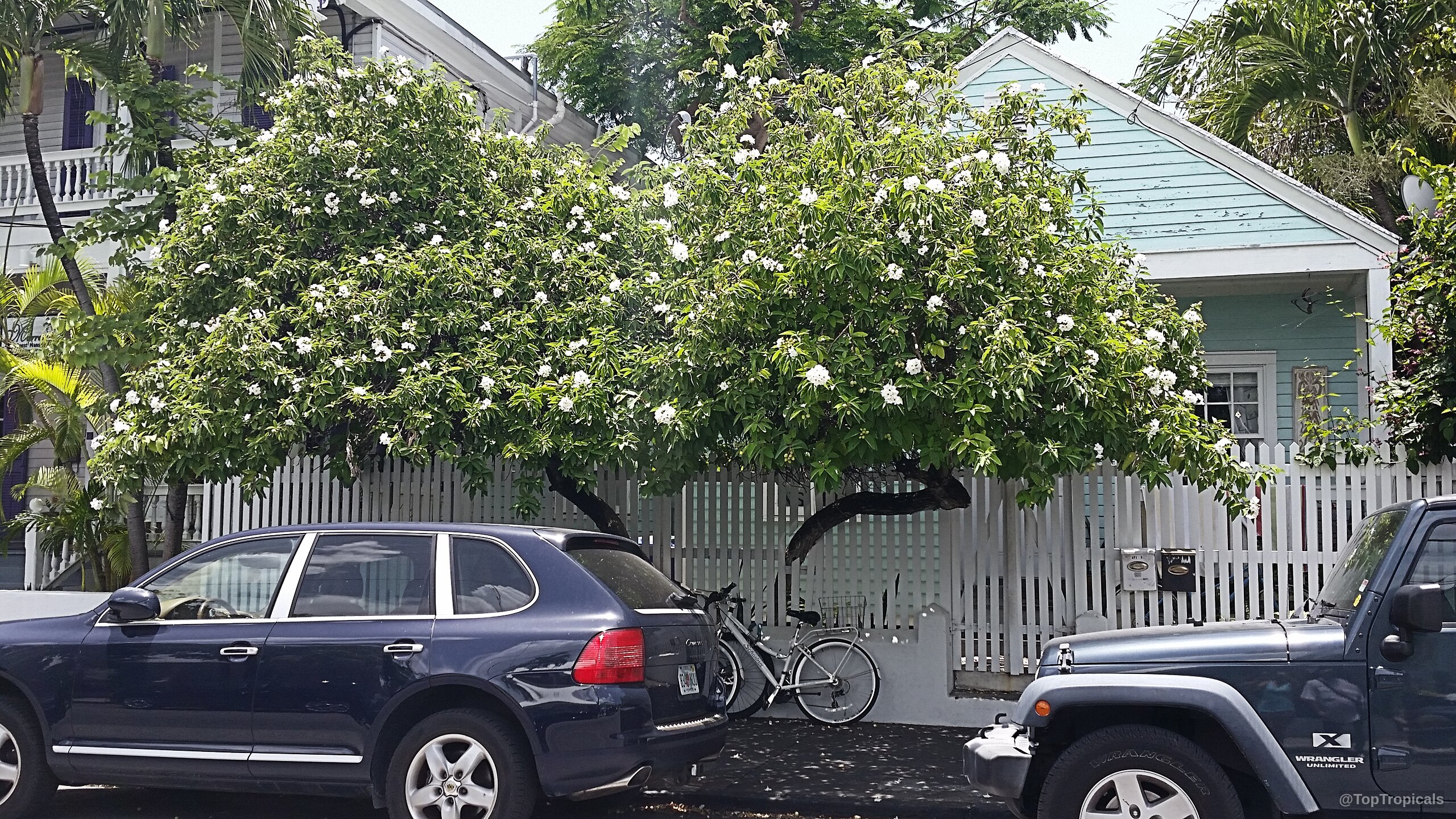
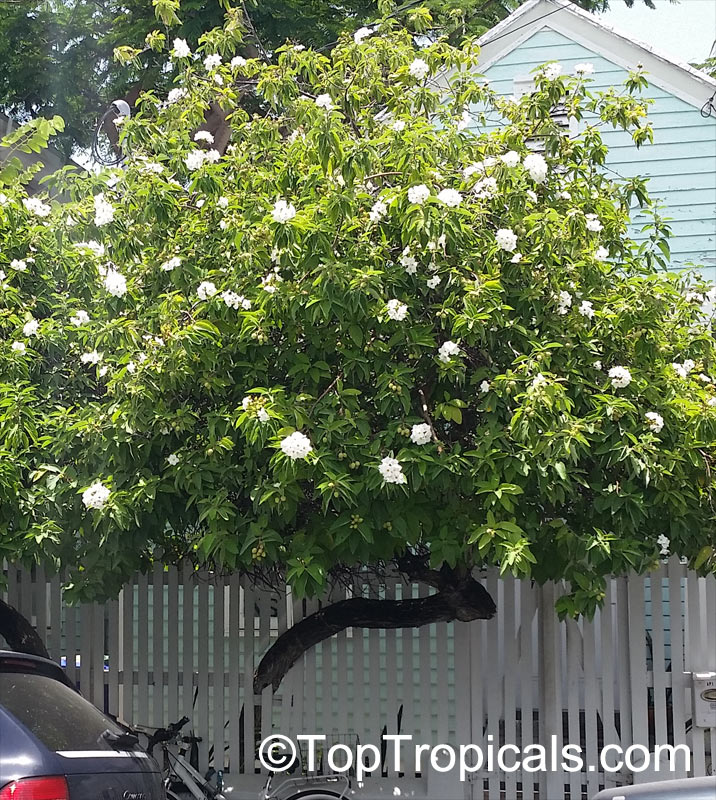
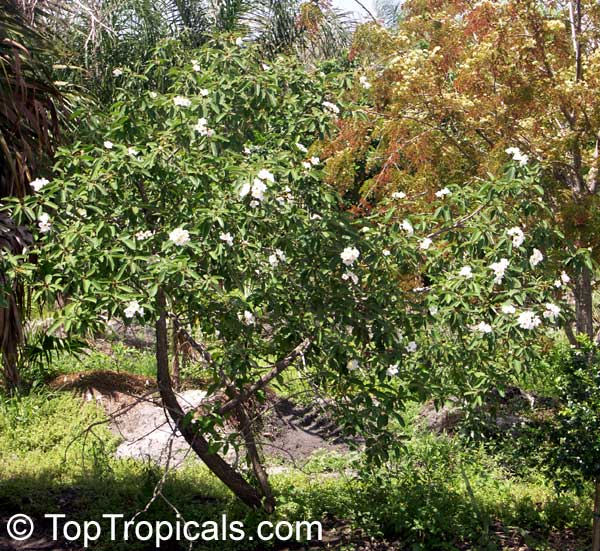
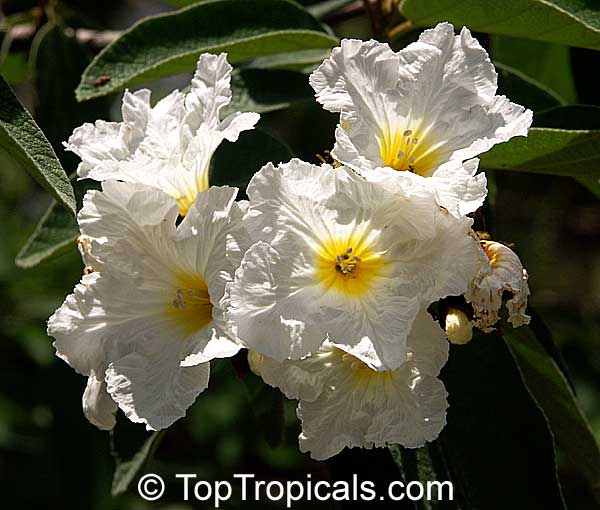
Cordia boissieri, White Geiger tree

Cordia boissieri - White Geiger tree, Texas Olive, Anacahuita. Very popular small trees adorned through much of the spring and summer with large clusters of showy white flowers. Requires ample water to become established, after which it is generally considered quite water efficient. These plants don't like to be grown in pots, in spite of their small size, and usually don't look very happy in containers; however once planted in the ground,they grow faster and start thriving. Cold tolerant plant, takes some freeze.
Recommended Fertilizer: SUNSHINE Megaflor - Bloom Nutrition Booster
Grown in
10"/3 gal pot


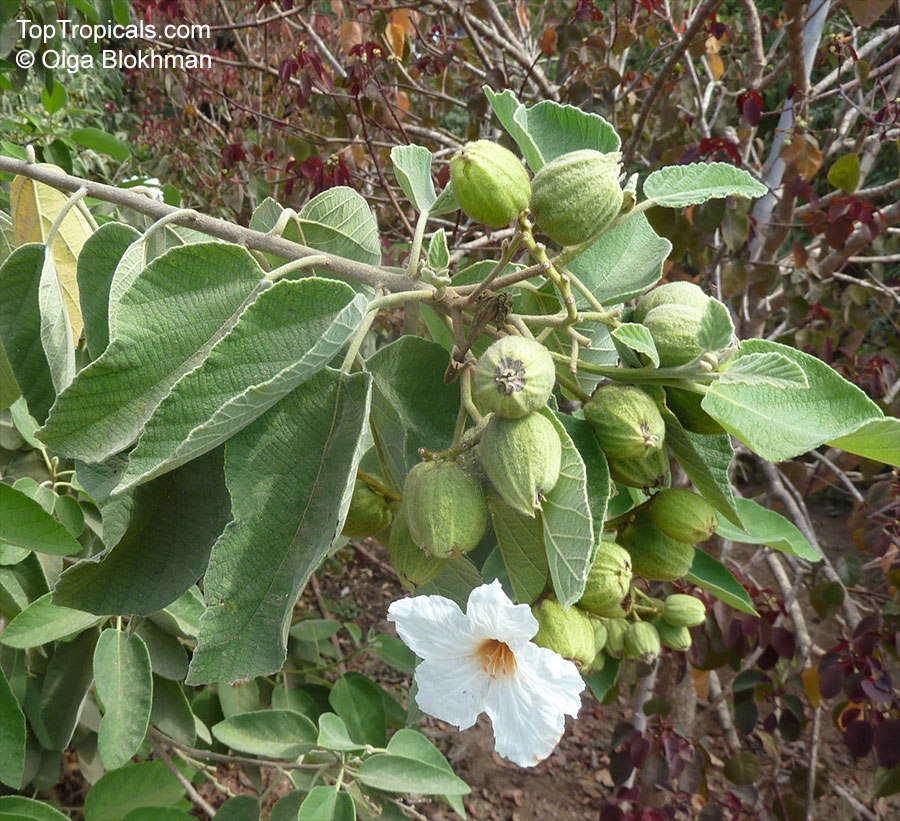
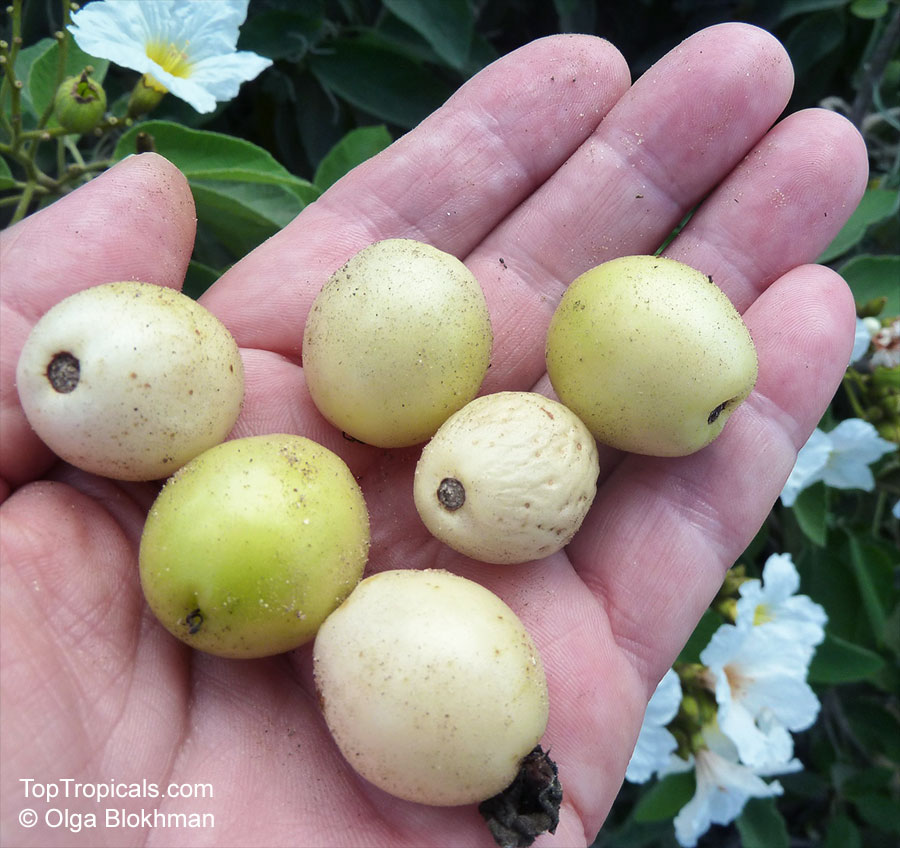
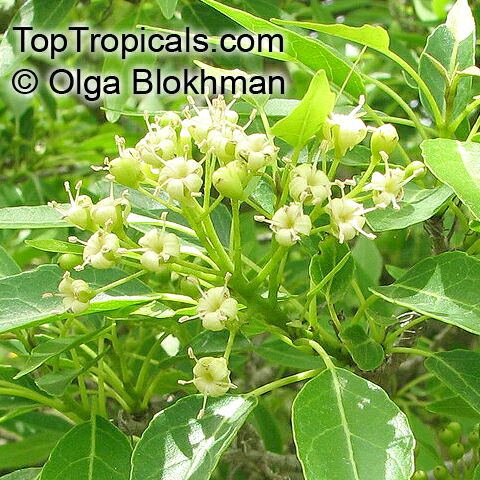
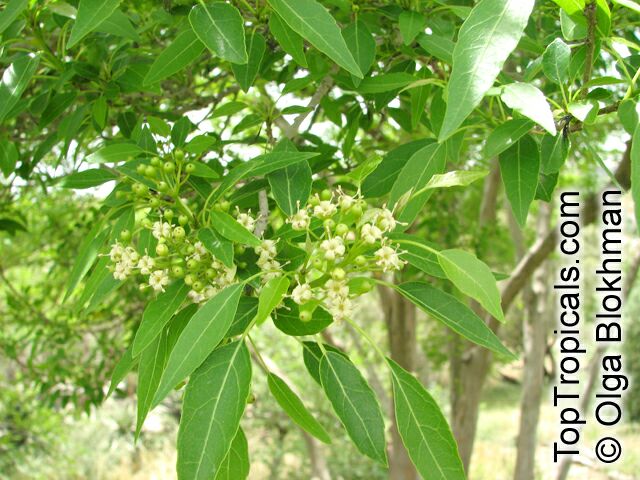
Cordia caffra (Septee) white flower cluster close up with green leaves in the sun
Cordia caffra (Septee) white flowers emerge from a cluster on green foliage branches

Botanical name: Cordia caffra

Common names: Septee, Saucer-berry

Family: Boraginaceae

Origin: South Africa

USDA Plant Hardiness MapSmall tree 10-20 ftSemi-shadeFull sunWatering: Moderate. Water when top soil feels dryWhite, off-white flowersEdible plantPlant attracts butterflies, hummingbirdsDeciduous plantEthnomedical plant.
Plants marked as ethnomedical and/or described as medicinal, are not offered as medicine but rather as ornamentals or plant collectibles.
Ethnomedical statements / products have not been evaluated by the FDA and are not intended to diagnose, treat, cure, or prevent any disease. We urge all customers to consult a physician before using any supplements, herbals or medicines advertised here or elsewhere.

The thin leaves are alternate, with a slightly toothed margin, shiny dark green above and paler green below. The scented, cream-white, bell-shaped flowers are borne in clusters at the end of the branches in spring/early summer. The fleshy fruits are deep orange drupes and look attractively appetizing to both humans and birds when ripe. They are edible, but not very tasty. The large calyx forms a saucer around the base of the fruit and may account for the common name.

The tree occurs naturally in coastal and riverine forests and bush. Although this tree thrives in semishade, it can also be planted in full sun where it grows almost equally well.

Although it is found growing in warm climates, this tree can tolerate mild frost. It is advisable to protect the stem of a newly planted tree against frost for the first few winters, or until the stem at ground level reaches at least 80mm in diameter.

Parts of this tree are used medicinally to treat sore eyes, fever and wounds.
See article about cordia.


Link to this plant:
https://toptropicals.com/catalog/uid/cordia_caffra.htm

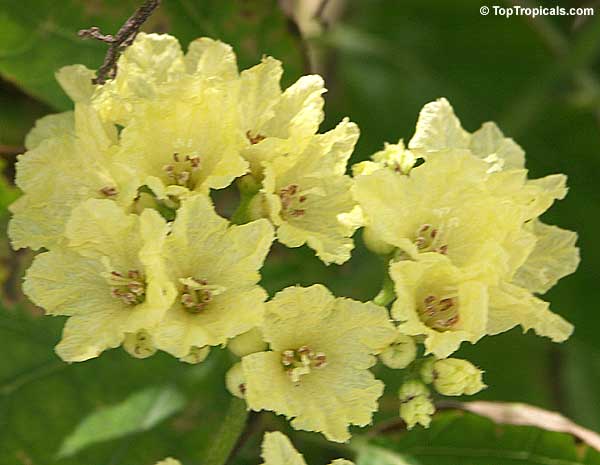
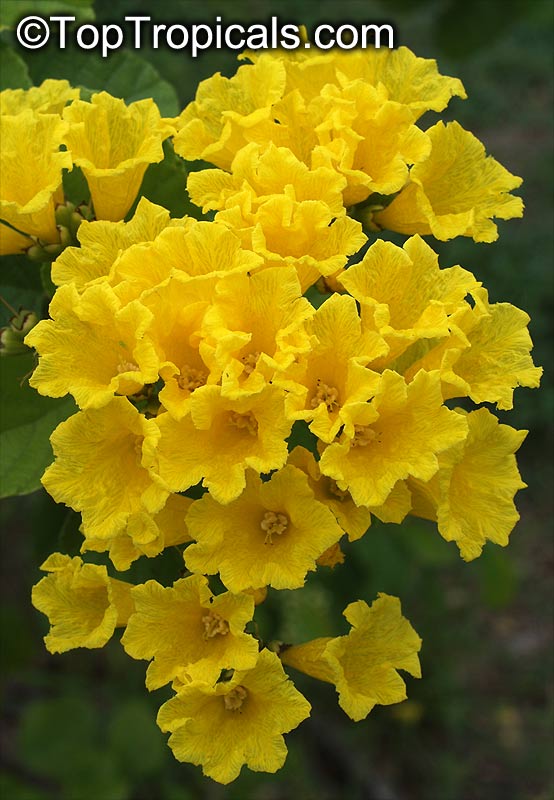
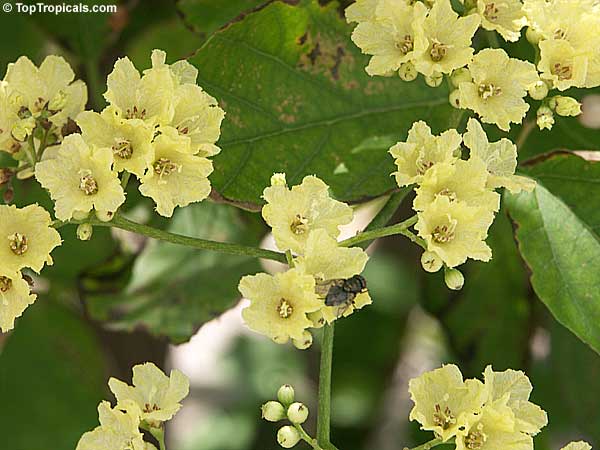
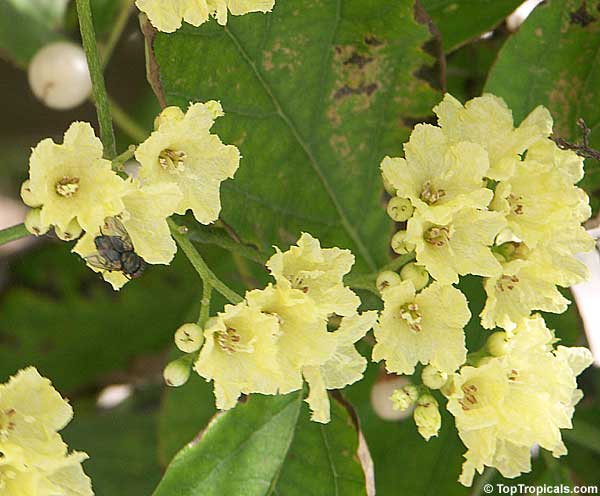
Cordia dentata pale yellow flower close up cluster with soft wavy petal edges
Cordia dentata cluster with many pale yellow petals and small central stamens.

Botanical name: Cordia dentata

Common name: Cordia Suwana-Pruek

Family: Boraginaceae

Origin: Mexico

USDA Plant Hardiness MapLarge shrub 5-10 ft tallSmall tree 10-20 ftSemi-shadeFull sunWatering: Moderate. Water when top soil feels dryWatering: Regular. Let topsoil dry slightlyYellow, orange flowersWhite, off-white flowersPlant attracts butterflies, hummingbirdsSeaside, salt tolerant plant

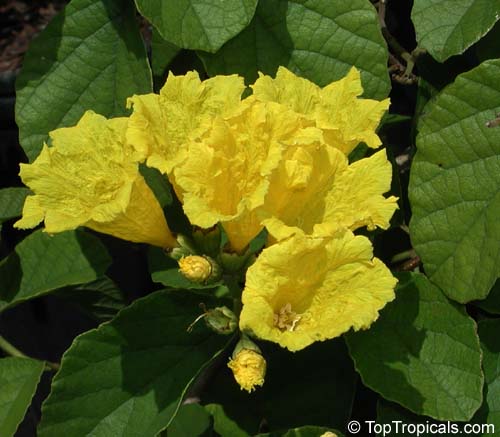
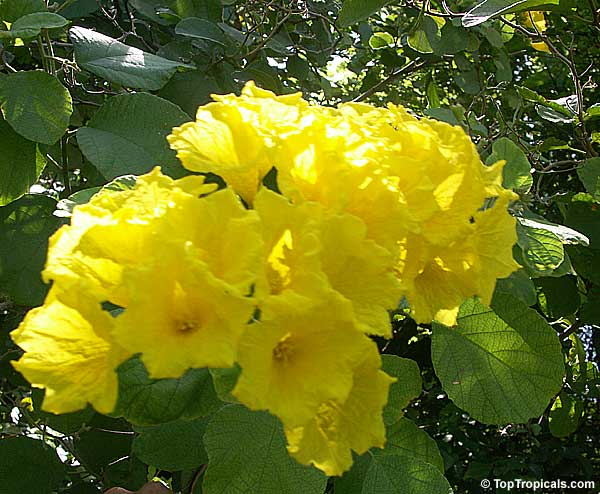
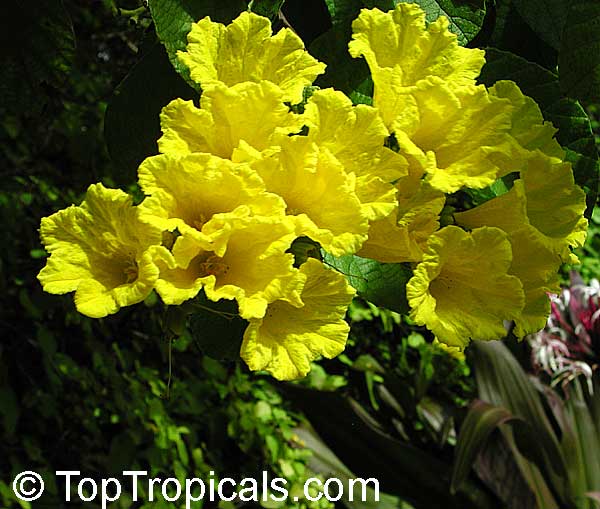
Small tree or shrub with clusters of crincly, papery, pale yellow flowers and sand-paper-like leaves.
See article about cordia.


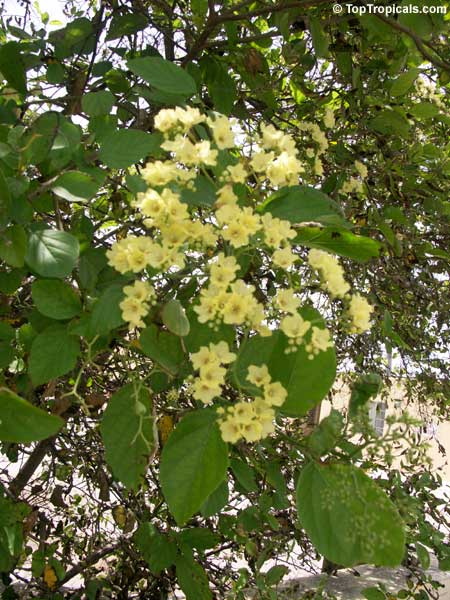
Cordia dentata yellow flower clusters in a close up view on branch
Cordia dentata clusters of yellow flowers gathered on a leafy branch.
Cordia dentata pale yellow flower clusters in a close up plant view
Cordia dentata with clusters of pale yellow flower and small white fruit
Cordia dentata yellow flower cluster among dense green leaves on tree branch close up
Cordia dentata yellow flower clusters nestled within lush green foliage on tree branches
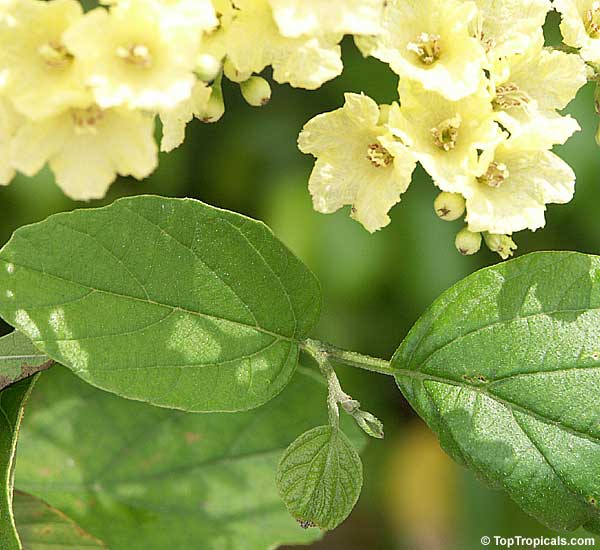
Cordia dentata yellow flower and green leaves close up for gardening enthusiasts
Cordia dentata yellow flower clusters hanging above wide textured green leaves foliage


Link to this plant:
https://toptropicals.com/catalog/uid/cordia_dentata.htm

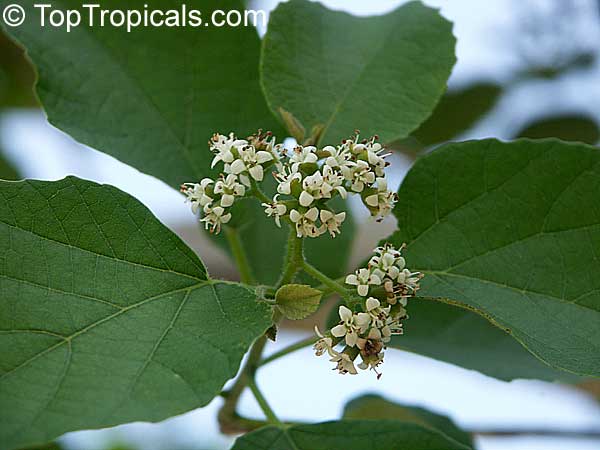
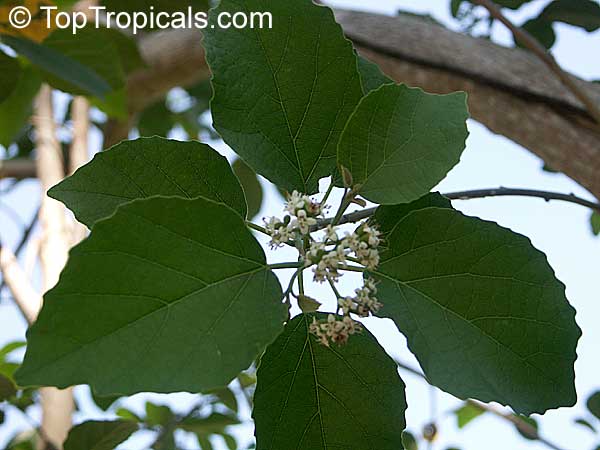
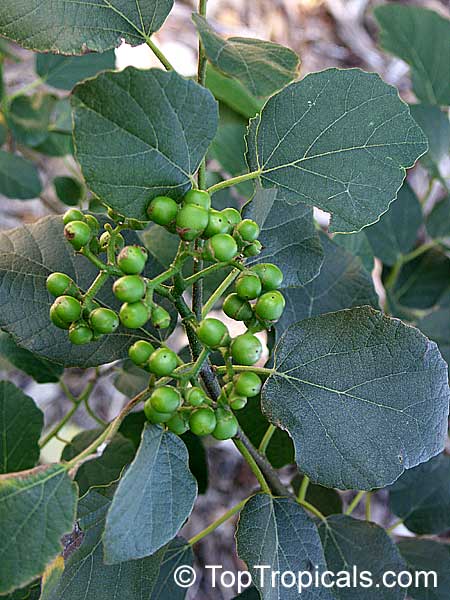
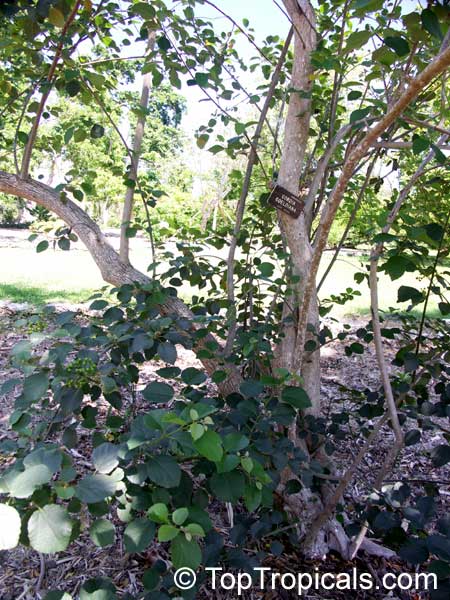
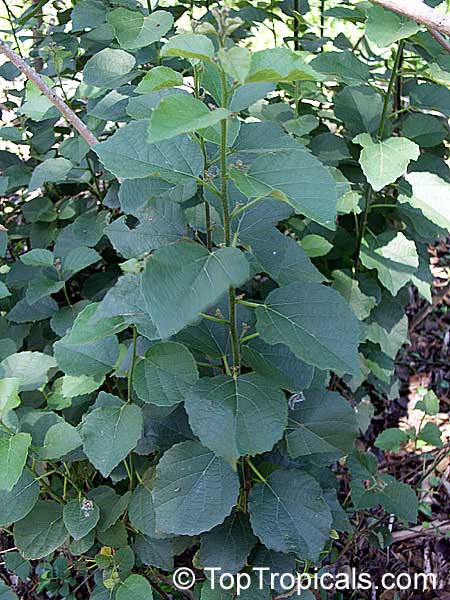
Cordia goeldiana (Freijo) white flower close up with green leaves for plant collectors
Cordia goeldiana (Freijo) white flower cluster growing from stems beside large green textured foliage

Botanical name: Cordia goeldiana

Common names: Freijo, Jenny Wood

Family: Boraginaceae

Origin: Brazil

USDA Plant Hardiness MapLarge tree taller than 20 ftSmall tree 10-20 ftSemi-shadeWatering: Regular. Let topsoil dry slightlyWhite, off-white flowers

Freijo is very similar in strength properties to Teak, and is occasionally used as a substitute for Teak in building ships.
Link to this plant:
https://toptropicals.com/catalog/uid/cordia_goeldiana.htm

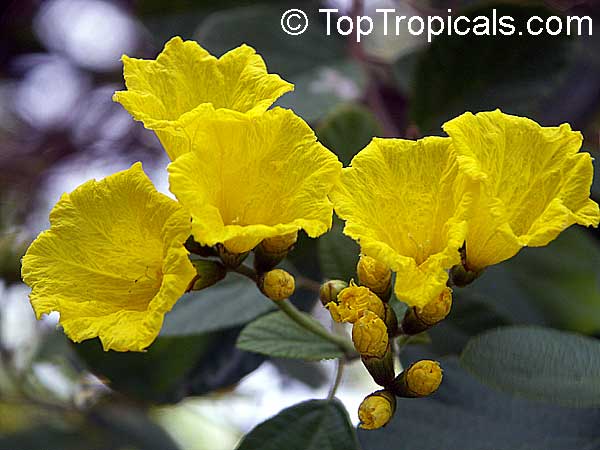
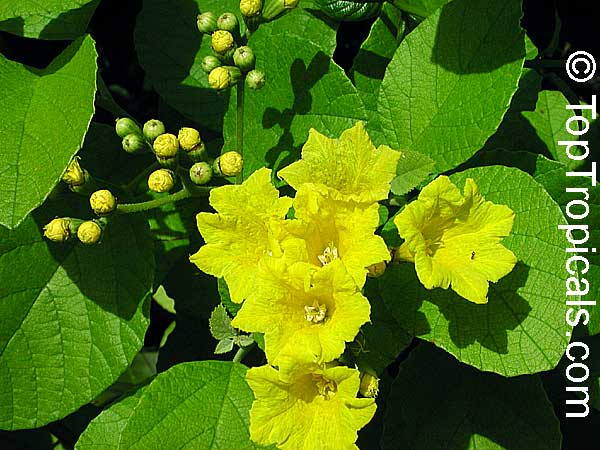
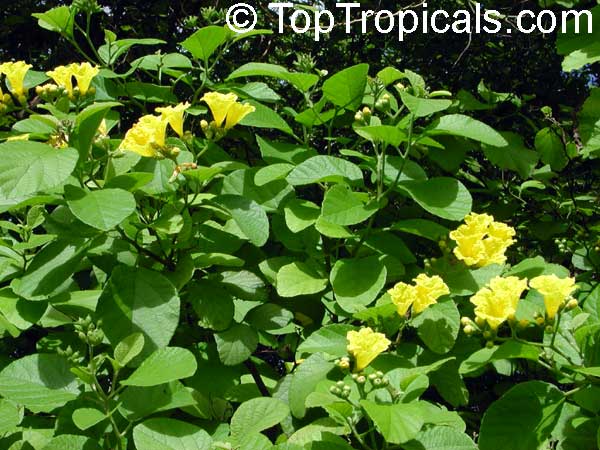
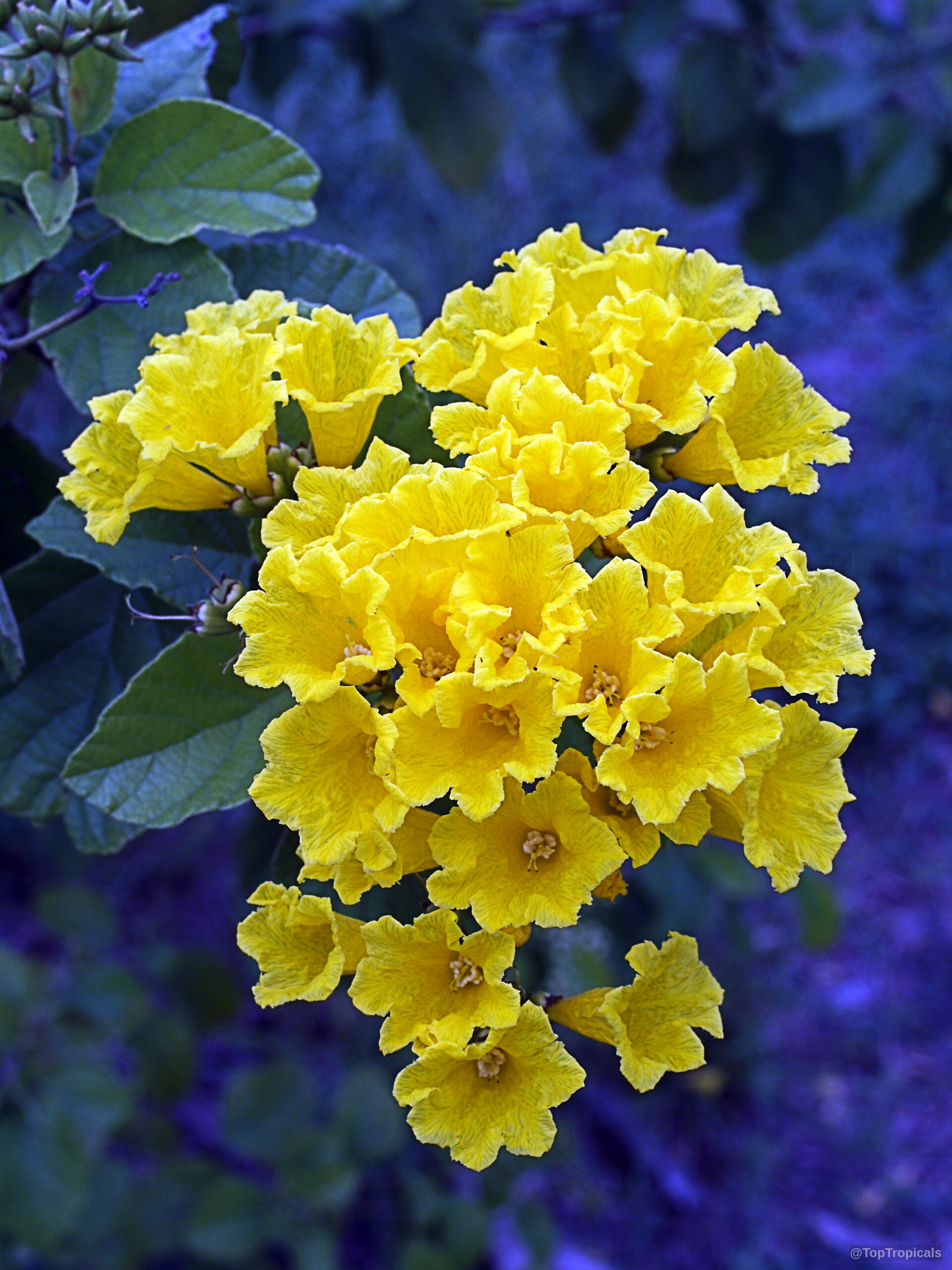
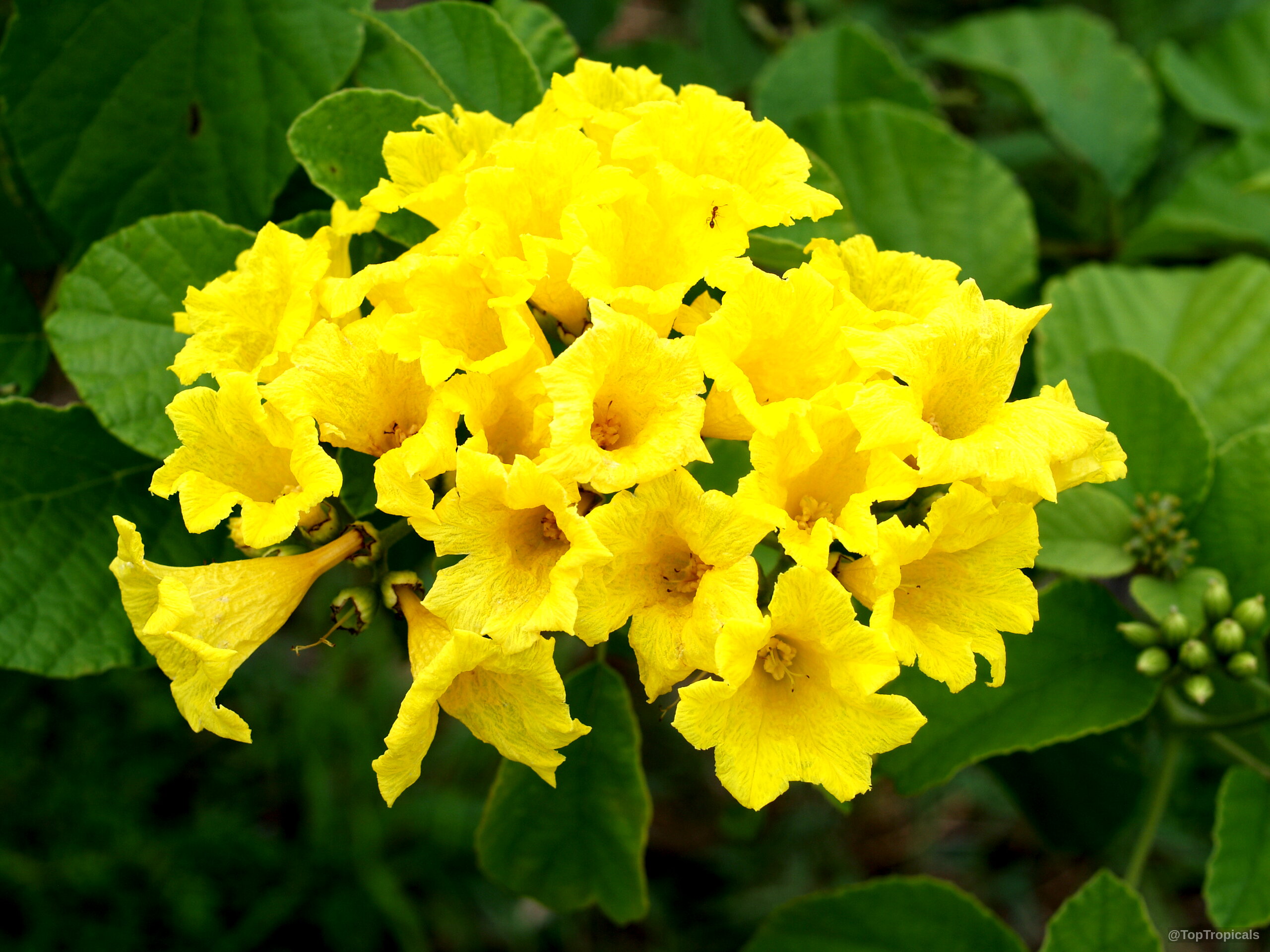
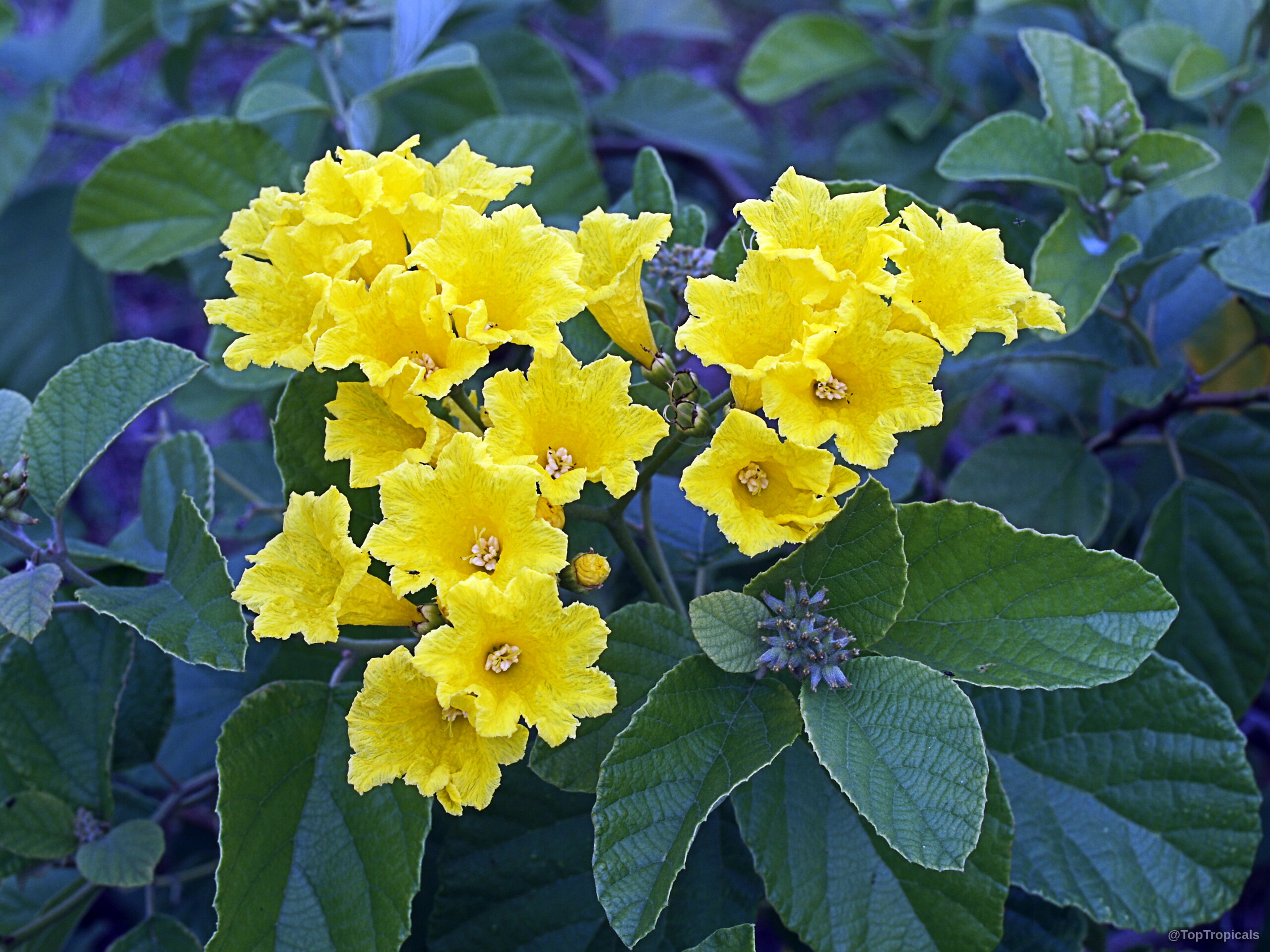
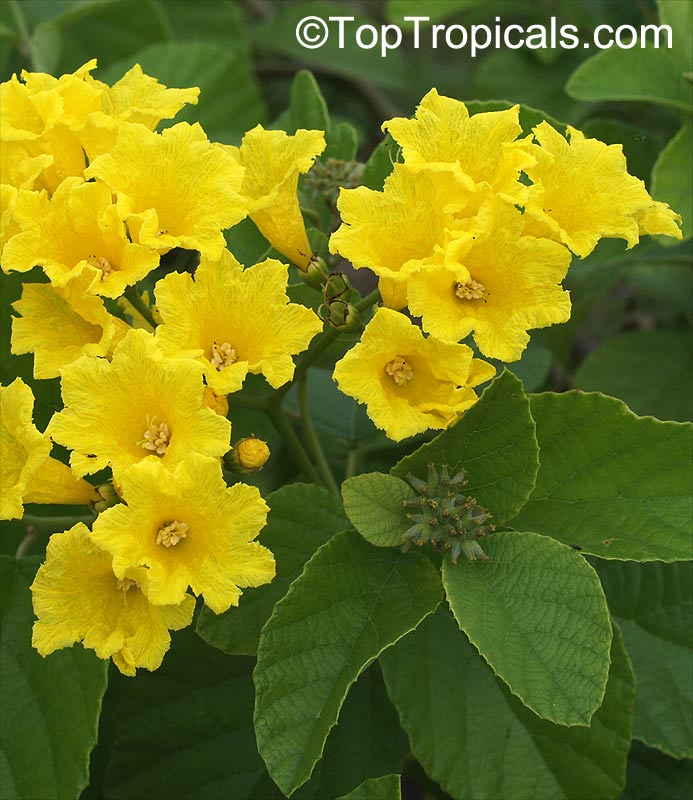
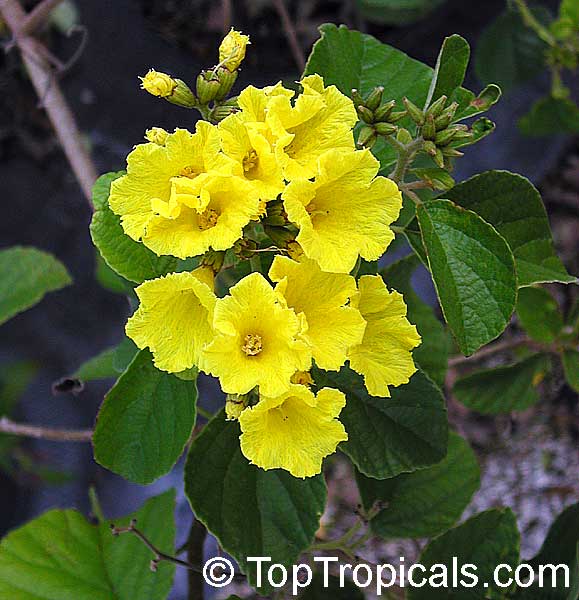
Cordia lutea (Yellow Geiger) clusters of ruffled yellow flower petals in a close up.
Cordia lutea (Yellow Geiger) stems crowded with many clusters of funnel shaped yellow flower petals.

Botanical name: Cordia lutea

Common names: Yellow Geiger, Muyuyo

Family: Boraginaceae

Origin: Ecuador, Marquesas, Galapagos, Peru

USDA Plant Hardiness MapLarge shrub 5-10 ft tallSmall tree 10-20 ftFull sunWatering: Regular. Let topsoil dry slightlyYellow, orange flowersPlant attracts butterflies, hummingbirdsSeaside, salt tolerant plant

Ever-blooming small tree with elliptic leaves with rough upper surface. Flowers are bright canary-yellow in clusters. Free-branching habit. The plant requires regular watering until established. Nice specimen container plant.
See article about cordia.


Link to this plant:
https://toptropicals.com/catalog/uid/cordia_lutea.htm

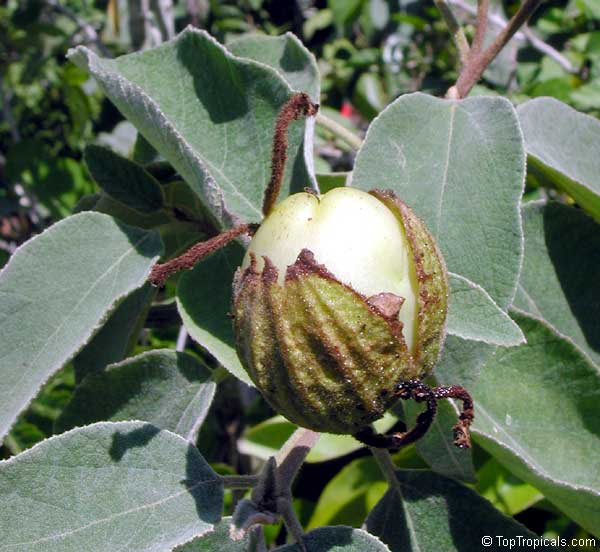
Cordia lutea, Yellow Geiger tree

Yellow Geiger tree. Ever-blooming small tree with elliptic leaves with rough upper surface. Flowers are bright canary-yellow in clusters. Free-branching habit. The plant requires regular watering until established. Nice specimen container plant. Nice small tree for limited space yard.
Recommended Fertilizer: SUNSHINE Megaflor - Bloom Nutrition Booster
Grown in
10"/3 gal pot


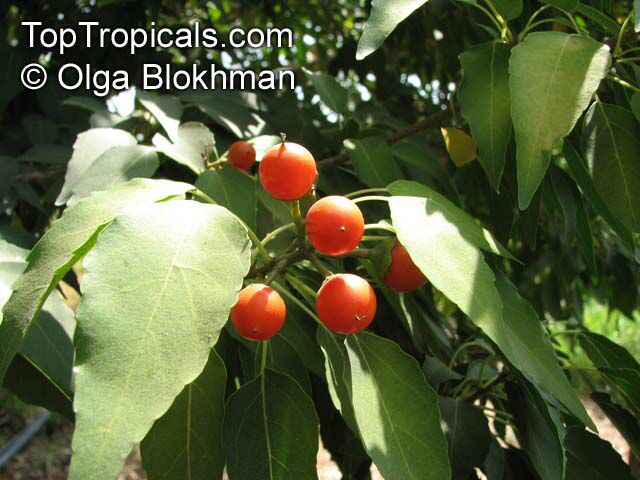
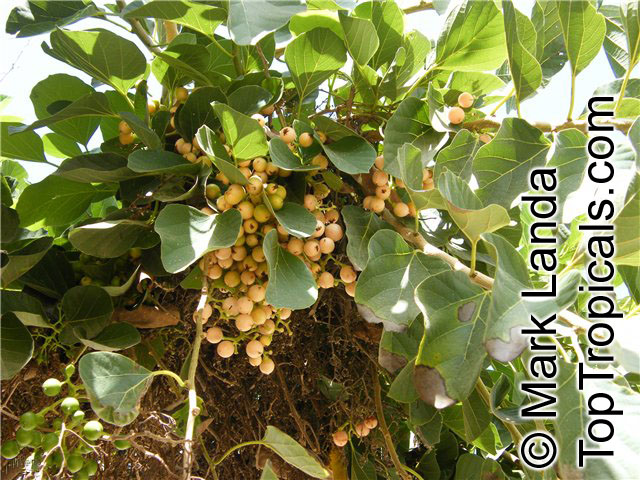
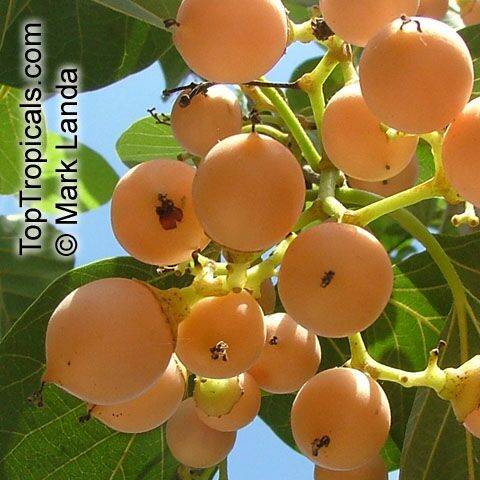
Cordia myxa (Assyrian Plum) orange fruit close up hanging from a green plant stem.
Cordia myxa (Assyrian Plum) orange fruit clusters growing on the branch among deep green leaves.

Botanical name: Cordia myxa

Common names: Assyrian Plum, Lasura

Family: Boraginaceae

Origin: Tropical Asia

USDA Plant Hardiness MapSmall tree 10-20 ftFull sunWatering: Moderate. Water when top soil feels dryWhite, off-white flowersDeciduous plantEthnomedical plant.
Plants marked as ethnomedical and/or described as medicinal, are not offered as medicine but rather as ornamentals or plant collectibles.
Ethnomedical statements / products have not been evaluated by the FDA and are not intended to diagnose, treat, cure, or prevent any disease. We urge all customers to consult a physician before using any supplements, herbals or medicines advertised here or elsewhere.

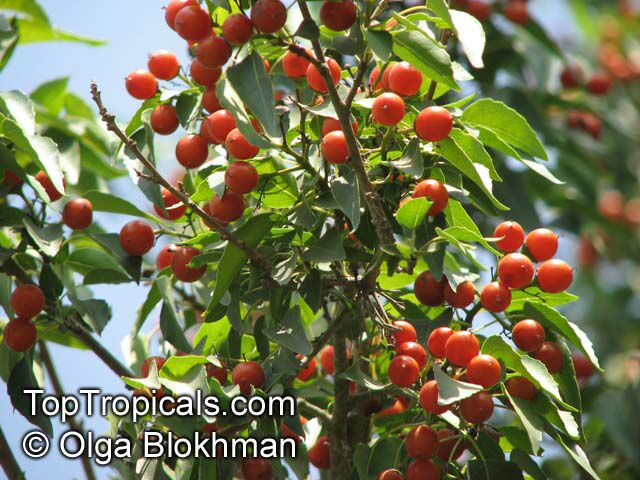
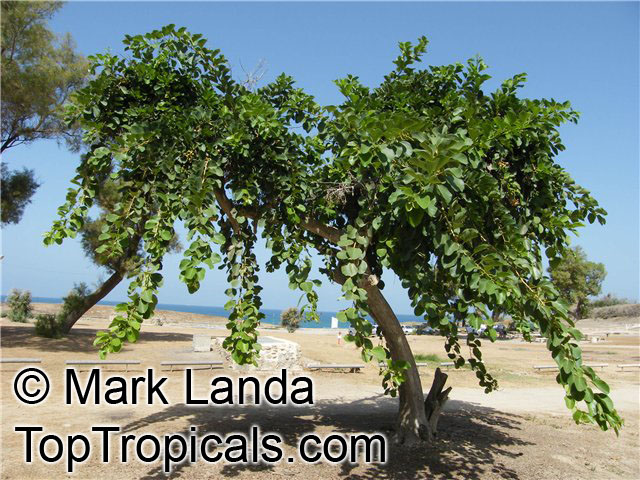
Cordia myxa (Assyrian Plum) is a small deciduous tree native to tropical Asia and grows to about 10-20 ft in height. It thrives in full sun and requires moderate water. This plant produces magnificent white or off-white flowers from May to October, and around June, it produces surprisingly edible and sweet plums. This ethnomedical plant is appreciated for its many health benefits, from its ripe fruit full of vitamins to the Lasura bark and roots which can be used as a local remedy against cough, cold and other ailments.

When grown in a container, Cordia myxa will thrive in USDA Hardiness Zones 9-11. To ensure its optimal growth, the soil should be kept moist but not soggy. If you live in a region with colder winter temperatures, make sure to shelter the plant indoors, such as in a warm porch. When on the move indoors, bringing the plant into warmer temperature slowly is necessary to prevent shock. When taking outdoors in the warmer weather, the transition must also be consistent to ensure optimal growth. Additionally, the plant will appreciate a bit of fertilizer a couple of times during the growing season.
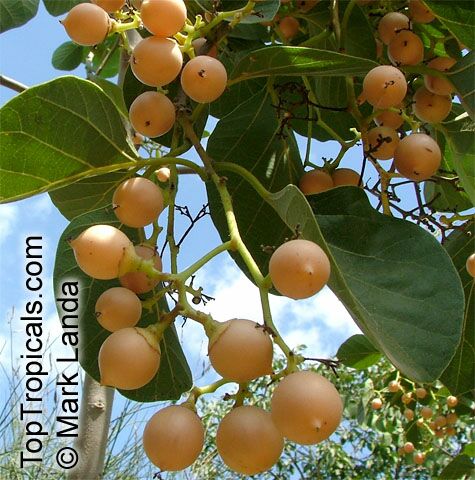

Cordia myxa (Assyrian Plum) yellow fruit hanging from a branch among broad green leaves
Cordia myxa (Assyrian Plum) yellow fruit cluster dangling from branches with wide green leaves visible.
Cordia myxa (Assyrian Plum) orange fruit clusters hanging on leafy branches against blue sky background
Cordia myxa (Assyrian Plum) hanging clusters of round orange fruit amongst wide dark green foliage.
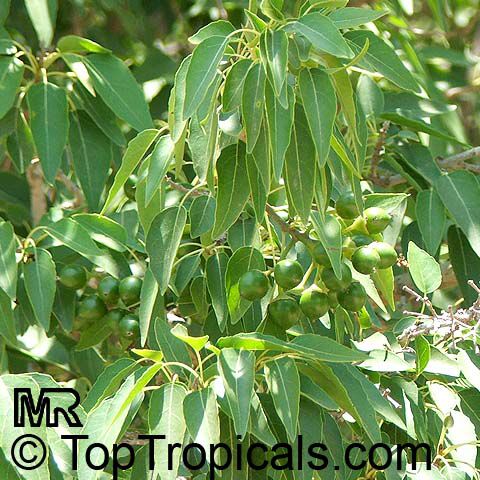
Cordia myxa (Assyrian Plum) green tree with spreading branches and dense foliage under blue sky
Cordia myxa (Assyrian Plum) tree with wide spreading branches and many small green leaves throughout
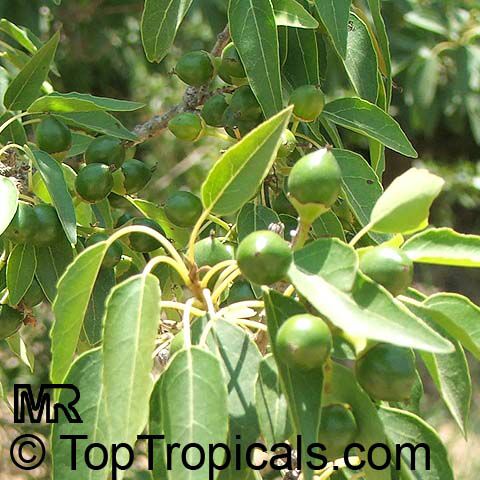
Cordia myxa (Assyrian Plum) yellow fruit hanging among thick green leaves on tree branch
Cordia myxa (Assyrian Plum) clusters of yellow fruit nestled within broad rounded green leaves on branches


Link to this plant:
https://toptropicals.com/catalog/uid/cordia_myxa.htm

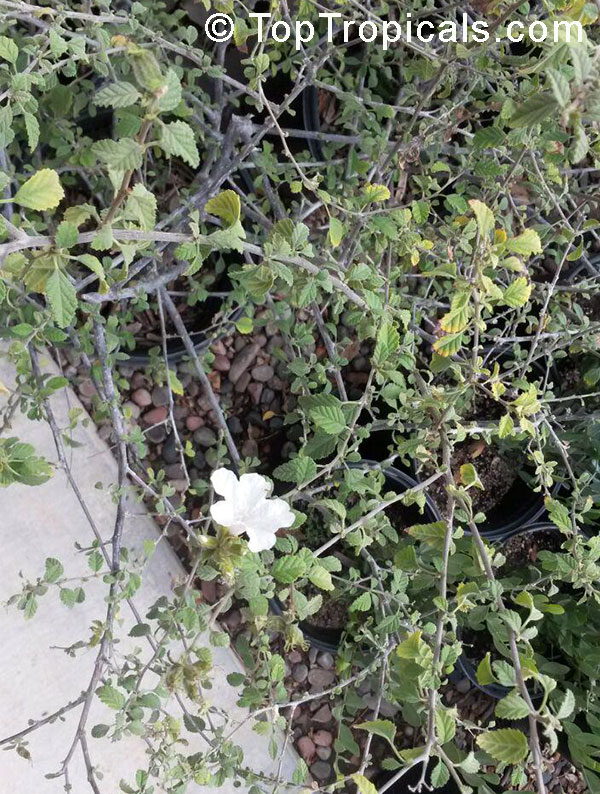
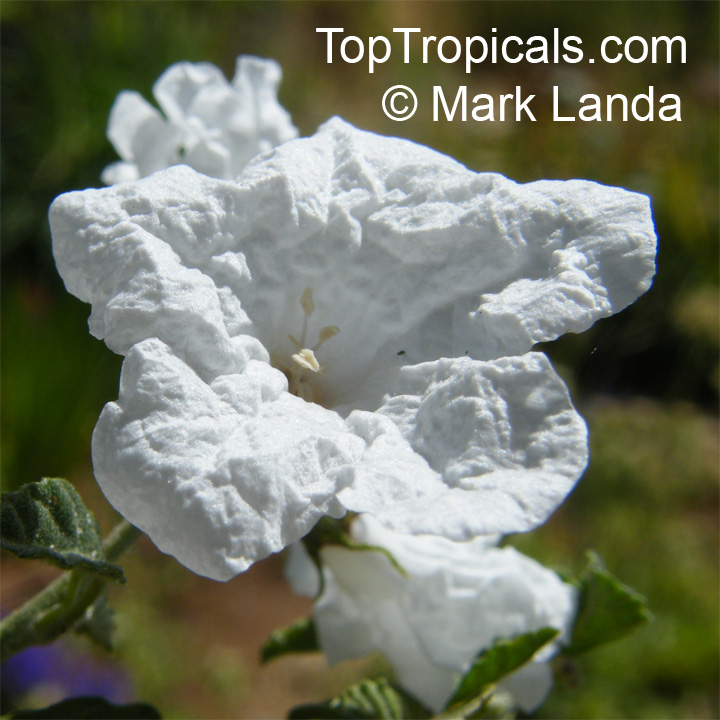
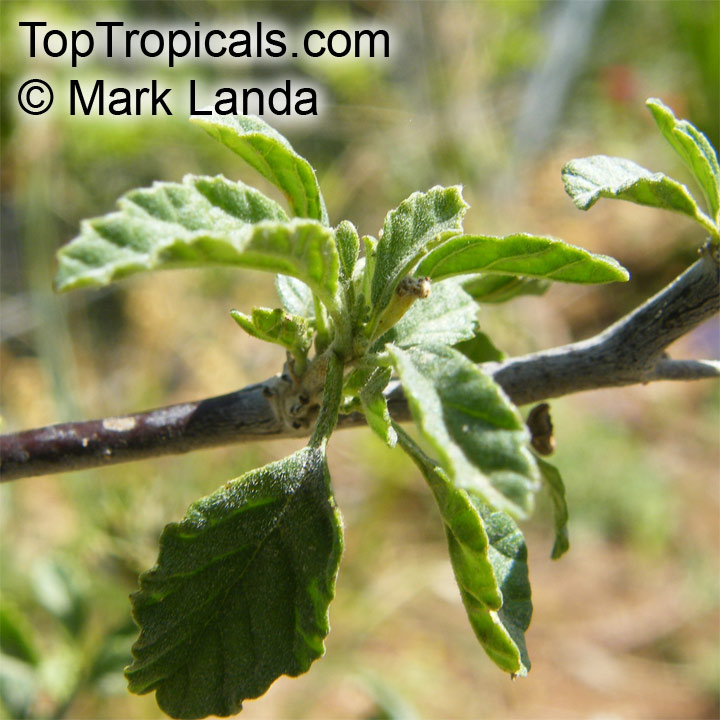
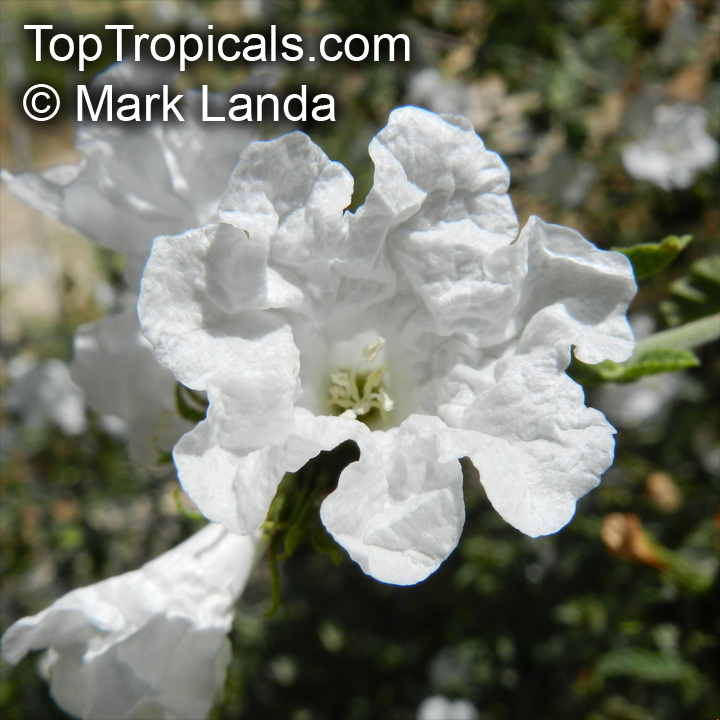
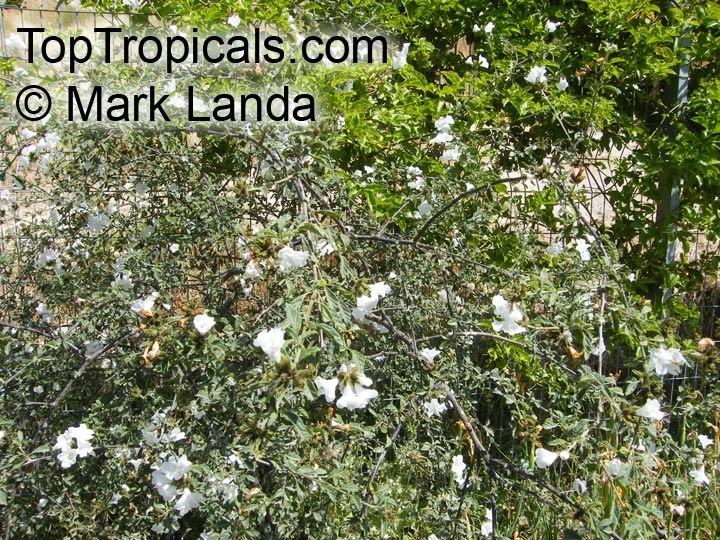
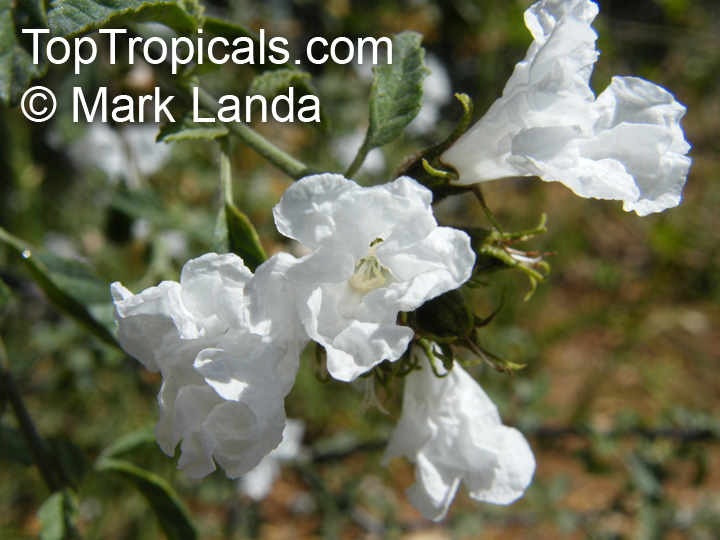
Cordia parvifolia (Little Leaf Cordia) white flower with tiny green leaves on plant
Cordia parvifolia (Little Leaf Cordia) white flower nestled among small green leaves on thin branches

Botanical name: Cordia parvifolia

Common name: Little Leaf Cordia

Family: Boraginaceae

Origin: Mexico

USDA Plant Hardiness MapLarge shrub 5-10 ft tallSmall plant 2-5 ftFull sunWatering: Moderate. Water when top soil feels dryWhite, off-white flowersPlant attracts butterflies, hummingbirdsDeciduous plantSubtropical plant. Mature plant cold hardy at least to 30s F for a short time

Evergreen, drought deciduous shrub with olive-gray leaves and bark. Drought-tolerant; suitable for xeriscaping. Great informal hedge or barrier in low water areas. Blooms in Spring and after Summer rains.
Link to this plant:
https://toptropicals.com/catalog/uid/cordia_parvifolia.htm
 
Next


Use link to repeat this search:
https://toptropicals.com/cgi-bin/garden_catalog/cat.cgi?search_op=and&keyword_op=and&language=e&family=Boraginaceae
&number=10&no_change_lang=1&user=tt&sale=1&first=0