Berberidaceae - Botanical Family
| Number of plants found: 4 |
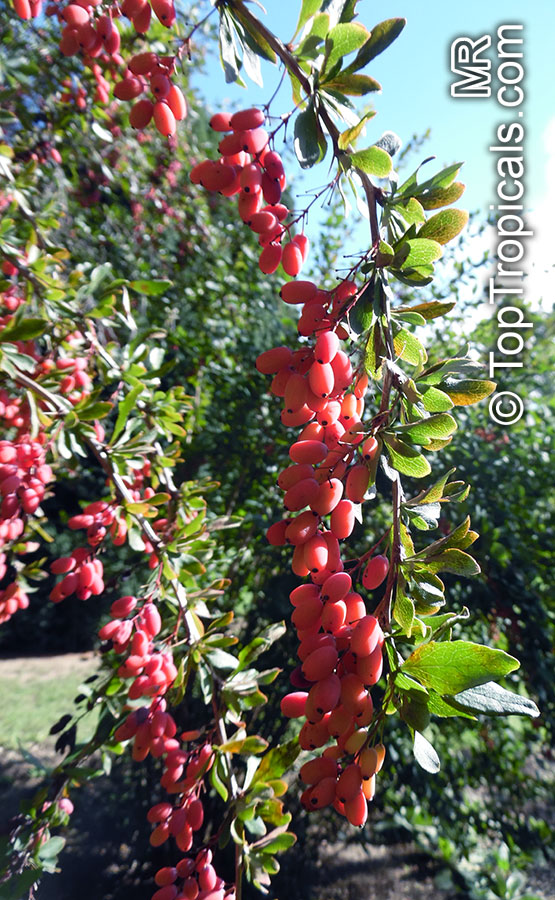
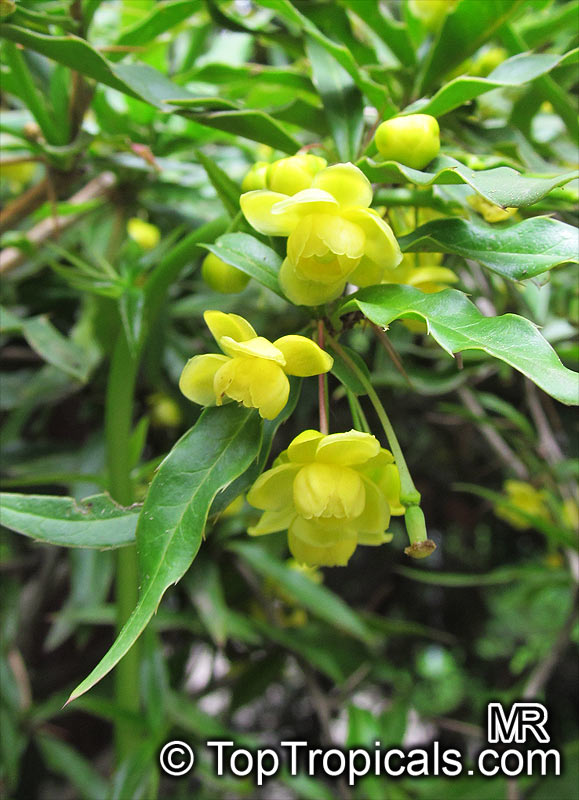
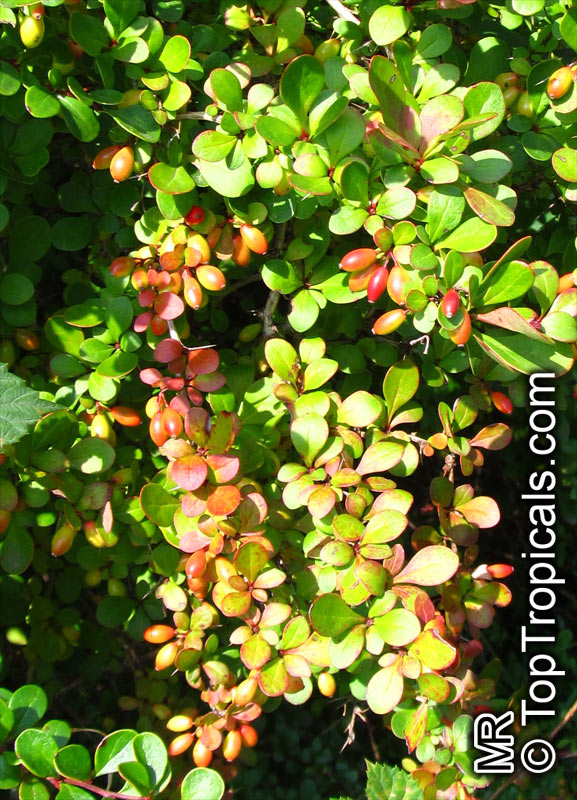
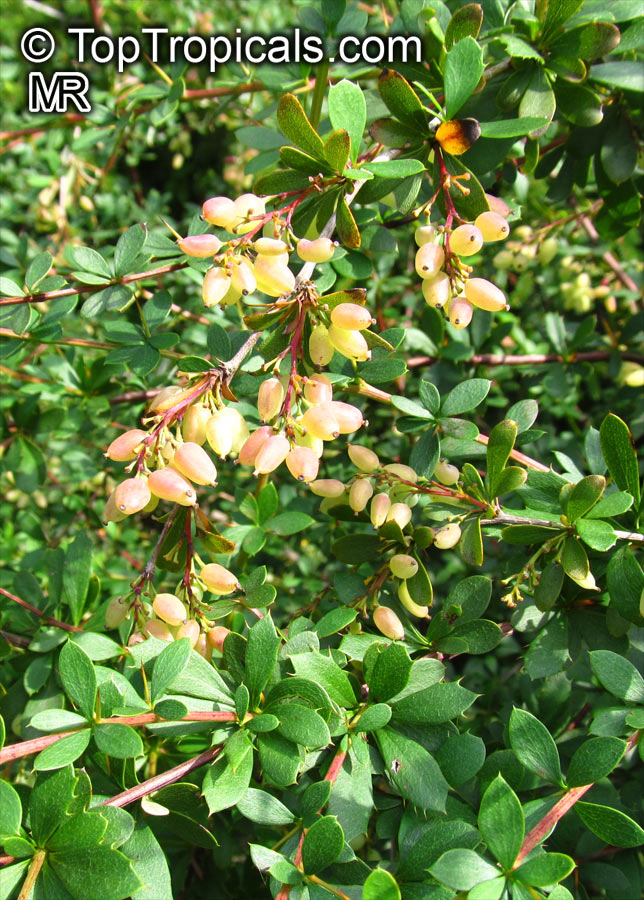
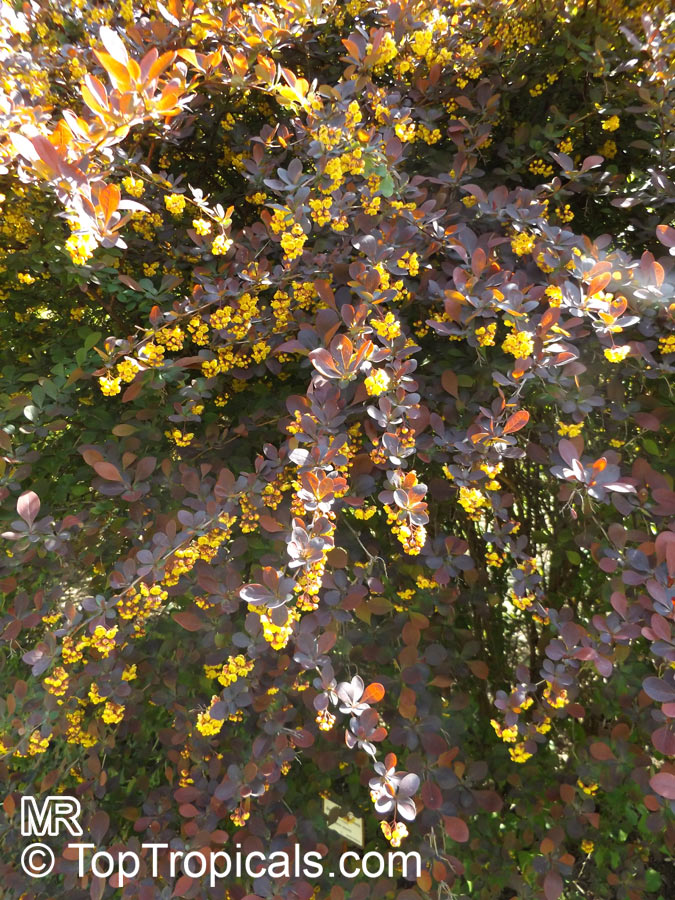
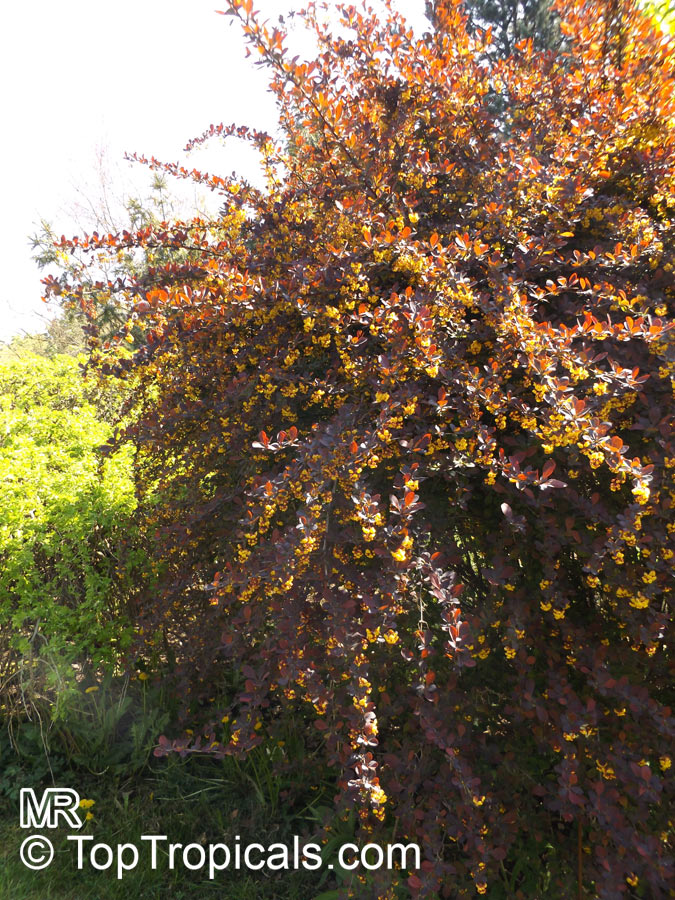
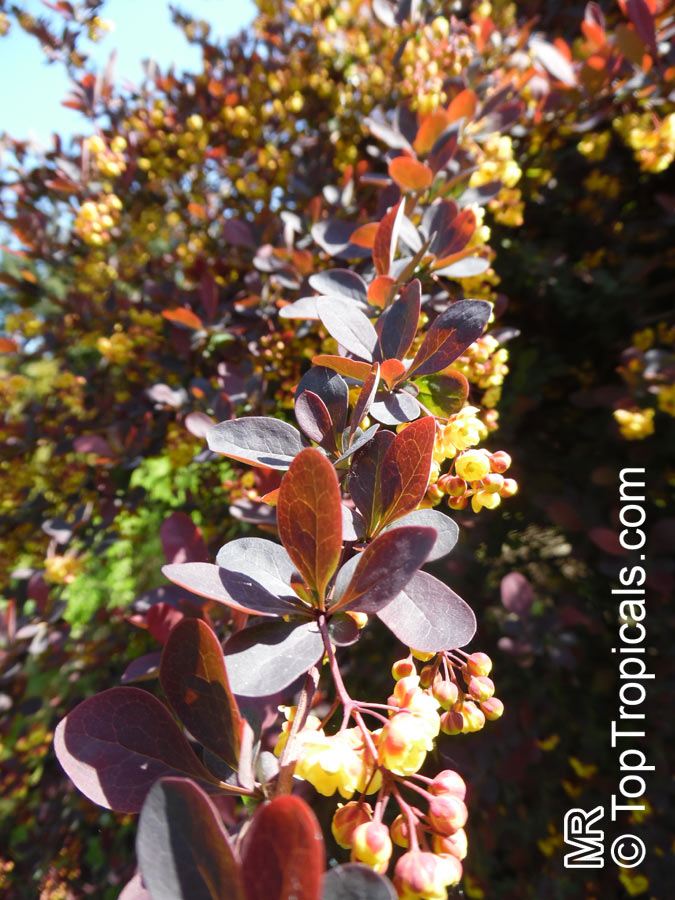
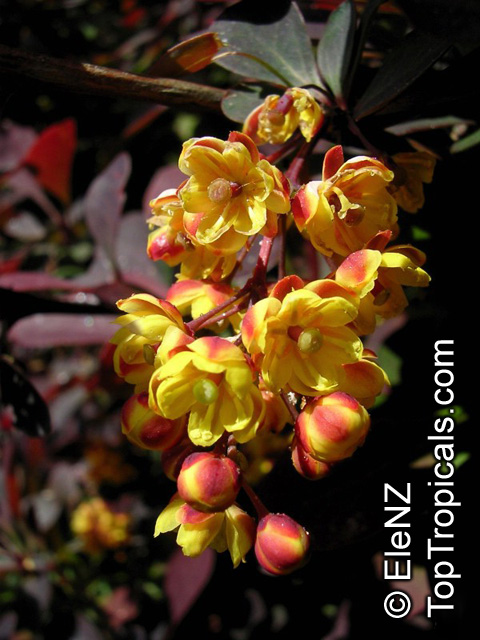
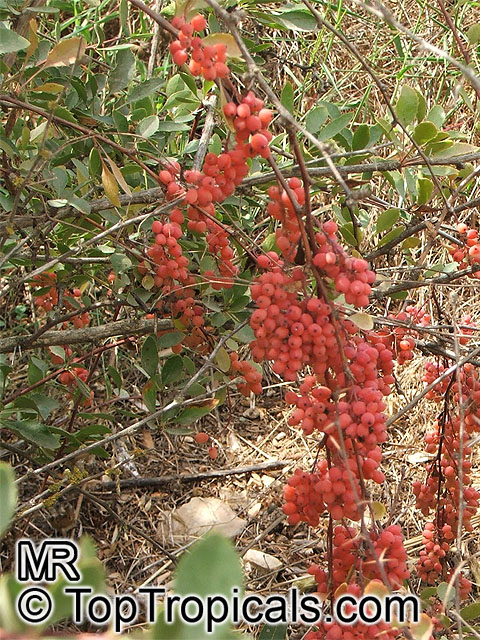
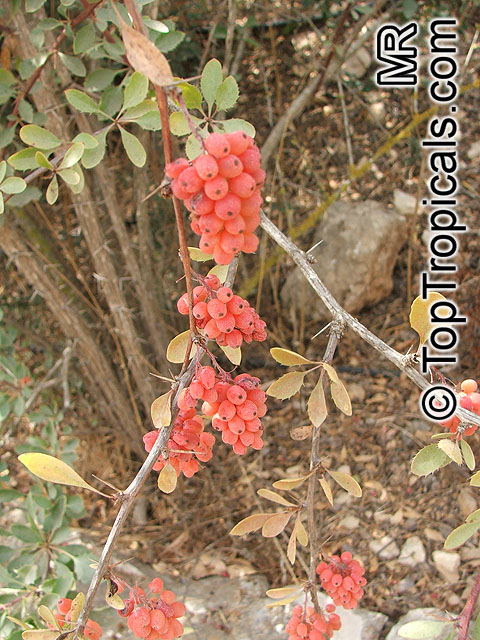
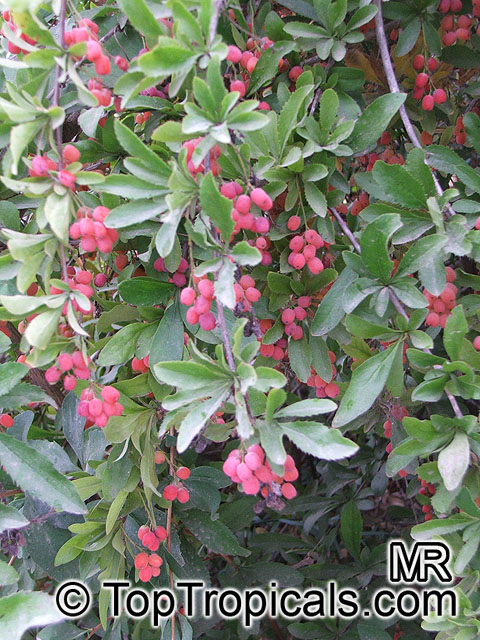
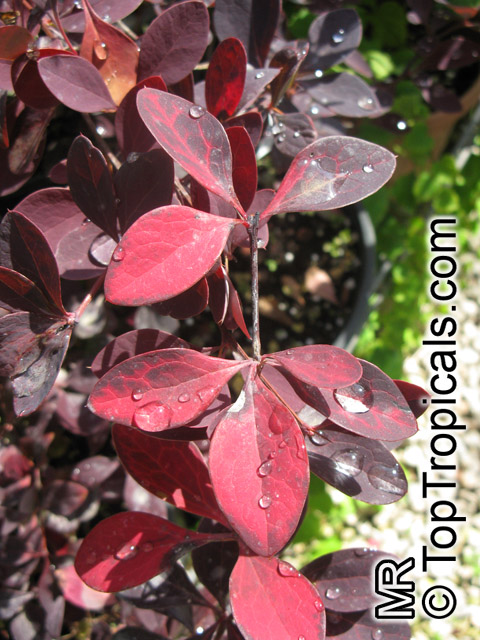
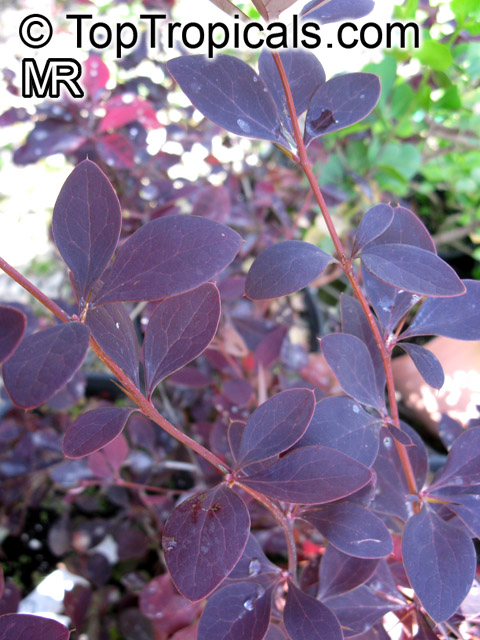
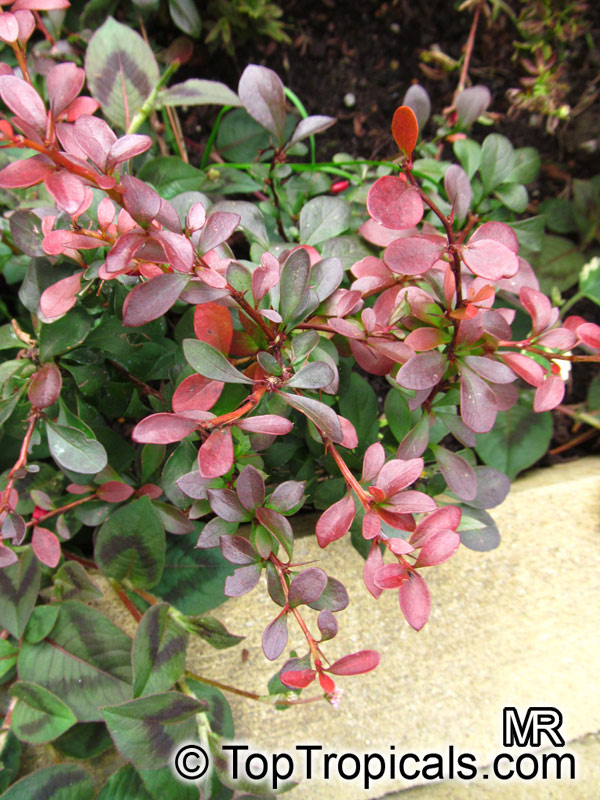
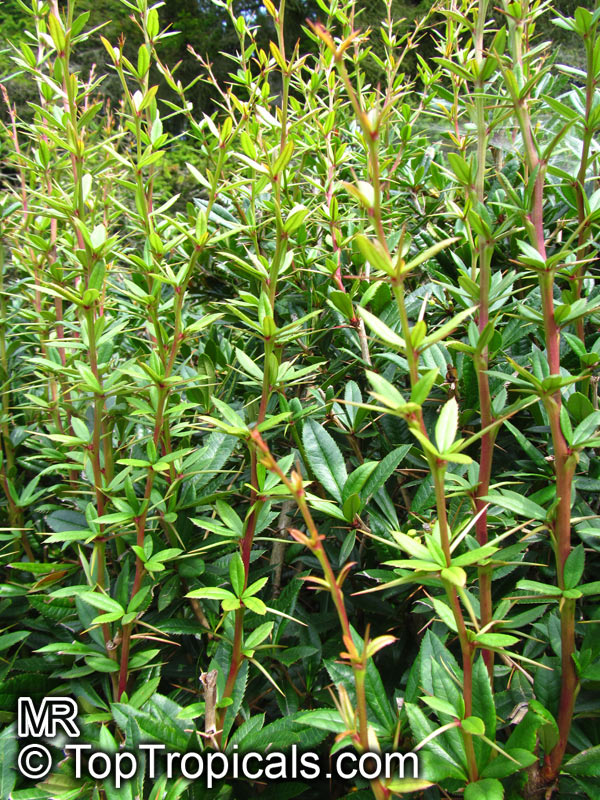
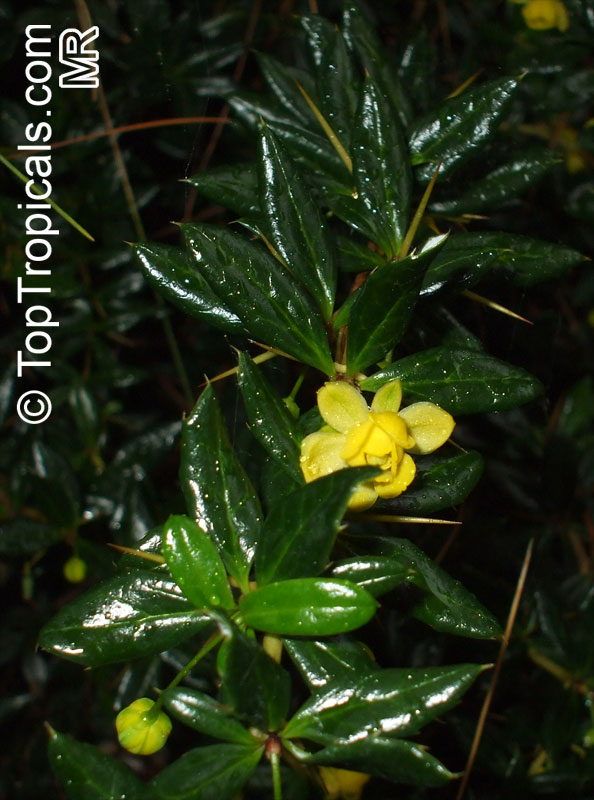
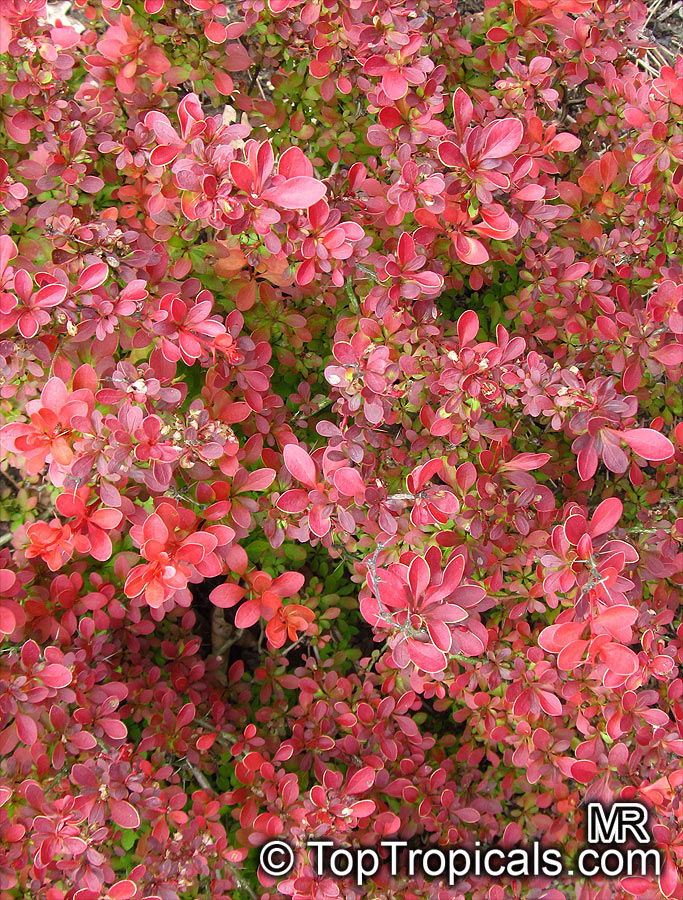
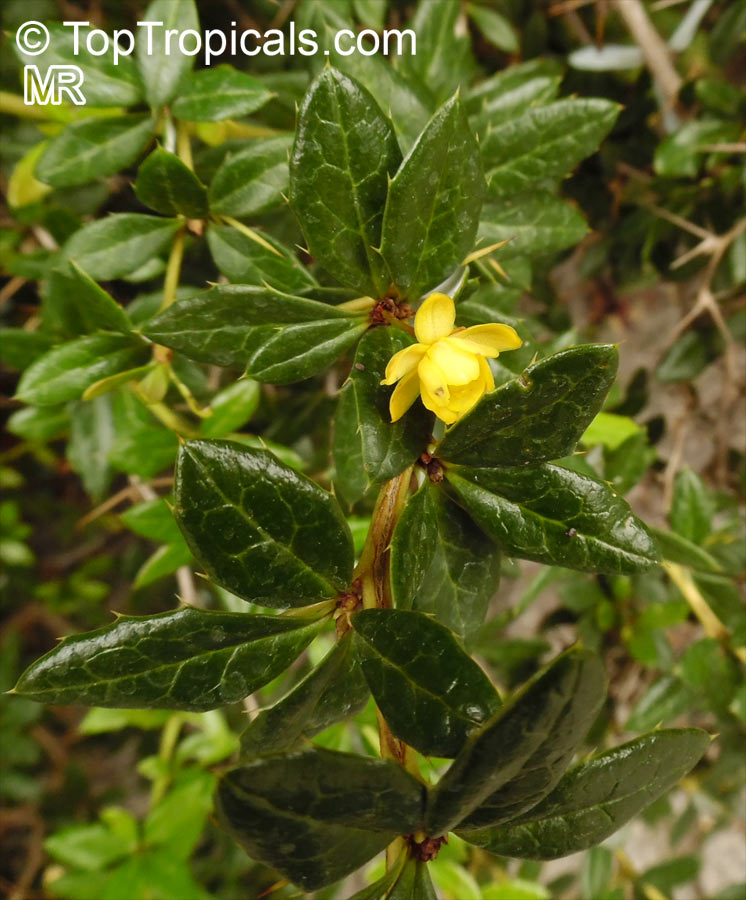
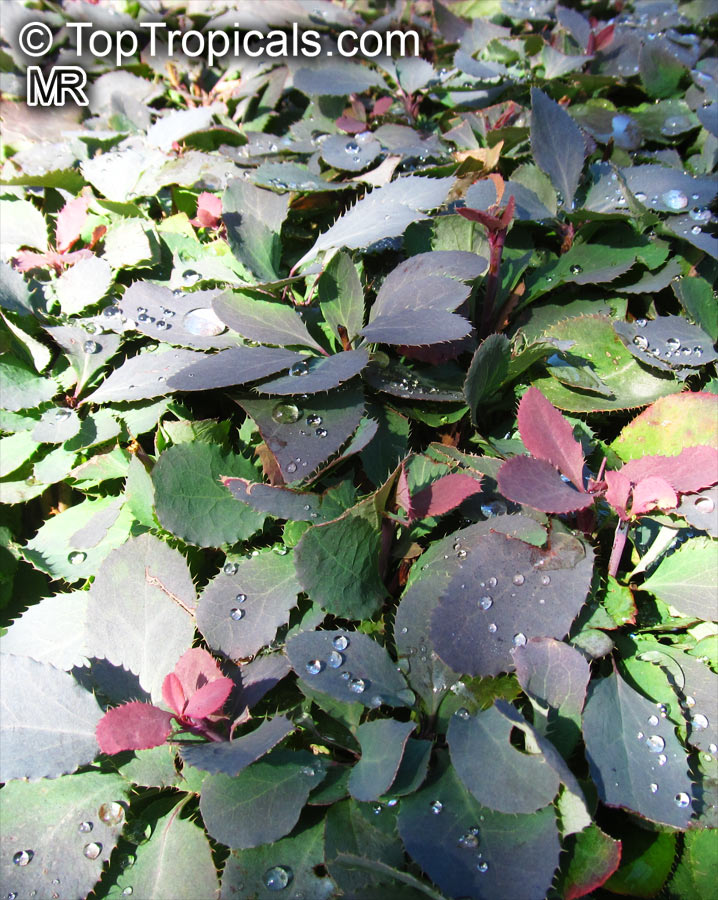
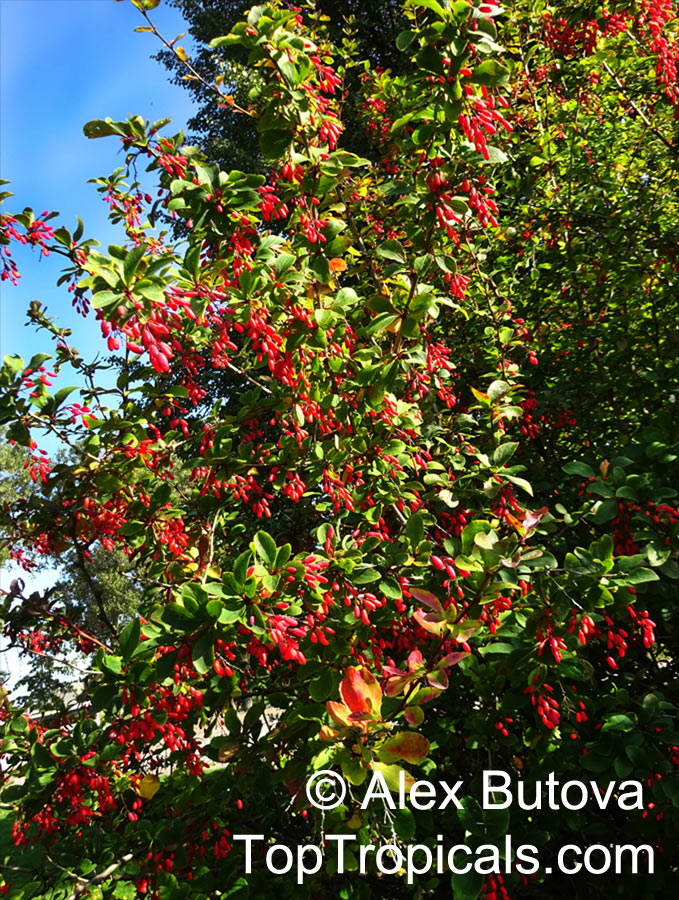
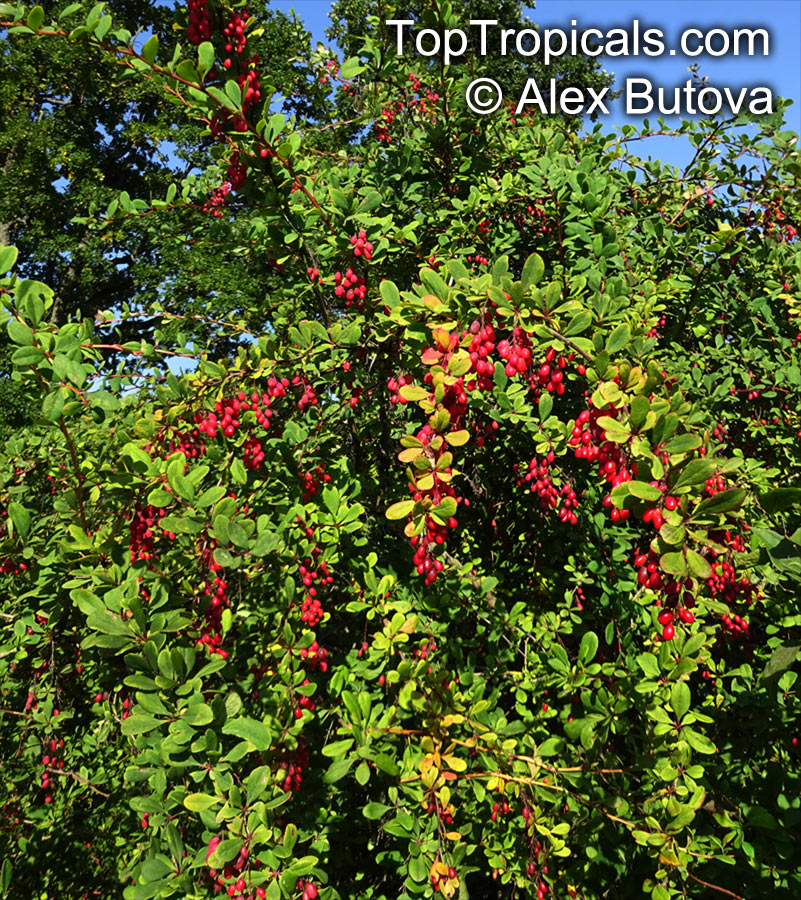
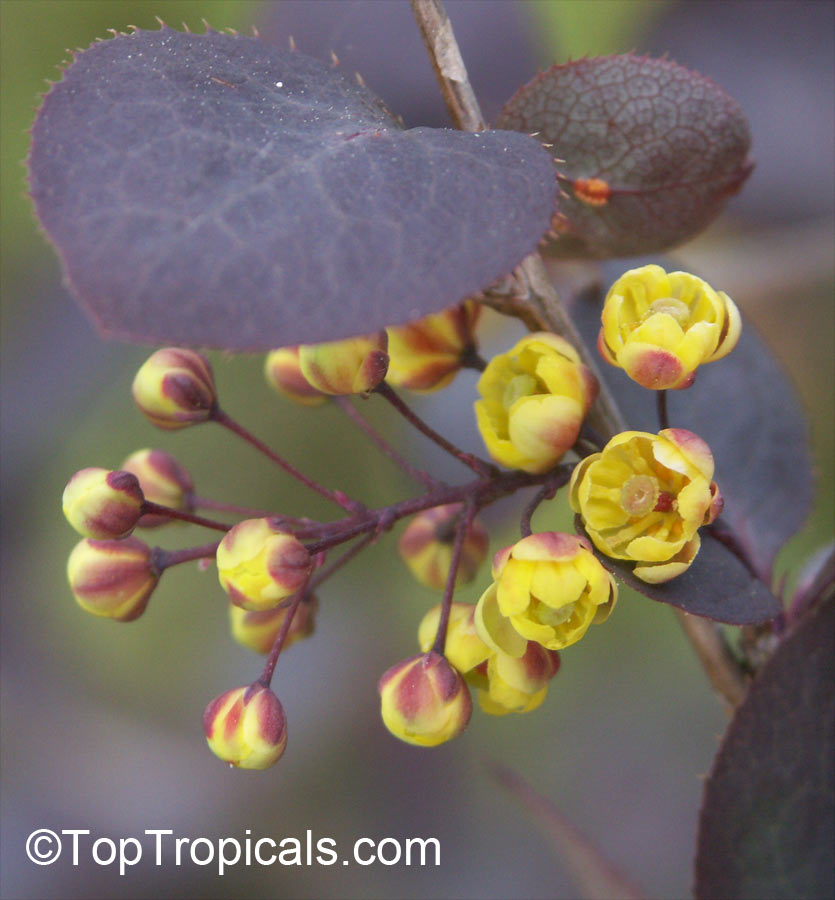
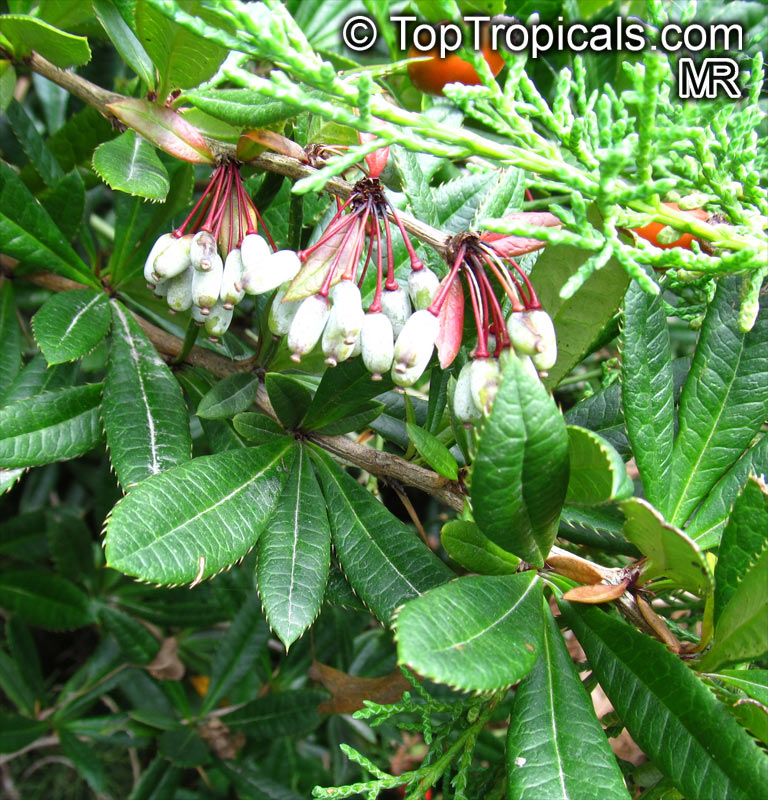
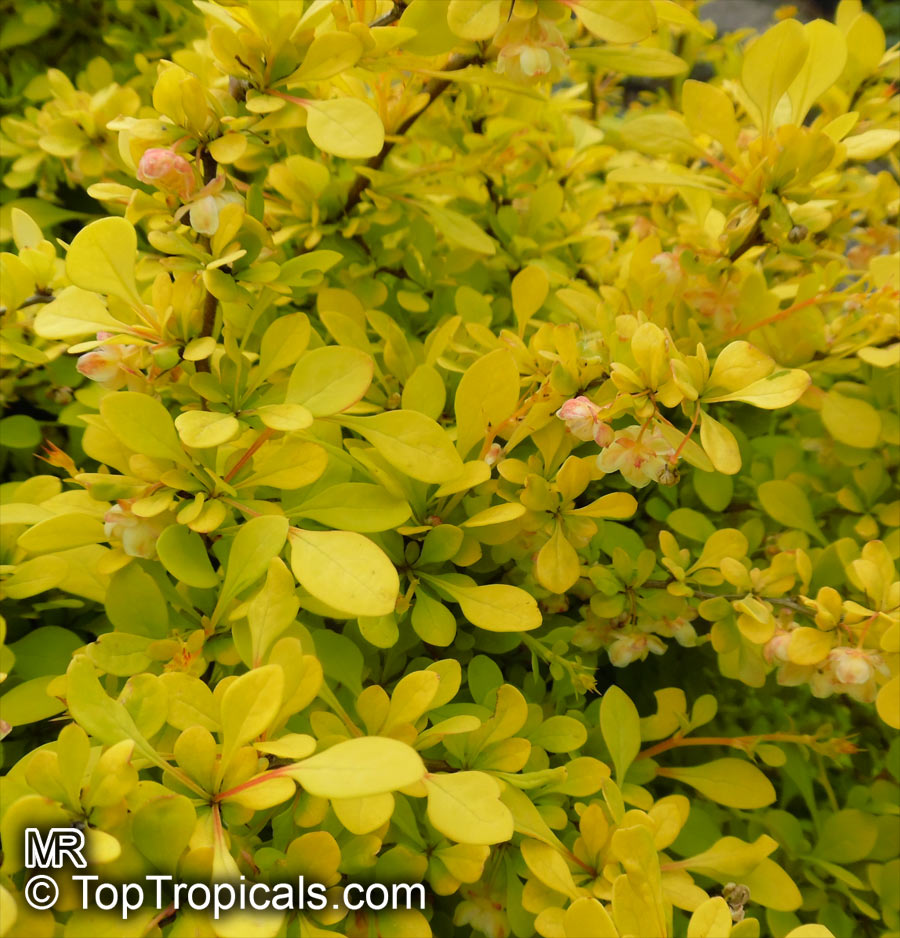
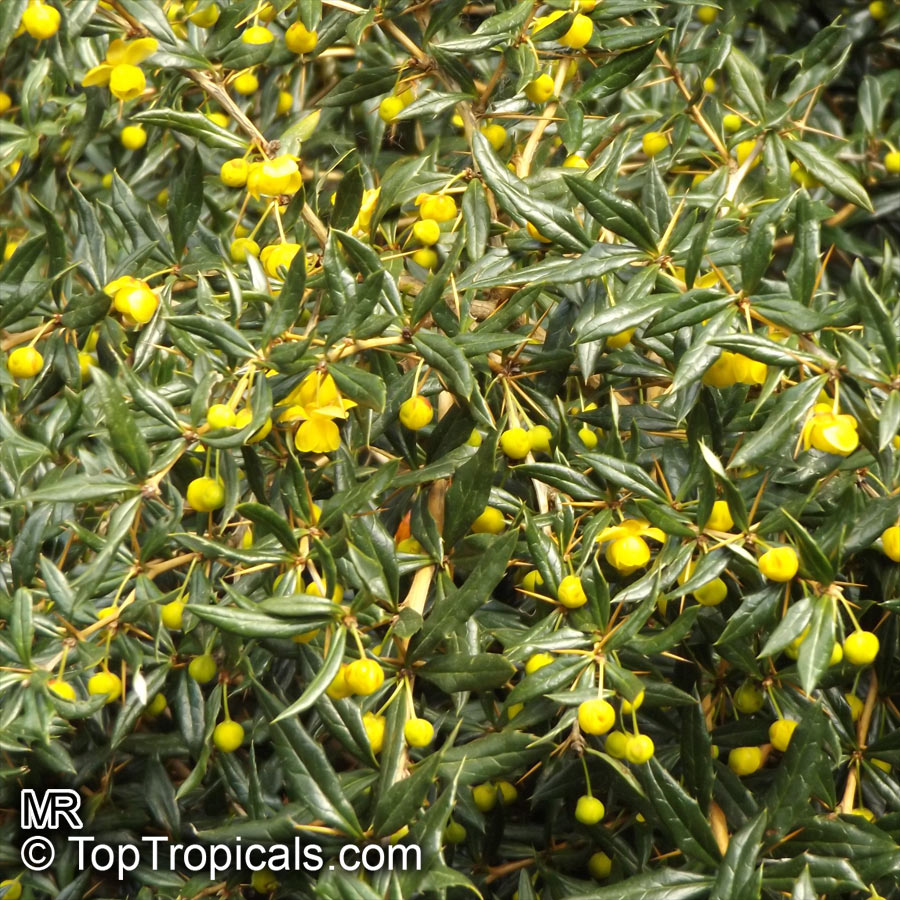
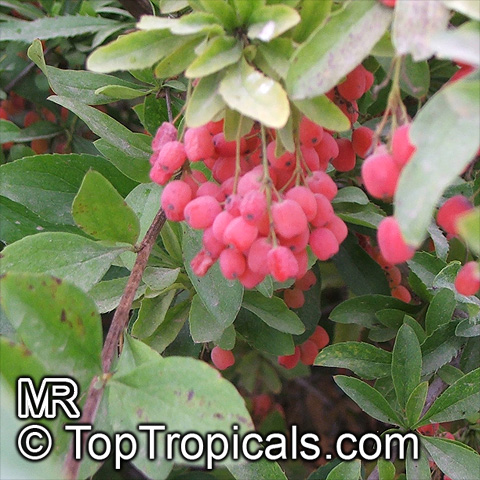
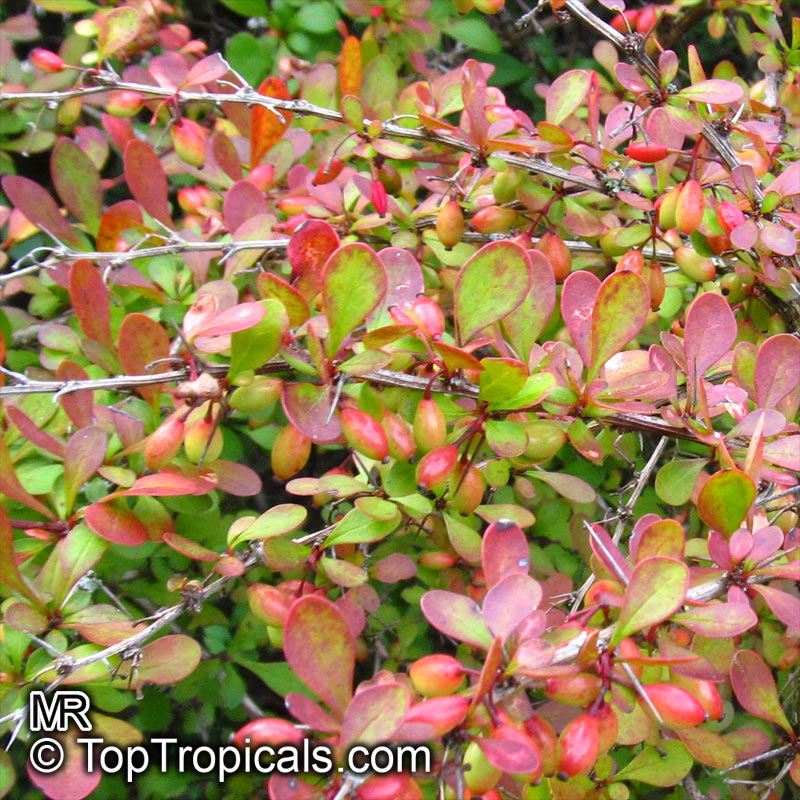
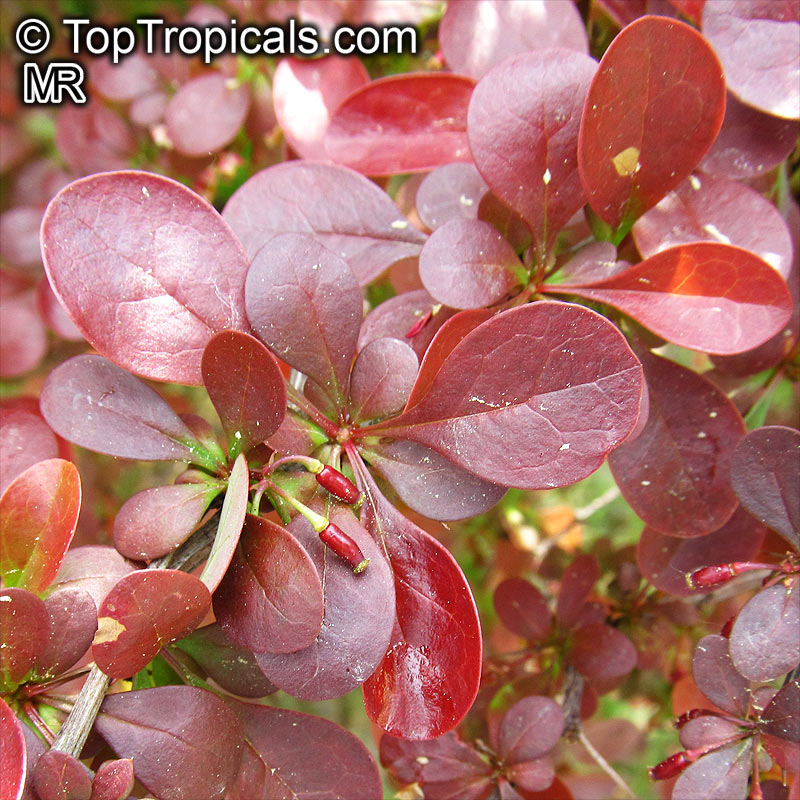
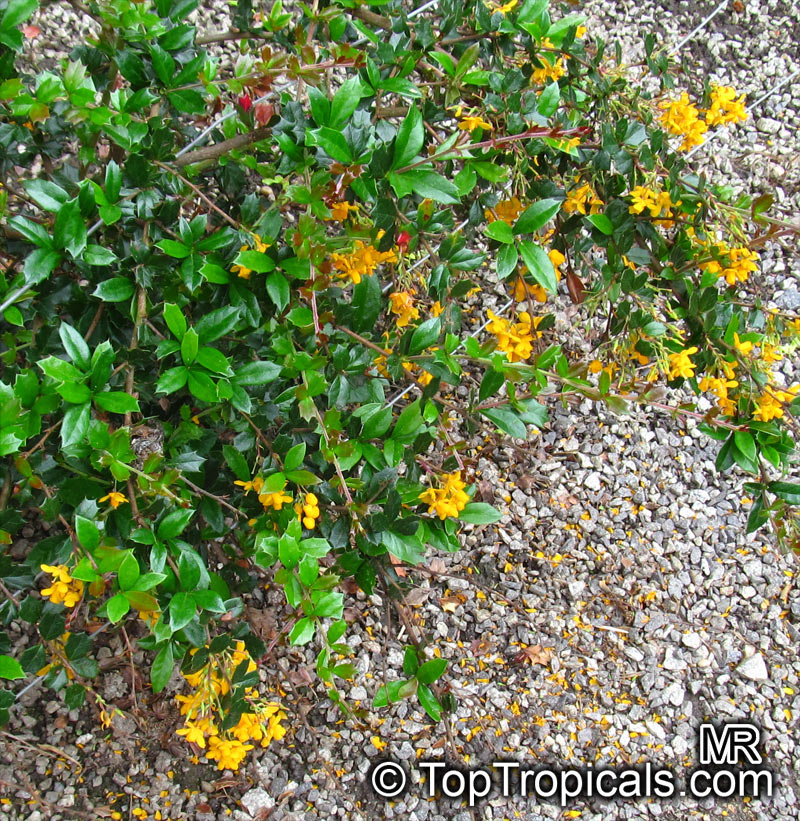
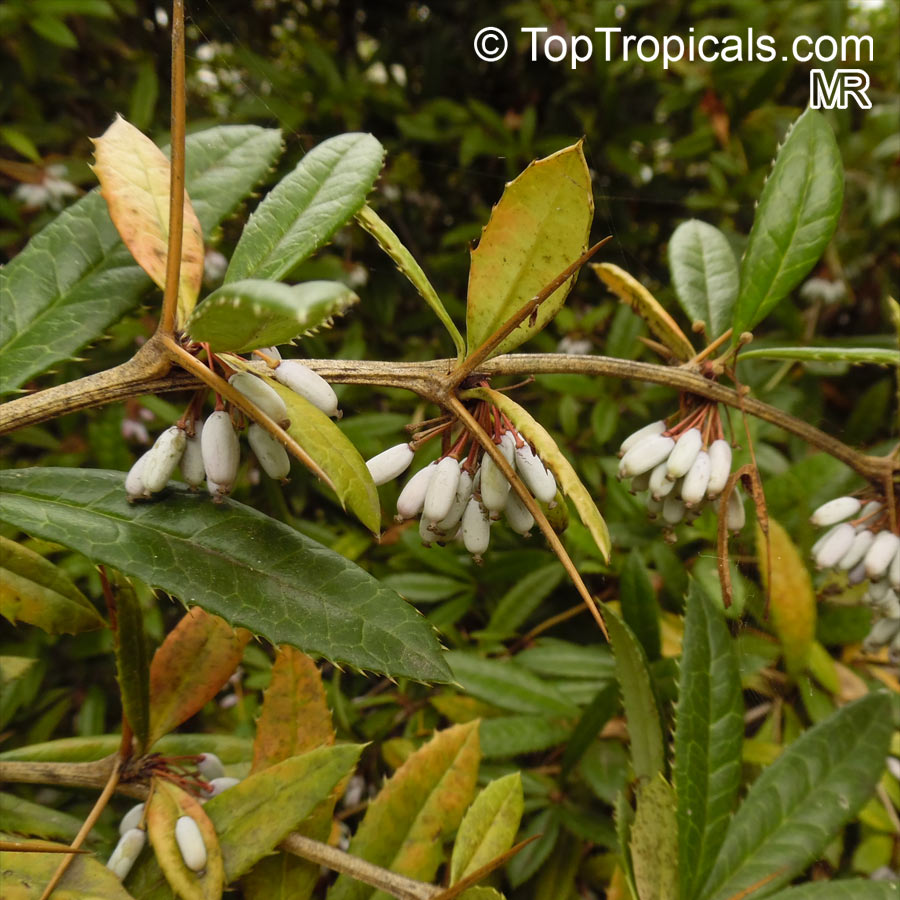
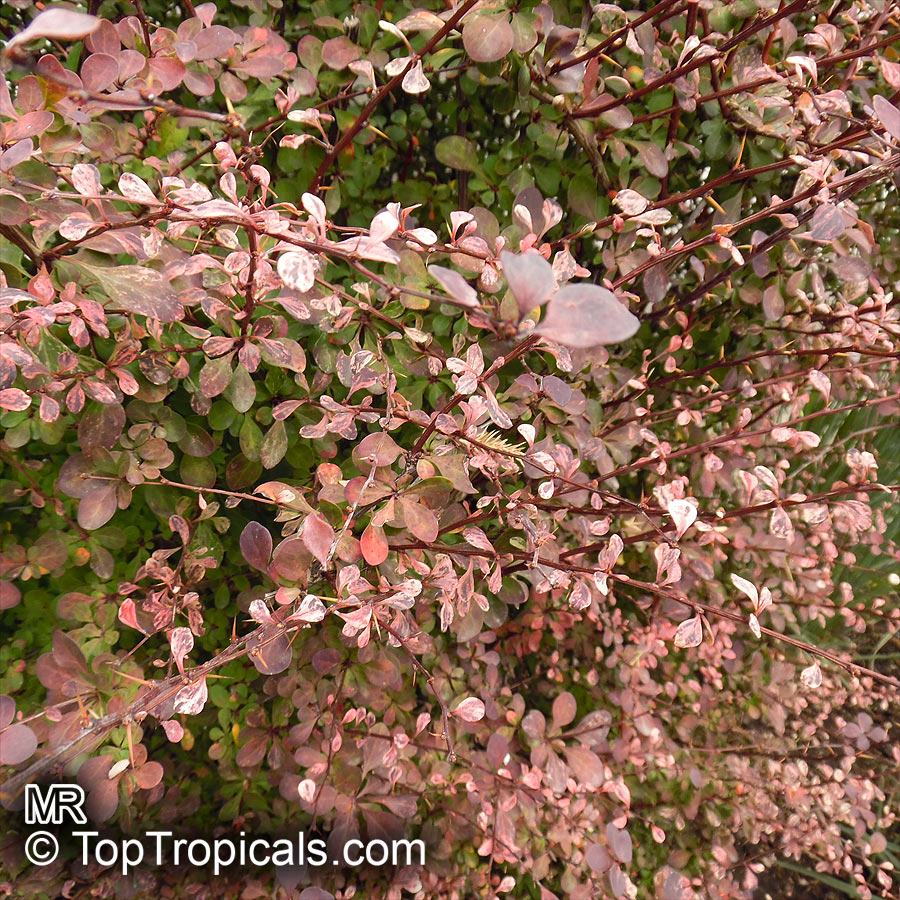
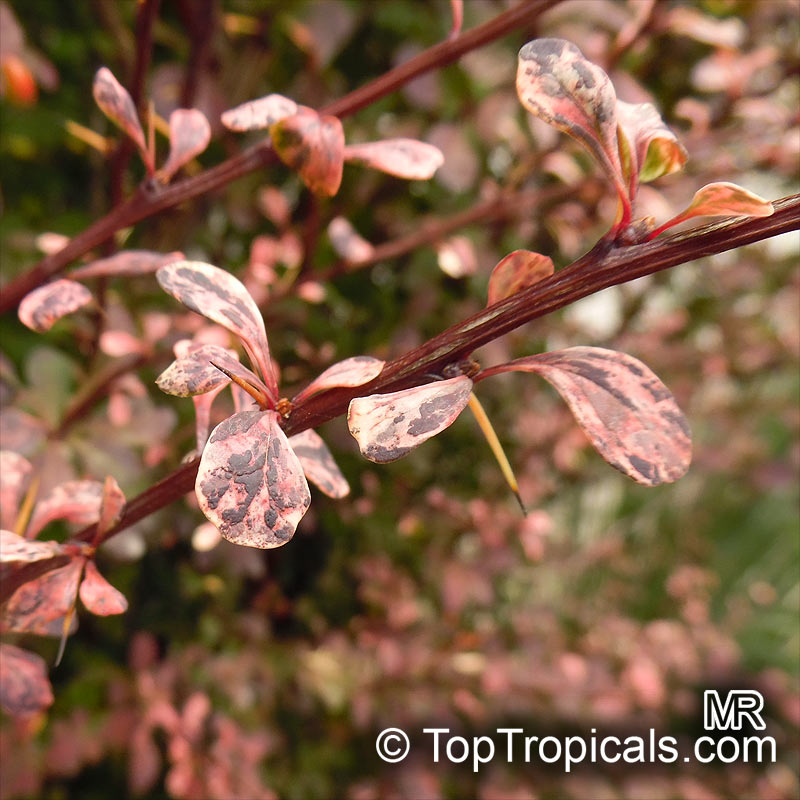
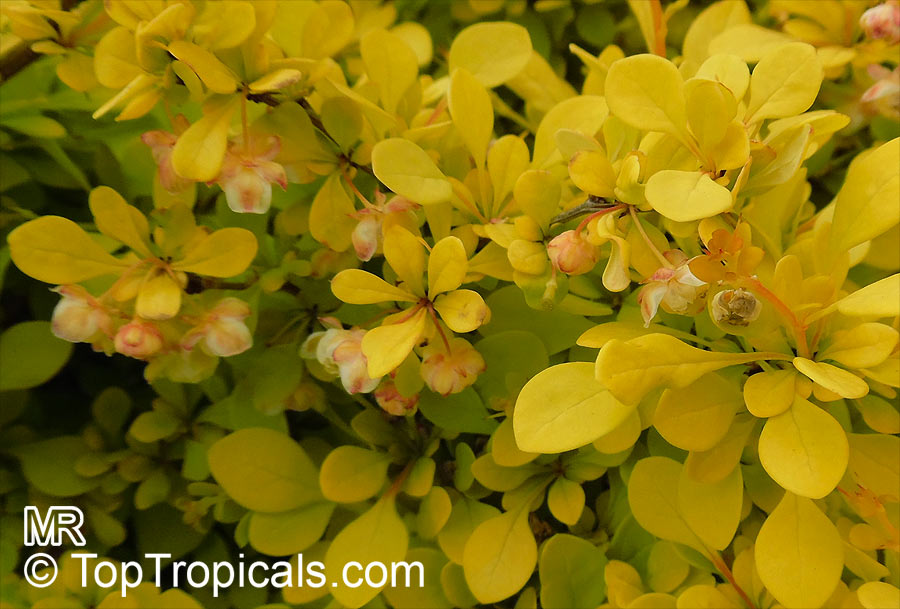
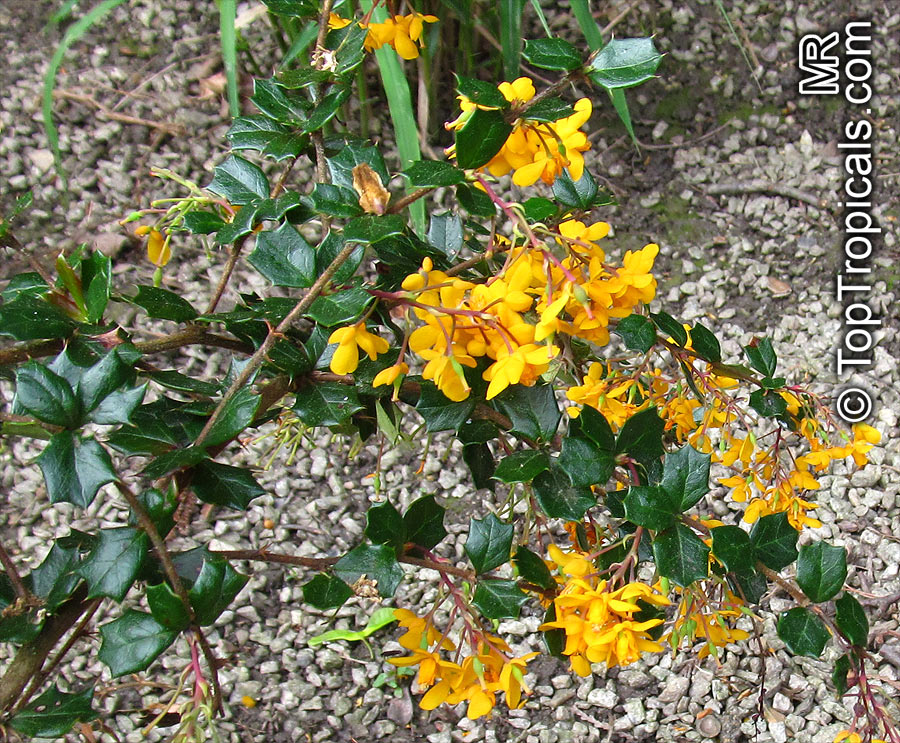
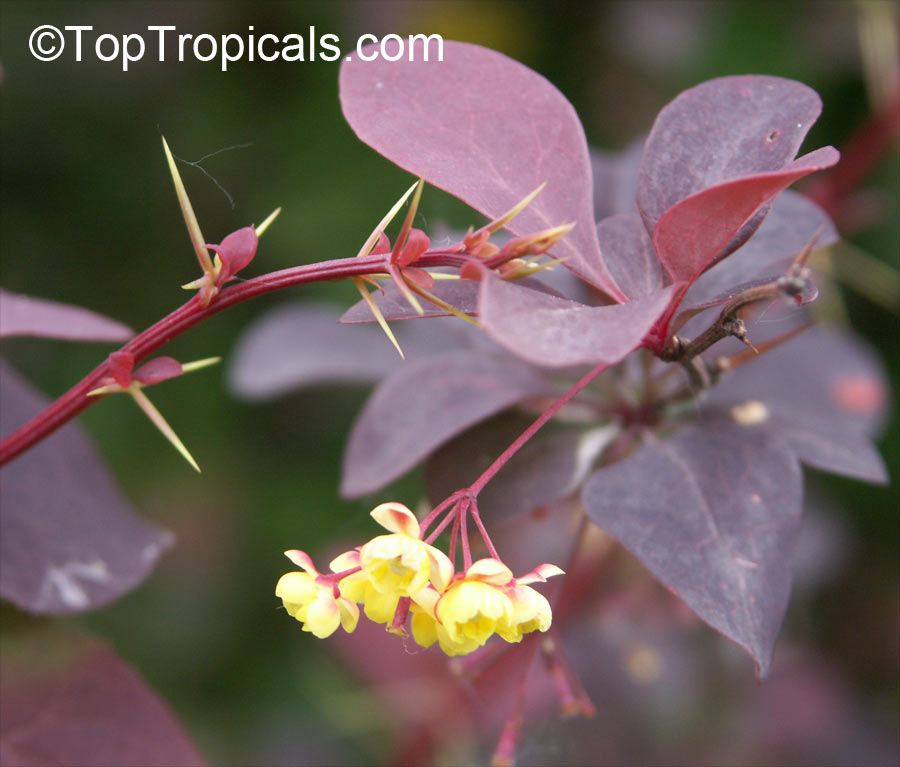
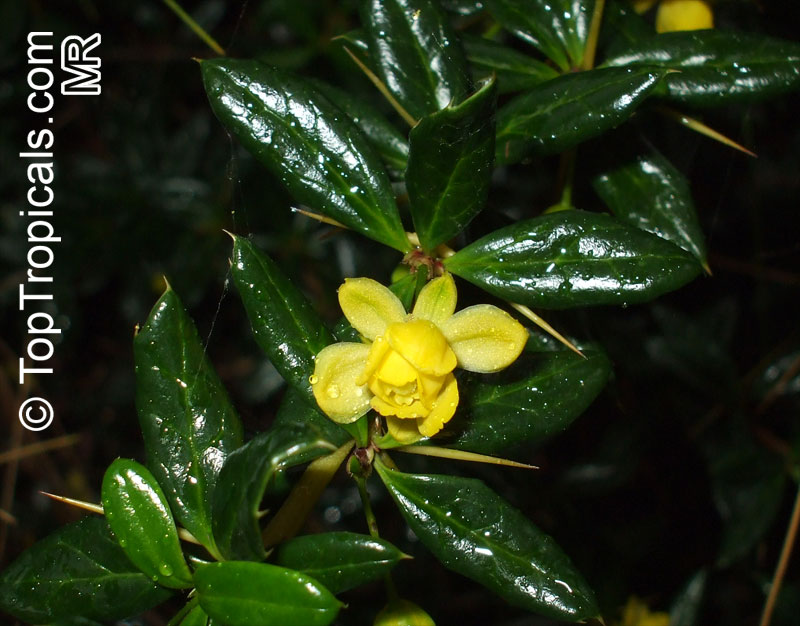
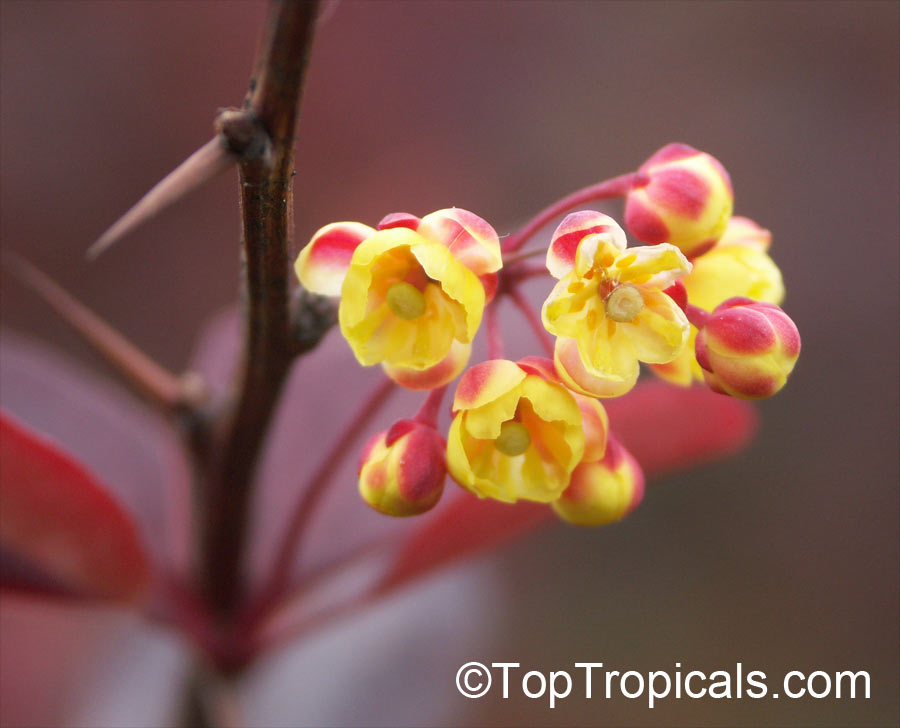
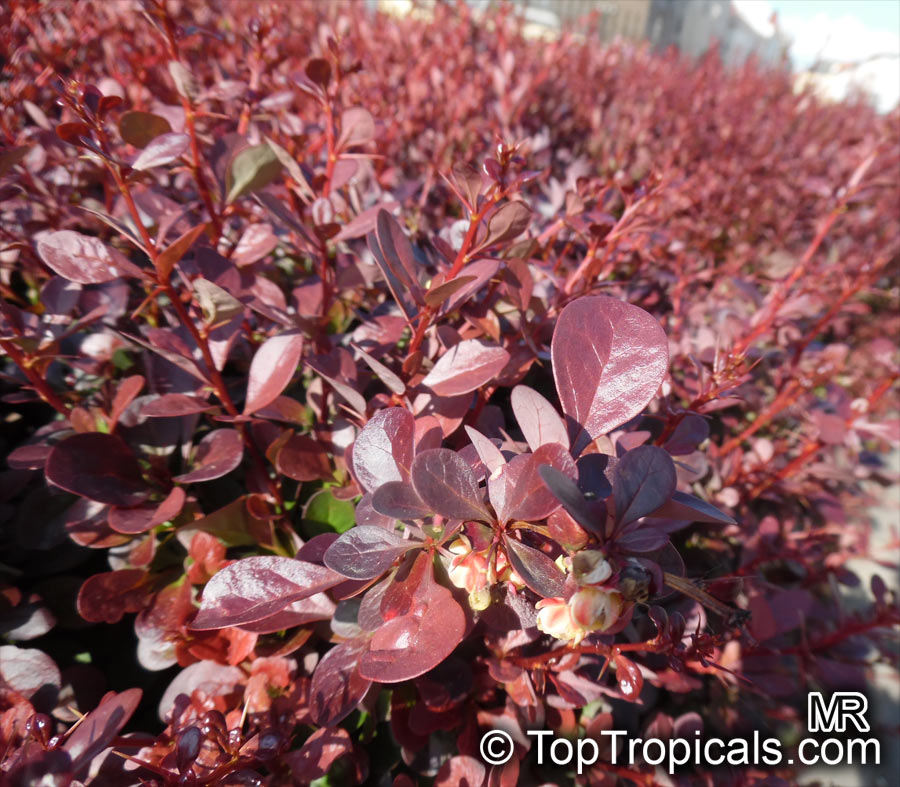
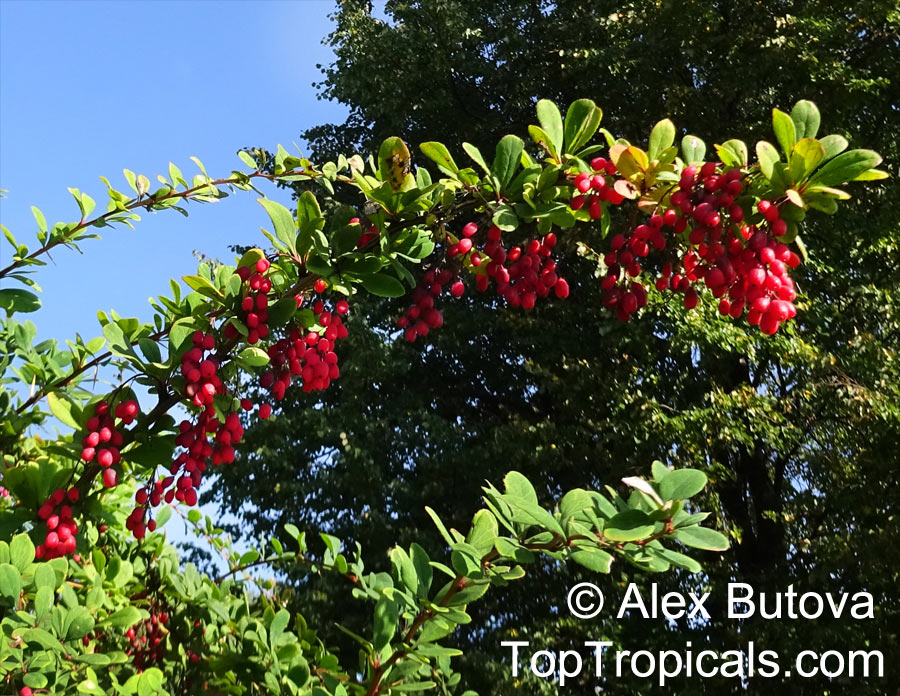
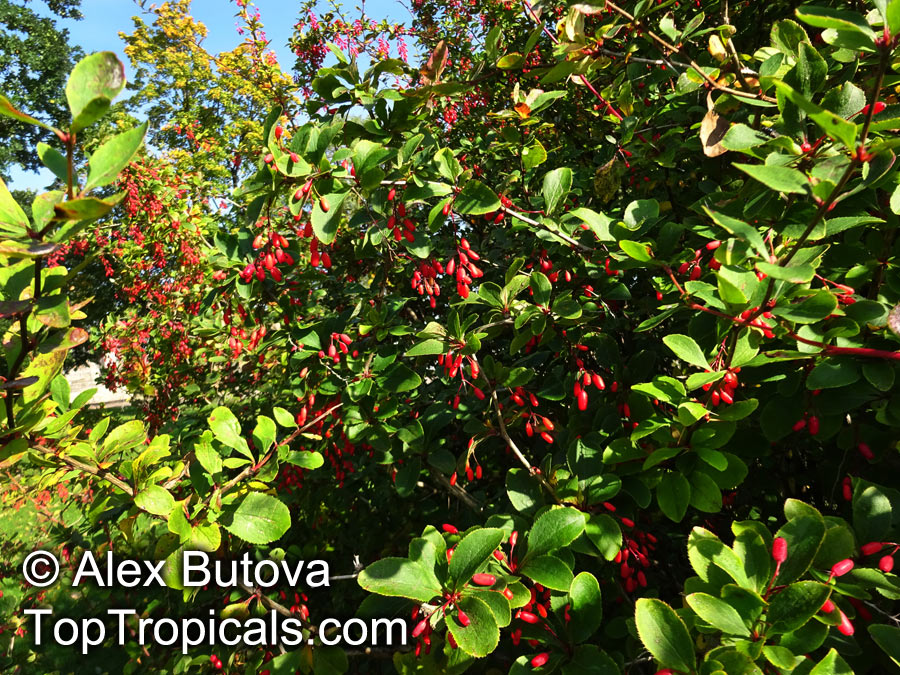
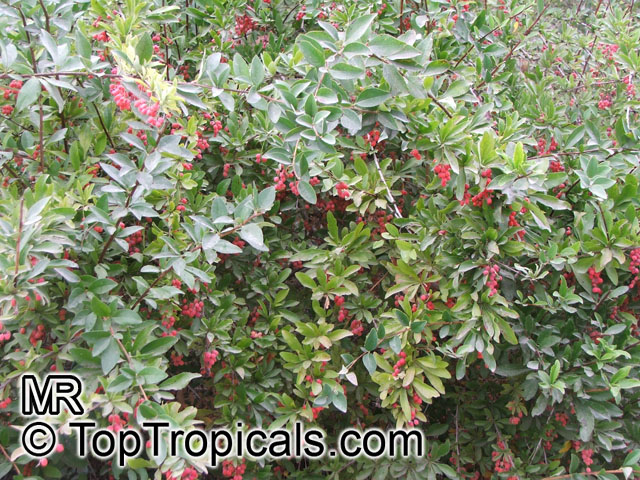
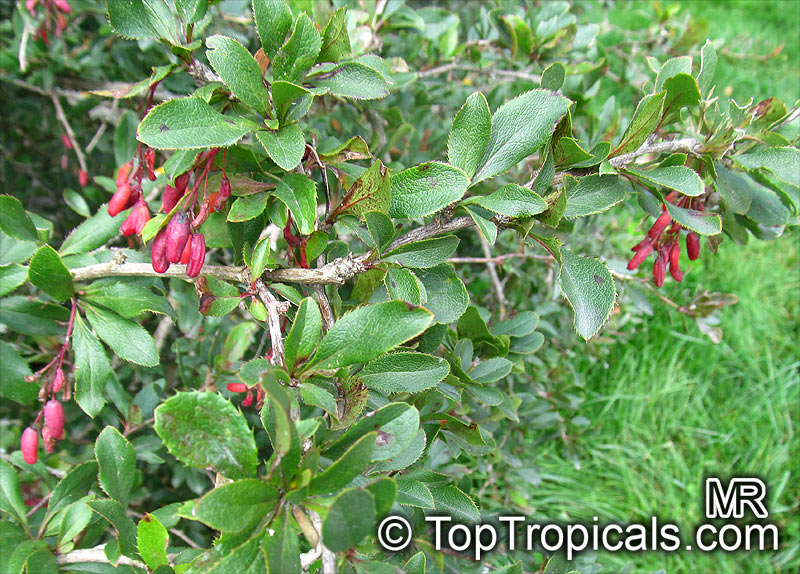
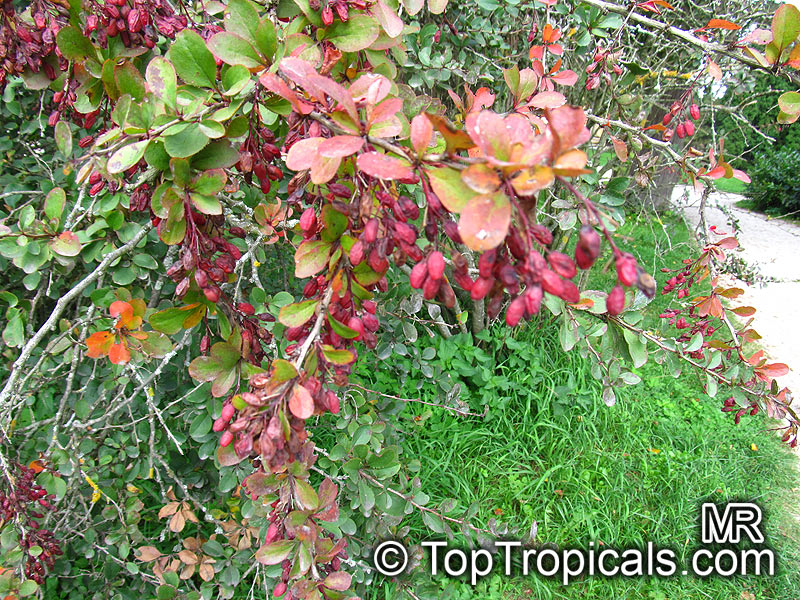
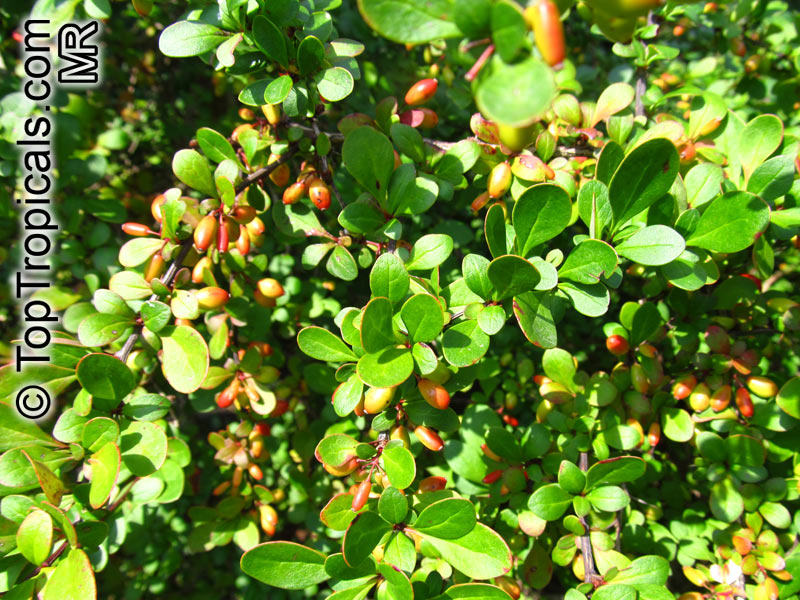
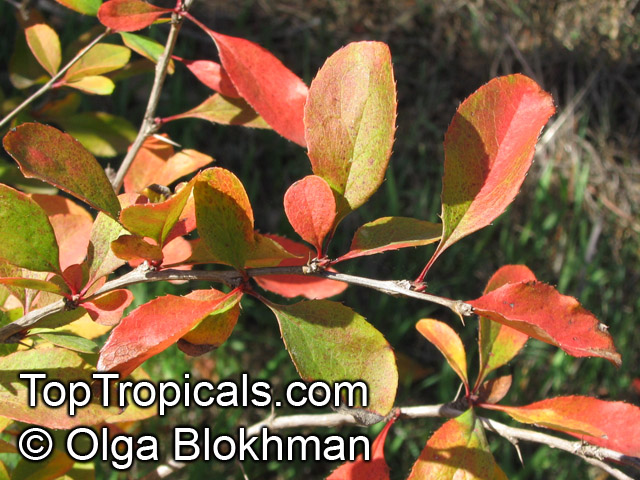
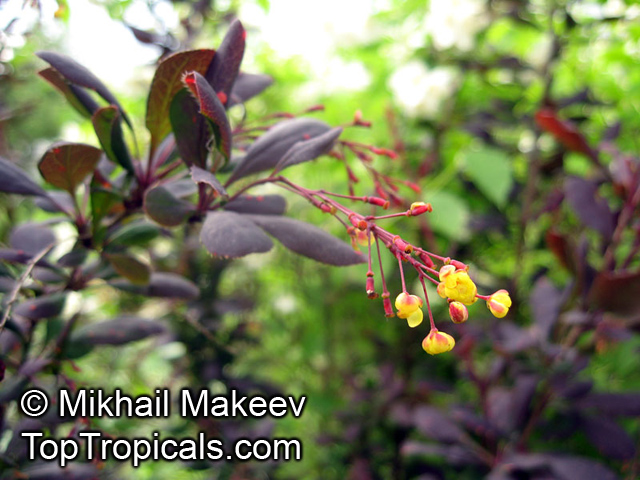
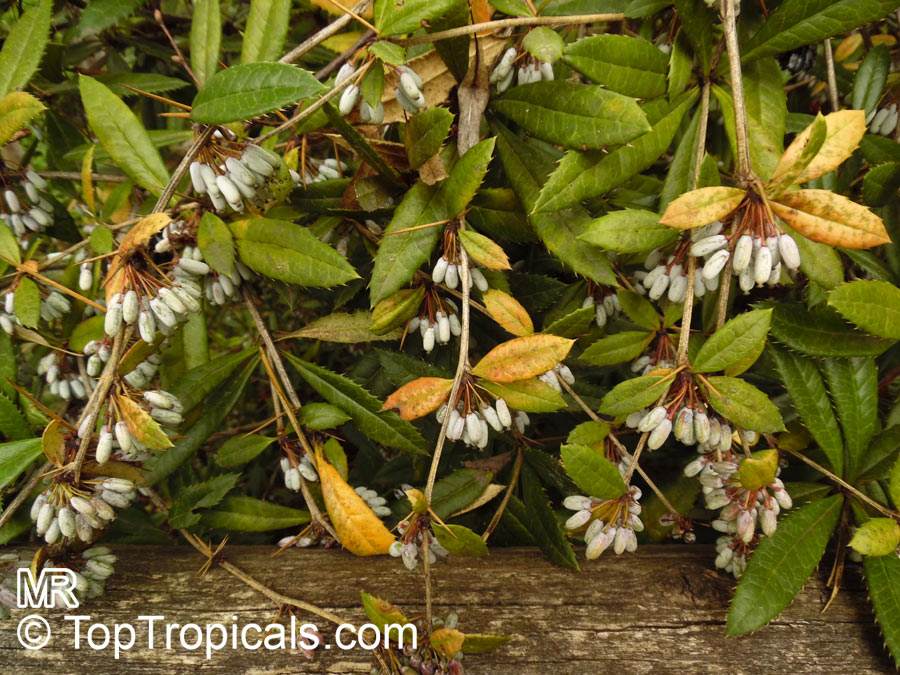
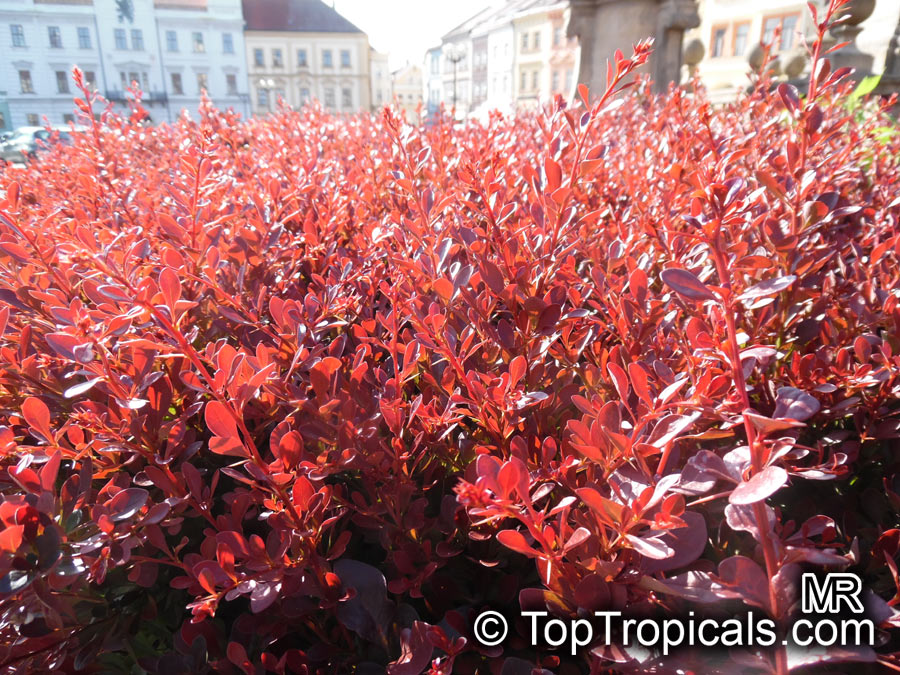
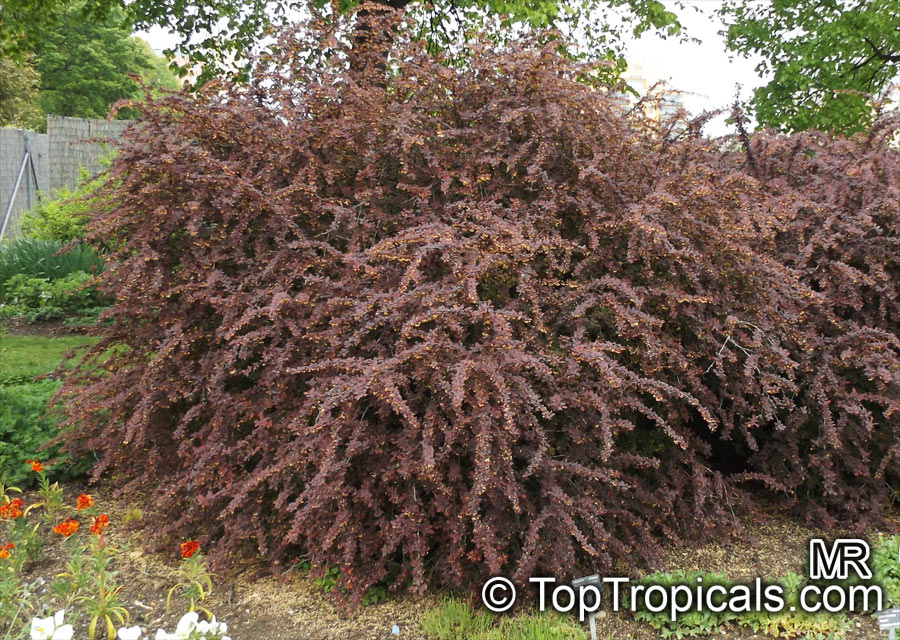
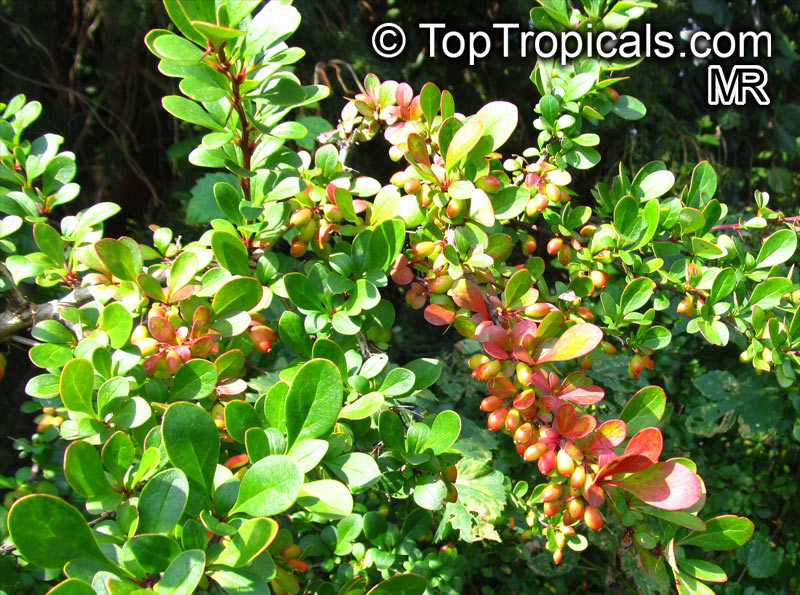
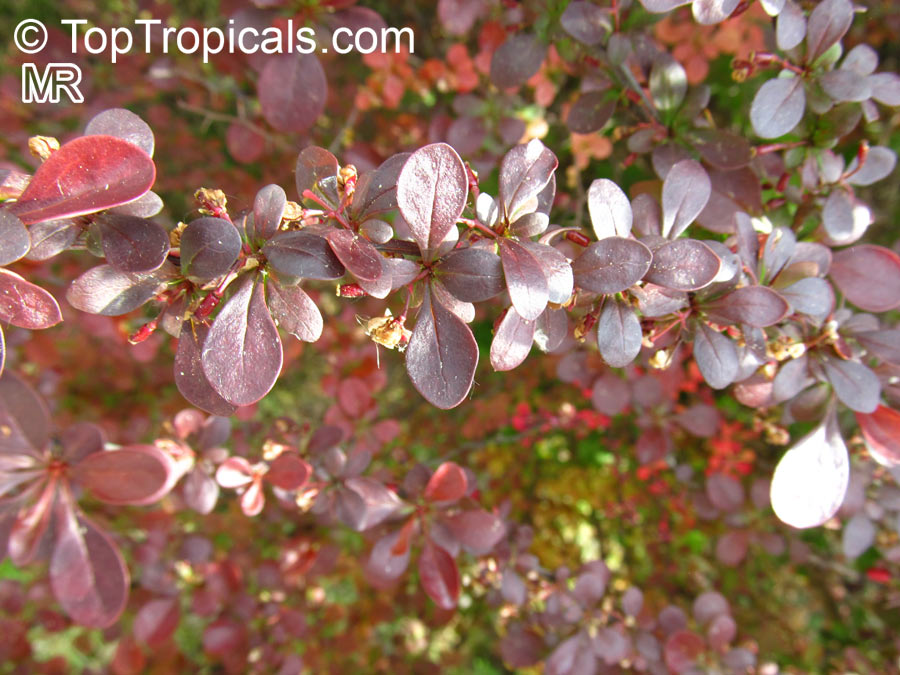
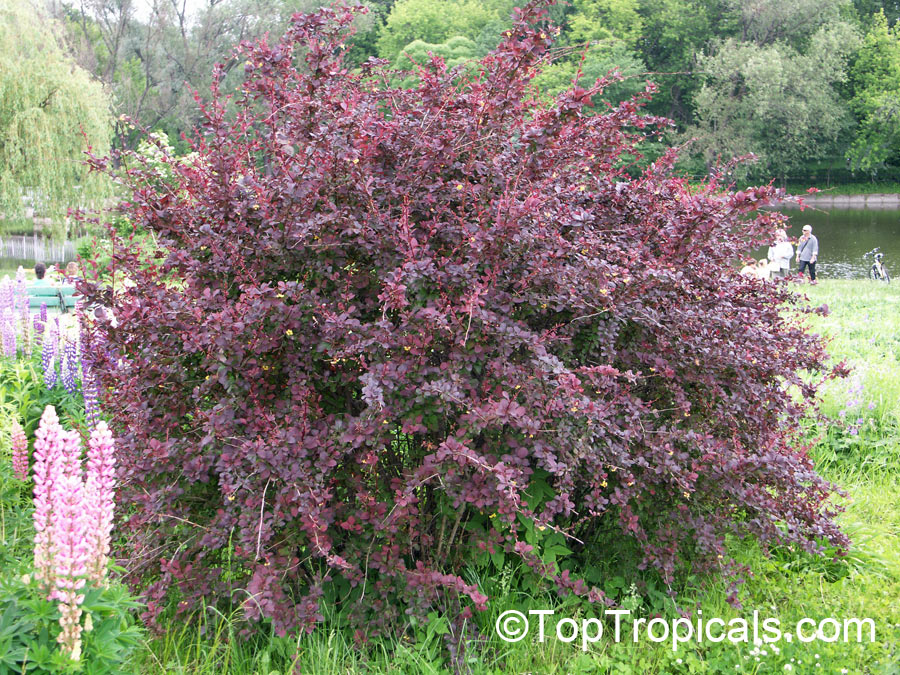
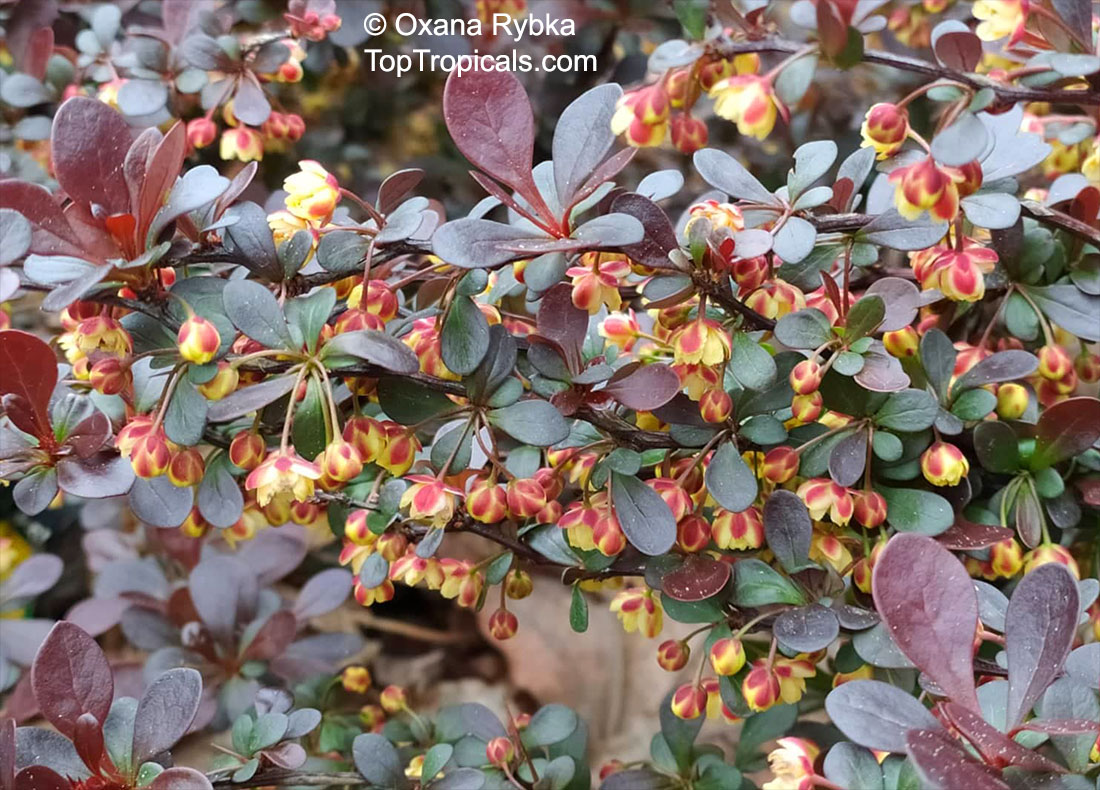
Botanical name: Berberis sp.
Common name: Barberry
Family: Berberidaceae
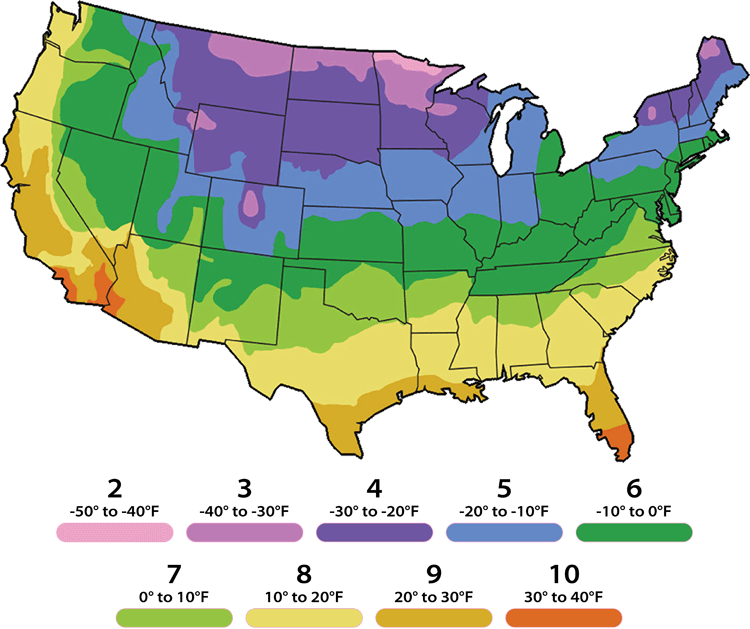


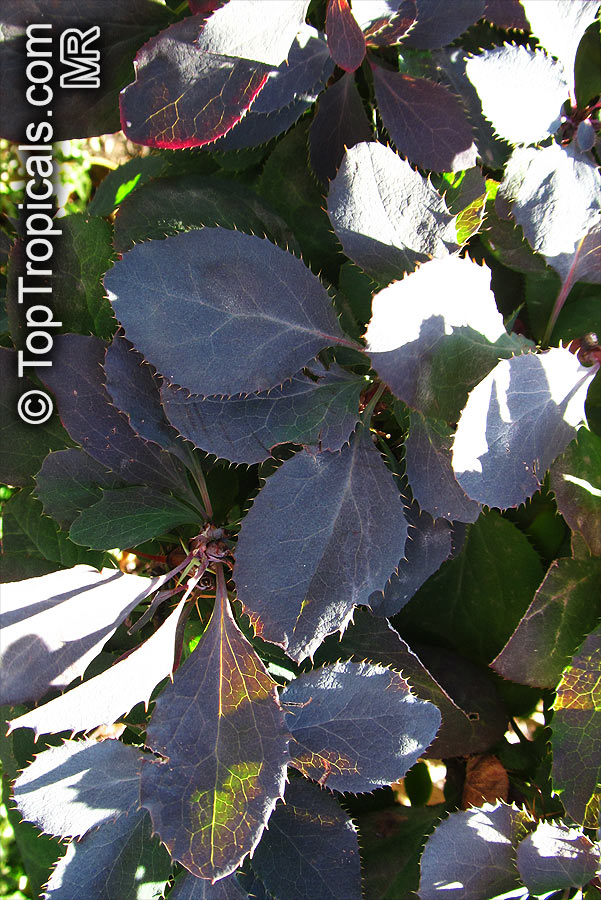
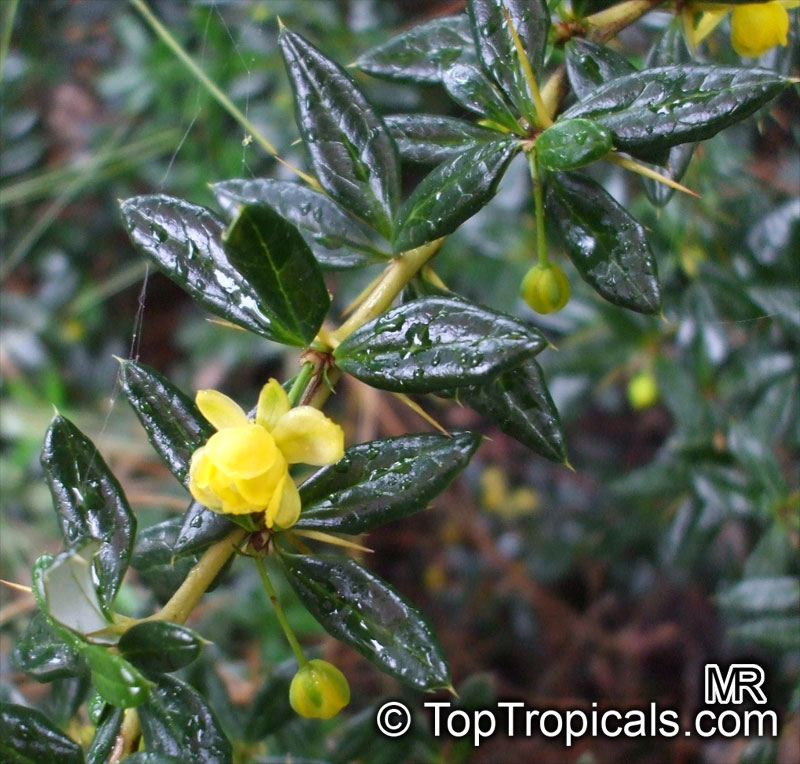
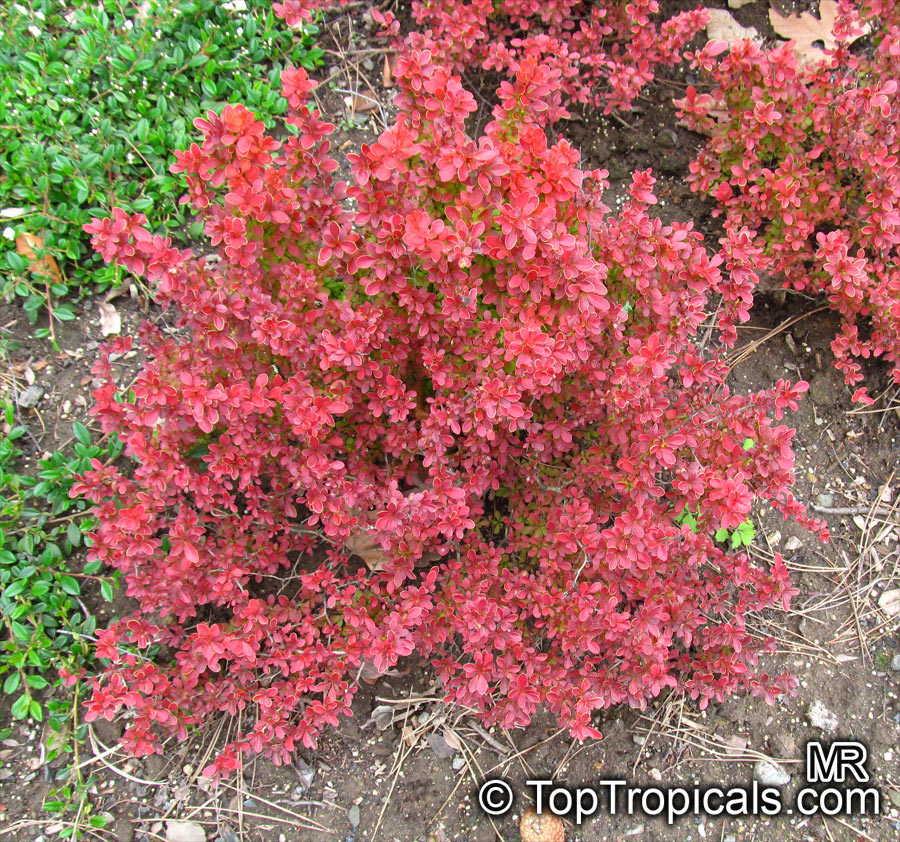
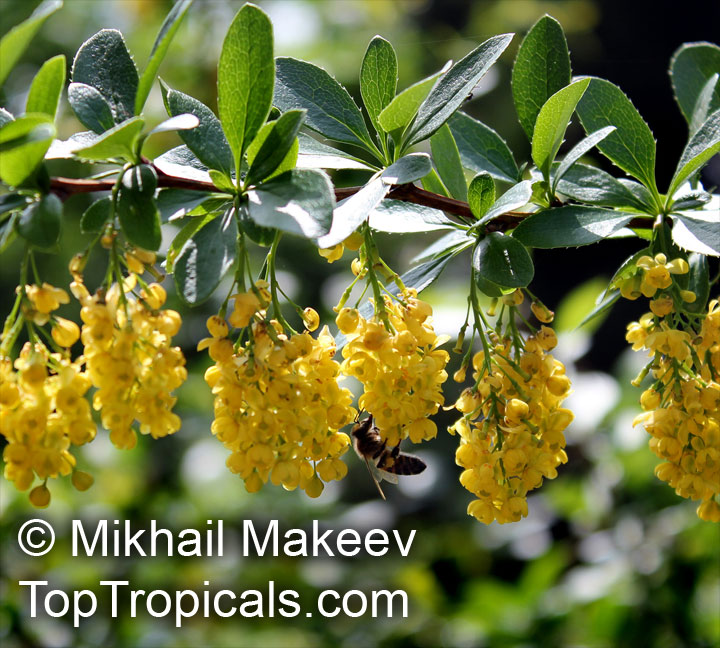
Berberis species are popular garden shrubs, grown for their ornamental leaves, yellow flowers, and red or blue-black berries.

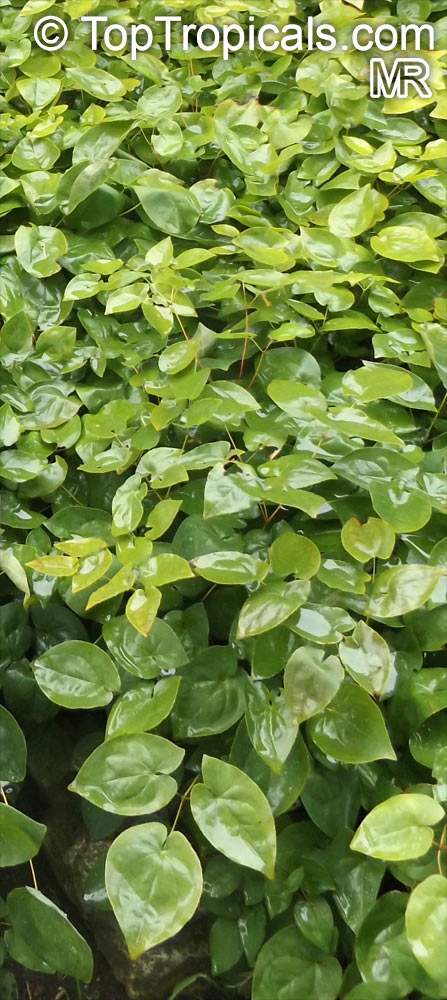
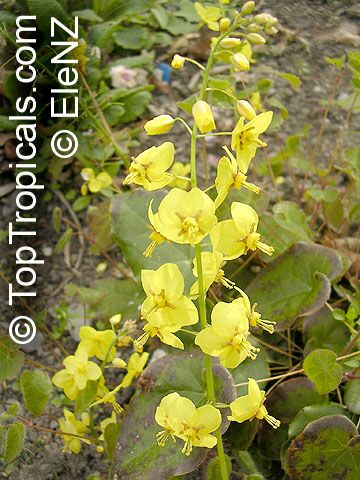
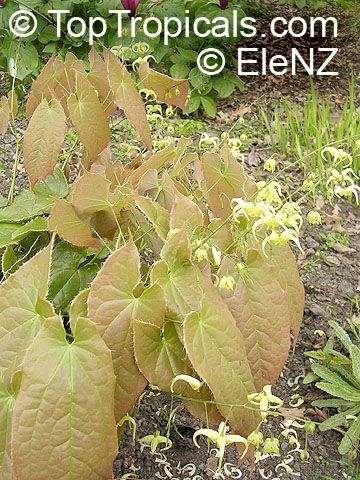
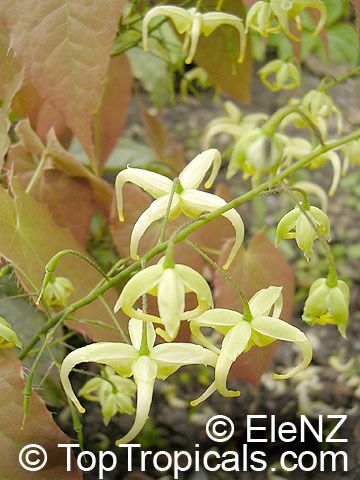
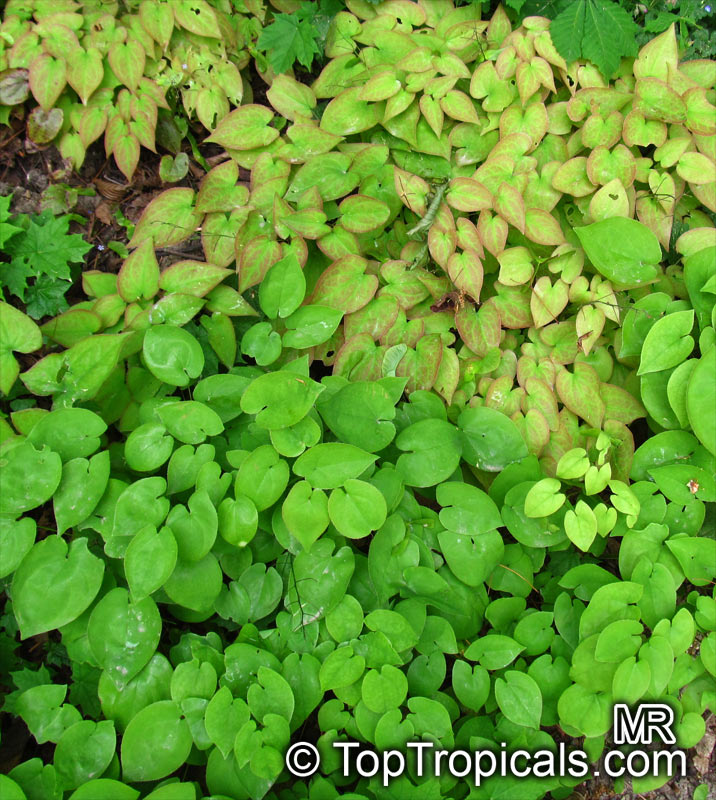
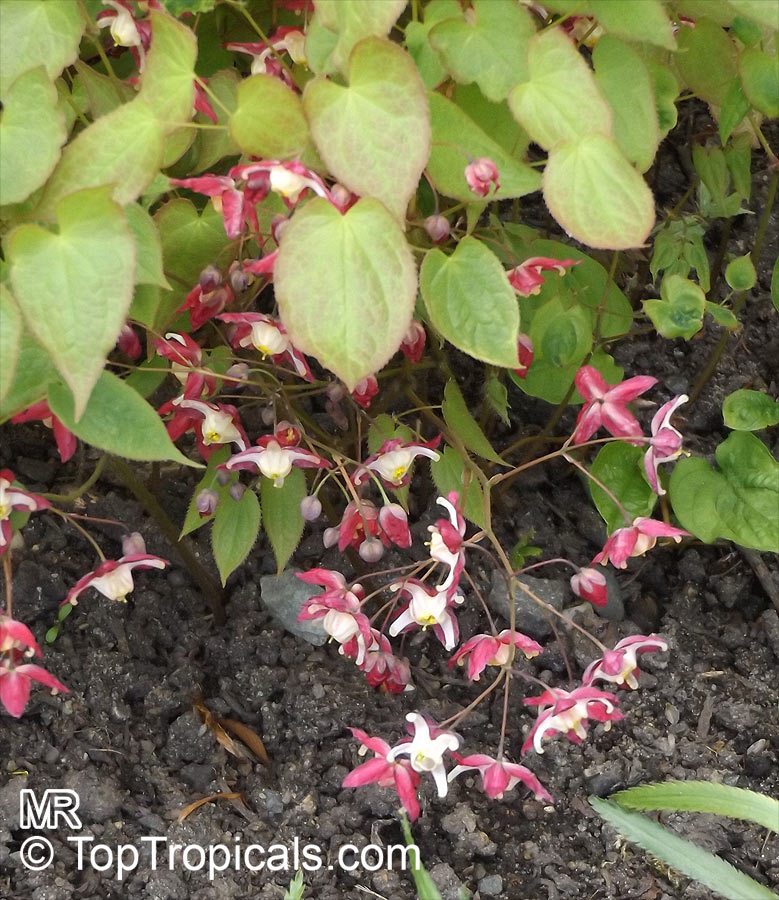
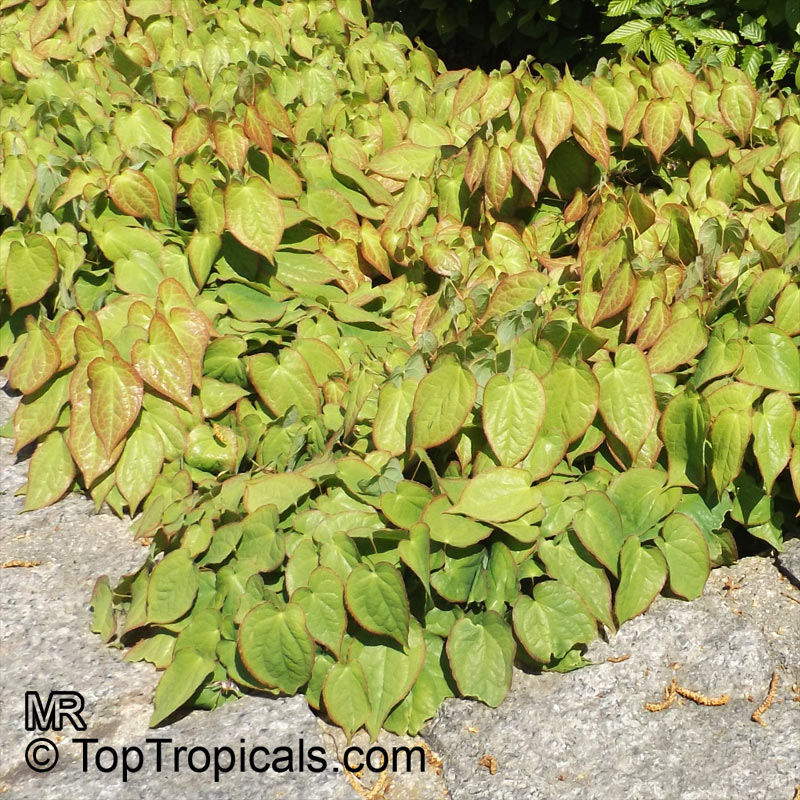
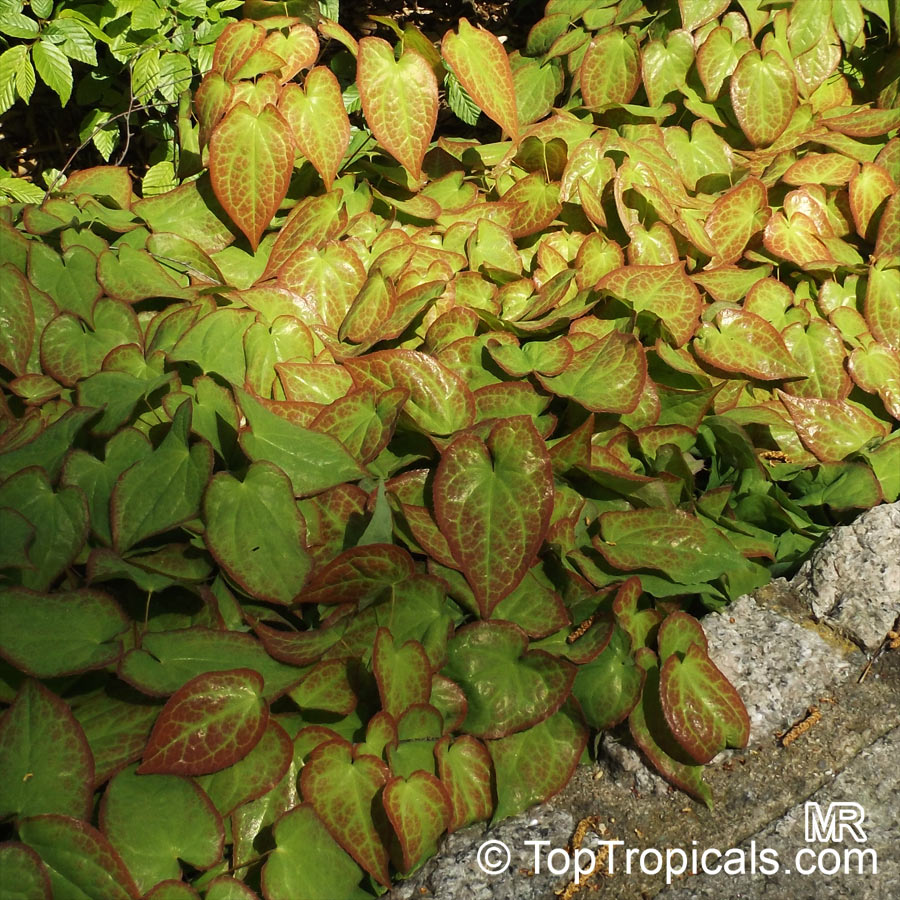
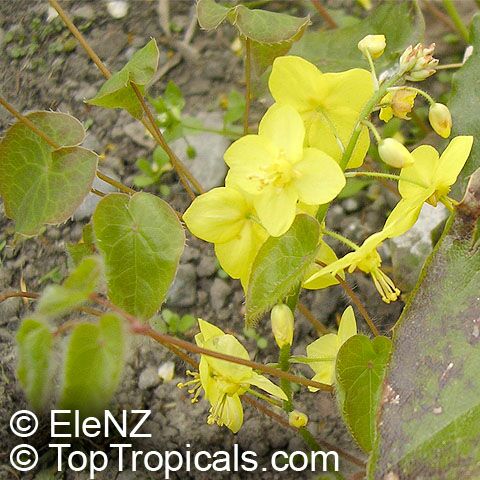
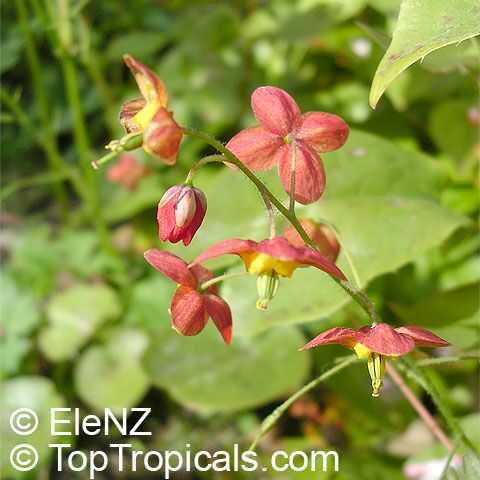
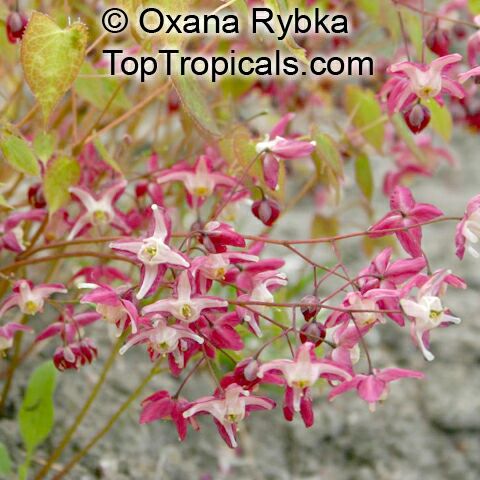
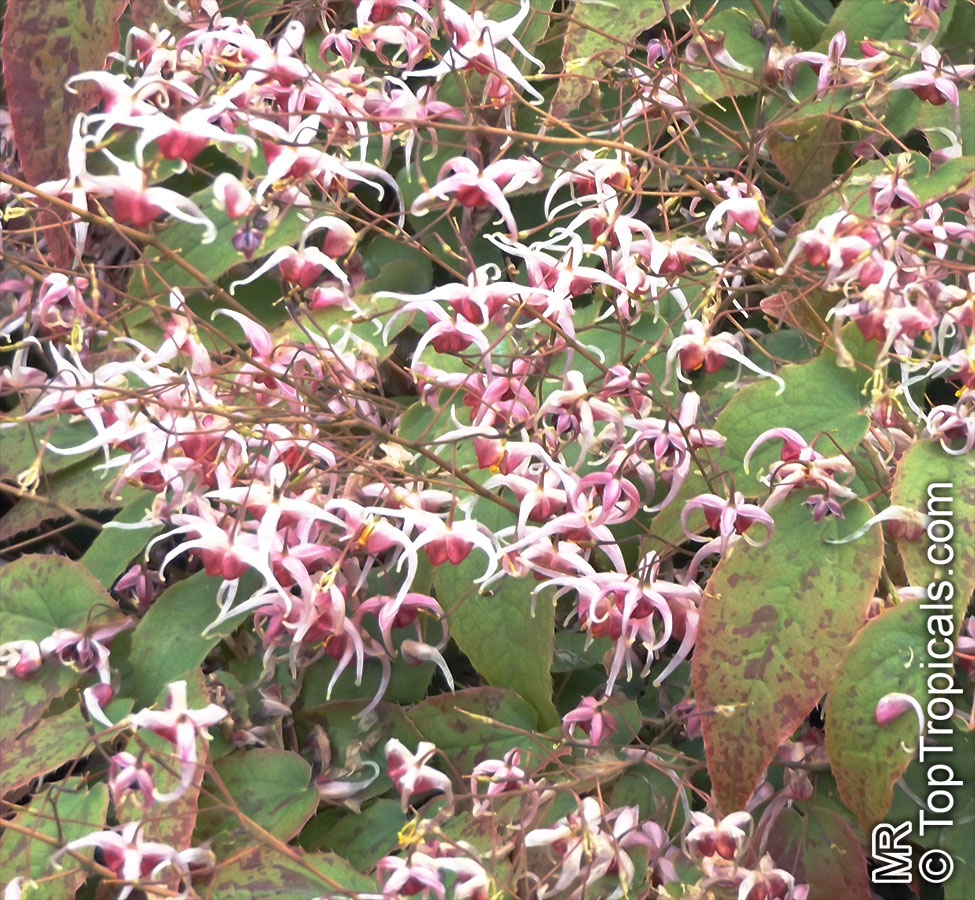
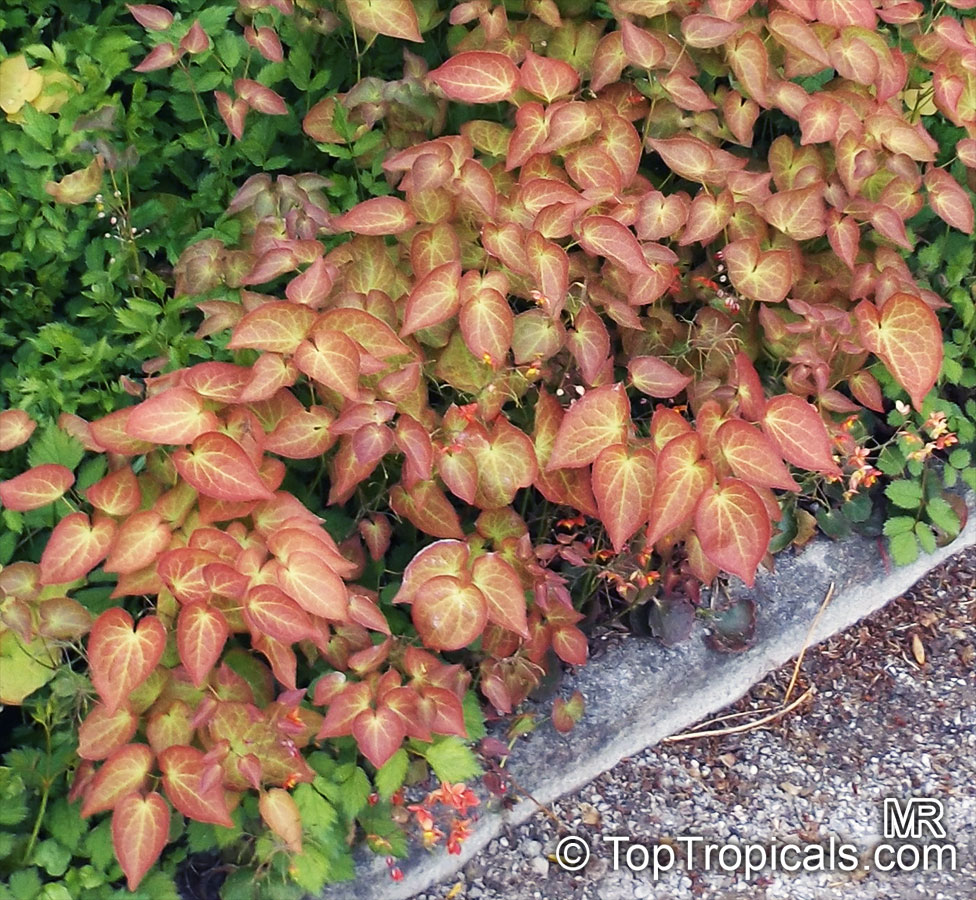
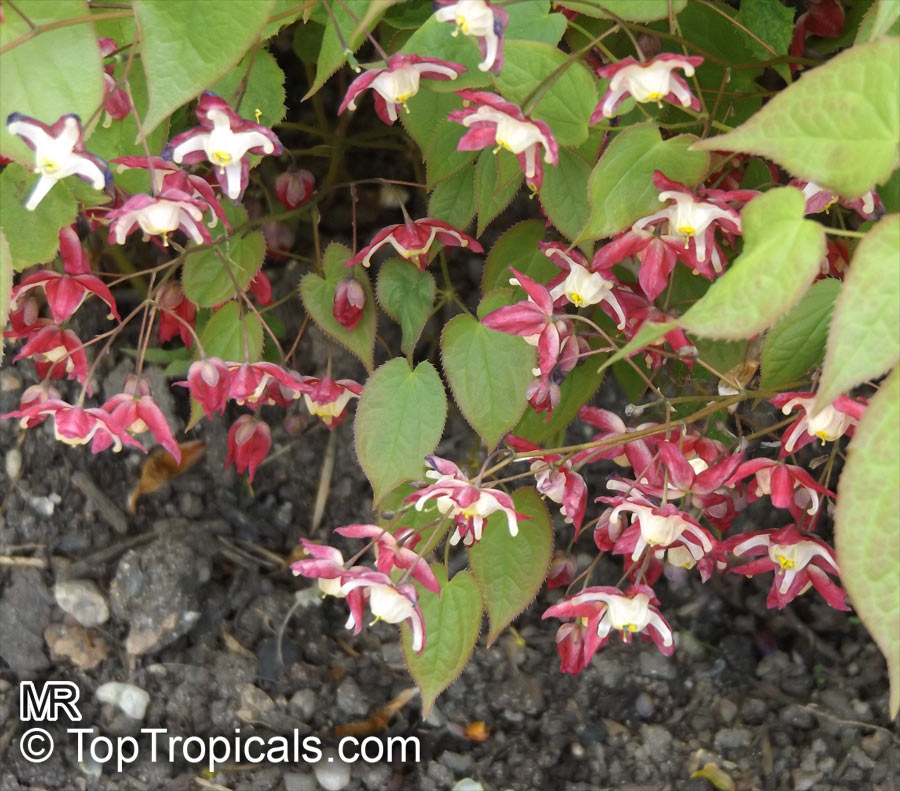
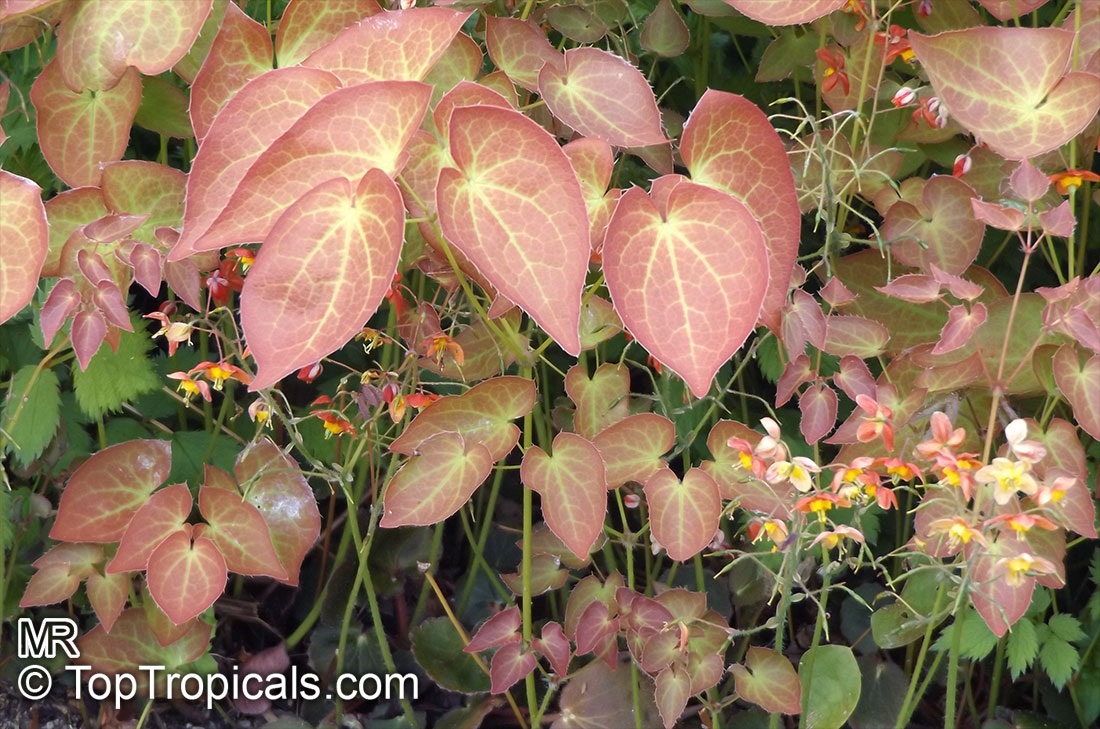
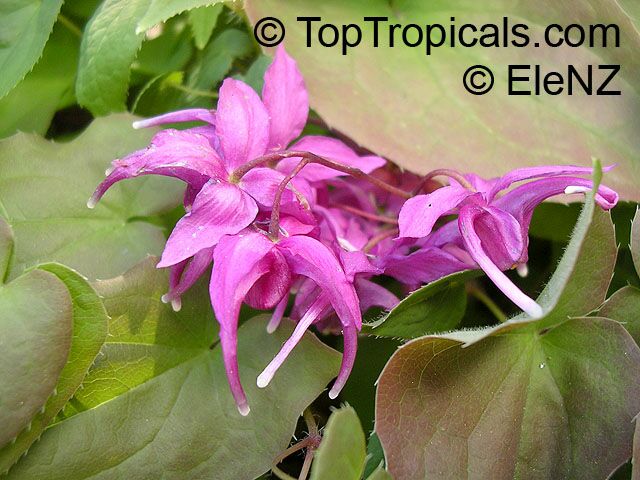
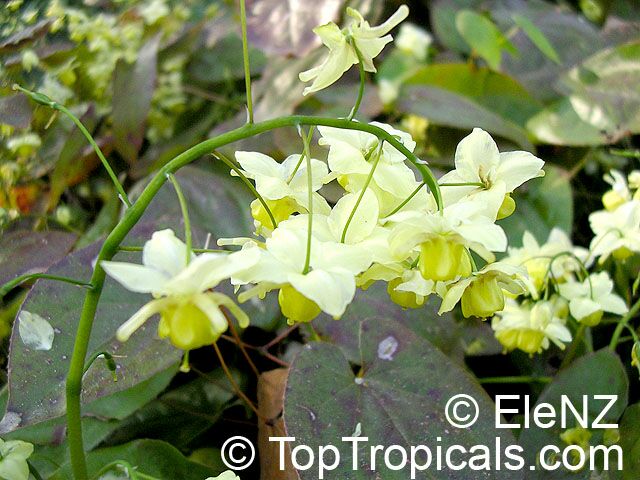
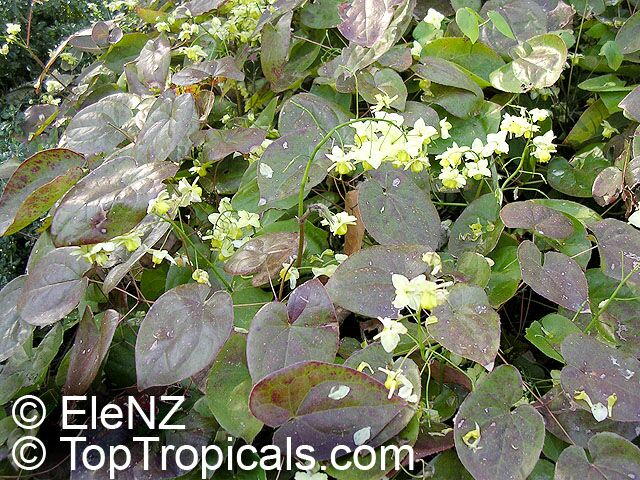
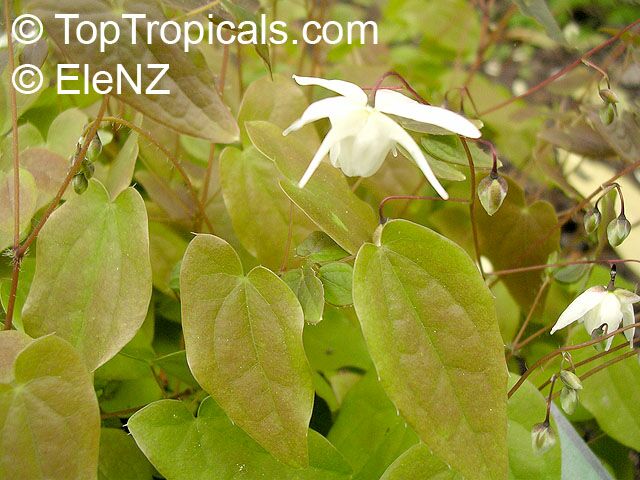
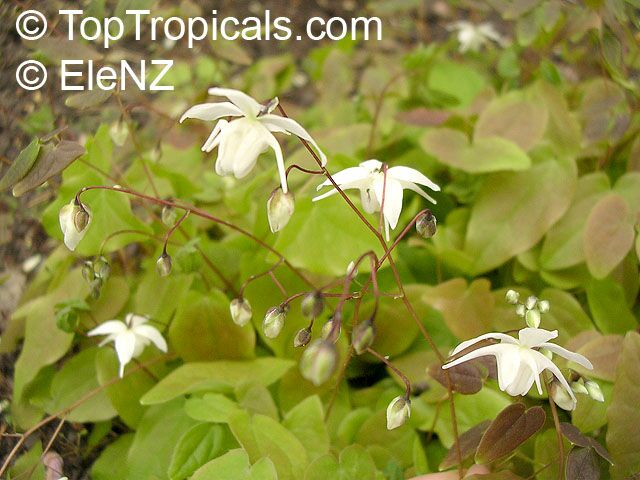
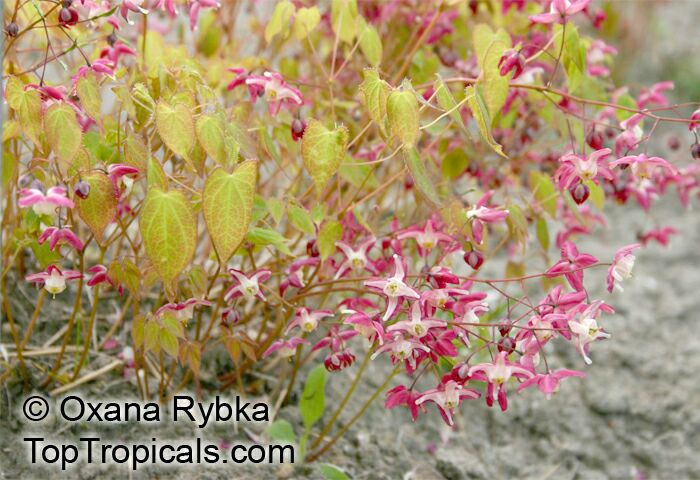
Botanical name: Epimedium sp.
Common names: Horny Goat Weed, Bishop's Cap
Family: Berberidaceae
Origin: temperate Asia, Mediterranean


Plant care and Growing: Epimedium prefers light to moderate shade, semi-shade or morning sun, and soil that is not too rich in nutrients or too dry. Established plants can tolerate brief periods of drought, but for ideal growth and flowering, regular watering is recommended. For maximum flowering, fertilizer should be applied in the spring afternew growth has begun to emerge. When re-potting, use fresh organic potting soil, ideally in a pot slightly larger than before, and use easy to remove drainage. To control any excessive growth, pinch out the central growing tips once or twice in the spring. In colder regions, it is necessary to make sure the root ball does not freeze and a container with holes at the base would be preferable. The container then needs to be covered during winter for extra insulation, with straw or similar material.
When grown as an ethnomedical plant, its use is primarily as an aphrodisiac, but the epimedium genus also contains species with a variety of potential health benefits. Epimedium is believed to boost sex drive, treat menopausal symptoms, increase bone density, and has also been used as a treatment for stomach issues, viral infections, and a wide range of pain-related issues.
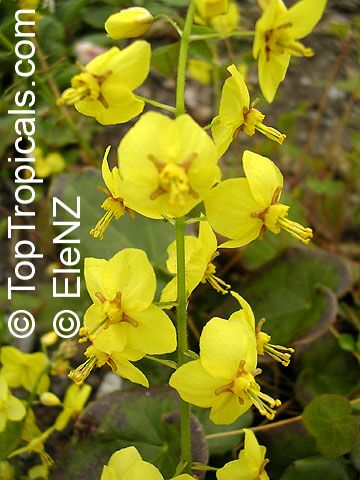
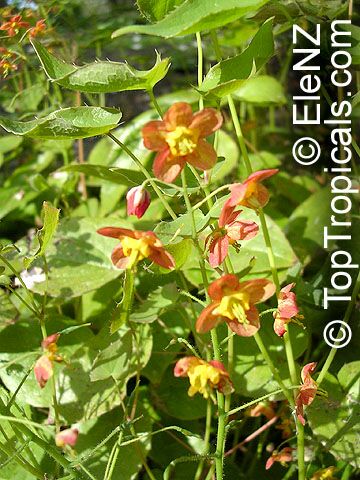
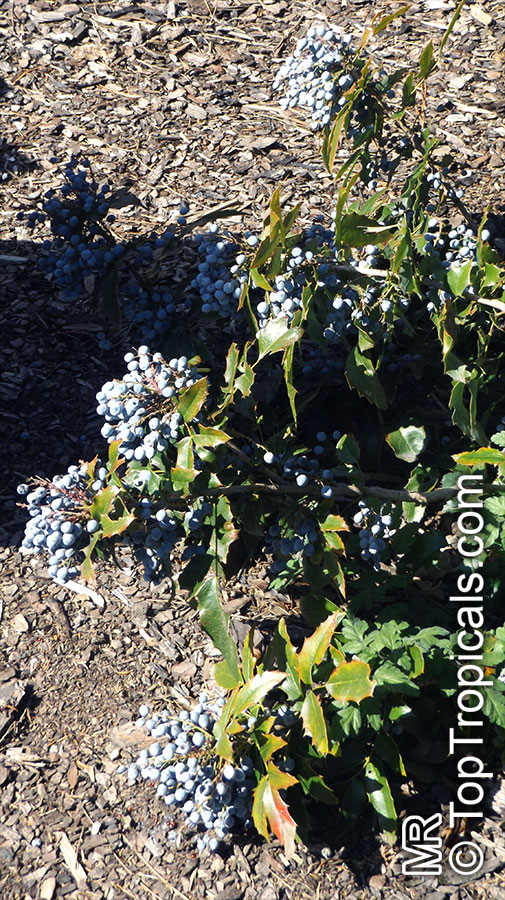
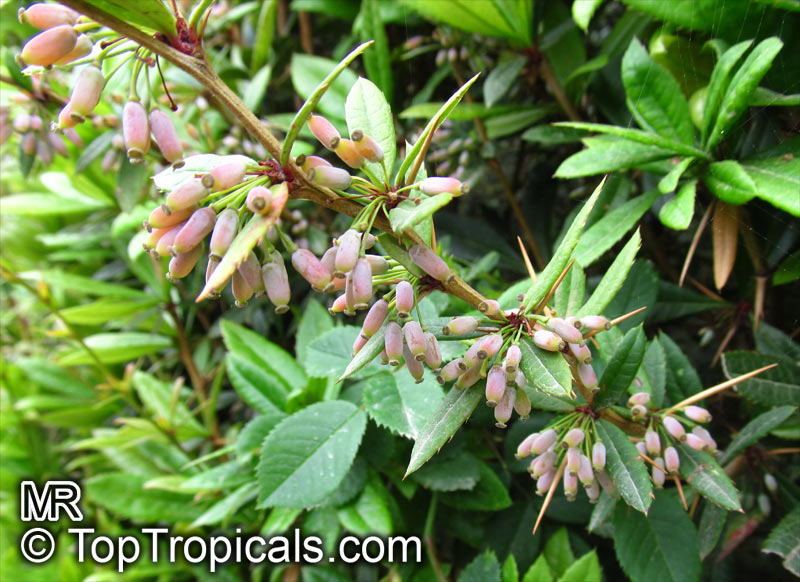
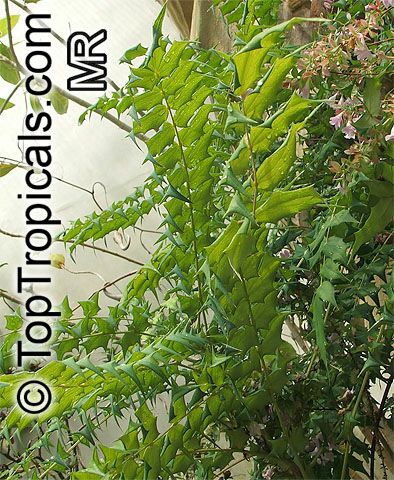
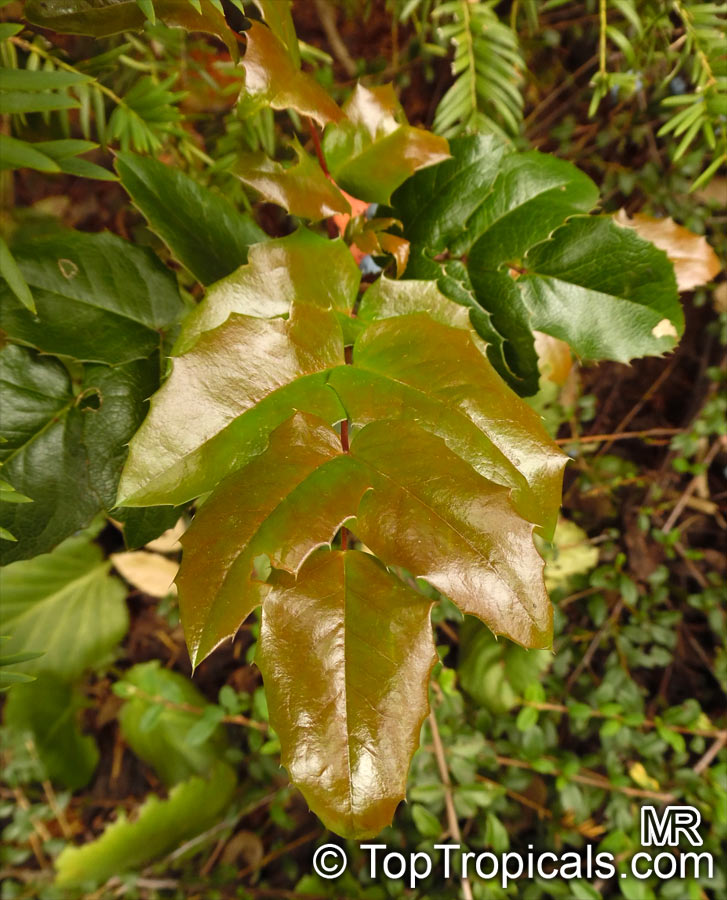
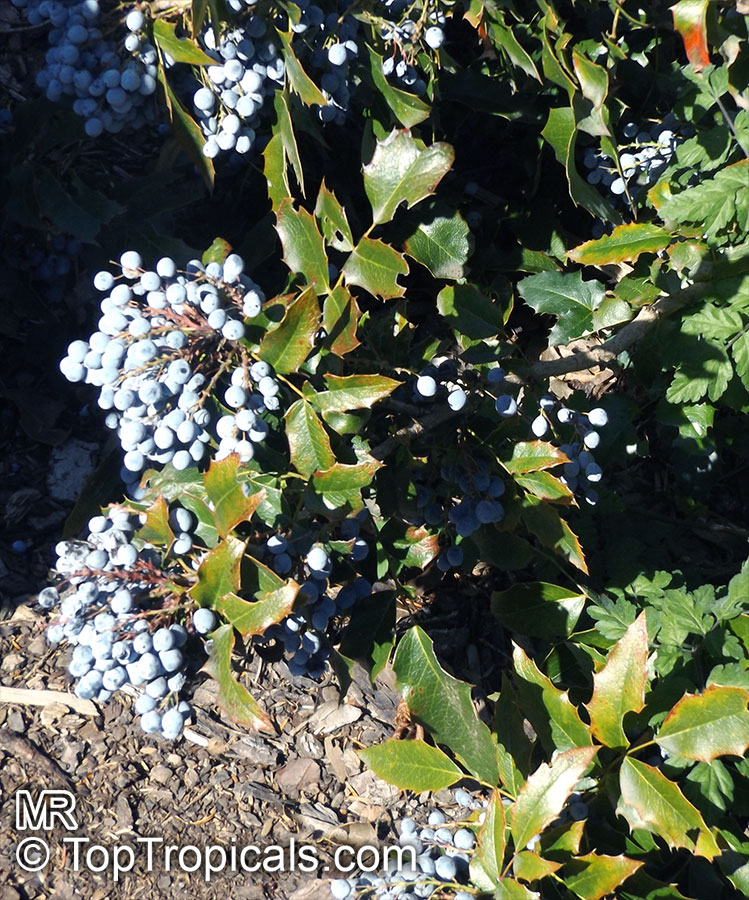
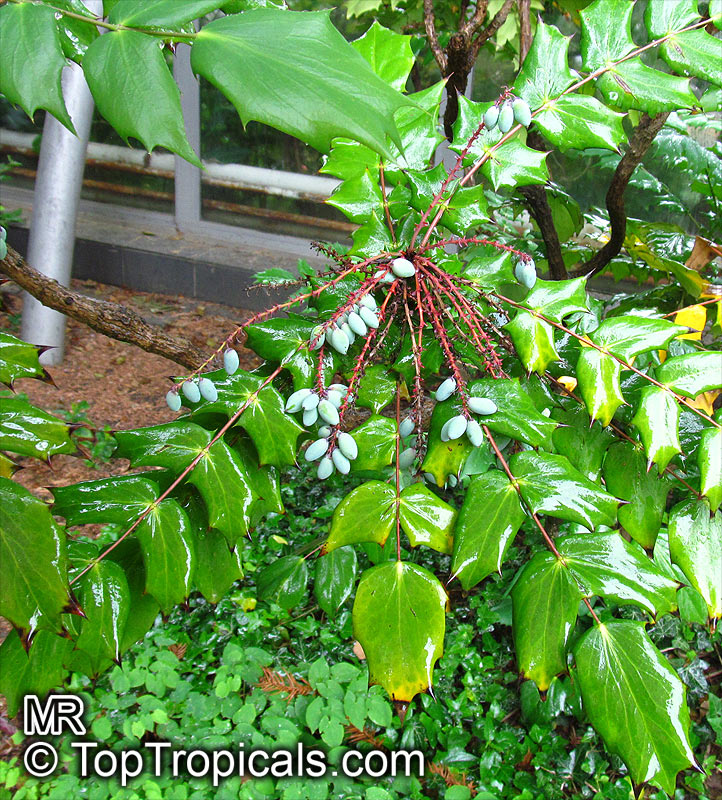
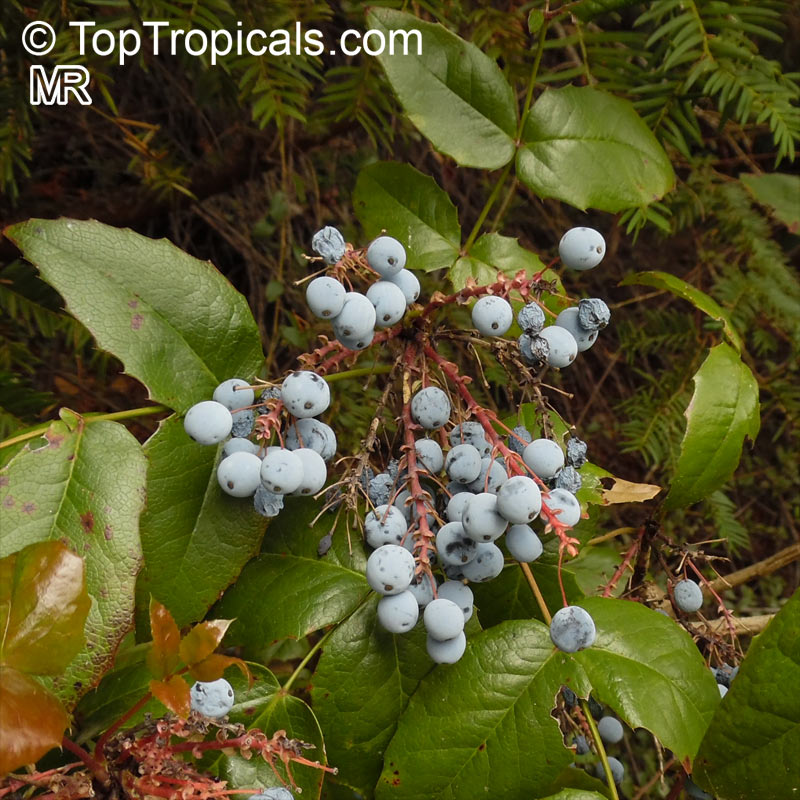
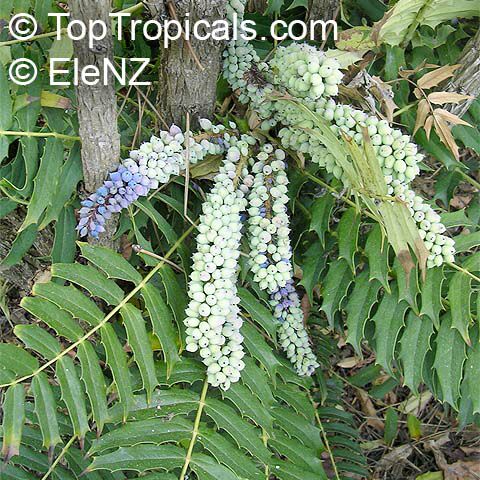
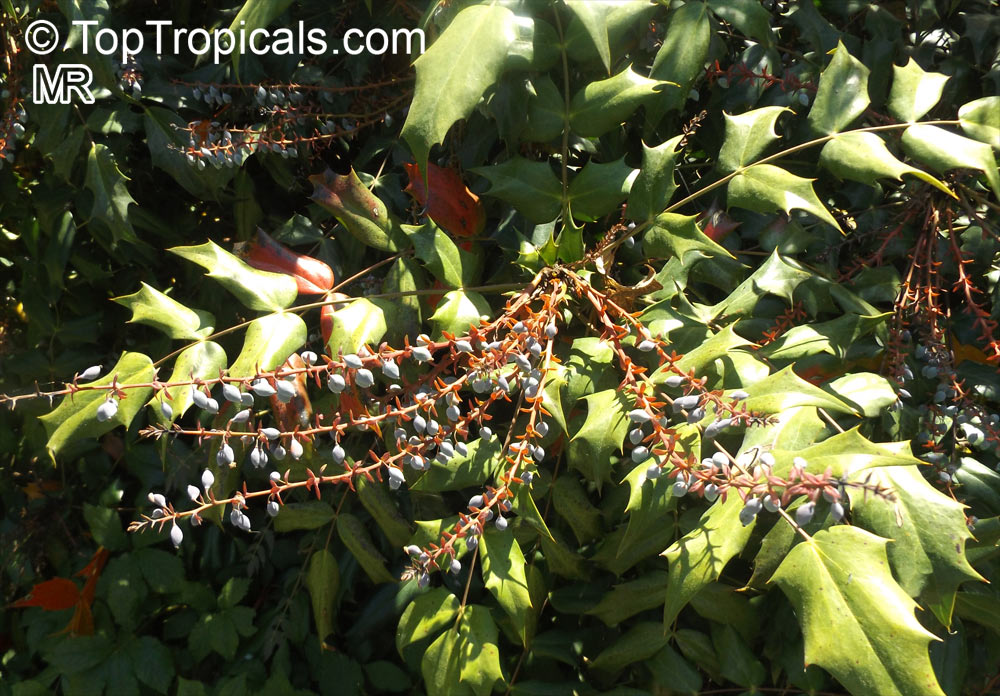
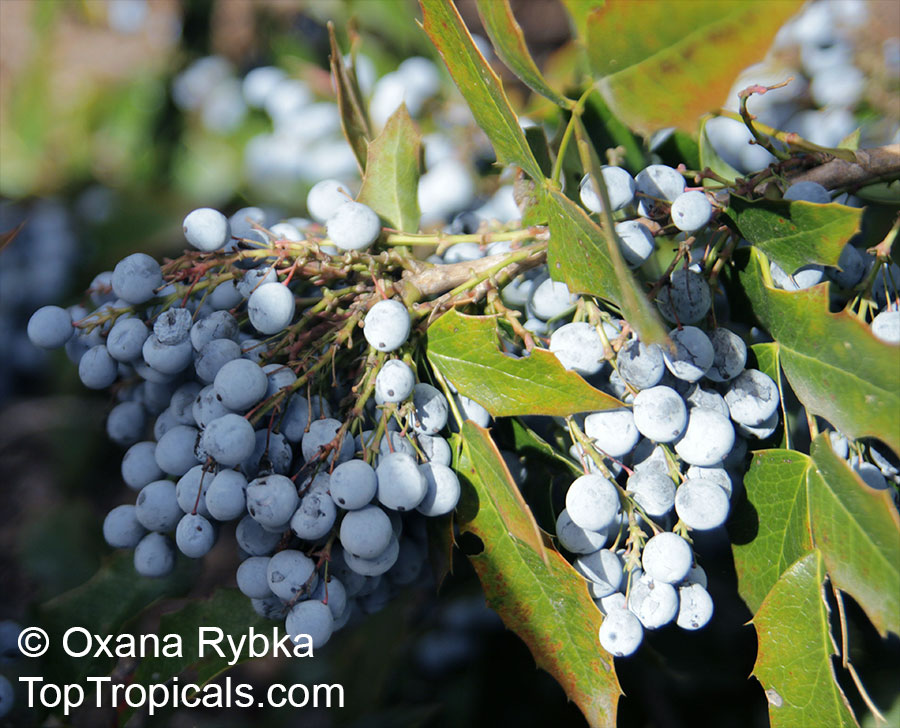
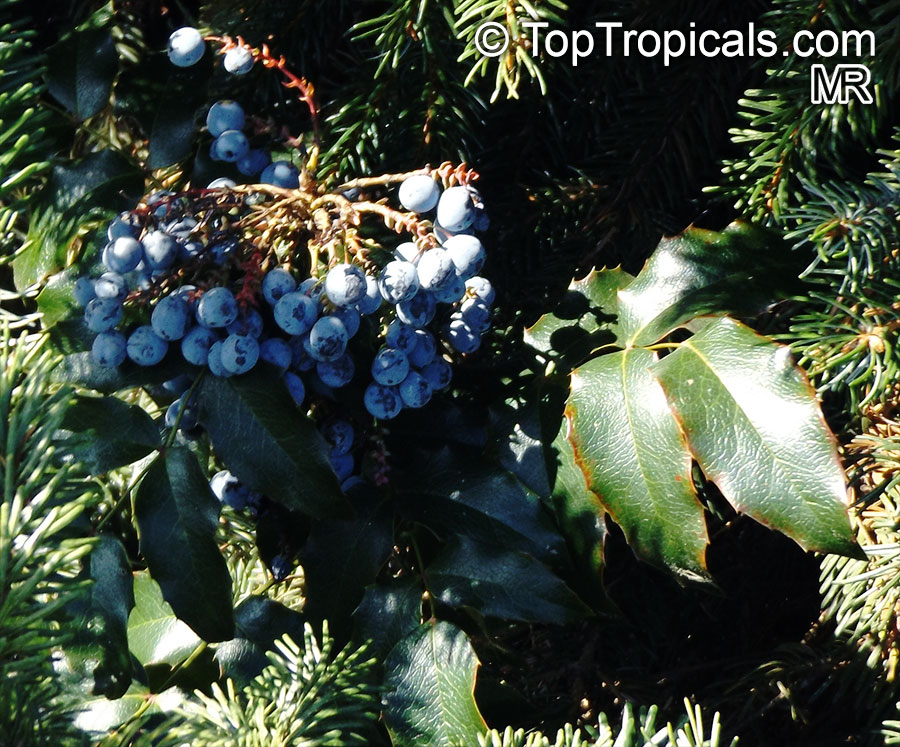
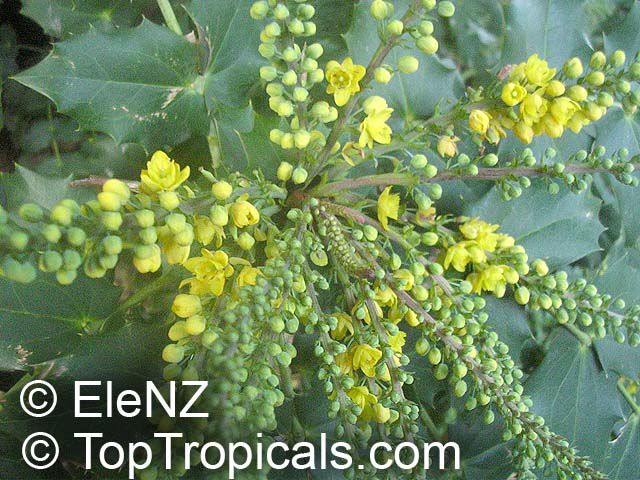
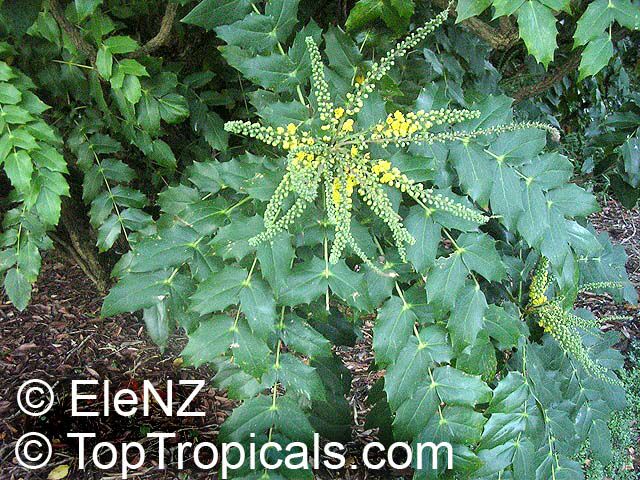
Botanical name: Mahonia sp.
Common names: Mahonia, Holly Grape
Family: Berberidaceae
Origin: East Asia
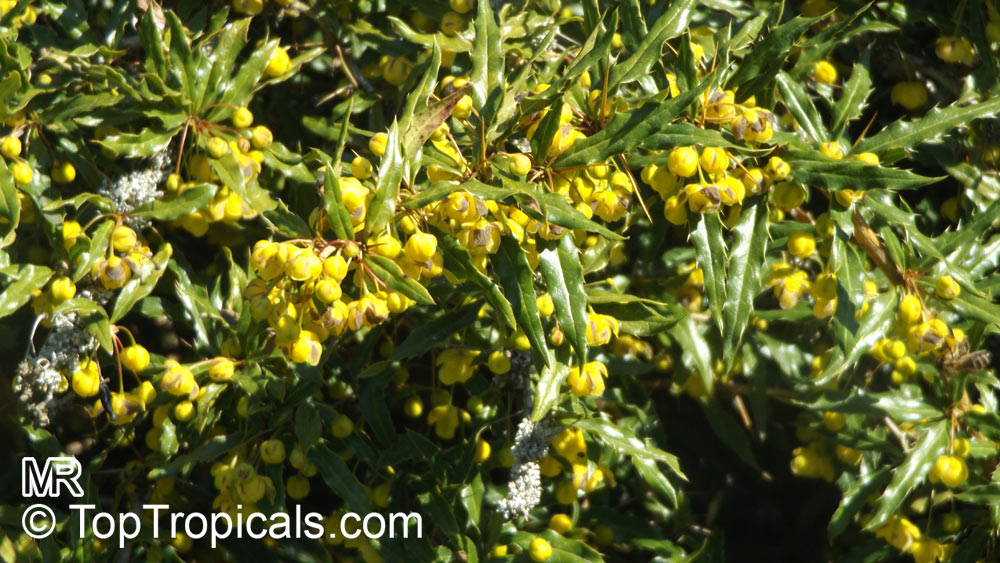
Mahonias are a handsome group of shrubs from the barberry family, with large leaves composed of at least three, to many, holly-like leaflets; they bear flowers in bunches of spikes with many small yellow flowers, often sweetly scented. Cool-climate shrubs, they require a sunny aspect and well-drained, fertile soil with adequate water. In warmer climates they do better in shade or part-shade.They seldom need pruning, but old canes can be cut out at ground level.Propagate from cuttings, basal suckers or seed.
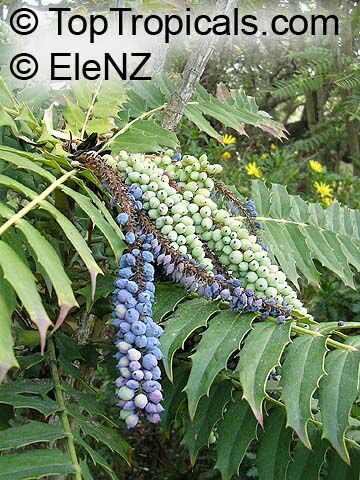
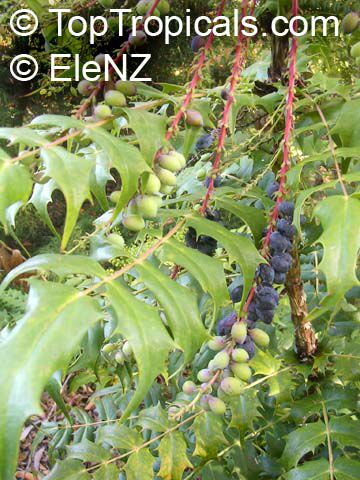
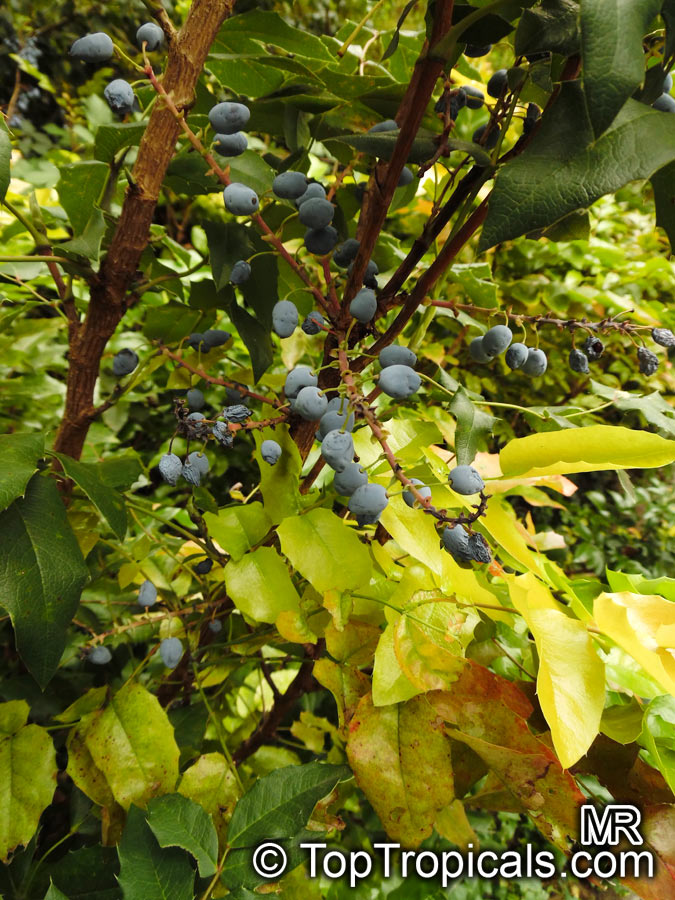

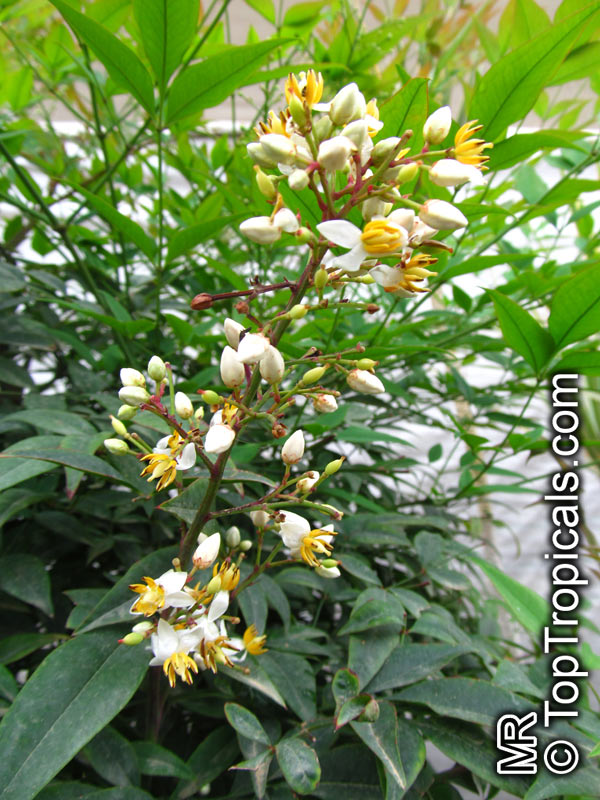
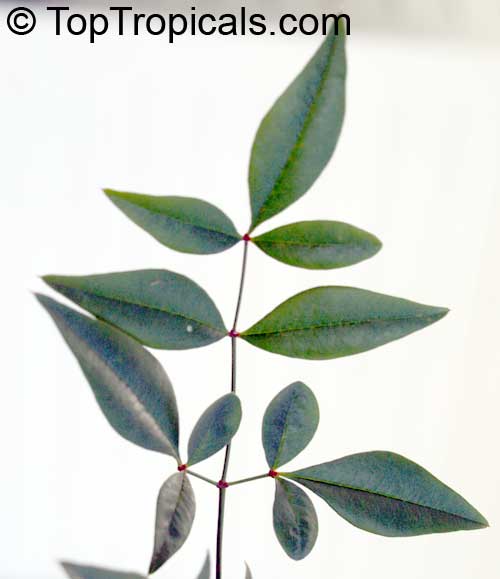
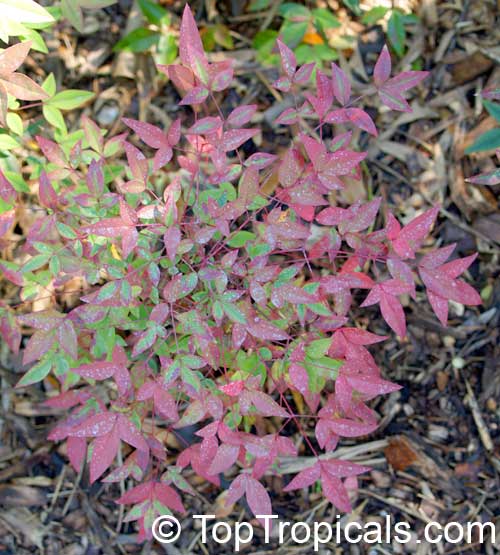
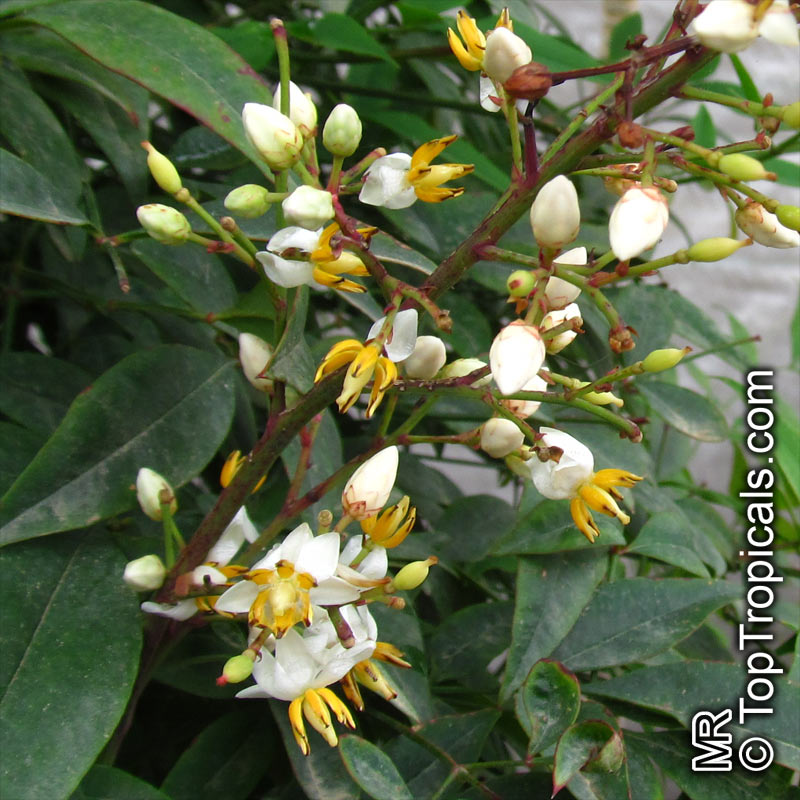
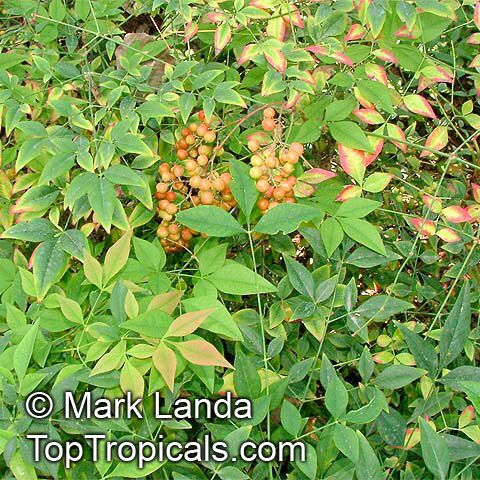
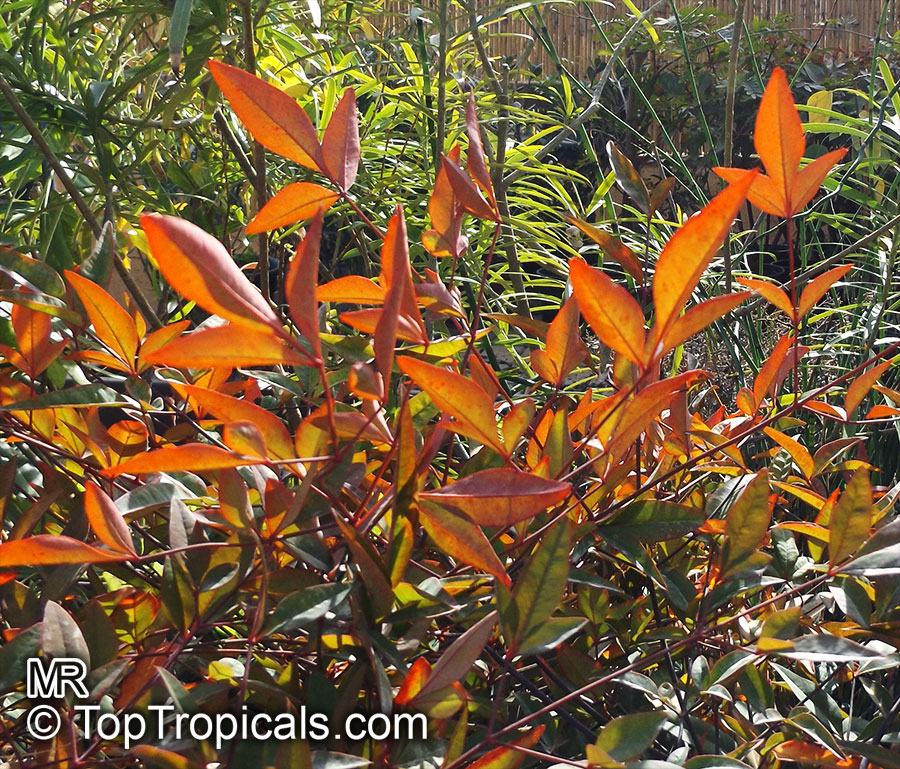
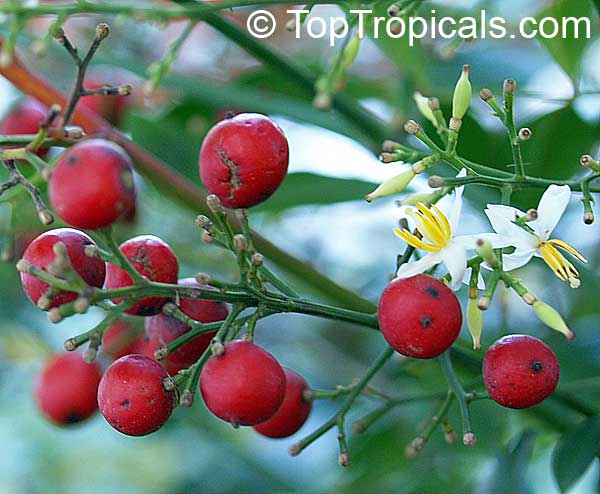
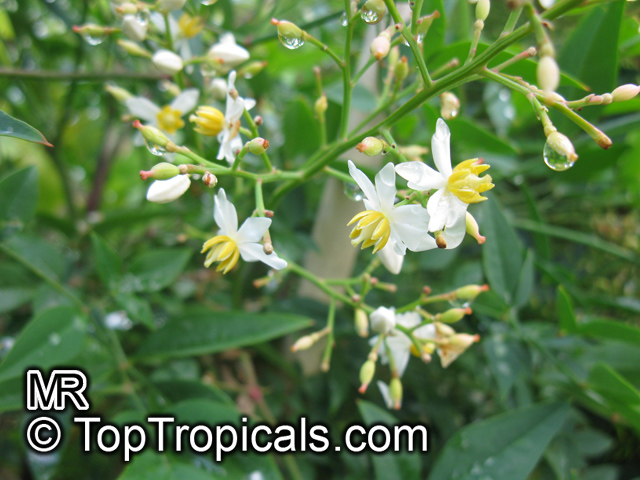
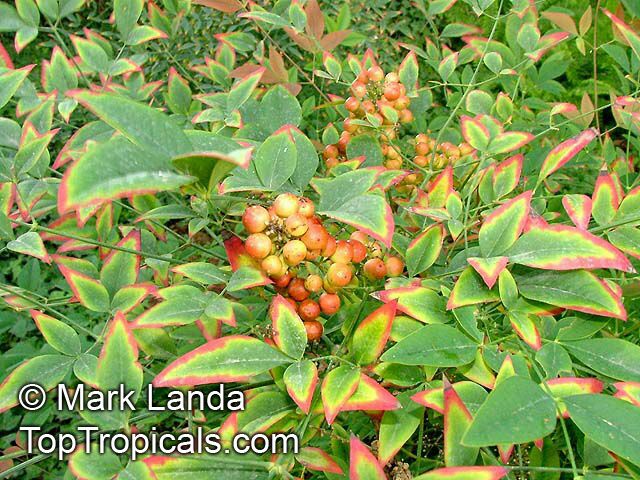
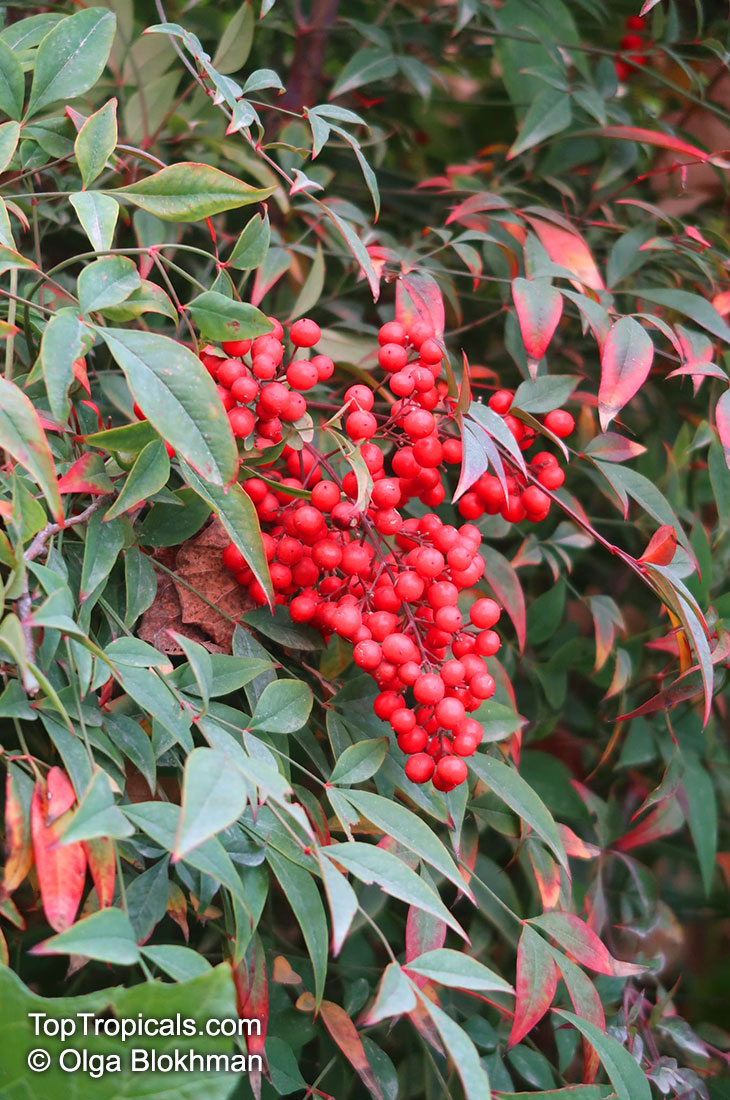
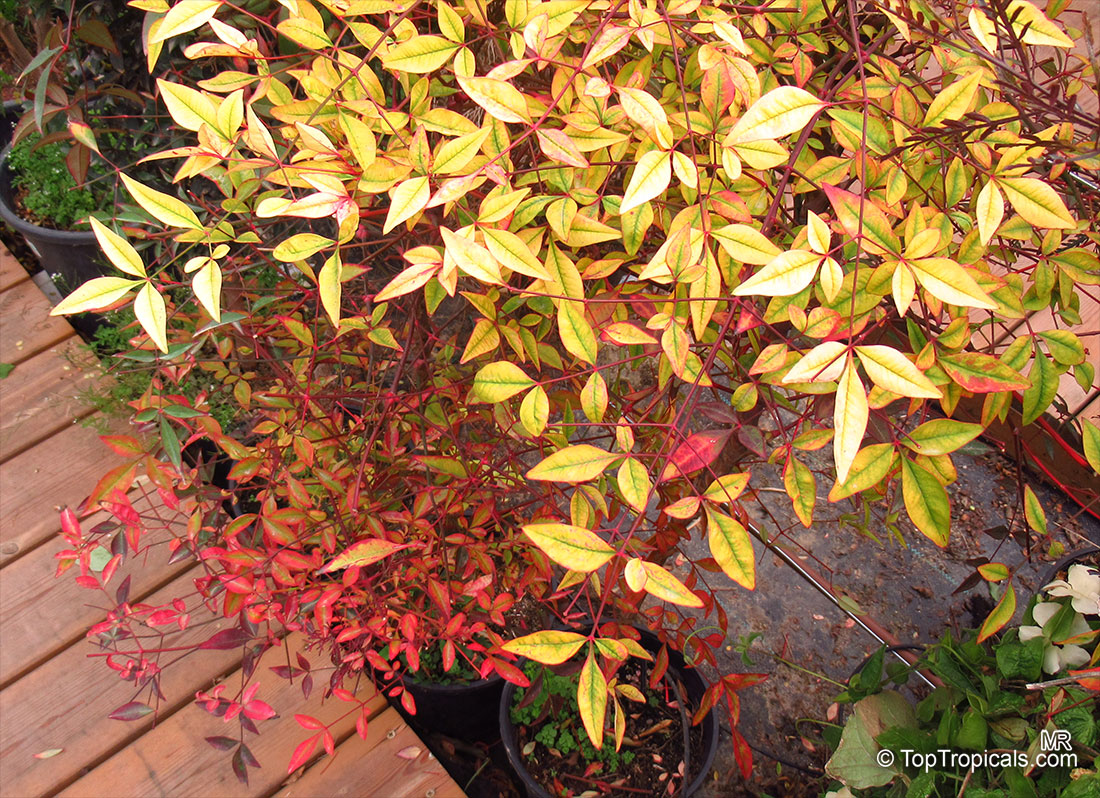
Botanical name: Nandina domestica
Common name: Heavenly bamboo
Family: Berberidaceae
Origin: China and Japan
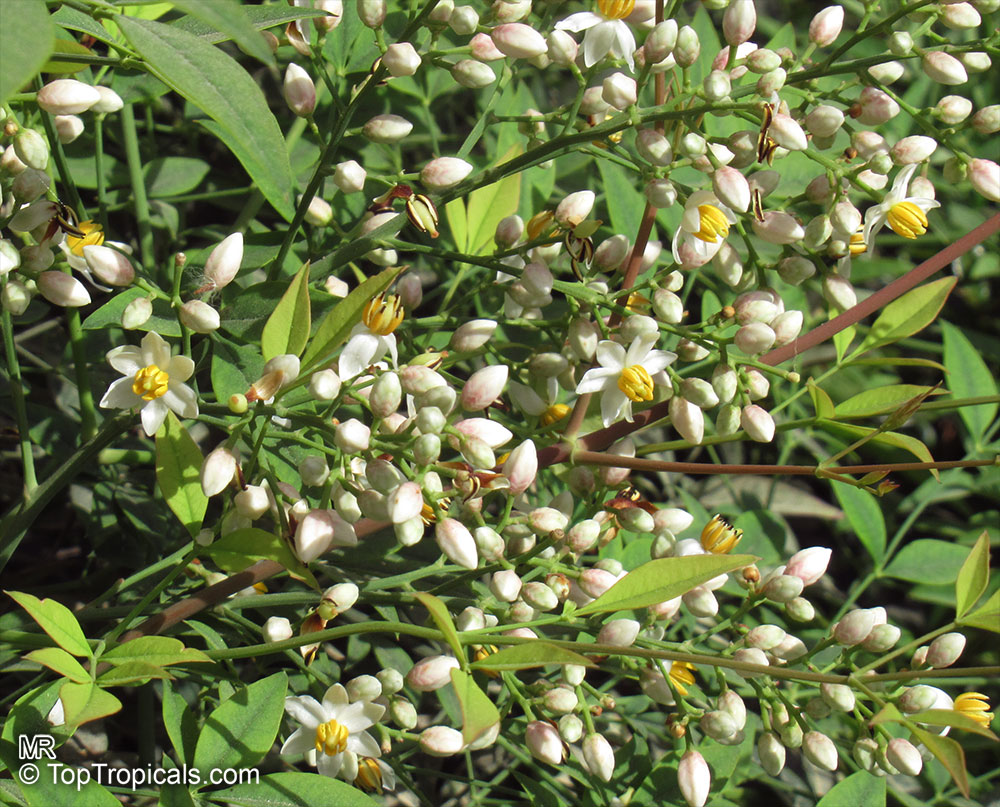
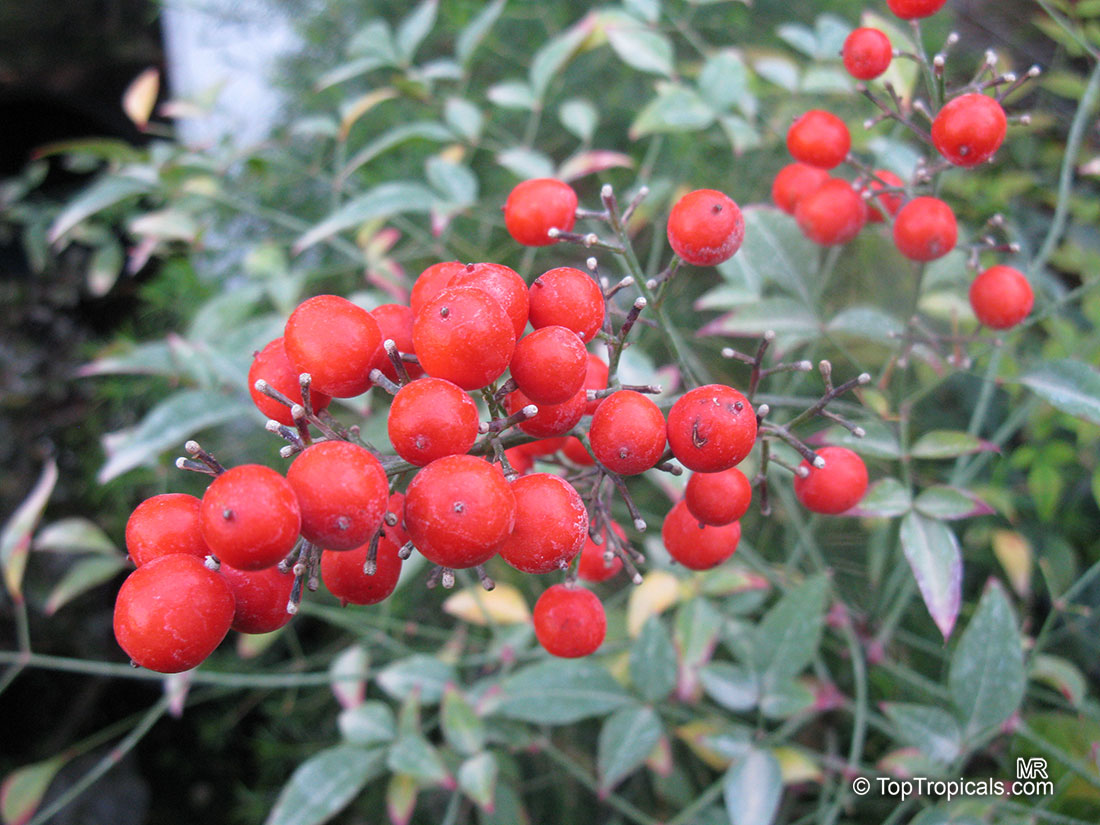
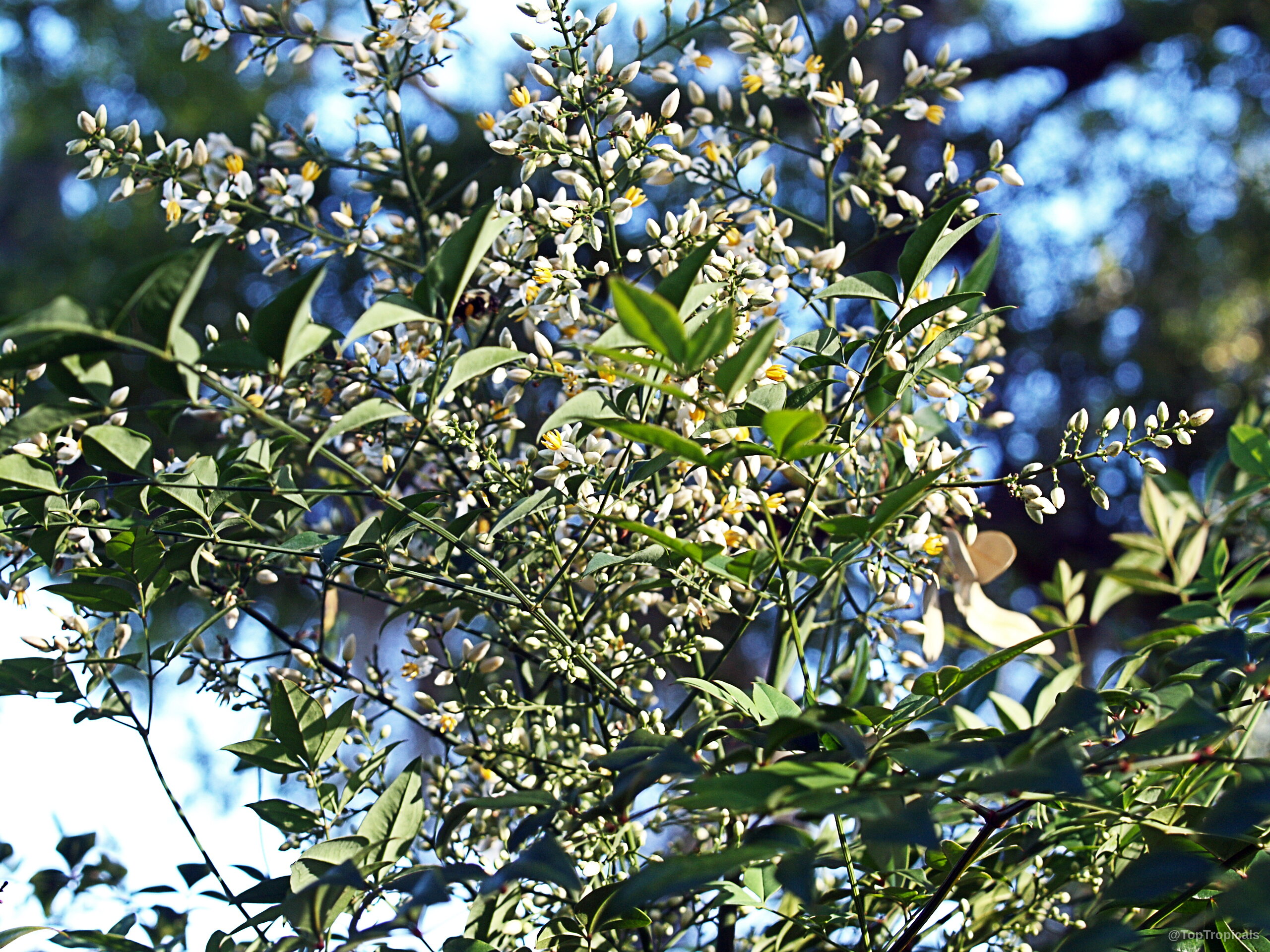
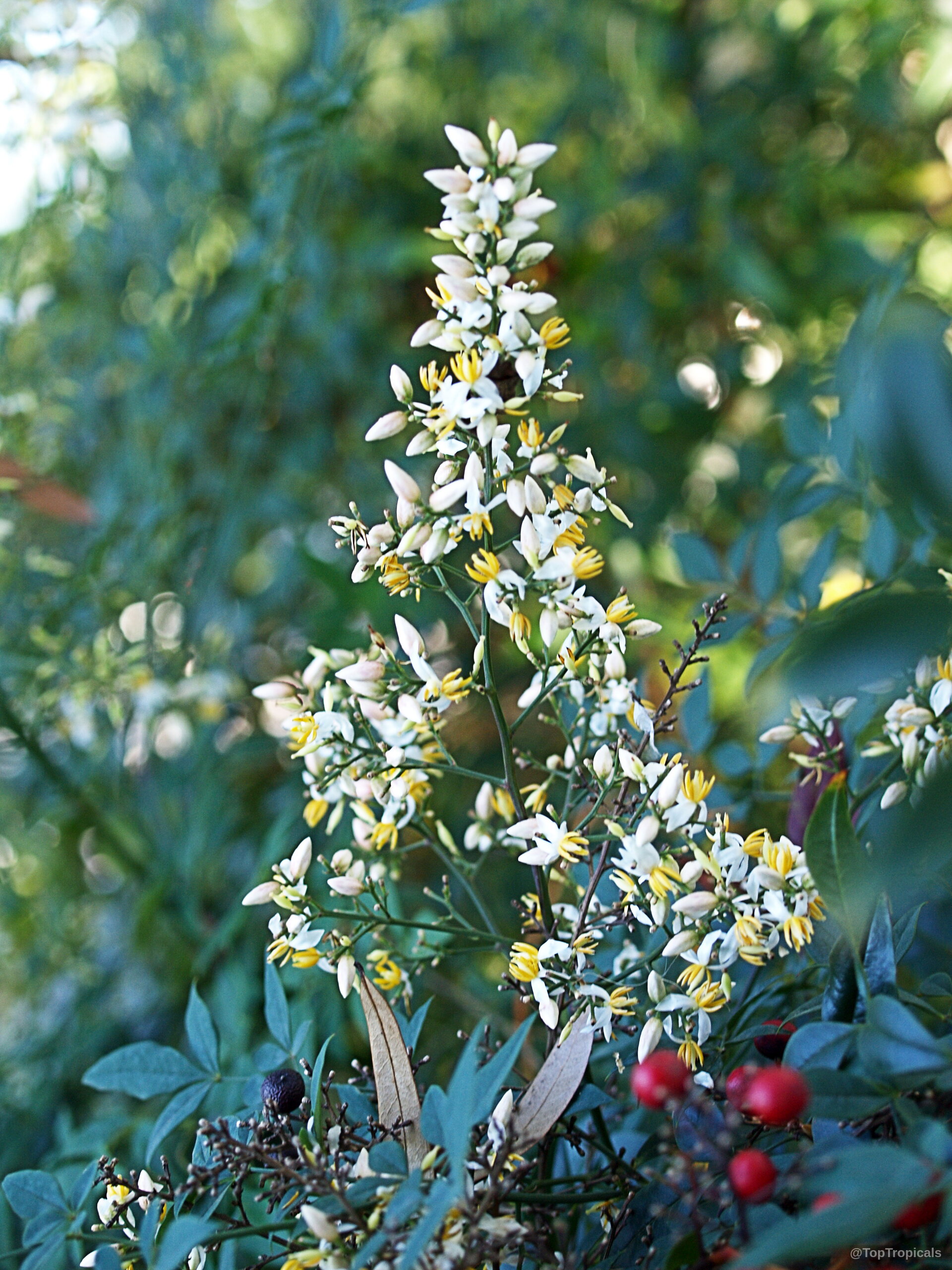
Nandina domestica is a large, shrub-like plant native to China and Japan which typically grows between 5 to 10 ft tall. With its eye-catching, ornamental foliage and off-white or white clusters of flowers, this plant is a desirable addition to any garden. It prefers full sun to semi-shade and enjoys regular watering, though it is drought tolerant. Its mature plant is cold hardy down to at least the 30s F for a short time, making it suitable to grow in USDA Zone 8-10.
In colder climates, Nandina can be grown in pots or indoors to protect from winter's harsher temperatures. Indoors, it requires as much sunlight as possible, regular water, and well-drained, slightly acidic soil. Additionally, it should be pruned to manage its size and shape, with removal of the oldest canes and branches.
Outdoors in cold regions, Nandina should be kept in pots and brought indoors for the winter. To ensure the Nandina's health, the pot should be placed in a sheltered area with plenty of natural light and well-drained soil. Be sure to water regularly, as the potting soil tends to dry out quickly, but allow ample time between waterings to give the soil time to dry out. Thoroughly dry potting soil and some mulch can be beneficial in keeping the roots insulated and warm. If a freeze is anticipated, cover the pot with blankets, old sheets, or other heavy cloth.
Nandina domestica is a beautiful and versatile plant suitable for almost any garden or landscape. With its compact size and striking foliage, it offers beauty to any setting. When given the correct care and attention, this plant can thrive in any environment.



Use link to repeat this search:
https://toptropicals.com/cgi-bin/garden_catalog/cat.cgi?search_op=and&keyword_op=and&language=e&family=Berberidaceae
&number=10&no_change_lang=1&user=tt&sale=1&first=0