Balsaminaceae - Botanical Family
| Number of plants found: 7 |
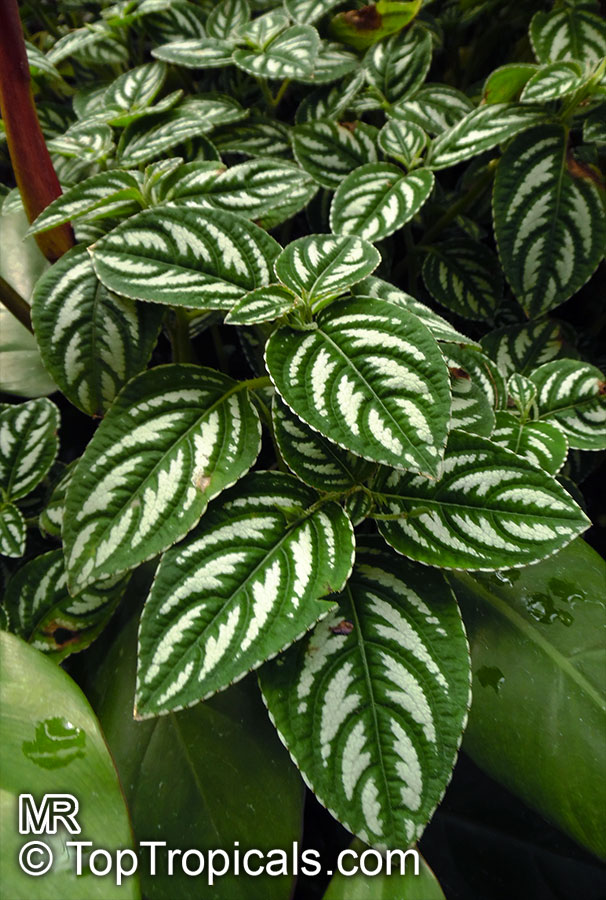
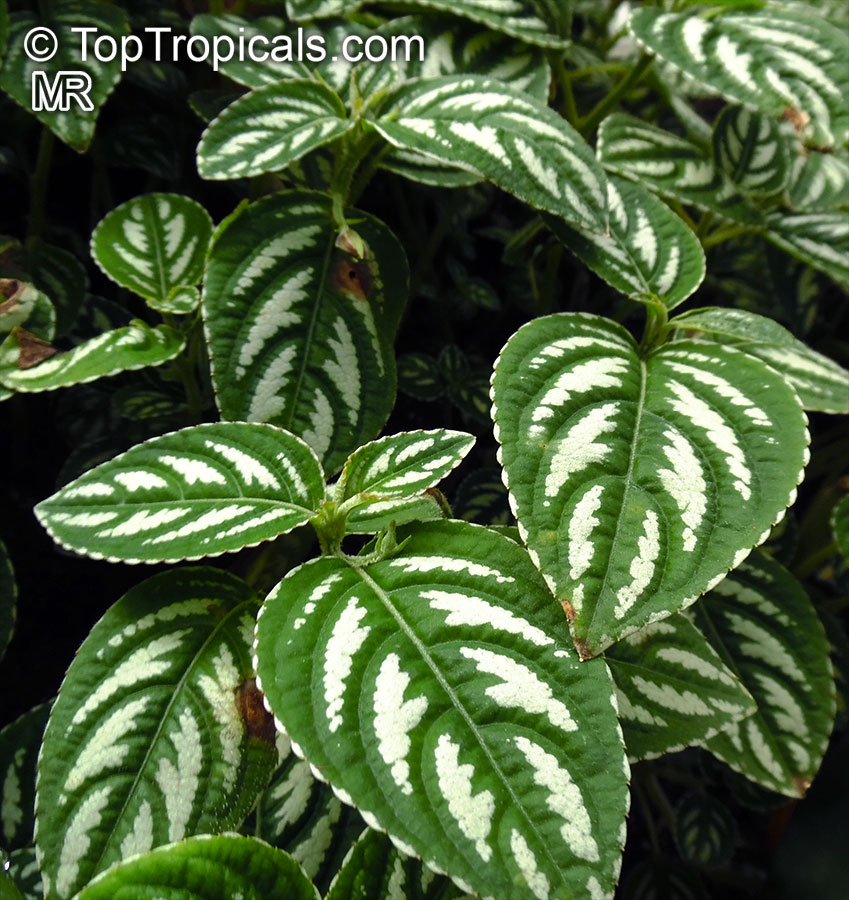
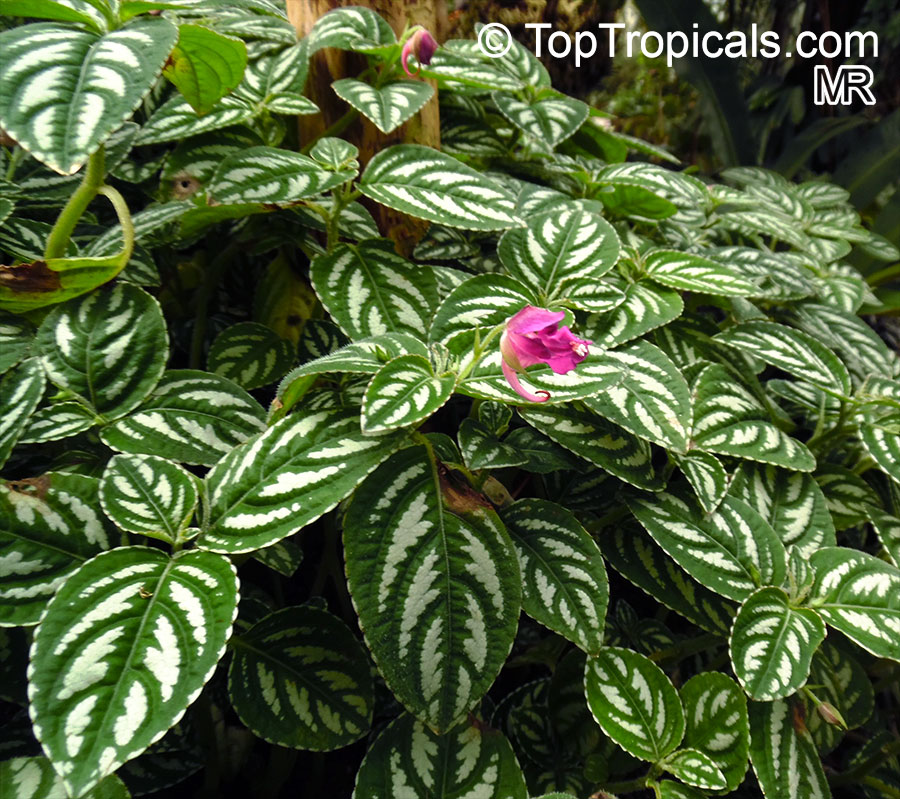
Botanical name: Impatiens marianae
Common name: Touch-me-not
Family: Balsaminaceae
Origin: India


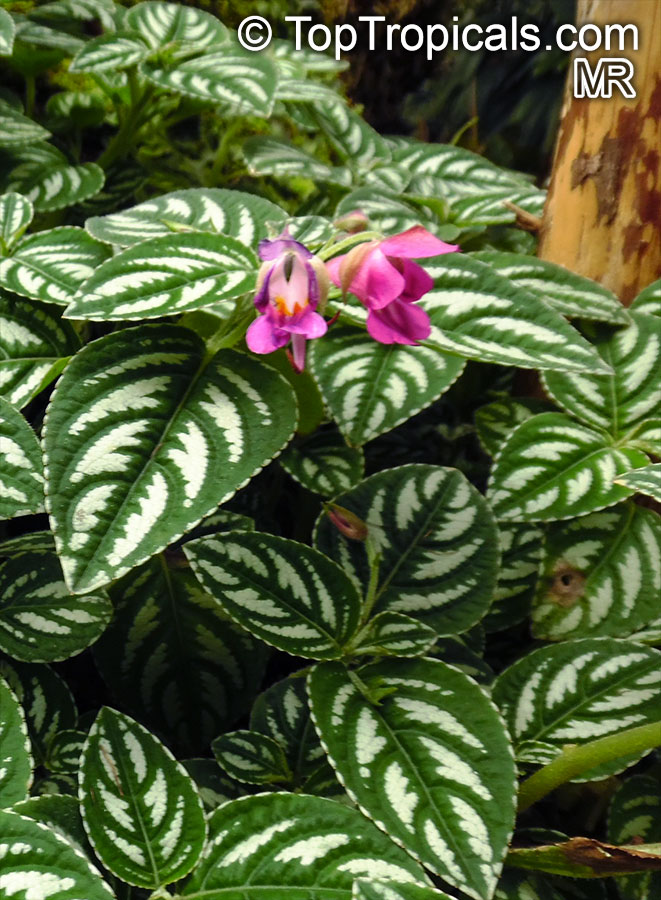
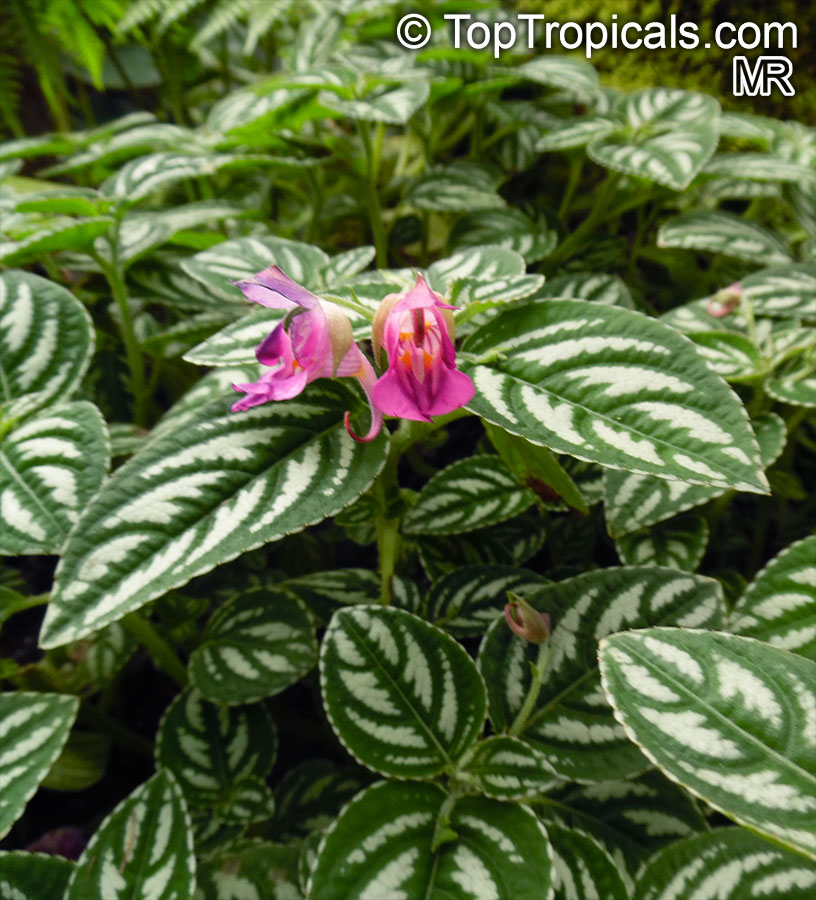
The 2-inch leaves have a silvery-white background, and dark green along the main veins. Its amazing leaf pattern occurs naturally - this is not a cultivated hybrid. The inch-long flowers are deep pink with yellow markings inside, and have a curved "tail".
It does best in bright, filtered light, and should be protected from strong sun exposure.
Likes moist, but well drained, fertile soil.
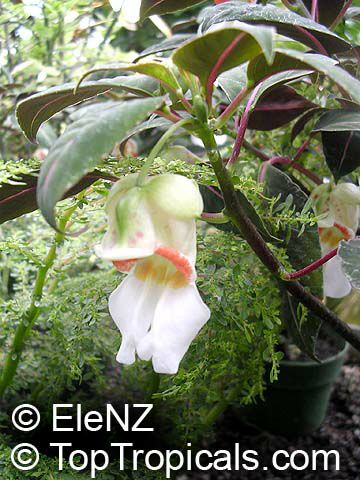
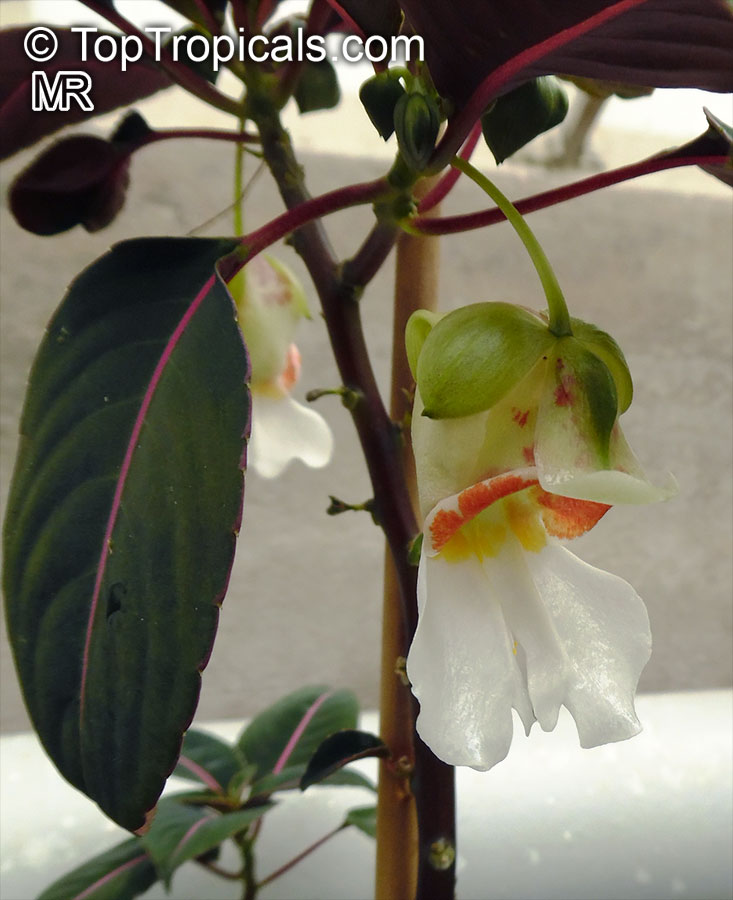
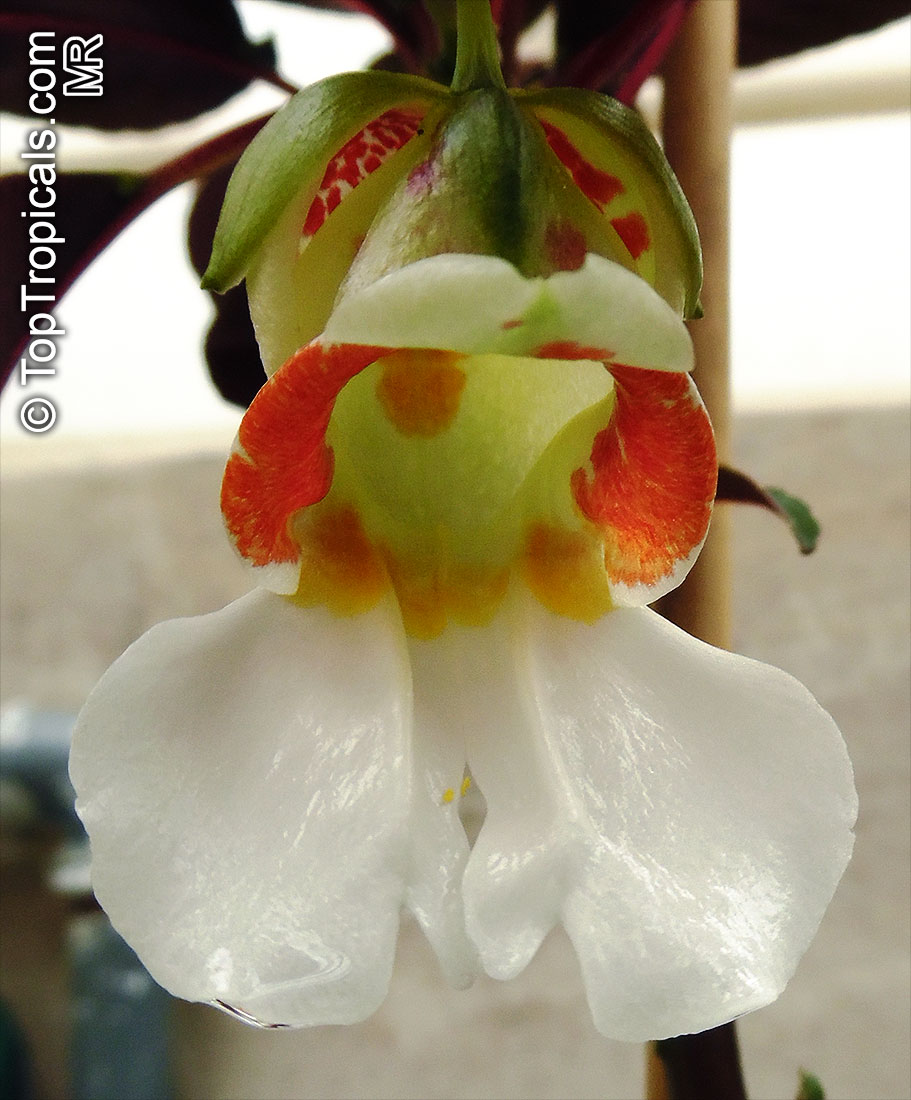
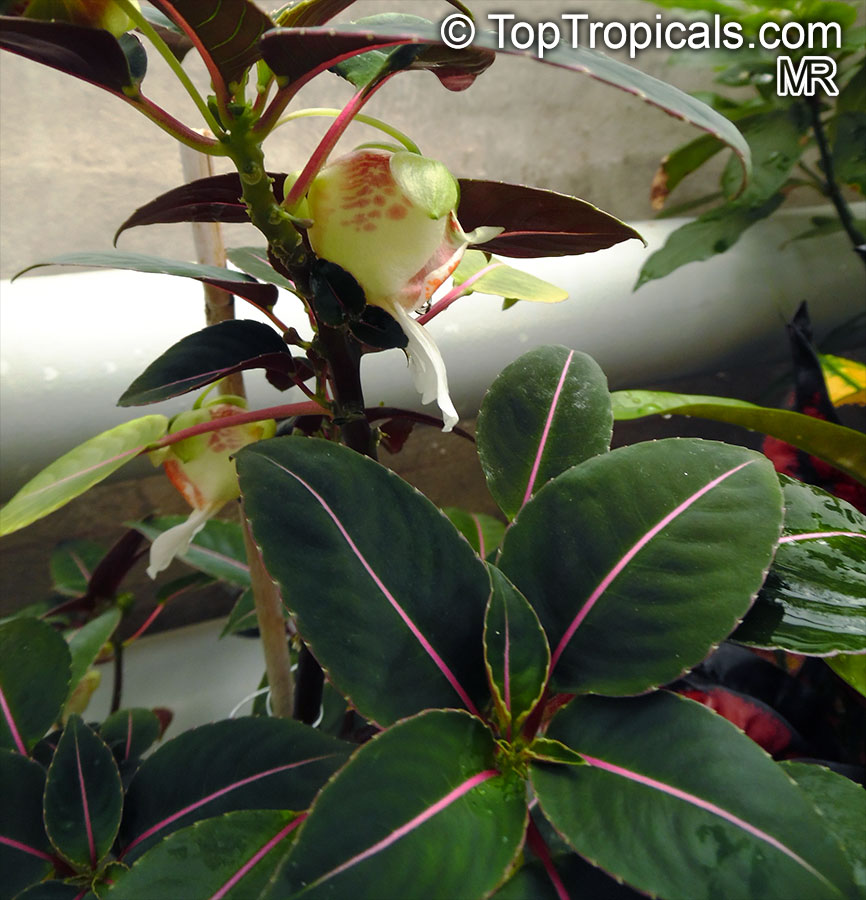
Botanical names: Impatiens morsei, Impatiens velvetea
Common names: Velvet Love, Secret Love
Family: Balsaminaceae
Origin: China


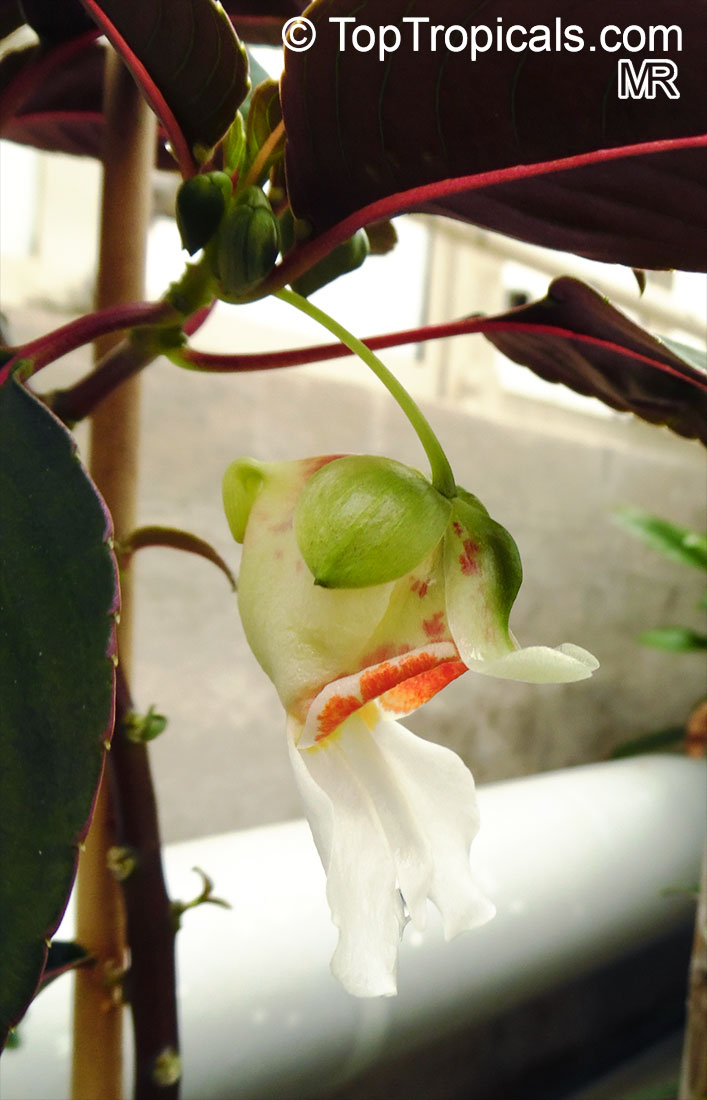
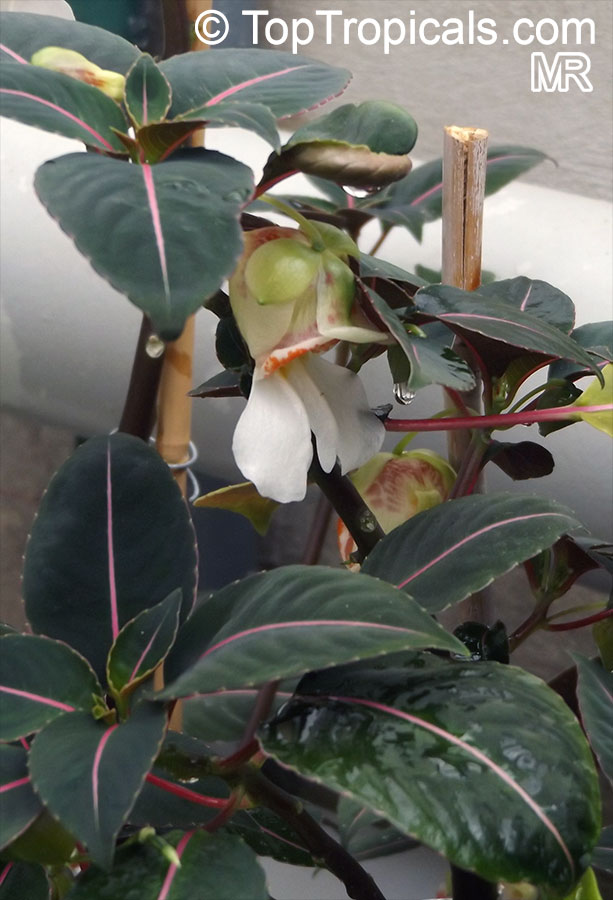
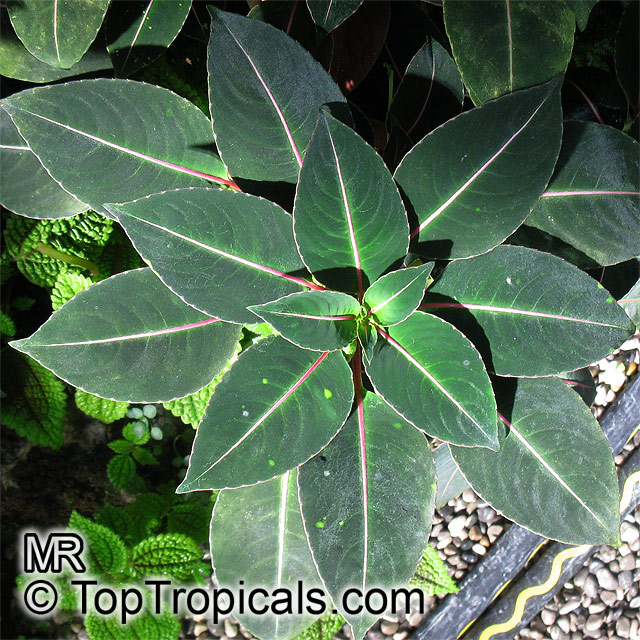
Impatiens morsei, commonly known as Velvet Love, is a small plant native to China and a member of the Impatiens family. Grown in USDA Zones 9-11, it grows up to 2-3 feet in height and thrives in semi-shade and regular water. The foliage has a velvety feel to it and is deep green in color with pink midribs and stems.
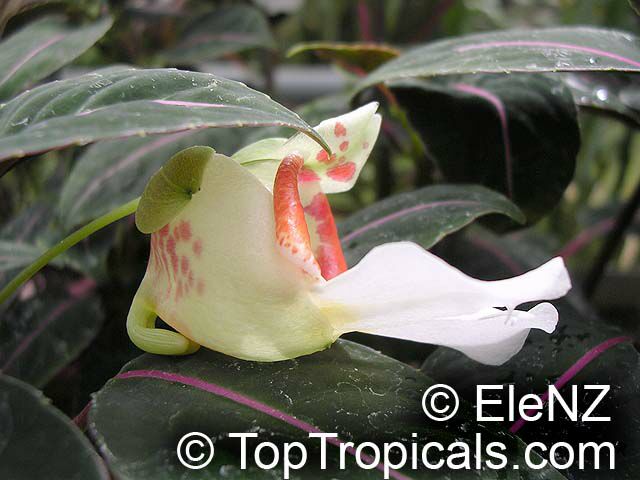
The flowers of Impatiens morsei are simply stunning and come in two distinct colors - off-white and white for single blooms, and yellow and orange for double blooms. These are quite large for an impatiens flower, measuring about 3-4 cm in width. What really sets the Velvet Love apart from others of the Impatiens family is the unique shell shape of the flower, which forms a unique and adorable bell or cup-like shape.
The good thing about Impatiens morsei is that it is very low-maintenance and easy to care for. It can be grown in pots both inside and outside, and as long as it is watered regularly, it will be happy and healthy. To ensure success when growing in cold regions, the plant should be kept watered but not overly saturated, and should be kept away from strong winds or drafts.
Impatiens morsei can be a great choice for those looking to add some color and unique beauty to their outdoor or indoor spaces. Not only does it offer a unique and pleasing appearance, but it is also quite easy to care for. With regular water and light and moderate maintenance, it will keep blooming and bring joy to your garden.
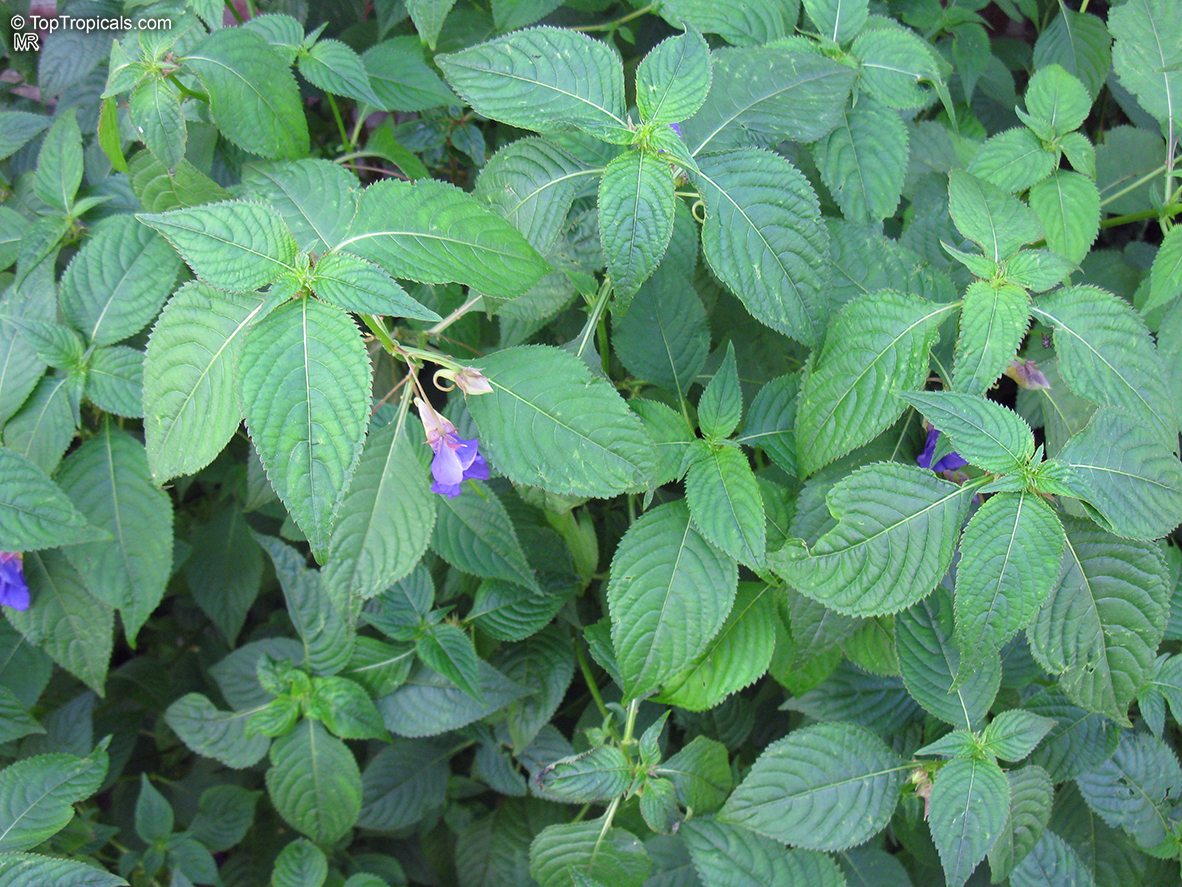
Botanical name: Impatiens namchabarwensis
Common name: Blue Diamond Impatiens
Family: Balsaminaceae
Origin: Himalaya


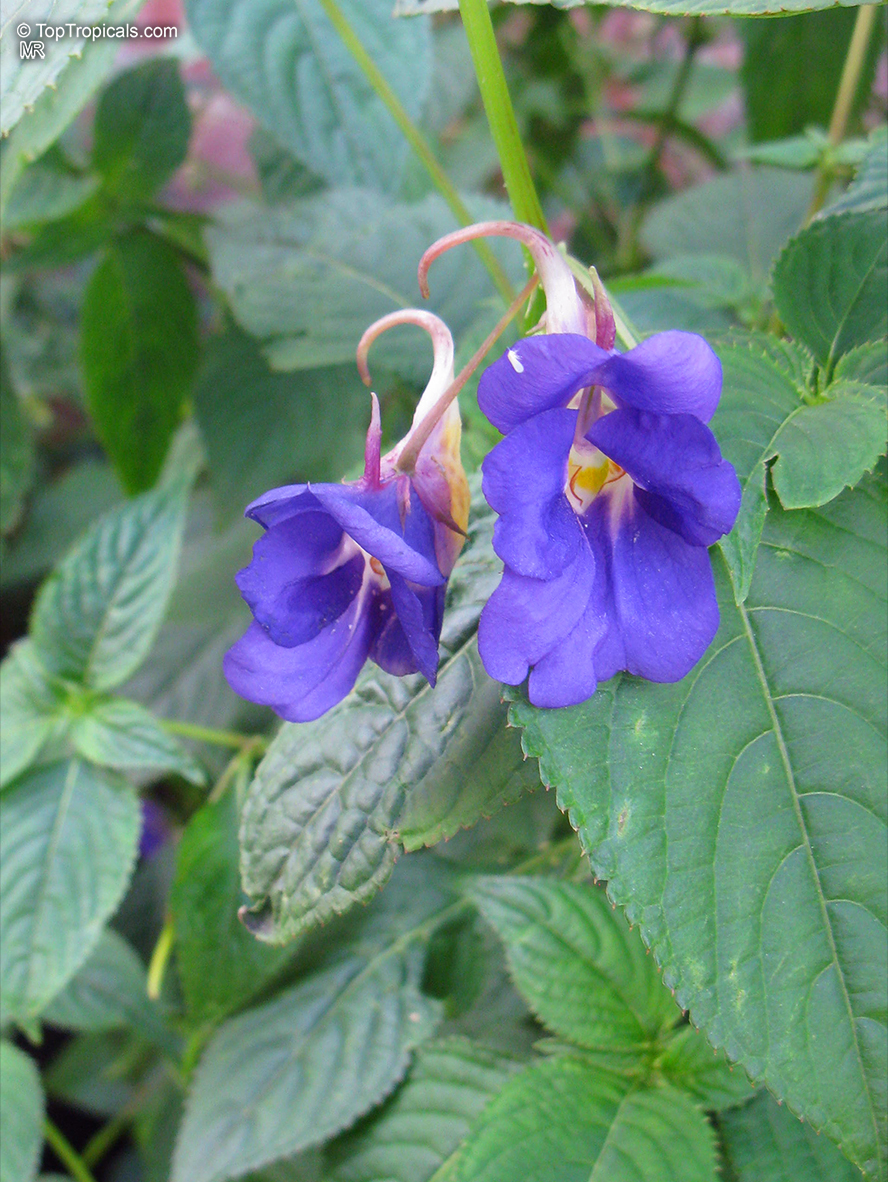
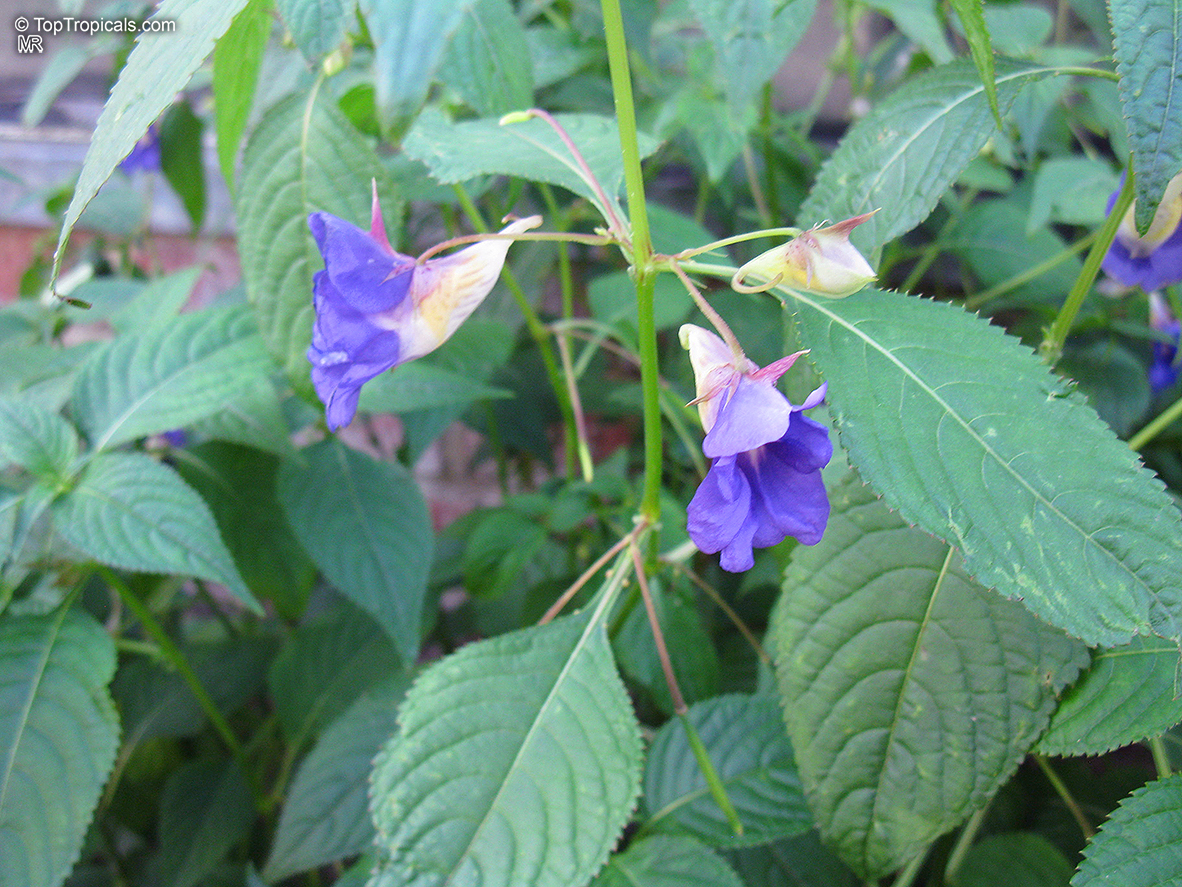
This is a perennial species when grown indoors or in mild-winter areas. It self-seeds and can be grown as an annual in colder areas.
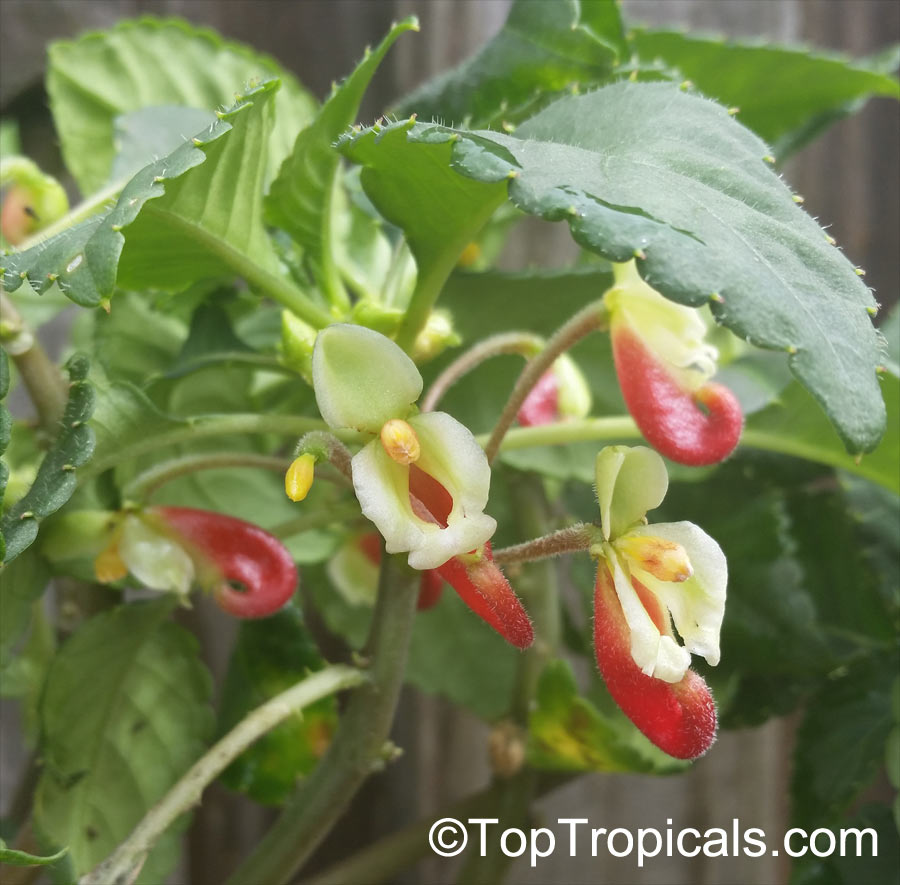
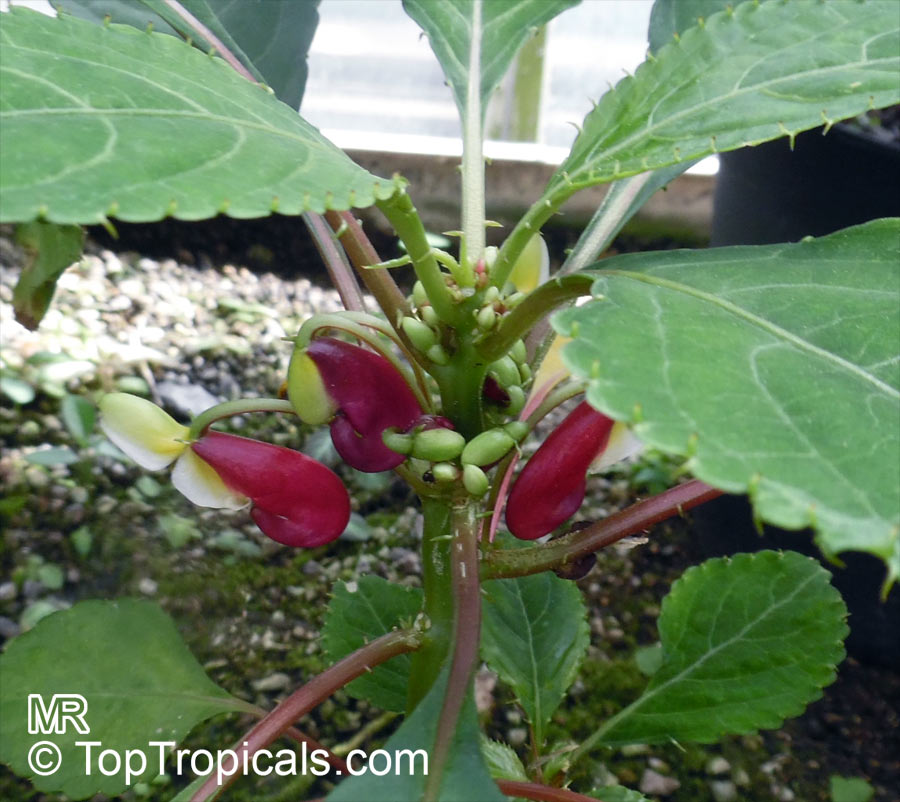
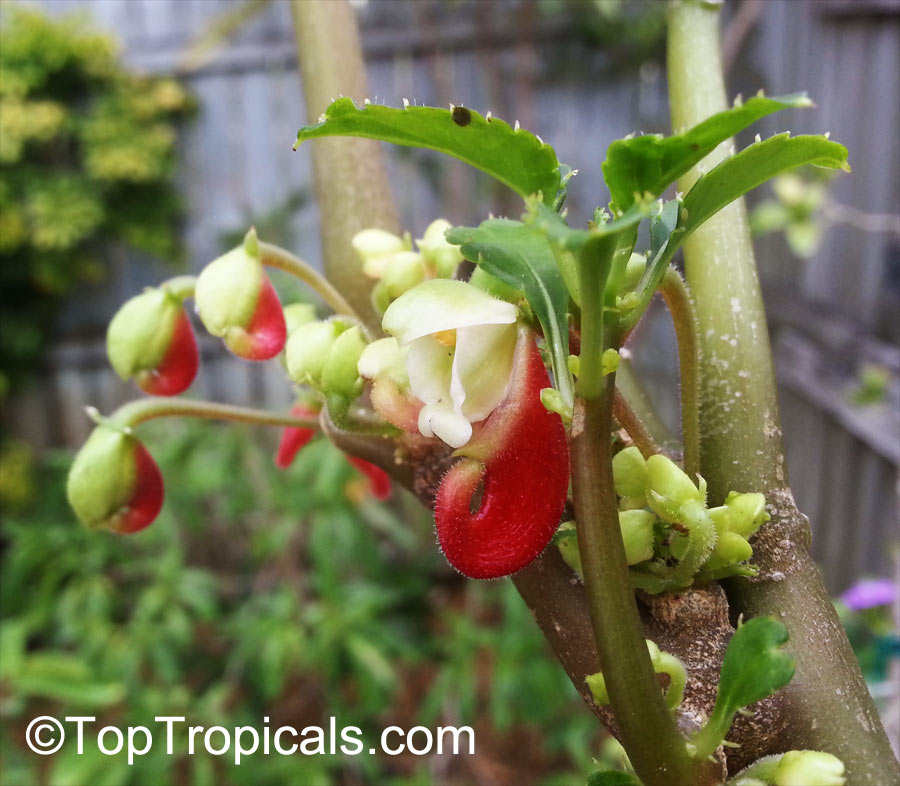
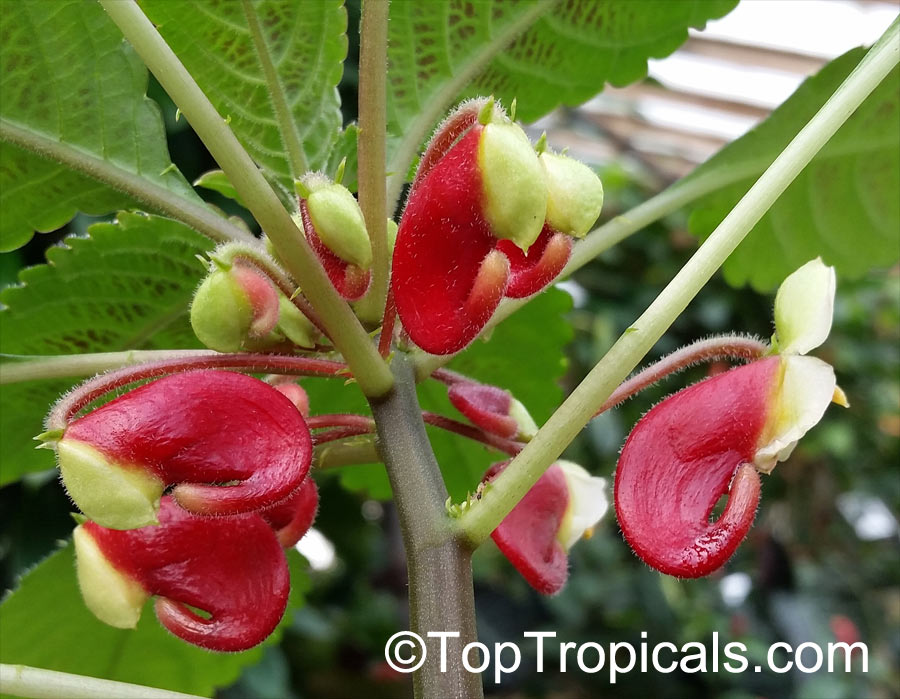
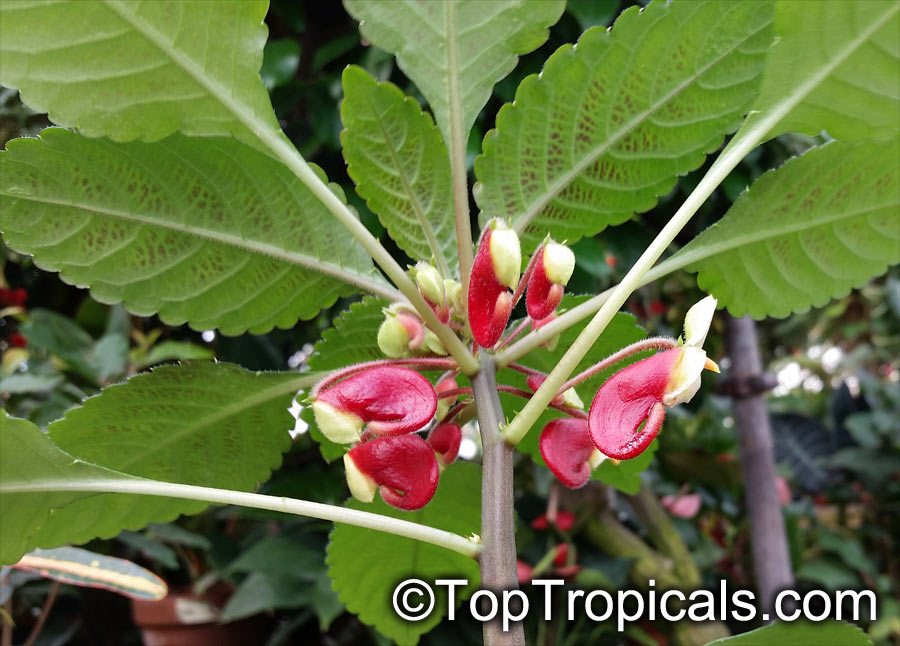
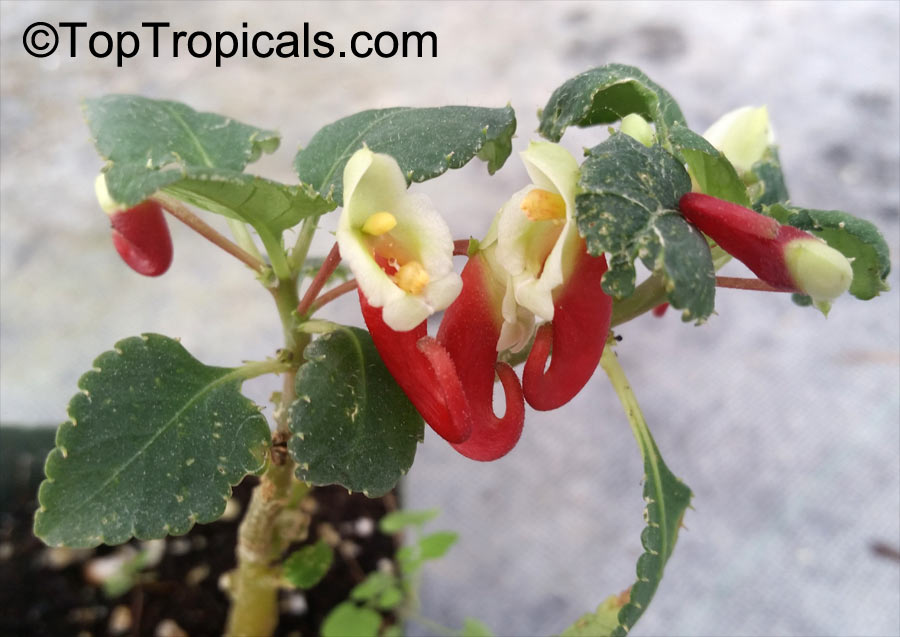
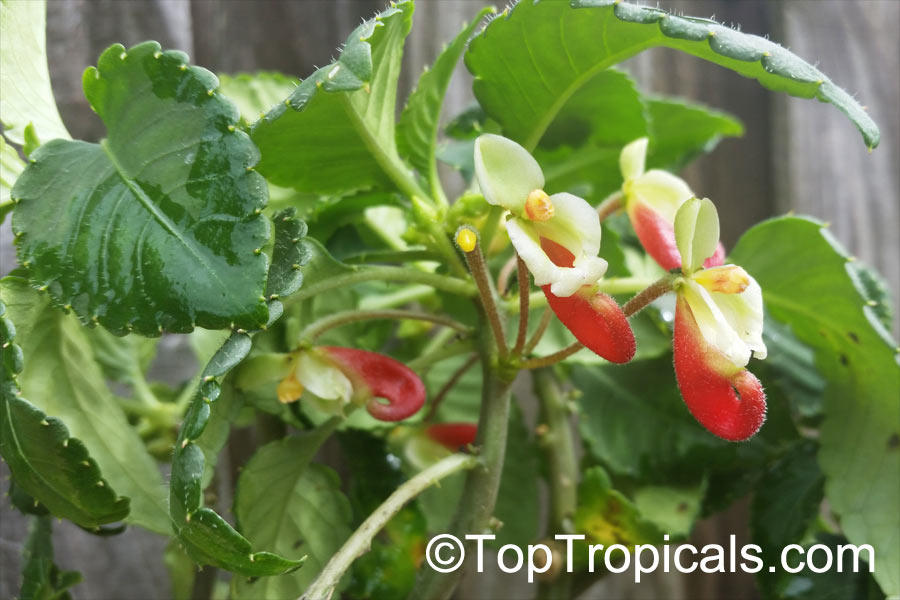
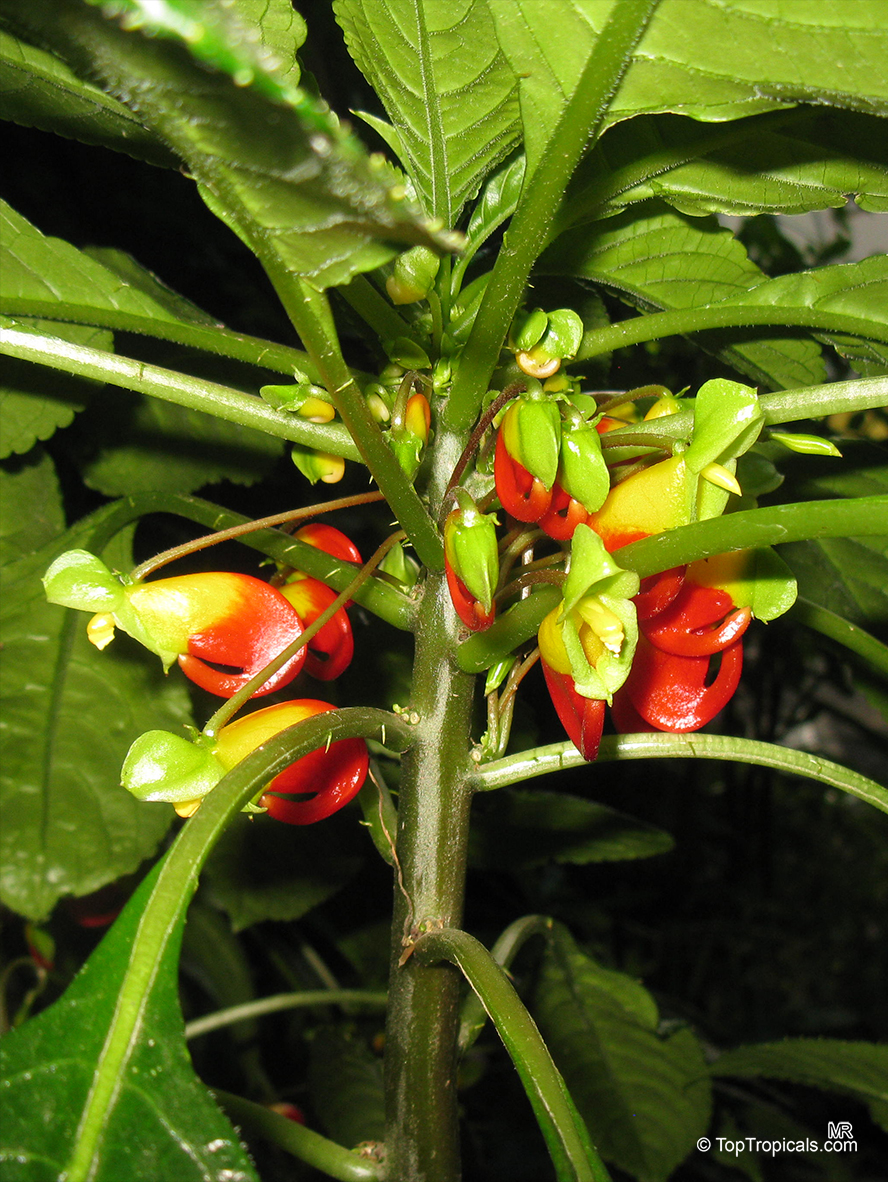
Botanical name: Impatiens niamniamensis
Common name: Parrot Plant
Family: Balsaminaceae
Origin: Tropical East Africa

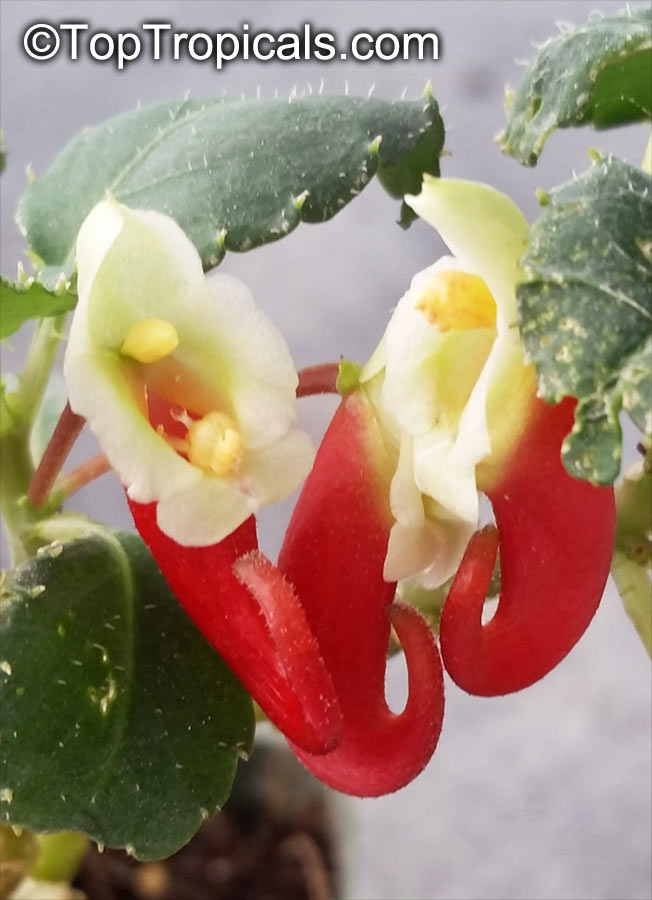
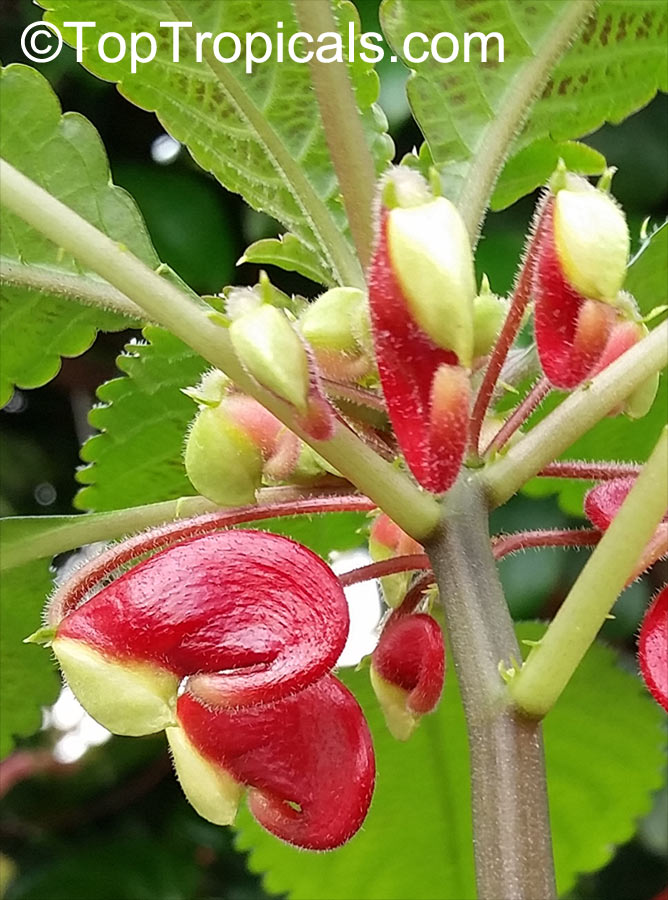
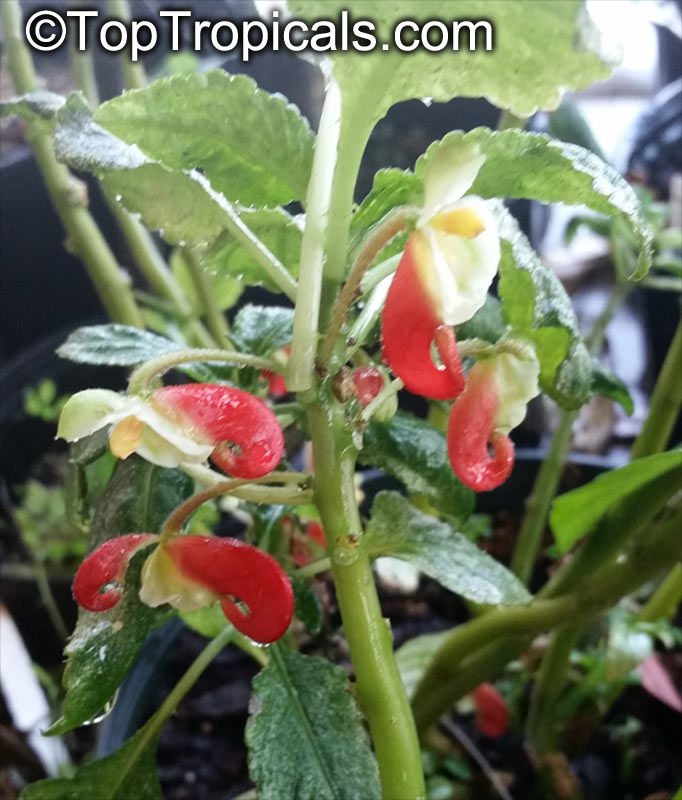
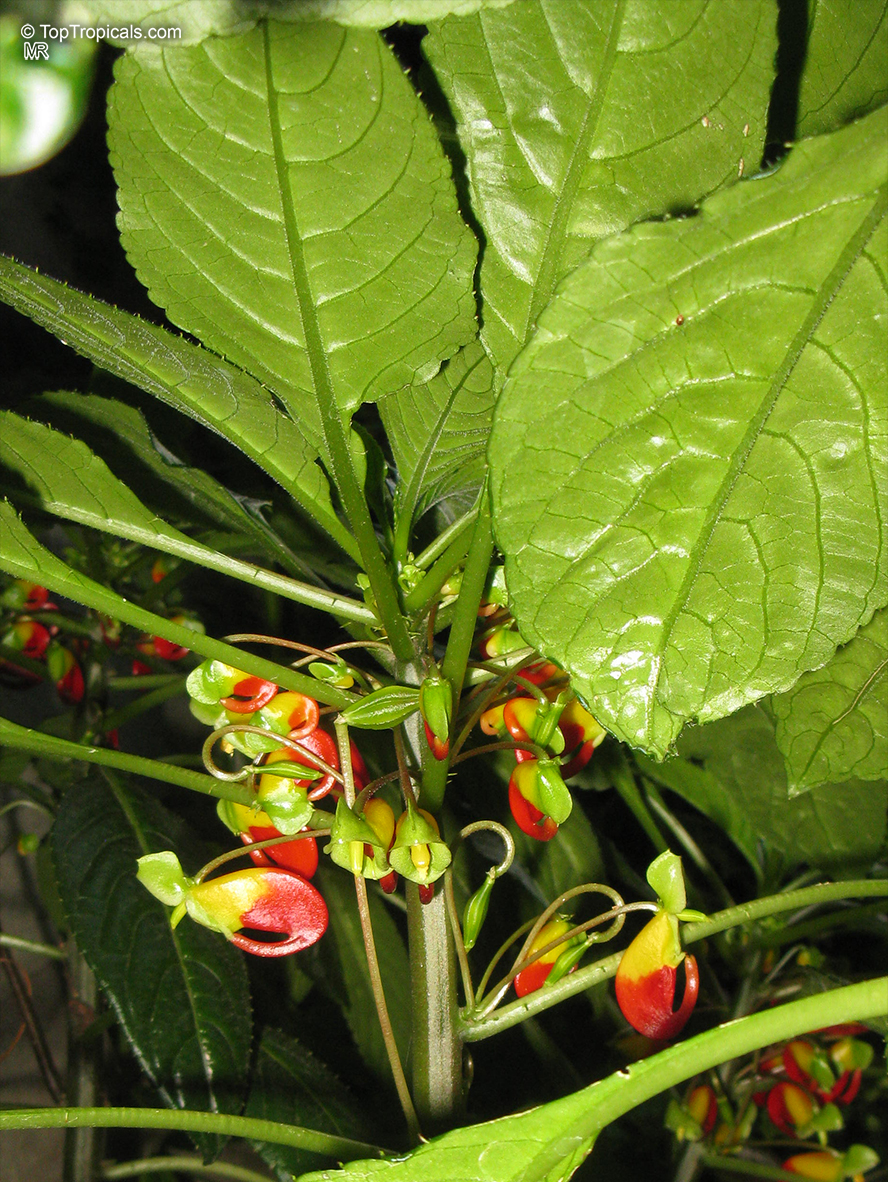
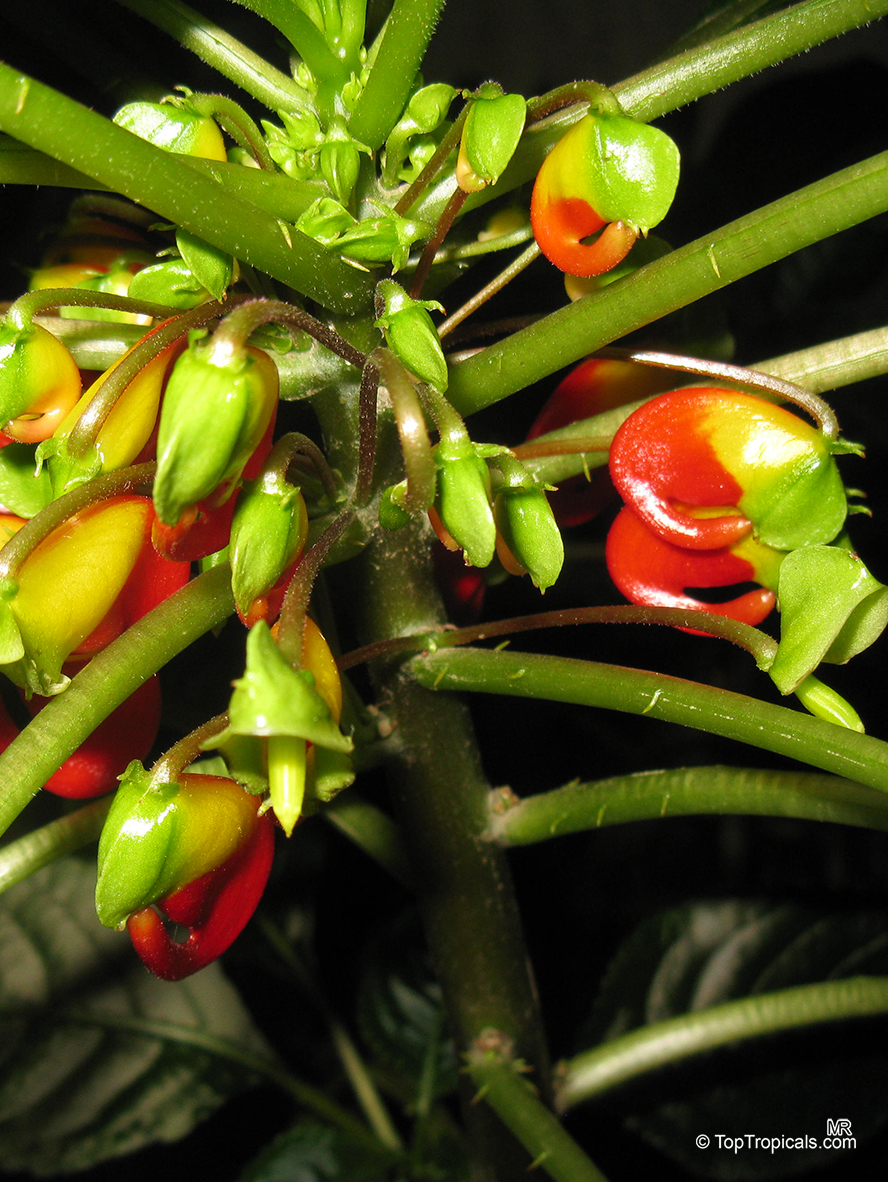
Impatiens niamniamensis (Parrot impatiens)
Native to central Africa, Impatiens niamniamensis is a shrubby perennial known for its unusual, beak-shaped flowers and clean green foliage. It typically grows 2-3 ft tall with upright branching stems that stay compact and tidy in warm, humid conditions. The flowers are yellow, red, or orange with curved spurs, giving the plant a distinctive parrot-like appearance during warm seasons. Blooming can continue for many months when the plant receives bright filtered light and steady moisture. The foliage remains evergreen in tropical climates and creates a soft background for the bright flowers.
What are the key features of Impatiens niamniamensis?
This species prefers partial shade, rich moist soil, and consistent watering without waterlogging. It responds quickly to dry air or low humidity with wilt or slow growth, so sheltered patios or indoor bright corners suit it well. Growth is moderate and becomes fuller with regular pinching. Container culture is effective, especially where winters are cool. Impatiens niamniamensis is frost-sensitive and should be protected when temperatures approach 40 F. USDA zone is generally 10-11. The plant is non-edible and may cause mild irritation if the sap contacts skin. It can be confused with other shrubby impatiens, but its curved, beak-like blooms make it easy to recognize.
Botanical name: Impatiens repens
Common names: Balsam, Busy Lizzie
Family: Balsaminaceae
Origin: Southeast Asia and Tropical Africa
Hardiness: 30°F


Impatiens, or Balsam, is a large genus of showy flowers greatly-loved for pot plants or greenhouse specimens in temperate countries. It also grows wild in many parts of the world, particularly Indonesia, and can be found in various forms and colors.
The most commonly cultivated species is Impatiens walleriana, or the "Busy Lizzie", a very popular cultivar with a range of bright flower colors and variegated leaves. It can grow up to 5 feet tall and is often used as a standard bedding plant in slightly cooler regions. It prefers moist and semi-shaded environments but can also grow in full sun, provided it is watered regularly.
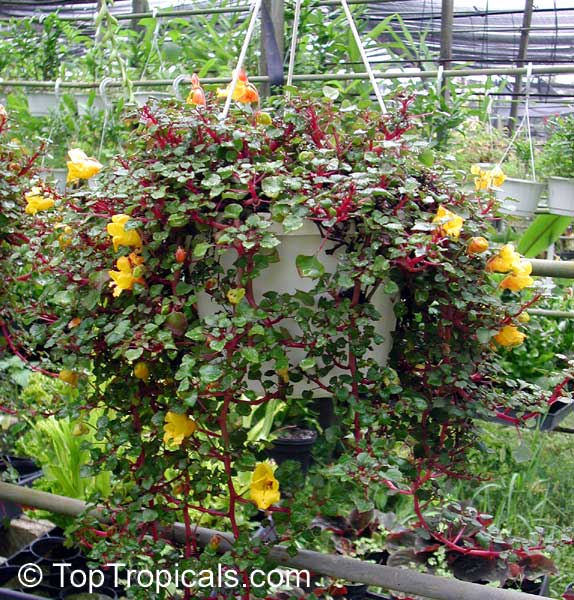
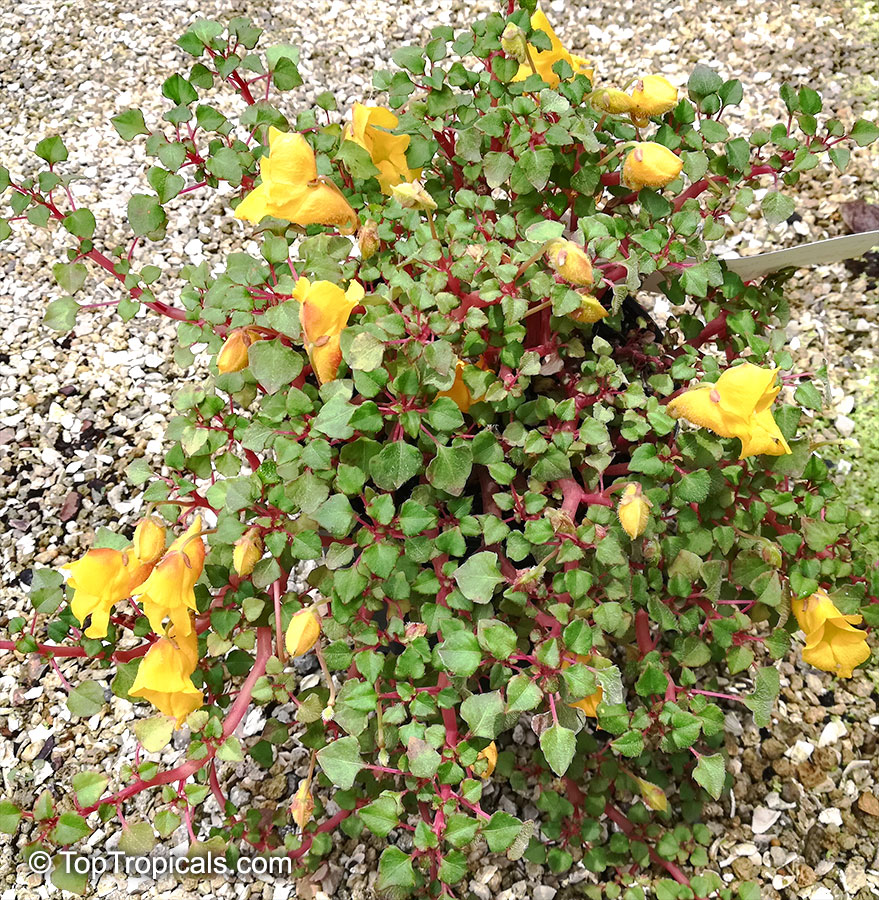
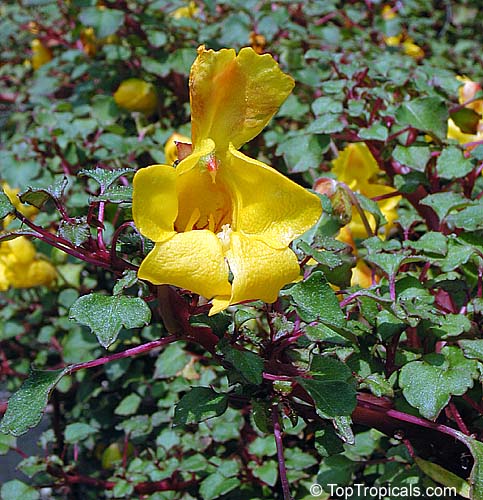
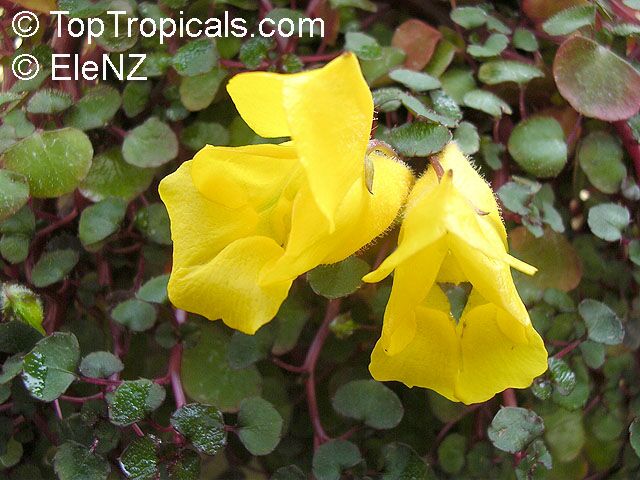
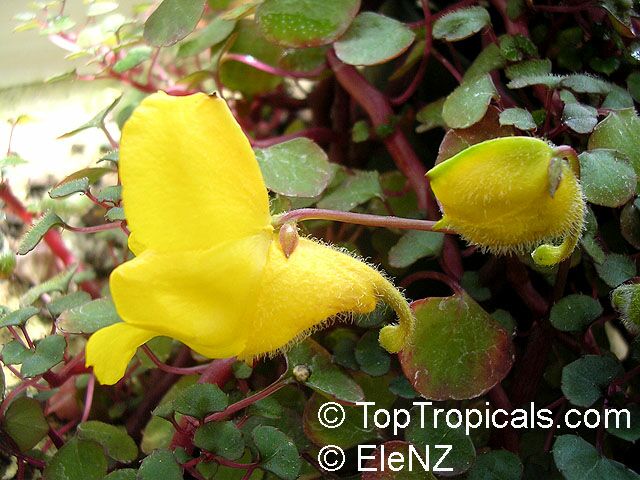
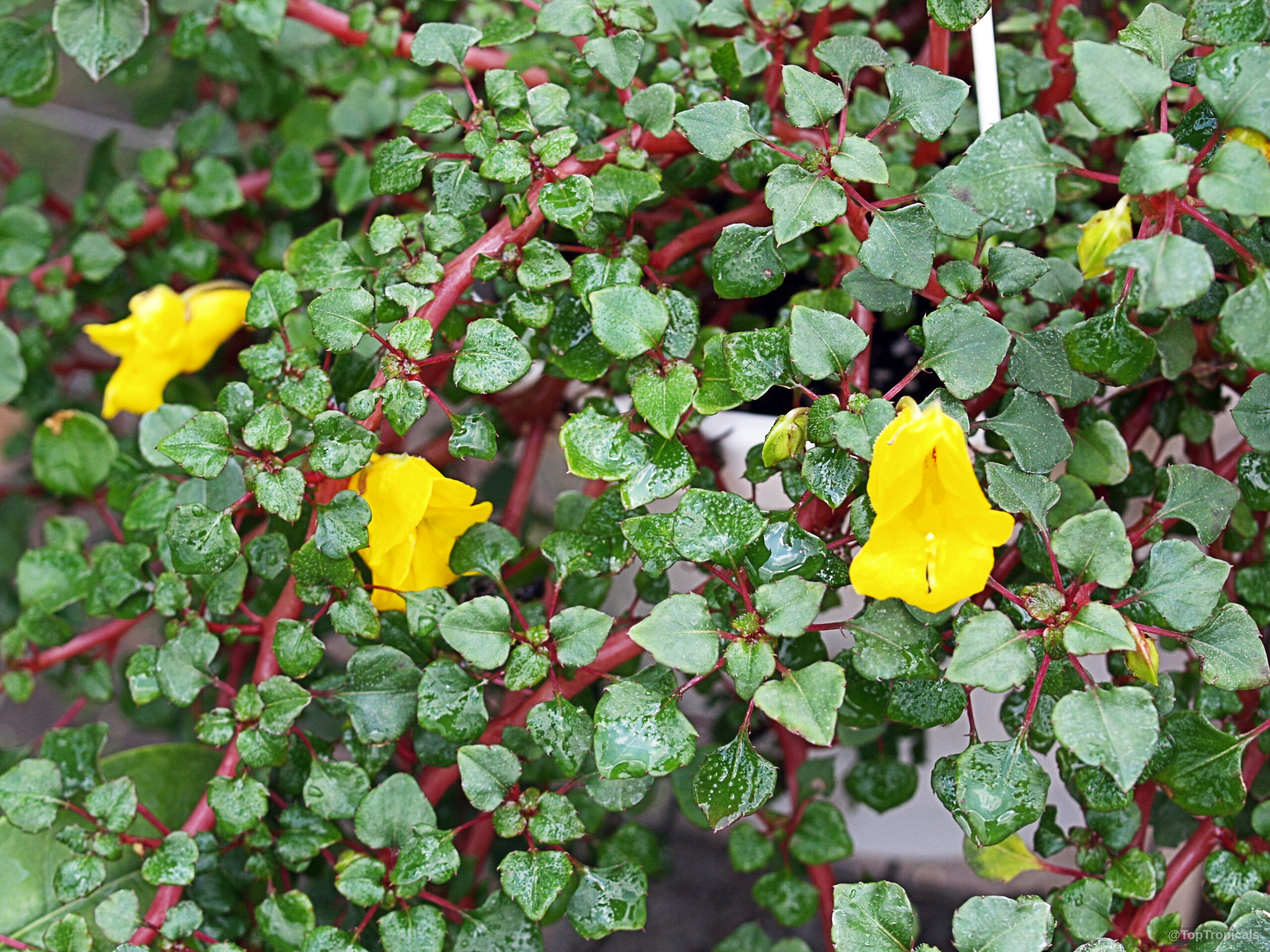
In cooler climates, Impatiens repens is a great option for groundcover and a low-growing plant. It grows up to 2 feet and produces eye-catching yellow and orange five-petaled flowers that attract both butterflies and hummingbirds. When growing Balsam in a pot, it's important to protect it during the winter and to ensure it is kept in a well-draining soil with enough moisture.

Recommended Fertilizer: SUNSHINE Megaflor - Bloom Nutrition Booster
Local pickup only. This item is not available for shipping. Local delivery may be available in Ft. Myers or Sebring, Florida. Contact us for an estimate. Non-pickup orders are subject to restocking fees.
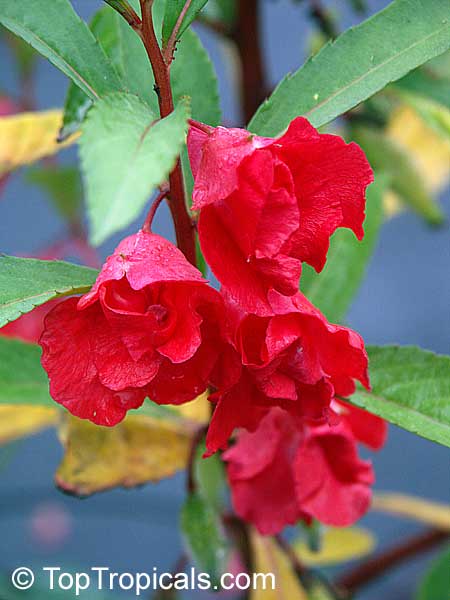
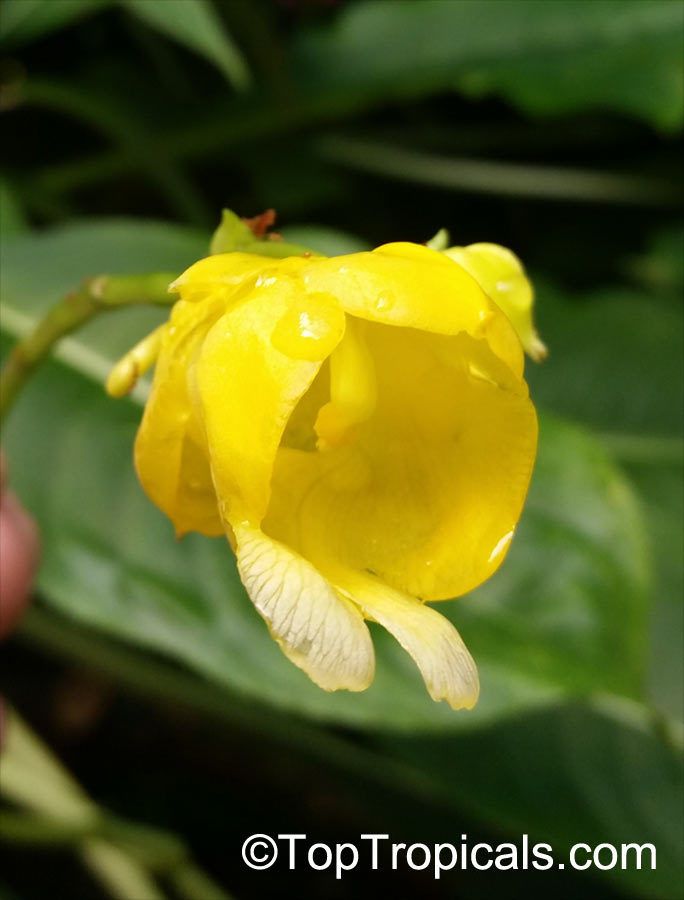
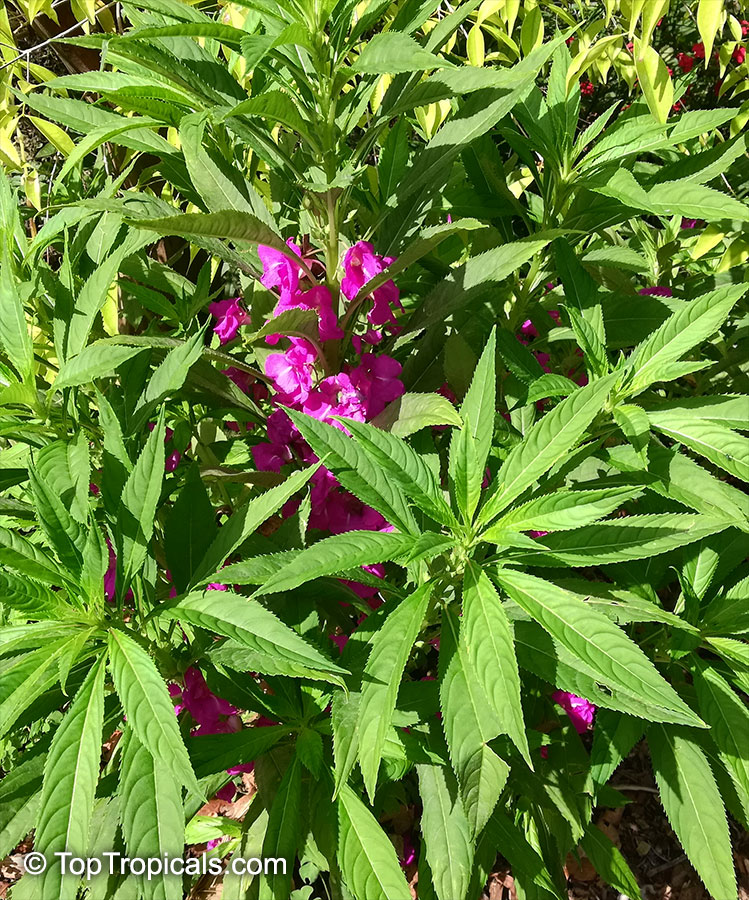
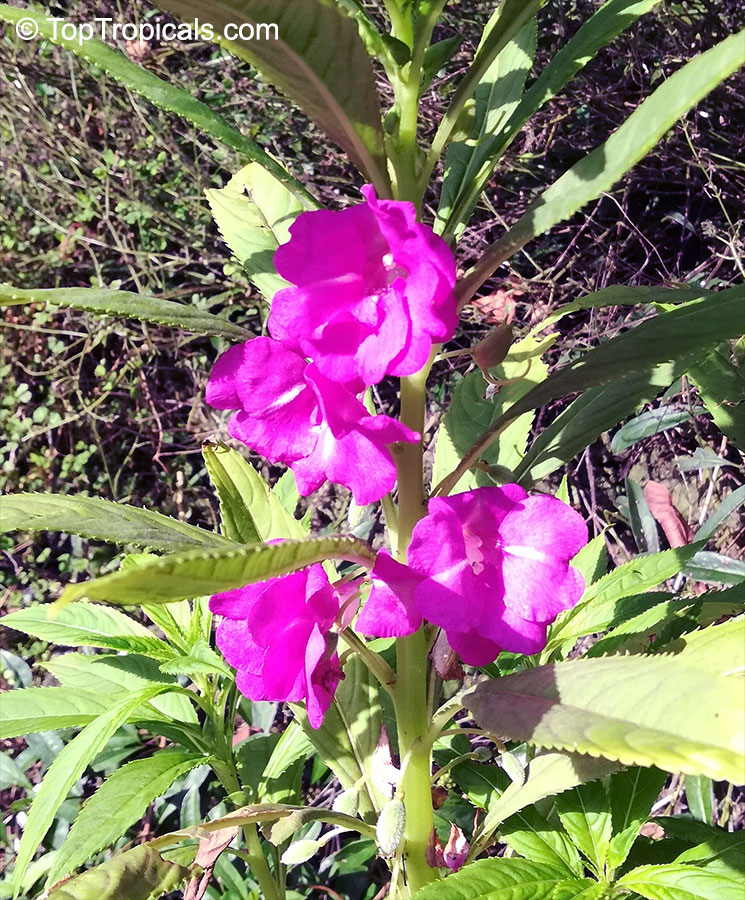
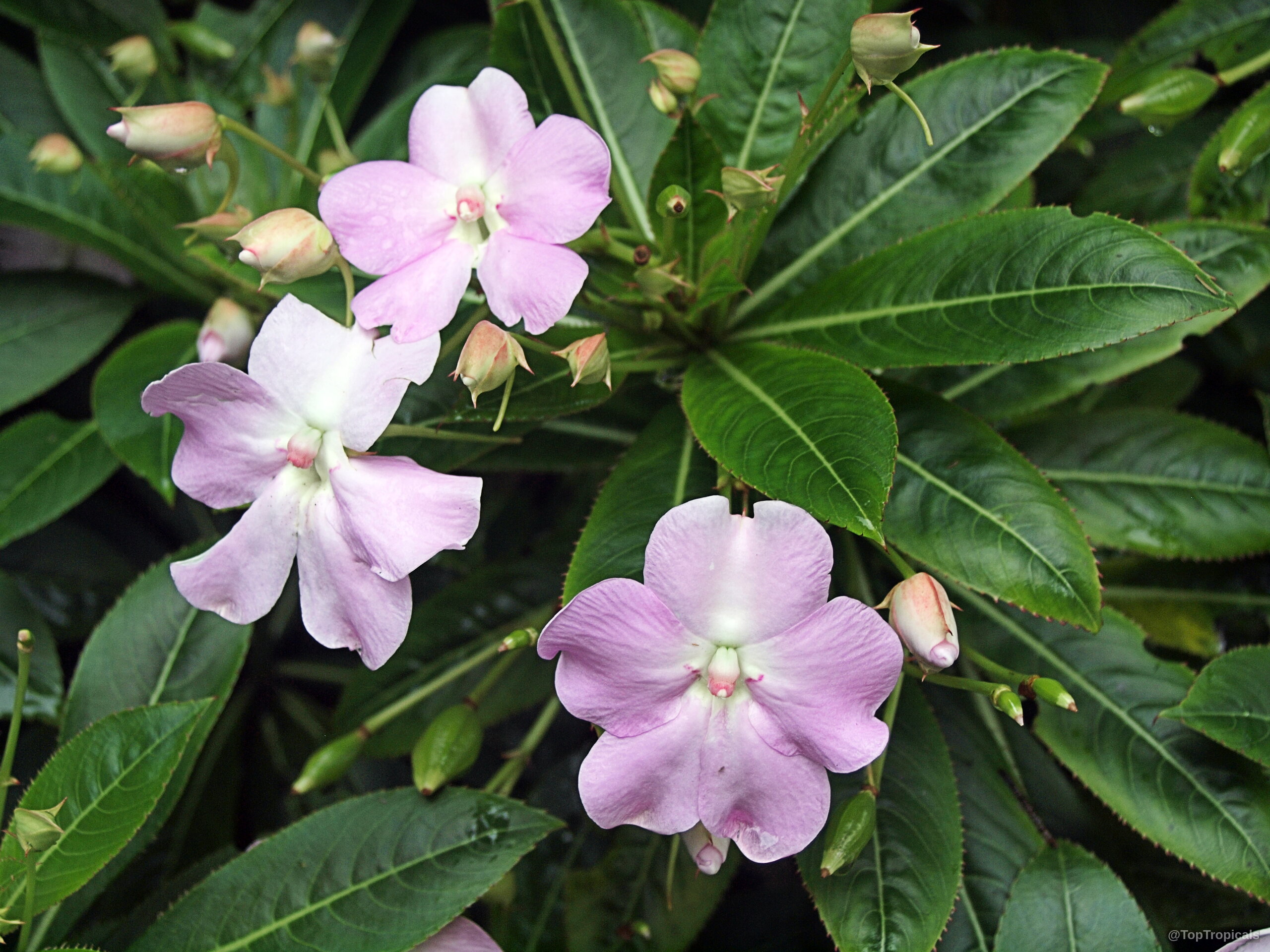
Botanical name: Impatiens sp.
Common names: Garden Balsam, Touch-me-not, Jewel Weed
Family: Balsaminaceae
Origin: Tropics of Asia and Africa
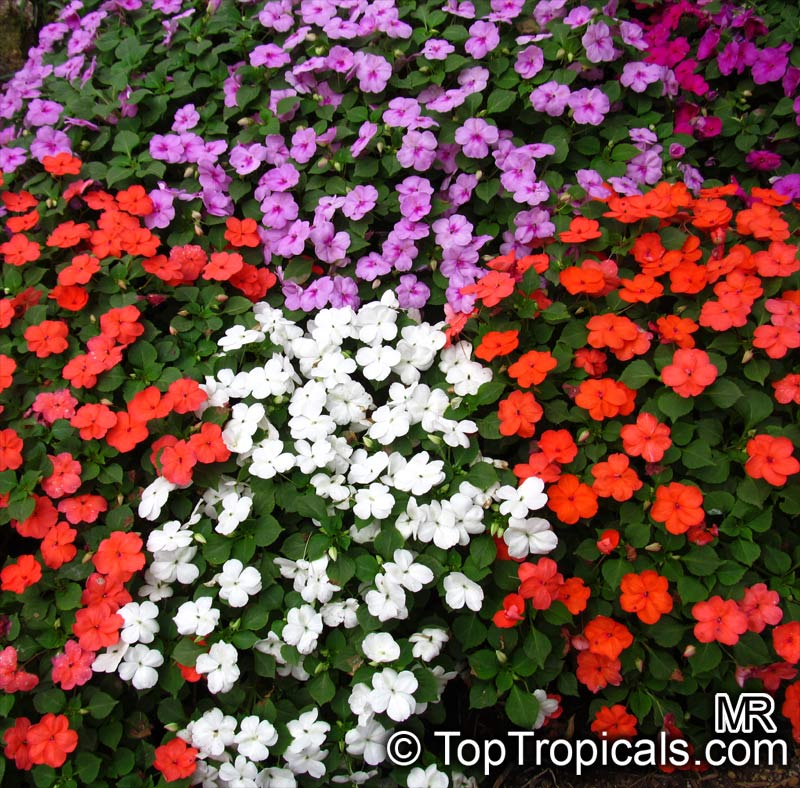
Impatiens is one of the best known and most popular garden plants for its prolific flowers and ease in growing. It is an evergreen perennial but is often grown as an annual in nontropical climates. Most varieties form low mounds that are usually 8-24in in height with about equal spread.
Likes moist, but well drained, fertile soil.
Propagation: Seed or cuttings in warm weather.
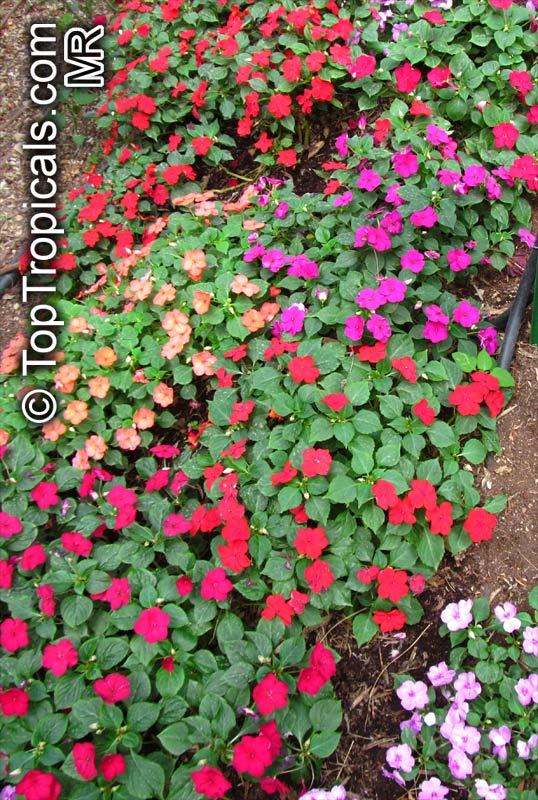
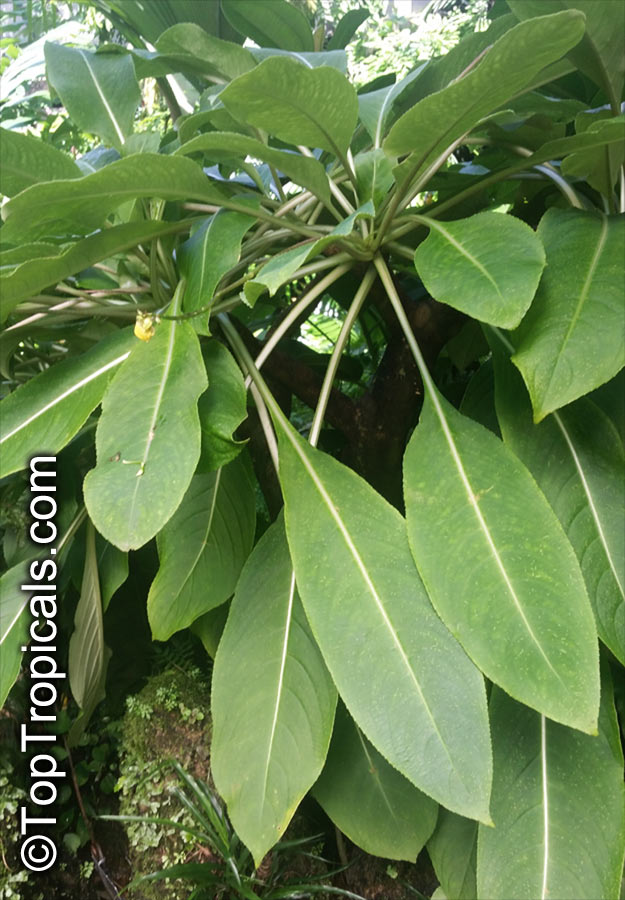
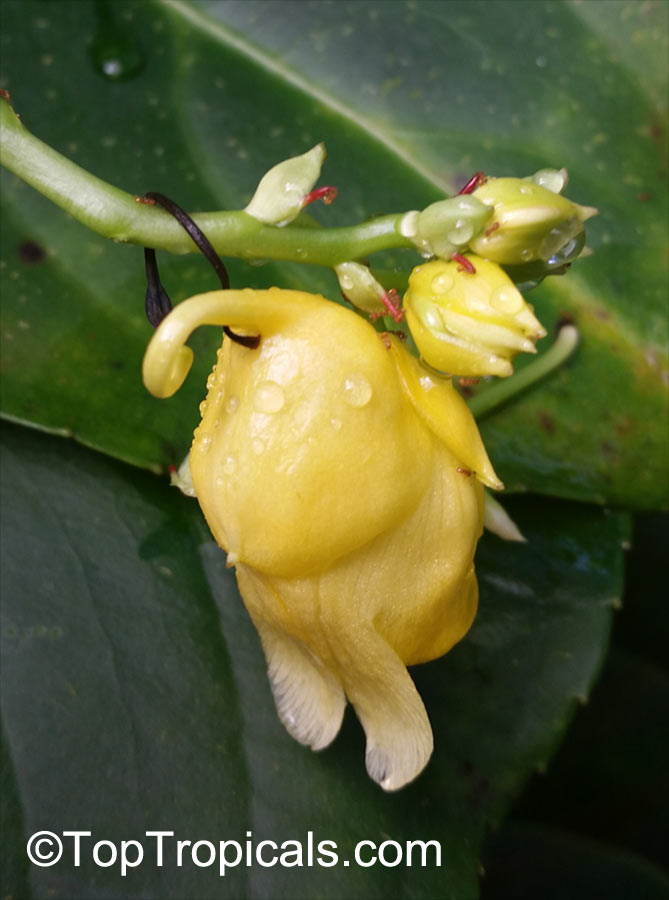
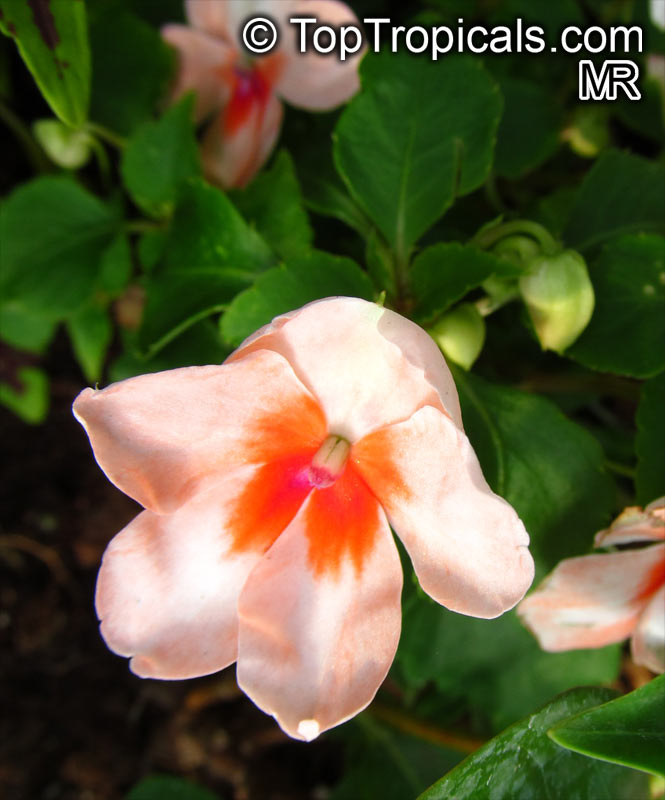
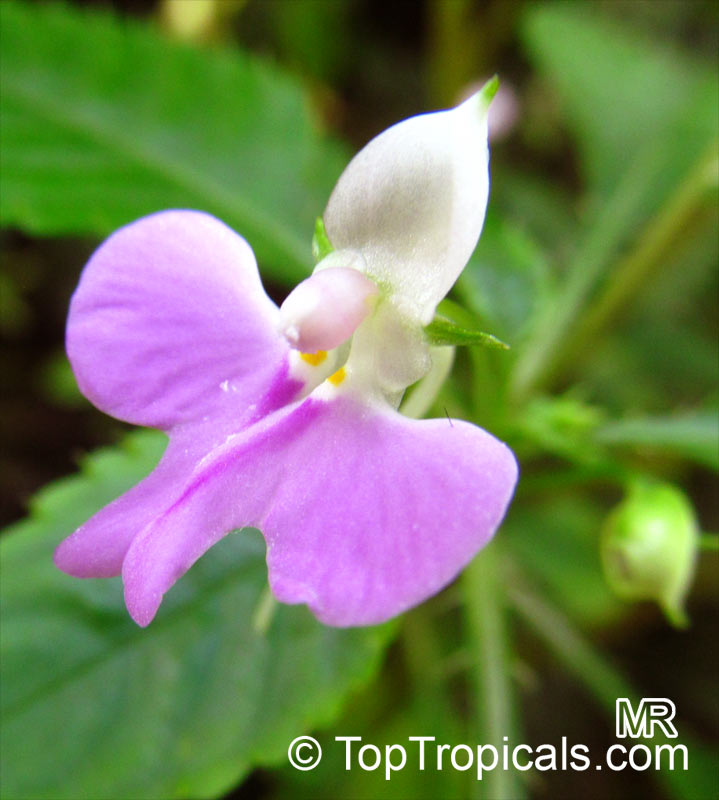
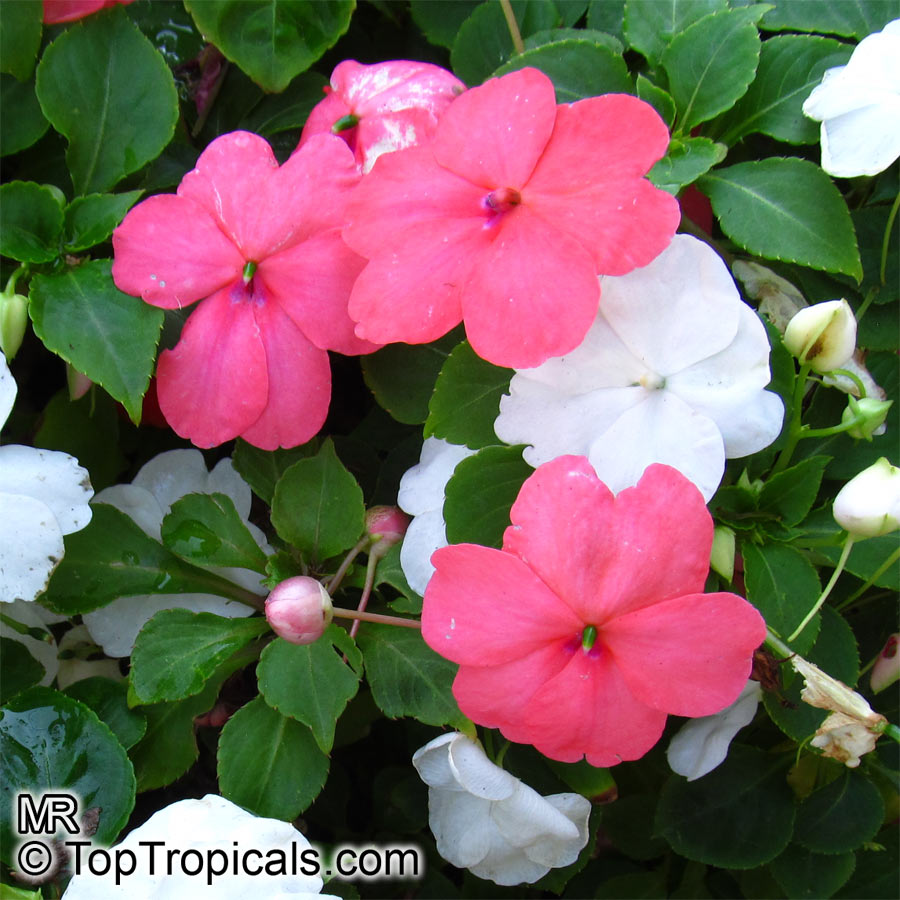
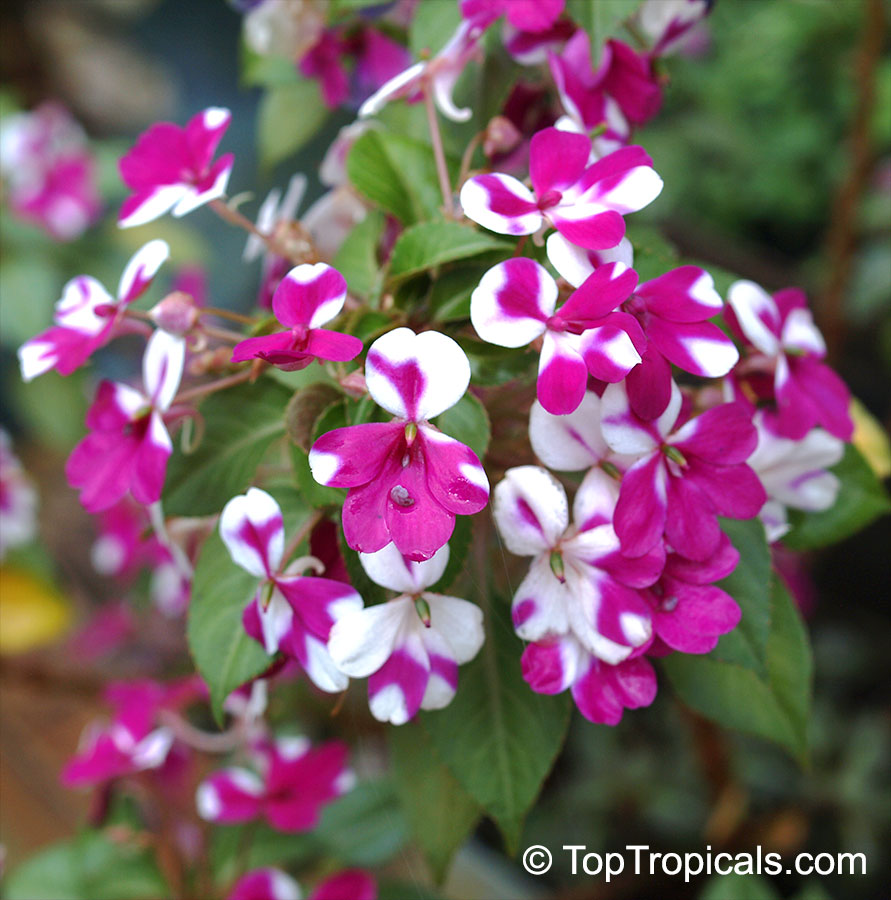
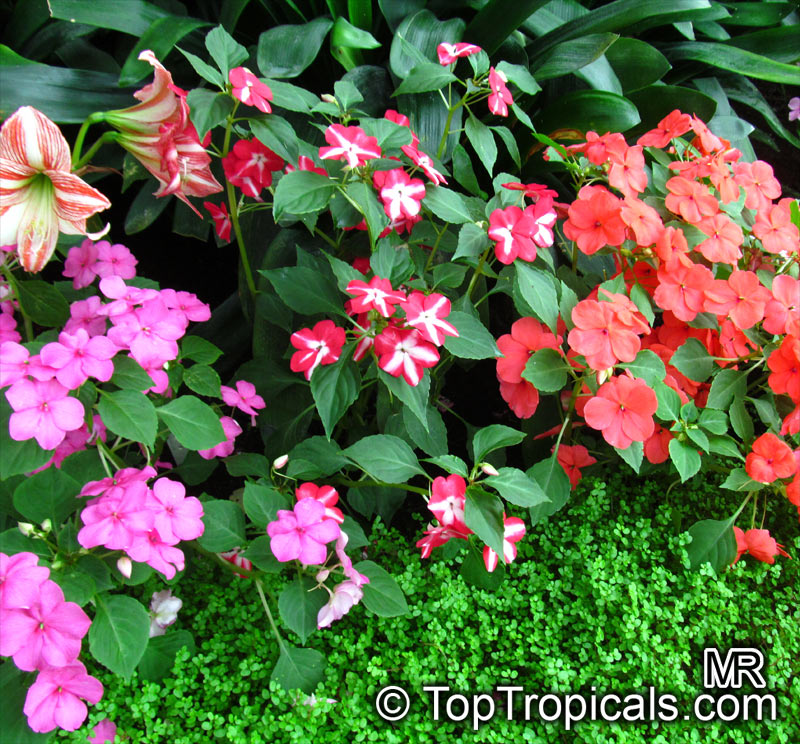
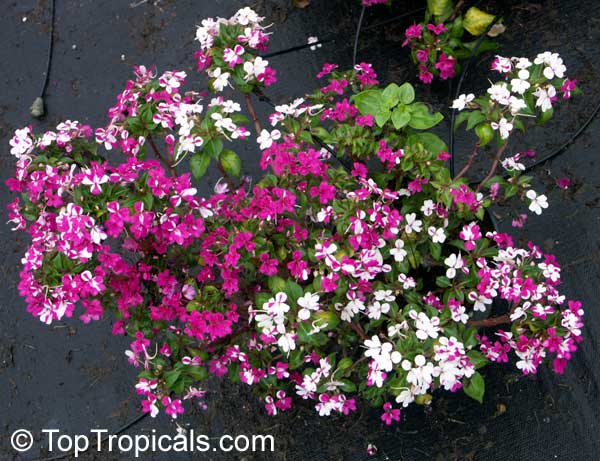
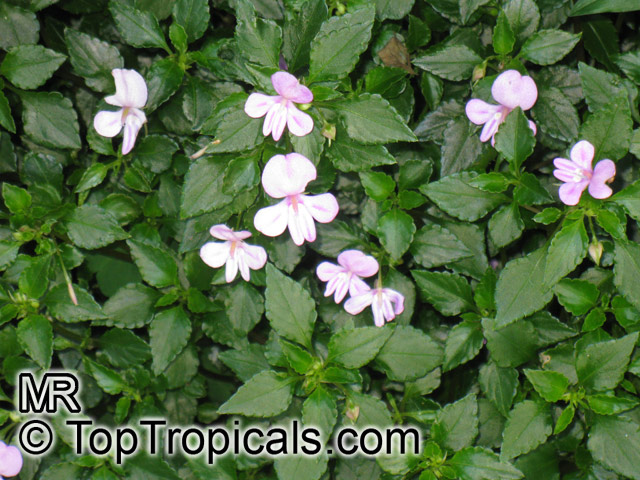
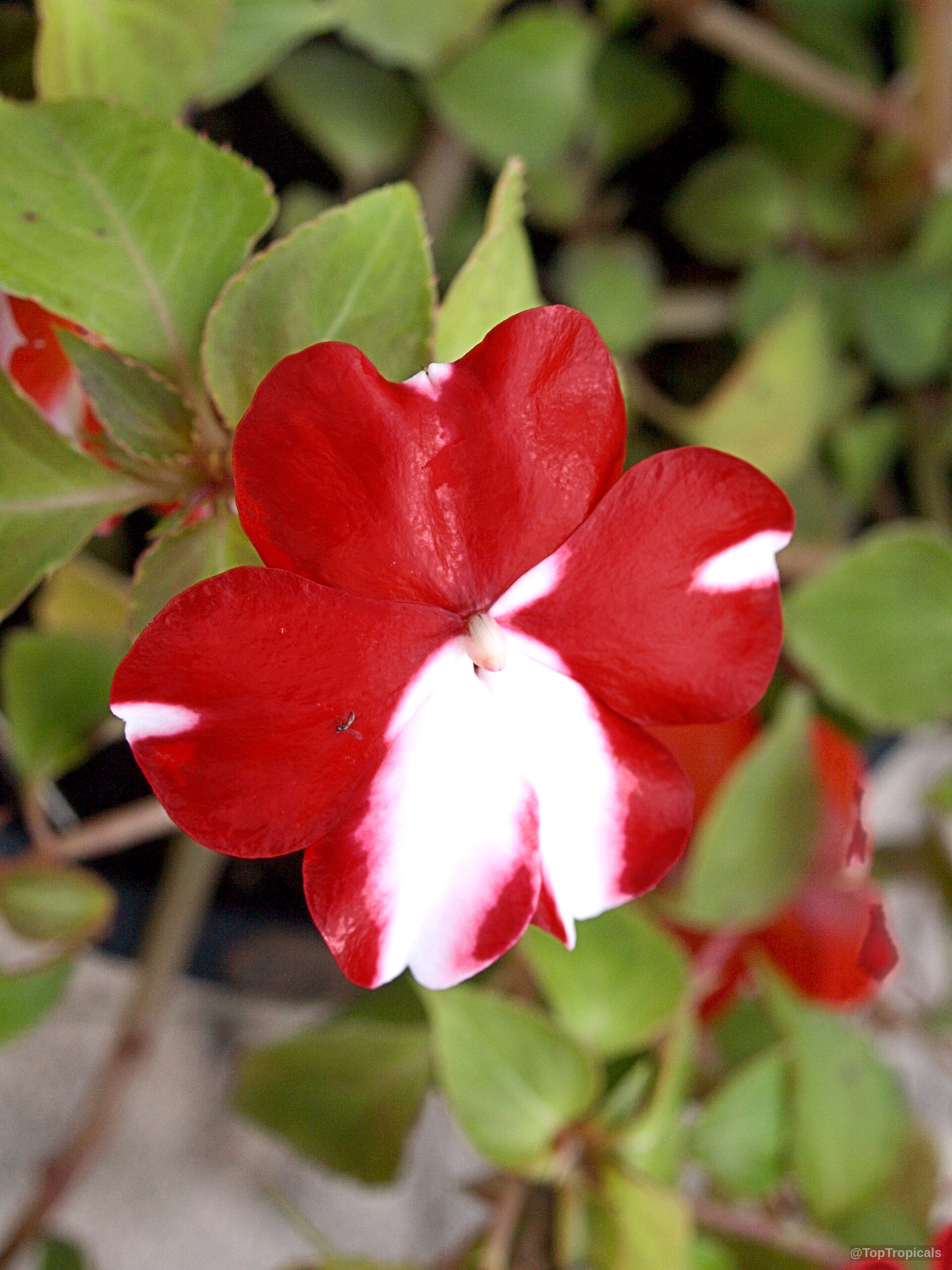
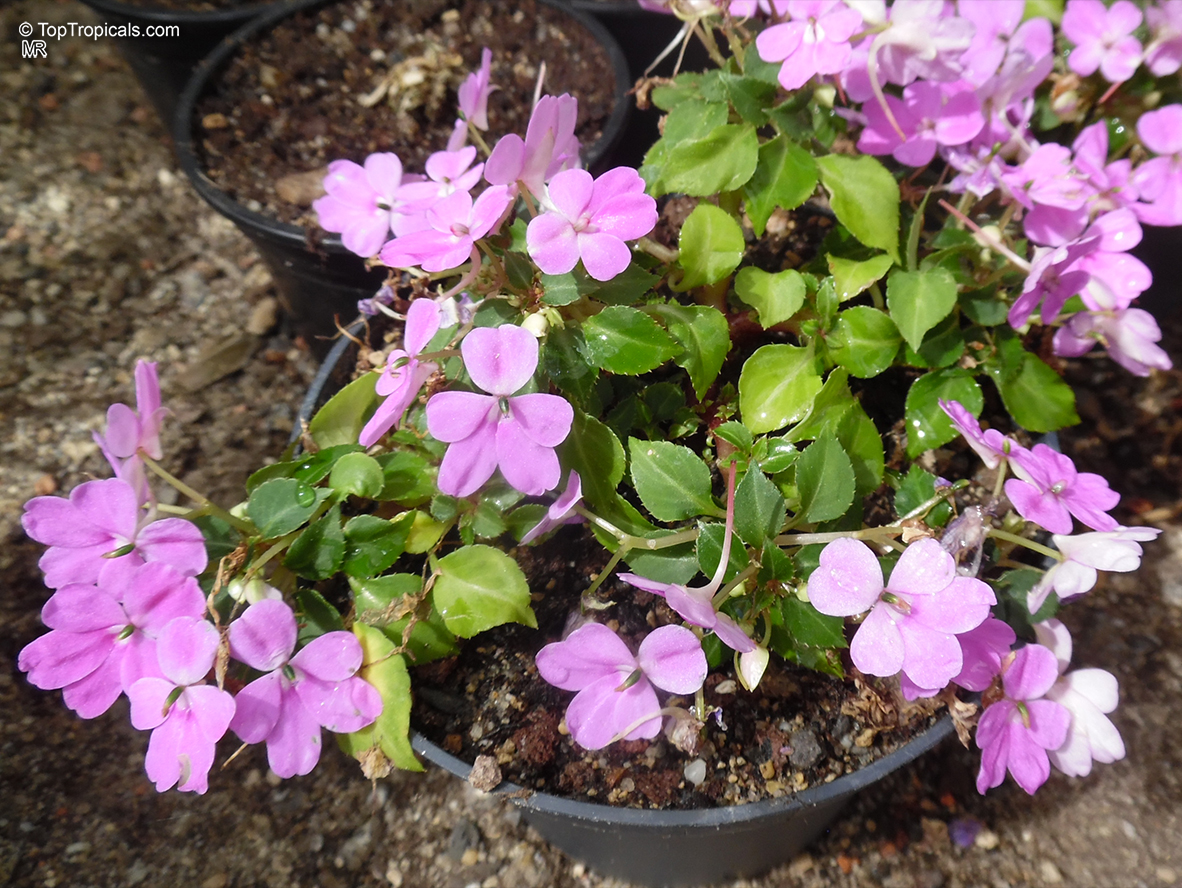
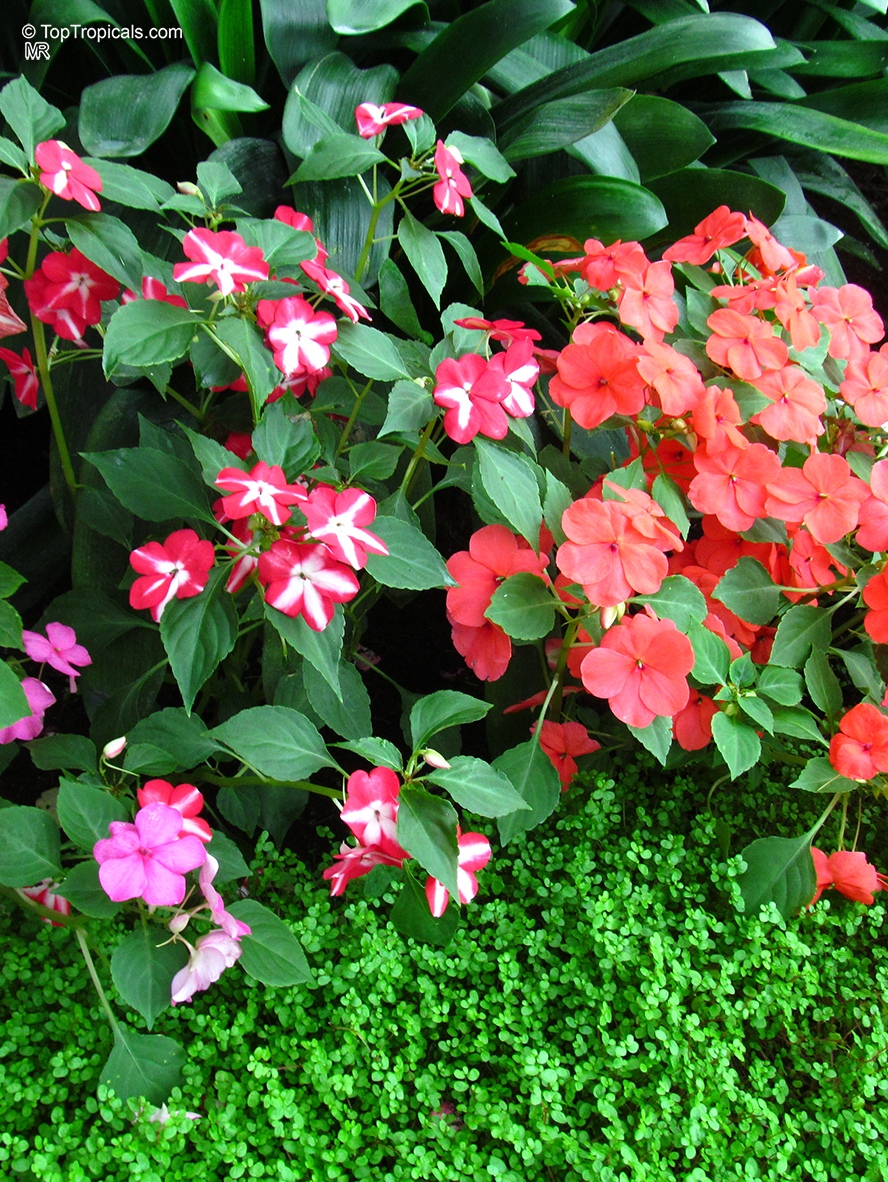
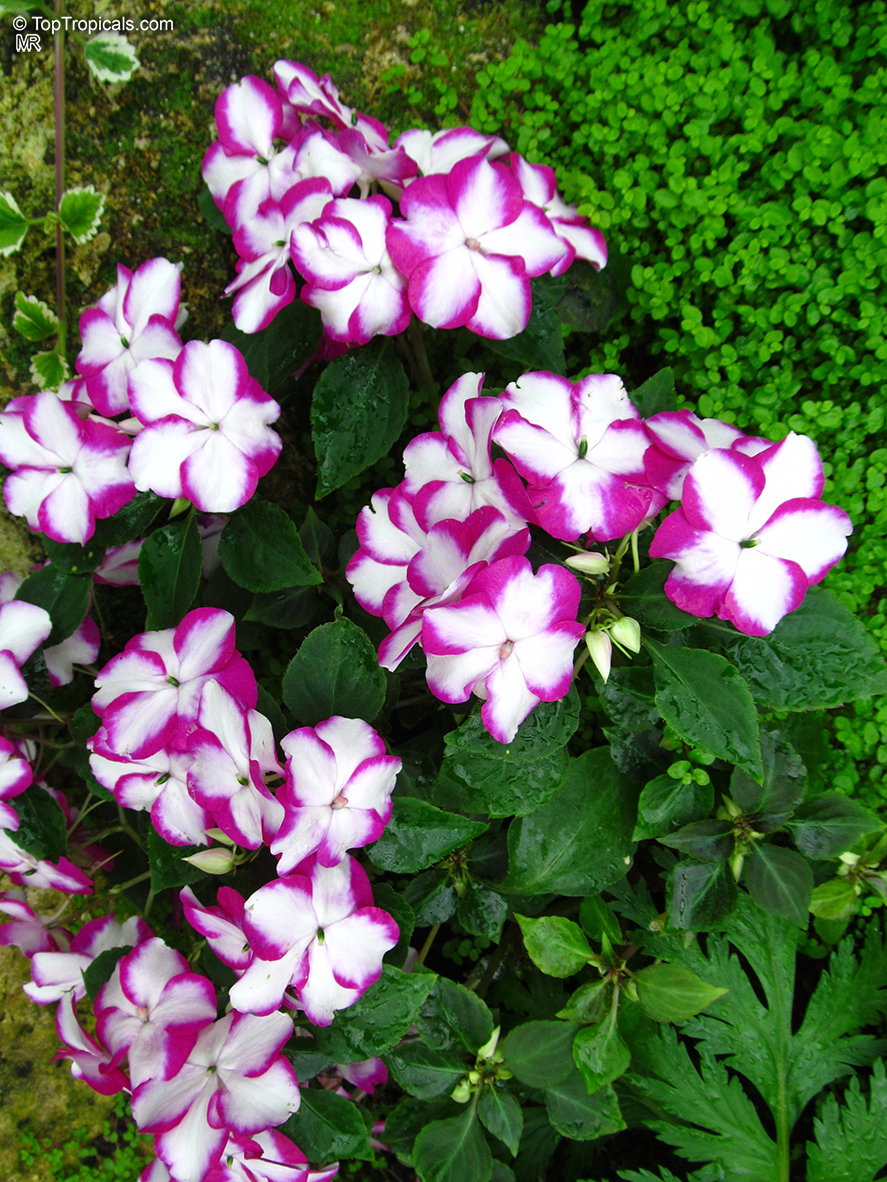
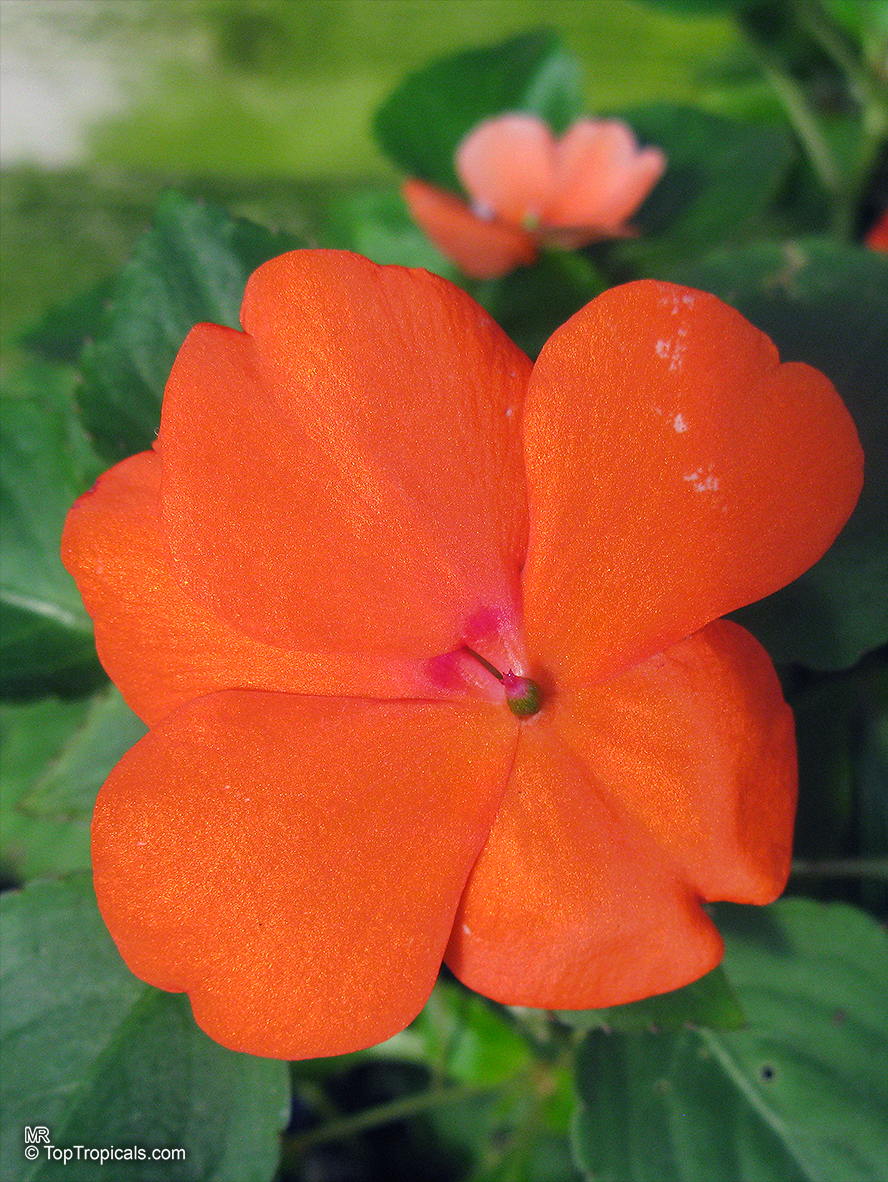
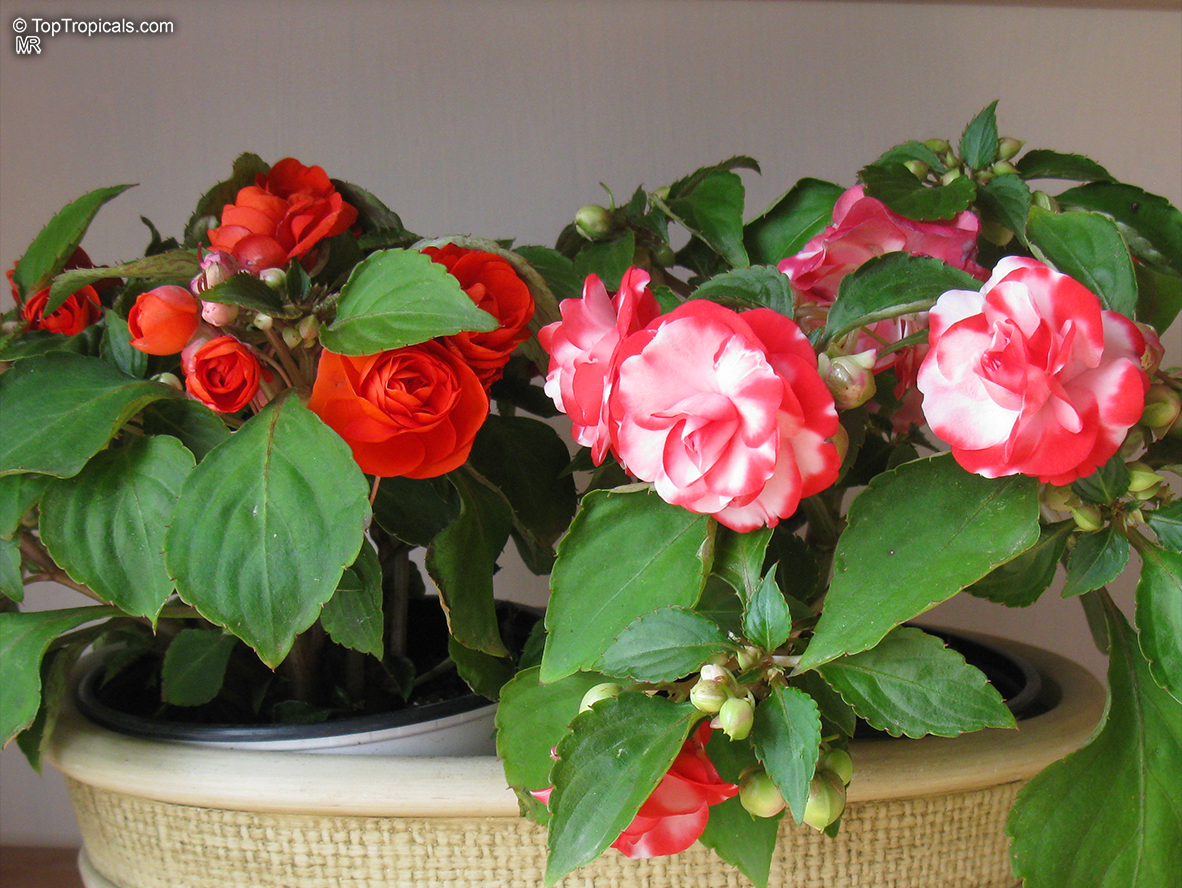
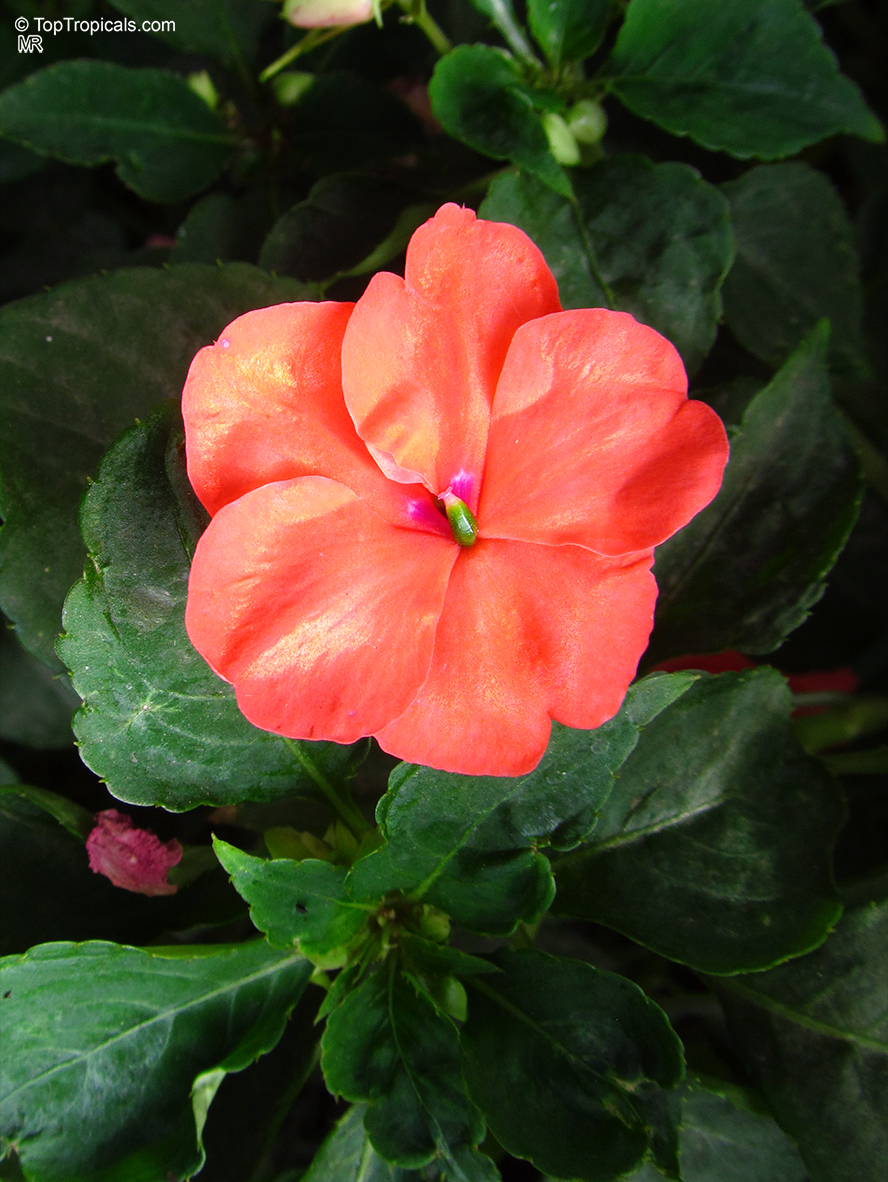
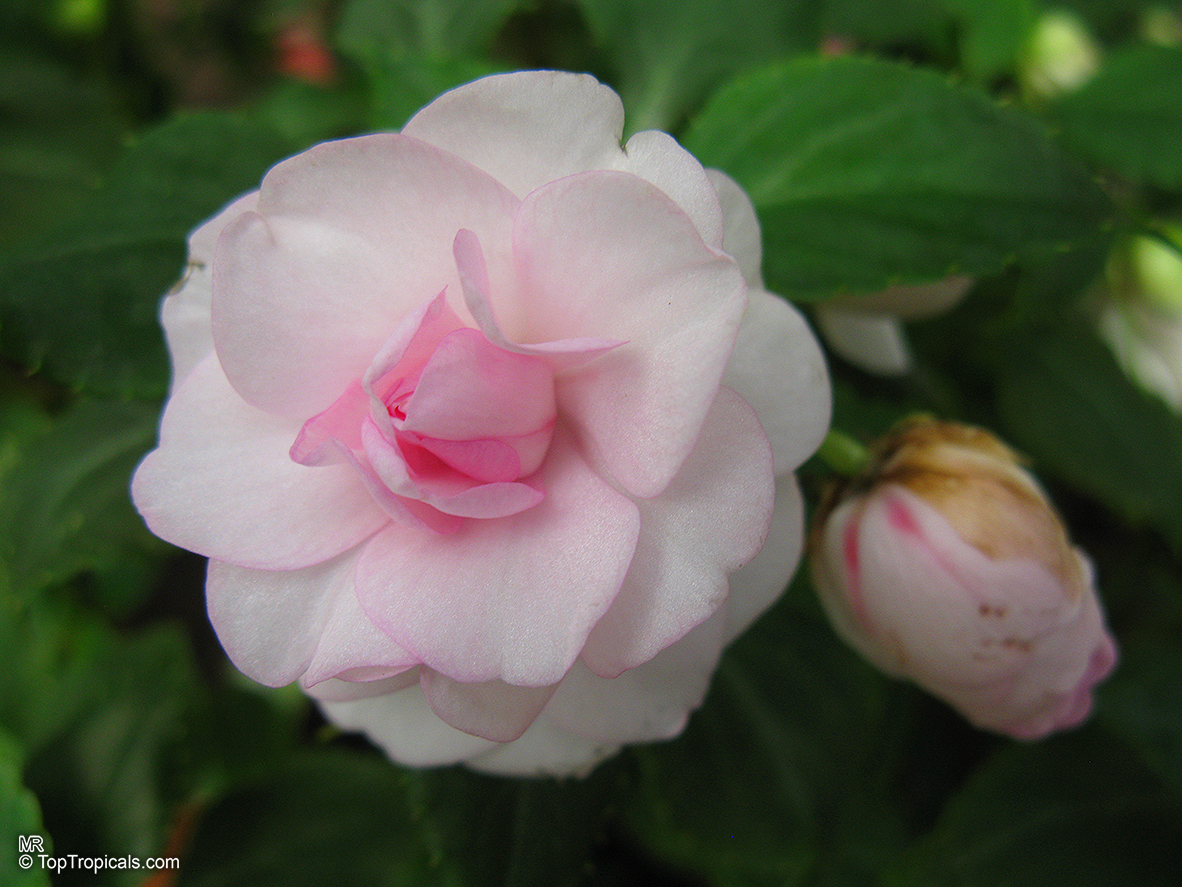
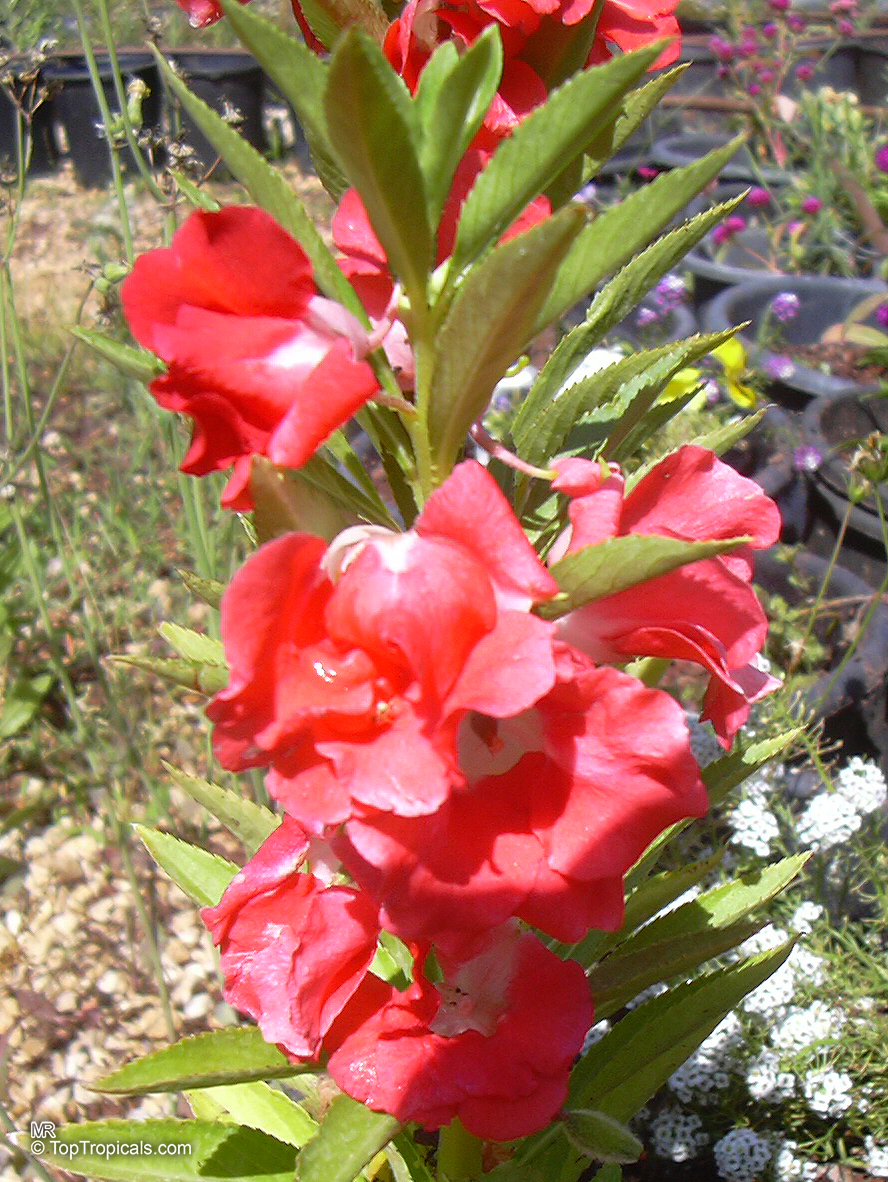
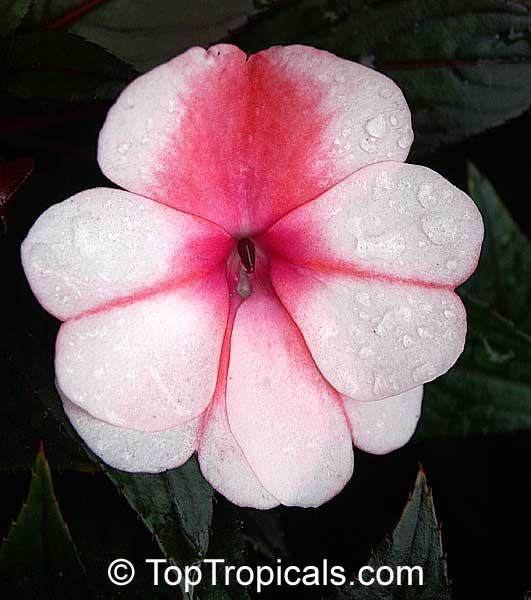
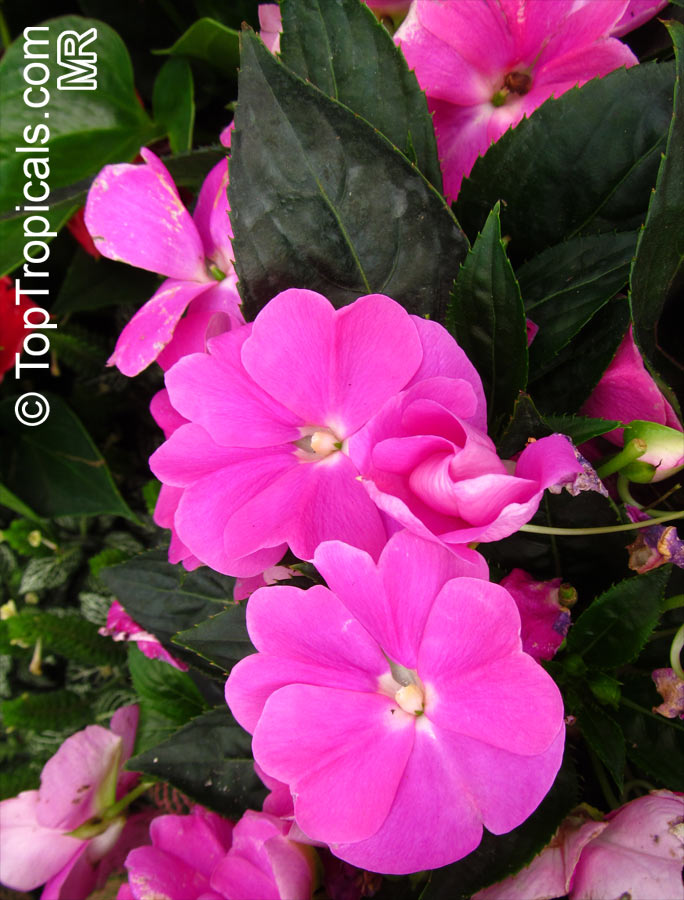
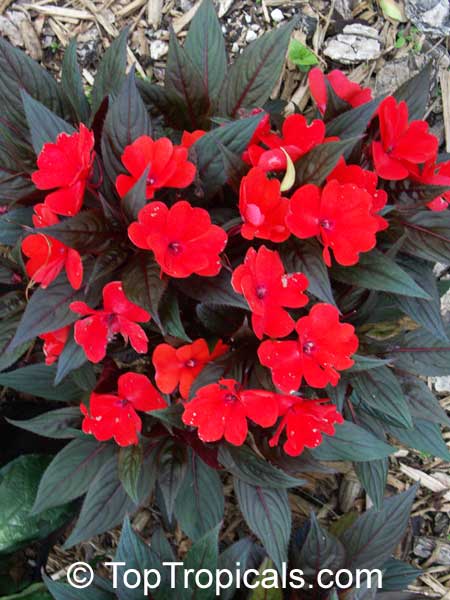
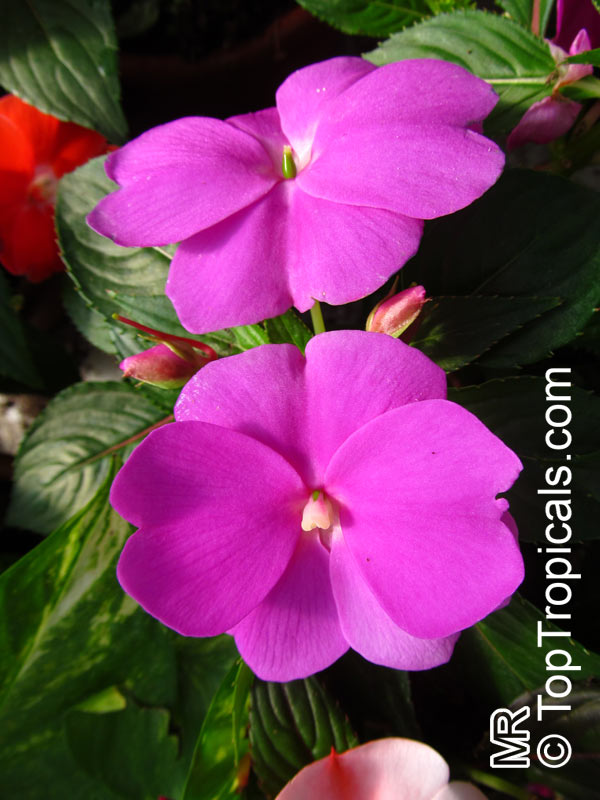
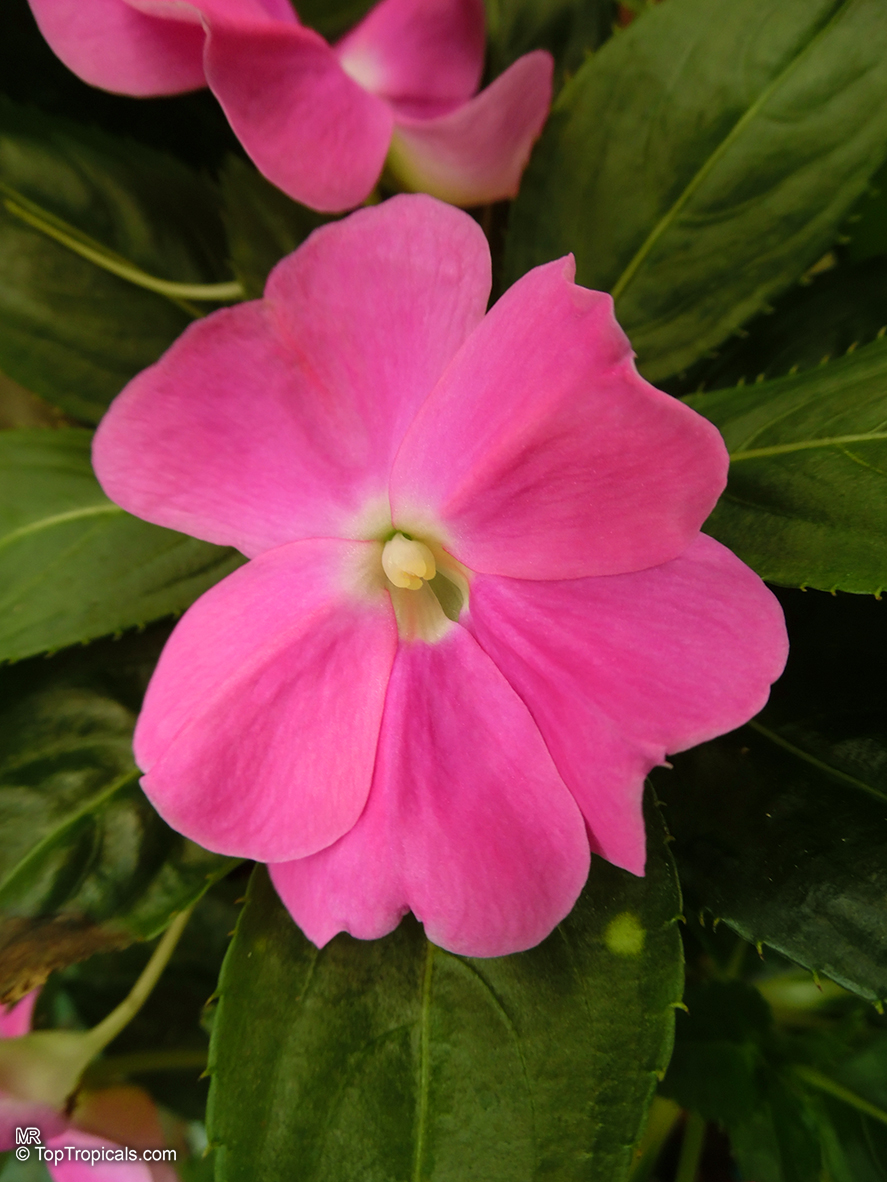
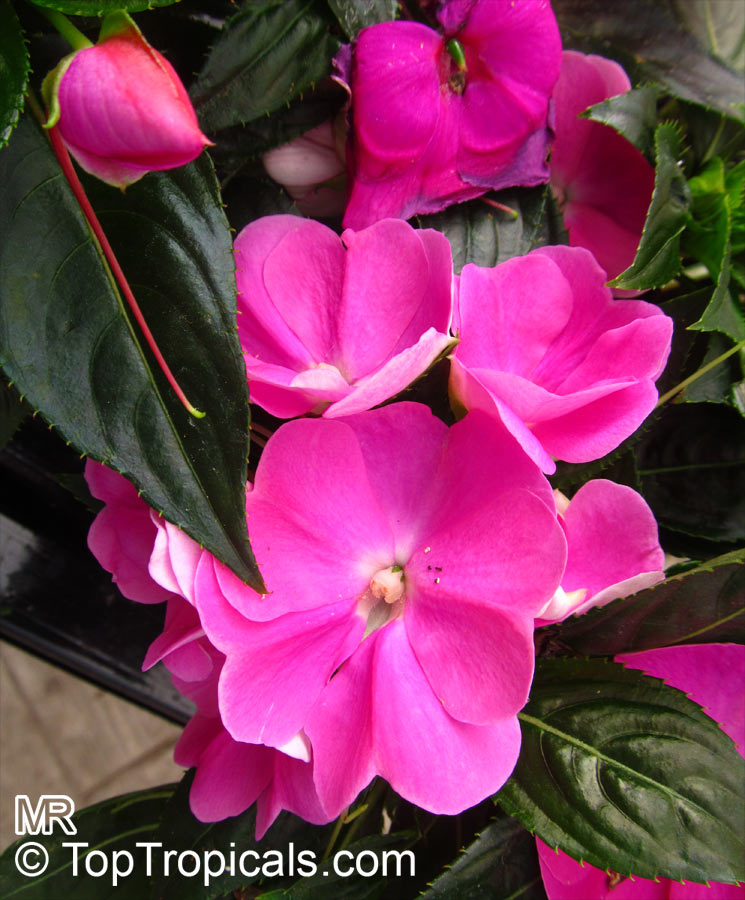
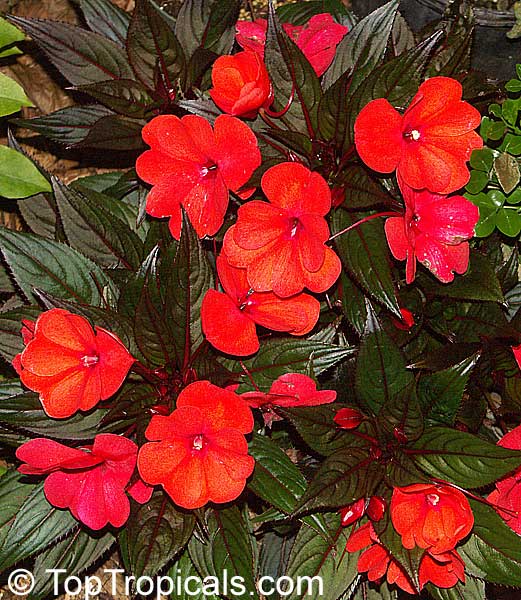
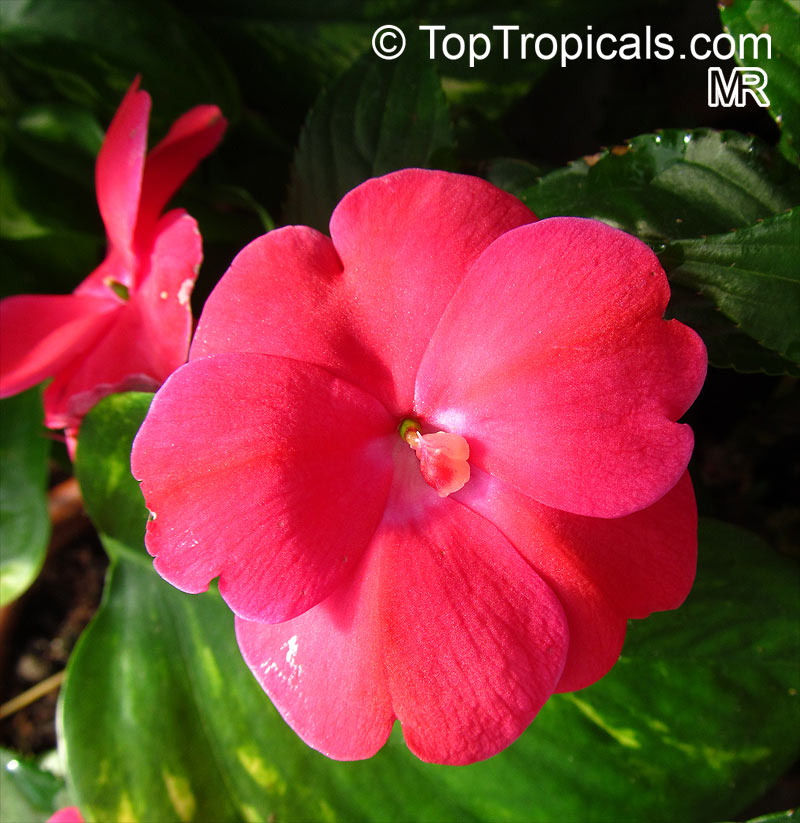
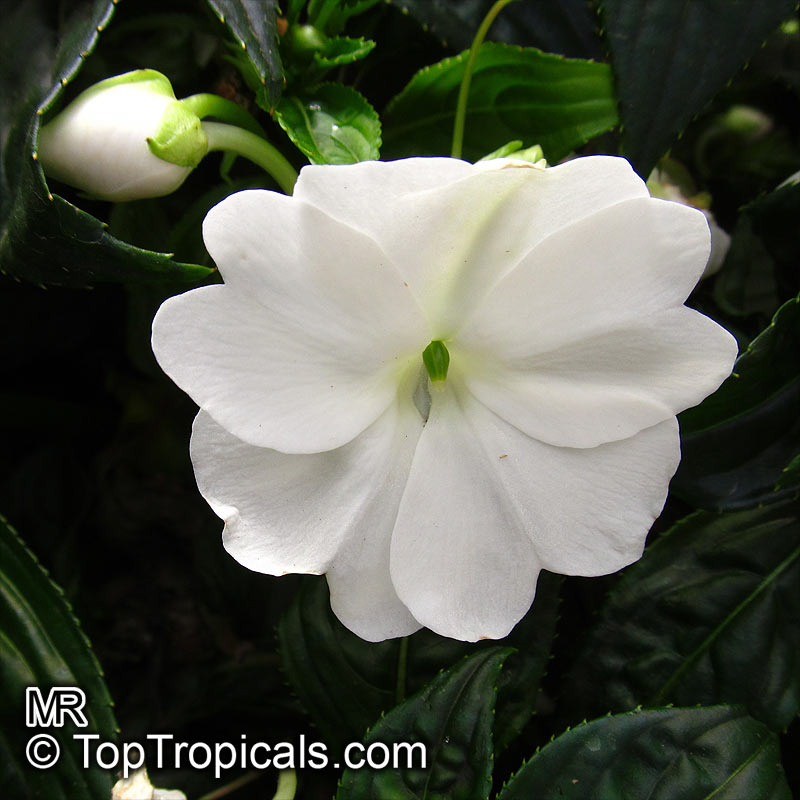
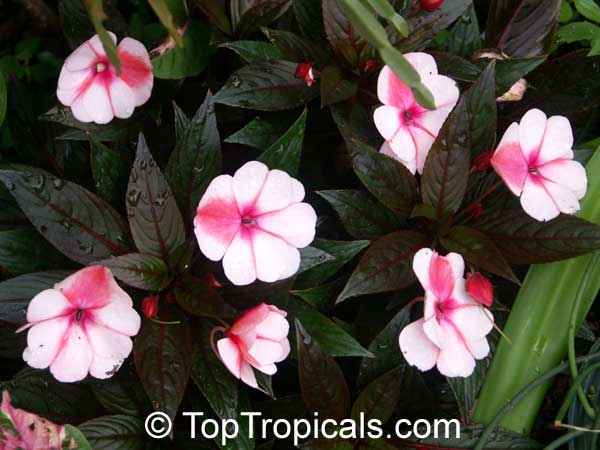
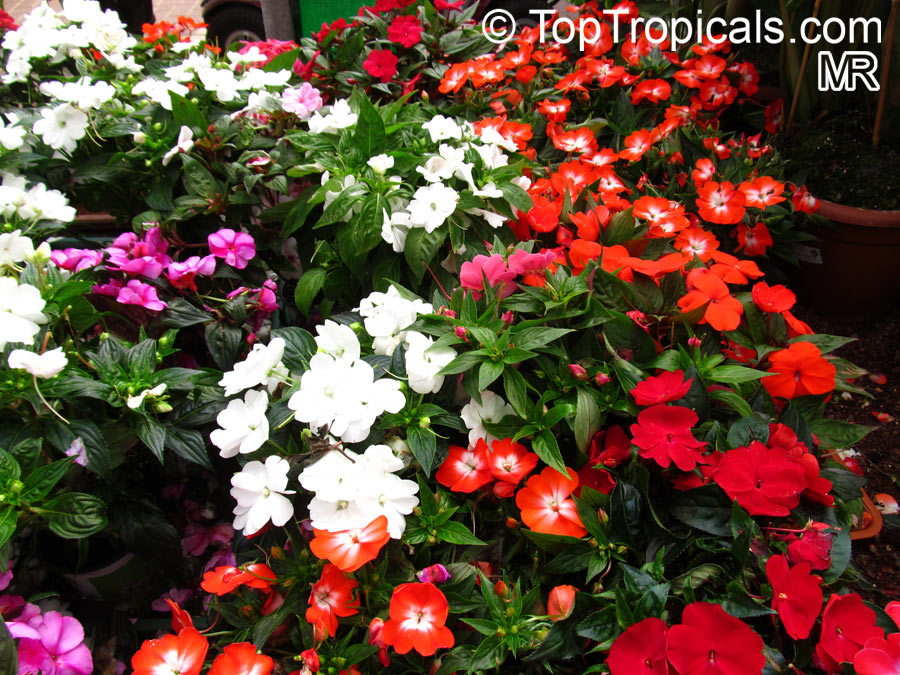
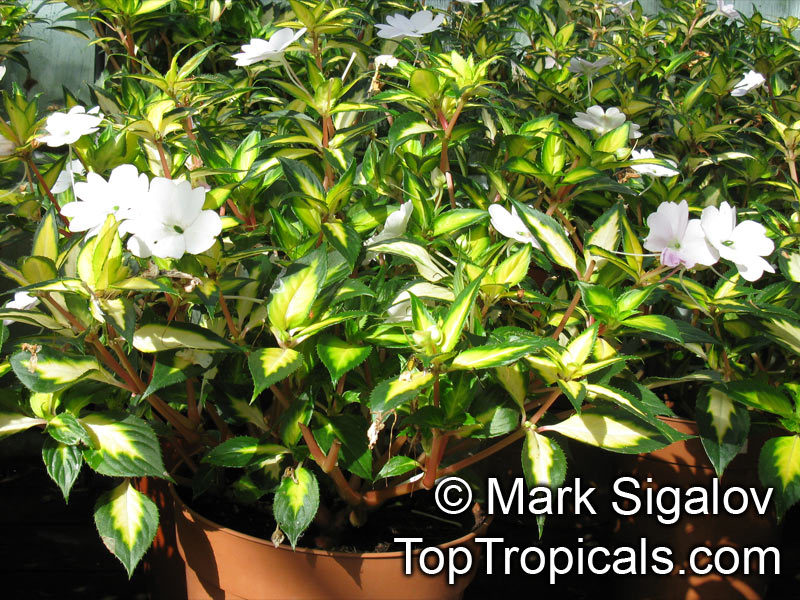
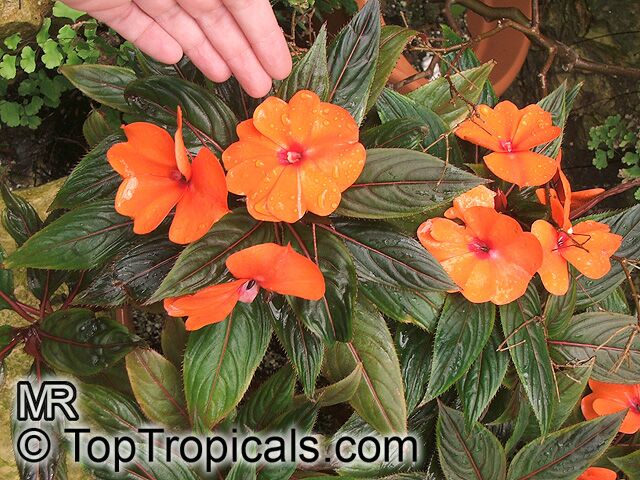
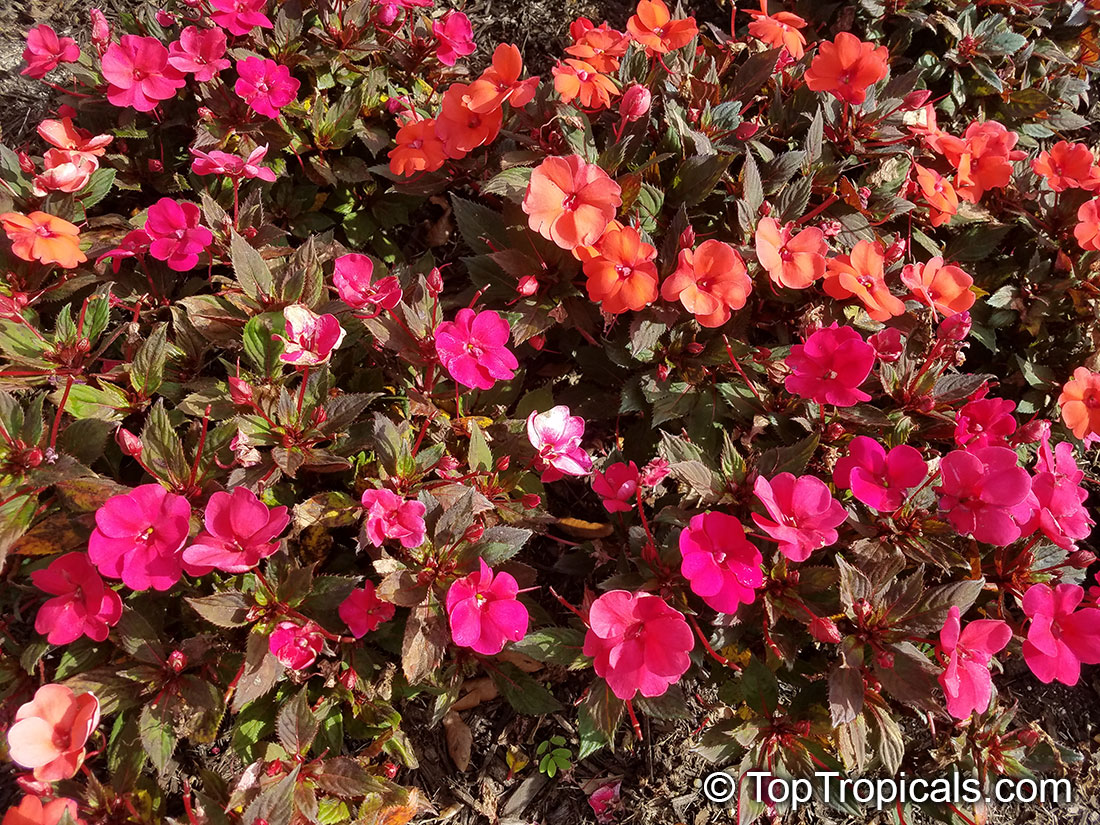
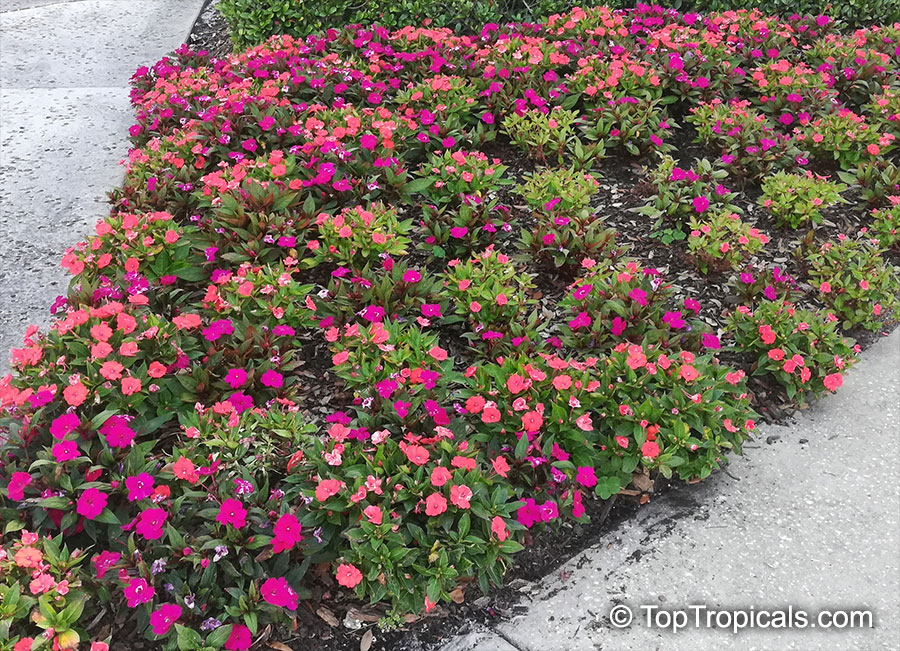
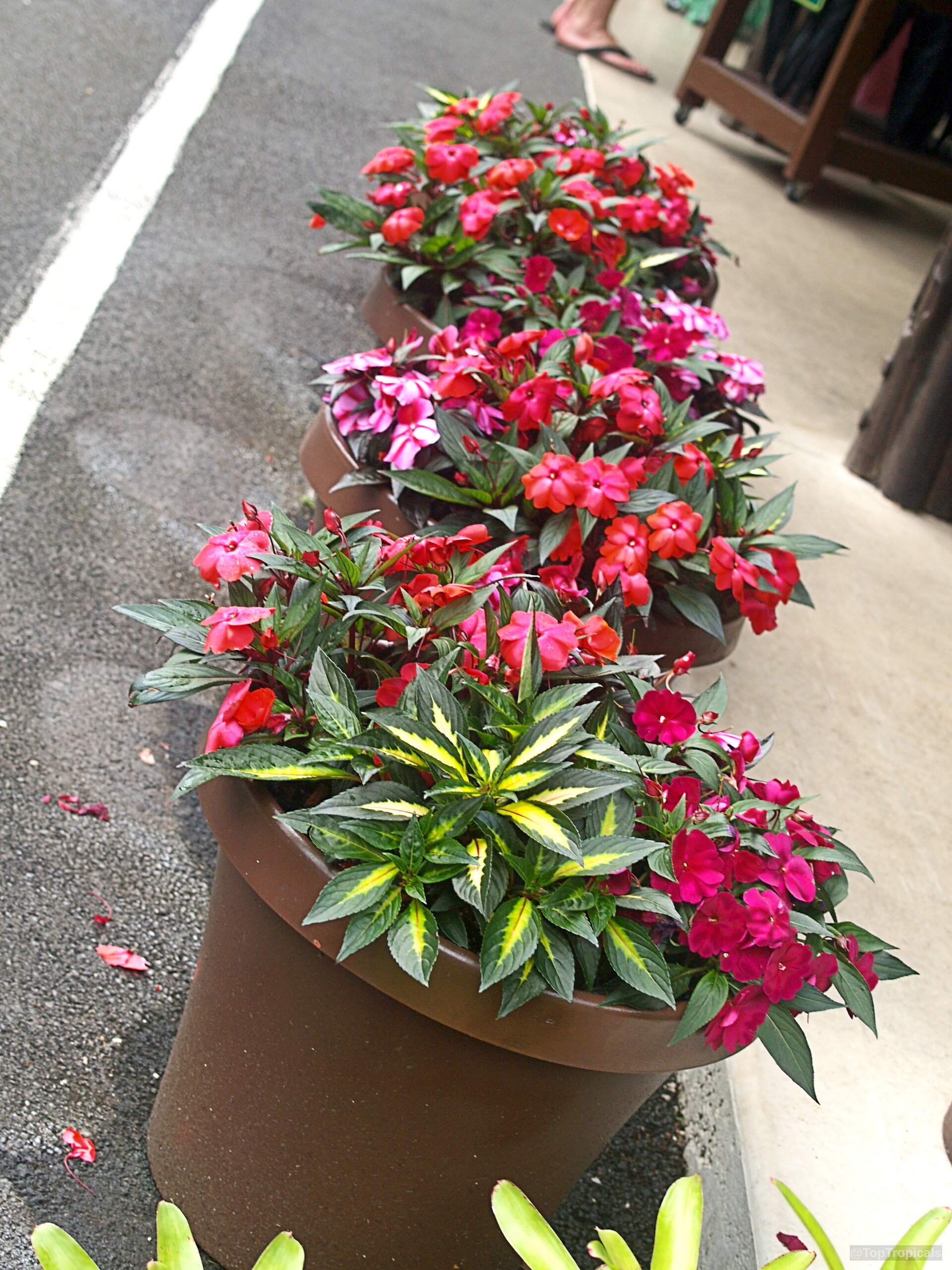
Botanical name: Impatiens x hawkeri
Common name: New Guinea Impatiens
Family: Balsaminaceae
Origin: New Guinea

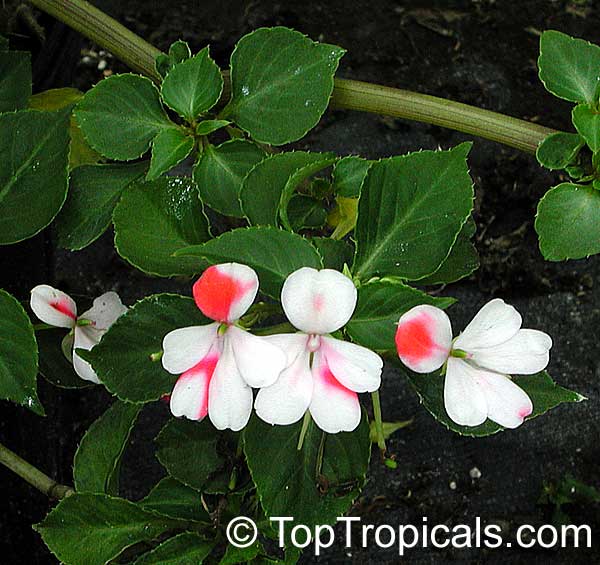
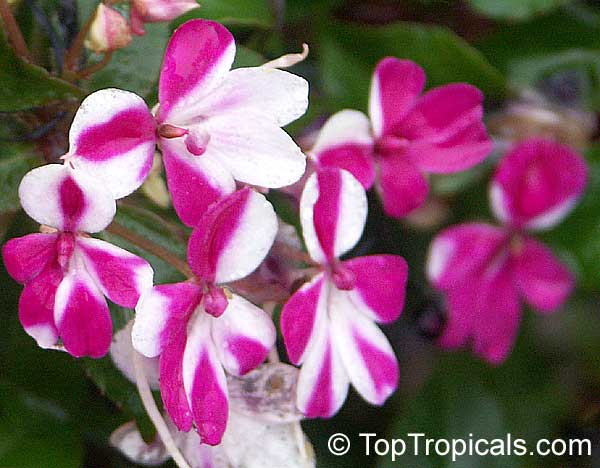
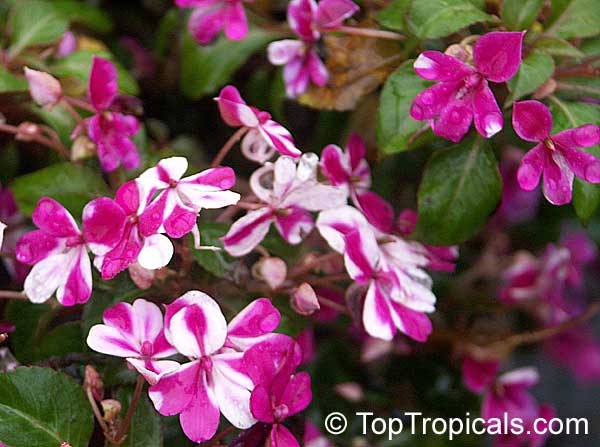
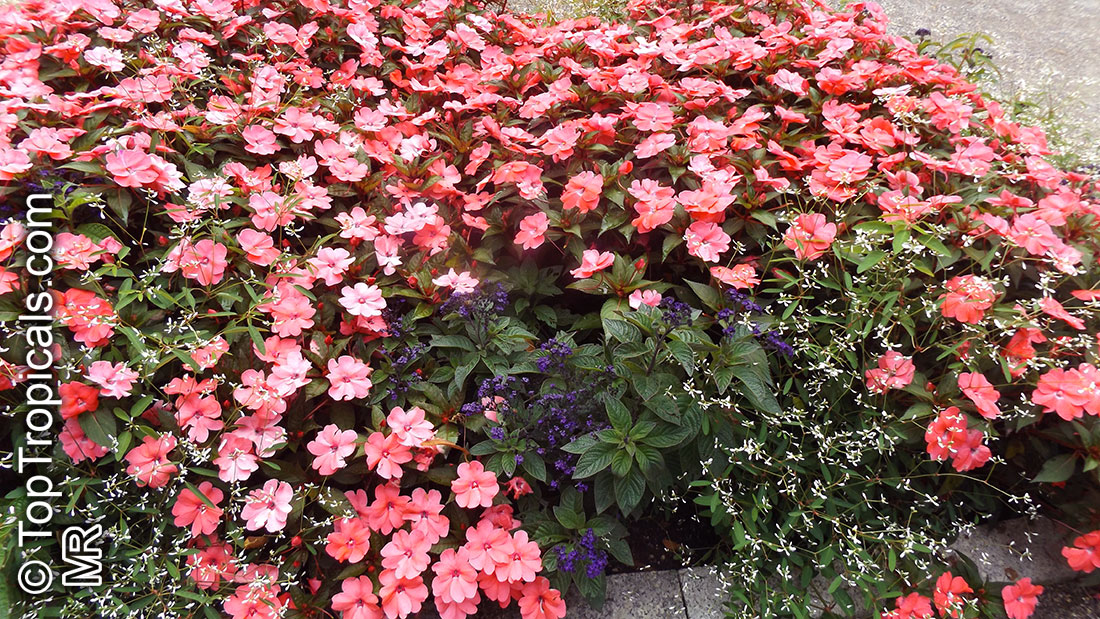
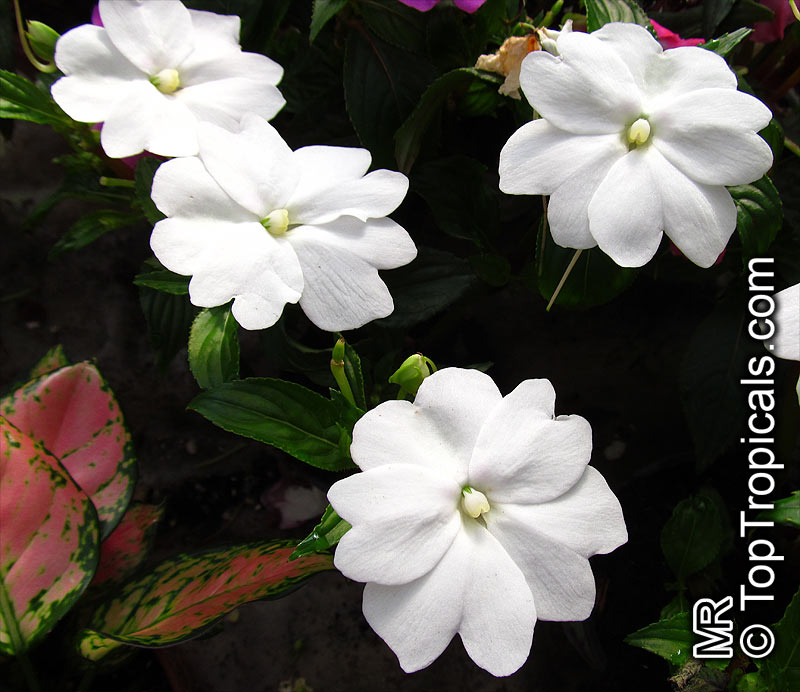
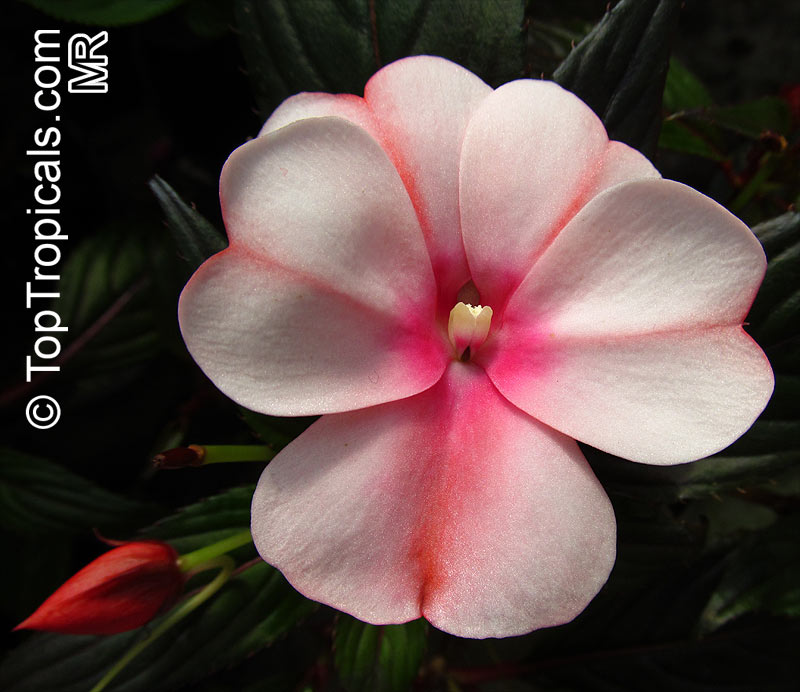
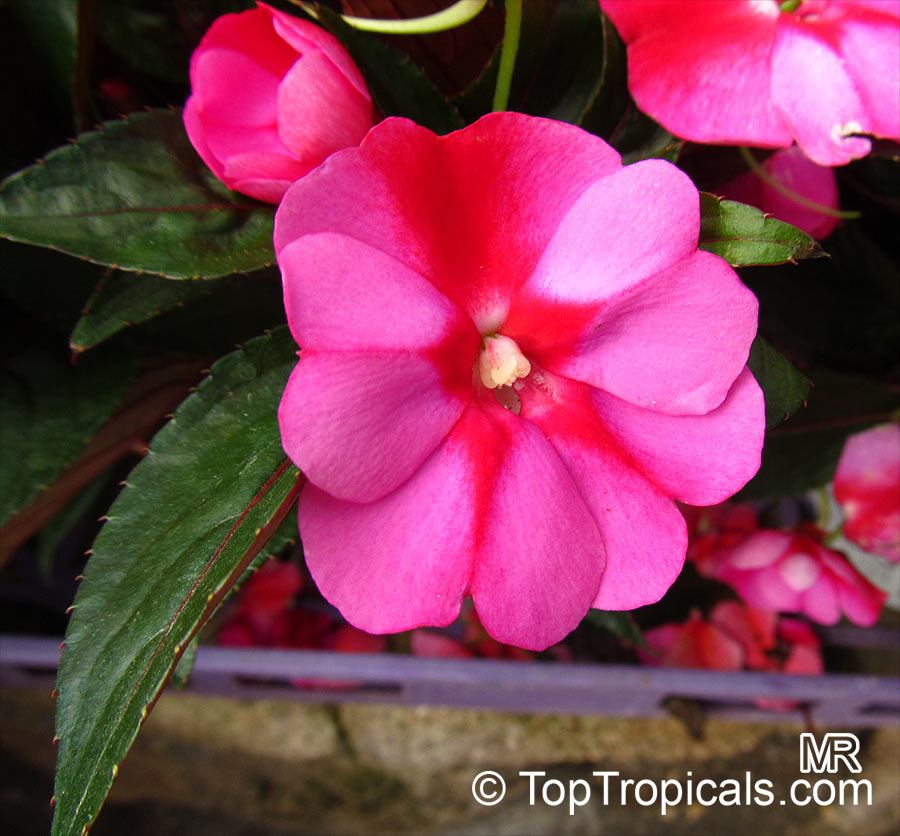
New Guinea Impatiens, a herbaceous perennial groundcover and low-growing shrub, is native to New Guinea and is well-suited to USDA zones 9-11. It thrives in full sun to semi-shade and requires moist but well-draining soil. The foliage is deep green, and the showy flowers come in various colors. New Guinea Impatiens attracts butterflies and hummingbirds.
When planting New Guinea Impatiens, create a planting hole that is three times the size of the root ball. Keep an eye on soil moisture levels, making sure to keep the soil moist without letting the plant become waterlogged or dry out completely. For potting, ensure the container is large enough for the roots to grow and bring the pot indoors during cold winter months.
New Guinea Impatiens is an easy-to-care-for plant that provides a splash of color and wildlife attraction to any outdoor space. It is a perfect choice for an outdoor container or landscape bed.
Impatiens are the most popular bedding plants in the United States because of their beauty and ease of growth. Most are grown in hanging baskets or as potted plants for transplanting into the landscape or as container plants for the patio or window boxes.
Several plants were brought back from New Guinea and originally given separate species names. However, cytogenetic work has shown that they belong to one species (Impatiens hawkeri), but a lot of variation exists within the species. Crosses with additional species from Java and the Celebes islands have led to the plants in production today. Recent breeding has concentrated on shorter plants, shorter production times, heat and water stress tolerance, and variation in flower and foliage size and color.
Use link to repeat this search:
https://toptropicals.com/cgi-bin/garden_catalog/cat.cgi?search_op=and&keyword_op=and&language=e&family=Balsaminaceae
&number=10&no_change_lang=1&user=tt&sale=1&first=0