Asclepiadaceae - Botanical Family
| Number of plants found: 71 | Next | 
|
Go to page: | 1 | 2 | 3 | 4 | 5 | Last |
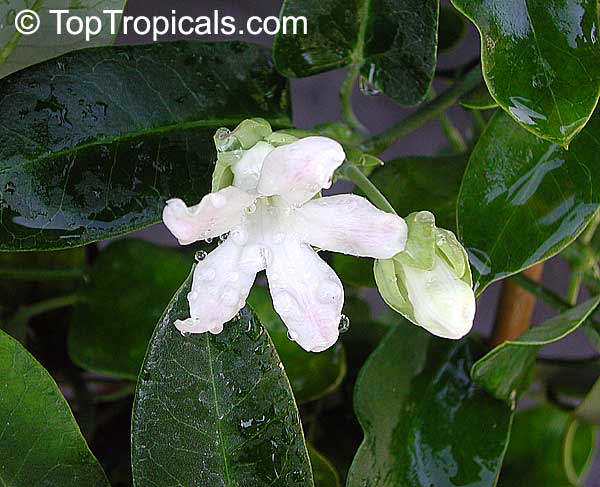
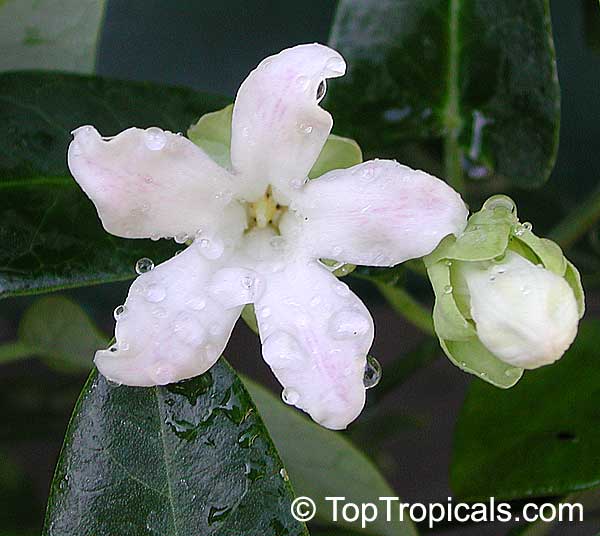
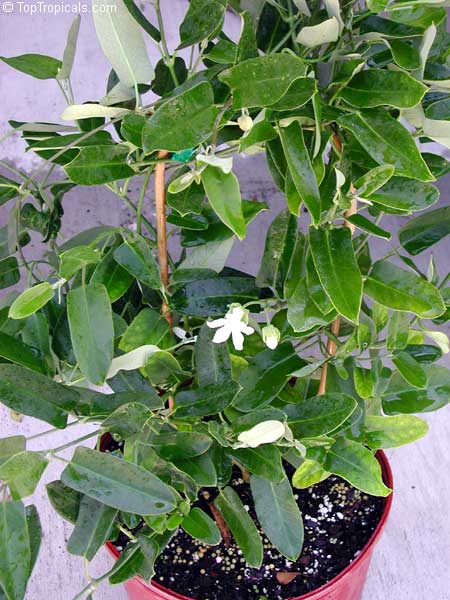
Botanical names: Araujia sericifera, Physianthus albens
Common name: Bladder flower
Family: Asclepiadaceae
Origin: South America


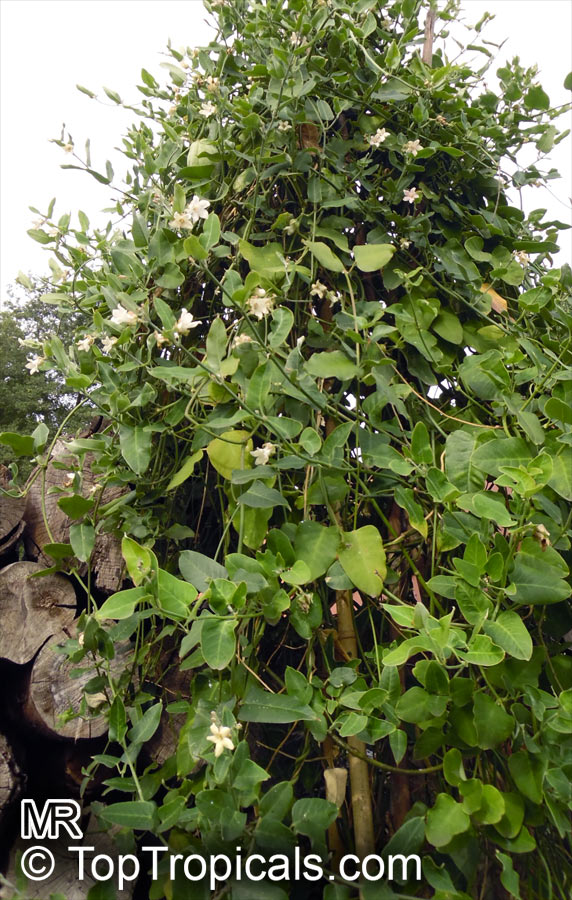
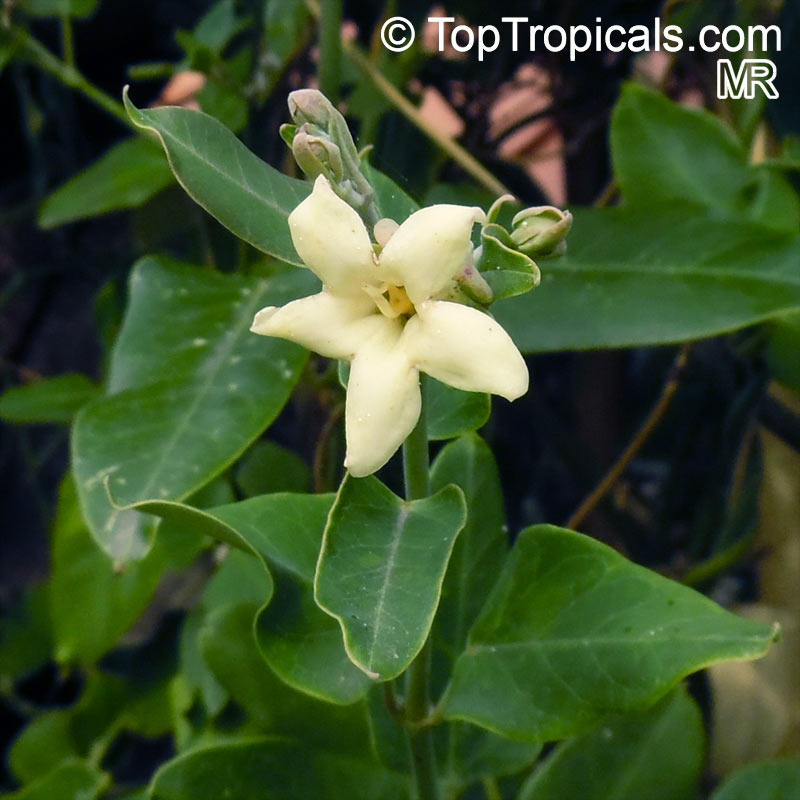
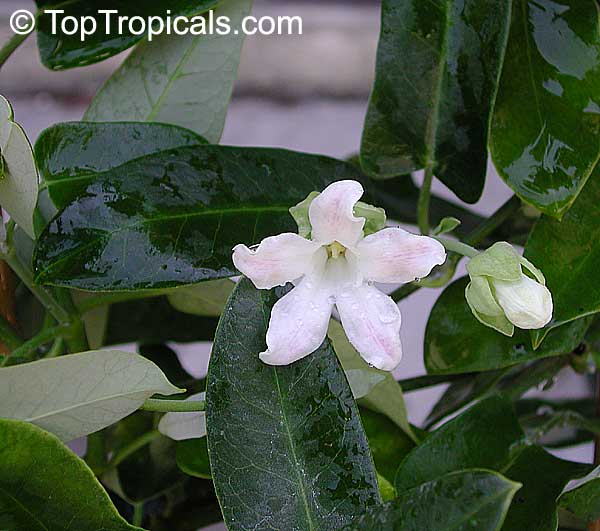
A bold and distinct twining evergreen climber or robust twining shrub having racemes of fragrant white or pink flowers with flat spreading terminal petals that trap nocturnal moths and hold them until dawn. Flowers all summer. The foliage is a light grey green and the plant can be kept back by pruning. After a long hot summer, large green pod like curious fruits are carried. Sometimes referred to as the cruel plant due to the moths that pollinate it being held onto by the flowers and only being released the following day. Only suitable for sunny spots in warmer counties or conservatory where the scent is more noticeable.
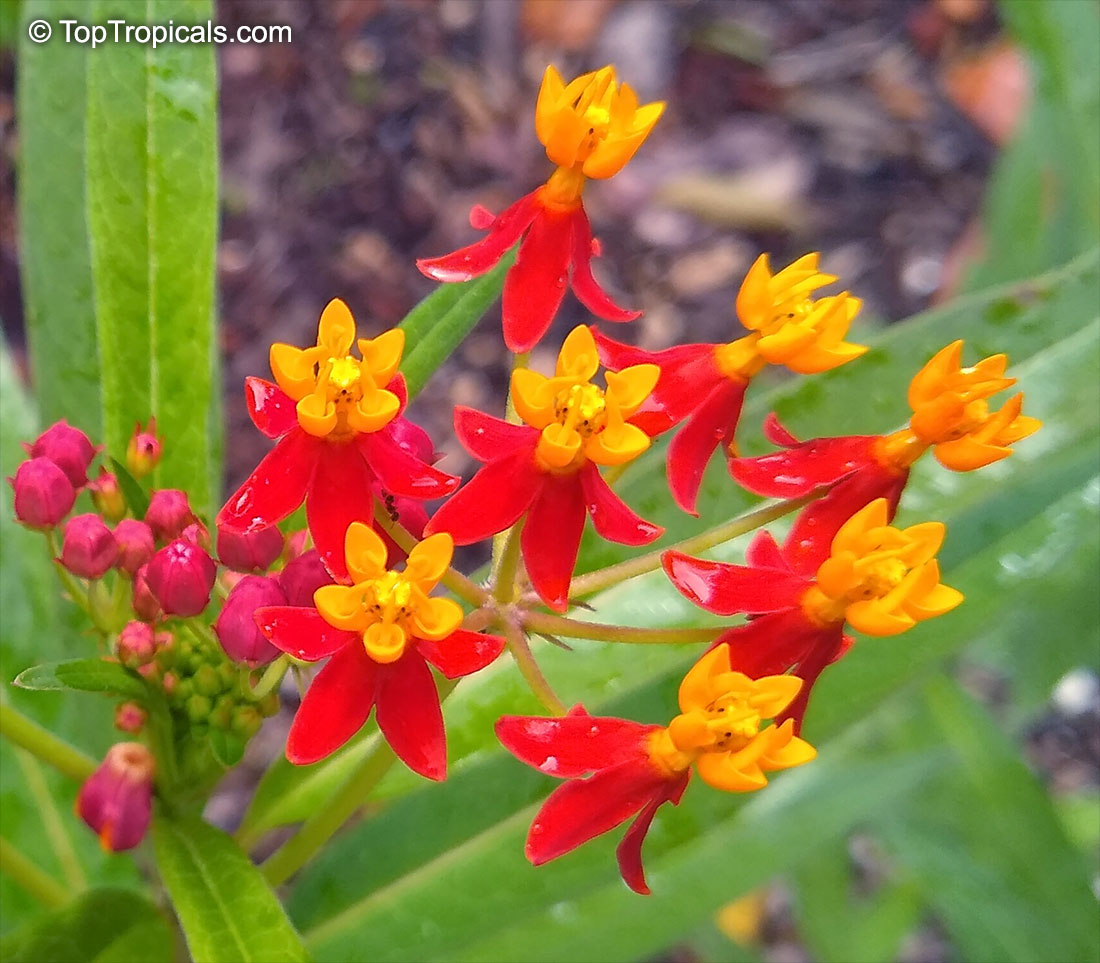
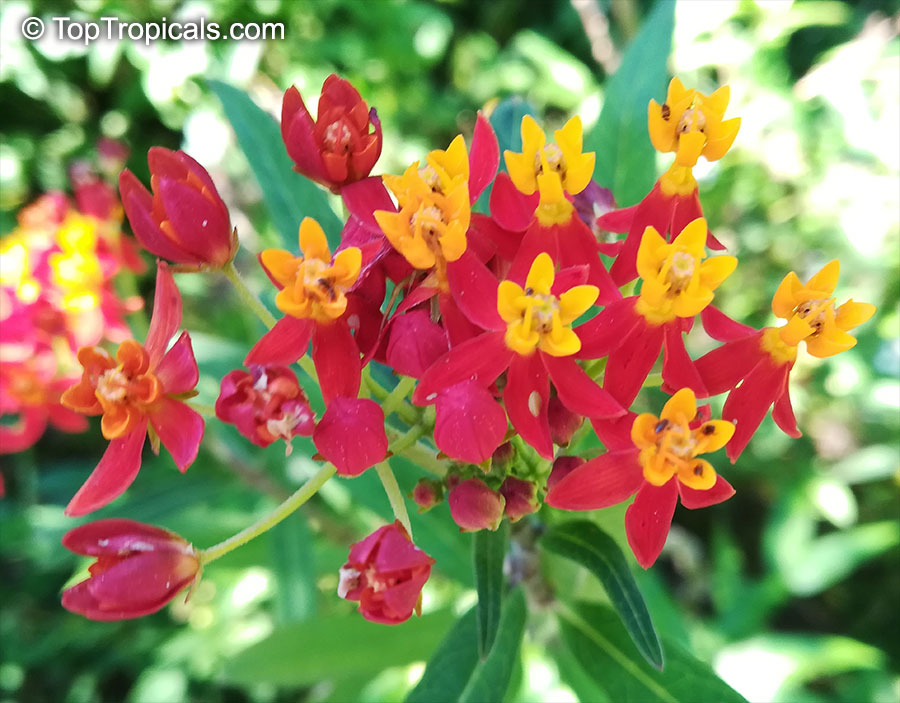
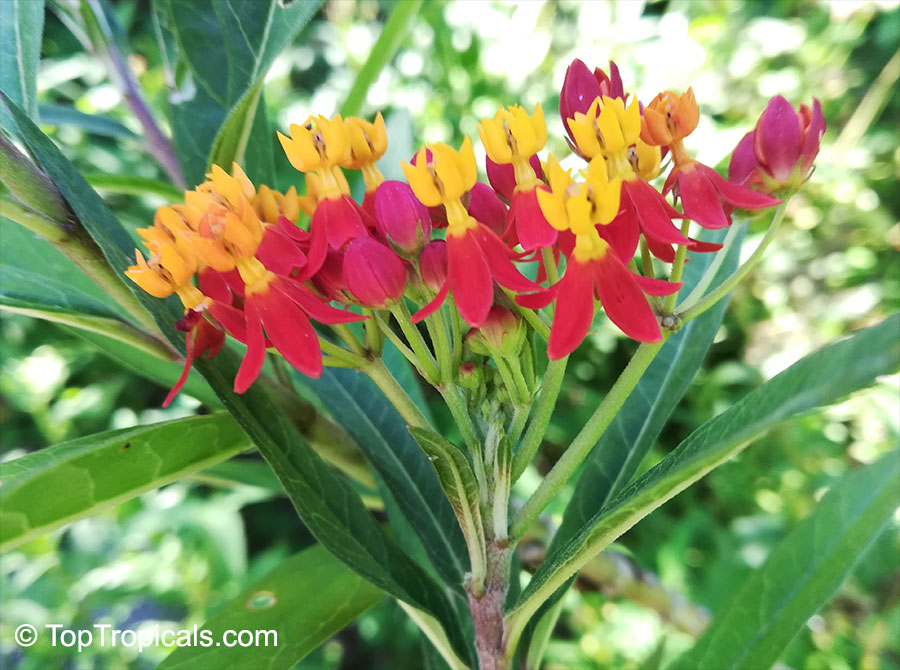
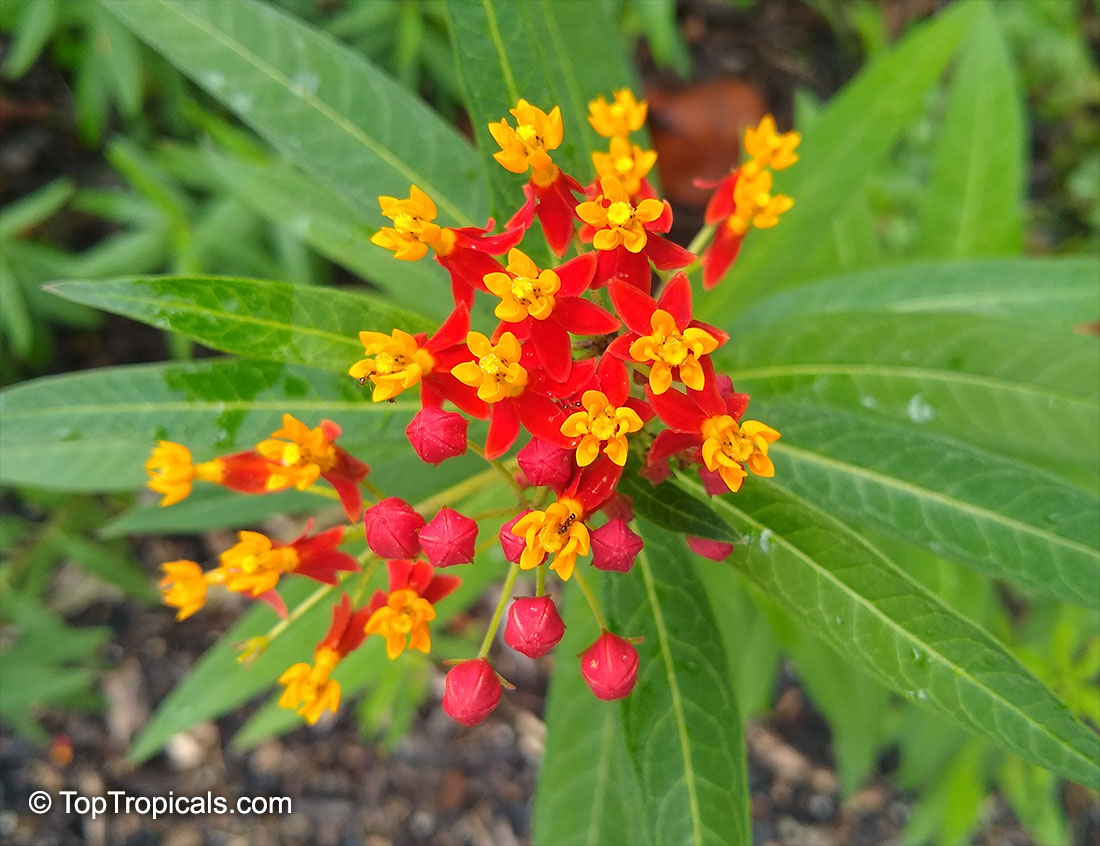
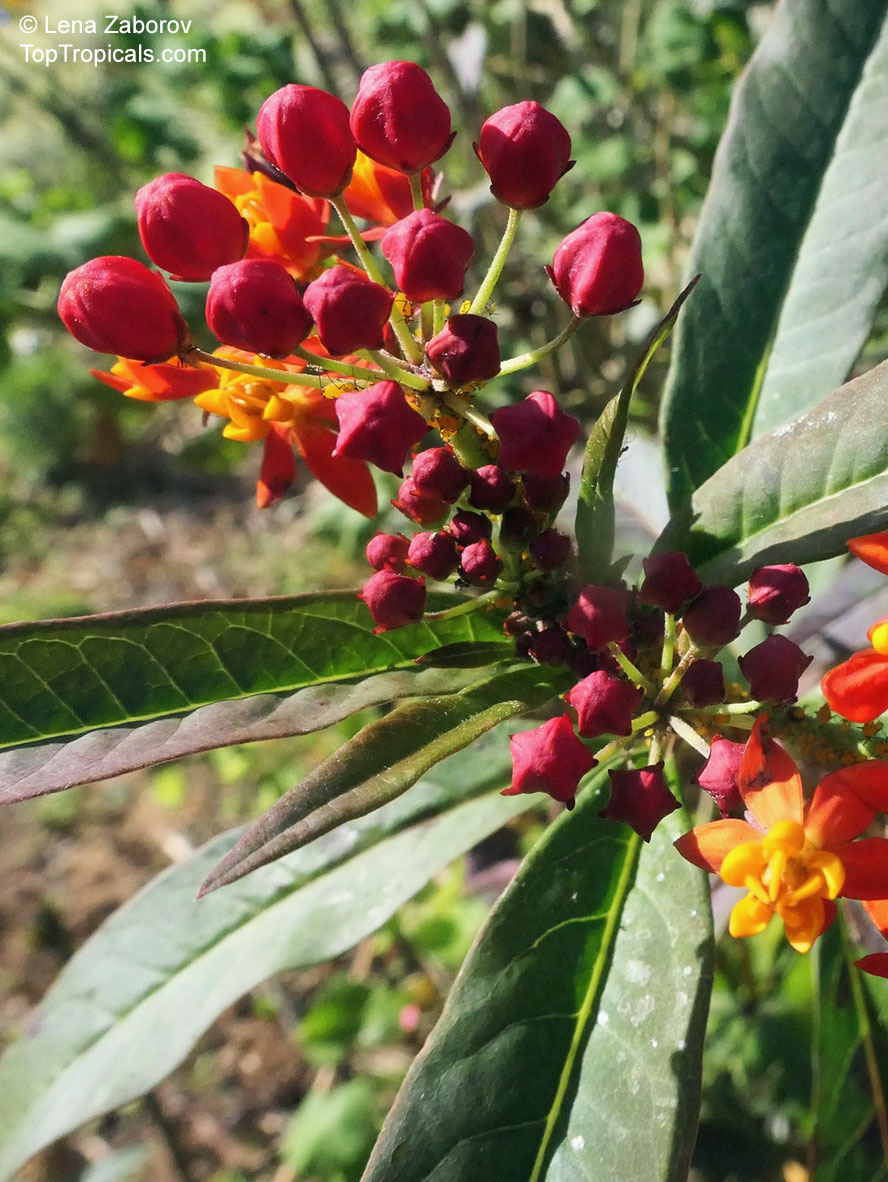
Botanical name: Asclepias curassavica
Common names: Milkweed, Butterfly Weed, Tropical Milkweed
Family: Apocynaceae (Formerly:Asclepiadaceae)
Subfamily: Asclepiadoideae
Origin: North America


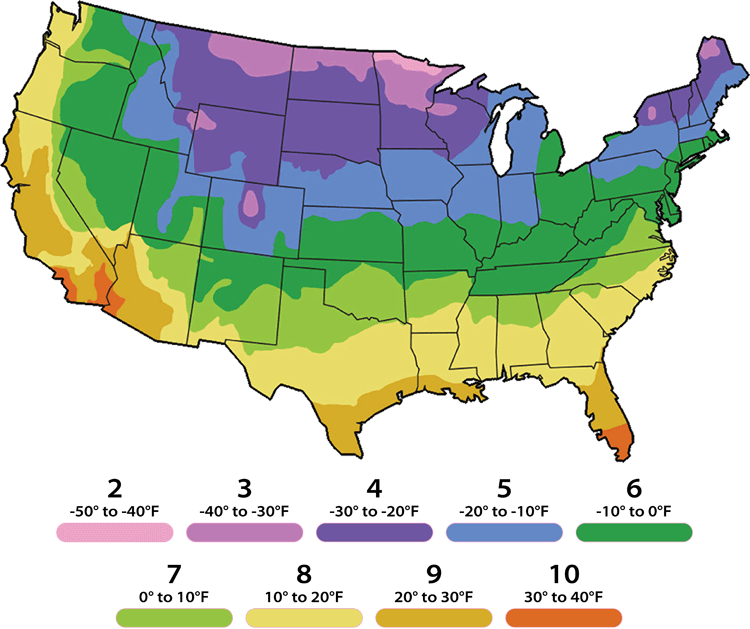
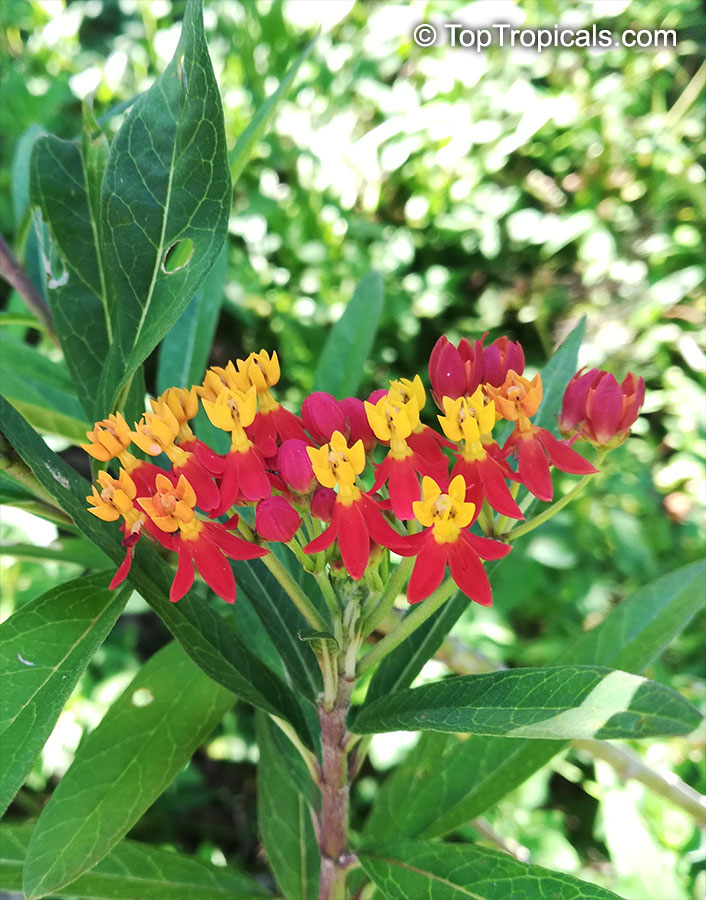
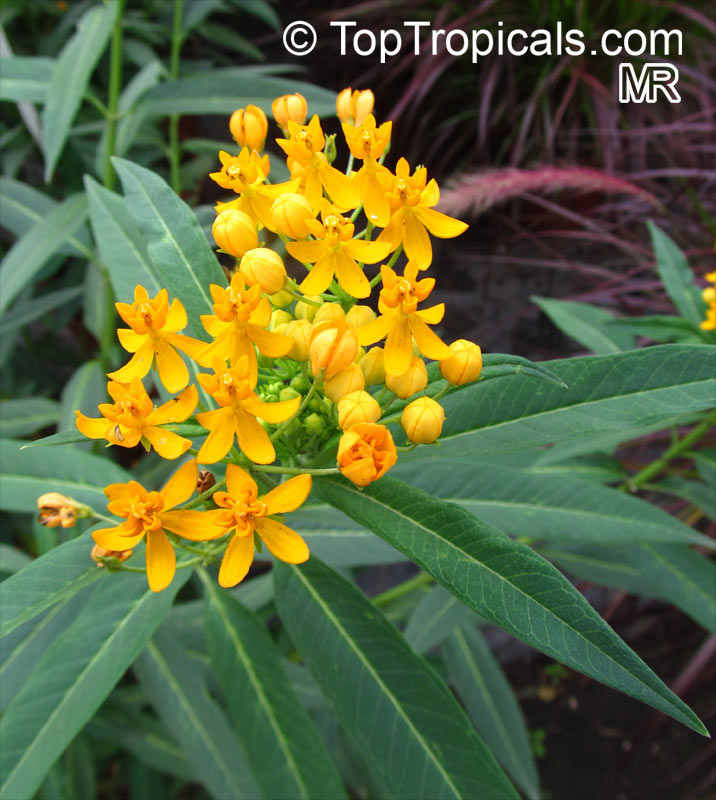
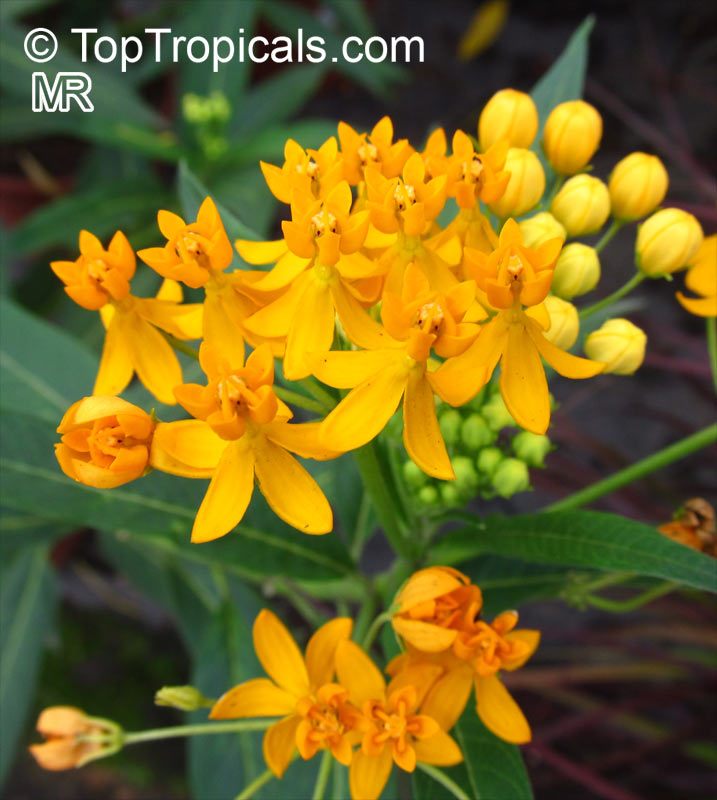
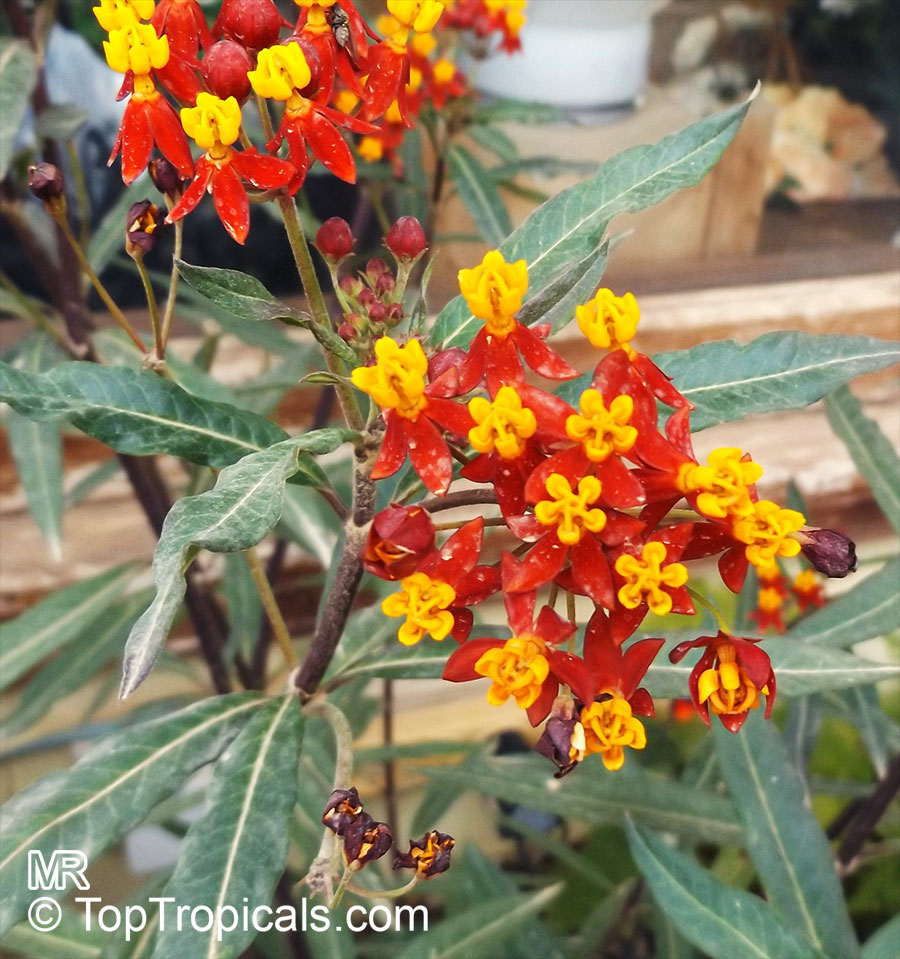
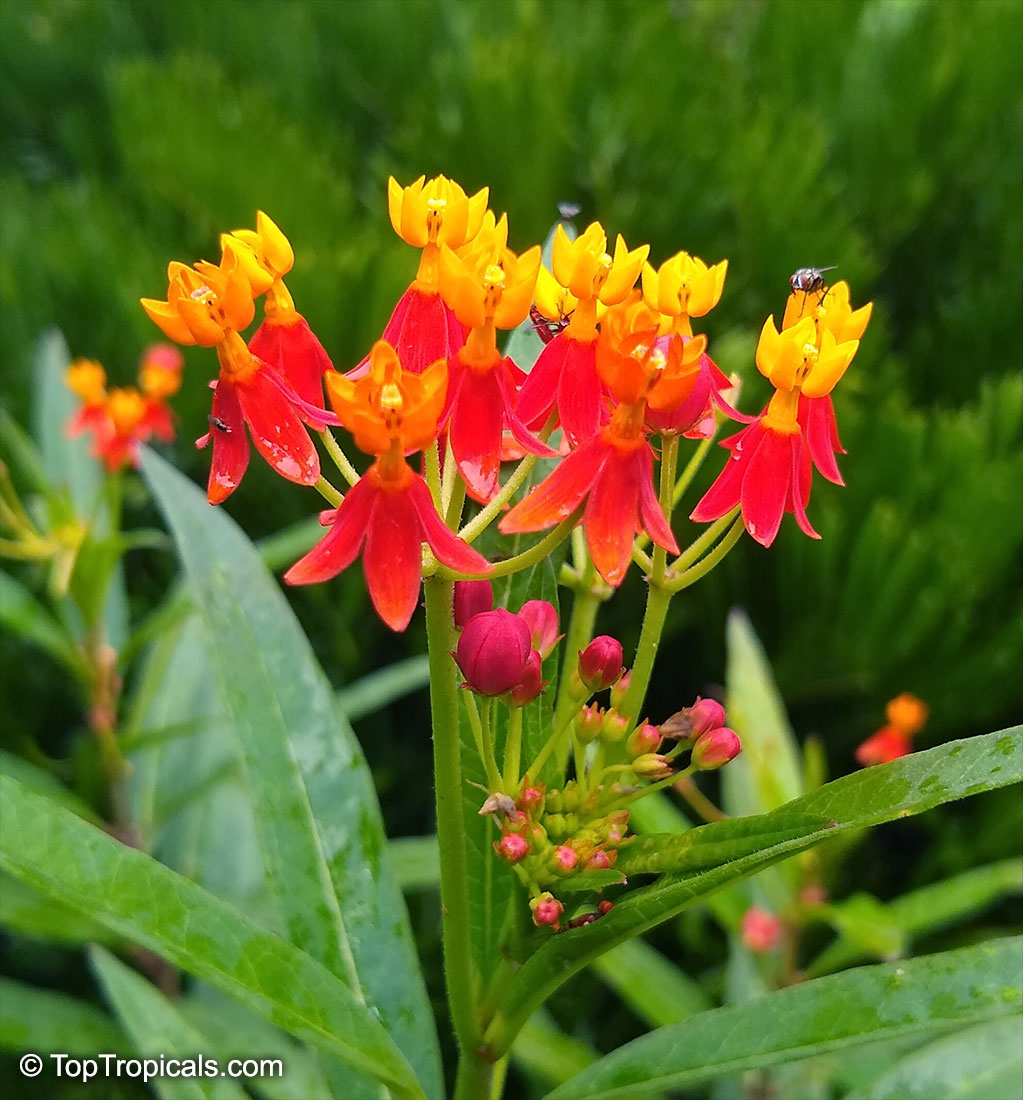
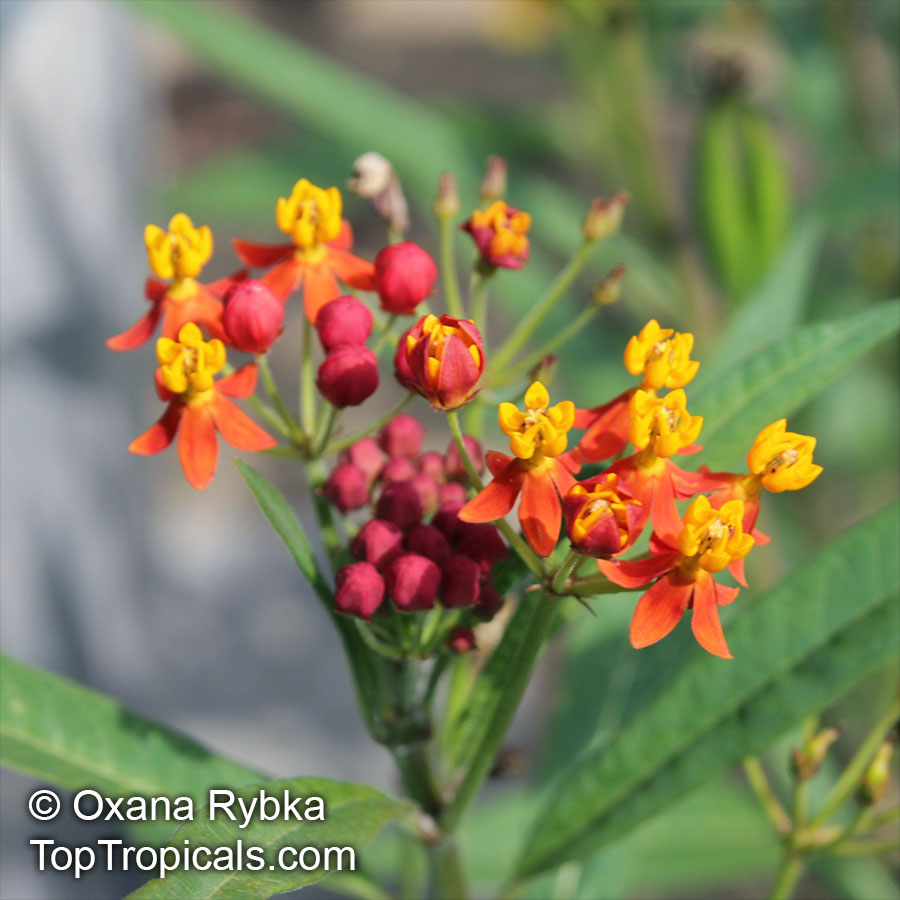
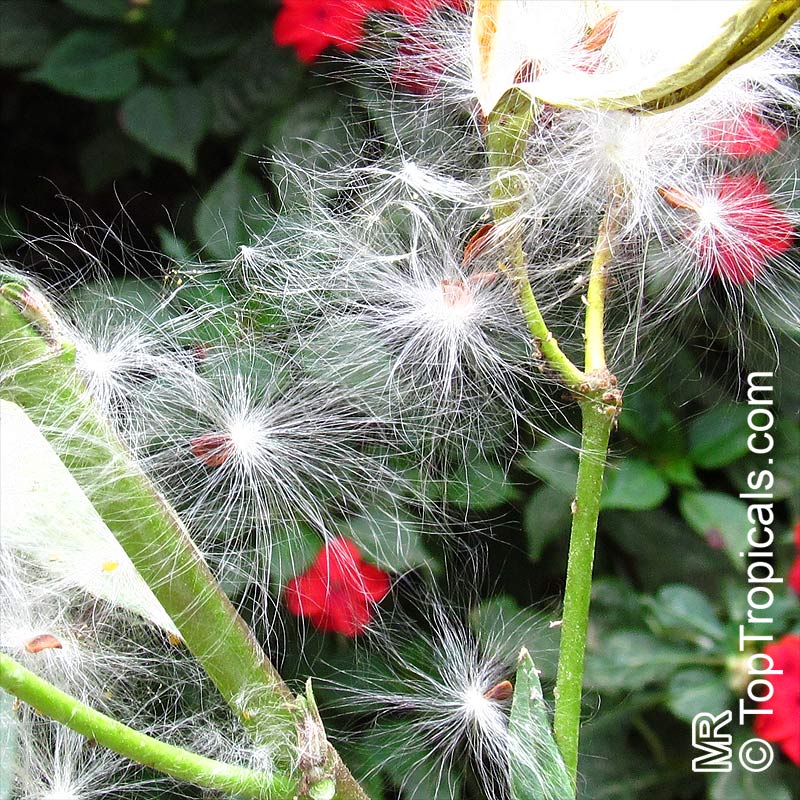
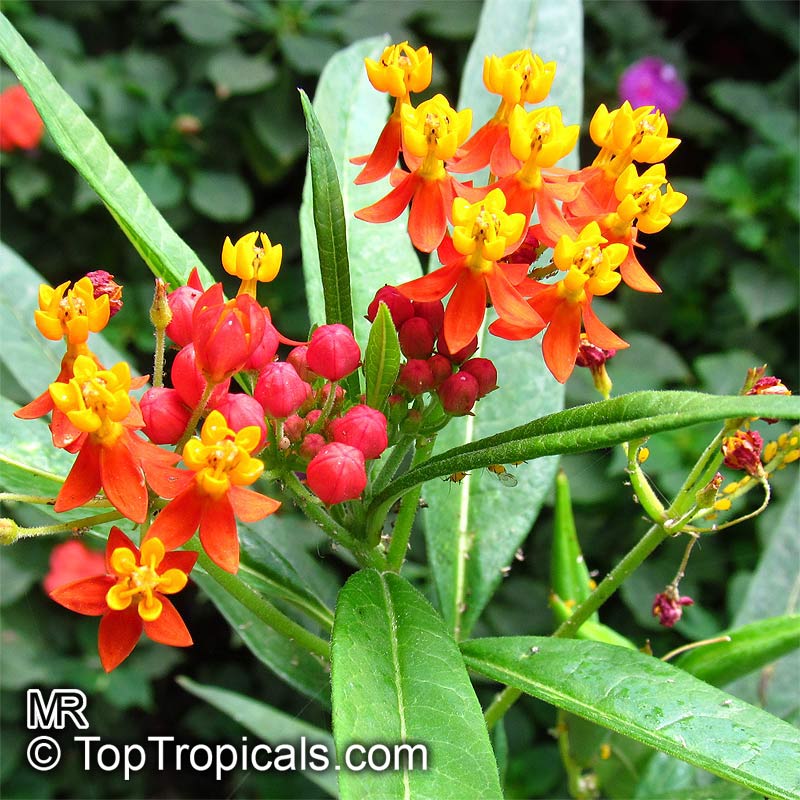
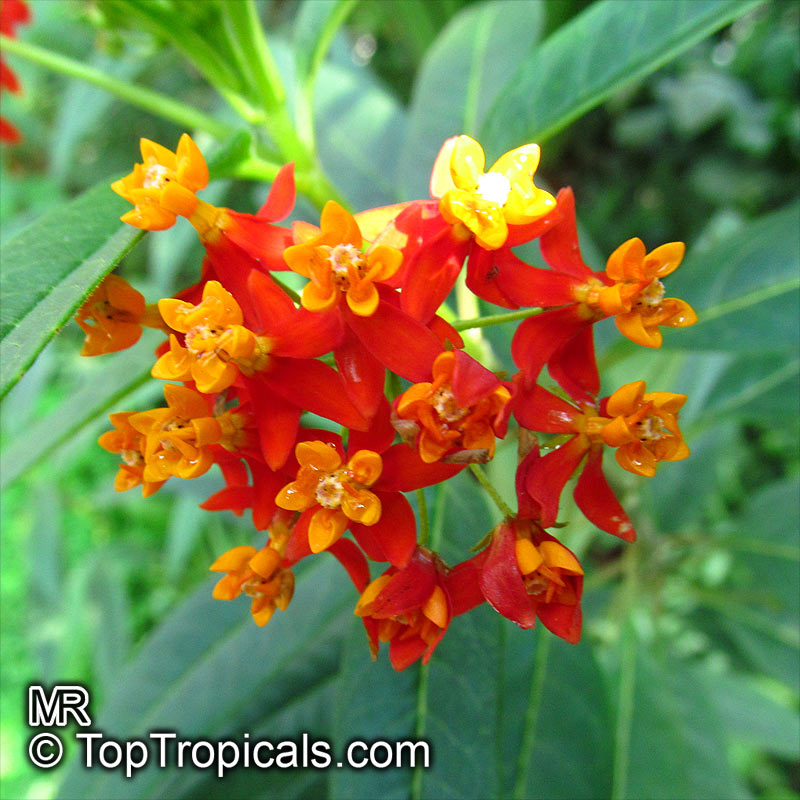
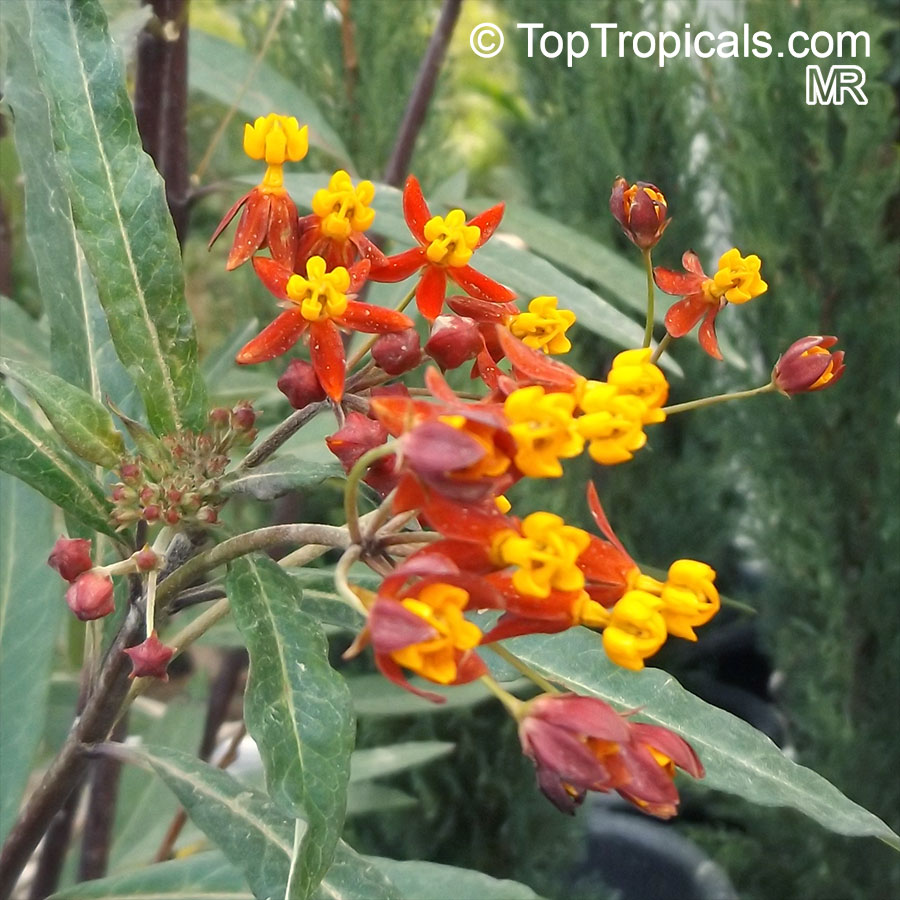
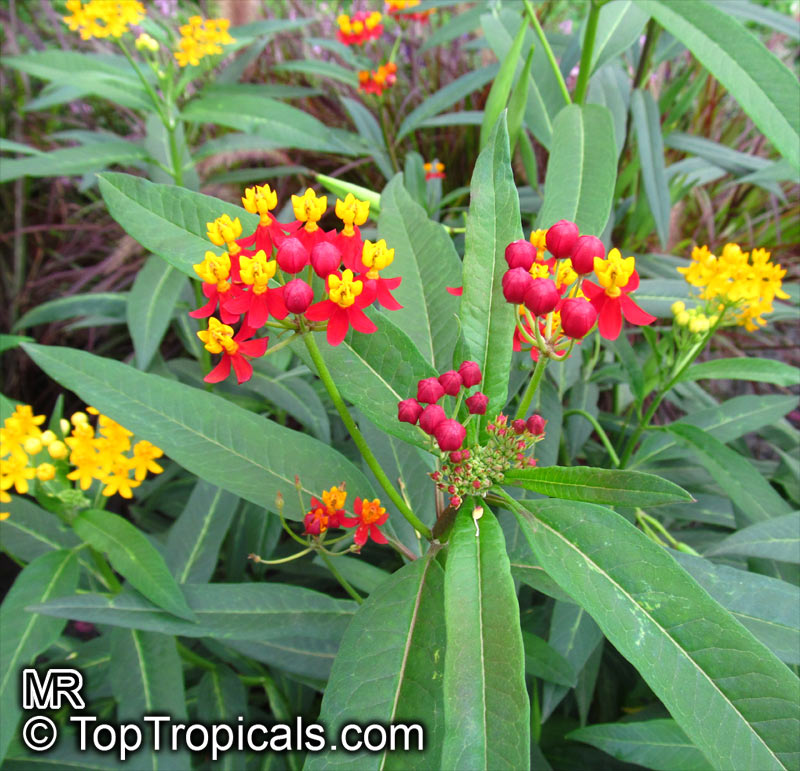
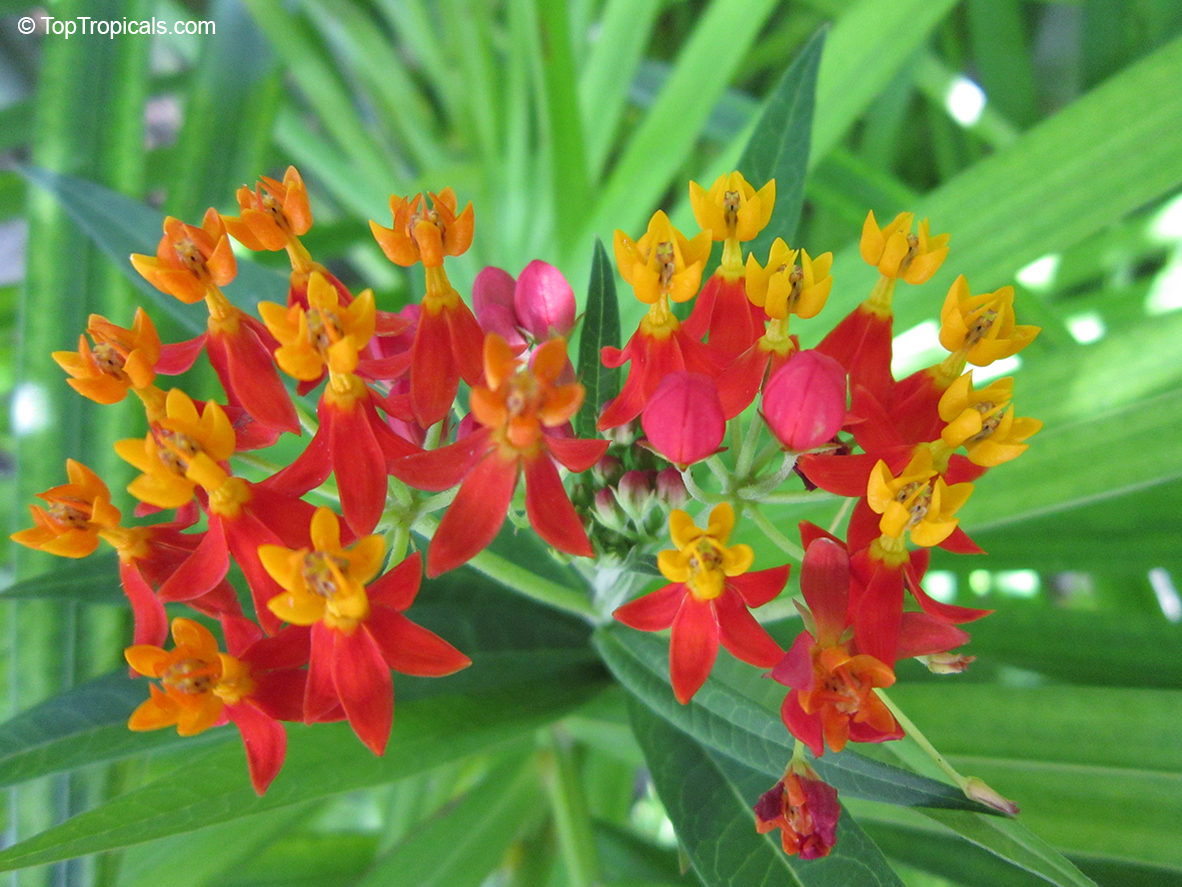
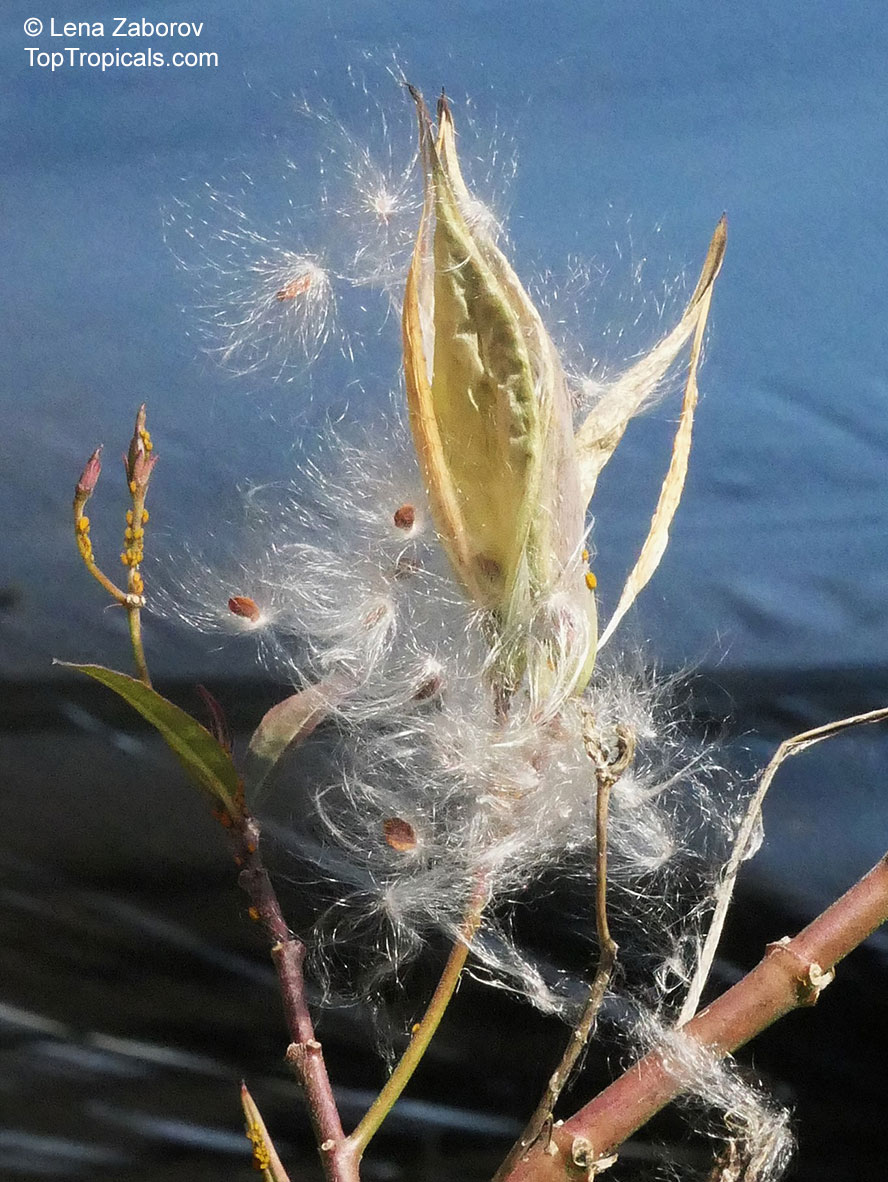
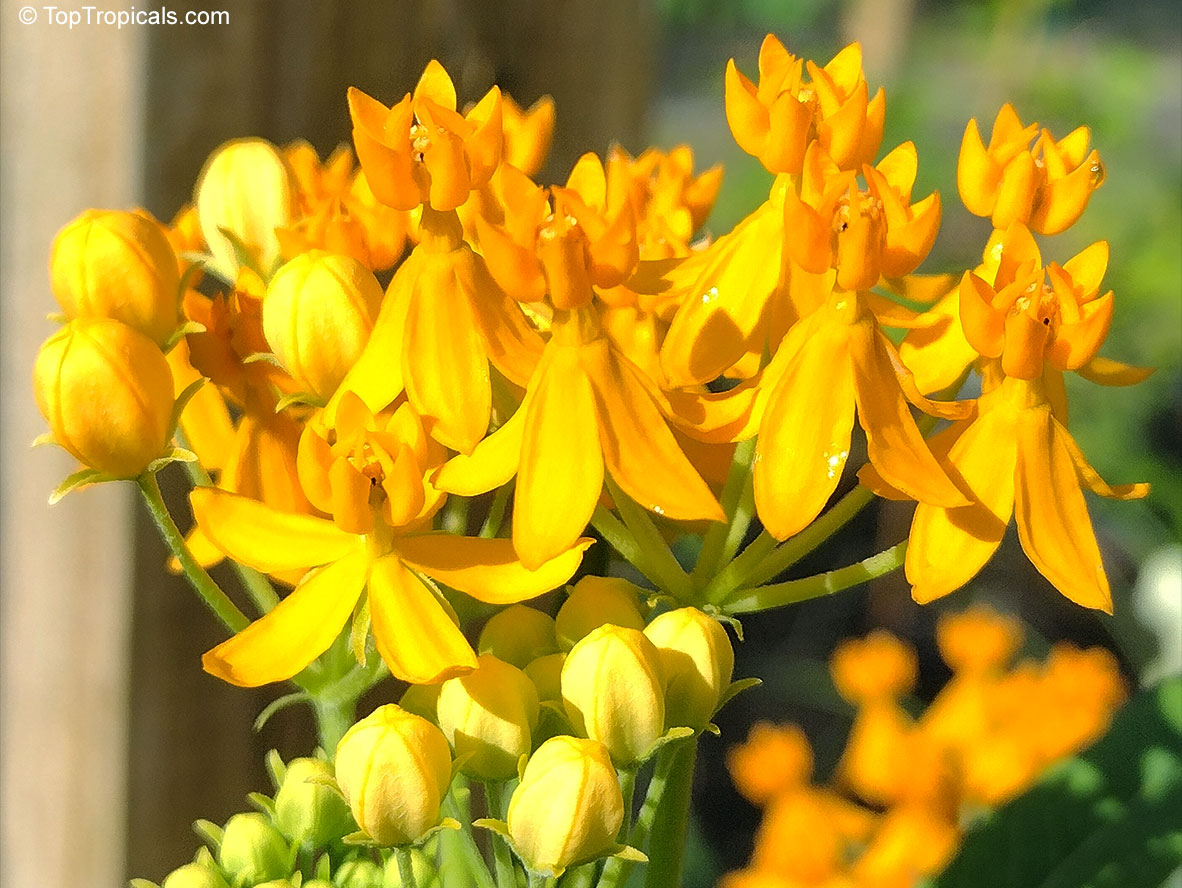
Asclepias curassavica (Milkweed) is a small shrub that grows 2-5 ft high and spreads up to 3 ft wide. This evergreen perennial is native to tropical America and is suitable for growing in USDA Zones 8-11. It prefers growing in full sun, and it needs moderate amounts of water once established. This plant features red and crimson to vinous flowers in early summer and yellow and orange flowers in late summer.
Milkweed has other benefits beyond its display in the garden. It is a great attractant for butterflies and hummingbirds, and the juice from the plant may cause an irritating effect, repelling certain pests. It is also a great choice for a seaside garden, as it is tolerant of salt spray and other harsh elements.
When it comes to plant care for Milkweed, it is essential to water the plant regularly and at least once a week during a dry period. Prune it back to maintain a compact form and shape and remove the dead flower stems. It is best to mulch the soil in order to conserve moisture and suppress weeds.
When growing Milkweed in colder regions, you may need to provide additional protection during the cold winter months. Mature plants can be cold-hardy, at least to the mid-30s F for a short time. It's best to grow them in a big pot and move it indoors, such as a sunroom or greenhouse, during the coldest part of winter. Additionally, it is beneficial to add a layer of mulch around the roots of the plant to keep it warm.
Ordering seeds info
RECOMMENDED SUPPLIES:
Seed Germination Mix #3, professional grade
SUNSHINE-Epi - Seeds and cuttings booster
SUNSHINE Bombino - Young Plant Booster
Botanical name: Asclepias incarnata
Common names: Swamp Milkweed, Rose Milkweed, Swamp Silkweed
Family: Apocynaceae (Formerly:Asclepiadaceae)
Subfamily: Asclepiadoideae
Origin: North America


Swamp milkweed (Asclepias incarnata) is a drought-tolerant plant with a strong taproot, making it ideal for areas with limited water. It can thrive in pots with good drainage and regular watering, and appreciates occasional light fertilization and weed-free conditions.
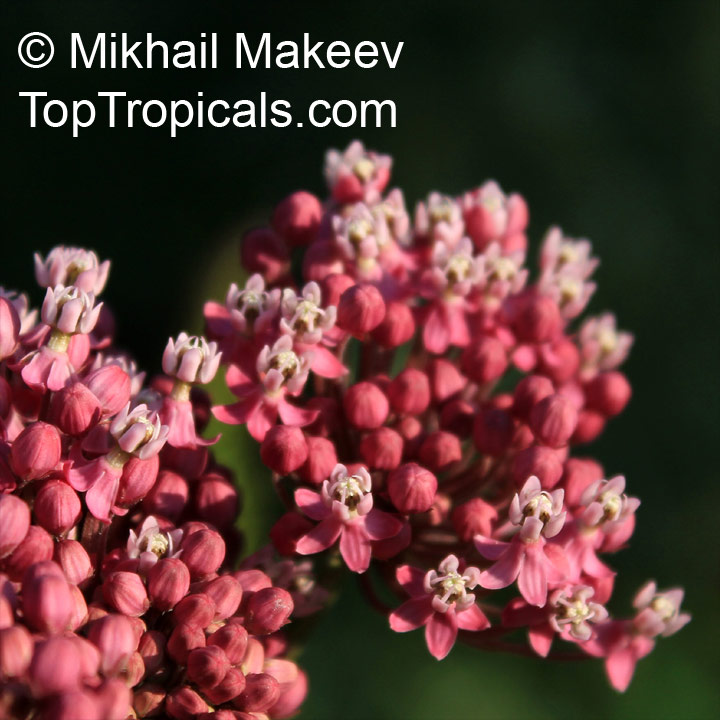
This Missouri native plant grows well in grows in USDA zones 9-11. It is clump-forming and grows 3-4 feet tall on branching stems. It is commonly found in swamps, river bottomlands, and wet meadows in the state. Its small, fragrant flowers are pink to mauve and have five reflexed petals and an elevated central crown. These flowers appear in tight clusters at the ends of the stems in the summer and are a popular nectar source for butterflies, particularly the Monarch butterfly. The plant also produces attractive seed pods, which split open to release silky-haired seeds when ripe.
The genus name of swamp milkweed honors the Greek god of medicine, Asklepios, while the specific epithet refers to the flesh-colored flowers. This plant is easy to grow in full sun and tolerates average, well-drained soils in cultivation, despite being native to swamps and wet meadows. Its deep taproots make it best left undisturbed once established, and its foliage may take longer to emerge in the spring. Swamp milkweed is suitable for sunny borders, stream or pond banks, and butterfly gardens, and it is a good plant for moist areas in the landscape. However, it is important to note that its stems exude a toxic milky sap when cut.
Botanical name: Asclepias oenotheroides
Common names: Zizotes Milkweed, Longhorn Milkweed, Side-cluster Milkweed, Primrose Milkweed, Lindheimer's Milkweed
Family: Apocynaceae (Formerly:Asclepiadaceae)
Subfamily: Asclepiadoideae
Origin: Mexico
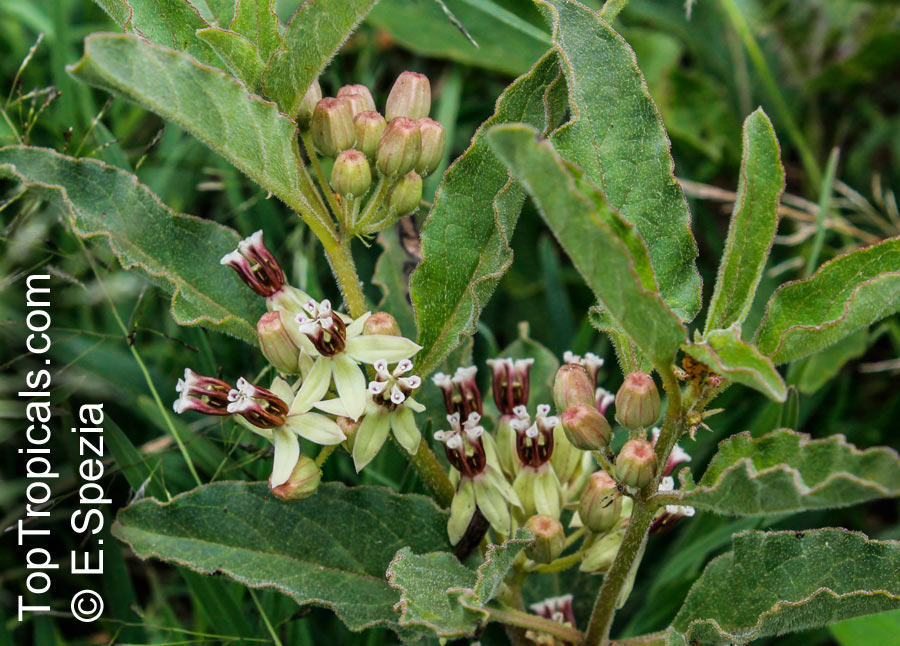
Asclepias oenotheroides is a middle elevation milkweed with distinctive crenate leaves. The flowers are greenish white. The flower of this species is unique among milkweeds. The long, slender hoods extend beyond the stigmatic groove and flare or bow outward at the top. This species survives periodic droughts and occasional mowing even though it has shallow roots. It leafs out and flowers if rains follow a dry period.
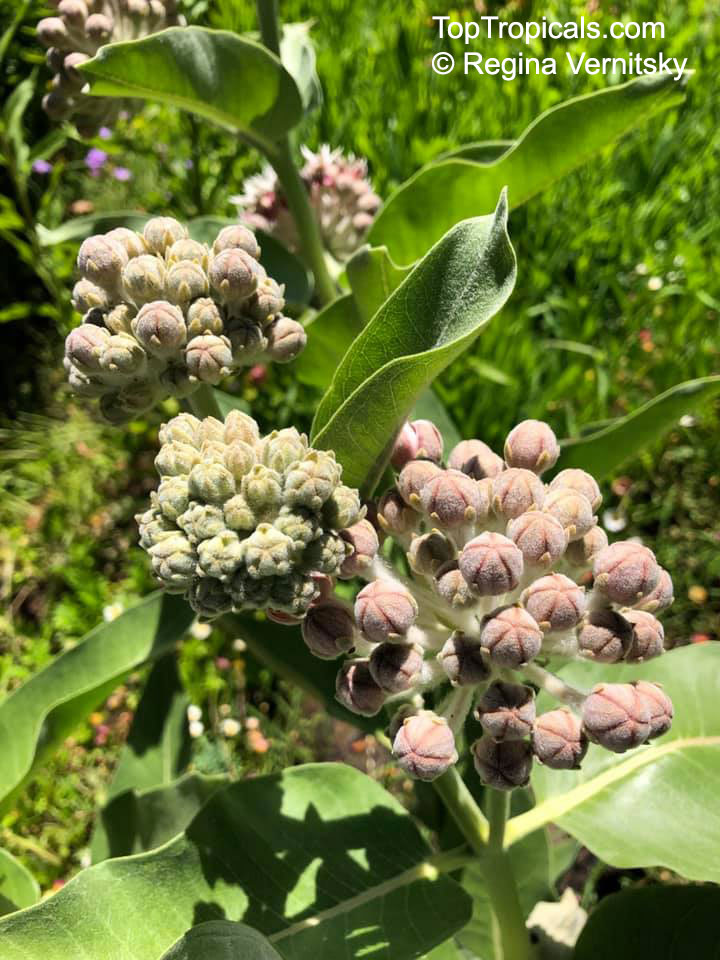
Botanical name: Asclepias sp.
Common name: Milkweed
Family: Apocynaceae (Formerly:Asclepiadaceae)
Subfamily: Asclepiadoideae
Origin: Americas


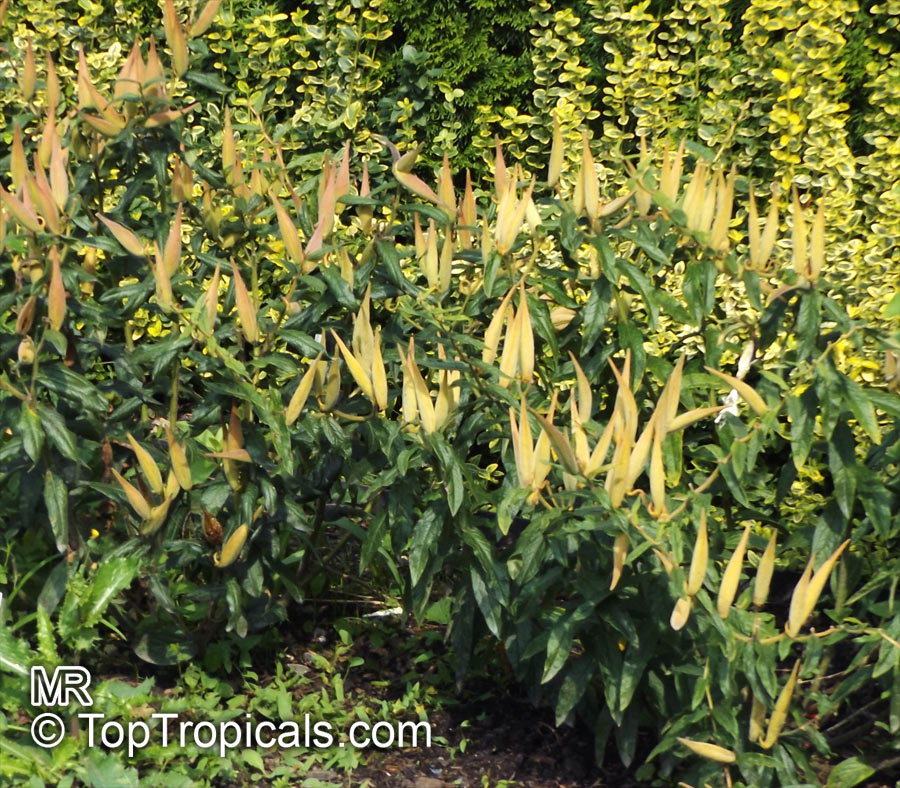
Flowers of plants in this genus are produced in umbrel-like clusters with numerous small flower groups to 1 inch wide. The flowers are followed by green fruits that ripen to yellowish-brown and split open to reveal their seedy contents.
Milkweeds are known to be toxic to livestock and domestic fowl, but usually under conditions of forced ingestion of large quantities through mismanagement or drought.
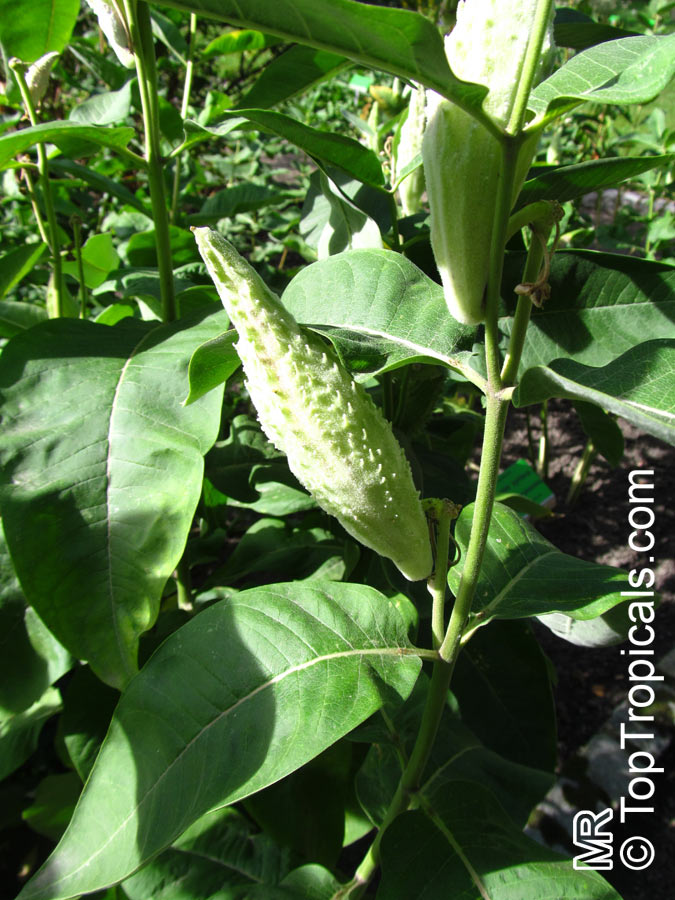
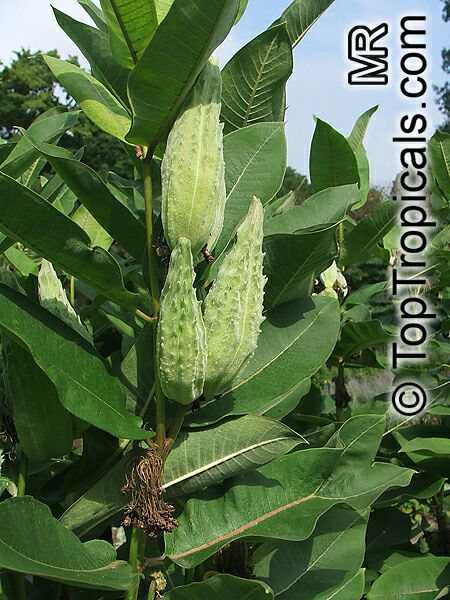
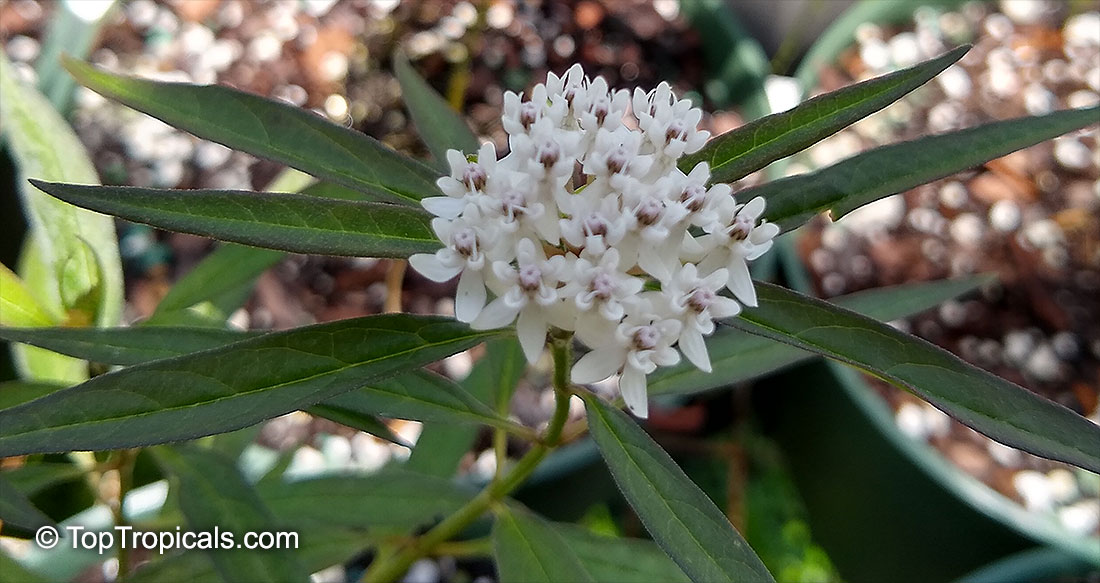
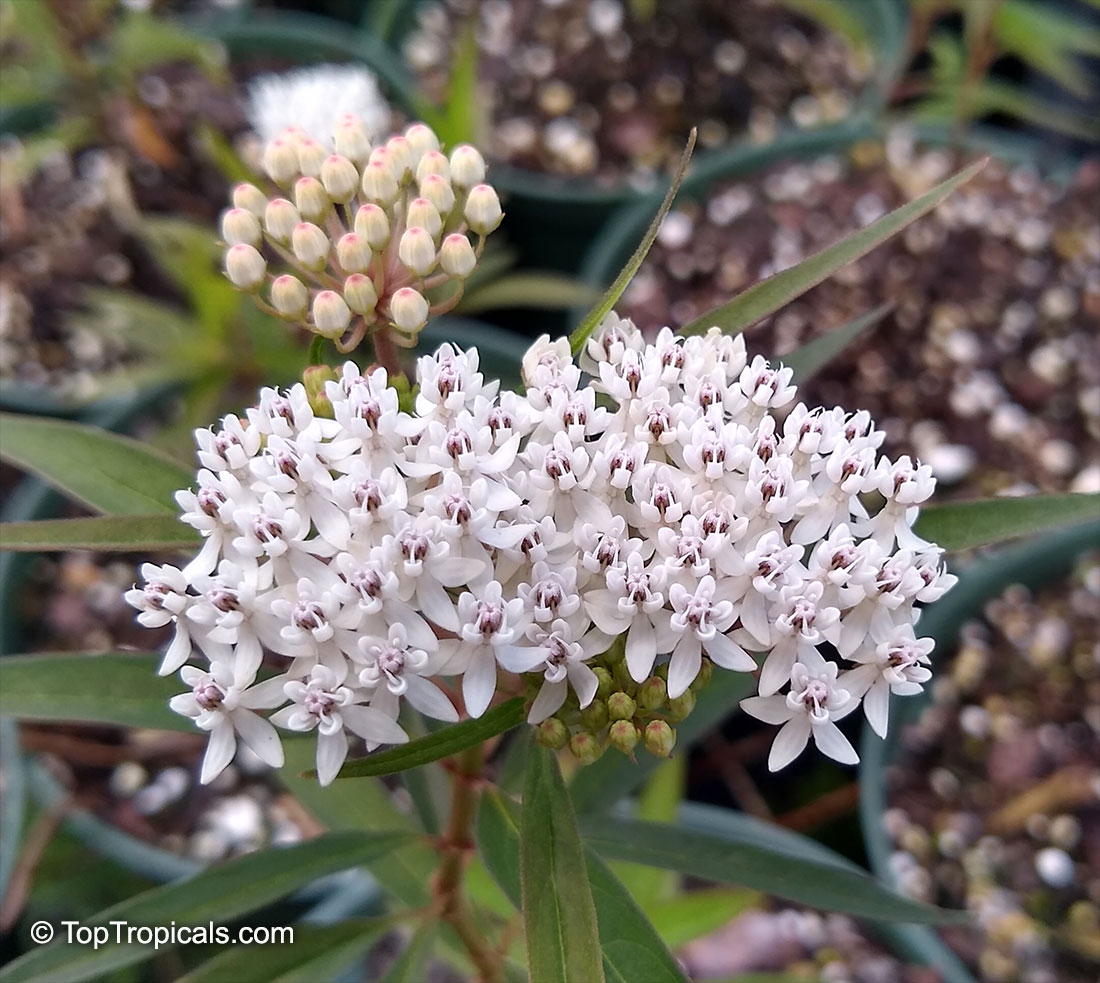
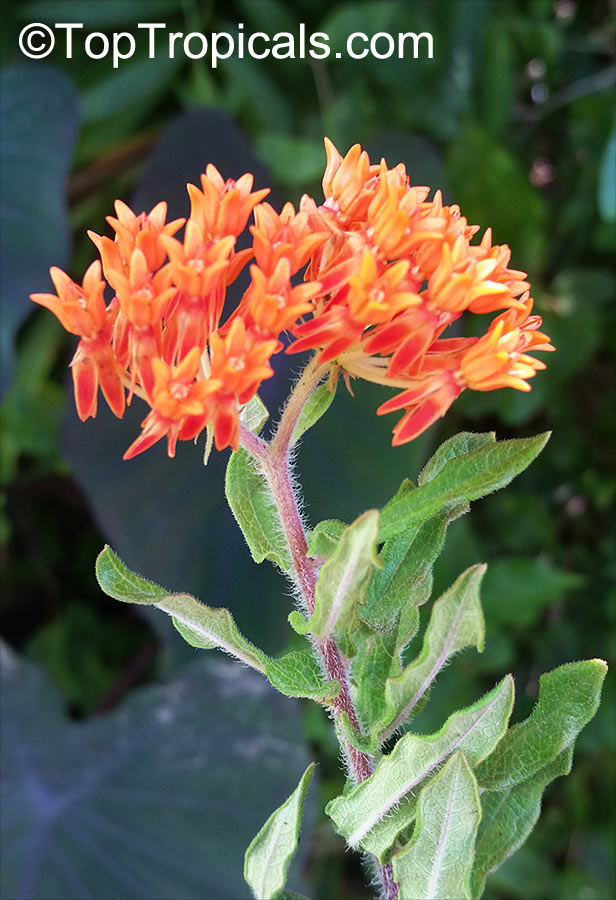
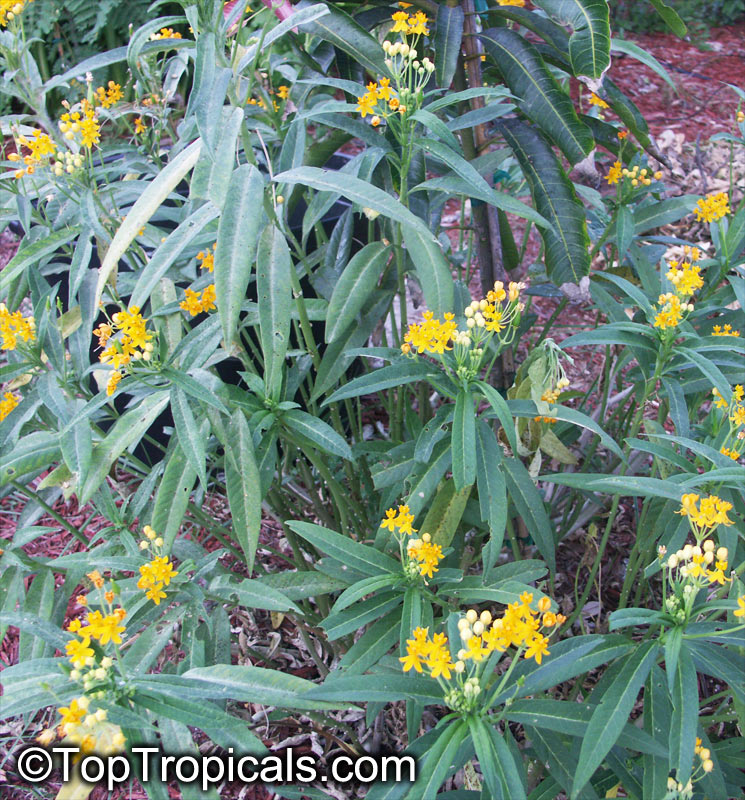
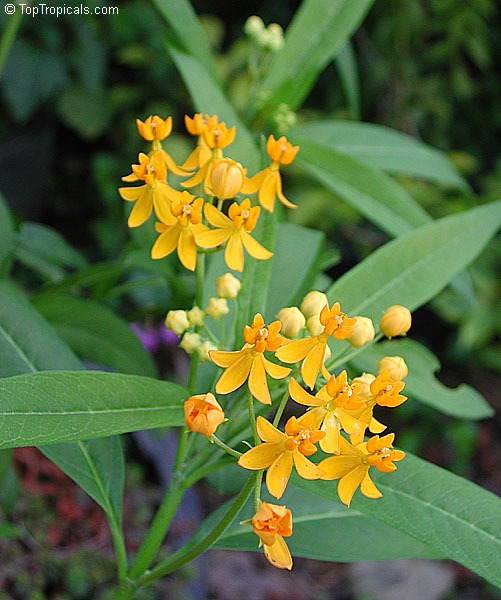
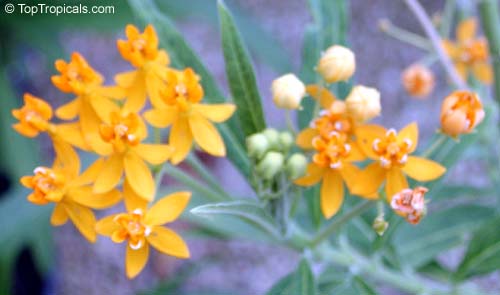
Botanical name: Asclepias tuberosa
Common names: Milkweed, Flame Weed, Butterfly Weed, Gay Butterflies, Pleurisy Root
Family: Apocynaceae (Formerly:Asclepiadaceae)
Subfamily: Asclepiadoideae
Origin: North America


The extremely bright color make it easy to spot. Like most milkweeds the juice is milky white. Long bloom period from late spring throughout the summer. Flowers are a nectar source for many butterflies and leaves are a food source for monarch butterfly larvae (caterpillars). Drought-tolerant. Listed in the U. S. Pharmacopeia in the 19th century the root was once widely used for lung problems such as asthma and bronchitis. Contains cardiac glycosides which are toxic in large amounts.
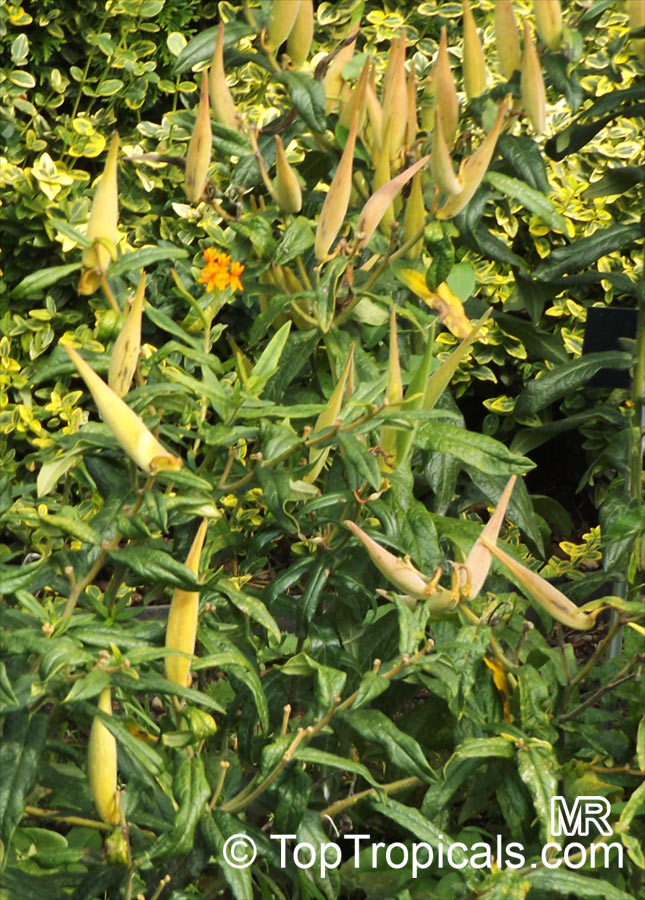
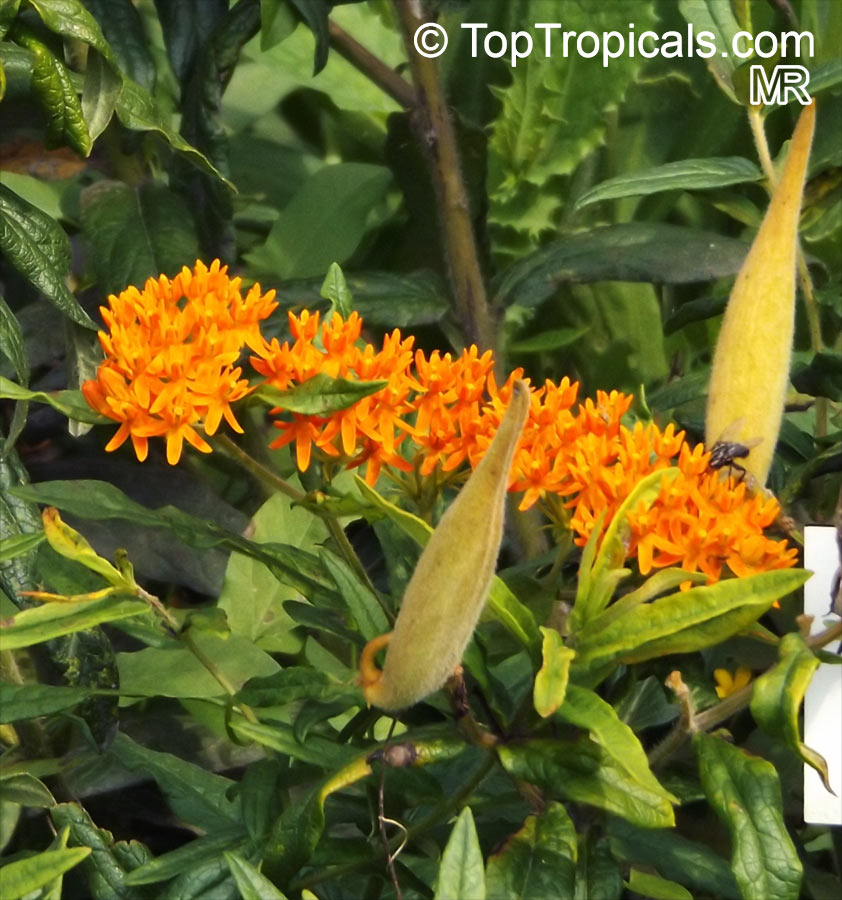
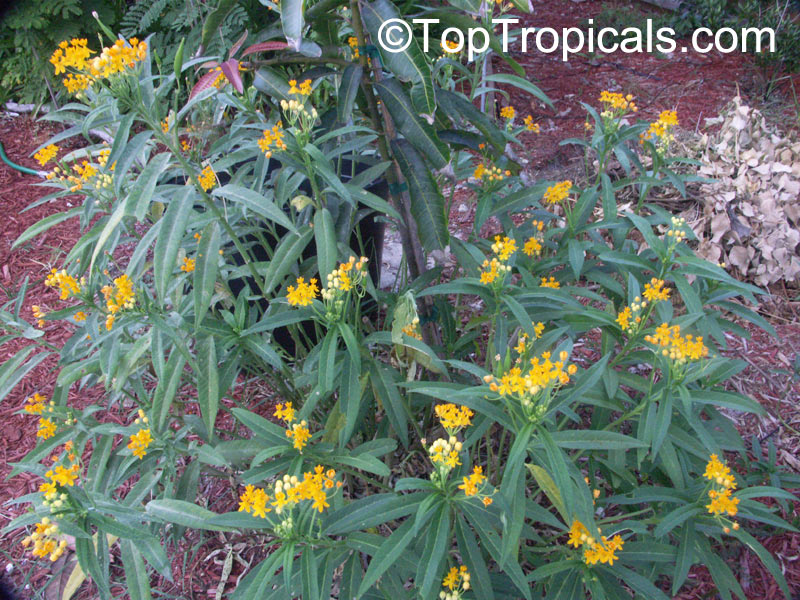
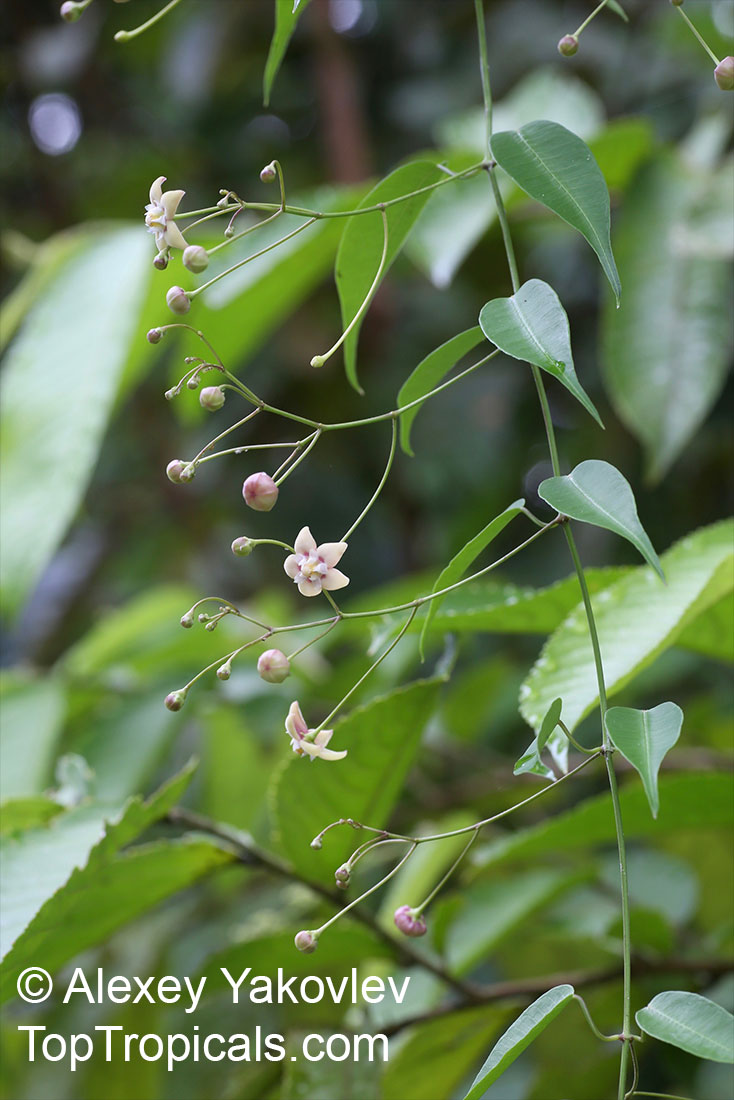
Botanical name: Blepharodon salicinum
Family: Apocynaceae (Formerly:Asclepiadaceae)
Subfamily: Asclepiadoideae
Origin: South America
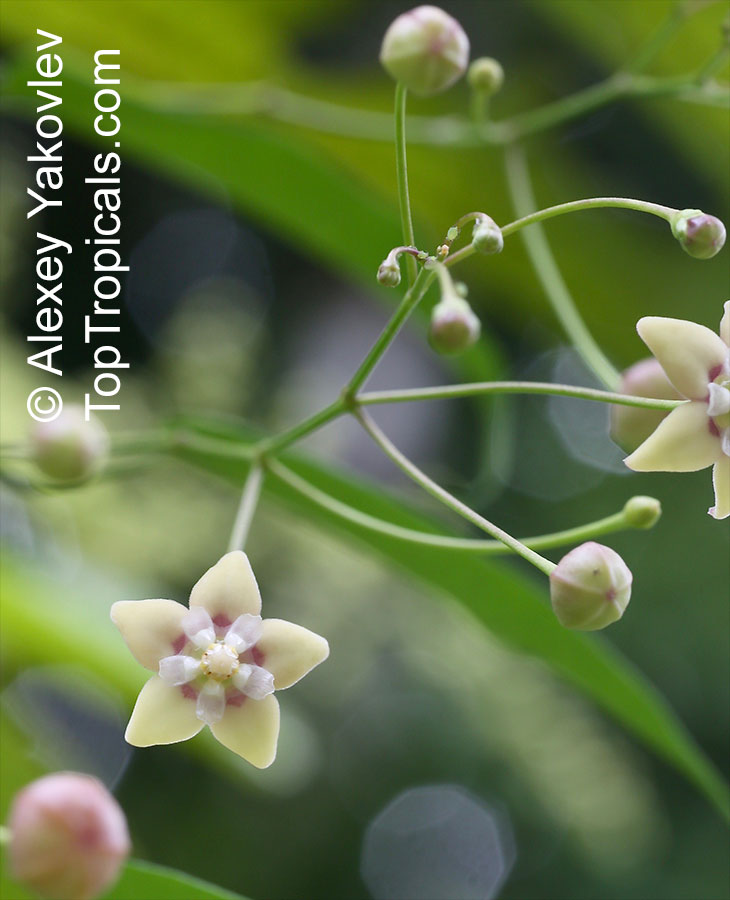
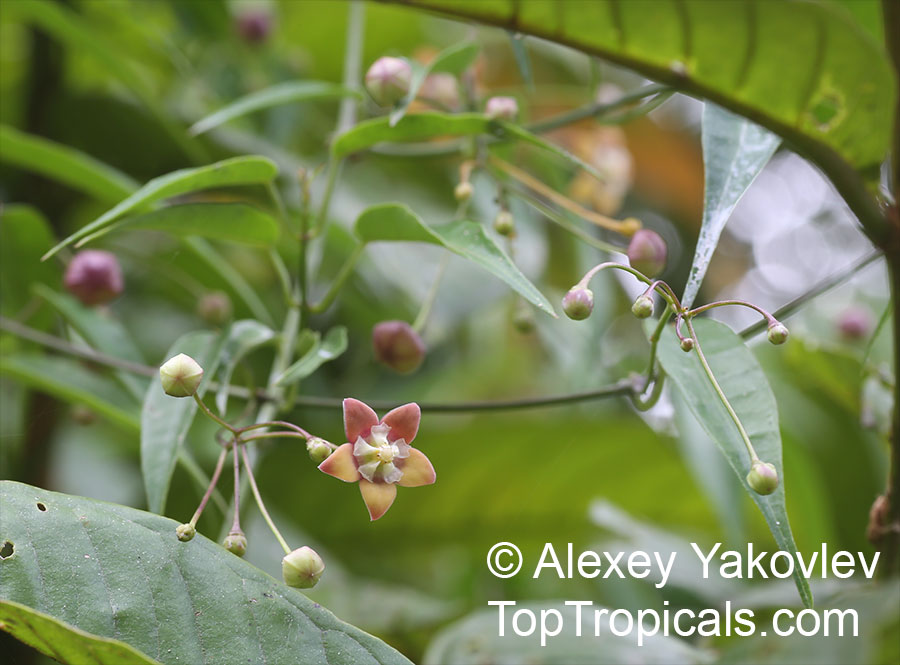
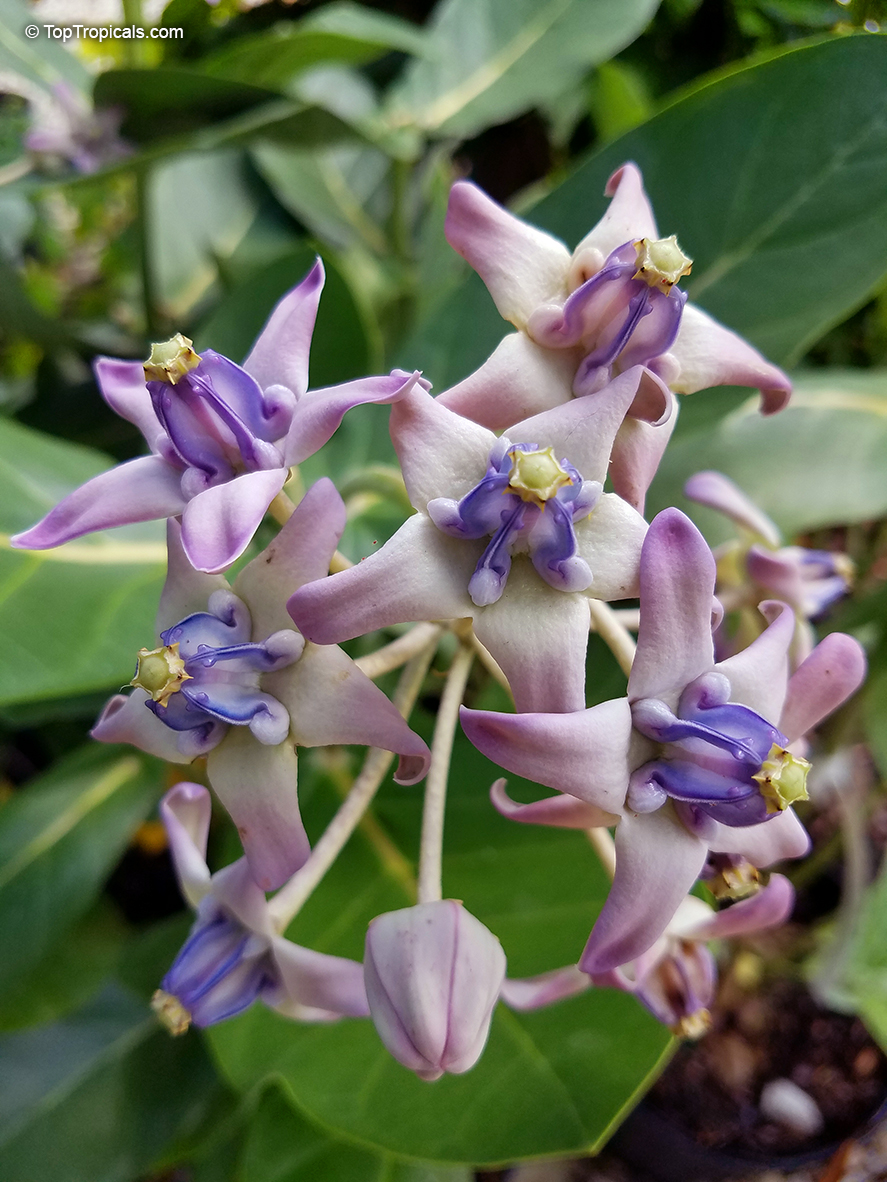
Botanical name: Calotropis gigantea
Common names: Giant Milkweed, Crown Flower, Giant Calotrope, Arka, Jilledu, Erukkam Madar, White Madaar
Family: Apocynaceae (Formerly:Asclepiadaceae)
Subfamily: Asclepiadoideae
Origin: India

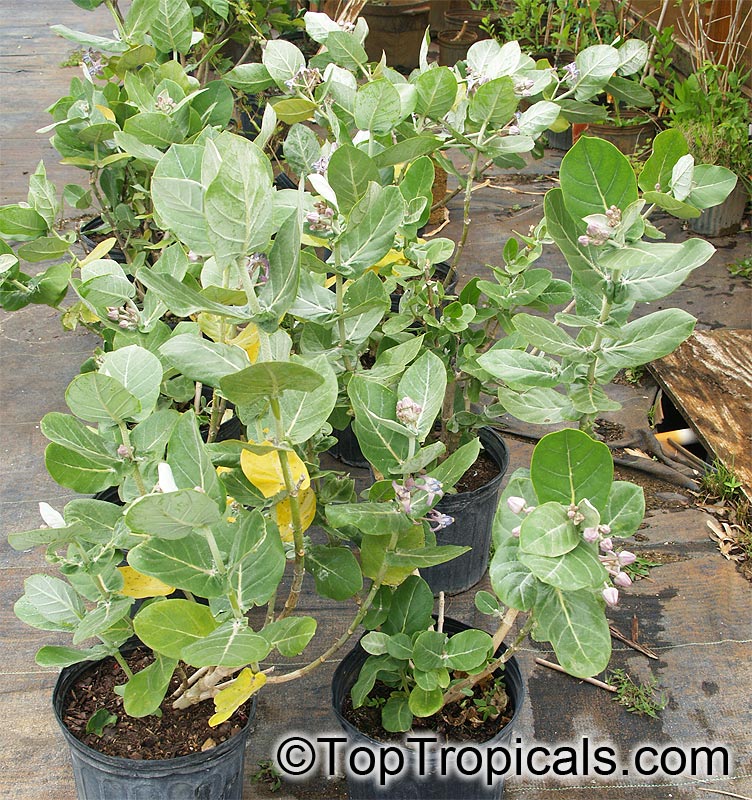
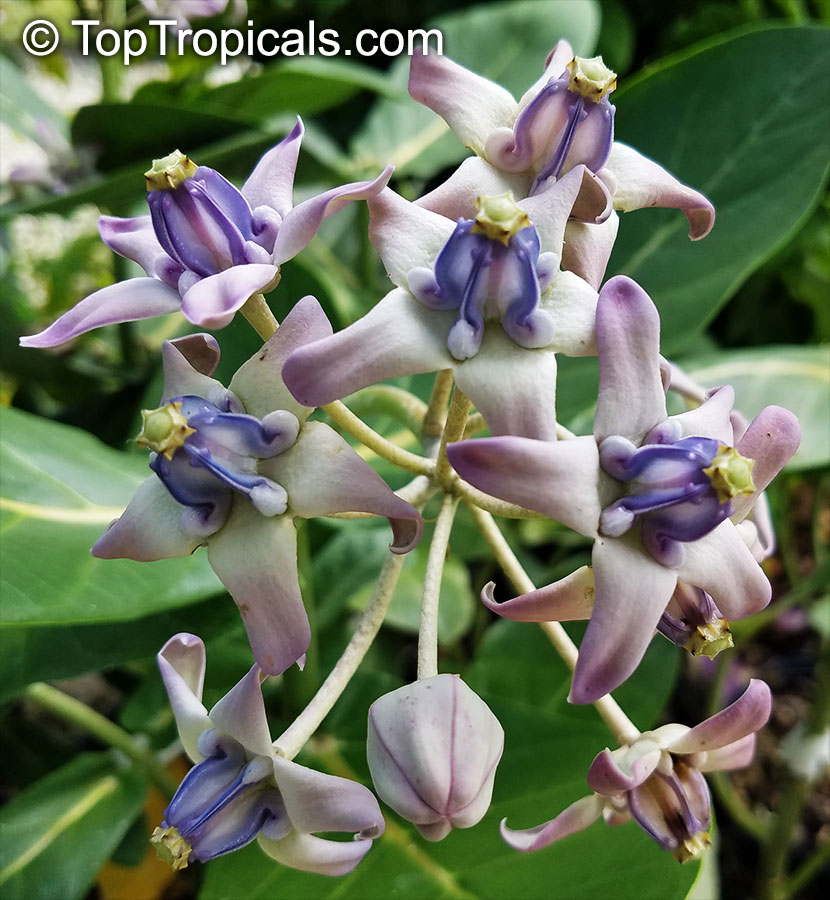
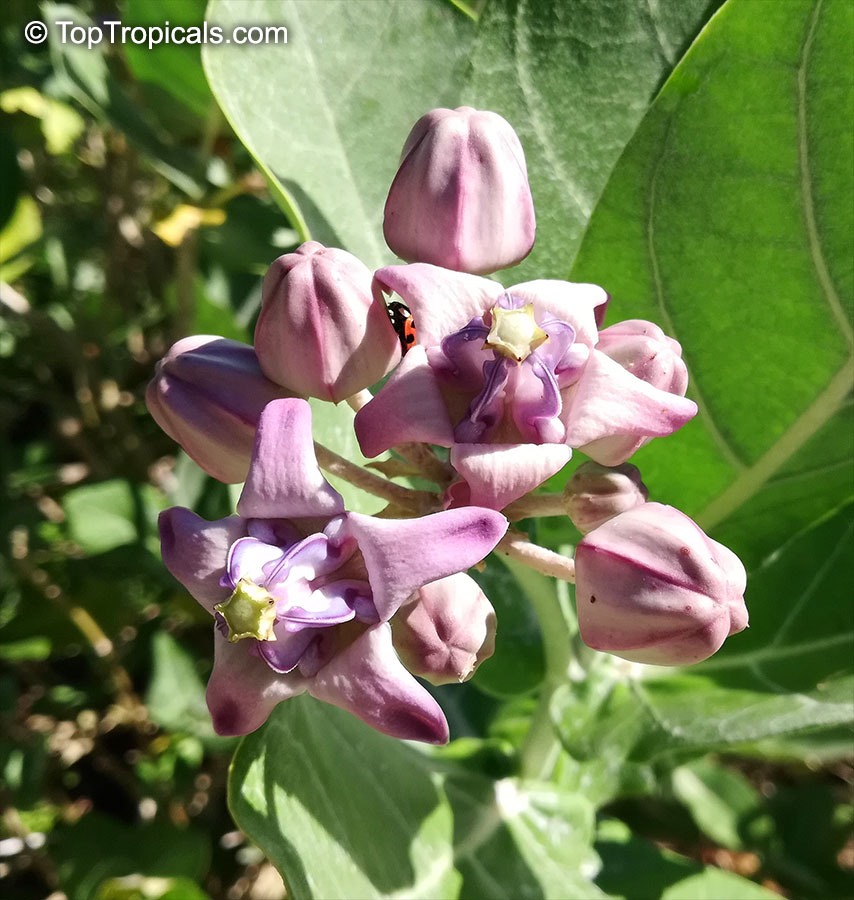
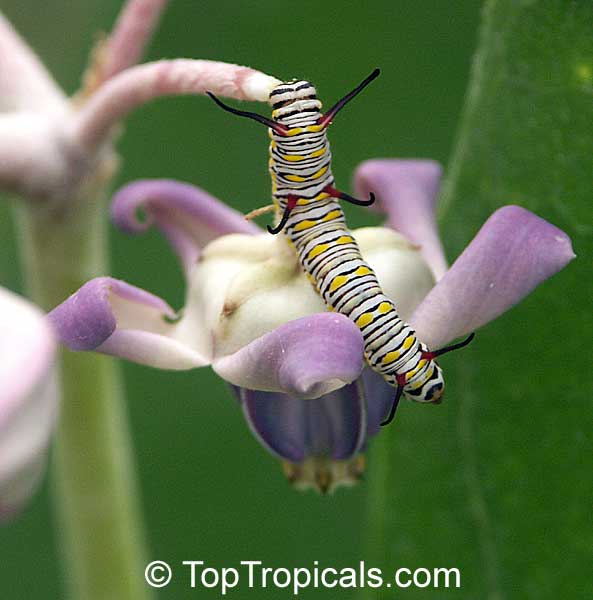
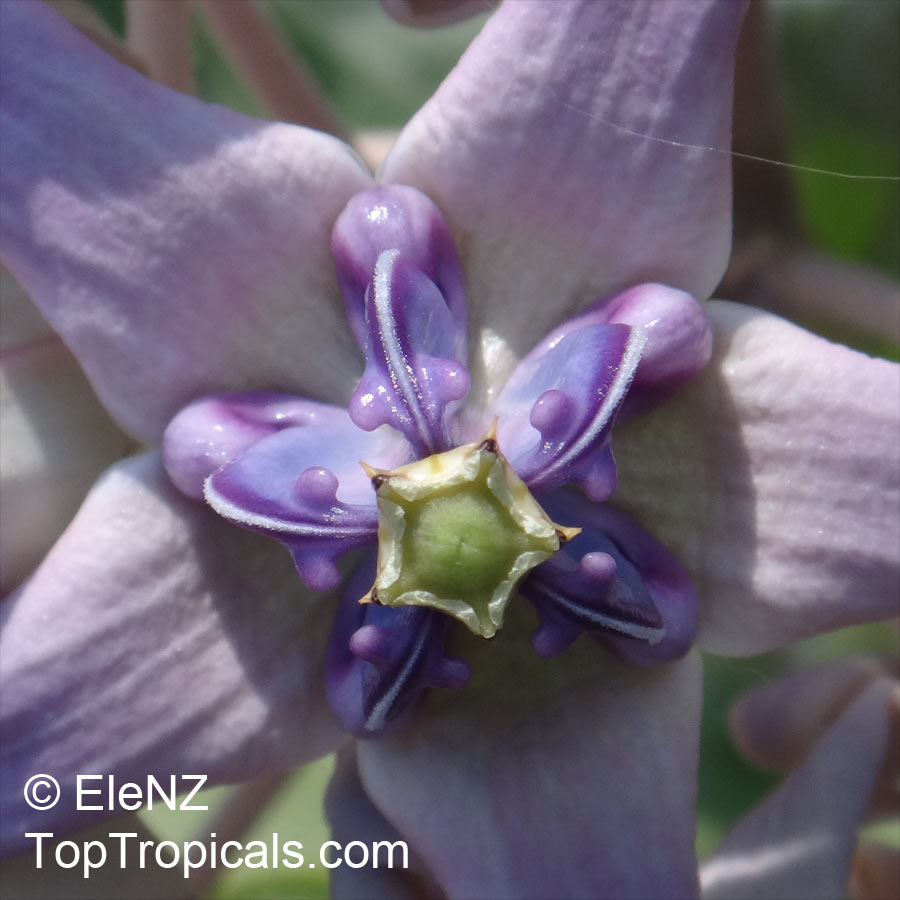
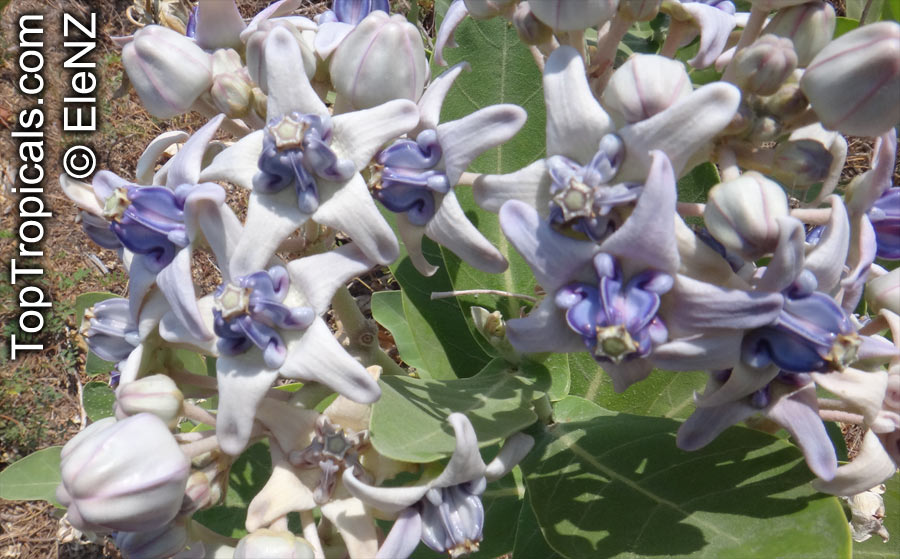
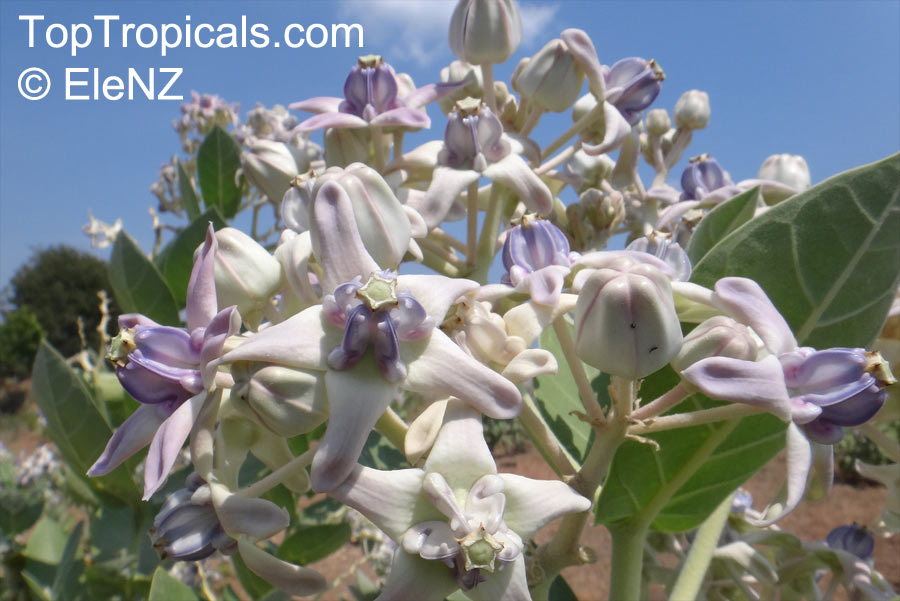
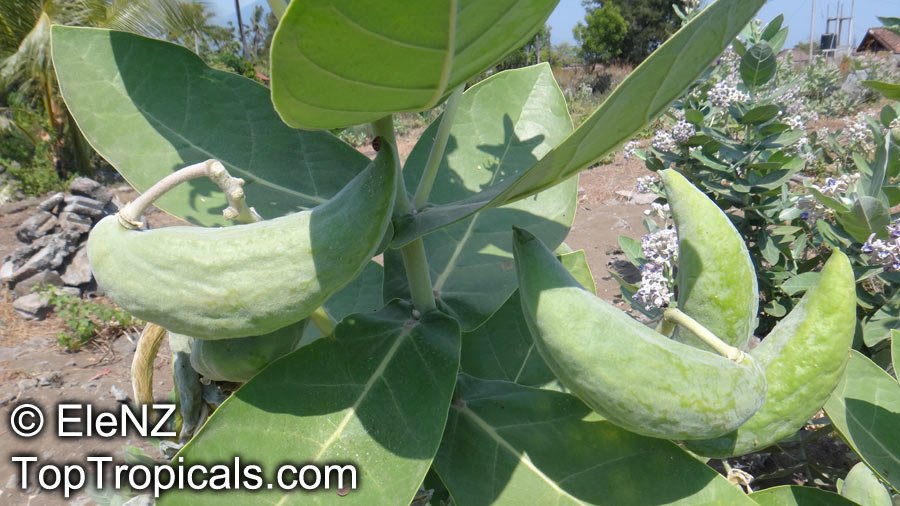
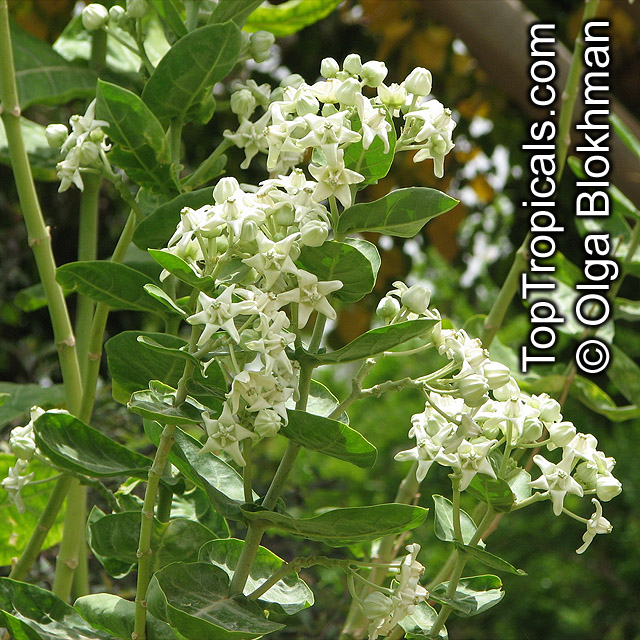
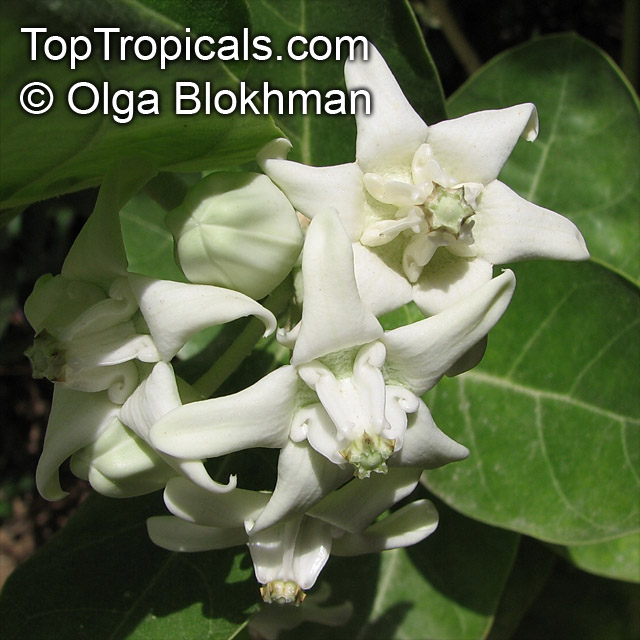
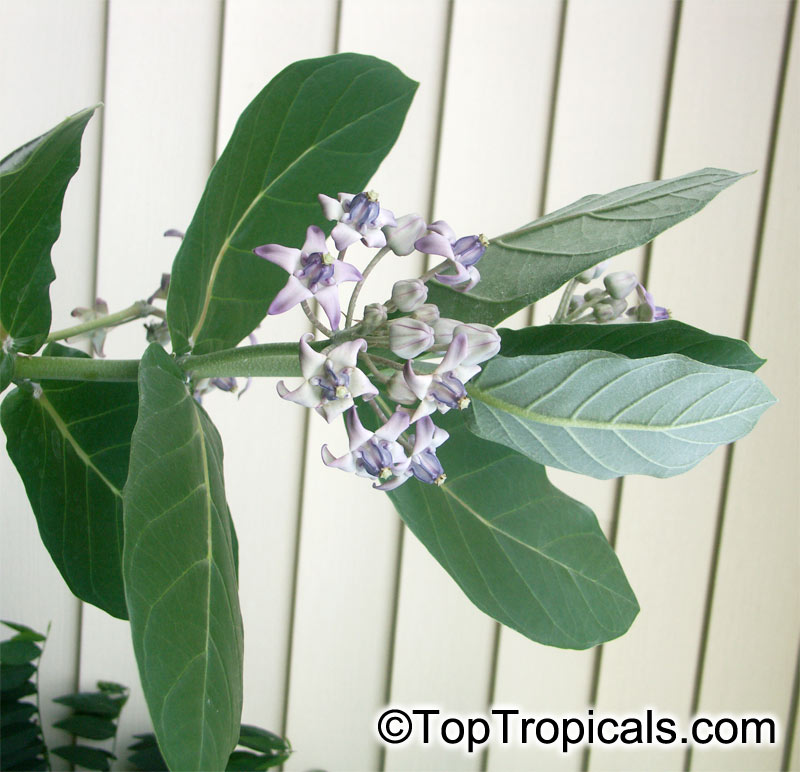
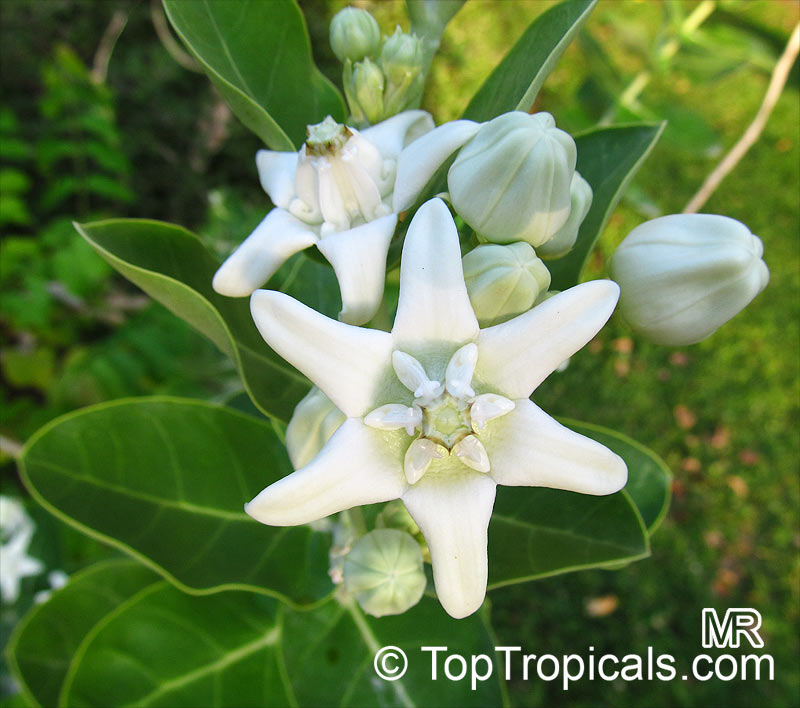
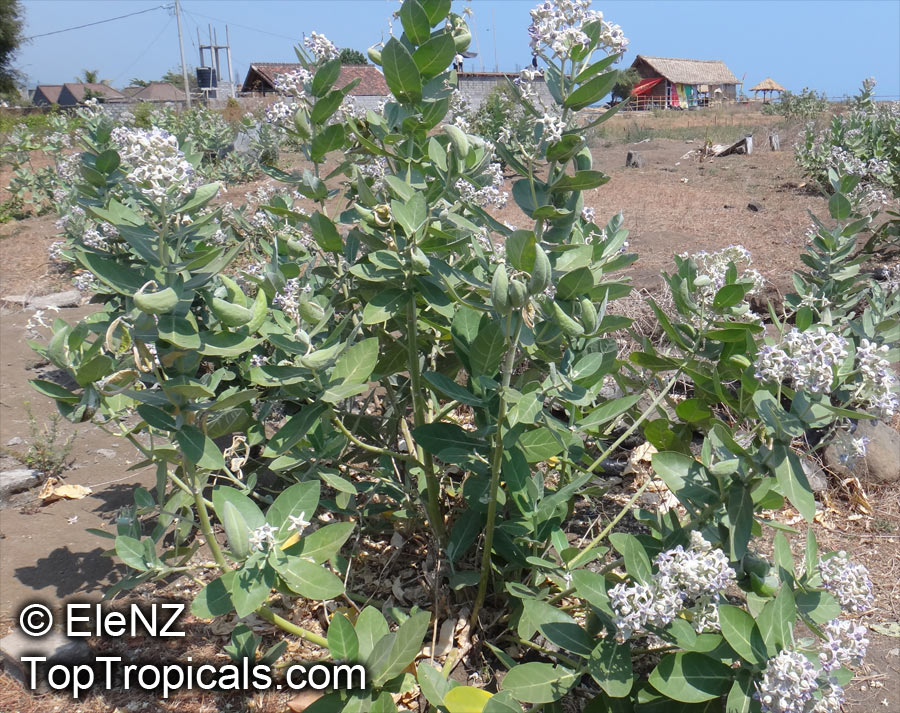
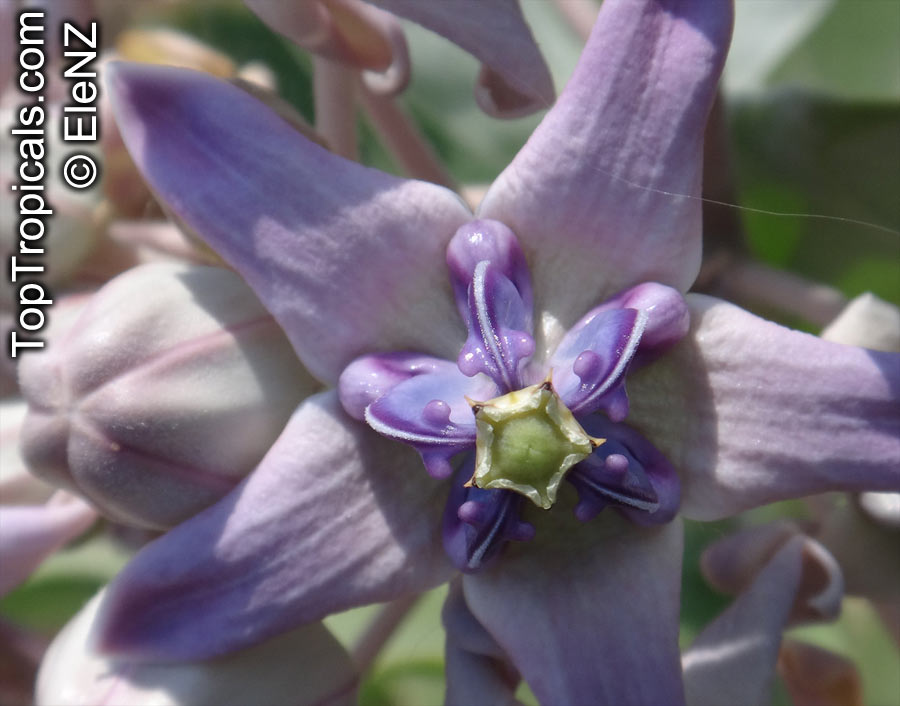
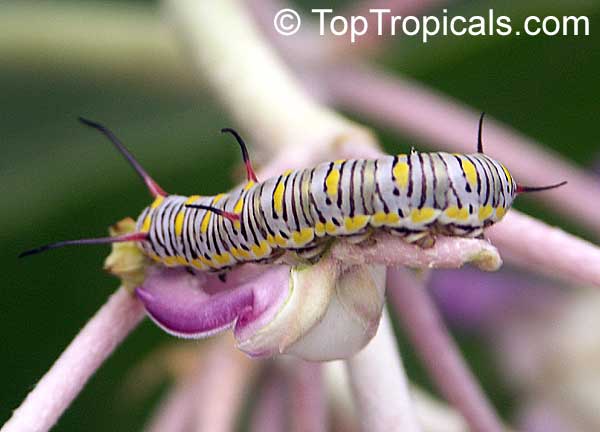
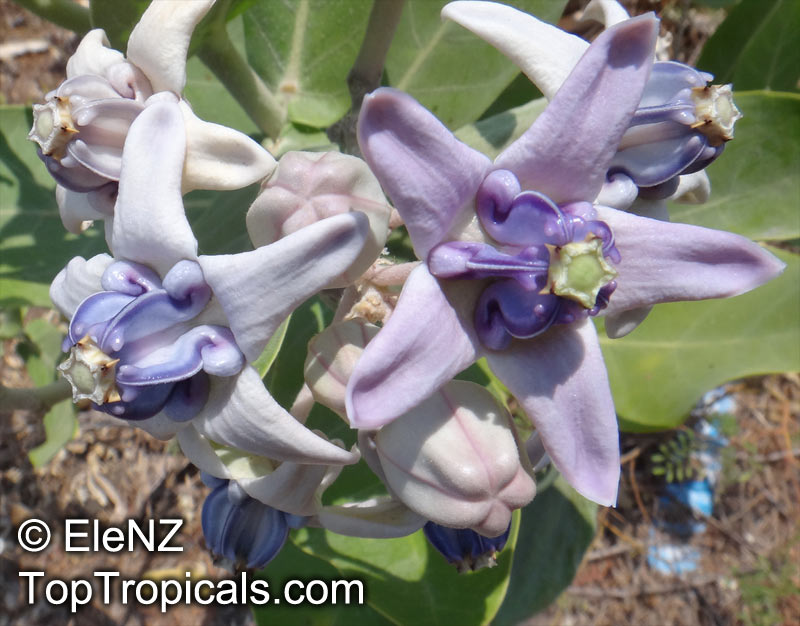
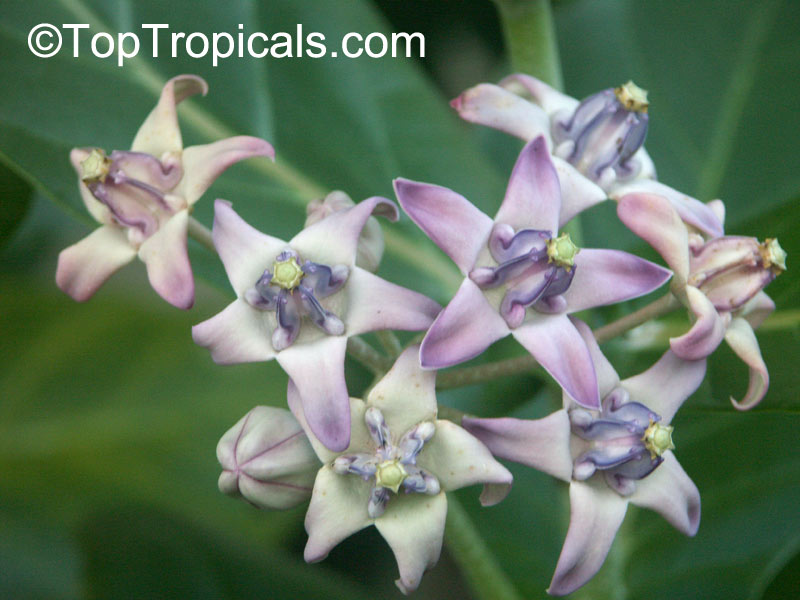
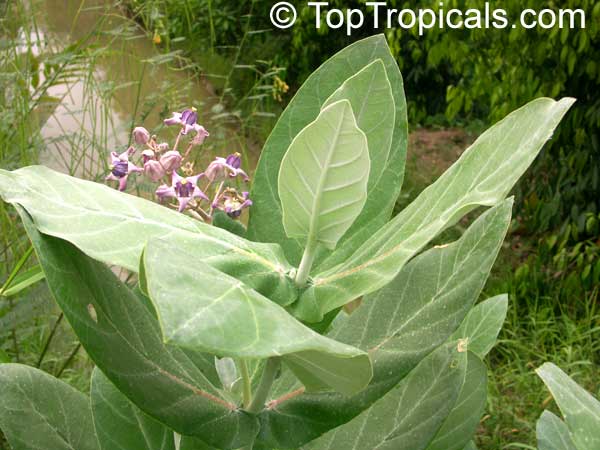
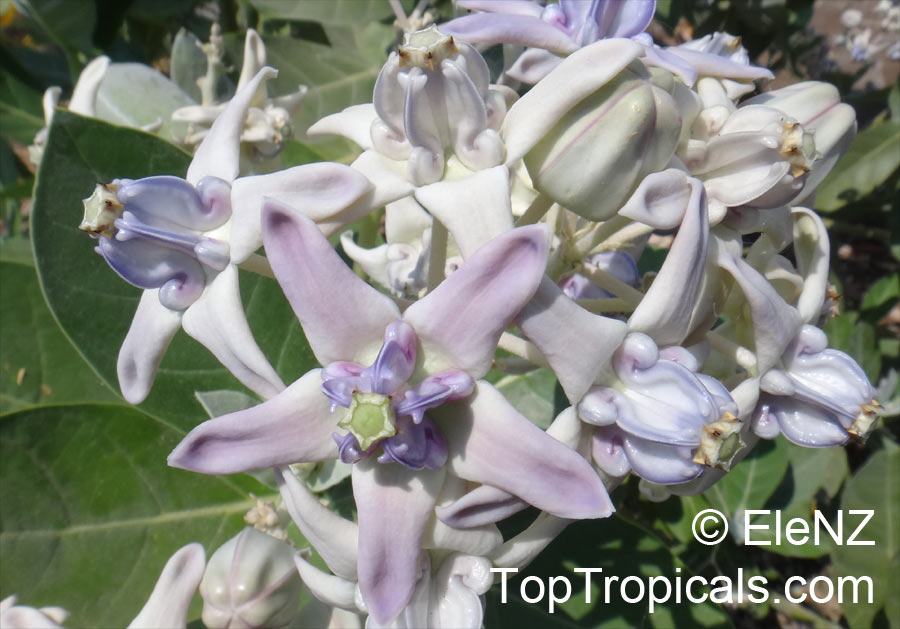
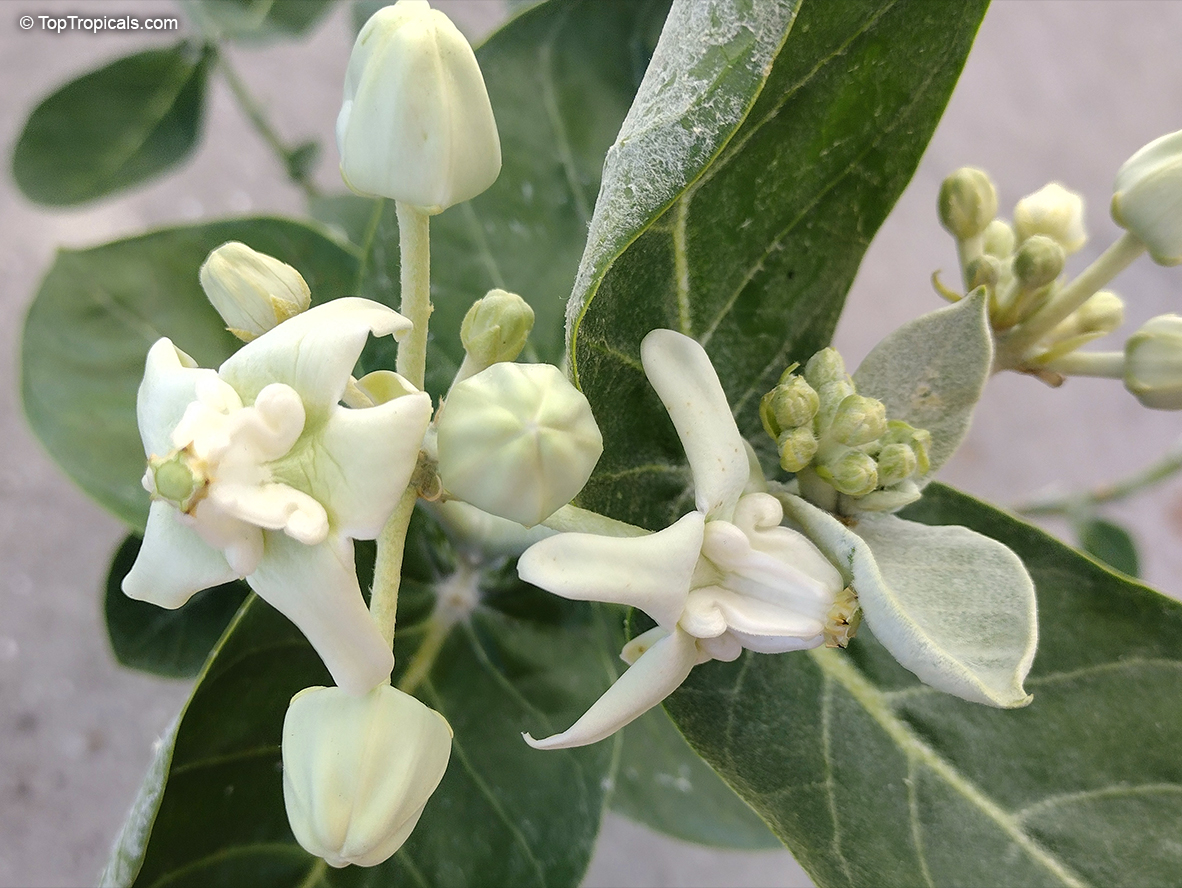
Calotropis gigantea - Giant milkweed, Arka, Crown flower, close related to a well-known Butterfly Milkweed, but it is so impressively fat! Its beefy silver leaves add a great texture to your butterfly garden, and its lavender flowers are fascinating and beautiful. This plant is great for a butterfly garden as it is a host plant for the caterpillars of the Monarch butterfly.
The shiny blue bee Xylocopa can also be seen visiting this flower. Although its blooms can be seen all through the year, its flowers are particularly abundant during summer season. The plant also has medicinal value. Its latex is used to remove thorns from the skin. The plant is reported as effective in treating skin, digestive, respiratory, circulatory and neurological disorders, was used against arthritis, cancer, and as an antidote for snake bite.
The plant is hardy at least to zone 9 and drought tolerant.
Giant Milkweed can be used as a substitute for other milkweeds or as a supplement to the ones you already have. The best features of this plant:
- Constant blooms throughout the season when starting with mature plants
- Large, thick leaves can sustain more monarch caterpillars
- Caterpillars can pupate on the tree itself
- Great option for adventurous gardeners looking to try something new
- Grows well in dry and difficult soils
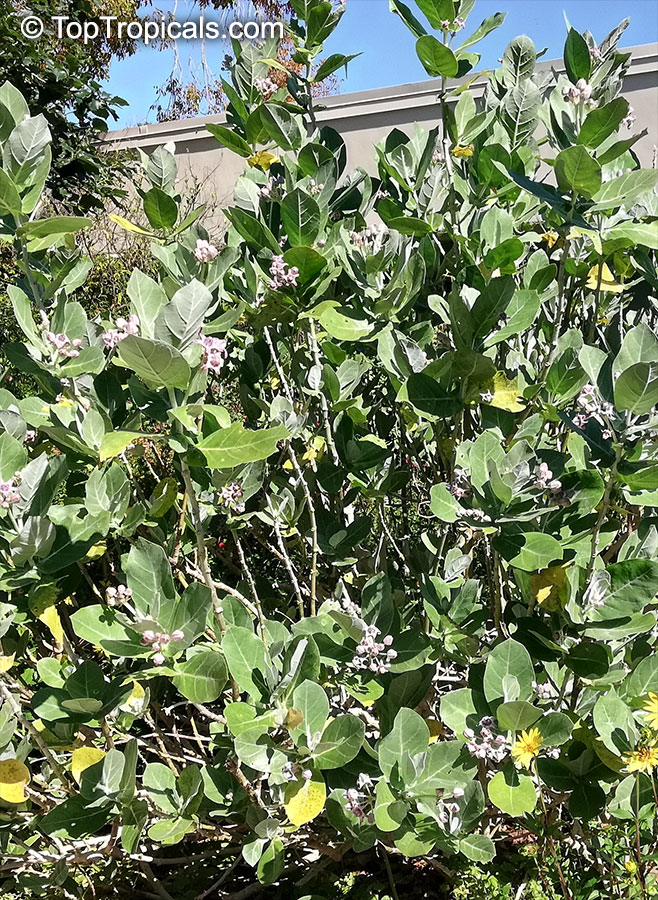
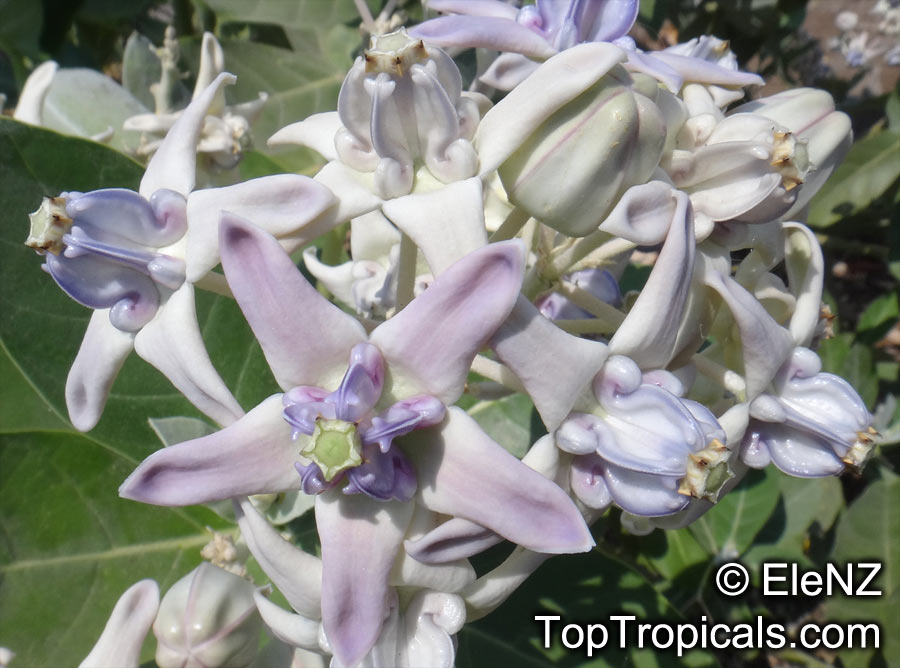
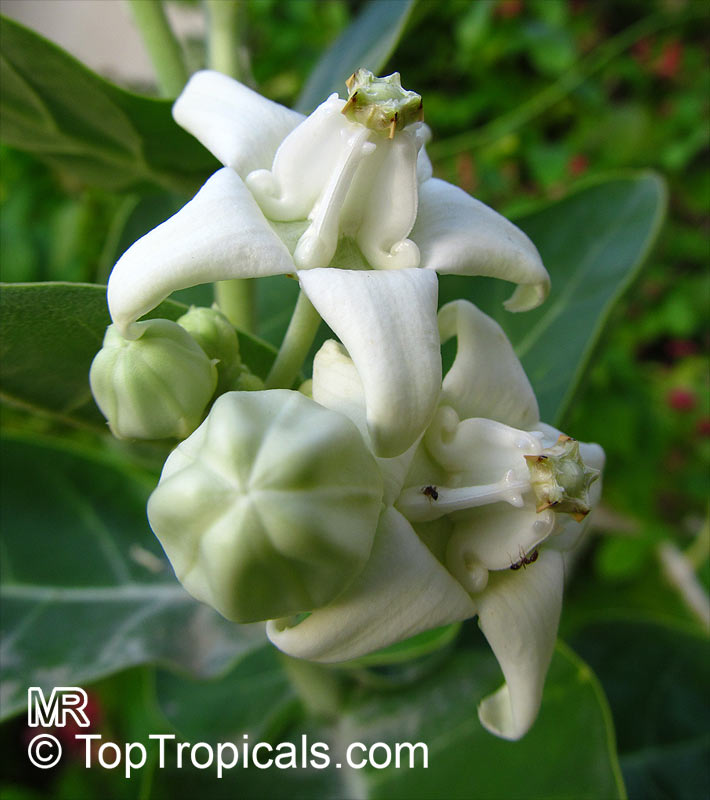

Recommended Fertilizer: SUNSHINE Megaflor - Bloom Nutrition Booster
Recommended Fertilizer: SUNSHINE Megaflor - Bloom Nutrition Booster
Botanical name: Calotropis procera
Common names: Swallow-Wort, Sedom Apple, Dead Sea Apple
Family: Apocynaceae (Formerly:Asclepiadaceae)
Subfamily: Asclepiadoideae
Origin: Tropical Africa and Asia

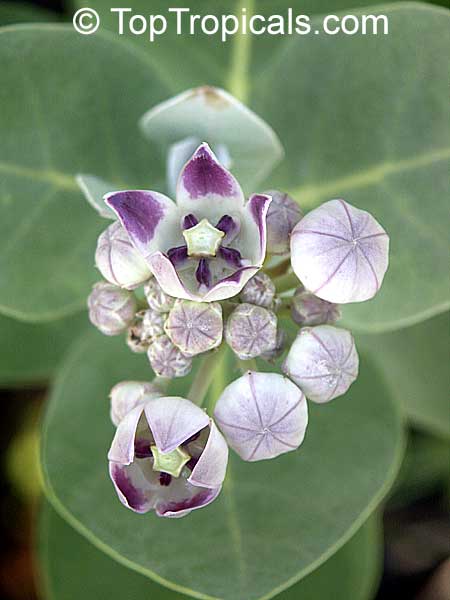
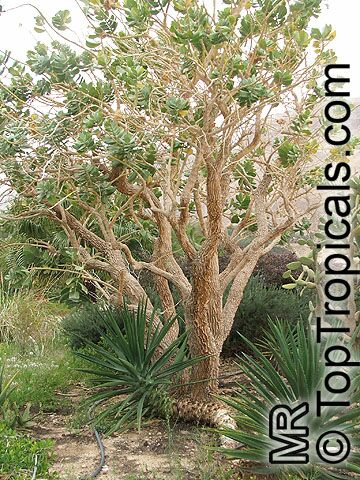
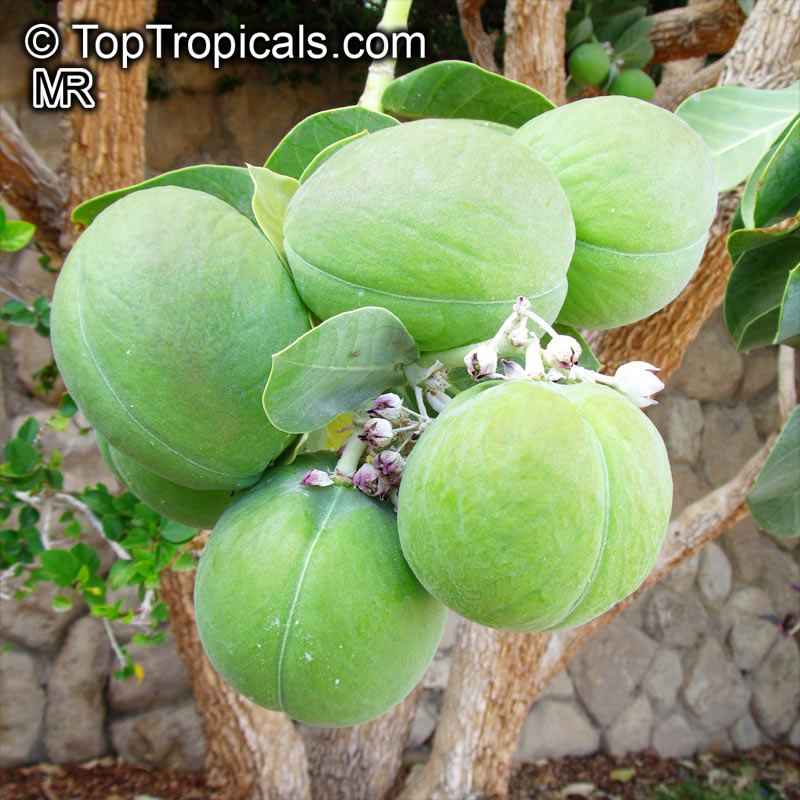
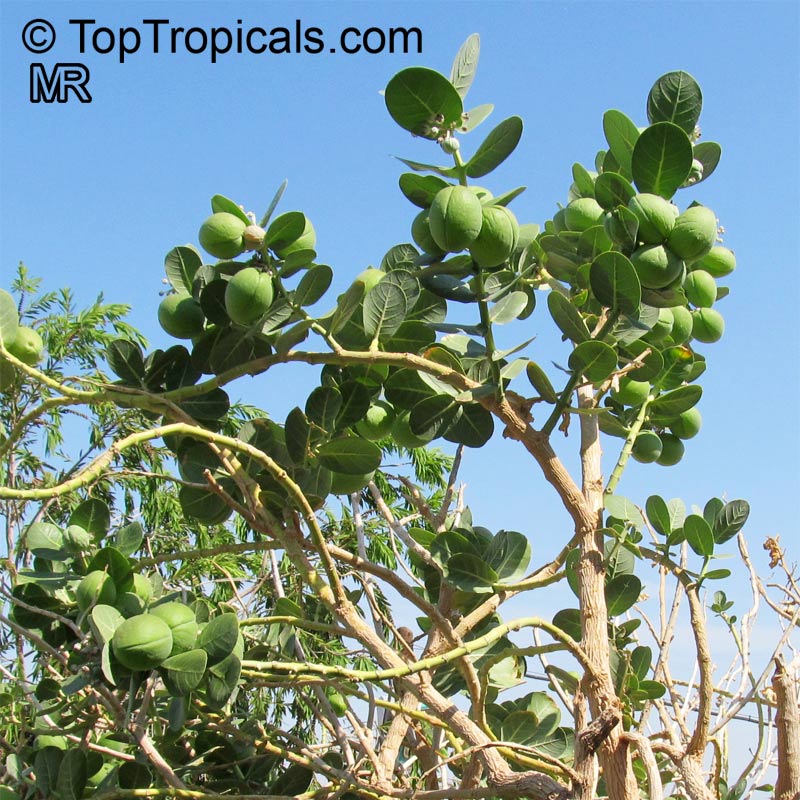
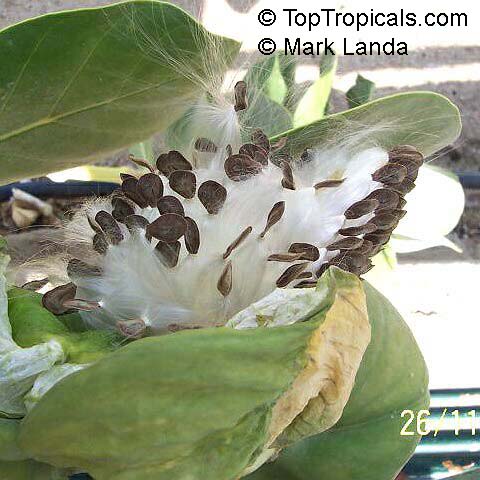
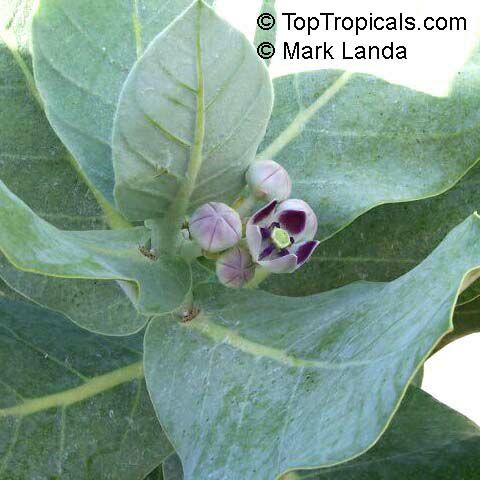
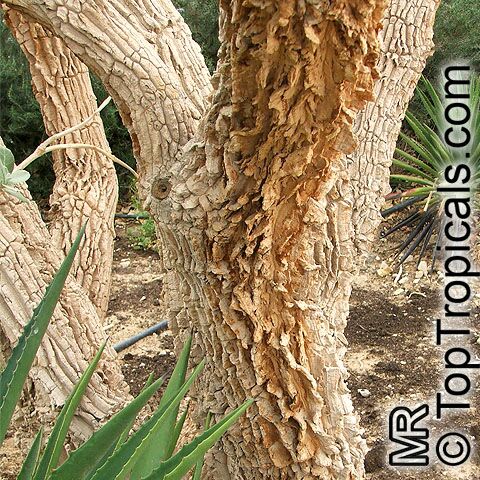
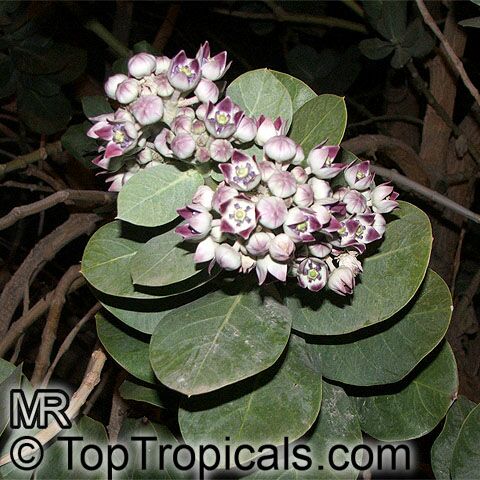
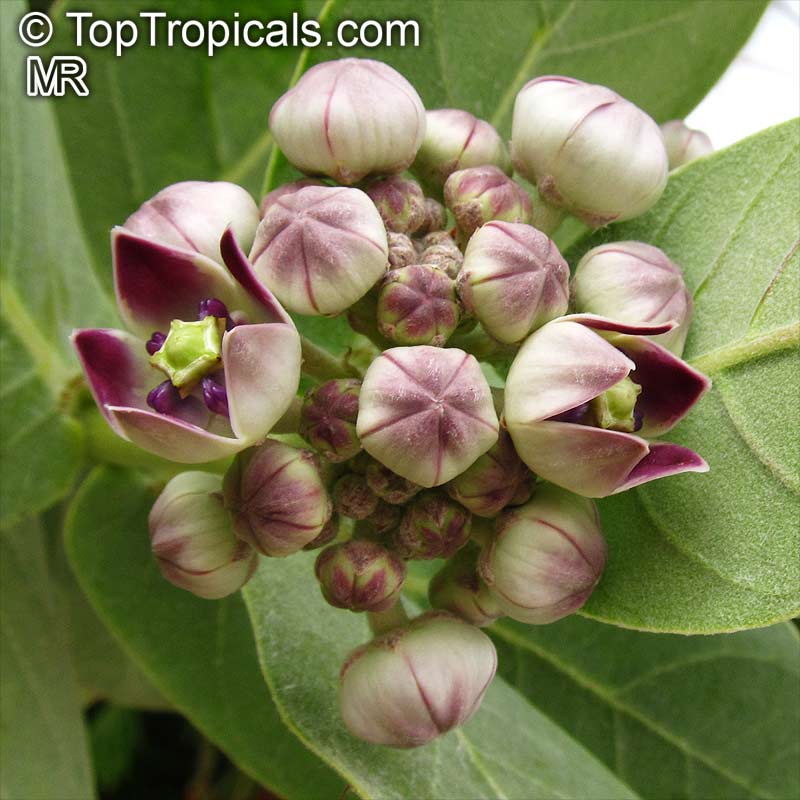
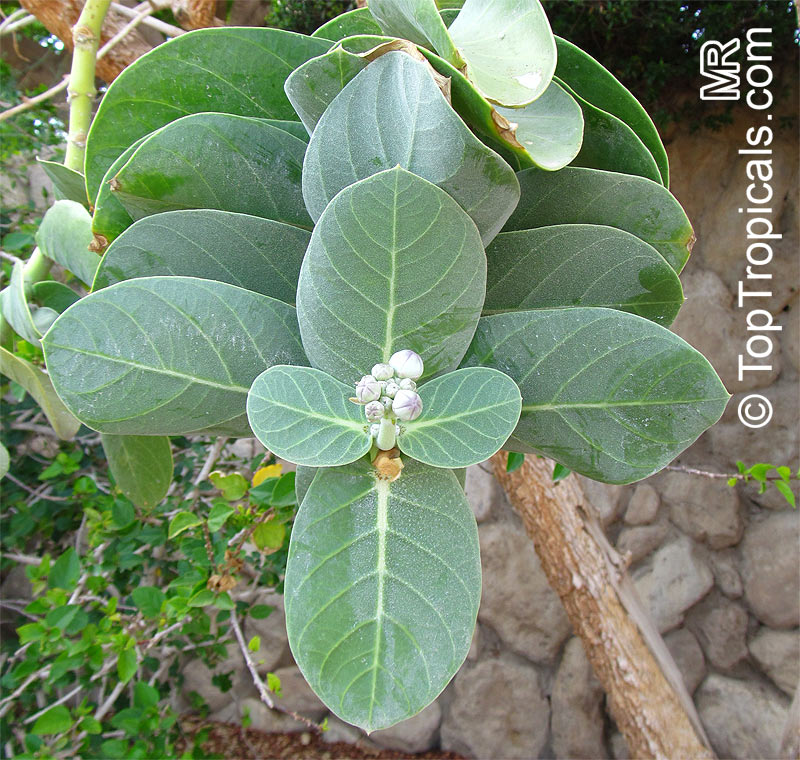
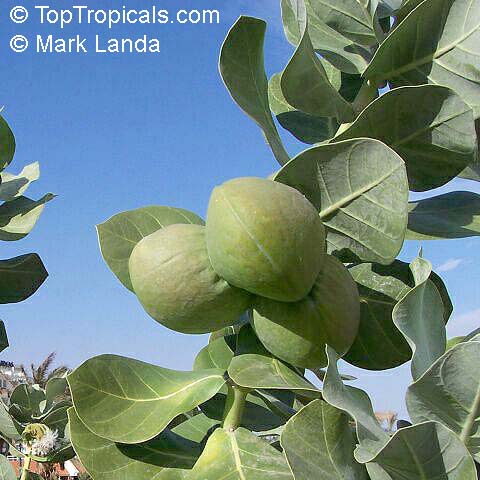
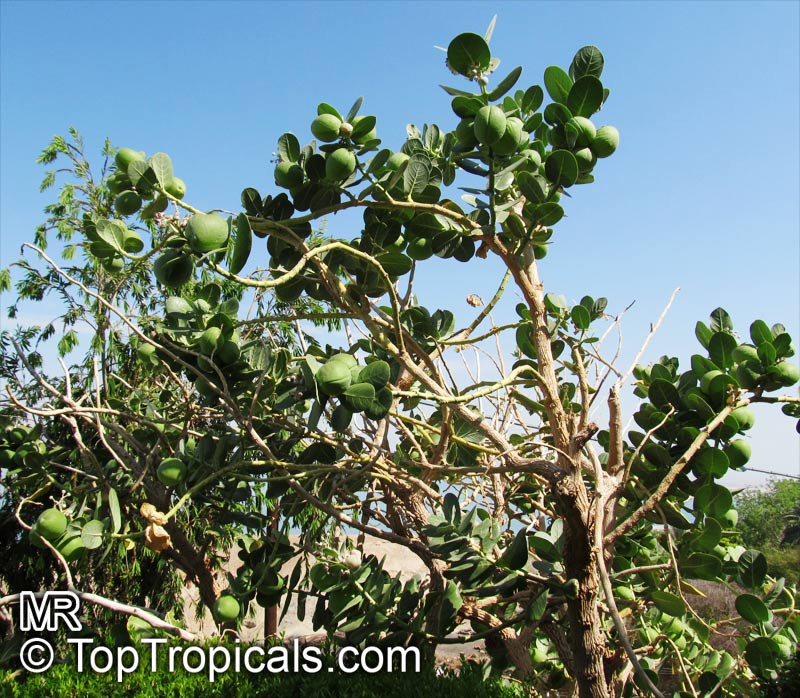
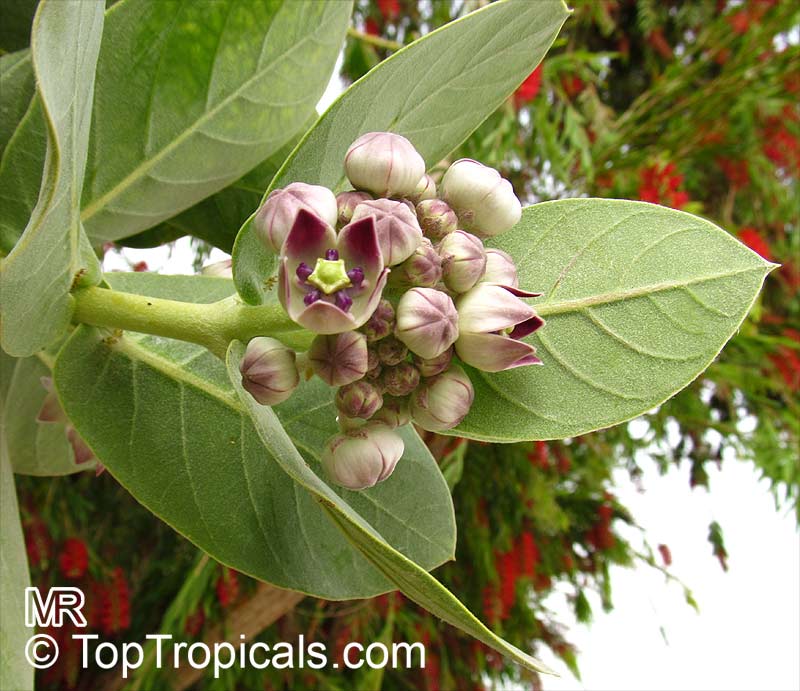
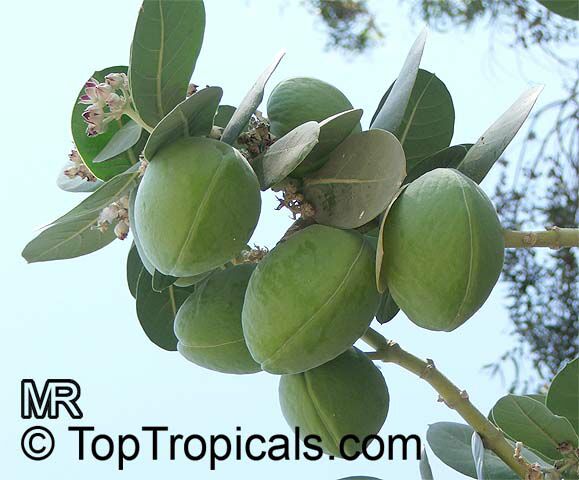
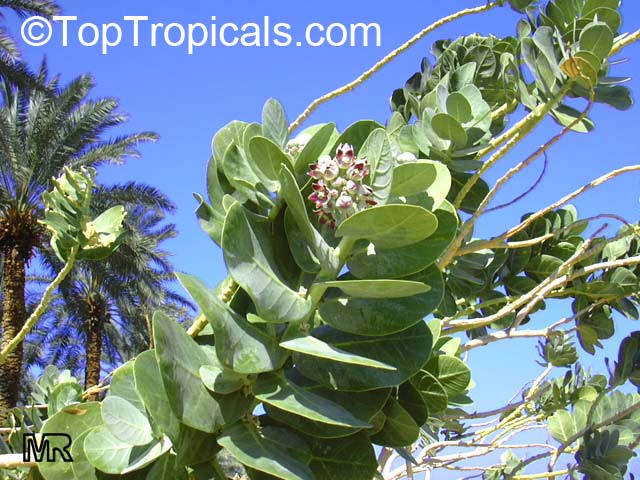
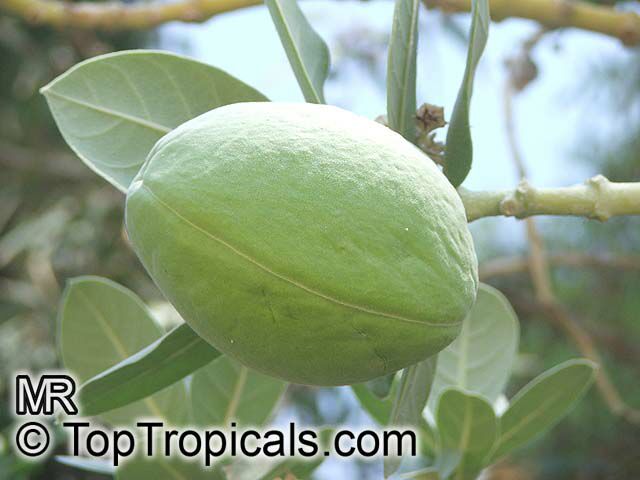
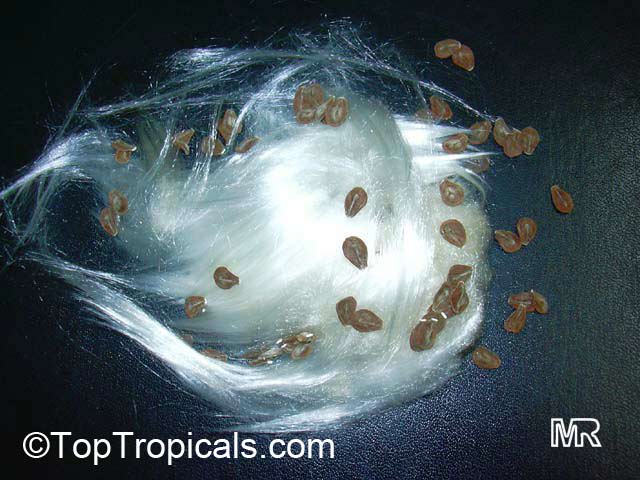
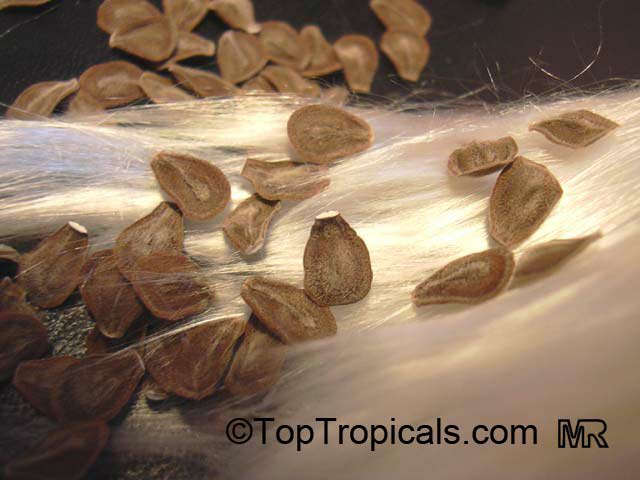
Calotropis procera (Swallow-Wort) is a species native to tropical Africa and Asia, more commonly known as Swallow-Wort. This small tree is usually between 10-20 feet tall, with large, grey-green leaves. Its blooms are pink on the outside and purple-tipped on the inside, each with a central purplish crown. These flowers grow in stalked clusters at the ends of its branches and its fruit is a grey-green, inflated pod about 3 to 4 inches. Inside each pod are multiple seeds with tufts of long silky hairs at one end.
Calotropis procera is generally a hardy and low-maintenance plant that is tolerant of both full sun and dry conditions. It should be watered moderately, but can also tolerate periods of drought. In cold regions, the Swallow-Wort can be grown in a pot if provided with a sheltered location and adequate winter protection. The plant should be moved indoors during cold spells to limit the risk of frost damage. During the warmer months, the Swallow-Wort should be placed in a spot where it can receive plenty of sunshine and the soil should be kept evenly moist.
Botanical name: Caralluma speciosa
Common name: Caralluma
Family: Apocynaceae (Formerly:Asclepiadaceae)
Subfamily: Asclepiadoideae
Origin: Africa

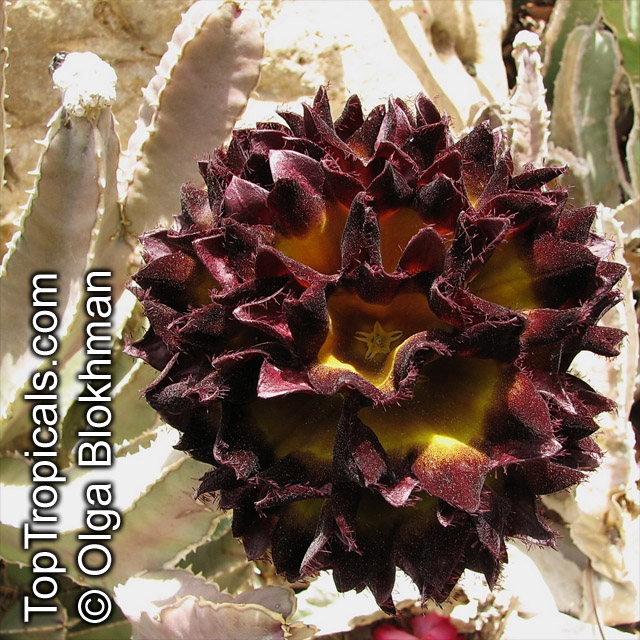
The light-green stems are angular and rudimentary leaves appear at intervals. The perfectly symmetrical ball of inflorescence about 10 cm across is very impressive.To pollinate, the flowers attract flies by emitting a scent similar to that of carrion.
Drought-tolerant; suitable for xeriscaping.


| Next | |
Use link to repeat this search:
https://toptropicals.com/cgi-bin/garden_catalog/cat.cgi?search_op=and&keyword_op=and&language=e&family=Asclepiadaceae
&number=10&no_change_lang=1&user=tt&sale=1&first=0