Araliaceae - Botanical Family
| Number of plants found: 36 | Next | 
|
Go to page: | 1 | 2 | 3 | 4 |
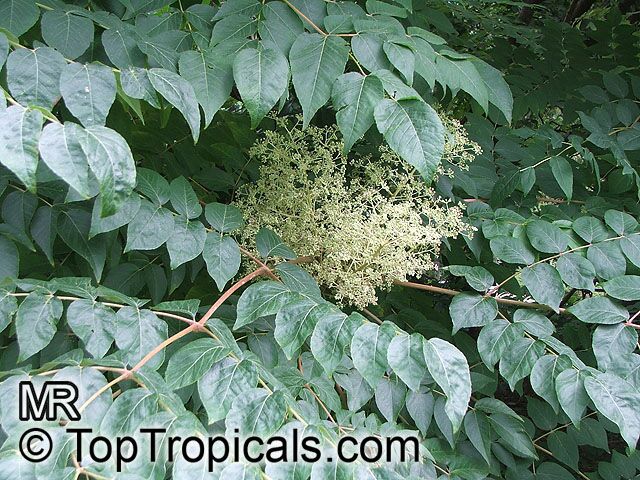
Botanical name: Aralia chinensis
Common name: Chinese Angelica Tree
Family: Araliaceae
Origin: China


Aralia chinensis is a small tree, native to China, with an upright form and a rounded crown. It grows from 10-20 ft and has ornamental foliage, making it a great specimen garden shrub. This plant thrives in semi-shade and should be watered regularly with moderate water. The root and stems of this plant have ethnomedical uses. In some parts of the world, it is used as a remedy for diabetes.
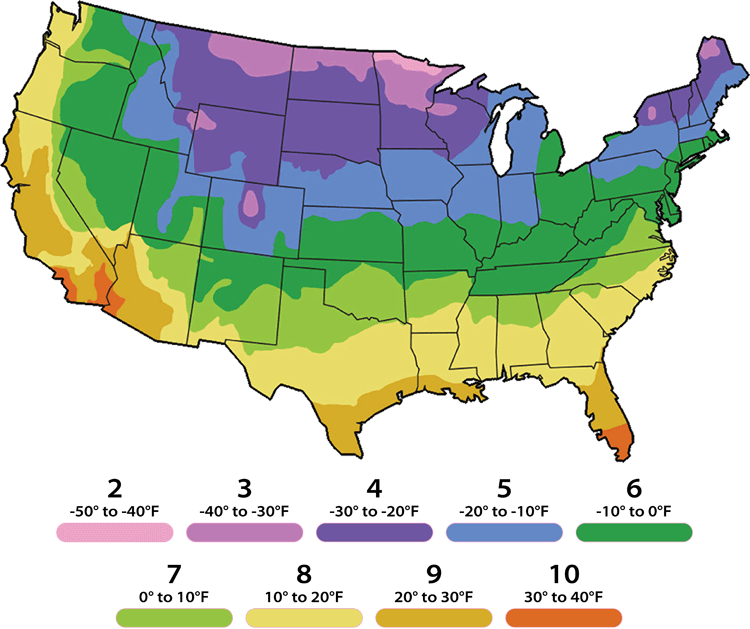
The plant produces white or off-white flowers that attract butterflies and hummingbirds, making it ideal for gardeners that want to bring pollinators to the property. Aralia chinensis can be grown in USDA Zones 9-11. In cold regions, these plants can be grown in pots that are brought indoors for the winter months. Containers should be deep since the plant has a long taproot. The soil should be well-drained and amended with organic matter. Watering should be done every 1-2 weeks, with a little more in the summer months. Fertilizing should also be done during the summer months, with a slow-release fertilizer. This plant should be pruned in the early spring, before new growth appears.
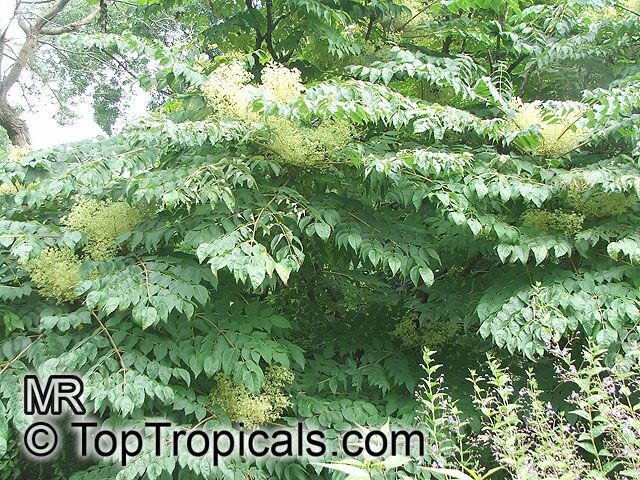
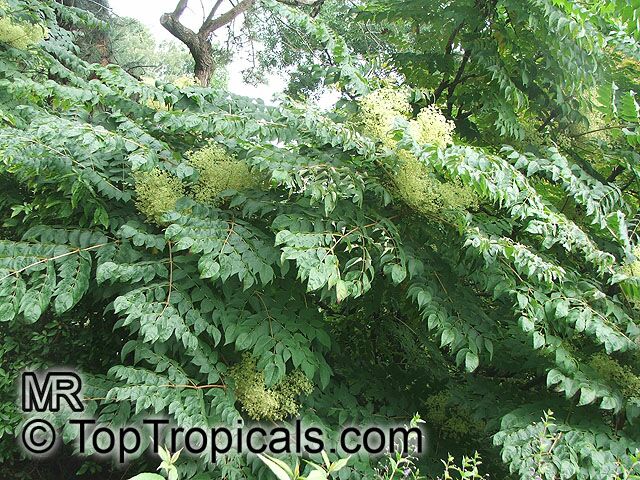
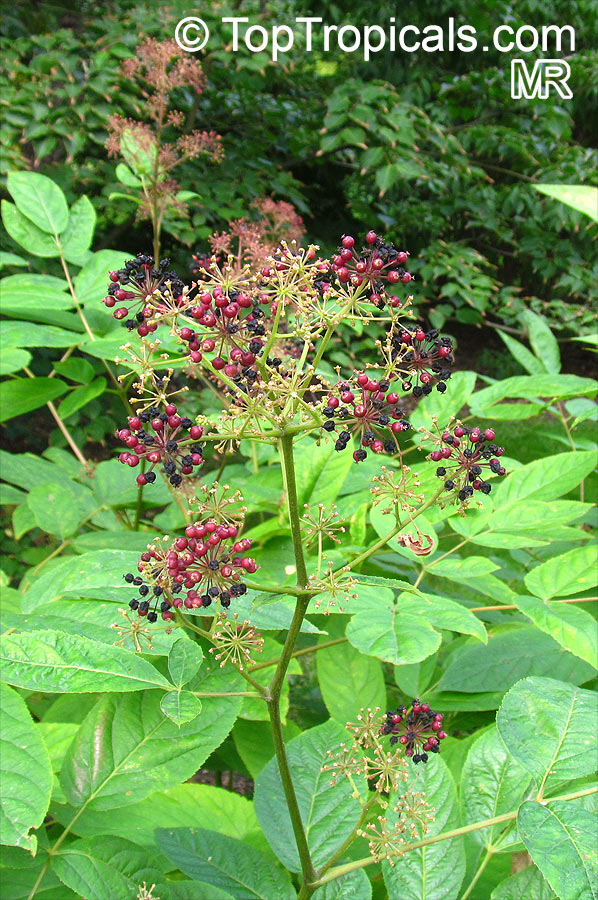
Botanical name: Aralia cordata
Common name: Japanese Spikenard
Family: Araliaceae
Origin: China, Korea, Japan


Aralia cordata, better known as Japanese Spikenard, is a large evergreen shrub native to China, Japan and Korea. Growing up to 5-10 ft tall and 2-5 ft wide, this deciduous, perennial shrub does well in semi-shade environments and prefers regular watering. As a bonus, this plant also produces edible black drupes that attract butterflies and hummingbirds. It can be grown in USDA Zones 5-10, with moderate to high water requirements.
The black drupes produced by Aralia cordata are not only edible but they are also packed with vitamins, minerals and other beneficial components that benefit human health. Remarkably, this plant is capable of producing hundreds of drupes each year, providing a great source of nourishment to those who consume them. The drupes are typically eaten raw and have a crunchy texture, but they can also be used in cakes, pies and jams.
When growing the Aralia cordata in the Northern regions, it's best to grow it in a container to prevent it from freezing during the cold winter months. It should be placed in an area that receives partial sun exposure, and watered well during the summer months. In the winter, the frequency of watering should be reduced, but not completely stopped. When caring for this plant, it's important to not overwater it as it will not tolerate standing water.
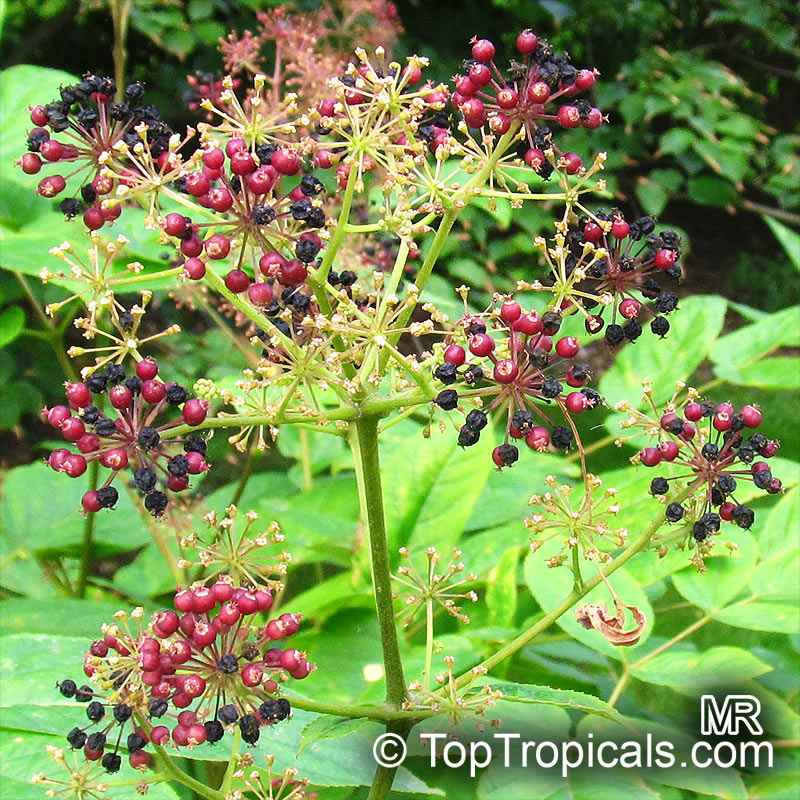
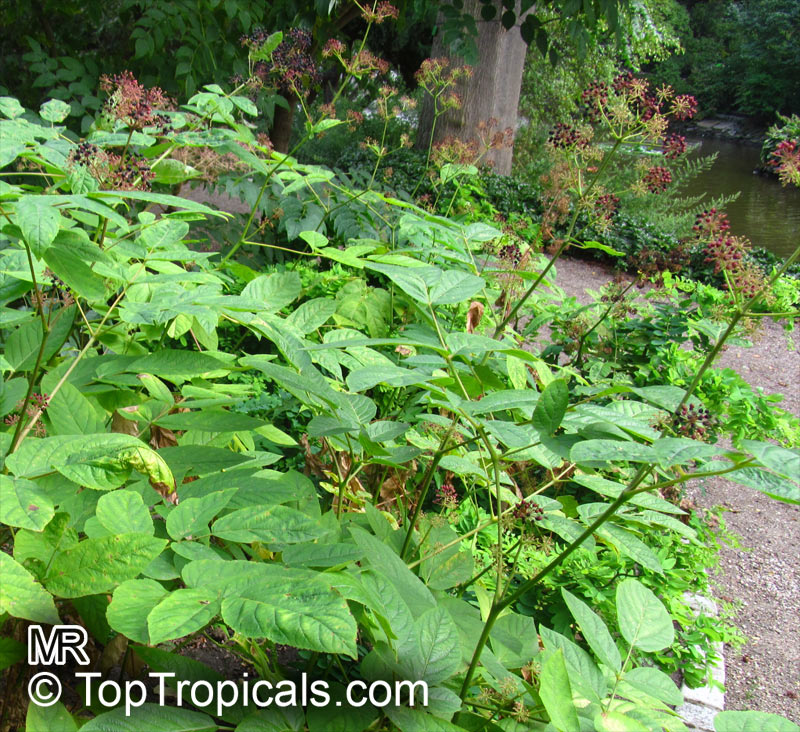
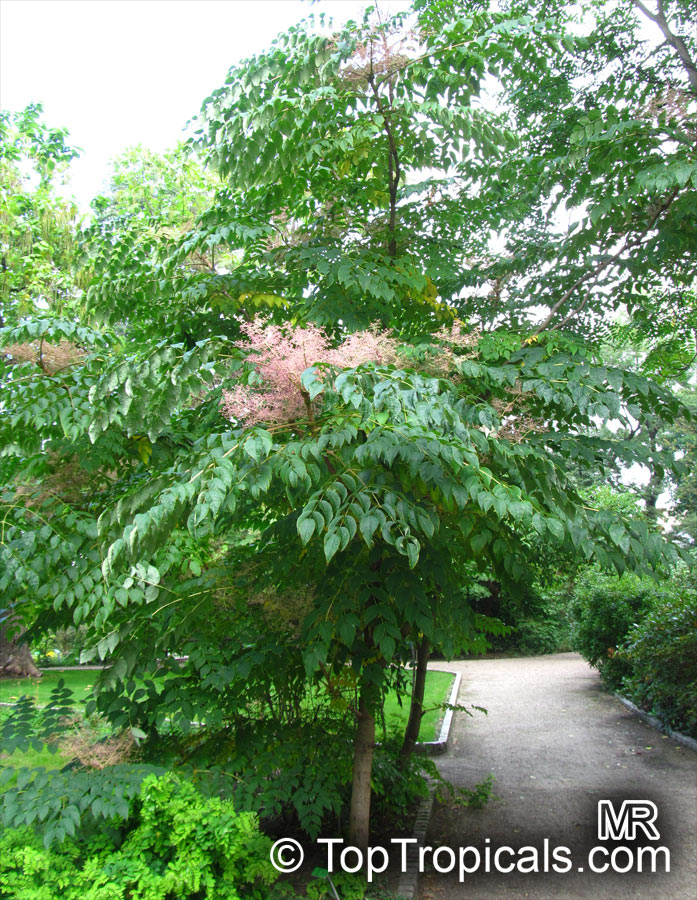
Botanical name: Aralia elata
Common name: Japanese Angelica Tree
Family: Araliaceae
Origin: China, Korea


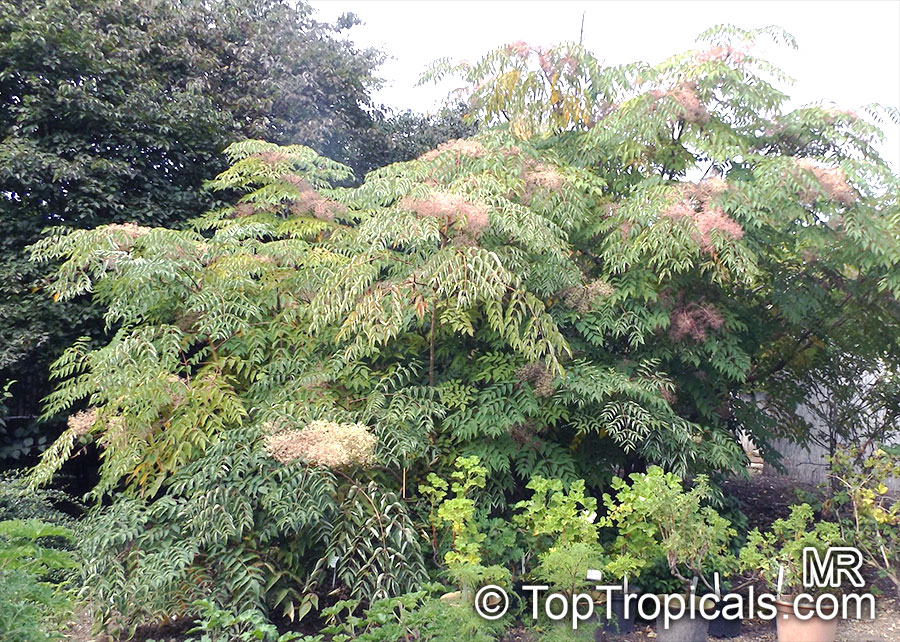
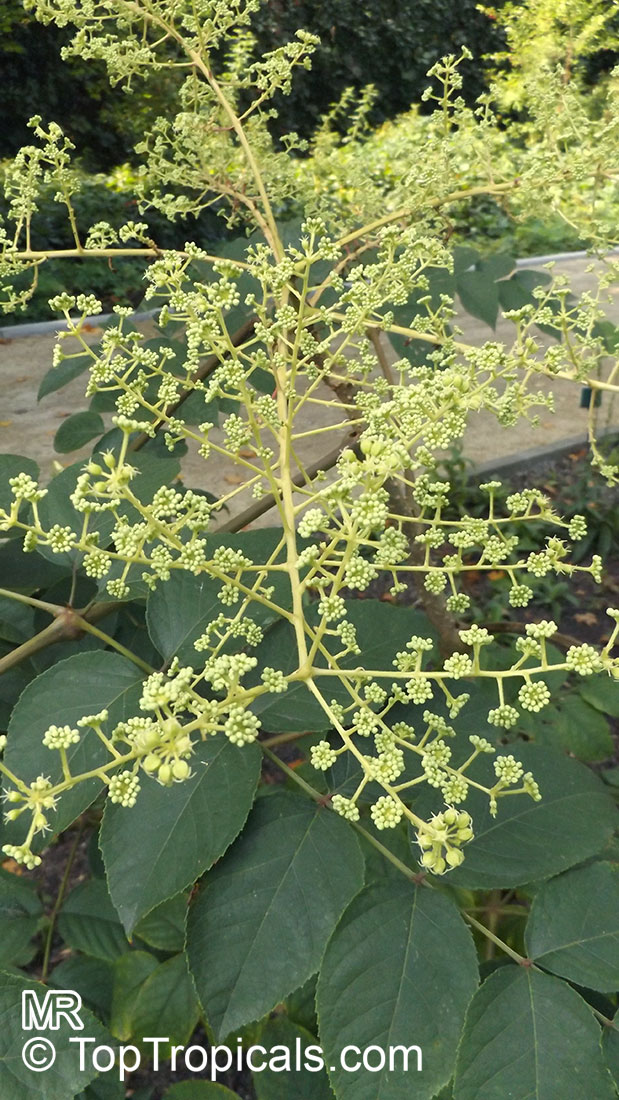
In Japan, the shoots (taranome) are eaten in the spring.
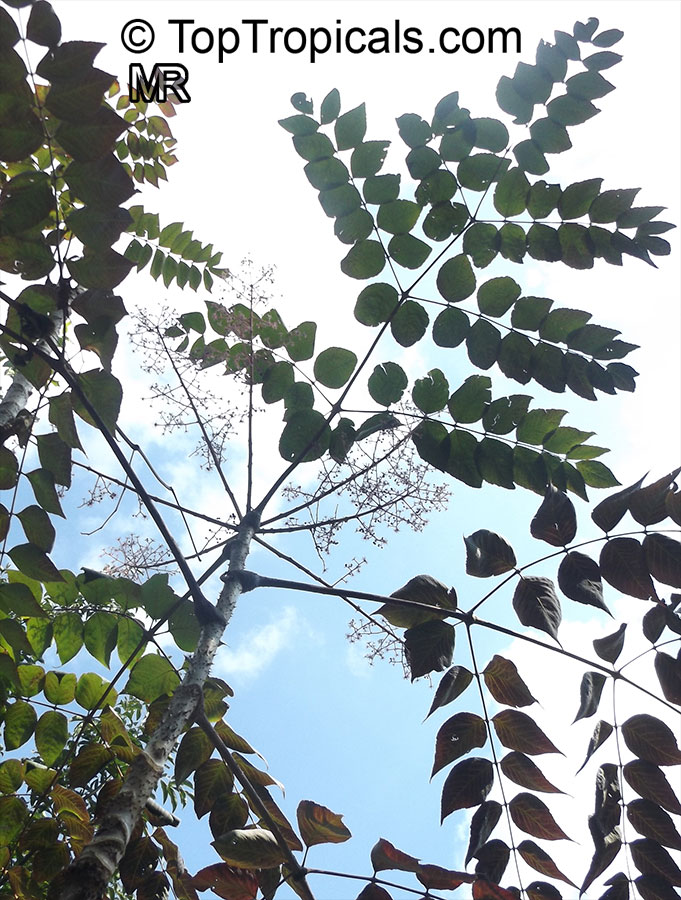
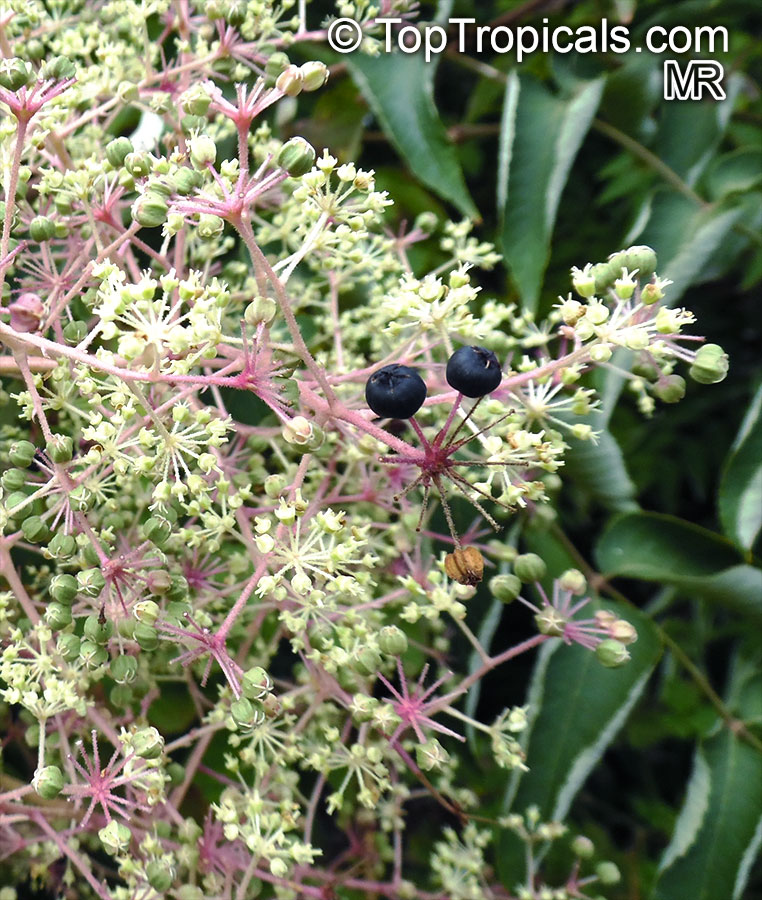
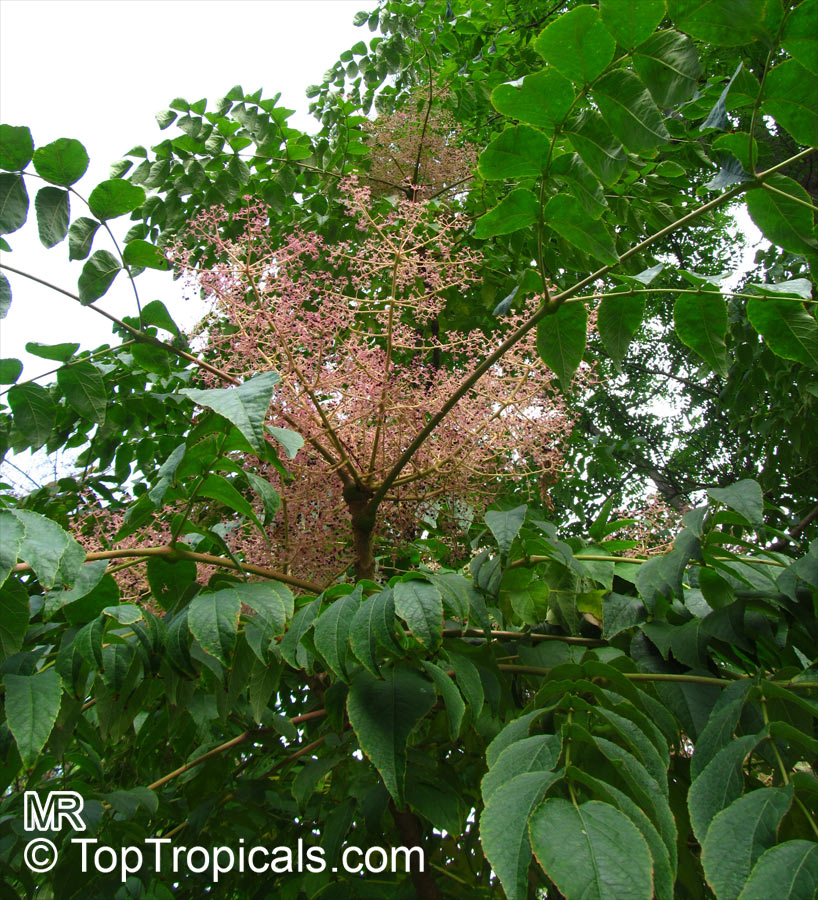
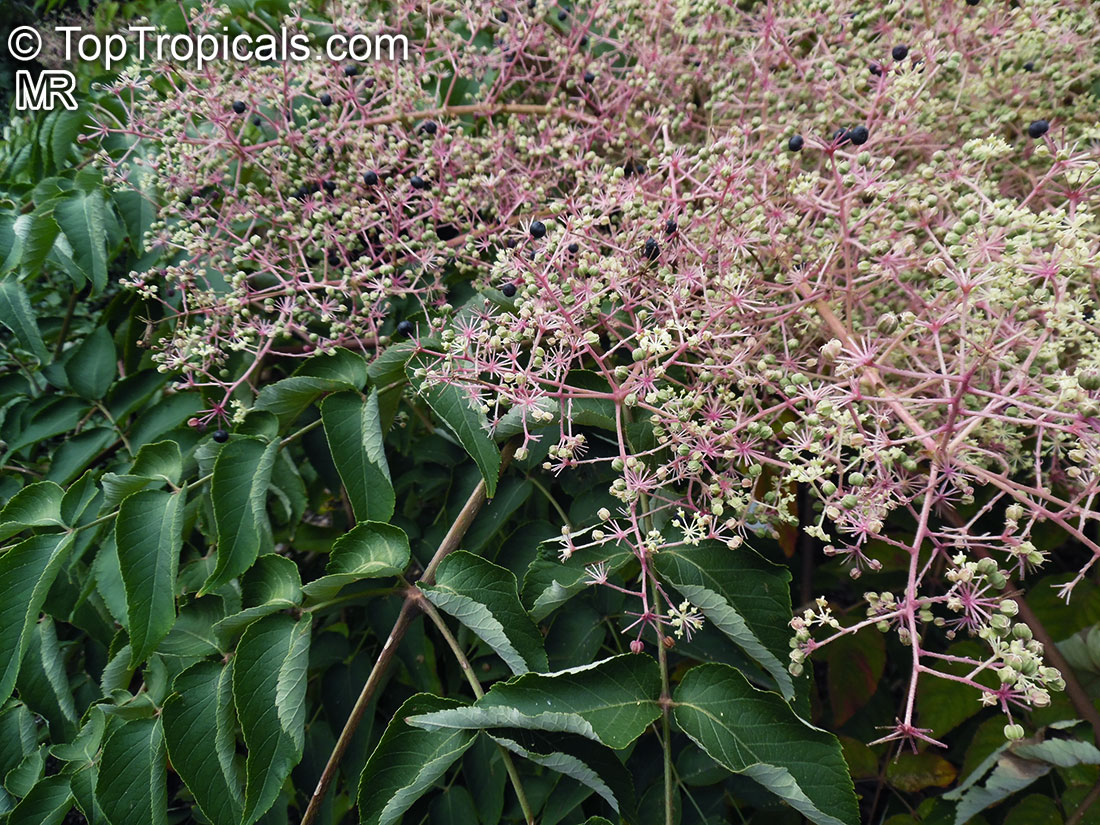
Botanical name: Aralia sp.
Common name: Spikenard
Family: Araliaceae
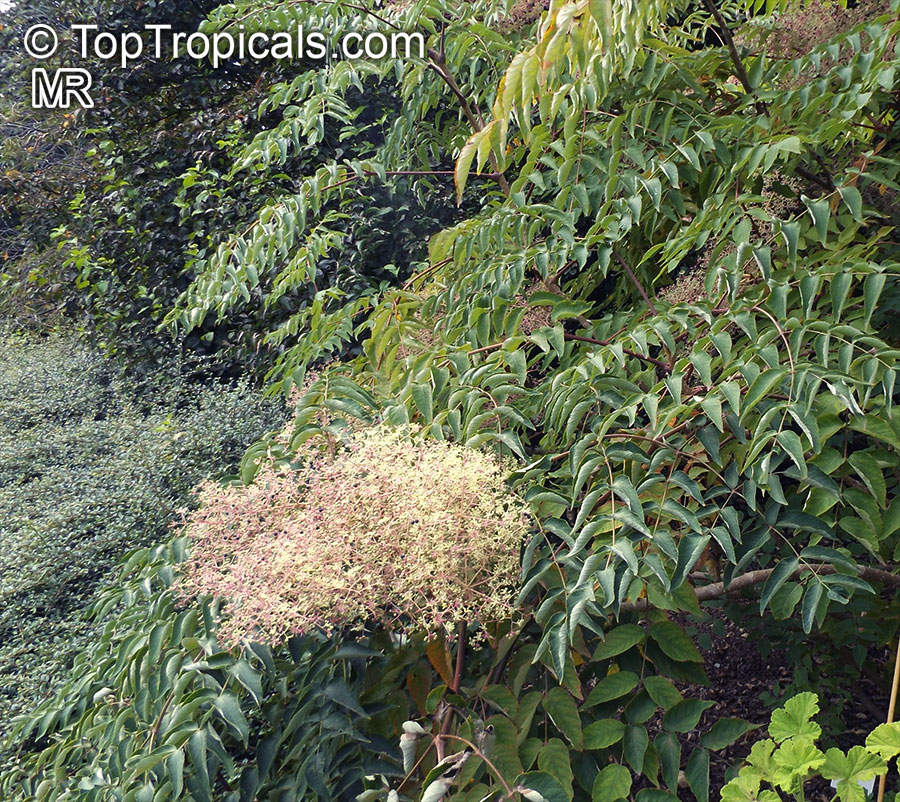
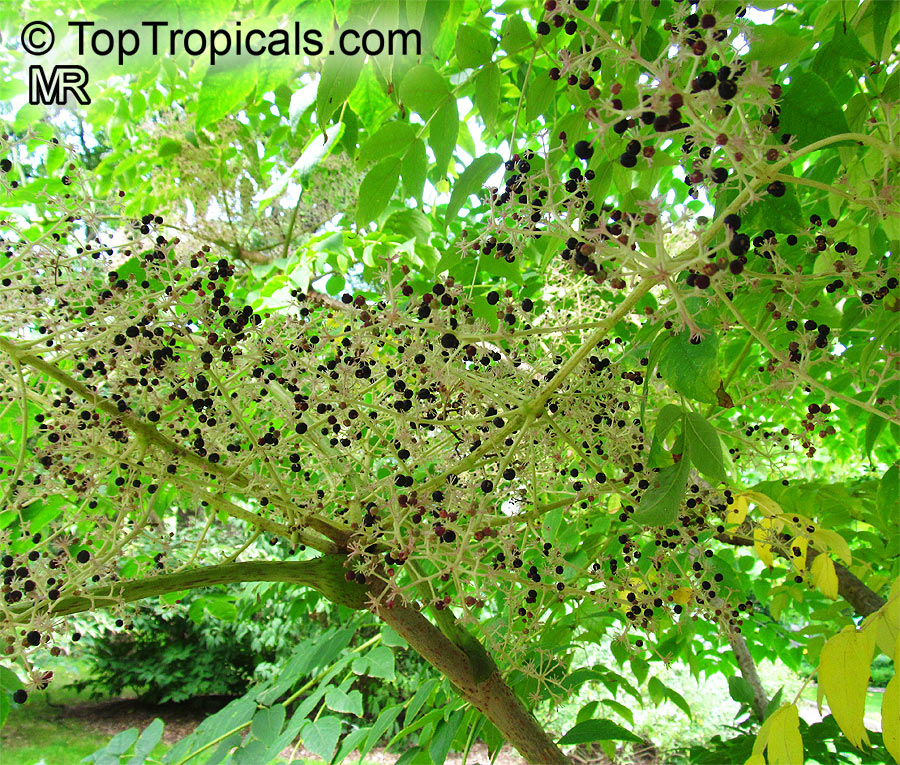
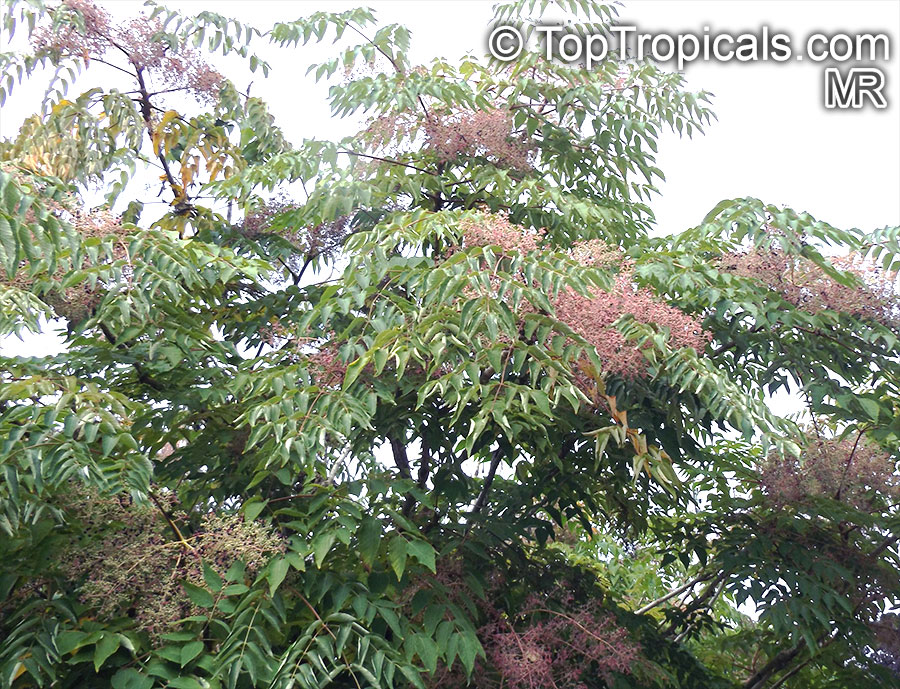
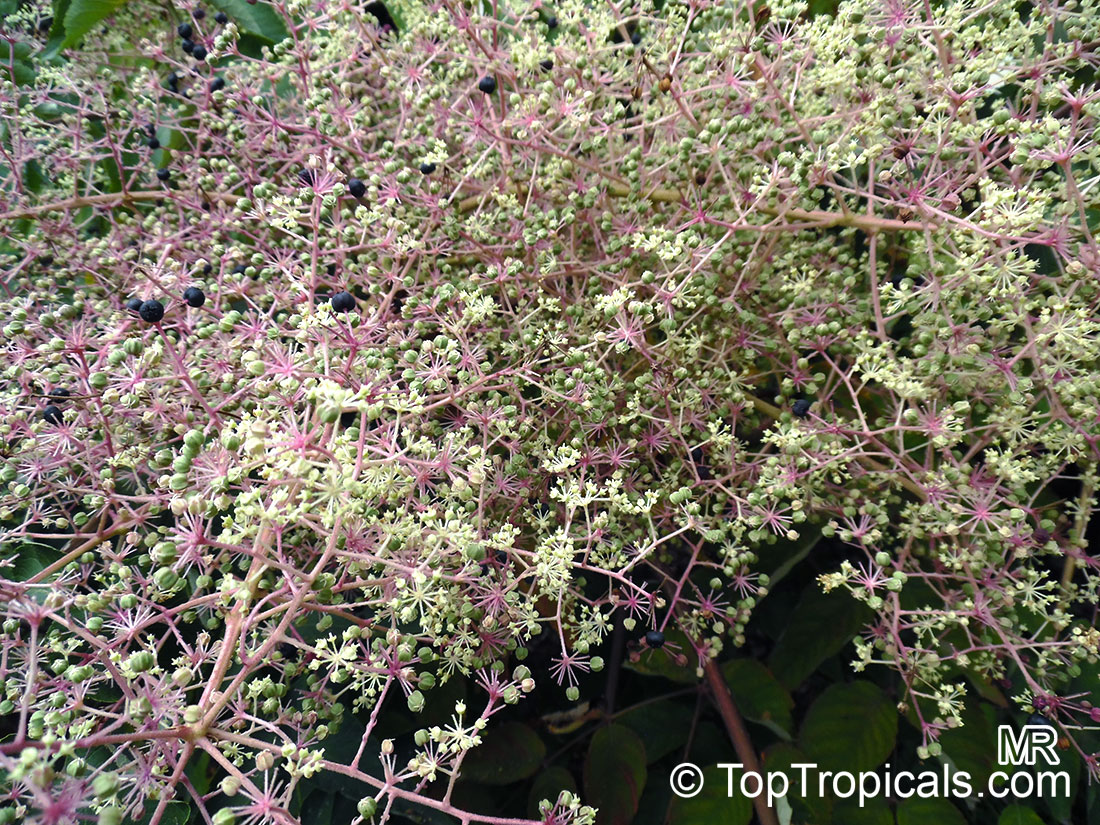
Aralia sp. grows as a large shrub reaching 5-10 feet in height or as a small tree reaching 10-20 feet tall. The deciduous plant prefers full sun and regular water, with zones 9-11 as the ideal growing location. The plant is drought tolerant and requires moderate watering. The leaves are a deep green and the white, off-white flowers attract butterflies and hummingbirds. As an ethnomedical plant, the species has had many uses and has been traditionally consumed for medicinal purposes.
When grown in the home garden, an ideal location is one with well draining, fertile, sandy soil and regular sun exposure. Aralia sp should receive regular water; however, during a period of drought, water requirements can be moderated. The plants prefer a neutral soil pH and mulching helps to retain moisture levels in the soil.
In cold regions, Aralia sp. is best grown in specific outdoor growing conditions or in a container. When grown in a pot, the soil should be amended with organic matter to help retain water and the pot should be placed in partial sun and checked regularly for water requirements. When temperatures drop below freezing, the container should be moved indoors until the temperatures moderates. The plant should be placed in a cool location, ideally between 50-60°F and continue to receive regular water. In warmer regions, the plant can be left outdoors year round.
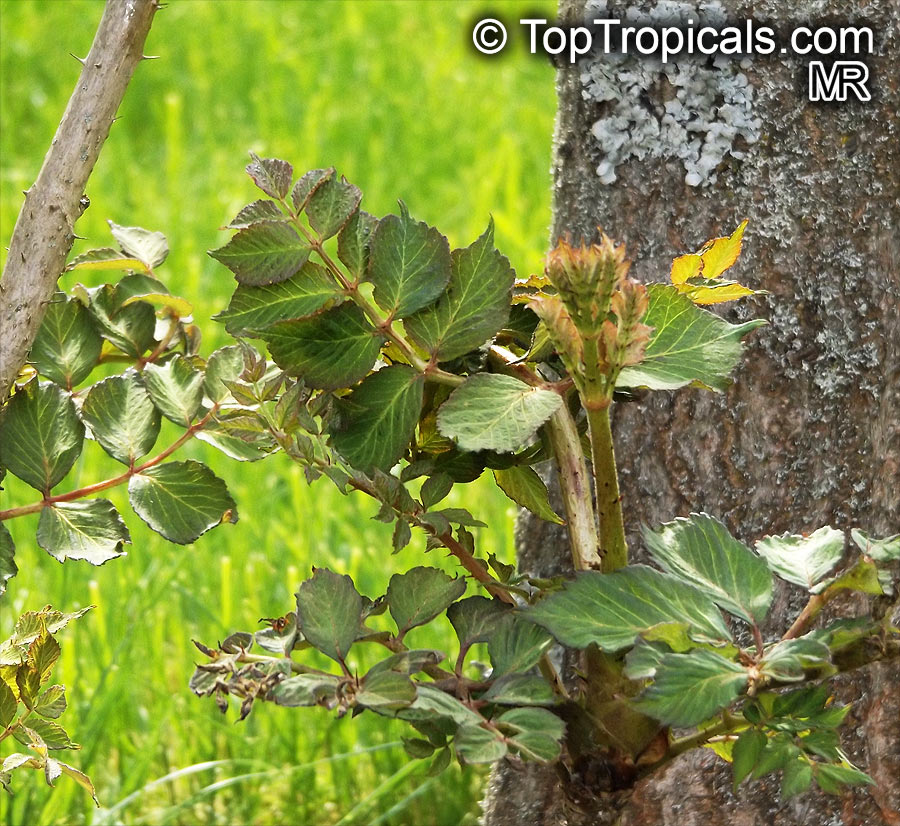
Botanical name: Aralia spinosa
Common names: Devil's Walkingstick, Angelica Tree
Family: Araliaceae
Origin: Eastern North America
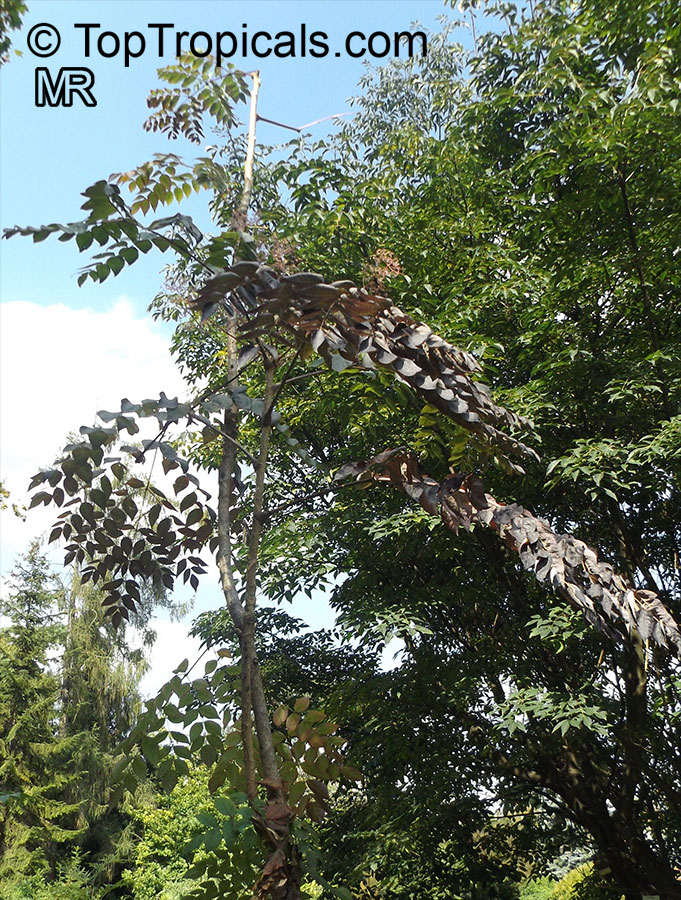
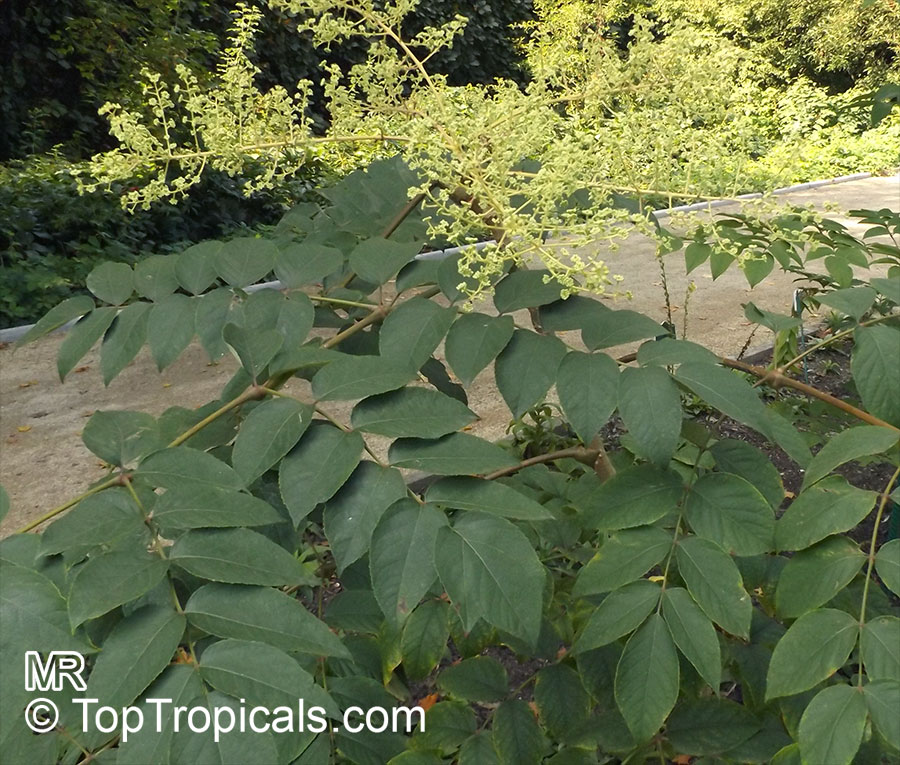
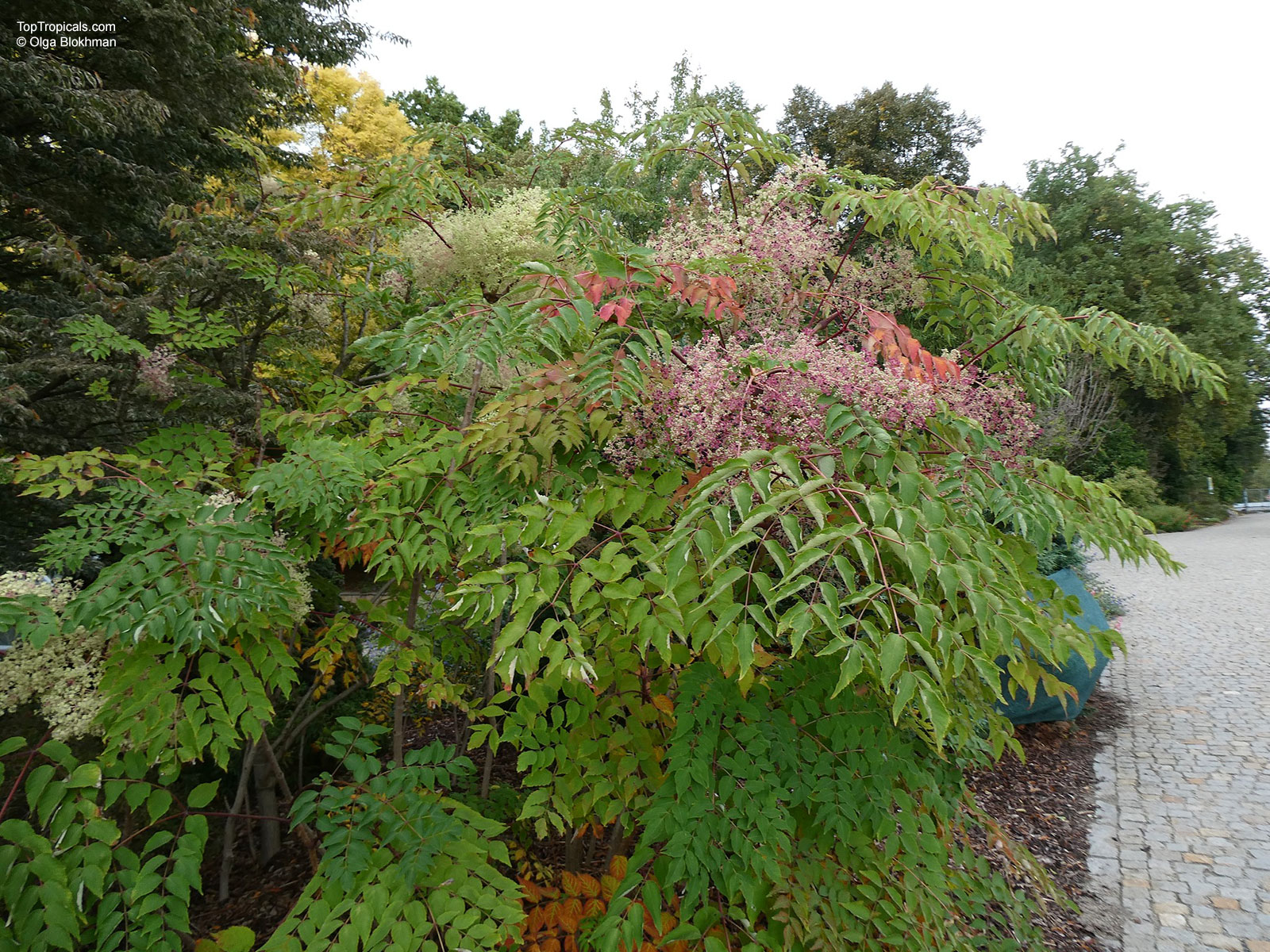
The Devil's Walkingstick, or Aralia spinosa, is a deciduous plant native to Eastern North America. It can be found growing in woodlands, on roadsides, and under shrubs. This large shrub or small tree grows 5-10 ft tall. It prefers full sun or semi-shade and moderate water. Its foliage is composed of dramatic, spiny-toothed, and deeply-lobed leaves which are a medium to dark green in summer, turning yellow in fall.
In early summer, the Devil's Walkingstick produces large showy flower panicles in shades of white or off-white. These attract butterflies and hummingbirds and create a beautiful addition to the plant's dramatic foliage. The mature plant cold hardy in USDA Zone 4-9, where it will make an interesting addition to any garden or landscaping project.
The Devil's Walkingstick can be an interesting addition to any garden or landscape due to its prickly stems, large showy flower panicles and distinctive fall color. With proper care and maintenance, this plant can serve as a beautiful accent to any outdoor space for many years.
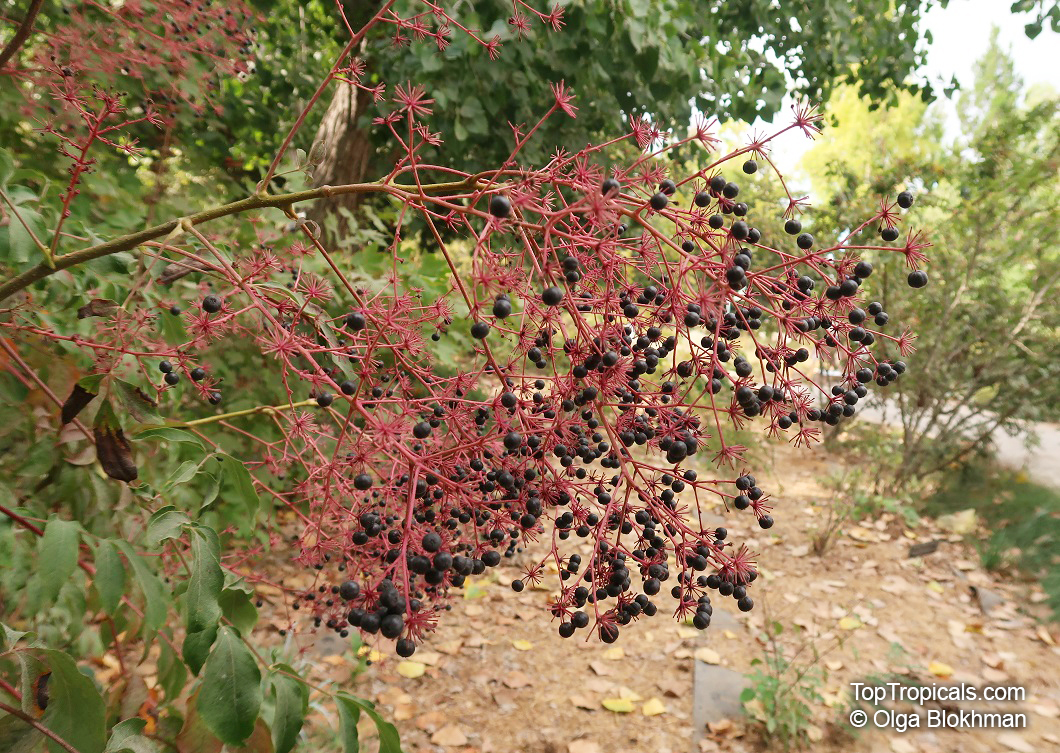
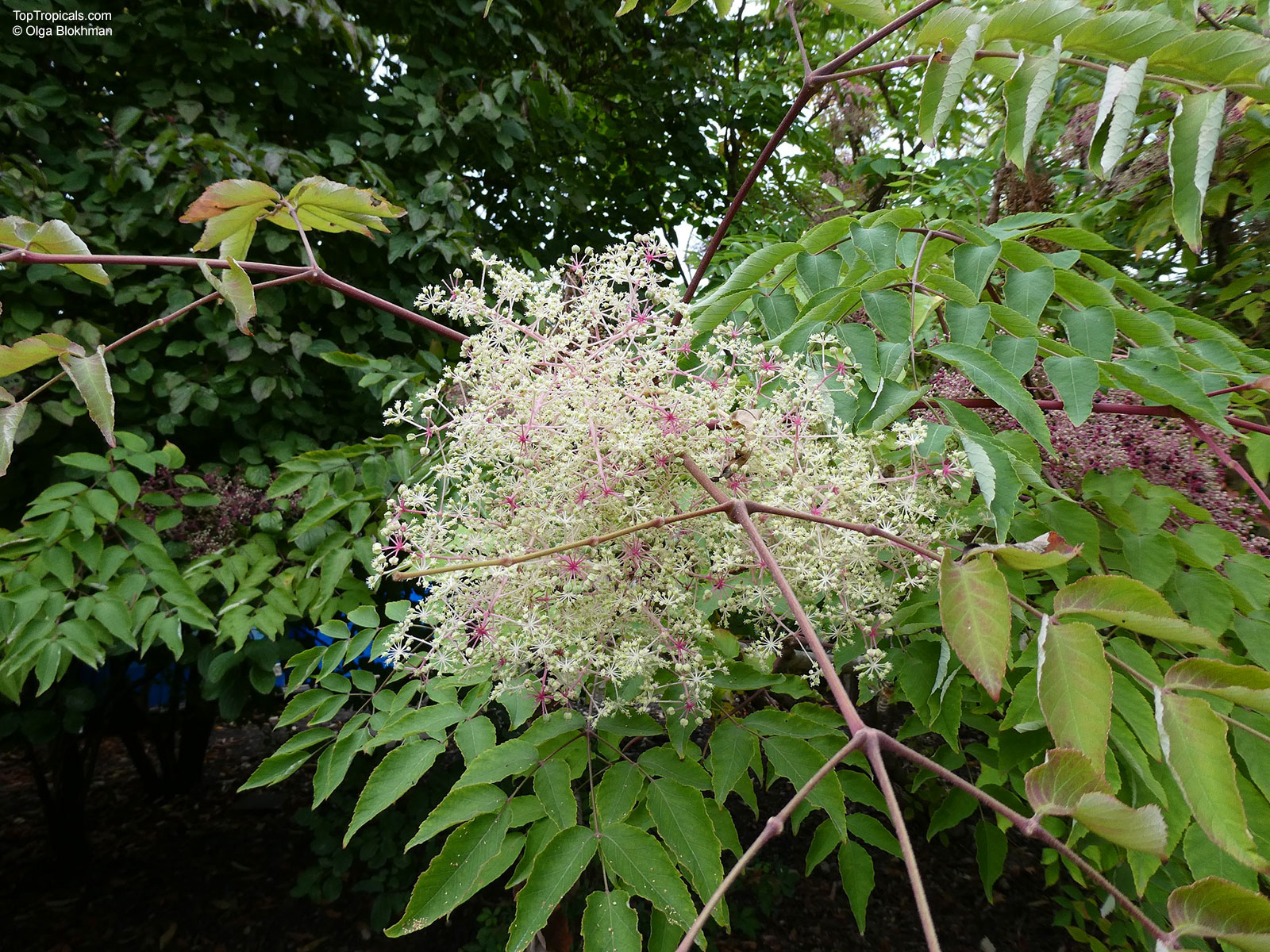
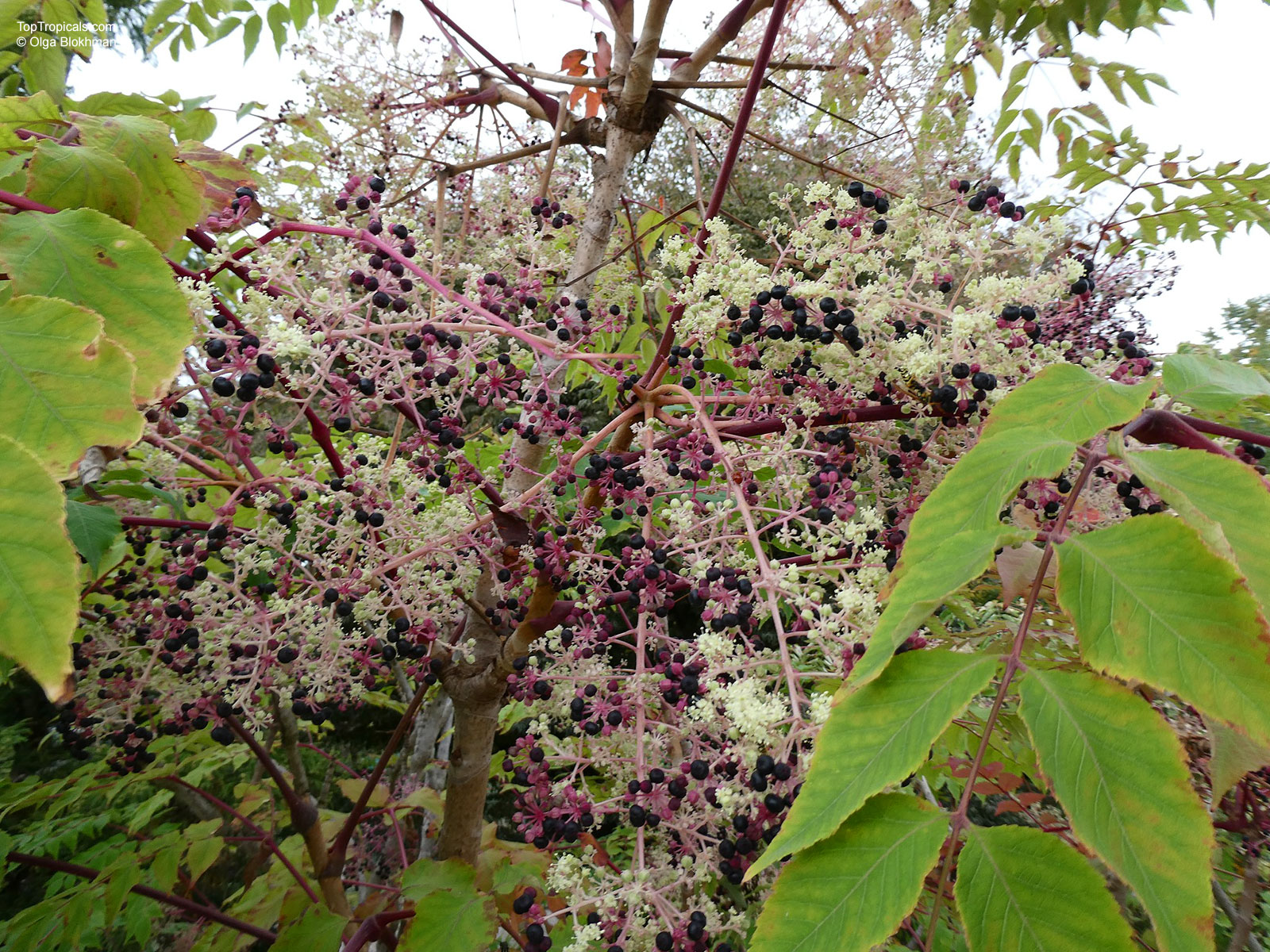
Botanical name: Cussonia paniculata
Common name: Kiepersol
Family: Araliaceae
Origin: Southern Africa

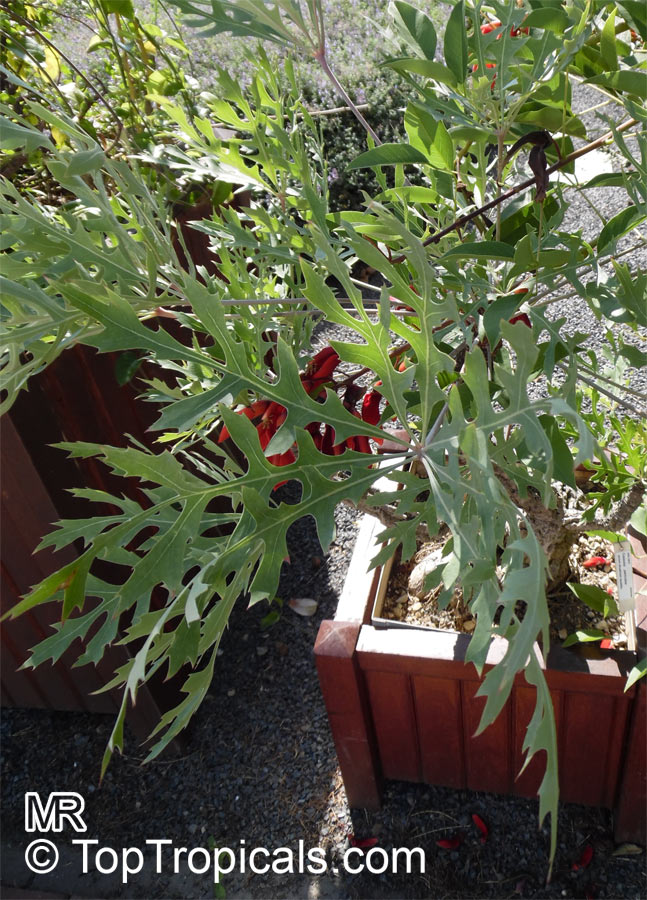
Cussonia paniculata, native to Southern Africa, is an evergreen tree species known for its small size, growing up to ten to twenty feet tall. This species is an ideal choice for bonsai enthusiasts who want to create an interesting and unique container garden.
Cussonia paniculata thrives best in full sun and needs moderate water to ensure its well-being. This tree species is usually grown in USDA zones 9-11, making it a harder to find than some other climate-hardy varieties. It is known for its strong wood and beautiful gray bark that develops a white patina as the tree matures. Its thick foliage consists of dark green drops with a glossy hue. The species is also known for its exuberant flowers that set off from its foliage.
Cussonia paniculata is one of those plants that require moderate to minimal care. When growing these trees in a container, make sure that you use soil that can easily drain its water. Water it regularly, particularly during the hot summer months. It's also better to fertilize the tree every three to four weeks, especially when it is actively growing. If you are living in a cold region, you must use a pot to place the plant in, as well as provide the Cussonia paniculata with a cold-protection mulch in the winter. Lastly, prune the tree occasionally to maintain a desired shape and size.
With the right care, Cussonia paniculata can be an interesting ornamental tree to have in your landscaping. It is tolerant of drought and heat, making it a perfect species for regions with extreme temperatures. Plus, its unmistakable foliage and flowers make for a beautiful addition to any garden.
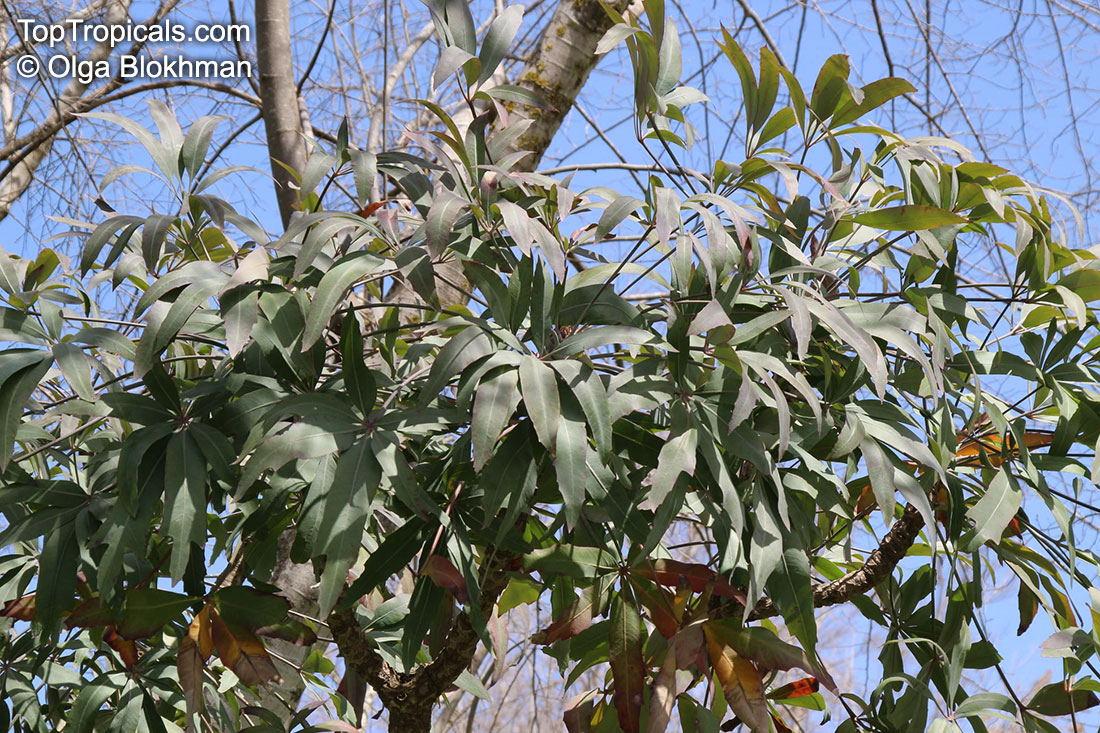
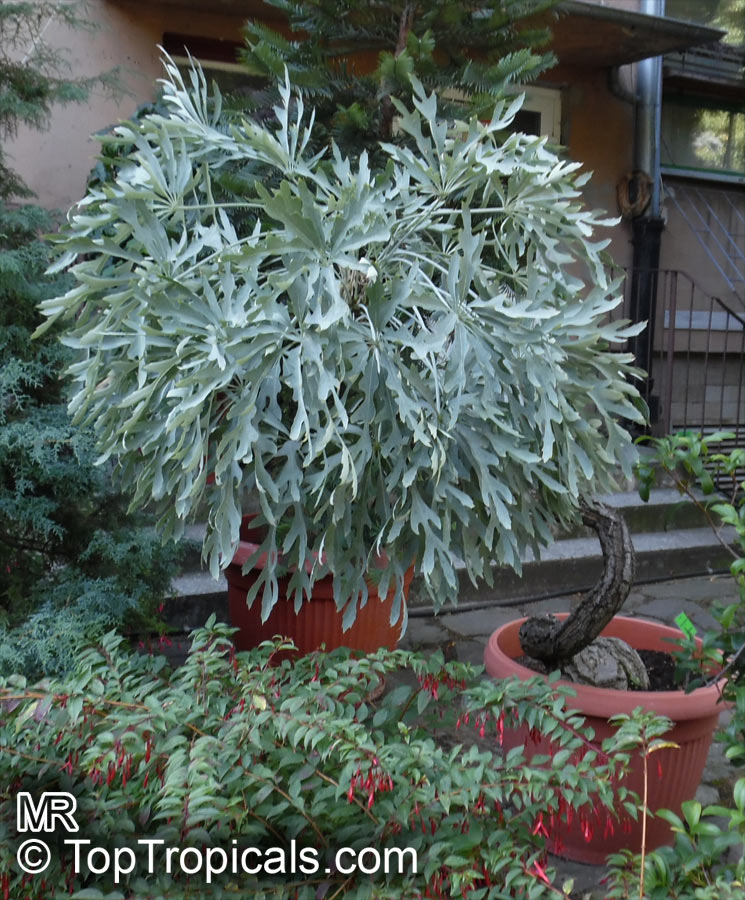
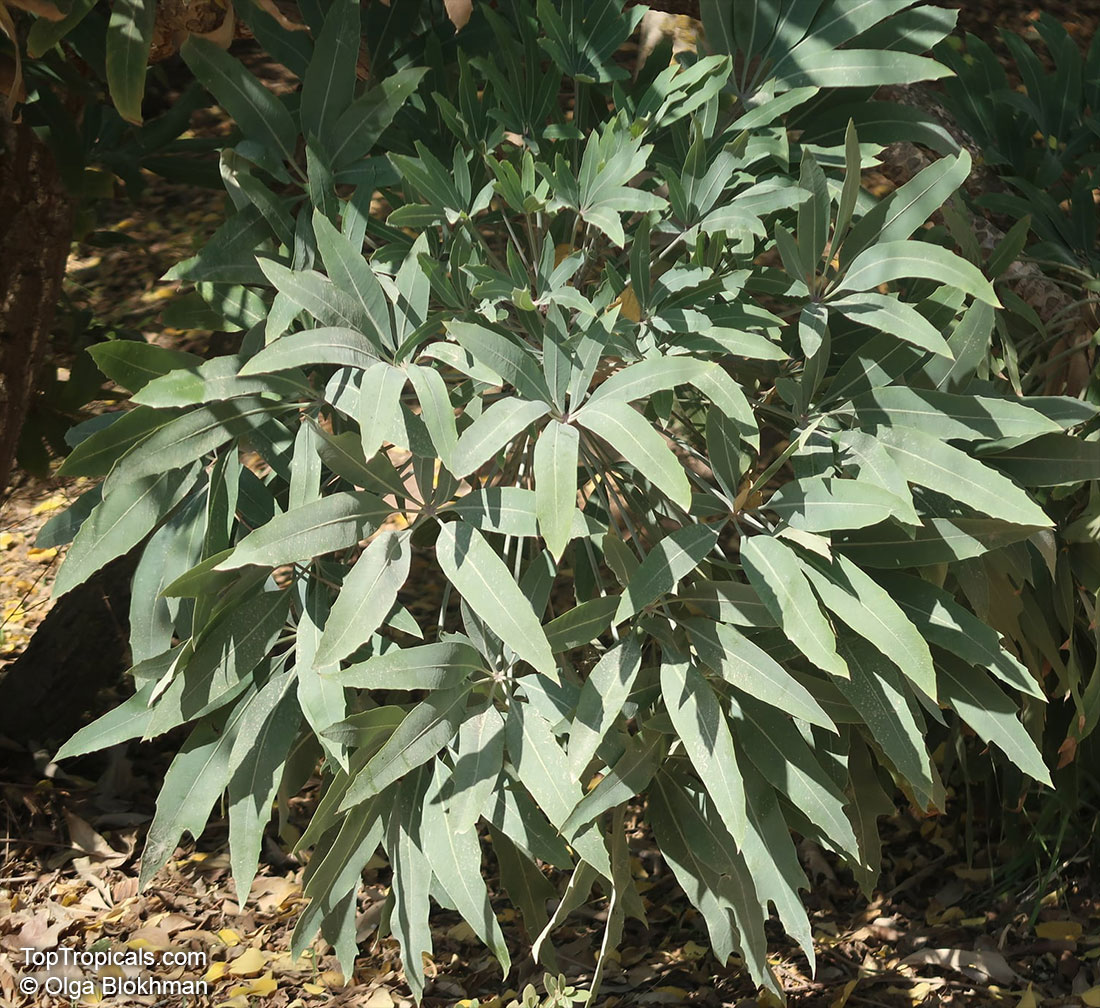
Botanical name: Cussonia sp.
Common name: Cabbage Tree
Family: Araliaceae
Origin: South Africa
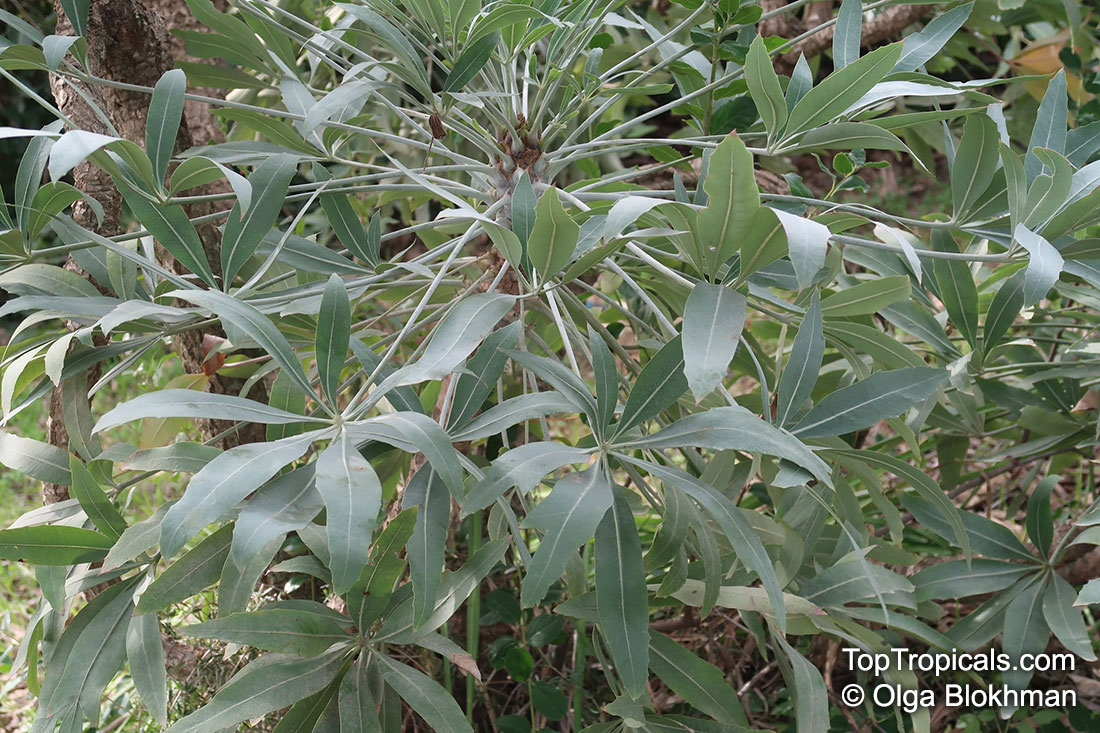
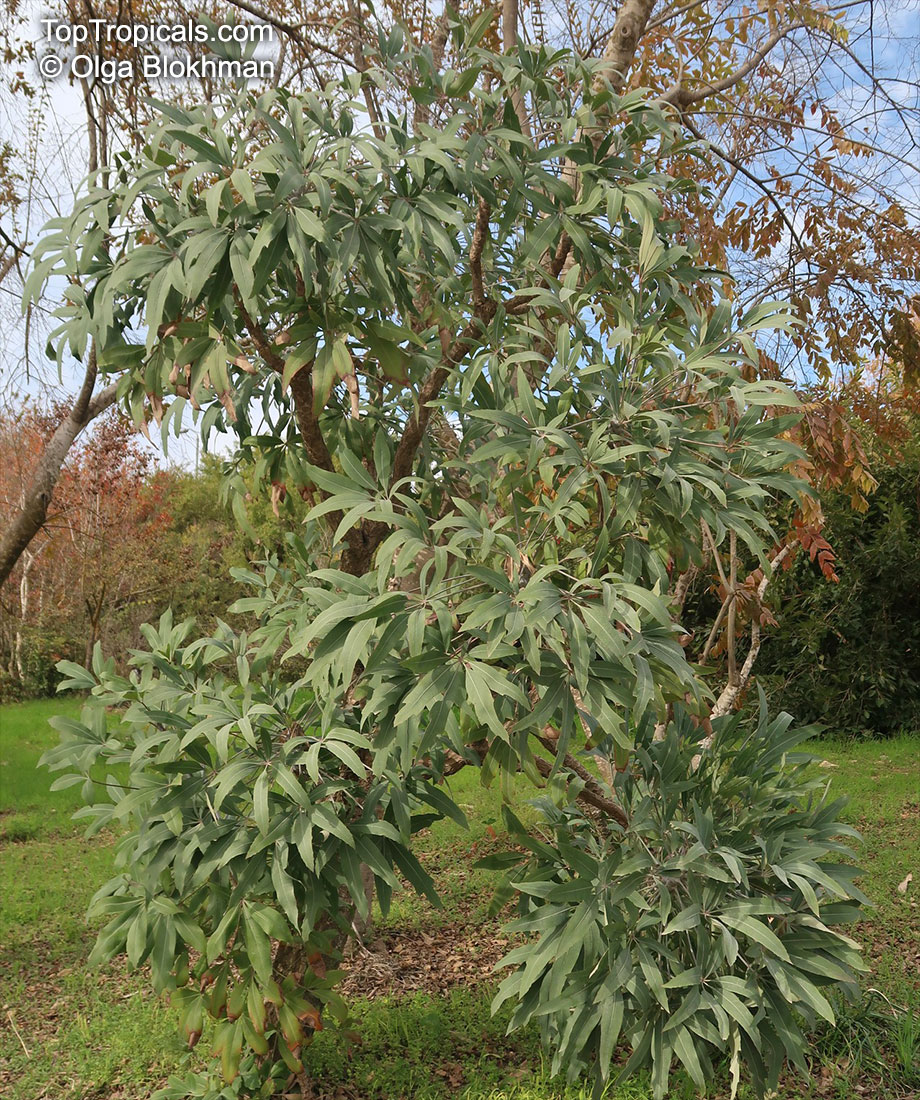
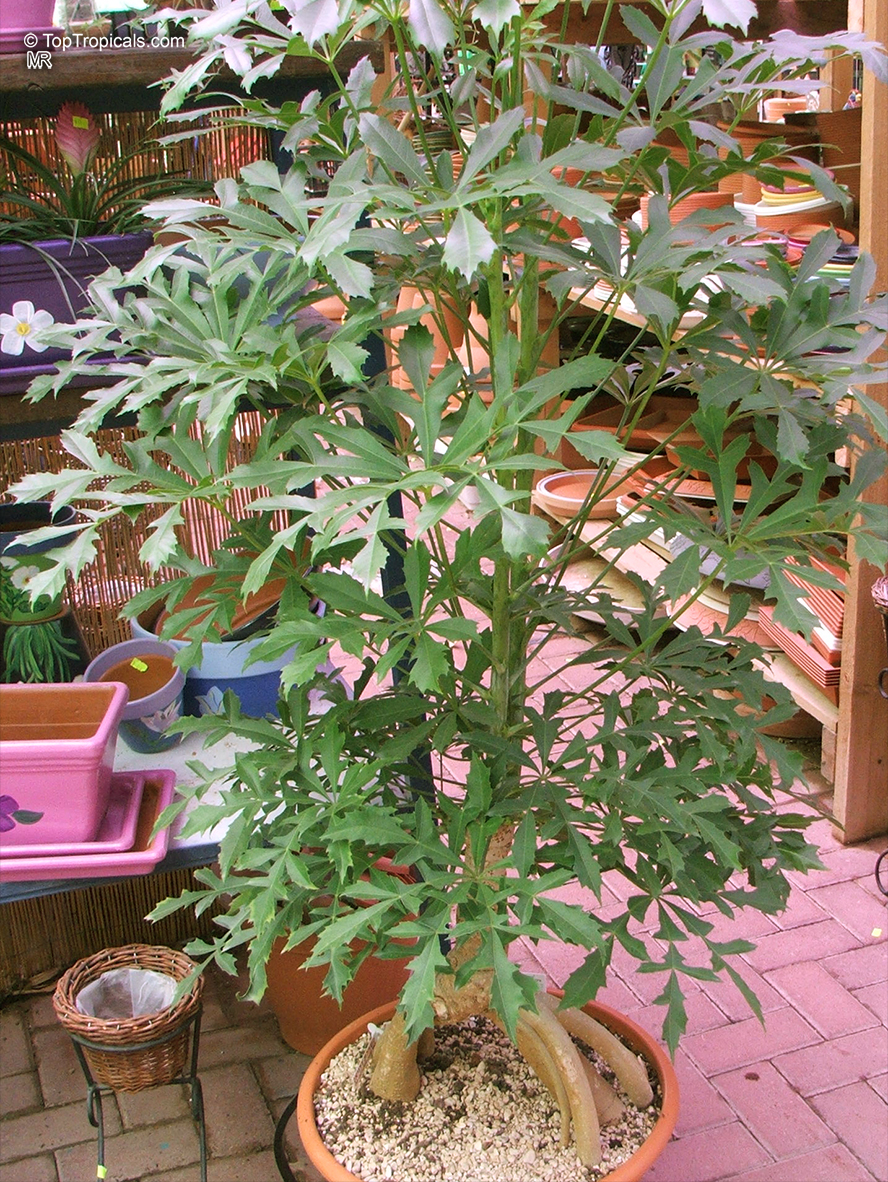
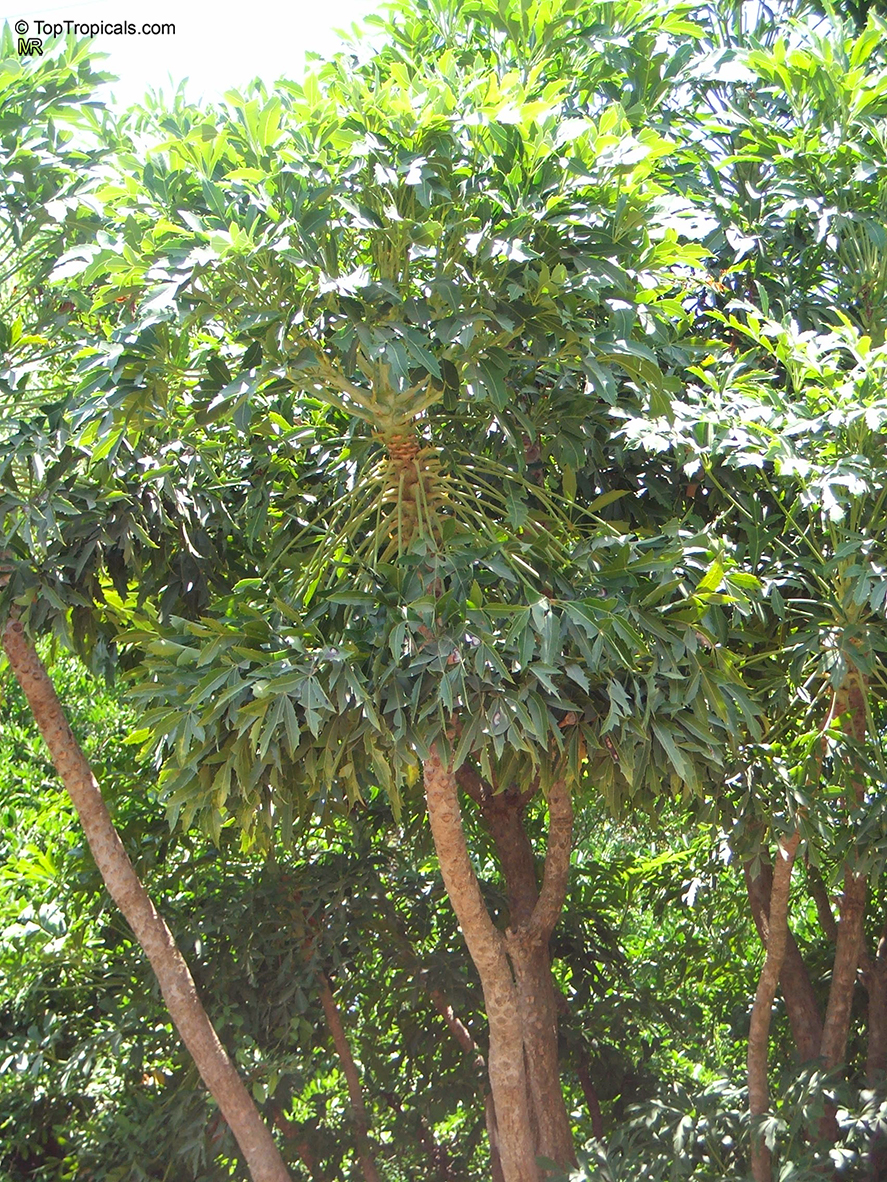
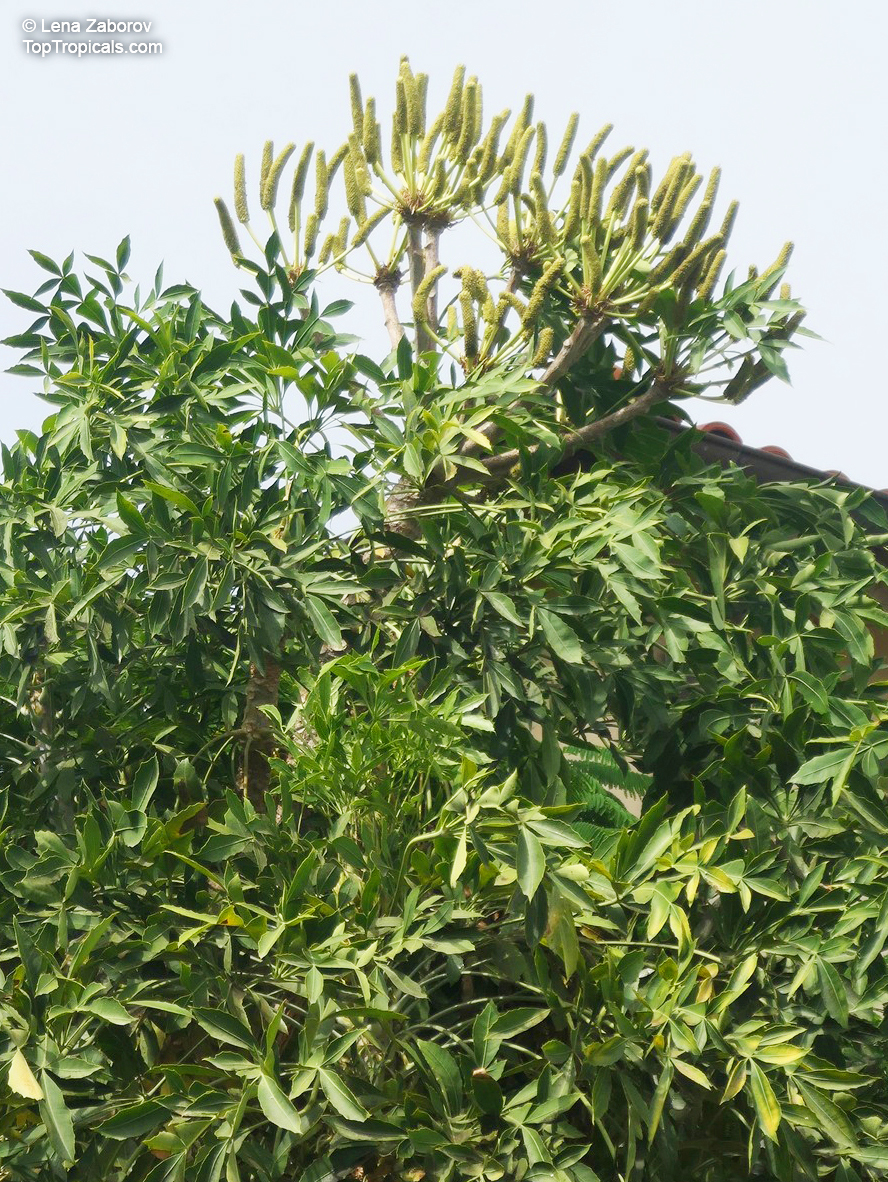
Cussonias in general have the peculiar habit of producing their attractive leaves toward the ends of thick branches in large round heads.
Cussonia sphaerocephala is the rare species similar in most respects to the better known Cussonia spicata, differing mainly in the larger, more rounded flowering panicle.
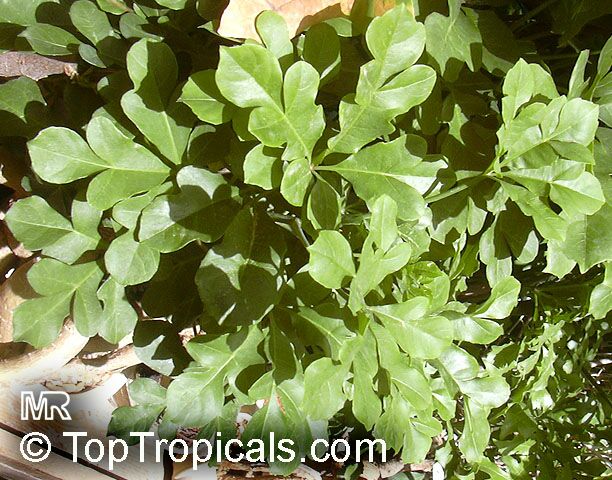
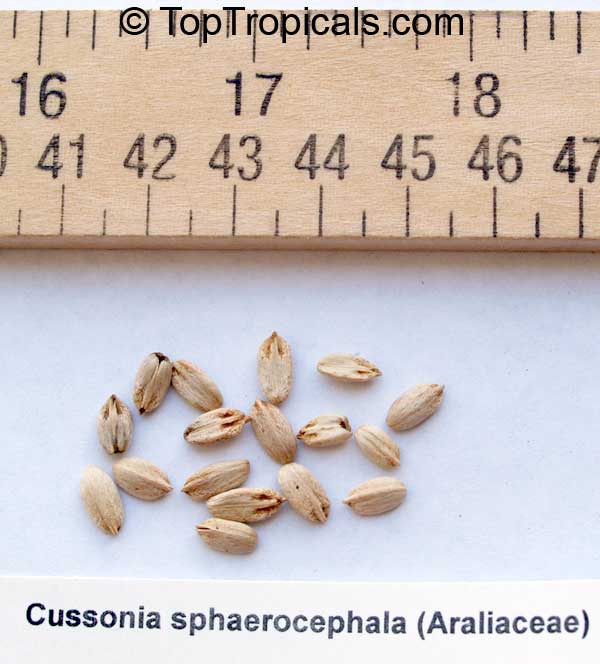
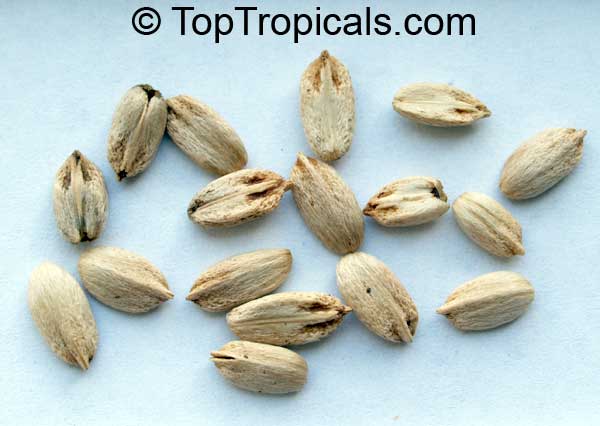
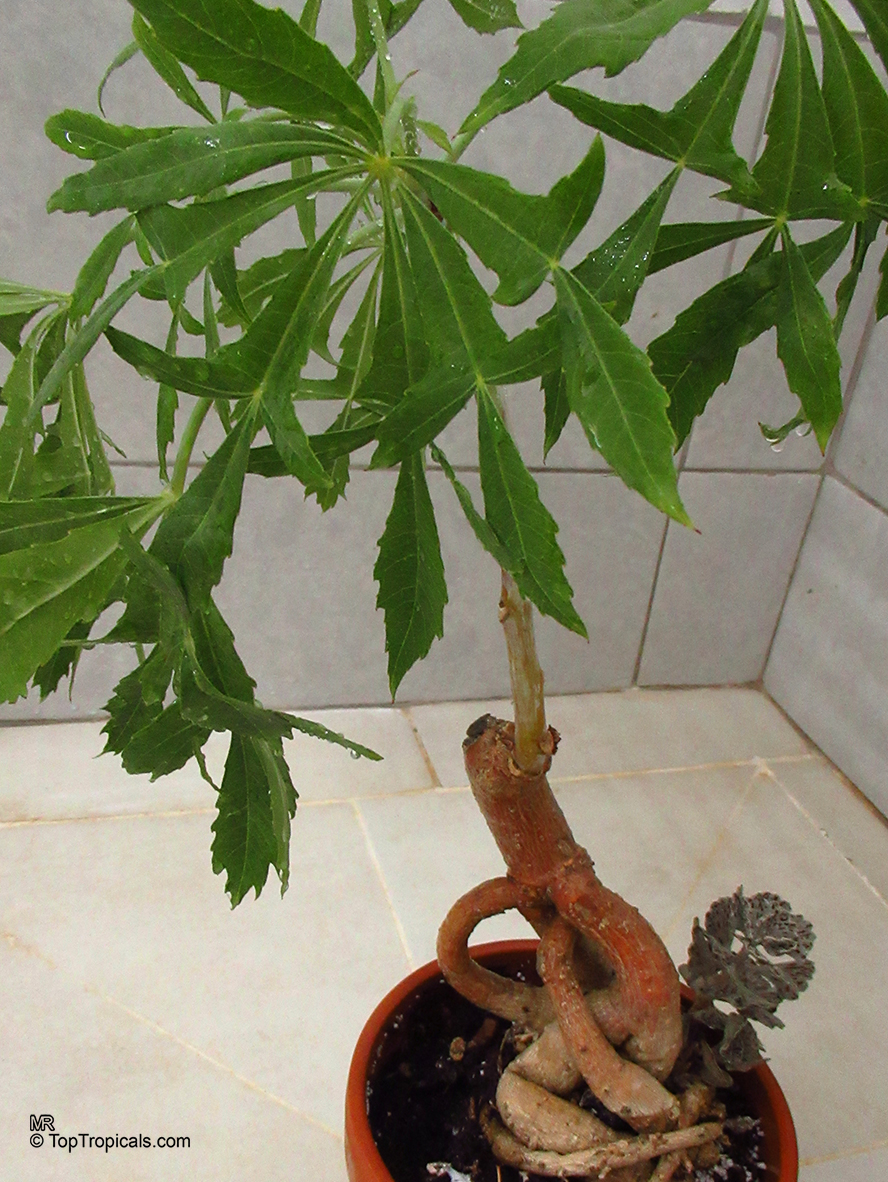
Botanical name: Cussonia spicata
Common names: Common Cabbage Tree, Kiepersol
Family: Araliaceae
Origin: Southern and Tropical Africa


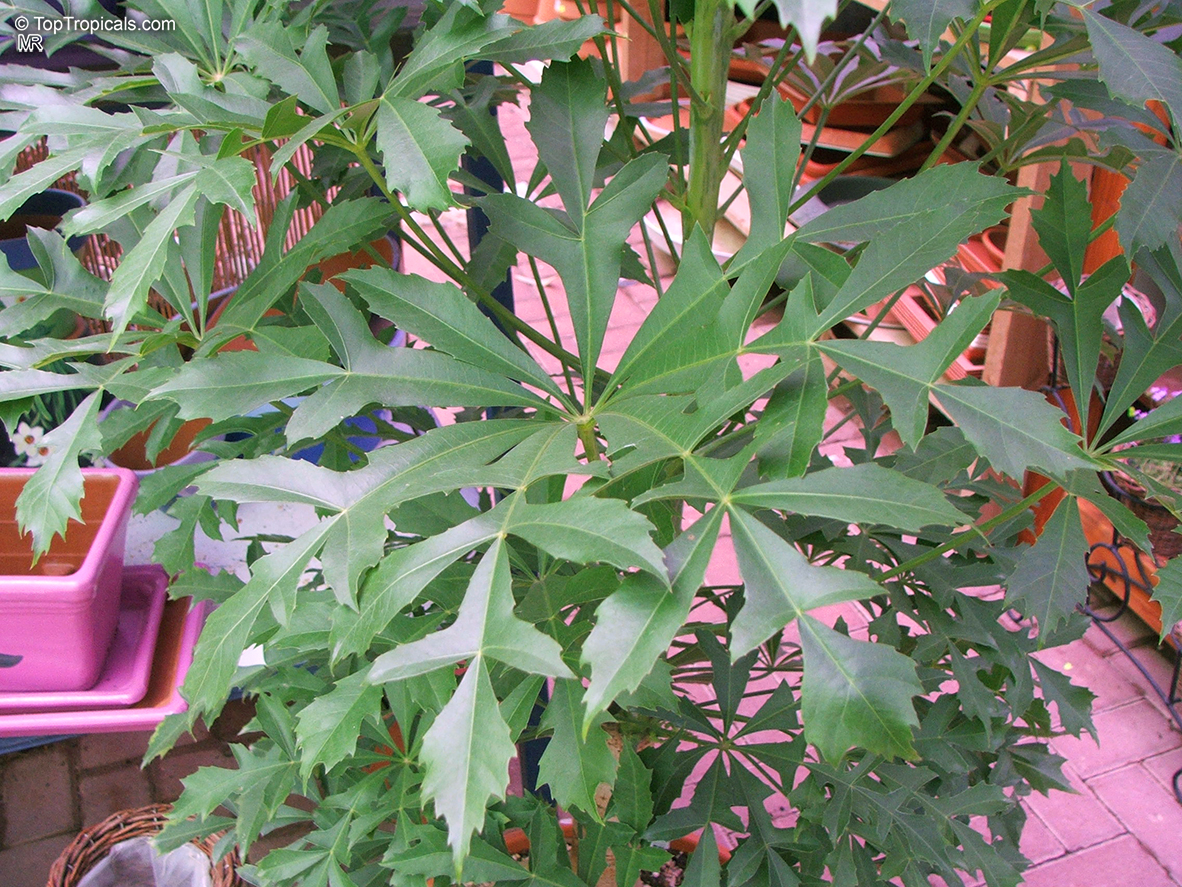
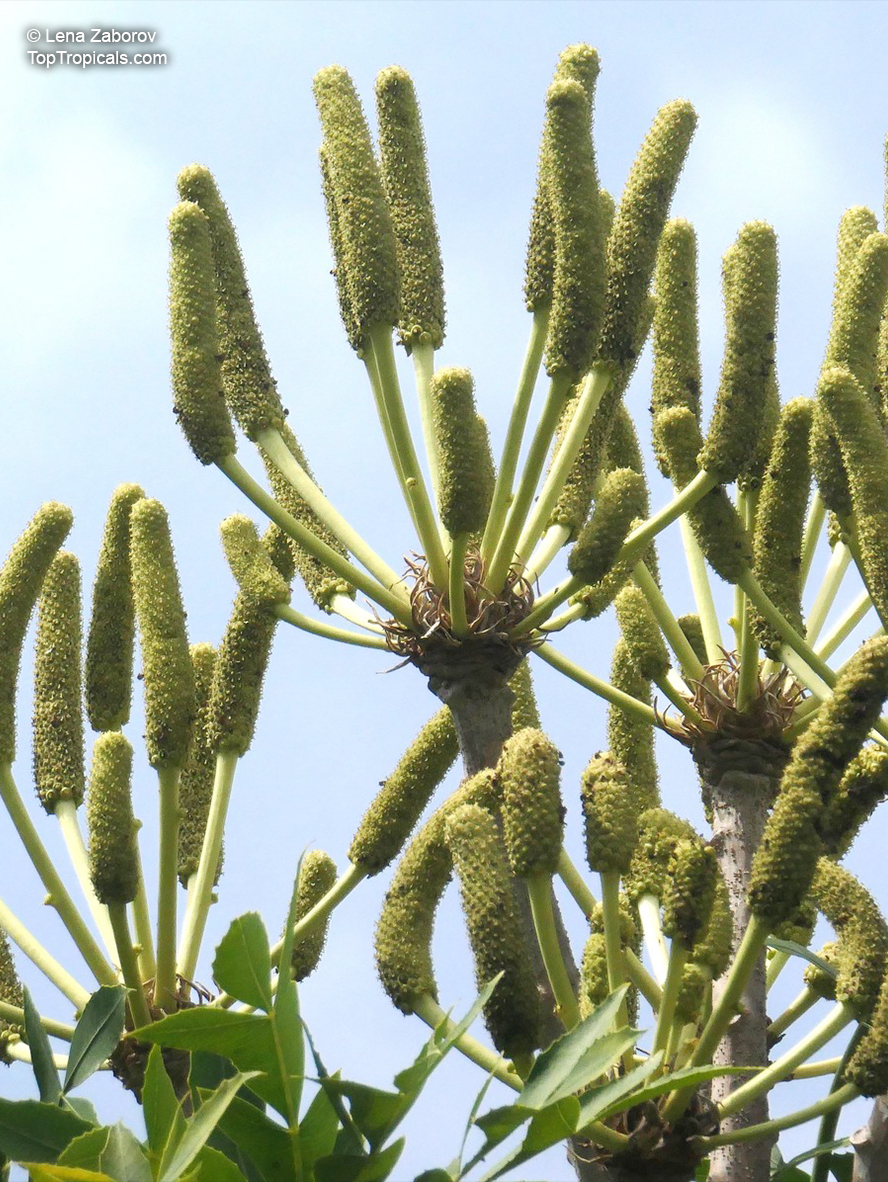
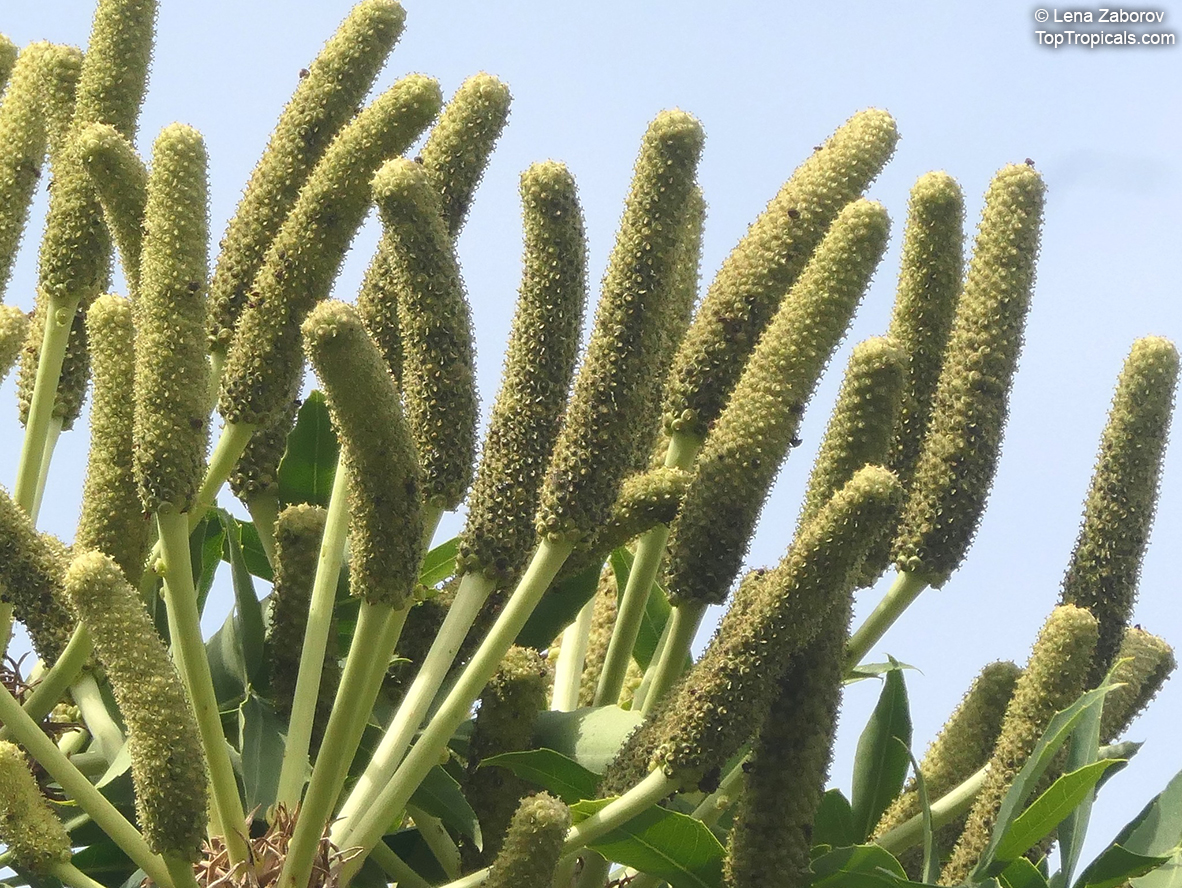
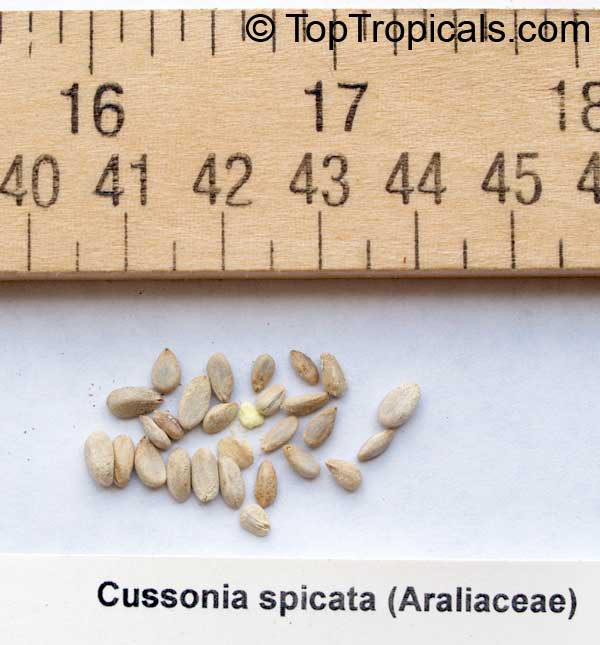
Cussonias in general have the peculiar habit of producing their attractive leaves toward the ends of thick branches in large round heads. It belongs to a large family Araliaceae, to which well known plants such as Ginseng, Ivy, and several indoor plants, as well as Tetrapanax papyriferus, the plant used to make chinese rice paper. This family is also closely related to the parsley family (Apiacae) which includes several popular vegetables and herbs such as carrots, fennel and parsley. In addition to its popularity as a decorative garden tree and useful accent plant, the leaves of C. spicata are traditionally used as a treatment for indigestion. The roots are succulent and edible, mashed roots have also been used in the treatment of Malaria. The cabbage- tree is relatively easily cultivated, but does not tolerate extreme degrees of frost. The seed should be harvested and sown fresh. Well drained soil, some water and lots of sun. Plant which can be grown as a Bonsai. The corky stem will grow to 24" in diameter and reach for 21ft height. The flowers are green-yellow.
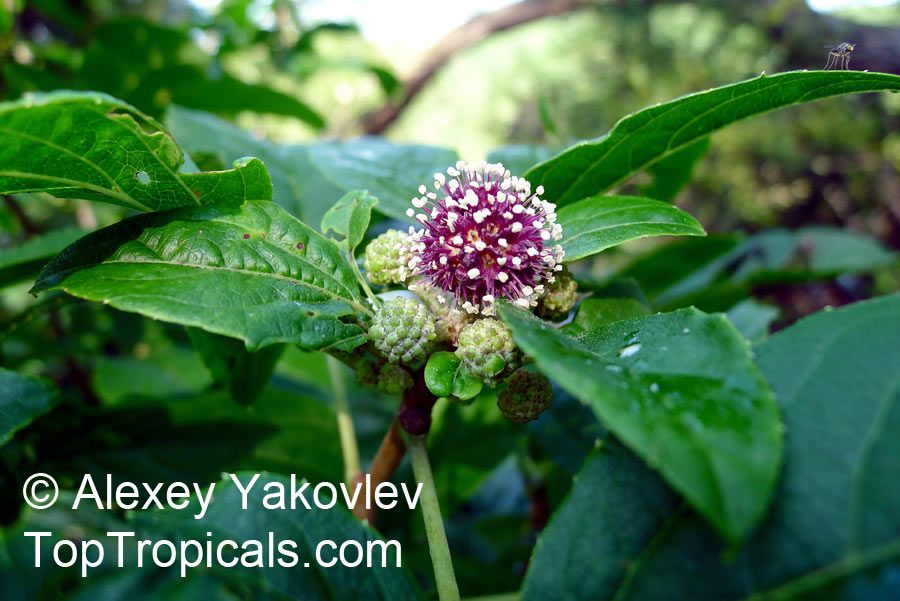
Botanical names: Eleutherococcus sessiliflorus, Panax sessiliflorus
Common name: Thorny Ginseng
Family: Araliaceae
Origin: China
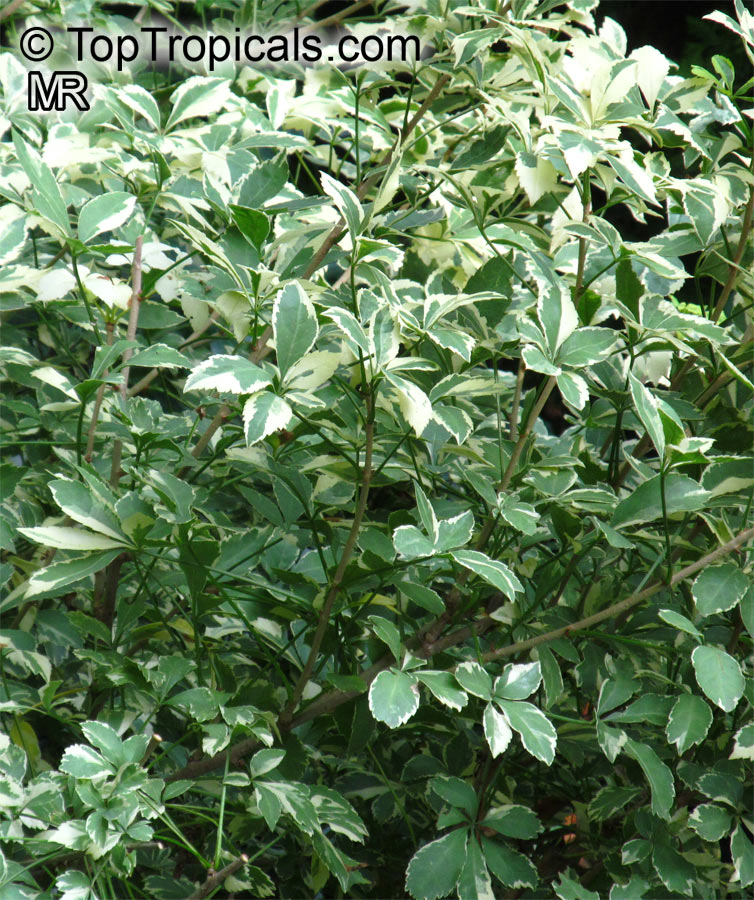
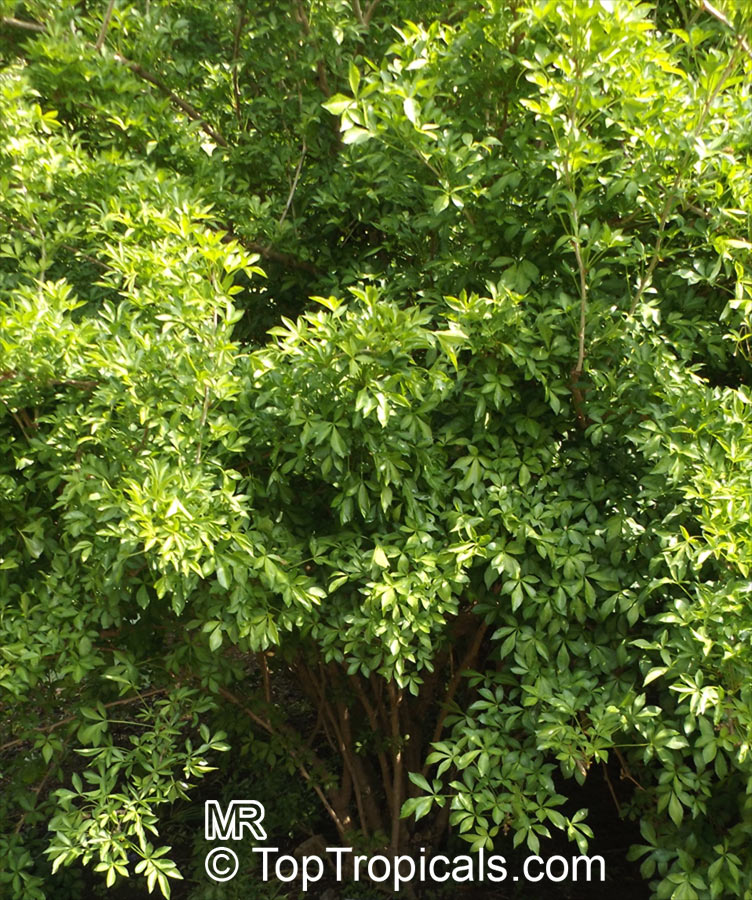
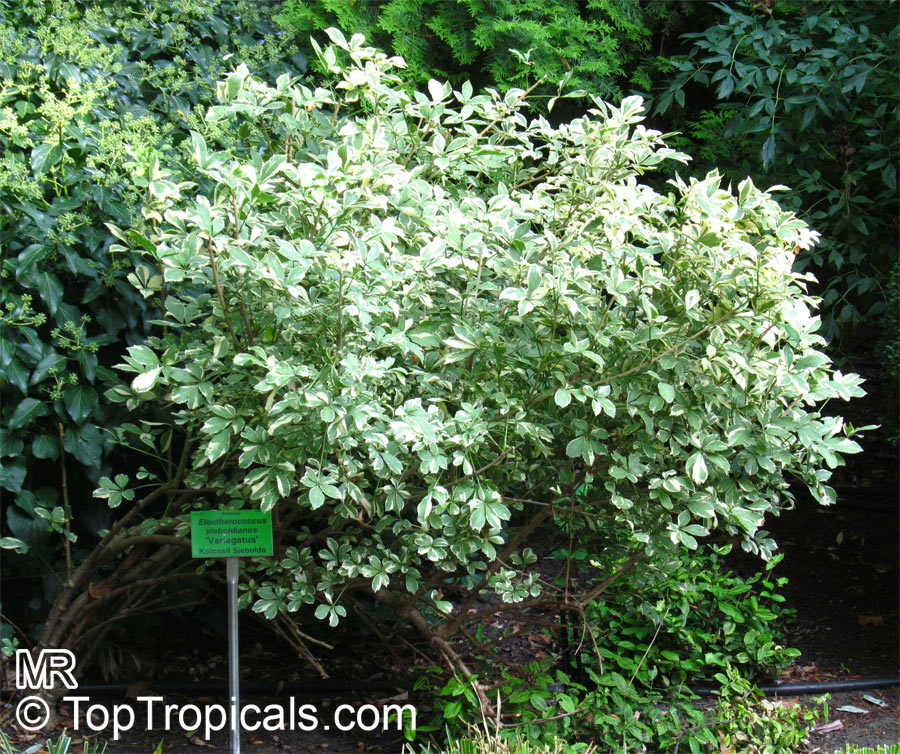
Botanical names: Eleutherococcus sieboldianus, Acanthopanax sieboldianus
Common name: Five-fingered Aralia
Family: Araliaceae

Elegant, upright growing deciduous shrub with arching stems. Excellent foliage for shade gardens, shrub borders, perennial border backgrounds or foundations.
| Next | |
Use link to repeat this search:
https://toptropicals.com/cgi-bin/garden_catalog/cat.cgi?search_op=and&keyword_op=and&language=e&family=Araliaceae&number=10
&no_change_lang=1&user=tt&sale=1&first=0