Amaranthaceae - Botanical Family
| Number of plants found: 17 | Next | 
|
Go to page: | 1 | 2 |
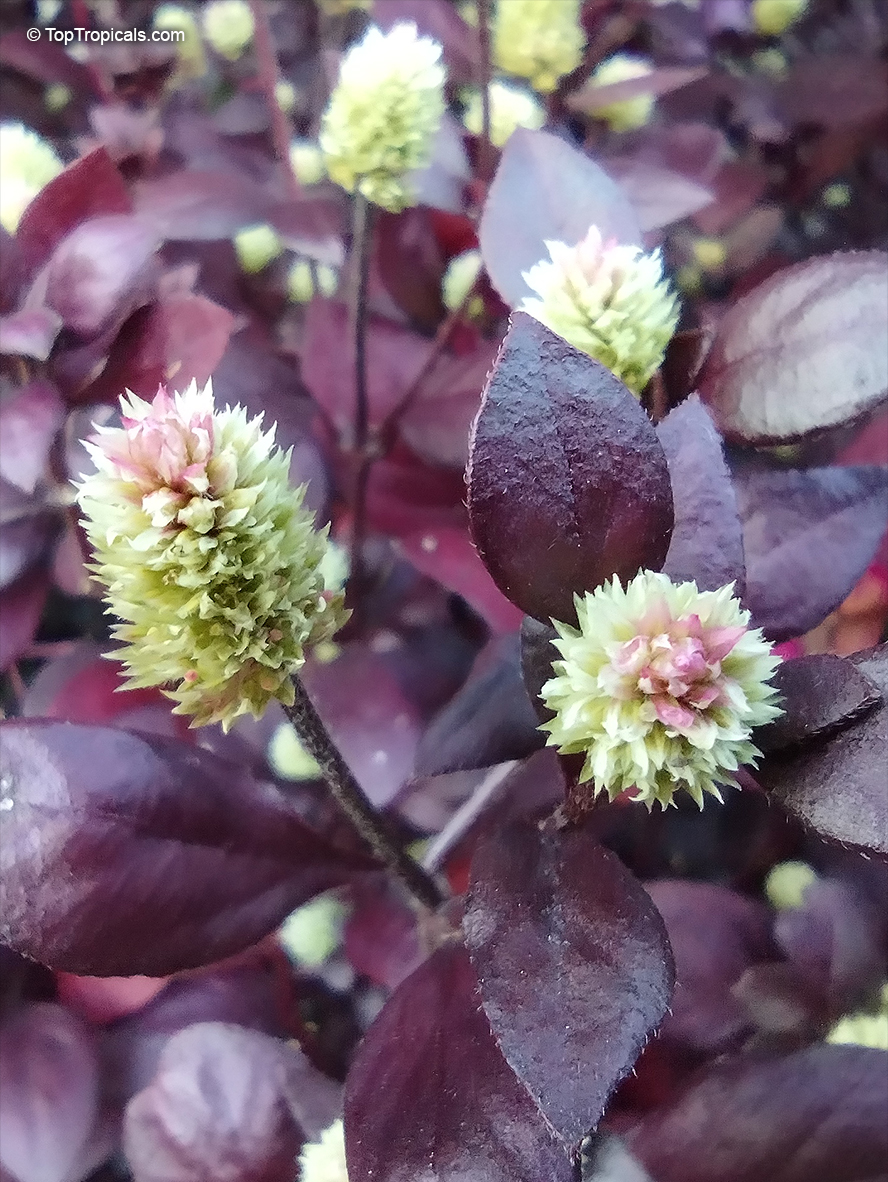
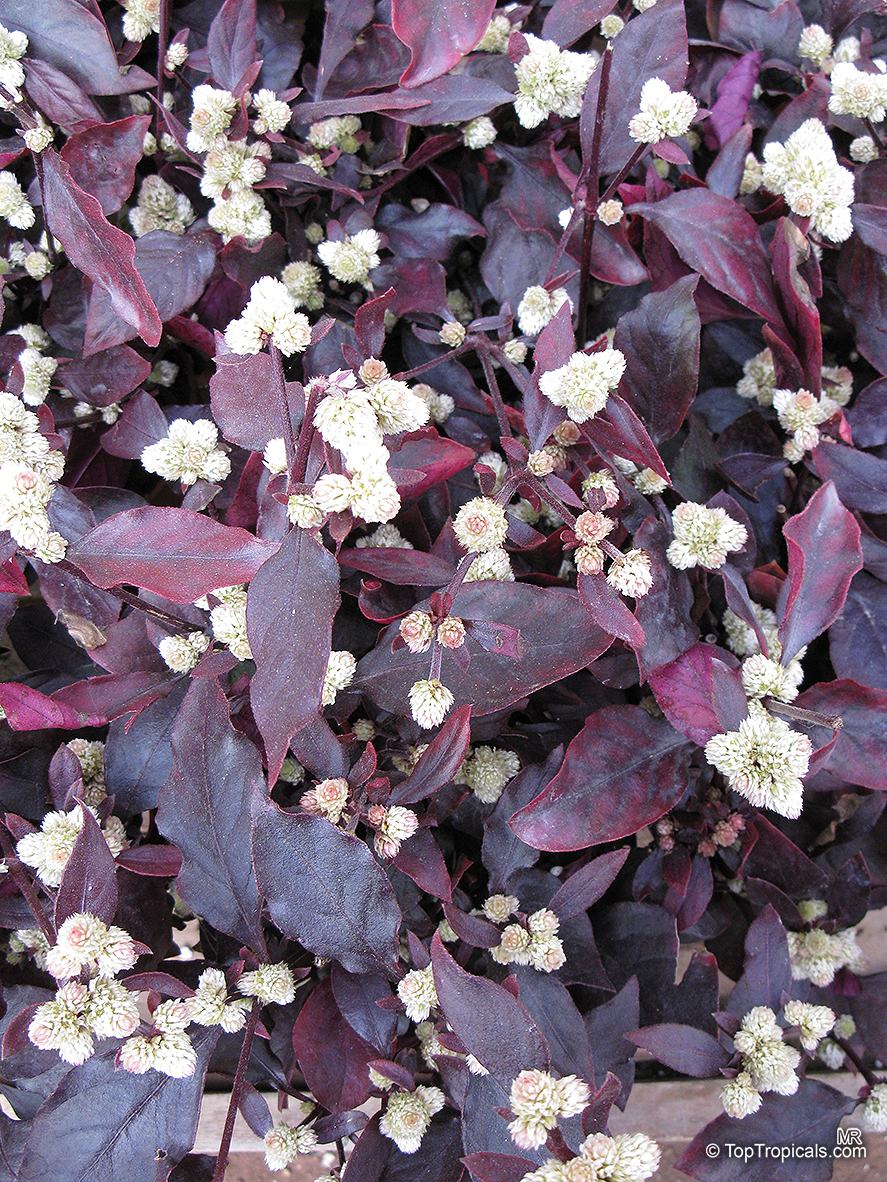
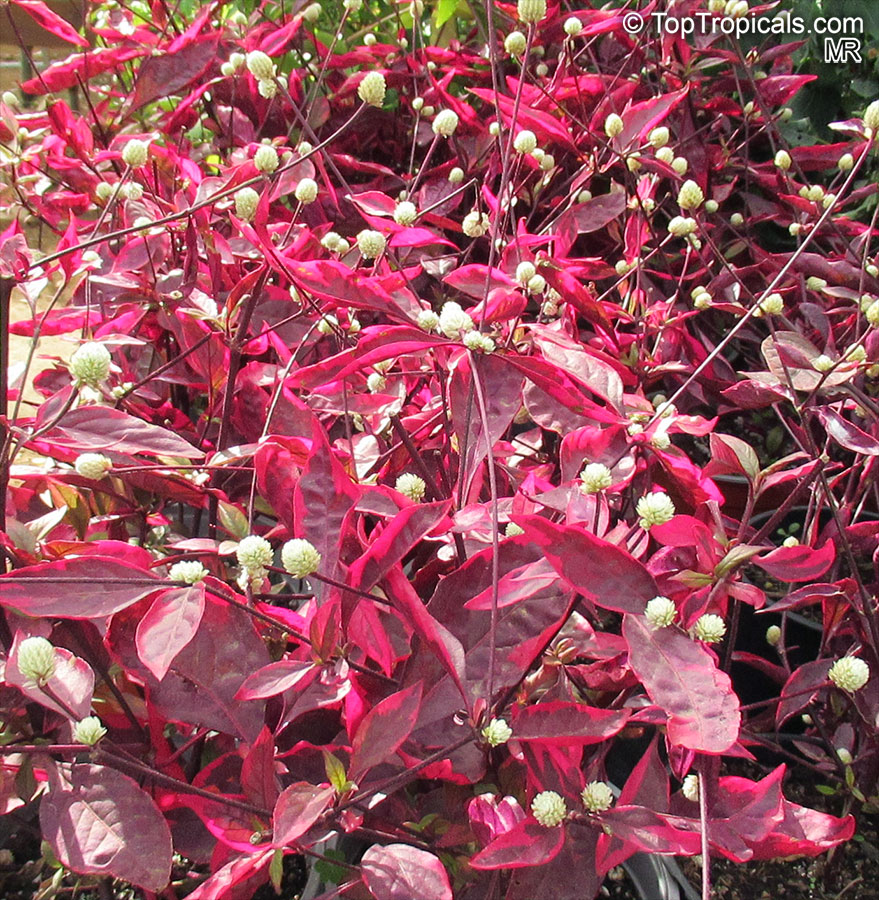
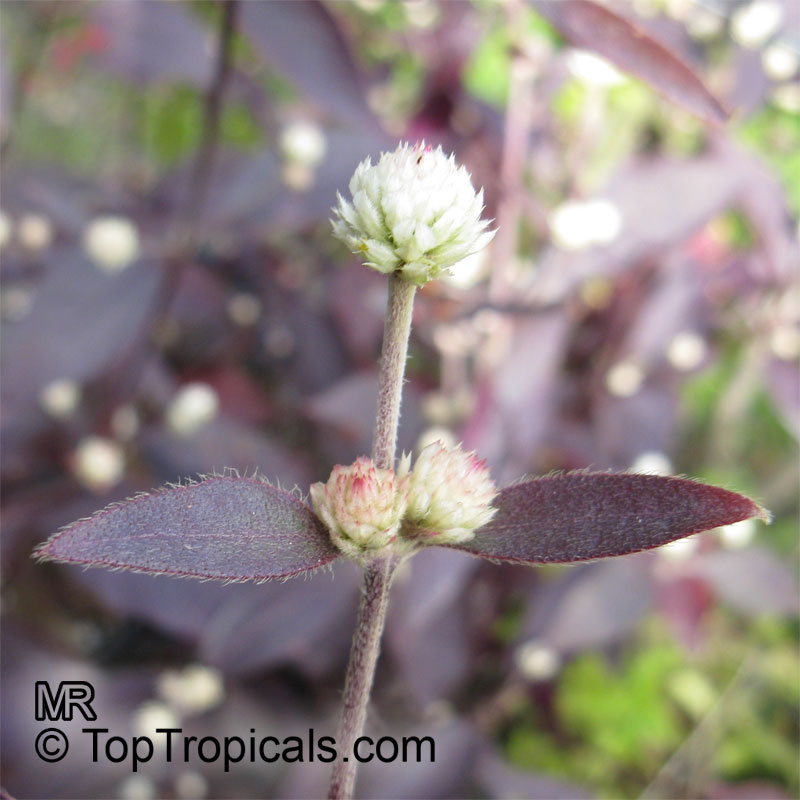
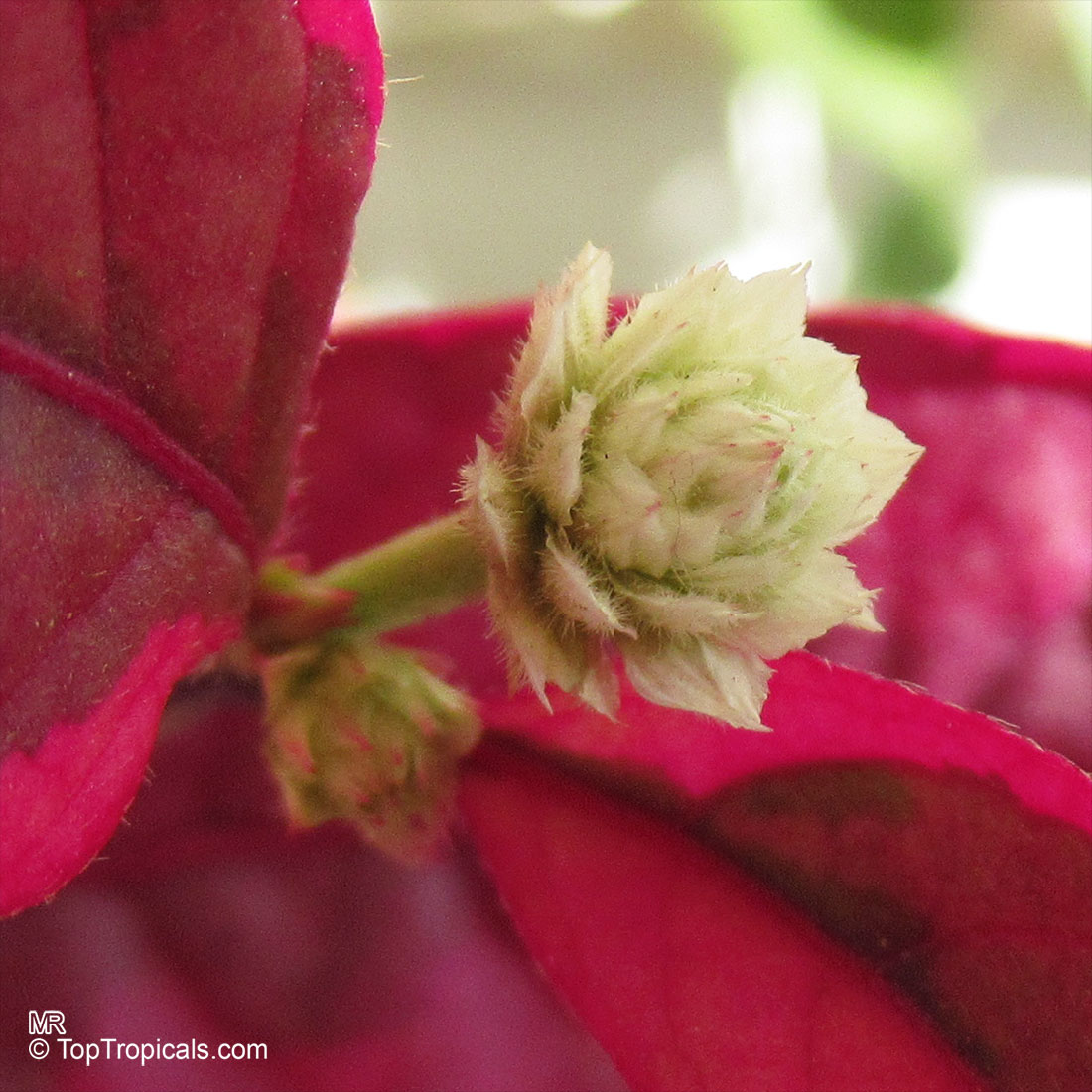
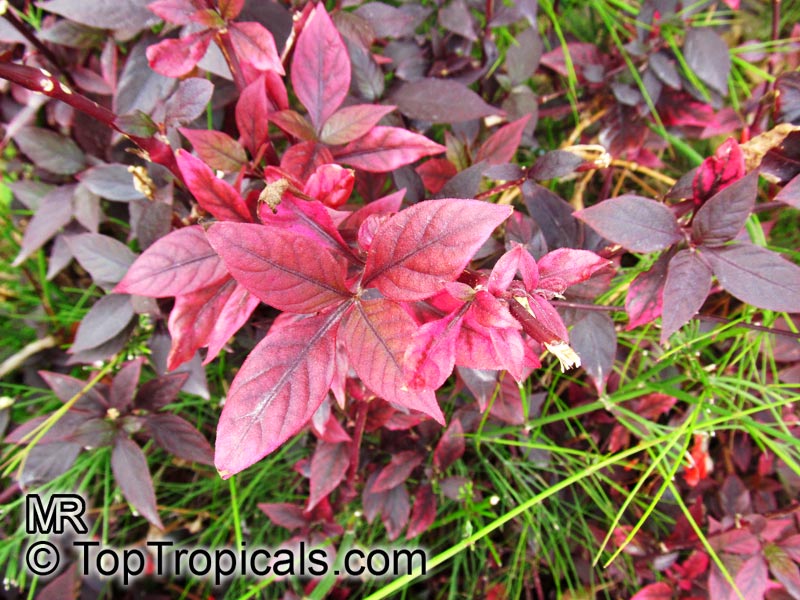
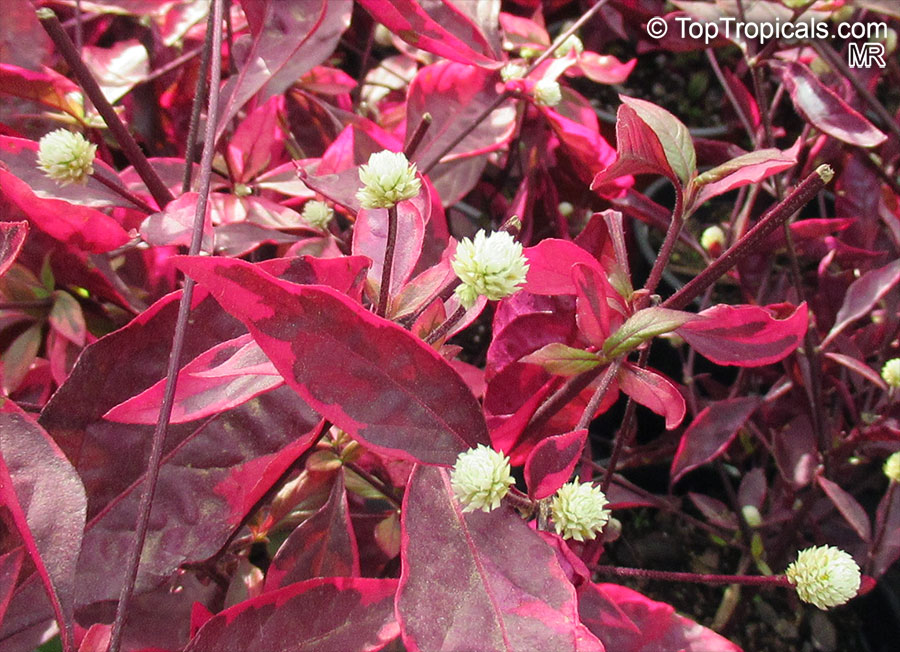
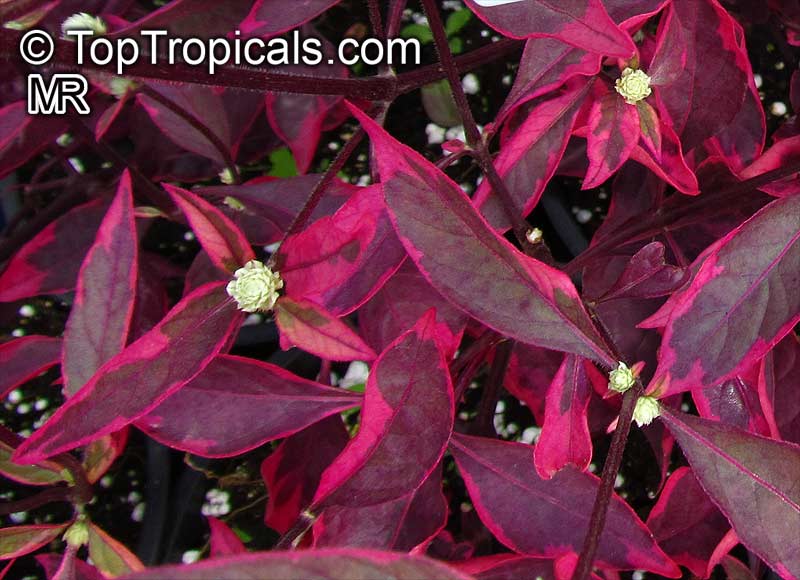
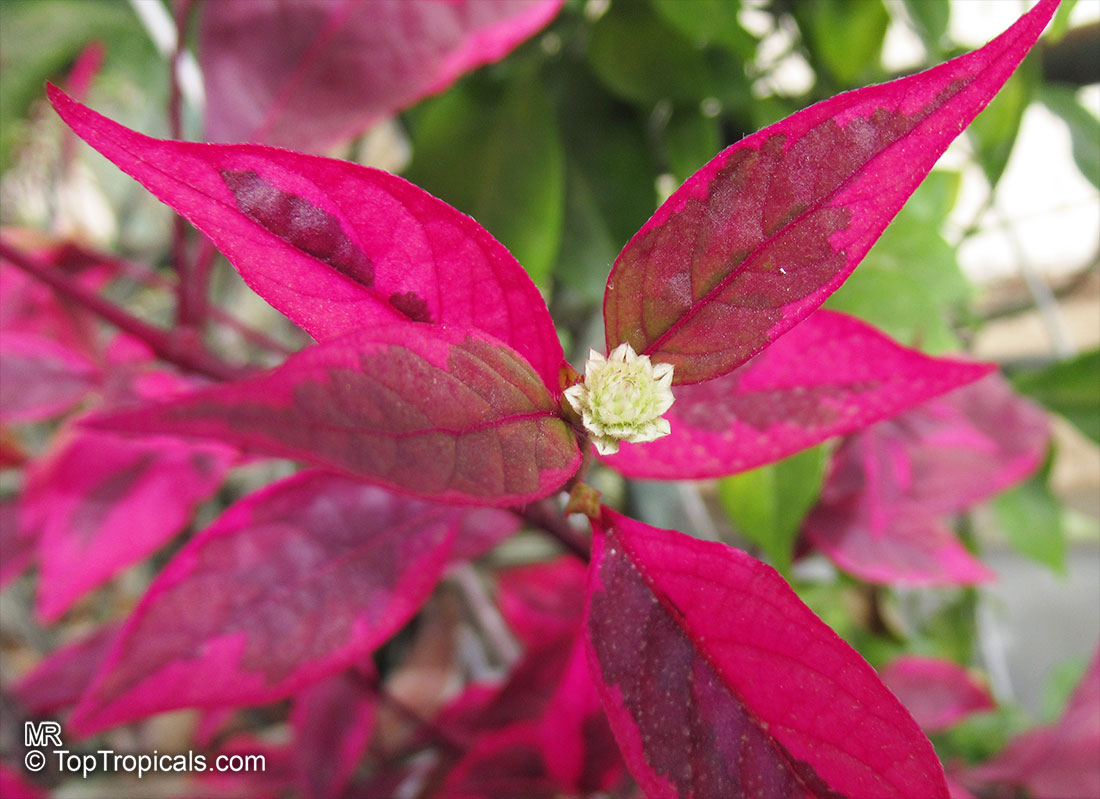
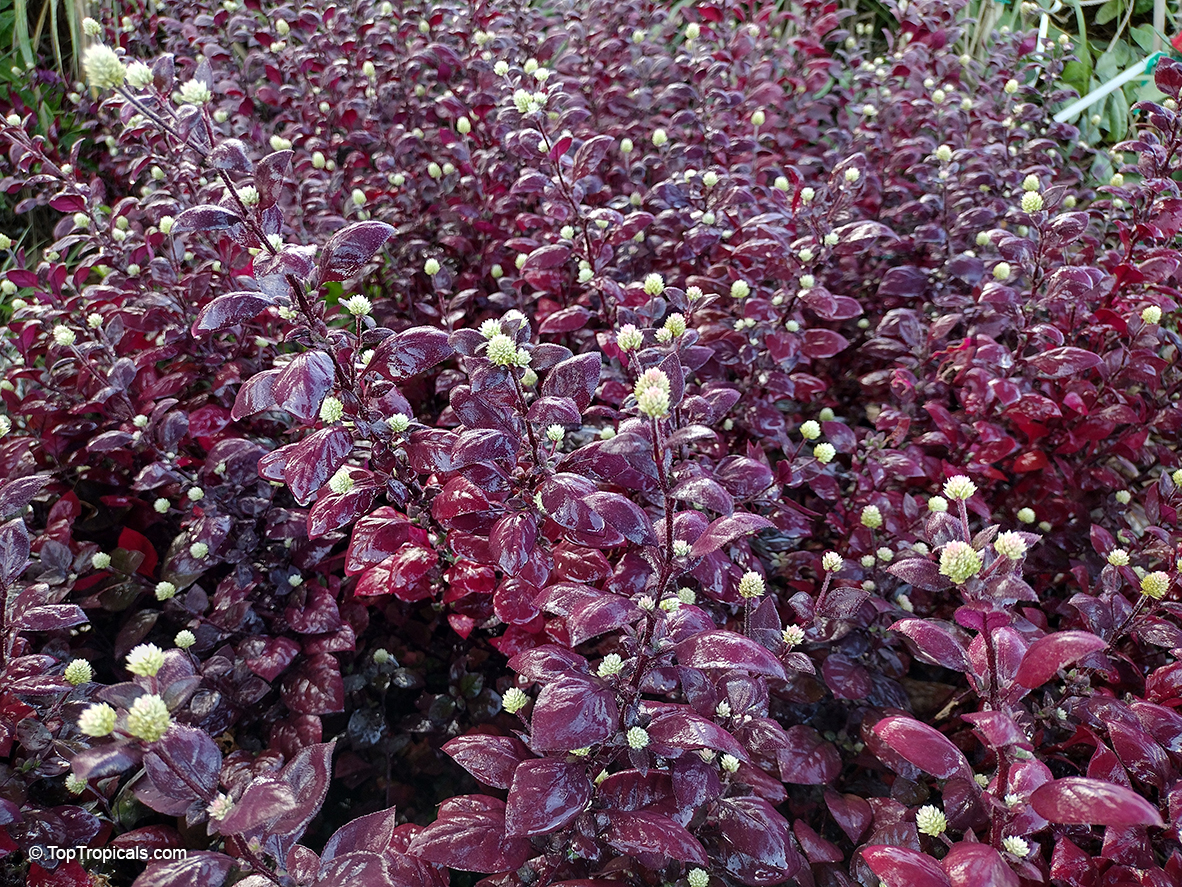
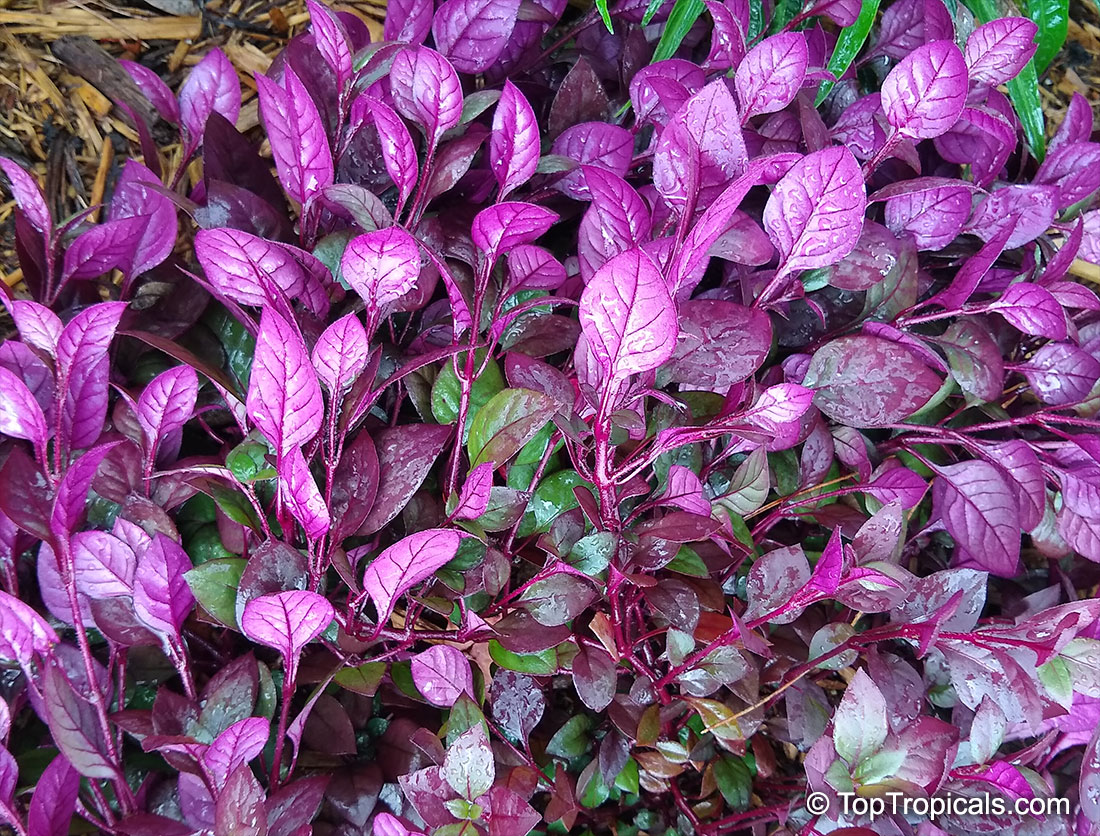
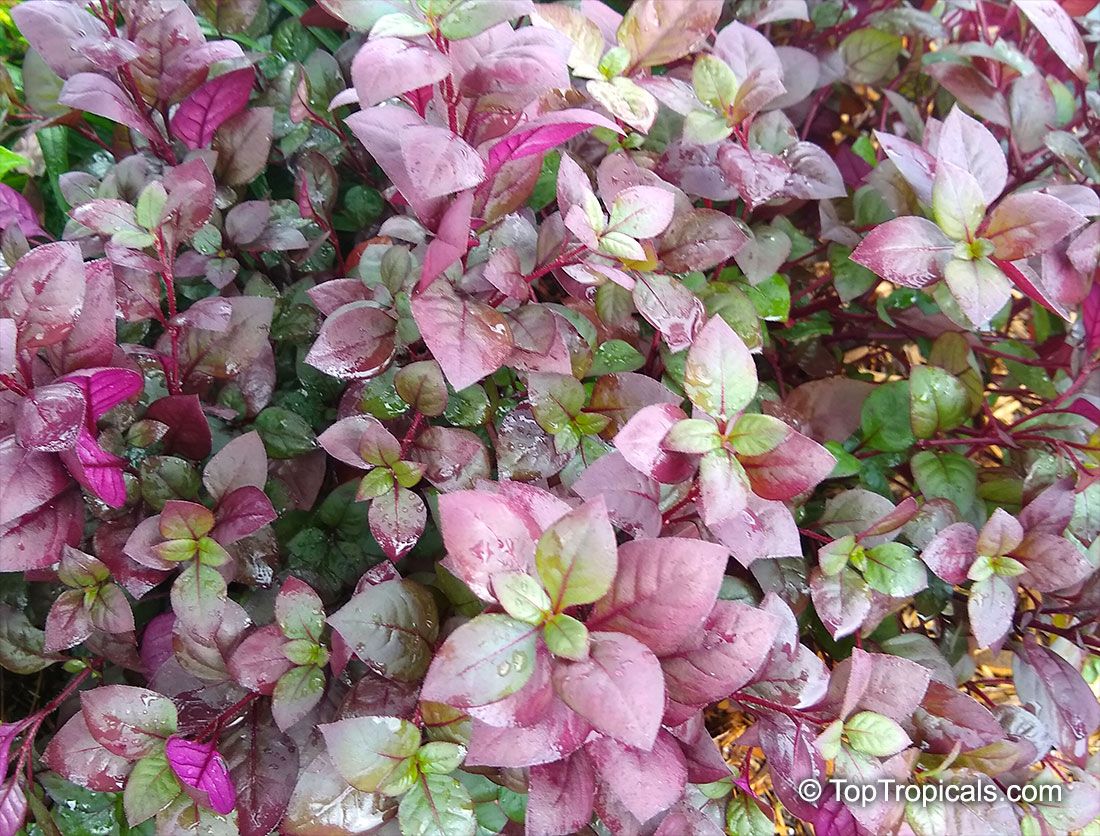
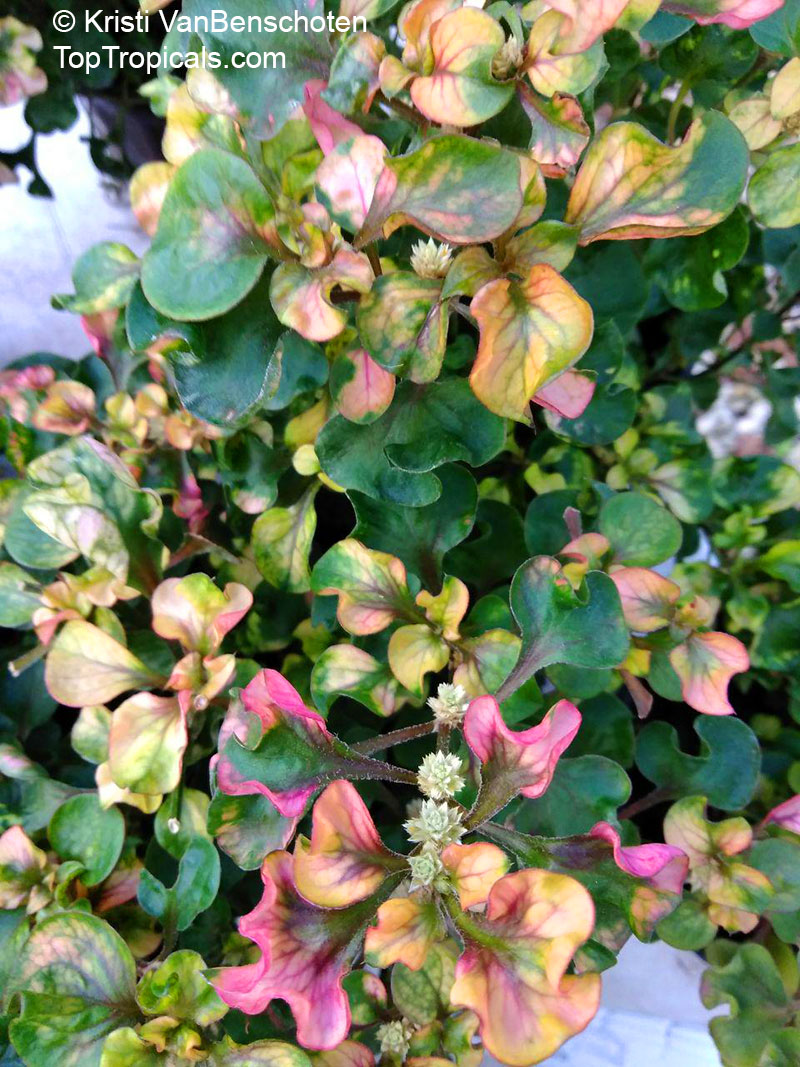
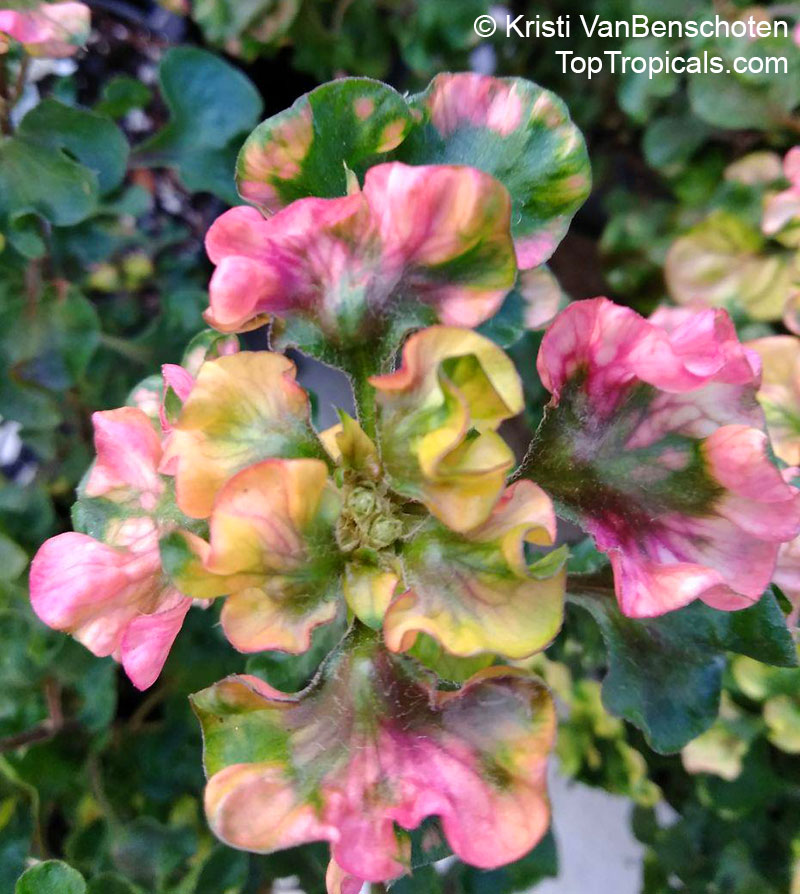
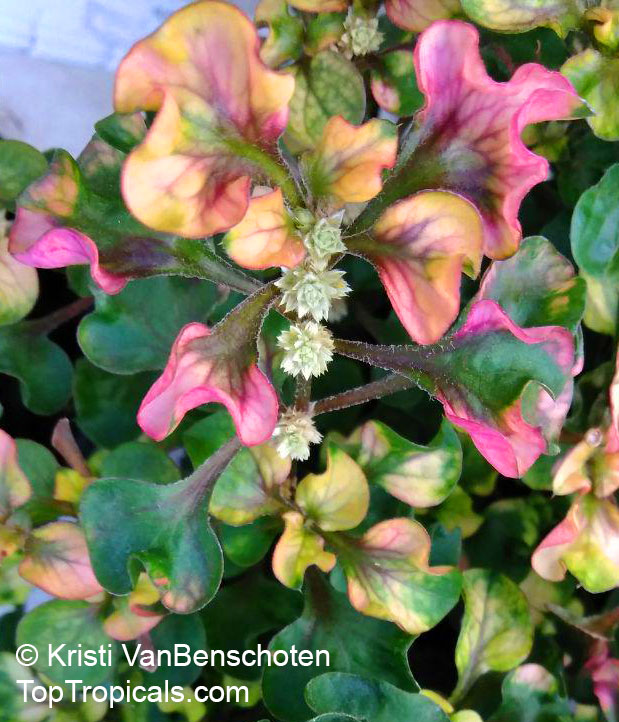
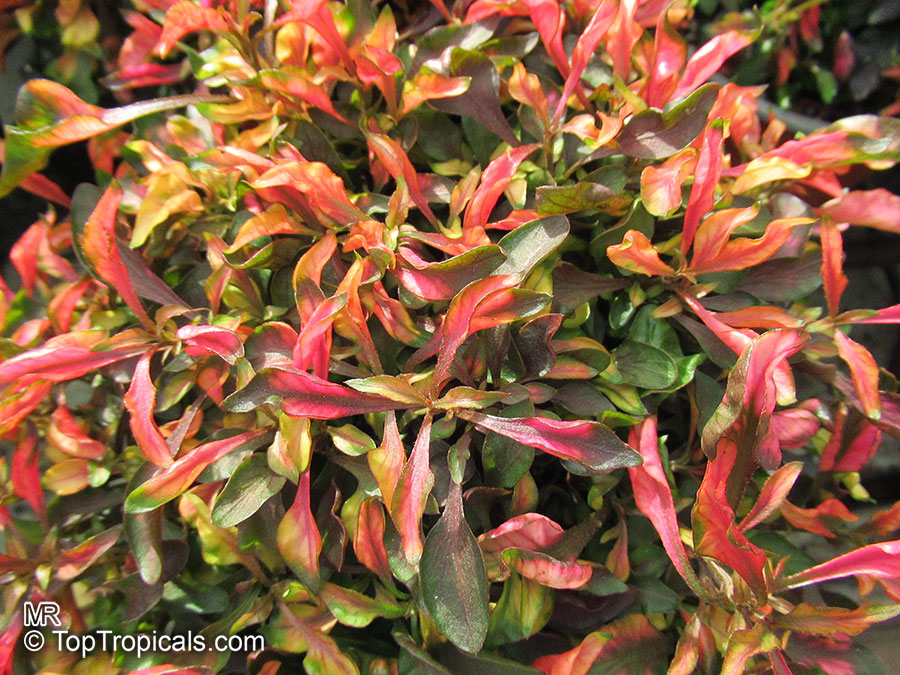
Botanical names: Alternanthera brasiliana, Alternanthera dentata
Common names: Josephs Coat, Calico plant, Copperleaf, Bloodleaf, Joyweed, Parrot leaf
Family: Amaranthaceae
Origin: West Indies to Brazil


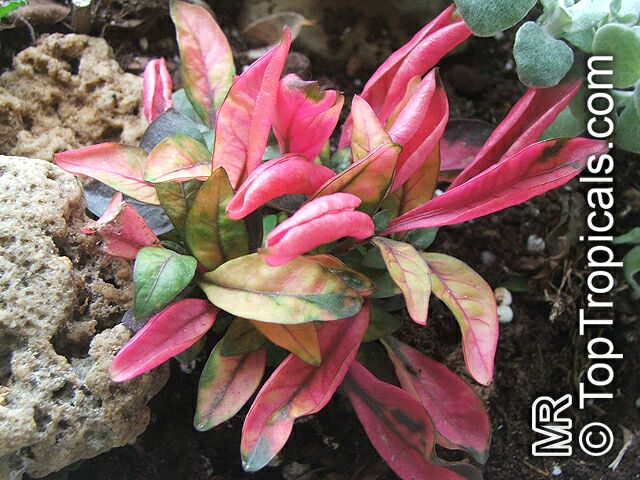
This low-growing, mound-forming evergreen groundcover is native to tropical regions from the West Indies to Brazil. Alternanthera dentata or Joseph's Coat features ornamental foliage displays of a multitude of colors such as purple, burgundy, red, pink, orange, yellow and green on small plants 2-5 ft tall. Not only does this plant add an eye-catching contrast to gardens, but it also needs minimal care and maintenance.
Full sun is recommended for Alternanthera dentata to maximize its colorful foliage and blossom white or off-white flowers. Semi-shade is also acceptable, but try to avoid full shade. Water regularly, but not in excess to prevent waterlogging and ensure that the soil doesn't completely dry out.
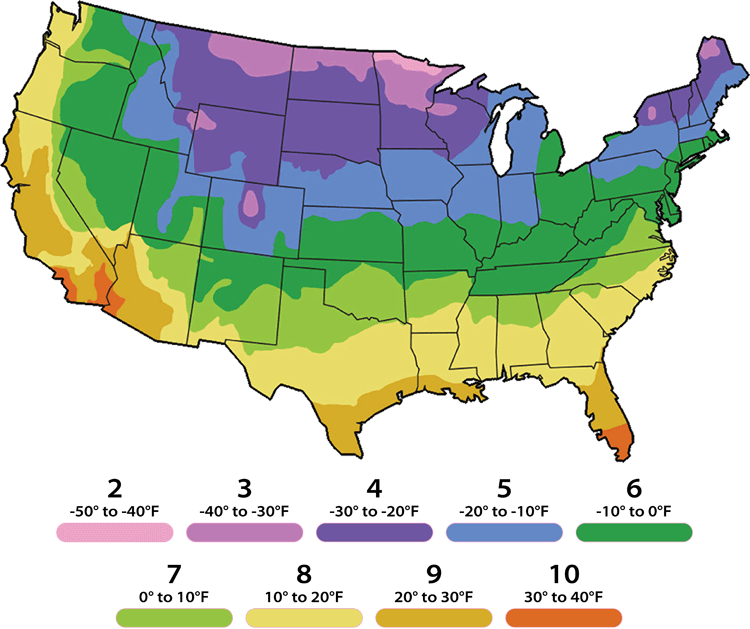
Zones 10-11 USDA are ideal for growing Alternanthera dentata, but those living in cooler climates can still enjoy this plant with a few extra steps. Pot your Alternanthera dentata in a pot that can be moved indoors during a frost. Mature cold-hardy at least to 30s F for a short time, this beautiful tropical plant is also salt tolerant and makes for a great choice for seaside gardens.
With its stunning, long season of color and low-maintenance requirements, Alternanthera dentata or Joseph's Coat is a reliable choice for gardens, landscapes and container plantings.
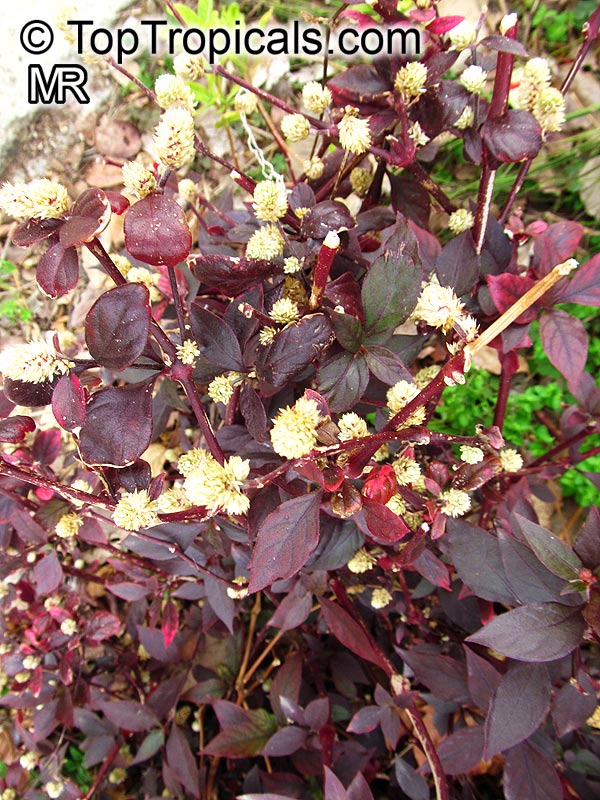


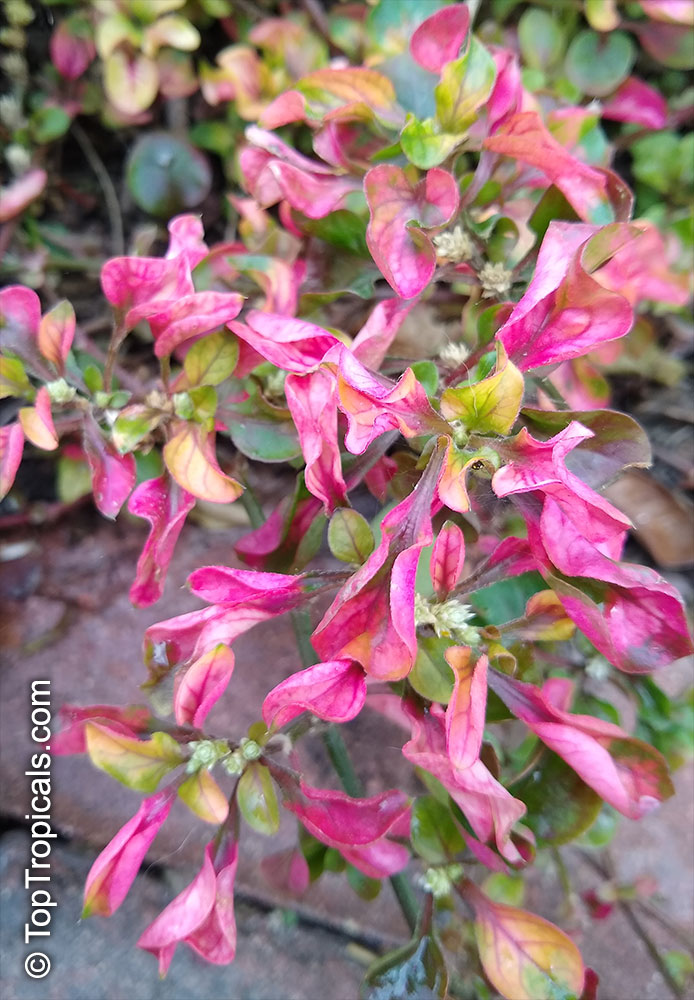
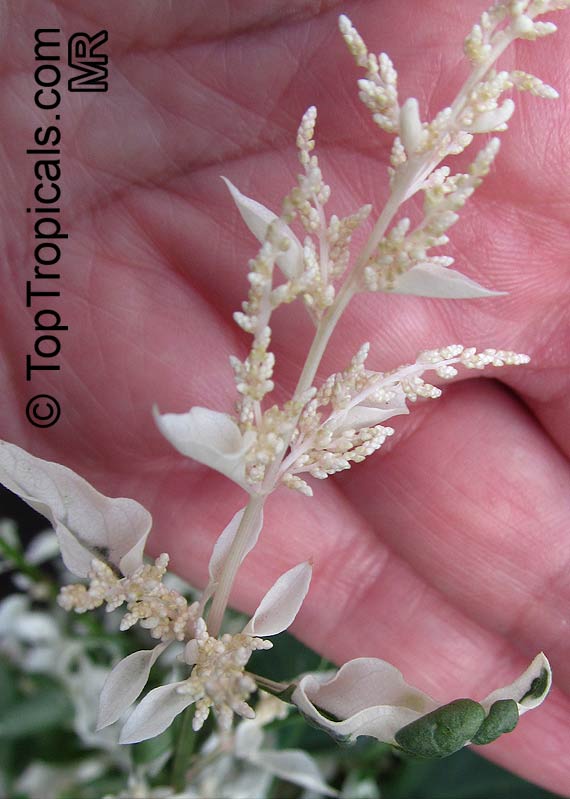
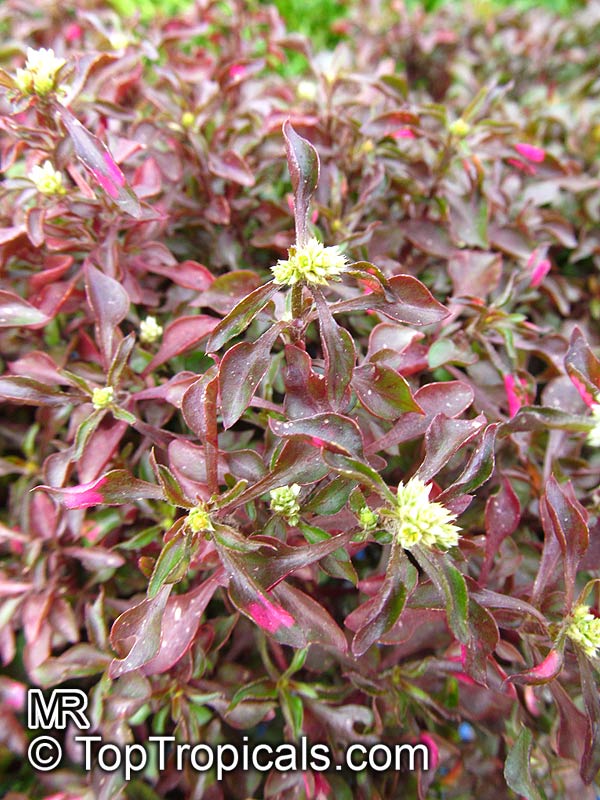
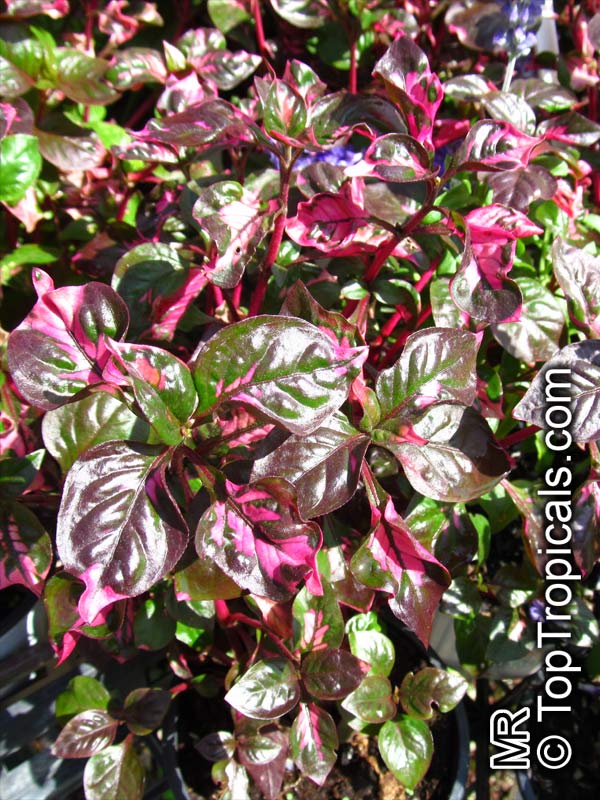
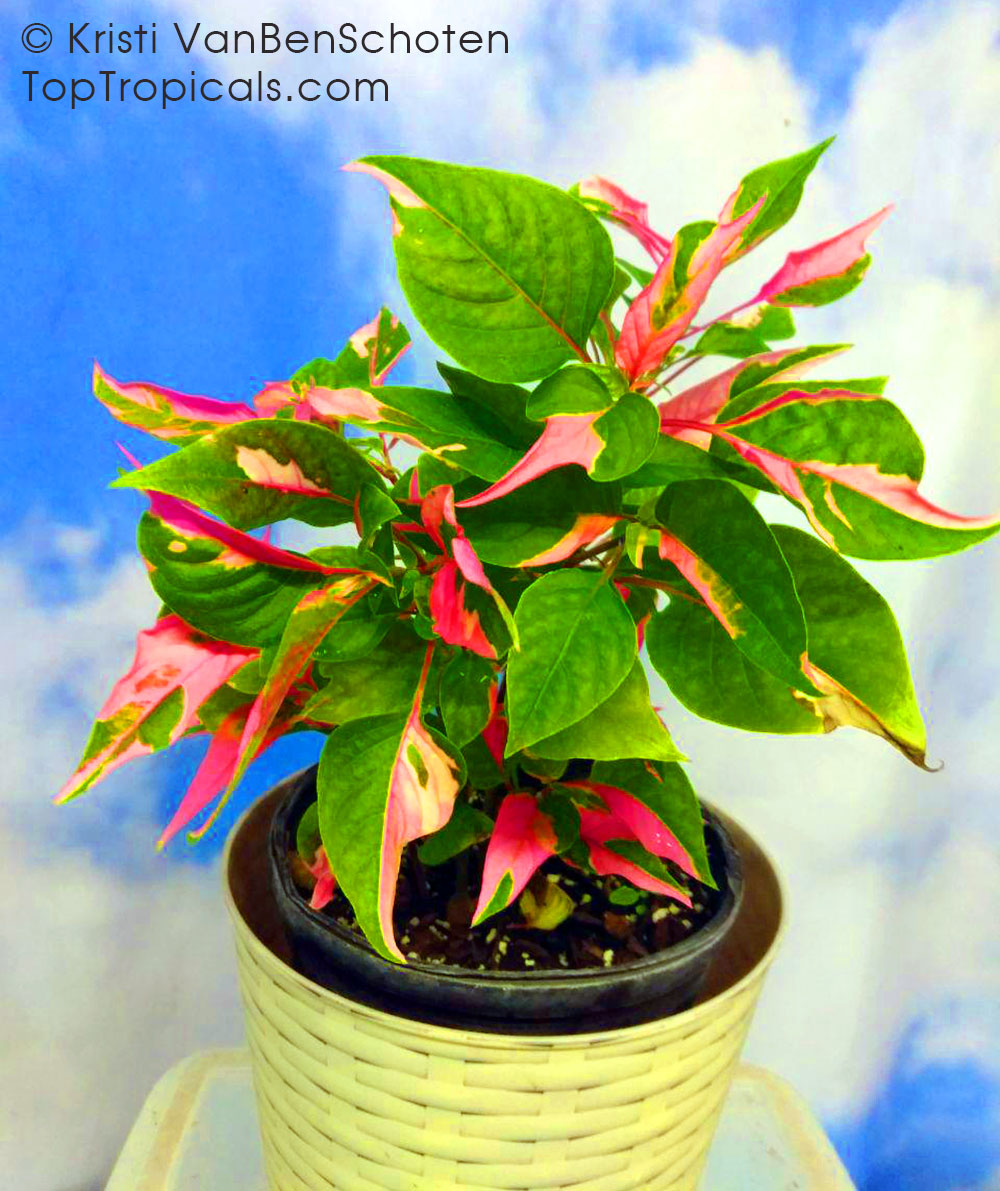
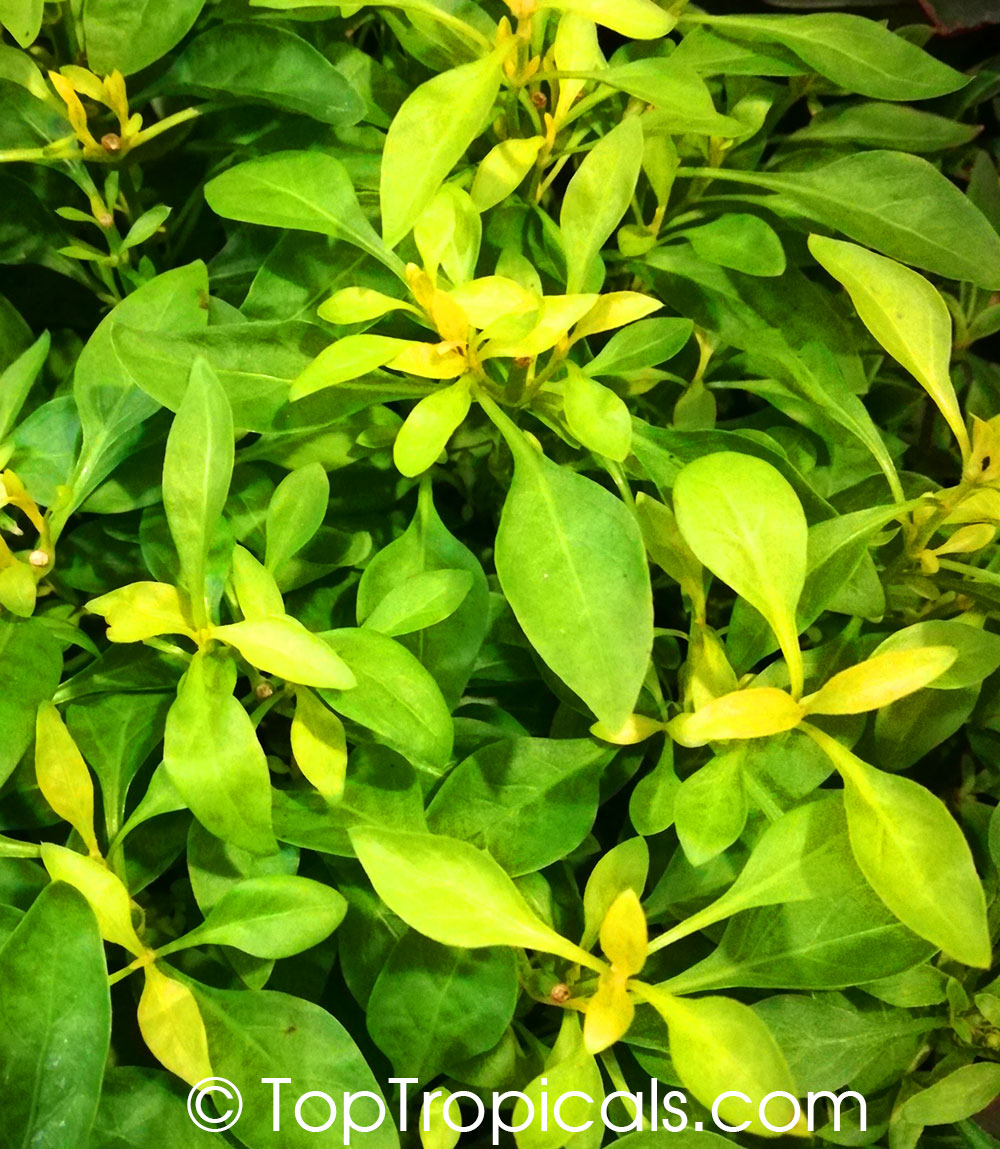
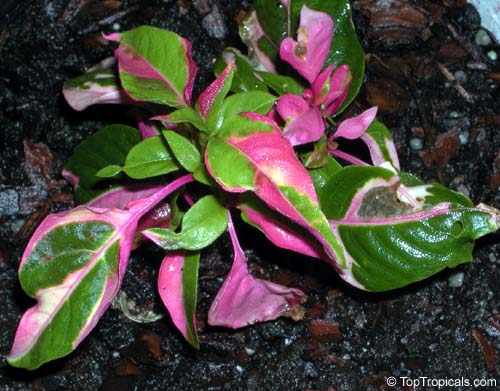
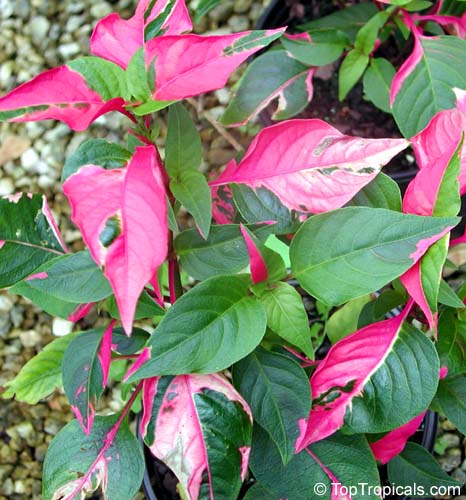
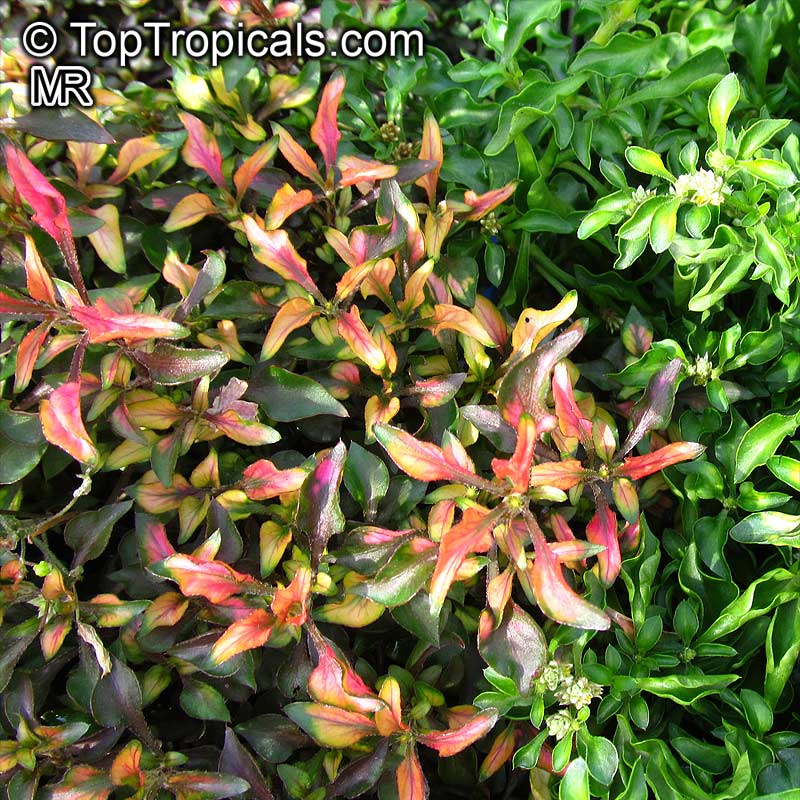
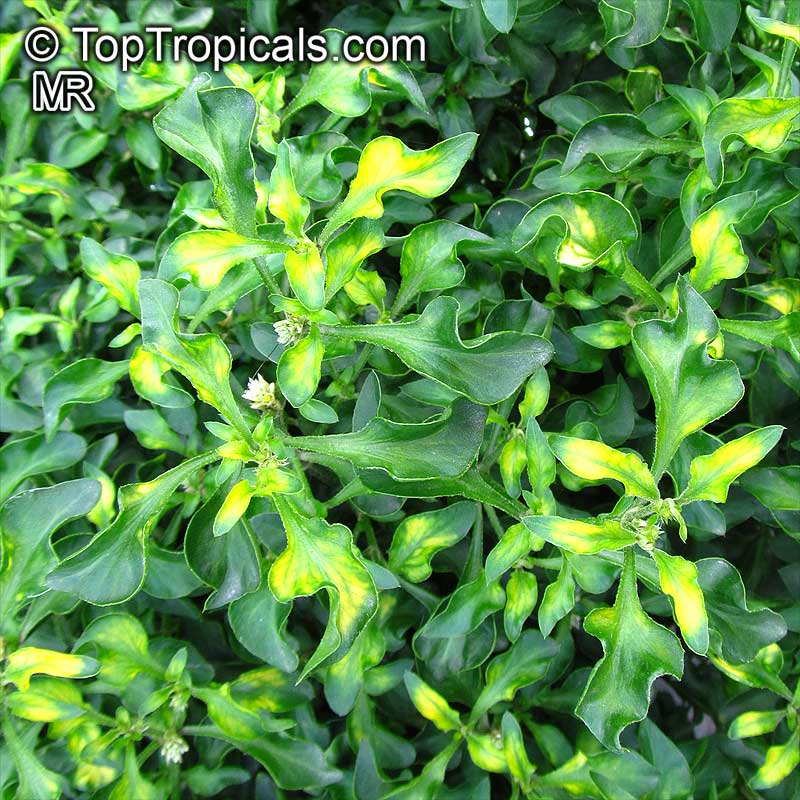
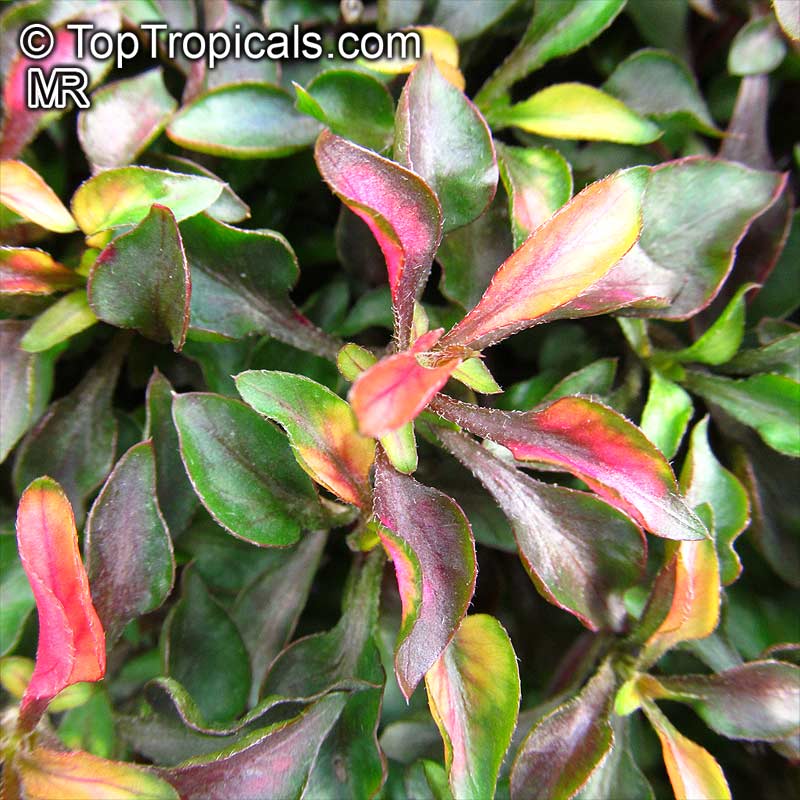
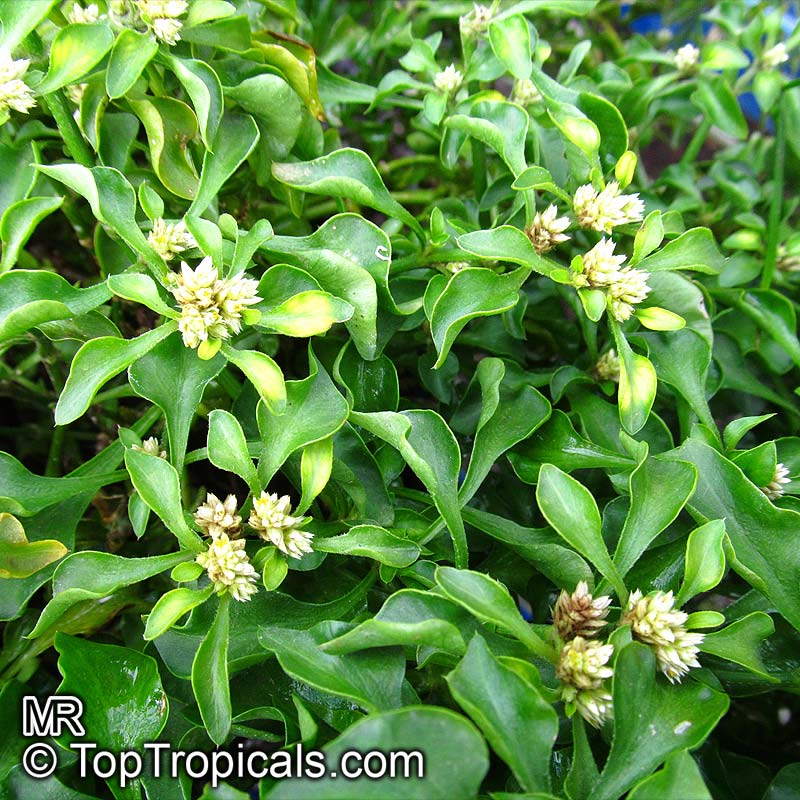
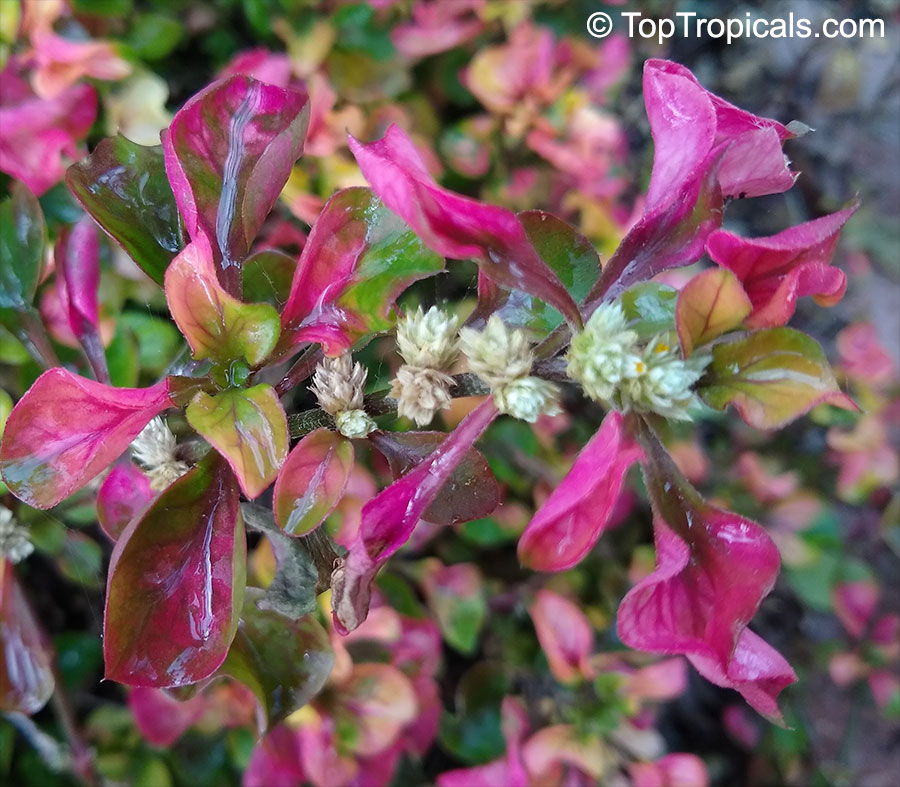
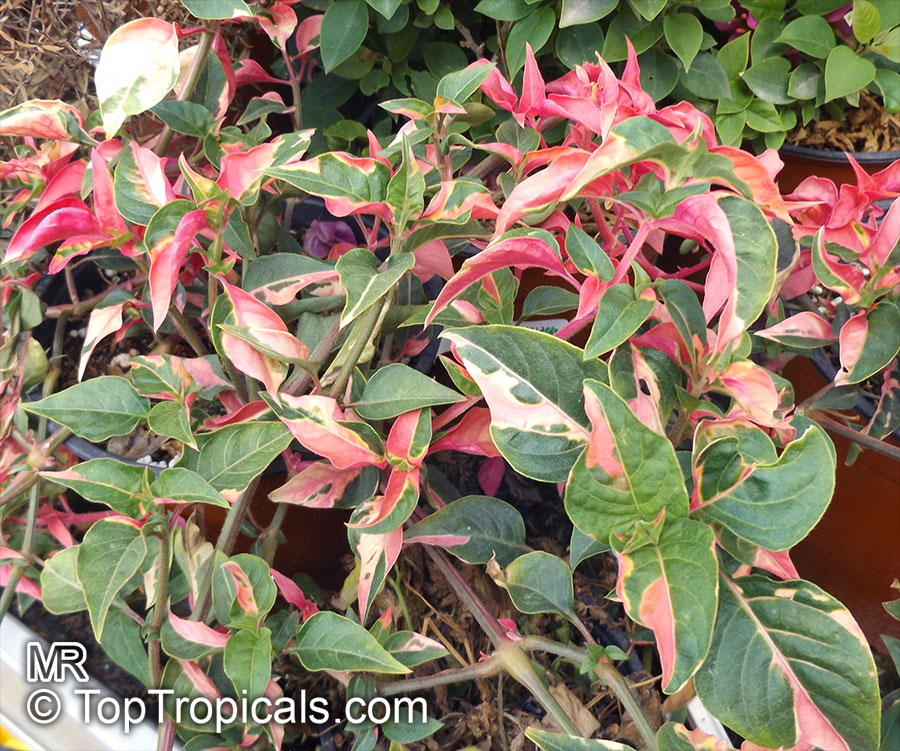
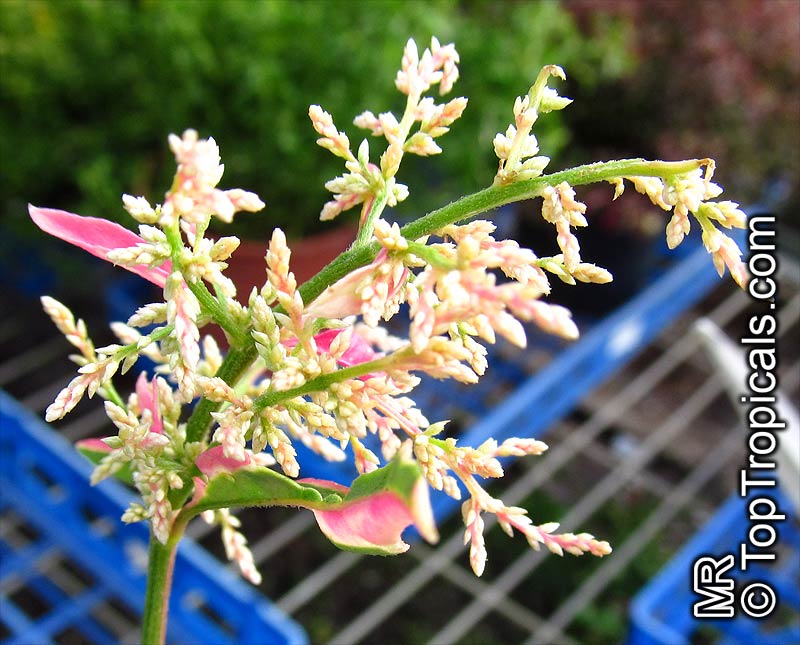
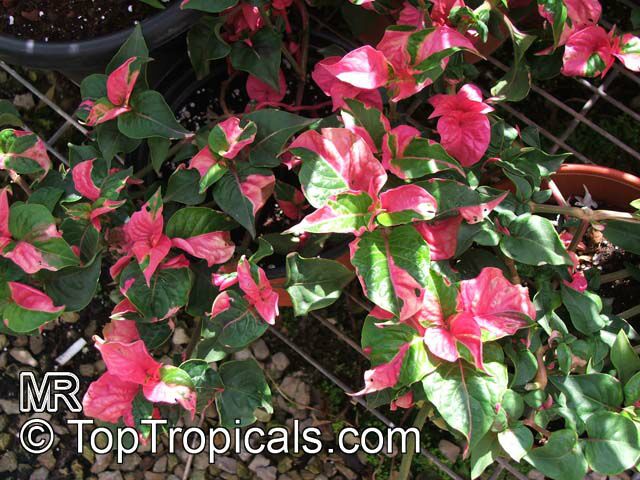
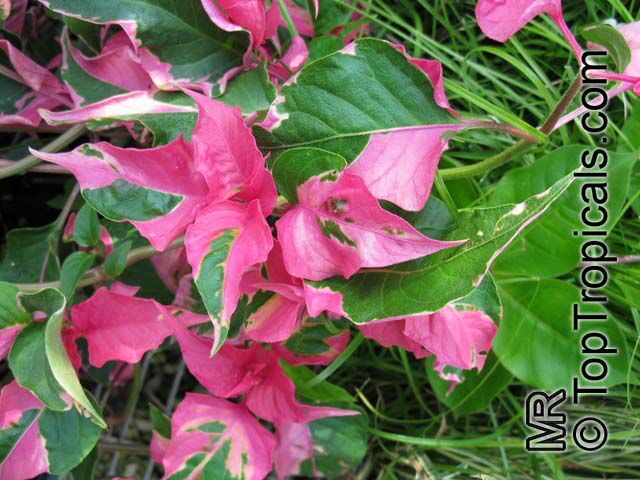
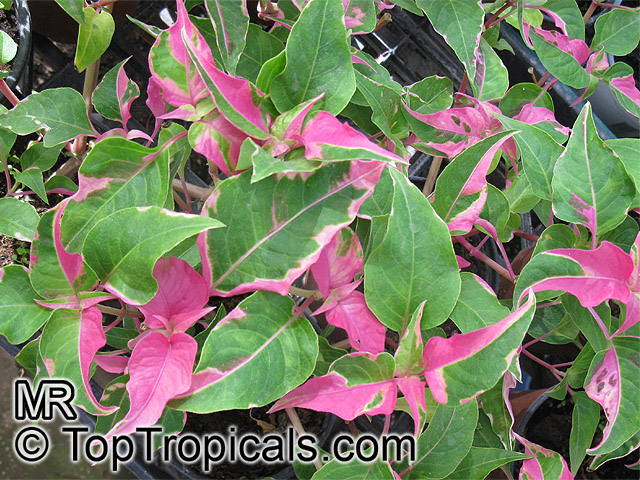
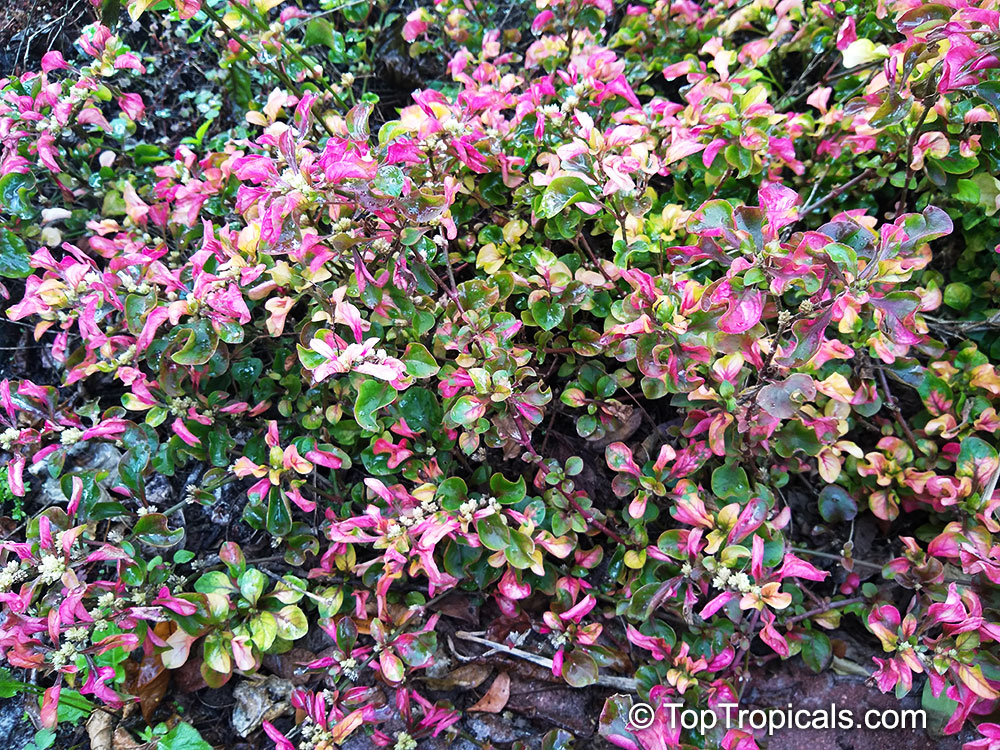
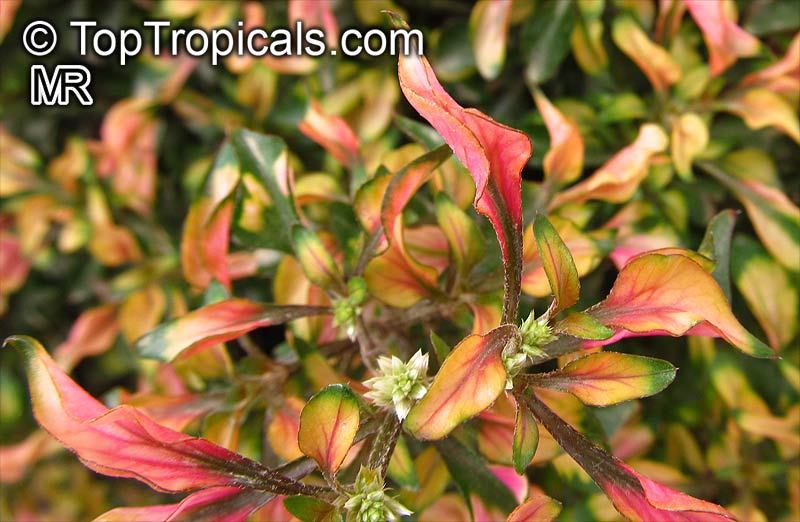
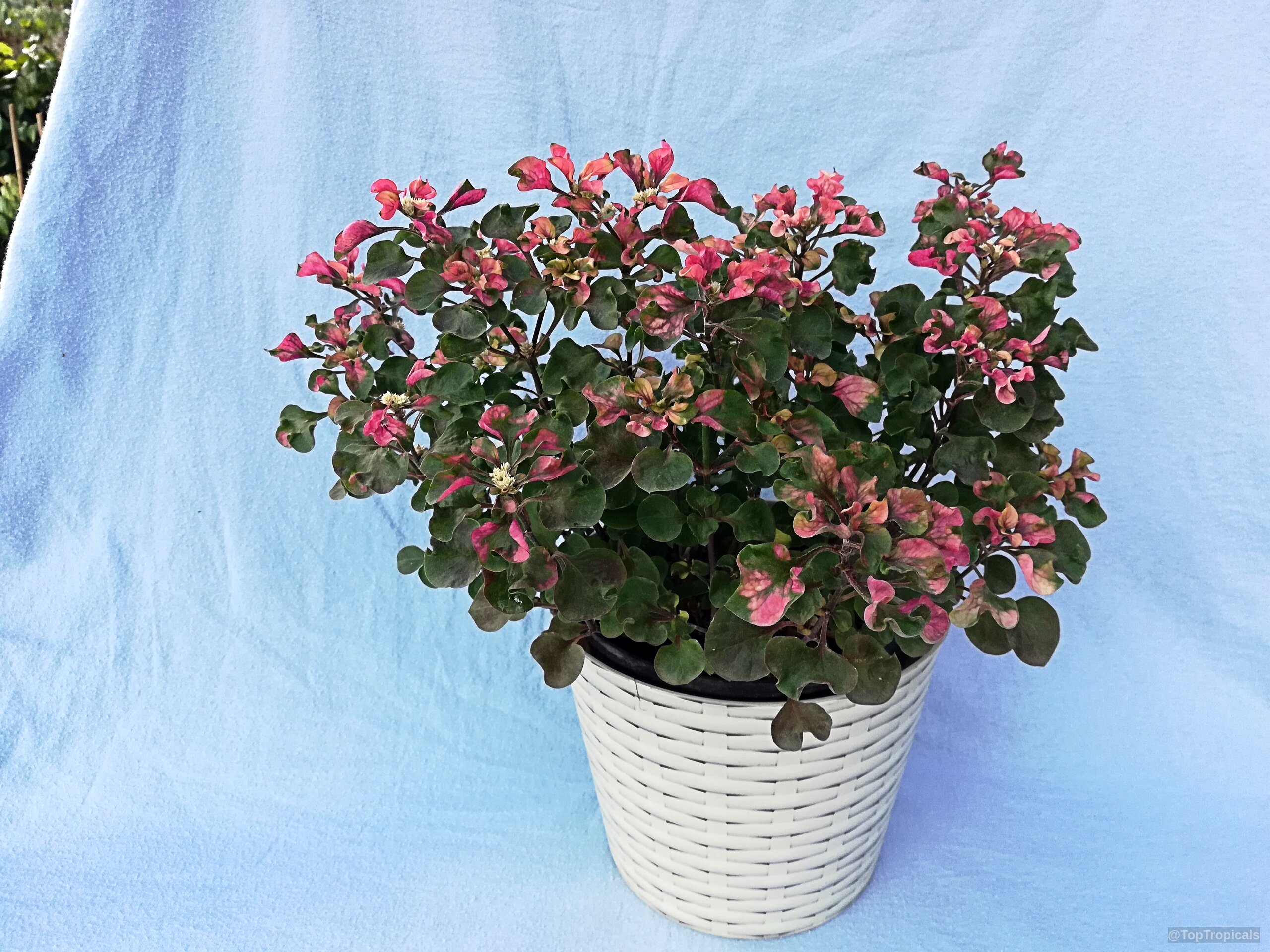
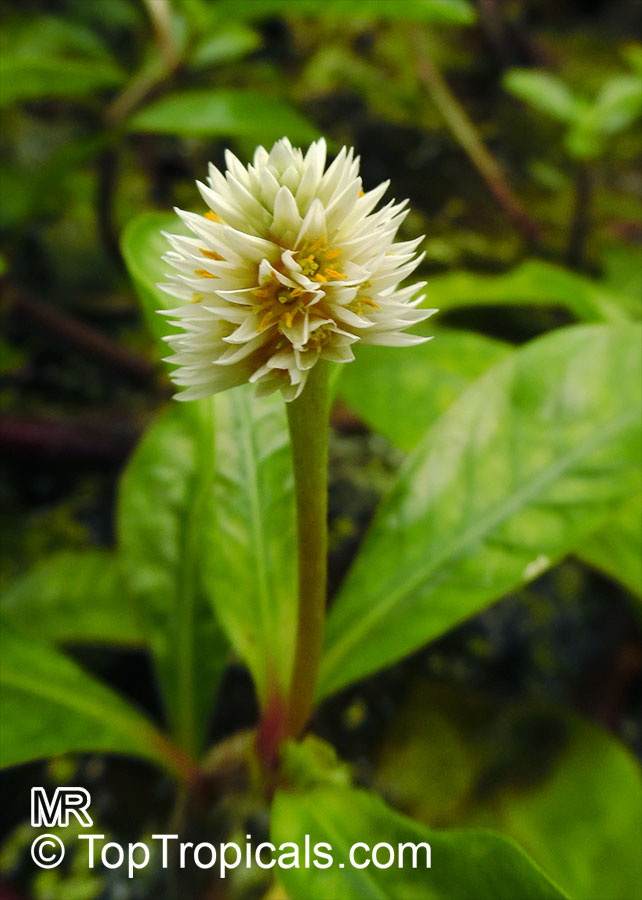
Botanical name: Alternanthera ficoidea
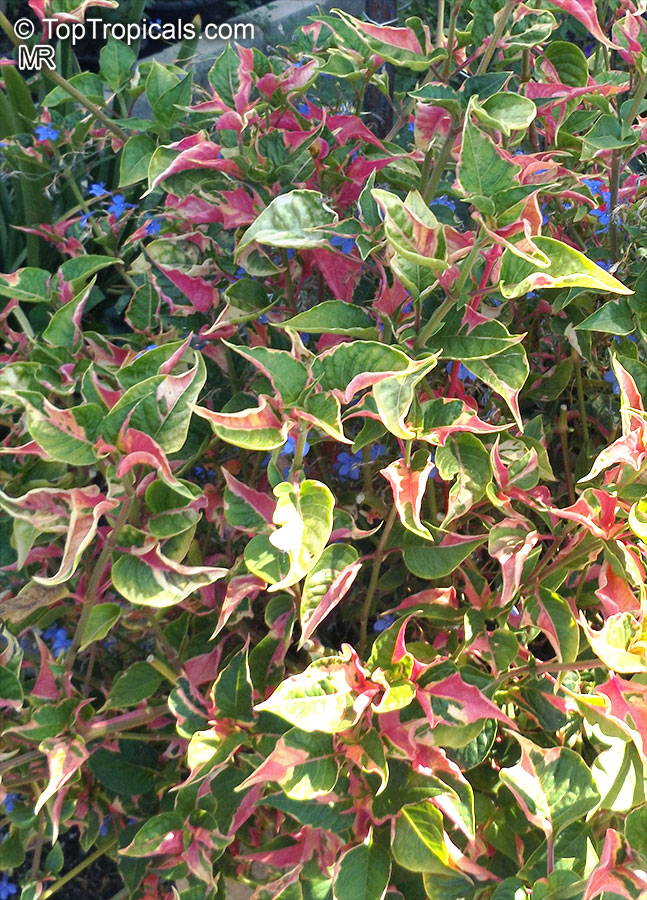
Common names: Calico Plant, Joseph's Coat, Joyweed
Family: Amaranthaceae
Origin: South America
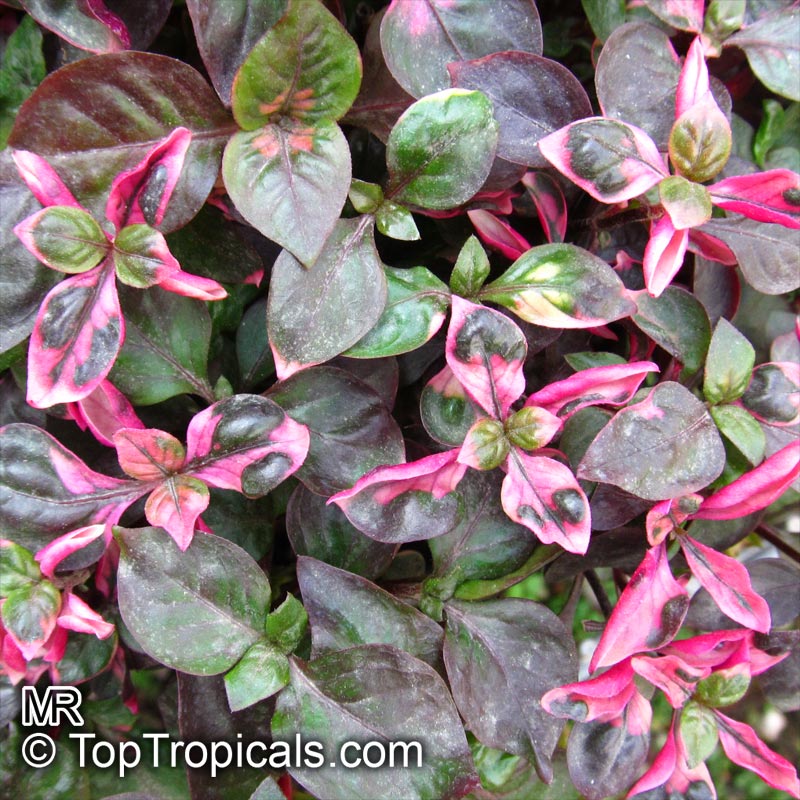
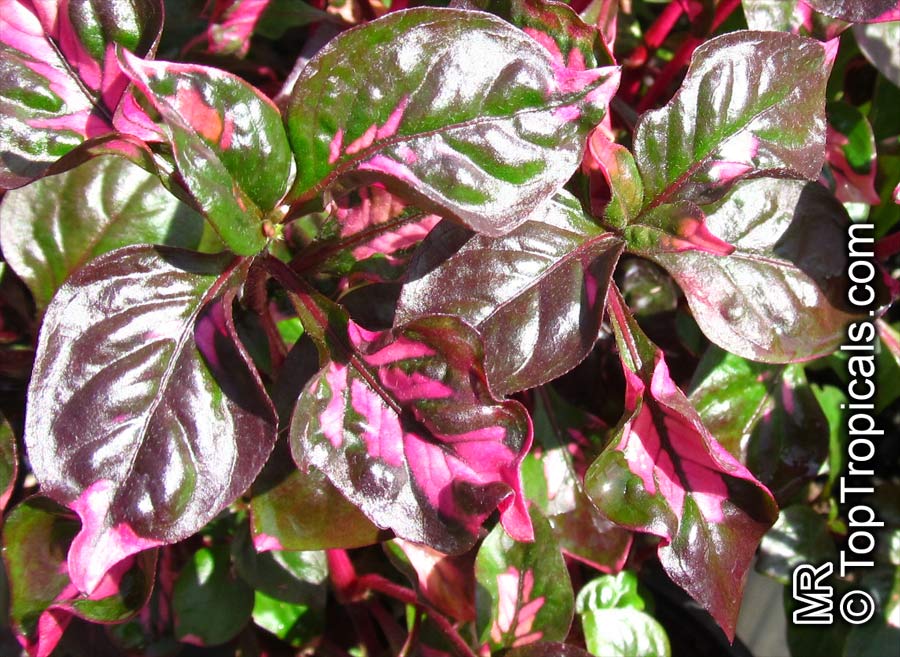
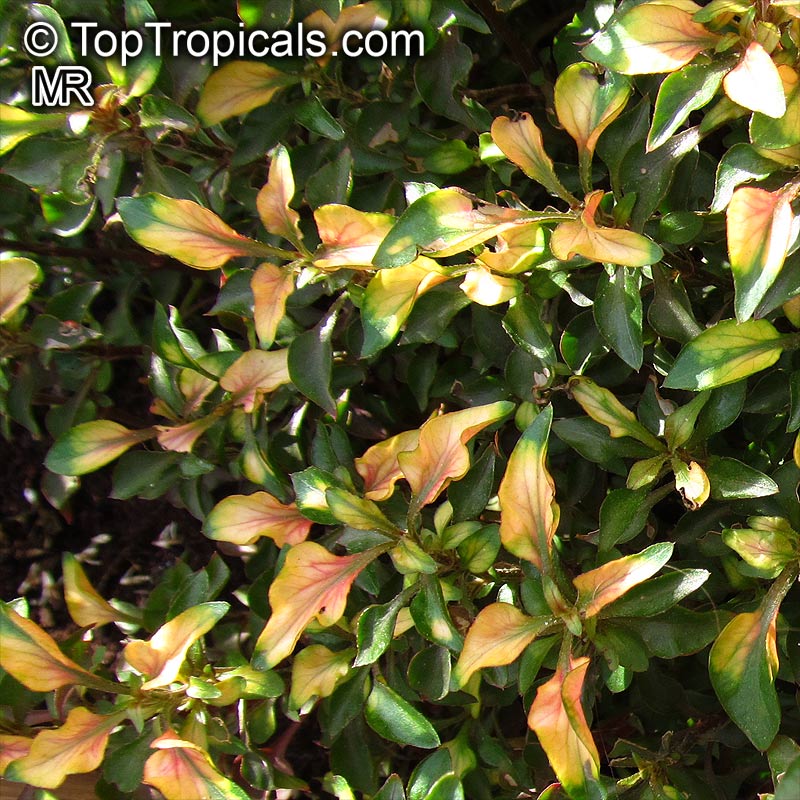
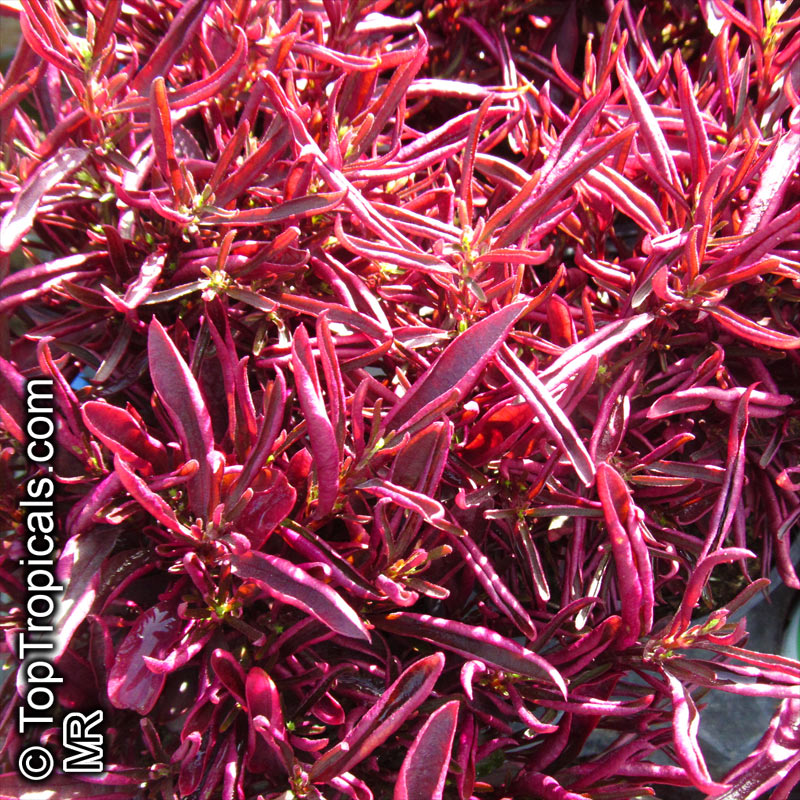
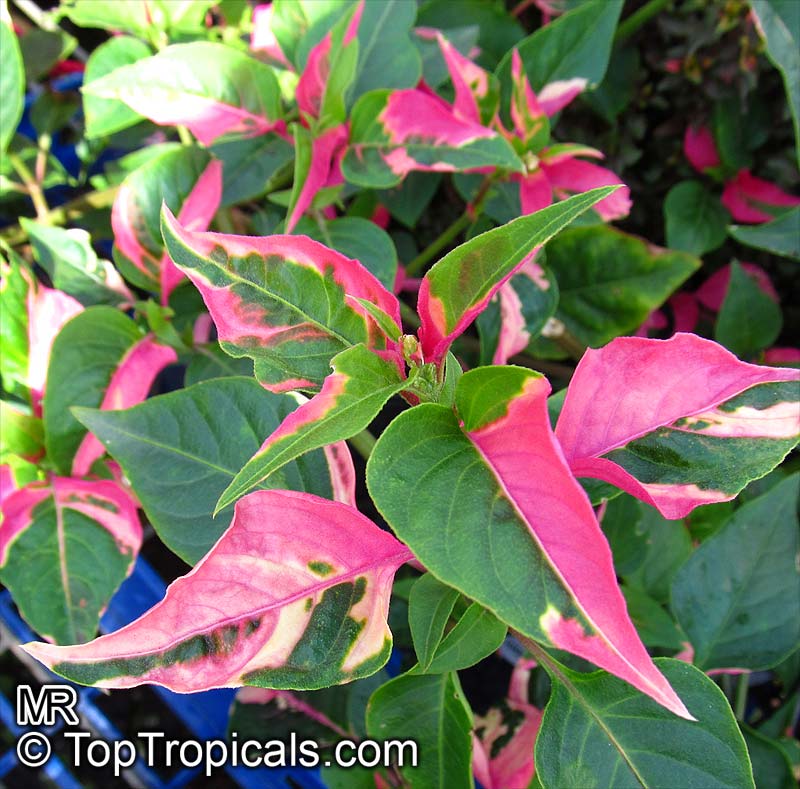
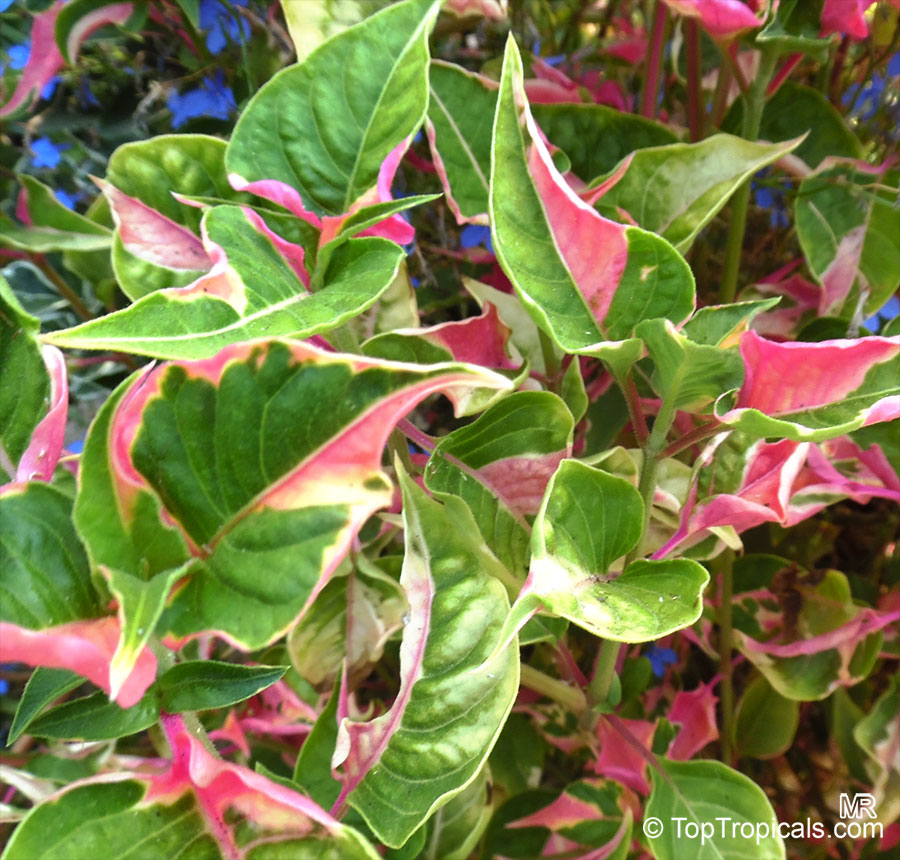
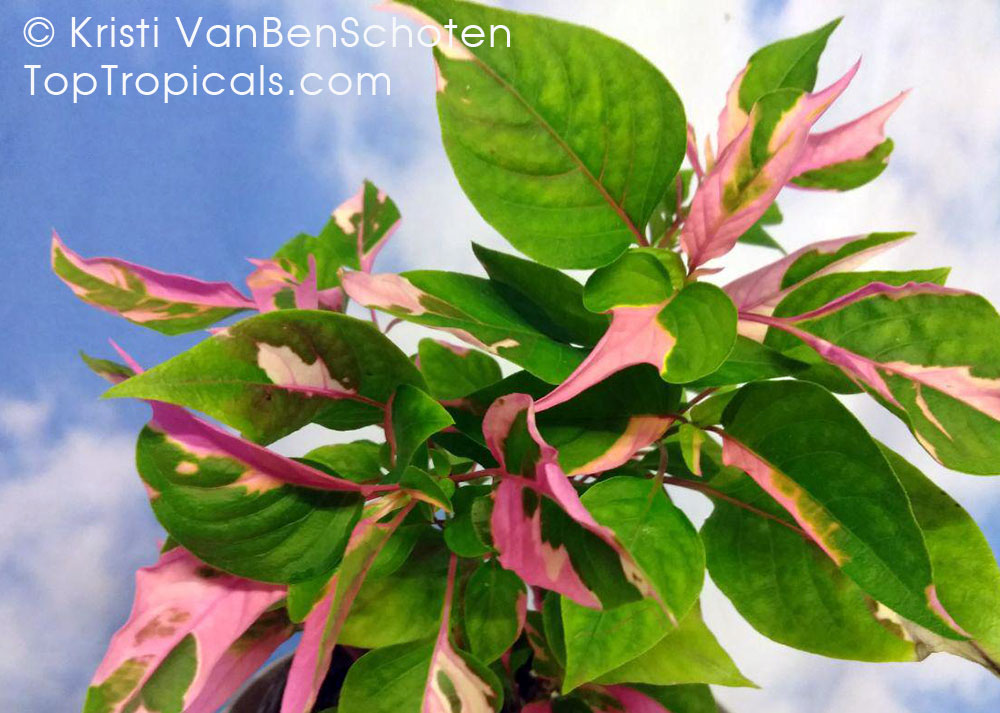
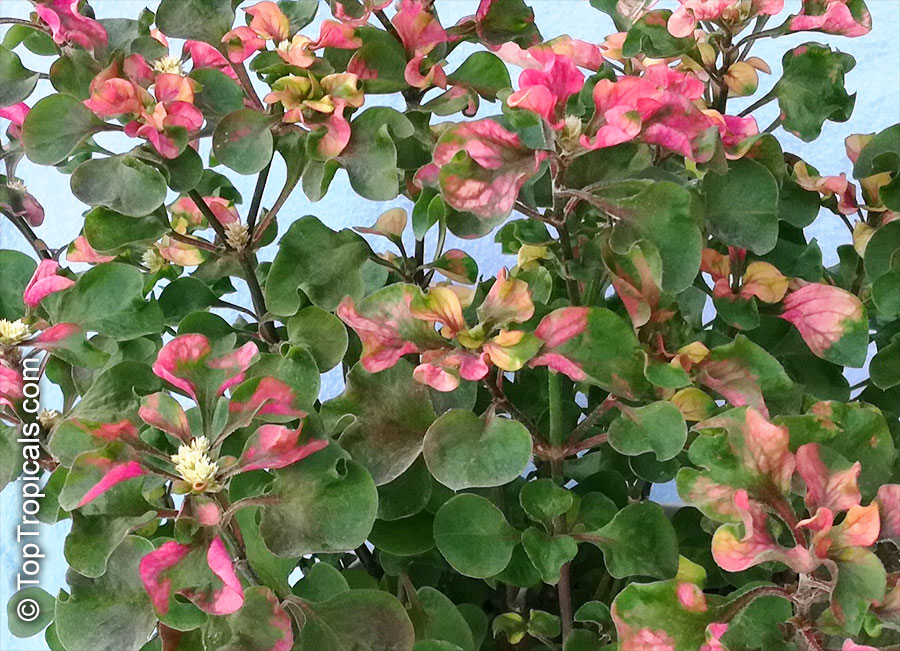
Beautiful Variegated pink leaves. Takes both sun or shade, perfect accent plant that attracts attention of everyone who's passing by.
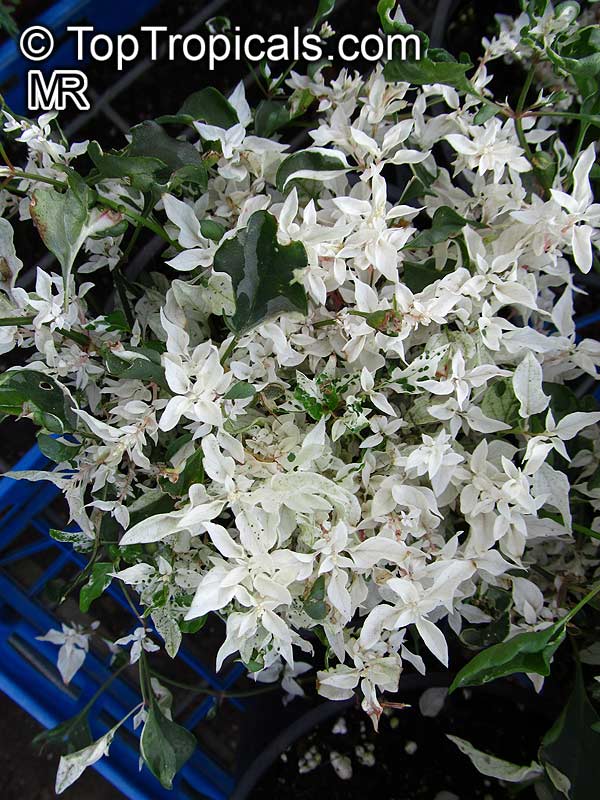
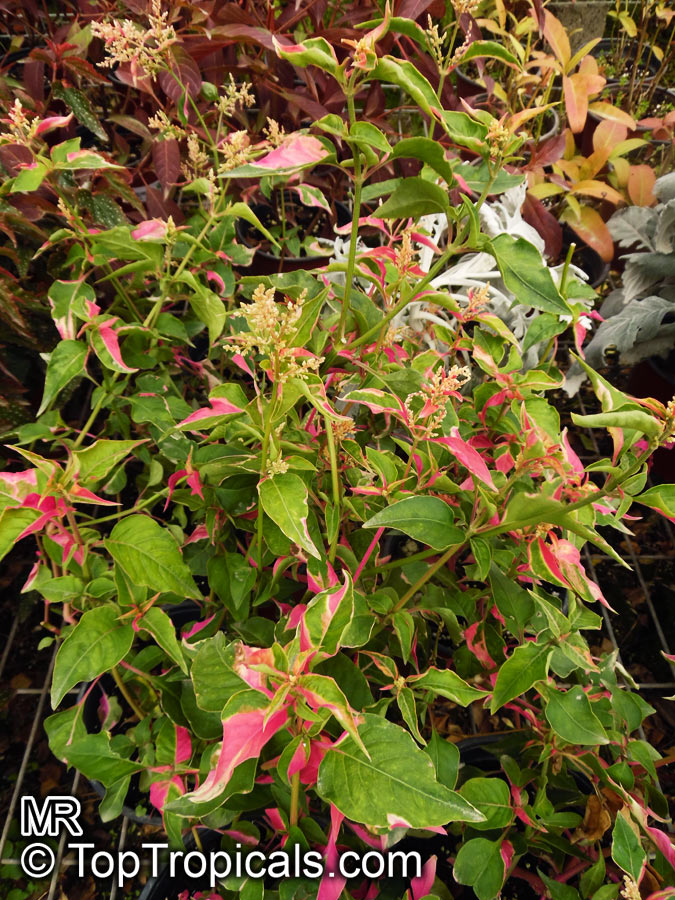
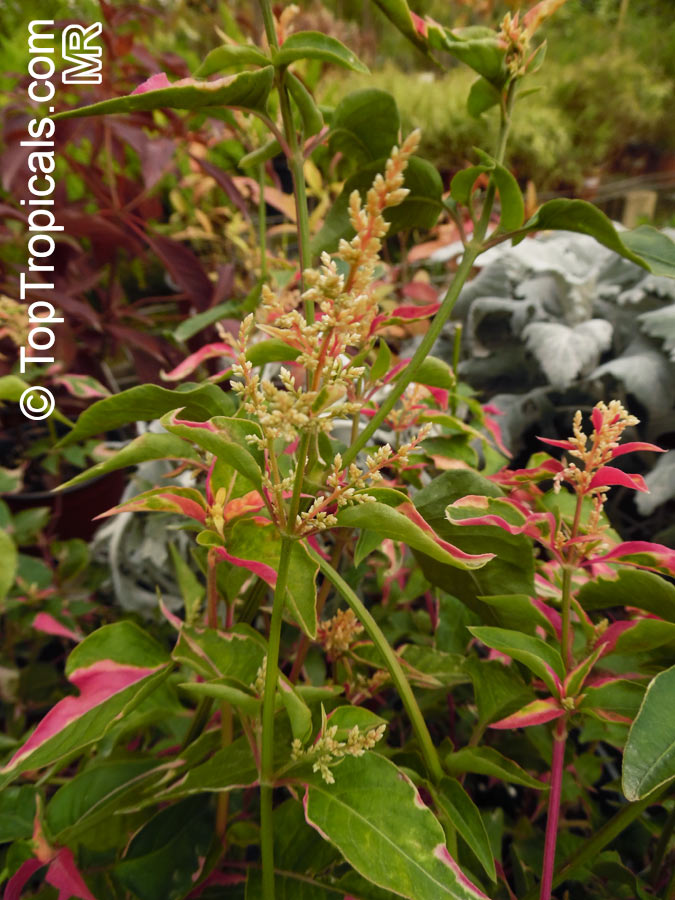
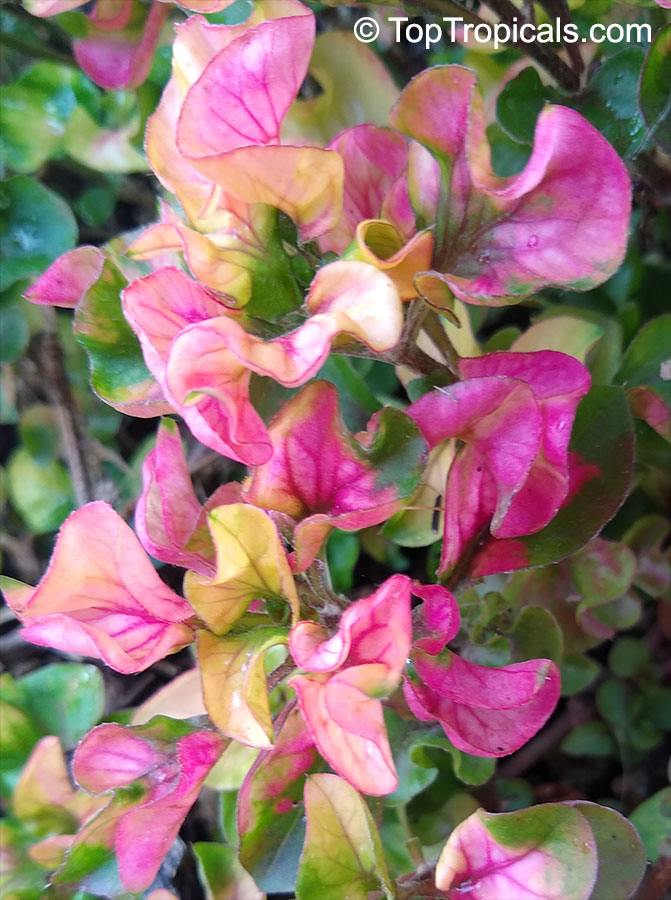


Botanical name: Alternanthera hassleriana
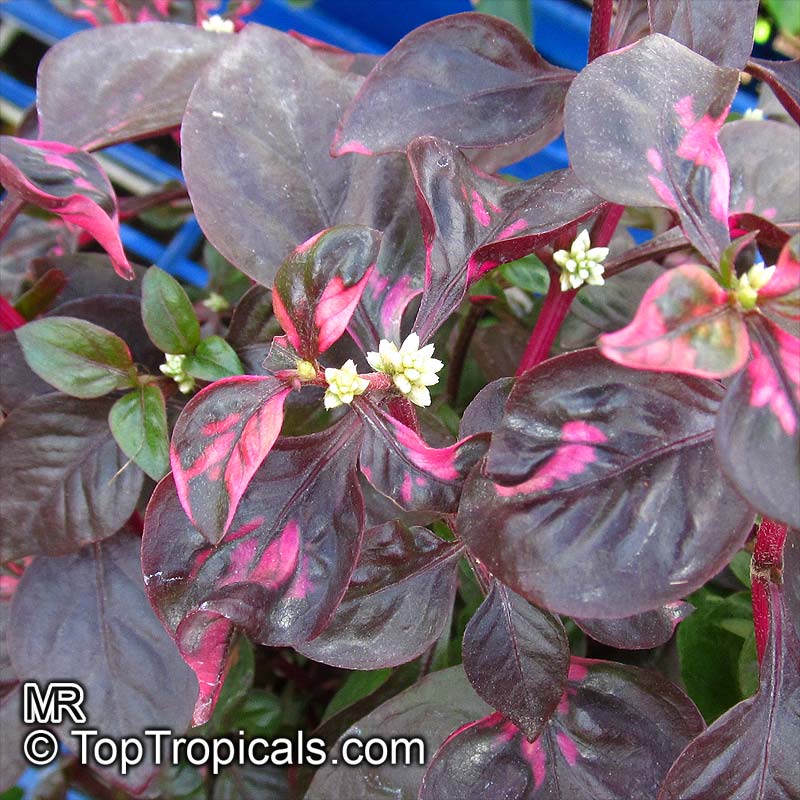
Common names: Hassler's Alternanthera, Neptune's Crown
Family: Amaranthaceae
Origin: South America

A water plant that will float across the water surface. The internodes of Alternanthera aquatica are filled with air, as adaptation to its life as a floating plant, and look "bloated". Dainty white flowers.
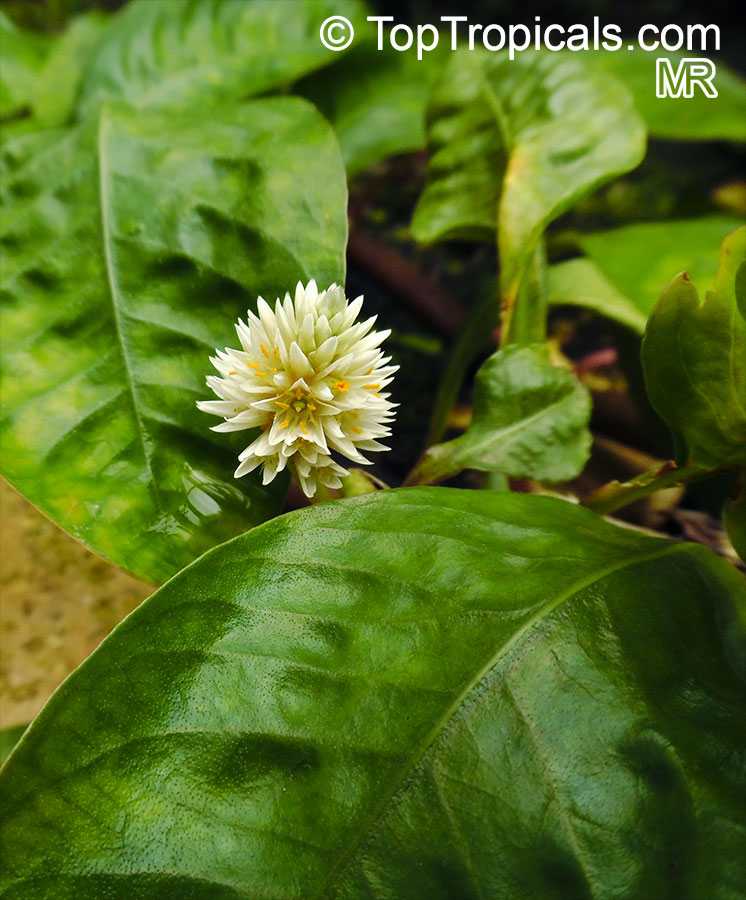
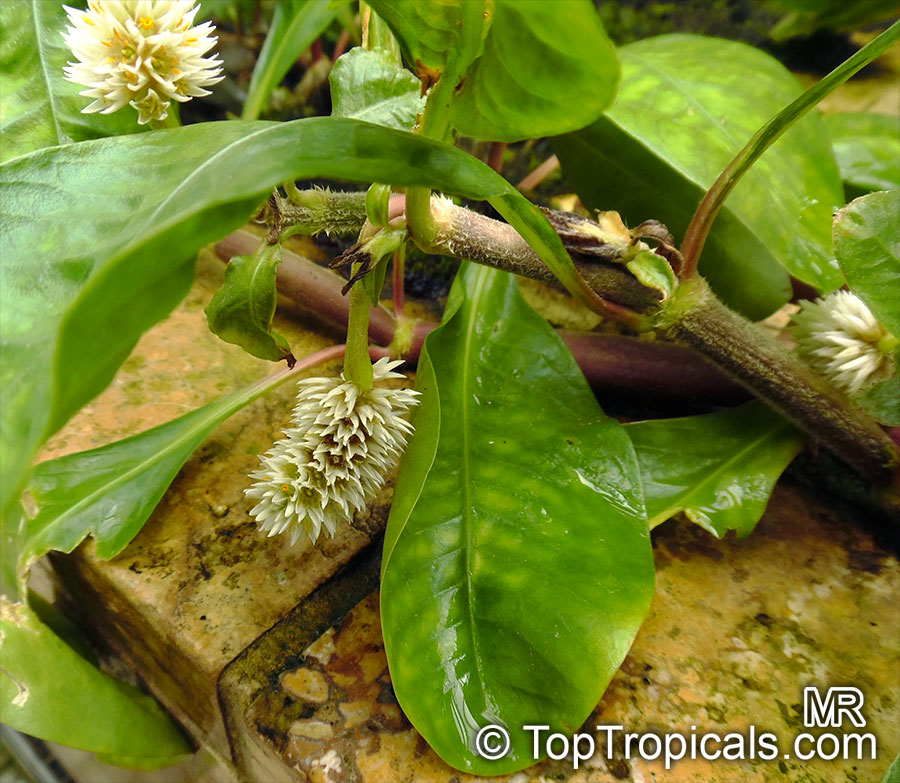
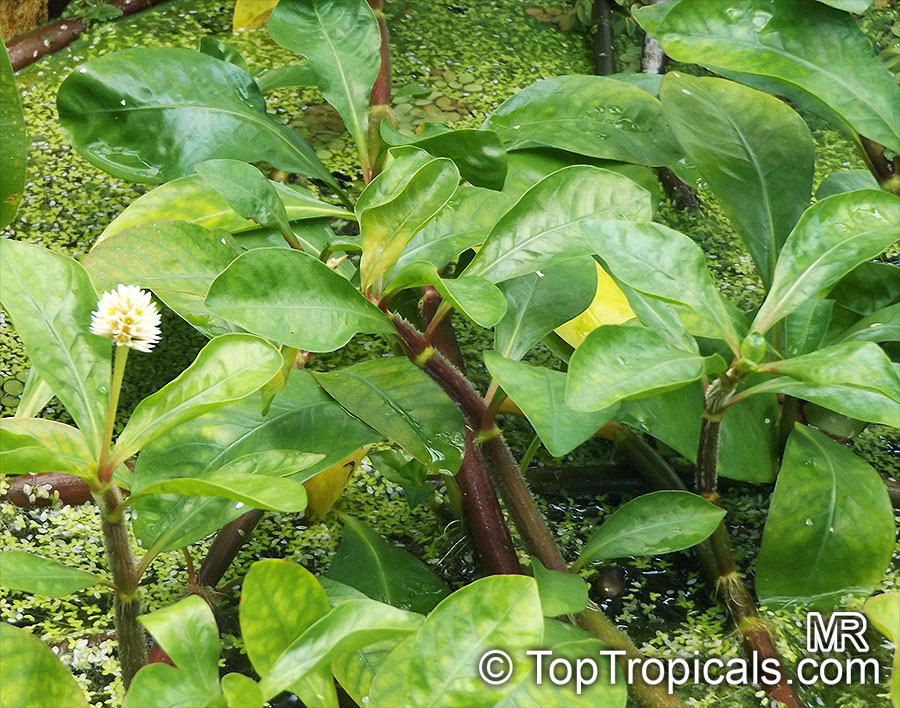
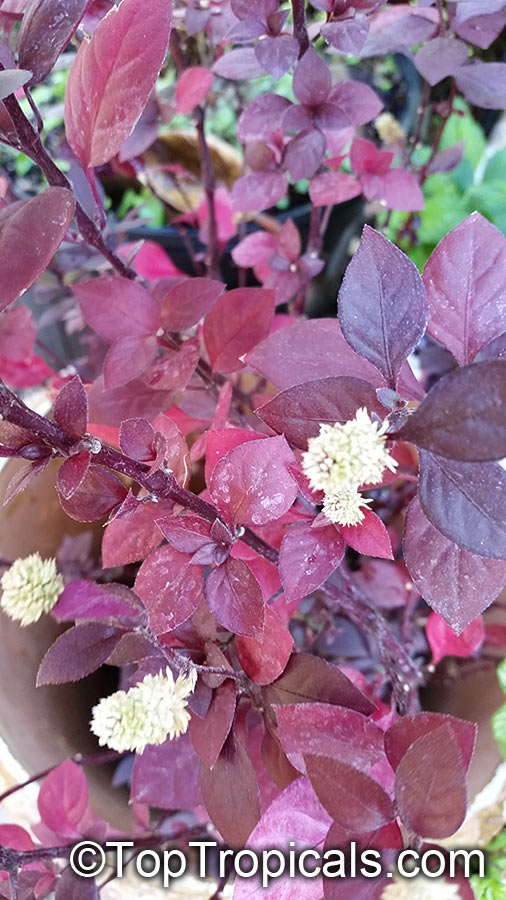
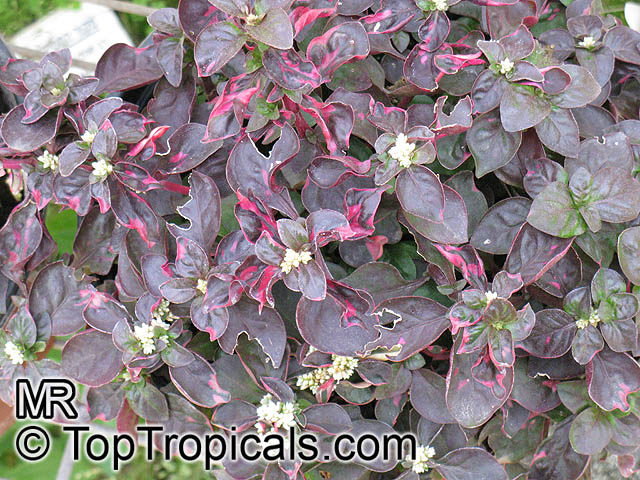
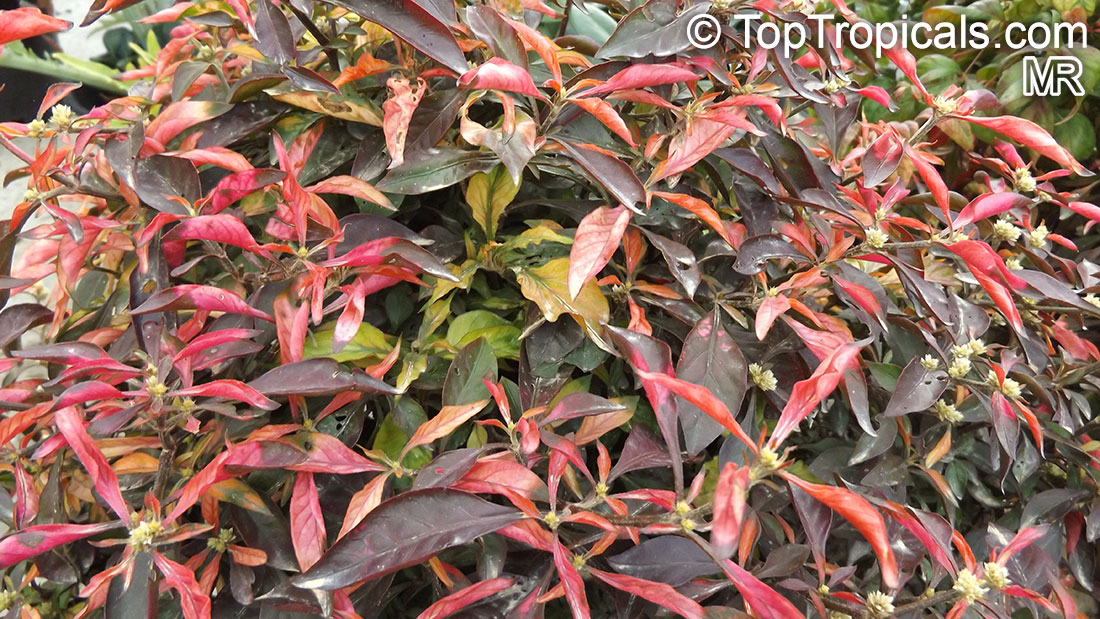
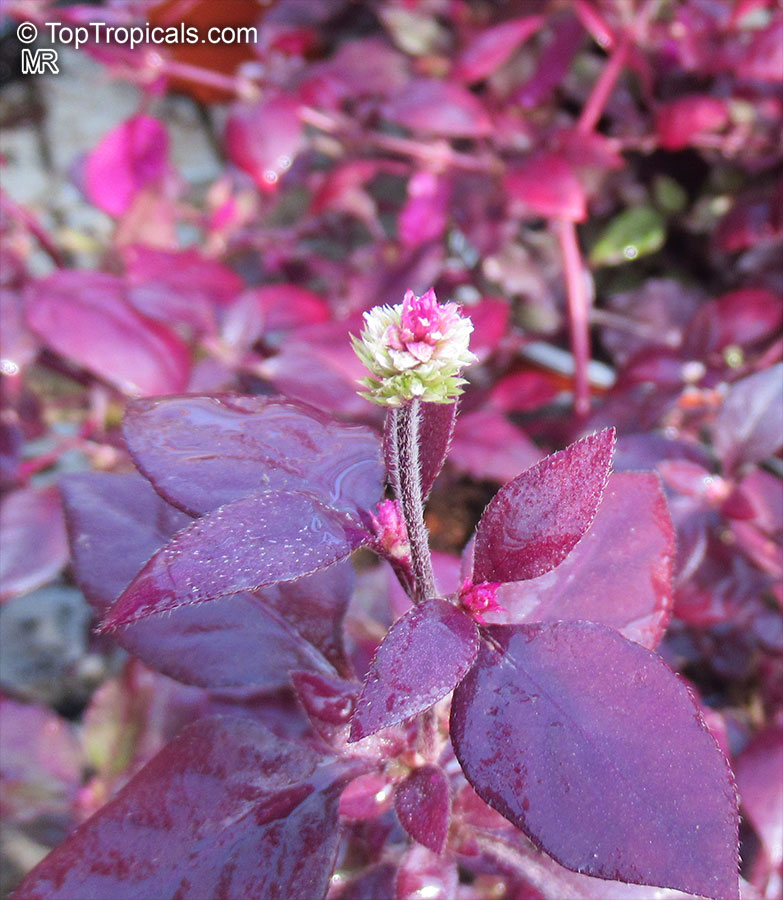
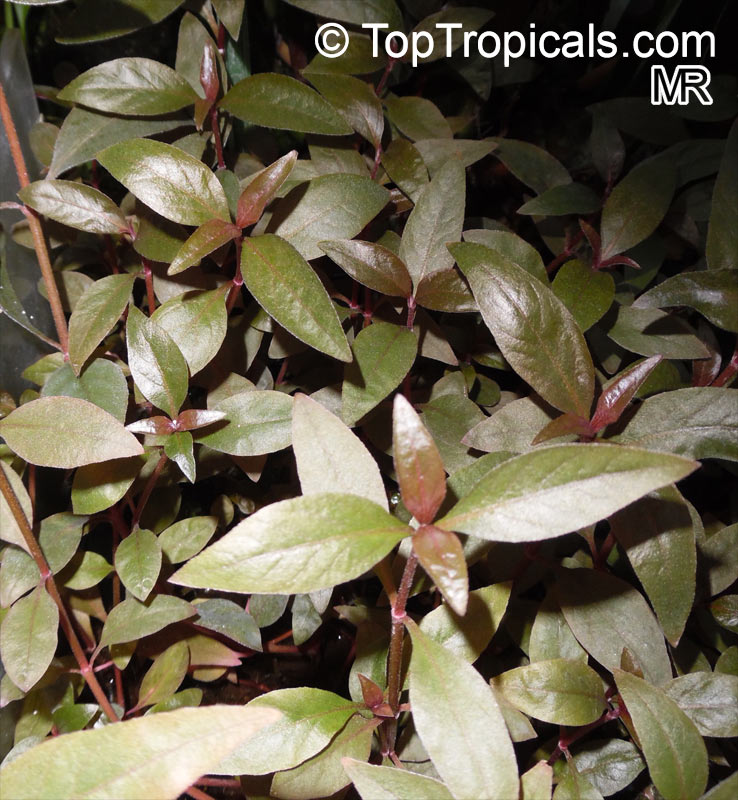
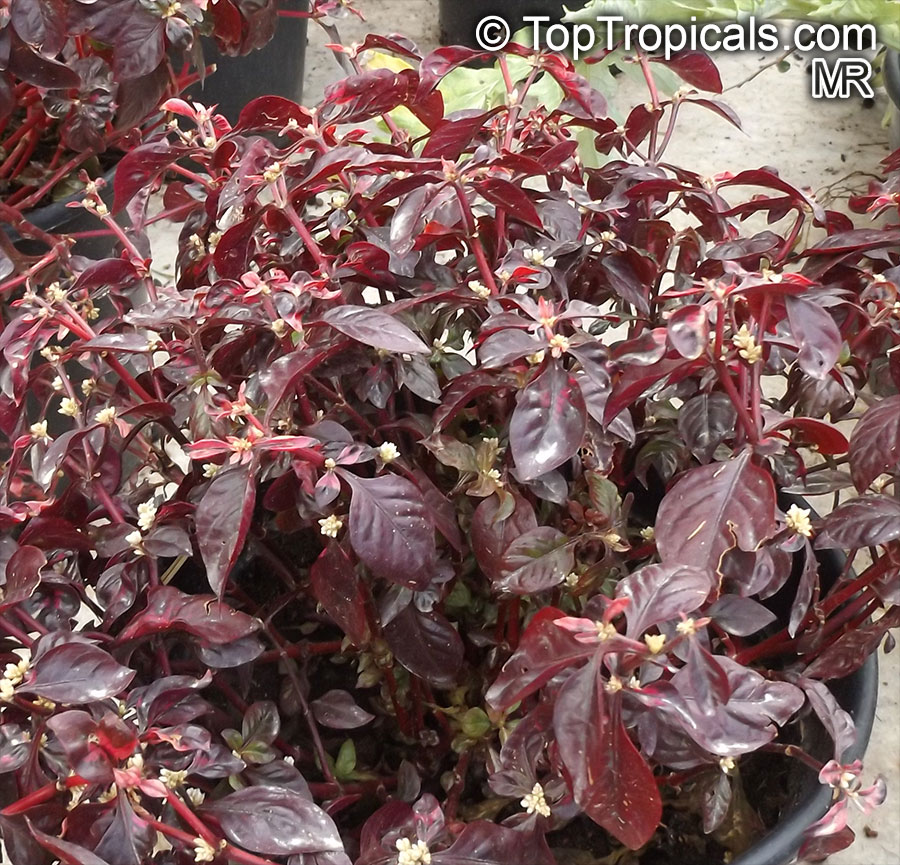
Botanical name: Alternanthera sp.
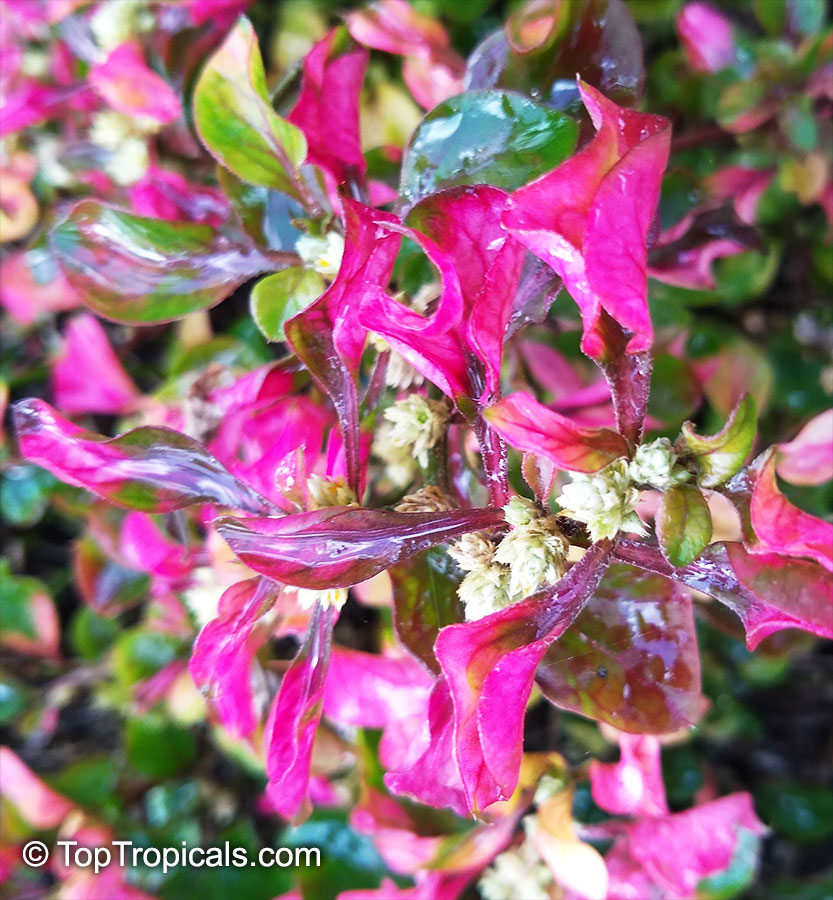
Common name: Bloodleaf
Family: Amaranthaceae

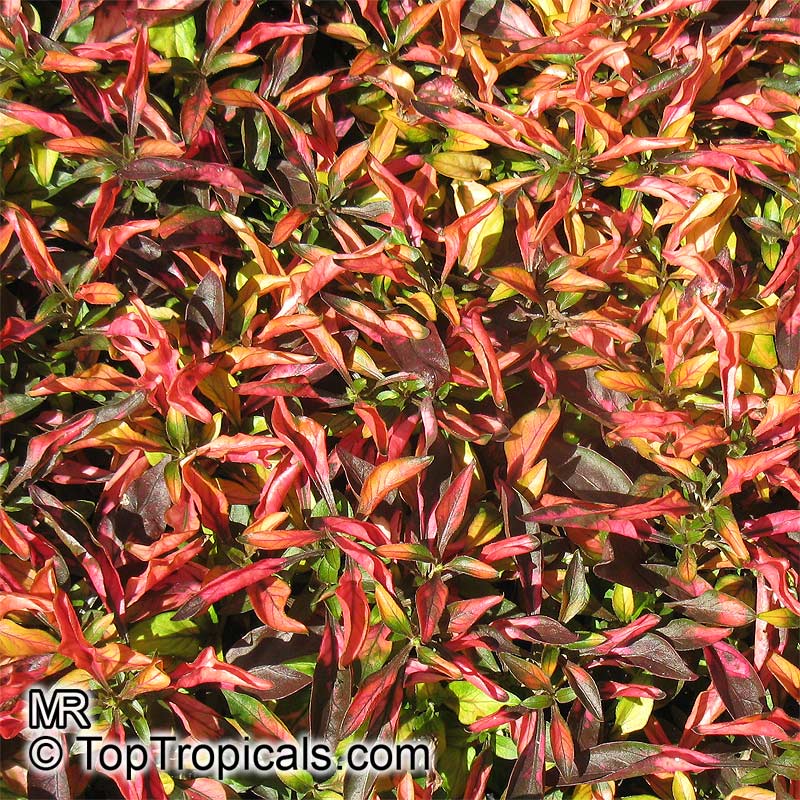
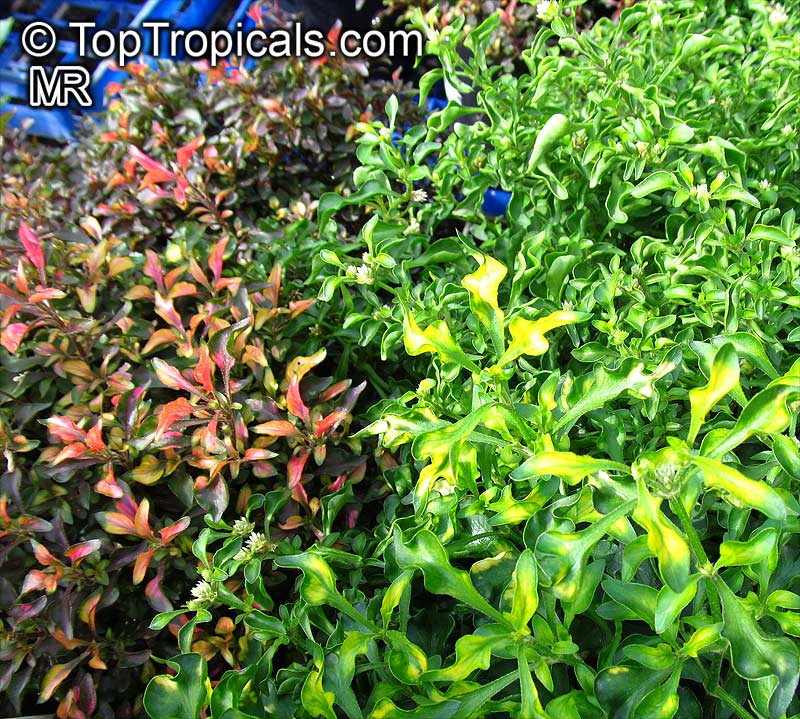
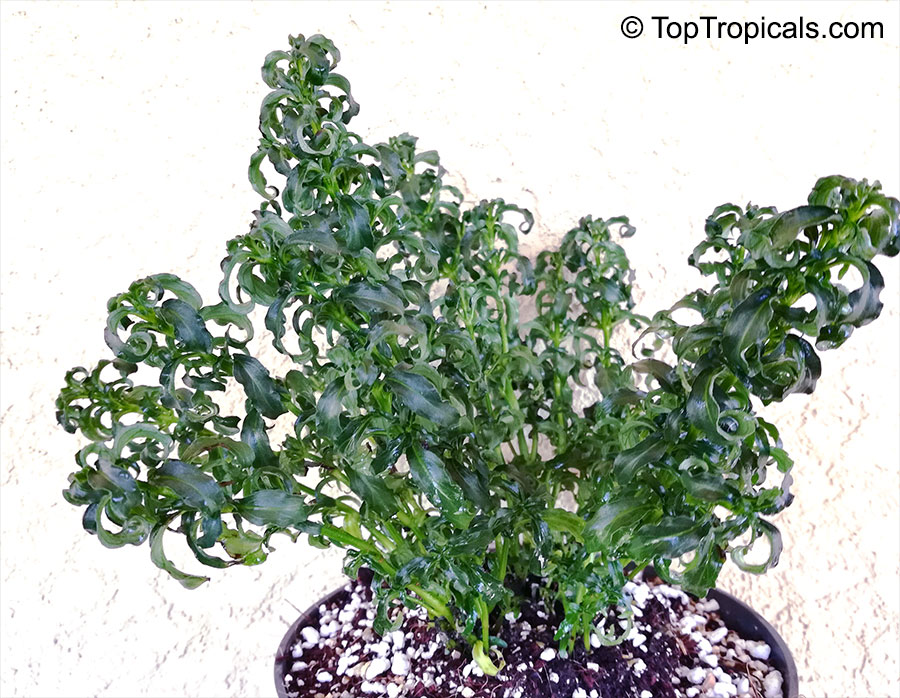
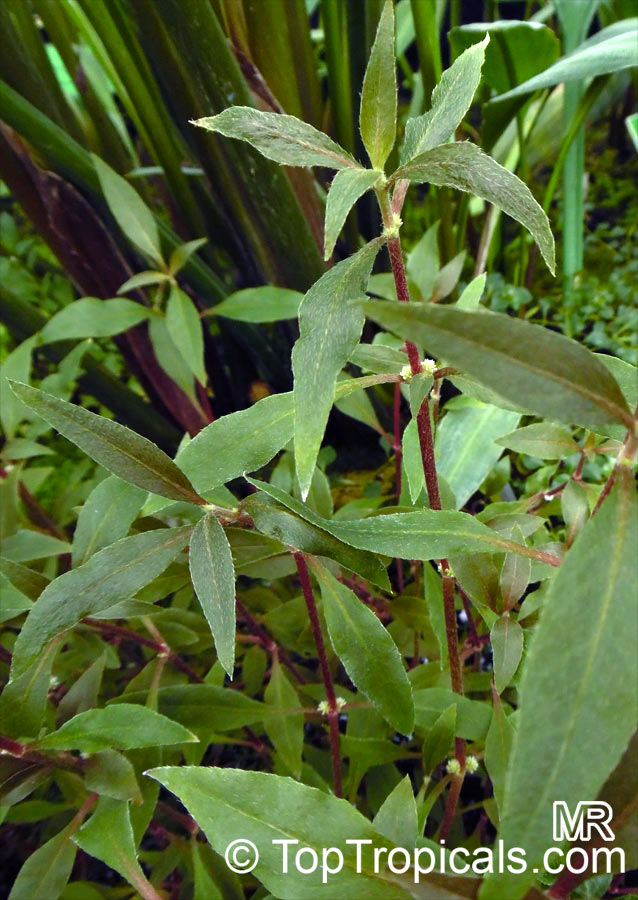
While some of the better-known species are aquatic plants, most are terrestrial. They take many forms, from prostrate to erect to floating.
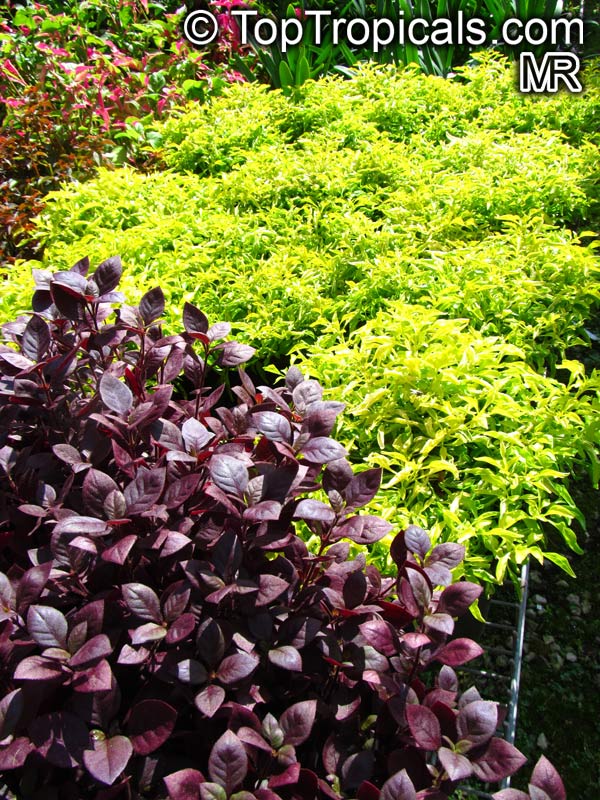
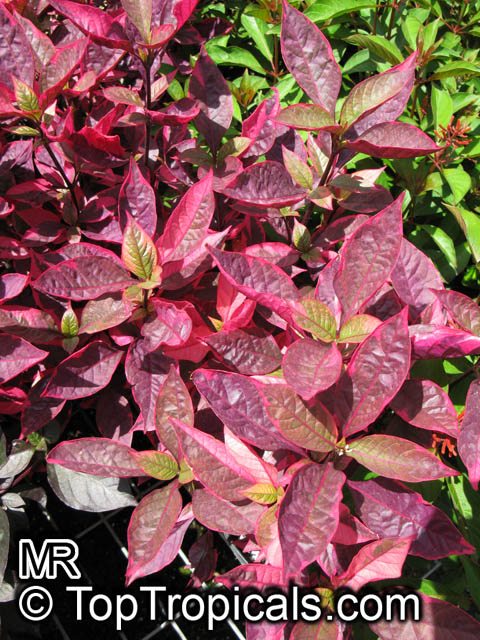
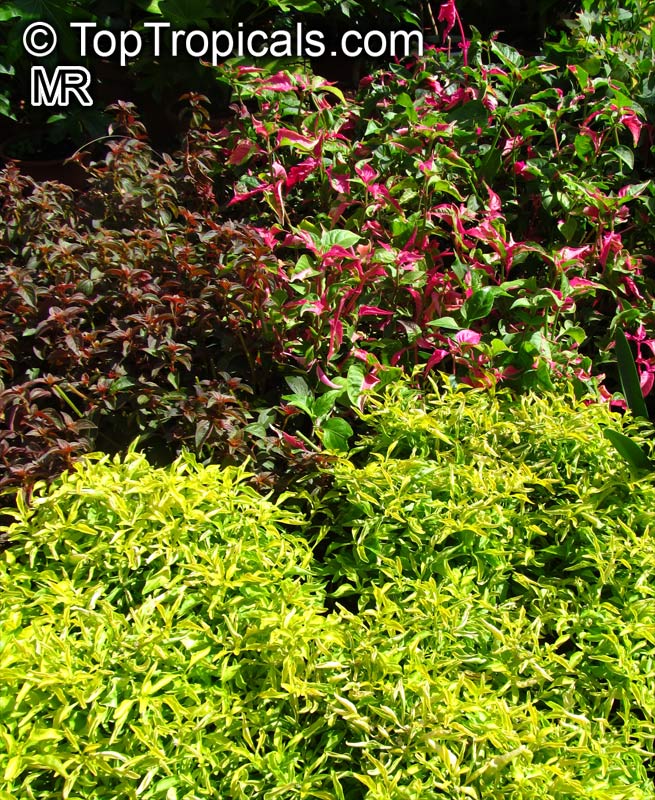
The flowers of this plant are very insignificant, bearing small bracts on a single stalk. These are best cut off, to allow the plant to concentrate on it's foliage. An attractive border plant or groundcover. About 10cm high, 1m spread.
Although Alternanthera can usually only be found during the warmer months in nurseries, it can be grown all year round. Grows best in full sun and in good soil this plant will respond handsomely. Fertilizing should be done with a water soluble variety so as not to burn the foliage. Can be clipped occasionally to form a neat low edging.
Propagation can be done by dividing larger plants during the cooler months of the year.
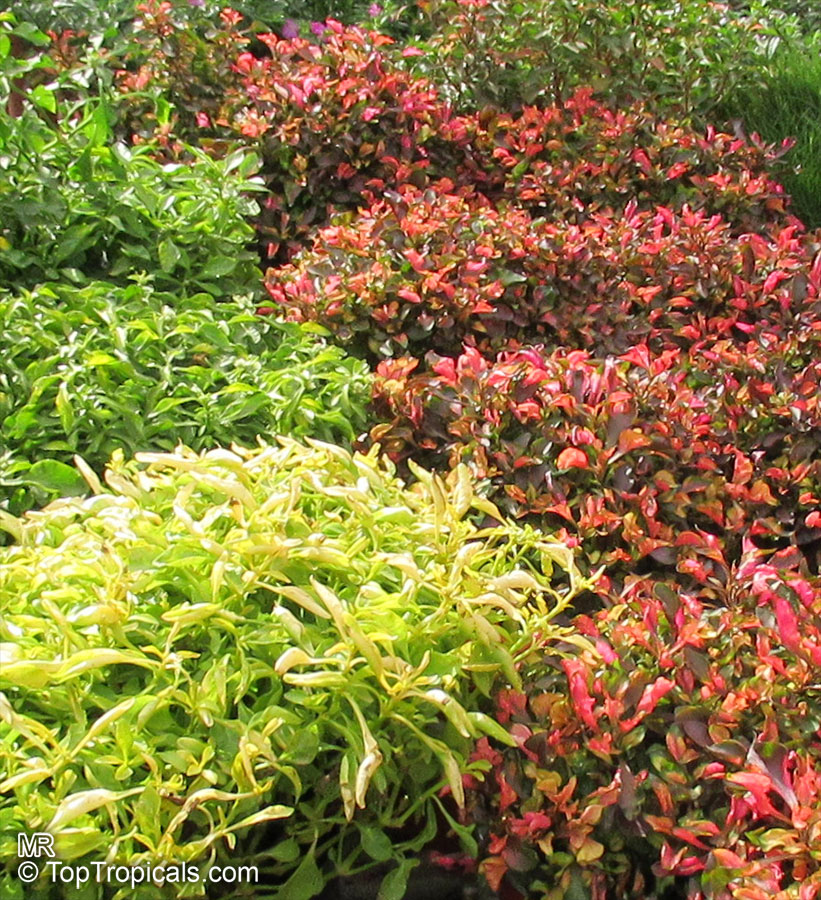
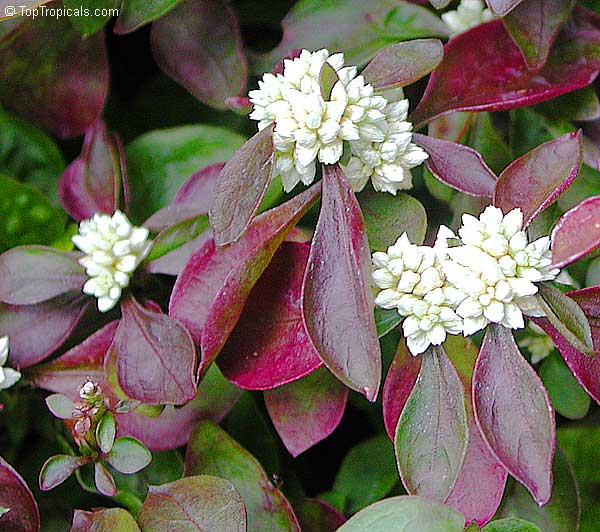
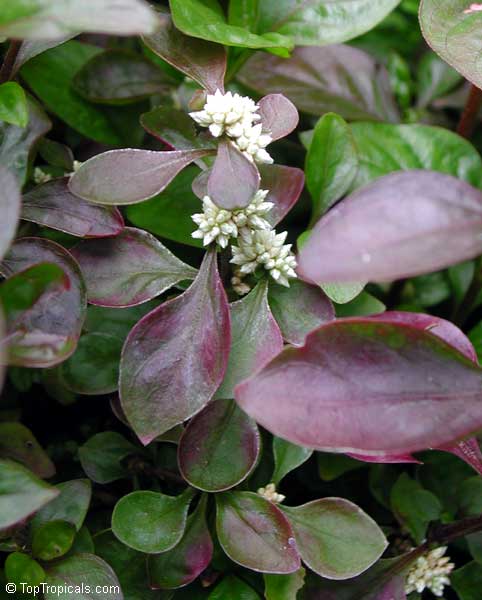
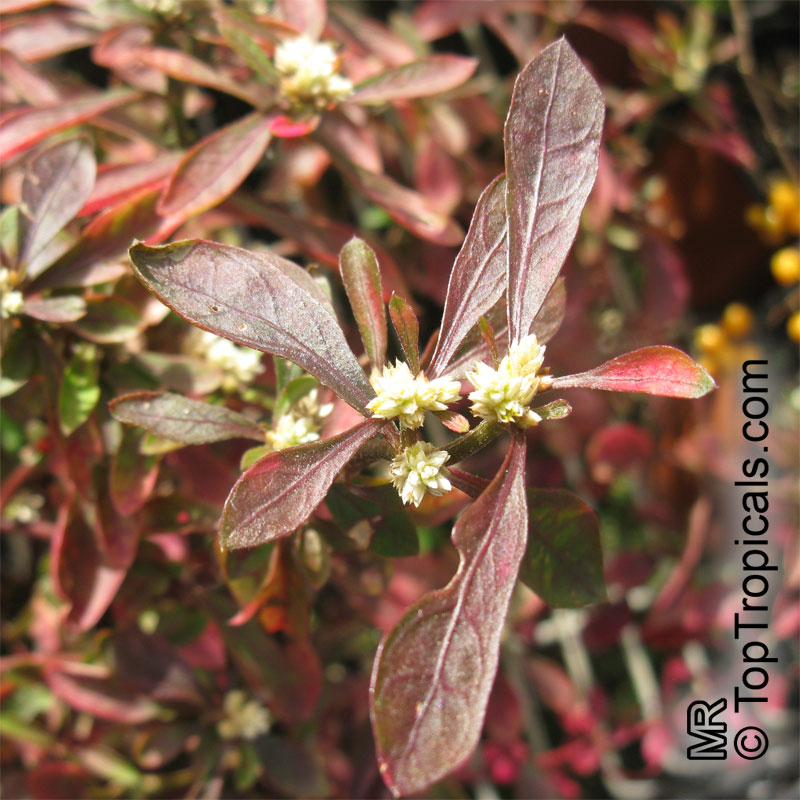
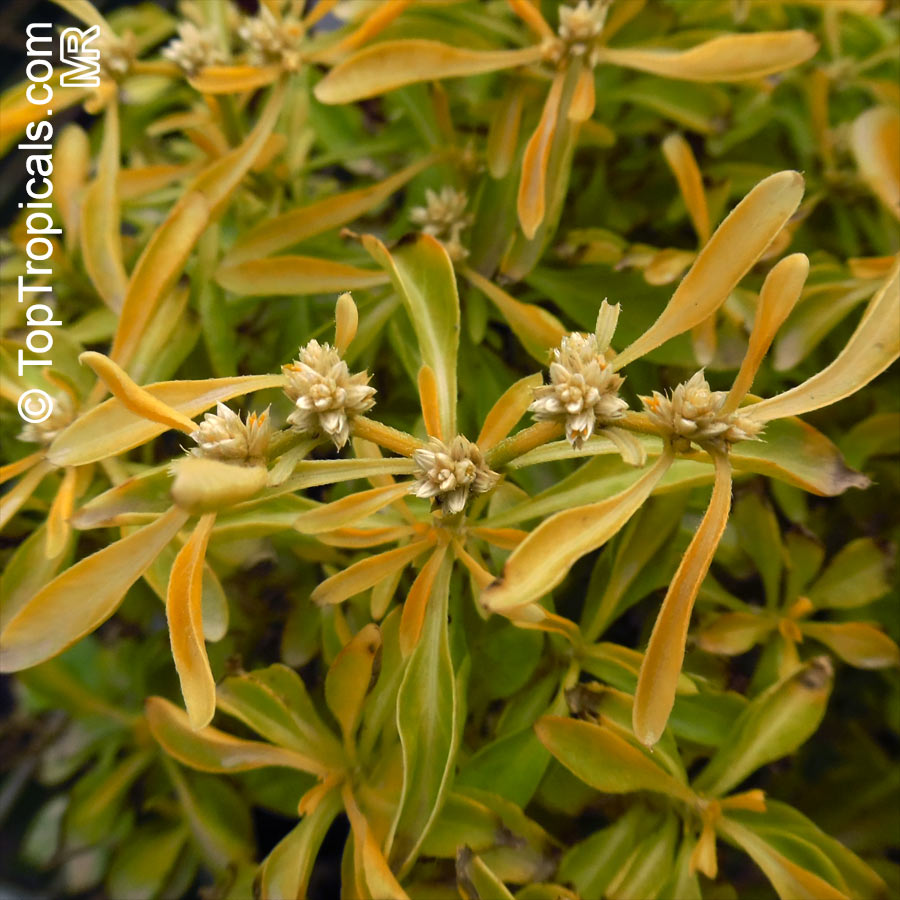
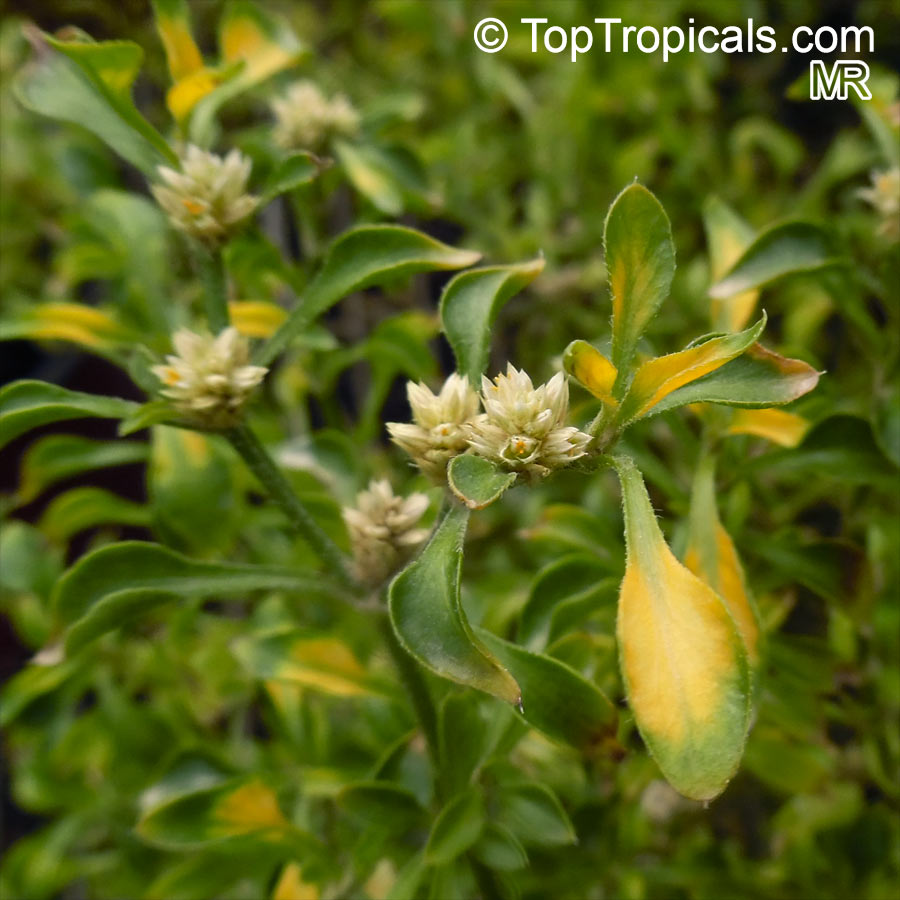
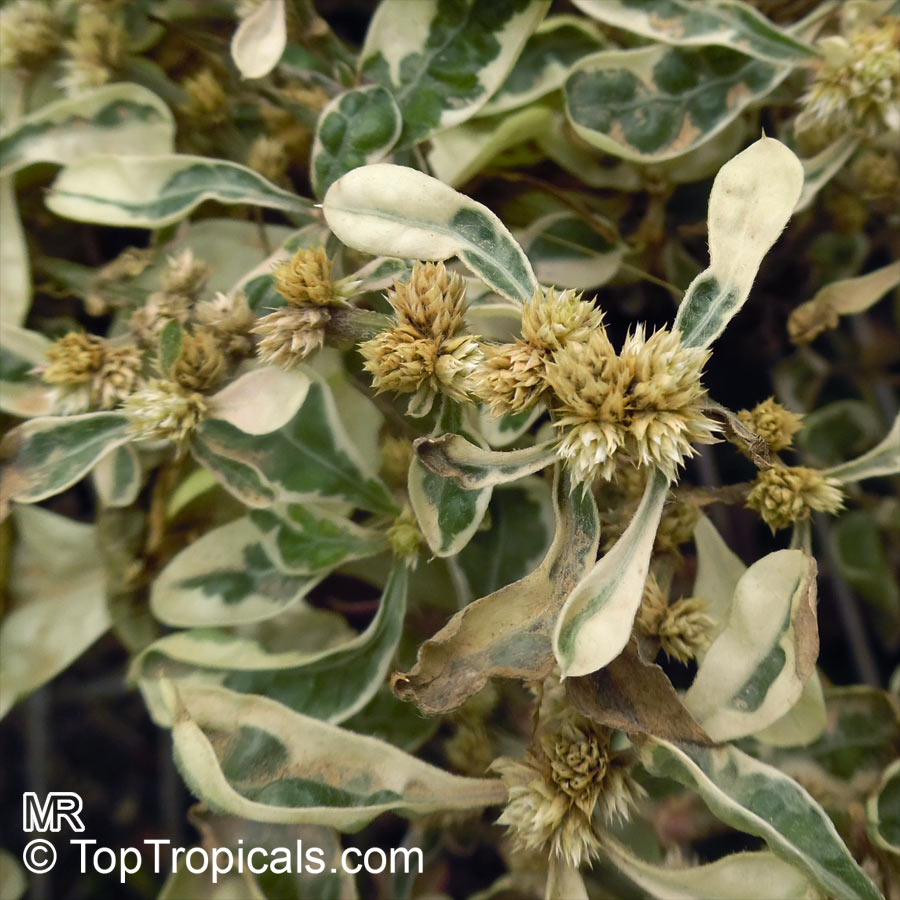
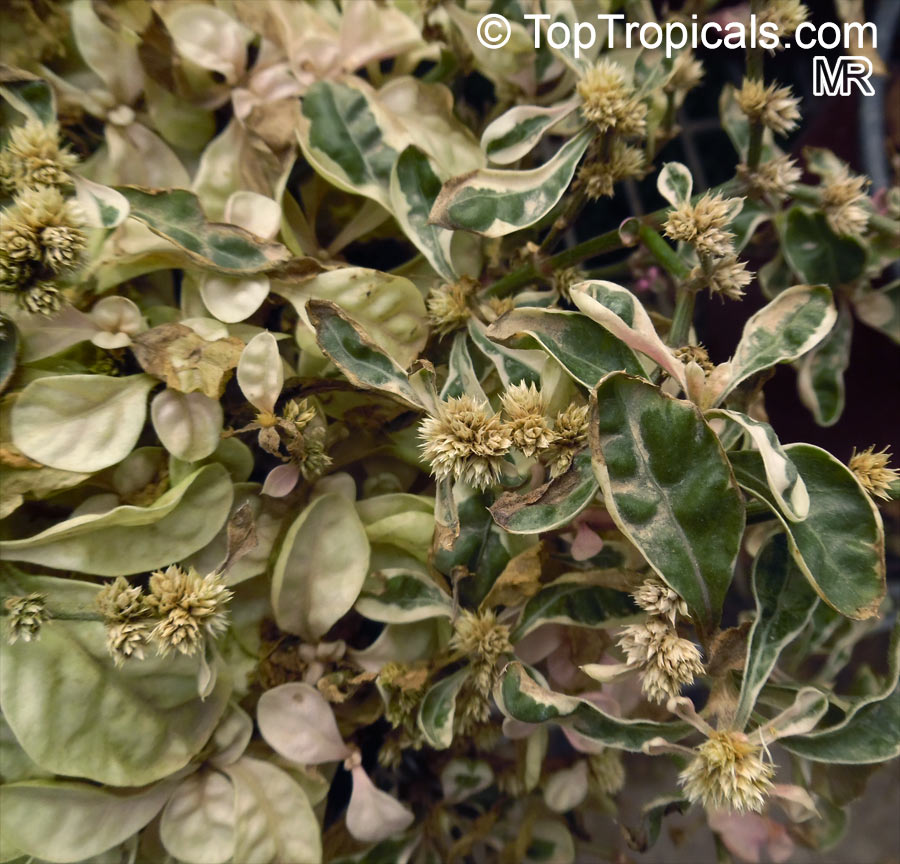
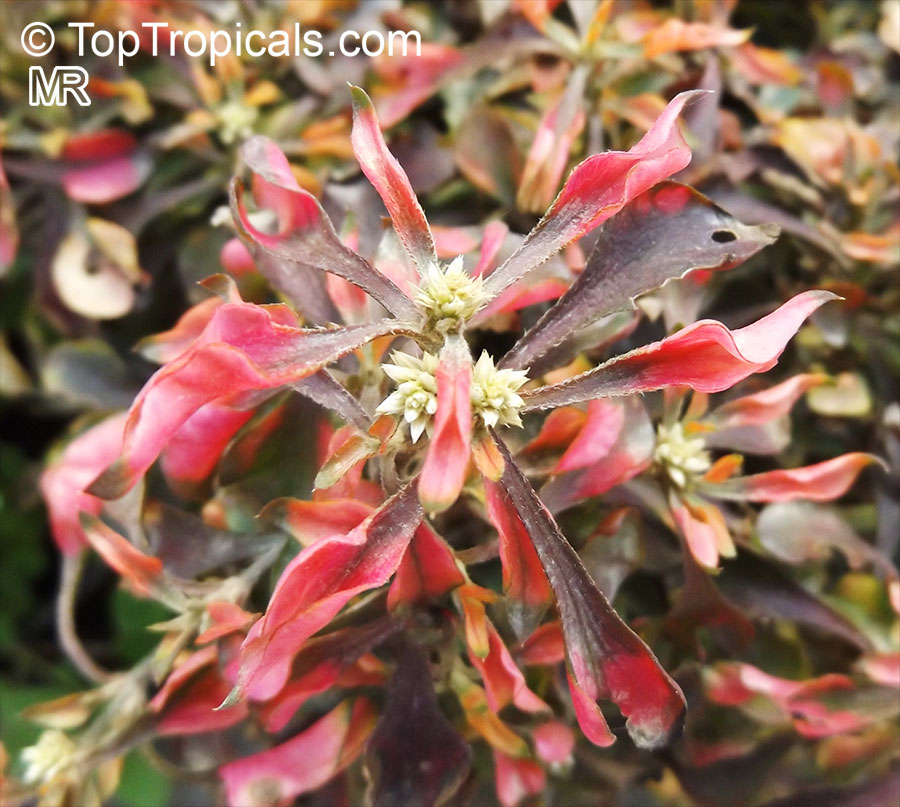
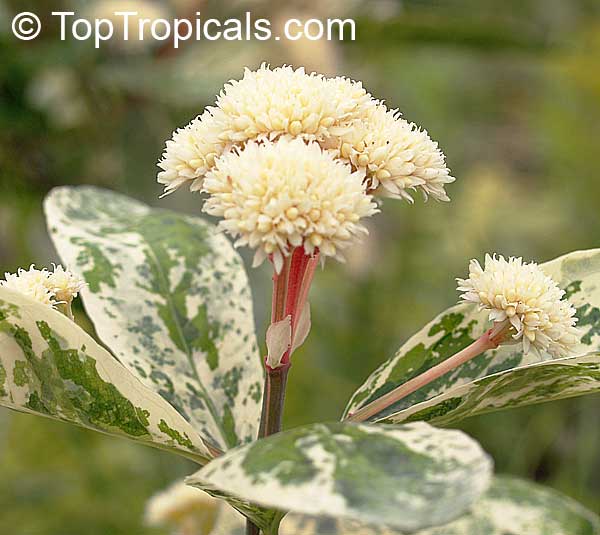
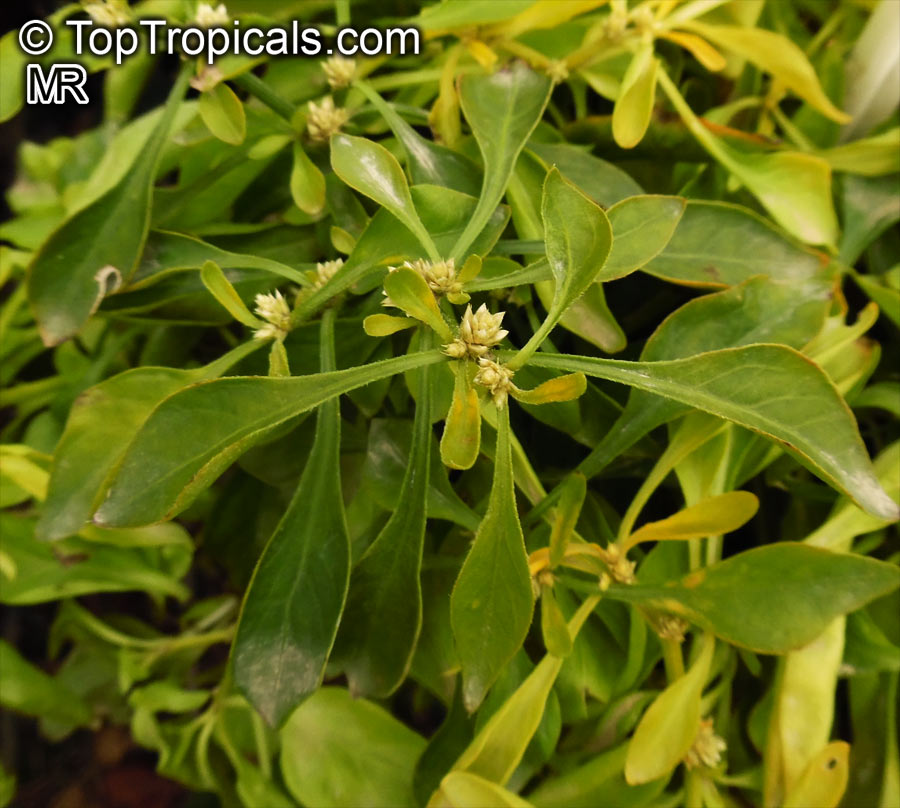
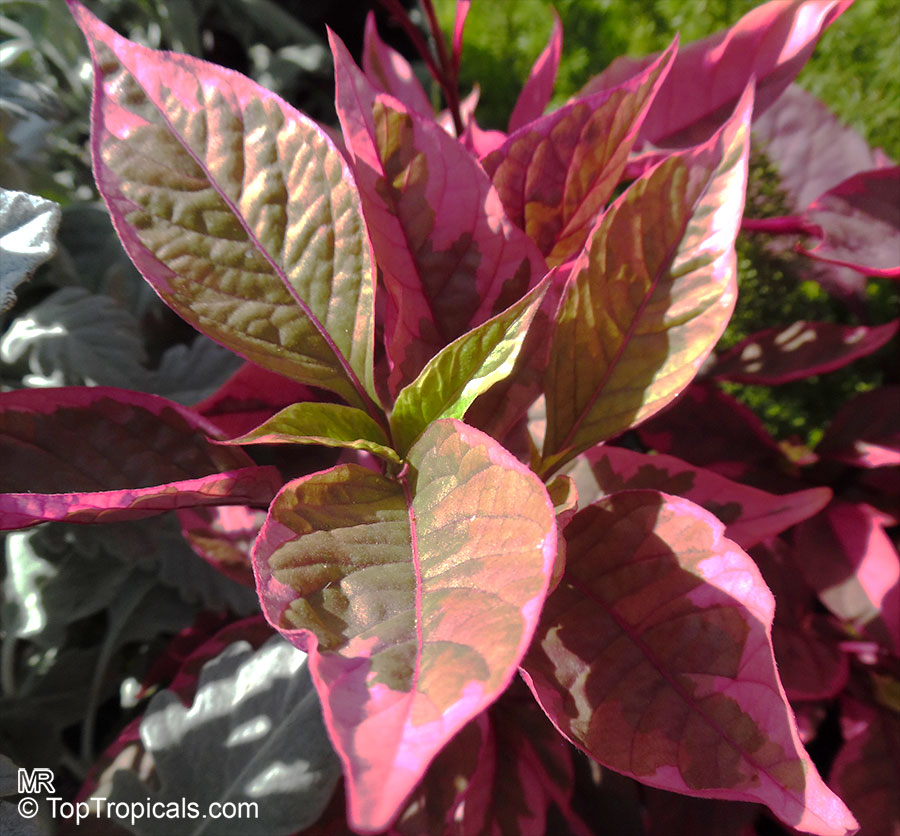
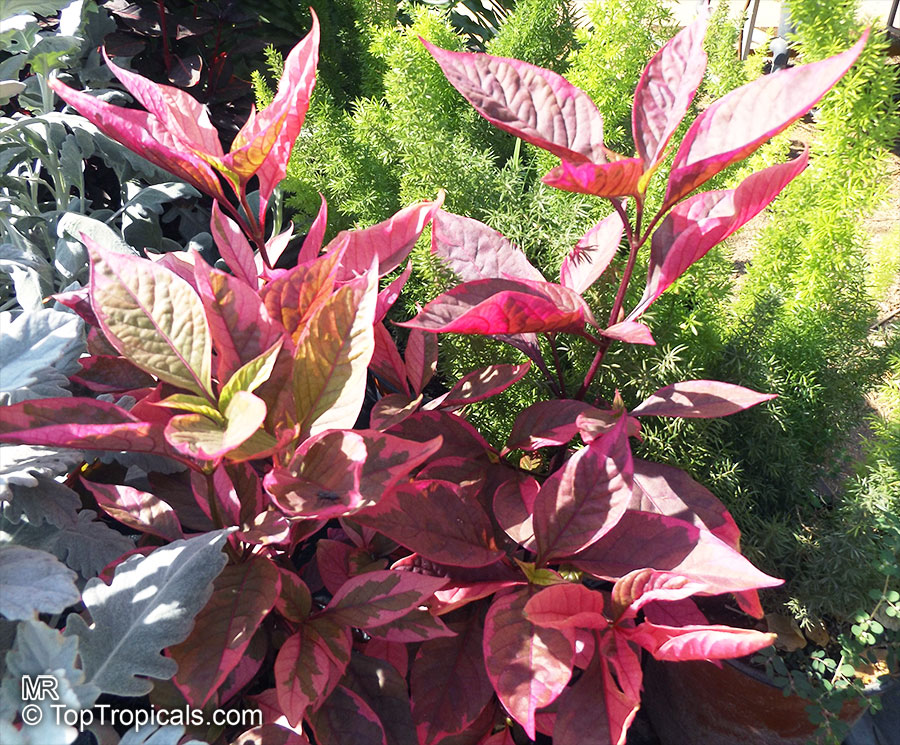
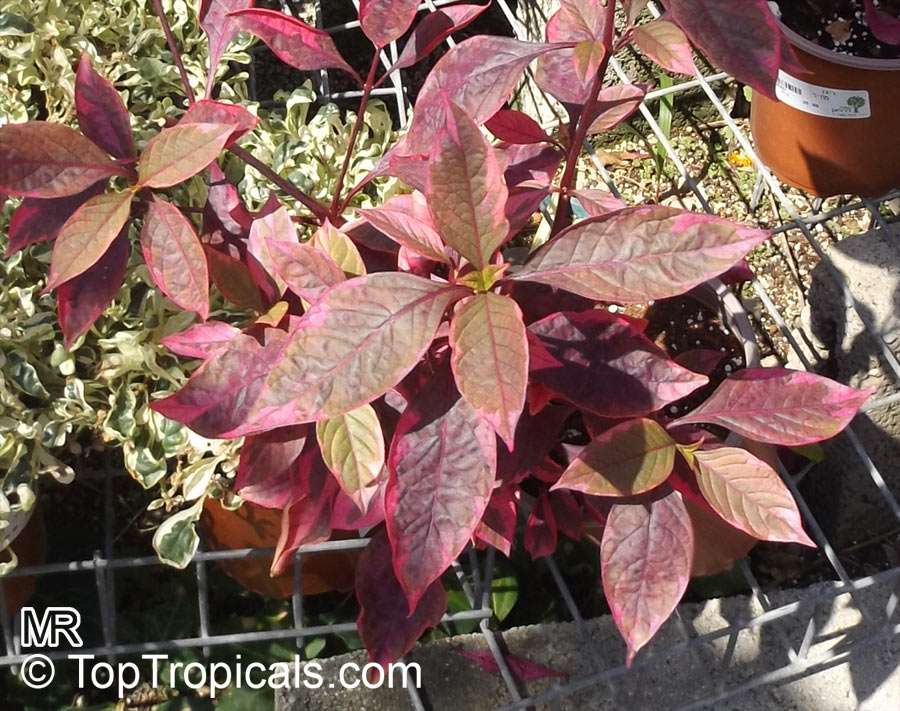
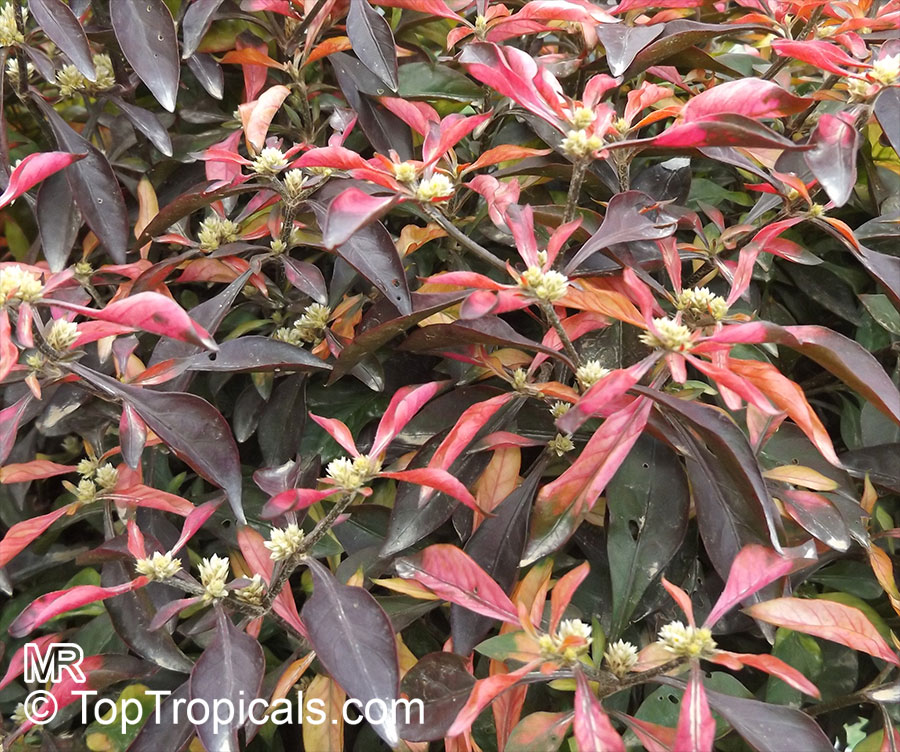
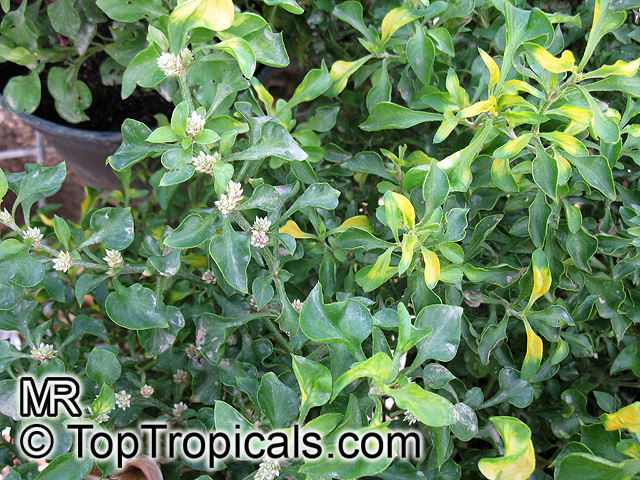
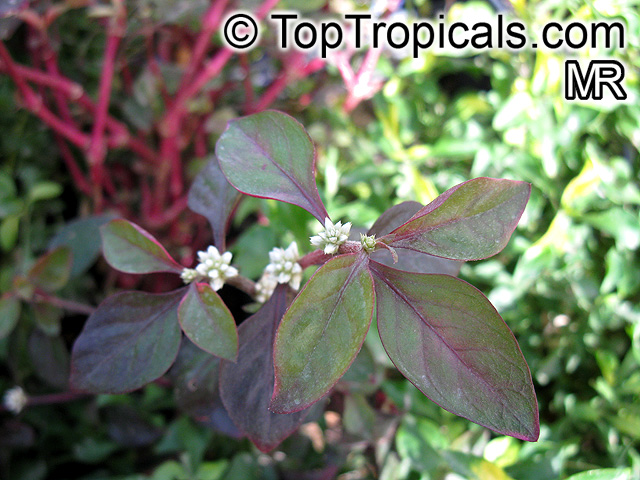
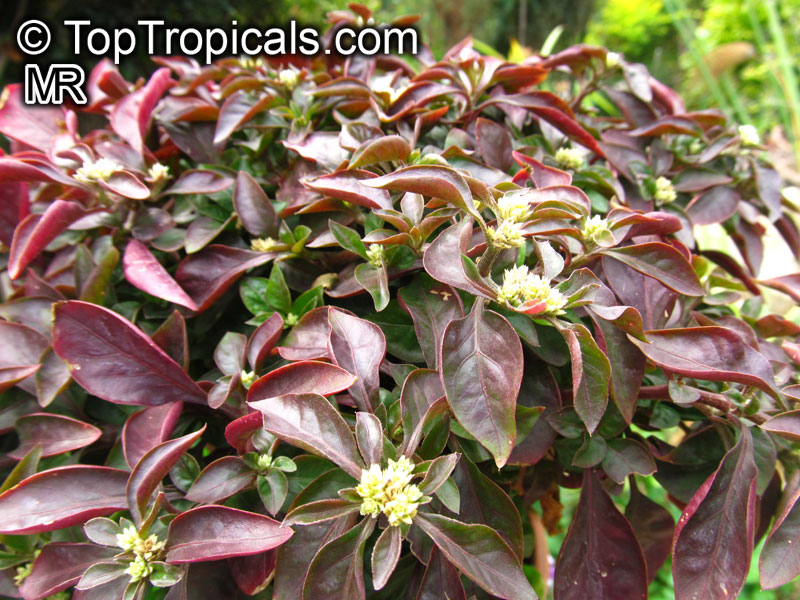
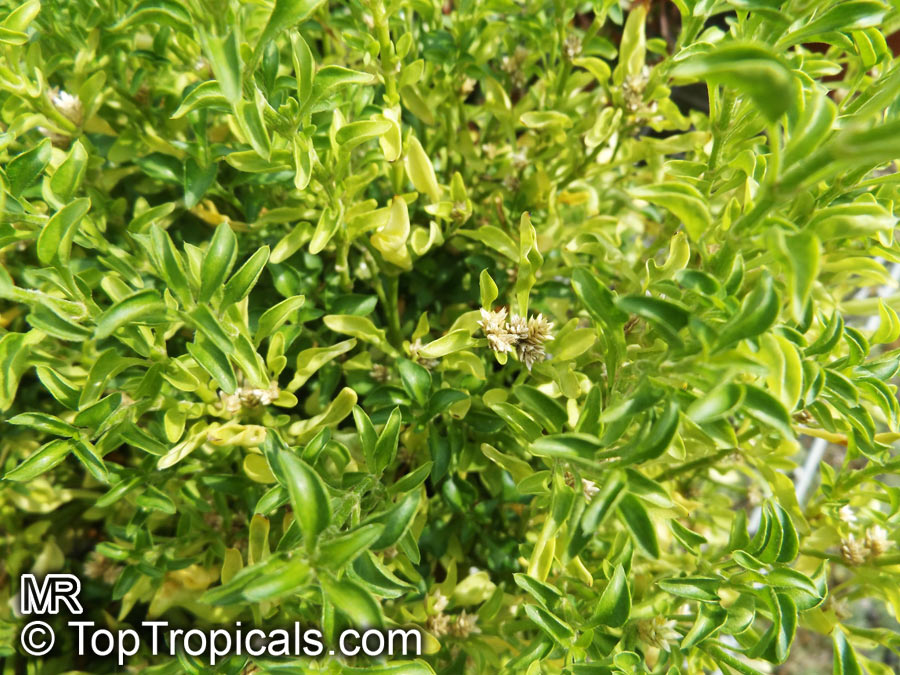

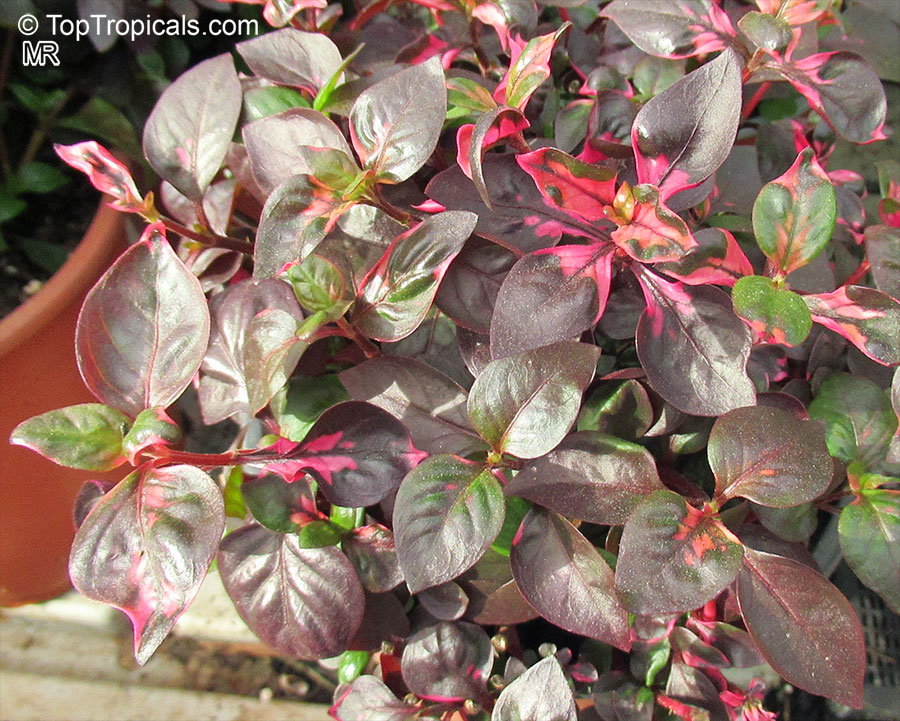
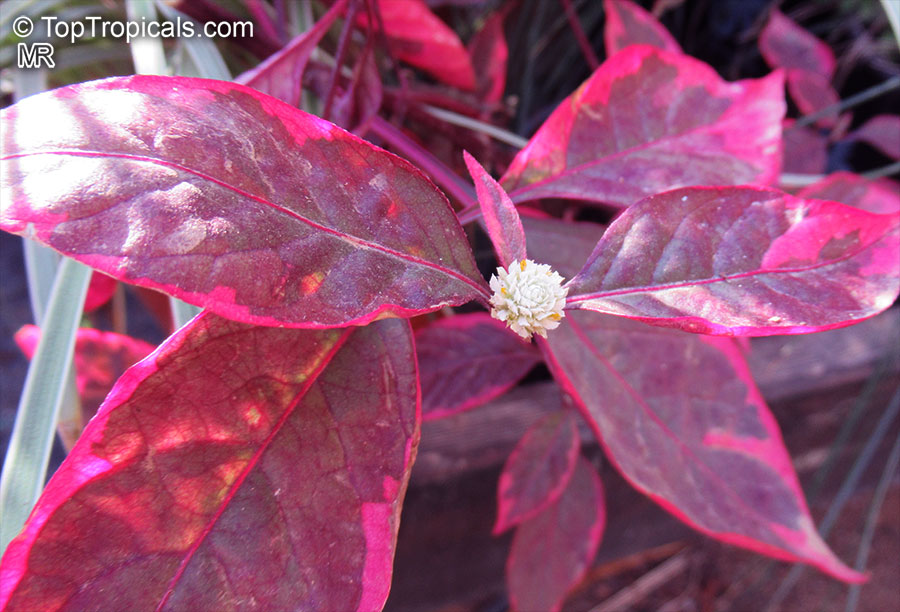


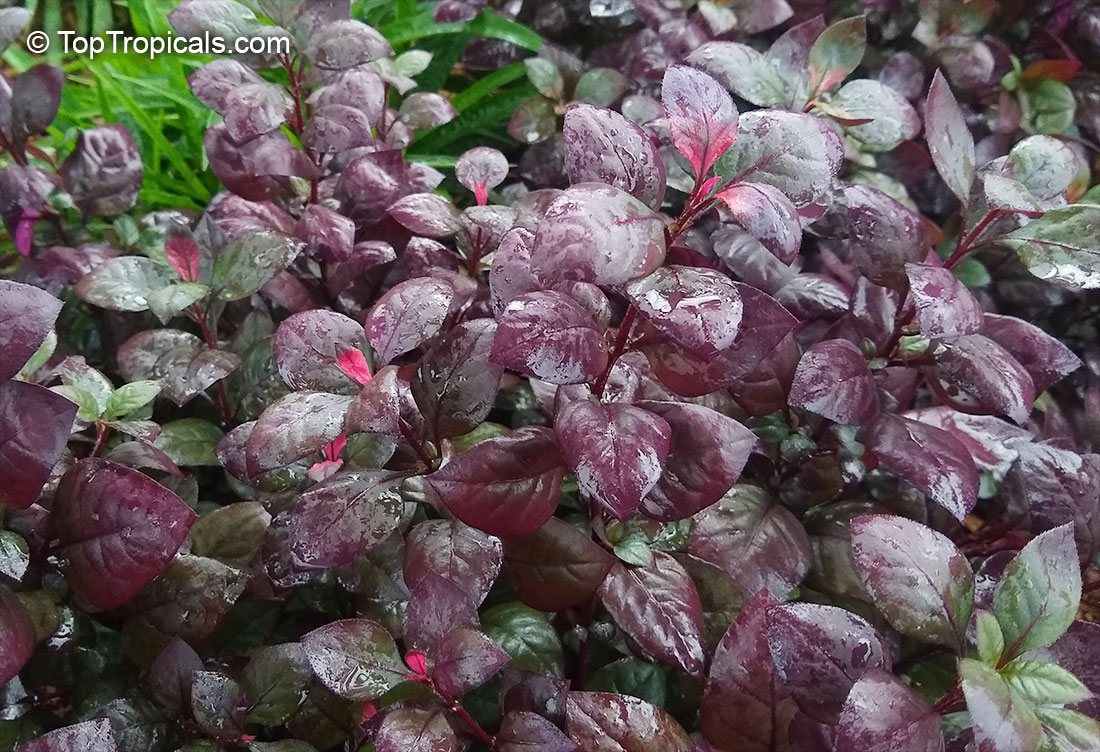
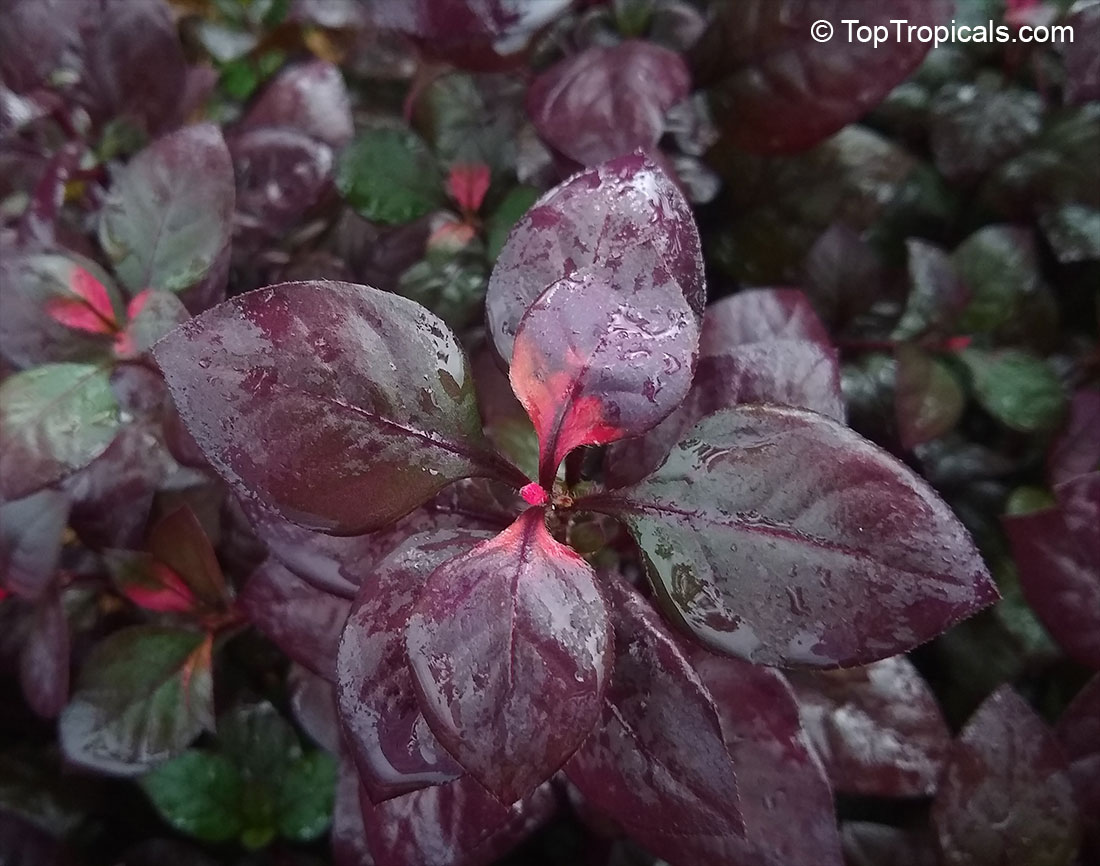
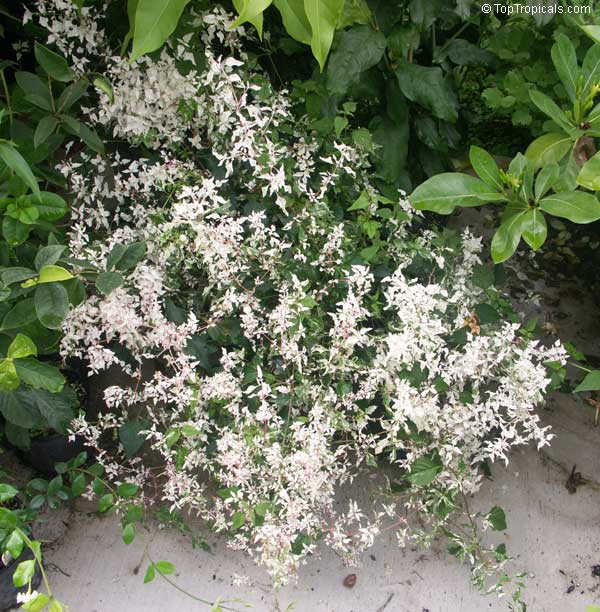
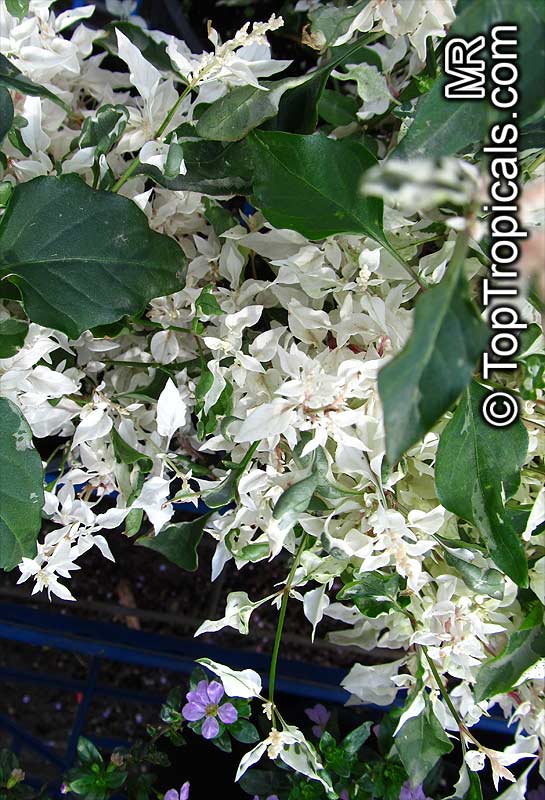
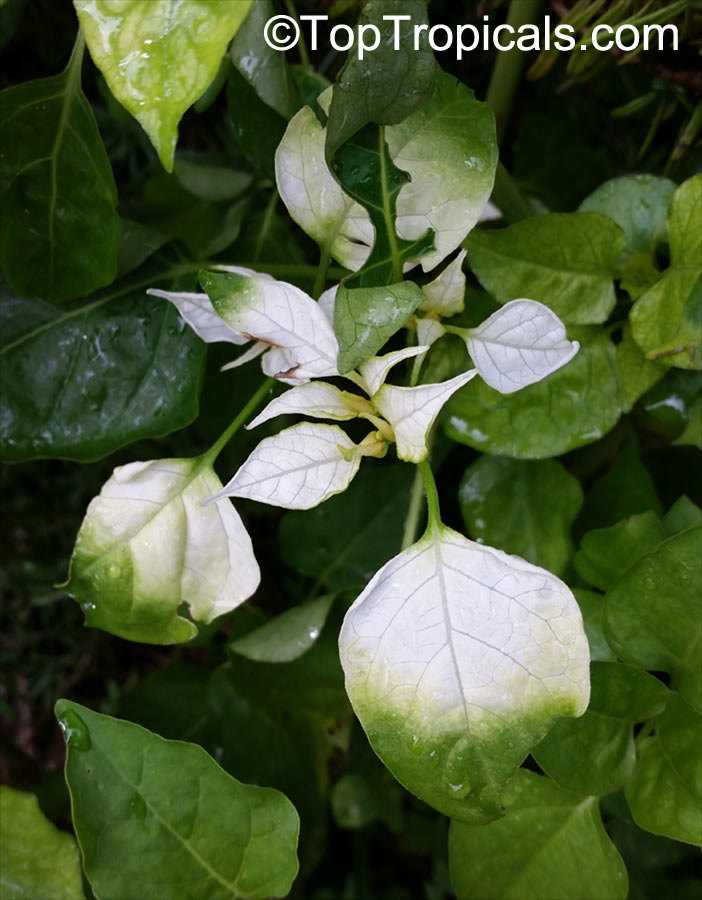
Botanical name: Alternanthera sp.
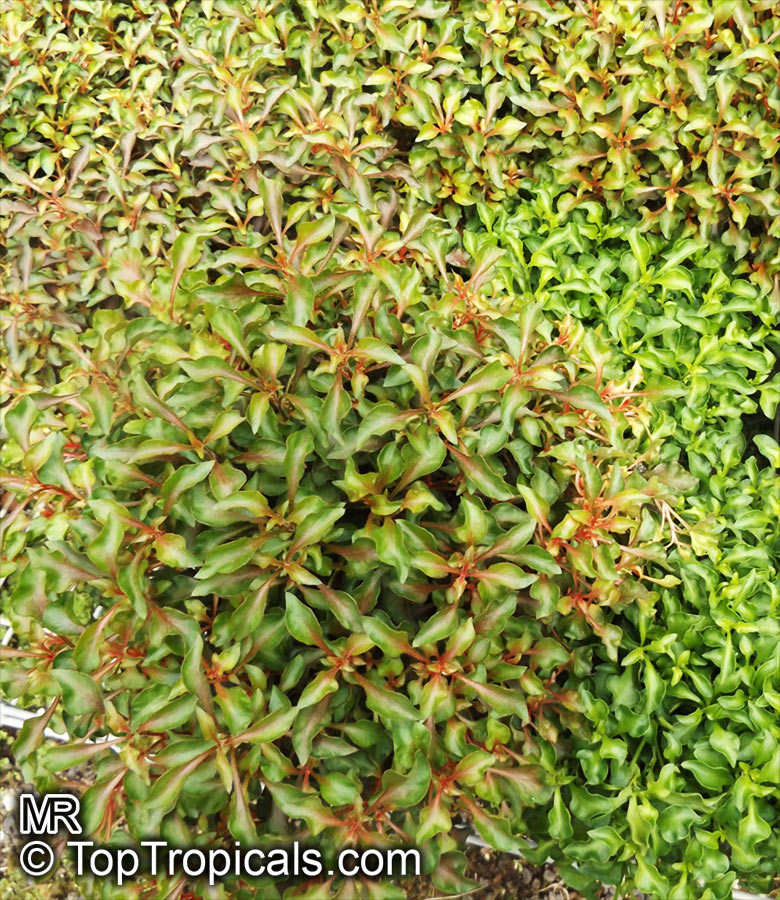
Common name: Alternanthera Snow Ball
Cultivar: Snow Ball
Family: Amaranthaceae
Origin: West Indies
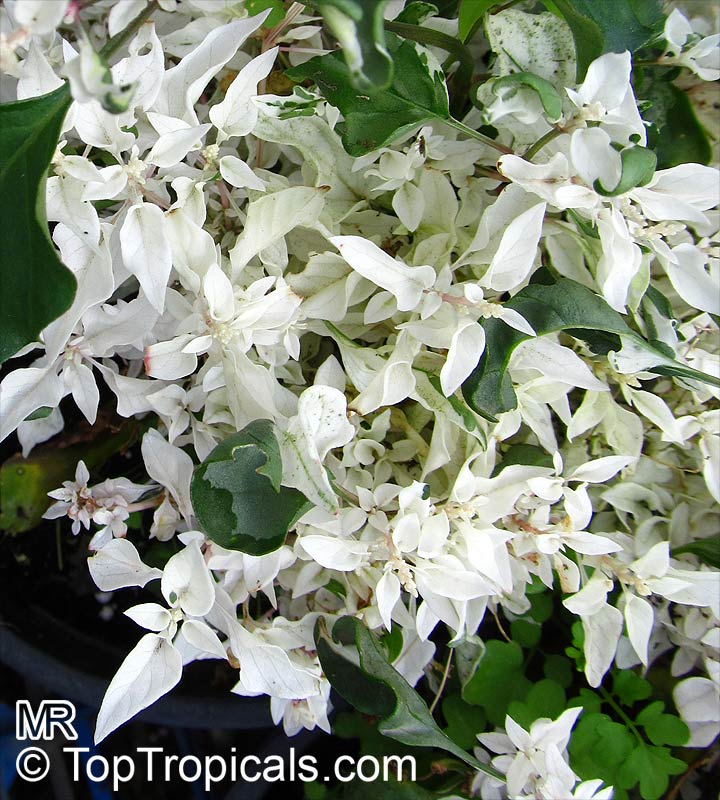
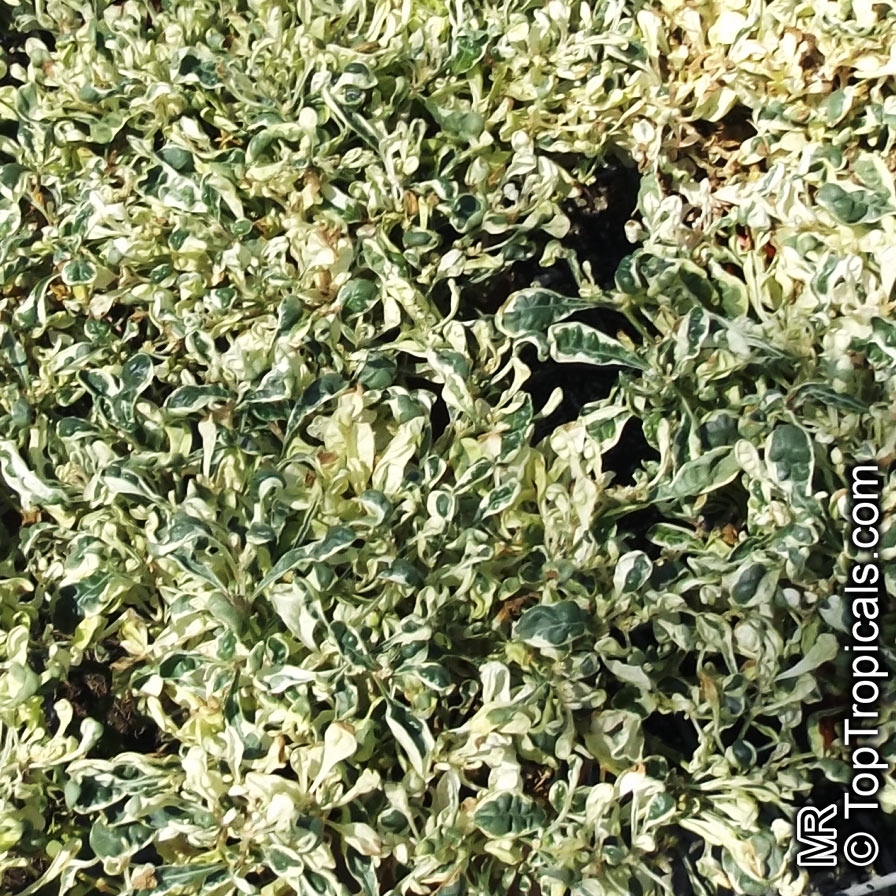
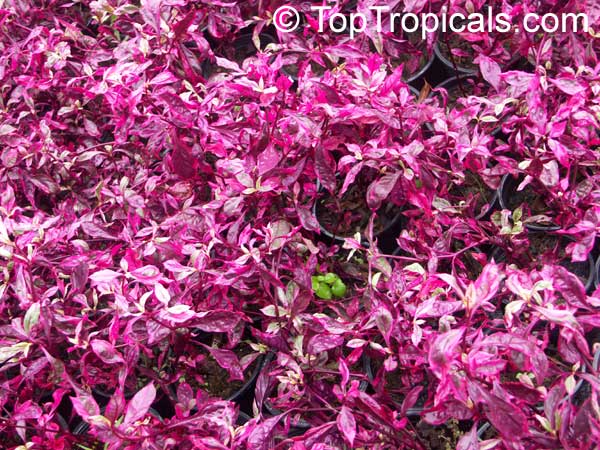
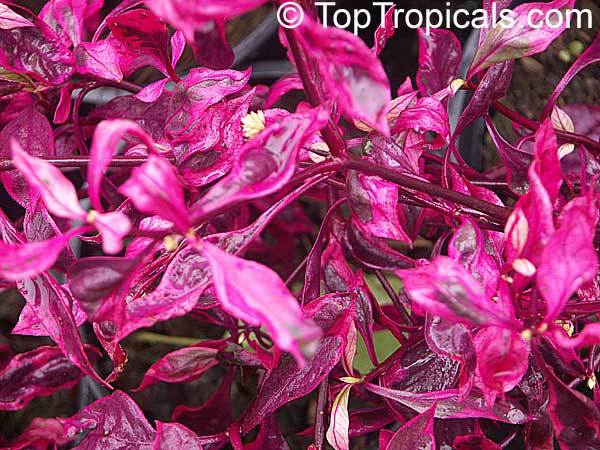
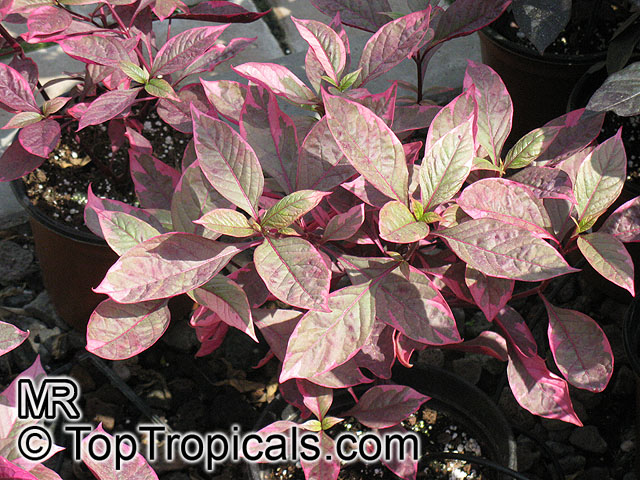
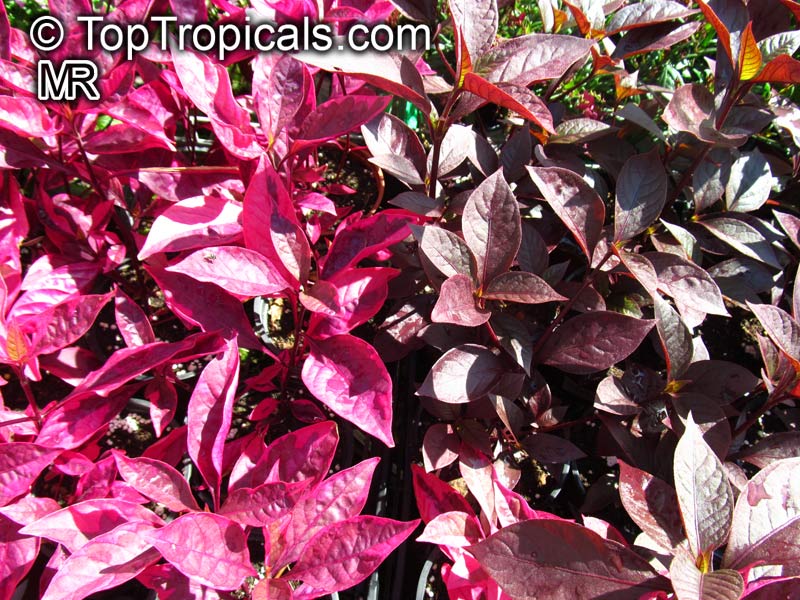
An evergreen groundcover plant native to the West Indies, Alternanthera Snow Ball (Alternanthera Snow Ball) is a low-growing ornamental foliage that is sure to add character and beauty to your garden. This delightful plant only reaches a maximum height of 2 feet, but its amazing coloration and texture are more than enough to keep it in the sights of onlookers.
Alternanthera Snow Ball excels in full sun or shade, and requires regular watering. If planting in shade, keep in mind that the plant's striking variegation might be less noticeable than in brighter conditions. The plant's unique beauty also makes it a great choice for adding texture and contrast to container gardens, which can easily be moved around the yard and changed seasonally.
As with many ornamental foliage, Alternanthera Snow Ball makes a great seaside or salt-tolerant plant, perfect for areas with frequent ocean sprays or wind-borne salt. The plant is cold hardy in USDA Zones 9-11. In particularly cold regions, the plant will need to be grown in a container or pot and brought indoors during winter.
Not only is Alternanthera Snow Ball easy to care for, but it can even tolerate some neglect. Its impressive amount of resilience and versatility make it a great choice for both beginner and expert gardeners who are looking to add some life and color to their patches.
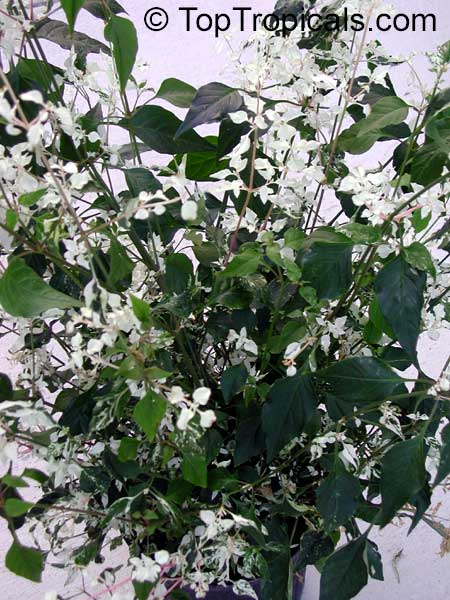
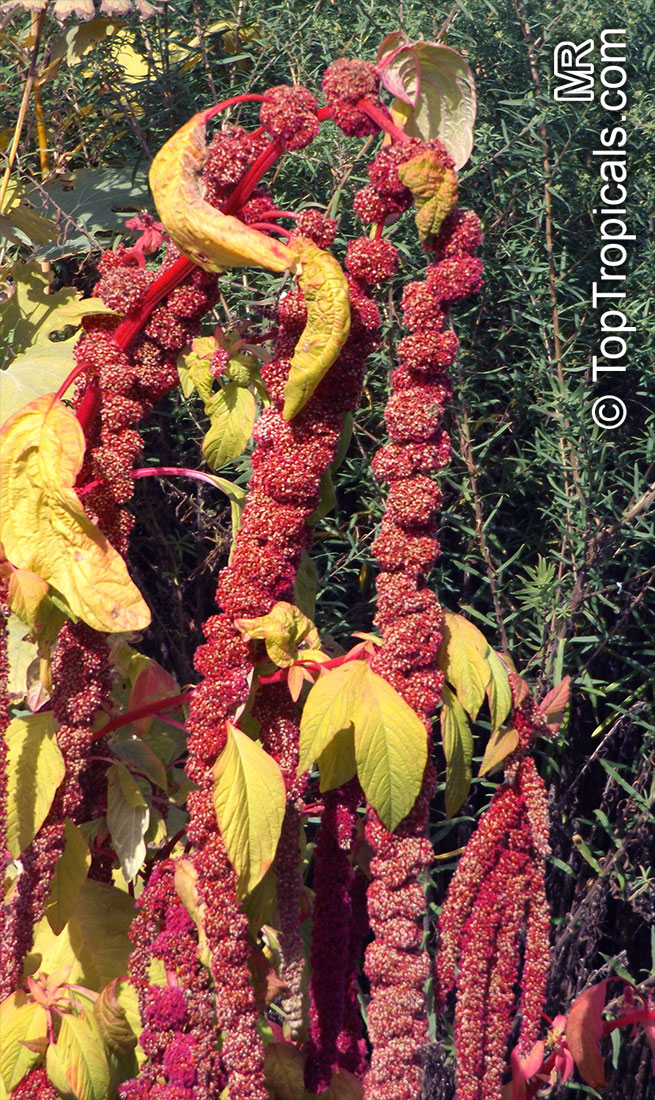
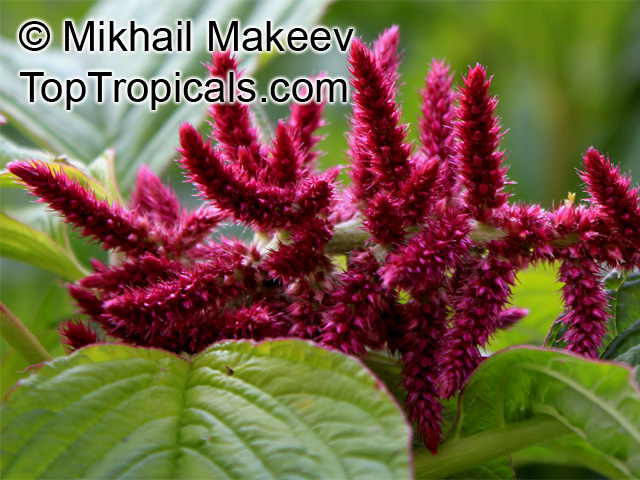
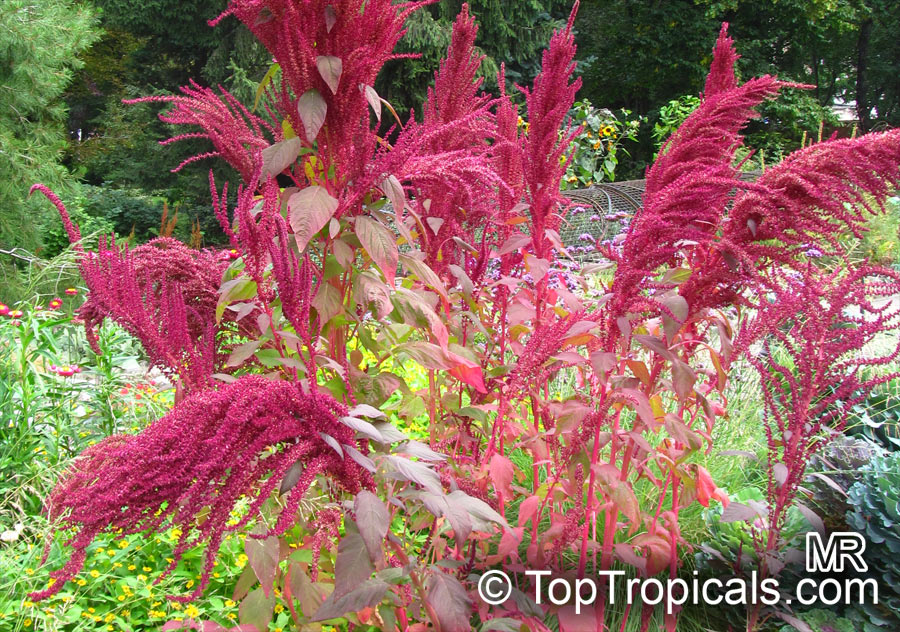
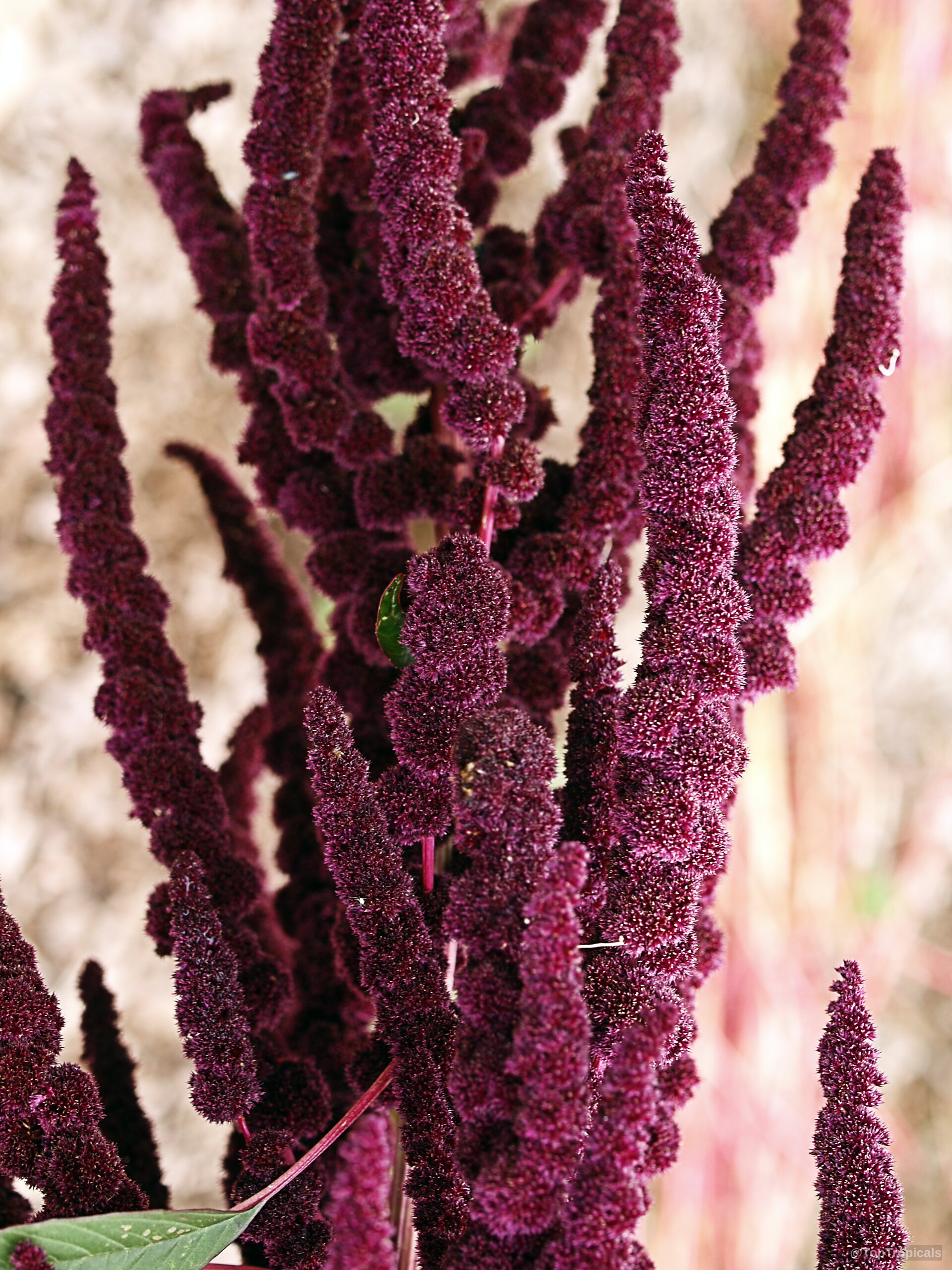
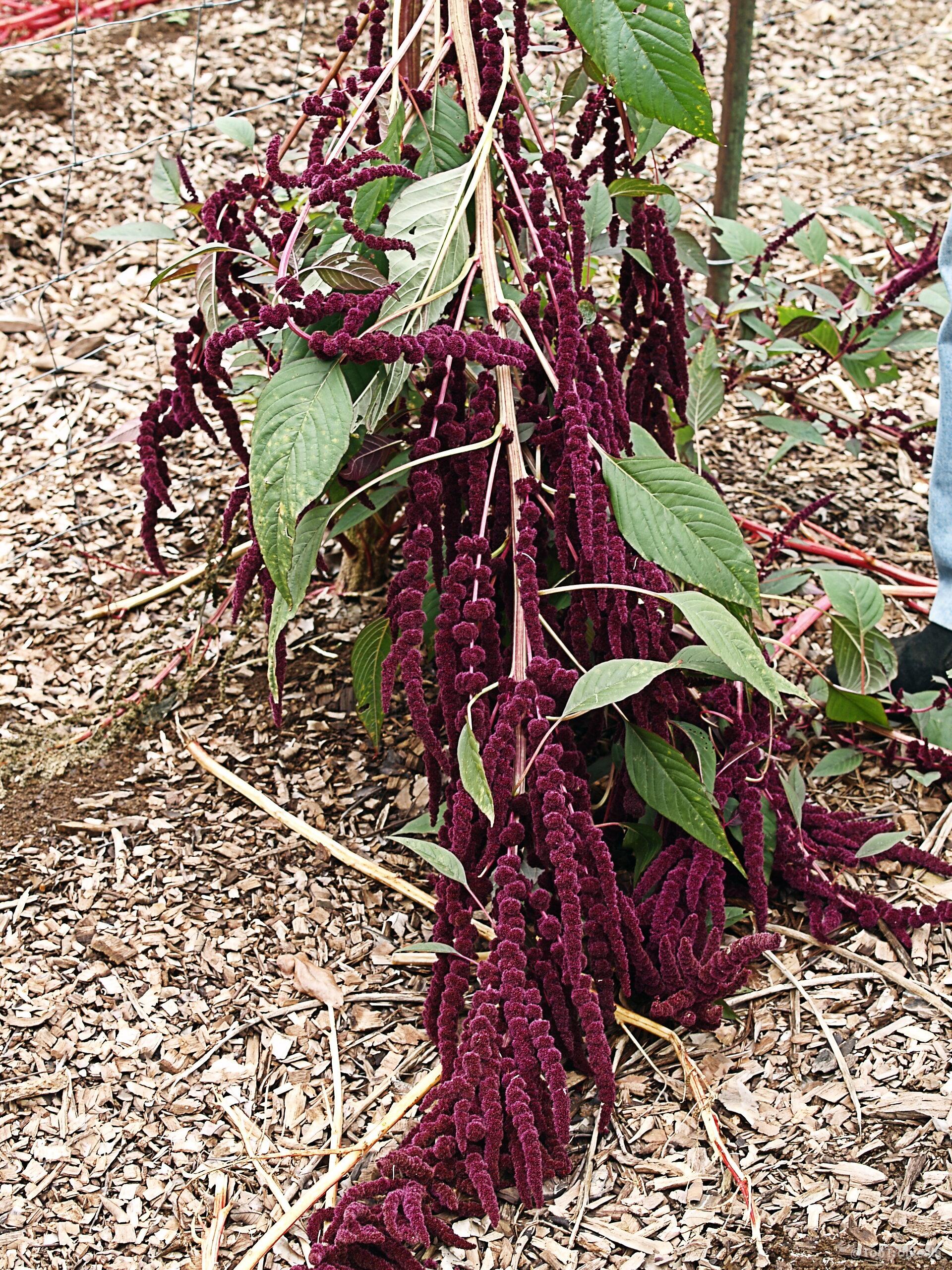
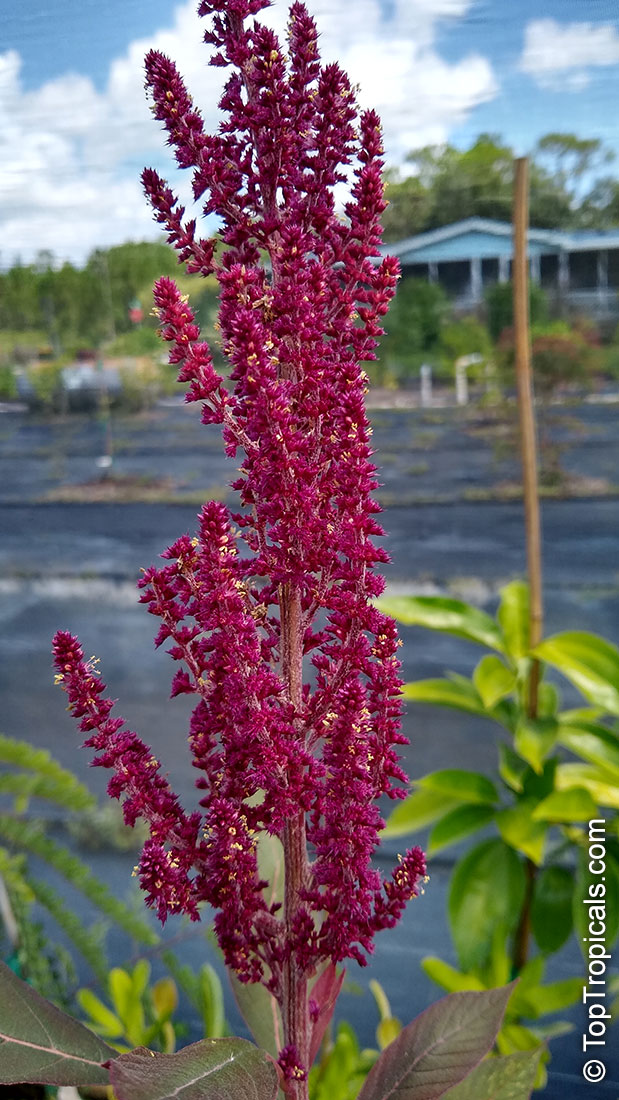
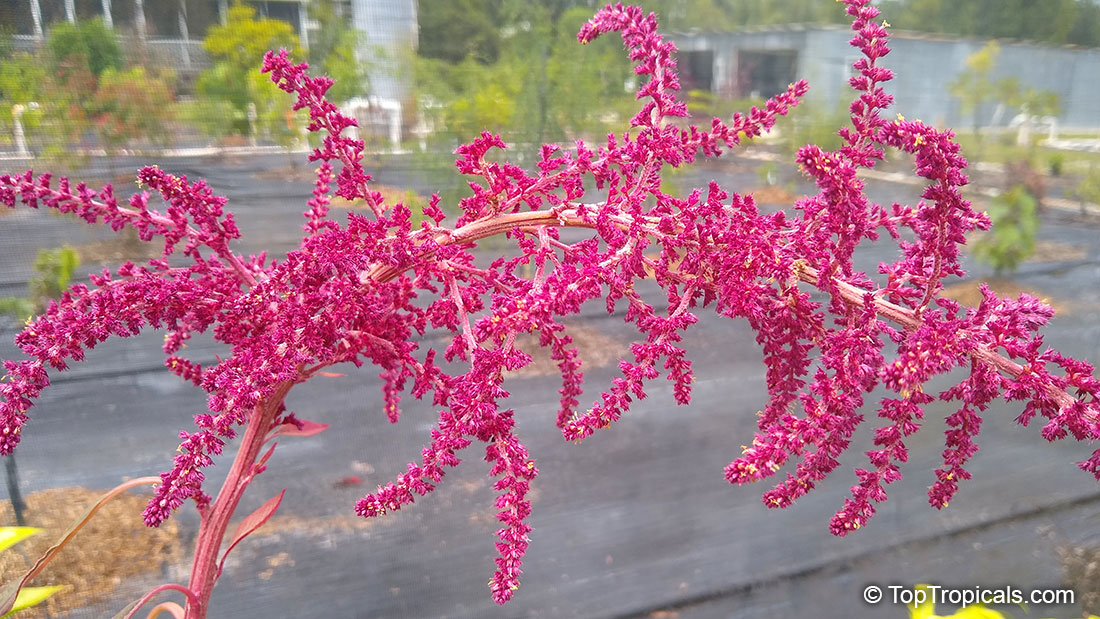
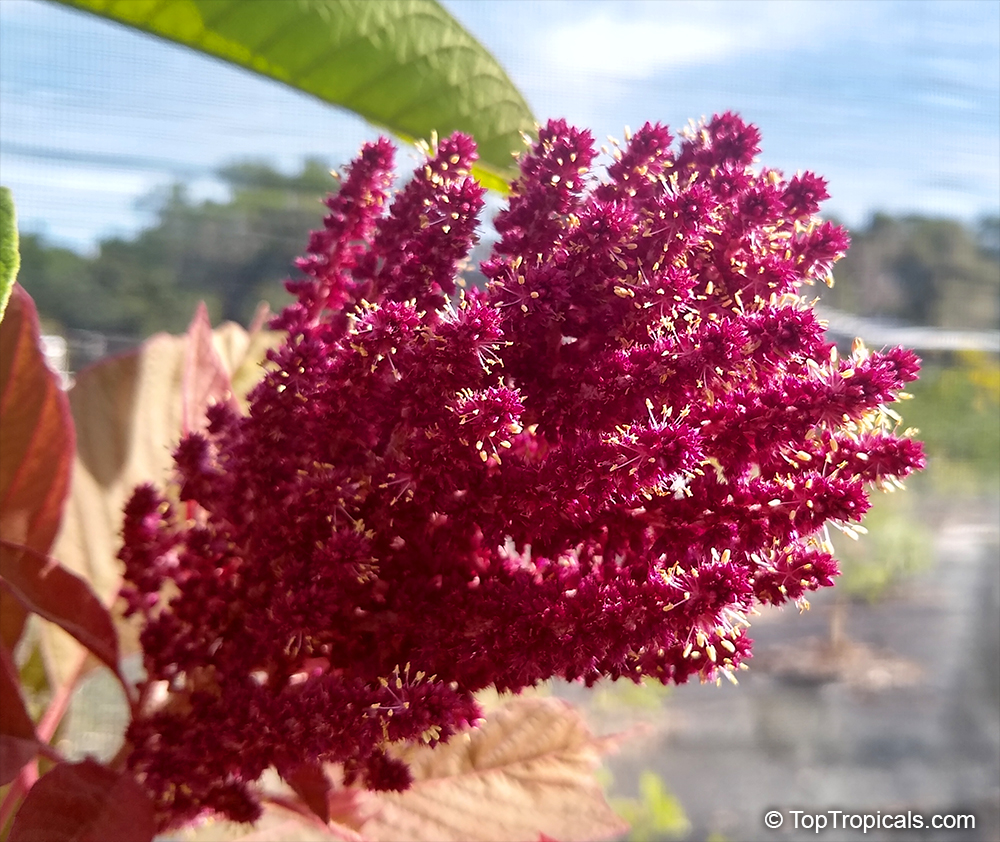
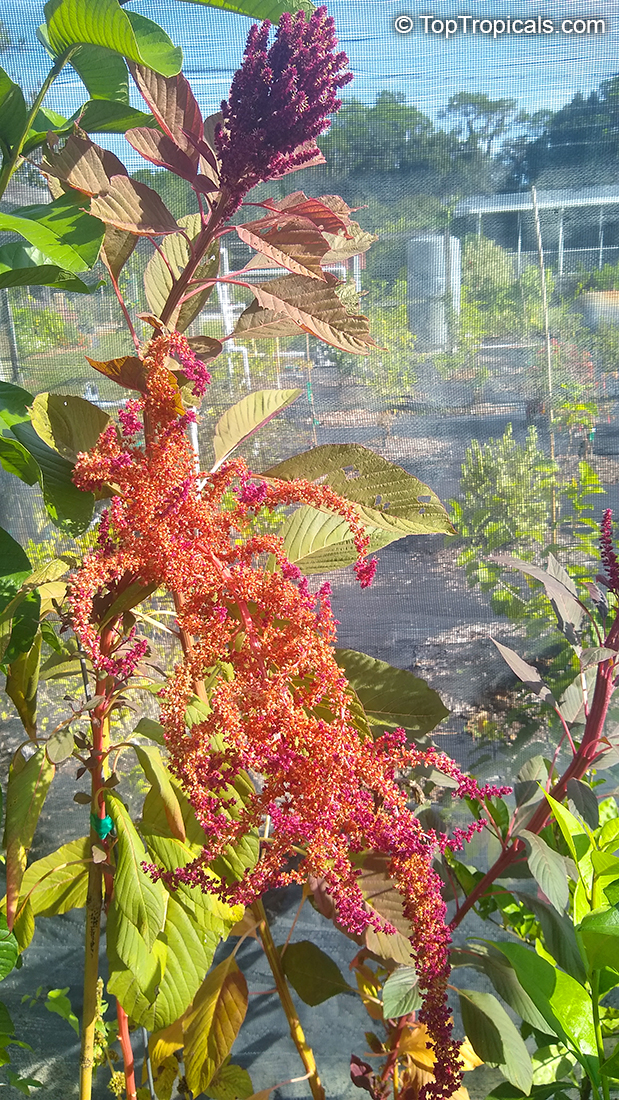
Botanical name: Amaranthus sp.
Common name: Amaranth
Family: Amaranthaceae
Origin: Tropical America


Approximately 60 species are recognized, with inflorescences and foliage ranging from purple and red to gold.
The genus also contains several well-known ornamental plants, such as Amaranthus caudatus, a native of India and a vigorous, hardy annual with dark purplish flowers crowded in handsome drooping spikes.
Amaranthus cruentus is a tall annual herb topped with clusters of dark pink flowers. Many parts of the plants, including the leaves and seeds, are edible, and are frequently used as a source of food in India and South America. It is believed to have originated from Amaranthus hybridus, with which it shares many morphological features. Ancient amaranth grains still used to this day include the three species, Amaranthus caudatus, Amaranthus cruentus, and Amaranthus hypochondriacus.
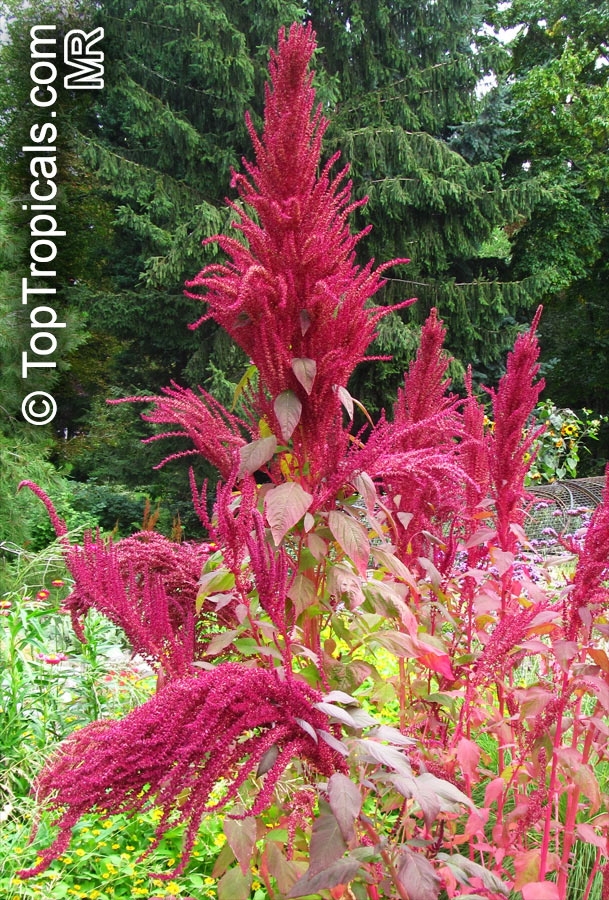
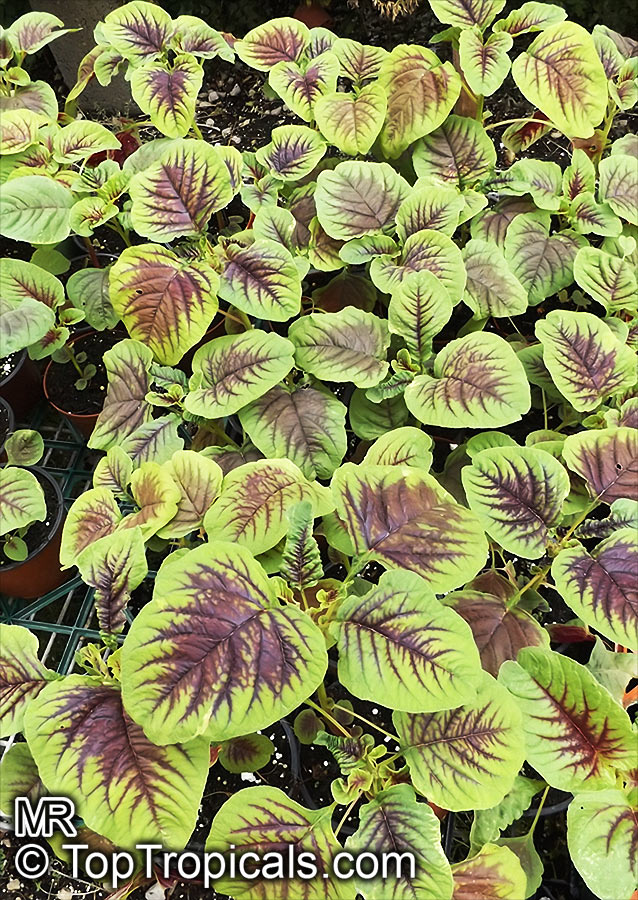
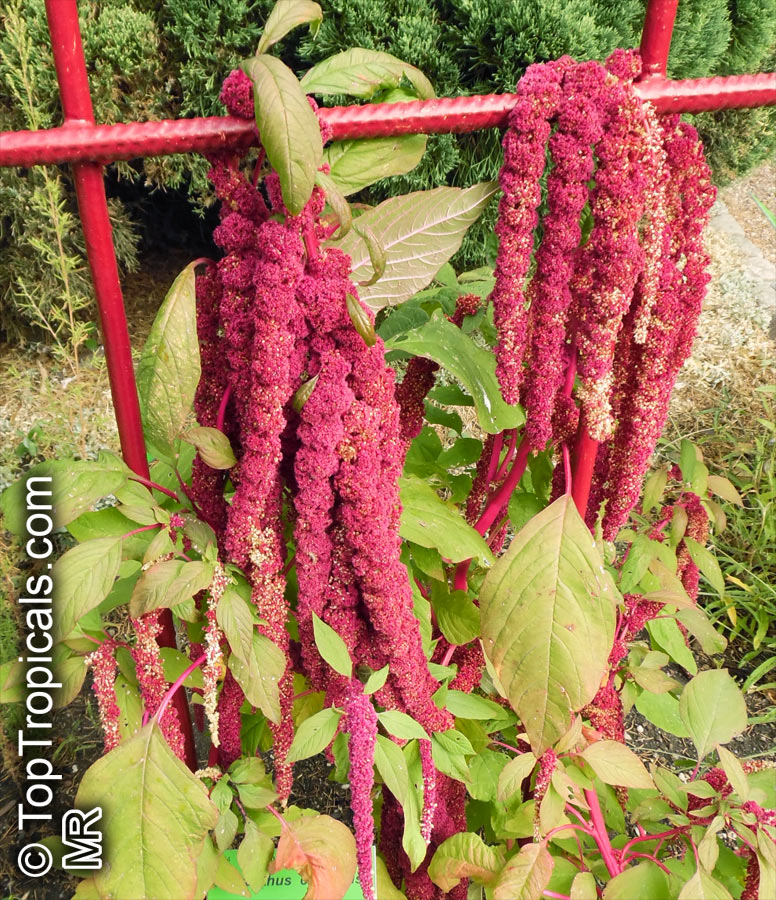
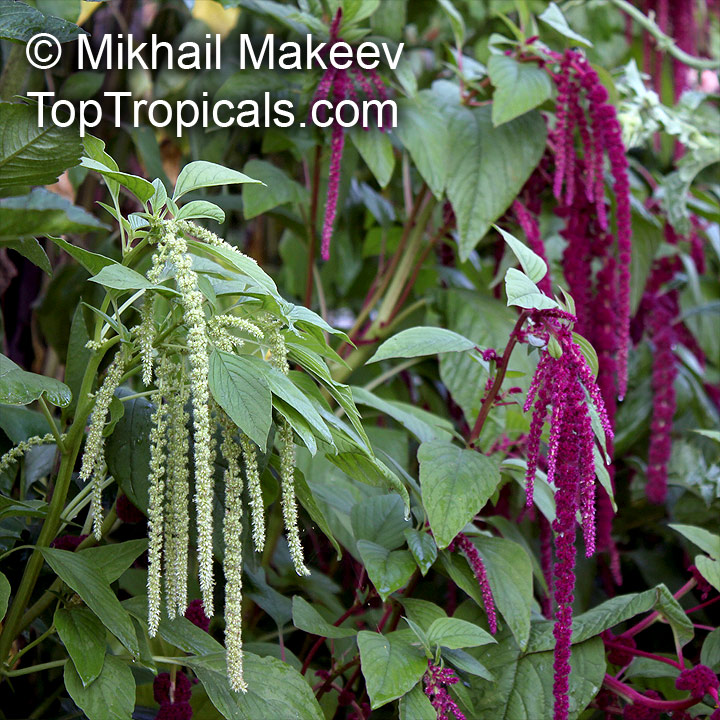
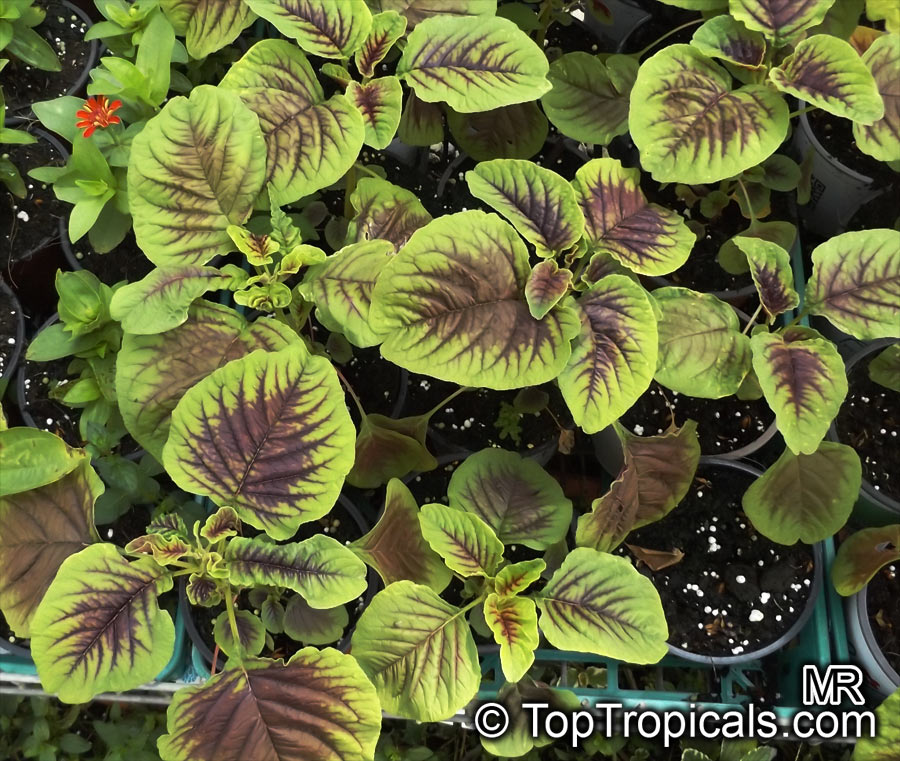

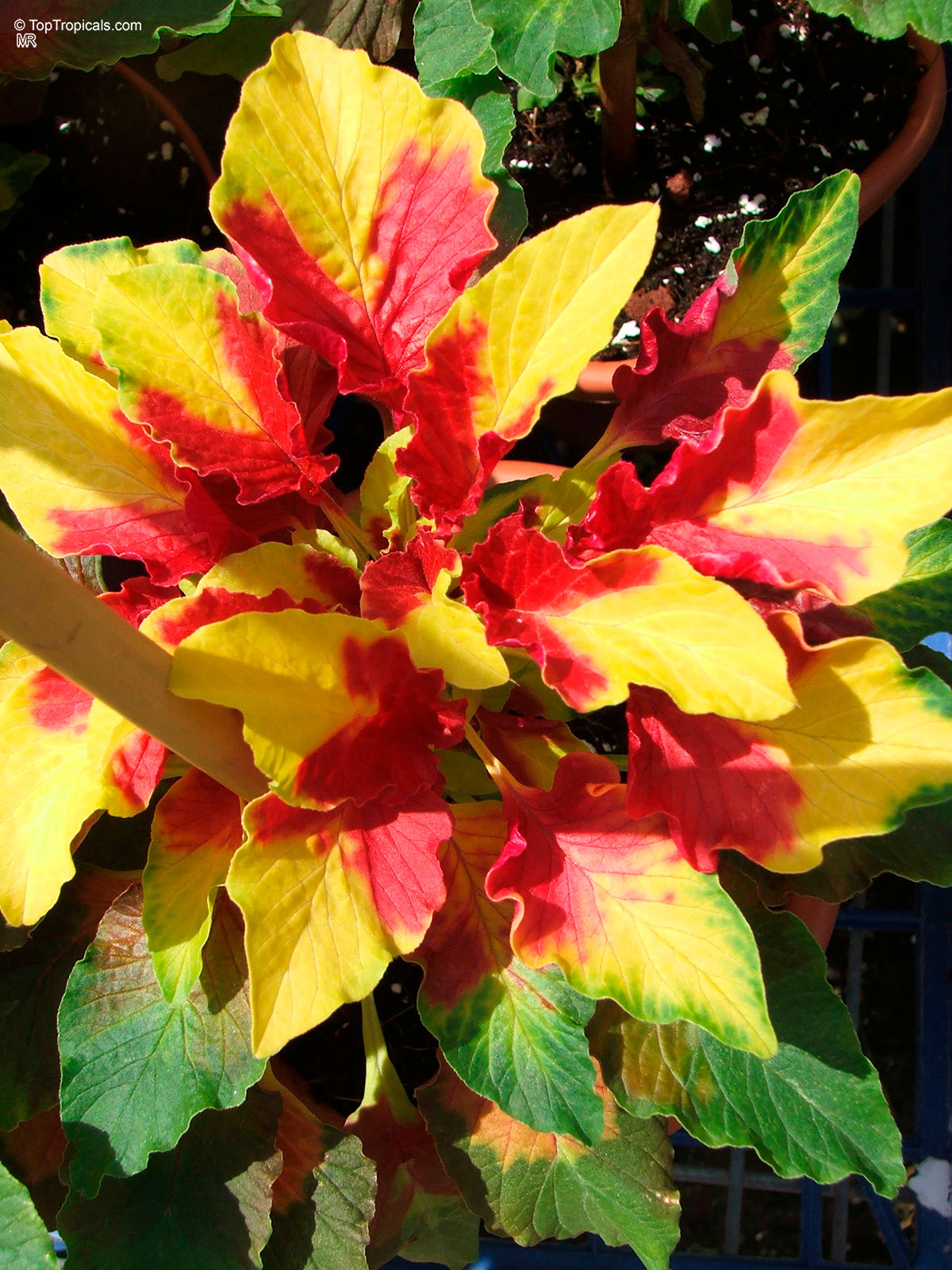
Botanical name: Amaranthus tricolor
Common names: Joseph's coat, Fountain plant
Family: Amaranthaceae
Origin: Tropical Africa and Asia
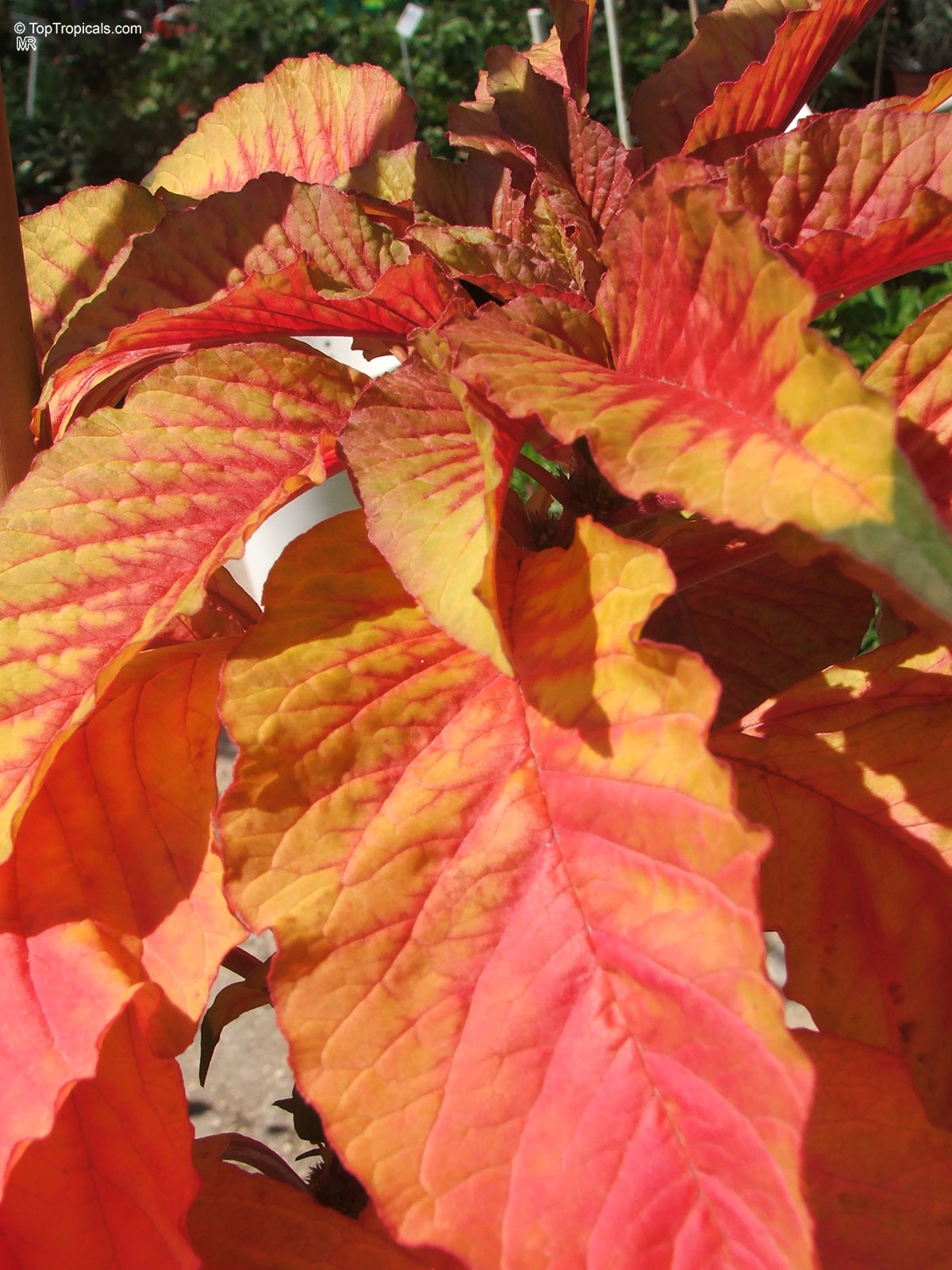
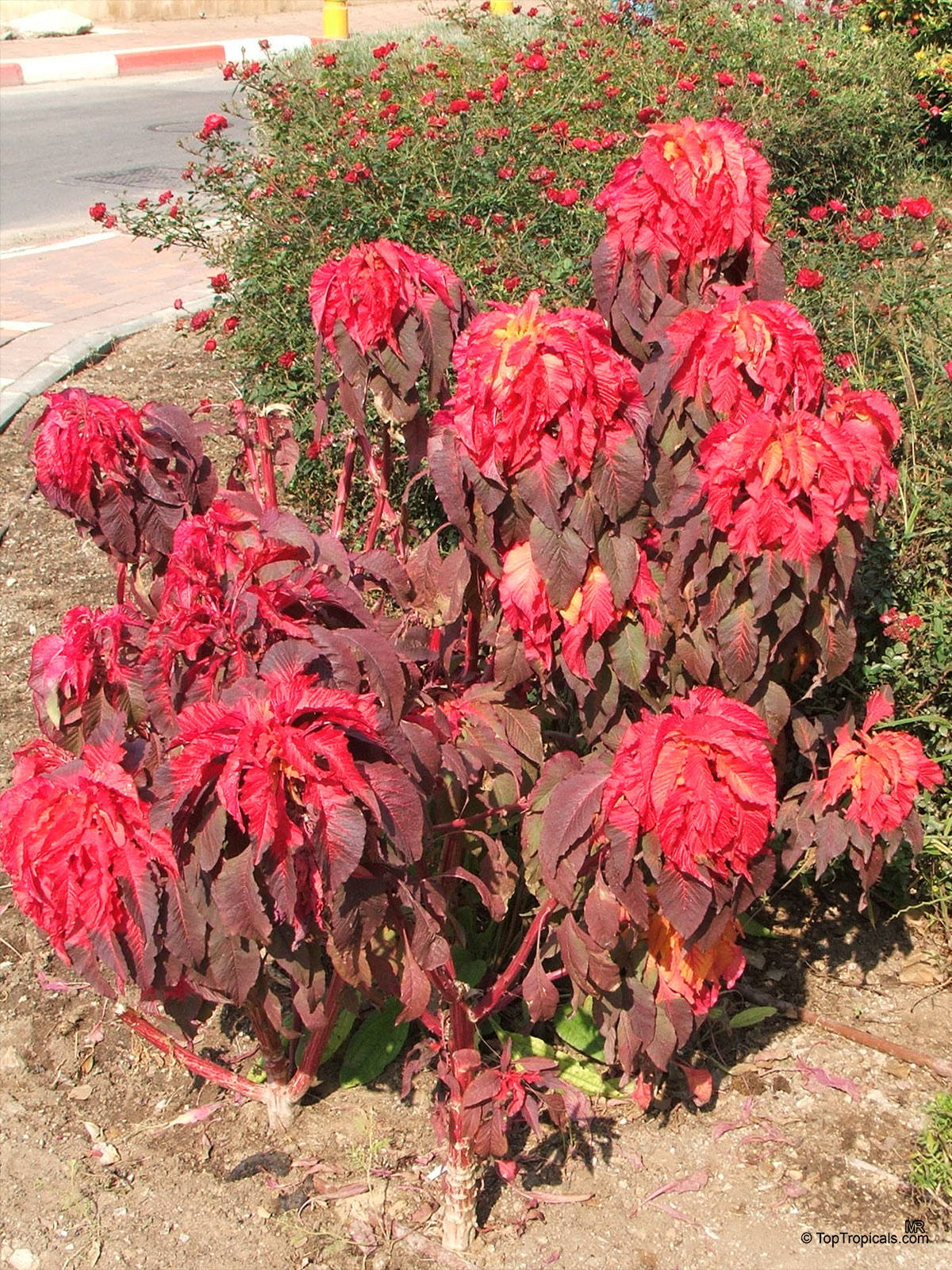
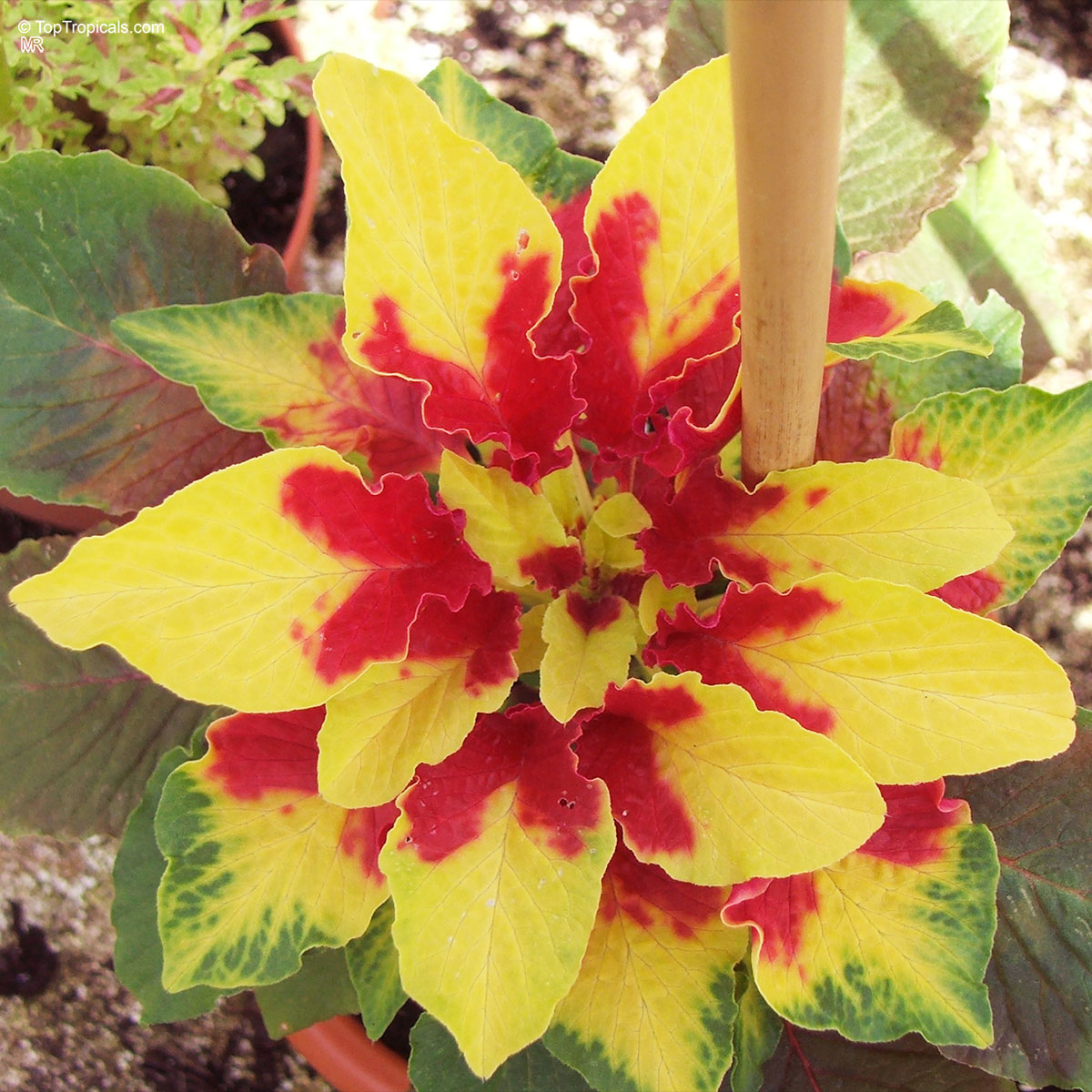
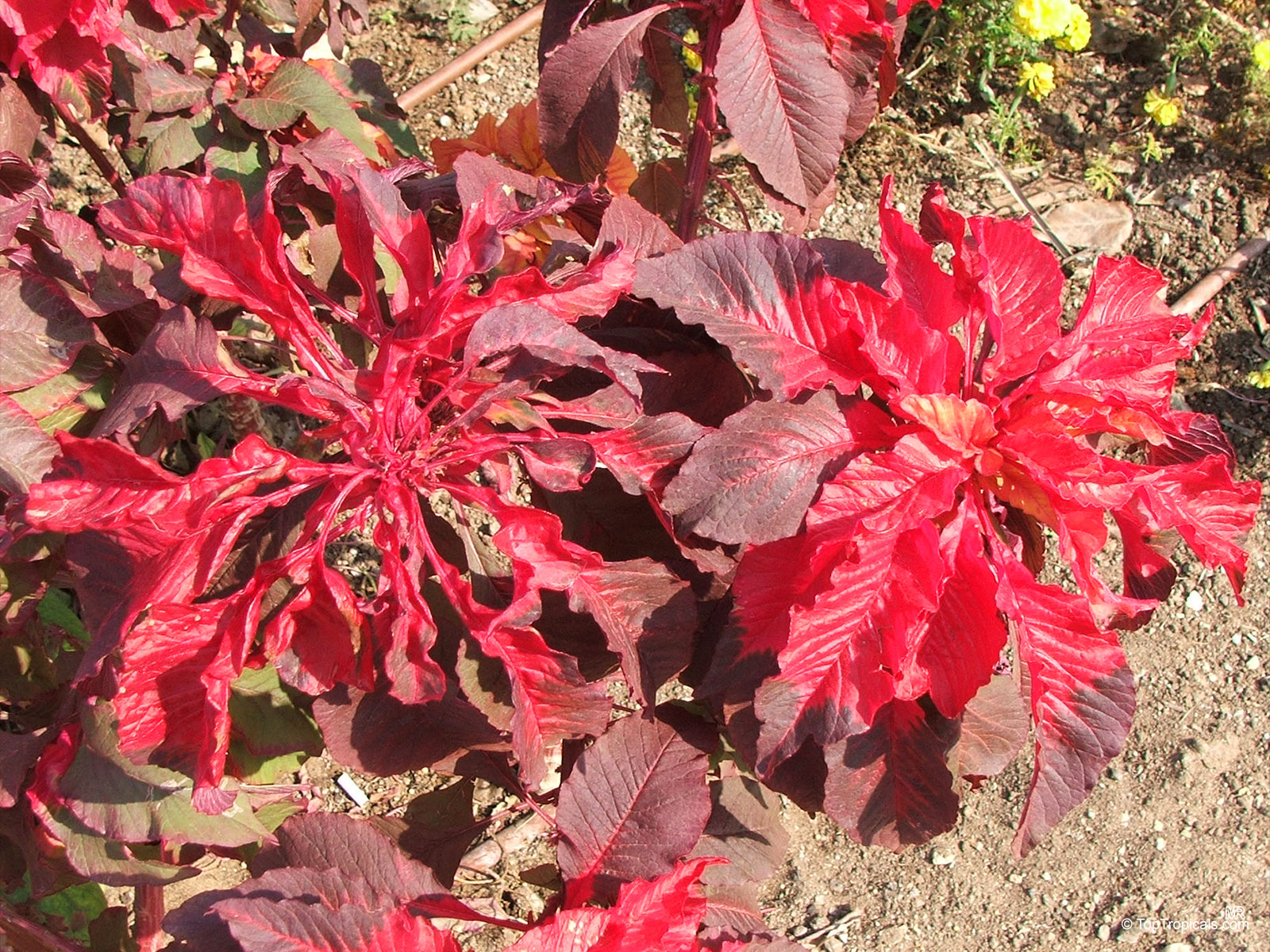
Amaranthus tricolor, commonly known as Joseph's Coat, is an ornamental annual in the Amaranthaceae family native to tropical Asia. It is grown for its vividly colored foliage rather than its flowers, forming an upright plant typically 1 to 3 ft tall. Leaves are broad and soft-textured, displaying striking combinations of green, yellow, orange, and red that often intensify toward the upper growth. The overall effect is bright and multicolored, with new leaves providing the strongest contrast.
This species prefers full sun and well-drained soil with regular moisture. Growth rate is fast in warm conditions. Cold tolerance is low, as it is a true annual and sensitive to frost. Amaranthus tricolor is suitable for garden beds, borders, and container growing, where its foliage provides strong seasonal color.
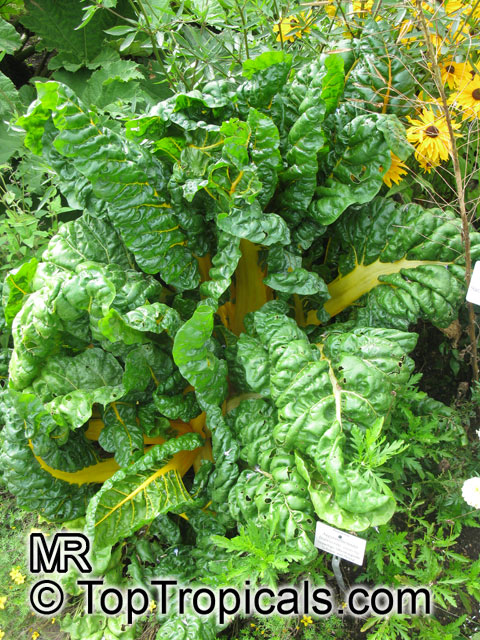
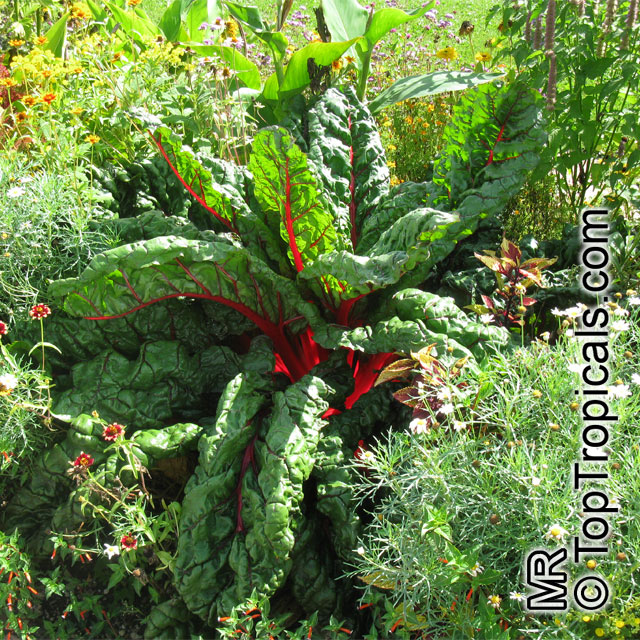
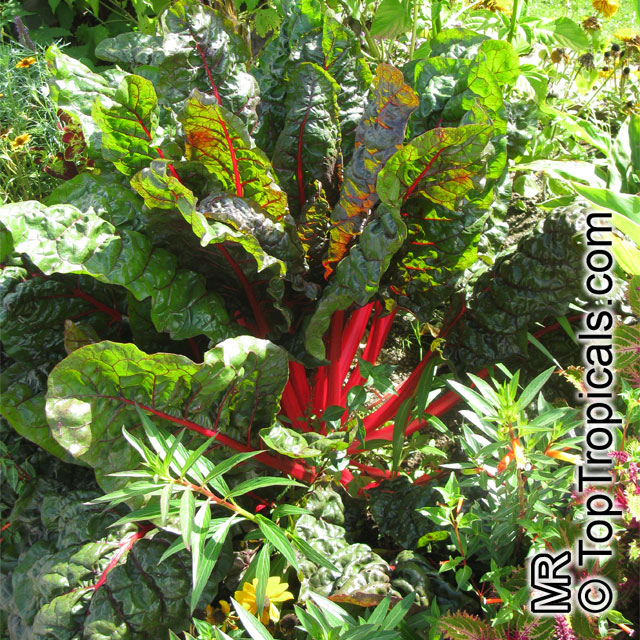
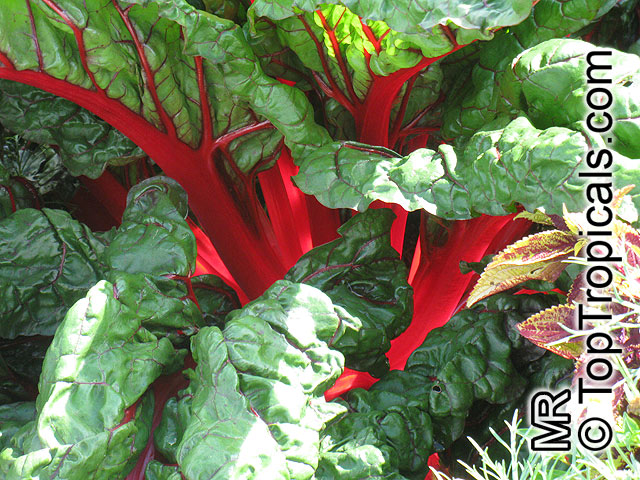
Botanical name: Beta vulgaris
Common names: Chard, Bright Lights
Cultivar: Cicla
Family: Amaranthaceae
Chard has shiny, green, ribbed leaves, with stems that range from white to yellow to red, depending on the cultivar.
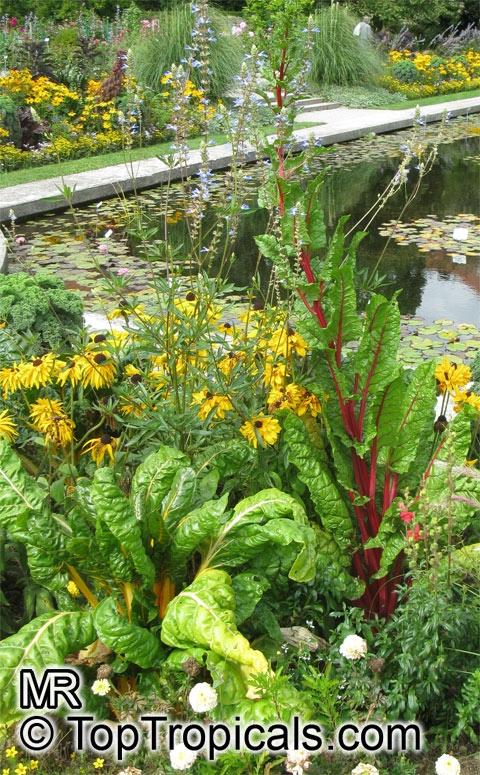
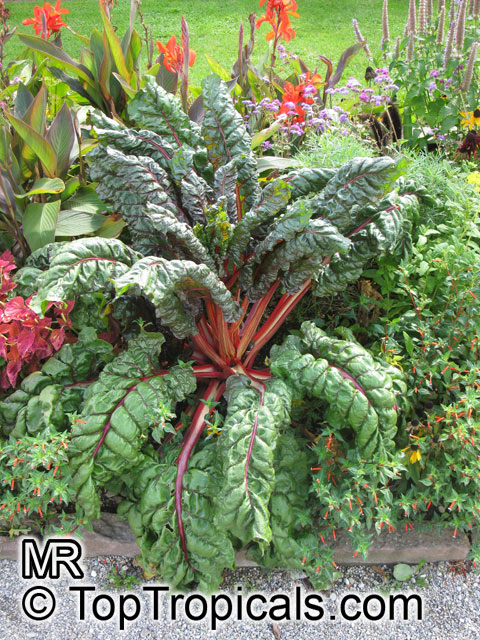
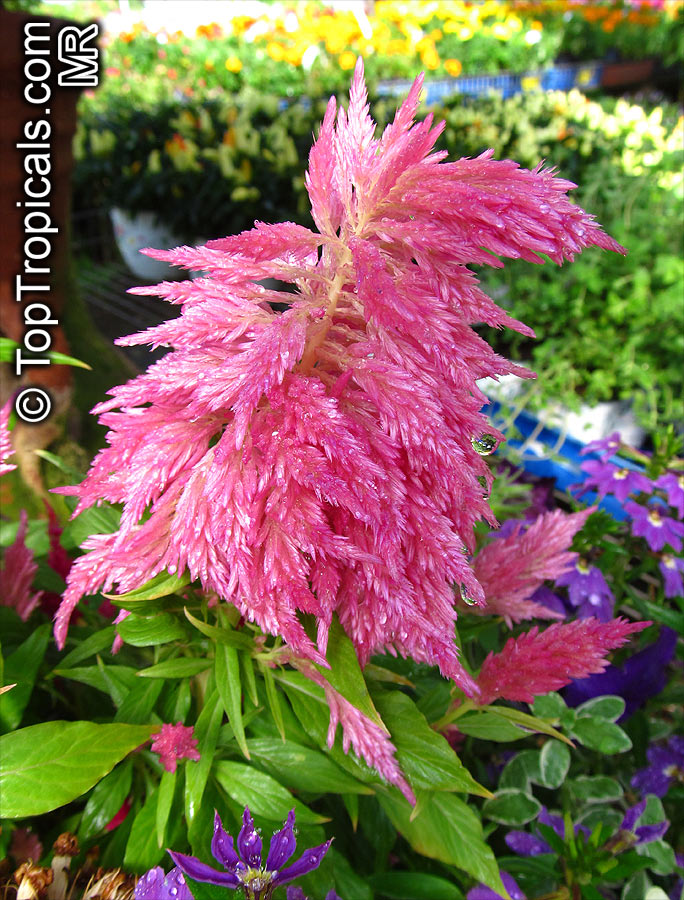
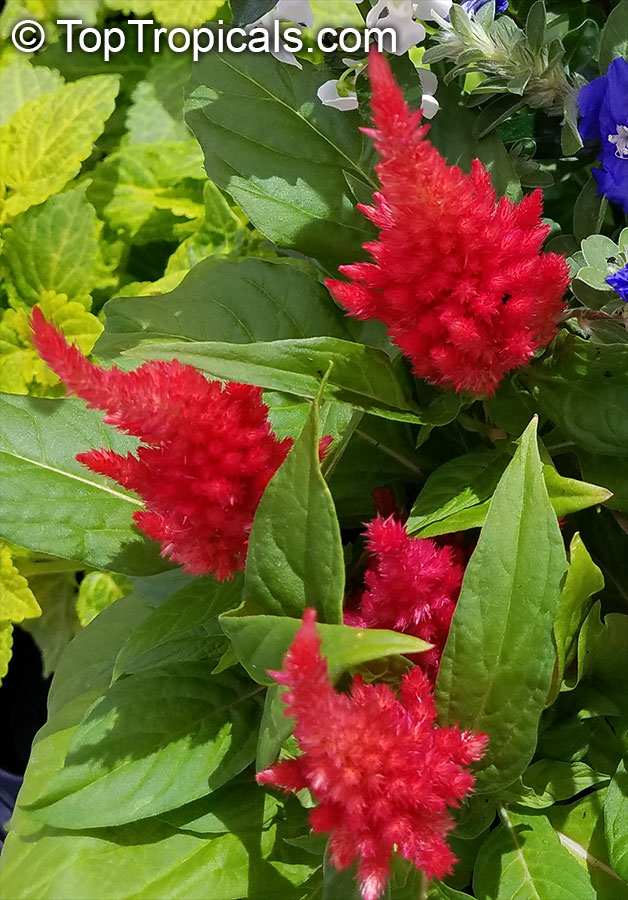
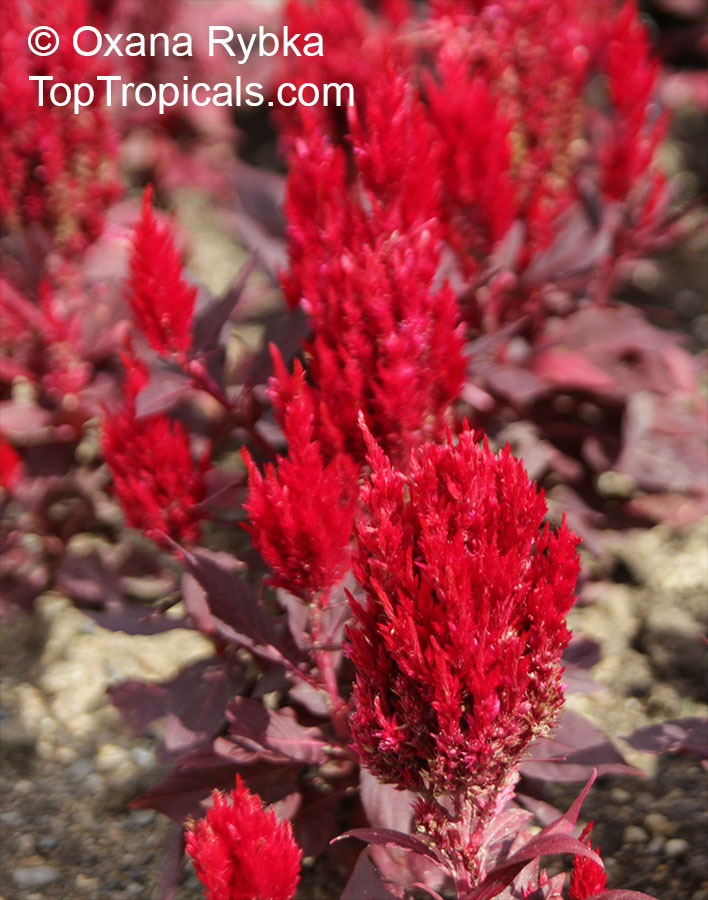
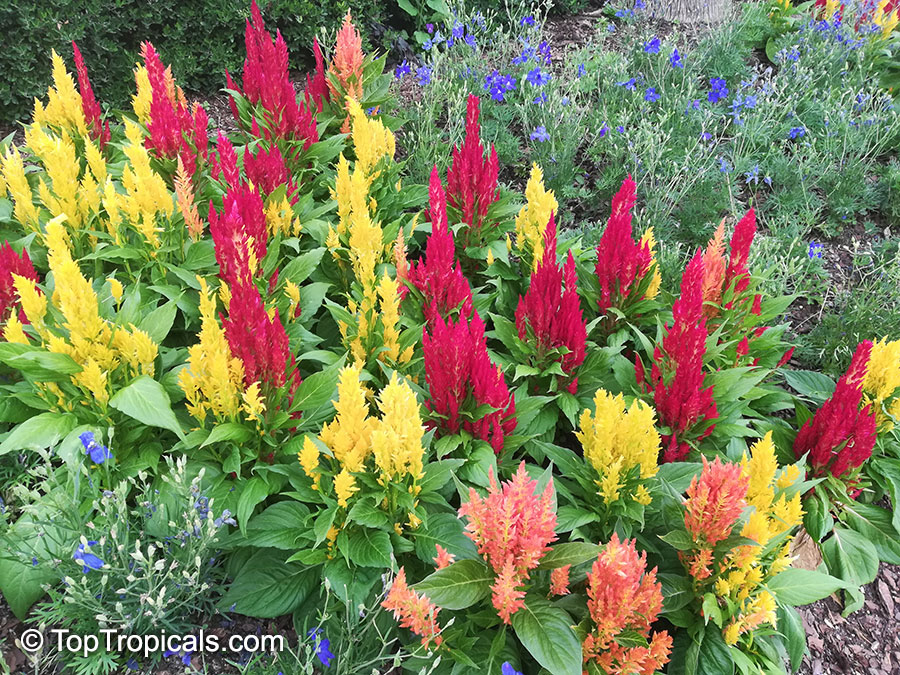
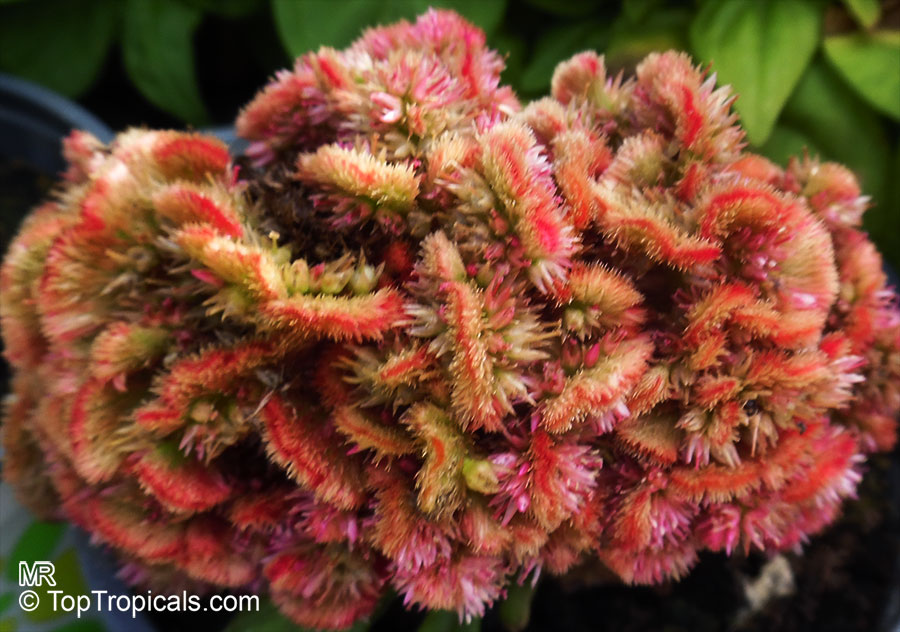
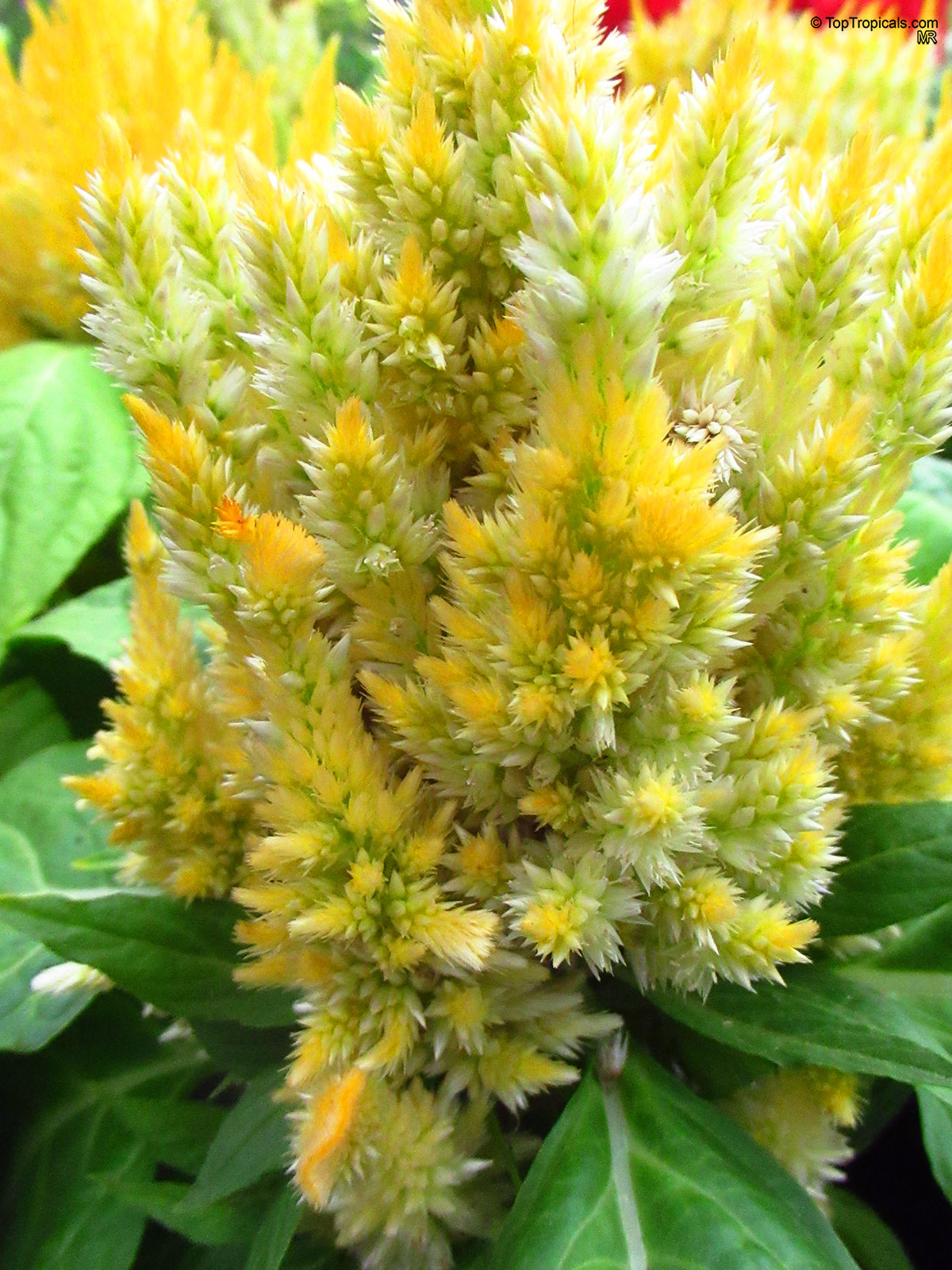
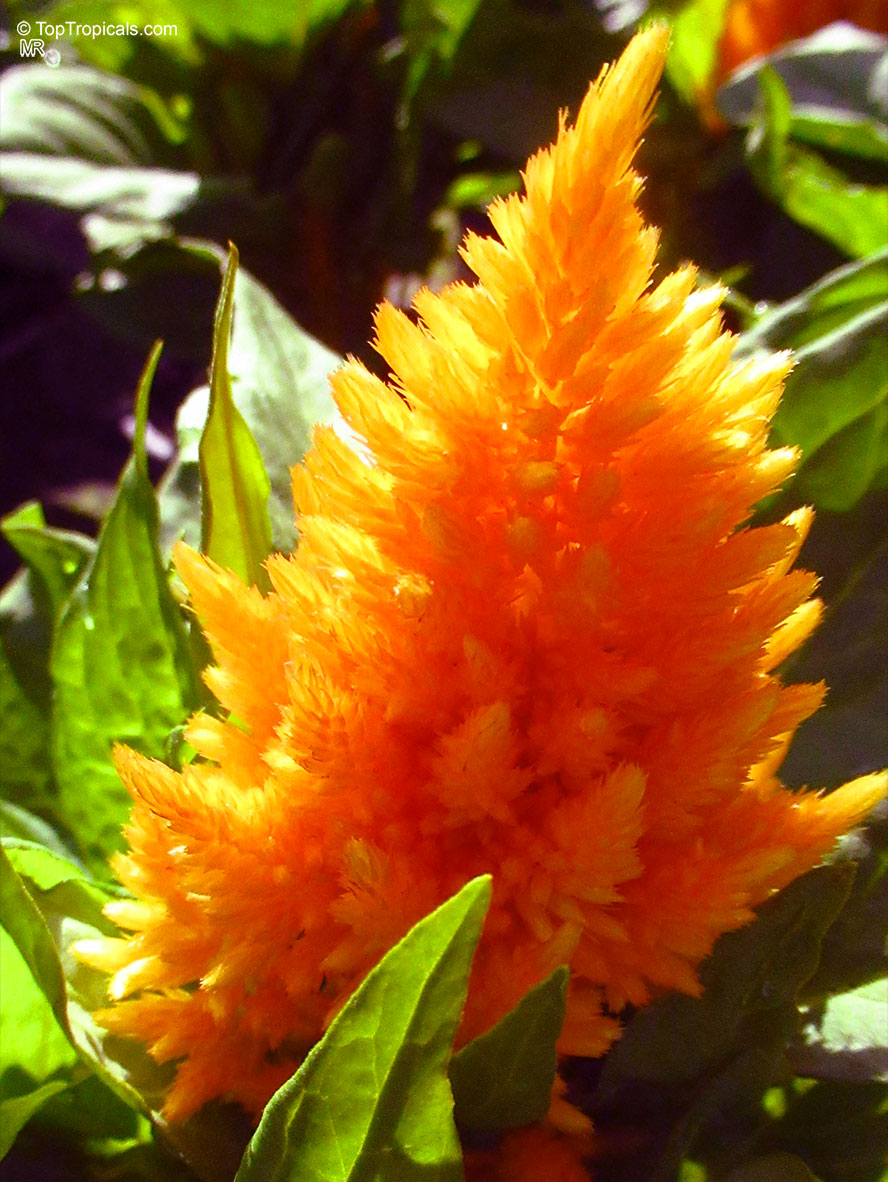
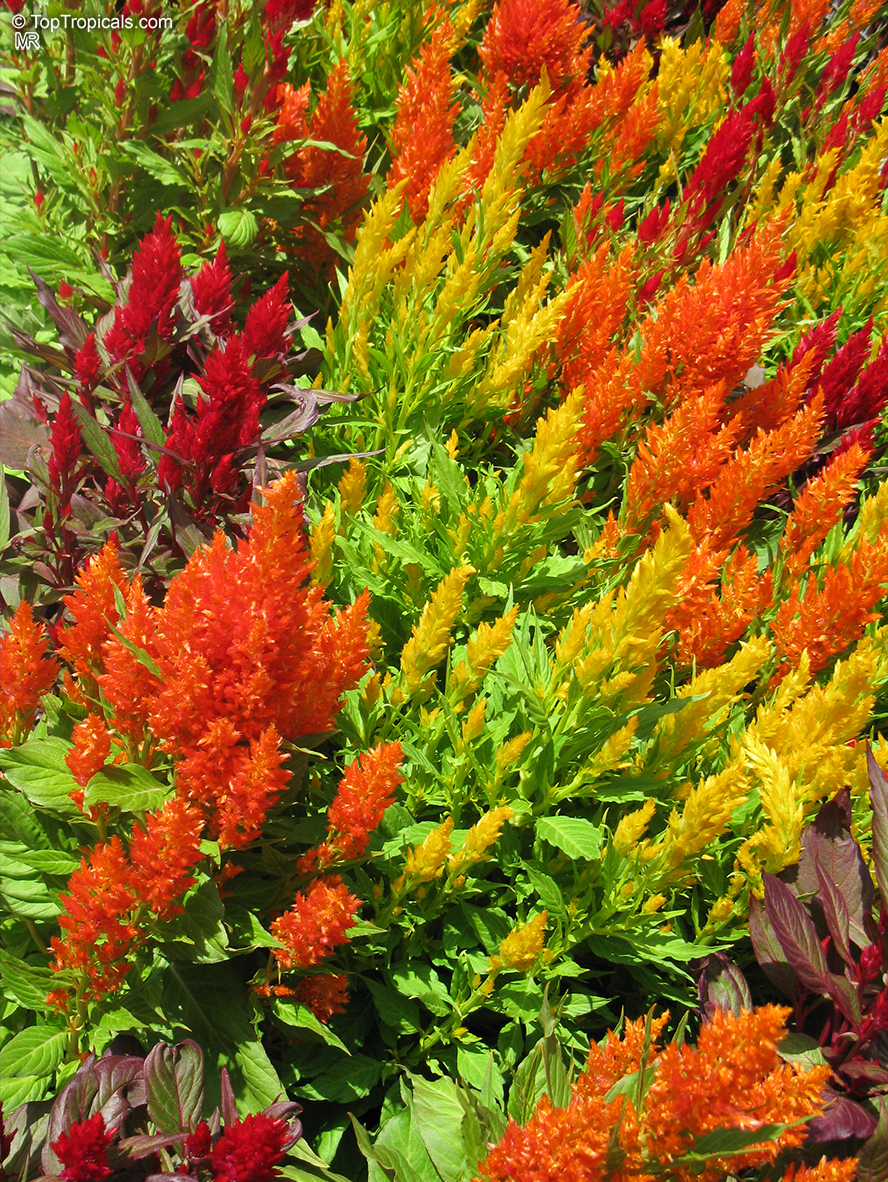
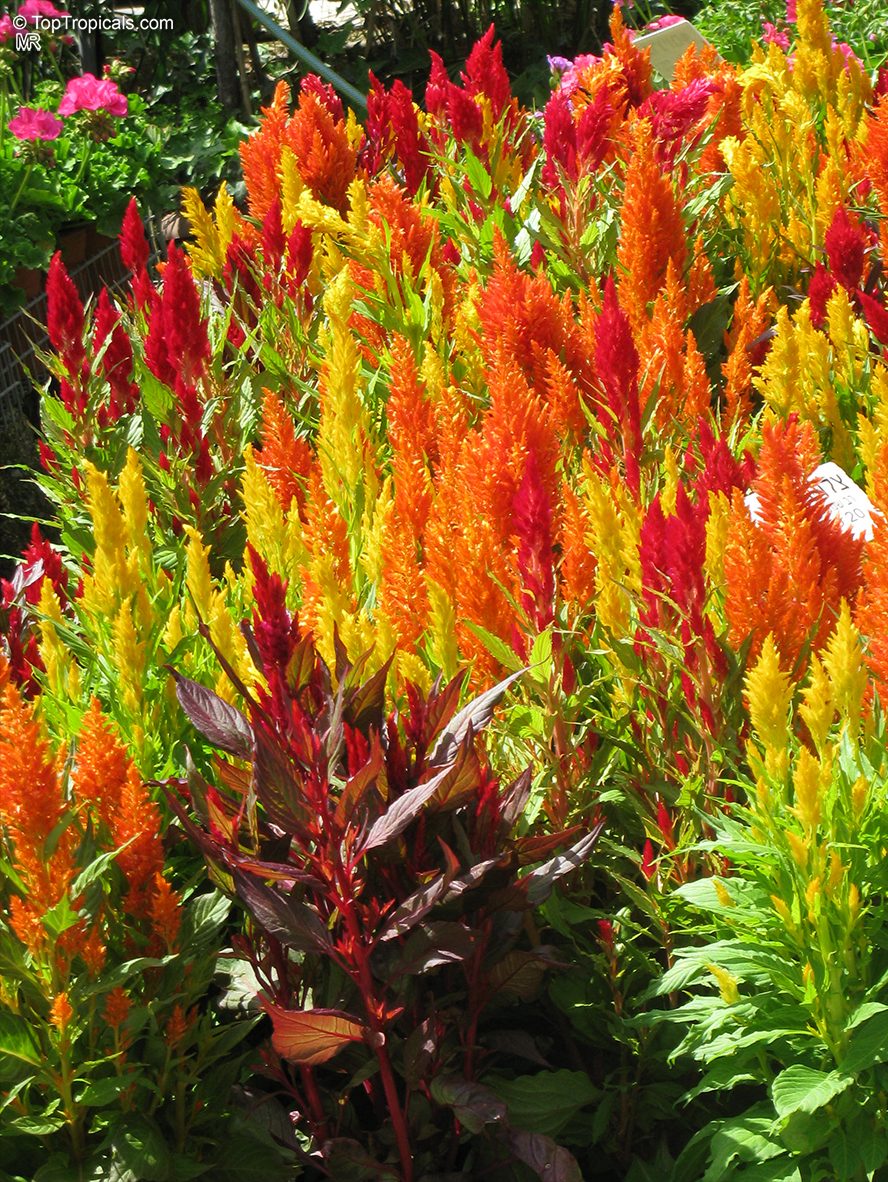
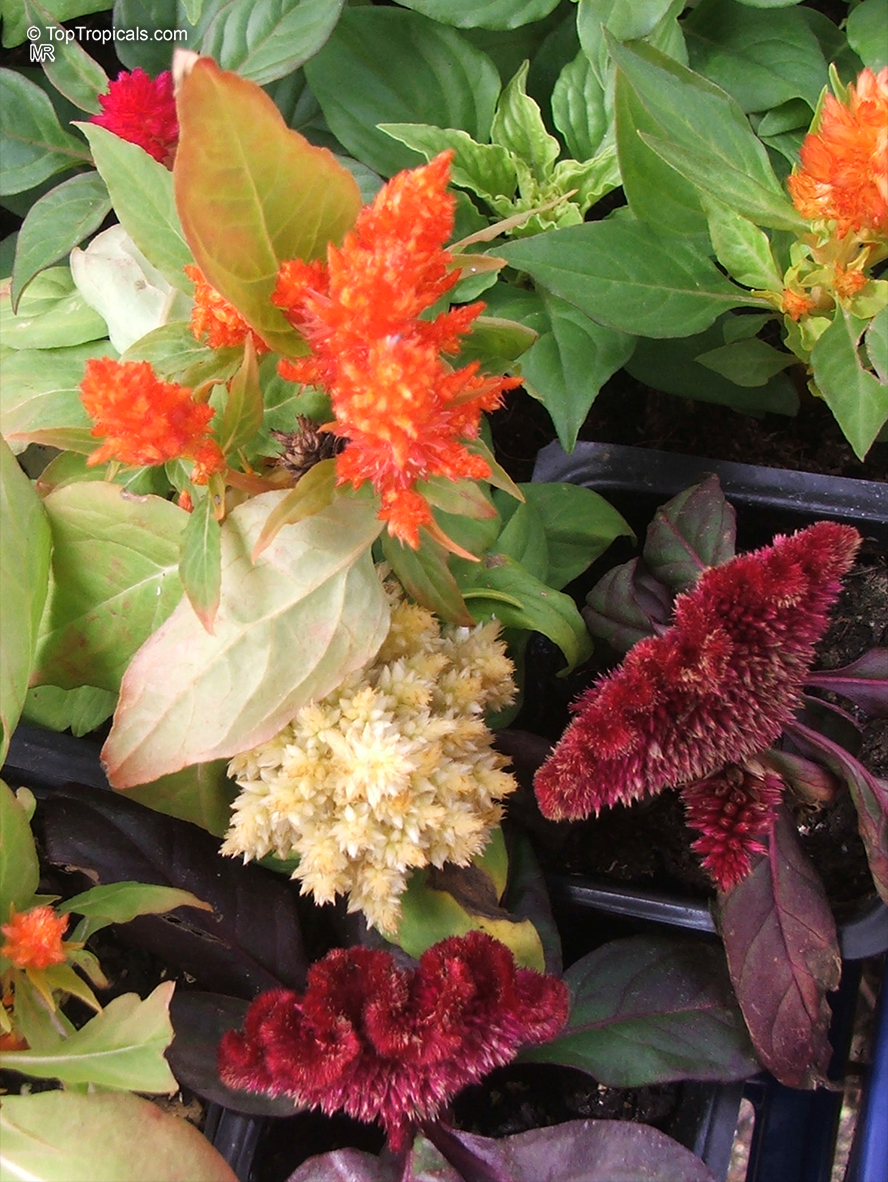
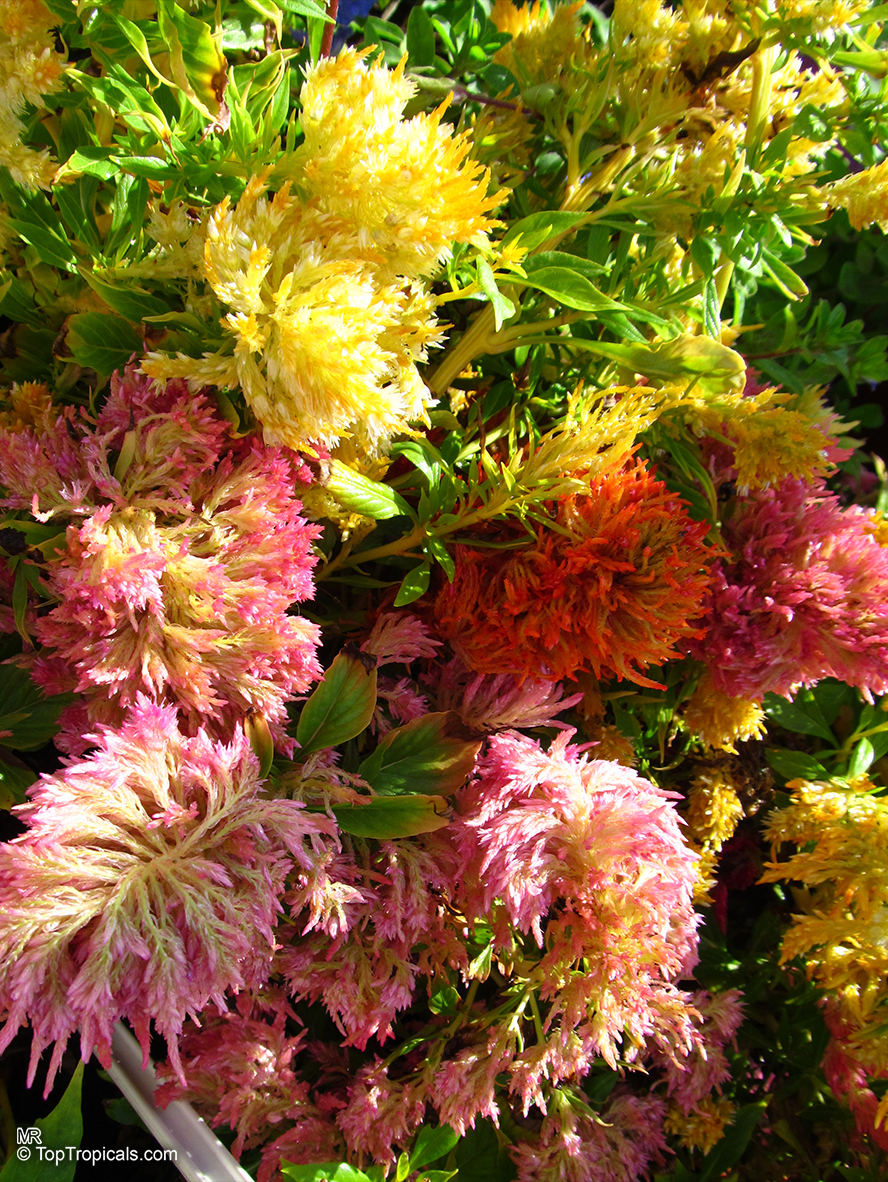
Botanical name: Celosia argentea
Common names: Cockscomb, Feathered Amaranth, Woolflower, Red Fox
Family: Amaranthaceae
Origin: Americas, Africa, or Asia
Hardiness: 35°F


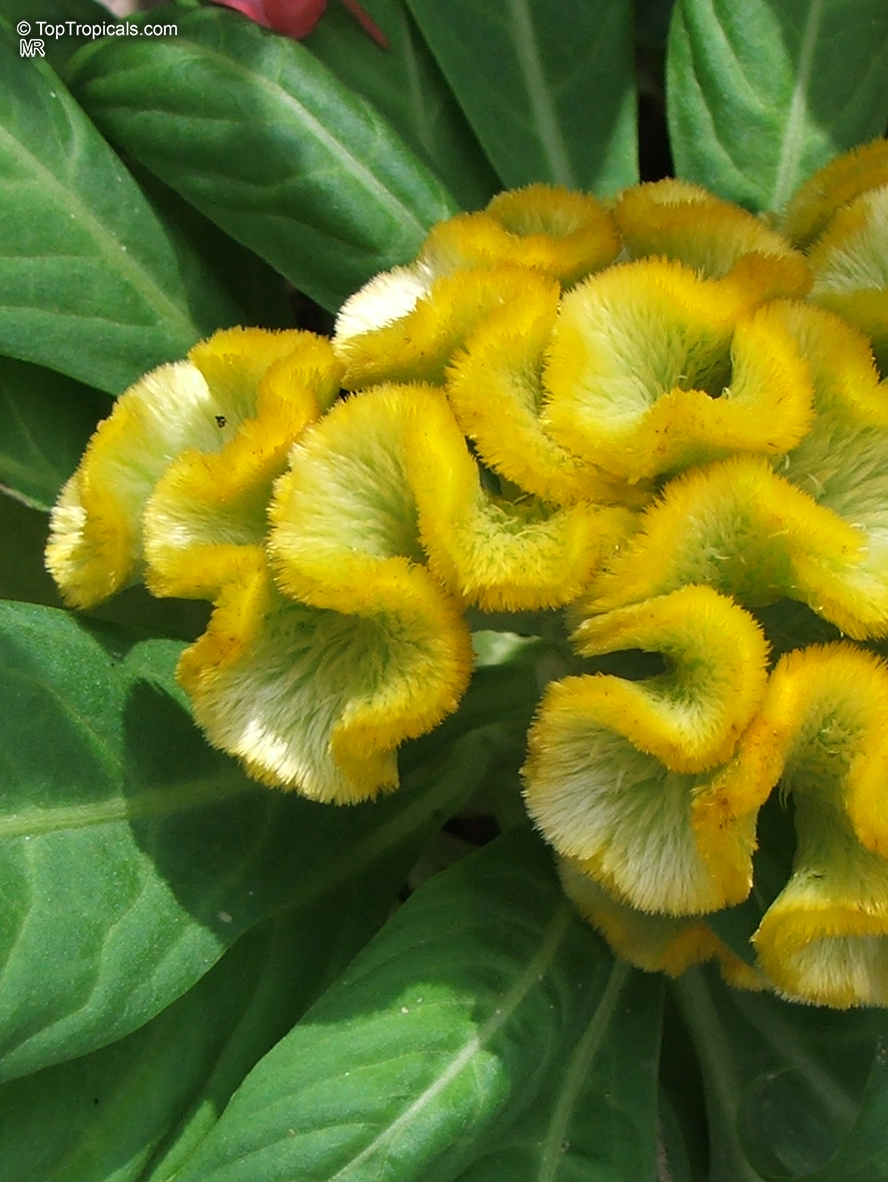
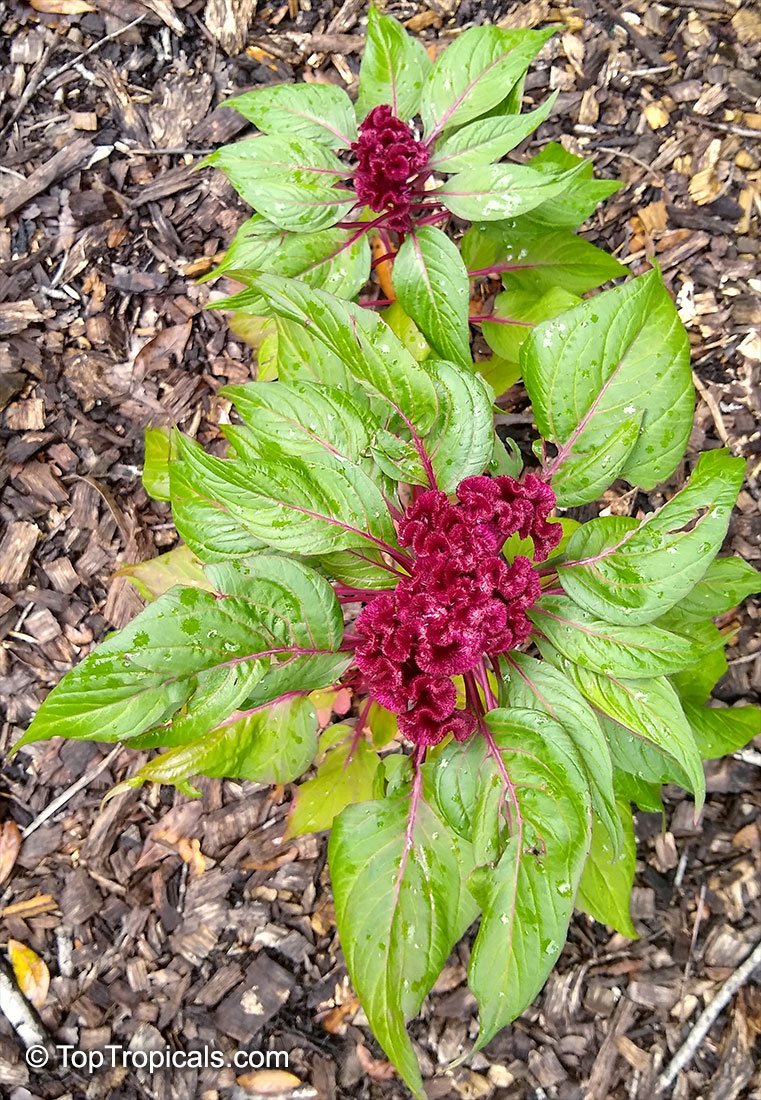
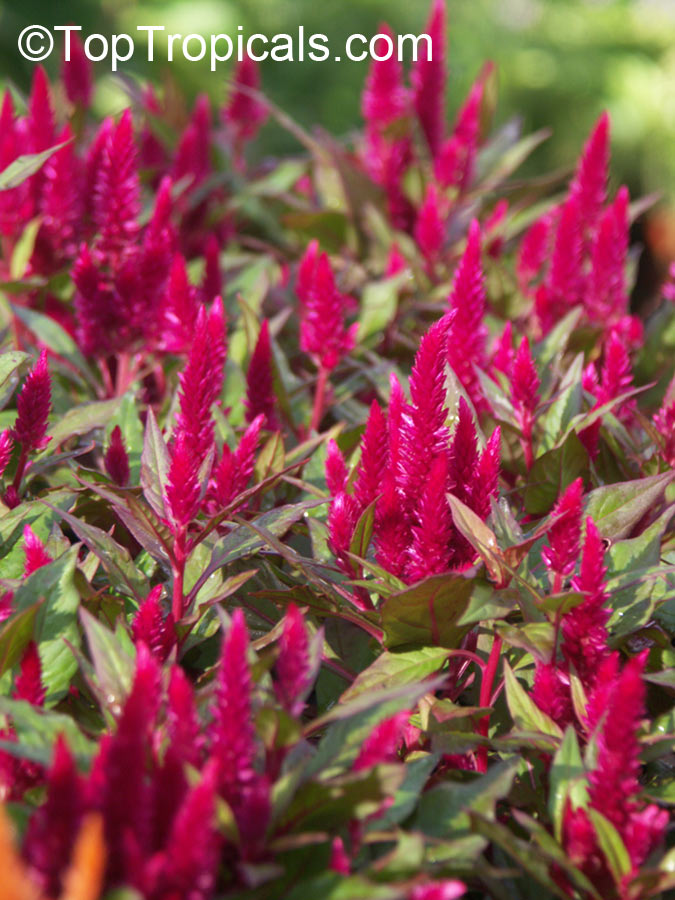
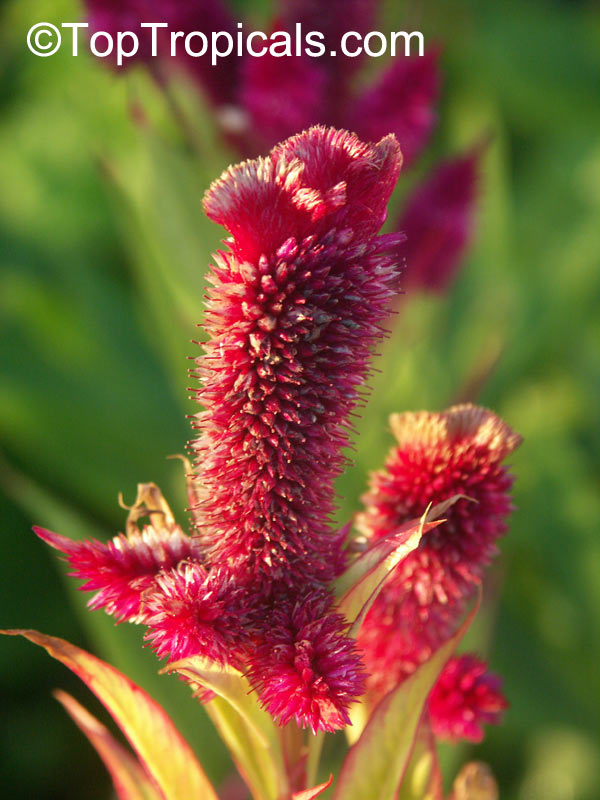
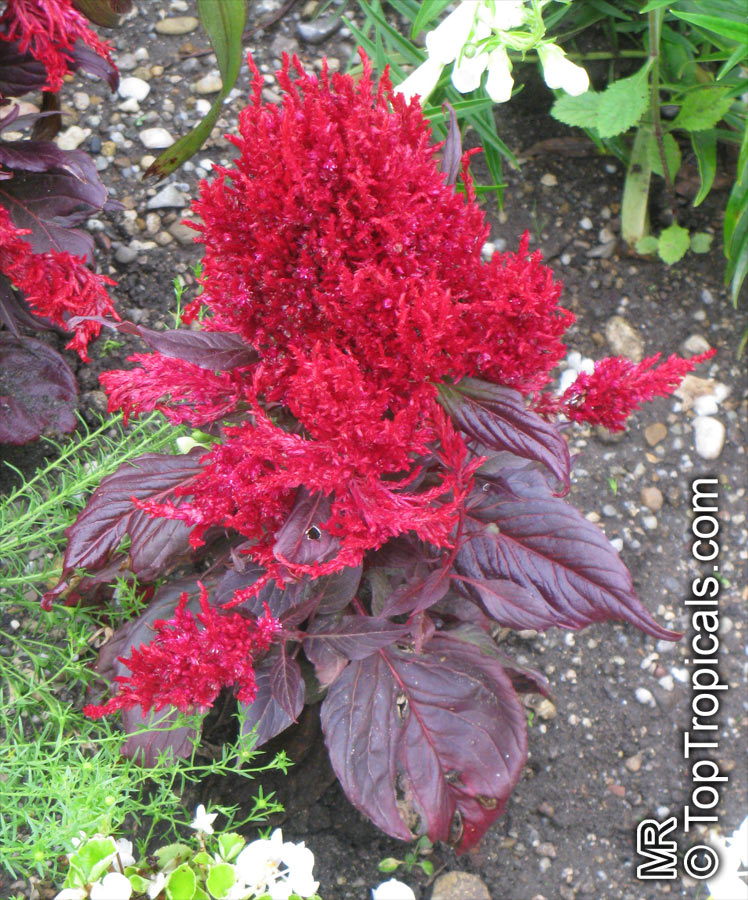
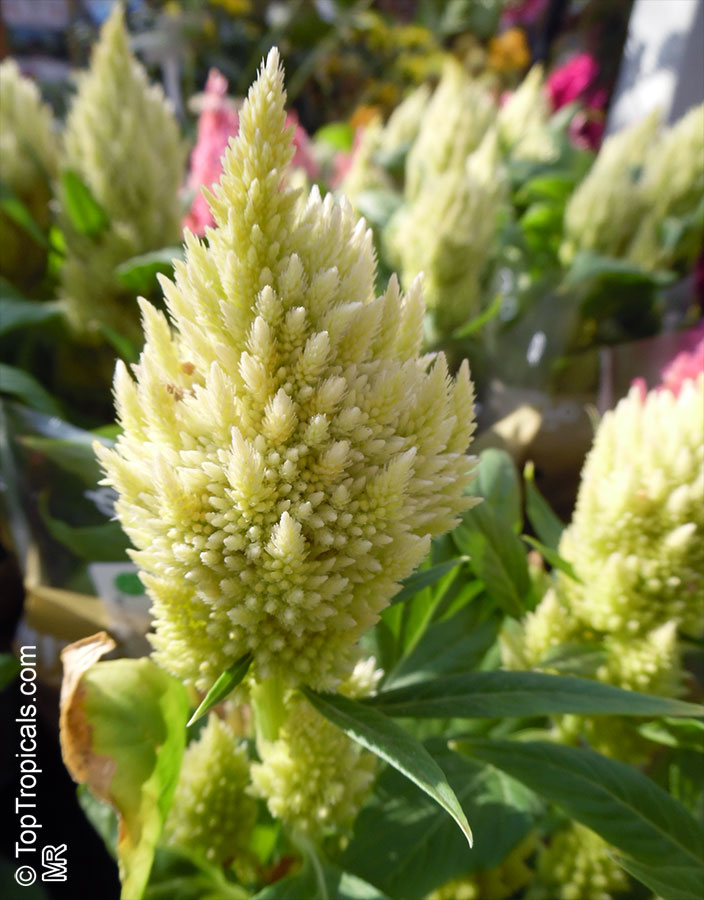
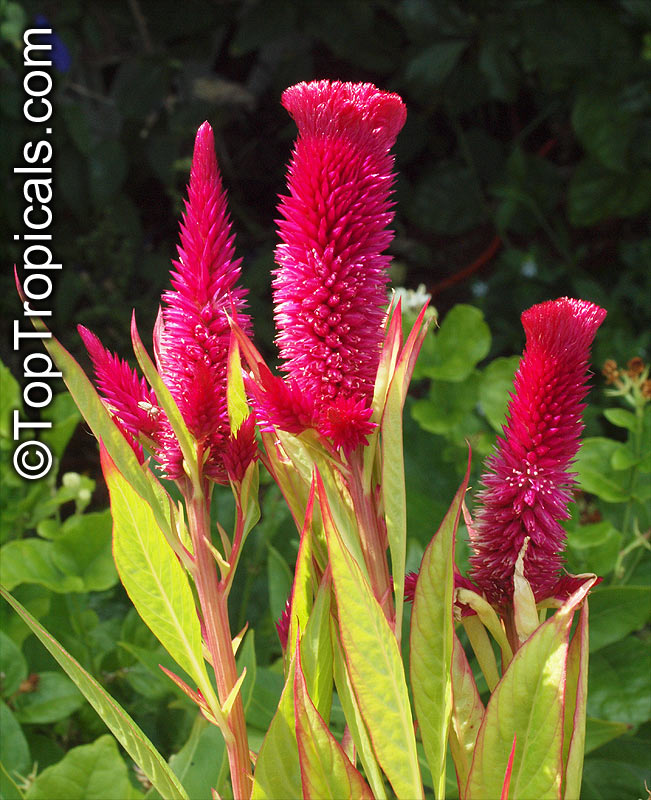
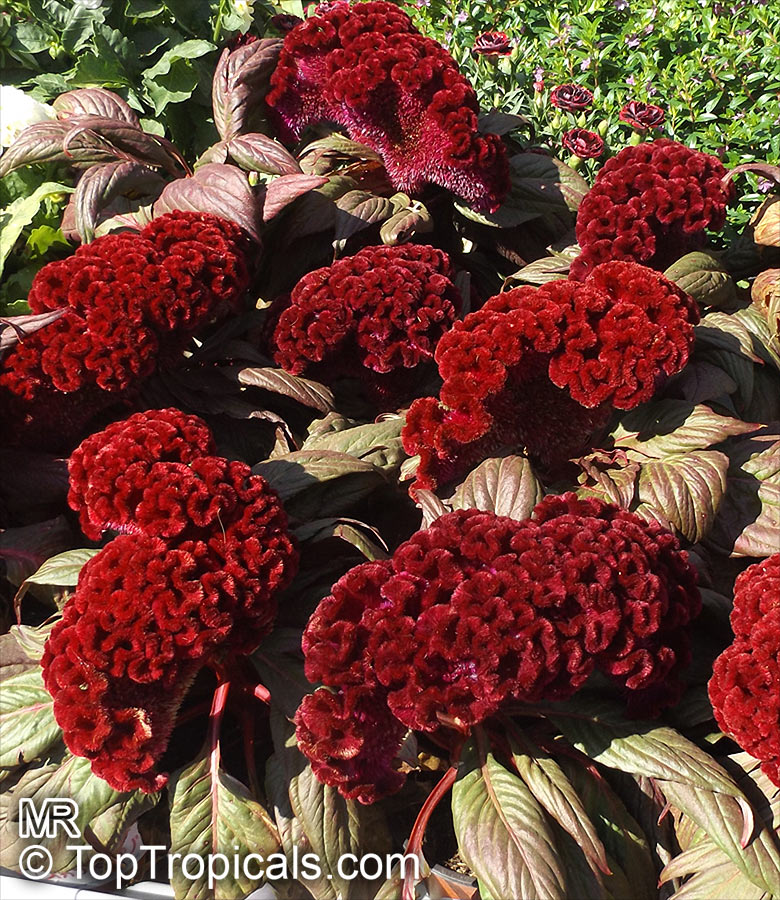
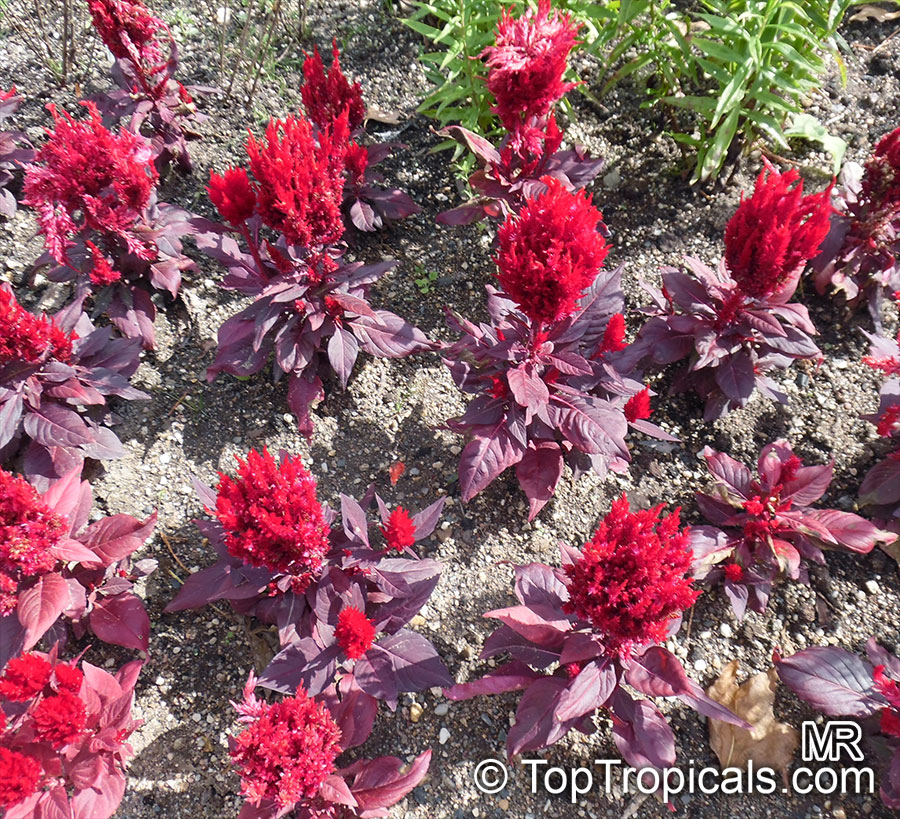
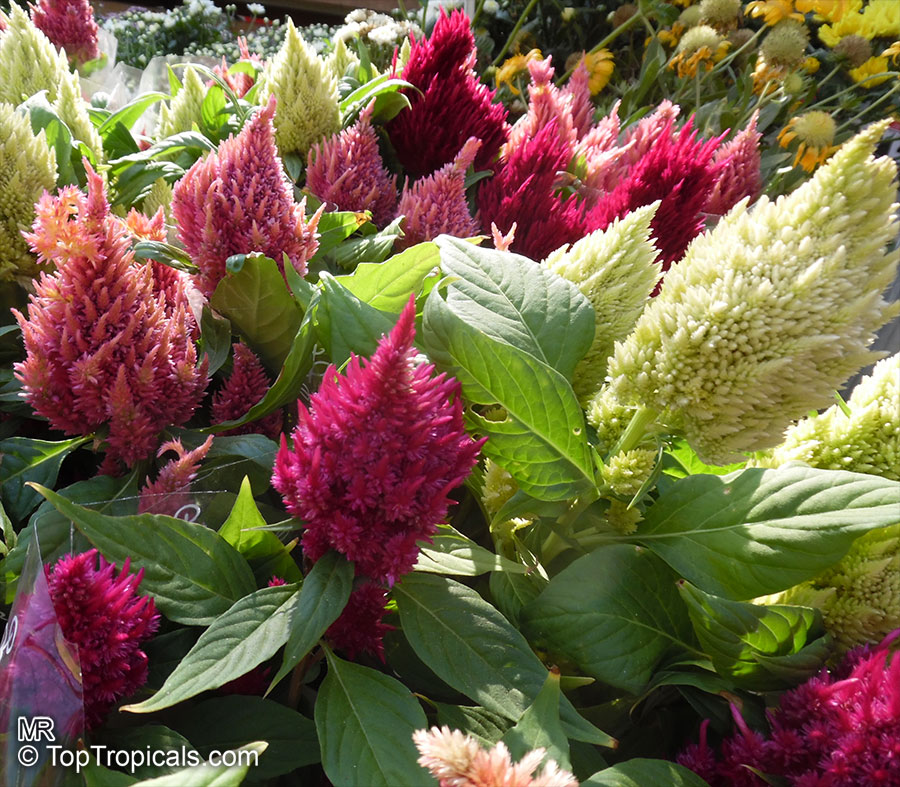
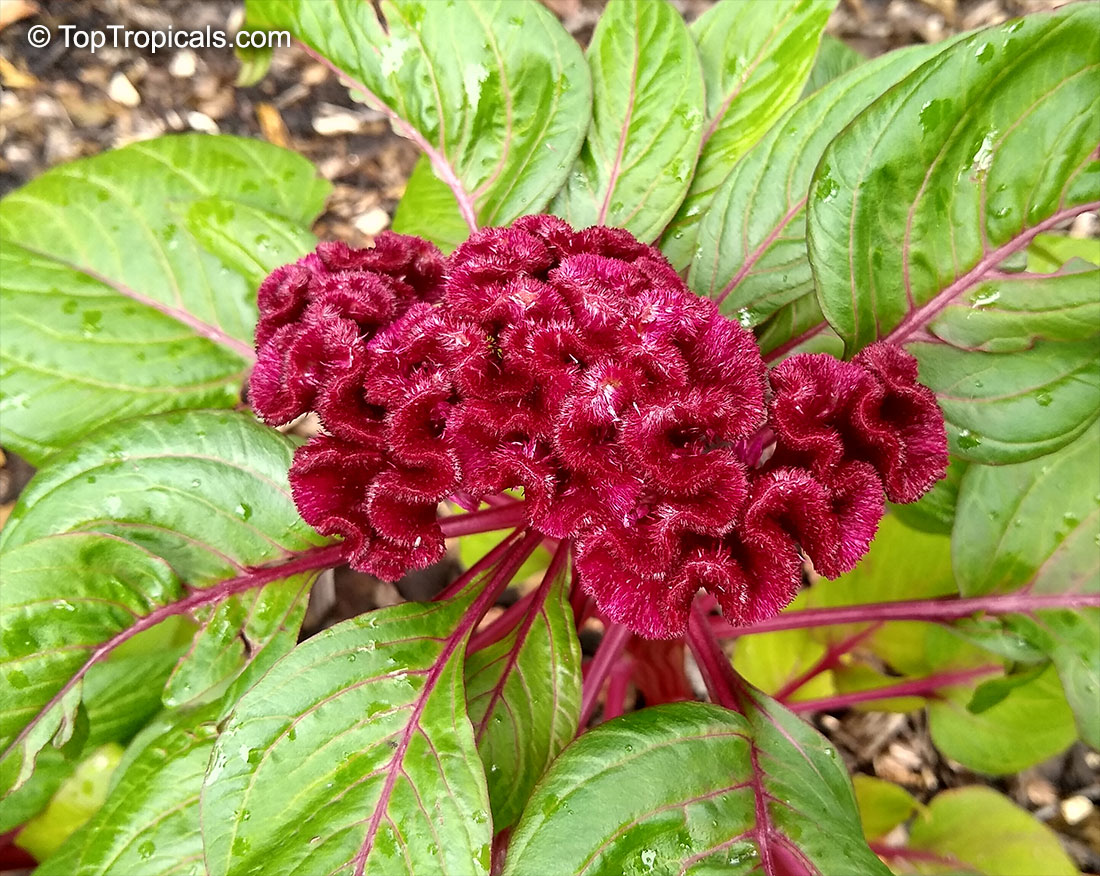
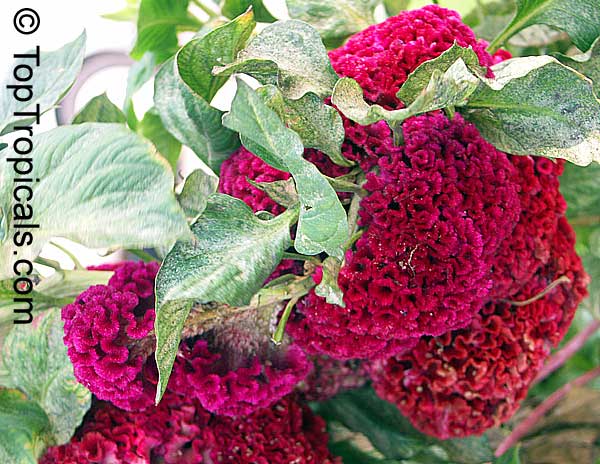
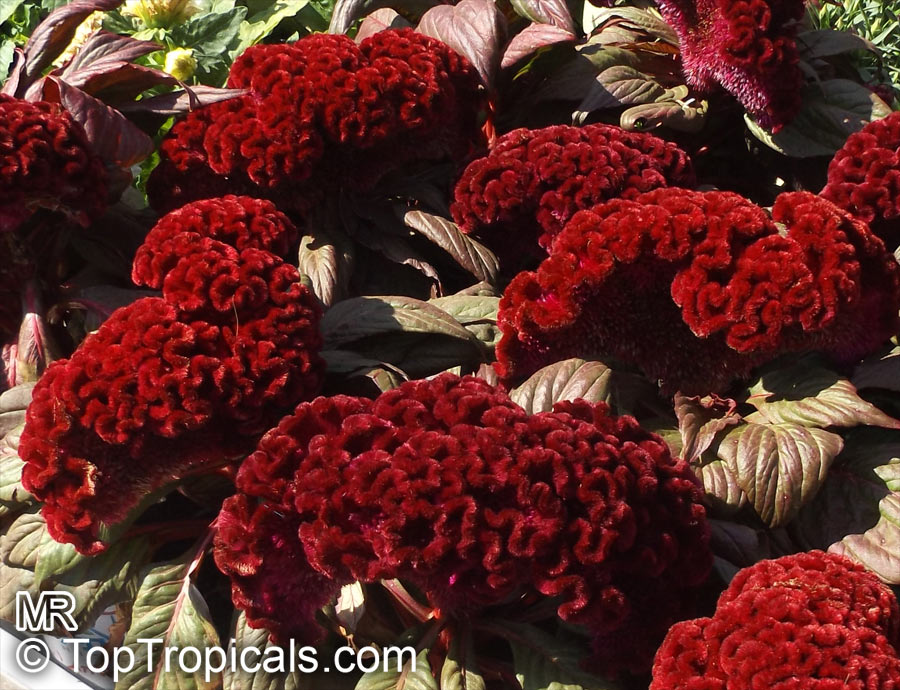
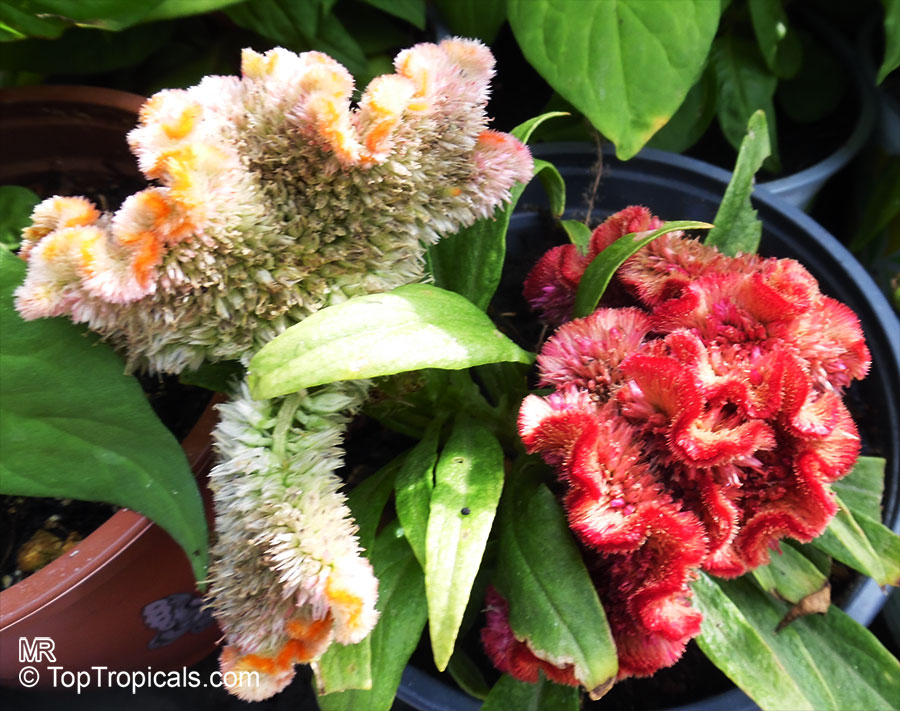
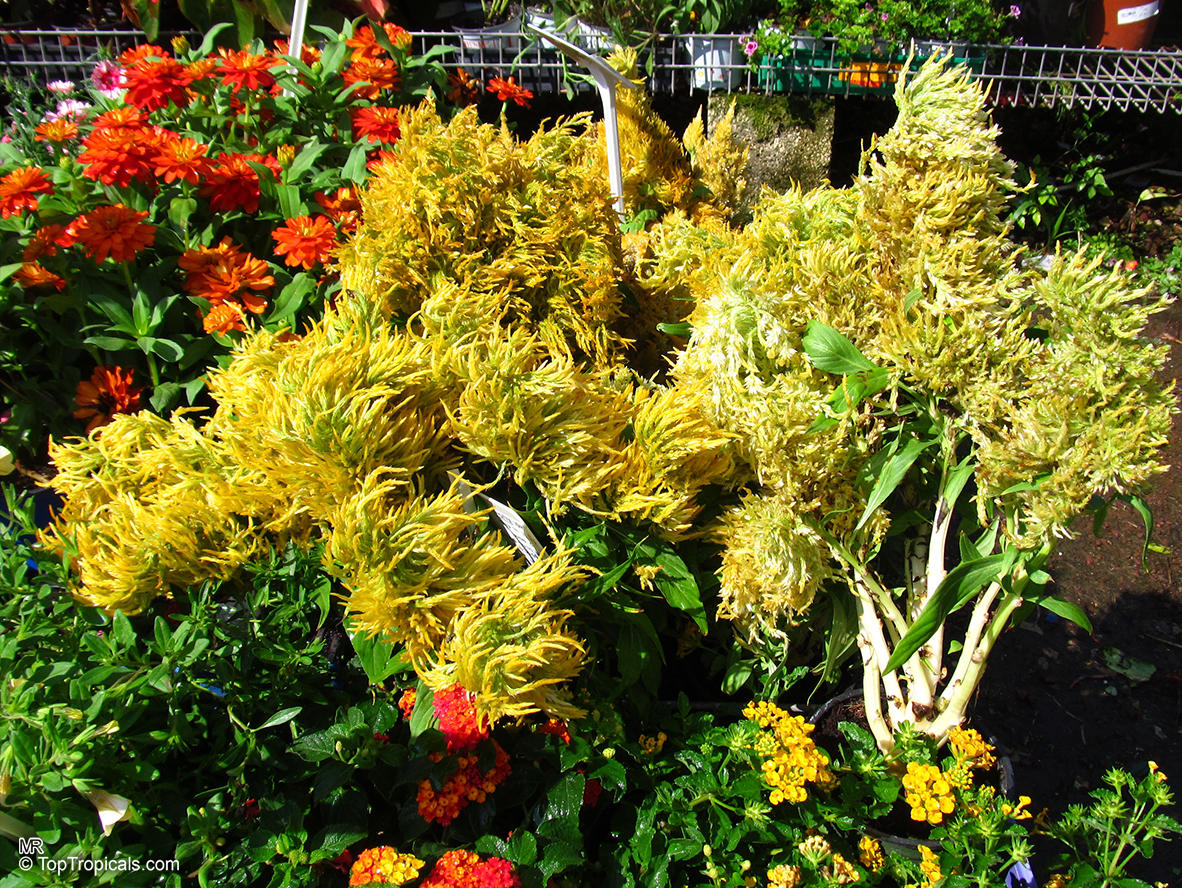
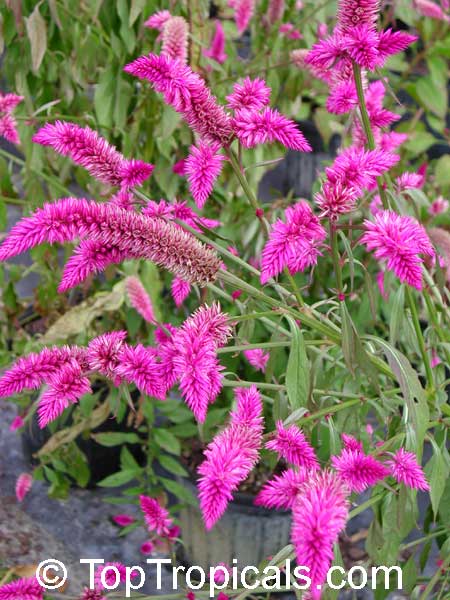
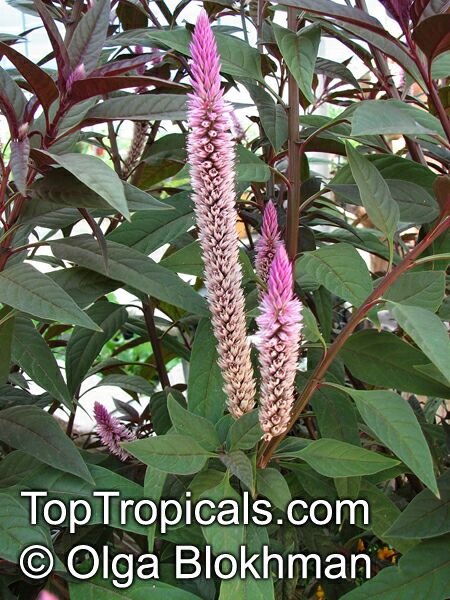
The native celosia are a medium green color with silvery white flowers that appear during the summer months. Through culivation two specific cultivars of this plants are now found. The first cultivar is the Plumosa group which is characterized by its plume like flower stalk which comes in a wide range of hot colors including yellow, crimson, and orange. The other group is the Cristata group which is characterized by it wavy crest of fused flowers stalks which comes in a multitude of colors. The Spicata Group (often classified as a distinct species, Celosia spicata) includes cultivars with slender, cylindrical pink or rose flowerheads which have a metallic sheen because the individual flowers are silvery-white at their bases. Celosias thrive in hot, humid weather. The celosias require constant moisture, but a well drained soil. Water before the soil dries out. The flowerheads of the Plumosa and Spicata cultivars are beautiful in fresh flower arrangements.

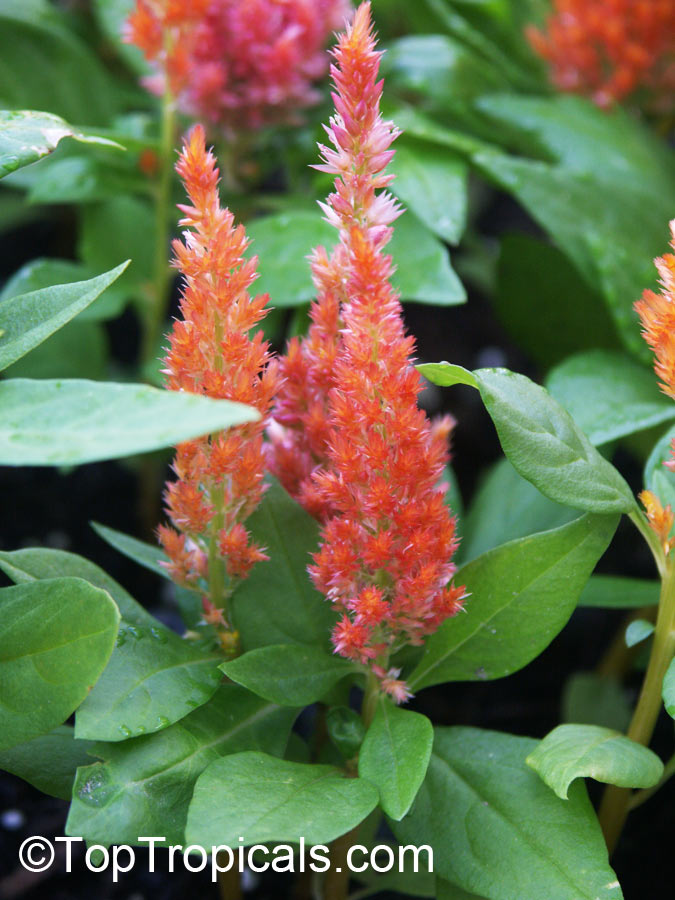
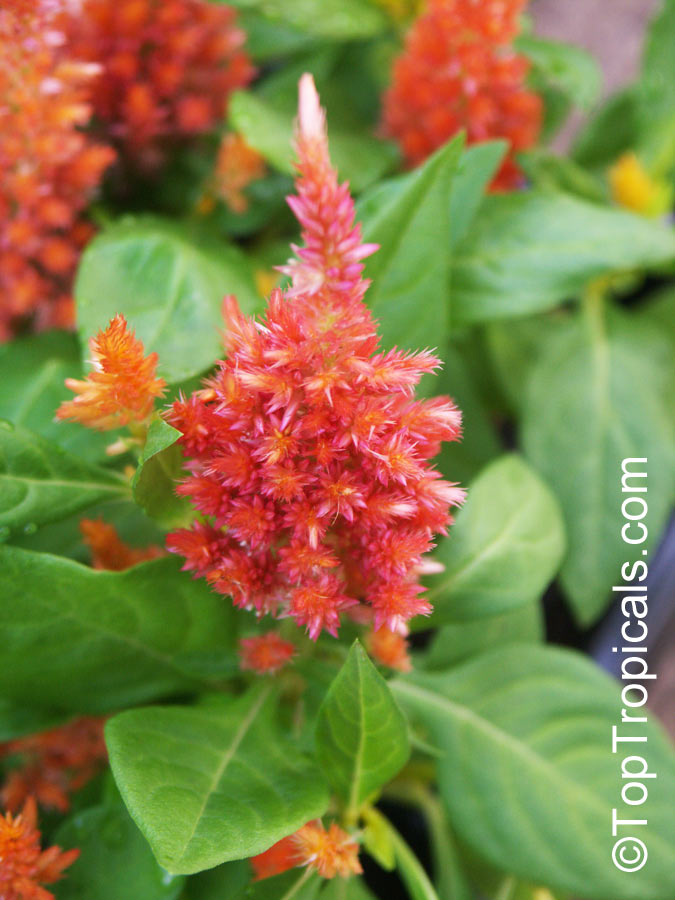


Botanical name: Celosia spicata
Common name: Amaranth Celosia
Family: Amaranthaceae
Origin: Tropical Americas, Africa, or Asia

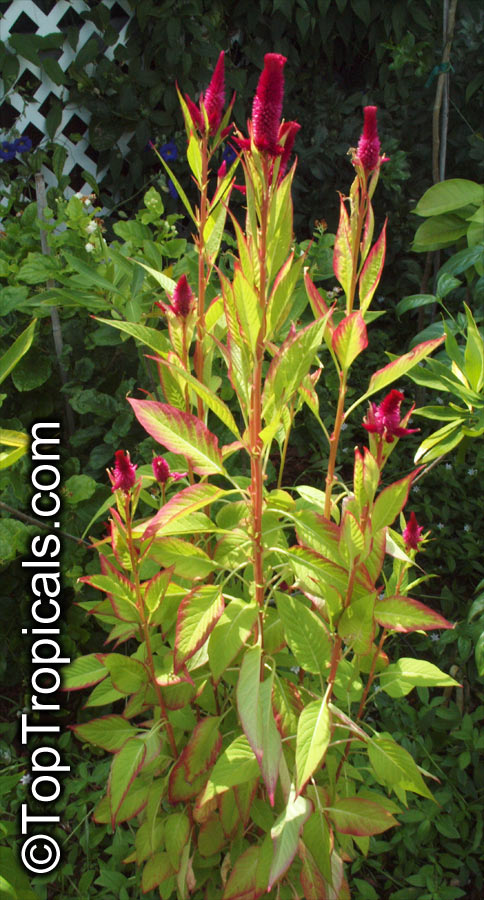
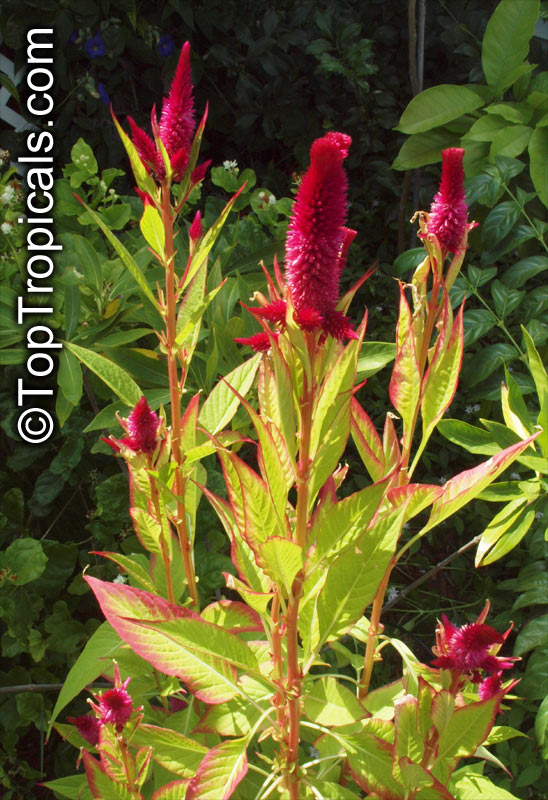
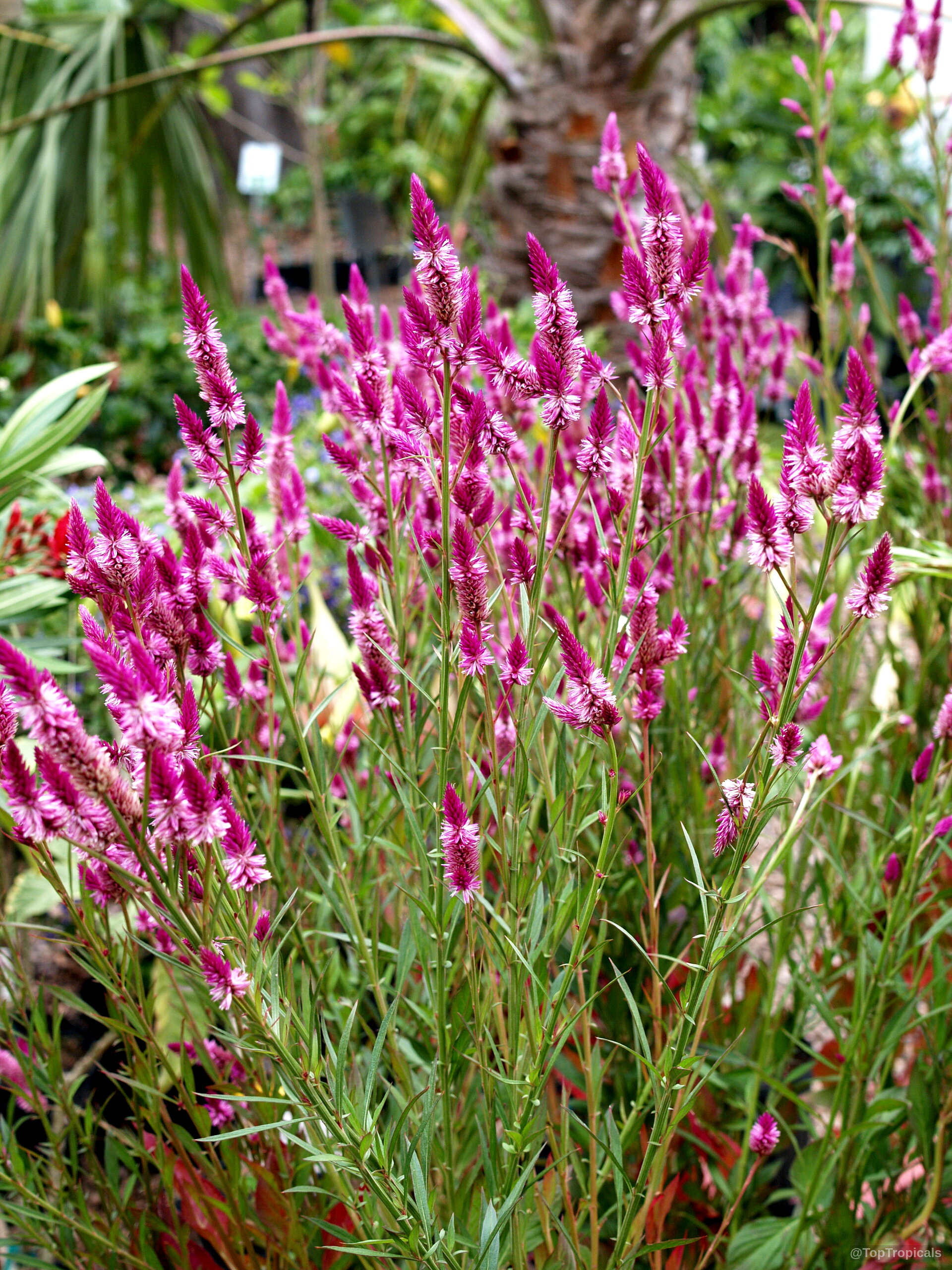
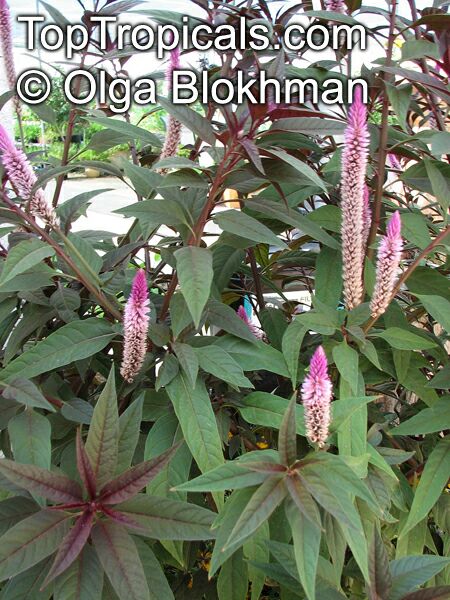
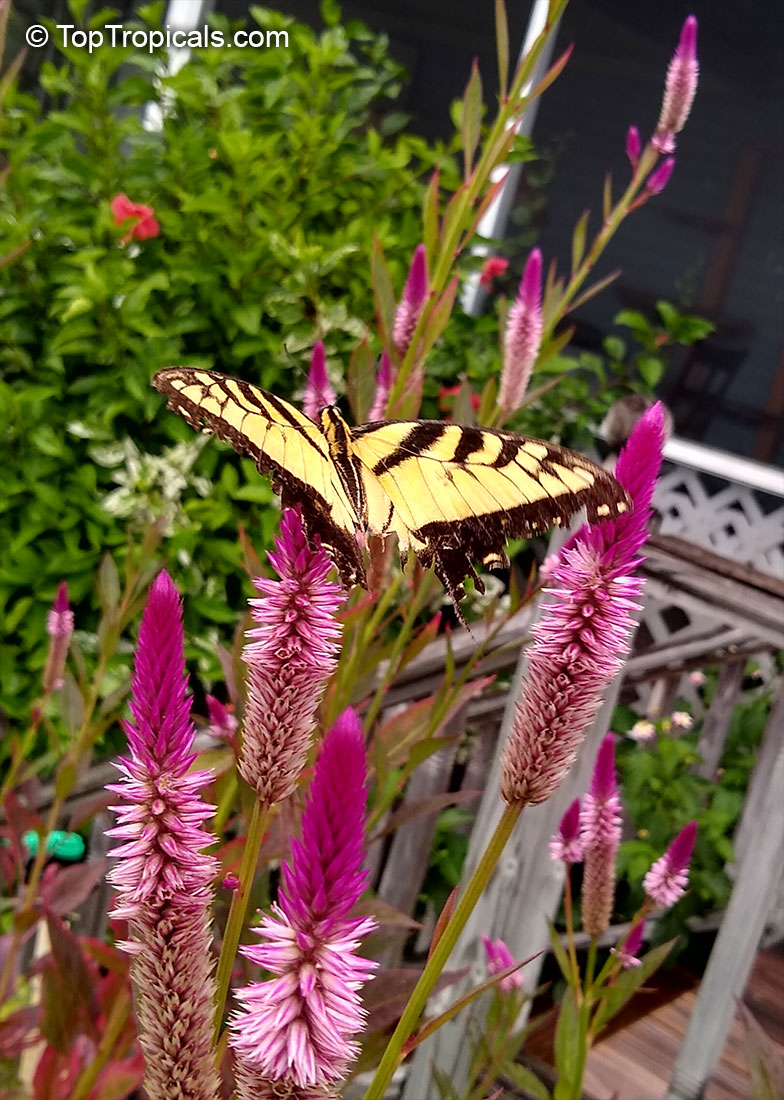
Celosia spicata (Amaranth Celosia) is a small plant that typically grows to two to five feet in height. It is native to tropical Americas, Africa, and Asia. Celosia spicata is a hardy plant that thrives in full sun and requires regular watering. When properly cared for, Celosia spicata produces eye-catching pink and red-crimson flowers that will make your garden stand out. The light reflecting off of these flowers also attracts butterflies and hummingbirds. As a bonus, Celosia spicata is cold hardy to 30°F when mature, making it a great choice for gardens in USDA Zones 9-11. Most gardeners treat celosias as annual flowers in hardiness zones 2-9.
Celosia spicata is easy to grow in a pot, making it the perfect choice for colder regions. When growing Celosia spicata in a pot, make sure to choose a pot that has adequate drainage, filled with well-draining soil. Be sure to give your Celosia spicata ample water, as too little can cause it to wilt while too much can cause it to rot. Insufficient water can also lead to fewer and smaller flowers. For best results, plant your Celosia spicata in an area with plenty of sun and water regularly.
Celosia spicata is a beautiful, vibrant annual that will bring life to any garden. Not only does it boast lovely pink and red-crimson flowers, but it also attracts butterflies and hummingbirds.

| Next | |
Use link to repeat this search:
https://toptropicals.com/cgi-bin/garden_catalog/cat.cgi?search_op=and&keyword_op=and&language=e&family=Amaranthaceae
&number=10&no_change_lang=1&user=tt&sale=1&first=0