Acanthaceae - Botanical Family
| Number of plants found: 133 | Next | 
|
Go to page: | 1 | 2 | 3 | 4 | 5 | Last |
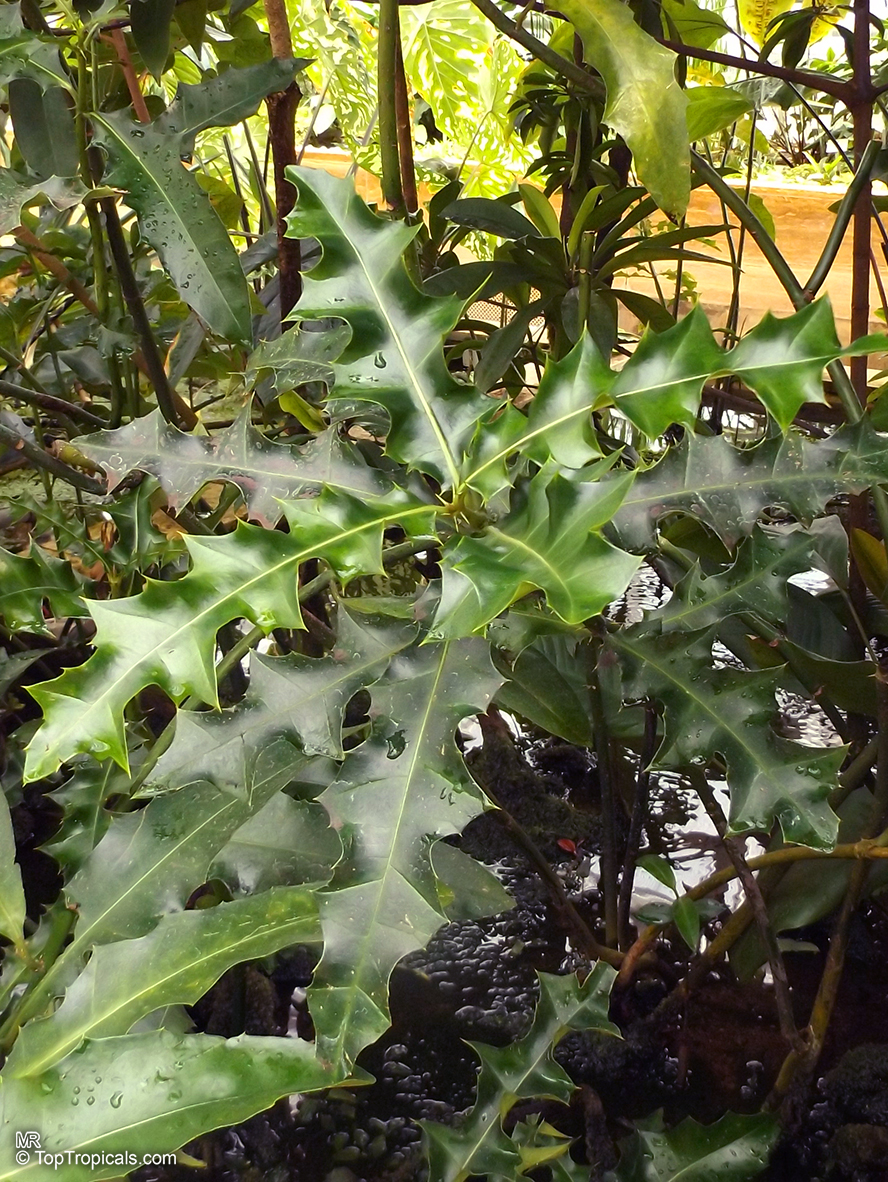
Botanical name: Acanthus ilicifolius
Common names: Holly-leaved Acanthus, Sea Holly, Holy Mangrove
Family: Acanthaceae
Origin: India, Polynesia


Acanthus ilicifolius, or Holly-leaved Acanthus, is a perennial plant native to India and Polynesia. This plant can reach a large size, typically growing up to 5-10 ft tall. It has a semi-woody and sprawling structure, with thin stems coated in a glossy green hue speckled with white. The leaves are oval-shaped with a pair of spines at each angle.
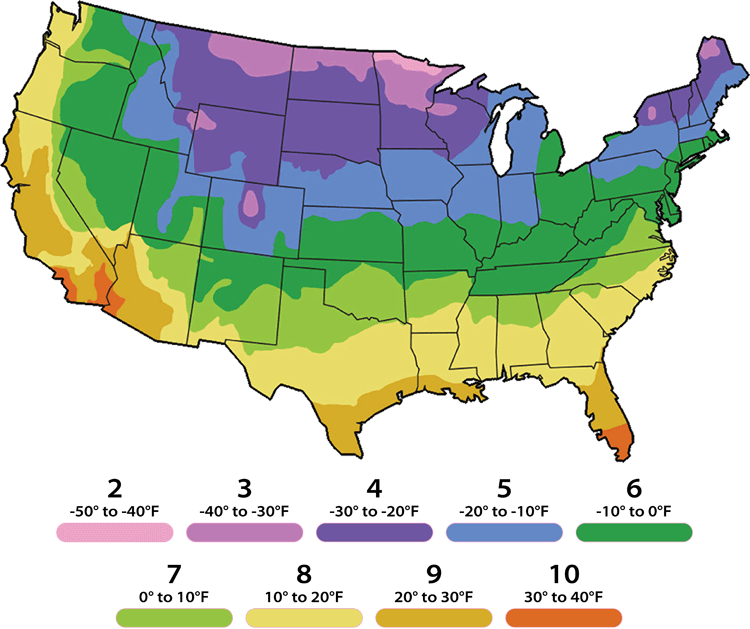
Holly-leaved Acanthus prefers full sun to semi-shade and can be grown either in a bog or aquatic environment. It requires plenty of moisture as well as regular watering to stay healthy and vibrant. This plant also tolerates flooding and salty conditions near the seaside very well. Therefore, it can be a great addition to any garden in the USDA hardiness zone of 8-11.
The Holly-leaved Acanthus is adorned with clusters of beautiful blue, lavender and purple flowers. It is also an ethnomedical plant, hence its use in traditional medicine. Its stems are thorny or spiny and may require careful handling when handling.
When growing Holly-leaved Acanthus in a pot, it is essential to keep the soil moist and use quality organic potting soil. A location with some protection from the elements is preferred in colder regions as well as a winter mulching of thick straw to prevent frost damage. Additionally, it is important to keep an eye out for any pests and diseases that may occur and act appropriately to keep the plant healthy.
Botanical name: Acanthus sp.
Common names: Acanthus, Bear's Breeches, Mountain Thistle, Alligator Plant
Family: Acanthaceae
Origin: Mediterranean Basin, Asia


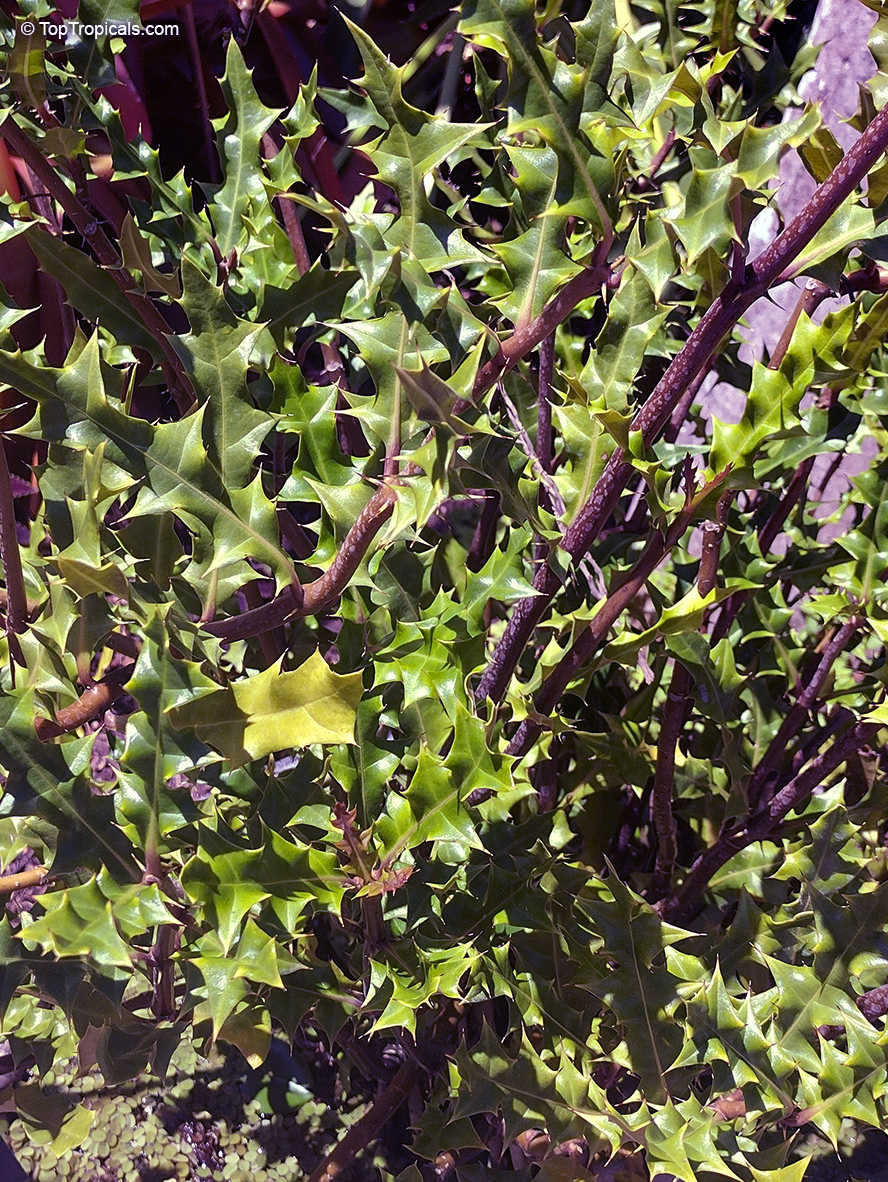
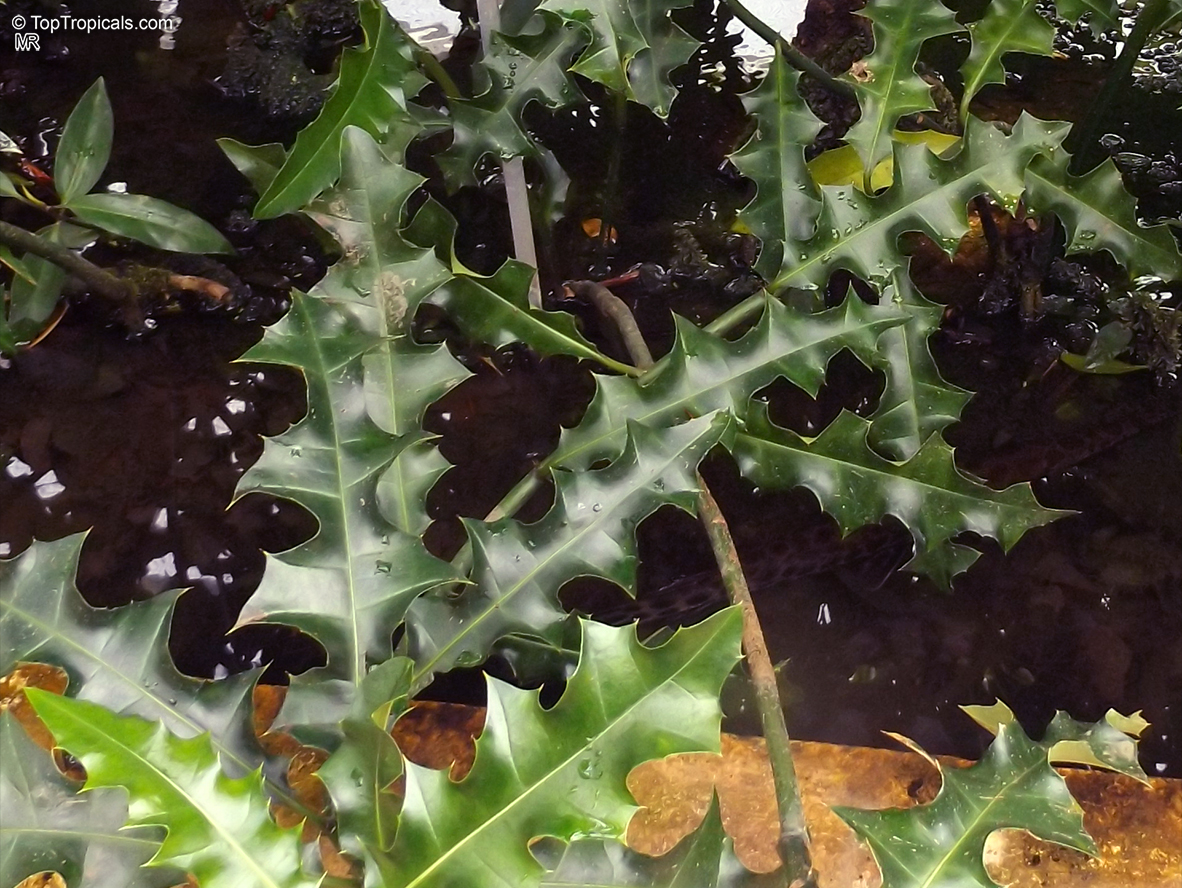
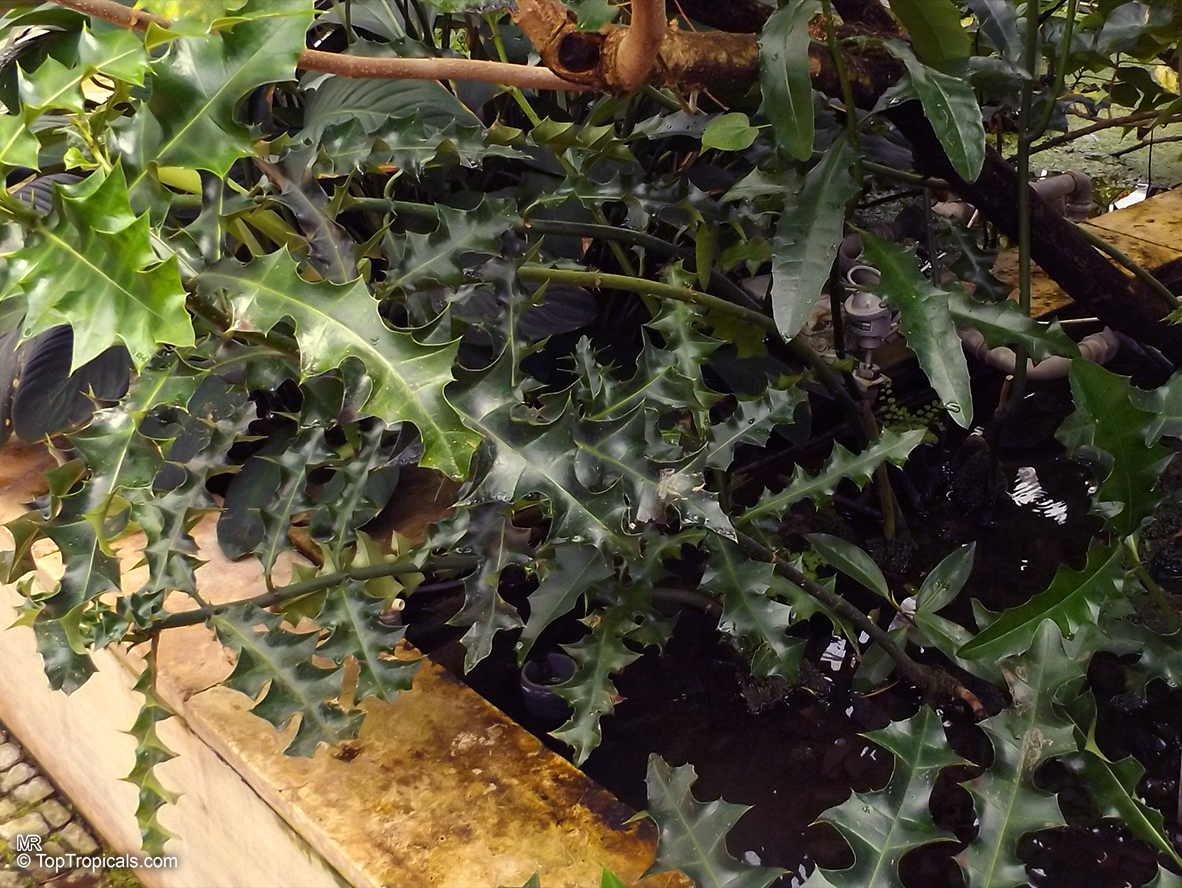
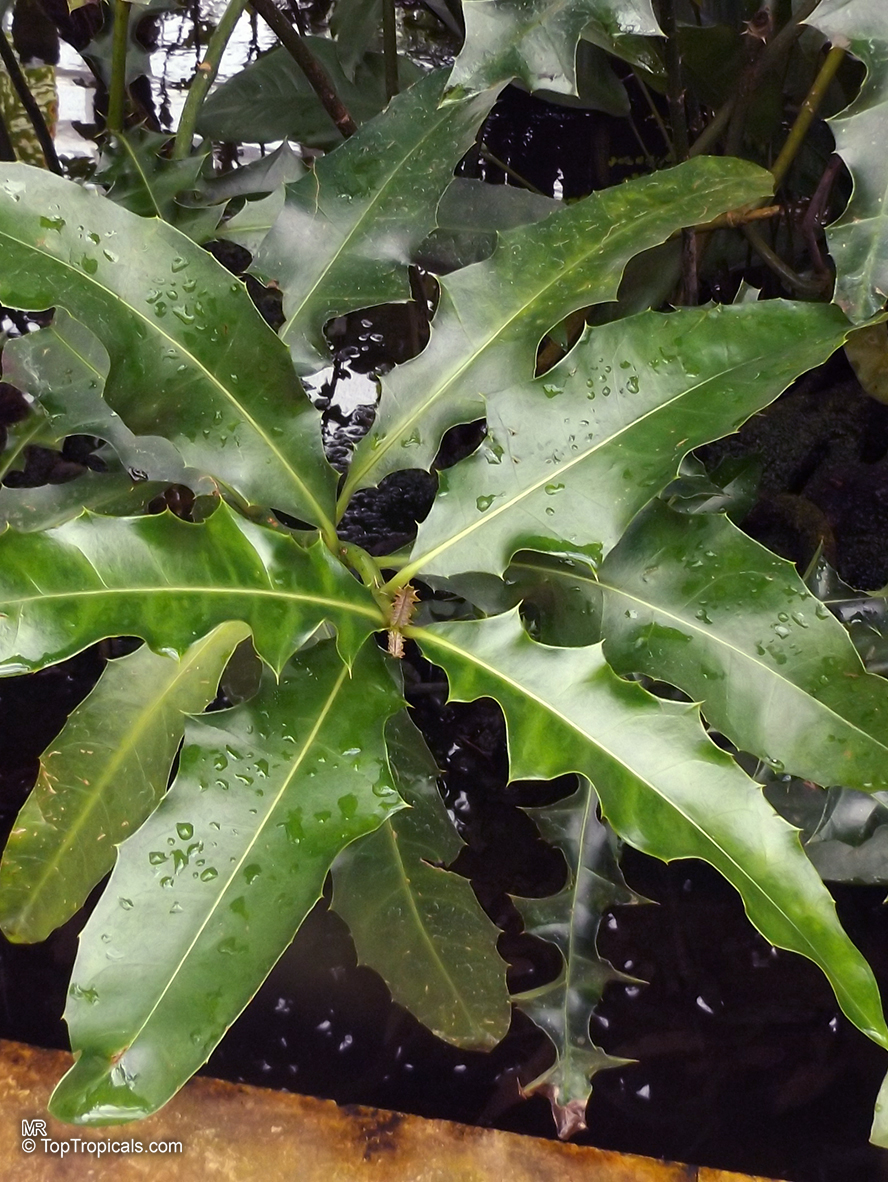
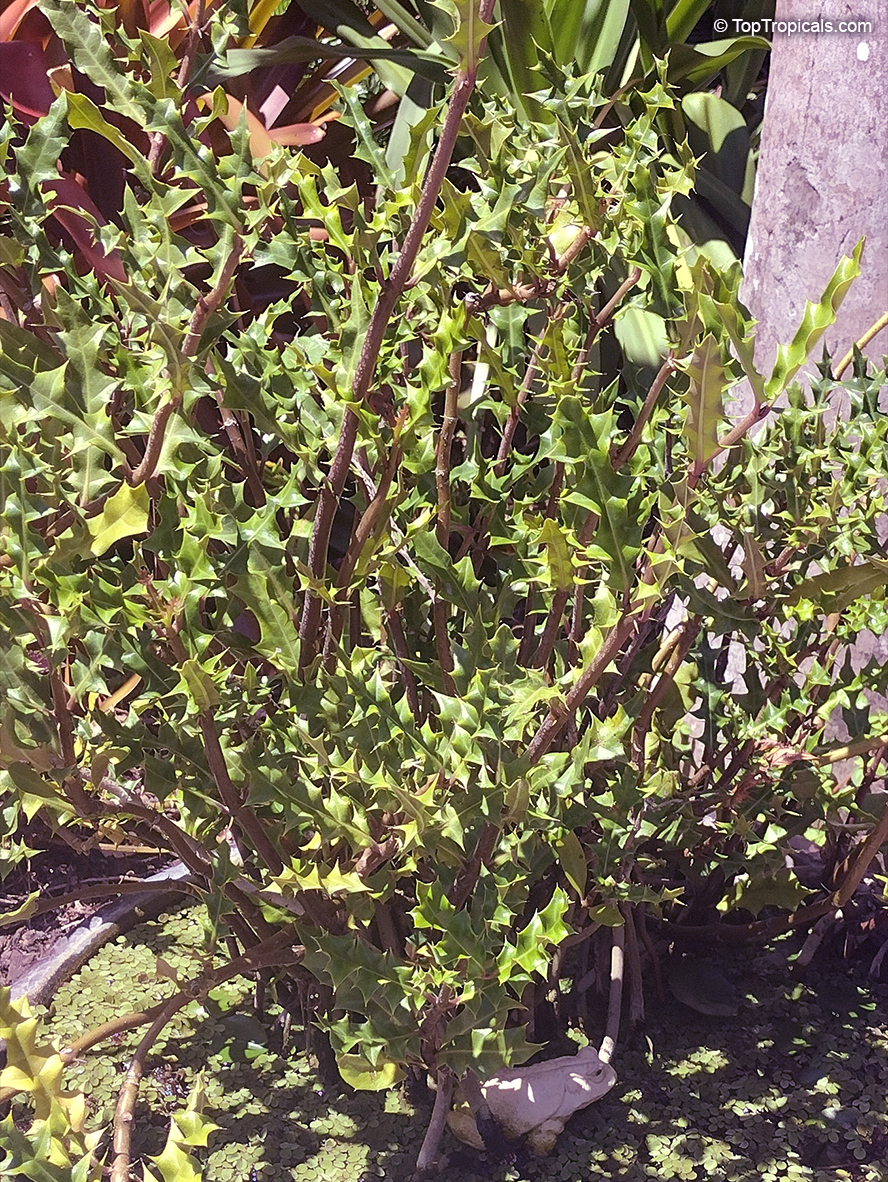
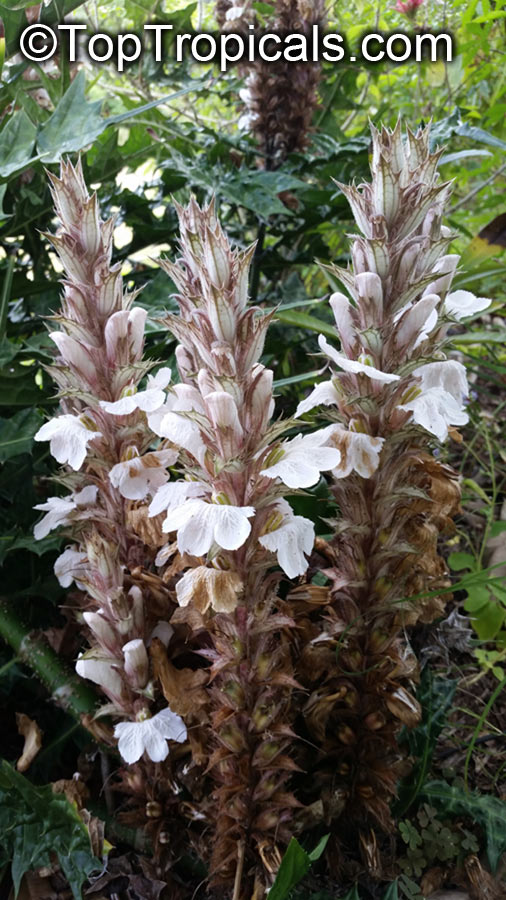
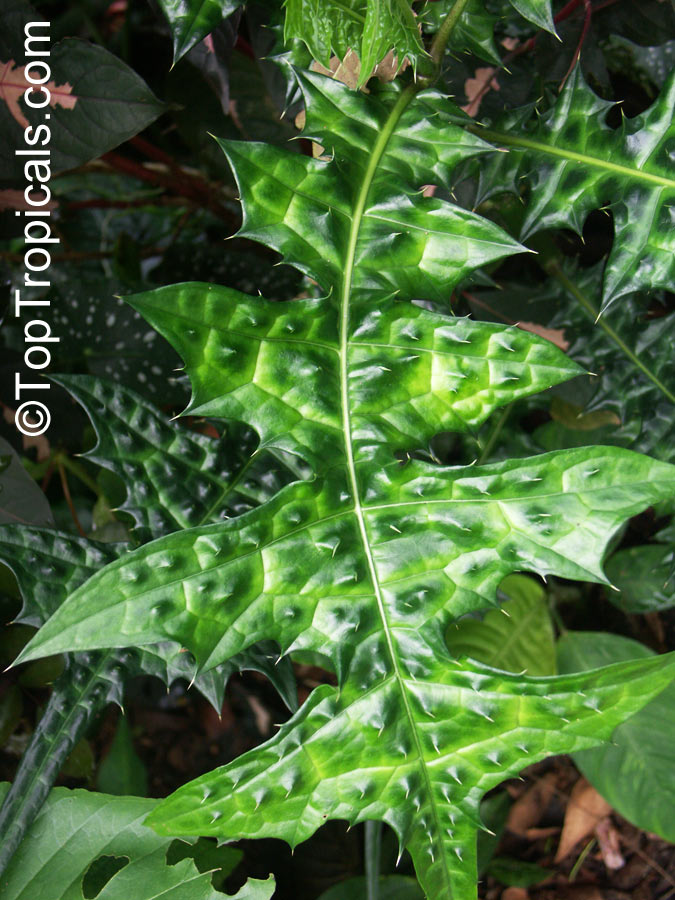
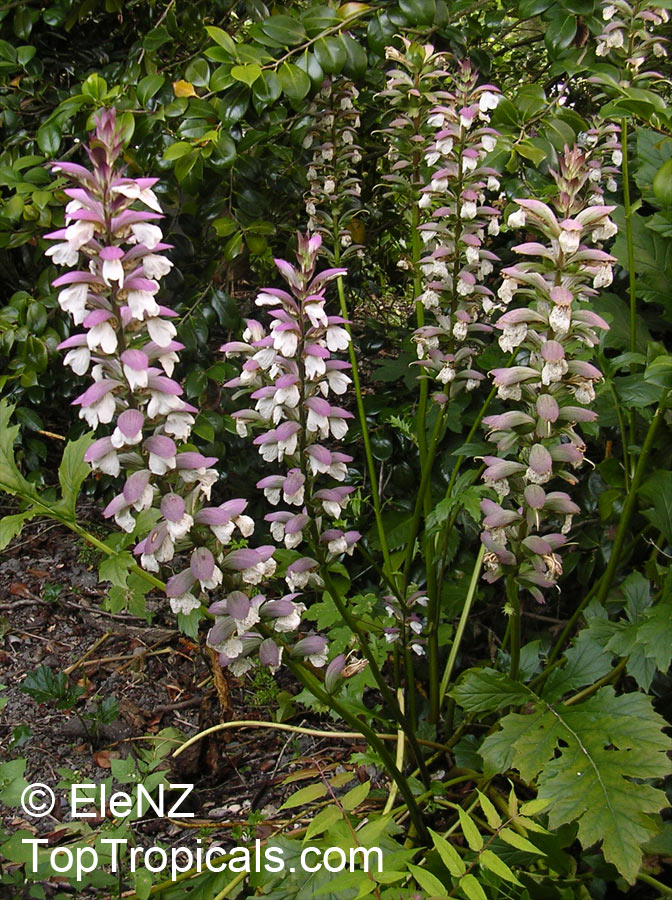
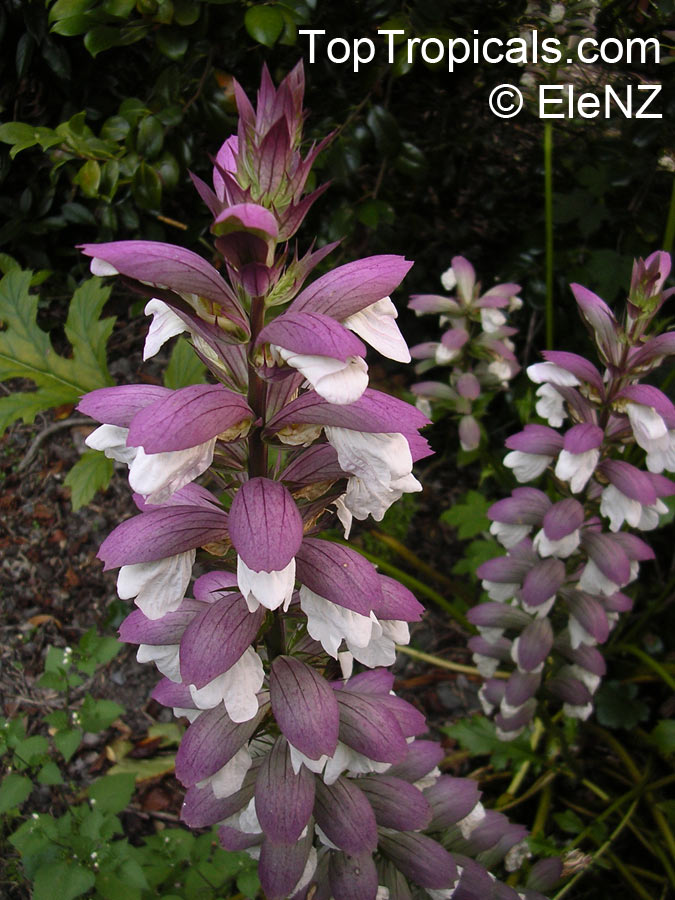
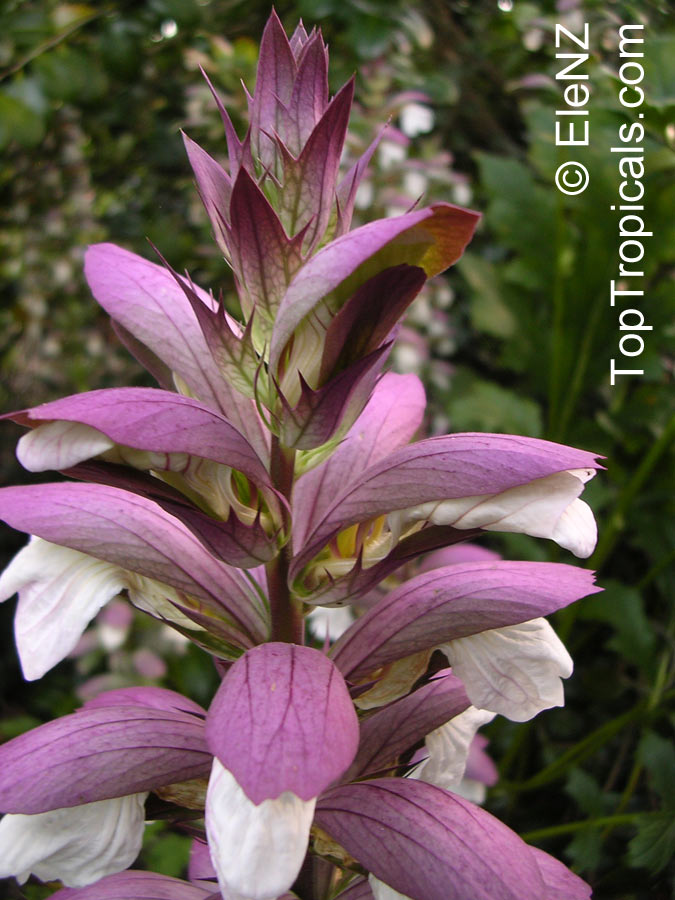
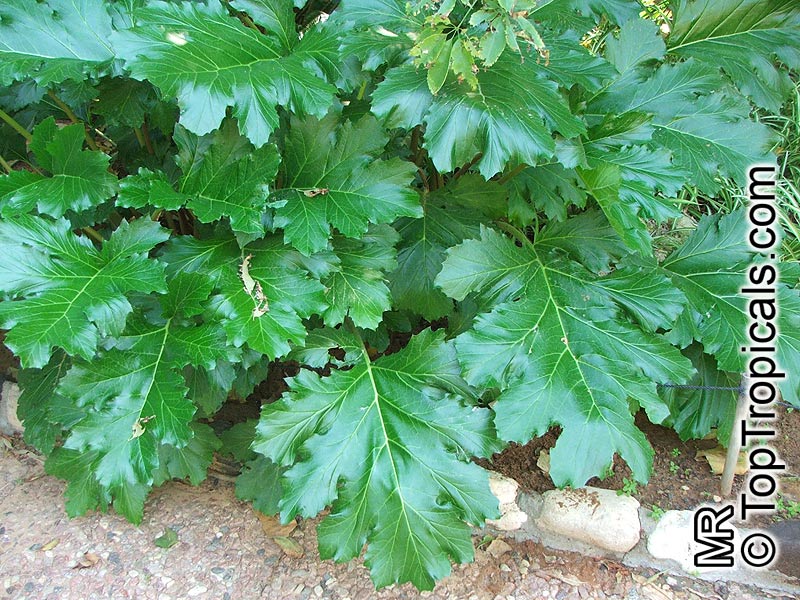
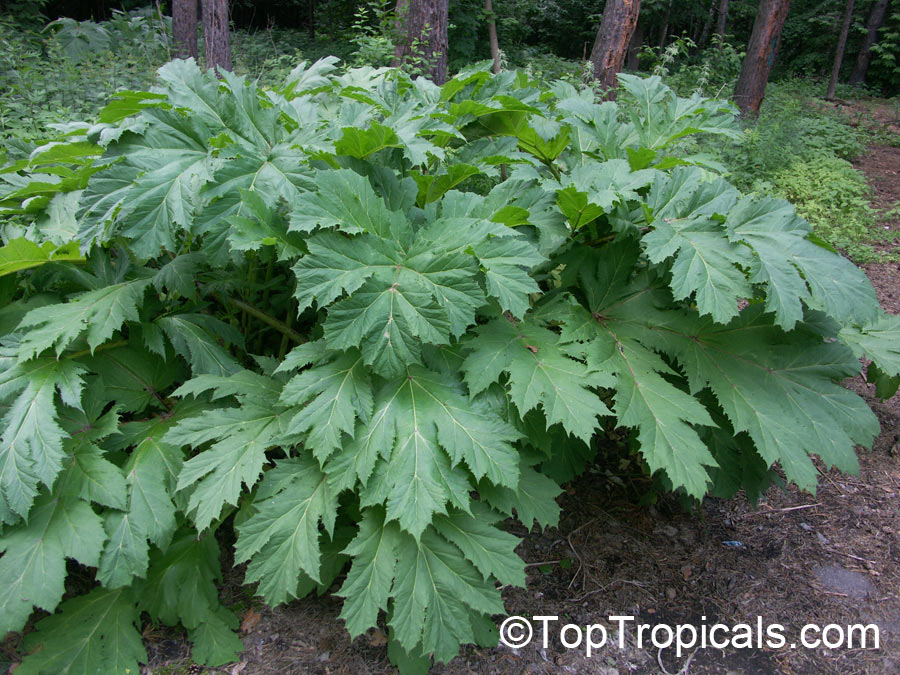
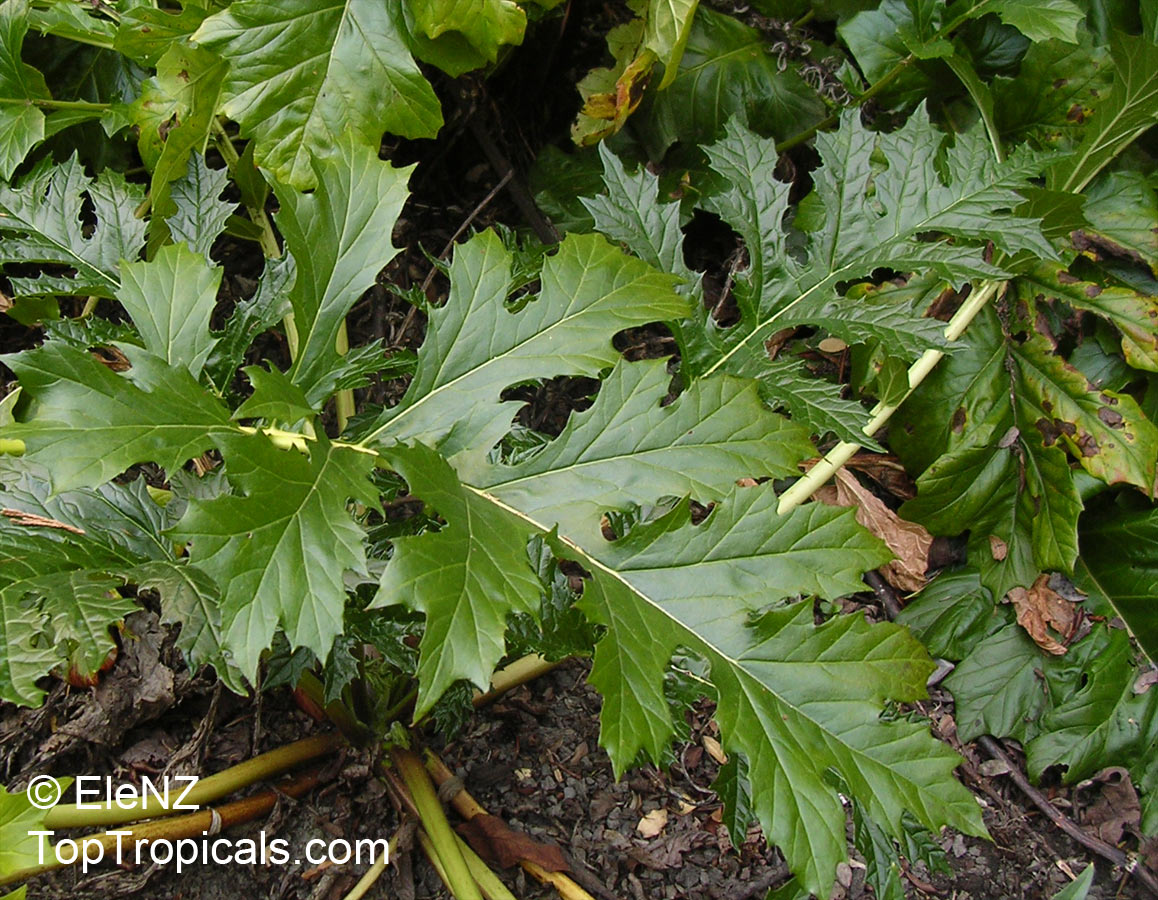
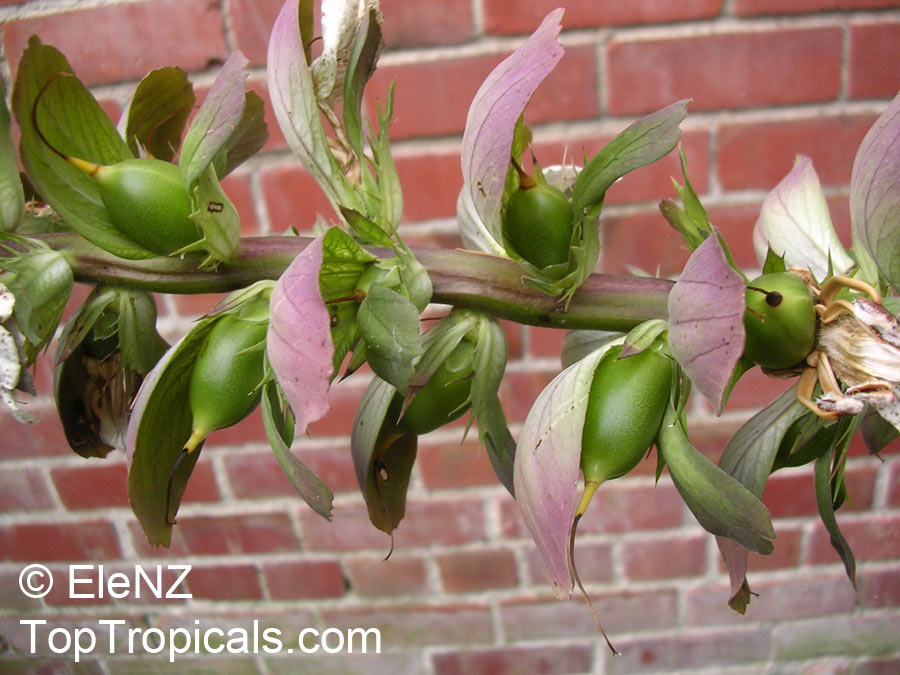
Acanthus sp., also known as Acanthus, Bear's Breeches, grows in full sun to partial shade and will thrive in most soils, provided they are well-drained. It is a thinly branched unusual perennial with interesting foliage, basal clusters of oblong to lance-shaped glossy, dark green leaves reaching up to 12 inches long. The leaves have silver marks and wavy margins. It produces showy pink flowers in the summer to fall.
The plant needs regular watering, but should not be over watered, as this can lead to root rot. It is a deciduous plant so it will lose its leaves during the winter months. It is a somewhat spiny, but attractive plant. For colder regions, it is recommended to grow Acanthus in a pot and move them indoors once it gets too cold to leave the plant outside. In these cases the plant should be placed in a south-facing window and watered regularly.
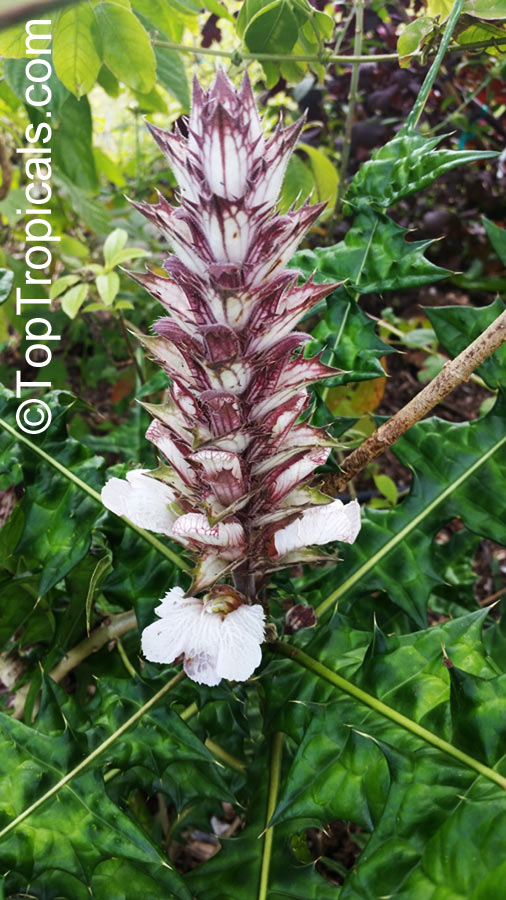
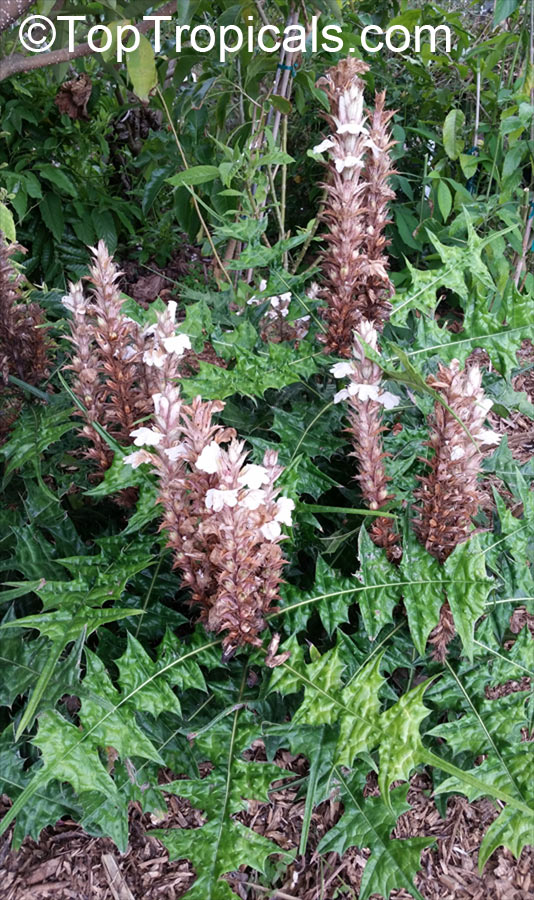
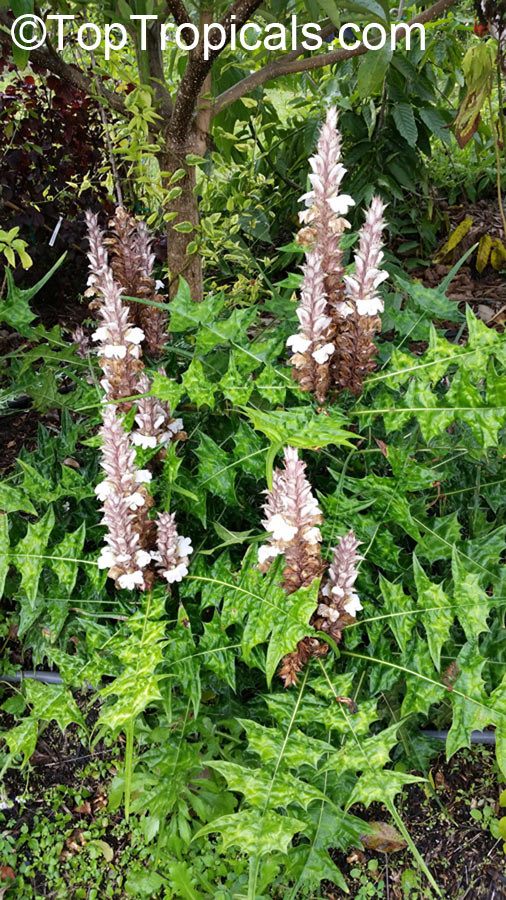
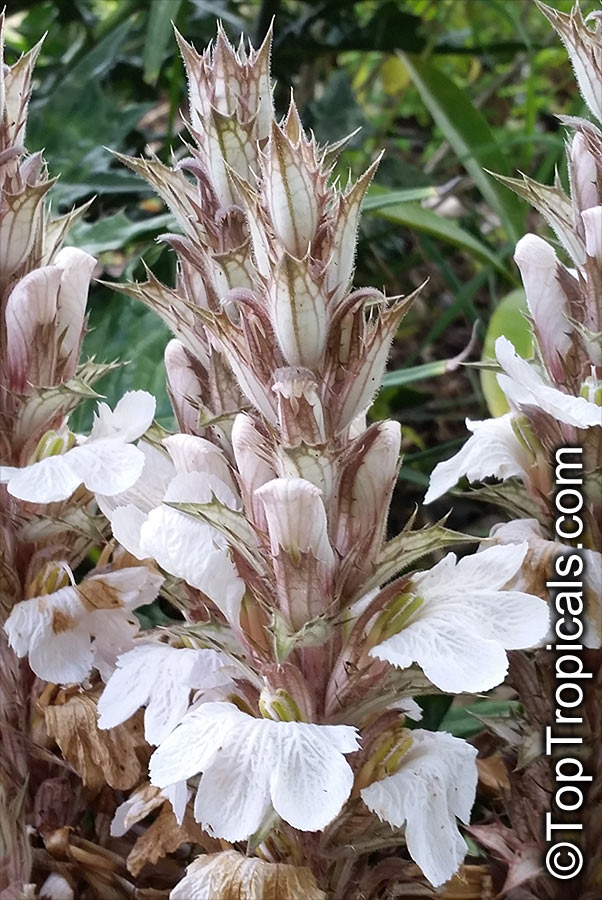

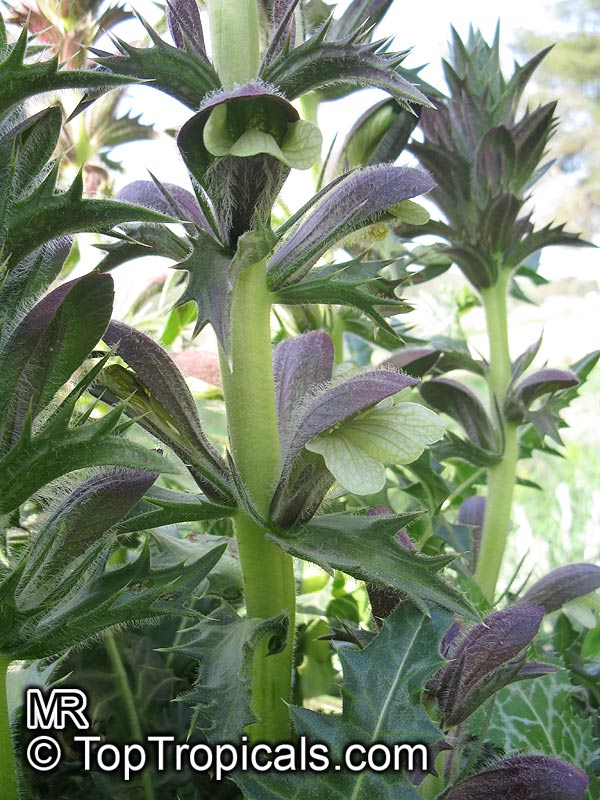
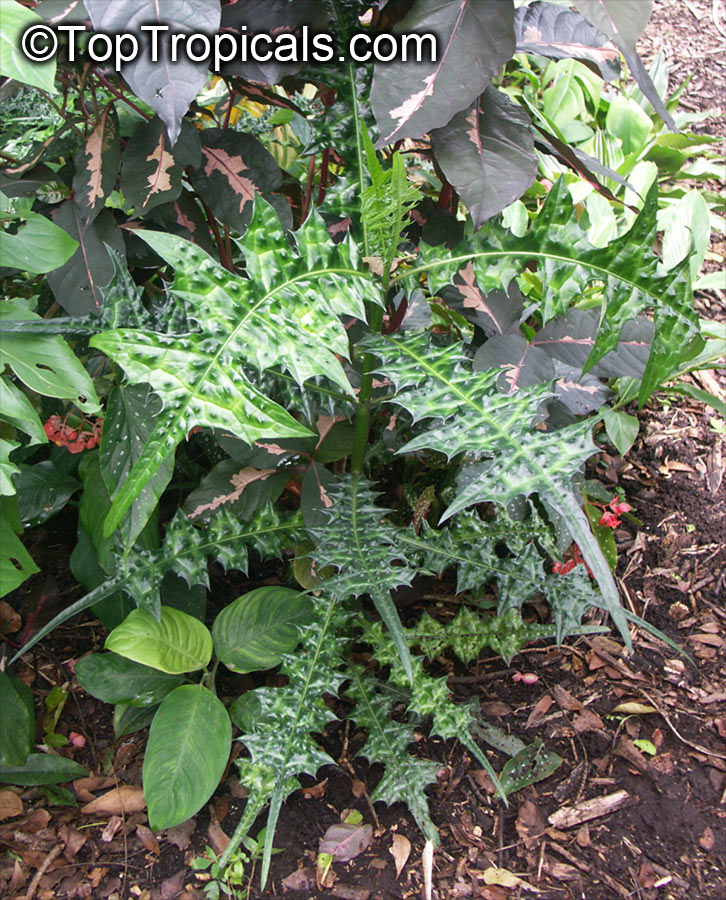
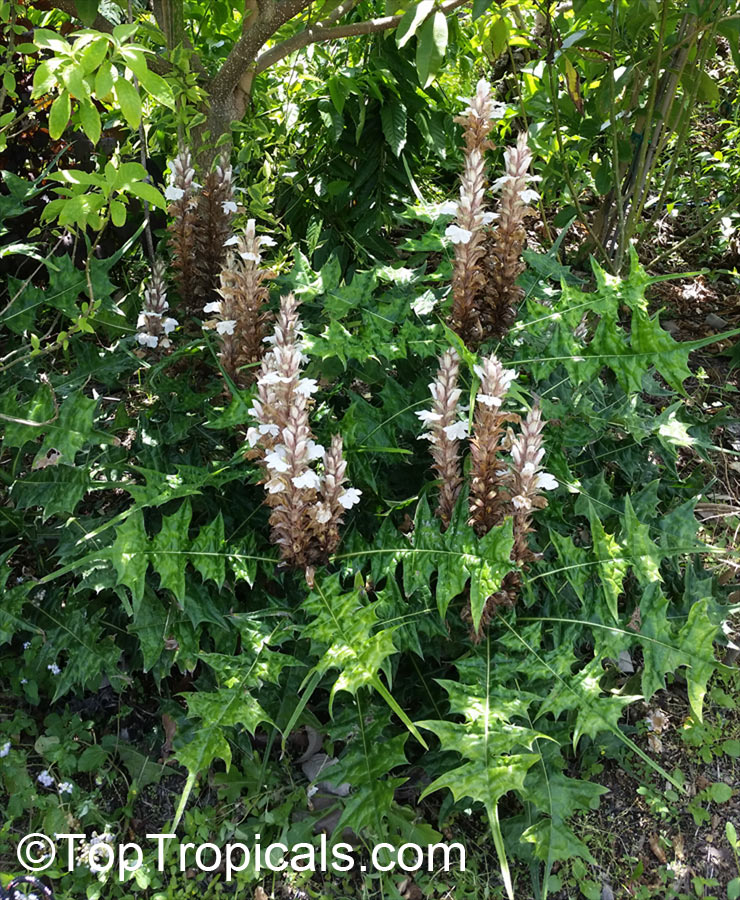
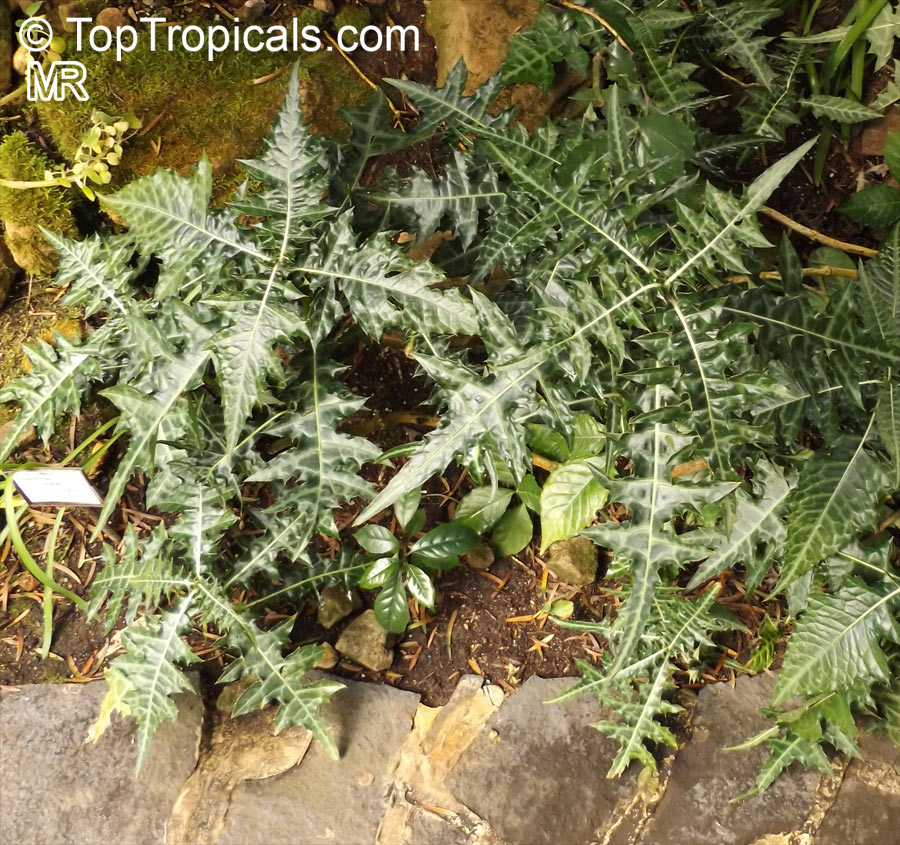
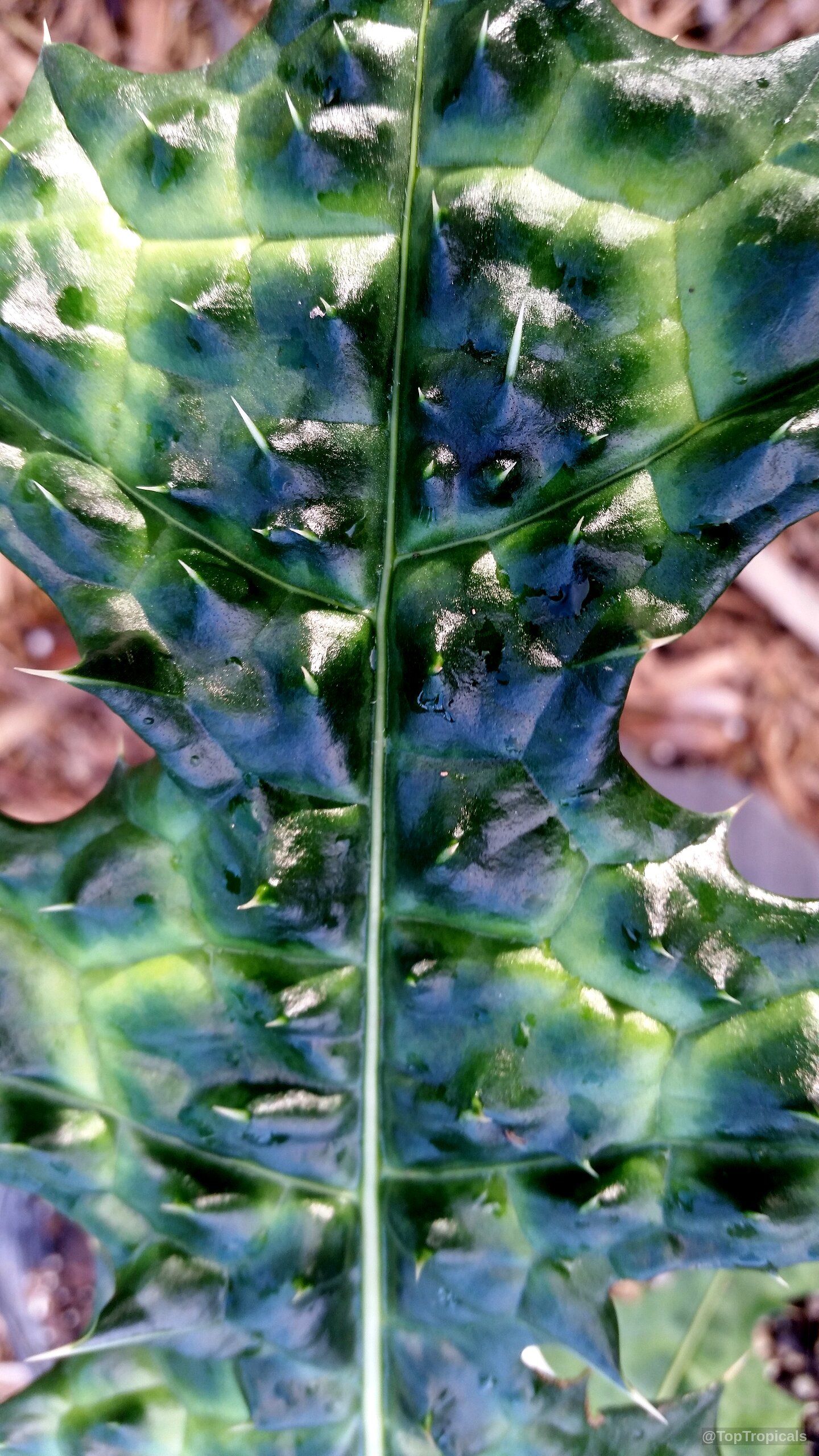
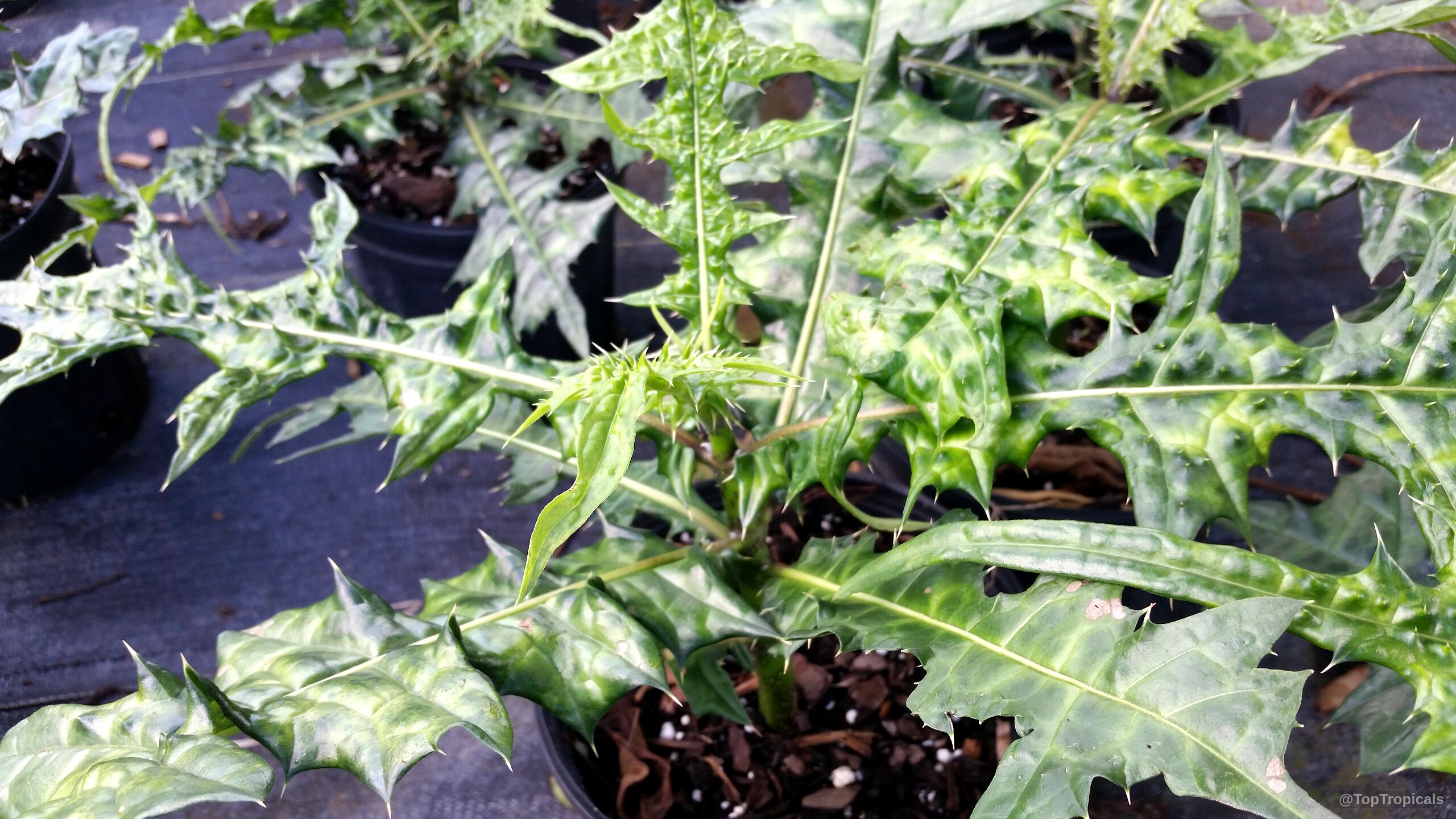

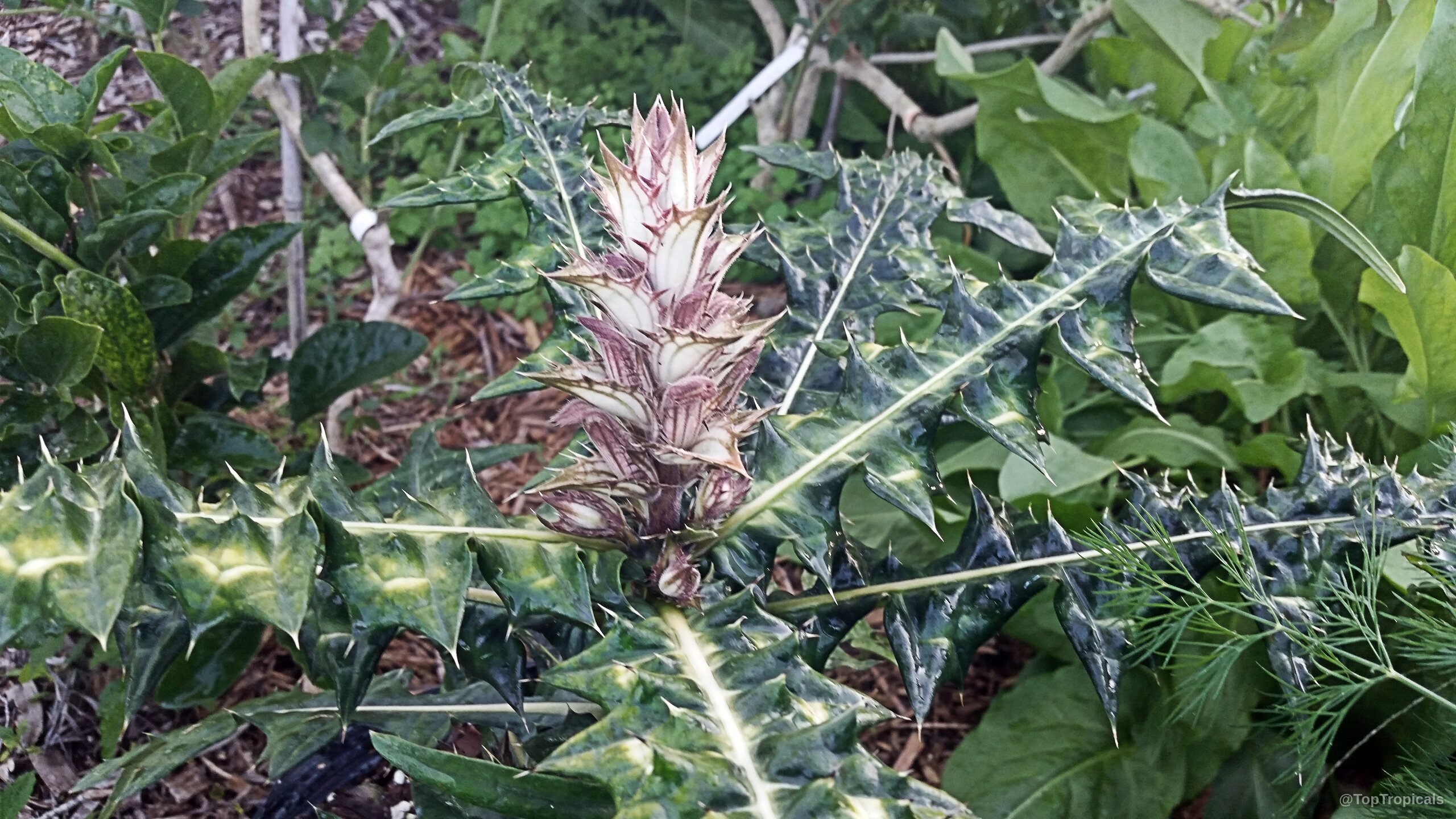


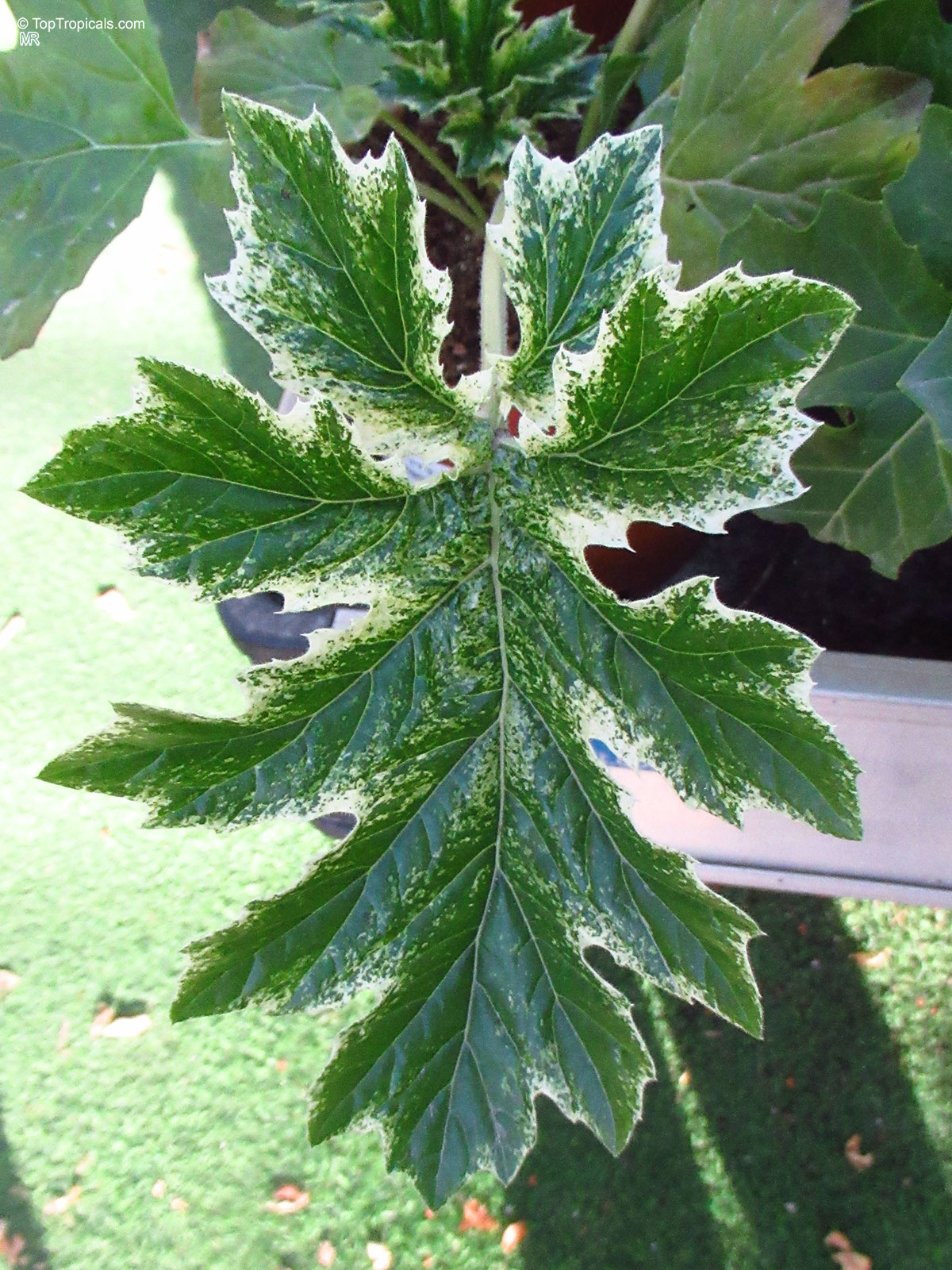

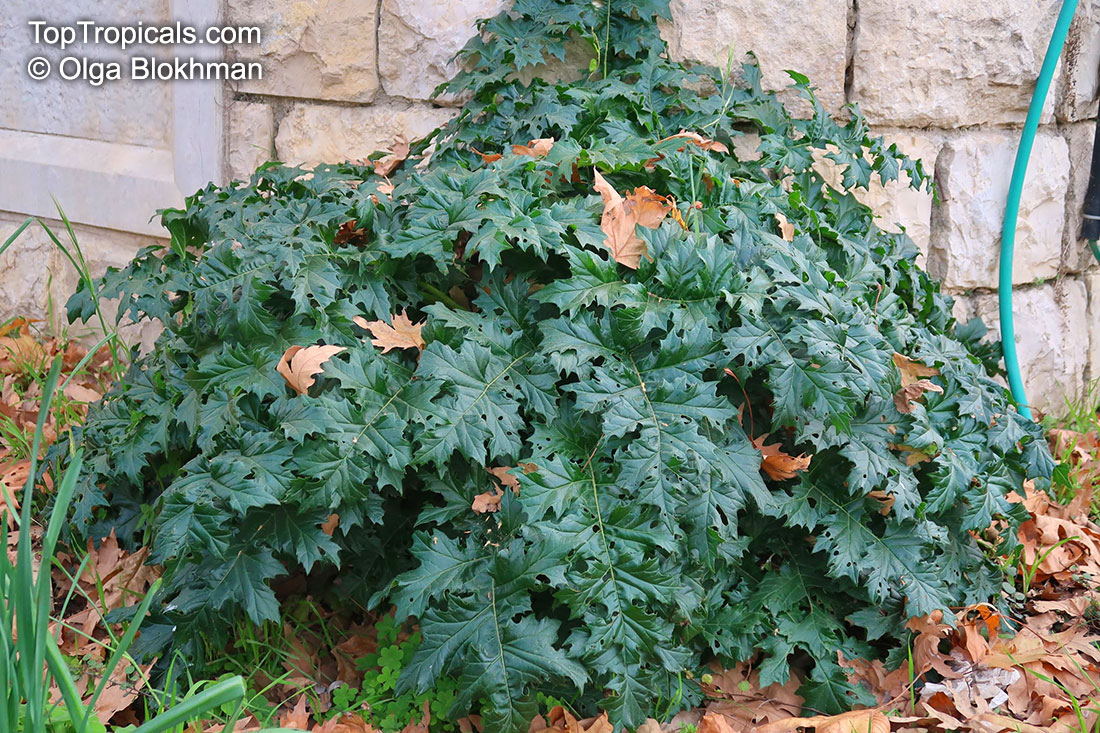
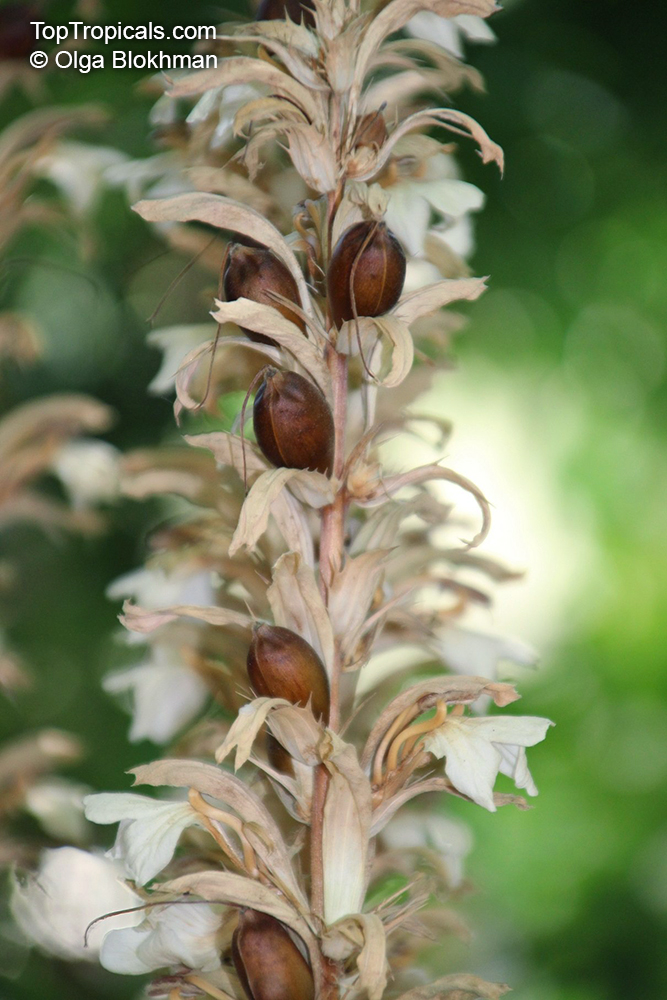
See picture of alligator skin.
Recommended Fertilizer: SUNSHINE Megaflor - Bloom Nutrition Booster
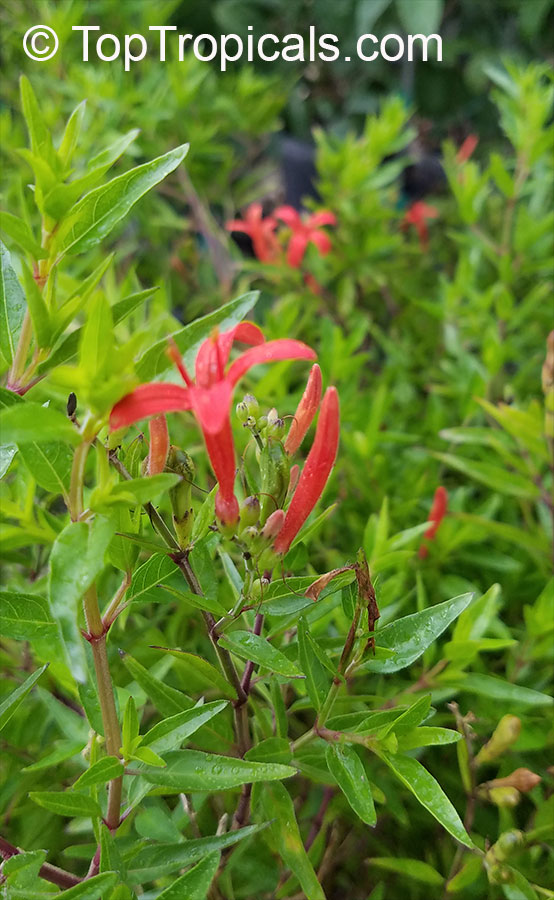
Botanical names: Anisacanthus quadrifidus var. wrightii, Anisacanthus wrightii
Common names: Hummingbird Bush, Flame Acanthus, Wright Anisacanthus
Family: Acanthaceae
Origin: Mexico


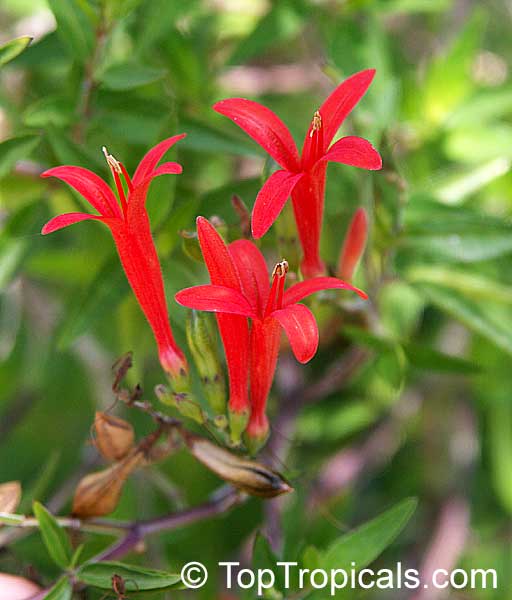
This attractive, upright deciduous shrub grows 2'-5' tall, with many branched stems bearing opposite, lance-shaped to ovate, green leaves that are softly hairy beneath. The bright, orange-red to red-violet flowers, up to 1 1/4" across, are freely produced in summer and fall. Flowers of Anisacanthus quadrifidus var. Wrightii are tubular, with 4 narrow, curving petals, borne in tight clusters at the ends of the branches. They are attractive to hummingbirds and butterflies. During the winter, the bush becomes dormant and loses its leaves.
Flame acanthus prefers full sun, with fertile soil that is moderately moist. It may need protection in colder climates and in USDA Zones 7-10, some protection may be necessary to keep the mature plant cold-hardy to at least the upper 20s F for a short time. Grow it in pots and then in winter take the pots inside during freezing temperatures.
Pruning should be done in the early spring, before growth begins and can be done in two stages: A light pruning to thin for light and air penetration and to remove any dead or damaged branches, and then a second pruning can be done to shape the plant. Cuts should be above a leaf node, and don't prune more than one-third of the plant at a time. If you want to keep the plant smaller, prune off the tips of the top and sides of the bush. This will encourage branching and more compact growth.
To discourage disease and pests, it's important to keep the hummingbird bush pruned and tidy and to mulch around the base to keep the temperature steady and consistent. A monthly light application of a balanced fertilizer is also recommended, but not essential. Flame acanthus is a great choice for entryways, small gardens, or containers, providing a long-lasting source of beautiful color and natural beauty.
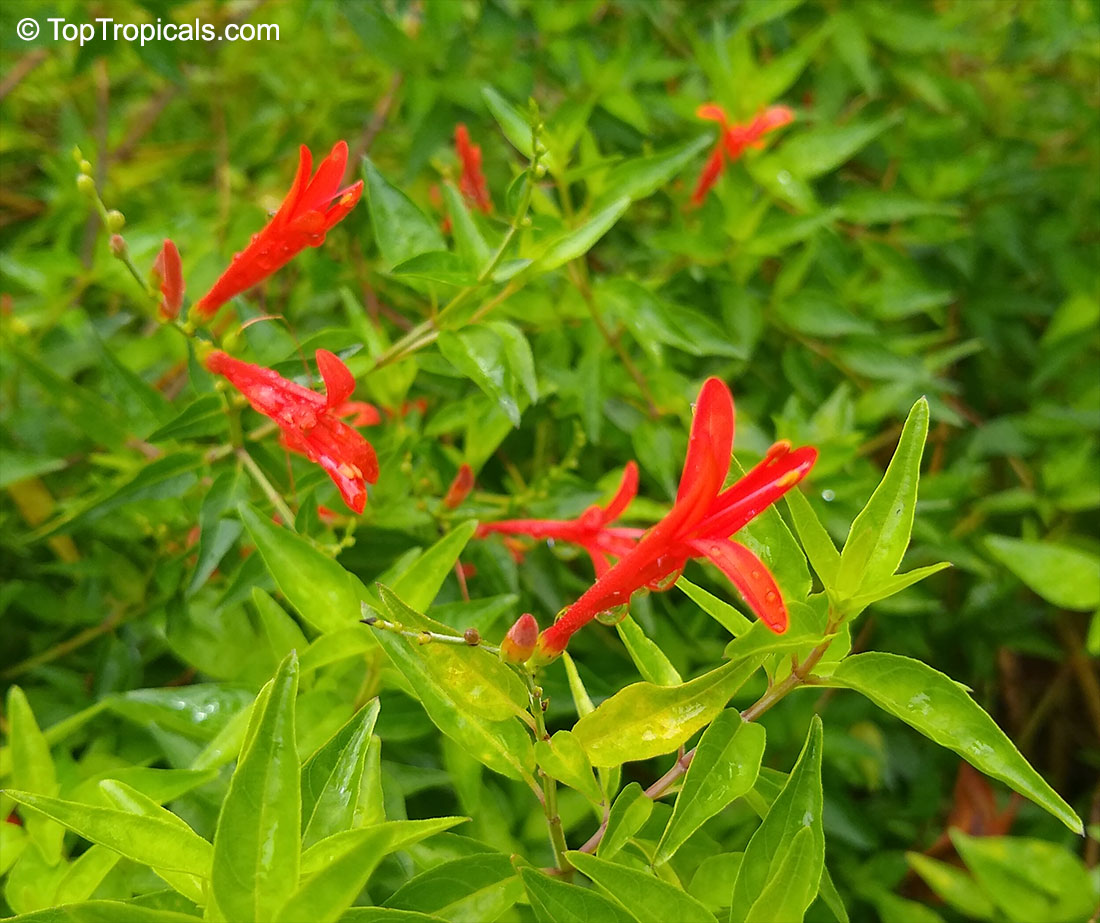
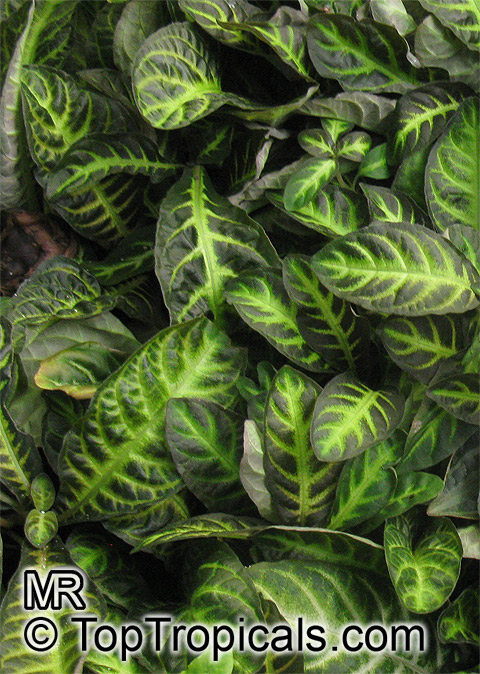
Botanical name: Aphelandra goodspeedii
Common name: Aphelandra
Family: Acanthaceae
Origin: Central America

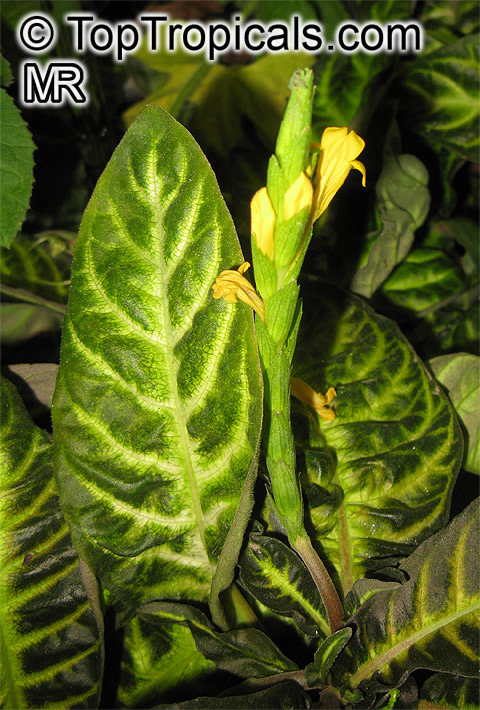
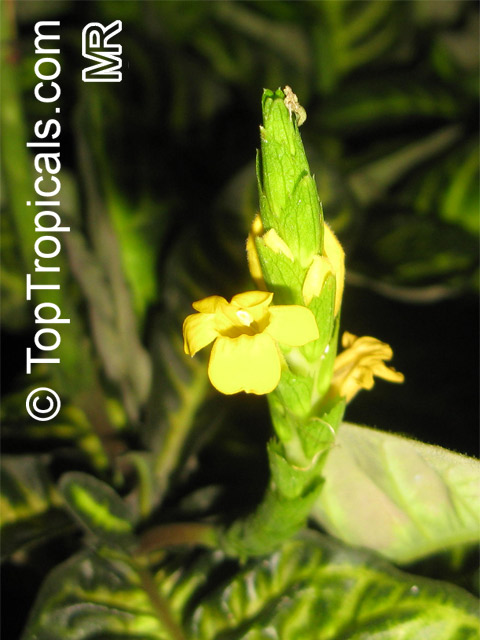
Botanical name: Aphelandra hartwegiana
Common name: Yellow Aphelandra
Family: Acanthaceae
Origin: Panama and Colombia
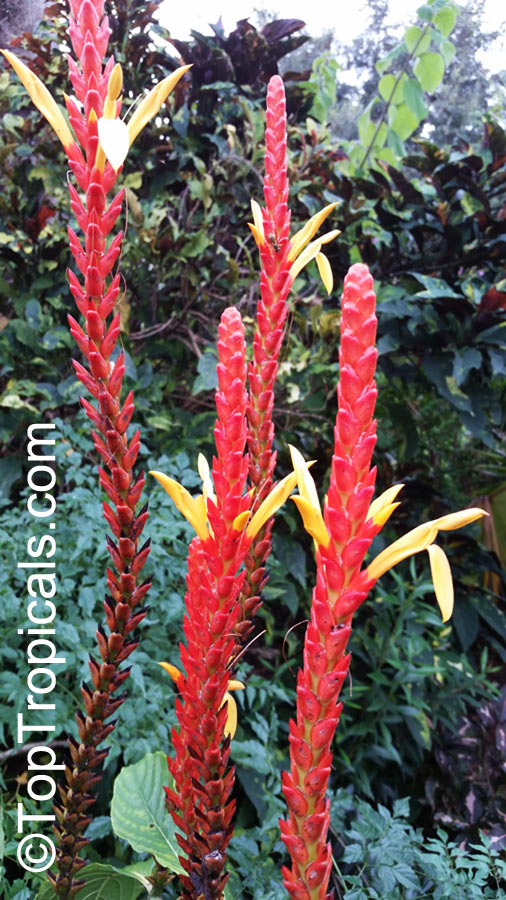
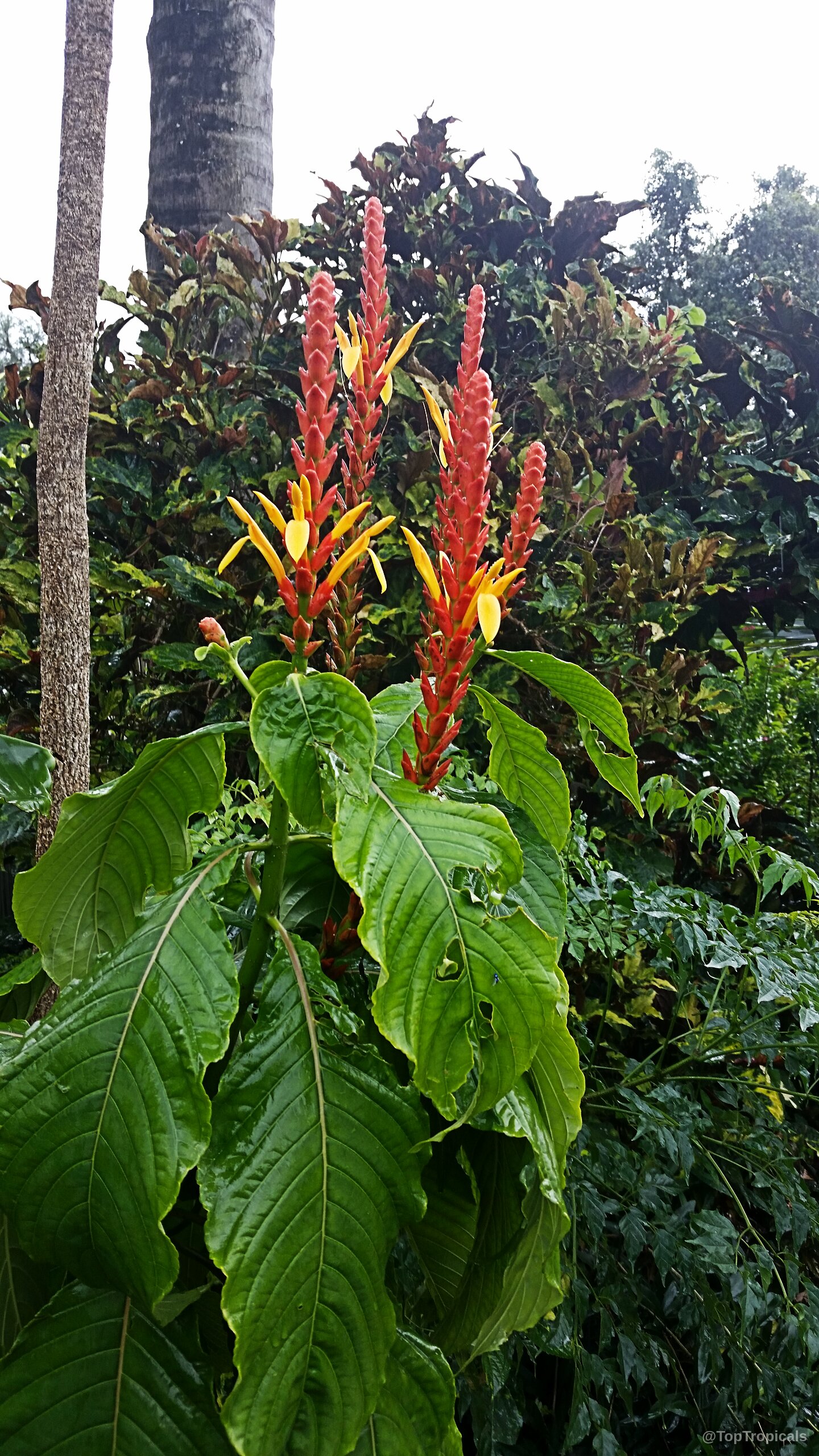
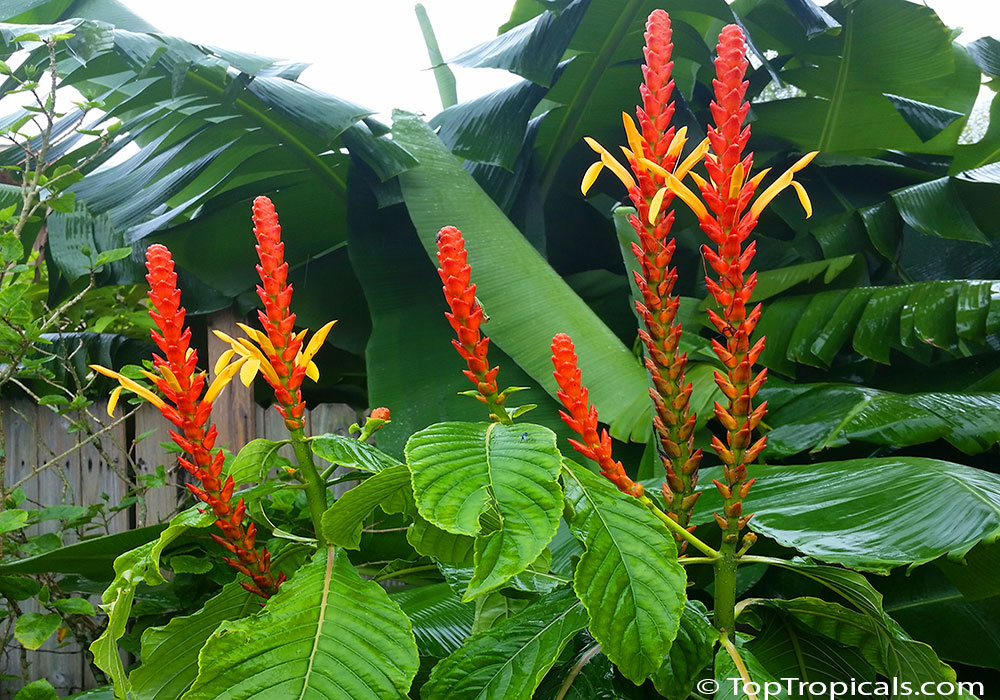
Aphelandra hartwegiana, also known as Yellow Aphelandra, is a small plant that typically grows 2-5 feet tall. This plant is native to Panama and Colombia and is typically grown in USDA hardiness zones 10-11. It prefers plenty of sun, although it can tolerate some shade, and regular watering to thrive.
Aphelandra hartwegiana produces beautiful and unusual flowers that emerge out of long orange stalks. The flowers come in two colors: red, crimson, vinous flowers, and yellow, orange flowers protruding from orange calyces in succession over many days.
This plant is relatively easy to care for in most areas, requiring minimal pruning and trimming. In bright light, the midvein and petiole of the plant can take on a reddish hue.
In colder regions grow it in a pot, using good quality soil with fine bark for extra drainage.
Regular watering is essential to keep the plant looking its best. Feed with a balanced liquid fertilizer every few weeks during the growing season, and give an occasional trim to encourage a bushy form. While it can get leggy, regular pruning can help maintain a branching, dense form. Aphelandra hartwegiana is an undemanding and rewarding plant that adds unique beauty to any space.


Recommended Fertilizer: SUNSHINE Megaflor - Bloom Nutrition Booster
Last one
Botanical names: Aphelandra scabra, Aphelandra panamensis
Common name: Aphelandra
Family: Acanthaceae
Origin: Southern Mexico to Northern South America

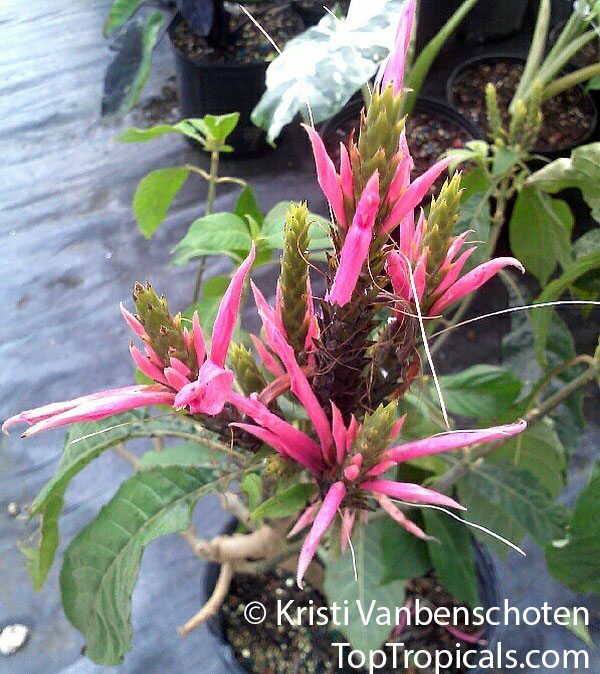
Aphelandra scabra is a shrub that grows up to 5 ft tall. It is native to Southern Mexico, Northern South America, and the West Indies. It can be found in seasonally dry forests and moist to wet forests. The leaves are elliptical and entire, oppositely arranged on the stalk with smooth or wavy margins. This large shrub is easy to grow, fast-growing, and tolerant of a wide range of conditions, making it a great garden plant. Aphelandra scabra prefers full sun to light shade and regular watering. It likes moist soils but can tolerate some drought during the summer months.
Aphelandra scabra can be used as a container plant and it makes a great statement piece. It is a great addition to any outdoor living space or garden. It blooms in late spring to early summer and the flowers attract butterflies, hummingbirds, and other pollinators to the garden. Aphelandra scabra grows in USDA Zones 10 -12. For those in colder climates, Aphelandra scabra can be kept in a pot and brought inside during the winter months. It can tolerate temperatures as low as 30°F, but it is best to keep it in a warm environment when temperatures are below freezing. Regular watering is necessary, and be sure to provide plenty of light.
The flowers of this plant can be red, pink, or purple red, up to 2 inches long, and tubular. They are 2-lipped, fuzzy, and bloom for one day before wilting. The plant inflorescence is candle-like, and the prepubescent flower spikes can grow up to 6 inches in height. The flowers are hummingbird-pollinated, and the species protects its nectar behind a petal lip. When a visiting hummingbird arrives to feed on the nectar, the petal lip releases pollen down onto the head of the bird, and it is carried away to pollinate another plant. The seed capsules are 1 inch long capsules, and they contain four dark brown seeds. The fruit seed capsule splits along the sutures, allowing throw the seeds short distances.
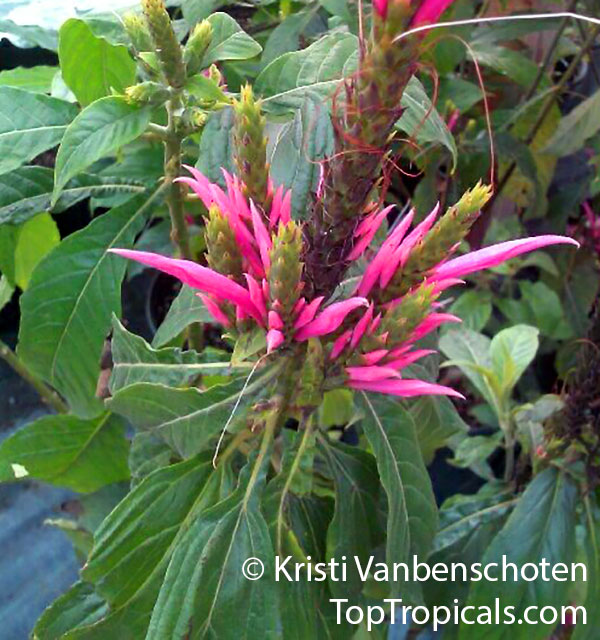
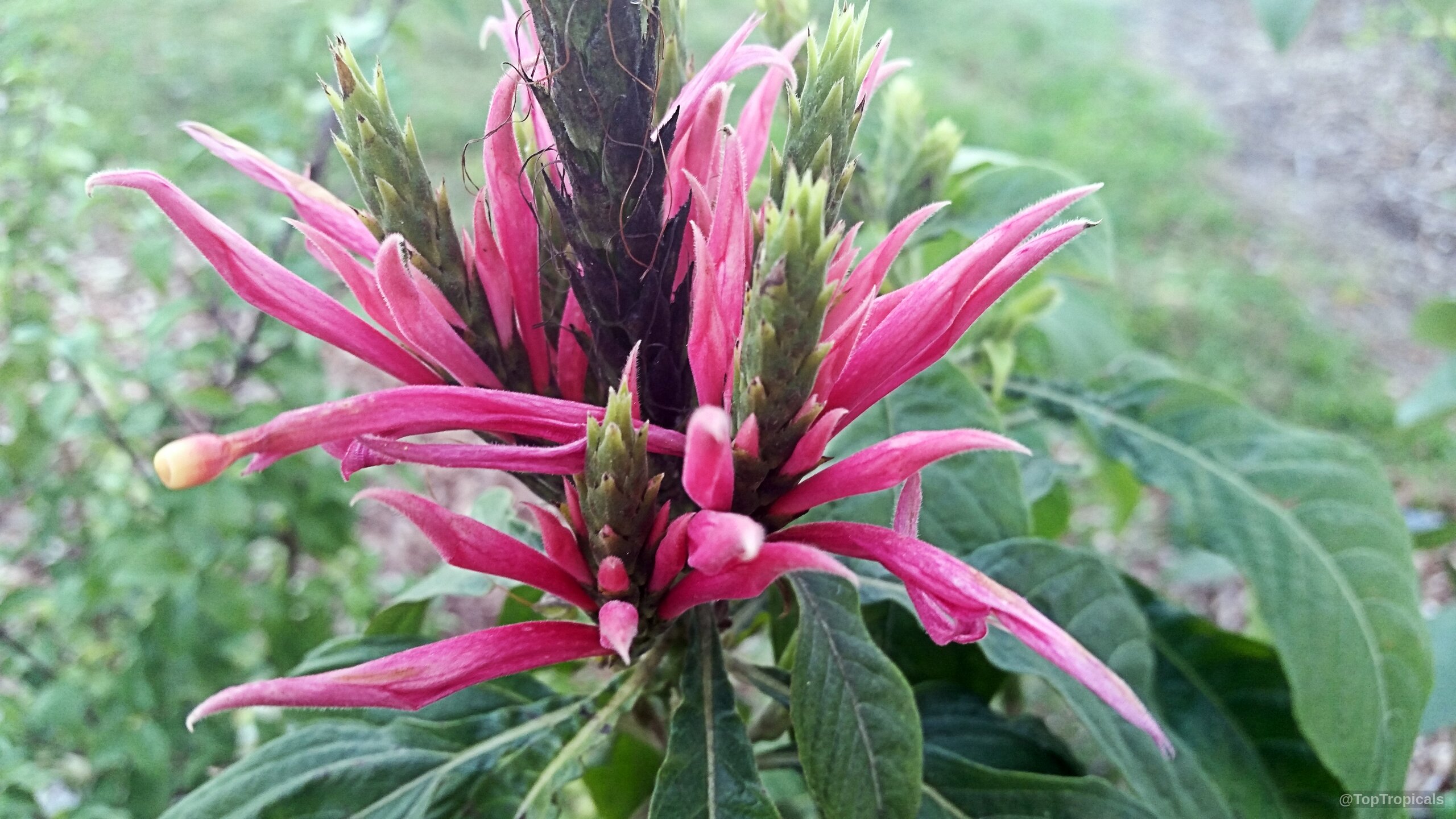
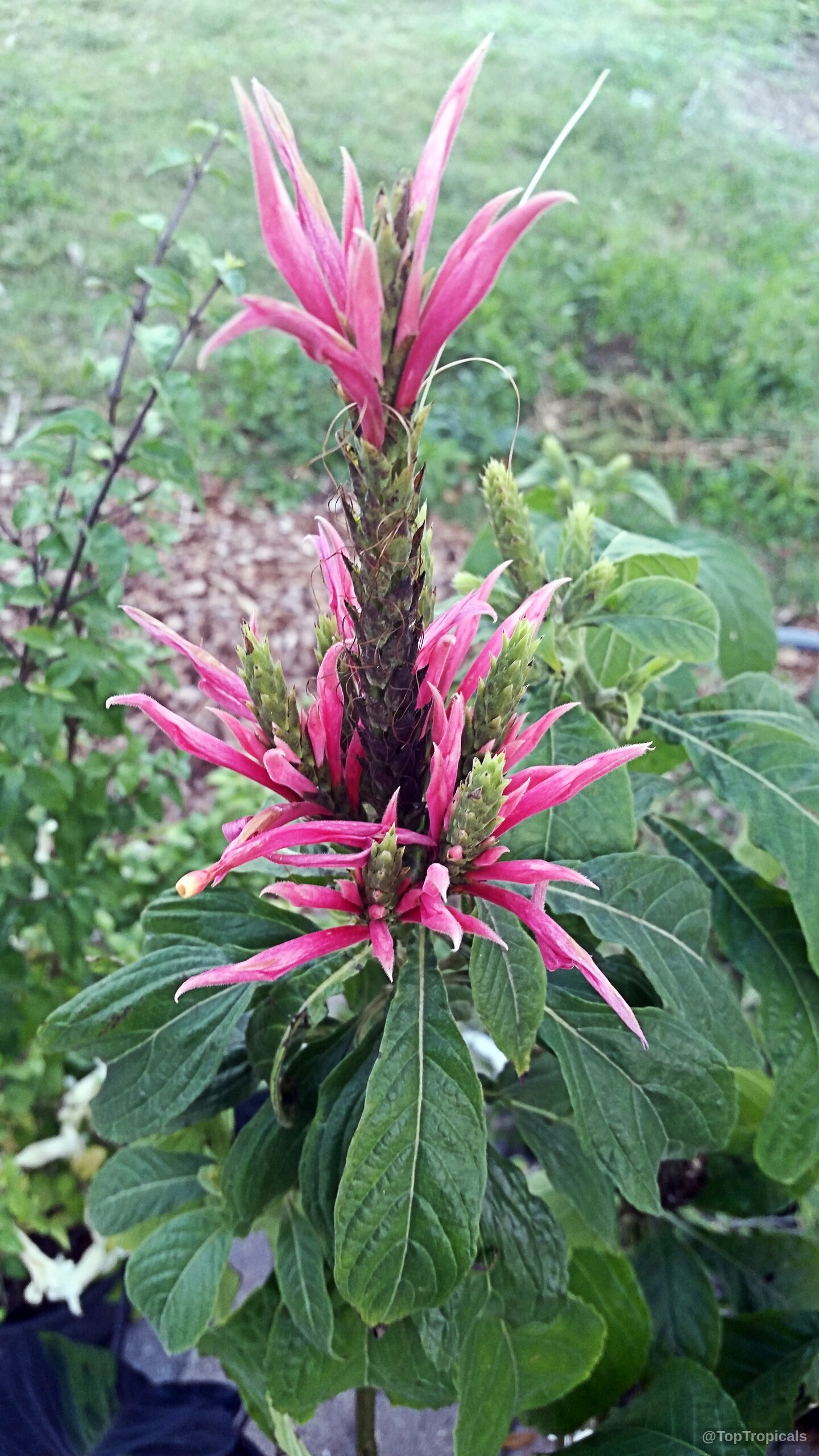
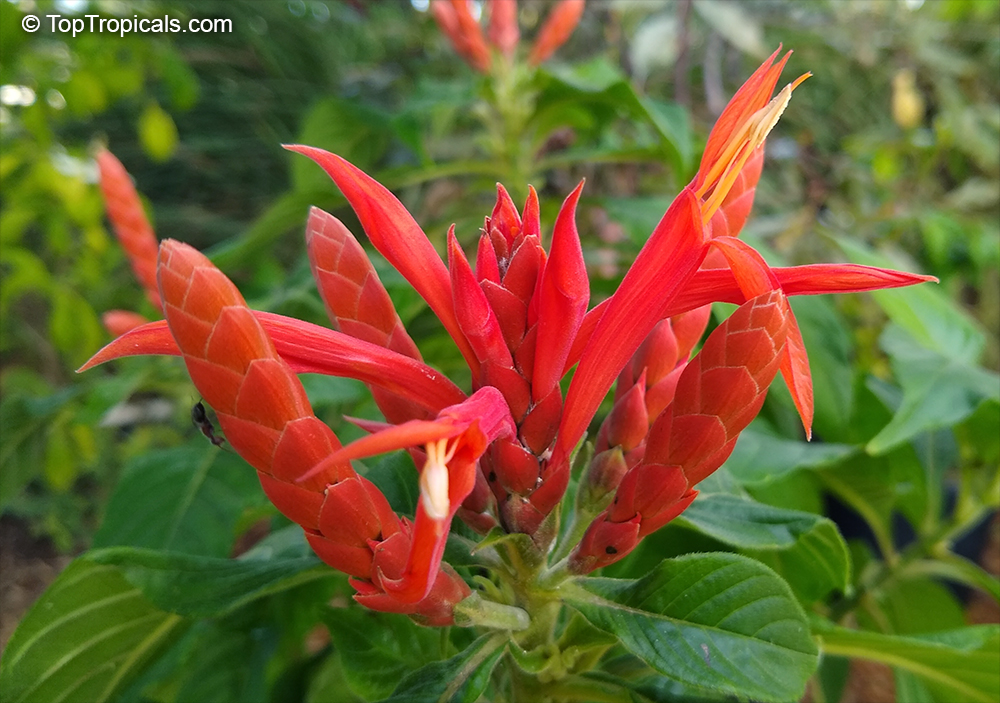
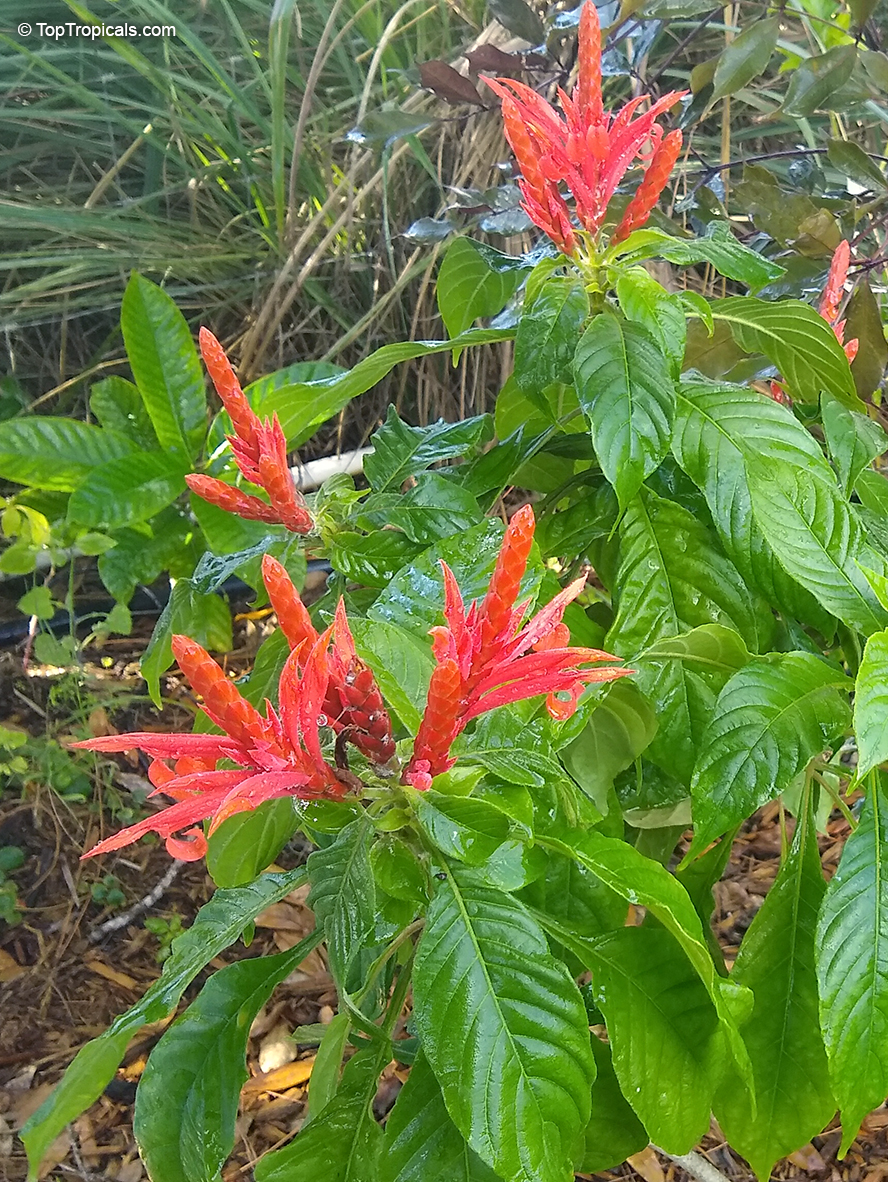
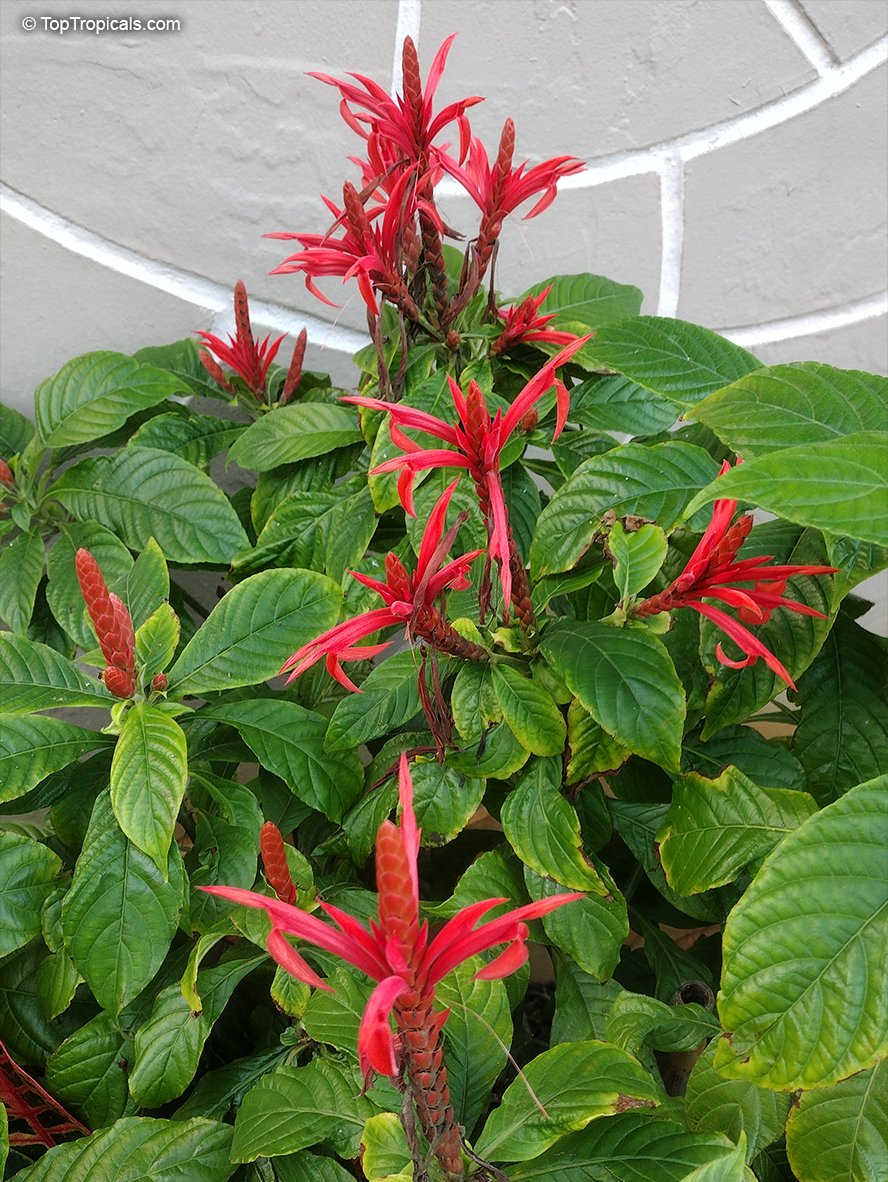
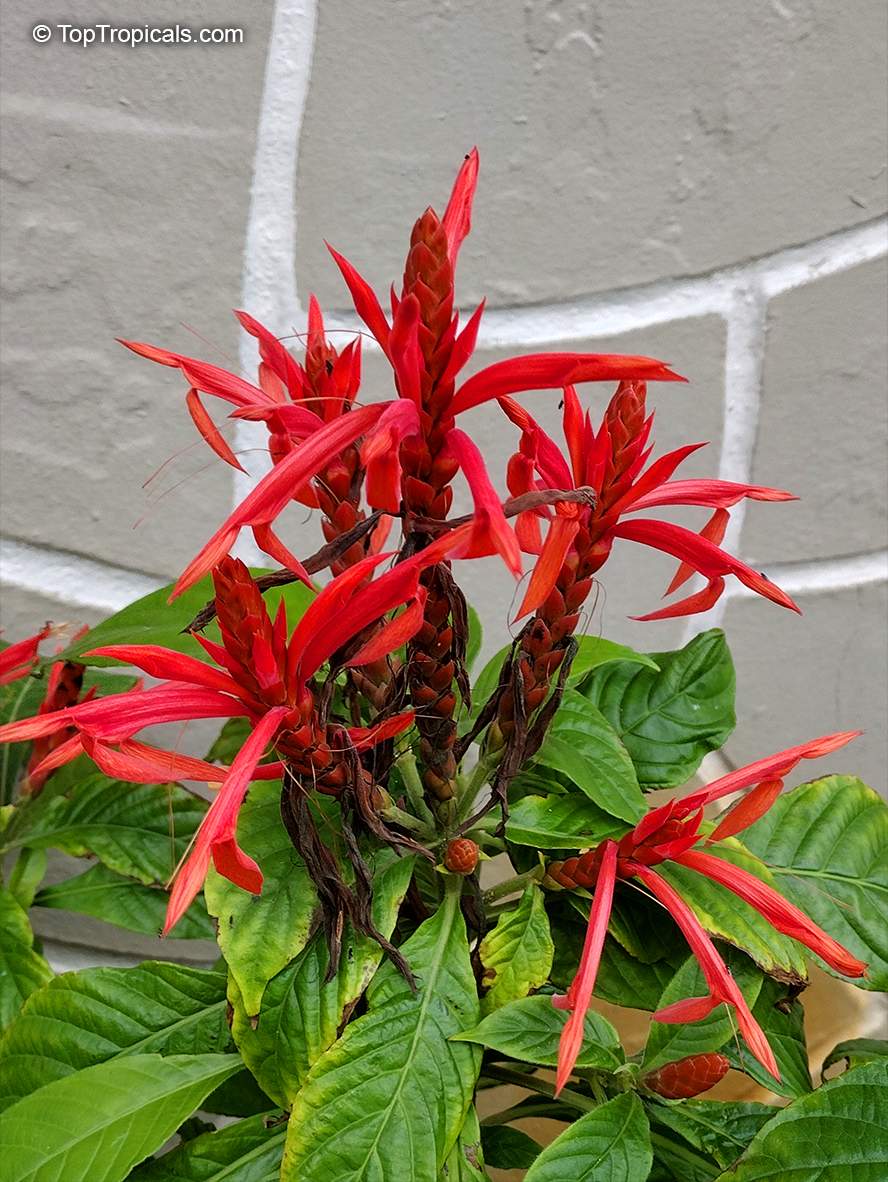
It is a great addition to a collectible tropical butterfly garden. Can grow into 4-5" tall bushy specimen. Blooms sporadically during warm season. Tolerates both full sun or filtered light.
Recommended Fertilizer: SUNSHINE Megaflor - Bloom Nutrition Booster
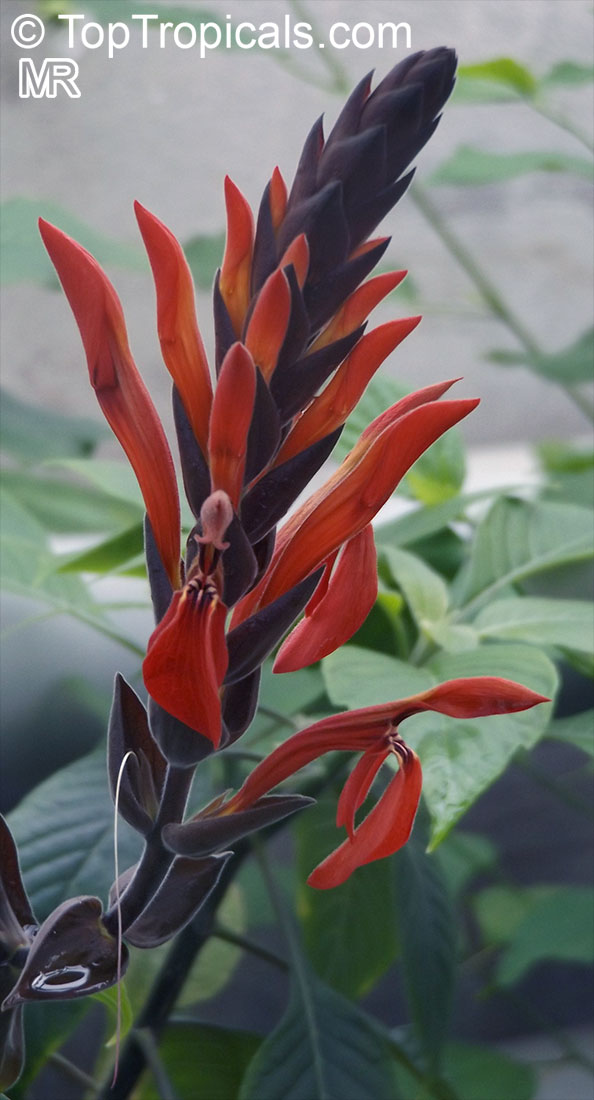
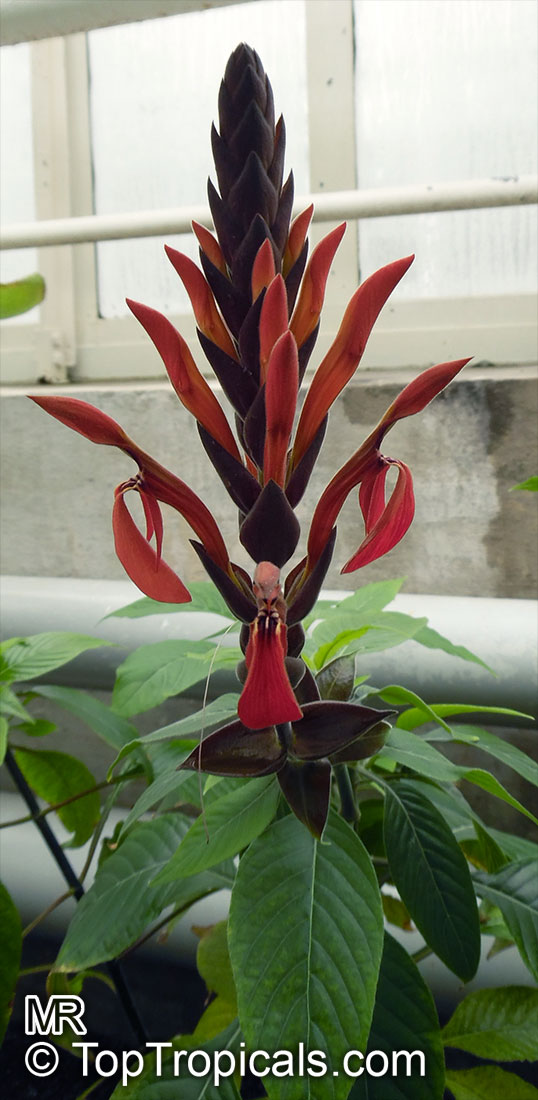
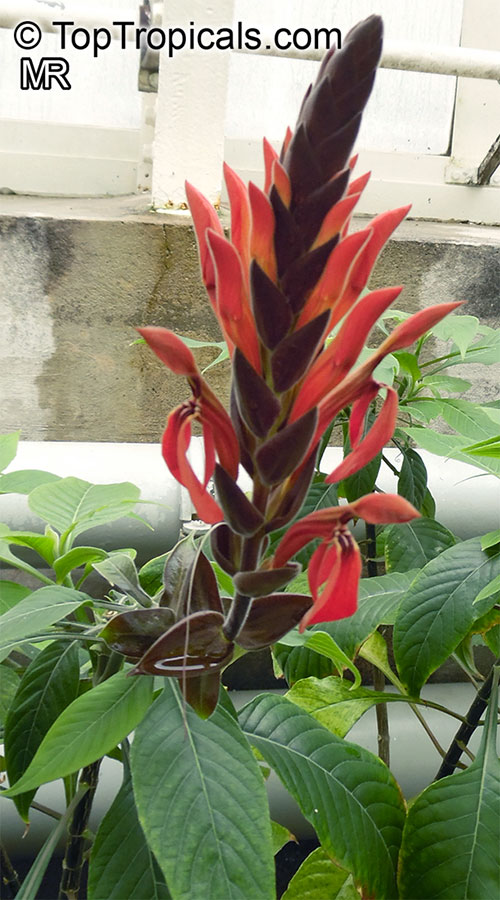
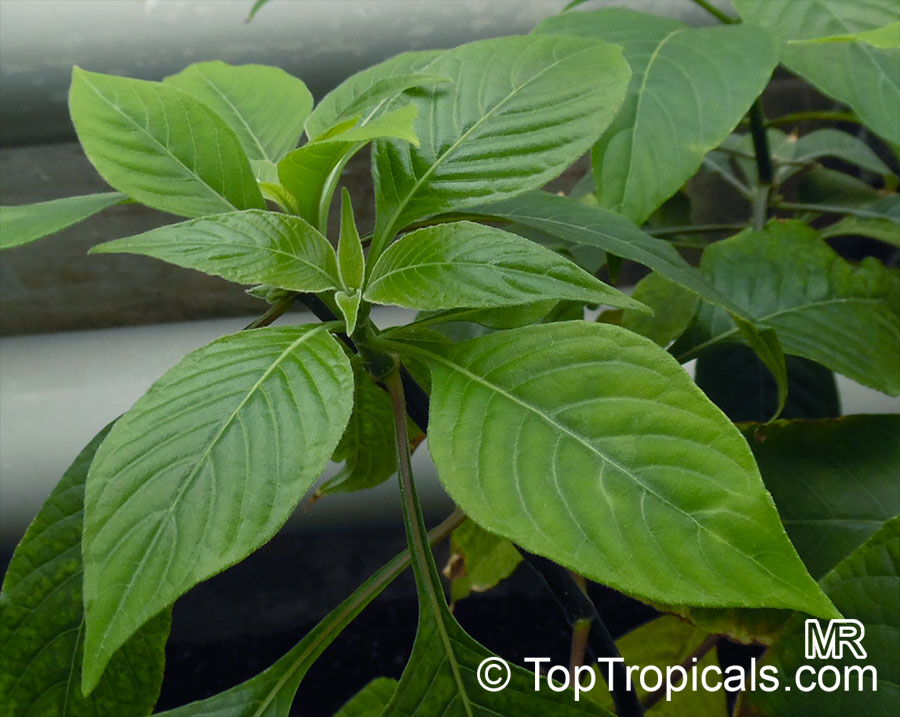
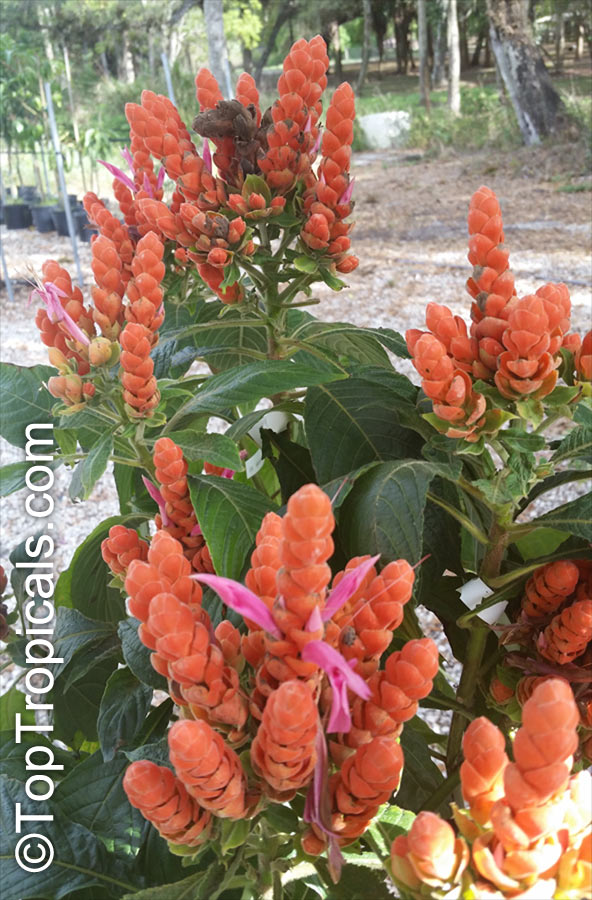
Botanical names: Aphelandra schiedeana, Aphelandra melgariensis
Common name: Aphelandra
Family: Acanthaceae
Origin: Central America
Botanical name: Aphelandra sinclairiana
Common names: Orange Shrimp plant, Coral Aphelandra, Panama Queen
Family: Acanthaceae
Origin: Costa Rica, Nicaragua, Panama
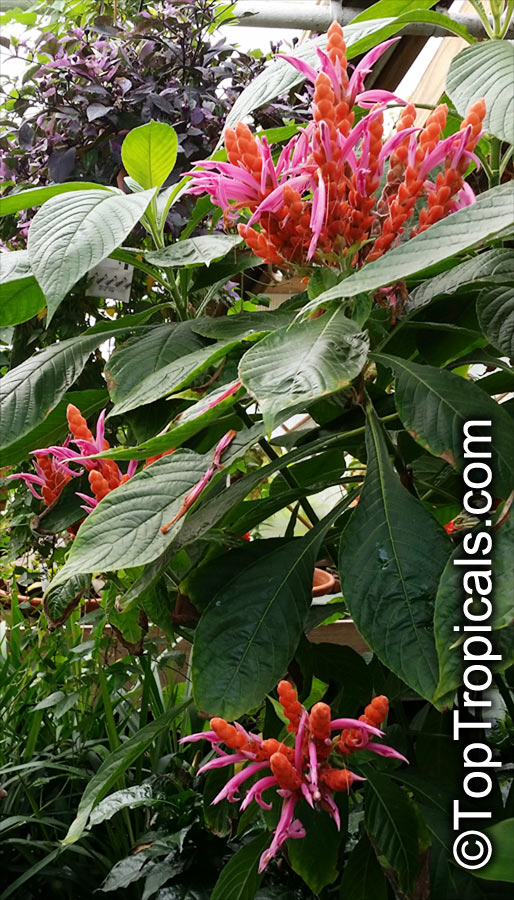
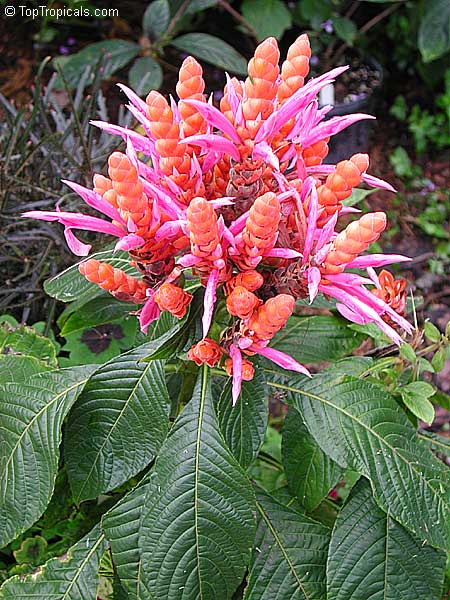
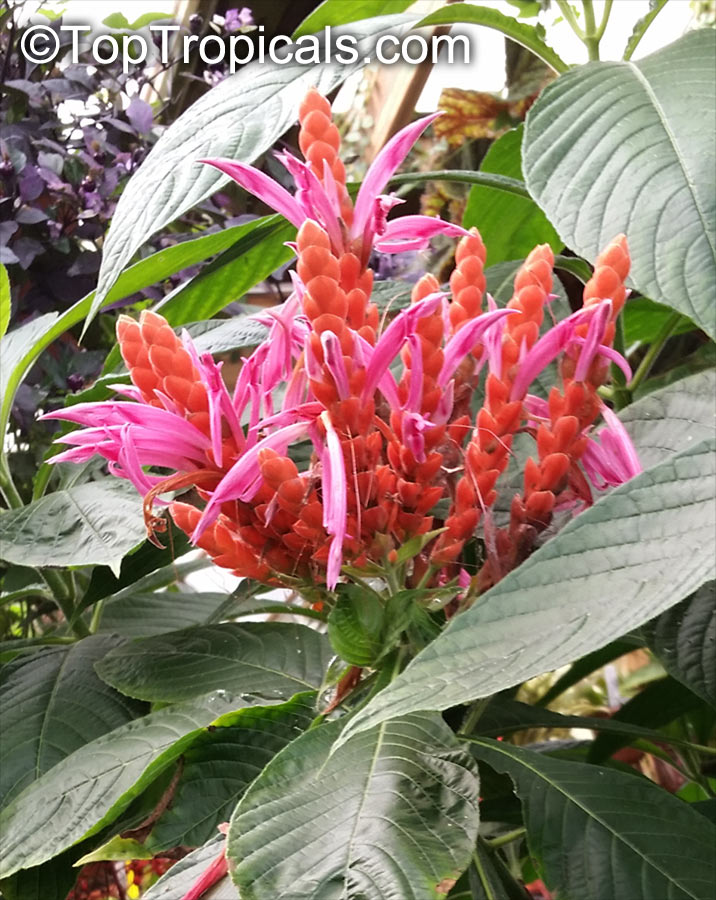
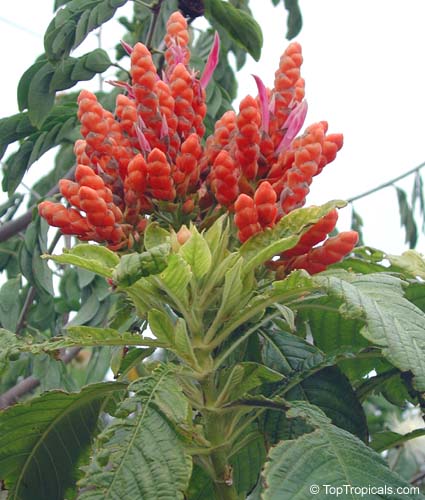
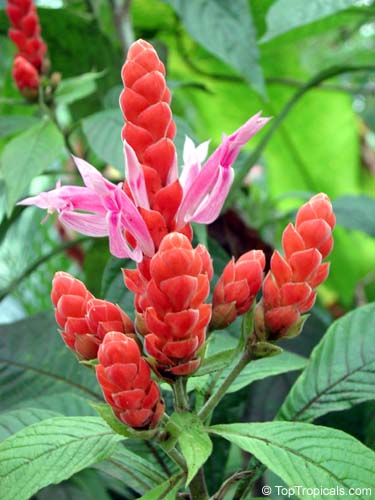
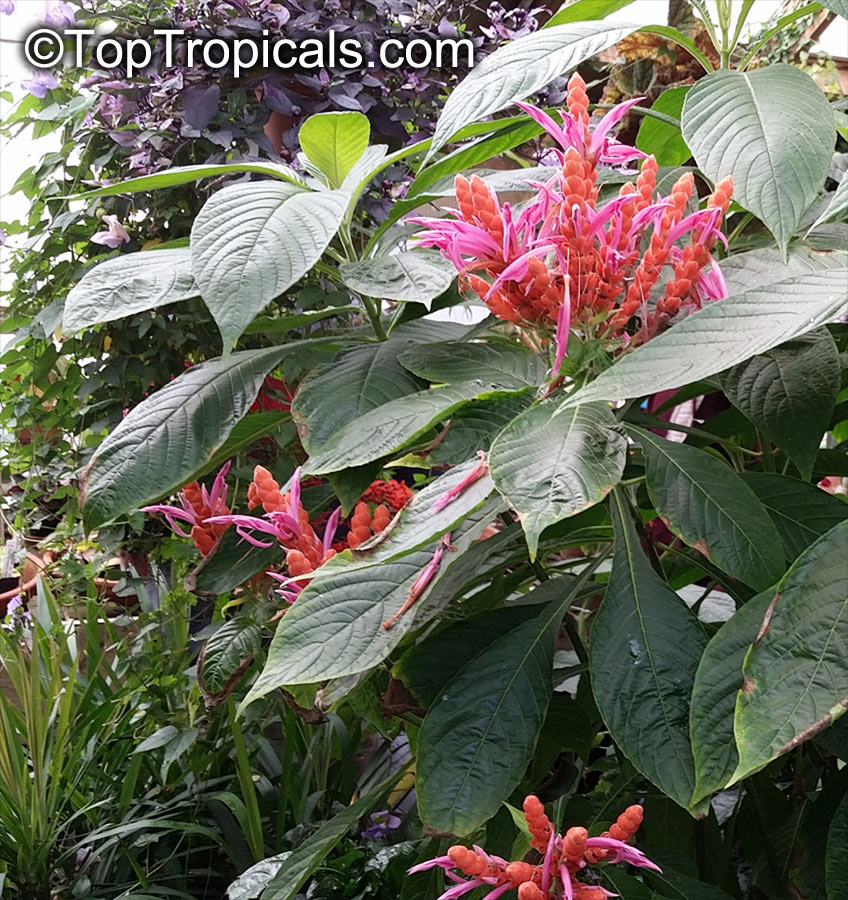
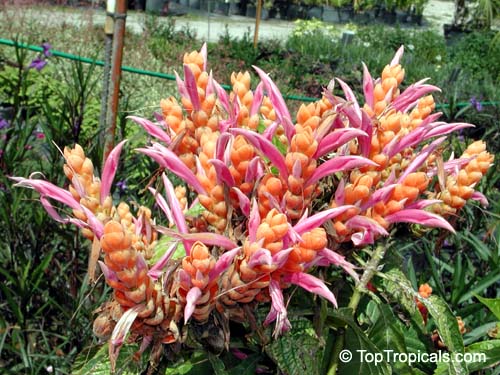
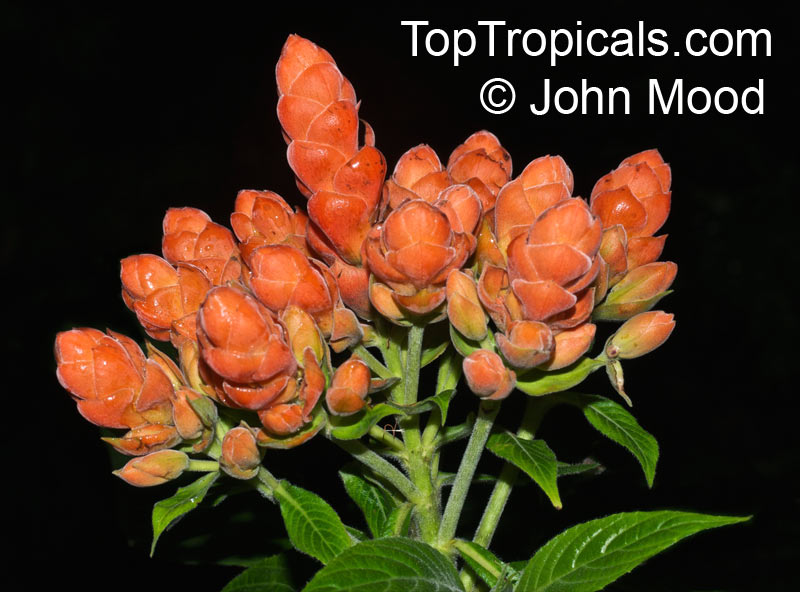
Aphelandra sinclairiana is a large shrub, usually growing between 5 and 10 feet tall. It is native to Costa Rica, Nicaragua, and Panama, and can be grown outdoors in USDA Zone 9-11. It prefers semi-shade, and comparatively regular waterings, making sure that the soil remains slightly moist while not waterlogged. The plant sports quite a showy display of flowers, though they are quite small. The bracts are orange-red color, almost 2 inches in length, and the tubular flowers themselves range from pink to red to crimson and vinous. It also attracts a lot of pollinators, notably butterflies and hummingbirds.
In terms of care, the shrub is quite hardy in mature state and will tolerate short-term low temperatures of 30s F or lower. However, if grown in a pot, the cold-hardy properties are reduced. It is important to make sure Aphelandra sinclairiana is provided with a location that is out of strong wind and direct frost, and the plant should be brought indoors in temperature below 40-45 F. To ensure the best growth of the plant, make sure the soil used is well-drained, with the pot placed in a bright area with at least several hours of protection from the direct sunlight in a day. During growing season, water the soil regularly, but be sure to avoid over-watering. Finally, be sure to feed the shrub occasionally with a balanced fertilizer to ensure all important nutrients are available.
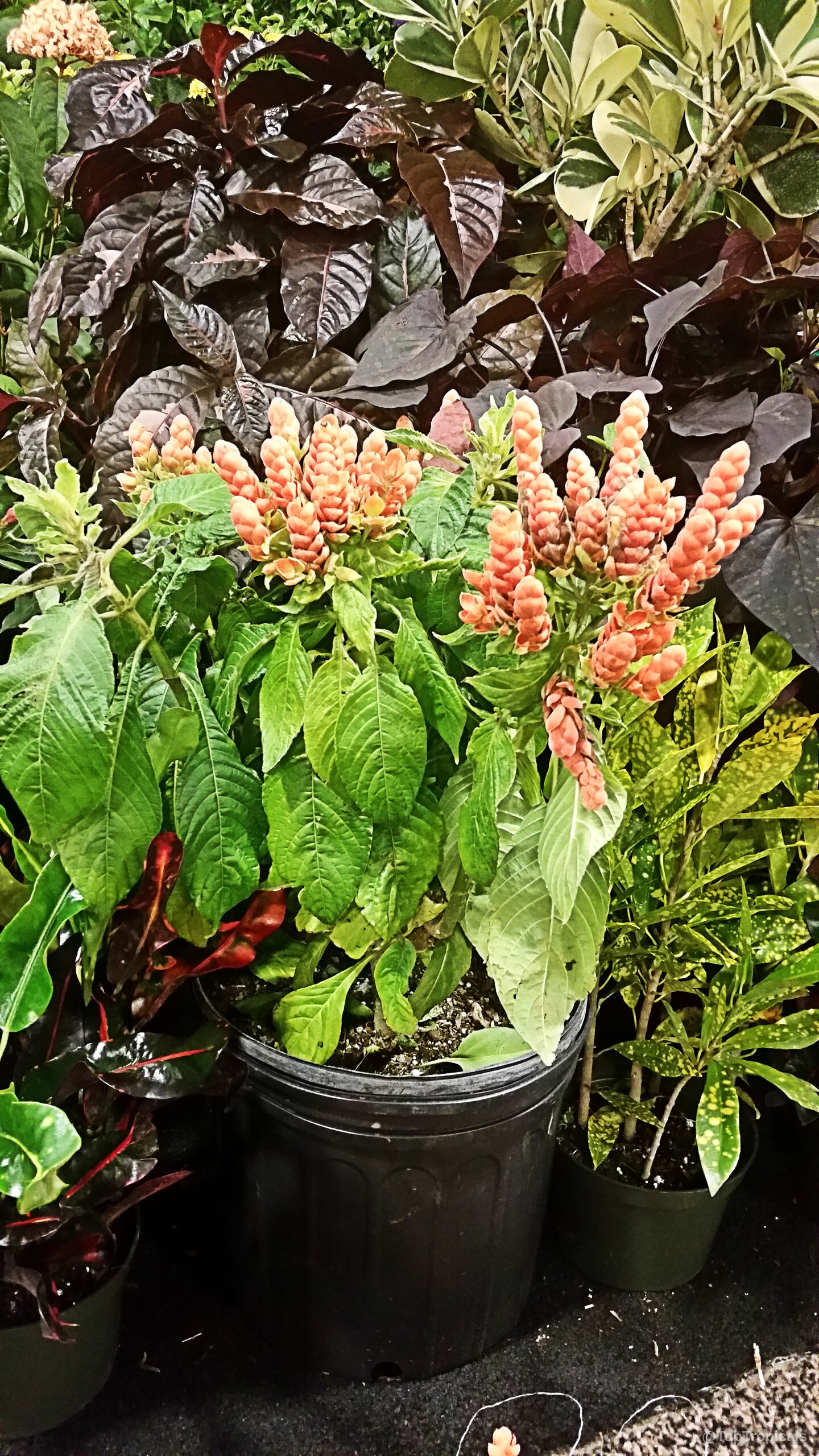
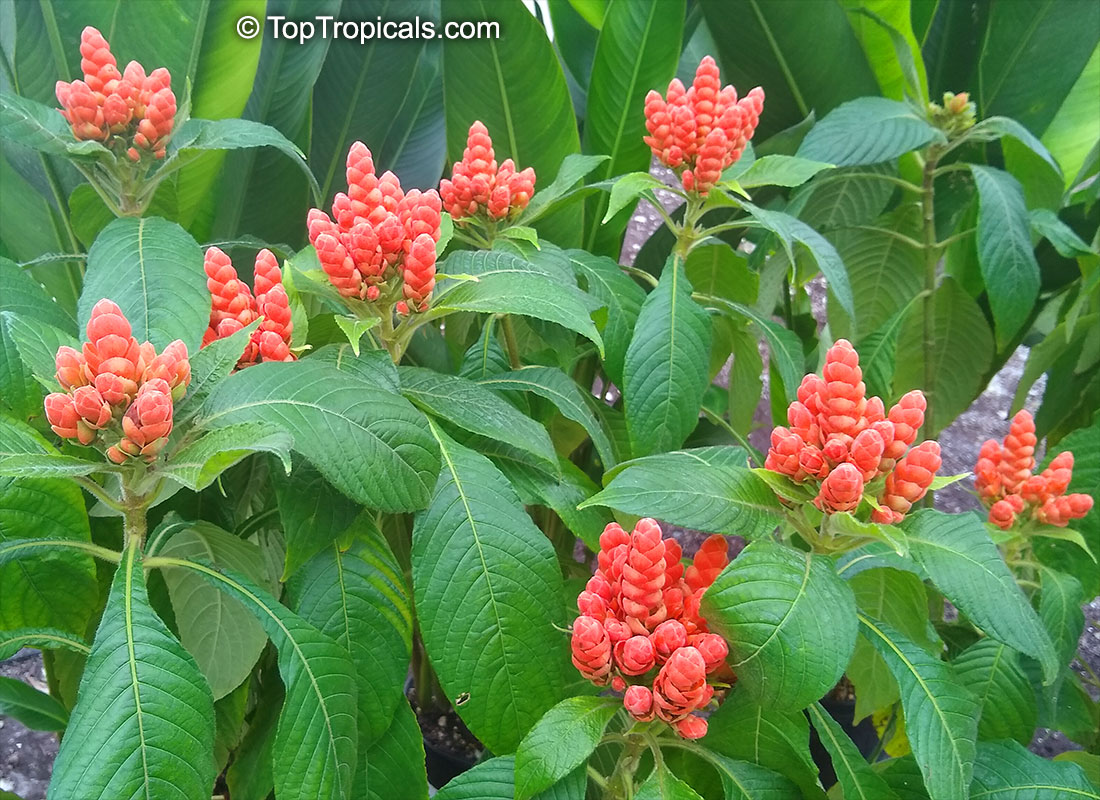
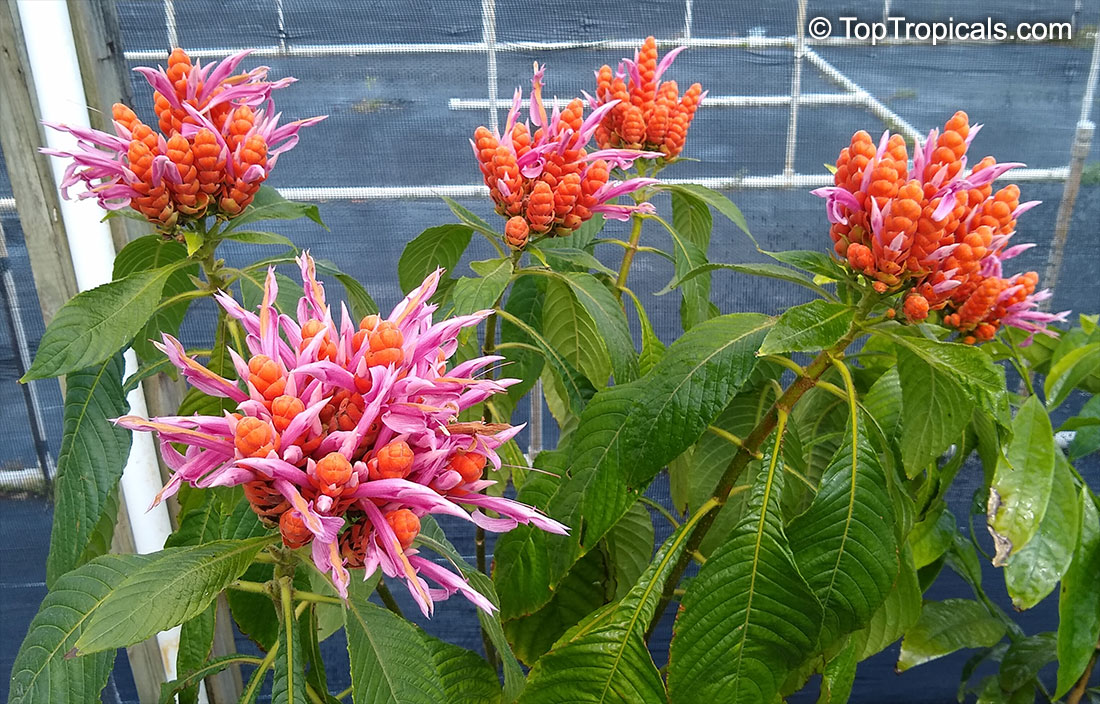
Recommended Fertilizer: SUNSHINE Megaflor - Bloom Nutrition Booster
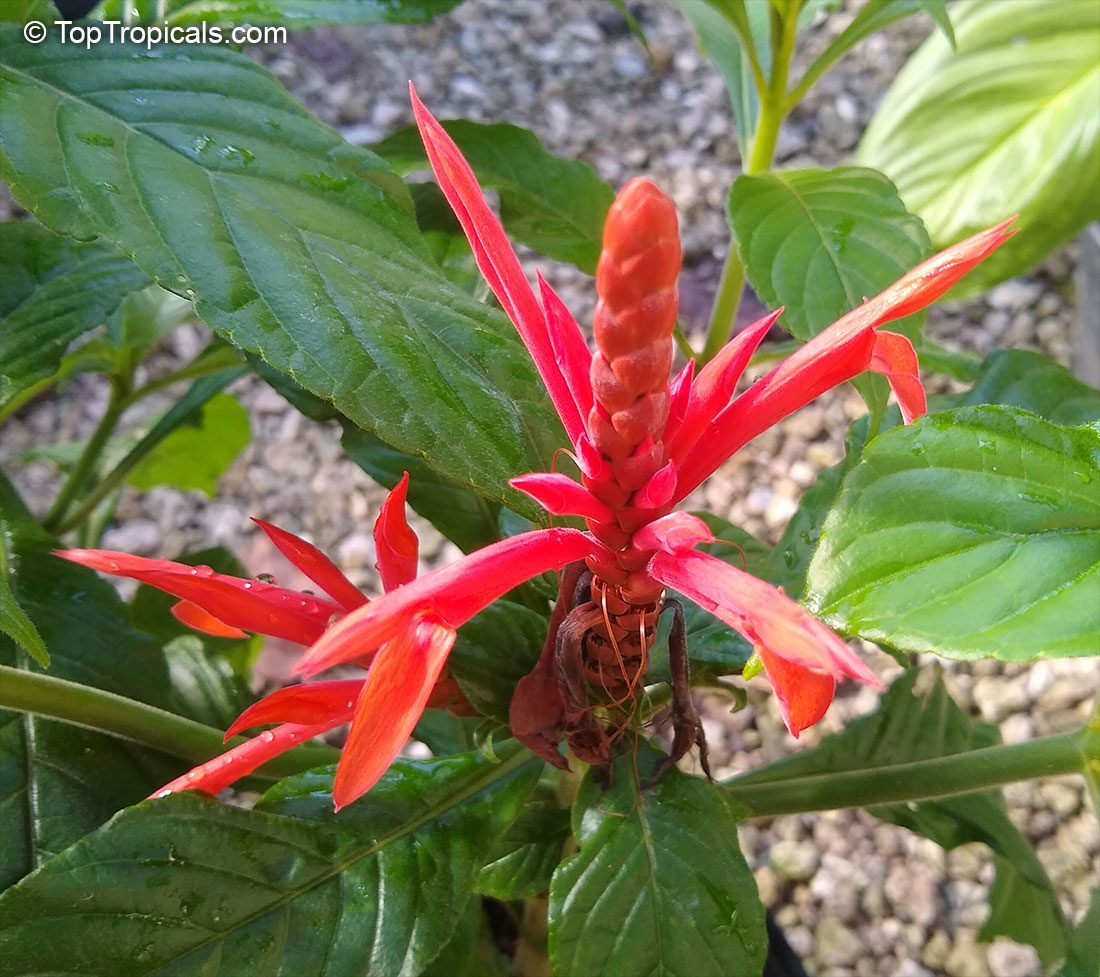
Botanical name: Aphelandra sp.
Common names: Shrimp Plant, Coral Aphelandra
Family: Acanthaceae
Origin: Panama
This is a rare hybrid possibly with A. scabra (panamensis) that has bright red flowers, quite unique flowering plant from S America. Like all aphelandras, it has showy flowers that are loved by hummingbirds. The flower up to 2 inch long, tubular. They are 2-lipped, fuzzy and they bloom for one day before wilting. Inflorescence is candle-like and the prepubescent flower spikes can grow up to 6 inch in height. The inflorescence has overlapping green bracts that are tinged with yellow and orange and they have extrafloral nectaries. Each day only one or two flowers open along the inflorescence to prevent self-pollination.
It is a great addition to a collectible tropical butterfly garden. Can grow into 4-5" tall bushy specimen. Blooms sporadically during warm season. Tolerates both full sun or filtered light.
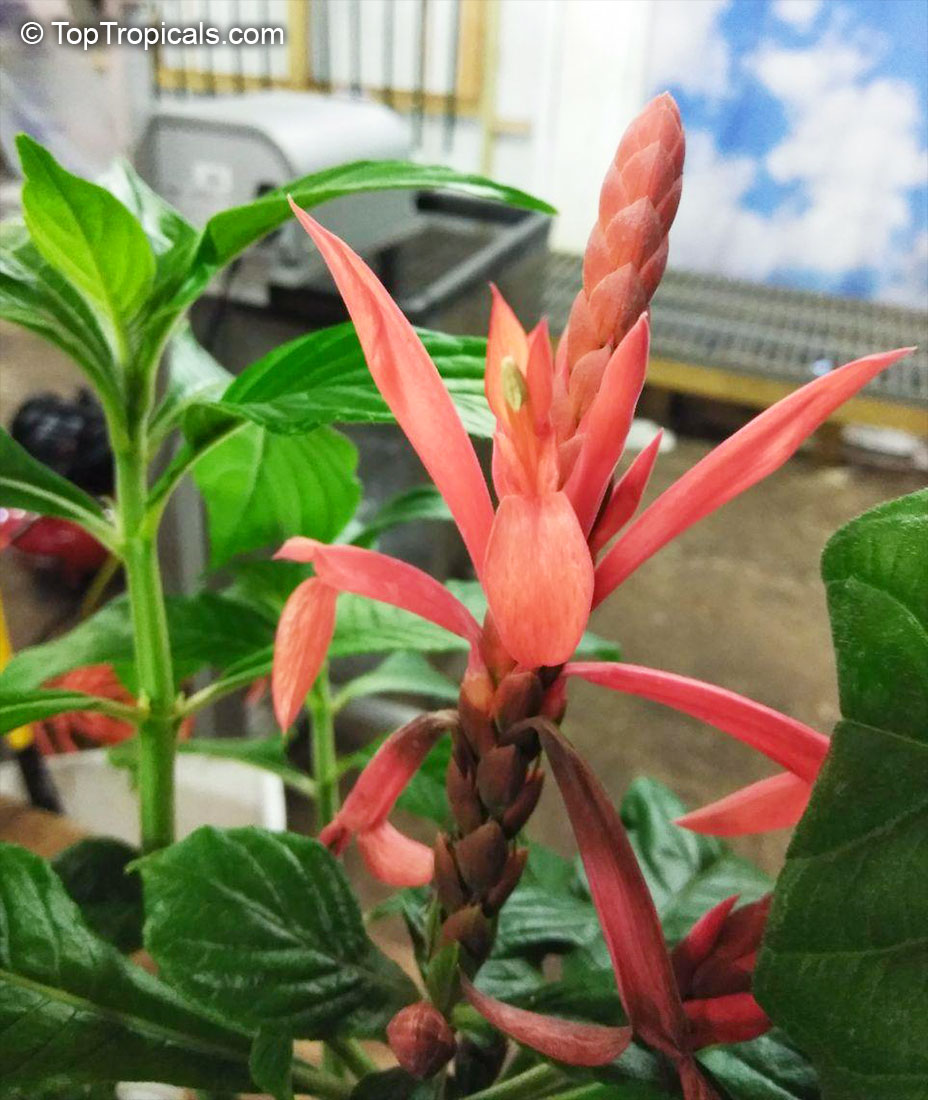
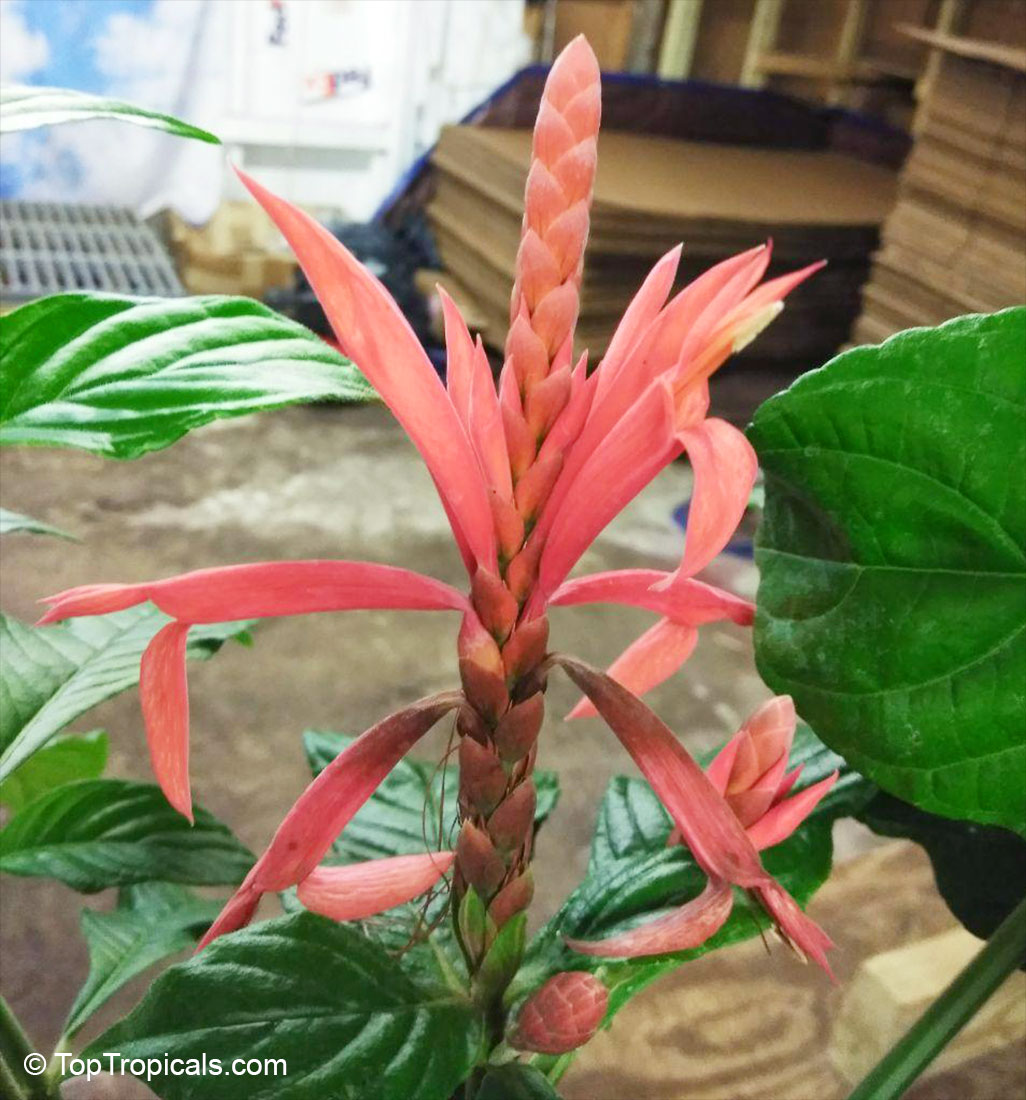
It is a great addition to a collectible tropical butterfly garden. Can grow into 4-5" tall bushy specimen. Blooms sporadically during warm season. Tolerates both full sun or filtered light.
Recommended Fertilizer: SUNSHINE Megaflor - Bloom Nutrition Booster
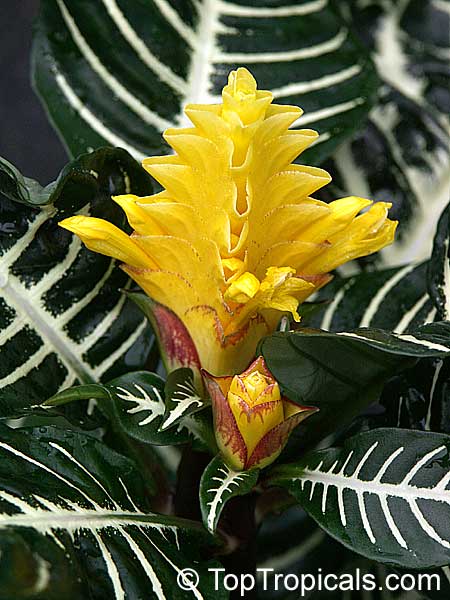
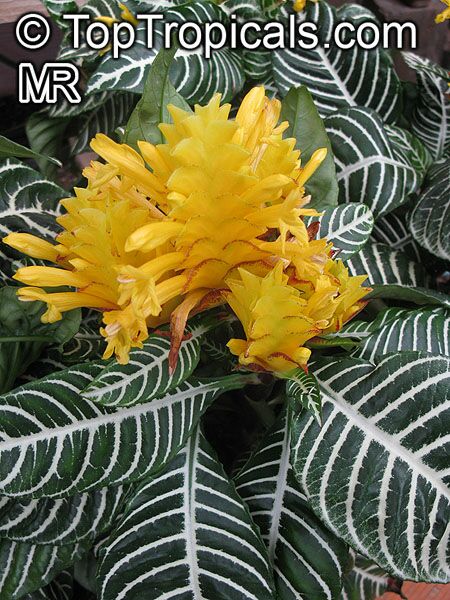
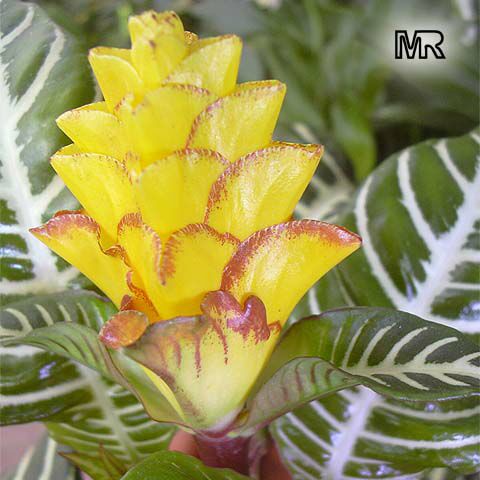
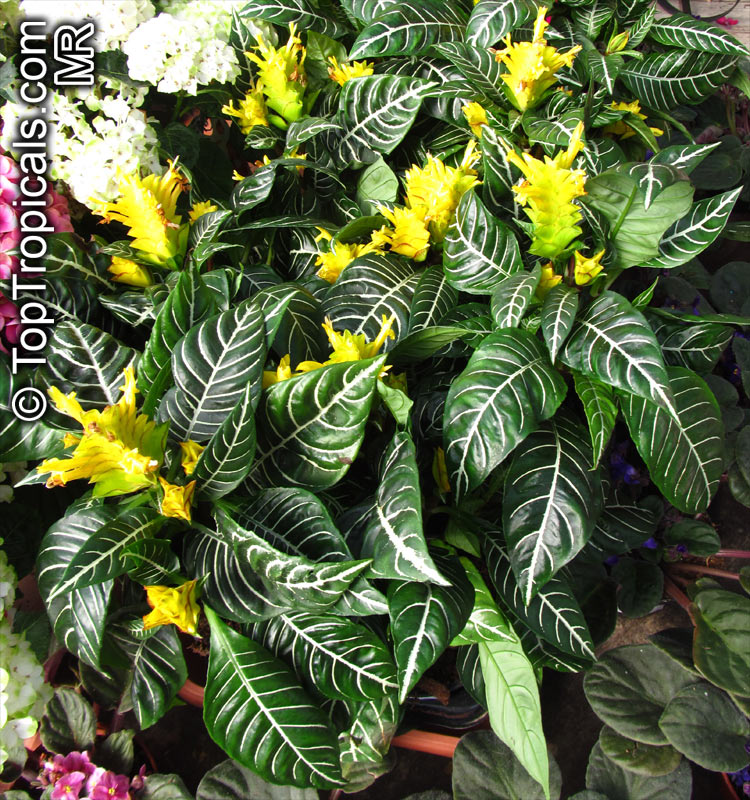
Botanical name: Aphelandra squarrosa
Common name: Zebra Plant
Family: Acanthaceae
Origin: Mountains of Mexico to Brazil

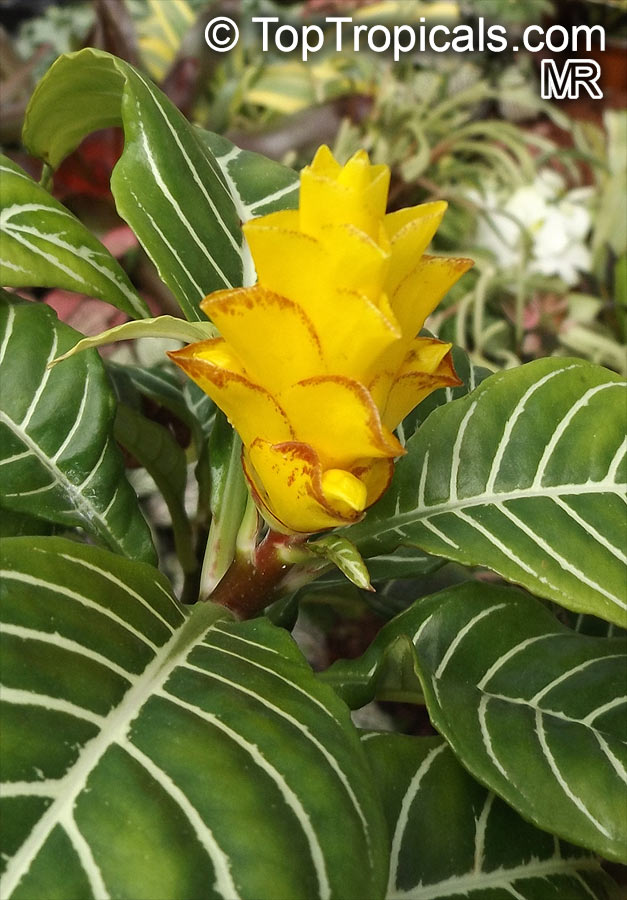
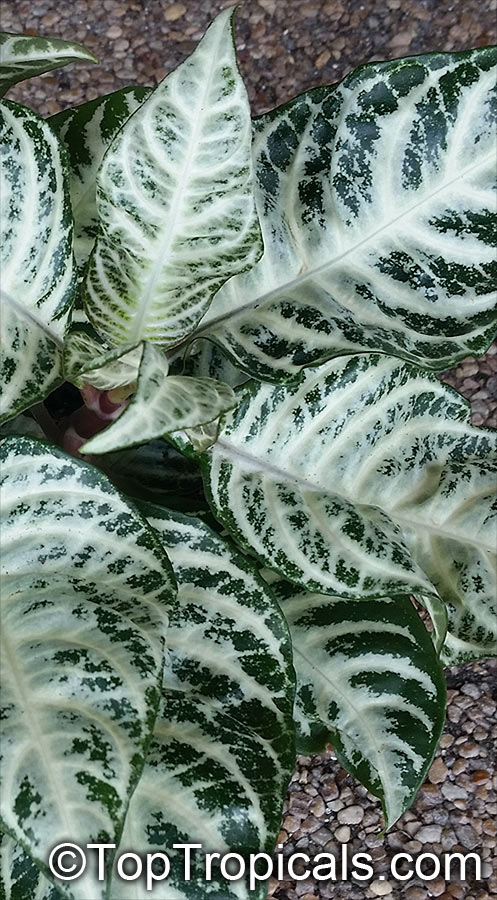
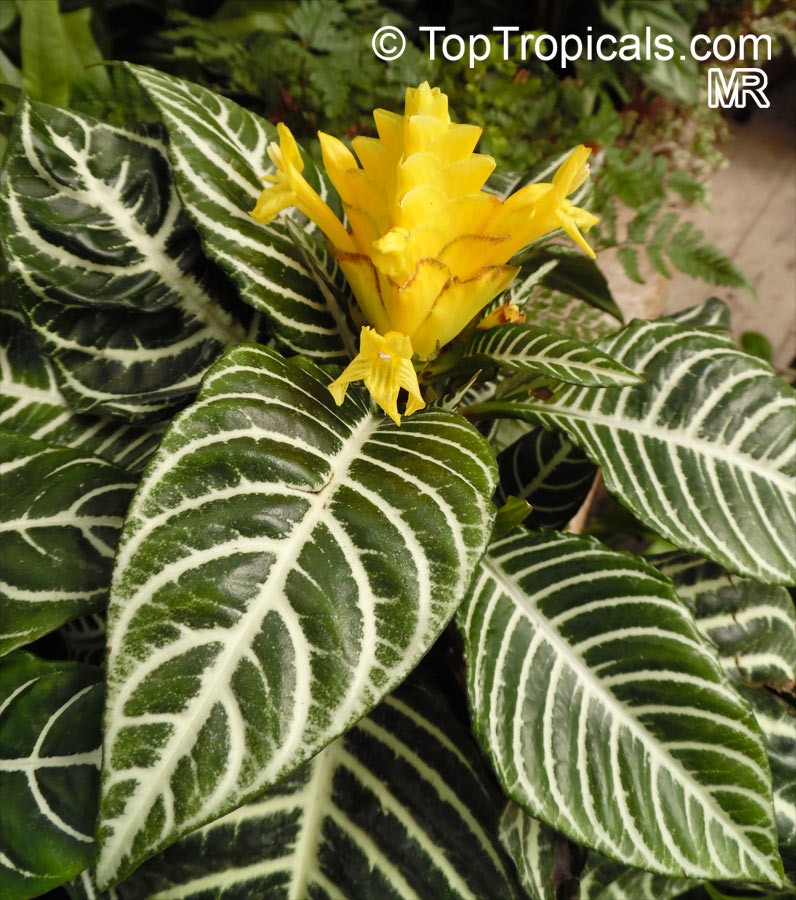
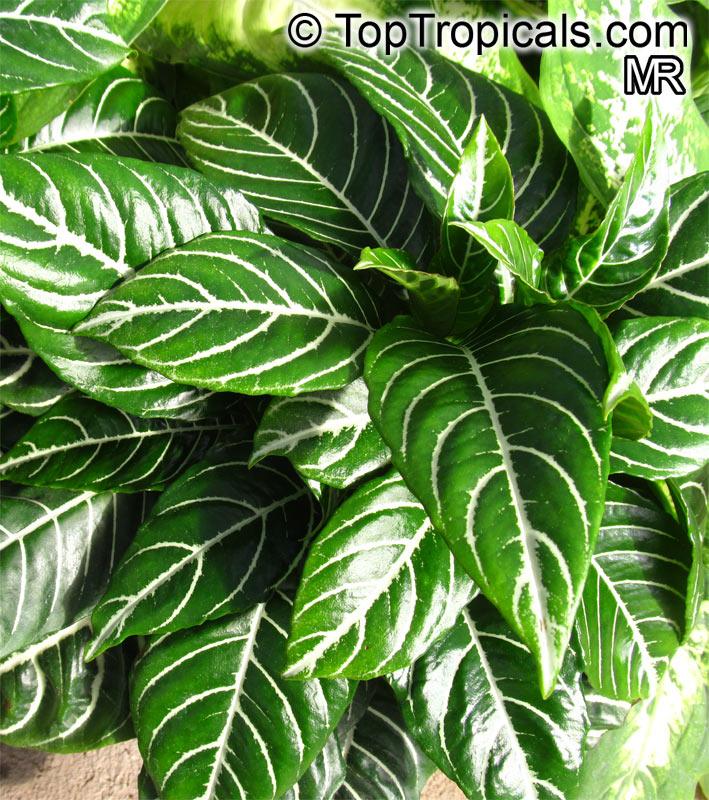
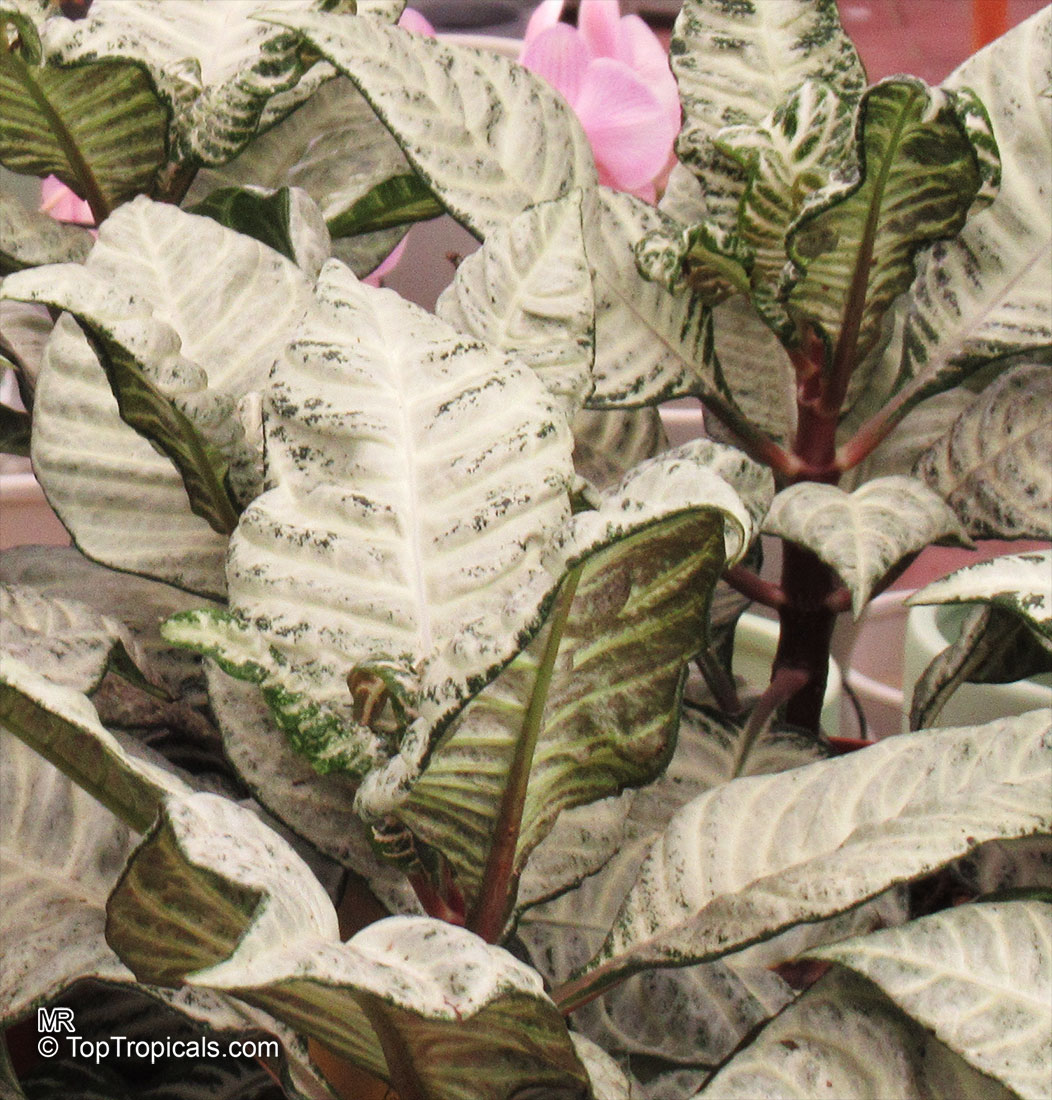
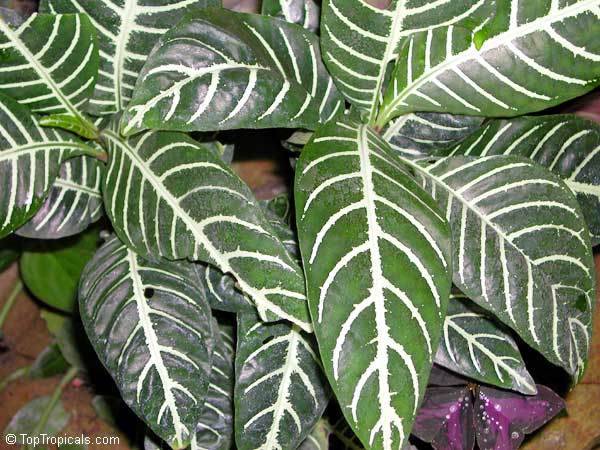
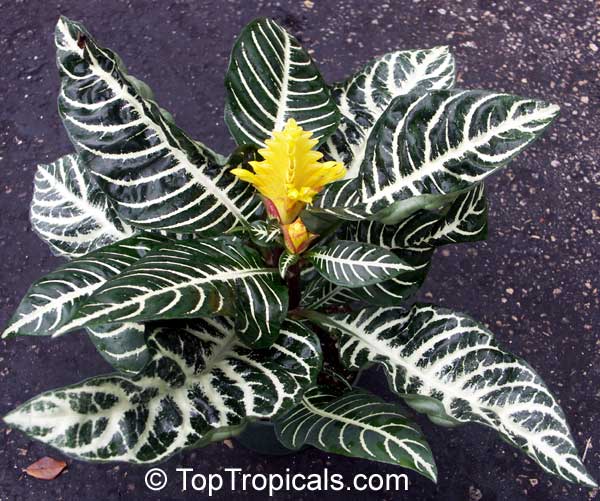
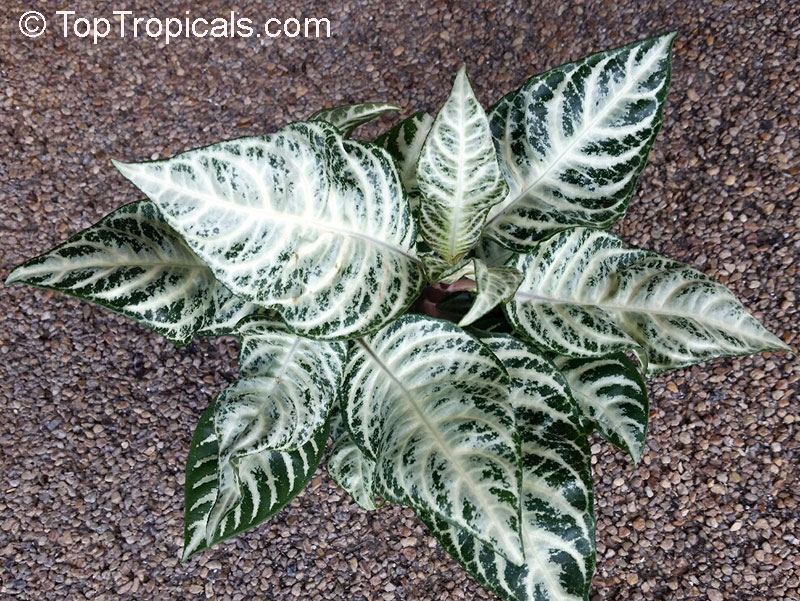
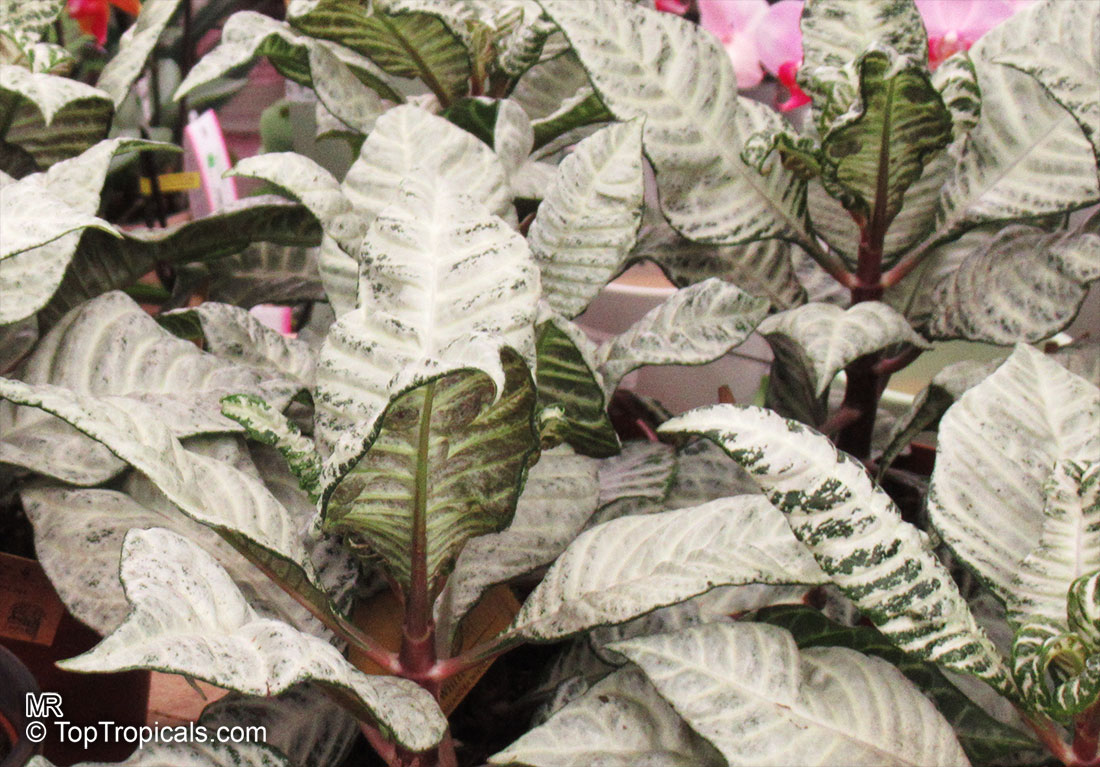
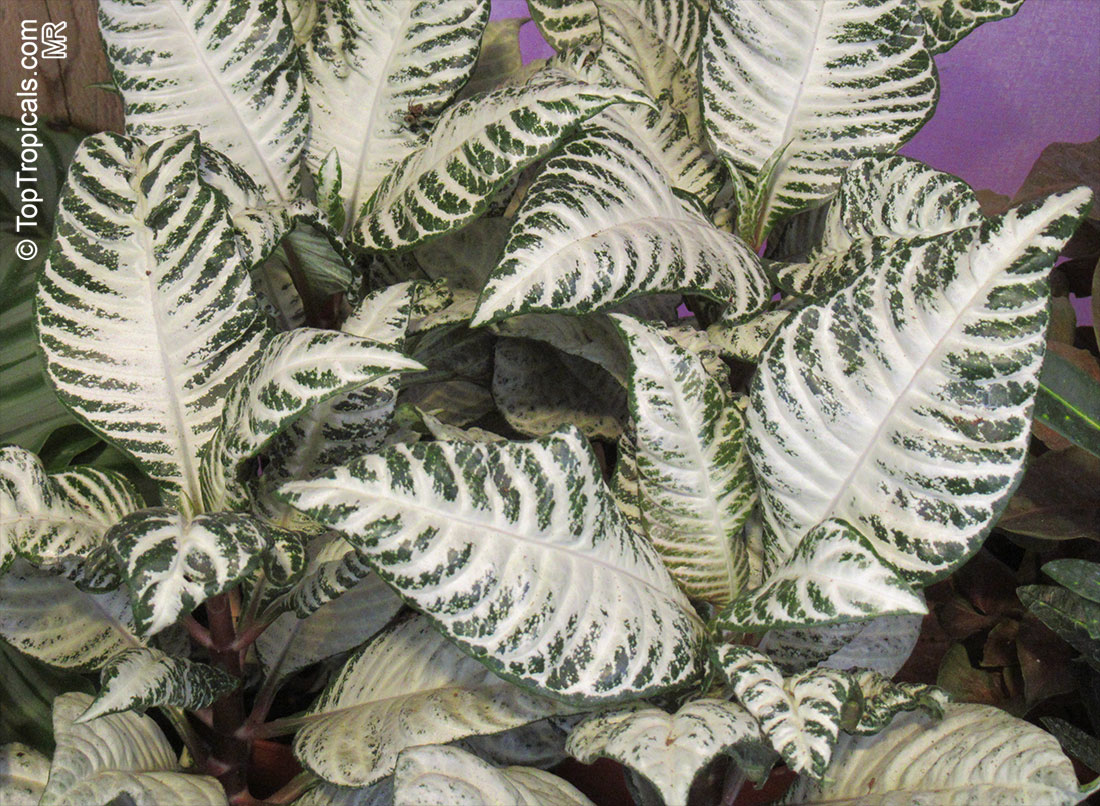
Zebra Plant (Aphelandra squarrosa) is a beautiful ornamental foliage native to mountains in Central America and South America. Its small shrub - 2-5ft high - and groundcover varieties - low growing 2ft - feature large green leaves with white stripes, making it stand out in the garden. Zebra Plant has yellow and orange flowers and is grown in the USDA Zone 9-11. This plant needs semi-shade, regular water and bright light, but no direct sunlight. In colder regions, it can be grown in pots! High humidity is ideal for this plant, as it can survive at average home humidity. When watering it, soil should be dry to the touch, but not bone dry. In winter, water it less than in other periods. Zebra Plant needs a well lit area in order to be forced into bloom. Also, a winter rest period is necessary for the plant to flourish.
If you take good care of your Zebra Plant and provide it with correct light, water and humidity, you'll have this beautiful decorative plant in your garden for many years to come!
| Next | |
Use link to repeat this search:
https://toptropicals.com/cgi-bin/garden_catalog/cat.cgi?search_op=and&keyword_op=and&language=e&family=Acanthaceae&number=10
&no_change_lang=1&user=tt&sale=1&first=0