Ceiba pentandra (Kapok tree)
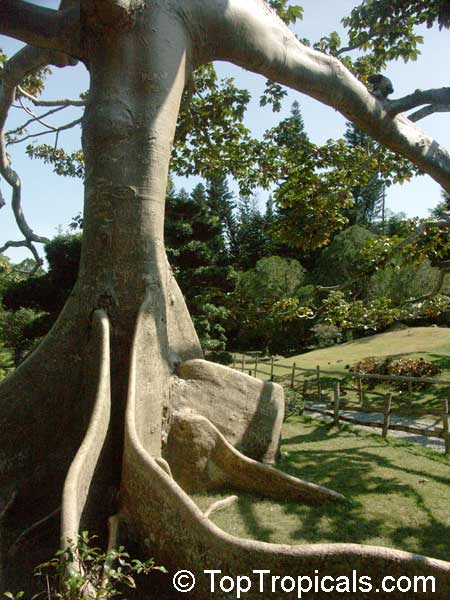
Botanical name: Ceiba pentandra
Common names: Kapok tree, Silk Cotton Tree
Family: Malvaceae (Formerly:Bombacaceae)
Subfamily: Bombacoideae
Origin: Tropical America


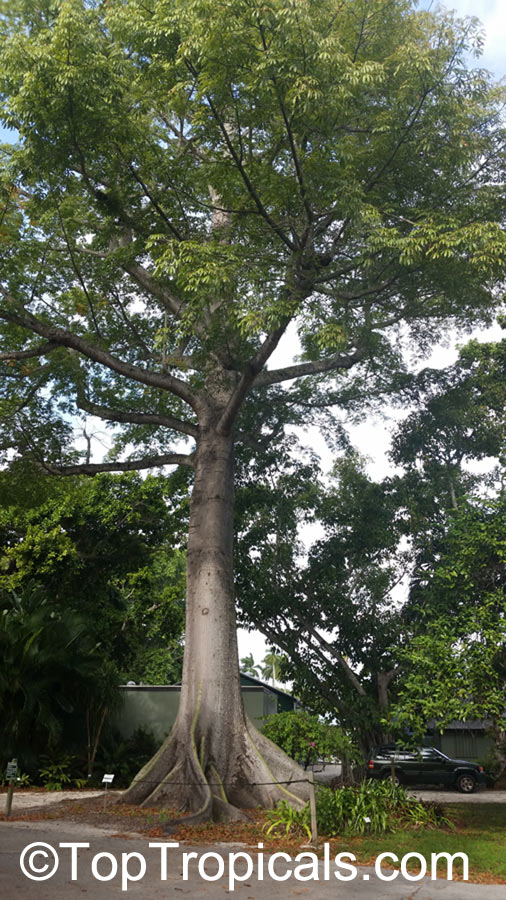
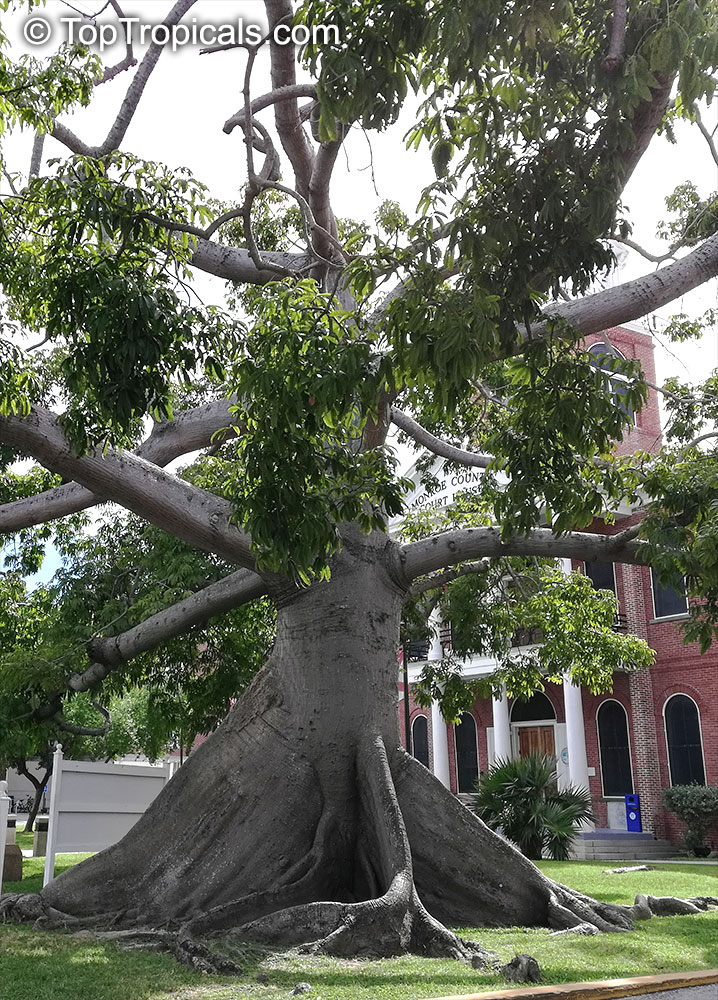
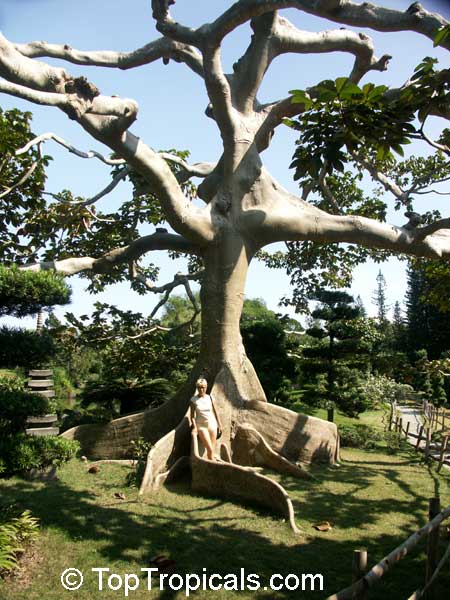
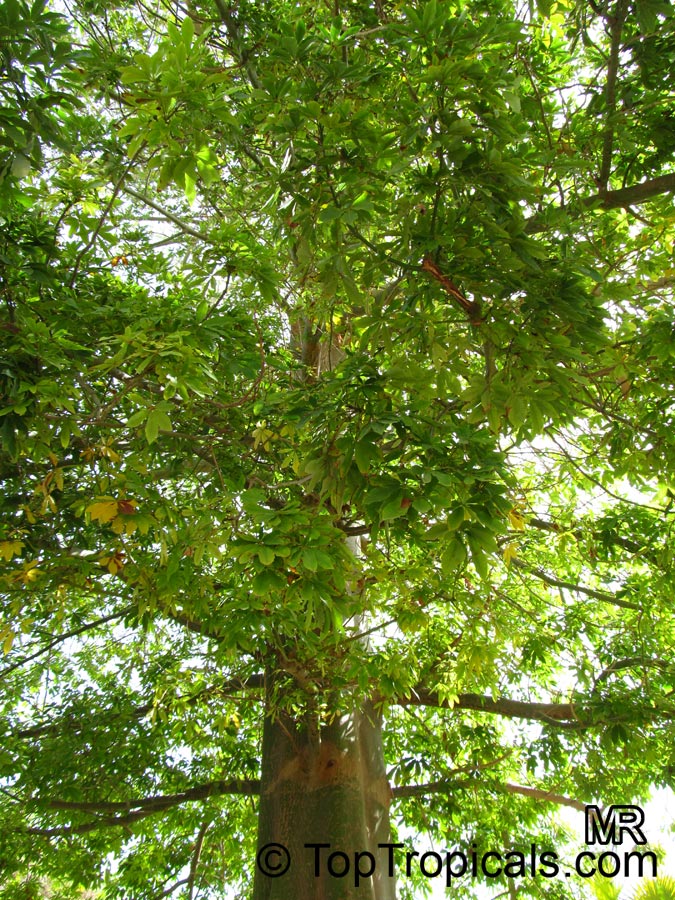
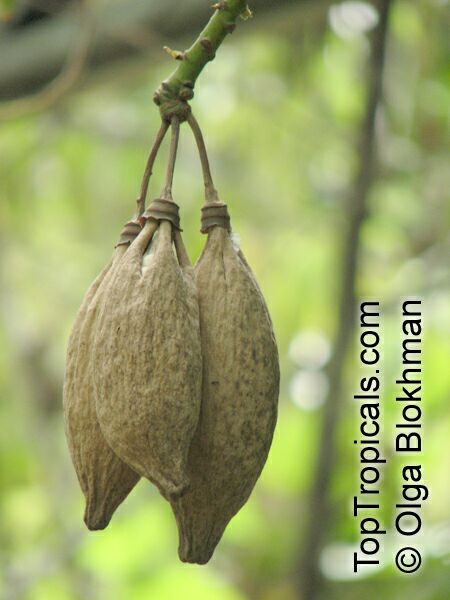
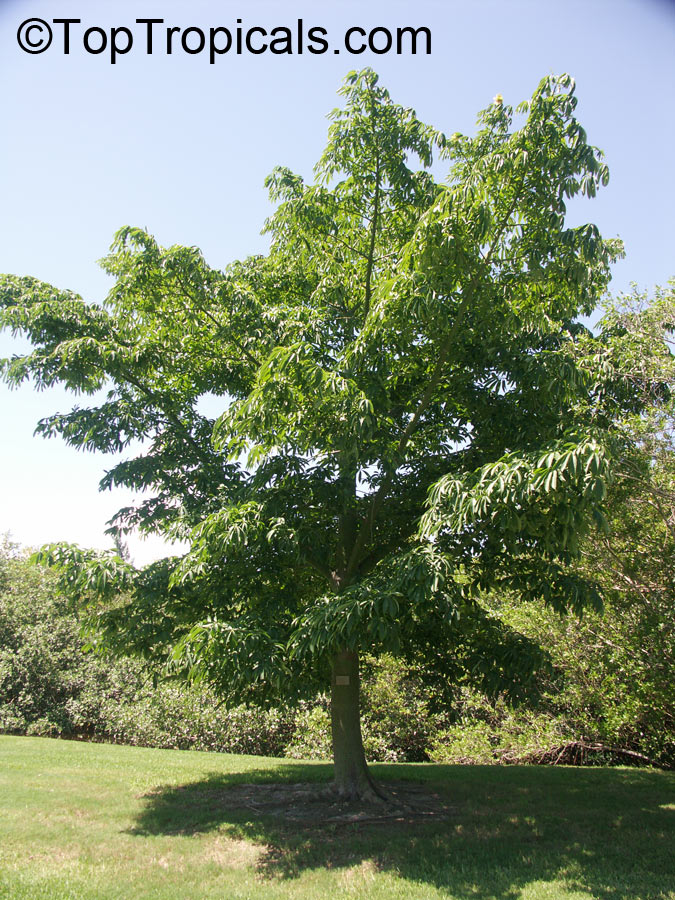
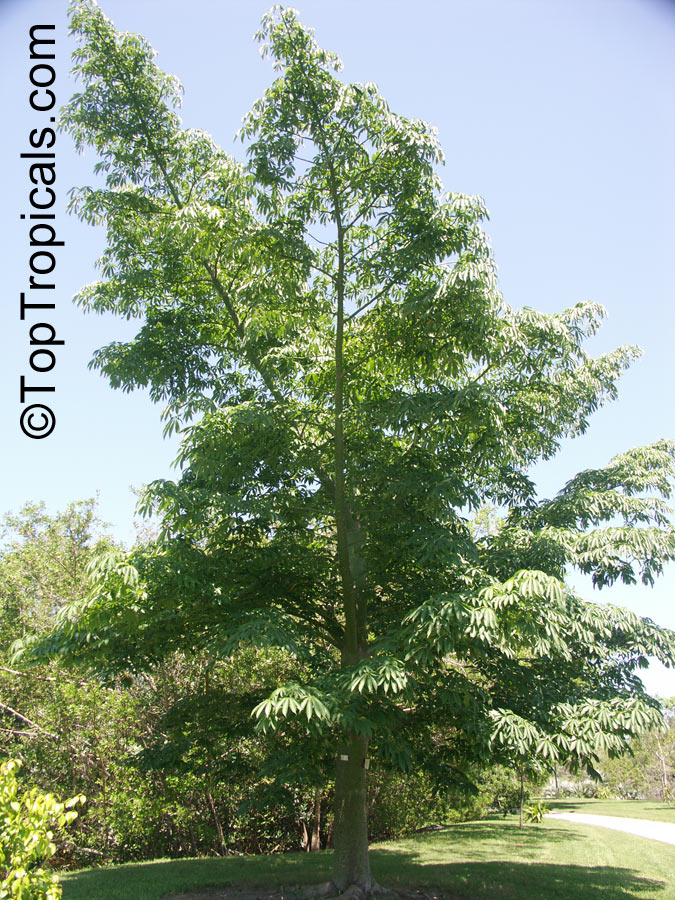
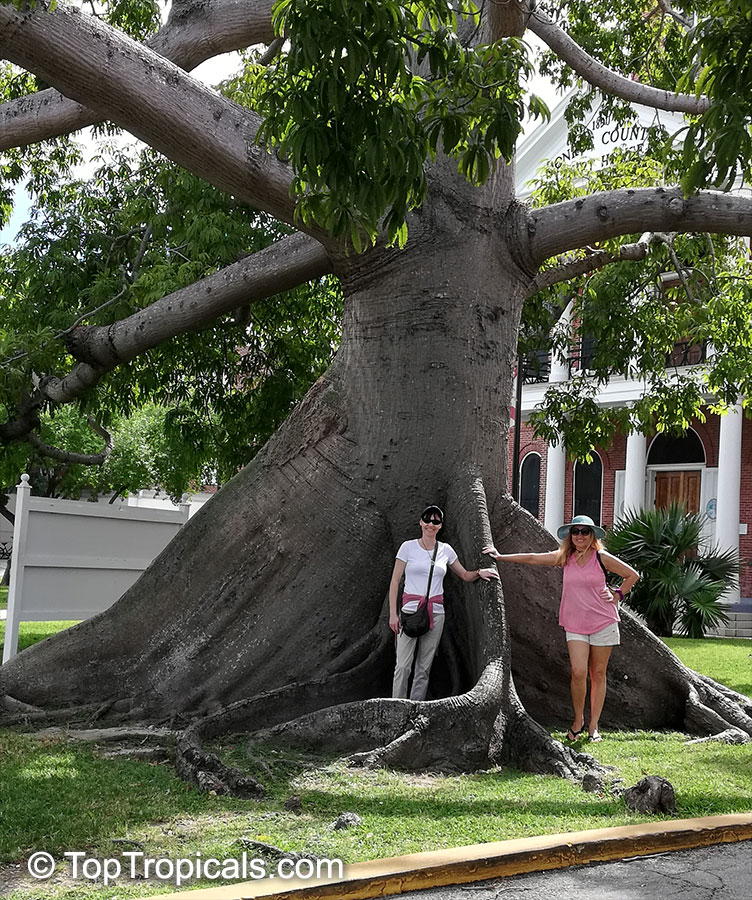
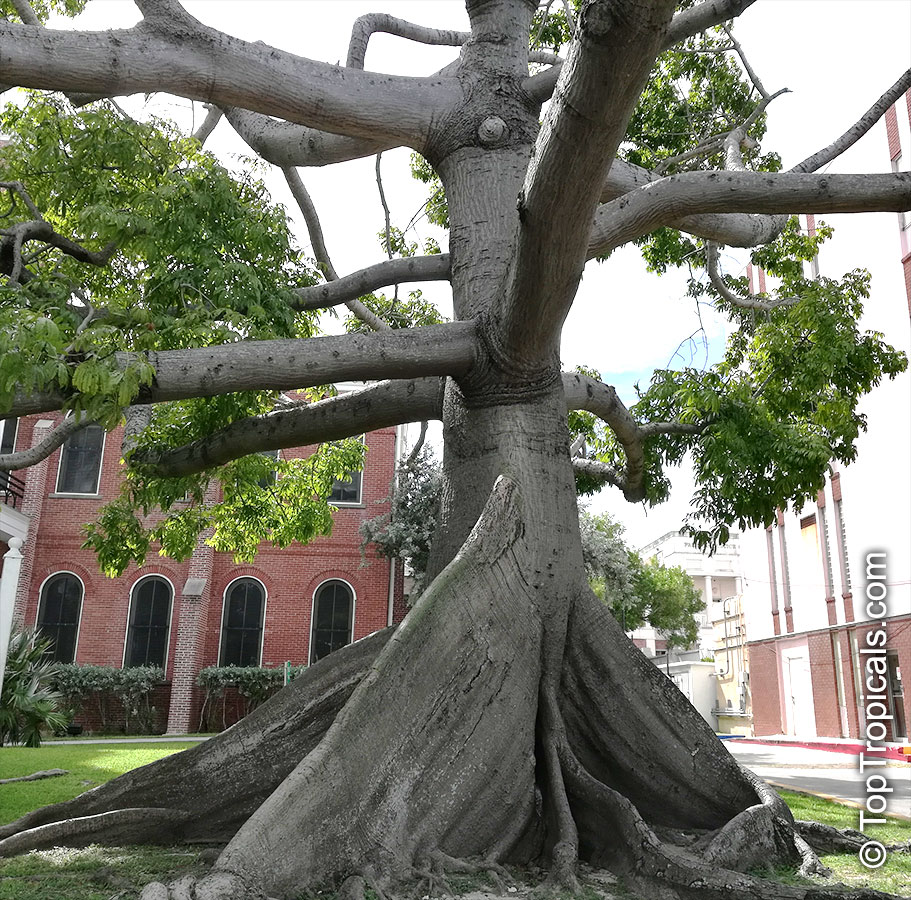
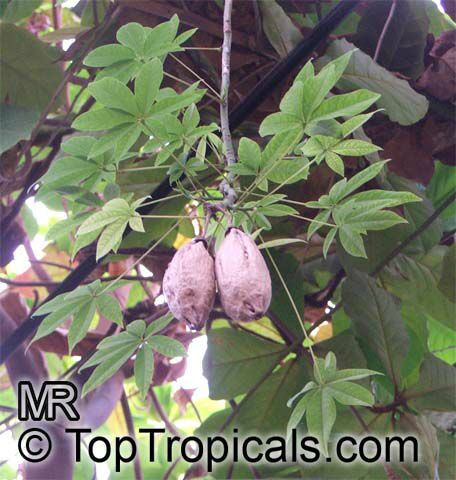
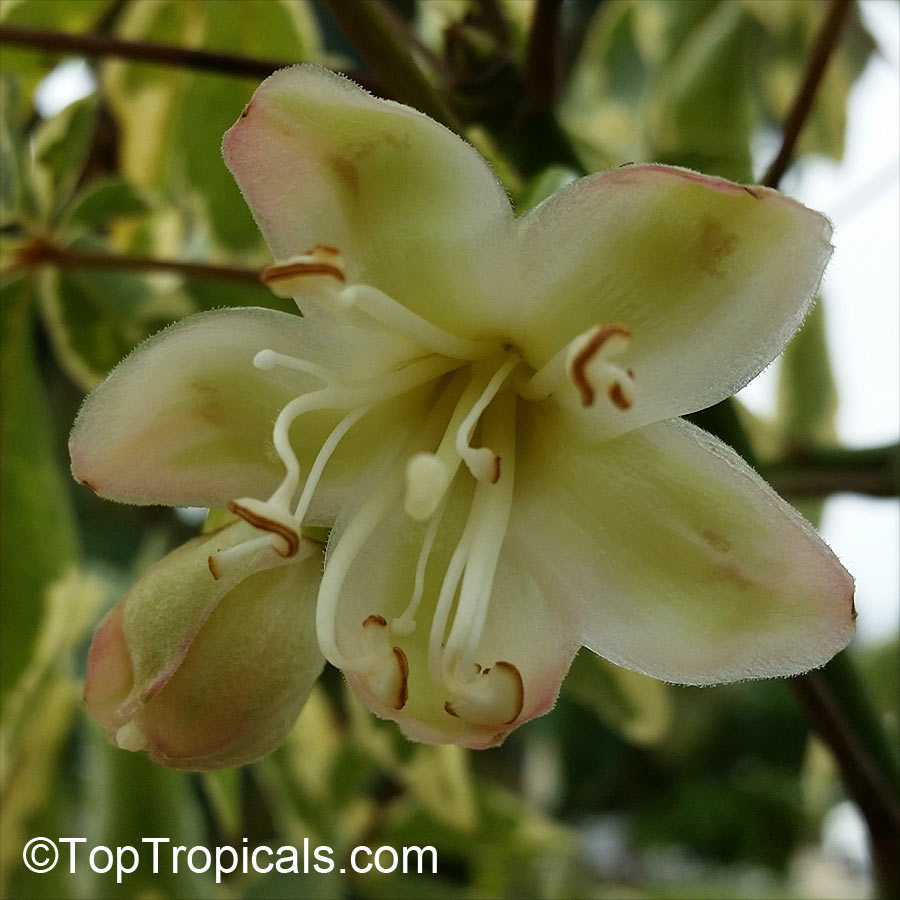
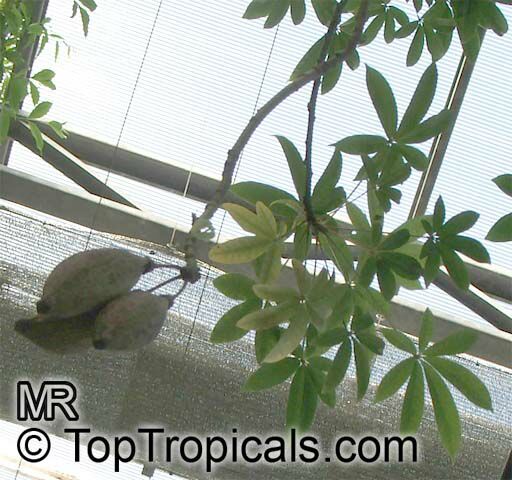
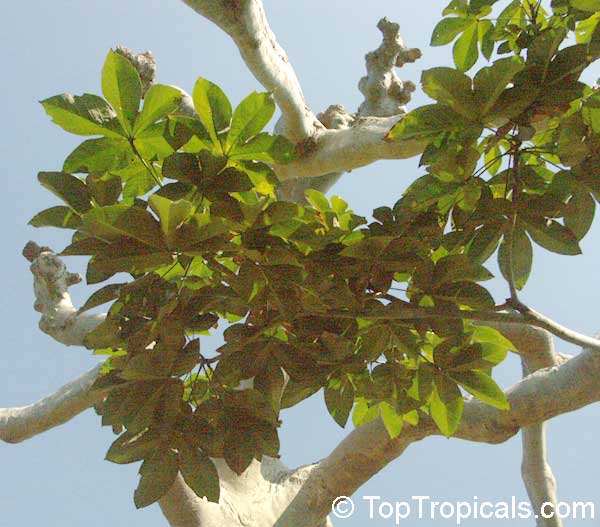
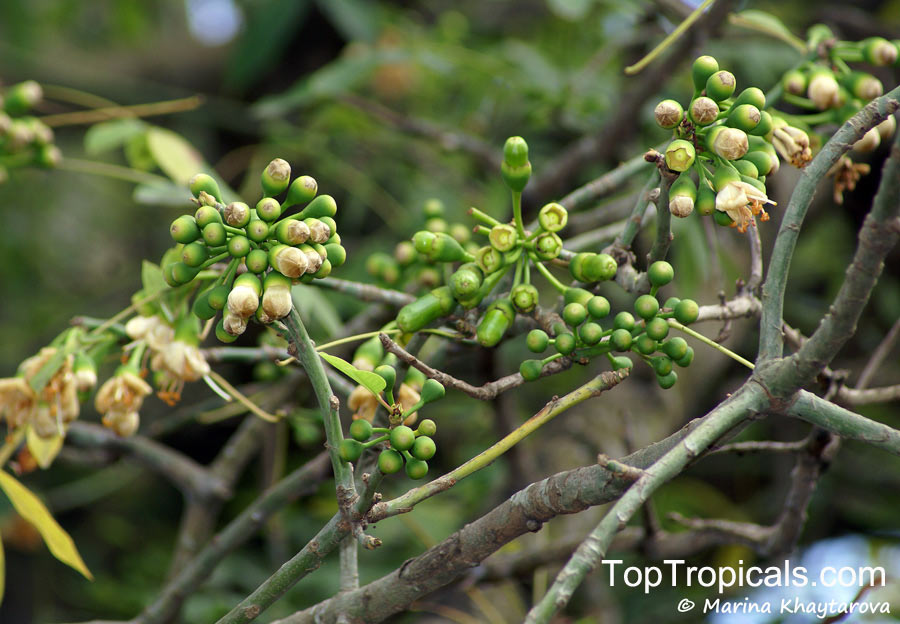
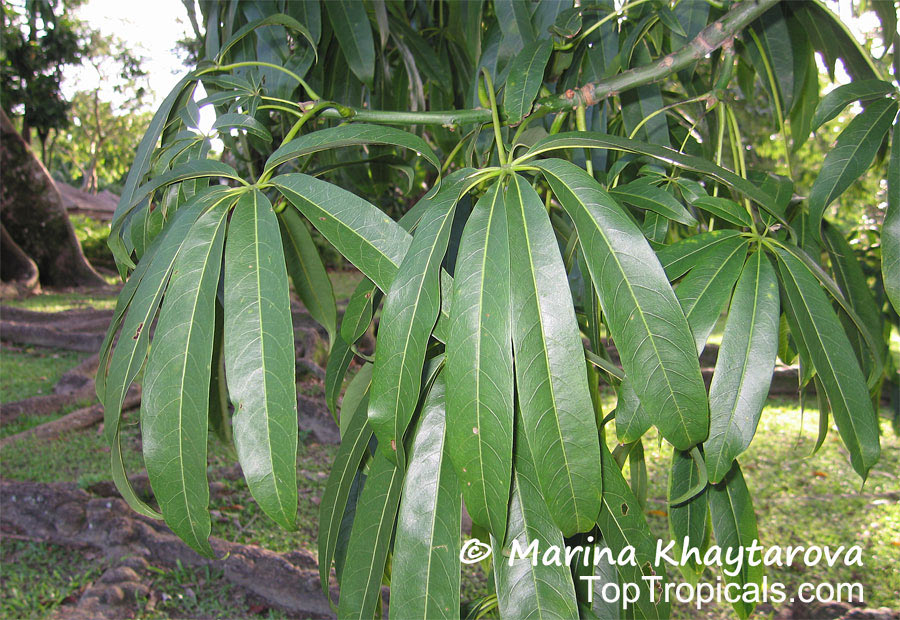
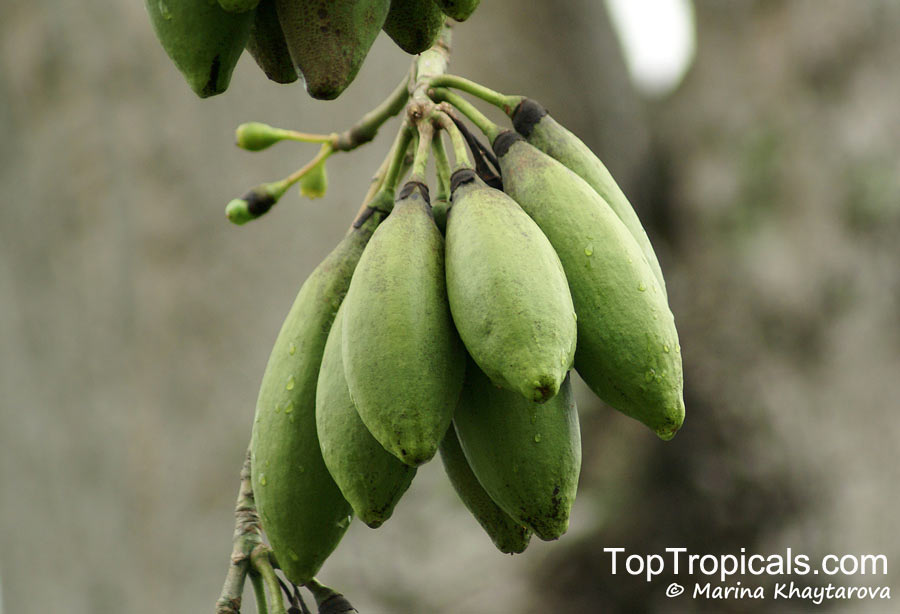
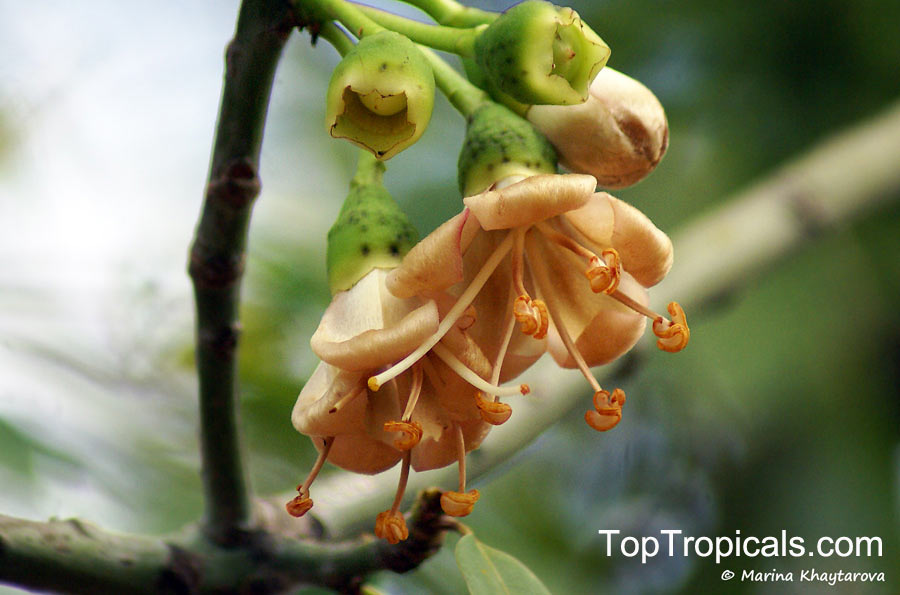
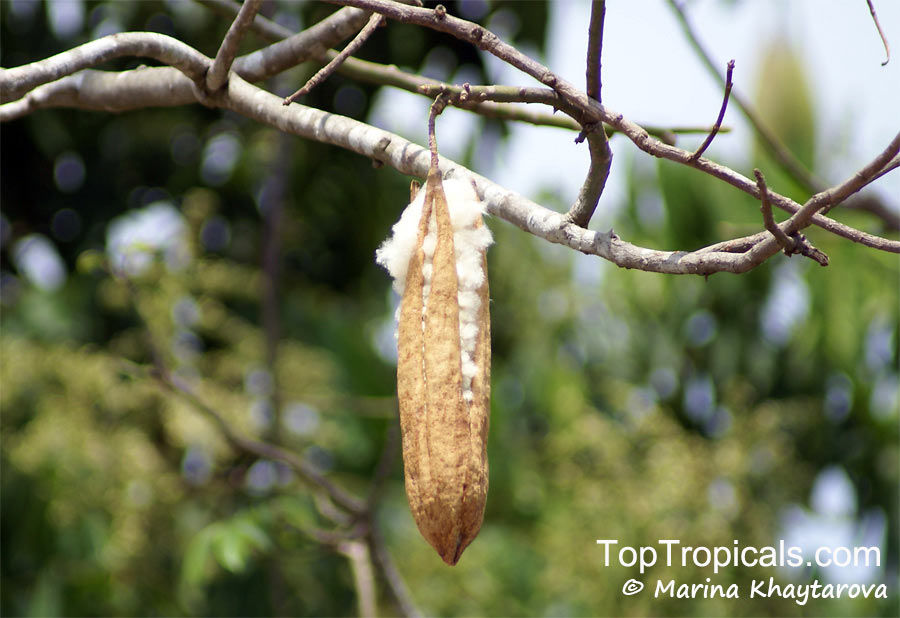
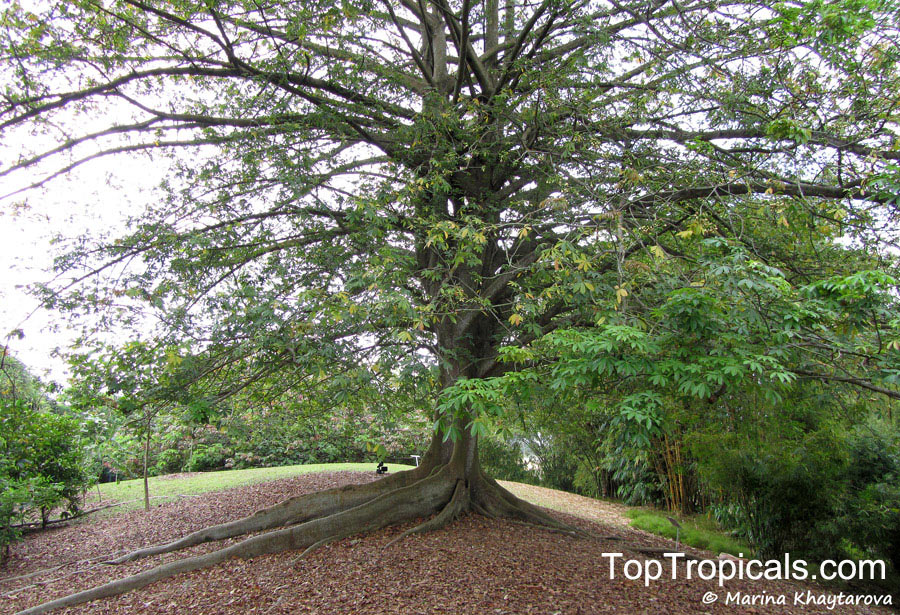
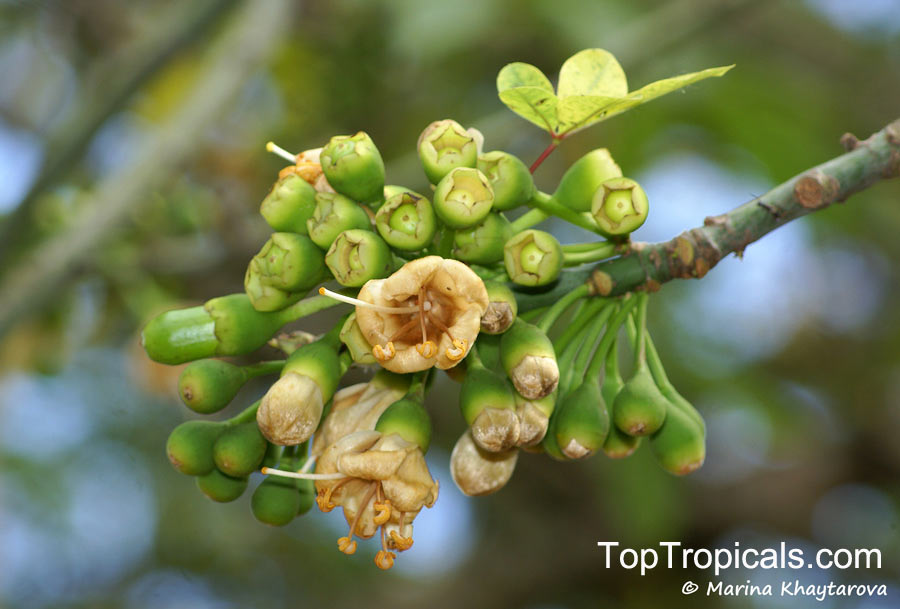
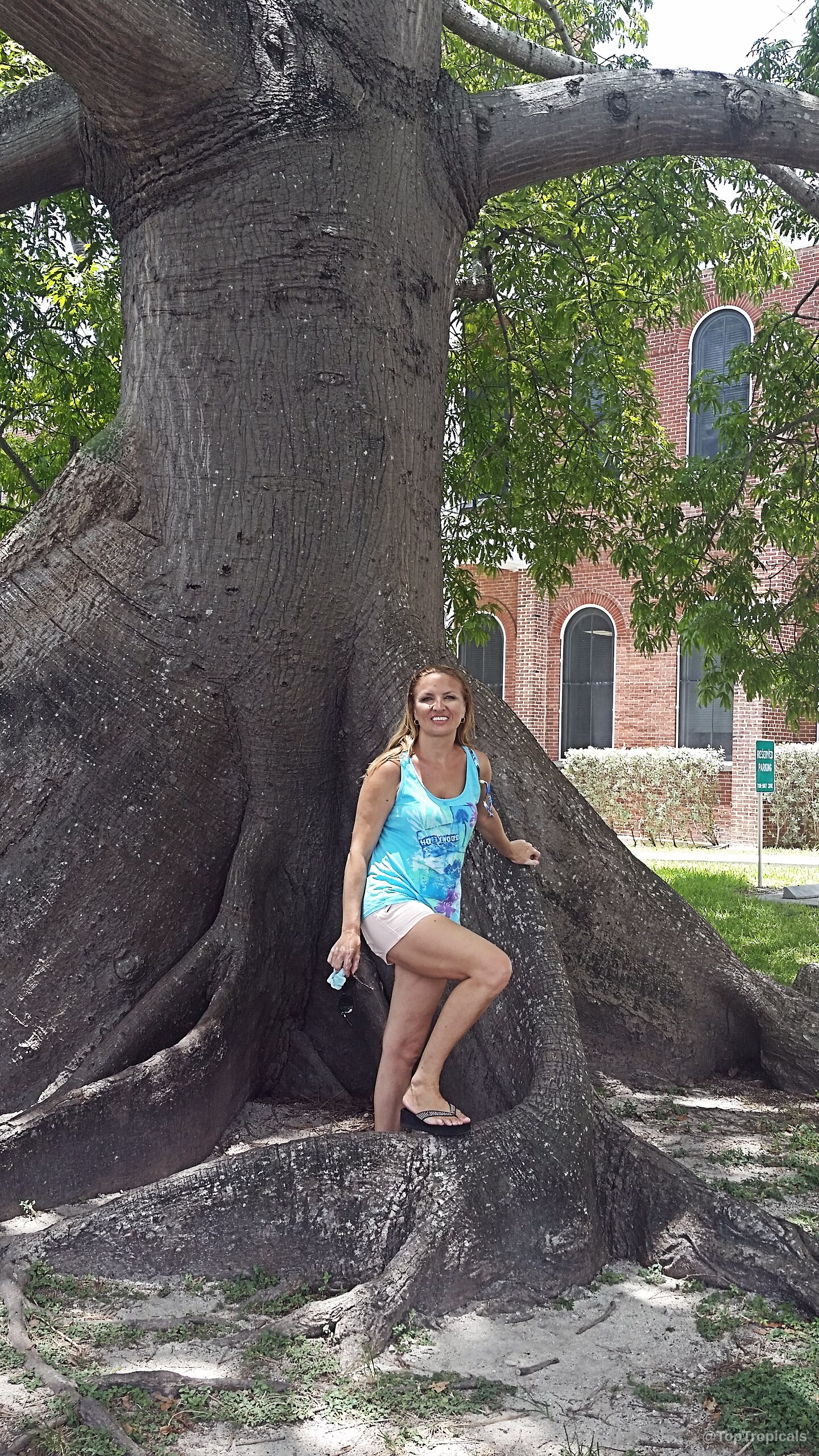
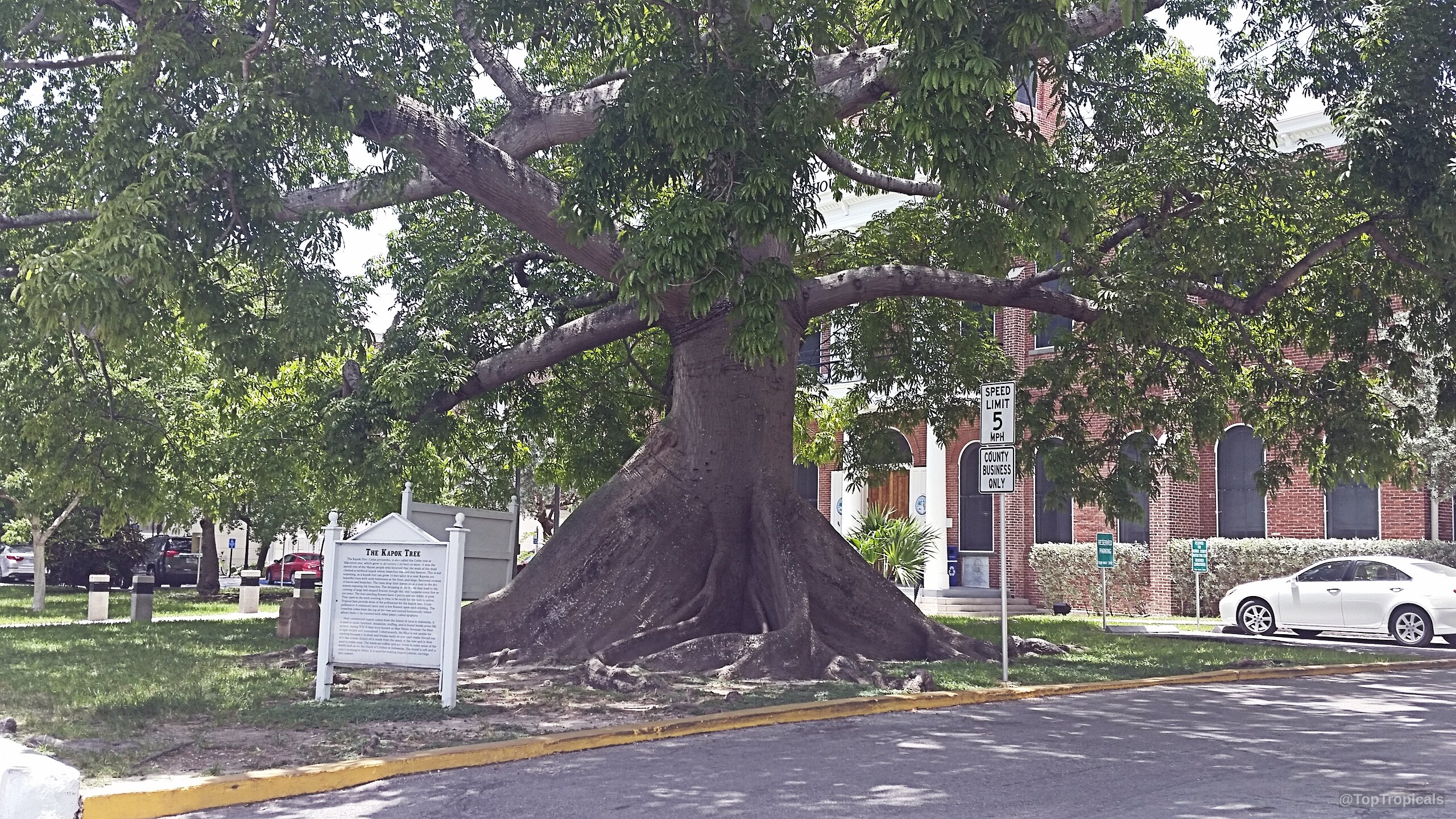
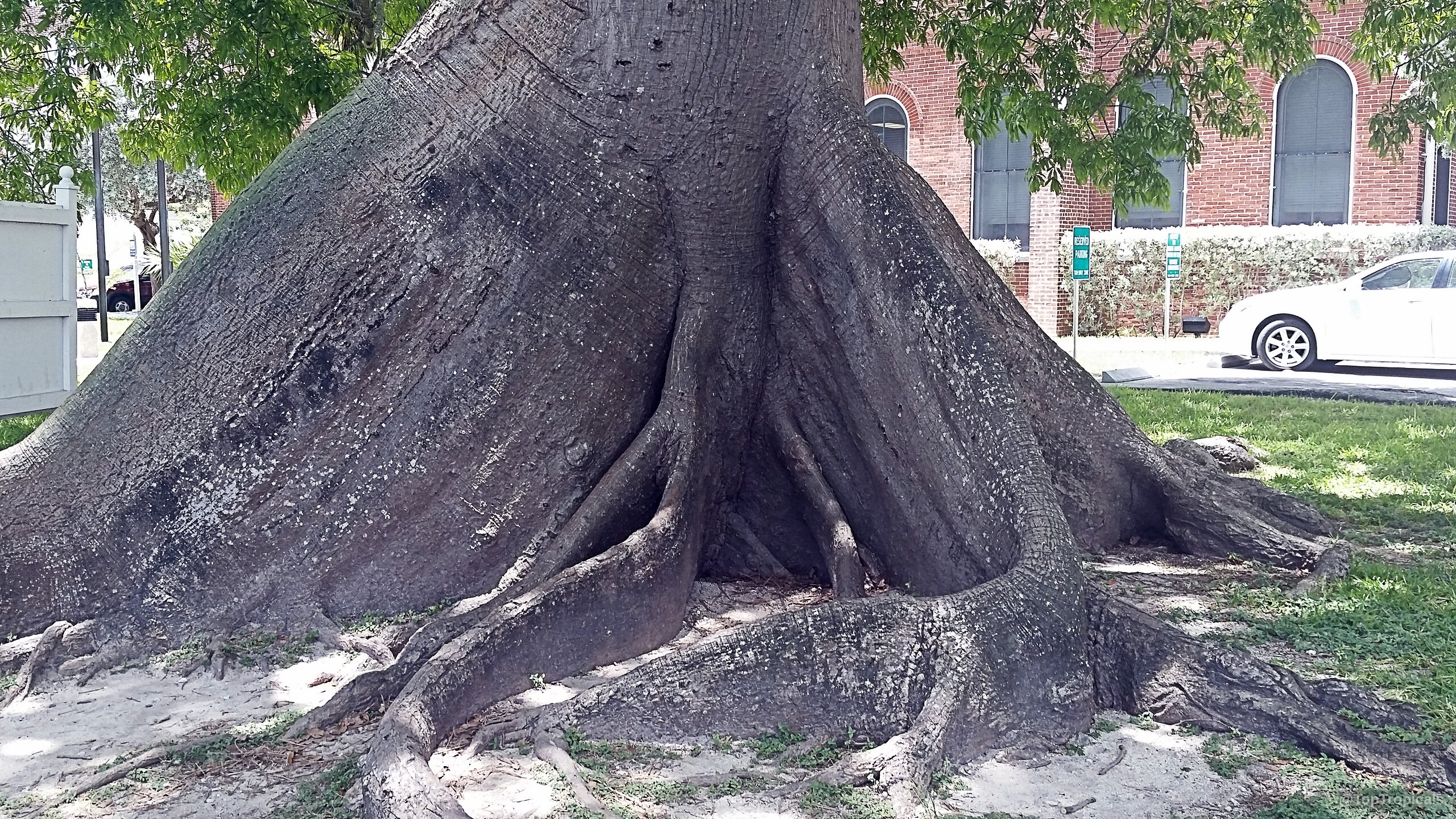
The ancient Maya of Central America believed that a great Ceiba tree stood at the center of the earth, connecting the terrestrial world to the spirit-world above. The long thick vines hanging down from its spreading limbs provided a connection to the heavens for the souls that ascended them. Even today, these grand trees are regularly spared when forests are cut it is a common event to see lone, isolated Ceiba trees proudly spreading their shady branches high above a pasture or agricultural field, a relict of the great forests that once were there. The giant limbs of the umbrella-shaped crown are laden with epiphytes (aerial plants) and provide a home for countless species of animals. Birds feed and nest in the tree's high perches, mammals use the enormous limbs as aerial highways, frogs raise their tadpoles in the tiny pools that collect in bromeliads, and insects reach the peak of their diversity in the canopy of giant trees like the Ceiba. Ceiba flowers open in the evening and are pollinated by pollen- and nectar-feeding bats. Their kapok-surrounded seeds are adapted for dispersal by wind.
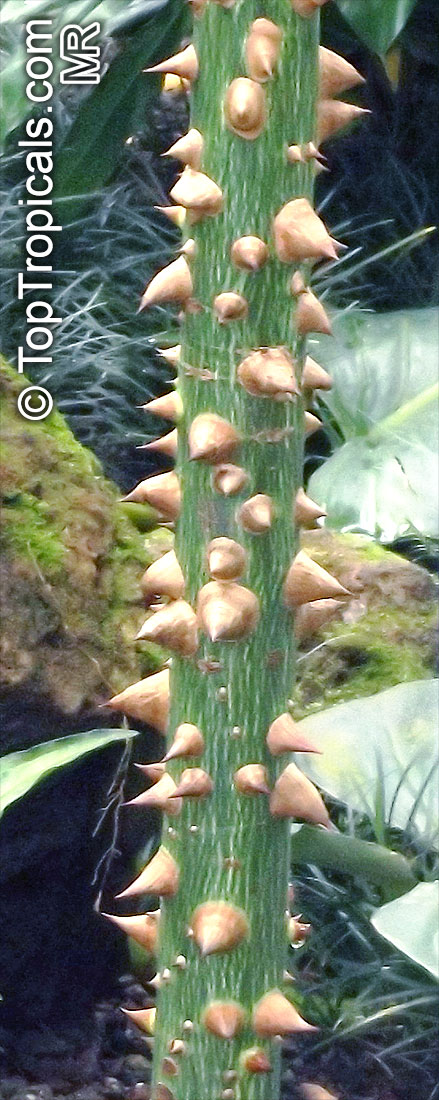
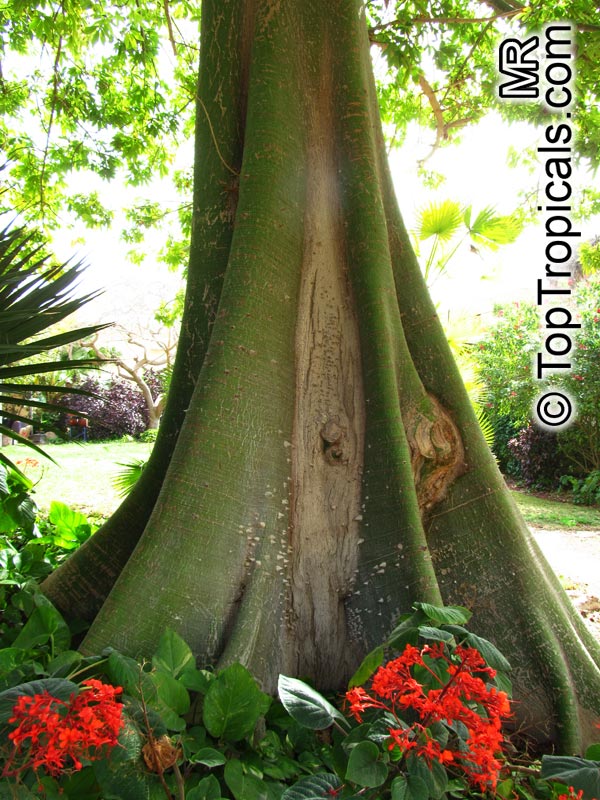
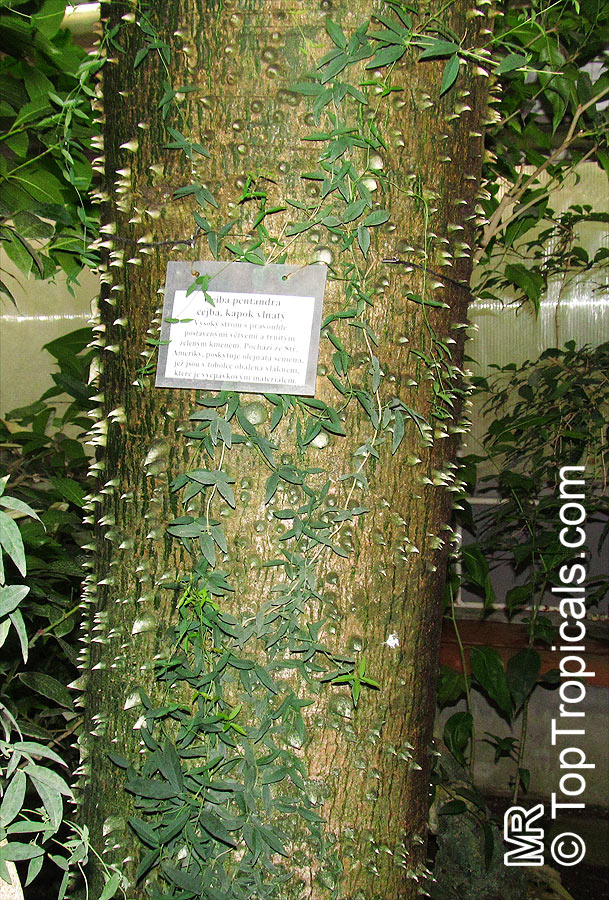
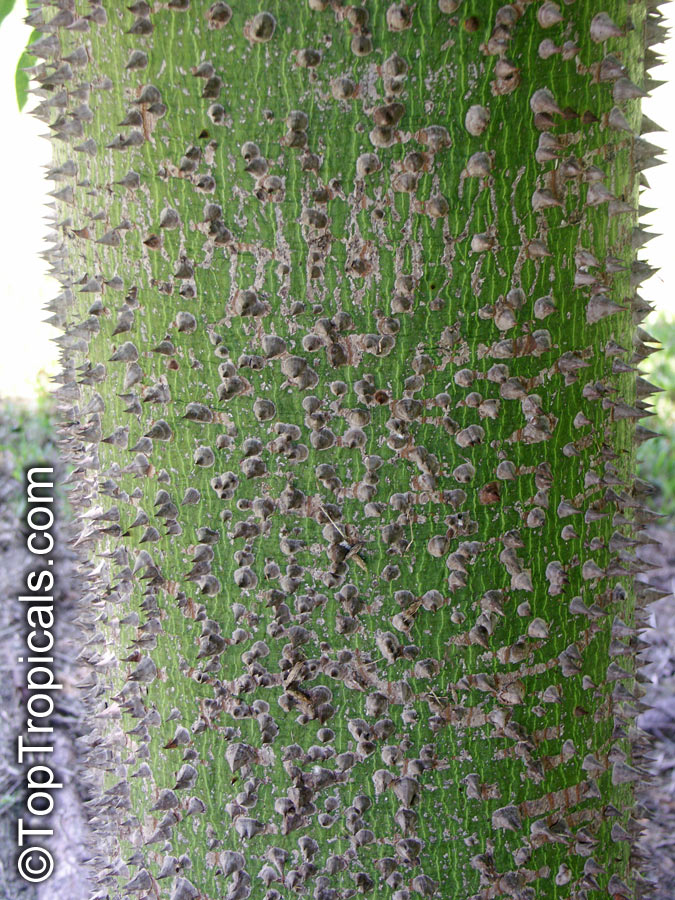
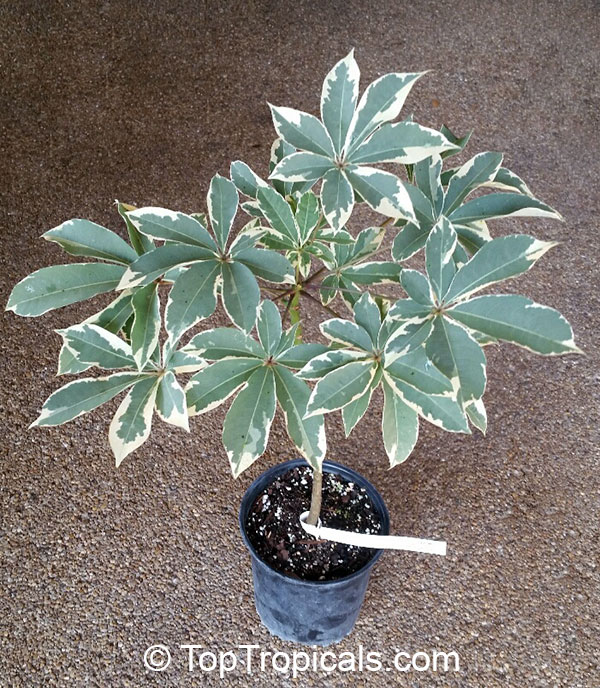
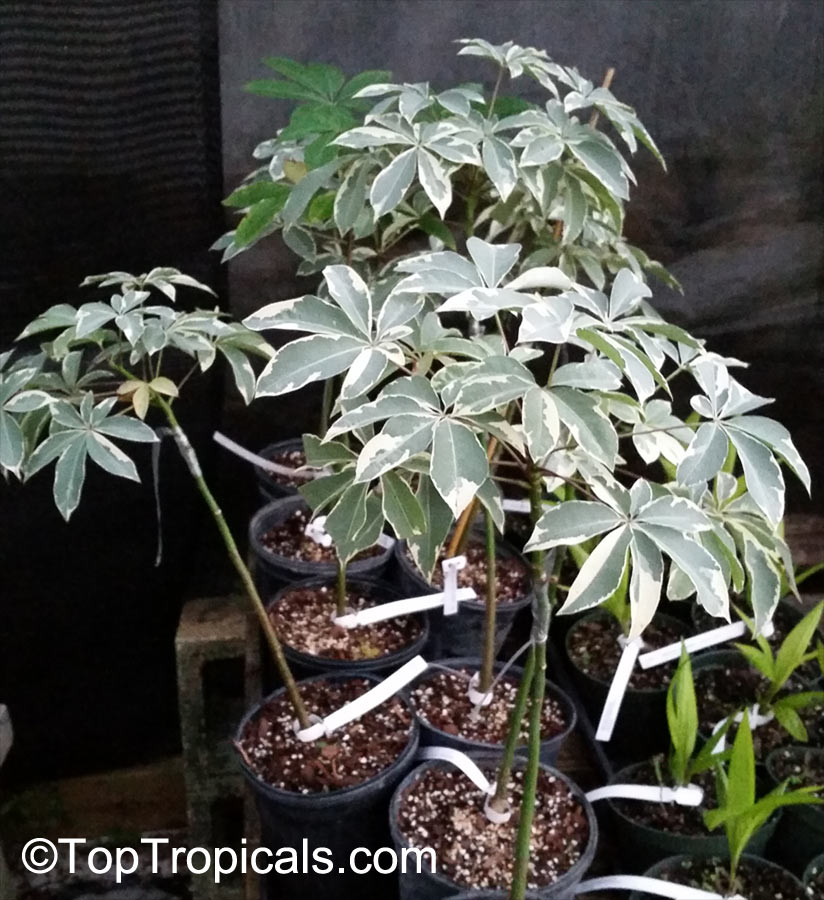
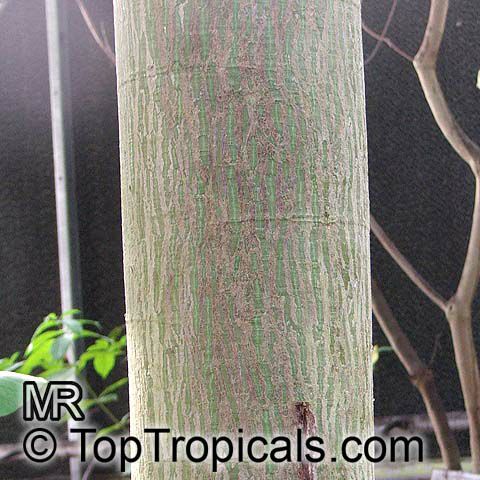
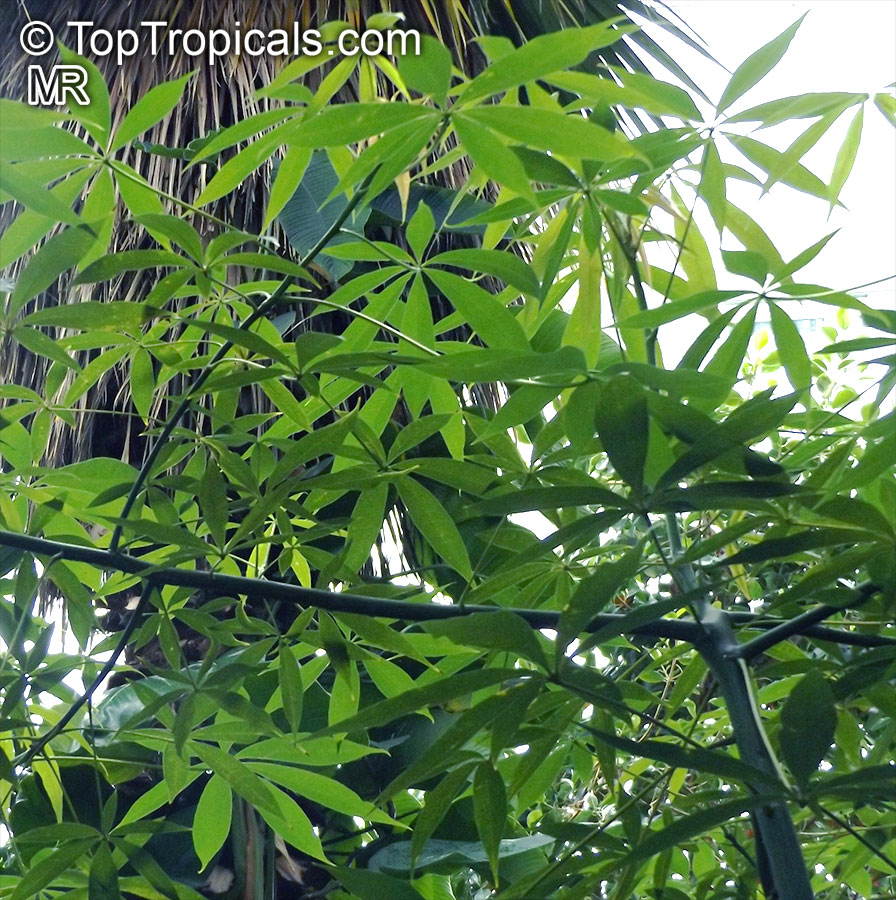
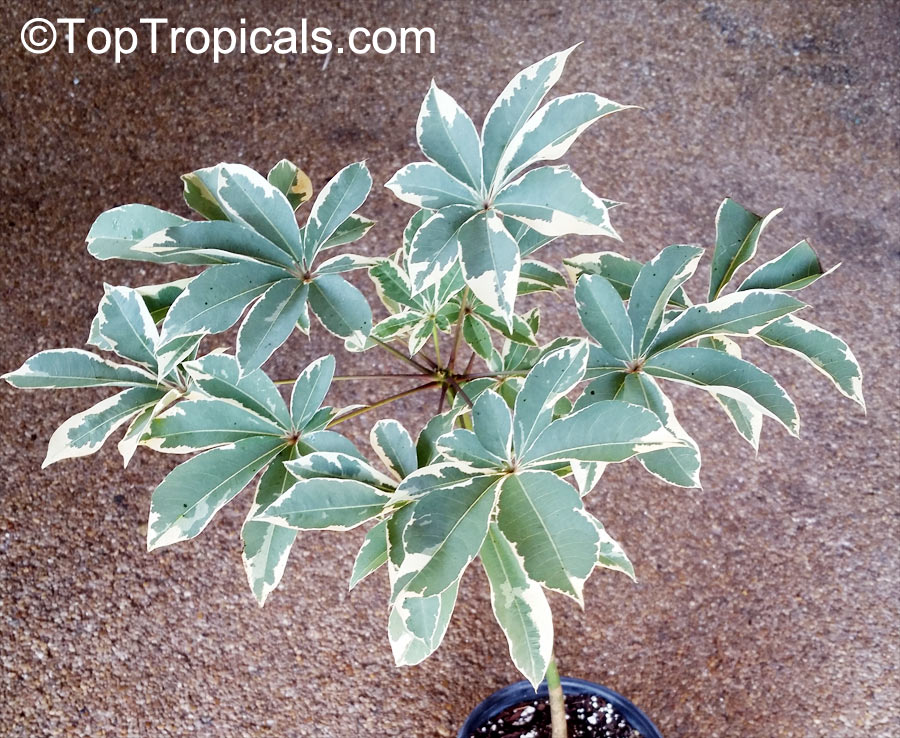
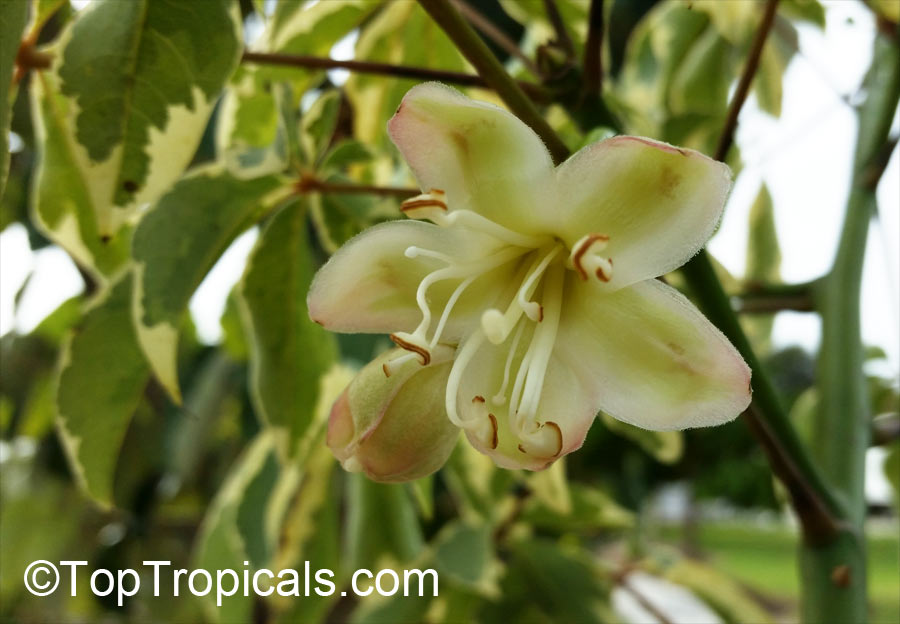
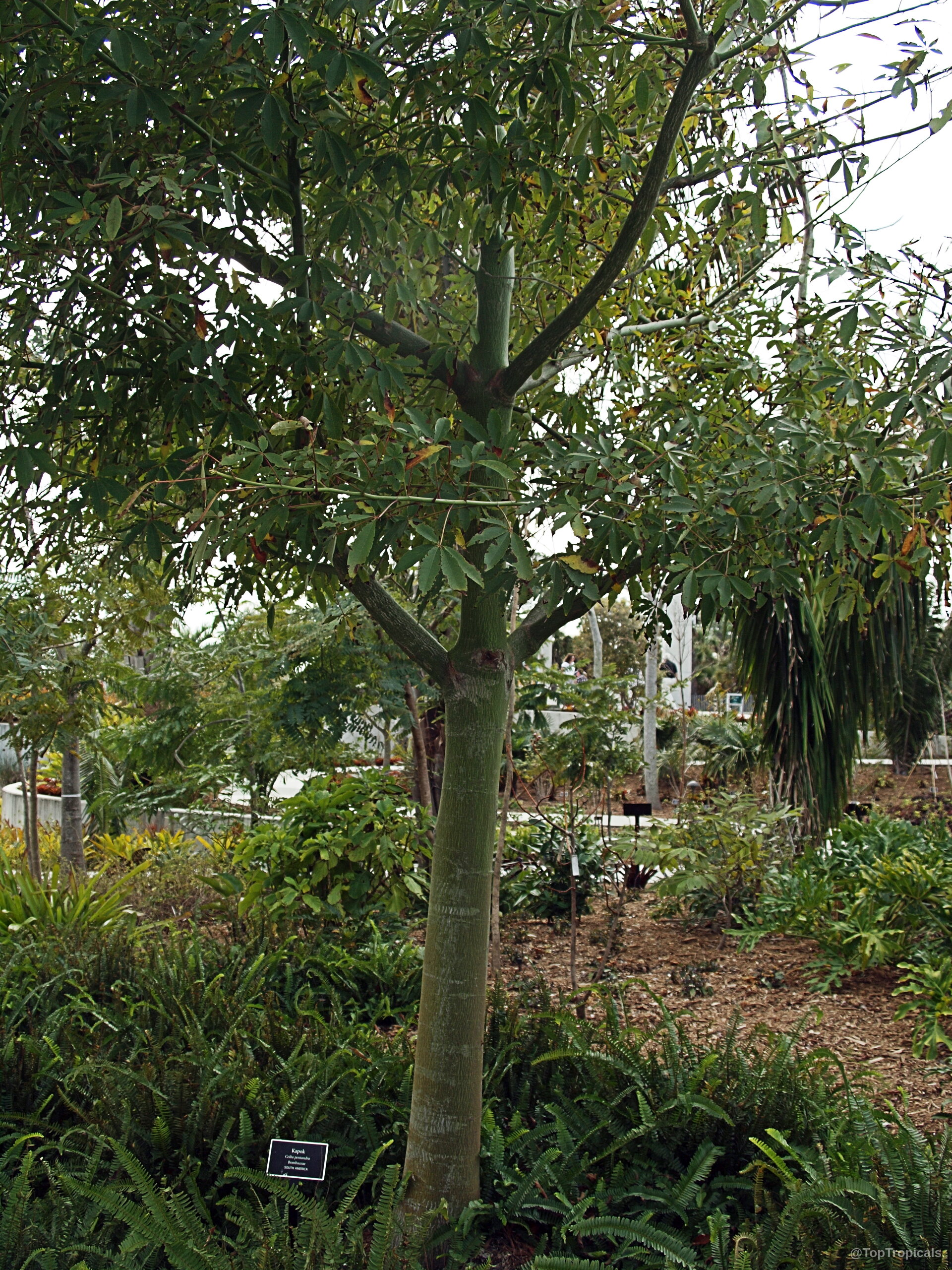
Some varieties / cultivars have spiny trunks, others smooth.
See Article about this tree:
Ceiba pentandra, Kapok Tree - Maya's Sacred Tree at the Center of the Earth.
Similar plants: Ceiba pentandra (Kapok tree)


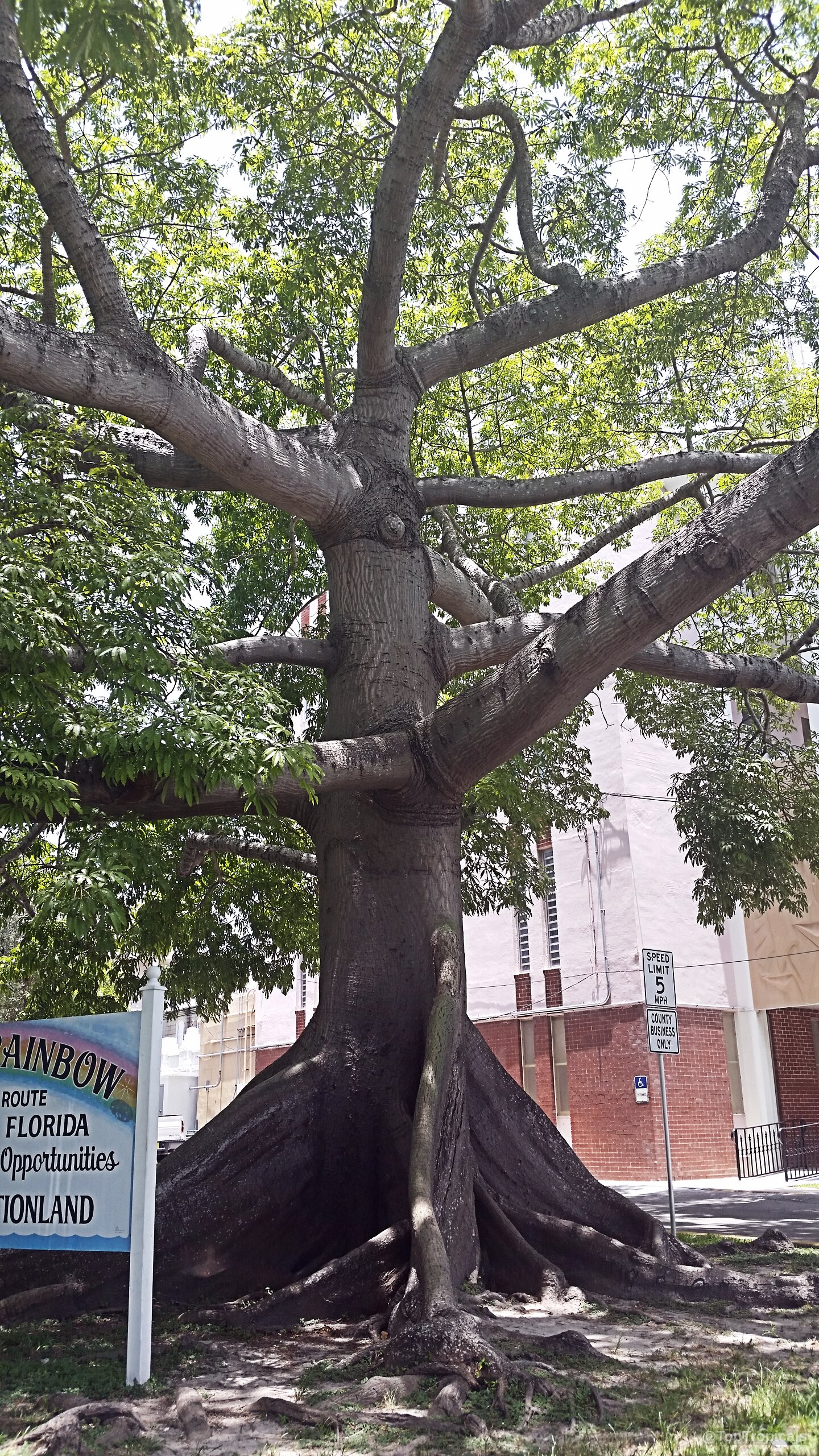
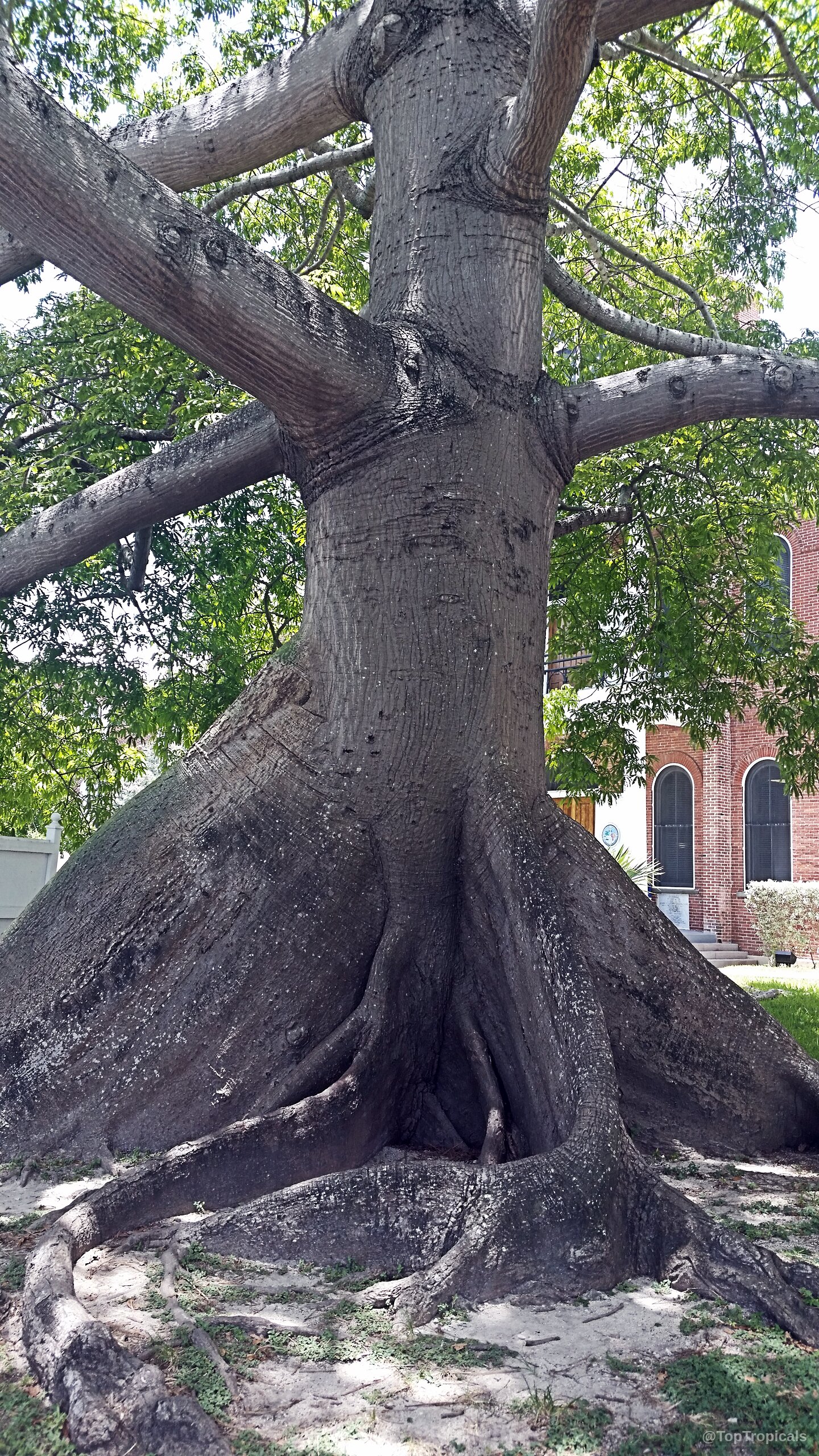
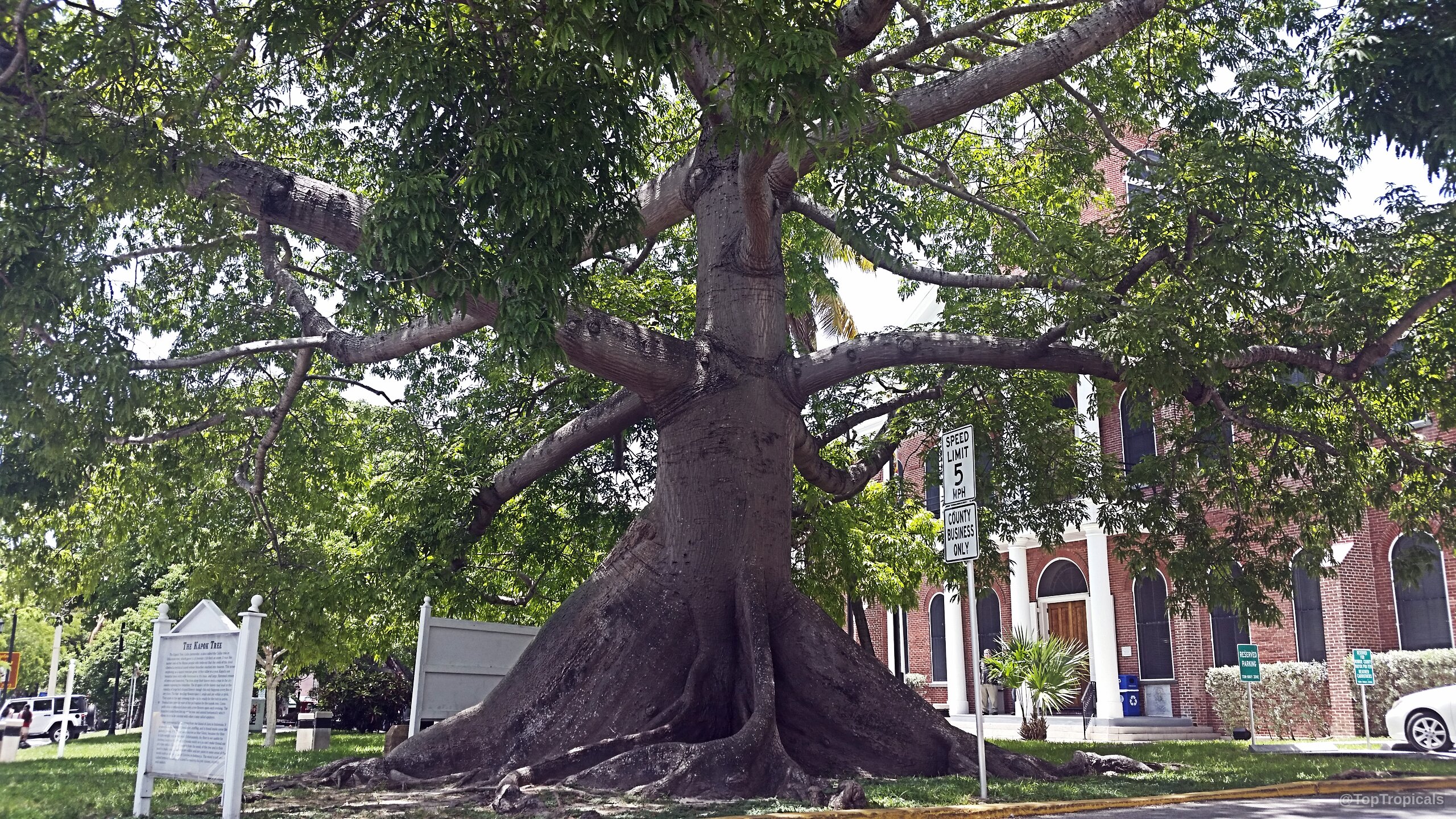
See Article about this tree: Ceiba pentandra, Kapok Tree: Maya Sacred Tree at the Center of the Earth
Recommended Fertilizer: SUNSHINE Megaflor - Bloom Nutrition Booster